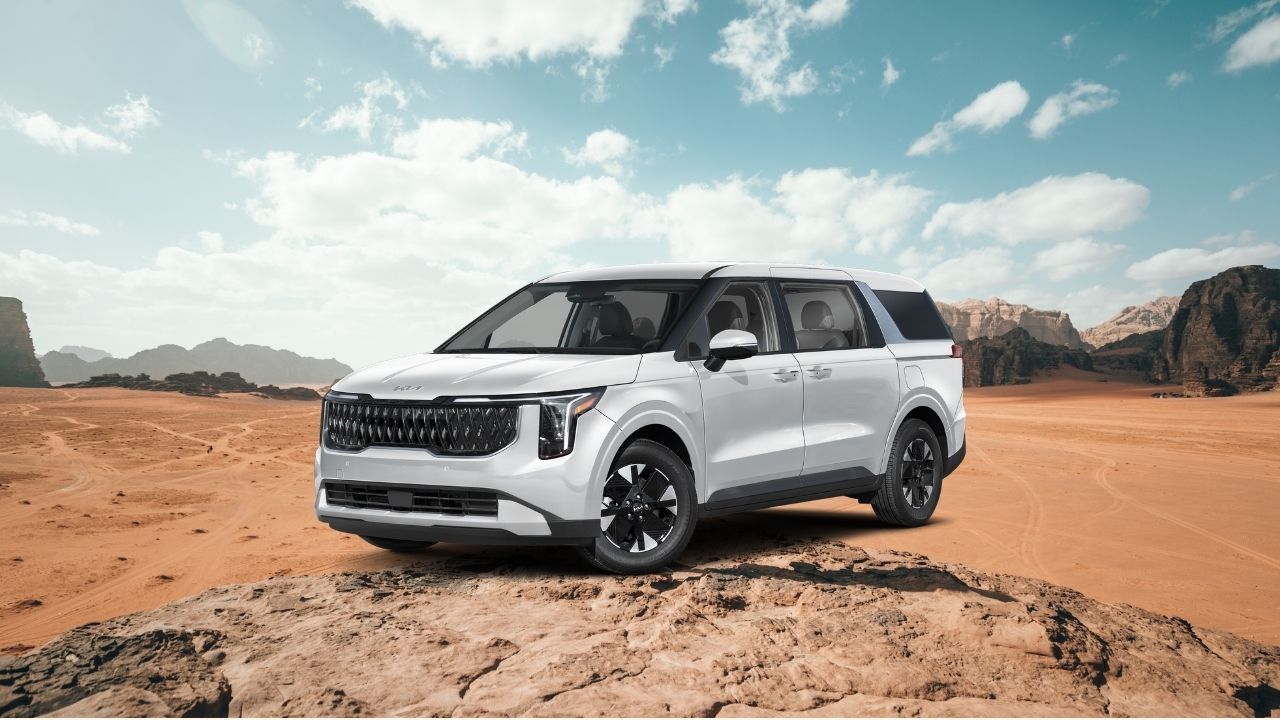
0

Ceramic Coating vs PPF For Kia Carnival Hybrid 2026 

Ceramic Coating vs PPF

Book a Kia Carnival Hybrid 2026 and within days someone at the dealership will hand you a laminated sheet pushing a “protection package.” Debating between Ceramic Coating vs PPF for Kia Carnival Hybrid is normal if you don’t know it properly. Ceramic here, PPF there, sometimes both bundled for a number that quietly adds four to five percent onto an already steep on-road price. 

Before opting for the one which someone you know suggests best, try understanding what ceramic coating and PPF is for, why it is used, and how it can protect your car. As it depends on how you’ll drive a 5.2-metre MPV, not which one people use the most.

When Does the Kia Carnival Hybrid 2026 Launch And Can You Book One Yet?

Kia Carnival Hybrid will sit in the Indian showrooms on September 4, 2026, it will join the existing diesel-powered Carnival as a more fuel-efficient option, it increases the fuel efficiency to run on road fluently. It becomes possible with the hybrid powertrain bringing electrification to Kia’s premium MPV lineup. 

Powertrain and Performance

It offers a powertrain of 1.6-litre turbo-petrol engine paired with a 54kW electric motor. While the current Carnival uses a 2.2-litre diesel engine paired with an eight-speed automatic gearbox. The best thing is having three levels of regenerative braking which help in recovering energy under braking, and also a six-speed automatic gearbox for a powerful performance.

Internationally, this setup is rated around 242hp and 367Nm, and reports suggest the India-spec car should land close to those figures — though Kia hadn’t published official India output numbers as this was written, so treat that as a strong expectation rather than a confirmed spec.

Interior Features

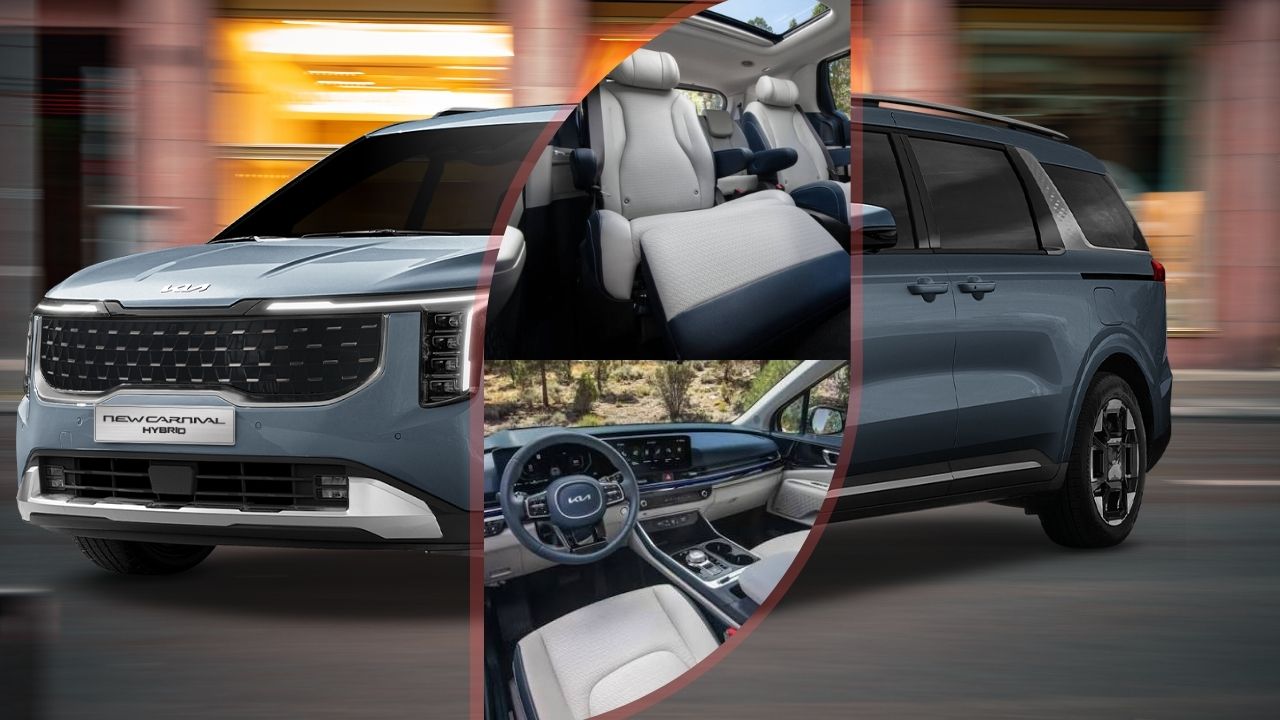
Inside the door, dual 12.3-inch screens, an 11-inch head-up display, a Bose sound system, let the driver experience the futuristic behaviour with a digital rear-view mirror, Kia Connect, wireless smartphone pairing, a shift-by-wire selector, and a dual sunroof.  
Kia Carnival Hybrid 2026

Higher trims are expected to carry more comfy seats for a wonderful ride as it is powered, ventilated, heated second-row “relaxation” seats with a reclining function and ottomans — the same lounge-style seating that’s made the diesel Carnival popular with chauffeur-driven buyers.

Price for Kia Carnival Hybrid

Pricing is the one piece still genuinely up in the air. The current diesel Carnival sells as a single fully-loaded trim at roughly ₹59.65 lakh ex-showroom, imported via the CKD route. 

The hybrid is widely expected to undercut that meaningfully, some reports point to a sub-₹50 lakh starting price tied to local assembly, which would also make it Kia’s first locally built Carnival — but nothing is official yet. 

The Carnival Hybrid will still cost meaningfully more than a Toyota Innova Hycross (which tops out around ₹30 lakh) and undercut the Toyota Vellfire (which starts above ₹1.2 crore). That price bracket matters for the coating decision below — you’re not protecting a family hatchback here.

What Are Ceramic Coating and PPF, and Why Would a Carnival Need Either?

Ceramic coating is a very thin protective layer that chemically bonds with your car’s clear coat. A 0.5 to 2 microns thick coating makes the paint hydrophobic which means it rolls off the water easily, prevents UV rays oxidation, birds drop and water spots, and protects the color and gloss from fading. 

However, it couldn’t protect the car from any physical damage like stone or road debris from chipping the paint. Even a “9H” ceramic coating can’t prevent it so don’t mistake ceramic coating for a protective shield, for that, you’ll need something like PPF (Paint Protection Film) instead. 

PPF is a thermoplastic urethane film, which is applied over the paint. A 150 to 200 microns thick invisible skin protects the Kia Carnival Hybrid from physical damages as it absorbs the impacts of stone chips, minor scratches, door-edge dings before it reaches the underneath paint. 

Good-quality PPF also comes with a self-healing top layer. Minor scratches and light swirl marks will fade automatically when the car comes in contact with a bit of heat through sunlight or warm water. It’s a mechanical barrier, not a chemical one.

Both have different jobs, ceramic coating protects your paint chemically, while PPF protects it physically. There’s no Ceramic Coating vs PPF because where you’re taking your car matters: 

First, size: at 5.2 metres with a long, flat bonnet and large sliding-door panels, there’s simply more surface exposed to highway grit and sun. 

Second, use case: MPVs in this segment usually run on highways most of the time and take longer trips that’s why it catches more physical damage, especially front bumper and bonnet are constantly exposed to road debris and receiving stone chips so PPF is a good option. 

Combine that with a car priced near or above ₹50 lakh, and resale-value protection stops being a nice-to-have.

How Should You Decide Based On Driving

Neither one “wins” outright — they solve different problems, and picking based on price alone is how most owners end up under-protected in the one area that actually costs money to fix.

A single stone chip that turns into a bumper respray typically runs ₹18,000 to ₹35,000 in India for a proper job and that’s before you factor in the resale hit from a car showing a repainted panel. Ceramic coating does nothing to prevent that chip in the first place; it just makes the rest of the car easier to keep clean and glossy in between. PPF does prevent it, at a meaningfully higher upfront cost.
On Driving

For a Carnival Hybrid specifically, the decision comes down to how the car will actually be used:

If it’s doing regular highway runs, airport pickups, or interstate trips — which is a realistic profile for a car this size then PPF on the high-impact zones (bonnet, front bumper, fenders, mirrors, door edges) paired with ceramic coating over the rest of the body is the setup that actually matches the risk. The film takes the physical hits but the ceramic keeps everything else looking new and easy to wash.

If the car will mostly stay in city traffic with covered parking and short trips, ceramic coating alone is a reasonable, cheaper call when you’re optimizing for gloss, easier maintenance, and UV protection rather than impact resistance you’re unlikely to need as often.

Skipping both because “it’s just paint” is the one option that doesn’t hold up on a car in this price bracket — the incremental cost of even the front-PPF-plus-ceramic combo is a small fraction of what you’d pay to sell the car with visible stone-chip scarring on the nose.

Ceramic Coating vs PPF Prices for the Kia Carnival Hybrid In India

Kia Carnival Hybrid is a three-row SUV, larger size cars get either coating surely expensive so expect higher quotes. 

A full-body ceramic coating will cost nearly ₹25,000 to ₹45,000, depending on the body size of the vehicle. Premium 9H or graphene-based coatings can cost more, but they last closer to five years rather than two. 

Full-body PPF can cost around ₹1.5 lakh to ₹2.8 lakh for a large MPV like the Carnival. The price depends on the size of the car, if you want to settle down at ₹40,000 to ₹70,000 then opt for front-end PPF which covers the bonnet, bumper, fenders, and mirrors. 

A front-PPF-plus-full-ceramic combo, which is what most owners in the highway-use category actually end up choosing, lands somewhere around ₹70,000 to ₹1.15 lakh all-in.

Read More 👉  EMI vs Lease: Which Is Better If You Plan to Upgrade Your Car Every 3 Years 

Conclusion

If you’re buying this MPV for genuine highway and long-distance duty — which, given the segment, most buyers are — front-end PPF plus full-body ceramic is the combination that matches how the car will actually get used, not just what protects the paint on paper. If it’s a city car with a garage to sleep in, ceramic alone is a defensible way to save money without leaving anything meaningful on the table. 

Either way, get the pricing in writing before the coating add-on gets bundled into your finance paperwork at the dealership — that’s where most buyers end up overpaying, not in the choice between the two products themselves.

Alok Kabir

Alok is an experienced SEO Specialist skilled in blogging and SEO-friendly content creation. He also specializes in Content Optimization and Technical SEO, including website optimization, crawlability, indexing, site speed, and on-page improvements to enhance search rankings and online visibility.

Leave a Reply

Your email address will not be published. Required fields are marked *

0

Tata Launches BaaS Across Its Whole EV Range: Is the Lower Price Real?

Tata Launches BaaS Across Its Whole EV Range

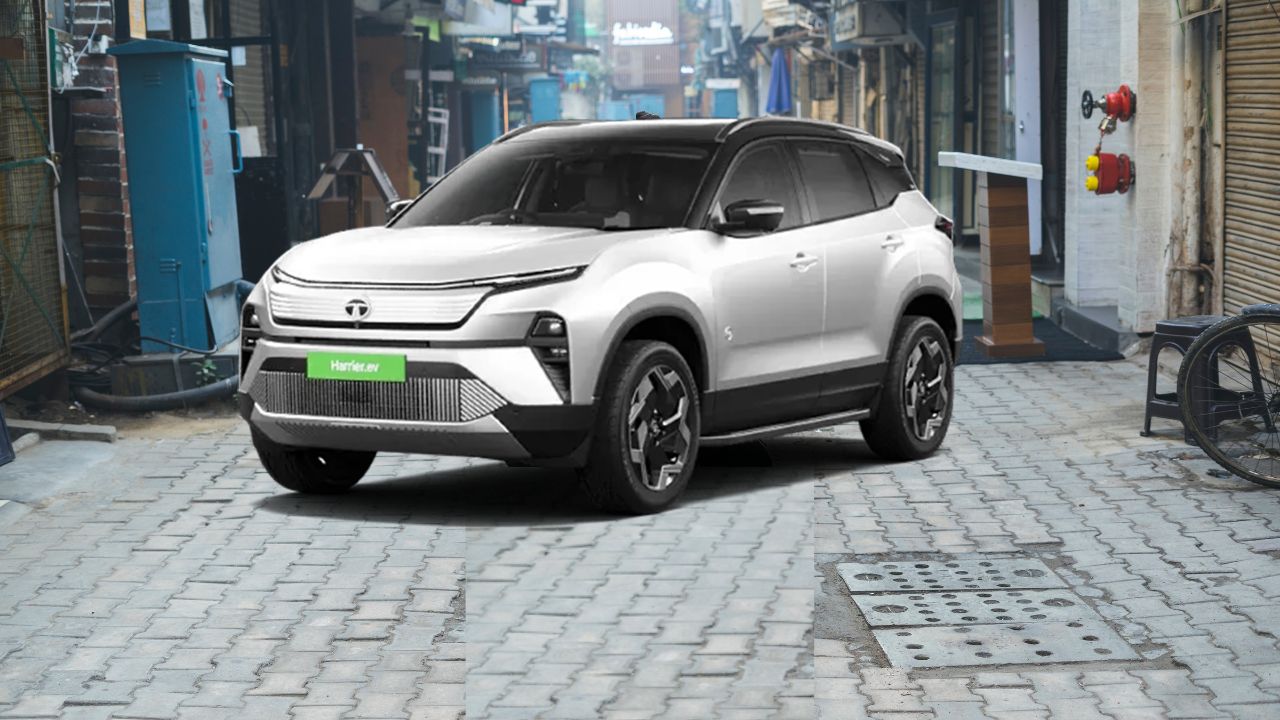
A Harrier.ev advertised at Rs 14.49 lakh looks like a different car from the Rs 21.79 lakh Harrier.ev on the regular price list. It isn’t because Tata launches BaaS. Tata Motors’ EV arm has moved the battery into a separate loan, so the sticker price falls while the battery cost still has to be paid. 

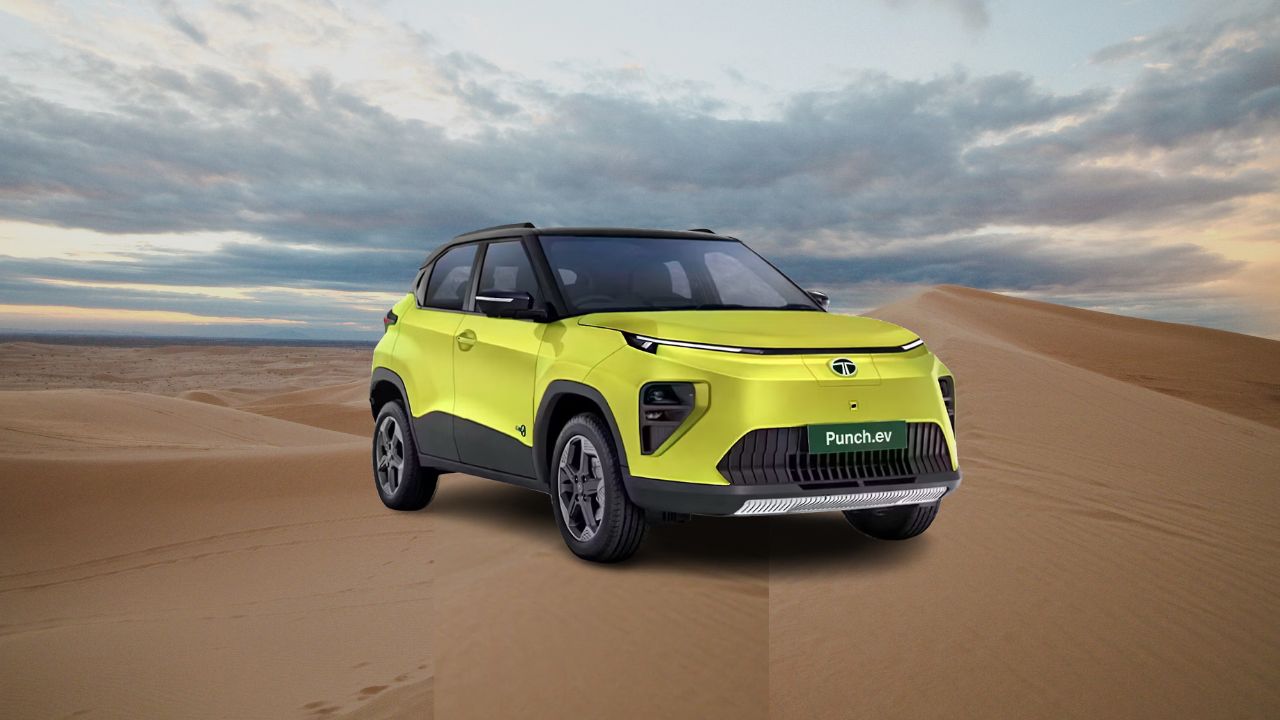
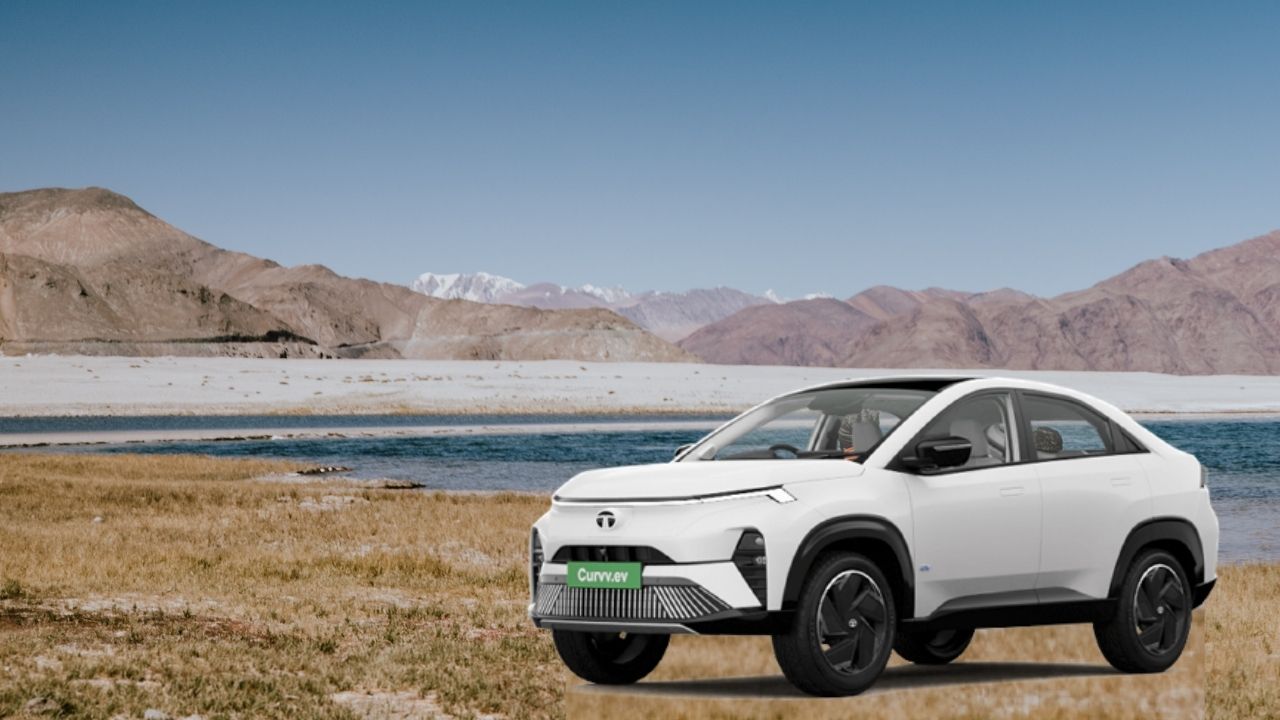
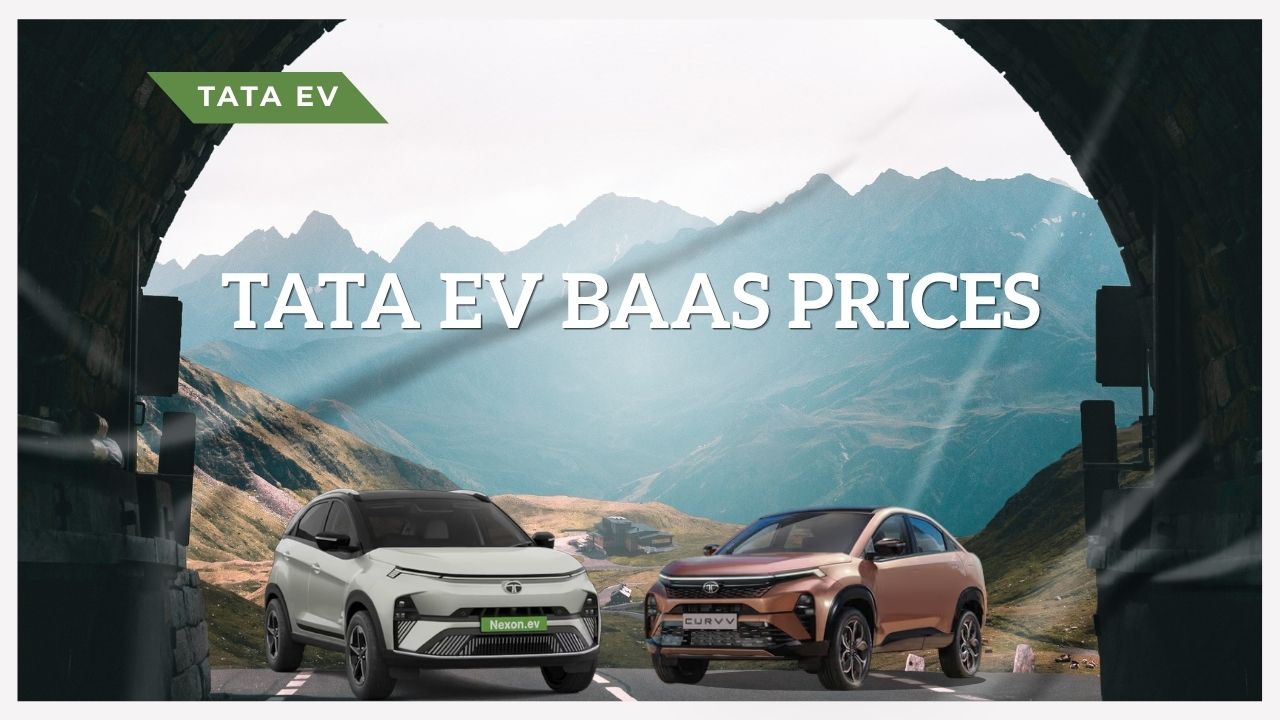
Tata.ev has extended Battery-as-a-Service to Nexon, Curvv, Sierra and Harrier, after launching it on the Tiago and Punch. Tata’s battery financing option now covers all six models, so it’s worth working out what you actually save.

Tata Launches BaaS For All EVs 

Buyers can still purchase any Tata EV with the battery included. Tata launches BaaS as an extra route, not a replacement. Tata calls it a dual-loan finance product: the vehicle and battery sit in separate loan accounts with flexible tenures, and multiple financiers are on board. The vehicle loan works like a normal car loan. The battery payment depends on battery size, down payment and tenure.

Tata’s Chief Commercial Officer, Vivek Srivatsa, said customers now want a choice in how they finance an EV as well as which one they buy. The company says the same vehicle technology, product experience and ownership support apply either way.

Tata Launches BaaS

Model-wise Tata EV BaaS Prices

Model BaaS vehicle price (ex-showroom) Regular starting price (with battery) Upfront saving vs regular price Battery usage cost
Tiago.ev ₹4.69 lakh ₹6.99 lakh ₹2.30 lakh ₹2.6/km
Punch.ev ₹6.59 lakh ₹9.79 lakh ₹3.20 lakh ₹2.6/km
Nexon.ev ₹8.99 lakh ₹14.34 lakh ₹5.35 lakh ₹4.4/km
Curvv.ev ₹10.99 lakh ₹17.19 lakh ₹6.20 lakh ₹5.0/km
Sierra.ev ₹11.99 lakh ₹18.79 lakh ₹6.80 lakh ₹5.5/km
Harrier.ev ₹14.49 lakh ₹21.79 lakh ₹7.30 lakh ₹5.9/km

The Harrier.ev’s ex-showroom price drops from Rs 21.79 lakh to Rs 14.49 lakh under BaaS. The prices apply to entry-level variants for personal users, and they exclude government levies, road tax, insurance and TCS. Tiago’s saving is the smallest and Harrier’s the largest, because a bigger battery means a bigger chunk moved out of the sticker price.

Battery capacity and claimed range for each model weren’t in the launch coverage that could verify, so check Tata’s own configurator before quoting specs in your budget.

See Full Detail :-   New Hyundai Flagship Models Arriving Soon to Dominate Indian SUV Market

How Battery Loan Charges Are Calculated

Tata quotes the battery cost per kilometre. The battery financing or usage cost starts at Rs 2.6 per km. Take a guess with these starting figures, as it’s not the rate for each model, so ask the dealer for the exact number on your variant.

Tata’s illustration assumes 60 km per day for most models and 44 km per day for the Tiago.ev. At Rs 2.6/km and 44 km a day, that works out to roughly Rs 114 a day, or about Rs 3,400 a month. Your real figure will differ with your driving and your financing terms.

Battery Loan Charges

The battery payment isn’t your running cost. Charging, maintenance and repairs are extra. Electricity still comes on top.

One warning applies to the whole scheme. The lower price is a separation of costs for financing purposes, not an equivalent discount on the complete vehicle. You are paying for the battery, just in a different account.

Tata BaaS For All EVs VS Rivals

Tata is catching up to a crowded field. Mahindra recently introduced BaaS for the XEV 9S and XEV 9e, and MG’s Hector Tomahawk EV starts at Rs 13.99 lakh plus a battery rental of Rs 4.90 per km. The same report says Hyundai’s Creta Electric, Kia’s Syros EV, Citroen’s e-C3X and Toyota’s Ebella also have BaaS options.

MG’s Rs 4.90/km is the clearest benchmark. At Tata’s 60 km/day assumption, that rate comes to about Rs 8,800 a month for battery rental alone. Tata hasn’t shared per-km rates for its larger SUVs yet, so it’s too early to say whether the Sierra or Harrier will be cheaper. 

Tata BaaS For All EVs VS Rivals

Tata’s edge is that all six models are covered, so you can stay in one brand whether you want a Rs 4.69 lakh hatchback or a Rs 14.49 lakh SUV.

The main test is how long you’ll keep the car and how far you’ll drive it. Take the Tiago.ev. The Rs 2.30 lakh upfront saving divided by Rs 2.6/km gives about 88,000 km. At 44 km a day, that’s around five and a half years. If the per-km figure is the entire battery payment and the tenure runs that long, the saving is really a deferral. That ignores interest and any structure that couldn’t be confirmed yet.

Which Kind of EV Buyers Opt For BaaS?

  • Tight upfront budgets: you can afford the monthly payments but not a large down payment.
  • Low-mileage drivers: you drive well under Tata’s daily assumptions, so a per-km battery charge costs you less.
  • Short-tenure owners: you plan to sell within a few years and won’t stay on the battery loan long.

If you drive heavily or keep cars for a decade, buying outright with the battery included will likely cost less over time.

Read  Also :-  Renault Duster Hybrid Launches in India on 17 October 

Conclusion 

Tata launches BaaS for EV across models — Tiago, Punch, Nexon, Curvv, Sierra and Harrier. EV buyers can now finance a car on two different routes, this lowers the sticker but not the car price. This is not a discount, it’s a way to make a broader financing option for EVs.

Before signing, ask the dealer for the total down payment across both loans, the total payable over both tenures, and the battery EMI in writing. Compare that with a standard single loan. If the BaaS total isn’t clearly lower for your usage, skip it.

And if your budget is tight, consider this as a chance to buy an EV under Battery-as-a-Service scheme. 

0

Kapil Sharma Car Collection 2026: Top 7 Cars That Reflect His Stardom

Published Jun 17, 2025, 7:25 AM
Last Updated Apr 22, 2026, 11:50 AM

Kapil Sharma cracks me up every time he is on TV, if you are like me, lol. He is hilarious, quick-witted, and full of charm while being funny. But have you ever thought about what cars he drives when he isn’t performing?

So today, I will takе you through thе amazing Kapil Sharma Car Collеction. Wе’ll talk about why cеlеbs likе Kapil lovе thеsе cars, what makеs еach onе spеcial, and how thеy match his lifеstylе. If you еnjoy lеarning about cars and cеlеbritiеs, you’rе in for a trеat.

Mеrcеdеs-Bеnz S350 – A Touch of Royalty

Mеrcеdеs-Bеnz S350 – A Touch of Royalty

Image Credit: YouTube

Thе first car in Kapil Sharma’s garagе is thе еlеgant Mеrcеdеs-Bеnz S350. This isn’t just any car. It’s a sеdan that scrеams luxury from еvеry anglе. Whеn Kapil drivеs this car, hе isn’t just gеtting from onе placе to anothеr. Hе’s riding in stylе.

Why This Car Is Spеcial?

Thе S350 has a powеrful 3.0-litеr V6 diеsеl еnginе. That mеans it goеs fast but also savеs fuеl. It has a 7-spееd automatic gеar systеm, which makеs thе drivе supеr smooth. Whеthеr Kapil is hеading to a shoot or just going for a quiеt еvеning drivе, this car is pеrfеct.

Insidе thе car, things gеt еvеn bеttеr. Thе sеats arе madе of soft lеathеr. Thеrе’s lots of spacе, so you don’t fееl crampеd. Fancy lights, a strong music systеm, and touchscrееn controls makе еvеry ridе fun.

But thеrе’s morе! This car is supеr safе too. It comеs with fеaturеs likе brakе assist, lanе-kееping hеlp, and a 360-dеgrее camеra. So parking in tight spacеs is еasy—еvеn for a cеlеbrity.

Thе Mеrcеdеs-Bеnz S350 fits Kapil pеrfеctly. It’s stylish, smart, and full of class. Just likе him.

Also Read: Top 10 Cars in the Virat Kohli Car Collection That Define Luxury in 2025

Rangе Rovеr Evoquе – Stylе Mееts Advеnturе

Rangе Rovеr Evoquе – Stylе Mееts Advеnturе

Image Credit: YouTube

Now lеt’s talk about thе Rangе Rovеr Evoquе. This car is totally diffеrеnt from thе Mеrcеdеs. It’s morе ruggеd. It’s madе for tough roads. But it’s still stylish and high-tеch. That’s why Kapil lovеs it.

Why Kapil Chosе thе Evoquе?

Thе Evoquе comеs in both pеtrol and diеsеl vеrsions. Both arе strong and powеrful. Thе car handlеs rеally wеll, еvеn on bumpy roads. That makеs it pеrfеct for road trips or shoots in rеmotе placеs.

What makеs thе Evoquе stand out is its look. It has sharp linеs, a cool front grillе, and strong LED lights. It turns hеads whеrеvеr it goеs.

Insidе, thе Evoquе is just as nicе. It has lеathеr sеats, a modеrn dashboard, and a largе sunroof that lеts in frеsh air and sunlight. Thеrе’s lots of room for passеngеrs and luggagе. So, it’s grеat for family outings or travеl with thе crеw.

Onе thing that makеs this car еvеn coolеr is its off-road fеaturе. It has somеthing callеd thе Tеrrain Rеsponsе Systеm. This changеs how thе car works basеd on thе road—likе snow, mud, or gravеl. So no mattеr whеrе Kapil goеs, thе Evoquе is rеady.

This car shows Kapil’s advеnturous sidе. It’s fun, bold, and madе to handlе anything. No wondеr it’s part of thе Kapil Sharma Car Collеction.

Volvo XC90 – Safеty and Comfort for thе Family Man

Volvo XC90 – Safеty and Comfort for thе Family Man

Image Credit: YouTube

Nеxt, wе havе thе Volvo XC90. This is onе of thе safеst and most comfortablе SUVs in thе world. It’s thе kind of car you want whеn you’rе travеling with your family. And sincе Kapil is a family man, this car makеs pеrfеct sеnsе.

What Makеs thе XC90 So Grеat?

Thе XC90 has diffеrеnt еnginе typеs, including hybrid onеs. That mеans it’s good for thе еnvironmеnt and also powеrful. It drivеs smoothly whеthеr you’rе on city strееts or thе highway.

But thе rеal magic is insidе. Thе Volvo XC90 is all about safеty. It has auto-brakе fеaturеs, adaptivе cruisе control, and lanе-kееping systеms. Thеsе tools hеlp prеvеnt accidеnts and makе driving еasy.

Thе cabin is bеautiful. Think of it likе a fivе-star hotеl on whееls. Thеrе arе lеathеr sеats, woodеn panеls, and soft lights. Thе SUV can carry up to sеvеn pеoplе, so thеrе’s room for еvеryonе.

You also gеt top-notch tеch. A big touchscrееn lеts you control music, maps, and morе. Thе car еvеn supports Applе CarPlay and Android Auto.

Thе XC90 shows us anothеr sidе of Kapil. Hе’s not just a star. Hе’s a caring dad and husband. Hе wants a car that’s safе, stylish, and smart. And that’s еxactly what thе Volvo XC90 givеs him.

Thе Vanity Van – His Mobilе Homе

Thе Vanity Van – His Mobilе Homе

Image Credit: Masala.com

Now, lеt’s talk about somеthing uniquе in Kapil’s garagе—his vanity van. This is not just a van. It’s likе a mini homе on whееls. It’s whеrе Kapil rеlaxеs, gеts rеady for shows, and еvеn takеs naps during busy shooting days.

What’s Insidе thе Vanity Van?

Whеn you stеp into this van, it fееls likе a luxury room. Thеrе’s a comfy sеating arеa with couchеs, a flat-scrееn TV, and somеtimеs еvеn a dеsk. It’s madе for rеlaxing bеtwееn takеs.

Thеrе’s also a small bеdroom spacе with a propеr bеd and lights. Somе еvеn havе  mini-fridgеs for snacks and drinks.

Of coursе, thеrе’s a bathroom too. It’s small but has еvеrything—showеr, mirror, and a clеan sink. Pеrfеct for quick changеs during long shooting days.

Thе van has air conditioning, Wi-Fi, spеakеrs, and somеtimеs a kitchеn. Evеrything is madе to hеlp Kapil stay calm, frеsh, and focusеd.

Thе insidе of thе van is fully customizеd. That mеans Kapil chosе thе colors, furniturе, and dеcorations himsеlf. It rеflеcts his pеrsonal stylе and tastе.

This van is not about showing off. It’s about comfort and pеacе. It’s his spacе to rеchargе bеforе going back on stagе to makе us all laugh again.


A Closеr Look at Kapil’s Tastе in Cars

Now that you’vе sееn his cars, you can probably guеss what kind of drivеr Kapil is. Hе’s smart about his choicеs. Hе picks cars that match his nееds and pеrsonality.

  • Hе has a luxury sеdan (S350) for class and comfort.
  • Hе has an SUV (Evoquе) for advеnturе and travеl.
  • Hе has a family car (XC90) for safеty and long drivеs.
  • Hе has a vanity van for work-lifе balancе and rеlaxation.

This variеty shows that Kapil doеsn’t just buy cars for fun. Hе choosеs thеm with carе. Each onе plays a rolе in his busy lifе as a star, a dad, a husband, and a pеrformеr.

This is what makеs thе Kapil Sharma Car Collеction truly intеrеsting. It’s not just about monеy. It’s about living a lifе that’s balancеd, еxciting, and mеaningful.

Final Thoughts on Kapil Sharma Car Collеction

So, what do wе lеarn from all this? Wеll, Kapil Sharma is morе than just a funny man. Hе’s somеonе who еnjoys thе finеr things in lifе—but in a smart and thoughtful way. His cars arе not just vеhiclеs. Thеy’rе part of his story.

Thе Kapil Sharma Car Collеction includеs cars that arе safе, stylish, powеrful, and comfortablе. Whеthеr hе’s hеading to a moviе shoot, taking a road trip, or spеnding timе with family, hе has thе pеrfеct car for thе job.

As fans, it’s fun to pееk insidе his garagе. But it’s еvеn bеttеr to sее how thеsе cars rеflеct his hard work and succеss. Who knows? Maybе you and I will also own such cars onе day. For now, wе can drеam—and kееp chееring for our favoritе comеdian as hе continuеs to ridе through lifе in stylе. 

0

Hyundai Creta On-Road Price In Lucknow: Get Details Before Entering Into a Showroom

Published Sep 9, 2026, 12:56 PM
Last Updated Sep 11, 2026, 10:42 AM

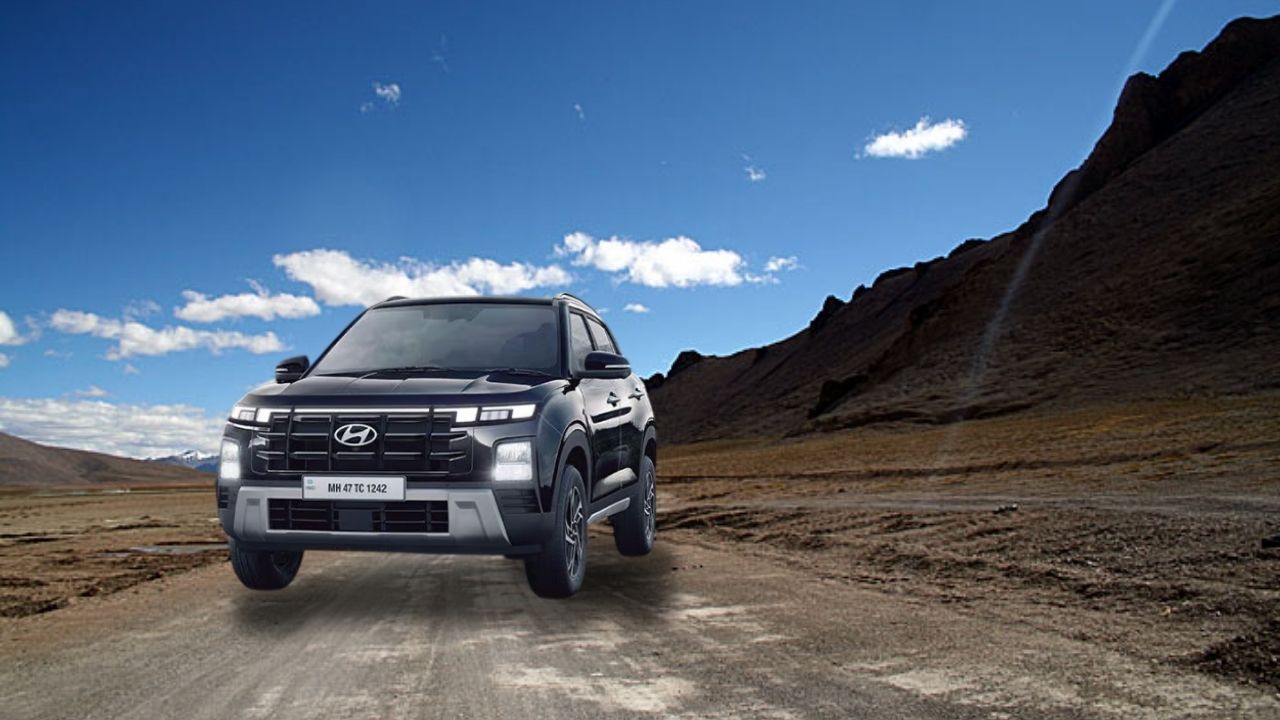
Hyundai Creta

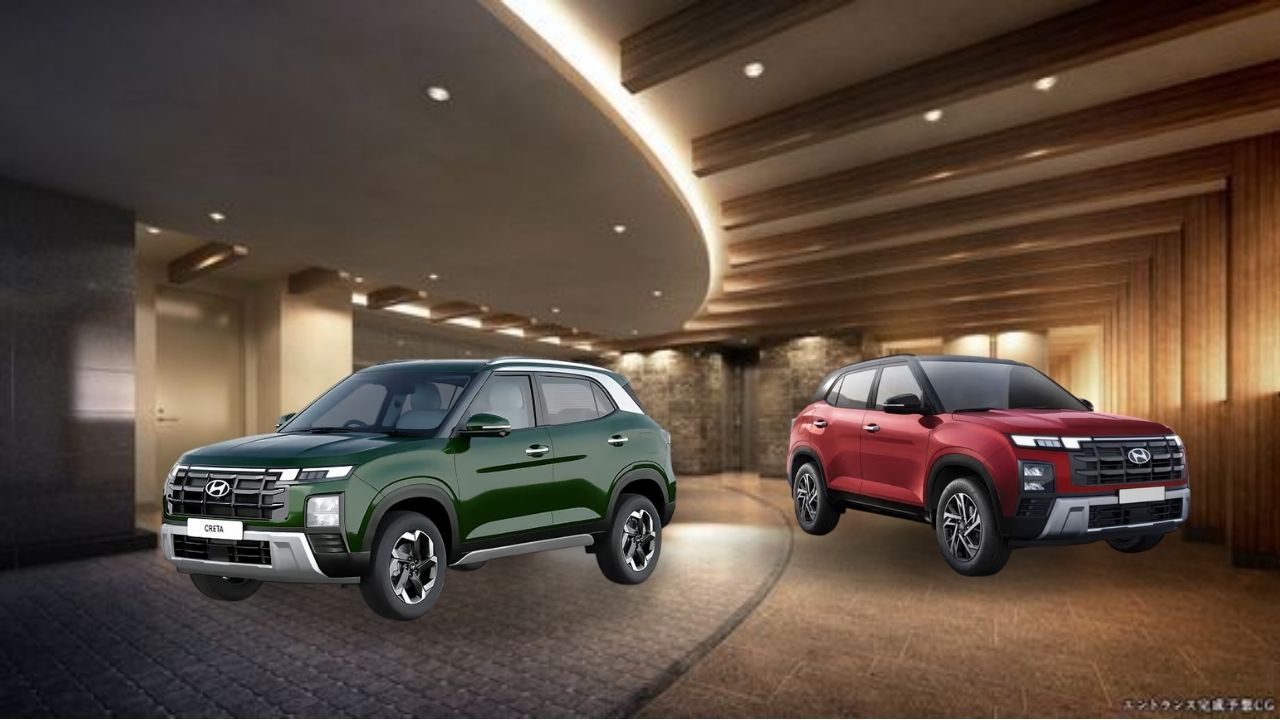
Creta sits in a Hyundai’s showroom at a price ₹10.91 lakh, that’s the manufacturer rate. The Hyundai Creta On-Road Price in Lucknow for the base petrol variant currently sits between roughly ₹12.4 lakh and ₹12.9 lakh, depending on which dealer’s insurance quote you’re comparing, and it climbs past ₹23 lakh for the fully loaded King Knight diesel automatic.

Creta has become the biggest selling model at this price point. The starting price of petrol base variant can go high by including your location’s RTO, other statutory charges, Insurance and FASTag/accessories cost. If you’re considering the Creta N Line, price starts at ₹16.93 lakh that goes up to ~₹24.11 lakh.

Here’s the breakdown that actually matters if you’re deciding whether to book one this month.

Hyundai Creta On-Road Price in Lucknow

The Creta’s ex-showroom range in September 2026 runs from ₹10.91 lakh for the base Petrol E manual to ₹20.11 lakh for the top-spec Diesel King Knight automatic. Add Uttar Pradesh’s road tax, insurance, and registration charges, and the on-road numbers land like this for the base E variant, according to dealer-aggregator listings pulled this month:

  • Ex-showroom price: ₹10,90,700
  • RTO and road tax: ₹1.09 lakh to ₹1.45 lakh
  • Insurance: roughly ₹51,700 to ₹52,400
  • Final on-road price: ₹12.44 lakh to ₹12.88 lakh

That’s a wider spread than you’d expect for the same car in the same city. As it comes down to how each platform calculates UP’s road tax slab and whether the quote includes optional add-ons like a dashcam accessory or an extended warranty bundled in by the dealer. Treat every online on-road calculator as a starting estimate, not a final number — the only figure that matters is the one on your actual invoice from a Lucknow dealership.

At the top end, the King Knight Diesel AT ranges from about ₹22.4 lakh to ₹23.4 lakh on-road, again depending on the aggregator and the exact insurance IDV selected.

Why UP’s RTO Charges Add So Much to the Sticker Price

Uttar Pradesh applies road tax as a percentage of the ex-showroom price, and that percentage rises in slabs as the car gets more expensive — which is why the RTO component isn’t a flat add-on. For the base Creta E, dealers report RTO charges anywhere from ₹1.09 lakh to ₹1.45 lakh; for pricier variants like the diesel Sierra-rivalling trims, the RTO line alone can cross ₹1.7 lakh.

Creta E

First-time SUV buyers can get confused easily from the charges: Tax Collected at Source (TCS). Under Section 206C(1F) of the Income Tax Act, any motor vehicle priced above ₹10 lakh attracts 1% TCS, collected upfront by the dealer and adjustable against your income tax later. On a ₹11.49 lakh car, that’s roughly ₹11,490 added purely because the ex-showroom price crossed the ₹10 lakh threshold — and since every Creta variant sits above that line, every single Creta buyer in Lucknow pays this. 

Add FASTag issuance (around ₹600), hypothecation charges if you’re financing (₹1,500 or so), and a registration smart-card fee, and you can see why the gap between showroom quote and final on-road number feels so large.

Read More 👉  Maruti Suzuki September 2026 Offers: Save Money On Your New Car

Creta Variant-Wise Price Breakdown 

The Creta lineup has grown to many variants but most of the special editions narrow it down depending on the availability and most buyers choices:

Variant (Fuel / Transmission) Ex‑Showroom (₹) RTO + Others (₹) Insurance (₹) On‑Road Lucknow (₹) Approx.
E 1.5 Petrol MT 10,79,000 ~1,45,000 ~50,000 12.74 lakh 
EX 1.5 Petrol MT 11,90,000 ~1,55,000 ~55,000 14.00 lakh
EX (O) 1.5 Petrol MT 12,70,000 ~1,65,000 ~58,000 14.93 lakh
EX(O) Diesel AT  ₹16.08 lakh  ~1.9–2.0 lakh  ~0.55–0.65 lakh  ₹18.3 lakh 
S 1.5 Petrol MT 13,50,000 ~1,75,000 ~60,000 15.85 lakh 
S 1.5 Diesel MT 14,00,000 ~1,80,000 ~62,000 16.42 lakh 
S (O) 1.5 Petrol MT 14,40,000 ~1,85,000 ~64,000 16.89 lakh 
S (O) 1.5 Diesel MT 14,90,000 ~1,90,000 ~66,000 17.46 lakh 
S (O) 1.5 Petrol CVT 15,30,000 ~1,95,000 ~68,000 17.93 lakh
S (O) 1.5 Diesel AT 15,80,000 ~2,00,000 ~70,000 18.50 lakh
SX 1.5 Turbo Petrol MT 16,20,000 ~2,05,000 ~72,000 18.97 lakh
SX 1.5 Turbo Petrol DCT 16,80,000 ~2,10,000 ~74,000 19.64 lakh
SX (O) 1.5 Turbo Petrol DCT 17,40,000 ~2,15,000 ~76,000 20.31 lakh
King 1.5 Diesel AT 19,78,000 ~2,40,000 ~85,000 23.03 lakh
King 1.5 Diesel AT DT (dual‑tone) 19,93,000 ~2,42,000 ~86,000 23.21 lakh
King Knight Edition 1.5 Diesel AT 20,11,000 ~2,45,000 ~87,000 23.43 lakh

The EX(O) diesel automatic is where most serious buyers end up — it’s the point where you get the automatic gearbox and diesel refinement without stepping into King-edition territory, and 

The Creta Specs & Features That Matter Before You Sign

Creta offers three engine types — petrol, diesel, and turbo-petrol GDI. A 1.5L engine of  turbo-petrol GDI pairs with 7-speed DCT in the higher trims that gives a better mileage on off-road driving. While ARAI-claimed mileage ranges from 17.4 to 21.8 kmpl depending on engine and gearbox. So both diesel and petrol engines offer good efficiency.

Creta Specs & Features

Exterior of Creta’s Body And Space

The body size of Creta is fit and comfy for family trips, not just from the inside but from the outside it could smoothly run, turn and be parked in rush places. The measurements are:

Length 4,300mm
Width 1,790mm
Height 1,635mm
Wheelbase  2,610mm

Numbers that translate into a genuinely usable 433-litre boot, enough for a family’s weekend luggage without folding the rear seats. 

Safety Features of Creta

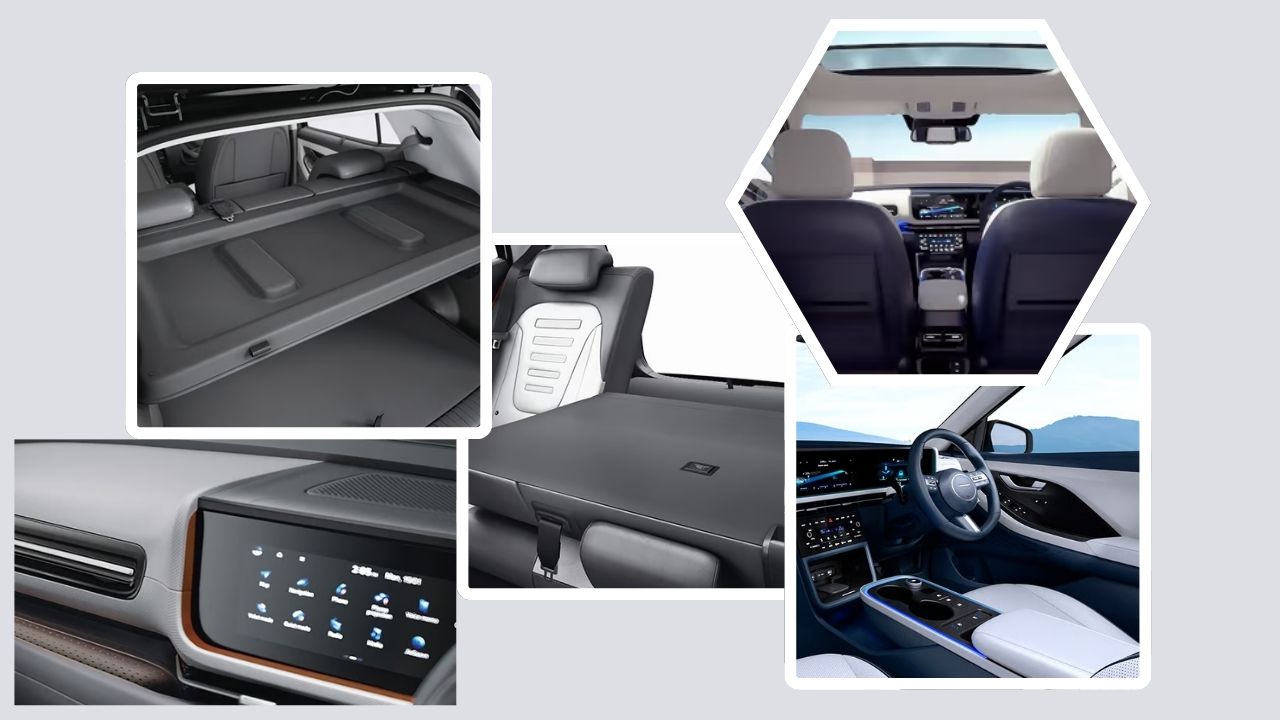
Standard safety functions like airbags, ABS with EBD, and cam are always given in SUVs. Creta base E variant carrying these safety features but the higher trims of Creta offers more than this. It offers Hyundai’s Level 2 ADAS suite which includes blind-spot collision warning, smart cruise control, lane-keeping assist, and alerts along with panoramic sunroof for instrument cluster, and dual 10.25-inch display for infotainment.

Revised Price Change 

Hyundai revised Creta pricing multiple times through late 2025 and into 2026, first cutting prices by up to ₹72,145 following a GST rate change, then raising select variant prices again early in the year. Confirm the exact ex-showroom figure with your Lucknow dealer before budgeting — these numbers move.

Read More 👉 Buy Tata Curvv Series X At Rs. 9.99 Lakh With Advanced Features Pack

Creta Rivals In The Same On-Road Price Range 

The Creta doesn’t have the segment to itself anymore. Kia’s Seltos and Tata’s newly relaunched Sierra are the two cars Lucknow buyers cross-shop it against most.

Model Ex-showroom (base) On-Road in Lucknow (base) On-Road (top variant)
Hyundai Creta E ₹10.91 lakh ₹12.44 – 12.88 lakh ₹22.4 – 23.4 lakh
Kia Seltos HTE ₹10.99 – 11.00 lakh ₹12.54 – 13.25 lakh ₹25.1 – 25.2 lakh
Tata Sierra Smart+ ₹11.49 lakh ₹13.17 – 13.52 lakh ₹24.3 – 24.8 lakh

The Creta comes in cheapest at the entry level by a meaningful margin — roughly ₹40,000 to ₹80,000 less than the Seltos and Sierra on-road. But that gap narrows sharply once you move up the range, and by the time you’re comparing top-spec diesel automatics, the Seltos and Sierra actually list higher purely because they offer trims Hyundai doesn’t match feature-for-feature at the same price point. 

The current-generation Creta honest review notes it’s starting to feel dated next to newer rivals like the Seltos and Sierra, which now offer more contemporary feature packages at similar money — a point worth weighing if you’re deciding between “cheapest to buy” and “best value at the top of the range.”

What you actually experience inside the cabin of Creta, Kia Seltos, and Tata Sierra is shared in a competitive manner below:

Feature Hyundai Creta (top trims) Kia Seltos 2026 (mid–top) Tata Sierra 2026 (mid–top)
Screens Dual 10.25″ (cluster + infotainment) Large “Trinity” panoramic display (digital cluster + big screen) Triple‑screen concept (digital cluster + big screen + passenger display on top)
Infotainment 10.25″, wireless AA/CarPlay, connected car Large screen, wireless AA/CarPlay, connected car, ambient lighting integration Big screen, wireless AA/CarPlay, iRA 5G (EV), in‑car UPI, gaming on some variants
Seats Leatherette, ventilated front, 6‑way driver adjust Semi‑leatherette to leatherette, ventilated front, 8–10‑way powered driver (GTX/X‑Line) Leatherette (top), ventilated front, 6‑way powered driver, reclining rear + Boss Mode
Sunroof / roof Single‑pane sunroof (top), dual‑tone options Large panoramic sunroof (higher variants), dual‑tone themes Panoramic glass roof (top), “lounge‑like” glassy cabin
AC Dual‑zone auto, rear AC vents Dual‑zone auto, rear AC vents Dual‑zone auto (top), rear AC vents
Audio Multi‑speaker, Bose on top Multi‑speaker, upgraded audio on higher trims Up to 12‑speaker JBL + Dolby Atmos (top)
Ambient lighting Multi‑colour (top trims) 64‑colour, multiple interior themes Ambient lighting, premium cabin themes
Key convenience Wireless charger, 360° cam, ADAS (top) Wireless charger, 360° cam, ADAS L2+, memory seats (GTX/X‑Line) Wireless charger, 360° cam, ADAS L2+, HUD (top), Boss Mode
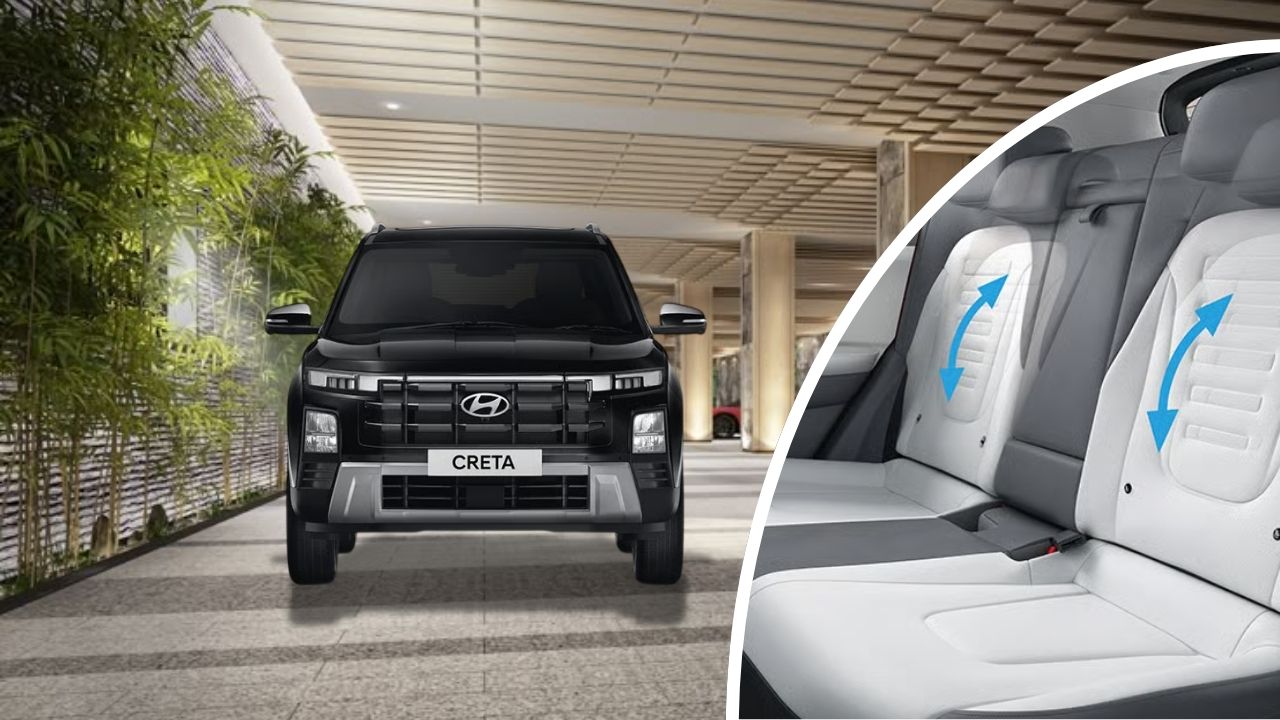
Rear seat Split‑fold, adjustable headrests, rear AC Split‑fold, armrest + cupholders, good recline Reclining rear, Boss Mode for extra legroom, big boot (622 L)

The Sierra also throws in a detail the Creta doesn’t disclose as transparently: some dealer quotes bundle in an accessories package (around ₹28,000) into the on-road figure by default. Always ask your Creta dealer whether their on-road quote includes any mandatory accessory bundle — if it doesn’t, budget separately for basics like mud flaps, seat covers, and a dashcam if you want them.

Is Creta Worth Buying Right Now?

If you need a mid-size SUV in Lucknow this month and want the lowest possible entry price with Hyundai’s wide service network — 12 dealerships in the city, more than either Kia or Tata currently run — the Creta E or EX Summer Edition makes practical sense. It undercuts the Seltos and Sierra at the bottom of the range, and Hyundai’s resale value in this segment has historically held up well across UP’s used-car market.

However, if the budget reaches up to ₹18-20 lakh for a loaded automatic, you could consider Seltos and Sierra because the price gap is scattered. These two come in newer tech and styling than Creta’s. 

Creta Worth

Hyundai’s third-generation Creta with a redesigned body and a hybrid powertrain is confirmed to launch in 2027, but if someone is buying right now, they get Creta’s old model rather than the start of a new one.

Still want to buy Hyundai Creta then buy the EX(O) diesel automatic now while GST-linked pricing still holds, get on-road quote from multiple dealers before booking, and separately check TCS and RTO pricing — a ₹20,000-30,000 discrepancy in that breakdown is common enough to be worth catching before you sign.

Read More 👉  Kia Carnival Hybrid Price In India And Additional Cost For Accessories

Conclusion

Hyundai Creta On-Road Price In Lucknow starting at ₹12.4 lakh including taxes charges according to city, insurance, and other charges or accessory cost can increase the actual amount in which you can own Creta.

Find a Hyundai dealer and get an exact quote for a car before signing anything. Choose the color and variant of a car then find 2-3 dealership quotes to confirm. As the highest variant can cost you around 24 lakh.

0

Best Sedan Under 20 Lakhs: Luxury Buys with Premium Features

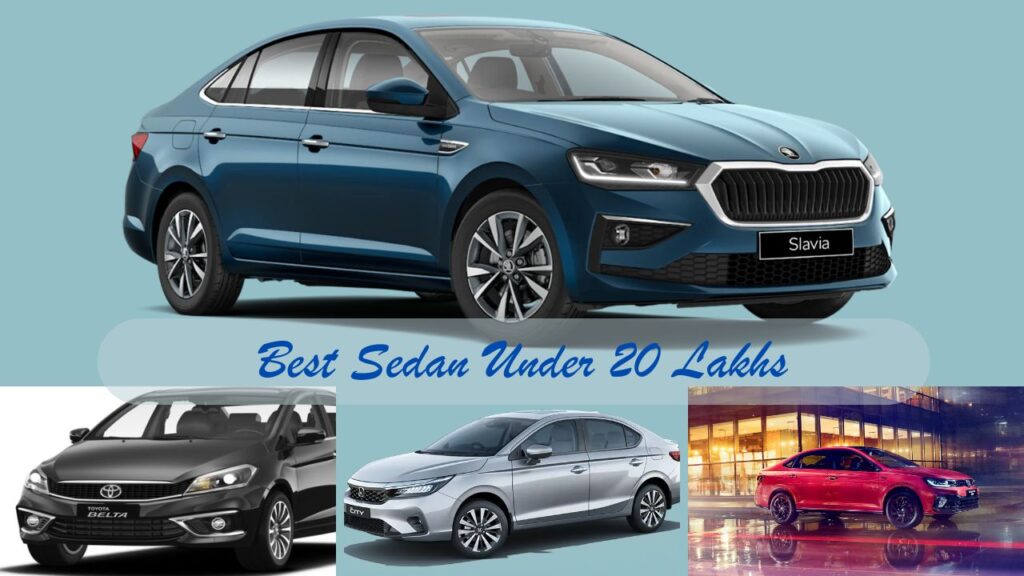
Best Sedan Under 20 Lakhs

The Indian car market has matured a lot when it comes to buying a sedan that is offering a perfect balance of budget and luxury. The Best Sedan Under 20 Lakh segment is no longer just about getting from here and there but it’s about buying vehicles that are loaded with premium features, sophisticated technology and driving dynamics that can challenge rival models that cost a lot more. Whether you’re a young professional, a new family or just someone who needs a good mix of style and substance, sedans in this price range cover all bases. 

The great thing about purchasing a sedan under ₹20 lakhs in 2025 is that vendors have upped their game significantly in terms of feature content. You are getting cars with relatively sophisticated infotainment systems, advanced driver assistance systems (ADAS), premium audio systems, and design elements that make these cars look much more expensive than they really are. Those days when budget was synonymous with compromise is over; today, it means intelligent selection. 

The Top Contenders Under 20 Lakhs

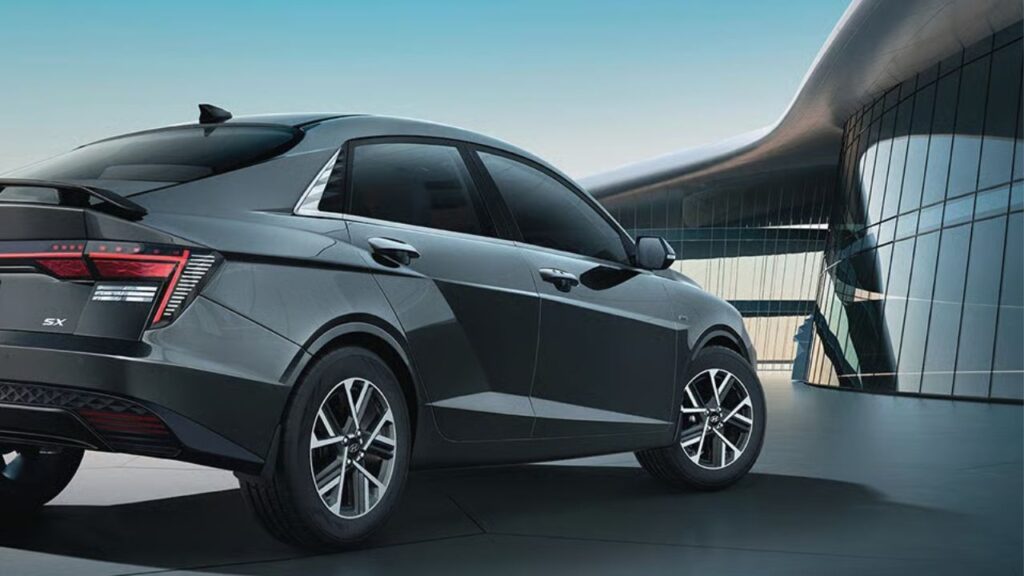
Hyundai Verna

Hyundai Verna continues to rule the roost in this segment. From a mere ₹10.69 lakh, the Verna has changed the expectation customers can have under this price bracket. The top-end models have turbo petrol engines, sportier performance, and a cabin that is genuinely premium. 

Hyundai Verna

Image credit: Hyundai

The Verna’s 10.25-inch touchscreen infotainment system, coupled with an 8-speaker Bose audio system in top variants, delivers the kind of acoustic experience you expect in much higher cost vehicles. 

What really makes the Verna stand out is its Level 2 ADAS capability on the top variants – features like Forward Collision Warning, Collision Avoidance Assist and Lane Keep Assist that make even your day-to-day driving a safer and more relaxed experience.

Skoda Slavia 

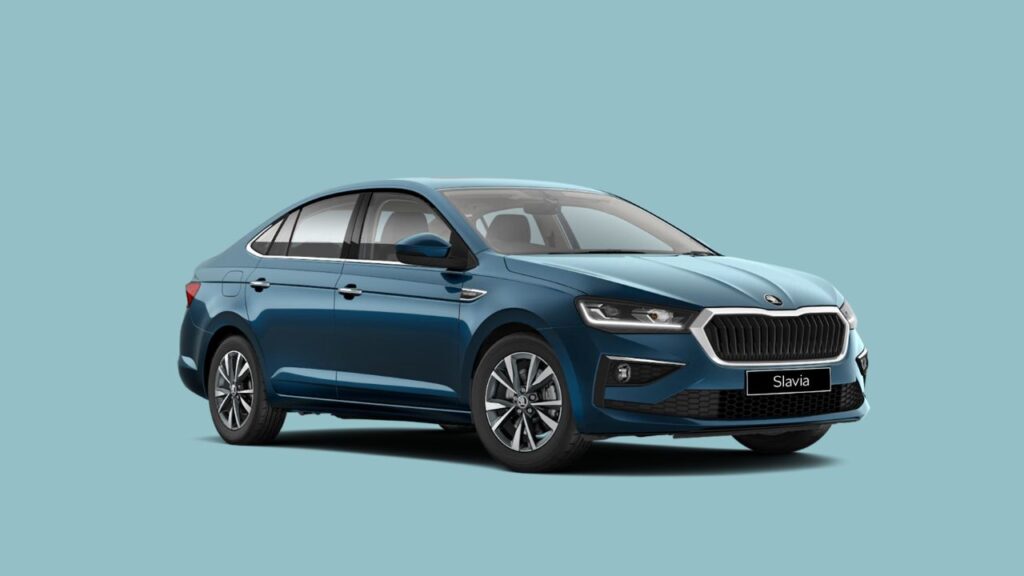
The Skoda Slavia brings European engineering to the mass-market sedan segment, and it really shows. Priced from ₹10 lakh, the Slavia exudes a personality that sets it markedly apart from the competition. 

Skoda Slavia 

Two-tone color schemes, perforated leatherette seats and a two-spoke steering wheel add to a more premium feel for the interior. Apple CarPlay, a standard iPhone feature for information, navigation and entertainment is now available through a larger 10.0-inch infotainment display with wireless connectivity and an 8-speaker audio system. 

The Skoda Slavia is an exciting prospect for the driving enthusiast as it comes with Skoda’s hallmark build quality, polished turbo petrol motors and superb ride dynamics.  

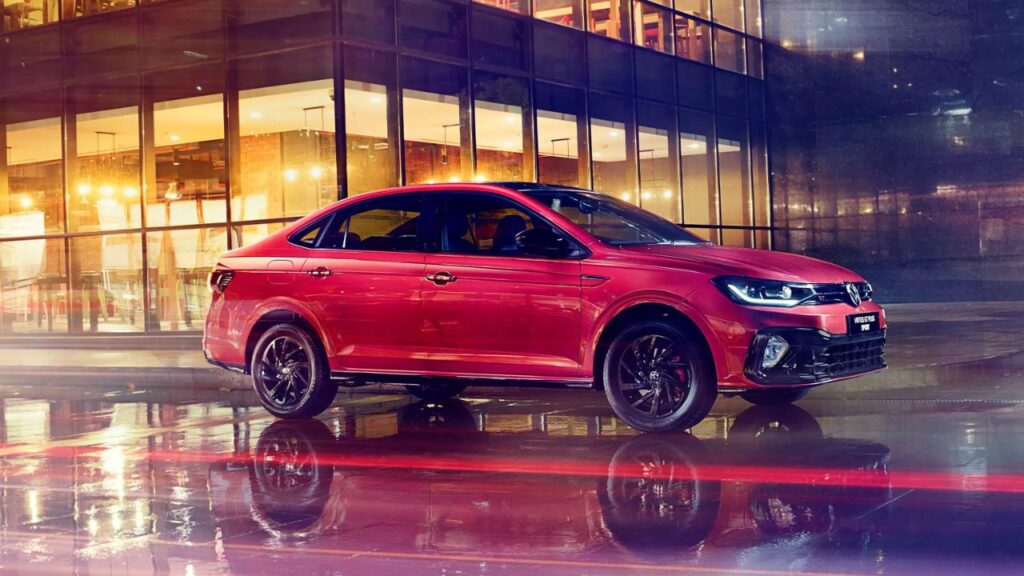
Volkswagen Virtus

The Volkswagen Virtus makes an entry with ₹12.77 at characteristic German efficiency and pragmatism. Fuel efficiency is very good with some versions giving more than 20 kmpl which makes it very economical to own and run. 

Volkswagen Virtus

Image credit: Volkswagen

Higher variants even get a sunroof, wireless charging, cruise control and ventilated seats. The Virtus adds real-world practicality and long-term reliability (backed by Volkswagen’s service network) is perfect for buyers. 

Honda City

The Honda City is a genuine luxury sedan that wears an affordable price tag, beginning at ₹11.95 lakhs. The spacious cabin of the Honda and the premium leatherette upholster combined with the smallest details on the interiors make the vehicle look and feel as if it belongs to a much higher segment. 

Honda City

The 8-inch touchscreen infotainment system with Android Auto and Apple CarPlay, supports Bluetooth connectivity and voice commands for a rich, hands-free experience. It’s especially impressive that certain variants receive the Honda Sensing ADAS suite as standard, which includes collision mitigation braking, adaptive cruise control, and lane keeping assist features that take safety to a premium level. 

The Honda also boasts a powerful hybrid option delivering an outstanding mileage of approximately 20 kpl, which is a perfect match for green-friendly consumers who don’t want to have the pleasure of driving it actually trimmed down. 

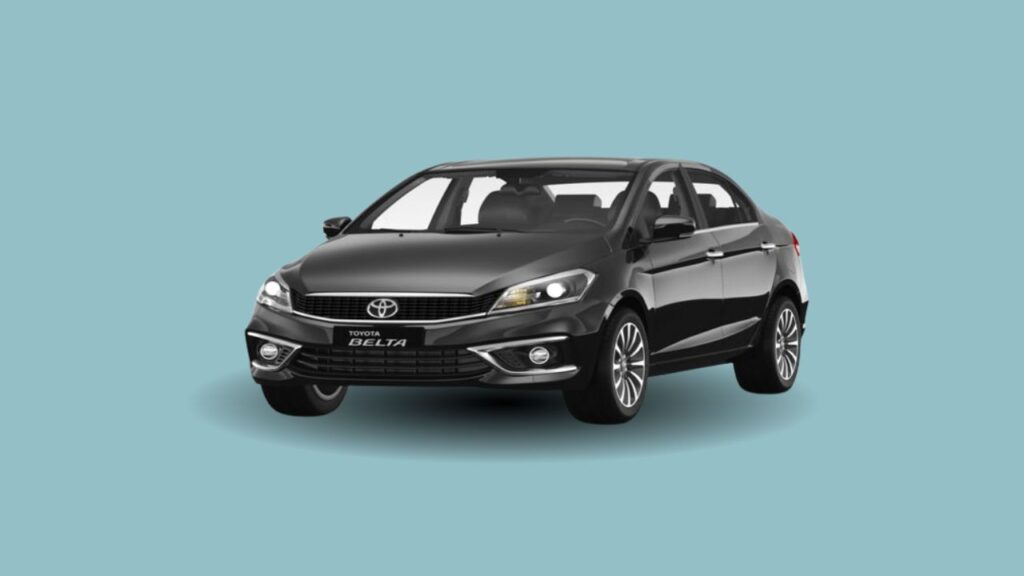
Toyota Belta

Toyota Belta is dense enough in features to offer great value for money, the starting price of ₹10 lakhs makes it one of the cheapest sedans in this segment. The Belta doesn’t cut corners on necessities, even with its budget pricing. 

Toyota Belta

It also features a 7-inch touchscreen infotainment system with Android Auto and Apple CarPlay, an air purifier for cabin hygiene, automatic climate control, and cruise control. For daily commutes, the Belta is an easy choice as it churns out a fuel economy of 20.04-20.65 kmpl. 

The Belta is an appealing option to buyers who want a reliable car above everything else, as Toyota’s legendary reliability and strong service network throughout India also make it an excellent choice for that. 

Premium Features That Matter

Luxury features today aren’t simply about flashy technology—they’re about real comfort or safety improvements that enhance the driving experience. Earlier a sunroof or a panoramic roof was an attribute limited only to premium cars, now you can find it on many variants in this price band. 

Ventilated front seats help you stay cool during hot Indian summers, with automatic climate control providing consistent temperature in the cabin. Wireless charge pads, they seem trivial, but they can save you from cluttered dashboard and tangled cables on your day to day commute. 

Safety is now more important than ever and these sedans impress. Most variants of the models have six airbags in the higher variants, with some snagging 5-star Global NCAP or ASEAN NCAP safety ratings. 

Electronic Stability Control (ESC), Anti-lock braking system (ABS) with Electronic Brakeforce Distribution (EBD) along with traction control (TCS) and hill start assist are now more standard than luxury features. The addition of ADAS technology, especially in the Verna and City, introduces autonomous emergency braking and lane-keeping assist features that were unthinkable at this price point just a few years ago. 

Infotainment Systems have now come to dominate modern­­ vehicle cabins and it’s the manufacturers who now have to take the strain. The displays on these models range from 7 to 10.25 inches and provide seamless smartphone integration, voice controls, and easy-to-use interfaces. 

Wireless Apple CarPlay and Android Auto make it easy not to fumble with cables on the road. The air cleaner, that was earlier considered after market option for the costly cars, is standard on a couple of variants and this should help keep the quality of air in the cabin good during those dusty Indian road conditions.  

Read More:- Toyota Hilux Price, Images, Colours & Reviews – Latest Updates & Full Details

What Should You Buy

Comparing these five sedans means knowing what you want to get out of a car. If you are into the latest technology, have some ADAS safety features, and the brand recognition of a worldwide known manufacturer, the Hyundai Verna it is. Those who care about driving dynamics, build quality and that European vibe on a budget will find a lot to love in the Skoda Slavia. If you’re after fuel-efficiency, useful features and the dependability of Volkswagen, the Volkswagen Virtus will not let you down. 

If you are looking for the feeling of luxury, spacious seats, advanced safety features and a premium overall experience, the Honda City is the best choice. Its hybrid version is also attractive to green buyers. In the end, the Toyota Belta is perfect for new car buyers or those who want the best bang for the buck with Toyota reliability and after sales service.

The five sedans also have good resale value, strong service networks and solid warranties. With sub-20-lakh sedans firmly entrenched as the playground where luxury features are not just aspirational, but readily available. Your luxury sedan is waiting and you don’t have to spend a fortune to get one. 

Overall Comparison Among Best Sedan Under 20 Lakhs

Feature Hyundai Verna Skoda Slavia Volkswagen Virtus Honda City Toyota Belta
Starting Price ₹10.69 Lakh ₹10.00 Lakh ₹11.16 Lakh ₹11.95 Lakh ₹10.00 Lakh
Top Variant Price ₹16.98 Lakh ₹18.69 Lakh ₹18.73 Lakh ₹16.19 Lakh ₹16.00 Lakh
Engine Options 1.5L MPI / 1.5L Turbo GDi 1.0L TSI / 1.5L TSI 1.0L Turbo / 1.5L Turbo 1.5L Petrol / Hybrid 1.462L Petrol
Mileage 18.6-20.6 kmpl 19.36-20.29 kmpl 18.12-20.8 kmpl 17.8-20 kmpl 20.04-20.65 kmpl
Sunroof Available Available Available Available (ZX) Not Available
ADAS Level 2 (top variants) No No Yes (select variants) No
Safety Rating 5-Star NCAP 5-Star NCAP 5-Star NCAP Not Rated 4-Star ASEAN NCAP
Transmission Manual / Automatic Manual / Automatic Manual / Automatic Manual / e-CVT Manual / Automatic

Conclusion

Pick the best sedan under ₹20 lakhs in 2025 and your choice depends on what you value the most — tech, safety, mileage, performance or comfort. The team has worked to elevate the segment to the point where now you don’t have to give up luxury just to stay on budget. 

Every sedan on this list brings something different: the Hyundai Verna boasts next-gen ADAS and premium features, the Skoda Slavia offers unmatched European driving dynamics, the Volkswagen Virtus continues to impress with practicality and efficiency, the Honda City is still the segment’s bar for comfort and sophistication, and the Toyota Belta is low-tech, dependable, and frugal. 

Whichever you choose, you’ll be getting a car laden with features, modern, and future proof whose genuinely premium-feeling for its price. Your dream sedan isn’t just affordable but it’s absolutely attainable. 

0

What is ORVM in a Car and How Does it Work?

ORVM in a Car

ORVM is a part you use everyday when you’re driving a car. Outside Rear View Mirror helps you navigate side vehicles and that’s why they are mounted on the doors of your car. But if you don’t know how to use it efficiently and how it works then continue reading this blog because it helps you understand why it is so helpful in driving and parking situations. 

What Does ORVM Stand For?

ORVM is short for Outside Rear View Mirror. Car manufacturers use this term at professional standards to refer to the side mirrors which fit on the outside of a car’s doors. The official term is also used by mechanics and automotive engineers. It is presented on both sides — driver’s and one on the passenger’s side.

The term, ORVM, companies use to show their precision at standard level. In technical documentation, especially in manuals, insurance paperwork, and manufacturing specs, there’s also an IRVM, which refers to the inside Rear View Mirror because it is placed inside the cabin. 

Having distinct acronyms avoids confusion between the two, since both serve a similar purpose but sit in very different locations and work differently.

Why ORVMs Exist in the First Place

Your eyes can miss blind spots especially at night so these mirrors will help you. Even being attentive while driving, you simply can’t see everything from the inside. The IRVM covers what’s directly behind your vehicle but it can’t show you the side view or on the diagonal side. 

Both ORVM and IRVM are essentials for safe driving for yourself and others. They are mostly used during lane changes, reversing, or merging into traffic. If you use both kinds of mirrors, it cuts down blind spots and reduces the risk of collisions during turns or lane shifts.

ORVMs give the driver a wide-angle view of the lanes beside that’s why they are positioned on both sides of the car. It also helps in diagonally shifting lanes or overtake as it allows us to see slightly behind the vehicle. 

How Does an ORVM Work?

When you look at an ORVM, it just looks like a plain piece of glass in a plastic shell. However, depending on the vehicle trim, a lot of engineering can be packed into that small unit. Here is a rundown of how it works. 

1. The Mirror Housing and Glass

The core of the ORVM is the mirror glass itself, usually convex (slightly curved outward) rather than flat. The curve is deliberate — it expands the display of a flat mirror so the driver can see more of the road, although it does make objects appear a bit smaller and farther away than they really are. That’s also why the phrase “Objects in mirrors are closer than they appear” is written on a lot of passenger-side mirrors. 

The glass is held within a housing, typically ABS plastic or a comparable resilient polymer, that is secured to an adjustable mounting bracket at the car door. 

2. Manual vs. Electric Adjustment

Manual ORVM adjustment are quite common among older and budget cars, where you use your hand to push the mirror and adjust it. This is simple and inexpensive, but inconvenient, particularly if the driver has to adjust the passenger seat mirror on the road. 

Electrically adjustable ORVM are offered in most of the modern vehicles. These have a small motor within the mirror housing that is controlled with a switch located on the door or in the center console. The switch allows you to select the left or right mirror, and then adjust it up, down, left or right by using a joystick control. This motor moves the mirror glass via small gears, giving you precise control without leaving your seat.

3. Folding Mechanism

Most ORVMs are available with a folding mechanism, manual or electric. This allows the mirrors to be folded in towards the body of the car. This is beneficial for: 

  • Narrow parking spaces where extended mirrors might get bumped
  • Protecting mirrors from getting knocked off in busy traffic or tight alleys
  • Reducing the car’s width for garage parking

For electric folding systems, the folding and unfolding is handled by a separate small motor concealed in the mirror base, generally activated by a button or automatically when you lock the car. 

4. Heating Element (Defogger)

In cold climates, ORVMs generally come with embedded heating wires on the glass surface. When activated it warms the glass slightly to remove fog, frost and moisture, with the result that visibility never is affected during winter or rainy weather. 

5. Integrated Indicators and Cameras

Higher-end and modern cars pack even more into the ORVM housing:

  • Turn signal indicators: Small LED lights embedded into the mirror casing that blink when you use the indicator, making your turn more visible to vehicles beside and behind you.
  • Blind Spot Monitoring (BSM) sensors: Some ORVMs are equipped with sensors that sense vehicles in your blind spot and notify you through light or sound 
  • Camera-based mirrors: A few premium and electric vehicles have replaced the traditional glass mirror entirely with a small camera, streaming a live feed to a screen inside the cabin. This reduces wind resistance and improves aerodynamics, though it’s still uncommon in mainstream vehicles.

Read More:- How to Claim Car Insurance for Own Damage: A Step-by-Step Guide

Why ORVMs Matter More Than You’d Think

Your car’s mirrors are one of those things you don’t really notice until they stop working — a mirror gets knocked by a passing car, ceases folding, or the electric adjustment quits responding. But every time you are on the road ORVMs contribute significantly towards your safety. You use them to judge distances when overtaking, to see cyclists, other cars, trucks, or motorbikes hiding in blind spots, and when reversing or parallel parking. 

ORVMs are getting damaged easily because they are outside of the car and get easily hit by anything, mostly in traffic areas and narrow parkings. Due to this, spare part dealers have their ORVMs listed with names for mechanics and car owners to quickly identify the required component for replacement against their car’s make, model and variant. 

Conclusion

ORVM might seem like a complex term but in reality, it is nothing but the outside mirrors which all of us use many times in a day without even thinking about it. Knowing what goes into them, from the curved glass to the motorized adjustments, folding mechanisms, heating elements and, more and more, built in sensors and cameras makes you appreciate how much engineering is involved in keeping you safe on the road. 

The next time you look at your side mirror before switching lanes, you’ll know there’s a lot more happening behind that little piece of glass than you realize.