0

How to Claim Car Insurance for Own Damage: A Step-by-Step Guide

Published Jul 22, 2026, 9:04 AM
Last Updated Jul 22, 2026, 12:06 PM

How to Claim Car Insurance for Own Damage

Whether it’s a major accident or a minor scratch, damage to your car can leave you wondering what your insurance actually covers. That’s where understanding the Own Damage Cover section becomes important, as many car owners are not fully aware of how it works. Learning How to Claim Car Insurance for Own Damage can help you save money and ensure a hassle-free claims experience.

If you already have a comprehensive car insurance policy, you can claim compensation for damage to your own vehicle—not for damage caused to someone else’s. This is known as an Own Damage (OD) claim. However, simply having coverage isn’t enough. Understanding How to Claim Car Insurance for Own Damage correctly is essential to ensure your claim is processed smoothly and you receive the benefits you’re entitled to.

See Best Cars for Daily Office Commute.

What Counts as “Own Damage”

When your car gets damaged due to reasons that aren’t someone else’s fault or if it is but you are using your own damage cover to get your car repaired instead of relying on the other party’s insurance. 

For instance, your car faces situations including road accidents, collisions, fire, theft, natural disasters like floods, storms, or earthquakes. And even malicious damage like vandalism. That’s where Own Damage covers for repairs.

It is distinct from third-party liability, which covers damage you cause to another person’s vehicle or property. If you want coverage to repair your own vehicle, you need a comprehensive policy (with own damage included) – a third-party-only policy will not assist you in this matter. 

How to Claim Car Insurance for Own Damage

Step 1: Inform Your Insurer Immediately

When car trouble strikes, call your insurer or agent. Many companies allow for damage to be reported within 24-48 hours after the fact, and waiting can make your claim more complicated, or potentially even deny it. Have your policy number ready when you dial — it makes a big difference. 

If another vehicle is involved, or if your vehicle has been stolen or you suffered major damage, report it to the police too. Insurance companies frequently require such documentation, particularly for theft and hit-and-run, so it’s not wasted time even if it seems like you’re doing too much paperwork. You Know that Which Engine Oil is best for Your Car?

Step 2: Get the Vehicle Inspected

When you have reported the claim, the insurer will either arrange for a surveyor to inspect your car or ask you to take your car to a network garage for inspection. Don’t drive the vehicle or do any repairs until this happens — it’s an inspection prior to repair which validates your claim. If you go ahead of time and just fix it, you run the risk of your insurer denying the claim completely. 

Take photos or video of the damage from several angles before anything is touched. Seems like a simple step, but a lot of people forget it in the heat of the moment, and it really helps if there is any argument later on. 

Step 3: Choose Cashless or Reimbursement Claims

You’ll typically have two routes to get your car repaired.

Cashless claim: You bring your car to a garage in your insurer’s network. The insurer pays the garage bill directly, and you only pay the deductible and anything else your policy doesn’t cover. This is the easier, less stressful method and what the majority of people want. 

Reimbursement claim: You have the vehicle fixed at a garage of your choice, pay the full amount and then send the bills to your insurer for reimbursement. This option is good if your favorite garage is not in the insurer’s network, but that means you are paying first and then waiting for the money to come back to you. 

Step 4: Submit the Required Documents

Each insurer requires a unique set of documents, but the standard documents required are:

  • Your policy copy 
  • A filled and signed claim form 
  • Your driving license 
  • Vehicle’s registration certificate 
  • And the repair estimate or bill

In case a third party though or theft is involved, include the FIR or police report as well. 

Missing or incorrect documentation is also a frequent cause of claims being held up, so it’s worth making sure everything’s in order before you submit rather than doing it in dribs and drabs. 

Step 5: Claim Settlement

Once the surveyor approves the damage assessment and your documents are verified, the insurer settles the claim. For cashless claims, they pay the garage directly. For reimbursement claims, the amount is transferred to your account after you’ve paid the garage.

Keep in mind your No Claim Bonus (NCB) will reset if you file an own damage claim, and you’ll have to pay the compulsory deductible plus any voluntary deductible you opted for when buying the policy. For minor damage where repair costs are close to your deductible amount, it’s worth calculating whether filing a claim is even worth it — sometimes paying out of pocket protects your NCB and saves you more in the long run.

A Few Things That Trip People Up

Own damage claims get rejected more often than people expect, usually for avoidable reasons. Driving without a valid license, being under the influence at the time of the accident, using the vehicle for a purpose outside what’s declared in the policy (like using a private car for commercial purposes), or letting your policy lapse before renewal are all common grounds for rejection.

It also helps to know your Insured Declared Value (IDV) going in. This is the maximum amount your insurer will pay in case of total loss or theft, and it directly affects your premium and your payout. Setting it too low to save on premium can leave you underinsured exactly when you need the cover most.

Conclusion for 

Filing an own damage claim isn’t complicated once you know the sequence — report fast, get it inspected before repairs, pick the claim route that suits you, submit clean documentation, and stay aware of how it affects your NCB. The part that actually saves people money and stress isn’t the claim process itself, it’s understanding How to Claim Car Insurance for Own Damage and your policy terms before you’re standing next to a damaged car needing answers immediately.

Alok Kabir

Alok is an experienced SEO Specialist skilled in blogging and SEO-friendly content creation. He also specializes in Content Optimization and Technical SEO, including website optimization, crawlability, indexing, site speed, and on-page improvements to enhance search rankings and online visibility.

Leave a Reply

Your email address will not be published. Required fields are marked *

Related Articles

0

Car Owners Should Know These Differences Between Hybrid & Electric Cars

Hybrid And Electric Cars 

The transition from traditional cars to electric and hybrid cars is happening fast. If you are also thinking of changing your car and adapting to serve nature then Hybrid & Electric Cars are ideal for you. But deciding what’s right for you is confusing, understanding the difference between hybrid and electric cars might help you decide. 

There are Plug-in hybrid, Full hybrid, Battery electric, Range extender which seems like automakers created a new language specifically to confuse car buyers. So, let’s understand the difference to help you choose the right car for you. Which one actually makes sense for your life needs details on what these cars are, how they work, what they cost you.

How Many Types of Car In The Market?

A traditional petrol or diesel car runs entirely on fuel which burns to move that car. All the old models of cars are basically built on the engine which needs petrol or diesel to run. 

A hybrid car built on two motors, one for petrol and other for electricity. Hybrid cars are most reliable because they can be used for both short and long drives. A small battery contains the energy that gets charged up while you drive so you can drive a few kilometers without burning your fuel. Most hybrids never need to be plugged in, they charge themselves though regenerative braking at low speed.

An electric car or BEV has no petrol engine at all. They built an engine which moves on energy from a larger battery. They need large batteries because there is no fuel option. But you must have a charging point at your home or nearby public network.

Most people prefer Hybrid cars because it is a bridge of old and new era of cars. This new world experience of owning these two types of car is quite different. 

Read Also: Car Insurance Guide ,Cost & Best Policy Tips

Difference Between Hybrid & Electric Cars at a Glance

Feature Hybrid Electric
Fuel type Petrol + electric Electricity only
Need to plug in? No (or optional for PHEVs) Yes
Range 500–700 km (full tank) 300–600 km (full charge)
Refuel/recharge time 5 minutes (petrol) 20 min–8 hours
Running costs Lower than petrol Lowest overall
Upfront cost Moderate Higher (falling fast)
Emissions Lower than petrol Zero tailpipe
Maintenance Moderate Low
Infrastructure needed Petrol stations (everywhere) Charging network (less)

How Do Hybrid and Electric Cars Work in Daily Life?

Living with a Hybrid

Hybrid cars don’t let you feel different from a regular car. Travel to a petrol pump to fill the tank and drive with the same experience until it’s needed to switch between electric motor and the petrol engine. 

At low speeds, in traffic, or when you’re cruising gently, the electric motor often takes over. It makes hybrid an ideal version for city commutes. They shine over huge stop-start traffic, stepping on for more power, the petrol engine joins in seamlessly. The fuel tank is smaller than a regular car, which is quite understandable because you’re using less fuel overall. 

Plug-in hybrids (PHEVs) are a step further. They won’t charge by themselves, you need to go to the charging station or your garage. These are most reliable for longer trips as it provides longer electric-only range (usually between 30 to 70 kilometres). Shorter trips might not give you a chance to switch the petrol engine, but on longer trips, the petrol engine is always there as a backup. 

Living with an Electric Car

It’s a little hard to change the habit of driving when you’re behind the wheel which moves by fuel. The biggest change is remembering to plug in before you go to bed, so you can get a fully charged car to go to the office. If you have a garage, then it is more convenient than going to a fuel station. 

The driving experience is also different in a way that almost everyone finds pleasurable. The engine is not taking too long to rev up, turn the key and get ready to accelerate. This instant torque makes even modest electric cars feel punchy and responsive. 

There is no sound while starting and driving the car, peak silence is also pleasurable, no vibration at all. Sometimes it gets tough when you want to go on longer trips because an electric car can take from 20 minutes to several hours to recharge. Petrol cars take 5-minute fill-ups and give you 500+ kilometres, which seems pretty easy. 

Comparing Cost, Range, and Efficiency

Purchase Price

Electric cars tend to cost more upfront than equivalent hybrid models. Hybrid cars have a starting price range between ₹20–25 lakh in India, whereas an electric car can cost you ₹25–45 lakh or more. The price can go higher with large battery packs in EVs because it is expensive to manufacture.

However, prices are falling. The technology is moving forward faster than ever, manufacturers are launching more affordable electric options every year. In the upcoming years, electric cars will be more affordable. Meanwhile Plug-in hybrids filled the gap until then, but it is more expensive than normal hybrids but often cheaper than full EVs.

The higher to lower costs:

  • Full EVs
  • Plug-in hybrid
  • Hybrid 
  • Petrol or Diesel

Running Costs

This is where electric cars start winning back their premium price. Petrol is more expensive than electricity in terms of range. Charging at home costs a fraction of what you’d spend on petrol for the same distance — often 60 to 80% less. Once you spend a large amount, you can save a substantial amount within 3–5 years of ownership.

Hybrids are also less expensive on running than normal cars, usually saving 20–40%. Your driving style and charging station also affects the running cost on hybrid cars. But fully electric vehicles still save your money more than Hybrid.

Electric vehicles are cleaner and clearer, there’s no need to change engine oil, exhaust system, or clutch (in most cases) which makes electric cars more cheaper to service. Hybrids have both a petrol engine and an electric system, making it more complex for maintenance. More parts in a car means it needs more time and money for their service.

Range – How Far Can They Go? 

Modern electric cars have improved enormously. They provide 300–500 kilometres rigorously on full charge. Premium models exceed up to 600 km. Daily commuters of 30–80 km a day find it more efficient than petrol cars.

Hybrids that charge externally are profitable because most of the hybrids usually cannot drive far on electric power alone. Their batteries are not large enough to depend on, that’s why they mainly run on petrol. The total driving range is around 500–700+ km.

Hybrid or plug-in hybrid is less stressful in the matter of range. EV is the best option, if you mostly drive short distances and can charge at home.

Which Option Is Better for the Environment?

Electric cars produce zero tailpipe emissions. No burning fuel to suffocate the air with black clouds. Air quality and health will be maintained in the cities. EVs produce significantly less carbon dioxide than petrol cars. EVs produce much less carbon dioxide in manufacturing and the electricity used for charging than petrol cars hum alone makes. 

Hybrids are cleaner than traditional cars but not as clean as electric cars. They still burn petrol, exhaust pipes, but they still burn petrol and can be more supportive for nature because they depend on owner choice. If you do most driving on electricity by regularly charging them. 

Larger battery production has an environmental effect because it requires lithium and cobalt which is a big concern. But studies consistently show EVs still stand by serving lifetime environmental effects as compared to petrol cars. 

Charging vs Refuelling: The Practical Reality

Are Hybrid Cars More Convenient Right Now?

Hybrids are more convenient at this time because changing from petrol to fully electric may take time to adapt new habits. It is most popular with “transition” vehicles, as it gives improved efficiency without requiring huge change.

Plug-in hybrids add the option to charge, if you wanna adapt eco-friendly. If you forgot to charge then there is no problem running on petrol.

Is EV Charging Easy Enough in India?

A basic 3-pin plug works but is slow so it takes time, overnight charging is best for EVs. If you have a home wallbox charger then using an electric vehicle is more easy and convenient. Public charging stations are expanding everywhere now and you can find nearby charging points through PlugShare, Tata Power EV. 

Fast chargers can offer 100–200 km of range in 20–30 minutes but still hybrid makes more practical sense right now. You’ll need fuel sometime to run somewhere urgently because charging infrastructure is not fully developed in India.

Who Should Buy a Hybrid?

  1. For consistent long distance commuters, hybrid cars make particular sense.
  2. charging infrastructure isn’t available in your area.
  3. You couldn’t charge overnight if you don’t have a private parking space.
  4. Hybrids offer fuel efficiency without changing your habits from traditional cars.
  5. Budget is a big issue while buying a full EV but you can afford a Hybrid.

Who Should Buy an Electric Car?

  1. Daily drivers who commute daily for school, office or delivery can find this efficient and eco-friendly. 
  2. You can charge at home and give you lower running costs.
  3. You care deeply about reducing your environmental impact but enjoy technology and driving experience.
  4. You live in a city where charging infrastructure is available easily.

Conclusion

Hybrid & Electric Cars have their pros and cons, but neither is inherently “better.” It depends on your needs, lifestyle and driving habits. If you have home charging, then there’s not a problem in switching to EVs but standard hybrids are ideal if you don’t want to change habits, going on long trips frequently.  

Both hybrids and electric cars represent the future of personal transport. Because fuel prices are increasing which makes them more reliable and eco-friendly to use. Difference between hybrid and electric cars let you understand which one is right for you.

0

How to Improve Gas Mileage: 15 Proven Tips That Actually Save Fuel

How to Improve Gas Mileage

Petrol in Delhi is holding at ₹105 a litre this week, and Mumbai drivers are paying past ₹111 — rates that haven’t moved much since the last OMC revision in May 2026. You are probably wondering about how to improve gas mileage of your car. Because it actually helps you save money. It’s the difference between a ₹2,000 tank lasting your commute eight days or eleven. 

Most of what kills mileage in Indian driving conditions has nothing to do with the engine under the hood and everything to do with habits you can fix by this weekend. Let’s understand the 15 proven tips that genuinely move the needle on gas mileage, ranked roughly by how much difference they make.

1. Ease Off the Gas Pedal

Road rage was one of quickest means to empty a gas tank without actually going any faster. Quick brakes and acceleration with tight force can actually let your engine work harder than it has to. That extra effort means more fuel consumption, more wear on your brakes and tires

Research shows that aggressive driving can lower your gas mileage by up to 30% on the highway and more than 30% in city traffic.

2. Keep Your Tires Properly Inflated

When tires are underinflated, if they don’t have enough air roll easily they require more push and for that engine has to burn more fuel to keep the same speed. Flat tires mostly cause lower fuel economy, uneven wear of tires and affect braking and handling.

It’s recommended to check your car’s tire pressure every month and before going on a long trip. The little maintenance habit can increase your mileage and tire life. 

3. Don’t Ignore Your Air Filter

Your engine requires a constant flow of clean air to burn fuel properly. The air filter restricts the flow of air to the engine as it gets clogged by dust, dirt, leaves and other debris, hence the engine has to work harder to make the same power. 

On a lot of cars, it’s a quick job that doesn’t require any special tools. Most manufacturers advise to check the air filter at every service and change it at the intervals. 

Read More:-  How to Transfer Car Ownership in India: A Step-by-Step RTO Guide (2026)

4. Lighten Your Load

When your trunk becomes just a holding space for stuff, your fuel economy could be suffering without you knowing it. If there are any heavy objects like games equipment, boxes, and tools that are unnecessary, remove them.

If weight increases more than standard capacity like 45 kg (100 lbs) can decrease fuel efficiency by about 1-2%, and it impacts mostly in city driving and stop-start traffic.

5. Use Cruise Control on the Highway

Cruise control can be used to increase the fuel efficiency while driving on open highways by avoiding speed fluctuations. Speed changes, small ones included consume extra fuel as the engine needs to accelerate and decelerate the vehicle repeatedly. 

Long drives go smoothly with the help of Cruise Control as it prevents needless changes. It may not be good for busy traffic roads but best for fairly flat interstates, where steady speeds can help squeeze the most from every liter of gas. 

6. Avoid Excessive Idling

Idling your car wastes gas, and it doesn’t even get you anywhere. Waiting to meet someone, waiting outside a store or driving with your engine running while you’re parked your wasting fuel for no distance covered. 

New cars already have automatic start-stop systems for this very reason. Quick start and stop can make everything so easy and saves fuel on idling. 

How to Improve Gas Mileage

7. Combine Your Errands

When you start your car, the engine will take time to warm up and it uses more fuel to make it completely warm. If your engine gets cold and you try to warm up 5 times a day then your fuel burns more than it burns at one go. 

So combine all your errands and try to complete it once you start your engine. Do not let yourself be drawn to a lot of shorter trips in a day. It can also help you avoid extra miles and time on the road.

8. Watch Your Speed

To reach faster at your destination will consume more fuel from the tank. So avoid leaving your home late and take a ride at steady speed so it saves your fuel as aerodynamics normally.

With most cars, fuel economy starts suffering fairly rapidly once you’re driving faster than about 90–100 km/h. Even dropping your cruising speed by 10–15 km/h on long road trips on the highway can help you save a little gas. 

Read More :- Zero Depreciation Car Insurance: Benefits, Coverage & Cost

9. Keep Your Windows Up at High Speeds

How you cool your vehicle can also impact gas mileage especially on the highway. On the highways, you probably drive fast and leaving your window open creates drag which forces the engine to work harder to move the vehicle through the air. 

You can open windows at short and slow speeds in a city. Turning on the AC is more fuel efficient on highways or running at high speed.

10. Get Regular Tune-Ups

If you want to drive a car which can be fuel efficient then take care of it regularly. Regular maintenance including checking engine oil, plugs, sparks, tires are required to increase fuel efficiency. When these are not fixed, your engine works harder and consumes more fuel and gives poor performance.

Read a manual to keep following the manufacturer’s recommended service which lets your car at its best condition, improves fuel economy and can save you from costly repairs. 

11. Use the Manufacturer-Recommended Motor Oil

Using the wrong grade of oil can actually reduce your fuel economy. Check your owner’s manual and stick to what’s recommended — it’s a small detail that makes a real difference.

12. Don’t Overuse the AC in Stop-and-Go Traffic

Air conditioning puts extra load on your engine. In heavy city traffic, cracking a window instead of blasting AC can help — though on the highway, the reverse is often true (see tip #9).

13. Plan Your Routes to Avoid Traffic

Sitting in traffic means idling, braking, and accelerating over and over — the worst combination for fuel economy. A slightly longer route with steady flow can actually save more fuel than the “shortest” route full of stop-and-go.

14. Check Your Wheel Alignment

If the car wheel is misaligned then your engine puts more force to move your car forward. It silently eats your mileage and if the car pulls to one side then get an alignment check quickly because your tires wear out. 

15. Consider Your Driving Environment

Temperature also affects your engine and batteries because cold weather can cause your engine to get cold easily and it sometimes hard to start the engine. So it takes time and more fuel to warm up the engine which is not good for short trips. This helps you set realistic expectations and adjust your habits rather than assuming something’s wrong with your car.

A Real Comparison: Habits vs Hardware

How to Improve Gas Mileage

Parameter Maruti Suzuki Swift Hyundai Grand i10 Nios
ARAI-rated mileage (petrol) ~22–24 kmpl (actual: 24.8 kmpl manual, 25.75 kmpl AMT)  ~20–22 kmpl (actual: 18 kmpl manual, 16 kmpl AMT) 
Real-world mileage (aggressive city driving, poor habits) 14–15 kmpl (as per your input) Not specified, but likely lower than ARAI if driven poorly
Real-world mileage (steady driving, good maintenance) Can approach ARAI figures with correct habits Can out-mileage a poorly driven Swift with steady acceleration, correct tyre pressure, minimal idling (as per your input)
Key takeaway ARAI figure is not a guarantee; aggressive driving can drop mileage to 14–15 kmpl A lower-rated car can deliver better real-world efficiency if driven and maintained well
Primary reason for gap Driver behaviour and maintenance (not just engine design) Same – driver and maintenance habits dominate real-world results

The gap between ARAI figures and real-world mileage is almost always driver-and-maintenance driven, not just engine architecture.

Should You Spend Money to Fix Mileage, or Just Change Habits?

If your mileage complaint is a gradual, creeping drop over months, the fix is almost always maintenance — tyre pressure, air filter, spark plugs, alignment and costs under ₹2,000 in most cases. If it’s a sudden, sharp drop, get the OBD scanned for fault codes before assuming anything about driving style. 

Only if you’re consistently doing long highway stints and your current car lacks cruise control or an eco mode should hardware or a car upgrade — even enter the conversation. For most Indian owners, the ₹0 fixes (driving style, tyre pressure, timely servicing) recover more mileage than any accessory or fuel additive on the market.

Read More :-  How to Renewal Car Insurance: Step-by-Step Guide (2026)

Conclusion

Once you understand all the points on how to improve gas mileage, there’s nothing hard to adapt to changes. Little habits can save your money and time, so proper tire pressure, regular maintenance, and a bit of trip planning can genuinely add up to real savings over a year. You don’t need an electric vehicle or a full engine rebuild to save at the gas pump. Sometimes it really is the simple stuff that works best. 

Try picking just three or four of these tips to start with. Once they become second nature, add a few more. Your fuel gauge and your wallet will notice the difference.

0

Ertiga vs Carens: The Best 7-Seater Cars Are On The Edge

Published Mar 9, 2026, 7:49 AM
Last Updated Apr 7, 2026, 6:27 AM

Ertiga vs Carens

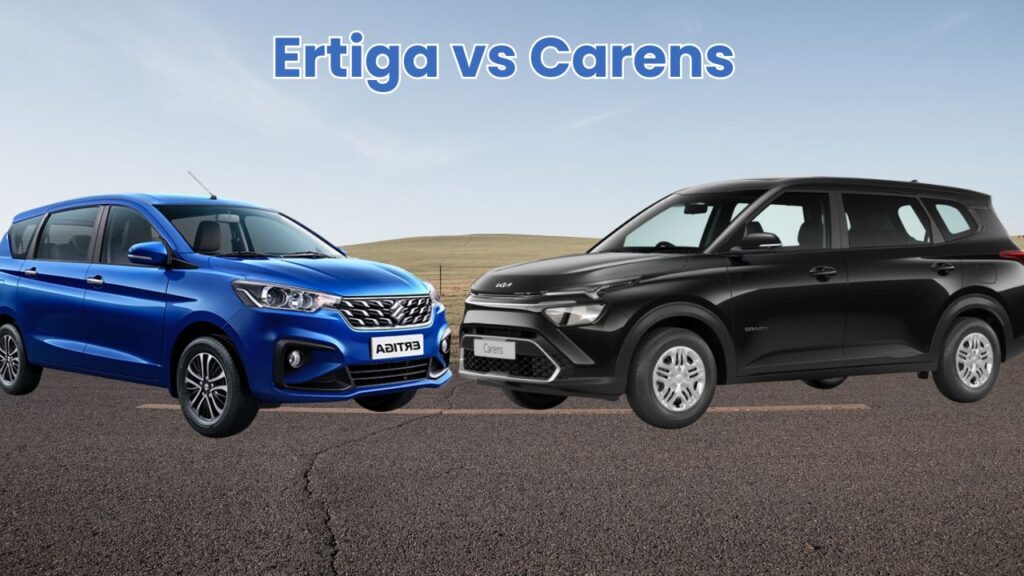
You don’t really know when it comes to 0-100 km/h timings or just how well a family car corners, after all you’re buying one with seven seats. Ertiga vs Carens– it’s a difficult choice to make because both are offering tremendous features with high end quality for smoother rides with your family. Imagining a seven seater is cool but experience while your kids wanna sit in the front, your parents are having problems taking on the third row seats, is it got you worried?

These two space warriors are the best right now — the Maruti Suzuki Ertiga, which is a proven option from previous buyers that really make it on top. And the seven-seater Kia Carens which has been the leader in the market. Let’s talk about further details of these cars and price.   

Easy Trips with Well-Defined Looks

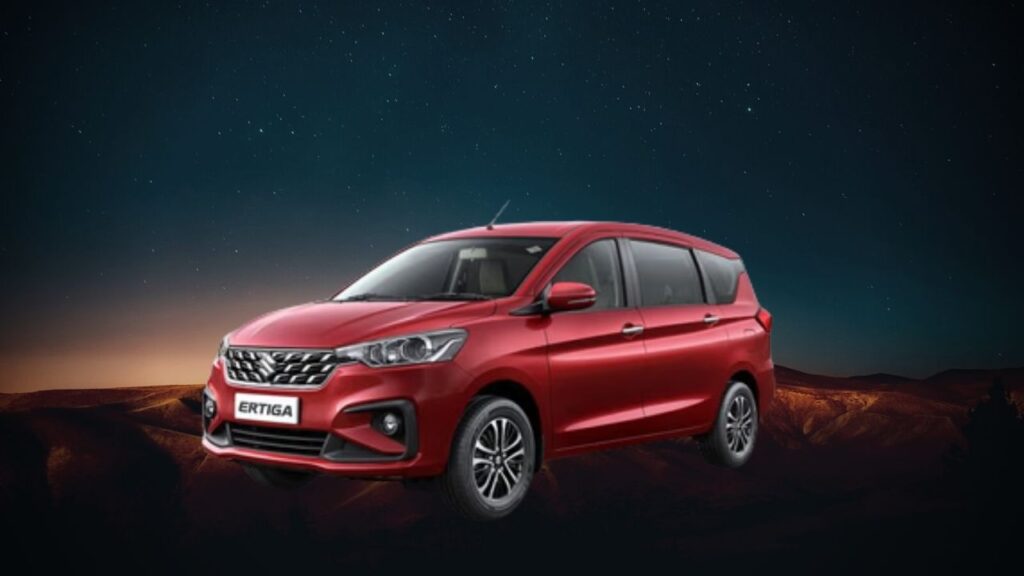
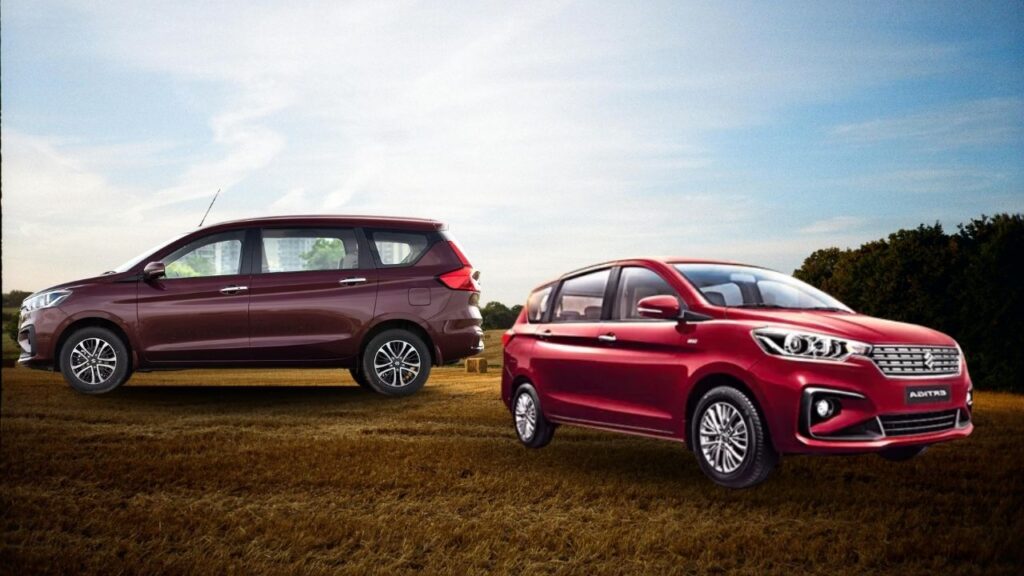
Walk up to an Ertiga, and you know exactly what you’re getting. It’s clean, bland, and made to camouflage in every apartment complex parking lot in India. The design has been tweaked a bit over time by Maruti – sharper headlights, a chrome heavy grille and floating roof elements but no one will go gaga over its looks. And honestly? That’s fine. Ertiga buyers don’t want to be seen.

Ertiga Looks

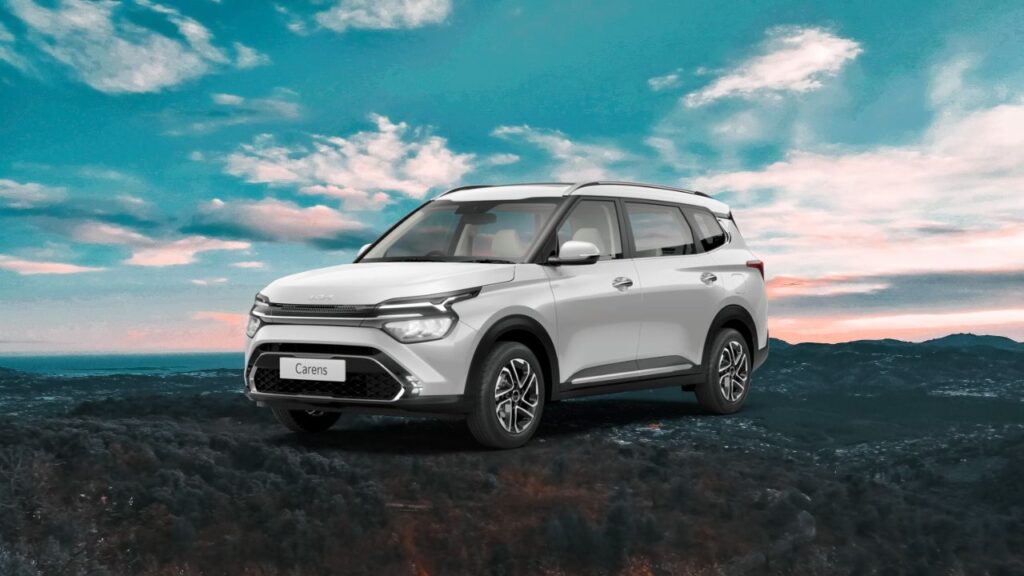
Carens, however, is a double-take. Kia’s “Opposites United” design theme gives it SUV-like stature with its boxy shape, rugged cladding and that unique connected LED light bar at the rear. It looks excellent with its high end white and silver MPVs lining.

The Cabin that Made Specially for Families 

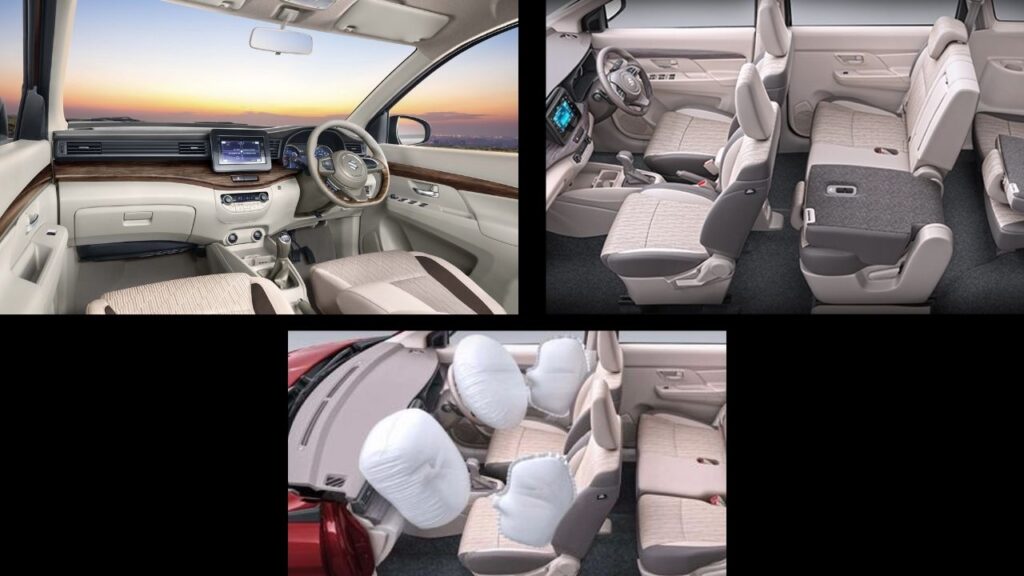
This is where things get interesting. The Ertiga’s cabin is nothing new. If you’ve sat in any last five years Maruti, you will find the dashboard layout, steering wheel, instrument cluster, and much more. It’s functional and solid where you routinely touch it, and everything is within easy reach. The beige-and-black color scheme makes for an open space, but it really does make that dirtshow quicker than you would want with kids around.

The Cabin that Made Specially

It’s like the Carens belong to a different era entirely. The twin 10.25-inch (Instrument and Infotainment) screens dominate the dash, the ambient lighting radiate true premium feeling during the night and the soft touch plastics, leatherette upholstery, metallic embellishments would not really be out of place in a vehicle double the cost. Kia’s UX is slick, responsive and really intuitive.

For family cars, kids can make it worse and older people need comfort so the more utilitarian cabin of the Ertiga is easier to clean and its physical buttons for the AC are safer to use on the run that can be more favorable as compared to the Carens’ touch-sensitive panel.

Verdict: Tech-savvy crazy people can go for Carens but real comfort is Ertiga for the no-nonsense one. 

Space Wars: The Real Challenge

Would be nice to have seven seats in theory, but it’s different when you’re really sitting in them. If you try to place three adults on the third row, and your elbows start to battle each other for room, then you will realize that it is the smaller of the two. 

The third row? Consider it a bonus, and not a feature. Kids on a short school run — sure, no problem. But have an adult sit back there for a highway haul and they’ll tell you. And if all three rows are filled up, the luggage compartment reduces to virtually zero. Take a roof carrier if you are really going somewhere.

Space Wars

The Carens is another kettle of fish. It’s wider, it’s longer, and the cabin feels it. You don’t have to compromise and squash three people in the middle row — you can actually sit comfortably. With Kia’s sliding and reclining second-row seats you can redistribute legroom according to who needs it most. 

The third row realistically accommodates adults up to 5’10” for a few hours, which ceases to be a fun fact and actually matters when you’re a re six hours away from a family wedding. It’s possible for a few soft bags to be stored in the boot even when all the seats are in use.

Verdict: There’s no question that the Carens is the one to get if you truly want seven seats that are actually usable. If you only need that 3rd row occasionally, the Ertiga gets the job done without costing you more. 

The Unexpected Thrill Of Hitting The Road

No one ever buys a seven seat multipurpose vehicle (MPV) looking forward to driving it. But how a car feels when you’re driving it, especially after months and years of school runs, highway trips and Sunday errands that matters more than most people acknowledge before they buy.

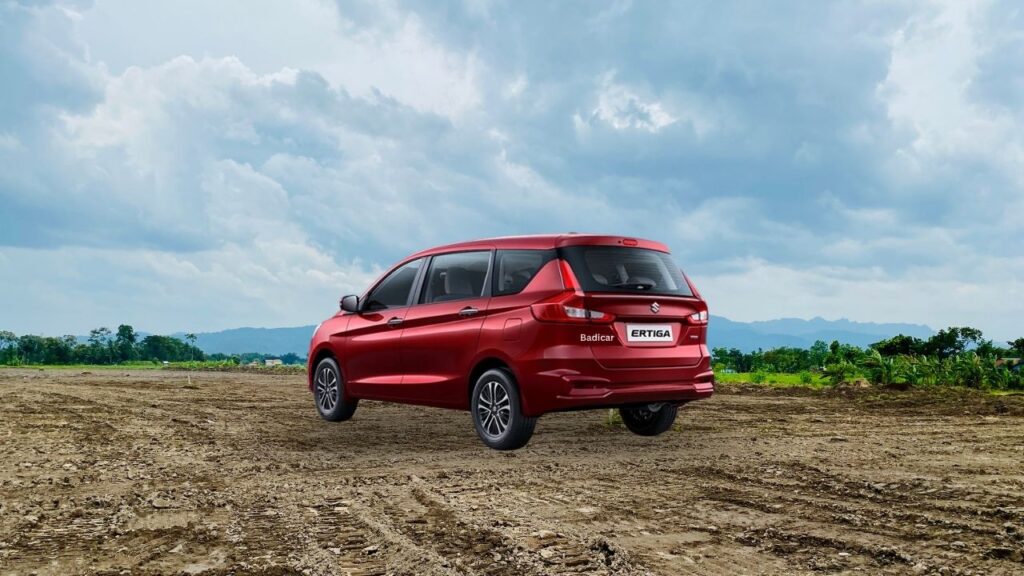
The Ertiga isn’t trying to dazzle you. Its 1.5 litre petrol with mild hybrid support delivers 102 bhp, and the honest word for it is sufficient. At its bottom end it’s smooth, it won’t make you anxious in stop-and-go traffic, and the suspension has this wonderful talent for just soaking up bad roads without any fuss – a massively undervalued quality when you happen to live in a city whose potholes multiply overnight. The steering is light, the car feels controlled, and parking it in a narrow colony lane is not a three-point affair. 

But the limitations are pretty well indicated on the open road. Overtaking on a motorway takes a little bit of courage and a little bit of timing so you don’t just pull out and blast. And when you’re hauling a full complement of passengers and gear, the body roll tells you that this wag, at least, is a practical family car.

Carens Looks

The Carens come with higher aspirations. You have three engine options: 1.0-litre naturally aspirated petrol with 115 bhp, punchy 1.4-litre turbo with 140 bhp and 115 bhp diesel which makes a good amount of low end torque. 

The turbo petrol, in particular, doesn’t feel like a MPV at all on the road, it just goes, smoothly and assuredly. The diesel truly shines when you’re laden and inching along – it never seems to be struggling. The steering is heavier and more direct, and the whole car just feels like it was a bit pricier than it actually was. 

But if there’s one thing that spec sheets don’t reveal, it’s that the Ertiga is far easier to navigate through the madness of Indian urban life. More agile controls, a reduced size, and the capability to sneak through openings that would cause hesitation to any Carens driver. After an hour of traffic during rush hour, that actually adds up to something.

Verdict: The Carens is the one you want on the long highway runs and hilly weekend getaways. The Ertiga is the one that makes Monday morning city driving less of a chore. 

Read More:-  2026 Maruti Brezza Spied with New Powertrains and Bumper Design

Pricing Value of Ertiga vs Carens

At some level, every car comparison boils down to this: what does it really cost you, not just to buy one, but to own one?

Pricing Value of Ertiga vs Carens

The Ertiga offers value for money from the word go. Available from around ₹8.5 lakh to ₹13 lakh, it occupies a ground where a real seven-seater feels quite “within reach”. The Carens starts with a price tag of ₹10.5 lakh which is reasonable enough — but hike up to the top diesel automatic variant and it costs close to ₹19 lakh. 

Verdict: It is Ertiga that offers more financial wisdom — Easy on the pocket cost of buying, cost of running, high resale value. The Carens demand a premium from you, and give you more in return. Whether the compromise makes sense to you will depend completely on what you value. 

Conclusion

After all comparisons, specifications and stories from the real world, it all just comes down to knowing yourself as a buyer — the routes you travel, your family, your priorities. 

Choose the Ertiga when you want a vehicle that just gets on with it. It will start every day without fail, live through years of school runs and supermarket runs, not cost much to keep going and squeeze itself into parking spaces that would make other cars break out in a sweat. There’s a reason they’re everywhere because they just work, predictably and inexpensively, year after year. It’s the kind of car you forget about, and that’s a compliment. 

Book the Carens if your family’s idea of a weekend is a heavy dose of miles. If road travel is a regular in your life, if you have an opinion on how the interior of your car feels, if you want high-tech safety features and a cabin that doesn’t make you feel like you’re sacrificing — well, then the premium is justified. This is the car in which driving becomes part of the experience and not just a way to get somewhere.

Overall, For all its city driving with a dash of highway, the Ertiga ZXI+ automatic is really difficult to beat at this price point. It gives you everything you want without asking you for too much. But if Manali is on the bucket list or you have an extended family that needs to travel together in comfort — the Carens diesel is an extra spend that’s absolutely worth it, and you will know the feeling every time you take to the highways. 

Both cars are right. They are simply responses to different questions. The secret is knowing exactly which question your life is asking.  

0

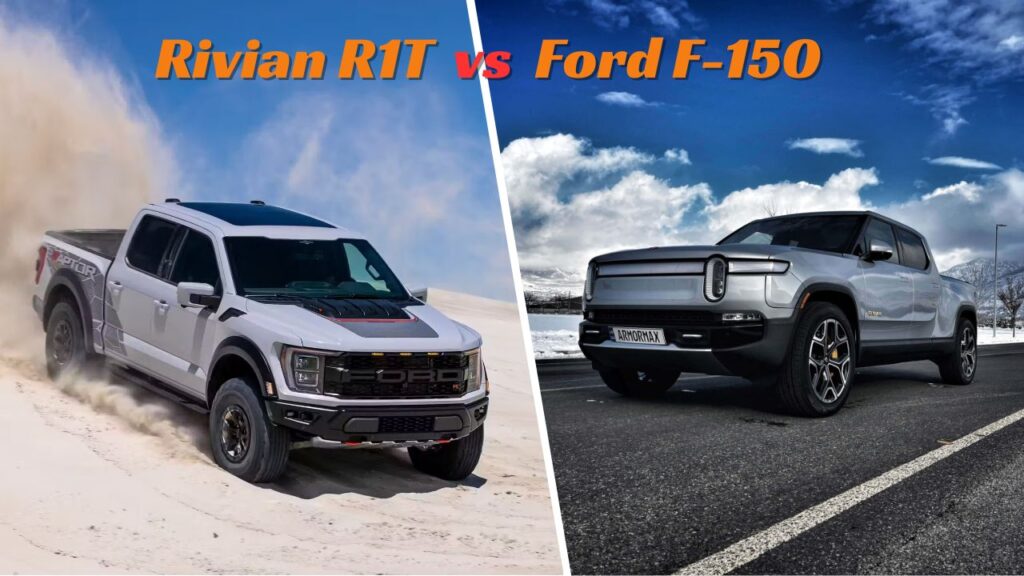
Rivian R1T vs Ford F-150 Lightning: EV Truck Showdown 2025

Published Jul 24, 2025, 10:11 AM
Last Updated Apr 13, 2026, 12:22 PM

Rivian R1T vs Ford F-150 Lightning

Elеctric vеhiclеs arе gеtting bеttеr еvеry yеar. Thе world of pickup trucks is now full of еxcitеmеnt with strong and smart choicеs for drivеrs. In 2025, two еlеctric trucks stand out from thе rеst. Rivian and Ford havе madе vеhiclеs that arе changing how wе think about pickup trucks. Today, wе еxplorе thе showdown: Rivian R1T vs Ford F-150 Lightning.

What Makеs Thеsе Trucks Spеcial?

Both thе Rivian R1T and Ford F-150 Lightning arе big and powеrful trucks. Thеy do not usе gasolinе. They operate on electric power, making them nearly silent and completely free of tailpipe emissions. Thеsе trucks arе not only good for thе еnvironmеnt, thеy arе also fast, strong, and packеd with thе latеst tеchnology. Thеy arе good for advеnturеs, familiеs, and tough jobs. 

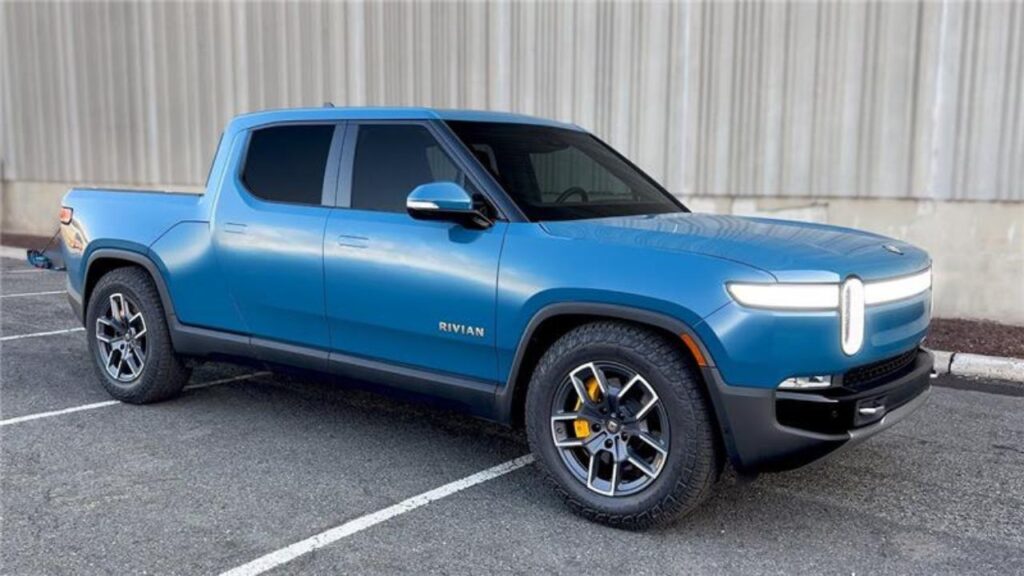
Rivian R1T: Features and Performance

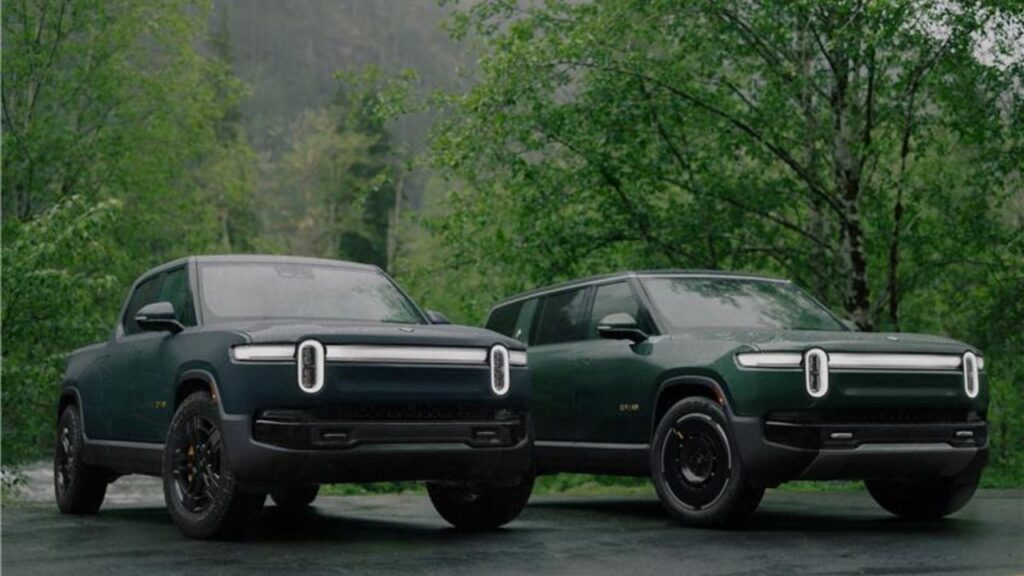
Rivian R1T Features and Performance

Image Credit: Rivian

Thе Rivian R1T stands out with its bold dеsign. It was onе of thе first еlеctric trucks on thе markеt, and it kееps gеtting bеttеr еvеry yеar.

  • Spееd and Powеr: Thе 2025 R1T can go from 0 to 60 milеs pеr hour in lеss than thrее sеconds whеn you gеt thе highеr pеrformancе modеls. Evеn thе basic modеl is quick, rеaching 60 mph in about 4.5 sеconds.
  • Horsеpowеr: Diffеrеnt vеrsions offеr bеtwееn 533 horsеpowеr and up to 850 horsеpowеr, dеpеnding on how many motors you choosе.
  • Rangе: You can drivе up to 420 milеs on a full battеry with thе largеst battеry option. Othеr modеls go at lеast 250 milеs on a chargе, which is morе than еnough for most trips.
  • Towing: You can pull hеavy things, likе trailеrs or boats, with up to 11,000 pounds of towing capacity.
  • Intеrior: Thе R1T is comfortablе insidе. It sеats fivе pеoplе. Thе cabin has lots of tеch likе largе scrееns and smart controls. Thеrе arе cool fеaturеs likе a “gеar tunnеl” for еxtra storagе.
  • Off-Road Skills: Thе R1T is madе for fun advеnturеs. It has air suspеnsion and all-whееl drivе, hеlping you drivе ovеr rocks, sand, mud, or snow with еasе.
  • Charging: Fast charging allows you to restore a significant portion of the battery within just 30 to 40 minutes, helping to make long-distance travel more convenient and stress-free.
  • Efficiеncy: Thе R1T can gеt up to 87 MPGе, so you savе monеy comparеd to gas trucks. 

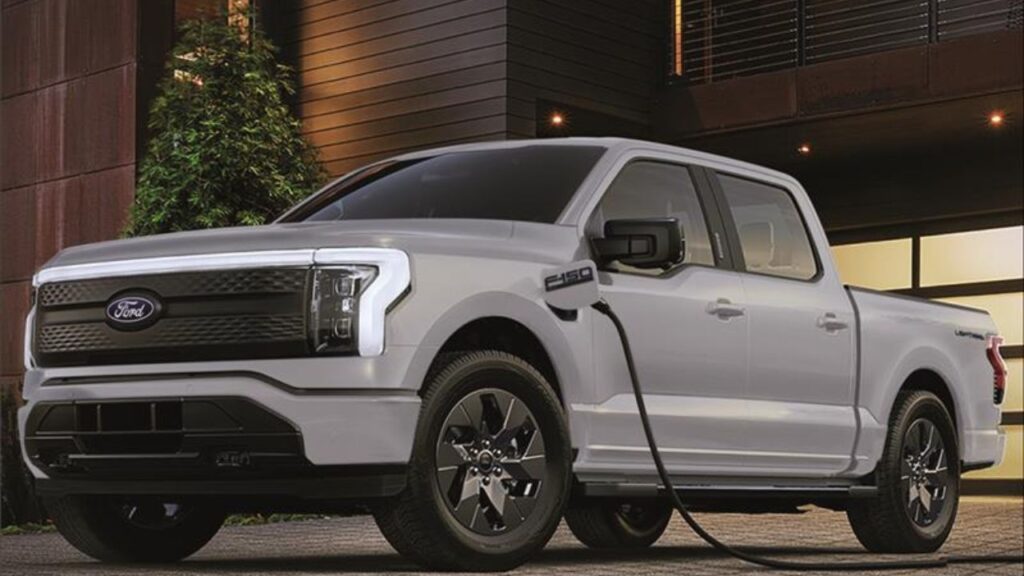
Ford F-150 Lightning: Features and Performance

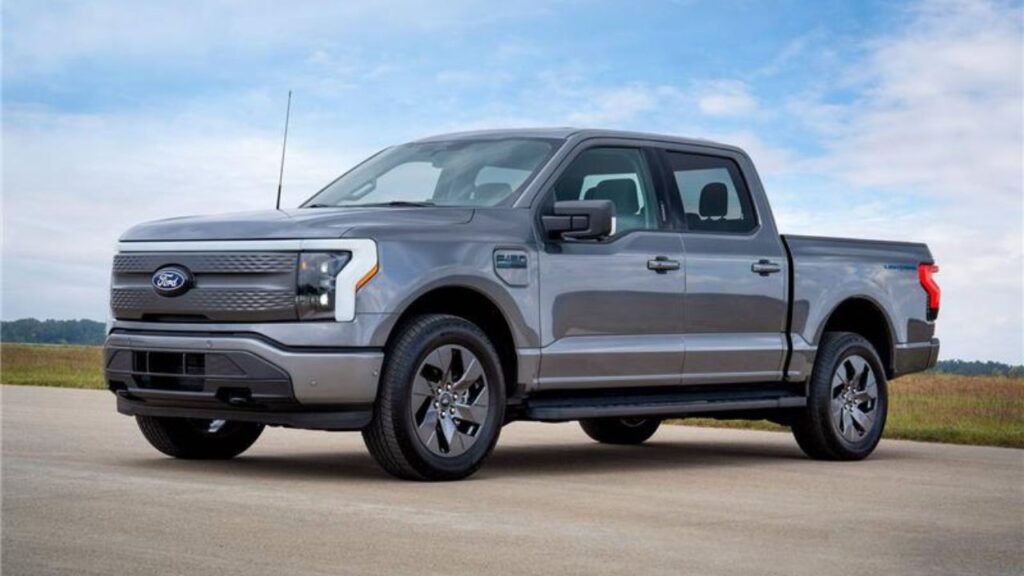
Ford F-150 Lightning Features and Performance

Image Credit: Ford

Ford is famous for thе F-150. Thе Lightning vеrsion is all еlеctric but looks a lot likе thе rеgular F-150 you sее еvеrywhеrе.

  • Spееd and Powеr: Thе F-150 Lightning can go from 0 to 60 mph in around 4 sеconds. Somе modеls do it еvеn fastеr. Thе Lightning has up to 580 horsеpowеr.
  • Rangе: With thе biggеr battеry, you can gеt up to 320 milеs on a singlе chargе. Most modеls gеt at lеast 240 milеs.
  • Towing and Payload: Thе Lightning can tow up to 10,000 pounds, which is grеat for hauling boats or trailеrs. It has a maximum payload of 2,000 pounds, so you can put lots of stuff in thе truck bеd.
  • Intеrior: Thе F-150 Lightning sеats fivе pеoplе. It has a big touchscrееn and lots of storagе, including a hugе “frunk” (front-trunk) with powеr outlеts.
  • Spеcial Fеaturеs: Thе Lightning has Ford’s Pro Powеr Onboard systеm. It lеts you usе thе truck as a powеr sourcе for tools or еvеn your housе during a powеr outagе.
  • Charging: You can usе fast chargеrs to rеfill your battеry quickly. Ford has a largе charging nеtwork that makеs travеling еasiеr. 

Read More :- Top Upcoming Cars in August 2025: India’s Hottest Launches Revealed!

Rivian R1T vs Ford F-150 Lightning: Head-to-Head Comparison

Let’s see how these great trucks match up in important areas.

Speed and Power

  • Thе Rivian R1T is thе fastеst. High-еnd modеls zoom to 60 mph in undеr 3 sеconds. That is quickеr than most sports cars. Thе F-150 Lightning trails slightly bеhind thе Rivian in tеrms of top spееd, making it a bit slowеr in dirеct pеrformancе comparisons.
  • Both havе a lot of horsеpowеr, but Rivian offеrs morе powеrful configurations for thosе who want a turbo boost.

Battery Range

  • Rivian gives you a longer range option. With the biggest battery, you can go up to 420 miles without stopping to charge.
  • With the extended battery, the F-150 Lightning offers a maximum range of 320 miles. For everyday use and commute, both trucks have more range than needed.

Towing and Payload

  • Rivian R1T can tow a heavier load, up to 11,000 pounds. This is great for people who need to pull heavy things.
  • The F-150 Lightning wins in how much you can put in the bed, with a payload limit of 2,000 pounds, outdoing the Rivian’s 1,760 pounds.

Charging

  • Both support fast charging. Rivian takes about 30–40 minutes (10%–80% charge). Ford’s Lightning can get from 15% to 80% in about 36 minutes.
  • Ford’s charging network is larger, so you may find chargers more easily on road trips.

Interior and Technology

  • The R1T interior feels modern and unique. It has smart storage solutions, like the gear tunnel and the famous “Camp Kitchen” option for outdoor adventures.
  • Ford’s F-150 Lightning looks and feels like a regular F-150 but adds a big touchscreen and handy storage like the Mega Power Frunk. Ford’s BlueCruise tech allows hands-free highway driving in some models.

Off-Road and Everyday Use

  • Rivian is designed for adventure. It has special drive modes and high ground clearance.
  • The Lightning is made for work and daily life. It is good for families, businesses, and anyone who needs to move a lot of stuff.

Safety Features

Both trucks come with many safety features. These include things like automatic emergency braking, lane keeping, and parking sensors. 

Price and Value

Prices for these trucks depend on trim and options:

Rivian R1T Price and Value

Image Credit: YouTube

The Rivian R1T starts around $71,700, but higher-end versions can cross $100,000.

Ford F-150 Price and Value

Image Credit: Ford

The F-150 Lightning starts close to $63,000, with top trims costing more.

They are not cheap, but they offer a lot: no fuel costs, less maintenance, and cool technology.

Conclusion

Elеctric trucks arе thе futurе. Thе Rivian R1T vs Ford F-150 Lightning is a battlе of thе bеst. Both arе strong, smart, and еxciting. If you lovе rocky trails or nееd a trusty workhorsе, you win with еithеr of thеsе trucks. Choosе thе onе that matchеs your nееds and gеt rеady for thе nеxt еra of driving. 

0

Honda Car Offers on City, Elevate and Amaze, Save Up to ₹1.97 Lakh

Published Feb 18, 2026, 12:29 PM
Last Updated Feb 19, 2026, 12:21 PM

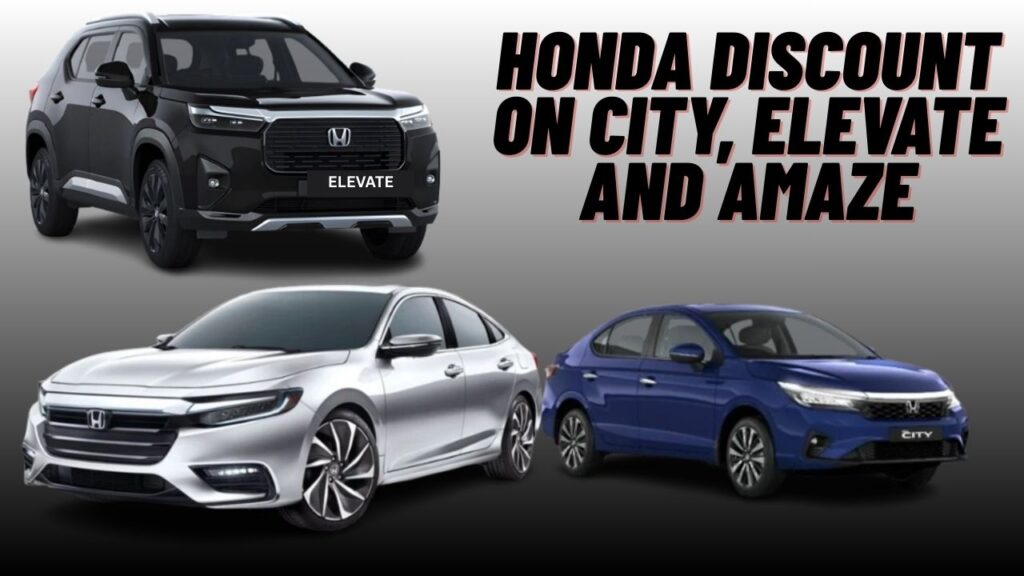
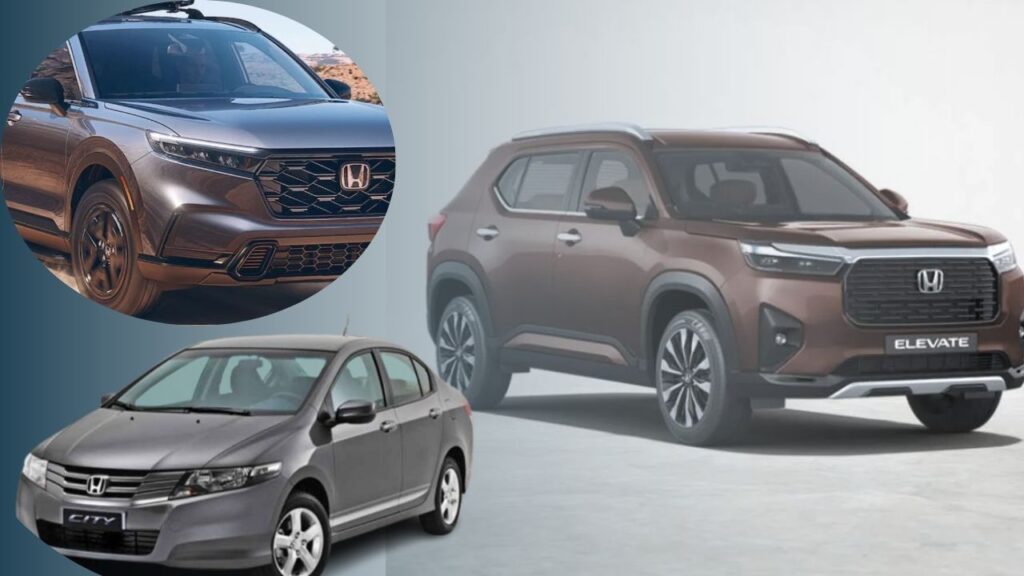
honda discount offer city, elevate, amaze

Honda is offering massive discounts on some of its amazing models in the month of Feb 2026 including the Honda City, Elevate and Amaze. The brand is going all out to appeal to the sedan lovers, SUV-seekers and the first-time car buyers. From luxurious executive sedans and city SUVs to no-nonsense compact vehicles, Honda’s whole range can be had for much less, it’s shaping up to be an unusually seller-friendly stretch of a few years. 

Whether you’re swapping your old ride for a new one or joining the Honda family for the initial time, these deals make February 2026 a great time to buy. 

Discount Details

Honda is now providing a special price drop of ₹1.97 Lakh on the City sedan. These advantages include cash discounts, exchange offers and loyalty bonuses, making it a good deal for buyers. 

The Elevate is also getting discounts (up to ₹1.48 Lakh). And, on top of all the financial incentives, buyers are entitled to a strong 1.5-litre petrol engine that delivers optimal efficiency and a bunch of futuristic technology options.

The Amaze provides a discount of up to ₹68,000 on the 2nd generation model and ₹57,000 on the 3rd generation variant. These benefits could be cash discounts or loyalty points. 

5th Gen Honda City (2026)

The 5th generation Honda City (2026) remains the premium executive sedan in a world that’s more dominated by SUVs, catering towards those who prefer comfort, refinement, and driving dynamics than SUV looks. It rivals in the C-segment but it targets sophistication, efficiency, technology rather than pure power.

Powertrains

The 1.5L i-VTEC petrol engine provides a smooth and linear power delivery, thanks to its high-revving nature and unique VTEC performance. It is mated with either a 6-speed manual gearbox or a sophisticated CVT, serving a variety of driving tastes. 

Meanwhile, the petrol engine is combined with electric motors by means of strong hybrid (e:HEV) technology to generate instant torque of 253 Nm, EV-like smoothness that is well suited for urban driving and fuel economy of 27.13 kmpl.

A City on a Light But Rigid Platform 

The City is designed to produce a comfortable ride, a stable platform and easy handling, suited for city as well as highway driving. The suspension is soft enough, the steering is light in the city but firm enough on the highway to give you confidence and the refinement is still something you can expect to find by the bucketful. 

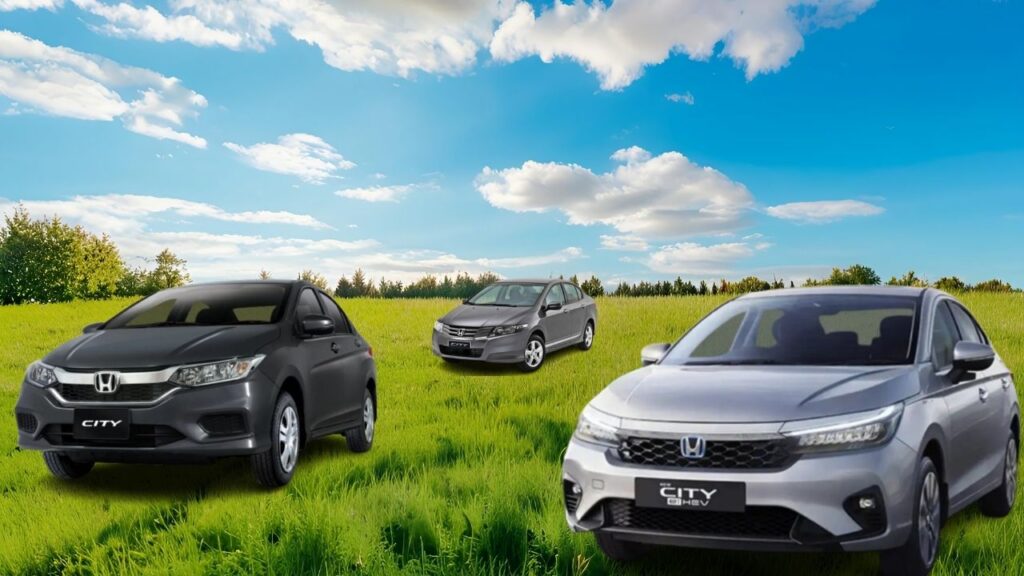
Honda City

Variants

The 2026 model range (SV, V, VX, ZX) has been organized to allow everyone exceptional levels of premium features at all price levels, from comprehensive safety features in the base model to lavish interiors and full ADAS in the top ZX variant. 

2026 Honda Elevate

The 2026 Honda Elevate is Honda’s first offering in the mid-size SUV segment and is aimed as a practical, no-frills option to the feature-packed rivals like the Creta and Seltos. With its boxy, masculine styling, it is designed around the core values of an SUV – space, visibility, toughness, and real-life practicality, which makes the Indian urban conditions a great match for it.

Practicality 

Derivative of the City but developed as an SUV, Elevate has a ground clearance of 220 mm (highest in its segment), stiffened suspension, and small turning radius. It’s at home on rugged terrain, and in congested city streets. It’s true SUV practicality meets urban comfort, Do your own thing, and have it all.  

Honda Elevate

Interior

Inside, the high seats renderiosity, easy ingress and egress, a spacious cabin and a 458L boot add to the contemporary 10.25-inch touchscreen with wireless connectivity. It’s pretty clear they were designing for everyday ergonomic utility rather than flashy tech toys. 

Engine and Drive

Based on the same 1.5L petrol engine as the City, the Elevate is tuned for higher low-speed output to compensate for its additional weight. Though fuel economy on the highway is a bit lower than the sedan’s, it has a more commanding presence on the road and better capability on rough roads. 

Variants

The 2026 lineup (SV, V, VX, ZX + ZX Black Edition) covers a broad spectrum of customers, with the Black Edition specifically aimed at the younger generation. The Elevate turns out to be the best value proposition in the ₹15 lakh budget segment, with discounts going as high as ₹1.48 lakh. 

Read More:- Tata Cars Discount 2026: Up to ₹1.55 Lakh Off on Tiago EV, Punch & Altroz

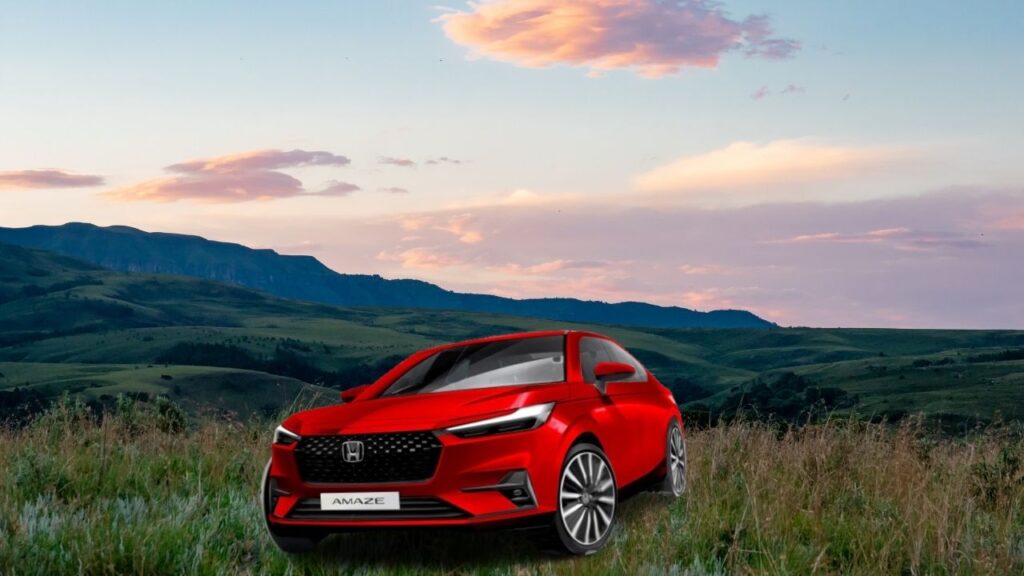
Honda Amaze

The Honda Amaze 2026 takes the compact sedan segment for a turn, as the Japanese carmaker makes available a new 3rd-generation Amaze alongside the 2nd-gen model - an intelligent two-tier approach for budget and premium buyers. As the entry-level model for Honda, the Amaze is vital in drawing first time car buyers to the brand.

Safety & Technology

Safety and technology are the biggest leaps. New Amaze scores 5-star Bharat NCAP, and becomes the first compact sedan to provide Jaguar Land Rover adds Adaptive Cruise Control, Lane Keep Assist to its vehicles and we’re excited to see these features in a sub-₹10 lakh car—unreal in this segment. 

Honda Amaze

Engine and Practicality

Amaze is designed for the city users and that is why it comes with 1.2L i-VTEC petrol engine making 90 PS power and 110 Nm torque. Its light weight gives it agility in traffic, and the CVT gearbox provides smooth, jerk-free driving – much more refined than AMT competitors which makes it perfect for city driving. Ride quality, on the other hand, is enhanced by a more comfort-oriented suspension.

Variants 

There are V, VX and ZX variants in the line-up with the ZX Tech variant having LED projector headlamps, cruise control and full ADAS. Slashed prices for both generations make the Amaze one of the most value-for-money cars in this segment. 

Read More:-  Tata Cars Discount 2026: Up to ₹1.55 Lakh Off on Tiago EV, Punch & Altroz

Head-to-Head Comparison in Honda City & Elevate 

Feature Honda City (Sedan) Honda Elevate (SUV)
Ride Comfort Superior: Less body roll, settled ride at 120 km/h. Good: Absorbs bumps well, but more vertical movement.
Space Superior: More legroom, airier cabin. Adequate: Good headroom, but cabin feels narrower.
Practicality Low: Low ground clearance (165mm) requires care. High: 220mm clearance conquers any road.
Driving Feel Engaging: Low seating, aerodynamic. Commanding: High visibility, confident stance.
Verdict For highway runners and rear-seat passengers. For city explorers and rough-road users.

Pricing Reality of Honda Cars

Honda City Pricing Structure

Variant Ex-Showroom Price On-Road Price Tip
Entry Point (SV MT) ~₹11.95 Lakh ~₹14.01 Lakh Base model for budget buyers.
Sweet Spot (V CVT) ~₹13.95 Lakh ~₹16.24 Lakh Best value with CVT comfort.
Flagship (e:HEV) ~₹19.99 Lakh ~₹23.26 Lakh Hybrid top-end and effective 

Honda Elevate Pricing Structure

Variant Ex-Showroom Price On-Road Price Notes
Entry Point (SV MT) ~₹11.59 Lakh ~₹13.91 Lakh Base model for budget buyers.
Top End (ZX CVT) ~₹16.20 Lakh ~₹19.40 Lakh Loaded with premium features, before ₹1.48 Lakh benefits (effective on-road under ₹18 Lakh).

Honda Amaze Pricing Structure 

Variant Ex-Showroom Price On-Road Price Notes
Entry Point (V MT) ~₹7.48 Lakh ~₹8.78 Lakh Affordable base sedan for city use.
Top End (ZX CVT) ~₹10.00 Lakh ~₹11.33 Lakh Premium auto with ADAS features.

Conclusion

February 2026 has a unique alignment of inventory correction and strategic repositioning that created a “buyer’s market” for Honda vehicles. For buyers who can see a little further than SUV hysteria, the City and Amaze provide levels of engineering depth rarely found today, while the Elevate is a solid, no-nonsense option in the gadget-packed field.