0

Renault Duster Hybrid Launches in India on 17 October 

Published Sep 28, 2026, 10:59 AM
Last Updated Sep 28, 2026, 11:34 AM

Renault Duster Hybrid Launches

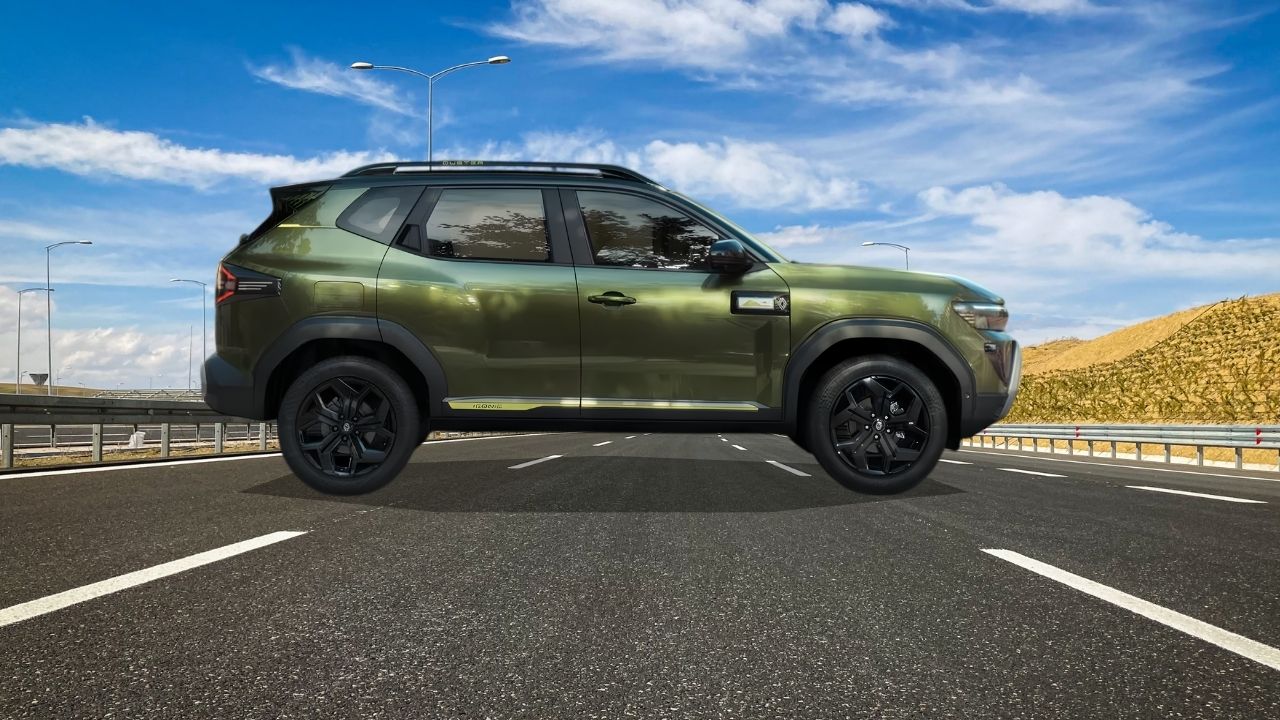
Renault India is bringing a new hybrid powertrain on its most powerful midsize SUV segment, Duster. It is debuting Hybrid E-Tech technology in the Indian market which changes the hybrid segment into next-gen evolutionary era. Renault Duster Hybrid launches in India on 17 October with a clear message: say goodbye to diesel. 

Buyer who are searching for a new hybrid car in this festive season sale can consider this new Renault Duster Hybrid with better fuel efficiency without giving up the practicality of an SUV. However, the final price and spec-sheet are still wrapped for the launch day.

Get all the details on the upcoming Renault Duster and other competitors in a hybrid SUV segment before booking one for yourself.

What Renault Has Confirmed About The Renault Duster Hybrid

Renault promises to bring its first hybrid in India, Duster E-Tech Hybrid for 17 October 2026. It makes a debut with Hybrid E-Tech technology in the Indian market.
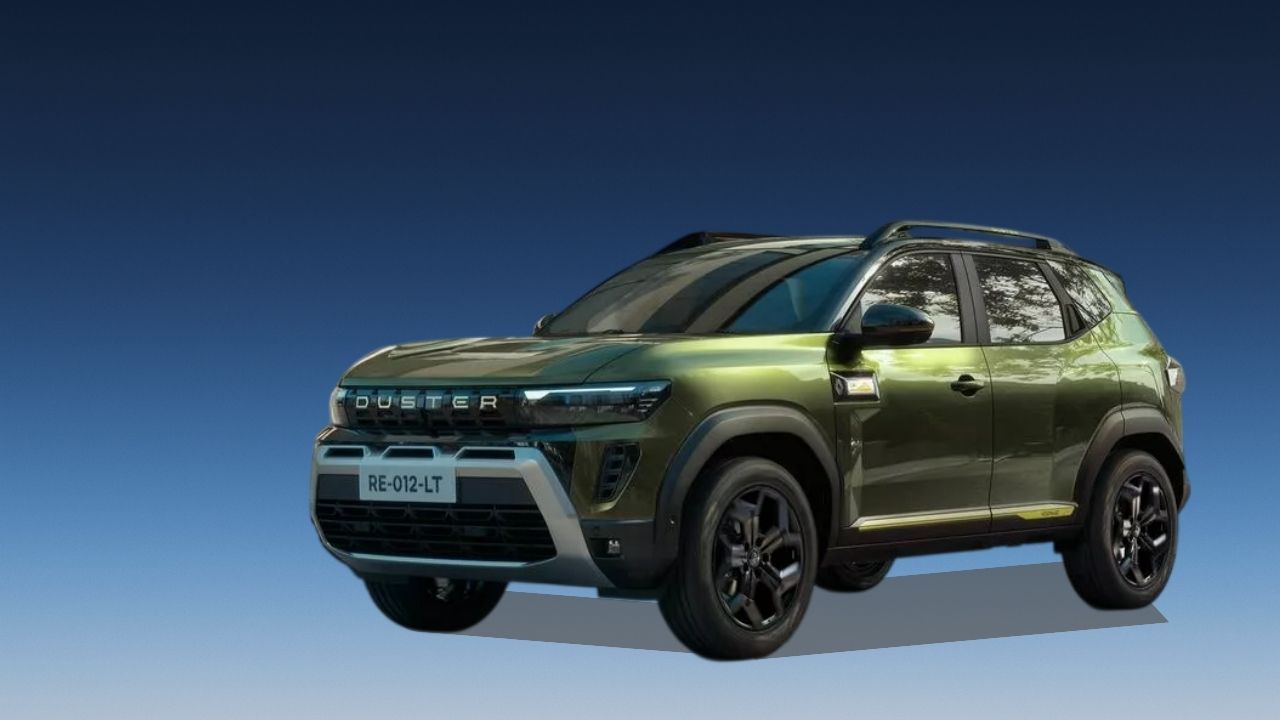
Renault Duster Hybrid

The hybrid becomes the third engine in the new Duster line-up. The current Duster offers two engine options in a range of ₹10.49 lakh to about ₹18.49 lakh (ex-showroom). The hybrid will sit above that. The petrol variant offers 1L 3-cylinder produces 100 bhp and 160 Nm with a 6-speed manual and a 1.3-litre turbo-petrol making 163 hp and 280 Nm.

Renault has not announced the price, the official mileage figure or the variant-wise features. Those arrive on launch day.

Duster Hybrid Specs: How The E-Tech 160 System works

This is a proper strong hybrid, not a mild-hybrid badge. It pairs a 1.8-litre GDI petrol engine with two electric motors and a 1.4 kWh battery, and drives the wheels through an 8-speed automatic.

Outputs are quoted inconsistently. Renault’s headline figure is 160 hp, but one report says 158 bhp and 172 Nm and CarWale says 162 bhp. Treat 160 bhp as the working number until Renault publishes homologated figures on launch day.

The efficiency claims matter more than the peak power:

  • Renault says the Duster Hybrid can deliver 80% of daily driving on electric mode which cuts fuel usage up to 40%, that’s less than any purely petrol car. But the percentage depends on the traffic, charging, and driving pattern. 
  • The claimed combined mileage of Renault Duster Hybrid is up to 1,000 km, the real world mileage is known after the launch. 
  • It is not a plug-in, so you never charge it. The battery refills through regenerative braking. 
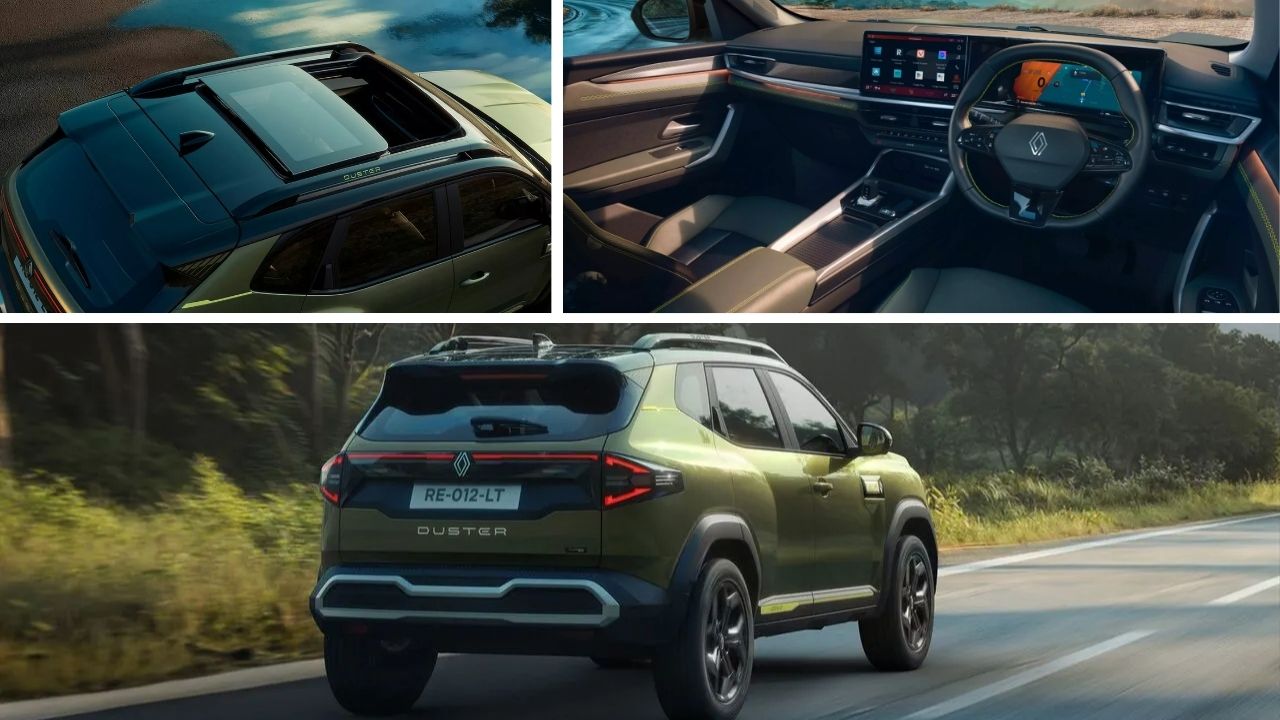
Duster Hybrid Specs

The battery size is the interesting part. At 1.4 kWh, it is much larger than the roughly 0.60 kWh pack in the Toyota-based hybrids sold as the Grand Vitara, Victoris and Hyryder. A bigger pack should allow more electric-only driving in stop-start traffic, which is where a strong hybrid earns its premium. It should also mean a battery that works less hard on a long commute. How much of that shows up in real conditions is something only road tests will settle.

Expected features include a 10.1-inch touchscreen, a digital instrument cluster, a panoramic sunroof, six airbags and a 360-degree camera, with Level 2 ADAS on selected variants. These are expectations, not a confirmed spec sheet.

 Read More 👉   Maruti Suzuki Cars Are Coming To India by 2027 

Renault Duster Hybrid VS Grand Vitara and Hyryder

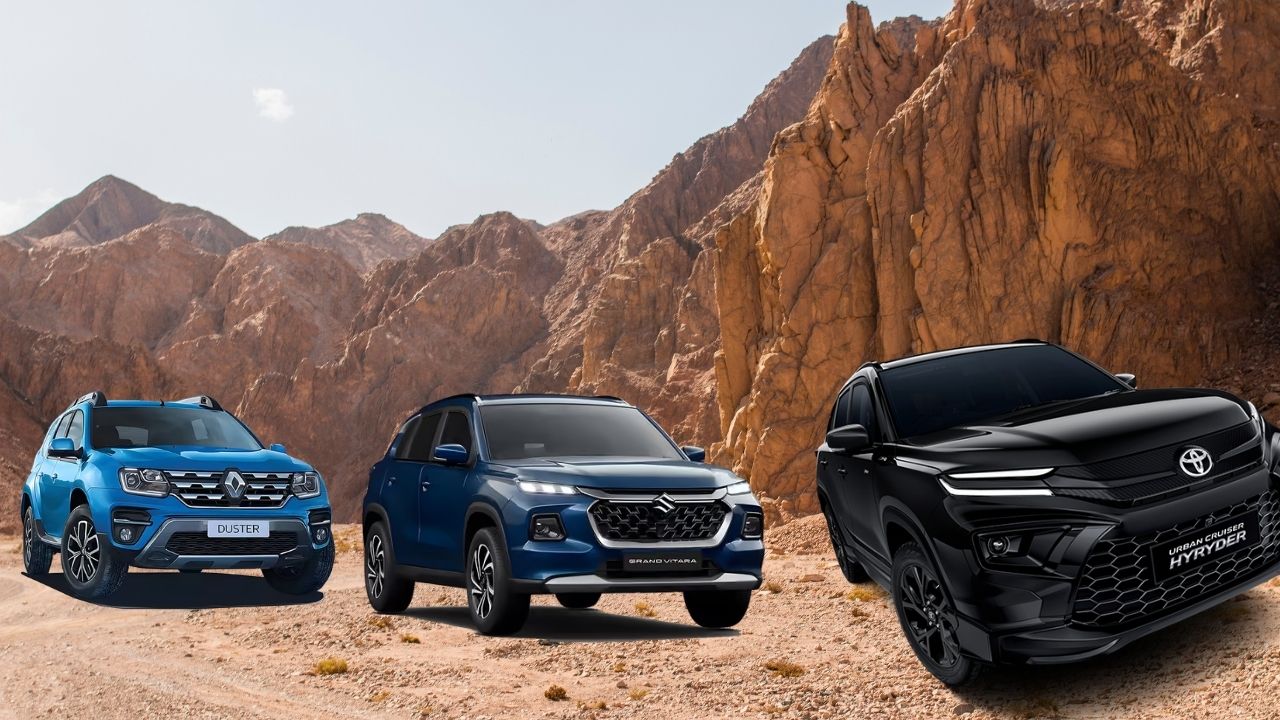
The Duster’s obvious rivals are the Maruti Suzuki Grand Vitara and Toyota Urban Cruiser Hyryder, which share a strong-hybrid system. Grand Vitara strong-hybrid variants run from roughly ₹18 lakh to ₹19.7 lakh ex-showroom, and the claimed ARAI figure is 27.97 kmpl.

Here is where the hybrid Duster could beat them and where it could fall short:

Duster Hybrid (expected) Grand Vitara / Hyryder Strong Hybrid
Engine 1.8L petrol + 2 motors 1.5L petrol + motor
Output ~160 bhp (claimed) 116 hp
Gearbox 8-speed multimode automatic e-CVT
Battery 1.4 kWh ~0.6 kWh
Claimed mileage Not announced 27.97 kmpl (ARAI)
Boot Not announced 265 litres (hybrid variants)

Renault Duster Hybrid VS Grand Vitara and Hyryder

On paper the Duster has a clear edge on power and battery. The Grand Vitara and Hyryder hold the mileage crown for now, and their boots shrink noticeably in hybrid form. Renault’s boot figure is the number to watch, because a hybrid SUV that compromises on luggage space loses part of the reason to buy it.

Duster Hybrid Price and Mileage

Pricing is speculation until 17 October. One publication projects ₹19 lakh to ₹23 lakh and mileage of up to 25 kmpl, but that is an outlet’s estimate, not a Renault statement. If that mileage figure holds, the Duster would trail the Grand Vitara’s 27.97 kmpl on paper.
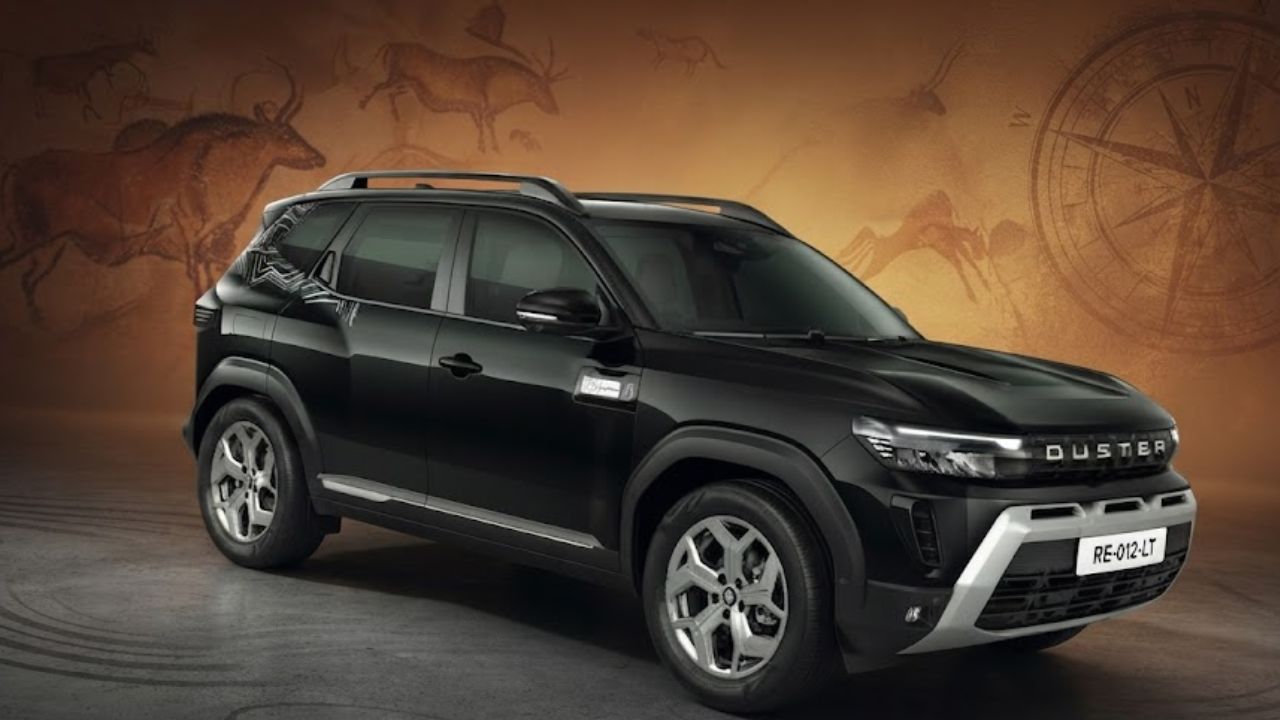
Duster Hybrid

The same report says the initial 2026 production allocation has already sold out in pre-bookings and bookings are paused. I could not find this confirmed by Renault, so treat it with caution. Renault had earlier said deliveries would begin in the festive season around Diwali, which makes early-November deliveries plausible.

Should You Buy The Duster Hybrid or Wait?

The answer depends on how you drive.

Buy the Duster Hybrid if most of your driving is city traffic and you have been quietly missing a diesel. This is likely to be the car that answers that, with more power and a bigger battery than its rivals. It also suits anyone who wants the Duster’s rugged look and does not want to compromise on refinement.

Wait if your priority is the lowest running cost per kilometre. Toyota’s system already holds the mileage record in this class, and you should see Renault’s ARAI number and top-variant price before paying a premium. Waiting also makes sense if you want independent reviews of real-world efficiency and boot space before committing.

Look elsewhere if you regularly do highway-heavy runs. Hybrids do their best work in stop-start traffic, and a turbo-petrol Duster at ₹10.49 lakh onwards may make more financial sense.

Read More 👉  New Hyundai Flagship Models Arriving Soon to Dominate Indian SUV Market

Conclusion 

The practical move is to hold your booking decision until 17 October. Compare the announced price against the Grand Vitara Alpha+ hybrid at around ₹19.5 lakh, then check the ARAI mileage and boot capacity. 

If Renault Duster Hybrid prices the top hybrid below that and delivers 25 kmpl or better, the Duster becomes the more interesting choice. If it lands above ₹21 lakh with mileage in the low twenties, the Toyota-based hybrids stay the smarter buy.

Alok Kabir

Alok is an experienced SEO Specialist skilled in blogging and SEO-friendly content creation. He also specializes in Content Optimization and Technical SEO, including website optimization, crawlability, indexing, site speed, and on-page improvements to enhance search rankings and online visibility.

Leave a Reply

Your email address will not be published. Required fields are marked *

0

Sundar Pichai Car Collection 2026: A Look Inside His Garage

Published Jun 5, 2025, 8:19 AM
Last Updated May 9, 2026, 12:49 PM

Sundar Pichai’s Stunning Car Collection Revealed

Sundar Pichai Car Collection is one of the best luxurious garages. Pichai’s taste in cars reflects his personality and life as he is the CEO of Google with a net worth of $1.3 billion. He owns superfast Maybach, BMW and practical horses like Benz V-Class and HiAce which makes his collection far more interesting and exciting than any other businessman.

Unlike other billionaires who prefer to buy supercars, big SUVs, and ultra-luxurious sedans, Sundar Pichai car collection focuses on more practicality, comfort and decency which perfectly match his calm and sophisticated personality. His collection proves that luxury is not always showing off loud cars but it can be classy, comfortable, and advanced engineering.

Sundar Pichai Car Collection That Blow Your Mind

Mеrcеdеs-Maybach S650

Mеrcеdеs-Maybach S650

Sundar Pichai owns an ultra luxury private jet on four wheels, it becomes one of the finest cars in his garage. Mercedes-Maybach S650 is a complete power packed vehicle which offers tremendous features that can blow your mind. He owned it, showed his taste in automobile engineering and smart lifestyle. 

The Maybach S650 is the pinnacle of top-level luxury advanced vehicles which is worth around $200,000 (₹3.2 crore for in India). Its body is designed like an elongated Mercedes sedan but not manufactured as flashy which defines its aura at the next level. Without putting an effort to be flashy, it becomes a true luxury. Inside looks and comfort is something else far more elegant than any other luxury cars. 

Engine

6.0-liter Twin-Turbo V12

Speed

0 to 60 mph in 4.6 seconds

Horsepower

621 hp

Price

Rs 3.2 Cr

It provides reclined leather seats with massaging feature, soundproofed cabin, powerhouse of 621 horsepower. It builds on 6.0-liter Twin-Turbo V12 engine that drives the car at a superfast speed from 0 to 60 mph in just 4.6 seconds. But it doesn’t make you feel like you’re jumping on the road because of the car’s smooth suspension.

Seats 

Reclining Leather with massage function

Soundproofed cabin

Near-silent at highway speed

Suspension

Body control smooth suspension

Wheelbase 

Extended for rear comfort

Sound system

Burmester 3D 

BMW 730LD

BMW 730LD

Pichai also owns the legendary BMW 7 Series as it stands for Long Wheelbase, which makes it comfortable if you sit on the back seat. It builds for long highway miles with balancе of spееd and comfort. It costs around $100,000 (about Rs 1.35 crore). 

The 730LD is packed with futuristic features. BMW provides high-end tech like gesture controls, tablet-like key fob that allows you to remote-park the car from the outside, infotainment screens, and ambient lighting that can switch according to your mood. Pichai’s tech-forward luxury sedan is not only a superfast car but its long wheelbase precision gives an excellent riding experience.

Engine

3.0 Litre I-6 

Horsepower

261 HP

Price

Rs 1.35 Cr

It’s a power packed german engineering with executive comfort. It delivers smooth and effortless power of 261 horsepower from the 3.0-liter turbocharged inline-six diesel engine.

Gesture control

Change music with wave

Remote Parking

Tablet-like Key

Wheelbase 

Extended rear legroom

Infotainment system

iDrive 7

Ambience

Customizable

Suspension

Adaptive for highway

Mеrcеdеs V-Class

Mеrcеdеs V-Class

Mercedes-Benz V-Class is essentially a VIP lounge on wheels. This ultimate luxury minivan valued around $75,000 (roughly Rs 71 lakh). It features heavy leather captain’s rotating chairs in the back that can be turned to face each other, perfect vehicle for a family guy like Pichai.

Seats 

8 passenger, leather 

Body 

Stealth 

Doors 

Sliding door

Sound 

Burmester system

Interior 

Roomy, classy 
Price

Rs 71 Lakh

The interior is great with a fold-out conference table in the center, Burmester surround sound which is good to go on a trip with family, and sliding doors for easy access in and out. The most comfortable ultimate “stealth” vehicle that provides comfort and avoids untrained eyes from the outside.

Toyota HiAcе 

Toyota HiAcе 

Pichai’s collection has also included Toyota HiAce which is valued around $50,000. It is spacious, reliable, and incredibly unassuming that’s why it is assumed as a practically indestructible titan for the road.

The 2026 HiAce starts at the base LWB Van model with $51,880 ending at the range-topping SLWB Commuter GL at $80,656. It is equipped with a 2,8-litre 1GD-FTV turbo-diesel engine and fuel consumption is 7.4L/100km up to 8.1L/100km. It generates 220 horsepower to go for that fastest ride. 

Engine 

2.8 L I-4 1GD-FTV turbo-diesel 

Power 

220 hp

Seats 

12 passenger, leather 

Fuel Economy 

7.4—8.1 litres per 100 km

Safety

Emergency brake, line departure alert, indestructible body quality

Space 

6.2 cubic metres of cargo space 

wheelbase  

Super long 

Price

$51,880 LWB Base  →  $80,656 SLWB Commuter GL 

It also provides excellent security features with autonomous emergency braking, lane departure alert, and improved stability control. The interior is large and can provide 12-passengers to sit and extra 6.2 cubic metres of space for luggage. 

Also Read : Top 7 Cars from MS Dhoni Car Collection That Will Blow Your Mind in 2026

Conclusion

Sundar Pichai Car Collection has every high-end vehicle which shows his choices along with his lifestyle. He is a family guy, having large minivans, big vehicles shows how much he preferred practicality over luxury sedans and SUVs. Superfast Maybach, BMW and Mercedes are perfect choices of luxury cars. All these cars reflect Mr. Pichai’s tastе for luxury, spееd, and spacе.

0

Ertiga vs Carens: The Best 7-Seater Cars Are On The Edge

Published Mar 9, 2026, 7:49 AM
Last Updated Apr 7, 2026, 6:27 AM

Ertiga vs Carens

You don’t really know when it comes to 0-100 km/h timings or just how well a family car corners, after all you’re buying one with seven seats. Ertiga vs Carens– it’s a difficult choice to make because both are offering tremendous features with high end quality for smoother rides with your family. Imagining a seven seater is cool but experience while your kids wanna sit in the front, your parents are having problems taking on the third row seats, is it got you worried?

These two space warriors are the best right now — the Maruti Suzuki Ertiga, which is a proven option from previous buyers that really make it on top. And the seven-seater Kia Carens which has been the leader in the market. Let’s talk about further details of these cars and price.   

Easy Trips with Well-Defined Looks

Walk up to an Ertiga, and you know exactly what you’re getting. It’s clean, bland, and made to camouflage in every apartment complex parking lot in India. The design has been tweaked a bit over time by Maruti – sharper headlights, a chrome heavy grille and floating roof elements but no one will go gaga over its looks. And honestly? That’s fine. Ertiga buyers don’t want to be seen.

Ertiga Looks

Carens, however, is a double-take. Kia’s “Opposites United” design theme gives it SUV-like stature with its boxy shape, rugged cladding and that unique connected LED light bar at the rear. It looks excellent with its high end white and silver MPVs lining.

The Cabin that Made Specially for Families 

This is where things get interesting. The Ertiga’s cabin is nothing new. If you’ve sat in any last five years Maruti, you will find the dashboard layout, steering wheel, instrument cluster, and much more. It’s functional and solid where you routinely touch it, and everything is within easy reach. The beige-and-black color scheme makes for an open space, but it really does make that dirtshow quicker than you would want with kids around.

The Cabin that Made Specially

It’s like the Carens belong to a different era entirely. The twin 10.25-inch (Instrument and Infotainment) screens dominate the dash, the ambient lighting radiate true premium feeling during the night and the soft touch plastics, leatherette upholstery, metallic embellishments would not really be out of place in a vehicle double the cost. Kia’s UX is slick, responsive and really intuitive.

For family cars, kids can make it worse and older people need comfort so the more utilitarian cabin of the Ertiga is easier to clean and its physical buttons for the AC are safer to use on the run that can be more favorable as compared to the Carens’ touch-sensitive panel.

Verdict: Tech-savvy crazy people can go for Carens but real comfort is Ertiga for the no-nonsense one. 

Space Wars: The Real Challenge

Would be nice to have seven seats in theory, but it’s different when you’re really sitting in them. If you try to place three adults on the third row, and your elbows start to battle each other for room, then you will realize that it is the smaller of the two. 

The third row? Consider it a bonus, and not a feature. Kids on a short school run — sure, no problem. But have an adult sit back there for a highway haul and they’ll tell you. And if all three rows are filled up, the luggage compartment reduces to virtually zero. Take a roof carrier if you are really going somewhere.

Space Wars

The Carens is another kettle of fish. It’s wider, it’s longer, and the cabin feels it. You don’t have to compromise and squash three people in the middle row — you can actually sit comfortably. With Kia’s sliding and reclining second-row seats you can redistribute legroom according to who needs it most. 

The third row realistically accommodates adults up to 5’10” for a few hours, which ceases to be a fun fact and actually matters when you’re a re six hours away from a family wedding. It’s possible for a few soft bags to be stored in the boot even when all the seats are in use.

Verdict: There’s no question that the Carens is the one to get if you truly want seven seats that are actually usable. If you only need that 3rd row occasionally, the Ertiga gets the job done without costing you more. 

The Unexpected Thrill Of Hitting The Road

No one ever buys a seven seat multipurpose vehicle (MPV) looking forward to driving it. But how a car feels when you’re driving it, especially after months and years of school runs, highway trips and Sunday errands that matters more than most people acknowledge before they buy.

The Ertiga isn’t trying to dazzle you. Its 1.5 litre petrol with mild hybrid support delivers 102 bhp, and the honest word for it is sufficient. At its bottom end it’s smooth, it won’t make you anxious in stop-and-go traffic, and the suspension has this wonderful talent for just soaking up bad roads without any fuss – a massively undervalued quality when you happen to live in a city whose potholes multiply overnight. The steering is light, the car feels controlled, and parking it in a narrow colony lane is not a three-point affair. 

But the limitations are pretty well indicated on the open road. Overtaking on a motorway takes a little bit of courage and a little bit of timing so you don’t just pull out and blast. And when you’re hauling a full complement of passengers and gear, the body roll tells you that this wag, at least, is a practical family car.

Carens Looks

The Carens come with higher aspirations. You have three engine options: 1.0-litre naturally aspirated petrol with 115 bhp, punchy 1.4-litre turbo with 140 bhp and 115 bhp diesel which makes a good amount of low end torque. 

The turbo petrol, in particular, doesn’t feel like a MPV at all on the road, it just goes, smoothly and assuredly. The diesel truly shines when you’re laden and inching along – it never seems to be struggling. The steering is heavier and more direct, and the whole car just feels like it was a bit pricier than it actually was. 

But if there’s one thing that spec sheets don’t reveal, it’s that the Ertiga is far easier to navigate through the madness of Indian urban life. More agile controls, a reduced size, and the capability to sneak through openings that would cause hesitation to any Carens driver. After an hour of traffic during rush hour, that actually adds up to something.

Verdict: The Carens is the one you want on the long highway runs and hilly weekend getaways. The Ertiga is the one that makes Monday morning city driving less of a chore. 

Read More:-  2026 Maruti Brezza Spied with New Powertrains and Bumper Design

Pricing Value of Ertiga vs Carens

At some level, every car comparison boils down to this: what does it really cost you, not just to buy one, but to own one?

Pricing Value of Ertiga vs Carens

The Ertiga offers value for money from the word go. Available from around ₹8.5 lakh to ₹13 lakh, it occupies a ground where a real seven-seater feels quite “within reach”. The Carens starts with a price tag of ₹10.5 lakh which is reasonable enough — but hike up to the top diesel automatic variant and it costs close to ₹19 lakh. 

Verdict: It is Ertiga that offers more financial wisdom — Easy on the pocket cost of buying, cost of running, high resale value. The Carens demand a premium from you, and give you more in return. Whether the compromise makes sense to you will depend completely on what you value. 

Conclusion

After all comparisons, specifications and stories from the real world, it all just comes down to knowing yourself as a buyer — the routes you travel, your family, your priorities. 

Choose the Ertiga when you want a vehicle that just gets on with it. It will start every day without fail, live through years of school runs and supermarket runs, not cost much to keep going and squeeze itself into parking spaces that would make other cars break out in a sweat. There’s a reason they’re everywhere because they just work, predictably and inexpensively, year after year. It’s the kind of car you forget about, and that’s a compliment. 

Book the Carens if your family’s idea of a weekend is a heavy dose of miles. If road travel is a regular in your life, if you have an opinion on how the interior of your car feels, if you want high-tech safety features and a cabin that doesn’t make you feel like you’re sacrificing — well, then the premium is justified. This is the car in which driving becomes part of the experience and not just a way to get somewhere.

Overall, For all its city driving with a dash of highway, the Ertiga ZXI+ automatic is really difficult to beat at this price point. It gives you everything you want without asking you for too much. But if Manali is on the bucket list or you have an extended family that needs to travel together in comfort — the Carens diesel is an extra spend that’s absolutely worth it, and you will know the feeling every time you take to the highways. 

Both cars are right. They are simply responses to different questions. The secret is knowing exactly which question your life is asking.  

0

EV vs Petrol vs Hybrid: Which Car Type Is Perfect for You in 2025?

Published Oct 1, 2025, 12:06 PM
Last Updated Oct 1, 2025, 12:26 PM

The 2025 car market is unrecognizable compared to just a few years ago. Between that and gas prices rising and EV charging networks growing and brands doubling down on hybrids, there’s now an embarrassment of options for buyers. But more options can make things confusing— EV vs Petrol vs Hybrid, do you go with a petrol car you know and trust, get a full electric vehicle, or take the middle ground in a hybrid? They all have their strengths, costs and suitability to one’s lifestyle. In this guide we’ve distilled the key differences — in running costs, convenience and the newest models — to help you decide which type of car really fits your life in 2025. 

Comparison At A Glance

Choose an EV if most of your daily driving is city/commute (≤100–200 km/day), you can charge at home/work, and you want the lowest running costs and least hassle. Opt for a Petrol car if you frequently do high mileage where chargers are sparse, need quickest refuel and lowest initial outlay, or biggest model/network. Get a Hybrid if you desire much more fuel economy than petrol, far less range-anxiety than a full EV, and you travel a lot on combined city/highways runs. 

Factors That Define Which Car Type is Perfect For You in 2025

Upfront price Value for EVs, Petrol, & Hybrid Cars

  • Mainstream EVs in India in 2025 start at around mid-₹7–12 lakh for city-centric models and extend to ₹20 lakh+ for full-sized SUVs and premium cars. (dealer listings reveal plenty of choice throughout the price spectrum).
  • Petrol cars are the cheapest to begin with – good small hatchbacks are available for much less than ₹7 lakh.
  • Hybrids (mild/strong/plug-in forms) are priced between petrol and EVs; popular models (Maruti, Toyota, MG) tend to start ₹8–12 lakh. 

Running Cost for EVs, Petrol, & Hybrid Cars

EV home charging is usually in the range of ₹6–₹10 per kWh, which in the case of regular hatchbacks or small SUVs works out to about ₹0.8–₹1.5/km – still a lot less than what petrol costs. 

Cost of petrol per litre for running cost. For city driving (15–18 km/L) that works out to around ₹5–8 per km per km – but it depends on the model and the city. 

EVs are miles ahead on running costs per km if you have dependable home charging or cheap, electric-friendly, off-peak tariffs.

Convenience & everyday life: charging refuelling

Refuelling petrol: 3-5 min at any petrol station. They are all spaced evenly everywhere. 

Charging EVs: home charging overnight is most convenient (adds minimal friction). While public fast chargers are becoming more numerous and reliable, they remain patchy; national and private initiatives are working to expand the networks. The IEA expects a significant rise in public chargers in the next few years.

EV convenience recedes significantly if you live in a flat with no assured parking/charger access and no workplace charging. 

Range for practical everyday use & long haul trips

Budget EV hatchbacks tend to have 200-450 km of usable range depending on the variant. For a few long journeys you can plan for charging breaks – slower than filling up on petrol, but it can be done.

Hybrids and petrol vehicles offer seamless, rapid long-distance travel without the need to stop and recharge — which is a significant advantage for highway users.

Government assistance & incentives (important if you are buying now)

Various central and state subsidies (through portals such as e-AMRIT, the FAME scheme details) exist albeit till date non-uniformed, the state EV policies — these can significantly reduce the cost of the EV or of the charging infrastructure. FAME II and related demand incentives have informed subsidies and procurement schemes. Refer to e-AMRIT/FAME pages and your state policy before purchasing.

(Practical advice: incentives are frequently models- and region-specific. All EVs don’t get the same perks, check with dealer + State EV policy). 

Read More:-  Hyundai Elantra 2025 Review: Price, Trims, Hybrid & N Line Features Revealed!

Maintenance, Resale and Dependability

EVs: Less moving parts → less scheduled maintenance (no oil changes, fewer brake jobs because of regen braking). The health of the battery is the biggest long-term concern; warranties on batteries are provided by manufacturers (usually for 8 years/1.6 lakh km or so on a number of models).

Petrol: Well established service network and cheap spare parts in India, high predictability.

Hybrid:The addition of a hybrid system (engine + electric components) brings complexity, but manufacturers like Toyota have decades of proven hybrid tech and solid service networks in India.

The resale value for EVs is stabilising, but it still depends on the model – stick to well-known, popular brands for reduced risk. 

Environment & Social Aspects

Lifecycle vehicle emissions of EVs are a function of the electricity mix, as they have no tailpipe emissions. India’s grid is greening and policy pushes gradually lower lifecycle emissions for EVs. Hybrids reduce emissions versus petrol, particularly in urban driving. 

Simple decision checklist: who should choose which option

Pick EV if:

You drive less than 300 km a day and most of your trips are within the city. If you can charge at home (private parking) or your office provides charging and desire to have the lowest running cost and lesser maintenance hassles. It’s best if you care about low tailpipe emissions and technology-enhanced features.

Pick Petrol if:

You do at least some long highway cruising, you travel out into the country, or you just live where EV chargers are hard to find. You want the lowest initial cost and refuel fastest and have access to the widest network.

Pick Hybrid if:

You’d like to get vastly superior fuel economy to petrol without having to depend on charging stations. You do both city and highway driving and want to move seamlessly through both without the need to plan your route around charging stops. You also like tried and tested reliable (Toyota/Maruti strong hybrids have a good track record in India).

Some Latest Models of EV / Hybrid / Petrol Cars

Type Model Key Specs
Electric Vehicles  Tata Harrier EV Launched mid-2025. Comes with AWD dual-motor option, very impressive real-range (up to ~627 km MIDC in best variant). Strong contender in the mid-size SUV EV space.
Hyundai Creta EV Scheduled early-2025. Multiple battery pack options. Expected range ~390-470 km depending on battery size. Features like DC fast charging, interior tech upgrades.
Maruti Suzuki e-Vitara To launch in mid/late 2025. Two battery options (≈49 kWh and ≈61 kWh), claimed range up to ~500 km in some trims. Will compete with Creta EV etc. 
Hybrids Toyota / Maruti / Suzuki strong or mild hybrids (Grand Vitara strong hybrid) Coming in H2 2025. Third-row / 7-seater version too. Strong hybrid (self-charging) gives the benefit of much better mileage than petrol alone. 
Toyota Fortuner Mild-Hybrid Neo Drive Already launched in 2025. Adds mild-hybrid tech to the Fortuner to improve stop-start behaviour, small torque assist etc. Good for those who drive big SUVs but want improved efficiency.
Hyundai Creta Hybrid Already launched in 2025. Adds mild-hybrid tech to the Fortuner to improve stop-start behaviour, small torque assist etc. Good for those who drive big SUVs but want improved efficiency.
Petrol Mahindra Thar / Bolero Updated models set to launch in Oct-2025. These are mature, rugged, proven petrol SUVs with facelifted features. Good for off-road / rural tasks or for those who like strong looks + robust service
Skoda Octavia RS For those looking for a more premium sedan with petrol performance and features. The RS version adds sportiness. May have higher maintenance costs but strong appeal if you want power + brand.

Conclusion

There’s no such thing as the “best” car for everyone, because EV vs Petrol vs Hybrid is a confusing debate but what works for one person depends on how they drive, where they live, and what kind of vehicle they find most useful. If you mostly drive in a city, and have reliable access to an outlet, an EV provides unparalleled running costs and a green driving experience. If highway and long road trips are the staple of your life and you want to fill up as quickly as possible—and as cheaply as possible up front—gas cars are still the prudent choice. And if you want to save fuel but don’t want to plug in, hybrids give us the best of both worlds. In the end, the ideal car for you in 2025 isn’t what’s the biggest hit of the day — it’s the vehicle that fits your everyday life and your plans for the future. 

0

What Your Car Loan Covers Beyond the Ex-Showroom Price 

Published Aug 31, 2026, 7:05 AM
Last Updated Sep 26, 2026, 8:44 AM

What Your Car Loan Covers

You’ve picked the car, negotiated the discount, and the dealer has quoted you an on-road price. The loan gets approved. Then, a day before delivery, the finance desk asks you to arrange another ₹80,000 to ₹1.5 lakh in cash because Your Car Loan Covers only ex-showroom price. Nobody lied to you, technically, but nobody told you that “Car Loan approved” and “on-road price covered” are two different sentences.

This is where most first-time car buyers in India get caught out, and it comes down to one thing: banks don’t lend against the same number you think they do.

Why Your On-Road Price Is Higher Than the Ex-Showroom Price 

The ex-showroom price is a manufacturing rate which the dealer has to pay to bring the car in. The on-road price involves RTO registration charges, road tax (depends on the city), insurance package, and handling fees.

In some cities, this extra cost can be up to 12-20% over the ex-showroom figure, so it depends on the state tax which is different everywhere in India. Check your state rates with your dealer. A car with ₹8 lakh on the ex-showroom price can easily cost you up to ₹9.2-9.5 lakh on-road commitment once you’re standing at the RTO counter.

The loan amount vs on-road price gap starts right here, because most buyers budget against the smaller number.

Car Loan Rate Depends on Your Ex-Showroom Price Mostly

Every lender will offer you different benefits and discounts so it’s worth checking specifically that your lender gives cash on what price before signing the deal.

Do not flatter the lender’s ad of 100% financing, can be calculated against the ex-showroom price. Federal Bank and ICICI Bank both structure their Car Loan schemes this way. And you have to pay RTO-and-insurance from your pocket.

Your On-Road Price

Other lenders finance against the on-road price directly, but cap the loan-to-value ratio below 100%. Union Bank of India, for instance, requires a minimum 10% margin against the vehicle’s on-road price — meaning you’re arranging that 10% yourself regardless of how the rest is structured.

Neither approach is wrong. But “up to 100% financing” and “90% of on-road price” can produce a down payment difference of tens of thousands of rupees on the same car, and dealership finance desks rarely spell out which formula applies until you ask.

Read More :-  Pre-Approved Car Loan Gains Dealership Discounts on Launch Day

Does Your Car Loan Covers RTO and Insurance? 

Registration and insurance don’t get uniform treatment across lenders. Several NBFCs and banks fold both into an on-road-price loan by default. Others exclude them entirely and finance only the ex-showroom component, treating RTO and insurance as the buyer’s responsibility from day one.

There’s a cost hiding inside the version where insurance does get bundled in: your loan principal goes up by the premium amount, and you pay interest on that premium for the entire loan tenure. 

On a five-year loan at 9-10% interest, financing a ₹35,000 insurance premium instead of paying it upfront can add a few thousand rupees in extra interest by the time you’re done — not a lot on its own, but it’s a cost nobody puts in the brochure.

Accessories Are Almost Never Part of the Loan

If you’re adding a sunroof kit, seat covers, or an infotainment upgrade at the dealership, don’t expect the loan to stretch to cover it. Most financiers, including Mahindra Finance, explicitly exclude aftermarket accessories from the loan amount and will only fund fittings that come standard from the factory, like built-in air conditioning. 

Financing Difference Changes

A handful of lenders will finance higher-value factory-approved add-ons on a case-by-case basis, but that’s the exception, not the rule. Budget for accessories the same way you’d budget for fuel — outside the loan, in cash or on a card.

How the Financing Difference Changes Your Down Payment 

Take a car with an ex-showroom price of ₹8,00,000. Add RTO, insurance, and handling, and the on-road price lands around ₹9,20,000 — again, this varies by state, so treat it as illustrative rather than a fixed rule.

  • If the lender finances 100% of ex-showroom: you get ₹8,00,000, and you’re arranging the remaining ₹1,20,000 yourself.
  • If the lender finances 90% of on-road price: you get ₹8,28,000, and you’re arranging ₹92,000.

Same car, same “high financing” pitch from two different lenders, and a ₹28,000 difference in what lands in your pocket versus what you pay upfront. That gap is the entire reason this question is worth asking before you’re standing at the delivery counter with a shortfall.

What to Ask Your Lender Before Taking a Car Loan 

Before you commit, get three answers from the lender in writing, not verbally from the dealership’s finance desk:

  1. Is the sanctioned loan amount calculated against the ex-showroom price or the on-road price? 
  2. Does that on-road figure, if used, already include RTO and insurance, or are those excluded? 
  3. And if insurance is being financed as part of the loan, what does that add to your total interest outgo over the full tenure?

None of this changes whether you should buy the car. Your Car Loan Covers changes whether the down payment you’ve budgeted for is the one you’ll actually be asked for. Ask the question at the sanction stage, not the delivery stage — that’s the only point where it’s still free to find out.

Read More :-  Best Car Accessories for Thar Roxx You Should Buy in 2026

Conclusion

Your Car Loan Covers more than just the ex-showroom price, but you should never assume that the entire on-road cost is financed. RTO charges, insurance, accessories, and the lender’s margin requirements can significantly change the amount you need to pay upfront.

Before signing the loan agreement, confirm exactly what Your Car Loan Covers, how much you need to contribute, and what the total interest will be. The loan with the highest financing percentage isn’t always the cheapest or most convenient option. What matters is the actual amount you receive, the cash you need on delivery day, and the total cost of borrowing.

1

Maruti Suzuki Cars Are Coming To India by 2027 

Published Sep 24, 2026, 12:54 PM
Last Updated Sep 26, 2026, 8:42 AM

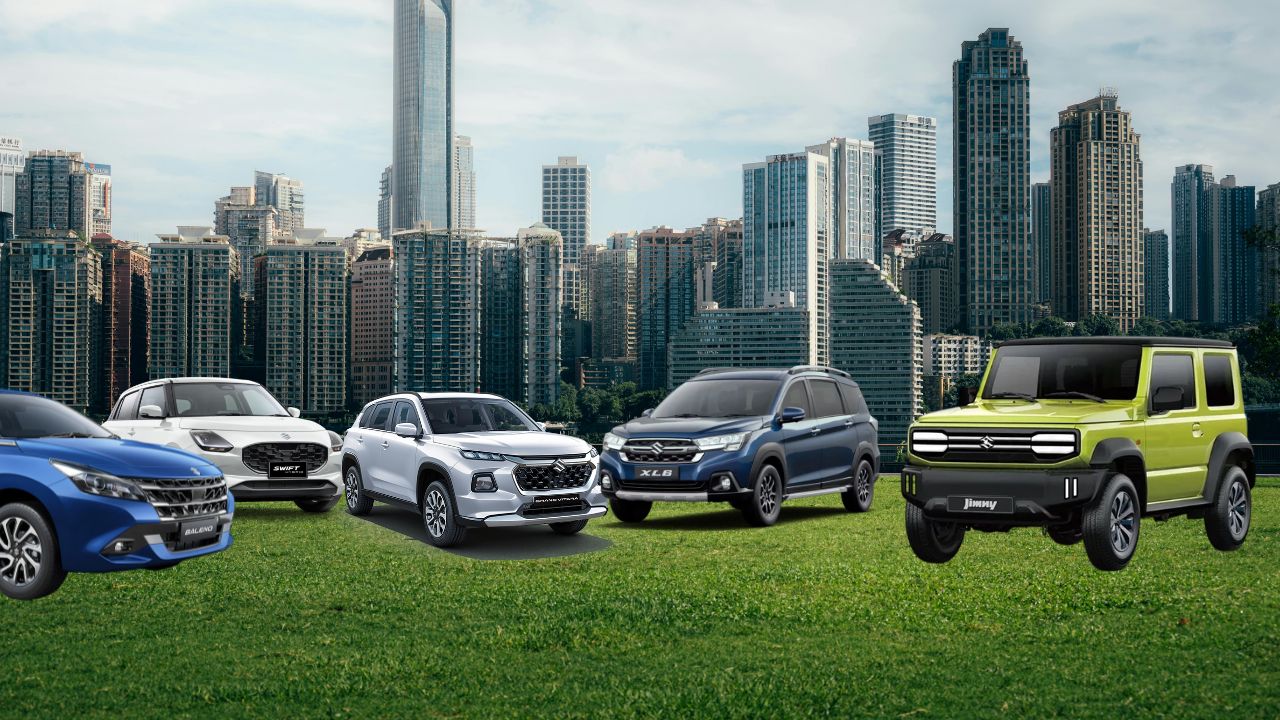
Maruti Suzuki Cars

Maruti has spent years being accused of moving slowly on electrification while rivals like Tata and Mahindra grabbed EV headlines. Ahead of 2027, the Maruti Suzuki Cars maker is lining up a mix of facelifts, hybrid upgrades, and proper EV expansion. The country’s largest carmaker keeps the promise of affordability, high-volume electric vehicles (EVs), and strong-hybrid powertrains to Indian buyers.

The Facelifts: Familiar Faces, New Tech

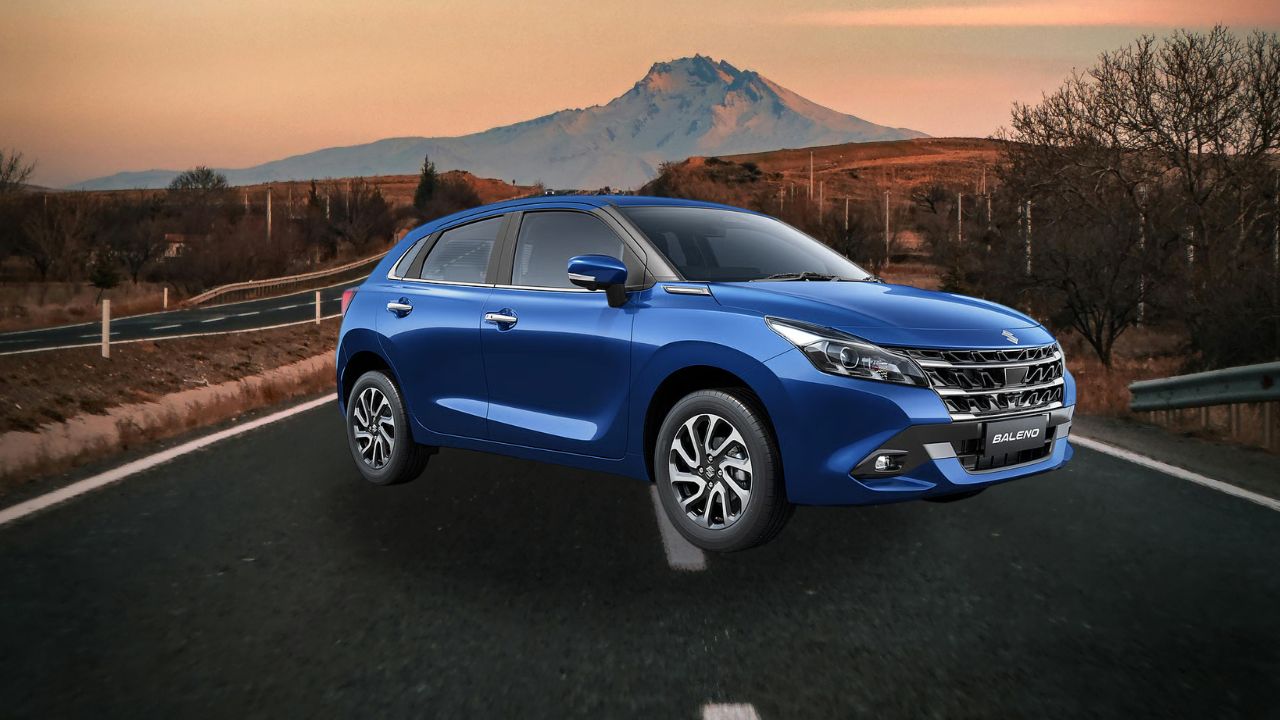
Maruti Baleno Facelift 

Maruti Suzuki introduced the updated Baleno base Sigma variant in September 2026 at ₹6.10 lakh, followed by a post-launch price correction down to ₹5.98 lakh (ex-showroom).

Maruti Baleno

Across its broader lineup, the Baleno spans an estimated price range of ₹6.00 lakh to ₹9.50 lakh (ex-showroom) depending on the trim and powertrain setup.

Powertrain Baleno Offers:

The new Baleno facelift offers 83 PS of power and 112.4 Nm of torque by the natural 1.2L Z12E 3-cylinder petrol engine. It runs with a 5-speed manual transmission on a mileage of 23.8 kmpl but assume these numbers as a guess point because it’s ARAI-claimed not a real world driving range. But reports say there has been an improvement of ~1.45 kmpl in the AMT version. 

The upper variant offers the same transmission with torque converter automatic options. CNG options are available, take a look at other variants in a table:

Variant Petrol MT Petrol AMT CNG MT CNG AMT
Sigma ₹5.99 lakh – – –
Delta ₹7.00 lakh ₹7.50 lakh ₹7.92 lakh ₹8.32 lakh
Zeta ₹8.00 lakh ₹8.50 lakh ₹8.92 lakh ₹9.32 lakh
Alpha ₹9.10 lakh ₹9.60 lakh – –
Alpha+ (O) ₹9.50 lakh ₹9.99 lakh – –

CNG offers the same engine but  power of 70 PS and 102 Nm of Torque. The mileage has increased up to 33.61 km/kg, that’s what makes people buy the CNG variant.

The design of Baleno facelift is noticeably changed to represent the Maruti evolution. On the front, a revised grille with new pattern and chrome accents, top trims offer LED DRLs, projectors along with a larger air dam and fog‑lamp.

New 15‑inch diamond‑cut alloy wheel design making a vehicle more aesthetic with minor tweaks to cladding on the sides. The back of Baleno facelift is extra attractive — New LED combination tail‑lamps with updated light signature. These new updates don’t make the car lose real value, it keeps silhouette, dimensions and ground clearance remain broadly similar to the pre‑facelift Baleno.

Upcoming Baleno Brings Safety & Comfort

Blue-and-grey dual-tone cabin with fabric seats to make the passenger comfortably sit. It comes with 318L boot space and 37L fuel tank. Any new car owners will drive it comfortably with updated safety standard — 6 airbags, Electronic Stability Control (ESC), ABS with EBD, Hill-Hold Assist, ISOFIX child-seat mounts, and reverse parking sensors.

Inside the Cabin, additional convenience features are given including a big display and connectivity. 

XL6 facelift Is Coming With More Features 

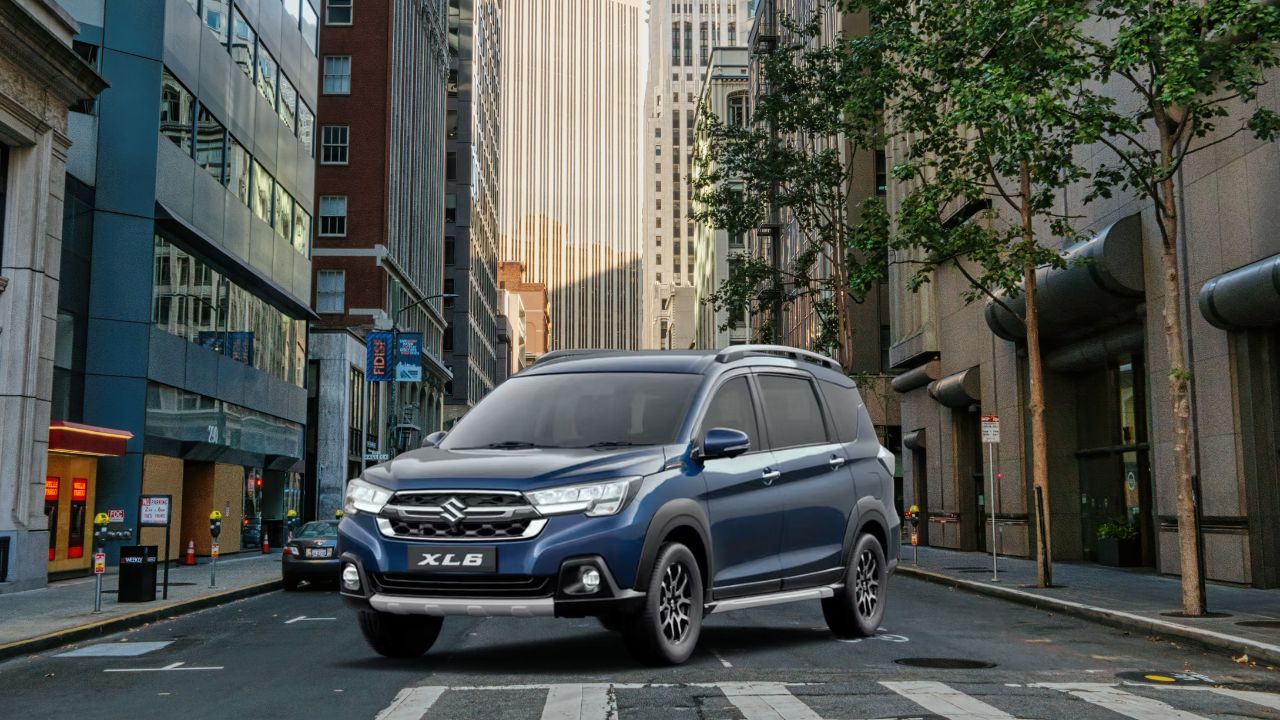
XL6 facelift is expected to come in festive season 2026 based on various reports on a price range of ₹11.50 — 14.50 lakh (ex‑showroom). The XL6 facelift follows the Suzuki XL7 facelift design language so it has a more SUV-like look. But body size and 6-seater layout is unchanged. 

XL6 facelift

Power Maruti Suzuki XL6 facelift is Offering

XL6 facelift offers the same 1.5L K‑series naturally aspirated petrol engine to both petrol and CNG variants. But the power range is different, petrol produces 103 PS of power and 139 Nm of torque while CNG gives 88 PS of power and 121 Nm of torque. Petrol base is ARAI claimed around 20.27–20.97 kmpl with torque‑converter automatic and CNG is given around 26.32 km/kg.

Exterior and Interior of XL6 facelift

The upright grille is bolder, new pattern and chrome accents, having a sleek DRL signature which sets a premium look on a SUV-like hatchback. Maruti also redesigned the front bumper with larger air dam and fog‑lamp housings in higher trims. A 16-inch wheel driving a XL6 facelift with an updated LED tail‑lamps and new light graphics.

The interior also updates with enhancing voice commands and connected car tech power. A digital display for infotainment, push‑button start, auto climate control, cruise control improves the connectivity convenience. 

There are safety measure including 6 airbags, ABS with EBD, ISOFIX child seat mounts

which secure the passengers from any crash along with more additional features like Electronic Stability Program, Rear parking sensors, and TPMS. The higher trims give more ADAS safety features. 

Fronx facelift Arriving 2026 End

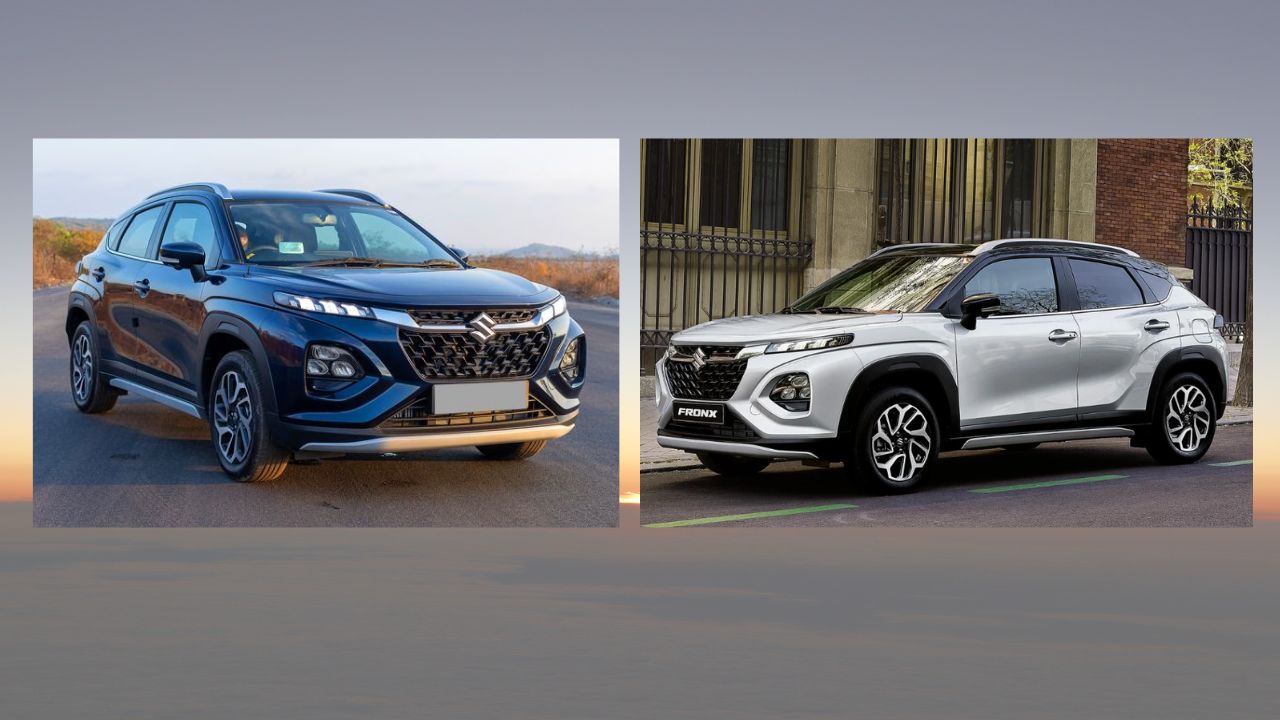
Fronx facelift, arriving sometime between November 2026 and early 2027, priced between ₹12 lakh and ₹14 lakh. This one’s more interesting because it’s expected to bring both mild and strong hybrid options to the table — a genuine step up in powertrain sophistication for what’s currently a straightforward petrol crossover.

Fronx facelift

The Fronx EV is positioned as an affordable mass‑market EV under the e‑Vitara. The specification and fuel efficiency is remarkable, with 35 kWh battery capacity it runs around 300 km then you have to charge it again. Fronx brings the engine power of 100 bph with 220 Nm of torque and the top speed  is given around 140 km/h on a front wheel drive with single transmission. 

The body design, safety kit and interior is almost the same as petrol one. There’s speculation that it comes with a DC fast charging option which changes the Fronx at 40–50 minutes. This would be Maruti’s second dedicated EV after the e-Vitara, and a born-electric three-row MPV is not something the Indian market has really seen from a mass-market brand yet.

Next Gen Bigger Arrival of Maruti Suzuki Cars

Here’s where things get genuinely exciting. Maruti’s electric journey started with the e-Vitara, but 2027 is when the company appears ready to build out an actual EV lineup rather than a single showcase model.

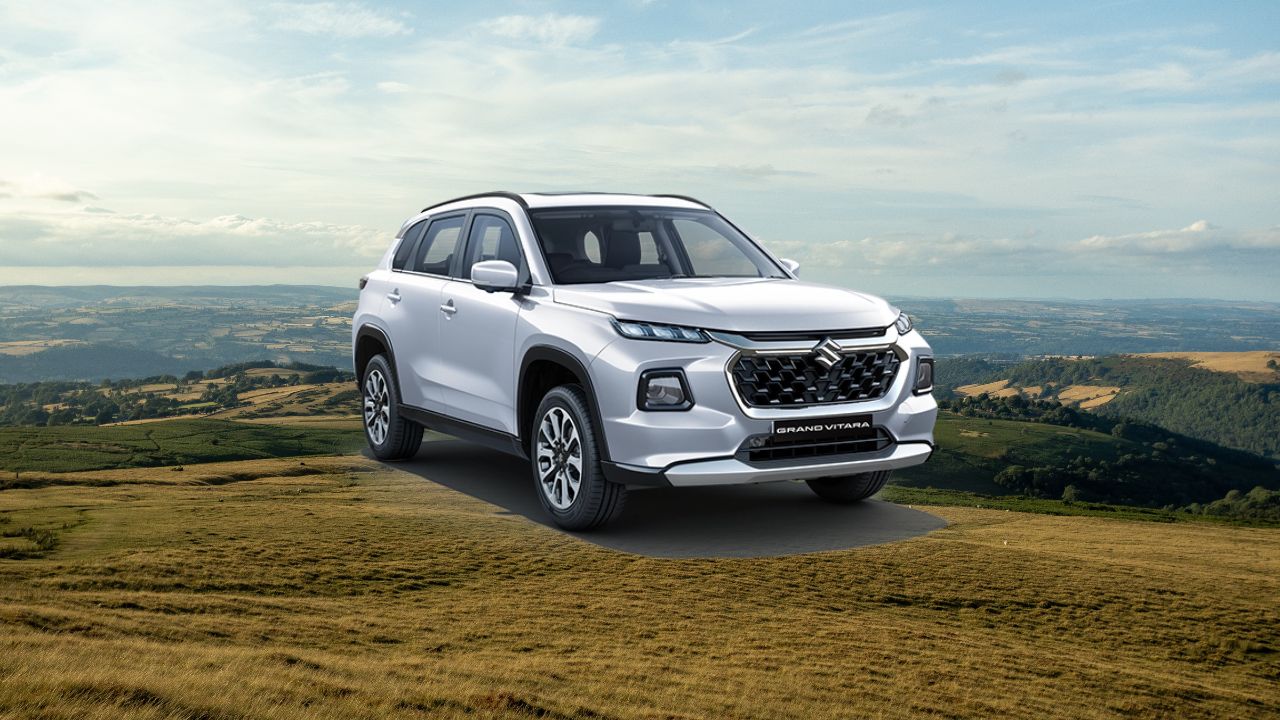
The Grand Vitara Goes Bigger

One of the more anticipated updates is the Grand Vitara’s hybrid refresh and new 7-seater variant, expected between December 2026 and early 2027, priced from around ₹11.5 lakh up to ₹23 lakh at the top end. 

The strong-hybrid powertrain already gives the Grand Vitara excellent efficiency numbers, and stretching it into a three-row layout (reportedly under the internal codename Y17) opens it up to family buyers who currently have to look elsewhere — think Hyundai Alcazar or Tata Safari territory — for a three-row SUV from a trusted brand.

The Grand Vitara Goes Bigger

Powertrain and Body Style of Vitara

Grand Vitara’s Strong‑hybrid system offers 1.5L Atkinson‑cycle petrol (3‑cylinder) + electric motor which produces 116 PS of power and 141 Nm of torque. The ARAI claimed is 27 kmpl which is not a real world number but the e-CVT automatic transmission will try hard to make those numbers possible. 

A few exterior changes are expected on the front, side, and rear. grille  design becomes bolder and bumper updates with larger air dam. New LED and 17‑inch diamond‑cut alloy wheels mark its presence on the road.

With other comfortable functions of safety, connectivity, and quality materials, making hybrid trims enhance the driver and passenger experience with a more premium and tech‑heavy SUV. 

Read More 👉  Rolls Royce Unveils Custom Car Using Sea Snail Shells 

A Redesigned Ertiga

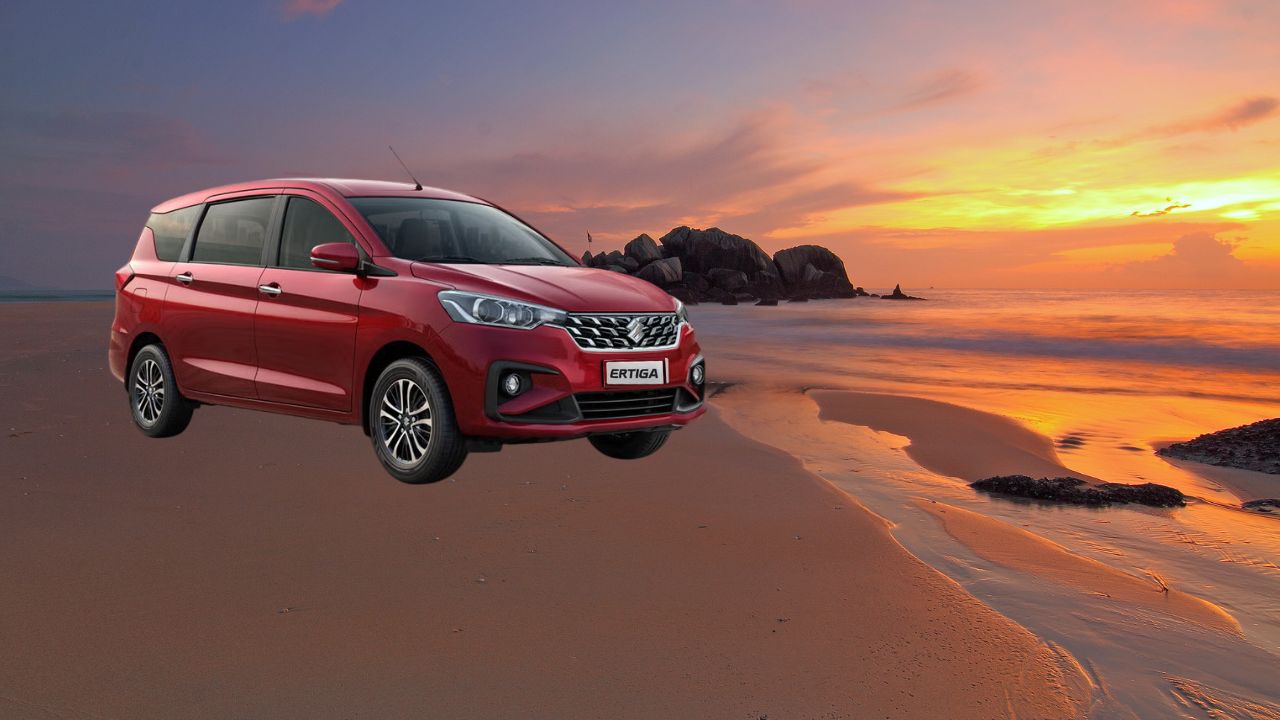
Maruti’s evergreen MPV isn’t being left behind either. The next-generation Ertiga comes in a more SUV-like design along with upgraded cabin, better safety but the same 1.5L petrol/CNG powertrains. This all‑new 7‑seater MPV is expected to arrive around February 2027, price of ₹8.90–13.04 lakh (ex‑showroom). 

It brings a mild-hybrid petrol setup but Maruti will try to keep it competitive against Carens, Innova (used), and XL6, even though it has been dominant in the MPV segment for years. The new model may grow slightly in length/width and get a taller stance but running on the same core engine of 1.5L K‑series petrol with mild‑hybrid tech, plus a CNG option. The next-gen Maruti Suzuki Cars come with a great efficiency in mileage. 

Ertiga also comes with a 26.11 km/kg mileage in a CNG variant with updated design and comfort features which gives excellent experience.

A Redesigned Ertiga

Not Forgetting the Swift — or the Jimny

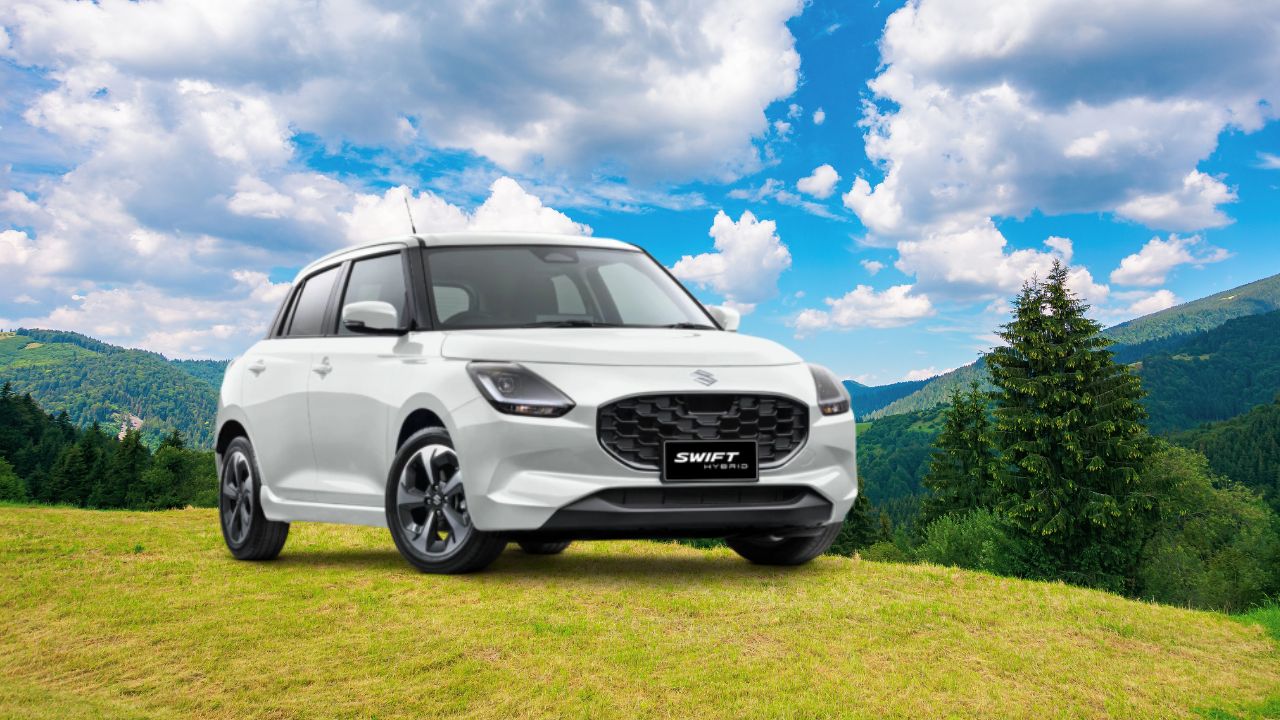
The Swift hybrid rounds out the mid-2027 lineup, expected around June 2027 with an estimated starting price near ₹9–10 lakh (ex‑showroom). It uses Maruti’s new 1.2L Z‑series 3‑cylinder engine with 12V mild‑hybrid tech to provide more efficiency and refinement as Swift has always been about fun-to-drive.

swift

And then there’s the wildcard: a Jimny EV, which remains speculative for now, possibly landing in 2028 with an estimated starting price of roughly ₹17–18 lakh. Maruti is targeting 300–400 km/charge for Jimny which would be fascinating. Jimny EV is expected to run on a dedicated EV platform with a sizable battery to support off‑road and highway use. It is also speculated that it brings dual‑motor setup with all‑wheel drive which makes Maruti Suzuki Cars enthusiasts more excited. 

Read More 👉   Why Salaried Indians Are Buying Mercedes Cars

Conclusion

If you’ve been holding off on buying a new Maruti Suzuki, then your wait is worth it because the new Maruti Suzuki Cars are redefining their model segments entirely. Maruti repositioning itself in a hybrids and EVs market without compromising core strength: affordable, dependable, high-volume vehicles that most of India actually buys.

Buying just before a hybrid or EV variant lands could mean missing out on better efficiency or lower running costs down the line. On the other hand, if your needs are immediate, today’s lineup is still solid — these updates are refinements, not replacements.

By the time 2027 wraps up, Maruti Suzuki’s showroom will look meaningfully different from the one we see today. Whether that’s enough to keep pace with a fast-moving EV market remains the real question — but at least the intent, and the roadmap, are finally there.