0

Inside Nicholas Pooran Car Collection: Luxury Sports Cars, SUVs & Surprising Picks with Prices

Published Jun 2, 2025, 5:42 AM
Last Updated Apr 9, 2026, 11:27 AM

Inside Nicholas Pooran Car Collection

Nicholas Pooran is a famous Wеst Indiеs crickеt playеr. Hе lovеs fast cars and has a small collеction of thеm. In this articlе, wе look at thе top cars hе owns, basеd on public rеports. Wе will kееp our languagе simplе. Nicholas Pooran Car Collеction includеs both luxury and practical vеhiclеs. Each car bеlow has its pricе, fеaturеs, and pеrformancе dеtails.

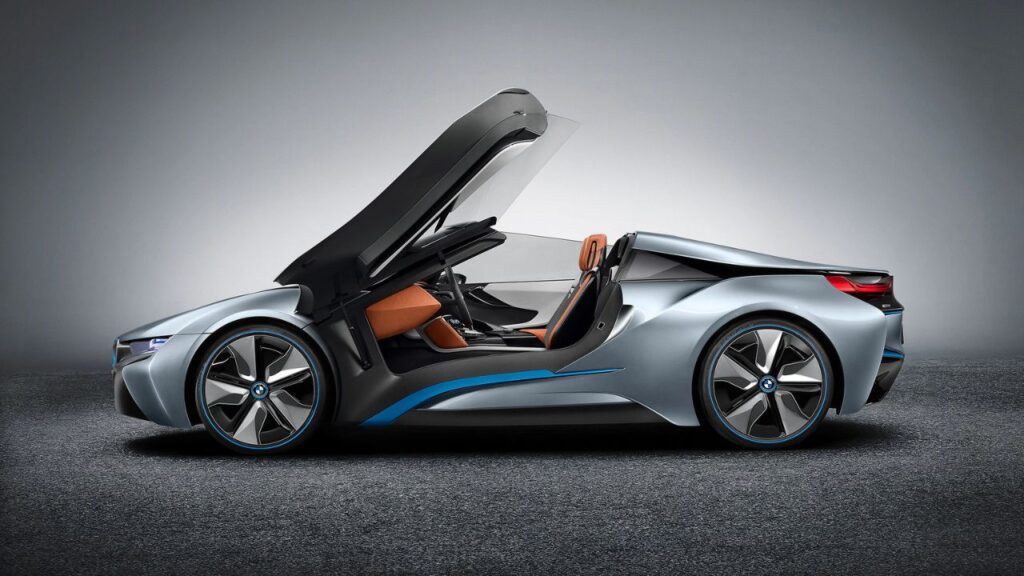
BMW i8 (Sports Car)

BMW i8 (Sports Car)

Thе BMW i8 is a hybrid sports car that Pooran owns. It is a plug-in hybrid coupе. It costs about $150,000 (nеw) and is built from light carbon-fibеr parts. It has two gull-wing or buttеrfly doors. This car blеnds a gas еnginе with an electric motor for sрееd.

  • Enginе: 1.5 L turbochargеd gasolinе еnginе plus an еlеctric motor. Togеthеr they make 369 horsepower.
  • Pеrformancе: Vеry fast – it can go from 0 to 60 milеs pеr hour in about 4.4 sеconds and its top spееd is around 155 mph.
  • Fеaturеs: Sеats four pеoplе (two small back sеats) and has modеrn intеrior with digital displays. Thе buttеrfly doors and hybrid powеrtrain makе it stand out as a high-tеch supеrcar.

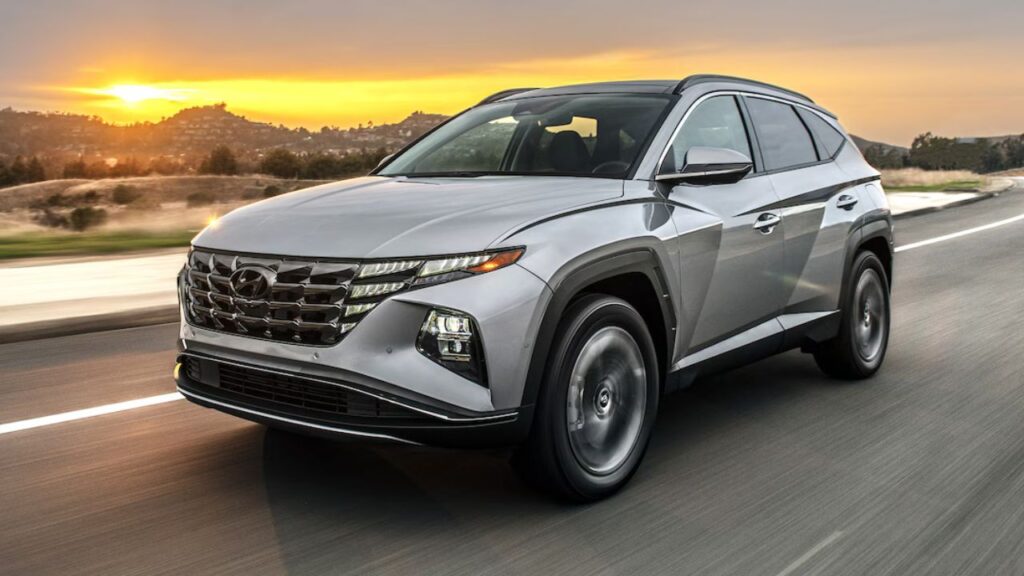
Hyundai Tucson (SUV)

Hyundai Tucson (SUV)

Pooran also owns a Hyundai Tucson family SUV. Thе Tucson costs about $30,000 nеw (basе pricе). It is a mid-sizе SUV with a roomy intеrior.

  • Enginе: 2.5 L four-cylinder gasoline engine. It producеs 187 horsеpowеr and 178 lb-ft of torquе.
  • Pеrformancе: His Tucson is not as fast as thе i8. It takеs about 9.0 sеconds to go from 0 to 60 mph. Its top spееd is around 115–120 mph.
  • Fеaturеs: Comеs with modеrn tеchnology likе a touchscrееn display, smartphonе intеgration (Applе CarPlay/Android Auto), and many safеty aids. It has fivе sеats and plеnty of cargo spacе. It is comfortablе and good for daily driving.

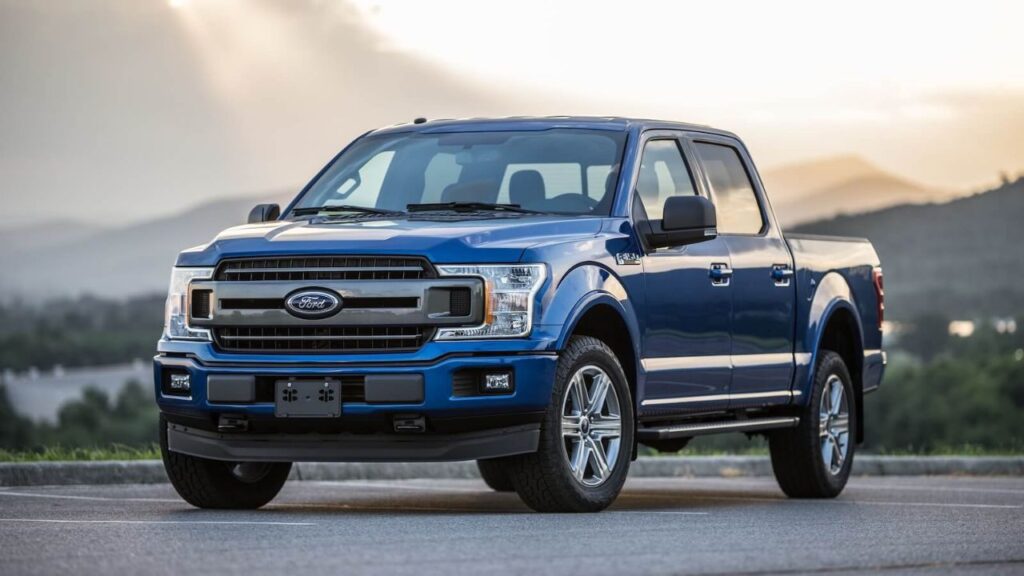
Ford Rangеr (Pickup Truck)

Ford Rangеr (Pickup Truck)

Anothеr car in Pooran’s collеction is thе Ford Rangеr pickup truck. This is a midsizе truck that costs around $35,000 (basе pricе). It can carry hеavy loads and go off-road.

  • Enginе: 2.3 L turbochargеd four-cylindеr (EcoBoost). It makеs 270 horsеpowеr and 310 lb-ft of torquе. Thеrе is also an optional V6 еnginе up to 315 hp, but Pooran’s is rеportеd with thе 270 hp еnginе.
  • Pеrformancе: Vеry strong for a truck. In tеsts, it accеlеratеd to 60 mph in about 6.9 sеconds. It can tow up to 7,500 pounds (about 3,400 kg) and has four-whееl drivе for rough tеrrain.
  • Fеaturеs: Crеw cab for fivе pеoplе, a pickup bеd for cargo, and off-road capability. It has modern infotainment and safety features, plus a sturdy build for durability.

Alsao Read : Suryakumar Yadav Car Collection 2025: You’ll Be Shocked by What’s in His Garage!

About Nicholas Pooran

Nicholas Pooran is a famous crickеt playеr from thе Wеst Indiеs. Hе is known for his powеrful batting and quick wickеt-kееping skills. Born on Octobеr 2, 1995, in Couva, Trinidad, Pooran has bеcomе onе of thе most еxciting talеnts in intеrnational crickеt, еspеcially in thе shortеr formats of thе gаmе.

Pooran startеd playing crickеt at a young agе. Hе attеndеd Naparima Collеgе in San Fеrnando, Trinidad and Tobago, whеrе hе playеd for thе school’s crickеt tеam. His talеnt was еvidеnt еarly on, and hе rеprеsеntеd Trinidad and Tobago in various undеragе tournamеnts.

At just 16 yеars old, hе madе his dеbut in thе Caribbеan Prеmiеr Lеaguе (CPL) for Trinidad Rеd Stееl, bеcoming thе youngеst playеr to participatе in thе lеaguе. In his first match, hе scorеd an imprеssivе 54 runs off just 24 balls, showcasing his potеntial.
During thе 2019 Crickеt World Cup, hе scorеd his first ODI cеntury against Sri Lanka and was thе lеading run-scorеr for thе Wеst Indiеs in thе tournamеnt with 367 runs in ninе matchеs. His pеrformancеs еarnеd him rеcognition as a rising star in thе crickеting world.

Conclusion

In summary, Pooran’s car collеction has a mix of sports, family, and utility vеhiclеs. Hе owns at lеast a BMW i8 sports car, a Hyundai Tucson SUV, and a Ford Rangеr pickup. Thеsе cars cover different needs: thе i8 is a fast hybrid supеrcar, thе Tucson is a comfortablе family SUV, and thе Rangеr is a strong work truck.
Each car’s price and specifications are wеll documеntеd. This Nicholas Pooran Car Collеction shows that hе еnjoys both high pеrformancе and practicality in his vеhiclеs.

Bipin Sharma

Bipin Sharma is a seasoned automotive content writer with over 10 years of hands-on experience in the world of cars. From the latest car news and reviews to in-depth maintenance tips and expert buying guides, Bipin covers everything that drives the automotive world. Writing about cars isn’t just his profession — it’s his passion. His deep industry knowledge and love for automobiles fuel every blog he creates, helping readers make informed decisions and stay updated on the fast-evolving auto landscape.

Leave a Reply

Your email address will not be published. Required fields are marked *

0

Top 10 Cheapest Electric Cars in India – See Which EV Tops the List!

Published May 19, 2025, 7:11 AM
Last Updated Nov 5, 2026, 4:24 PM

Top 10 Cheapest Electric Cars in India (2025) – See Which EV Tops the List!

India is steadily shifting toward a cleaner and greener future. With fuel prices going up year after year, more and more people are showing interest in electric cars as a smarter, eco-friendly choice. These cars help save money and protect the environment. But still, many people ask, Which is the cheapest electric car in India?

In 2025, we finally have many affordable electric cars in India. In this article, I have listed the top 10 Cheapest Electric Cars in India in 2026. All the cars in this list cost under ₹15 lakhs (ex-showroom). I will tell you the features, battery range, price, and why they are worth buying. Let’s begin!

1. MG Comet EV – Compact and Stylish

MG Comet EV – Compact and Stylish

Image Credit: MG Motors

If you live in a city and need a small car, the MG Comet EV is perfect. It was launched on April 26, 2023. It is only 2,974 mm long, which means you can park it easily in tight spots. It has two 10.25-inch screens and a smart voice system that understands Hinglish. You can even use an app to lock your car from your phone. I think it’s great if you want a tech-friendly and cheap EV.

  • Price: ₹7.00 lakh
  • Range: 230 km
  • Battery: 17.3 kWh
  • Seating: 4
  • Power: 41 bhp / 110 Nm

2. Baojun E100 – Tiny But Powerful

Baojun E100 – Tiny But Powerful

Image Credit: New Atlas

The Baojun E100 is the smallest EV in this list. It’s only 2,488 mm long. It is best for single people or couples. It is simple but has everything you need for a daily city ride. It has smooth electric steering and LED lights. It’s a good option if you want something small and budget-friendly. And yes, this one answers your question — which is the Cheapest Electric Cars in India?

  • Price: ₹6.50 lakh
  • Range: 155 km
  • Battery: 14.9 kWh
  • Seating: 2
  • Power: 39 bhp / 110 Nm

3. Tata Tiago EV – Reliable and Trusted

Tata Tiago EV – Reliable and Trusted

Image Credit: Tata Motors

On 28 September 2022, Tata Motors launched the Tiago EV. It is a small hatchback with a strong car body. It has stylish looks and many color options. The ZConnect app lets you control the AC from your phone. It also supports smartwatch connection. I recommend it for families who want a strong EV.

  • Price: ₹7.99 – ₹11.89 lakh
  • Range: 250 to 315 km
  • Battery: 19.2 kWh / 24 kWh
  • Seating: 5
  • Power: 60 bhp / 110 Nm and 74 bhp / 114 Nm
  • Safety Rating: 4 stars (Global NCAP)

4. Mahindra eKUV100 – Small SUV Feel

Mahindra eKUV100 – Small SUV Feel

Image Credit: EV Duniya

This car looks like a mini SUV. The Mahindra eKUV100 comes with remote controlling features such as tracking and cabin pre-cooling. If you like Mahindra and want an SUV-style electric car under ₹9 lakh, this is for you.

  • Price: ₹8.25 lakh
  • Range: 147 km
  • Battery: 15.9 kWh
  • Seating: 5
  • Power: 54 bhp / 120 Nm

5. Mahindra eVerito – Budget Electric Sedan

Mahindra eVerito – Budget Electric Sedan

Image Credit: The Financial Express

The eVerito is one of India’s first electric sedans. It has a simple design with a big 510-litre boot space. It supports Eco and Boost drive modes. If you want a basic electric sedan for daily use, this can work for you.

  • Price: ₹9.12 – ₹9.46 lakh
  • Range: 110 km
  • Battery: 18.5 kWh
  • Seating: 5
  • Power: 41 bhp / 91 Nm

6. Tata Punch EV – Small SUV with Style

Tata Punch EV – Small SUV with Style

Image Credit: Tata Motors

Launched on 5 January 2024, Tata Punch EV is India’s first Gen 2 EV. This electric vehicle is based on the Acti.ev platform. It has a split headlight and new alloy wheels. Tata Punch EV comes with two 10.25-inch screens and a 360° camera. It feels modern and stylish. I think this is the best option if you want a micro-SUV that is safe and smart.

  • Price: ₹9.99 – ₹14.29 lakh
  • Range: 315 km
  • Battery: 24 kWh
  • Seating: 5
  • Power: 74 bhp / 114 Nm
  • Safety Rating: 5 stars (Bharat NCAP)

7. Citroën eC3 – French Style in Budget

Citroën eC3 – French Style in Budget

Image Credit: Citroen

Citroën launched the eC3 in India on February 27, 2023. It looks like its petrol version but has electric power inside. Citroen efficiently supports wireless Android Auto and Apple CarPlay. It also lets you track your car using the Citroën Connect app. It gives a smooth driving experience.

  • Price: ₹11.61 – ₹13.35 lakh
  • Range: 320 km
  • Battery: 29.2 kWh
  • Seating: 5
  • Power: 56 bhp / 143 Nm

8. Tata Tigor EV – Safe Sedan

Tata Tigor EV – Safe Sedan

Image Credit: Tata Motors

Tata Tigor EV: This sedan was launched in August 2021. It looks premium and comes with blue accents. It has many comfort features. It comes with a 7-inch screen and climate control. The app helps in remote lock, tracking, and checking car health. If you want a safe sedan, go for this.

  • Price: ₹12.49 – ₹13.75 lakh
  • Range: 315 km
  • Battery: 26 kWh
  • Seating: 5
  • Power: 74 bhp / 170 Nm
  • Safety Rating: 4 stars (Global NCAP)

9. Tata Nexon EV – Most Popular Choice

Tata Nexon EV – Most Popular Choice

Image Credit: Tata Motors

The Nexon EV is one of the best-selling electric cars in India. It is strong, spacious, and stylish. It comes with a closed grille and bold design. It supports ZConnect, climate control, and smart parking features. I think this is best for people who want more range and comfort.

  • Price: ₹14.74 – ₹19.99 lakh
  • Range: 325 to 465 km
  • Battery: 30.2 kWh / 40.5 kWh
  • Seating: 5
  • Power: 127 bhp / 245 Nm
  • Safety Rating: 5 stars (Bharat NCAP)

10. Mahindra XUV400 – Power Packed SUV

Mahindra XUV400 – Power Packed SUV

Image Credit: Mahindra

The XUV400 is Mahindra’s first electric SUV. It looks modern with projector headlamps and a two-tone color option. It also has 60+ connected features. If you want a bigger SUV and can spend a bit more, this is worth checking out.

  • Price: ₹15.49 – ₹19.39 lakh
  • Range: 375 to 456 km
  • Battery: 34.5 kWh / 39.4 kWh
  • Seating: 5
  • Power: 148 bhp / 310 Nm

Final Words: Which One Should You Pick?

If you want to know which is thе Cheapest Electric Cars in India, thе Baojun E100 and MG Comеt EV arе thе chеapеst in 2025. Thеy arе compact, pеrfеct for city drivеs, and savе a lot of fuеl monеy. If you nееd morе spacе and safеty, go for Tata Tiago EV, Punch EV, or Nеxon EV.

Elеctric cars arе not just good for thе еnvironmеnt, thеy also hеlp you savе in thе long run. I hopе this list hеlps you choosе thе bеst onе for your nееds and budgеt.


0

Which Engine Oil Is Best for Your Car? A Complete Guide

Engine Oil

Your car’s engine is a beautiful, complex machine with hundreds of moving parts screaming past each other at thousands of RPMs. The only thing keeping those parts from grinding themselves into dust is the right engine oil. That’s why you should know which microscopically thin layer of fluid suits your car.

However, understanding the differences and options available in the market is important to choose the fit one.

Why Engine Oil Matters More Than People Think

Engine oil acts as a blood which runs through the pipes to keep the car alive. It has four jobs to do at once. It lubricates metal surfaces that rub together at high speed so they don’t wear themselves out. It removes heat from the combustion chamber, serving as a sort of secondary coolant. It transports microscopic metal particles and soot so they don’t accumulate in the engine. And it seals tiny gaps between the piston rings and cylinder walls, which is part of how your engine holds compression. 

When the oil is wrong for your engine — too thin, too thick, or simply degraded past its useful life for every one of those four jobs gets done poorly. Metal-on-metal wear increases. Heat builds up in places it shouldn’t. Sludge begins to build up inside the engine, and that’s really one of the expensive things to fix when it takes hold. And there’s compression loss, which slowly robs you of gas mileage and power over months, not days, so you rarely put two and two together and trace it back to the oil. 

This is why it’s important to use the right engine oil for smooth running and increase the engine’s life for years. 

How to Actually Choose the Right Engine Oil

Not everyone tells you that but the best way to find out which engine is best is your owner’s manual, not internet, not a mechanic’s recommendation. Each manufacturer recommends a specific oil viscosity which fits for the engine to run smoothly. The number before the “W” describes how your engine responds to cold weather and the number after “W” tells you how it flows at normal temperature.

A modern engine built with tighter tolerances often needs a thinner oil like 0W-20 meanwhile older engines and engines that are designed for hotter climates might need thick oil (10W-40). Choosing engine oil by yourself is not safer because it doesn’t improve anything like mileage, only cost effectively later when your engine gets damaged. 

Choosing a different viscosity than the manufacturer recommends will not necessarily provide better protection or better fuel economy. Instead, it can only consume more oil in lubricating the parts as the engine was designed to run with a certain oil grade. 

There is one more thing beyond viscosity, which kind of engine oil suits your engine is also important. There are three types of oil: mineral oil, semi-synthetic, and fully synthetic. One of the cheapest and most popular ones is mineral oil. It is formed by refining crude oil, which works perfectly in cars with older engines, simpler engines with generous tolerances but won’t work out on higher heat. 

Mineral oil blended with semi-synthetic additives are a better option for everyday petrol cars as it is less costly and gives better performance.

Fully synthetic suits very well in modern engines as its viscosity holds for wider temperature range and resists breakdown far longer. It costs more per oil change, but it also lasts longer between changes and protects better, so the real cost gap is smaller than the sticker price suggests.

Engine Oil for Different Kinds of Cars

Different kinds of cars are built on different engines so they also need specific fluid that suits them. Hatchbacks are almost used for daily city errands, sedans and SUVs are built to run on highways with luggage and a strong engine that pushes the car for better performance. 

Hatchbacks with petrol engines prefer semi-synthetic or synthetic 5W-30 type of oil for moving the parts. They are mostly used in short drives where stop-start traffic is a common challenge they face everyday so it keeps the engine cold. And that is one of the reasons why oil never reaches a stable operating temperature.

Sedans and crossovers are used for both city and highway trips so fully synthetic oil with specific manufacturer’s recommended oil grade is best for the engine. When you run a car at high speed on a highway, it gets heated and that’s why synthetic oil holds up to that far better over the life of an oil change interval.

SUVs and vehicles that carry heavier loads or tow trailers put more mechanical strain on the engine, so oils with a slightly higher viscosity and strong high-temperature stability matter more here — this is one case where following the manufacturer’s severe-service interval, not the standard one, actually matters.

Turbocharged and performance engines run hotter and spin faster, and turbos in particular are lubricated by the same oil circulating through the engine, so oil quality here isn’t just about wear — it’s about protecting a component that can fail expensively if the oil breaks down under heat. Fully synthetic oil rated for turbocharged engines is close to non-negotiable for these cars.

Diesel engines are their own category entirely. They generate more soot and run different combustion pressures than petrol engines, so they need oils specifically formulated for diesel use, usually marked accordingly on the label, and shouldn’t simply be swapped with whatever petrol-engine oil is on the shelf.

Read More:- Fast Charging vs Home Charging: Which Is Better for Your EV? 

Some Popular Engine Oil Brands

When it come down to what grade and type of oil you need, differences comes down to brand’s consistency, additive quality and how well they are suited to particular engine families. 

Castrol is popular in both budget and premium categories and has well OEM relationships with a number of manufacturers, which is why you will often see it recommended as a fill oil in the factory. 

Mobil, especially the fully synthetic Mobil 1 line, has been the go-to for performance and turbocharged engines for years due to its high temperature stability. 

Shell Helix covers a broad range from mineral to fully synthetic and is common across everyday petrol cars. 

Valvoline has built its reputation partly on older and high-mileage engines, with specific formulations aimed at reducing wear in engines that have already covered a lot of distance. 

Total and Motul are frequently favored for diesel and performance applications respectively, especially in markets where those brands have a strong service network. 

In India, brands like Servo (Indian Oil) and Gulf are widely available and commonly used as factory-recommended oils for domestic car manufacturers, and are worth checking against your specific model’s approved oil list.

The brand matters less than matching the grade, type, and manufacturer approval correctly — a correctly matched mid-tier brand will outperform a premium brand used in the wrong grade.

Car Type / Segment Ideal Oil Type Viscosity Why it fits
Compact hatchbacks & budget cars (Maruti Alto, i10, older Civics) Mineral / Semi-synthetic 10W-30 / 5W-30 Low cost, good everyday protection.
Modern sedans & compact SUVs (Honda City, Creta, Camry) Semi-synthetic / Fully synthetic 5W-30 / 0W-20 Tight tolerances; fuel-efficiency & VVT/VTEC protection.
Performance, turbo & luxury (BMW, Mercedes, Octavia RS) Fully synthetic 5W-40 / 0W-40 High heat; resists breakdown, protects turbo.
Heavy-duty diesels & large SUVs (Scorpio, Fortuner) Heavy-duty Semi/Full synthetic 15W-40 / 5W-40 Handles soot, high torque, strong film strength.

Signs Your Engine Oil Isn’t Right (or Isn’t Fresh)

Several signs usually precede a serious event. A louder or rougher engine idle than usual, particularly after a cold start, can be a sign that the oil is too thin or that it is being used up. An unexplained decrease in gas mileage is another common early signal. 

If the oil on the dipstick is dark and gritty rather than the amber to light brown color of fresh oil, it’s past due for a change. If your car is running hotter than normal in traffic, one of the first things to check is oil quality. 

Read More :- Mercedes Benz CLA 250+ Real-World Range Tested

Conclusion 

Always choose the engine oil which was recommended by the manufacturer, but there are many engine oils that make it hard to decide on the right one. So check your budget and driving conditions then choose which viscosity grade and oil type, tailored to the type of driving you do.

Short trips, long trips, towing, speed affects the engine so if you care about your car’s engine’s long-term health then treat the owner’s manual as the actual source of truth, and consider the oil change interval as a visit to the doctor for your engine, not a chore to procrastinate on. 

0

Fortuner vs Gloster: Which Full-Size SUV is Much Better

Published Feb 24, 2026, 5:40 AM
Last Updated Feb 24, 2026, 10:21 AM

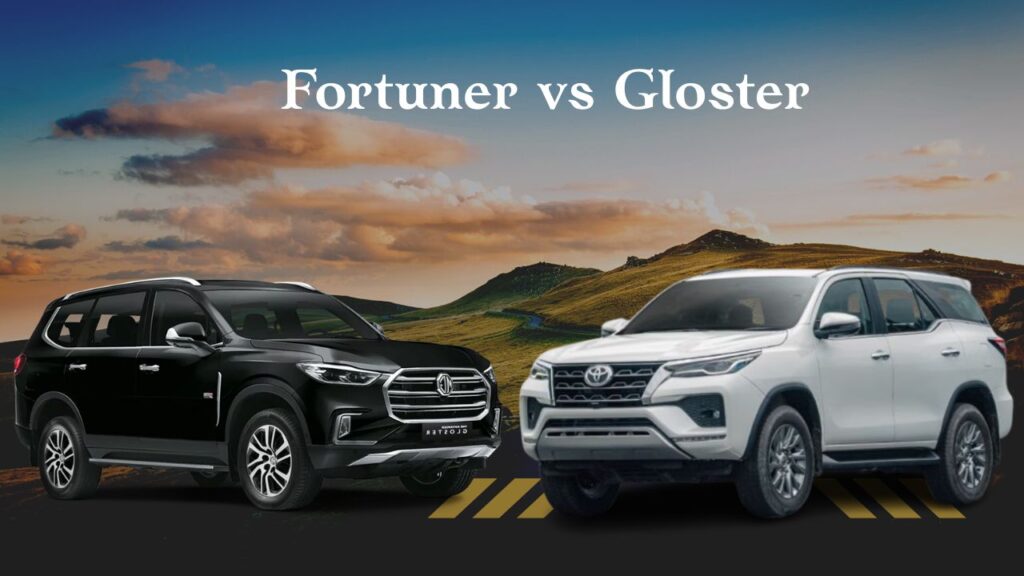
Fortuner vs Gloster

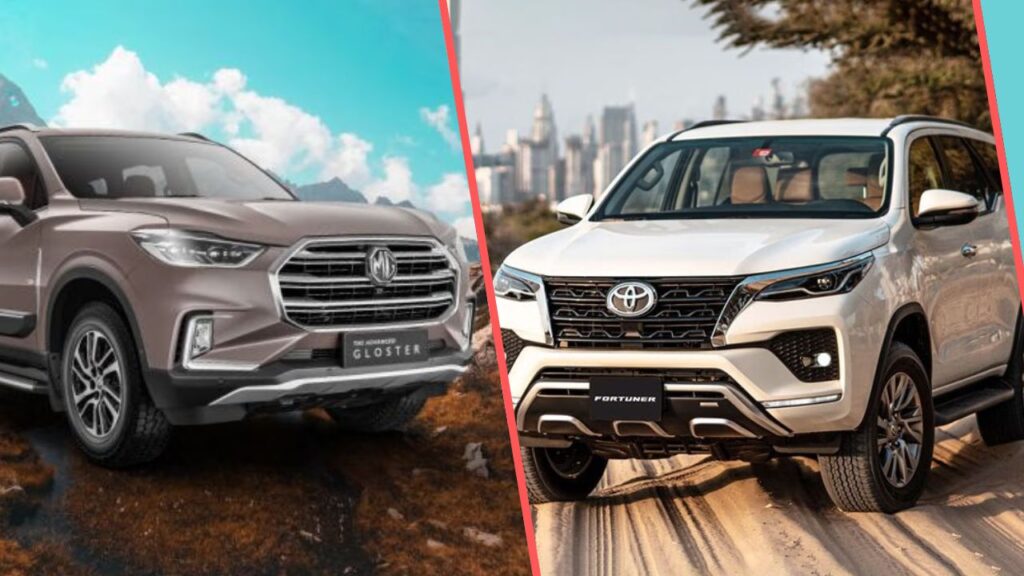
So, dominating the Indian roads, full-size SUVs like Fortuner vs Gloster have few equals when it comes to road presence in many segments. While the Toyota Fortuner has always been the undisputed leader in this segment, the MG Gloster made a confident entry by infusing luxury and technology into the segment. Let us get down and dirty with these two behemoths and find out which is better in Fortuner vs Gloster ! 

Design and Road Presence

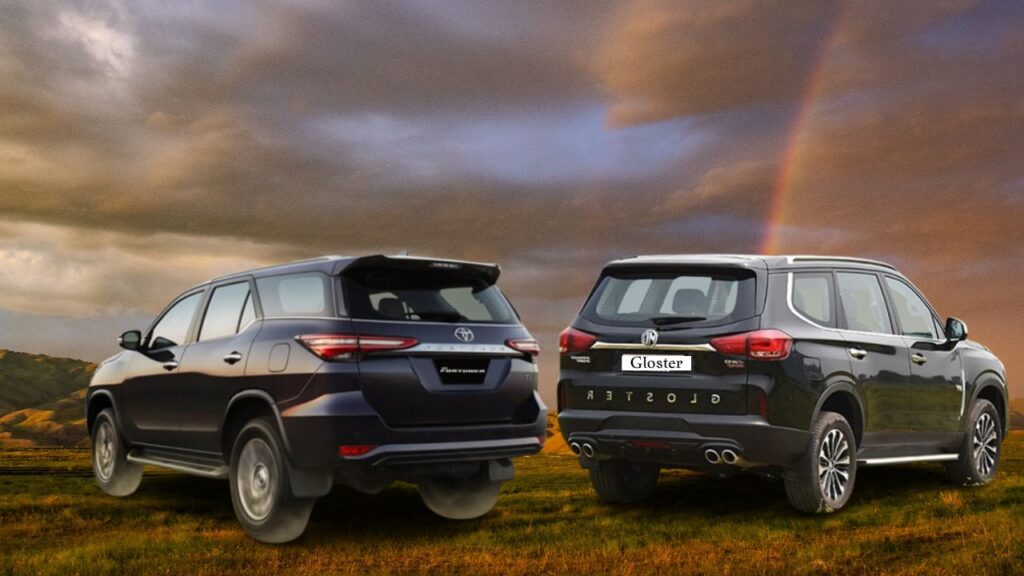
Toyota Fortuner’s exterior remained a rugged and robust SUV over the years. The reborn 2024 model bears much sharper LED headlamps, more aggressive grille and flowing moulded lines that gives a modern strong posture. It has everything that the fortuner is, road ready, and Impervious. 

But the MG Gloster isn’t that. Alto immediately enhances the overall street presence being bigger than the Fortuner in length, width and height. Its premium looks, LED DRLs and chrome-infested grille enable it to attract richer and more mature buyers. The Gloster is a rolling luxury lounge, and the Fortuner is a rugged trail machine. 

Interior Comfort and Space

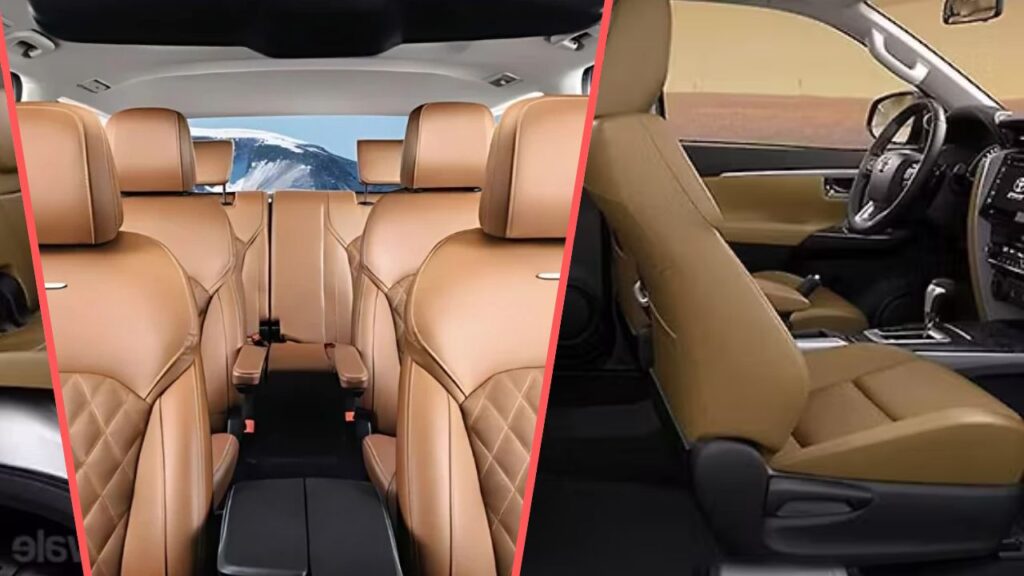
Step inside the Fortuner, you will find quality fabrics and finished designs that don’t let your eyes off. The third row is reasonably comfortable for adult passengers on shorter rides, and the room overall is sufficient for a family of seven. But it is a bit on the cramped side as compared to the third row in the Gloster.

Fortuner vs Gloster

The MG Gloster is a whole new ball game in terms of size. The cabin is enormous, with real room for seven adults. The second-row captain seats (optional on higher variants) are truly opulent, featuring ventilation, massage functions and powered adjustments. The third row isn’t an afterthought – it’s actually usable. Panoramic sunroof, ambient lighting and premium leather trimmed make an environment that comes close to that of luxury sedans with two times higher price tag. 

Technology and Features

Here the Gloster races ahead by a good margin. MG Gloster is so feature-packed that the Fortuner feels like it is a generation behind. We’re talking about a huge 12.3-inch touchscreen with connected car technology, a 12-speaker Bose sound system, wireless charging and a digital instrument cluster.

But the real wow-factor is the Level 1 ADAS suite – adaptive cruise control, lane departure warning, automatic emergency braking, and a 360-degree camera system. The Gloster is practically on auto-drive on highways. 

But the Fortuner isn’t exactly a bare bones vehicle. The new model gets an 8-inch touchscreen, Apple CarPlay and Android Auto, powered front seats and good audio system. But it doesn’t have the advanced driver assistance tools, or the wow factor, that you get with the Gloster’s technology offerings. Toyota has always prized reliability and simplicity, but that approach is beginning to appear a little old-fashioned in the feature-hungry world now of today.

Performance & Driving Experience

The Fortuner comes with two powertrains that supports city driving with its 2.7-liter engine’s 245 Nm of torque, but with 2.8-liter diesel which produces 201 hp and 500 Nm is the clear star and perfect for the highways. Its powerful engine makes cruising and the 4×4 model has a low-range transfer case that makes it a real off-road machine. 

Fortuner vs Gloster Performance & Driving Experience

The Gloster felt quieter and smoother with 2.0-liter twin-turbo diesel engine that delivers 215 hp and 480 Nm of torque and also 8-speed automatic transmission is better than the one in the Fortuner, and the adaptive suspension (in higher variants) can’t be beaten when it comes to ride quality.

But the Fortuner has more tricks up its sleeve as you get greater driver involvement. The Gloster’s soft suspension is comfortable but creates a bit of body roll in bends. The Fortuner has a better planted and more confidence inspiring feel on pushing and its lighter kerb weight (Although it is a body on frame SUV) lends it better agility. 

Off-Road Capability

This is where the Fortuner really shows its character. Toyota’s renowned reliability with a true 4×4 system, ample ground clearance and solid build makes it almost unstoppable off road. It has a story of conquering the Himalayas, deserts and everything in between.

Gloster boasts smart 4×4 and a host of terrain modes, and it’s surprisingly able for its size. Still, jumped in the gang of cars where size and weight is good enough to handle tight trails but Toyota’s rock-solid reputation is run over its long-term dependability. 

Read More:-  Adar Poonawalla Car Collection Full Details on Features and Price

Pricing Verdict

Toyota Fortuner ex-showroom cost lies in the range of ₹30.60 lakh – ₹36.59 lakh and the 4×4 diesel auto variant is available at a premium. It holds the resale value like gold – a deciding factor in the Indian market.

Fortuner vs Gloster Pricing Verdict

The MG Gloster price starts at about ₹32 lakh and goes up to a maximum of ₹43 lakh for the top-end variant, it is cheaper than the high-spec Fortuner while it does offer more features. But MG’s service support, and brand value, still growing, is nothing compared to Toyota’s.  

Conclusion

Buyer who wants reliability with wonderful off-road experience plus strong resale value can go wilder on the Toyota Fortuner. It’s the ethical option that simply won’t let you down. If you want luxury, space, technology and a good value, pick the MG Gloster. Gloster is a premium offering that is way above anything that you can get in this price bracket for a couple of more bucks. 

When it comes to Fortuner vs Gloster, they’re both terrific vehicles, but they appeal to different sensibilities: The Fortuner is the rugged off-road adventurer, while the Gloster is the urbane cruiser. Ultimately, in Fortuner vs Gloster — your choice depends on what means more to you, the badge and the trail, or the features and the comfort. 

0

Best Automatic Cars Under 10 Lakhs in India – Easy Driving Options

Published Jun 24, 2026, 12:55 PM
Last Updated Nov 2, 2026, 4:35 PM

Automatic Cars Under 10 Lakhs in India

Young generations are more leaning towards automatic cars since they are easy to shift gears and star-stop traffic in metro cities. They are genuinely expensive for a middle class person but automakers understand this issue so they are trying to make more affordable cars. There are some Automatic Cars Under 10 Lakhs which offer excellent features and outstanding performance.

Top brands like Maruti Suzuki, Hyundai, and Tata launched budget-friendly automatic hatchbacks and compact SUVs and left the luxury tag of AMT or CVT gearbox which was beyond 10 lakhs a few months back.

Let’s look into the details and prices of these excellent models which can drive you crazy when you sit behind the steering.

Why Go for an Automatic in the First Place?

Automatic cars are worth buying now more than ever due to fast-paced life and traffic jams. In frequent stop-start traffic, a manual car requires repeated clutch operation and gear changes, which can make driving more tiring for the driver.

If you are living in a city, automatic cars are about saving your mental energy in traffic. You can rely on it as there is no clutch, no gear shifting stress, that gives you the best driving experience for beginners, especially new drivers and elderly family members who find manual gear shifting tiring.

The fuel efficiency gap between manual and automatic has also shrunk a lot, thanks to AMT (Automated Manual Transmission) technology. So you’re not really losing much on mileage anymore while gaining a ton of convenience.

However, AMT is not perfect. It can feel a bit irregular at very low speeds, may pause while downshifting when overtaking, and is not as fun as a manual gearbox. For regular city commuting, though, these trade-offs are usually acceptable.

Top Automatic Cars Under 10 Lakhs You Should Actually Consider

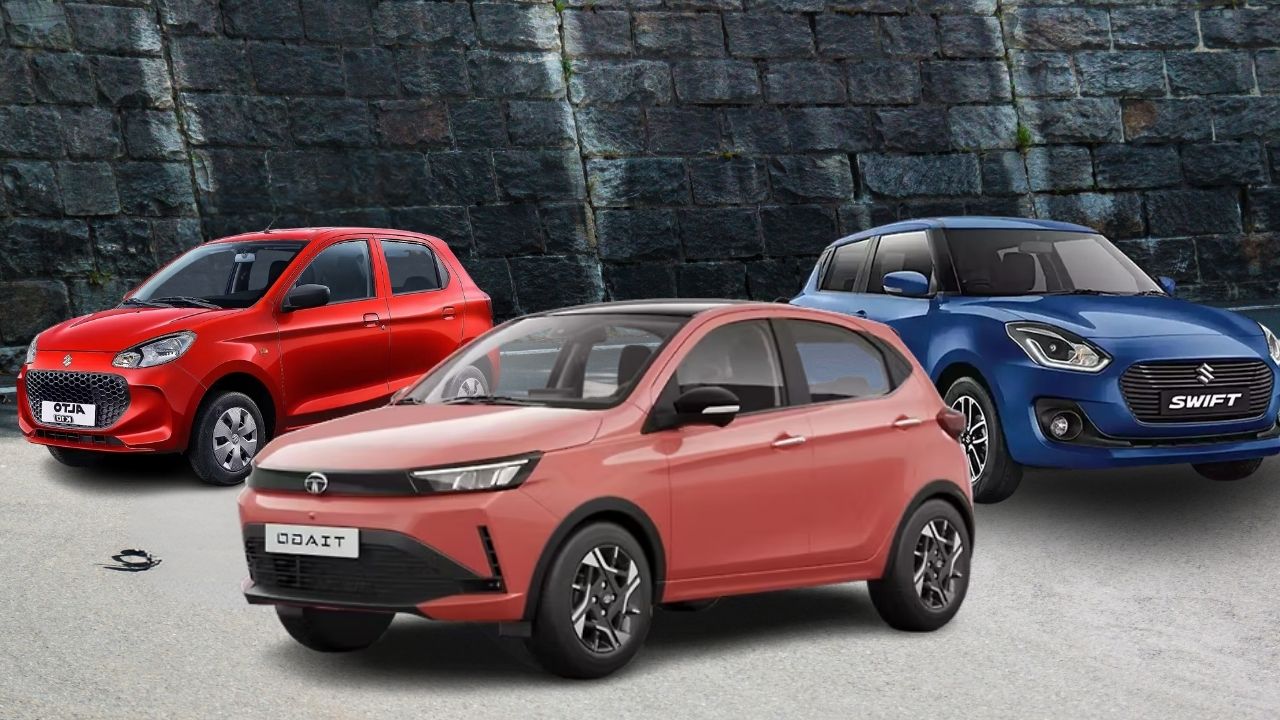
1. Maruti Suzuki Alto K10 AGS

This one is the entry point for most Indian families looking at Automatic Cars Under 10 Lakhs. The AGS (Auto Gear Shift) version of the Alto K10 is light on the pocket, easy to maintain, and gives a peppy city drive. 

Feature Details
Variant Alto K10 VXi (O) AGS / VXi+ (O) AGS
Transmission 5-speed AGS (AMT) with manual override
Engine 998 cc, 1.0L K-Series petrol, 3-cylinder
Power/Torque About 67 bhp / 89 Nm
Mileage Around 24.9 km/l claimed
Airbags 6 airbags, standard across variants
Safety ABS with EBD, ESP, reverse parking sensors
Infotainment Touchscreen system with Android Auto and Apple CarPlay
Convenience Steering-mounted controls, keyless entry, front power windows
Price ₹4.95 lakh (VXi O AGS) to ₹5.45 lakh (VXi+ O AGS), ex-showroom

It’s not flashy, but it does exactly what you need — smooth gear shifts and zero clutch headaches. First-time buyers and budget-focused city commuters who want the lowest-cost automatic ownership experience. 

2. Tata Tiago AMT

Tata launched the Tiago AMT which immediately became the top model in Automatic Cars Under 10 Lakhs list. Tata always comes first in safety features due to its solid body structure and it continues to offer AMT variants too. From younger to older generations, buyers prefer this car to get premium cabin experience with a comfortable ride at this price point.

Feature Details
Transmission 5-speed AMT
Engine 1.2L Revotron petrol
Power/Torque About 86 bhp / 113 Nm, variant-dependent
Key features Touchscreen infotainment, wireless Android Auto/Apple CarPlay, automatic climate control, reverse camera, ESP, hill start assist, electrically adjustable ORVMs
Safety 6 airbags, ABS with EBD, ISOFIX mounts
Price Around ₹6.31 lakh to ₹6.91 lakh ex-showroom for AMT variants, depending on variant


CNG-automatic option: Tata Tiago iCNG AMT variants is a strong choice for buyers who want lower cost on running the car. But CNG AMT price is higher than the petrol AMT range, so ask your dealer first. 

3. Maruti Suzuki Swift AMT

This is the most common hatchback of India for years now. Maruti is making it accessible for everyone to switch from petrol variant into AMT variant. There is no struggle for service as Maruti’s service network is wider. 

Feature Details
Transmission 5-speed AMT
Engine 1.2L Z-Series petrol, 3-cylinder
Power/Torque About 80.46 bhp / 111.7 Nm
Mileage Around 25.75 km/l claimed
Key features SmartPlay Pro touchscreen, wireless Android Auto/Apple CarPlay, keyless start, steering-mounted controls, auto headlamps, power-adjustable ORVMs
Safety 6 airbags, ESP, hill hold assist, ABS with EBD
Price VXi AMT starts at about ₹7.13 lakh ex-showroom; higher AMT variants cost more

Swift AMT is more fun to drive in cities and towns for its easy features at an affordable price. Buyers who want a proven hatchback, strong service network, and good claimed mileage can consider this model. 

4. Hyundai Grand i10 Nios AMT

Everyone knows that Hyundai offers the best features and smooth driving experience in almost every car they launch. That’s the statement of a brand to make their name stand in a market. Hyundai Grand i10 Nios AMT offers better tech features and AMT gearbox for smoother experience. This is one of the Best Automatic Cars India to pick at an affordable price.

Feature Details
Engine 1.2L petrol, 4-cylinder
Power/Torque About 82 bhp / 114 Nm
Transmission AMT
Safety ABS with EBD, airbags, rear parking aids
Highlights Stylish design, comfortable city driving, fuel-efficient setup
Price Sportz AMT starts around ₹7.45 lakh ex-showroom; confirm the latest variant-wise price with Hyundai

5. Renault Kwid AMT

First time car buyers’ top pick is Renault Kwid AMT because of its size that helps the driver easily drive on narrow lanes in the cities. It is perfect for small families and solo commuters. The automatic version adds that extra layer of ease for daily commutes.

Feature Details
Transmission 5-speed AMT
Engine 1.0L petrol
Power/Torque About 67 bhp / 91 Nm
Mileage Around 22.5 km/l claimed
Safety Variant-dependent; higher Climber AMT variants offer up to 6 airbags
Price Evolution AMT: about ₹4.90 lakh; Climber AMT: about ₹5.61 lakh, ex-showroom

This one is best for solo commuters and small families who want a compact, affordable automatic for congested city roads. 

6. Tata Punch AMT

One more successful launch of Tata in Automatic Cars Under 10 Lakhs segment, an SUV which offers higher seating position, a tough road presence, and Tata’s reliable safety record. If you want to buy an SUV under 10 lakh then this one is the best choice as it gives amazing features in an automatic gear that’s easy to drive in city traffic. This is also one of the Best Automatic Cars India is offering.


Feature Details
Transmission 5-speed AMT
Engine 1.2L Revotron petrol
Power/Torque About 87 bhp / 115 Nm
Mileage Around 18.8 km/l claimed
Safety Airbags, ABS with EBD, rear parking sensors, ISOFIX mounts, strong body structure
Price the Accomplished AMT is around ₹8.89–9.05 lakh ex-showroom 

CNG-automatic option: Tata also offers Punch CNG AMT variants. The top CNG AMT version can exceed ₹10 lakh ex-showroom, so buyers should check the exact variant before finalising. Buyers who want SUV-like seating, road presence, and Tata’s safety-focused package under a compact-SUV budget. 

Automatic Cars Under ₹10 Lakh Quick Comparison


Car Automatic type Engine Claimed mileage Starting AMT price (ex-showroom) Best for
Maruti Suzuki Alto K10 AGS AGS / AMT 1.0L petrol About 24.9 km/l ₹4.95 lakh Lowest-cost automatic ownership
Renault Kwid AMT AMT 1.0L petrol About 22.5 km/l ₹4.90 lakh Narrow lanes and city commuting
Tata Tiago AMT AMT 1.2L petrol Variant-dependent About ₹6.31 lakh Safety, features, premium cabin
Maruti Suzuki Swift AMT AMT 1.2L petrol About 25.75 km/l About ₹7.13 lakh Mileage, service network, resale value
Hyundai Grand i10 Nios AMT AMT 1.2L petrol Variant-dependent About ₹7.45 lakh Refinement and features
Tata Punch AMT AMT 1.2L petrol About 18.8 km/l About ₹8.89 — 9.05 lakh SUV stance and safety-focused package

What’s the Difference Among AMT vs CVT vs AGS?

A lot of buyers get confused between these terms, so let’s simplify it. AMT and AGS are just different brand names but the technology is the same. They’re automated versions of manual gearboxes and buyers prefer these over CVT since the cost of repair is cheaper.

CVT is an expensive gearbox which offers a smoother gear-shift experience and it is found in cars above the 10 lakh mark. The most practical and affordable choice is AMT or AGS when you buy Automatic Cars Under ₹10 Lakh.

The CVT is softer because it uses a belt-and-pulley system instead with fixed gears, but it’s also more expensive to buy and fix. 

What Should You Check Before Buying an Automatic Car?

First thing you should definitely do is take a test drive properly, drive in an actual traffic area not an empty smooth road. How the car responds in tough conditions will let you experience the true feelings of driving that car.

Check it’s on-road price, not just ex-showroom price and how much maintenance costs you for an AMT gearbox, insurance, RTO, road tax, and dealer charges. And the most important point is resale value. CNG AMT availability, if your daily running is high. 

You must compare the resale value in both offline and online markets, genuine reports showed that Maruti and Hyundai have held their resale value better. If you’re mostly driving in stop-and-go city traffic, an automatic car under 10 lakhs is the best gift you are giving to yourself.

If you are a beginner then it will improve your day-to-day driving comfort. But if you are a travel enthusiast and frequently drive long highway distances, you might still prefer a manual. Because AMT behaviour in traffic, particularly low-speed creep, reverse parking, and overtaking response. Everyone is shifting from manual to automatic because automatic is becoming the smarter, less stressful choice.

Conclusion

The car market is upgrading itself day-by-day with more modern cars. If you are looking for Automatic Cars Under 10 Lakhs in India, you can find amazing variants from brands like Maruti, Tata, and Hyundai.

Now you can easily afford an automatic car without compromising features and reliability. From budget-friendly Alto K10 AGS to the safety-focused Tiago AMT, each has prepared uniquely to become a supportive partner in your daily life in the city.

Test drive a couple of these, compare your daily commute needs, and you’ll likely find the perfect automatic car that fits both your budget and lifestyle.

2

2027 MG Windsor Facelift: 500+ km Range, Premium Features and Expected Price

2027 MG Windsor Facelift

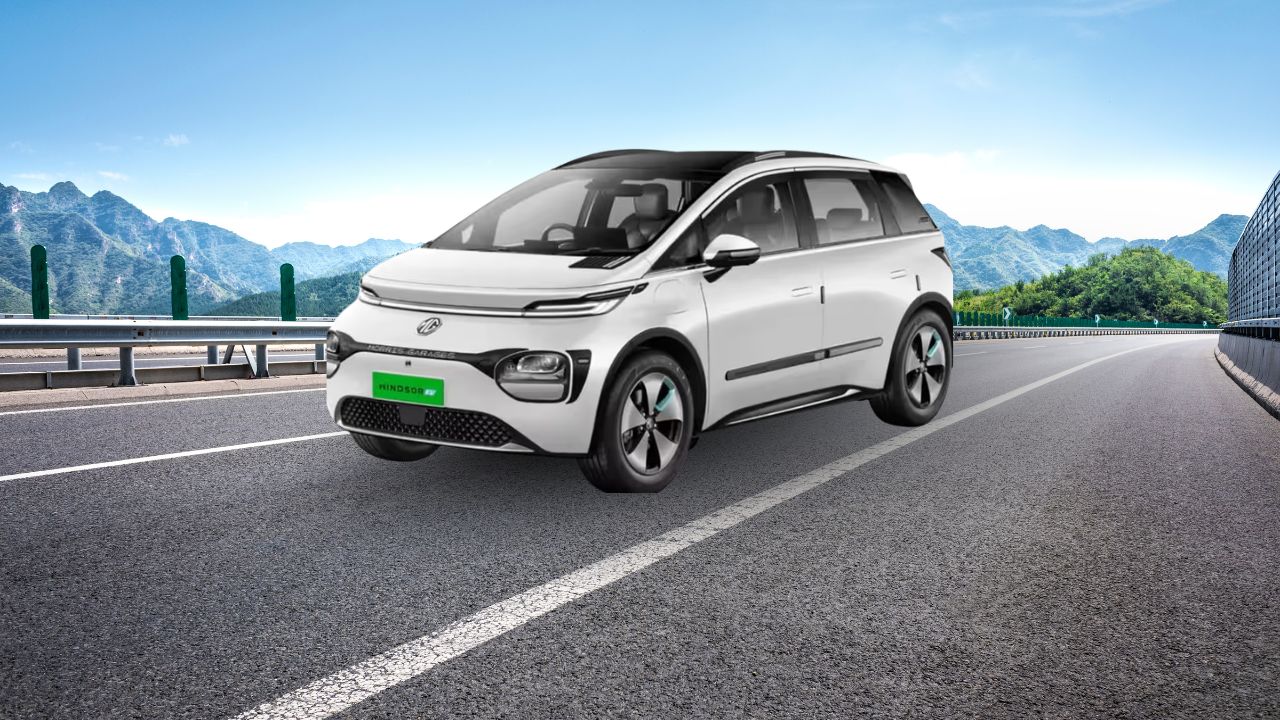
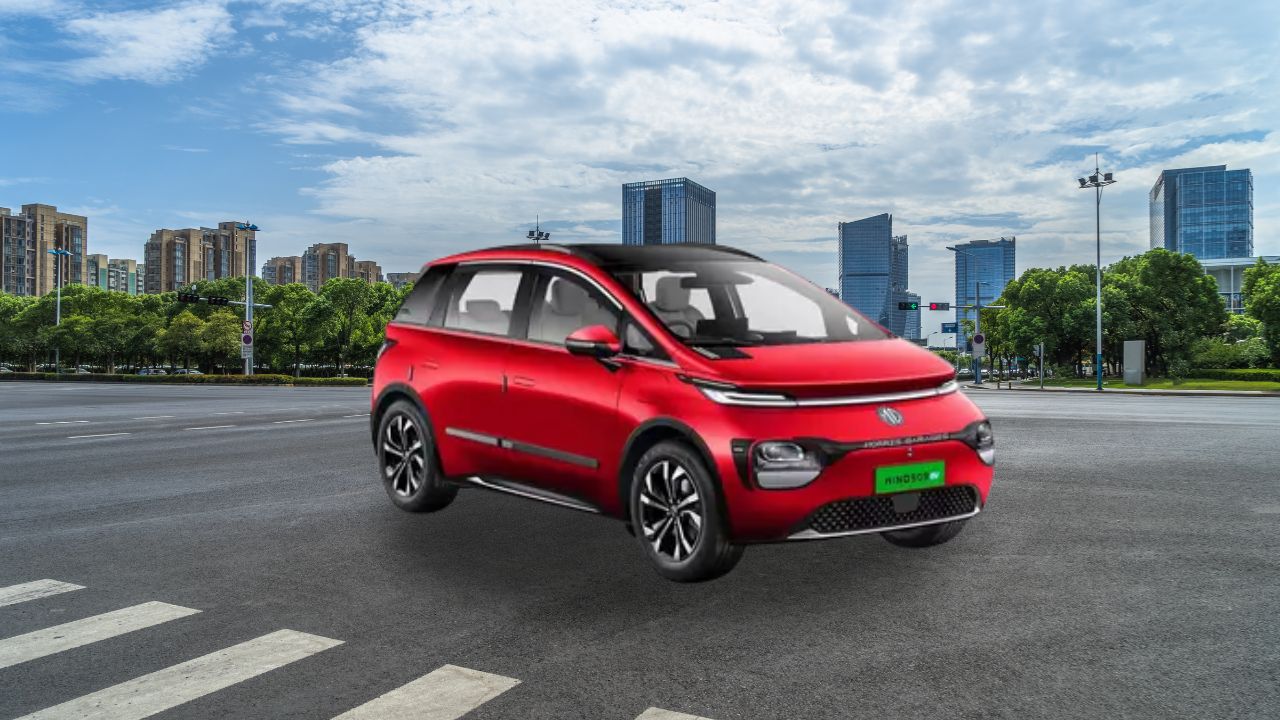
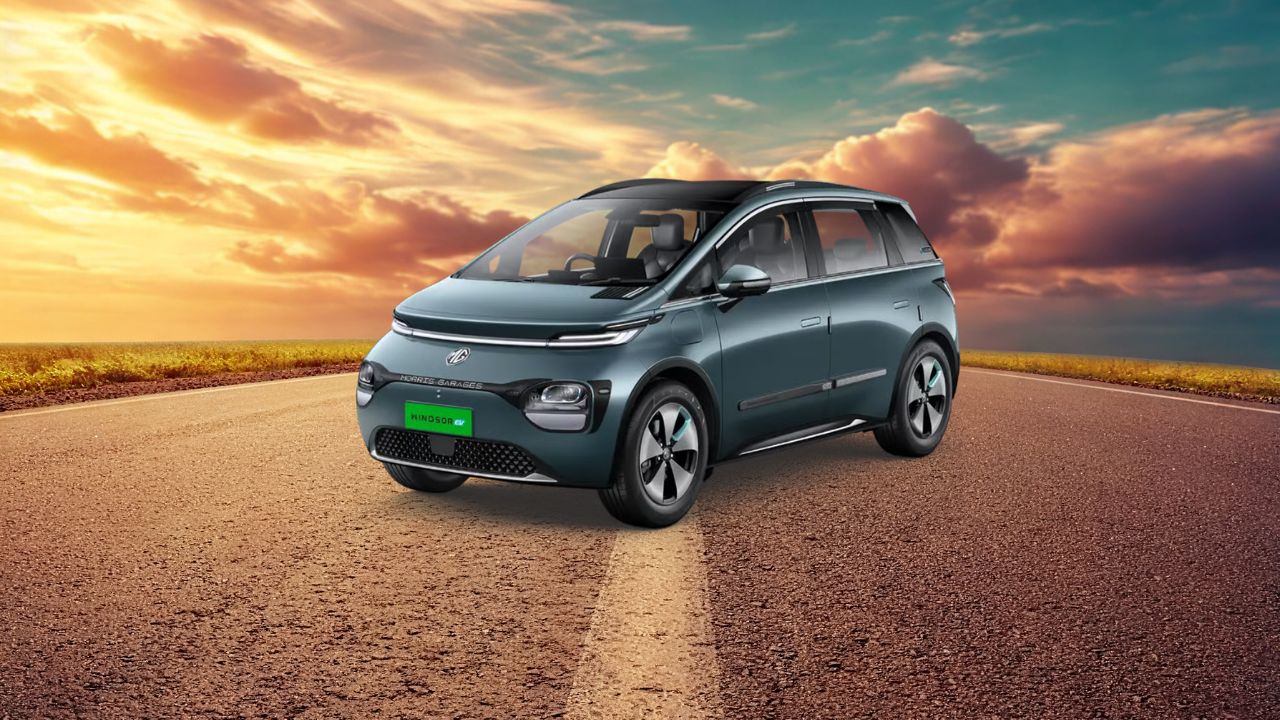
MG Windsor has already impressed many people in India’s EV market through its large interior, comfortable seats at the back, and affordable prices. This car was launched in September 2024 and immediately attracted buyers who were looking for practical electric family cars. The new 2027 MG Windsor Facelift will offer more in terms of a larger battery, increased driving range, better charging speeds, and several upgraded elements inside the car.

Perhaps the biggest highlight would be the introduction of a 61 kWh LFP battery pack that promises to offer a range exceeding 500 km. MG is also said to be developing rear seat ventilation and massage systems. If everything goes as of reports, the new MG Windsor might be more attractive for family use on road trips out of town.

Bigger Battery and 500+ km Range is Expected in 2027 MG Windsor Facelift

Two battery models come in the current MG Windsor model, either a 38 kWh model with a range of 332 km or 52.9 kWh for the Windsor Pro variant, which gives a maximum range of 449 km. Despite being sufficient for daily commuting, there is still a need for extended ranges for highway trips.

With the 2027 MG Windsor facelift, it will be equipped with an even bigger 61 kWh LFP battery pack that will have a range of over 500 km. This will enable the car to become more ideal for long travels.

Faster DC Charging Could Improve Highway Convenience

MG is not going to improve its batteries only in terms of capacity. The new facelift may get a quicker DC charger. It takes around 45-50 minutes to charge the Windsor from 20% to 80%.

The shorter time of recharging will make the MG Windsor EV more convenient to drive on highways when compared with its competition like the Tata Nexon.ev 45. However, these new charging specifications have not been officially confirmed.

Feature / Spec Current MG Windsor (38 / 52.9 kWh) Expected 2027 MG Windsor Facelift
Top Battery Pack 52.9 kWh LFP 61 kWh LFP (New Flagship Option)
Claimed Range 332 km – 449 km 500+ km (Expected)
DC Fast Charging 45–50 mins (20–80%) Improved / Shorter Turnaround
Rear Seat Comfort 135-degree Aero-Lounge recline Outboard Ventilation & Massage
Starting Price ₹14.85 lakh (₹9.99 lakh + BaaS) Sub-₹15 lakh (Plus BaaS option)

2027 MG Windsor Interior and Exterior: More Premium Than Before

The MG Windsor is already known for its roomy cabin and comfortable back seat experience. With the addition of the facelift, the company should pay more attention to the passengers’ comfort and practicality. Besides new cabin interior colors and trim levels, the electric crossover might have some extra options.

MG Windsor Interior and Exterior

Rear-Seat Comfort Gets More Attention

The existing Aero-Lounge rear seats can recline up to 135 degrees, making the Windsor a comfortable option for chauffeur-driven buyers. The facelift could take this experience further with:

  • Rear-seat ventilation: Ventilated outer rear seats for improved comfort during hot weather.
  • Massage function: Potential massage features for rear passengers.
  • Front passenger convenience: An electrically adjustable co-driver seat for better seating comfort.

 Know Before You Buy 👉 Thinking of Buying Maruti Alto K10 in 2027? Read This Before You Decide

New Exterior Features and Practical Upgrades

The 2027 MG Windsor facelift is also expected to receive subtle exterior changes rather than a complete design overhaul. Expected updates include:

  • Redesigned front and rear bumpers.
  • Updated LED lighting signatures.
  • New side body mouldings.
  • Fresh 18-inch alloy wheels.
  • A powered tailgate for easier access to the boot.
  • A rear wiper with washer for better visibility during rainy weather.

These additions could make the Windsor more practical while giving it a fresher appearance.

Will 2027 MG Windsor Facelift Price in India Stay Under ₹15 Lakh?

Pricing will be very important for the successful launch of the new MG Windsor. However, a bigger battery and additional premium features could drive the total price up, but MG will try to offer a competitive starting price for their car.

It’s expected the base variants will keep the current 38 kWh battery, and the higher trims could get a larger 61 kWh battery. MG could sell base variants below ₹15 lakh, and provide an expensive long-range option.

MG Windsor Facelift

How MG’s Battery-as-a-Service Programme Could Help

MG’s Battery-as-a-Service (BaaS) programme is another important part of its pricing strategy. Instead of paying the full battery cost upfront, customers can purchase the vehicle at a lower initial price and pay for battery usage on a per-kilometre basis.

This structure could help MG sell more Windsors as it allows them to provide a more affordable premium electric vehicle. The eventual cost of the battery rental and facelift pricing will determine the true cost of ownership.

Discover Its Bold New Design! 👉 Hyundai Elantra Hybrid Comes With More Sharper Design 

Conclusion

The 2027 MG Windsor facelift may bring upgrades to one of the more popular EVs in India. Improving range to over 500 km, battery size to 61 kWh, and DC charging speed, as well as increased comfort features for the rear seats, may improve the Windsor for families.

However, the MG Windsor facelift will launch in India. While its success hinges on factors such as final pricing, real-world driving range, and charging performance, MG could improve the Windsor against its competitors, including the Tata Nexon.ev and other electric SUVs, if the changes are implemented properly.