0

Adar Poonawalla Car Collection Full Details on Features and Price

Published Feb 23, 2026, 6:40 AM
Last Updated Apr 8, 2026, 7:25 AM

adar poonawalla car collection

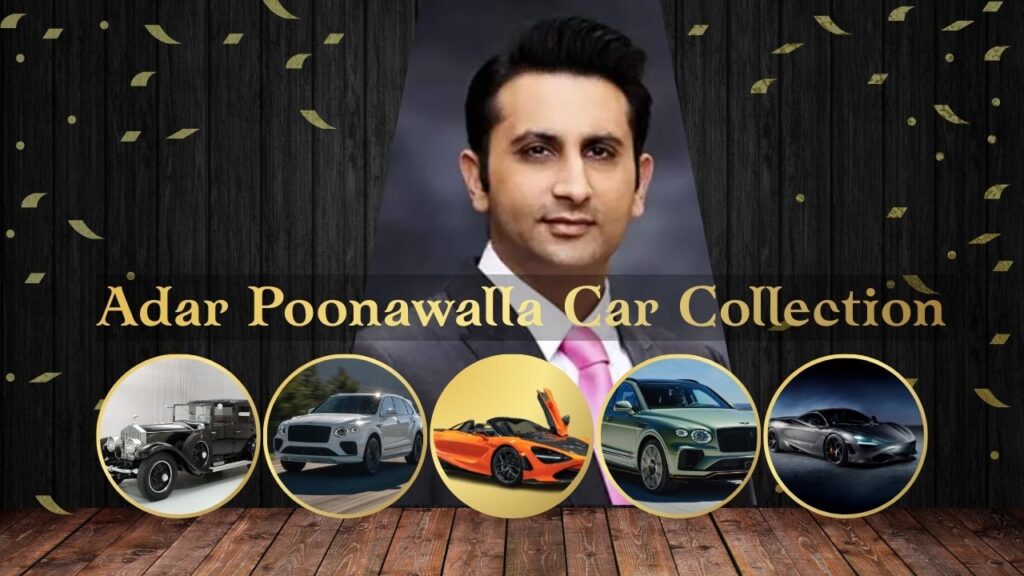
Have you ever wondered what the garage of a billionaire looks like? Then there is the Adar Poonawalla Car Collection which is located in India and one which ranks among the best car collections in the world.

Adar Poonawalla is the CEO of Serum Institute of India (SII), the world’s largest vaccine producer, and the man who played a key role in distributing the Covishield COVID-19 vaccine, as well as helming one of the biggest pharma companies in the world. But he’s nothing more than a car enthusiast in this world role, when he’s not at board meetings or international health conferences. 

Really, really expensive cars hidden in the family home called the Adar Abad in Pune, Maharashtra. It’s a collection so exceptional that it operates less like a garage and more like a world-class museum. The fleet is also shared by his cousin Yohan Poonawalla, and as a duo, they communicate a passion for automotive craftsmanship that transcends centuries of history to bleeding edge modern engineering. 

The Supercars Give Pure Thrills

McLaren 720S

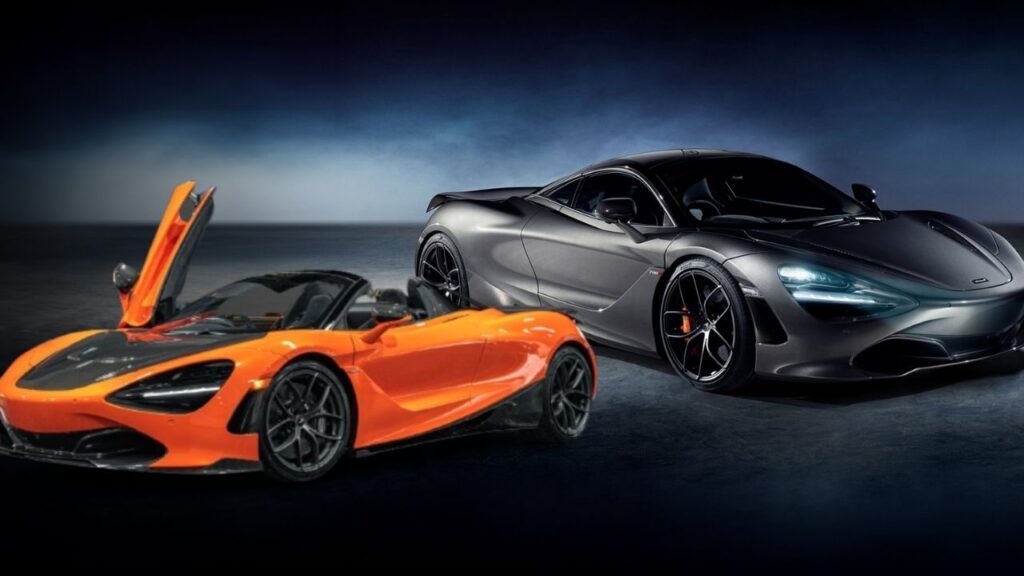
Adar’s pride and joy is a McLaren 720S dressed in a menacing black. But this is not your usual 720S. It was the first right-hand drive McLaren 720S to be permanently registered in India – a landmark that demanded deft weaving through India’s labyrinthine import regulations. After the CBU import duties doubled the price, the car went for about ₹4.5 Crore. It’s worth every rupee, if you ask any car enthusiast.
McLaren 720S

With a 4.0L twin-turbo V8 making 720 horsepower, the 720S is a technological wonder with a 212 MPH top speed and 0-60 time of 2.8 seconds. The car’s carbon-fiber tub makes it extraordinarily light and the hydraulic suspension system feels at once road-compliant and track-accurate. 

Even inside there’s a driver display that physically folds down in Track mode to reduce distractions. So when you now find yourself not moving, it’s this kind of thoughtful engineering thing which is good enough to make you smile. 

Ferraris—360 Spider, Aperta, and Pista Spider

Then there are the Ferraris, not just one but more than one. The family has a physical timeline of sorts throughout Ferrari’s mid-engine V8. There’s a Ferrari 360 Spider with a very rare open-gate manual gearbox (one of only two such cars in India), a car that was bought, sold and then bought again, which is pretty much tells you all about the emotional pull it commands. 
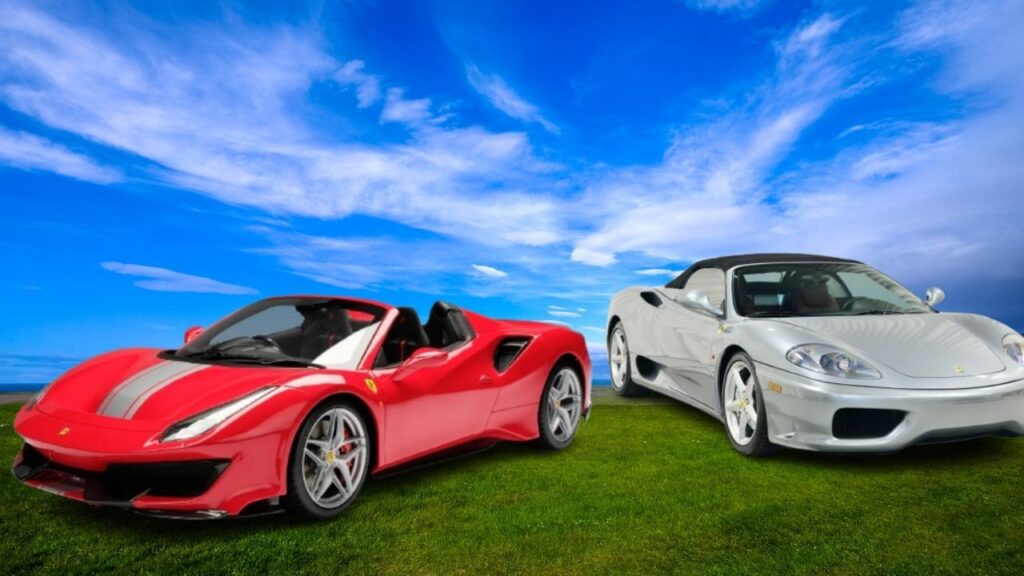
Ferraris

Yohan’s Ferrari 458 Speciale Aperta has his initials stamped on the nose. Also mounted on a Ferrari 488 Pista Spider is a plaque that says “Made exclusively for Yohan Poonawalla.” These are not cars. The signatures are coming in. 

Daily Life at the Top With Bentley Bentayga

When you’re making billion-dollar vaccine deals and going into high-stakes corporate meetings, you want something that surrounds you with calm and comfort and that doesn’t give away too much, in the way of presence. 

The deep blue grand tourer is powered by the enormous 6.0-liter W12 engine that produces 626 PS (615 hp) on the road and is finished off with a bespoke chrome-dipped grille. That’s the Bentley here to Adar, after all. 

Daily Life at the Top With Bentley Bentayga

But the real instrument of Bogdan’s day-to-day is the Bentley Bentayga Extended Wheelbase Azure, and this thing is really something else. Valued between ₹5.87 and ₹7+ Crore, it’s essentially a luxury apartment on wheels. The extended wheelbase features what Bentley calls an “Airline Seat Specification” — a seat that autonomously tracks your body temperature and humidity, makes invisible micro-adjustments to alleviate pressure points, and keeps you fresh regardless of the length of the journey. 

There are massage zones. There is air filtration. There’s even a 48-volt active anti-roll system that keeps the enormous SUV perfectly flat through corners. Adar also secured the VIP plate “111” for it — because of course he did. 

Matte Black and Menacing Land Rover Defender 110 X

The Adar convoy is the ultimate power and utilization. The Land Rover Defender 110 X dressed in matte black, this is a situation of substance over style. It still produces a healthy 518 bhp from its 5.0-litre supercharged V8, so that’s enough for it to hold its own against the Bentley Bentayga it’s travelling with. 
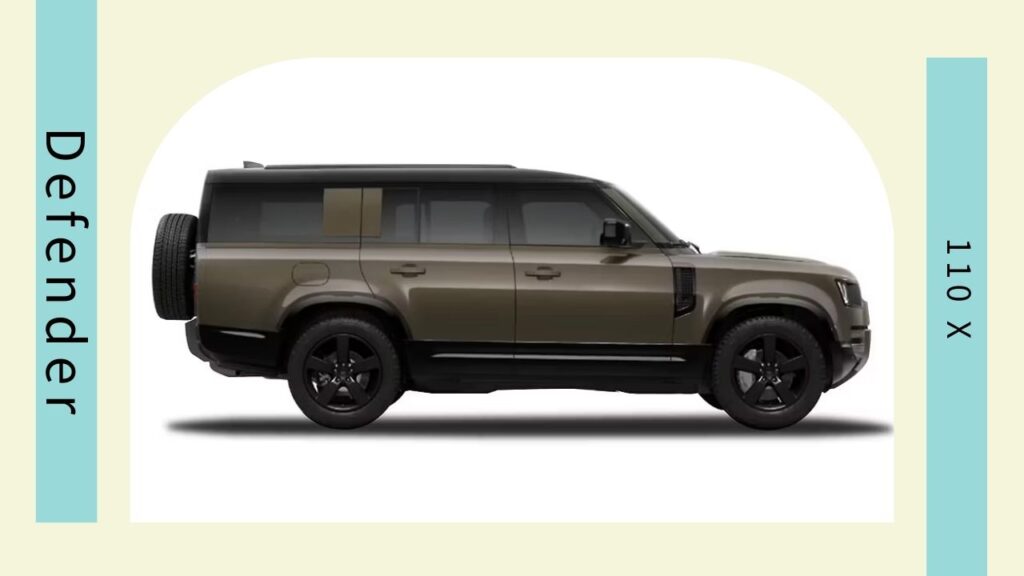
Matte Black and Menacing Land Rover Defender 110 X

With the air suspension that can be raised for a ground clearance of 218mm (8.6 inches) or 290mm (11.4 inches), this car is a natural in the wilderness, be it in hot pursuit or flee. This is tactical luxury at its most practical, where design meets function with no compromises. 

The Rolls-Royce Fleet: Twenty-Two Strong

The family has a jaw dropping collection of 22 Rolls-Royces, a testament to not only their extraordinary wealth but also the colours of their taste. Among them, is Yohan’s Rolls-Royce Phantom VIII Extended Wheelbase, a true masterpiece and the priciest car in India at ₹22 Crore. This luxury car comes with a Spirit of Ecstasy hood ornament made of solid gold and a Bohemian Red customized exterior. 

It comes with the legendary Starlight Headliner, an illuminated grille and the extremely rare Privacy Suite, an electro-chromatic glass panel that can be made opaque at the push of a button. Significantly, Rolls-Royce had taken that feature out worldwide but re-introduced it for this car, at the family’s request, again highlighting the extraordinary clout and buying power of the family. 

Read More:-  Honda Car Offers on City, Elevate and Amaze, Save Up to ₹1.97 Lakh

A Garage That Doubles as a Museum

The family’s garage is not just a storage space for exotic cars, but an evolving OCD-dream version of the history of the automobile. Some are extraordinary cars of historical significance including a 1956 Mercedes-Benz 190 SL previously owned by Maharani Gayatri Devi of Jaipur, a 1939 Derby Bentley belonging to the last Nizam of Hyderabad, and a 1979 Rolls-Royce Phantom VI that once belonged to Queen Elizabeth II’s royal fleet. 

Perhaps the most thrilling sign of the company’s commitment to maintaining this legacy came at an international event in the UAE, where Yohan boasted eight generations of Rolls-Royce Phantom models, covering a history that spans nearly 100 years. 

This included a 1928 Phantom I previously owned by the Maharaja of Kashmir and a 2024 Phantom VIII. That was the first time such an entire gamut of the collection holding type was brought together from a single collector. 

To put this in perspective, a couple of these legendary rides were even enlisted in a rally across the Emirates, a very strong indication that the family want these masterpieces to be not only preserved but run and duly celebrated. 

Conclusion

The Adar Poonawalla Car Collection is not just a wealth issue, it was about the vision, legacy, and a near poetic value of history in the automotive world. From state-of-the-art hypercars and custom luxury SUVs to 100-year-old royal classics, the garage embodies a philosophy that holds both innovation and heritage in high regard. For Adar Poonawalla, cars are not just trophies but living art, drawing tales of engineering and a legacy that is forever preserved. 

Bipin Sharma

Bipin Sharma is a seasoned automotive content writer with over 10 years of hands-on experience in the world of cars. From the latest car news and reviews to in-depth maintenance tips and expert buying guides, Bipin covers everything that drives the automotive world. Writing about cars isn’t just his profession — it’s his passion. His deep industry knowledge and love for automobiles fuel every blog he creates, helping readers make informed decisions and stay updated on the fast-evolving auto landscape.

Leave a Reply

Your email address will not be published. Required fields are marked *

0

First-Time Buyers: How to Sell Your Car

Published Jun 24, 2021, 7:20 AM
Last Updated Aug 13, 2025, 5:29 AM

Increasing disposable incomes and the availability of a large number of makes and models has resulted in a boom in the used car market. People are graduating from two-wheelers to four-wheelers and those with four-wheelers are looking at upgrading their ride. So if you were planning to sell a car in India, this is the right time to do so. There are various avenues that you can explore to sell your ride. Let’s take a quick look at them and their pros and cons.


How To Sell Car The Traditional Way?

Placing an advertisement in the local newspaper, getting in touch with local car dealers, informing your friends and family members and asking them to spread the word around, sticking a ‘For Sale’ sign with your contact details on the rear windshield of your car, putting up leaflets on the notice board of your housing complex, office, clubs etc – these are all the traditional or offline ways of selling your used car.


How To Sell Car The Modern Way?

Placing an advertisement on online classified portals, availing trade-in and exchange offers, utilizing the power of the social media and using car buying services are some of the modern ways to sell car.


There are four major steps if you plan to sell the car yourself:


Preparing the car for sale

Interacting with prospective buyers

Documentation and payments

And finally, things to do post sales

  1. Preparing The Car For Sale

The first step consists of preparing the car and advertising your intentions to attract prospective buyers for your vehicle. Let us break this down further:


Preparing your used car for sale


In order to be able to sell car at the best possible price, it is important that you put in place the following steps:


Get your car serviced and cleaned –  Remove all personal belongings from the car and if possible and viable, get scratches and dents repaired. Make sure that the interiors are clean and free from blemishes and stains. Of course, if you have maintained your car properly, these should not be a big issue

Gather all the papers of the car and make a copy of them –  If you have a service record of the car, be sure to include it with the other documents. Do not forget to include the owner manual, battery warranty cards, PUC certificates and any other document that is related to the car

Park your car in a clutter free area and take at least ten to fifteen photographs of the car –  Take good photographs of your car – both the exteriors and the interiors – and from different angles. Though you do not need to get a professional to do this job, you need to make sure that the photographs are in focus, sharp and clear.

The next step is creating the advertisement – Along with the photographs of the car that you have taken, your advertisement should contain as much information about the car as possible. This would include:

1) The year and month of manufacture or registration

2) The state or city of auto registration

3) Commercial or individual lifetime tax

4) The total number of owners

5) Comprehensive or Third party insurance type and its validity

6) The availability of service history

7) Colour of the car, both interior and exterior, and if original or re-painted.

8) Variant or Trim level

9) The number of kilometres covered

10) A list of accessories fitted

11) Reasons for selling

12) Expected price


Ensure that your expected price for selling your car is neither too high nor too low – Again some amount of research will give you an indication of the price range for cars of similar make, model, and age. Along with the above, state the salient features of the car which would count as advantages – for example – single ownership, low mileage, accident-free, extended warranty coverage etc. Include an email id (you can create a new one for this purpose) and a phone number (with timings for receiving calls if you wish). If possible, scan the car documents – this will help as you can email the same to prospective buyers if they wish to inspect them beforehand.

Research will help you to find out the best portals for placing your online advertisement. You can also place the advertisement on your social media platforms, as well as on the notice boards of your apartment, office, and club. However, do find out if you are allowed to do so before you pin your advertisement on the notice boards.


  1. Interacting With Prospective Buyers To Sell Your Car

Selling your used car


Once your car advertisement is in place, you will start receiving calls and emails from prospective buyers. How you interact with your potential buyers can make or break the deal.


The first step is to screen the potential buyers – You will receive inquiries from businesses, agents, individual buyers and also from sellers like yourself who are calling up to do their research on the price factor. You need to focus your time and energy on serious buyers only – hence, you need to separate the serious potential buyers from the rest at the first call/email stage

When talking/answering queries, be as straight forward as you can in your interactions –  Do not get too eager to sell or overly aggressive. Remain focused and to the point, answering all queries to the best

Once you have screened the buyers, send them the scanned copies of the documents – This will save both of you time and effort before the buyer decides to physically inspect your car

Fix a time that is convenient to both for the physical inspection of the vehicle – Request the buyer to be punctual and make sure that you are punctual too – this shows your seriousness. Be prepared by asking the buyer beforehand if he would like to test drive the car, and set the time accordingly. Remember to go along with the prospective buyer on the test drive

The prospective buyer might want the car inspected by an authorized, reliable and credible service station or his mechanic – This is a commonly placed, reasonably valid request and shows the serious intent of the buyer. Discuss the most convenient way to get this done – the mechanic could come to your place and inspect the car or you could drive it to the service center/ mechanics workshop. However, ensure that you or your representative is present at the time of the inspection

Negotiate for a reasonable deposit – It is possible that the buyer might say yes to the deal, but requires time to get the finance in place (either his own or from a bank/NBFC). It is wise to hold negotiations for a reasonable deposit – maybe between 10,000 and 30,000 and clearly state the time frame by which the entire amount of the payment should be made. Failure to pay within the stipulated time would lead to forfeit of the deposit and allow you to subsequently offer the car to a different buyer.

Lastly, never be in a rush to sell the car or feel pressurized into doing so – Inform the prospective buyer that you will get back to him/her within a stipulated time period and stick to it. Think the deal through before committing yourself to the sale.

  1. Documentation & Payment – Which documents should you give to the buyer and which ones should you keep

Documents for selling a used car


Assuming that you have been able to find a buyer for your car and confirmed the deal, the next step is documentation and payments. This is the most crucial step in selling your car.


Wait for the cheque/ demand draft to be cleared before handing over the documents and the vehicle – There is a slew of documents that need to be prepared and signed for transferring the ownership of the car. However, remember this cardinal rule – signing of transfer papers and delivery of the vehicle must happen only after receiving the full payment for the car.

Ask the buyer to provide you with a copy of his government issued photo id and address proof – It could be a copy of the passport, driving license or any other acceptable document.

All fields in the transfer forms issued by the RTO, and the delivery note, should either be filled or N.A written if not applicable – Do not, I repeat, do not leave any blank fields on the forms. Similarly, the forms need to have the signature of both the buyer and the seller. The best way, if time permits, is for both parties to visit the RTO in unison and help the transfer process to reach its completion.

Along with the duplicate keys, the list of documents that is required to be given to the buyer of your vehicle is:

1) Form No.28 (3 originals) – This pertains to the N.O.C. as well as the grant of certificate when the buyer happens to belong to another RTO’s jurisdiction

2) Form No.29 – Notice of the transfer of car’s ownership (Original)

3) Form No.30 – Report of the transfer of vehicle’s ownership (Original)

4) A copy of the delivery note

5) The Registration Certificate in original

6) All RTO tax related documents in original

7) Insurance cover/ policy – in case it has been included in the deal

8) The vehicle’s owner’s manual

9) All warranty papers

10) Service history

11) Copy of the original invoice of the car

12) PUC certificate.

13) Form No.35 – The finance organization has to provide the NOC. If the outstanding loan on your vehicle is still unpaid, as per the general procedures in place, you have to foreclose the loan. Thereafter, procure the NOC and forward it to the buyer.


While you hand over the documents to the buyer, remember there are some documents that you need to keep in your custody. These include:

1) Copy of Form No.29

2) Copy of Form No.28

3) Original delivery note

4) Copy of Form No.30

5) Copy of the Government issued id (with photo) of the buyer

6) Copy of the vehicle’s RTO tax papers, Registration, insurance policy

7) Original car invoice

8) Copy of NOC from the finance company, only if applicable


  1. After You Sell Car

Used car sold


The fourth step consists of actions to be taken after selling and giving delivery of your vehicle to the buyer. Although these may come across as additional work, they are important as they ensure your safety and security.


Inform the RTO – As per the law, as long as the car is registered in your name, you hold the responsibility for the car and any unwanted incident that takes place because of it. Therefore, it is your responsibility to inform the RTO of the transfer. You need to inform the RTO, belonging to where the vehicle was registered, in a period of 14 days of the sale, by sending copies of all the relevant categories of documents (the documents retained by you) through registered post. The postal confirmation needs to be maintained for records. Once the delivery acknowledgement is received, only then can you be indemnified of all the liabilities associated with the car sold by you. Remember, just in case, the address of the buyer happens to be the jurisdiction presided by another RTO, an identical document has to be dispatched to him as well.

Inform the insurance company – The insurance company has to be appropriately informed of the transfer; especially if the insurance cover happens to be part of your deal with the buyer. If not, then you need to inform them of the cancellation. This should be done by registered post, just as it was to be done with respect to the RTO.  If you decide to visit your insurance company, do carry an “acknowledgement” stamp on your application’s copy. All No Claim Bonus benefits cannot be transferred and are available for use towards the car that you decide to hold next.

Ask for the updated RC from the buyer – Remember to ask the buyer to dispatch a copy of his updated RC book (which has been duly transferred to the buyer’s name) to you. While this will, in all probability, need consistent follow-up, it is important that you do so. Keep the copy along with the other retained documents of the car.

Found the article helpful? Do share and explore more tips on selling car online. Looking to sell car quickly? Sell it to Badicar.com From free online car valuation, guaranteeing the best price for your used car, taking care of ownership transfer and other paperwork to instant payment – we ensure a simple and hassle-free way to sell your car.

0

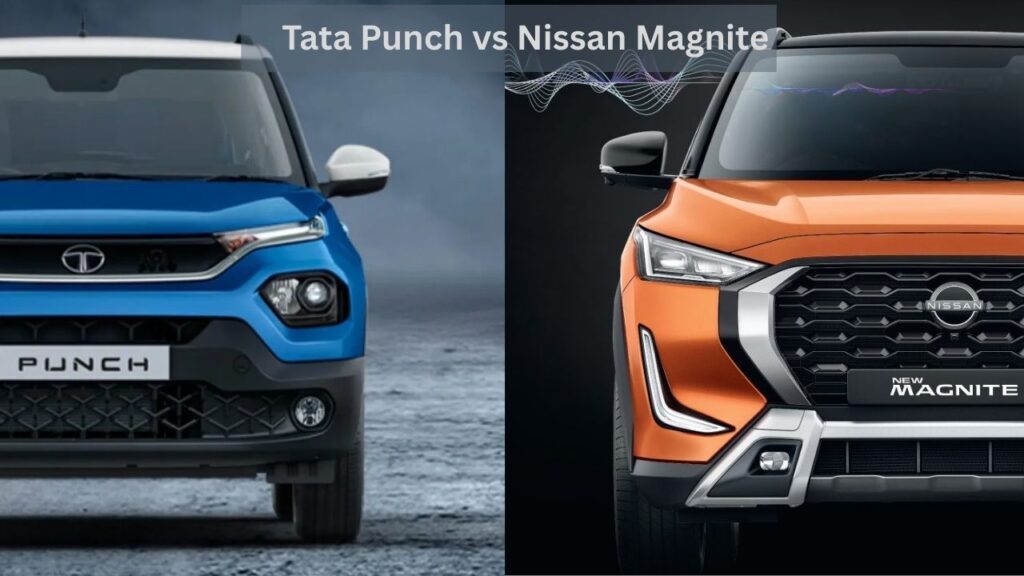
Tata Punch vs Nissan Magnite: Which Compact SUV Should You Buy?

Tata Punch vs Nissan Magnite Compact SUV front side comparison

When it comes to Best Compact SUVs then Tata Punch vs Nissan Magnite is a top debating buzz. The debate between these two is a never ending road because both have similar price points and offer powerful engines. It’s hard to decide one when the other doesn’t back down to show its power and stunning look. 

Both Tata Punch and Nissan Magnite offer a compelling package that makes it hard for the buyer to choose one between them. But both are slightly different from each other in their features and design, you can explore the details to decide which Compact SUV should you buy.

Performance and Engine

Tata Punch is offering a 1.2-litre Revotron petrol engine that delivers wonderful speed up to 87 bhp for city trips but feels a little bit underpowered on highways with both 5-speed manual and automatic transmission. It also offers a CNG variant for the eco-conscious who doesn’t want to compromise powerful features. 

Tata Punch 1.2L Revotron petrol engine with manual and AMT options

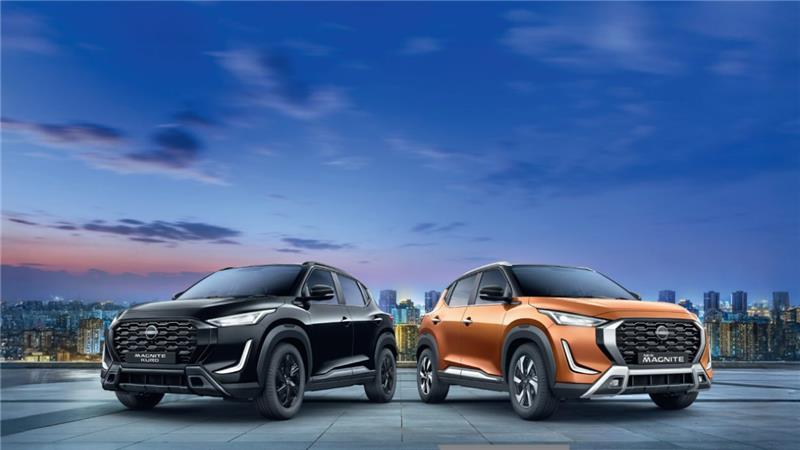
Nissan Magnite is offering 1.0-litre natural aspirated petrol engine and turbo-petrol engine for providing a more spirited and engaging driving experience on highways. It becomes your best off-road partner with its continuously variable transmission that gives a smoother and comfortable ride experience. 

Nissan Magnite turbo-petrol engine with CVT transmission

If you prefer more power driving experience and looking for the best highway partner then Nissan Magnite (Turbo Variant) is the best option. While Tata Punch is actually best for city commutes.

Features Tata Punch Nissan Magnite
Max Power 87 bhp 71 bhp, 99 bhp (turbo)
Max Torque 115 Nm 96 Nm, 152 Nm (turbo)
Transmission 5-speed manual & AMT 5-speed manual & AMT

Safety

Tata Punch got a 5-star safety rating from Global NCAP for delivering safety standards features including dual airbags, ABS with EBD, and ISOFIX child safety that prevent huge damage to its passengers. 

Nissan Magnite is also got 5-star from Global NCAP that is worth it because of its extra features for safety purposes. It got a slightly lower rating for its base model in its earlier test. But overall safety features are perfect in both the cars. The Tata Punch has an excellent reputation for its strong structure and quality, Magnite also has 5-star rating to the higher-end variants with more airbags.

Features and Interior

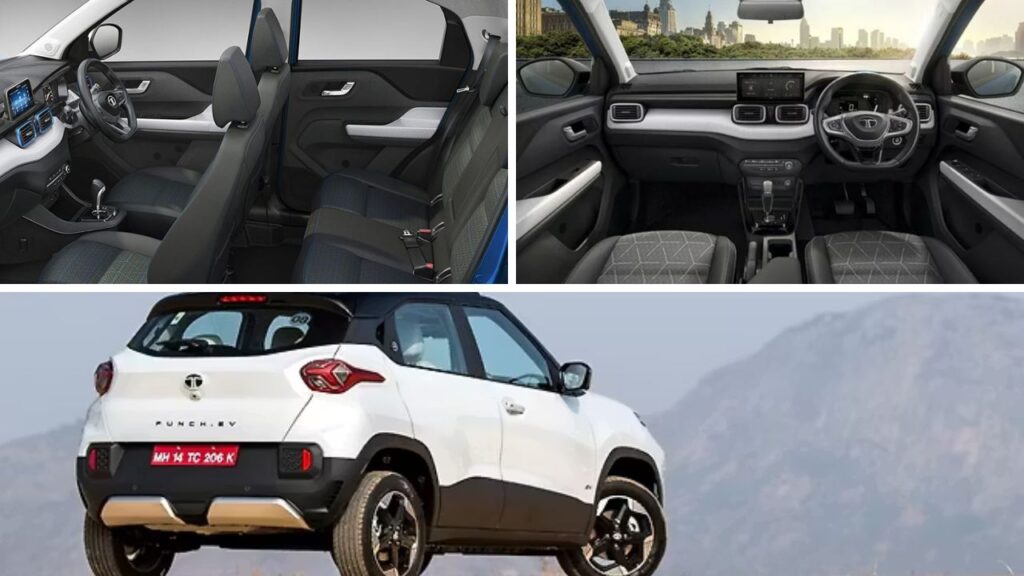
The Tata Punch is offering a well-equipped cabin with advanced tech of infotainment system, single-pane sunroof, automatic climate control, and cruise control that makes it feel more premium to sit inside the car and take a comfortable trip. 

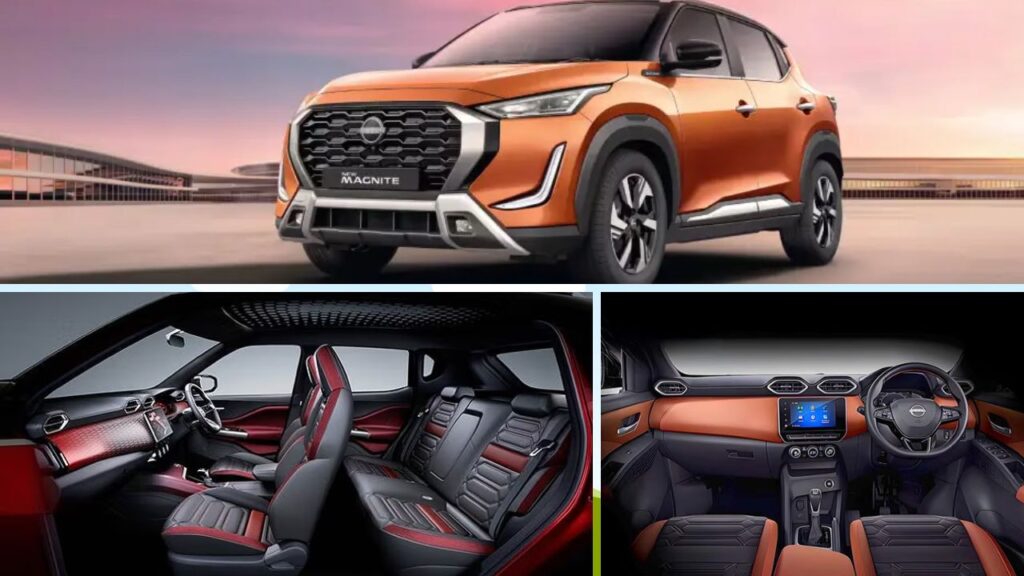
Tata Punch interior cabin vs Nissan Magnite digital dashboard

Nissan Magnite comes with a strong body with a perfect 360 degree camera and infotainment system, and digital instrument cluster which makes it perfect for long trips with advanced features and comfortable premium-feel interior. 

Space and Practicality

Tata Punch is offering larger space up to 366 litres that gives comfortable long trips. It delivers a quality ride and handles rough roads with excellent ways that ease up everything. 

The Magnite is slightly longer than the Punch that delivers more space for better legroom for rear passengers. Its ground clearance is also higher as it has a longer wheelbase at 205 mm compared to the Punch’s 187 mm. The Magnite’s boot space is 336 liters.

Tata Punch is ideal for those who want a comfortable ride on rough roads and Magnite is offering other advantages with more ground clearance and legroom space.

Read More:- Inside Mark Zuckerberg’s Car Collection: Luxury, Style & Surprises

Price and Value for Money

Punch has many variants and price varies upon their model, base models have attractive prices. The price lies upon a range of Rs. 6.20 lakh to Rs. 10.32 lakh. Tata Punch is accessible to a wider audience due to its availability in the market.

The Magnite is also an affordable SUV which offers advanced features and powerful engine. Magnite price ranges between Rs. 6.14 Lakh and Rs. 13.59 Lakh which is slightly different from Punch.

Both Nissan and Tata have offered similar price points with slightly different features. Nissan has more features and provides a smoother ride with more comfortable space.


Choose If… Tata Punch Nissan Magnite
Safety Priority 5-star Global NCAP (base model itself is very safe) 4-star safety (good, but not the best)
Build Quality & Ride Solid build, comfortable ride, spacious cabin for city drives Decent comfort, focuses more on driving fun than heavy build
Interiors More conventional, well-appointed cabin Stylish, youthful interiors with quirky design
Driving Performance Adequate for city & casual highway drives Turbo-petrol option gives strong highway performance
Budget-Friendly Slightly higher starting price due to safety & solid build Pocket-friendly, excellent value for money
Features Good but not feature-loaded in base trims Feature-rich (360° camera, larger touchscreen, connected features)
Ground Clearance / Rough Roads Good enough for city and small potholes Higher ground clearance, better for rough/unpaved terrain

Conclusion

In Tata Punch vs Nissan Magnite, there is no winner because you should choose a vehicle according to your need and preferences. Some people need more comfort and space. Nissan Magnite is best for them. Tata Punch on the other hand, offers best safety precautions to prevent crashes and good for city commutes.

0

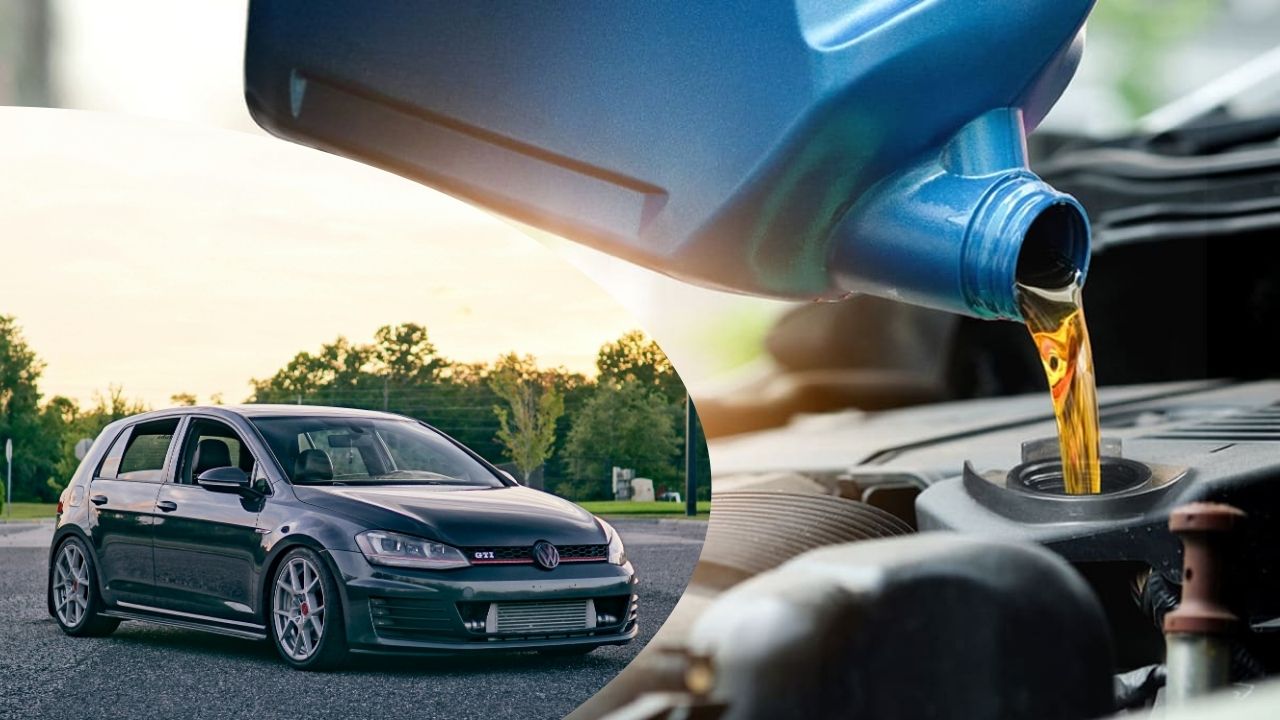
How Often Should You Change Oil in Your Car? What Actually Matters in India

Change Oil in Your Car

Your Swift covers 9,000 km and the service centre calls. Your neighbour is a strong believer in the “every 5,000 km no exceptions” rule as his father has been following since 1998. Your mechanic insists on seeing you every three months no matter what your owner’s manual says. None of the three are infallible, and How Often Should You Change Oil in Your Car is determined less by a fixed number and more by three things: what oil is currently in your engine, what kind of driving you really do, and how honest you’re willing to be about both. 

The Manufacturer’s Number Is a Starting Point, Not the Answer

Every car sold in India comes with a service booklet that lists an interval — usually tied to kilometres or months, whichever arrives first. That number assumes “normal” driving conditions as defined in a lab, not a Bengaluru signal-to-signal commute or a Delhi summer where cabin AC runs eight hours a day. 

Here Major brands currently stand On How Often Should You Change Oil in Your Car:

Brand / Segment Standard Interval
Maruti Suzuki (most models) 10,000 km or 12 months
Hyundai, Kia, Honda, Toyota, Mahindra 10,000 km or 12 months
Tata Motors (Punch, Nexon, Altroz) 15,000 km or 12 months
Volkswagen, Skoda 15,000 km or 12 months

If your vehicle is more than ten years old and it’s still on the old mineral oil era schedule, don’t assume it followed the newer 10,000 km norm, check your actual booklet for the year of your model. Take the precedent of the old Maruti 800s and early Zens, they used to get 5,000 km services because that’s all the mineral oil of that time could take before breaking down. 

The Oil Grade Changes the Number More Than the Car Does

This is the part that most owners skip over. The interval on your service sticker assumes a particular oil grade, and changing that grade alters the actual oil life: 

Change Oil in Your Car

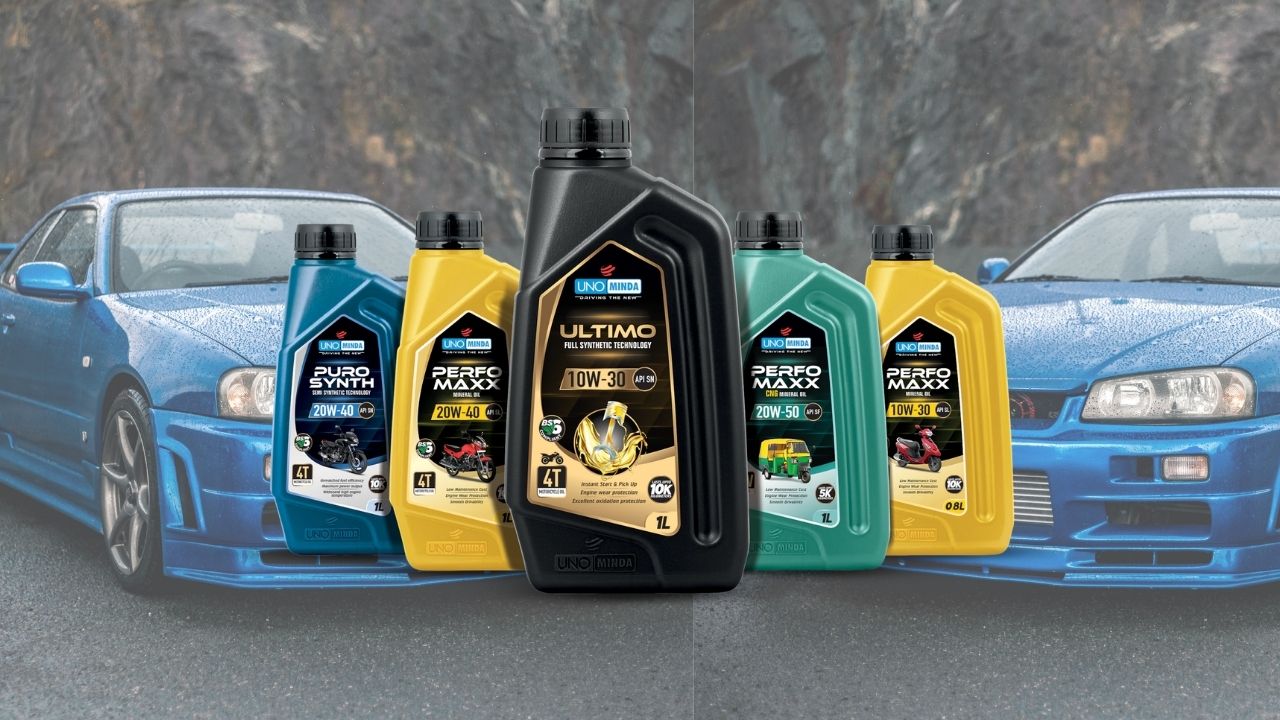
  • The mineral oil is the most economical, priced around ₹280–380 per litre, and it also oxidises the fastest — most mechanics will still tell you to change it every 5,000–8,000 km no matter what a new manual says, because the base stock just doesn’t hold up longer than that. 
  • The semi-synthetic oil, available at a price of ₹420-550 per litre, splits the difference and can be used for 8,000-10,000 km. 
  • Full synthetic, which costs ₹650-900 a litre, is undoubtedly what allows modern engines to go 10,000-15,000 km between oil changes – the additive package survives thermal breakdown long enough to justify the premium cost. 

So if your car’s manual says 15,000 km but your mechanic filled your car up with a mineral oil last visit because that was the cheapest or is the one he has in stock, you are not really on a 15,000 km schedule anymore. You’re on whatever that oil can last, which is more like one third that distance. 

Why Indian Roads Push Every Interval Downward

Manufacturer intervals are written for “normal” use. Most Indian driving qualifies as “severe” use without the owner realising it — and severe-use schedules are usually 20–30% shorter than the standard ones printed in bold on the first page of the manual. 

Three conditions push you into that category almost automatically here: stop-and-go traffic in cities like Mumbai, Bengaluru, and Delhi NCR, where the engine idles more than it cruises; sustained heat above 40°C through summer months, which accelerates oil oxidation; and short trips under 15–20 minutes that never let the engine reach full operating temperature, so moisture and fuel residue never burn off properly. 

If two or more of these describe your daily driving, treat the printed interval as an outer limit, not a target — and lean toward the shorter end of whatever range your oil grade allows.

Read More:-  How Often Should You Service Your Car? | Complete Maintenance Guide

What Skipping a Change Actually Costs

A straightforward, on-schedule oil change in India runs about ₹2,500–4,500, oil and labour included. That number looks easy to postpone when the car “feels fine.” 

It stops looking easy once you see the other side of the ledger: a Swift owner who pushed one scheduled change from 30,000 km out to 45,000 km ended up facing ₹8,000–18,000 in cleaning and repair work from the sludge that built up in the meantime. Push it further and you’re looking at ₹15,000–40,000 in ring wear, bearing damage, or worse — four to nine times what the change itself would have cost. 

Engine oil in an Indian car is doing three jobs at once: lubricating, cooling, and carrying away contamination. Once it’s saturated with carbon and moisture, it stops doing all three, and the damage compounds quietly until something expensive fails.

Signs Your Oil Needs Changing Before the Odometer Tells You

Kilometres aren’t the only trigger if you are looking for How Often Should You Change Oil in Your Car. A car that’s driven rarely, under 3,000–4,000 km a year still needs an annual oil change even if it never comes close to the km limit, because oil oxidises with time and moisture exposure regardless of use. 

Change Oil in Your Car

Watch for oil that’s gone dark and gritty rather than amber and clear on the dipstick, a burnt smell inside the cabin, a noticeably rougher idle, or the oil warning light itself — none of these should be treated as optional information to act on “next weekend.”

The Practical Rule On How Often Should You Change Oil in Your Car?

Follow your manual’s kilometre or month interval, whichever comes first — but only if you’re certain the oil in your engine matches the grade that interval was written for. If you’re not sure what’s currently in the sump, or your driving is mostly city stop-and-go, shave 15–20% off the printed number and go with full synthetic if your budget allows it; the extra ₹1,000–1,500 per change is cheaper than one skipped interval turning into a repair bill. 

When in doubt, ask your service centre to show you the actual oil grade on the invoice, not just tick a box that says “oil changed.”

Read More:- How to Check Tire Pressure Correctly: Guide For Car Owners

Conclusion 

How Often Should You Change Oil in Your Car, depends on many factors, so there is no single perfect answer. The appropriate interval will vary based on the oil being used, how you drive and the conditions to which your vehicle is subjected daily. Although the owner’s manual is the best place to start, stop-and-go city traffic, short trips, extreme heat and using a lesser-quality oil can all shorten the life of the oil. 

The best policy is to follow the recommended service intervals, use the right oil grade, and adjust the interval if your driving conditions are “severe”. Spending a few thousand on timely oil changes is way cheaper than spending big money on engine repairs later. 

A modest routine of checking your oil level, verifying the oil grade at each service, and not putting off scheduled changes will help ensure a long-running, happy engine. 

0

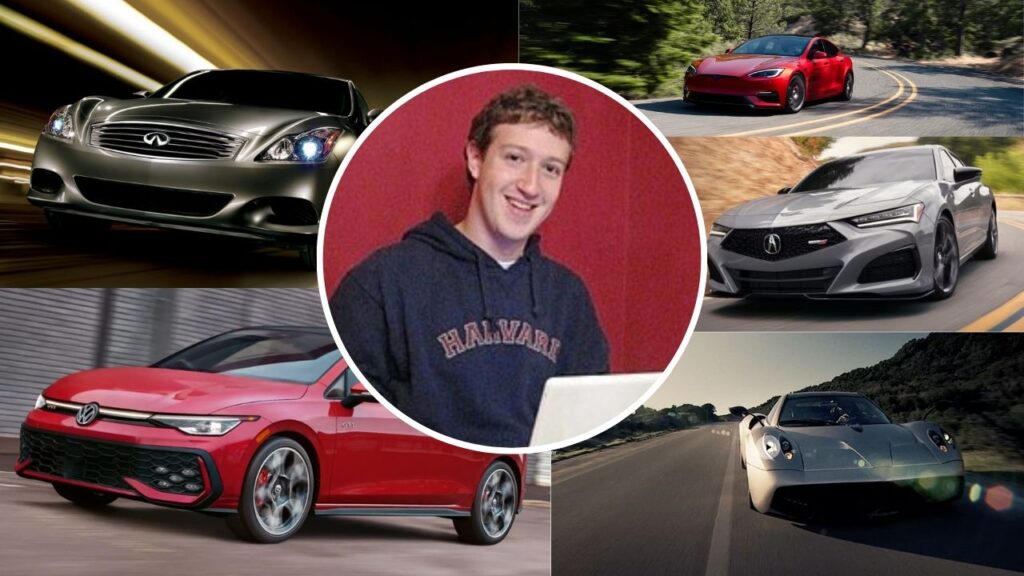
Inside Mark Zuckerberg’s Car Collection: Luxury, Style & Surprises

Published Aug 23, 2025, 11:21 AM
Last Updated Aug 25, 2025, 6:24 AM

Mark Zuckerberg car collection featuring Honda Fit, Tesla Model S, Pagani Huayra and more

Flashy supercars may be the style of many billionaires but Mark Zuckerberg’s Car Collection is not just about luxury, it reflects his personality. His garage is telling a simple but intriguing story of the man who also prefers eco-friendly cars. But also sharing his modest interest in sedans and some other luxury cars. So, let’s explore these car’s features that offer strong performance on the road.

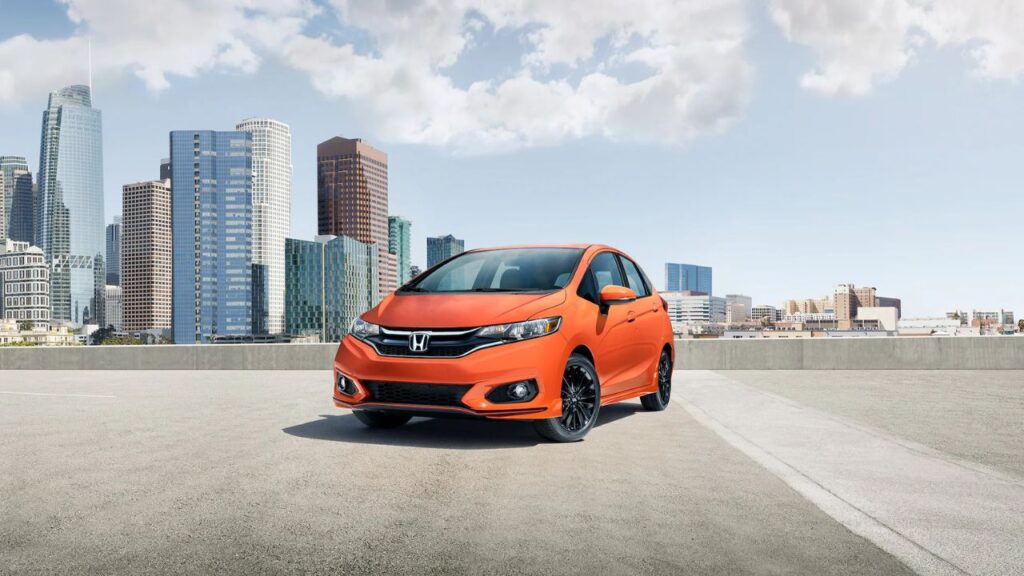
1. Honda Fit (Jazz) 

Honda Fit (Jazz) compact hatchback owned by Mark Zuckerberg

Image Courtesy: automobiles.honda

Honda Fit is also known as Jazz in some countries, this car is sharing a classic vibe of Zuckerberg no-show lifestyle rather than seeking attention on the road. The incredibly powerful 1.5L engine offers a powerful performance but his choice is unexpected. Priced around $20,000, this compact hatchback shows that he prefers practicality over glamour. He values comfort and efficiency with spacious interior, reliable maintenance and comfortable daily city commute. 

Features Specification
Engine 1.2L or 1.5L petrol/hybrid
Fuel Efficiency 16–18.2 km/l petrol, 22–27 km/l hybrid
Transmission Manual (5-speed), CVT Automatic
Seating Capacity 5 seats
Boot Space Fit: 470L, Jazz: 354L
Price $17,945

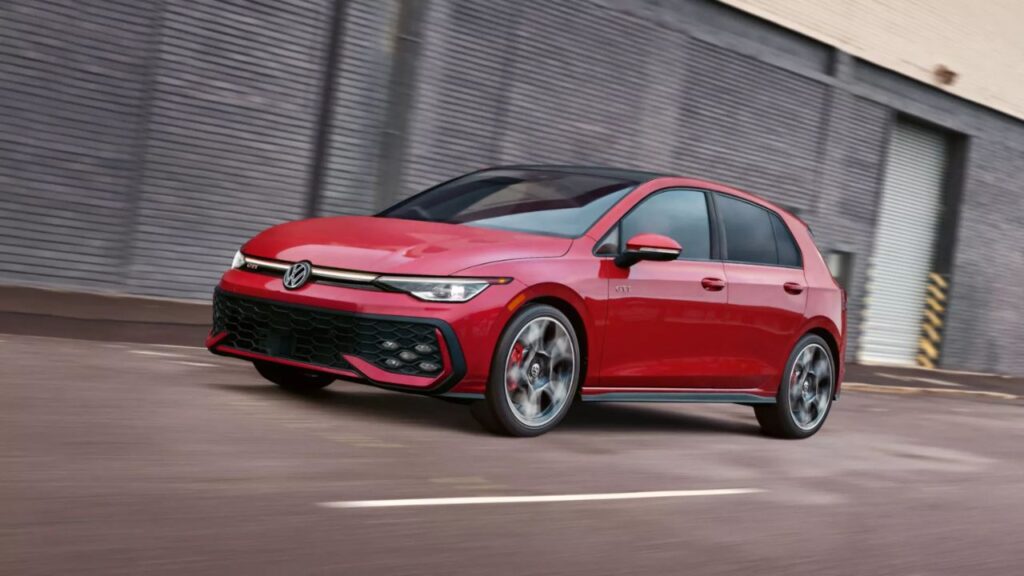
2. Volkswagen Golf GTI

Volkswagen Golf GTI hatchback from Mark Zuckerberg’s car collection

Image courtesy: vw.com

This one has special value around the globe because of Volkswagen Golf GTI hidden sporty performance under the simple look. While it represents Zuckerberg’s calm but powerful personality. This unique model will deliver its high performance with 2.0L turbocharger engine when needed. Classic hatchback design with modernized features is ready for both city and highway rides. Speed up to 240 horsepower can give a smoother ride without an overly flashy look.

Features Specification
Engine 2.0L Turbocharged Petrol, 4-cylinder
Horsepower 261 bhp
Torque 370 Nm
Transmission 7-speed DSG (Automatic)
0-100 km/h speed  5.9 seconds
Boot Space 380L
Price $30,000

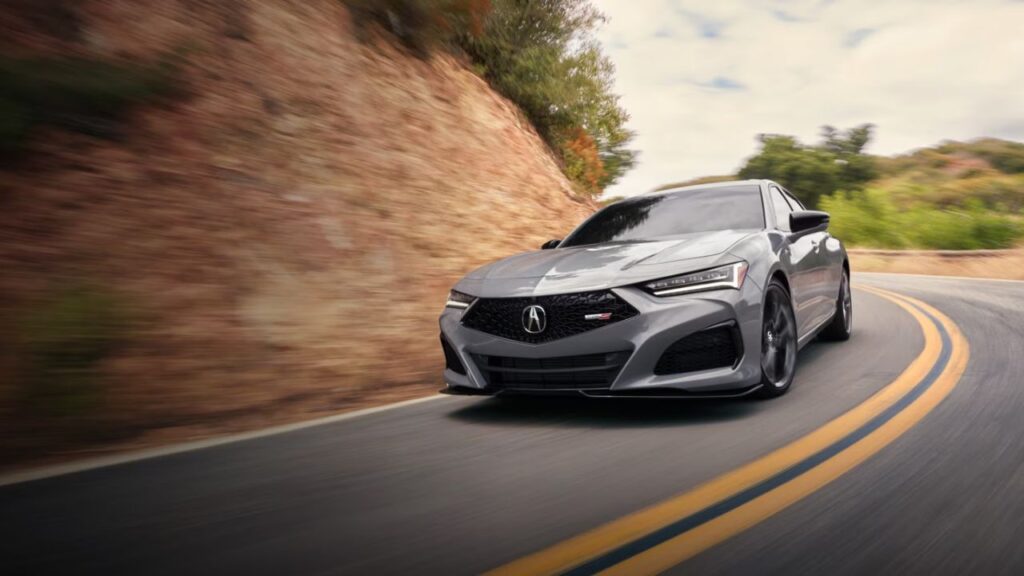
3. Acura TSX 

Acura TSX premium sedan owned by Mark Zuckerberg

Image courtesy: acura.com

The Acura TSX is a unique model that combines reliability, comfort and a premium look without going overboard that fits for a perfect match of Zuckerberg’s balanced approach to life. It offers 2.4L i-VTEC powerful engine and smoother rides that’s a good one for handling everyday traffic. With advanced safety features and elegant look, it still focuses on comfort and practicality that represent premium style without screaming wealth.

Features Specification
Engine 2.4L inline-4 engine
Horsepower 201
Transmission 5-speed automatic
Seating Capacity 5 seats
Drivetrain Front-Wheel Drive (FWD)
Price $30,000 

Read more :- Inside the Exclusive Yuvraj Singh Car Collection

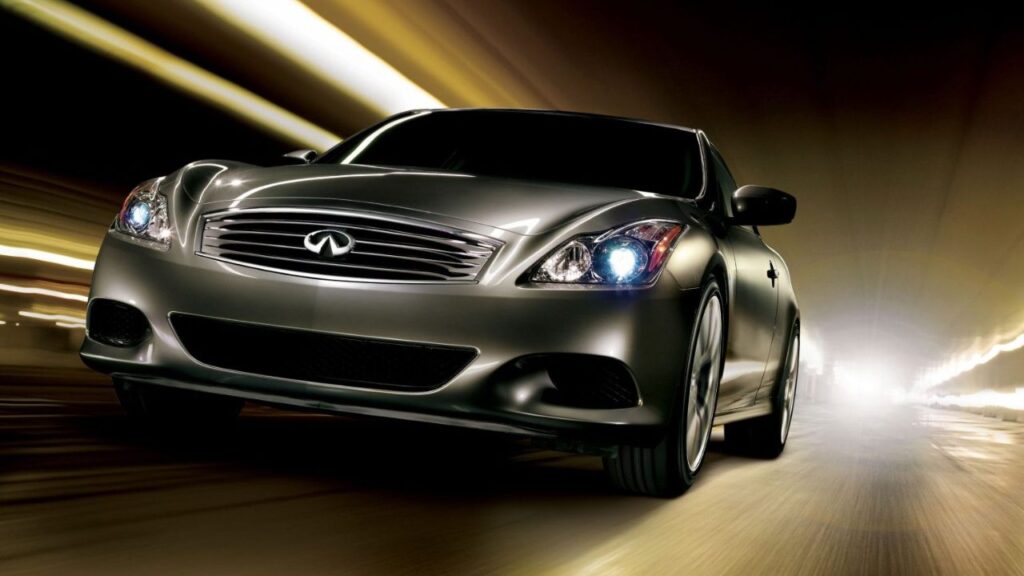
4. Infiniti G Sedan

Mark Zuckerberg’s Infiniti G Sedan

Image courtesy: infiniti.com

Zuckerberg parked an Infiniti G Sedan in his garage, this car is a mix of Japanese precision with a luxury touch. It offers powerful horsepower with a 3.7L V6 engine and gives a sporty driving feel. With its long-term reliability and luxurious cabin offer a premium experience. It represents Zuckerberg’s balance between innovation and tradition that mirrors tech with consistency of car. 

Features Specification
Engine 3.7-liter V6 engine
Fuel Efficiency Approx. 8 km/l 
Transmission 7-speed automatic (AMT)
Seating Capacity 4 seats
Boot Space 210 liters
Price $33,000

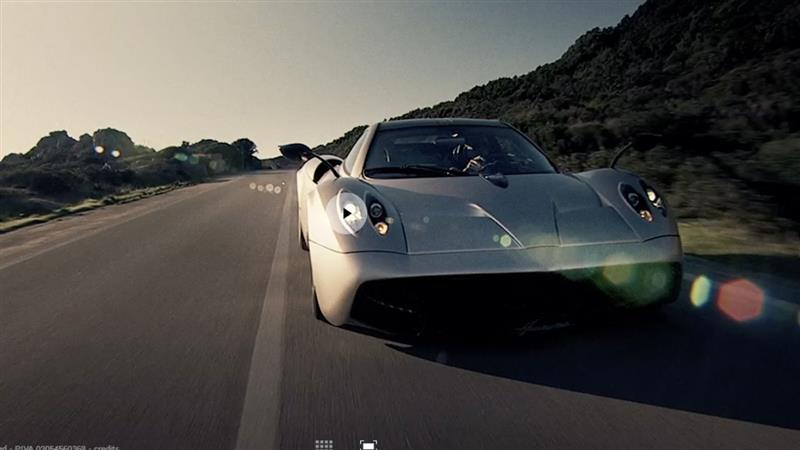
5. Pagani Huayra

Pagani Huayra Italian hypercar from Mark Zuckerberg’s car collection

Image courtesy: pagani.com/huayra

It’s not a surprise to see this luxury in any billionaire’s garage but Zuckerberg’s list also has a supercar, the Pagani Huayra. The Italian hypercar costs over $1.4 million that is worth its brilliance of engineering. Pagani offers luxurious interior and stylish exterior, but what makes it more attractive is a 6.0L V12 twin-turbo strong engine that gives jaw-dropping acceleration up to 720+ horsepower speed. Zuckerberg’s Pagani represents another personality that appreciates innovation, exclusivity and top-tier craftsmanship.

Features Specification
Engine 6.0L Twin-Turbocharged V12 AMG engine
Fuel Efficiency Approximately 8-10 mpg 
Transmission 7-speed automated manual (AMT)
Horsepower 730 HP
Torque 738 lb-ft
Seating Capacity 2 seats
Price $1.4 Million

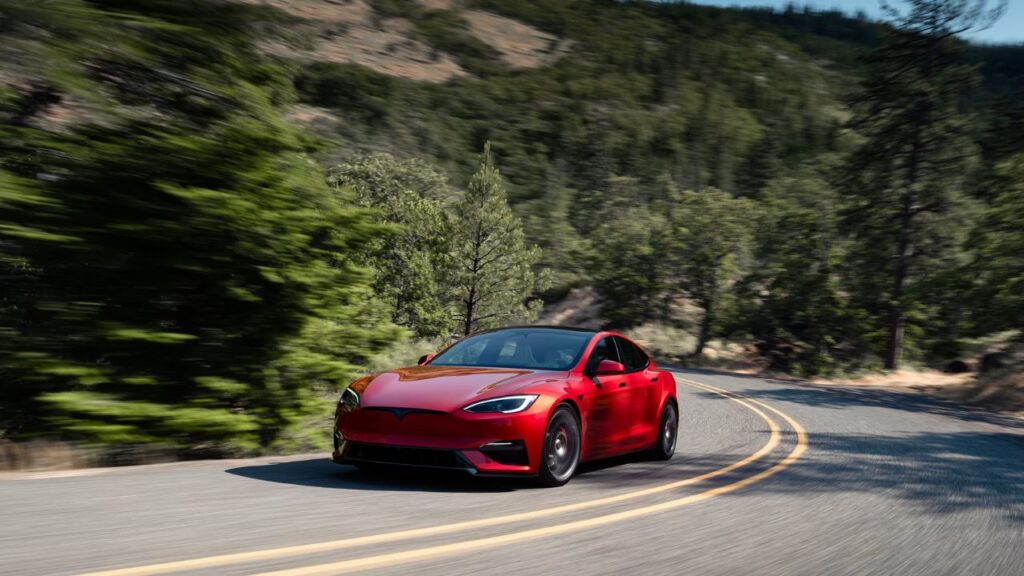
6. Tesla Model S

Tesla Model S electric car owned by Mark Zuckerberg

Image courtesy: tesla.com

Zuckerberg’s interest in Tesla Model S shows that he generally supports futuristic technology. This model represents his eco-friendly mindset, with zero emissions. It offers electric powertrain with up to 396 miles of range and it can go from 0 to 60 mph within 3.1 seconds. Its interior is well-equipped with advanced tech, autopilot mode is a remarkable innovation.

Features Specification
Engine Electric motors (3 motor versions in Plaid)
Horsepower 1020 hp 
Torque 1050 lb-ft 
Fuel Efficiency EPA combined 101 MPGe 
Transmission Single-speed automatic (direct drive)
Seating Capacity 5 seats
Boot Space 28 cubic feet
Range 348–410 miles
Price $90,000

Zuckerberg’s Car Collection: More than just cars

His simplicity, practicality and eco-friendliness is matched with every car. Zukhurberg’s interest in selective luxury is also seen but his personality has shown that he prefers engines which serve a purpose beyond showing-off wealth. 

  • His Honda Fit and Volkswagen Golf GTI shows how much he prefers classic automotive rather than luxury.
  •  Acura TSX and Infinity G Sedan shows his selection of practicality blended with comfort over modern premium cars.
  • Tesla Model S highlights his interest in sustainable technology and Pagani Huayra reveals his interest in pure luxury and iconic design.

Final Thoughts 

Mark Zuckerberg’s car collection is not just about speed or price tag but it’s all about ‘values’. His garage is highlighting the different parts of his personality. These cars are just simple in looks but their performance is amazing. They are the winner in smoother rides, he chooses these cars according to his moods – comfort, practicality, and occasionally premium feel.

0

The Nissan Tekton Engineered for Superior Comfort on Rough Roads

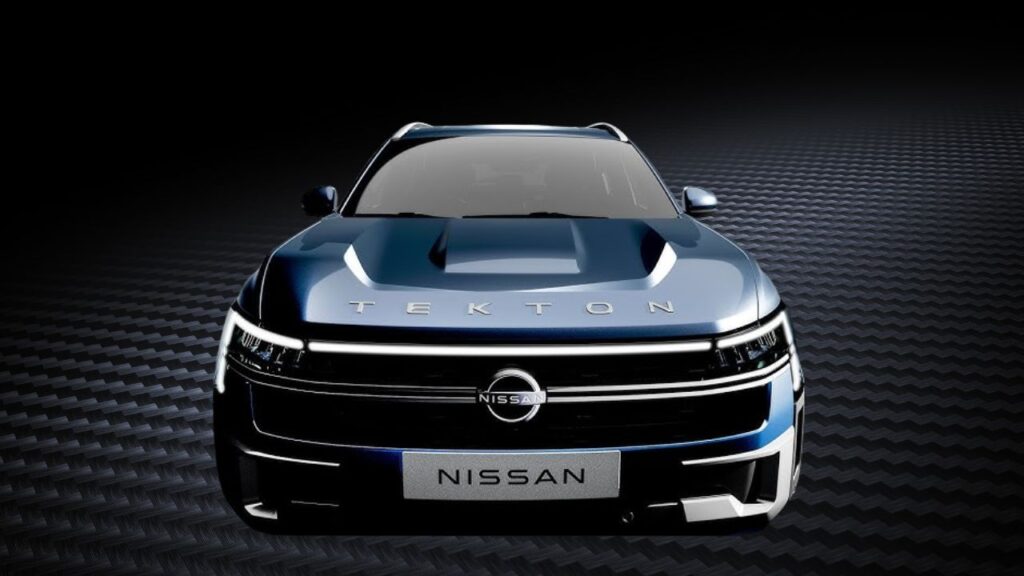
The Nissan Tekton Engineered

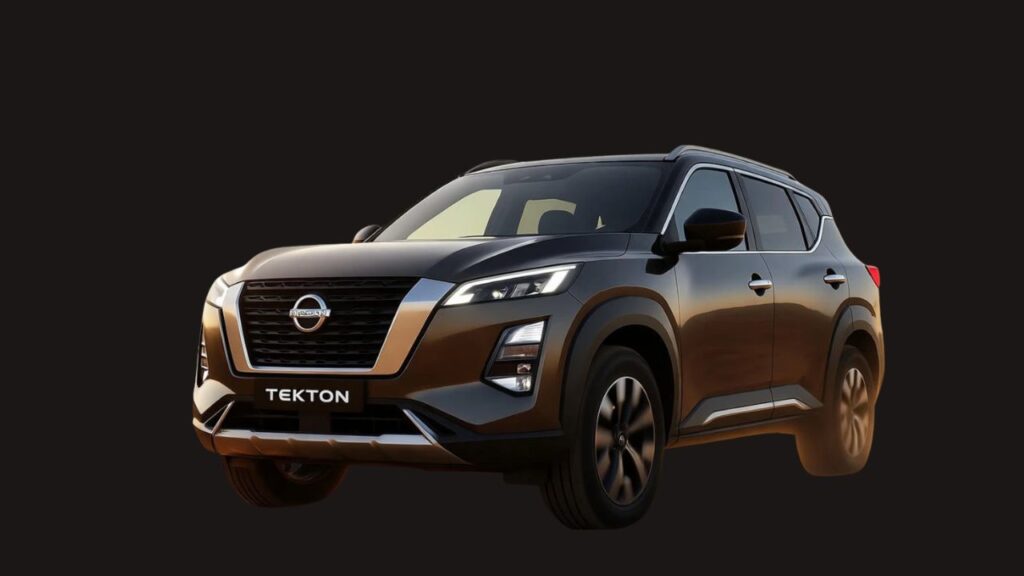
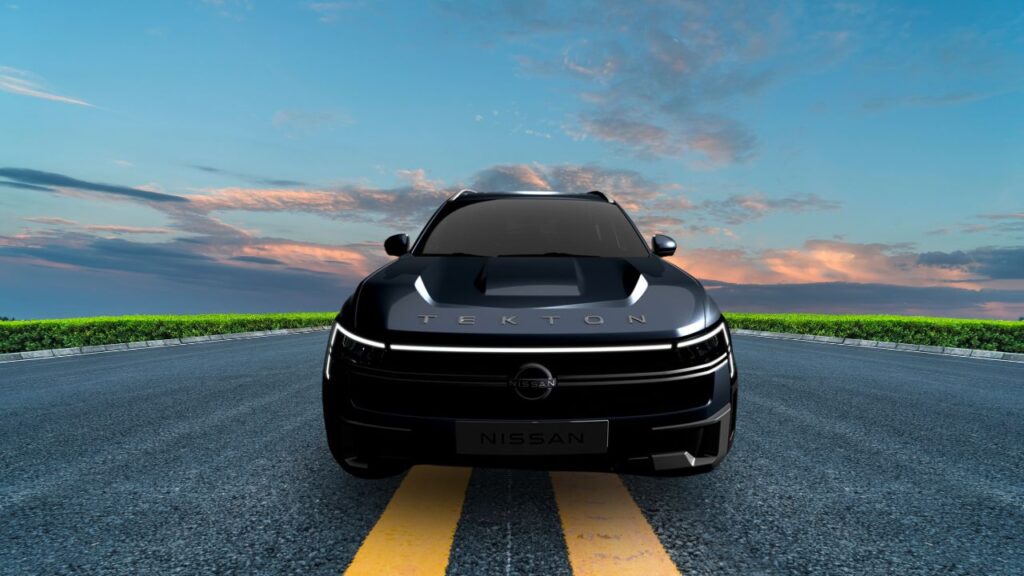
The Tekton for the brand new model is a midsize, three-row SUV, and next year it will be the first and only vehicle for the Nissan brand the company is counting on to drive its resurgence in the emerging automotive markets of high-growth. The genesis of the vehicle’s market offer is based on a simple premise: combining the rugged and reliable CMF-B (Common Module Family) platform architecture known for its rough-road capability with an array of high-tech, human-centered comfort solutions that today’s consumers want. 

The Tekton’s touted rough-road traction is a predictable outcome of its bones, which the soon-to-be-revealed third-generation Renault Duster will also be built on. Engineering-wise this means design and construction principles which emphasize rigidity and consequent high ground clearance. At the same time, the vehicle is anticipated to deliver exceptional driver comfort and loyalty through target feature load – such as ventilated seating, next-generation digital displays, and advanced driver-assistance systems – that tackle passenger fatigue and cognitive load directly while on the road over long drives and in demanding city terrain. 

Therefore, the Tekton is crafted to be a “disruptor” — a midway point between function-driven ruggedness and premium, feature-laden refinement. 

Engineered for the Rough Road Challenge

Good control over the bumpy roads—one of the basics of the user query—is mainly due to the Tekton’s platform and the standard engineering tune that goes with it. 

The Nissan Tekton is based on the CMF-B platform of the Renault–Nissan–Mitsubishi Alliance’s Common Module Family (CMF). The CMF is not a traditional platform like the ones in the past, but a modular design and manufacturing system that breaks most components into five different modules – engine bay, the cockpit, the front underbody, the rear underbody, and electrical/electronics, allowing the sharing of components among different models. 

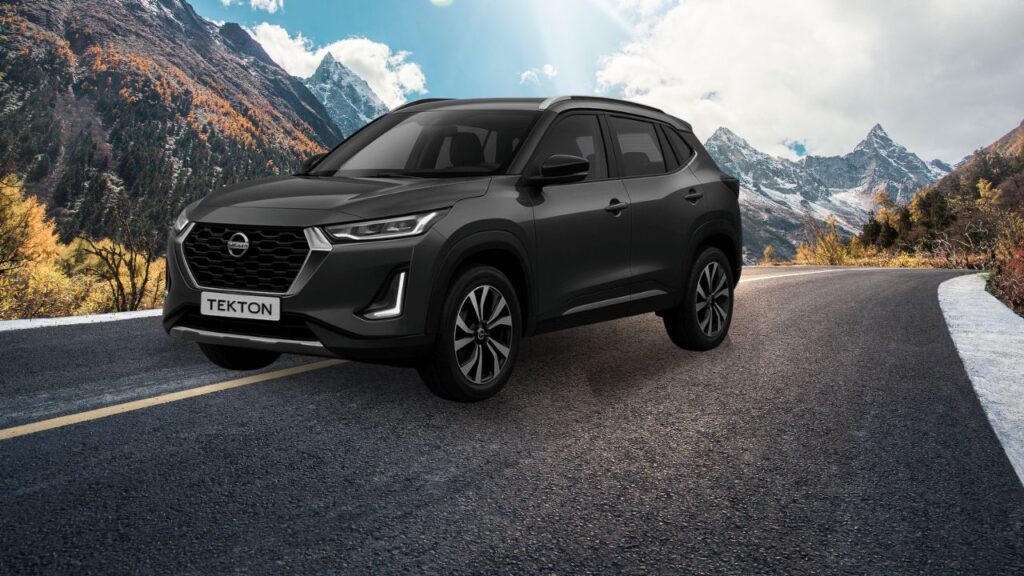
Nissan Tekton

The key factor that contributes to the Tekton’s bumpy ride is its shared platform with the next-gen Renault Duster. The original Duster earned cult status for its rugged ability to keep its occupants isolated at high speeds (around 80-90 kph) even on patchy and pockmarked roads. 

Suspension Dynamics

Off-road performance is purely a function of suspension design and tuning. The CMF platform usually integrates a MacPherson Strut setup for the front suspension. To make the Tekton perform on rough terrain, the setup needs to be adjusted with enough suspension travel and unique damping characteristics that sufficiently cushion abrupt vertical impacts–(think potholes)–without feeding harsh jolts to the cabin nor inducing the suspension into a multiple series rattling bottom out.

For the rear suspension, the typical cost and packaging pressures of the volume based B-segment underpinnings on typical C-segment SUVs would suggest that the Front-Wheel Drive (FWD) versions should be equipped with a heavy duty Torsion Beam, rather than the more costly multi-link setup found on larger, premium CMF platforms (i.e the X-Trail’s CMF-C platform). 

Ground Clearance

Among the mechanical necessities for tough-road toughness is adequate ground clearance, which helps in preventing the undercarriage from getting scraped while traversing over speed breakers, potholes, and stones. Tekton geometry should be extremely competitive in that regard. ADS At the time of writing, the predicted data indicates the unladen ground clearance is around 205 mm but there are some that gives it 190 mm. A ground clearance of 205 mm helps place the Tekton at the higher end of its C-segment competitors and is nearly the same as the 210 mm high ground clearance of the larger Nissan X-Trail. This raise is a functional requirement for durability. 

NVH Mitigation and Structural Integrity

NVH Mitigation and Structural Integrity

Uneven pavements cause substantial noise and vibration with a harshness (NVH) component inside the cabin which would tire occupants. Although the CMF-B platform is a rigid platform, good insulation is a must. For the Tekton to offer superior comfort, enhanced damping materials and sound insulation must be used in the CMF-B architecture to reduce the infiltration of road noise and (thudding) suspension feedback when travelling over uneven terrain. 

Features that Drive Customer Loyalty

The other fundamental part of the Tekton’s appeal is the long list of comfort and technology elements that inspire passionate driver loyalty. This loyalty is earned by features that lessen bodily discomfort, alleviate stress and make the vehicle more useful in day-to-day life. 

Interior Architecture and Premium Ambience

The Tekton’s expected formula for interior design is modern and visually pleasing, consistent with the premium positioning. First shots show a layered dash with a massive central screen. To make the cabin more than just functional, Nissan will use premium materials and design touches, such as gloss black panels and a unique copper-tone strip that wraps around the dash. 

Primary Comfort Enablers

One of the most popular comfort options that is anticipated is ventilated front seats. This is an important feature in the target market of hot and humid conditions. climate can be managed with such features as an automatic air conditioner. Considering the fact that dual zone AC is available in Nissan’s bigger SUVs (X-Trail) , it would be safe to assume personalized climate control will be given priority to ensuring maximum comfort for everyone on board. 

Connectivity Ecosystem

Tekton Connectivity Ecosystem

a 10.1-inch unit, with basic wireless support for Android Auto and Apple CarPlay. That helps keep phone interaction easy and free of clutter. A full-digital cluster supports the driver, providing clean, customizable driving content that minimizes visual distraction and reinforces the vehicle’s advanced technology character. 

Advanced Safety and Driver Assistance Systems

Tekton should have strong passive safety such as many airbags (up to 7 like the X-Trail) , ABS with EBD and ESC (Electronic Stability Control). Rounding out the features is the expected availability of a 360-degree camera , which will certainly prove a major stress reliever. 

The Tekton is expected to have Level 2 ADAS (Advanced Driver-Assistance Systems) functionality. L2 ADAS commonly also features Adaptive Cruise Control (ACC) and Lane Keep Assist (LKA). With the introduction of L2 ADAS, the need for constant, tiny steering and throttle adjustments on highways is significantly reduced leading to less fatigue for the driver on long stretches of road – a key consideration for those looking at the vehicle for longer term trips over mixed road conditions. 

Read More:- Audi vs Mercedes: Which is the Best Used Cars for Resale in 2025

Performance and Powertrain Options

Estimated Engine Specifications: The Tekton will likely share powertrain options with its CMF-B platformed sibling the Renault Duster. Such sharing of resources guarantees development costs are optimized and reliability proven. Nissan will likely sell the Tekton as a petrol-only model, following the worldwide decline of diesel in this class. 

Turbo Petrol (Performance): A 1.3-litre, 4-cylinder, turbocharged petrol engine could be the premium option. This engine is must for providing requisite power and torque for confident overtaking and stable cruising at high speeds for long on highways which are the most important qualities for any driver using a SUV for long journeys on highway. Transmission options for this engine will likely be a 6-speed manual transmission or a 7-speed DCT.  

Naturally Aspirated/Small Turbo (Entry-Level): The base models are expected to house a 1.5L naturally-aspirated (NA) petrol motor, with a 1.0-litre, 3-cylinder turbo petrol also coming for smaller variants. These choices are all about accessibility and value, but also solid city power. 

Hybridization for Efficiency: In keeping with future emission norms and competition, a potent hybrid version of Tekton is also expected. This version is derived from the 1.5L NA petrol engine and could use the 1.6L hybrid powertrain found in international markets. 

Projected Powertrain Options and Performance Impact

Engine Type Configuration Transmission Options Impact on Comfort/Handling
Primary Turbo Petrol 1.3L, 4-Cylinder, Turbo 6MT, 7-Speed DCT Road-holding and performance: confident cruising on bumpy roads and when overtaking on highways.
Entry Petrol 1.5L Naturally Aspirated Manual/AMT  Emphasis on above-board-fruitfulness, ease of service, and dependable city drivability.
Potential Hybrid 1.5L NA based or 1.6L Global Hybrid E-CVT  Finest refinement, lower NVH and better fuel economy in city environments.

The Nissan Tekton Global Price and Market Valuation

In the light of its segment and likely export strategy similar to models such as the Magnite, the Tekton is expected to be aggressively priced for consumers in global markets (typically ranging between $12,000 and $24,000 USD equivalent for emerging and certain export markets). The price of Nissan Tekton in India is expected to be around ₹10 lakhs to ₹20 lakhs (₹10,00,000 – ₹20,00,000) approximately. 

What sets the Tekton apart is its contemporary Patrol-based styling, tech-laden cabins and aggressive pricing aimed at global mid-size SUV buyers. Nissan’s ‘One Car, One World’ strategy designed to attract global buyers looking for value and style. 

Conclusion

The Nissan Tekton is an exercise in utilizing tried and tested robust global engineering (CMF-b) but with carefully selected high-end comfort technology while still being the best value by a mile competing in the extremely competitive mid-size SUV segment. Its expected rugged-road-handling prowess is an architectural guarantee, and its driver comfort appeal is a carefully curated list of technology-based amenities designed to reduce stress and fatigue.