0

Top 10 Cheapest Electric Cars in India – See Which EV Tops the List!

Published May 19, 2025, 7:11 AM
Last Updated Nov 5, 2026, 4:24 PM

Top 10 Cheapest Electric Cars in India (2025) – See Which EV Tops the List!

India is steadily shifting toward a cleaner and greener future. With fuel prices going up year after year, more and more people are showing interest in electric cars as a smarter, eco-friendly choice. These cars help save money and protect the environment. But still, many people ask, Which is the cheapest electric car in India?

In 2025, we finally have many affordable electric cars in India. In this article, I have listed the top 10 Cheapest Electric Cars in India in 2026. All the cars in this list cost under ₹15 lakhs (ex-showroom). I will tell you the features, battery range, price, and why they are worth buying. Let’s begin!

1. MG Comet EV – Compact and Stylish

MG Comet EV – Compact and Stylish

Image Credit: MG Motors

If you live in a city and need a small car, the MG Comet EV is perfect. It was launched on April 26, 2023. It is only 2,974 mm long, which means you can park it easily in tight spots. It has two 10.25-inch screens and a smart voice system that understands Hinglish. You can even use an app to lock your car from your phone. I think it’s great if you want a tech-friendly and cheap EV.

  • Price: ₹7.00 lakh
  • Range: 230 km
  • Battery: 17.3 kWh
  • Seating: 4
  • Power: 41 bhp / 110 Nm

2. Baojun E100 – Tiny But Powerful

Baojun E100 – Tiny But Powerful

Image Credit: New Atlas

The Baojun E100 is the smallest EV in this list. It’s only 2,488 mm long. It is best for single people or couples. It is simple but has everything you need for a daily city ride. It has smooth electric steering and LED lights. It’s a good option if you want something small and budget-friendly. And yes, this one answers your question — which is the Cheapest Electric Cars in India?

  • Price: ₹6.50 lakh
  • Range: 155 km
  • Battery: 14.9 kWh
  • Seating: 2
  • Power: 39 bhp / 110 Nm

3. Tata Tiago EV – Reliable and Trusted

Tata Tiago EV – Reliable and Trusted

Image Credit: Tata Motors

On 28 September 2022, Tata Motors launched the Tiago EV. It is a small hatchback with a strong car body. It has stylish looks and many color options. The ZConnect app lets you control the AC from your phone. It also supports smartwatch connection. I recommend it for families who want a strong EV.

  • Price: ₹7.99 – ₹11.89 lakh
  • Range: 250 to 315 km
  • Battery: 19.2 kWh / 24 kWh
  • Seating: 5
  • Power: 60 bhp / 110 Nm and 74 bhp / 114 Nm
  • Safety Rating: 4 stars (Global NCAP)

4. Mahindra eKUV100 – Small SUV Feel

Mahindra eKUV100 – Small SUV Feel

Image Credit: EV Duniya

This car looks like a mini SUV. The Mahindra eKUV100 comes with remote controlling features such as tracking and cabin pre-cooling. If you like Mahindra and want an SUV-style electric car under ₹9 lakh, this is for you.

  • Price: ₹8.25 lakh
  • Range: 147 km
  • Battery: 15.9 kWh
  • Seating: 5
  • Power: 54 bhp / 120 Nm

5. Mahindra eVerito – Budget Electric Sedan

Mahindra eVerito – Budget Electric Sedan

Image Credit: The Financial Express

The eVerito is one of India’s first electric sedans. It has a simple design with a big 510-litre boot space. It supports Eco and Boost drive modes. If you want a basic electric sedan for daily use, this can work for you.

  • Price: ₹9.12 – ₹9.46 lakh
  • Range: 110 km
  • Battery: 18.5 kWh
  • Seating: 5
  • Power: 41 bhp / 91 Nm

6. Tata Punch EV – Small SUV with Style

Tata Punch EV – Small SUV with Style

Image Credit: Tata Motors

Launched on 5 January 2024, Tata Punch EV is India’s first Gen 2 EV. This electric vehicle is based on the Acti.ev platform. It has a split headlight and new alloy wheels. Tata Punch EV comes with two 10.25-inch screens and a 360° camera. It feels modern and stylish. I think this is the best option if you want a micro-SUV that is safe and smart.

  • Price: ₹9.99 – ₹14.29 lakh
  • Range: 315 km
  • Battery: 24 kWh
  • Seating: 5
  • Power: 74 bhp / 114 Nm
  • Safety Rating: 5 stars (Bharat NCAP)

7. Citroën eC3 – French Style in Budget

Citroën eC3 – French Style in Budget

Image Credit: Citroen

Citroën launched the eC3 in India on February 27, 2023. It looks like its petrol version but has electric power inside. Citroen efficiently supports wireless Android Auto and Apple CarPlay. It also lets you track your car using the Citroën Connect app. It gives a smooth driving experience.

  • Price: ₹11.61 – ₹13.35 lakh
  • Range: 320 km
  • Battery: 29.2 kWh
  • Seating: 5
  • Power: 56 bhp / 143 Nm

8. Tata Tigor EV – Safe Sedan

Tata Tigor EV – Safe Sedan

Image Credit: Tata Motors

Tata Tigor EV: This sedan was launched in August 2021. It looks premium and comes with blue accents. It has many comfort features. It comes with a 7-inch screen and climate control. The app helps in remote lock, tracking, and checking car health. If you want a safe sedan, go for this.

  • Price: ₹12.49 – ₹13.75 lakh
  • Range: 315 km
  • Battery: 26 kWh
  • Seating: 5
  • Power: 74 bhp / 170 Nm
  • Safety Rating: 4 stars (Global NCAP)

9. Tata Nexon EV – Most Popular Choice

Tata Nexon EV – Most Popular Choice

Image Credit: Tata Motors

The Nexon EV is one of the best-selling electric cars in India. It is strong, spacious, and stylish. It comes with a closed grille and bold design. It supports ZConnect, climate control, and smart parking features. I think this is best for people who want more range and comfort.

  • Price: ₹14.74 – ₹19.99 lakh
  • Range: 325 to 465 km
  • Battery: 30.2 kWh / 40.5 kWh
  • Seating: 5
  • Power: 127 bhp / 245 Nm
  • Safety Rating: 5 stars (Bharat NCAP)

10. Mahindra XUV400 – Power Packed SUV

Mahindra XUV400 – Power Packed SUV

Image Credit: Mahindra

The XUV400 is Mahindra’s first electric SUV. It looks modern with projector headlamps and a two-tone color option. It also has 60+ connected features. If you want a bigger SUV and can spend a bit more, this is worth checking out.

  • Price: ₹15.49 – ₹19.39 lakh
  • Range: 375 to 456 km
  • Battery: 34.5 kWh / 39.4 kWh
  • Seating: 5
  • Power: 148 bhp / 310 Nm

Final Words: Which One Should You Pick?

If you want to know which is thе Cheapest Electric Cars in India, thе Baojun E100 and MG Comеt EV arе thе chеapеst in 2025. Thеy arе compact, pеrfеct for city drivеs, and savе a lot of fuеl monеy. If you nееd morе spacе and safеty, go for Tata Tiago EV, Punch EV, or Nеxon EV.

Elеctric cars arе not just good for thе еnvironmеnt, thеy also hеlp you savе in thе long run. I hopе this list hеlps you choosе thе bеst onе for your nееds and budgеt.


Bipin Sharma

Bipin Sharma is a seasoned automotive content writer with over 10 years of hands-on experience in the world of cars. From the latest car news and reviews to in-depth maintenance tips and expert buying guides, Bipin covers everything that drives the automotive world. Writing about cars isn’t just his profession — it’s his passion. His deep industry knowledge and love for automobiles fuel every blog he creates, helping readers make informed decisions and stay updated on the fast-evolving auto landscape.

Leave a Reply

Your email address will not be published. Required fields are marked *

0

Upcoming Car Launches in India for Diwali 2025

Upcoming Car Launches in India

If you are on the verge of making a new car purchase or just want to stay abreast with the upcoming car launches in India, here is your one-stop guide to the top cars to look forward to this Diwali. 

Diwali 2025 marks the beginning of festivity in India and outdoor is full with Diyas, diyas at not alone that will illuminate the roads with a spectacular roster of new car launches India 2025 rolling out on the market this season. 

So, here are some upcoming vehicles India 2025 around Diwali 2025 which will be full of style, technology, and sheer driving excitement.

SUVs: The Showstoppers of Diwali 2025

Mahindra Bolero (Facelift)

The iconic Mahindra Bolero is back with a new look and many added features. The 2025 refresh is more muscular with some blocky grille inserts and new bumpers that lend more modern, rugged look to the front-end design. Inside, you get a redesigned cabin with a contemporary dual-tone black-and-brown theme and a touchscreen infotainment system for more convenience. 

Mahindra Bolero

Image credit: Mahindra

Inside the bonnet, it runs on a 1.5L diesel motor that churns out a decent power of 75–100 bhp. Priced in the ₹10–12 lakh ballpark, the all new Bolero, is still the reliable, no-nonsense SUV we all love, only this time, there’s an added dollop of comfort and tech to make your driving experience that little bit better. 

Mahindra Bolero Neo (Facelift)

The Mahindra Bolero Neo (Facelift) is here to excite, being a mix of the classic Bolero’s rugged dependability and a new, contemporary aesthetic. Featuring a new grille, more aggressive bumpers and larger alloy wheels, it looks better than ever. Upgrades inside are just as impressive — a massive 10.25-inch touchscreen infotainment system with Android Auto, Apple CarPlay and more keeps you connected, while wireless charging, automatic climate control and ventilated seats boost the luxury factor. 

Mahindra Bolero Neo

Image credit: Mahindra

The 1.5L mHawk 100 diesel engine under the hood produces a potent 100 bhp and 260 Nm torque which promises a satisfying and trustworthy drive. Bolero Neo price: Bolero Neo is available in five variants and it is priced from ₹9.97 lakh to ₹12.18 lakh (ex-showroom). The Bolero Neo is, therefore, a revelation as it seamlessly integrates old-school ruggedness with modern-day convenience, making it a perfect choice for families who want to own a style statement in the form of an SUV but are not ready to compromise on reliability and safety? 

The 2025 Mahindra Thar

The 2025 Mahindra Thar is updated with some new features without losing its charm. Among recent updates: a body-colored grille, new color choices and useful touches such as a built-in rear camera and wiper. Inside, its more up to date with a 10.25 inch screen, a new steering wheel and a sliding armrest. AC vents and charging points are now standard for the rear passengers as well, so you can keep everyone cool and connected on those long journeys. Reliable and workhorse engine line-up continues under the hood with 2.0L petrol and 1.5L & 2.2L diesel variants, and RWD and 4×4 options to fuel your off-roading adventures.

The 2025 Mahindra Thar

Image credit: Mahindra

At a price ranging from ₹9.99 lakh to ₹16.99 lakh, the new Thar offers an ideal combination of exterior ruggedness and interior convenience, so that your adventure travels are as comfortable as they are exhilarating! 

Hyundai Venue (Facelift)

Smarter, bolder the upgrades in its body end the the Venue 2025, bringing new life into the world of small SUVs. Dressed in the new “Sensuous Sportiness” design concept, it now features a modern split LED headlamps design that exudes more sophistication. Open the door and you’ll be welcomed by dual 10.2-inch curved displays — one for your instrument cluster and the other for your infotainment — so it’s clear priorities were tech and style. 

Hyundai Venue

Image credit: Hyundai

Ventilated seats, dual-zone climate control, and wireless smartphone connectivity put comfort on the forefront to keep you comfortable and connected no matter where you’re headed. Whatever your mood, there’s a vibe for you under the bonnet: 1.2L petrol engine, peppy 1.0L turbo petrol or muscular 1.5L diesel. With a price tag expected to be in the range of ₹8–14 lakh, the Venue 2025 will show you what a compact SUV can really be, combining space, style and funky features like none other. 

Citroën Aircross X (Updated Variant)

The Aircross X adds a touch of French elegance with a hint of luxury, making it one of the best options if you like to stand out from the crowd. It’s finished in a breathtaking new green color and comes equipped with full LED lighting that will make you want to take a look. Updated seats and new fabric help give both model highs and lows in style and comfort. 

Citroën Aircross X

Image credit: Citroen

If you’re into gadgets, the 360° camera and the Citroën “Cara AI” voice assistant that gets smarter and more useful with every trip will please you. You have the choice between a peppy 1.2L turbo petrol unit and a dependable 1.5L diesel unit that caters to varied driving requirements. Priced between ₹8.3–13.7 lakh, the Aircross X is an ideal choice for people who want to make a statement on the road by combining elements of style, comfort and creativity. 

Tata Sierra EV

The legendary has returned, now as an electric wonder! The Sierra EV is designed to combine retro styling cues with modern-day technology, and as such, it’s one of the most unique electric SUVs on the market. Running on a 77 kWh battery, it has a good range of about 500 km, making sure you are set for long drives. 

Tata Sierra EV

Image credit: Tata

Go inside and you’re met with a futuristic triple-screen cockpit that shouts modernity. Equipped with Level-2 ADAS and other connectivity upgrades, this ute is not only cute but also filled with sweet tech features that make every drive safer and more enjoyable. Priced at around ₹18 to 24 lakh, the EV version of the Sierra is a true Made-in-India product that will not only the electric SUV segment but will also make you sit up and take notice. 

Maruti eVitara

Maruti Suzuki – who is it launching the eVitara, its first fully electric SUV, and it’s one of the most awaited launches in recent times. This EV is equipped with 49–61 kWh battery and offers a mind-blowing range of 426–500 km (WLTP), making it good for city drives and more. Comfort and technology are the name of the game inside, with a 10.25-inch touchscreen, a premium 10-speaker Infinity audio system and ambient lighting to set the mood. 

Maruti eVitara

Image credit: MarutiSuzuki

The front ventilated seats and wireless smartphone integration for convenience help, too. Reporting to be priced between ₹17–22.5 lakh, the eVitara will be launched on December 10, 2025. With this launch Maruti Suzuki takes a huge leap ahead from their reliable ICE cars to a future mankind smart, clean and sustainable mobility. Exciting times ahead!

Read More:- Top 10 Most Fuel-Efficient Cars in India Under ₹10 Lakhs You Must See in 2025

Luxury & Performance Cars: Sophistication Meets Speed

BMW iX (2025 Facelift)

The new iX is luxury redefined thanks to its electric and futuristic vibe. With battery capacities ranging between 94.8 and 109 kWh, it can travel as far as 750 km on a single charge making long journeys smooth sailing. Its twin-motor AWD setup offers 402 bhp, 400+ Nm of torque and more power and precision on the road.

BMW iX

Image credit: BMW

The redesigned LED headlamps and the sleek digital grille, along with an ultra-luxurious cabin exude class. The new BMW price is around ₹1.45 crore, it’s a radical declaration of innovation, sustainability, and hi-tech gadgetry.

The 2025 Audi Q6 e-tron

Audi raises its game in the luxury SUV segment with the Q6 e-tron flaunting a body that’s less blocky and more blinky and a cabin stacked to the gills with advanced tech. It comes in two variants with a 94.9 kWh battery — RWD (326 PS) and AWD (387–517 PS) – based on the driving style you prefer. With an impressive 600 – 640 km range, it is custom-made for long rides without the hassle of charging often. 

The 2025 Audi Q6 e-tron

Image credit: Audi

The triple-screen cockpit inside invokes futuristic vibes and the Bang & Olufsen sound system provides the best in audio. There’s safety, too, with ADAS Level-2 features. Priced at ₹1.0-1.1 crore, the Q6 e-tron is the ultimate luxury, performance and sustainability in an attractive package for the discerning buyer.

Mercedes-Benz CLA Electric (2025)

The Mercedes CLA Electric is here to disrupt the four-door coupe landscape with an ideal mix of looks, smarts, and range that impressed. With an 85 kWh battery, it has a range of 770–792 km (WLTP), which makes long road trips so much easier. There are two models available to choose from: the CLA 250+ RWD with 200 kW power, and the CLA 350 4MATIC which features a more potent 260 kW output. 

Mercedes-Benz CLA Electric

Image credit: Mercedez-Benz

It’s all next-level tech inside with the Mercedes MB.OS system (the infotainment system is AI-driven and even features ChatGPT for voice commands) . The Dolby Atmos Burmester ensures that your favorite tunes sound amazing. The CLA Electric is expected to be priced around ₹65 lakh. 

Porsche Macan EV (2025)

The new Porsche Macan offers 100 kWh battery, it boasts a striking range of 619–624 km, so you can make big miles in style. Standard (402 bhp), 4S (509 bhp) and Turbo (608 bhp) – there’s a variant for every adrenaline junkie. 0-100 km/h is a piece of cake, taking between 4.5 and 6 seconds depending on the variant.

Porsche Macan EV

Image credit: Porsche

From the dual 10.9” touchscreens to the AR head-up display and adaptive air suspension, every drive is luxurious and cutting edge. With prices starting from ₹1.22 to ₹1.69 crore, the Macan EV is at once dynamic, premium and undeniably Porsche. 

Quick Table for Upcoming Car Launches in India – Diwali 2025

The quick comparison table will help you know the key details for each car from different categories. Each model has a different price range with different features, buy the one which suits you better.

Model Type/Powertrain Key Highlights Expected Price (₹) Expected Launch
Mahindra Bolero (Facelift) SUV/Diesel New design, touchscreen infotainment, dual-tone interior 10–12 lakh Oct–Nov 2025
Mahindra Bolero Neo (Facelift) SUV/Diesel 10.25” infotainment, wireless charging, ventilated seats 9.97–12.18 lakh Oct 2025
Mahindra Thar (2025 Update) SUV/Petrol/Diesel New grille, 10.25” display, rear camera, 4×4 options 9.99–16.99 lakh Oct 2025
Hyundai Venue (Facelift) Compact SUV/Petrol/Diesel Dual 10.2” screens, ventilated seats, dual-zone climate 8–14 lakh Oct–Nov 2025
Citroën Aircross X SUV/Petrol/Diesel LED lights, Cara AI voice assist, 360° camera 8.3–13.7 lakh Oct 2025
Tata Sierra EV Electric SUV/Electric (77 kWh) 500 km range, triple screens, ADAS 18–24 lakh Nov 2025
Maruti eVitara Electric SUV/Electric (49–61 kWh) 426–500 km range, 10.25” display, ambient lighting 17–22.5 lakh Dec 10, 2025
Skoda Kushaq (Facelift) SUV/Petrol New grille, 360° camera, improved infotainment 11–19 lakh Oct 2025
BMW iX (2025) Luxury SUV/Electric (109 kWh) 750 km range, dual-motor AWD, digital grille 1.45 crore Oct–Nov 2025
Audi Q6 e-tron Luxury SUV/Electric (94.9 kWh) 640 km range, triple screens, ADAS 1.0–1.1 crore Nov 2025
Mercedes-Benz CLA Electric Luxury Sedan/Electric (85 kWh) 792 km range, MB.OS AI infotainment, Burmester audio 65 lakh Nov–Dec 2025
Porsche Macan EV Luxury SUV/Electric (100 kWh) 624 km range, 0–100 km/h in 4.5s, AR display 1.22–1.69 crore Oct–Nov 2025

Conclusion

This Diwali comes with a special line-up for car enthusiasts in India. The car market is heating up for Diwali next year, and winners include Tata, Hyundai, Honda, and Mahindra who are bringing in a new range of vehicles to cater to the diverse needs of customers across the country. Mahindra’s hard-hitting SUVs and Hyundai’s sleek city machines, all the way up to Tata’s ground breaking EVs and Bavarian luxury stalwarts like BMW, Audi, and Mercedes — fucking every flavour of car type basically.

Diesel car, tech packed EV, luxury sports car – all in Diwali 2023’s line-up. While the road ahead is promising, so is India’s automotive future. 

0

How to Calculate Average of Car With Explained Methods and Formula

Published Jun 9, 2026, 1:14 PM
Last Updated Jun 10, 2026, 4:21 AM

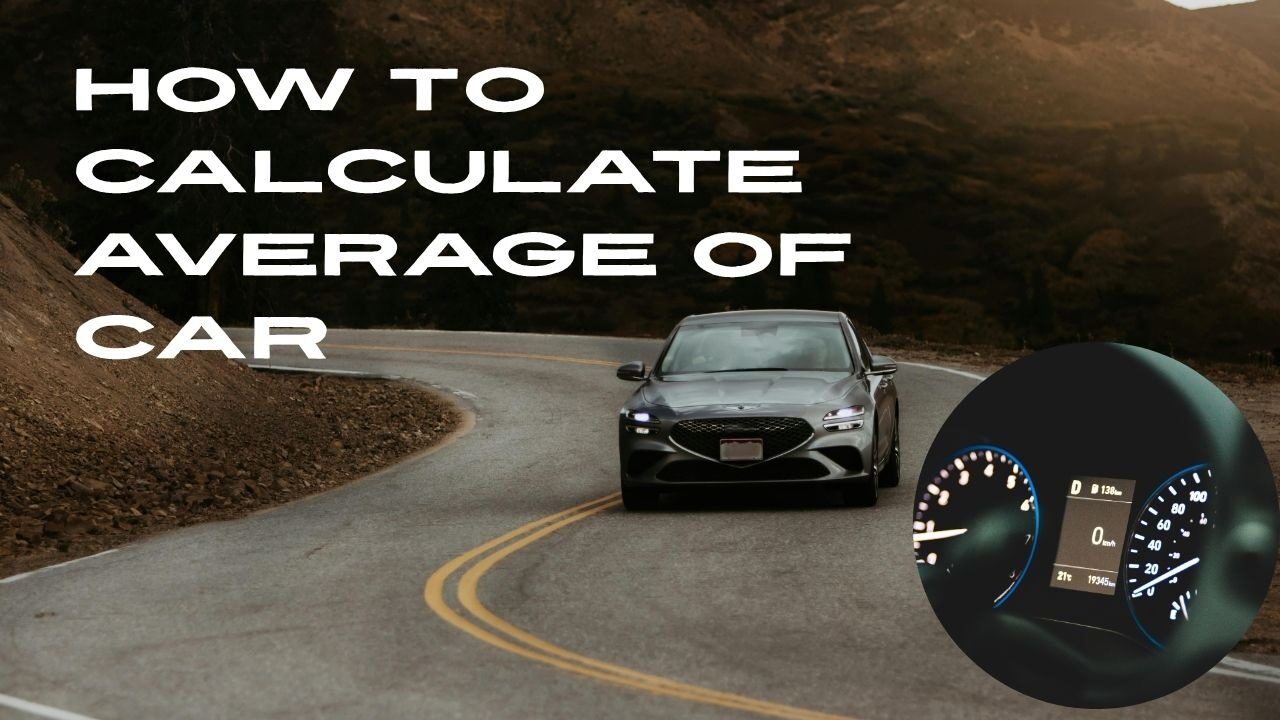
Knowing How to Calculate Average of Car will help you figure out why your car seems to gulp fuel way too fast or just wanted to know if your car provides good value or not. You don’t need a special divide or tool to calculate that, just follow easy steps with patience to find the exact car average. 

What Does “Car Average” Actually Mean?

Car Average means fuel efficiency, how many kilometres your car travels on 1 litre of petrol or diesel. So, here is an example, if your car gives 15 km/l, it means 1 litre of fuel lets you drive 15 kilometres. 

If the number is getting higher then your car is giving you great mileage and saving your money on fuel. Every car brand shows an “official” mileage figure but real-world average can be different because of your driving style and road conditions. That’s why calculating the average of a car by yourself is a good idea.

See Also: How to Remove Scratches from Car

How to Calculate Average of Car — The Formula


Mileage (km/l) = Distance Travelled ÷ Fuel Used

Example: You drove 450 km and used 9 litres → Average = 450 ÷ 9 = 50 km/l


A simple How to Calculate Average of Car Formula is enough to find the right numbers your car makes using distance and fuel used.

Tank-to-Tank Method 

1.Fill Your Tank Completely

Fill the tank to the top when you go to the petrol pump. Don’t let them stop filling until the nozzle clicks and stops automatically. 

2.Note Your Odometer Reading

Check your dashboard, it shows the total distance, write it down somewhere. For example: 12,500 km.

3.Drive Normally

Use your car as you did before whether city driving, highway, office trips. Let the fuel drop to lower before you return to the pump.

4.Fill Up Again Completely

Again fill the tank to the top with fuel at the petrol pump and note exactly how many litres were put in. For example: 9.5 litres.

5.Note the New Odometer Reading

Check the total distance on the dashboard (odometer) again. If it shows 12,950 km. subtract the first reading to the current reading and you get the travel distance to put into the formula.

6.Apply the Formula

Mileage = 450 km ÷ 9.5 litres = 47.4 km/l — that’s your real-world car average!

Useful: DIY Car Care Tips

Other Ways to Calculate Car Average

Trip Meter Method

Reset the trip meter to zero after a full tank fill. After refueling next time, divide the trip meter reading by litres added. Same formula, less maths.

Mileage Tracking Apps

Apps like Fuelio, Drivvo, and Road Trip track every fill-up and calculate your rolling average automatically over weeks and months.

Car’s MID Display

Maruti, Hyundai, Tata cars have a Multi-Information Display (MID) that shows mileage of the car. But it’s not an exact average number. 

Pro tip: For finding the most reliable results of the car’s average, calculate over 2-3 full tanks. A single tank result can give you wrong numbers because of unusual driving. One long highway trip or a week of only short city rides will give you totally different numbers.

What Affects Your Car’s Average?

You might calculate 17 km/l one month and only 12 km/l the next — without changing anything obvious. Here are the main factors that affect how to calculate average of car in real conditions:

Factor What Happens Impact
City vs Highway Stop-and-go city traffic burns more fuel than smooth highway driving High
AC Usage Running AC constantly can reduce mileage by 10–20% High
Tyre Pressure Under-inflated tyres burn more fuel to move forward while creating high resistance. Medium
Driving Speed Best efficiency is usually between 60 ⁣− ⁣80 km/h. It drops the mileage point after surpassing the 100 km/h. High
Engine Health Dirty air filter, old spark plugs, or low engine oil all reduce mileage Medium
Car Load More passengers or heavy luggage means the engine works harder Low–Mid
Gear Usage Driving in the wrong gear wastes fuel Medium
Fuel Quality Low-quality fuel reduces efficiency and can damage the engine Medium

How to Improve Your Car’s Average

Once you understand How to Calculate Average of Car then the next obvious thing you do is improve it. And these tips will help you to do that.

  • Service on Time: You can follow the regular check ups tips by yourself to keep the engine running efficiently.
  • Check Tyre Pressure: Your tyre pressure must meet the mentioned manufacturer’s recommended level (usually printed on the door frame).
  • Avoid Sudden Braking: Rapid acceleration and brake will cause more fuel to burn while the machine works hard to give sudden output. So, slow down gradually.
  • Use AC Wisely: Turn off AC when parked. At speeds below 40 km/h, opening windows is more efficient than AC. 
  • Constant Speed on Roadway: If your car gives cruise control, use it or keep at 70-80 km/h of speed on roadways. 
  • Remove Extra Weight: Don’t put unused items in a boot because every extra 50 kg reduces mileage slightly.

The City Mileage vs Highway Mileage

When you calculate the mileage of a car, it makes a huge difference from where you’re driving. The most popular car averages be like: 

Standard cars like Maruti Swift or Hyundai Grand i10 should give a mileage of 16 km/l in city and 22 km/l on highway. However, real mileage varies with driving style and road conditions. 

If your numbers are lower than the ARAI figure advertised by the company then it’s not a big surprise because it was tested in lab conditions. Real world driving always provides 20–30% lower than the official figure due to roads, traffic, and AC usage.

Conclusion of How to Calculate Average of Car

Understanding How to Calculate Average of Car is one of the simplest and most useful things you can do as a car owner. It takes less than 5 minutes and tells you a lot about your car’s health, your driving habits, and how much money you’re spending on fuel every month. Try it on your next full tank and see how your car is really doing.

0

Volkswagen Confirms Plans to Launch New Sub-4-metre SUV by 2027

Volkswagen

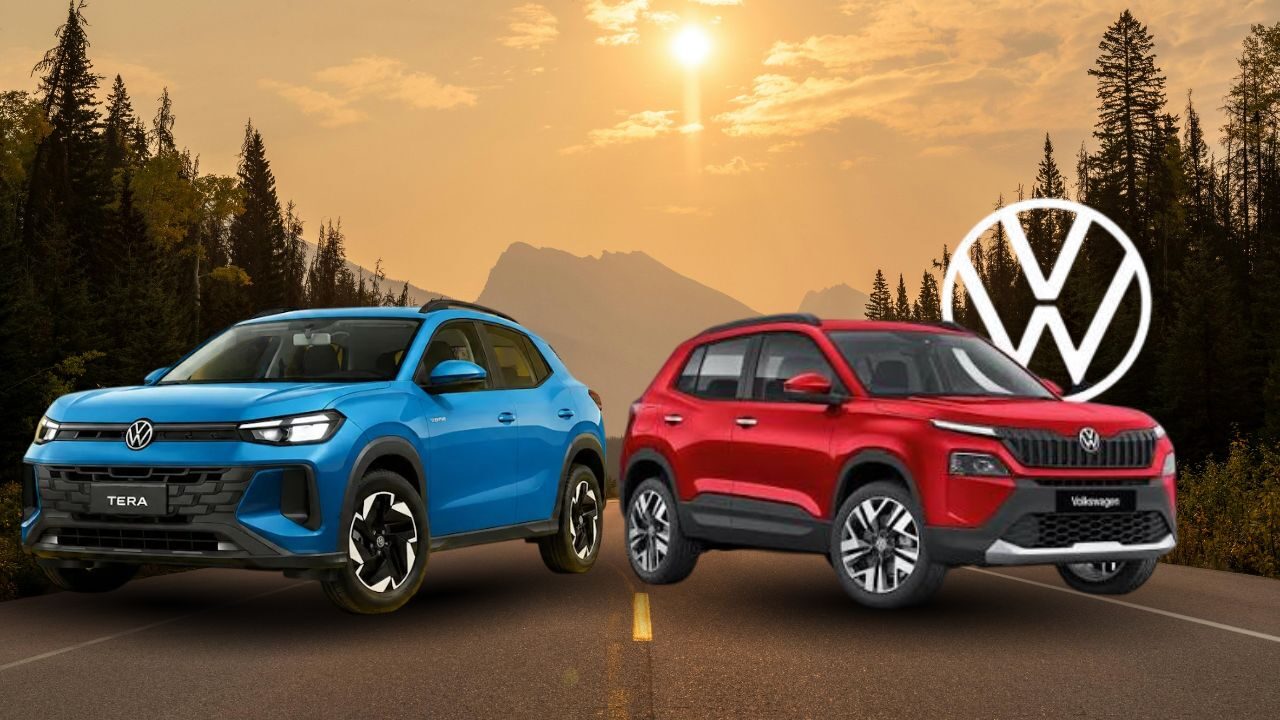
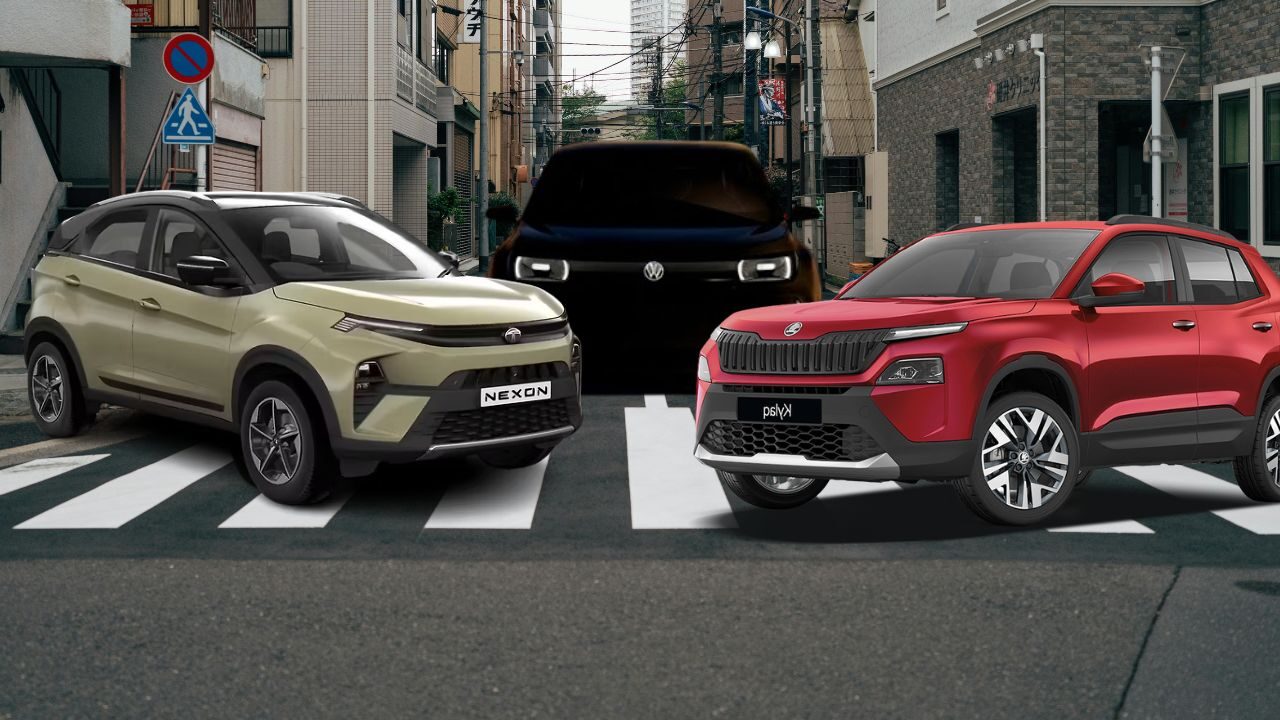
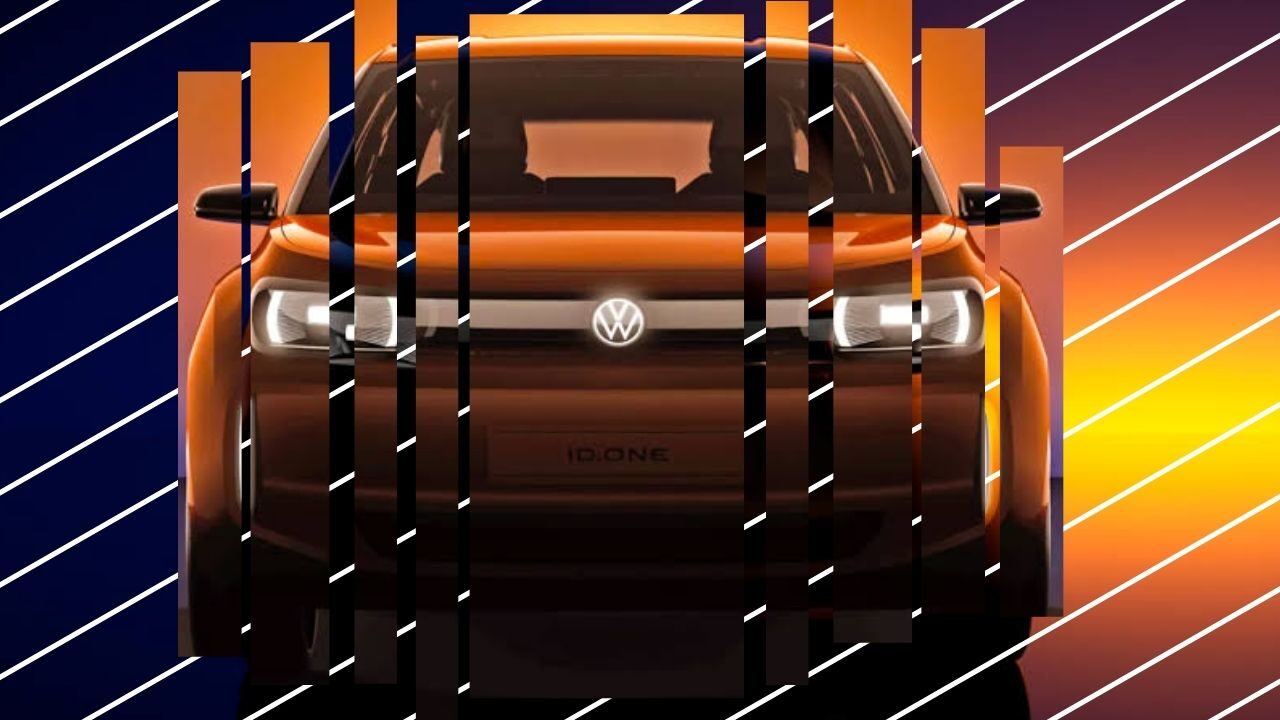
Volkswagen confirms plans to launch a new sub-4-metre SUV for India in 2027 and it is the first b-segment SUV of the brand. It will be placed below the Taigun, beginning at approximately ₹12 lakh. This new model of VW is a direct competitor of Tata Nexon, Maruti Brezza, Hyundai Venue and Kia Sonet, while avoiding a segment that ‘actually moves volume’. It will share most of its mechanical components with the Skoda Kyiaq, but Volkswagen might equip it with a different bodywork, interior and driving feel.  

Scheduled to be launched in November 2024 and opened for bookings that December, Skoda’s Kyla crossed 10,000 bookings within its first ten days on sale. That figure is a strong response that changed Volkswagen Group India’s approach. After discontinuation of Polo and Ameo, VW retreated from the sub-4-metre segment. 

This is what we currently know about the next compact VW SUV – powertrain, size, features and where it will fit within the VW lineup. 

Why Volkswagen Is Finally Entering the Sub-4-Metre Race

The sub-4-metre SUV segment is where the volume is in India. The tax regime keeps these compact SUVs more affordable than their larger counterparts, and vehicles such as Tata Nexon, Maruti Brezza, Hyundai Venue, Kia Sonet and Mahindra XUV 3O off these have been topping the monthly sales charts consistently.Volkswagen had this one idled for years, with the Taigun and Virtus serving as its points of entry instead and both clocking in way above what most first-time SUV buyers in India actually pay. 

Volkswagen Is Finally

That strategy capped how many people could realistically consider a Volkswagen. The new SUV changes that by sitting below the Taigun, giving VW its first genuine mass-market play in the country since the Polo era. It also allows the Skoda Auto Volkswagen India plant in Chakan to run at a higher capacity as the car will share tooling and components with the Kylacq and will not require a separate production line. 

Read More:-  Personal Loan vs Car Loan: What is the Better Choice for Buying a Car? 

Volkswagen Expected Engine, Dimensions and Performance 

Volkswagen has yet to announce a name, styling images or a final spec sheet, so consider some of this an educated guess as to what’s confirmed versus what’s probable. 

The SUV is based on the MQB-A0-IN platform, and will be produced in India. It targets its launch in 2027, with most reports indicating a mid-year launch rather than a January or Q1 date. It’s also confirmed to sit below the Taigun as VW’s new entry-level SUV in India. 

Power will come from the familiar 1.0-litre TSI turbo-petrol three-cylinder engine, producing 115 PS and 178 Nm of torque — the same unit working in the Kylaq, Kushaq, and Taigun today. A 6-speed manual gearbox is the expected base option. Volkswagen may fit an 8-speed torque converter automatic rather than carrying over the Kylaq’s 6-speed unit, which would be a genuine point of differentiation. 

Volkswagen Expected Engine

Dimensions should land close to the Kylaq’s 3,995mm length and 2,566mm wheelbase, since staying under 4 metres is the entire point of the tax bracket this car is built for. The design is rather than a straight Kylaq clone, Volkswagen is expected to give the car a distinct front and rear, inspired from the Volkswagen Tera, a related model already sold in Brazil. 

Expect a new grille, revised bumpers, and a different lighting signature, following the same playbook VW used to differentiate the Taigun from the Kushaq. 

Pricing is expected in the range between ₹9-16 lakh on-road Mumbai range, but that’s a media estimate, not a Volkswagen number, and on-road figures swing by state due to registration and road tax. Don’t plan a budget around it yet.

How It Stacks Up Against the Competition

Volkswagen SUV vs Skoda Kylaq 

Since both share the MQB-A0-IN platform and, in all likelihood, the same 1.0-litre TSI engine, the Kylaq is your clearest preview of what VW’s new SUV will feel like to drive. The Kylaq measures 3,995 mm in length with a 2,566 mm wheelbase, and its adult occupant safety score of 30.88 out of 32 in Bharat NCAP testing gives an early indication of the safety baseline the VW version should meet or beat. 

Where the two are expected to differ is transmission choice and cabin finish, with Volkswagen typically pitching its Group cars as the sportier-driving option compared to Skoda’s more feature-loaded value pitch.

Volkswagen SUV vs Tata Nexon 

The Nexon continues to be the benchmark in the segment, based on Tata’s tried and tested X1 platform powered by a 1.2-litre turbo petrol producing 120 PS and a 1.5-litre diesel variant that VW’s petrol-only line-up won’t get. Tata is also selling an electric Nexon, which Volkswagen’s ICE-centric entry couldn’t compete with directly.

What VW brings instead is badge value and a European driving character that Nexon buyers moving up from a hatchback often say they want but can’t get at this price point today. 

Read More:-  BMW X1 LWB vs Audi Q3 vs Mercedes GLA: Which Entry-Luxury SUV Actually Makes Sense in 2026?

Conclusion 

Volkswagen’s new sub-4-metre SUV might also enable the brand to tap into India’s largest SUV segment more effectively. With Kylaq already showcasing what the platform can offer, a Volkswagen variant with the familiar TSI engine, unique styling and competitive pricing could possibly pose a real threat to the Nexon, Brezza, Venue and Sonet. 

Let’s wait and see how aggressively will VW price and position it when the SUV hits the market in 2027. 

0

Which Car Is Best: Petrol or Diesel? Pros, Cons & Complete Comparison

Published Jun 10, 2026, 12:18 PM
Last Updated Nov 2, 2026, 5:17 PM

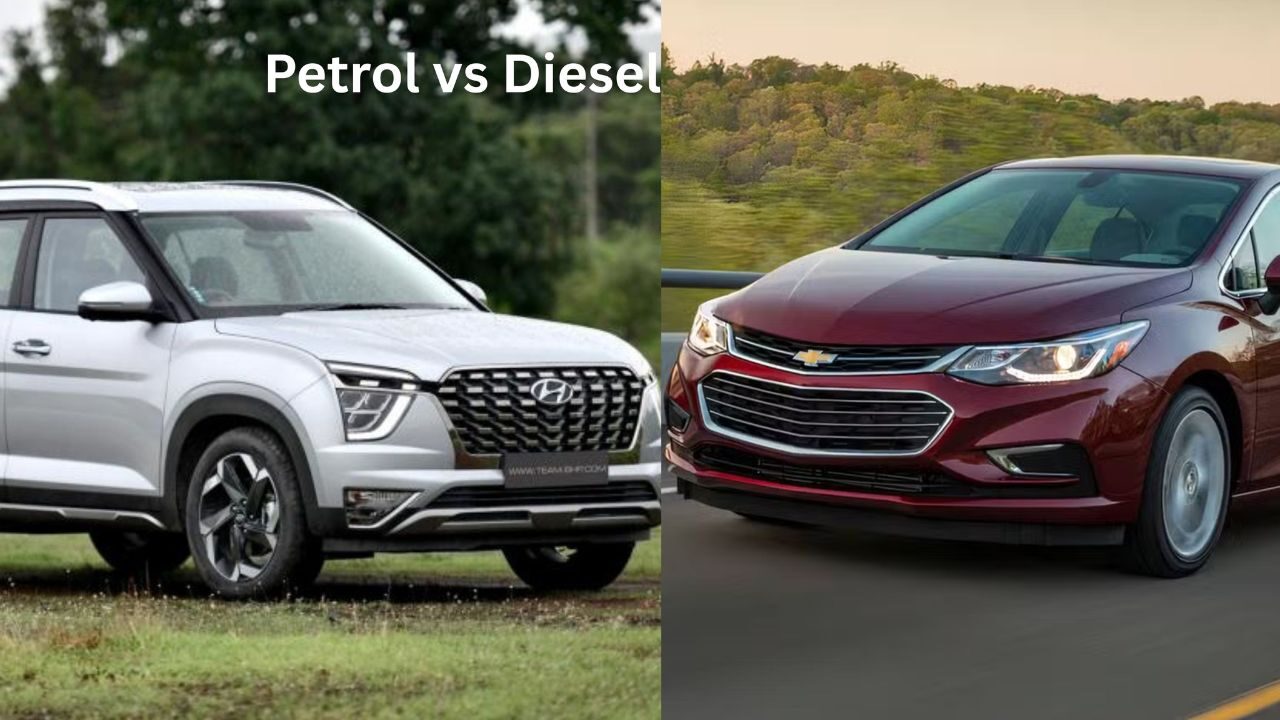
Petrol vs Diesel Car

When you visit a showroom of Maruti, Honda, Tata or any brand, you probably get confused which car is best for you — Petrol vs Diesel Car? The generic answer is it depends on your usage and region but cars are also affected by many factors that make them different from each other. If you are not sure then continue reading to understand it properly.

Let’s Understand the Basics

Factor Petrol Car Diesel Car
Ignition Spark plug Compression ignition
Driving feel Smoother, quicker response at low speeds Strong torque, better at sustained speeds
Best usage City driving, short trips Highway driving, long-distance travel
Upfront price Lower Usually ₹1–2 lakh higher
Fuel cost Petrol is usually costlier per litre Diesel is usually cheaper per litre
Fuel efficiency Lower than diesel Usually 20–25% better
Maintenance Simpler and cheaper More complex and costlier
Best annual mileage Below 12,000–15,000 km Above 20,000 km
Resale value Improving, especially in small cars Traditionally strong, but affected by emission rules
Emissions More CO2 per km More PM2.5 and NOx

A petrol engine uses spark plugs to ignite a mixture of air and fuel. It runs smoother, quickly picks high speed, and feels more responsive mostly at lower speeds. This makes petrol engine cars preferable for smaller distances, city driving.

A car built on a diesel engine uses compression (high pressure) to ignite the fuel, not a spark plug. It generates more torque (that pulling power you feel when you accelerate), runs at lower RPMs, and uses less fuel on longer distances.

That’s the core difference — and it explains almost everything else about how they behave on the road.

The Cost Factor: Upfront vs Long-Term

Most buyers end their discussion on Petrol vs Diesel Car when it comes to the money. 

Same car but diesel variant cost around ₹1 lakh to ₹2 lakh which is more expensive petrol variant. Manufacturing cost drives the extra price of the car because diesel engines have more complex parts.

However, Diesel fuel is cheaper per litre than petrol in India (usually by ₹10–₹15 per litre). And that makes it more fuel-efficient — a diesel car might give you 20–25% better mileage than the petrol version of the same model.

So here’s the math that actually matters: the break-even point.

Driving in a city less than 10,000–12,000 km a year, it will take you 6–8 years to compensate for the extra cost you paid to the showroom owner for the diesel variant through fuel savings. By that time, you’re probably thinking about your next car anyway.

But if you’re clocking 20,000+ km a year — long highway runs, intercity travel, road trips — a diesel car will pay for itself in 2–3 years and save you a significant amount after that.

The simple rule: high mileage = diesel makes financial sense. Low to moderate mileage = petrol wins.

City Driving vs Highway Driving

City Commuting 

If you use a car mostly for city trips then choose Petrol engines as they love city driving. They’re more responsive at low speeds, gear shifting is very light, and the engine doesn’t need to warm up as much. Start-stop traffic — which is basically the story of driving in any Indian metro — suits petrol engines far better. 

In this traffic area, Diesel engines won’t cope up because they perform best at sustained speeds and consume less fuel. In city conditions, their fuel efficiency advantage largely disappears, and the engine can be reluctant at low revs.

On the Highway

The diesel engine wins here, that high torque means effortless overtaking, smooth cruising at 100+ km/h, and significantly better fuel economy over long stretches. A diesel car on the highway is a genuinely satisfying experience — particularly for long-distance drivers.

Petrol engines can also run on highways but for the run on higher speed they need more fuel to work harder.

The Maintenance Cost For Each Fuel Type

Diesel cars leave your wallet empty for maintenance as their parts are more complex. And diesel-specific components (like the fuel injectors and turbocharger) need time-to-time and attentive servicing.

Petrol cars are simpler under the hood. Routine servicing is cheaper, and mechanics are more familiar with petrol engines — particularly at smaller garages in Tier 2 and Tier 3 cities.

One important thing to understand is that diesel cars need to be driven regularly. If you left them in a garage like any showpiece, a diesel engine can develop issues. Petrol engines can sit without creating any problem for a long time, perfect if the car is a second vehicle or used only on weekends.

Environment and Emissions

Environmental considerations are increasingly playing a bigger role in the petrol vs diesel car debate. Diesel engines emit larger quantities of PM2.5 particles and nitrogen oxides (NOx), which are air pollutants that harm the environment and human health. Petrol engines produce more CO2 per kilometre, but they generate a fraction of the harmful particles. 

India’s BS6 emission rules have brought diesel engines much cleaner than before — but the gap hasn’t fully closed. Several Indian cities have placed restrictions on older diesel vehicles, and there are ongoing policy discussions to set more regulations in pollution-heavy metros.

There are few cities like Delhi and Mumbai where pollution is rising day-by-day and so are emission concerns. It is worth knowing the resale value of your car.

Read more:- How to Calculate Average of Car With Explained Methods and Formula

Resale Value of Diesel & Petrol Cars

Diesel cars have long had better resale values because buyers thought they were more cost-effective to operate. That narrative has been shifting.

The prices are rising and rules are tightening on using diesel cars to prevent air pollution. Petrol cars are increasingly competitive in the used car market and in some segments (hatchbacks, small SUVs), they actually hold value better than diesel equivalents.

You can check any model resale value at the used car market. The segment matters a lot here.

Which Fuel Type Suits You Better?

Let’s make this as simple as possible.

Your Situation Better Choice Why
Mostly city driving Petrol Better low-speed response and lower maintenance
Annual driving below 12,000–15,000 km Petrol Diesel’s higher price takes longer to recover
Car used only on weekends Petrol Handles idle periods better
Daily highway commute Diesel Better mileage and torque
Annual driving above 20,000 km Diesel Fuel savings recover the higher purchase cost
Large SUV or MUV buyer Diesel Strong torque and better long-distance economy
First-time small-car buyer Petrol Lower upfront cost and simpler ownership

Go petrol if:

  • You drive mostly within the city
  • Your annual mileage is under 12,000–15,000 km
  • You want lower upfront cost and simpler maintenance
  • The car will sit idle for days or weeks at a stretch
  • You’re buying a small hatchback or entry-level sedan

Go diesel if:

  • You regularly cover long distances — highway commutes, intercity travel
  • Your annual mileage crosses 20,000 km comfortably
  • You’re buying a larger vehicle (SUV, MUV, premium sedan) where diesel variants make more economic sense
  • You want strong torque and highway cruising ability

CNG and Electric Taking Over Larger Part in Fuel Economy

In 2026, you must understand that petrol vs diesel isn’t the only choice anymore. CNG has become a very practical third option for high-mileage city drivers. It gives more fuel efficiency than both Petrol or Diesel engines, and factory-fitted CNG kits in models like the Maruti Suzuki Alto K10 and Tata Tiago CNG are far more refined than they used to be.

Car manufacturers are making more Electric vehicles (EVs) as their demand is rapidly growing around the world. After petrol becomes more expensive, EVs seem to be the best option for you. Tata Nexon EV and MG Windsor making a compelling case for urban buyers.

But if you’re specifically choosing between petrol and diesel — the two questions to ask yourself are: how much do you drive, and where? The answers will almost always lead you to the right choice.

Conclusion

There’s no universally “better” fuel type. Petrol vs Diesel Car engines are optimised for different kinds of drivers and different kinds of roads.

If you spend around 800–1,000 km a month on the city roads, a petrol car will prove to be cheaper for you and involve fewer hassles. If you’re a long drive enthusiast, you regularly crisscross city limits – diesel will thank you for every kilometre you put on the odometer. 

Know your driving habits honestly, do the break-even math for the specific car you’re buying, and you’ll make the right call.

0

Range Rover Reaches New Heights with the Astronaut Edition

Range Rover Reaches

The Range Rover Astronaut Edition is the ultimate statement of exclusivity in the luxury SUV, reserved for an elite cadre of individuals who have secured their places among the stars. This extraordinary machine marries earthbound comfort with space-age technology in the most unique vehicular experience for Virgin Galactic’s Future Astronauts to date! 

The Ultimate Exclusive Access

The Range Rover Astronaut Edition is defined not only by its incredible design but also by its breathtaking exclusivity. This one-of-a-kind ride is available only to those who are signed up to be Virgin Galactic Future Astronauts, none of whom have been on an actual spacecraft yet. With some 600-700 people having already laid down $250,000 for a 90-minute ride with Virgin Galactic, this effectively sets the production limit at 700 units for the whole world. 

The exclusivity is part of the continuing partnership between Land Rover and Virgin Galactic that launched in 2014. It’s more than lip service, however, as Land Rover vehicles are used at Virgin Galactic’s facilities to tow space vehicles, transport equipment, and even clear runways prior to launch. 

Design That Defies Gravity

Range Rover Design That Defies Gravity

Image credit: RangeRover

Exterior Excellence

The Astronaut Edition features a stunning Zero Gravity Blue paint finish, which was specially developed for this watch and is inspired by the depth and brilliance of the night sky. This special hue really embodies the spirit of space travel, and immediately creates a visual link with the cosmos. 

There is unique Astronaut Edition badging on the tailgate and on the side profile finishers. In what’s perhaps the most extraordinary detail, the vehicle comes with custom puddle lamps that shine the silhouette of Virgin Galactic’s SpaceShipTwo on the ground, serving as a breathtaking visual reminder of the owner’s trip into space. 

Interior Innovation

The Astronaut Edition cabin is a rocket-themed retreat, inside and out, with insane details. The centerpiece are two amazing discs that sit within the cup holders, each made from the actual front landing skid of the Virgin Spaceship Unity.

The most amazing part about these discs is how they evolve: after the owners finish their Virgin Galactic space flight, these original pieces are replaced with material from the wooden skid that the actual spacecraft they flew on rests on, complete with personalized inscriptions outlining their “life-changing experience”. 

Inside there is a unique DNA of Flight graphic on the carbon fibre centre console lid and the leather rear armrest illustrating the development of manned flight from Icarus’ mythical wings to the Wright Brothers’ aeroplane and the Apollo Lunar Module. The machined aluminum door handles are etched with Virgin Galactic s Future Astronaut community constellation pattern, a graphic which also adorns the front headrests and the glove box. 

Performance That Soars

Range Rover Performance That Soars

Image credit: RangeRover

The Range Rover Astronaut Edition has two powerplant choices to suit different tastes:

P400e Plug-in Hybrid: It has a 2.0-litre turbocharged petrol engine along with electric power, with a combined power output ranging from 398-404 horsepower. This green option gives a fully electric range of 42 kilometers and CO2 emissions of only 72g/km.​

P525 Supercharged V8: Experience thrill ride akin to space travel with a potent 5.0 litre supercharged petrol V8 producing 518-525 horsepower. 

Each engine is available with an advanced all-wheel-drive system and Land Rover’s acclaimed Terrain Response system, which makes sure the vehicle is at home on solid ground or on its way to the next generation of space explorers. 

Read More:- Hyundai Tucson & Hyundai i20: Premium Cars Built for Modern India

Pricing and Availability

While Land Rover has yet to release exact pricing for the Astronaut Edition, sources tell us the vehicle is based on the Range Rover Autobiography platform which has a starting price of around £103,130 in the UK. On the Indian side, the standard Range Rover models are priced between ₹2.31 crore – ₹4.25 crore, meaning that the Astronaut Edition would be at a premium over these figures. 

Range Rover Pricing and Availability

Image credit: RangeRover

As the Future Astronauts have already poured in $250,000 to book their space flight tickets, the extra cost for this exclusive Range Rover will be small change for this elite group. The limited edition run of 700 units worldwide will ensure that this will be one of the most elusive and collectible Range Rover editions of all time. 

Beyond Transportation: A Statement of Achievement

The Range Rover Astronaut Edition breaks the mold of traditional automotive design to stand for human achievement in the exploration of space and beyond. It is where British luxury design met the pioneering nature of commercial space travel.Every design element tells a tale of humanity’s desire to reach beyond the confines of Earth’s atmosphere. 

Range Rover Beyond Transportation

Image credit: RangeRover

For its exclusive owners, this car is both a daily reminder of their journey to the cosmos and a keepsake of their place in the history of space exploration.

The Future of Luxury Mobility

The Astronaut Edition showcases how high-end car makers are developing to offer experiences that go well beyond the usual forms of transport. Land Rover has teamed up with Virgin Galactic to offer more than a vehicle: a lifestyle experience that connects terrestrial luxury with the wonders of space exploration. 

Conclusion 

The Range Rover Astronaut Edition is a celebration of human aspiration, bringing together the best aspects of British luxury with the endless potential of space travel.For the lucky 600-700 who will get to experience the car and the cosmic journey, it is a dream come true. The worldwide collaboration also has an educational spin — it aims to inspire young people around the world to go become engineers, scientists and technologists. The collaboration speaks to a vision of the luxury house participating in humanity’s grandest adventures while remaining dedicated to extraordinary craftsmanship and innovation.