0

Mercedes Benz CLA 250+ Real-World Range Tested

Published Jul 6, 2026, 12:31 PM
Last Updated Jul 22, 2026, 12:08 PM

Mercedes Benz

Every EV launch in India comes with a big, shiny range figure on the poster. The Mercedes Benz CLA 250+ arrived with one of the biggest yet — 792 km on the WLTP cycle. However, experienced EV buyers already know that these figures are just lab results, because it hasn’t been recorded with real-world conditions. 

So how much Mercedes Benz CLA 250+ can give you range on a Delhi-to-Jaipur road trip with AC on and the weightage of luggage. That’s what this blog covered so you will know exactly what you can get before buying it.

What Exactly is the CLA 250+

The CLA 250+ is the top electric variant of Mercedes Benz’s all-new CLA — the car that now replaces the A-Class Limousine, the EQA, and the EQB as the brand’s entry point in India. This car is built on Mercedes’ dedicated Modular Mercedes Architecture (MMA) platform, totally engineered from the ground-up electric architecture rather than adapted from a traditional petrol car, and that shows in almost every number on the specification sheet.

The CLA 250+ comes with an 85 kWh NMC battery and accelerates from 0 to 100 kmph in 6.7 seconds with an actual two-speed gearbox in CLA 250+ that helps the car accelerate quickly which is unusual in EVs. It offers a single rear-mounted electric motor that gives a total 272 horsepower and 335 Nm of torque. 

Mercedes Benz

And when you speed up on the highway, the taller second gear helps the motor spin more efficiently for that. It’s the same trick Porsche uses on the Taycan, except Mercedes has designed it mainly to increase driving range rather than boost performance. 

Mercedes Benz CLA 250+ making a fantastic appearance with a sleek four-door-coupe body. The CLA 250+ has a drag coefficient of just 0.21 — genuinely class-leading and helped along by flush door handles, a low coupe roofline, and a fastback tail. Add the 142-LED illuminated star grille, the connected LED light bars front and back, and a 101-litre frunk under the bonnet, and it’s clear Mercedes designed this car to be efficient first and dramatic second.

The Real-World Mercedes Benz CLA 250+ Range 

Mercedes’ claimed 792 km comes from the WLTP test cycle, which is a controlled, best-case scenario. Nobody actually drives like that. So look at what independent test drives have recorded instead:

Autocar India’s test drive averaged 6.3 km/kWh in real conditions, which works out to a real-world range of around 535 km on a full charge — still comfortably enough for most intercity trips in India without a single charging stop.

Evo India’s test, done over 65 km of mixed highway and countryside driving in the morning, returned a much stronger 8.1 km/kWh, translating to roughly 693 km of usable range. The car started that test showing 684 km on the cluster at 100% charge — already short of Mercedes’ claimed figure before a single kilometre was driven, which tells you how much WLTP numbers inflate expectations even before real-world driving comes into play.

Edmunds’ US test, run on the American-spec CLA 250+ using a strict 60% city / 40% highway cycle, recorded 434 miles (about 698 km) against an EPA estimate of 374 miles, meaning the car beat its own official number by 16%, which is the opposite of what usually happens with EVs.

A European test by electrive.com told a different story in cold weather: after 210 km of mostly motorway driving in Eco mode at 120 kmph with winter tyres fitted, the battery dropped from 91% to 44% working out to roughly 485 km of range on a full charge, and closer to 340 km if you’re only using the practical 10-80% charging window.

Overall, CLA 250+ can give you 500 — 690 km of range in real-world Indian driving conditions. Your city and highways trip, AC, and how much load you carry on your car is affecting the car. That’s still one of the longest real-world ranges available in this segment, even if it’s a fair distance from the number on the brochure.

Mercedes Benz

Charging Speed Matters As Much As Range

The 800V electrical architecture of the CLA 250+ is what allows it to support DC fast charging at up to 320 kW. In practical terms, a 10-80% charge takes about 20-22 minutes, and 10 minutes on a powerful charger gives you between 300 and 400 kilometers of range. This is genuinely useful on long drives — you’re not waiting an hour at a highway charging point, you’re grabbing a coffee and getting back on the road.

Home charging is a different, slower story — expect roughly 9-11 hours for a full charge on an 11 kW AC setup, which is fine for overnight charging but not something you’d rely on mid-journey.

Price and Variants in India

Mercedes Benz

All-electric CLA is introduced by Mercedes Benz now in India, there are three variants:


  • CLA 200 (Standard Range) — built on 58 kWh battery, offers a 542 km WLTP range, with producing 221 bhp, priced from ₹55 lakh (ex-showroom)
  • CLA 250+ (Long Range) — provides 85 kWh battery, powered up with 792 km WLTP range, this version claimed to give 268-272 bhp, priced from ₹59 lakh (ex-showroom)
  • CLA 250+ Launch Edition — same battery and motor as above but with the triple-screen MBUX Superscreen setup, the Launch Edition priced at ₹64 lakh (ex-showroom).

All versions are covered by an 8-year/160,000 km battery warranty, have a 5-star Euro NCAP safety rating, the same Level 2 ADAS package, a panoramic sunroof and run Mercedes’ new MB.OS software on an Nvidia Orin chip. Kick-off of deliveries for the CLA 250+ took place in April 2026, with the coupe already raking in 400-strong bookings before its official India launch.

Mercedes Benz CLA 250+ vs Other Premium Electric Sedans 

Against the BYD Seal, which sits close in price around ₹55 lakh, the CLA 250+ wins comfortably on outright range and charging speed, though the Seal remains the sharper value pick if range isn’t your top priority. Against the Tesla Model 3, which posted 339 miles (roughly 546 km) in Edmunds’ identical test cycle, the CLA pulled ahead by nearly 150 km — a meaningful gap for anyone doing frequent long drives. 

The Audi A6 e-tron Sportback came closer, at 402 miles (about 647 km) in the same test, making it the CLA’s nearest real competitor on range rather than the Tesla. And against the BMW iX1, which is smaller and less range-focused, the CLA is the better choice for anyone who drives themselves and wants to cover serious distance on a single charge — the iX1 makes more sense if you’re usually chauffeur-driven and want a smaller footprint in city traffic.

Conclusion 

The Mercedes Benz CLA 250+ won’t hit 792 km in your driveway, and no EV with a WLTP claimed range ever does. But even its more conservative real-world figure around 535 km — beats what most rivals manage at this price point, and its best-case figure of nearly 700 km puts it in territory very few electric sedans reach at all. 

If you’re cross-shopping electric luxury sedans in India right now, the CLA 250+ isn’t just a range leader on paper, it’s one of the few EVs where the real-world number still leaves you with range to spare.

Alok Kabir

Alok is an experienced SEO Specialist skilled in blogging and SEO-friendly content creation. He also specializes in Content Optimization and Technical SEO, including website optimization, crawlability, indexing, site speed, and on-page improvements to enhance search rankings and online visibility.

Leave a Reply

Your email address will not be published. Required fields are marked *

0

Lexus RX 350h Exquisite Grade: Price, Features & Specifications

Lexus RX 350h price in India

Lexus has introduced a new RX 350h Exquisite Grade model which is aimed at providing an easy access into the premium hybrid range. The model is being offered in India at Rs. 89.99 lakh (ex-showroom), which is a premium yet balanced way to combine luxury with performance. It gives customers the opportunity to enjoy the brand’ renowned quality and innovation, without having to make concessions on must-have features. 

A Smart Price for New RX 350h  Premium Expectations

Here is where Exquisite Grade starts to get interesting. This new variant makes way for the existing Luxury trim as the entry level offering, and is priced Rs 89 lakh, the Luxury trim. For Indian buyers who want finer things in life but do not have (unlimited) budgets, this is big news. 

You get all the features that made the now outgoing Luxury trim so desirable, but at a price that’s a little easier to swallow. If you want the optional Mark Levinson premium audio system than that takes the price to Rs 92.02 lakh. Whichever way you slice it, you’re getting a truly opulent hybrid SUV without breaking the bank. 

Read More :- BYD Sealion 7 Prices in India: Expected Cost, Features & Launch Updates

The Hybrid Powertrain in RX 350h

The RX 350h Exquisite can only be had with a refined 2.5-litre hybrid system—and frankly, that’s all you’d want. This naturally aspirated four-cylinder engine pairs excellently with a self-charging electric motor, making for a total combined output of 246 horsepower and 238 Nm of torque. Don’t be intimidated by the numbers; this hybrid arrangement is surprisingly quick. The car accelerates from 0-100 km/h in only 7.9 seconds, so it’s fast enough for daily use without the guilt of chugging gas like a 20-year-old SUV. 

The Hybrid Powertrain in RX 350h

The efficiency is the star feature here. Due to Lexus’ well established hybrid technology and said electric motor integration, the RX 350h manages to achieve a remarkable 18.6 kilometers per liter (WLTP certified) – a number that really makes a difference when running the numbers for long-term ownership costs. Combined with an eCVT automatic transmission designed for smooth, effortless shifting, this powertrain makes driving a luxurious SUV responsibly a new experience. 

Refine Interior That Meets Modern Technology

Step inside Lexus, and you can tell right away that the brand gets the fact that luxury isn’t just about the price of the materials—it’s about the design details. The interior is dominated by a 14-inch touchscreen infotainment system, which is one of the largest in its class and sits within the driver-centric ‘Tazuna’ cockpit layout. Now, you’re spending less time wrestling with menus and more time driving. 

Refine Interior That Meets Modern Technology

What constitutes comfort is different for everyone, which is why the Exquisite comes with 10-way power front seats with memory functions. They remember your preferred seating position, so each time you sit down the car is adjusted to your liking. Add heating and ventilation – front and rear – and you end up with a cabin that can cater to your physical well-being all 12 months of the year, whether you’re baking in the summer sun or freezing your knuckles off come winter. Power recline on the rear seats means your passengers get pampering too. 

Lexus RX That Meets Modern Technology

The ambiance is important, and that’s what makes the ambient lighting system so welcoming. Set your mood with adjustable lights and all of a sudden, that night road trip becomes therapy. The three-zone climate system allows you, your co-driver and the rear-seat travellers to each have their own preferred temperatures. No more fighting over it being too hot or too cold! 

Technology & Safety Provide by New RX 350h

What truly sets the RX 350h apart is the serious level of safety Lexus delivers. The Elegant Grade features Level 2 ADAS (Advanced Driver Assistance Systems), which actively assists in driving safety. There is also a 360-degree camera that provides a bird’s-eye view when parking or driving in confined spaces.

Technology & Safety Provide by New RX 350h

The pre-collision system, lane departure alert and blind spot monitoring all team up to be your invisible co-pilot, imparting gentle guidance away from potential hazards.​ Connected car technology lets you stay connected to your car even when you are not in it. An optional smartphone app allows you to remotely perform select functions—such as starting the air conditioning on a hot day before you get to your car. 

Practical Dimensions & Cargo Space

With 192.5 inches in overall length and 112.2 inches in wheelbase, the RX 350h Exquisite delivers a bold presence on the road, yet does not feel cumbersome. The 29.6 cu. ft. of cargo space with the rear seats up expands to a massive 46.2 cu. ft when you fold them down — ideal for weekend escapes or a run for emergency supplies. Ground clearance is a sonorous 8.2 inches, so you’re not grinding undercarriage on every speed bump.

Read More :- Best Sedan Under 20 Lakhs: Luxury Buys with Premium Features

Conclusion

The Lexus RX 350h Exquisite Grade is an intelligent combination of luxury, efficiency and value. It’s not attempting to be all things to all people, but rather recognizes that consumers are more discerning and want greatness without bells and whistles. Whether you’re attracted by its smooth hybrid powertrain, ease-of-use interior technology or surprisingly affordable price, this SUV lives up to the promise of luxury living — one planned kilometer at a time.  

1

5 Lowest-Priced Maruti Suzuki Cars Featuring Automatic Transmission in India

Published Oct 5, 2026, 11:42 AM
Last Updated Oct 13, 2026, 6:41 AM

Maruti Suzuki Cars

Indian streets are becoming busier, especially in metro cities. New car buyers and office commuters are mostly searching for affordable Maruti Suzuki cars with automatic transmission. Maruti offers an automatic gearbox now starting below ₹5 lakh (ex-showroom), and the cheapest one costs equally at an iPhone 18 Pro price.

Maruti uses Auto Gear Shift (AGS) in every car which is a five-speed AMT, not a conventional torque-converter automatic. It differentiates them from other cars in the lowest price range.

What Makes These Maruti Suzuki Cars Different From a “Real” Automatic?

An AMT is a manual gearbox with a robot working the clutch and gear lever. It costs far less than a CVT or torque-converter unit, which is why Maruti can price automatic hatchbacks this low. The compromise is a head nod as the car shifts from first to second under acceleration, along with a brief delay during upshifts. In town, Maruti’s latest AMTs feel smooth; you’re more likely to notice the hesitation when accelerating quickly to pass another vehicle. Switching to manual mode can reduce it. 

Prices have also come down. The September 2025 GST cut on small cars pushed entry-level hatchbacks lower, which is why you now see the Alto K10’s range starting around ₹3.7 lakh in some listings. The AMT versions, though, only sit on upper trims, so the numbers below are the ones that matter. All prices are ex-showroom Delhi and vary by city and month.

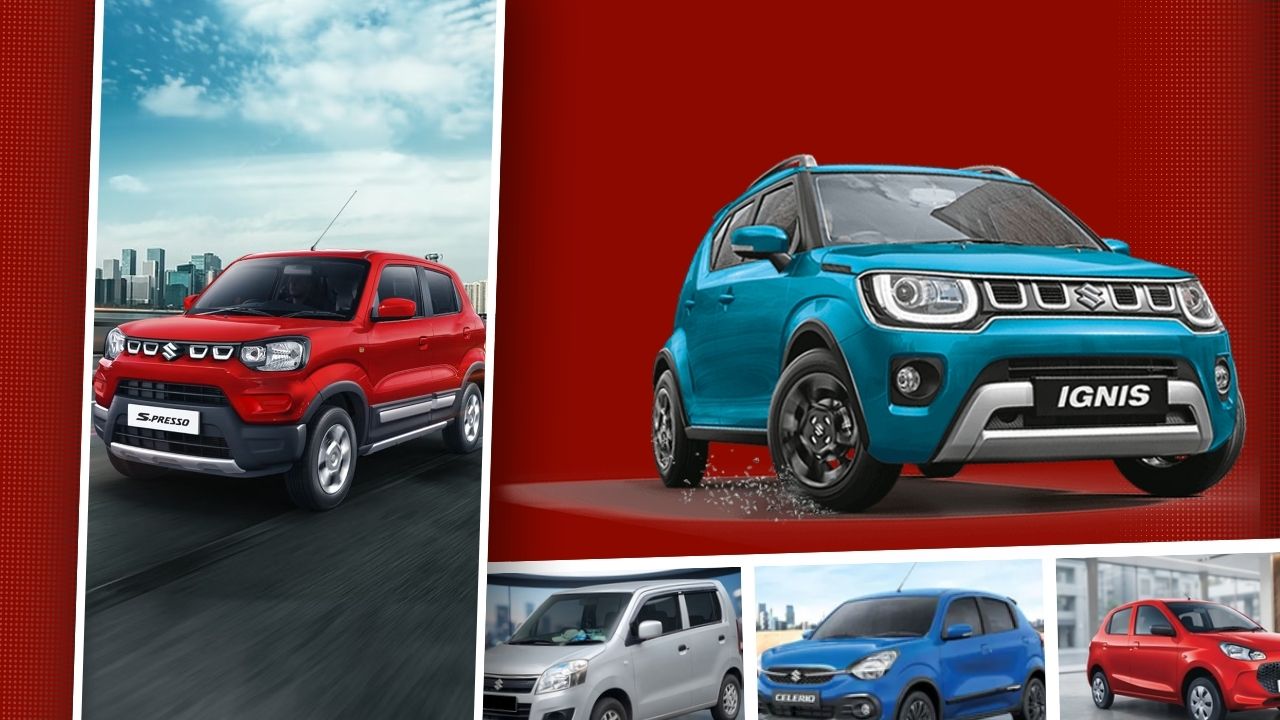
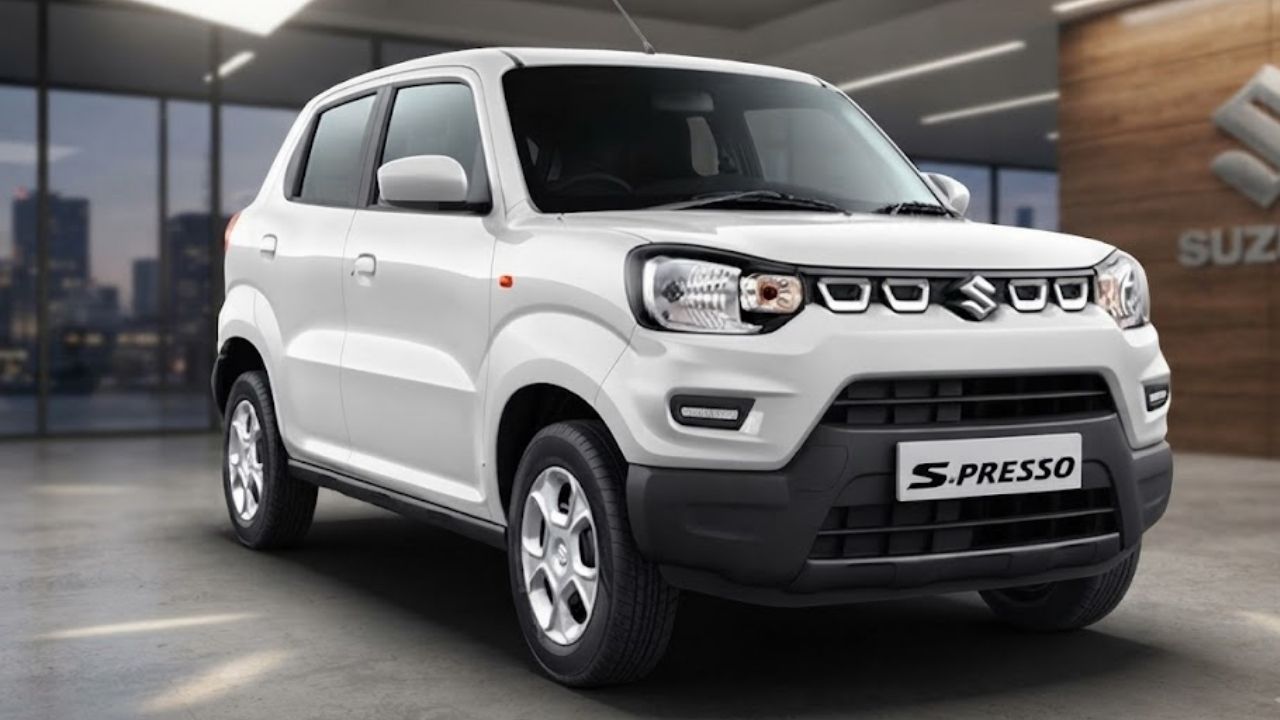
1. Maruti S-Presso AMT: The Cheapest Automatic Car in India

The S-Presso AMT is the cheapest automatic car you can buy in India, with prices starting from around ₹4.75 lakh. The AMT gearbox is available in the top two trims – VXi (O) and VXi+ (O) – with the top-end variant priced at about ₹5.25 lakh. 

Maruti S-Presso AMT

The 998cc three-cylinder petrol makes 69hp and 91Nm. Claimed mileage is around 25 km/l. The micro-SUV styling and high seating position are the real draw here, since you sit higher than in an Alto or Celerio. It gets ESP but only two airbags, so side and curtain airbags aren’t part of the package.

Best for: first-time buyers who want the lowest possible entry price and a commanding view of the road.

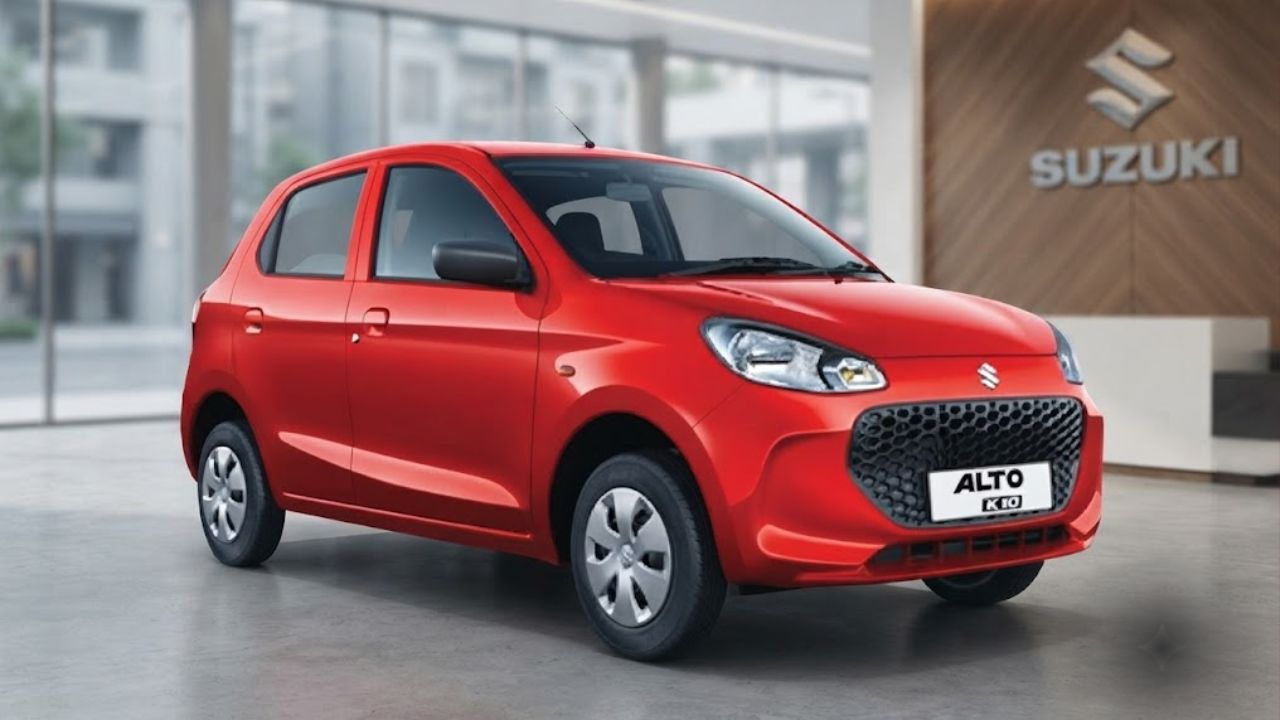
2. Maruti Alto K10 AMT: The Familiar Name

The Alto K10 AMT is priced at around ₹4.95 lakh, which is ₹20,000 higher than the S-Presso. Its 998cc engine delivers 67hp and 89Nm, slightly less than the S-Presso. Spinny has the claimed mileage as 24.90 km/l. 

Maruti Alto K10 AMT

The AMT was a bit lazy, with appreciable gaps between lower ratios, but nothing terrible for city use. The Alto’s advantages are resale value and Maruti’s service network, which extends to tiny towns where other brands almost don’t exist. For a vehicle that’s going to be living in a Tier-2 city & needs inexpensive, speedy servicing, that’s saying quite a bit. 

Best for: buyers who prioritise resale value and service reach over novelty.

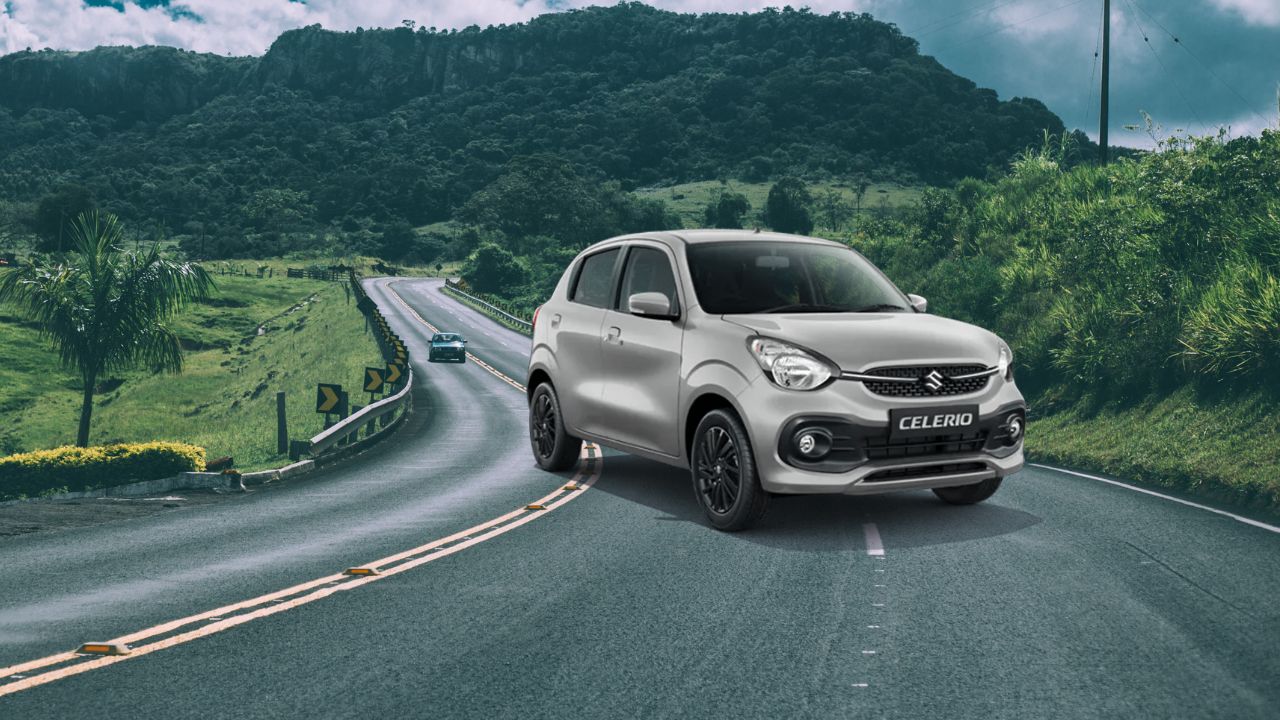
3. Maruti Celerio AMT: The Mileage Champion

The Celerio AMT is the third cheapest at ₹5.61 lakh and it holds a distinction in value that is worth considering. It is also the most fuel-efficient car available in India, with the automatic versions offering 26 km/l claimed by ARAI. AMT is available on VXi, ZXi and ZXi+ trims, with the highest trim reaching 6.73 lakh. 

Maruti Celerio AMT

The 998cc engine produces 69hp of power and 91Nm of torque. The gear shift is so smooth as it takes a pause between changes. The reported mileage numbers are acquired in a controlled condition rather than daily traffic so consider it a guess mark. 

Best for: high-mileage commuters who care most about running costs.

4. Maruti Wagon R AMT: The Only One With Two Engine Choices

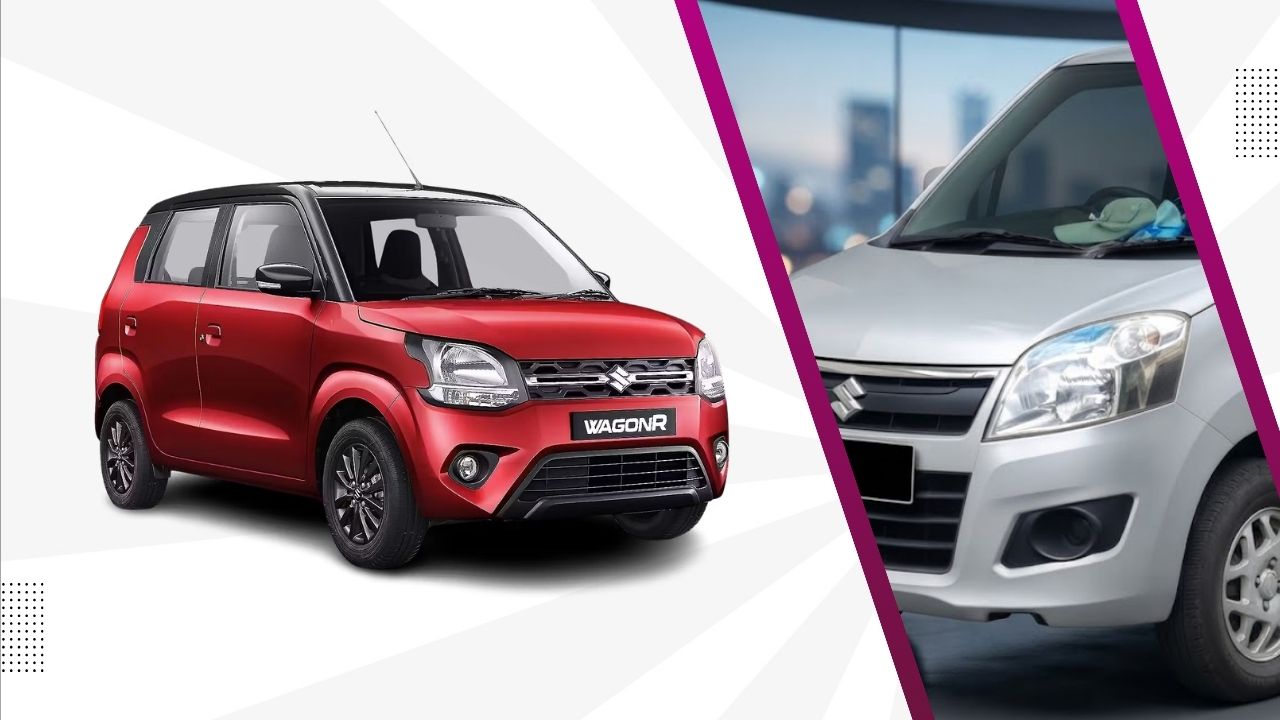
The Wagon R AMT is priced at around ₹5.97 lakh to ₹6.95 lakh to offer two engine options where one is automatic. A one-litre three cylinder engine provides 69hp and 91Nm and 1.2 L 4-cylinder engine with more power up to 91hp and 114Nm of torque. The 1.0-litre AGS returns a claimed 25.19 km/l.

Maruti Wagon R AMT

Wagon R offers space for five people with the best headroom. Sitting comfortable is a concern when your family also travels with you occasionally. The 1.2 is worth the extra money if you take a trip out of the city because the 91hp engine is more powerful.

Best for: small families who want space and the option of a stronger engine.

 👉  Mercedes-Benz GLC Electric Comes With 715 km Range 

5. Maruti Ignis AMT: The Nexa Entry Ticket

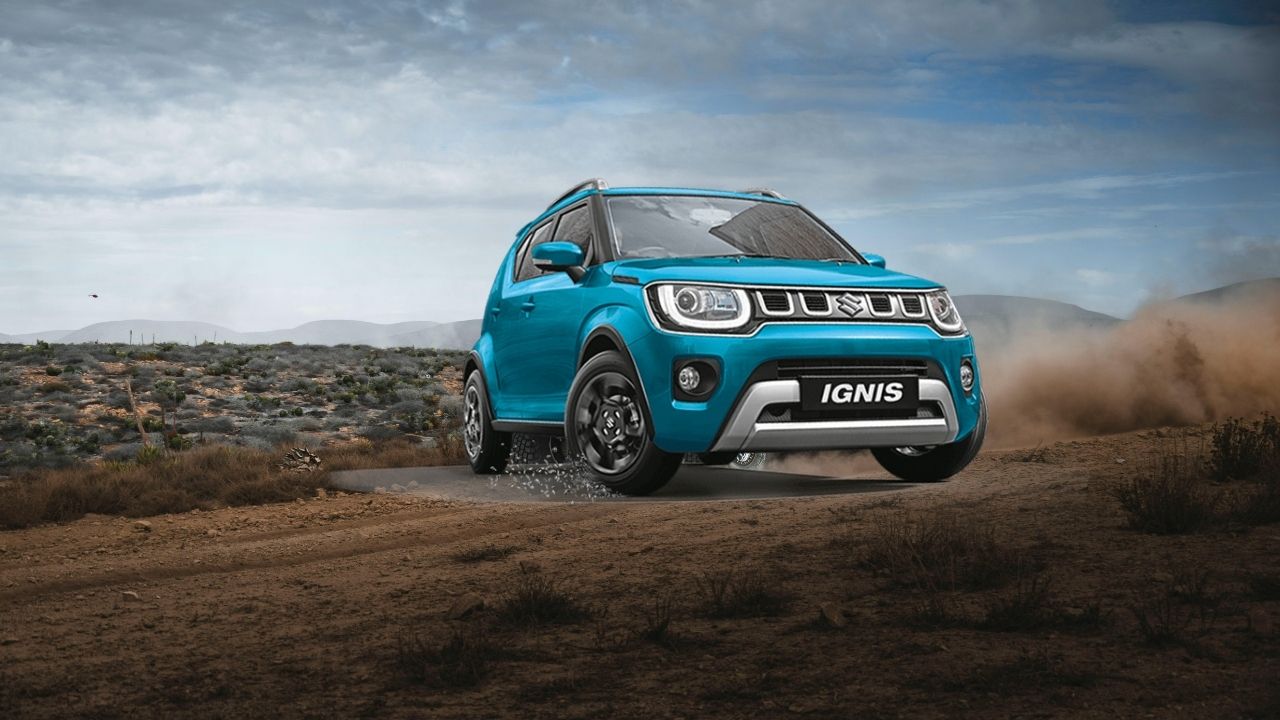
The Ignis is the fifth-cheapest and the only Nexa-badged car here. The price of AMT starts at ₹6.01 lakh up to ₹7.55 lakh. Confirm the current Nexa price from your dealer.

Maruti Ignis AMT

Maruti Ignis offers 83 hp of power with 113 Nm of torque by a 1.2 L 4-cylinder engine. Every trim offers AMT but not a base Sigma. The real world mileage could be lower than the company’s claimed 21 km/l in a lab. The price is worth the crossover-style body.

Best for: buyers who want a distinctive design and a premium showroom experience without crossing ₹7 lakh.

Price and Spec Snapshot

Car AMT start price (ex-showroom) Engine Claimed mileage
S-Presso ~₹4.75 lakh 998cc, 69hp ~25 km/l (verify)
Alto K10 ~₹4.95 lakh 998cc, 67hp 24.90 km/l
Celerio ~₹5.61 lakh 998cc, 69hp 26 km/l
Wagon R ~₹5.97 lakh 998cc, 69hp / 1197cc, 91hp 25.19 km/l (1.0)
Ignis ₹6.01–6.30 lakh 1197cc, 83hp ~21 km/l

Maruti is Not The Only Brand Selling Automatic Shifts at Affordable Price

Two non-Maruti options belong in your decision.

The Renault Kwid AMT is priced from about ₹5 lakh (ex-showroom) and comes with a 1.0-litre engine that produces 69hp and 92.5Nm of torque. The AMT option is offered from the mid-level Evolution trim and is only a few thousand rupees more expensive than the Alto K10’s automatic. It is more than ₹50,000 cheaper than the Celerio, but Renault’s service network is not as strong, which becomes a problem in small towns. 

Tata Tiago AMT starts at about ₹6.31 lakh and uses an 86hp, 113Nm 1.2-litre engine. The shifts are smooth in traffic but jerky at crawling speeds. It costs more than the Wagon R 1.0 AMT, but it has more power and offers CNG with AMT, which no Maruti on this list can match.

👉  Festive Car Discounts 2026: What You’ll Really Save After Price Hikes 

Conclusion

These five lowest price Maruti Suzuki cars with automatic transmission are in demand, especially S-Presso or Alto K10. They both have strong resale value and Presso comes with good seating height which also matters for comfort. Run under 20 km a day in city traffic.

If you’re covering around 1,500 km every month, the Celerio can make up its roughly ₹66,000 higher price than the S-Presso through fuel savings over time. It also has the highest claimed mileage among the two. Need space for four adults, or you hit highways? Skip the 1.0-litre cars and take the Wagon R 1.2 AMT.

Want something that doesn’t look like everyone else’s hatchback? The Ignis is the only choice, but accept the lower mileage.

Whichever you pick, take a test drive in actual traffic, not a smooth road. The AMT’s behaviour in stop-and-go is the thing brochures can’t tell you, and it decides whether you’ll love the car or curse it. Also ask the dealer for the on-road price, since insurance, registration and accessories can add 12 to 15 percent to the figures above (verify for your state).

0

Audi SQ8 Launched in India: New Engine, High Performance & Design

Audi SQ8

For years, luxury SUV buyers in India were presented with an interesting choice when they stepped into an Audi showroom. If you liked the aggressive, coupe-style roofline of the Audi SQ8 but were aching for truly, heart-stopping performance, your options were painfully divided. Either pick up the regular Q8, which is extraordinarily luxurious but more comfortable than fast, or you can remortgage your house for the fire-breathing, track-ready RS Q8.

The difference was a hefty Rs 1.2 Crore. Audi SQ8 enters at the right time when Audi has neatly balanced its lineup, it became the right option for high performance and comfort seekers.

Price of New Audi SQ8

Introduced with a starting price of Rs. 1.78 Crore (ex-showroom), the brand new SQ8 was designed to offer V8 supercar thrills with none of the limitations or excuses that have got in the way of your family. Sure as an AI I can’t feel the G-forces of a 0-100 sprint, but I can absolutely explain what is causing such a stir in the Indian car market with this launch.

Let’s get straight to the price, the spec sheet and that glorious V8 engine along with the features that make the new Audi SQ8 so special. 

Variant Ex-Showroom Price Engine / Power
Audi Q8 Rs 1.13 Crore 3.0L V6 / 340 hp
Audi SQ8 (New) Rs 1.78 Crore 4.0L V8 / 507 hp
Audi RS Q8 Performance Rs 2.34 Crore 4.0L V8 / 640 hp

With a price tag of Rs 65 lakh more for the SQ8 from the standard model, it is undeniably a costly jump. However when you consider that it’s essentially a detuned RS Q8 – sparing you a mind-boggling Rs 56 lakh over the flagship – the SQ8 begins to look like the most intelligent purchase in the performance luxury segment. 

Absolute Best Part of This Car

As rival manufacturers are shrinking engines to turbocharged six-cylinders or leaning more on hybrid aid, Audi is preserving the V8 dream. It offers a 4.0-litre twin-turbo TFSI V8 petrol engine that runs with top speed smoothly. 


Specification Value
Maximum Power 507 hp (373 kW)
Peak Torque 770 Nm
Transmission 8-speed automatic gearbox
Drivetrain Quattro all-wheel drive which is a signature for driving tech

Audi SQ8 Performance 

The moment you press the accelerator, this SUV shoots from 0 to 60 mph in 4.1 seconds. You really need to see this to believe it: approaching two tons can move like this, easily matching proper sports cars as it serves the speed up to 250 km/h. 

Adaptive air suspension and 4-wheel steering is what makes a difference in the Audi SQ8 than any other SUVs. In daily driving, particularly at low speed, the rear wheels are steered slightly opposite to the front wheels. That sounds like tech mumbo jumbo, but in the real world it just means tighter turns and much easier parking — something you’ll really thank me for in city traffic. 

SQ8’s sport exhaust system

Step on it more on the freeway and the system compensates. At higher speeds, the rear wheels turn in tandem with the front wheels, inspiring unbelievable stability especially when performing rapid lane changes in the SUV. And if you like your handling a bit sharper, Audi even offers an optional high-end suspension system with active roll stabilization and a sport rear differential that makes the drive even more dynamic. 

And then there’s the sound. Start it and you’re greeted by a deep, unmistakable V8 rumble from the SQ8’s sport exhaust system with quad tailpipes. Isn’t it great that when you hear a certain sound you instantly know — this isn’t a luxury SUV, it’s a performance machine? 

A Design That Commands Respect

The SQ8 hits the right balance between imposing and subtle. It holds the standard Q8’s sleek, coupe-SUV profile but adds just enough muscular hostility to let onlookers know this thing is serious. 

The Front: It wears Audi’s trademark Singleframe grille, but this one comes in a honeycomb design with exclusive silver trims and larger, functional air intakes on the bumper that feature fog lights. 

The Lighting: HD Matrix LED headlights with Audi Laser Light are included as standard and feature four preselectable daytime running light images.

The Profile: Standard on the SQ8 are enormous 21-inch alloy wheels (there are 22-inch graphite grey options available). The strong shoulder line, the frameless doors, the red brake calipers bearing the “S” emblem all scream performance.

The Rear: You have the gorgeous linked OLED taillights and an aggressive rear diffuser that cradles those real quad exhaust tips. 

Inside the Cabin

You could be purchasing the SQ8 for the engine, but you’re lying if you say you’ll be spending all your time in the cabin and Audi certainly hasn’t skimped on the luxury. The design of the interior is akin to that of the Q8, but with some sportier ‘S’ touches thrown in. 

Audi SQ8 Tech & Displays:

Audi’s slick dual-screen layout takes up much of the dashboard space. There’s a 10.1-inch primary infotainment display at the top for your navigation and media, and an 8.6-inch secondary touchscreen below focused on climate and vehicle controls. The 12.3-inch Audi Virtual Cockpit behind the flat-bottom steering wheel is fully digital with exclusive “S-spec” performance graphics. 

Audi SQ8 comfort

Comfort & Materials:

It’s the best of both worlds when it comes to the Audi SQ8 seats. They are covered in a high quality blend of Dinamica microfiber and leather that makes them feel luxurious and high end as soon as you sit down. 

But these aren’t bucket racing seats. They’re both just as comfortable for everyday use, says Audi. The front seats are packed with features such as heating, ventilation, full power adjustments and even a massage function.

Cabin features that gives immense look include:

  • A panoramic sunroof is provided in this car.
  • Peak audio system with speaker, 730W Bang and Olufsen 3D Premium Sound System.
  • Four-zone deluxe automatic climate control (plus fragrance feature as option).
  • Multi-color ambient light (30 colors in options).
  • Soft-close doors (automatic latching) and power tailgate.
  • A supremely practical 604-litre boot space.

Safety and Driver Assistance

What we’ve learned is that the need for safety tech scales with power. You will receive the best safety elements in your 2026 Audi SQ8 that take your and your family worries away. It includes:

  • The cabin has 8 Airbags to open in any crash.
  • Driving and Parking is becoming easier with a 360-degree camera system.
  • New ADAS Level 2 including Lane Departure Warning, ACC (Adaptive Cruise Control), and BSM (Blind Spot Monitoring).
  • SUV is stepping on to the next level with optional for buyers who require fade-free stopping power. 

Conclusion

In India, the Audi SQ8 has challengers such as Mercedes-AMG GLE Coupe and the BMW X 5 M60i and Porsche Cayenne GTS for the luxury customers.

But there’s really nothing like the Audi SQ8. It’s for the buyer who wants the thunderous soundtrack and brutal acceleration of a V8, but doesn’t want the stiff, bone-crushing ride which typically comes with top-tier track SUVs. 

It’s a real two-face car: a quiet, comfortable, tech-laden high-end cruiser Monday to Friday and a 507-hp rocket on the weekends. It certainly is a big ask at Rs 1.78 crore. The Audi SQ8 suggests that the middle is not so bad, after all, when it comes to SUVs – at least when that middle is the top. 

0

Latest Hyundai Cars Offers on Verna, Exter & i20 in India

Published Feb 13, 2026, 5:17 AM
Last Updated Feb 13, 2026, 5:36 AM

Hyundai Cars Offers on Verna

The 2026 Indian Car Market Spins with New Twists, there are Latest Hyundai Cars which can amazed you totally. Although supply chain hysteria has started to subside in a post-pandemic world, a new issue has come around: a significant change in the types of cars that people want to drive. If you’ve been out on the roads in India these days, you will have noticed it—SUVs have become the majority on the road, and the traditional sedan and the small hatchback are struggling to hold onto the spotlight.

Against this backdrop, Hyundai Motor India (HMIL) has come out all guns blazing with a huge “February Discount.” Explore all the cars with massive offers to buy in 2026.

Why February is “Deal Month”

To get an idea of why Hyundai is suddenly so generous, look at the January sales figures. On the face of it, all is well — 9% growth year-on-year. But if we take a closer look, there is the SUV Fortress. The Venue and Creta sales are skyrocketing.

However, sales of TCS-heavy flagship sedan, Hyundai Verna tanked 44% in the last month. That’s not because the car is bad, it’s because Indian buyers are flocking en masse to high-riding vehicles. In order to take on this challenge from measures, Hyundai has introduced the “Pride of India” scheme, with its sights set on the Indian middle class: government employees, and PSU bankers. To these specific corporate bonuses, they add huge cash discounts, making even a sedan difficult to refuse for an SUV-lover. 

The Verna — a Mid-Size Sedan

If you have been looking at a mid-size sedan, then the February deals on the Verna are just too good to miss. It’s about total benefits of up to ₹98,000. 

The Verna — a Mid-Size Sedan

Benefit Category MY25 Petrol MT MY25 Petrol AT MY26 Petrol MT
Cash Discount ₹25,000 ₹40,000 ₹25,000
Scrappage/Exchange ₹70,000 ₹50,000 ₹45,000
Pride of India ₹3,000 ₹3,000 ₹3,000
Total Benefit ₹98,000 ₹93,000 ₹73,000

Driving sensation: Relaxed vs. Energetic

Verna has two different personalities:

The 1.5L Naturally Aspirated: Ideal for the daily grind. Its IVT (Hyundai’s take on a CVT) transmission contributes to butter smooth driving amid stop-and-go traffic.

The 1.5L Turbo GDi: This is for the enthusiast. It has more power (160 HP), the VW Virtus is no match in a sprint. If you’ve found yourself stuck on the in India, remember to shift to Neutral during long halts to leave that clutch! 

The Exter: Punching Back at the Competition

The Hyundai Exter is Hyundai’s answer to the Tata Punch in the Micro-SUV segment. It’s boxy, it’s useful, and right now it’s going for a ₹43,000 discount. 

The Exter Punching Back at the Competition

Why the Exter Works

The Exter is designed to be as big on the inside as possible, and as small on the outside as humanly possible. It has a “segment-best” 391 liter boot, which matters for a small family going out on a weekend trip. 

Its suspension is fantastic at absorbing the city bumps and potholes, but the stock headlights are a tad on the weak side for unlit stretches of highway. A bulb upgrade might be the first “mod” you make, if you drive a lot at night. 

With a steady CNG cost of about ₹ 95.75/kg, the running cost is less than ₹4 per km. That’s more economical than a few auto-rickshaws! 

The Enthusiast’s Corner: i20 N Line

Normal i20 is still the “Comfort King” (it remains the only one in its segment with a Bose sound system), but the N Line is where the heart is.

The Enthusiast’s Corner i20 N Line

Hyundai has sensibly revived the 6-speed Manual for the N Line, replacing the outdated iMT. It feels mechanical, tactile, and smells wonderful thanks to that twin-tip exhaust. With a ₹ 58,000 discount this month, it is still one of the very few cars which can make you believe that driving is not only hard work but also great fun. 

Should You Buy Now?

The askings in these February editions being particularly aggressive hints at a “stock clearance” event for the March fiscal-year end, with a Verna facelift expected in late 2026.

If you are not a “must have 2026” stamp on your regplate type of person, then getting a Model Year 2025 (MY25) vehicle right now is one of the best financial decisions you can make. You have the same engineering, the same warranty, and even the same features, but now with nearly ₹1 Lakh in your pockets. 

Read More:-  Verna vs Slavia vs Virtus: Which Midsize Sedan Should You Buy in 2026?

Conclusion

Hyundai’s February 2026 deals aren’t just festive discounts—they’re a savvy play for shoppers to get more for their money in an SUV-led market. Be it the feature-packed Verna, the practical and fuel-efficient Exter or the performance oriented i20 N Line, Latest Hyundai Cars make each segment truly difficult to overlook. For the deepest discounts without sacrificing quality, performance, or long-term dependability, this is one of the best times in 2026 to bring home a Hyundai. 

0

Best Dash Cam for Cars | Top Features, Reviews & Buying Guide

Published Aug 5, 2026, 10:32 AM
Last Updated Aug 5, 2026, 10:35 AM

Best Dash Cam for Cars

Your claim is denied because you can’t prove the other driver ran the red light. It happens more than most people think and it is the largest reason why Indian car owners are now actually considering dash cams rather than treating them as an accessory-store impulse buy. So if you’re looking for the Best Sash Cam for Cars in India today, then you must have to know that it depends on where you park, how much footage quality do you really need and if you’re buying for evidence or because you want real 24/7 security. 

Why a Dash Cam Matters More in India Than It Used To

There is no provision in the Motor Vehicles Act, 1988 or the Central Motor Vehicles Rules, 1989 which prohibits use of dash cam in private vehicles. What has changed is what the footage means in the eyes of the law. Section 63, Full text of Bharatiya Sakshya Adhiniyam, 2023 Electronic records (such as dash cam video) are now admissible in court provided the device was operating properly and the recording was made in the normal course of business. That is a radical change from a few years ago, when video was considered a luxury and not something an insurance company or a traffic court would actually look at. 

Add that up to increasing hit-and-run incidents and chaotic lane discipline in cities such as Bengaluru, Mumbai, Uttar Pradesh and Delhi, and a dash cam is no longer optional. A handful of newer cars — the Hyundai Exter and Venue among them, now come factory-fitted with one, which tells you where the industry is heading even for owners who have to retrofit.

What Actually Determines the Best Dash Cam for Cars

Before comparing models, three things separate a dash cam that survives an Indian summer from one that dies in a year.

  1. Supercapacitor over battery. A dashboard behind glass can cross 70°C in peak May heat. Lithium-battery dash cams swell and fail under that kind of sustained heat; capacitor-based units don’t have that failure mode and handle parking mode far more reliably.
  2. Sensor quality beats raw resolution. A 4K camera with a weak sensor can produce inferior night footage to a well-designed 1080p or 2.5K camera. Sony’s STARVIS 2 sensor can be found on almost all the best-rated units in 2026 and is the one spec that you should be prioritizing over megapixels.
    Best Dash Cam for Cars
  3. Parking mode isn’t automatic. Almost every model needs a separate hardwire kit, typically ₹1,500–2,500, to monitor your car while it’s off. Without it, most dash cams only record while the ignition is on.
  4. One more line item people under-budget for: the memory card. A dash cam writing continuous loop footage needs a high-endurance card, not a standard one — Kingston Canvas Go Plus (₹600–900) or SanDisk High Endurance (₹700–1,200), 128GB minimum if you want more than 3–4 hours before overwriting. Format it monthly through the camera’s menu, or you risk corrupted files exactly when you need them.

Top Dash Cam Picks in India, by Budget

Model Price (approx.) What it’s for
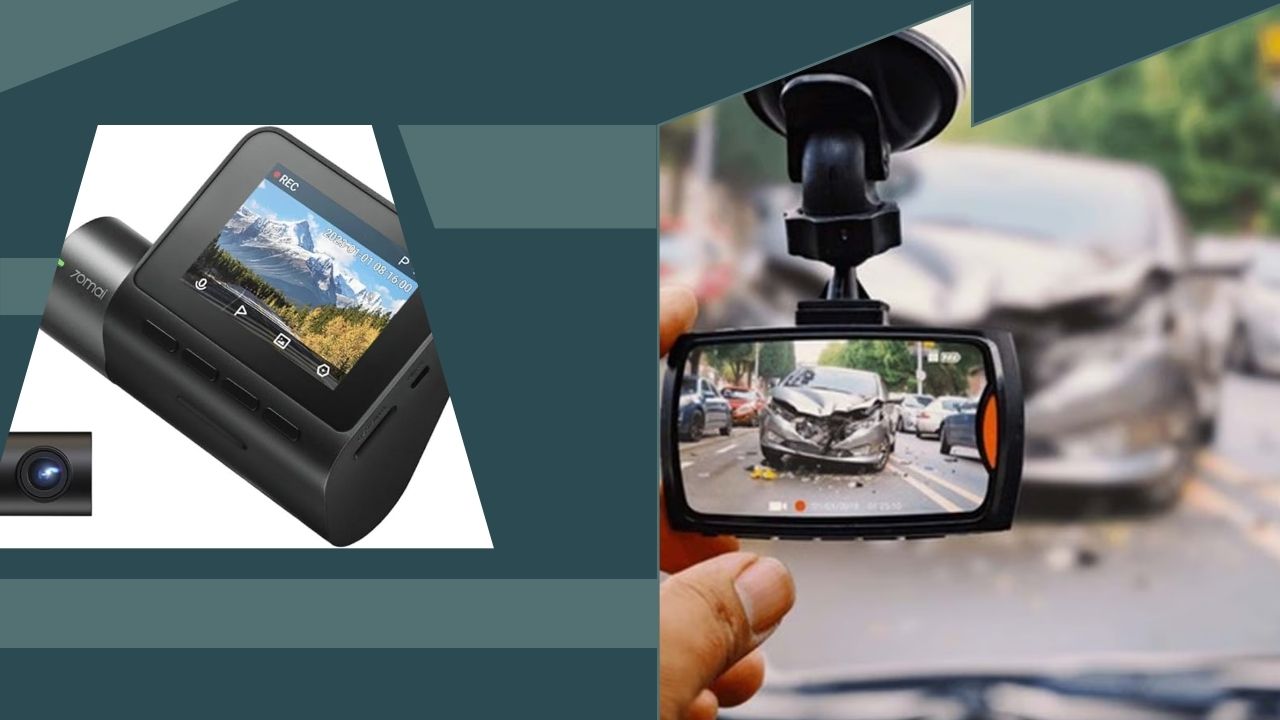
70mai A200 ₹4,999 First-time buyers; voice control, 1080p single-channel
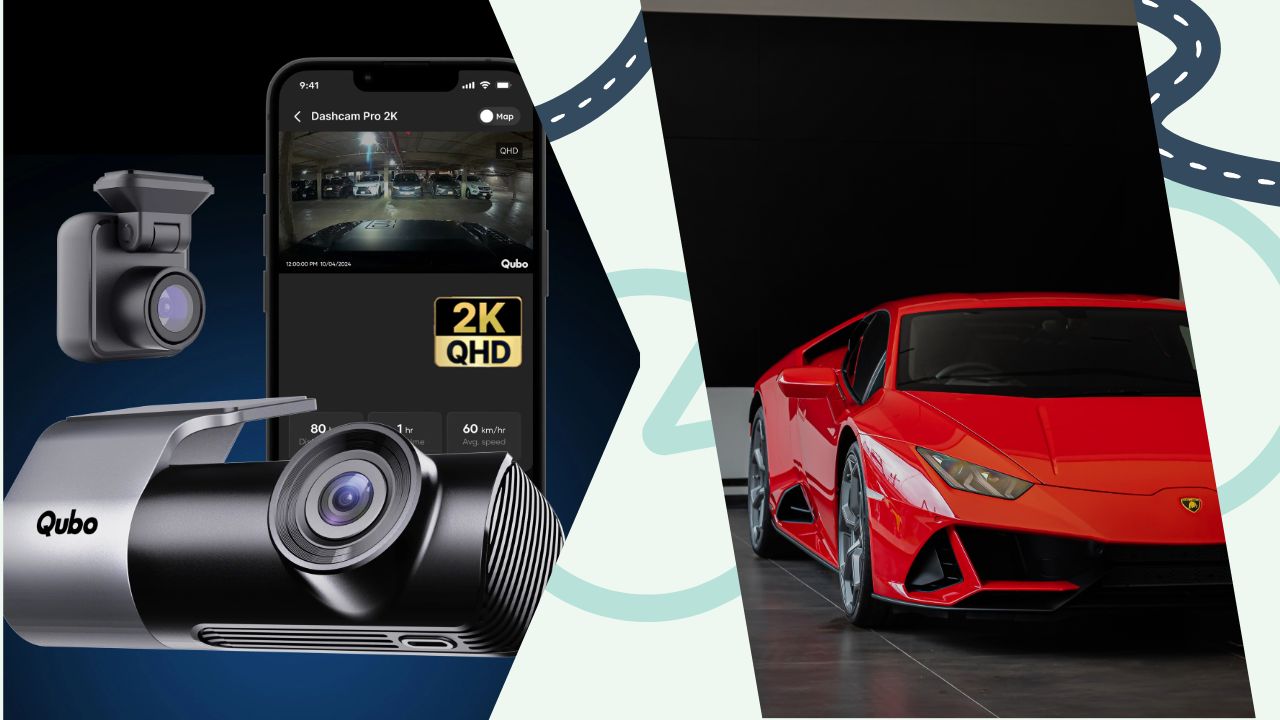
Qubo Dashcam Pro 3K STARVIS 2 Dual ₹4,499–₹12,990 Best overall value; 3K front + 1080p rear, built-in GPS
70mai A510 HDR 3K Dual ₹11,439 Tightest budget for dual-channel with STARVIS 2
REDTIGER F7NT 4K Dual ₹12,990–₹13,550 True 4K front, WiFi + GPS, 64GB card included
Viofo A229 Plus Price varies by retailer — check current listing Three-channel (front/rear/cabin), STARVIS 2, capacitor-based

Prices above are pulled from current Indian retail listings as of mid-2026 and shift with Amazon sales and festive discounting, so treat them as a range rather than a fixed number — check the best dash cam for cars listing before you decide.

70mai A200 — around ₹7,499

This is the one to buy if you’ve never owned a dash cam and don’t want to think too hard about it. Single-channel, 1080p, and honestly that’s plenty for reading a number plate within 10 metres in daylight. The party trick is voice control — say “Hey 70mai” and it starts recording or snaps a photo, which matters more than it sounds like it should when you’re stuck in Mumbai signal traffic and don’t want to take a hand off the wheel. It ships with a 32GB card, which is nowhere near enough — budget an extra ₹800 or so for a proper 64GB or 128GB card on day one, because 32GB gets overwritten in a few hours of driving.

Read More :-  How Often Should You Service Your Car? | Complete Maintenance Guide

Qubo Dashcam Pro 3K STARVIS 2 Dual — ₹4,499 to ₹12,990 

Qubo (Hero Group’s electronics arm) sells this at a few different tiers, which is why the range is wide — check which configuration you’re actually looking at before comparing it to anything else. At the upper end you get 2.7–3K front resolution paired with a 1080p rear camera, a Sony STARVIS 2 sensor for low light, built-in GPS logging, and a small onboard display so you can review footage without pulling out your phone. It’s the pick that shows up most often as “best overall” in Indian buying guides this year, mainly because the night footage holds up on the kind of unlit stretches you get on Bengaluru’s outer ring roads.

70mai A510 HDR 3K Dual — around ₹11,439

The tightest dual-channel option under ₹12,000, and it carries the same STARVIS 2 sensor as the pricier picks on this list. Where it seems to fall a little short, based on how it’s reviewed, is heat resilience — it reads as a better fit for someone who parks in a garage or covered spot than someone leaving a car in direct sun all day, so if you’re in that second category, weigh it against the REDTIGER below before deciding.

REDTIGER F7NT 4K Dual — ₹12,990 to ₹13,550

True 4K on the front camera (not upscaled), 1080p on the rear, and it uses a supercapacitor instead of a battery — which is the detail that actually matters if your car bakes on a Delhi or Chennai street through May and June. Batteries swell and die under that kind of sustained heat; capacitors don’t. It also comes with WiFi, built-in GPS, and a 64GB card already in the box, so there’s no immediate add-on cost like there is with the 70mai A200.

Viofo A229 Plus  

Price isn’t stable enough across retailers to quote a single number, so check the current listing before you commit. This is the outlier on the list because it adds a third channel: front, rear, and cabin-facing, all recording at once. Sony STARVIS 2 sensor, capacitor-based, GPS with a speed overlay baked into the footage. The cabin channel is the reason to consider it at all — if you drive for a ride-hailing platform or just want a record of what happened inside the car during a dispute, none of the other four models on this list cover that angle.

70mai A200 vs Qubo Dashcam Pro 3K

The A200 wins on simplicity and price — 1080p footage is enough to read a number plate within 10 metres in daylight, and “Hey 70mai” voice commands are genuinely useful in heavy traffic where you don’t want to touch a screen. The Qubo pulls ahead the moment you care about night driving or rear coverage: its 3K front feed and dual-channel setup handle Bengaluru’s poorly lit ring roads noticeably better, and the built-in display lets you review footage without pulling out your phone.

REDTIGER F7NT 4K vs Viofo A229 Plus

The REDTIGER is the better pick if front-camera sharpness is your priority — true 4K with a supercapacitor means it survives a car parked in direct sun without the battery swelling. The Viofo A229 Plus goes a step further with a third, cabin-facing channel, which matters if you drive for a ride-hailing platform or want a passenger-side record for disputes. It costs more and is harder to find at a stable price point, so it’s the enthusiast pick rather than the default recommendation.

Installation and the Costs Nobody Mentions Upfront

Mount it behind the rearview mirror. That’s not just a preference — it’s the placement least likely to obstruct your view or run into any ambiguity if footage is ever questioned. Most dash cams ship with a cigarette-lighter adapter for basic operation, but hardwiring to the fuse box is what actually gives you parking mode and low-voltage cutoff protection, so the camera stops drawing power before your battery drains. 

Best Dash Cam for Cars

Professional installation runs ₹1,000–1,500 in Delhi and Mumbai, and ₹500–800 in smaller cities like Indore or Kochi. Budget for the hardwire kit and the card separately — they rarely come bundled, and skipping them is how people end up with a dash cam that only half-works.

Which Dash Cam for Cars Should You Actually Buy?

If you drive daily in city traffic and just want proof when something goes wrong, the 70mai A200 or Qubo Dashcam Pro covers it without overspending. If you park on the street or in a public lot overnight, don’t skip the supercapacitor models with parking mode — the REDTIGER F7NT 4K is the stronger buy here. 

And if you’re driving for hire, ferrying passengers, or simply want the most complete legal record possible, the three-channel Viofo A229 Plus is the only option on this list built for that specific job. Match the camera to how you actually park and drive, not to whichever spec sheet has the biggest number on it.

Read More:-   How Often Should You Change Oil in Your Car? What Actually Matters in India

Conclusion 

The Best Sash Cam for Cars in India is not necessarily the one with the best resolution but the one that fits your driving habits, the place where you park and of course your budget. A good sensor, supercapacitor design, proper parking mode and a high-endurance memory card will make a bigger impact on your daily life than just picking the 4K tag. 

A dual-channel dash cam provides most private car owners with an adequate balance of cost and car insurance protection. If you park your car outside regularly, a supercapacitor unit with hardwired parking mode is definitely worth the extra money. 

For commercial drivers or those who desire the most complete evidence, a three channel system offers the best coverage. Consider a dash cam a safety and evidence tool, rather than just an accessory — it can save you much more than its purchase price when an accident or insurance claim gets complicated.