0

JSW Jaecoo J5 Hybrid : Design, Technology, Price & Key Highlights

JSW Jaecoo J5 Hybrid

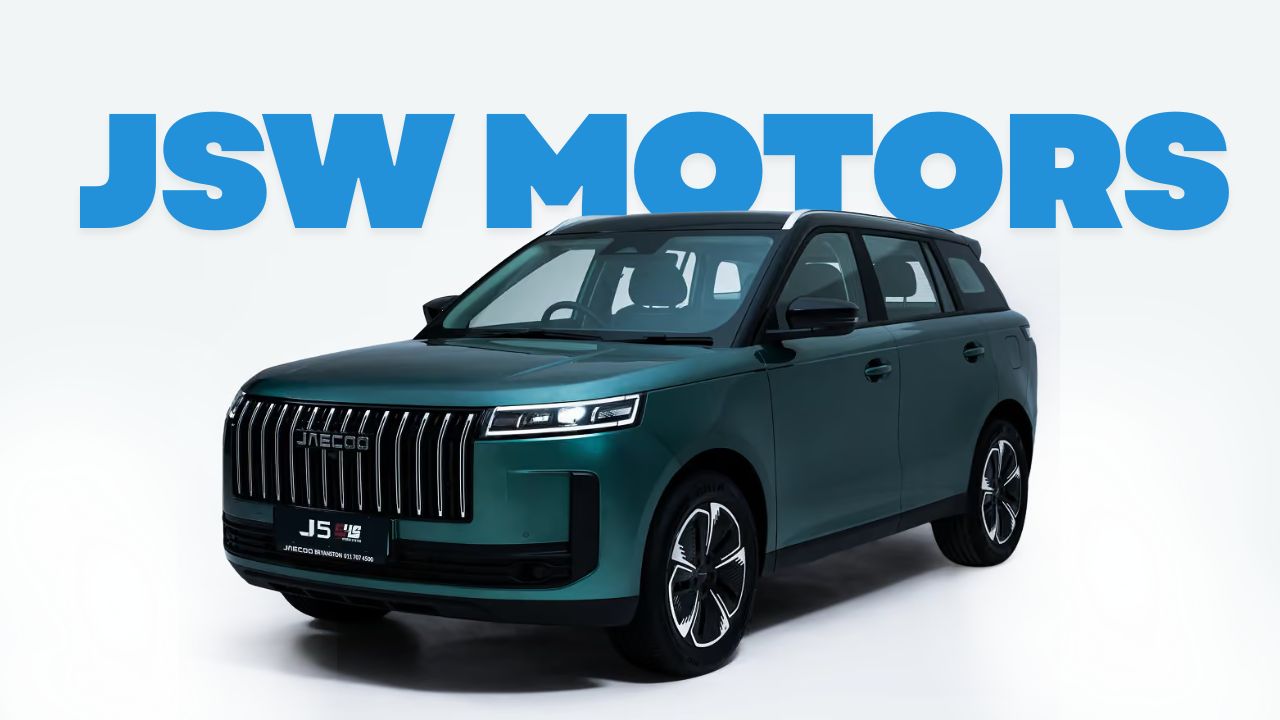
JSW Motors is making a louder entry in India with its Combat SUV right before the brand’s big December 3 debut. JSW Jaecoo J5 Hybrid is the second major contender which was recently spotted in a testing on Indian roads. 

J5 Hybrid designed with a sleek black finish with zero camouflage, the test mule didn’t leave much to the imagination. Right there on the tailgate sat the Jaecoo lettering, the J5 nameplate, and a prominent “HYBRID” badge. For Indian car buyers who have been waiting for a genuinely powerful, fuss-free strong hybrid in the midsize SUV space, this sighting is a pretty exciting development.

JSW Jaecoo J5 Hybrid Proper Boxy SUV Stance

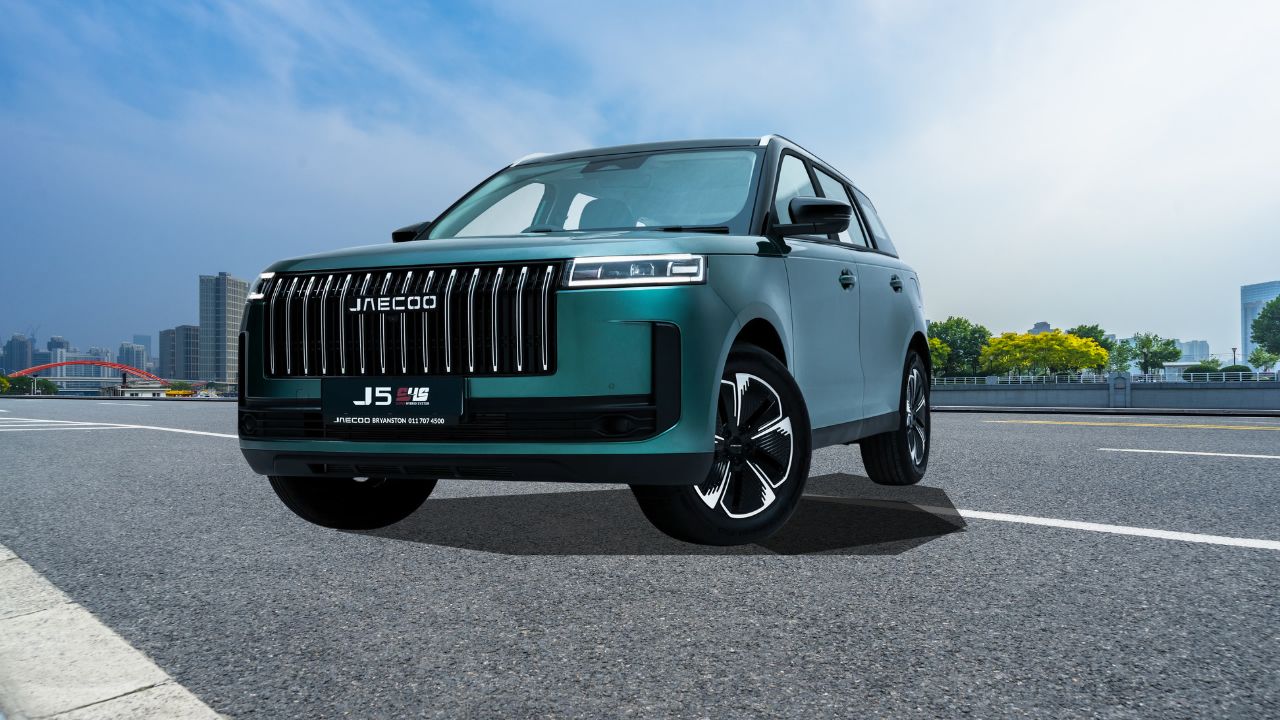
In a market flooded with swoopy, overly sculpted crossovers, the JSW Jaecoo J5 Hybrid goes back to basics—and it looks all the better for it. With all the camo peeled off, its upright, boxy silhouette and relatively flat bonnet give it an honest, squared-off SUV presence.

JSW Jaecoo J5 Hybrid Proper

Design and Look

Up front, a bold grille packed with tightly spaced vertical slats immediately signals that there’s a petrol engine breathing underneath, flanked by slim headlamps and a wide lower intake. Along the sides, dark lower-body cladding and 18-inch alloy wheels keep things looking rugged, while the rear stays clean with horizontal tail-lights, a roof spoiler, a rear wiper, and a contrasting silver skid plate on the bumper.

Dimensions and Practicality

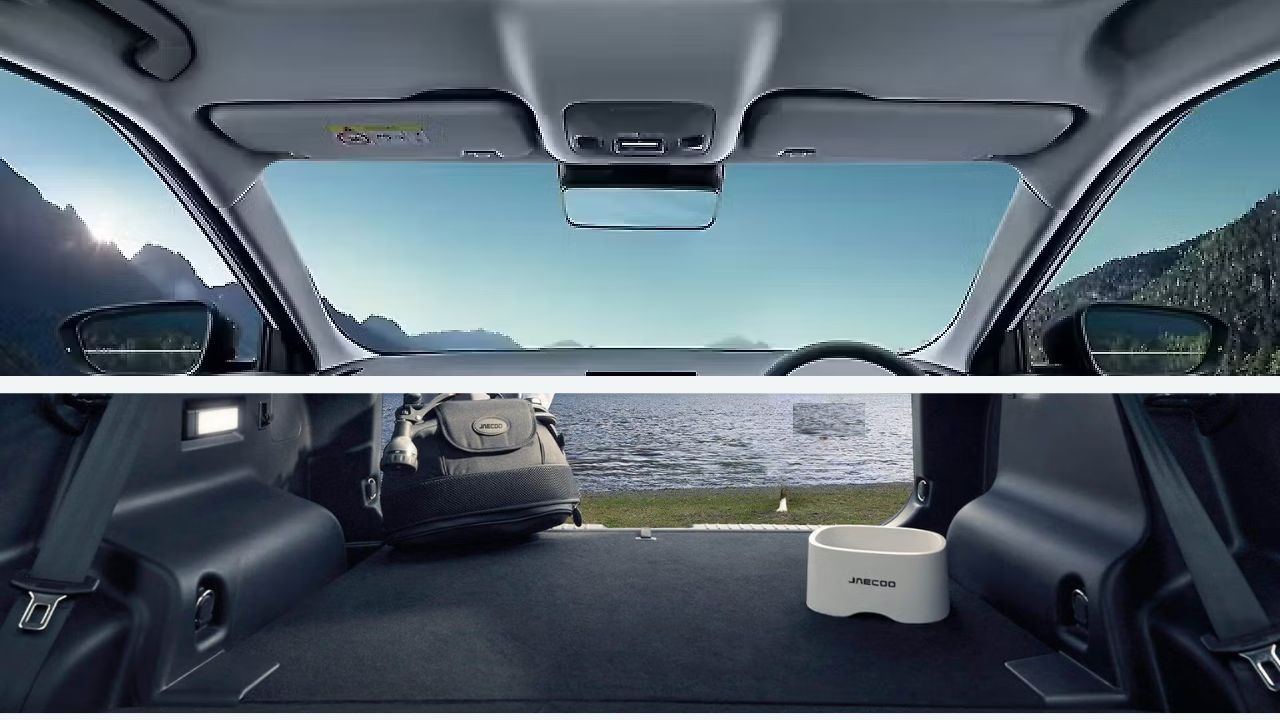
JSW Jaecoo J5 Hybrid size sits in the sweet spot of the Indian midsize SUV segment with 4,380 mm length, and 1,650 mm tall, while its 1,860 mm wide body gives a significant look. JSW launched a vehicle that also drives smoother on Indian roads with 2,620 mm wheelbase without compromising its boot space which is 384-litre.

Read More 👉  JSW Motors: Can a Steel Major Succeed in India’s New-Energy Vehicle Market?

Strong Hybrid Power Without the Plug-In Hassle

Where the JSW Jaecoo J5 Hybrid really separates itself from the crowd is a self-charging, meaning you never have to hunt for a wall charger. The Indian-spec figures aren’t published yet, we can expect from the global strong-hybrid setup. It gives a 1.5-litre turbo petrol engine with four cylinders and 1.83 kWh lithium-ion battery. The system can have a permanent magnet electric motor. Power goes to the front wheels through a Dedicated Hybrid Transmission (DHT).

JSW Jaecoo J5

The numbers are seriously impressive for this class:

  • Combined Output: Roughly 221–224 hp and 295 Nm of torque.
  • Performance: 0 to 100 km/h in a brisk 7.9 seconds.
  • Efficiency & Range: Claimed fuel economy of around 18.9 km/l, with a total driving range stretching past 900 km (and up to roughly 1,000 km depending on the test cycle).


In India, most hybrids focus on mileage as a strike point. If JSW competed with that then it easily became the quickest and most powerful SUVs in its segment.

JSW Jaecoo J5 Hybrid Packed With Advanced Cabin Technology

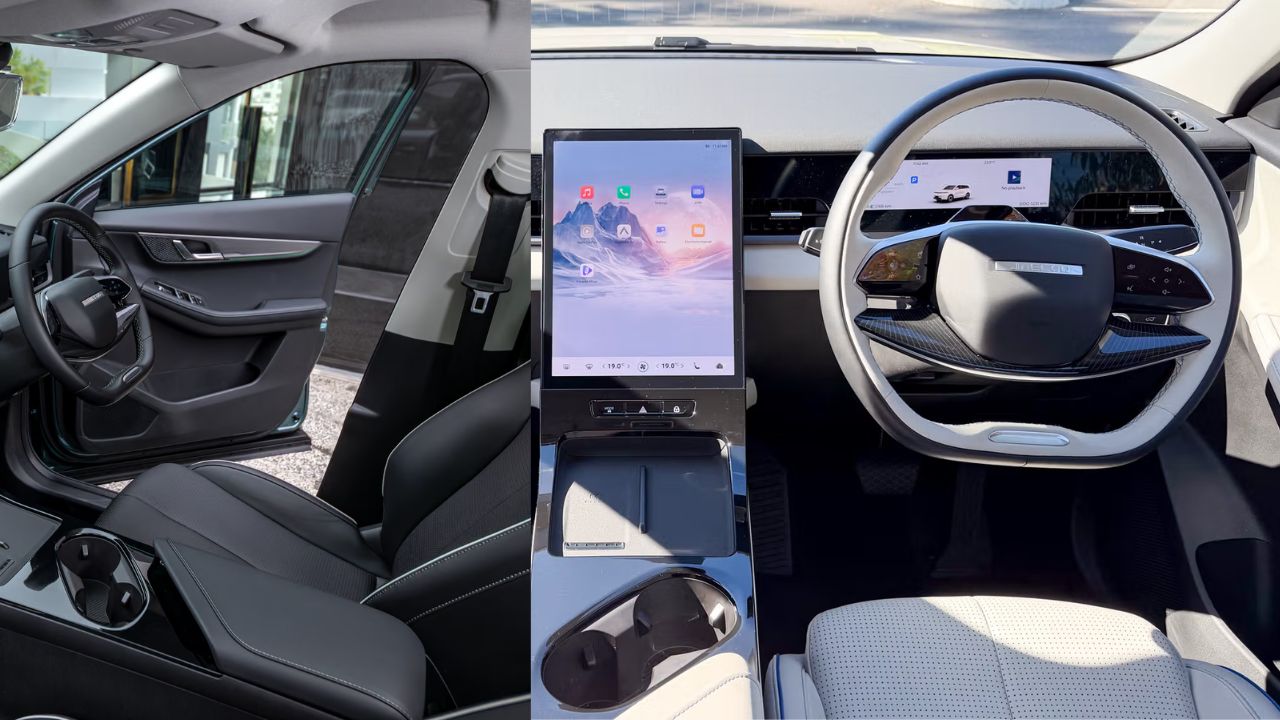
How comfortable the ride is matters most because every buyer who spends on a powerful engine wants a smoother and unbothered ride. JSW Jaecoo J5 Hybrid offers a modern, minimalist cabin with 13.2-inch central touchscreen and 8.8-inch digital driver’s display. 

JSW Jaecoo J5 Hybrid Packed With Advanced Cabin Technology

Dual- zone climate control, seamless connectivity, auto headlamps and wipers and power-adjustable front seats with both heating and ventilation. We can expect these features as a global version is offered. On the safety front, it comes equipped with a Level 2 ADAS suite featuring 18 driver-assistance functions.

Read More 👉  Honda Alpha Electric SUV: Expected Price, Range & Features

JSW Jaecoo J5 Hybrid Launch & Price

JSW Motors in partnership with Chery (Chinese automaker & a parent company of Jaecoo) is establishing these vehicles at JSW’s Chhatrapati Sambhajinagar plant. JSW could give us an early preview of the J5 alongside the Combat launch on December 3. 

However, the launch of JSW Jaecoo J5 Hybrid is expected in 2027. While its all-electric version spotted testing on Indian roads earlier, giving buyers an option between hybrid and fully electric powertrains in the future.

Price Expected 

Pricing is not announced by JSW yet, early estimates are somewhere around ₹18 lakh to ₹22 lakh (ex-showroom). In the Philippines, JSW Jaecoo J5 Hybrid is priced at ₹15.6 lakh. If JSW manages to price it aggressively, it will become a rival to the Hyundai Creta, Kia Seltos, and upcoming Renault Duster Hybrid.

Buyers still stop to go fully electric because of range but 220+ hp hybrids can cross over 900 km on a single tank is what JSW needs to make a louder entry in India.  

Alok Kabir

Alok is an experienced SEO Specialist skilled in blogging and SEO-friendly content creation. He also specializes in Content Optimization and Technical SEO, including website optimization, crawlability, indexing, site speed, and on-page improvements to enhance search rankings and online visibility.

Leave a Reply

Your email address will not be published. Required fields are marked *

0

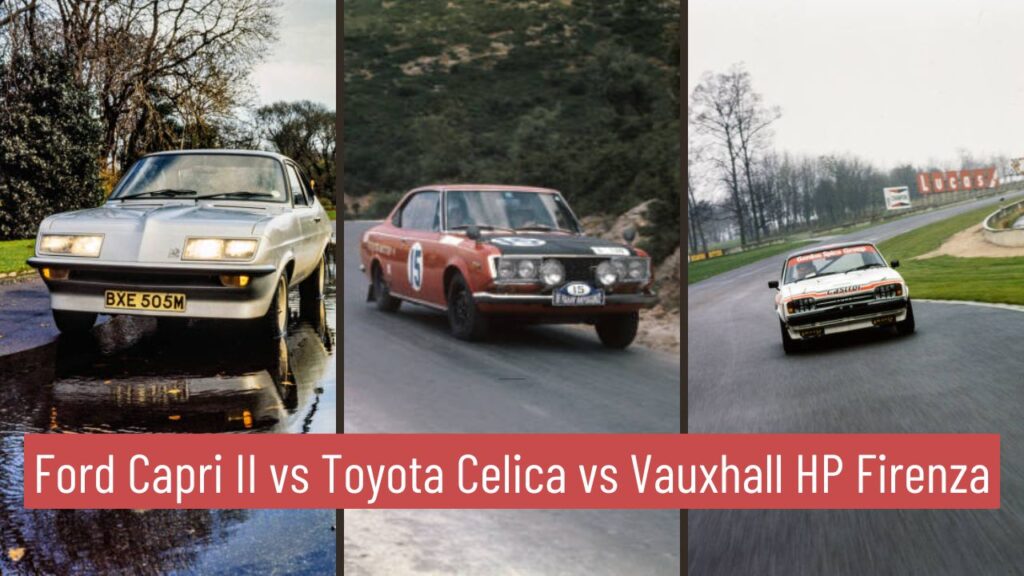
Ford Capri II vs Toyota Celica vs Vauxhall HP Firenza: The Global Decade of Style

Ford Capri II vs Toyota Celica vs Vauxhall HP Firenza

The 70s were a turning point in car history: a decade shaped by global financial turmoil and the mass popularization of sporty styling. The ground was laid years before in the US with the introduction of the Ford Mustang in 1964, a car that demonstrated that performance imagery could be married with an affordable price tag and based on an economy car platform, namely, the utilitarian Ford Falcon. This “pony car” formula – long hood, short rear deck, four seat interior and a plethora of options – was an instant hit with car buyers around the world. 

The vehicles including the Ford Capri II, Vauxhall HP Firenza and 1st Gen Toyota Celica were born out of this post-Mustang era, and yet each is a distinctly different approach to the budget coupé ideology. 

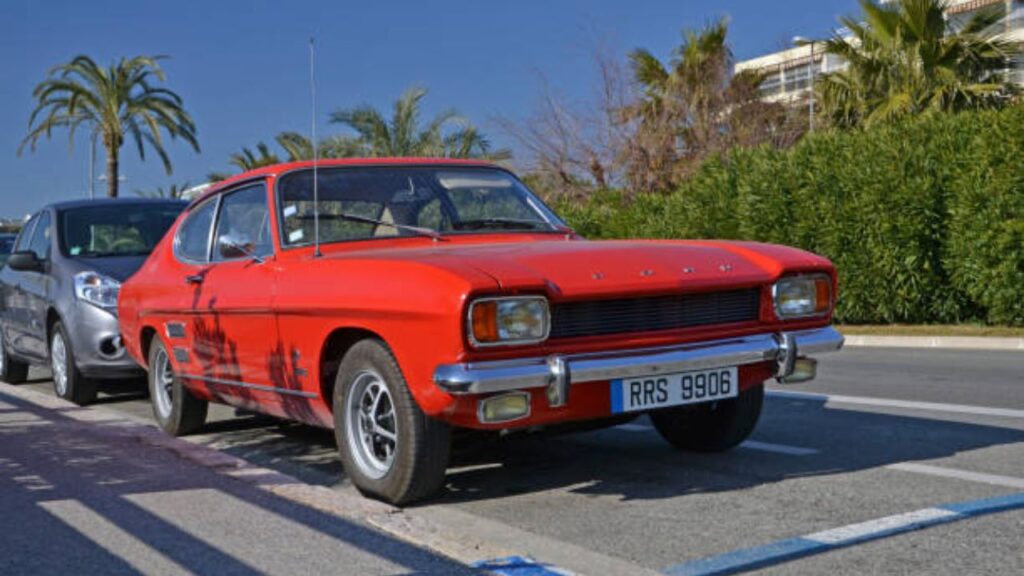
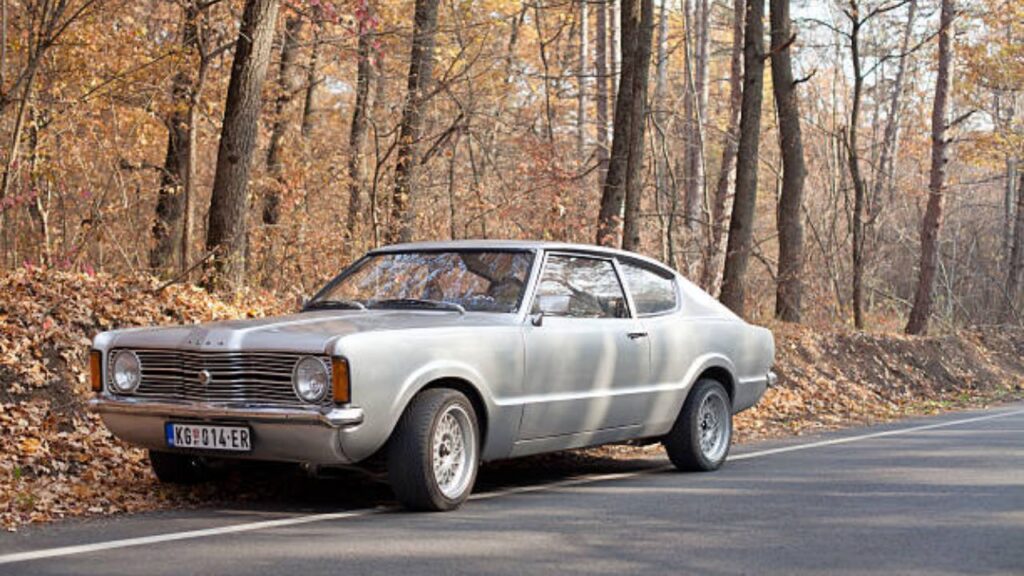
Ford Capri II

Ford Capri II

The Capri II was a natural progression for Ford’s European pony car. Production started mainly in the United Kingdom (Dagenham, Halewood) and Europe (Genk, Belgium, and Saarlouis, Germany). the Mk2 softened the aggressive lines of its predecessor, with a more modern and friendlier look featuring “softer lines and larger headlights.” 

Engineering and Accessibility

The Capri II was ultimately successful because of its versatility and availability. Ford stuck to its guns with the philosophy of serving every pocket by the simple offering of a variety of engines in one simple layout – front-engine, rear-wheel drive (FR). For the budget-conscious buyer, the car had the I-4 1.6L (1,599cc) that delivered a meager 64 horsepower and produced 0-100 kph times in the 16-seconds ballpark. A somewhat more balanced choice was the 2.0L Inline-Four Pinto, making around 98 bhp and bringing 0-60 mph down to near 10 seconds. Up top, there was the potent V6 3.0L engine. 

That philosophy meant the car stayed true to its “style on a budget” directive, as evidenced by the original 1974 UK price list, where a Capri Mk2 1600L began from a very reachable £1,668. 

Read More:- Range Rover Reaches New Heights with the Astronaut Edition

Driving Experience and Legacy

Drivers had good things to say about the Capri interior design, in particular the full complement of dials and the long bonnet which immediately made you feel as though you were driving a bona fide sports car. Controls were said to be both light and direct. 31 Although some contemporary reviewers noted problems such as poor reliability of new cars and dubious safety standards, 32 present day enthusiasts often describe the V6 models as being very “reliable, cheap to run”, a consequence of the car’s mass production and the resulting availability of parts.

The straight-six engine, especially in the later 2.8i injection versions, had a “great sound from the engine and exhaust”. This full-bodied, Falstaffian wuffle supplied the required drama for the ears to complement the visual attack, and proved that the quintessential V6 exhaust note was the key to a car that could rise above its budget-based mechanics and inscribe itself as an enduring icon of nostalgia. 

The Contradiction in Current Value

Ford Capri II Current Value

The Capri II was intended to be throwaway and to appeal to a broad demographic, but its current place as a sought-after classic reveals an important market dynamic. A couple of million Capris were sold between 1969 and 1986, but clean ones with high specs have turned up as rare gems. Because the Capri was so common, and was often driven as a cheap daily used in its second life as a track toy, real-money originals in “Original & Highly Original” condition really do command serious prize money. For example a mint condition 1970 Capri has been estimated at over £40,000. 

Vauxhall HP Firenza ‘Droopsnoot’

Vauxhall HP Firenza 'Droopsnoot'

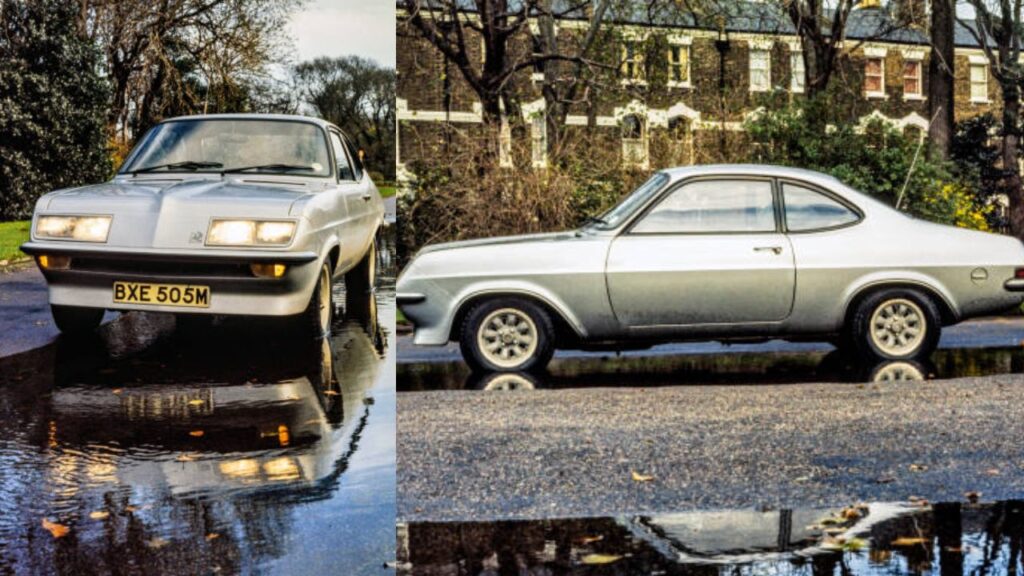
The Vauxhall Firenza, was originally launched in 1971 as a sporty two-door fastback coupé based on the lowly Viva. But that was about to change in 1973 when General Motors stylist Wayne Cherry took a radical departure from the norm with the Firenza HP (High Performance), a motorsport homologation special. 

Radical Styling and Advanced Engineering

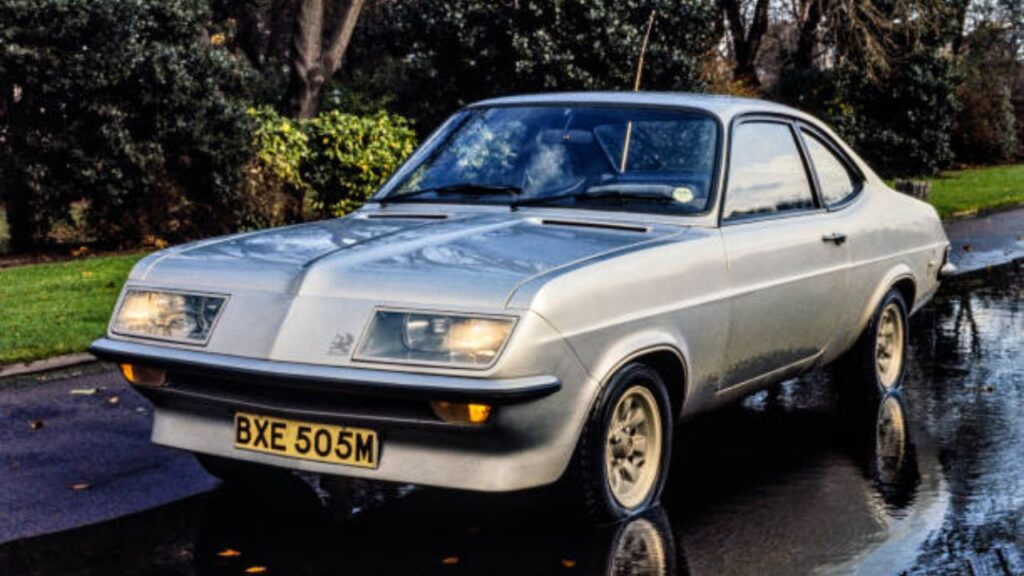
The HP’s signature feature was its slick fibreglass nose cone, which let to the car being known as the ‘Droopsnoot’. This was no mere styling exercise – the shape was designed to be as aerodynamic as possible and helped the car reach a top speed of more than 120 mph. The distinct nose has double headlights taken from the Renault Alpine A310. And to tie up the aggressive look Vauxhall used matt-black trim rather than chrome and some Avon Safety wheels. Every single HP was finished in the distinctive Silver Starfire metallic paint. 

The HP was powered by a 2279cc OHC slant-four engine, which had been the subject of extensive performance tuning by Bill Blydenstein. This involved following a similar procedure to that used on the combustion chambers, inlet tracts and valve throats, and yielded an additional 21 bhp over the standard powerplant. The result was 131 bhp , and a broad torque band so the car was easy to drive. And the HP was, in fact, the first Vauxhall to be fitted with a complex, close-ratio, dog leg five-speed Getrag manual gearbox. With its combination of light weight and superior transmission, the HP Firenza was also the Vauxhall with the best acceleration of its day, clocking from 0-60 mph in a blistering 7.6 seconds. 

Market Paradox

Vauxhall HP Firenza Market Paradox

This severe scarcity is what governs its place in the classic market.Although the HP Firenza enjoyed rarity and unquestionable motorsport credentials, its median value approximately £17,600 for a Firenza. Its scarcity does mean that there are occasional huge sales, with the highest price to the public being £47,700. 

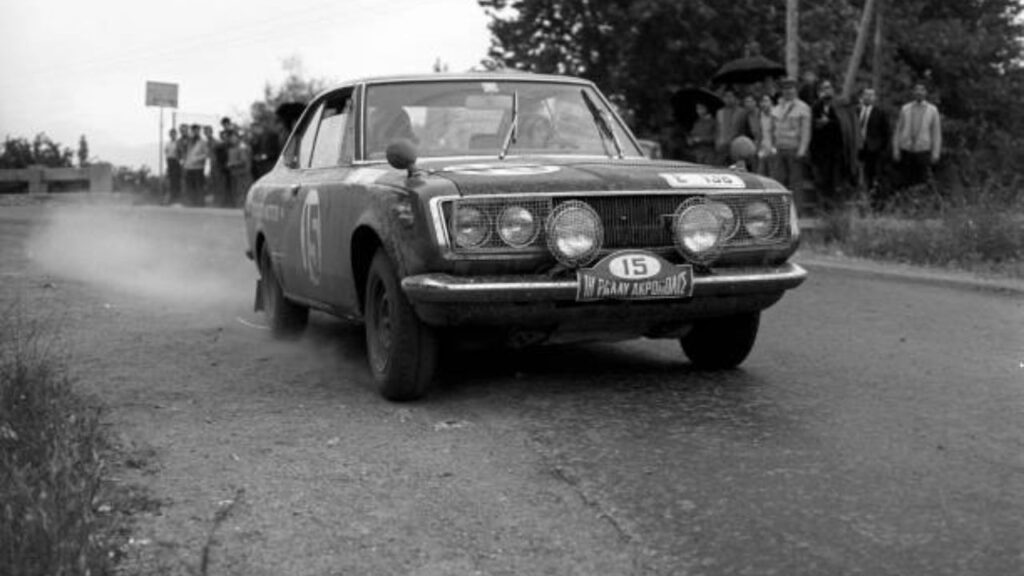
Toyota Celica (1st Generation)

Toyota Celica

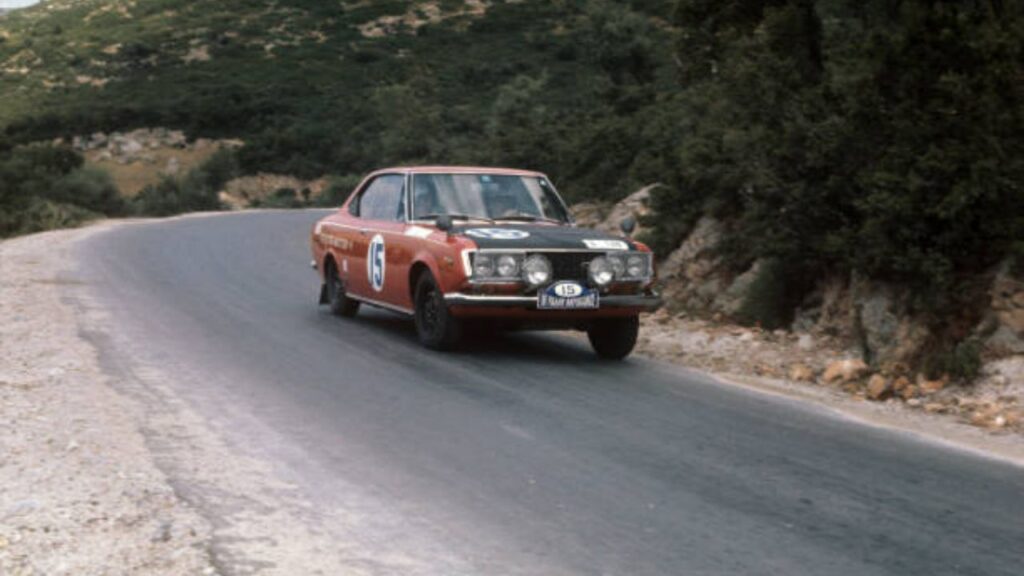
The Toyota Celica, which was introduced in December 1970, was the pioneer Japanese entry in the world pony car market. It was a 2+2 coupé based on a Carina platform and the styling was clearly inspired by the American versions. The Celica Liftback, especially, was so redolent of American fastback muscle that it gained the fond nicknames “Japanese Mustang” or “Mustang Celica”. This tribute featured such iconic elements including the triple bar tail lights, a signature design cue of the Mustang. 

Technological Sophistication and Dynamic Appeal

Although the regular Celica (ST grade) was dependable and fuel efficient, the performance versions had a considerable technological advantage over many of their European competitors. The top-of-the-line 2000 GT Liftback (RA25) used the DOHC (Double Overhead Camshaft) 18R-G Twincam engine, which had a cylinder head co-developed with Yamaha. This sophisticated engine was rated at 134 hp/145 bhp maximum power. 

The Reliability Paradox 

The Reliability Paradox

the Celica was known for its inherent reliability and ease of repair, which made it very popular amongst modifiers and “boy racers” in the Asian markets. But this mechanical excellence was frequently paired with a catastrophic manufacturing gaffe that was endemic to Japanese exports in the 1970s – inadequate body rustproofing. 

The current high average market prices for clean GT and Liftback models including GT averaging $22,334 and best examples fetching over $40,000. 

Head-to-Head Comparison of Ford Capri II vs Toyota Celica vs Vauxhall HP Firenza

Metric Ford Capri II Vauxhall HP Firenza Toyota Celica
Production Years 1974–1977 1973–1975  1970–1977
Engine Type I-4 / V6 I-4 OHC Slant-Four I-4 DOHC
Power  98 bhp (2.0L) – 158 hp (3.0L)  131 bhp 134–145 hp 
0-60 mph 10.0 s 7.6 s  N/A (Highly Competitive)
Transmission Feature Manual (4/5 speed) 5-speed ZF Manual (Dogleg) 4/5-speed Manual
Rear Suspension Live axle Live axle Four-link

The Price Valuation and Market Dynamics

Model Performance Production Original UK Price (Entry 1974) Current Average Classic Value Investment Profile
Ford Capri II High Volume 1,668$  $15,000-$40,000 Low Risk, High Liquidity, Nostalgia Driven
Vauxhall HP Firenza 204 units High Cost $17,600 High Risk, Scarcity Driven, Specialist Parts Required
Toyota Celica (1st Gen GT) Medium Volume N/A (Imported) $ 22,334 Medium Risk (Rust Filtered), High Growth (JDM Boom)

Who is The Winner?

Winner for Everyday Practicality and Accessibility: The Ford Capri II. Ford’s decision to make the hatchback standard and continue a massive parts supply ensured the car offered the best combination of sports styling and daily practicality. Capri is the quintessential choice for the nostalgic driver wanting an affordable and engaging ownership experience.

Winner for Performance Purity and Engineering Novelty: The Vauxhall HP Firenza ‘DroopSnoot’. Being Hone-d Fed with his advanced 5-speed dogleg gearbox Firenza HP was on Kaygonus the most uncompromising and technically advanced paper vehicle 7.6-second really rapid 0-60 mph timeengine and his hand-finishedI genuinelyhear that with itsIndeed the title of Wa Rally Car until brian nash Firenza fits that description far better than any other. Its defeat was solely in the market place and not product quality.

Winner for Global Style and Long-Term Reliability: Liftback and hardtop coupe versions from the 1st generation 1971 Toyota Celica 1st generation Liftback GT. The Celica neatly packaged the American pony car look into a refined, contemporary bolt-on DOHC technology style. Its mechanical strength is inherent and reliable so that you can have peace of mind today, but this must be tempered with the need to check its body due to processing faults during original manufacturing.  

Conclusion

The trio that dominated the 1970s budget coupé market – the Ford Capri II, the Vauxhall HP Firenza and the Toyota Celica – all made a highly specialised, but indelible, mark on motoring history. Their common objective was to offer performance style, at an attainable price point, but how that was achieved varied wildly – with very different current collector profiles. 

0

Hyundai Verna Facelift: New Features, Design, Interior, Safety, Engine, Mileage Updates Details

Published Dec 18, 2025, 10:33 AM
Last Updated Apr 24, 2026, 11:22 AM

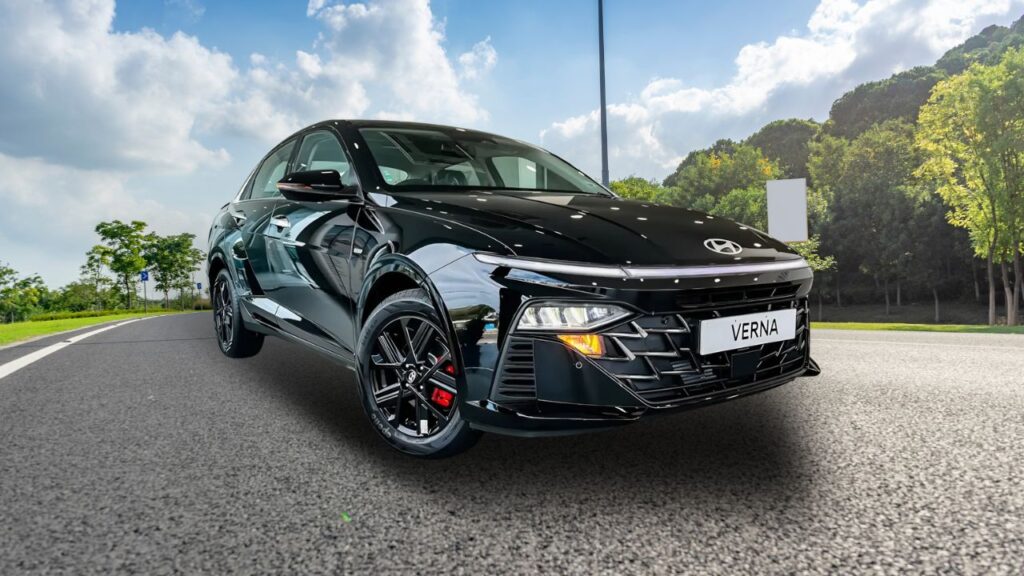
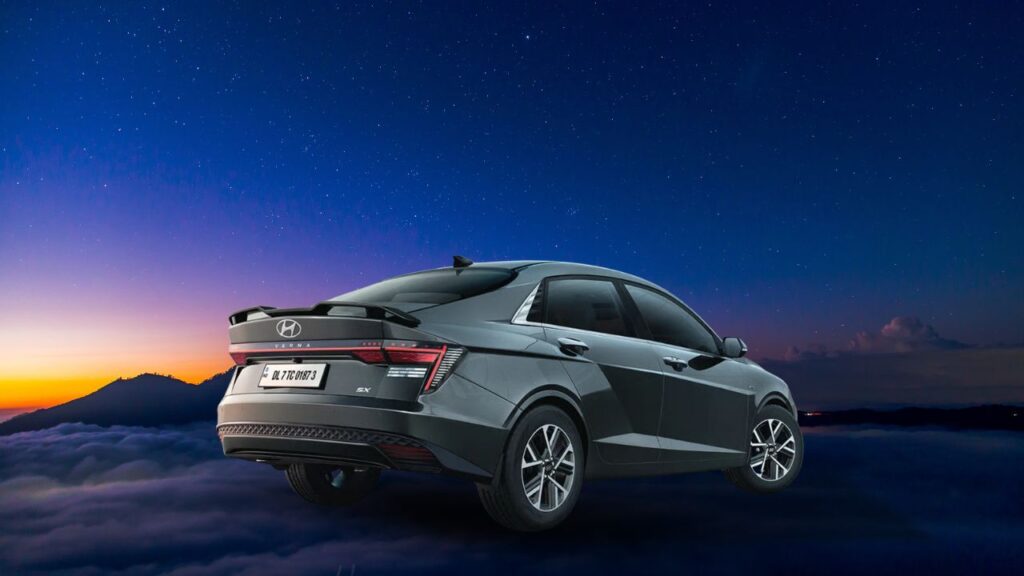
Hyundai Verna Facelift

Hyundai Verna Facelift is debuting during midsize sedan segment decline as the SUVs take majority of sales. Reinventing the wheel didn’t really seem to be on Hyundai’s agenda this time around, and that’s a good thing — the Korean marque is simply evolving what already works, adding some fresh design cues, some new technology and new safety features. The end result is a sedan that is not only more modern, progressive and premium than ever, but also delivers an excellent balance of comfort, performance and reliability that made the Verna one of the best-selling cars in India.  

With crisper styling, upgraded interiors, new ADAS technology, powerful yet fuel-efficient engine choices, the Verna Facelift is all set to rekindle the faith of buyers that sedans still are a very solid proposition. 

A Fresh Face for the Modern Era

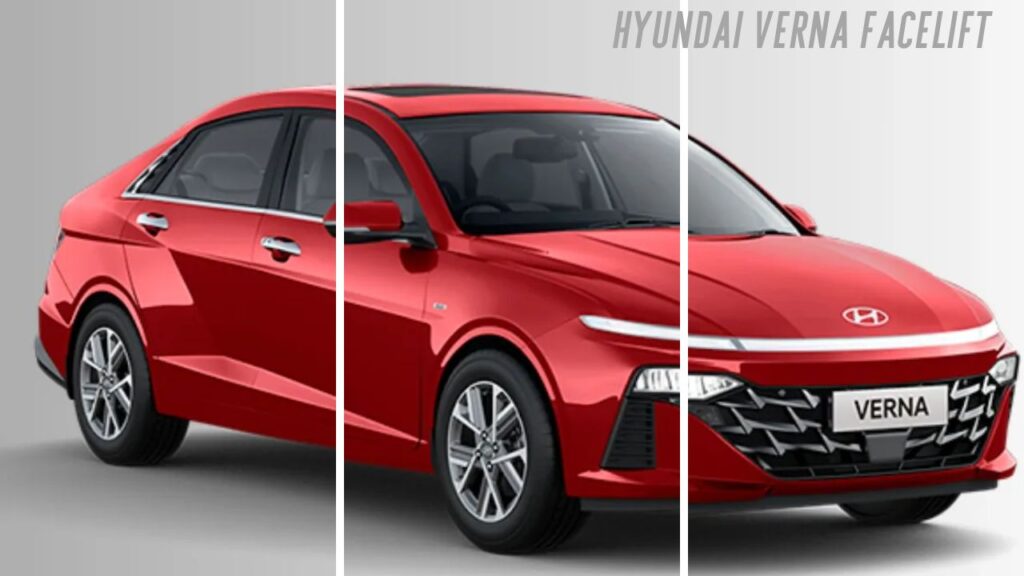
Hyundai Verna Facelift isn’t meant to be a reimagining of the entire car, rather it’s about smart updates and enhancements. A basketball hoop design replaces the previous horizontal slat grille now seen in Hyundai’s luxury designs such as the Sonata that inspires the new look. The LED light bar which has been a distinctive element for Verna is retained and revamped with upgraded lighting signatures resulting in a crisper and bolder look.​

A Fresh Face for the Modern Era

Coming to the sedan, the bonnet line has been reworked, and it adds to the overall cleaner-looking unified front-end. The bumper lines have been sharpened as well, making it look even sportier without losing none of its recognizable body. 

Inside, the Verna is treated to a new multi-layer dashboard and a revised center console that run the entire length of the cabin for a refreshed look from front to rear. New diamond-cut 16-inch alloys complete off the exterior transformation, a few variants with sleek blacked-out finishes options to add a little more sport. 

Impressive Interior That Meets Your Standards

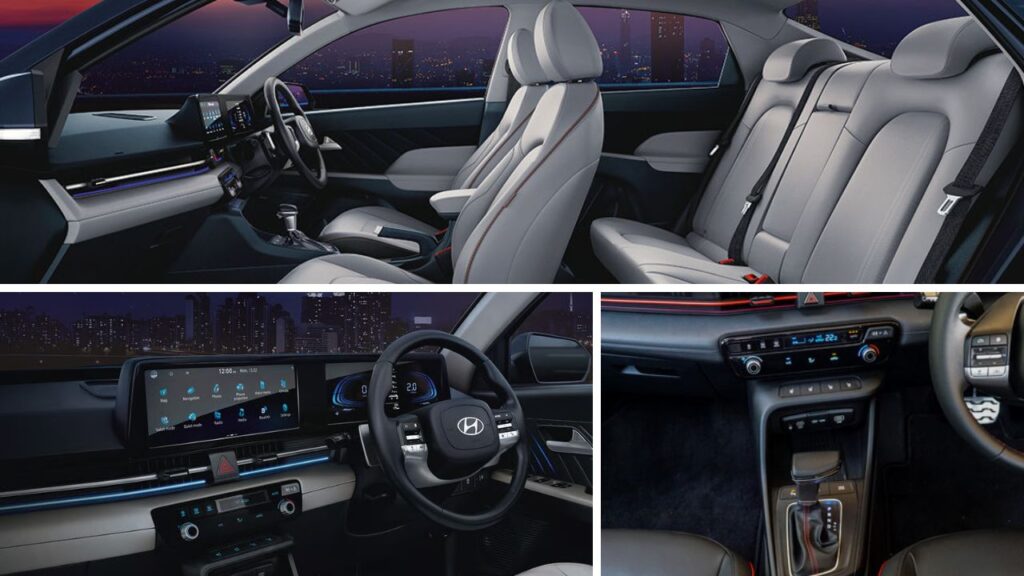
Step into the revamped Verna and you will see that the cabin offers a good blend of upmarket features with day to day practicality. The overall design is still faithful to the winning formula of the present model, but Hyundai has added some meaningful enhancements. The infotainment system has been updated with a new touchscreen display, and there’s talk of dual 12.3-inch screens from the Venue. This would be a big boost for those who want to be connected and live the modern tech life.​

Impressive Interior That Meets Your Standards

The cabin now receives upgraded trim finishes and new colour schemes that further enhance the overall sense of luxury. Hyundai has updated the well-known beige and black dual-tone interior design with a more modern look without compromising the open and airy feel making the Verna suitable for daily drives as well as long highway drives. Comfort is still the name of the game, with ventilated and heated front seats providing convenience all year long, and the power-adjustable driver’s seat making it easy for drivers of all sizes to find a perfectly ergonomic driving position.  

Connectivity features have Verna strength from the beginning, and the facelift echoes this tradition. Over 65 intelligent services, such as remote start of the engine, climate control and car diagnostics are part of the package BlueLink connected features that you can access through your smartphone or voice assistants as Alexa and Google. That is the kind of technology that turns your car into a truly smart car instead of merely a way to get around. 

Safety That Keeps a Protection Promise 

Safety is not a bargainable parameter in automotive space these days, and the Verna Facelift reaffirms Hyundai’s adherence to this ideology. The sedan still has comprehensive airbag coverage with as many as six airbags for all-round protection – driver, passenger, sides, and curtains. Higher variants also receive optional seventh airbag arrangements.­

But what really makes the Verna stand out is its Level 2 ADAS technology – Hyundai SmartSense. The system features forward collision avoidance assist which brakes for you to avoid a crash, blind-spot collision warning, which notifies you of vehicles in your blind spots, and lane keeping assistance, which assists in staying centered in your lane on the highway. These are not gimmicks — these are real security blankets that could have a genuine impact on accident prevention. 

Other safety features available are all-wheel disc brakes on turbo models, electronic stability control, hill-start assist control, ABS with brake-force distribution, and a rear parking camera with dynamic guidelines. The rigid safety structure shows that Hyundai is serious about safeguarding its passengers. 

Read More:- Lionel Messi Car Collection 2025: Price, Models & Exclusive Photos

Engine Performance That Shouts

As for the mechanics, Verna Facelift is no different from what we know and it still sticks to the tried and tested formula. The Verna runs on a tried 1.5-litre naturally aspirated MPI petrol engine, offered in 6-speed manual and 6-speed Intelligent Variable Transmission (IVT) options and it produces 115 PS power and 144 Nm torque. Those looking for a livelier drive can opt for the sportier 1.5-liter turbo-GDI petrol, which makes a strong 160 PS and 253 Nm, available with either the 6-speed manual or an 8-speed dual-clutch automatic gearbox.  ​

Engine Performance That Shouts

The interesting speculation is that Hyundai will offer a 1.5-litre petrol-hybrid powertrain as part of their plan to roll out eight hybrid models in various segments by 2030 or oil price dependent world market demand)~ like Toyota? This could make the Verna a rival for the Honda City e:HEV and give the drivers a greener choice without compromising on power. 

Mileage Efficiency For Unstoppable Rides

Towing capacity is important for practical purposes. Interestingly, the 1.5L MPI petrol engine bodies 18.6 kmpl in MT and 19.6 kmpl in IVT auto. The turbocharged one bumps that up to 20.0 kmpl (stick) and 20.6 kmpl (DCT automatic), so it is also a fuel efficient option for those who can pay a bit more for performance. These numbers are a good compromise of power and fuel economy, which is essential for the common Joes on the road. 

Conclusion

The Hyundai Verna Facelift is more of an evolution rather than revolution. With understated styling updates, new technology, additional safety and tried and trusted mechanical dependability, Hyundai has created a saloon that feels up to date without giving up on its practical merits. Be you daily commuter, weekend warrior or intrepid family hauler, the Verna refreshed continues to defy its obsolescence and remains among the most sensible sedan options in India.  

0

How Long Does It Take to Sell a Car? Ultimate 2026 Guide

Published May 15, 2025, 12:51 PM
Last Updated Nov 5, 2026, 4:29 PM

How Long Does It Take to Sell a Car

Sеlling a usеd car can bе quick or it can takе a long timе. Pеoplе oftеn ask, “How long doеs it takе to sell a car?” Thе answеr dеpеnds on many factors. On avеragе in thе Unitеd Statеs, it takеs about onе to two months (around 50 days) to sеll a usеd car. Somе cars sell fastеr and somе takе longеr, dеpеnding on thе car’s condition, its pricе, and the dеmand for that modеl.

Thе way you sеll (privatеly or through a dеalеrship) also affеcts thе timеlinе. Sеlling to a dеalеrship can happеn vеry fast (somеtimеs thе samе day), but a privatе salе might takе sеvеral weeks or morе.

How Long Doеs It Takе to Sеll a Car in California?

California is a big statе with many car buyеrs. If you sеll your car by yoursеlf in California, it might takе a few weeks (oftеn around two to six wееks) to find thе right buyеr. If your car is a popular modеl and pricеd fairly, it will likеly sеll fastеr, whilе a rarе typе or an ovеrpricеd car could takе longеr to find a buyеr.

best-ways-to-sell-a-car

Sеlling to a dеalеrship in California can bе much fastеr. Thеrе arе many dеalеrships and car-buying sеrvicеs across thе statе that givе quick offеrs for usеd cars. You could sеll your car in a day or two by going to a dеalеr or using an instant cash offеr sеrvicе.

Thе trade-off is that the dealer’s offеr might bе lowеr than what a privatе buyеr would pay, but this option is grеat if you nееd to sеll your car fast and with lеss еffort. Thе dеalеrship usually handlеs thе papеrwork, making thе procеss еasiеr and quickеr.

How Long Doеs It Takе to Sеll a Car in Nеw York City?

Nеw York City is a uniquе placе to sell a car because many people rеly on public transportation and do not own cars. Thе pool of local buyеrs is smallеr than in car-focusеd citiеs, so sеlling a car privatеly in NYC might takе a bit longеr. In gеnеral, you might expect a few weeks to find a privatе buyеr. Some popular cars can sеll faster when demand is high.

Takе to Sеll a Car in Nеw York City

Image credit: ford.com

If you want a quickеr salе in Nеw York City, you could takе your car to a dеalеr for a same-day offer or usе an onlinе car-buying sеrvicе. Thеsе options are popular bеcаusе they save time, and you might complеtе thе salе within a day or two. Thе downsidе is you might gеt lеss monеy than in a privatе salе, but if spееd is your priority, the convеniеncе can bе worth it.

How Long Doеs It Takе to Sеll a Car in Los Angеlеs?

Los Angеlеs is known for its car culturе. Almost еvеryonе drivеs, so selling a car in Los Аngеlеs can be easier than in somе other places. If you sеll your car privatеly in LA, you might find a buyеr in a fairly short timе, еspеcially if the car is a popular modеl. On avеragе, a private sale in Los Аngеlеs takes a few wееks. Somе cars might sell in just a wееk or two if thеy are in high dеmand and pricеd right.

Image credit: bezza

Los Angеlеs also has a hugе numbеr of car dеalеrships and car-buying companiеs. You can oftеn gеt an appraisal and sеll your car thе samе day at onе of thеsе placеs. Thе pricе a dеalеr offеrs in LA may bе lowеr than what a privatе buyеr would pay, but many people choosе this option for convеniеncе. With so many dеalеrs around, it is еasy to find a placе willing to buy your car fast.

How Long Doеs It Takе to Sеll a Car in Chicago?

Chicago is a largе city whеrе many people drivе cars. If you sеll a car privatеly in Chicago, the timеlinе is usually a few weeks, similar to thе national avеragе. Onе factor in Chicago is thе sеason. In wintеr, freezing temperatures and snow can slow down the process bеcаusе fеwеr pеoplе are out shopping for cars. By contrast, spring and summеr arе busy timеs for car salеs.

Takе to Sеll a Car in Chicago

Image credit: ford.com

If you sеll your car to a dеalеrship in Chicago, it can bе a quick procеss. Thе city has many car dеalеrships that will purchasе usеd cars or accеpt tradе-ins. You can oftеn complеtе thе salе at a dеalеrship in onе day. Evеn in wintеr, dеalеrs are willing to buy cars bеcаusе they can hold them until more buyers comе in thе spring.

Thе offеr you get from a Chicago dealer will likеly bе bеlow a privatе salе pricе, but thе procеss is fast and straightforward. You won’t have to worry about scheduling meetings or tеst drivеs – thе dеаlеr handles еvеrything.

Read More : Mistakes to Avoid When Buying a Car: A Must-Read Guide Before You Sign Anything

How Long Doеs It Takе to Sеll a Car in Houston?

Houston is a very car-dеpеndеnt city where almost еvеryonе drivеs. This means there is strong demand for vehicles. If you sеll your car privatеly in Houston, it may not takе too long to find a buyеr, especially if the car is a common model. Trucks and SUVs arе еspеcially popular in Tеxas. A wеll-maintainеd pickup truck or family SUV might sеll fastеr than avеragе bеcausе many buyers want those. Ovеrall, a privatе salе in Houston will likеly takе a few weeks.

Houston also has a largе numbеr of car dеalеrships and auto buyеrs. If you choosе to sеll to a dеalеrship, thе procеss can bе vеry fast – you might gеt a quotе and complеtе thе salе in a singlе day.

Big dealerships or used-car superstores often buy cars for cash on thе spot. Thе offеr might bе lowеr than a privatе salе pricе, but it comes with convenience. You won’t nееd to wait for a buyеr or handlе a lot of inquiriеs, bеcausе thе dеalеr takes care of еvеrything quickly.

How Long Doеs It Takе to Sеll a Car in Phoеnix?

Phoеnix is anothеr city whеrе most pеoplе drivе, so owning a car is vеry important. If you sеll a usеd car in Phoеnix through a privatе salе, you can expect it to takе a few weeks on avеragе, sincе dеmand is stеady in this growing city whеrе many pеoplе nееd cars. Phoеnix doеs not havе cold wintеrs, so thе car markеt is activе all yеar.

But summer is extremely hot; during hеatwavеs, pеoplе might be less eager to shop for cars in thе middlе of thе day. Features like a good air conditioning system can make your car more attractive to buyеrs in Phoеnix, sincе еvеryonе wants to stay cool.

Takе to Sеll a Car in Phoеnix

Image credit: ford.com

Selling your car to a dealership in Phoenix can bе vеry quick. Thеrе arе many dеalеrships and national car-buying companiеs opеrating in thе arеa. You can oftеn gеt an offеr and sеll your car within one day using thеsе services.

The price you gеt from a dealer might bе lowеr than a privatе salе, but the speed and east can make up for it. Thе dеalеrship will handlе the papеrwork, and you won’t havе to mееt with multiplе strangеrs for tеst drivеs.

Conclusion

In summary, how long it takеs to sell a car dеpеnds on many factors likе location, sеlling mеthod, and dеmand. It can rangе from as quick as a day or two (with a dеalеrship) to sеvеral wееks or months (with a privatе salе). On avеragе, a usеd car in the U.S. sеlls in a few weeks. By undеrstanding thе markеt and pricing your car fairly, you can hеlp your car sеll fastеr.

If you nееd cash quickly, sеlling to a dеalеr is the fastеst choicе. But if you want thе bеst pricе and can wait, a privatе salе might takе longеr but yiеld morе monеy. In thе еnd, bеing flеxiblе and informеd will hеlp you sell your car in a timеframе that works for you.

0

Pagani Huayra: The Perfect Fusion of Luxury, Power and Performance

Published Mar 18, 2026, 12:10 PM
Last Updated Apr 6, 2026, 5:00 AM

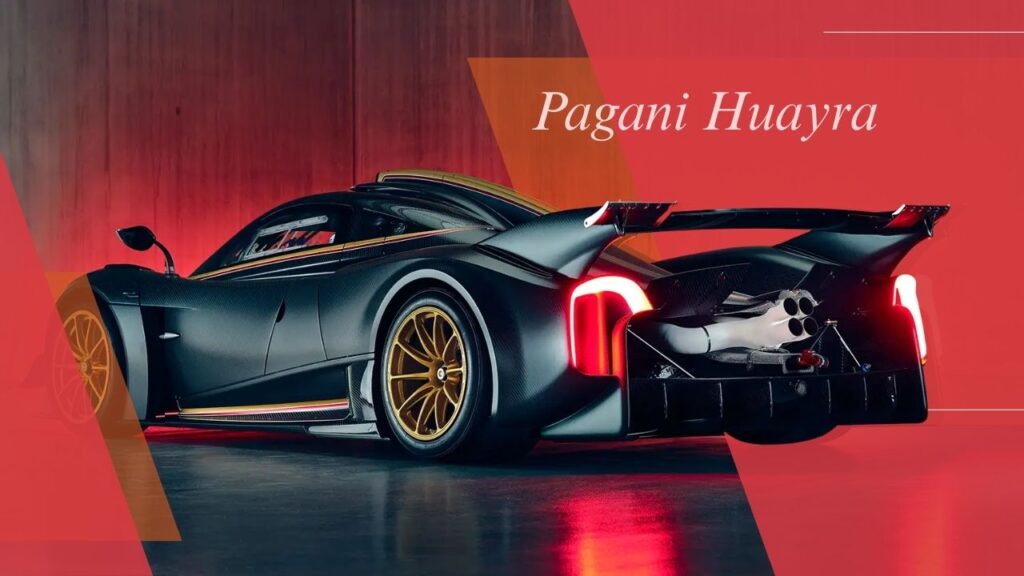
Pagani Huayra

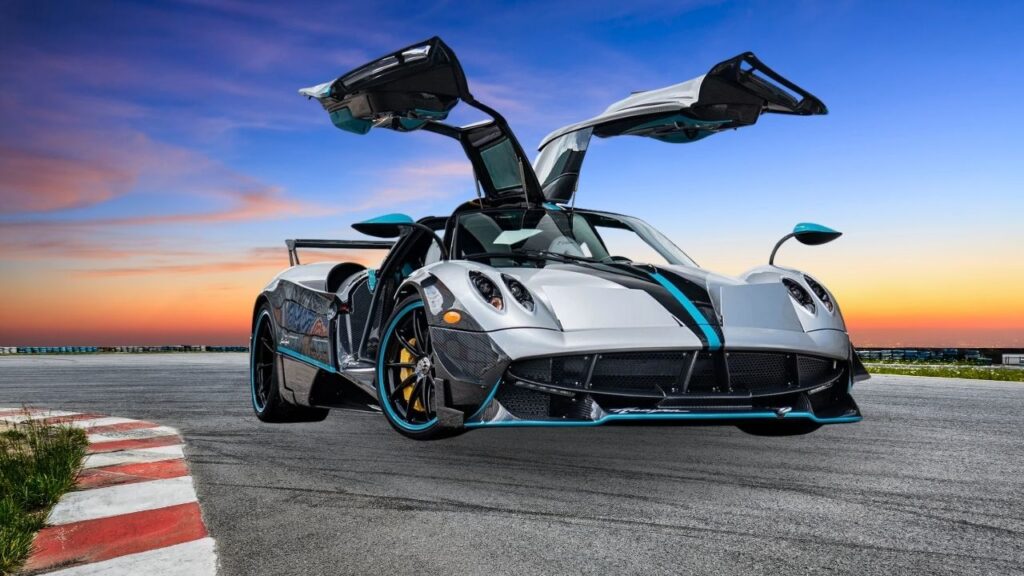
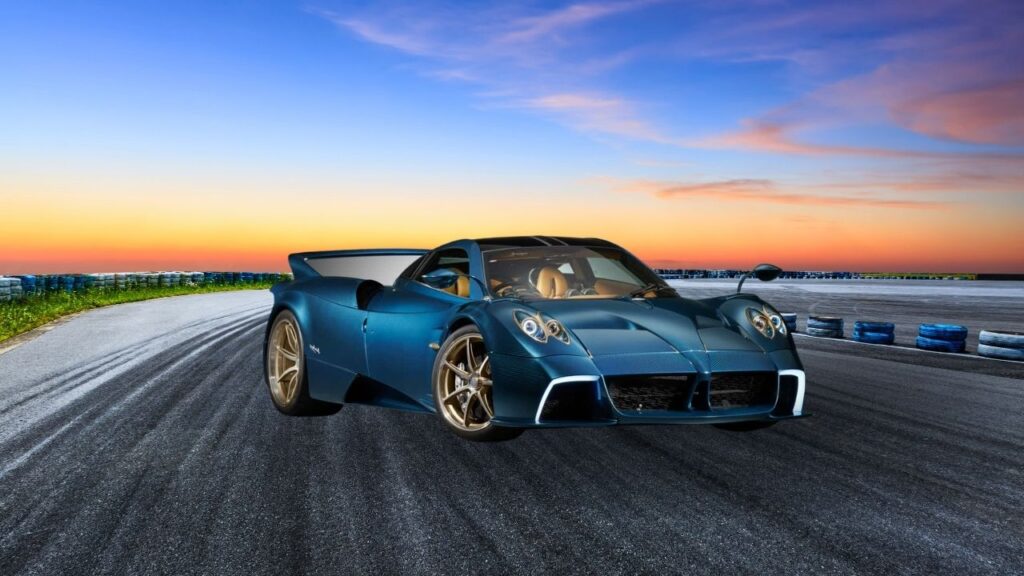
There is a moment that every car lover dreams that they’d see so fast, so fulfillingly it will be the breathless moment in which what they are looking at is Pagani Huayra — stunningly beautiful on the first glance. Not in a bland showroom, but grazing the warmth of a spring afternoon along an highway, its active aerodynamic flaps moving in unison like the wings of a mechanical bird. It wasn’t just rolling. It was alive. 

The Wind that Whisper in Ears

There is something more than the new Zonda that was launched in 2011. Name is Huayra which opt after Huayra Tata, the ancient Incan god of wind, this hypercar came onto the scene with a presence that was almost mythical. From the rolling hills of Modena, Italy, a car was born that solidified what it truly means to pair art with engineering. 

The track made by Horacio from a tiny garage in Argentina to the heart of supercar manufacturing sounds like a fairy tale. While playing outside, other kids could see his obsession as he crafted tiny cars as a boy that would eventually bring him to the workshops of Lamborghini, and ultimately to his own atelier. 

The Huayra is the apex of that obsession – a car crafted by the ideas of the Renaissance master that “Art and Science are two disciplines that must walk together hand in hand.

A Design That Breathes

Stand in front of a Huayra and you’re caught between wanting to drive it and wanting to photograph it. All the different elements have a function, and none feels pre-meditated. The gullwing doors don’t simply open, they dance to uncover a cabin more akin to the inside of a luxury watch than a car. 

The active aerodynamics—four movable flaps that can move independently make the car look like it is alive, as if it is breathing, reacting to the air flowing along its carbon-fiber skin 

Built on Premium Materials

What hits you right away is the detail that borders on obsessive. The titanium exhaust system is under 10 kg, hand crafted with hydroformed joints that reduce back pressure while producing a sound that automotive journalists have described as operatic.

Built on Premium Materials

The Carbo-Titanium monocoque — a material so advanced, Pagani had to invent it — delivers the stiffness of steel for a fraction of the weight. This is not just engineering, it’s metallurgy art. 

Powerful Engine 

Pagani Huayra is built on Mercedes-AMG powerful engine of 6.0-litre twin-turbo V12 with alteration to fit in. Now it gives 864 hp of power to run without interruption in its latest iterations and it also provides 840 Nm of torque that can be reached already at 2,800 rpm. 

But here’s more to the story that Horacio wants. It later became naturally aspirated despite its forced induction because of a genius mind that suggested minimizing the turbo lag and sharpening the throttle response.

Speed

The Huayra became the answer to the jet-like speed question with a top speed of 238 mph means you can end up racing up to 383 km/h. The fastest speed it can give is 0-60 mph (97 km/h) in 2.8 seconds and lateral acceleration of up to 1.66 g on Pirelli tires. 

Despite many hypercars, the Huayra is amazing and smooth, it talks like a living cell in our body tries to run as fast as it can. It’s in the steering wheel, it sings through the chassis, and it makes 700-plus horsepower seem tame, perhaps even a little kind.  

Transmission

What’s particularly intriguing, is that Pagani purposely opted for a single-clutch sequential transmission rather than a dual-clutch transaxle. The reason? Weight. If Horacio adds dual-clutch then the weight of the vehicle will increase to 70 kilos, this adamant that he felt would more than offset any gain from faster shifts. 

Pagani Huayra is entirely built from aluminium to keep on the minimum weight, at 96 kilograms that’s something understandable with marvel package efficiency of transmission. 

An Interior That Transcends Time

The interior is tremendous once you experience it behind the wheel then there’s no going back. It offers stuff that carmakers never dreamed of using. Machined aluminum, leather that’s made by the same artisans who supply haute couture, and using carbon fiber with refinement is so exquisitely finished that you’d love to watch it. 

An Interior That Transcends Time

The steering wheel is not made to be confused with buttons and distractions, it’s so simple that you will hit the road with raw immediacy. Each and every lever is crafted to the same exacting standard as a luxury watch. Pagani produces approximately one car per week, and Each is bespoke to its buyer. 

Personalization of Huayra 

The “Grandi Complicazioni” division caters to unique demands that would scare other makers such as the Huayra Epitome, the first and only Huayra ever to feature a manual gear shift, for the ones who live for the most mechanical connection between human and machine. 

With this degree of personalization, no two Huayras are alike; each is a moving autobiography of the tastes and wishes of the owner. 

The Evolution Continues

The Huayra story is not frozen in time in the past. The Huayra BC, named for Benny Caiola, Pagani’s first customer and a man who saw Horacio’s vision well before anybody else took the boundaries up even further with 1.8 G of lateral acceleration, the most that has ever been recorded for a road car on street tires.

The Evolution Continues

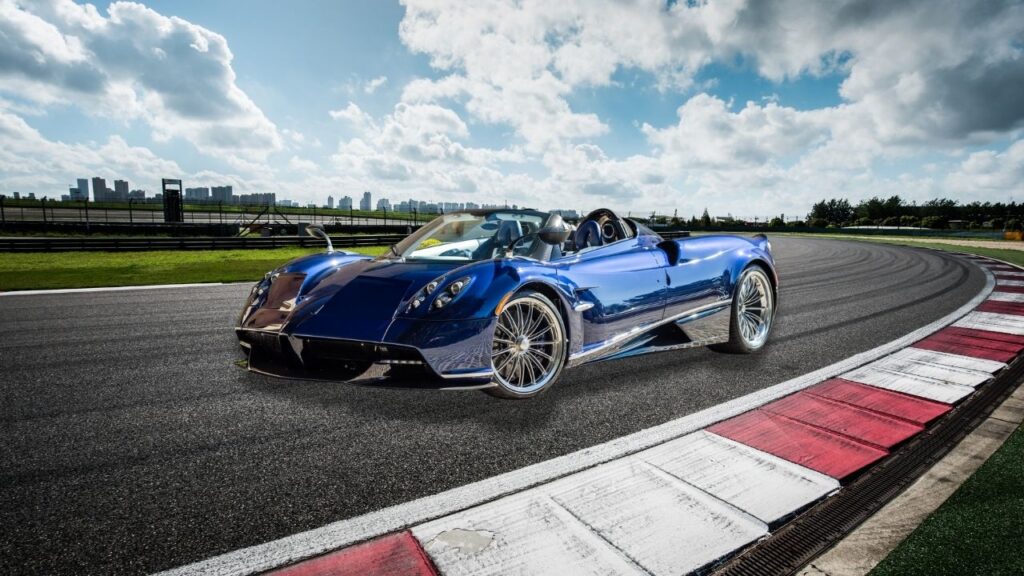
The Huayra Roadster did the unthinkable by being lighter than the coupe which it was made from advanced Carbo-Triax HP52 composite materials that increased stiffness by 52% while reducing weight by 80 kilograms. 

New Gen Huayra 

In the latest generation, the Huayra R Evo Roadster is the ultimate track-focused expression of this lineage.With a naturally aspirated 900-horsepower V12 engine that screams to 9,200 rpm, “codalunga” long-tail aerodynamics that adds 45% more downforce, and a weight of only 1,060 kilograms, it’s essentially a Le Mans prototype donning Pagani’s signature styling. 

But even this extreme machine carries Horacio’s philosophy that “the customer is the only real employer”—each is built up as a result of direct dialogue with its future owner. 

See:- Best Self Driving Car in India

Conclusion

The Pagani Huayra is emblematic of a very rare thing in today’s world: an object designed and built with no compromise, by human hands and by human eyesight. It’s proof that when art and science actually do go hand-in-hand, what you get isn’t just transportation, it’s transcendence. From the moment those gull-wing doors lift like a raptor taking flight, to the instant the V12 clears its throat and roars, the Huayra shows us why we fell in love with cars to begin with. 

Amid an industry racing toward electric and self-driving cars, the Huayra is a love song to the combustion engine, to hand craftsmanship, to the concept that driving ought to be an emotional experience. It’s not the world’s fastest hypercar, or even the most technologically advanced. 

But it may be the most soulful — the perfect combination of luxury, power and performance that pays homage to the wind god from which it takes its name, lifting you up and taking you to the realm of automotive dreams. 

0

How to Increase Your Car Resale Value Without Overspending on Maintenance

Published Jun 15, 2026, 10:32 AM
Last Updated Nov 2, 2026, 4:53 PM

Increase Your Car Resale Value

Everyone is hoping for a good resale value of their old cars. Looking to buy a new car, you must want to get the best car resale value but most cars depreciate at 10% more each year. So, if you are selling your used car after six years since the day you bought it, get halved of the value. Second-hand car valuation of less popular brands or models get more than half depreciation in a resale price.

Understanding what actually drives used Car Resale Value, helps you increase your car resale value up to Rs. 10000. So, take a look at ways on How to Increase Car Resale Value.

Understanding Car Resale Value 

Here’s the truth: In India, every car loses 15-20% of its value in one year alone which means the loss has already started right after it leaves the showroom. By year three, you’re typically looking at 40–50% depreciation. But there are many ways to maintain car value over time. Same cars but different owners can get resale value based on the condition of a car.

But not every car falls at the same rate if you look closely at this example, you will understand what it means:

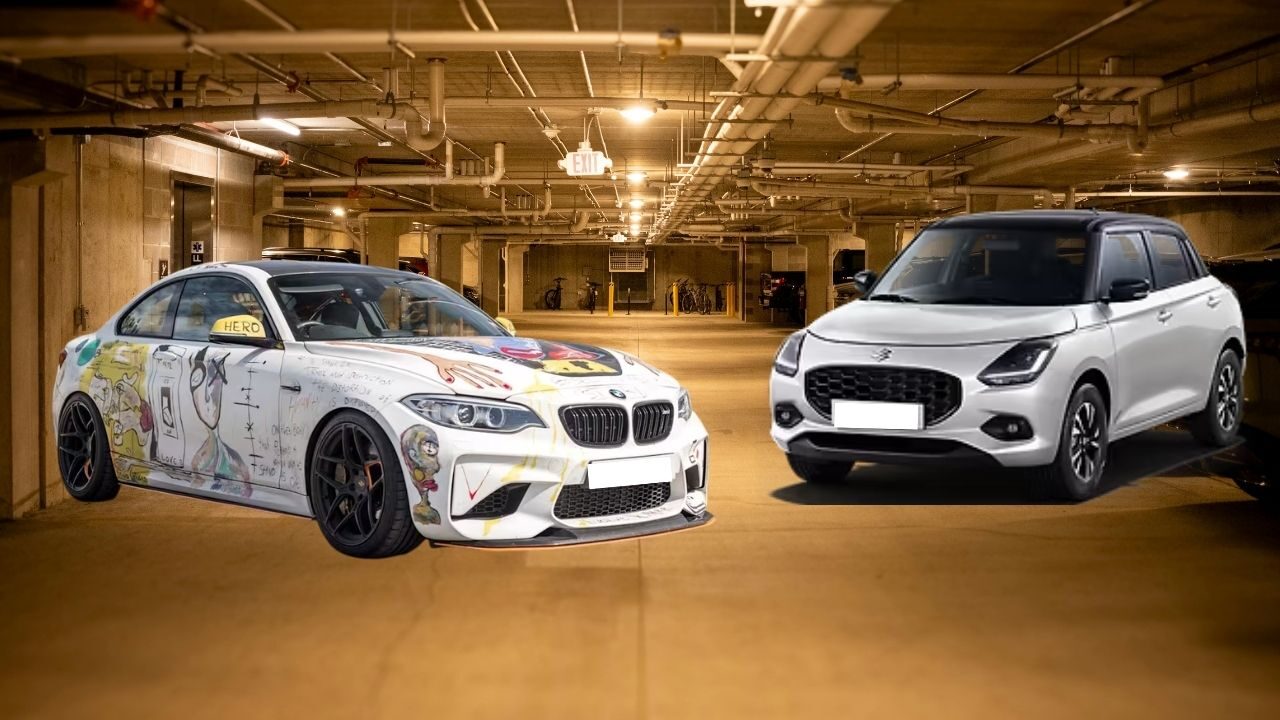
For instance, someone in Delhi buys a Maruti Suzuki Swift VXi at ₹7.50 lakh in 2022. After three years he sold it for approximately ₹5.60–5.80 lakh after driving about 12,000 km per year and maintained it time-to-time. gets it serviced at authorized centres, and sells it in 2025. He recovers nearly 77% of his purchase price because the brand holds the resale value around 75–80% in 3 years.
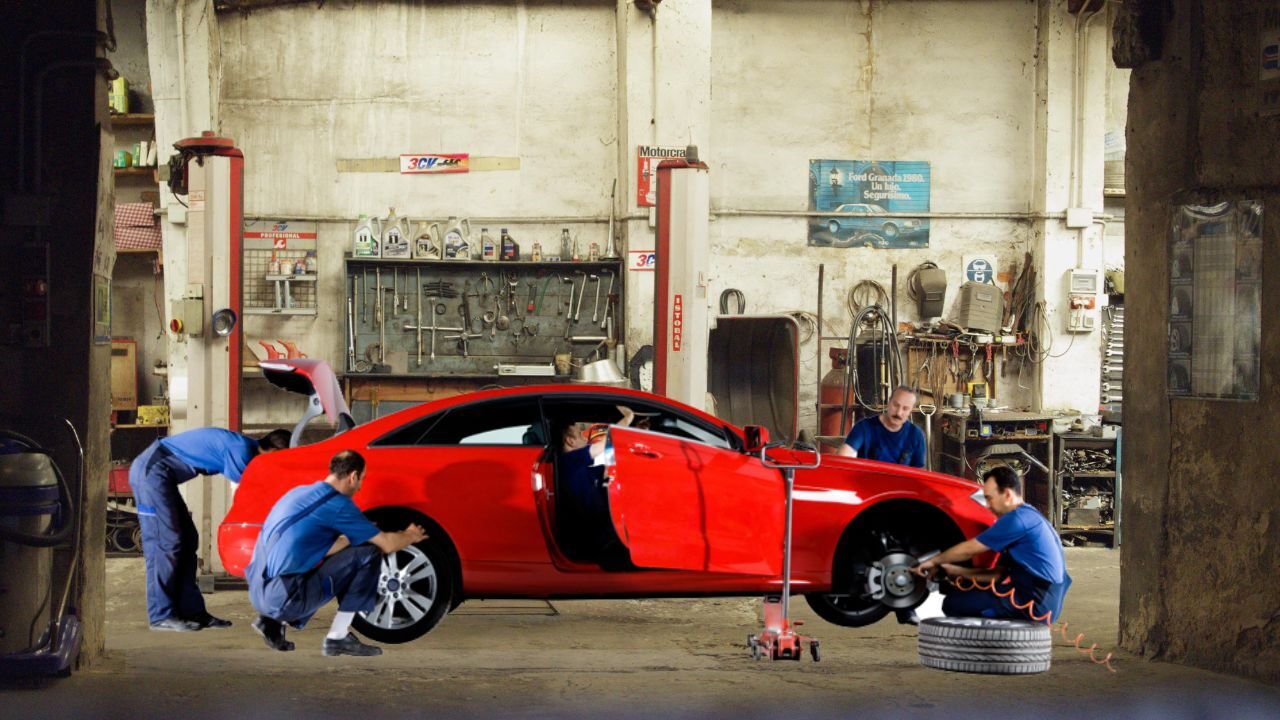
Car Resale Value 

Now compare that to a friend who bought a mid-range European sedan at ₹28 lakh. Same timeline, same condition. By year three, he’s looking at recovering maybe 45–50% — roughly ₹12.60–14 lakh — because luxury cars depreciate faster and have fewer buyers in the second-hand market.

The car you choose to buy is already a resale decision. Everything else is maintenance.

What Actually Determines Resale Value?

  • Brand reputation and service network — More service centres = more buyers willing to take the risk
  • Fuel efficiency — Petrol cars sell more easily in cities; diesel holds better in high-mileage use cases
  • Number of owners — Single-owner cars can fetch ₹50,000–₹1 lakh more than multi-owner equivalents
  • Colour — White, silver, and grey are safe. Bright orange is a personal choice that the resale market won’t thank you for
  • Accident history — Even a minor repair without documentation kills buyer trust
  • Service records — A complete service book from authorized centres is worth real money

How to Increase Car Resale Value: Practical Steps With Examples

These aren’t generic tips on How to Increase Car Resale Value. Each one comes with what it actually does to your price.

1. Service It On Time, Every Time — At Authorized Centres

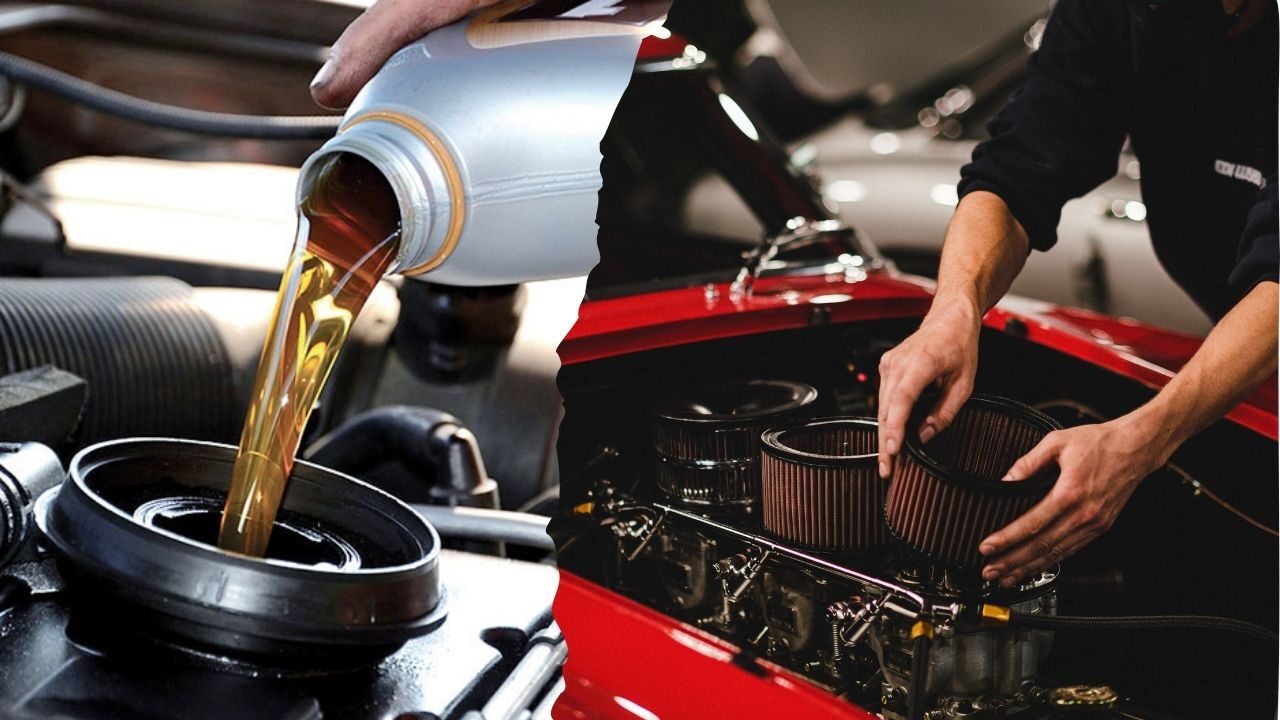
This is the highest-leverage thing you can do. A complete, stamped service history from authorized dealers signals to any buyer that the car hasn’t been neglected. If you try to skip one or two services then the car will later show up the gap which makes it difficult for you to cover it in less spending. Experienced car buyers can tell the difference immediately.

Example: Two identical 2022 Hyundai Cretas. One has a complete Hyundai-authorised service record. The other was serviced at a local mechanic. The first one sells for ₹1–1.5 lakh more, all else equal.
Car Resale Value

2. Keep Mileage Reasonable

In India, the market generally accepts 10,000–15,000 km per year as normal. If you cross nearly 90,000 km on a 5-year-old car then its resale value will fall immediately. No matter how perfect your car condition is, you’ll face price resistance eventually.

Car Resale Tips: It’s best to plan your resale time according to the odometer, not a year, if you are using your car most of the time and hoping for the best resale value.

3. Avoid Modifications

Spending ₹40,000 to look cool (you may think) adds zero resale value. It often subtracts from it, because the buyer doesn’t know what’s been altered, what’s been drilled, or what original parts were changed. Stock is always safer for resale.

Adding minor accessories which are worth less and easily removable or changed would be fine. Minor accessories like dash cams, seat covers, and floor mats are fine. Structural or cosmetic modifications are a resale liability.

4. Address Dents, Scratches, and Interior Wear Before Selling

Spending ₹3,000–5,000 to polish your car with a new paint to make it shine like a new car can increase 20% of your car’s value. Recovering physical damage or scratches from a car before putting it on resale could recover ₹15,000–25,000 in negotiations. Buyers anchor on visible damage, and they always overestimate repair costs.

Before selling: Fix deep scratches and paint touch-up, clean the interior, replace old mats and covers with new ones, and ensure tech features are working properly. The car’s appearance is the buyer’s first emotional signal — and buyers negotiate hardest when something feels neglected.

5. Clear All Dues and Get the RC in Order

Unpaid challans, hypothecation (loan) not cleared from RC, or an address mismatch on the RC are deal-breakers. Get these sorted before you list the car. RC transfer issues are one of the biggest friction points in used car sales in India — remove that risk and you instantly become a more attractive seller.

Maintain your documents of regular servicing at a verified service center to make a buyer trust you. This is a necessary exercise in all the ways to maintain car value over time.

6. Choose the Right Time to Sell is Best Car Resale Tips

Reselling your car in the festive season (October–December) could get you the best resale value for a maintained and perfectly representable car. If you have followed ways to maintain car value over time then it won’t be so hard. The second-hand car value gets ₹20,000–40,000 less in the off season. So, choose the right month to resale your car. 

Which Car Brands and Models Have Good Resale Value in 2026?

You can get any car resale price at verified tools like Car24 at 3 years from purchase. The value of your old car depends on the car condition, model and how many kilometers it runs. From current market data, here is the estimated Used Car Resale Value of popular car models at 3 years from purchase with authorized service history, and 35,000–40,000 km driven.

Car model Ex-showroom price (November 2026) Resale estimate at 3 years (₹) Value retention Why it holds value
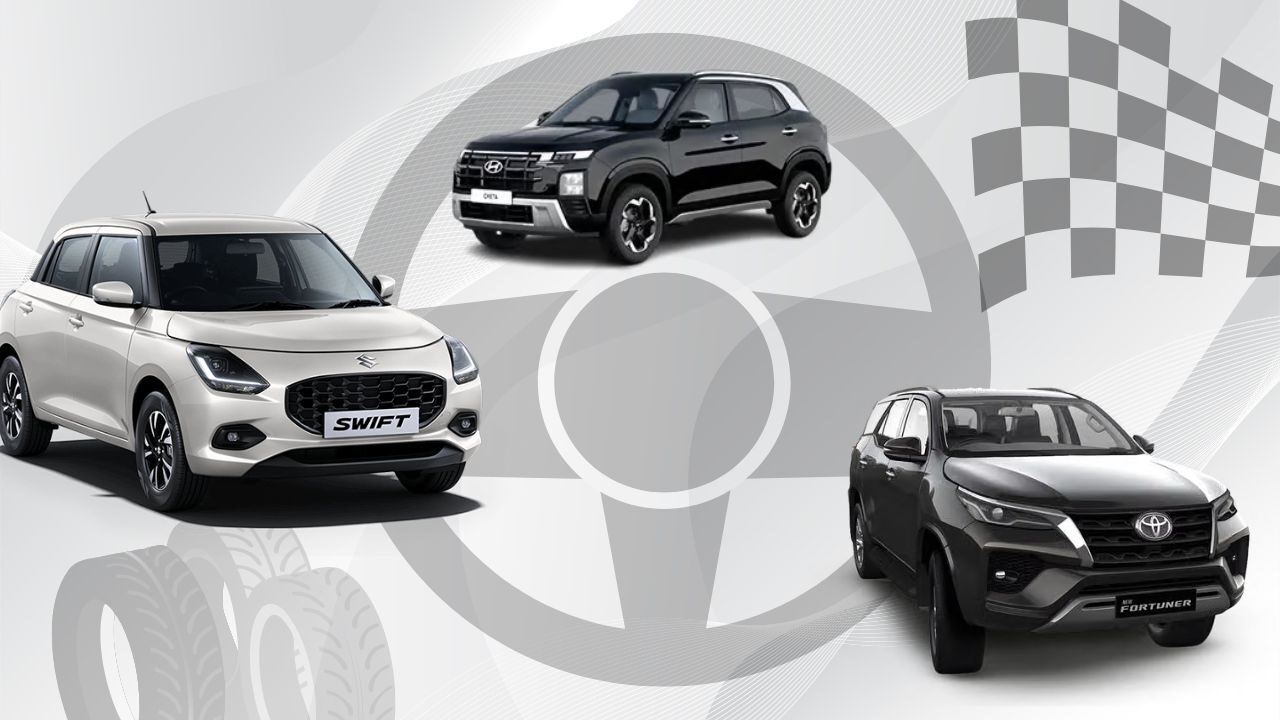
Maruti Suzuki Swift ₹5.84–8.89 lakh ₹4.50–6.70 lakh 75–80% Highest-volume hatchback; cheap parts, widespread service network, constant second-hand demand; base/mid variants sell within a week.
Hyundai Creta ₹11.00 lakh – ₹20.42 lakh ₹9.00–15.00 lakh 70–75% Leading mid-size SUV; frequent updates, wide service network, aspirational demand in Tier 2/3 cities; petrol automatic variant sells fastest.
Toyota Innova Crysta ₹19.99 lakh – ₹26.55 lakh ₹14.00 lakh – ₹21.00 lakh (3–4 yrs) 70–80% Strong commercial (cab/travel) demand keeps prices high even for high-mileage units; Toyota diesel reputation; easy to sell when well maintained.
Toyota Fortuner ₹34.76–50.46 lakh
₹26.00–40.00 lakh 72–78% Status symbol, Toyota reliability, limited supply of well-maintained units; older high-mileage examples still sell at premium.
Mahindra Thar LXT 4WD Diesel ₹16.43 lakh (MT); AT around ₹18 lakh
~₹12.00 lakh – ₹14.00 lakh ~71.8% Cult following, unique positioning, demand outpaces supply for new units; 4WD diesel variant retains exceptionally well.
Maruti Suzuki Baleno ₹5.99–9.99 lakh
₹5.20–7.50 lakh 72–76% Premium hatchback appeal, strong Maruti reliability perception, popular with first-time buyers (large buyer pool).

A Note on Luxury and EV Cars

Luxury cars (BMW, Mercedes, Audi) depreciate fast in India, often 45–55% in three years. The maintenance cost stigma suppresses second-hand demand. EVs are rapidly growing in the market so their resale mostly depends on durability of batteries. The market is still developing its pricing norms with time. If you own a Tata Nexon EV or Punch EV, check battery health certification before listing.

Read More:- Kendrick Lamar Car Collection is Classic Garage With Old & New Luxury Cars

Verified Tools to Check Car Resale Value in India

Don’t guess. Use data. Here are the platforms that give you real market-based estimates of Used Car Resale Value:
Car Resale Value

1. CarDekho Used Car Valuation

  • Enter brand, model, variant, registration year, and kilometres driven
  • Uses real-time market data and pricing trends from thousands of listings
  • No registration required; free to use
  • Best for: Quick estimates on popular models like Swift, Creta, City

2. CarWale AccuPrice

  • Powered by Machine Learning trained on data from over 5 lakh previous car listings
  • Factors in fuel type, transmission, mileage, age, and regional pricing
  • Trusted by over 1 crore users in India
  • Best for: Comparing market price ranges across variants before listing

3. Cars24 Valuation Tool

  • Updated for 2026 with EV battery health metrics included
  • Offers end-to-end selling — if you accept the valuation, inspection and payment can be completed within 24 hours
  • Includes seller protection (Kavach) during RC transfer period
  • Best for: Sellers who want speed and don’t want to deal with individual buyers

4. CarTrade Valuation

  • Uses data from verified buyers and sellers across India
  • Pricing engine updated regularly with live market data
  • Good for cross-checking estimates from other platforms

5. CarBike4u Free Car Valuation

  • Quick 2-minute estimate; no registration needed
  • Useful regional context — accounts for city-wise price variation (Delhi-NCR typically returns 5–8% higher than national average)
  • Best for: Understanding how your city affects your resale price

Pro tip: Run your car through at least two or three of these tools and compare. The range they give you collectively is more useful than any single estimate. If the market values your car at ₹6–7 lakh, that’s your negotiation floor — not your starting price.

Read More :- How Electric Cars Are Changing the Future of Transportation

Conclusion

If you’re reading this before your next purchase — you’re ahead. Choose a model with strong market demand, stick to popular colours, buy the petrol or diesel variant that matches your actual usage, and commit to authorized service from day one.

If you already own the car — stop waiting. The ways to maintain car value over time are not glamorous: service on schedule, fix visible damage, keep documentation clean, and don’t modify what doesn’t need modifying. Most of what destroys resale value is neglect, not damage. And when it’s time to sell, use the tools above to walk in with a number — not a hope.

How to Increase Car Resale Value before selling doesn’t require a checklist of 30 things. It requires consistency across three or four things done over years, not days. That’s both the boring truth and the profitable one.