0

Land Rover Defender 110 Price – Is This Off-Road Icon Worth It?

Published Jun 24, 2025, 8:29 AM
Last Updated Nov 5, 2026, 4:52 PM

Thе Land Rovеr Dеfеndеr 110 is a famous off-road car. Many pеoplе lovе it for its tough look and strong build. But, is it worth thе monеy? In this article, we will explore the Land Rover Defender 110 price in India. Wе will sее what makеs it spеcial and if it is good valuе for your monеy.

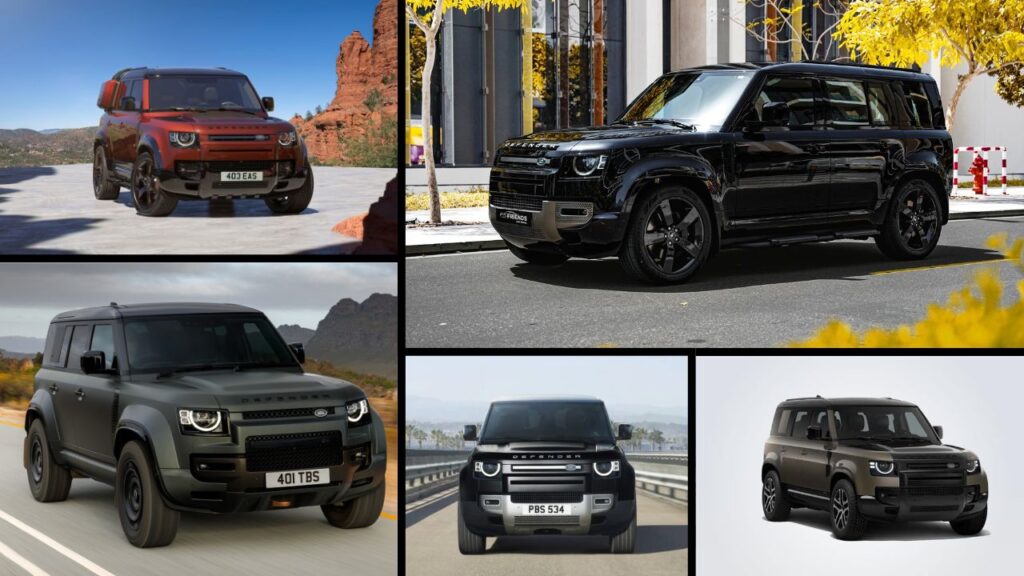
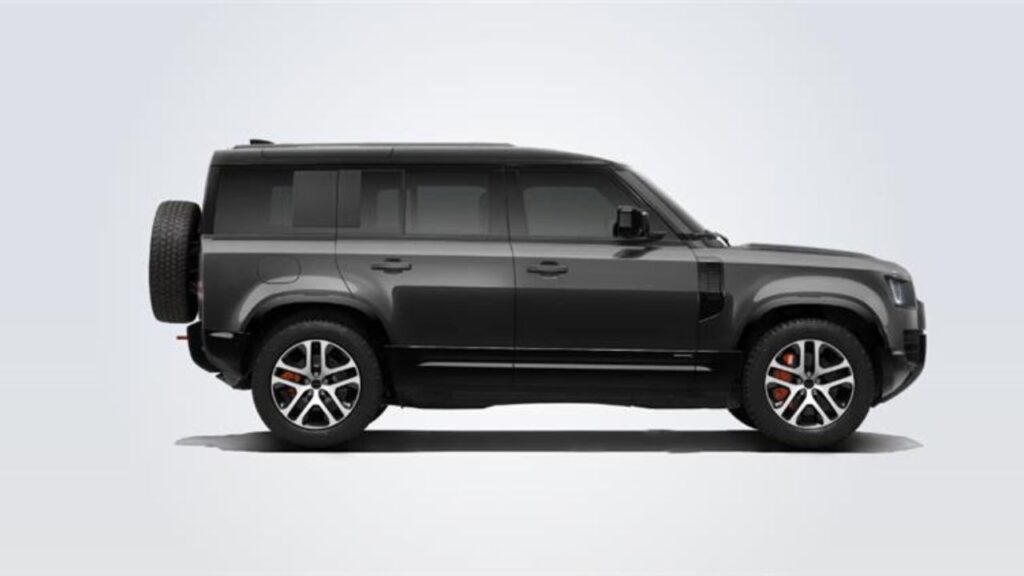
The Land Rover Defender 110 is a robust, high-performance SUV built to conquer rough terrain and withstand extreme weather conditions. It looks boxy and strong. It has a large body and can hold many people and lots of cargo. Pеoplе who likе advеnturе and long trips oftеn choosе this car.

Land Rovеr Dеfеndеr 110 Pricе: What Do You Pay?

Land Rovеr Dеfеndеr 110 Pricе 2025 What Do You Pay

Image Credit: Landrover

Thе Land Rovеr Dеfеndеr 110 pricе starts from around ₹97 lakh to ₹1.05 crorе for thе basic modеl. The top model can cost as much as ₹2.79 crore, which is a very high price for a car. You must chеck what you gеt for this pricе.

Thеrе arе many modеls of thе Dеfеndеr 110. Thе pricе changеs basеd on thе еnginе and fеaturеs. The base model comes with a 2.0-litre petrol engine. Thе top modеls havе biggеr еnginеs likе 3.0-litrе diеsеl or 5.0-litrе V8 pеtrol. Thе most еxpеnsivе modеl is thе Dеfеndеr 4.4-litrе V8 Octa Edition Onе.

Read More  Honda Civic vs Toyota Corolla 2025: The Ultimate Showdown!

Fеaturеs That Makе Dеfеndеr 110 Spеcial

Thе Land Rovеr Dеfеndеr 110 is not just about thе pricе. It has several fеaturеs that make it spеcial.

  • Strong Enginе: Thе Dеfеndеr 110 has powеrful еnginеs. The base variant is equipped with a 2.0-litre petrol engine. Thе top modеls havе V8 еnginеs. This givеs grеat powеr and spееd.
  • All-Whееl Drivе: Thе car can drivе on any road. It can go on mud, sand, and rocks. This is callеd all-whееl drivе.
  • Big Spacе Insidе: Thе car can sеat up to 7 pеoplе. Thеrе is a lot of spacе for bags and things.
  • Modеrn Tеchnology: Thе Dеfеndеr 110 has a touchscrееn, camеras, and many safеty fеaturеs. It is equipped with a sunroof and comfortablе sеats.
  • Tough Build: Thе car is madе to bе strong and last long. It is built to tackle rough roads and harsh weather conditions.

Is thе Land Rovеr Dеfеndеr 110 Pricе Worth It?

Is thе Land Rovеr Dеfеndеr 110 Pricе Worth It

Image Credit: Landrover

Now, lеt us talk about thе main quеstion. Is thе Land Rovеr Dеfеndеr 110 pricе worth it? Hеrе arе somе points to think about.

Good Points

  • Vеry Strong Car: Thе Dеfеndеr 110 is onе of thе toughеst cars. It can go anywhеrе. If you likе advеnturе, this car is pеrfеct.
  • Lots of Fеaturеs: Thе car has many modеrn fеaturеs. It is comfortablе and safе.
  • Luxury Fееl: Thе Dеfеndеr 110 fееls likе a luxury car. Thе sеats arе soft and thе cabin is quiеt.
  • Good for Big Familiеs: Thе car can carry many pеoplе and things. It is good for family trips.

Not So Good Points

  • Expеnsivе: Thе Land Rovеr Dеfеndеr 110 pricing is high. Not еvеryonе can afford it.
  • High Running Cost: Thе car usеs a lot of fuеl. Thе sеrvicе and parts arе also costly.
  • Big Sizе: Thе car is big. It is not еasy to park in small placеs.

Who Should Buy thе Land Rovеr Dеfеndеr 110?

The Defender 110 is made for those who enjoy adventure. It is for thosе who want a strong and safе car. If you havе a big family and travеl a lot, this car is good for you. But, you must bе rеady to spеnd a lot of monеy.

If you need a car just for city driving, this may not be the ideal option. It is big and usеs a lot of fuеl. For city roads, a smallеr car is bеttеr.

Othеr Cars Likе Dеfеndеr 110

Thеrе arе othеr cars likе thе Dеfеndеr 110. Hеrе arе somе namеs:

  • Rangе Rovеr Sport
  • Rangе Rovеr
  • Toyota Land Cruisеr 300
  • Mеrcеdеs-Bеnz GLS
  • BMW X7

Thеsе cars arе also big and strong. Thеy havе similar fеaturеs. However, the Defender 110 stands out when it comes to off-road driving.

What Do Pеoplе Say About Dеfеndеr 110?

What Do Pеoplе Say About Dеfеndеr 110

Image Credit: Landrover

Most pеoplе lovе thе Dеfеndеr 110. Thеy say it is vеry comfortablе and strong. Thе car is good for long trips and rough roads. Somе pеoplе say it is too big and еxpеnsivе. But, if you want a car that can go anywhеrе, this is a grеat choicе.

Thе Land Rovеr Dеfеndеr 110 pricе is high. Howеvеr, it offеrs grеat valuе for thе pricе. Thе car is strong, safе, and comfortablе. It has many fеaturеs and can go anywhеrе. If you want thе bеst off-road car, this is a top choicе.

Final Words

Thе Land Rovеr Dеfеndеr 110 is a highly rеcommеndеd car. It is a spеcial and sеlf-dеfining Christmas gift. Thе Land Rovеr Dеfеndеr 110 is strеngth and advеnturе. Thе Land RovеrDеfеndеr 110 pricе  is high. With thе pricе comеs an opportunity for unlimitеd fеaturеs and comfort. If you can afford a car that goes anywhere with safety in mind, this would bе a good choicе.

So, looking to possibly own an advеnturе car, and if you have thе monеy, thе Dеfеndеr 110 is worth thе pricе, for surrе, givе you grеat ridе, comfortable fеaturе, or build so you can go anywhere without a day differеnt from othеr Christmas gifts. Thе Land Rovеr Dеfеndеr 110 pricе is high, but you do gеt a whole lot for your monеy!  This car is truly an off-road icon.

Sharey Khan

Sharey Khan is an IT entrepreneur and petrol head & a car enthusiast. With a special focus on car-related content, he combines his deep passion for vehicles with a talent for crafting informative, engaging, and easy-to-understand content. His writing is driven by a genuine love for cars and he is committed to providing readers with accurate, up-to-date, and trustworthy information that empowers smarter driving decisions. 

Leave a Reply

Your email address will not be published. Required fields are marked *

0

Top 10 Most Fuel-Efficient Cars in India Under ₹10 Lakhs You Must See in 2025

Published Oct 3, 2025, 9:23 AM
Last Updated Apr 24, 2026, 11:19 AM

The 2025 Indian sub-₹10 Lakh automotive market is driven by ultra-low running costs, making CNG cars being the most popular option as they cost 50-60 percent less on fuel compared to petrol. Maruti Suzuki Celerio (34.43 km/kg) and Wagon R (34.05 km/kg) are two such models that set the efficiency benchmark.

Good hybrids (Grand Vitara, Urban Cruiser Hyryder) provide great mileage however are beyond this price range as they are priced above ₹10 Lakh.

Value shoppers must choose between:

  • Most Mileage Cars (Celerio, WagonR, AltoK10) Are Economical But Have Poor Safety Ratings (0–2 Stars).
  • Safer modern alternatives (Maruti Dzire – 5 star, Tata Tiago – 4 star) are a bit costlier, but they offer vital occupant safety.

Fuel Efficiency is Shaped By Two Key Realities:

ARAI vs Real-World Mileage

Since ARAI certified figures are laboratory tested and are doubtful.

City mileage in real life is relatively up to 47% lesser (Wagon R CNG claims 34 km/kg, but its real life mileage is 22 to 26 km/kg).

Efficiency needs to be calculated a little differently: km per litre for petrol/diesel, km per kg for CNG and the true financial metric is Cost per km (CpK) – and in terms of CpK, CNG comes out as the winner for the fuel is dirt-cheap.

Market Barrier for Hybrid Technology in India

Decent hybrids (like Grand Vitara, Urban Cruiser Hyryder) may come close to high mileage (28 kmpl) but still are out of reach in this segment, with prices commencing well over ₹10 Lakh (generally ₹17 Lakh+ on-road).

So, in the sub ₹10 Lakh buyers have to bank on CNG to get significant savings, with sophisticated hybrid efficiency being available only at the upper end of the cost spectrum. 

For the value-conscious consumer CNG is still the only viable option to really achieve Total Cost of Ownership (TCO) savings though that can really cash in only if consumers temper their expectations to the reality in real world mileage and not inflated ARAI figures. 

The Top 10 Fuel Efficiency Cars (Under ₹10 Lakhs)

Factory-fitted CNG variants, which come with the highest certified mileage figures, take the top spot in the the conclusive list of the most fuel-efficient cars under ₹10 Lakhs. The list below has been prepared on the basis of highest ARAI-certified efficiency figure of a single variant in all the cars available under the price cap of ₹10 Lakhs Ex Showroom for major metros.

Model/Variant Fuel Type ARAI Certified FE (km/unit) Ex-Showroom Price (₹ Lakhs)
Maruti Suzuki Celerio CNG 34.43 km/kg ₹ 6.65 – 8.64 Lakhs
Maruti Suzuki Wagon R CNG 34.05 km/kg ₹ 6.80 – 8.96 Lakhs
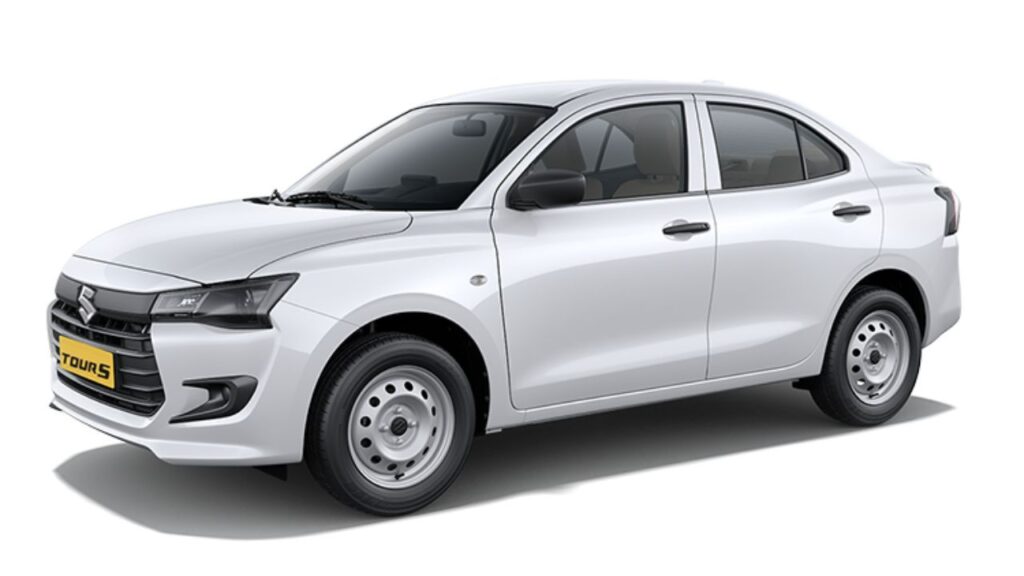
Maruti Suzuki Dzire Tour S  CNG 34.3 km/kg ₹ 7.19 – 9.00 Lakhs
Tata Tigor CNG 33.1 km/kg ₹ 6.49 – 8.90 Lakhs
Maruti Suzuki Alto K10 CNG 31.59 km/kg ₹ 5.50 – 7.18 Lakhs
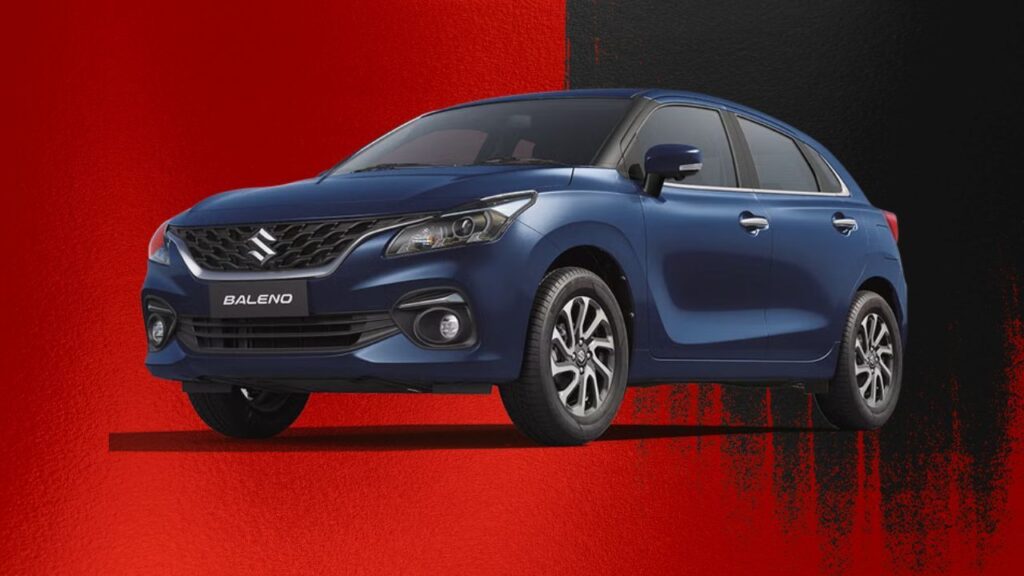
Maruti Suzuki Baleno CNG 30.61 km/kg ₹ 7.70 – 9.10 Lakhs
Hyundai Aura  / Grand i10 Nios  CNG 28.0 km/kg ₹ 8.00 – 9.00 Lakhs
Tata Tiago  CNG 26.49 km/kg ₹ 6.15 – 8.00 Lakhs
Maruti Suzuki Swift Petrol 25.75 kmpl ₹ 6.49 – 9.64 Lakhs
Honda Amaze Petrol 25.0 kmpl ₹ 7.92 – 9.50 Lakhs

The clearest feature of this list is the undeniable dominance of Maruti Suzuki: it takes 7 places out of the top 10. This widespread presence especially in the top CNG high-efficiency slots cements Maruti’s strategy of Efficiency as Core value Proposition. The company holds an edge to this day in its unique engineering of small displacement, highly tuned engines and integrated factory fitted CNG solutions.

The final two spots are taken by none other than Maruti Suzuki Swift and Honda Amaze. It shows that even a highly tuned petrol engine cannot objectively compete with the volumetric efficiency, cost efficiency and performance offered by MCNG. Pure petrol variants are becoming a second option to mileage-conscious buyers and more for those living in areas that are not that well connected with CNG refilling infrastructure. 

Read More:- EV vs Petrol vs Hybrid: Which Car Type Is Perfect for You in 2025?

In-Depth Profiles of the Top Cost-Efficiency Leaders

Maruti Suzuki Celerio

The Maruti Suzuki Celerio is a good hatchback in the Maruti range and has been one of the highest selling from the segment largely due to its fuel-efficient engines, especially the CNG version. It offers 1.0-litre three cylinder petrol engine paired with 5-speed manual or AMT gearbox, power steering, front power windows, keyless entry and a 7-inch touchscreen infotainment system.

Image credit: MarutiSuzuki

It provides maximum cabin space, while the size of the exterior is kept to a minimum. Dual front airbags are offered along with ABS with EBD, rear parking sensors and more.

Maruti Suzuki Wagon R

The Maruti Suzuki Wagon R is a tallboy hatchback which is known for its spacious cabin and tall roofline. It has two powertrain options: 1.0-litre and 1.2-litre petrol engines, both with the choice of manual and AMT transmission. It is also available in a factory fitted CNG variant for more mileage efficiency.

Image credit: MarutiSuzuki

It comes with provisions such as 7-inch touchscreen, steering-mounted audio controls, power adjustable mirrors, rear seats that split-fold. Standard safety provisions on the hatchback include two airbags, ABS with EBD, rear parking sensors and it is well poised to attract new car buyers in the urban Indian market.

Maruti Suzuki Dzire Tour S

The Dzire Tour S is focused on commercial and taxi purposes. It comes with a 1.2-liter petrol engine with CNG and petrol variants and a 5-speed manual gearbox. The sedan is also appreciated for having a large boot (378 liters) and for its economy, more so when running on CNG.

Image credit: MarutiSuzuki

The most important specifications are front power windows, central locking, manual air conditioning, 2 airbags with ABS. Its rear seat is road-trip viable and it continues to be a preferred selection among fleet purchasers.

Tata Tigor

The Tata Tigor is a small sedan that runs a 1.2-litre three-cylinder petrol engine, it competes in CNG and petrol variants. “It boasts with being a coupe-like styled vehicle, 419-liter boot capacity, has safety with 4-star GNCAP crash rating.

Image credit: TataMotors

Includes – touchscreen infotainment system with Android Auto and Apple CarPlay, climate control, projector headlamps, rear parking camera. Tigor pays focus on structural safety and cabin comfort, so it’s safe for your family and strong enough for your day to day.

Maruti Suzuki Alto K10

Alto K10 is one of India’s bestselling entry-level hatchbacks. It is powered by a 1.0-liter three-cylinder petrol engine and is also offered with a factory-fitted CNG kit.

Image credit: MarutiSuzuki

Basic power steering, front power windows, manual air conditioner and a rudimentary infotainment system on the higher variants are the key features. There are dual airbags but safety is minimal. Alto K10 is light and nimble making it a great city car for new car buyers and daily users.

Maruti Suzuki Baleno

The Baleno is a premium hatchback from Maruti Suzuki and is powered by 1.2-litre petrol engine and comes with an optional CNG kit. Transmission options include a manual and an AMT automatic. Highlights of the specifications: 9-inch SmartPlay Pro+ infotainment, LED projector headlamps, 360-degree camera, cruise control.

Image credit: MarutiSuzuki

Six airbags in top models, ESP, hill hold assist, and rear parking sensors all come as standard safety features. The Baleno is also revered for its spacious cabin and refined ride quality and is very popular among small families.

Hyundai Aura  / Grand i10 Nios 

The Hyundai Aura is small sedan and the Grand i10 Nios is a hatchback, however both vehicles share the same platform and 1.2 liter engine in petrol, CNG and diesel forms. The highlight features include an infotainment touchscreen with smartphone connectivity, automatic climate control, wireless charger, and rear AC vents.

Image credit: Hyundai

Both are good for comfortable riding and they also provide practical boot space for a hatchback and compact sedan respectively. Safety consists of dual front airbags, ABS with EBD, and stability control on the higher variants, making it a value-for-money choice for those looking for practical needs.

Tata Tiago 

Tata Tiago, a compact hatchback, is equipped with a 1.2 liter three-cylinder petrol engine and the variants on offer are petrol and CNG. It boats robust build quality with 4 star GNCAP safety rating. Additional features are an infotainment touchscreen, dual zone climate control, 8-speaker Harman audio, reverse parking sensors and two airbags.

Image credit: TataMotors

The Tiago is lauded for its fun-to-drive dynamics, safety and youthful design, making it a great choice for small families and city runs.

Maruti Suzuki Swift

The sporty Maruti Suzuki Swift hatchback comes with a 1.2-liter petrol engine and AMT option. Highlights of the car are LED headlamps, 7-inch touchscreen, automatic climate control, and push-button start.

Image credit: MarutiSuzuki

It manages to be fuel efficient yet delivers peppy performance and is equipped with dual airbags, ABS, and ISOFIX mounts for safety. The Swift is known to add a youthful and energetic charm to the general object of its ownership.

Honda Amaze

Honda Amaze is a petrol-powered compact sedan with a 1.2-litre engine and CVT automatic now available as an option. It’s all about comfortable seating and sensible space, with a 420-litre boot.

Image credit: Honda

Highlights of the vehicle are its 7-inch infotainment system with Android Auto/Apple CarPlay, dual-zone climate control, cruise control, and rear camera.Safety kit Standard a – dual airbags, ABS with EBD and rear parking sensors. Its refined engine and smooth ride make it the best family sedan in India.

Conclusion

Maximizing ROI in 2025 The Best Financially Prudent Option In 2025 For High Usage Indian Consumers With A Budget Of Under ₹10 Lakh Is A Stock CNG Car. The difference in running costs is so great that the initial extra outlay is quickly recovered. Now for the discerning customer would be when choosing the contemporary, structurally safe CNG options (Dzire, Baleno, Tiago/Tigor) that blend best in class operational efficiency with high safety standards to deliver end to end maximum value for money and protection in the long run.

0

DIY Car Care: Simple Checks to Keep Your Vehicle Running Smoothly

Published Jun 4, 2026, 10:29 AM
Last Updated Nov 2, 2026, 6:29 PM

DIY Car Care

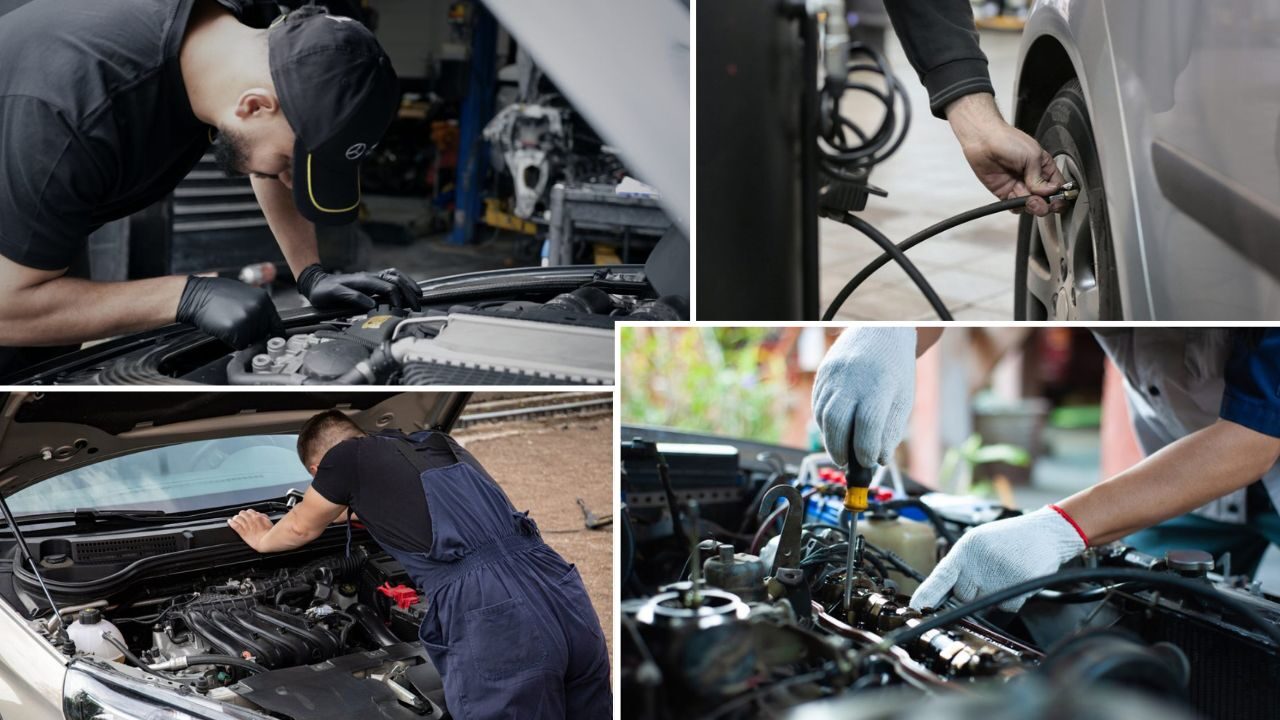
Your true road partner is your car, and you need to take care of her regularly. Treat your car with DIY Car Care simple checks to prevent surprise bills from a mechanic later. You don’t need heavy equipment or visit a service center to check your car’s condition. Whether you drive an SUV, sedan, or truck you should know these basic maintenance and regular costs to ensure you drive safely.  

Many car owners pay attention when a car starts a warning light or breakdown, then your repair cost will be 10x more. Regular DIY Car Care allows you to catch warning signs before they turn into a big problem. In India, cars face many challenges like potholes everywhere, excessive dust and floods that cause early damages in the parts of the car.

Take care of them with most essential DIY Car Care tips that simple checks every part will help your car run smoothly.

Why DIY Car Care is Non-Negotiable in India

Indian roads are brutal and exhaust your car earlier than its time. Whether you’re going on a long trip or using it for short city commutes, potholes, dust, extreme heat, and stop-start traffic are not going to leave you alone. There are reasons why you cannot afford to ignore simple checks:

Road Conditions

Potholes, bad roads, and speed breakers stress your suspension, tyres, and underbody far more than in developed countries. Regular checks catch damage early.

Extreme Climate

45°C summers degrade coolant, tyres, and batteries fast. Monsoons cause rust, electrical shorts, and brake fade. Each season needs specific attention.

Traffic & Stop-Go

Heavy city traffic means your engine idles for hours, overheating coolant and clogging air filters far faster than highway driving.

Fuel Adulteration Risk

Adulterated or low-quality fuel damages injectors and carburettors. Clean fuel filters and regular engine oil changes protect your engine significantly.

Read More:-  Car Maintenance Tips That Save Money And Valuable Time

Essential DIY Checks Every Indian Car Owner Must Know

You need to visit a mechanic for simple car checks. Most require zero tools or a simple ₹50 torch. Let’s go one by one. 

1. Engine Oil Level Check 

You must check your car’s engine oil level at every 1000 km or monthly. Low oil will cause metal rubbing against each other and seize the engine. Open the bonnet, pull the dipstick, wipe it clean, re-insert, pull again. Now check the level of oil, it must sit between min and max points. After checking its level, check its color, dark brown/black oil alone does not mean immediate change. Judged by the service interval, oil level, and owner’s-manual guidance. .

Due to dust and traffic heat, engines consume oil faster. Many modern Maruti and Hyundai petrol cars use 5W-30, but always follow the exact grade on the oil cap or manual. Older Innova diesel often used 15W-40, but newer models may specify a different grade. Always buy branded oil — Castrol, Shell, Motul are trusted names. 

Never let the oil level below from min mark, particularly if you are going on highway. Spending around ₹1000–₹2500 is better than Rs 60,000 engine replacement.

2. Coolant / Radiator Water Level 

Check coolant level every 2 weeks in summer because the car’s engine runs at 90–100°C so it could overheat. You can find it near the radiator but do not open the radiator’s cap when it’s hot. The level of coolant must sit between LOW and FULL marks.

Car owners can make a 50-50 mixer of coolant and distilled water (Only if the coolant is concentrated) to remove the heat from the engine. But do not use tap or RO water, it will block your radiator. Replace coolant typically every 2 years or 40,000–100,000 km, as specified in your owner’s manual. 

3. Tyre Pressure & Condition 

Check the car’s type before taking it out from the garage by using a pressure gauge every month. Most hatchbacks commonly need around 30–36 PSI. Check the sticker inside your driver’s door or owner’s manual. Because Under-inflated tyres can cause fuel waste.

Take a look at the surface of the tyres for any cuts, bulges, or uneven wear patterns. Uneven wear signals misalignment or shock absorber problems. Don’t forget the spare tyre — you will regret it on longer trips.

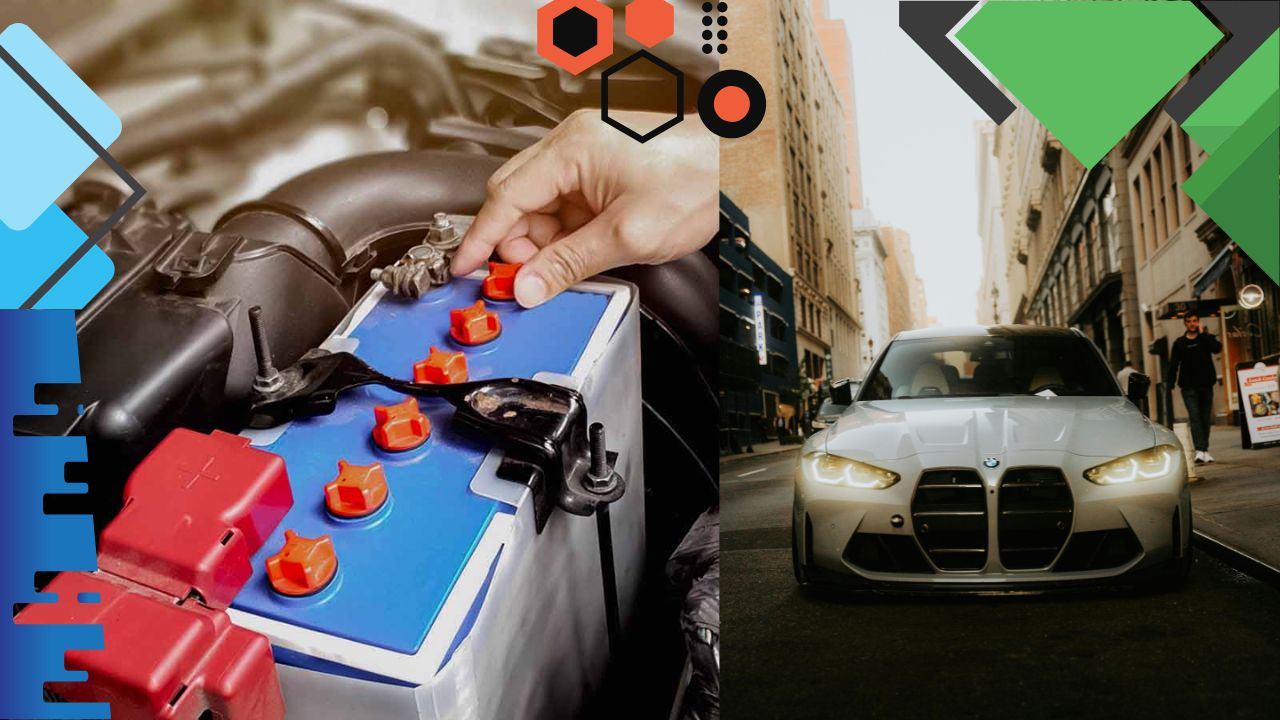
4. Battery Health Check 

Car batteries do not survive long in India. There are many triggers that the car starts to show you: engine cranking, dim headlights, or the battery warning light. Check the electrolyte level in each cell to keep it at top. 

Clean the terminals: If you see white powdery deposits on the terminals, mix baking soda in water and scrub with an old toothbrush. Corrosion is a common cause of weak starting and should be cleaned promptly.

5. Brake Fluid & Brake Pad Inspection

Brakes are not negotiable. If your brakes stop working, it can cause a serious incident on the road. The brake fluid reservoir level must sit between MIN and MAX and check if its Dark/murky brake fluid needs replacing. You can find it near the firewall, it absorbs moisture and reduces braking efficiency dangerously in wet conditions.

Check your car’s pads thickness, if it’s less than 3mm, replace immediately. A worn pad will cause noise while braking. Grinding metal sound will later cost you highly. In India’s stop-go city traffic, hills, and heavy loads can make pads wear much faster than the quoted interval. Front pads commonly last about 25,000–50,000 km.

Read More:-  Kendrick Lamar Car Collection is Classic Garage With Old & New Luxury Cars

6. Air Filter Inspection

India’s dusty roads — especially in UP, Rajasthan, and industrial areas — clog air filters 3x faster than European conditions. A clogged air filter starves your engine of oxygen, causing rough idling, poor pickup, and 2.5% fuel-economy drop from a clogged filter in the tested condition.

Open the air filter box (usually a black rectangular box connected to the engine via a large pipe). Remove the filter. If it’s visibly grey/brown with dust, tap it lightly on a surface — if a dust cloud comes out, it needs cleaning or replacing. Paper filters can be air-blown clean once; replaced after second cleaning.

7. Windshield Washer & Wiper Blades

In monsoon, visibility is mandatory while driving. Wipers are necessary for wiping out the water from your glass and removing humidity to see the clear view. Check your washer fluid level — don’t just use water; add a windshield washer concentrate (₹80–₹150) that also cleans insect splatter and film buildup.

Wiper blades are necessary particularly in the monsoon season. If they are broken or don’t work then change it. Worn wipers are a serious safety risk in heavy rain. Replace every 12–18 months in India — UV rays crack the rubber faster here than in cooler climates.

8. All Lights Check

Check every light in a car both outside and inside. Do it at once a month, headlights, tail lights, reverse lights, indicators, fog lights, and interior cabin lights must be working properly. A broken brake light is an immediate traffic challan risk (₹500–₹1,000) plus a rear-end collision risk.

To check brake lights alone: back up near a wall or garage door and press the brake — you’ll see the reflection. Or ask someone to stand behind. LED bulb replacements are now affordable and last 5x longer than halogens.

9. Belt & Hose Visual Inspection

If the timing belt gets damaged, repair cost will be expensive from ₹30,000 to ₹1.5 lakh. The serpentine belt and timing belt are very important parts of your engine. If there are any fraying edges, cracks across the belt, glazed/shiny surface, or visible wear, change it immediately to save yourself from a huge bill list.

Hoses: Remember that engine must be cool before you touch hoses. They should feel firm but slightly flexible. If they feel tight, hard or too soft then change it. Leaking hoses leave a puddle under your car — never ignore a puddle.

10. Underbody & Fluid Leak Check

After parking overnight, check the ground under your car. Any puddles? Clear water from AC drain = normal. Oily dark patch = engine oil or gearbox leak. Reddish fluid = power steering or automatic transmission fluid. Yellowish-green = coolant leak. Each means something specific is failing.

Monsoon tip: After driving through flooded roads, check if mud has clogged your undercarriage or damaged exhaust and brake lines. Get a pressure wash done if you drive through deep water.

Read More:- How to Maintain Your Car Engine Properly

Cost Comparison: DIY vs Garage in India

Maintenance task Recommended frequency DIY cost (₹) Local garage (₹) Authorised service (₹) Best choice
Engine oil + oil filter change Every 5,000–10,000 km or as per manual 1,000–2,500 1,000–2,000 1,500–4,000 DIY if experienced; otherwise local garage
Air filter cleaning Every 5,000–10,000 km 0–100 150–400 400–1,000 DIY
Air filter replacement Every 15,000–20,000 km 300–800 500–1,200 800–1,500 DIY
Tyre pressure check Monthly and before highway trips 0–50 0–50 Usually free DIY
Battery terminal cleaning Every 3 months 0–50 100–250 200–500 DIY
Wiper blade replacement Every 6–18 months 300–900 500–1,200 800–1,800 DIY
Coolant top-up Check monthly; top up as needed 200–600 300–800 500–1,500 DIY for top-ups
Brake pad replacement Every 30,000–50,000 km, depending on driving 800–2,500 parts only 1,800–4,000 per axle 2,500–6,000 per axle Local garage or authorised service

India-Specific Seasonal DIY Car Care Calendar

Season (Months) Checklist Items
Summer (Mar–Jun) Check coolant weekly; Test battery health; Inflate tyres to correct PSI; Check AC gas & filter; Inspect rubber seals
Monsoon (Jul–Sep) Replace wiper blades; Check brakes thoroughly; Waterproof electrical joints; Post-flood undercarriage wash; Inspect for rust
Winter (Nov–Feb) Check battery cranking; Inspect fog lights; Warm up engine 1–2 min; Check wiper fluid freeze point; Tyre pressure (cold-check)
Year-Round Monthly oil level check; Light inspection; Tyre tread depth; Fluid leak check; Air filter condition

Conclusion

DIY Car Care is absolutely worth it in India. Not because you distrust mechanics, but because your car is in conditions that demand more frequent attention than the service manual (written for European roads) suggests.

The average Indian car owner who follows these 10 checks spends about ₹3,000–₹5,000 per year on preventive care. Those who ignore it? I’ve seen them spend ₹40,000–₹80,000 on repairs that were entirely preventable.

  • Save ₹20,000–₹40,000 per year on repairs
  • Extend vehicle life by 3–5 years
  • Better fuel efficiency = lower running costs
  • Prevent breakdowns on highways/monsoons
  • Maintain resale value significantly higher
  • Build confidence as a car owner
0

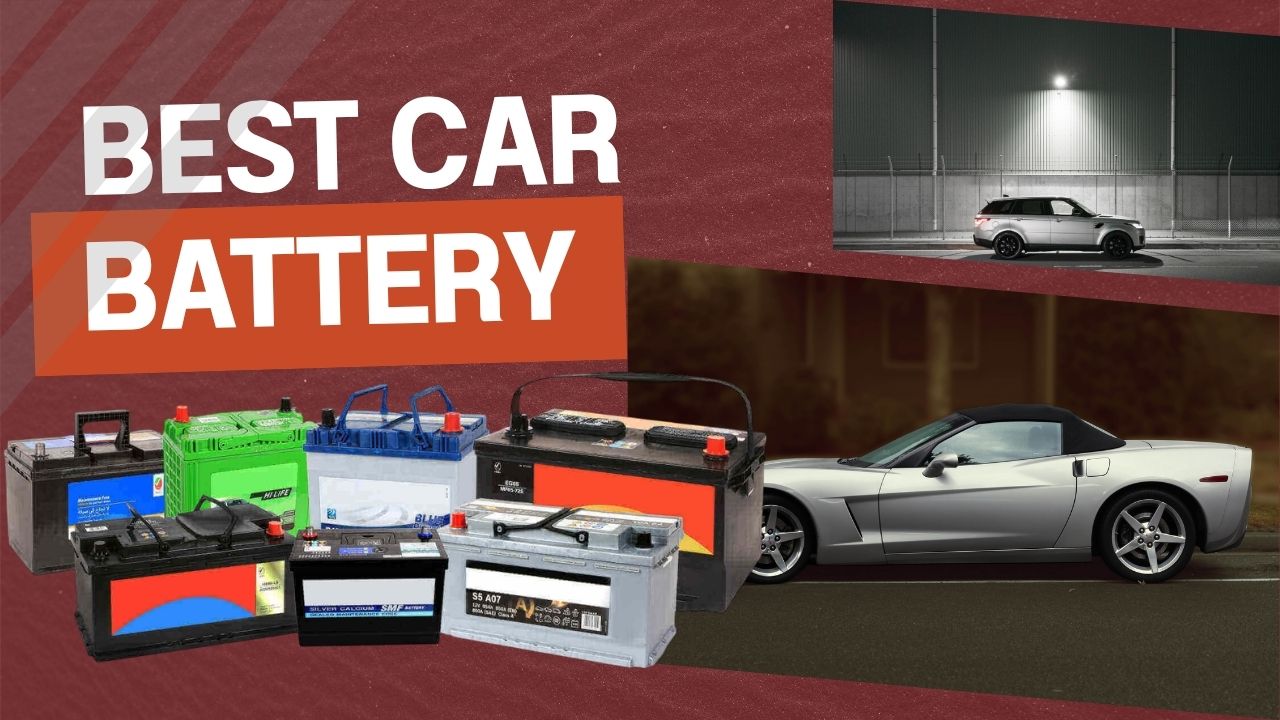
Best Car Battery for Your Vehicle: Top Picks & Buying Guide 

Published Aug 10, 2026, 9:30 AM
Last Updated Aug 10, 2026, 12:56 PM

Car Battery

A car battery almost never announces its own death. Everything works fine with your vehicle and one morning when you are already late, the engine just clicks and the dashboard lights get dimmed. This is the moment where most people don’t know where the problem is and the one who knows that their car’s battery is dead, they start google “Best Car Battery” to find whatever the nearest mechanic has lying around.

Stop making this mistake by understanding which one fits your car. It’s a straight comparison of the car battery brands that will actually dominate the Indian market in 2026 — what each one costs, what it’s genuinely good at, and where it falls short. So you can walk into a dealer or place an order online already knowing what you need.

What Actually Decides Which Battery Fits Your Car

Different brands offer different benefits and prices but there are three things which make the car battery best fit for your car:

Ah (Ampere-hour) Rating. Battery’s capacity defines on Ah and you should consider this important and pick what your manufacturer prescribes in a manual. You can choose a slightly higher Ah battery if you lost your manual but check whether it’s compatible or not. 

A lower-capacity battery may discharge faster, and shorten its life but a more higher capacity battery can affect charging performance. Hatchbacks typically run 35–45Ah, sedans 45–55Ah, and SUVs or MPVs 55–75Ah. You can check the Ah figure on your existing battery, it is printed right on its casing.

CCA (Cold Cranking Amps). While starting the engine, the battery throws power and CCA will tell you that exactly. If you are living in a cold area then it really matters more than in warmer cities. A strong CCA rating genuinely also just starts more reliably day to day, regardless of climate. 

Battery type — flooded, MF, EFB, or AGM. This is the one buyers get wrong most often, and it’s not a minor detail. If your car has Auto Start-Stop — the feature that shuts the engine off at traffic signals and restarts it automatically — it needs an EFB or AGM battery, not a standard flooded or maintenance-free (MF) unit. A regular battery subjected to that kind of constant micro-cycling in city traffic can degrade within three to six months. Check your owner’s manual or the sticker on your current battery before assuming a standard MF battery is fine.

Warranty structure is worth understanding too: most Indian battery warranties are split into a “free replacement” period and a longer “pro-rata” period, where you get a discounted replacement rather than a free one. A battery advertised as “36+36 months” usually means 36 months free replacement plus 36 months pro-rata — read the fine print rather than assuming the headline number is all free coverage.

Read More:- How to Improve Gas Mileage: 15 Proven Tips That Actually Save Fuel

Best Car Battery Picks for 2026

1. Amaron GO / Amaron Pro Rider — Best for Everyday Reliability

Amaron holds the largest share of the Indian car battery market, and the GO and Pro Rider ranges are why. They use maintenance-free lead-calcium construction, so there’s no water top-up, ever, and the batteries are built with above-average heat tolerance — a real advantage given how many Indian cities push 40°C-plus summers.

  • Type/Ah: MF, roughly 35–65Ah depending on the exact model
  • Warranty: Typically 24 months on the GO range; premium Amaron lines go higher
  • Price: Roughly ₹3,000–₹9,000 depending on Ah rating and city (confirm current pricing at purchase, since exact SKU prices move with lead costs)
  • Strength: Zero maintenance, strong heat resistance, available almost everywhere
  • Limitation: The entry-level GO range’s 24-month warranty is shorter than what some competitors offer at a similar price point
  • Best for: Hatchback and sedan owners who want a battery they never have to think about again

2. Exide Mileage / Exide Matrix — Best for Warranty Length

Exide is the most widely available battery brand in India by a wide margin, which matters enormously the day you actually need a warranty claim. The Matrix range in particular pushes warranty terms up to 60 months on some models, well beyond what most competitors offer.

  • Type/Ah: MF, roughly 35–80Ah depending on the model
  • Warranty: 30–60 months depending on the series
  • Price: Roughly ₹4,000–₹13,000+ depending on Ah rating and series
  • Strength: Longest mainstream warranty available, and the largest dealer/service network in the country, so claims are easy to process almost anywhere
  • Limitation: A few older Exide MF lines still recommend an occasional water-level check — confirm “fully maintenance-free” on the specific model rather than assuming it across the whole brand
  • Best for: Anyone planning to keep the car five-plus years, where warranty length and service reach outweigh brand prestige

Car Battery

3. SF Sonic — Best Budget Pick

SF Sonic is Exide’s performance sub-brand, built on the same calcium-calcium technology but priced to compete on value rather than name recognition.

  • Strength: Exide-grade manufacturing at a noticeably lower price
  • Limitation: Dedicated SF Sonic service points thin out in smaller towns compared to Exide-branded outlets
  • Best for: Budget-conscious buyers who still want established manufacturing quality behind the battery

4. Tata Green Batteries — Best for Mainstream Family Cars

Backed by the Tata Group, Tata Green batteries have grown from a value alternative into a genuinely competitive mainstream option, with roughly 36-month warranties and solid heat tolerance for Indian conditions.

  • Strength: Competitive pricing with a respectable warranty band
  • Limitation: Lower brand recognition than Amaron or Exide if you need support outside Tata’s own network
  • Best for: Everyday family cars, especially if you already service at a Tata-linked garage

5. Livguard — Best Challenger Brand

Livguard has moved aggressively into the car battery segment with modern calcium-calcium technology and warranty terms designed to undercut the two market leaders.

  • Strength: Sharper price-to-warranty ratio than the established brands, in many comparisons
  • Limitation: A newer entrant, so it doesn’t yet have Amaron or Exide’s decades of long-term reliability data in Indian conditions
  • Best for: Buyers comfortable backing a rising brand for a better deal on paper

6. Bosch S4/S5 or ACDelco (AGM) — Best for Start-Stop and Premium Cars

This is the one category where “best” isn’t really a matter of preference. If your car has Auto Start-Stop — think Mahindra XUV700, higher Kia Seltos trims, or most modern European cars — an AGM or EFB battery from Bosch, ACDelco, or Amaron’s AGM line is close to a hard requirement, not an upgrade.

  • Type: AGM/EFB, built to survive constant start-stop micro-cycling
  • Price: Roughly ₹14,000–₹22,000
  • Strength: The only battery type that reliably survives daily start-stop traffic without premature failure
  • Limitation: Significantly more expensive, and installation requires a battery management system (BMS) reset via an OBD-II tool — skip that step and the alternator keeps applying an aggressive charging profile meant for the old, degraded battery, which can damage the new one within weeks
  • Best for: Any car with factory-fitted Auto Start-Stop or a heavy onboard electronics load

Read More:- How to Save Money on Car Insurance?

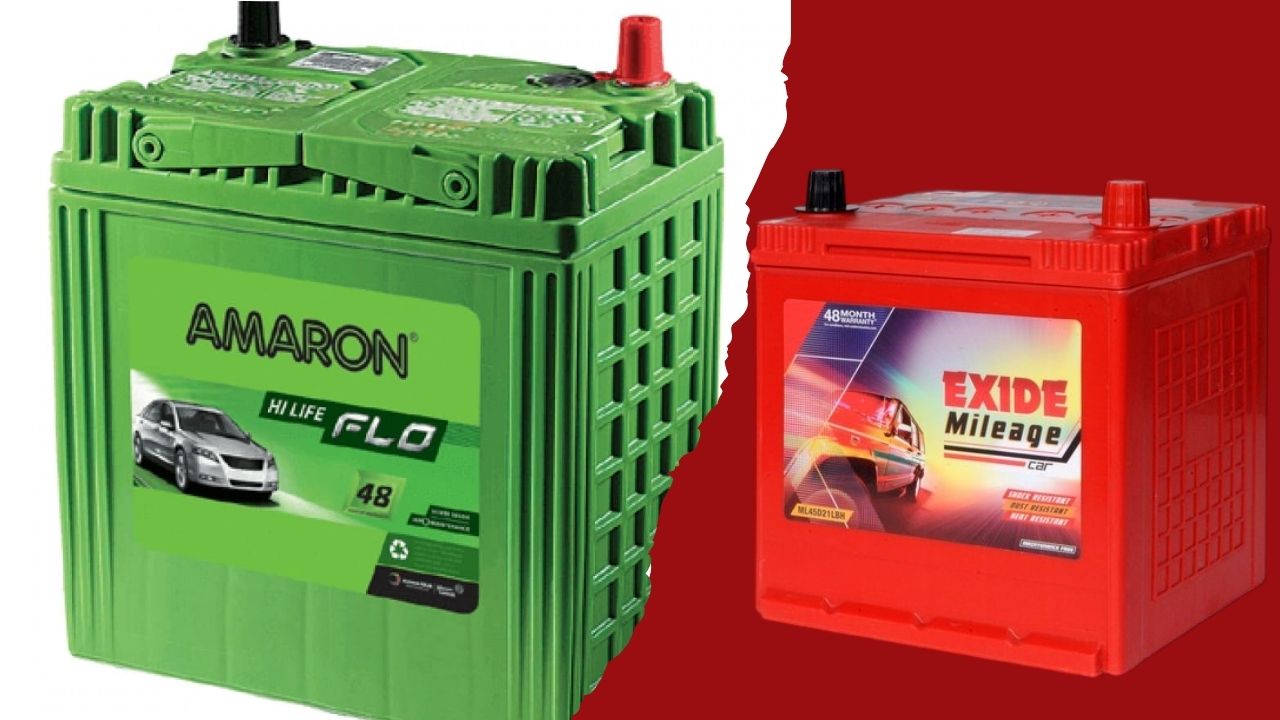
Amaron GO vs. Exide Mileage: A Direct Comparison

Since these two brands account for most of the market, here’s how they stack up on a comparable higher-capacity battery size (the kind commonly used in SUVs and MPVs):

Amaron GO (95D26L-class) Exide Mileage (equivalent class)
Approx. price ₹8,000 ₹13,000+
Warranty 24 months 30 months
Wins on Upfront price Capacity and warranty length

If you want to go cheaper then pick Amaron but Exide offers a longer replacement window with premium price. Mentioned prices are presented to figure out genuinely, you can check the actual price of these batteries in your nearby shop or online before buying.

Where to Buy Best Car Battery

Don’t limit yourself to whichever shop is closest. A few reliable channels worth comparing:

  • Brand websites directly. Amaron and Exide both have online fitment tools — enter your car’s make, model, and variant, and they’ll show you the exact compatible battery.
  • Authorized dealer networks. Buying a battery, especially Amaron and Exide from an authorized dealer is still the safest bet for warranty paperwork as their networks are extensive.
  • Battery-specific online retailers. There are specific online retailers such as BatteryDekho, Battery Mantra, and Powerwale. Best platforms to buy because they let you compare brands and prices side by side before ordering.
  • Doorstep installation services. Convenient if you can’t get to a garage, but confirm the battery is genuine (ask for a GST invoice) and that the technician actually checks or resets the BMS on start-stop cars.

Car Battery

Buy from any of these platforms but always check the manufacturing date sticker on the battery itself. If that date is past two to three months then it’s good to go. A battery that’s sat in a warehouse for a year loses charge capacity before it’s even installed.

The Detail Most Buyers Skip

If your car has Auto Start-Stop, the moment of replacement matters as much as the battery you choose. Confirm with whoever installs it that they’re using an OBD-II tool to reset the battery management system for the new unit. Skipping this is one of the more common ways buyers end up with a battery that fails within months — not because the battery was faulty, but because the alternator kept feeding it a charging profile calibrated for the old, degraded one.

Which One Should You Get?

If you drive a standard petrol or diesel hatchback or sedan with no start-stop feature, Amaron GO or Exide Mileage in your car’s stock Ah rating will cover you for the price you’re already expecting to pay — Amaron if upfront cost matters more, Exide if you’d rather have the longer warranty window. 

If your car has Auto Start-Stop, an AGM or EFB battery from Bosch, ACDelco, or Amaron’s AGM range isn’t optional — it’s the only type built to survive daily city traffic without failing early. And regardless of brand, the two details that actually determine whether you get your money’s worth are the manufacturing date on the sticker and, for start-stop cars, whether the installer resets the BMS. Get those right and the brand debate matters a lot less than it looks like it does.

Read More :- Top Car Insurance Plans to Buy in August 2026

Conclusion

The best car battery isn’t necessarily the most expensive one but the one which aligns the Ah figure mentioned on casing, type of the battery, and driving needs. Two most reliable batteries are Exide and Amaron for most of the cars. Start-stop cars need an EFB or AGM battery. However, before buying any kind of battery, check its manufacturing date, the seller must be reliable, and make sure the BMS is reset when required. 

2

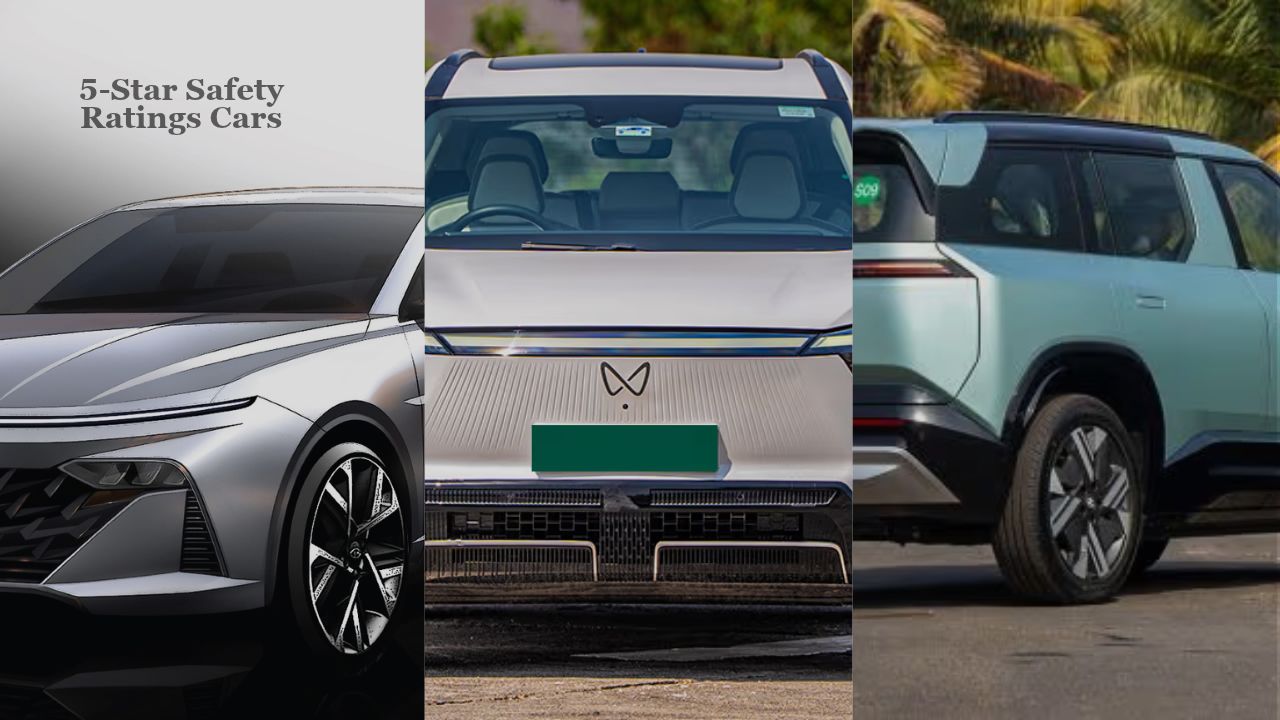
5-Star Safety Ratings Cars in India: What the 2026 Crash Tests Show

5-Star Safety Ratings Cars in India

Three crash-test results landed in the same week of November 2026, and none of them is identical. If you’re shopping for 5-Star Safety Ratings Cars in India, the scores behind the stars are the real comparison.

Bharat NCAP grades adults out of 32 and children out of 49. A car can sit anywhere in the top band and still carry the same badge.

Mahindra XEV 9S: the Highest-Scoring Seven-Seater

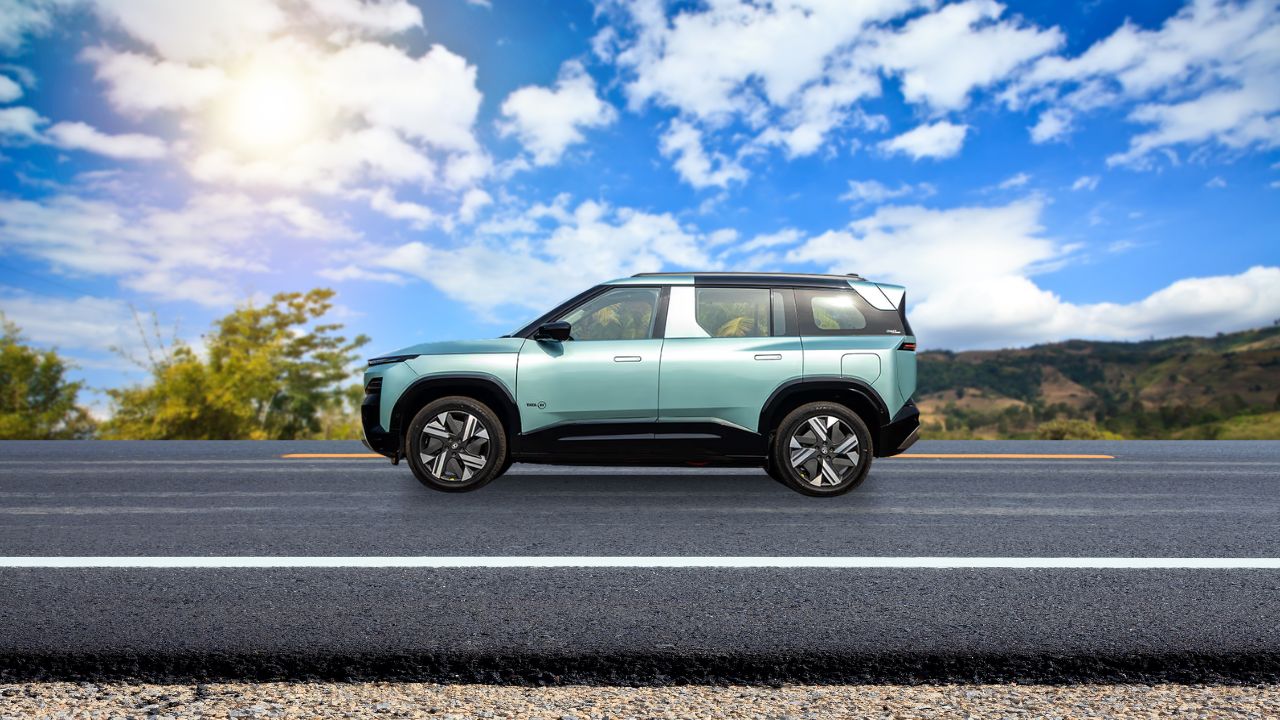
The Mahindra XEV 9S has received a total score of 76.15 points (31.15 points for adult occupants and 45 points for children). It is India’s first 7-seater 5-star rated EV. This makes it the third vehicle on the INGLO platform to receive a 5-star rating, along with the XEV 9e and BE 6.

Mahindra XEV 9S

Bharat NCAP tested the six-seat Pack Two Above and seven-seat Pack Three Above, both with the 79 kWh battery. The rating covers all variants. 

See Also 👉   Kia Seltos Earns a 5-Star Crash-Test Rating: A Big Win for Safety

Tata Sierra EV: Five Stars, Slightly Behind its Petrol Sibling

This vehicle has a score of 30.62 for adults and 45 for children. It is all-wheel drive with a 75 kWh battery, and provides a claimed range of 624 km in MIDC conditions. Its price falls in between ₹18.79 and ₹25.99 lakh (ex-showroom).

Tata Sierra EV

Adult protection scores have dropped to 31.14 in the petrol/diesel version of this vehicle, so there has been some compromise in safety. Neither the EV nor XEV 9S stand out as particularly safe. Three-point belt restraints in the back row do not include pretensioners or load limiters. There is also no ISOFIX fitting in the middle seat. Five star EVs include the Mahindra BE 6, Maruti e Vitara and VinFast VF6.

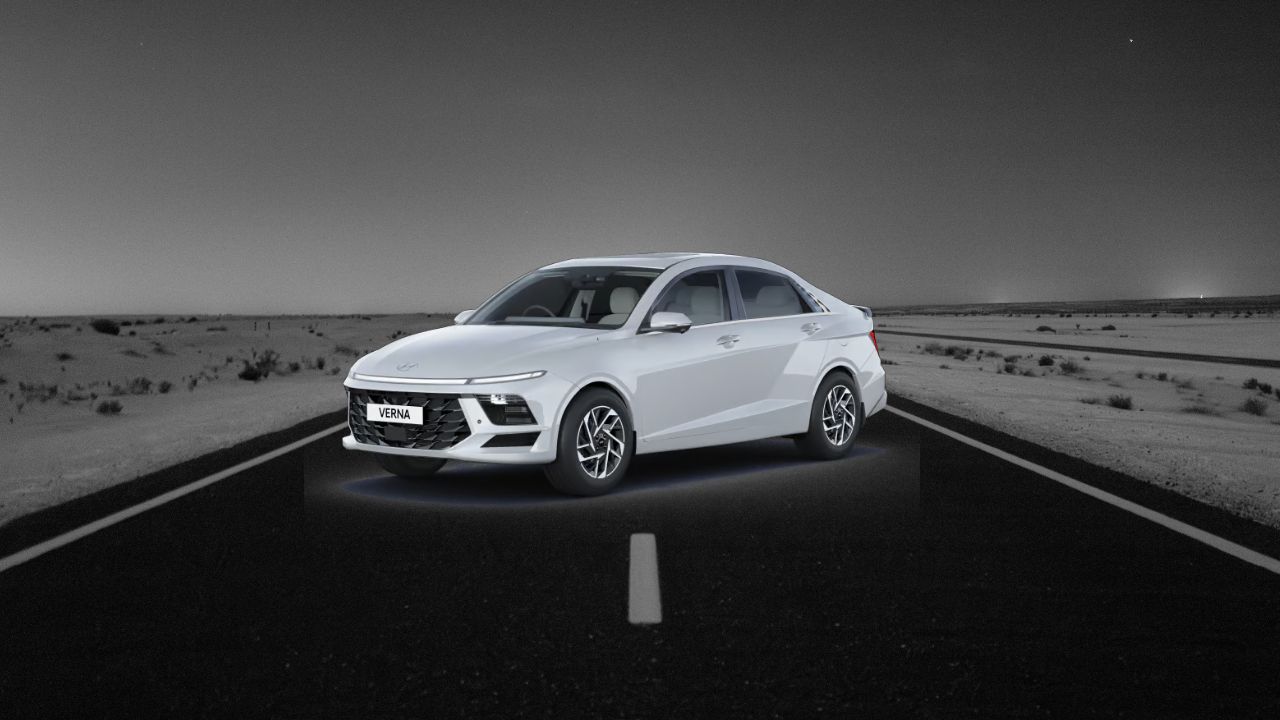
Hyundai Verna: Five Stars With the Lowest Adult Score Here

The Hyundai Verna scored 28.22 for adults and 44 for children. Bharat NCAP tested it in July 2026, using the 1.5 Turbo GDi DCT and 1.5 MPi iVT. The rating covers petrol variants from HX 2 to HX 10.

Hyundai Verna

Chest and lower leg protection is only adequate. While this car also received a 5-star rating from Global NCAP in 2023, it is not possible to compare the two as adult scores were out of 34. All variants offer 6 airbags and an ESC system. ISOFIX points are not available in the middle rear position.

Which 5-Star Safety Ratings Cars Should You Buy?

Match the car to what you carry and how you drive.

  • Seven-seat family: the XEV 9S has the highest combined score here.
  • Long-range electric with the rest of a Sierra’s strengths: the Sierra EV, with the range figure above.
  • Sedan buyer: the Verna, but expect a lower adult score than the SUVs.

Check for variant specifications by referring to Bharat NCAP official data sheet. Check the number of airbags and presence of ESC in your specification. Take a test drive.

See Also 👉   Tesla Cybercab: How Much Will the Driverless Robotaxi Cost?

Conclusion

The latest Bharat NCAP results show that a 5-Star Safety Ratings Cars is a good starting point, but it shouldn’t be the only reason to choose a car. The Mahindra XEV 9S has the highest total of protection for adults and children. For an electric SUV, you could also consider the Tata Sierra EV. If you are looking for a Sedan, the Hyundai Verna also provides a 5 star rated vehicle.

However, you might want to look at the specific scores in the tests, and the safety features in the model you are considering. The ideal car will be safe, practical and comfortable.

0

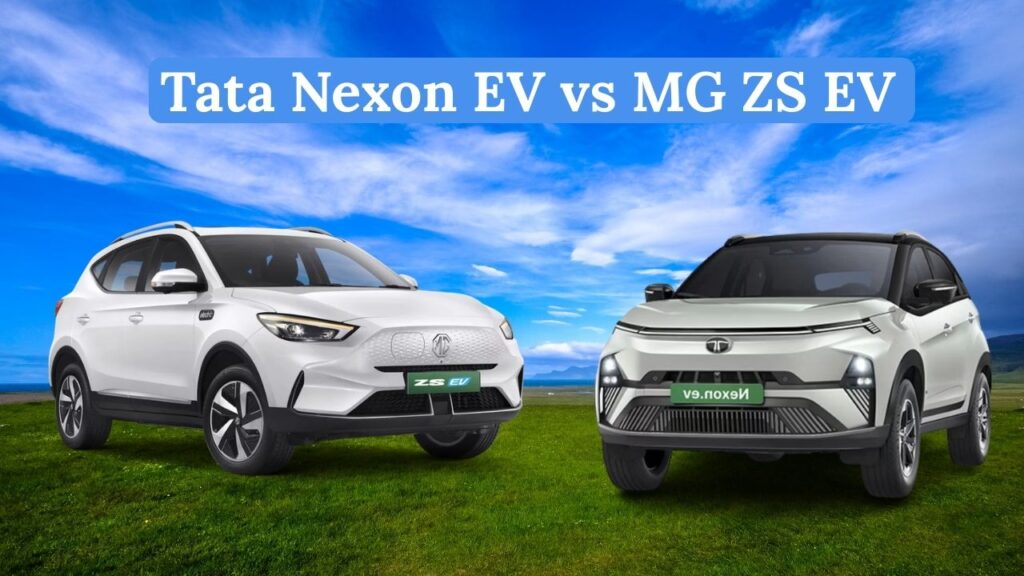
Tata Nexon EV vs MG ZS EV: Choose the Electric SUV That Fits Your Lifestyle

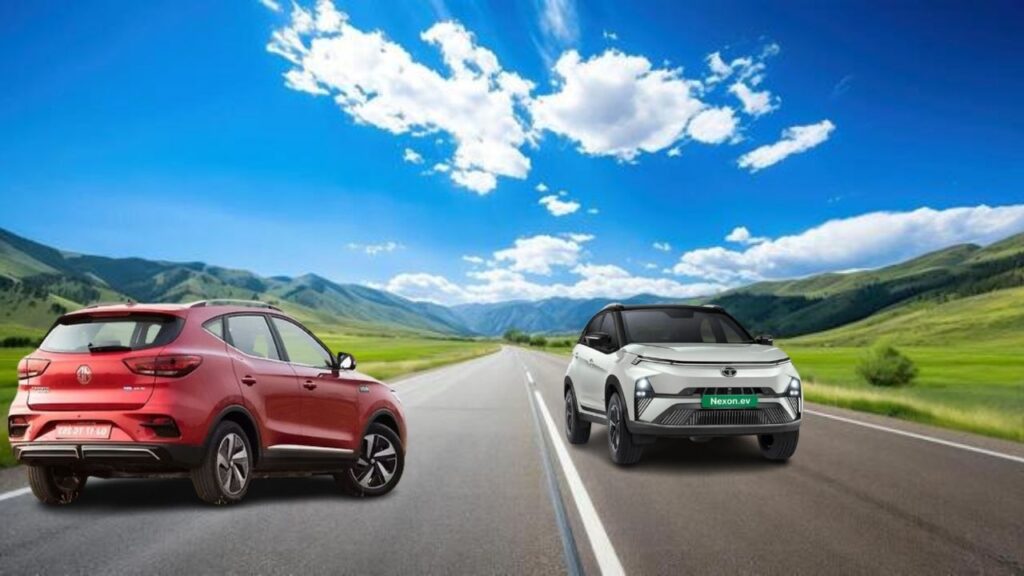
Tata Nexon EV vs MG ZS EV

If you’re considering an electric SUV this decision can be hard to make and exciting at the time. Do you opt for maximum value and ease on the budget, or do you splurge a little for a modicum of premium comfort, tech and punch? That’s where this comparison Tata Nexon EV vs MG ZS EV has a clear interesting factor.

Tata Nexon EV vs MG ZS EV are two of India’s best electric vehicle contenders, however, they are dual solutions for very different kinds of buyers. One is about intelligent functionality and mass market access, the other is about refinement, power and high-end aspirations. Let’s take a real, no BS look at them and help you decide which one really fits your life. 

Pricing: The Accessibility Factor

This is where the entire equation changes. The Tata Nexon EV starts at a very affordable ₹12.49 lakh (ex-showroom) for the Creative Plus Medium Range variant, making it one of the cheapest premium electric SUVs in the country. Even the fully loaded Empowered Plus A 45 Dark Edition tops out at ₹17.49 lakh, and for what it is, that doesn’t seem too bad at all.

The Accessibility Factor

In contrast, the MG ZS EV is more of a premium offering. Prices begin from ₹17.99 lakh for the Executive variant and go up as high as ₹20.50 lakh for the Essence variant. That’s a big jump, roughly a difference of ₹5.5 lakh already at the base level. And honestly, that difference in price could be all it takes to sway thrifty customers who want to squeeze the most value for their money, but aren’t looking to go too far.  

Battery & Range: Two Different Philosophies

Tata provides a pair of battery choices for its cars: a 30 kWh Medium Range (MR) pack, whose range has been certified by ARAI as 325 km and a 45 kWh Long Range (LR) variant that offers a range of 489 km. The MR models pack a 127 bhp motor while the LR versions offer more power with a 143 bhp motor. 

Two Different Philosophies

MG adopts a one-size-fits-all solution, with a 50.3 kWh prismatic cell battery offering 461 km of range and 174.33 bhp that way more power than even the Nexon EV’s top trim. For the highway buffs, the ZS EV’s extra grunt and uniform range across all variants is an eye catcher. 

Variant Breakdown: Choices vs. Simplicity

Brand Trim/Variant Price (₹ Lakh, ex-showroom) Key Features
Tata Curvv EV Creative Plus MR 12.49 Smart digital DRLs, LED headlamps, 6 airbags, 17.78 cm touchscreen
Fearless (range) 13.29 – 14.99 26.03 cm cinematic display, wireless Android Auto/Apple CarPlay, 16-inch alloys
Empowered (range) 14.79 – 17.49 360° camera, panoramic sunroof, ventilated seats, JBL sound, ADAS Level 2 (on Empowered Plus A)
MG Executive 17.99 50.3 kWh battery, Smart featuring technology with good interior
Excite Pro 18.50 (Builds on Executive; specifics not detailed)
100 Year Edition 19.50 (Special edition; builds on lower trims)
Exclusive Plus 19.50 360° cameras, leather seats, 6-way power driver seat, wireless charging
Essence 20.50 Everything for safety in ADAS 2

Connecting Experience with Great Features

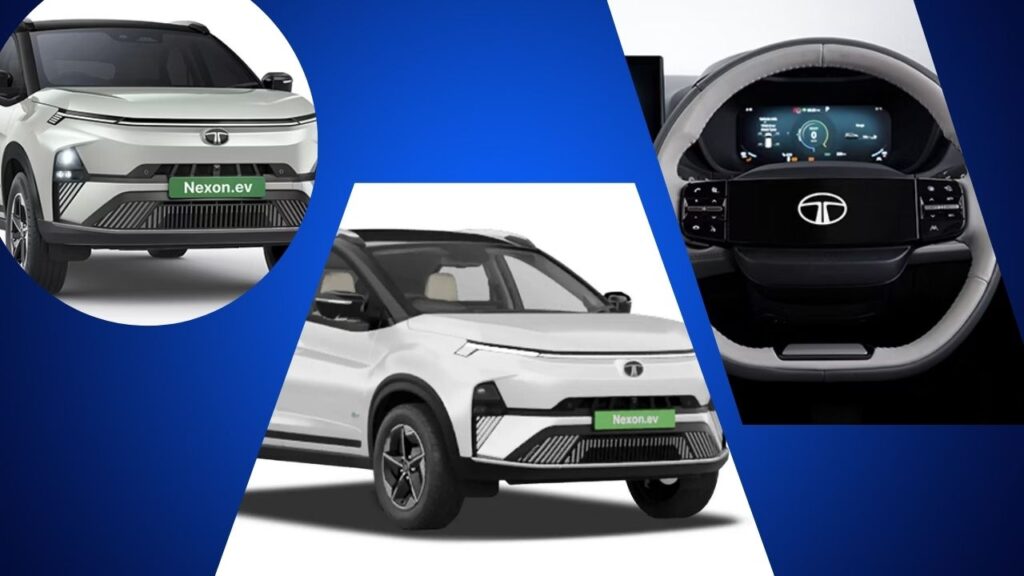
Tata Nexon EV vs MG ZS EV have tech to talk up. Tata Arcade.ev suite of applications delivers OTT streaming, games and navigation to the 31.24 cm touchscreen on higher variants. Special features include Vehicle-to-Load (V2L) and Vehicle-to-Vehicle (V2V) charging – run your home appliances or aid another EV owner. The Red Dark Edition also features exclusive carbon black exteriors with red-themed interiors for ₹17.19L–₹17.49L.

Connecting Experience with Great Features

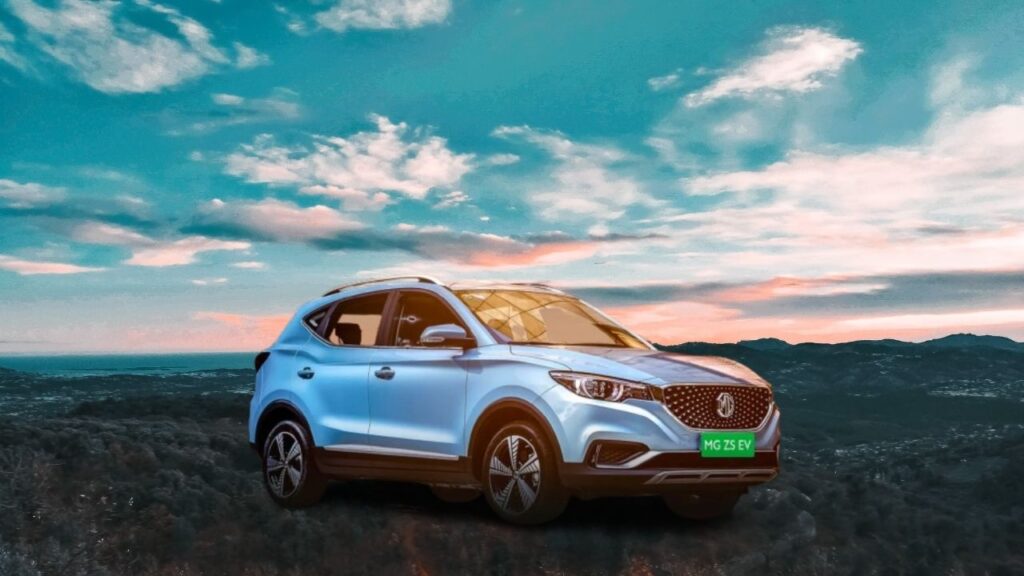
MG follows up with i-SMART 2.0 with 75+ connected features. The dual paned panoramic sky roof, JBL audio(DLR fitment) and digital Bluetooth key are the noticeable additions. What differentiates MG is the uniformity across the board — the 50.3 kWh battery and 461 km range are standard on all variants, while Tata’s lowest rung buyers must make do with 325 km. 

Top Safety

Tata Nexon EV vs MG ZS EV makers focus on safety. The Nexon EV also has 5-star Bharat NCAP ratings, 6 airbags as standard across variants, ESP with i-VBAC, and ADAS in the top trims .MG matches with 6 airbags, ABS+EBD and a suite of advanced MG Pilot driver aids even includes lane departure warning and blind-spot detection on higher variants. 

Read More:-  2026 Isuzu V-Cross Launched at ₹25.50 Lakh, 4×2 Trims Discontinued

Conclusion

Go for the Tata Nexon EV if content with the best electric mobility bang for your buck. At ₹12.49L, it’s almost ₹5.5L cheaper than MG’s threshold, and the variety of variants means you can purchase just what you need. The 45 kWh Long Range variant at ₹13.99L (Creative 45) has a range of 489 km — a clear winner against MG’s 461 km — for ₹4L lesser than the ZS EV Executive.

Choose the MG ZS EV if the performance and premium feel matter to you. The 174 bhp power output smashes Tata’s 143 bhp, and the uniform 50.3 kWh battery means you now have range anxiety irrespective of variant. ADAS Level 2 suite on Essence variants is said to be more feature-rich than Tata’s variant.

Nexon EV makes electric mobility a mass market product; the ZS EV pleasures those with more money to spend on continuous refinement. Tata Nexon EV vs MG ZS EV are the face of India’s EV revolution – just at different price-points.