
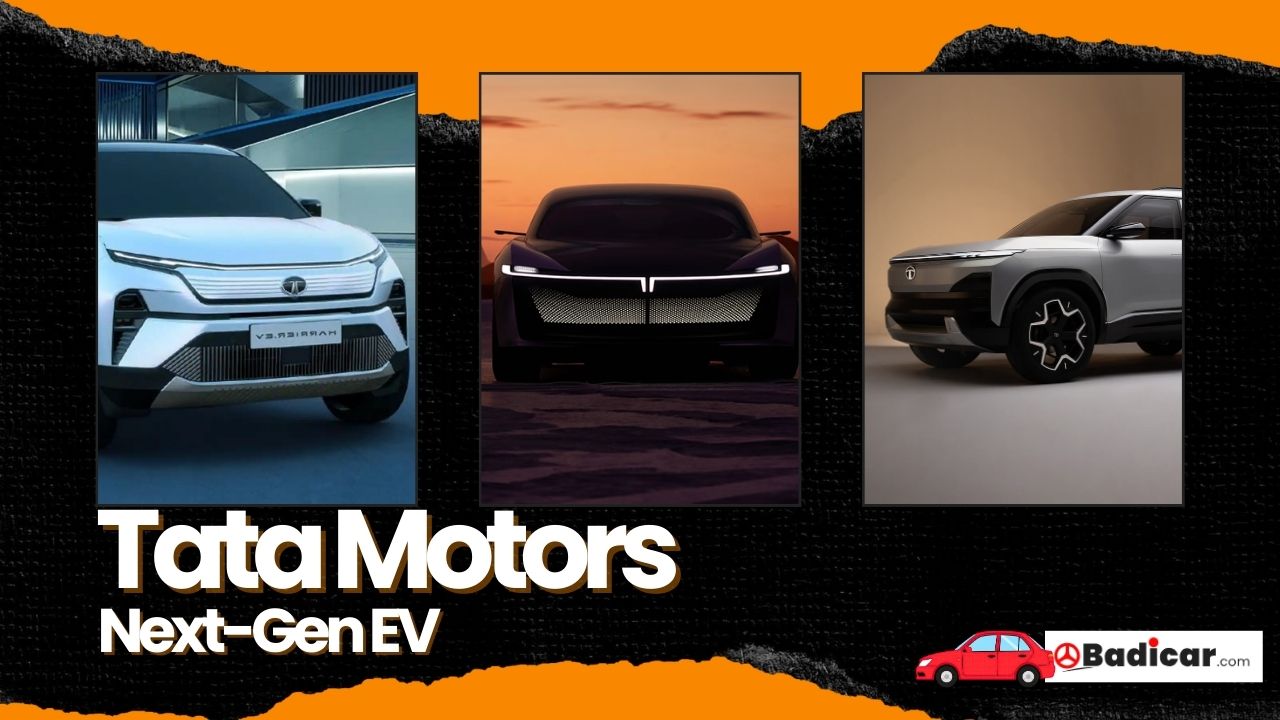
The Indian car industry is not just “getting ready” for an electric future, it is in fact living that future. At the center of this tectonic change is Tata Motors, a label that has transcended the mere act of swapping engines for batteries. Moving into 2026, Tata is leading the charge in industrial transformation from retrofitted platforms to a layered, “born-electric” model.
Investing a mind-boggling ₹16,000-18,000 crores, Tata is not just launching cars; they are fortifying themselves technologically. From the rugged Harrier EV to the ultra-luxury Avinya sub-brand, here is your deep dive on the roadmap transforming Indian mobility.
The Three Pillars of Architecture: Evolution by Design
Tata’s supremacy is no accident. It is a product of a technically sophisticated, three-generation lineage playing out:
- Generation 1 (The Pioneers): The original Nexon EV and other such models showed that Indians were prepared for electric power. These were “converted” ICE platforms — practical, but physically constrained by old chassis configurations.
- Generation 2 (The Active Era): That’s when it got really serious. The active) architecture is a dedicated-EV platform. It runs on Punch EV and on the upcoming Sierra, introducing more space and modularity on a 400V platform.
- Generation 3 (The Global Standard): This is the crown jewel. Developed in partnership with Jaguar Land Rover (JLR), the EMA (Electrified Modular Architecture) is a “born-electric” skateboard. It operates at 800V, offering ultra-fast charging and interior space comparable with the best in the world.
The Heavy Hitter: Tata Harrier EV
If Nexon EV is the “people’s car,” then Harrier EV is the high-performance flagship for those who are not willing to make compromises.
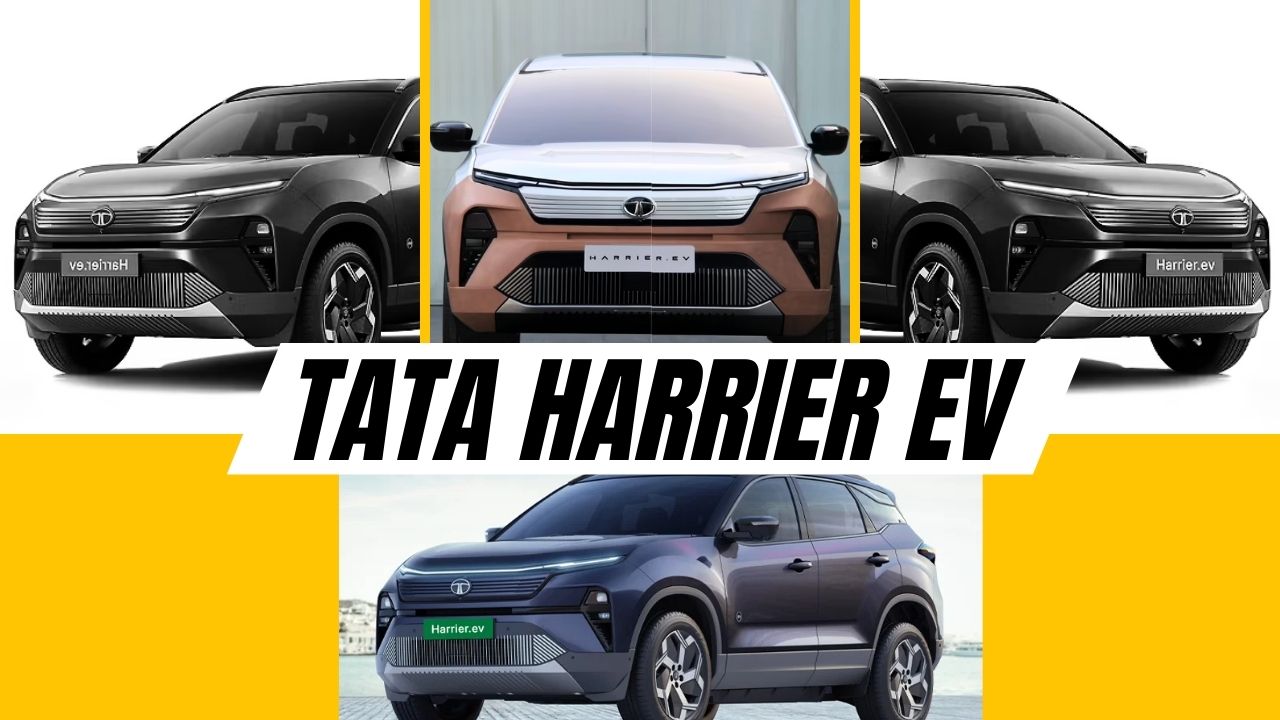
Under the “Delete Impossible” banner, this one is Tata’s comeback to serious 4×4 prowess – this time, driven by electrons.
| Feature | Specification |
| Battery Pack | 65 kWh / 75 kWh (LFP Chemistry) |
| Power / Torque | 390 bhp / 504 Nm |
| 0-100 km/h | 6.3 Seconds |
| Real-World Range | 438 km to 505 km |
The Harrier EV brings in quad wheel drive (QWD), a dual-motor configuration that promises authentic off-road toughness. Along with a “transparent bonnet” camera mode and 57.5% high special-grade steel for rigidity, it’s designed for the Himalayas as much as for the road.
| Variant | Battery | Drive | Ex-Showroom (Intro) |
| Adventure 65 | 65 kWh | RWD | ₹21.49 lakh |
| Adventure S 65 | 65 kWh | RWD | ₹21.99 lakh |
| Fearless+ 65 | 65 kWh | RWD | ₹23.99 lakh |
| Fearless+ 75 | 75 kWh | RWD | ₹24.99 lakh |
| Empowered 75 | 75 kWh | RWD | ₹27.49 lakh |
| Empowered QWD 75 | 75 kWh | AWD | ₹28.99 lakh |
| Empowered QWD 75 Stealth ACFC | 75 kWh | AWD | ₹30.23 lakh |
Nostalgia Meets Tech: The Sierra EV
The Tata Sierra is a name that makes Indian car enthusiasts go weak in the knees. Coming early 2026, the Sierra EV keeps the signature curved rear glass but incorporates a futuristic “lounge” interior.
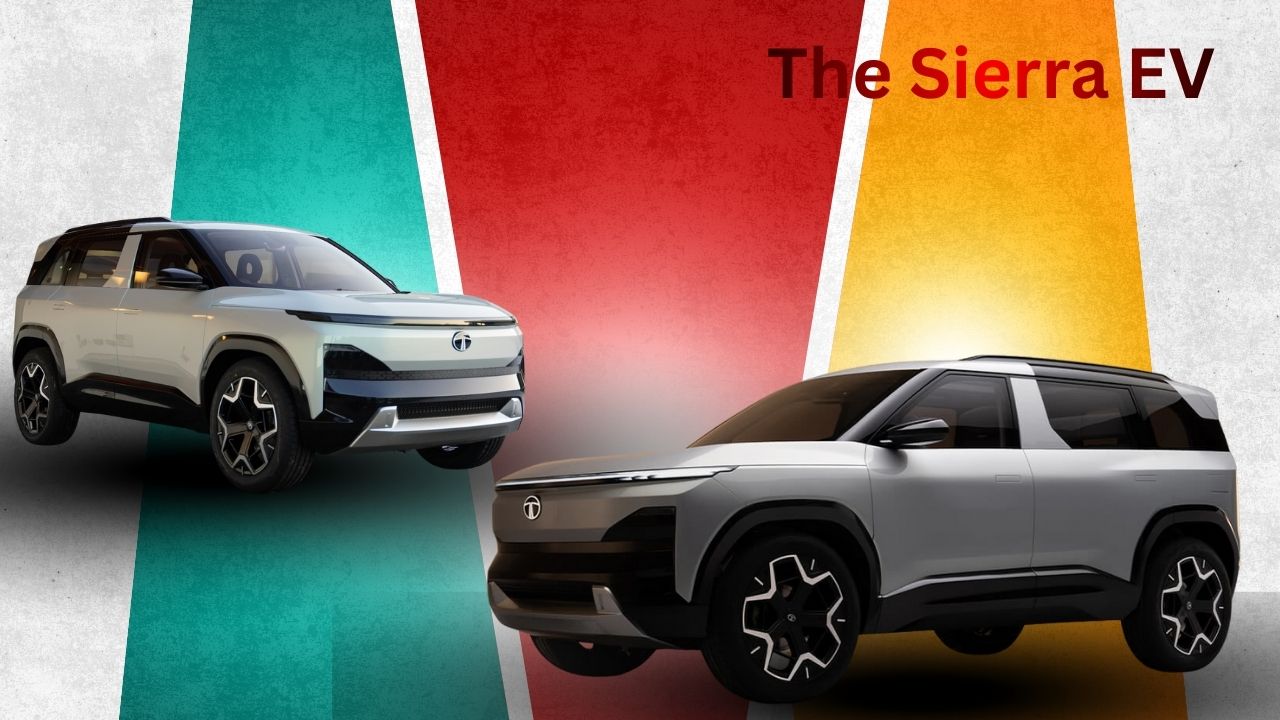
What’s astonishing is the market reaction: press said more than 70,000 bookings were received within 24 hours of the reveal. Whether you are going for the family-oriented 5-seater, or executive 4-seater lounge version, Sierra is designed to be your sanctuary on wheels delivering Level 2+ ADAS, and up to 600 km range.
Avinya: Luxury Redefined on EMA
While the Harrier and Sierra keep things ticking in the premium segment, Avinya is Tata’s moonshot. This is separate luxury marque to compete with the likes of Tesla and Volvo.
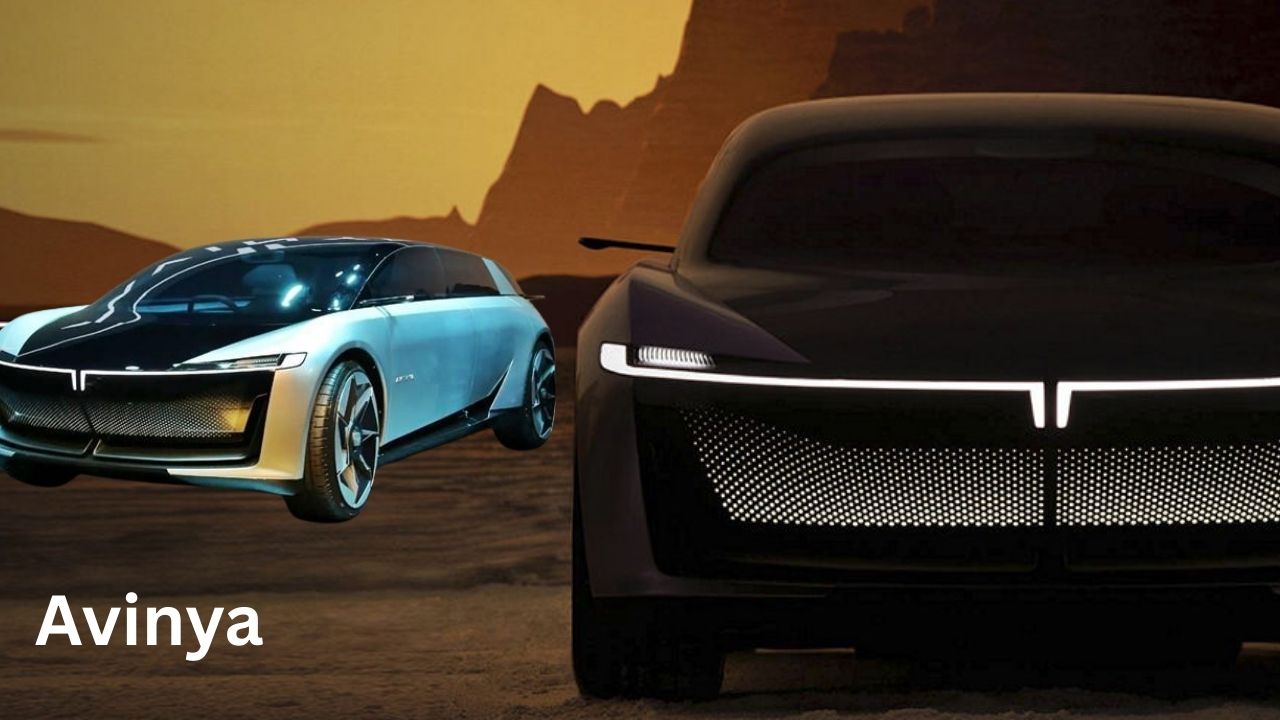
Utilising JLR’s EMA platform, Avinya vehicles (codenamed P1 to P5) will feature:
- 800V Ultra-Fast Charging: 30 minutes for 500 kilometres of range.
- AI-Human Synergy: Using facial recognition, the vehicle monitors your vital signs and changes the climate and aroma accordingly to your stress level.
- A “Screen-less” Ethos: In place of distracting tablets, Avinya employs voice commands and projection UI to keep drivers focused and the cabin calm.
Ownership Peace of Mind
High-tech cars bring high-tech worries, in this case about battery life. Tata has addressed this with a 15-year “lifetime” High Voltage battery warranty for its flagship range. Tata will repair or replace the battery if its health falls below 70%. It is a strong claim of confidence in their LFP (Lithium Iron Phosphate) cell chemistry which is more suitable for India’s extreme heat.
Read More:- Mercedes-Benz GLS SUV Impact on the Global Automotive Industry
Conclusion
By the end of 2026, Tata Motors will offer a product for every kind of EV buyer: the adventurer (Harrier), the executive (Sierra), and the connoisseur (Avinya).
The road isn’t clear – competitors such as Mahindra’s XEV series are on the horizon – but Tata’s incorporation of JLR technologies and an enormous localized charging infrastructure has them considerably ahead. They are not selling a means of transportation, but a fully integrated, high-performance way of life.
