0

Tata Motors Next-Gen EV: Flagship Electric Vehicle Explained

Published Jan 21, 2026, 11:05 AM
Last Updated Jan 21, 2026, 11:19 AM

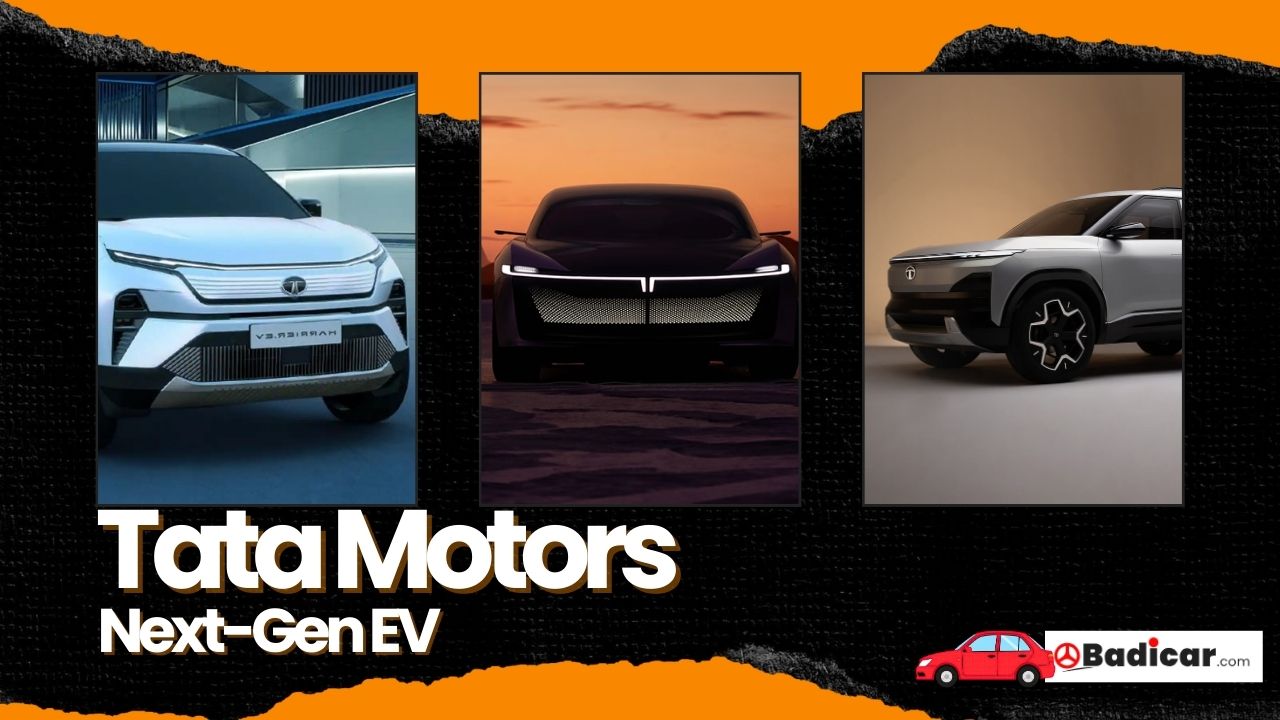
Tata Motors Next-Gen EV

The Indian car industry is not just “getting ready” for an electric future, it is in fact living that future. At the center of this tectonic change is Tata Motors, a label that has transcended the mere act of swapping engines for batteries. Moving into 2026, Tata is leading the charge in industrial transformation from retrofitted platforms to a layered, “born-electric” model.

Investing a mind-boggling ₹16,000-18,000 crores, Tata is not just launching cars; they are fortifying themselves technologically. From the rugged Harrier EV to the ultra-luxury Avinya sub-brand, here is your deep dive on the roadmap transforming Indian mobility. 

The Three Pillars of Architecture: Evolution by Design

Tata’s supremacy is no accident. It is a product of a technically sophisticated, three-generation lineage playing out:

  • Generation 1 (The Pioneers): The original Nexon EV and other such models showed that Indians were prepared for electric power. These were “converted” ICE platforms — practical, but physically constrained by old chassis configurations.
  • Generation 2 (The Active Era): That’s when it got really serious. The active) architecture is a dedicated-EV platform. It runs on Punch EV and on the upcoming Sierra, introducing more space and modularity on a 400V platform.
  • Generation 3 (The Global Standard): This is the crown jewel. Developed in partnership with Jaguar Land Rover (JLR), the EMA (Electrified Modular Architecture) is a “born-electric” skateboard. It operates at 800V, offering ultra-fast charging and interior space comparable with the best in the world. 

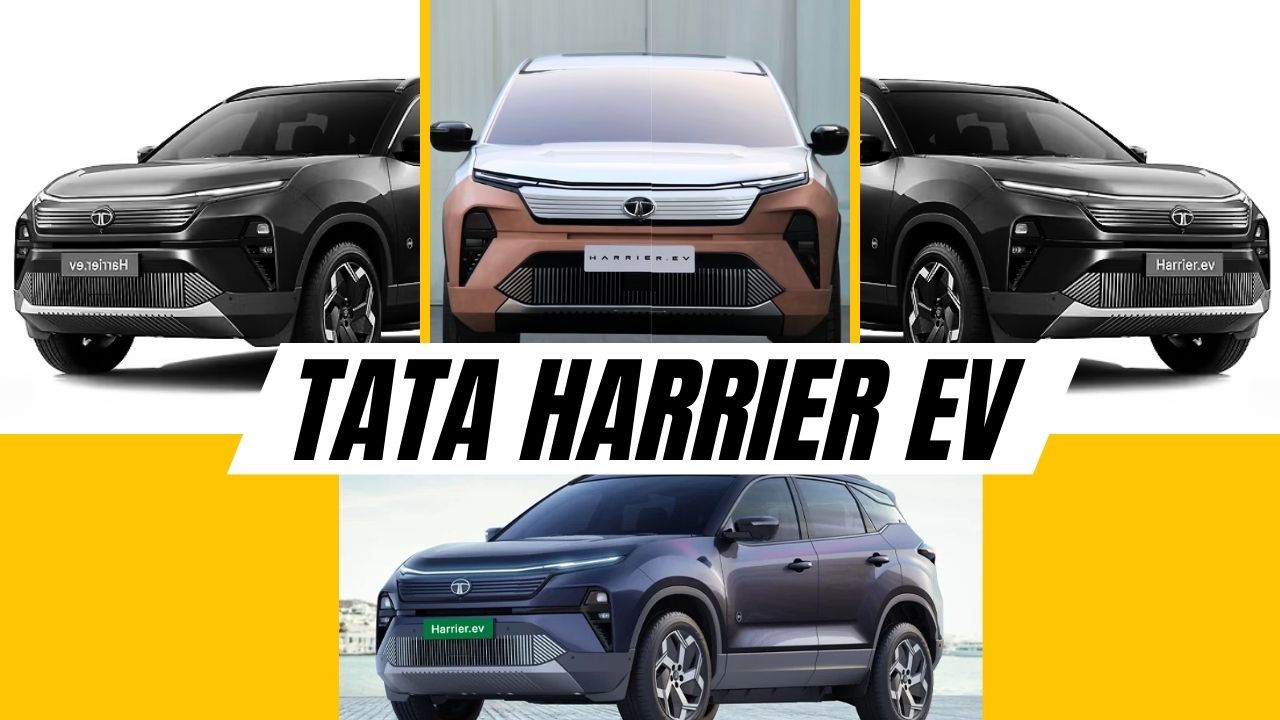
The Heavy Hitter: Tata Harrier EV

If Nexon EV is the “people’s car,” then Harrier EV is the high-performance flagship for those who are not willing to make compromises.

Tata Harrier EV

Under the “Delete Impossible” banner, this one is Tata’s comeback to serious 4×4 prowess – this time, driven by electrons. 

Feature Specification
Battery Pack 65 kWh / 75 kWh (LFP Chemistry)
Power / Torque 390 bhp / 504 Nm
0-100 km/h 6.3 Seconds
Real-World Range 438 km to 505 km

The Harrier EV brings in quad wheel drive (QWD), a dual-motor configuration that promises authentic off-road toughness. Along with a “transparent bonnet” camera mode and 57.5% high special-grade steel for rigidity, it’s designed for the Himalayas as much as for the road. 

Variant Battery Drive Ex-Showroom (Intro)
Adventure 65 65 kWh RWD ₹21.49 lakh
Adventure S 65 65 kWh RWD ₹21.99 lakh
Fearless+ 65 65 kWh RWD ₹23.99 lakh
Fearless+ 75 75 kWh RWD ₹24.99 lakh
Empowered 75 75 kWh RWD ₹27.49 lakh
Empowered QWD 75 75 kWh AWD ₹28.99 lakh
Empowered QWD 75 Stealth ACFC 75 kWh AWD ₹30.23 lakh

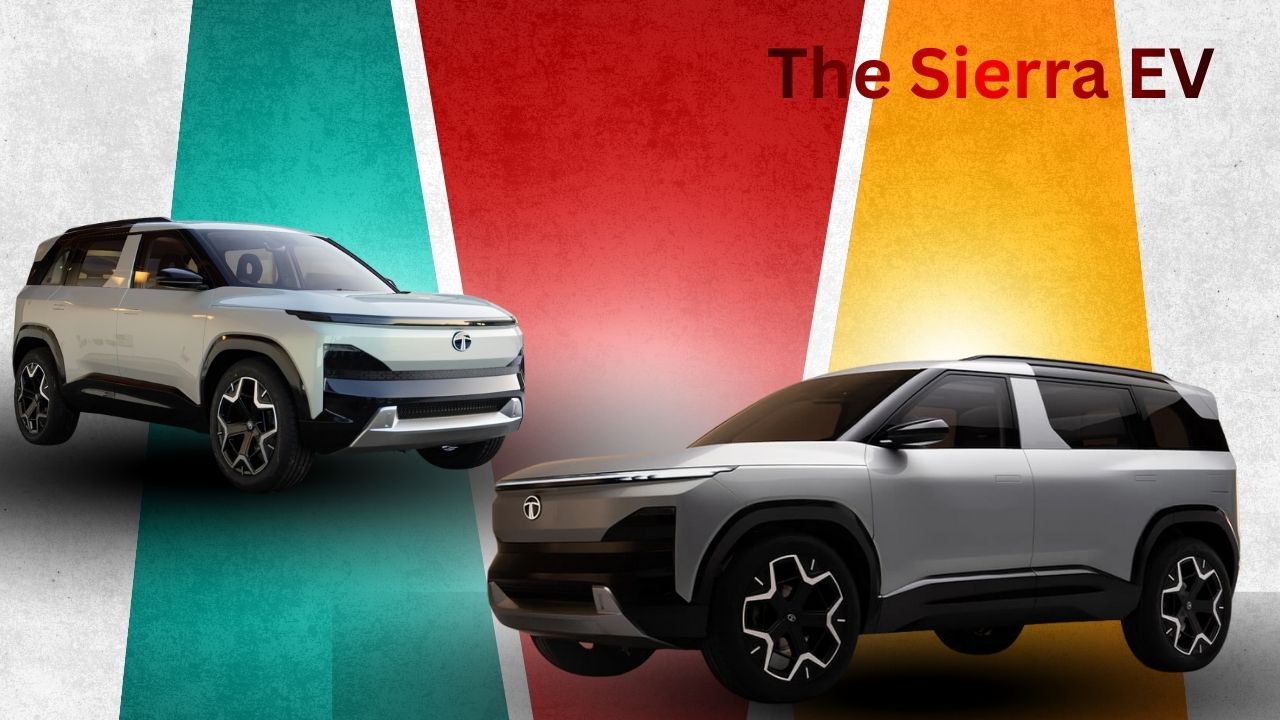
Nostalgia Meets Tech: The Sierra EV

The Tata Sierra is a name that makes Indian car enthusiasts go weak in the knees. Coming early 2026, the Sierra EV keeps the signature curved rear glass but incorporates a futuristic “lounge” interior.

The Sierra EV

What’s astonishing is the market reaction: press said more than 70,000 bookings were received within 24 hours of the reveal. Whether you are going for the family-oriented 5-seater, or executive 4-seater lounge version, Sierra is designed to be your sanctuary on wheels delivering Level 2+ ADAS, and up to 600 km range. 

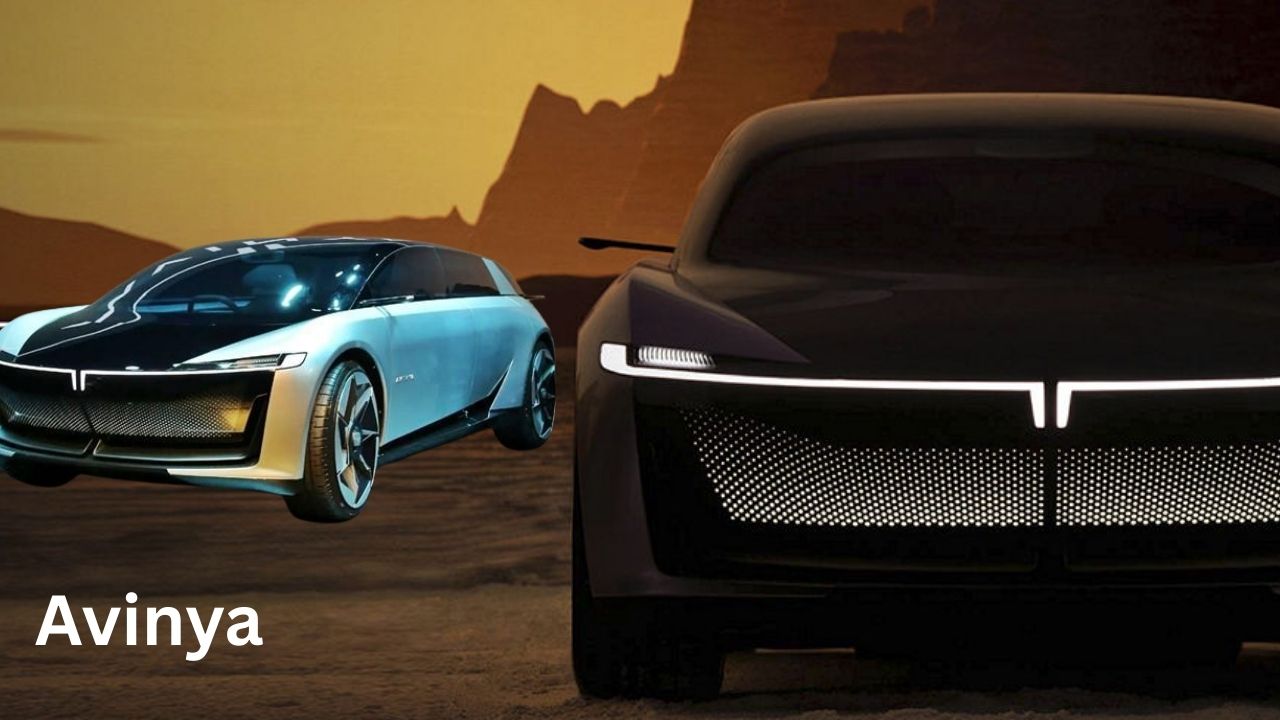
Avinya: Luxury Redefined on EMA

While the Harrier and Sierra keep things ticking in the premium segment, Avinya is Tata’s moonshot. This is separate luxury marque to compete with the likes of Tesla and Volvo.

Avinya

Utilising JLR’s EMA platform, Avinya vehicles (codenamed P1 to P5) will feature:

  • 800V Ultra-Fast Charging: 30 minutes for 500 kilometres of range.
  • AI-Human Synergy: Using facial recognition, the vehicle monitors your vital signs and changes the climate and aroma accordingly to your stress level.
  • A “Screen-less” Ethos: In place of distracting tablets, Avinya employs voice commands and projection UI to keep drivers focused and the cabin calm. 

Ownership Peace of Mind

High-tech cars bring high-tech worries, in this case about battery life. Tata has addressed this with a 15-year “lifetime” High Voltage battery warranty for its flagship range. Tata will repair or replace the battery if its health falls below 70%. It is a strong claim of confidence in their LFP (Lithium Iron Phosphate) cell chemistry which is more suitable for India’s extreme heat. 

Read More:-  Mercedes-Benz GLS SUV Impact on the Global Automotive Industry

Conclusion

By the end of 2026, Tata Motors will offer a product for every kind of EV buyer: the adventurer (Harrier), the executive (Sierra), and the connoisseur (Avinya).

The road isn’t clear – competitors such as Mahindra’s XEV series are on the horizon – but Tata’s incorporation of JLR technologies and an enormous localized charging infrastructure has them considerably ahead. They are not selling a means of transportation, but a fully integrated, high-performance way of life. 

Sharey Khan

Sharey Khan is an IT entrepreneur and petrol head & a car enthusiast. With a special focus on car-related content, he combines his deep passion for vehicles with a talent for crafting informative, engaging, and easy-to-understand content. His writing is driven by a genuine love for cars and he is committed to providing readers with accurate, up-to-date, and trustworthy information that empowers smarter driving decisions. 

Leave a Reply

Your email address will not be published. Required fields are marked *

0

Tata Harrier & Safari Petrol Launched In India at Rs. 12.89 Lakh

Published Jan 8, 2026, 11:30 AM
Last Updated Apr 22, 2026, 11:47 AM

Tata Harrier & Safari Petrol

Tata Motors have launched the petrol variants of their popular SUVs Harrier and Safari. Tata Motors has introduced petrol variants for two popular SUVs, about time too. With a starting price of Rs 12.89 lakh, the Harrier petrol is one of the cheapest seven-seater SUVs available in India, while the petrol option of the Safari has a price tag of Rs 13.29 lakh.  

Let me take you through all the reasons why these launches will be nothing short of a revolution for the Indian SUV market.  

The Engine That Brought Dreams to Life

For years, Tata lovers had to make do with a rock and a hard place: love the styling, hate the diesel-only offers. That is all about to change with the new 1.5-litre TGDi turbocharged petrol engine introduced – a powerhouse, demonstrated by Tata first at Auto Expo 2023 but seemingly moving at a glacial pace while bringing it to the Harrier and Safari. It’s not just an ordinary petrol engine, it’s been specifically tuned for these SUVs, outputting 170 PS and 280 NM.

Sure, you lose 70 Nm over the diesel’s 350 Nm, but here’s the punchline: in the real world, very few will feel a thing. The petrol engine is responsive, quite refined and most importantly fuel efficient for driving in the city. You can choose from a 6-speed manual or a 6-speed torque converter automatic that is buttery smooth, so take your pick depending on your driving style. 

Features That’ll Make Your Heart Skip a Beat

This is where the petrol launch becomes a lot more interesting. Tata didn’t just slot in an engine in these SUVs—these are loaded with premium features that were not available before. A huge 14.5-inch Samsung Neo QLED touchscreen infotainment system, same as the one used in the Harrier EV. 

This is no ordinary glossy screen, it’s crisp, it’s responsive, and you can even see it in direct sunlight. It’s packed with wireless Apple CarPlay, Android Auto, built-in navigation, voice assistant, Alexa integration, and even arcade games to pass the time.

The sound experience is also enhanced, with a 10-speaker JBL system with Dolby Atmos delivering concert-hall-quality sound that turns your daily drive into an immersive journey. 

Safety Gets Smart with ADAS

Among the biggest highlights is the Level 2 ADAS (Advanced Driver Assistance System) pack comprising of a mass 22 features which will be available on the top variants. That includes adaptive cruise control, lane-keeping assistance, collision warnings and more — technology that used to be available only in luxury cars.

Safari petrol

The digital interior rear-view mirror (VisionEX) with integrated dual dashcams brings an additional level of safety as you get HD videos from front and rear at the same time. 

Interior Comfort

Step inside the petrol variant of the Harrier and you’ll experience an all-new interior theme. The Fearless Ultra has an Oyster White and Titan Brown colour theme that is premium and airy, a stark contrast to the dark interiors of the past models. A new sliding armrest offers practical convenience, and the panoramic sunroof with ambient mood lighting enhances the premium ambience. 

Tata has offered new captain seats with ventilation for the Safari petrol in the 6-seater configuration—ideal for those hot summer drives across India. The second row is fitted with window sun blinds and winged headrests, letting your passengers travel in real comfort. If you want the roominess of a seven-seater, that choice is there as well, but the captain seats? That’s where the luxury happens. 

Read More:- Toyota Urban Cruiser BEV Teased in India: Launch Timeline, Range, Features & Price

Variants for Every Budget

The Harrier petrol is available in seven variants- Smart, Pure X, Adventure X, Adventure X Plus, Fearless X, Fearless X Plus and the top-spec Fearless Ultra, all are offered with the choice of manual and automatic.

Variants for Every Budget Tata Harrier

The Safari petrol gets six variants as well with the same two transmission options. This sort of tiered system means you’re not obligated to buy features you don’t need – you end up with whatever suits your lifestyle and your budget. 

Conclusion

Tata spent almost seven long years to bring petrol options to these two outstanding SUVs, but the wait could have actually worked in their favor. The petrol engine isn’t a rushed afterthought but rather a well thought out upgrade with a raft of premium features that actually make these SUVs competitive in 2026. 

Be it the Harrier’s tempting 5-seater practical layout or the Safari’s 3-row flexible seating, Tata has at long last given what loyal customers have been crying for – a petrol option, without having to compromise in terms of the legendary design and build quality these SUVs have come to be known for. 

0

Saurabh Ahuja Luxury Car Collection: Prices, Models and Features

Saurabh Ahuja Luxury Car Collection

Saurabh’s love for cars was instilled early with his Punjabi roots and family who appreciates finer things in life. Living life in the fast lane in Mumbai, he has a garage as diverse as his film roles – a mix of practical daily drive vehicles in Saurabh Ahuja Car Collection with a handful of head-turning show-stoppers. The buzz on the streets tell us that his collection is worth crores, a perfect melange of German Engineering, Italian Flair and American power. It’s not just about the bling, Saurabh is said to choose rides that suit his vibe — stylish, but still spirited. 

Saurabh Ahuja Car Collection

Mercedes-Benz S-Class

Leading the list is the undisputed luxury king for him, the Mercedes-Benz S-Class. This is the ultimate chauffeur’s delight wild for the chaotic traffic of Mumbai or red carpet arrivals. Saurabh allegedly owns an S350d model, a diesel powerhouse featuring a 3.0L V6 motor that churns out 282 horsepower. 

Mercedes-Benz S-Class

Smooth as nothing else, it accelerates from 0 to 100 km/h in less than 7 seconds and rides on an adaptive air suspension. Loaded with goodies like a Burmester sound system, massaging seats and night vision assist, it commands a price of just under ₹1.8 crore ex-showroom. Just imagine driving down Bandstand with the panoramic sunroof down – puro class. 

BMW 7 Series

But Saurabh doesn’t do sedans only. Behold the BMW 7 Series, yet another heavyweight in his fleet. 730Ld M Sport catches eye with its fierce-looking kidney grille and M aerodynamic kit. 

BMW 7 Series

Under the hood: A refined 3.0L diesel straight-six making 261 hp, paired to an 8-speed ZF auto. It consumes fuel at the rate of 18 kmpl on highway while using laser headlights and a rear executive lounge. At around ₹1.5 crore, it is Saurabh’s long-drive to Lonavala, a combination of luxury and BMW’s characteristic agility. 

Audi RS7 Sportback

For those days when you need to feel the rush, Saurabh goes with the aggressively styled Audi RS7 Sportback. A sleeper monster hidden behind the bronze wrapped and brawny hatch is a 4.0L twin-turbo V8 producing 600 hp with all-wheel Quattro traction. It clears 0-100 in 3.9 seconds, with an electronically limited top speed of 305 km/h. 

Audi RS7 Sportback

The Black Optics package (red brake calipers, matte black wheels, and a Bang & Olufsen audio system) is most likely included with Saurabh’s model of the car. What is the street price? 2.3 crores and remain cool and upward. More powerful than his on-screen kisses, it snatches glances when bottled videography running along Juhu. 

Mercedes-Benz GLE

No collection is full without some SUVs, and Saurabh has got us covered with the Mercedes Benz GLE. The GLE 350d, to be exact — a 3.0L diesel with 282 hp, air suspension and off-road chops undercover of urban polish. It’s got a prodigious 640 Nm torque for effortless overtakes and a boot space that devours weekend gears. 

Mercedes-Benz GLE


At around ₹1 crore, it is family-friendly yet ferocious with matrix LED lights and a twin-screen cockpit. Saurabh’s been papped rolling in this bad boy, luxury needn’t mean losing versatility. 

Porsche 911 Carrera

It’s rumored he has a Porsche 911 Carrera sitting in his garage. If so, it’s the driver’s car pinnacle — a 3.0-liter flat-six turbo with 385 hp, rear-wheel-drive purity, and a PDK gearbox for lightning-quick shifts. 0-100 in 4 seconds flat, and that iconic rear-engine growl is priceless at ₹1.8 crore-plus. Saurabh’s fitness freak side probably loves the raw engagement. 

Porsche 911 Carrera

Here’s a Quick Spec Showdown of Saurabh Ahuja Car Collection

Car Model Engine & Power 0-100 km/h Approx. Price (₹ Cr) Standout Feature
Mercedes S350d 3.0L Diesel, 282 hp ~6.8s 1.8 Massaging seats, night vision
BMW 730Ld M Sport 3.0L Diesel, 261 hp ~6.2s 1.5 Laser lights, executive lounge
Audi RS7 4.0L Twin-Turbo V8, 600 hp 3.9s 2.3 Quattro AWD, 305 km/h top speed
Mercedes GLE 350d 3.0L Diesel, 282 hp ~7.2s 1.0 Air suspension, twin screens
Porsche 911 Carrera (rumored) 3.0L Turbo Flat-6, 385 hp 4.0s 1.8+ Rear-engine balance, PDK gearbox

What Makes Saurabh’s Lineup Pop?

Saurabh keeps his collection under wraps—no Instagram flex like some celebs do, but sightings and insider reports paint a portrait of finely honed taste. He keeps them maintained at high-end service centers, choosing green-friendly options such as hybrids in newer additions to his fleet. his garage is an escape podIn a city where traffic is torture.

It’s a good mix of daily luxo-cruisers with some thrill options. Bollywood is evolving, and now so is his fleet, rumors of a Tesla Model S Plaid or Range Rover SV emerge. 

Read More:-  Swift vs Baleno 2026 Comparison: Price, Mileage, Features & Verdict

Conclusion

Saurabh Ahuja Car Collection is not merely about flaunting riches — it speaks volumes about his personality. It’s a mix of cool, controlled luxe with raw, heart pounding performance, illustrating a guy who likes to ride and drive. From the peaceful grace of the S-Class to the brutal strength of the Audi RS7, each vehicle seems purpose-selected, not haphazardly acquired. 

0

Kia Carens CNG, Clavis CNG & Carnival Hybrid Pre-Bookings Open In India

Kia Carens CNG

Kia has opened pre-bookings for three new powertrain options in India — the Carnival Hybrid, Carens CNG and Carens Clavis CNG but none has an official price yet. The Carnival Hybrid pre-bookings create excitement among buyers because it brings electrification to Kia’s flagship MPV, while the two Carens variants finally offer a factory-fitted CNG setup instead of a dealer-installed kit. 

If you’ve been waiting for a factory-fitted CNG Kia or a hybrid alternative to the diesel Carnival, here’s what you’re actually signing up for before you hand over a booking amount.

Carnival Hybrid Pre-Bookings Are Open, But The Price Isn’t Announced

The Carnival Hybrid pre-bookings went live days after Kia showcased the model at its Inspiration Day event in early September 2026 — the same event where the new three-row Kia Sorento was unveiled. 

The Sorento launched on September 4 at Rs 27.99 lakh ex-showroom with diesel, hybrid and AWD options, and the Carnival Hybrid borrows the underlying idea: a strong-hybrid setup built around a 1.6-litre G1.6T turbo-petrol engine, paired here with a 6-speed automatic gearbox.

Carnival Hybrid

Kia is offering the hybrid only on the Carnival’s Limousine+ trim, which today is sold exclusively with a diesel engine at Rs 59.65 lakh ex-showroom. That number is the one to anchor your expectations to. The hybrid isn’t replacing the diesel — it’s slotting in alongside it as a premium alternative, expecting it to land above that Rs 59.65 lakh mark rather than undercut it. Kia hasn’t confirmed a figure yet.

What Changes Over The Diesel Limousine+ 

Design and Exterior

A 18-inch Crystal Cut dual-tone aero alloy wheels, Active Air Flaps for better aerodynamics, and a Virtual Engine Sound System that generates an audible warning when the Carnival is crawling on electric power alone. 

That last one isn’t a gimmick — strong hybrids can be silent enough at parking-lot speeds to genuinely surprise pedestrians, so the artificial sound is a real safety addition, not badge dressing. 

Interior Features & Functions

Inside, Kia has added a Smart Pure Air Purifier with an AQI readout, retractable height-adjustable seat-back tables with wireless charging built in, monotone ambient lighting, and leatherette-wrapped door trims. 

Everything that already worked on the Limousine+ carries over unchanged: dual 12.3-inch displays, three-zone climate control, a 12-speaker Bose system, eight airbags, Level 2 ADAS, and a 360-degree camera.

Kia Hybrid Discount Rate

Under India’s GST 2.0 structure, in effect since September 2025, hybrids don’t get the same tax break as pure EVs — only battery electric vehicles sit at the concessional 5% rate. A large hybrid like the Carnival, well over 4 metres long and running a 1.6-litre engine, falls into the same 40% GST slab as any other big diesel or petrol SUV in that size class. 

Whatever premium the Carnival Hybrid ends up carrying over the diesel Limousine+ will come entirely from Kia’s own component and engineering costs, not from any tax advantage passed on to buyers — worth knowing if you were assuming “hybrid” automatically means a lighter tax bill in India the way it does with EVs.

Kia Hybrid Rivals in The Market

The awkward part for anyone trying to cross-shop Carnival Hybrid against India’s other hybrid MPV. The Toyota Innova Hycross tops out around Rs 32.95 lakh ex-showroom for its fully loaded ZX(O) hybrid variant and returns an ARAI-claimed 23.24 kmpl. 

Kia Hybrid and Toyota Innova

The Carnival Hybrid will likely launch at close to double that price. These two aren’t really fighting for the same buyer — the Hycross is the practical, efficiency-first hybrid MPV; the Carnival Hybrid is Kia betting that a narrower slice of luxury-MPV buyers wants electrification without giving up the Limousine+ badge and its chauffeur-driven positioning. 

If you’re putting the two on a spreadsheet expecting a like-for-like fight, you’re comparing the wrong cars — the Carnival Hybrid’s real rival is arguably its own diesel sibling, not anything wearing a Toyota badge.

Read More 👉 Tata Nexon On-Road Price Lucknow — Best Compact SUV At This Price Point


Carens CNG And Clavis CNG Finally Give Kia A Factory-Fitted Option

The second half of Carnival Hybrid pre-bookings announcement matters more for volume, because it fixes something Kia has never offered in India. Every CNG Carens on the road today runs on a government-approved dealer-fitted kit sourced from Lovato — bolted on after the car leaves the factory, tuned around an engine that was never designed to run on gas. 

Kia Hybrid

The Carens CNG and Carens Clavis CNG change that by moving CNG integration onto the assembly line itself, which means the engine calibration, fuel delivery, and even the suspension tuning are built around dual-fuel operation from day one instead of retrofitted around it.

Power and Transmission Performance

Both use Kia’s G1.5 naturally aspirated 1.5-litre petrol engine, paired exclusively with a 6-speed manual gearbox — there’s no automatic CNG option at launch, so buyers who want a slushbox will have to stick with petrol or diesel. The tank is a 60-litre unit mounted under the boot floor, and Kia claims usable boot space still comes in around 116 litres, which will matter to anyone who has watched an aftermarket CNG kit swallow an entire trunk. 

Running on gas, the engine makes 93hp and 123Nm, down from 115hp and 144Nm on petrol. That drop is normal for factory CNG tuning, but it’s worth knowing going in if you’re used to how the regular Carens drives and expect the CNG version to feel identical under load.

Kia has also revised the suspension tuning and switched to 16-inch wheels with 16-inch disc brakes, specifically to handle the extra weight the tank and hardware add over the rear axle. Inside, there’s a dedicated CNG Fuel Change Switch and a 4.2-inch colour TFT instrument cluster that shows CNG Distance-to-Empty — a small thing, but a genuine upgrade if you’ve ever driven a retrofitted CNG car with no real idea how many kilometres of gas are left in the tank.

Trim availability is where the two models split. The standard Carens CNG is expected to be limited to the Premium trim, plus a dedicated M-Drive trim built for commercial and fleet buyers — cab operators, essentially. 

The Carens Clavis CNG, positioned as the more premium option, gets its own HTM trim for the same commercial use case, alongside CNG on regular passenger trims. If you’re buying for a fleet specifically, ask your dealer directly about what the M-Drive and HTM trims strip out, since fleet-spec variants often drop features you’d expect on a personal-use car.

Read More 👉 Hyundai Creta On-Road Price In Lucknow: Get Details Before Entering Into a Showroom

How Kia’s Numbers Stack Up Against Ertiga, XL6 And Rumion

Kia isn’t creating a new segment here — it’s entering one Maruti Suzuki has quietly dominated for years, with Toyota’s badge-engineered version riding along. 

Model Engine CNG Output Claimed Mileage Ex-showroom Price
Kia Carens CNG 1.5L NA petrol 93hp / 123Nm Not yet disclosed Not yet announced
Kia Carens Clavis CNG 1.5L NA petrol 93hp / 123Nm Not yet disclosed Not yet announced
Maruti Ertiga CNG 1.5L K15C petrol ~87hp / 121.5Nm 26.11 km/kg ~Rs 10.9–12 lakh
Maruti XL6 CNG 1.5L K15C petrol ~87hp / 121.5Nm 26.11–26.3 km/kg ~Rs 12.28–12.43 lakh
Toyota Rumion CNG 1.5L petrol ~86hp / 121.5Nm 26.11 km/kg ~Rs 11.4 lakh

Kia hasn’t disclosed a CNG mileage figure for either model, and that’s a real gap, not a footnote — mileage is the entire reason someone chooses a CNG MPV over petrol or diesel, and until Kia publishes an ARAI number there’s no way to know if the Carens CNG actually beats the Ertiga’s proven 26.11 km/kg or just matches it with a nicer cabin around it. 

For a rough price anchor, Kia’s existing dealer-fitted Carens Premium CNG kit currently sells for around Rs 11.77 lakh ex-showroom — useful context, but not a preview of what the new factory-fitted variant will cost, since factory integration typically carries its own premium over a retrofit. 

Should You Put Down A Booking Amount?

Booking amounts in India are typically refundable — but “typically” is doing a lot of work in that sentence, and refund terms vary by dealer, so read the booking form before you pay, not after. 

Beyond that, the real question is what a Carnival Hybrid pre-bookings buys you right now: a place in the queue, not a locked-in price. 

Carnival Hybrid

If Kia’s own timeline holds and pricing lands by “end of September or early October 2026,” per its dealer network, you’re looking at a wait measured in weeks, not months — short enough that booking early mostly secures faster delivery once prices are announced, rather than protecting you from a price hike between now and launch.

Where Carnival Hybrid pre-bookings gets genuinely tactical is the CNG decision. If lower running costs are your only reason for wanting a Carens or Clavis, don’t book blind — wait a few weeks it’ll take Kia to publish an ARAI mileage figure. 

A CNG MPV returning 22 km/kg instead of the Ertiga’s 26 km/kg changes five-year ownership economics by a meaningful amount, and right now nobody outside Kia knows which side of that gap the Carens CNG lands on. 

For the Carnival Hybrid, the calculation runs differently — buyers at that price point aren’t shopping on running costs, they’re deciding whether the added kit and the hybrid badge justify a premium over a diesel Limousine+ that already does the job well.

Fleet and commercial buyers eyeing the M-Drive or HTM trims. Commercial variants tend to sell out of early production allocations fast because operators buy in volume, and waiting for a finalised spec sheet rarely changes the math the way it might for a private, feature-conscious buyer.

Read More 👉  Maruti Suzuki September 2026 Offers: Save Money On Your New Car

Conclusion

Kia’s three pre-bookings are aimed at very different buyers. The Carnival Hybrid is a premium alternative to the diesel Limousine+, while the Carens and Clavis CNG are more practical attempts to take on the factory-CNG MPVs that Maruti and Toyota have dominated for years.

For private buyers, there’s little reason to rush for Carnival Hybrid pre-bookings before the missing numbers arrive. The Carnival Hybrid needs an official price to show whether its premium over the diesel makes sense, while the Carens CNG needs its ARAI mileage figure to prove that it can compete with the Ertiga, XL6 and Rumion on running costs. 

If you’re a fleet buyer targeting the M-Drive or HTM trims, booking early makes more sense. For everyone else, waiting a few weeks for Kia’s final pricing and mileage figures could make the decision much easier.

0

How to Renewal Car Insurance: Step-by-Step Guide (2026)

How to Renewal Car Insurance

Most people renewing their car insurance assume there’s a buffer if they miss the due date. There isn’t. Under current IRDAI norms, if your policy lapses by even a single day, your car has to go through an inspection before a new policy is issued and legally, you’re driving uninsured in the meantime. Knowing how to renewal car insurance will help you handle it quickly.

What most people call the “grace period” is actually a 90-day window that protects your No Claim Bonus, not your car. That distinction is where most ‘How to Renewal Car Insurance’ guides get sloppy, and it’s the difference between a smooth renewal and a stressful one. 

Want to maximize your savings? Read our complete guide on car insurance cost-saving tips.

What Is The “Grace Period”?

There’s no grace period for the coverage itself. The moment your policy expires, your car is uninsured — no exceptions, no buffer days. Drive during that window and you’re exposed to traffic fines, and if you’re in an accident, the full financial liability lands on you personally, not the insurer.

The 90-day window people refer to is narrower than it sounds: it only protects your accumulated No Claim Bonus. Renew within 90 days of expiry and your NCB carries over. Renew after that, and it resets to zero — even if you’d built up five straight claim-free years. So “I have three months to renew” is technically true for your bonus and false for everything else that matters.

Step-by-Step Guide: How to Claim Car Insurance for Own Damage

When to Actually Start the Process

Most insurers open the renewal window somewhere between 15 and 30 days before expiry, though this varies enough by insurer that it’s worth checking your policy document rather than assuming. Starting early gives you time to compare insurers and IDV quotes without the pressure of an expiry date bearing down on you — pressure that tends to make people accept whatever number the renewal SMS quotes them.

How to Renewal Car Insurance Online, Step by Step

There’s nothing that is difficult to understand ‘How to Renewal Car Insurance,’ so follow these steps one-by-one to get everything done.

Step 1: Pull Up Your Existing Policy and Check Three Things

Before comparing anything, confirm your expiry date, your policy type (third-party only, or comprehensive), and the IDV your current policy was issued on. These three numbers determine everything that follows.

Step 2: Decide Whether to Stay or Switch Insurers

Your NCB isn’t tied to your insurer — it belongs to you. Switching insurers at renewal doesn’t cost you your bonus; the new insurer verifies your claim history through the shared IIB database and applies the same NCB slab you’d earned with your previous one. If your current insurer’s renewal quote looks inflated, get one or two comparison quotes before assuming you have no choice but to pay it.

Step 3: Recalculate Your IDV Before You Accept the Insurer’s Number

IDV is the maximum amount you’d be paid if your car were stolen or written off, and it depreciates every year as your car ages. Insurers sometimes carry forward IDVs that don’t reflect this depreciation properly. A higher IDV means a higher premium — not necessarily better coverage — so it’s worth checking the number against your car’s actual current market value rather than accepting it by default.

Step 4: Apply Your No Claim Bonus Correctly

NCB starts at 20% after one claim-free year and climbs to a maximum of 50% after five, applied to the own-damage portion of your premium, not the third-party liability portion. One claim resets it entirely. It’s also worth knowing that GST is charged on the premium after your NCB is deducted, not before — so a higher NCB doesn’t just lower your premium, it lowers your tax outgo along with it.

Step 5: Review Add-Ons Instead of Renewing Them Blindly

Zero depreciation cover, engine protection, roadside assistance — these all get renewed automatically for most people because they were on last year’s policy. Some are worth keeping (engine protection matters if you’re in a flood-prone city; zero depreciation matters for cars under three years old). Others quietly get renewed out of habit and add cost for no real benefit. Go through the list deliberately rather than accepting the bundle.

Step 6: Keep These Documents Ready

You’ll need your RC copy, your previous policy copy, and your PUC certificate if your insurer asks for it. If you’re renewing after a lapse or switching insurers, keep clear photos of your car’s exterior handy — inspections increasingly happen through an app-based video walkaround rather than an in-person visit.

Step 7: Pay, Verify, and Download

Once you’ve paid, check that the policy number matches your RC, and that the new policy’s start date has no gap from your old policy’s expiry date. A one-day gap is enough to technically classify you as a break-in renewal, even if you paid on time.

How to Renewal Car Insurance

What Happens If You Miss the Deadline

Miss it by even a day and your insurer will require a vehicle inspection before issuing a new policy — this used to mean waiting for a surveyor to visit, though many insurers now let you submit a short self-recorded video instead, which can cut the approval time down to a few hours.

The bigger cost shows up if the lapse runs past 90 days. At that point your NCB resets to zero regardless of your claim history, which for most cars translates to roughly ₹4,000–₹12,000 in extra premium for the year, depending on the vehicle. 

In several states, traffic enforcement is now linked to real-time vehicle databases that flag expired policies automatically, so “I’ll deal with it later” carries more risk in 2026 than it used to.

Bought your car on a loan? Learn what hypothecation in car insurance means and why it matters.

The GST Line on Your Renewal Bill

Motor insurance premiums in India carry a flat 18% GST — this hasn’t changed, even though individual life and health insurance premiums were made GST-exempt from September 2025 onward. Car insurance wasn’t part of that reform. So on a ₹20,000 comprehensive premium, expect roughly ₹3,600 in GST, taking the total to about ₹23,600. 

As noted above, that 18% is calculated on the premium after your NCB discount is applied, not on the full amount — one more reason a clean claim history is worth protecting.

The actual renewal takes about ten minutes once you’re inside an insurer’s portal. Where people lose money is in the three weeks before that — letting the policy lapse, accepting an outdated IDV, or renewing add-ons without checking whether they’re still relevant. 

Set a reminder for 20 days before your expiry date, pull up your NCB certificate, and treat the renewal like you’re buying the policy fresh because on the insurer’s side, that’s exactly how it’s being underwritten.

Conclusion

Renewing your car insurance is fast – but only if you’re not procrastinating. Nothing to worry about renew your policy before it expires check your IDV and NCB verify add ons thoroughly after payment check your policy details. Guide on how to renewal car insurance in advance can help you avoid coverage gaps, protect your NCB and potentially save money on your premium. 

0

Honda Elevate – Price, Features, Mileage, and All You Need to Know

Published Nov 12, 2025, 10:49 AM
Last Updated Nov 12, 2025, 10:50 AM

Honda Elevate

The India compact SUV market has seen drastic changes in recent years and Honda Elevate has established itself as a unique offering in this space. If you are a first-time car buyer venturing into the world of SUVs or a sedan owner looking to upgrade, the Honda Elevate brings you an interesting package of practicality, safety and value-for-money. So let’s take a closer look at why this vehicle is so good. 

Pricing and Variants To Understand What’s Right For You

The Honda Elevate is priced attractively from ₹11.00 lakh (ex-showroom) for the base SV manual variant and goes up to ₹16.67 lakh (ex-showroom) for the top-end variants. This pricing policy makes sure that all budgets are covered in the compact SUV segment. 

Manual Transmission Variants
SV MT ₹11.00 lakh
V MT ₹11.96 lakh
VX MT ₹13.61 lakh
ZX MT ₹14.88 lakh
Honda Elevate Pricing and Variants

Image credit: Hondacarindia

Automatic Transmission Variants
V CVT ₹13.12 lakh
VX CVT ₹14.77 lakh
ZX CVT ₹16.06 lakh

Honda also curates special editions like the Black Edition (₹15.51 lakh), Signature Black Edition, and the newly introduced ADV Edition (beginning at ₹15.29 lakh for the manual and ₹16.44 lakh for the CVT). 

Note: The price of different variants may change due to change of region or district, kindly check your nearest showroom to get accurate price details.

Engine Specifications and Performance

The Elevate is powered by a 1.5-liter naturally aspirated i-VTEC petrol engine. This four-cylinder engine produces 119-121 bhp. It also produces a peak torque of 145 Nm at 4300 rpm. Maybe that spec sounds meek compared to turbo competitors, but that’s still real power. Still, whatever such driving such power provides is a smooth, steady drive. It is good for city trips and road travel.  

The engine is springed to two transmission choices: a 6-speed manual transmission or a 7-step CVT automatic. CVT Interesting for those who often drive in stop and traffic stop: you get momentum flow with less fatigue as a driver. 

Mileage – Real-World Efficiency

Honda Elevate Mileage – Real-World Efficiency

Image credit: Hondacarindia

Elevate’s distinguishing features include good fuel efficiency. The ARAI mileage is 15.31 km/l for the manual version and 16.92 km/l for the CVT automatic version. These are respectable figures for a car in this class, and that goes to show Honda’s dedication to making its powertrains as efficient as possible. Real world mileage: 15 to 16 km/l depending on drive style, traffic and road conditions. 

Dimensions and Space: Is It Practical Enough?

The Elevate rides on practical dimensions. It is 4312 mm long, 1790 mm wide and 1650 mm tall with a wheelbase measuring 2650 mm. What makes this all the more impressive is how Honda has managed to cram all of that space into a genuinely roomy five-seater without making the vehicle feel like a hulking beast in city traffic. 

With 458 litres of boot space, there’s more than enough room for your weekly shop, or you could pack light for the weekend - or whatever the combination of the two might be. This also helps with the 220 mm ground clearance required for Indian roads and the speed breakers, and a few rough patches now and then shouldn’t hurt the underbody. 

Read More :-  Top New Midsize SUVs in 2025 – Stylish, Spacious & Performance-Packed Option

Feature-Rich Cabin

But Honda has not cut any corners on features even with the aggressive pricing. The Elevate is equipped with a 10.25-inch Advanced HD Touchscreen Display Audio with wireless Apple CarPlay and Android Auto. So smartphone integration works flawlessly, so you can listen to music, get directions and take calls – all hands free.​

Other Honda Elevate key features include a 7-inch HD Full Colour TFT instrument cluster, fully automatic climate control with MAX COOL function, a wireless smartphone charger, and a one-touch electric sunroof (in tops models). Brown and black two-tone interior The interior features soft-touched areas, giving the cabin a more premium feel than the price tag of the vehicle would indicate. 

Safety: A True Standout

The Honda Elevate received a 5-star rating in the Japanese NCAP crash safety test – a remarkable feat for a car built in India. It rated 90 percent on average with good scores in crash safety (86/100) and preventive safety (82.22/85.8). Especially, most impressive is the Level 5 rating for Autonomous Emergency Braking, which can prevent collisions with moving obstacles up to 60 km/h (speed limit of 37 mph)

Honda Elevate Safety A True Standout

Image credit: Hondacarindia

Six airbags, electronic stability control, ISOFIX child seat anchorages, and hill start assist are standard across the range for safety. Higher trims also get Honda’s Level-2 ADAS (Advanced Driver Assistance Systems) including Adaptive Cruise Control, Lane-Keeping Assist, and Lead Car Departure Notification. 

Conclusion

The Honda Elevate is the outcome of fine-tuning practicality, technology and value. It’s aimed at buyers who need reliability and safety, but who don’t really want any bells and whistles. If you’re shopping for your first SUV or just want a solid, straightforward family hauler, Elevate makes a strong argument, with Honda dependability behind it.