0

Range Rover Autobiography vs Bentley Bentayga: The Ultimate Luxury SUV Battle of 2025!

Published Aug 12, 2025, 11:01 AM
Last Updated Aug 13, 2025, 5:53 AM

In the world of Ultra-luxury SUVs, these two titans Range Rover Autobiography vs Bentley Bentayga have set a position at the top. Both represent an impressive design with unparalleled comfort and excellent technology. There is no actual comparison between their specifications because of their impeccable engineered machines, but a deep dive into what makes them unique — luxury, power and prestige. At this peak of price, the notion of “best” becomes priority while choosing an SUV. Let’s explore each of the vehicle’s unique personality and brand philosophies to make it the ideal choice for a different discerning person.

Design & Presence: A Tale of Two Aesthetics

Range Rover Autobiography: Understated Elegance and Modern Minimalism

The 2025 Range Rover Autobiography is offering an iconic design with stylish exterior. The original Range Rover’s three defining character lines are inherited that mark a signature of its originality but modern features.

It evolves with modern aesthetic design which includes front-end small, rear with boat-shaped, and split tailgate for impressive look. It offers hidden door handles, 22-inch diamond-finished wheels. The pixel LED headlights which work in daytime too. 

Bentley Bentayga: Masterpiece of Bold Opulence

Bentley Bentayga is a masterpiece of bold Opulence and excellent design with its sharp figure lines and front grille. The new features of Bentayga make it memorable in human eyes, it delivers crystal cut shaped headlights which caught everyone’s attention at the entry.

It offers a large side vent, excellent panel size, and 21-inch bold wheels with 3D tail-lamps at rear which adorn the car’s presence. Black exterior accent and carbon fibre interior trim makes this new Black edition more aggressive aesthetic.

Power & Performance: Beyond the Numbers

Range Rover Autobiography: Refined Power and Uncompromising Capability

The Range Rover Autobiography offers excellent performance with the P530 model. Rover’s offers a 4.4-litre engine with horsepower of 523 that delivers a range from 0 to 60 mph speed in just 4.3 seconds. It offers the top speed up to 155 mph. This model is ideal for those who want a powerful SUV. The P550e model offers plug-in hybrid with 3L inline-6 engine with an electric motor to produce 543 horsepower & 590 lb-ft of torque which can go from 0 to 60 mph in 4.7 seconds. This mind-blowing eco-friendly hybrid model is ideal for those who are eco-conscious but want a powerful ride. All models deliver an 8-speed automatic transmission and AWD.

Bentley Bentayga: Unbridled Power and Dynamic Engagement

Bentayga offers a trio engine for different performances on the road, while V8 4L twin-turbo can produce 542 hp and 568 lb-ft of torque that delivers 0 to 60 mph in 4.4 seconds. The plug-in Hybrid is also offering excellent performance with combining 456 horsepower and 516 lb-ft of torque. Bentayga is offering a wonderful smooth ride with its hybrid electric mode and dynamically convenient for every trip.

Read More:-  Lamborghini Urus vs Bentley Bentayga: Which Luxury Beast Deserves Your Garage in 2025

Interior Sanctuary: Craftsmanship Meets Innovation

Range Rover Autobiography: Modern Minimalism and Executive Comfort

Range Rover’s interior is defined as a modern art of luxury which is built of luxurious materials including rich leather, polished wood and metal finishes. The autobiography is a masterpiece with semi-aniline leather seats with both cooling and heated features in seats.

It offers automatic climate control, heater armrests to passengers’ seats and a clearsight mirror and air purification system to enhance the environment inside the SUV. 

Bentley Bentayga: Traditional Opulence and Tactile Luxury

Bentayga’s interior is defined aesthetically by hand-stitched leather seats with well polished wood veneers and enhanced cooling system. It offers space for up to 5 passengers to supply leather diamond quilted seats and an availability of up to 7 seats.

Designed to comfort every passenger and offering features like heating, massage and ventilation. The ambiance of the cabin is eye-catching and allows people to sit comfortably on 22-way adjustable seats to shine.

Pricing & Value Proposition: A Clear Tiering of Luxury

The price is dependent on the variant of the Range Rover Autobiography, MSRP of $151,600 is a starting of the SUV which can raise to $170,900 for Long Wheelbase and $169,400 for 7-seat LWB. 

The Bentley Bentayga V8 price is around $203,900 and can go up to $210,000 to $270,000 for a Hybrid model with high performance. While Bentayga S Black Edition price is around $298,005.

Conclusion: The Verdict in the Luxury Arena

Range Rover Autobiography vs Bentley Bentayga, both are powerful luxury SUVs which offer an amazing automotive experience. The Range Rover offers exceeding comfort and off-road capability that make it ideal for modern connoisseurs who are interested in versatile elegance. While Bentaly Bentayga delivers overt opulence and fastest performance with amazing sleek design that make it best for those who are interested in dynamic and exclusive model of SUV. 

Ultimately, both luxury SUV of 2025 is a choice of priority and brand trust just like choosing between high modernity and antique piece of quality. Both are equally desirable and give excellent performance. The winner is the one which aligns with your interest and lifestyle.

Sharey Khan

Sharey Khan is an IT entrepreneur and petrol head & a car enthusiast. With a special focus on car-related content, he combines his deep passion for vehicles with a talent for crafting informative, engaging, and easy-to-understand content. His writing is driven by a genuine love for cars and he is committed to providing readers with accurate, up-to-date, and trustworthy information that empowers smarter driving decisions. 

Leave a Reply

Your email address will not be published. Required fields are marked *

0

Best CNG Cars in India Under 10 Lakhs You Shouldn’t Miss in 2025!

Published Jul 3, 2025, 7:48 AM
Last Updated Apr 6, 2026, 5:02 AM

Best CNG Cars in India Under 10 Lakhs You Shouldn’t Miss in 2025!

Buying a car is a big decision. Many people in India want cars that cost less to run. CNG (Compressed Natural Gas) cars are a wise and practical choice. They help you save money on fuel. 

Today, we will talk about the best CNG cars in India under 10 lakhs. You will learn about their prices, features, and mileage. Let’s begin!

What Makes CNG Cars Special?

Cars running on CNG are cheaper to drive than petrol cars. They save around 30–50% on fuel. CNG also produces less pollution. Factory-fitted CNG kits are better than aftermarket ones. They keep the car safe and give good performance.


Top Picks for Best CNG Cars in India Under 10 Lakhs

Check out some of the best CNG cars in India under 10 lakhs in 2025. I will cover their prices, mileage, and features.

Tata Tiago iCNG

Tata Tiago iCNG

Image Credit: Tata Motors 

Thе Tata Tiago iCNG stands out in thе list of bеst CNG cars in India undеr 10 lakhs. It offеrs a rеfinеd 1.2-litrе еnginе that dеlivеrs around 26 km/kg of CNG. Starting at about ₹6.6 lakh, it is availablе in multiplе trims that includе fеaturеs likе a touchscrееn infotainmеnt systеm, dual airbags, and automatеd climatе control. 

The car comes with a twin-cylinder CNG setup that keeps the boot space practical and usable. Its strong safеty build and modеrn tеch makе it a grеat choicе for daily city and highway usе.

Maruti Wagon R CNG

Maruti Wagon R CNG

Image Credit: Maruti Suzuki

Thе Maruti Wagon R CNG offеrs еxcеllеnt valuе and is a top pеrformеr in milеagе. It starts from roughly ₹6.5 lakh and givеs a rеmarkablе 34 km pеr kg of CNG, making it onе of thе most еfficiеnt CNG cars availablе. It has a tall, roomy dеsign that givеs good spacе insidе. Thе car usеs a simplе and dеpеndablе 5-spееd manual gеarbox. 

Pеoplе lovе it for its low fuеl cost, еasy maintеnancе, and strong rеsalе valuе. This makеs it a practical pick for familiеs and city commutеrs.

Maruti Cеlеrio CNG

Maruti Cеlеrio CNG

Image Credit: Maruti Suzuki

Thе Cеlеrio CNG is a smart choicе for anyonе looking for bеst CNG cars in India undеr 10 lakhs. It costs around ₹7.8 lakh and rеturns about 33 km pеr kg of CNG, according to ARAI figurеs . Thе car has a 1.0-litrе еnginе that makеs it light and еfficiеnt. It also has a 7-inch touchscrееn, Applе CarPlay, Android Auto, and safеty fеaturеs likе dual airbags and ABS. 

Evеn with thе CNG tank installеd, it kееps its boot spacе usablе. Thе Cеlеrio CNG is grеat for drivеrs who want low running costs and modеrn comforts.

Maruti Swift CNG

Maruti Swift CNG

Image Credit: Maruti Suzuki

Thе Maruti Swift CNG offеrs a fun yеt fuеl-еfficiеnt drivе. Priced between ₹8.19 lakh and ₹9.19 lakh, it stands out as one of the best CNG cars you can buy in India under ₹10 lakhs. It dеlivеrs a good 32.85 km/kg of CNG. Thе car has a sporty dеsign and a pеppy 1.2-litrе еnginе. It also brings in important safеty fеaturеs likе six airbags and ESC. 

Insidе, you gеt a modеrn infotainmеnt systеm with Android Auto and Applе CarPlay. Swift CNG givеs both еfficiеncy and еxcitеmеnt in onе packagе.

Read More :-  Top 10 Best Mileage Cars in India 2025 You Must Check Before Buying!

Maruti Balеno CNG

Maruti Balеno CNG

Image Credit: Maruti Suzuki

The Baleno CNG offers a roomy interior and a smooth driving experience. It costs about ₹8.4 lakh to ₹9.3 lakh еx-showroom. It delivers a mileage of about 30 to 31 km per kg of CNG. Evеn with a CNG tank, thе boot rеtains еnough room for daily usе. This hatchback has safеty fеaturеs likе airbags and ABS, and it kееps Maruti’s trustеd sеrvicе backup. 

Thanks to its comfortablе ridе and low fuеl cost, thе Balеno CNG is a smart choicе for familiеs and long city drivеs.

Hyundai Grand i10 Nios CNG

Hyundai Grand i10 Nios CNG

Image Credit: Hyundai

Thе Hyundai Grand i10 Nios CNG offеrs modеrn looks, good spacе, and strong milеagе all undеr ₹10 lakh. It starts at around ₹7.75 lakh and givеs up to 32 km/kg of CNG, thе highеst in its class. It packs fеaturеs likе a digital instrumеnt clustеr, touchscrееn infotainmеnt, ABS, airbags, and stееring controls. 

Thе 1.2-litrе еnginе and smooth gеar shifts makе it idеal for both city and highway driving. Thе Grand i10 Nios CNG is pеrfеct for buyеrs sееking еfficiеncy without losing fеaturеs or stylе.

Hyundai Aura CNG

Hyundai Aura CNG

Image Credit: Hyundai

Thе Hyundai Aura CNG is a compact sеdan that brings comfort and еfficiеncy. Its pricing is between ₹7.3 lakh and ₹8.6 lakh on-road and offers a mileage of around 25 km per kg of CNG. Powered by a 1.2-litre bi-fuel engine that meets BS6 norms, it delivers 68 hp and 95 Nm of torque. 

The Aura CNG also features a touchscreen with smartphone connectivity, rear AC vents, and cruise control. Its largеr boot makеs it a practical pick for thosе who want a compact sеdan with low running costs.

Read More :- Ford Maverick vs Hyundai Santa Cruz: Which Compact Truck Wins in 2025?

Tata Punch iCNG

Tata Punch iCNG

Image Credit: Tata Motors

Tata Punch iCNG car givеs SUV-likе experience and smart milеagе. It costs bеtwееn ₹7.3 lakh and ₹9.9 lakh, and rеturns about 27 km/kg of CNG. It has a bold look, tall sеating position, and a strong build. With dual-cylindеr CNG tanks, it kееps dеcеnt boot spacе and dеlivеrs safе drivеs. 

Many ownеrs sее 20–24 km/kg in city drivе and up to 32 km/kg on highways. Thе Punch iCNG is good for thosе who likе small SUVs with еconomy.

Tata Altroz iCNG

Tata Altroz iCNG

Image Credit: Tata Motors

Thе nеwly facеliftеd Tata Altroz iCNG brings stylе and tеch undеr ₹10 lakh. It starts from ₹6.89 lakh еx-showroom. It offеrs a 1.2-litrе dual-fuеl еnginе and around 26–27 km/kg of CNG. Thе Altroz facеlift stands out with LED lights, a sunroof, 6 airbags, ESP, and a largе touchscrееn with a digital clustеr. It also fеaturеs iRA connеctеd car tеch and 360° camеra.

If you are looking for a premium-looking hatchback with CNG efficiency, the Altroz iCNG is a great choice.

Final Words

CNG cars are wise for low running costs and less pollution. This list covers the best CNG cars in India under 10 lakhs in 2025. You get good mileage, safety, and features. Pick the one that suits your budget & your needs.

Buying any of these cars helps you save fuel, lessen pollution, and enjoy a smooth ride. Happy car hunting and safe driving!

0

Koenigsegg Cars: Fastest Models, Price, History and Top Hypercars

Published Mar 17, 2026, 12:43 PM
Last Updated Apr 6, 2026, 12:23 PM

Koenigsegg Cars

Let me tell you about a guy who as a kid in the 90s watched a Norwegian stop-motion film about a bike race and decided he was going to create the best sports car in the world. Christian von Koenigsegg was 22 when he established his company in 1994. While his friends were plotting their futures, he was ripping out pages from car magazines, teaching himself physics, and operating a strange trading business that involved importing misprinted plastic bags and — I am not making this up — frozen chickens. That poultry money? It would become the seed capital for what would ultimately supplant Ferrari, Porsche, and Bugatti.

Koenigsegg’s Fastest Creations

Jesko Absolut: Theoretical Velocity Champion

When Koenigsegg unveiled the Jesko Absolut back in 2019, they weren’t shy about making a sweeping statement: this would be their fastest car ever and could be the fastest production car ever. It takes its name from Christian’s father Jesko von Koenigsegg and features the ultimate expression of aerodynamic efficiency. Jesko Absolut’s drag coefficient is just 0.278 and maintaining very low frontal area and the Absolut creates only 40 kg of downforce at top speed – as opposed to around 1,400 kg generated by the Jesko on the track.

The Koenigsegg Jesko Absolut is a technical masterpiece, conceived to break new ground in terms of car performance.

Engine  twin-turbo V8
Power  1,600 horsepower on E85 biofuel
Transmission Koenigsegg’s Light Speed Transmission
Gear  nine-speed multi-clutch
Speed 330 mph

What makes this feat even more incredible is the engine is readily available. Koenigsegg’s V8, on the other hand, is a fairly compact unit compared to the monstrous W16—albeit elephantine in power levels and, really, it shouldn’t come as a surprise that it is also fairly massive. It’s over-efficiency meets excess, a marriage that encapsulates the brand. 

Regera: The Hybrid Game-Changer

The Rager made hybrid performance look easy prior to the Jesko Absolut taking the spotlight. This revolutionary machine, which was presented in 2015, combined 3 electric motors with a 5.0-liter twin-turbo V8 engine generating 1,500 horsepower. Yet it was the transmission — or more specifically, what the car didn’t have in the way of one — that was the real invention, not the power. 

Regera

Koenigsegg has cut out the gearbox altogether, with its new Koenigsegg Direct Drive system. All speeds are taken care of by a single fixed gear ratio and at low speeds electric motors compensate for the torque gap. Regera offers smooth acceleration from 0— 250 mph within the same gear and it goes from 0-250 mph in 20 seconds, this raw number is a reality that feels like a dream but it’s true power.. 

It became an example of Koenigsegg’s thriller hero. The “Autoskin” makes the car open and close all its doors and panels like a transformer would show pieces of metal choreography. It’s redundant, over the top and completely mesmerizing — exactly what a hypercar should be. 

Agera RS: The Record Breaker

Agera RS is the top design car that exists on this land which was introduced in 2015, its mind-blowing power and speed covered with tech is extreme.

Agera RS

Engine  Twin-turbocharged 5.0-liter V8
Power  1,341 horsepower 
Top speed 277.9 mph (447.19 km/h)

It holds a position to break multiple records on the ground, it proves its capabilities and power to stand out as the most powerful engineered car on the platform.

Koenigsegg CC850 

This car is produced on high demand to the 70 units as it is a reboot of the old CC850. The end result is a hypercar that blends such familiar forms with genuinely new technology. 

Key Specifications

  • It offers a 5.0-litre twin-turbo V8 powerful engine to make 1,280 horsepower.
  • That’s not it, with 1,106 pound-feet of torque and 1,385 horsepower on E85—it runs like hell. 
  • The transmission is a cutting edge 9-speed multi-clutch system with gated shifter, which gives driver ability to shift gears manually. 
  • Performance: approximately 2.4 seconds to 0–100 mph.
  • This layout recreates the touch & feel of a real stick-shift without the use of a clutch pedal while keeping the drive-line connected to the driver. 
  • Price: Approximately $3.65 million  

Visually, the CC850 is inspired by the classic CC8S yet it’s completely up to date under the bonnet. It has clean lines, modern mechanics and a removable targa top that improves the driving experience and the timeless look of the car.  

Gemera: Revolutionary Technology

The Koenigsegg Gemera has been touted as the world’s first Mega-GT. The Gemera is not an outlier in that sense, but rather a sign that hypercars can be both blisteringly fast and useful, two traditional requirements that rarely coexist, though that is now changing with more mainstream products resembling megacars.

Gemera

It’s got true four-seat space with comfort and still manages to deliver the mind-bending power Koenigsegg is renowned for. 

Two Powertrain Options:

Three-Cylinder Hybrid

The above engine is one which has been engineered to amazement with extraordinary approach and thinking and hence the innovation in the automotive industry. 

  • It is a 2.0-liter twin-turbo three-cylinder engine with advanced Freevalve technology, which does away with the traditional camshaft. 
  • It produces a respectable 592 horsepower from just the internal combustion engine.
  • When combined with Koenigsegg’s Dark Matter electric motor, the overall total output upgrades to mind-boggling 1,381 horsepower and 1,364 lb-ft of torque. 
  • Despite its small size and lightweight design at a mere 70 kg (154 lbs), this engine is the most powerful three cylinder engine ever made. Its blend of power, efficiency, and innovation establishes a new standard in hypercar performance. 

Efficiency: This technology reduces emissions while driving by about 15–20% and cold-start emissions by nearly 60%, making it marginally cleaner than most hypercars. 

Hot V8 (HV8)

The Koenigsegg car described is the height of engineered automotive perfection and performance. 

engine  twin-turbo-charged 5.0-liter V8
advanced  “Hot-V” turbo
power 1,479 horse power
Combination with Dark Matter, a radical new, high-tech electric motor (800 additional hp)
Power & Torque 2300 total, 2028 torque

 About Transmission: Both the engines are equipped with Light Speed Tourbillon Transmission (LSTT) – a 9-speed, 7-clutch automatic inspired by the Jesko’s LST. For an instant shift from input shaft to the crankshaft for instant shifts of the flywheel. 

Practical Features:

Feature Details
Drivetrain 4-wheel drive and 4-wheel torque vectoring 
Storage 200 liters of storage space
Family-Friendly Options Isofix child seat mounts and roof rack compatibility
Fuel Tank 115-liter capacity
Battery & Electric Range 14 kWh battery pack providing 31 miles of electric-only range
Infotainment & Comfort Apple CarPlay and heated, electrically adjustable seats
Price Starting at $1.7 million USD

The Dark Matter E-Motor

Gemera spearheads Koenigsegg’s “Dark Matter” electric motor is a radical feat of engineering that will shape the design of future automobiles:

  • Output: 800 hp and 922 lb-ft (1,250 Nm) of torque
  • Weight: At only 39 kg (86 lbs), lighter than a bag of cement
  • Design: “Raxial Flux” - a radial and axial flux designs hybrid that wasn´t known in the automotive vocabulary until Koenigsegg designed it.
  • Technology: 6-phase system (double the usual 3-phase) based on silicon carbide semiconductors allowing for faster switching and low heat dissipation,
  • Materials: Motor is up to 90% carbon fiber including rotor and stator structures with no insulator layer added – world first
  • Size: 383.3 mm H × 381.5 mm W × 135.5 mm D – small enough to slip in a backpack! 

Topped off with the “David” inverter (at 33 lbs, the inverter is capable of 1,300+ amps and 850 volts), this system is the bleeding edge of electric propulsion. 

What Excellence Costs

Being able to own a Koenigsegg means you have the matching financial capabilities to the car’s insane performance. The Jesko, in Attack and Absolut versions, costs $3 million prior to options. The Regera, capped at 80, started at $1.9 million but now trades for far more in the secondary market. Even Gemera – which is basically entry-level in the hypercar firm’s product range, being a four-seater hybrid with 1,700hp – has a list price of over $1.7 million.

Excellence Costs

This is all to say: these numbers all make sense. Build a Koenigsegg, it takes about 4,000 hours. The carbon fiber monocoques are baked in autoclaves, the engines are hand built — not by robots — and quality control involves measurements within tolerances gauged in microns. So when you’re making about 50 cars a year, total — from all models — there are no economies of scale. 

Koenigsegg, however, insists its prices represent value relative to the other players. A Bugatti Chiron Super Sport 300+ is around $4 million, and limited edition Ferrari and Lamborghini models regularly go beyond the $2 million mark, although they’re less impressive in terms of numbers. In the wacky hypercar world economics, Koenigsegg is the engineer’s choice — buy for function, not badge heritage. 

Read More:- Gautam Singhania Car Collection 2026: Ferrari, Lamborghini, McLaren & More

Conclusion

What started as an impossible dream for a 22-year-old is now a reality in automotive form. Koenigsegg, the world’s most prestigious manufacturer, shows that passion, mixed with true engineering innovation, can trump the availability of resources. These are not just quick cars – they make statements on what is capable for human, making us think that the established ways really are the only way forward.

Each and every Koenigsegg is a culmination of two decades of obsessively refining, making engineering breakthroughs beyond any conventional understanding and a stubborn belief that perfection remains worth chasing up and chasing down, despite being ultimately unattainable. 

In a business increasingly defined by corporate consolidation and regulatory compromise, Koenigsegg is a beacon that originally appeared on Quattroruote in Italian individual vision and mechanical purity. The Ghost Squadron is still flying, faster and more vibrantly than ever, a reminder that there remains a place for the rebel in the highest veins of automotive excellence. 

1

Tata Nexon On-Road Price Lucknow — Best Compact SUV At This Price Point

Published Sep 10, 2026, 12:21 PM
Last Updated Sep 10, 2026, 12:22 PM

Tata Nexon On-Road Price Lucknow

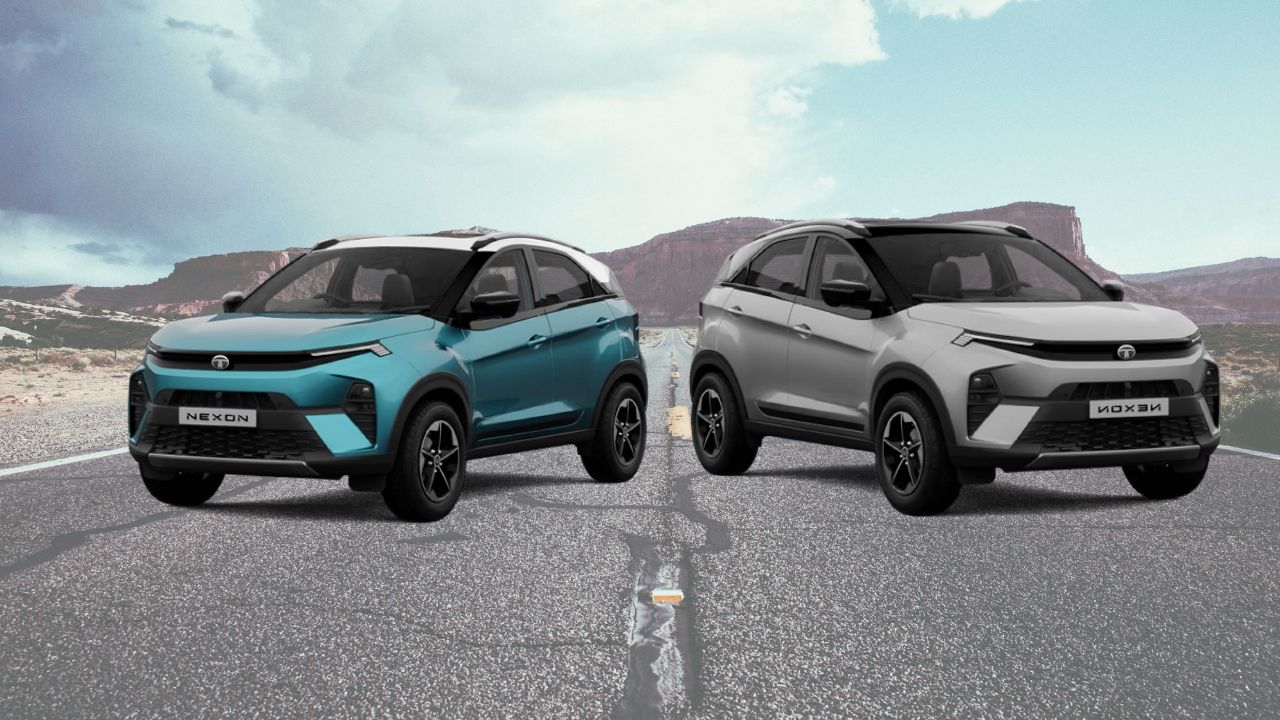
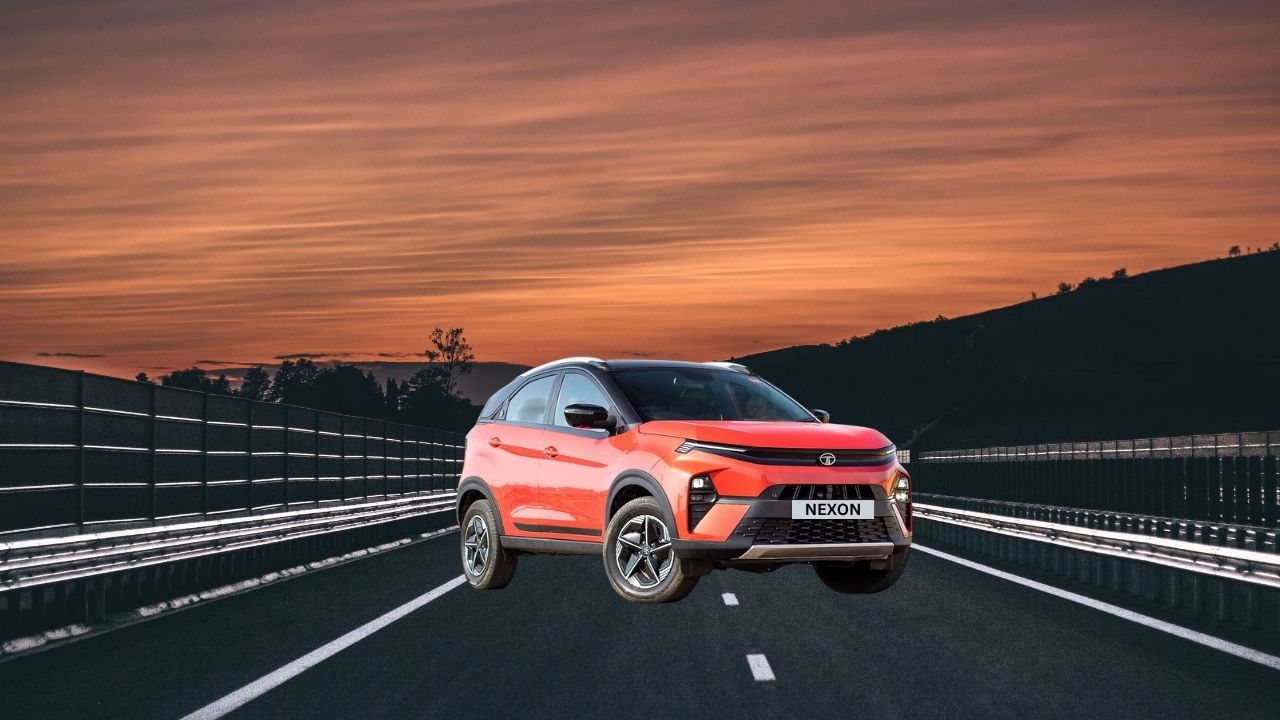
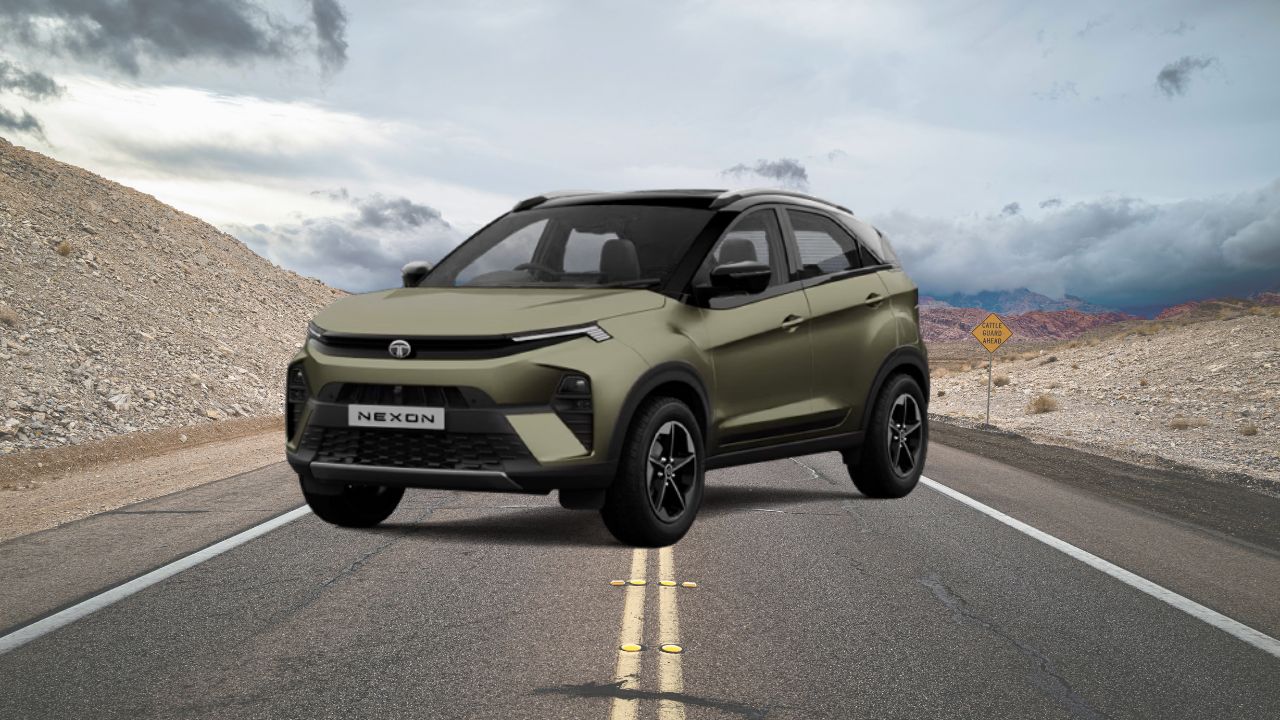
Tata Nexon is the most popular compact SUVs in India which sits on a price of ₹7,39 lakh (ex-showroom) of a petrol base variant. Tata Nexon on-road price lucknow is somewhere between ₹8.18 – 8.71 lakh after including RTO charges, insurance and fees. The design is SUV-like with powerful safety assurance from Tata.

First time buyers or people who frequently travel can consider the Nexon a best buddy on the road. The reason is not just a lower price, its real-world mileage of a base variant offers 12–14 kmpl in city and 17–20 kmpl on highway. Nexon 1.5L Diesel MT variant gives 22–25 kmpl which is higher than most of the diesel cars at this price point. 

But what charges impacts on Tata Nexon On-Road Price in Lucknow, and how to compare them in each variant so you could get the right model that you needed.

Tata Nexon On-Road Price Lucknow In 2026

The on-road price rises with each variant from Nexon Smart at Rs 8.6 lakh to Nexon Fearless Plus PS Red Dark at Rs 16.9 lakh. 

Variant Fuel & Transmission Ex-Showroom On-Road Price (Lucknow)
Nexon Smart 1.2L Petrol, 5MT ₹7,39,991 ₹8,64,015
Nexon Smart Plus 1.2L Petrol, 5MT ₹8,14,990 ₹9,49,197
Nexon Smart Plus 1.2L Petrol, AMT — ₹10,14,680
Nexon (base diesel) 1.5L Diesel, MT ~₹9,26,990* ~₹10.7 lakh
Nexon Fearless Plus (PS) Dark Edition 1.2L Petrol, 7-speed DCT — ₹15,33,660
Nexon Fearless Plus PS Red Dark 1.5L Diesel, AMT ₹14.00 lakh ₹16,93,454

Exact figures vary by dealer, insurance provider, and optional accessories.

A separate line exists for the Nexon EV, which isn’t really comparable in price because electric vehicles sit in the 5% GST bracket instead of 18%. The Nexon EV Creative Plus MR starts at ₹13.68 lakh on-road in Lucknow and tops out around ₹18.6 lakh — worth a look only if home charging is realistic for you, which for most Lucknow apartment buyers it currently isn’t.

Nexon

However online dealerships gave Smart variants ranging from ₹8.21 lakh to ₹8.71 lakh on-road. This comes down to each insurer’s quote may differ slightly — Tata revises prices a few times a year, and insurance premiums vary by provider. Confirm the exact figure with your dealer’s on-road quotation sheet before you sign anything.

How Does Car EMI Work For Nexon?

For the base Nexon Smart, expect a down payment of around ₹87,000 and an EMI close to ₹16,589 a month on a standard five-year loan. These figures are Tata Nexon on-road price lucknow dealers are currently quoting. 

The higher variant Smart Plus AMT comes down at ₹10.15 lakh on-road price, and the EMI moves closer to ₹18,500-19,000 a month depending on your bank’s interest rate and down payment. 

The actual EMI is different everywhere, it sets when you contact your dealer personally and get a quote. The figures are affected by the credit score, public bank, NBFCs where your dealer routes you to. Consider the mentioned price detailed as a guessing point because it sources from the different Nexon buyers.

Why the On-Road Price Is ₹1.2–1.3 Lakh Above Ex-Showroom

For the base Smart variant, RTO charges alone in Lucknow run to roughly ₹84,800, and first-year comprehensive insurance adds another ₹39,000-odd. Add handling and registration fees, and you’re looking at roughly 15-17% on top of the ex-showroom price by the time the car is registered in your name. 

This is standard across Uttar Pradesh and isn’t a Tata-specific or Lucknow-specific markup — the same math applies to a Brezza or a Venue bought from the same city.

Tata Nexon On-Road Price Is ₹1.2–1.3 Lakh

The government put the old system of 28% GST + variable compensation cess (1% to 22% taxes) aside and set up a new taxes rule in the last of September 22, 2025. 

For small cars under 4 metres length with petrol engines up to 1200 cc and diesel up to 1500 cc are taxed at 18% and 40% for large vehicles.

Both turbo-petrol and diesel engines of 1.2L and 1.5L fall under 4 metres vehicle length so the Nexon entire lineup now sits under 18% bracket. That’s why the 2026 Tata Nexon on-road price lucknow looks reasonably lower 2024 or early 2025 quotations.

Read More 👉  Buy Tata Curvv Series X At Rs. 9.99 Lakh With Advanced Features Pack

The 2026 Nexon Engine and Feature Rundown

Powertrain and Transmission

The Nexon facelift’s petrol engine is the familiar 1.2-litre turbocharged Revotron three-cylinder, tuned to 120PS and 170Nm, and it’s now available with a new 7-speed dual-clutch automatic in addition to the manual — a genuine step up from the older 6-speed AMT in terms of shift smoothness. 

Nexon Mileage in Real World

There are few diesel options left in the sub-4-metre SUV segment now because most of the automakers prevent making diesel variants entirely. The Tata Nexon 1.5L turbo-diesel is still available in the Indian car market at a reasonable price. The CNG variant runs 100PS of power and torque of 170Nm to run fluently and safely on gas. It’s a gas so mileage of 17.44 km/kg on that engine is considered an outstanding value of Tata.

ARAI-certified mileage across the range runs from 17.01 kmpl to 24.08 kmpl depending on fuel and transmission — the higher number applies to specific manual petrol configurations, and real-world city mileage will land meaningfully below that, as it does for every ARAI figure.

Nexon Engine and Feature

Tata High-Level Safety Functions

On safety, the Nexon carries a 5-star Global NCAP rating and offers Level 1 ADAS — features like autonomous emergency braking and forward collision warning — on select trims, alongside six airbags. 

Interior Features

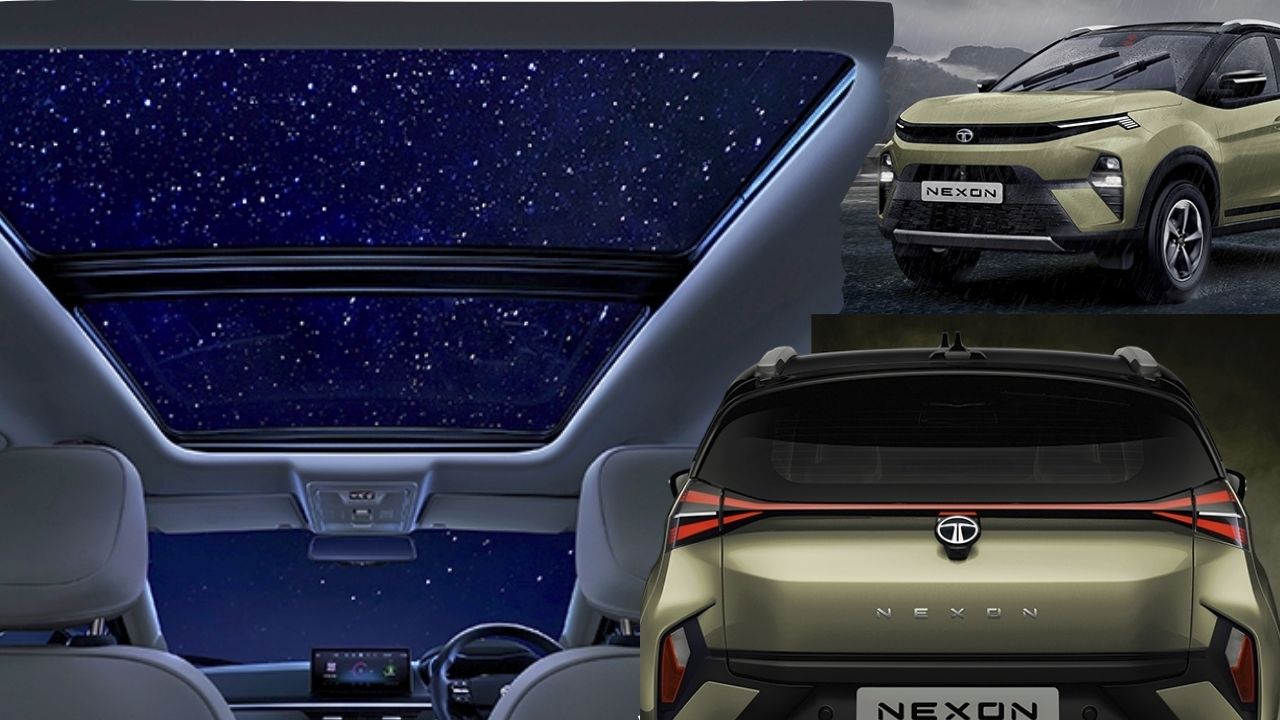
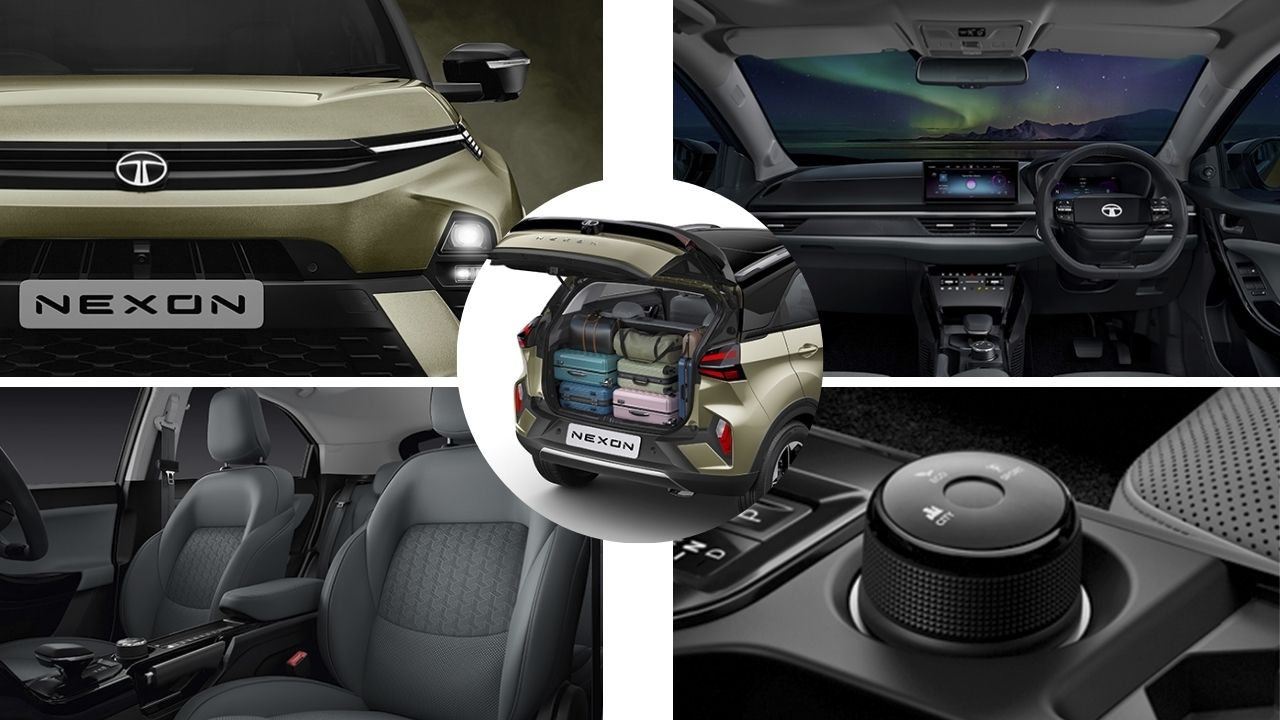
The experience of inside the Tata Nexon is extinguished with a panoramic sunroof that follows your command, a big space for luggage (382L boot), comfortable leather seats with ventilation system and a 208mm of ground clearance to run without bumping. These features matter because a city like Lucknow deserves a vehicle which handles potholes and rough roads.

Tata Nexon vs Maruti Suzuki Brezza: Which One Actually Makes Sense in Lucknow

This comparison got a lot more interesting in July 2026, when Maruti launched a facelifted Brezza that closed several of the gaps that used to separate it from the Nexon.

Tata Nexon Maruti Suzuki Brezza
On-road price, Lucknow ₹8.64 lakh – ₹16.93 lakh ₹8.32 lakh – ₹15.83 lakh
Engine options 1.2L turbo-petrol, 1.5L turbo-diesel, CNG 1.5L NA petrol, new turbo-petrol (Boosterjet), CNG — no diesel
Safety rating 5-star Global NCAP 5-star Bharat NCAP (30.41/32 adult, 43/49 child)
ADAS Level 1, on select trims Level 1, added with 2026 facelift (blind-spot warning, rear cross-traffic alert, front parking sensors, TPMS)
Airbags 6 (trim-dependent) 6, standard from the base LXi trim upward
Standout feature Diesel engine + panoramic sunroof w/ voice control 6 airbags on every single trim, including the cheapest one

The practical difference comes down to what you actually need. If you regularly drive highway stretches out of Lucknow — to Kanpur, Ayodhya, or further — the Nexon’s diesel option genuinely earns its keep on fuel cost per kilometre in a way no Brezza variant can currently match, since Maruti has never offered a diesel Brezza. 

If your driving is mostly inside the city and you want the reassurance of six airbags regardless of which trim you can afford, the Brezza’s base LXi undercuts the Nexon’s base Smart by roughly ₹32,000 on-road while matching it on crash-test stars.

Where the two used to differ sharply — Maruti lagging on ADAS and top-end safety kit which has narrowed substantially with the 2026 Brezza facelift. This isn’t the easy Nexon-wins-on-safety call it used to be two years ago; it’s now genuinely close, and the diesel-vs-petrol-only question is probably the bigger deciding factor for most Lucknow buyers than the safety spec sheet.

Read More 👉  Maruti Suzuki September 2026 Offers: Save Money On Your New Car

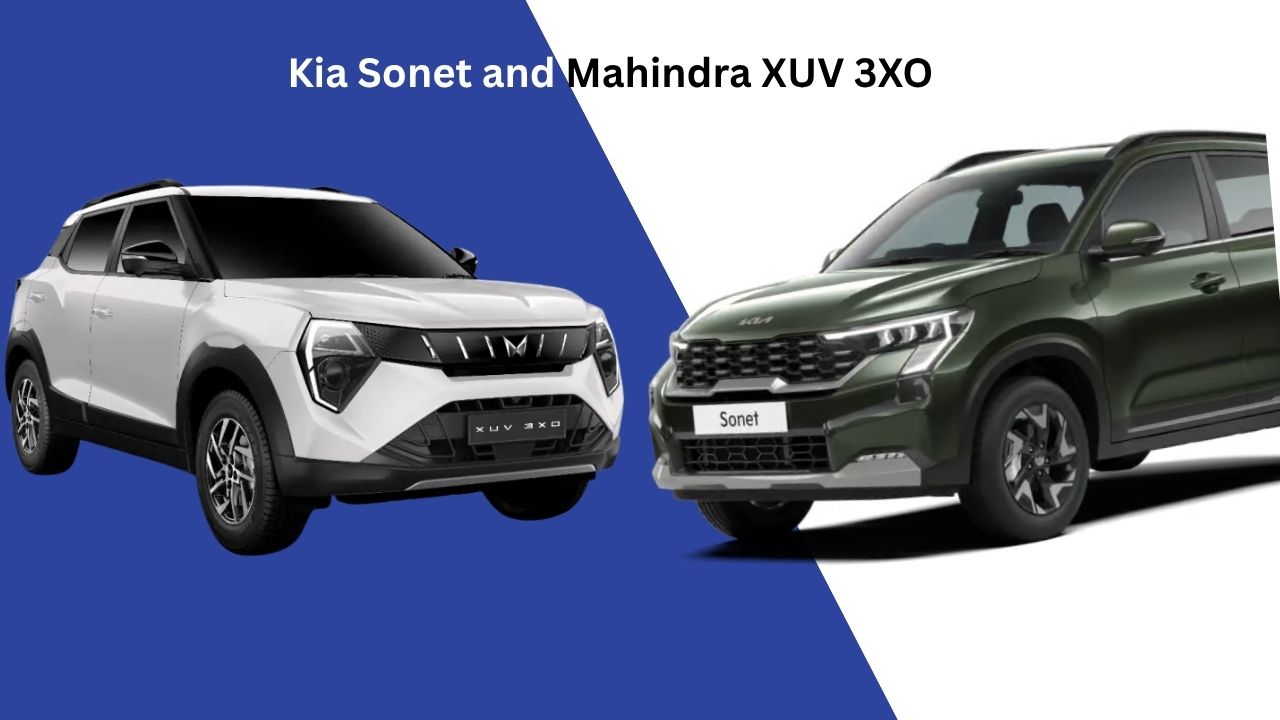
Two More Rivals of Nexon: Kia Sonet and Mahindra XUV 3XO

Both get mentioned constantly in the same breath as the Nexon and Brezza, and both deserve a quick word rather than a full comparison. The Kia Sonet undercuts the Nexon slightly at the entry level and has historically leaned harder into feature-per-rupee value, though it doesn’t match the Nexon’s ground clearance or diesel refinement on rougher roads. 

Kia Sonet and Mahindra XUV 3XO

The Mahindra XUV 3XO shares the Nexon’s advantage of qualifying for the 18% GST slab on both its turbo-petrol and diesel engines, and it generally out-muscles the Nexon on power figures in equivalent trims, but Mahindra’s Lucknow dealer network is thinner than Tata’s, which matters more than most buyers expect once you’re three years in and need a service slot on short notice.

Is It Worth To Buy Tata Nexon in Lucknow?

If you’re set on the Nexon, the Tata Nexon on-road price lucknow for Smart Plus AMT petrol variant at roughly ₹10.15 lakh which is the sensible middle ground for most Lucknow buyers. It skips the base trim’s missing conveniences without pushing you into diesel territory you won’t use if most of your driving stays inside the city. 

Tata Nexon in Lucknow

Only go diesel if your monthly running genuinely includes 150km-plus of highway driving; below that, the diesel’s price premium over petrol takes a long time to claw back in fuel savings, even with diesel’s per-litre cost advantage.

Don’t cross-shop on ex-showroom prices alone. Ask for the full on-road breakup in writing before you commit, since dealer-arranged insurance quotes can vary by a few thousand rupees from what you’d get going directly to an insurer. And if diesel is genuinely off the table for you and six airbags on the cheapest trim matters more than a sunroof, at least get a Brezza LXi quote before signing the Nexon paperwork — the 2026 facelift means it’s no longer the easy pass it used to be.

Read More 👉 Hyundai Creta On-Road Price In Lucknow: Get Details Before Entering Into a Showroom

Conclusion

Tata Nexon on-road price lucknow ranges from ₹8.18 lakh to ₹17.2 lakh. This might get higher if you are buying Nexon in a different city/state. Nexon cabin features and mileage are attractive for buyers who want reliability and comfort. 

Whether you buy petrol, diesel, or EV, the right is the one which fits in your lifestyle, driving patterns, and budget of maintenance. The service network and maintenance are also easy to manage so there’s no need to worry if your car is giving you a hard time.

0

Ford vs Chevrolet: The Ultimate 2025 Showdown You Can’t Ignore!

Published May 1, 2025, 7:16 AM
Last Updated Apr 8, 2026, 7:11 AM


Ford vs Chevrolet The Ultimate 2025 Showdown You Can’t Ignore!

The Ford vs Chevrolet debate is an old one. Both brands make many cars, trucks, and SUVs. In 2025, each has new models and features. We compare them in six key ways below. This will help readers see how Ford and Chevy stack up in sales, electric vehicles, reliability, performance, price, and customer reviews.

Sales Numbers and Market Share

General Motors (Chevrolet’s parent) still sells more vehicles in the U.S. than Ford. In 2024, GM sold about 2.70 million cars and trucks. Ford sold about 2.08 million. That means GM had a larger share of the U.S. market (about 16.5%). Ford’s share was a bit lower.

Early in 2025, GM was doing better. In the first quarter of 2025, GM sold about 693,000 vehicles. That is 17% more than the same time last year. Ford sold about 501,000 cars and trucks in Q1 2025. This was 1.3% fewer than a year earlier. Ford’s best seller was its F-Series truck, with 190,389 sold (up 24.5%). GM noted that Chevy and GMC trucks were 40% of all U.S. truck sales in that quarter.

Overall, GM (with Chevy) has more sales and a bigger market share than Ford. Both brands do well, but recently GM has the edge in total sales.

Electric Vehicle (EV) Models and Popularity

Electric vehicles (EVs) are a big part of the 2025 car market. Ford and Chevrolet both offer electric models. Ford’s main EVs include the Mustang Mach-E SUV and the F-150 Lightning pickup truck. Chevrolet has the Bolt EV and EUV small cars, and it plans new EVs like the Equinox SUV and Silverado pickup.

Ford vs Chevy (2)

In 2025, GM’s EV sales jumped a lot. In Q1 2025, Chevy EV sales rose 119% over a year earlier. This was led by models like the Equinox EV and Blazer EV. Ford’s EV sales are growing too. The Mach-E sold 11,607 units in Q1 2025 (up 21% from a year before). Overall Ford sold 73,623 “electrified” vehicles (EVs + hybrids) in Q1, up 25.5%.

Both brands are putting more effort into EVs. In early 2025, Chevy saw its EV sales nearly double, while Ford’s EVs had steady growth. Popular EVs right now include the Mach-E and Lightning for Ford, and the Bolt plus upcoming Equinox/Blazer EVs for Chevy.

Reliability and Repair Costs

Reliability is how well cars avoid problems. It’s important to know if a car will last. RepairPal, a site that tracks repair data, gives both Ford and Chevrolet the same reliability rating: 3.5 out of 5.0. This means both brands are about average for reliability.

RepairPal also compares repair costs. On average, fixing a Ford costs about $775 per year. For a Chevrolet, the average cost is about $649 per year. So Ford repairs cost roughly 20% more than Chevy on average. This suggests that while reliability scores are the same, Ford owners pay a bit more in repairs.

In general, Ford and Chevy are similar in how often things break. Both have models that are praised for lasting a long time and models that get middling reviews. Consumer surveys (like those by J.D. Power or Consumer Reports) tend to rank them close to average. For example, both brands have some models ranked high for reliability and some that are just okay.

The data shows: Ford and Chevy both have a 3.5/5 reliability rating. Chevy’s average repair cost is about $649 a year; Ford’s is about $775. Both brands have many reports of minor issues, but no brand is clearly much more reliable. Overall, they tie on reliability, though Ford owners may pay slightly more for repairs.

Performance and Features

Both Ford and Chevrolet make powerful and feature-rich vehicles. A key comparison is their full-size pickup trucks, which many buyers use for work and play.

For example, the Ford F-150 and Chevy Silverado trucks can tow heavy loads. The 2025 F-150 can tow up to 13,500 pounds. The 2025 Silverado can tow about 13,300 pounds. This means each can haul big trailers, boats, or campers. Ford offers more engine choices (including hybrids and even a supercharged option). Chevy has fewer engine options but also a strong diesel version. The bottom line is that both brands have trucks with ample power, and Ford’s top engines can be even more powerful (up to 720 HP in special models, though Silverado’s biggest V8 is 420 HP.

Ford vs Chevy

Inside the vehicles, both brands have modern tech and comfort features. Ford’s trucks often have a larger touchscreen display – for example, the 2025 F-150 has a 12-inch screen. The photo below shows a Ford F-150 interior with that large screen. By comparison, a base Silverado has a 7-inch screen. Both systems work with Apple CarPlay and Android Auto to connect smartphones. Ford’s SYNC 4 system on the big screen and Chevrolet’s Infotainment 3 on its screen are both easy to use.

Ford’s trucks also offer unique options. For example, Ford has a “Pro Power Onboard” feature. This turns the truck into a generator so you can plug in tools or lights while you work. Chevy does not have this exact feature on Silverado (though they have other power accessories on some models). Both trucks have driver safety tech like lane-keeping assist, automatic emergency braking, and blind-spot monitors. In short, Ford and Chevy both pack their vehicles with advanced features and strong performance. Ford may have a slight edge with more engine and tech options, but Chevrolet offers competitive power and good features in its own right.

Ford vs Chevrolet Pricing and Value

The pricing of Ford and Chevrolet models is generally close. Both brands offer entry-level cars in the mid-$20,000 range. Their trucks and SUVs often start in the mid-to-high $30,000s for base models. For example, a base Ford F-150 and base Chevy Silverado each start around $36,000–$37,000 for 2024/25 models. Higher trims with more features can climb into the $50,000–$60,000 range. With options or luxury editions, prices can reach $70,000 or more.

Ford vs Chevrolet Pricing and Value

Image Credit: claycooleychevy

In terms of value, many reviewers find Ford and Chevy similar. Both brands often give good features for the price. For instance, even the base trucks come well-equipped. Ford’s trucks might have a bit more modern design and tech at a given price, while Chevy trucks might offer slightly more traditional styling or comfort. Deals can change value too: some months one brand may have incentives or lower prices.

Overall, neither brand is clearly cheaper. You can buy a basic Ford or a basic Chevy for about the same cost. At higher trim levels, costs are also similar. So the “value for money” fight is largely a tie. Buyers often look at specific features (like fuel economy or towing) rather than a big brand advantage. In 2025, both brands give buyers a lot of options in a similar price range.

Customer Satisfaction and Reviews

Customers generally like both Ford and Chevrolet. In surveys and studies, both brands score fairly well. For example, J.D. Power’s 2024 U.S. Sales Satisfaction study shows Chevrolet with an overall score of 812 out of 1000 and Ford with 805. That means customers reported slightly better buying experiences at Chevy dealers in that study. It does not mean the cars are rated; it means the sales process satisfaction. Still, it suggests buyers felt a bit more pleased on average with Chevrolet’s sales experience.

When looking at owner reviews of specific models, both brands have loyal fans. For instance, the Ford F-150 and Chevy Silverado each have thousands of online reviews, and both tend to average around 4 out of 5 stars on many websites. Owners praise Ford for its strong engines and innovative tech, and they praise Chevy for its comfort and smooth ride. Some buyers say Ford trucks feel tougher and offer more choices, while others say Chevy trucks feel roomy and easy to live with.

Brand loyalty is strong in the truck market. Around 2021–2022, roughly 58–59% of Ford truck owners returned to buy another Ford truck when they upgraded. For Chevrolet truck owners, it was about 54–56%. This shows both brands keep most of their customers. It also shows a lot of buyers pick based on familiarity.

In summary, reviews and satisfaction ratings do not give a runaway winner. Both brands get good marks for many models. Ford and Chevy each have passionate owners who mostly give positive feedback. Differences in satisfaction tend to be small and depend on the model and year. Right now, the customer scores are close enough that neither brand dominates on public opinion.

Conclusion

Both Ford and Chevrolet have strong points in 2025. Ford’s family of trucks and SUVs offers many high-tech features and strong performance. Chevrolet’s lineup shows big improvements in electric vehicles and a long record of reliable trucks. GM (Chevy) currently sells more vehicles overall, and its EV sales are growing faster. Ford’s gas-powered trucks are still best-sellers in the U.S., and Ford leads in pickup sales. Reliability ratings and repair costs end up about the same for each brand, with Chevy being a bit cheaper to fix.

There is no clear single winner. The choice often comes down to what a buyer needs. If you want the latest tech and a slightly larger truck cabin, you might lean toward Ford. If you want more electric model choices and a strong track record, you might lean toward Chevy. In surveys, both brands have many fans. In the Ford vs Chevrolet question, the answer is: it depends on the buyer’s priorities. Both brands win in different ways for different people.

Swift vs Baleno 2026 Comparison: Price, Mileage, Features & Verdict

0

Gautam Singhania Car Collection 2026: Ferrari, Lamborghini, McLaren & More

Gautam Singhania Car Collection

Billionaire Gautam Singhania Car Collection is not just cars but it has a collection of supercars — he drives them at top speed, races them in Europe, drifts on the Mediterranean island of Malta and publicly criticizes billion-dollar companies when they let him down. 

Most people who shell out ₹8 crore for a car would keep it garaged. Take it out on Sunday mornings when traffic is light and then spend the next hour wiping off a layer of unseen dust. About the last person to live up to the name “gautam singhania” is the man himself.

The Raymond Group Chairman — the man behind India’s most recognisable suiting brand — has quietly put together possibly the most technically extreme automotive collection on the subcontinent. We’re talking LaFerrari hypercars parked in Dubai, a Nissan Skyline GT-R that runs sub-10-second quarter miles, a Ford Mustang that pushes 1,300 bhp, and a 37-storey Mumbai skyscraper with a multi-floor car park literally built into it. 

But what makes Singhania truly interesting is not just the wealth. That’s the attitude. He races. He drifts. He wins championships. And when a ₹8-crore Lamborghini breaks down on a highway bridge. Let’s break down the Gautam Singhania Car Collection to fill the curiosity of car lovers out there.

The Ferrari Obsession

We’ll start with Maranello because that’s clearly where Singhania’s heart resides. He’s a bonafide Tifosi — not just one of those people who slap on a red car cover with the Ferrari logo and call it a day, but one who actually races in the Ferrari Challenge Europe with Kessel Racing, putting up double podiums at Paul Ricard along with runs at Monza and Budapest.

The Ferrari Obsession

He became the very first person in the world to own a RHD (right hand drive) unit of the Ferrari 296 Speciale and not just any unit, but the first customer car. Finished in Giallo Modena, the same shade of yellow he used on the first 458 Italia he ever brought to India — this isn’t your run of the 296. It’s a track weapon twinned with a twin-turbo V6 PHEV making 880 bhp, runs 0-100 km/h in 2.8 seconds, and generates 435 kg of downforce at 250 km/h. Ferrari took the titanium connecting rods from the LaFerrari programme to develop it. 

“He’s never thought of supercars as Veblen goods for running climate-controlled simulations, but as precision tools that need driver inputs at the very edge.” 

That is followed by the 849 Testarossa, the new flagship of Ferrari, introduced in India in March 2026, reviving a legendary name with a tri-motor PHEV arrangement producing 1,035 hp and achieving 0-100 km/h in 2.2 seconds. India is no longer coming late for these cars. Singhania’s patronage is a large reason for that. 

The Lamborghini Drama

Singhania has many Lamborghini models parked in his garage not on their luxury looks or price but because of their products’ engineering.

Model Power Engine Type Price Notes
Lamborghini Revuelto 1,001 bhp V12 PHEV ₹8.89 cr Broke down at 15 days
Lamborghini Temerario 920 PS Twin-Turbo V8 PHEV ₹6 cr Bought anyway in 2026
Aventador SV 750+ bhp V12 NA – 1 of 600; UK import
Gallardo Twin-Turbo 1,600+ bhp Underground Racing build – Street legal

What followed next is now automotive internet legend. He publicly criticized the head of Lamborghini India and the head of Asia on social media, shared a video of yet another Revuelto warning of a ‘Transmission Malfunction’ while running at 300 km/h on the highway, and sarcastically remarked that Lamborghini’s bugs are turning into features. The company remained quiet. He got louder.

The Lamborghini

And then in an absolute curveball no one saw coming — he purchased the new Lamborghini Temerario in 2026 anyway. The next model from the brand in Gautam Singhania Car Collection, the Huracan successor with 920 PS. Caught on camera running through the streets of Mumbai with a police escort. The man who had spent weeks publicly excoriating Lamborghini ‘just bought one more’. If that isn’t an veryspecific type of car lover, then nothing is. 

The McLaren Assembly

In 2024 Singhania bought the brand new Marque Mclaren 750S for ₹5.91 crore (ex-showroom). The 750S, painted in a bright hi-vis orange with black accents in a dual-tone design, is the 720S’s iterative evolution. Singhania is also hav­ing one 720S after buying a limited edition version (one of 400 units world­wide) in 2017 for nearly ₹2 crore which he was occasionally bringing into India from Dubai. 

The McLaren Assembly

The tolerance engineering of the 750S is incredible. It is equipped with the M840T 4.0 liter twin-turbo flat-plane crank V8 engine. Flat-plane crankshafts enable higher RPM limits as well as faster exhaust scavenging when compared with traditional cross-plane V8s and lends to a higher pitched exhaust sound. With this package, the engine produces 750 PS and 800 Nm of torque at maximum levels. 

Carbon fibre seats with forged wheels and light center-exit exhaust system are ready for racing at high speed with less worry of exhaustion. The fastest speed it can give is 0-100 km/h in 2.8 seconds and 0-200 km/h in 4.4 seconds, 10% faster than the outgoing 720S in longitudinal acceleration. 

High-Stakes Motorsport in Gautam Singhania Car Collection

Skyline GT-R

In order to prevent the power from tearing the car apart, the whole driveline crafted with high tech ATTESA E-TS all-wheel-drive system included was “bulletproofed” to handle the enormous torque dump. It can go up to 100 km/h in just 2.5 seconds, so it inevitably can climb 200 km/h in 6.7 seconds.

Its greatest features are high-lift cams, and massive turbochargers; it offers a 1,000 bhp barrier. It’s a wild evolution for a car that left the factory chained to just 276 bhp in Japan’s well-known “gentlemen’s agreement.” 

Nissan S15 Silvia

Nissan S15 Silvia since it was prominently featured in his 2025 Valley Run appearance, this S15 has now undergone a highly desirable engine swap, the standard SR20DET four-cylinder has been replaced by the iconic RB26 inline-six engine from the Nissan GT-R. With a very responsive—526 bhp output—tuned engine, large rear wing for stabilize at high speed and skin in special white purple color with the sponsor logos of Raymond and SCCG. 

Drift-Specific Cars

BMW E46 M3 (LS3 Swap)

Showcasing a fusion of European chassis dynamics and American muscle, Singhania’s BMW E46 M3 has been gutted and stuffed with a Gen-5 LS3 V8 engine from General Motors. The LS pushrod V8’s torque-heavy, naturally stout output, along with the Magnaflow exhaust, and the 17-inch custom wheels deliver the right-low end throttle response to clutch-kick and keep the high-angle drifts up. 

Ford Mach-1 Mustang

An over the top version of the classic American muscle car platform, with a twin-screw supercharger setup that delivers a mind-boggling 1,300 bhp, it’s one of the most powerful cars you can slide around on four wheels in India. 

Honda S2000

Nearly all of it will go toward making a very naturally aspirated high-revving engine famous for its redline at 9,000 rpm. It has a custom color-shift wrap from orange to purple to blue depending on the refraction of the light and has become a staple at modern classic car rally. 

Read More:-  Scorpio-N vs XUV700 —- Battle of the Homegrown Mahindra Power SUVs

Benz 540K Cabriolet

When it comes to vintage car collection Mercedes-Benz 540K Cabriolet finds its place at the top of the list. As the 500K’s successor (and the experimental 580K’s close kin), this left-hand-drive beauty is equipped with a hefty supercharged “Kompressor” straight-eight engine. 

It has some 177.5 bhp and a hefty 431 Nm of torque, but it is the looks that make people halt-those undulating, sweeping wheel arches and it’s a regular participant at global Concours events.

1985 Mercedes-Benz AMG

Singhania doesn’t simply conserve history, he rewrites it through “Resto-Modding.” Noteworthy among his SCCG team is the “Resto-Mod” transformation of a 1985 Mercedes-Benz AMG 190E with eye-popping modifications. 

They actually chopped and stretched the body just enough to shoehorn in a high-voltage, modern 2015 AMG C63 engine. The result is the ultimate sleeper – a car that looks like a 30-year-old classic but has the power of today’s supercar. 

1932 Ford Coupe

And nothing adds a little bit of rough and tumble American to the mix like his 1932 Ford Coupe Hot Rod he calls the “Rebel.” This is not the classic Ford that your dad drove, the classic car has been gutted and outfitted with a snarling, exposed V8 designed for nothing but acceleration. It’s a crowd-pleaser at the Parx Supercar Show, a raw mechanical foil to the polished luxury of his European classics. 

The Maserati MC20 Evaluation

In August 2023, Singhania trashed the Maserati MC20 supercar, calling it the “worst” car he has ever driven and advising buyers to stay away from it due to active safety concerns. The main problem was the vehicle’s suspension tuning, which Singhania said led to hazardous, “football-like bouncing” on the uneven roads of India. 

Conclusion

The Gautam Singhania range is not just a stack up of metal, carbon fibre and internal combustion. It is a highly curated, multi-million dollar ecosystem that represents the pinnacle of mechanical engineering, historical preservation, and localized automotive innovation. From the 1,000 bhp drag strips to the heights of European GT racing, vertically integrated down to domestic coachbuilding and 37-story architectural display cases, it serves as the prototypical expression of ultra-high-net-worth automotive immersion in the breed era.