0

Lamborghini Urus vs Bentley Bentayga: Which Luxury Beast Deserves Your Garage in 2025?

Published Aug 11, 2025, 7:42 AM
Last Updated Apr 13, 2026, 12:18 PM

Lamborghini Urus vs Bentley Bentayga luxury SUVs side-by-side comparison showing exterior design and performance features

In the world of luxury SUVs, Lamborghini Urus vs Bentley Bentayga are deserving brands to park in your garage. Choosing any one of them is hard because of their incredible features and advanced driving system. While Lamborghini is known for its bold, track-bred aggression, Bentley, on the other hand, is offering classic luxury style with handcrafted beauty. Let’s see their detailed features and specs for deciding any one SUV for your journey.


Performance: The Urus SE Roar vs. The Bentley’s Effortless Power

Urus SE

Urus has always been the top SUVs segment, now it’s taking it to the new heights with the new Urus SE, a plug-in hybrid model which offers twin-turbo 4-litre V8 engine with 192 horsepower electric motor. The combined double power delivers a 789 horsepower which makes it the most powerful SUV ever. It delivers the fastest speed experience of 0 to 60 mph within 3.4 seconds and reaches up to top speed of 193 mph. 

Performance comparison between Lamborghini Urus SE’s roaring power and Bentley Bentayga’s smooth, effortless engine performance

Other than hybrid one, the regular Urus S and Performante models are also offering 666 hp V8 powerful engines to drive from 0 to 60 mph within 3.3 seconds. But the Urus Hybrid is not delivering just raw power but fast steering, high stability, and different driving modes including Strada for street, Sport, Corsa for Race, and off-road settings are all ready for giving you supercar driving experience.

Bentley Bentayga

However, Bentley Bentayga is also offering the best performance but in a different style. Instead of brute-force assault, it delivers a smooth and easy power. In 2025, Bentley offers different engine options for different requirements. V8 has 4-litre twin-turbo which produces 542 hp and 568 lb-ft of torque. The strong engine will deliver the fastest speed from 0 to 60 mph within just 4.4 seconds and it can go up to 641 hp and 627 of torque by pushing the speed to the edges. 

It almost delivers the same speed as a Lamborghini. Its plug-in hybrid model is giving 456 hp with a 3-litre V6 engine. It is best for people who are looking for an eco-friendly vehicle. While Behtayga can offer that fast speed with the promise of a smooth and quiet ride and it all makes possible with its adaptive air suspension and dynamic ride system.

Interior and Technology: The Urus’s Fighter Jet vs. The Bentayga’s Grand Salon


Urus interior will make you say–WOW! The premium materials such as Alcantara, carbon fibre and leather are giving authentic blend to have a premium experience. Take flying experience on the road with a switching system and large HMI touchscreen infotainment. 


The Bentayga offers classic English luxury look with metal trim, wood veneers, and hand-stitched leather cabin which delivers an impression of enhanced comfort for driver and passenger. Most importantly it offers vast options for customization, big space, and technology features including auto climate adjusting, enhanced audio system that delivers a luxurious experience on your journey with family or business travel.

Read Also: Land Rover Defender vs Jeep Wrangler: The Off-Road Battle You Need to See Before You Buy!

Pricing and Practicality

The Lamborghini Urus SE price is nearly $262,630, its Performante model is nearly around $273,880. Urus is a high performance SUV focusing on style with aggressive design and speed on a firm ride. It is ideal for a small family as it offers seating up to five. The Bentayga price is around $200,000. The price will rise according to its custom options. Overall, fuel efficiency, elegance, and drive comfort comes best with Bentayga. 


Conclusion

The choice between these two beasts is totally up to your personal preference and priority. The Lamborghini Urus vs Bentley Bentayga is a complex competition because both offer automotive engineering and luxury driving experience.

Choose the Urus SE: if you are interested more in thrilling high performance vehicles to give you the supercar driving experience. You want an aggressive bold design and stylish interior that will comfort the journey.

Choose the Bentley Bentayga: if you are a challenging person who is always ready for adventurous rides but sometimes like silent rides with hybrid mode. It will quickly adapt according to your needs and provide the best experience in your journey. 


Sharey Khan

Sharey Khan is an IT entrepreneur and petrol head & a car enthusiast. With a special focus on car-related content, he combines his deep passion for vehicles with a talent for crafting informative, engaging, and easy-to-understand content. His writing is driven by a genuine love for cars and he is committed to providing readers with accurate, up-to-date, and trustworthy information that empowers smarter driving decisions. 

Leave a Reply

Your email address will not be published. Required fields are marked *

0

Why Salaried Indians Are Buying Mercedes Cars

Published Sep 23, 2026, 11:03 AM
Last Updated Sep 24, 2026, 4:26 AM

Salaried Indians Are Buying Mercedes Cars

A decade ago, a Mercedes in the driveway usually meant that the owner ran a business, inherited one, or both. Now all you get to see Mercedes Cars is driven out from the showroom by the 34-year-old product manager or a bank VP drawing a fixed monthly salary.

That’s because the financing options are making things easier for the corporate employees. Salaried Indians buying Mercedes Cars isn’t an aspirational fantasy anymore — it’s one of the fastest-growing customer segments the brand has in the country, and the company is restructuring its own sales strategy around it.

If you are also curious about how they are buying on their 25–30 LPA salary then know about EMI strategy and real prices before thinking about it.

Sales Numbers Behind the Shift of Mercedes Cars 

Mercedes-Benz India retailed 9,768 vehicles between January and June 2026, a 9% year-on-year jump and its best-ever first half in the country. The second quarter alone brought 4,637 units, its highest-ever quarterly number, up 10% year-on-year. Zoom out to the full financial year, Mercedes-Benz retailed 19,363 cars in India between April 2025 and March 2026, up from 18,928 the year before.

What’s telling is where that growth is coming from. Mercedes-AMG performance cars grew 50% in H1 2026, and battery-electric vehicles doubled their share to 14% of total sales. At the same time, the Top-End Luxury segment — S-Class, Maybach, EQS SUV, AMG — grew 25% in Q1 2026 and made up 27% of everything the brand sold, with wait times running 4 months to a full year on flagship models like the AMG G 63. 

Mercedes-Benz India

So the story isn’t “Mercedes is selling more entry cars to salaried buyers” in isolation — it’s happening while the brand simultaneously pushes upmarket. Both ends of the business are growing at once, which only works if the customer base is genuinely widening.

Mercedes itself confirms this isn’t accidental. Brendon Sissing, VP of Marketing and Sales at Mercedes-Benz India, has said salaried professionals are becoming an increasingly important customer group, pushing the company to actively court large corporates and their workforces rather than waiting for word-of-mouth. 

He specifically named the CLA and GLA as the models built to convert these first-time premium buyers. Mercedes isn’t reacting to a trend, it’s engineering its India strategy around it. 

It’s worth noting BMW isn’t standing still either — in calendar 2025, Mercedes Cars are sold up to 19,007 units against BMW’s 18,000, a gap that’s narrowed as BMW leaned harder into the entry-luxury segment, while Mercedes’ own entry-segment sales actually fell 23% that year even as its top-end and AMG lines grew 12% and 34% respectively. 

So salaried buyers are the battleground both brands are fighting over, and the fight is being won largely on financing, not just badge value.

How a ₹20-25 LPA Salaried Indian Affords a Mercedes Cars

A Mercedes GLA doesn’t require business-owner-level liquidity — it requires a salaried job, a decent CIBIL score, and a willingness to structure the loan smartly.

Three things are doing the heavy lifting for Mercedes Cars:

Mercedes-Benz Financial Services (MBFS) has financed the actual product. MBFS now finances close to half of every Mercedes sold in India — roughly four out of every ten cars. That’s the primary sales channel. Its flagship offering, the Star Agility programme, guarantees a buyback price on the car upfront, which removes the single biggest fear a salaried buyer has: “what if this thing craters in resale value the moment I drive it out?”

Step-up and balloon EMIs lower the entry bar. Rather than one flat EMI for five years, MBFS structures loans where you pay less in years one and two — when a young professional’s salary is lower and more later as increments kick in, with a lump-sum balloon payment or a buyback option at the end of the term. This is standard in developed luxury markets and Mercedes Cars has essentially imported it wholesale into India.

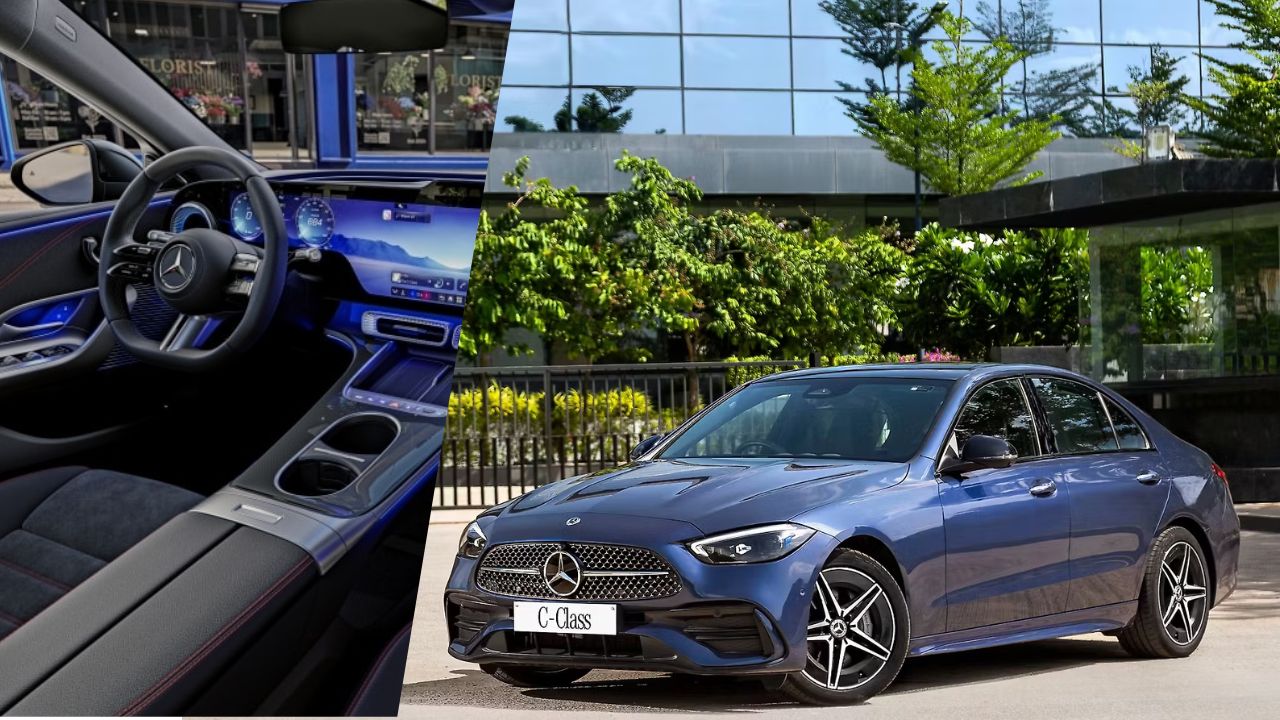
Mercedes-Benz C-Class

The company has said the quiet part out loud. Santosh Iyer previously said the company was working to bring the minimum down payment down to around ₹10 lakh, letting a buyer enter luxury ownership with an EMI in the ₹60,000-a-month range, explicitly betting that low EMIs — not lower sticker prices — would be what pulls more Indians into the segment. 

Prices have moved up since then, but the underlying strategy hasn’t changed: Sissing frames it as breaking the assumption “I can’t afford a Mercedes” through EMI structuring rather than discounting. As a live reference point, Autocar India currently lists the GLA’s on-road EMI starting around ₹89,600 a month in Mumbai — a real number you can check against today’s rates rather than a 2023 quote.

Practically, this means a household with a combined salaried income of roughly ₹20-25 lakh a year, no existing high-value EMIs, and a 15-20% down payment can realistically finance a GLA or entry C-Class without touching savings meant for anything else. That’s a very different bar than “own a company.”

Read More 👉  Rolls Royce Unveils Custom Car Using Sea Snail Shells 

The Two Models of Mercedes Salaried Buyers Can Buy

Mercedes-Benz GLA — the default first Mercedes

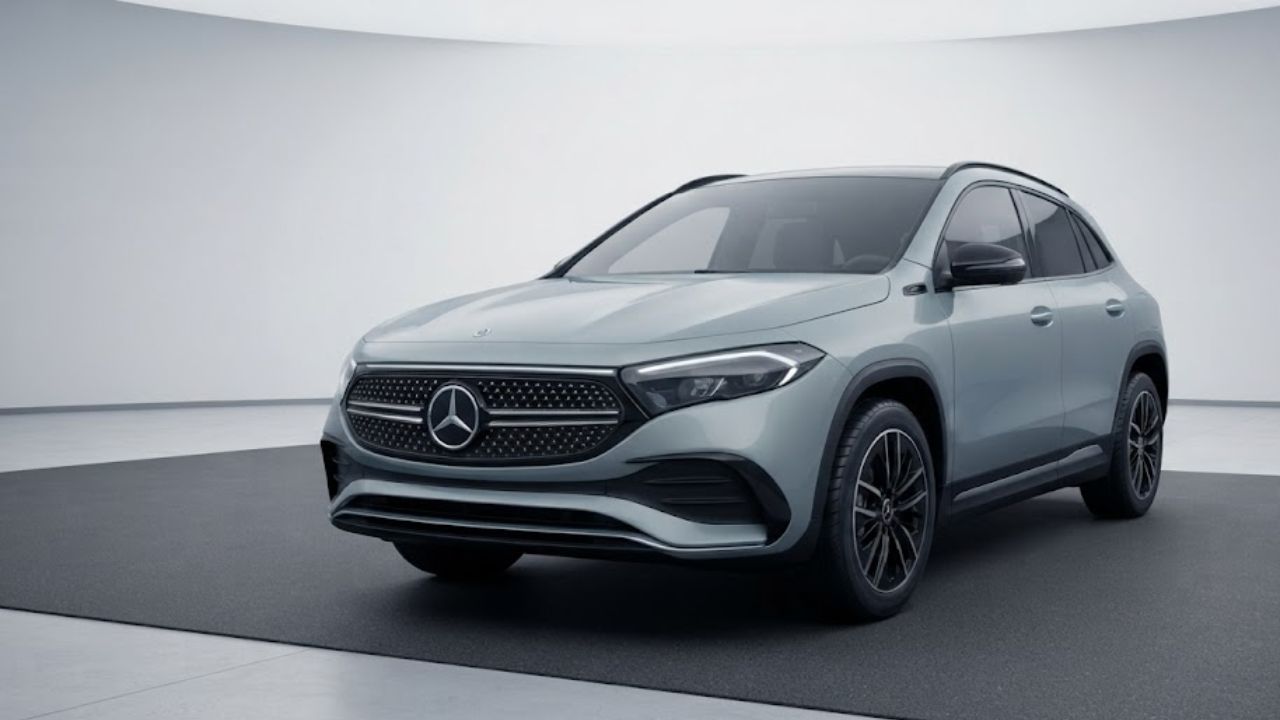
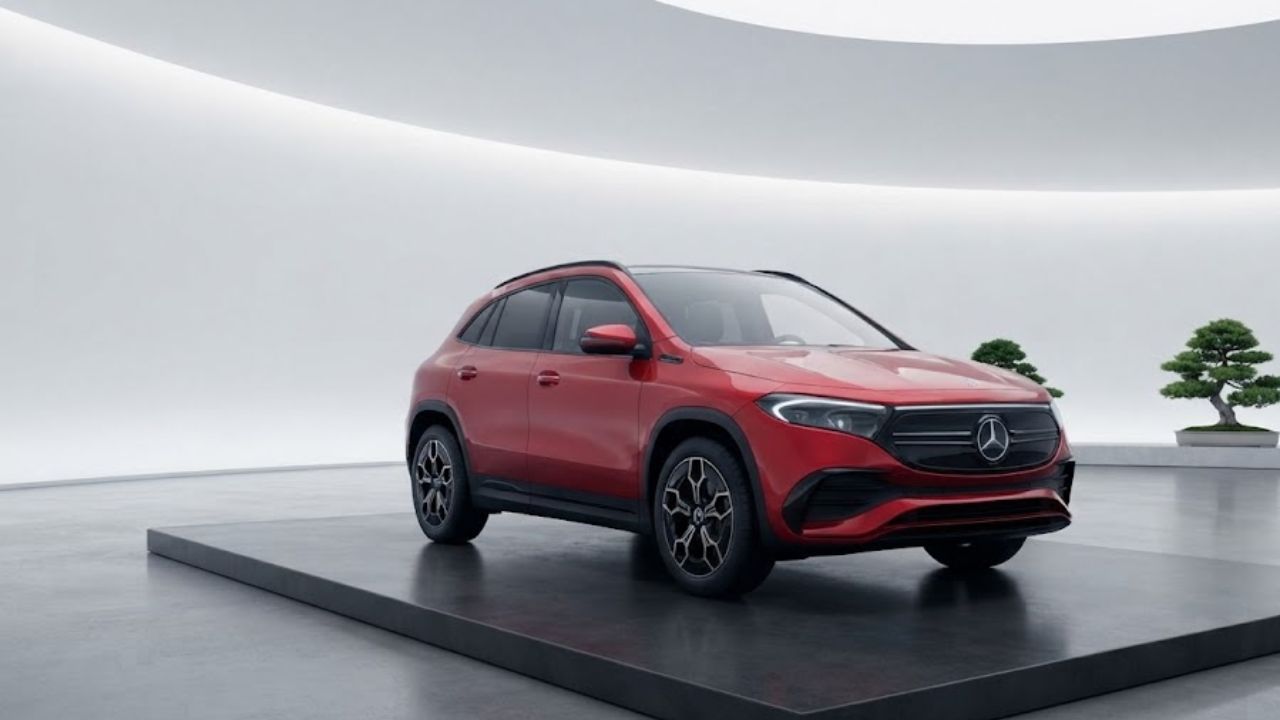
The Mercedes-Benz GLA is the cheapest way into the brand with ₹51.80 lakh ex-showroom. With a petrol engine of 1.3-L with mild-hybrid, GLA produces a power of 163PS and 250Nm where a buyer can get 192PS and 400Nm in a diesel engine. But both engines run on automatic gearboxes.

The cabin has a 10.25-inch display paired with a 10.25-inch digital instrument cluster to make everything flawlessly comfortable. The connectivity including wireless Apple CarPlay and Android Auto gives you access to more features.

Mercedes cars on EMI

Monsoon and night view will be more beautiful with a panoramic sunroof, 360-degree camera, and a full ADAS suite, and it carries a 5-star Euro NCAP safety rating with 7 airbags standard. 

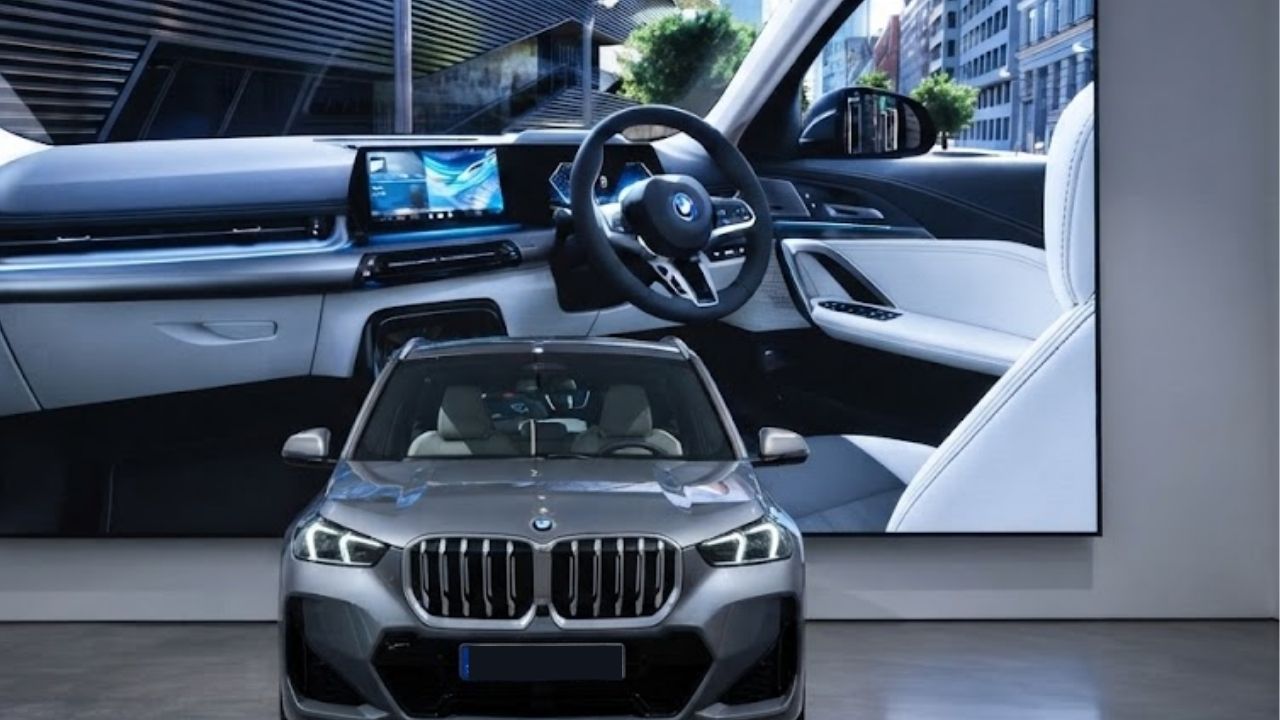
Its direct rival, the BMW X1, starts close by at roughly ₹50.9-54.3 lakh depending on variant — this is genuinely a head-to-head fight, not a Mercedes-only lane.

Mercedes-Benz C-Class — the step-up once the promotion lands

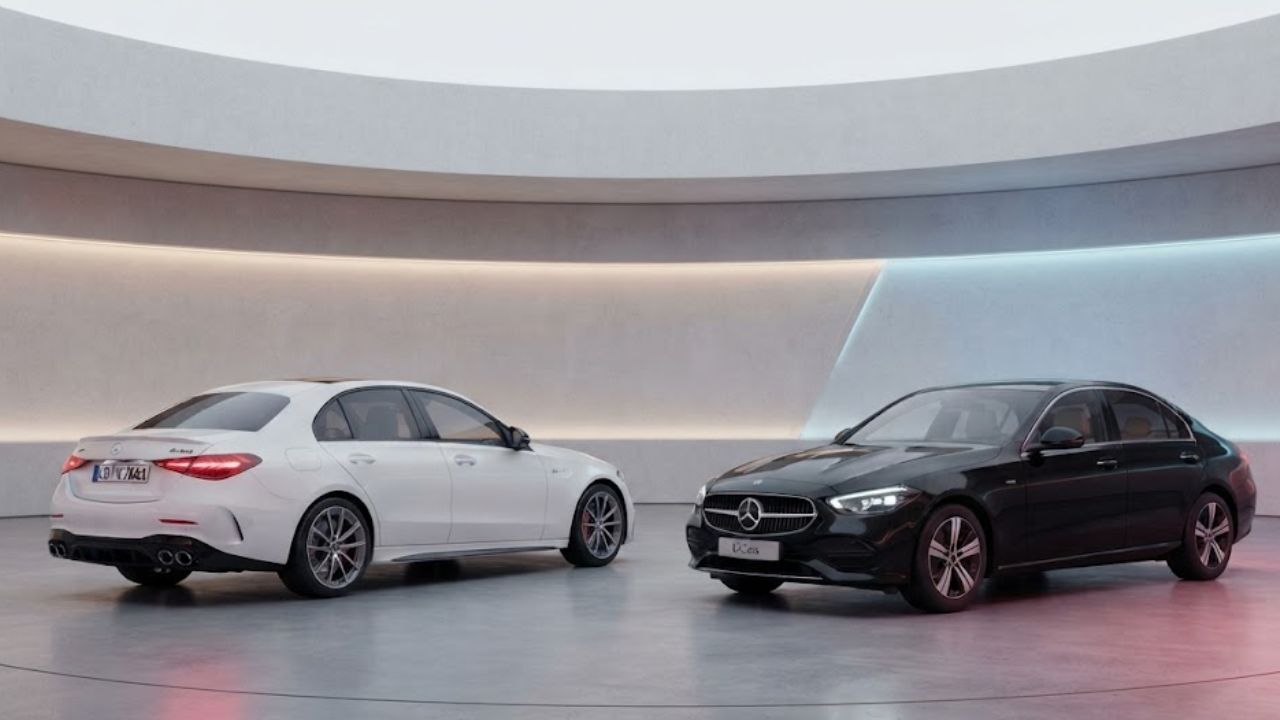
After the entry level GLA, Mercedes-Benz C-Class comes at a slightly higher price with ₹61—₹67 lakh ex-showroom. It offers 0.2L more litres to the petrol engine to give 201bhp and 300Nm of powerful performance. 

The other variant — C220d gets a 2.0-litre turbo-diesel which produces less power (197bhp) but giving more torque of 440Nm. This is something else entirely of C-Class C220d, making it the most selected variant in the showroom. Both with a 48V mild-hybrid boost and a 9-speed automatic.

Inside, it gets an 11.9-inch vertical MBUX touchscreen, a 12.3-inch digital driver display with a fingerprint scanner, a Burmester sound system, augmented-reality navigation, and the same ADAS suite as the larger cars. 

Mercedes cars

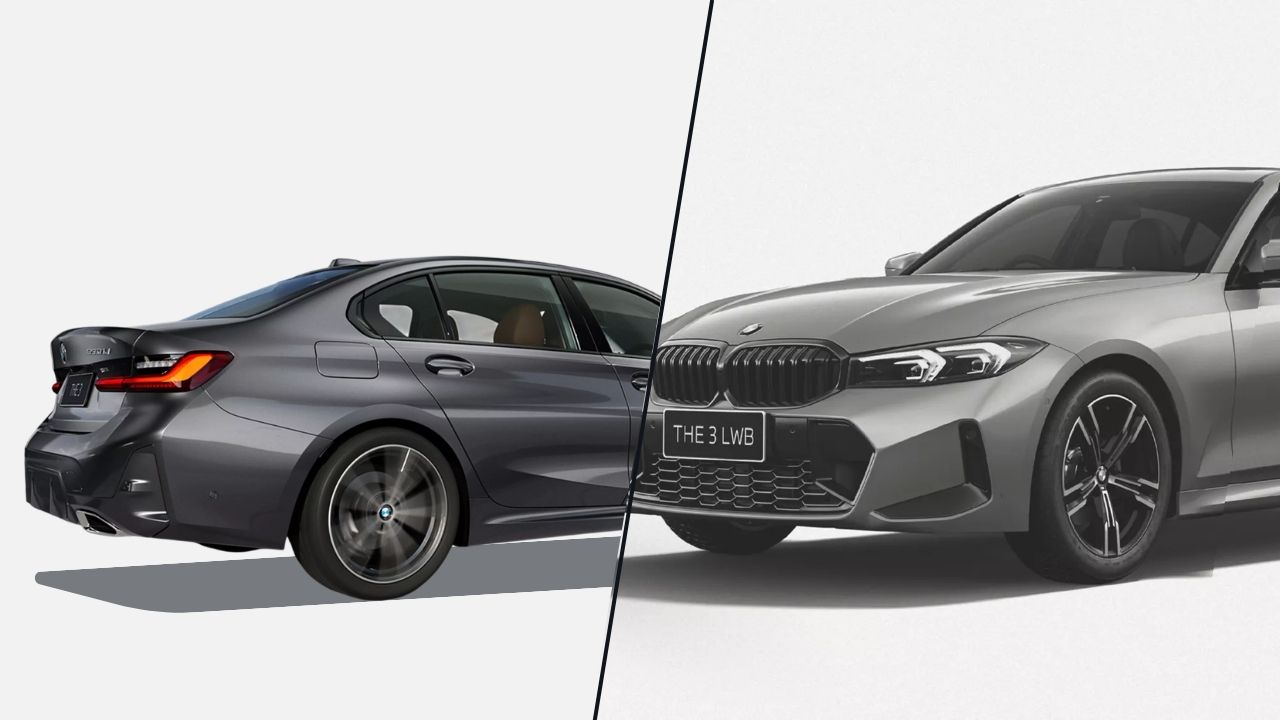
Its natural rival, the BMW 3 Series Gran Limousine (LWB), sits close at ₹62-63.5 lakh — again, a genuine cross-shop rather than a runaway win for either brand.

For buyers who cross into the ₹80 lakh-plus band, the E-Class (from roughly ₹80 lakh) and the newly launched all-electric CLA — which reportedly sold out within days of its India launch are where the conversation shifts next, but the GLA and C-Class remain the two Mercedes Cars actually closing deals with salaried, first-time luxury buyers.

Read More 👉  New Tata Safari EV Triple Screen Dashboard Spied – Launch Soon

Mercedes vs BMW: The Comparison That Matters

Mercedes GLA BMW X1 Mercedes C-Class BMW 3 Series LWB
Ex-showroom price ₹51.80 lakh ~₹50.90 lakh ₹61.20 lakh ₹62-63.50 lakh
Entry engine 1.3L turbo-petrol, 163PS 2.0L turbo-petrol/diesel 1.5L turbo-petrol, 201bhp 2.0L petrol/diesel
Positioning Entry SUV, first Mercedes Entry SUV, first BMW Core sedan Core sedan
Standout strength MBUX tech, brand pull Sharper driving dynamics Rear-seat comfort, S-Class styling Driver-focused handling

Neither brand wins outright at this price point — it comes down to whether you want Mercedes’ comfort-and-prestige lean or BMW’s sportier calibration, and increasingly, whichever dealer offers the better finance package on the day you’re ready to sign.

Run The Numbers Before You Buy Any Car

Mercedes Cars on EMI is a lifestyle decision disguised as a purchase decision, and it’s worth treating it that way. Run the numbers before the showroom visit, not after — a ₹51.80 lakh GLA at 15% down and a 6-7 year loan puts you in the ₹75,000-90,000 monthly EMI range depending on your bank’s rate, which only makes sense if that’s comfortably under 25-30% of your take-home pay, not a stretch to the edge of it. 

Mercedes-Benz GLA

The Star Agility buyback scheme is genuinely useful insurance against depreciation, but read the buyback terms on kilometres and condition before you count on that number. 

And if your job security is anything less than rock-solid, a step-up EMI that gets more expensive in years three and four is a bet on your own career trajectory — a reasonable bet for many people in this income bracket, but a bet all the same, not a guarantee.

Read More 👉 Top 10 MUVs in India: August 2026 Sales, Waiting Period and Easy Finance Option

Conclusion

The Mercedes Cars — GLA and C-Class are genuinely well-built, well-equipped cars at their price points — that part isn’t hype. Whether they’re the right call for a salaried Indians comes down to whether the EMI is funding a want you’ve priced honestly, or a status purchase you’re rationalizing with a spreadsheet.

3

5 Best Affordable SUVs Under 15 Lakhs In India

SUVs under 15 lakhs

Finding an SUV which can offer an engine, great power to run longer than your expectation is no longer harder. These five best SUVs under 15 lakhs budget offer powerful performance on Indian roads that eventually become the most selective cars. The 2026 listing put the Tata Nexon at number 1 because of its new features and body styling along with reliability.

The list is based on the price announced on the official websites of cars so check the actual price including insurance, registration and taxes from your dealer when you buy. The newly launched Mahindra XUV 3XO, the freshly updated Maruti Brezza, the Hyundai Creta and the Kia Seltos are continuously ranking on the “Best Car 2026” list.

Each one wins a different kind of buyer, and one of them comes with a catch you should know before you walk in.

How These SUVs Under 15 Lakhs Were Picked

The list is filtered according to three most relevant choices that a buyer can have.

  1. Three features which most people want in a car is an automatic or a turbo engine, a sunroof, six airbags which had to be available at or near ₹15 lakh ex-showroom price mark. 
  2. Car reliability also matters when the budget is good. So crash-safety credentials had to be on record.
  3. Most people are looking for post-purchase support like service network, resale and real-world fuel cost which decides how they have to spend after buying an SUV.

Every price mentioned in the table is an ex-showroom price taken from listings updated between July and August 2026. The car’s actual price may differ from these prices because carmakers have revised prices several times this year. Treat them as a guide, then confirm the exact variant price with a dealer in your city.

Five Best SUVs Under 15 Lakhs at a Glance

SUV Ex-showroom range (mid-2026) Engine options Claimed mileage Safety
Tata Nexon ₹7.40 to ₹14.40 lakh 1.2L turbo petrol, 1.5L diesel (115 hp), CNG 17.01 kmpl to 24 km/kg Long-standing Global NCAP 5-star adult rating
Mahindra XUV 3XO ₹7.79 to ₹15.04 lakh 1.2L petrol, 1.2L turbo petrol, 1.5L diesel 17.96 to 21.2 kmpl 5-star Bharat NCAP
Maruti Brezza (2026) ₹7.40 to roughly ₹13.6 lakh 1.0L turbo petrol, 1.5L petrol (103 hp), CNG Up to 25.51 km/kg (CNG) 5-star Bharat NCAP
Hyundai Creta ₹10.91 to ₹20.11 lakh (only lower trims fit the budget) 1.5L petrol, 1.5L diesel Roughly 17 to 22 kmpl 3-star Global NCAP per one listing
Kia Seltos Starts around ₹11 lakh (only entry trims fit the budget) 1.5L petrol, 1.5L diesel, turbo petrol Varies by variant Check current rating

1. Tata Nexon: The Safe, Sensible All-Rounder

The Nexon keeps turning up in sales charts for a reason. It is recognized as India’s second highest-selling car in June 2026, and in May Tata launched a Pure+ PS variant at ₹9.59 lakh that it positions as the cheapest car in the country with a panoramic sunroof. That single move shows how Tata is thinking: put the showy feature on a mid trim, not the expensive one.

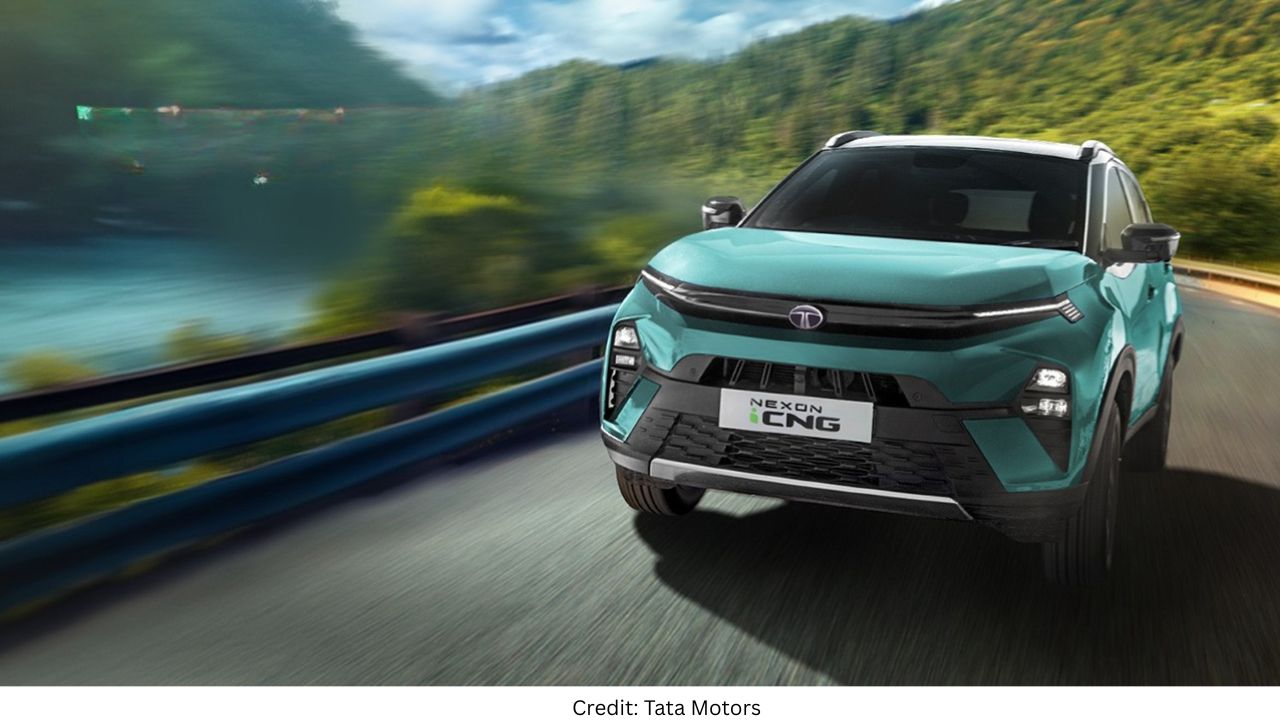
Tata Nexon offers choices between engines, a buyer can pick 1.2 L petrol, 1.5 L diesel with manual/AMT gearbox, and CNG version. This is the only SUV whose every trim sits under ₹15 lakh ex-showroom, its top diesel variant is around ₹14.40 lakh which offers 115 hp of power. The claimed mileage falls between 17.01 kmpl to 24 km/kg and Global NCAP is also given a 5-star rating on its crash safety. 

The honest limitation is refinement. The three-cylinder turbo-petrol is the usual complaint in reviews, with more idle thrum than the Brezza’s engines. Pick the diesel or the CNG if you drive long distances and can live with that trade making it for families who want safety, space and a huge service network in one package.

Tata Nexon CNG

2. Mahindra XUV 3XO: The Feature-Loaded Performer

The new Mahindra XUV 3XO price starts at Rs 9.99 lakhs (ex-showroom) and it goes up to ₹15.04 lakh. Every trim can fit your budget criteria with a 5-star rating. Buyer can get a wider option on XUV 3XO, from 1.2 L petrol to 1.5 L diesel. The CNG version uses twin CNG cylinders on the same petrol engine. It claimed 24.7 km/kg of mileage. It runs from zero to 60 km in 4.9 seconds in CNG mode.

Most people choose this car because all the variants range between ₹9.99 lakh — ₹12.27 lakh and It competes with the Tata Nexon CNG and Maruti Suzuki Brezza CNG.

XUV 3XO vs Tata Nexon: The Head-to-Head Comparison

The turbo-petrol 3XO feels quicker and its feature list is longer at the same money. The Nexon answers with a CNG option, better efficiency spread and more cabin space. Nexon is the better bet for exactly those two reasons. A 3XO CNG comes with a price near ₹10 lakh, and launched on October 15, 2026. Mahindra offers more thrilling performance and cutting-edge technology in a new styling body.

Best for: buyers who want performance and features first and can accept a firmer ride.

3. Maruti Brezza (2026): The New Turbo Value Play

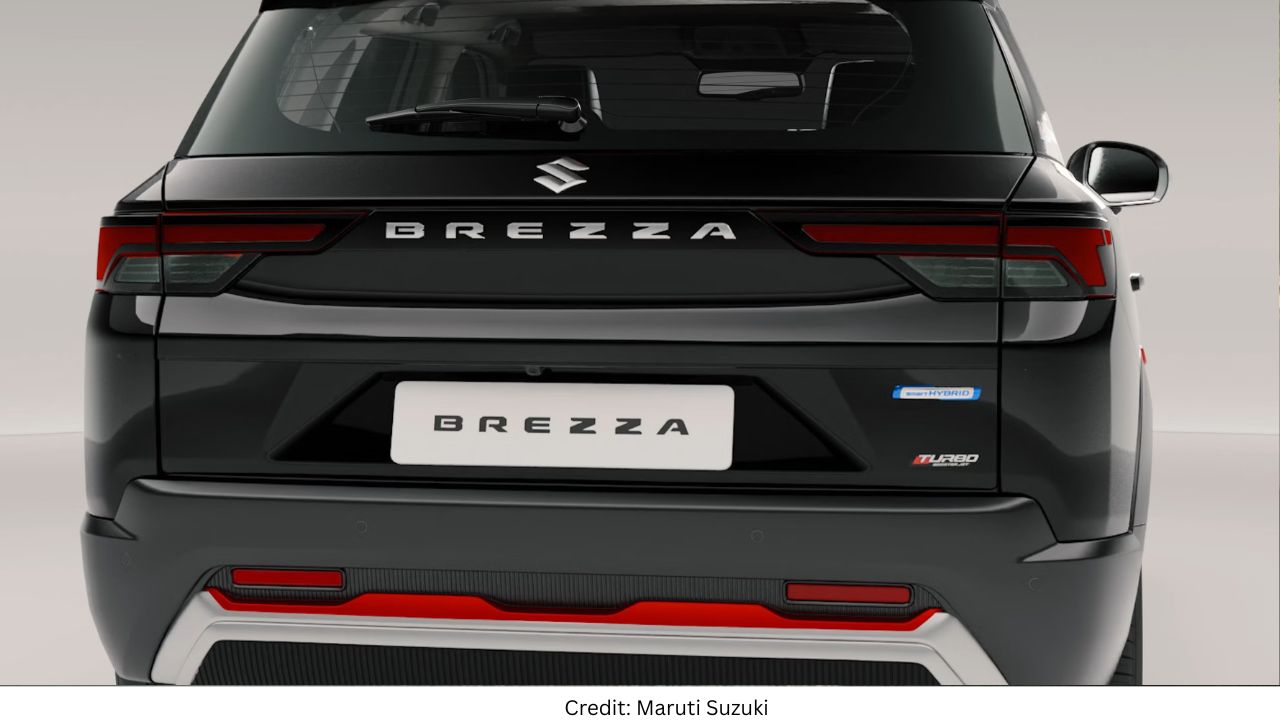
The 2026 Maruti Suzuki Brezza facelift enters showrooms in July with a starting price of ₹7.40 lakh (ex-showroom). Its 1.0-litre petrol engine offers 110 PS of power. The highest variant ZXI Plus is offered with a Petrol AT powertrain at ₹13.55 lakh so this car fits in the SUVs under 15 lakhs list. 

But one thing every buyer should understand: some ZXI and ZXI Plus versions also have dual-tone options priced ₹15,000 higher. Brezza stands out as the best choice for most people after introducing a facelift with six airbags, ESC, and a 5-star Bharat NCAP safety rating.  

There is a CNG advantage since it claims 26.90 km/kg of fuel efficiency. The real world mileage might be different. It offers 1.5 L S-CNG powertrain with 88 PS and 121.5 Nm at 6 MT transmission while its petrol variant offers both manual and automatic options. LXI trim alone comes in a range of ₹7.40 lakh —- ₹8.30 lakh. 

The limitation is power. The 1.5-litre naturally aspirated petrol is the least exciting engine on this list. Ask the dealer about price and claimed mileage before making up your mind to buy one.

Best for: high-running buyers who want low fuel bills and Maruti’s service reach.

Maruti Brezza

4. Hyundai Creta: The Badge That Costs More Than It Looks

Hyundai Creta comes at a range of ₹10.91 lakh — ₹20.11 lakh ex-showroom so a buyer with a ₹15 lakh budget can get a middle or lower trim. The higher trims with more features and comfort driving is above this price mark. The S diesel price at about ₹15 lakh and the SX petrol above it so check your variant and ask the price from your dealer.

Creta have given you other reliabilities such as resale value and service reach, both are excellent. The diesel variant claimed 21.8 kmpl of mileage which is considered as best in this segment. It’s a direct rival for Seltos, Tata Sierra, Renault Duster and Skoda Kushaq. 

Best for: buyers who prioritise resale and brand comfort over the latest tech.

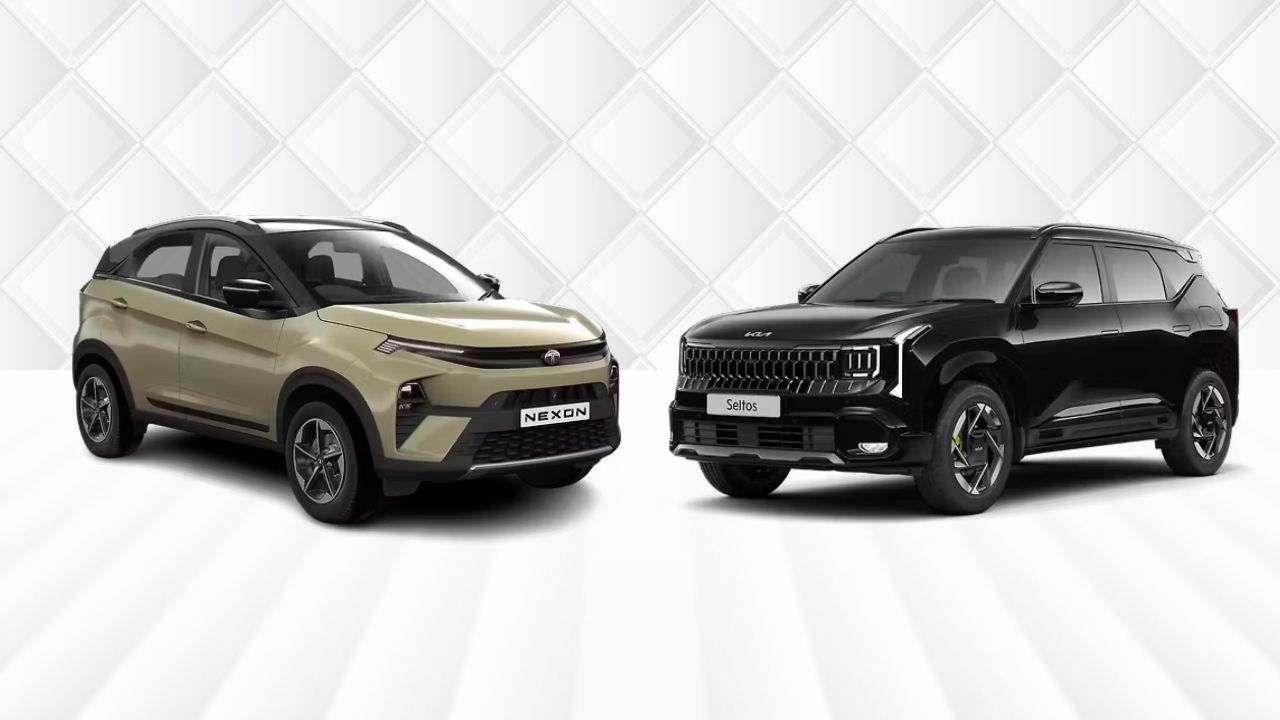
5. Kia Seltos: The Bigger Car You Will Have to Stretch For

The new Seltos is built on a larger platform and it shows in the cabin. It starts around ₹11 lakh, about ₹9,000 above the Creta, and gets Kia Connect 2.0 with over-the-air updates, something Hyundai’s Bluelink still lacks on the Creta.

The HTK (O) variant is above 15k price mark and most of the higher trims in both petrol and diesel are goes higher range of price up to ₹17.99 lakh —  ₹19.79 lakh which means if you get revised design, upgraded cabin technology and advanced safety standard then it’s worth more than your budget.

But in the entry level variant, you still can get a 1.5 L engine which produces 115 – 160 PS of power depending on the powertrain option. Both petrol and diesel variants offer 6 speed manual transmission. There is no factory-fitted CNG option in the current Seltos line-up.  

Best for: buyers who can push past ₹15 lakh and want the most spacious, tech-heavy option.

Creta vs Seltos: Which to Choose

At the ₹15 lakh price, both Creta and Seltos win but on different criteria. Creta give your resale value and good efficiency figure while Seltos can give you connected features, bigger body, and amazing design. 

Always understand that choosing a car on price mark isn’t the best way for selecting a car because you can expect a higher amount to pay when you ask a quote from a dealer for the variant you choose online.

Conclusion

Choosing a car depends on how you drive and why you need a car. If you run more than 1,500 km a month then Brezza CNG and Nexon CNG is the best option because the fuel efficiency lets you recover at the pump. Nexon also offers peace of mind with safety standards if you travel with your family.

XUV 3XO is new and latest at an affordable price. The CNG variant sits in the list of SUVs under 15 Lakhs. Choose the Creta only if resale and the Hyundai network outrank everything else. If you can stretch your price mark a little more then the Seltos is also a good option for you.

Ask each dealer for the current discount and the waiting period on your variant. Offers on these models have ranged from ₹30,000 to ₹55,000 earlier this year, and that difference can decide a close call.

1

Everything On Mahindra XUV 3XO CNG: Top The Compact SUV Segment

Published Oct 15, 2026, 1:10 PM
Last Updated Oct 16, 2026, 10:42 AM

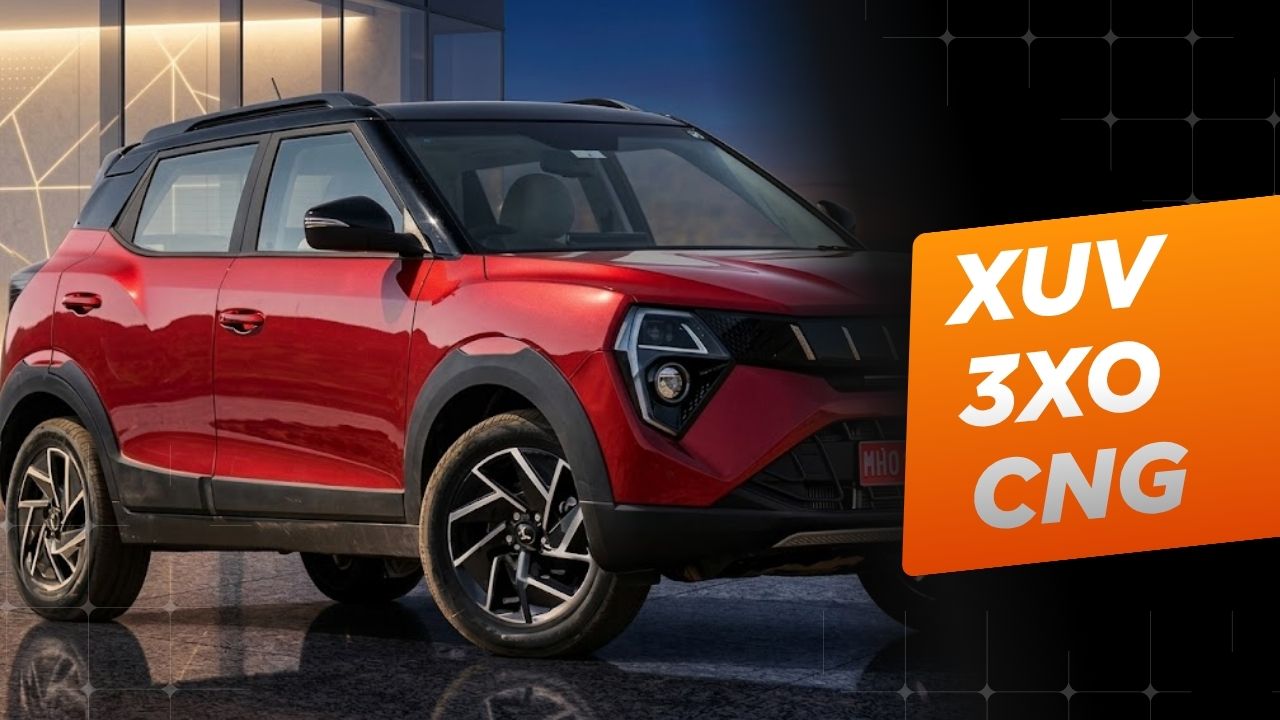
Mahindra XUV

Mahindra XUV 3XO CNG comes with a 112 PS and claimed 24.7 km of mileage at Rs 9.99 lakh, available in four variants.

CNG cars mostly give good mileage but performance is always lower than petrol cars. Now Mahindra promises the same 112 PS and 200 Nm on CNG, it uses a 1.2 L turbo engine to hit at that power. Mahindra XUV 3XO CNG comes at Rs 9.99 lakh (ex-showroom) which might solve the problem especially when you put your foot down and the car struggles to pick up speed.

If it does then it’s going to change the entire CNG compact SUV segment at this price mark. There’s one thing that you won’t get in the Mahindra XUV 3XO CNG is the boot space. Keep going down for every detail before you make up your mind to buy this car.

Mahindra XUV 3XO CNG Engine: The Power Claim That Matters

It offers 1.2 L petrol engine and 6-speed manual transmission to use it for getting 112 PS at 5,000 rpm and 200 Nm. Gas carries less energy per unit volume than petrol to work the engine, so CNG conversions usually lose power. A little drop in that is normal but Mahindra avoided to lose that power.

It fixed it with a 10-bar CNG injection system and revised turbocharger calibration so it takes the gas faster and runs the engine quickly. Mahindra XUV 3XO CNG claimed to reach from zero to 100 km/h in 11.8 seconds. It reaches somewhere that its rivals still struggle to get there because in this segment the CNG cars are less powerful. 

However, the real-time figures are still under wraps as the test drive with real conditions is not done yet. So treat the no-power-loss claim as promising rather than proven. 3XO gives you power to switch between petrol and CNG with a button but also switches to petrol automatically when the CNG runs low. The instrument cluster shows both average and instantaneous efficiency.

Mahindra XUV 3XO CNG Mileage and the Real Running-Cost 

Mahindra XUV 3XO CNG mileage is 24.7 km/kg but it’s a claimed figure not a real-time running calculation. The regular petrol version rated at 18.89 km/l and diesel manual at 20.6 km/l. The fuel cost is different in different city/state if we take Delhi as an example, fuel cost is Rs 86.98 per kg for CNG, Rs 102.12 per litre for petrol and Rs 95.20 per litre for diesel. So the total running costs are based on fuel prices and driving patterns.

Fuel Claimed mileage Running cost per km
CNG 24.7 km/kg about Rs 3.52
Diesel 20.6 km/l about Rs 4.62
Petrol 18.89 km/l about Rs 5.41

Mahindra claims 24.7 km for one kg in CNG and 18.89 km in petrol and 20.6 km in diesel. Now if we calculate these three different fuel options, you are saving ₹1.89 against petrol and ₹1.10 against diesel in CNG version.

Now if you are spending an extra cost of around ₹89,100 se ₹99,500 on buying XUV 3XO CNG than petrol version then understand where you are saving your money.

If you are driving 1,500 km every month, you are saving ₹2,835 on the CNG version which means you can recover your ₹90,000 extra purchasing price in 2 years and 8 months. 

But if you are driving only 800 km every month then you can only save ₹1,512 in months which extends your time. The extra ₹90,000 money will recover in 5 years.

Overall, if you drive daily and cover more kilometres each month, choosing the CNG version could save you money. But if you drive only around 800 km a month, it will take much longer to recover the extra cost.

These figures are based on the company’s claimed mileage and Delhi fuel prices. So the real-world mileage may differ from these, depending on the city fuel rates.

The CNG Version 270-Litre Boot Is Where Buyer Should Consider

The XUV 3XO CNG provides a capacity of 60 litres with twin cylinders but Mahindra fit them under the boot floor to make the layout clean and maintain the space for luggage and leaves the spare wheel underneath the car. These are Mahindra’s reasons for splitting gas into two smaller cylinders. 

The regular XUV 3XO offers 364 litres which means the CNG version eats up 94 litres space, that’s roughly the space a couple of cabin bags would fill. Boot capacity matters when a buyer is looking for a family car that regularly loads a stroller and luggage for a long weekend. Otherwise, it is perfect for daily errands and grocery runs.

Mahindra has also retuned the dampers, springs and anti-roll bar to cope with the extra rear weight. The layout is still MacPherson struts at the front and a twist-beam at the rear. Whether the retune fully preserves the regular car’s ride is something only a proper drive will show.

Mahindra XUV 3XO CNG Launched Four Variants and Prices

The CNG model is officially called the XUV 3XO ZNG, it is a factory-fitted system, not a dealer retrofit, and it joins the existing petrol, diesel and electric versions of the compact SUV, which first arrived in April 2024 as a facelift of the XUV300.

Mahindra XUV 3XO CNG test drives began on launch day. Bookings open on October 20, 2026, through Mahindra dealerships and the company website, and deliveries are scheduled to start the same day. If you want one in the first batch, that is your date.

Four variants are on sale: MX Edge, RevX Edge (O), AX5 and RevX A. The MX Edge is new to the lineup. The other three have petrol-manual siblings already on sale.

Variant Ex-showroom price
MX Edge Rs 9.99 lakh
RevX Edge (O) Rs 10.79 lakh
AX5 Rs 11.19 lakh
RevX A Rs 12.27 lakh

On-road price of Mahindra XUV 3XO CNG is different from the Rs 9.37 lakh, the amount goes higher when you enter a showroom. You have to pay roughly 1–2 lakh more because registration charges and insurance vary by state. Different cities have different RTO charges so ask your dealer to give you the actual price in writing.

The RevX Edge (O) and AX5 are not a simple step up the ladder, even though the AX5 costs Rs 40,000 more. They offer different features.

MX Edge is the base, and it is better equipped than a base car usually is. It offers a 10.25-inch touchscreen, and connectivity experience with wireless Android Auto and wired Apple CarPlay. You can enjoy every drive with premium features. It’s not hard to park with a rear parking camera. You get cruise control, rear AC vents, 60:40 split rear seats for passengers to sit comfortably. The driver also gets the real perks with engine start-stop, steering modes and reverse sensors.

RevX Edge (O) adds a panoramic sunroof, auto headlamps and wipers, power-folding mirrors, keyless entry with push-button start, a height-adjustable driver’s seat, black leatherette seats, a dual-tone roof and a rear centre armrest.

AX5 takes a different route. Instead of the sunroof and cosmetics, it gives you twin 10.25-inch screens, six speakers, 16-inch diamond-cut alloys, a single-pane sunroof, LED projector headlights, connected-car features with Alexa, online navigation, wireless Android Auto and Apple CarPlay, dual-zone automatic climate control, 65W USB-C charging, TPMS and a rear wiper with washer and defogger.

RevX A builds on the AX5 and adds the panoramic sunroof, Dolby Atmos audio, leatherette seats, the dual-tone roof and 16-inch black alloys.

One caution on the top variant. The RevX A petrol uses Mahindra’s more powerful direct-injection turbo engine, while the RevX A CNG uses the 112 PS CNG engine. They are positioned the same but are not equal on output, so do not read the Rs 99,500 gap as a like-for-like cost of CNG.

Six Airbags Safety Along With Sensors

Every variant gets six airbags, electronic stability control, ISOFIX child-seat anchors, four disc brakes, three-point belts and belt reminders for all seats, and reverse parking sensors. The CNG system also has integrated leak detection, and if it senses a leak it moves the engine to petrol automatically.

The regular XUV 3XO earned five stars from Bharat NCAP for both adult and child occupant protection. Mahindra says the CNG shares the same underlying architecture and showed the cylinder installation after a crash test at the launch event. 

What it has not announced is a separate Bharat NCAP result for the XUV 3XO CNG version. Until that appears, the five-star rating belongs to the petrol and diesel cars, not strictly to this one.

Mahindra XUV 3XO CNG vs Tata Nexon CNG vs Maruti Brezza CNG

XUV 3XO CNG Tata Nexon CNG Maruti Brezza CNG
Price (ex-showroom) Rs 9.99-12.27 lakh Rs 9.24-13.66 lakh Rs 9.35-11.71 lakh
Engine 1.2L turbo 1.2L turbo 1.5L non-turbo
Power 112 PS 100 PS 88 PS
Torque 200 Nm 170 Nm 122 Nm
Claimed mileage 24.7 km/kg 24.01 km/kg 26.90 km/kg
CNG capacity 60L 60L 55L
Boot space 270L 321L 328L

Against the Nexon CNG, the XUV 3XO CNG has 12 PS and 30 Nm more, and a slightly higher claimed mileage, but it gives up 51 litres of boot. Against the Brezza CNG, the gap in performance is wider: 24 PS and 78 Nm in the Mahindra’s favour. The Brezza answers with the best claimed mileage here, 26.90 km/kg, and the biggest boot at 328 litres, helped by an underbody cylinder.

So the three cars make three different arguments. The XUV 3XO CNG is the one to drive. The Brezza CNG is the one to run cheapest and load fullest. The Nexon CNG sits in the middle. Nexon’s price range starts about Rs 75,000 lower than the 3XO’s, so check which variants each brand actually offers at the budget you have in mind.

Conclusion

Buy a Mahindra XUV 3XO CNG if you drive roughly 1,200 km or more a month and want CNG running costs without feeling like you are driving a CNG car. The turbo engine’s torque matters most on highways and in loaded overtakes, and that is the 3XO’s whole case. If you buy, the RevX Edge (O) is the sensible pick for most people, since a panoramic sunroof and keyless entry at Rs 10.79 lakh matter more in daily use than the AX5’s second screen.

Independent mileage tests, a Bharat NCAP result for the CNG and real owner reports on the no-power-loss claim will all arrive within a few months of deliveries starting on October 20. A small wait costs you nothing, and the first month of reviews will tell you whether 112 PS on CNG is real or just a brochure number.

0

Hyundai Elantra 2025 Review: Price, Trims, Hybrid & N Line Features Revealed!

Published Sep 30, 2025, 7:45 AM
Last Updated Sep 30, 2025, 12:14 PM

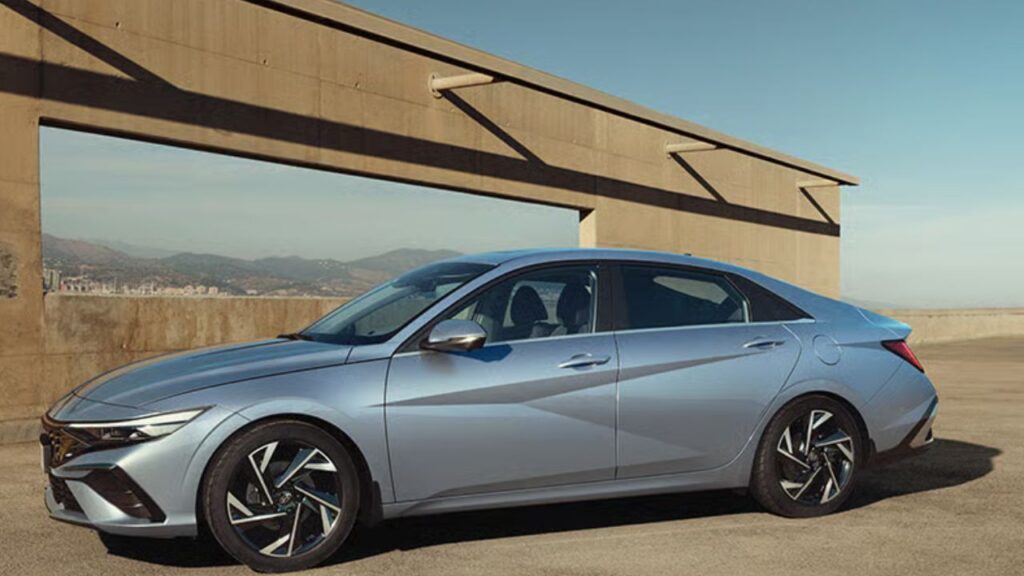
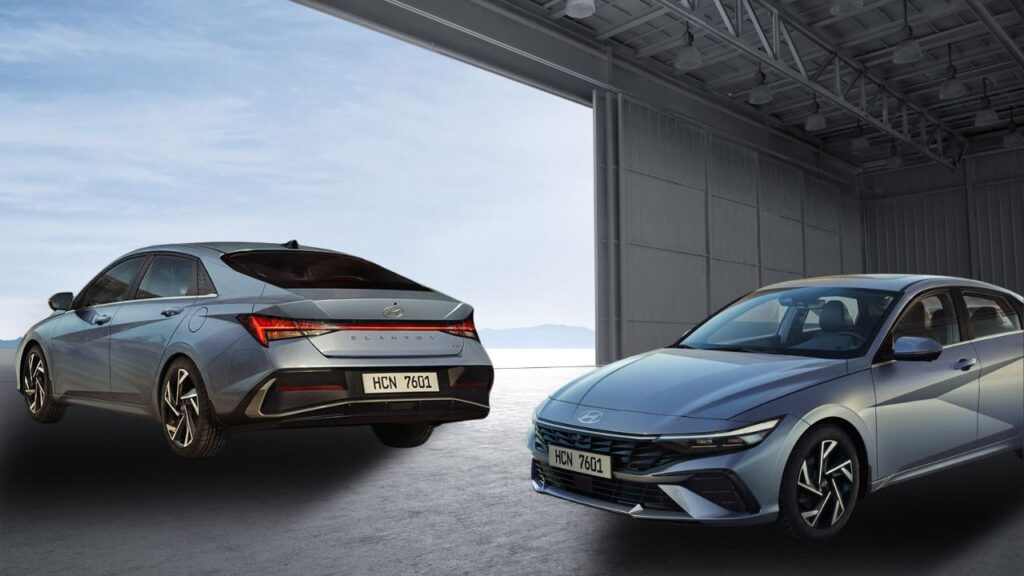
The Hyundai Elantra 2025 is strategically positioned among the most competitive compact sedan market, as it depends on the aggressive pricing, the unique aesthetic styling, as well as the best-in-class safety features. Having the lowest entry barrier, the base price being launched at $22,125 MSRP, the Elantra gets attention fast compared to the most important competitors. Its sporty, aggressive exterior styling so that the car doesn’t fade into obscurity, appeals first of all to the younger generation, as well as those who pay much attention to the styling factor.

Other than looks, Hyundai bases the value appeal of the Elantra on safety and durability. The car has scored the ultimate commendations from independent evaluation agencies, including the IIHS Top Safety Pick+ awfully and the NHTSA-provided 5-Star Overall Safety Rating. This body integrity as well as this extensive complement of standard driver assist technologies gives the ultimate trust factor that is the key market advantage.

This price increase is dialed in to motivate the purchase of the skipped entry-grade so that buyers do get access to essential features that rev up the car experience, including the digital instrument cluster, 10.25-inch infotainment display, power sunroof, and heated seats.

Delineation among Powertrain Families: Standard, Turbo, and Hybrid

To achieve ultimate breadth across the compact segment, the 2025 Elantra provides three separate powertrain families designed to support varying buyer priorities— the frugal 2.0L normally aspirated inline four-cylinder engine for standard friskiness, the big-output 1.6L Turbo GDI engine for high-performance enthusiasts (N Line), and the highest-efficiency 1.6L GDI Hybrid system for high-mileage users. This triad engineering strategy holds the Elantra competitive across ranges as diverse as price to ultimate dynamic capability as well as ultimate fuel economy.

Exterior and Interior Volume Measures

It is 185.4 inches long and has a long 107.1-inch wheelbase. It has a decent 14.2 cubic feet of cargo space with all seats occupied. Crucially, the car has an EPA interior volume of 113.6 cubic feet.

The Standard Drivetrain: 2.0L I4 and Smartstream

Elantra comes in different trims including SE, SEL Sport, SEL Convenience, and Limited. Its standard variant offers a 2.0L inline four-cylinder engine. This solid engine gives powerful 147 horsepower at 6,200 rpm and 132 lb-ft of torque at 4,500 rpm, making it perfect for smooth performance. Its exclusive Hyundai’s Smartstream Intelligent Variable Transmission comes in standard trim to deliver an opulent experience to buyers.

Fuel economy is slightly different depending on the trim’s equipment level. Based SE trim provides the best fuel efficiency, which is 36 combined MPG (32 city / 41 highway). However, the SEL Sport, the SEL Convenience, as well as the Limited, trim log the combined 34 MPG (30 city / 39 highway). This 2 MPG combined deficit directly results from the feature upgrade. Higher trim levels come as part of higher equipment loading, including the digital screens as well as the dual-zone climate control, and they ride on larger, heavier 17-inch alloy wheels.

The Performance Peak: N Line

For enthusiasts who prioritize dynamic response, the N Line trim is loaded with exclusive mechanical upgrades. Highlights include a front performance damper, electronically controlled suspension, and an N-Performance exhaust system with PTU cooling. The N Line delivers an impressive 201 horsepower with 1.6L Turbo solid engine. Its amazing 195 lb-ft of torque is available over a wide range, from 1,500 to 4,500 rpm.

Now, the most extreme mode of the N Line is sporty 7-speed Dual Clutch Transmission with a good EPA estimated of 31 MPG combined, challenging a better fuel economy rivals. Its SHIFTRONIC paddle makes a ride more thrilling that drives you crazy.

Efficient Commuter: Hybrid System

The hybrid model is perfect for city commutes as it offers top-tier fuel efficiency. It combines a 1.6L GDI engine with an electric motor, delivering 139 horsepower with 195 lb-ft of torque. The Elantra Hybrid gives smooth ride, conventional shifts, and amazing experience with a 6-speed EcoShift Dual Clutch Transmission (DCT). Efficiency is outstanding, it is powered with 54 MPG combined and its limited versions get upgraded features including luxury and 50 MPG combined.

Full Trim Lineup and Pricing Strategy

The 2025 Hyundai Elantra is available in five gasoline trims—SE, SEL Sport, SEL Convenience, Limited, and N Line. In 2 Hybrid Variants Hybrid Blue and Hybrid Limited are available in 2025. The price for each variant varies along their features, from starting price of base models to luxury hybrid models with expensive price offering.

SE Trim

Base price starts at $22,125.

The Hyundai Elantra offers 2.0L four-cylinder engine in its base model which has 36 MPG combined. Key safety features cover four-wheel ABS brakes, emergency brake system for secondary collision, and alarm for remote-theft. It also provides a good infotainment system with an 8-inch screen and seamless connectivity.

SEL Sport Trim

Starting MSRP: $23,250.

The SEL Sport builds on the SE trim that delivers a solid 2.0L engine with 34 MPG combined. Buyers can achieve good comfort and smoother rides with 17-inch alloy wheels and automatic climatic control functions. It comes with leather-wrapped, push-button start, and wireless charging support.

Convenience Trim

Starting MSRP: $25,825.

This model introduces premium technology like dual 10.25-inch setup, blends with digital instrument cluster and comfort upgrades including power tilt-and-slide sunroof and heated front seats. It is powered with a 2.0L engine (34 MPG combined), giving the vibes of an upgraded luxurious ride.

Limited Trim

Starting MSRP: $26,775.

The Limited trim sits at the top of the standard 2.0L lineup, delivering the most advanced functions. It helps you hands-free cruising on highways consistently with a powerful Highway Driving Assist feature. It comes with advanced driver-assistance systems (ADAS), H-Tex leatherette seating, and premium Bose audio system.

N Line Trim

Starting MSRP: $28,975.

The N Line is crafted with performance in mind. It comes with a 1.6L turbo engine that delivers outstanding performance. It offers a 7-speed DCT to challenge the road, and a multi-link independent rear suspension. This combination makes it perfect for beast riding race lovers. Its unique styling includes 18-inch alloy wheels, exclusive N Line bumpers, and sport seats that support your desires. Most importantly, its chrome dual exhaust tips that scream fun.

Hybrid Trims

Two hybrid versions are offered. The Hybrid Blue focuses on efficiency, delivering up to 54 MPG combined, while the Hybrid Limited sacrifices a little efficiency (50 MPG combined) to add premium features like a Bose audio system and larger wheels. Pricing for the Hybrid Blue is expected to start around $25,450.

Digital Interface Designs and Cabin Aesthetics

The cabin environment is equipped with a widescreen infotainment console, especially in the higher trims, and it uplifts the environment for the buyer. The console integrates a 10.25-inch gauge cluster and a 10.25-inch navigation display into a seamless and, visually, a cohesive entity. This sleek design is a factor to the “nearly luxury experience.” This is the compact class. Multiple USB ports and wireless charging are available to enhance the connected experience for the occupants.

Interior Comfort and Material Assessment

Even with the impressive design and focus on technology, elements in the interior cabin of the Elantra, specifically, the negative comments are aimed at the “hard plastic materials” found on surfaces.

Safety Profile and Driver Assistance Systems (ADAS)

Safety is one of the Elantra’s strongest selling points, shown by its IIHS Top Safety Pick+ and NHTSA 5-Star Overall Safety Rating. That performance comes from a high-strength body structure combined with a broad, effective set of driver-assist systems.

Hyundai SmartSense:  Hyundai basic tools include Forward Collision-Avoidance Assist with Pedestrian Detection, Blind-Spot Collision-Avoidance Assist, Lane Keeping Assist, and Lane Following Assist, and Driver Attention Warning are available in every Hyundai trims.

Read More :- Maruti Suzuki Top Variant Cars 2025: Luxury, Hybrids & EV Revolution Revealed

Advanced Systems and Highway Driving Assist

Higher trim comes with more advanced technology for assistance, including Adaptive Cruise Control with stop-and-go. The top-tier Limited trim gives more features like Highway Driving Assist, this can help you with highway driving by enabling Level 2 hands-on, semi-autonomous driving.

The 2025 Hyundai Elantra firmly establishes itself as a tech- and design-forward leader in the compact sedan class. It pairs top safety scores from IIHS, NHTSA also gives 5-Star. It offers class-leading efficiency options up to 54 combined MPG.

Conclusion

The Hyundai Elantra 2025 available in various trims which is elegantly improved with its design and higher level trims offer fantastic features that can drive you crazy. For the next-level riding experience with the powerful speed of hybrid trim that ensures your safety along with smooth rides.

These trims come in different ranges of prices from entry-level model $23,250 to N Line trims $28,975, and all trims come with Hyundai SmartSense feature. It ensures the safety of the passengers and offers practicality. Whether you buy an entry-level model or higher trims that are available, buyers can get the best advanced features inside these trims.

0

New GST Pricing For Popular Cars in India: September Updates on Latest Car Price Drop 

New GST Car Price Drop September 2025 in India

This September, car prices drop down with a huge difference under the new GST slabs. From the brands Hyundai, Kia, Honda, Toyota, Tata, Volkswagen, Skoda, Mahindra, Renault, to luxurious cars MG, BMW, AUDI And Mercedes-Benz Prices Dropped. This gives big relief to the car automobile industry, this benefit applies to all car segments in India. Check out every brand’s big price reduction which is going to be applicable after 22 September 2025. 

GST rates have reduced from 28% to 18% on all 1200cc engines with <4m length. Large Sedans and SUVs get 40% flat due to fluctuation from 50% GST. Here’s the breakdown of each brand price reduction detail under the GST 2.0.

Read More :- Best Cars for Mountain Roads: Drive Smoothly on Snow, Hills & Winding Terrains

Latest Price Drops After GST 2.0

Brand Model(s) Maximum Saving (₹)
Tata Tiago – 85,000; Altroz/Harrier/Safari – 1–1.55 lakh; Nexon – 1.50 lakh 1.55 lakh
Mahindra Thar – 1.35 lakh; Scorpio N – 1.45 lakh; XUV700/3XO – 1.56 lakh 1.56 lakh
Hyundai Tucson – 2.40 lakh; Alcazar – 75,000; Creta – 72,000; i20 N Line – 1.08 lakh; Verna – 60,000 2.40 lakh
Kia Carnival – 4.49 lakh; Syros – 1.86 lakh; Sonet – 1.64 lakh; Seltos – up to 45% cut 4.49 lakh
Renault Triber – 96,000; Kiger – 80,195; Kwid – 55,000 96,000
Honda City/Amaze – 72,000; Elevate – 58,400 72,000
MG Astor – 54,000; Hector – 3 lakh; Gloster – 3 lakh 3.00 lakh
Volkswagen Virtus/Taigun – 66,000; Tiguan R-Line – 3.27 lakh 3.27 lakh
Skoda Kodiaq – 3 lakh; Kylaq – 1.19 lakh; Others – up to 3.28 lakh 3.28 lakh
Toyota Glanza – 85,000; Fortuner – 3.49 lakh; Vellfire – 2.78 lakh; Lexus – up to 20 lakh 20.0 lakh
BMW 2 Series – 1.6 lakh; 5 Series – 4.15 lakh; XM – 6 lakh; M2/M4/M5 – 10 lakh 10.0 lakh
Audi A4 – 2.64 lakh; A6 – 3.64 lakh; Q7 – 6.15 lakh; Q8 – 7.83 lakh 7.83 lakh
Mercedes-Benz A-Class – 2.6 lakh; C-Class – 3 lakh; E-Class – 4 lakh; GLA – 3 lakh; S-Class – 10 lakh+ 25.0 lakh

Tata 

Tata Motors Cars Price Drop After GST September 2025

Image credit: Tatamotors

The Tata latest models price is dropped which creates an opportunity for buyers to save up to Rs 1.55 lakh. The Tata Altroz, Tata Harrier, and Tata Safari price has been reduced by more than 1 lakh due to revised GST rates. Small cars like Tiago save up to 11% with new GST rates which means you can purchase Tata Tiago with Rs. 85,000 off. The Tata Nexon price has been reduced up to Rs 1.50 lakh. 

Mahindra

Mahindra Cars Price Drop After GST 2.0 Reform

Image credit: Mahindra

Mahindra also dropped its price on its popular models like Thar Roxx, Scorpio N, 3XO, and XUV700. Customers can get more than 1 lakh saving on these cars. The maximum saving up to Rs 1.56 lakh for XUV 3XO, Thar save up to Rs 1.35 lakh and Scorpio N save up to 1.45 lakh. Mahindra has passed the benefit early for its customers which creates a great opportunity for buyers in India.

Hyundai

Hyundai Cars Discounted Prices in India GST 2025

Image credit: Hyundai

This one reduced more than 2 lakh on its significant models like Alcazar and Creta. Customers have to wait till 22 September 2025 for purchasing Hyundai cars at a lower price. Tucson, mid-size SUV gets a huge price cut up to 2.4 lakh under new GST slabs. Other popular cars like Alcazar save up to 75,000, i20 N Line save up to 1.08 lakh and Creta save up to 72,000. The least saving is up to 60,000 for Verna. 

Kia

Kia Cars Price Cut September 2025 GST Updates

Image credit: Kia

Kia is also a Korean automaker which is offering up to Rs. 4.49 lakh on Kia Carnival but other models like Syros and Sonet also offer huge savings. Buyers can save up to Rs 1.86 lakh on Syros and Rs. 1.64 lakh on Sonet. Seltos and other models also offer up to 45% saving under the revised GST slabs. 

Read More:- Donald Trump Car Collection: A Look Inside His Garage

Renault

Renault Cars Price Drop After GST Reduction in India

Image credit: Renaultgroup

Renault also gave a huge saving on its triber, Kwid, and Kiger up to 96,000. You must remember that the price fluctuation also depends on the vehicle’s variant. Buyer can save up to Rs. 80,195 on Renault Kiger but it is applicable after 22 september 2025 purchase. The Renault Triber also reduced its price over 96,000 which is a maximum saving than the Renault Kwid which only benefits up to Rs 55,000.

Honda

Honda Cars New Price After GST Update India

Image credit: Honda

Honda offers up to 3.5% price cut on Honda Amaze, Honda City, and Honda Elevate which save up to 72,000 after 22 september 2025 purchase. However, elevate has only offered up to 58,400 as a benefit for their buyers. Please note that the benefit also depends on the variant and powertrain of the car you selected.

MG

MG Cars Price Reduction September 2025 India

Image credit: MG motors

MG Astor, MG Hector, and Gloster have now come with a huge saving up to Rs. 3 lakh. These models are built on ICE, making it perfect for every ride. Astor can save up to Rs 54,000 and Gloster can save up to 3 lakh, also offering 100% on-road funding.

Volkswagen

Volkswagen Cars Price Cut After GST Reform India

Image credit: Volkswagen

The Volkswagen offer huge benefit up to Rs 3.27 lakh which opens up the opportunity for buyers. The new GST rates cut the price for flagship models like Virtus, Taigun, and Tiguan R Line, SUV with over 1500 cc engine. Most models like Virtus and Taigun get over 66,000 GST benefits and Tiguan save over 3 lakh under the revised GST rates.

Skoda

Skoda Cars Discounted Price September 2025 GST

Image credit: Skoda

Skoda has reduced the price up to Rs 3.28 lakh on its most of the models. Customers can get a huge benefit on their purchase after 22 September 2025 when the new price is applicable on cars like Skoda Kodiaq and Kylaq up to Rs. 3 lakh and 1.19 lakh. The reduced prices also depend on the variant of the Skoda.

Toyota

Toyota Cars Price Reduction India GST 2025

Image credit: Toyota

Toyota has become more affordable with its new revised price, the huge price cut received of 5.77 lakh for Lexus. According to the GST 2.0 reform, it received a massive price reduction up to Rs. 20 lakh. The price reduction up to 85,000 for Glanza, 3.49 lakh for Fortuner, and brand’s flagship Vellfire also received a huge price cut up to Rs 2.78 lakh.

BMW

BMW Cars Price Drop After GST 2.0 in India

Image credit: BMW

The luxurious BMW also reduced its price up to Rs. 8.9 lakh under the GST 2.0 reform. There are several modern and excellent models which got a huge price cut like BMW 2 series got up to 1.6 lakh, BMW 5 series saves up to 4.15 lakh and M2/M4/M5 saves up to 10 lakh after 22 September 2025. The massive price cut is up to 6 lakh on XM models which opens up a huge opportunity for BMW lovers.

Read More:- Hyundai Ioniq 5 vs Tesla Model Y: Which EV Wins in 2025?

AUDI 

Audi Cars Price Reduction September 2025 GST

Image credit: AUDI

AUDI is offering a huge saving of its flagship model Audi Q8 for up to Rs 7.83 lakh. While other models of AUDI such as Q7 get 6.15 lakh, A6 saves 3.64 lakh and A4 offers 2.64 lakh. These models received massive savings from under the new GST slabs. The new AUDI prices make a big difference in the market.

Mercedes-Benz

Mercedes-Benz Cars Discounted Price After GST 2.0

Image credit: Mercedes-Benz

The biggest difference in price is made for Mercedes-Benz under the new GST slabs which can save you up to Rs 25 lakh. The most selling models like C-Class can save up to 3 lakh, E-Class gets you up to 4 lakh benefit, S-Class offers over 10 lakh benefit but the price fluctuation varies on the variant of the car. GLA offers Rs 3 lakh and an A-Class sedan also offers 2.6 lakh. 

Conclusion

The latest cars’ prices dropped down which makes a big difference in the Indian market. Buyers can get a massive benefit on these cars purchase but the new price is applicable after 22 September 2025. The new price fluctuation is reflected by the new GST reform that leads to the car prices slashed with a huge difference.