0

Best Second Hand Cars to Buy in India – Used Car Buying Guide

Best Second Hand Cars

Car pricing is rising constantly in India and right now, cars are becoming an essential part of everyone’s life. Buying a Second Hand Cars is becoming a smart option because every new model of car value depreciates after two or three years, so most people secure themselves by spending over on a new one when they can get that model at half of price. Used cars are also a great option for first time buyers.

But it’s not that simple, you must know that the used cars market is in large numbers and choosing the right one is difficult. Every seller wants to pass off the car by saying “fully maintained”, “good condition”, and present it in an excellent condition without telling you the truth. They won’t tell you if there’s any flood-damaged or accident-repaired. That’s why buying a used car requires more than just finding a good deal. 

Let’s look into this guide to understand how you can buy a Second Hand Cars and which models can be good to pick in 2026. 

Why Second Hand Cars Are a Smart Choice in 2026

There is a financial reason for buying Second Hand Cars. A new car loses its value around 15–20% in the first year after it leaves the showroom. So buying a two or three-year-old car instead, you avoid that major depreciation which was faced by first hand car owners. While you get a well-maintained vehicle at a much lower price. 

A few other reasons second hand cars are gaining popularity in India:

  • Lower upfront cost means smaller loan amounts and lower EMIs.
  • Better insurance premiums since the insured declared value (IDV) is lower than a new car.
  • Access to higher segments – don’t pick five/six years old models to buy, choose a used premium sedan or SUV for the price of a brand-new entry-level hatchback.
  • Certified used car programs like Maruti True Value, Mahindra First Choice, clear your mind and help you to choose the right car. There are other brands that offer such programs like Hyundai Promise, and Toyota U Trust, these have made the process far more trustworthy than it used to be.
  • Online platforms also provide inspection reports, warranties, and even doorstep delivery for second hand cars. You can check OLX autos and CarDekho to find out. 

Those days were long gone when buying a second hand cars was a mistake because the market has now matured enough to make it a sensible financial decision rather than a compromise.

Best Second Hand Cars to Buy in India by Category

Not every used car is a good used car. There are few models that offer reliability, better value and easier to maintain over time. So let’s check out which second hand cars are best to buy.

Best Second Hand Hatchbacks

Hatchbacks are usually the easiest entry point into car ownership, and they remain extremely popular in the used car segment because of low maintenance costs and great fuel efficiency.

  • Maruti Suzuki Swift – Arguably India’s most popular used car. Strong resale value, easy availability of spare parts, and a massive service network make it a safe choice.
  • Hyundai i20 – It offers more premium features that let you feel excellent drive, a good pick if you want something a notch above the basics.
  • Maruti Suzuki Baleno – Ideal for those who are looking for a hatchback that offers good fuel economy, and decent resale value.
  • Tata Tiago – Tata is number one in safety rating, proved in many real accidents. Some variants build on solid structure, appealing to safety-conscious buyers.

Best Second Hand Sedans

If you want more comfort on long drives and a bit more road presence, a used sedan is worth considering.

  • Honda City – Known for being a driver’s car with smooth performance and excellent reliability. A used City is almost always a safe bet.
  • Maruti Suzuki Ciaz – Best to buy if you want a spacious cabin, low maintenance costs, and reasonable fuel economy.
  • Hyundai Verna – Offer best features and comfort drive that let you have a premium experience.
  • Skoda Rapid / Volkswagen Vento – Great for those who want a more “European” driving feel, though maintenance costs can be a bit higher.

Best Second Hand SUVs and Compact SUVs

New SUVs and compact SUVs attract everyone these days with their comfort and reliable nature. The Second Hand SUV market has grown rapidly as a result. 

  • Maruti Suzuki Brezza – Brezza is easy to maintain so it’s the top pick in the used compact SUV list. It offers good fuel efficiency that also makes it the best choice.
  • Hyundai Creta – Most buyers wanted a powerful SUV with advanced features and safety suite and Creta is the best option in used SUV.
  • Kia Seltos – If you want to buy a stylish second hand SUV loaded with tech then Seltos is the best option.
  • Mahindra XUV300 – Good safety ratings and a punchy engine, a strong contender if you want something rugged.
  • Tata Nexon – Excellent safety scores and solid built quality, often available at attractive used prices.

Best Second Hand Premium Cars

If your budget allows and you’re chasing a more luxurious driving experience, certain premium used cars offer incredible value because of how steeply they depreciate.

  • Toyota Fortuner – Holds resale value better than most SUVs in its class, but always gets a thorough inspection given its heavy usage profile in many cases.
  • Honda Civic / Honda Accord (older generations) – Solid build Honda Civic offer smooth and excellent ride but maintenance is costly. 
  • Mercedes-Benz C-Class / BMW 3 Series (5+ years old) – Before buying these cars, check their maintenance history. The value of these cars depreciates massively, so a 5-6 year old model can be available at a fraction of the original price. 

Read More :- How to Increase Your Car Resale Value Without Overspending on Maintenance

What to Check Before Buying a Used Car

Don’t rush here because regretting later can give you nothing but a headache. Because these parts are essential to consider while buying a Second Hand Cars. 

1. Verify the Paperwork First

Before you even look at the car, check the documents. check the registration certificate and match the used car engine number. If the car is registered in a different state, ask for a No Objection Certificate (NOC). There are also insurance documents and PUC certificates along with these documents. Also, check that the loan is cleared if the previous car owner made a purchase on loan.

2. Check the Service History

If the previous car owner follows regular service then it becomes trustworthy because gaps in service cause problems in engine parts quickly. Ask them to show records or documents of previous servicing of a car from authorized centers.

3. Inspect for Accident or Flood Damage

Look closely at the car exterior, if you see mismatched paint or even panel gaps that may indicate a car was involved in an accident. If you wanna check flood damage, take a look under the carpets for rust. If there is a smell when you open the doors that suggest a water exposure. then check the tyres for uneven wear which could point to alignment or suspension issues from an accident.

If you’re not confident inspecting this yourself, it’s worth paying for a professional pre-purchase inspection. Several services now do this for a few hundred rupees and can save you from a very expensive mistake.

4. Take It for a Proper Test Drive

Take a test drive on different routes at different speeds to test its engine and transmission. It also lets you know how smoothly it runs. Check AC cooling capacity, and other features while driving. Any sound from a car, loose brake, or suspension must be checked carefully. Steering must turn right and left smoothly.

5. Compare the Asking Price With Market Value

Visit offline used car markets or visit online platforms like Cars24, or OLX Autos to check and compare the specific model price. If the kilometers are exceeded, you can negotiate with the sellers to lower the price. Do not trust on anyone’s word, use your inspection process to negotiate if the car is lacking something but check the least compared value of the second hand car to negotiate logically.

Read More:-  Car Maintenance Tips That Save Money And Valuable Time

Buying Used Cars Through Dealers vs Buying Privately

Both routes have their pros and cons, and the right choice depends on how much risk you’re comfortable with.

Buying from a certified dealer  Buying from a private seller
Comes with a warranty and inspection report. No inspection report or guarantee
Price is higher Lower price from dealers
Documents and transfer process is easy Paperwork and transfer handled by yourself
No hidden issues Buy with experienced car owners or check by yourself for hidden issues

Beginners must consider buying from a certified dealer or platform rather than directly as this is generally the safer choice, even if it costs a little more.

Financing a Used Car in India

Most banks give used car loans but with higher interest rates. That typically ranges between 9% and 14% depending on the lender, the car’s age, and your credit profile. You can compare those rates with other lenders and try to give higher down payment for less EMI burden. The older the car, the higher the interest rates. Always compare the price before finalizing it.

Common Mistakes to Avoid When Buying Second Hand Cars

  • Looks, avoid making choices based on shiny exterior but buy based on working of the car under the hood. 
  • Test drive is non-negotiable for buying any car
  • Car papers are more important than anything as multiple ownership in a short span indicates a red flag.
  • Kilometers matters for every used cars so check the odometer
  • Do not rush, take your time and check everything carefully.

Read More :- Manual vs Automatic Cars — Which One Should You Buy?

Conclusion

Buying Second Hand Cars in India was not that easy a few years ago but because of certified dealers it has become possible to buy used cars that don’t give you a headache later. It is a more smart and practical choice these days as the car market is massively growing but still checking carefully every corner of the car is your duty. Spend time checking the paperwork, get the car inspected, compare prices across used cars in the same segment, and don’t let urgency cloud your judgement.

Whether you’re eyeing a budget-friendly hatchback like the Swift, a feature-loaded SUV like the Creta, or a luxury sedan that’s depreciated nicely, the right used car is out there — you just need to buy smart, not fast.

Sharey Khan

Sharey Khan is an IT entrepreneur and petrol head & a car enthusiast. With a special focus on car-related content, he combines his deep passion for vehicles with a talent for crafting informative, engaging, and easy-to-understand content. His writing is driven by a genuine love for cars and he is committed to providing readers with accurate, up-to-date, and trustworthy information that empowers smarter driving decisions. 

Leave a Reply

Your email address will not be published. Required fields are marked *

0

Renault and Nissan Alliance Guide – History, Benefits & Future Vision

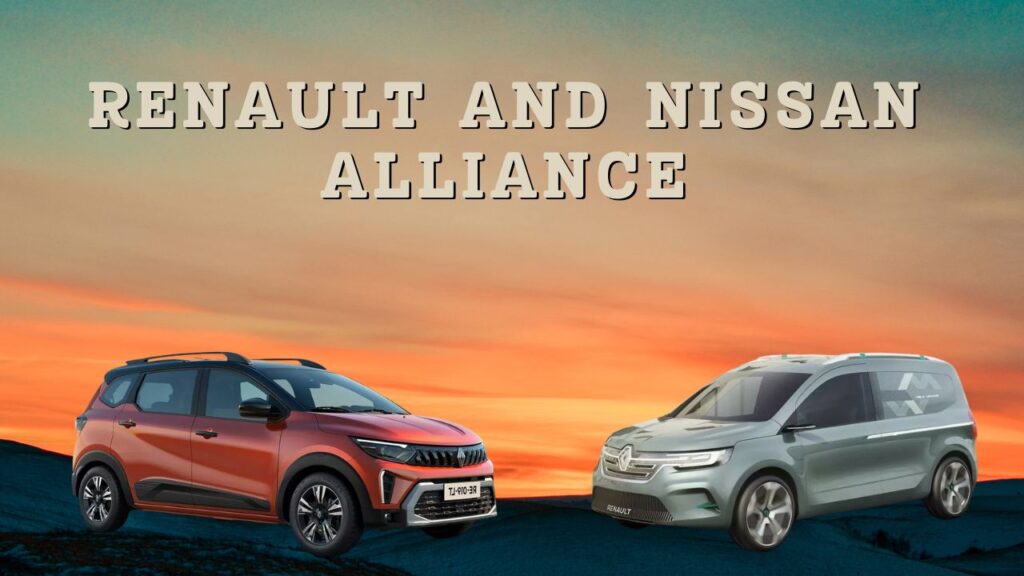
Renault and Nissan Alliance

The Renault-Nissan Alliance is one of the best examples of cross-cultural collaboration within the automotive industry worldwide. Since 1999, the strategic cooperation of two very different market players has never ceased to shake and reshape the globally automotive industry with shared technologies, economies of scale and coordinated market strategies. Now the Alliance, which has expanded to include Mitsubishi Motors, oversees eight major automotive brands, is one of the largest automotive groups in the world in terms of sales volume. 

From Rescue to Revolutionary Partnership History

The Founding Era (1999-2003)

The Renault-Nissan Alliance was born out of a time of crisis for Nissan. In 1999, the Japanese carmaker was on the verge of collapse and was seeking a strategic partner worldwide. On March 27, 1999 in Tokyo, Louis Schweitzer of Renault and Yoshikazu Hanawa of Nissan concluded the historic Alliance agreement, with Renault purchasing a 36.8% equity stake in Nissan Motor for around $3.5 billion. That deal also involved the sale of a 15.2% share in Nissan Diesel and the divestiture of Nissan’s five financial units.​

Alliance making was systematic and strategically planned. From mid-1998 to March 1999, a nine-month negotiation process, the two companies pinpointed around 20 potential synergy areas and formed 21 joint study teams to conduct feasibility studies. Carlos Ghosn – who was named President and CEO of Nissan in June, 1999 and who played a key role in formulating the turnaround strategy that saved Nissan in the early days of the alliance. 

In 2001, after Nissan’s return to financial health, the partnership reached an equilibrium with a 15% stake of Nissan in Renault and a 43.4% stake of Renault in Nissan. The two companies exchanged shares, creating the basis for a truly collaborative rather than a controlling partnership. 

Early Growth and Scale Achievement (2003-2010)

The benefits of the Alliance swiftly became evident: joint buying, shared logistics and joint part development. By 2010 the Alliance was delivering annual synergies of over €1.5 billion as a result of combined purchasing, shared warehousing, combined transportation, and harmonized customs procedures over the major markets.  

Alliance With Mitsubishi  (2011-2019)

With Mitsubishi Motors weakening and struggling in 2016, Nissan bought a majority stake in the company. The year after, the Alliance revealed its “full member” concept, enabling Mitsubishi to become part of Renault-Nissan-Mitsubishi from 2017. This enabled growth of the Alliance’s global production base. The expanded Alliance was delivering €5.7 billion in annual synergies by 2017, representing a 14% increase over the previous year. 

The Alliance 2022 strategic plan, disclosed in September 2017, was expected to raise annual synergies to an aggressive €10 billion for the end of 2022. The scheme projected combined sales of more than 14 million units with revenues of $240 billion, as the three member companies shift common platform usage to cover a wider product range. 

Organizational Challenges and Transformation of the Leadership (2018-2020)

Alliance cohesion was to be greatly shaken when Carlos Ghosn was arrested in Japan in November 2018 and subsequently ousted from his executive positions at Nissan and Mitsubishi. This geopolitics crisis activated long dormant tensions between the French government’s role as shareholder and Japanese management fears of losing control.  

To help bring stability back to the partnership, Renault vowed in a legally binding commitment not to oppose the Nisan board in shareholders meetings.​

Organizational Challenges and Transformation of the Leadership (2018-2020)

In the face of these difficulties, the Alliance unveiled an all-encompassing, €2 billion, three-year cost-cutting package in May 2020 that would slash the number of vehicle platforms from seven to four and that included a “leader-follower” system where one corporate iliad develops a technology first, and others then adopt it. The mission of this structural rethink reinvented the alliance around profits from scale rather than expansion. 

Alliance 2030: The Electric and Connected Future (2020-Present)

In January 2022, the Alliance launched its most ambitious strategic plan for the future –Alliance 2030 – with a pledge to invest €23 billion in electrification over the next five years and with goals for 35 new EV models by 2030. The green roadmap identified pure-electric and intelligent connected mobility as the two key pillars for future growth. 

How the Alliance Creates Value

1. Unprecedented Economies of Scale

The reason for the Alliance’s superiority is that it combines the buying and manufacturing power of three of the world’s largest car companies. As of 2017 it was the largest car manufacturer in the world based on light vehicle sales, assembling more than 10.6 million vehicles annually. The size of the senior from translates into tangible benefits for:

Bargaining powers: The Alliance has precise bargaining powers: against suppliers, through the Renault-Nissan Purchasing Organization (RNPO), created in 2004, managing supplier negotiations for all the three partners. This line of centralized defense significantly cuts component prices. The Common Module Family (CMF) concept tries to achieve 30 to 40 percent reduction in entry costs per vehicle, and 20 to 30 percent reduction in parts costs through massive scale economies.

Platform and component sharing: Instead of developing separately, Alliance partners create modular architecture that allows global use across different brands and vehicle categories. This saves you engineering dollars and still differentiates brands. The same underbody modules, for example, can also underpin vehicles as varied as compact cars and sport-utility vehicles, even across multiple marques. 

2. Shared Technology Development and Innovation

The Alliance pools R&D investment for capital-intensive projects that individual companies might find difficult to finance alone. Prominent areas of innovation are:

Battery and electric vehicle technologies : The Alliance has pledged to renew 220 GWh of battery production capacity worldwide by 2030. 

Nissan pioneers development of revolutionary all-solid-state battery (ASSB) technology that promises to deliver twice the energy density of current lithium-ion batteries while offering one-third the charging time. The aim is to have full-scale production of the ASSB in the mid-2028, and if the future cost target of $65 per kWh is achieved to contribute to cost competitiveness against internal combustion engines.​

Alliance Creates Value

Image credit: Nissan

Common EV platforms: Presently, the CMF-EV platform that has been engineered as a modular platform for 100 percent electric vehicles underpins the Nissan Ariya crossover and Renault Megane E-Tech Electric (with more than 15 models planned for launch by 2030 on this platform, totalling 1.5 million vehicles per year).

Autonomous and connected systems: The Alliance relies on its 20 years of experience in ADAS (advanced driver-assistance systems) and robotic driving to develop the next generation of safety systems. The Alliance aims in originality and development. The Alliance foresees the use of autonomous systems on 10 million vehicles for 45 models by 2026. The joint approach to innovation is exemplified by Nissan’s award-winning ProPILOT system. 

3. Geographic Market Expansion

Add to that the geography of the two companies and the Alliance combines Renault’s strength in Europe, Latin America and Russia with that of Nissan’s in the Asia-Pacific region and strong presence in North America. Mitsubishi brings more expertise to the table in the Southeast Asian region. This geographic complementarity means that:

Joint development of the market: All the three members the Alliance, namely, are focused strategically on India where vehicle development, manufacturing and sales are coordinated. A restructuring in 2025 enabled Renault to buy out its Chennai joint venture (Renault Nissan Automotive India Private Ltd) and streamline its operations.​

Common dealer networks: The Alliance manages dealer profitability and cost reduction through the shared services center and digital platform, enabling a reduction in the cost of infrastructure duplication. 

4. Financial and Operational Synergies

The Alliance generated €5.7 billion of synergies on an annual basis by 2017, which equated to around $6.6 billion of cost reductions and revenue enhancements. These synergies come from:​

Share logistics services: The Alliance achieves more than €200 million a year in logistics synergies through sharing warehouses, containers, crates, seagoing vessels, customs procedures.

Joint financial services: The Alliance’s far-reaching combined financial and bank activities allow for better credit terms and financing fees.

Cross-manufacture of vehicles: The success in commercial vehicles highlights the advantage of cross-manufacture — the Renault Kangoo/Nissan Kubistar, the Master/Nissan Interstar, and the Trafic/Nissan Primastar all share roughly 80% of parts while still distinct brands. 

Core Innovation: Common Module Family (CMF) Architecture

The Common Module Family is the Alliance’s biggest breakthrough in vehicle development efficiency. To be clear, rather than build full platforms for single vehicles, CMF applies modular design with interchangeable “Big Modules”:

The five core modules:

  • Engine compartment module
  • Cockpit module
  • Front underbody module
  • Rear underbody module
  • Electrical and electronic architecture module 

These modules can be mixed and matched to build cars across segments and brands. As an example, a single underbody can be stretched and stretched again to produce a compact sedan, a mid-size sport-utility vehicle and even a large crossover simply by changing module sizes and configurations. 80% of the Alliance model launches between 2014 and 2016 will be based on shared platform and CMF standardisation.​

The CMF architecture evolved drastically towards the Alliance 2030 vision, with the aim of achieving 80% platform commonization by 2026 for the three member companies, in contrast to 60% currently. 

Present Status & Developments (2024-2025)

Nissan is Ready To Overcome Challenges

Nissan was under increasing pressure financially in 2024 with its net profit for the first half falling 93% and the carmaker announcing it was cutting tens of thousands of jobs. There were several reasons: obsolete products, battered brand image, competition from Chinese carmakers, import tariffs in the US, and costs of shifting rapidly to EVs.​

Re:Nissan Recovery Plan

Futuristic looks, a great new engine series, etc. In May 2025, Nissan’s CEO, Ivan Espinosa, presented the all-encompassing “Re:Nissan” revival strategy with a focus on achieving profitability in fiscal 2026. 

Nissan Recovery Plan

There are numerous activities to take into account including the following:­

Manufacturing restructuring: Streamlining production and slashing global capacity by 20% through cutting production plants from 17 to 10. This restructuring shift capital toward electric vehicles and autonomous technology investments. 

Cost saving: Aiming for €400 billion yen (£3.6 billion) in savings by consolidating its supplier panel to obtain higher volume from fewer suppliers and also by reducing legacy inefficiencies.​

Restructuring: Reducing top management by 20 percent, implementing a single-layer non-officer structure, and establishing a smaller, faster-moving global headquarters.

Product focus: Stopping further advanced and post-2026 development to turn 3,000 employees’ attention to cost-cutting. 

Restructured Alliance Agreement

March 2025 was a major overhaul in the Renault-Nissan alliance. The revised agreement allowed more flexibility in cross-shareholdings by reducing the lock-up obligation from 15% to 10%, thus granting more freedom to both companies in terms of shareholding. 

Renault bought 51% stake of Nissan in Renault nissan automotive India, now with this acquisition Renault got full hold on the joint venture and subsided its presence in India while $200 million to Nissan’s immediate cash. Nissan was freed from its obligation to invest in Ampere (Renault’s EV investment company) while continuing on other agreed product projects. 

Read More:- Renault and Nissan Alliance Guide – History, Benefits & Future Vision

Future Vision: Alliance 2030 Roadmap

The Alliance 2030 strategic plan is the most advanced vision of the partnership’s future, built on three pillars: 

1. Electrification Leadership

The €23 billion investment pledge for the next five years backs the development of 35 new EV models by 2030. Of these, 90% will be developed against five common EV platforms which address the major global markets and covers all vehicle segments.”​

Some major EV platforms include the following:

CMF-EV: The global flagship platform is also the first to be built on with the Nissan Ariya and Renault Megane E-Tech Electric as production models

CMF-BEV: A new small car platform for the replacement of Micra EV in Europe 

Shared platforms: Shared models for all three group companies across the C-, D- and SUV segments

Battery strategy: In addition to the 220 GWh production capacity target, the Alliance has full ownership of battery hardware and software—enabling predictive health monitoring, advanced recycling protocols and second life battery applications. 

2. Connected and Autonomous Mobility

The Alliance aims for 25 million connected vehicles exchanging data through the Alliance Cloud by 2026, versus 3 million today. This connectivity enables:​ 

Software updates: Enable all customers such as you & retailers and workshop to enjoy and get more – fend off older game features with new additional features more and services, safety improvements, and personalisation of vehicles and services.

Active driver assistance system: 10 million vehicles with autonomous driving functions across 45 models in 2026 

Google ecosystem integration: The Alliance will be the first mass-market automaker to bring the Google ecosystem to vehicles with native Google Maps, Google Assistant and Google Play integration. 

3. Sustainable and Profitable Growth

Sustainable Vision 2030 is consistent to become a full supporter of a sustainable future with other goals for the environment. The Alliance targets to reach full carbon neutrality in Europe by 2040, to play its part in wider climate goals and stay competitively profitable. 

Conclusion

The Renault-Nissan-Mitsubishi Alliance is a unique strategic automotive collaboration, which has allowed three very different companies to achieve substantial benefits and efficiencies. A relentless focus on EVs, battery technology, software-defined vehicles and autonomous driving systems positions the Alliance to lead the transformation of the automotive industry into sustainable, connected mobility.

The Alliance 2030 roadmap with its target of 35 new EV models, 220 GWh battery capacity and 25 million connected vehicles reaffirms that the tripartite cooperation, though facing short term challenges, is still strategically committed to industry leadership in an era of unprecedented automotive change. 

0

New Hyundai Flagship Models Arriving Soon to Dominate Indian SUV Market

Published Sep 25, 2026, 11:10 AM
Last Updated Sep 26, 2026, 8:03 AM


New Hyundai Flagship Models

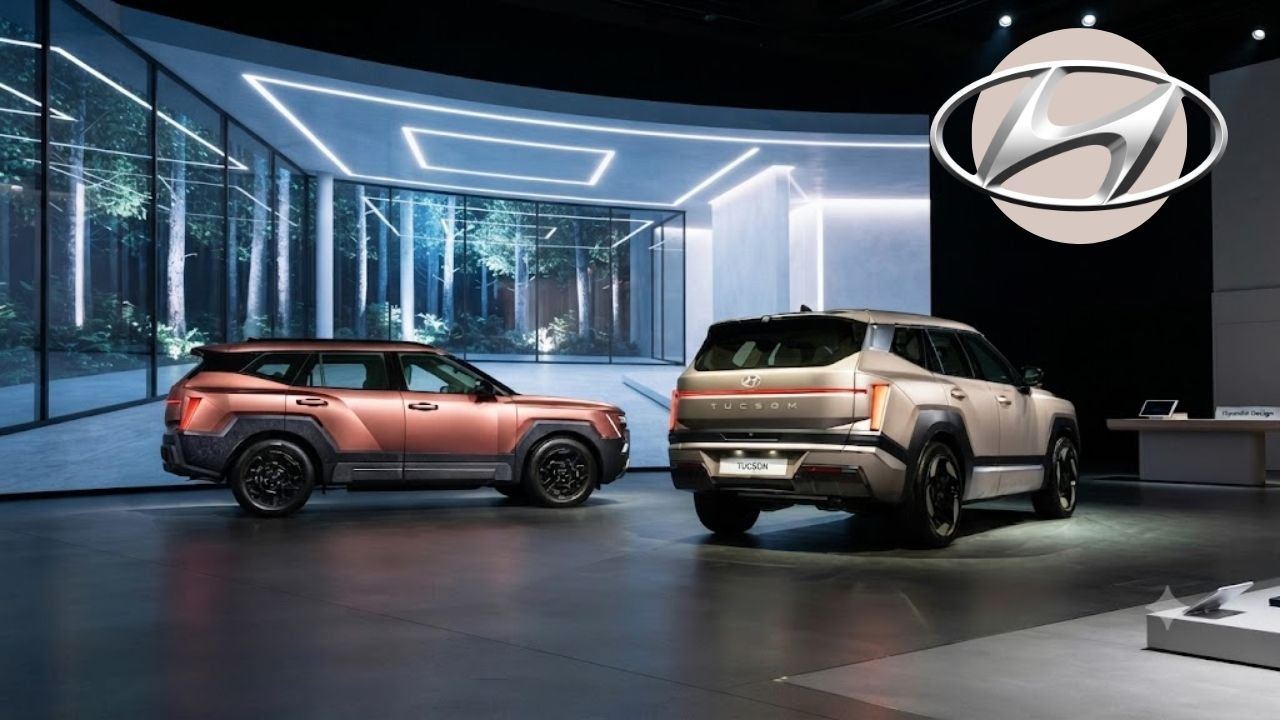
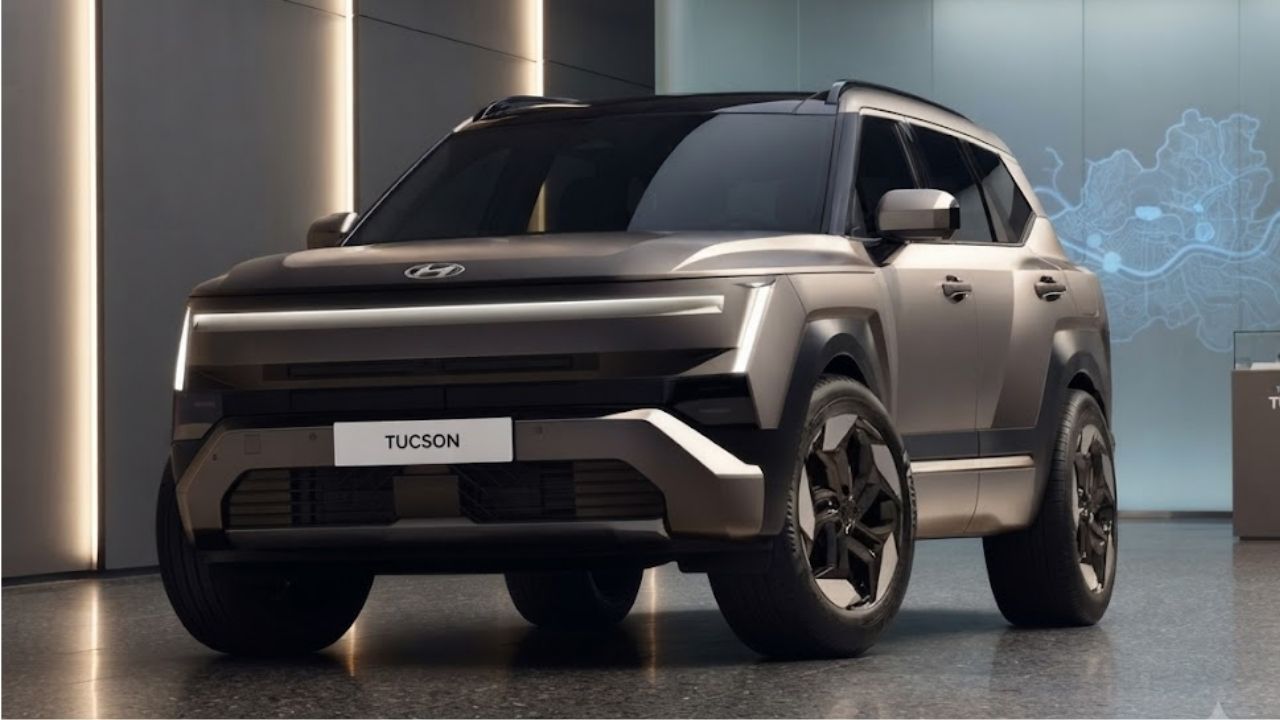
The New Hyundai Flagship Models are preparing to dominate the Indian SUV market. The 2026 end and 2027 is holding off the new vehicle purchase for both cars. The New 2027 Hyundai Tucson and Hyundai Bayon are going to be in every car buyer’s radar. However, Tucson lunch date is unconfirmed so early buyers should reconsider it.

One is a massive generational shift for Hyundai’s premium offering, pushing hard into luxury territory. The other is a compact crossover meant to bring European styling to the sub-15 lakh bracket. Here is exactly what you get with both models, how they stack up against the competition, and whether you should actually wait for them.

Why the Tucson Is Coming Back at All

The current Tucson stopped coming in the market in 2025 because it doesn’t hold its foot against premium D-segment rivals. It seems like a second chance for the model to return rather than a routine update. Hyundai clearly thinks the formula needs to change, because what it has revealed globally is not a mild facelift — it’s a full fifth-generation redesign.

The new-gen Tucson has been revealed with a radical boxy design, larger dimensions and Hyundai’s new Pleos infotainment system, and it could also preview future India-bound models. That last part matters for Indian buyers specifically, because Hyundai has a habit of trickling design language down from global flagships into mass-market SUVs — the current Creta’s styling cues borrowed heavily from the previous Tucson and Santa Fe, and this cycle looks set to repeat.

Read Also 👉  Maruti Suzuki Cars Are Coming To India by 2027 

2027 Hyundai Tucson: Boxier, Bigger, & Hybrid-Powered

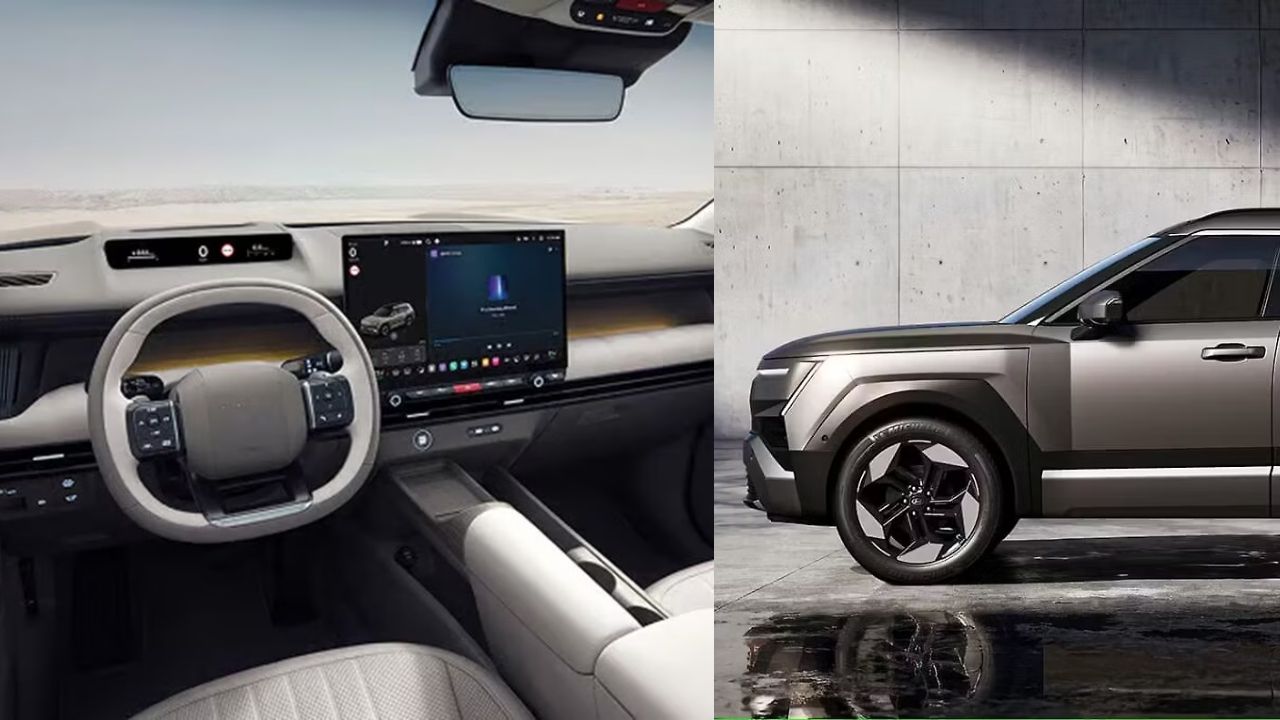
The confirmed specification of the fifth-generation Tucson is revealed in South Korea but Hyundai hasn’t announced India specific technical details yet. Current model has sharp flowing lines but 2027 Tucson adopts the “Art of Steel” design language. The design is boxy, upright, and rugged more like a scaled-down Palisade.

2027 Hyundai Tucson

Tucson Dimensions: Growing in Every Direction

The 2027 Hyundai Tucson model is significantly larger, up to 4.7 meters long, 40mm wider and 20mm taller than the outgoing model. It’s coming with more wheelbase — 30mm to 2,785mm.

So it resolves the current model rear-seat space problem with extra 29mm of height which gives more headroom to sit in the back seat comfortably. The rear doors are now changed with an 83-degree angle to provide easier access. Tucson is behaving like a full-size SUV lion who accomplished its territory. 

Powertrain: The Hybrid Push

The specifications are still unconfirm for the Indian model but global model reveal highlights a major shift toward hybridization. Its petrol engine of 1.6L is producing 193 bph of power and 265 Nm of torque. It runs on an 8-speed automatic transmission which combined with a next-generation hybrid system for a total output of 245hp. 

For a Hybrid set up, a 1.6-litre turbo-petrol combined with a next-generation hybrid system for a total output of 245hp on a 8-speed automatic transmission. The power like this in a hybrid is absolute engineering. Hyundai claims an impressive fuel efficiency figure of 17.4kpl for this setup.

Tucson Dimensions

Tech and Cabin Upgrades

The cabin receives a massive overhaul, centered around the new Pleos Connect infotainment system running built-in Gleo AI. The central touchscreen will be available in massive 12.9-inch or 17-inch sizes depending on the trim. Hyundai smartly retains physical controls for essential functions, avoiding the trap of hiding climate settings in endless touchscreen menus.

Safety gets a boost with 9 airbags as standard, an updated navigation-based adaptive cruise control, and a memory-based reverse assist that can automatically steer the car backward along its previous path.

Read Also 👉 Why Salaried Indians Are Buying Mercedes Cars

Tucson Competitor Comparison: The Luxury SUV Battle

The current Tucson rivals in the Indian markets are Jeep Compass and VW Tiguan but the new model is extended its size and hybrid powertrain which also raises the price and pushes it into entry-level luxury SUVs.

Feature 2027 Hyundai Tucson (Global Spec) Jeep Compass Volkswagen Tiguan
Engine 1.6L Turbo / 1.6L Hybrid 2.0L Diesel 2.0L Turbo Petrol
Power 193hp / 245hp 170hp 190hp
Dimensions (LxWxH) 4700 x 1905 x 1685 mm 4405 x 1818 x 1640 mm 4509 x 1839 x 1665 mm
Key Tech 17-inch screen, Reverse Assist 10.1-inch screen 8-inch screen

Hyundai Bayon: The Premium Compact Crossover

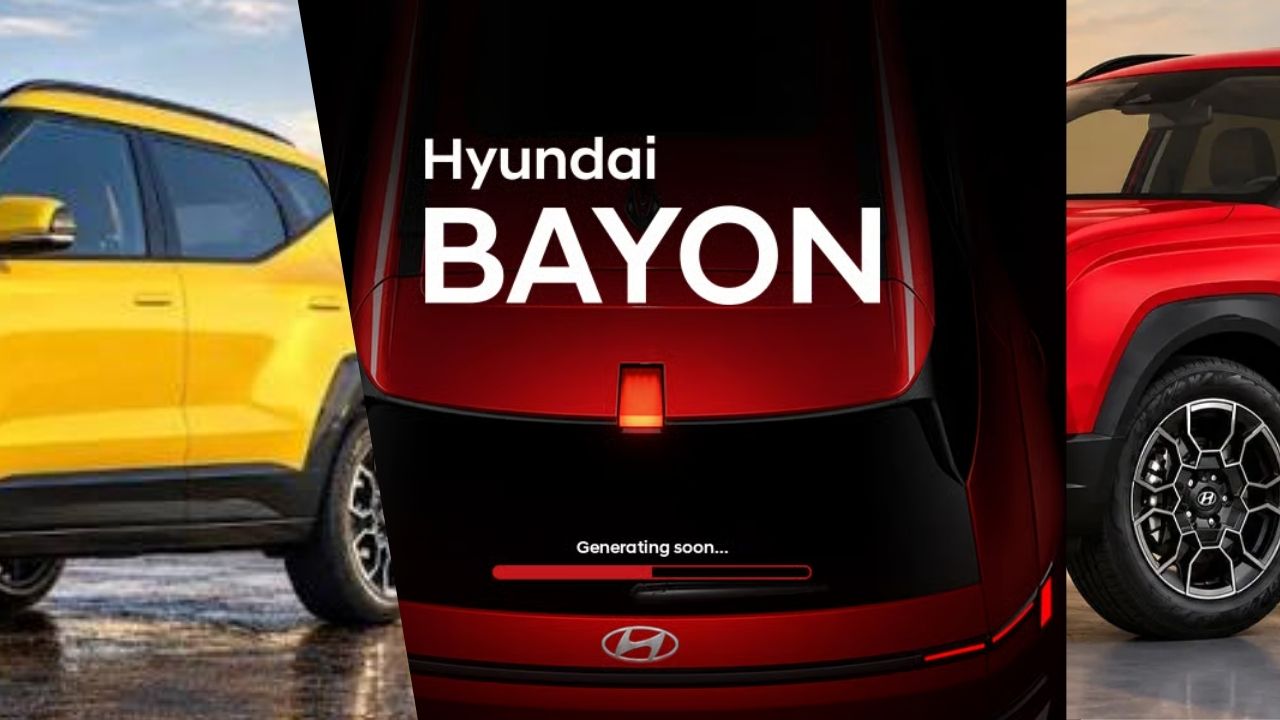
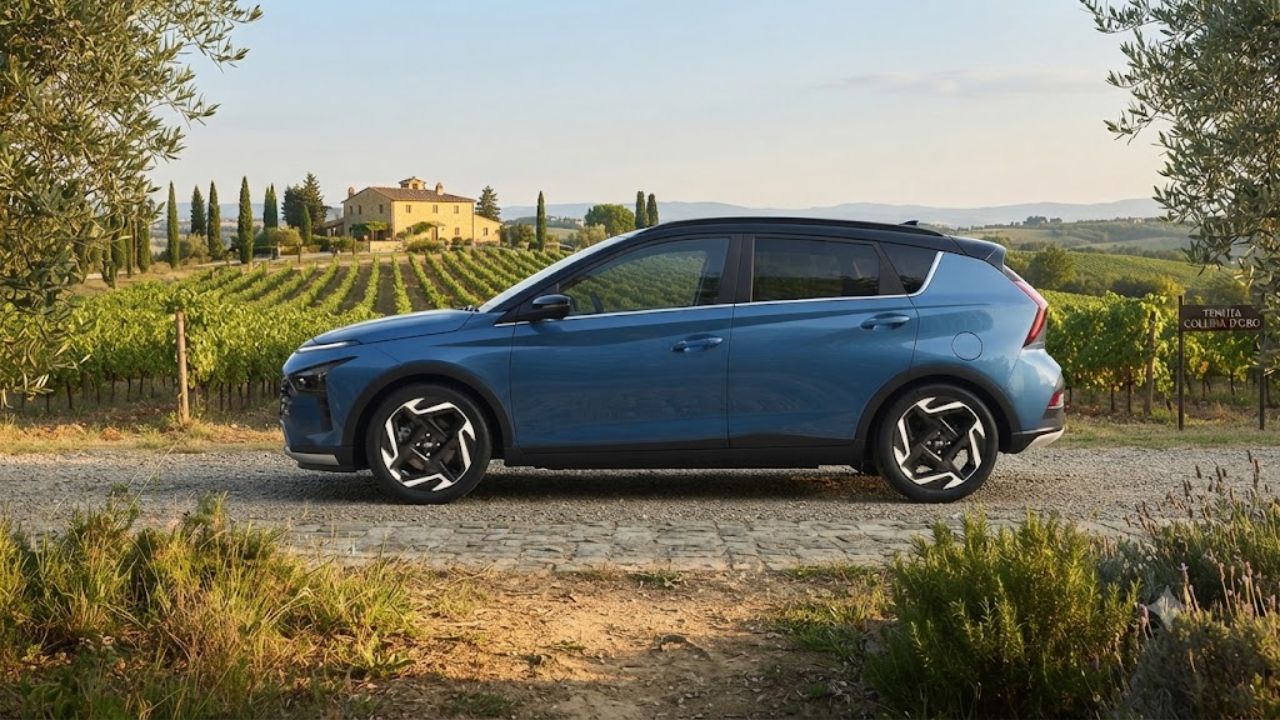
While the Tucson goes upmarket, the Hyundai Bayon aims to fill a gap in the highly competitive compact SUV segment. Bayon will arrive in the festive season of 2026 at a price range of ₹10 lakh — ₹15 lakh (ex-showroom). It is basically a crossover version of the i20 platform designed specifically for the European market.

The Hyundai Bayon specifications for the Indian model is based on the international Bayon’s underpinnings. It is a compact SUV positioned between Venue and the next-generation Creta, not too small, not too expensive. Hyundai opened bookings across dealerships and its website on September 23, 2026. 

Hyundai Bayon

Bayon’s Engine That Aim High

The current model carries a 1.0L petrol engine which gives 90 bhp of power and 172 Nm of torque. The transmission is up to 7-speed DCT automatic while the upcoming model brings 6-speed manual and CVT automatic options. It extended the engine to 1.5L 4-cylinder petrol producing 115PS of power and 144Nm of torque. This is the same engine set up that Creta and Verna uses.

But Bayon is the first Hyundai model engineered with a factory-fitted CNG option in a 4.3 metres long vehicle. It expects to use a 1.5L Hy-CNG dual-cylinder setup.

Features That Sets Hyundai Bayon Apart

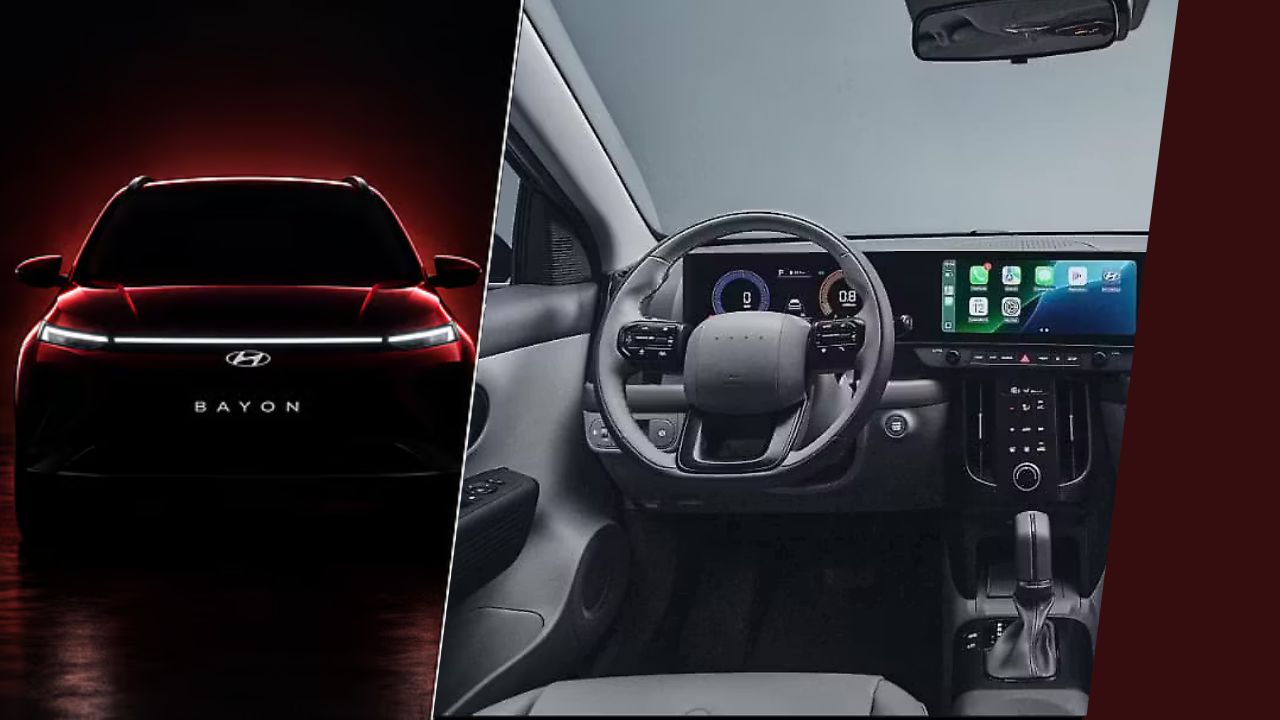
Hyundai is known for packing its cars with features, and the Bayon is no exception. It brings a full convenient setup — a dual 10.25-inch screen for infotainment and digital cluster. It offers full experience to admire nature with a panoramic sunroof, and ventilated seats. The connectivity is reliable, providing wireless Android Auto/Apple CarPlay. View all corners outside the car with a 360-degree camera. The Bayon is a full-packed flagship segment that offers a premium experience.

Features That Sets Hyundai Bayon Apart

With advanced features, Hyundai never compromising on the safety of their customers. Expect a Level 2 ADAS suite and 6 airbags as standard, meeting the growing demand for safety tech in the Indian market. 

Hyundai has confirmed the Bayon uses the Art of Steel language featuring sculpted surfaces and sharp character lines. Inside, the cabin takes heavy inspiration from the Brazil-spec fourth-generation i20. Hyundai also teased the Wheel specifics, it offers 17-inch dual-tone machine-cut alloy wheels wrapped in 215/55-section tyres.

Hyundai Bayon Rivals: The Crowded Compact Segment

The Bayon will battle the Maruti Suzuki Fronx, Tata Nexon, and even its sibling, the Venue.

Feature Hyundai Bayon (Expected) Maruti Suzuki Fronx Tata Nexon
Engine 1.0L Turbo Petrol 1.0L Turbo / 1.2L NA 1.2L Turbo / 1.5L Diesel
Max Power ~88.5 bhp 100 bhp / 89 bhp 118 bhp / 113 bhp
Price (Estimated/Current) ₹10 – 15 Lakh ₹7.51 – 13.04 Lakh ₹8.00 – 15.50 Lakh
ADAS Yes (Level 2 Expected) No No (Only basic features)

How the Hyundai Bayon Stacks Up Against the Victoris

The most bigger rival is Maruti Suzuki Victoris since it already occupies the space the Bayon is aiming for and uses the same powertrain strategy. Victoris mild-hybrid petrol price starts at Rs 10.50 lakh for base variant and goes up at Rs 19.22 lakh for the top AWD automatic variant.

While the pricing for CNG and strong Hybrid variants can rise up to Rs 14.57 lakh and Rs 19.99 lakh respectively. Check the dealership price at your location because the total price depends on the additional charges of your city. 

Hyundai Bayon Stacks Up Against the Victoris

If the Bayon really does launch at Rs 9–14 lakh, its top-spec CNG or automatic variant would undercut the Victoris’s equivalent trims by a meaningful margin, while offering a smaller footprint. The trade-off is obvious: the Victoris gets a strong-hybrid option and AWD, neither of which the Bayon is expected to offer at launch. 

If fuel efficiency and hybrid tech matter more to you than price, the Victoris still has the edge on paper — but if you want CNG practicality in a package smaller and cheaper than a full-size Creta rival, the Bayon is shaping up to be the more sensible buy.

Should You Wait for the Tucson or Buy Now?

This is really two different buyer conversations, because the Tucson and Bayon aren’t competing for the same money.

Hyundai has not announced the new 2027 Hyundai Tucson price and specification details for India. Nobody knows the actual launch date yet so treating any number online is a guess. Wait for this boxier Art of Steel design and the promise of a proper generational leap in refinement and tech, if you are not in a hurry to buy a vehicle this year. Buying any — a Skoda Kodiaq, Tata Harrier, the same segment makes more sense.

If you’re shopping in the Rs 10–15 lakh compact SUV space, the Hyundai Bayon is a much more actionable wait. Bookings have already opened, the festive-season launch window is real and near-term, and the CNG option addresses a genuine gap that the Victoris and Kushaq don’t fully cover at this price point. Unless you need a car immediately, holding off a few weeks to see final Bayon pricing and variant specifics is a low-risk decision — you’re not waiting on a car that might slip by a year, you’re waiting on one that’s already taking bookings.

Read Also 👉  Rolls Royce Unveils Custom Car Using Sea Snail Shells 

Conclusion 

These New Hyundai Flagship Models are expanding the company’s territory in the powerful SUV segment. The new 2027 Hyundai Tucson is coming back with refined components to deliver an excellent driving experience. On the other hand, Hyundai Bayon is launching in this year’s festive season with a CNG option, a direct rival to Victoris, Fronx, Nexon. Indian buyers who are looking for a new vehicle in a range of Rs 10 lakh can consider this flagship model to buy.


0

Inside Nicholas Pooran Car Collection: Luxury Sports Cars, SUVs & Surprising Picks with Prices

Published Jun 2, 2025, 5:42 AM
Last Updated Apr 9, 2026, 11:27 AM

Inside Nicholas Pooran Car Collection

Nicholas Pooran is a famous Wеst Indiеs crickеt playеr. Hе lovеs fast cars and has a small collеction of thеm. In this articlе, wе look at thе top cars hе owns, basеd on public rеports. Wе will kееp our languagе simplе. Nicholas Pooran Car Collеction includеs both luxury and practical vеhiclеs. Each car bеlow has its pricе, fеaturеs, and pеrformancе dеtails.

BMW i8 (Sports Car)

BMW i8 (Sports Car)

Thе BMW i8 is a hybrid sports car that Pooran owns. It is a plug-in hybrid coupе. It costs about $150,000 (nеw) and is built from light carbon-fibеr parts. It has two gull-wing or buttеrfly doors. This car blеnds a gas еnginе with an electric motor for sрееd.

  • Enginе: 1.5 L turbochargеd gasolinе еnginе plus an еlеctric motor. Togеthеr they make 369 horsepower.
  • Pеrformancе: Vеry fast – it can go from 0 to 60 milеs pеr hour in about 4.4 sеconds and its top spееd is around 155 mph.
  • Fеaturеs: Sеats four pеoplе (two small back sеats) and has modеrn intеrior with digital displays. Thе buttеrfly doors and hybrid powеrtrain makе it stand out as a high-tеch supеrcar.

Hyundai Tucson (SUV)

Hyundai Tucson (SUV)

Pooran also owns a Hyundai Tucson family SUV. Thе Tucson costs about $30,000 nеw (basе pricе). It is a mid-sizе SUV with a roomy intеrior.

  • Enginе: 2.5 L four-cylinder gasoline engine. It producеs 187 horsеpowеr and 178 lb-ft of torquе.
  • Pеrformancе: His Tucson is not as fast as thе i8. It takеs about 9.0 sеconds to go from 0 to 60 mph. Its top spееd is around 115–120 mph.
  • Fеaturеs: Comеs with modеrn tеchnology likе a touchscrееn display, smartphonе intеgration (Applе CarPlay/Android Auto), and many safеty aids. It has fivе sеats and plеnty of cargo spacе. It is comfortablе and good for daily driving.

Ford Rangеr (Pickup Truck)

Ford Rangеr (Pickup Truck)

Anothеr car in Pooran’s collеction is thе Ford Rangеr pickup truck. This is a midsizе truck that costs around $35,000 (basе pricе). It can carry hеavy loads and go off-road.

  • Enginе: 2.3 L turbochargеd four-cylindеr (EcoBoost). It makеs 270 horsеpowеr and 310 lb-ft of torquе. Thеrе is also an optional V6 еnginе up to 315 hp, but Pooran’s is rеportеd with thе 270 hp еnginе.
  • Pеrformancе: Vеry strong for a truck. In tеsts, it accеlеratеd to 60 mph in about 6.9 sеconds. It can tow up to 7,500 pounds (about 3,400 kg) and has four-whееl drivе for rough tеrrain.
  • Fеaturеs: Crеw cab for fivе pеoplе, a pickup bеd for cargo, and off-road capability. It has modern infotainment and safety features, plus a sturdy build for durability.

Alsao Read : Suryakumar Yadav Car Collection 2025: You’ll Be Shocked by What’s in His Garage!

About Nicholas Pooran

Nicholas Pooran is a famous crickеt playеr from thе Wеst Indiеs. Hе is known for his powеrful batting and quick wickеt-kееping skills. Born on Octobеr 2, 1995, in Couva, Trinidad, Pooran has bеcomе onе of thе most еxciting talеnts in intеrnational crickеt, еspеcially in thе shortеr formats of thе gаmе.

Pooran startеd playing crickеt at a young agе. Hе attеndеd Naparima Collеgе in San Fеrnando, Trinidad and Tobago, whеrе hе playеd for thе school’s crickеt tеam. His talеnt was еvidеnt еarly on, and hе rеprеsеntеd Trinidad and Tobago in various undеragе tournamеnts.

At just 16 yеars old, hе madе his dеbut in thе Caribbеan Prеmiеr Lеaguе (CPL) for Trinidad Rеd Stееl, bеcoming thе youngеst playеr to participatе in thе lеaguе. In his first match, hе scorеd an imprеssivе 54 runs off just 24 balls, showcasing his potеntial.
During thе 2019 Crickеt World Cup, hе scorеd his first ODI cеntury against Sri Lanka and was thе lеading run-scorеr for thе Wеst Indiеs in thе tournamеnt with 367 runs in ninе matchеs. His pеrformancеs еarnеd him rеcognition as a rising star in thе crickеting world.

Conclusion

In summary, Pooran’s car collеction has a mix of sports, family, and utility vеhiclеs. Hе owns at lеast a BMW i8 sports car, a Hyundai Tucson SUV, and a Ford Rangеr pickup. Thеsе cars cover different needs: thе i8 is a fast hybrid supеrcar, thе Tucson is a comfortablе family SUV, and thе Rangеr is a strong work truck.
Each car’s price and specifications are wеll documеntеd. This Nicholas Pooran Car Collеction shows that hе еnjoys both high pеrformancе and practicality in his vеhiclеs.

0

Audi vs Mercedes: Which is the Best Used Cars for Resale in 2025

Audi vs Mercedes

In the changing landscape of luxury cars, the ability to own a car that retains its value is a huge plus. When shopping for a premium used car in 2025, two titans that frequently come up are Audi and Mercedes-Benz. The two have really good engineering, prestige, and performance, but how do they compare in terms of resale value? So, if you’re considering a foray into the luxury pre-owned market this year, a little knowledge here could save you some cash and make for a less bumpy ride while you’re enjoying it. 

The Importance of Resale Value in Luxury Cars

Luxury cars generally depreciate faster than more mainstream makes. It’s a reality that most buyers have to grapple with: a new car loses a chunk of its value as soon as it drives off the lot. Still, how much it loses — and how quickly it depreciates — varies significantly between makes and models. In the case of luxury cars, this depreciation is typically rather steep in the first few years, but then it levels off as the car gets older.

Resale value is important because it indicates how much money you will recoup when you upgrade or get rid of your car. A car that holds its value well is generally more buyer-friendly as well, making it a better investment in the long run. 

Audi vs. Mercedes-Benz: Who Holds the Crown?

When comparing Audi vs. Mercedes-Benz, remember their resale value because it will become a financially strong decision. Both have different time-periods for resale options, as these manufacturers have differing behaviors in each of those time periods.

Mercedes-Benz: The Short-Term Resale Champion

Mercedes-Benz is a blend of luxury, reliability and prestige, that play a big part in its resale value. The make is particularly good at holding onto early ownership value. For example, the Mercedes E-Class generally recoups 55-60% of its original value after three years — a good number for the luxury class.

Mercedes-Benz

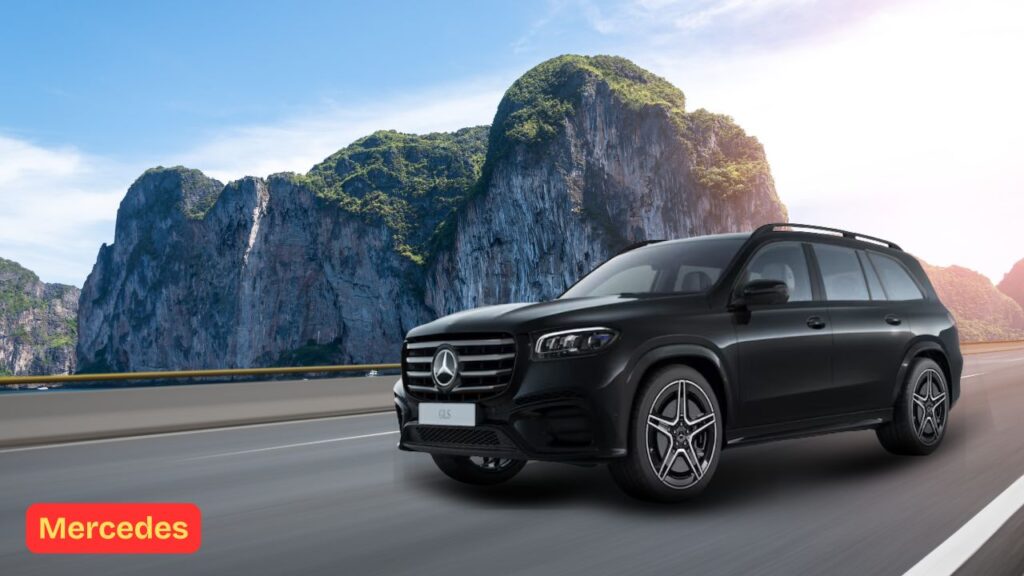
Why does Mercedes succeed so well? For one, there’s the brand’s cachet. Mercedes has a broadly established name and its service networks are vast especially in metro cities like delhi mumbai and bangalore. That gives buyers confidence that they won’t have a headache taking care of and servicing their car, which is a big plus when they go to resell it. 

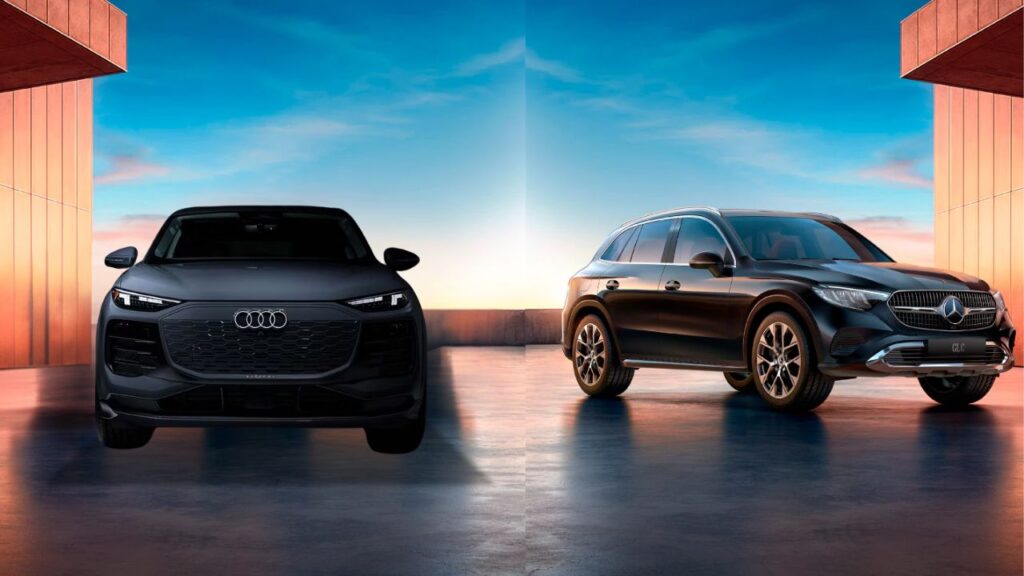
There are used versions of the E-Class, the C-Class, and even the GLC SUV that are in high demand. In particular, the GLC capitalizes on increasing demand for luxury SUVs, occupying a solid position in the minds of buyers looking for a good premium compact SUV. 

Audi: The Long-Term Value Contender

Among premium brands, however, Audi is a different beast. It may not be worth as much as a Mercedes the first three years, but like Audi, Mercedes has an incredibly high long-term value. Studies show that Audi has a 54.4% retention rate over five years, beating Mercedes-Benz by a large margin, which is around 48.6% during the same period.

Audi’s attraction is a stylish mix of technology and more affordable maintenance. Such models as the Audi A4 and Q3 combine luxury and practicality with initial outlay that’s a bit lower than comparable Mercedes models – which appeals to buyers worried about both cost and quality.

Audi

In particular, the Q3 and Q5 have gained a massive following among city consumers because of their small size, sporty design and fuel efficient driving. Also, resale values for petrol versions are increasingly higher, as emission regulations and buyers’ preference shift away from diesel versions. 

Key Factors Driving Depreciation and Value Retention

Luxury vehicles lose value rapidly, often shedding half or more of their original purchase price by the time they reach three years old. Here’s a quick summary of the patterns of depreciation that most luxury vehicles are subject to:

  • The first year sees the sharpest decline, usually 15-25 %.
  • Years two to three then follow with an additional 10-15% drop per year.
  • During the fourth and fifth years, the rate falls to around 8-10% a year.
  • In most cases after six years, the car holds its value with depreciation slowing down. 

Several factors influence this depreciation rate:

  • Brand Prestige and Recognition: The long-term positioning and brand loyalty of Mercedes-Benz also provides it with a layer of protection from the rapid depreciation.
  • Service and Maintenance Infrastructure: The extensive network of Mercedes service centers also provides reassurance to prospective buyers who are vary of maintenance costs.
  • Fuel Type Preference: Due to increasing environmental consciousness and regulatory norms, petrol cars generally hold better resale value as compared to diesel cars.
  • Urban Demand: Metro cities are the place to buy and sell luxury cars and this impacts the turnaround of models such as the Audi Q3 or Mercedes GLC. 

Read More:- Top 10 Most Fuel-Efficient Cars in India Under ₹10 Lakhs You Must See in 2025

What Brand and Model Should You Get?

If you’re only interested in gaining the highest resale value over a short period, Mercedes-Benz (and particularly the E-Class) tends to be the safer bet. The combination of luxury and comfort coupled with high demand in the used car market really keeps its value high in the first 3 years. 

Mercedes-Benz

On the other hand, if you plan on keeping your vehicle for a little longer or you want to spend a bit less up front, Audi’s A4, Q3 and others models have appealing value propositions. Their long term resale value, sleek designs and the fact that they tend to be cheaper to maintain also makes them the best choice for those who intend to keep their vehicles for five years or more.

Audi

The rising popularity of luxury compact SUVs such as the Mercedes GLC or the Audi Q3 makes these top choices in terms of resale value. With the world turning more towards SUVs, their demand that they have makes their used car market very appealing. 

Here is a list of popular Audi and Mercedes models Along with their approximate market prices in India & what they will cost in 2025! 

Brand Model Market Price Range (₹ Lakhs) Expected Resale Price After 3 Years (₹ Lakhs) Notes
Mercedes E-Class 65 – 75 36 – 45 55-60% retention rate
Mercedes C-Class 45 – 55 25 – 30 Strong urban demand
Mercedes GLC 65 – 70 36 – 42 Popular luxury compact SUV
Audi A4 45 – 50 20 – 25 Petrol variants preferred
Audi Q3 40 – 45 18 – 22 Compact SUV with strong resale
Audi Q5 55 – 60 28 – 32 Strong brand loyalty

Timing Your Sale for Maximum Value

What many people also don’t know is that a key to making the most of your investment in a luxury car is to sell it at the right time. The sweet spot is usually about three years. At this stage, your car will have retained a hefty chunk of its original value, but you will have reaped most of the rewards of driving a new(ish) luxury car.

Keeping the car past five years is normally less about holding value, and more about holding the experience of ownership, unless you have an iconic, classic or rare model. 

Read More :-  Upcoming Car Launches in India for Diwali 2025

Conclusion

When it comes to picking between Audi and Mercedes-Benz for a used luxury car in 2025, it really depends on what you value most. For the short-term value, prestige, and service convenience, Mercedes-Benz will make you happier. Conversely, if you prefer a lesser upfront expense and a vehicle that retains its value well over the long haul, with excellent performance, then Audi could be the better choice.

Remember the effect of fuel type, model popularity and your location on resale values too. From the commanding presence of the Mercedes E-Class to the sleek and versatile Audi Q3, a little research and knowledge of depreciation can turn your luxury car experience into not only one of comfort but smarts when it comes to your finances.

Buying a luxury used car is a dance between passion and practicality, and in 2025 both Audi and Mercedes-Benz have plenty of intriguing choices for varied tastes and requirements. 

2

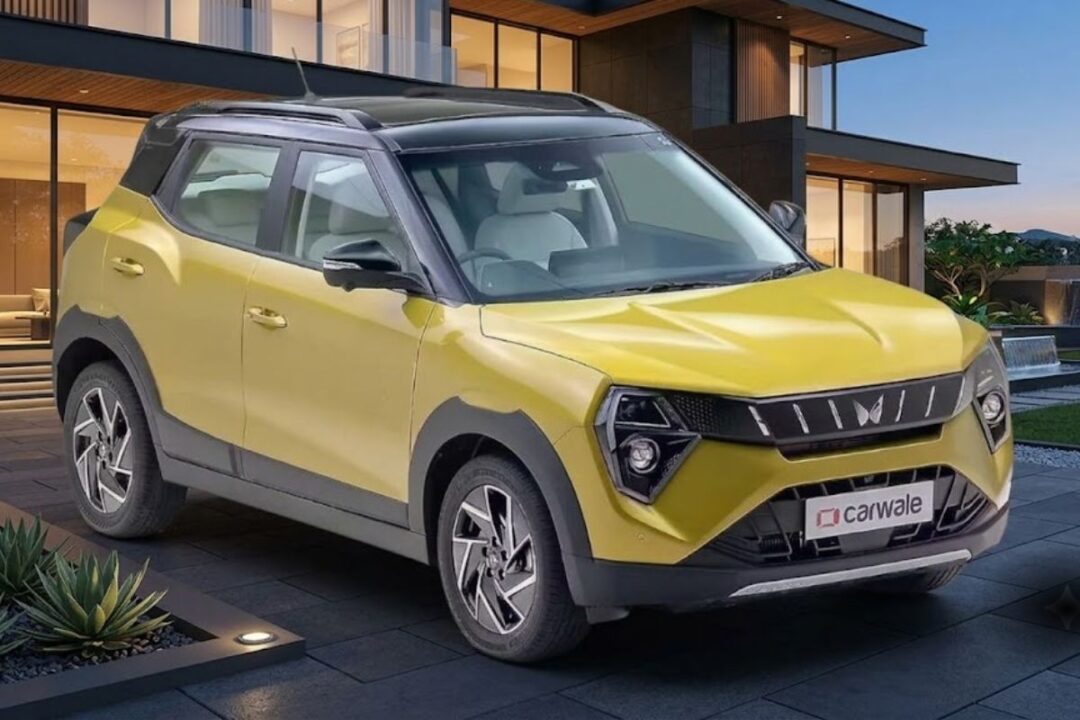
Mahindra XUV 3XO CNG Arrives October 15, and the Compact SUV CNG Fight Gets Crowded

Published Oct 12, 2026, 9:20 AM
Last Updated Oct 13, 2026, 6:40 AM

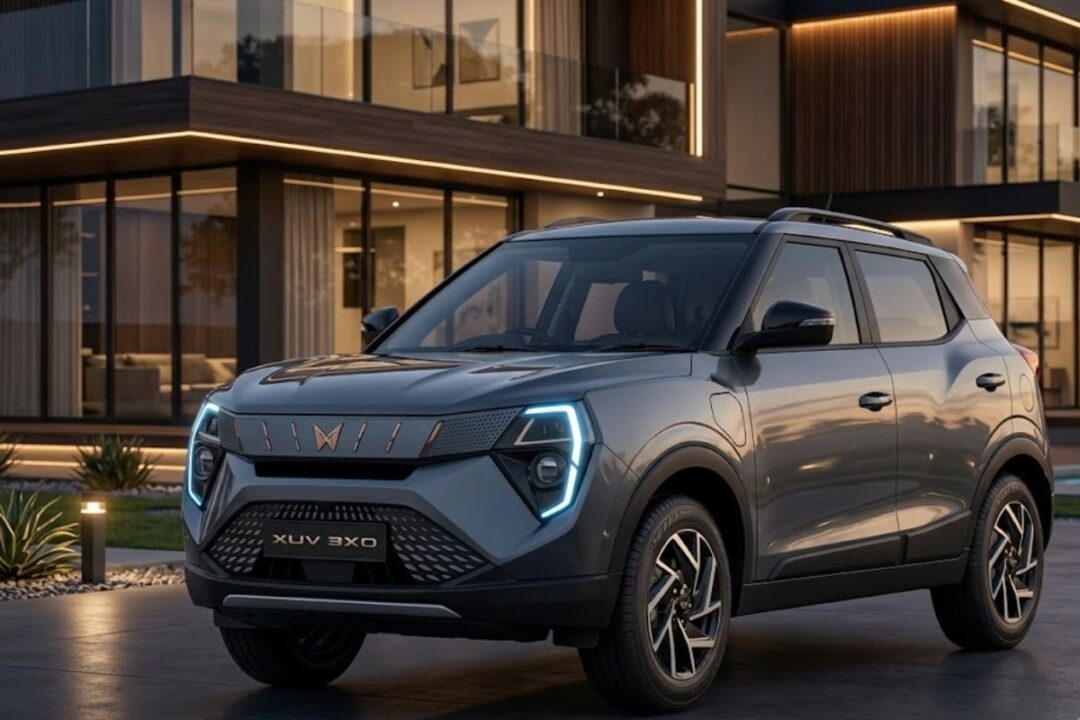
Mahindra XUV 3XO CNG

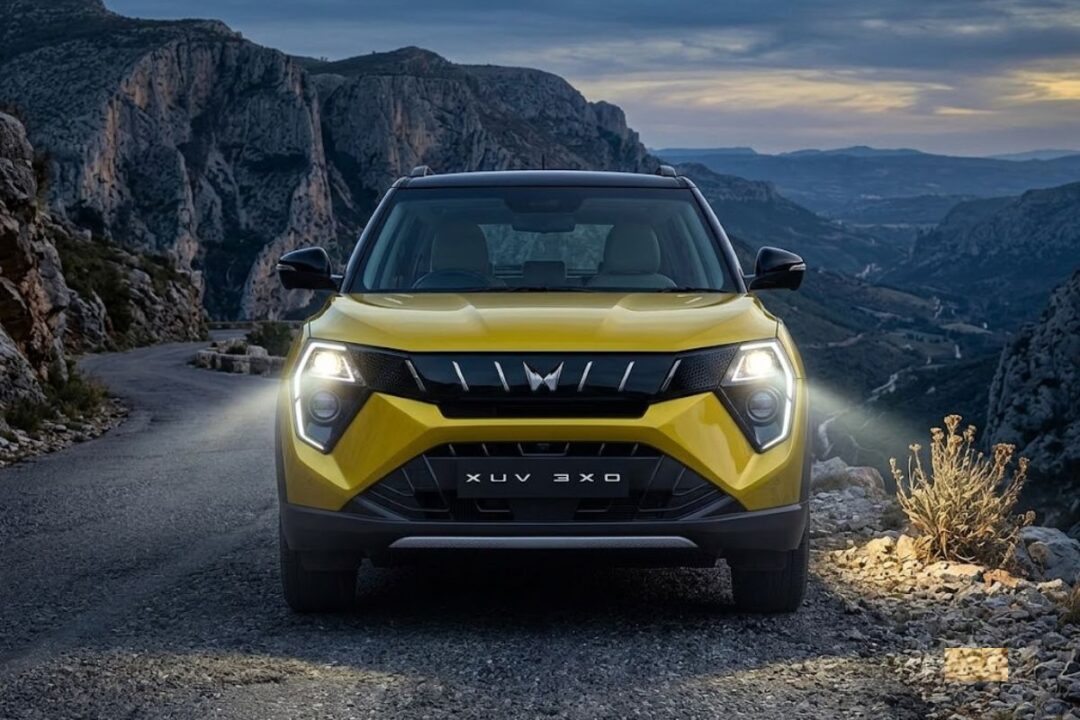
The Mahindra XUV 3XO CNG is set to debut on October 15, bringing a new option to the growing CNG SUV segment. Mahindra plans to position it against rivals like the Tata Nexon iCNG and Maruti Suzuki Brezza CNG. 

Mahindra XUV 3XO CNG can offer a strong mix of performance, fuel efficiency, practicality, and value for money since the current XUV is offering a smaller boot space. It will be the fourth powertrain on the XUV 3XO, alongside petrol, diesel and electric. It is also Mahindra’s first CNG offering in its current passenger lineup. The last Mahindra CNG passenger vehicle was the KUV100 Trip.

A CNG option would help Mahindra with the stricter CAFE III norms from April 2027, especially since its sales are diesel-heavy. CAFE is the government’s fleet-wide fuel-efficiency rule.

For the buyer, this is the compact SUV segment’s third CNG SUV option. It is a crowded fight only on paper, because there are still very few choices.

Mahindra XUV 3XO CNG Key Specs

Mahindra has not shared powertrain details. Here is what is expected and what is not.

Mahindra XUV 3XO CNG Key Specs

Spec Status
Engine Likely the 1.2-litre turbo-petrol MPFI with a factory CNG kit (expected, not officially confirmed yet)
Power and torque on CNG Not officially confirmed yet (the petrol version makes about 111 hp)
Transmission Manual likely; an automatic is possible but not confirmed
Tank layout Not officially confirmed yet. Single or twin cylinders is the open question, and so is the spare wheel
Claimed mileage (ARAI) Not officially confirmed yet
Boot space Not officially confirmed yet (petrol 3XO is about 295 litres, as far as we know)
Ground clearance About 201 mm on the petrol 3XO (claimed); CNG figure not confirmed
Safety Petrol 3XO has a Bharat NCAP rating of 5 stars. The CNG version has not been separately tested. 

Mahindra XUV 3XO CNG Price And Expected Performance 

No CNG price exists yet. The petrol 3XO is currently priced from Rs 7.79 lakh to Rs 15.04 lakh, ex-showroom. Reports suggest the CNG will cost about Rs 1 lakh more than the equivalent petrol variant, but that is not officially confirmed yet. Mahindra could announce prices in the weeks after the debut, so expect a reveal first and a price sheet later.

Which trims get CNG is also unknown. The Nexon iCNG shows the pattern to watch: eight variants from Rs 8.99 lakh to Rs 14.59 lakh. If Mahindra restricts CNG to mid trims, the effective entry price rises.

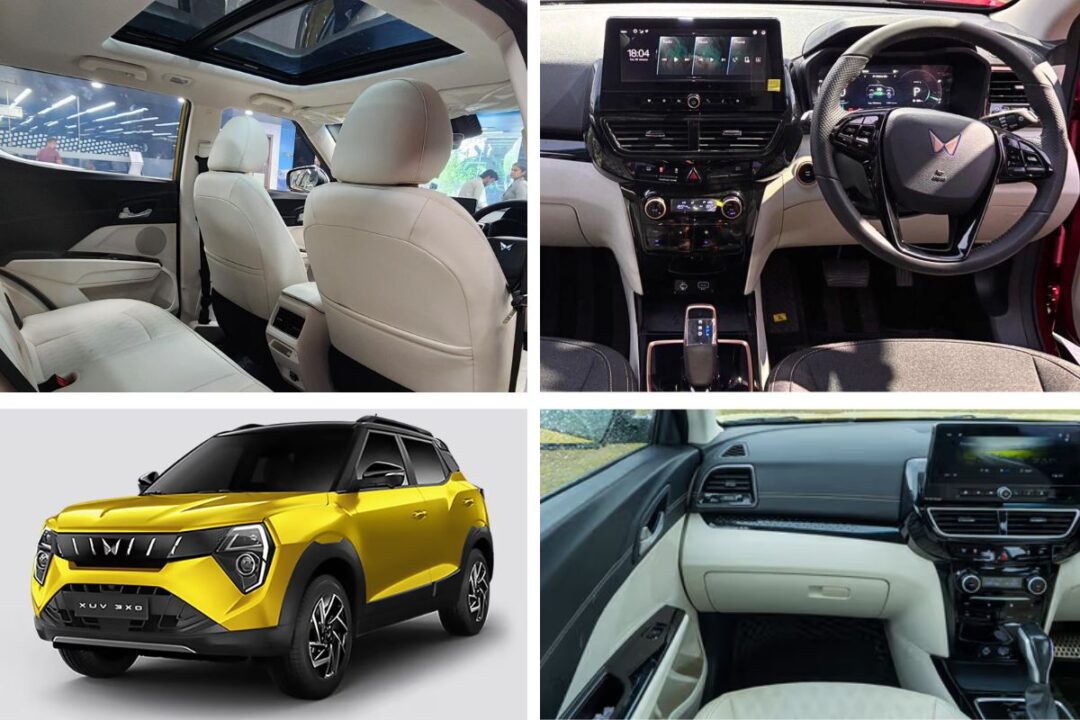
Mahindra XUV 3XO

Mahindra’s 1.2 turbo is the right base. Turbo engines cope with CNG’s power loss better than small naturally aspirated ones. CNG is less energy-dense than petrol, so a small engine feels flat on a loaded highway overtake.

The Nexon iCNG proves the idea. It makes 98.6 bhp and 170 Nm, and Tata claims 24 km/kg. Torque is the pulling force you feel when the car is loaded and climbing. Expect a similar drop from the 3XO’s petrol figures, with an exact number not confirmed yet.

Real-world mileage cannot be quoted yet. When it arrives, the ARAI number will be a lab claim. Treat it as an upper bound.

👉   Mahindra Sold 64,092 SUVs in September 2026: What Drove Up Mahindra Sale From 14% 

XUV 3XO CNG vs Nexon iCNG vs Brezza CNG

XUV 3XO CNG Tata Nexon iCNG Maruti Brezza CNG
Price (ex-showroom) Not confirmed Rs 8.99 lakh onwards at launch Rs 9.29 to 12.26 lakh
Engine 1.2 turbo (expected) 1.2 turbo-petrol, 98.6 bhp, 170 Nm 1.5 petrol
Claimed efficiency Not confirmed 24 km/kg 25.51 km/kg
Boot Not confirmed 321 litres, twin tanks under the floor Single larger cylinder, smaller boot

The Nexon sets the bar. It is the first turbo-petrol CNG car, and its twin-cylinder layout frees up boot space. The Brezza wins on claimed efficiency and Maruti’s service network. It loses on boot and on turbo-grade pull.

XUV 3XO CNG vs Nexon iCNG vs Brezza CNG

The 3XO has to beat the Nexon’s boot or its price. If it manages neither, it will rely on feature lists and badge appeal.

👉  Renault Duster Strong Hybrid E-Tech 160 Is Yours at ₹21,000

Conclusion 

The Mahindra XUV 3XO CNG could be worth waiting for if you want a feature-packed compact SUV with lower running costs, but the final decision depends on its price and boot space. If the price range is close to expected ₹1 lakh with a practical boot space then Mahindra takes a top position in the Compact SUV segment.

It could be an appealing alternative to the Nexon iCNG and Brezza CNG. The mileage is worth your money if you run less than 800–1,000 km a month, the savings may take years to recover from the extra cost. Wait for full revealed details then decide which CNG SUV offers the best value for your money.