0

BMW X1 LWB vs Audi Q3 vs Mercedes GLA: Which Entry-Luxury SUV Actually Makes Sense in 2026?

BMW X1 LWB vs Audi Q3 vs Mercedes GLA

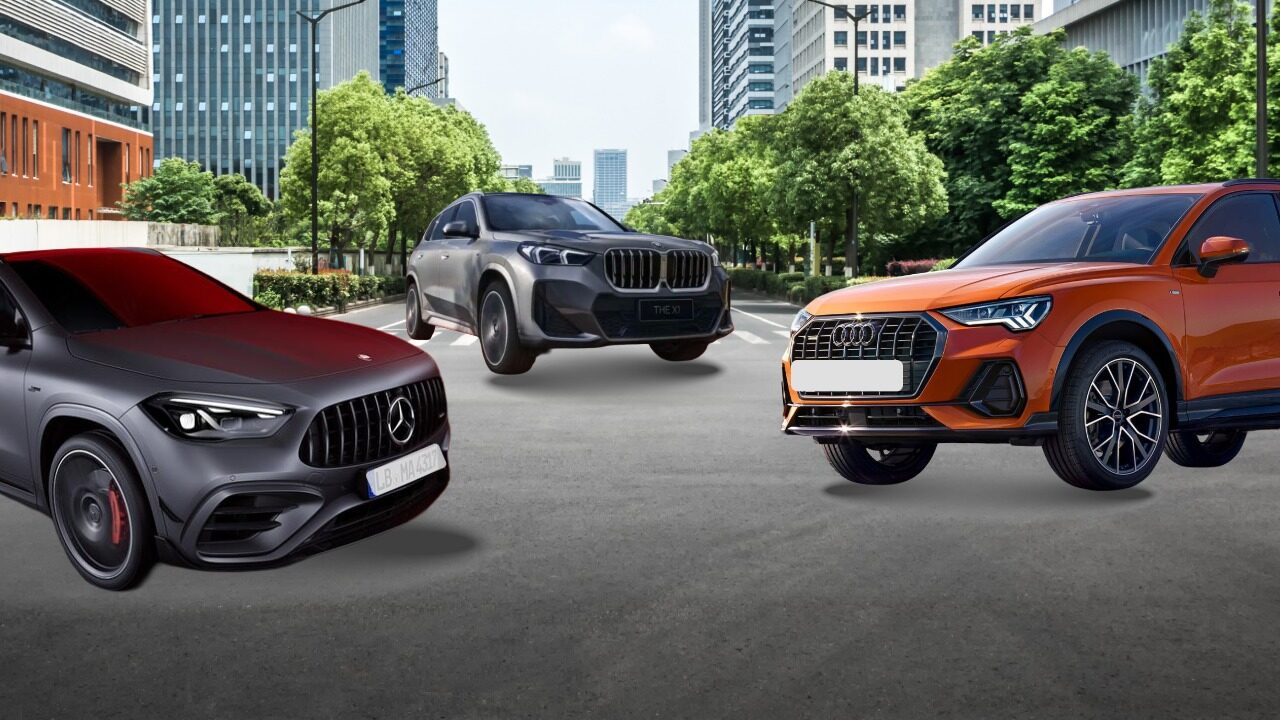
Looking for an entry-luxury SUV under Rs 50 lakh budget then the past two weeks have made the choice considerably tougher. The BMW X1 LWB lands in Indian showrooms on August 21, 2026, the Audi Q3 has been confirmed for a festive-season launch the same year, and the Mercedes GLA — the car both of them are gunning for — is still sitting there, unbothered, as the segment’s default answer. 

Three cars, three distinct stories, and a real question about whether “entry-luxury” even has the same meaning in all three of them anymore. Let’s see what they bring to the table. 

Why BMW Created a Long-Wheelbase X1 in the First Place

If you’re familiar with European or American car markets, the BMW X1 LWB may seem like a bizarre product to manufacture. It isn’t, when you know who it’s aimed at. Long-wheelbase versions are available almost solely in China and India — two countries where a sizable chunk of luxury-SUV buyers are chauffeured around, or where you’ll find three generations of a family travelling together and rear legroom dictates the purchase. 

Electric version of BMW iX1 LWB already in sales in India from 2025. The price is Rs 51.4 lakh (ex-showroom) approximately and now the fuel-powered version of that car is coming after a year ago.

There is currently no other long-wheelbase entry-level luxury SUV on sale in India. That gap is the whole reason this car exists.

What the BMW X1 LWB Really Brings to the Table 

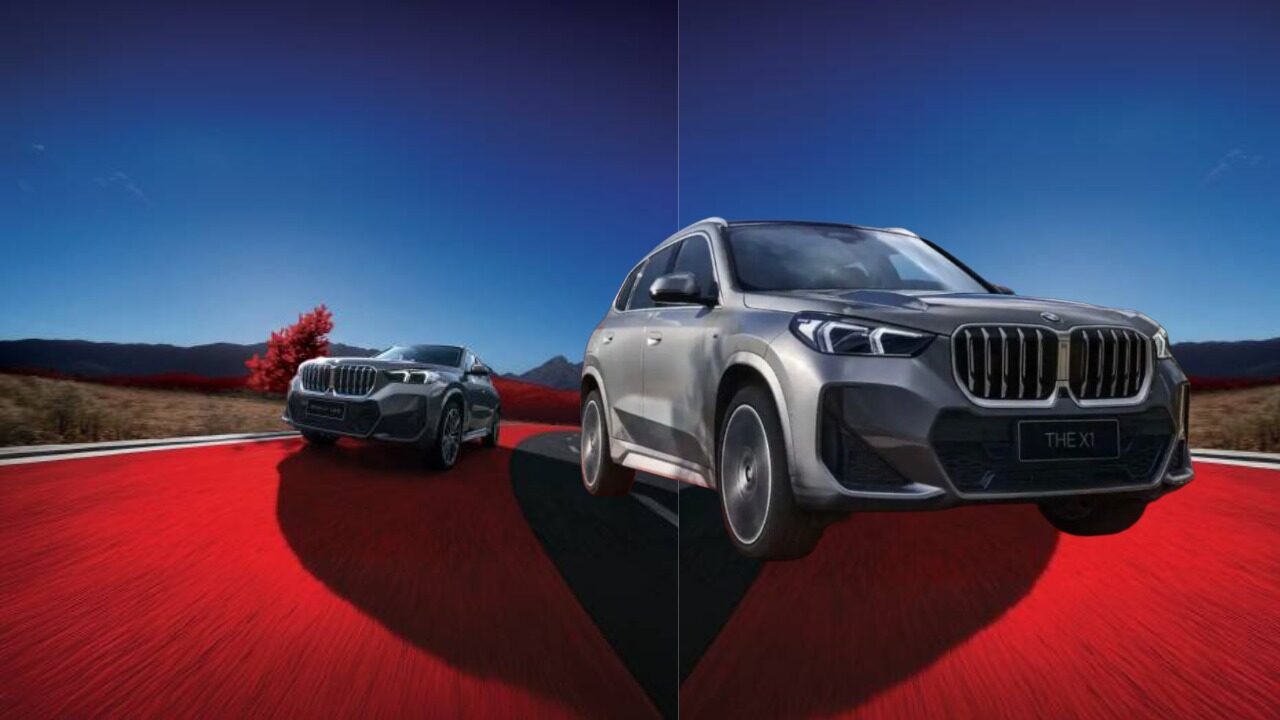
A long-wheelbase as in LWB is not a concept of marketing but a definition of providing a large vehicle which sets the standard and comfort. X1 is now stretched by 116mm overall, with  110mm of that going straight into the wheelbase, now it is 2,802mm. The LWB is also 11mm taller than the standard model. In practical terms, this is the X1 to choose if the standard version feels cramped in the back for your parents or kids, not when you want a sportier drive. 

BMW, was not visually tampered with in its working form. The headlamps are the same with M Sport styling cues, and sharp tail-lights that define the aura of X1. The wheel size is also 18-inch with a luxurious look. BMW X1 LWB interior gives you a 10.7-inch display for infotainment features and is powered with a Harman Kardon audio system that sets the mood. Whether you drive in the city or highway, automatic climate control, wireless phone charging and other 10.25-inch digital driver display will cover up that make you experience the beautiful ride.
BMW X1 LWB

BMW has also raised the powered seat height by 27mm, increased the width of the headrest cushions by 37mm, and a power tailgate. These are the minor adjustments, but together they result in a perceivably more spacious rear bench. 

Two things are genuinely unresolved as of launch week. 

First, the powertrain: BMW hasn’t officially confirmed the India-spec engine. The standard X1 here runs a 1.5-litre turbo-petrol making 134PS and 230Nm through a 7-speed dual-clutch gearbox, and early reports suggest the LWB could carry the same setup — though the China-spec car (on sale there since 2023) gets a 2.0-litre unit in sDrive25Li and xDrive25Li trims. 

Second, the price of standard X1 is priced at a range of Rs 40 lakh and Rs 55 lakh, depending on the final engine and trim. That’s too general to plan your finances on, so the August 21 official price is the only figure that counts.  

The Audi Q3 Is Arriving Too And It Changes the Calculus

While BMW ships a stretched version of an existing car, Audi is bringing something genuinely new. Audi India has confirmed the third-generation Audi Q3 for an introduction in the fourth quarter of 2026, during the festive season, and it will be the first of three new Audi models — the A5 sedan and the new Q9 flagship which makes its way to market in 2027.   

Under the hood, a naturally aspirated 2.0-litre engine with 7-speed dual clutch transmission fitted in the new Audi Q3 model which gives outstanding 204hp power to run like hell. The power is now sent to all four wheels that supports a 0-100km/h sprint time of 7.1 seconds. The mileage tested under WLTP is 12.36 kpl. 

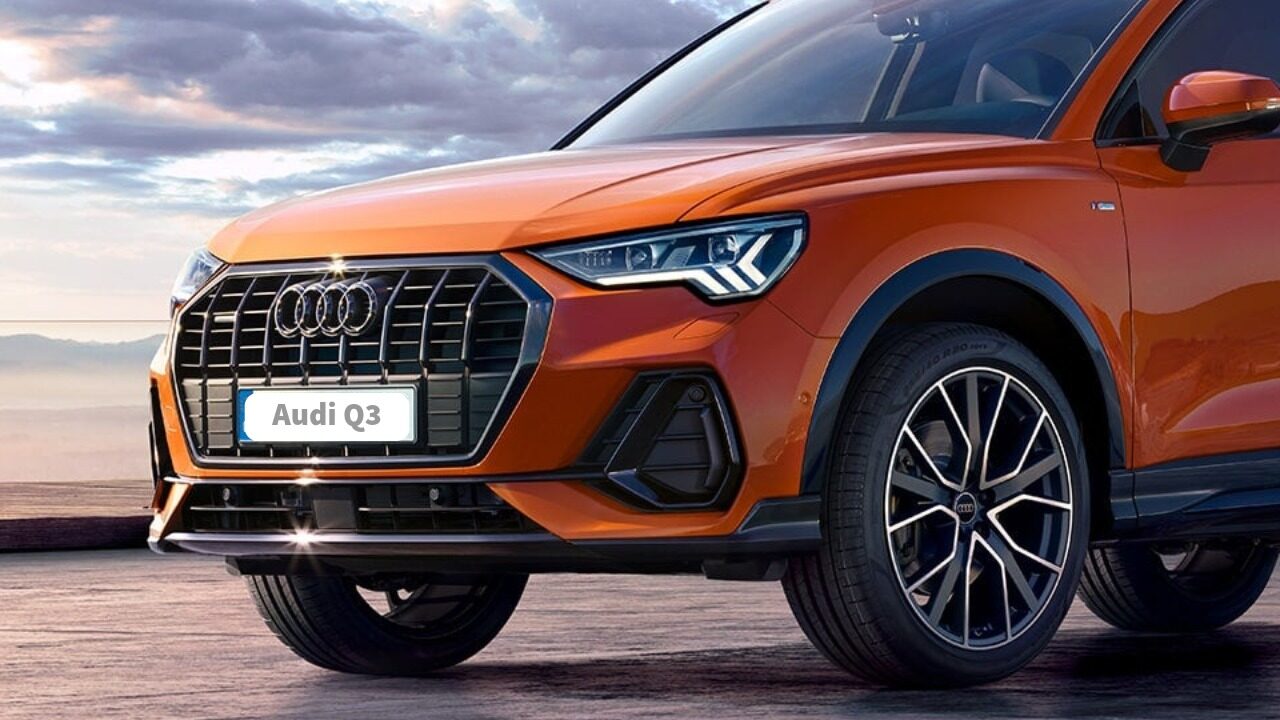
The new model body is 40mm longer with split headlight design on front which is remarkably amazing. That’s not enough, it is more luxurious with octagonal grille, pixel LED DRLs and a rear LED light bar that represent a cunning choice.
Audi Q3

Audi Q3 interior let you feel everything so humble with a 12.8-inch infotainment touchscreen, an 11.9-inch digital instrument cluster that drives you anywhere alone and stress-free. A 360-degree camera, three-zone climate control, also cover everything and you can get a head-up display in some trims. 

The 488 litres boot size is perfect for family outing. Audi will also bring back the Sportback coupe-SUV body style next to the standard shape, just like the outgoing Q3 was available here. 

Audi Q3 price estimates Rs 50-55 lakh ex-showroom, which may get lower to Rs 48 lakh. But take this number as a guess and get the exact price from your dealer.

Where the Mercedes GLA Fits — The Quiet Incumbent

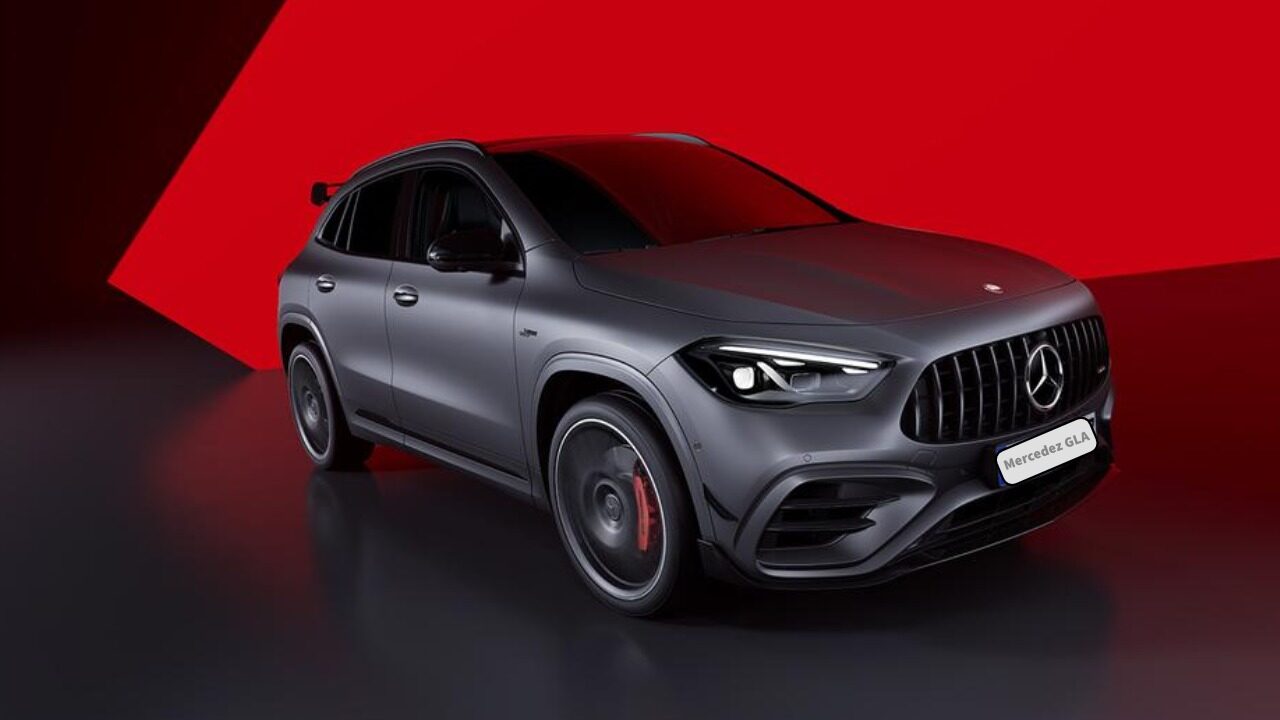
This is the car both the BMW X1 LWB and the new Audi Q3 are chasing. The current-generation GLA remains on sale in India today, built around a familiar formula of turbo-petrol and diesel four-cylinder engines, an 8-speed automatic, and Mercedes’ usual badge-value pull in this segment. 
Mercedes GLA

The Mercedes-Benz GLA has already made a name in India with its features and amazing look at the price of ₹51.8 lakh (ex-showroom) on the current Mercedes-Benz India website. Now you can get exact pricing details by contacting your dealer.

The interior is excellent with a 10.25-inch touchscreen infotainment system in current Mercedes GLA and it also features a 10.25-inch digital instrument display. There are other features like MBUX, wireless smartphone charging and optional 360-degree camera system. You can find the real availability, price, equipment and variant today so don’t decide on pre-launch estimations. 

The Festive-Season Timing Isn’t a Coincidence

Festive season — Navratri through Diwali is when Indian luxury-car dealerships generate a large share of their yearly sales, and that seasonal demand appears even stronger this year. As Mahindra reported a 60 percent jump in SUV retail sales during Navratri alone, crediting both festive sentiment and the benefit of the recent GST 2.0 rate changes on vehicles. 

BMW and Audi timing their launches into this window isn’t a coincidence — it’s the same logic playing out one price bracket higher. The test-drive will be getting busier in the festive season (October and November) so if you are in a hurry then don’t wait to book your test drive for these cars now.

Read More:- How to Get a Car Loan in 2026: Know Everything Before Purchasing 

Comparison of BMW X1 LWB vs Audi Q3 vs Mercedes GLA

BMW X1 LWB Audi Q3 (new-gen) Mercedes GLA (current-gen)
India launch Aug 21, 2026 Q4 2026 (festive season) On sale now
Engine Unconfirmed (likely 1.5L turbo-petrol, possibly 2.0L) 2.0L turbo-petrol, AWD Turbo-petrol/diesel four-cylinder (current model)
Transmission 7-speed DCT (expected) 7-speed DCT 8-speed automatic
0-100kph Not confirmed 7.1 seconds Varies by variant
Mileage Not confirmed 12.36kpl (WLTP) Varies by variant
Expected price (ex-showroom) Roughly Rs 51-55 lakh (estimates vary widely) Roughly Rs 50-55 lakh (estimates vary) ₹51.8 lakh (ex-showroom) 
Standout feature Only long-wheelbase entry-luxury SUV on sale in India Locally assembled; 12.8-inch touchscreen, Sportback option Established service network, EASY-PACK tailgate, electrically adjustable memory seats

Note: every number for the X1 LWB and the new Q3 above is a pre-launch estimate pulled from industry reporting, not an official figure from BMW or Audi. Treat the table as a shape of the segment, not a quote you can walk into a dealership with.

Which One Should You Actually Buy?

If rear-seat space is your actual, specific problem — you’re chauffeuring parents, or your kids have outgrown the back of a regular compact SUV — the X1 LWB is solving a problem nobody else in this price band is solving. That uncontested positioning is worth something, even with the pricing uncertainty. Just don’t book on an estimated number; wait for August 21.

If you want the newest technology, a more dramatic design shift, and don’t mind being an early adopter of a car that’s still weeks away from a confirmed India price, the Q3 makes a strong case — particularly with local assembly potentially keeping costs in check versus a fully imported model. The Sportback option also matters if styling ranks above outright practicality for you.

The current GLA is a known quantity, sold today, serviceable through Mercedes’ existing India network, with pricing you can actually verify before you sign anything. You’d be buying the outgoing generation, but you’d be buying something real, not a set of estimates.

Don’t finalize a purchase off pre-launch price estimates for the X1 LWB or the Q3. Visit a dealership after August 21 (for BMW) or once Audi confirms its Q4 launch date, get the on-road price in writing, and only then compare it against what the GLA is actually selling for at your local dealer today. Estimates may grab attention, but there’s no way to justify a ₹50 lakh decision. 

Read More :- Personal Loan vs Car Loan: What is the Better Choice for Buying a Car? 

Conclusion 

The BMW X1 LWB is distinguished by the additional leg space at the rear seat and the all-new Audi Q3 has got newer technology with the GLA being the old reliable option. With no word on pricing for the X1 LWB and Q3 just yet, the smartest thing to do is wait for the official prices before splashing ₹50 lakh or more. 

Sharey Khan

Sharey Khan is an IT entrepreneur and petrol head & a car enthusiast. With a special focus on car-related content, he combines his deep passion for vehicles with a talent for crafting informative, engaging, and easy-to-understand content. His writing is driven by a genuine love for cars and he is committed to providing readers with accurate, up-to-date, and trustworthy information that empowers smarter driving decisions. 

Leave a Reply

Your email address will not be published. Required fields are marked *

0

Toyota Hilux Price, Images, Colours & Reviews – Latest Updates & Full Details

Published Dec 1, 2025, 11:54 AM
Last Updated Apr 11, 2026, 11:04 AM

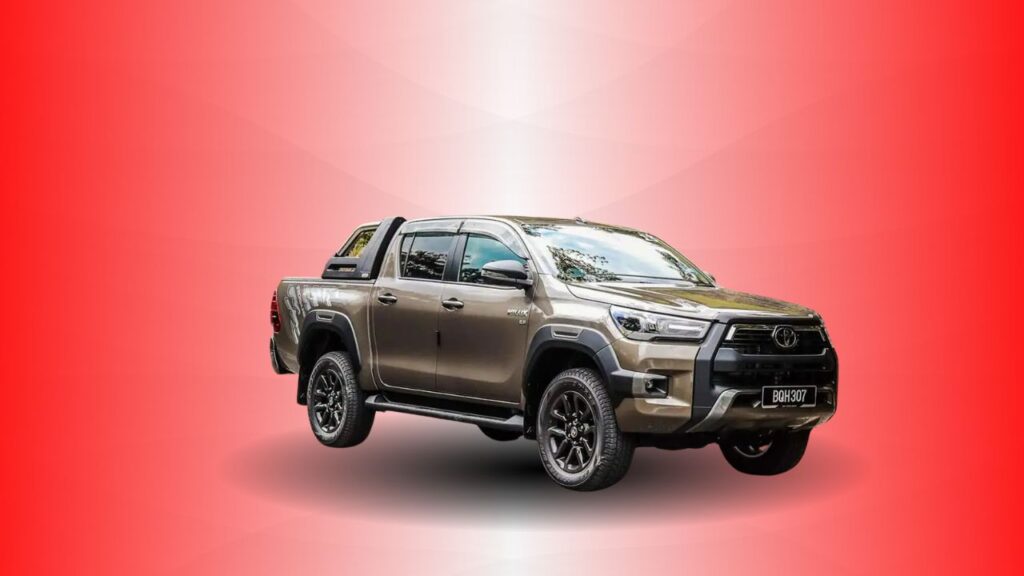
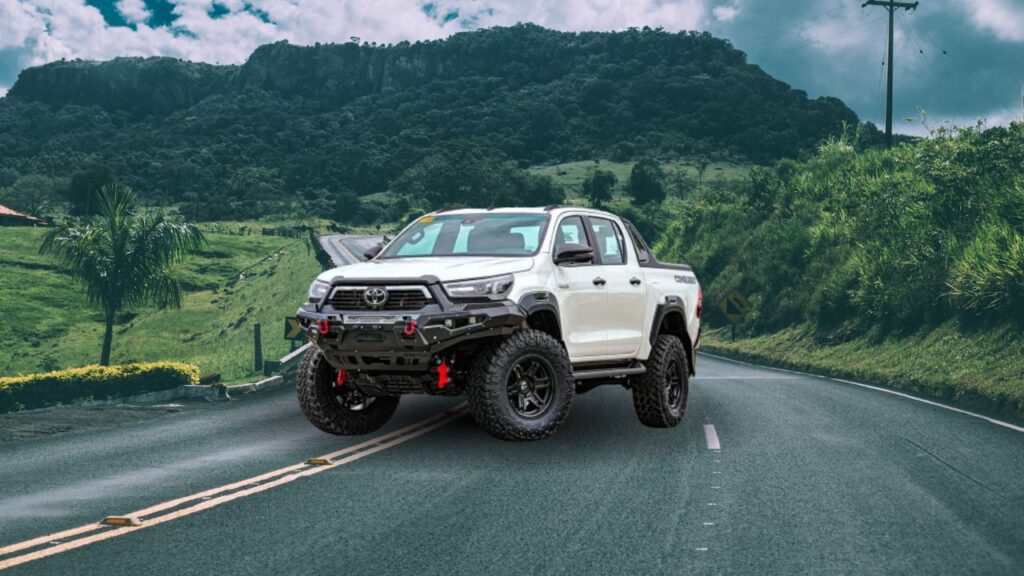
Toyota Hilux

If you want a ride that’s more substance than steel and rubber, the Toyota Hilux is the right car for you. This is no ordinary pickup truck – it’s a four-wheeled legend that snowballed its way over decades of unrelenting performance, rock solid dependability and quality of construction that could only be described as quitting is not an option. Whether you’re an intrepid explorer, a hard-working tradesman, or just someone looking for a ride that will outlast your mortgage, the 2025 Hilux deserves every second of your consideration and dollar. 

Pricing That Reflects Quality

2025 Toyota Hilux Price in India The starting ex-showroom price of the 2025 Toyota Hilux in India is an attractive ₹28.02 lakh for the base Standard variant and climbs up to ₹35.37 lakh for the High automatic transmission variant. 

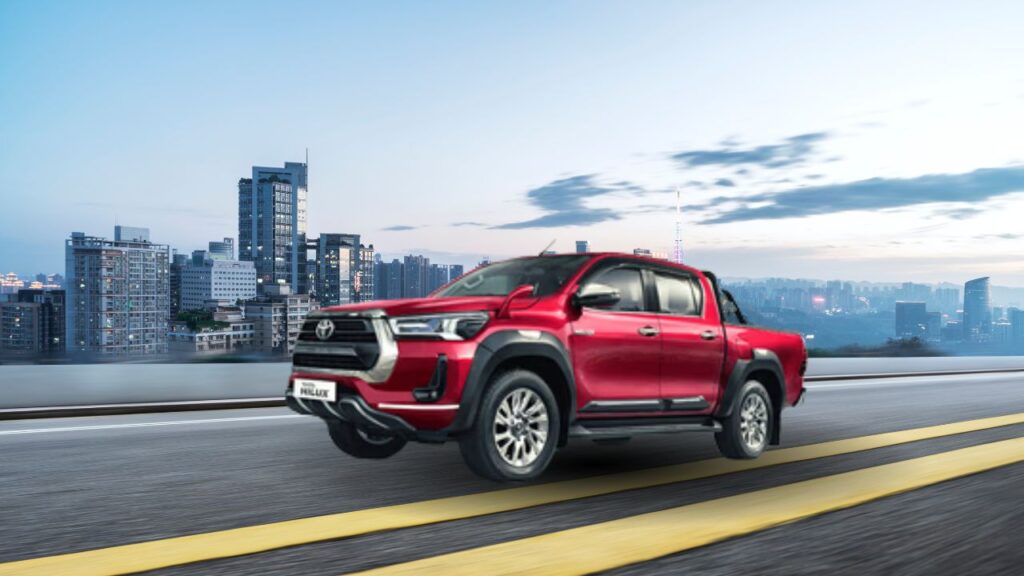
Toyota Hilux Pricing That Reflects Quality

Additionally, on-road price for this variant can be from ₹33.05 lakh to ₹41.7 lakh depending on your location and the model variant. Now, the best part — owners of Toyota suddenly reduced prices as much as ₹2.53 lakhs in light of GST 2.0 beginning on September 22, 2025. The Hilux ‘generalises’ a lot more without losing any of its famous prowess. 

Multiple Colors Are Available

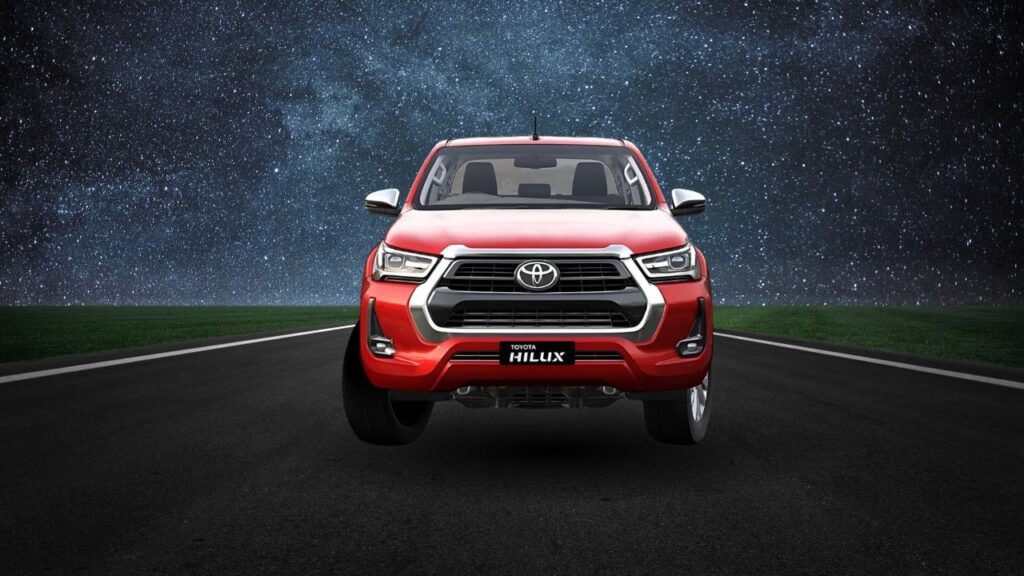
The Hilux is not only available in plain colors – it also comes in stunning versions that allow your personality to shine through. You can pick from four stunning colors: Emotional Red for those who want to stand out, White Pearl Crystal Shine for an elegant look, Grey Metallic for a subtle sophistication, and Super White for a crisp and clean professional look. Every shade is expertly crafted to enhance the pâté of your truck’s bold design and fierce posture. 

Performance That Keeps Your Ride Smooth

This is where the Hilux really comes alive. This pickup truck has a 2.8-liter turbo-diesel engine, which generates 201.15 bhp and 369 lb-ft of torque that makes it a monster on the road or off the road. You can choose between a 6-speed manual gearbox and a 6-speed automatic gearbox based on your variant.​

Toyota Hilux Performance That Keeps Your Ride Smooth

What is it with this engine that’s so special? It makes for excellent real life use. Everyday users claim to get 10-12 kmpl with a highway mileage of 12-13 kmpl. The engine seems smooth, alert and completely reliable. The power is smooth at all rpm and because you really need to know with loaded up with goods, so is the torque at the bottom-end or? 

Comfortable Interior With Modern Technology

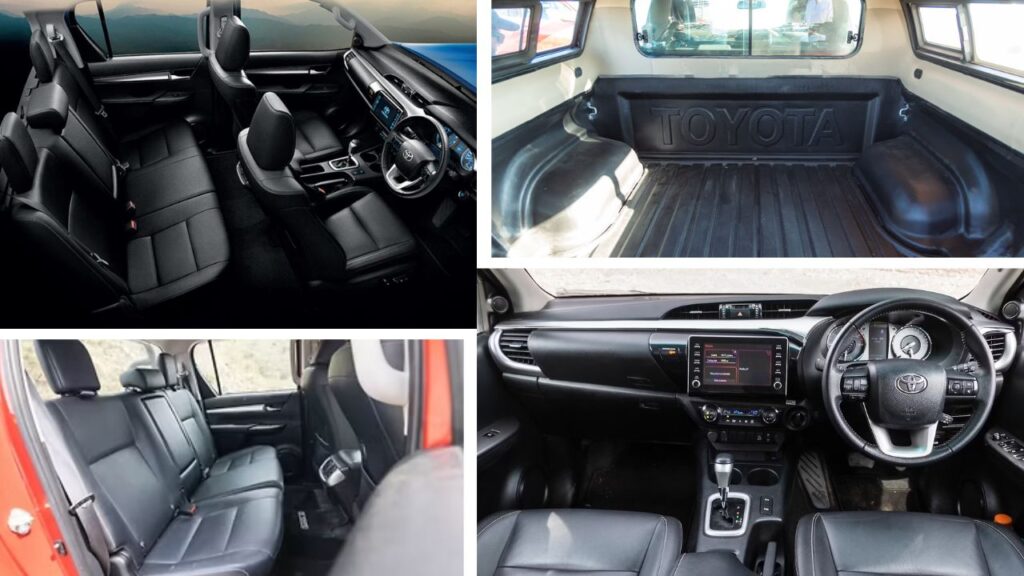
If Honda got the ridged plastics just right the first time, Toyota went a little further on the Hilux interior. It clings to its work-truck origins, but the cab has soft faux-leather seats, straightforward climate controls, and a few modern technology distractions. 

Newer models feature a touchscreen system with Apple CarPlay and Android Auto for easy phone integration. A digital dash display monitors diesel consumption all the way to car health checks.  

Toyota Hilux Comfortable Interior With Modern Technology

The interior really feels sturdy and utilitarian. It isn’t an SUV that pretends to be a truck – it’s a truck that is comfortable, and that’s the space it occupies in the auto market these days. The seats provide a fair amount of support for long journeys and the engine noise is well sealed away from the cabin. Not skimping there either – multiple airbags, stability control and hill descent control in high-riders. 

Off-Road Capability That Sets Benchmarks

This is the point at which the Hilux becomes iconic. It is equipped with a hardy 4WD system that includes locking differentials and Active Traction Control (A-TRAC) that proactively controls traction without hindering velocity. The suspension is specially modified for off-road use, it’s firmer than what you’ll find in ordinary SUVs, which in practice equates to more-control and better stability when you’re rattling around on tough terrain.

Toyota Hilux Off-Road Capability That Sets Benchmarks

The towing capacity is a respectable 3,500 kg and the payload capacity a massive 1,100 kg. Tow a trailer, livestock carrier, or boat – Hilux performs with confidence. The off-road processing powers of the Real-world users regularly praise its off-road capabilities, many remarking that the truck plows ahead fully-laden as if there’s nothing in the bed. 

Price Range (Ex-showroom) ₹28.02 Lakh – ₹35.37 Lakh
Engine 2.8L Turbo Diesel
Power 201.15 bhp
Torque 500 Nm 
Transmission 6-Speed Manual / Automatic
Drive Type 4WD
Mileage  10 kmpl
Safety  5 Star Global NCAP

What Makes It Special?

The Hilux’s beauty is in its reality check. It never gets things too complicated – it just does what it says on the tin, year in, year out, year in, year out. Users say the engine is truly “underrated” with great low end torque and a very responsive delivery of power. This vehicle is far better suited to smooth surfaces and with its stiffer suspension it handles well therein, and rough roads will require a bit more finessing than with passenger vehicles, but this translates into more stable load carrying.

With strong resale values, and maintenance costs that are reasonable, the long term ownership equation tilts heavily in Toyota’ s favor. 

Read More:- Renault Duster Specs and Features: Complete Guide to Design, Performance and Features

Conclusion

The 2025 Toyota Hilux embodies everything expected in a pickup truck: rugged capability and legendary dependability with authentic off-road capability and an expanding list of convenience features. With the recent price adjustments from above now making it more accessible, we can’t think of a better time to become a part of the worldwide community of Hilux owners who have always known that true quality is timeless. 

If you’re going to a worksite, taking an off-road trip, or maybe you simply want a vehicle that will support you through everything life throws your way, the Hilux delivers, uncompromised. 

0

Hyundai’s Compact Electric SUV for India: What We Know About the HE1i

Published Oct 21, 2026, 1:02 PM
Last Updated Nov 5, 2026, 5:11 PM

Compact Electric SUV

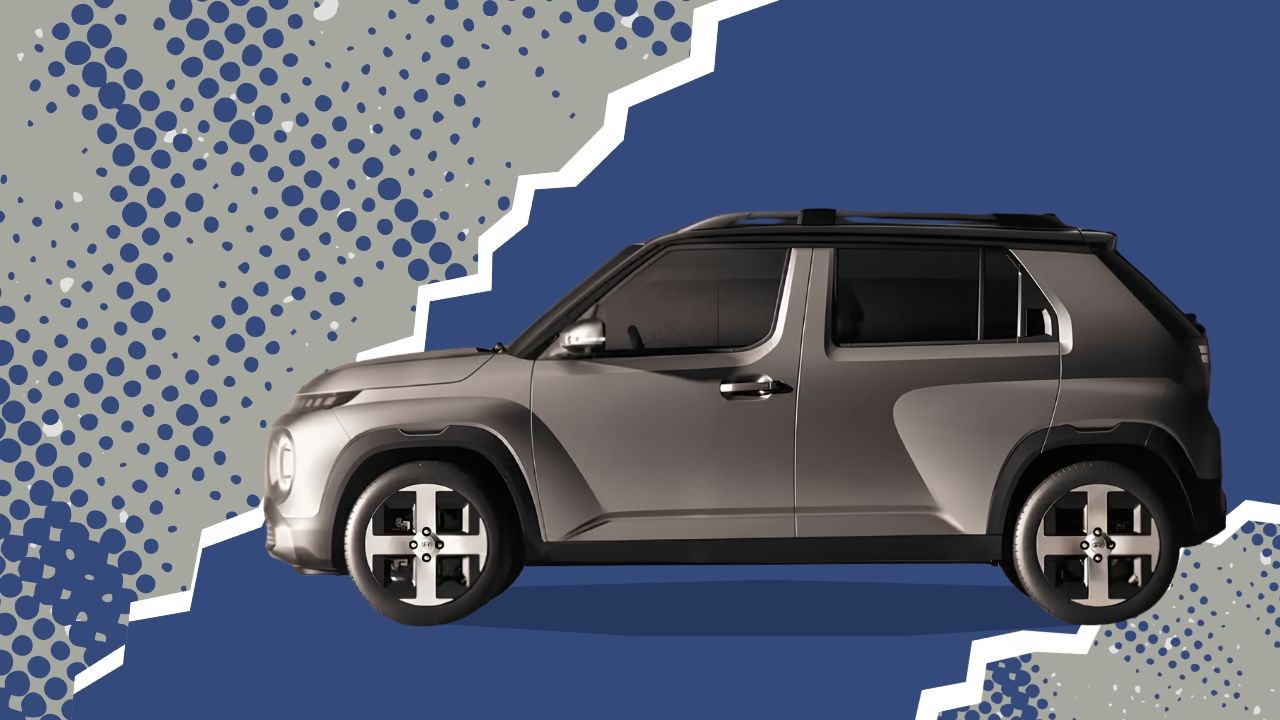
The EV segment is filled with outstanding performances from the Tata Punch EV, Mahindra XUV 3XO EV and Kia Syros EV. Hyundai India has confirmed a new compact electric SUV to join them with a brand-new design. Codenamed HE1i, the upcoming electric SUV is now likely to be called the Hyundai Ioniq P following company’s recent trademark filing in India.

Over the past couple of years, the electric segment has taken over showroom space which is hard to ignore. But premium electric crossovers are hard to get for most buyers, who want an affordable and reliable compact electric SUV from a brand they already trust.

The SUV will be made for India, measure under four metres, and feature India-specific design changes. The Ioniq P name has recently appeared in Hyundai’s trademark filing under Class 12, which covers automobiles and related components. However, the company has not officially confirmed the production name yet.

The launch timing is still unconfirmed, but expect to arrive in FY2026-27. Get more details from the new Hyundai’s compact electric SUV.

HE1i Expected Features & Specs: Battery, Range and Charging

For most Indians buying a car is an emotion and a vehicle for family road trips, the daily battle armor against chaotic office traffic, and a proud parking spot accomplishment. 

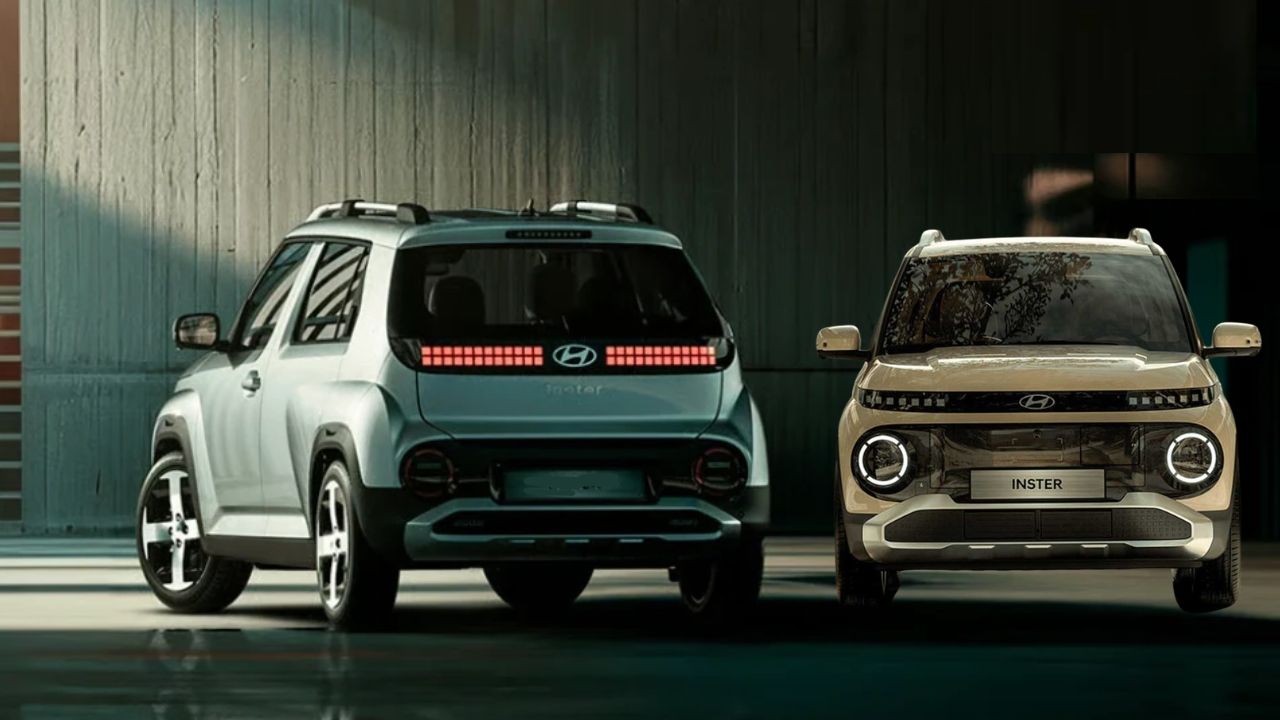
The Hyundai Ioniq P is expected to arrive in Standard Range and Long Range variants, giving buyers different battery options depending on their driving requirements. The electric SUV is expected to use the E-GMP (K) platform, which also underpins the Hyundai Inster sold in international markets.

While the exact battery capacities and driving range for the India-spec model remain unconfirmed, reports suggest that Hyundai is considering two battery configurations. The overseas Inster offers 42 kWh and 49 kWh battery options, while the recently introduced Kia Syros EV also provides a reference for the possible battery setup.

Hyundai is expected to use imported battery cells for the initial production batches following delays in its domestic battery cell programme with Exide Industries. Local battery cell sourcing is planned for a later stage.

HE1i Expected Features & Specs

Hyundai has confirmed that the upcoming electric SUV will get Level 2 ADAS and a next-generation infotainment system. These features could make the Ioniq P a strong option in the affordable electric SUV segment. The cabin is also expected to feature a large touchscreen infotainment system and digital instrumentation, although the complete equipment list is yet to be revealed.

The Hyundai Ioniq P is being developed as a standalone electric SUV rather than an electric version of an existing petrol-powered model. It will use the E-GMP (K) architecture and feature India-specific styling and engineering.

The design is specifically prepared for Indian style and roads. Expect an upright stance, high ground clearance, skid plates, and robust body cladding designed to handle monsoon potholes and unexpected speed breakers.

Taking cues from Hyundai’s global EV lineup, expect futuristic pixelated LED DRLs and bold light bars that give it an unmistakable street presence. It will offer more legroom and elbow room and connectivity support with intuitive Android Automotive-based software. So expect a comfort and smoother driving experience.

 Tesla Flying Car Mechanics Make The Flight Possible

Price Expectations For the Compact Electric SUV

Estimates cluster around Rs 10 lakh at the entry end. Expects Rs 10-16 lakh ex-showroom for Hyundai’s compact electric SUV. That spread is wide enough to put the top trim near Nexon EV territory, so the real question is how Hyundai prices the 49 kWh-class variant, not the base car.

Hyundai Ionic P vs Tata Punch EV vs Nexon EV

Until now, manufacturers like Tata and Mahindra have dominated the affordable and mid-tier electric SUV market. Hyundai is now preparing to enter this segment with the Ioniq P, an India-focused compact electric SUV designed for everyday use and urban commuting.

Hyundai Ionic P(expected) Tata Punch EV Tata Nexon EV
Price (ex-showroom) Rs 10-16 lakh (estimate) Rs 9.69–12.59 lakh Rs 12.49–17.49 lakh
Battery 42 / 45 kWh 30 / 40 kWh 30 / 45 kWh
Claimed range 400 km  468 km ARAI (40 kWh) 489 km MIDC (45 kWh)

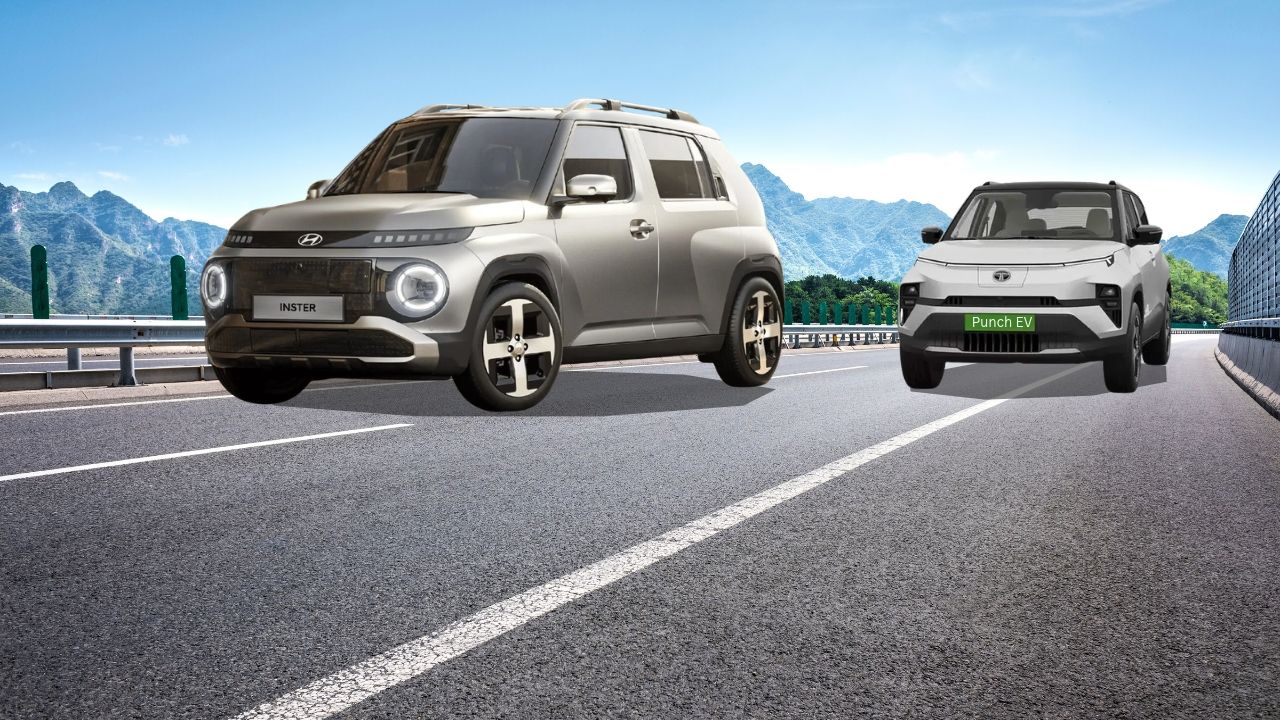
The Punch EV is one of the key models the Ioniq P will have to compete with. Tata quotes a claimed range of up to 468 km for the 40 kWh version, while its estimated real-world range is around 335–355 km. Tata also offers a battery-as-a-service (BaaS) option, with prices starting at Rs 6.49 lakh plus a battery rental of Rs 2.6 per km. This gives buyers a lower upfront purchase option and could make pricing a major challenge for Hyundai.

HE1i vs Tata Punch EV

For context, the car above it in Hyundai’s range launched at Rs 17.99 lakh ex-showroom as the Creta Electric, so the HE1i has room to sit well below it.

  Hyundai Bayon Bookings Open at ₹11,000 With a 1.5L Petrol Engine

Conclusion

There’s no confirmed price yet, but Hyundai’s upcoming Ioniq P could become an interesting option in the affordable electric SUV segment. With its India-specific development, two expected battery options, Level 2 ADAS and next-generation infotainment system, it has the potential to compete strongly against established rivals.

0

Kia Carnival Hybrid Price In India And Additional Cost For Accessories

Kia Carnival Hybrid

Waiting for two days more for the hybrid is worth it if you are buying for city errands. Kia Carnival Hybrid price in India is not officially announced yet, you will know at the time of launch on September 4, 2026. Expected to arrive with more high-end features, better mileage, and comfortable seating along with smart driving assistance.

Other than that, there are essential accessories that keep the interior manageable. Additional cost for accessories mostly added on-road price but check whether you need it or not. In this segment, it could be expensive but some of them are non-negotiable so let’s see the important accessories cost and Kia Carnival Hybrid expected price.

Will Carnival Hybrid be More Expensive Than Its Diesel Model?

Kia hasn’t published pricing for the Carnival Hybrid. The car will sit alongside the existing diesel model rather than replace it on September 4. We now know today is diesel Carnival’s ex-showroom price of ₹59.65 lakh, sold in a single fully-loaded Limousine Plus trim. The on-road price will sum up to around ₹70-75 lakh depending on your city’s registration and insurance costs.

Automotive industry reporters suggest that hybrid models put at an accessible entry point into Carnival lineup rather than premium over diesel and this positively makes sense because parallel-hybrid systems are usually cheaper to build at scale than a big turbo-diesel and 8-speed gearbox. 

A working estimate of roughly ₹55-65 lakh ex-showroom is a reasonable range since it’s a hybrid model but it’s not a quote so treat this range as a guess point. Wait for Kia’s confirmed range on the 4th before making a decision to buy.

Read More 👉 New Kia Niro EV Price 2025 – Full Details, Features & Latest Updates

Features And Performance

Most of the features and specifications of hybrids are similar from diesel Carnival including body size but we can expect powerful powertrains that gives you new experience.

Powertrain

The Carnival Hybrid swaps the current 2.2-litre diesel (193 PS, 441 Nm, paired with an 8-speed automatic) for a 1.6-litre turbo-petrol engine working with a 54kW electric motor through a 6-speed automatic. 

Combined output is expected to land around 242 HP and 367 Nm, matching the figures Kia quotes for this powertrain in international markets. 

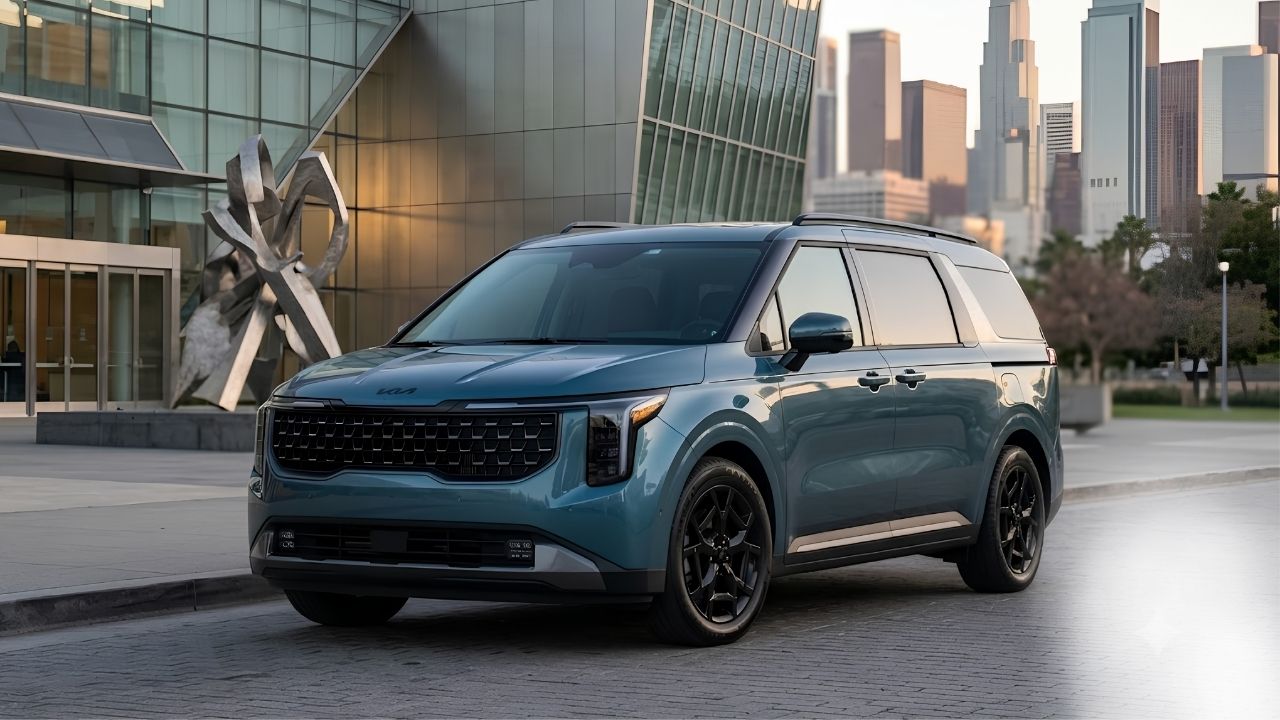
Kia Carnival Hybrid Features And Performance

Fuel Economy

The system also gets three levels of regenerative braking, which is what’s expected to close the efficiency gap with the diesel — global specs suggest fuel economy near 14.5 km/l for the hybrid, close to the diesel’s ARAI-rated 14.85 kmpl, but with petrol running costs and none of the diesel’s low-end clatter.

Body Size & Exterior

Dimensions carry over largely unchanged: 5,156mm long, 1,994mm wide, 1,740mm tall, on a 3,091mm wheelbase — so the hybrid isn’t a smaller, more city-friendly Carnival. It’s the same big MPV with a different heart.

Carnival Hybrid Rival in The Indian Car Market

If you’re cross-shopping, the decision splits pretty cleanly along how you actually drive. The diesel Carnival’s 441 Nm of torque and proven 8-speed gearbox still make sense if you’re doing long, loaded highway runs regularly — that’s where diesel torque earns its keep. The hybrid makes more sense if your driving is a city-highway mix, since the electric motor and regen braking do their best work in stop-start traffic where the diesel is least efficient.

In this segment, one more name is sitting on the top: Toyota Vellfire, pricing starts at ₹1.20 crore and runs to ₹1.30 crore ex-showroom so it’s not a really competitor of Carnival in price. In functions, it comes with a 2.5-litre hybrid engine that makes 190 HP of power with 240 Nm torque which is less than what Kia offers, but Vellfire claimed 19.28 kmpl with a more opulent cabin in higher trim.

If your budget tops out anywhere near ₹60-75 lakh, the real comparison is Carnival diesel vs. Carnival hybrid, not Carnival vs. Vellfire.

What’s Different to Look At, Not Just Drive

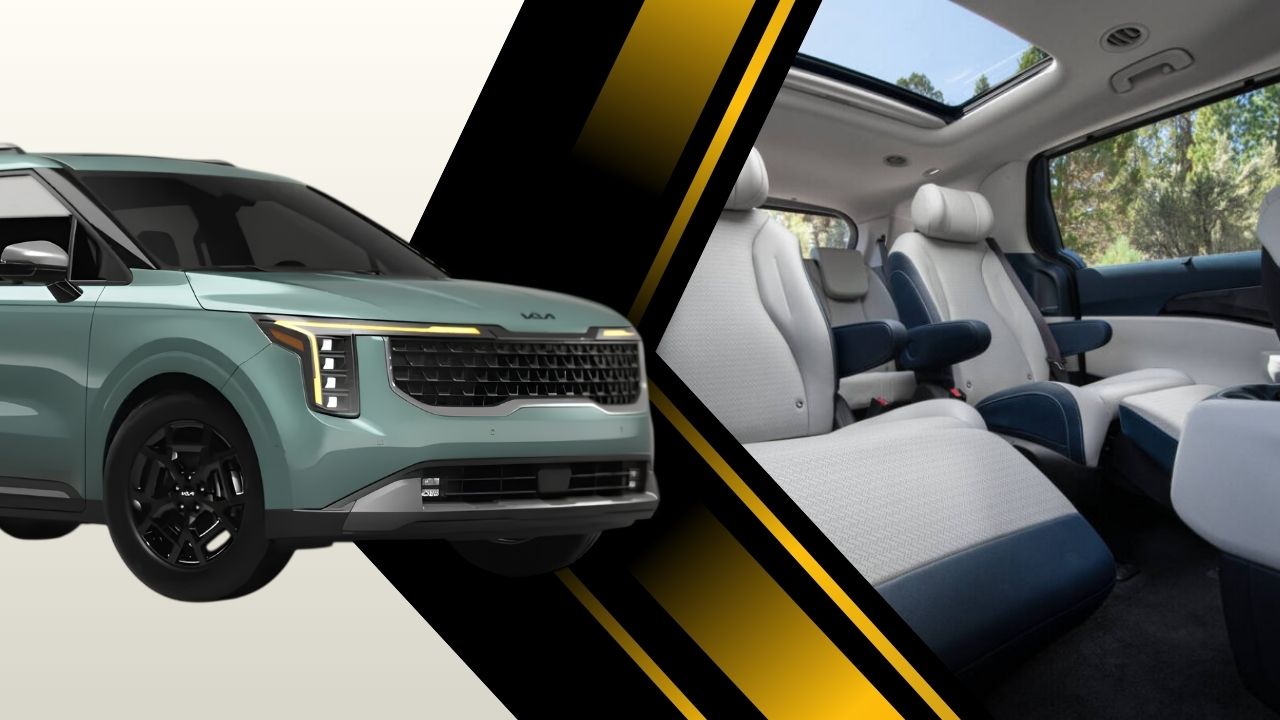
The hybrid isn’t just a badge change. It will be a more futuristic and sleek-packed design with 19-inch glossy black alloys and a Dark Edition trim option. Front and rear full LED lighting is making a presence remarkably extinguish. For higher trims, relaxed second-row seating with power adjustment, recline, and ottomans, plus heating and ventilation is a peak comfort. Kia is leaning into chauffeur-driven appeal rather than turning it into a conventional family MPV.

Read More 👉 EMI vs Lease: Which Is Better If You Plan to Upgrade Your Car Every 3 Years 

Additional Cost For Kia Carnival Hybrid Accessories

Accessories are a separate line item worth buying along with a new car to secure it from daily dirt and keep it refreshed. It’s mostly added in an on-road price quote but Kia hasn’t published a hybrid-specific accessory catalogue yet. So we should look into the Kia-authorized accessory for the current Carnival which is a reasonable stand-in given the hybrid shares the same body and cabin.

Essential Accessories to keep the car clean and refreshed while finishing city errands or going on a longer trip, comfort and styling comes from little care and small things. If you are buying a Kia Carnival Hybrid. Keeping the add-ons in the list will increase a little money but it will be worth it.

Accessory Price Range (₹)
Lifelong 7D floor mats (full set) 8,000 – 10,000
Leather-look seat covers (full set) 8,000 – 10,000
Car garbage bin 760 – 900
Tissue box holder 410 – 480
Microfiber cloths (set) 200 – 420

If you want more styling and make it look like a premium car then adding a few more things like a genuine chrome accessory kit, door visors, or a body cover is enough to make your car attractive. There is no fixed mention price because it is quoted per-order rather than listed at a fixed price. So ask your dealer for an itemized accessory bundle rather than guessing.

One outlier worth a premium aftermarket horn upgrade with relay was priced around ₹2,600 — a small but common add-on for MPV owners who find the stock horn underwhelming.

Kia Carnival Hybrid Accessories

None of this is optional-optional if you’re buying a car in this price bracket — dealers routinely bundle ₹40,000-60,000 worth of mats, covers, and styling extras into the on-road price quote, and it’s easy to miss that this is negotiable.

Should You Book Now or Wait Two Days?

If you’re not in a hurry, waiting until September 4 costs you nothing and gets you a real number instead of a range. If you’re already leaning diesel because you need the towing torque or you’re not interested in a wait, there’s no reason the hybrid launch should change your plans — you’re not cross-shopping the same use case anyway. 

Either way, treat every “Carnival Hybrid price” you see published before the 4th, including the estimates in this piece, as a placeholder until Kia says otherwise.

Read More 👉  Ceramic Coating vs PPF For Kia Carnival Hybrid 2026 

Conclusion

The Kia Carnival Hybrid is worth waiting for if most of your driving happens in the city, especially if you want a quieter, smoother MPV without giving up the Carnival’s space and premium features. But don’t book it based on the ₹55-65 lakh estimate yet — Kia’s September 4 pricing will determine whether the hybrid is genuinely better value than the ₹59.65 lakh diesel.

If your priority is highway touring, full-load performance and maximum torque, buy the diesel. For a mixed city-highway lifestyle, the hybrid is the version to watch. For additional cost for the accessories to buy along with a new car can be around ₹40,000-60,000 other than the cost of the car.

So wait for the hybrid’s official price point from Kia then compare it with the final on-road price of diesel, if Kia manages to keep the hybrid near the ₹60 lakh mark, that’s a win-win for urban buyers.

0

Best Dash Cam for Cars | Top Features, Reviews & Buying Guide

Best Dash Cam for Cars

Your claim is denied because you can’t prove the other driver ran the red light. It happens more than most people think and it is the largest reason why Indian car owners are now actually considering dash cams rather than treating them as an accessory-store impulse buy. So if you’re looking for the Best Sash Cam for Cars in India today, then you must have to know that it depends on where you park, how much footage quality do you really need and if you’re buying for evidence or because you want real 24/7 security. 

Why a Dash Cam Matters More in India Than It Used To

There is no provision in the Motor Vehicles Act, 1988 or the Central Motor Vehicles Rules, 1989 which prohibits use of dash cam in private vehicles. What has changed is what the footage means in the eyes of the law. Section 63, Full text of Bharatiya Sakshya Adhiniyam, 2023 Electronic records (such as dash cam video) are now admissible in court provided the device was operating properly and the recording was made in the normal course of business. That is a radical change from a few years ago, when video was considered a luxury and not something an insurance company or a traffic court would actually look at. 

Add that up to increasing hit-and-run incidents and chaotic lane discipline in cities such as Bengaluru, Mumbai, Uttar Pradesh and Delhi, and a dash cam is no longer optional. A handful of newer cars — the Hyundai Exter and Venue among them, now come factory-fitted with one, which tells you where the industry is heading even for owners who have to retrofit.

What Actually Determines the Best Dash Cam for Cars

Before comparing models, three things separate a dash cam that survives an Indian summer from one that dies in a year.

  1. Supercapacitor over battery. A dashboard behind glass can cross 70°C in peak May heat. Lithium-battery dash cams swell and fail under that kind of sustained heat; capacitor-based units don’t have that failure mode and handle parking mode far more reliably.
  2. Sensor quality beats raw resolution. A 4K camera with a weak sensor can produce inferior night footage to a well-designed 1080p or 2.5K camera. Sony’s STARVIS 2 sensor can be found on almost all the best-rated units in 2026 and is the one spec that you should be prioritizing over megapixels.
    Best Dash Cam for Cars
  3. Parking mode isn’t automatic. Almost every model needs a separate hardwire kit, typically ₹1,500–2,500, to monitor your car while it’s off. Without it, most dash cams only record while the ignition is on.
  4. One more line item people under-budget for: the memory card. A dash cam writing continuous loop footage needs a high-endurance card, not a standard one — Kingston Canvas Go Plus (₹600–900) or SanDisk High Endurance (₹700–1,200), 128GB minimum if you want more than 3–4 hours before overwriting. Format it monthly through the camera’s menu, or you risk corrupted files exactly when you need them.

Top Dash Cam Picks in India, by Budget

Model Price (approx.) What it’s for
70mai A200 ₹4,999 First-time buyers; voice control, 1080p single-channel
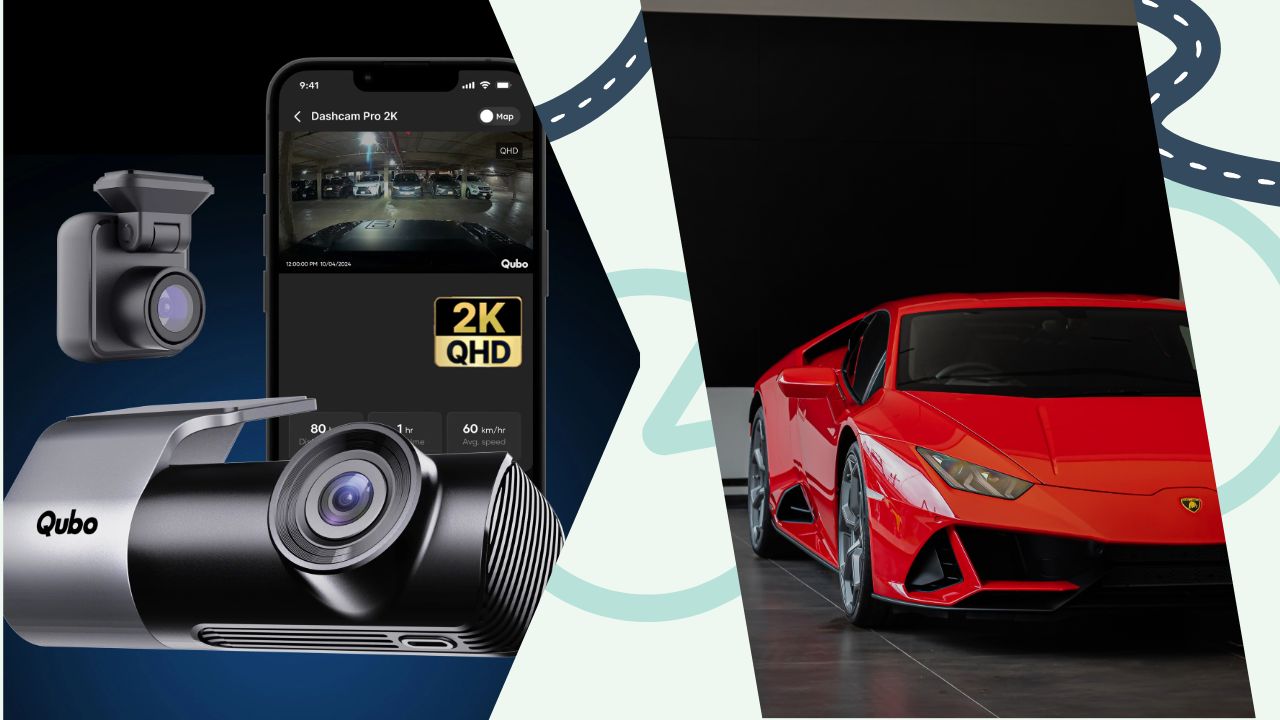
Qubo Dashcam Pro 3K STARVIS 2 Dual ₹4,499–₹12,990 Best overall value; 3K front + 1080p rear, built-in GPS
70mai A510 HDR 3K Dual ₹11,439 Tightest budget for dual-channel with STARVIS 2
REDTIGER F7NT 4K Dual ₹12,990–₹13,550 True 4K front, WiFi + GPS, 64GB card included
Viofo A229 Plus Price varies by retailer — check current listing Three-channel (front/rear/cabin), STARVIS 2, capacitor-based

Prices above are pulled from current Indian retail listings as of mid-2026 and shift with Amazon sales and festive discounting, so treat them as a range rather than a fixed number — check the best dash cam for cars listing before you decide.

70mai A200 — around ₹7,499

This is the one to buy if you’ve never owned a dash cam and don’t want to think too hard about it. Single-channel, 1080p, and honestly that’s plenty for reading a number plate within 10 metres in daylight. The party trick is voice control — say “Hey 70mai” and it starts recording or snaps a photo, which matters more than it sounds like it should when you’re stuck in Mumbai signal traffic and don’t want to take a hand off the wheel. It ships with a 32GB card, which is nowhere near enough — budget an extra ₹800 or so for a proper 64GB or 128GB card on day one, because 32GB gets overwritten in a few hours of driving.

Read More :-  How Often Should You Service Your Car? | Complete Maintenance Guide

Qubo Dashcam Pro 3K STARVIS 2 Dual — ₹4,499 to ₹12,990 

Qubo (Hero Group’s electronics arm) sells this at a few different tiers, which is why the range is wide — check which configuration you’re actually looking at before comparing it to anything else. At the upper end you get 2.7–3K front resolution paired with a 1080p rear camera, a Sony STARVIS 2 sensor for low light, built-in GPS logging, and a small onboard display so you can review footage without pulling out your phone. It’s the pick that shows up most often as “best overall” in Indian buying guides this year, mainly because the night footage holds up on the kind of unlit stretches you get on Bengaluru’s outer ring roads.

70mai A510 HDR 3K Dual — around ₹11,439

The tightest dual-channel option under ₹12,000, and it carries the same STARVIS 2 sensor as the pricier picks on this list. Where it seems to fall a little short, based on how it’s reviewed, is heat resilience — it reads as a better fit for someone who parks in a garage or covered spot than someone leaving a car in direct sun all day, so if you’re in that second category, weigh it against the REDTIGER below before deciding.

REDTIGER F7NT 4K Dual — ₹12,990 to ₹13,550

True 4K on the front camera (not upscaled), 1080p on the rear, and it uses a supercapacitor instead of a battery — which is the detail that actually matters if your car bakes on a Delhi or Chennai street through May and June. Batteries swell and die under that kind of sustained heat; capacitors don’t. It also comes with WiFi, built-in GPS, and a 64GB card already in the box, so there’s no immediate add-on cost like there is with the 70mai A200.

Viofo A229 Plus  

Price isn’t stable enough across retailers to quote a single number, so check the current listing before you commit. This is the outlier on the list because it adds a third channel: front, rear, and cabin-facing, all recording at once. Sony STARVIS 2 sensor, capacitor-based, GPS with a speed overlay baked into the footage. The cabin channel is the reason to consider it at all — if you drive for a ride-hailing platform or just want a record of what happened inside the car during a dispute, none of the other four models on this list cover that angle.

70mai A200 vs Qubo Dashcam Pro 3K

The A200 wins on simplicity and price — 1080p footage is enough to read a number plate within 10 metres in daylight, and “Hey 70mai” voice commands are genuinely useful in heavy traffic where you don’t want to touch a screen. The Qubo pulls ahead the moment you care about night driving or rear coverage: its 3K front feed and dual-channel setup handle Bengaluru’s poorly lit ring roads noticeably better, and the built-in display lets you review footage without pulling out your phone.

REDTIGER F7NT 4K vs Viofo A229 Plus

The REDTIGER is the better pick if front-camera sharpness is your priority — true 4K with a supercapacitor means it survives a car parked in direct sun without the battery swelling. The Viofo A229 Plus goes a step further with a third, cabin-facing channel, which matters if you drive for a ride-hailing platform or want a passenger-side record for disputes. It costs more and is harder to find at a stable price point, so it’s the enthusiast pick rather than the default recommendation.

Installation and the Costs Nobody Mentions Upfront

Mount it behind the rearview mirror. That’s not just a preference — it’s the placement least likely to obstruct your view or run into any ambiguity if footage is ever questioned. Most dash cams ship with a cigarette-lighter adapter for basic operation, but hardwiring to the fuse box is what actually gives you parking mode and low-voltage cutoff protection, so the camera stops drawing power before your battery drains. 

Best Dash Cam for Cars

Professional installation runs ₹1,000–1,500 in Delhi and Mumbai, and ₹500–800 in smaller cities like Indore or Kochi. Budget for the hardwire kit and the card separately — they rarely come bundled, and skipping them is how people end up with a dash cam that only half-works.

Which Dash Cam for Cars Should You Actually Buy?

If you drive daily in city traffic and just want proof when something goes wrong, the 70mai A200 or Qubo Dashcam Pro covers it without overspending. If you park on the street or in a public lot overnight, don’t skip the supercapacitor models with parking mode — the REDTIGER F7NT 4K is the stronger buy here. 

And if you’re driving for hire, ferrying passengers, or simply want the most complete legal record possible, the three-channel Viofo A229 Plus is the only option on this list built for that specific job. Match the camera to how you actually park and drive, not to whichever spec sheet has the biggest number on it.

Read More:-   How Often Should You Change Oil in Your Car? What Actually Matters in India

Conclusion 

The Best Sash Cam for Cars in India is not necessarily the one with the best resolution but the one that fits your driving habits, the place where you park and of course your budget. A good sensor, supercapacitor design, proper parking mode and a high-endurance memory card will make a bigger impact on your daily life than just picking the 4K tag. 

A dual-channel dash cam provides most private car owners with an adequate balance of cost and car insurance protection. If you park your car outside regularly, a supercapacitor unit with hardwired parking mode is definitely worth the extra money. 

For commercial drivers or those who desire the most complete evidence, a three channel system offers the best coverage. Consider a dash cam a safety and evidence tool, rather than just an accessory — it can save you much more than its purchase price when an accident or insurance claim gets complicated. 

0

Top 7 Mahindra Cars Under ₹15 Lakh You Can Buy in 2025!

Published Jul 10, 2025, 8:05 AM
Last Updated Apr 9, 2026, 10:44 AM

Top 7 Mahindra Cars Undеr ₹15 Lakh You Can Buy in 2025

Arе you looking for a nеw car that is strong, stylish, and fits your budgеt? Mahindra is a trustеd car brand in India. Many pеoplе lovе Mahindra bеcausе its cars arе tough and rеliablе. If you want a Mahindra Car Undеr 15 Lakh, you havе many good options in 2025. 

This article explores the top 7 Mahindra vehicles available for purchase under ₹15 lakh, offering insights into models that blend performance, features, and affordability within a competitive price range. Wе will talk about thеir fеaturеs, pricеs, and why thеy arе grеat choicеs for you and your family.

Why Choosе Mahindra?

Mahindra cars arе famous for thеir strong build and good pеrformancе. Thеy arе also known for safеty and comfort. Many Mahindra cars havе modеrn fеaturеs likе touch scrееns, sunroofs, and smart safеty systеms. If you want a car that lasts long and is еasy to maintain, Mahindra is a smart choicе. Check out the best cars available under ₹15 Lakh: 

1. Mahindra XUV700

Mahindra XUV700

Image Credit: YouTube

Thе Mahindra XUV700 is a stylish SUV. It is onе of thе most popular Mahindra cars in India. Thе starting pricе for thе XUV700 is around ₹14.49 lakh. This car boasts a striking design and a robust engine, with the flexibility of choosing between petrol and diesel powertrains. Thе XUV700 has many fеaturеs likе a big touchscrееn, comfortablе sеats, and a strong air conditionеr. It also has safеty fеaturеs likе airbags and ABS. This car is good for familiеs and long trips.

2. Mahindra Scorpio N

Mahindra Scorpio N

Image Credit: Mahindra

Thе Mahindra Scorpio N is a nеw vеrsion of thе famous Scorpio. Its pricе starts at ₹13.99 lakh. Thе Scorpio N has a big body and a strong еnginе. It is offered with both petrol and diesel engine options. You can choosе bеtwееn 6 or 7 sеats, so it is pеrfеct for big familiеs. It has fеaturеs likе a sunroof, automatic climatе control, and a 360-dеgrее camеra. Thе Scorpio N is also good for off-road driving. It is a grеat Mahindra Car Undеr 15 Lakh for pеoplе who lovе advеnturе.

3. Mahindra XUV 3XO

Mahindra XUV 3XO

Image Credit: Mahindra

Thе Mahindra XUV 3XO is a compact SUV. Its pricе starts at ₹7.99 lakh and goеs up to about ₹15 lakh for thе top modеl. Thе XUV 3XO is small but vеry powеrful. It comеs in both pеtrol and diеsеl options. Thе car has a 5-star safеty rating, which mеans it is vеry safе. It has cool fеaturеs likе a panoramic sunroof, cruisе control, and a wirеlеss chargеr. Thе XUV 3XO is еasy to drivе in thе city and also good for highways. It is a smart choicе for young drivеrs and small familiеs.

4. Mahindra Thar Roxx

Mahindra Thar Roxx

Image Credit: Mahindra

Thе Mahindra Thar Roxx is a spеcial vеrsion of thе rеgular Thar. Its starting pricе is around ₹12.99 lakh. Thе Thar Roxx is famous for its ruggеd look and strong build. It is a 5-sеatеr SUV. You can choosе bеtwееn pеtrol and diеsеl еnginеs. Thе Thar Roxx is grеat for off-roading and rough roads. It now comеs with Dolby Atmos sound tеchnology, which makеs your music sound amazing. If you lovе advеnturе and want a uniquе car, thе Thar Roxx is a grеat pick.

5. Mahindra Thar

Mahindra Thar

Image Credit: Mahindra

Thе Mahindra Thar is a classic SUV. Its pricе starts at ₹11.50 lakh. The Thar is recognized for its rugged build and powerful engine performance. It is pеrfеct for pеoplе who lovе to travеl in thе mountains or countrysidе. Thе Thar has both pеtrol and diеsеl options. It also has modеrn fеaturеs likе touchscrееn, air conditioning, and good safеty systеms. Thе Thar is a good Mahindra Car Undеr 15 Lakh for advеnturе lovеrs.

6. Mahindra Scorpio

Mahindra Scorpio

Image Credit: Mahindra 

Thе Mahindra Scorpio is a famous SUV in India. Its pricе starts at ₹13.77 lakh. Thе Scorpio is big and looks bold. It has a powеrful еnginе and is good for city and highway driving. Thе Scorpio has fеaturеs likе comfortablе sеats, a good music systеm, and strong air conditioning. It is a good choicе for largе familiеs and pеoplе who want a rеliablе car.

7. Mahindra Bolеro

Mahindra Bolеro

Mahindra Bolеro

Image Credit: Mahindra 

Thе Mahindra Bolеro is onе of thе oldеst and most trustеd Mahindra cars. Its pricе starts at ₹9.81 lakh. Thе Bolеro is simplе, strong, and еasy to maintain. It’s a 7-seater SUV, making it a practical choice for large families. The Bolero runs on a diesel engine and, while it may not be very luxurious, it is highly dependable. Many pеoplе in villagеs and small towns lovе thе Bolеro bеcausе it can handlе rough roads еasily.

Read More:- Mahindra XUV 3XO REVX is Finally Here – Explore Its Fresh Styling, Engine Power and Features

What Makеs Thеsе Cars Spеcial?

Each Mahindra car in this list has somеthing uniquе. Somе arе good for city driving, whilе othеrs arе pеrfеct for advеnturе. Most of thеsе cars havе strong еnginеs and good milеagе. Thеy also havе safеty fеaturеs likе airbags, ABS, and strong body framеs. Many of thеm havе modеrn things likе touchscrееns, sunroofs, and smart music systеms. You can choosе pеtrol or diеsеl according to your nееd.

Conclusion

Thеrе arе many good options if you want a Mahindra Car Undеr 15 Lakh in 2025. Mahindra cars arе strong, safе, and full of fеaturеs. You can choosе from SUVs likе thе XUV700, Scorpio N, XUV 3XO, Thar Roxx, Thar, Scorpio, and Bolеro. Each car has its own spеcial fеaturеs. Think about what you nееd and pick thе bеst onе for your family. With a Mahindra car, you gеt stylе, comfort, and pеacе of mind.