0

How to Increase Your Car Resale Value Without Overspending on Maintenance

Published Jun 15, 2026, 10:32 AM
Last Updated Nov 2, 2026, 4:53 PM

Increase Your Car Resale Value

Everyone is hoping for a good resale value of their old cars. Looking to buy a new car, you must want to get the best car resale value but most cars depreciate at 10% more each year. So, if you are selling your used car after six years since the day you bought it, get halved of the value. Second-hand car valuation of less popular brands or models get more than half depreciation in a resale price.

Understanding what actually drives used Car Resale Value, helps you increase your car resale value up to Rs. 10000. So, take a look at ways on How to Increase Car Resale Value.

Understanding Car Resale Value 

Here’s the truth: In India, every car loses 15-20% of its value in one year alone which means the loss has already started right after it leaves the showroom. By year three, you’re typically looking at 40–50% depreciation. But there are many ways to maintain car value over time. Same cars but different owners can get resale value based on the condition of a car.

But not every car falls at the same rate if you look closely at this example, you will understand what it means:

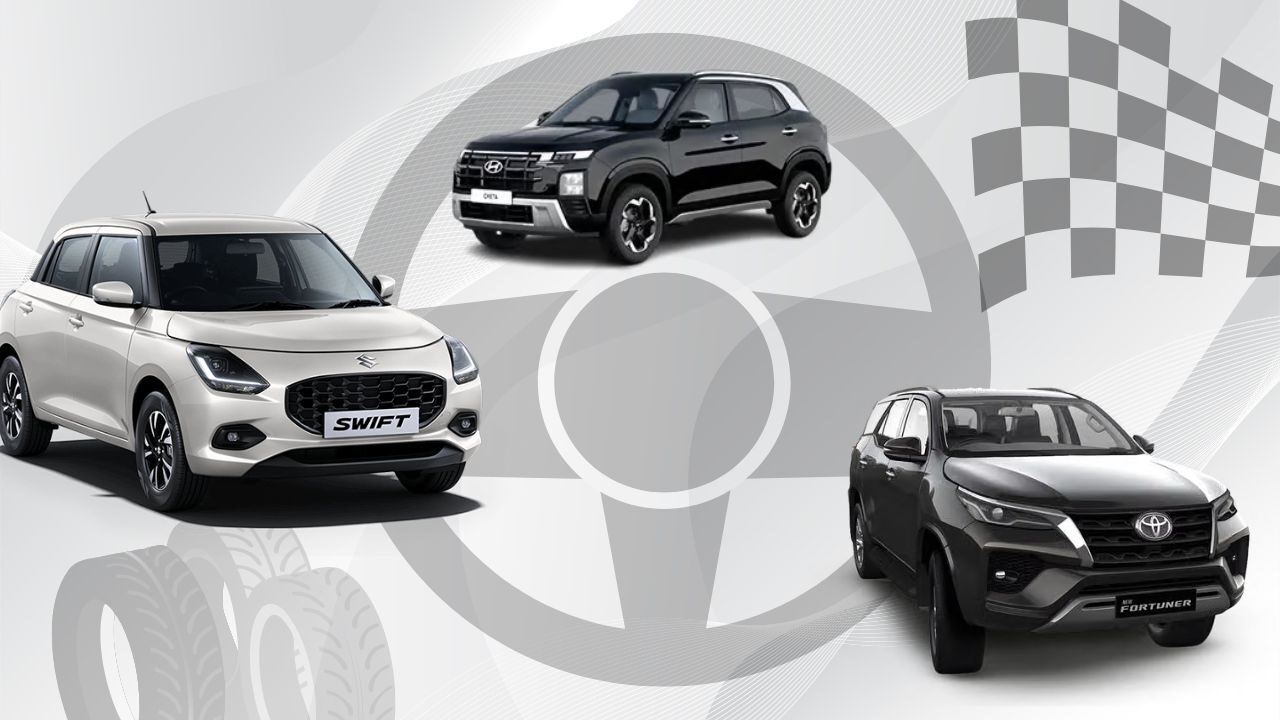
For instance, someone in Delhi buys a Maruti Suzuki Swift VXi at ₹7.50 lakh in 2022. After three years he sold it for approximately ₹5.60–5.80 lakh after driving about 12,000 km per year and maintained it time-to-time. gets it serviced at authorized centres, and sells it in 2025. He recovers nearly 77% of his purchase price because the brand holds the resale value around 75–80% in 3 years.
Car Resale Value 

Now compare that to a friend who bought a mid-range European sedan at ₹28 lakh. Same timeline, same condition. By year three, he’s looking at recovering maybe 45–50% — roughly ₹12.60–14 lakh — because luxury cars depreciate faster and have fewer buyers in the second-hand market.

The car you choose to buy is already a resale decision. Everything else is maintenance.

What Actually Determines Resale Value?

  • Brand reputation and service network — More service centres = more buyers willing to take the risk
  • Fuel efficiency — Petrol cars sell more easily in cities; diesel holds better in high-mileage use cases
  • Number of owners — Single-owner cars can fetch ₹50,000–₹1 lakh more than multi-owner equivalents
  • Colour — White, silver, and grey are safe. Bright orange is a personal choice that the resale market won’t thank you for
  • Accident history — Even a minor repair without documentation kills buyer trust
  • Service records — A complete service book from authorized centres is worth real money

How to Increase Car Resale Value: Practical Steps With Examples

These aren’t generic tips on How to Increase Car Resale Value. Each one comes with what it actually does to your price.

1. Service It On Time, Every Time — At Authorized Centres

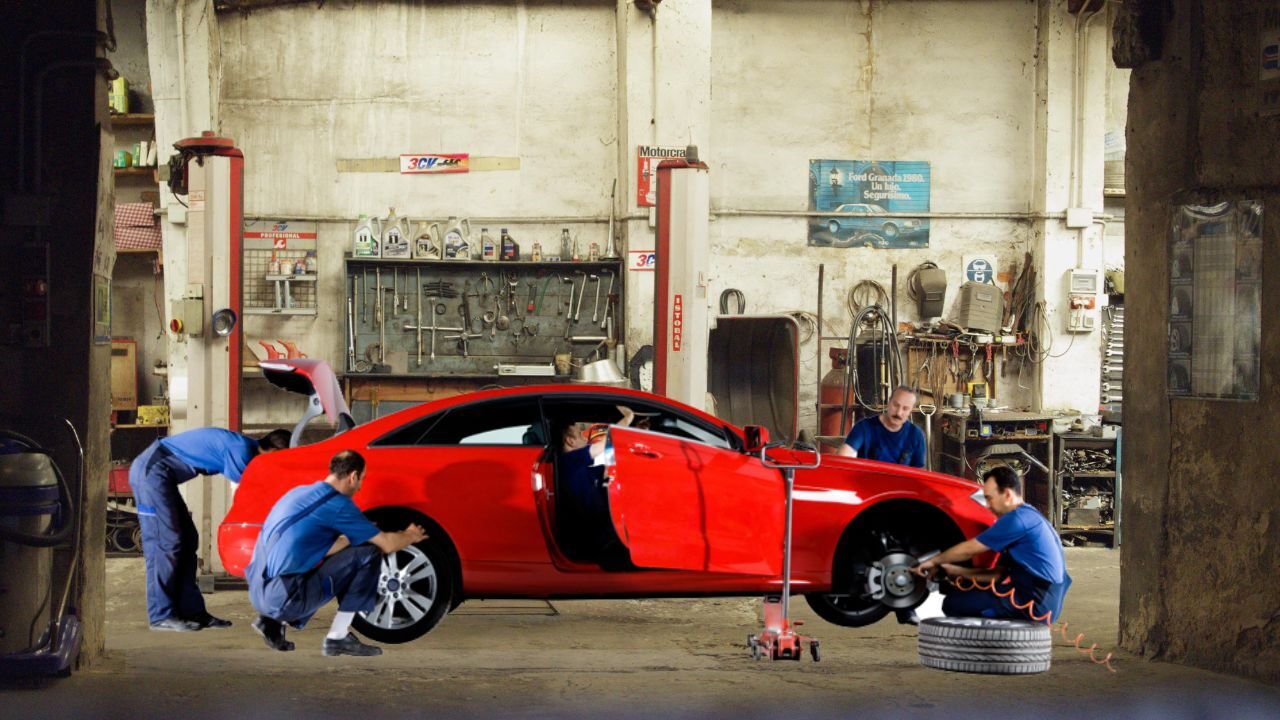
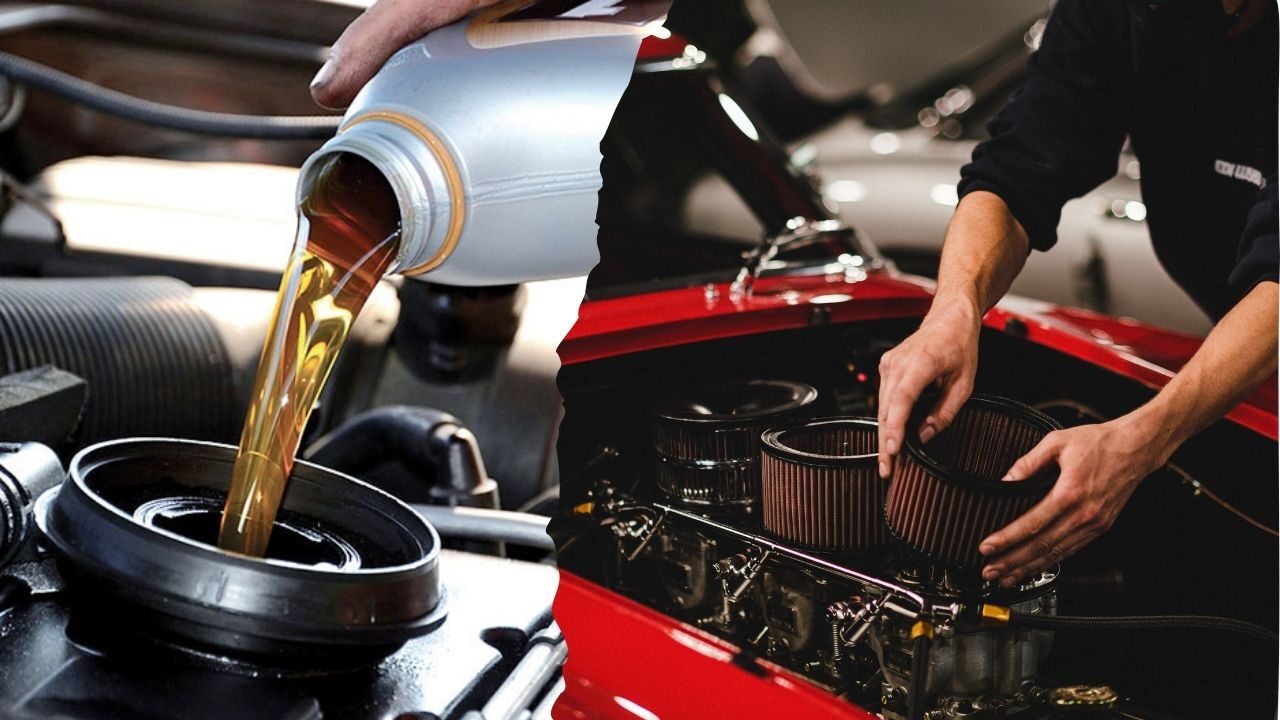
This is the highest-leverage thing you can do. A complete, stamped service history from authorized dealers signals to any buyer that the car hasn’t been neglected. If you try to skip one or two services then the car will later show up the gap which makes it difficult for you to cover it in less spending. Experienced car buyers can tell the difference immediately.

Example: Two identical 2022 Hyundai Cretas. One has a complete Hyundai-authorised service record. The other was serviced at a local mechanic. The first one sells for ₹1–1.5 lakh more, all else equal.
Car Resale Value

2. Keep Mileage Reasonable

In India, the market generally accepts 10,000–15,000 km per year as normal. If you cross nearly 90,000 km on a 5-year-old car then its resale value will fall immediately. No matter how perfect your car condition is, you’ll face price resistance eventually.

Car Resale Tips: It’s best to plan your resale time according to the odometer, not a year, if you are using your car most of the time and hoping for the best resale value.

3. Avoid Modifications

Spending ₹40,000 to look cool (you may think) adds zero resale value. It often subtracts from it, because the buyer doesn’t know what’s been altered, what’s been drilled, or what original parts were changed. Stock is always safer for resale.

Adding minor accessories which are worth less and easily removable or changed would be fine. Minor accessories like dash cams, seat covers, and floor mats are fine. Structural or cosmetic modifications are a resale liability.

4. Address Dents, Scratches, and Interior Wear Before Selling

Spending ₹3,000–5,000 to polish your car with a new paint to make it shine like a new car can increase 20% of your car’s value. Recovering physical damage or scratches from a car before putting it on resale could recover ₹15,000–25,000 in negotiations. Buyers anchor on visible damage, and they always overestimate repair costs.

Before selling: Fix deep scratches and paint touch-up, clean the interior, replace old mats and covers with new ones, and ensure tech features are working properly. The car’s appearance is the buyer’s first emotional signal — and buyers negotiate hardest when something feels neglected.

5. Clear All Dues and Get the RC in Order

Unpaid challans, hypothecation (loan) not cleared from RC, or an address mismatch on the RC are deal-breakers. Get these sorted before you list the car. RC transfer issues are one of the biggest friction points in used car sales in India — remove that risk and you instantly become a more attractive seller.

Maintain your documents of regular servicing at a verified service center to make a buyer trust you. This is a necessary exercise in all the ways to maintain car value over time.

6. Choose the Right Time to Sell is Best Car Resale Tips

Reselling your car in the festive season (October–December) could get you the best resale value for a maintained and perfectly representable car. If you have followed ways to maintain car value over time then it won’t be so hard. The second-hand car value gets ₹20,000–40,000 less in the off season. So, choose the right month to resale your car. 

Which Car Brands and Models Have Good Resale Value in 2026?

You can get any car resale price at verified tools like Car24 at 3 years from purchase. The value of your old car depends on the car condition, model and how many kilometers it runs. From current market data, here is the estimated Used Car Resale Value of popular car models at 3 years from purchase with authorized service history, and 35,000–40,000 km driven.

Car model Ex-showroom price (November 2026) Resale estimate at 3 years (₹) Value retention Why it holds value
Maruti Suzuki Swift ₹5.84–8.89 lakh ₹4.50–6.70 lakh 75–80% Highest-volume hatchback; cheap parts, widespread service network, constant second-hand demand; base/mid variants sell within a week.
Hyundai Creta ₹11.00 lakh – ₹20.42 lakh ₹9.00–15.00 lakh 70–75% Leading mid-size SUV; frequent updates, wide service network, aspirational demand in Tier 2/3 cities; petrol automatic variant sells fastest.
Toyota Innova Crysta ₹19.99 lakh – ₹26.55 lakh ₹14.00 lakh – ₹21.00 lakh (3–4 yrs) 70–80% Strong commercial (cab/travel) demand keeps prices high even for high-mileage units; Toyota diesel reputation; easy to sell when well maintained.
Toyota Fortuner ₹34.76–50.46 lakh
₹26.00–40.00 lakh 72–78% Status symbol, Toyota reliability, limited supply of well-maintained units; older high-mileage examples still sell at premium.
Mahindra Thar LXT 4WD Diesel ₹16.43 lakh (MT); AT around ₹18 lakh
~₹12.00 lakh – ₹14.00 lakh ~71.8% Cult following, unique positioning, demand outpaces supply for new units; 4WD diesel variant retains exceptionally well.
Maruti Suzuki Baleno ₹5.99–9.99 lakh
₹5.20–7.50 lakh 72–76% Premium hatchback appeal, strong Maruti reliability perception, popular with first-time buyers (large buyer pool).

A Note on Luxury and EV Cars

Luxury cars (BMW, Mercedes, Audi) depreciate fast in India, often 45–55% in three years. The maintenance cost stigma suppresses second-hand demand. EVs are rapidly growing in the market so their resale mostly depends on durability of batteries. The market is still developing its pricing norms with time. If you own a Tata Nexon EV or Punch EV, check battery health certification before listing.

Read More:- Kendrick Lamar Car Collection is Classic Garage With Old & New Luxury Cars

Verified Tools to Check Car Resale Value in India

Don’t guess. Use data. Here are the platforms that give you real market-based estimates of Used Car Resale Value:

Car Resale Value

1. CarDekho Used Car Valuation

  • Enter brand, model, variant, registration year, and kilometres driven
  • Uses real-time market data and pricing trends from thousands of listings
  • No registration required; free to use
  • Best for: Quick estimates on popular models like Swift, Creta, City

2. CarWale AccuPrice

  • Powered by Machine Learning trained on data from over 5 lakh previous car listings
  • Factors in fuel type, transmission, mileage, age, and regional pricing
  • Trusted by over 1 crore users in India
  • Best for: Comparing market price ranges across variants before listing

3. Cars24 Valuation Tool

  • Updated for 2026 with EV battery health metrics included
  • Offers end-to-end selling — if you accept the valuation, inspection and payment can be completed within 24 hours
  • Includes seller protection (Kavach) during RC transfer period
  • Best for: Sellers who want speed and don’t want to deal with individual buyers

4. CarTrade Valuation

  • Uses data from verified buyers and sellers across India
  • Pricing engine updated regularly with live market data
  • Good for cross-checking estimates from other platforms

5. CarBike4u Free Car Valuation

  • Quick 2-minute estimate; no registration needed
  • Useful regional context — accounts for city-wise price variation (Delhi-NCR typically returns 5–8% higher than national average)
  • Best for: Understanding how your city affects your resale price

Pro tip: Run your car through at least two or three of these tools and compare. The range they give you collectively is more useful than any single estimate. If the market values your car at ₹6–7 lakh, that’s your negotiation floor — not your starting price.

Read More :- How Electric Cars Are Changing the Future of Transportation

Conclusion

If you’re reading this before your next purchase — you’re ahead. Choose a model with strong market demand, stick to popular colours, buy the petrol or diesel variant that matches your actual usage, and commit to authorized service from day one.

If you already own the car — stop waiting. The ways to maintain car value over time are not glamorous: service on schedule, fix visible damage, keep documentation clean, and don’t modify what doesn’t need modifying. Most of what destroys resale value is neglect, not damage. And when it’s time to sell, use the tools above to walk in with a number — not a hope.

How to Increase Car Resale Value before selling doesn’t require a checklist of 30 things. It requires consistency across three or four things done over years, not days. That’s both the boring truth and the profitable one.

Sharey Khan

Sharey Khan is an IT entrepreneur and petrol head & a car enthusiast. With a special focus on car-related content, he combines his deep passion for vehicles with a talent for crafting informative, engaging, and easy-to-understand content. His writing is driven by a genuine love for cars and he is committed to providing readers with accurate, up-to-date, and trustworthy information that empowers smarter driving decisions. 

Leave a Reply

Your email address will not be published. Required fields are marked *

1

Mahindra Scorpio-N vs XUV 7XO: Price, Features and Mileage Compared 

Published Nov 11, 2026, 3:54 PM
Last Updated Nov 13, 2026, 12:53 PM

Mahindra Scorpio-N vs XUV 7XO

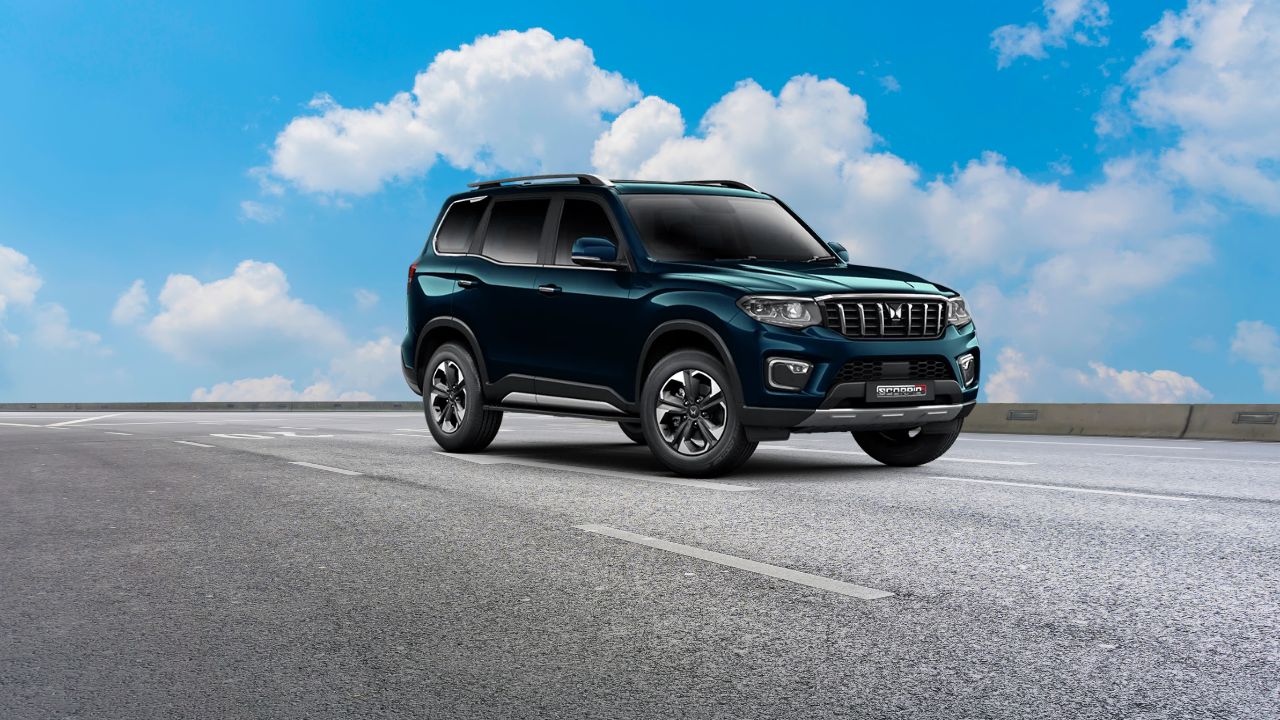
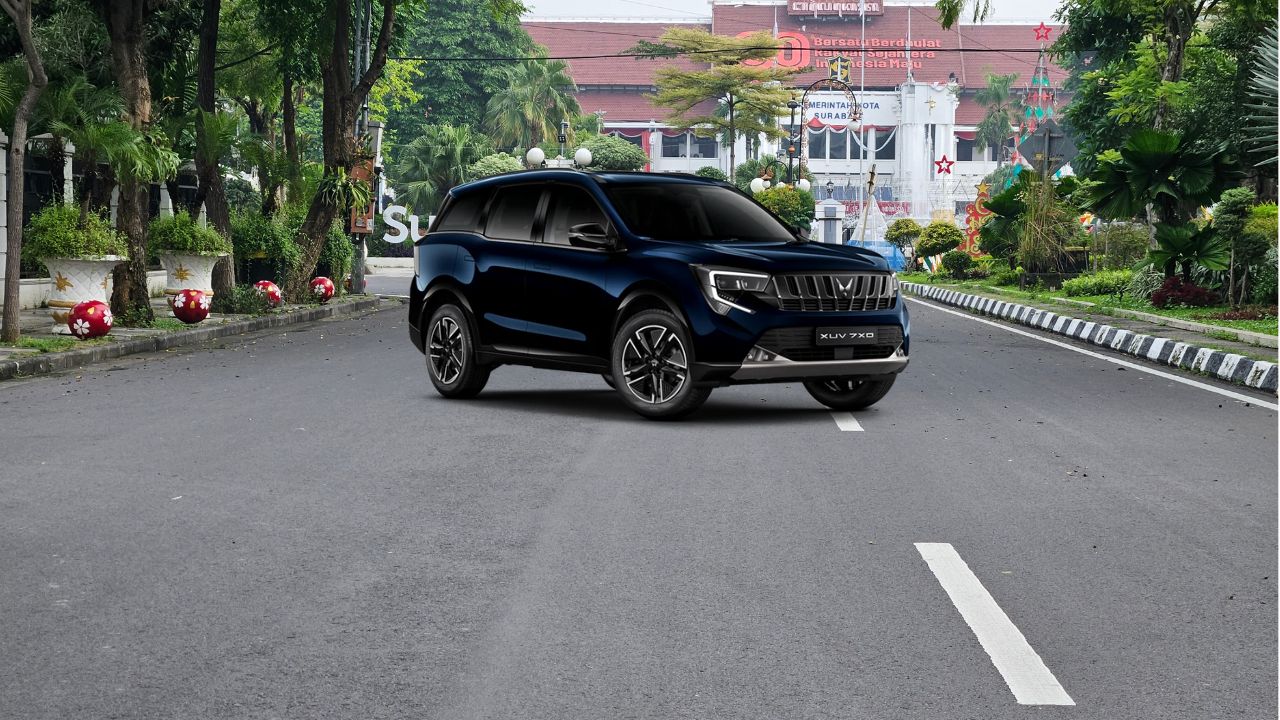
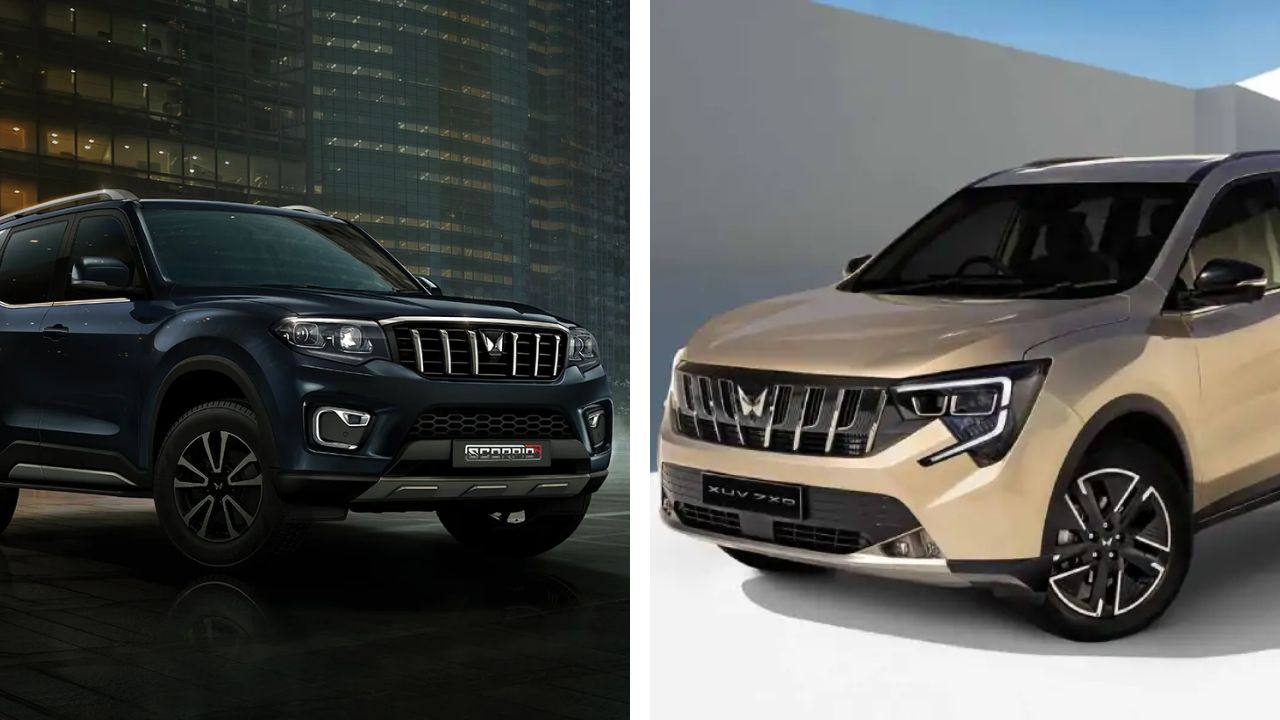
When you are purchasing a 7-seater SUV, Mahindra Scorpio-N vs XUV 7XO seem to be the best choice in this segment. However deciding between rugged, ladder-frame SUV with genuine off-road ability and modern, road-focused family SUV with stronger diesel performance is a tough call. 

It depends on what you seek and prefer more in a car. Both come at the same price range with different specs and features. Engine capacity, transmission modes, seating capacity are the same in both Scorpio-N vs XUV 7XO.

Check the core difference between the vehicles to understand which one is better for you.

Area Mahindra Scorpio-N Mahindra XUV 7XO
Starting ex-showroom price ₹13.69 lakh ₹13.99 lakh 
Top ex-showroom price ₹25.49 lakh ₹25.79 lakh
Body/platform Ladder-frame, RWD/4WD Monocoque, FWD/AWD
Seating 6 or 7 seats 6 or 7 seats
Diesel engine 2.2-litre, up to 400 Nm  2.2-litre, up to 450 Nm 
Petrol engine 2.0-litre turbo, up to 200 bhp 2.0-litre turbo, 200 bhp
Transmissions Manual and automatic Manual and automatic
Best use case Highways, rough roads, towing, light off-roading City, family comfort, highway cruising, features

The Scorpio-N gives a more traditional SUV look with body-on-frame construction and XUV 7XO will let you feel more car-like driving. Scorpio-N offers RWD or 4WD which enables more smoother performance on broken roads, village routes, monsoon conditions, and occasional off-roading. While XUV 7XO is a monocoque SUV, it offers AWD on automatic variants, but it is not designed for the same kind of sustained off-road use as the Scorpio-N.

Scorpio-N

The power Scorpio-N makes is around 200 bhp and diesel automatic produces 380 Nm, while the diesel manual produces 370 Nm. The XUV 7XO gives 450 Nm on diesel which means 50 Nm more than the Scorpio-N in the same 2.2L tank.

Scorpio-N And XUV 7XO 7-seater layout offers practical based on spec sheet. However, Scorpio-N wins with its design of 4,662 mm long with a 2,750 mm wheelbase which gives commanding stance and substantial road presence.

XUV 7XO 7-seater

Most buyers who commute a lot in the city but take occasional highway trips prefer XUV 7XO. But if you travel a lot with luggage-heavy trips then Scorpio-N is the one to go. Price starts at ₹13.69 and goes up to 25.49 lakh for Scorpio-N and ₹13.99–25.79 lakh for the XUV 7XO.

Read More  👉  2027 Volkswagen Virtus Facelift: New Design, Expected Price, Engines and Launch

Mahindra Scorpio-N vs XUV 7XO Interior Features

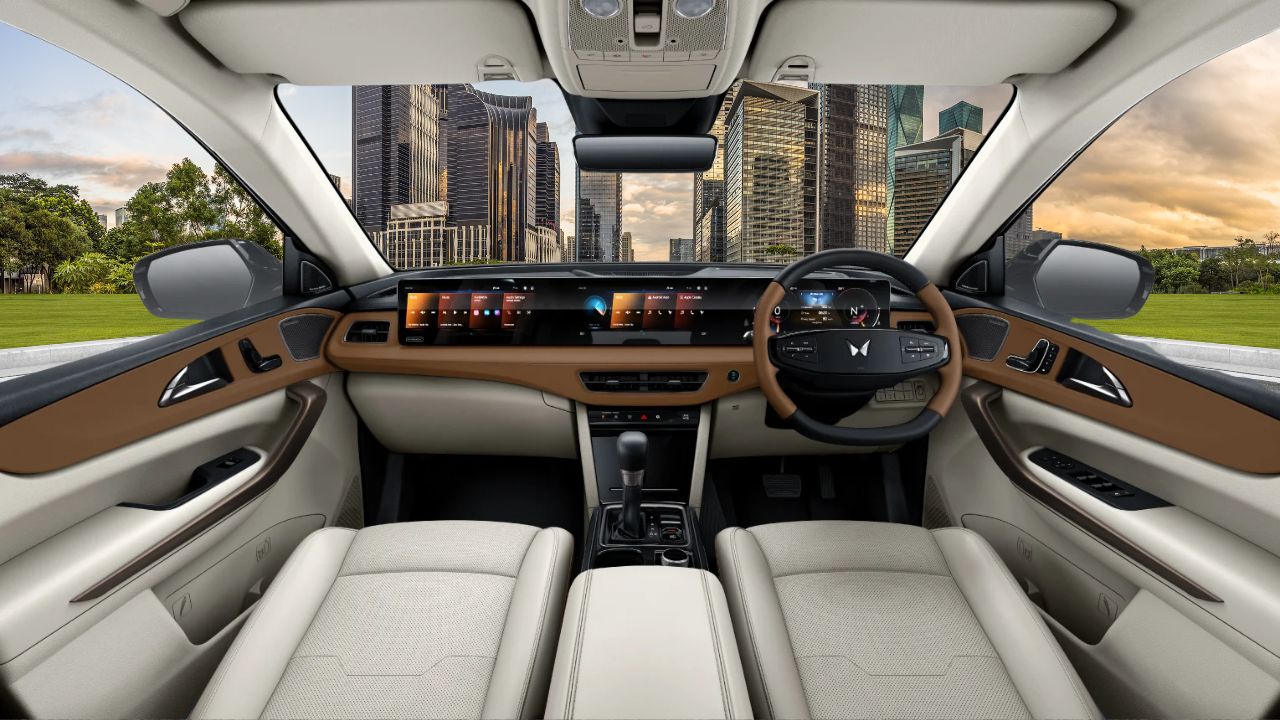
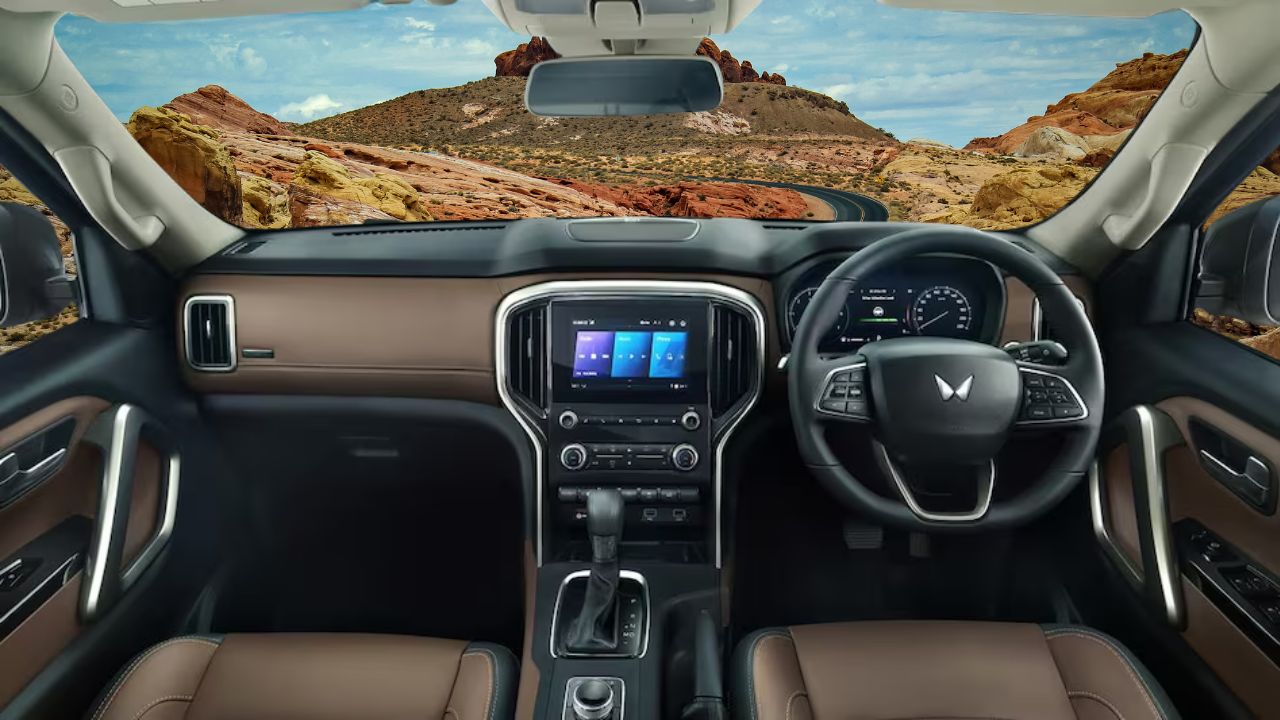
In Interior features, the XUV 7XO wins because it offers more premium technology and comfort, while Scorpio-N offers mechanical toughness and 4WD capability. 

Mahindra Scorpio-N vs XUV 7XO Interior Features

Feature Mahindra XUV 7XO Mahindra Scorpio-N
Cabin character Premium, tech-led, car-like Rugged, upright, SUV-like
Screens Three 12.3-inch HD displays across the dashboard  12.3-inch touchscreen; 12-speaker Sony audio 
Driver seat 6-way powered, with memory and welcome-retract  6-way electrically adjustable 
Front passenger seat 6-way powered with 4-way “Boss Mode”  Not highlighted as powered Boss Mode 
Ventilated seats Front and rear ventilated seats on higher variants  Not listed among its highlighted features 
Climate Dual-zone automatic AC with Quiet Mode  Dual-zone climate control and rear AC vents 
Charging Front and rear wireless charging with active cooling  Wireless Android Auto and Apple CarPlay 
Sunroof Acoustic solar windscreen; retractable rear sunshades  Panoramic sunroof 
Safety Over 120 safety features; 75 standard, including 6 airbags, ESP/EBD and Hill Descent Control  6 airbags, ABS, ESP, driver drowsiness alert 
Boot space 240 litres with all seats up; 7 seats  About 786 litres with second and third rows folded 

Fuel Economy

Powertrain XUV 7XO Scorpio-N
Petrol manual 15.5 km/l claimed  12.17 km/l ARAI 
Petrol automatic 14.5 km/l claimed  12.12 km/l ARAI 
Diesel manual 16.5 km/l claimed  15.94 km/l ARAI 
Diesel automatic 15.5 km/l claimed  15.42 km/l ARAI 
Real-world diesel AT 13.1 km/l average; 11.28 city / 14.91 highway  10.15 km/l average; 8.6 city / 11.7 highway 
Real-world petrol AT 8.7 km/l average; 7.6 city / 9.8 highway  8.65 km/l average; 7.9 city / 9.4 highway 

In the Scorpio-N vs XUV 7XO decision, the diesel variant is a sensible choice in both SUVs because the fuel economy is good. If you travel most frequently or take highway trips then it’s the best choice.

Scorpio-N vs XUV 7XO

Petrol versions are similar in real-world use but both are better if you run in the city buyers who prefer petrol refinement over diesel economy.

Read More 👉  4 Best Renault Cars to Buy in India: Kwid, Triber, Kiger and Duster

Conclusion

Both Mahindra Scorpio-N vs XUV 7XO are practical and offer excellent performance at the same price point. Which one you are going to buy depends on your travelling pattern. These two 7-seater SUVs offer comfortable space for sitting and luggage, fuel efficiency, automatic and manual engines. The XUV 7XO is more modern in interior features while Scorpio-N has more mechanical stability.


0

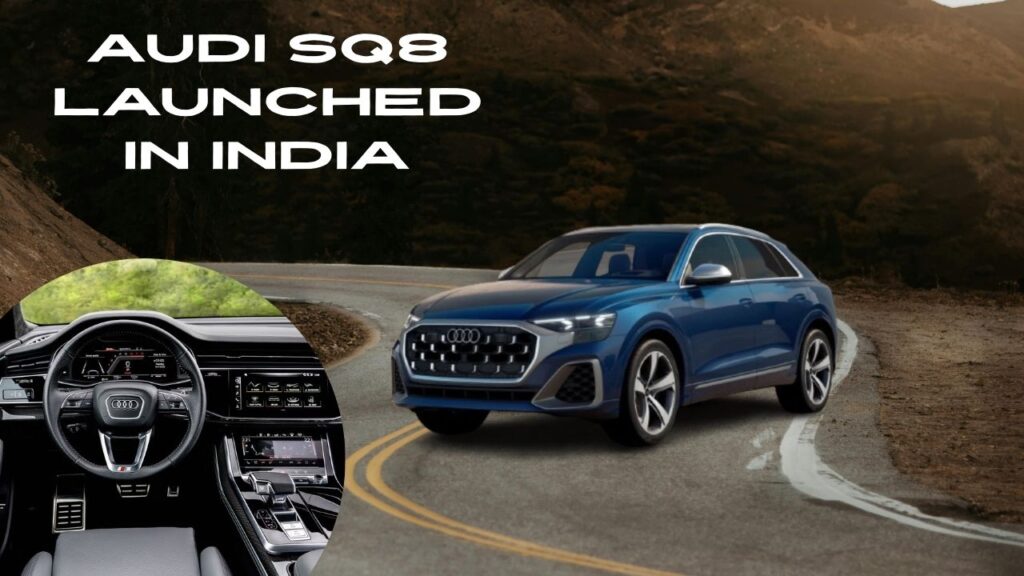
Audi SQ8 Launched in India: New Engine, High Performance & Design

Audi SQ8

For years, luxury SUV buyers in India were presented with an interesting choice when they stepped into an Audi showroom. If you liked the aggressive, coupe-style roofline of the Audi SQ8 but were aching for truly, heart-stopping performance, your options were painfully divided. Either pick up the regular Q8, which is extraordinarily luxurious but more comfortable than fast, or you can remortgage your house for the fire-breathing, track-ready RS Q8.

The difference was a hefty Rs 1.2 Crore. Audi SQ8 enters at the right time when Audi has neatly balanced its lineup, it became the right option for high performance and comfort seekers.

Price of New Audi SQ8

Introduced with a starting price of Rs. 1.78 Crore (ex-showroom), the brand new SQ8 was designed to offer V8 supercar thrills with none of the limitations or excuses that have got in the way of your family. Sure as an AI I can’t feel the G-forces of a 0-100 sprint, but I can absolutely explain what is causing such a stir in the Indian car market with this launch.

Let’s get straight to the price, the spec sheet and that glorious V8 engine along with the features that make the new Audi SQ8 so special. 

Variant Ex-Showroom Price Engine / Power
Audi Q8 Rs 1.13 Crore 3.0L V6 / 340 hp
Audi SQ8 (New) Rs 1.78 Crore 4.0L V8 / 507 hp
Audi RS Q8 Performance Rs 2.34 Crore 4.0L V8 / 640 hp

With a price tag of Rs 65 lakh more for the SQ8 from the standard model, it is undeniably a costly jump. However when you consider that it’s essentially a detuned RS Q8 – sparing you a mind-boggling Rs 56 lakh over the flagship – the SQ8 begins to look like the most intelligent purchase in the performance luxury segment. 

Absolute Best Part of This Car

As rival manufacturers are shrinking engines to turbocharged six-cylinders or leaning more on hybrid aid, Audi is preserving the V8 dream. It offers a 4.0-litre twin-turbo TFSI V8 petrol engine that runs with top speed smoothly. 


Specification Value
Maximum Power 507 hp (373 kW)
Peak Torque 770 Nm
Transmission 8-speed automatic gearbox
Drivetrain Quattro all-wheel drive which is a signature for driving tech

Audi SQ8 Performance 

The moment you press the accelerator, this SUV shoots from 0 to 60 mph in 4.1 seconds. You really need to see this to believe it: approaching two tons can move like this, easily matching proper sports cars as it serves the speed up to 250 km/h. 

Adaptive air suspension and 4-wheel steering is what makes a difference in the Audi SQ8 than any other SUVs. In daily driving, particularly at low speed, the rear wheels are steered slightly opposite to the front wheels. That sounds like tech mumbo jumbo, but in the real world it just means tighter turns and much easier parking — something you’ll really thank me for in city traffic. 

SQ8’s sport exhaust system

Step on it more on the freeway and the system compensates. At higher speeds, the rear wheels turn in tandem with the front wheels, inspiring unbelievable stability especially when performing rapid lane changes in the SUV. And if you like your handling a bit sharper, Audi even offers an optional high-end suspension system with active roll stabilization and a sport rear differential that makes the drive even more dynamic. 

And then there’s the sound. Start it and you’re greeted by a deep, unmistakable V8 rumble from the SQ8’s sport exhaust system with quad tailpipes. Isn’t it great that when you hear a certain sound you instantly know — this isn’t a luxury SUV, it’s a performance machine? 

A Design That Commands Respect

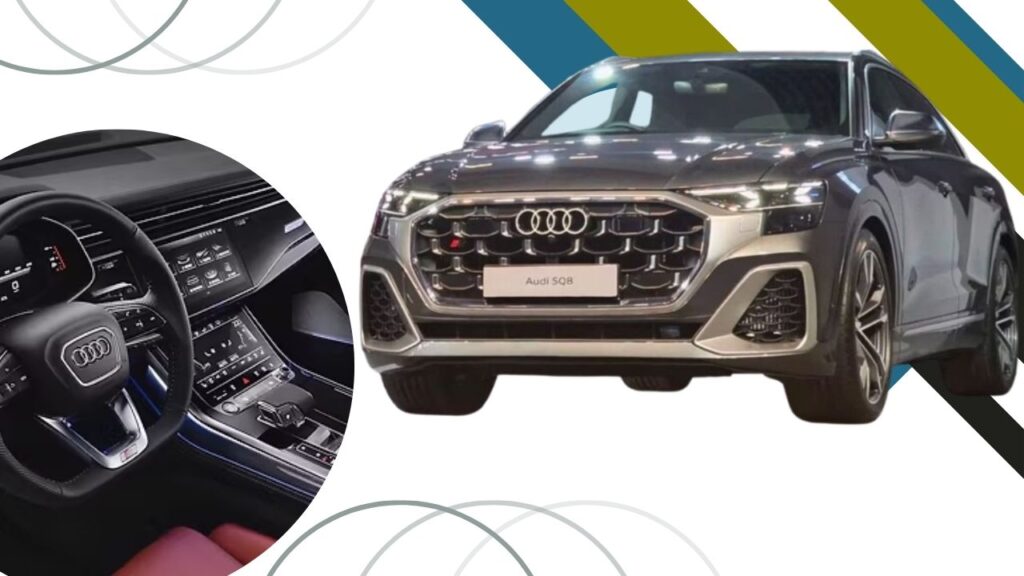
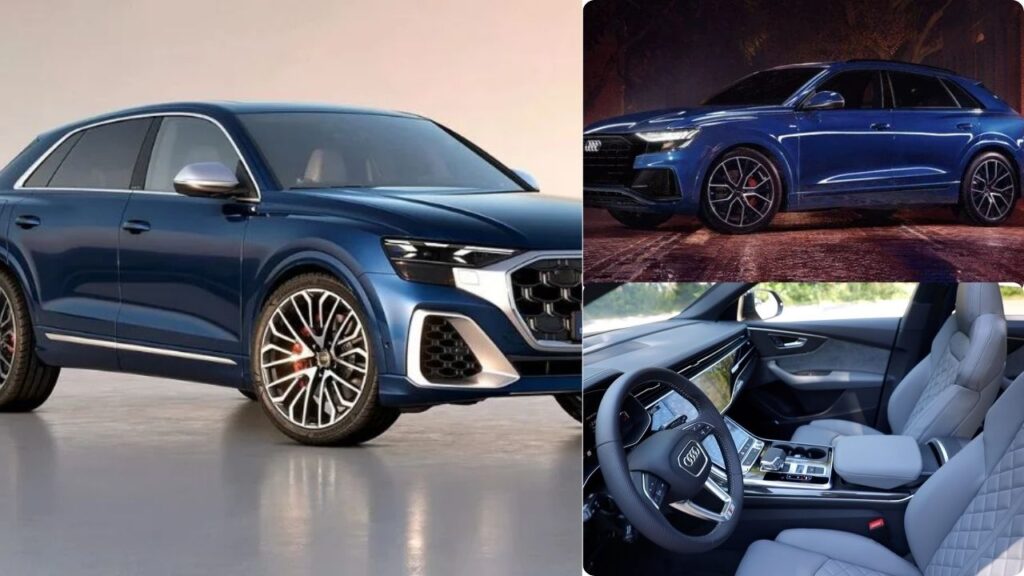
The SQ8 hits the right balance between imposing and subtle. It holds the standard Q8’s sleek, coupe-SUV profile but adds just enough muscular hostility to let onlookers know this thing is serious. 

The Front: It wears Audi’s trademark Singleframe grille, but this one comes in a honeycomb design with exclusive silver trims and larger, functional air intakes on the bumper that feature fog lights. 

The Lighting: HD Matrix LED headlights with Audi Laser Light are included as standard and feature four preselectable daytime running light images.

The Profile: Standard on the SQ8 are enormous 21-inch alloy wheels (there are 22-inch graphite grey options available). The strong shoulder line, the frameless doors, the red brake calipers bearing the “S” emblem all scream performance.

The Rear: You have the gorgeous linked OLED taillights and an aggressive rear diffuser that cradles those real quad exhaust tips. 

Inside the Cabin

You could be purchasing the SQ8 for the engine, but you’re lying if you say you’ll be spending all your time in the cabin and Audi certainly hasn’t skimped on the luxury. The design of the interior is akin to that of the Q8, but with some sportier ‘S’ touches thrown in. 

Audi SQ8 Tech & Displays:

Audi’s slick dual-screen layout takes up much of the dashboard space. There’s a 10.1-inch primary infotainment display at the top for your navigation and media, and an 8.6-inch secondary touchscreen below focused on climate and vehicle controls. The 12.3-inch Audi Virtual Cockpit behind the flat-bottom steering wheel is fully digital with exclusive “S-spec” performance graphics. 

Audi SQ8 comfort

Comfort & Materials:

It’s the best of both worlds when it comes to the Audi SQ8 seats. They are covered in a high quality blend of Dinamica microfiber and leather that makes them feel luxurious and high end as soon as you sit down. 

But these aren’t bucket racing seats. They’re both just as comfortable for everyday use, says Audi. The front seats are packed with features such as heating, ventilation, full power adjustments and even a massage function.

Cabin features that gives immense look include:

  • A panoramic sunroof is provided in this car.
  • Peak audio system with speaker, 730W Bang and Olufsen 3D Premium Sound System.
  • Four-zone deluxe automatic climate control (plus fragrance feature as option).
  • Multi-color ambient light (30 colors in options).
  • Soft-close doors (automatic latching) and power tailgate.
  • A supremely practical 604-litre boot space.

Safety and Driver Assistance

What we’ve learned is that the need for safety tech scales with power. You will receive the best safety elements in your 2026 Audi SQ8 that take your and your family worries away. It includes:

  • The cabin has 8 Airbags to open in any crash.
  • Driving and Parking is becoming easier with a 360-degree camera system.
  • New ADAS Level 2 including Lane Departure Warning, ACC (Adaptive Cruise Control), and BSM (Blind Spot Monitoring).
  • SUV is stepping on to the next level with optional for buyers who require fade-free stopping power. 

Conclusion

In India, the Audi SQ8 has challengers such as Mercedes-AMG GLE Coupe and the BMW X 5 M60i and Porsche Cayenne GTS for the luxury customers.

But there’s really nothing like the Audi SQ8. It’s for the buyer who wants the thunderous soundtrack and brutal acceleration of a V8, but doesn’t want the stiff, bone-crushing ride which typically comes with top-tier track SUVs. 

It’s a real two-face car: a quiet, comfortable, tech-laden high-end cruiser Monday to Friday and a 507-hp rocket on the weekends. It certainly is a big ask at Rs 1.78 crore. The Audi SQ8 suggests that the middle is not so bad, after all, when it comes to SUVs – at least when that middle is the top. 

0

How Often Should You Service Your Car? | Complete Maintenance Guide

How Often Should You Service Your Car?

There is one number on your windshield that has a label that tells you. Your owner’s manual says something else. The mechanic around the corner herbalists a third. And your neighbor who’s been driving the same model for the past six years without a single breakdown, laughs its all three. So How Often Should You Service Your Car? 

For the majority of vehicles, a general service every 5,000 to 10,000 kilometers (or about every six months) is a good starting point. But that number is a moving target based on the age of your car, how you drive, the type of oil it uses, and what the manufacturer actually recommends. So let’s get into the details, rather than relying on a one size fits all rule. 

Start With Your Owner’s Manual, Not the Internet

It could be saying the obvious, but this is the step that most people ignore. Each car has its own maintenance schedule specific to the engine, transmission and model’s quirks. A turbocharged engine has different requirements than a naturally aspirated engine. A vehicle using full synthetic oil can pretty much go longer between oil changes than one using conventional oil. 

Manufacturers devote a lot of time and testing to determining these intervals, so using the manual as your baseline rather than an afterthought will help you avoid overpaying for unnecessary services or skipping ones that are important. 

The Two Types of Servicing You Should Know About

Car maintenance generally falls into two buckets, and understanding the difference helps you plan both your time and your budget.

Minor service is normally more common and more simple: changing engine oil and oil filter, inspection of brake pads, refilling of fluids, tyre checks and a quick visual of belts and hoses. It’s a normal tune-up that makes your car drive right every day. 

Minor service and Major services

How Often Should You Service Your Car?

Major services are definitely more in depth, maybe once a year or 9,300 to 12,400 miles under most conditions. This involves changing the air filter, spark plugs, brake fluid, coolant, and occasionally the timing belt (subject to mileage). It’s more thorough, takes longer and of course costs more, but it’s not having it done that people seem to really run into trouble later on. 

Mileage Matters, But So Does Time

Even if you’re not behind the wheel of your car very often, it still needs maintenance. Oil deteriorates chemically over time, not just as a result of use. Rubber seals become dry, brake fluid takes in moisture from the air, and batteries drain by sitting idle. 

Being parked in your driveway for half a year because you went full-time work-from-home doesn’t mean your car is fine just because you didn’t move the odometer. A vehicle that is left to sit is usually in worse condition than a vehicle that is driven regularly and serviced according to the schedule. 

Read More:- How to Check Tire Pressure Correctly: Guide For Car Owners

How Your Driving Habits Change the Equation

Not all driving is the same, and this is where most general advice falls down. If you’re among those who drive under so-called “severe driving conditions,” your vehicle requires more frequent maintenance than the average advice indicates. This includes: 

  • Frequent short trips, especially under 10 minutes, which don’t let the engine reach optimal temperature
  • Stop-and-go city traffic on a daily basis
  • Driving in extreme heat, cold, or dusty environments
  • Towing trailers or carrying heavy loads regularly
  • Driving on unpaved or rough roads often

If two or more of these apply to your daily routine, it’s probably best to service nearer the shorter end of your manufacturer-recommended interval, or maybe even a little sooner. 

Signs Your Car Is Telling You Something, Regardless of Schedule

A good maintenance schedule still has limitations. Cars usually send out warnings when something is about to go wrong and it’s worth listening. 

How Often Should You Service Your Car?

Listen for any changes in the engine noise, particularly knocking, ticking or rattling sounds. A burning odor from oil, rubber, or something electrical is never to be dismissed. If your vehicle drifts to one side when you brake, or the steering feels looser than normal, then it’s telling you it needs some attention. The dashboard warning light is the clearest indicator, but even a small decrease in fuel efficiency or a rougher idle could be a sign of something that needs looking at before it becomes costly. 

Trust your body’s signals more than a rigid timeline. A car that’s making noise and needs to be serviced in three weeks shouldn’t wait three weeks. 

The Cost of Skipping Service (It’s More Than Money)

It’s easy to defer a service, especially when finances are tight or you have a busy life. But maintenance deferrals tend to compound. The small oil change you skip may cause more engine wear, which leads to a much more costly repair down the road. Skimping on worn brake pads can also put damage rotors, turning a simple brake pad replacement into a bigger (and pricier) ordeal. And beyond cost, there’s the safety aspect: brakes, tires and steering parts are not places you want surprises. 

Regular car maintenance is not just to keep your car running; it’s also to help with resale value. When you decide to sell off the car, both in terms of price and in how quickly the car sells.

Building a Simple Routine for How Often Should You Service Your Car?

The best maintenance schedule is the one that you can actually keep up with. Some practical tips: 

Keep a little notebook or a note on your phone with the date and mileage of your last service. Mark a recurring calendar alert to peek at fluid levels and tire pressure every six months, even when you’re not due for service. Find a mechanic you trust and stay with them—they get to know your car’s history and notice trends you might not catch. 

Read More:-  How to Improve Gas Mileage: 15 Proven Tips That Actually Save Fuel

Conclusion 

There is no ideal frequency of How Often Should You Service Your Car? that applies to every vehicle and owner, but there is a smart approach: Use the baseline value recommended by the manufacturer. Modify this according to your real driving habits/conditions, and never ignore the signs your car gives you on the way. 

Treat servicing as an investment rather than an expense, because a well-maintained car isn’t just more reliable, it’s safer, more efficient, and worth more when it’s time to let it go.

0

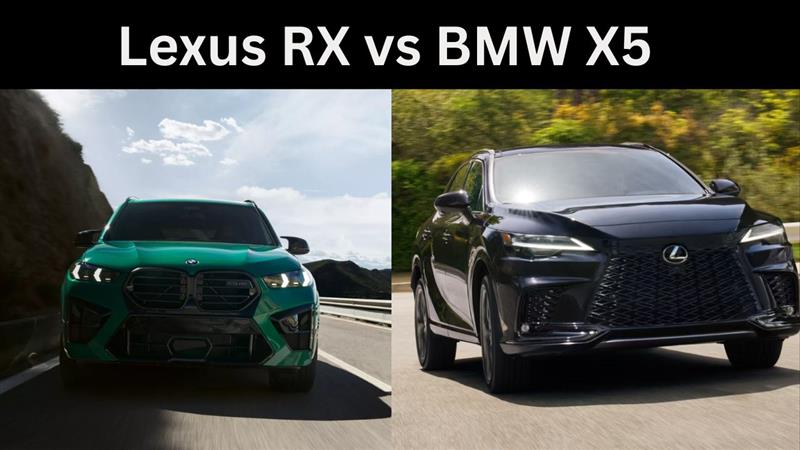
Lexus RX vs BMW X5: Which Luxury SUV Dominates 2025?

Published Sep 26, 2025, 3:05 PM
Last Updated Apr 16, 2026, 11:18 AM

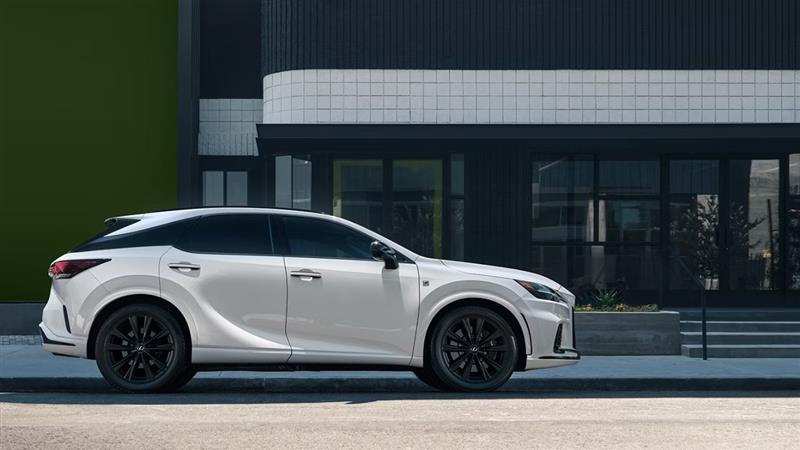
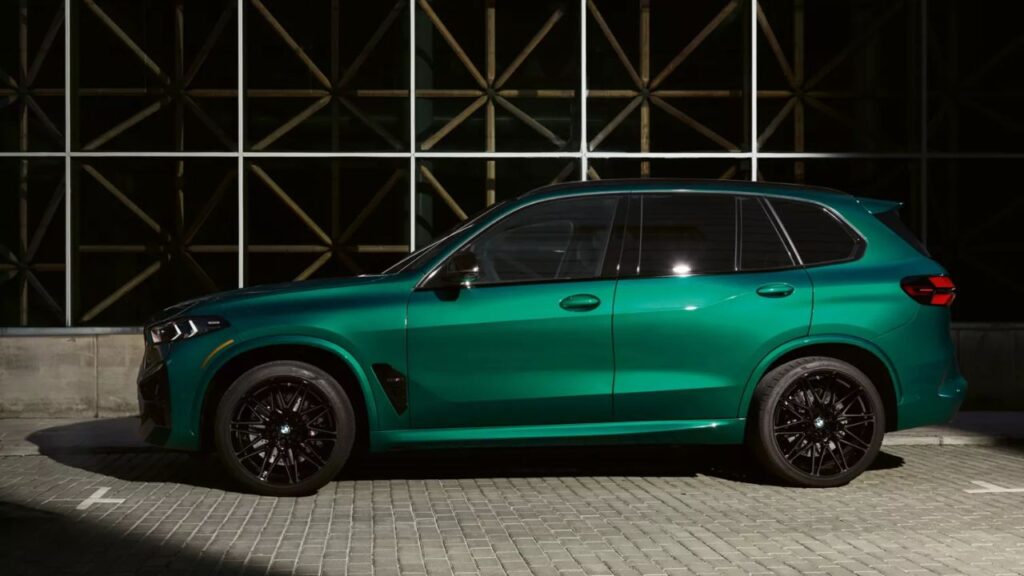
The debate is never going to end between best SUVs because the automotive companies are delivering more new models with high end features and comfortable cabins that make them more attractive. Lexus RX vs BMW X5 are current models of luxury SUV which offer mostly the same features with a slight distinct price & tech. Well, if you are going to buy a luxury SUV which dominates in 2025 then both have positioned themselves in the list. Check out the features and price of these models to understand what can be matched with your taste.

Everyone’s choice is different— not everyone wants a fuel efficient SUV but more speedy and powerful rides. So, there is no single yes or no in this because overall both cars have outstanding features and amazing design which marks your presence anywhere you ride on it.

Still, The BMW X5 beats the Lexus RX in speed, power, and cargo room. The Lexus RX offers superior fuel economy and a lower starting price. Go for the X5 if you want top performance and space. Those prioritizing efficiency and value will lean toward the RX.

Pricing & Positioning

Lexus RX 350 price starts at $49,125 while BMW X5 xDrive40i starting price is $69,775

The RX’s base price is roughly $20,000 less than the X5. This makes it an easier way to get into the luxury midsize SUV market.

Powertrain & Performance 

Image credit: Lexus


Model Engine Power/Torque 0–60 mph
Lexus RX 350 2.4 L turbo-4 6,000 rpm with 275 hp; 1,700 rpm with 317 lb-ft   6.8–7.6 s 
BMW X5 xDrive40i 3.0 L turbo-inline-6 with 48 V mild-hybrid 5,200 rpm with 375 hp; 1,850 rpm with 398 lb-ft 5.2 s 

The X’s powerful inline-6 setup delivers 100 hp that makes it more favorite for speed seekers, it also offers sharper acceleration over the RX. These SUVs stand out at the top positions side-by-side because of their powertrain and outstanding performance. 

Also Read: Honda HR-V vs Toyota Corolla Cross: Which Small SUV Should You Buy in 2025?

Fuel Economy

Lexus RX 350 delivers more fuel efficiency with 25 mpg combined that can run up to 22 city and 29 highways with unstoppable speed. For people seeking a long-trip model, RX can be a better option for them.

BMW X5 xDrive40i offers all-wheel drive with 19 mpg combined that can run up to 17 city and 22 highway. It is also a better option for folks who are interested in AWD rides. 

Interior Space & Cargo

Image credit: BMW


Metric Lexus RX BMW X5
Passenger Volume (cu ft) 52–55 (front) / 45–47 (rear) 56 (front) / 50 (rear) 
Cargo Capacity (cu ft) 30–46  34–72


The X5 is offering more passenger space up to 10% and nearly 60% more cargo volume which makes it the best family SUV in 2025.


Chassis & Ride

Lexus RX offers a unibody SUV where the MacPherson struts used in Front and rear uses multilink setup that make this one look more cool. It marks presence with fluent speed and dynamic transmission up to 8-speed automatic.

BMW X5 has a different approach, with four-wheel independent suspension and 8-speed Steptronic automatic transmission giving a powerful ride without compromising comfort. 

Technology & Safety


Features Lexus RX 
Screen 14-inch touchscreen
Audio Mark Levinson 21-speaker audio
Connectivity Apple CarPlay/Android Auto
Lexus Safety System+ 3.0 pedestrian detection, lane-tracing assist, adaptive cruise


Features BMW X5
Screen Dual 12.3-inch digital displays, Available head-up display
Active Driving Assistant Pro lane-keep assist, Evasion Aid, Stop & Go

Both SUVs offer advanced diver-assist suites and an amazing sound system for a wonderful journey. BMW is giving more options in screening with a modern infotainment interface.

Final Verdict

This is not a static selection but choice is dynamically made for both SUVs because they both offer amazing features and incredible safety features. Whether you decide to buy a BMW or Lexus, the decision depends on the performance, space, design, and price of the SUVs. For better performance, more cargo space and premium cabin features, you can choose BMW X5. For lower entry cost, fuel efficiency, refined ride comfort, you can choose Lexus RX.


1

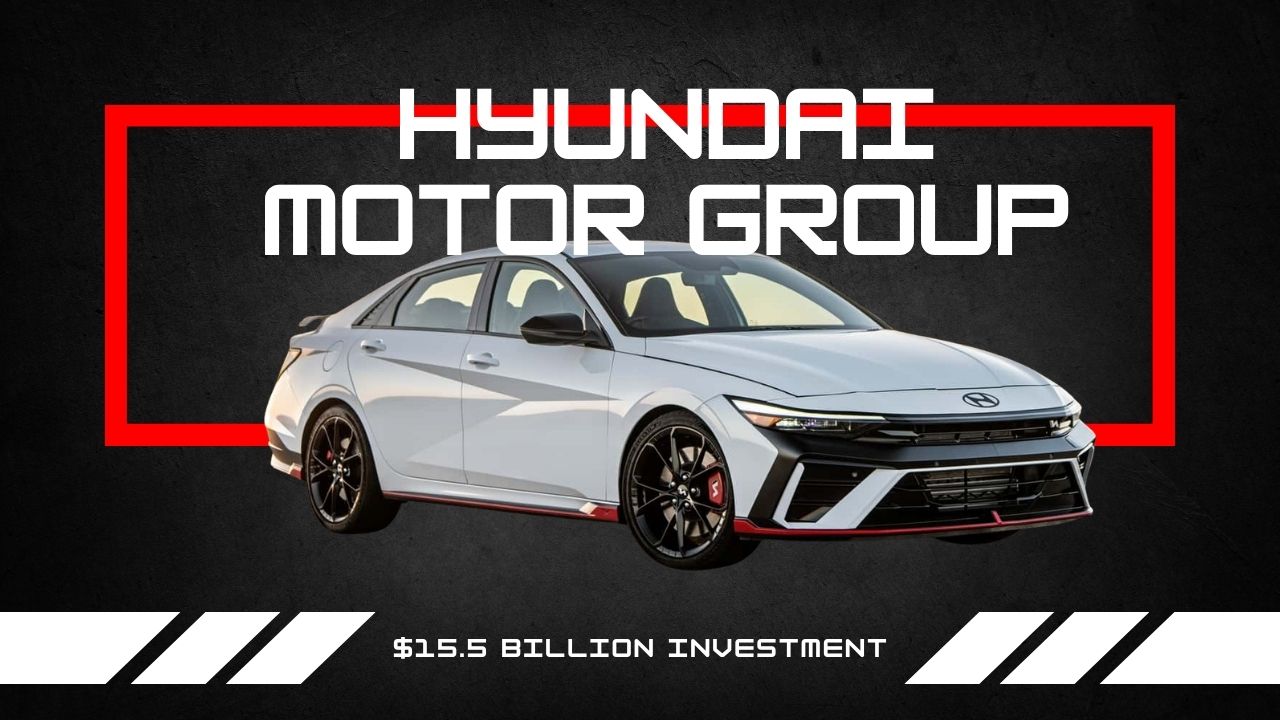
Hyundai Motor Group Announced $15.5 Billion Investment In India From 2026 to 2032

Hyundai Motor GroupHyundai Motor Group has announced a $15.5 billion investment commitment between 2026 and 2032 to India. In Indian rupee, it is about ₹1.4 lakh crore which is one of the biggest long-term deals. If we turn back, Hyundai Motor India had earlier announced plans to invest Rs. 32,000 crore between 2023 and 2032, mainly for capacity and new models. 
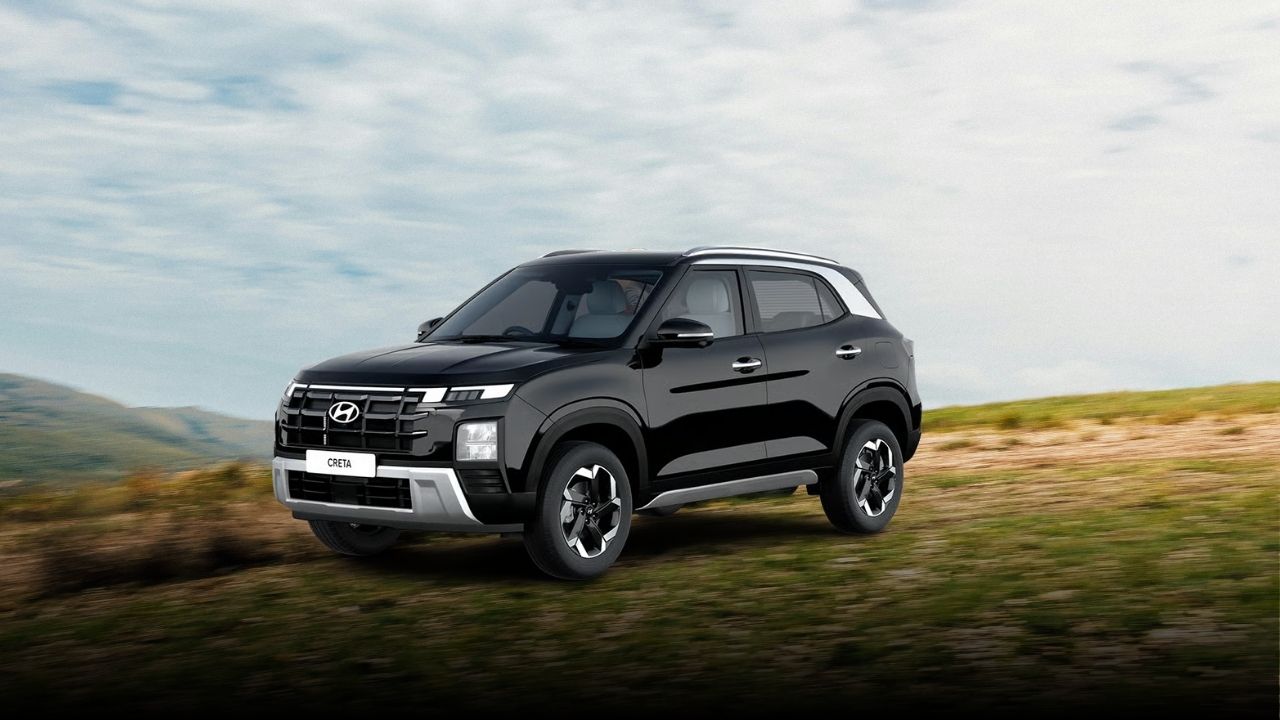
However, it’s not about building more cars anymore, it is the strategic plan of the company to strengthen manufacturing, technology, and expand future-mobility areas such as EV infrastructure, recycling and financing. 

Why Hyundai is Betting Big On India

India is still the cheapest country for manufacturing which attracts global automakers more than its huge domestic demand. Hyundai targets low-cost manufacturing and export base which is why the company sees India as a core strategic market for its future growth. Committing such a large amount over seven years is a first step toward that future. 

Since the investment expanded production at Hyundai Motor India and Kia India along with making a deeper roots on domestic sales. It also helps build stronger research capabilities in the country which means India is giving Hyundai two bigger assets: global supply chain and export strategy.

How The $15.5 Billion Invest In Hyundai and Kia Production

Hyundai’s plan not only focuses on vehicle assembly but also covers the entire automotive ecosystem. The new technology and EV infrastructure will grow rapidly and it impacts the buyers choices about cars and its rivals. 

Area What it means
Manufacturing Expanded production capacity at Hyundai Motor India and Kia India.
R&D Around $700 million is planned for an Indian R&D centre, including a vehicle testing track.
Local suppliers Stronger domestic supply chains and higher localisation of components.
EV ecosystem Investment in EV charging, battery recycling and sustainable mobility.
Future mobility Work on autonomous technology, software, financing and new mobility services.

On Indian roads, every second car you see belongs to Hyundai Motor Group. Statistically, 1.4 million vehicles are prepared for India every year which includes 824,000 units at Chennai, 170,000 units at Pune and 431,000 units at Kia’s Anantapur plant. 

And now Hyundai is trying to scale up the units with this investment. When new models are going to launch faster, it improves localisation and a stronger pipeline of Hyundai and Kia vehicles for both Indian buyers and export markets.

What Indian Car Buyers Can Expect 

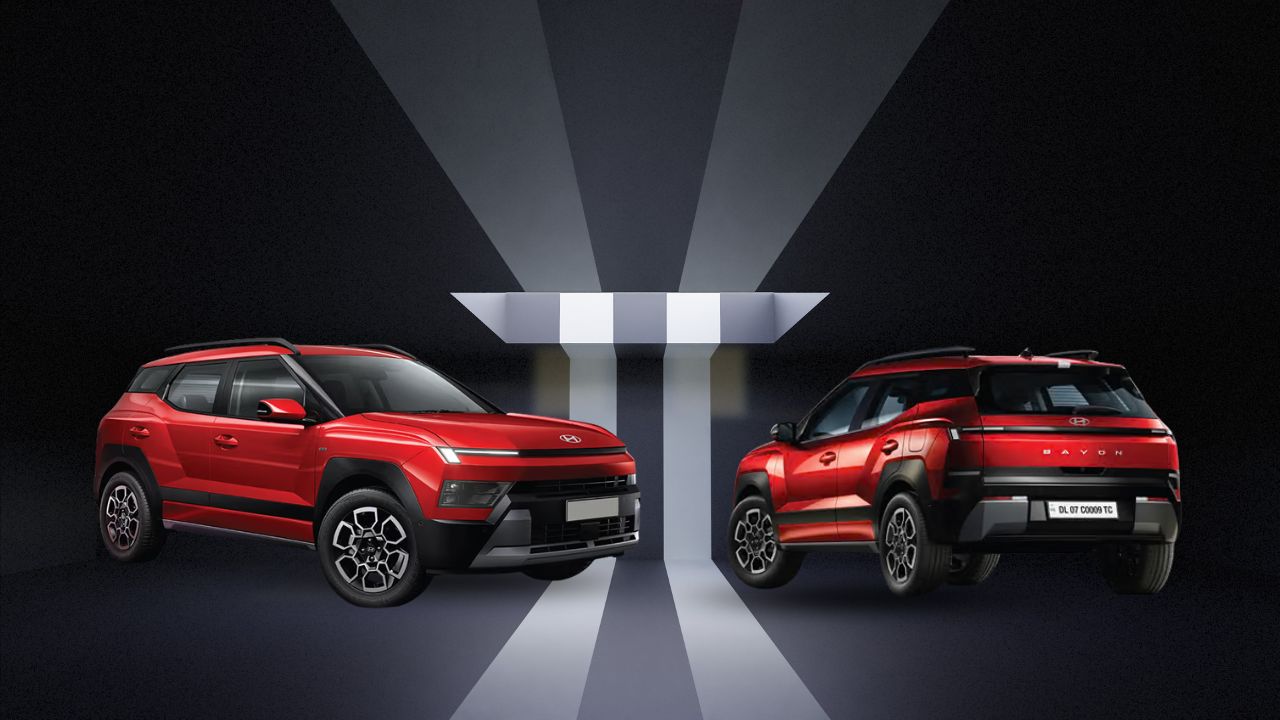
For Indian car buyers, the biggest benefit could be more choice and better-equipped cars. Hyundai has reportedly planned 26 model launches or updates in India by 2030, which could make the market far more competitive.

Hyundai Motor Group

Buyers may see:

  • Fresh models in both petrol and EV powertrain, more SUVs in affordable prices, and premium models.
  • More options given to car buyers means people visit Hyundai and Kia showrooms first that increase localisation and keep prices competitive.
  • Technology development offers more safety features, comfort and connectivity.
  • EV infrastructure increases the support and servicing options which makes buyers not to think twice before buying an EV car.

Hyundai Motor Group Investment Impact On Maruti Suzuki, Tata Motors and Mahindra

Hyundai’s move will likely raise the competitive pressure across the Indian passenger-vehicle market. Roads are mostly filled with Maruti Suzuki, Tata, and Mahindra vehicles more than Hyundai. They probably respond with stronger manufacturing capacity, better localisation, and EV environment, not just with new models.

Maruti will get a bigger hit from this announcement because it loses its wider market of SUVs and export-oriented models which Hyundai is taking over with its production and export capabilities. Tata Motors EV space got affected from Hyundai’s charging infrastructure expansion. 

Mahindra may need to accelerate its SUV and EV strategy, as Hyundai’s growing R&D base and product pipeline could challenge its position in premium and technology-focused segments.

Maruti Suzuki, Tata Motors and Mahindra

This is the major strategic shift for Hyundai with its investment of $15.5 billion in India. It is the  company’s largest-ever commitment to an emerging market which is not going to just introduce new cars but also change the car industry forever. The company chooses India because it is a key global manufacturing and export hub. 

Forbes India describes this investment as the company’s strategic move to regain the market in a new way. Car launches will not make a territory simply so they expand manufacturing capacity, strengthen R&D and build a deeper local supply chain. The company’s India plans were also framed as a political and strategic move because the announcement broke after a meeting between Hyundai Executive Chair Euisun Chung and Prime Minister Narendra Modi.

Explore Now :-   October Car Offers: Which Discounts Save You Money

Conclusion

In the coming years, Hyundai and Kia are expected to announce more launches, dealerships, and growing EV charging networks. Hyundai’s Indian R&D operations are also going to cover the Indian market. It is becoming an investment entity in India to coordinate capital deployment and strategic partnerships.

Overall, this is much more than a routine Hyundai Motor Group investment announcement. If executed well, Hyundai’s $15.5 billion plan could reshape competition in India, benefit buyers with more advanced vehicles and further establish India as a major global automotive hub by 2032.