0

Kamala Harris Car Collection: Luxury, Style and Classic Explanation

Kamla Harris Car Collection

The Kamala Harris Car Collection is not filled with flashy supercars or weekend cruisers, but for a very different tale. But as former Vice President of the United States, her connection to cars is defined by more security and official duties than personal indulgence. 

Kamala Harris’ automotive history differs from classic car enthusiasts’ as it combines her staunch environmental convictions with the relentless realities of high-level government protection to offer a uniquely insightful look into her car profile. 

The Secret Service in the United States enforce very strict rules about how the President and Vice President can move. Because of their safety, they aren’t allowed to drive on road by themselves. For Harris, her time as Vice President meant her own garage found itself turned into a museum, while her daily commute was provided by a fleet of specialized, government-owned behemoths. 

As a result, her ‘collection’ can be seen as two distinct halves: personal cars she opted for as a private citizen and rising politician, and the official state vehicles she depended on as a member of the administration. 

See Also: Elon Musk Car Collection and His Net Worth

The Personal Anchor: The Chevrolet Bolt EV

Before the limitations of running an executive office began to consume her daily life, and occasionally in tightly controlled private moments, Harris was seen most often in a car that perfectly reflected her public policy platform: the Chevrolet Bolt EV. 

You’re more likely to see politicians choose high-end luxury SUVs or classic muscle cars when it comes to their personal rides if Harris apparently wants to look utilitarian and future-oriented. Chevrolet Bolt is the face of the mainstream of America’s electric vehicle revolution. 

Harris has been fighting for environmental changes more to green as a vocal advocate. Switching to an all-electric hatchback is a way to support her ambition. 

Specification

Unlike the six-figure luxury EV, the Bolt is a car for the everyday person. It is driven by a 149 kW electric motor coupled with a 66 kWh battery which provides a no-nonsense everyday range without the pretension of a premium badge.

Bolton’s attendance was also a quiet signal that isn’t just right-wing abstraction at play in her campaign. By choosing the America-built, General Motors-built Bolt, she indicated support for U.S. manufacturing and gained direct appeal to major union voters, a key part of her political base. 

Feature Personal: Chevrolet Bolt EV Official: Armored Chevrolet Suburban
Powertrain 149kW Electric Motor (Zero Emissions) 5.3L or 6.2L V8 Engine (Heavy fuel consumption)
Primary Purpose Personal, eco-friendly commuting Maximum security, armored transport
Size Compact Hatchback (approx. 4.1 meters) Extended Heavy-Duty SUV (approx. 5.7 meters)
Weight Roughly 3,600 lbs Estimated 10,000+ lbs (with armor plating)
Driver Kamala Harris Highly trained Secret Service Agent

Official Armored Chevrolet Suburban 

But while Bolt embodied her own personal ethos, official travel necessitated a very different approach. Kamala Harris’s motorcade during her tenure in office was a mechanical display of abundance, built upon a fleet of custom-built Chevrolet Suburbans. 

They were not the typical SUVs that you would see at a car lot. The Secret Service uses highly customized Suburbans, which take an already enormous family vehicle and turn it into a rolling stronghold. This is where the true “luxury” of her time in politics resided — not in soft leather or massaging seats, but in the luxury of being completely untouchable. 

Specification

The official vice presidential Suburban is a rolling fortress. It looks down on a normal line of traffic, at a length of 5.7 meters. To carry the enormous weight of military-grade armor, bullet resistant glass, and sophisticated communication systems, it’s almost always constructed on a heavy-duty truck chassis rather than a standard consumer frame. 

Defensive Capabilities 

Its exact details are classified, but these vehicles are known to have:

  • Run-flat tires: the vehicle can run at highway speeds with shredded tires.Sealed cabs that protect against biochemical attacks and have their own oxygen supplies. .
  • Electronic countermeasures: Devices which jam around them frequencies that can be used to remotely detonate IEDs.

Did You Know: Who is Yusuf Ali and what is his car collection? 

Powerful Honda Civic

Honda Civic is one of Kamala Harris’ first cars which she has bought most probably to commute to the courthouse. It is built on a powerful engine with impressive features that makes it one of the legendary vehicles in the 4th-gen model. Harris has had specific choices like Honda Civic since her early career. 

Honda Civic: Features and Specifications 

Specification Details
Engine 1.5-liter, 16-valve Inline-4 (D15B)
Power Output 92 horsepower and 86 lb-ft of torque (The high-performance ‘Si’ trim pushed this to 108 hp)
Transmission 5-speed manual or a 4-speed automatic
Drivetrain Front-Wheel Drive (FWD)
Curb Weight A remarkably light 2,000 to 2,200 lbs, making it incredibly nimble
Fuel Economy Outstanding for the era, easily hitting 30+ MPG in the city and close to 40 MPG on the highway

Conclusion

The Kamala Harris car collection is not easily pigeonholed. It’s not a million-dollar suite of LA Lakers memorabilia, it has just a touch of classic gearhead simplicity. It is, rather, a formal, stylized narrative about obligation, ideology and the realities of power. 

Chevrolet Bolt EV and the armored Chevrolet Suburban—her vehicles narrate the tale of a contemporary head of state balancing personal beliefs with her role as leader of a nation. It is a collection where real style is dictated by message rather than chrome and where luxury is a function of the safety and security necessary to make one’s way through the chaos of the 21st century.

Bipin Sharma

Bipin Sharma is a seasoned automotive content writer with over 10 years of hands-on experience in the world of cars. From the latest car news and reviews to in-depth maintenance tips and expert buying guides, Bipin covers everything that drives the automotive world. Writing about cars isn’t just his profession — it’s his passion. His deep industry knowledge and love for automobiles fuel every blog he creates, helping readers make informed decisions and stay updated on the fast-evolving auto landscape.

Leave a Reply

Your email address will not be published. Required fields are marked *

0

Swift vs Baleno 2026 Comparison: Price, Mileage, Features & Verdict

Published Feb 6, 2026, 1:04 PM
Last Updated Apr 8, 2026, 7:07 AM

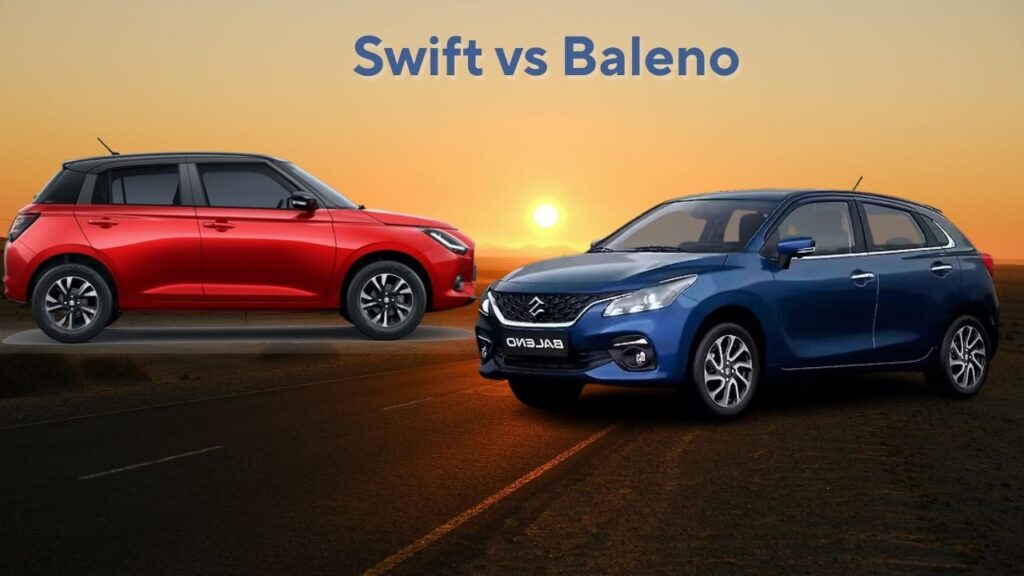
Swift vs Baleno

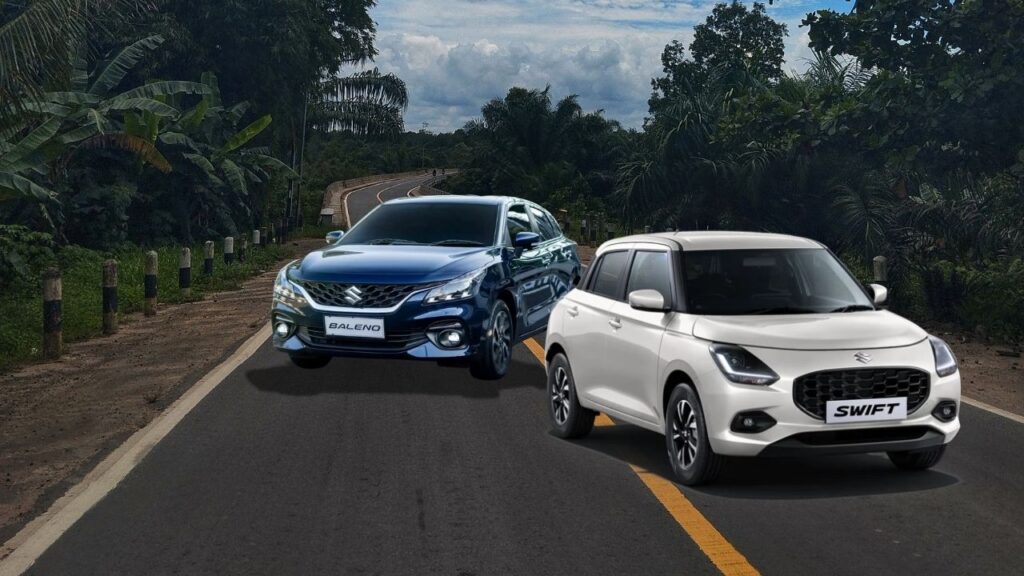
If you’re shopping for a zippy, no-frills hatchback that takes the chaotic roads of India in its stride, Maruti Suzuki’s Swift vs Baleno are probably up there in your list of desired cars. I have been obsessing about these two for weeks —- testing driving, researching specs, and talking to owners in the crowded streets of Lucknow and on the highways of Delhi. Both are Maruti legends, but one is a sporty rebel, the other a sensible all-rounder. The Swift shouts fun, the Baleno one-upmanship comfort. 

Design and Presence 

The fourth generation Swift facelift (from 2024) maintains the aggressive design – sharp LED eyes, folded hood, and a slight rear spoiler. At 3,845mm long, it’s compact enough to make parking a breeze. Skinnier, longer (3,990mm), with a flowing coupe-like roofline and those crystal LED tail lamps, the Baleno is sleeker. It even has style, for a mini-crossover. 

Swift vs Baleno

Owners rave about Baleno turning heads at malls, while Swift feels youthful, ideal for young pros zipping through traffic. 

The Engines and Performance 

The 1.2L Z-Series petrol engine from Maruti powers both vehicles and puts out 82 PS of power and 112 Nm of peak torque — a tried and tested, dependable unit designed for daily use on Indian roads. But they are divided by transmission choices. Swift comes with a modern 5-speed manual and a bouncy AMT, Baleno takes it up a notch with a refined 5-speed torque converter automatic. 

The lighter kerb weight of Swift (961kg) makes the Go-kart-styled car nimbler with 0-100kmph acceleration in about 11 seconds, and its playful handling with the Twisty roads of Ghaziabad are Fun. 

Baleno (920-990kg) is quite planted, cruising at 100kmph with ease, but it’s not so “fun” to fling around. 

CNG variants of Swift vs Baleno? Both are superb — Swift just edges out in mileage at 32.85km/kg against Baleno’s 30.61km/kg (ARAI). But in diesel, Maruti abandoned it, but petrol hybrids are on the way in 2026. 

Features Showdown at a Glance


Feature Swift (Zeta/Alpha) Baleno (Alpha)
Infotainment 7″ touchscreen, Android Auto/Apple CarPlay 9″ touchscreen, same + Arkamys sound
Safety 6 airbags, ESP, hill-hold Dual airbags std, 6 optional; 360-cam
Comfort Auto AC, push-start, rear AC vents Heads-up display, sunroof, wireless charging
Mileage (Petrol MT) 24.8 kmpl 22.35 kmpl


The Swift brings its sporty persona to the fore with a head-up display and cruise control on higher variants, while the Baleno dials up the premium feel with a sunroof and ambient lighting, both of which instantly lift the cabin vibe. 

Both have a 5-star NCAP rating for safety — the Swift is a leader in adult and child protection, while the Baleno, although uses an older platform, is still very strong in terms of safety. 

Space and Practicality

In terms of space and day to day family practicality, the Swift feels more ’you’ — supportive seats, a roomy interior, and a 265L boot that’s adequate for daily shopping. The rear seat comfortably accommodates two adults, but getting three on a long drive starts to get cramped.

The Baleno, however, is a whole different league. Its 318L boot can handle weekend luggage with ease and its rear legroom is almost limo like for a hatchback – ideal for family holidays. 

When it comes to mileage, Swift leads in city traffic with a real-world 20–22 kmpl, but on Highway, it is Baleno’s smooth ride and stability which surprises you. 

Price of Swift vs Baleno


Variant Swift Price (₹ lakh) Baleno Price (₹ lakh)
Base (LXi/VXi) 6.49 – 7.29 6.70 – 7.51
Mid (VXi/Zeta) 7.80 – 9.45 8.45 – 9.92
Top (Alpha) 9.95 9.98 – 11.25 (AT)

Best Skoda Car Under 10 Lakhs in India

Conclusion

There was a time when Baleno and Swift were the obvious competitors in their respective segments, however, it’s a different story nowadays.

If driving happiness is your target, let your car be a Swift. It’s smaller, it’s faster, it’s more fun, it’s better suited to weaving through traffic on busy streets, and it’s simply more fun to drive. And it’s fabulous for young professionals and first-time buyers, as well as anyone who really likes a short city drive or weekend jaunts plus that “go-kart” feeling once you get caught in traffic. The enhanced real-world city fuel economy, combined with a robust safety score, make it even more compelling. 

But if you need more comfort, more space and a little more grown-up feel in your life, the Baleno is the smarter pick! It’s bigger, it’s more upmarket, it’s more relaxed, it’s more family-friendly. With its rear seat, larger boot, smoother highway ride, high-end features and refined automatic transmission, it’s a given that it’s a multi-purpose vehicle — it can run your office as efficiently as it can take the family on weekend drives. 

Swift vs Baleno — Which One Should You Buy?

  • If it’s fun, agile and youthful energy you want, pick the Swift.
  • Go for the Baleno if it’s comfort, space, and cost-effective practicality you want.

Both are Maruti legends for a reason — reliable, efficient, safe, and value-for-money. You can’t go wrong. 

0

Electric Car Under 5 Lakhs | Best Affordable EV Option

Electric Car

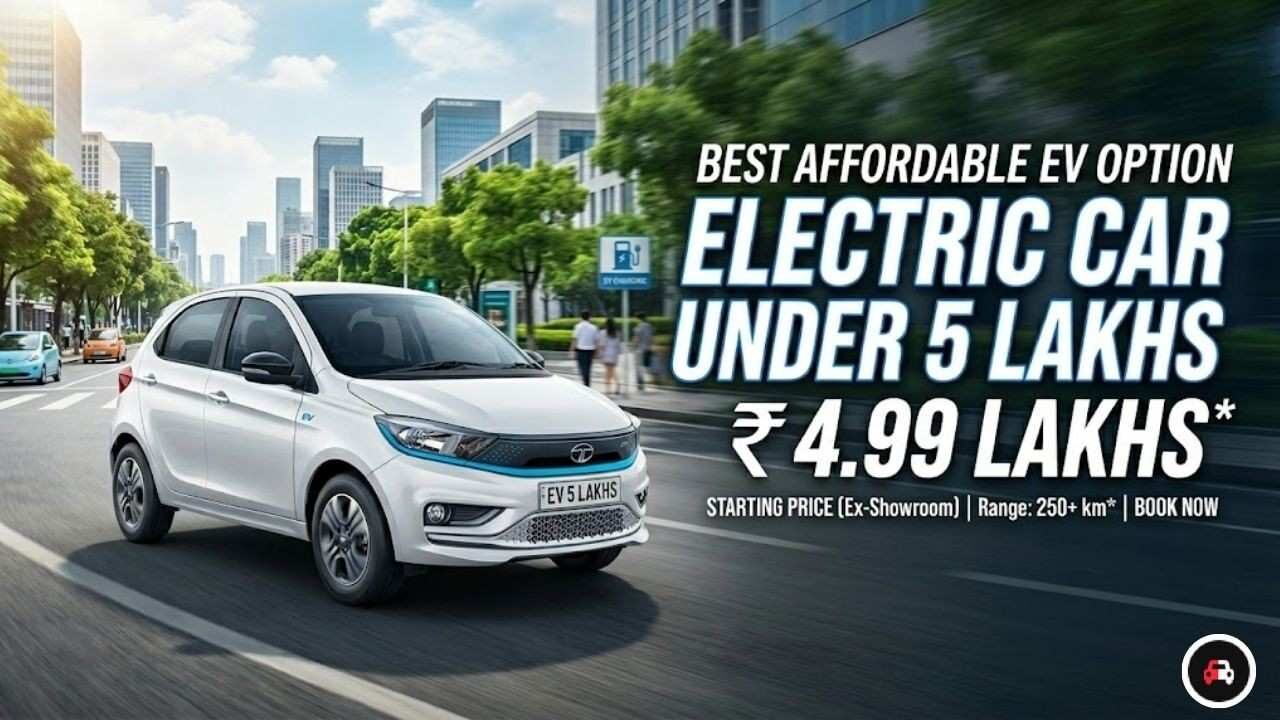
It’s hard to get a fully-fledged electric car under 5 lakhs in India because manufacturing cost is still higher than a normal petrol or diesel car. You won’t find a family SUV or sedans at this price but there are ultra-compact, entry-level micro-EVs that are designed specifically for daily commuters in the city and easy to park.

Many people are opting to contribute to the eco-friendly nature. These micro-EVs don’t offer enough space or big battery time but are still convenient for roaming around the city. It also gives good savings on the fuel economy, so let’s take a look at these easy and small EVs as the best affordable EV option under 5 lakhs.

Electric Car Under 5 Lakhs

1. MG Comet EV 

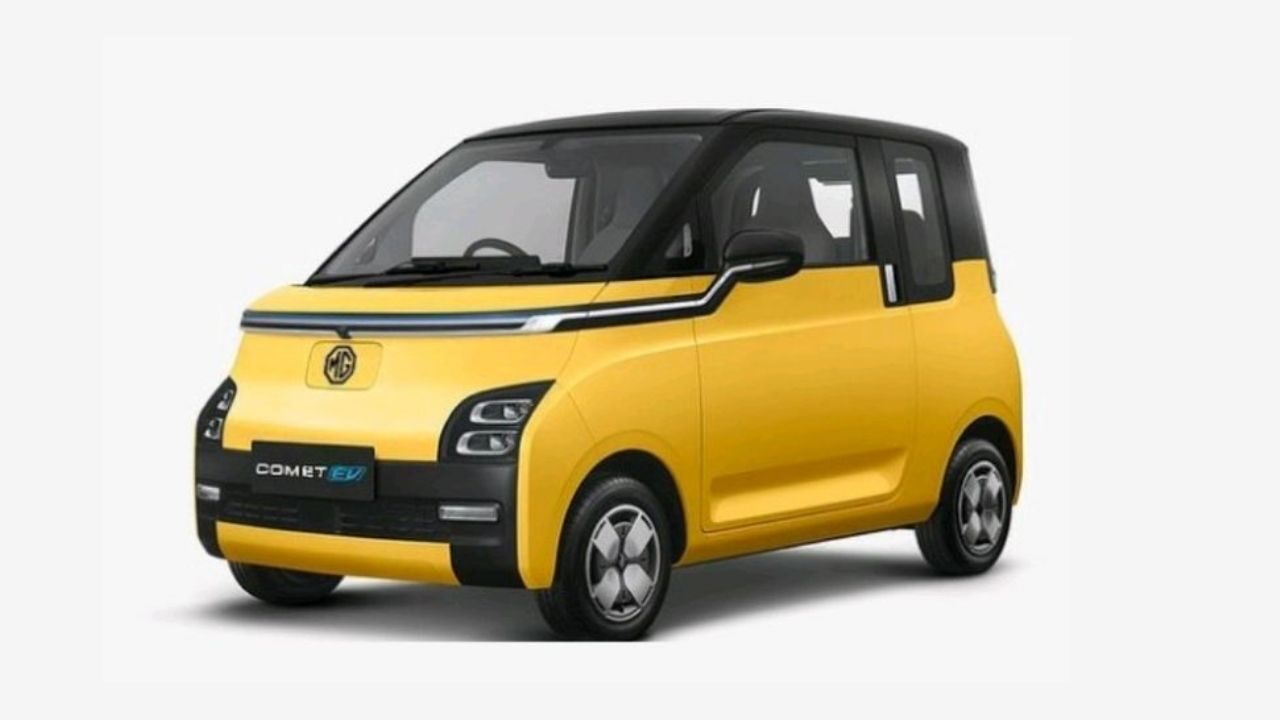
MG Comet EV is the best option to buy if you can afford to buy in Rs 4.99 Lakh with rental fees of Battery. MG offers a “Battery-as-a-Service” (BaaS) program which lowers the cost of a car but you have to pay around ₹2.5 per kilometer accordingly. 

Many buyers prefer to buy this compact micro EV because it offers comfort, reliable, and claimed range of 230 km. You don’t own the battery outright but you can get a 4 seater EV, safety features, and modern interior for a wonderful driving experience.

MG Comet EV

MG Comet EV

Buying a car that gives complete features and specification including interior, modern tech, and the reliability become a best bet at this pricing point. Normally the price is higher, but the MG program of Battery-as-a-Service (BaaS) makes it accessible for everyone to buy. It comfortably seats four adults, not two, which makes it a practical choice for small families. The range of 230 km is good on a full charge, you can commute easily. Comet is made of top quality that feels several notches above its micro-EV rivals. 

2. PMV EaS-E 

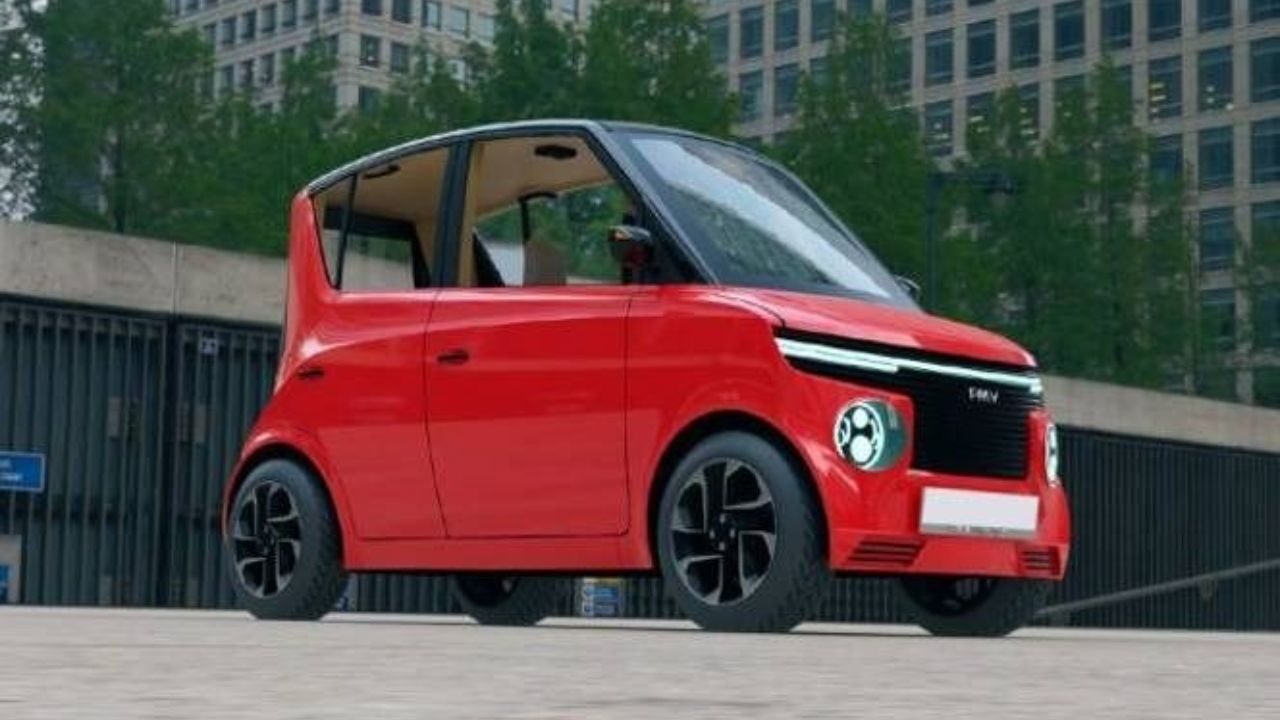
The pure city commuter from an Indian startup in just Rs 4.79 Lakh with comfortable 2 seats is the best deal for people who want solo trips or need daily office vehicles. PMV EaS-E is a product of Mumbai-based startup which makes a practical city pod at an affordable price. Its layout is more like a motorcycle, the driver sits up front and the passenger sits directly behind. 

PMV EaS-E

PMV EaS-E

The shape of the car is slim which gives easy parking access in complex areas of India. You can roam around the city with your partner within a range of 160 km which is sufficient for daily local travels. The ownership is unlike MG, you owned a car and battery both. There’s no subscription offer for the battery. While the cost of ownership is genuinely low.

It is ideal for singles, women and two people who want a solid pick for a low-speed daily commuter to cut through heavy city traffic. 

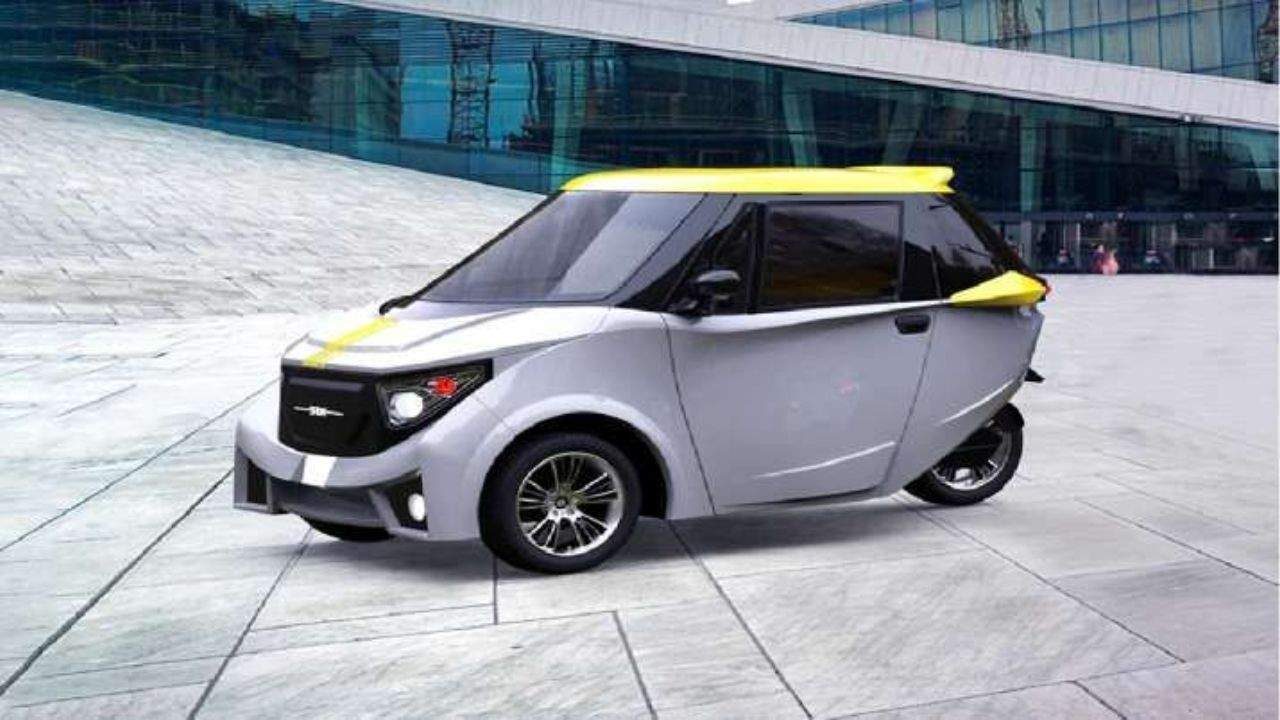
3. Strom Motors R3 

Strom Motors R3 

Strom Motors R3

Another affordable EV under 5 lakh is Strom R3, priced around ₹4.50 Lakh. It looks like a reversed e-riksha in India. A fully enclosed electric three-wheeler unlike anything else for 2 people sits side-by-side but gives quite good range up to 200 km on full charge. 

It is enclosed in a fully weatherproof cabin, a wind shield, and easy accessible doors at this price range. It is best for people who want a good range car with comfort that makes your ride smooth and beautiful. 

Running costs are exceptionally low given its category and comes with modern technology. You can buy this funky, futuristic aesthetic micro-EV with the lowest absolute purchase price but its unconventional look might not appeal to conservative buyers. 

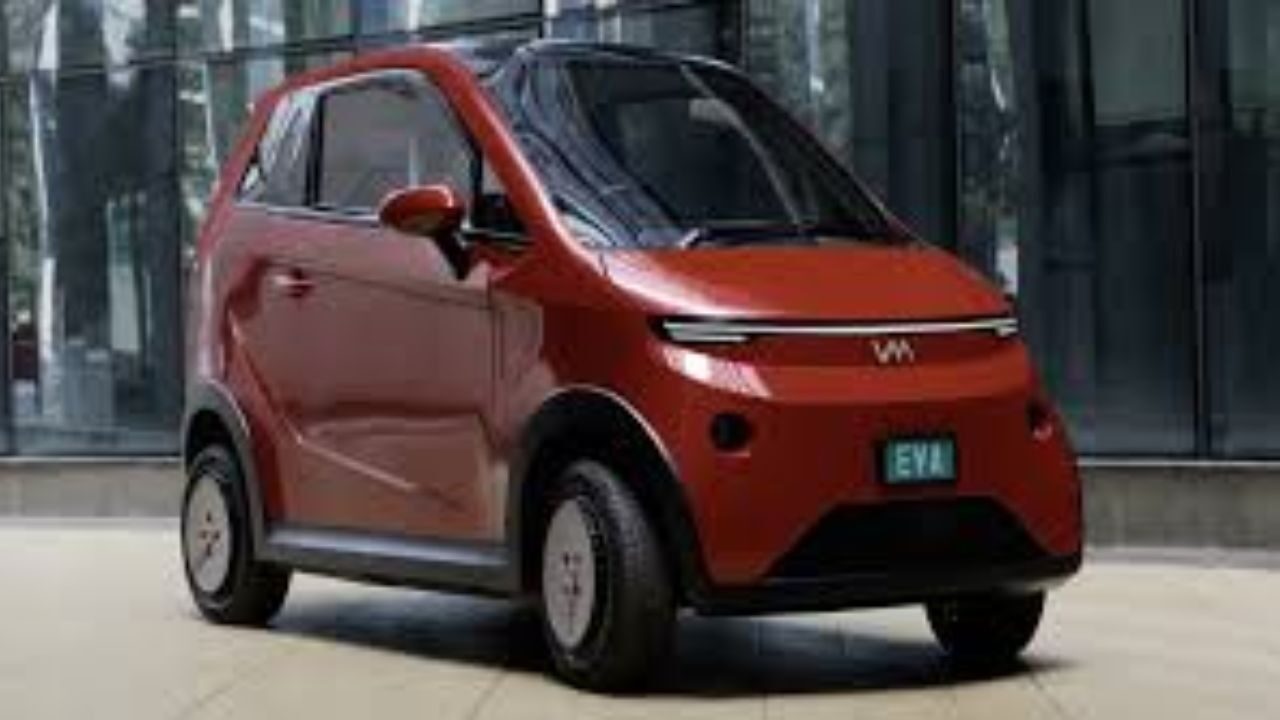
4. Vayve Mobility Eva 

Vayve Mobility Eva 

Vayve Mobility Eva

The upcoming solar-capable smart micro-car in the range of price Rs. 3.25 — 4.49 Lakh. If you can wait then it is worth buying Vayve Eva. 

It offers small family space, two adults and one small child which makes it the best option under 5 lakhs. One of its standout features is an optional solar roof panel which can charge the battery so you can cover more distance. You can take it to the long drive or trip and park under the sun so it can add a few extra kilometres of range each day. 

Vayve Eva is the best EV car for Indians, while it’s still in the pre-launch. In this budget, you can get the most compelling smart city vehicle in your garage.

What About Tata, Maruti, And The Big Brands?

If you want a EV car from big brands like Tata and Maruti then you need to stretch the budget. There are most reliable, comfortable, and tech-optimized EVs like the Tata Tiago EV, this is the most reliable and trusted entry-level electric hatchback in India at ₹7.99 lakh. 

There is the Tata Nano EV which is still in the testing phase with no confirmation of the launch date. It will be around 5 lakh. Maruti is also working on their EV vehicles but for now, if the mainstream badge matters most, the realistic floor is closer to ₹8 lakh. 

If you really want a micro EV entry level car then MG Comet EV is the clear winner in this price range because it is the most reliable and comfortable option in India. 

Model Seating Range Starting price
MG Comet EV (BaaS) 4 230 km ₹4.99 L
PMV EaS-E 2 (tandem) 160 km ₹4.79 L
Strom R3 2 200 km ₹4.50 L
Vayve Eva 2 + child TBA ₹3.25 L

See Also: 3 Affordable Full-Size Sedans

Conclusion 

If you decide to buy an Electric Car Under 5 Lakhs then you can have it. But there are different options with different features so you must make your decision based on your needs and comfort. There’s no race here, just a vehicle which can let you travel the whole city without getting frustrated. 

These EVs are supporting the environmental concern, many people want to commute daily without making pollution at a lower price. Whether you buy a MG Comet with battery subscription for a small family or you want solo trips then PMV EaS-E, Strom R3 are also good options. 

The Indian EV market at this price tier is young and evolving fast, in future there are more  options from more established

0

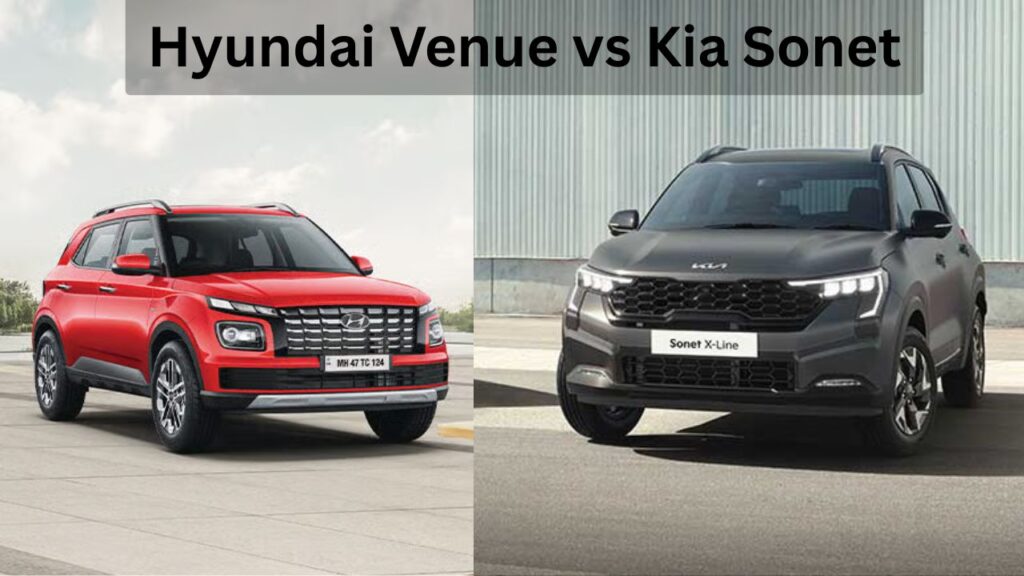
Hyundai Venue vs Kia Sonet: Which Compact SUV Wins the Battle?

Published Aug 18, 2025, 10:19 AM
Last Updated Apr 11, 2026, 11:11 AM

The compact SUV has emerged as a first choice between petrol and electric models. As the market looks to 2025, Hyundai Venue vs Kia Sonet offer a blend of fuel efficiency, performance, and advanced features that make them increasingly attractive for any SUV buyer. In the early Q1 of 2024 & 2025 hybrid electric vehicles have increased their sales more than other electric or plug-in hybrid vehicles. The increasing growth of these SUVs makes them a strong contender. People’s preferences have shown for these new hybrid electric models of Hyundai and Kia.

Let’s look into the details of these compact SUVs such as price, performance, fuel economy, safety features, and what makes them a strong contender in 2025 SUVs. 

Hyundai Venue vs Kia Sonet: The 2025 Best Compact SUVs 

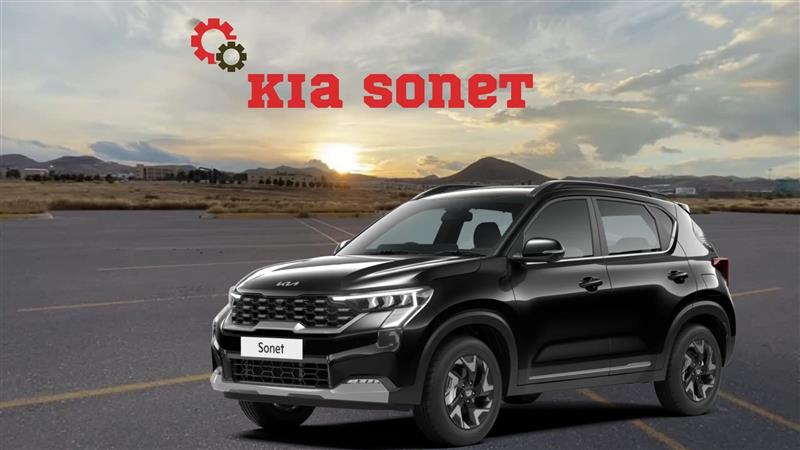
Kia Sonet

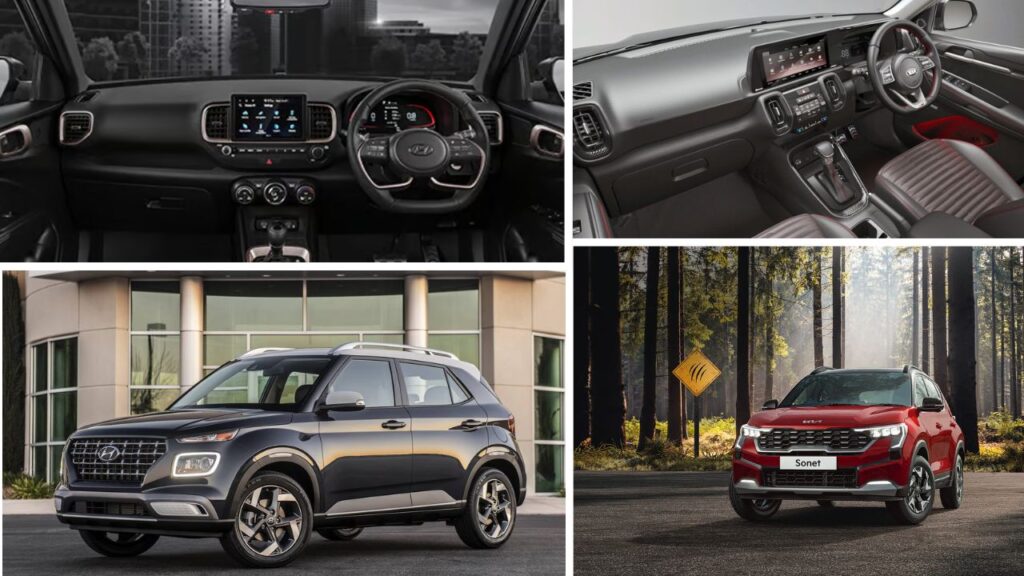
The Kia Sonet is on the top consistently due to its powerful performance and other key points which attract the most is industry-leading reliability and future-rich interior making it a strong contender in its segment. It offers a perfect balance of fuel efficiency and practicality. 

The 2025 model comes with a mileage of up to 18.4 kmpl for petrol and 24.1 kmpl for diesel variant. A 1.2L petrol engine with 5-speed manual transmission, 1.0L turbo-petrol with 7-speed DCT, and 1.5L diesel engine with 6-speed manual transmission.

The Kia Sonet starting price is around $9,600 to $10,000. It offers the best safety features to keep the passenger safe during the crash with multiple airbags, ABS safety function, dynamic cruise control, lane assist, and pedestrian detection.

Hyundai Venue

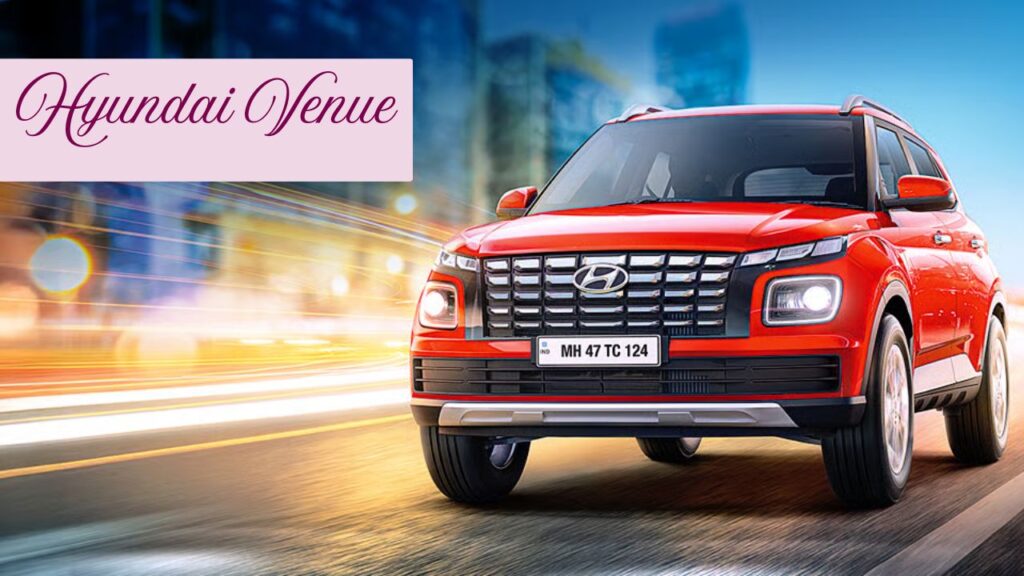
The Hyundai Venue brings new design in both exterior and interior. The Hyundai Venue 2025 is a significantly popular model in many international markets and offers high-premium features for comfortable trips that includes leatherate seats and fuel efficiency. 

The starting price of Hyundai Venue is around $20,200. This highly powerful model is delivering 1.2-litre naturally aspirated petrol engine without automatic transmission, but DCT is available in the 1.0-litre turbo petrol engine. 

Its impressive features include safety functions – drive assist, collision warning, and lane departure detection. Its angular design looks inspired by other Hyundai SUVs like the Alcazar, the sleek impression with its new front is remarkable. 

Hyundai Venue vs Kia Sonet: Same DNA, Different Flavors

While there is comparison between powerful compact SUVs which offer impressive looks, it is hard to decide which one is more strong and reliable. Both Hyundai Venue and Kia Sonet are built on K2 small car architecture offering the same structural parts that lead to similar driving dynamics and safety fundamentals.

Engines Both SUVs Share

The 1.2-litre naturally aspirated petrol engines are not very quick but almost reliable and fuel efficient to deliver 5-speed manual ride and 83 PS power. The 1.0-litre twin turbo engine produces 120 horsepower and 172 lb-ft of torque which delivers fast speed with 6-speed iMT clutchless manual or 7-speed dual clutch automatic for smoother gear switching.

Kia Sonet’s Extra Power Options

For those buyers who want more power, a 1.5L petrol engine offers incredible power. Sonet’s 1.5L diesel engine delivers 6-speed manual and automatic power that delivers better fuel efficiency and high torque for rush and highways. 

Venue no longer offers these features including automatic mode in diesel, it makes Sonet a best choice.

Read More 👉  Tata Nexon vs Hyundai Creta: Which 2025 SUV Will Rule the Roads?

Comfort & Interiors: Which SUV Feels More Premium?

The 2025 Hyundai Venue offers softer seats with original material, 4-way adjustable feature and 2-step reclining gives comfortable rides to its passengers. It offers 5 passenger seating, its modern and user-friendly cabin is the major selling point of Venue. The high quality material giving a premium look with various colour options might set an amazing impression.

The 2025 Kia Sonet is offering a premium look with more cabin space and cargo space for passengers. Long trips can no longer be hard with its comfortable ventilated seats that deliver power-adjustable to hot weather. Electric sunroof and automatic climate control is more attractive to the buyer who wants an SUV for longer trips without compromising their comfort.

Category Venue 2025 Sonet 2025
Starting Price  $34,050 $36,100
Engine Options 1.2L & 1.5L  1.2L & 1.5L 
Max Power 113bhp  114bhp 
Max Torque 250Nm  250Nm 
Transmission Options 6-speed MT 6-speed MT
Mileage (ARAI) Up to 24.2 km/l  Up to 24.1 km/l 
Boot Space 350 litres 385 litres
Fuel Tank Capacity 45 litres 45 litres
Ground Clearance 190 mm 205 mm
Safety Features 6 Airbags, ABS, EBD, Rear Parking Camera 6 Airbags, ABS, Rear Parking Camera, ADAS, 360° Camera
Modern Tech  360° Camera, Wireless Charging, Sunroof  ADAS, Digital Driver Display, Powered Driver Seat, Ventilated Seats, Sunroof

Final Verdict

With the modern design and advanced features Hyundai Venue vs Kia Sonet compact SUVs are hitting at the top rank consistently. The high demand for these is rising due to their safety functions, impressive look and most importantly they are hybrid models. As the world evolves in the automotive landscape, the SUV has more demand in the market. 

Which one should you buy? It is totally up to your priorities and budget, choose the right vehicle for your convenience because both offer somewhat same engines, design with little difference in their interior and budget. Overall, both are best and get positive reviews from consumers.

0

Maruti Suzuki e-Vitara to Feature Advanced Safety and Premium Equipment

Maruti Suzuki e-Vitara

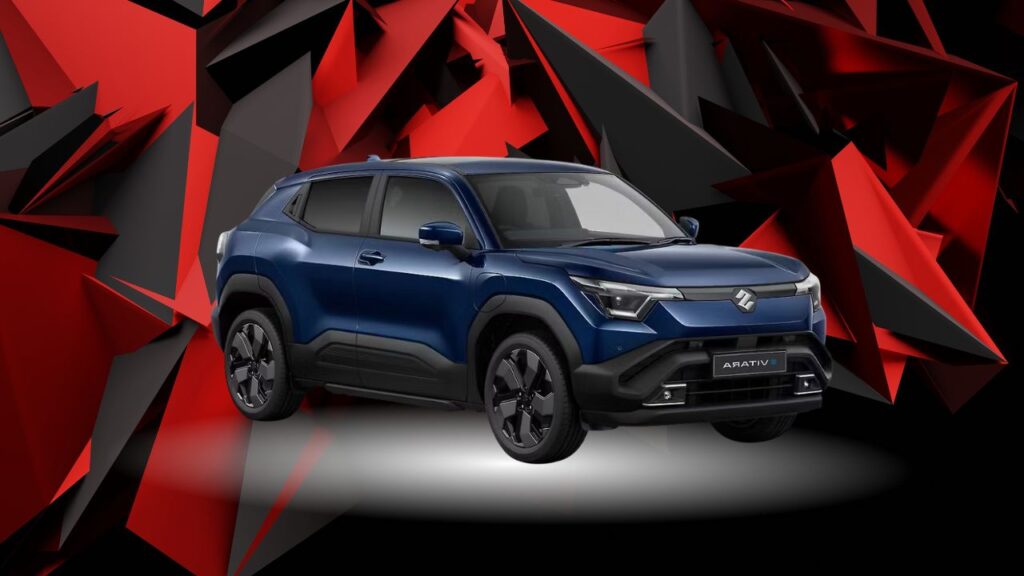
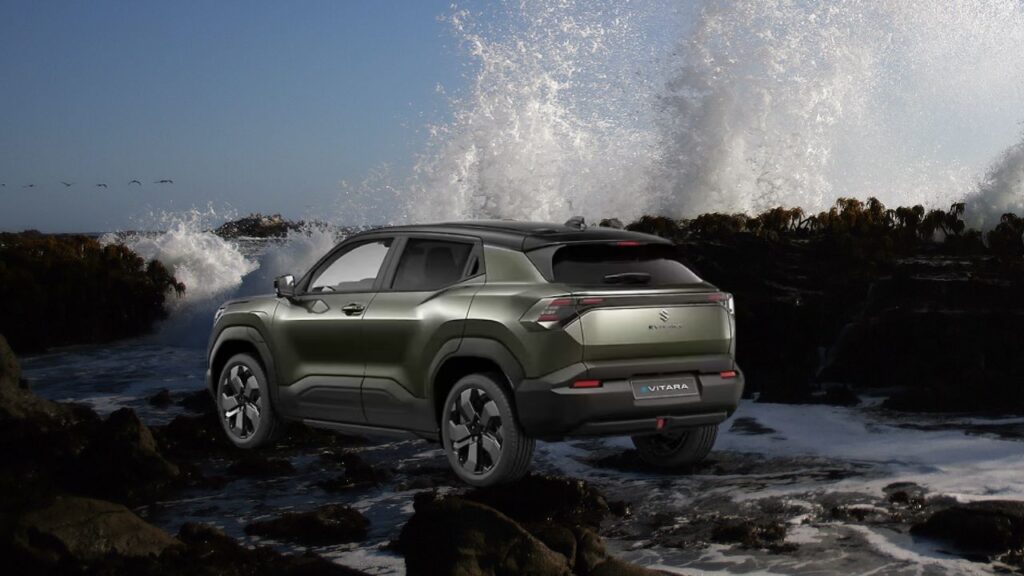
When Maruti Suzuki at last arrived in the electric vehicles market with the e-Vitara, it wasn’t just another SUV — it was an Maruti Suzuki e-Vitara SUV that appeared to be crammed full of safety, comfort and luxury features. For a marque that was famed for making practical, no-nonsense family cars, this drift toward luxury and cutting-edge technology is refreshing, and, if we’re being honest, quite impressive.

The e-Vitara was in the news recently crashing a solid 5-star rating in Bharat NCAP, making it the first electric SUV in India to get a 5-star under the new testing regime. But what does that mean, really, as a buyer? It means Maruti has done something extraordinary: it has built a car that is truly safe, a car that shields you in ways that exceed not just those of any other Maruti before it, but that of any car, full stop. 

E-Vitara Conquered in Safety

Let’s talk about safety equipment first, because it’s really exhaustive. All e-Vitaras have seven airbags, including a driver-side knee airbag not offered by many competitors. But here is the interesting part: it is not only a safety checkbox. The whole structure of the vehicle is designed with safety in mind. Long story short, more than 50% of the body used high-tensile steel and the battery pack is secured with an energy-absorbing structure that helps to dissipate impact energy in the event of a crash. 

E-Vitara Conquered in Safety

What really distinguishes the e-Vitara, however, is its Level 2 ADAS (Advanced Driver Assistance Systems). This isn’t something you get on many cars in India, let alone from Maruti Suzuki. These systems include adaptive cruise control, lane keeping assist, automatic emergency braking and lane departure mitigation. Consider it as an additional perception on the road — the car is actively trying to keep you safe, not just responding after something bad happens. 

The 360-degree camera system is yet another well-conceived feature that makes parking on Indian city roads really conditioning-free. Together with front and rear parking sensors, electronic parking brake with auto-hold function, and a tyre pressure monitoring system, the e-Vitara makes daily driving a stressful experience to an expectable one. 

Read More :- New Kia Niro EV Price 2025 – Full Details, Features & Latest Updates

Premium Features That Actually Matter

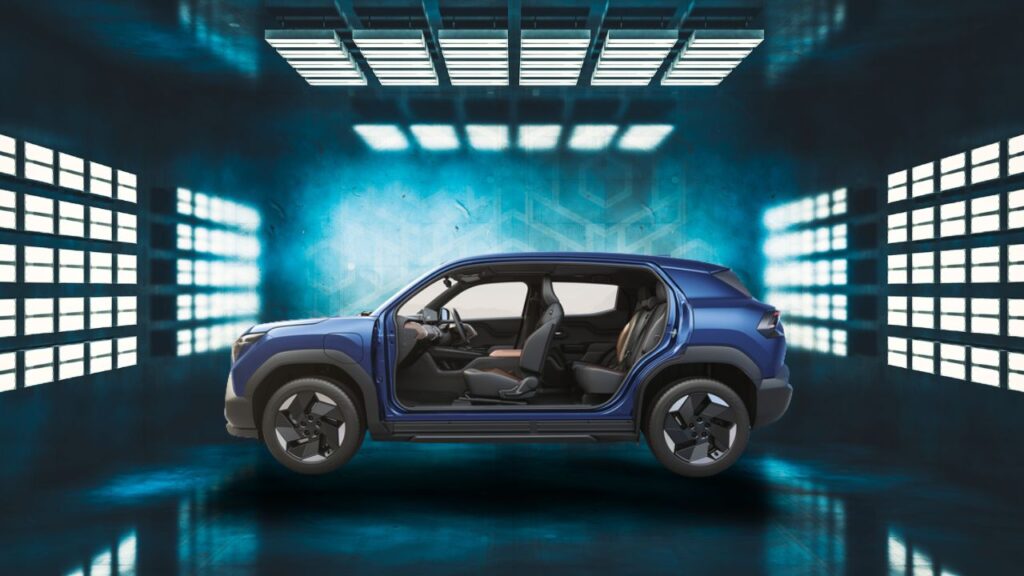
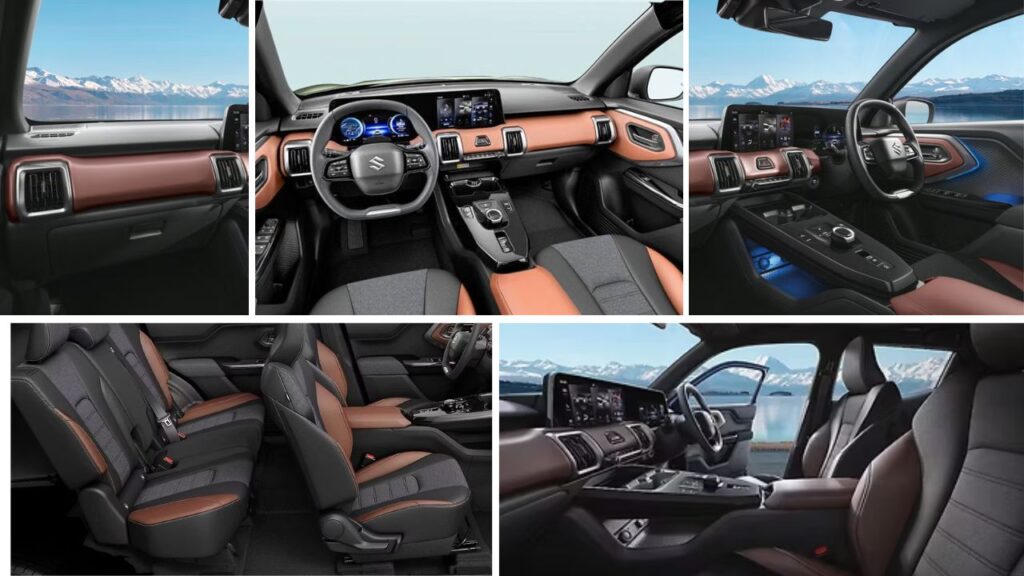
Now let’s go past safety to the high-end features that really make driving everyday a pleasure. The interior quality is the first thing you notice when you step inside. Maruti has also given the e-Vitara a digital cockpit with a 10.1-inch infotainment touchscreen and a 10.25-inch digital driver’s cluster – both merged into a single, high-tech display layout. This isn’t just smoke and mirrors, the interface is user friendly, and includes wireless Apple CarPlay and Android Auto. 


Premium Features That Actually Matter

The convenience features are high in numbers also. Driver’s seat has 10-way power adjustment — best-in-segment for this category, so no matter what your height or preference, you will get the ideal driving position. The front seats are ventilated and the steering wheel even comes heated in most variants. For those riding in the rear, there’s a split rear seat (40:20:40) that reclines and slides, affording everyone in the vehicle true comfort for long hauls. 

The interior is further enhanced with an Infinity by Harman audio system, multi-color ambient lighting with 12 colors and 7 dimming levels. These may seem like frills, but they make the daily grind a little more tolerable. Throw in a panoramic roof and you have a vehicle that smells more like a million-bucks rather than what it actually costs. 

Modern Connectivity Features

Modern Connectivity Features

Maruti’s Next-Gen Suzuki Connect delivers 60+ connected features to the  e-Vitara. This translates to remote vehicle access, live location tracking, and vehicle health monitoring, all from your smartphone. It’s the sort of technology that makes driving nowadays feel like no-hassle, no-worry. 

Conclusion

What makes the Maruti Suzuki e-Vitara special is how Maruti has been able to integrate robust safety features with real premium-features, and not making the car feel over-engineered or unnecessarily complex. The 5-star Bharat NCAP rating is a testament to the company’s occupant protection, while the long list of premium features suggests they know what the modern Indian buyer wants.​

If you worry about your family’s safety, you crave the latest technology or you just want a car that makes no comfort compromises, the e-Vitara has you covered. It’s a car that shows electric doesn’t have to mean sacrificing on features — in fact, Maruti has taken the opportunity to do the opposite and significantly raise the bar for the entire range. 

In a segment increasingly dominated by safety and technology, the Maruti Suzuki e-Vitara raises the bar and that makes it an attractive proposition for those buyers who wouldn’t want to compromise on the best. 

2

Thinking of Buying Maruti Alto K10 in 2027? Read This Before You Decide

Published Nov 21, 2026, 7:05 AM
Last Updated Nov 23, 2026, 11:24 AM

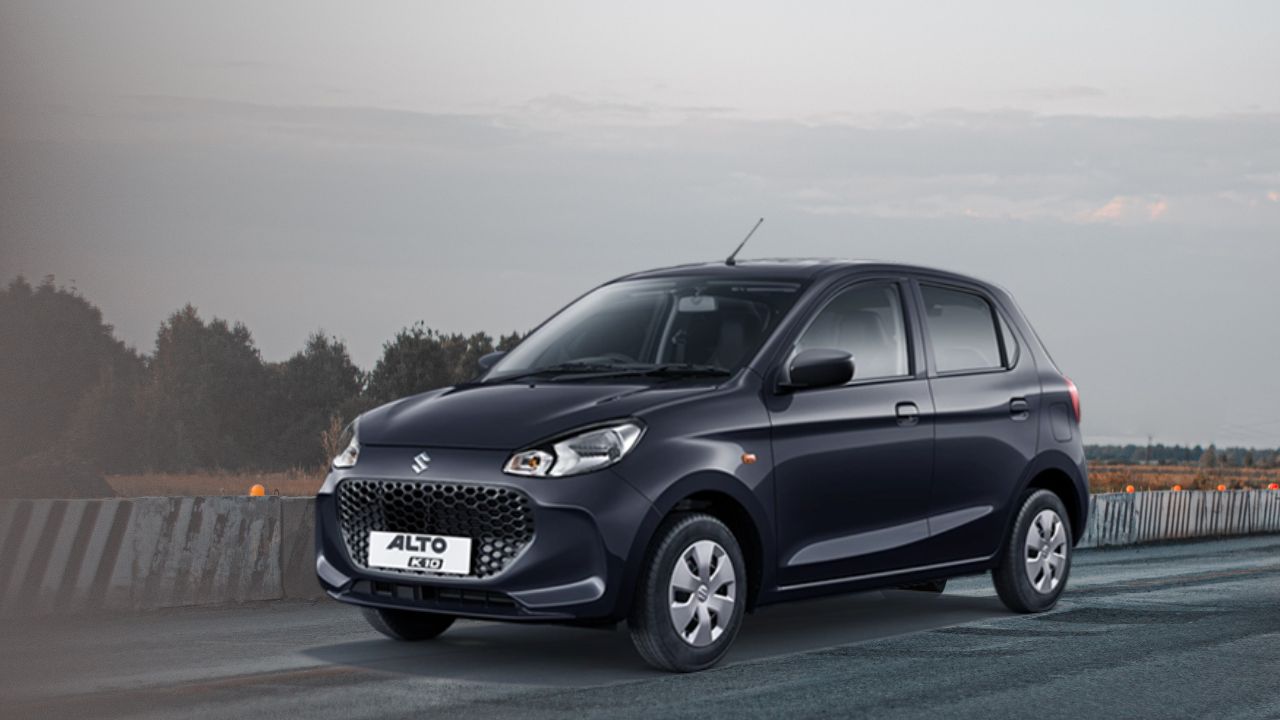
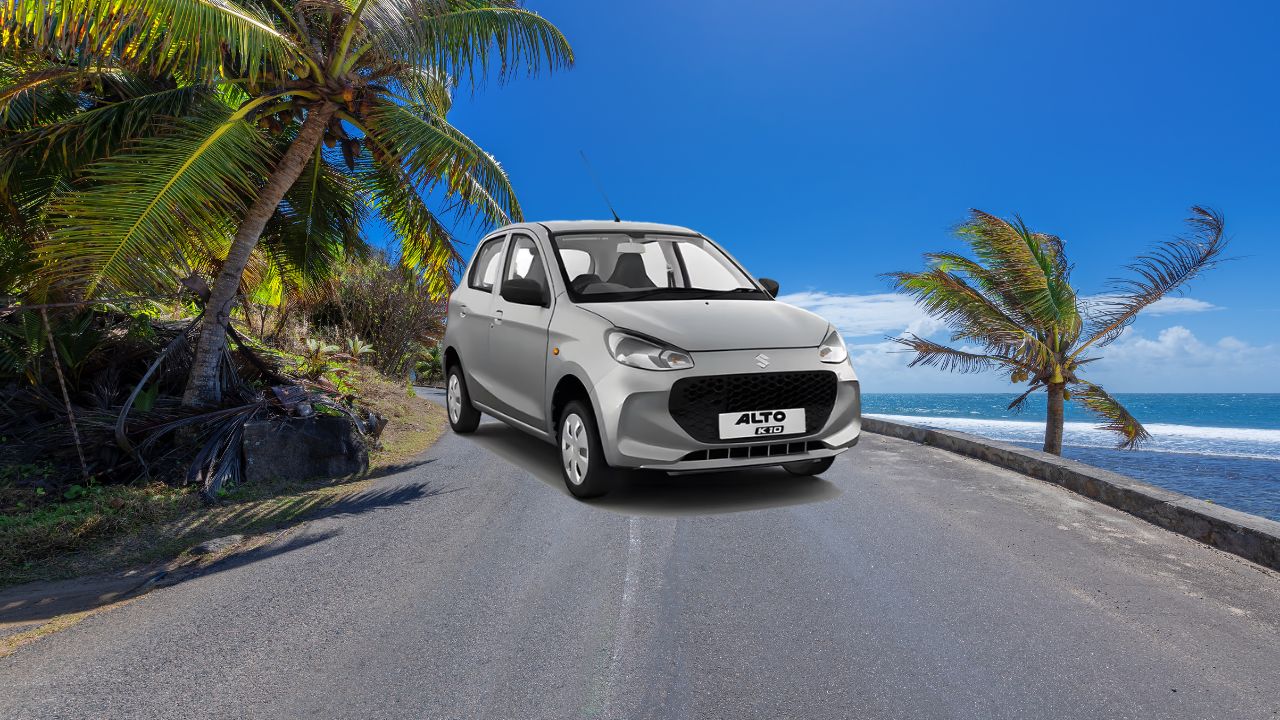
Maruti Alto K10 in 2027

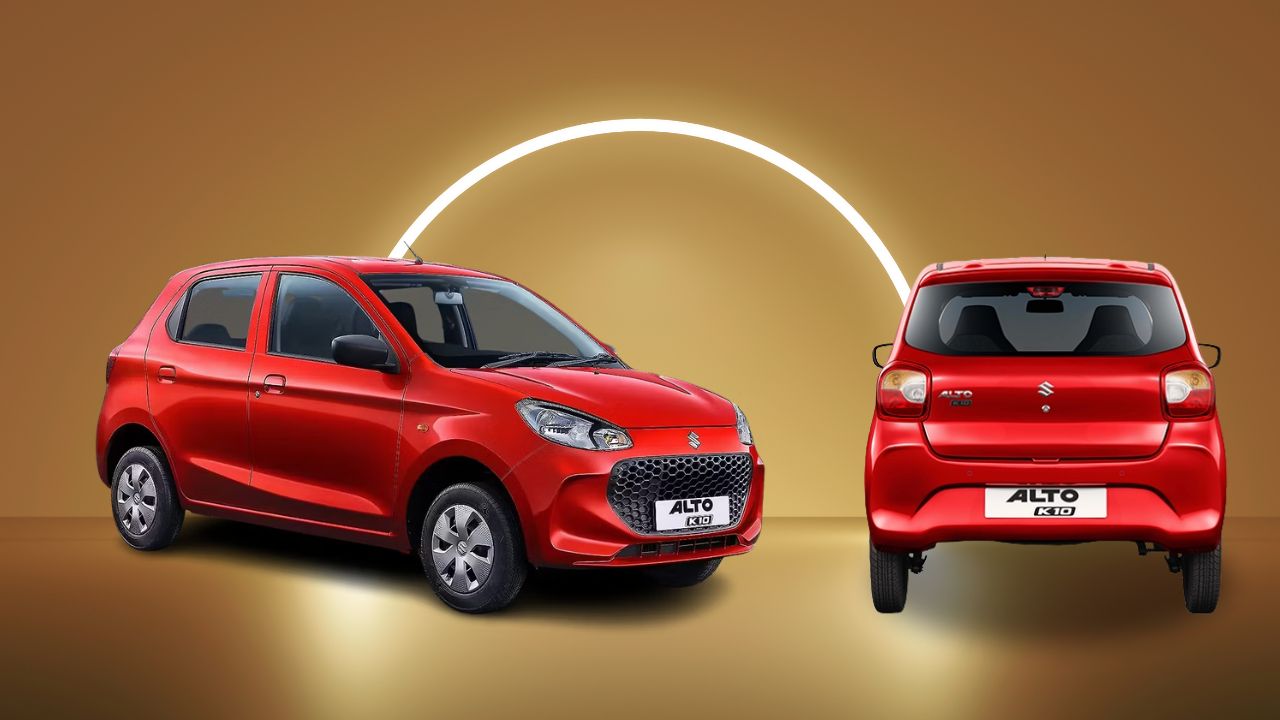
The sticker price of a car is rarely the price you pay. If you’re checking the Maruti Alto K10 price in 2027 before buying in India, the number you see online is only the beginning. Here is what the car actually costs.

Maruti Alto K10 Price in India

The petrol range runs from roughly ₹4.28 lakh to ₹5.34 lakh ex-showroom. The CNG range sits between ₹4.84 lakh and ₹5.34 lakh. That keeps the Alto K10 among the cheapest ways to own a new car with a proper warranty and a service network in almost every town.

Maruti Alto K10 On-Road Price: Where the Gap Opens Up

Ex-showroom price is what the company advertises. But you have to pay extra to own a car including road tax, registration, insurance and dealer charges, and the total shifts a lot by city and that is called on-road price of a car:

  • Delhi: ₹4.28-6.16 lakh
  • Mumbai: ₹4.47-6.48 lakh
  • Chennai: ₹4.58-6.64 lakh

Chennai’s top-end figure is nearly ₹50,000 higher than Delhi’s for a similar car. In Lucknow, expect a total somewhere between the Delhi and Mumbai figures. UP registration and insurance can move it, so get a written dealer quote before you compare anything.

Maruti Alto K10 CNG Price

Maruti Alto K10 CNG

Two CNG variants are on offer: the LXi (O) S-CNG at ₹4.84 lakh and the VXi (O) S-CNG at ₹5.34 lakh ex-showroom. On the road, the LXi (O) comes to about ₹5.33 lakh in Delhi and ₹5.71 lakh in Chennai. The VXi (O) lands near ₹5.87 lakh in Delhi and ₹6.34 lakh in Chennai.

Due to higher costs of CNG, it will only pay off if you have long commutes. If you make short commutes on the weekends, you are unlikely to get a good return.

Read More 👉  5-Star Safety Ratings Cars in India: What the 2026 Crash Tests Show

Maruti Alto K10 EMI Per Month

As most people take loans to buy this vehicle, the EMI is very important. With an interest rate of about 9.8% and a down payment between ₹43,000-55,000, you can expect to pay anywhere between ₹8,100 to ₹10,500 per month.

Variant Down payment 60-month EMI
Std (O) petrol ₹42,795 ₹8,141
LXi (O) petrol ₹45,660 ₹8,684
LXi (O) S-CNG ₹55,185 ₹10,508

Various estimates are available. One estimate shows that the entry cost of EMI is ₹9,727 for 48 months. According to CarWale, the cost ranges between ₹7,073 to ₹10,419 for 5 years at 10% interest, with a 10% down payment. The variation in tenure, interest rate and down payment contributes to greater change in values.

Maruti Alto K10 EMI

A loan of Rs 1 lakh over 5 years at 10% will cost you about Rs 2,125 per month. Rs 3 Lakhs will cost around Rs 6,400, Rs 4 Lakhs will be around Rs 8,500 and Rs 5 Lakhs will be around Rs 10,600.

Read More 👉  Kia Seltos Earns a 5-Star Crash-Test Rating: A Big Win for Safety

Conclusion 

The Maruti Alto K10 is an affordable car choice for first time buyers and smaller families in 2027. However, the on-the-road price of the car depends on various factors including the city you live in, variant selected, insurance and finance options.

If you drive long distances regularly, the CNG version may make sense, while the petrol variants are better suited to occasional city use. Before booking, compare the on-road price and EMI offers from different dealers to make sure the Alto K10 fits your monthly budget without stretching your finances.