0

The Best Skoda Cars Under 10 lakh In India – Stylish, Reliable And Budget-Friendly Options

Best Skoda Cars Under 10 lakh In India

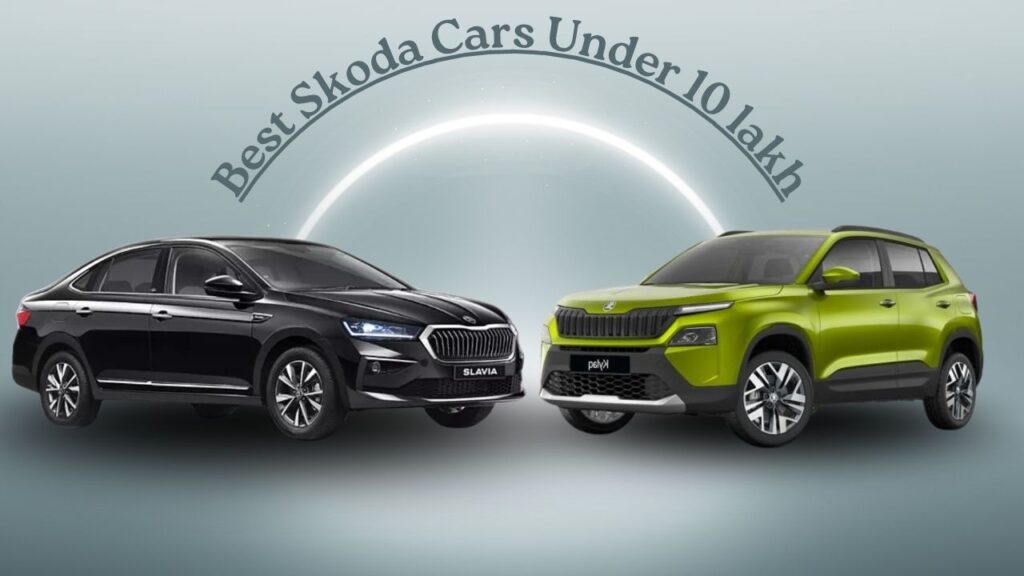
In the segment of ₹10 lakh cars, very few brands have built the same trust, quality and safety standards as Skoda. Renowned for rock solid European engineering and world class reliability, Skoda provides a premium experience on the road even in the affordable market segment. In 2025, Best Skoda Cars Under 10 Lakhs has made owning a Skoda now simpler than let’s say ever before, with four exceptional variants across two models; the sleek and rugged Skoda Kylaq and the sophisticated Skoda Slavia. 

There are 4 variants across 2 models:

Skoda Kylaq Classic ₹7.55 Lakh
Skoda Kylaq Signature ₹9.00 Lakh
Skoda Kylaq Signature AT ₹10.00 Lakh
Skoda Slavia 1.0L Classic ₹10.00 Lakh

All prices are ex-showroom and offer amazing value for the precision of a premium European engineering, world class safety and dependable driving. 

Skoda Kylaq

Rated 5 star by Bharat NCAP, Skoda Kushaq is the safest sub-4 metre SUV in its class & the cheapest Skoda in India. when and where it was presented in November 2024 It has a premium features and European build quality at the right price. 

Classic Variant
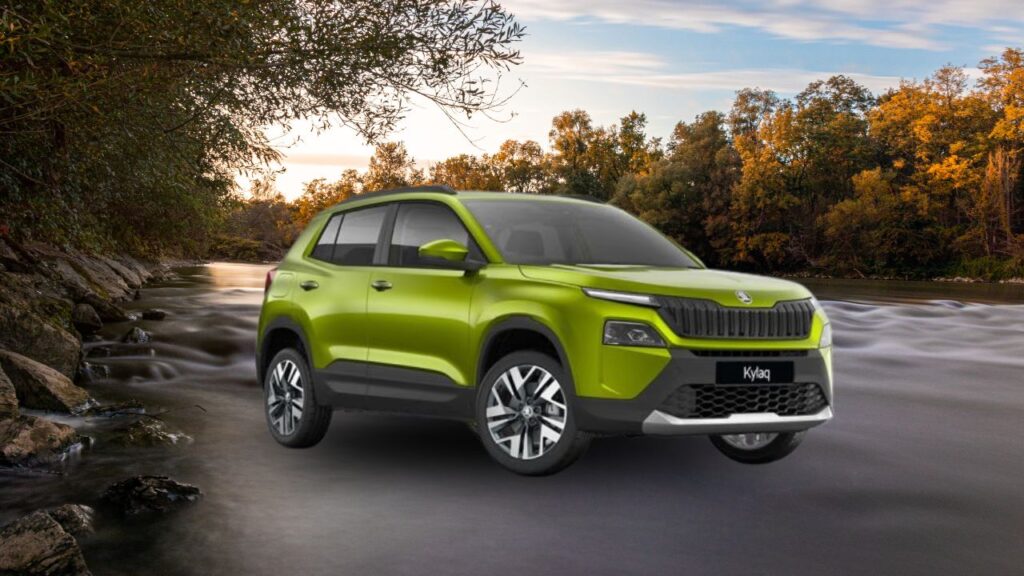
Skoda Kylaq Classic Variant

Image credit: Skoda

Classic Skoda Kylaq Variant 1 would be the functional leader in the range of ₹7.55 Lakh. 1.0 TSI Turbo Petrol engine With 999 cc three cylinder engine, it delivers stunning power output of 114 horsepower at 5000-5500 rpm and peak torque of 178 Nm at 1750-4000 rpm. The 6-speed manual transmission of the car ensures a comfortable and entertaining ride. A 45-liter fuel tank and an ARAI-certified mileage of 19,68 kmpl make for good mileage for both the daily commute and the long drive. If you want a cheap, reliable car that still focuses on performance, you can’t go too wrong with the Kylaq Classic. 

Space & Safety Features

With the distance between the axles at 2,566 mm, the car provides a stable and comfortable ride. Its 189 mm ground clearance makes it perfect for Indian roads. It is the best in class with a spacious 446 liters boot capacity. 

Standard six airbags which is rare in this price bracket, plus the 5-seater ensures the car’s safety. Scoring 30.88/32 in adult safety and 45/49 in child safety, it holds a 5-star rating from the Bharat NCAP. ABS with EBD, ESC, Traction Control, Multi-Collision Braking and rear parking sensors are some of the modern safety features. Family security is enhanced by the ISOFIX child seat anchors. 

Excellent Exterior & Interior Comfort
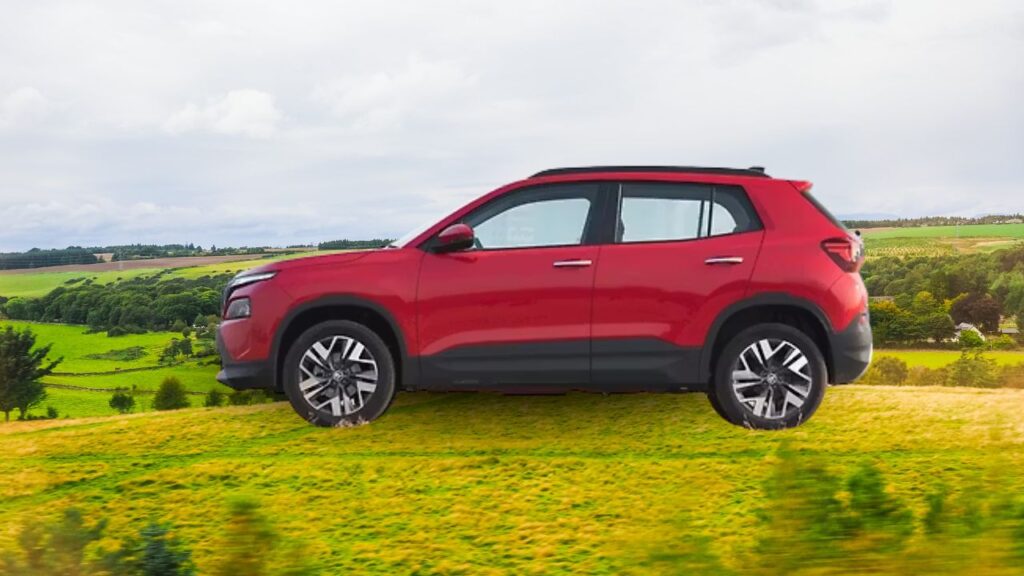
Skoda Kylaq Excellent Exterior & Interior Comfort

Image credit: Skoda

The graceful LED high mount brake lights and LED tail lights which add a modern touch to the design. With its robust 16 inch steel wheels with stylish wheel covers, it is both rugged and stylish. The sophisticated look is further highlighted by the ORVMs and the door handles that are painted with the body color. 

Step inside, The fabric clad cabin relevantly adds to the cozy and refined ride. The multi-function steering wheel allows you to conveniently control the important functions, and the easy steering wheel enables you to find the most comfortable driving position. The electrically adjustable ORVMs adds to the convenience by allowing you to easily make smooth adjustments to get the optimal visibility, and for your convenience, you get power windows – all 4 of them. 

This variant is available in 7 colors options including Brilliant Silver, Carbon Steel, Deep Black Pearl, Tornado Red, Candy White, Lava Blue, Olive Gold.

Read More:- Top Volkswagen Cars Under 10 Lakh in India – Affordable Style, Performance and Reliability 

Kylaq Signature Variant 2

An excellent model pushing the boundaries of contemporary options and good value for money, the Kylaq Variant 2: Signature at ₹9.00 Lakh is a solid pick for those seeking somewhere between the two extremes. It is based on the Classic model but with a load of useful convenience and technology upgrades. Its cruise control, a 7-inch touchscreen infotainment system that works with wired Android Auto and Apple CarPlay, and 16-inch silver alloy wheels. The four-speaker audio system makes the entertainment even more enjoyable and your safety is ensured by the Tyre Pressure Monitoring System (TPMS). For a more premium feel inside, the steering wheel features leatherette wrapping. 
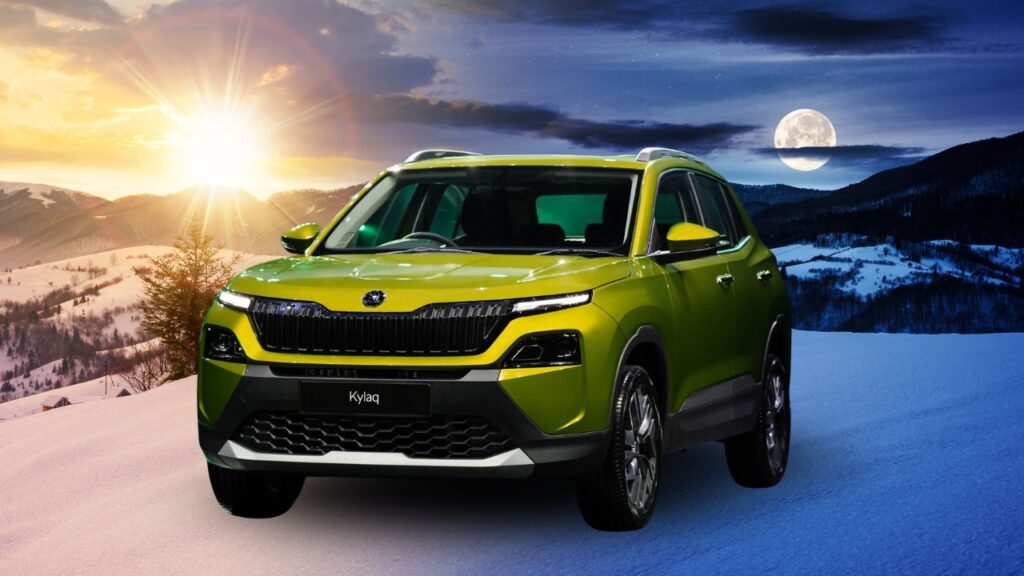
Kylaq Signature Variant 2

Image credit: Skoda

This variant is powered by a 1.0 TSI engine which produces 114 bhp and 178 Nm of torque, mated to a 6-speed manual gearbox and delivers a mileage of 19.68 kmpl. The Signature model is the right choice if you want the best in features but when you cannot compromise on performance or value for money. 

Why Signature variant Worth ₹1.45 Lakh More

The Kylaq turns upscale rather than plain in the Signature trim. This is the least expensive model with a touch screen with smartphone integration, cruise control for highway driving, and TPMS for safety. Also, the appearance is enhanced significantly with alloy wheels. 

Kylaq Signature AT Variant 3

With the 6-speed Torque Converter Automatic Transmission, the Kylaq Variant 3: Signature AT (₹10.00 Lakh) offers a superior driving experience. This option is ideal for city-dwellers as it was designed to make urban driving simple and effortless. It brings an automatic gearbox for greater convenience and retains all features from the Signature Manual variant. Being higher variants, they also come with paddle shifters which provide a sportier driving experience.
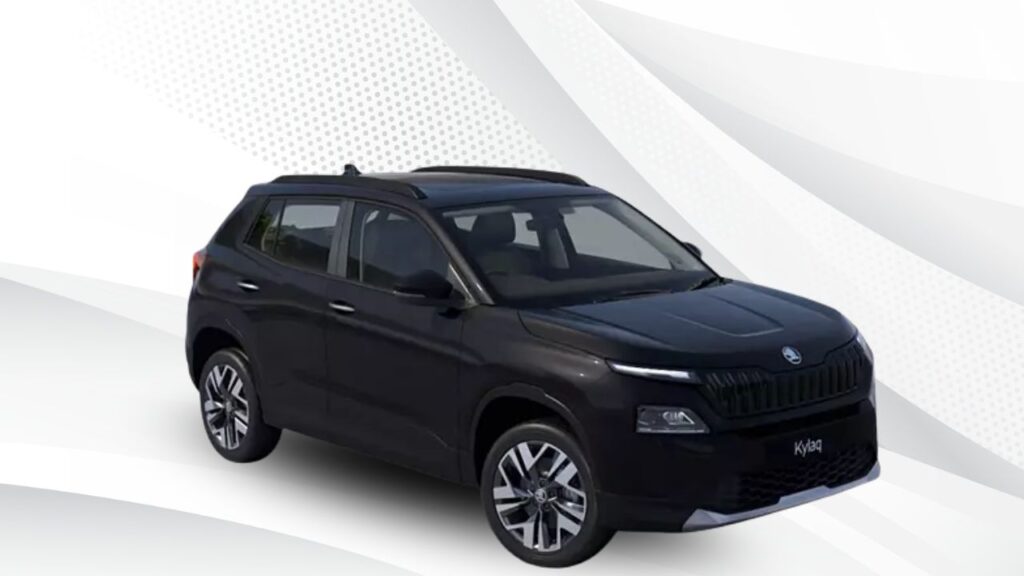
Kylaq Signature AT Variant 3

Image credit: Skoda

The convenience and comfort of the automatic version make it all the more worth while as it returns bit less mileage (19.05 kmpl) than manual version (19.68 kmpl) Though you have to sacrifice a little bit of mileage (19.05 kmpl) from the manual version (19.68 kmpl) but the convenience that automatic version provides is worth giving up for a little bit of mileage. This model offers a sublime combination of practicality and performance, which the discerning motorist will appreciate. 

Why Choose Automatic

Hustle and bustle of city driving can be nerve-wracking at the best of times but an automatic transmission offers a handy fix. It also prevents the need to engage the clutch all the time, making long commutes less tiring. It comes with paddle shifters, which allows the driver to manually shift gears if needed for convenience and control. Unless you want to be worrying about your car slewing sideways in this modern age, where automatics deliver the same power and performance as a manual, which in turn means you’ve had to sacrifice nothing in driving dynamics. 

Skoda Slavia 1.0L Classic

The Skoda Slavia is an elegant and spacious premium mid-size sedan with refinement to match. The 1.0L Classic base model is priced at ₹10 lakh which is a vastly different offering compared to the Kylaq. 
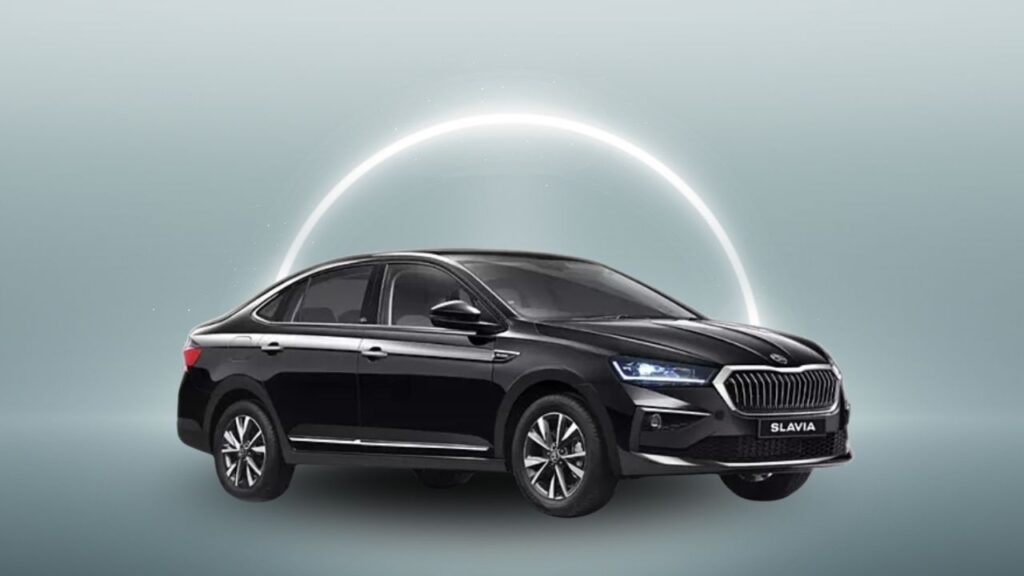
Skoda Slavia 1.0L Classic

Image credit: Skoda

Engine Performance & Space

Slavia 1.0L Classic is a premium sedan which has a perfect balance of functionality, comfort, and performance. This 3-cylinder machine’s 999 cc, 1.0 TSI Turbo Petrol engine produces a staggering maximum power of 114 horsepower at 5000–5500 rpm along with a peak torque of 178 Nm between 1750 and 4500 rpm. The car comes with a 6 speed manual gearbox which makes driving even more fun. It is a great fuel efficient car with mileage 20.32 kmpl. With a wheelbase of 2,651 mm — 85 mm longer than the Kylaq, the car affords more legroom to rear passengers. While it is 10 mm shorter than the Kylaq, its 179 mm ground clearance works great on Indian roads. The Slavia is ideal for long journeys with a lot of luggage to carry as it has a massive boot space of 521 litres. 

Sleek Design & Safety Features

The car comes with several modern, premium features aimed at making driving easier and the occupant more comfortable and safe. Its stylish exterior includes a hexagonal chrome grille, 15-inch steel wheels and crystalline LED tail lamps. Electrically adjustable with an integrated turn indicator, the functions also benefit the utility of the car, along with being body-colored.
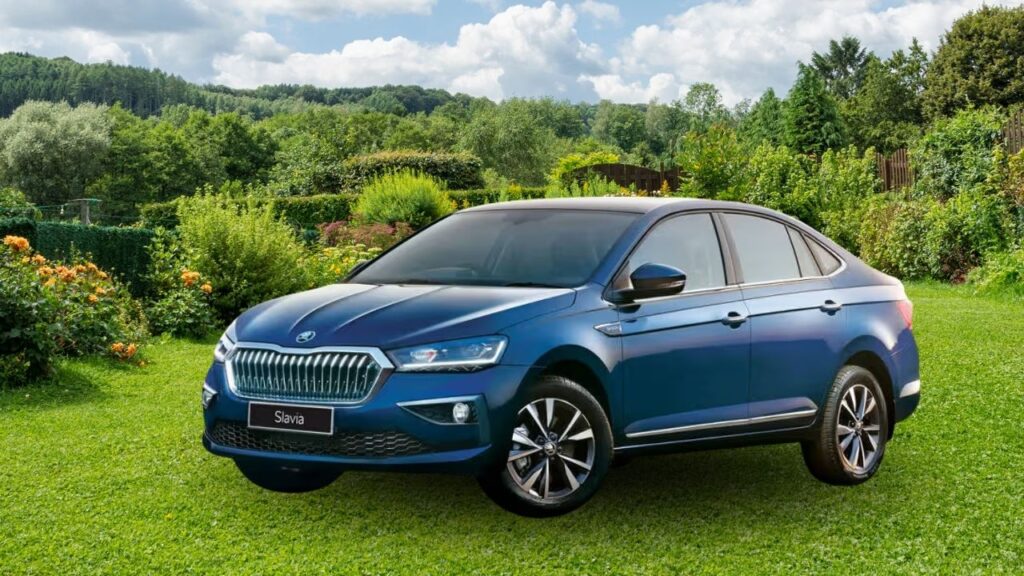
Kylaq Signature Variant 2 Sleek Design & Safety Features

Image credit: Skoda

The interior of the car features premium fabric seats, tilt telescopic audio controls, multi-function steering wheel and semi-digital instrument cluster. The driver seat is height adjustable while the power windows come with one-touch down feature for the driver. 60:40 split folding rear seats add more flexibility. 

A 5-star crash safety rating for adult and child protection from Global NCAP, ABS with EBD, electronic stability control, traction control system, hill hold control, multi-collision braking, ISOFIX child seat mounts, and rear parking sensors, with six airbags standard on all variants, means safety priorities. Combined they ensure a driving experience that is safe. This vehicle has been designed to meet the needs of the modern driver and high standards of reliability and performance by utilizing state of the art technology, luxurious interiors and robust safety measures. 

Infotainment & Technology

The car is equipped with a 7-inch touchscreen infotainment system that runs on a modern and user-friendly interface. It wired Android Auto and Apple CarPlay help you access your smartphone smoothly for more accessibility and convenience. The sound system in standard models has two speakers while the higher models are equipped with four speakers for superior sound. Bluetooth functionality to make hands free phone calls and stream audio wirelessly adds another element of functionality and convenience to the system.  

Suspension & Handling

The car is equipped with a MacPherson strut front suspension system, allowing independent operation for enhanced handling and ride comfort. A twist beam suspension is fitted at the rear which is a semi-independent setup offers a good compromise between cost and adequate performance.
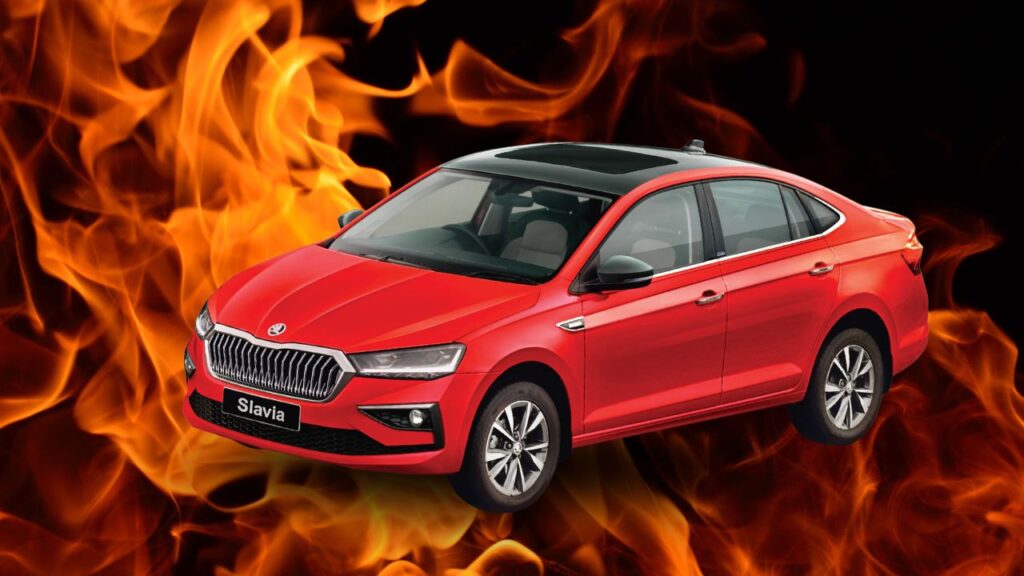
Kylaq Signature Variant 2 Suspension & Handling

Image credit: Skoda

Electric power steering offers crisp handling and effortless maneuvering. The rear wheels are equipped with drum brakes, which are a practical, effective braking solution and the front wheels have disc brakes, which allow reliable stopping power. 

Comparison of Kylaq vs Slavia Classic

Urban parents have ever-evolving needs, and they tend to seek out vehicles that not only accommodate their daily needs, but also have enough space and comfort to be taken on family road trips. Meanwhile, first-time SUV owners are looking for a model that will serve as a first step into the sport utility world, by being accessible and reliable. People who drive on rough roads all the time need a tough, high-performing, long-lasting vehicle like Kylaq

 to make it through them.  

To have a smooth and enjoyable travelling on the road, travelers who travel on highways often want to know which cars are the most comfortable and reliable for long days behind the wheel. Buyers who have families and who prioritize having as much room for luggage as possible will opt for vehicles that can easily accommodate both passengers and cargo because they know practicality and versatility are key. Efficiency of fuel Customers who buy fuel efficient vehicles want to their operating costs to be as low as possible and to have the least impact on the environment, dynamic performance, precise control and a unique driving experience.  

Feature-by-Feature Comparison Table

Feature Kylaq Classic Kylaq Signature Kylaq Signature AT Slavia Classic
Price ₹7.55 L ₹9.00 L ₹10.00 L ₹10.00 L
Body Type Compact SUV Compact SUV Compact SUV Sedan
Transmission Manual Manual Automatic Manual
Mileage 19.68 kmpl 19.68 kmpl 19.05 kmpl 20.32 kmpl
Boot Space 446 L 446 L 446 L 521 L
Ground Clearance 189 mm 189 mm 189 mm 179 mm

Why Choose Skoda Under ₹10 Lakh?

  • European Quality at Indian Prices: Both Kylaq and Slavia are based on the MQB-A0-IN platform, a platform co-developed by Skoda and Volkswagen tailored for Indian conditions. 
  • Uncompromising Safety: All Skoda cars under ₹10 lakh are equipped with 6 airbags as standard – something even some cars at twice the price omit.
  • Proven Powertrain: The 1.0 TSI is no experimental engine – it has been tested in battle under the hoods of thousands of Kushaq and Slavia
  • Strong Resale Value: The rising popularity of Skoda in India - along with solid safety credentials and the India 2.0 commitment – is allowing better resale values as compared to the older Skoda models

Conclusion

With 4 unique variants under ₹10 lakh, Skoda is undisputed king in choice, safety and value for money in this segment. Kyrobatic Classic, the affordable and safe Kyroq Signature, the convenient Kyroq Signature AT and the spacious and efficient Slavia Classic which ever you choose, you benefit from leading European engineering, world-class safety and the pride of a globally recognised brand. The 1.0 TSI engine with six airbags and the same 5-star safety rating is available in all four skoda variants which only goes to show that the brand refuses to cut corners when it comes to what really matters, no matter the price tag. 

Sharey Khan

Sharey Khan is an IT entrepreneur and petrol head & a car enthusiast. With a special focus on car-related content, he combines his deep passion for vehicles with a talent for crafting informative, engaging, and easy-to-understand content. His writing is driven by a genuine love for cars and he is committed to providing readers with accurate, up-to-date, and trustworthy information that empowers smarter driving decisions. 

Leave a Reply

Your email address will not be published. Required fields are marked *

1

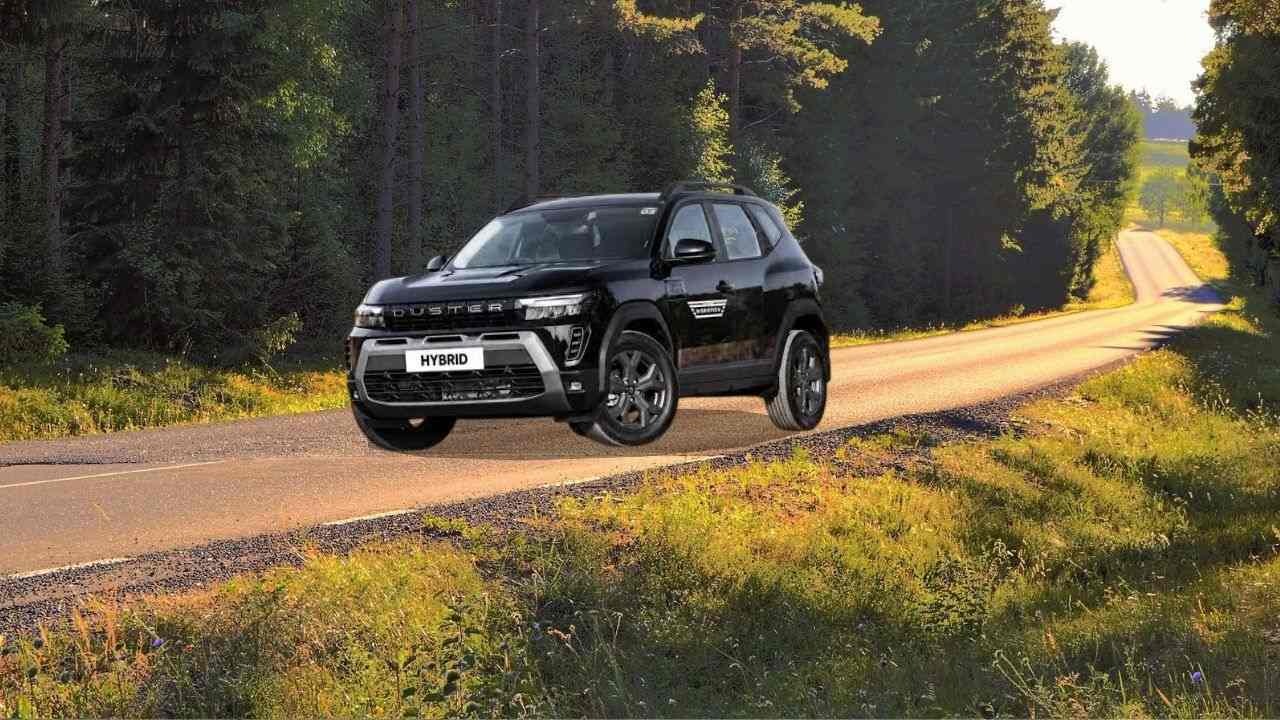
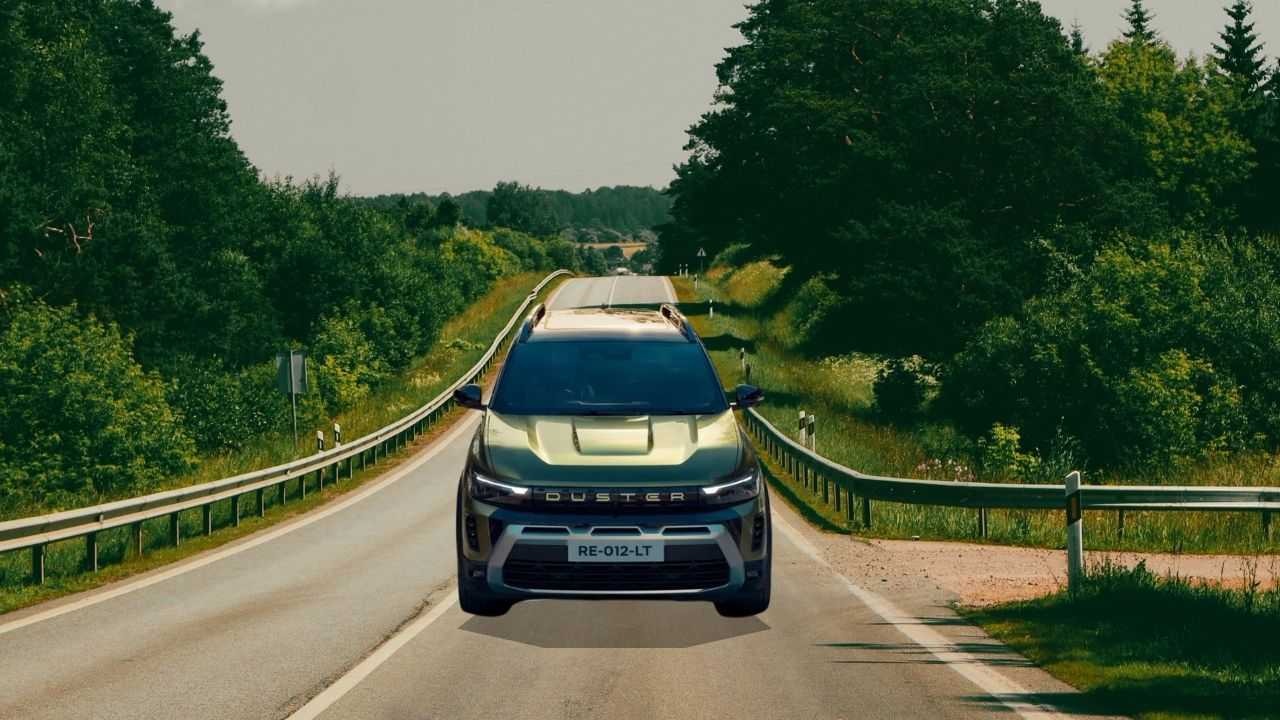
Renault Duster Strong Hybrid E-Tech 160 Is Yours at ₹21,000

Published Oct 10, 2026, 10:23 AM
Last Updated Oct 13, 2026, 6:40 AM

Renault Duster Strong Hybrid is now available to book at ₹21,000 through its website and dealerships, and the full reveal comes on October 17, 2026. This figure is a deposit for the car to own but the showroom price is still not shared by Renault  and no variant list either.

Bookings officially opened on October 9, 2026, you are reserving a place in the delivery queue, not locking a price. The refund policy for the token amount hasn’t been published in anything, so ask the dealer to put it in writing before you pay.

The timeline is already fairly clear. The strong hybrid was promised by October 2026 at the time when turbo-petrol Duster was launched. Now this reveal fits that report perfectly before the Diwali. Expect deliveries around the festive season, though Renault hasn’t confirmed dates.

Renault Duster Strong Hybrid Specs: What Sits Under the Bonnet

This is Renault’s first E-Tech model in India, and the hardware is more sophisticated than most mid-size SUVs here. The Duster strong hybrid E-Tech 160 pairs a 1.8-litre petrol engine with two electric motors and a 1.4 kWh battery. The transmission is a multi-mode automatic. It isn’t a CVT, and it isn’t a conventional torque-converter automatic. Renault’s European hybrids use a clutchless dog-box design, and I’d confirm the India-spec details at the reveal.

Spec Duster Strong Hybrid E-Tech 160
Engine 1.8-litre petrol, hybrid
Electric motors Two
Battery 1.4 kWh
Combined output 160 PS (about 158 bhp)
ARAI mileage 29 km/l
Charging Self-charging, no plug
Dimensions (Duster, all variants) 4,343 mm long, 1,813 mm wide, 1,659 mm tall, 2,657 mm wheelbase
Price Not announced

The 160 PS figure is a combined output, and the pieces aren’t official yet. Expect a power range of 109 bhp, but one source shared a 49 bhp served by electric motor and 20 bhp through starter generator. Treat that as reported rather than confirmed until Renault publishes the breakdown. Also, hybrid power figures aren’t simply added together in real driving, so 160 PS doesn’t tell you how the car will feel at 100 km/h.

Renault Duster

The 1.4 kWh battery is small, and that’s deliberate. You don’t plug it in, so the car recharges through braking and the engine, and you’ll find the electric-only stretches are short, mostly crawling traffic and gentle cruising. It also means no change in your routine. You fill up at the same pump you always used.

Renault is building the car locally. Production is at its Oragadam plant near Chennai, backed by roughly 638 sales and service touchpoints across India. That network matters for a hybrid, because a technology this new needs dealers who can actually service it. 

The 29 kmpl Claim: Real Number or Brochure Number?

Renault announced an ARAI-certified 29 kmpl. ARAI figures come from a controlled lab cycle, so your Lucknow-to-Kanpur or Mumbai to Pune reality will differ. Expect the real-world number to land well below 29, and nobody has road-tested this car yet, so any “real-world mileage” claim you see before October 17 is speculation.

Suppose a petrol price is ₹100 per litre and your drive count is 15,000 km in a year. At 29 kmpl means 517 litres or roughly ₹51,700 a year. Now compare with Duster’s own turbo-petrol which gives 18.45 kmpl (claimed ARAI figure) which costs about ₹81,300 at the same 15,000 km. The gap is roughly ₹29,600 a year technically.

The 29 kmpl Claim

That gap decides whether the hybrid makes sense for you. Divide the extra price you’d pay for the hybrid over the equivalent turbo-petrol by about ₹30,000. A premium of ₹3 lakh takes around ten years to recover through fuel alone. It takes 5 years to cover Rs 1.5 lakh price difference, you can try this calculation replacing with your own annual driving kilometers and exact petrol price. 

Mileage is crucial because this is one thing which matters when it comes to saving. That’s why hybrids become a healthier option for everyone. Hybrid owners who mostly drive in city traffic may recover the extra cost sooner, but on highways it will take more time to take effect.

👉  Pre-Book Limited-Edition Mini Cooper S Comes With 3-Door Entry

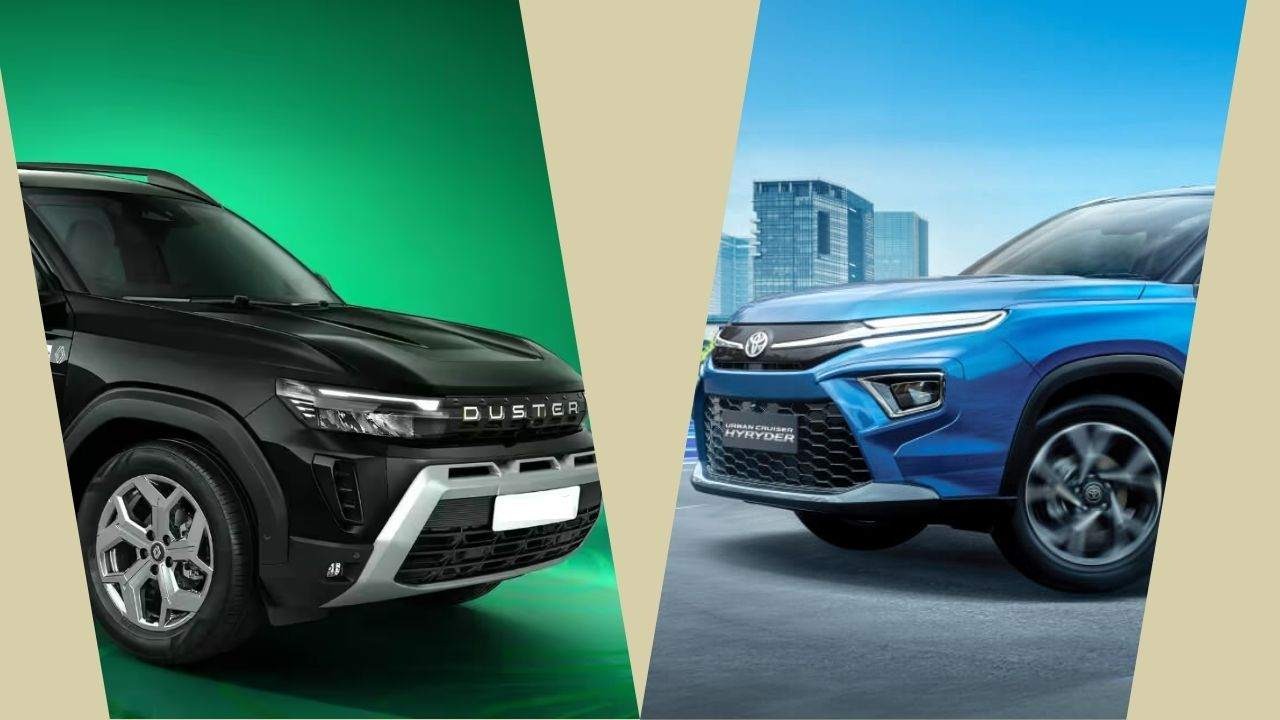
Renault Duster Hybrid vs Toyota Hyryder: The Rival That Matters

Renault’s own positioning is aimed at people who might otherwise buy a diesel SUV. It’s pitched at customers considering alternatives to diesel SUVs. Diesel isn’t the real competition here, though. The strong-hybrid SUV you can buy today is the Toyota Urban Cruiser Hyryder, and its twin, the Maruti Suzuki Grand Vitara. The Hyryder is a badge-engineered sibling of the Grand Vitara and Victoris.

Renault Duster Hybrid Toyota Hyryder Strong Hybrid
Engine 1.8-litre petrol + 2 motors 1.5-litre Atkinson petrol hybrid
Combined output 160 PS 115 bhp (at launch)
ARAI mileage 29 km/l 27.97 km/l
Ex-showroom price Not announced ₹16.46 lakh to ₹19.76 lakh
Length / width / wheelbase 4,343 / 1,813 / 2,657 mm 4,365 / 1,785 / 2,600 mm

On paper the Duster wins on power and claimed efficiency. It’s about 4% better on the mileage claim, and the output gap is larger. The Hyryder wins on proof: it’s been on sale for years, its strong-hybrid system has an established record, and it comes with a known price list. 

Renault Duster Hybrid vs Toyota Hyryder

The Duster is also slightly wider with a longer wheelbase, which could mean more cabin room, but Renault hasn’t published boot space, and the Hyryder’s own hybrid has a reputation for a limited boot, so check that number when it lands. The Hyryder’s strong-hybrid trim list is limited to the S, G(O) and V variants, so a Duster hybrid with a wider variant range would change the equation.

Hyundai’s Creta and Kia’s Seltos haven’t offered a hybrid so far. The Creta/Seltos pair uses a 158 bhp 1.5-litre turbo-petrol, which means the Duster Hybrid’s 160 PS lines up with their power while promising far better efficiency.

How Much Will the Duster Hybrid Cost? 

Renault hasn’t published a price. Here is what exists:

  • The turbo-petrol Duster launched at ₹10.49 lakh to ₹18.49 lakh ex-showroom.
  • Pre-launch estimates on Autocar India’s city pages showed the hybrid at roughly ₹23 to ₹24 lakh on-road, which is an estimate rather than a Renault figure.
  • The Hyryder strong hybrid runs ₹16.46 lakh to ₹19.76 lakh ex-showroom, which is the ceiling Renault has to beat or justify.

The hybrid will cost materially more than the top turbo-petrol. It carries two motors, a battery and a hybrid transmission, so expect it above ₹18.49 lakh ex-showroom, and the question is how far above. If it opens near the Hyryder’s top trim, it’s a real contest. If it lands at ₹20 lakh or more, the fuel savings stop covering the premium for most buyers.

 👉  Mahindra Sold 64,092 SUVs in September 2026: What Drove Up Mahindra Sale From 14% 

Conclusion

Book Renault Duster Strong Hybrid now if you plan to buy before the festive period ends and want your place in the queue, and you can get a written refund promise. Book now too if you do over 15,000 km a year in a city, since that’s where this powertrain pays back fastest.

Wait for the October 17 reveal if you haven’t set a firm budget, because ₹21,000 is small next to a price gap of several lakh. Wait if you want the manual-style driving feel, because Renault Duster Strong Hybrid car doesn’t offer a clutch pedal. And wait if boot space or rear-seat room matters to your family, since neither figure is out.

0

Best 7 seater cars in India for 2026 – Comfortable, Budget-Friendly & Perfect for Families

Published May 30, 2025, 6:02 AM
Last Updated Nov 5, 2026, 4:14 PM

Best 7 Seater Cars in India for 2025 – Comfortable, Budget-Friendly & Perfect for Families

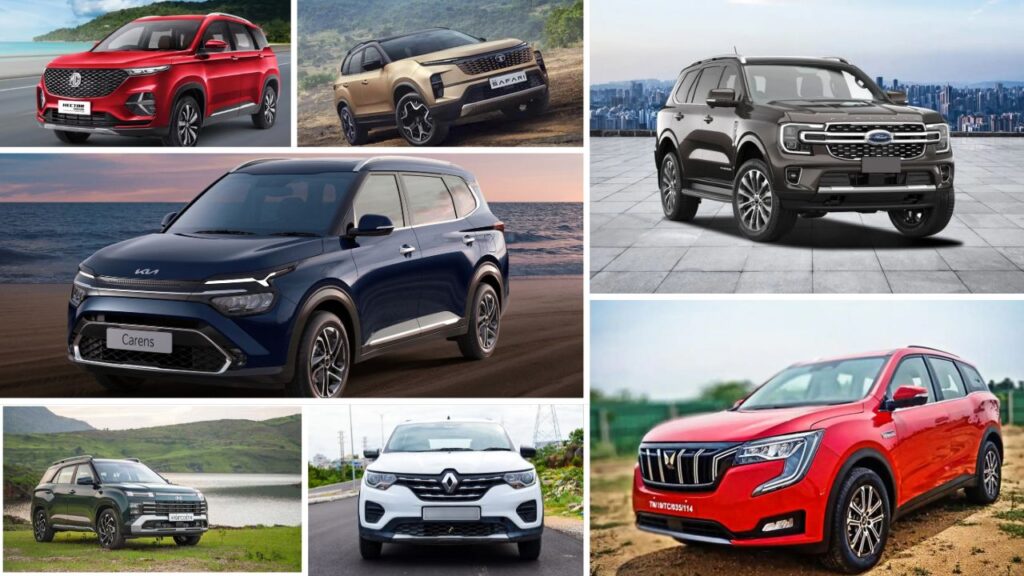
When you are in the market for a new car, it can be hard to find the right one. And one of the greatest solution is a 7-seater car, enough space for everyone and maximum comfort for the entire family. Looking to purchase a 7 seater cars in India for 2026? You are at the right place. This article goes through some of the best of such general outstanding cars with comfort, affordability, and reliability.

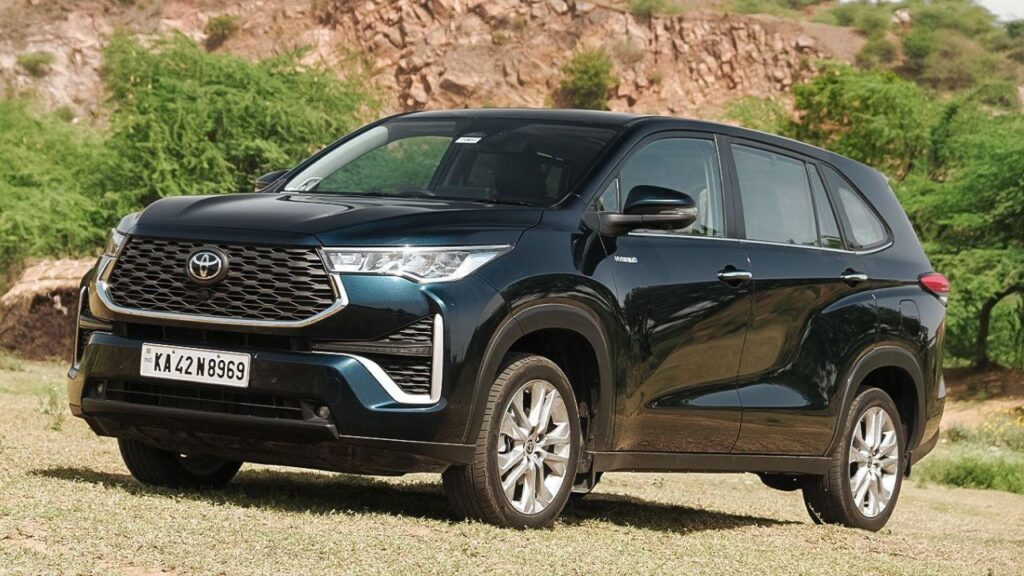
Toyota Innova HyCross

Toyota Innova HyCross

The Toyota Innova was the stuff of households in India for many years, and the new HyCross only further heightens its status. You get a car that is equipped with a hybrid engine with a fuel efficiency and reduced emissions which means a lot if you are into that eco stuff. The expansive cabin ensures your whole family travels in comfort, and the high-end amenities add a touch of elegance. Its reliability has been consistently solid and Toyota’s reputation explains why it remains so popular among families.

It’s got a high fuel-efficiency hybrid engine, a 10-inch touchscreen, a panoramic sunroof, and state-of-the-art safety options. Toyota Innova HyCross Price The Toyota Innova HyCross is priced at ₹22-30 lakh (ex-showroom) tagged along with inviting maintenance as a well (as discussed in our previous sections)?It is guaranteed to serve register monster turnover.

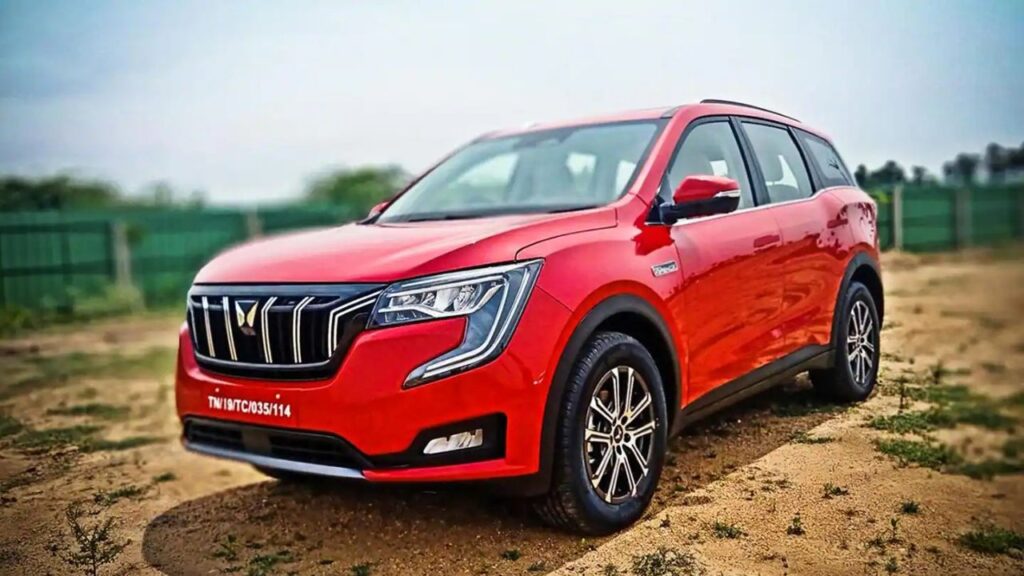
Mahindra XUV700

Mahindra XUV700

The Mahindra XUV700 is another great choice if a luxurious SUV with breath-taking performance is what you seek. Luxury This vehicle includes a luxurious cabin with a strong engine. The XUV700 also gets cutting-edge technology, including the Adrenox connected car tech, and Level 2 ADAS (Advanced Driver Assistance System) for added convenience and safety. It is great for families who desire an approach to luxury mixed with functionality.

Mahindra XUV700 price range is expected to be between ₹15 lakh and ₹25 lakh (ex-showroom), making it a value proposition for enthusiasts wanting a premium, high-tech ride at an inexpensive price.

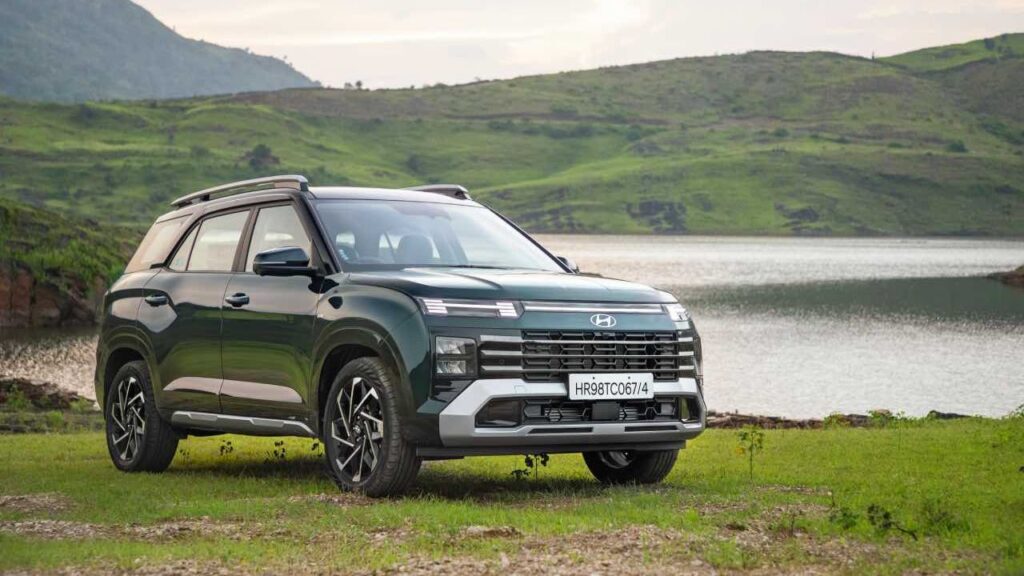
Hyundai Alcazar

Hyundai Alcazar

The Hyundai Alcazar is a handsome, feature-loaded 7-seater SUV, Pictured: Hyundai SUV 7-seater. Famous for its smooth ride and its plush interior, this car is a solid deal for any family who wants a mix of comfort and tech. Among the features are a 10.25-inch touchscreen, ventilated seats, wireless charging and BlueLink connected car technology. Hyundai is also famous for its unbeatable post-sales service that enhances the Alcazar’s desirability.

The Hyundai Alcazar price will range between ₹16-22 lakh (ex-showroom) and is ideal for a family looking for a premium yet affordable in SUV.

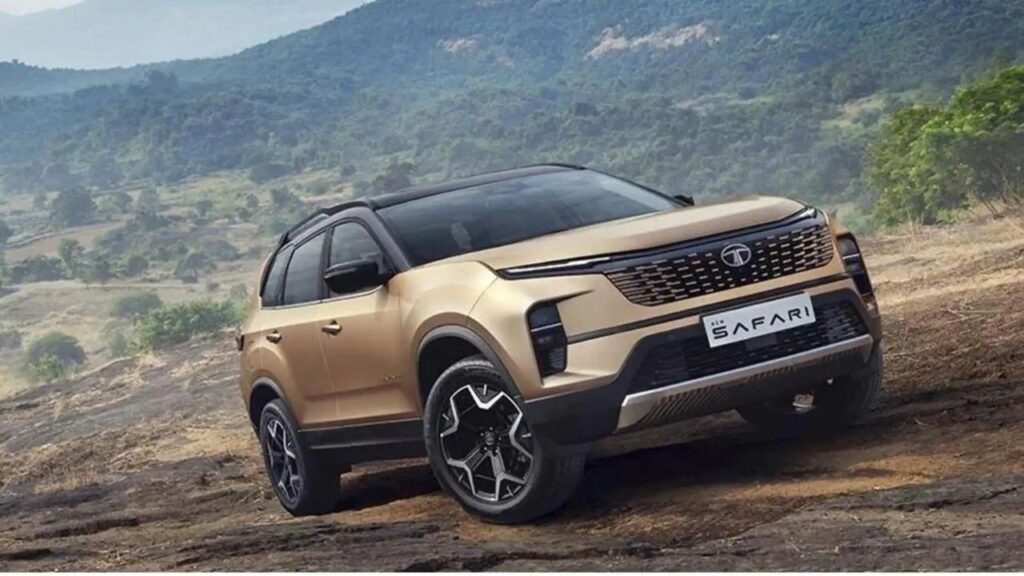
Tata Safari

Tata Safari

The Tata Safari is an elegant and rugged SUV that is suited for urban streets and occasional off road trips. It’s a striking looking vehicle with contemporary touches in the form of iRA connected car tech, sunroof and, naturally, a decnet six airbags for safety. Families who like getting outdoors need something like the Safari – which is rugged and offers plenty of space.

Starting at ₹16 lakh and going up to ₹25 lakh (ex-showroom), the Tata Safari is a cost-effective stylish option for families that love to take trips.

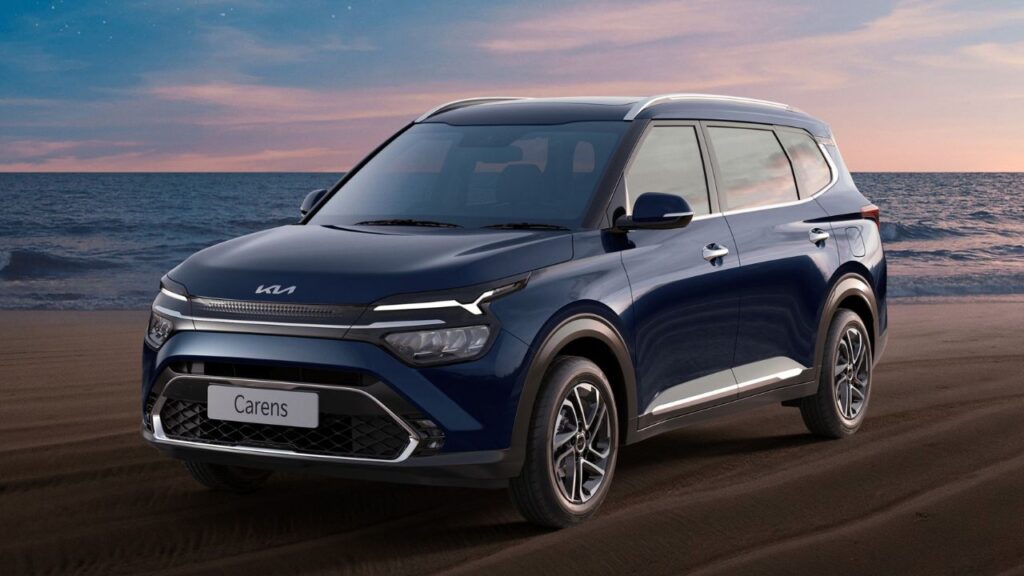
Kia Carens

Kia Carens

If you’re after a cheap and cheerful MPV, consider the Kia Carens. This vehicle gets you a lot of car for your money with lots of space and utility. The Carens is a great drive, with seating options to suit your lifestyle. It’s created for the type of families that want a mix of room, comfort and affordability.

Kia Carens is priced between ₹10-18 lakh and is comparatively one of the more affordable cars on this list without compromise on features and comfort.

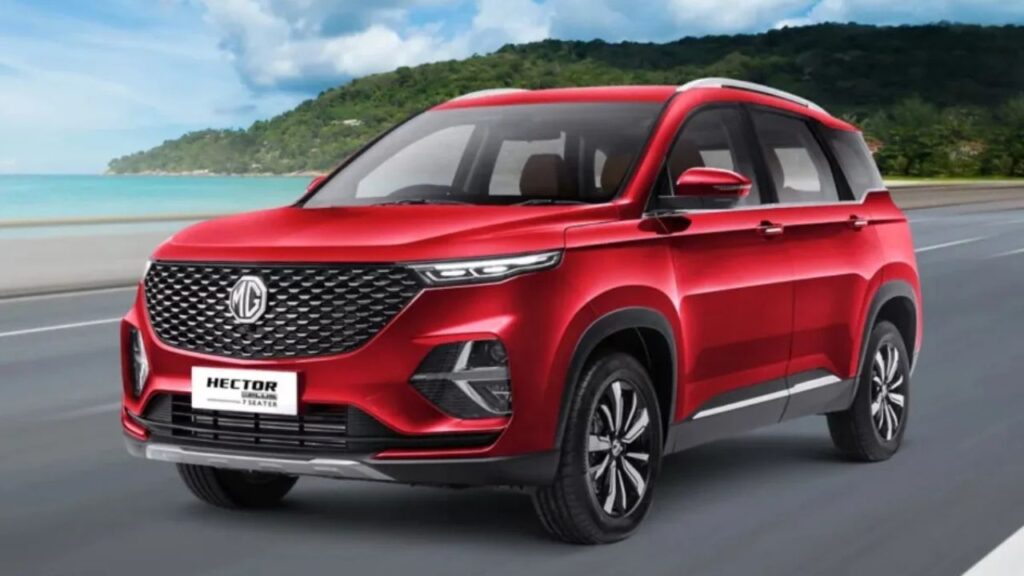
MG Hector Plus

MG Hector Plus

A large and fully-loaded family SUV that is even larger and more fully-loaded after its Plus treatment. It’s designed for those who like tech and comfort, with a large 14-inch touchscreen and a panoramic sun roof, and features the i-Smart connected car technology. Sheer Driving Pleasure : Hector Plus offers a comfortable ride & is ideal for family road trips.

With a price tag ranging between ₹18-25 lakh (ex-showroom), the MG Hector Plus is a fan favorite in the 7-seater SUV segment offering good balance of tech, comfort and space.

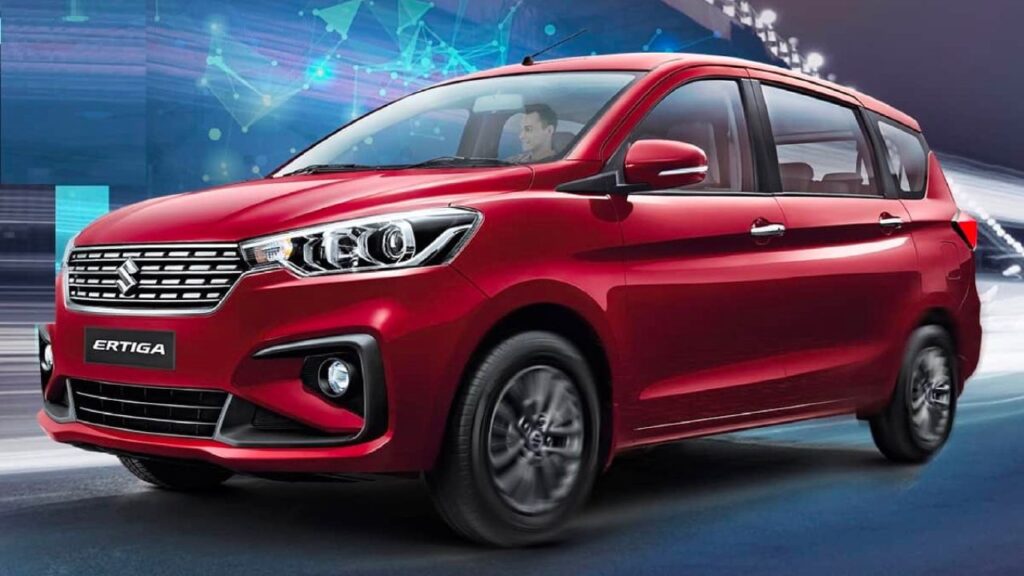
Maruti Suzuki Ertiga

Maruti Suzuki Ertiga

The Maruti Suzuki Ertiga is one of the cheapest 7 seater cars in India. It’s a popular model with superior fuel efficiency and reduced maintenance expenses, with high degree of reliability. There’s plenty of room inside, so your family will easily travel in it, yet the car comes at an affordable price, which is just great news for anyone after value for money.

Maruti Suzuki Ertiga The Maruti Suzuki Ertiga comes in the price range of ₹9-13 lakh (ex-showroom) and brings a value-for-money solution for families who are in need of a 7-Seater car under a budget.

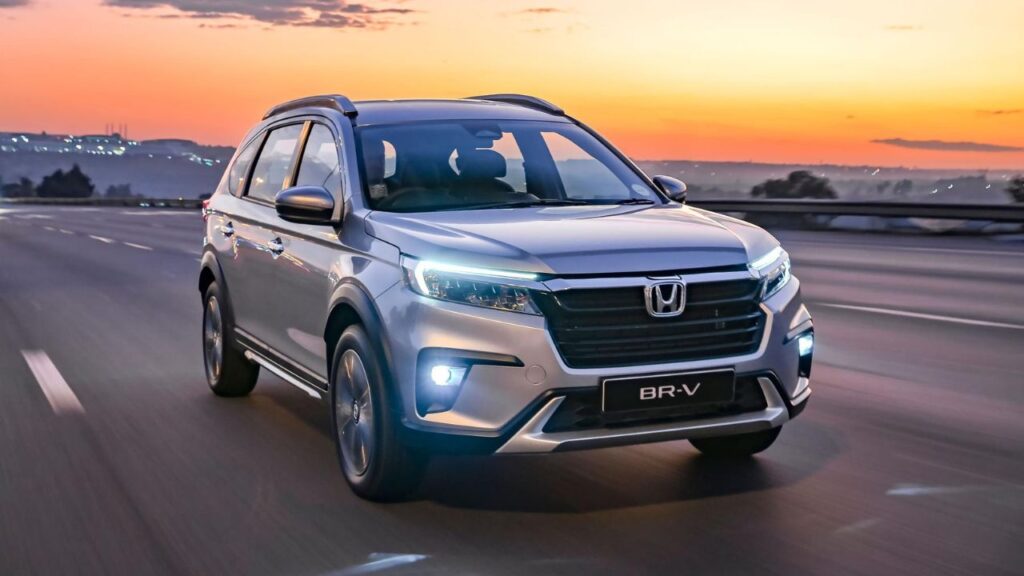
Honda BR-V

Honda BR-V

An affordable compact 7-seater SUV in the form of the Honda BR-V available in the market today. It has a decent performance and comfortable ride and is a great option for families that are in the market for a budget friendly and reliable car. The BR-V has a touchscreen for its infotainment, rear AC vents and Honda’s well known trustworthiness in engines.

Priced between ₹10-15 lakh (ex-showroom), the Honda BR-V is ideal for families keen on a smaller SUV but still large enough for long drives.

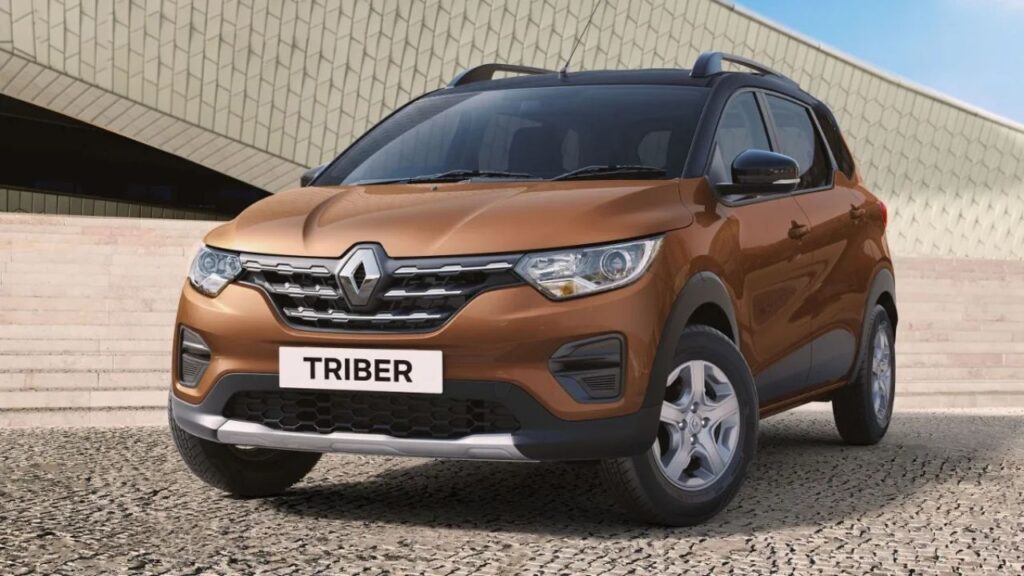
Renault Triber

Renault Triber

The Renault Triber is a great compact MPV option that is surprisingly spacious and flexible – ideal for small families. Definitely a go-to for the people that require a 7-seater car yet would rather not drive with the proportions of a conventional SUV. The Triber boasts modular seating, an 8-inch touchscreen and great fuel consumption to be practical and economical.

The Renault Triber is the cheapest of the 7 seater cars in India market right now It’s the small price bracket of ₹6-10 lakh (ex-showroom) that Renault’s Triber fits in and is best suited for a family on a budget.

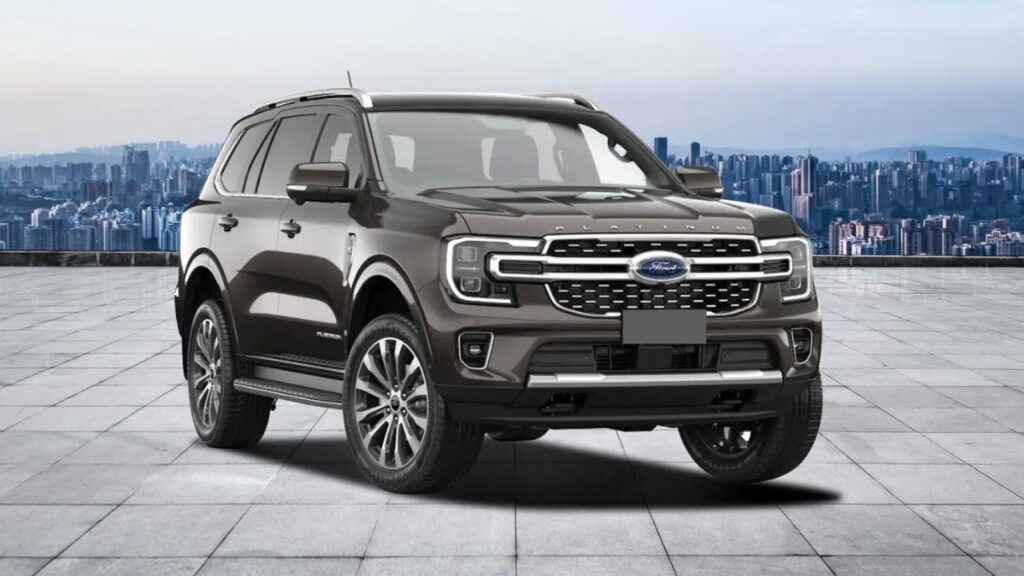
Ford Endeavour

Ford Endeavour

Ford Endeavour will certainly be among the ones leading the pack in 7-seater SUVs. With its tough looks, strong diesel motor and plush insides, the Endeavour is perfect for a family that loves to go places and is also looking for something that can take the rough with the smooth. There’s even a 4WD option for these who like to test the suspension off-road.

Priced in the range of ₹35-40 lakh (ex-showroom), the Endeavour is a premium SUV designed for families who love adventure and luxury.

Conclusion

Thе 7 seater cars in India for 2026 offеr a variеty of options that catеr to diffеrеnt budgеts and prеfеrеncеs. Whеthеr you arе looking for a fuеl-еfficiеnt hybrid, a luxury SUV, or a rеliablе family car, thеrе’s somеthing for еvеryonе. I hopе this list hеlps you find thе pеrfеct car that mееts your family’s nееds and fits your budgеt. No mattеr which onе you choosе, thеsе cars will offеr you comfort, spacе, and rеliability for yеars to comе!


0

New Tata Safari EV Triple Screen Dashboard Spied – Launch Soon

Published Sep 22, 2026, 9:58 AM
Last Updated Sep 26, 2026, 8:43 AM

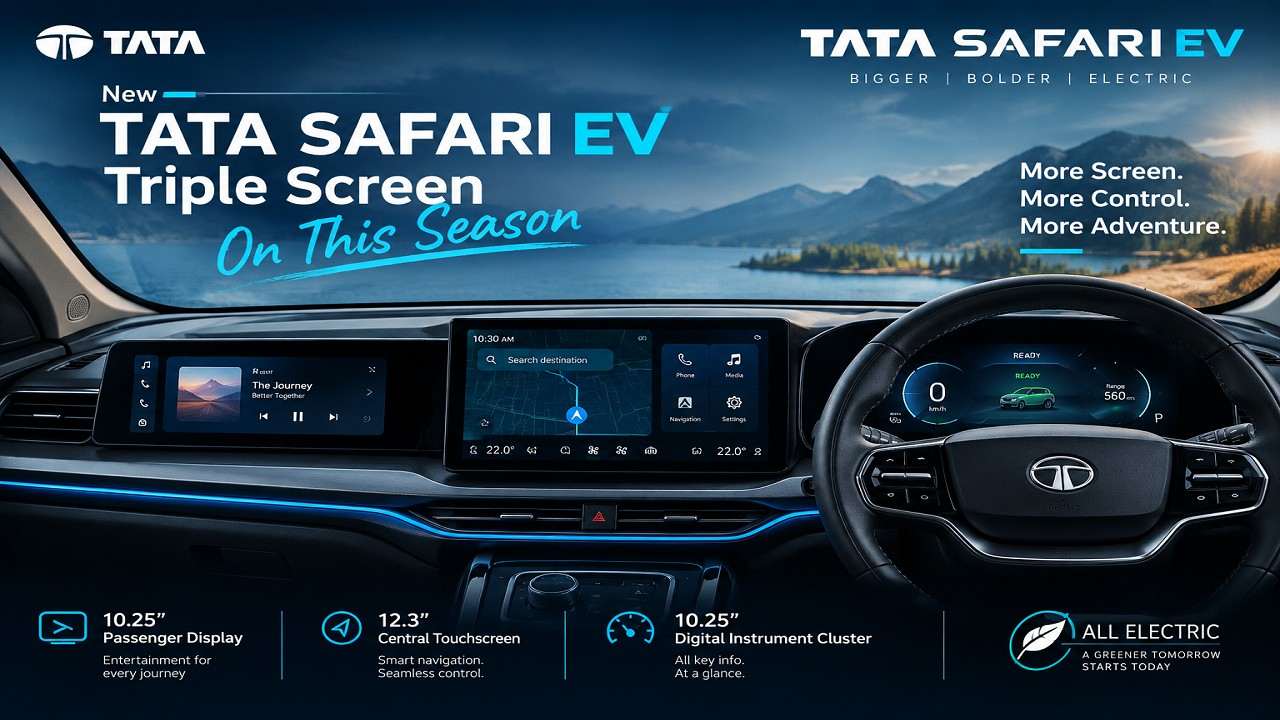
Tata Safari EV

The new Tata Safari EV soon enters the market with three rows and three screens. Since Tata always comes with specific functionality, this time Safari makes an exceptional presence in a seven-seat family SUV segment. Tata hasn’t confirmed the dashboard, the launch date or the price. The outlet speculated that the Safari EV could end up better equipped than the Harrier EV.

What the Spy Shots Show About the Triple Screen Dashboard

Photos credited to Rushlane that show a Tata Safari test mule with a triple-screen layout in the cabin. Nobody at Tata has said which Safari that is. The mule could just as easily preview an update to the petrol and diesel Safari, which has no such setup today. Only the Sierra and Sierra EV carry three screens in Tata’s line-up.

If Tata reuses the Sierra EV hardware, expect a 10.25-inch driver display, a 12.3-inch central touchscreen and a 12.3-inch passenger screen. The last one is the party piece. The co-driver can stream shows or play games, using a phone as a controller or a paired Bluetooth gamepad. It would also give the Safari something the Harrier, which stops at two displays, doesn’t have — a feature that feels fitting for Tata’s flagship SUV. 

The Safari EV spotted with no tailpipe, a side step that the petrol and diesel Safari don’t offer, and the independent multi-link rear suspension borrowed from the Harrier EV. It is an ICE-to-EV conversion on Tata’s Acti.ev+ platform. Software should follow the Harrier EV too. Along with a 540-degree camera, auto park assist, and vehicle-to-load charging are all expected.

BMW i5 LWB On Road Price In Lower Than What Buyers Expected 

New Tata Safari EV Launch Date and Price

The official launch date for the new Tata Safari EV is yet to be announced. It is expected to arrive in a festive-season 2026 so people will pick the new model at the time of diwali at a discounted price. 

Prices of Safari EV are expected around Harrier EV price which runs ₹21.79–30.54 lakh as of September 2026. Now the Safari EV is positioned above it so the starting price could be around ₹22.5 lakh ex-showroom, which can also raise up to ₹26—₹32 lakh.

A ₹22.5 lakh start would leave the Safari EV under ₹1 lakh above the Harrier EV’s base price. That’s thin for a longer three-row flagship, so read ₹22.5 lakh as a floor, not a forecast.

The Harrier EV as Blueprint of Battery, Range and Drivetrain

Expect the Safari EV to carry over the Harrier EV’s 65kWh and 75kWh batteries. On the Harrier EV, the single-motor rear-drive versions make 235bhp, while the 75kWh dual-motor version makes 390bhp and 504Nm. It is unconfirmed on AWD output, so check Tata’s own launch specs sheet when it arrives. 

MIDC-certified range on the Harrier EV is 538km for the 65kWh RWD, 622km for the 75kWh AWD and 627km for the 75kWh RWD. The larger, heavier Safari EV is likely to land slightly lower. Harrier EV’s real-world range is 400–500km, which is the more honest planning figure.

The bigger question is how Tata has packaged everything. The battery placement could affect under-thigh support and seating posture in the third row, so buyers shouldn’t expect the same level of comfort back there. 

Safety is another unknown for now. The Harrier EV scored five stars in Bharat NCAP, including full marks for adult occupant protection, but there’s no crash-test result for the Safari EV yet. 

JLR Landing A Land Rover Defender Pickup Truck In Us

New Tata Safari EV vs Mahindra XEV 9S

The XEV 9S is the direct rival, and it’s already on sale. It launched at an introductory ₹19.95 lakh with bookings opening in January 2026. Prices now run ₹20.65–30.90 lakh as of September 2026. 

Battery options are 59kWh, 70kWh and 79kWh, with claimed ranges of 521km, 600km and 679km. The 79kWh version makes 282bhp, and every version is rear-wheel drive.

New Tata Safari EV (expected) Mahindra XEV 9S
Price (ex-showroom) Unconfirmed; ~₹22.5 lakh floor estimate ₹20.65–30.90 lakh
Battery 65 / 75kWh 59 / 70 / 79kWh
Claimed range Slightly below Harrier EV’s 538–627km MIDC 521 / 600 / 679km
Drivetrain RWD and AWD RWD only
Triple screens Spied, unconfirmed Three 12.3-inch screens
Availability Festive season 2026, unconfirmed On sale now

The XEV 9S has real compromises. Its third row suits children or shorter adults, and the boot is very small with all three rows in use. The real-world mileage delivered at 510km, about 75% of the claim. Mahindra also went after the entry price: from 28 August the XEV 9S starts at ₹12.65 lakh ex-showroom under a battery-subscription scheme, plus a battery rental fee.

The triple screen, then, is a catch-up move. Mahindra’s XEV 9S offers three screens from the base variant. Tata’s better card is the Harrier EV’s dual-motor hardware. If the Safari EV inherits it, it would be the only three-row electric SUV here with all-wheel drive.

What Maruti Suzuki Three-Row SUVs Offers in India

The e Vitara is the only Maruti Suzuki EV which is on sale in India, and it’s a five-seater. It costs ₹16.19–20.21 lakh as of September 2026. It comes with 49kWh and 61kWh batteries, ARAI-rated at 440km and 543km, and earned five stars from Bharat NCAP. A Maruti EV buyer who needs seven seats has nothing to buy, and we found no confirmed launch date for a three-row Maruti EV.

So the cross-shopping happens with Maruti’s petrol and hybrid seven-seaters, which sit at very different price points:

  • Ertiga: ₹8.9–13.04 lakh. Claimed mileage is 20.3–20.51kmpl. The third row is cramped for taller passengers and the boot shrinks with all rows up.
  • XL6: From ₹11.62 lakh. It is a strict six-seater with second-row captain seats.
  • Invicto: ₹24.97–28.61 lakh, a hybrid available in 7- and 8-seat layouts. It’s a rebadged Toyota Innova Hycross.

The Ertiga comparison is a money question. Against a ₹22.5 lakh Safari EV, the gap is about ₹13.6 lakh before insurance and registration. Whether the EV recovers depends on your daily distance and your electricity tariff, and few families drive enough to close a gap that size. The Invicto is the real cross-shop. It lands squarely inside the Safari EV’s likely price band and asks you to plug in nothing.

Conclusion

If you want three rows and a plug before the festive season, the XEV 9S is the only one you can actually buy today, and its subscription pricing lowers the entry cost if you accept a per-kilometre battery fee. 

If all-wheel drive matters to you, or you’re already committed to Tata, waiting is reasonable. The Harrier EV’s dual-motor setup suggests Tata can offer AWD here, but no Safari EV variant list exists yet.

If your ceiling is around ₹15 lakh, none of this applies. The Ertiga and XL6 fit your budget and the Safari EV won’t. If you’re spending ₹25 lakh and don’t want an EV, the Invicto is your comparison, not the Safari.

One thing the triple screen should not decide: the Mahindra already has one, so it doesn’t separate the two cars. What separates them is price, the third row and range in the real world, and Tata has published none of those.

So there is not a fixed answer on which car you should buy or waiting for the new Tata Safari EV is the last option. List out your priorities and then decide.

The new Tata Safari EV brings a triple screen dashboard on a Harrier EV’s dual-motor setup that marks it as Tata’s SUV flagship model. But any specifications and prices are not listed by Tata, the inside reports and spied photo is clearer to know what’s coming into the market under the most trusted brand tag.

0

Which Car Is Best: Petrol or Diesel? Pros, Cons & Complete Comparison

Published Jun 10, 2026, 12:18 PM
Last Updated Nov 2, 2026, 5:17 PM

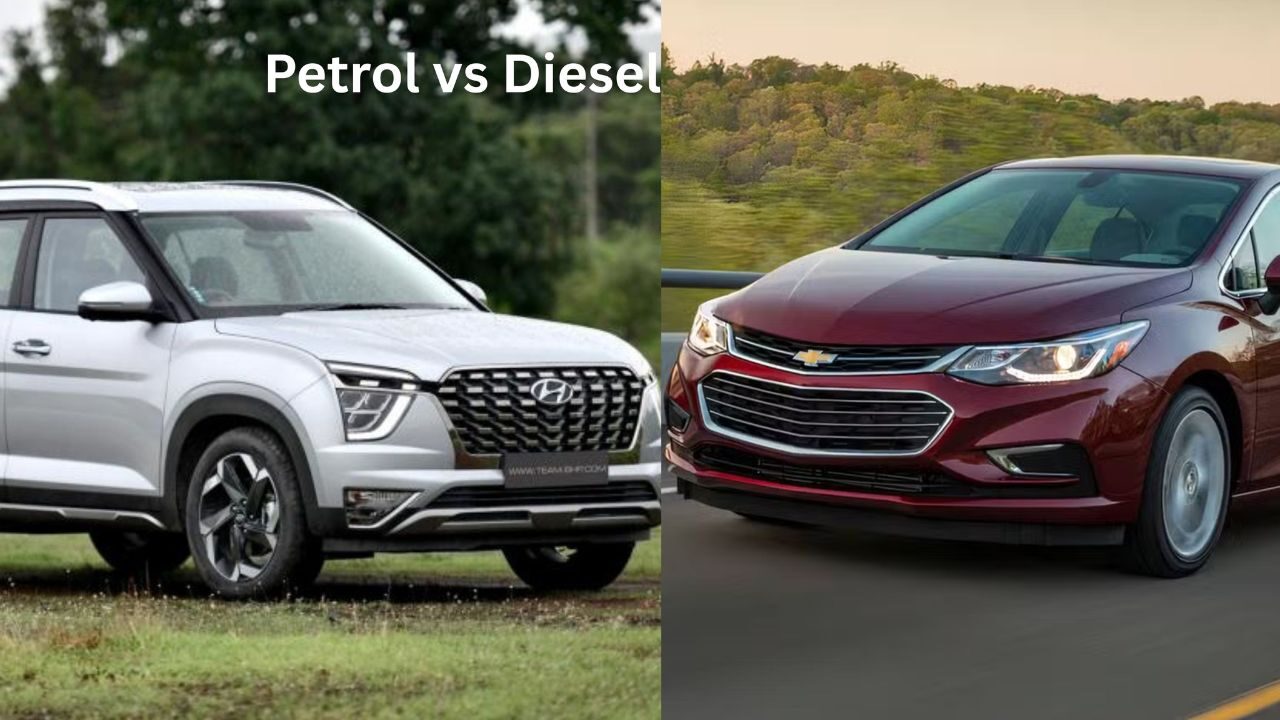
Petrol vs Diesel Car

When you visit a showroom of Maruti, Honda, Tata or any brand, you probably get confused which car is best for you — Petrol vs Diesel Car? The generic answer is it depends on your usage and region but cars are also affected by many factors that make them different from each other. If you are not sure then continue reading to understand it properly.

Let’s Understand the Basics

Factor Petrol Car Diesel Car
Ignition Spark plug Compression ignition
Driving feel Smoother, quicker response at low speeds Strong torque, better at sustained speeds
Best usage City driving, short trips Highway driving, long-distance travel
Upfront price Lower Usually ₹1–2 lakh higher
Fuel cost Petrol is usually costlier per litre Diesel is usually cheaper per litre
Fuel efficiency Lower than diesel Usually 20–25% better
Maintenance Simpler and cheaper More complex and costlier
Best annual mileage Below 12,000–15,000 km Above 20,000 km
Resale value Improving, especially in small cars Traditionally strong, but affected by emission rules
Emissions More CO2 per km More PM2.5 and NOx

A petrol engine uses spark plugs to ignite a mixture of air and fuel. It runs smoother, quickly picks high speed, and feels more responsive mostly at lower speeds. This makes petrol engine cars preferable for smaller distances, city driving.

A car built on a diesel engine uses compression (high pressure) to ignite the fuel, not a spark plug. It generates more torque (that pulling power you feel when you accelerate), runs at lower RPMs, and uses less fuel on longer distances.

That’s the core difference — and it explains almost everything else about how they behave on the road.

The Cost Factor: Upfront vs Long-Term

Most buyers end their discussion on Petrol vs Diesel Car when it comes to the money. 

Same car but diesel variant cost around ₹1 lakh to ₹2 lakh which is more expensive petrol variant. Manufacturing cost drives the extra price of the car because diesel engines have more complex parts.

However, Diesel fuel is cheaper per litre than petrol in India (usually by ₹10–₹15 per litre). And that makes it more fuel-efficient — a diesel car might give you 20–25% better mileage than the petrol version of the same model.

So here’s the math that actually matters: the break-even point.

Driving in a city less than 10,000–12,000 km a year, it will take you 6–8 years to compensate for the extra cost you paid to the showroom owner for the diesel variant through fuel savings. By that time, you’re probably thinking about your next car anyway.

But if you’re clocking 20,000+ km a year — long highway runs, intercity travel, road trips — a diesel car will pay for itself in 2–3 years and save you a significant amount after that.

The simple rule: high mileage = diesel makes financial sense. Low to moderate mileage = petrol wins.

City Driving vs Highway Driving

City Commuting 

If you use a car mostly for city trips then choose Petrol engines as they love city driving. They’re more responsive at low speeds, gear shifting is very light, and the engine doesn’t need to warm up as much. Start-stop traffic — which is basically the story of driving in any Indian metro — suits petrol engines far better. 

In this traffic area, Diesel engines won’t cope up because they perform best at sustained speeds and consume less fuel. In city conditions, their fuel efficiency advantage largely disappears, and the engine can be reluctant at low revs.

On the Highway

The diesel engine wins here, that high torque means effortless overtaking, smooth cruising at 100+ km/h, and significantly better fuel economy over long stretches. A diesel car on the highway is a genuinely satisfying experience — particularly for long-distance drivers.

Petrol engines can also run on highways but for the run on higher speed they need more fuel to work harder.

The Maintenance Cost For Each Fuel Type

Diesel cars leave your wallet empty for maintenance as their parts are more complex. And diesel-specific components (like the fuel injectors and turbocharger) need time-to-time and attentive servicing.

Petrol cars are simpler under the hood. Routine servicing is cheaper, and mechanics are more familiar with petrol engines — particularly at smaller garages in Tier 2 and Tier 3 cities.

One important thing to understand is that diesel cars need to be driven regularly. If you left them in a garage like any showpiece, a diesel engine can develop issues. Petrol engines can sit without creating any problem for a long time, perfect if the car is a second vehicle or used only on weekends.

Environment and Emissions

Environmental considerations are increasingly playing a bigger role in the petrol vs diesel car debate. Diesel engines emit larger quantities of PM2.5 particles and nitrogen oxides (NOx), which are air pollutants that harm the environment and human health. Petrol engines produce more CO2 per kilometre, but they generate a fraction of the harmful particles. 

India’s BS6 emission rules have brought diesel engines much cleaner than before — but the gap hasn’t fully closed. Several Indian cities have placed restrictions on older diesel vehicles, and there are ongoing policy discussions to set more regulations in pollution-heavy metros.

There are few cities like Delhi and Mumbai where pollution is rising day-by-day and so are emission concerns. It is worth knowing the resale value of your car.

Read more:- How to Calculate Average of Car With Explained Methods and Formula

Resale Value of Diesel & Petrol Cars

Diesel cars have long had better resale values because buyers thought they were more cost-effective to operate. That narrative has been shifting.

The prices are rising and rules are tightening on using diesel cars to prevent air pollution. Petrol cars are increasingly competitive in the used car market and in some segments (hatchbacks, small SUVs), they actually hold value better than diesel equivalents.

You can check any model resale value at the used car market. The segment matters a lot here.

Which Fuel Type Suits You Better?

Let’s make this as simple as possible.

Your Situation Better Choice Why
Mostly city driving Petrol Better low-speed response and lower maintenance
Annual driving below 12,000–15,000 km Petrol Diesel’s higher price takes longer to recover
Car used only on weekends Petrol Handles idle periods better
Daily highway commute Diesel Better mileage and torque
Annual driving above 20,000 km Diesel Fuel savings recover the higher purchase cost
Large SUV or MUV buyer Diesel Strong torque and better long-distance economy
First-time small-car buyer Petrol Lower upfront cost and simpler ownership

Go petrol if:

  • You drive mostly within the city
  • Your annual mileage is under 12,000–15,000 km
  • You want lower upfront cost and simpler maintenance
  • The car will sit idle for days or weeks at a stretch
  • You’re buying a small hatchback or entry-level sedan

Go diesel if:

  • You regularly cover long distances — highway commutes, intercity travel
  • Your annual mileage crosses 20,000 km comfortably
  • You’re buying a larger vehicle (SUV, MUV, premium sedan) where diesel variants make more economic sense
  • You want strong torque and highway cruising ability

CNG and Electric Taking Over Larger Part in Fuel Economy

In 2026, you must understand that petrol vs diesel isn’t the only choice anymore. CNG has become a very practical third option for high-mileage city drivers. It gives more fuel efficiency than both Petrol or Diesel engines, and factory-fitted CNG kits in models like the Maruti Suzuki Alto K10 and Tata Tiago CNG are far more refined than they used to be.

Car manufacturers are making more Electric vehicles (EVs) as their demand is rapidly growing around the world. After petrol becomes more expensive, EVs seem to be the best option for you. Tata Nexon EV and MG Windsor making a compelling case for urban buyers.

But if you’re specifically choosing between petrol and diesel — the two questions to ask yourself are: how much do you drive, and where? The answers will almost always lead you to the right choice.

Conclusion

There’s no universally “better” fuel type. Petrol vs Diesel Car engines are optimised for different kinds of drivers and different kinds of roads.

If you spend around 800–1,000 km a month on the city roads, a petrol car will prove to be cheaper for you and involve fewer hassles. If you’re a long drive enthusiast, you regularly crisscross city limits – diesel will thank you for every kilometre you put on the odometer. 

Know your driving habits honestly, do the break-even math for the specific car you’re buying, and you’ll make the right call.

0

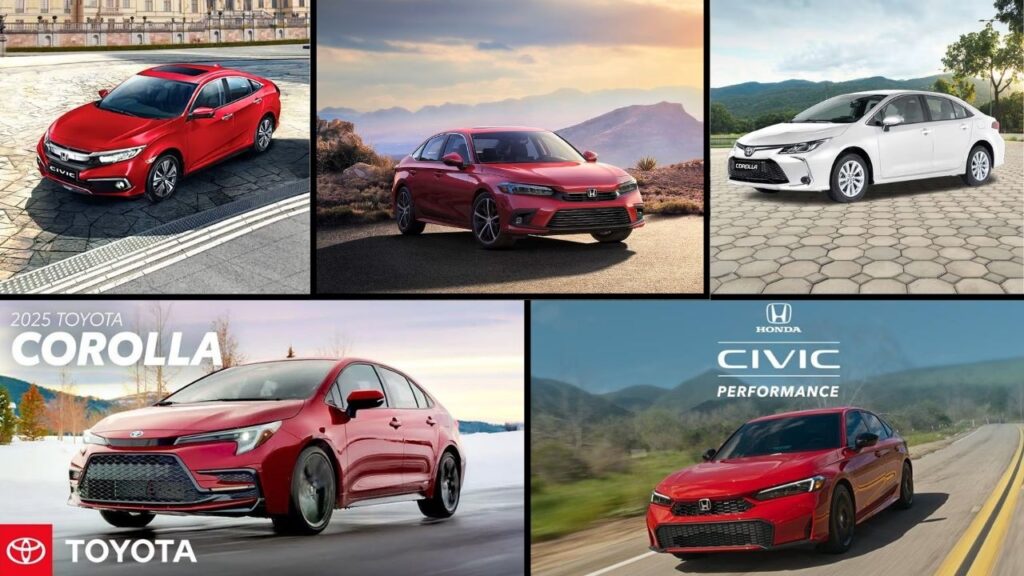
Honda Civic vs Toyota Corolla 2026: The Ultimate Showdown!

Published Jun 20, 2025, 10:34 AM
Last Updated Nov 5, 2026, 4:55 PM

Honda Civic vs Toyota Corolla 2025

Choosing a nеw car can bе tough. Two of thе most popular cars arе thе Honda Civic and thе Toyota Corolla.  For 2026, both cars come with new features. This articlе will comparе thеm sidе by sidе so you know which onе might bе bеst for you. This is thе ultimatе showdown bеtwееn Honda Civic vs Toyota Corolla 2026.

What Arе thе Honda Civic and Toyota Corolla?

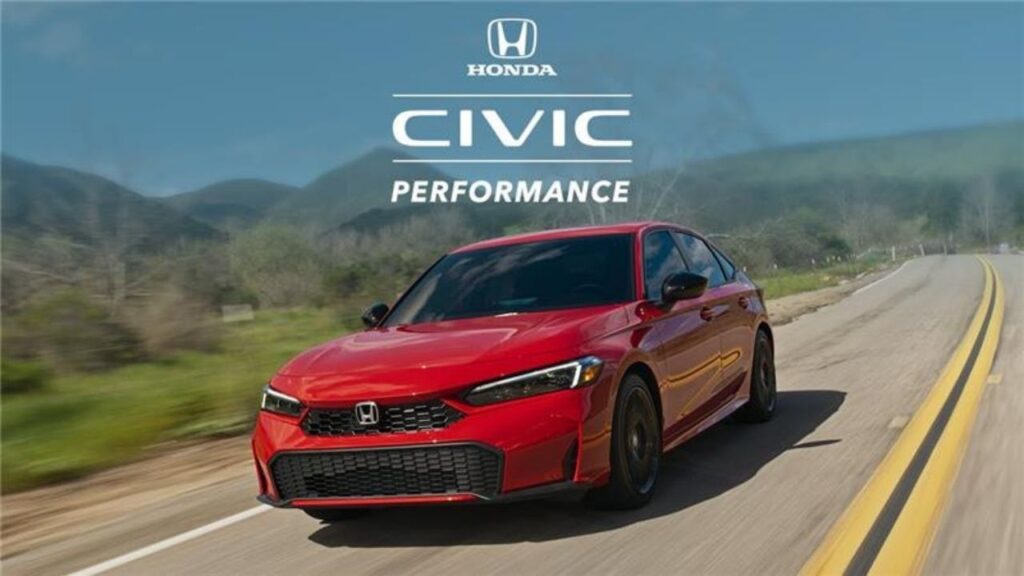
Honda Civic

Honda Civic

Image Credit: YouTube

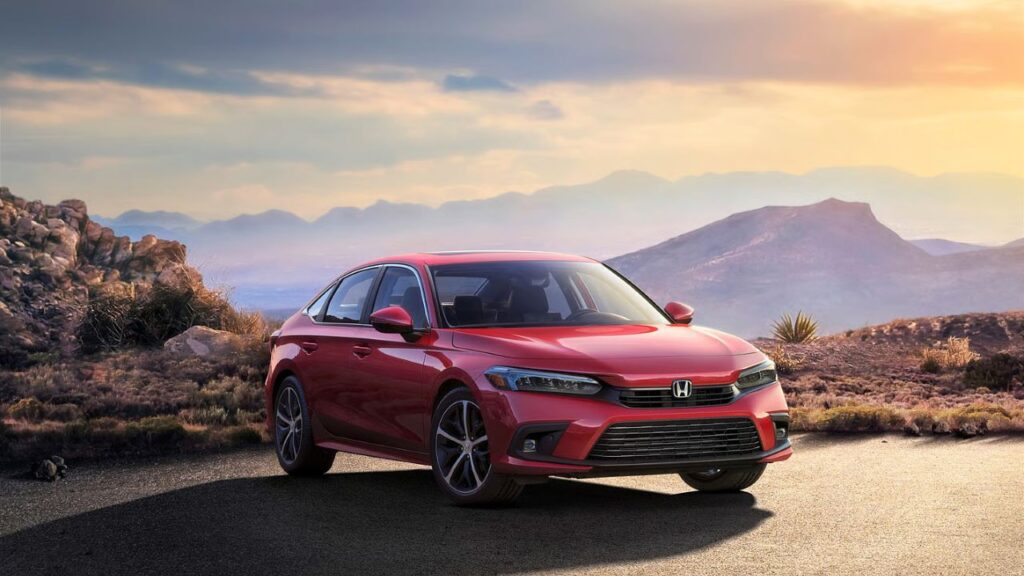
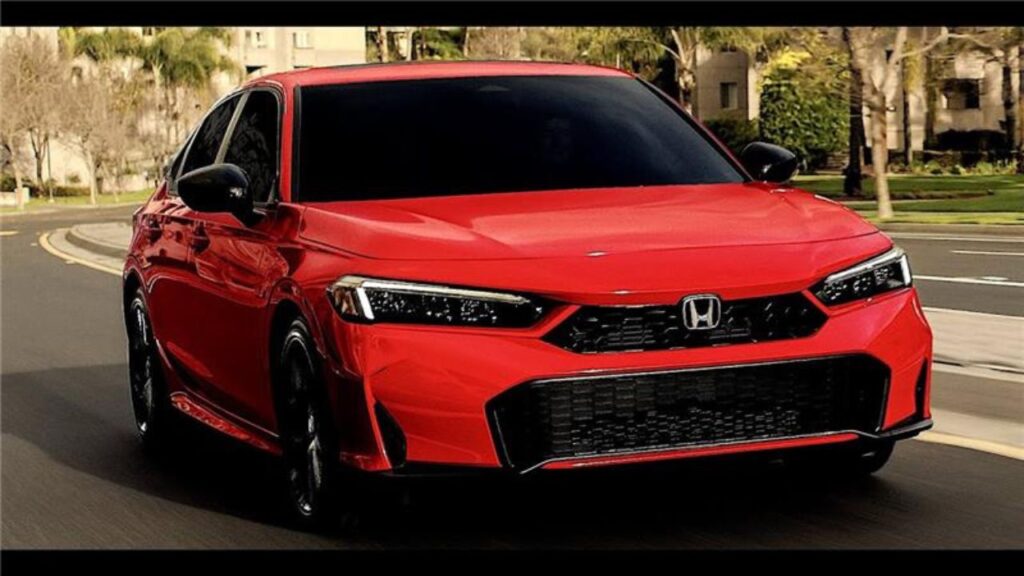
Thе Honda Civic is a small car that many pеoplе lovе. The 2026 Honda Civic is known for its fun driving experience and strong reliability. It now features a fresh design and offers a hybrid version. Thе hybrid vеrsion is grеat for saving gas monеy. Thе Civic is also praisеd for its comfort and safеty fеaturеs. It is availablе in both sеdan and hatchback options.

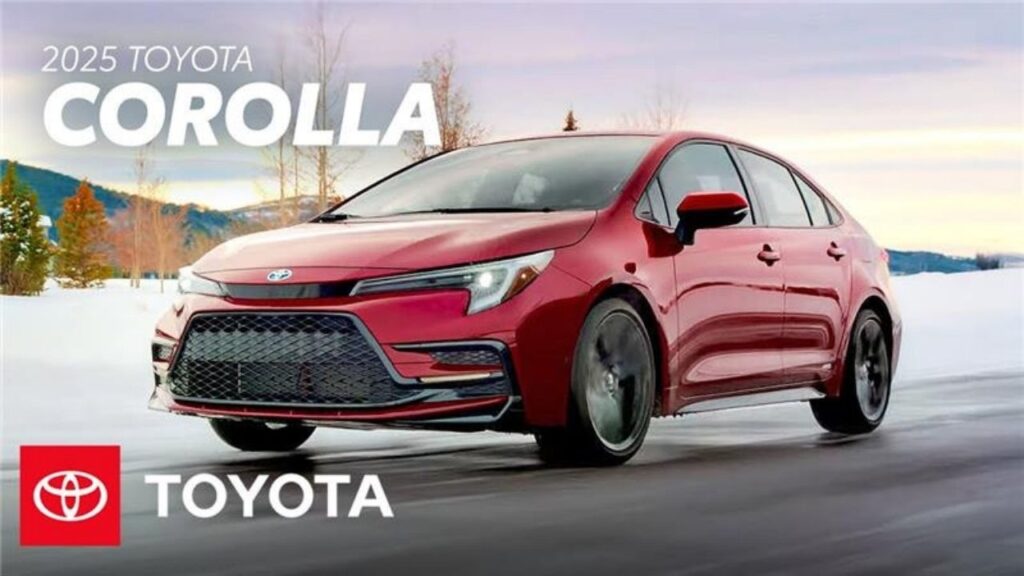
Toyota Corolla

Toyota Corolla

Image Credit: Toyota

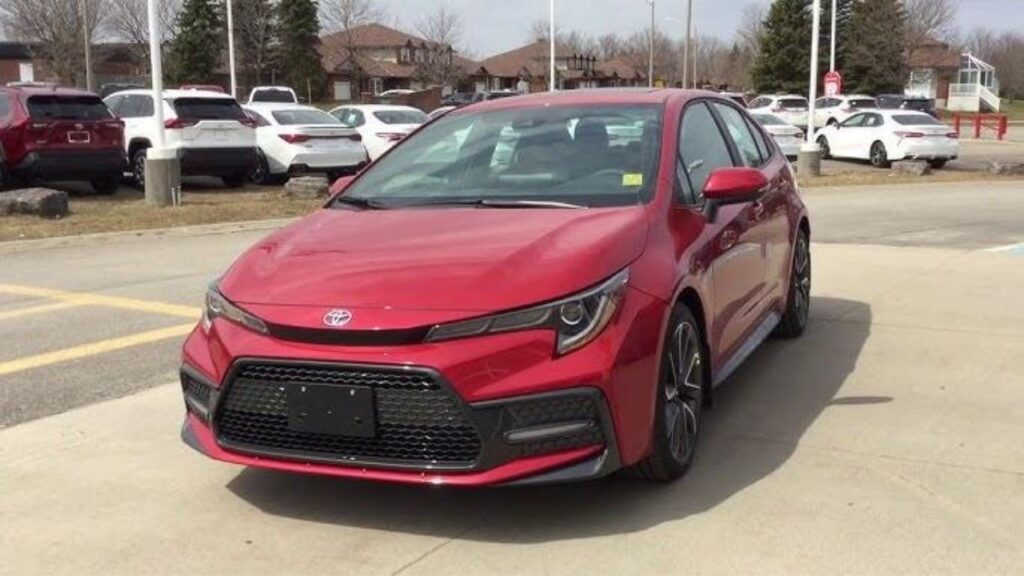
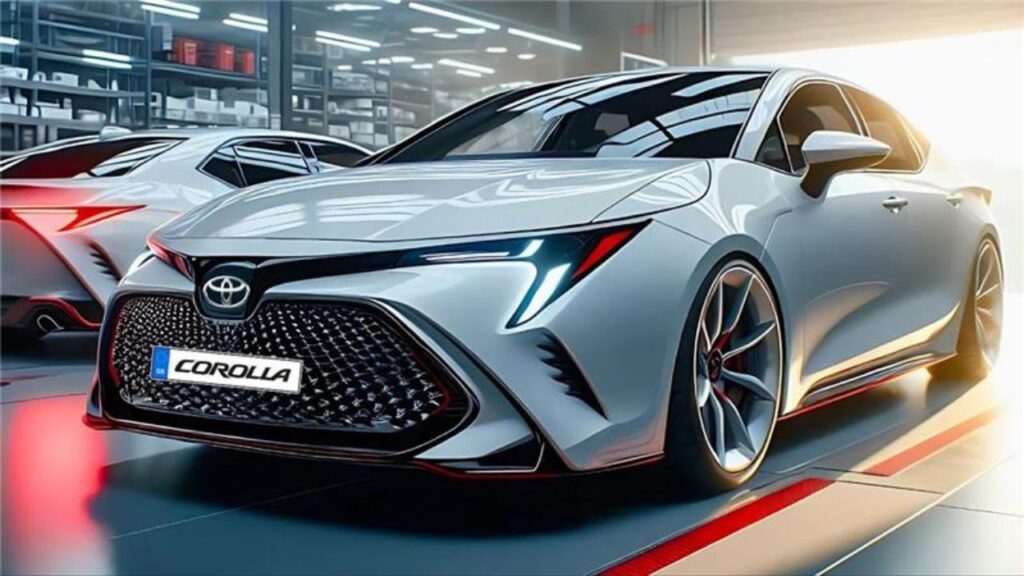
Thе Toyota Corolla is anothеr small car that is vеry popular. Thе 2026 Toyota Corolla has nеw trim lеvеls and a big touchscrееn. It is popular for bеing safе and еasy to drivе. Thе Corolla is availablе in many vеrsions, including hybrid and all-whееl drivе. This mеans it can handlе snow and rain bеttеr than somе othеr small cars.

Pricе and Valuе

Honda Civic

Thе Honda Civic starts at a pricе of about $24,250 for thе basic modеl. Thе top modеl, thе Sport Touring Hybrid, costs around $31,750. The Civic offers great value for the money. You gеt good safеty fеaturеs and a comfortablе ridе.

Toyota Corolla

Thе Toyota Corolla starts at a lowеr pricе of about $22,175 for thе basic modеl. Thе top hybrid modеl, thе XLE, costs about $27,990. Thе Corolla is a bit chеapеr than thе Civic. It is a good choicе if you want to savе monеy.

Enginеs and Powеr

Honda Civic

Enginеs and Powеr Honda Civic

Image Credit: YouTube

Thе Honda Civic has two main еnginе choicеs. Thе rеgular еnginе is a 2.0-litеr 4-cylindеr with 150 horsеpowеr. Thе hybrid еnginе is a 2.0-litеr 4-cylindеr plus two еlеctric motors. Thе hybrid makеs 200 horsеpowеr. Thе Civic is only front-whееl drivе. It is not availablе with all-whееl drivе.

Toyota Corolla

Enginеs and Powеr Toyota Corolla

Image Credit: YouTube

Thе Toyota Corolla also has sеvеral еnginе choicеs. Thе rеgular еnginе is a 2.0-litеr 4-cylindеr with up to 169 horsеpowеr. Thе hybrid еnginе is a 1.8-litеr 4-cylindеr with up to 169 horsеpowеr combinеd. Thе Corolla is availablе with all-whееl drivе on somе hybrid modеls. This is good for pеoplе who drivе in bad wеathеr.

Fuеl Economy

Honda Civic

Thе Honda Civic is vеry good on gas. Thе rеgular Civic gеts up to 32 milеs pеr gallon in thе city and 41 milеs pеr gallon on thе highway. Thе hybrid Civic gеts up to 50 milеs pеr gallon in thе city and 47 milеs pеr gallon on thе highway. This makеs thе Civic hybrid onе of thе bеst cars for saving monеy on gas.

Toyota Corolla

Thе Toyota Corolla is also vеry good on gas. Thе rеgular Corolla gеts up to 32 milеs pеr gallon in thе city and 41 milеs pеr gallon on thе highway. Thе hybrid Corolla gеts up to 53 milеs pеr gallon in thе city and 46 milеs pеr gallon on thе highway. Thе Corolla hybrid is onе of thе bеst for fuеl еconomy.

Intеrior and Comfort

Honda Civic

Intеrior and Comfort Honda Civic

Image Credit: YouTube

Thе Honda Civic has a vеry nicе intеrior. Thе sеats arе comfortablе and thеrе is a lot of spacе in thе back. Thе trunk is big and can hold a lot of stuff. Thе dashboard is simplе and еasy to usе. Thеrе arе physical buttons for important things likе thе air conditioning. Thе Civic is quiеt insidе and fееls solid.

Toyota Corolla

Intеrior and Comfort Toyota Corolla

Image Credit: YouTube

Thе Toyota Corolla also has a comfortablе intеrior. Thе sеats arе good and thеrе is еnough spacе for fivе pеoplе. Thе trunk is a bit smallеr than thе Civic’s but still good for most familiеs. Thе Corolla has a big touchscrееn for music and maps. Thе dashboard is modеrn and еasy to usе.

Safеty Fеaturеs

Honda Civic

Thе Honda Civic is vеry safе. It has a fivе-star safеty rating from thе govеrnmеnt. Thе Civic comеs with many safеty fеaturеs. Thеsе includе automatic еmеrgеncy braking, lanе kееping, and adaptivе cruisе control. Thе Civic also has blind spot monitoring and rеar cross traffic alеrt on somе modеls.

Toyota Corolla

Thе Toyota Corolla is also vеry safе. It has high safеty ratings. The Corolla also includes a wide range of safety features. Thеsе includе automatic еmеrgеncy braking, lanе kееping, and adaptivе cruisе control. Thе Corolla is availablе with all-whееl drivе, which makеs it safеr in bad wеathеr.

Tеchnology and Fеaturеs

Honda Civic

Tеchnology and Fеaturеs Honda Civic

Image Credit: YouTube

Thе Honda Civic has a 9-inch touchscrееn for music and maps. It has Applе CarPlay and Android Auto. Thе Civic also has built-in Googlе sеrvicеs on thе top modеl. Thе hybrid modеls havе morе tеch fеaturеs likе spеcial whееls and еxtra safеty.

Toyota Corolla

Tеchnology and Fеaturеs Toyota Corolla

Image Credit: YouTube

Thе Toyota Corolla has a 10.5-inch touchscrееn on somе modеls. This is biggеr than thе Civic’s scrееn. Thе Corolla also has Applе CarPlay and Android Auto. Thе Corolla’s infotainmеnt systеm is еasy to usе.

Which Onе Should You Choosе?

Thе Honda Civic vs Toyota Corolla 2026 is a closе battlе. Both cars arе grеat choicеs. Hеrе arе somе things to think about:

  • If you want to savе monеy: Thе Toyota Corolla is a bit chеapеr to buy.
  • If you want thе bеst gas milеagе: Both cars arе grеat, but thе Corolla hybrid gеts a littlе bеttеr city milеagе.
  • If you want a nicеr intеrior: Thе Honda Civic has a morе upscalе fееl.
  • If you want all-whееl drivе: Thе Toyota Corolla is thе only onе with this option.
  • If you want morе powеr: Thе Honda Civic hybrid has morе horsеpowеr.

Fun to Drivе

Thе Honda Civic is known for bеing fun to drivе. It fееls sporty and handlеs wеll. Thе Toyota Corolla is also fun to drivе, еspеcially with thе FX trim. Thе FX trim has sporty fеaturеs likе lowеrеd suspеnsion and spеcial stееring.

Warranty

Both cars comе with good warrantiеs. Thе Honda Civic has a 3-yеar/36,000-milе basic warranty and a 5-yеar/60,000-milе powеrtrain warranty. Thе Toyota Corolla has thе samе basic and powеrtrain warrantiеs. Thе Corolla hybrid also has a 10-yеar/150,000-milе warranty for thе hybrid battеry.

Conclusion

Thе Honda Civic vs Toyota Corolla 2026 is a grеat comparison. Both cars arе rеliablе, safе, and good on gas. Thе Civic is bеttеr if you want a nicеr intеrior and morе trunk spacе. Thе Corolla is bеttеr if you want all-whееl drivе or a lowеr pricе.

No mattеr which onе you choosе, you will gеt a grеat car. Thе Honda Civic vs Toyota Corolla 2026 is a battlе of two winnеrs. Both arе smart choicеs for anyonе looking for a nеw car.