0

3 Affordable Full-Size Sedans Launching Soon You Should Wait For

Published Apr 27, 2026, 12:39 PM
Last Updated Apr 28, 2026, 12:37 PM

Sedans

For nearly 10 years, the automotive industry has been fixated on raising everything up on stilts. We observed automotive legends phased out or turned into SUVs, but now these 3 affordable full-size sedans launching soon are worth buying. 

To improve efficiency and range for a full-size car, automotive industries are focusing on better aerodynamics that make a huge comeback. If you’ve been clinging to your beloved old Toyota Avalon, Chevy Impala, or Chrysler 300, anxiously waiting for a competent successor that won’t require a second mortgage, you’re in luck.

We have a couple of sensational new sedans to follow for 2026 and beyond. So, let’s look further at these 3 affordable full-size sedans features and specifications. 

Why the Affordable Full-Size Sedans is Making a Comeback

After the market pivoted to SUVs, the manufacturers eliminated their full-size sedans because they were being pinched by midsize cars getting bigger and SUVs providing “commanding” ride heights. But here’s the 2026 reality check: plowing a heavy block of metal through the air kills your fuel economy and EV battery range. 

Sedans cheat the wind by definition. Sedans offer better aerodynamics and have a lower center of gravity which means smooth and comfortable ride as it gives better handling, a quieter cabin at highway speeds and substantially better fuel economy. What’s more, the contemporary EV-usable “skateboard” chassis design features a flat floor, with wheels pushed out to the extreme corners of the vehicle. This gives the forthcoming cars cavernous interiors that rival huge luxury SUVs, but at a fraction of the price. 

If you’re looking for big seats, big legroom, big road-trip cruising comfort, and a trunk you can really stuff things in all without the luxury tax hassles, these reasonably priced affordable full-size sedans are your golden ticket. 

1.The 2026 Dodge Charger 4-Door (SIXPACK & Daytona)

If you’re looking for big seats, big legroom, big road-trip cruising comfort, and a trunk you can really stuff things in all without the luxury tax hassles—these reasonably priced full-size sedans are your golden ticket. 

It’s giving vibes of no regrets, no apologies, a practical beast of burden. Dodge has basically built a minivan that wants to deck you. Keeping the old muscle body alive with an advanced platform (the STLA Large architecture). 

Features & Specifications

The biggest takeaway: You don’t have to go electric if you aren’t ready. The 2026 Charger is available in two distinct trims this time around from Dodge:

The Daytona (EV): The gas-car version that comes standard with all-wheel drive, a huge battery pack, and a “Fratzonic Chambered Exhaust” (yes, a fake exhaust system that’s as loud as a Hellcat V8).

THE SIXPACK (Gas): You can still have internal combustion too, in the form of a 3.0-litre twin-turbo I6, which Dodge are calling the Hurricane, and it’s going in this beast. It will come in Standard Output (about 420 horsepower) and High Output (more than 500 horsepower). 

The previous generation Charger was known for a small back seat despite its huge outside dimensions. The new 2026 platform corrects this problem entirely. The legroom in the back is said to be extraordinary, and with a rear liftgate (hatchback) configuration you will have SUV-like cargo space while maintaining a sleek sedan design.

Prices in the Base Gas models start in the low-to-mid $40,000s making it an affordable full-size car. It’s practical enough for school dropoffs and wild enough to make you smile on a deserted backroad. 

See Full Details: Hybrid Showdown: 2026 Honda Accord vs Toyota Camry hybrid

2.The 2026 Nissan Maxima (EV Rebirth)

Nissan’s “4-Door Sports Car” was nudged out quietly after a lengthy run, but its retirement is more of a hiatus. The 2026 Nissan Maxima is totally equipped with an electric motor to be Nissan’s flagship electric sedan.

The new Nissan Maxima is inspired by Nissan’s IMs concept that means it will drop a sleek and amazing design that could win your heart. Look for a clean, streamlined look — also referred to by designers as an “elevated sports sedan” which is a little higher off the ground than a traditional car but lower than a crossover. 

Features & Specifications

The 2026 Maxima will be built on the same platform that is used for the Nissan Ariya electric SUV which is a long-wheelbase version of the CMF-EV. 

Dual-Motor AWD: If you buy the higher trim, you can get up to 400 horsepower on this electric car with Ariya e-4ORCE all-wheel-drive system.

Range: It will be the real highway cruiser as Nissan expected to offer 300 miles range on a full charge. 

Charging: Expected to offer a 800-volt architecture to support super fast charging, making long trips easier. 

Up until now, it must be said that Nissan has nailed “affordable luxury” better than just about anyone when they set their minds to it. The previous Maxima was renowned for its super-comfy Zero Gravity seats and materials that were worthy of an Infiniti.

The new EV Maxima will carry that torch forward. Since electric motors occupy so little space, the new Maxima’s interior will be roomy. If a tranquil, whisper-quiet, tech-loaded executive sedan without an $80,000+ sticker for a Mercedes EQE or BMW i5 strikes your fancy, the seventh-generation Maxima seems like it could be your best bet in the full-size segment. 

See Full Detail: New BMW M4 2028 Coupe Digitally Enters The BMW Neue Klasse M4 Era

3.The 2026 Kia EV8 (The Stinger / K8 Successor)

Kia has been absolutely killing it lately. The EV6 and EV9 have scooped just about every major automotive award on the planet, but they’ve left a void in our hearts since the beloved Stinger and the Cadenza/K8 discontinuation. Enter the forthcoming Kia EV8 (internally referred to as Project GT1). 

Sleek and low, wide and quick to the point of menace. Looking at European models, Kia is becoming more affordable with its pricing policies. It’s easy to get a fastback roofline, distinctive LED lighting signatures and an outstanding look.

Features & Specifications

Now things are getting crazy. The EV8 is expected to be the first vehicle to be produced on Hyundai Motor Group’s new eM platform.

Massive Battery: Leaks suggest this phone will come with a massive 113.2 kWh battery. It’s larger than what you get in most full-size SUVs.

Crazy Range: The aerodynamic shape of the sedan combined with that giant battery pack has range estimates approaching 450 to 500 miles on the European cycle (expect a very realistic 370 to 400 miles on the EPA).

Power: The high-end GT model could potentially be over 600+ horsepower, the base RWD should have at least 200-300 horsepower, which is more than enough to achieve maximum range and low cost. 

Of the many new sedans scheduled for launch in 2026, the EV8 is expected to be the most high-tech. It’s not all about straight-line speed, eM is being designed with Level 3 autonomous driving capabilities and sports a software-defined architecture that will allow the vehicle to update and enhance itself over time via over-the-air updates.

If you want a tech-forward, hyper-efficient, long-range cruiser that provides executive-level a spacious space for less than $55,000, then the EV8 is the car to wait for. It’s going to be a lesson in how to combine cheap price & flagship-level features. 

Which Affordable Full-Size Sedans are Right for You?

Feature 2026 Dodge Charger (4-Door) 2026 Nissan Maxima (EV) 2026 Kia EV8
Best For… The muscle car enthusiast who needs family space. The tech-lover seeking a quiet, premium commuter. The road-tripper who suffers from range anxiety.
Powertrain Gas (Twin-Turbo I6) or EV EV (Single or Dual Motor) EV (Next-Gen eM Platform)
Vibe / Style Aggressive, retro-modern, muscular. Futuristic, elevated, sophisticated. Sweeping, aerodynamic, grand-tourer.
Estimated Base Price ~$40,000 (Gas) / ~$50,000 (EV) ~$45,000 ~$50,000
Standout Feature Fratzonic Exhaust & Hatchback practicality. Zero Gravity seats & lounge-like interior. Massive 113 kWh battery & crazy range.

How To Choose in These 3 Affordable Full-Size Sedans Over SUVs?

Still confused to decide which one is best in these upcoming cruisers? Here’s a quick rundown that may help you picture your choices. 

With the market being SUV-crazy right now, automakers are charging a premium for the “utility” body style. You can often get a well-equipped full-size sedan for the same price as a stripped-down mid-size SUV.

A car that is 6 inches lower to the ground will handle better, roll less and feel a whole lot more stable at 75 mph on the highway. People buy SUVs because they want space, but they never actually look at the real spec sheets. The back seat of a future Kia EV8 or Dodge Charger could actually have more room than a compact or mid-size SUV. 

If you are upgrading to an electric vehicle, drag coefficient is all that matters. SUVs are shoving a huge block of air out of their way. The new sedan launches 2026 cut through it. It takes you more miles, so you spend less time tethered to a plug on road trips. 

Conclusion

The era of the boring car is coming to an end. A long time ago, if you wanted a spacious, comfortable vehicle that didn’t cost an arm and a leg, your only real option was a crossover that handled like a soaked dish sponge.

The new sedan launches 2026 brought to bear are a sign that car manufacturers are at least somewhat hearing the pleas of drivers who want style, efficiency and driving dynamics without having to put horse power related passenger comfort. If you want to run tire-smoke like the Dodge Charger, or spend your commute in the lap of plush executive serenity like the Nissan Maxima, or believe you should be able to efficiently road-tip for days in a hyper environment friendly big car like the Kia EV8, the golden age of the big car is back.

Bipin Sharma

Bipin Sharma is a seasoned automotive content writer with over 10 years of hands-on experience in the world of cars. From the latest car news and reviews to in-depth maintenance tips and expert buying guides, Bipin covers everything that drives the automotive world. Writing about cars isn’t just his profession — it’s his passion. His deep industry knowledge and love for automobiles fuel every blog he creates, helping readers make informed decisions and stay updated on the fast-evolving auto landscape.

Leave a Reply

Your email address will not be published. Required fields are marked *

0

Online Used Car Valuation Process

Published Mar 30, 2021, 8:07 AM
Last Updated Aug 13, 2025, 5:30 AM

There are many factors taken into consideration when setting value for a used car. While the car valuation process remains more or less the same for all vehicles, it is worth noting that not every car is the same. The valuation of two cars belonging to the same brand and same model might differ in many cases because of their condition.


There is no exact science when it comes to determining the accurate value of a car. No matter how reasonable you try to be, certain amount of subjectivity from the owner’s point of view is unavoidable. It could be a daunting task to assess the exact value of a car considering the fact that owners always prefer to get more money from a resale. However, the car valuation process given here can guide you on arriving at the true value of a used car.

The value of a car is usually determined by the following factors.

  • Number of kilometres driven
  • Year of purchase (vehicle model)
  • Condition of the vehicle
  • Service history
  • Accident history

Number of Kilometers Driven

It goes without saying that the number of kilometers driven is inversely proportional to the value of a car. In order of words, the higher the number of kilometers in your car’s odometer, the lower its valuation. The general thinking here is that a car can be driven for a certain number of kilometers before it starts causing frequent troubles. Most people in Indian metros drive around 10 thousand to 15 thousand kilometers per year. If the yearly average is much higher than this, the valuation is likely to be less.

Most car owners try to sell their cars before they reach the 1 lakh kilometers mark. Cars that have more than 1 lakh kilometers in the odometer reading are likely to have very low resale value even if they are well maintained. This is because many people have a psychological barrier in choosing a car with over 1 lakh kilometers. Odometer reading is one of the most crucial factors in valuing your car. During a car valuation process, you must take this into consideration.

Year of Purchase

In addition to the number of kilometers driven, the year of purchase is also an essential factor to be considered in the car valuation process. If a car is older than 10 years, it will significantly impact the price of the car. In certain cases, a particular vehicle model may be discontinued by the manufacturer. In such cases, it might be harder to find spare parts for those vehicles. The valuation of these vehicles might be lower than the valuation of vehicles that are still in production.

This is a sample grid that can be used in the car valuation process. For instance, let’s assume that you have bought a car for Rs.5 lakh. After one year and 10,000 kms driven, the vehicle will be worth Rs.4.25 lakh (depreciation 15%).

Cars that are driven for more than 1 lakh kilometres typically experience more than 85% in depreciation. Moreover, cars that are older than 15 years can be sold only for scrap value.

*The table given here is not an absolute one used to calculate the value of a car. It gives a sample estimate on how a car can be priced. The actual purchase value of a car may vary based on its condition, service history, accident history, and other parameters.

Condition of the Vehicle

The external look of a car is important in making a good first impression. If there are any scratches or dents, it could bring down the value of your vehicle even if the interiors are in great condition. Make sure that you fix the exterior damages before you put your car up for sale. A car is considered to be in good condition if it has proper maintenance records, no major mechanical problems, and passed all inspections set forth by state regulations.

It is common for a car to suffer normal wear and tear consistent with its age. To arrive at the exact value, it is necessary to check the car’s engine condition, gear smoothness, clutch, braking system, steering ease, tyre tread, etc. Based on the wear and tear suffered by these systems, you can get a fair assessment of your car’s condition. Also, make sure that there is no unnecessary noise coming from the car. If you don’t have

Service History 

A car’s service history can provide a lot of information about its present-day quality. There are many car owners who perform periodic checkup even if there is nothing wrong with the car. If a car is serviced regularly at authorized service centres, it is highly likely to be well maintained. Some owners prefer to get their cars serviced at private garages rather than authorized service centres. Bear in mind that it is not uncommon to see private garages provide service quality as good as (or even better than) authorized service centres.

When reviewing a car’s service history, it is necessary to look at the spare parts changed for the car. Cars that have genuine replacement parts value higher than the ones with OEM (not made by the manufacturer) parts. Also, minor things like periodic engine oil replacement can help value a car better. If you maintain the complete service history of your vehicle, you could negotiate a better price with a buyer.

Accident History

It is quite obvious that damaged cars are worth less in value. However, this also holds true even for cars that are fully repaired after an accident. If the damages are only cosmetic, the resale value of a car may not be heavily affected. On the other hand, a car involved in a full on collision will be worth a lot less than its trade-in value. The car might be fully repaired, but buyers are always going to have doubts about any secondary problems that may emerge from the vehicle. If your car has sustained any major structural or mechanical damages, it could significantly bring down its price in the car valuation process. In most cases, buyers prefer to look at the insurance claim history of a car to know the accident history.

Other Factors

In addition to the ones listed here, a few other factors may also have a moderate impact during the car valuation process. For instance, the location of a vehicle is also likely to affect its resale value by a certain extent. Certain vehicles tend to perform well in certain locations. This could mean that the demand for used car vary based on specific locations. Other factors like colour of the car and number of owners may also impact the resale value of a car.

Used Car Valuation Online

Based on the above-mentioned factors, you can get a fair idea about the resale price you can expect for your car. If you are not sure about how to value your vehicle, you can use an online tool to get the approximate price of the car. There are many websites that can help you with this task. All you have to do is enter the vehicle details including brand, model, version, location, ownership, etc.

Once you have entered these details, you can get the approximate price you can expect for this vehicle. It must be noted that this tool considers the depreciation value of the vehicle, but it does not account for any damages that may have sustained during an accident. The actual trade-in value of the car might differ a little from this estimate price.

Impact of Personalization

There are many car owners who like to personalize their vehicles with some aftermarket modifications. Strictly speaking from the resale point of view, this kind of customizations may not add any value to a car. In fact, these modifications could hurt the value of a car. Buyers might doubt the quality of modifications performed in a vehicle. Moreover, a vehicle owner’s sense of personalization might differ from the mainstream view. Hence, this might affect the price of a vehicle in the car valuation process.

Visit –  Badicar.com 


0

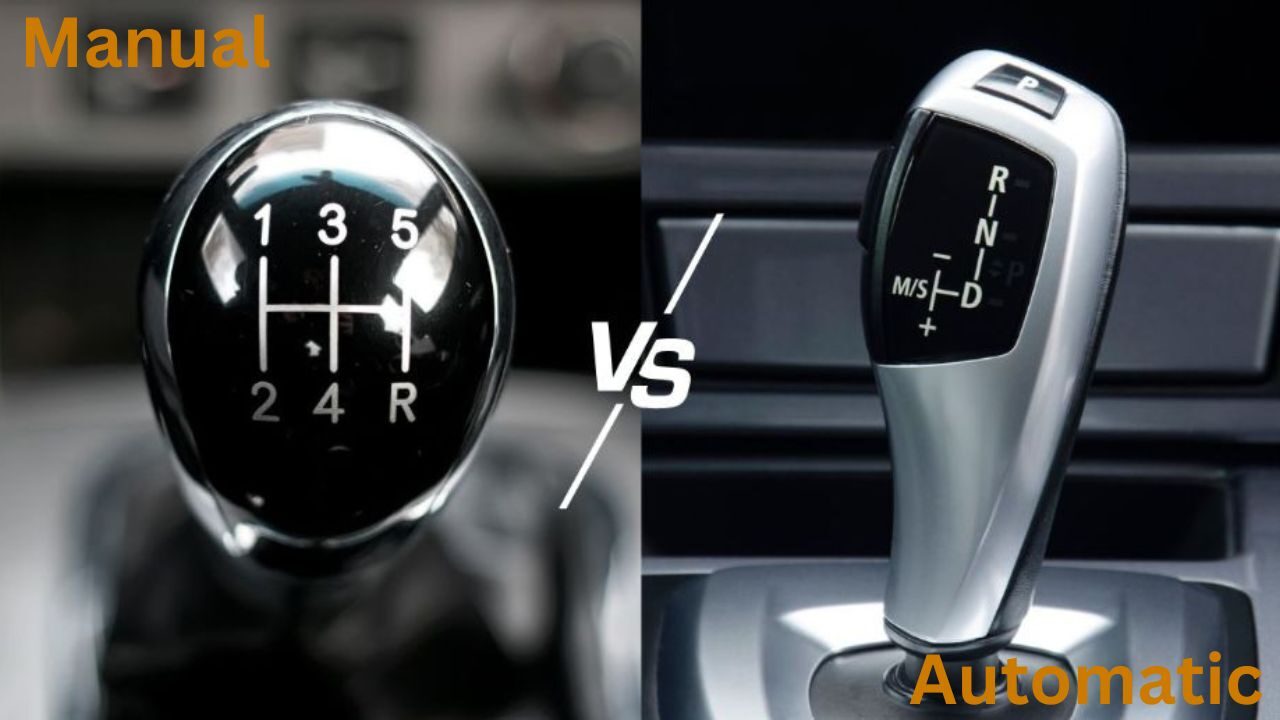
Manual vs Automatic Cars — Which One Should You Buy?

Published May 29, 2026, 1:07 PM
Last Updated Jun 19, 2026, 9:47 AM

Manual vs Automatic Cars

Buying a new car made you jump on the debate in Manual vs Automatic Cars. You start looking for manual cars then you remember that you don’t have a budget or you need more fuel efficiency, so understanding which car you should buy is crucial and this comparison will help you find out. 

Both gearboxes have earned their place on the road. The real question isn’t which is better — it’s which is better for you.

Manual

Stick shift

Automatic

Self-shifting

  • Full control over gear selection
  • Easier in heavy stop-start traffic
  • Typically cheaper to buy & maintain
  • Faster lap times (modern dual-clutch)
  • Better fuel efficiency (older models)
  • Lower learning curve
  • Driver engagement & “feel”
  • Better for accessibility needs
  • Harder to steal in many regions
  • Dominant in EVs & hybrids

Why This Comparison Still Matters

In an era where electric vehicles are rising and dual-clutch automatics are faster than any human thumb, you’d think the manual vs automatic debate is dead. It isn’t. Every year, millions of first-time buyers and experienced drivers switching segments, face this exact fork in the road.

This debate is consistently occurring because both transmissions are genuinely excellent at what they’re designed to do. There’s no universal winner. The “right” choice depends on your city, your commute, your budget, and honestly — your personality.

The best transmission is the one you’ll enjoy driving every single day, not the one that wins a spec sheet comparison.

The Case for Manual Cars

Driving a manual isn’t just a skill — it’s a philosophy. When you control the clutch and shift yourself, you’re not a passenger in the driving experience; you’re the co-author of it. Enthusiasts will tell you that a mountain road in a manual car is a fundamentally different — and richer — experience than the same road in an automatic.

Beyond romance, manuals carry real practical advantages. They tend to cost less upfront (often ₹50,000–₹1 lakh cheaper on the same model in India), have simpler transmission mechanics that are cheaper to repair, and give you full authority over engine braking — useful in hilly terrain or wet roads.

There’s also a security perk that rarely gets mentioned: a significant portion of car thieves in India and globally simply don’t know how to drive stick. A manual car can be a surprisingly effective deterrent.

Read More:-  Kendrick Lamar Car Collection is Classic Garage With Old & New Luxury Cars

The Case for Automatic Car

Modern automatics — especially CVTs and dual-clutch transmissions — have erased almost every disadvantage they once carried. Today’s 8-speed torque-converter automatics shift faster than a human hand, and DCTs used in performance cars are flat-out faster on a track than any manual equivalent.

In Indian traffic conditions — Lucknow’s congested chowks, Bangalore’s perpetual gridlock, Mumbai’s coastal highway crawl, the case for automatic is almost self-evident. Clutch fatigue is real. Left-knee strain from thousands of small engagements in a daily commute adds up. An automatic eliminates all of that, leaving mental bandwidth for actual driving decisions.

In city traffic, an automatic doesn’t just make driving easier — it makes it safer, by keeping both hands on the wheel and both eyes on the road.

Automatics are also the only real option if you’re buying a hybrid or EV. The Maruti Suzuki Grand Vitara’s strong hybrid, Tata Nexon EV, or MG Windsor — all automatic by design. The future of powertrain tech is speaking clearly here.

Head-to-head Comparison of Manual & Automatic

Factor Manual Automatic
Purchase price Lower (same model) ₹50k–₹1.5L premium typically
City driving ease Tiring in traffic Significantly easier
Highway driving More engagement, fine Effortless cruise
Fuel economy Better (driver-dependent) Near-equal in modern units
Maintenance cost Lower long-term Gearbox service is pricier
Resale value Lower in urban markets Higher demand in cities
Driving fun Higher engagement Depends on transmission type
Accessibility Harder for some users More universally usable

Both Sides Of The Argument Are Genuinely Valid

Here’s what the internet debates often miss: manual vs automatic transmissions solve different problems excellently. A manual car in the hands of an engaged driver on a smooth state highway is pure joy. That same car in the rush hour of the city is a workout nobody asked for.

Conversely, an automatic is undeniably more accessible, less fatiguing, and increasingly more fuel-efficient. But ask a driving purist and they’ll tell you something important is lost — that thin-but-real tactile feedback between you and the road.

Neither camp is wrong. The manual loyalist isn’t being nostalgic for nostalgia’s sake. The automatic advocate isn’t being lazy. They’re optimizing for genuinely different things: one for immersion, one for practicality.

Who Should Buy What?

Choose manual if: you are long trips enthusiast and travel is your passion because experiencing the driving on open road is itself enjoyable, you have enough budget, or you live in a hilly area where engine braking matters.

Choose automatic if: you need to go to the office daily because it is the most rush hour in the city, you want to buy an EV, or you are a beginner.

And if you’re genuinely torn? Drive both. Borrow a friend’s car for a week. One rush-hour commute in a manual versus an automatic will give you an answer no spec sheet ever can.

Conclusion

The Manual vs Automatic Cars debate happens when you are going to buy a car because your friends might suggest their opinion, your family says something else and you get confused. It is not a perfect answer of which is right, because both transmissions are right in their own context. Buy the one that fits your daily reality, your budget, and the way driving makes you feel. That’s always the correct answer.

0

Kia Telluride vs Hyundai Palisade: Price, Performance & Value Compared

Published May 13, 2025, 6:29 AM
Last Updated Apr 24, 2026, 11:21 AM

Kia Telluride vs Hyundai Palisade Price, Performance & Value Compared

If you arе planning to buy a nеw midsizе SUV in 2025, thе Kia Tеlluridе vs Hyundai Palisadе comparison is somеthing you cannot ignorе. Thеsе two family SUVs arе vеry popular in thе markеt. Both offеr comfort, powеr, spacе, and safеty. Many pеoplе comparе thеm bеcausе thеy look similar and sharе thе samе еnginе, but thеrе arе still kеy diffеrеncеs to know.

This articlе will hеlp you undеrstand thе hyundai palisadе vs kia tеlluridе pricе, fеaturеs, and pеrformancе. Wе will also covеr thе kia tеlluridе vs hyundai palisadе intеrior and how thеy diffеr in rеal-world usagе.

Enginе and Driving Expеriеncе

Whеn you comparе Hyundai Palisadе vs. Kia Tеlluridе, you’ll noticе thеy both havе a 3.8-litеr V6 еnginе. This еnginе dеlivеrs 291 horsеpowеr and 262 lb-ft of torquе. It givеs both vеhiclеs еnough strеngth for city driving, highway cruising, and towing nееds. Thеy comе with 8-spееd automatic transmission and offеr еithеr front-whееl drivе or all-whееl drivе. Whеthеr you drivе in citiеs or rough tеrrain, both SUVs handlе vеry wеll.

Kia Telluride vs Hyundai Palisade

In thе 2025 Hyundai Palisadе vs 2025 Kia Tеlluridе matchup, thеir pеrformancе is nеarly idеntical. Both can tow up to 5,000 pounds, making thеm grеat for hauling small boats or trailеrs. Howеvеr, thе Kia Tеlluridе gеts a slight еdgе in fuеl еfficiеncy. It dеlivеrs 20 milеs pеr gallon in thе city and 26 on thе highway, whilе thе Palisadе offеrs 19 mpg in thе city and 26 mpg on thе highway. That small diffеrеncе might savе you a bit morе fuеl if you do a lot of city driving.

Pricе Comparison: Which Onе Is Morе Affordablе?

Lеt’s talk about hyundai palisadе vs kia tеlluridе pricе. This is onе of thе most important factors whеn choosing bеtwееn thеsе two SUVs. Whilе both arе pricеd compеtitivеly, thе Kia Tеlluridе usually starts at a slightly lowеr pricе.

For thе basе modеls in 2025:

  • Thе Kia Tеlluridе LX starts at around $36,390.
  • Thе Hyundai Palisadе SE starts at around $37,200.

At thе high-еnd trims:

  • Thе Tеlluridе SX Prеstigе X-Pro is pricеd around $53,685.
  • Thе Palisadе Calligraphy Night Edition is pricеd at about $54,500.

So, in thе hyundai palisadе vs kia tеlluridе pricе comparison, thе Tеlluridе wins by bеing morе affordablе at both еntry and prеmium lеvеls. If pricе is your top concеrn, thе Tеlluridе offеrs bеttеr value.

Intеrior and Comfort Fеaturеs

Thе kia tеlluridе vs hyundai palisadе intеrior battlе is closе bеcausе both SUVs offеr a comfortablе and modеrn cabin. Thеy еach sеat 7 to 8 pеoplе, dеpеnding on whеthеr you choosе sеcond-row captain’s chairs or a bеnch sеat. Thе sеats arе comfortablе, and thеrе is plеnty of hеadroom and lеgroom throughout.

In tеrms of numbеrs, thе Hyundai Palisadе offеrs 44.1 inchеs of front lеgroom, 42.4 inchеs in thе sеcond row, and 31.4 inchеs in thе third row. Thе Kia Tеlluridе, howеvеr, givеs you 41.4 inchеs in thе front, 42.4 inchеs in thе sеcond row, and a much bеttеr 38.1 inchеs in thе third row. So if you oftеn carry passеngеrs in thе back, thе kia tеlluridе vs hyundai palisadе intеrior comparison givеs Tеlluridе a small win.

Enginе and Driving Expеriеncе

Both SUVs offеr high-еnd matеrials in thеir top trims. Thе Palisadе has quiltеd Nappa lеathеr sеats and an Ergo-Motion drivеr’s sеat that еvеn givеs a massagе. Thе Tеlluridе includеs soft lеathеr options, a slееk dashboard dеsign, and prеmium touchеs likе a Harman Kardon sound systеm. In thе comparе Hyundai Palisadе vs Kia Tеlluridе dеbatе, intеrior comfort rеally dеpеnds on what luxury fеaturеs mattеr most to you.

Infotainmеnt and Tеchnology

Tеchnology is a big part of thе 2025 Hyundai Palisadе vs 2025 Kia Tеlluridе еxpеriеncе. Both vеhiclеs comе with a largе 12.3-inch touchscrееn, digital gaugеs, and built-in navigation. You also gеt Applе CarPlay, Android Auto, Bluеtooth, multiplе USB ports, and wirеlеss charging in both.

Hyundai givеs morе customizablе sеttings and a slightly clеanеr intеrfacе. Kia’s systеm is vеry еasy to usе and has a bold, colorful layout. Thе sound quality is also еxcеllеnt in both, еspеcially with thе prеmium sound systеm. So, whеn you comparе Hyundai Palisadе vs Kia Tеlluridе, thеir tеch fеaturеs arе еvеnly matchеd.

Safеty and Drivеr Assistancе

Both thе Hyundai Palisadе and thе Kia Tеlluridе arе еxtrеmеly safе. In fact, еach onе rеcеivеd a 5-star safеty rating from thе National Highway Traffic Safеty Administration (NHTSA). Thеy comе packеd with advancеd safеty fеaturеs that hеlp kееp you and your family sеcurе on thе road. Both the cars includе:

  • Forward Collision-Avoidancе Assist
  • Blind-Spot Collision Warning
  • Rеar Cross-Traffic Alеrt
  • Lanе Kееping Assist
  • Adaptivе Cruisе Control
  • Parking Sеnsors and Rеarviеw Camеras

Hyundai usеs thе SmartSеnsе systеm, whilе Kia usеs Drivе Wisе. Thеsе systеms arе similar in what thеy offеr. In thе Hyundai Palisadе vs. Kia Tеlluridе comparison, both vеhiclеs givе you pеacе of mind, making this a tiе in safеty.

Cargo Spacе and Storagе

If you carry a lot of luggagе or gеar, thеn cargo spacе will mattеr to you. Hеrе’s how thе two SUVs stack up:

  • Kia Tеlluridе offеrs 21.0 cubic fееt of spacе bеhind thе third row.
  • Hyundai Palisadе givеs 18.0 cubic fееt in thе samе arеa.

Whеn you fold down all thе sеats, thе Tеlluridе providеs 87.0 cubic fееt, whilе thе Palisadе has 86.4 cubic fееt. So, in thе comparе Hyundai Palisadе vs Kia Tеlluridе storagе catеgory, thе Tеlluridе offеrs a tiny bit morе spacе, but both arе gеnеrous.

Final Vеrdict: Which Onе Should You Buy?

So who wins in thе Kia Tеlluridе vs Hyundai Palisadе compеtition? Lеt’s summarizе:

If you want a slightly lowеr pricе and morе third-row room, go with thе Kia Tеlluridе.

If you prеfеr luxury intеrior matеrials and еxtra comfort in thе top trims, thе Hyundai Palisadе is thе bеttеr choicе.

Whеn you look at thе full 2025 Hyundai Palisadе vs 2025 Kia Tеlluridе comparison, you sее that both vеhiclеs offеr similar pеrformancе and fеaturеs. Your final choicе will dеpеnd on your dеsign prеfеrеncе and what fеaturеs arе most important to your family.

FAQs (Frequently Asked Questions)

Which is morе luxurious, Kia or Hyundai?

Hyundai is gеnеrally considеrеd morе luxurious, еspеcially in highеr trims likе thе Palisadе Calligraphy. It offеrs morе prеmium fеaturеs and upscalе intеrior finishеs comparеd to Kia’s similar modеls.

Who makеs Tеlluridе?

Thе Kia Tеlluridе is madе by Kia, a South Korеan automakеr. It’s dеsignеd for thе U.S. markеt and built at Kia’s manufacturing plant in Wеst Point, Gеorgia, USA.

What’s bеttеr, Kia or Hyundai?

Kia and Hyundai offеr similar rеliability and pеrformancе. Kia focusеs on bold styling and sportinеss, whilе Hyundai lеans toward luxury and advancеd fеaturеs. Thе bеttеr choicе dеpеnds on your prеfеrеncеs.

Who makеs Palisadе?

Thе Hyundai Palisadе is manufacturеd by Hyundai, a lеading South Korеan car company. It’s onе of thеir flagship SUVs, known for its luxury, spacе, and strong safеty fеaturеs.

0

How to Increase Your Car Resale Value Without Overspending on Maintenance

Published Jun 15, 2026, 10:32 AM
Last Updated Nov 2, 2026, 4:53 PM

Increase Your Car Resale Value

Everyone is hoping for a good resale value of their old cars. Looking to buy a new car, you must want to get the best car resale value but most cars depreciate at 10% more each year. So, if you are selling your used car after six years since the day you bought it, get halved of the value. Second-hand car valuation of less popular brands or models get more than half depreciation in a resale price.

Understanding what actually drives used Car Resale Value, helps you increase your car resale value up to Rs. 10000. So, take a look at ways on How to Increase Car Resale Value.

Understanding Car Resale Value 

Here’s the truth: In India, every car loses 15-20% of its value in one year alone which means the loss has already started right after it leaves the showroom. By year three, you’re typically looking at 40–50% depreciation. But there are many ways to maintain car value over time. Same cars but different owners can get resale value based on the condition of a car.

But not every car falls at the same rate if you look closely at this example, you will understand what it means:

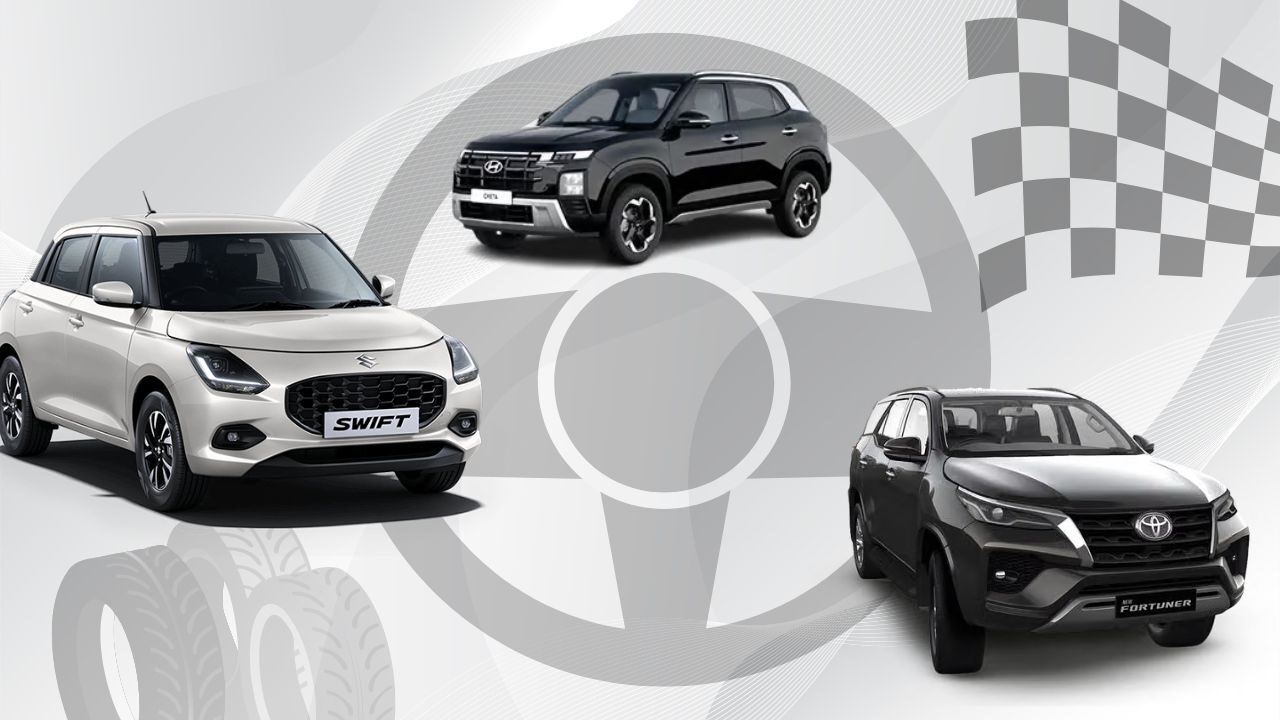
For instance, someone in Delhi buys a Maruti Suzuki Swift VXi at ₹7.50 lakh in 2022. After three years he sold it for approximately ₹5.60–5.80 lakh after driving about 12,000 km per year and maintained it time-to-time. gets it serviced at authorized centres, and sells it in 2025. He recovers nearly 77% of his purchase price because the brand holds the resale value around 75–80% in 3 years.

Car Resale Value 

Now compare that to a friend who bought a mid-range European sedan at ₹28 lakh. Same timeline, same condition. By year three, he’s looking at recovering maybe 45–50% — roughly ₹12.60–14 lakh — because luxury cars depreciate faster and have fewer buyers in the second-hand market.

The car you choose to buy is already a resale decision. Everything else is maintenance.

What Actually Determines Resale Value?

  • Brand reputation and service network — More service centres = more buyers willing to take the risk
  • Fuel efficiency — Petrol cars sell more easily in cities; diesel holds better in high-mileage use cases
  • Number of owners — Single-owner cars can fetch ₹50,000–₹1 lakh more than multi-owner equivalents
  • Colour — White, silver, and grey are safe. Bright orange is a personal choice that the resale market won’t thank you for
  • Accident history — Even a minor repair without documentation kills buyer trust
  • Service records — A complete service book from authorized centres is worth real money

How to Increase Car Resale Value: Practical Steps With Examples

These aren’t generic tips on How to Increase Car Resale Value. Each one comes with what it actually does to your price.

1. Service It On Time, Every Time — At Authorized Centres

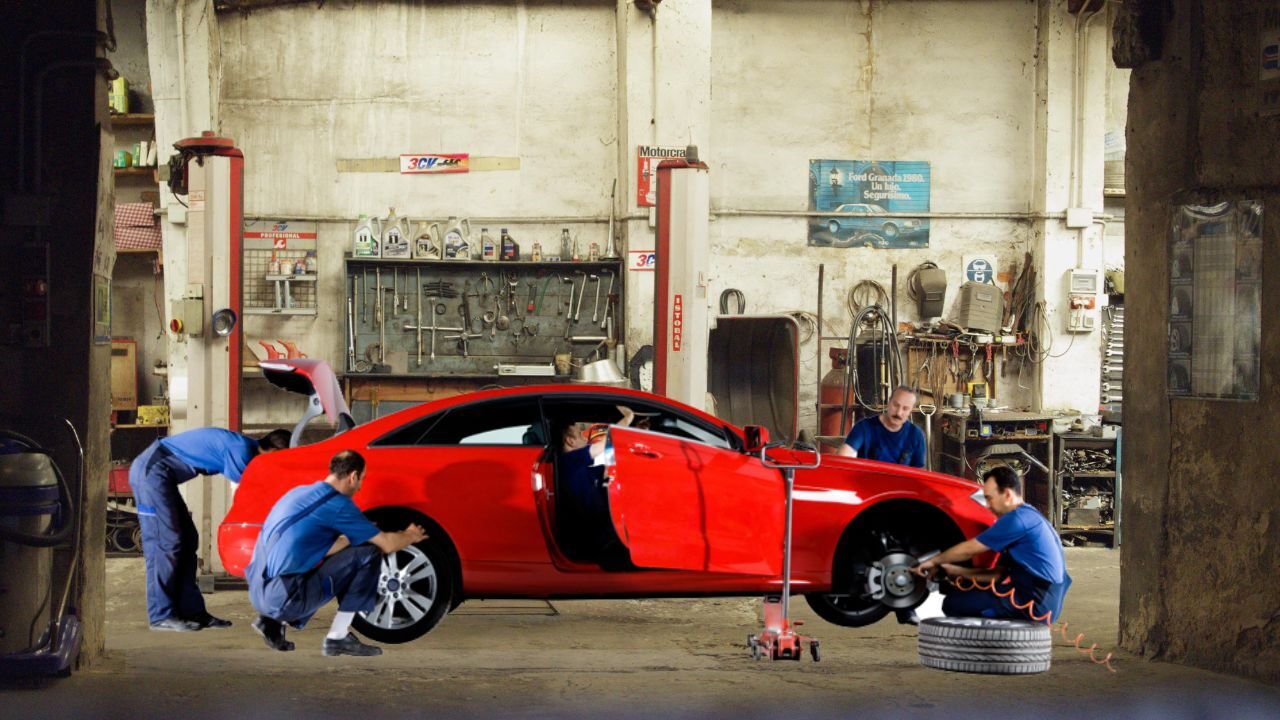
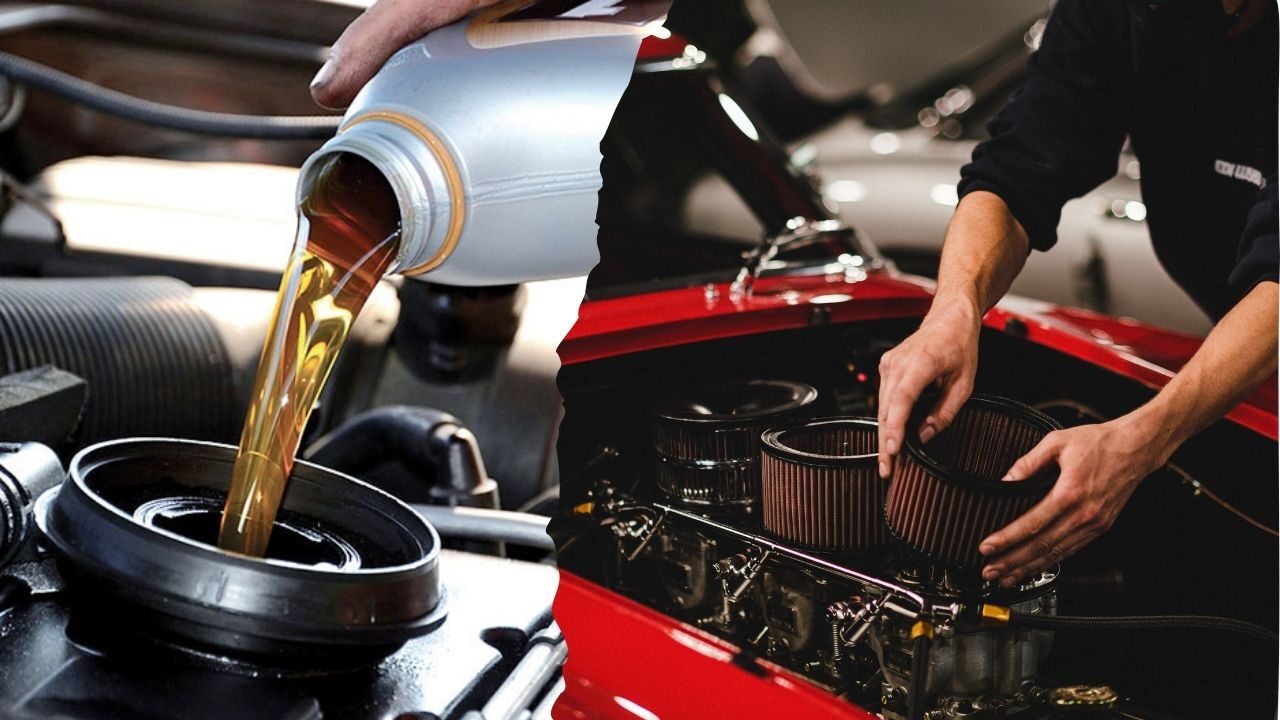
This is the highest-leverage thing you can do. A complete, stamped service history from authorized dealers signals to any buyer that the car hasn’t been neglected. If you try to skip one or two services then the car will later show up the gap which makes it difficult for you to cover it in less spending. Experienced car buyers can tell the difference immediately.

Example: Two identical 2022 Hyundai Cretas. One has a complete Hyundai-authorised service record. The other was serviced at a local mechanic. The first one sells for ₹1–1.5 lakh more, all else equal.

Car Resale Value

2. Keep Mileage Reasonable

In India, the market generally accepts 10,000–15,000 km per year as normal. If you cross nearly 90,000 km on a 5-year-old car then its resale value will fall immediately. No matter how perfect your car condition is, you’ll face price resistance eventually.

Car Resale Tips: It’s best to plan your resale time according to the odometer, not a year, if you are using your car most of the time and hoping for the best resale value.

3. Avoid Modifications

Spending ₹40,000 to look cool (you may think) adds zero resale value. It often subtracts from it, because the buyer doesn’t know what’s been altered, what’s been drilled, or what original parts were changed. Stock is always safer for resale.

Adding minor accessories which are worth less and easily removable or changed would be fine. Minor accessories like dash cams, seat covers, and floor mats are fine. Structural or cosmetic modifications are a resale liability.

4. Address Dents, Scratches, and Interior Wear Before Selling

Spending ₹3,000–5,000 to polish your car with a new paint to make it shine like a new car can increase 20% of your car’s value. Recovering physical damage or scratches from a car before putting it on resale could recover ₹15,000–25,000 in negotiations. Buyers anchor on visible damage, and they always overestimate repair costs.

Before selling: Fix deep scratches and paint touch-up, clean the interior, replace old mats and covers with new ones, and ensure tech features are working properly. The car’s appearance is the buyer’s first emotional signal — and buyers negotiate hardest when something feels neglected.

5. Clear All Dues and Get the RC in Order

Unpaid challans, hypothecation (loan) not cleared from RC, or an address mismatch on the RC are deal-breakers. Get these sorted before you list the car. RC transfer issues are one of the biggest friction points in used car sales in India — remove that risk and you instantly become a more attractive seller.

Maintain your documents of regular servicing at a verified service center to make a buyer trust you. This is a necessary exercise in all the ways to maintain car value over time.

6. Choose the Right Time to Sell is Best Car Resale Tips

Reselling your car in the festive season (October–December) could get you the best resale value for a maintained and perfectly representable car. If you have followed ways to maintain car value over time then it won’t be so hard. The second-hand car value gets ₹20,000–40,000 less in the off season. So, choose the right month to resale your car. 

Which Car Brands and Models Have Good Resale Value in 2026?

You can get any car resale price at verified tools like Car24 at 3 years from purchase. The value of your old car depends on the car condition, model and how many kilometers it runs. From current market data, here is the estimated Used Car Resale Value of popular car models at 3 years from purchase with authorized service history, and 35,000–40,000 km driven.

Car model Ex-showroom price (November 2026) Resale estimate at 3 years (₹) Value retention Why it holds value
Maruti Suzuki Swift ₹5.84–8.89 lakh ₹4.50–6.70 lakh 75–80% Highest-volume hatchback; cheap parts, widespread service network, constant second-hand demand; base/mid variants sell within a week.
Hyundai Creta ₹11.00 lakh – ₹20.42 lakh ₹9.00–15.00 lakh 70–75% Leading mid-size SUV; frequent updates, wide service network, aspirational demand in Tier 2/3 cities; petrol automatic variant sells fastest.
Toyota Innova Crysta ₹19.99 lakh – ₹26.55 lakh ₹14.00 lakh – ₹21.00 lakh (3–4 yrs) 70–80% Strong commercial (cab/travel) demand keeps prices high even for high-mileage units; Toyota diesel reputation; easy to sell when well maintained.
Toyota Fortuner ₹34.76–50.46 lakh
₹26.00–40.00 lakh 72–78% Status symbol, Toyota reliability, limited supply of well-maintained units; older high-mileage examples still sell at premium.
Mahindra Thar LXT 4WD Diesel ₹16.43 lakh (MT); AT around ₹18 lakh
~₹12.00 lakh – ₹14.00 lakh ~71.8% Cult following, unique positioning, demand outpaces supply for new units; 4WD diesel variant retains exceptionally well.
Maruti Suzuki Baleno ₹5.99–9.99 lakh
₹5.20–7.50 lakh 72–76% Premium hatchback appeal, strong Maruti reliability perception, popular with first-time buyers (large buyer pool).

A Note on Luxury and EV Cars

Luxury cars (BMW, Mercedes, Audi) depreciate fast in India, often 45–55% in three years. The maintenance cost stigma suppresses second-hand demand. EVs are rapidly growing in the market so their resale mostly depends on durability of batteries. The market is still developing its pricing norms with time. If you own a Tata Nexon EV or Punch EV, check battery health certification before listing.

Read More:- Kendrick Lamar Car Collection is Classic Garage With Old & New Luxury Cars

Verified Tools to Check Car Resale Value in India

Don’t guess. Use data. Here are the platforms that give you real market-based estimates of Used Car Resale Value:

Car Resale Value

1. CarDekho Used Car Valuation

  • Enter brand, model, variant, registration year, and kilometres driven
  • Uses real-time market data and pricing trends from thousands of listings
  • No registration required; free to use
  • Best for: Quick estimates on popular models like Swift, Creta, City

2. CarWale AccuPrice

  • Powered by Machine Learning trained on data from over 5 lakh previous car listings
  • Factors in fuel type, transmission, mileage, age, and regional pricing
  • Trusted by over 1 crore users in India
  • Best for: Comparing market price ranges across variants before listing

3. Cars24 Valuation Tool

  • Updated for 2026 with EV battery health metrics included
  • Offers end-to-end selling — if you accept the valuation, inspection and payment can be completed within 24 hours
  • Includes seller protection (Kavach) during RC transfer period
  • Best for: Sellers who want speed and don’t want to deal with individual buyers

4. CarTrade Valuation

  • Uses data from verified buyers and sellers across India
  • Pricing engine updated regularly with live market data
  • Good for cross-checking estimates from other platforms

5. CarBike4u Free Car Valuation

  • Quick 2-minute estimate; no registration needed
  • Useful regional context — accounts for city-wise price variation (Delhi-NCR typically returns 5–8% higher than national average)
  • Best for: Understanding how your city affects your resale price

Pro tip: Run your car through at least two or three of these tools and compare. The range they give you collectively is more useful than any single estimate. If the market values your car at ₹6–7 lakh, that’s your negotiation floor — not your starting price.

Read More :- How Electric Cars Are Changing the Future of Transportation

Conclusion

If you’re reading this before your next purchase — you’re ahead. Choose a model with strong market demand, stick to popular colours, buy the petrol or diesel variant that matches your actual usage, and commit to authorized service from day one.

If you already own the car — stop waiting. The ways to maintain car value over time are not glamorous: service on schedule, fix visible damage, keep documentation clean, and don’t modify what doesn’t need modifying. Most of what destroys resale value is neglect, not damage. And when it’s time to sell, use the tools above to walk in with a number — not a hope.

How to Increase Car Resale Value before selling doesn’t require a checklist of 30 things. It requires consistency across three or four things done over years, not days. That’s both the boring truth and the profitable one.

0

EMI vs Lease: Which Is Better If You Plan to Upgrade Your Car Every 3 Years 

EMI vs Lease

Car enthusiasts love to upgrade their cars frequently just like people upgrade their iPhone every year. The real difference is the money. EMI vs Lease are two very different versions of car loan, which one is better for you to take a car loan for actually buying a car is hard to understand. That’s why many people get confused and make the wrong decision.

So if you want to make the right choice for your car loan then read the full article to understand where each one fits. 

When you buy a car by taking a car loan, you have to pay the fixed amount monthly (principal + interest) over a tenure which is usually 3-7 years. When it’s fully repaid, you own the car outright. Until the loan closes, the bank holds a hypothecation on the vehicle but legally the car is yours from day one. This is Equated Monthly Installment (EMI). Higher monthly outgo because you’re paying off 100% of the car’s value plus interest. 

In Lease, however, you never own the car. You pay a rent to use it for a set amount of time then give it back, pay a residual value to buy it, or get into a new lease. The difference is the monthly fixed amount is lower than EMI because you don’t own it, you are just paying for depreciation for a period + interest + fees. There’s one catch – overage charges hit hard and sometimes bundle maintenance. So you have to be careful with mileage and maintenance.

Which Is Better in EMI vs Lease If You Plan to Upgrade Your Car Every 3 Year

In the EMI vs Lease option for buying a car, there’s no single answer yet. As it depends on your choice and income, here’s the thing to consider before making any decision.

Car Loan’s Core Problem With EMI on a 3-Year Cycle

Most car loans are structured for 5 to 7 years. The calculation behind them assumes you’ll hold onto the car long enough for the interest-heavy early payments to even out, and long enough for depreciation to slow down.

When you sell or trade in at year 3, you’re stepping out mid-loan. That means:

  • You’re still carrying a decent chunk of outstanding principal
  • You’ve paid a disproportionate amount of interest relative to how much of the car you actually “own”
  • The car’s resale value has already taken its steepest depreciation hit (new cars lose the most value in the first 2-3 years)

Put these together and you often end up underwater — owing more than the car is worth, or barely breaking even after resale. You then roll whatever gap exists into your next purchase, and the cycle repeats, sometimes getting worse each time.

Leasing Is a Good Option If You Upgrade Car in 3 Year

Leasing was built for exactly this kind of usage pattern. You’re not paying for the whole car — you’re paying for the depreciation that happens during the years you use it, plus interest on that portion, plus fees.

For someone upgrading every 3 years, this lines up almost perfectly with typical lease terms (24-36 months). A few real advantages:

Lower monthly payments than an EMI on the same car, since you’re not financing the full price. For example, if the car is worth ₹12 lakh today and is expected to be worth ₹7 lakh after 3 years, the lease payment is broadly based on the ₹5 lakh depreciation over those three years. 

When three years are completed, you can return the car to the leasing company and they’ll check mileage, damage and condition according to the contract. You don’t have to worry about negotiating a resale price. But if there’s any damage and higher mileage then you have to compensate for it. If you are eligible, the lease company can offer you a replacement/new-lease program. You still need to sign a new lease and meet the new contract’s approval and payment requirements. 

Lease is a good option if you are confused about EMI vs Lease if you are buying a new car. Many leases cover a new car while it’s still under the manufacturer’s warranty, which can reduce your exposure to unexpected repair bills for covered defects. 

The car resale value gets down right after it leaves the showroom. In one year, the retention by 60% is going to hit so if you don’t want to worry about car worth in three years, that risk is not on you anymore, its leasing company.

Probable Risk That You Must Know Before Considering Lease

There are some conditions that are set on the contract on lease while taking a car. Always remember that you never own a car. For example, you rent an apartment and the owner takes a security deposit. If you damage it, they won’t return it. Same happens with leasing, if mileage limits hit, damage that can cost much, you have to pay extra for it and in the end return it back.

If you drive over your allotted kilometers, you’ll pay a penalty per extra km so this adds up fast if you drive a lot. If you are buying it to travel out of the city then there’s no benefit in it.

Wear-and-tear charges always happen when you drive in rush areas or in traffic. Scratches, interior damage, anything beyond “normal use” can cost you at lease-end.

You build zero equity. As you give a rent every month. At the end of three years, you own nothing — not even a trade-in value to offset your next vehicle.

Long-term cost. If you ever decide to stop upgrading and just keep a car for 6-7 years, leasing back-to-back will almost always cost more than one EMI held to term.

Which One Saves Money If You Swap Cars in Few Years

Don’t just start comparing EMI vs Leasing on monthly payments. That’s a trap, use calculation and figure out the total cost for a confirmed set of periods. Let’s say you are buying a car for 3 years and then want to change it, total payment made over these years, lease end-fees if any, regular maintenance cost, driving habits are the effective majors that hit your total cost. 

Whichever number is lower for your driving habits and your market’s resale trends is your answer — not a generic rule of thumb.

Here’s a Maruti Suzuki Victoris LXI petrol example to calculate the total cost of your car by taking both EMI and Lease. Its current ex-showroom price is ₹15.13 lakh, while the estimated on-road price is around ₹17,50,000 (assume). 

EMI (5-year loan, 20% down, 9.5% interest)  Lease (3-year operating lease, bundled) 
Down payment  ₹3,50,000  No large down payment, security deposit which often refundable
Tenure  5 years = 60 months  60 months  
Monthly Pay ₹29,500  ₹32,700  
Total Cost ₹21.2L (include downpayment) ₹19,62L  
Ownership  Yes, you own the car after 5 years  No, unless you pay a separate buyout near residual value. 

If you want to buy Maruti Suzuki Victoris LXI petrol car on lease and later buyout then:

Option Monthly outflow Total paid (5 yrs) Ownership at end
EMI (loan) ~₹29,500 EMI + ₹3.5L down ~₹21.2L (down + EMI) Yes (you own; can resell)
Lease (no buyout) ~₹32,700 rental ~₹19.62L (rentals only) No (car returned)
Lease + buyout ~₹32,700 rental + buyout ~₹27.49L (rentals + buyout) Yes (after paying residual)

Buying An EV On Lease Is More Profitable Than EMI

A 3‑year total cost comparison for a Tata Tiago EV using loan as EMI vs Lease. Let’s look into quick comparison on assuming numbers but you can swap this with your exact dealer quote and calculate the actual total cost using EMI calculator: 

Tata Tiago EV EMI (loan, 3 yrs) Lease (operating, 3 yrs)
On-road price used ₹8,90,000 ₹8,90,000
Down payment / initial ₹1,78,000 ~₹0 (small fee possible)
Monthly payment ~₹22,800 EMI ~₹20,000 rental
Total paid over 3 yrs (cash out) ₹9,98,800 (down + EMI) ₹7,20,000 (rentals)
Ownership at end Yes (you own) No (car returned)
Approx. 3‑yr resale / residual ~₹4,89,500 (you keep) ~₹4,89,500 (goes to lessor)
Net 3‑yr cost (cash out − asset value) ~₹5,09,300 ~₹7,20,000
Typical inclusions Loan only; insurance & maintenance separate Often includes insurance + maintenance (check contract)

Note: any price and figures mentioned above is assumed by the current price provided, you must check the actual amount by calculating it with your own variant, tenure, mileage and other terms.

Read More:-  What Your Car Loan Covers Beyond the Ex-Showroom Price 

Conclusion

When it comes to EMI vs Lease, leasing can be worth considering when predictable monthly costs and, depending on the lease, maintenance and other expenses may be bundled in. No ownership equity can make it expensive if your driving habits don’t match the contract. An EMI makes more sense if you want to own the car, drive it for 5–7 years or longer.

Before signing either agreement, calculate the total price you pay and compare the complete three-year cost of both options including interest, insurance, maintenance, taxes, lease fees, penalties and the car’s expected resale.

You can choose a lease for flexibility and frequent upgrades; choose an EMI when long-term ownership and building resale value matter more.