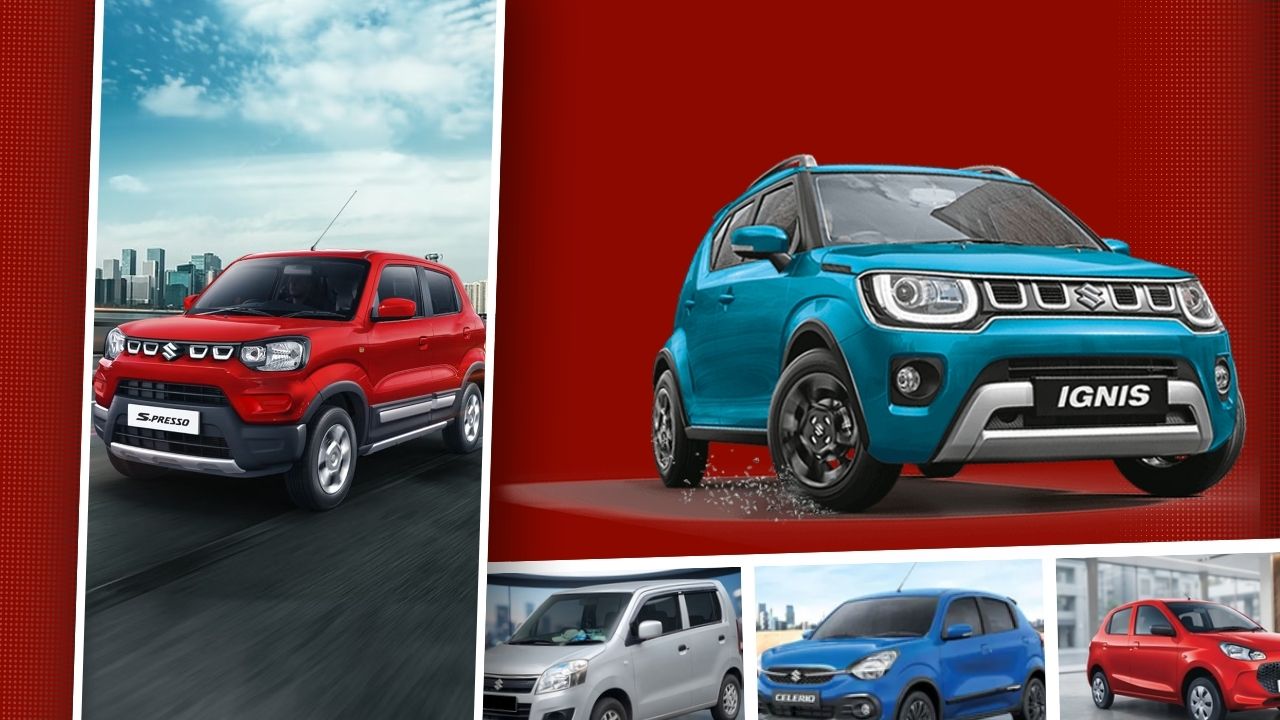
1

5 Lowest-Priced Maruti Suzuki Cars Featuring Automatic Transmission in India

Published Oct 5, 2026, 11:42 AM
Last Updated Oct 13, 2026, 6:41 AM

Maruti Suzuki Cars

Indian streets are becoming busier, especially in metro cities. New car buyers and office commuters are mostly searching for affordable Maruti Suzuki cars with automatic transmission. Maruti offers an automatic gearbox now starting below ₹5 lakh (ex-showroom), and the cheapest one costs equally at an iPhone 18 Pro price.

Maruti uses Auto Gear Shift (AGS) in every car which is a five-speed AMT, not a conventional torque-converter automatic. It differentiates them from other cars in the lowest price range.

What Makes These Maruti Suzuki Cars Different From a “Real” Automatic?

An AMT is a manual gearbox with a robot working the clutch and gear lever. It costs far less than a CVT or torque-converter unit, which is why Maruti can price automatic hatchbacks this low. The compromise is a head nod as the car shifts from first to second under acceleration, along with a brief delay during upshifts. In town, Maruti’s latest AMTs feel smooth; you’re more likely to notice the hesitation when accelerating quickly to pass another vehicle. Switching to manual mode can reduce it. 

Prices have also come down. The September 2025 GST cut on small cars pushed entry-level hatchbacks lower, which is why you now see the Alto K10’s range starting around ₹3.7 lakh in some listings. The AMT versions, though, only sit on upper trims, so the numbers below are the ones that matter. All prices are ex-showroom Delhi and vary by city and month.

1. Maruti S-Presso AMT: The Cheapest Automatic Car in India

The S-Presso AMT is the cheapest automatic car you can buy in India, with prices starting from around ₹4.75 lakh. The AMT gearbox is available in the top two trims – VXi (O) and VXi+ (O) – with the top-end variant priced at about ₹5.25 lakh. 
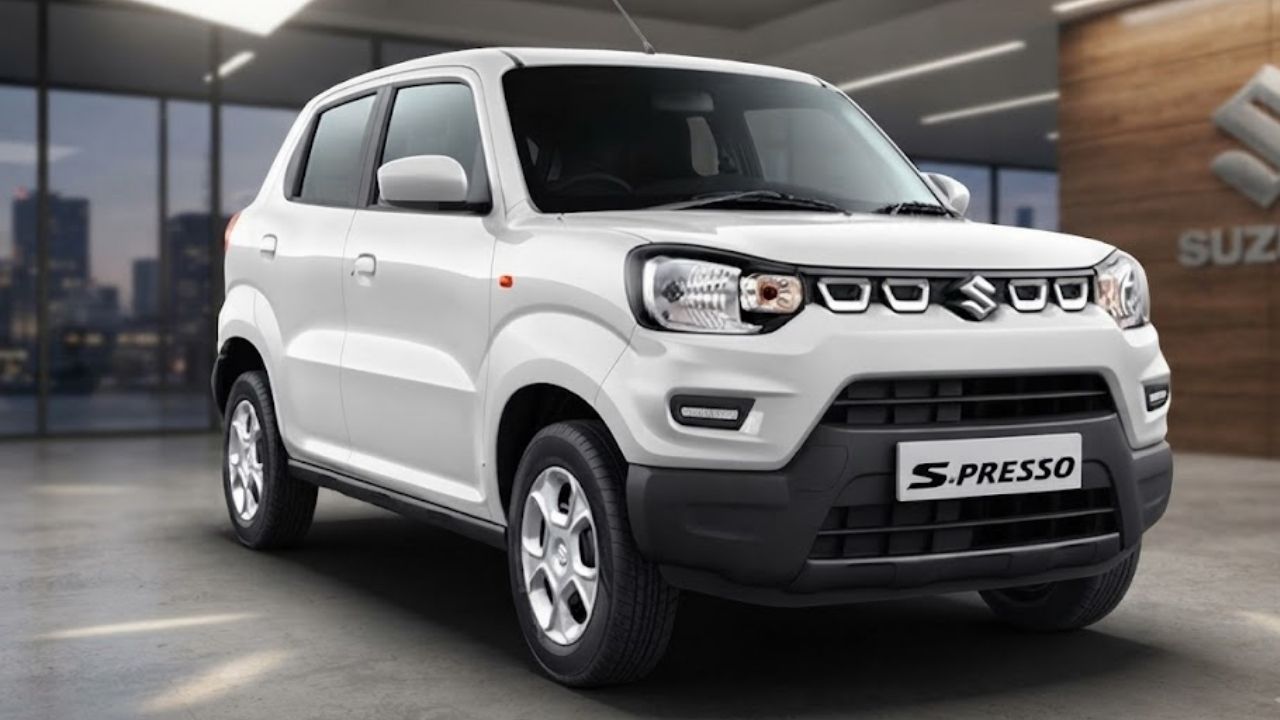
Maruti S-Presso AMT

The 998cc three-cylinder petrol makes 69hp and 91Nm. Claimed mileage is around 25 km/l. The micro-SUV styling and high seating position are the real draw here, since you sit higher than in an Alto or Celerio. It gets ESP but only two airbags, so side and curtain airbags aren’t part of the package.

Best for: first-time buyers who want the lowest possible entry price and a commanding view of the road.

2. Maruti Alto K10 AMT: The Familiar Name

The Alto K10 AMT is priced at around ₹4.95 lakh, which is ₹20,000 higher than the S-Presso. Its 998cc engine delivers 67hp and 89Nm, slightly less than the S-Presso. Spinny has the claimed mileage as 24.90 km/l. 
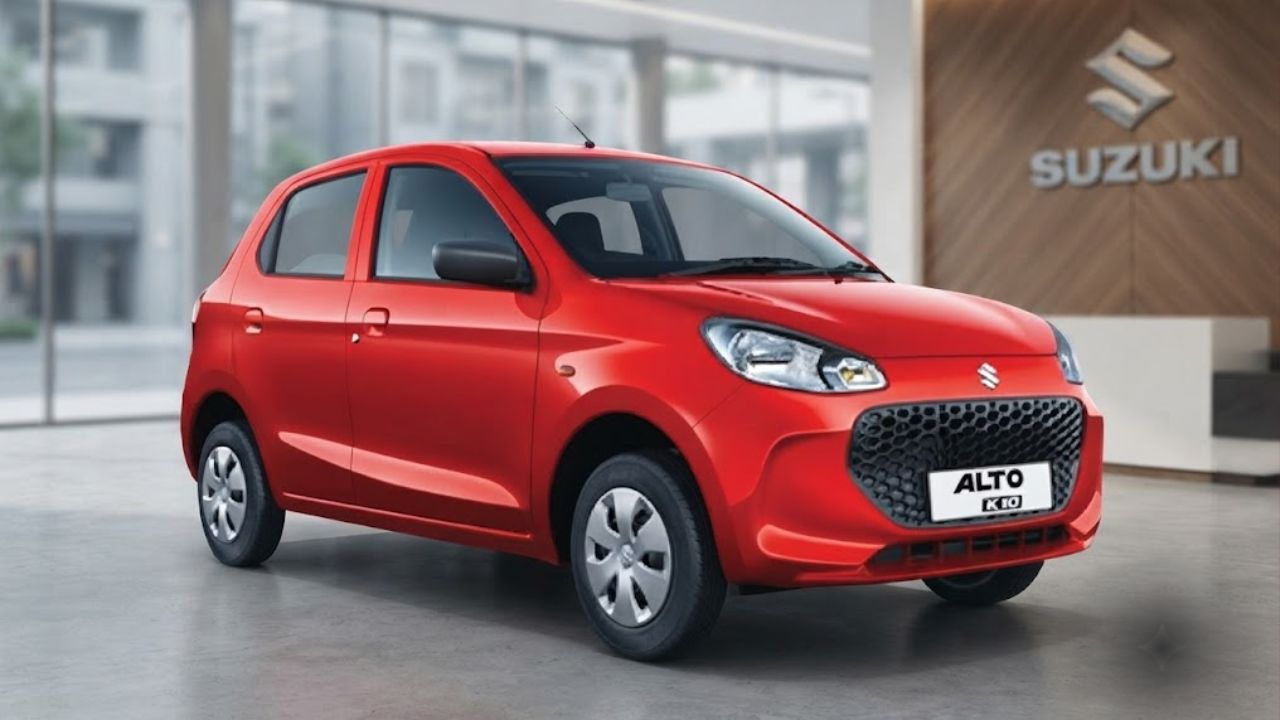
Maruti Alto K10 AMT

The AMT was a bit lazy, with appreciable gaps between lower ratios, but nothing terrible for city use. The Alto’s advantages are resale value and Maruti’s service network, which extends to tiny towns where other brands almost don’t exist. For a vehicle that’s going to be living in a Tier-2 city & needs inexpensive, speedy servicing, that’s saying quite a bit. 

Best for: buyers who prioritise resale value and service reach over novelty.

3. Maruti Celerio AMT: The Mileage Champion

The Celerio AMT is the third cheapest at ₹5.61 lakh and it holds a distinction in value that is worth considering. It is also the most fuel-efficient car available in India, with the automatic versions offering 26 km/l claimed by ARAI. AMT is available on VXi, ZXi and ZXi+ trims, with the highest trim reaching 6.73 lakh. 
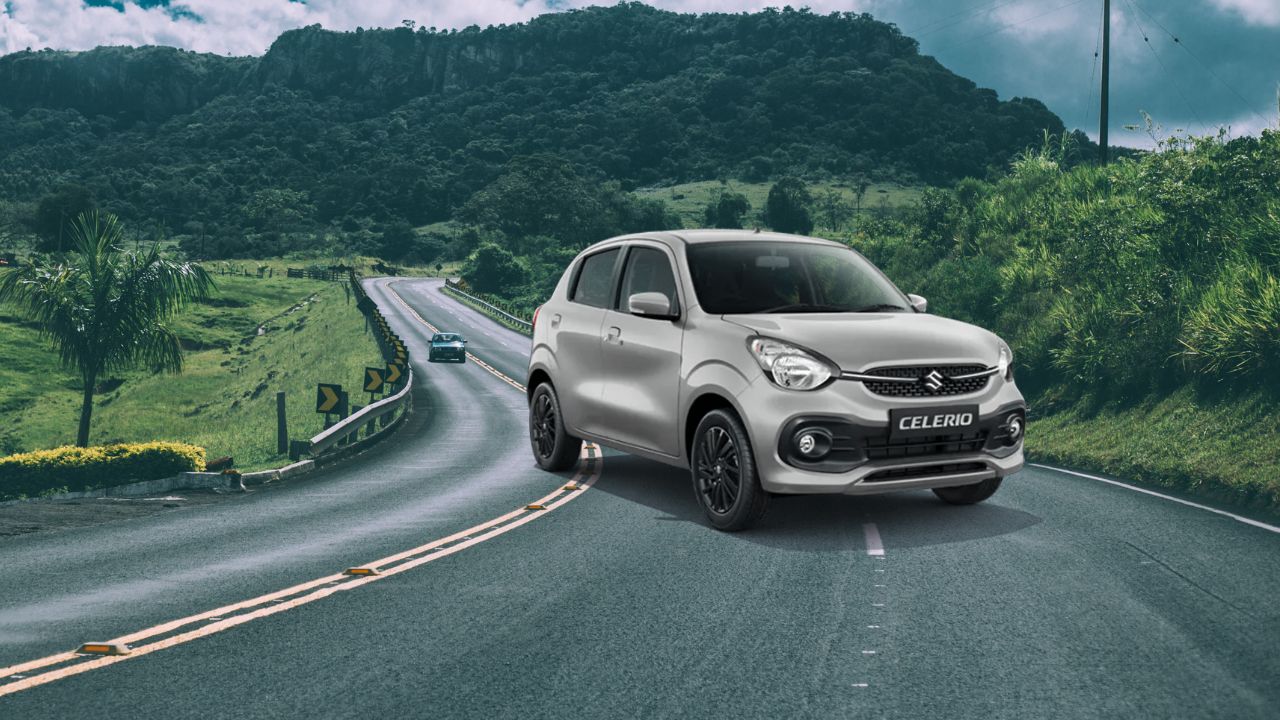
Maruti Celerio AMT

The 998cc engine produces 69hp of power and 91Nm of torque. The gear shift is so smooth as it takes a pause between changes. The reported mileage numbers are acquired in a controlled condition rather than daily traffic so consider it a guess mark. 

Best for: high-mileage commuters who care most about running costs.

4. Maruti Wagon R AMT: The Only One With Two Engine Choices

The Wagon R AMT is priced at around ₹5.97 lakh to ₹6.95 lakh to offer two engine options where one is automatic. A one-litre three cylinder engine provides 69hp and 91Nm and 1.2 L 4-cylinder engine with more power up to 91hp and 114Nm of torque. The 1.0-litre AGS returns a claimed 25.19 km/l.
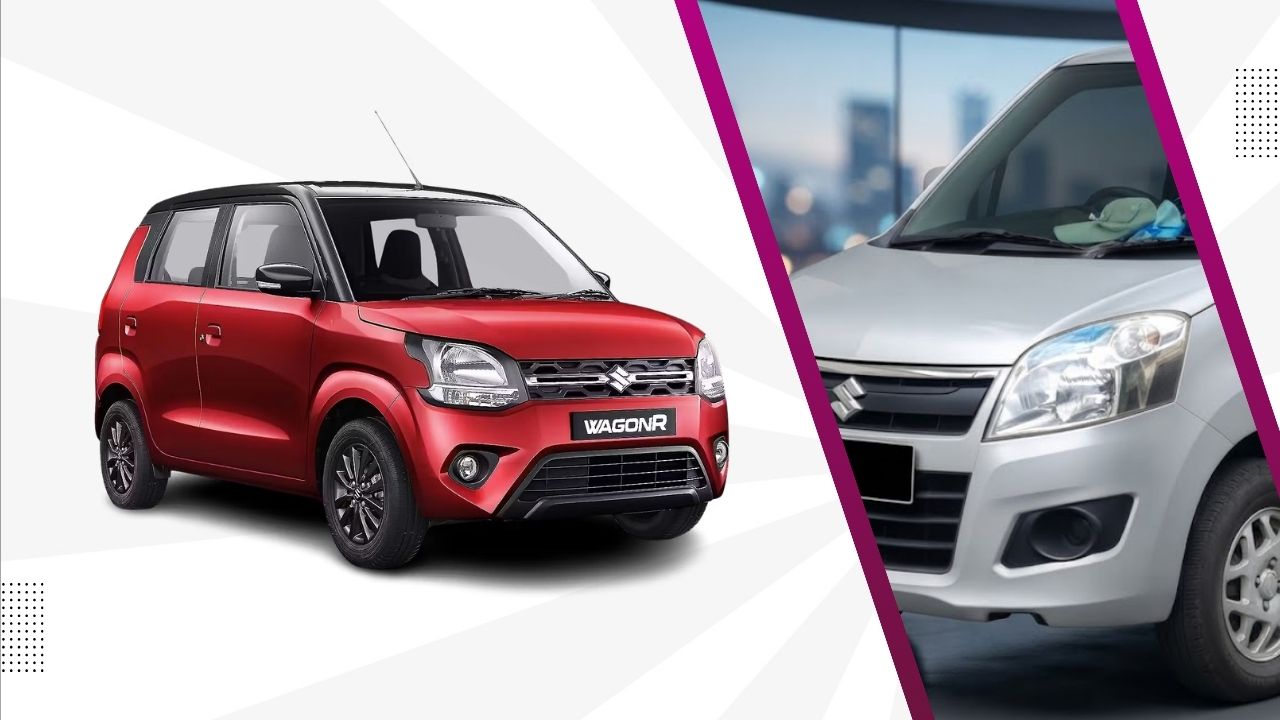
Maruti Wagon R AMT

Wagon R offers space for five people with the best headroom. Sitting comfortable is a concern when your family also travels with you occasionally. The 1.2 is worth the extra money if you take a trip out of the city because the 91hp engine is more powerful.

Best for: small families who want space and the option of a stronger engine.

 👉  Mercedes-Benz GLC Electric Comes With 715 km Range 

5. Maruti Ignis AMT: The Nexa Entry Ticket

The Ignis is the fifth-cheapest and the only Nexa-badged car here. The price of AMT starts at ₹6.01 lakh up to ₹7.55 lakh. Confirm the current Nexa price from your dealer.
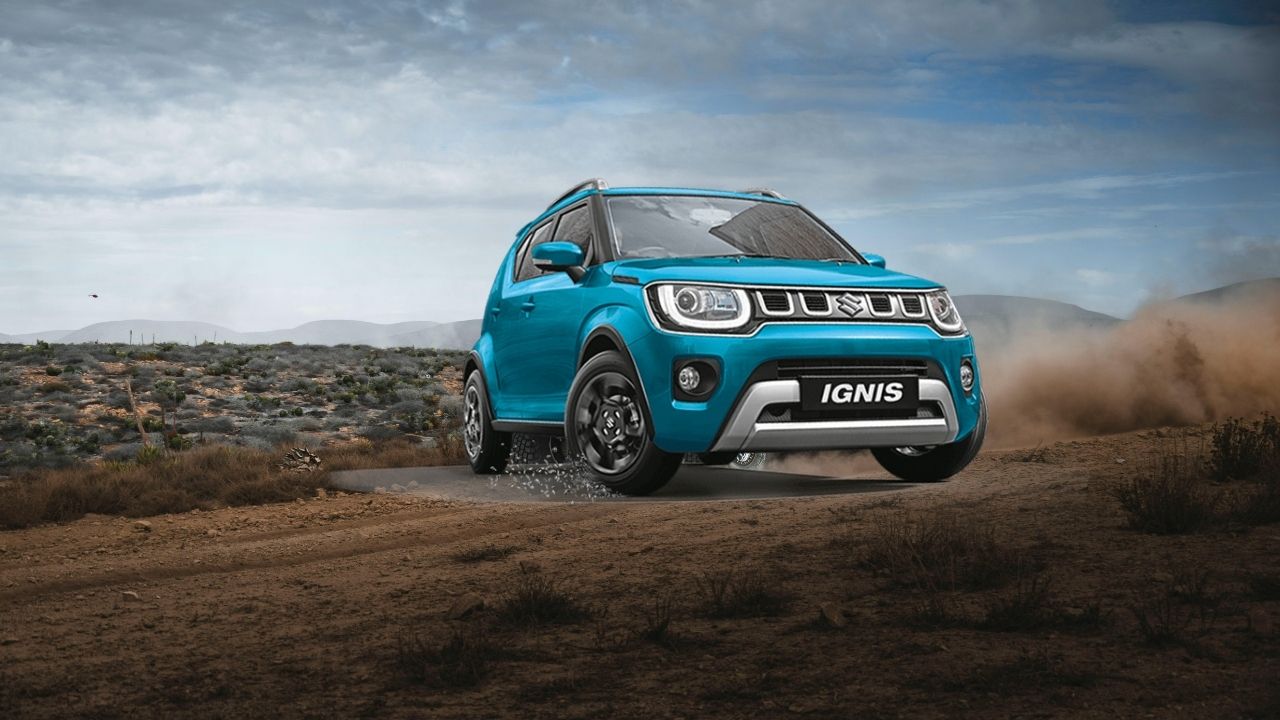
Maruti Ignis AMT

Maruti Ignis offers 83 hp of power with 113 Nm of torque by a 1.2 L 4-cylinder engine. Every trim offers AMT but not a base Sigma. The real world mileage could be lower than the company’s claimed 21 km/l in a lab. The price is worth the crossover-style body.

Best for: buyers who want a distinctive design and a premium showroom experience without crossing ₹7 lakh.

Price and Spec Snapshot

Car AMT start price (ex-showroom) Engine Claimed mileage
S-Presso ~₹4.75 lakh 998cc, 69hp ~25 km/l (verify)
Alto K10 ~₹4.95 lakh 998cc, 67hp 24.90 km/l
Celerio ~₹5.61 lakh 998cc, 69hp 26 km/l
Wagon R ~₹5.97 lakh 998cc, 69hp / 1197cc, 91hp 25.19 km/l (1.0)
Ignis ₹6.01–6.30 lakh 1197cc, 83hp ~21 km/l

Maruti is Not The Only Brand Selling Automatic Shifts at Affordable Price

Two non-Maruti options belong in your decision.

The Renault Kwid AMT is priced from about ₹5 lakh (ex-showroom) and comes with a 1.0-litre engine that produces 69hp and 92.5Nm of torque. The AMT option is offered from the mid-level Evolution trim and is only a few thousand rupees more expensive than the Alto K10’s automatic. It is more than ₹50,000 cheaper than the Celerio, but Renault’s service network is not as strong, which becomes a problem in small towns. 

Tata Tiago AMT starts at about ₹6.31 lakh and uses an 86hp, 113Nm 1.2-litre engine. The shifts are smooth in traffic but jerky at crawling speeds. It costs more than the Wagon R 1.0 AMT, but it has more power and offers CNG with AMT, which no Maruti on this list can match.

👉  Festive Car Discounts 2026: What You’ll Really Save After Price Hikes 

Conclusion

These five lowest price Maruti Suzuki cars with automatic transmission are in demand, especially S-Presso or Alto K10. They both have strong resale value and Presso comes with good seating height which also matters for comfort. Run under 20 km a day in city traffic.

If you’re covering around 1,500 km every month, the Celerio can make up its roughly ₹66,000 higher price than the S-Presso through fuel savings over time. It also has the highest claimed mileage among the two. Need space for four adults, or you hit highways? Skip the 1.0-litre cars and take the Wagon R 1.2 AMT.

Want something that doesn’t look like everyone else’s hatchback? The Ignis is the only choice, but accept the lower mileage.

Whichever you pick, take a test drive in actual traffic, not a smooth road. The AMT’s behaviour in stop-and-go is the thing brochures can’t tell you, and it decides whether you’ll love the car or curse it. Also ask the dealer for the on-road price, since insurance, registration and accessories can add 12 to 15 percent to the figures above (verify for your state).

Alok Kabir

Alok is an experienced SEO Specialist skilled in blogging and SEO-friendly content creation. He also specializes in Content Optimization and Technical SEO, including website optimization, crawlability, indexing, site speed, and on-page improvements to enhance search rankings and online visibility.

One Comment

Leave a Reply

Your email address will not be published. Required fields are marked *

2

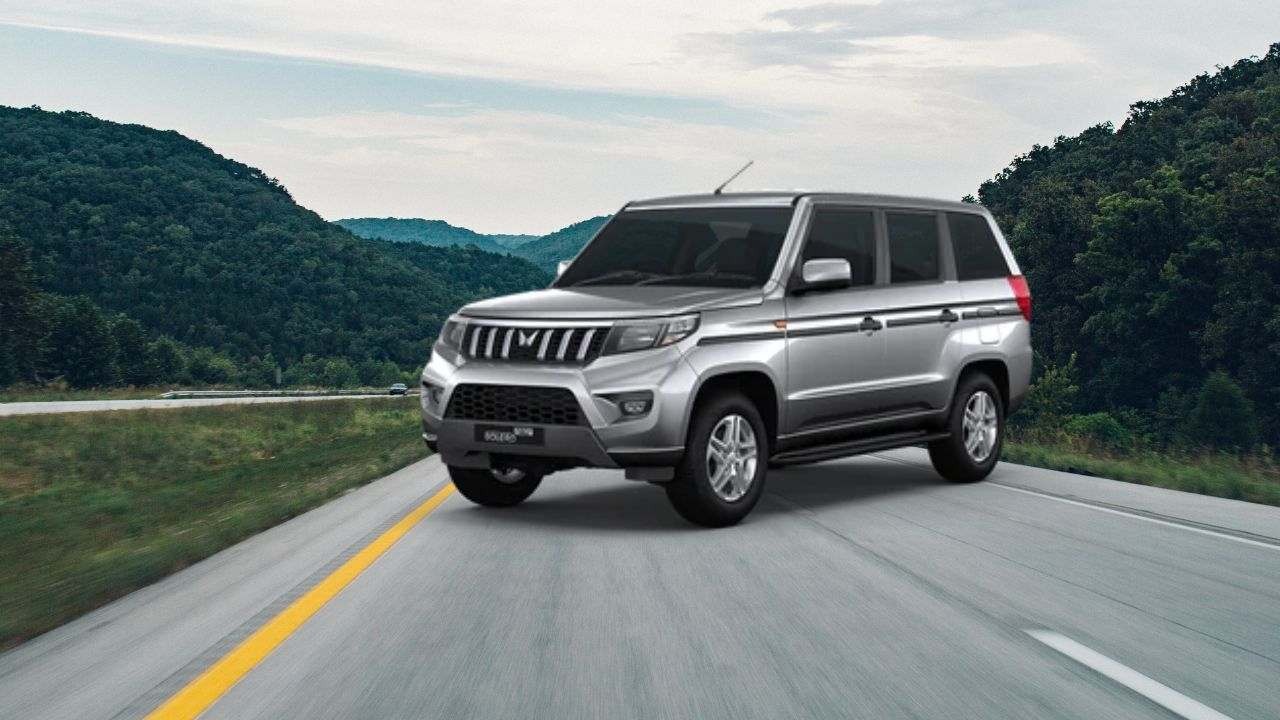
Mahindra Sold 64,092 SUVs in September 2026: What Drove Up Mahindra Sale From 14% 

Mahindra Sale

Mahindra Sale value increased this year by 14% from the 56,233 units sold in September 2025. SUVs leaving a dealership network roughly every 40 seconds, Mahindra sold 64,092 SUVs in September 2026. The number says more about where Indian buyers are putting their money than any launch event did.

Before selecting any car to buy, check why it sits at 2nd position in India’s passenger vehicle retail market, beating Tata Motors. Understanding where to put your money is incredibly important but it also doesn’t mean that car features and performance do not matter at all.

Mahindra Sold 64,092 SUVs: The September Numbers

Mahindra manufacturing is widely dependent on commercial vehicles, three-wheelers, and export so Mahindra’s total vehicle sales came to 1,14,874 units, up 15%. Mahindra SUV figure alone grew 8.2% over August, sold 59,257 units, a gain of 4,835. This tells a story of trust and capability in a company’s vehicle, not just figures.

The financial-year picture is stronger. From April to September 2026, Mahindra sold 3,58,142 utility vehicles domestically, up 20% from 2,97,570 units during the same period last year. With an average of around 59,700 units per month, September’s sales were higher than the six-month average. 

Mahindra

Two details complicate the story. Exports fell 7% to 4,019 units from 4,320, so the growth is a home-market story. And Mahindra said it crossed 1 lakh sales of its Electric Origin SUVs, a useful marker for how quickly the brand’s EV line has built volume.

Autocar India’s wholesale table shows Mahindra Sale at 56,745 units, up under 1%, and Vahan registration data puts September at 57,817. Wholesale counts what reaches dealers, registrations count what reaches customers, and company releases follow their own definitions. The 64,092 figure is Mahindra’s reported domestic SUV number.

What Factors Drove the Growth of Mahindra Sale

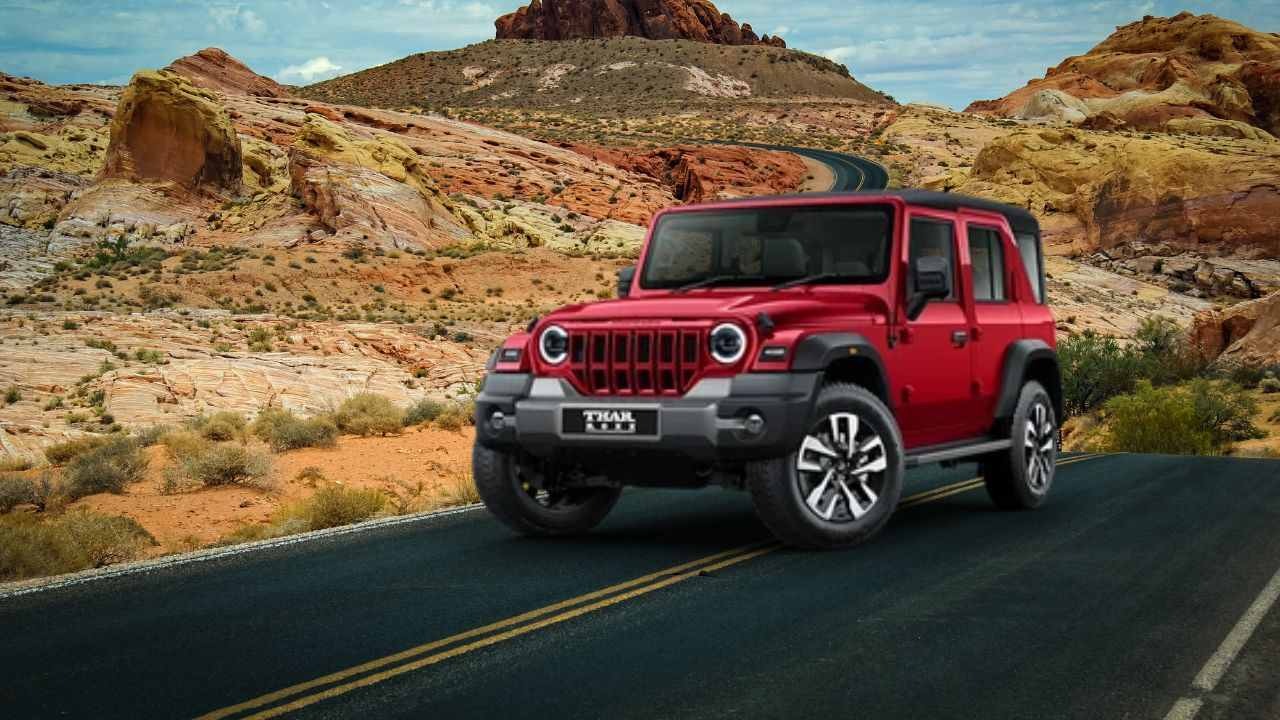
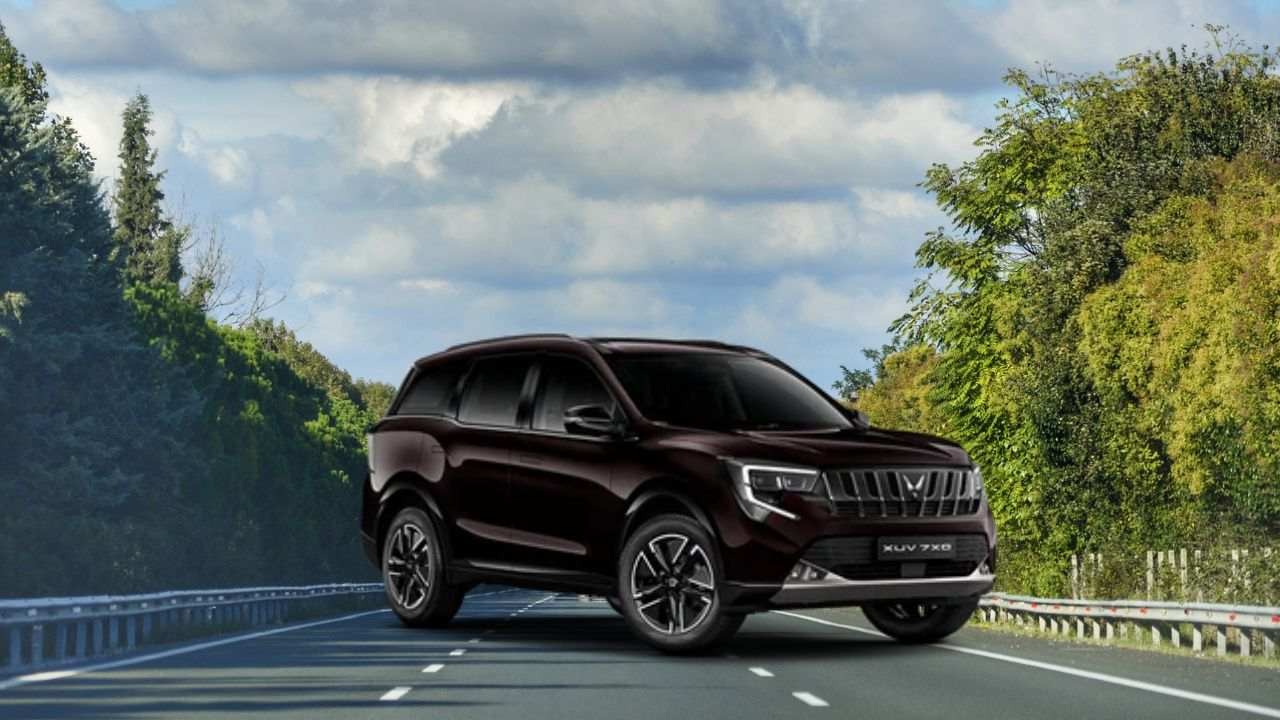
The festive season is the obvious tailwind. Industry coverage notes that sub-4-metre and mid-size SUVs contributed most to September’s market sales, and Mahindra’s range covers both, from the Bolero and Bolero Neo through the Scorpio Classic, Scorpio N, Thar Roxx and XUV 7XO. The Thar OG launch added fresh news to the showroom conversation.

Mahindra vs Tata vs Hyundai

The base effect matters too. Every SUV gets full attention when we look over September 2025 which was itself a strong month. SUV sales had already risen 43% in September 2025 compared with August, making this year’s 14% growth more significant. 

Mahindra vs Tata vs Hyundai in September 2026

Mahindra’s domestic SUV sales trailed Tata Motors’ reported 68,810 passenger vehicles by 4,718 units, and led Hyundai’s domestic 57,166 by 6,926. 

Growth rates were close: Tata at 15.32%, Mahindra at 14%, Hyundai at 10.9%. Tata’s figure varies by source Autocar India lists a much lower number.

The comparison is also not like-for-like. Mahindra sells almost entirely SUVs, while Tata and Hyundai’s totals include hatchbacks and sedans. Against Hyundai in particular, Mahindra is winning with a narrower product mix, which is the stronger result.

Mahindra Tata Motors Hyundai
Sept 2026 domestic 64,092 68,810 (verify) 57,166
YoY growth 14% 15.32% 10.9%

Mahindra sold 64,092 SUVs in September 2026 could work as a proof for the company to say “Worth The Money”, even though sales volume is not a quality score, but this figure speaks louder.

Mahindra sold

For the buyer, higher volume sales usually suggests that the company’s service-network is broader and resale value is strong. So you can plan your next vehicle easily after taking a written quote from the dealer for your choice of variant.

From August to December, it is a peak time of the Indian car market so companies also offer discounts and exchange offers. Confirm it from the 2-3 dealers because a month of record sales gives the company leverage. You could negotiate on accessories, insurance and exchange value instead of expecting a headline price cut.

 Skoda Slavia Facelift Comes With Automatic Shift & More Features

Conclusion

Mahindra’s September 2026 sales show that its SUV range continues to attract strong demand, helped by the festive season, a broad model lineup and growing interest in electric SUVs. The 14% year-on-year rise is encouraging, especially with sales staying above the company’s April–September monthly average. 

For buyers, though, Mahindra sold 64,092 SUVs in September 2026 holding a strong Mahindra Sale alone shouldn’t decide the purchase. Compare variants, check delivery timelines and negotiate insurance, accessories and exchange offers before booking. 

0

How to Maintain Your Car Engine Properly

Published May 30, 2026, 11:33 AM
Last Updated Jun 1, 2026, 4:58 AM

Maintain Your Car Engine Properly

Knowing about How to Maintain Your Car Engine Properly is making you a smart person. While driving a car, your engine fires tiny explosions every single minute. Whether it’s frequently overheating, making noise while spins metal against metal, and circulates fluids, Neglect costs you thousands. It’s one of the most complex mechanical systems humans have ever put into everyday use. 

Change the Oil When Its Needed

You should change engine oil every week for smooth working. It lubricates the parts of your machine so it would generate friction that can destroy a block worth several thousand. Over time, that oil degrades, oxidizes, picks up contaminants, and loses its ability to protect.

The latest cars can run 5,000 to 7,500 miles until they need regular oil change but cars which use synthetic oil can stretch to 10,000–15,000 miles. But the most common mistake people make is that they forget to check their oil level regularly, only  remember to track mileage. The engine could be damaged if the oil gets too low, even for a few meters of driving on that low oil can cause damage that no oil change will fix. 

Which car is best for you—manual or automatic—and which one should you buy?

Coolant: The Reason Your Engine Doesn’t Melt

A running engine produces heat in quantities that would destroy it without help. To avoid engine overheat, the cooling system uses coolant, radiator, thermostat. And if it stops working, an overheated engine can warp parts, crack the engine block, or damage the head gasket. If any of these problems occur, repair costs will be too high.

Check your coolant level when the engine is cold — never open a hot radiator cap — and look at the reservoir tank. The fluid should be between the min and max markings. Coolant also needs to be flushed and replaced periodically; most manufacturers recommend every 2–5 years. Old coolant becomes acidic and actually starts corroding the very system it’s meant to protect.

Service item Recommended interval Notes
Oil change Every 5,000–10,000  Depends on oil type (conventional vs synthetic) and driving conditions
Coolant flush Every 2–5 years Or follow manufacturer specification; check level and concentration annually
Air filter Every 15,000–30,000 mi Replace sooner in dusty conditions
Spark plugs Every 30,000–100,000 mi Iridium/platinum plugs last toward upper range

Air Filters: Let It Breathe

Air filters are needed to provide engine clean air to burn fuel efficiently. It acts like a gatekeeper to stop the dust, pollen and debris entering the engine. A dirty air filter starves your engine of air, hurts fuel economy, reduces power, and in bad cases can even pull contaminants into the engine itself.  

Changing the air filter is the cheapest and five-minute task without using any tools. If you can’t see light through the pleats when you pull it out then it’s time to change. It needed more frequent change if you drive on dusty rides mostly.

Spark Plugs and the Art of Clean Combustion

Sparks plugs work when fuel-air mixture ignites at the right time that starts your engine run. If they wear out, they won’t work and cause engine misfires. It also causes problems while driving, taking acceleration and giving rough performance. Old spark plugs can also damage the ignition coils over time. 

The good news: modern iridium and platinum spark plugs can last up to 60,000–100,000 miles. The old copper plugs need replacement around 30,000. Check your owner’s manual for the spec, and if your car is misfiring or unusually thirsty for fuel, plugs are one of the first things to check.

Do you know how to get vehicle insurance?

Read the Warning Signs — Your Car Is Communicating

Modern cars are extraordinarily good at telling you when something is wrong. The check engine light isn’t your car being dramatic — it’s a sensor somewhere in the system flagging a deviation from normal. Don’t put tape over it and hope for the best. A quick diagnostic scan at most auto parts stores is free, and the trouble code it reads out tells you exactly where to look.

Too much noise or knocking sounds while driving can mean the fuel is burning at the wrong time which can damage cylinders and pistons. Don’t just rely on warning lights, if you hear unusual noises then it may be a sign of low oil pressure or a timing chain problem. The proper engine works smoothly and quietly.

Timing Belt or Chain: The Hidden Clock Inside Your Engine

A timing belt or timing chain keeps the parts together of your engine and works synchronously. It keeps the engine’s valves open and closed at the right time in each cycle. If the problem occurs in this system then they need full replacement, so check your car’s timing belt changes intervals. Usually it is between 60,000 and 100,000 miles. If your mechanic asks to replace it, do it without negotiation.

Read Also: Learn about the most common car problems and how to fix them yourself.

Conclusion 

The car’s life depends on owner habits if it runs for 200,000 miles from those who can run for just 80,000 miles. You can set reminders to change oil, notice unusual sounds, and check fluids level regularly. Taking a smooth driving experience from your car needs attention and care with just these simple habits.  

Your car is a mechanical system subject not a static appliance which means it also has the same laws of wear, heat, and entropy as everything else in the physical world. But the difference is it will tell you through sound, warning, and rough performance when something is required for the maintenance.

0

Gautam Singhania Car Collection 2026: Ferrari, Lamborghini, McLaren & More

Gautam Singhania Car Collection

Billionaire Gautam Singhania Car Collection is not just cars but it has a collection of supercars — he drives them at top speed, races them in Europe, drifts on the Mediterranean island of Malta and publicly criticizes billion-dollar companies when they let him down. 

Most people who shell out ₹8 crore for a car would keep it garaged. Take it out on Sunday mornings when traffic is light and then spend the next hour wiping off a layer of unseen dust. About the last person to live up to the name “gautam singhania” is the man himself.

The Raymond Group Chairman — the man behind India’s most recognisable suiting brand — has quietly put together possibly the most technically extreme automotive collection on the subcontinent. We’re talking LaFerrari hypercars parked in Dubai, a Nissan Skyline GT-R that runs sub-10-second quarter miles, a Ford Mustang that pushes 1,300 bhp, and a 37-storey Mumbai skyscraper with a multi-floor car park literally built into it. 

But what makes Singhania truly interesting is not just the wealth. That’s the attitude. He races. He drifts. He wins championships. And when a ₹8-crore Lamborghini breaks down on a highway bridge. Let’s break down the Gautam Singhania Car Collection to fill the curiosity of car lovers out there.

The Ferrari Obsession

We’ll start with Maranello because that’s clearly where Singhania’s heart resides. He’s a bonafide Tifosi — not just one of those people who slap on a red car cover with the Ferrari logo and call it a day, but one who actually races in the Ferrari Challenge Europe with Kessel Racing, putting up double podiums at Paul Ricard along with runs at Monza and Budapest.

The Ferrari Obsession

He became the very first person in the world to own a RHD (right hand drive) unit of the Ferrari 296 Speciale and not just any unit, but the first customer car. Finished in Giallo Modena, the same shade of yellow he used on the first 458 Italia he ever brought to India — this isn’t your run of the 296. It’s a track weapon twinned with a twin-turbo V6 PHEV making 880 bhp, runs 0-100 km/h in 2.8 seconds, and generates 435 kg of downforce at 250 km/h. Ferrari took the titanium connecting rods from the LaFerrari programme to develop it. 

“He’s never thought of supercars as Veblen goods for running climate-controlled simulations, but as precision tools that need driver inputs at the very edge.” 

That is followed by the 849 Testarossa, the new flagship of Ferrari, introduced in India in March 2026, reviving a legendary name with a tri-motor PHEV arrangement producing 1,035 hp and achieving 0-100 km/h in 2.2 seconds. India is no longer coming late for these cars. Singhania’s patronage is a large reason for that. 

The Lamborghini Drama

Singhania has many Lamborghini models parked in his garage not on their luxury looks or price but because of their products’ engineering.

Model Power Engine Type Price Notes
Lamborghini Revuelto 1,001 bhp V12 PHEV ₹8.89 cr Broke down at 15 days
Lamborghini Temerario 920 PS Twin-Turbo V8 PHEV ₹6 cr Bought anyway in 2026
Aventador SV 750+ bhp V12 NA – 1 of 600; UK import
Gallardo Twin-Turbo 1,600+ bhp Underground Racing build – Street legal

What followed next is now automotive internet legend. He publicly criticized the head of Lamborghini India and the head of Asia on social media, shared a video of yet another Revuelto warning of a ‘Transmission Malfunction’ while running at 300 km/h on the highway, and sarcastically remarked that Lamborghini’s bugs are turning into features. The company remained quiet. He got louder.

The Lamborghini

And then in an absolute curveball no one saw coming — he purchased the new Lamborghini Temerario in 2026 anyway. The next model from the brand in Gautam Singhania Car Collection, the Huracan successor with 920 PS. Caught on camera running through the streets of Mumbai with a police escort. The man who had spent weeks publicly excoriating Lamborghini ‘just bought one more’. If that isn’t an veryspecific type of car lover, then nothing is. 

The McLaren Assembly

In 2024 Singhania bought the brand new Marque Mclaren 750S for ₹5.91 crore (ex-showroom). The 750S, painted in a bright hi-vis orange with black accents in a dual-tone design, is the 720S’s iterative evolution. Singhania is also hav­ing one 720S after buying a limited edition version (one of 400 units world­wide) in 2017 for nearly ₹2 crore which he was occasionally bringing into India from Dubai. 

The McLaren Assembly

The tolerance engineering of the 750S is incredible. It is equipped with the M840T 4.0 liter twin-turbo flat-plane crank V8 engine. Flat-plane crankshafts enable higher RPM limits as well as faster exhaust scavenging when compared with traditional cross-plane V8s and lends to a higher pitched exhaust sound. With this package, the engine produces 750 PS and 800 Nm of torque at maximum levels. 

Carbon fibre seats with forged wheels and light center-exit exhaust system are ready for racing at high speed with less worry of exhaustion. The fastest speed it can give is 0-100 km/h in 2.8 seconds and 0-200 km/h in 4.4 seconds, 10% faster than the outgoing 720S in longitudinal acceleration. 

High-Stakes Motorsport in Gautam Singhania Car Collection

Skyline GT-R

In order to prevent the power from tearing the car apart, the whole driveline crafted with high tech ATTESA E-TS all-wheel-drive system included was “bulletproofed” to handle the enormous torque dump. It can go up to 100 km/h in just 2.5 seconds, so it inevitably can climb 200 km/h in 6.7 seconds.

Its greatest features are high-lift cams, and massive turbochargers; it offers a 1,000 bhp barrier. It’s a wild evolution for a car that left the factory chained to just 276 bhp in Japan’s well-known “gentlemen’s agreement.” 

Nissan S15 Silvia

Nissan S15 Silvia since it was prominently featured in his 2025 Valley Run appearance, this S15 has now undergone a highly desirable engine swap, the standard SR20DET four-cylinder has been replaced by the iconic RB26 inline-six engine from the Nissan GT-R. With a very responsive—526 bhp output—tuned engine, large rear wing for stabilize at high speed and skin in special white purple color with the sponsor logos of Raymond and SCCG. 

Drift-Specific Cars

BMW E46 M3 (LS3 Swap)

Showcasing a fusion of European chassis dynamics and American muscle, Singhania’s BMW E46 M3 has been gutted and stuffed with a Gen-5 LS3 V8 engine from General Motors. The LS pushrod V8’s torque-heavy, naturally stout output, along with the Magnaflow exhaust, and the 17-inch custom wheels deliver the right-low end throttle response to clutch-kick and keep the high-angle drifts up. 

Ford Mach-1 Mustang

An over the top version of the classic American muscle car platform, with a twin-screw supercharger setup that delivers a mind-boggling 1,300 bhp, it’s one of the most powerful cars you can slide around on four wheels in India. 

Honda S2000

Nearly all of it will go toward making a very naturally aspirated high-revving engine famous for its redline at 9,000 rpm. It has a custom color-shift wrap from orange to purple to blue depending on the refraction of the light and has become a staple at modern classic car rally. 

Read More:-  Scorpio-N vs XUV700 —- Battle of the Homegrown Mahindra Power SUVs

Benz 540K Cabriolet

When it comes to vintage car collection Mercedes-Benz 540K Cabriolet finds its place at the top of the list. As the 500K’s successor (and the experimental 580K’s close kin), this left-hand-drive beauty is equipped with a hefty supercharged “Kompressor” straight-eight engine. 

It has some 177.5 bhp and a hefty 431 Nm of torque, but it is the looks that make people halt-those undulating, sweeping wheel arches and it’s a regular participant at global Concours events.

1985 Mercedes-Benz AMG

Singhania doesn’t simply conserve history, he rewrites it through “Resto-Modding.” Noteworthy among his SCCG team is the “Resto-Mod” transformation of a 1985 Mercedes-Benz AMG 190E with eye-popping modifications. 

They actually chopped and stretched the body just enough to shoehorn in a high-voltage, modern 2015 AMG C63 engine. The result is the ultimate sleeper – a car that looks like a 30-year-old classic but has the power of today’s supercar. 

1932 Ford Coupe

And nothing adds a little bit of rough and tumble American to the mix like his 1932 Ford Coupe Hot Rod he calls the “Rebel.” This is not the classic Ford that your dad drove, the classic car has been gutted and outfitted with a snarling, exposed V8 designed for nothing but acceleration. It’s a crowd-pleaser at the Parx Supercar Show, a raw mechanical foil to the polished luxury of his European classics. 

The Maserati MC20 Evaluation

In August 2023, Singhania trashed the Maserati MC20 supercar, calling it the “worst” car he has ever driven and advising buyers to stay away from it due to active safety concerns. The main problem was the vehicle’s suspension tuning, which Singhania said led to hazardous, “football-like bouncing” on the uneven roads of India. 

Conclusion

The Gautam Singhania range is not just a stack up of metal, carbon fibre and internal combustion. It is a highly curated, multi-million dollar ecosystem that represents the pinnacle of mechanical engineering, historical preservation, and localized automotive innovation. From the 1,000 bhp drag strips to the heights of European GT racing, vertically integrated down to domestic coachbuilding and 37-story architectural display cases, it serves as the prototypical expression of ultra-high-net-worth automotive immersion in the breed era. 

0

How to Increase Your Car Resale Value Without Overspending on Maintenance

Published Jun 15, 2026, 10:32 AM
Last Updated Nov 2, 2026, 4:53 PM

Increase Your Car Resale Value

Everyone is hoping for a good resale value of their old cars. Looking to buy a new car, you must want to get the best car resale value but most cars depreciate at 10% more each year. So, if you are selling your used car after six years since the day you bought it, get halved of the value. Second-hand car valuation of less popular brands or models get more than half depreciation in a resale price.

Understanding what actually drives used Car Resale Value, helps you increase your car resale value up to Rs. 10000. So, take a look at ways on How to Increase Car Resale Value.

Understanding Car Resale Value 

Here’s the truth: In India, every car loses 15-20% of its value in one year alone which means the loss has already started right after it leaves the showroom. By year three, you’re typically looking at 40–50% depreciation. But there are many ways to maintain car value over time. Same cars but different owners can get resale value based on the condition of a car.

But not every car falls at the same rate if you look closely at this example, you will understand what it means:

For instance, someone in Delhi buys a Maruti Suzuki Swift VXi at ₹7.50 lakh in 2022. After three years he sold it for approximately ₹5.60–5.80 lakh after driving about 12,000 km per year and maintained it time-to-time. gets it serviced at authorized centres, and sells it in 2025. He recovers nearly 77% of his purchase price because the brand holds the resale value around 75–80% in 3 years.

Car Resale Value 

Now compare that to a friend who bought a mid-range European sedan at ₹28 lakh. Same timeline, same condition. By year three, he’s looking at recovering maybe 45–50% — roughly ₹12.60–14 lakh — because luxury cars depreciate faster and have fewer buyers in the second-hand market.

The car you choose to buy is already a resale decision. Everything else is maintenance.

What Actually Determines Resale Value?

  • Brand reputation and service network — More service centres = more buyers willing to take the risk
  • Fuel efficiency — Petrol cars sell more easily in cities; diesel holds better in high-mileage use cases
  • Number of owners — Single-owner cars can fetch ₹50,000–₹1 lakh more than multi-owner equivalents
  • Colour — White, silver, and grey are safe. Bright orange is a personal choice that the resale market won’t thank you for
  • Accident history — Even a minor repair without documentation kills buyer trust
  • Service records — A complete service book from authorized centres is worth real money

How to Increase Car Resale Value: Practical Steps With Examples

These aren’t generic tips on How to Increase Car Resale Value. Each one comes with what it actually does to your price.

1. Service It On Time, Every Time — At Authorized Centres

This is the highest-leverage thing you can do. A complete, stamped service history from authorized dealers signals to any buyer that the car hasn’t been neglected. If you try to skip one or two services then the car will later show up the gap which makes it difficult for you to cover it in less spending. Experienced car buyers can tell the difference immediately.

Example: Two identical 2022 Hyundai Cretas. One has a complete Hyundai-authorised service record. The other was serviced at a local mechanic. The first one sells for ₹1–1.5 lakh more, all else equal.

Car Resale Value

2. Keep Mileage Reasonable

In India, the market generally accepts 10,000–15,000 km per year as normal. If you cross nearly 90,000 km on a 5-year-old car then its resale value will fall immediately. No matter how perfect your car condition is, you’ll face price resistance eventually.

Car Resale Tips: It’s best to plan your resale time according to the odometer, not a year, if you are using your car most of the time and hoping for the best resale value.

3. Avoid Modifications

Spending ₹40,000 to look cool (you may think) adds zero resale value. It often subtracts from it, because the buyer doesn’t know what’s been altered, what’s been drilled, or what original parts were changed. Stock is always safer for resale.

Adding minor accessories which are worth less and easily removable or changed would be fine. Minor accessories like dash cams, seat covers, and floor mats are fine. Structural or cosmetic modifications are a resale liability.

4. Address Dents, Scratches, and Interior Wear Before Selling

Spending ₹3,000–5,000 to polish your car with a new paint to make it shine like a new car can increase 20% of your car’s value. Recovering physical damage or scratches from a car before putting it on resale could recover ₹15,000–25,000 in negotiations. Buyers anchor on visible damage, and they always overestimate repair costs.

Before selling: Fix deep scratches and paint touch-up, clean the interior, replace old mats and covers with new ones, and ensure tech features are working properly. The car’s appearance is the buyer’s first emotional signal — and buyers negotiate hardest when something feels neglected.

5. Clear All Dues and Get the RC in Order

Unpaid challans, hypothecation (loan) not cleared from RC, or an address mismatch on the RC are deal-breakers. Get these sorted before you list the car. RC transfer issues are one of the biggest friction points in used car sales in India — remove that risk and you instantly become a more attractive seller.

Maintain your documents of regular servicing at a verified service center to make a buyer trust you. This is a necessary exercise in all the ways to maintain car value over time.

6. Choose the Right Time to Sell is Best Car Resale Tips

Reselling your car in the festive season (October–December) could get you the best resale value for a maintained and perfectly representable car. If you have followed ways to maintain car value over time then it won’t be so hard. The second-hand car value gets ₹20,000–40,000 less in the off season. So, choose the right month to resale your car. 

Which Car Brands and Models Have Good Resale Value in 2026?

You can get any car resale price at verified tools like Car24 at 3 years from purchase. The value of your old car depends on the car condition, model and how many kilometers it runs. From current market data, here is the estimated Used Car Resale Value of popular car models at 3 years from purchase with authorized service history, and 35,000–40,000 km driven.

Car model Ex-showroom price (November 2026) Resale estimate at 3 years (₹) Value retention Why it holds value
Maruti Suzuki Swift ₹5.84–8.89 lakh ₹4.50–6.70 lakh 75–80% Highest-volume hatchback; cheap parts, widespread service network, constant second-hand demand; base/mid variants sell within a week.
Hyundai Creta ₹11.00 lakh – ₹20.42 lakh ₹9.00–15.00 lakh 70–75% Leading mid-size SUV; frequent updates, wide service network, aspirational demand in Tier 2/3 cities; petrol automatic variant sells fastest.
Toyota Innova Crysta ₹19.99 lakh – ₹26.55 lakh ₹14.00 lakh – ₹21.00 lakh (3–4 yrs) 70–80% Strong commercial (cab/travel) demand keeps prices high even for high-mileage units; Toyota diesel reputation; easy to sell when well maintained.
Toyota Fortuner ₹34.76–50.46 lakh
₹26.00–40.00 lakh 72–78% Status symbol, Toyota reliability, limited supply of well-maintained units; older high-mileage examples still sell at premium.
Mahindra Thar LXT 4WD Diesel ₹16.43 lakh (MT); AT around ₹18 lakh
~₹12.00 lakh – ₹14.00 lakh ~71.8% Cult following, unique positioning, demand outpaces supply for new units; 4WD diesel variant retains exceptionally well.
Maruti Suzuki Baleno ₹5.99–9.99 lakh
₹5.20–7.50 lakh 72–76% Premium hatchback appeal, strong Maruti reliability perception, popular with first-time buyers (large buyer pool).

A Note on Luxury and EV Cars

Luxury cars (BMW, Mercedes, Audi) depreciate fast in India, often 45–55% in three years. The maintenance cost stigma suppresses second-hand demand. EVs are rapidly growing in the market so their resale mostly depends on durability of batteries. The market is still developing its pricing norms with time. If you own a Tata Nexon EV or Punch EV, check battery health certification before listing.

Read More:- Kendrick Lamar Car Collection is Classic Garage With Old & New Luxury Cars

Verified Tools to Check Car Resale Value in India

Don’t guess. Use data. Here are the platforms that give you real market-based estimates of Used Car Resale Value:

Car Resale Value

1. CarDekho Used Car Valuation

  • Enter brand, model, variant, registration year, and kilometres driven
  • Uses real-time market data and pricing trends from thousands of listings
  • No registration required; free to use
  • Best for: Quick estimates on popular models like Swift, Creta, City

2. CarWale AccuPrice

  • Powered by Machine Learning trained on data from over 5 lakh previous car listings
  • Factors in fuel type, transmission, mileage, age, and regional pricing
  • Trusted by over 1 crore users in India
  • Best for: Comparing market price ranges across variants before listing

3. Cars24 Valuation Tool

  • Updated for 2026 with EV battery health metrics included
  • Offers end-to-end selling — if you accept the valuation, inspection and payment can be completed within 24 hours
  • Includes seller protection (Kavach) during RC transfer period
  • Best for: Sellers who want speed and don’t want to deal with individual buyers

4. CarTrade Valuation

  • Uses data from verified buyers and sellers across India
  • Pricing engine updated regularly with live market data
  • Good for cross-checking estimates from other platforms

5. CarBike4u Free Car Valuation

  • Quick 2-minute estimate; no registration needed
  • Useful regional context — accounts for city-wise price variation (Delhi-NCR typically returns 5–8% higher than national average)
  • Best for: Understanding how your city affects your resale price

Pro tip: Run your car through at least two or three of these tools and compare. The range they give you collectively is more useful than any single estimate. If the market values your car at ₹6–7 lakh, that’s your negotiation floor — not your starting price.

Read More :- How Electric Cars Are Changing the Future of Transportation

Conclusion

If you’re reading this before your next purchase — you’re ahead. Choose a model with strong market demand, stick to popular colours, buy the petrol or diesel variant that matches your actual usage, and commit to authorized service from day one.

If you already own the car — stop waiting. The ways to maintain car value over time are not glamorous: service on schedule, fix visible damage, keep documentation clean, and don’t modify what doesn’t need modifying. Most of what destroys resale value is neglect, not damage. And when it’s time to sell, use the tools above to walk in with a number — not a hope.

How to Increase Car Resale Value before selling doesn’t require a checklist of 30 things. It requires consistency across three or four things done over years, not days. That’s both the boring truth and the profitable one.

0

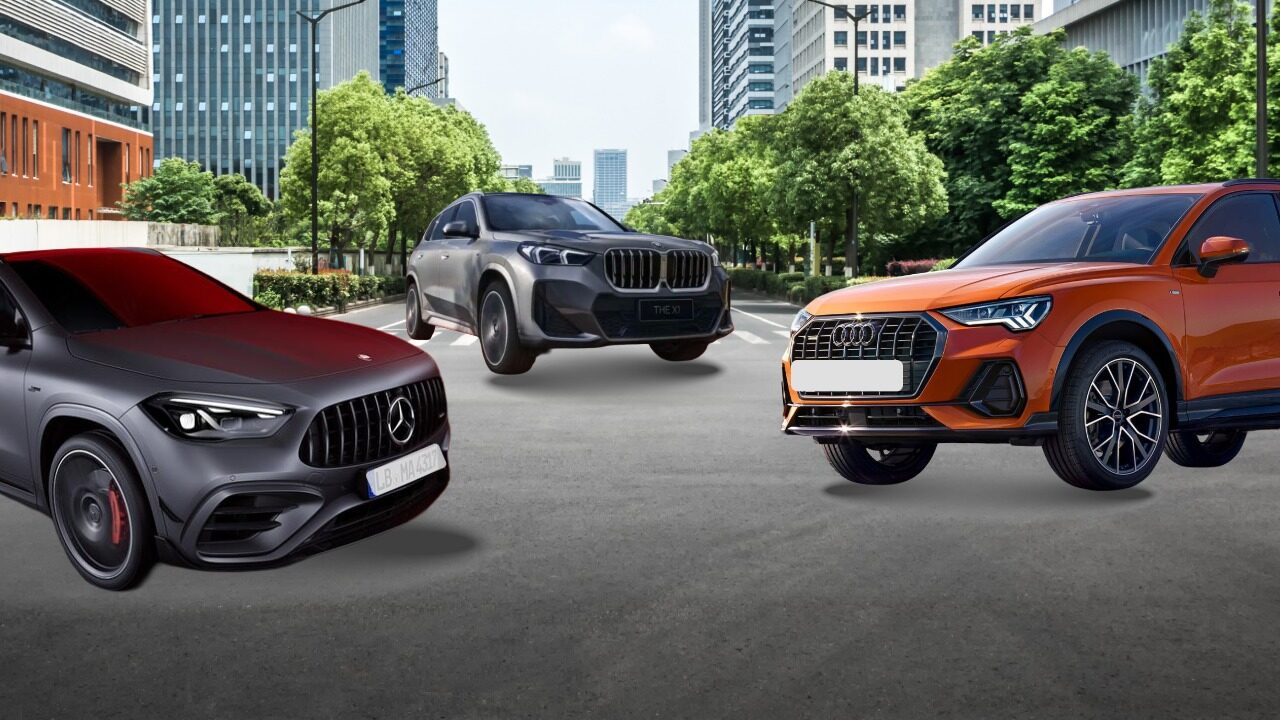
BMW X1 LWB vs Audi Q3 vs Mercedes GLA: Which Entry-Luxury SUV Actually Makes Sense in 2026?

BMW X1 LWB vs Audi Q3 vs Mercedes GLA

Looking for an entry-luxury SUV under Rs 50 lakh budget then the past two weeks have made the choice considerably tougher. The BMW X1 LWB lands in Indian showrooms on August 21, 2026, the Audi Q3 has been confirmed for a festive-season launch the same year, and the Mercedes GLA — the car both of them are gunning for — is still sitting there, unbothered, as the segment’s default answer. 

Three cars, three distinct stories, and a real question about whether “entry-luxury” even has the same meaning in all three of them anymore. Let’s see what they bring to the table. 

Why BMW Created a Long-Wheelbase X1 in the First Place

If you’re familiar with European or American car markets, the BMW X1 LWB may seem like a bizarre product to manufacture. It isn’t, when you know who it’s aimed at. Long-wheelbase versions are available almost solely in China and India — two countries where a sizable chunk of luxury-SUV buyers are chauffeured around, or where you’ll find three generations of a family travelling together and rear legroom dictates the purchase. 

Electric version of BMW iX1 LWB already in sales in India from 2025. The price is Rs 51.4 lakh (ex-showroom) approximately and now the fuel-powered version of that car is coming after a year ago.

There is currently no other long-wheelbase entry-level luxury SUV on sale in India. That gap is the whole reason this car exists.

What the BMW X1 LWB Really Brings to the Table 

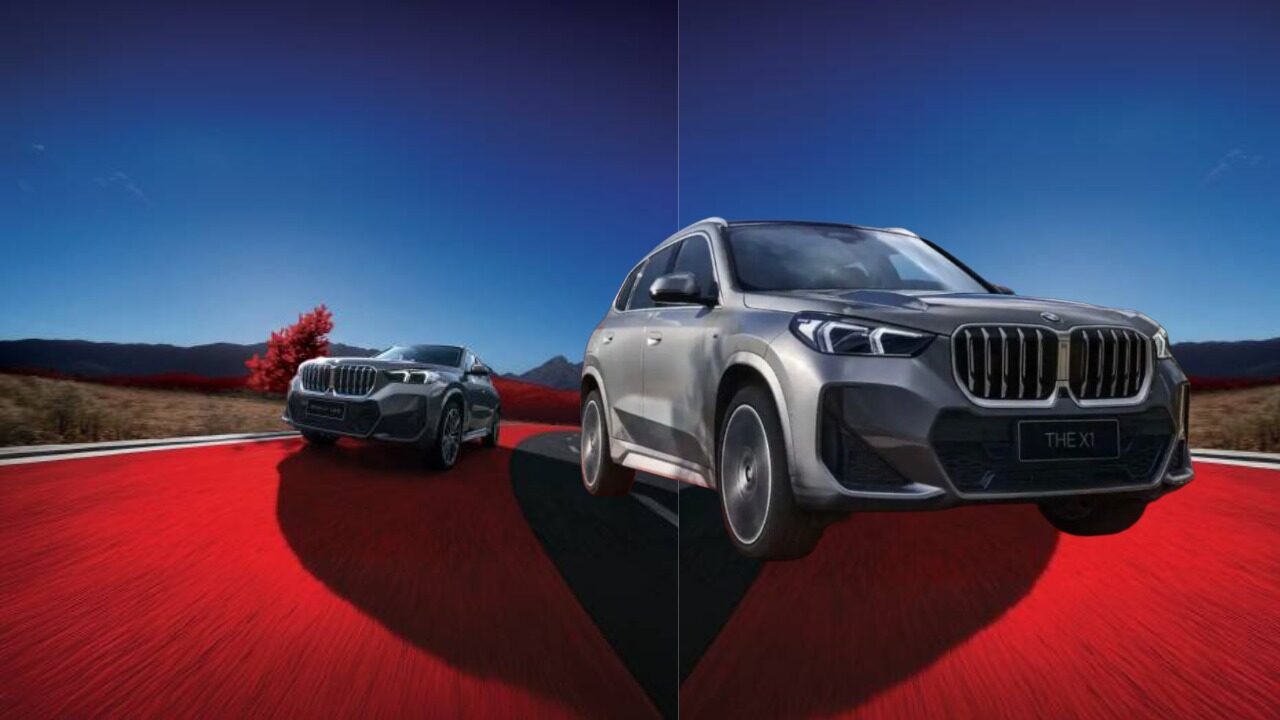
A long-wheelbase as in LWB is not a concept of marketing but a definition of providing a large vehicle which sets the standard and comfort. X1 is now stretched by 116mm overall, with  110mm of that going straight into the wheelbase, now it is 2,802mm. The LWB is also 11mm taller than the standard model. In practical terms, this is the X1 to choose if the standard version feels cramped in the back for your parents or kids, not when you want a sportier drive. 

BMW, was not visually tampered with in its working form. The headlamps are the same with M Sport styling cues, and sharp tail-lights that define the aura of X1. The wheel size is also 18-inch with a luxurious look. BMW X1 LWB interior gives you a 10.7-inch display for infotainment features and is powered with a Harman Kardon audio system that sets the mood. Whether you drive in the city or highway, automatic climate control, wireless phone charging and other 10.25-inch digital driver display will cover up that make you experience the beautiful ride.

BMW X1 LWB

BMW has also raised the powered seat height by 27mm, increased the width of the headrest cushions by 37mm, and a power tailgate. These are the minor adjustments, but together they result in a perceivably more spacious rear bench. 

Two things are genuinely unresolved as of launch week. 

First, the powertrain: BMW hasn’t officially confirmed the India-spec engine. The standard X1 here runs a 1.5-litre turbo-petrol making 134PS and 230Nm through a 7-speed dual-clutch gearbox, and early reports suggest the LWB could carry the same setup — though the China-spec car (on sale there since 2023) gets a 2.0-litre unit in sDrive25Li and xDrive25Li trims. 

Second, the price of standard X1 is priced at a range of Rs 40 lakh and Rs 55 lakh, depending on the final engine and trim. That’s too general to plan your finances on, so the August 21 official price is the only figure that counts.  

The Audi Q3 Is Arriving Too And It Changes the Calculus

While BMW ships a stretched version of an existing car, Audi is bringing something genuinely new. Audi India has confirmed the third-generation Audi Q3 for an introduction in the fourth quarter of 2026, during the festive season, and it will be the first of three new Audi models — the A5 sedan and the new Q9 flagship which makes its way to market in 2027.   

Under the hood, a naturally aspirated 2.0-litre engine with 7-speed dual clutch transmission fitted in the new Audi Q3 model which gives outstanding 204hp power to run like hell. The power is now sent to all four wheels that supports a 0-100km/h sprint time of 7.1 seconds. The mileage tested under WLTP is 12.36 kpl. 

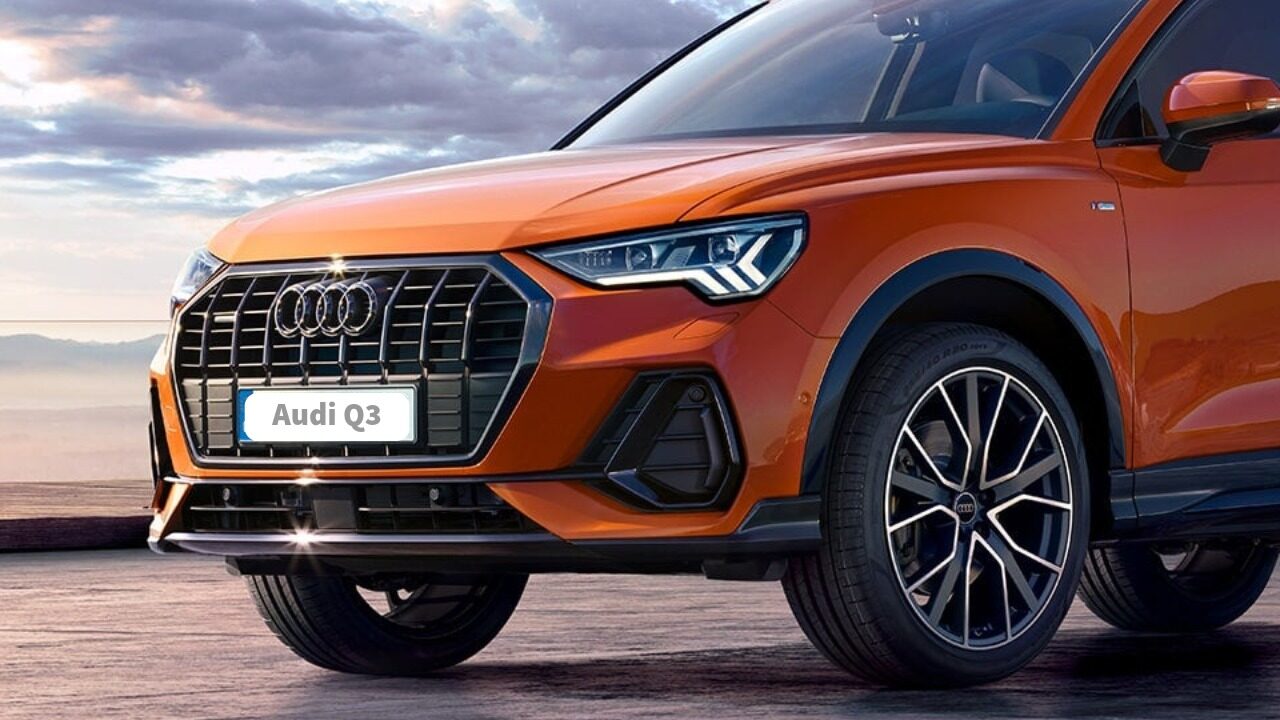
The new model body is 40mm longer with split headlight design on front which is remarkably amazing. That’s not enough, it is more luxurious with octagonal grille, pixel LED DRLs and a rear LED light bar that represent a cunning choice.

Audi Q3

Audi Q3 interior let you feel everything so humble with a 12.8-inch infotainment touchscreen, an 11.9-inch digital instrument cluster that drives you anywhere alone and stress-free. A 360-degree camera, three-zone climate control, also cover everything and you can get a head-up display in some trims. 

The 488 litres boot size is perfect for family outing. Audi will also bring back the Sportback coupe-SUV body style next to the standard shape, just like the outgoing Q3 was available here. 

Audi Q3 price estimates Rs 50-55 lakh ex-showroom, which may get lower to Rs 48 lakh. But take this number as a guess and get the exact price from your dealer.

Where the Mercedes GLA Fits — The Quiet Incumbent

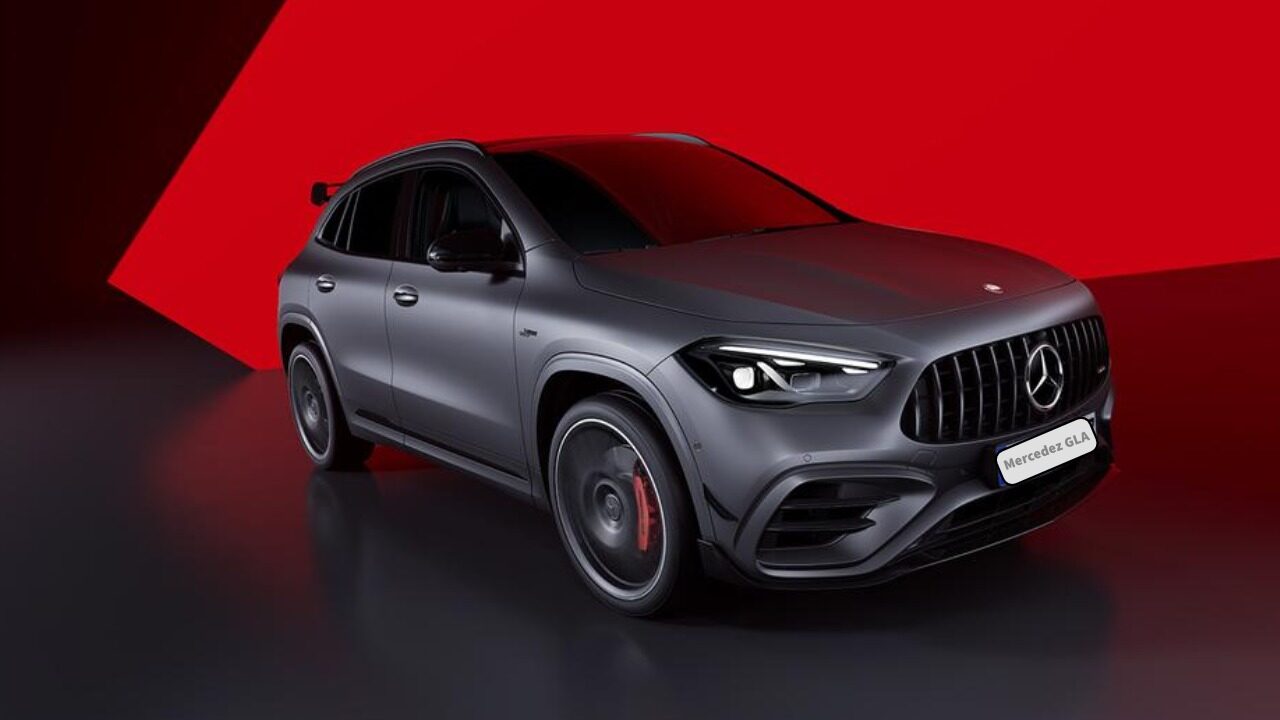
This is the car both the BMW X1 LWB and the new Audi Q3 are chasing. The current-generation GLA remains on sale in India today, built around a familiar formula of turbo-petrol and diesel four-cylinder engines, an 8-speed automatic, and Mercedes’ usual badge-value pull in this segment. 

Mercedes GLA

The Mercedes-Benz GLA has already made a name in India with its features and amazing look at the price of ₹51.8 lakh (ex-showroom) on the current Mercedes-Benz India website. Now you can get exact pricing details by contacting your dealer.

The interior is excellent with a 10.25-inch touchscreen infotainment system in current Mercedes GLA and it also features a 10.25-inch digital instrument display. There are other features like MBUX, wireless smartphone charging and optional 360-degree camera system. You can find the real availability, price, equipment and variant today so don’t decide on pre-launch estimations. 

The Festive-Season Timing Isn’t a Coincidence

Festive season — Navratri through Diwali is when Indian luxury-car dealerships generate a large share of their yearly sales, and that seasonal demand appears even stronger this year. As Mahindra reported a 60 percent jump in SUV retail sales during Navratri alone, crediting both festive sentiment and the benefit of the recent GST 2.0 rate changes on vehicles. 

BMW and Audi timing their launches into this window isn’t a coincidence — it’s the same logic playing out one price bracket higher. The test-drive will be getting busier in the festive season (October and November) so if you are in a hurry then don’t wait to book your test drive for these cars now.

Read More:- How to Get a Car Loan in 2026: Know Everything Before Purchasing 

Comparison of BMW X1 LWB vs Audi Q3 vs Mercedes GLA

BMW X1 LWB Audi Q3 (new-gen) Mercedes GLA (current-gen)
India launch Aug 21, 2026 Q4 2026 (festive season) On sale now
Engine Unconfirmed (likely 1.5L turbo-petrol, possibly 2.0L) 2.0L turbo-petrol, AWD Turbo-petrol/diesel four-cylinder (current model)
Transmission 7-speed DCT (expected) 7-speed DCT 8-speed automatic
0-100kph Not confirmed 7.1 seconds Varies by variant
Mileage Not confirmed 12.36kpl (WLTP) Varies by variant
Expected price (ex-showroom) Roughly Rs 51-55 lakh (estimates vary widely) Roughly Rs 50-55 lakh (estimates vary) ₹51.8 lakh (ex-showroom) 
Standout feature Only long-wheelbase entry-luxury SUV on sale in India Locally assembled; 12.8-inch touchscreen, Sportback option Established service network, EASY-PACK tailgate, electrically adjustable memory seats

Note: every number for the X1 LWB and the new Q3 above is a pre-launch estimate pulled from industry reporting, not an official figure from BMW or Audi. Treat the table as a shape of the segment, not a quote you can walk into a dealership with.

Which One Should You Actually Buy?

If rear-seat space is your actual, specific problem — you’re chauffeuring parents, or your kids have outgrown the back of a regular compact SUV — the X1 LWB is solving a problem nobody else in this price band is solving. That uncontested positioning is worth something, even with the pricing uncertainty. Just don’t book on an estimated number; wait for August 21.

If you want the newest technology, a more dramatic design shift, and don’t mind being an early adopter of a car that’s still weeks away from a confirmed India price, the Q3 makes a strong case — particularly with local assembly potentially keeping costs in check versus a fully imported model. The Sportback option also matters if styling ranks above outright practicality for you.

The current GLA is a known quantity, sold today, serviceable through Mercedes’ existing India network, with pricing you can actually verify before you sign anything. You’d be buying the outgoing generation, but you’d be buying something real, not a set of estimates.

Don’t finalize a purchase off pre-launch price estimates for the X1 LWB or the Q3. Visit a dealership after August 21 (for BMW) or once Audi confirms its Q4 launch date, get the on-road price in writing, and only then compare it against what the GLA is actually selling for at your local dealer today. Estimates may grab attention, but there’s no way to justify a ₹50 lakh decision. 

Read More :- Personal Loan vs Car Loan: What is the Better Choice for Buying a Car? 

Conclusion 

The BMW X1 LWB is distinguished by the additional leg space at the rear seat and the all-new Audi Q3 has got newer technology with the GLA being the old reliable option. With no word on pricing for the X1 LWB and Q3 just yet, the smartest thing to do is wait for the official prices before splashing ₹50 lakh or more.