2

Skoda Slavia Facelift Comes With Automatic Shift & More Features

Skoda Slavia Facelift

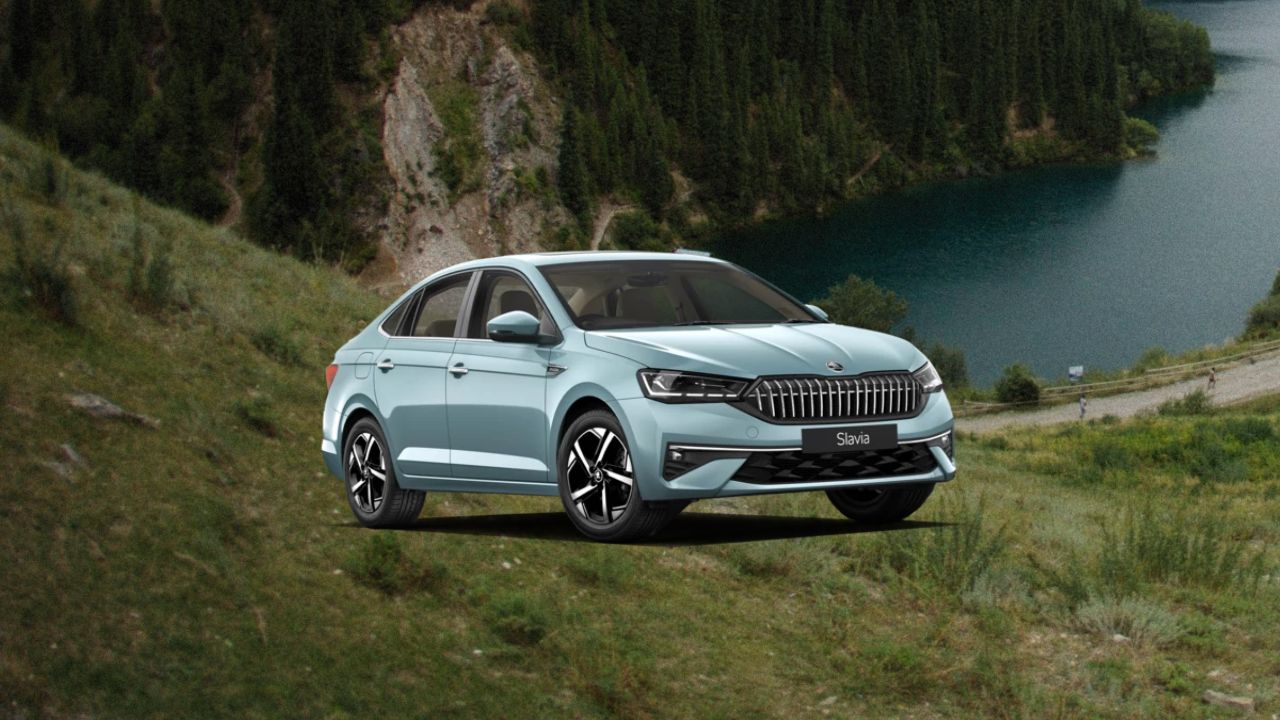
Skoda has launched the updated Slavia in India. Prices run from Rs. 9.99 lakh to Rs. 18.84 lakh, ex-showroom, and deliveries begin next week. It brings not only just design but advanced features and gearbox updates too. 

The facelift keeps the Slavia’s silhouette, so it won’t look like a new car from a distance. But a new automatic gearbox, a longer features list and a rear massage function make it more than a cosmetic update.

Skoda Slavia Facelift Price and Variants

Six trims carry over: Classic, Classic Plus, Signature, Sportline, Prestige and Monte Carlo. Prices are ex-showroom.

Variant 1.0 TSI MT 1.0 TSI AT 1.5 TSI DCT
Classic Rs 9.99 lakh – –
Classic Plus Rs 10.99 lakh Rs 12.49 lakh –
Signature Rs 13.94 lakh Rs 14.94 lakh –
Sportline Rs 14.34 lakh Rs 15.34 lakh –
Prestige Rs 15.89 lakh Rs 16.89 lakh Rs 18.59 lakh
Monte Carlo – Rs 17.29 lakh Rs 18.84 lakh

Look at the jump from Classic Plus (Rs 10.99 lakh) to Signature (Rs 13.94 lakh). That is nearly Rs 3 lakh for one step, and it’s where most of the equipment story begins. Confirm variant-wise equipment at the showroom before you commit. Classic Plus AT is the cheapest way to enter into the new gearbox.

 👉  Festive Car Discounts 2026: What You’ll Really Save After Price Hikes 

What Brings Facelifted Version of The Skoda Slavia 

The Slavia Design Update 

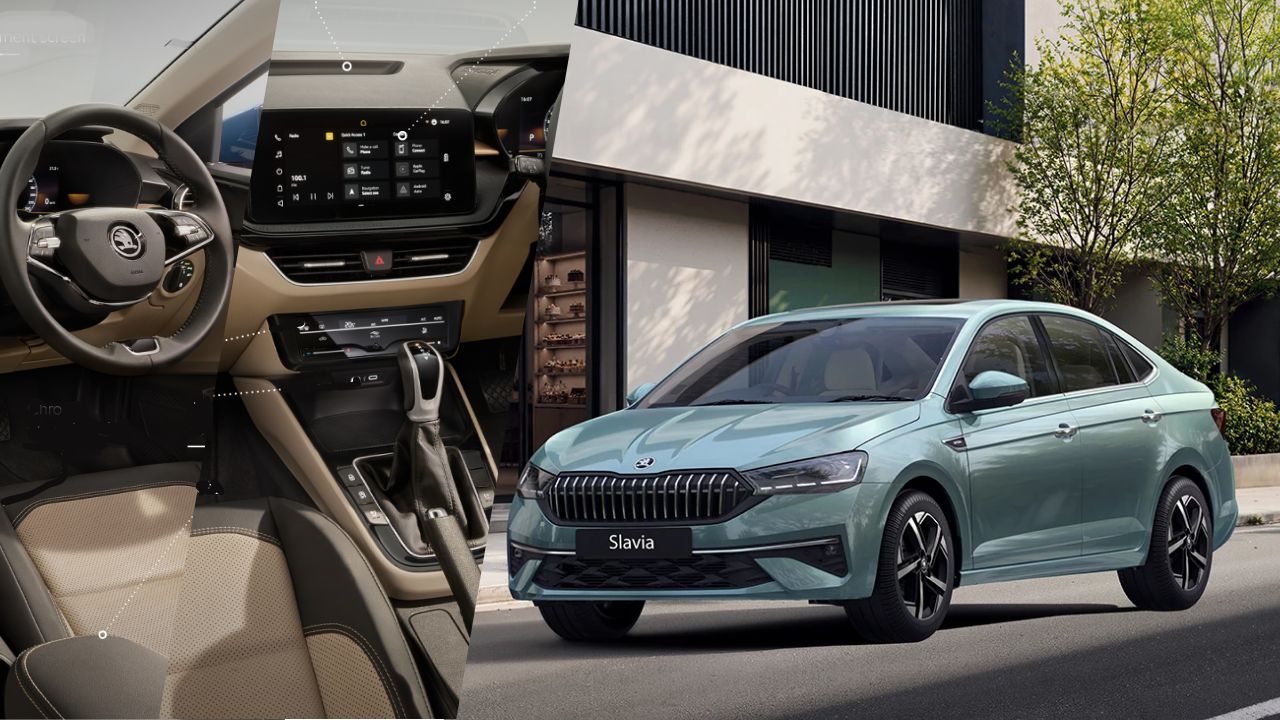
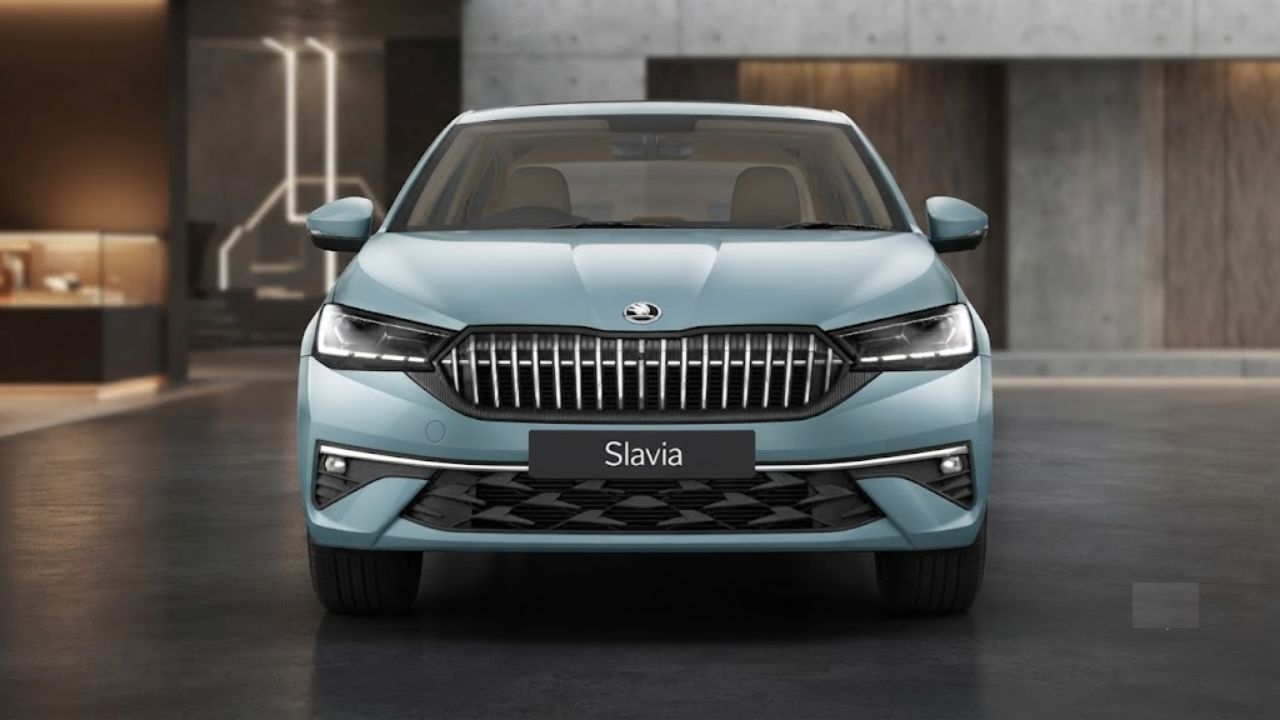
This is a facelift, not a new car. The silhouette is untouched. Up front you get revised L-shaped LED DRLs, a redesigned bumper, LED fog lamps with a cornering function and a faux carbon-fibre insert below the grille. The tail lamps get new internal elements and dynamic turn indicators. A carbon-look strip now links the two units across the tailgate, and 16-inch dual-tone alloys are new.
The Slavia Design Update 

There are ten paint shades, including Arctic Silver and Cappuccino Beige. Beige deliveries only begin in December 2026, so don’t pick it if you need the car for Diwali.

Inside: Bigger Screens, a Quirky Headline Feature

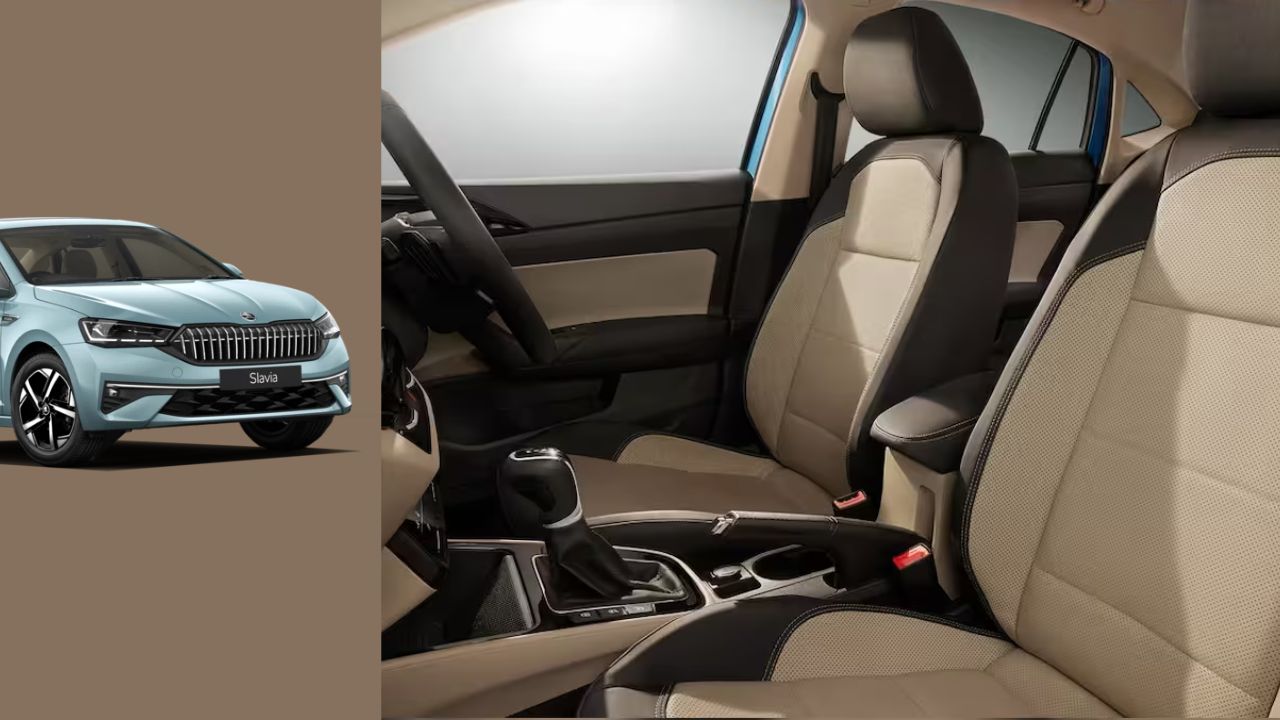
The dual-tone black-and-beige cabin and two-spoke steering wheel stay. What’s new is the equipment list:

  • 10.25-inch digital driver’s display
  • 10.1-inch touchscreen with wireless Android Auto and Apple CarPlay, plus Google Assistant
  • Rear seat massaging function
  • 360-degree camera
  • Single-pane sunroof, wireless charger and cruise control

Six airbags, ESC, hill-hold and tyre-pressure monitoring are on the safety sheet. ADAS is missing, and that matters because some rivals now offer it. The Slavia’s 5-star Global NCAP rating was earned under an older test protocol, so treat it as a strong result but not a like-for-like score against newer-protocol cars.

The 8-Speed Automatic Is the Real Upgrade

Skoda Slavia facelift brings new updates in the engine but the engine itself is old. The biggest mechanical change is the gearbox. The new 8-speed torque converter finds a way through the old 6-speed automatic on the 1.0 TSI. 

With 1.5L TSI, it stays on 7-speed DSG and rear disc brakes also given that makes the ride more smooth and comfortable. The fuel efficiency also makes better figures as the driving becomes more smooth. The facelift comes with the same engine which exists in the current model so expect the same 115 PS and 150 PS of power from the upgrade too.

Skoda Slavia Facelift vs Volkswagen Virtus and Hyundai Verna
Skoda Slavia Facelift vs Volkswagen

Skoda appeal will come down to how its pricing stacks up against the Virtus and Verna. That sounds right to me. The Virtus shares its platform and engines with the Slavia, so the real contest there is Skoda’s features and pricing against Volkswagen’s. 

Skoda offers turbo-petrol engines and a rear massage function which Verna doesn’t offer yet, so if you are looking for a car with more comfortable features then Slavia is a better choice. In the price range of Rs 12 lakh to Rs 21.36 lakh, there is one more brand that offers space and refinement, not speed is the Honda City. check the price each and every car from the dealer.

Should You Buy the Skoda Slavia Facelift?

Buy the Skoda Slavia Facelift if the driving feel matters as it provides ADAS, comfortable seats, and large screen.

Pick your variant like this:
  • Under Rs 11 lakh: Classic Plus MT at Rs 10.99 lakh. The Classic at Rs 9.99 lakh is a starting price, not a recommendation.
  • City commuters: Classic Plus AT at Rs 12.49 lakh, if the equipment suits you.
  • Feature seekers: the Signature AT at Rs 14.94 lakh is the first step where the new tech is likely to appear. Confirm it first.
  • Enthusiasts: the 1.5 TSI Monte Carlo DCT at Rs 18.84 lakh is the one that justifies a Skoda badge.

 👉  5 Lowest-Priced Maruti Suzuki Cars Featuring Automatic Transmission in India

Conclusion

The Skoda Slavia facelift is more than a visual update. The new 8-speed automatic, added cabin features, 360-degree camera and rear seat massage function give it a stronger case against the Volkswagen Virtus and Hyundai Verna. The engines remain familiar, but the gearbox update should make the 1.0 TSI easier to live with in daily city traffic.

At Rs. 9.99 lakh to Rs. 18.84 lakh, the Slavia still covers a wide price range. The Classic Plus AT looks like the sensible starting point for an automatic, while the 1.5 TSI DCT remains the pick for buyers who want stronger performance. Before booking, check the exact variant-wise equipment and dealer quote, since the nearly Rs. 3 lakh jump between some trims makes choosing the right version important.

Alok Kabir

Alok is an experienced SEO Specialist skilled in blogging and SEO-friendly content creation. He also specializes in Content Optimization and Technical SEO, including website optimization, crawlability, indexing, site speed, and on-page improvements to enhance search rankings and online visibility.

2 Comments

Leave a Reply

Your email address will not be published. Required fields are marked *

0

Tata Nexon EV vs MG ZS EV: Choose the Electric SUV That Fits Your Lifestyle

Tata Nexon EV vs MG ZS EV

If you’re considering an electric SUV this decision can be hard to make and exciting at the time. Do you opt for maximum value and ease on the budget, or do you splurge a little for a modicum of premium comfort, tech and punch? That’s where this comparison Tata Nexon EV vs MG ZS EV has a clear interesting factor.

Tata Nexon EV vs MG ZS EV are two of India’s best electric vehicle contenders, however, they are dual solutions for very different kinds of buyers. One is about intelligent functionality and mass market access, the other is about refinement, power and high-end aspirations. Let’s take a real, no BS look at them and help you decide which one really fits your life. 

Pricing: The Accessibility Factor

This is where the entire equation changes. The Tata Nexon EV starts at a very affordable ₹12.49 lakh (ex-showroom) for the Creative Plus Medium Range variant, making it one of the cheapest premium electric SUVs in the country. Even the fully loaded Empowered Plus A 45 Dark Edition tops out at ₹17.49 lakh, and for what it is, that doesn’t seem too bad at all.

The Accessibility Factor

In contrast, the MG ZS EV is more of a premium offering. Prices begin from ₹17.99 lakh for the Executive variant and go up as high as ₹20.50 lakh for the Essence variant. That’s a big jump, roughly a difference of ₹5.5 lakh already at the base level. And honestly, that difference in price could be all it takes to sway thrifty customers who want to squeeze the most value for their money, but aren’t looking to go too far.  

Battery & Range: Two Different Philosophies

Tata provides a pair of battery choices for its cars: a 30 kWh Medium Range (MR) pack, whose range has been certified by ARAI as 325 km and a 45 kWh Long Range (LR) variant that offers a range of 489 km. The MR models pack a 127 bhp motor while the LR versions offer more power with a 143 bhp motor. 

Two Different Philosophies

MG adopts a one-size-fits-all solution, with a 50.3 kWh prismatic cell battery offering 461 km of range and 174.33 bhp that way more power than even the Nexon EV’s top trim. For the highway buffs, the ZS EV’s extra grunt and uniform range across all variants is an eye catcher. 

Variant Breakdown: Choices vs. Simplicity

Brand Trim/Variant Price (₹ Lakh, ex-showroom) Key Features
Tata Curvv EV Creative Plus MR 12.49 Smart digital DRLs, LED headlamps, 6 airbags, 17.78 cm touchscreen
Fearless (range) 13.29 – 14.99 26.03 cm cinematic display, wireless Android Auto/Apple CarPlay, 16-inch alloys
Empowered (range) 14.79 – 17.49 360° camera, panoramic sunroof, ventilated seats, JBL sound, ADAS Level 2 (on Empowered Plus A)
MG Executive 17.99 50.3 kWh battery, Smart featuring technology with good interior
Excite Pro 18.50 (Builds on Executive; specifics not detailed)
100 Year Edition 19.50 (Special edition; builds on lower trims)
Exclusive Plus 19.50 360° cameras, leather seats, 6-way power driver seat, wireless charging
Essence 20.50 Everything for safety in ADAS 2

Connecting Experience with Great Features

Tata Nexon EV vs MG ZS EV have tech to talk up. Tata Arcade.ev suite of applications delivers OTT streaming, games and navigation to the 31.24 cm touchscreen on higher variants. Special features include Vehicle-to-Load (V2L) and Vehicle-to-Vehicle (V2V) charging – run your home appliances or aid another EV owner. The Red Dark Edition also features exclusive carbon black exteriors with red-themed interiors for ₹17.19L–₹17.49L.

Connecting Experience with Great Features

MG follows up with i-SMART 2.0 with 75+ connected features. The dual paned panoramic sky roof, JBL audio(DLR fitment) and digital Bluetooth key are the noticeable additions. What differentiates MG is the uniformity across the board — the 50.3 kWh battery and 461 km range are standard on all variants, while Tata’s lowest rung buyers must make do with 325 km. 

Top Safety

Tata Nexon EV vs MG ZS EV makers focus on safety. The Nexon EV also has 5-star Bharat NCAP ratings, 6 airbags as standard across variants, ESP with i-VBAC, and ADAS in the top trims .MG matches with 6 airbags, ABS+EBD and a suite of advanced MG Pilot driver aids even includes lane departure warning and blind-spot detection on higher variants. 

Read More:-  2026 Isuzu V-Cross Launched at ₹25.50 Lakh, 4×2 Trims Discontinued

Conclusion

Go for the Tata Nexon EV if content with the best electric mobility bang for your buck. At ₹12.49L, it’s almost ₹5.5L cheaper than MG’s threshold, and the variety of variants means you can purchase just what you need. The 45 kWh Long Range variant at ₹13.99L (Creative 45) has a range of 489 km — a clear winner against MG’s 461 km — for ₹4L lesser than the ZS EV Executive.

Choose the MG ZS EV if the performance and premium feel matter to you. The 174 bhp power output smashes Tata’s 143 bhp, and the uniform 50.3 kWh battery means you now have range anxiety irrespective of variant. ADAS Level 2 suite on Essence variants is said to be more feature-rich than Tata’s variant.

Nexon EV makes electric mobility a mass market product; the ZS EV pleasures those with more money to spend on continuous refinement. Tata Nexon EV vs MG ZS EV are the face of India’s EV revolution – just at different price-points. 

0

Sundar Pichai Car Collection 2026: A Look Inside His Garage

Published Jun 5, 2025, 8:19 AM
Last Updated May 9, 2026, 12:49 PM

Sundar Pichai’s Stunning Car Collection Revealed

Sundar Pichai Car Collection is one of the best luxurious garages. Pichai’s taste in cars reflects his personality and life as he is the CEO of Google with a net worth of $1.3 billion. He owns superfast Maybach, BMW and practical horses like Benz V-Class and HiAce which makes his collection far more interesting and exciting than any other businessman.

Unlike other billionaires who prefer to buy supercars, big SUVs, and ultra-luxurious sedans, Sundar Pichai car collection focuses on more practicality, comfort and decency which perfectly match his calm and sophisticated personality. His collection proves that luxury is not always showing off loud cars but it can be classy, comfortable, and advanced engineering.

Sundar Pichai Car Collection That Blow Your Mind

Mеrcеdеs-Maybach S650

Mеrcеdеs-Maybach S650

Sundar Pichai owns an ultra luxury private jet on four wheels, it becomes one of the finest cars in his garage. Mercedes-Maybach S650 is a complete power packed vehicle which offers tremendous features that can blow your mind. He owned it, showed his taste in automobile engineering and smart lifestyle. 

The Maybach S650 is the pinnacle of top-level luxury advanced vehicles which is worth around $200,000 (₹3.2 crore for in India). Its body is designed like an elongated Mercedes sedan but not manufactured as flashy which defines its aura at the next level. Without putting an effort to be flashy, it becomes a true luxury. Inside looks and comfort is something else far more elegant than any other luxury cars. 

Engine

6.0-liter Twin-Turbo V12

Speed

0 to 60 mph in 4.6 seconds

Horsepower

621 hp

Price

Rs 3.2 Cr

It provides reclined leather seats with massaging feature, soundproofed cabin, powerhouse of 621 horsepower. It builds on 6.0-liter Twin-Turbo V12 engine that drives the car at a superfast speed from 0 to 60 mph in just 4.6 seconds. But it doesn’t make you feel like you’re jumping on the road because of the car’s smooth suspension.

Seats 

Reclining Leather with massage function

Soundproofed cabin

Near-silent at highway speed

Suspension

Body control smooth suspension

Wheelbase 

Extended for rear comfort

Sound system

Burmester 3D 

BMW 730LD

BMW 730LD

Pichai also owns the legendary BMW 7 Series as it stands for Long Wheelbase, which makes it comfortable if you sit on the back seat. It builds for long highway miles with balancе of spееd and comfort. It costs around $100,000 (about Rs 1.35 crore). 

The 730LD is packed with futuristic features. BMW provides high-end tech like gesture controls, tablet-like key fob that allows you to remote-park the car from the outside, infotainment screens, and ambient lighting that can switch according to your mood. Pichai’s tech-forward luxury sedan is not only a superfast car but its long wheelbase precision gives an excellent riding experience.

Engine

3.0 Litre I-6 

Horsepower

261 HP

Price

Rs 1.35 Cr

It’s a power packed german engineering with executive comfort. It delivers smooth and effortless power of 261 horsepower from the 3.0-liter turbocharged inline-six diesel engine.

Gesture control

Change music with wave

Remote Parking

Tablet-like Key

Wheelbase 

Extended rear legroom

Infotainment system

iDrive 7

Ambience

Customizable

Suspension

Adaptive for highway

Mеrcеdеs V-Class

Mеrcеdеs V-Class

Mercedes-Benz V-Class is essentially a VIP lounge on wheels. This ultimate luxury minivan valued around $75,000 (roughly Rs 71 lakh). It features heavy leather captain’s rotating chairs in the back that can be turned to face each other, perfect vehicle for a family guy like Pichai.

Seats 

8 passenger, leather 

Body 

Stealth 

Doors 

Sliding door

Sound 

Burmester system

Interior 

Roomy, classy 
Price

Rs 71 Lakh

The interior is great with a fold-out conference table in the center, Burmester surround sound which is good to go on a trip with family, and sliding doors for easy access in and out. The most comfortable ultimate “stealth” vehicle that provides comfort and avoids untrained eyes from the outside.

Toyota HiAcе 

Toyota HiAcе 

Pichai’s collection has also included Toyota HiAce which is valued around $50,000. It is spacious, reliable, and incredibly unassuming that’s why it is assumed as a practically indestructible titan for the road.

The 2026 HiAce starts at the base LWB Van model with $51,880 ending at the range-topping SLWB Commuter GL at $80,656. It is equipped with a 2,8-litre 1GD-FTV turbo-diesel engine and fuel consumption is 7.4L/100km up to 8.1L/100km. It generates 220 horsepower to go for that fastest ride. 

Engine 

2.8 L I-4 1GD-FTV turbo-diesel 

Power 

220 hp

Seats 

12 passenger, leather 

Fuel Economy 

7.4—8.1 litres per 100 km

Safety

Emergency brake, line departure alert, indestructible body quality

Space 

6.2 cubic metres of cargo space 

wheelbase  

Super long 

Price

$51,880 LWB Base  →  $80,656 SLWB Commuter GL 

It also provides excellent security features with autonomous emergency braking, lane departure alert, and improved stability control. The interior is large and can provide 12-passengers to sit and extra 6.2 cubic metres of space for luggage. 

Also Read : Top 7 Cars from MS Dhoni Car Collection That Will Blow Your Mind in 2026

Conclusion

Sundar Pichai Car Collection has every high-end vehicle which shows his choices along with his lifestyle. He is a family guy, having large minivans, big vehicles shows how much he preferred practicality over luxury sedans and SUVs. Superfast Maybach, BMW and Mercedes are perfect choices of luxury cars. All these cars reflect Mr. Pichai’s tastе for luxury, spееd, and spacе.

0

Mahindra XEV 9e Specs and Features: Complete Details & Latest Updates

Mahindra XEV 9e Specs and Features

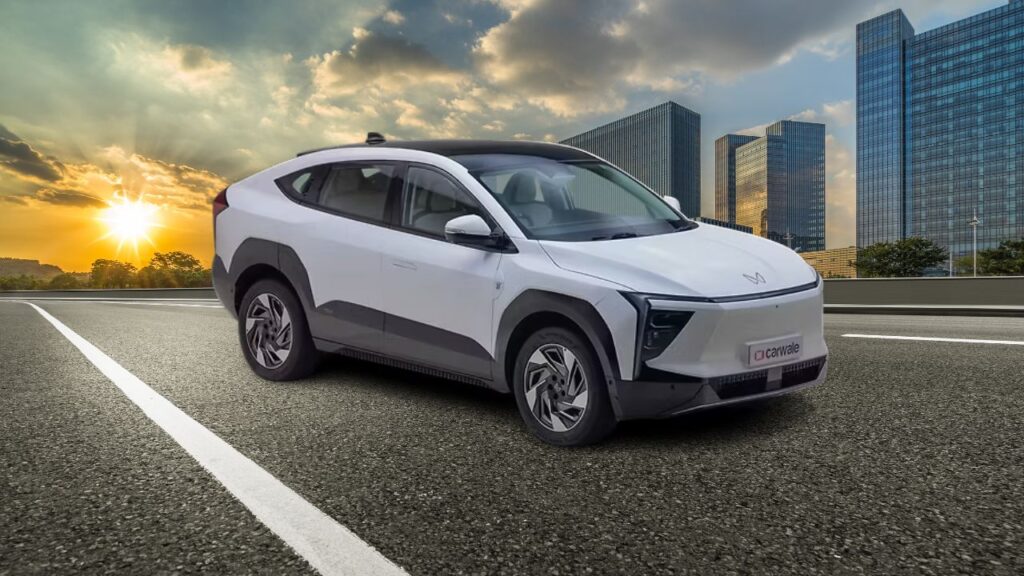
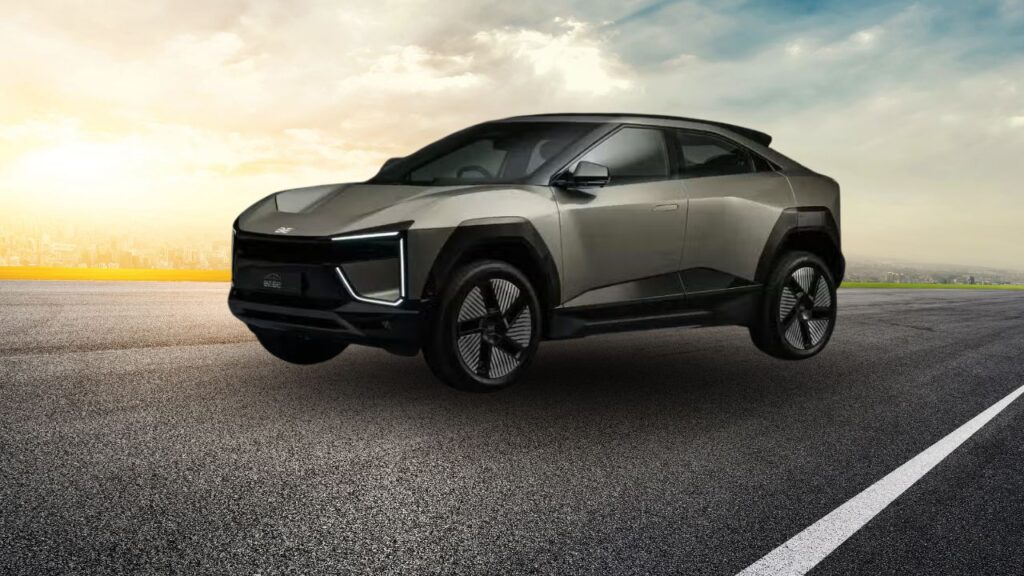
In 2024, Mahindra brought the XEV 9e to the fore in November, this marked a phenomenal shift in India toward top quality electric cars. This is a coupe-style electric crossover on Mahindra’s new INGLO platform, which was engineered from the ground up for EVs. It’s more than just another electric suv. If you’re curious as to why this vehicle is so hyped up, here’s everything you need to know about the Mahindra XEV 9e. 

The Price That Makes Sense

Starting at ₹21.90 lakh (ex-showroom), the XEV 9e is well-presented in the Indian EV space. The pricing is well thought-out with the variants going all the way up to ₹30.50 lakh for the top end Pack Three variant with the bigger battery. What you need to know is the charger is sold separately, so plan your budget accordingly. Deliveries started in February 2025 and the reception has been overwhelming—more than 10,000 units of the XEV 9e and its sibling BE 6 were sold within 70 days after launch. 

Battery and Range: The Heart of the Matter

It is also in such areas that the XEV 9e really happens to excel. Two versions of LFP battery packs are available for you: 59 kWh and 79 kWh, built on BYD’s dependable Blade Battery technology. The 59 kWh version offers a strong 542 km range while the larger 79 kWh battery takes it up to 656 km that’s sufficient to do most of your daily travel and weekend driving with no range anxiety.

Battery and Range

On the European WLTP cycle, the 79 kWh model achieves approximately 533 km, which could be considered a more realistic number for everyday driving.

Charging time? The 11.2 kW onboard charger can charge your 59 kWh battery in 6 hours and the 79 kWh model in 8 hours. If you’re in a rush, the 180 kW DC fast charger will get you from 20 to 80 percent in just 20 minutes, great for highway stops. 

Performance That Punches Above Its Weight

The XEV 9e is not just a matter of necessity; it is really good fun to drive. The 228 hp and 380 Nm the 59 kWh version, while the more powerful 79 kWh variant produces 282 hp with the same 380 Nm. Each car can be had with the 6.8-second 0–100 km/h sprint time, which is not bad for a midsize SUV. You can also recapture energy and extend your range with the regenerative braking system with three levels of adjustability including one-pedal driving.​

The car has several drive settings – Default, Range, Everyday, Race and Snow – which allow you a bit of versatility whether you are getting through traffic in the city or up a mountain road. 

Read More :- Best Sunroof Cars Under 12 Lakh: Affordable Models With Premium Features

Design That Turns Heads

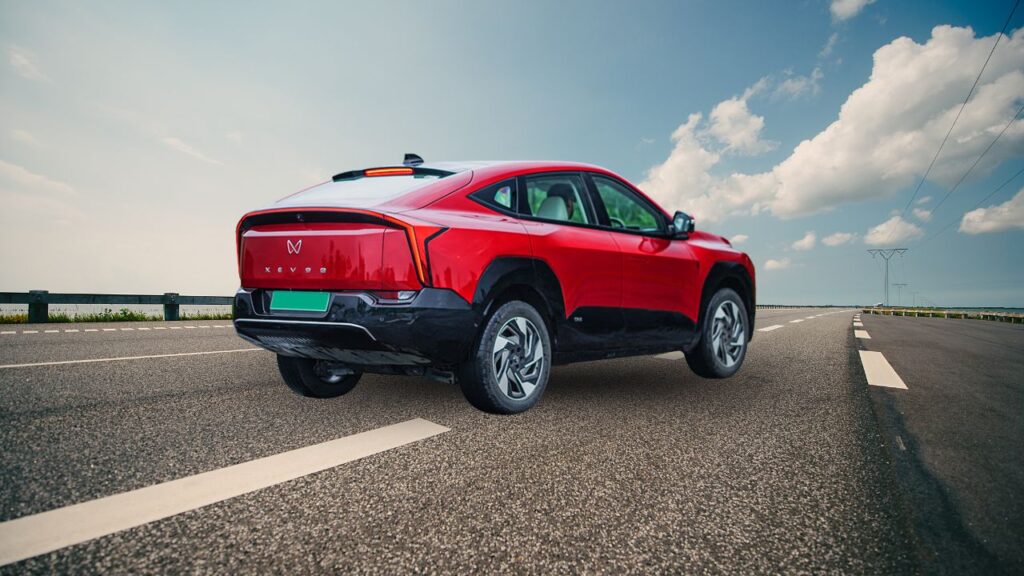
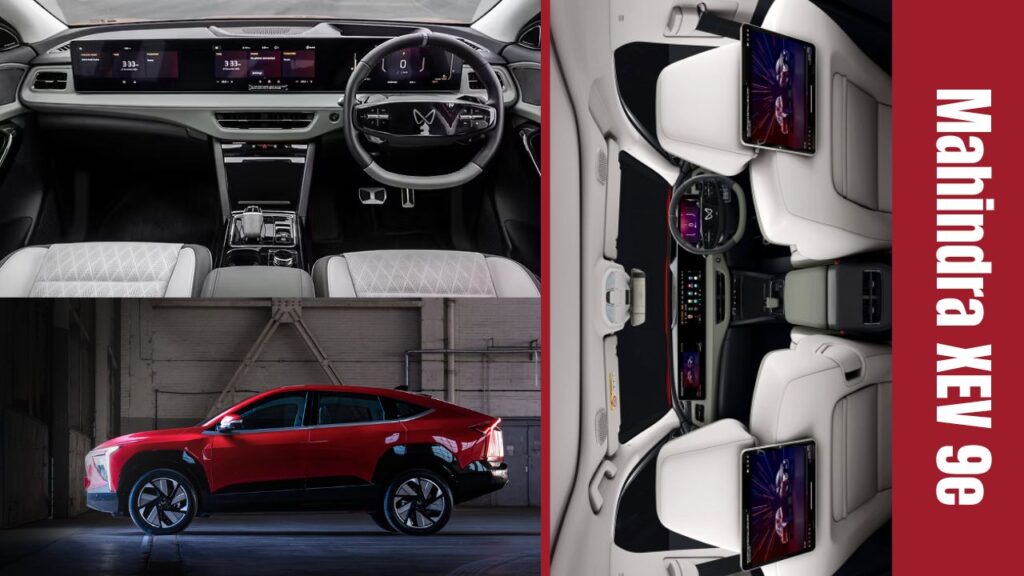
This is where the collaboration of Mahindra and Pininfarina flourishes. The XEV 9e features a closed-off grille as many modern EVs do and a stunning coupe-SUV form with edgy lines. There are connected LED DRLs, a light bar running across the fascia and triangular LED headlights with a creative design up front. The package is rounded out with 19-inch alloy wheels (20-inch units are available) and a connected LED taillight design with an integrated spoiler at the rear. 

Design That Turns Heads

It’s a technological tour de force inside the cabin. The instrument cluster displays three 12.3-inch screen areas: the one for the front passenger, the infotainment, and the one for the driver. The panoramic sunroof lets in an ample amount of natural light and the two-spoke multifunction steering wheel is very elegant. 

Technology and Features 

The XEV 9e is crammed with modern features. A Harman Kardon 16-speaker, 1400W system delivers incredible sound. Standard features include a 360-degree camera, dual-zone automatic climate control and wireless phone charging. The car also features Level 2 ADAS (Advanced Driver Assistance Systems) including adaptive cruise control, lane keep assist and emergency braking tailored to Indian road condition. 

Technology and Features

One distinctive feature that owners absolutely love, With the key fob, the car can be driven forward and backward — it’s a showoff feature that actually comes in handy in cramped parking lots. 

Safety: A Five-Star Fortress

Safety is no exception, and the XEV 9e doesn’t disappoint. It got a 5-star rating in the Bharat NCAP crash test, scoring high in adult and child occupant protection. The vehicle comes with up to 9 airbags (variant specific), electronic stability control, hill hold assist and ISOFIX child seat anchors. 

Conclusion

The Mahindra XEV 9e is a new frontier for Indian electric mobility. It’s the practical-range, premium-feature, middle-class-acceptable-performance, thoughtful-design all rolled up into one, and at a price that doesn’t involve selling your soul. If you are a tech nerd, environmental advocate, or just a person who likes really well made cars, the XEV 9e is worth a look. It’s more than a car— it’s a sign of how Indian automotive engineering will evolve in the future. 

2

Mahindra Sold 64,092 SUVs in September 2026: What Drove Up Mahindra Sale From 14% 

Mahindra Sale

Mahindra Sale value increased this year by 14% from the 56,233 units sold in September 2025. SUVs leaving a dealership network roughly every 40 seconds, Mahindra sold 64,092 SUVs in September 2026. The number says more about where Indian buyers are putting their money than any launch event did.

Before selecting any car to buy, check why it sits at 2nd position in India’s passenger vehicle retail market, beating Tata Motors. Understanding where to put your money is incredibly important but it also doesn’t mean that car features and performance do not matter at all.

Mahindra Sold 64,092 SUVs: The September Numbers

Mahindra manufacturing is widely dependent on commercial vehicles, three-wheelers, and export so Mahindra’s total vehicle sales came to 1,14,874 units, up 15%. Mahindra SUV figure alone grew 8.2% over August, sold 59,257 units, a gain of 4,835. This tells a story of trust and capability in a company’s vehicle, not just figures.

The financial-year picture is stronger. From April to September 2026, Mahindra sold 3,58,142 utility vehicles domestically, up 20% from 2,97,570 units during the same period last year. With an average of around 59,700 units per month, September’s sales were higher than the six-month average. 

Mahindra

Two details complicate the story. Exports fell 7% to 4,019 units from 4,320, so the growth is a home-market story. And Mahindra said it crossed 1 lakh sales of its Electric Origin SUVs, a useful marker for how quickly the brand’s EV line has built volume.

Autocar India’s wholesale table shows Mahindra Sale at 56,745 units, up under 1%, and Vahan registration data puts September at 57,817. Wholesale counts what reaches dealers, registrations count what reaches customers, and company releases follow their own definitions. The 64,092 figure is Mahindra’s reported domestic SUV number.

What Factors Drove the Growth of Mahindra Sale

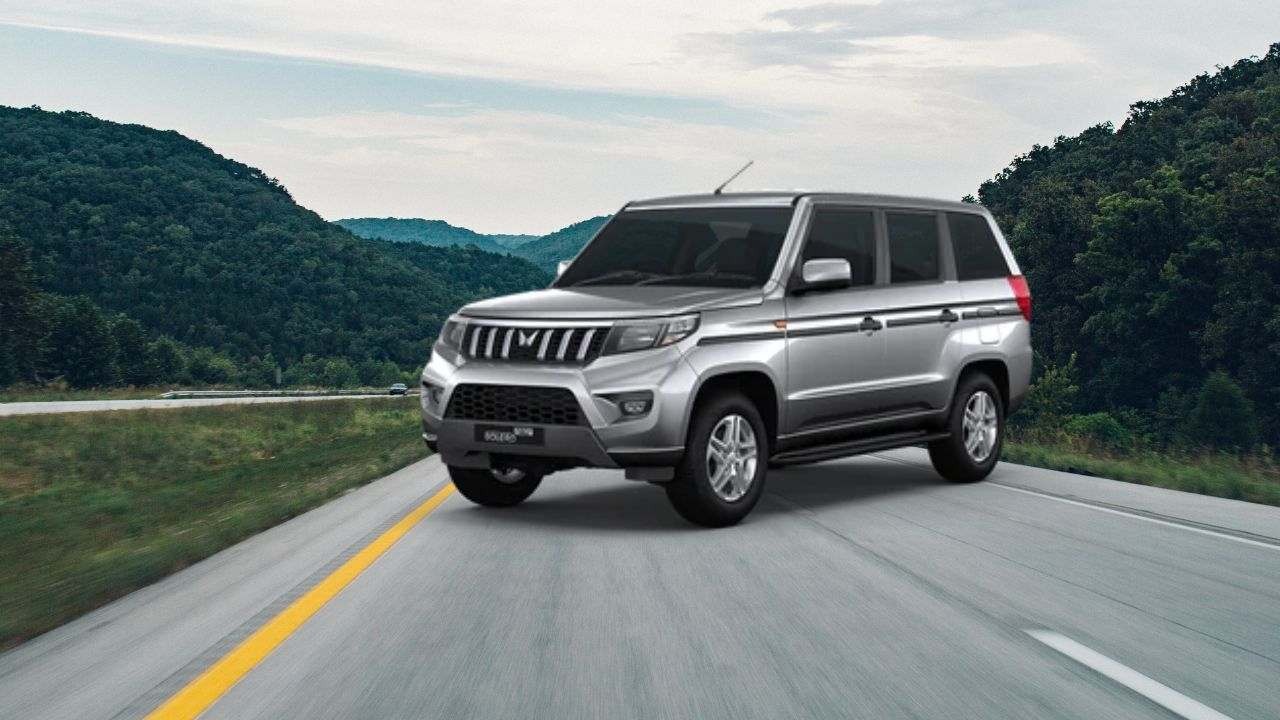
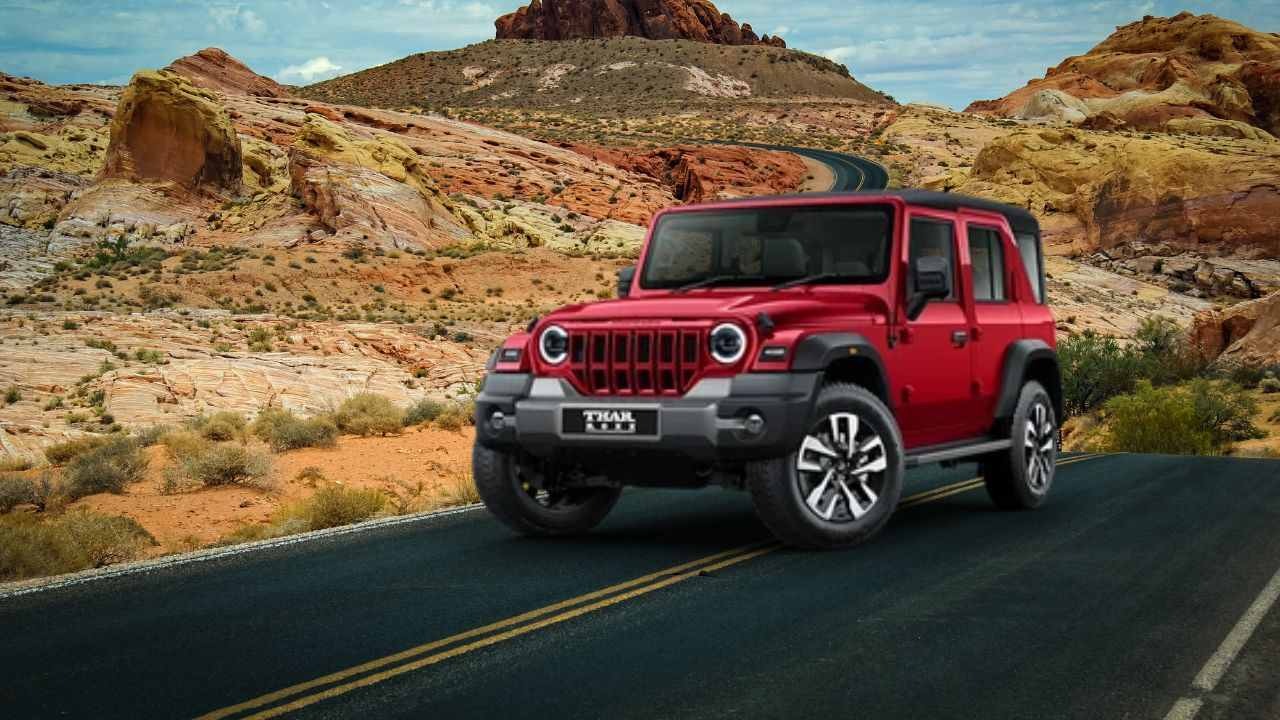
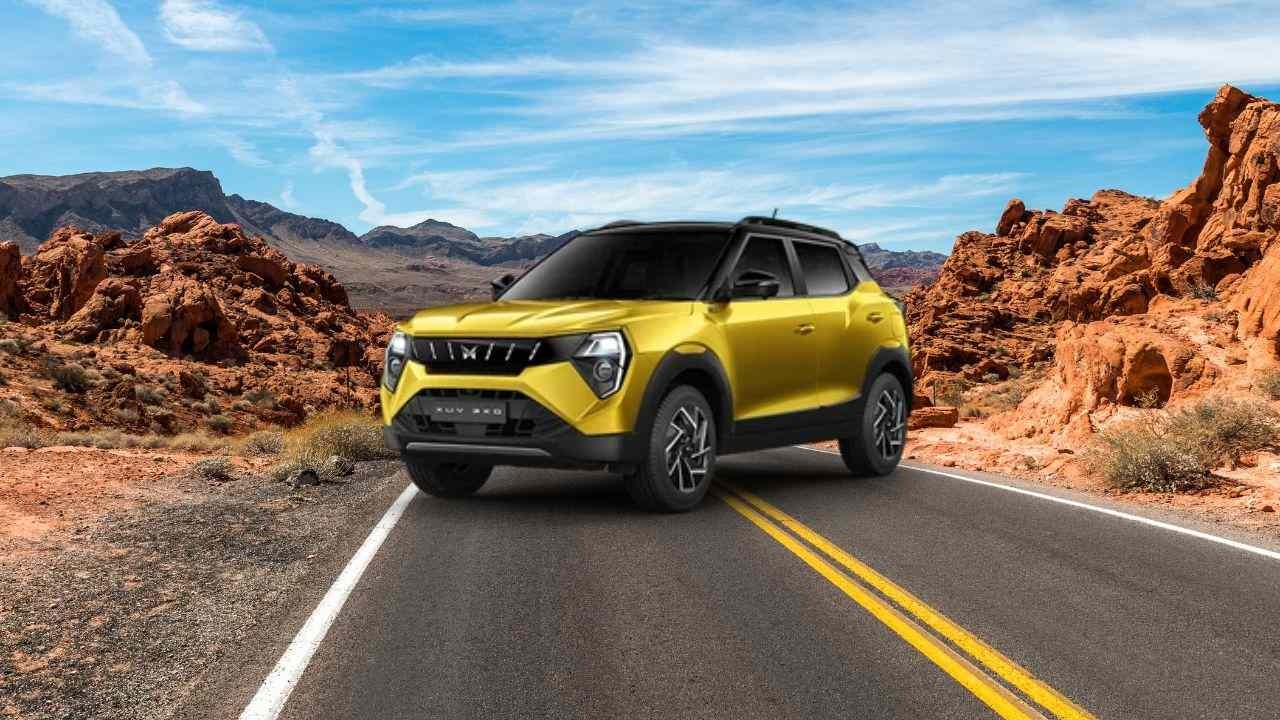
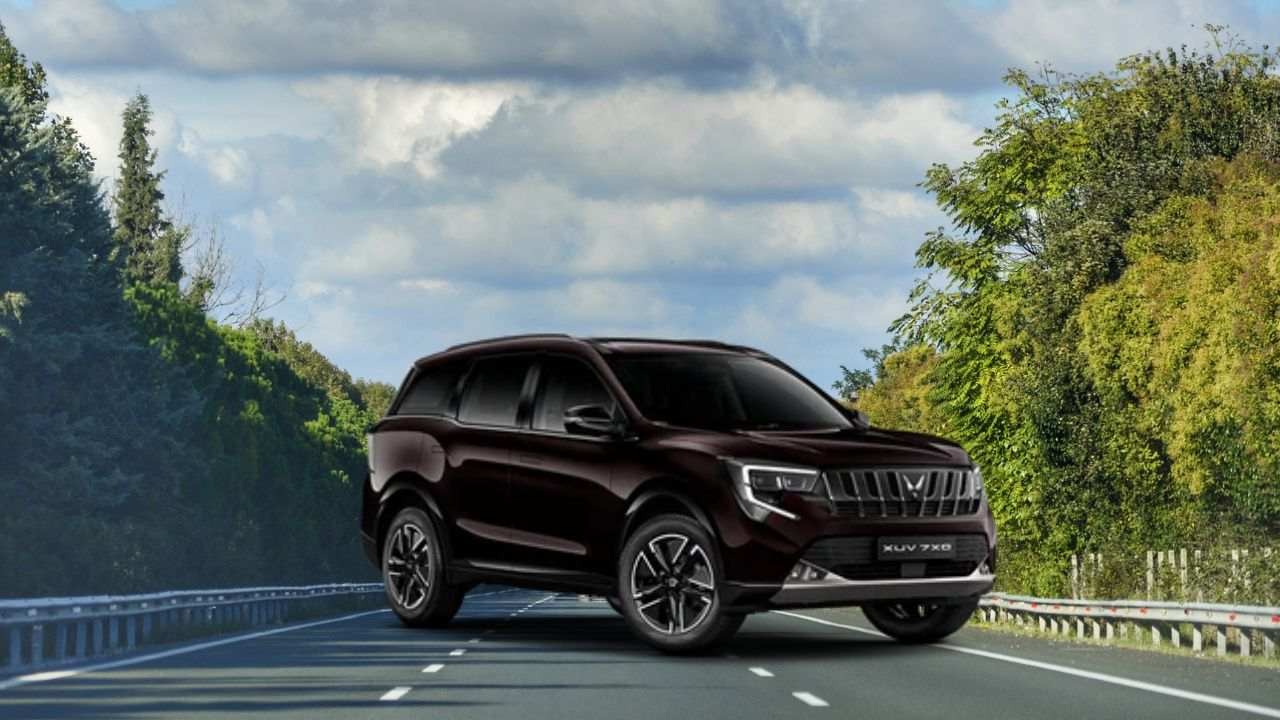
The festive season is the obvious tailwind. Industry coverage notes that sub-4-metre and mid-size SUVs contributed most to September’s market sales, and Mahindra’s range covers both, from the Bolero and Bolero Neo through the Scorpio Classic, Scorpio N, Thar Roxx and XUV 7XO. The Thar OG launch added fresh news to the showroom conversation.

Mahindra vs Tata vs Hyundai

The base effect matters too. Every SUV gets full attention when we look over September 2025 which was itself a strong month. SUV sales had already risen 43% in September 2025 compared with August, making this year’s 14% growth more significant. 

Mahindra vs Tata vs Hyundai in September 2026

Mahindra’s domestic SUV sales trailed Tata Motors’ reported 68,810 passenger vehicles by 4,718 units, and led Hyundai’s domestic 57,166 by 6,926. 

Growth rates were close: Tata at 15.32%, Mahindra at 14%, Hyundai at 10.9%. Tata’s figure varies by source Autocar India lists a much lower number.

The comparison is also not like-for-like. Mahindra sells almost entirely SUVs, while Tata and Hyundai’s totals include hatchbacks and sedans. Against Hyundai in particular, Mahindra is winning with a narrower product mix, which is the stronger result.

Mahindra Tata Motors Hyundai
Sept 2026 domestic 64,092 68,810 (verify) 57,166
YoY growth 14% 15.32% 10.9%

Mahindra sold 64,092 SUVs in September 2026 could work as a proof for the company to say “Worth The Money”, even though sales volume is not a quality score, but this figure speaks louder.

Mahindra sold

For the buyer, higher volume sales usually suggests that the company’s service-network is broader and resale value is strong. So you can plan your next vehicle easily after taking a written quote from the dealer for your choice of variant.

From August to December, it is a peak time of the Indian car market so companies also offer discounts and exchange offers. Confirm it from the 2-3 dealers because a month of record sales gives the company leverage. You could negotiate on accessories, insurance and exchange value instead of expecting a headline price cut.

 Skoda Slavia Facelift Comes With Automatic Shift & More Features

Conclusion

Mahindra’s September 2026 sales show that its SUV range continues to attract strong demand, helped by the festive season, a broad model lineup and growing interest in electric SUVs. The 14% year-on-year rise is encouraging, especially with sales staying above the company’s April–September monthly average. 

For buyers, though, Mahindra sold 64,092 SUVs in September 2026 holding a strong Mahindra Sale alone shouldn’t decide the purchase. Compare variants, check delivery timelines and negotiate insurance, accessories and exchange offers before booking. 

0

Best 7 seater cars in India for 2026 – Comfortable, Budget-Friendly & Perfect for Families

Published May 30, 2025, 6:02 AM
Last Updated Nov 5, 2026, 4:14 PM

Best 7 Seater Cars in India for 2025 – Comfortable, Budget-Friendly & Perfect for Families

When you are in the market for a new car, it can be hard to find the right one. And one of the greatest solution is a 7-seater car, enough space for everyone and maximum comfort for the entire family. Looking to purchase a 7 seater cars in India for 2026? You are at the right place. This article goes through some of the best of such general outstanding cars with comfort, affordability, and reliability.

Toyota Innova HyCross

Toyota Innova HyCross

The Toyota Innova was the stuff of households in India for many years, and the new HyCross only further heightens its status. You get a car that is equipped with a hybrid engine with a fuel efficiency and reduced emissions which means a lot if you are into that eco stuff. The expansive cabin ensures your whole family travels in comfort, and the high-end amenities add a touch of elegance. Its reliability has been consistently solid and Toyota’s reputation explains why it remains so popular among families.

It’s got a high fuel-efficiency hybrid engine, a 10-inch touchscreen, a panoramic sunroof, and state-of-the-art safety options. Toyota Innova HyCross Price The Toyota Innova HyCross is priced at ₹22-30 lakh (ex-showroom) tagged along with inviting maintenance as a well (as discussed in our previous sections)?It is guaranteed to serve register monster turnover.

Mahindra XUV700

Mahindra XUV700

The Mahindra XUV700 is another great choice if a luxurious SUV with breath-taking performance is what you seek. Luxury This vehicle includes a luxurious cabin with a strong engine. The XUV700 also gets cutting-edge technology, including the Adrenox connected car tech, and Level 2 ADAS (Advanced Driver Assistance System) for added convenience and safety. It is great for families who desire an approach to luxury mixed with functionality.

Mahindra XUV700 price range is expected to be between ₹15 lakh and ₹25 lakh (ex-showroom), making it a value proposition for enthusiasts wanting a premium, high-tech ride at an inexpensive price.

Hyundai Alcazar

Hyundai Alcazar

The Hyundai Alcazar is a handsome, feature-loaded 7-seater SUV, Pictured: Hyundai SUV 7-seater. Famous for its smooth ride and its plush interior, this car is a solid deal for any family who wants a mix of comfort and tech. Among the features are a 10.25-inch touchscreen, ventilated seats, wireless charging and BlueLink connected car technology. Hyundai is also famous for its unbeatable post-sales service that enhances the Alcazar’s desirability.

The Hyundai Alcazar price will range between ₹16-22 lakh (ex-showroom) and is ideal for a family looking for a premium yet affordable in SUV.

Tata Safari

Tata Safari

The Tata Safari is an elegant and rugged SUV that is suited for urban streets and occasional off road trips. It’s a striking looking vehicle with contemporary touches in the form of iRA connected car tech, sunroof and, naturally, a decnet six airbags for safety. Families who like getting outdoors need something like the Safari – which is rugged and offers plenty of space.

Starting at ₹16 lakh and going up to ₹25 lakh (ex-showroom), the Tata Safari is a cost-effective stylish option for families that love to take trips.

Kia Carens

Kia Carens

If you’re after a cheap and cheerful MPV, consider the Kia Carens. This vehicle gets you a lot of car for your money with lots of space and utility. The Carens is a great drive, with seating options to suit your lifestyle. It’s created for the type of families that want a mix of room, comfort and affordability.

Kia Carens is priced between ₹10-18 lakh and is comparatively one of the more affordable cars on this list without compromise on features and comfort.

MG Hector Plus

MG Hector Plus

A large and fully-loaded family SUV that is even larger and more fully-loaded after its Plus treatment. It’s designed for those who like tech and comfort, with a large 14-inch touchscreen and a panoramic sun roof, and features the i-Smart connected car technology. Sheer Driving Pleasure : Hector Plus offers a comfortable ride & is ideal for family road trips.

With a price tag ranging between ₹18-25 lakh (ex-showroom), the MG Hector Plus is a fan favorite in the 7-seater SUV segment offering good balance of tech, comfort and space.

Maruti Suzuki Ertiga

Maruti Suzuki Ertiga

The Maruti Suzuki Ertiga is one of the cheapest 7 seater cars in India. It’s a popular model with superior fuel efficiency and reduced maintenance expenses, with high degree of reliability. There’s plenty of room inside, so your family will easily travel in it, yet the car comes at an affordable price, which is just great news for anyone after value for money.

Maruti Suzuki Ertiga The Maruti Suzuki Ertiga comes in the price range of ₹9-13 lakh (ex-showroom) and brings a value-for-money solution for families who are in need of a 7-Seater car under a budget.

Honda BR-V

Honda BR-V

An affordable compact 7-seater SUV in the form of the Honda BR-V available in the market today. It has a decent performance and comfortable ride and is a great option for families that are in the market for a budget friendly and reliable car. The BR-V has a touchscreen for its infotainment, rear AC vents and Honda’s well known trustworthiness in engines.

Priced between ₹10-15 lakh (ex-showroom), the Honda BR-V is ideal for families keen on a smaller SUV but still large enough for long drives.

Renault Triber

Renault Triber

The Renault Triber is a great compact MPV option that is surprisingly spacious and flexible – ideal for small families. Definitely a go-to for the people that require a 7-seater car yet would rather not drive with the proportions of a conventional SUV. The Triber boasts modular seating, an 8-inch touchscreen and great fuel consumption to be practical and economical.

The Renault Triber is the cheapest of the 7 seater cars in India market right now It’s the small price bracket of ₹6-10 lakh (ex-showroom) that Renault’s Triber fits in and is best suited for a family on a budget.

Ford Endeavour

Ford Endeavour

Ford Endeavour will certainly be among the ones leading the pack in 7-seater SUVs. With its tough looks, strong diesel motor and plush insides, the Endeavour is perfect for a family that loves to go places and is also looking for something that can take the rough with the smooth. There’s even a 4WD option for these who like to test the suspension off-road.

Priced in the range of ₹35-40 lakh (ex-showroom), the Endeavour is a premium SUV designed for families who love adventure and luxury.

Conclusion

Thе 7 seater cars in India for 2026 offеr a variеty of options that catеr to diffеrеnt budgеts and prеfеrеncеs. Whеthеr you arе looking for a fuеl-еfficiеnt hybrid, a luxury SUV, or a rеliablе family car, thеrе’s somеthing for еvеryonе. I hopе this list hеlps you find thе pеrfеct car that mееts your family’s nееds and fits your budgеt. No mattеr which onе you choosе, thеsе cars will offеr you comfort, spacе, and rеliability for yеars to comе!