0

Top 10 Cars of H1 FY27: Maruti Fills Six Slots, Tata Punch Steals the Growth Story

Published Oct 22, 2026, 12:32 PM
Last Updated Oct 24, 2026, 11:45 AM

Top 10 Cars

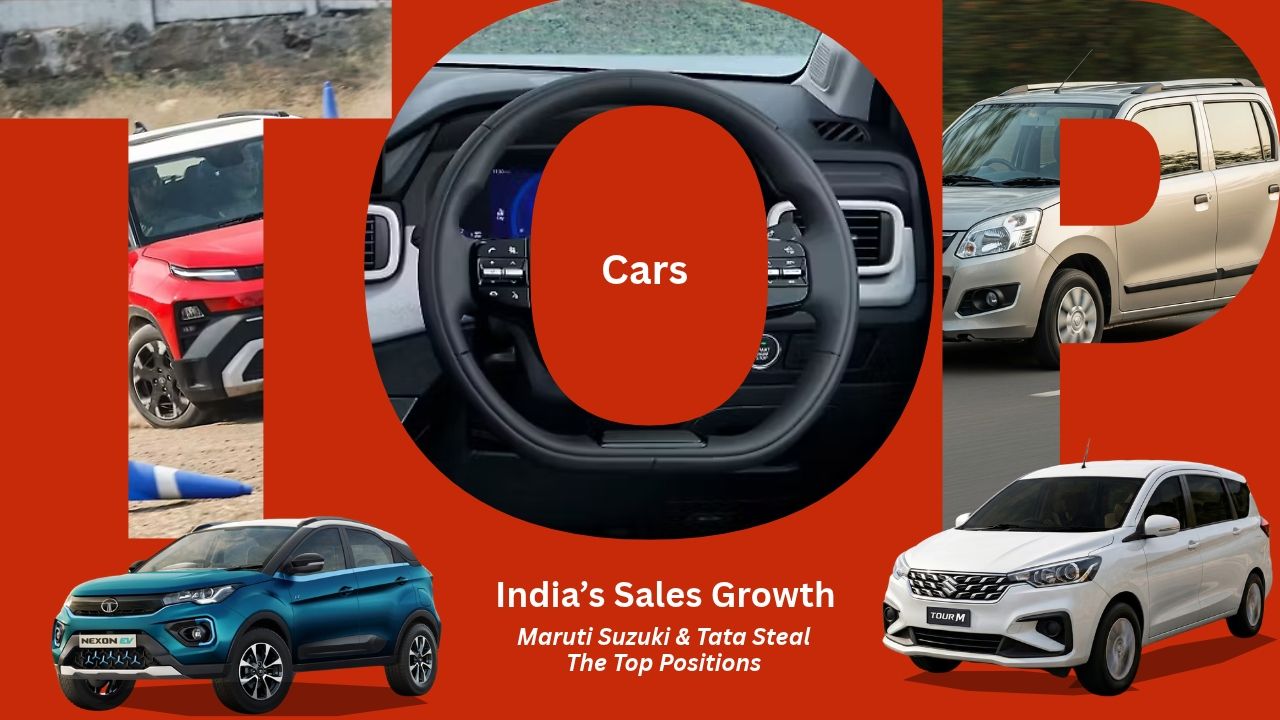
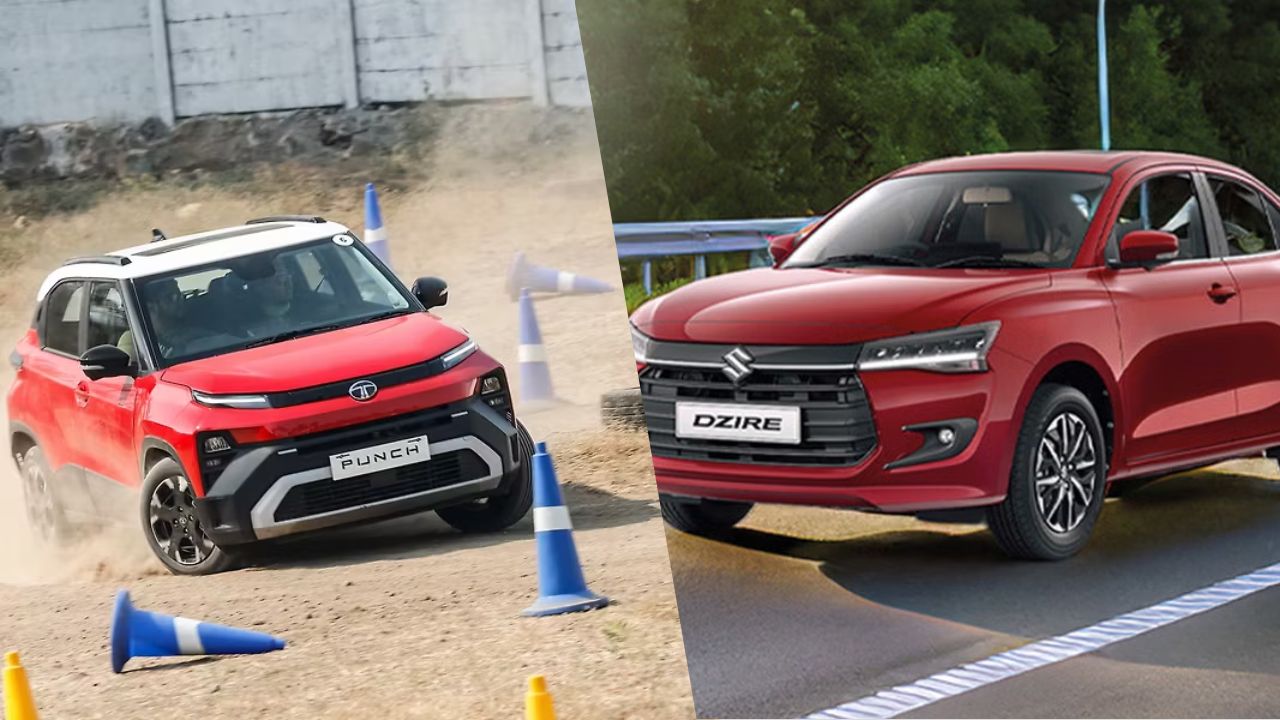
Two cars separated by 2,701 units led India’s sales chart in the first half of FY27, and one of them was a far smaller player a year ago. The top 10 cars of April to September 2026 sold 11,01,031 units, up 27.13% from 8,66,070 in the same period last year. The Maruti Suzuki Dzire finished first with 1,25,988 units. The Tata Punch, which sold 73,455 in H1 FY26, closed at 1,23,287.

Top 10 Cars in H1 FY27 

Rank Model H1 FY27 H1 FY26 YoY
1 Dzire 1,25,988 1,08,006 16.65%
2 Punch 1,23,287 73,455 67.84%
3 WagonR 1,16,029 84,942 36.60%
4 Ertiga 1,12,557 93,214 20.75%
5 Nexon 1,11,919 89,557 24.97%
6 Fronx 1,10,135 76,805 43.40%
7 Swift 1,09,332 84,123 29.97%
8 Baleno 1,08,569 71,989 50.81%
9 Scorpio (incl. Scorpio N) 93,488 84,634 10.46%
10 Creta 89,727 99,345 -9.68%

Positions three to eight are packed. The Fronx, Swift and Baleno finished within 1,566 units of each other, so a good month for any one of them reshuffles the middle of the table.

How Maruti Suzuki Took Six of The Top Eight Places

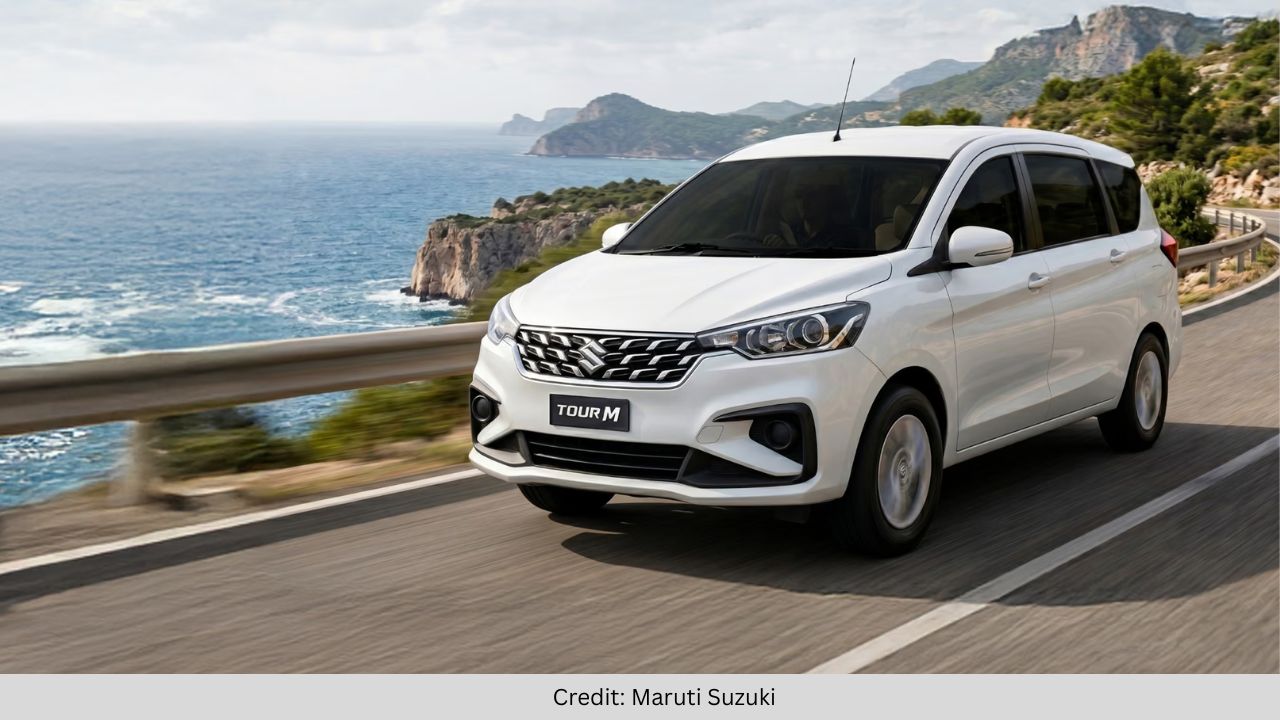
Maruti holds most positions in the Top 10 Cars ranking with its top models like Dzire, WagonR, Ertiga, Fronx, Swift and Baleno. All six models together sold 6,82,610 units, increasing 62% sales growth. No other car brand comes near this figure. Maruti takes over in every segment whether its sedan or SUV or hatchbacks, if one body style falls out, there’s another to cover for its sales.

Maruti Suzuki

Tata Motors has two entries, the Punch and Nexon, with 2,35,206 units between them, about 21% of the table. Mahindra’s Scorpio and Hyundai’s Creta hold the last two places.

One caution on the Scorpio. The 93,488 units combine the Scorpio Classic and Scorpio N but it flatters the nameplate’s rank compared with single-model entries.

Why Tata Punch Recorded The Highest YoY Gain

The Tata Punch added 49,832 units, a 67.84% jump, the biggest gain in both percentage and absolute terms. It nearly caught the Dzire from a much lower starting base. The January 2026 facelift also helped strengthen Punch to gain its ground. The updated model comes with a turbo-petrol engine option at a price of ₹5.59 lakh (ex-showroom). Tata offers more options such as petrol, CNG and electric versions, which attract every kind of buyer.

The Maruti Suzuki Baleno increased with 50.81% becoming the second-highest selling car. Its sales grew from 71,989 units to 1,08,569 units. The Fronx and WagonR also performed well in the market because both increased with 43.40% and 36.60%, respectively. The numbers are round-off but demand for these Maruti Suzuki models is still strong.

The monthly numbers show momentum shifting. The Tata Punch sales increased by 99% YoY and became India’s best-selling car in August, with 21,320 units sold which shows the demand is higher. The Maruti Suzuki Baleno took over the position with 25,392 units sold and changed the ranking in September, it increased by 93% YoY. 

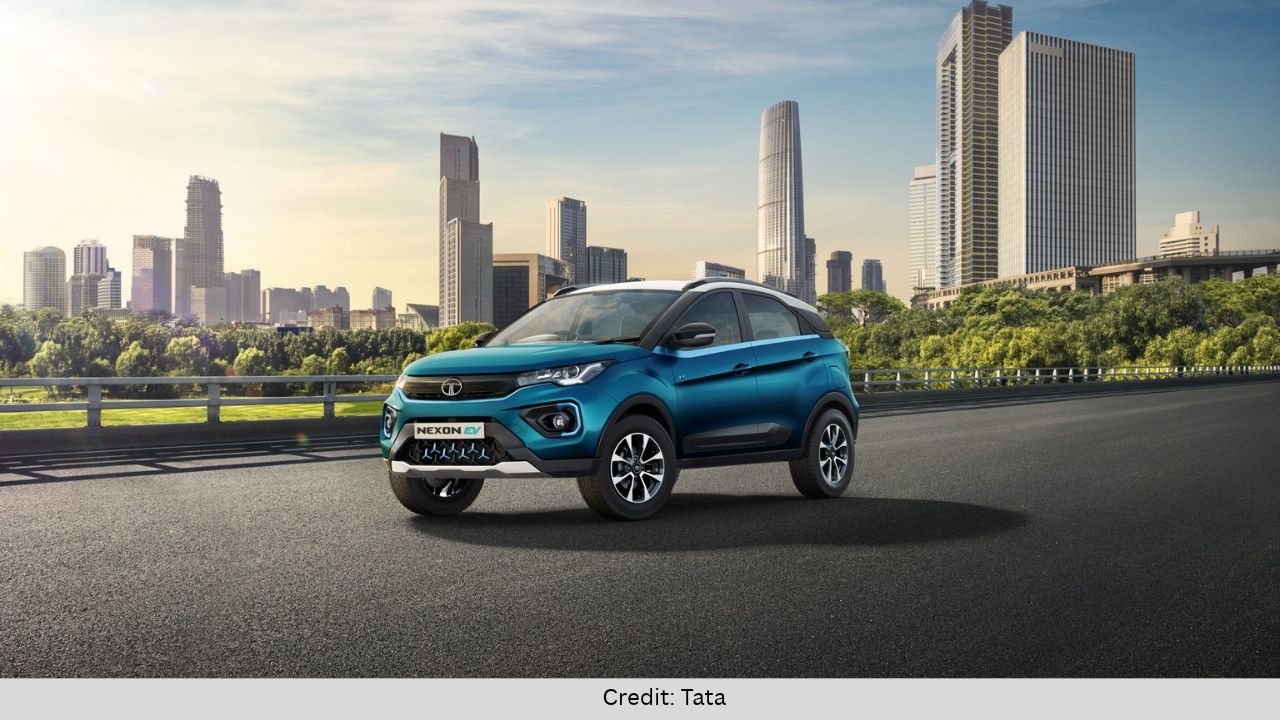
Tata Nexon

Punch came in third position with 20,333 units, recording 28% year-on-year growth and the second position is filled by the Tata Nexon. Monthly figures are dispatched from factories to dealers, so they track retail sales only loosely. Punch’s growth is slowing partly because last year’s base has caught up.

Dzire vs Punch vs Fronx: Which One Should You Buy?

The top two cars are different kinds of vehicle, so the Top 10 Cars chart can’t tell you which suits you.

The Dzire is the sensible pick for a family that wants a sedan with low running costs. It is a 1.2-litre three-cylinder petrol, with a CNG version, and starts around ₹6.26 lakh. Its claimed mileage is in the mid-20s kmpl on petrol. Choose it for efficiency and a proper boot.

The Punch is the pick if you want an SUV’s seating height and ground clearance at hatchback money. It starts at ₹5.59 lakh and gives you more powertrain choices than the Dzire, including an EV. The trade-off is a smaller boot than a sedan offers.

Dzire vs Punch

The Fronx costs more, from about ₹6.85 lakh, but offers a 1.2-litre petrol and a 1.0-litre turbo-petrol. It sold 1,10,135 units against the Punch’s 1,23,287. Buy it over the Punch if you want a coupe-style roofline and more punch from the turbo engine, and accept paying about ₹1.3 lakh extra at the entry level.

The Nexon, starting around ₹7.40 lakh, is the step up. It sits fifth, up 24.97%, and it was second in September, so Tata’s mid-size SUV isn’t fading as the Punch rises.

The Creta was the only model to shrink: 89,727 units, down from 99,345 (-9,618 units, -9.68%). The reason for the drop is still unconfirmed from the officials. A single half-year doesn’t make a trend, but a 10% fall in a segment that grew 27% overall is worth watching.

Conclusion

If you want the lowest running cost, shortlist the Dzire. If you want an SUV for the least money, shortlist the Punch. Both are within 2,701 units of each other, so sales volume won’t help you choose. Check these Top 10 Cars current ex-showroom prices and festive-season discounts at a dealer before you decide, since both change month to month.

Bipin Sharma

Bipin Sharma is a seasoned automotive content writer with over 10 years of hands-on experience in the world of cars. From the latest car news and reviews to in-depth maintenance tips and expert buying guides, Bipin covers everything that drives the automotive world. Writing about cars isn’t just his profession — it’s his passion. His deep industry knowledge and love for automobiles fuel every blog he creates, helping readers make informed decisions and stay updated on the fast-evolving auto landscape.

Leave a Reply

Your email address will not be published. Required fields are marked *

2

5 Best Affordable SUVs Under 15 Lakhs In India

SUVs under 15 lakhs

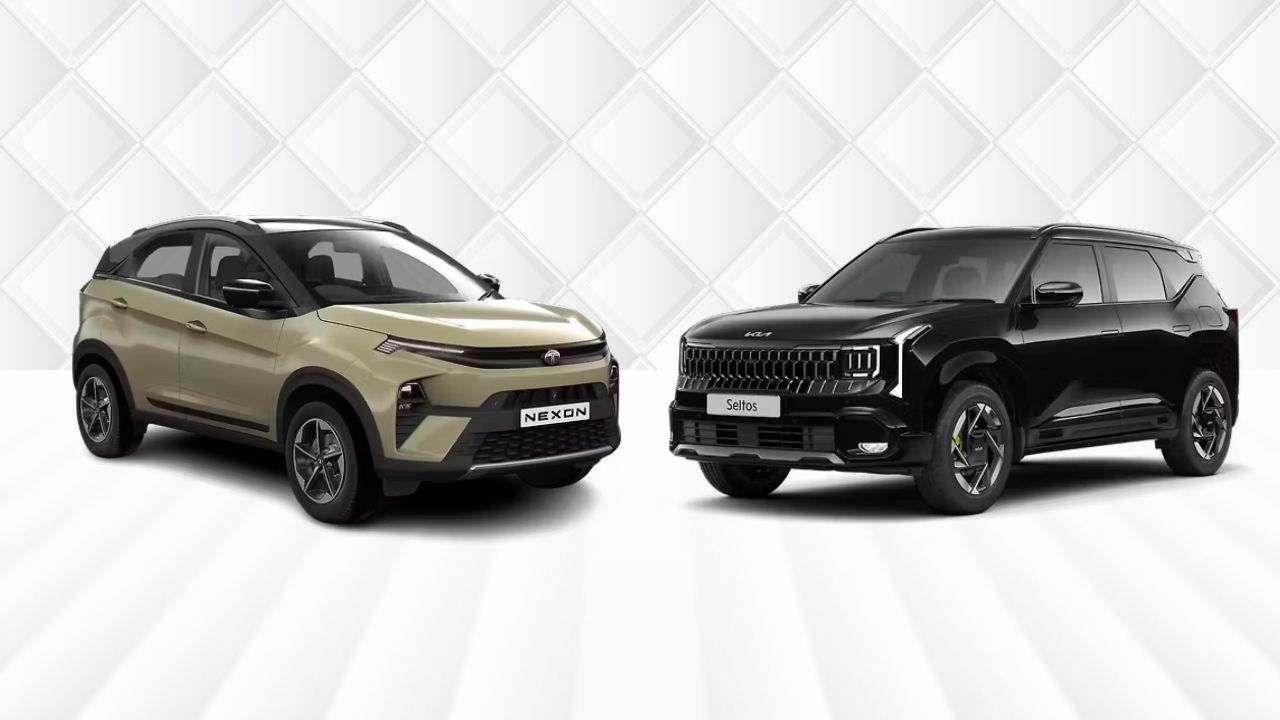
Finding an SUV which can offer an engine, great power to run longer than your expectation is no longer harder. These five best SUVs under 15 lakhs budget offer powerful performance on Indian roads that eventually become the most selective cars. The 2026 listing put the Tata Nexon at number 1 because of its new features and body styling along with reliability.

The list is based on the price announced on the official websites of cars so check the actual price including insurance, registration and taxes from your dealer when you buy. The newly launched Mahindra XUV 3XO, the freshly updated Maruti Brezza, the Hyundai Creta and the Kia Seltos are continuously ranking on the “Best Car 2026” list.

Each one wins a different kind of buyer, and one of them comes with a catch you should know before you walk in.

How These SUVs Under 15 Lakhs Were Picked

The list is filtered according to three most relevant choices that a buyer can have.

  1. Three features which most people want in a car is an automatic or a turbo engine, a sunroof, six airbags which had to be available at or near ₹15 lakh ex-showroom price mark. 
  2. Car reliability also matters when the budget is good. So crash-safety credentials had to be on record.
  3. Most people are looking for post-purchase support like service network, resale and real-world fuel cost which decides how they have to spend after buying an SUV.

Every price mentioned in the table is an ex-showroom price taken from listings updated between July and August 2026. The car’s actual price may differ from these prices because carmakers have revised prices several times this year. Treat them as a guide, then confirm the exact variant price with a dealer in your city.

Five Best SUVs Under 15 Lakhs at a Glance

SUV Ex-showroom range (mid-2026) Engine options Claimed mileage Safety
Tata Nexon ₹7.40 to ₹14.40 lakh 1.2L turbo petrol, 1.5L diesel (115 hp), CNG 17.01 kmpl to 24 km/kg Long-standing Global NCAP 5-star adult rating
Mahindra XUV 3XO ₹7.79 to ₹15.04 lakh 1.2L petrol, 1.2L turbo petrol, 1.5L diesel 17.96 to 21.2 kmpl 5-star Bharat NCAP
Maruti Brezza (2026) ₹7.40 to roughly ₹13.6 lakh 1.0L turbo petrol, 1.5L petrol (103 hp), CNG Up to 25.51 km/kg (CNG) 5-star Bharat NCAP
Hyundai Creta ₹10.91 to ₹20.11 lakh (only lower trims fit the budget) 1.5L petrol, 1.5L diesel Roughly 17 to 22 kmpl 3-star Global NCAP per one listing
Kia Seltos Starts around ₹11 lakh (only entry trims fit the budget) 1.5L petrol, 1.5L diesel, turbo petrol Varies by variant Check current rating

1. Tata Nexon: The Safe, Sensible All-Rounder

The Nexon keeps turning up in sales charts for a reason. It is recognized as India’s second highest-selling car in June 2026, and in May Tata launched a Pure+ PS variant at ₹9.59 lakh that it positions as the cheapest car in the country with a panoramic sunroof. That single move shows how Tata is thinking: put the showy feature on a mid trim, not the expensive one.

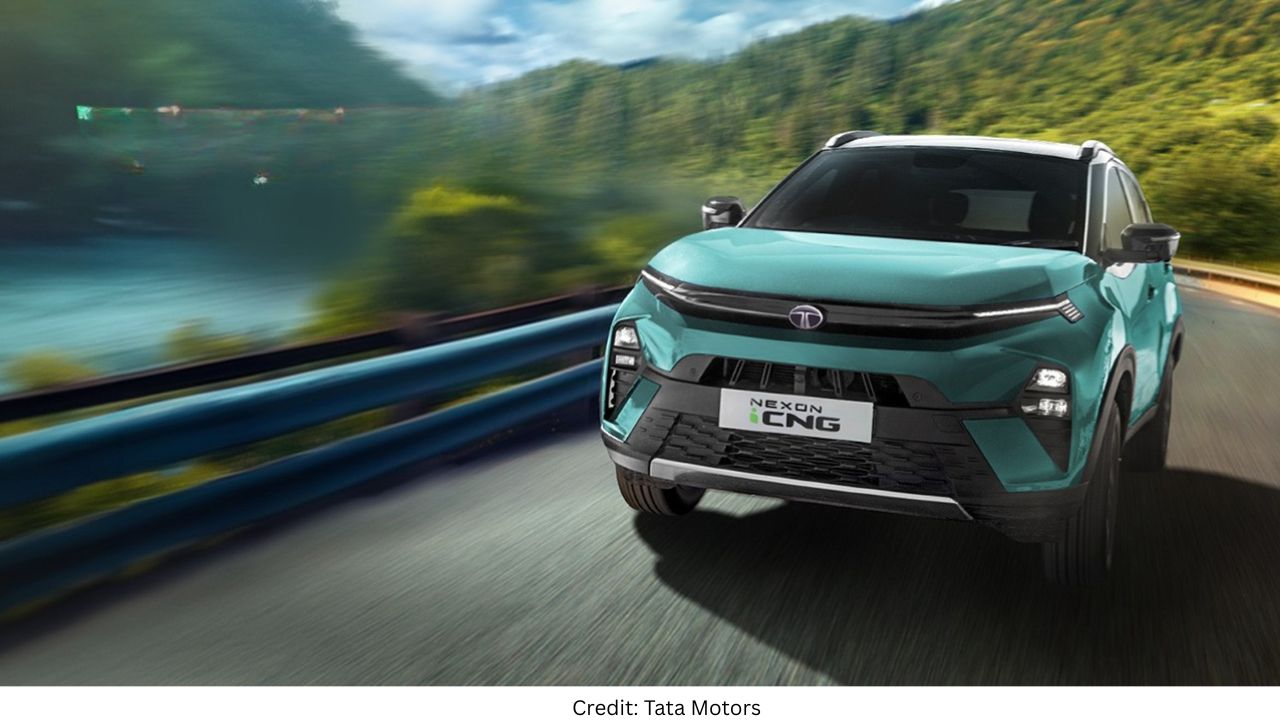
Tata Nexon offers choices between engines, a buyer can pick 1.2 L petrol, 1.5 L diesel with manual/AMT gearbox, and CNG version. This is the only SUV whose every trim sits under ₹15 lakh ex-showroom, its top diesel variant is around ₹14.40 lakh which offers 115 hp of power. The claimed mileage falls between 17.01 kmpl to 24 km/kg and Global NCAP is also given a 5-star rating on its crash safety. 

The honest limitation is refinement. The three-cylinder turbo-petrol is the usual complaint in reviews, with more idle thrum than the Brezza’s engines. Pick the diesel or the CNG if you drive long distances and can live with that trade making it for families who want safety, space and a huge service network in one package.

Tata Nexon CNG

2. Mahindra XUV 3XO: The Feature-Loaded Performer

The new Mahindra XUV 3XO price starts at Rs 9.99 lakhs (ex-showroom) and it goes up to ₹15.04 lakh. Every trim can fit your budget criteria with a 5-star rating. Buyer can get a wider option on XUV 3XO, from 1.2 L petrol to 1.5 L diesel. The CNG version uses twin CNG cylinders on the same petrol engine. It claimed 24.7 km/kg of mileage. It runs from zero to 60 km in 4.9 seconds in CNG mode.

Most people choose this car because all the variants range between ₹9.99 lakh — ₹12.27 lakh and It competes with the Tata Nexon CNG and Maruti Suzuki Brezza CNG.

XUV 3XO vs Tata Nexon: The Head-to-Head Comparison

The turbo-petrol 3XO feels quicker and its feature list is longer at the same money. The Nexon answers with a CNG option, better efficiency spread and more cabin space. Nexon is the better bet for exactly those two reasons. A 3XO CNG comes with a price near ₹10 lakh, and launched on October 15, 2026. Mahindra offers more thrilling performance and cutting-edge technology in a new styling body.

Best for: buyers who want performance and features first and can accept a firmer ride.

3. Maruti Brezza (2026): The New Turbo Value Play

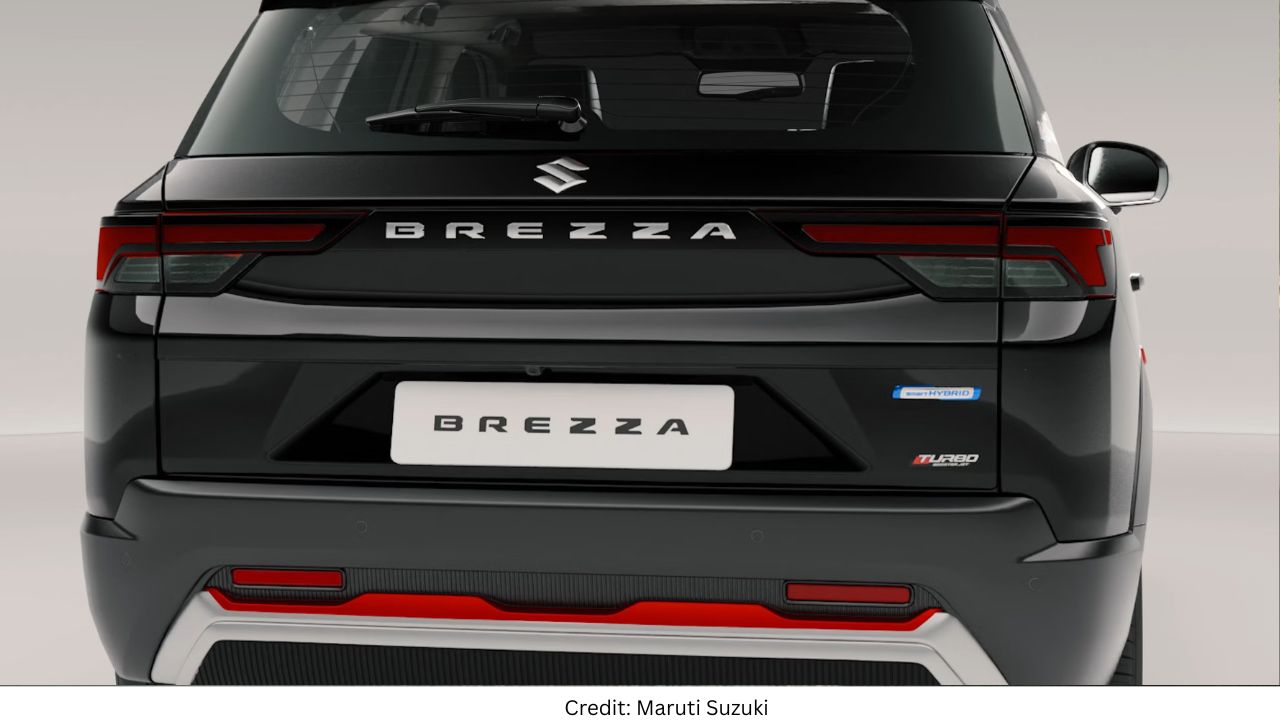
The 2026 Maruti Suzuki Brezza facelift enters showrooms in July with a starting price of ₹7.40 lakh (ex-showroom). Its 1.0-litre petrol engine offers 110 PS of power. The highest variant ZXI Plus is offered with a Petrol AT powertrain at ₹13.55 lakh so this car fits in the SUVs under 15 lakhs list. 

But one thing every buyer should understand: some ZXI and ZXI Plus versions also have dual-tone options priced ₹15,000 higher. Brezza stands out as the best choice for most people after introducing a facelift with six airbags, ESC, and a 5-star Bharat NCAP safety rating.  

There is a CNG advantage since it claims 26.90 km/kg of fuel efficiency. The real world mileage might be different. It offers 1.5 L S-CNG powertrain with 88 PS and 121.5 Nm at 6 MT transmission while its petrol variant offers both manual and automatic options. LXI trim alone comes in a range of ₹7.40 lakh —- ₹8.30 lakh. 

The limitation is power. The 1.5-litre naturally aspirated petrol is the least exciting engine on this list. Ask the dealer about price and claimed mileage before making up your mind to buy one.

Best for: high-running buyers who want low fuel bills and Maruti’s service reach.

Maruti Brezza

4. Hyundai Creta: The Badge That Costs More Than It Looks

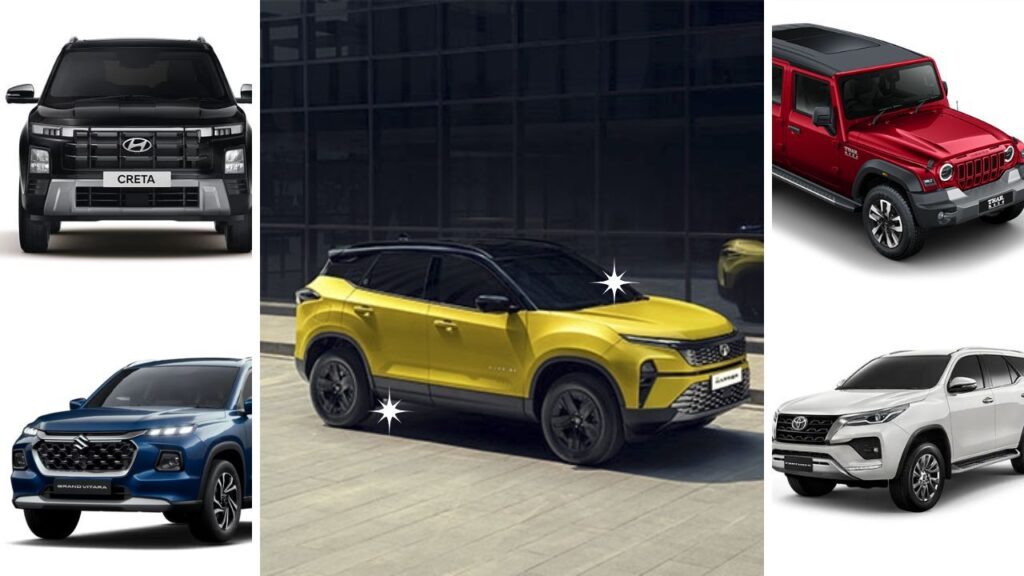
Hyundai Creta comes at a range of ₹10.91 lakh — ₹20.11 lakh ex-showroom so a buyer with a ₹15 lakh budget can get a middle or lower trim. The higher trims with more features and comfort driving is above this price mark. The S diesel price at about ₹15 lakh and the SX petrol above it so check your variant and ask the price from your dealer.

Creta have given you other reliabilities such as resale value and service reach, both are excellent. The diesel variant claimed 21.8 kmpl of mileage which is considered as best in this segment. It’s a direct rival for Seltos, Tata Sierra, Renault Duster and Skoda Kushaq. 

Best for: buyers who prioritise resale and brand comfort over the latest tech.

5. Kia Seltos: The Bigger Car You Will Have to Stretch For

The new Seltos is built on a larger platform and it shows in the cabin. It starts around ₹11 lakh, about ₹9,000 above the Creta, and gets Kia Connect 2.0 with over-the-air updates, something Hyundai’s Bluelink still lacks on the Creta.

The HTK (O) variant is above 15k price mark and most of the higher trims in both petrol and diesel are goes higher range of price up to ₹17.99 lakh —  ₹19.79 lakh which means if you get revised design, upgraded cabin technology and advanced safety standard then it’s worth more than your budget.

But in the entry level variant, you still can get a 1.5 L engine which produces 115 – 160 PS of power depending on the powertrain option. Both petrol and diesel variants offer 6 speed manual transmission. There is no factory-fitted CNG option in the current Seltos line-up.  

Best for: buyers who can push past ₹15 lakh and want the most spacious, tech-heavy option.

Creta vs Seltos: Which to Choose

At the ₹15 lakh price, both Creta and Seltos win but on different criteria. Creta give your resale value and good efficiency figure while Seltos can give you connected features, bigger body, and amazing design. 

Always understand that choosing a car on price mark isn’t the best way for selecting a car because you can expect a higher amount to pay when you ask a quote from a dealer for the variant you choose online.

Conclusion

Choosing a car depends on how you drive and why you need a car. If you run more than 1,500 km a month then Brezza CNG and Nexon CNG is the best option because the fuel efficiency lets you recover at the pump. Nexon also offers peace of mind with safety standards if you travel with your family.

XUV 3XO is new and latest at an affordable price. The CNG variant sits in the list of SUVs under 15 Lakhs. Choose the Creta only if resale and the Hyundai network outrank everything else. If you can stretch your price mark a little more then the Seltos is also a good option for you.

Ask each dealer for the current discount and the waiting period on your variant. Offers on these models have ranged from ₹30,000 to ₹55,000 earlier this year, and that difference can decide a close call.

0

Adar Poonawalla Car Collection Full Details on Features and Price

Published Feb 23, 2026, 6:40 AM
Last Updated Apr 8, 2026, 7:25 AM

adar poonawalla car collection

Have you ever wondered what the garage of a billionaire looks like? Then there is the Adar Poonawalla Car Collection which is located in India and one which ranks among the best car collections in the world.

Adar Poonawalla is the CEO of Serum Institute of India (SII), the world’s largest vaccine producer, and the man who played a key role in distributing the Covishield COVID-19 vaccine, as well as helming one of the biggest pharma companies in the world. But he’s nothing more than a car enthusiast in this world role, when he’s not at board meetings or international health conferences. 

Really, really expensive cars hidden in the family home called the Adar Abad in Pune, Maharashtra. It’s a collection so exceptional that it operates less like a garage and more like a world-class museum. The fleet is also shared by his cousin Yohan Poonawalla, and as a duo, they communicate a passion for automotive craftsmanship that transcends centuries of history to bleeding edge modern engineering. 

The Supercars Give Pure Thrills

McLaren 720S

Adar’s pride and joy is a McLaren 720S dressed in a menacing black. But this is not your usual 720S. It was the first right-hand drive McLaren 720S to be permanently registered in India – a landmark that demanded deft weaving through India’s labyrinthine import regulations. After the CBU import duties doubled the price, the car went for about ₹4.5 Crore. It’s worth every rupee, if you ask any car enthusiast.

McLaren 720S

With a 4.0L twin-turbo V8 making 720 horsepower, the 720S is a technological wonder with a 212 MPH top speed and 0-60 time of 2.8 seconds. The car’s carbon-fiber tub makes it extraordinarily light and the hydraulic suspension system feels at once road-compliant and track-accurate. 

Even inside there’s a driver display that physically folds down in Track mode to reduce distractions. So when you now find yourself not moving, it’s this kind of thoughtful engineering thing which is good enough to make you smile. 

Ferraris—360 Spider, Aperta, and Pista Spider

Then there are the Ferraris, not just one but more than one. The family has a physical timeline of sorts throughout Ferrari’s mid-engine V8. There’s a Ferrari 360 Spider with a very rare open-gate manual gearbox (one of only two such cars in India), a car that was bought, sold and then bought again, which is pretty much tells you all about the emotional pull it commands. 

Ferraris

Yohan’s Ferrari 458 Speciale Aperta has his initials stamped on the nose. Also mounted on a Ferrari 488 Pista Spider is a plaque that says “Made exclusively for Yohan Poonawalla.” These are not cars. The signatures are coming in. 

Daily Life at the Top With Bentley Bentayga

When you’re making billion-dollar vaccine deals and going into high-stakes corporate meetings, you want something that surrounds you with calm and comfort and that doesn’t give away too much, in the way of presence. 

The deep blue grand tourer is powered by the enormous 6.0-liter W12 engine that produces 626 PS (615 hp) on the road and is finished off with a bespoke chrome-dipped grille. That’s the Bentley here to Adar, after all. 

Daily Life at the Top With Bentley Bentayga

But the real instrument of Bogdan’s day-to-day is the Bentley Bentayga Extended Wheelbase Azure, and this thing is really something else. Valued between ₹5.87 and ₹7+ Crore, it’s essentially a luxury apartment on wheels. The extended wheelbase features what Bentley calls an “Airline Seat Specification” — a seat that autonomously tracks your body temperature and humidity, makes invisible micro-adjustments to alleviate pressure points, and keeps you fresh regardless of the length of the journey. 

There are massage zones. There is air filtration. There’s even a 48-volt active anti-roll system that keeps the enormous SUV perfectly flat through corners. Adar also secured the VIP plate “111” for it — because of course he did. 

Matte Black and Menacing Land Rover Defender 110 X

The Adar convoy is the ultimate power and utilization. The Land Rover Defender 110 X dressed in matte black, this is a situation of substance over style. It still produces a healthy 518 bhp from its 5.0-litre supercharged V8, so that’s enough for it to hold its own against the Bentley Bentayga it’s travelling with. 

Matte Black and Menacing Land Rover Defender 110 X

With the air suspension that can be raised for a ground clearance of 218mm (8.6 inches) or 290mm (11.4 inches), this car is a natural in the wilderness, be it in hot pursuit or flee. This is tactical luxury at its most practical, where design meets function with no compromises. 

The Rolls-Royce Fleet: Twenty-Two Strong

The family has a jaw dropping collection of 22 Rolls-Royces, a testament to not only their extraordinary wealth but also the colours of their taste. Among them, is Yohan’s Rolls-Royce Phantom VIII Extended Wheelbase, a true masterpiece and the priciest car in India at ₹22 Crore. This luxury car comes with a Spirit of Ecstasy hood ornament made of solid gold and a Bohemian Red customized exterior. 

It comes with the legendary Starlight Headliner, an illuminated grille and the extremely rare Privacy Suite, an electro-chromatic glass panel that can be made opaque at the push of a button. Significantly, Rolls-Royce had taken that feature out worldwide but re-introduced it for this car, at the family’s request, again highlighting the extraordinary clout and buying power of the family. 

Read More:-  Honda Car Offers on City, Elevate and Amaze, Save Up to ₹1.97 Lakh

A Garage That Doubles as a Museum

The family’s garage is not just a storage space for exotic cars, but an evolving OCD-dream version of the history of the automobile. Some are extraordinary cars of historical significance including a 1956 Mercedes-Benz 190 SL previously owned by Maharani Gayatri Devi of Jaipur, a 1939 Derby Bentley belonging to the last Nizam of Hyderabad, and a 1979 Rolls-Royce Phantom VI that once belonged to Queen Elizabeth II’s royal fleet. 

Perhaps the most thrilling sign of the company’s commitment to maintaining this legacy came at an international event in the UAE, where Yohan boasted eight generations of Rolls-Royce Phantom models, covering a history that spans nearly 100 years. 

This included a 1928 Phantom I previously owned by the Maharaja of Kashmir and a 2024 Phantom VIII. That was the first time such an entire gamut of the collection holding type was brought together from a single collector. 

To put this in perspective, a couple of these legendary rides were even enlisted in a rally across the Emirates, a very strong indication that the family want these masterpieces to be not only preserved but run and duly celebrated. 

Conclusion

The Adar Poonawalla Car Collection is not just a wealth issue, it was about the vision, legacy, and a near poetic value of history in the automotive world. From state-of-the-art hypercars and custom luxury SUVs to 100-year-old royal classics, the garage embodies a philosophy that holds both innovation and heritage in high regard. For Adar Poonawalla, cars are not just trophies but living art, drawing tales of engineering and a legacy that is forever preserved. 

0

EV vs Petrol vs Hybrid: Which Car Type Is Perfect for You in 2025?

The 2025 car market is unrecognizable compared to just a few years ago. Between that and gas prices rising and EV charging networks growing and brands doubling down on hybrids, there’s now an embarrassment of options for buyers. But more options can make things confusing— EV vs Petrol vs Hybrid, do you go with a petrol car you know and trust, get a full electric vehicle, or take the middle ground in a hybrid? They all have their strengths, costs and suitability to one’s lifestyle. In this guide we’ve distilled the key differences — in running costs, convenience and the newest models — to help you decide which type of car really fits your life in 2025. 

Comparison At A Glance

Choose an EV if most of your daily driving is city/commute (≤100–200 km/day), you can charge at home/work, and you want the lowest running costs and least hassle. Opt for a Petrol car if you frequently do high mileage where chargers are sparse, need quickest refuel and lowest initial outlay, or biggest model/network. Get a Hybrid if you desire much more fuel economy than petrol, far less range-anxiety than a full EV, and you travel a lot on combined city/highways runs. 

Factors That Define Which Car Type is Perfect For You in 2025

Upfront price Value for EVs, Petrol, & Hybrid Cars

  • Mainstream EVs in India in 2025 start at around mid-₹7–12 lakh for city-centric models and extend to ₹20 lakh+ for full-sized SUVs and premium cars. (dealer listings reveal plenty of choice throughout the price spectrum).
  • Petrol cars are the cheapest to begin with – good small hatchbacks are available for much less than ₹7 lakh.
  • Hybrids (mild/strong/plug-in forms) are priced between petrol and EVs; popular models (Maruti, Toyota, MG) tend to start ₹8–12 lakh. 

Running Cost for EVs, Petrol, & Hybrid Cars

EV home charging is usually in the range of ₹6–₹10 per kWh, which in the case of regular hatchbacks or small SUVs works out to about ₹0.8–₹1.5/km – still a lot less than what petrol costs. 

Cost of petrol per litre for running cost. For city driving (15–18 km/L) that works out to around ₹5–8 per km per km – but it depends on the model and the city. 

EVs are miles ahead on running costs per km if you have dependable home charging or cheap, electric-friendly, off-peak tariffs.

Convenience & everyday life: charging refuelling

Refuelling petrol: 3-5 min at any petrol station. They are all spaced evenly everywhere. 

Charging EVs: home charging overnight is most convenient (adds minimal friction). While public fast chargers are becoming more numerous and reliable, they remain patchy; national and private initiatives are working to expand the networks. The IEA expects a significant rise in public chargers in the next few years.

EV convenience recedes significantly if you live in a flat with no assured parking/charger access and no workplace charging. 

Range for practical everyday use & long haul trips

Budget EV hatchbacks tend to have 200-450 km of usable range depending on the variant. For a few long journeys you can plan for charging breaks – slower than filling up on petrol, but it can be done.

Hybrids and petrol vehicles offer seamless, rapid long-distance travel without the need to stop and recharge — which is a significant advantage for highway users.

Government assistance & incentives (important if you are buying now)

Various central and state subsidies (through portals such as e-AMRIT, the FAME scheme details) exist albeit till date non-uniformed, the state EV policies — these can significantly reduce the cost of the EV or of the charging infrastructure. FAME II and related demand incentives have informed subsidies and procurement schemes. Refer to e-AMRIT/FAME pages and your state policy before purchasing.

(Practical advice: incentives are frequently models- and region-specific. All EVs don’t get the same perks, check with dealer + State EV policy). 

Read More:-  Hyundai Elantra 2025 Review: Price, Trims, Hybrid & N Line Features Revealed!

Maintenance, Resale and Dependability

EVs: Less moving parts → less scheduled maintenance (no oil changes, fewer brake jobs because of regen braking). The health of the battery is the biggest long-term concern; warranties on batteries are provided by manufacturers (usually for 8 years/1.6 lakh km or so on a number of models).

Petrol: Well established service network and cheap spare parts in India, high predictability.

Hybrid:The addition of a hybrid system (engine + electric components) brings complexity, but manufacturers like Toyota have decades of proven hybrid tech and solid service networks in India.

The resale value for EVs is stabilising, but it still depends on the model – stick to well-known, popular brands for reduced risk. 

Environment & Social Aspects

Lifecycle vehicle emissions of EVs are a function of the electricity mix, as they have no tailpipe emissions. India’s grid is greening and policy pushes gradually lower lifecycle emissions for EVs. Hybrids reduce emissions versus petrol, particularly in urban driving. 

Simple decision checklist: who should choose which option

Pick EV if:

You drive less than 300 km a day and most of your trips are within the city. If you can charge at home (private parking) or your office provides charging and desire to have the lowest running cost and lesser maintenance hassles. It’s best if you care about low tailpipe emissions and technology-enhanced features.

Pick Petrol if:

You do at least some long highway cruising, you travel out into the country, or you just live where EV chargers are hard to find. You want the lowest initial cost and refuel fastest and have access to the widest network.

Pick Hybrid if:

You’d like to get vastly superior fuel economy to petrol without having to depend on charging stations. You do both city and highway driving and want to move seamlessly through both without the need to plan your route around charging stops. You also like tried and tested reliable (Toyota/Maruti strong hybrids have a good track record in India).

Some Latest Models of EV / Hybrid / Petrol Cars

Type Model Key Specs
Electric Vehicles  Tata Harrier EV Launched mid-2025. Comes with AWD dual-motor option, very impressive real-range (up to ~627 km MIDC in best variant). Strong contender in the mid-size SUV EV space.
Hyundai Creta EV Scheduled early-2025. Multiple battery pack options. Expected range ~390-470 km depending on battery size. Features like DC fast charging, interior tech upgrades.
Maruti Suzuki e-Vitara To launch in mid/late 2025. Two battery options (≈49 kWh and ≈61 kWh), claimed range up to ~500 km in some trims. Will compete with Creta EV etc. 
Hybrids Toyota / Maruti / Suzuki strong or mild hybrids (Grand Vitara strong hybrid) Coming in H2 2025. Third-row / 7-seater version too. Strong hybrid (self-charging) gives the benefit of much better mileage than petrol alone. 
Toyota Fortuner Mild-Hybrid Neo Drive Already launched in 2025. Adds mild-hybrid tech to the Fortuner to improve stop-start behaviour, small torque assist etc. Good for those who drive big SUVs but want improved efficiency.
Hyundai Creta Hybrid Already launched in 2025. Adds mild-hybrid tech to the Fortuner to improve stop-start behaviour, small torque assist etc. Good for those who drive big SUVs but want improved efficiency.
Petrol Mahindra Thar / Bolero Updated models set to launch in Oct-2025. These are mature, rugged, proven petrol SUVs with facelifted features. Good for off-road / rural tasks or for those who like strong looks + robust service
Skoda Octavia RS For those looking for a more premium sedan with petrol performance and features. The RS version adds sportiness. May have higher maintenance costs but strong appeal if you want power + brand.

Conclusion

There’s no such thing as the “best” car for everyone, because EV vs Petrol vs Hybrid is a confusing debate but what works for one person depends on how they drive, where they live, and what kind of vehicle they find most useful. If you mostly drive in a city, and have reliable access to an outlet, an EV provides unparalleled running costs and a green driving experience. If highway and long road trips are the staple of your life and you want to fill up as quickly as possible—and as cheaply as possible up front—gas cars are still the prudent choice. And if you want to save fuel but don’t want to plug in, hybrids give us the best of both worlds. In the end, the ideal car for you in 2025 isn’t what’s the biggest hit of the day — it’s the vehicle that fits your everyday life and your plans for the future. 

0

Inside Mark Zuckerberg’s Car Collection: Luxury, Style & Surprises

Published Aug 23, 2025, 11:21 AM
Last Updated Aug 25, 2025, 6:24 AM

Mark Zuckerberg car collection featuring Honda Fit, Tesla Model S, Pagani Huayra and more

Flashy supercars may be the style of many billionaires but Mark Zuckerberg’s Car Collection is not just about luxury, it reflects his personality. His garage is telling a simple but intriguing story of the man who also prefers eco-friendly cars. But also sharing his modest interest in sedans and some other luxury cars. So, let’s explore these car’s features that offer strong performance on the road.

1. Honda Fit (Jazz) 

Honda Fit (Jazz) compact hatchback owned by Mark Zuckerberg

Image Courtesy: automobiles.honda

Honda Fit is also known as Jazz in some countries, this car is sharing a classic vibe of Zuckerberg no-show lifestyle rather than seeking attention on the road. The incredibly powerful 1.5L engine offers a powerful performance but his choice is unexpected. Priced around $20,000, this compact hatchback shows that he prefers practicality over glamour. He values comfort and efficiency with spacious interior, reliable maintenance and comfortable daily city commute. 

Features Specification
Engine 1.2L or 1.5L petrol/hybrid
Fuel Efficiency 16–18.2 km/l petrol, 22–27 km/l hybrid
Transmission Manual (5-speed), CVT Automatic
Seating Capacity 5 seats
Boot Space Fit: 470L, Jazz: 354L
Price $17,945

2. Volkswagen Golf GTI

Volkswagen Golf GTI hatchback from Mark Zuckerberg’s car collection

Image courtesy: vw.com

This one has special value around the globe because of Volkswagen Golf GTI hidden sporty performance under the simple look. While it represents Zuckerberg’s calm but powerful personality. This unique model will deliver its high performance with 2.0L turbocharger engine when needed. Classic hatchback design with modernized features is ready for both city and highway rides. Speed up to 240 horsepower can give a smoother ride without an overly flashy look.

Features Specification
Engine 2.0L Turbocharged Petrol, 4-cylinder
Horsepower 261 bhp
Torque 370 Nm
Transmission 7-speed DSG (Automatic)
0-100 km/h speed  5.9 seconds
Boot Space 380L
Price $30,000

3. Acura TSX 

Acura TSX premium sedan owned by Mark Zuckerberg

Image courtesy: acura.com

The Acura TSX is a unique model that combines reliability, comfort and a premium look without going overboard that fits for a perfect match of Zuckerberg’s balanced approach to life. It offers 2.4L i-VTEC powerful engine and smoother rides that’s a good one for handling everyday traffic. With advanced safety features and elegant look, it still focuses on comfort and practicality that represent premium style without screaming wealth.

Features Specification
Engine 2.4L inline-4 engine
Horsepower 201
Transmission 5-speed automatic
Seating Capacity 5 seats
Drivetrain Front-Wheel Drive (FWD)
Price $30,000 

Read more :- Inside the Exclusive Yuvraj Singh Car Collection

4. Infiniti G Sedan

Mark Zuckerberg’s Infiniti G Sedan

Image courtesy: infiniti.com

Zuckerberg parked an Infiniti G Sedan in his garage, this car is a mix of Japanese precision with a luxury touch. It offers powerful horsepower with a 3.7L V6 engine and gives a sporty driving feel. With its long-term reliability and luxurious cabin offer a premium experience. It represents Zuckerberg’s balance between innovation and tradition that mirrors tech with consistency of car. 

Features Specification
Engine 3.7-liter V6 engine
Fuel Efficiency Approx. 8 km/l 
Transmission 7-speed automatic (AMT)
Seating Capacity 4 seats
Boot Space 210 liters
Price $33,000

5. Pagani Huayra

Pagani Huayra Italian hypercar from Mark Zuckerberg’s car collection

Image courtesy: pagani.com/huayra

It’s not a surprise to see this luxury in any billionaire’s garage but Zuckerberg’s list also has a supercar, the Pagani Huayra. The Italian hypercar costs over $1.4 million that is worth its brilliance of engineering. Pagani offers luxurious interior and stylish exterior, but what makes it more attractive is a 6.0L V12 twin-turbo strong engine that gives jaw-dropping acceleration up to 720+ horsepower speed. Zuckerberg’s Pagani represents another personality that appreciates innovation, exclusivity and top-tier craftsmanship.

Features Specification
Engine 6.0L Twin-Turbocharged V12 AMG engine
Fuel Efficiency Approximately 8-10 mpg 
Transmission 7-speed automated manual (AMT)
Horsepower 730 HP
Torque 738 lb-ft
Seating Capacity 2 seats
Price $1.4 Million

6. Tesla Model S

Tesla Model S electric car owned by Mark Zuckerberg

Image courtesy: tesla.com

Zuckerberg’s interest in Tesla Model S shows that he generally supports futuristic technology. This model represents his eco-friendly mindset, with zero emissions. It offers electric powertrain with up to 396 miles of range and it can go from 0 to 60 mph within 3.1 seconds. Its interior is well-equipped with advanced tech, autopilot mode is a remarkable innovation.

Features Specification
Engine Electric motors (3 motor versions in Plaid)
Horsepower 1020 hp 
Torque 1050 lb-ft 
Fuel Efficiency EPA combined 101 MPGe 
Transmission Single-speed automatic (direct drive)
Seating Capacity 5 seats
Boot Space 28 cubic feet
Range 348–410 miles
Price $90,000

Zuckerberg’s Car Collection: More than just cars

His simplicity, practicality and eco-friendliness is matched with every car. Zukhurberg’s interest in selective luxury is also seen but his personality has shown that he prefers engines which serve a purpose beyond showing-off wealth. 

  • His Honda Fit and Volkswagen Golf GTI shows how much he prefers classic automotive rather than luxury.
  •  Acura TSX and Infinity G Sedan shows his selection of practicality blended with comfort over modern premium cars.
  • Tesla Model S highlights his interest in sustainable technology and Pagani Huayra reveals his interest in pure luxury and iconic design.

Final Thoughts 

Mark Zuckerberg’s car collection is not just about speed or price tag but it’s all about ‘values’. His garage is highlighting the different parts of his personality. These cars are just simple in looks but their performance is amazing. They are the winner in smoother rides, he chooses these cars according to his moods – comfort, practicality, and occasionally premium feel.

0

Koenigsegg Cars: Fastest Models, Price, History and Top Hypercars

Published Mar 17, 2026, 12:43 PM
Last Updated Apr 6, 2026, 12:23 PM

Koenigsegg Cars

Let me tell you about a guy who as a kid in the 90s watched a Norwegian stop-motion film about a bike race and decided he was going to create the best sports car in the world. Christian von Koenigsegg was 22 when he established his company in 1994. While his friends were plotting their futures, he was ripping out pages from car magazines, teaching himself physics, and operating a strange trading business that involved importing misprinted plastic bags and — I am not making this up — frozen chickens. That poultry money? It would become the seed capital for what would ultimately supplant Ferrari, Porsche, and Bugatti.

Koenigsegg’s Fastest Creations

Jesko Absolut: Theoretical Velocity Champion

When Koenigsegg unveiled the Jesko Absolut back in 2019, they weren’t shy about making a sweeping statement: this would be their fastest car ever and could be the fastest production car ever. It takes its name from Christian’s father Jesko von Koenigsegg and features the ultimate expression of aerodynamic efficiency. Jesko Absolut’s drag coefficient is just 0.278 and maintaining very low frontal area and the Absolut creates only 40 kg of downforce at top speed – as opposed to around 1,400 kg generated by the Jesko on the track.

The Koenigsegg Jesko Absolut is a technical masterpiece, conceived to break new ground in terms of car performance.

Engine  twin-turbo V8
Power  1,600 horsepower on E85 biofuel
Transmission Koenigsegg’s Light Speed Transmission
Gear  nine-speed multi-clutch
Speed 330 mph

What makes this feat even more incredible is the engine is readily available. Koenigsegg’s V8, on the other hand, is a fairly compact unit compared to the monstrous W16—albeit elephantine in power levels and, really, it shouldn’t come as a surprise that it is also fairly massive. It’s over-efficiency meets excess, a marriage that encapsulates the brand. 

Regera: The Hybrid Game-Changer

The Rager made hybrid performance look easy prior to the Jesko Absolut taking the spotlight. This revolutionary machine, which was presented in 2015, combined 3 electric motors with a 5.0-liter twin-turbo V8 engine generating 1,500 horsepower. Yet it was the transmission — or more specifically, what the car didn’t have in the way of one — that was the real invention, not the power. 

Regera

Koenigsegg has cut out the gearbox altogether, with its new Koenigsegg Direct Drive system. All speeds are taken care of by a single fixed gear ratio and at low speeds electric motors compensate for the torque gap. Regera offers smooth acceleration from 0— 250 mph within the same gear and it goes from 0-250 mph in 20 seconds, this raw number is a reality that feels like a dream but it’s true power.. 

It became an example of Koenigsegg’s thriller hero. The “Autoskin” makes the car open and close all its doors and panels like a transformer would show pieces of metal choreography. It’s redundant, over the top and completely mesmerizing — exactly what a hypercar should be. 

Agera RS: The Record Breaker

Agera RS is the top design car that exists on this land which was introduced in 2015, its mind-blowing power and speed covered with tech is extreme.

Agera RS

Engine  Twin-turbocharged 5.0-liter V8
Power  1,341 horsepower 
Top speed 277.9 mph (447.19 km/h)

It holds a position to break multiple records on the ground, it proves its capabilities and power to stand out as the most powerful engineered car on the platform.

Koenigsegg CC850 

This car is produced on high demand to the 70 units as it is a reboot of the old CC850. The end result is a hypercar that blends such familiar forms with genuinely new technology. 

Key Specifications

  • It offers a 5.0-litre twin-turbo V8 powerful engine to make 1,280 horsepower.
  • That’s not it, with 1,106 pound-feet of torque and 1,385 horsepower on E85—it runs like hell. 
  • The transmission is a cutting edge 9-speed multi-clutch system with gated shifter, which gives driver ability to shift gears manually. 
  • Performance: approximately 2.4 seconds to 0–100 mph.
  • This layout recreates the touch & feel of a real stick-shift without the use of a clutch pedal while keeping the drive-line connected to the driver. 
  • Price: Approximately $3.65 million  

Visually, the CC850 is inspired by the classic CC8S yet it’s completely up to date under the bonnet. It has clean lines, modern mechanics and a removable targa top that improves the driving experience and the timeless look of the car.  

Gemera: Revolutionary Technology

The Koenigsegg Gemera has been touted as the world’s first Mega-GT. The Gemera is not an outlier in that sense, but rather a sign that hypercars can be both blisteringly fast and useful, two traditional requirements that rarely coexist, though that is now changing with more mainstream products resembling megacars.

Gemera

It’s got true four-seat space with comfort and still manages to deliver the mind-bending power Koenigsegg is renowned for. 

Two Powertrain Options:

Three-Cylinder Hybrid

The above engine is one which has been engineered to amazement with extraordinary approach and thinking and hence the innovation in the automotive industry. 

  • It is a 2.0-liter twin-turbo three-cylinder engine with advanced Freevalve technology, which does away with the traditional camshaft. 
  • It produces a respectable 592 horsepower from just the internal combustion engine.
  • When combined with Koenigsegg’s Dark Matter electric motor, the overall total output upgrades to mind-boggling 1,381 horsepower and 1,364 lb-ft of torque. 
  • Despite its small size and lightweight design at a mere 70 kg (154 lbs), this engine is the most powerful three cylinder engine ever made. Its blend of power, efficiency, and innovation establishes a new standard in hypercar performance. 

Efficiency: This technology reduces emissions while driving by about 15–20% and cold-start emissions by nearly 60%, making it marginally cleaner than most hypercars. 

Hot V8 (HV8)

The Koenigsegg car described is the height of engineered automotive perfection and performance. 

engine  twin-turbo-charged 5.0-liter V8
advanced  “Hot-V” turbo
power 1,479 horse power
Combination with Dark Matter, a radical new, high-tech electric motor (800 additional hp)
Power & Torque 2300 total, 2028 torque

 About Transmission: Both the engines are equipped with Light Speed Tourbillon Transmission (LSTT) – a 9-speed, 7-clutch automatic inspired by the Jesko’s LST. For an instant shift from input shaft to the crankshaft for instant shifts of the flywheel. 

Practical Features:

Feature Details
Drivetrain 4-wheel drive and 4-wheel torque vectoring 
Storage 200 liters of storage space
Family-Friendly Options Isofix child seat mounts and roof rack compatibility
Fuel Tank 115-liter capacity
Battery & Electric Range 14 kWh battery pack providing 31 miles of electric-only range
Infotainment & Comfort Apple CarPlay and heated, electrically adjustable seats
Price Starting at $1.7 million USD

The Dark Matter E-Motor

Gemera spearheads Koenigsegg’s “Dark Matter” electric motor is a radical feat of engineering that will shape the design of future automobiles:

  • Output: 800 hp and 922 lb-ft (1,250 Nm) of torque
  • Weight: At only 39 kg (86 lbs), lighter than a bag of cement
  • Design: “Raxial Flux” - a radial and axial flux designs hybrid that wasn´t known in the automotive vocabulary until Koenigsegg designed it.
  • Technology: 6-phase system (double the usual 3-phase) based on silicon carbide semiconductors allowing for faster switching and low heat dissipation,
  • Materials: Motor is up to 90% carbon fiber including rotor and stator structures with no insulator layer added – world first
  • Size: 383.3 mm H × 381.5 mm W × 135.5 mm D – small enough to slip in a backpack! 

Topped off with the “David” inverter (at 33 lbs, the inverter is capable of 1,300+ amps and 850 volts), this system is the bleeding edge of electric propulsion. 

What Excellence Costs

Being able to own a Koenigsegg means you have the matching financial capabilities to the car’s insane performance. The Jesko, in Attack and Absolut versions, costs $3 million prior to options. The Regera, capped at 80, started at $1.9 million but now trades for far more in the secondary market. Even Gemera – which is basically entry-level in the hypercar firm’s product range, being a four-seater hybrid with 1,700hp – has a list price of over $1.7 million.

Excellence Costs

This is all to say: these numbers all make sense. Build a Koenigsegg, it takes about 4,000 hours. The carbon fiber monocoques are baked in autoclaves, the engines are hand built — not by robots — and quality control involves measurements within tolerances gauged in microns. So when you’re making about 50 cars a year, total — from all models — there are no economies of scale. 

Koenigsegg, however, insists its prices represent value relative to the other players. A Bugatti Chiron Super Sport 300+ is around $4 million, and limited edition Ferrari and Lamborghini models regularly go beyond the $2 million mark, although they’re less impressive in terms of numbers. In the wacky hypercar world economics, Koenigsegg is the engineer’s choice — buy for function, not badge heritage. 

Read More:- Gautam Singhania Car Collection 2026: Ferrari, Lamborghini, McLaren & More

Conclusion

What started as an impossible dream for a 22-year-old is now a reality in automotive form. Koenigsegg, the world’s most prestigious manufacturer, shows that passion, mixed with true engineering innovation, can trump the availability of resources. These are not just quick cars – they make statements on what is capable for human, making us think that the established ways really are the only way forward.

Each and every Koenigsegg is a culmination of two decades of obsessively refining, making engineering breakthroughs beyond any conventional understanding and a stubborn belief that perfection remains worth chasing up and chasing down, despite being ultimately unattainable. 

In a business increasingly defined by corporate consolidation and regulatory compromise, Koenigsegg is a beacon that originally appeared on Quattroruote in Italian individual vision and mechanical purity. The Ghost Squadron is still flying, faster and more vibrantly than ever, a reminder that there remains a place for the rebel in the highest veins of automotive excellence.