0

Hyundai’s Compact Electric SUV for India: What We Know About the HE1i

Published Oct 21, 2026, 1:02 PM
Last Updated Nov 5, 2026, 5:11 PM

Compact Electric SUV

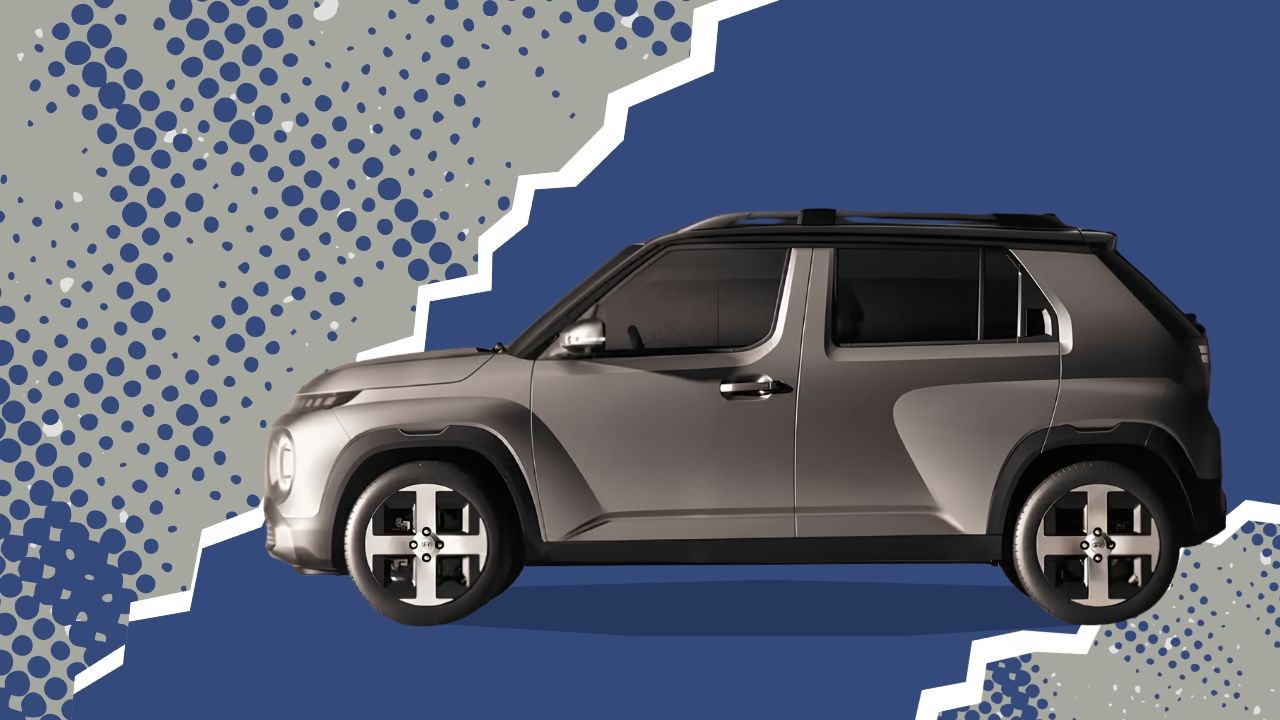
The EV segment is filled with outstanding performances from the Tata Punch EV, Mahindra XUV 3XO EV and Kia Syros EV. Hyundai India has confirmed a new compact electric SUV to join them with a brand-new design. Codenamed HE1i, the upcoming electric SUV is now likely to be called the Hyundai Ioniq P following company’s recent trademark filing in India.

Over the past couple of years, the electric segment has taken over showroom space which is hard to ignore. But premium electric crossovers are hard to get for most buyers, who want an affordable and reliable compact electric SUV from a brand they already trust.

The SUV will be made for India, measure under four metres, and feature India-specific design changes. The Ioniq P name has recently appeared in Hyundai’s trademark filing under Class 12, which covers automobiles and related components. However, the company has not officially confirmed the production name yet.

The launch timing is still unconfirmed, but expect to arrive in FY2026-27. Get more details from the new Hyundai’s compact electric SUV.

HE1i Expected Features & Specs: Battery, Range and Charging

For most Indians buying a car is an emotion and a vehicle for family road trips, the daily battle armor against chaotic office traffic, and a proud parking spot accomplishment. 

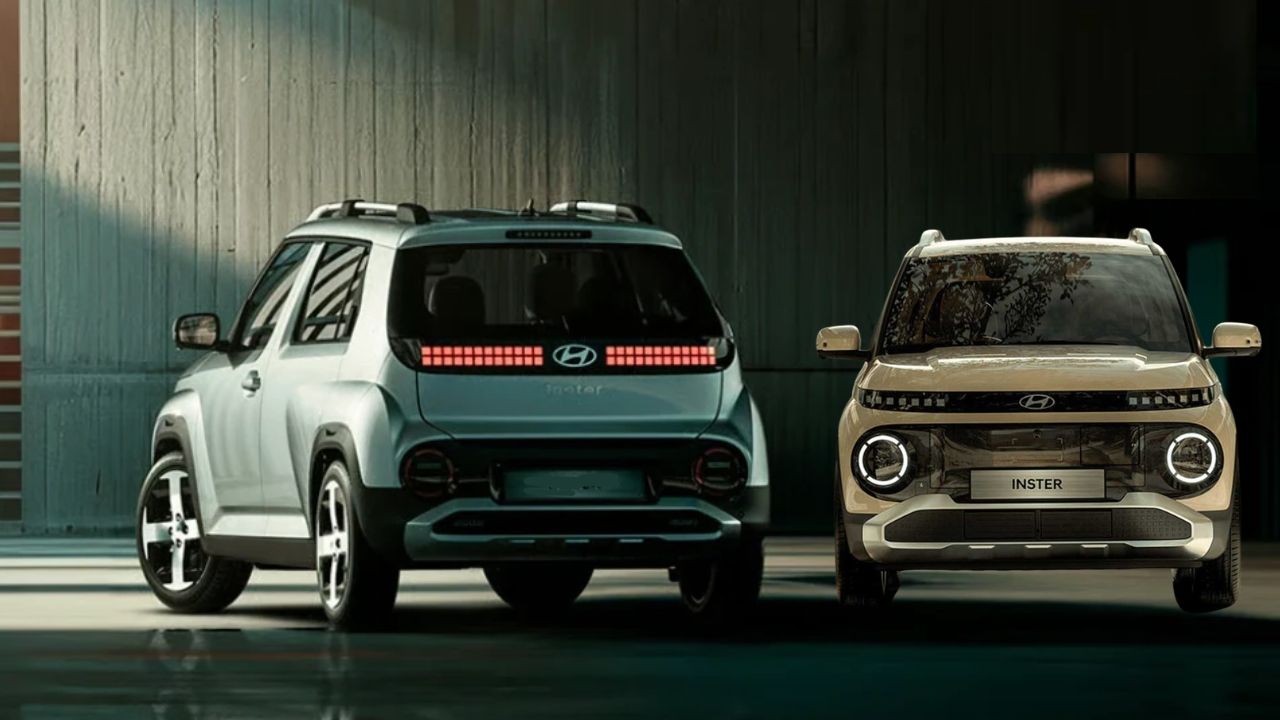
The Hyundai Ioniq P is expected to arrive in Standard Range and Long Range variants, giving buyers different battery options depending on their driving requirements. The electric SUV is expected to use the E-GMP (K) platform, which also underpins the Hyundai Inster sold in international markets.

While the exact battery capacities and driving range for the India-spec model remain unconfirmed, reports suggest that Hyundai is considering two battery configurations. The overseas Inster offers 42 kWh and 49 kWh battery options, while the recently introduced Kia Syros EV also provides a reference for the possible battery setup.

Hyundai is expected to use imported battery cells for the initial production batches following delays in its domestic battery cell programme with Exide Industries. Local battery cell sourcing is planned for a later stage.

HE1i Expected Features & Specs

Hyundai has confirmed that the upcoming electric SUV will get Level 2 ADAS and a next-generation infotainment system. These features could make the Ioniq P a strong option in the affordable electric SUV segment. The cabin is also expected to feature a large touchscreen infotainment system and digital instrumentation, although the complete equipment list is yet to be revealed.

The Hyundai Ioniq P is being developed as a standalone electric SUV rather than an electric version of an existing petrol-powered model. It will use the E-GMP (K) architecture and feature India-specific styling and engineering.

The design is specifically prepared for Indian style and roads. Expect an upright stance, high ground clearance, skid plates, and robust body cladding designed to handle monsoon potholes and unexpected speed breakers.

Taking cues from Hyundai’s global EV lineup, expect futuristic pixelated LED DRLs and bold light bars that give it an unmistakable street presence. It will offer more legroom and elbow room and connectivity support with intuitive Android Automotive-based software. So expect a comfort and smoother driving experience.

 Tesla Flying Car Mechanics Make The Flight Possible

Price Expectations For the Compact Electric SUV

Estimates cluster around Rs 10 lakh at the entry end. Expects Rs 10-16 lakh ex-showroom for Hyundai’s compact electric SUV. That spread is wide enough to put the top trim near Nexon EV territory, so the real question is how Hyundai prices the 49 kWh-class variant, not the base car.

Hyundai Ionic P vs Tata Punch EV vs Nexon EV

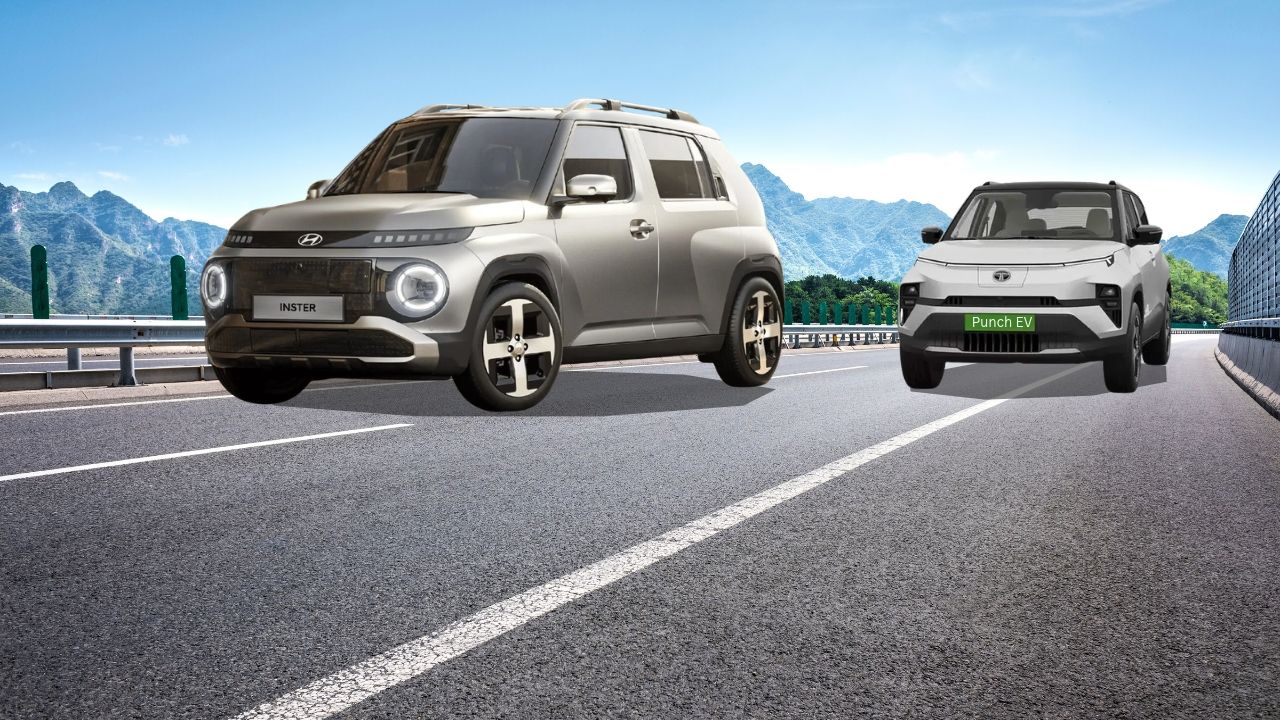
Until now, manufacturers like Tata and Mahindra have dominated the affordable and mid-tier electric SUV market. Hyundai is now preparing to enter this segment with the Ioniq P, an India-focused compact electric SUV designed for everyday use and urban commuting.

Hyundai Ionic P(expected) Tata Punch EV Tata Nexon EV
Price (ex-showroom) Rs 10-16 lakh (estimate) Rs 9.69–12.59 lakh Rs 12.49–17.49 lakh
Battery 42 / 45 kWh 30 / 40 kWh 30 / 45 kWh
Claimed range 400 km  468 km ARAI (40 kWh) 489 km MIDC (45 kWh)

The Punch EV is one of the key models the Ioniq P will have to compete with. Tata quotes a claimed range of up to 468 km for the 40 kWh version, while its estimated real-world range is around 335–355 km. Tata also offers a battery-as-a-service (BaaS) option, with prices starting at Rs 6.49 lakh plus a battery rental of Rs 2.6 per km. This gives buyers a lower upfront purchase option and could make pricing a major challenge for Hyundai.

HE1i vs Tata Punch EV

For context, the car above it in Hyundai’s range launched at Rs 17.99 lakh ex-showroom as the Creta Electric, so the HE1i has room to sit well below it.

  Hyundai Bayon Bookings Open at ₹11,000 With a 1.5L Petrol Engine

Conclusion

There’s no confirmed price yet, but Hyundai’s upcoming Ioniq P could become an interesting option in the affordable electric SUV segment. With its India-specific development, two expected battery options, Level 2 ADAS and next-generation infotainment system, it has the potential to compete strongly against established rivals.

Bipin Sharma

Bipin Sharma is a seasoned automotive content writer with over 10 years of hands-on experience in the world of cars. From the latest car news and reviews to in-depth maintenance tips and expert buying guides, Bipin covers everything that drives the automotive world. Writing about cars isn’t just his profession — it’s his passion. His deep industry knowledge and love for automobiles fuel every blog he creates, helping readers make informed decisions and stay updated on the fast-evolving auto landscape.

Leave a Reply

Your email address will not be published. Required fields are marked *

0

Punch vs Exter: Best Budget Micro-SUV for First-Time Car Buyers

Punch vs Exter

Buying your first car is a little like selecting a long-term roommate. You want it to be reliable and comfortable to live with every day, and cheap enough that the payments don’t make you sweat. That’s precisely why the Tata Punch vs Hyundai Exter comparison has turned out to be a big talking point. For a lot of first-time buyers, this micro-SUV war can confuse them enough to make them go weak in the knees. 

In the 2026 Indian market, two names have turned out to be the de-facto choices for every first-time buyer — Tata Punch & Hyundai Exter. Both the new models are “Micro-SUVs,” which means you get a commanding high-seating position and the “big car” feel without the hassle of parking a tank in a small city space.

But which one should you actually buy? Let’s take a look at the Punch vs Exter comparison to see which one suits you better. 

The First Impression: Design and Presence

For a lot of first-time buyers, the word “SUV” is minimalistic enough.

At first look the Punch 2026 facelift appears robust and sturdy, with the presence and stance of a compact SUV that can take on anything. Its good ground clearance of 193 mm is one of the best in the segment and helps a lot on Indian roads. If your route to work has potholes, patches of rough pavement, or water-filled streets in the monsoon, the Punch is a vehicle that looks like it can take those pummellings and keep going without a second thought.

Hyundai Exter: The Exter taps into a “funky-urban” theme. It’s a little more boxy and “tall-boy” in shape. The H-formed LED lights spark conversation, and it looks like a high-tech gadget on wheels. Though it isn’t as “rugged” looking as the Punch, it does have a polished look that would feel right at home in the parking lot of a corporate headquarters. 

Performance: City Zipping vs. Highway Cruising

Since this is maybe your first car ever, you probably want an easy, no-stress driving experience, particularly when you’re inching along in city traffic.

The Smooth Operator – Hyundai Exter:

The Exter buit on a comfort and refinement that was given by a 1.2-litre 4-cylinder engine. You can sneak in and out from anywhere without making a huge noise when your car goes on. This poise makes for a lot more relaxing, especially in stop-and-go city traffic and what seems like an endless daily grind. And light steering and a quiet cabin also make new drivers feel comfortable behind the wheel. 

City Zipping vs. Highway Cruising

Highway Titan Power Punch

The Power Punch (Tata): The Punch also packs in a 1.2L engine, but it is a 3-cylinder unit, which can seem a bit “vocal” when compared to the Hyundai. But for 2026 Tata has launched a Turbo-Petrol variant for all those who want this car to have a little more “oomph.” For weekend jaunts up the mountains or long hauls on the highway, the Punch’s beefier steering and solid platform seem more grounded and “unstoppable” at speed. 

The “Tech” Factor: What’s Inside?

This is where the fight gets fierce. Features have always been Hyundai’s forte, but Tata has got there fast. 

Feature Tata Punch (Facelift) Hyundai Exter
Infotainment 10.25-inch (Huge & Crisp) 8-inch (User-friendly)
Connectivity Wireless Android Auto/Apple CarPlay Mostly Wired (needs adapter)
Sunroof Yes (Voice Assisted) Yes (Voice Assisted)
Cameras 360-degree camera Rear Camera only
Special Bits Ventilated Seats, Air Purifier Dashcam with Dual Camera

The Punch’s 360-degree camera is a huge boon for a first-time driver. It’s like parking in a video game and not a nerve-racking task. Flip side, the Exter’s factory-fitted dashcam is a great safety feature to record your drives. 

Safety: The Peace of Mind

Tata is inextricable from safety.

Tata Punch – It boasts of 5-star safety rating (Bharat NCAP). The doors close with a satisfying “thud” that makes you feel secure. If safety is the number 1 priority in your life because you have to haul around family, then the Punch is the undisputed reigning heavyweight champion of that category.

Safety The Peace of Mind

Hyundai Exter: Six Airbags are now standard on all variants and that is great. While it’s not yet crash-tested officially, it does bring electronic safety aids such as Stability Control (ESC), and Hill Start Assist so you don’t lose grip on slopes. 

Mileage and Price Matters the Most

As a budget SUV, running cost matters.

  • Fuel efficiency: The Exter manages to fetch a little bit more mileage in the city drive, that too on the CNG variants, which happen to be one of the most polished variants in India.
  • Pricing: Both the cars are priced from around ₹6 lakh (ex-showroom) to ₹10.5 lakh for the top-end variants.

Pro Tip: The Punch CNG is now offered with “Twin Cylinder” technology, which means you get the economy of CNG without the space of your boot for luggage. It’s a game-changer for small families.” 

Which one should you buy?

If you are torn between Tata Punch and Hyundai Exter, have a look at the following points:

Choose the Tata Punch for safety especially in this segment If you want to prioritize safety. You Should Get It Also If You Drive On Rough Roads Or If You Bump Up High Often. For those who love to go spirited driving on the highway, the Turbo engine would be great in this case. 

Punch vs Exter buy

Hyundai Exter giving you quiet engine to drive smoothly on city roads. Its high-end interior quality aside, a better fit and finish also enhances its appeal. The jolt-free, dependable AMT ensures smooth driving and with a wide service network of Hyundai, ownership will be taken care of without any hassles. 

Read More :-  Jeff Bezos’ Insane Car Collection: From Humble Hyundais to Hypercar Royalty

Conclusion

Tata Punch, Hyundai Exter both are great options for a first-time vehicle buyer in the budget micro-SUV segment.

Tata Punch is the safer choice, is more robustly built and can handle rough roads better. If you want a more refined engine, better city ride quality and more refined cabins, Hyundai Exter is the way to go. 

In short, Punch is ideal for durability and safety, while Exter is great for city-friendly comfort and features. 

0

Range Rover Reaches New Heights with the Astronaut Edition

Range Rover Reaches

The Range Rover Astronaut Edition is the ultimate statement of exclusivity in the luxury SUV, reserved for an elite cadre of individuals who have secured their places among the stars. This extraordinary machine marries earthbound comfort with space-age technology in the most unique vehicular experience for Virgin Galactic’s Future Astronauts to date! 

The Ultimate Exclusive Access

The Range Rover Astronaut Edition is defined not only by its incredible design but also by its breathtaking exclusivity. This one-of-a-kind ride is available only to those who are signed up to be Virgin Galactic Future Astronauts, none of whom have been on an actual spacecraft yet. With some 600-700 people having already laid down $250,000 for a 90-minute ride with Virgin Galactic, this effectively sets the production limit at 700 units for the whole world. 

The exclusivity is part of the continuing partnership between Land Rover and Virgin Galactic that launched in 2014. It’s more than lip service, however, as Land Rover vehicles are used at Virgin Galactic’s facilities to tow space vehicles, transport equipment, and even clear runways prior to launch. 

Design That Defies Gravity

Range Rover Design That Defies Gravity

Image credit: RangeRover

Exterior Excellence

The Astronaut Edition features a stunning Zero Gravity Blue paint finish, which was specially developed for this watch and is inspired by the depth and brilliance of the night sky. This special hue really embodies the spirit of space travel, and immediately creates a visual link with the cosmos. 

There is unique Astronaut Edition badging on the tailgate and on the side profile finishers. In what’s perhaps the most extraordinary detail, the vehicle comes with custom puddle lamps that shine the silhouette of Virgin Galactic’s SpaceShipTwo on the ground, serving as a breathtaking visual reminder of the owner’s trip into space. 

Interior Innovation

The Astronaut Edition cabin is a rocket-themed retreat, inside and out, with insane details. The centerpiece are two amazing discs that sit within the cup holders, each made from the actual front landing skid of the Virgin Spaceship Unity.

The most amazing part about these discs is how they evolve: after the owners finish their Virgin Galactic space flight, these original pieces are replaced with material from the wooden skid that the actual spacecraft they flew on rests on, complete with personalized inscriptions outlining their “life-changing experience”. 

Inside there is a unique DNA of Flight graphic on the carbon fibre centre console lid and the leather rear armrest illustrating the development of manned flight from Icarus’ mythical wings to the Wright Brothers’ aeroplane and the Apollo Lunar Module. The machined aluminum door handles are etched with Virgin Galactic s Future Astronaut community constellation pattern, a graphic which also adorns the front headrests and the glove box. 

Performance That Soars

Range Rover Performance That Soars

Image credit: RangeRover

The Range Rover Astronaut Edition has two powerplant choices to suit different tastes:

P400e Plug-in Hybrid: It has a 2.0-litre turbocharged petrol engine along with electric power, with a combined power output ranging from 398-404 horsepower. This green option gives a fully electric range of 42 kilometers and CO2 emissions of only 72g/km.​

P525 Supercharged V8: Experience thrill ride akin to space travel with a potent 5.0 litre supercharged petrol V8 producing 518-525 horsepower. 

Each engine is available with an advanced all-wheel-drive system and Land Rover’s acclaimed Terrain Response system, which makes sure the vehicle is at home on solid ground or on its way to the next generation of space explorers. 

Read More:- Hyundai Tucson & Hyundai i20: Premium Cars Built for Modern India

Pricing and Availability

While Land Rover has yet to release exact pricing for the Astronaut Edition, sources tell us the vehicle is based on the Range Rover Autobiography platform which has a starting price of around £103,130 in the UK. On the Indian side, the standard Range Rover models are priced between ₹2.31 crore – ₹4.25 crore, meaning that the Astronaut Edition would be at a premium over these figures. 

Range Rover Pricing and Availability

Image credit: RangeRover

As the Future Astronauts have already poured in $250,000 to book their space flight tickets, the extra cost for this exclusive Range Rover will be small change for this elite group. The limited edition run of 700 units worldwide will ensure that this will be one of the most elusive and collectible Range Rover editions of all time. 

Beyond Transportation: A Statement of Achievement

The Range Rover Astronaut Edition breaks the mold of traditional automotive design to stand for human achievement in the exploration of space and beyond. It is where British luxury design met the pioneering nature of commercial space travel.Every design element tells a tale of humanity’s desire to reach beyond the confines of Earth’s atmosphere. 

Range Rover Beyond Transportation

Image credit: RangeRover

For its exclusive owners, this car is both a daily reminder of their journey to the cosmos and a keepsake of their place in the history of space exploration.

The Future of Luxury Mobility

The Astronaut Edition showcases how high-end car makers are developing to offer experiences that go well beyond the usual forms of transport. Land Rover has teamed up with Virgin Galactic to offer more than a vehicle: a lifestyle experience that connects terrestrial luxury with the wonders of space exploration. 

Conclusion 

The Range Rover Astronaut Edition is a celebration of human aspiration, bringing together the best aspects of British luxury with the endless potential of space travel.For the lucky 600-700 who will get to experience the car and the cosmic journey, it is a dream come true. The worldwide collaboration also has an educational spin — it aims to inspire young people around the world to go become engineers, scientists and technologists. The collaboration speaks to a vision of the luxury house participating in humanity’s grandest adventures while remaining dedicated to extraordinary craftsmanship and innovation. 

0

Hyundai Alcazar 2025: Latest Price, Specifications, Features, Mileage and Engine Details

Hyundai Alcazar 2025

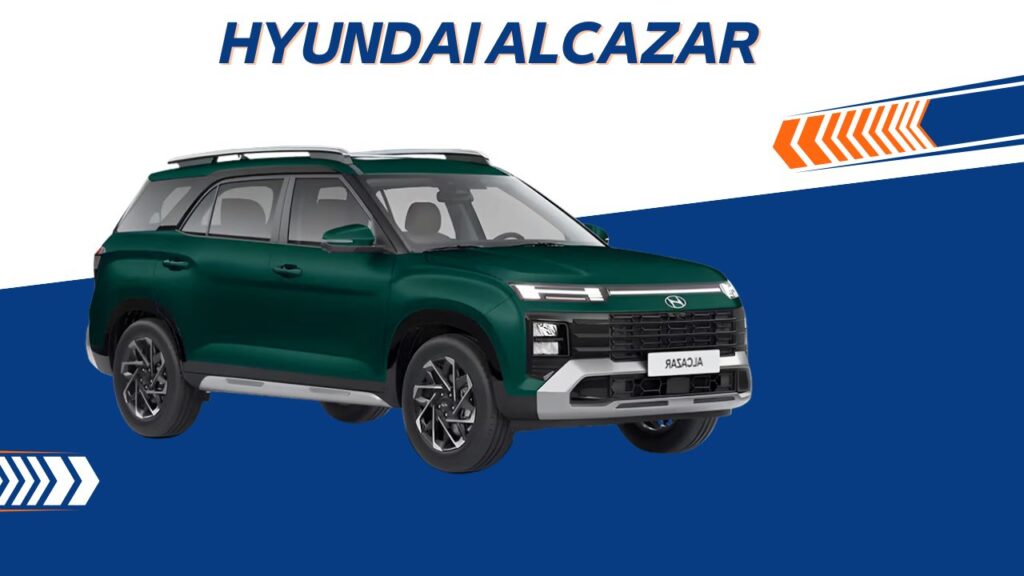
Purchasing a family SUV in India usually requires you to balance space, features, mileage, and budget — all at the same time. Most offerings promise one thing, but ask buyers to compromise on another. The Hyundai Alcazar 2025 is a good-balanced offering catering to the folk who are not ready to pay premium SUV prices but need the comfort and practicality of a three-row SUV. 

Now with revised pricing, a range of fuel-efficient petrol engine options, modern technology and best-in-class safety features, the Alcazar tries to strike that sweet spot between cost-effective and premium. So, without further show, this is a complete review on what 2025 Hyundai Alcazar has in store for you as a midsize SUV option.  

Price Range For Hyundai Alcazar

The Alcazar is surprisingly well within reach, beginning at a pocket-friendly ₹14.47 lakh (ex-showroom) for the base Executive variant with a petrol engine and 6-speed manual transmission. 

The pricing is symmetrically designed for all variants with an upper-limit of ₹21.10 lakh for the diesel automatic high-spec Signature 6 seater variant. Hyundai has also announced price cut of up to ₹75,000 in line with new GST 2.0 rates from September 2025, which would make this SUV even more appealing to prospective buyers. 

Engine Options

The 2025 Alcazar offers a real choice between two very different powertrains, each with its own personality. The 1.5 litre turbo charged petrol engine is a fast moving engine which produces 160 PS at 5500 rpm and a good 253 Nm Torque over 1500-3500 rpm. It’s polished, reactive and works wonderfully with a 6-speed manual or a sophisticated 7-speed dual-clutch automatic gearbox. If refinement and city-friendly everyday drivability are what you’re looking for, this is the engine to get.​

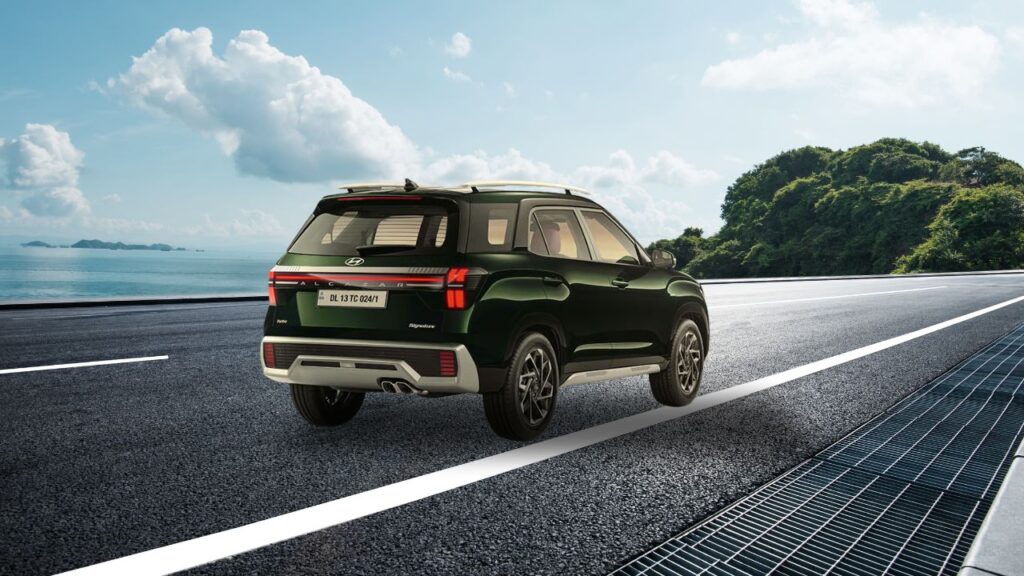
Hyundai Alcazar 2025

On the other hand, the 1.5-litre diesel engine is more practical, offering 114 PS at 4,000 rpm along with 250 Nm of torque in the 1,500-2,750 rpm rev band. Though not as powerful, diesel has that signature low-end torque that many Indian buyers love for highway cruising and towing. You are offered either a 6-speed manual or a 6-speed torque converter automatic transmission here. 

Real-World Mileage

This is the right place where the alcazar truly shines for tightfisted families. The diesel manual version offers a superlative 20.4 kmpl making it one of the best options for long highway drives. Even the diesel auto is well under way with a decent 18.1 kmpl. 

Diesel Manual 20.4 kmpl Long highway drives & maximum fuel savings
Diesel Automatic 18.1 kmpl Comfortable cruising with good efficiency
Petrol Manual 17.5 kmpl Balanced performance and daily usability
Petrol Automatic 18.0 kmpl Smooth driving with refined performance

The petrol variants are slightly less thirsty and return 17.5 kmpl with the manual and 18.0 kmpl with the automatic, but if you consider the performance and refinement they offer, these figures are still miles ahead of almost anything else in the segment.  

Features That Feel Premium

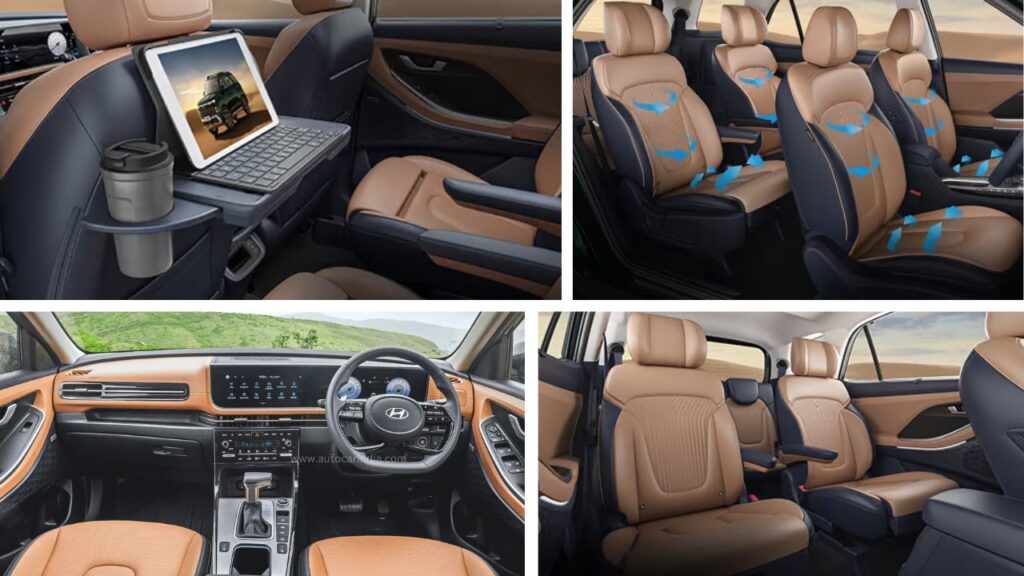
Step inside the cabin and you’ll soon realize that Hyundai hasn’t cheaped out on the creature comforts. The 10.25-inch infotainment system dominates the dashboard, now with wireless Android Auto and Apple CarPlay support through a new wired-to-wireless adapter. The all-digital 10.25-inch driver’s instrumentation cluster also gives that premium digital cockpit feel you would expect from a car that costs a lot more.​

Hyundai Alcazar Features That Feel Premium

In terms of comfort, the Alcazar indulges its passengers with dual-zone automatic climate control, ventilated seats for front and second row (in higher variants), an 8-speaker Bose audio system, and a voice-enabled panoramic sunroof. The second-row wireless charger and power-adjustable seats speak to Hyundai’s consideration of families taking long trips. 

Read More:-  Jay Leno’s Car Collection: A Passion That Goes Beyond the Garage

Safety and Advanced Technology

For modern buyers, the clear highlight of the car is its Level 2 ADAS (Advanced Driver Assistance System) package. It has adaptive cruise control which keeps a safe distance on the highway, lane-keeping assist that helps you from unintended lane drift, forward collision warning with brake assistance, plus blind-spot monitoring and rear cross-traffic alert to give you more confidence on the road and in parking lots.  

If you’re worried about highway safety and minimizing driver strain on long hauls, these features make the price premium over cheaper models worth it.​​

Outside of ADAS, there are six airbags for all variants with the option of two more in the top trim, hill-start assist, ESP, a 360-degree camera system and rain-sensing wipers. It’s an active-safety package that seems authentic, rather than thrown in just to meet a checklist. 

Dimensions and Practicality

Length  4,560 mm
Width 1,800 mm
Height  1,710 mm
Wheelbase  2,760 mm

These measurements equal to real comfort on all the three rows, making it sit six or seven occupants, with the option of captain seats in the middle row for more comfort.  

Hyundai Alcazar 2025

The 200-mm ground clearance takes care of all Indian road conditions quite well and a 50-litre fuel tank allows you to ride a long way between fuel stops. The 180-litre boot capacity is adequate for luggage for weekend trips, although you’ll need to fold seats for larger loads. 

Conclusion

The 2025 Hyundai Alcazar looks to be a compelling offer for Indian families seeking value for money with minimal compromises. Whether you want to opt for fuel efficiency with the diesel or refinement with the petrol, choose the convenience of the automatic or the involvement of the manual transmission, an Alcazar variant for your lifestyle and budget awaits you. 

With segment-leading safety technology and plush creature comforts usually found in premium vehicles, the Alcazar delivers more than expected making it truly worth your consideration. 

0

Ralph Lauren Car Collection: Iconic Classics, Ferraris & Hypercars

Published Mar 26, 2026, 11:35 AM
Last Updated Apr 1, 2026, 9:58 AM

Ralph Lauren Car Collection

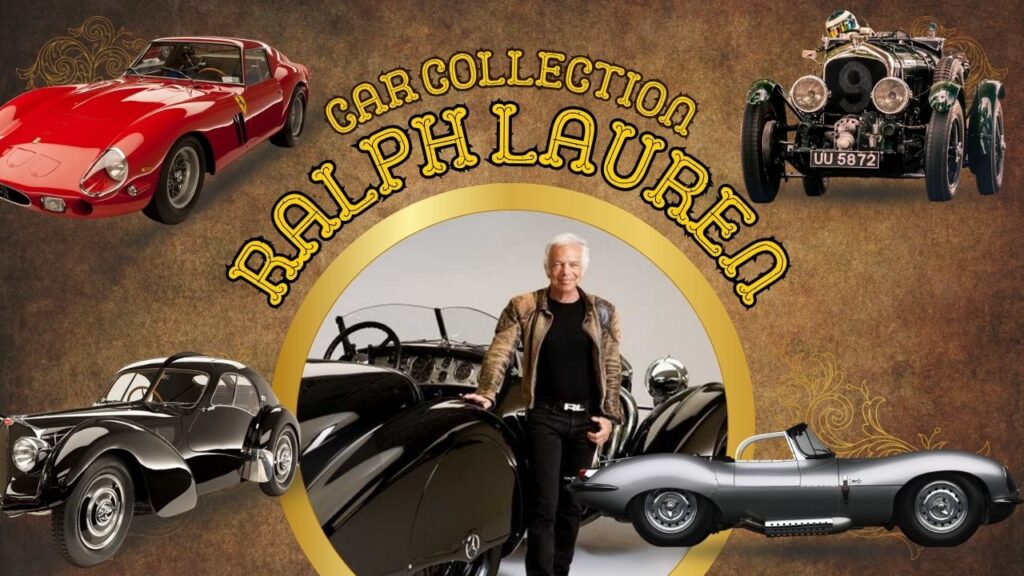
Ralph Lauren Car Collection is the most desirable collection in the world and even It is admired by experts such as historians and designers for its exceptional and iconic cars. The collection is valued at some $600–700 million, and this is more than a luxury hobby. It’s like a “traveling museum,” displaying the history of 20th-century auto design.

For Ralph Lauren, these are not cars to be shown or driven. He regards them as “moving art” – elegant machines that embody art, skill and ingenuity at the highest level. 

Ralph Lauren Car Collection History

Ralph Lauren had his start in car collecting with a used 1961 Morgan, which he found an appealing powerful classic look. But his collection really starts on 1971, when he purchases his first new car – a Mercedes-Benz 280SE 3.5 Cabriolet. 

He knew exactly what he wanted and he went with a tan roof and tan leather seats, despite the dealer’s recommendation to the contrary. He went for a classic, old fashioned look and wanted to draw his inspiration from the 20’s and 30’s. This early on showed that he used his enthusiasm for design and details. 

And as Lauren grew in the fashion industry, so did his car collection. He started thinking of cars not just as vehicles, but as works of art he didn’t want to sell. Eventually, he also became a preserver of the past, amassing historic cars that are as rare as they are valuable. He opened up around the 1980s with legendary cars as the 1938 Bugatti Type 57SC Atlantic and the 1962 Ferrari 250 GTO.  

Ralph Lauren Iconic Collections 

1938 Bugatti 

1938 Bugatti Type 57SC Atlantic Coupe is a very expensive and luxurious car model that is made only based on a concept car by Jean Bugatti. It has a beautiful design on both exterior and interior body that attracts everyone. 

Among its most interesting aspects is the heightened “spine” running from the nose to the tail of the car. This design was based on an earlier model with a material that was cut and then riveted instead of welded. Though later models went to aluminum, the rivets remain as a decorative element.

Ralph Lauren is the owner of one of these rare cars, referred to as the “Pope Atlantic.” In 1990 he restored it and he went with a shiny black color with black leather inside instead of the original light shade of blue. He felt black added elegance and strength to a car’s form.

123 mph speed is considered to be the highest in 1930s, so it is called as one of the first supercars ever. 

1930 Mercedes-Benz SSK 

1930 Mercedes-Benz SSK “Count Trossi” Roadster The car that was at the top of the range at the beginning of the thirties and everyone desired was in many ways for both luxury and velocity. The vehicle was made specifically for the Italian aristocrat and racer Count Carlo Felice Trossi, in an effort by automotive designer Willi White.

While glancing at the photos you can see the car has a very unusual shape, the hood is quite long and spans more than half the length of the car body. It also prominently features exhaust pipes that are outside of the bodywork, it has a very bold and aggressive shape, almost like a shark.

1930 Mercedes-Benz SSK 

Its huge 7.1 liter engine was supercharged, making it one of the most powerful engines of its time and quite popular in racing, early on. Ralph Lauren’s is unique and has taken the top prize at Pebble Beach.

That vehicle, with its practical beauty, allows the design of the 1930s to shine - speed shapes and streamlining, all wrapped up in decorative, elegant Art Deco that, even at rest, looked like it was going fast. 

1929 Bentley Blower

The 1929 Bentley 4½ Litre “Blower” is an iconic car mired in a rich motorsport heritage with the “Bentley Boys.” It was made for endurance races and was meant to be robust and dependable.

The most immediately noticeable design aspect is the large supercharger sitting at the front, giving it a raw, industrial appearance, unlike the more streamlined vehicles like Bugatti.

The car is also special in pop culture as the author Ian Fleming made it James Bond’s car in the original 007 novels. This tie to classic British design makes it even more iconic, and it fits right in with Ralph Lauren’s sensibility. 

Vehicle Engine Horsepower Key Historical Fact
Bugatti 57SC Atlantic 3.3L Inline-8 200 hp Only 2 authenticated survivors.
Mercedes-Benz SSK 7.1L Inline-6 250 hp (Supercharged) One-off design by Count Trossi.
Bentley Blower 4.4L Inline-4 175-240 hp Iconic Le Mans racer; Bond connection.

Ralph Lauren Ferrari Collection

The 1962 Ferrari 

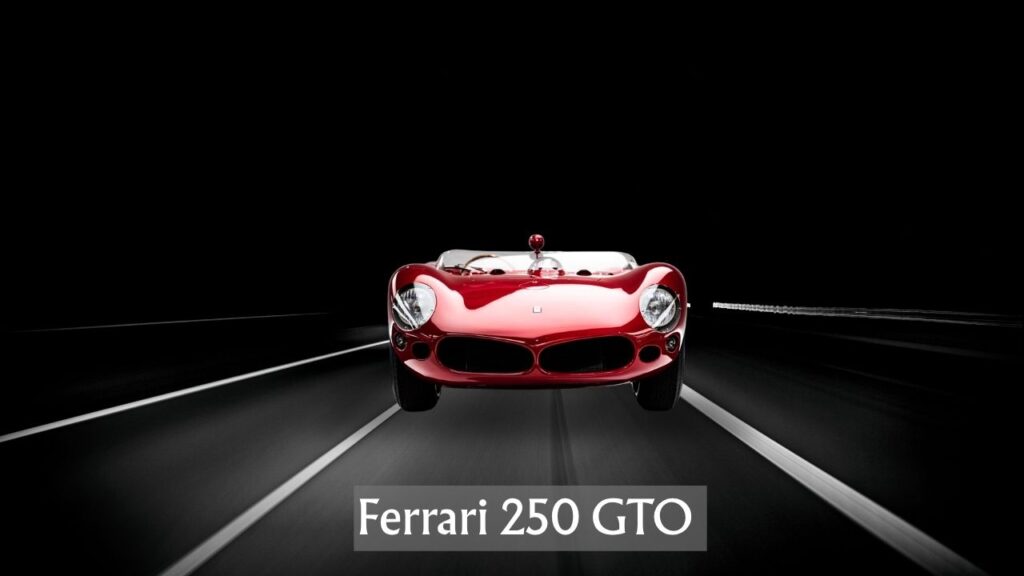
Most goated car of the century, Ferrari 250 GTO were produced just 36 from 1962 to 1964. Ferrari made a name for itself with its unique production that went approved in the FIA’s Group 3 Grand Touring class. Gran Turismo Omologato is GTO for short. #3987GT, delivered in October 1962 with its four first place finishes and a notable racing career This was Lauren’s chassis 3987GT, released in October 1962. 
The 1962 Ferrari 

The GTO offers a 3.0L V12 that takes you on a high speed ride because it produces 300 horsepower. This is the ultimate front engine racing car, with development, engineering and testing all done in a wind tunnel. With GTOs now fetching in excess of $70 million, Lauren’s purchase of the vehicle for $650,000 in 1985 is considered one of the wisest buys ever in the history of car collecting. 

The 1958 Ferrari 

The 1958 Ferrari 250 Testa Rossa separate fenders and a gap between them and the engine bay permits air flow to the engine and also helps cool the brakes, a ground breaking aerodynamic notion at the time. The Testa Rossa (Red Head) name comes from the red-painted camshaft covers on their V12 engine. Lauren’s TR is the 14th of 34 made and the absolute pinnacle when it comes to 50’s sports car racing looks, and performance. 

The 1954 Ferrari 

1954 Ferrari 375 Plus offers 4.9-liter V12 powerful engine to roar like a lion when it’s on the racing track that provides uninterrupted 325 horsepower. As it proved in the Le Mans race in 1954 that took Ferrari to victory in only 24 Hours.

This aluminum based hand-crafted vehicle made five of these cars. Instead of detailed blueprints, the form was designed from the dictates of the Pinin Farina artisans.

For its rarity and past, one of these cars went for $18.3 million in 2014, proving just how valuable and special it is. 

British and German Engineering 

The Jaguar D-Type and XKSS

Jaguar D-Type is a perfect model that is influenced by aircraft to make it run like hell. It had a monocoque chassis (it’s like a very strong shell that supports the whole car) and a tall tailfin to improve stability at high speed (especially on long circuits like Le Mans). Ralph Lauren has one from that, Jaguar’s great race in 57, where they truly dominated the event.
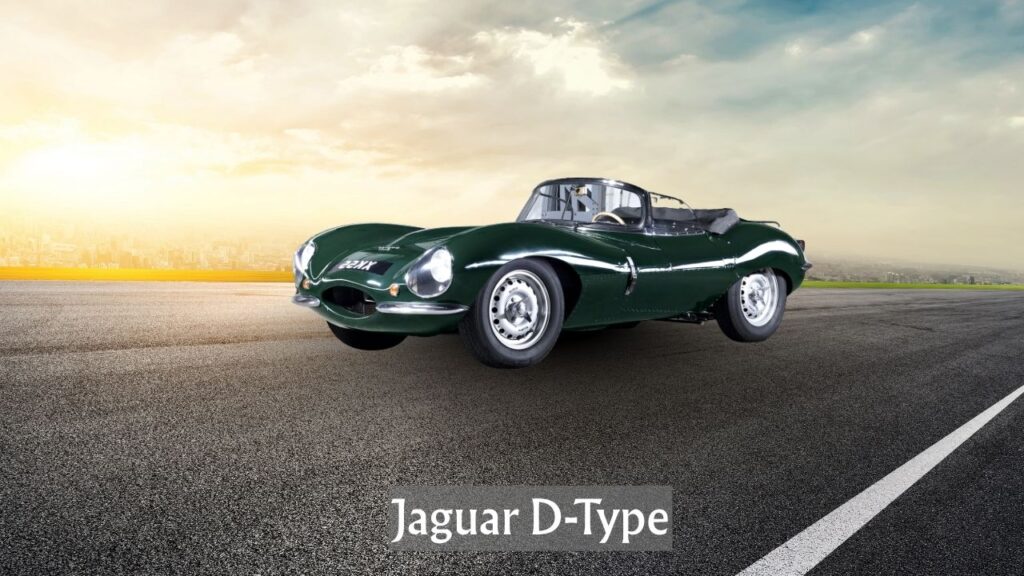
The Jaguar D-Type

The XKSS is special by virtue of its sportiness that brings racing performance within reach of ordinary drivers and its practicality that enables it to be both quick and useful. 

The 1955 Mercedes-Benz 

Mercedes-Benz 300SL Gullwing is designed particularly for sporting and its body is unique as the sides of the car’s contours were tall and because of this, Gullwing has doors that open up, rather than out. 

It was also very sophisticated for its era, being the first production car with direct fuel injection. This made it the fastest car of its time.

1955 Porsche 

Ralph Lauren’s 1955 Porsche 550 Spyder is a highlight of his globally-recognized collection of automobiles and is the subject of its own “cerebral” minimalist design.
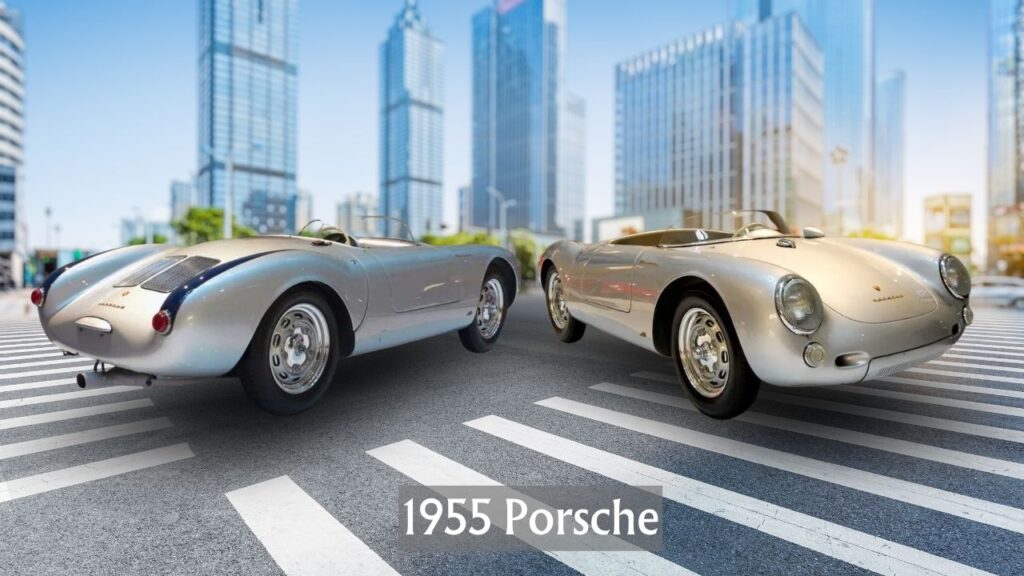
1955 Porsche

Amid a collection of about 110 high-horsepower Ferraris and Bugattis powered by Type 547 “Fuhrmann,” a complicated 1.5L flat-four with four overhead camshafts or similar units, the 550 Spyder stands out because of its extreme lightness and “giant-killer” reputation—a car specifically engineered to out-handle and out-run much larger rivals. 

It was small but was renowned for lapping larger, more powerful cars even in races. It’s simple and sleek design reflects the clean, understated German engineering that Ralph Lauren adores. 

Ralph Lauren Modern Hypercars

Ralph Lauren’s passion for design extends beyond vintage age. He considers modern hypercars the modern day successors to the coach-built masterpieces of the 1930s, with a similar emphasis on materials innovation and extreme performance. 

Read More:-  Toyota Land Cruiser FJ: India’s Unsung Off-Road Legend

The McLaren F1 and F1 LM

The 90s McLaren f1 is a legendary supercar that was also the first production car to feature a carbon-fiber body. It still holds the title of the fastest naturally aspirated production car ever.

Ralph Lauren has two regular F1′s and a very rare F1 LM. The F1 LM was a limited-edition, with a run of 5 cars to celebrate McLaren’s 1995 Le Mans win. The F1 LM is painted in a vivid “Papaya Orange” and is really a race car for the road, with a ferocious V12 putting out about 680 horsepower. 

The Lamborghini Reventón

F-22 Raptor fighter jet is an inspiration for the manufacturer of this car as it was prepared on a boast speed engine. Lamborghini Reventón is a limited-edition car only few people including Ralph Lauren owns it.
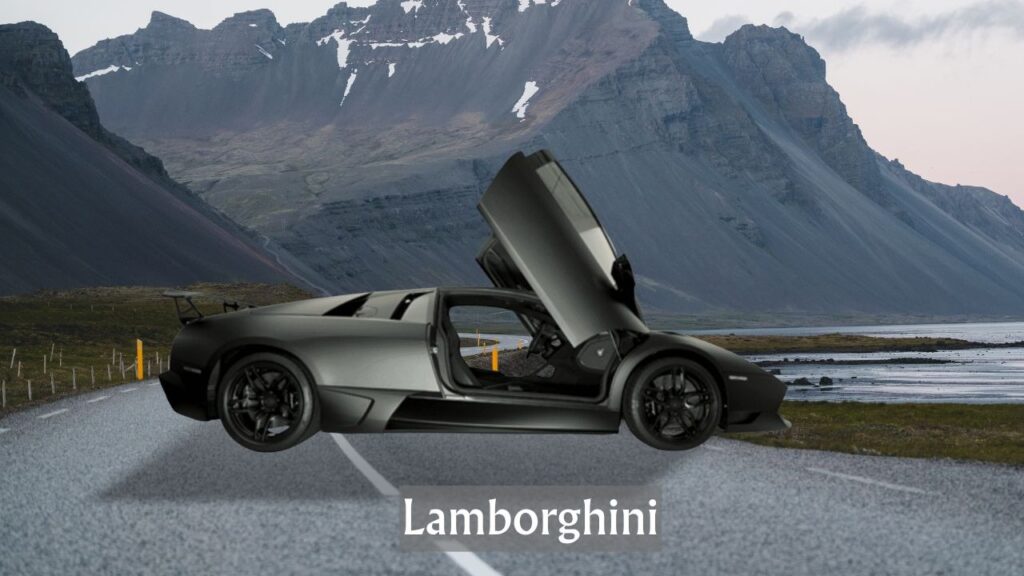
The Lamborghini Reventón

Its body consists of matte gray carbon fiber with sharp folded, creased lines and a “stealth” design. Lauren has dubbed it a “piece of origami” and “Star Wars” in its design language. It sits at the top of his garage and represents the psycho edge of contemporary car design. 

Hybrid Hypercars

Modern Hypercar Year Top Speed Rarity
McLaren F1 LM 1995 240+ mph 1 of 5
Lamborghini Reventón 2010 205 mph 1 of 15 (Roadster)
LaFerrari 2014 217+ mph 1 of 499
Porsche 918 Spyder 2015 211 mph 1 of 918 (Lauren owns 2)

Conclusion

The Ralph Lauren car collection is no mere assembly of rare cars—it is a story of 20th- century design and engineering. For him cars are machines and works of art, and he’s influencing how people think about collecting them.

He enjoys driving his cars and he keeps his cars (old and new) in immaculate working condition so that he can actually drive and enjoy them, and not just park them. That’s why he calls them “moving art.” 

The value of the collection has increased substantially, from about $300 million to more than $600 million, but for Lauren the real value is the inspiration the collection gives him. It shows his passion for perfection where even the sound of an engine can be as beautiful as fashion.

Even as he has aged, people are still curious as to what will happen to the collection, but it is already firmly established as the greatest car collection in the world. 

1

What Salary Is Needed to Buy a Mahindra Scorpio-N?

Mahindra Scorpio-N

The monthly salary needed to buy a Mahindra Scorpio-N could be between ₹1 lakh and ₹2 lakh and the EMI depends on the tenure, interest, and variant you choose to buy. If you earn around ₹70,000 a month, a  new Scorpio-N ₹13.69 lakh ex-showroom would be possible if there’s not other EMI running along.

The new Mahindra Scorpion-N was launched in August at ₹13.69 lakh for base trim and price gets higher across its variants, the highest trim price being ₹25.49 lakh ex-showroom. It offers the same engine as the old model. It comes with new cabin features like screens and panoramic sunroof. 

The variants start from Z2 at ₹13.69 lakh, the Z4 at ₹15.57 lakh, there’s two lakh difference. Z6 is priced around ₹17.17 lakh and few more thousands add to the Z8S variant which price around ₹17.79 lakh. The top two variants of Scorpio are Z8T and Z8L which price around ₹20.38 lakh and ₹25.49 lakh which comes with diesel 4WD automatic. This car is available in petrol, diesel, manual and automatic versions.

These figures are ex-showroom prices and you have to pay more this price tag. The price may differ in different cities because of road tax and insurance and on-road prices run about 12% above ex-showroom. Check the actual price on your Scorpio-N by asking from a dealer individually.

What Salary Is Needed to Buy a Mahindra Scorpio-N on a Loan?

Most salary people buy this size of car on finance. The below numbers table is created on assuming 20% down payment, 5-year loan plan, at 9.5% interest. An EMI no higher than 25% of monthly take-home so you could pay your rent, daily expenses, and fuel.

Variant (starting) Ex-showroom Est. on-road Down payment EMI (5 yrs) Monthly in-hand needed
Z2 ₹13.69 lakh ₹15.3 lakh ₹3.1 lakh ₹25,700 ₹1.03 lakh
Z4 ₹15.57 lakh ₹17.4 lakh ₹3.5 lakh ₹29,300 ₹1.17 lakh
Z8S ₹17.79 lakh ₹19.9 lakh ₹4.0 lakh ₹33,500 ₹1.34 lakh
Z8L 4WD AT (top) ₹25.49 lakh ₹28.5 lakh ₹5.7 lakh ₹48,000 ₹1.92 lakh

If you stretch the loan to seven years

By stretching the year, EMI will be reduced to a lower amount but the total cost of Scorpio will be much higher because of the interest. With seven years tenure, the base Z2 EMI drops to around ₹20,000 per month, which means a monthly take-home approximately ₹80,000 could make you eligible for this purchase.

The Z4 comes to about ₹22,800, which needs around ₹91,000. You pay more interest overall, so treat the long tenure as a way to stay comfortable rather than a way to afford a bigger car.

Running Costs That Decide Whether the EMI Feels Light

The EMI is just a fraction of what would be the cost of owning a Scorpio-N. The SUV is equipped with a 2 L petrol and a 2.2 L diesel twin. The lower diesel states of tune, make 132 hp and 300 Nm, and the 4WD is a drop in option in the diesel variants made by the fire. 

Petrol economy is the sore spot. One comparison lists the Scorpio-N’s ARAI figure at 12.17 kmpl (manual) and 12.12 kmpl (auto). That is a claimed number, and a heavy body-on-frame SUV in city traffic will return less. I’ve seen no ARAI figures for the updated diesel that I can confirm, so check Mahindra’s brochure before you plan around diesel economy.

With 10 kmpl real-world, ₹95 a litre and 1,000 km a month. Consider ₹9,500 in fuel alone, before insurance renewals and servicing. Plan to spend about ₹12,000 to ₹15,000 extra a month, aside from the EMI on a petrol Scorpio-N. It pays back its difference in favour of diesel if you cover 40 km or more a day. 

Scorpio-N vs XUV 7XO and Tata Safari

The Scorpio-N is the only body-on-frame, three-row SUV in this price bracket, and it overlaps with monocoque rivals like the Tata Safari, Mahindra XUV7XO, MG Hector and Hyundai Alcazar.

The XUV 7XO costs almost the same. At the base level, one estimate puts the price of the Scorpio-N above ₹30,000, and the price difference in the top variant is nearly ₹40,000. The 7XO has bigger wheels, a larger driver display and an extra (seven instead of six) airbag. Its monocoque build contributes to a smoother ride. For a daily city commute, the 7XO is the better fit.

The Tata Safari’s starting price is ₹13.29 lakh but confirm the current figure with a dealer. Its claimed mileage of 14.1 to 16.3 kmpl beats the Scorpio-N on paper. The Safari made its position higher with its polish and family comfort. The Scorpio-N counts on ladder-frame toughness, 4WD availability and a stronger road presence.

Conclusion

Even for the base Z2 on a seven year loan is going to be a stretch if your take-home is below ₹1 lakh a month. A range of ₹1 lakh to ₹1.35 lakh a month will allow you to buy the Z4 and Z6. The Z8S, the one with the sunroof and the new screens, takes roughly ₹1.34 Lakh on a five-year loan. At prices above ₹1.9 lakh you can afford the top diesel 4WD automatic without breaking the bank. 

If you are a mostly city driver that never leaves the tarmac, look into the XUV 7XO, or Safari, before you book. Take the Mahindra Scorpio-N and one of its rivals on the road one after the other, ask for an on road quote written down to your dealer and test it against your actual take home after it hits you in EMI.