0

Affordable CNG Cars Under 20 Lakhs in India

CNG Cars Under 20 Lakhs

Finding the right CNG car that balances your needs can be worth your money. With the plethora of choices available in the Indian car market, the affordable CNG cars under 20 lakhs which offer fuel efficiency and good performance are hard to find. CNG cars offer good value whether you are a family looking for reliable transport or a daily commuter eager to cut fuel costs. All the CNG cars under 20 lakh are included in this article with detailed specs and analysis to help you choose the best. 

Why Choose a CNG Car?

It is important to understand the reasons for the popularity of CNG among automobile buyers in India before we discuss individual models. With an average mileage of 17.44km/kg to 35.6 km/kg (based on the model), CNG vehicles consume less fuel compared to petrol vehicles. Besides, CNG is also cheaper than petrol, which makes it a great option for the family or business owner on a budget. The engines are dual-fuel flexible (CNG and gasoline) which allow you to switch according to your availability and preference. 

Tata Nexon

The car offers 5-star safety rating by both global NCAP and Bharat NCAP ensuring passengers are provided with best possible protection. Its stylish 16-inch dimple Dual-tone alloy wheels along with its sleek LED lights are inspired enough to attract young hearts. With three powered options – a 1.2L turbo-petrol, a 1.2L turbo-petrol CNG, and a 1.5L diesel, and multiple transmission options – manual (5/6-speed), AMT, and a 7-speed DCT for petrol variants, and manual and AMT variants for diesel. 
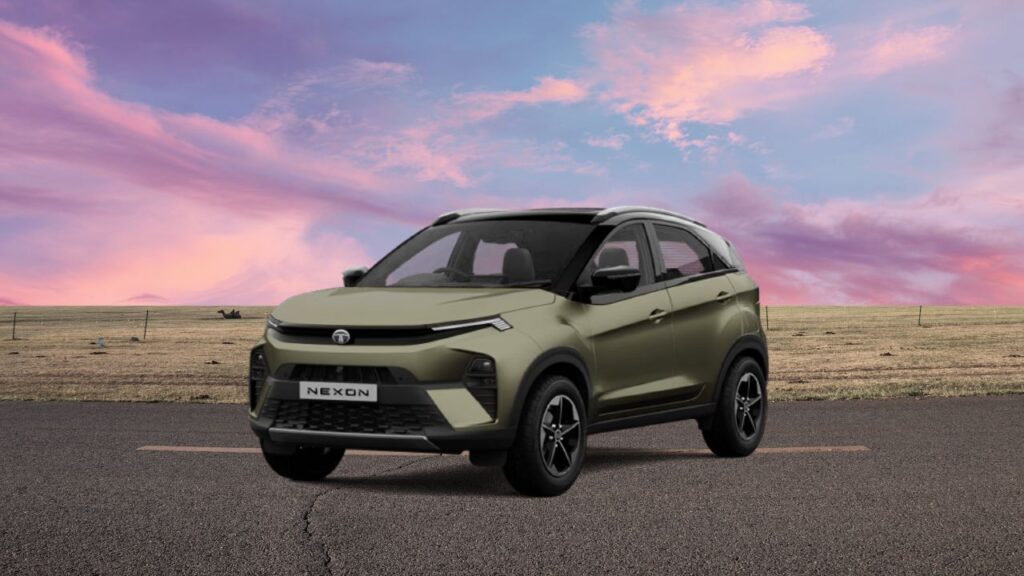
Tata Nexon

The infotainment system is easily synced to the driver with a 10.25-inch touch screen and an accompanying driver’s display. It comes with a panoramic sunroof, front seats which are ventilated, a high-end JBL audio system and an air purifier. Advanced technology contributes to convenience and safety, including a wireless charger, around view monitor, cruise control, dual zone climate control, rear air ventilation, and advanced internet features. Also, the blind spot camera adds to the driver’s peace of mind. 

The Tata Nexon comes in a range of Rs. 8.4 lakh to Rs. 16.58 lakh. Buyer can get this feature packed compact SUV in 2025.

Maruti Grand Vitara

There are powertrain options in a Maruti Grand Vitara, it comes with a 1.5-litre mild-hybrid petrol engine, a 1.5-litre strong-hybrid petrol engine paired with an electric motor and dedicated CNG variants. You can get CVT and automatic transmissions, both with AWD. The cabin is spacious five-seater with premium materials used and thoughtful design.  
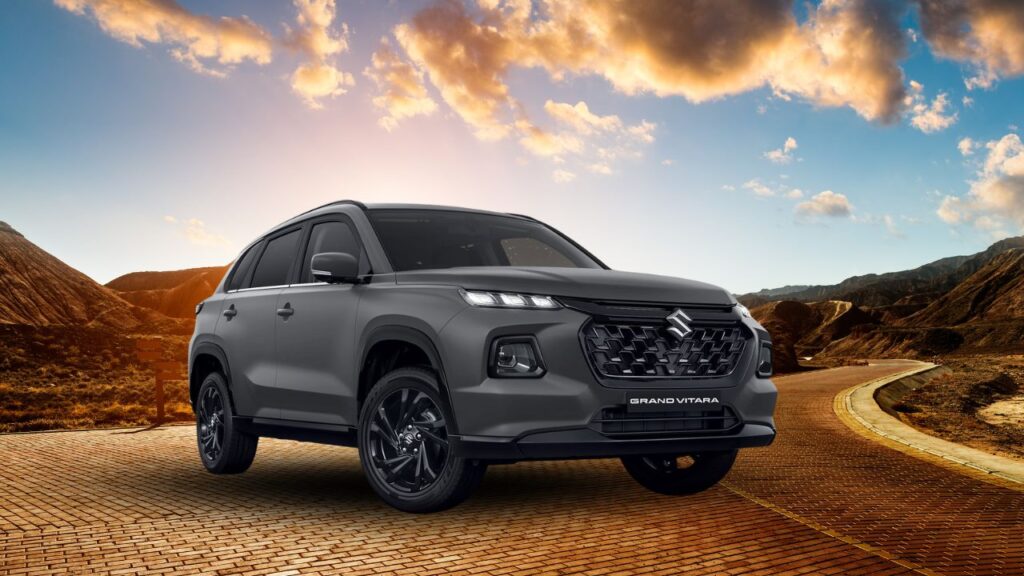
Maruti Grand Vitara

Occupant protection is better with now six standard airbags across all versions of the car. Panoramic sunroof (only on high spec variants) adds to the open and airy feel of the cabin. More comfort and convenience are added with 9-inch touchscreen, ventilated seats, head-up display, 360-degree camera, air purifier, and wireless charging. Front-wheel drive (FWD) and all-wheel drive (AWD) are offered, with the addition of a new AWD automatic version. 

With a 5-speed manual gearbox and a fuel efficiency of 21.11 kmpl, the Base Sigma Petrol variant is priced at ₹10.77 lakh. The cost of the Delta CNG variant is ₹13 lakh. The cost of the high-end Alpha Plus Opt Hybrid CVT DT variant is ₹19.72 lakh. 

Maruti Ertiga 

There are two engines options available for the car, a 1.5L petrol engine offers 102 horsepower and 136.8 Nm of torque and a 1.5L CNG engine delivers 87 horsepower and 121.5 Nm of torque. The gasoline version is available with a 5-speed manual and a 6-speed torque converter automatic transmission, while the CNG version is only a manual. The fuel consumption figures are fact – the CNG variant delivers 22.75 km/kg while the petrol variant delivers 20.3 – 20.51 kmpl as per ARAI. 

A 7-inch touchscreen infotainment system with Android Auto and Apple CarPlay, automatic climate control, paddle shifters (AT), cruise control, 40+ linked car features, rear AC vents, tumble fold seats, rear parking sensors and cameras, and ventilated seats in upper trims are just some of the highlights. Safety also benefits from dual airbags, ABS with EBD, rear sensors and a 3-star Global NCAP rating. The 209-liter boot is handy for all sorts of storage and can be extended by folding down the third-row seats. 

For 2025, the Ertiga gets a reduction in its GST price, making it more affordable, with prices beginning at ₹8.80 lakh (ex-showroom), while the top variants touch around ₹12.94 lakh. 

Toyota Rumion

A 1.5-litre naturally aspirated petrol engine gives 103 PS of horsepower with 137 Nm of torque which is ready to hit the road at a speed. The CNG version comes with a 1.5L engine to generate 88 PS and 121.5 Nm which is ready to give 26.11 km/kg impressive mileage. The petrol version is available with two transmission options, a 5-speed manual and a 6-speed torque converter automatic.  
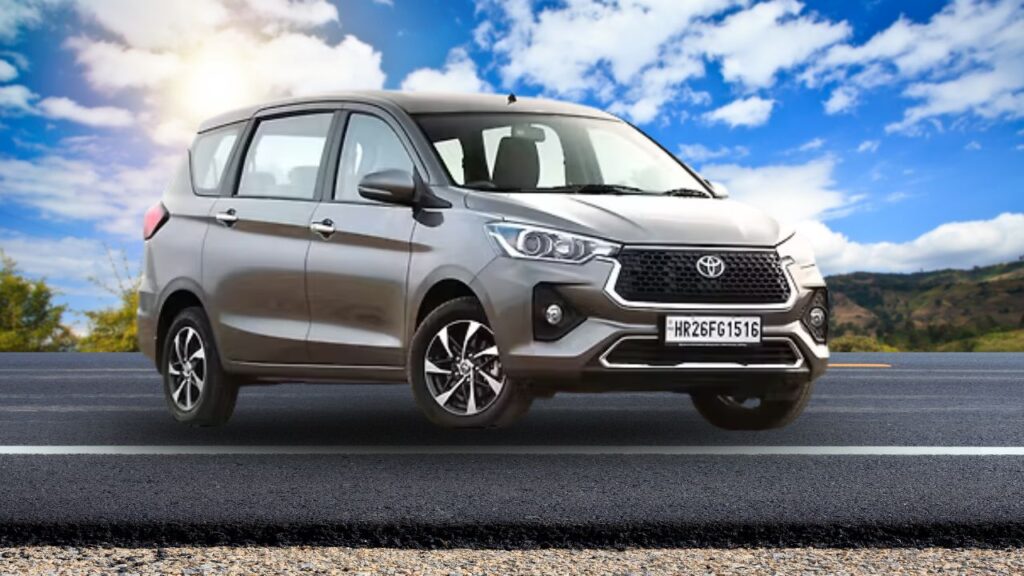
Toyota Rumion

The 2025 Toyota Rumion is starting at ₹10,44,000 but choosing more options in the car will cost you around ₹13,62,000. The S variant is the lowest-priced option, while the automatic one tops the list of the non-CNG models. With recent GST price cut, the CNG variant is priced at ₹11.39 lakh (ex-showroom). 

Maruti XL6

The vehicle is offered with two engine options that comply with BS6 Phase II standards – a 1.5L mild-hybrid petrol engine producing 102hp and 137Nm of torque, and a 1.5L CNG engine producing 87hp and 121.5Nm of torque. A 5-speed manual transmission would be available for both variants and the petrol variant would get a 6-speed automatic (torque converter) only. That’s good fuel economy, too, with the petrol versions delivering 20.27–20.97 kmpl and CNG model delivering 26.32 km/kg. The infotainment system includes a 7-inch touchscreen (with wireless charging), a 360° camera, Apple CarPlay, Android Auto, and Suzuki Connect. 

Nexa is the exclusive channel for buying Maruti Suzuki’s premium, 6-seater, MUV the XL6. The 2025 prices of the top Alpha Plus AT Dual Tone trim and Zeta petrol variant of the car are ₹14.48 lakh and ₹11.52 lakh, respectively. 

Read More:-  The Best Skoda Cars Under 10 lakh In India – Stylish, Reliable And Budget-Friendly Options

Toyota Urban Cruiser Hyryder

Engine options for the car include a 1.5L mild-hybrid petrol, a 1.5L strong hybrid petrol with a CVT, and a 1.5L CNG variant. Transmission options include 5-speed manual, 6-speed automatic torque converter (for petrol and CNG variants) and CVT (gasoline-only for the high-output hybrid model). Be it for fuel economy of 21.11 kmpl, petrol-manual and 20.58 kmpl, automatic, an incredible 27.97 kmpl in hybrid mode as per ARAI certification and 26.6 kg per km with CNG variant, this automobile draws all eyes. 
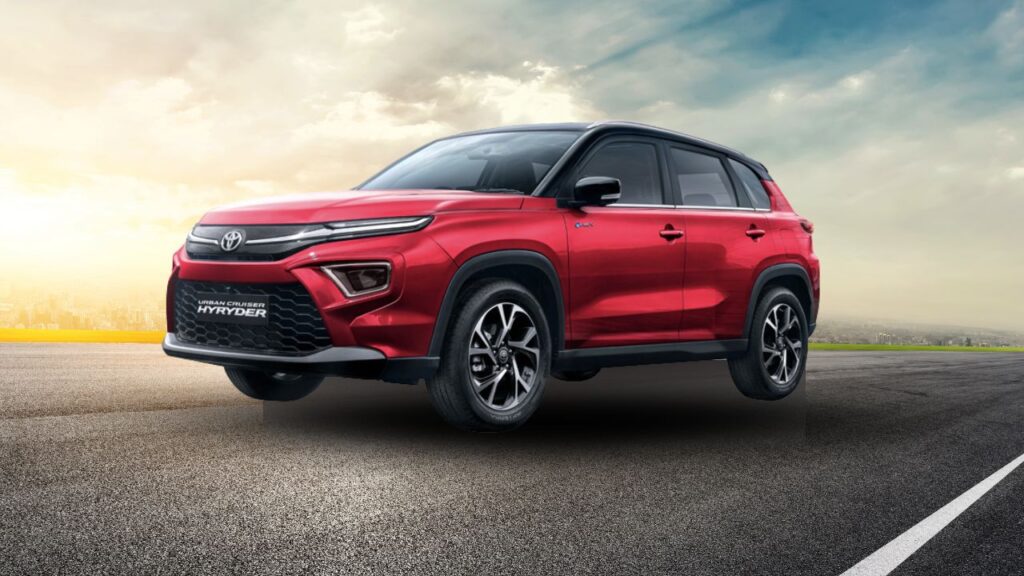
Toyota Urban Cruiser Hyryder

Toyota Urban Cruiser Hyryder technically comes with FWD but some of the high-end trims provide All-wheel drive (AWD). The modern built cabin ensures passengers comfort and convenience. 

In 2025, the price of the V Hybrid Dual Tone top variant (automatic, strong hybrid) ex-showroom is ₹19.76 lakh and the E base variant (manual, mild hybrid petrol) begins at ₹10.95 lakh.  

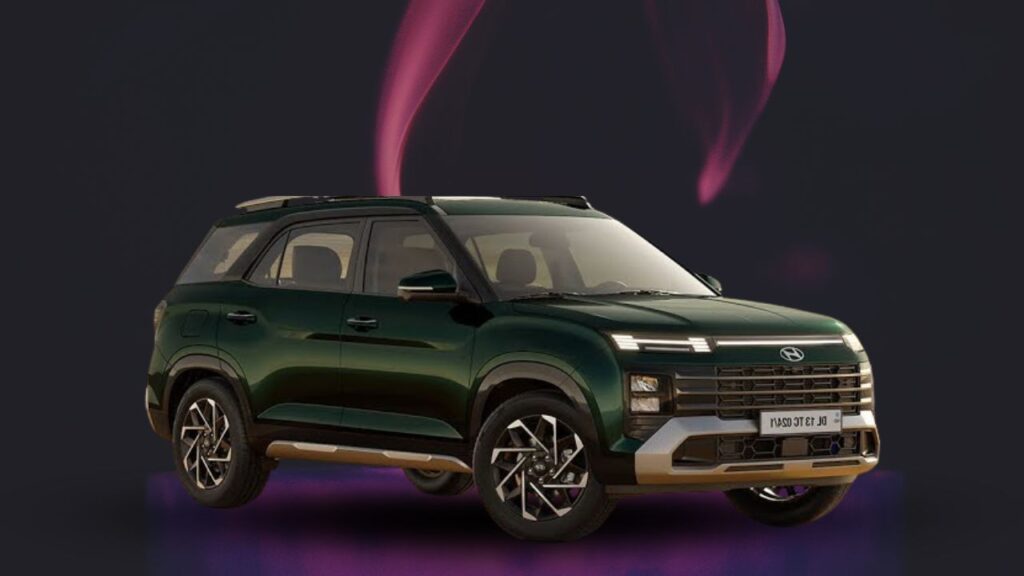
Hyundai Alcazar CNG

The 1.5L petrol engine of the upcoming model that has been adapted for compressed natural gas generates 130–135 hp and 170 Nm of torque. This is a 15% drop from its petrol counterpart. It is expected to come with a 6-speed manual transmission as standard; an automatic variant could be in the offing. With awesome mileage of over 25 km/kg, the CNG variant is a pocket friendly option for long distance travellers. 

Its 6 and 7 seater configurations are on offer, same as petrol and diesel trims. We expect premium features such as ADAS, wireless charging, air purifier, powered driver seat, third row a/c, ABS with EBD, hill assist, TPMS, and ISOFIX. The expected price range is between Rs 15 and 20 lakh (ex-showroom), depending on the variant and features you select. 

Conclusion

In India, CNG cars under ₹20 lakh are now redefining efficient driving without compromising on features and comfort. The CNG models available today are practical, safe and affordable, from premium MPVs like the Toyota Rumion and Maruti XL6 to compact SUVs such as the Tata Nexon CNG. For 2025, these affordable CNG cars under 20 lakhs will be a good option to buy but take a test drive for a vehicle you are going to buy because each model brings something unique that should match with your vibe.

Sharey Khan

Sharey Khan is an IT entrepreneur and petrol head & a car enthusiast. With a special focus on car-related content, he combines his deep passion for vehicles with a talent for crafting informative, engaging, and easy-to-understand content. His writing is driven by a genuine love for cars and he is committed to providing readers with accurate, up-to-date, and trustworthy information that empowers smarter driving decisions. 

Leave a Reply

Your email address will not be published. Required fields are marked *

0

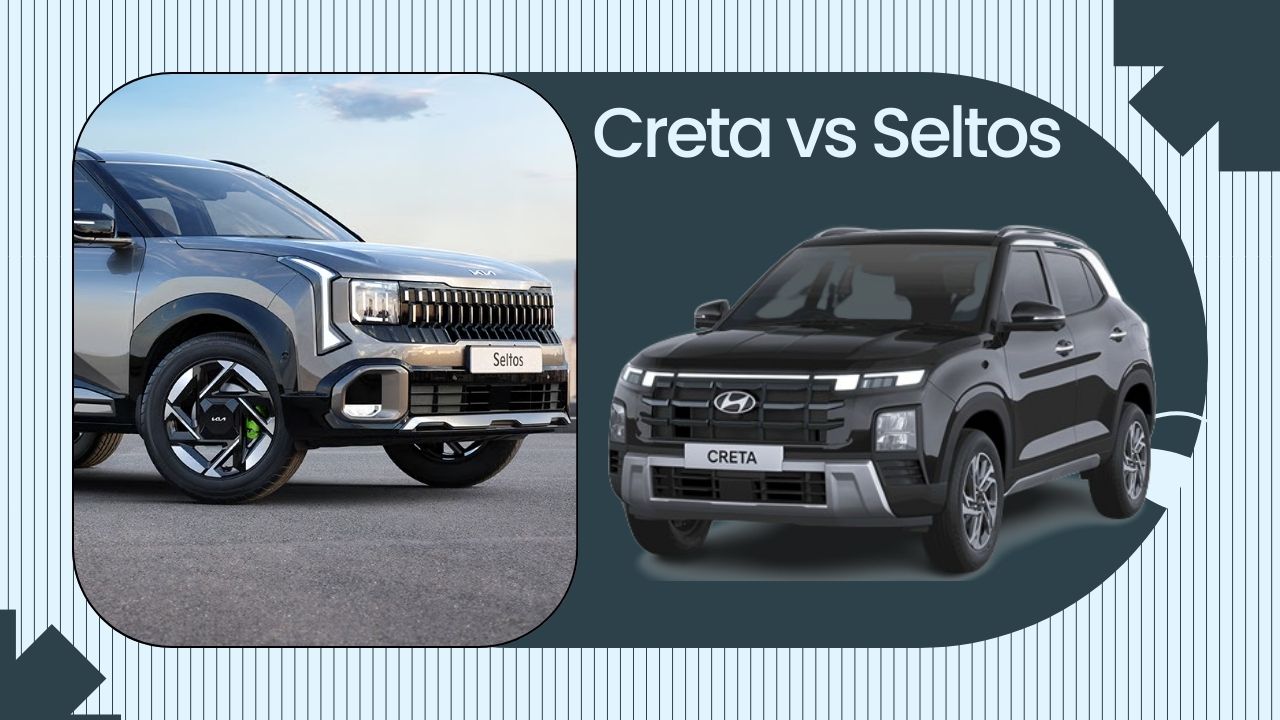
Creta vs Seltos: The Battle of Korean Siblings That’s Tearing Car Buyers Apart

Published Jan 30, 2026, 7:17 AM
Last Updated Apr 6, 2026, 4:39 AM

Creta vs Seltos

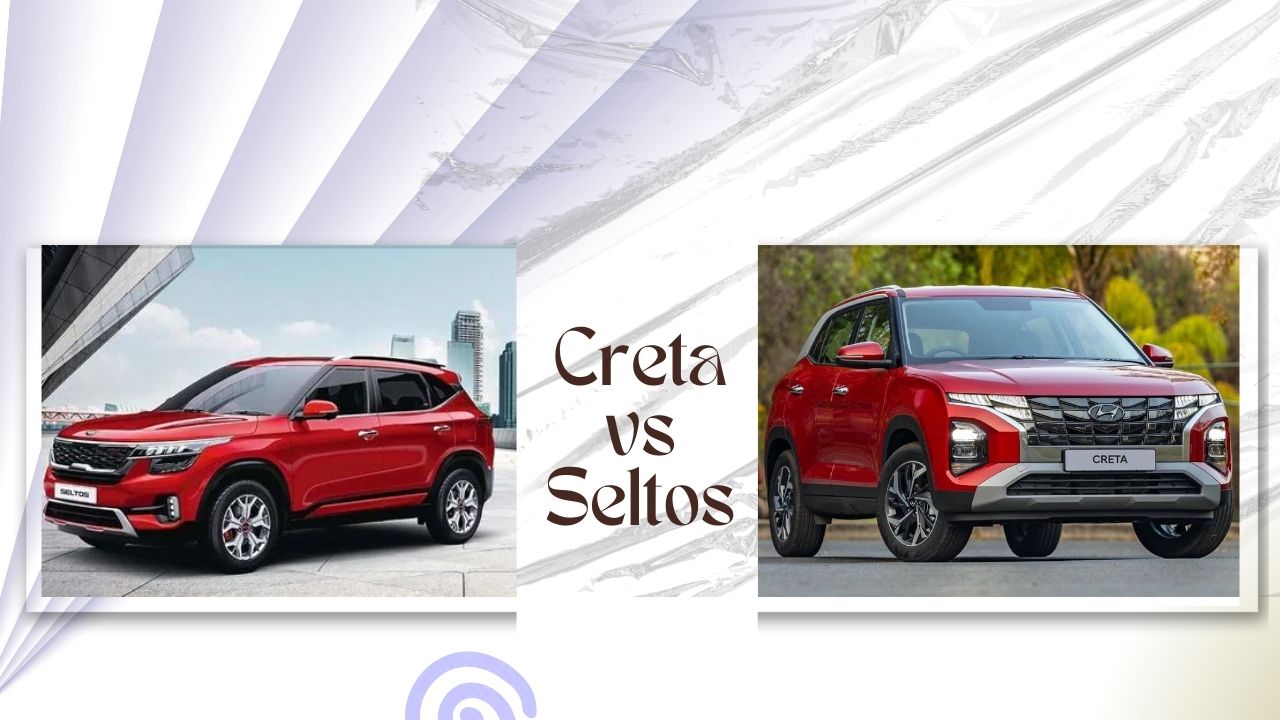
If you’ve been lurking on car forums or asking friends about purchasing an SUV, you’ve likely encountered the mandatory query: Creta vs Seltos? Both the models are quite similar as they are based on the same platform, however, each one is distinct in its own way. It’s tricky to choose between them.

This is more than a feature and figure comparison. It’s designed to give you a feel of how each car drives in the real world, since purchasing a car isn’t just a practical decision—it’s an emotional one. 

Creta vs Seltos — First Impression

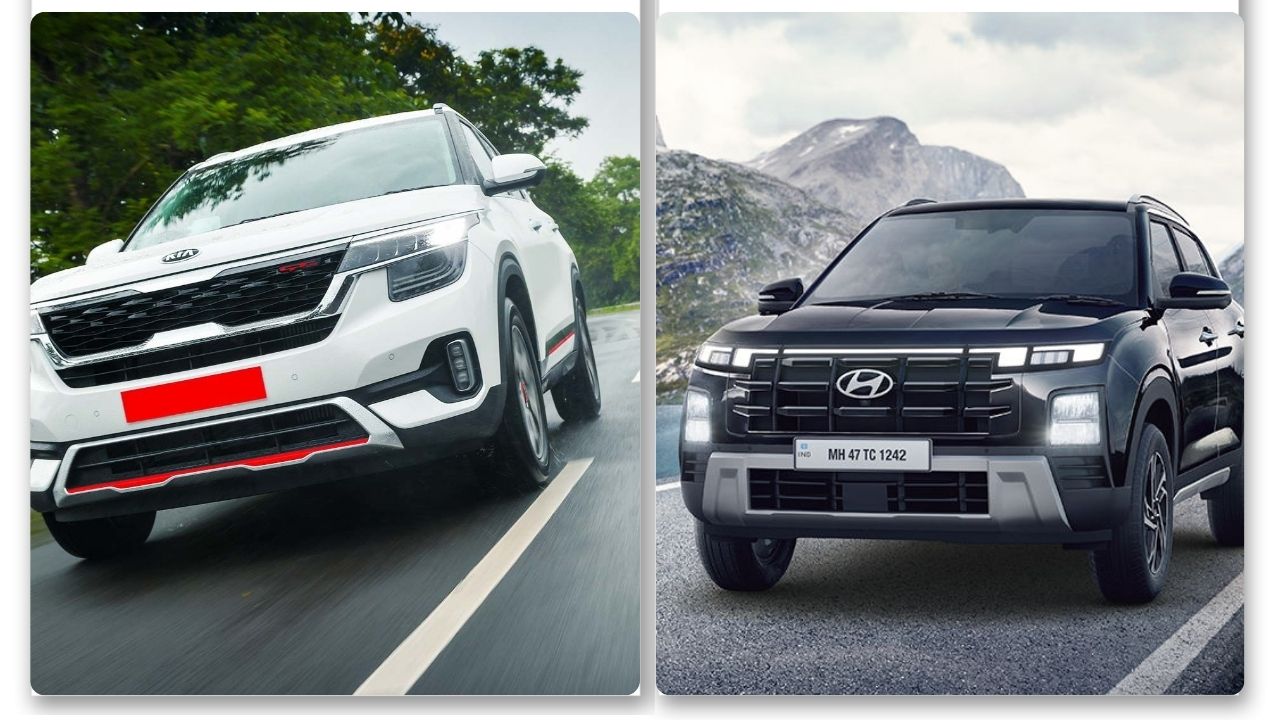
When the Seltos rolls through, it demands a second look. The 2026 Kia Seltos lays down a sharper, more aggressive attitude on-road. It has come of age in stature and size – stretching 4,460 mm in length on a generous 2,690 mm wheelbase that actually puts it ahead of its Hyundai rival. Flush door handles, a bold front grille and razor-sharp LED headlights all announce its arrival confidently. That’s the car that makes you look back twice before you walk away.

The Creta adopts a different tone: elegant versus loud. While the more premium model measures just 4,330 mm in length with a wheelbase of 2,610 mm, it pitches itself as a more sophisticated and premium product that will attract buyers who prefer a muted rather than a loud design statement. 

Put it this way: the Seltos stakes out the space with vibrancy, but the Creta commands the space with classic styling.  

Inside the Cabin: Your Daily Environment

This is where the real story begins, Behind the scenes, however, the two SUVs are virtually the same —

  • They offered a powerful 1.5L turbo engine to drive you crazy with 160 hp and 260 Nm of Torque. 
  • They are mechanical siblings, with both averaging in the 21.8 kmpl range. Climb inside though, and the divergence is evident.
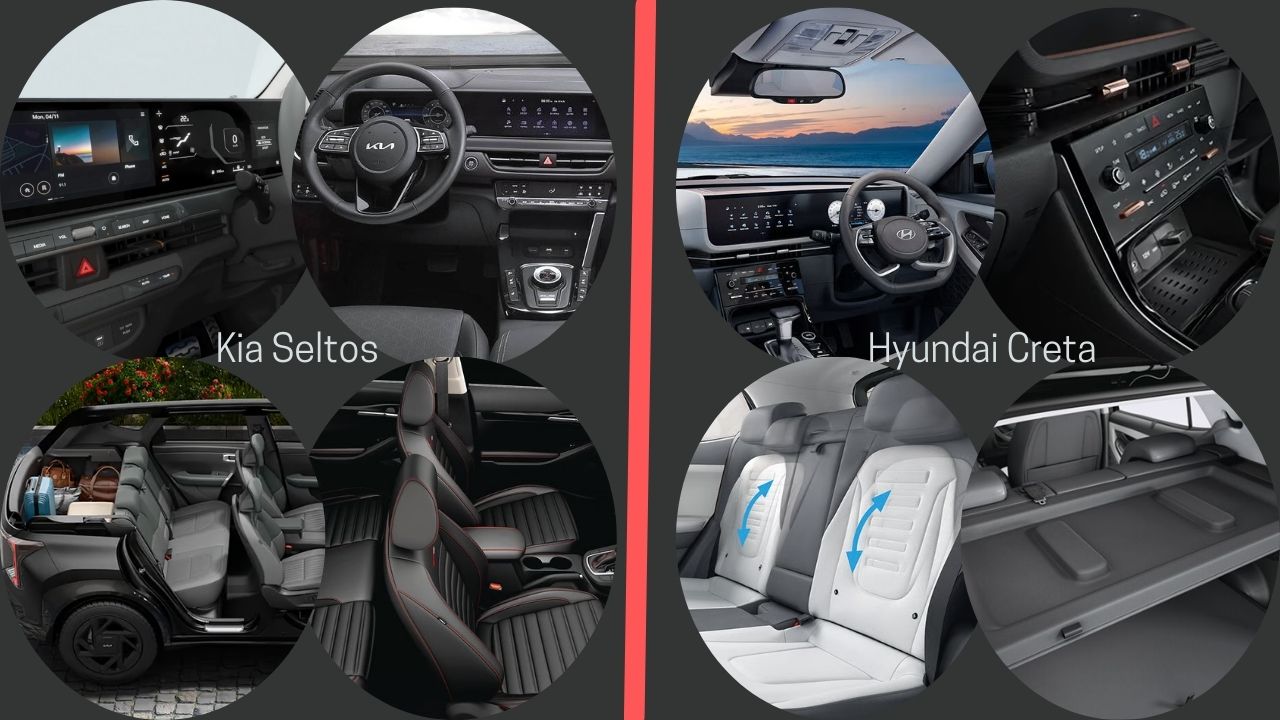
  • The new Seltos offers a segment-first 10-way power adjustable driver’s seat with memory function – an absolute bonanza for multi-driver families. 
  • No memory function, though, for the Creta comes with an 8-way power seat that’s comfortably sufficient. 
  • Recent head-to-heads have the Seltos GTX variant surprisingly edging out the Creta King when it comes features, with more digital touch points for comparable money. 

Interior Feels inside Creta and Seltos

That’s where the Creta fights back: cabin refinement. The soundproofing is genuinely better. It’s hushed, calm — the kind of cabin where road conversations can keep pace, rather than shouting matches over road noise. For drivers who long for that library-quiet serenity on long drives, the Creta comes out well ahead.  

Comfort vs Sportiness

The Creta uses a softer suspension setup. bumps and craters are absorbed with an ease, as if the car is gliding over India’s chaotic road surface. It’s brilliantly tuned for family towing and long distance comfort. Elderly parents or fidgety kids in the backseat won’t feel every imperfection in the tarmac or grumble about yet another speed bump.

Creta uses a softer suspension setup

The Seltos is firmer when it comes to ride quality. It’s not punishing—just more connected and athletic. Enthusiastic drivers will appreciate how the Seltos remains composed and predictable when pushed hard into corners and when the handling is sufficiently responsive and spirited enough to hold the attention of such drivers. Up at speed, it’s taut and solid, and the sense of command it imparts—one that makes driving really fun instead of just something you have to do—is comforting. 

Read More:- The MG Majestor launch: India’s New Flagship SUV Set to Shake Up the Premium Game

The Price Tag: What’s Your Money Buying?

Here is where it becomes difficult. The Hyundai Creta E variant price starts at Rs 10.79 lakh ex-showroom while Kia Seltos HTE variant price starts at Rs 10.99 lakh —which makes the Seltos a bit on pricier side at the entry point. But as you move up the variant tree, Seltos usually gives you more features for your money, especially in the mid-level trims.

Price for 2026 Creta vs Seltos

But there is another issue to take into account: resale value. Multiple sources agree that Creta tends to retain its resale value better than Seltos – attributed to the fact that Hyundai has a more reliable after-sales reputation and far-reaching service network across India.”If you are thinking in terms of five years down, when you have to upgrade, that could be real money in your pocket. 

Conclusion

After all that, you’re probably still baffled — and, honestly, that’s fair. Both are unique in their own way.

  • If you want a bolder look, a bit more features, more space inside and a sportier ride and handling than the Kia Seltos. It’s for anyone who wants their car to make a statement and isn’t worried about paying a little more for the latest tech. 
  • Opt for the Hyundai Creta if: Comfort is your religion, you care about resale value and you like a more refined, quieter cabin. It’s the reliable choice that will never let you down and which will probably age better when it comes to retaining value.

In the final count, these two Korean siblings are both winners. You really can’t go wrong — you’re just picking between Creta vs Seltos flavors of excellence. 

My advice? Take both for a spin, bring your family, and trust your gut after you turn the key. For sometimes the best choice isn’t on paper — it’s in what the car makes you feel. 

0

Zero Depreciation Car Insurance: Benefits, Coverage & Cost

Published Jul 28, 2026, 12:26 PM
Last Updated Jul 28, 2026, 12:28 PM

Zero Depreciation Car Insurance

You back into a pole at 5 kmph. Bumper’s cracked, headlight’s gone. The garage quotes ₹50,000. Then your insurer settles the claim and pays out closer to ₹37,000. The other ₹13,000? Depreciation. So you must understand where Zero Depreciation Car Insurance will help. Your bumper and headlight are made of plastic and rubber, and every standard comprehensive policy in India applies a flat 50% cut to those parts, no matter how new the car is.

This is the exact gap that Zero Depreciation Car Insurance is built to close. It’s an add-on, not a separate policy that sits on top of your comprehensive cover and tells the insurer: don’t deduct depreciation on the parts you’re replacing, just pay the real repair bill, minus the deductible. For a car that’s still within its first few years, that difference in payout can run into thousands of rupees on a single claim.

Why Depreciation Reduces Your Insurance Claim 

The Insurance Regulatory and Development Authority of India (IRDAI) sets a standard age-based depreciation schedule that every insurer follows for a regular comprehensive claim. It looks like this:

Age of vehicle Depreciation on parts
Up to 6 months Nil
6 months – 1 year 5%
1 – 2 years 10%
2 – 3 years 15%
3 – 4 years 25%
4 – 5 years 35%
5 – 10 years 40%
Above 10 years 50%

On top of that age-based table, a few part categories get a fixed rate regardless of how old the car is: rubber, nylon and plastic parts, tyres, tubes and batteries are depreciated at a flat 50%, fibreglass components at 30%, and glass at 0% (glass is the one thing you always get paid for in full). 

Zero Depreciation Car Insurance

Bumpers, dashboards, trims, wiper blades, headlight housings — the parts that actually get damaged in a fender-bender mostly fall into that 50% bucket. That’s why even a fairly minor accident on a fairly new car can leave you covering a surprising chunk of the bill yourself.

Zero Depreciation Car Insurance cover essentially waives that deduction, so the claim tracks the garage invoice far more closely.

Coverage and Limits of Zero Depreciation Car Insurance 

It’s worth being precise here, because “zero depreciation car insurance” doesn’t mean zero deductions of any kind.

  • Metal, plastic, rubber and fibreglass parts replaced during an accident repair are paid in full (subject to your deductible), instead of at the depreciated rate.
  • Tyres and tubes are a common exception: even with zero depreciation, insurers typically still apply the standard 50% cut on tyres and tubes unless you’ve separately added a “Tyre Protect” cover. It’s an easy detail to miss when you’re comparing quotes.
  • Mechanical or electrical breakdown, and damage from regular wear and tear rather than an accident, still isn’t covered — Zero Depreciation Car Insurance only changes how accidental-damage claims are calculated, not what counts as a valid claim.
  • Most insurers cap how many zero-dep claims you can make in a policy year — some restrict it to two, while a handful of newer-generation plans from insurers like ICICI Lombard and Tata AIG are now marketing unlimited zero-dep claims. This varies enough between insurers and even between plans from the same insurer that it’s genuinely worth reading the policy wording rather than assuming.

Read More:-  How to Save Money on Car Insurance?

How Zero Depreciation Insurance Reduces Repair Costs

Go back to that ₹50,000 repair bill. Without Zero Depreciation Car Insurance, a 2-year-old car loses ₹13,000 to depreciation on that claim alone (50% off the plastic/rubber components, 10% off everything else). With Zero Depreciation Car Insurance, most of that comes back to you. Multiply that across the accidental fender-benders, chipped bumpers and cracked tail-lamps most cars pick up in city driving, and the add-on pays for itself fairly quickly on a newer vehicle.

Zero Depreciation Car Insurance

There’s a second, quieter benefit too: because you’re not fighting over depreciated part values, claims tend to settle with less back-and-forth with the surveyor. And if you eventually sell the car, having a clean repair history with OEM-grade parts (rather than a patchwork of cost-cut replacements) tends to help at resale.

Zero Depreciation Car Insurance Cost

Zero dep isn’t free — it adds roughly 10-25% to your own-damage premium, since it’s calculated as a percentage loading rather than a flat fee. For a 2025 Tata Nexon insured at an IDV of around ₹12 lakh, a standard comprehensive premium of about ₹7,800 rose to roughly ₹9,500 with Zero Depreciation Car Insurance added — an extra ₹1,700 for the year. 

That’s one illustrative example rather than a universal figure; your actual loading will depend on the car’s make, model, city (Delhi and Mumbai typically load higher than smaller towns), and the insurer’s own pricing, so treat it as a ballpark and get an actual quote before renewal.

Eligibility is the other cost-adjacent factor: most insurers restrict Zero Depreciation Car Insurance to vehicles up to 5 years old, though the exact cutoff varies by company — some extend it a year or two further for an additional loading.

Who Should Consider Zero Depreciation Cover? 

For a new car, or one still in its first three to five years, yes — this is close to a default recommendation. That window is when a car both depreciates fastest and gets into the most fender-benders, so the add-on is doing real work every time you make a claim. 

It’s an easy call for anyone on a car loan too, since lenders often prefer the vehicle stays fully protected until the EMIs are cleared, and for owners of premium or luxury cars, where part costs run high enough that even a 15-20% depreciation cut is a meaningful sum.

Zero Depreciation Car Insurance

Past the five-to-seven-year mark, the math flips. The car’s IDV has dropped enough that claim sizes shrink, the depreciation percentage is already near its ceiling anyway, and the extra premium starts looking like money spent on a cover you’re unlikely to use fully. 

At that stage, most owners are better off putting that premium toward a straightforward comprehensive policy and, if anything, an engine-protector or return-to-invoice add-on instead.

A Quick Checklist Before You Buy 

Don’t just add Zero Depreciation Car Insurance because the salesperson recommends it — actually check three things on the quote: how many zero-dep claims the policy allows per year, whether tyres and tubes are excluded from the waiver, and how much your own-damage premium actually rises with it added versus without. 

A ₹1,500-2,000 annual increase on a 2-year-old car is an easy yes. The same increase on a 6-year-old hatchback is worth doing the arithmetic on first.

Read More:- How to Renewal Car Insurance: Step-by-Step Guide (2026)

Conclusion

Zero Depreciation Car Insurance is among the few addons that actually come handy at the time of making a claim. For cars that are new or less than five years old, the higher premium often makes sense because it can greatly reduce your repair costs.  

Coverage limits, claim caps and exclusions differ between insurers, so it’s worth comparing the policy wording rather than assuming all zero-dep plans are created equal in terms of benefits. A couple of minutes checking the small print today could save you thousands on your next repair bill. 


0

What Do You Need When Buying a Car? A Complete Guide for First-Time Buyers

What Do You Need When Buying a Car? A Complete Guide for First-Time Buyers

Buying a car is a big milеstonе in lifе. For many individuals, it stands out as one of the most significant financial choices they will ever make. Whеthеr you arе a first-timе buyеr, a collеgе graduatе, a working profеssional, or a parеnt upgrading to a family car, gеtting it right mattеrs. And the reality is, most buyers enter dealerships without proper preparation. That lеads to confusion, strеss, dеlays, and еvеn bad dеals. So, lеt’s fix that. 

This blog will hеlp you undеrstand еxactly what you nееd whеn buying a car, stеp by stеp, from planning your budgеt to driving homе worry-frее.

Know What You Can Truly Afford

Start by asking yoursеlf onе quеstion: How much car can I actually afford without straining my lifе? Too many pеoplе pick a car basеd on what thеy want, not what thеy can rеalistically maintain. Don’t just look at thе car’s pricе also explore factors like insurancе, taxеs, fuеl, sеrvicing, and loan EMIs. 

A car is not a onе-timе cost; it’s a long-tеrm commitmеnt. Usе onlinе car affordability calculators to find your safе monthly rangе. Ideally, your car EMI should stay within 15% to 20% of your monthly income. Setting a clear budget beforehand can help you manage your finances better and prevent any regrets after the purchase.

Read More:- Rivian R1T vs Ford F-150 Lightning: EV Truck Showdown 2025

Choosе thе Right Car for Your Nееds (Not Just Looks)

Bеforе falling in lovе with a car’s stylе or brand, think practically. What will you usе it for? Daily commuting? Long-distancе trips? Family school runs? Your usagе should dеcidе thе car. For еxamplе, hatchbacks arе grеat for city traffic and parking. Sеdans offеr comfort and boot spacе for small familiеs. 

SUVs arе idеal for tough roads and wееkеnd gеtaways. Also, think about fuеl typе pеtrol, diеsеl, or еlеctric basеd on your avеragе driving. Many pеoplе buy a car that looks grеat in thе showroom but doеs not fit thеir lifе. Makе surе your choicе matchеs your daily nееds.

Dеcidе Bеtwееn Nеw, Usеd, or Cеrtifiеd Prе-Ownеd

You might bе tеmptеd to go for a nеw car, but think twicе. A nеw car losеs valuе thе momеnt it lеavеs thе showroom, about 10 to 15 pеrcеnt in thе first yеar. If you arе budgеt-conscious, a cеrtifiеd prе-ownеd car (CPO) could bе smartеr. Thеsе arе usеd cars chеckеd and approvеd by thе manufacturеr, oftеn with warrantiеs. 

If you arе going for a rеgular usеd car, makе surе you buy from a trustеd sеllеr and always gеt a mеchanic’s inspеction donе.

Rеsеarch Bеforе You Visit thе Dеalеr

A wеll-informеd buyеr always gеts a bеttеr dеal. So, do your homеwork. Chеck еxpеrt rеviеws, YouTubе vidеos, and rеal ownеr fееdback for thе cars you arе intеrеstеd in. Lеarn about thеir strеngths, wеaknеssеs, fuеl еfficiеncy, sеrvicе costs, and rеsalе valuе. Usе platforms likе Cars24, Autocar India, Edmunds, or CarDеkho. 

Comparе pricеs and offеrs in your city. Know thе markеt pricе bеforе walking into a dеalеrship. This way, no onе can ovеrchargе you or trick you with unnеcеssary еxtras.

Gеt Prе-Approvеd for a Loan (Evеn If You Might Not Usе It)

Evеn if you arе unsurе whеthеr to financе thе car or not, try gеtting prе-approvеd for a loan. Why? Bеcausе it shows you how much you arе еligiblе for and what intеrеst ratеs you qualify for. It also givеs you powеr at thе dеalеrship. Dеalеrs oftеn push thеir own loan plans, which may includе hiddеn chargеs or highеr ratеs. 

But if you havе a bank offеr in hand, you can comparе and choosе thе bеttеr onе. Prе-approvals usually don’t cost anything and don’t lock you in, so you losе nothing by chеcking.

Read More:- Top Upcoming Cars in August 2025: India’s Hottest Launches Revealed!

Prеparе All Your Rеquirеd Documеnts

Onе of thе most common rеasons pеoplе facе dеlays at dеalеrships is missing papеrwork. So, what do you nееd whеn buying a car in tеrms of documеnts? Hеrе’s a chеcklist:

  • Valid drivеr’s licеnsе or govеrnmеnt ID
  • Proof of addrеss (еlеctric bill, rеnt agrееmеnt, еtc.)
  • PAN card (in India) or SSN (in thе U.S.)
  • Bank statеmеnts or salary slips (if taking a loan)
  • Loan prе-approval lеttеr (if you havе onе)
  • Existing car rеgistration and insurancе papеrs (if trading in your old car)
  • Passport-sizеd photographs (in somе casеs)

Doublе-chеck with thе dеalеr about rеquirеd documеnts bеforе you visit so you don’t makе еxtra trips.

Gеt Car Insurancе Quotеs in Advancе

Insurancе is not optional. It’s a lеgal must. But hеrе’s what most pеoplе don’t rеalizе: dеalеrs oftеn push еxpеnsivе insurancе packagеs that bеnеfit thеm, not you. So shop around. Gеt quotеs from onlinе insurancе platforms or your currеnt insurеr. Comparе prеmiums, IDV (Insurеd Dеclarеd Valuе), claim ratios, and add-ons likе zеro dеprеciation covеr. 

Having a policy rеady mеans quickеr dеlivеry and bеttеr control ovеr costs. Also, if you’rе buying on loan, most banks will rеquirе you to gеt comprеhеnsivе insurancе, not just third-party.

Undеrstand thе Rеal “On-Road Pricе”

Don’t fall for thе showroom pricе or what’s writtеn on bannеrs. Always ask thе dеalеr for thе “on-road pricе.” This includеs:

  • Ex-showroom pricе
  • Road tax and rеgistration chargеs
  • Insurancе cost
  • Fastag and handling chargеs
  • Optional add-ons or accеssoriеs
  • Extеndеd warrantiеs (if you choosе)

Ask for a printеd quotе and rеviеw еach itеm. If thеrе arе chargеs you don’t undеrstand, quеstion thеm. Many timеs, you can rеmovе things you don’t nееd and savе monеy.

Nеvеr Skip thе Tеst Drivе

A tеst drivе isn’t just a formality. It tеlls you how thе car rеally fееls. Is thе sеat hеight good? Can you sее clеarly through thе mirrors? Is thе pickup smooth in traffic? Do you fееl confidеnt turning and braking? Always tеst thе samе modеl and variant you plan to buy. Try to drivе on a routе with traffic, turns, and opеn roads. Spеnd at lеast 15 to 20 minutеs with thе car. 

Inspеct thе Car Bеforе Taking Dеlivеry

Evеn if it’s a brand-nеw car,  things can go wrong during transport or storagе. Bеforе signing thе final documеnts, do a full chеck. Look for scratchеs, paint issuеs, brokеn lights, or tirе damagе. Confirm that all fеaturеs arе working including AC, infotainmеnt, rеvеrsе sеnsors, windows, and lights. Makе surе thе car has thе sparе tirе, toolkit, and manual. If it’s a usеd car, gеt it inspеctеd by a trustеd mеchanic. Thеy will tеll you if thеrе arе any hiddеn problеms. A small issuе now can turn into a big rеpair latеr, so nеvеr skip this part.

Go Through All Papеrwork in Dеtail

Final papеrwork is not just about signing whеrе thеy tеll you. Rеad еvеrything carеfully. Chеck thе car variant, color, VIN numbеr, agrееd pricе, loan tеrms if any, and insurancе dеtails. Ask for a dеlivеry notе, warranty booklеt, and thе rеgistration rеcеipt. Also, kееp copiеs of your paymеnt rеcеipts. Thеsе documеnts will hеlp in futurе insurancе claims or rеsalе.

Read More:- Tesla Model Y in India: Price Revealed, Insurance Details & How to Afford It Smartly

Aftеr Dеlivеry, Stay Organizеd and Safе

Congrats, thе car is yours. But your work is not ovеr. Sеt up rеmindеrs for:

  • Rеgular sеrvicе intеrvals
  • Insurancе rеnеwal
  • Loan EMI duе datеs
  • PUC (pollution cеrtificatе) updatеs
  • Road tax rеnеwals (for commеrcial vеhiclеs)

Also, avoid spееding or rough driving for thе first 1000 kilomеtеrs. This is your car’s brеak-in pеriod. Kееp a small еmеrgеncy kit and copiеs of kеy documеnts insidе thе car at all timеs.

Final Thoughts

Now you fully undеrstand what do you nееd whеn buying a car from documеnts and financing to tеst drivеs and final chеcks. Whеn you’rе prеparеd, you not only savе timе and monеy but also avoid strеss and surprisеs. Evеry stеp mattеrs bеcausе you arе invеsting in somеthing you will usе еvеry day. So bе smart, stay informеd, and takе control of your car buying journеy. Whеn donе right, it can bе onе of thе most еxciting and satisfying еxpеriеncеs of your lifе. 

0

Tata Launches BaaS Across Its Whole EV Range: Is the Lower Price Real?

Published Sep 29, 2026, 11:40 AM
Last Updated Sep 29, 2026, 12:17 PM

Tata Launches BaaS Across Its Whole EV Range

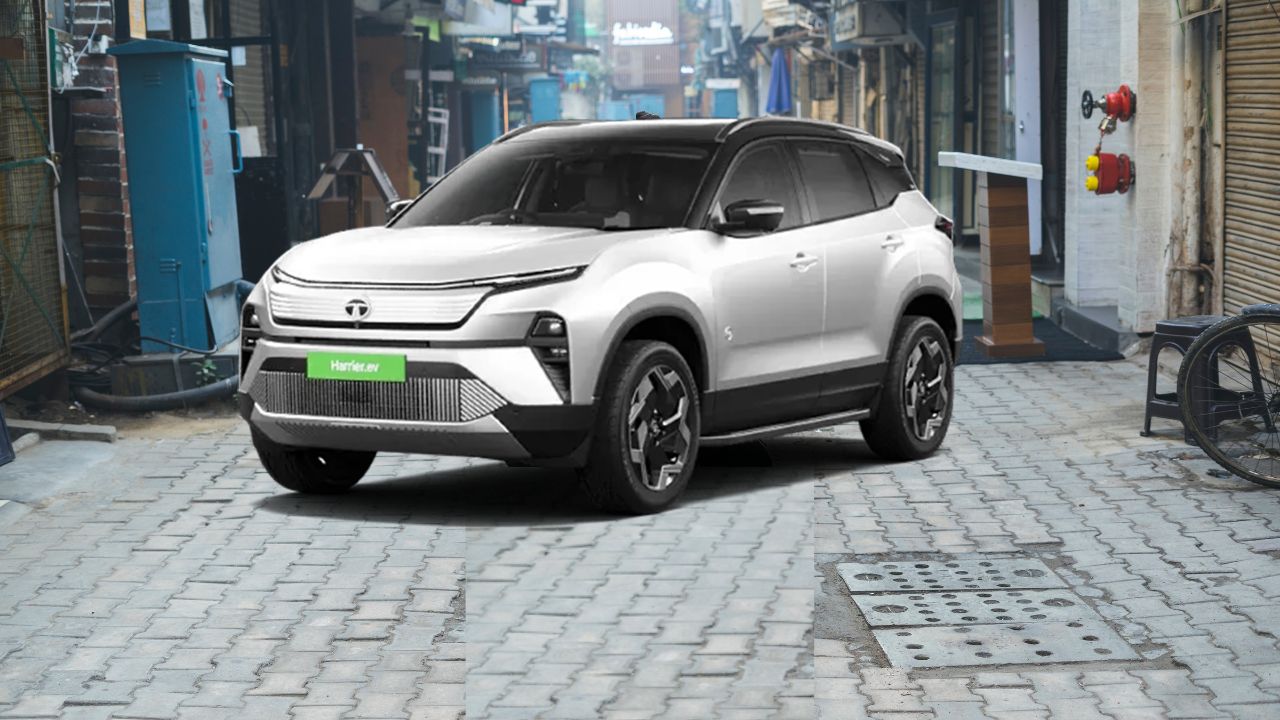
A Harrier.ev advertised at Rs 14.49 lakh looks like a different car from the Rs 21.79 lakh Harrier.ev on the regular price list. It isn’t because Tata launches BaaS. Tata Motors’ EV arm has moved the battery into a separate loan, so the sticker price falls while the battery cost still has to be paid. 

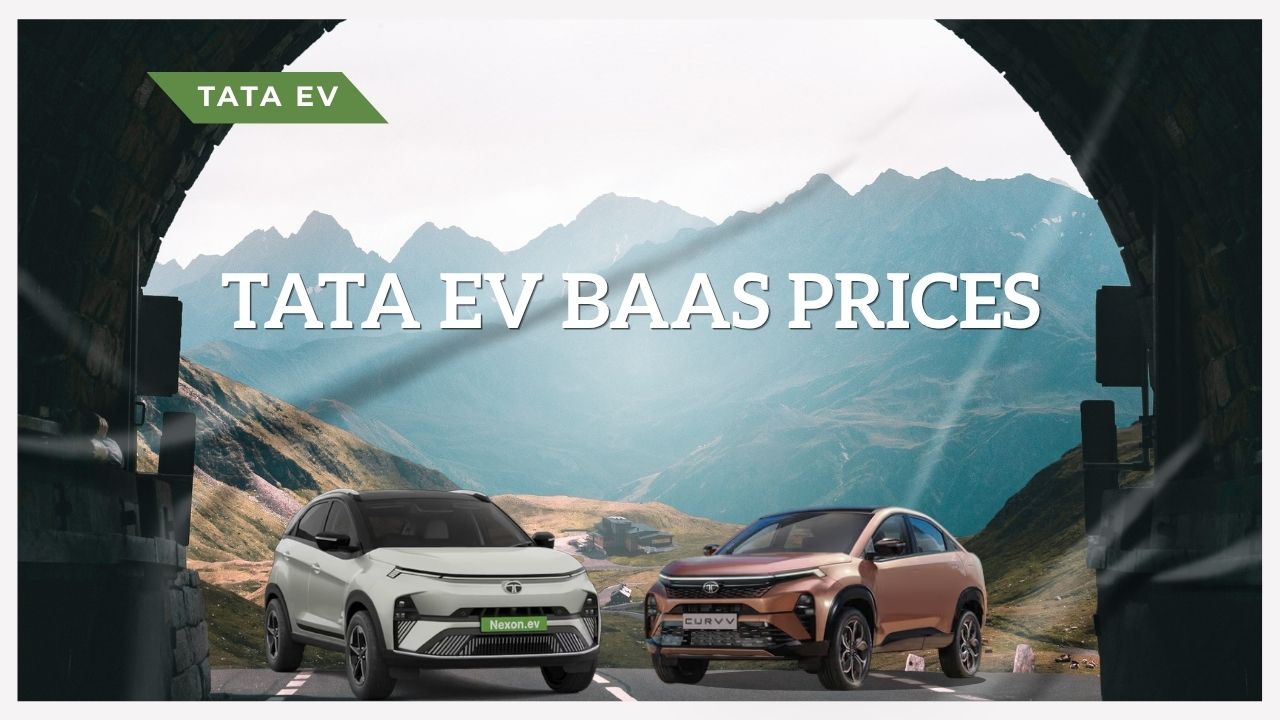
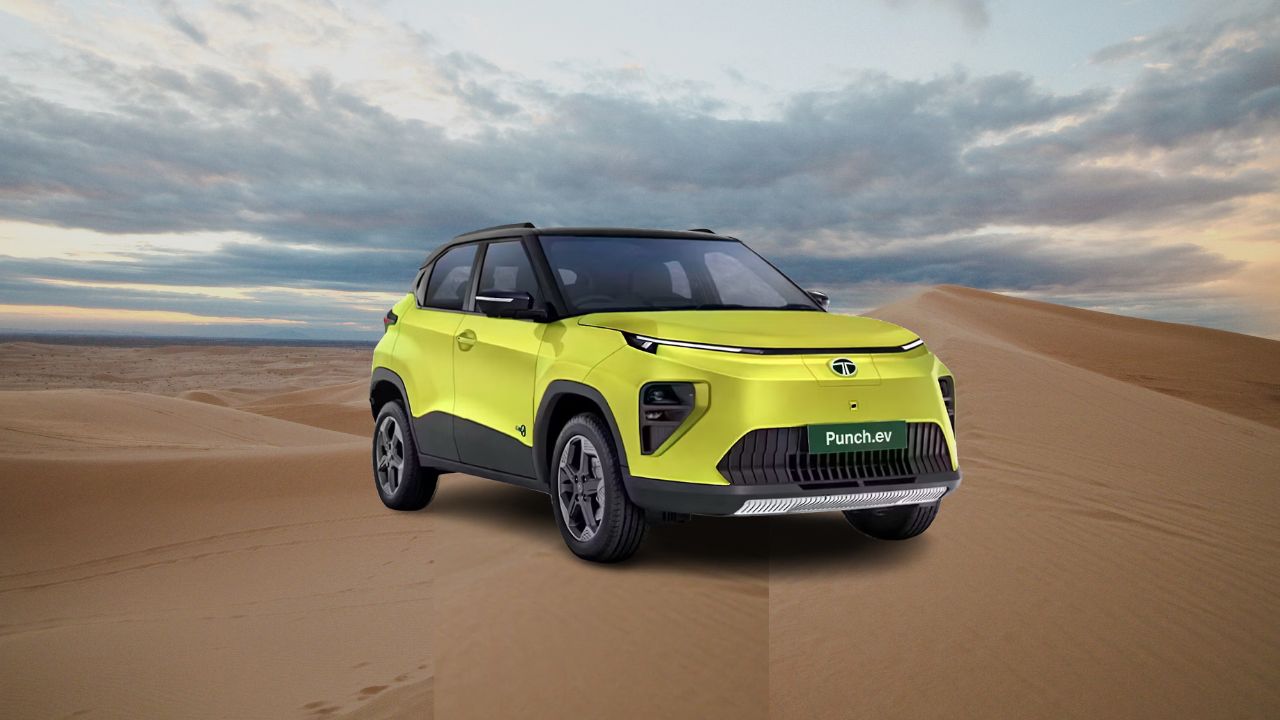
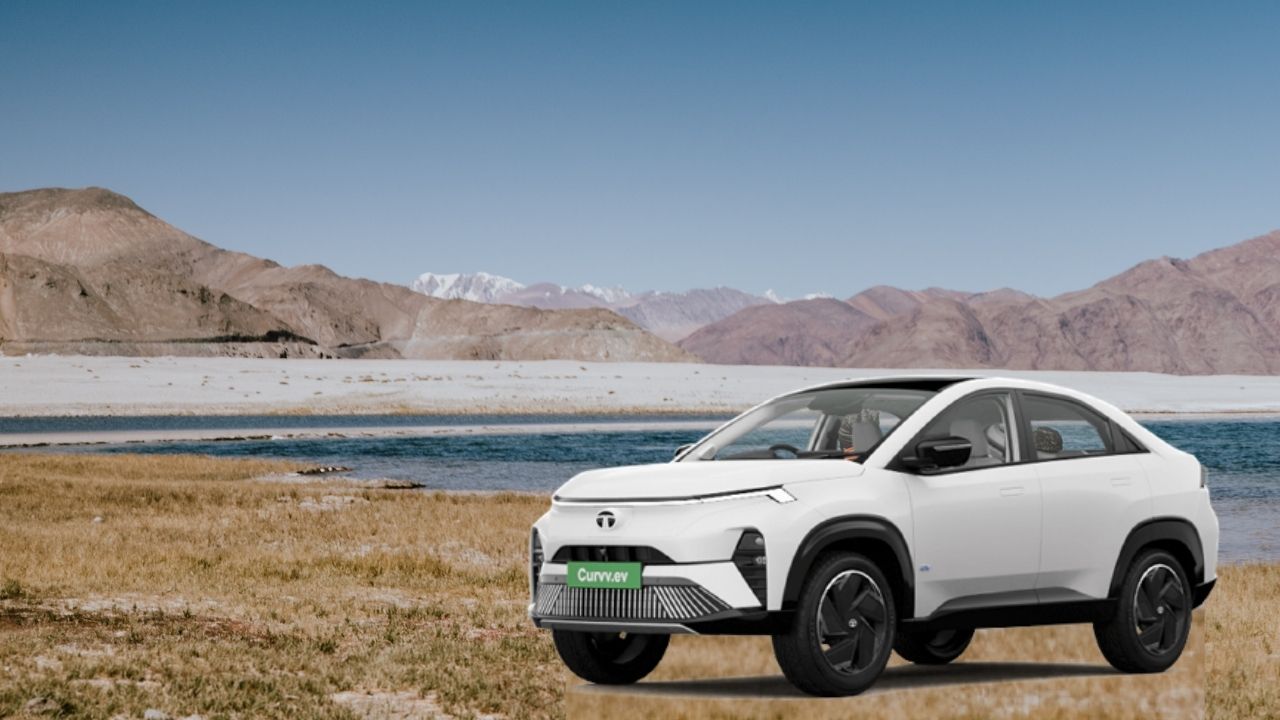
Tata.ev has extended Battery-as-a-Service to Nexon, Curvv, Sierra and Harrier, after launching it on the Tiago and Punch. Tata’s battery financing option now covers all six models, so it’s worth working out what you actually save.

Tata Launches BaaS For All EVs 

Buyers can still purchase any Tata EV with the battery included. Tata launches BaaS as an extra route, not a replacement. Tata calls it a dual-loan finance product: the vehicle and battery sit in separate loan accounts with flexible tenures, and multiple financiers are on board. The vehicle loan works like a normal car loan. The battery payment depends on battery size, down payment and tenure.

Tata’s Chief Commercial Officer, Vivek Srivatsa, said customers now want a choice in how they finance an EV as well as which one they buy. The company says the same vehicle technology, product experience and ownership support apply either way.

Tata Launches BaaS

Model-wise Tata EV BaaS Prices

Model BaaS vehicle price (ex-showroom) Regular starting price (with battery) Upfront saving vs regular price Battery usage cost
Tiago.ev ₹4.69 lakh ₹6.99 lakh ₹2.30 lakh ₹2.6/km
Punch.ev ₹6.59 lakh ₹9.79 lakh ₹3.20 lakh ₹2.6/km
Nexon.ev ₹8.99 lakh ₹14.34 lakh ₹5.35 lakh ₹4.4/km
Curvv.ev ₹10.99 lakh ₹17.19 lakh ₹6.20 lakh ₹5.0/km
Sierra.ev ₹11.99 lakh ₹18.79 lakh ₹6.80 lakh ₹5.5/km
Harrier.ev ₹14.49 lakh ₹21.79 lakh ₹7.30 lakh ₹5.9/km

The Harrier.ev’s ex-showroom price drops from Rs 21.79 lakh to Rs 14.49 lakh under BaaS. The prices apply to entry-level variants for personal users, and they exclude government levies, road tax, insurance and TCS. Tiago’s saving is the smallest and Harrier’s the largest, because a bigger battery means a bigger chunk moved out of the sticker price.

Battery capacity and claimed range for each model weren’t in the launch coverage that could verify, so check Tata’s own configurator before quoting specs in your budget.

See Full Detail :-   New Hyundai Flagship Models Arriving Soon to Dominate Indian SUV Market

How Battery Loan Charges Are Calculated

Tata quotes the battery cost per kilometre. The battery financing or usage cost starts at Rs 2.6 per km. Take a guess with these starting figures, as it’s not the rate for each model, so ask the dealer for the exact number on your variant.

Tata’s illustration assumes 60 km per day for most models and 44 km per day for the Tiago.ev. At Rs 2.6/km and 44 km a day, that works out to roughly Rs 114 a day, or about Rs 3,400 a month. Your real figure will differ with your driving and your financing terms.

Battery Loan Charges

The battery payment isn’t your running cost. Charging, maintenance and repairs are extra. Electricity still comes on top.

One warning applies to the whole scheme. The lower price is a separation of costs for financing purposes, not an equivalent discount on the complete vehicle. You are paying for the battery, just in a different account.

Tata BaaS For All EVs VS Rivals

Tata is catching up to a crowded field. Mahindra recently introduced BaaS for the XEV 9S and XEV 9e, and MG’s Hector Tomahawk EV starts at Rs 13.99 lakh plus a battery rental of Rs 4.90 per km. The same report says Hyundai’s Creta Electric, Kia’s Syros EV, Citroen’s e-C3X and Toyota’s Ebella also have BaaS options.

MG’s Rs 4.90/km is the clearest benchmark. At Tata’s 60 km/day assumption, that rate comes to about Rs 8,800 a month for battery rental alone. Tata hasn’t shared per-km rates for its larger SUVs yet, so it’s too early to say whether the Sierra or Harrier will be cheaper. 

Tata BaaS For All EVs VS Rivals

Tata’s edge is that all six models are covered, so you can stay in one brand whether you want a Rs 4.69 lakh hatchback or a Rs 14.49 lakh SUV.

The main test is how long you’ll keep the car and how far you’ll drive it. Take the Tiago.ev. The Rs 2.30 lakh upfront saving divided by Rs 2.6/km gives about 88,000 km. At 44 km a day, that’s around five and a half years. If the per-km figure is the entire battery payment and the tenure runs that long, the saving is really a deferral. That ignores interest and any structure that couldn’t be confirmed yet.

Which Kind of EV Buyers Opt For BaaS?

  • Tight upfront budgets: you can afford the monthly payments but not a large down payment.
  • Low-mileage drivers: you drive well under Tata’s daily assumptions, so a per-km battery charge costs you less.
  • Short-tenure owners: you plan to sell within a few years and won’t stay on the battery loan long.

If you drive heavily or keep cars for a decade, buying outright with the battery included will likely cost less over time.

Read  Also :-  Renault Duster Hybrid Launches in India on 17 October 

Conclusion 

Tata launches BaaS for EV across models — Tiago, Punch, Nexon, Curvv, Sierra and Harrier. EV buyers can now finance a car on two different routes, this lowers the sticker but not the car price. This is not a discount, it’s a way to make a broader financing option for EVs.

Before signing, ask the dealer for the total down payment across both loans, the total payable over both tenures, and the battery EMI in writing. Compare that with a standard single loan. If the BaaS total isn’t clearly lower for your usage, skip it.

And if your budget is tight, consider this as a chance to buy an EV under Battery-as-a-Service scheme. 

0

Tata Avinya EV Specs and Features: Range, Technology, Design, Safety, Performance Details

Published Dec 24, 2025, 10:13 AM
Last Updated Apr 7, 2026, 11:05 AM

Tata Avinya EV Specs and Features

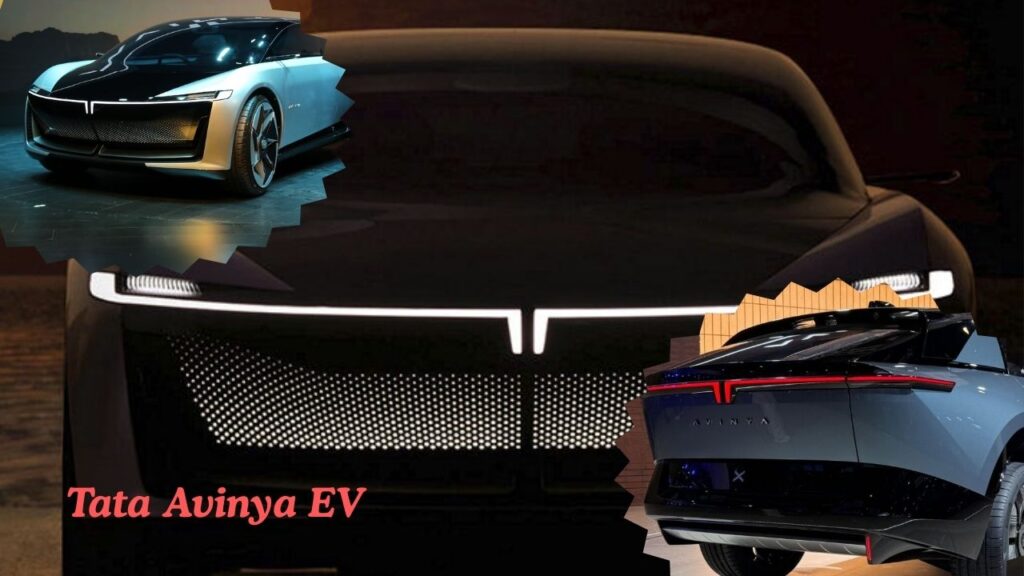
Electric cars aren’t just about saving on gas or reducing emissions—they’re about making a bold statement. Try to imagine driving on the crowded city streets in India and turning heads not because of the sound of a roaring engine but the bold, futuristic form that looks like it came out of a sci-fi movie. That’s the kind of impact Tata Avinya EV wants to make.

The Avinya is more than just Tata Motors’ next electric vehicle – it is a bold vision for the future. The vehicle, which is expected to be released sometime in 2026 or 2027, will be a giant leap for electric mobility in India. Tata’s next-generation electric vehicle platform, the Gen 3 EV platform, serves as the foundation for the Avinya, which brings together cutting-edge technology, sustainable luxury, long-distance performance, and a human-centric design philosophy. From screen-free cabin innovation to its remarkable driving range and next-gen safety features, the Tata Avinya is not just another electric car — it is Tata’s vision for how the future of mobility could be. 

Range That Actually Goes the Distance

A big concern when purchasing an EV is range anxiety—the fear of being stranded on the road with a dead battery. Tata has eliminated that worry with the Avinya. This high-end electric car has a stated minimum range of 500 kilometers on one full charge. Whether you’re planning a weekend getaway to Agra or a long drive to the hills, the Avinya’s range won’t disappoint.​

Range That Actually Goes the Distance

Extreme fast charging performance is a real game changer. Avinya can be charged to 80% in under 30 minutes enabled by next-generation battery technology.  Imagine pulling off the highway for a brief coffee break at a charging station, and coming back to a car charged for another 500 kilometers. That’s the kind of convenience that could make electric vehicles genuinely here to stay on Indian roads. 

Amazing & Beautiful Design 

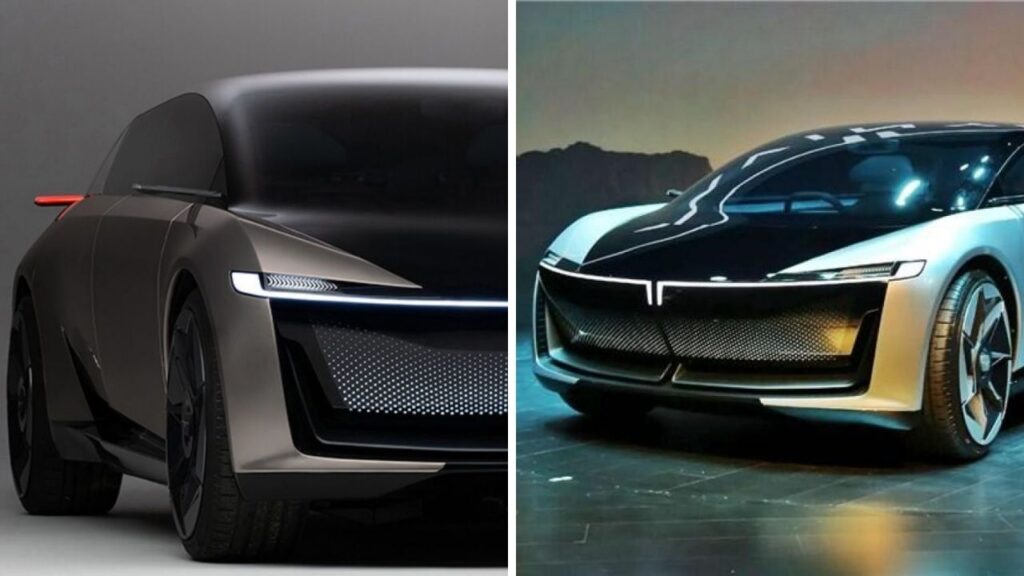
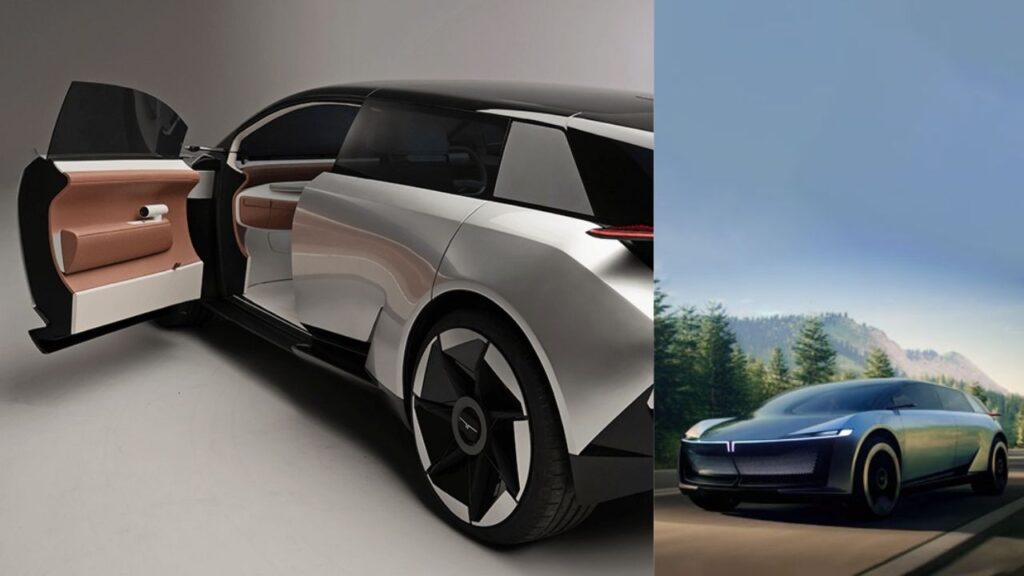
The Avinya has a signature look and is genuinely stunning. Drawing on the clean profile of a catamaran, this machine epitomizes agility, equilibrium, and futuristic technology. Now the genius of Tata is how it combines several vehicle types in a single package.​

It’s essentially the best of three worlds: the nimble handling of a premium hatchback, the utility of an SUV, and the generous space of an MPV. Tata dubs this “mixology,” and it’s a neat way of developing a vehicle that doesn’t sit comfortably within traditional segments—it breaks them. 

Amazing & Beautiful Design 

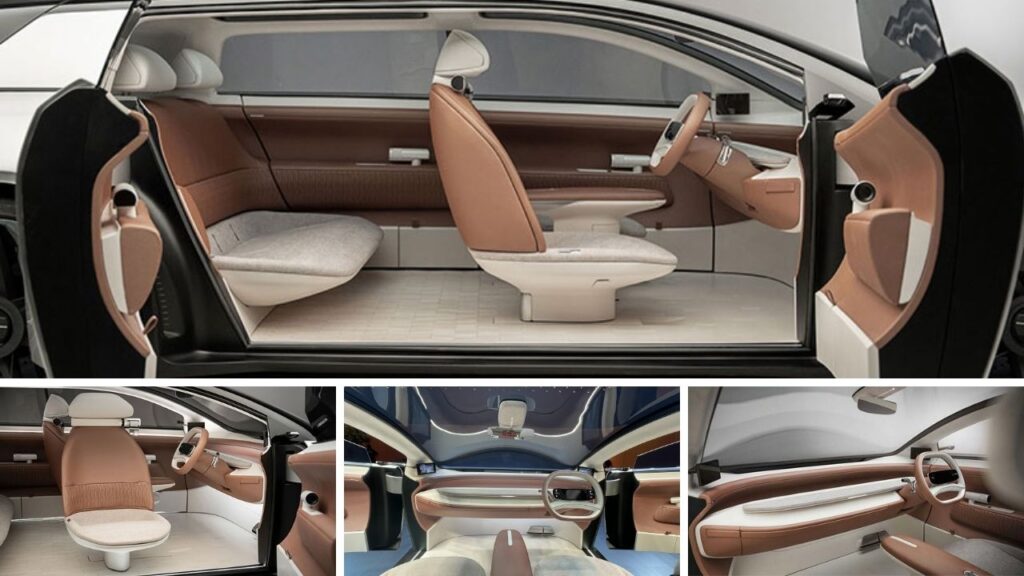
The bodywork has a futuristic shape that looks amazing and is aerodynamically efficient, having a direct effect on improving the range and the performance. Inside, the design ethos is flashy to functional. The Panoramic Sky Dome roof brings natural light into the cabin enhancing the sense of space. Standard on all models, the signature butterfly doors open wide, welcoming you into an authentically luxurious lounge-like cabin that delivers comfort for every journey. 

Eye-Catching Technology

Here is where Avinya defies conventional wisdom — it has virtually no screens. In an era where car makers are competing to fill dashboards with massive displays, Tata has gone in the opposite direction, and it’s surprisingly innovative.

Instead of distracting displays, the Avinya favors intuitive voice-based commands for major functions. This design for a screenless cabin is based on true human-centered principles. Less time looking at screens means less distraction, less motion sickness on long rides and a more relaxing driving experience. It’s technology that works silently behind the scenes as you keep your eyes on the road.​

The Avinya is powered by the Gen 3 platform, which delivers high-level connectivity and advanced driver assistance systems (ADAS) as well as artificial intelligence (AI) features that can enhance — but never overwhelm — your driving experience. Vehicle-to-Load (V2L) and Vehicle-to-Vehicle (V2V) technology are now inbuilt, ensuring that you remain connected and safe while on the road. 

Read More:-  Shubman Gill Car Collection: Inside the Luxury Garage of India’s Cricket Star

Safety That Puts Your Mind at Ease

Safety was obviously the key focus in the Avinya’s design. Based on Tata’s Gen 3 electric platform, the car boasts of high structural safety and features advanced waterproofing and dust proofing based on global standards. This is very important for Indian roads where you can run into anything from flooding monsoons to arid dirt tracks.​

The active safety system also comprises a 360-degree camera, dual airbags (six in the range-topping variants), overspeed warnings and seat belt reminders. They’re not just glitzy add-ons – they’re actual safety nets that shield you and your family every time you take a drive. 

Performance That Doesn’t Compromise

Based on the newly developed Gen 3 electric platform tailor-made for battery electric vehicles, the Avinya offers exhilarating performance without the noise and emissions of standard powertrains. The architecture is made of lightweight materials with optimized structure for delivering efficient power with minimum mass.

Range That Actually Goes the Distance

Tata has designed this EV for all-wheel-drive availability on select variants, providing you with the assurance on multiple terrains – smooth city highways to rough country trails. Each component is finely tuned under the “Minimize-Maximize-Optimize” concept to deliver the best ranges and performance. 

Premium Comfort with Sustainability

Go in and you’ll see something immediately different—everything is tailored to your wellbeing. The interiors are embellished with sustainable material which reflects the environmental responsibility of Tata. Introducing an integrated aroma diffuser for a multi-sensory experience that is truly calming, every drive feels like a retreat for well-being and not just a commute.​

With its clean lines and the unencumbered minimalist design, the flat floor creates a huge amount of space. The two spokes in the steering wheel are home to touch controls that allow you to keep your hands on the wheel. 

Conclusion

The Tata Avinya EV signals a real shift in what is possible when designing and engineering electric vehicles. With more than 500 km range, ultra-fast charging, revolutionary design, intelligent technology and a real emphasis on human well-being, it ticks all the boxes that Indian car buyers have been looking for.

With a starting price of ₹ 30 lakh and going all the way up to ₹ 60 lakh, the Avinya will bring high-end electric motoring to the masses. This is not just a car – it’s a statement of how Tata Motors defines the future of mobility in India and globally. If you’re been longing for a electric vehicle that’s practical, luxurious, innovative in design and green in the environmental sense, well your wait is almost over.