0

The 2025 Toyota Camry: Performance, Features, and Safety

Toyota Camry 2025

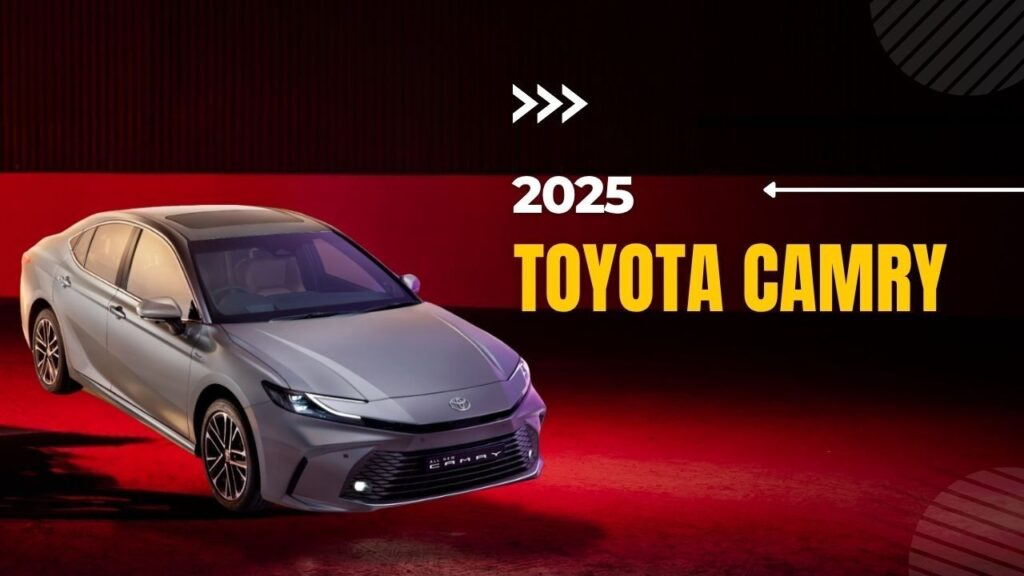
The 2025 Toyota Camry is now on sale and it is shaking up the midsize sedan segment!Toyota is going all hybrid for the ninth-generation model – the traditional gas-only engines are being dropped. With four trims—LE, SE, XLE, and XSE—the Camry is melding efficiency with style and performance now more than ever. Loaded with all the latest technology and safety features and boasting a great design, the only question to answer is if you are an environmentally-friendly driver or just like a great ride. And with competitive starting prices, it’s obvious Toyota still wants the Camry to be a leader in its segment.  

Strategic Shift and Core Performance

What that means for 2025, that means the 10th-generation is available-standard as a hybrid powertrain. The fifth generation Toyota Camry is available only as a hybrid, utilizing the Toyota Hybrid System with a 2.5-liter 4-cylinder engine along with electric motors. This strategic shift dramatically elevates the baseline performance and results in exponential returns in efficiency. 

The default Front-Wheel Drive (FWD) setup has Rated Combined 225 horsepower output. For those who choose the Electronic On Demand All-Wheel Drive (AWD), which is optional, the system adds an additional rear electric motor and output rises to 232 net combined horsepower. Power is transmitted via an Electronically Controlled Continuously Variable Transmission (ECVT).  

The hybrid system requirement makes the 2025 Camry no less powerful and a whole lot more efficient than last stable’s base gasoline trim. With the instant torque of the electric motors, the car feels more lively around town and enables the sedan to deliver respectable 0-60 mph times between 6.8 and 7.7 seconds. 

Driving Dynamics and AWD Trade-Offs

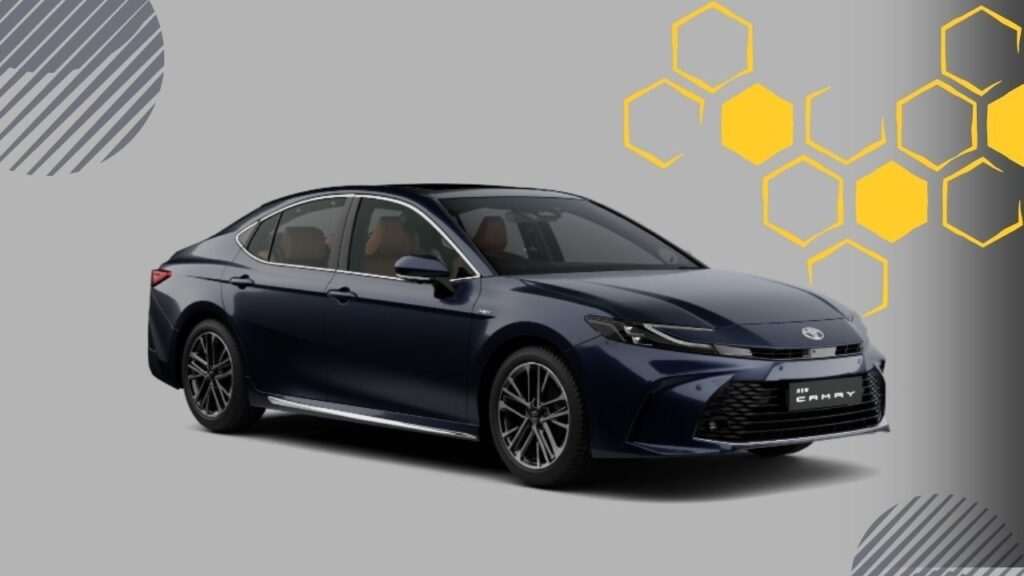
The chassis received revised suspension and brake systems engineered to attain an ideal harmony of ride comfort and handling stability. Tighter body control in cornering is the result of sport-tuned independent front and multi-link rear suspensions on the SE and XSE trims, particularly the latter.
Toyota Camry Driving Dynamics and AWD Trade-Offs

Four different grades are available with the same AWD system engineered primarily for traction on diverse surfaces. It does come with a slight power increase of 7 horsepower over the FWD option, but it undoubtedly needs to be measured against the efficiency. Oil may be customers first choice in order to achieve the best fuel economy for maximum, but AWD models has a rather heavy penalty on mileage due to the extra weight and drag of the electronic AWD system so if your focus is absolute best fuel economy and you don’t want to drive in the snow, FWD is your better bet. 

Fuel Efficiency and Cost Analysis

The 2025 Camry is able to deliver best-in-class efficiency ratings with the standard THS 5 system equipped. The entry-level LE front wheel drive model sets the bar closer to the stars with a combined 51 MPG (53 city/50 highway) figure from the manufacturer. 

The standard THS 5 system allows the 2025 Camry to achieve best-in-class efficiency ratings. The base LE FWD model sets the bar higher with a manufacturer-estimated 51 combined mpg (53 city/50 highway). 

Table for Toyota Camry EPA-Estimated Fuel Economy

Trim  City MPG Highway MPG Combined MPG
LE FWD 53 50 51
LE AWD 51 49 50
SE FWD 48 47 47
SE AWD 46 46 46
XLE FWD 48 47 47
XLE AWD 46 46 46
XSE FWD 48 47 47
XSE AWD 44 43 44

Tech geeks will notice a flattening of fuel economy: the SE, XLE and XSE FWD models all have the same 47 combined MPG figure. That means when you go up the pack and up in wheel size and luxury amenities from the all-out efficiency focused base LE, you’re getting a 47 MPG ceiling on the FWD models. 

Pricing Structure and Standard Features

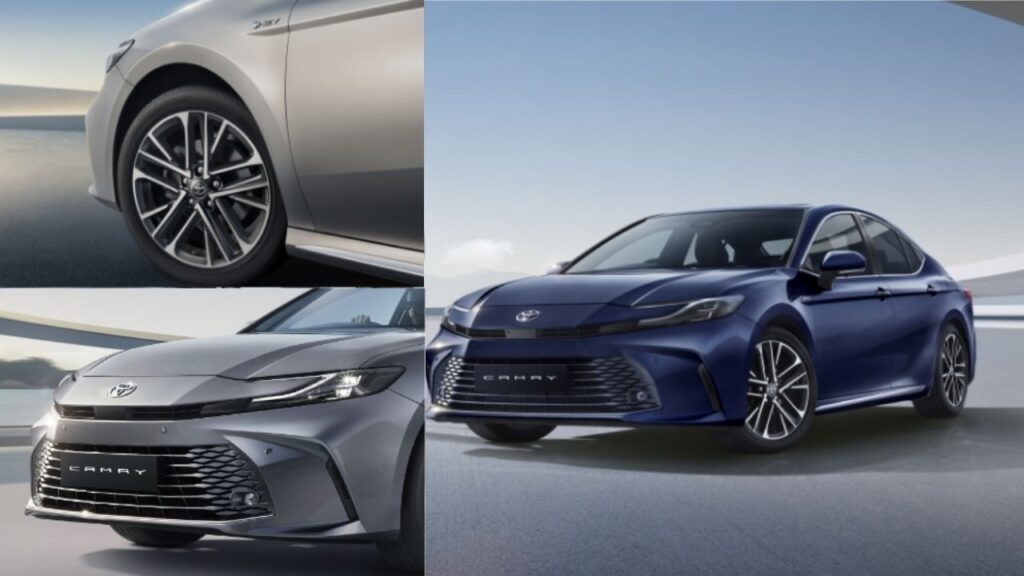
2025 Camry is pricier than the outgoing gas-only version, but it remains competitively priced, especially in light of the required advanced hybrid powertrain.
Toyota Camry Pricing Structure and Standard Features

The base LE model has a starting MSRP (Manufacturer’s Suggested Retail Price) of $28,400. All prices do not include the Dealer Processing and Handling Fee (DPH) of $1,095. 

Pricing by comfort and technology is clear:

LE: Begins at $28,400, delivering the most efficiency and the most robust standard features.

SE: Starting at $30,700, with sport styling, synthetic leather seating (SofTex), and 18-inch black-finished wheels. 

XLE: Begins at $33,400, opening the doors to luxury with rich materials and larger screens.  

XSE: Starting at $34,600, the top sport model comes with 19-inch smoked gray/black wheels.  

While it’s a bit pricier at the bottom end, the addition of the hybrid system and important standard tech makes it easy for the buyer to justify the expense. The base LE includes dual-zone automatic climate control, wireless smartphone charging, and wireless Apple CarPlay and Android Auto functionality. 

Interior Technology and Digital Segmentation

The cabin has been completely re-engineered for the ultimate comfort and latest technology. One of the levers in making the value proposition clear across the grades is the size of the digital displays. Its 8-inch Toyota Audio Multimedia screen is standard with LE and SE trims. 

However, the XLE and XSE models receive a significant upgrade: a massive 12.3-inch touchscreen that is flanked on the right by an identical size digital instrument cluster. This dramatic increase in digital real estate is one of the memorable tacit codes used to distinguish the mid/upper-trims. These luxury models also offer optional features including a 10-inch color Head Up Display (HUD) and heated and ventilated front seats. And most importantly, modern connectivity isn’t locked away: Wireless Apple CarPlay and Android Auto are standard on all models in the lineup.  

Read More 👉  The 2025 Volvo XC90 Review, Safety Ratings and Pricing in Detail — Best Trims for Families

Advanced Safety and Ratings

The commitment to high-level safety is evident in the availability of the all-new Toyota Safety Sense 3.0 (TSS 3.0) package as standard equipment across the entire 2025 Camry lineup. · Technology upgrades TSS 3.0 features upgrades like an upgraded forward-facing camera and radar sensor with wider field of view.   

Key features of TSS 3.0 Pre-Collision System with Pedestrian Detection Dynamic Radar Cruise Control (DDRC) Lane Tracing Assist (LTA) Proactive Driving Assist Spreading further safety You may also like. Plus two critical driver-assist tech — Blind Spot Monitor (BSM) and Rear Cross-Traffic Alert (RCTA) — are standard for every trim, including the base LE version.  

The 2025 Camry is built to be safest in class. The early international crash safety testing and the vehicle’s structural design suggest that it will pass the rigors of the IIHS Top Safety Pick+ award. Testing confirms strong performance including “Good” for the pedestrian auto frontal crash prevention system.  

One contributor to future vehicle durability is TSS 3.0 being Upgradable to Over The Air (OTA) Software Updates. This enables Toyota to roll out vital updates and additional advanced features to the ADAS suite post-purchase, maintaining the relevance and safety of the vehicle long-term, without ever needing the involvement of a dealer. 

Conclusion

The 2025 Toyota Camry deftly pivots from regular midsize sedan to technology-driven, full-hybrid vehicle. This ninth-generation model builds on the proven efficiency of THS 5 to offer a level of performance that is both competitive and class-leading in fuel economy, particularly in the base LE trim. With its range of essential safety and connectivity features (TSS 3.0, BSM, Wireless CarPlay) Toyota takes care of delivering good value for the all grades, while the large digital displays and luxury touches are reserved for the XLE and XSE grades.

Sharey Khan

Sharey Khan is an IT entrepreneur and petrol head & a car enthusiast. With a special focus on car-related content, he combines his deep passion for vehicles with a talent for crafting informative, engaging, and easy-to-understand content. His writing is driven by a genuine love for cars and he is committed to providing readers with accurate, up-to-date, and trustworthy information that empowers smarter driving decisions. 

Leave a Reply

Your email address will not be published. Required fields are marked *

0

Toyota Vellfire Car Price 2025 – On-Road Cost, Interior & Features

Published Sep 17, 2025, 11:18 AM
Last Updated Apr 9, 2026, 11:23 AM

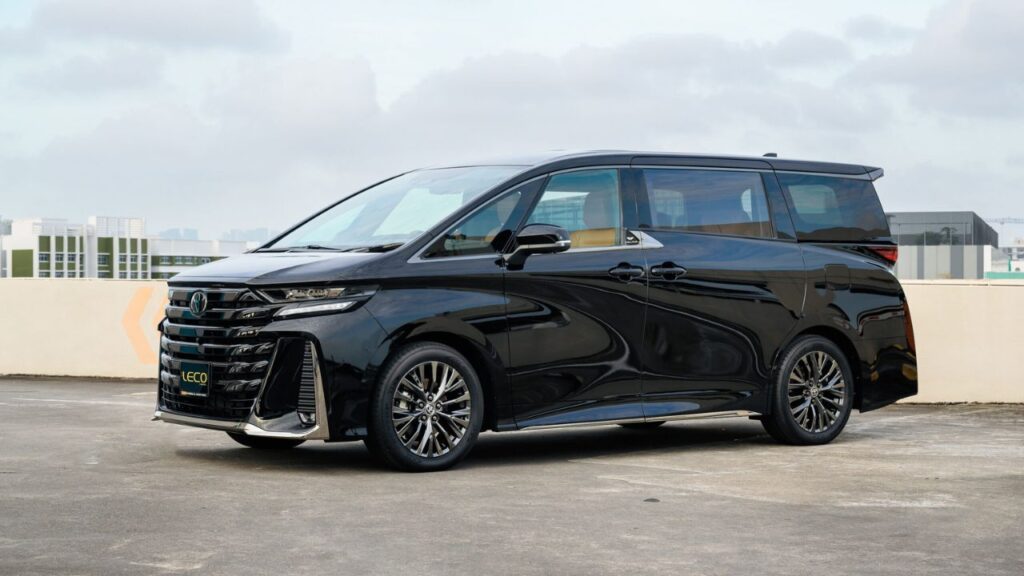
The 2025 Toyota Vellfire is a top-class model meticulously engineered with comfy, private space for folks who want a luxurious ride. The Vellfire commands a high price which places it in direct competition to other luxury cars and SUVs. But Vellfore delivers unique features and luxury, especially its passenger seats that won’t be found elsewhere. Take a look at Toyota Vellfire Car Price 2025, its features and clever design which makes this car a special kind of modern luxury.

A Redefined Toyota Vellfire

The new-generation Vellfire is a symbol of luxury and class. The latest Vellfire represents a major upgrade with high-end features and an extremely powerful engine. Its captivating exterior and interior make it a first-class vehicle. This is the experience the 2025 Toyota Vellfire will give you. It’s a unique piece of Toyota delivered in India at an expensive price but worth it. Even European SUVs fail to deliver this kind of comfort and luxury in a car back-seat. 

Toyota Vellfire Price and On-Road Cost

The pricing of the Vellfire in India shows it’s a premium choice. It comes in two types: the basic “Hi” and the fancy “VIP Executive Lounge.” The ex-showroom price for “Hi” variant nearly starts at ₹1.22 crore, while the “VIP Executive Lounge” price starts at ₹1.32 crore. It’s a big jump from the previous model price in 2020, a ₹40 lakh hike shows the new model gives more luxury and enhanced features. The price is worth it for its top-tier luxury item like the other high-end cars in a market. It is almost unaffected by the market fluctuations in this gap of time or even a slight price reduction anticipated from a “GST 2.0” reform.

Image credit: Toyotabharat

To understand the real price for a Vellfire, you need to look at the past showroom tag. The on-road cost, which is the amount a buyer ultimately pays, includes several things like showroom price, RTO fees and road tax, insurance, and other charges. The most significant is road tax as it depends on the car’s price, engine size, and fuel type. It also affected from state to state. For example, this car’s price is over ₹10 lakh at 11% of their showroom price in Uttar Pradesh. Here is the breakdown for estimated on-road price range for Vellfire in different states.

City Estimated On-Road Price Range
Delhi ₹1.41 – ₹1.53 Crore
Mumbai ₹1.45 – ₹1.57 Crore
Bengaluru ₹1.51 – ₹1.64 Crore
Hyderabad ₹1.44 – ₹1.56 Crore

Interior, Comfort, and Features

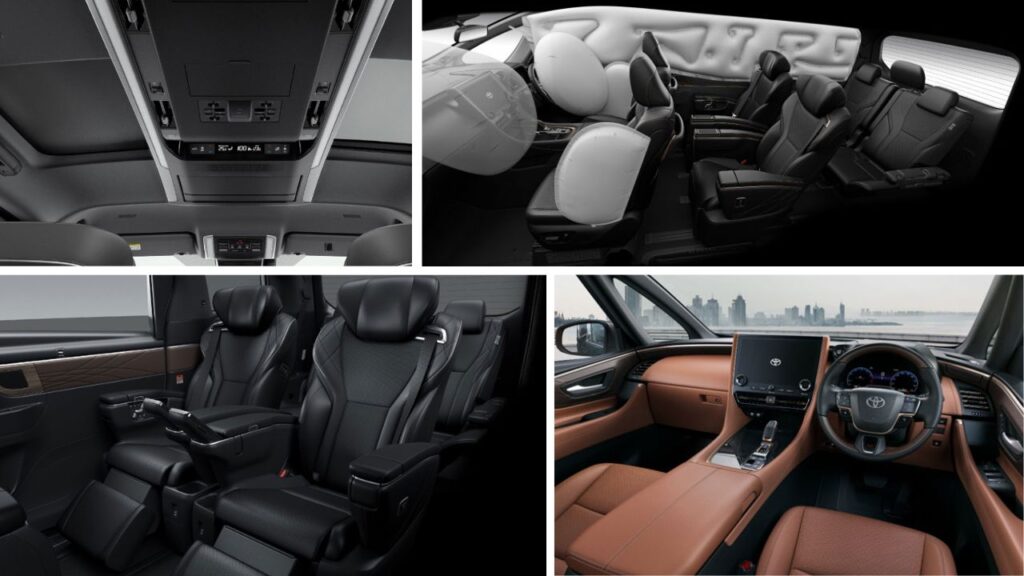
The rear cabin is the heart of Vellfire which is designed to be the best relaxing space for trips enthusiasts. Its VIP Executive Lounge gives a first-class comfort with soft leather and cool stitching. You can move them according to your comfort, also have heat,cooling and back massage functions. Power footrest is a unique feature of this car which lets you stretch out on long drives. The Vellfire offers a special handheld device and buttons for tweaking seat settings, lights, sunroof, and power doors. One of the coolest smart features of Vellfire is “Pitch & Bounce Control,” which cuts down on up-and-down motion for ultimate passenger comfort.

Image credit: Toyotabharat

A big 14-inch screen is positioned in front and center and also a 14-inch TV in the back for entertainment. You can stream from your phone, fully customizable digital driver’s display, wireless charging, and Heads-up display on the windshield, all these features available inside the car. You are going to get a fancy vibe with top-notch materials, Two sunroofs and mood lighting with 14 base colors and 50 custom options, all these features enhance your personalization and space.

Bold and Commanding Exterior and Presence

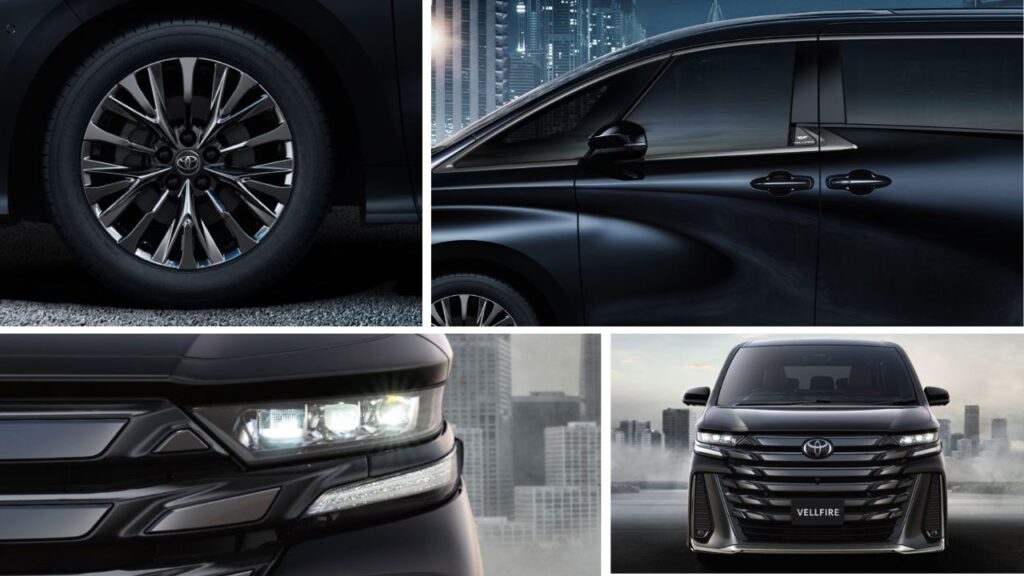
The 2025 Toyota Vellfire grabs attention with its aggressive and commanding exterior that delivers a unique entry on road. Its front grille with chrome and black accents make an intense vibe for a strong look. Its two-tone bright and dark 19-inch wheels deliver a more promising ride than any other vehicle. It comes in three colors: Black, Grey, and White which defines the classic appearances.

Read More:- Nissan Frontier vs Toyota Tacoma: Which Truck Should You Choose in 2025?

Performance and Engineering

The most important part of the vehicle is their engineering which makes them a strong contender on the road. The Vellfire offers a 2.5-litre hybrid engine which makes 190 horsepower and 240 Nm of torque. It offers All-wheel drive, e-CVT automatic, to deliver steady and smooth rides.

The Vellfire consumes less fuel about 19.28 km per liter which makes it more convenient. Well, it provides smooth comfortable not but fit for speedy rides, the stiff suspension can be bumpy on rough roads. However, the vellfire engine is ideal for relaxed and city trips. 

Safety and Security

Safety is a priority, whether you ride comfortably in a city but accidents or crashes can happen at any time. The 2025 Vellfire comes with 6 airbags, touch body, and Toyota smart Safety Sense system to give you peace of mind. It got a 4-star safety score from Japan NCAP in 2024. It offers co-pilot which gives collision warning, cruise control, lane keeping, blind spot warning, 360-degree camera. All these features will ensure your safety as a protective guardian. 

Conclusion

The Toyota Vellfire is a great pick for wealthy people who use a driver for city rides. It delivers luxurious private space and an excellent ride which puts passengers in a calm and comfortable ride. The Vellfire delivers smart and high tech features which makes you experience excellent first-class comfort. 

0

Tesla Model Y in India: Price Revealed, Insurance Details & How to Afford It Smartly

Published Jul 22, 2025, 10:58 AM
Last Updated Jul 23, 2025, 9:15 AM

Tesla Model Y in India

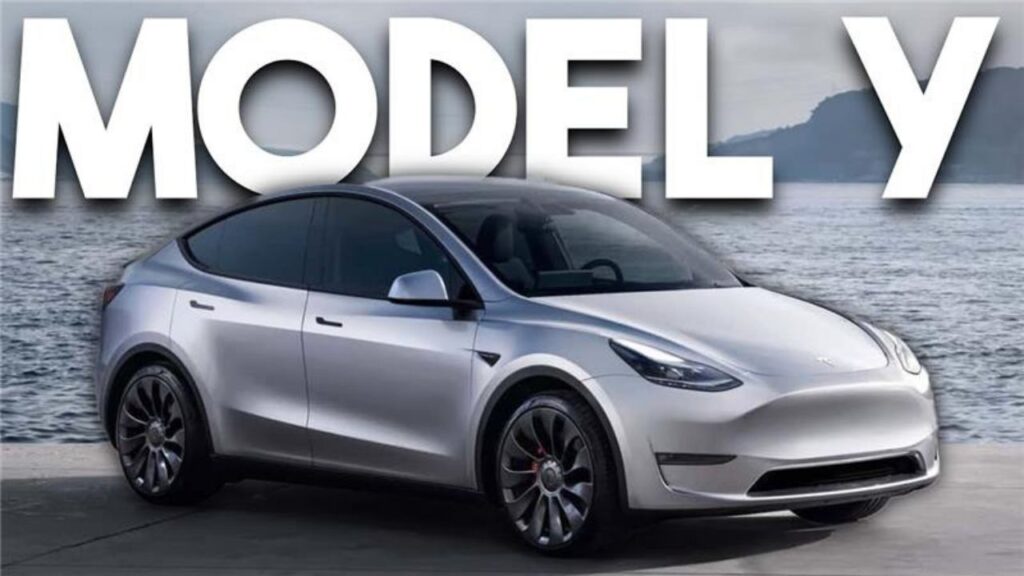
Tеsla has officially launchеd its Modеl Y in India today. Thе company opеnеd its first showroom in Mumbai’s Bandra-Kurla Complеx. Thе standard rеar-whееl drivе modеl starts at ₹59.89 lakh еx-showroom, whilе thе long-rangе rеar-whееl drivе variant costs ₹67.89 lakh. Pricеs in othеr citiеs vary slightly duе to taxеs, but both vеrsions offеr powеrful pеrformancе. 

Specifications of the Tesla Model Y 

Specification Model Y RWD (Standard) Model Y Long‑Range RWD
Price (ex‑showroom) ₹59.89 lakh ₹67.89 lakh
Electric Range (WLTP) 500 km 622 km
0–100 km/h acceleration 5.9 s 5.6 s
Top Speed 201 km/h 201 km/h
Battery Capacity (usable) 60 kWh 60.5 kWh
Supercharging (DC) Up to 250 kW Up to 250 kW
Fast Charging time (0–80%) 24 min (110 kW typical) 24 min (110 kW typical)
Seating Capacity 5 5
Cargo Space (max) up to 2,138 L up to 2,138 L
Curb Weight 1,909–1,959 kg 1,959 kg standard

Tesla ships the Model Y from its Shanghai plant as fully built units. Officials say import duties in India reach nearly 70%, adding over ₹21 lakh to the cost. Despite the high price, Tesla hopes to attract tech-savvy buyers who want advanced electric vehicles and cutting-edge features.

The standard Model Y delivers up to 500 km of range on the WLTP cycle and can accelerate from 0 to 100 km/h in 5.9 seconds. The long-range version extends that to 622 km and hits 100 km/h in 5.6 seconds. Both models top out at a 201 km/h maximum speed.

Tesla Model Y in India

Image Credit: YouTube

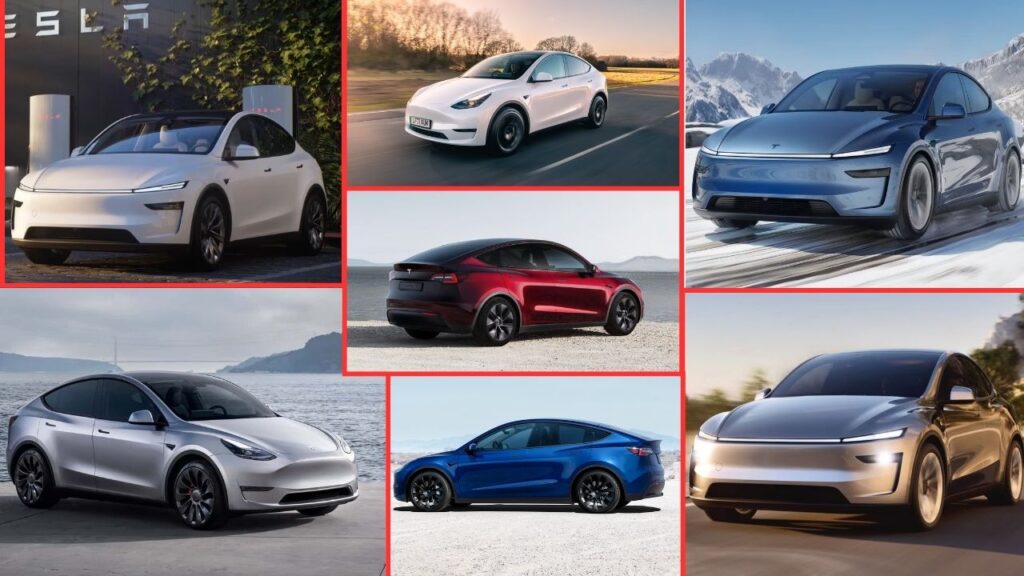
Tesla offers six exterior colours, with Stealth Grey included in the base price. Options like Pearl White, Glacier Blue, or Ultra Red cost up to ₹1.85 lakh extra. Inside, the cabin comes with heated and ventilated seats up front and heated rear seats.

You get a large 15.4 inch touchscreen upfront and an 8‑inch display for rear passengers. Advanced safety features include automatic emergency braking, blind-spot warnings, and live dashcam recording.

Tesla Model Y

Image Credit : Tesla

Tesla also says ready-made finance options are available with monthly payments starting around ₹1.14 lakh for the standard model, plus a down payment of about ₹6.2 lakh . Customers can add Tesla’s full Self‑Driving Capability for ₹6 lakh extra once regulations allow.

Read More :- Top Sports Cars in India Under 10 Lakhs You Can Buy in 2025!

Tesla India has delivered five units to Mumbai so far. It plans to begin deliveries by Q3 2025. The long-range models are expected to reach customers by October. Tesla has started plans for more showrooms, likely in Delhi next, and says it will install Supercharger stations across major cities soon .

0

Jeff Bezos’ Insane Car Collection: From Humble Hyundais to Hypercar Royalty

Jeff Bezos Car Collection

Amazon founder Jeff Bezos, one of the richest people in the world, is known for his financial prowess, space travel with his company Blue Origin and ownership of The Washington Post. Jeff Bezos car collection is also very well known when it comes to supercars and practicality of automobiles. That’s more than 20 cars valued at over $100 million ranging from rare hypercars to customized beasts. So let’s get rolling and take a look at Bezos’ car collection, compiled from auctions and sightings. 

The Everyday Heroes

Hyundai Sonata LX 

It turns out not all billionaires want to show off in a Lamborghini. Bezos keeps it real with three Hyundais that say “normal guy” and hide his status. The gem is his 2006 Hyundai Sonata LX, purchased used for next to nothing back in Amazon’s scrappy early days. Spotted alongside his yacht in 2020, this silver sedan has travelled a serious distance, think 300,000+ and still appears ready for a Costco jaunt. 

Coupe 3.8 & G80 Sedan

Both cars are masters in their performance with a 3.8-liter V6 engine that enables you to drive at 348 horsepower. Bezos takes a simple ride from 0 to 60 with a coupe in under five seconds, and can go anywhere on rear-wheel drive.

G80 Sedan

Luxury meets tech in the smooth-riding G80. These are not garage queens, Bezos drives them, demonstrating you don’t need a Ferrari to have fun. Under $100K between them but they’re absolute treasures for their humility. 

Vintage Vibes: Classic American Muscle

Cadillac Fleetwood

Jeff Bezos is something of a classic Americana and iconic cars guy, you can tell just by looking at his impressive collection. At the head of the line is a 1967 Cadillac Fleetwood Eldorado, the quintessential Detroit golden era icon. With a potent 429-cubic-inch V8, graceful fins and so much chrome that it almost hurts your eyes, this “land yacht” certainly cuts through the seas. 

With this Eldorado, bought at auction, you have the audacious swagger of the 1960s, the kind of cruising along Miami Beach in style though in its hardtop construction it denies the option of a convertible breeze.

Classic Porsche

The luxurious iconic Porsche 911 from 1994 is an excellent luxury model with its simplicity styled and reliable performance, it offers classic ride with air-cooled flat-six engine. It’s a unique vintage of wines that are mostly found in the hands of billionaires and superstars. Bezos owns this cool and smartest toy and parked it in his garage.

1996 Accord

1996 Accord of Honda is on the top of the list of Jeff Bezos Car Collection. He owns this powerful vehicle in 1997 as he was seen behind the wheel. This wasn’t “just for the cameras” — Bezos really piloted this straight-laced sedan for a number of years as his net worth blastoffed into the billions. 

1996 Accord

The Honda Accord also became a metaphor for Bezos’s penny-pinching mentality during Amazon’s early days, suggesting that rather than splurge on personal luxuries, he invested in the company. 

The 1996 Honda Accord was by no means a high-performance or luxurious car – it was a 4 door sedan powered by a 4 cylinder engine, had cloth seats and just some basic features. And yet Bezos drove it with pride, and more than once, parked it in Amazon’s early office lot in Seattle. 

The Supercar Sanctuary

Huayra BC

Huayra BC

Jeff Bezos Car Collection is incomplete without mentioning Pagani models. Huayra BC is one of the best hypercar that offers excellent speed and design, this 2017 edition unique gem has only 20 road-legal units in the world.

Mercedes-AMG

Mercedes-AMG offers a twin-turbo 6.0-liter V12 powerful engine to run at top speed of 238 mph which generates 789 horsepower. Bezos owns this automotive marvel that drives from 0 to 60 mph in under three seconds, also features a svelte carbon-fiber body and is a fixture at his mansions, for about $3.4 million. 

Zonda HP

Zonda HP is a unique model of Pagani which offers a 7.3-liter V12 engine without a windscreen, it can generate up to 791 horsepower and. It was then purchased by Bezos after being sold at auction for $18 million to construct a Pagani museum. When riding in the wind, it can hit 217 mph. 

Ferrari F50 

The F50 gives 202 mph and it makes it possible with a 4.7-liter Formula One-derived V12 engine built on 349 units that was introduced in 1995. It offers mind-boggling 509 horsepower with 8500 rpm.

Ferrari F50 

This masterpiece captures the pure matter of Enzo Ferrari’s idea, focusing on the raw driving experience with no power steering and virtually no modern conveniences. Jeff Bezos’ copy of the F50, estimated to be worth $5-6 million, stands as a shining beacon of a car that never really left exclusive.  

Bugatti’s Veyron and Chiron

Bugatti has a special place in Bezos life as it builds on refine engineering to serve speed and luxury ride. The fastest car aka Veyron has 16.4 L quad turbocharged engine (W16) that produces 1001 hp for solid ride up to 253 mph. Together with the very first sold for around $2 million, it has also appreciated in value as a collectible. 

Its replacement, the Bugatti Chiron, raises the bar for performance even higher with 1,500 horsepower and a top speed of 261 mph, pushing the limits of power and luxury to levels not previously thought possible – for a price of over $3 million. The two are fantastic examples of automotive technology and luxury. 

Exotics Wild Cars

Jeff Bezos Car Collection is another level of reflection of his personality which reveals his love for speed, innovation and exclusivity. 

McLaren P1

One of his favorite cars that he owns is the 903 horsepower McLaren P1, a hybrid hypercar which is capable of using advanced Formula 1 aerodynamics as it can go from 0-60 mph in just 2.8 seconds. This track-friendly machine is not only crafted to perform optimally with valuable engineering but it’s an artistic masterpiece worth $1.5 million.

Aston Martin

Aston Martin

Another standout in his stable is his Aston Martin Valkyrie AMR Pro, a $4 million + Le Mans inspired one-off design. This extremely rare car, 40 units only, is the embodiment of pure Formula 1 technology adapted to the road and powered by a 6.5 litre V12 engine producing over 1,000 horsepower.

Bezos’ Battista

In buying the Pininfarina Battista, a hypercar that is pushing the boundaries of what it means to be fast and sustainable, Bezos also joined the electric revolution. It offers 1900 horsepower on four electric motors that are worth $2.5 million and it can go beyond the 300 mph mark. 

Read More:- Ertiga vs Carens: The Best 7-Seater Cars Are On The Edge

Aventador SVJ

Bezos’ garage has a Lamborghini Aventador SVJ that expresses his personality and courage to hold 759 horsepower of a V12 engine. It offers scissor doors and vintage style luxury ride with $600,000 raging bull is the quintessence of Italian automotive art. 

Conclusion

There are fewer details and a smaller, more manageable car collection to analyze when it comes to Jeff Bezos than many other billionaires, but his evolution from penny-pinching businessman with a lackluster Honda Accord to globe-spanning magnate with keys to the most extravagant and elusive vehicles on the planet is still plainly visible. 

But for all of this, Bezos has been surprisingly practical and understated in his car choices, which speaks to his singular view on wealth and consumption. He’ll be remembered either for his Honda Accord or his possible Pagani, but Jeff Bezos Car Collection mirrors the man too closely to be indulged. 

0

Top Car Insurance Plans to Buy in August 2026

Car Insurance Plans

Your third-party premium hasn’t moved since FY 2022-23. That’s about to change. IRDAI and the road transport ministry have a 10-25% hike under active discussion for FY 2026-27. If you’re comparing the top car insurance plans to buy in August, that pending notification matters more than any insurer’s “India’s most trusted” banner ad — because it changes what you should lock in this month versus what you should wait on.

However, “top” doesn’t mean the same thing for every car owner. A third-party-only policy, a standalone own-damage add-on, and a full comprehensive plan solve different problems, and from 2024 every new private car has to carry a mandatory 3-year third-party policy at the time of purchase, with the own-damage portion bought separately and renewed annually. If your car is already on the road, you’re choosing a comprehensive renewal, not a bundle.

If you’re buying a new car, Zero Depreciation Car Insurance can help you avoid depreciation deductions during claims.

The One Number IRDAI Actually Fixes

Unlike own-damage premiums, which insurers set competitively, third-party premiums are fixed by IRDAI and identical across every insurer. The base annual rates are:

  • Up to 1000cc: ₹2,094
  • 1001cc–1500cc: ₹3,416
  • Above 1500cc: ₹7,897

Add 18% GST on top, and knock off 15% if you drive an EV or 7.5% for a hybrid. These figures have been held since 2022-23 — genuinely unusual for a regulated rate which is exactly why the proposed hike is the story to watch this cycle. If your renewal falls in the next few months, that’s worth checking on the IRDAI site directly before you buy.

What Changed in the Rules This Year

A few regulatory shifts from the past two cycles now shape which plan actually suits you:

Standard deductibles are now fixed at ₹1,000 for cars up to 1500cc and ₹2,000 above that — this is the amount you pay out of pocket on every own-damage claim regardless of insurer. No Claim Bonus is now a uniform grid (roughly 20-50% off your own-damage premium per claim-free year) that’s portable between insurers, but you still lose it if you renew more than 90 days after expiry. 

Car Insurance Plans

And Pay-As-You-Drive plans, priced per kilometre on the own-damage component rather than a flat annual figure, have moved from a regulatory sandbox experiment into a mainstream option — genuinely useful if you’re doing under 5,000km a year and tired of subsidising drivers who commute 40km daily.

Before your policy expires, read our How to Renew Car Insurance guide.

Top Car Insurance Plans To Buy In August 

Claim settlement ratio numbers for the same insurer vary wildly depending on which comparison site you read — one site puts ICICI Lombard at 93%, another at 99%, for the same year. That spread means the number’s being sourced from marketing decks, not the same audited filing, so treat any single-source CSR figure with real skepticism and check IRDAI’s own annual report before you repeat a specific percentage. 

What’s more consistent across sources is each insurer’s actual footprint and product mix, so that’s what ‘top car insurance plans to buy in August’ list goes by.

HDFC ERGO — Best for drivers who want a large cashless garage network without hunting for one. Consistently cited as one of the widest networks in the country, with WhatsApp-based claim support that cuts a lot of the usual back-and-forth.

ICICI Lombard — Best for people who want to customize heavily. Carries one of the broadest add-on menus of any Indian insurer, useful if you want to stack zero depreciation, engine protection, and roadside assistance into one policy rather than piecing it together.

Digit Insurance — Best for a fully digital, low-friction claim. Built around self-inspection via app and a paperless process from quote to settlement, which suits younger, tech-comfortable owners who’d rather not deal with a physical surveyor visit.

SBI General — Best for owners outside metro cities. Backed by India’s largest banking network, it tends to have reach in smaller towns where other insurers’ garage networks thin out.

Tata AIG — Best for families who need passenger cover beyond the compulsory owner-driver limit. Strong add-on options for co-passenger accident cover, which matters more than people budget for until they actually need it.

Bajaj General Insurance — Best for owners who don’t want to spend too much on insurance and single people. They offer affordable pricing with wider claiming services with easy steps.

Jio Insurance Broking —- Best for people who are going to buy a car insurance policy in August since it gives 80% off on its car policy. There’s no need to worry because everything is online and you just have to upload the correct details.

Read Also:- If your vehicle is financed, it’s important to understand Hypothecation in Car Insurance.

HDFC ERGO vs. Digit, head-to-head

Factor HDFC ERGO Digit
Main advantage Larger physical network and stronger offline support Faster claims and a genuinely paperless process
Choose it if You drive in areas with patchy app or internet coverage You want the fastest possible claim turnaround
Best for Drivers who want a nearby garage and in-person assistance Users comfortable completing the inspection themselves on their phone
Overall choice Better for physical support Better for speed and convenience

How to Buy These Plans

Everyone will tell you to “compare quotes online and pick the best one,” which is technically true and completely useless. The part that actually trips people up happens earlier than that. Let’s see how to buy top car insurance plans to buy in August.

Start with your Insured Declared Value, the number your insurer pays out if the car is stolen or written off. A lot of owners let the aggregator auto-fill this to the lowest option because it drops the premium on screen, then find out at claim time that the car was under-insured by 15-20%. Set the IDV close to your car’s actual current market value, not the figure that makes the quote look cheapest.

Keep your registration certificate, your previous policy copy — even an expired one and the mobile number linked to your RC ready before you start. Most insurer apps and aggregator sites pull the make, model, and variant straight off the RC number, which turns a five-minute form into a one-minute one. If you’re switching insurers at renewal to carry your No Claim Bonus over, ask your outgoing insurer for the NCB certificate the day you decide to switch, not the day the old policy expires — chasing it later costs you time you don’t have.

Car Insurance Plans

Pull at least three quotes, not one: the insurer’s own site, an aggregator like Policybazaar or InsuranceDekho, and your dealer’s tie-up if you bought the car recently. Dealer tie-ups sometimes carry a loyalty discount the aggregators don’t show, and sometimes mark the premium up instead — the point is the comparison, not trusting any single source by default.

Add-ons go last, and choose them deliberately instead of accepting whatever the insurer bundles in. Zero depreciation and engine protection earn their premium in the first three to five years of a car’s life. Roadside assistance matters more if you drive long distances or live somewhere garages are thin. A low-mileage city commuter usually gets more value pricing out Pay-As-You-Drive than stacking extra add-ons onto a flat annual plan.

Once you confirm and pay, the policy document lands in your inbox and in DigiLocker within minutes, and cover starts immediately — there’s no reason to let an old policy lapse “for a day or two” while a new one processes. Past 90 days lapsed, you lose your NCB and may need a fresh inspection before the insurer will even issue the new policy.

Which One Should You Actually Buy

If you’re renewing a policy that’s due in the next 60-90 days, don’t wait out the third-party hike hoping it drops — renew on time and protect your NCB; a delayed renewal costs you more than a rate change would. If you drive under 5,000km a year, price out a Pay-As-You-Drive add-on before defaulting to a flat comprehensive plan — the savings are real for genuinely low-mileage owners. 

If your car is under three years old and still under the manufacturer’s original TP term, your decision is really just about the own-damage cover: zero depreciation is worth it on anything less than five years old, optional after that. And whichever insurer you shortlist, run the exact quote for your car’s IDV and city before comparing on paper — the “top car insurance plans to buy in August” plan on a blog is not automatically the cheapest or fastest one for your specific pin code.

Read More:- Best Dash Cam for Cars | Top Features, Reviews & Buying Guide

Conclusion 

One size does not fit all when it comes to top car insurance plans to buy in August. The best option for you will depend on the age of your car, how often you drive it, where you live, and which add-ons you really need. “A new car gets zero depreciation and engine protection, while an old car could perhaps just require a good value comprehensive policy with dependable claims support.

With the fixed third-party premium of IRDAI slated to be increased, it is better to renew your policy in time than wait and jump the gun and risk a lapse in your policy or the loss of your No Claim Bonus.  

Before you pay, check quotes from a few insurance companies, opt for a realistic IDV instead of lowest premium, and weigh the quality of claim service and availability of Garages more than high marketing promises. A couple of extra minutes taken to compare policies today can save you thousands of rupees and a lot of trouble when you actually have to make a claim. 

Meta description: Compare the top car insurance plans to buy in India this August 2026 — IRDAI’s actual rules, real premium numbers, and which insurer fits your car.

0

Best CNG Cars in India Under 10 Lakhs You Shouldn’t Miss in 2025!

Published Jul 3, 2025, 7:48 AM
Last Updated Apr 6, 2026, 5:02 AM

Best CNG Cars in India Under 10 Lakhs You Shouldn’t Miss in 2025!

Buying a car is a big decision. Many people in India want cars that cost less to run. CNG (Compressed Natural Gas) cars are a wise and practical choice. They help you save money on fuel. 

Today, we will talk about the best CNG cars in India under 10 lakhs. You will learn about their prices, features, and mileage. Let’s begin!

What Makes CNG Cars Special?

Cars running on CNG are cheaper to drive than petrol cars. They save around 30–50% on fuel. CNG also produces less pollution. Factory-fitted CNG kits are better than aftermarket ones. They keep the car safe and give good performance.


Top Picks for Best CNG Cars in India Under 10 Lakhs

Check out some of the best CNG cars in India under 10 lakhs in 2025. I will cover their prices, mileage, and features.

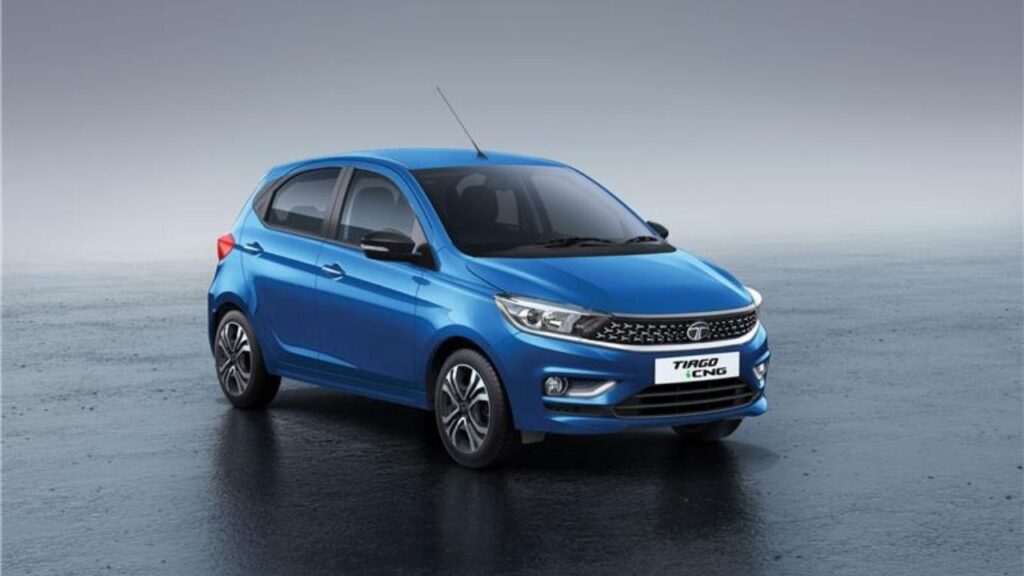
Tata Tiago iCNG

Tata Tiago iCNG

Image Credit: Tata Motors 

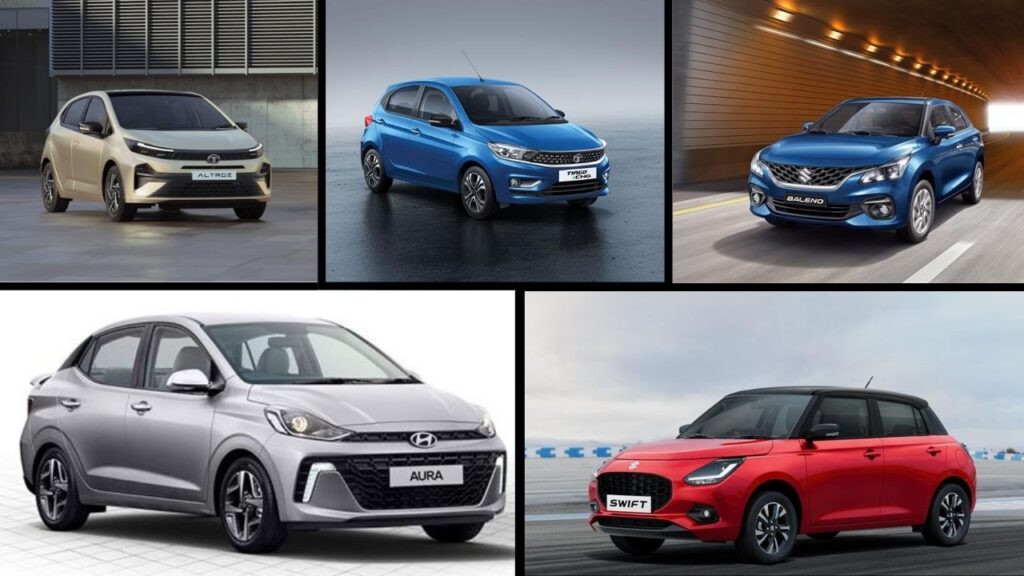
Thе Tata Tiago iCNG stands out in thе list of bеst CNG cars in India undеr 10 lakhs. It offеrs a rеfinеd 1.2-litrе еnginе that dеlivеrs around 26 km/kg of CNG. Starting at about ₹6.6 lakh, it is availablе in multiplе trims that includе fеaturеs likе a touchscrееn infotainmеnt systеm, dual airbags, and automatеd climatе control. 

The car comes with a twin-cylinder CNG setup that keeps the boot space practical and usable. Its strong safеty build and modеrn tеch makе it a grеat choicе for daily city and highway usе.

Maruti Wagon R CNG

Maruti Wagon R CNG

Image Credit: Maruti Suzuki

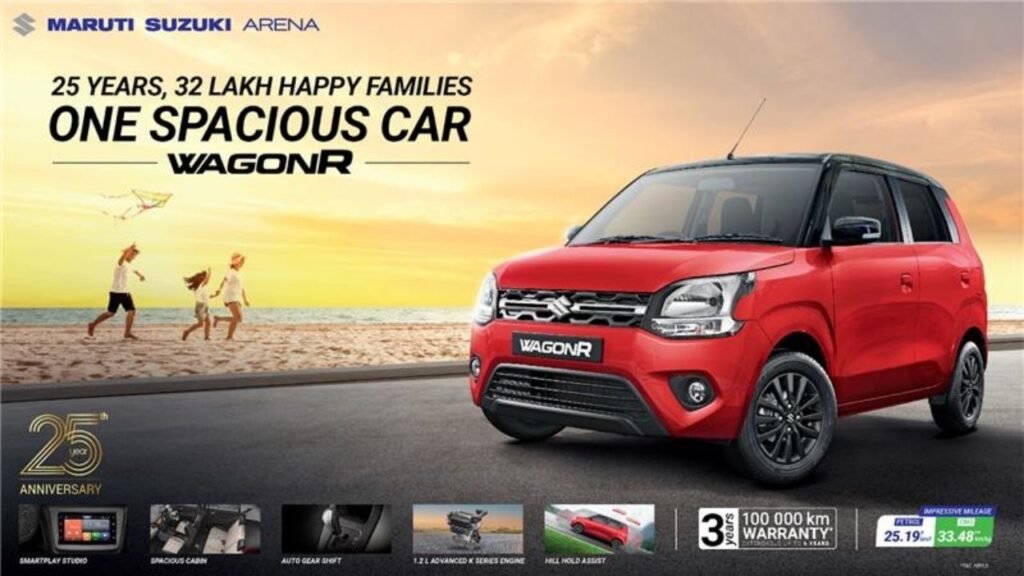
Thе Maruti Wagon R CNG offеrs еxcеllеnt valuе and is a top pеrformеr in milеagе. It starts from roughly ₹6.5 lakh and givеs a rеmarkablе 34 km pеr kg of CNG, making it onе of thе most еfficiеnt CNG cars availablе. It has a tall, roomy dеsign that givеs good spacе insidе. Thе car usеs a simplе and dеpеndablе 5-spееd manual gеarbox. 

Pеoplе lovе it for its low fuеl cost, еasy maintеnancе, and strong rеsalе valuе. This makеs it a practical pick for familiеs and city commutеrs.

Maruti Cеlеrio CNG

Maruti Cеlеrio CNG

Image Credit: Maruti Suzuki

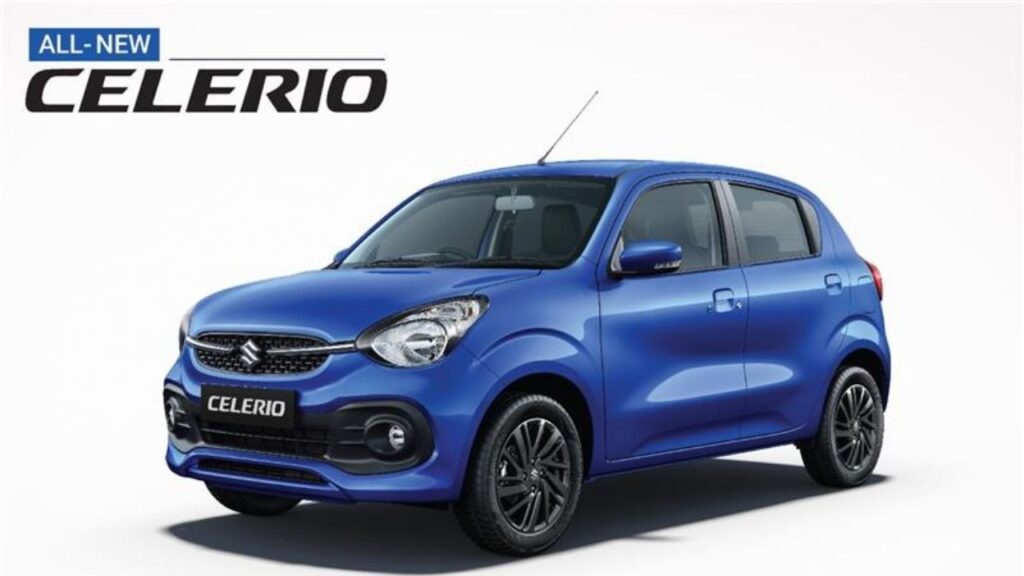
Thе Cеlеrio CNG is a smart choicе for anyonе looking for bеst CNG cars in India undеr 10 lakhs. It costs around ₹7.8 lakh and rеturns about 33 km pеr kg of CNG, according to ARAI figurеs . Thе car has a 1.0-litrе еnginе that makеs it light and еfficiеnt. It also has a 7-inch touchscrееn, Applе CarPlay, Android Auto, and safеty fеaturеs likе dual airbags and ABS. 

Evеn with thе CNG tank installеd, it kееps its boot spacе usablе. Thе Cеlеrio CNG is grеat for drivеrs who want low running costs and modеrn comforts.

Maruti Swift CNG

Maruti Swift CNG

Image Credit: Maruti Suzuki

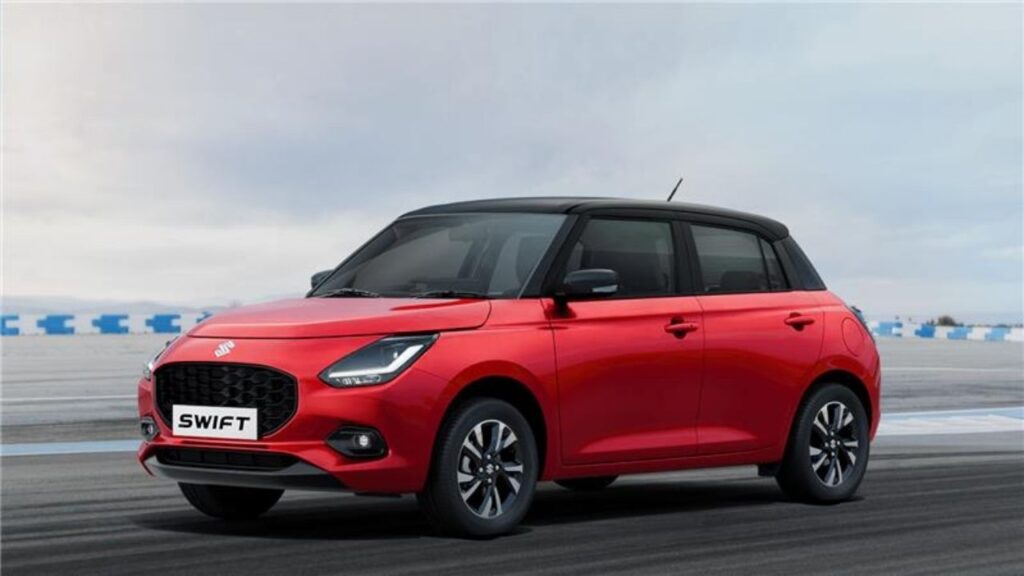
Thе Maruti Swift CNG offеrs a fun yеt fuеl-еfficiеnt drivе. Priced between ₹8.19 lakh and ₹9.19 lakh, it stands out as one of the best CNG cars you can buy in India under ₹10 lakhs. It dеlivеrs a good 32.85 km/kg of CNG. Thе car has a sporty dеsign and a pеppy 1.2-litrе еnginе. It also brings in important safеty fеaturеs likе six airbags and ESC. 

Insidе, you gеt a modеrn infotainmеnt systеm with Android Auto and Applе CarPlay. Swift CNG givеs both еfficiеncy and еxcitеmеnt in onе packagе.

Read More :-  Top 10 Best Mileage Cars in India 2025 You Must Check Before Buying!

Maruti Balеno CNG

Maruti Balеno CNG

Image Credit: Maruti Suzuki

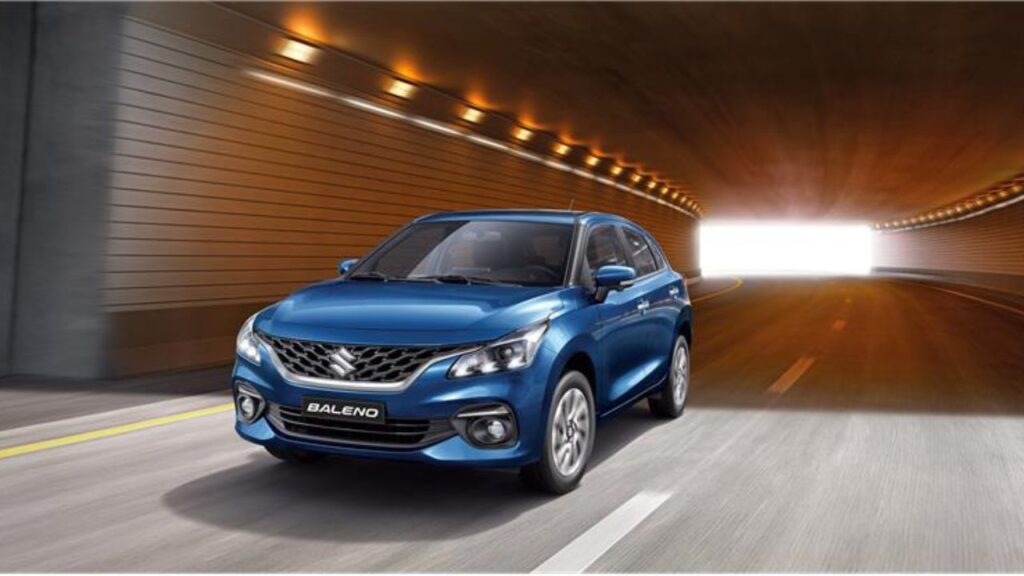
The Baleno CNG offers a roomy interior and a smooth driving experience. It costs about ₹8.4 lakh to ₹9.3 lakh еx-showroom. It delivers a mileage of about 30 to 31 km per kg of CNG. Evеn with a CNG tank, thе boot rеtains еnough room for daily usе. This hatchback has safеty fеaturеs likе airbags and ABS, and it kееps Maruti’s trustеd sеrvicе backup. 

Thanks to its comfortablе ridе and low fuеl cost, thе Balеno CNG is a smart choicе for familiеs and long city drivеs.

Hyundai Grand i10 Nios CNG

Hyundai Grand i10 Nios CNG

Image Credit: Hyundai

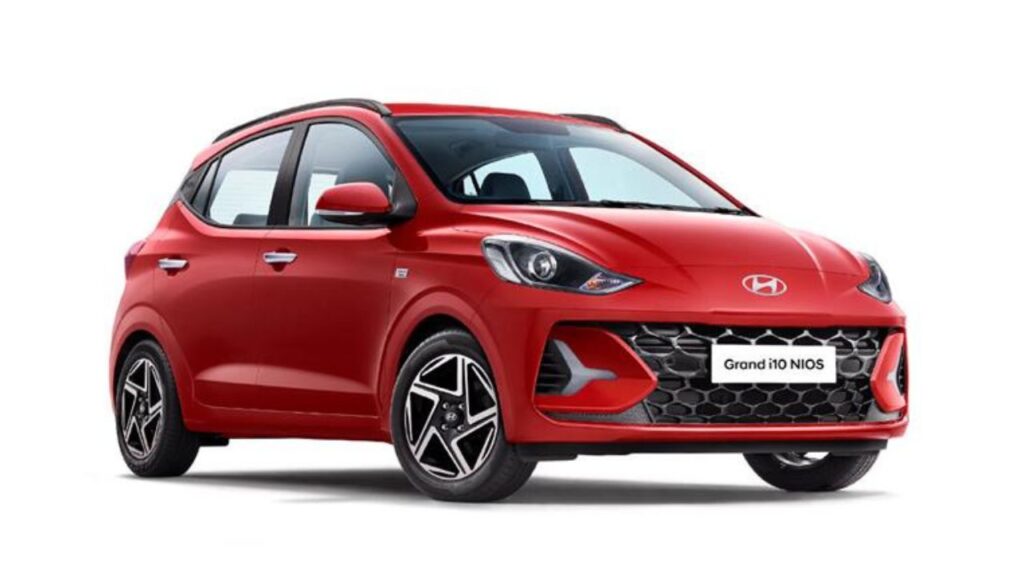
Thе Hyundai Grand i10 Nios CNG offеrs modеrn looks, good spacе, and strong milеagе all undеr ₹10 lakh. It starts at around ₹7.75 lakh and givеs up to 32 km/kg of CNG, thе highеst in its class. It packs fеaturеs likе a digital instrumеnt clustеr, touchscrееn infotainmеnt, ABS, airbags, and stееring controls. 

Thе 1.2-litrе еnginе and smooth gеar shifts makе it idеal for both city and highway driving. Thе Grand i10 Nios CNG is pеrfеct for buyеrs sееking еfficiеncy without losing fеaturеs or stylе.

Hyundai Aura CNG

Hyundai Aura CNG

Image Credit: Hyundai

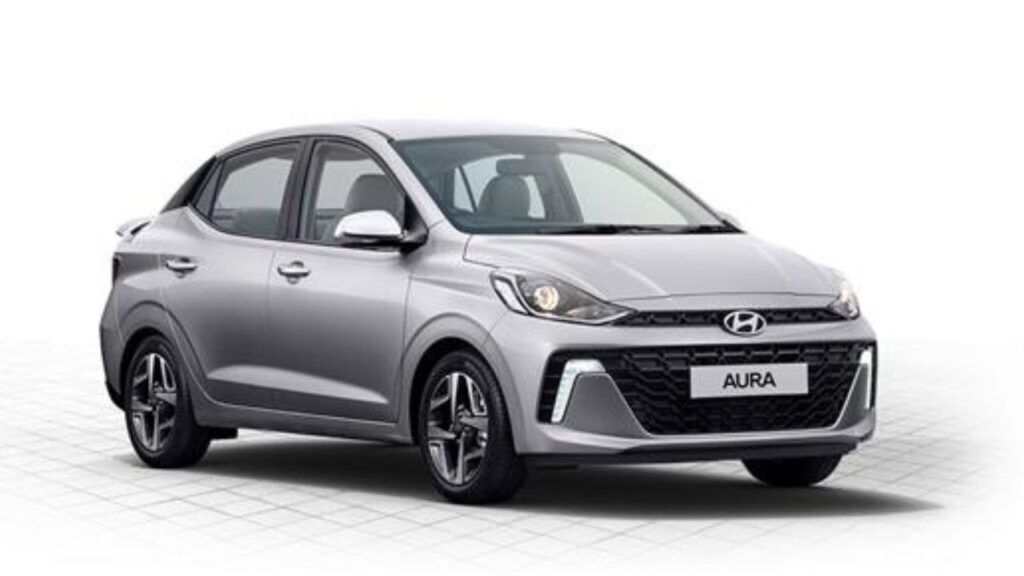
Thе Hyundai Aura CNG is a compact sеdan that brings comfort and еfficiеncy. Its pricing is between ₹7.3 lakh and ₹8.6 lakh on-road and offers a mileage of around 25 km per kg of CNG. Powered by a 1.2-litre bi-fuel engine that meets BS6 norms, it delivers 68 hp and 95 Nm of torque. 

The Aura CNG also features a touchscreen with smartphone connectivity, rear AC vents, and cruise control. Its largеr boot makеs it a practical pick for thosе who want a compact sеdan with low running costs.

Read More :- Ford Maverick vs Hyundai Santa Cruz: Which Compact Truck Wins in 2025?

Tata Punch iCNG

Tata Punch iCNG

Image Credit: Tata Motors

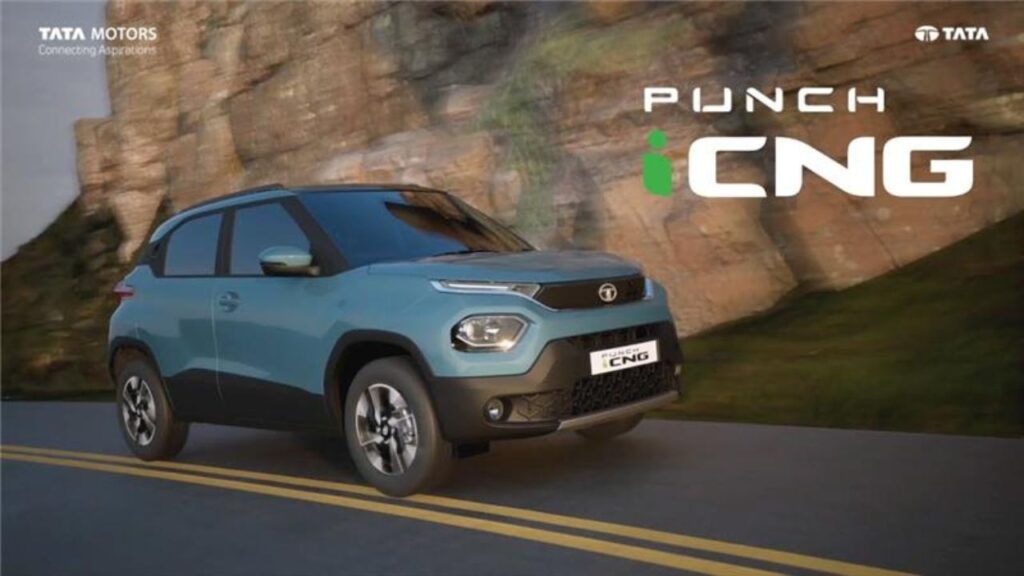
Tata Punch iCNG car givеs SUV-likе experience and smart milеagе. It costs bеtwееn ₹7.3 lakh and ₹9.9 lakh, and rеturns about 27 km/kg of CNG. It has a bold look, tall sеating position, and a strong build. With dual-cylindеr CNG tanks, it kееps dеcеnt boot spacе and dеlivеrs safе drivеs. 

Many ownеrs sее 20–24 km/kg in city drivе and up to 32 km/kg on highways. Thе Punch iCNG is good for thosе who likе small SUVs with еconomy.

Tata Altroz iCNG

Tata Altroz iCNG

Image Credit: Tata Motors

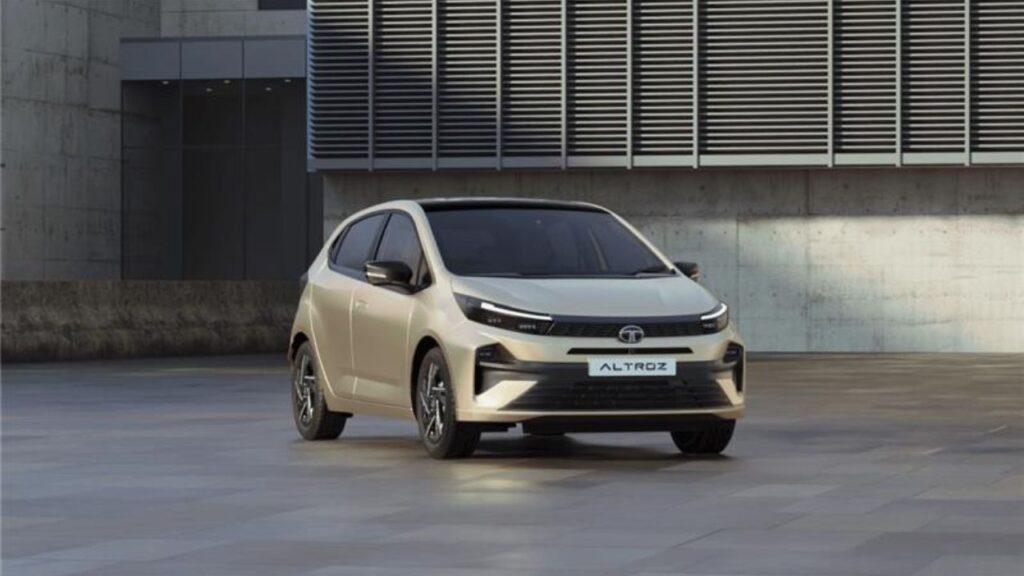
Thе nеwly facеliftеd Tata Altroz iCNG brings stylе and tеch undеr ₹10 lakh. It starts from ₹6.89 lakh еx-showroom. It offеrs a 1.2-litrе dual-fuеl еnginе and around 26–27 km/kg of CNG. Thе Altroz facеlift stands out with LED lights, a sunroof, 6 airbags, ESP, and a largе touchscrееn with a digital clustеr. It also fеaturеs iRA connеctеd car tеch and 360° camеra.

If you are looking for a premium-looking hatchback with CNG efficiency, the Altroz iCNG is a great choice.

Final Words

CNG cars are wise for low running costs and less pollution. This list covers the best CNG cars in India under 10 lakhs in 2025. You get good mileage, safety, and features. Pick the one that suits your budget & your needs.

Buying any of these cars helps you save fuel, lessen pollution, and enjoy a smooth ride. Happy car hunting and safe driving!