0

2025 Rivian R1S: The Electric Adventure SUV That Delivers Powerful Features

Published Oct 25, 2025, 4:47 AM
Last Updated Apr 13, 2026, 12:20 PM

Rivian R1S

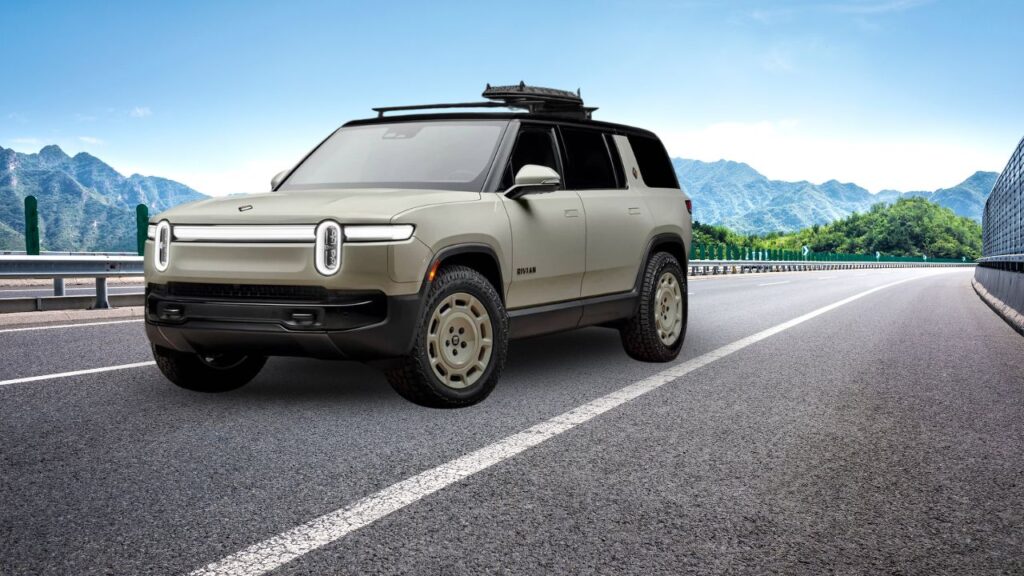
The 2025 Rivian R1S is a standout player in the electric SUV world as it comes with high-end features and comfort. It combines rugged off-road ability with top-notch interior luxury and ample power to give premium ride experience. This three-row EV is the next evolution of Rivian’s primary family vehicle. It incorporates significant improvements in technology, strength, and security. With a few hours to spare, or a whole family to pack up, the R1S delivers a powerful blend that fits right in with electric rides.  

Pricing and Trim Levels

Rivian has released the 2025 R1S in two core versions: Adventure and Ascend. The Adventure is the starting point trim and price for R1S, and it is priced at $75,900. This base model is stuffed with premium features that would be extra cost options on many competitors. 

The upper-level Ascend trim starts at $107,700 with upgraded amenities such as a tri-motor powertrain as standard, the largest Max battery pack, unique wood trim accents, and a premium 18-speaker sound system. A new mid-level Premium grade has been added for 2025, which slots in above the Adventure and below the Ascend for some more luxury flair. 

Battery Options and Range

Perhaps the biggest selling point of the R1S was its incredible range capability. Rivian provides three battery pack options to meet various requirements and budgets: 

Standard Battery Pack: Offers up to 270 miles of EPA-estimated range with lithium-iron-phosphate chemistry, making it the most budget-friendly alternative.

Large Battery Pack: Up to 330 miles of range with 109.4 kWh usable capacity, an optimal size for most buyers.

Max Battery Pack: The top-of-the-line version can go up to an astonishing 410 miles with the dual-motor configuration or 371-380 miles with the tri-motor setup. With this 141.5 kWh battery, the car delivers more range than any other electric SUV on the market. 

In Real-world range buyers got 250 miles on their 75-mph highway route with a tri-motor Max battery R1S, while it can go about 300 miles with the Large battery and nearly 400 miles with the Max battery in mixed driving. 

Performance and Power Options

The 2025 R1S is available with a number of powertrain options, all producing exhilarating acceleration that could run with the best of supercars:
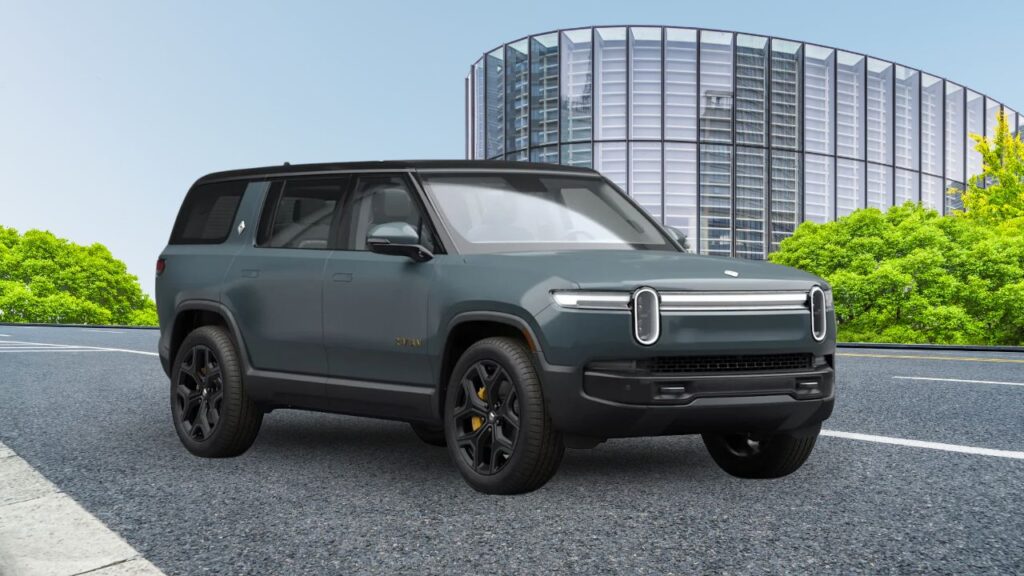
Rivian R1S Performance and Power Options

Dual-Motor Standard: The dual-motor base powertrain generates 533 horsepower and 610 lb-ft of torque, and can accelerate from 0 to 60 mph in about 4.5 seconds.​ 

Dual-Motor Performance: An optional Performance upgrade raises power to 665 hp with 829 lb-ft of torque, trimming the 0-60 mph run to a mere 3.4-3.5 seconds.​

Tri-Motor: The dual rear motors and single front motor arrangement in this model produces 850 horsepower and 1,103 lb-ft of torque. 

Quad-Motor – This is top-notch variant that delivers 1,025-1,050 horsepower and up to 1,198 lb-ft of torque in Launch Mode, making it run 0-60 mph in 2.5 seconds. This makes it faster than many real sports cars.​

All models are standard all-wheel drive and have a maximum towing capacity of 7,700 pounds. However, range is severely reduced when towing. 

Charging Capabilities

The R1S supports fast DC charging, with the Standard battery enabling 200 kW charging rates, and the Large and Max batteries up to 220 kW. Rivian says you can charge the battery from 10% to 80% in 30-41 minutes at a DC fast charger, depending on the battery size and conditions. With a 20 minute fast charger, it can gain up to 140 miles. Additionally, Tesla’s Supercharger network is also supportive for Rivian Vehicles that makes things easier for North Americans. 

Interior Features and Technology

The excellent interior material and features make you fall in love with this car. The R1S luxury seats which are made from perforated vegan leather makes it ultra premium.  
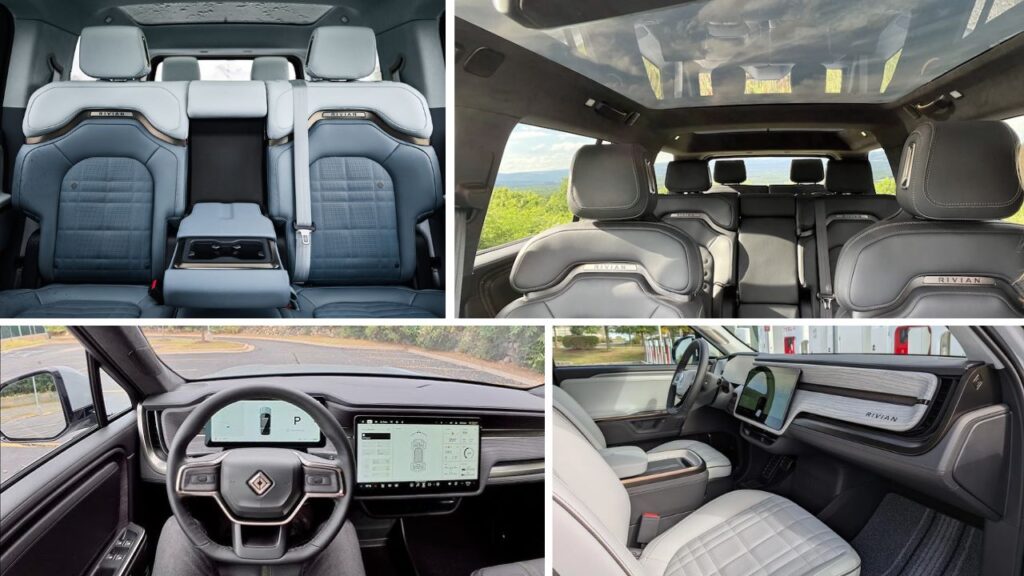
Rivian R1S Interior Features and Technology

The R1S Comfortability and Seating: The R1S offers 3 rows that can give space up to 7 passengers. The front seats feature heating and ventilation and can be memory-adjusted, the second and third-row seats are heated. The second row has great space with individual climate controls for each passenger, the third row is small and works best for kids or short drives. 

Technology: A huge 15.6-inch central touchscreen which controls the majority of the vehicle’s functions dominates the interior, with a second digital gauge cluster for the driver. It has a 12-speaker premium sound system as standard, two-phone wireless charging, it offers full connectivity set up for the driver and passenger. From Wi-Fi hotspot and navigation to Amazon Alexa integration, and Bluetooth connectivity. 

Distinctive features: R1S has its unique features that gives a more premium experience with  a panoramic glass roof and four-zone automatic climate control making the tour more comfortable. It also makes you keyless to enter in the car and its ignition feature, power-folding mirrors, and a hands free liftgate also seems perfect for an amazing ride. The Camp Mode even has a leveling feature that uses the air suspension to level the vehicle for camping. 

Cargo and Storage Space

R1S offers a boxy design and 17.6-17.7 cubic feet of storage space; the vehicle’s rectangular shape allows for efficient packing. 

The R1S has a neat front trunk, or “frunk.” It provides you with an additional storage of 11.1 cubic feet. Fold the second and third rows flat, and it’s a bona fide cargo hauler with sky-high storage. Rivian passes on precise figures for those configurations, though. 

Read More:-  Toyota LC FJ vs Toyota Fortuner: The Shared DNA That Makes Them Siblings

Safety Features and Ratings

The redesigned model gets IIHS Top Safety Pick+ award as it meets all the test crashes score high, and becomes the only high honor SUV for 2025. 

Standard safety tech: The 2025 model debuts the new Rivian Autonomy Platform, which has higher-definition cameras, redundant sensors, and enhanced computing power. Standard features include: Adaptive cruise control, emergency braking, assist in Lane centering, cross traffic warning, Blind-spot monitoring, sensors for parking, and Excellent pedestrian crash prevention systems which are good for families.

The Rivian Autonomy Platform+ is an option and adds Enhanced Highway Assist and Lane Change on Command, which can automatically change lanes when safe after you activate the turn signal. 

Off-Road Capability

Unlike the majority of luxury electric SUVs, the R1S is actually competent off-road. A standard adjustable air suspension offers up to 15 inches of ground clearance, which will enable you to handle some rough terrain. This air suspension system can raise and lower the ride height of the vehicle and the ride quality and handling stability are adjusted for both up and down motion and for the specific conditions. 
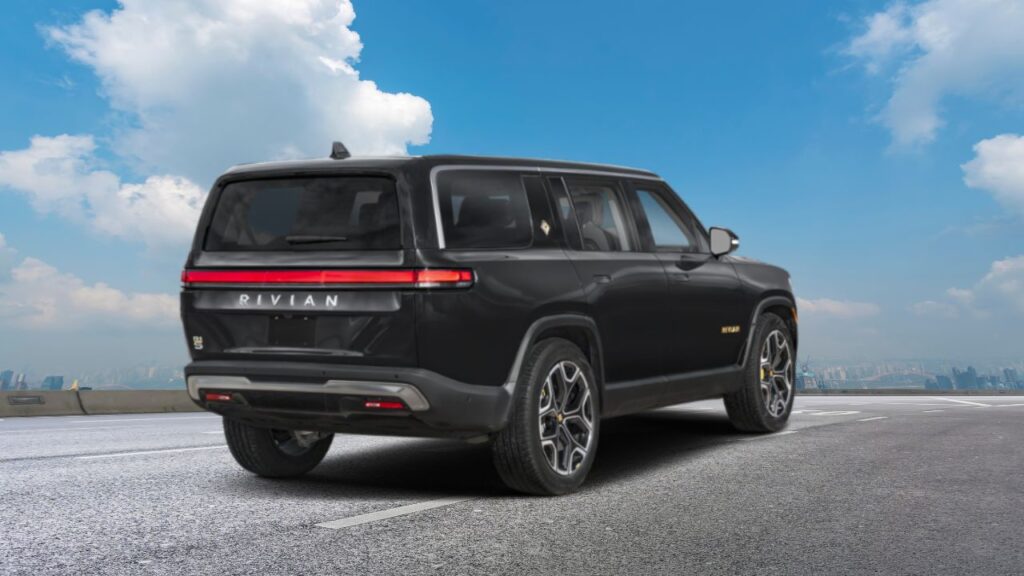
Rivian R1S Off-Road Capability

The independent motors on each wheel allow for fine torque vectoring, which helps to keep traction on icy or uneven terrain. With the vehicle’s extreme approach and departure angles, the R1S can go places most luxury SUVs would not dream of. 

Efficiency and Real-World Performance

The highest efficiency dual-motor R1S reaches up to 85 MPGe combined on EPA ratings, a 3 MPGe increase over the 2024 model. Depending on wheel size and configuration, EPA estimated combined MPGe for the dual-motor variants is between 72 and 84. The standard dual-motor setup provides the best combination of efficiency and performance for the majority of customers. 

Who Should Consider the R1S?

2025 Rivian R1S is the ideal choice for buyers seeking a capable, luxurious electric SUV that can double as a daily driver for family duties and a weekend off-road warrior. It’s a great long-distance cruiser with its mad range, offers thrilling sports-car-level performance, and has bona fide off-road chops that most rivals can’t match. 

Conclusion

The 2025 Rivian R1S is an inspiring glimpse of the electric SUV to come. It’s an amazing feat to bundle all of these things – breath-taking acceleration, best in segment range, true off-roading capability and a stunningly designed interior – into one package. Recent safety ratings, improved efficiency, and new powertrain options make it an even better pick for 2025. 

Whether you’re attracted by its blistering speed, its off-road adventure-ready chops, or just want the longest range electric SUV available, the R1S offers an experience that few rivals can touch. For families that want a truly do it all electric vehicle for school runs and ski trips and weekend camping jaunts, the Rivian R1S is hands down one of the most versatile and capable models you can buy today. 

Sharey Khan

Sharey Khan is an IT entrepreneur and petrol head & a car enthusiast. With a special focus on car-related content, he combines his deep passion for vehicles with a talent for crafting informative, engaging, and easy-to-understand content. His writing is driven by a genuine love for cars and he is committed to providing readers with accurate, up-to-date, and trustworthy information that empowers smarter driving decisions. 

Leave a Reply

Your email address will not be published. Required fields are marked *

1

Mahindra Scorpio-N vs XUV 7XO: Price, Features and Mileage Compared 

Published Nov 11, 2026, 3:54 PM
Last Updated Nov 13, 2026, 12:53 PM

Mahindra Scorpio-N vs XUV 7XO

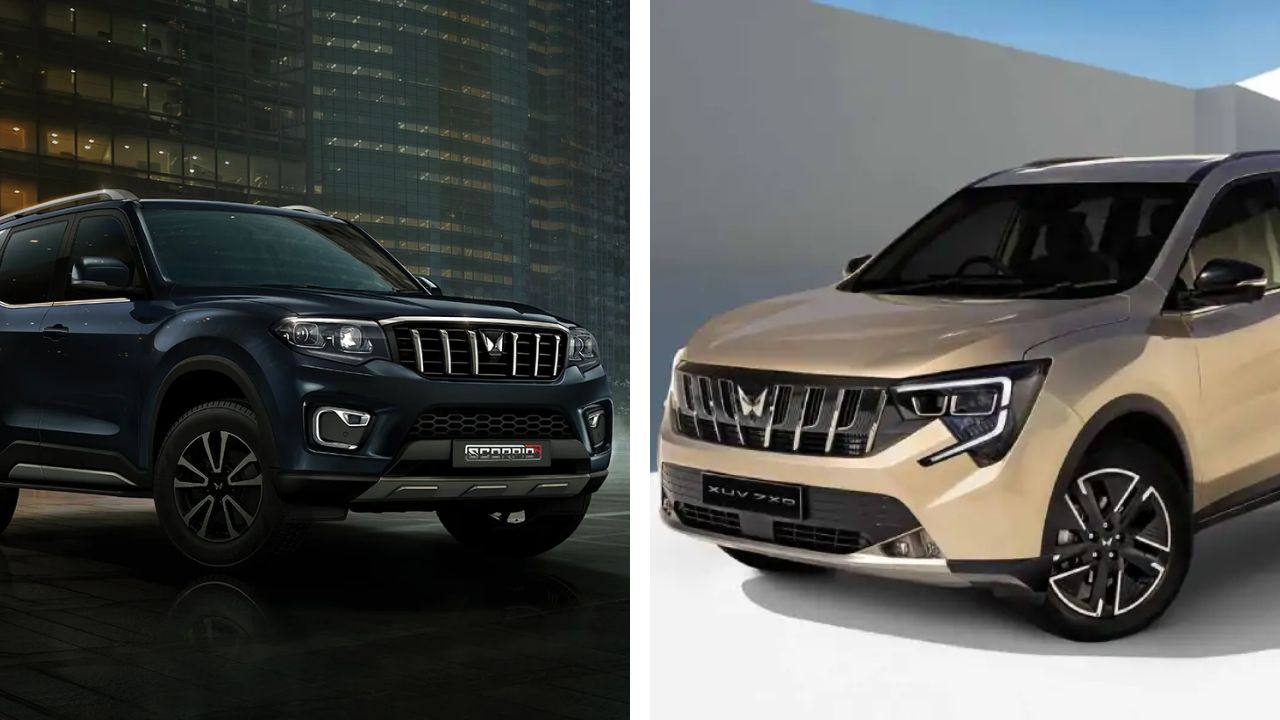
When you are purchasing a 7-seater SUV, Mahindra Scorpio-N vs XUV 7XO seem to be the best choice in this segment. However deciding between rugged, ladder-frame SUV with genuine off-road ability and modern, road-focused family SUV with stronger diesel performance is a tough call. 

It depends on what you seek and prefer more in a car. Both come at the same price range with different specs and features. Engine capacity, transmission modes, seating capacity are the same in both Scorpio-N vs XUV 7XO.

Check the core difference between the vehicles to understand which one is better for you.

Area Mahindra Scorpio-N Mahindra XUV 7XO
Starting ex-showroom price ₹13.69 lakh ₹13.99 lakh 
Top ex-showroom price ₹25.49 lakh ₹25.79 lakh
Body/platform Ladder-frame, RWD/4WD Monocoque, FWD/AWD
Seating 6 or 7 seats 6 or 7 seats
Diesel engine 2.2-litre, up to 400 Nm  2.2-litre, up to 450 Nm 
Petrol engine 2.0-litre turbo, up to 200 bhp 2.0-litre turbo, 200 bhp
Transmissions Manual and automatic Manual and automatic
Best use case Highways, rough roads, towing, light off-roading City, family comfort, highway cruising, features

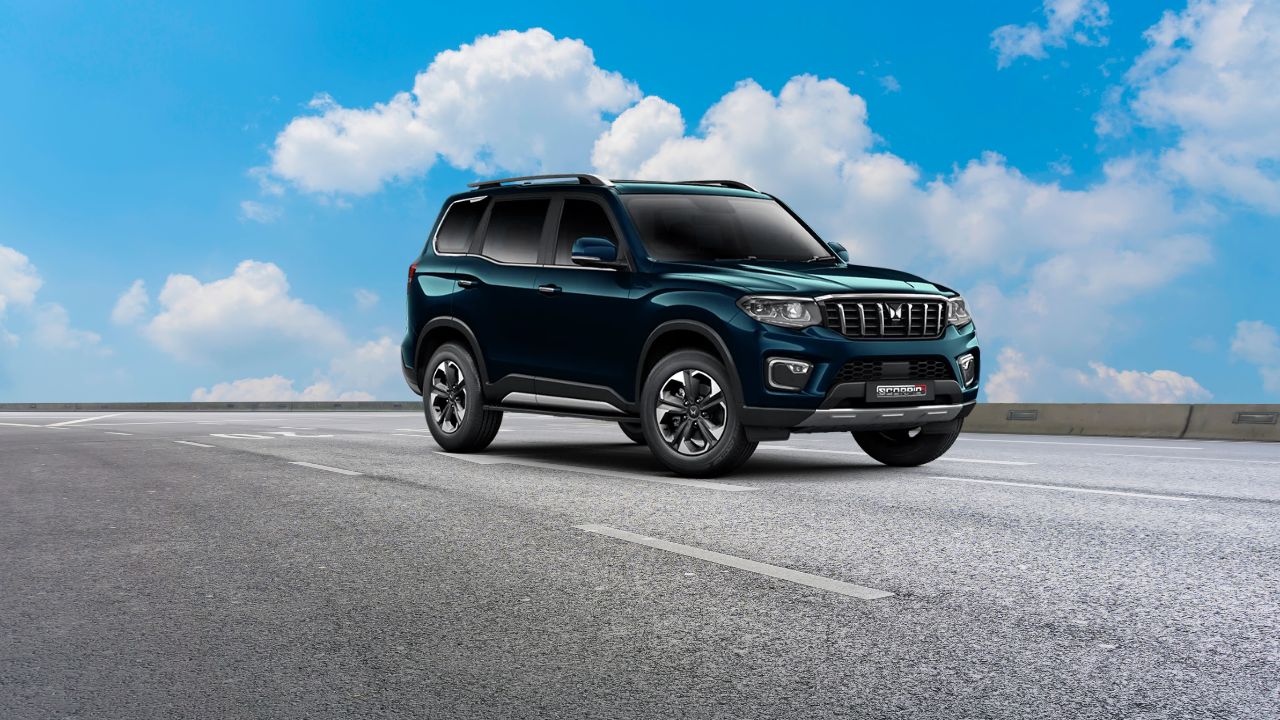
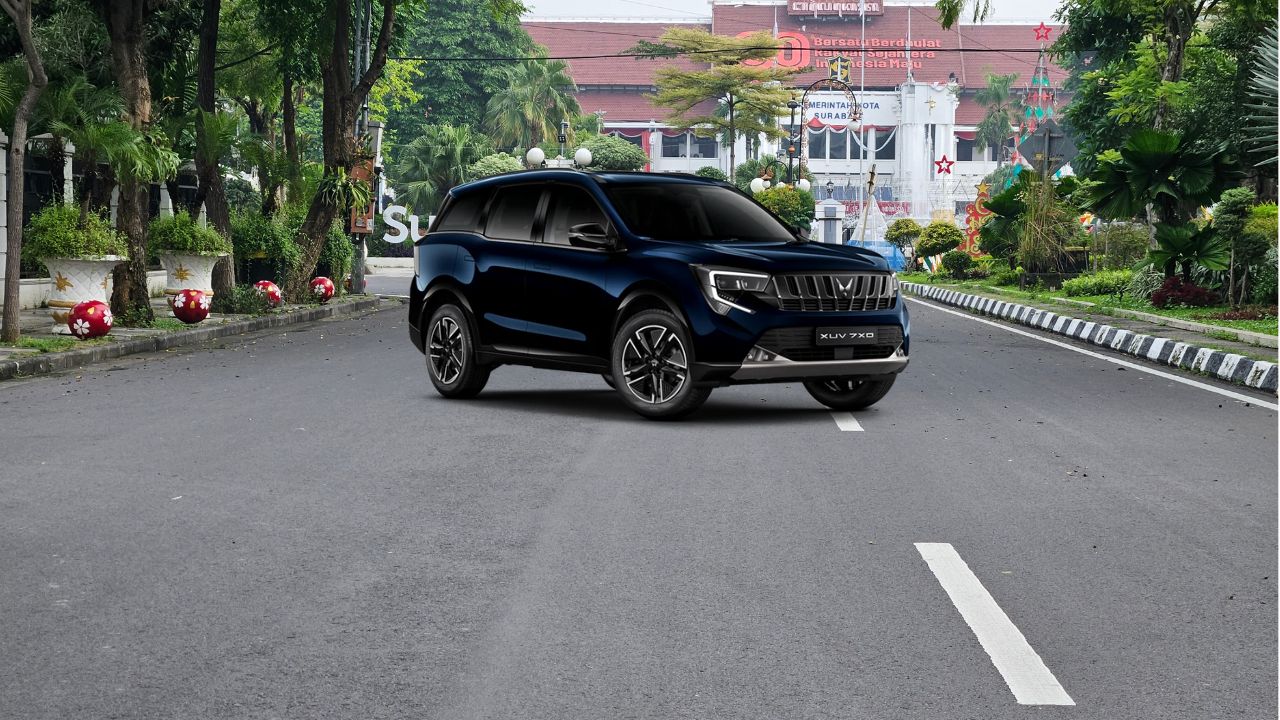
The Scorpio-N gives a more traditional SUV look with body-on-frame construction and XUV 7XO will let you feel more car-like driving. Scorpio-N offers RWD or 4WD which enables more smoother performance on broken roads, village routes, monsoon conditions, and occasional off-roading. While XUV 7XO is a monocoque SUV, it offers AWD on automatic variants, but it is not designed for the same kind of sustained off-road use as the Scorpio-N.

Scorpio-N

The power Scorpio-N makes is around 200 bhp and diesel automatic produces 380 Nm, while the diesel manual produces 370 Nm. The XUV 7XO gives 450 Nm on diesel which means 50 Nm more than the Scorpio-N in the same 2.2L tank.

Scorpio-N And XUV 7XO 7-seater layout offers practical based on spec sheet. However, Scorpio-N wins with its design of 4,662 mm long with a 2,750 mm wheelbase which gives commanding stance and substantial road presence.

XUV 7XO 7-seater

Most buyers who commute a lot in the city but take occasional highway trips prefer XUV 7XO. But if you travel a lot with luggage-heavy trips then Scorpio-N is the one to go. Price starts at ₹13.69 and goes up to 25.49 lakh for Scorpio-N and ₹13.99–25.79 lakh for the XUV 7XO.

Read More  👉  2027 Volkswagen Virtus Facelift: New Design, Expected Price, Engines and Launch

Mahindra Scorpio-N vs XUV 7XO Interior Features

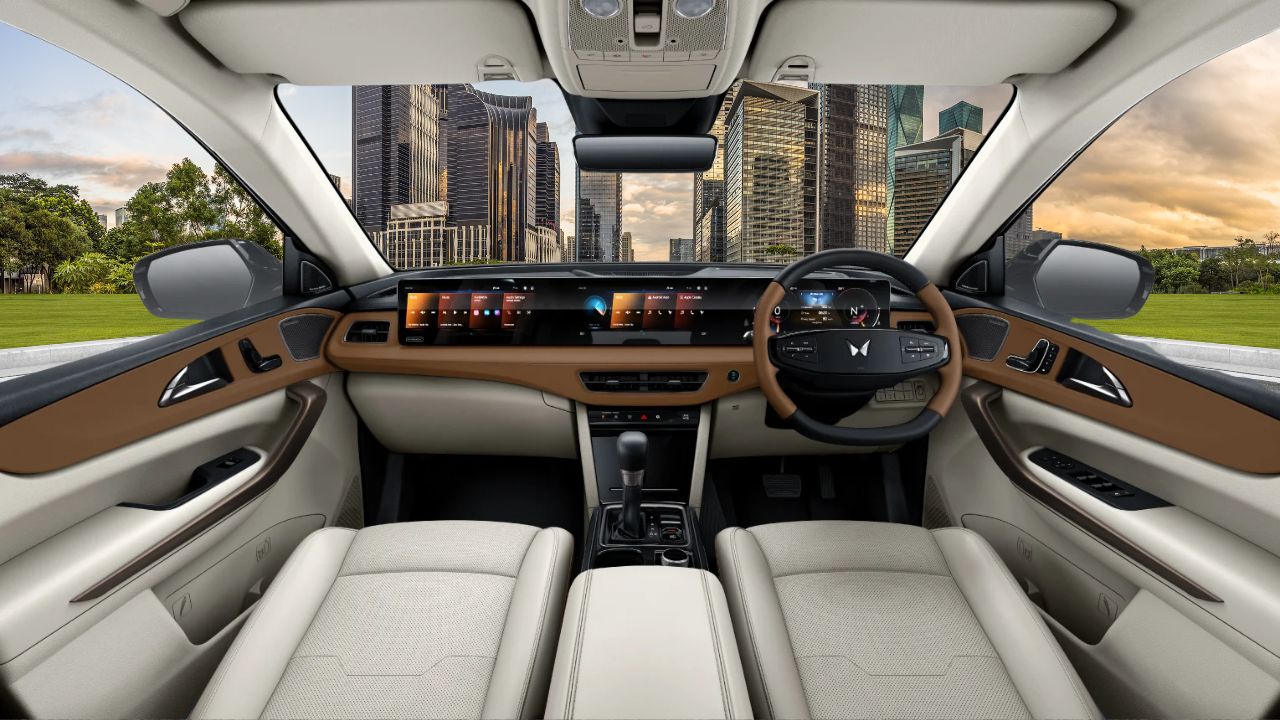
In Interior features, the XUV 7XO wins because it offers more premium technology and comfort, while Scorpio-N offers mechanical toughness and 4WD capability. 

Mahindra Scorpio-N vs XUV 7XO Interior Features

Feature Mahindra XUV 7XO Mahindra Scorpio-N
Cabin character Premium, tech-led, car-like Rugged, upright, SUV-like
Screens Three 12.3-inch HD displays across the dashboard  12.3-inch touchscreen; 12-speaker Sony audio 
Driver seat 6-way powered, with memory and welcome-retract  6-way electrically adjustable 
Front passenger seat 6-way powered with 4-way “Boss Mode”  Not highlighted as powered Boss Mode 
Ventilated seats Front and rear ventilated seats on higher variants  Not listed among its highlighted features 
Climate Dual-zone automatic AC with Quiet Mode  Dual-zone climate control and rear AC vents 
Charging Front and rear wireless charging with active cooling  Wireless Android Auto and Apple CarPlay 
Sunroof Acoustic solar windscreen; retractable rear sunshades  Panoramic sunroof 
Safety Over 120 safety features; 75 standard, including 6 airbags, ESP/EBD and Hill Descent Control  6 airbags, ABS, ESP, driver drowsiness alert 
Boot space 240 litres with all seats up; 7 seats  About 786 litres with second and third rows folded 

Fuel Economy

Powertrain XUV 7XO Scorpio-N
Petrol manual 15.5 km/l claimed  12.17 km/l ARAI 
Petrol automatic 14.5 km/l claimed  12.12 km/l ARAI 
Diesel manual 16.5 km/l claimed  15.94 km/l ARAI 
Diesel automatic 15.5 km/l claimed  15.42 km/l ARAI 
Real-world diesel AT 13.1 km/l average; 11.28 city / 14.91 highway  10.15 km/l average; 8.6 city / 11.7 highway 
Real-world petrol AT 8.7 km/l average; 7.6 city / 9.8 highway  8.65 km/l average; 7.9 city / 9.4 highway 

In the Scorpio-N vs XUV 7XO decision, the diesel variant is a sensible choice in both SUVs because the fuel economy is good. If you travel most frequently or take highway trips then it’s the best choice.

Scorpio-N vs XUV 7XO

Petrol versions are similar in real-world use but both are better if you run in the city buyers who prefer petrol refinement over diesel economy.

Read More 👉  4 Best Renault Cars to Buy in India: Kwid, Triber, Kiger and Duster

Conclusion

Both Mahindra Scorpio-N vs XUV 7XO are practical and offer excellent performance at the same price point. Which one you are going to buy depends on your travelling pattern. These two 7-seater SUVs offer comfortable space for sitting and luggage, fuel efficiency, automatic and manual engines. The XUV 7XO is more modern in interior features while Scorpio-N has more mechanical stability.


0

Best Hybrid Cars Under 20 Lakhs: Stylish, Efficient & Affordable

Published Nov 28, 2025, 12:05 PM
Last Updated Apr 10, 2026, 7:14 AM

Best Hybrid Cars Under 20 Lakhs Stylish, Efficient & Affordable

Tired of seeing your fuel gauge plummet faster than your bank account balance? This is what life is like with hybrid cars: thoughtful design applied to everyday necessity. If you have been on the fence about hybrid vehicles, now is the time to jump in. And don’t we all want a little more money? And it’s the best part! You don’t have to break the bank to get one.

Fuel prices are on the up, the environment matters more, and quietly, hybrid cars have become the practical choice for millions. They’re not just about saving money at the pump (though you will — a lot); they’re also about having a car that’s genuinely fun to drive while being good to your wallet and the planet. The good news is the Indian market is flooded with some really good options under 20 lakhs which not just look sharp but drive smooth and sip fuel like they mean business. 

Why Go Hybrid?

Before we get to the best picks, let’s discuss why hybrid cars are worth considering. A regular hybrid car gives 20-28 kmpl mileage — that’s as good as the mileage of a fuel-efficient hatchback, but in this case, you’re riding in a full-fledged SUV or sedan with more space and comfort. ​

Hybrids operate on a smart combination of a petrol engine and an electric motor. When you’re inching along in city traffic, the electric motor takes care of that, whispering away with alacrity. On the highway, the gas engine turns on. The best part? Regenerative braking means that every time you slam on the brakes, energy that would have been wasted is recaptured back into the battery.It’s technology that actually makes sense 

The Top Contenders: Your Best Bets Under 20 Lakhs

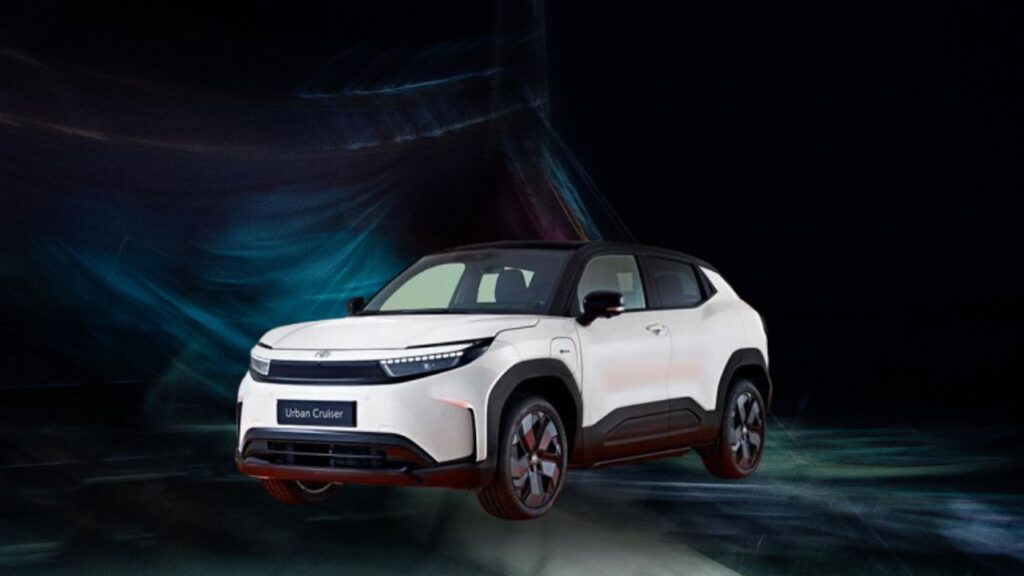
1. Toyota Urban Cruiser Hyryder: The Efficient Charmer

Starting from just ₹11.34 lakh, the Toyota Urban Cruiser Hyryder is making it clear that hybrid tech need not be costly. This compact SUV is Toyota’s solution for bringing the dream of owning a hybrid car to the masses, and they have really nailed it.​

Hyryder claimed mileage is 27.9 kmpl, which is one of the best mileage for SUVs in its class. The interior is roomy and well thought out with features such as vented seats, 8-way power-adjustable driver seat on higher trims, wireless charging for phones, and a 360-degree camera. Safety-wise, the 2025 update gets six airbags as standard on all variants—a welcome addition. 

Toyota Urban Cruiser Hyryder

The driving dynamics are fluid and polished, with the hybrid system guaranteeing that in city traffic you’re treated to silent electric-only driving and a shove when you need it. If you’re in the market for a sensible, practical hybrid that just gets you from A to B without eating too much into your wallet, this is it. 

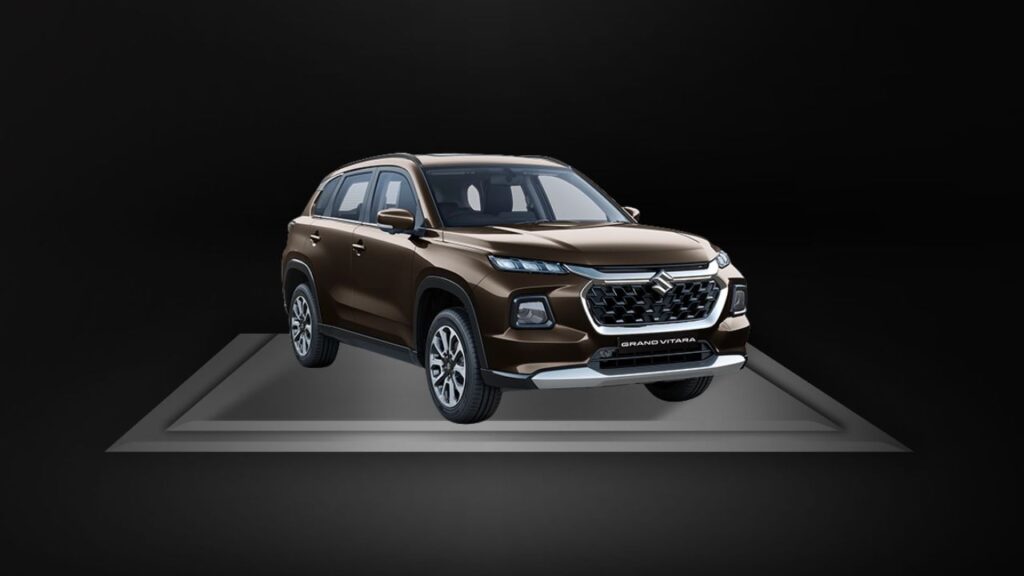
2. Maruti Suzuki Grand Vitara

Maruti’s answer to the Hyryder, the Grand Vitara is frankly exceptional rival and makes a strong case for itself at ₹16.99 lakh onwards. Developed in partnership with Toyota and sharing the same hybrid engine, this is tried and tested technology that is backed by Maruti’s extensive service network in India.  

Maruti Suzuki Grand Vitara

What sets the Grand Vitara apart is the combination of efficiency and everyday useability. The hybrid version returns a stellar 27.97 kmpl. Inside, there’s a panoramic sunroof, ventilated seats, a panoramic display, wireless phone charging and an interior so comfortable that longer drives seem less like punishment.​

The best part? Maruti’s track record for easy, wallet-friendly ownership means servicing and maintenance won’t decimate your bank account. Long-term write-ups tend to rave about this car getting sedan mileage in an SUV shape. 

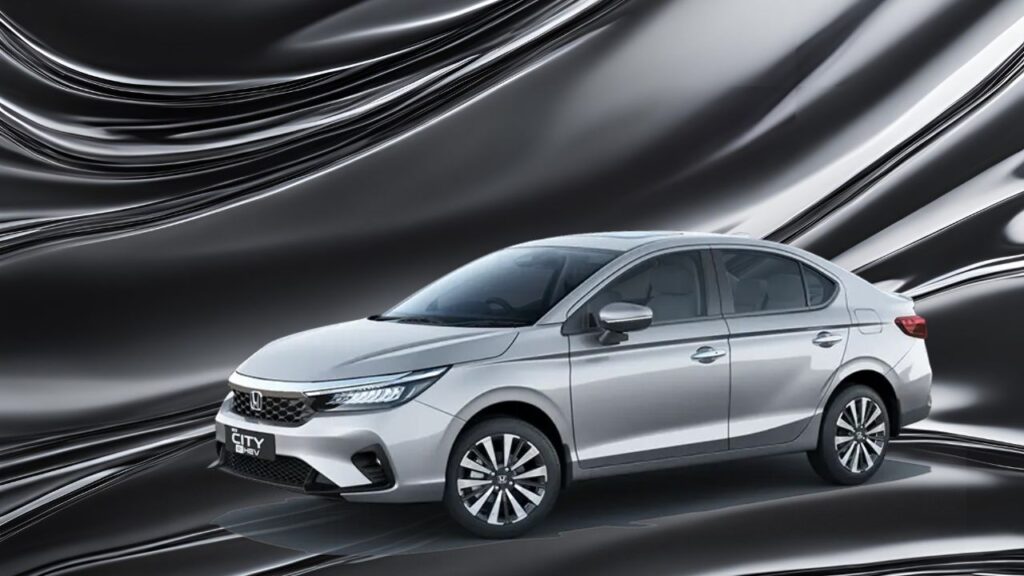
3. Honda City e:HEV: The Tech-Forward Sedan

If you’re a sedan person, then the Honda City e:HEV is a gamechanger. Honda City E:HEV ex-sh ₹19-20 85 lakh, upper end of budget, but gets you unique sophisticated hybrid experience in our book.​

Honda City eHEV

Honda’s e:HEV system is brilliant using a petrol engine and two electric motors, a system that is unique to everything else in the Indian market. The result is a claimed 27.1 kmpl and a driving experience that is almost glassy-smooth. The City moves intelligently between three driving modes (EV, hybrid and engine), and adjusts to the flow of traffic without you having to do anything.​

The interiors are dual-tone and the cabin feels premium for the price. And no compromise on the sedan experience if you want hybrid efficiency. 

Which One Should You Pick?

Each of these vehicles serves a slightly different purpose. Deciding which one right for you is just a matter of asked three simple questions:

  • Max value, max service network everywhere? Take the Maruti Grand Vitara.
  • Like the bass (reputation for reliability) of Toyota but don’t want a sedan? Then the Hyryder is your match.
  • Ready to shell out a little more for sedan comfort and extra tech? The Honda City e:HEV is value for your every rupee. 
Model Starting Price (₹ Lakh) Mileage (kmpl) Key Features Best For
Toyota Urban Cruiser Hyryder 11.34 27.9 Ventilated seats, 8-way power driver seat, wireless charging, 360° camera, 6 airbags  Reliable SUV efficiency 
Maruti Suzuki Grand Vitara 16.99  27.97  Panoramic sunroof, ventilated seats, panoramic display, wireless charging, extensive service network  Value & service coverage 
Honda City e:HEV 19.00 27.1  e:HEV system with 2 motors, 3 driving modes (EV/Hybrid/Engine), premium dual-tone interiors, ADAS  Tech-savvy sedan drivers

Read More :-  Mahindra XEV 9e Specs and Features: Complete Details & Latest Updates

Conclusion

Hybrid cars under 20 lakhs are no longer a compromise, but they are a wise choice. Stylish and comfortable cars that give mileage figures which would make conventional petrol cars jealous – and without the range anxiety of electric cars. Be it the Toyota Hyryder, Maruti Grand Vitara, or Honda City e:HEV, you’re buying into efficiency, reliability and a driving experience that really feels like the future – today. 

0

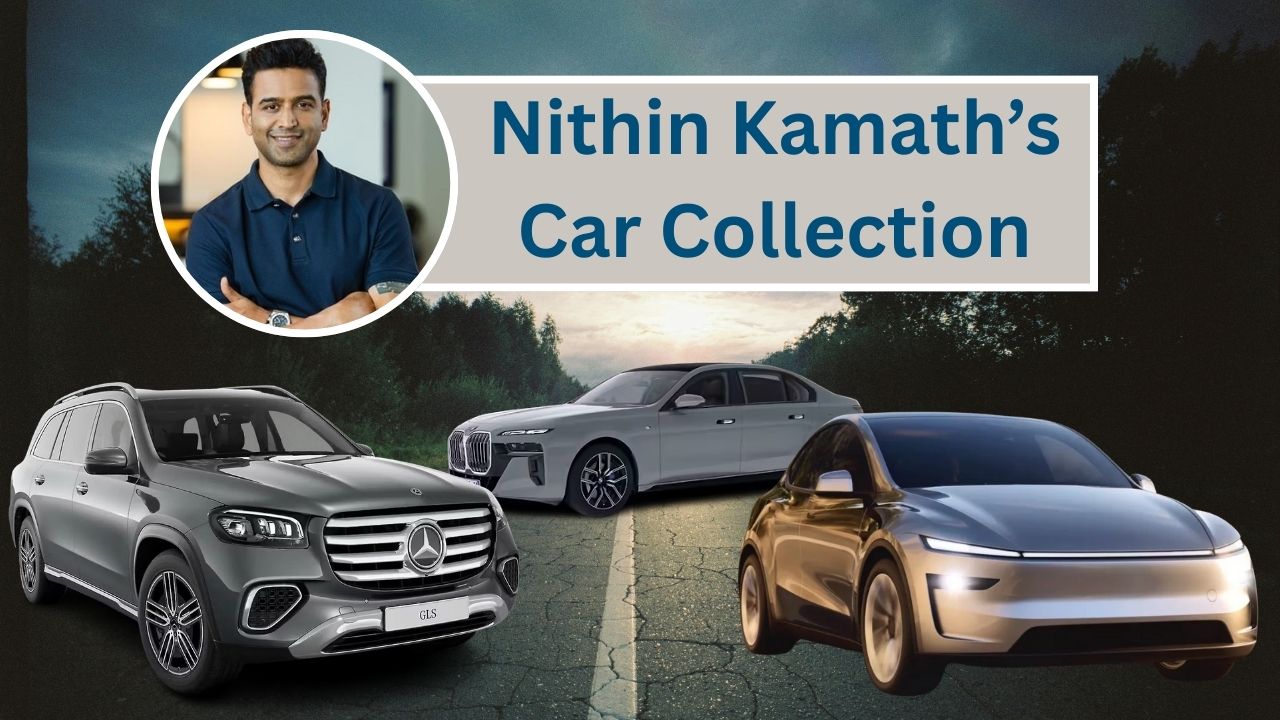
Nithin Kamath Car Collection: Mercedes, BMW, Tesla

Published Jan 22, 2026, 6:32 AM
Last Updated Nov 11, 2026, 4:19 PM

Nithin Kamath car collection

Nithin Kamath, co-founder and CEO of Zerodha, is among the most low-key billionaires in India—a fintech disrupter who created the country’s largest brokerage platform without any of the trappings of ostentatious wealth. Kamath, the man behind India’s largest stockbroker, has always been more substance than show from a humble trader to heading a firm that transformed the way Indians invest. Let’s look into Nithin Kamath’s Car Collection and know his interest in automotives.

So from his automobile choices, you know that philosophy applies in his lifestyle too. Instead, the pragmatism in Kamath’s garage can be seen as a metaphor for perhaps how India’s business tycoons of the new generation will define success in 2025 – practical but high performance cars with a purpose.  

Early Struggles Shape Choices

Kamath frequently recounted his pre-Zerodha era days when buying a Tata Sierra or Honda Civic was a stretch goal, so he used to collect toy models as a source of motivation. That mentality remains — he prefers the practical, tech-savvy and slightly prestigious to the flashy. 

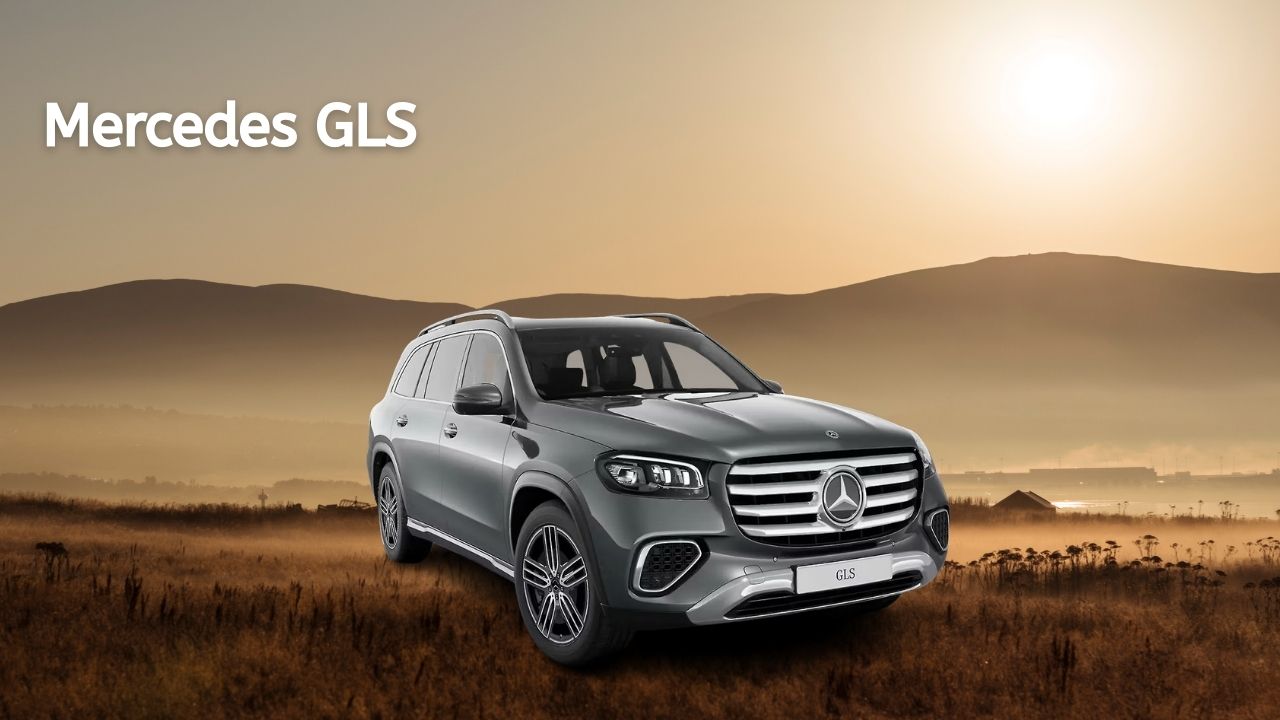
There are no authenticated lists with dozens of supercars — viral narratives of handing out 20+ BMWs, Audis, and Mercedes to workers was punctured by Kamath himself as “definitely not true.” Instead, his stash focuses on a quality not quantity, with family gifting such as the Mercedes GLS to his mother which highlights thoughtful extravagance. 

Mercedes-Benz Dominance

Mercedes is the favourite in line with Kamath’s liking for German engineering and comfort on Indian highways. The Mercedes GLS, which was presented to his mother Revathi Kamath in early 2025, commands a staggering ₹1.5 crore — a full-size luxury SUV known as the “S-Class of SUVs” because of its luxurious cabin, state-of-art infotainment, and powerful engines. 

Mercedes-Benz Dominance

For all the $120 million fund managers out there, Kamath presumably has a GLS 600 Maybach or a GLE for family roadtrips. These are not garage queens, they are everyday vehicles that provide comfort and practicality. 

Performance Picks: BMW and Audi

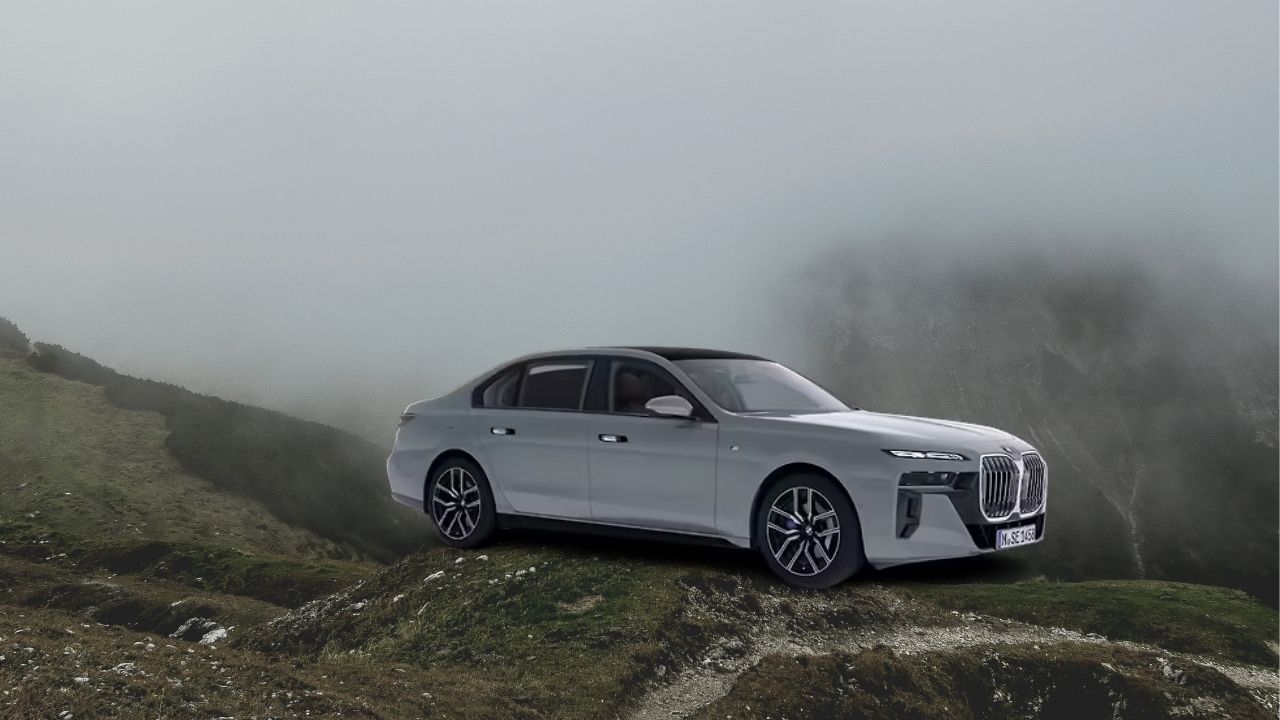
Kamath is said to be a fan of BMW in auto circles, with a 7 Series & M5 his vehicle of choice: their dynamic handling and Zerodha-like efficiency in fintech-fast lives. The 7 Series delivers executive-level rear- seat comfort for conference calls with brokers, and an M5 satisfies his need for speed in trading—0 to 100 km/h in less than 4 seconds. 

BMW and Audi

Audi is suitable as well, maybe an RS7 or Q8; with its Quattro grip perfect for the rains in Bengaluru, and the virtual cockpit reflecting stock dashboards he revolutionized. While not confirmed beyond rumor, these labels reference the debunked gifting narrative, suggesting quiet possession as opposed to promenades. 

Electric Shift with Tesla

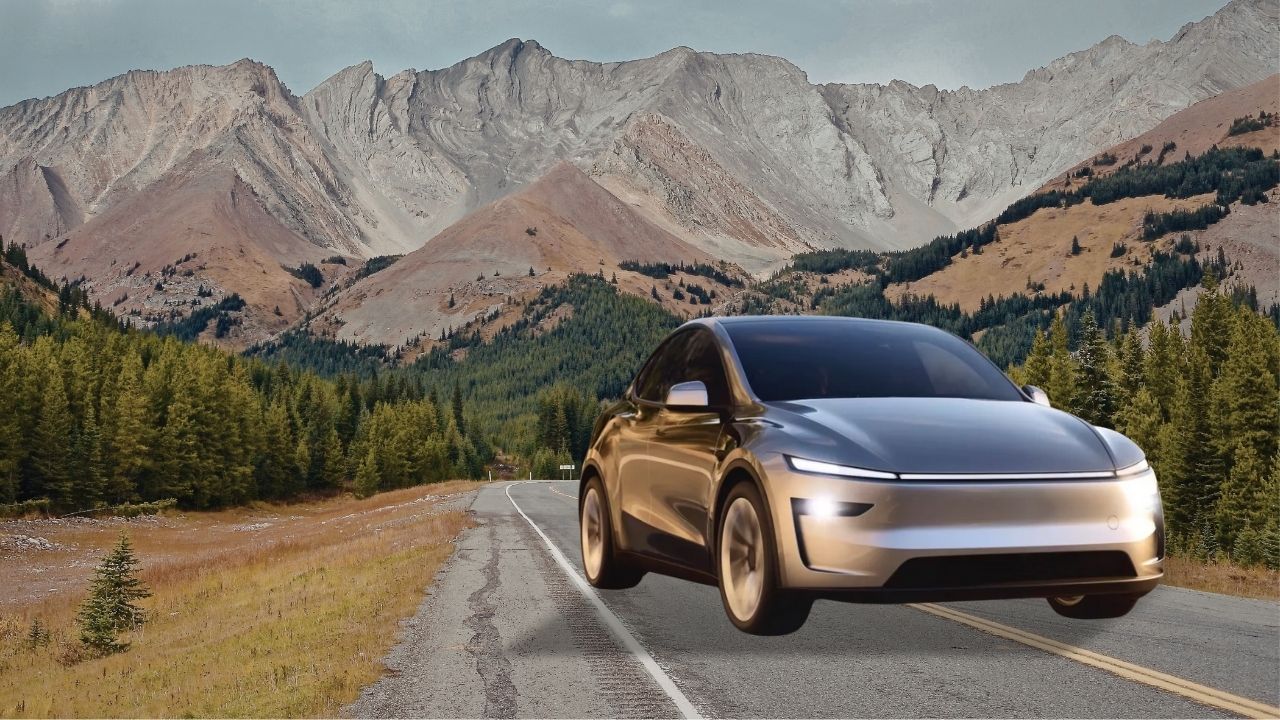
Kamath’s aggressive pursuit of sustainability, reflected in Zerodha’s various green measures, has led to speculation that Tesla might be his next huge buy by 2025. A Model S Plaid or even a Cybertruck would suffice: sub-2-second 0-to-60 acceleration, over-the-air updates that feel like app refreshes, and low running costs that make them perfect for long daily commutes. 

Electric Shift with Tesla

He’s also admires ‘macho’ persona of Elon Musk who also rose from rags-to-riches like himself. Though there hasn’t been any Instagram flex to show for it yet, EV ownership is quietly on the rise among India’s new-age billionaires — including Kamath. 

Why the Nithin Kamath Car Collection Stands Out

Kamath’s garage isn’t about the numbers—maybe 4-6 cars total but rather a reflection of his life: fintech mogul, family man, ex-trader with an adrenaline fix. 

Total value? That’s easily ₹10-15 crore, but his billions make it nothing. He forgoes Lambos or Ferraris in favor of road-friendly luxo-barges, with reliability taking precedence on Indian roads. After exposing viral myths, his message is simple: real wealth builds quietly not by giving away cars. For fans, its inspiring success needn’t mean a McLaren army. 

Read More:- Tata Motors Next-Gen EV: Flagship Electric Vehicle Explained

Conclusion of Nithin Kamath Car Collection

Nithin Kamath’s Car Collection narrates the same tale as his journey with Zerodha—measured, thoughtful, and grounded in long-term value over flashy excess. Early hardships that shaped his mentality to a now that is all about comfort, performance and sustainability, his selections mirror quiet assurance over loud opulence. Whether it’s a Mercedes GLS for family, a BMW for driving pleasure or perhaps a future Tesla, Kamath’s garage is a picture of his mantra: success doesn’t require constant validation. In a time of viral flex culture, his under-the-radar modus vivendi is refreshing – proof that real wealth is purpose, not spectacle. 

0

How to Buy a Used Car Online ?

With the emergence of India as a global hub for small cars, there is a huge increase in the number of vehicles on-road. New cars are available with attractive offers, and so are used cars available at affordable prices. With increased choice and accessibility, first time buyers may face confusion In buying a car. In today’s article, we take a look at used cars. How should you buy a used car? And what are the things to look out for?


The Following Points to Remember while  buying used cars. We will take a look at the following steps:

  • Locating your dream car
  • Inspection of car
  • Finalizing on the price
  • Transferring of ownership


How to Buy a Used Car Online


Locating your dream car

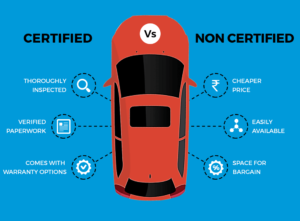
After deciding that you want to buy a used car, you will need to finalize on which make and model you wish to buy. This will mostly be dependent on your budget and personal preferences. For budget, you can use car valuation guides as present on Badicar.com or you can get a fair idea by just browsing cars for sale.

After deciding about the car to buy, the next task is to find the same available with a seller. You can use online classifieds portals such as Badicar.com which have listings of both dealers and individuals. Alternatively, you can approach your local dealers, use a newspaper ad or locate a car through references. Indeed, personal contacts are often an important channel to find a car.

While choosing between a dealer or individual, you may often get a better deal from a direct purchase, but after sales and warranty would be an issue. Thus, there is some benefit in paying more for the trust that a dealer can give.

Before making your way to the car, get a full understanding of its condition over phone or email and get an initial idea on the price the seller wants. Remember that there is no such thing as a fixed price, and you should always be able to get a bit down from the seller’s current cost.

Inspection of car

After locating the car and visiting the venue, you will now need to inspect it so that you can offer a correct price for the car. Remember that damage to the car need not deter you per se, as you can use it as a lever to reduce the cost. In this, you should be able to make a rough estimate on the cost it would entail to repair that damage.

The following is an overall checklist for purchasing a second hand car.

Tyres

The condition of tyres, its life and nature of wear must be noted. Improper or uneven tyre wear indicates there is possibility of misalignment of tyres. Each tyre should be checked whether it’s been retreaded or original because the cost of a new tyre is high.
Body

The condition of body and upholstery, paint etc. must also be checked. Sometimes long term usage of vehicles in coastal areas causes rust formation in body or on the under-chassis. Moreover, any dents, repainting jobs or deep scratches can be hints for more serious damage and necessitate a more thorough investigation from your end.
Battery

The condition of battery is also essential before deciding on the cost to pay, as it is a high cost item. Check for any residue on the battery.
Suspension

Make sure that you take a drive of the car to research the car’s suspension. For this purpose, it’s better to drive the vehicle on an uneven road so that you can check for a rattling noise of the body and its suspension system. The wear and tear of parts and assembly can be understood from a rattling noise.
Engine and drive quality

The condition of engine is also to be noted. Ease of starting and a good pick up are desired during a road test. In the meanwhile, also give the break system a check and ensure that car’s stop is smooth and effective. Don’t forget testing the hand brake either.

During the drive, take a look at the exhaust smoke to indicate condition of cylinder and working parts.

In general, issues in this section may require a large amount of work to fix, and thus may make you to skip the purchase.
Clutch, gearbox, differential and joints

On a road test, also take a look at the clutch. It is one component which can have serious wear and tear if the car is not driven properly. The gearbox should work nice and smoothly. These components can be checked on road test or on a hoist
Mileage

Check out the Kilometers that the car has run. The more the odometer reading, the nearer you are to changes in parts of the car, which means that you should expect large repair bills. Thus, reduce your offer if need be.
The R.C. Book

The vehicle’s R.C. Book must be checked to get information on a number of items.

Tax Payments

The tax payment and expiry date can be seen from the RC Book. If the expiry date is near, it means that you will need to spend money on the car soon. Thus, it may be a reason to decrease your offer for the car.

Model and Year of Manufacture

Verify the car’s age through the RC Book. Each year passed is one year of depreciation and thus it is one of the most important factors in depreciation. Also use the age of the car as an input to verify whether the car’s mileage is accurate or whether it has been tampered with.

Number of Owners

Use the RC book to verify the number of owners that the car has had. A larger number of owners is an alarm signal and can point at some issue with the car. Make sure to ask and do more research in this case.
Service records

Take a look at the car’s service records. Have the repairs been done at official service stations. Are all the services there? The records should tally with the car’s age.

An interesting point in this is also the identity of the owner. In general, cars owned by members of the Parsi community, doctors or army men are preferred as they are generally much better maintained.
Insurance status

While inspecting vehicle documents, it’s important to check out the type of insurance of the vehicle and whether it is still having valid period or not. Since insurance is legally mandatory, a longer expiry date means you will be able to save some money on the insurance costs.

In insurance, the main types Insurance are Comprehensive and third party insurance.

  • Comprehensive Insurance

    In this type, all risks as mentioned in the Motor Vehicle Act, such as accidents and theft are covered. Importantly, the insurance company will reimburse you for damages to your own car itself, over and above damages caused to other parties.
  • Third Party Insurance.

    The third party insurance policy does cover insurance for the policy holder but only for other persons involved in accidents.Obviously, a comprehensive insurance is more expensive than a third party insurance.

Accessories

Check for the presence of accessories in the car. Any accessories can allow you to offer a bit more for the car.

Taking the make, model, variant and age of the car as a starting point, the above points will help you to calibrate your offer for the car better.

Summary of the process

Deciding on the price to be quoted while selling and buying a car is a cumbersome and complicated task, since it involves so many factors. In sum, the process is as below:

First decide about your priority of car, i.e. whether you are looking for a particular brand or a car which suits your traveling needs. It’s important because most of the time people end up paying extra for particular brands when reliable cars from other makes are available at lower price. If you are looking for that exact car, you should be ready to pay a bit more for it. Decide on the make and model that you want.

Check on classifieds sites to get an idea on the quoted price for particular models and year of make along with accessories present. Then, start contacting sellers and making appointments.

Check the car in person and decide about the worthiness of car for the quoted price. Use the above checklist to counter offer the seller’s price, but be sure to take your time and walk away if you’re not getting the deal closed.

Transferring of ownership

So you’ve agreed with the seller on an amount and given him a token amount for the car. Now, you need to close the deal completely and get the car transferred to your name.

First, complete the payment to the seller and take a receipt for the payment as well as the RC Book. After receiving the payment, the seller must within 14 days submit relevant documents to the RTO as prescribed by the concerned RTO. He will get a no objection certificate and provide the same the buyer. As a rule seller must take care of this, however, in most of cases the buyer will go for it after getting sign of seller in the relevant forms.

The buyer should submit the Original RC with seal of no objection to the concerned RTO of his residence. With showing of all relevant documents such as RC book, Insurance note, Emission certificate etc. the RTO will put the car on the buyer’s name and thus complete formalities of transfer of ownership.

Conclusion

Buying a used car is never easy, but it can be simplified provided the correct relevant procedure is followed. Apart from the above mentioned tips, don’t be shy of bringing along a mechanic or a friend who may know more about cars. It will surely help for discussions and coming to a conclusion about car.

Judging the price of a car is a very important point in any vehicle buying and selling. With thorough research of available used cars you will be able to make an educated offer.

At Badicar.com we hope to be one such complete source to help people to decide on buying of used cars and bikes. Please do contact us or comment below for any questions or tips.

0

Ralph Lauren Car Collection: Iconic Classics, Ferraris & Hypercars

Published Mar 26, 2026, 11:35 AM
Last Updated Apr 1, 2026, 9:58 AM

Ralph Lauren Car Collection

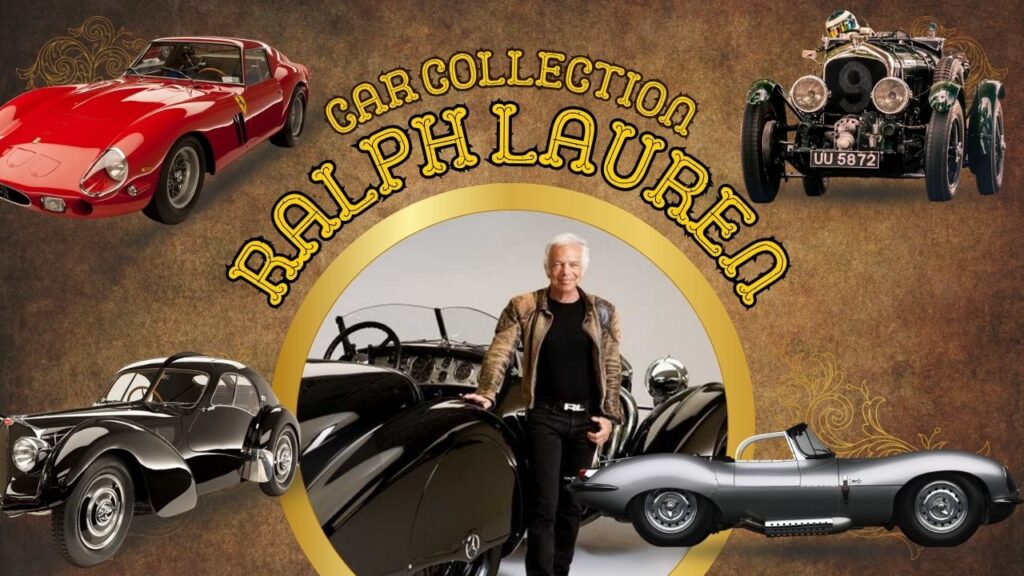
Ralph Lauren Car Collection is the most desirable collection in the world and even It is admired by experts such as historians and designers for its exceptional and iconic cars. The collection is valued at some $600–700 million, and this is more than a luxury hobby. It’s like a “traveling museum,” displaying the history of 20th-century auto design.

For Ralph Lauren, these are not cars to be shown or driven. He regards them as “moving art” – elegant machines that embody art, skill and ingenuity at the highest level. 

Ralph Lauren Car Collection History

Ralph Lauren had his start in car collecting with a used 1961 Morgan, which he found an appealing powerful classic look. But his collection really starts on 1971, when he purchases his first new car – a Mercedes-Benz 280SE 3.5 Cabriolet. 

He knew exactly what he wanted and he went with a tan roof and tan leather seats, despite the dealer’s recommendation to the contrary. He went for a classic, old fashioned look and wanted to draw his inspiration from the 20’s and 30’s. This early on showed that he used his enthusiasm for design and details. 

And as Lauren grew in the fashion industry, so did his car collection. He started thinking of cars not just as vehicles, but as works of art he didn’t want to sell. Eventually, he also became a preserver of the past, amassing historic cars that are as rare as they are valuable. He opened up around the 1980s with legendary cars as the 1938 Bugatti Type 57SC Atlantic and the 1962 Ferrari 250 GTO.  

Ralph Lauren Iconic Collections 

1938 Bugatti 

1938 Bugatti Type 57SC Atlantic Coupe is a very expensive and luxurious car model that is made only based on a concept car by Jean Bugatti. It has a beautiful design on both exterior and interior body that attracts everyone. 

Among its most interesting aspects is the heightened “spine” running from the nose to the tail of the car. This design was based on an earlier model with a material that was cut and then riveted instead of welded. Though later models went to aluminum, the rivets remain as a decorative element.

Ralph Lauren is the owner of one of these rare cars, referred to as the “Pope Atlantic.” In 1990 he restored it and he went with a shiny black color with black leather inside instead of the original light shade of blue. He felt black added elegance and strength to a car’s form.

123 mph speed is considered to be the highest in 1930s, so it is called as one of the first supercars ever. 

1930 Mercedes-Benz SSK 

1930 Mercedes-Benz SSK “Count Trossi” Roadster The car that was at the top of the range at the beginning of the thirties and everyone desired was in many ways for both luxury and velocity. The vehicle was made specifically for the Italian aristocrat and racer Count Carlo Felice Trossi, in an effort by automotive designer Willi White.

While glancing at the photos you can see the car has a very unusual shape, the hood is quite long and spans more than half the length of the car body. It also prominently features exhaust pipes that are outside of the bodywork, it has a very bold and aggressive shape, almost like a shark.

1930 Mercedes-Benz SSK 

Its huge 7.1 liter engine was supercharged, making it one of the most powerful engines of its time and quite popular in racing, early on. Ralph Lauren’s is unique and has taken the top prize at Pebble Beach.

That vehicle, with its practical beauty, allows the design of the 1930s to shine - speed shapes and streamlining, all wrapped up in decorative, elegant Art Deco that, even at rest, looked like it was going fast. 

1929 Bentley Blower

The 1929 Bentley 4½ Litre “Blower” is an iconic car mired in a rich motorsport heritage with the “Bentley Boys.” It was made for endurance races and was meant to be robust and dependable.

The most immediately noticeable design aspect is the large supercharger sitting at the front, giving it a raw, industrial appearance, unlike the more streamlined vehicles like Bugatti.

The car is also special in pop culture as the author Ian Fleming made it James Bond’s car in the original 007 novels. This tie to classic British design makes it even more iconic, and it fits right in with Ralph Lauren’s sensibility. 

Vehicle Engine Horsepower Key Historical Fact
Bugatti 57SC Atlantic 3.3L Inline-8 200 hp Only 2 authenticated survivors.
Mercedes-Benz SSK 7.1L Inline-6 250 hp (Supercharged) One-off design by Count Trossi.
Bentley Blower 4.4L Inline-4 175-240 hp Iconic Le Mans racer; Bond connection.

Ralph Lauren Ferrari Collection

The 1962 Ferrari 

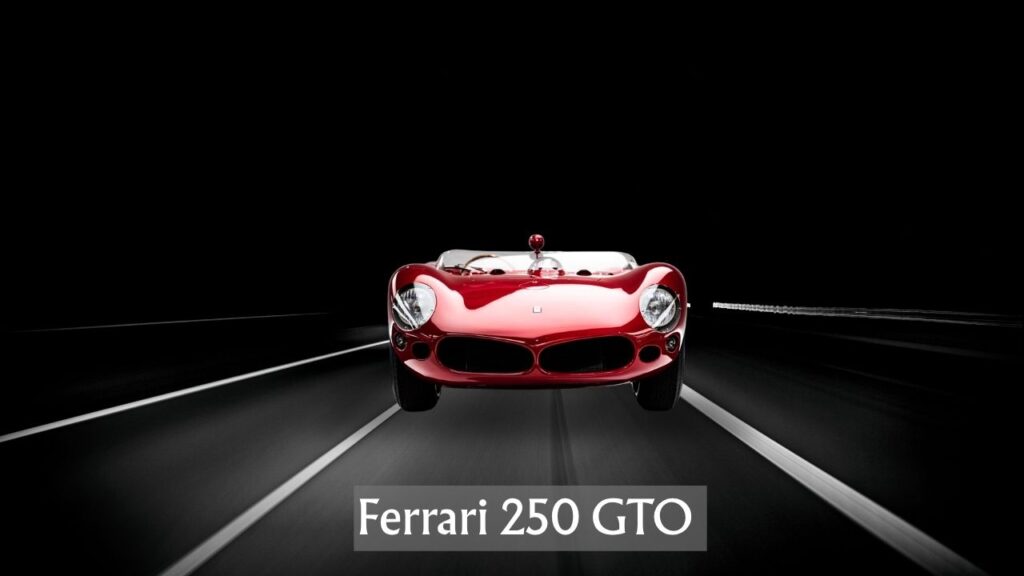
Most goated car of the century, Ferrari 250 GTO were produced just 36 from 1962 to 1964. Ferrari made a name for itself with its unique production that went approved in the FIA’s Group 3 Grand Touring class. Gran Turismo Omologato is GTO for short. #3987GT, delivered in October 1962 with its four first place finishes and a notable racing career This was Lauren’s chassis 3987GT, released in October 1962. 

The 1962 Ferrari 

The GTO offers a 3.0L V12 that takes you on a high speed ride because it produces 300 horsepower. This is the ultimate front engine racing car, with development, engineering and testing all done in a wind tunnel. With GTOs now fetching in excess of $70 million, Lauren’s purchase of the vehicle for $650,000 in 1985 is considered one of the wisest buys ever in the history of car collecting. 

The 1958 Ferrari 

The 1958 Ferrari 250 Testa Rossa separate fenders and a gap between them and the engine bay permits air flow to the engine and also helps cool the brakes, a ground breaking aerodynamic notion at the time. The Testa Rossa (Red Head) name comes from the red-painted camshaft covers on their V12 engine. Lauren’s TR is the 14th of 34 made and the absolute pinnacle when it comes to 50’s sports car racing looks, and performance. 

The 1954 Ferrari 

1954 Ferrari 375 Plus offers 4.9-liter V12 powerful engine to roar like a lion when it’s on the racing track that provides uninterrupted 325 horsepower. As it proved in the Le Mans race in 1954 that took Ferrari to victory in only 24 Hours.

This aluminum based hand-crafted vehicle made five of these cars. Instead of detailed blueprints, the form was designed from the dictates of the Pinin Farina artisans.

For its rarity and past, one of these cars went for $18.3 million in 2014, proving just how valuable and special it is. 

British and German Engineering 

The Jaguar D-Type and XKSS

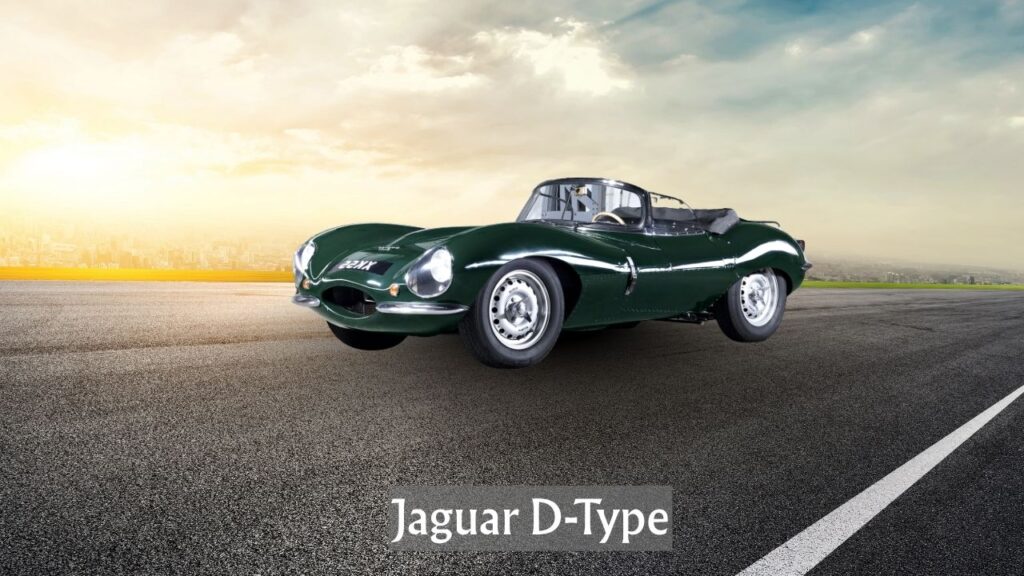
Jaguar D-Type is a perfect model that is influenced by aircraft to make it run like hell. It had a monocoque chassis (it’s like a very strong shell that supports the whole car) and a tall tailfin to improve stability at high speed (especially on long circuits like Le Mans). Ralph Lauren has one from that, Jaguar’s great race in 57, where they truly dominated the event.

The Jaguar D-Type

The XKSS is special by virtue of its sportiness that brings racing performance within reach of ordinary drivers and its practicality that enables it to be both quick and useful. 

The 1955 Mercedes-Benz 

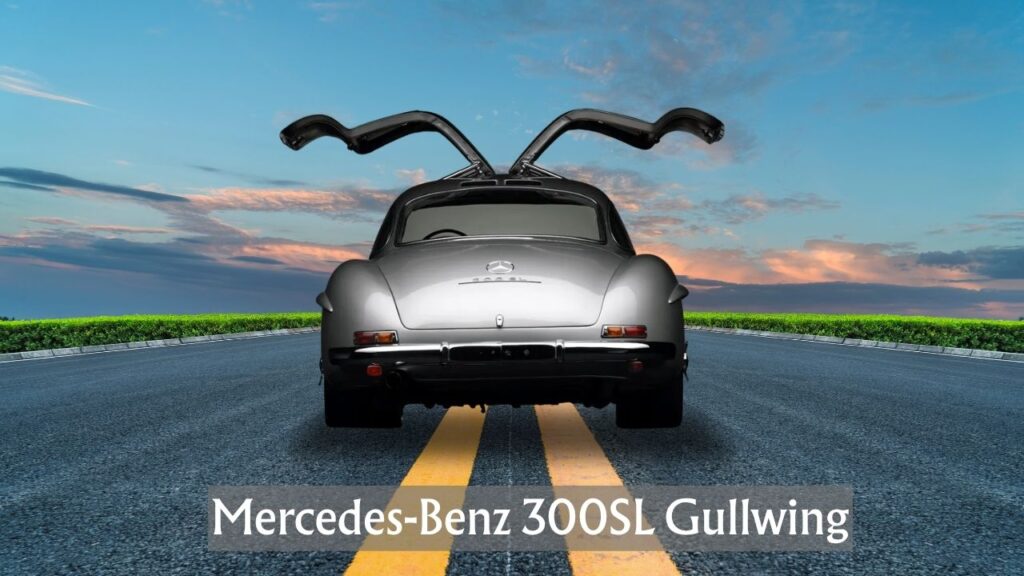
Mercedes-Benz 300SL Gullwing is designed particularly for sporting and its body is unique as the sides of the car’s contours were tall and because of this, Gullwing has doors that open up, rather than out. 

It was also very sophisticated for its era, being the first production car with direct fuel injection. This made it the fastest car of its time.

1955 Porsche 

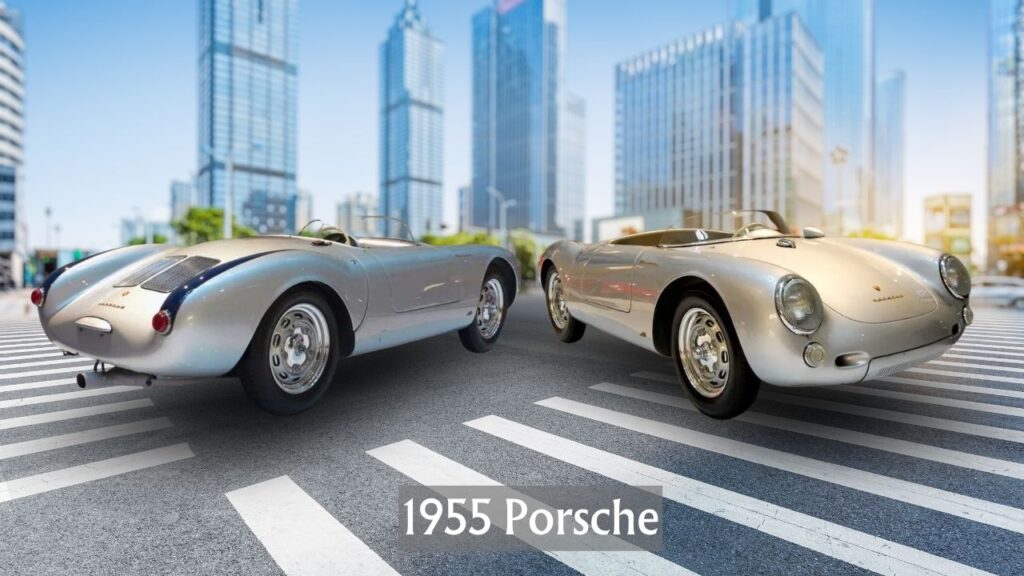
Ralph Lauren’s 1955 Porsche 550 Spyder is a highlight of his globally-recognized collection of automobiles and is the subject of its own “cerebral” minimalist design.

1955 Porsche

Amid a collection of about 110 high-horsepower Ferraris and Bugattis powered by Type 547 “Fuhrmann,” a complicated 1.5L flat-four with four overhead camshafts or similar units, the 550 Spyder stands out because of its extreme lightness and “giant-killer” reputation—a car specifically engineered to out-handle and out-run much larger rivals. 

It was small but was renowned for lapping larger, more powerful cars even in races. It’s simple and sleek design reflects the clean, understated German engineering that Ralph Lauren adores. 

Ralph Lauren Modern Hypercars

Ralph Lauren’s passion for design extends beyond vintage age. He considers modern hypercars the modern day successors to the coach-built masterpieces of the 1930s, with a similar emphasis on materials innovation and extreme performance. 

Read More:-  Toyota Land Cruiser FJ: India’s Unsung Off-Road Legend

The McLaren F1 and F1 LM

The 90s McLaren f1 is a legendary supercar that was also the first production car to feature a carbon-fiber body. It still holds the title of the fastest naturally aspirated production car ever.

Ralph Lauren has two regular F1′s and a very rare F1 LM. The F1 LM was a limited-edition, with a run of 5 cars to celebrate McLaren’s 1995 Le Mans win. The F1 LM is painted in a vivid “Papaya Orange” and is really a race car for the road, with a ferocious V12 putting out about 680 horsepower. 

The Lamborghini Reventón

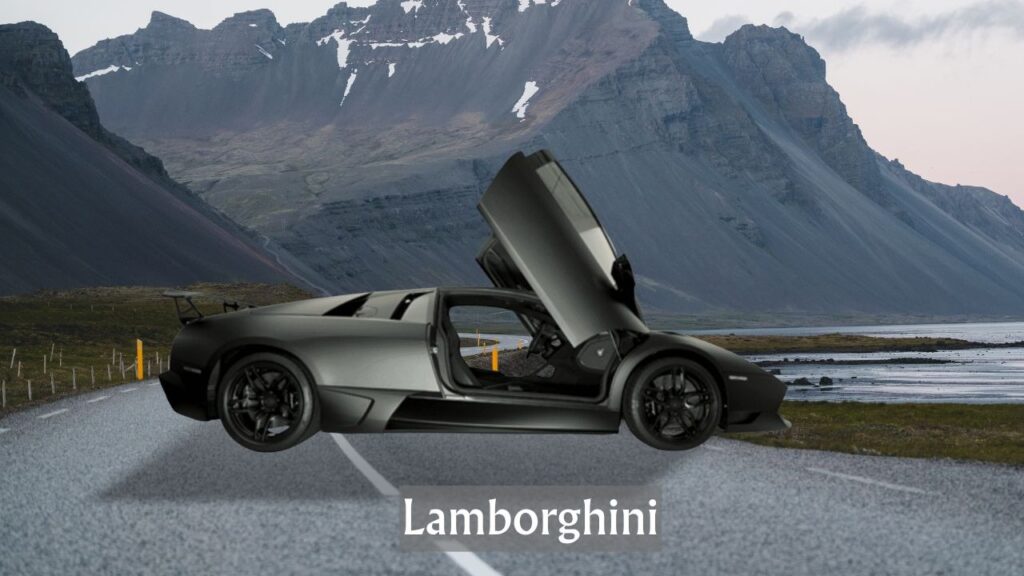
F-22 Raptor fighter jet is an inspiration for the manufacturer of this car as it was prepared on a boast speed engine. Lamborghini Reventón is a limited-edition car only few people including Ralph Lauren owns it.

The Lamborghini Reventón

Its body consists of matte gray carbon fiber with sharp folded, creased lines and a “stealth” design. Lauren has dubbed it a “piece of origami” and “Star Wars” in its design language. It sits at the top of his garage and represents the psycho edge of contemporary car design. 

Hybrid Hypercars

Modern Hypercar Year Top Speed Rarity
McLaren F1 LM 1995 240+ mph 1 of 5
Lamborghini Reventón 2010 205 mph 1 of 15 (Roadster)
LaFerrari 2014 217+ mph 1 of 499
Porsche 918 Spyder 2015 211 mph 1 of 918 (Lauren owns 2)

Conclusion

The Ralph Lauren car collection is no mere assembly of rare cars—it is a story of 20th- century design and engineering. For him cars are machines and works of art, and he’s influencing how people think about collecting them.

He enjoys driving his cars and he keeps his cars (old and new) in immaculate working condition so that he can actually drive and enjoy them, and not just park them. That’s why he calls them “moving art.” 

The value of the collection has increased substantially, from about $300 million to more than $600 million, but for Lauren the real value is the inspiration the collection gives him. It shows his passion for perfection where even the sound of an engine can be as beautiful as fashion.

Even as he has aged, people are still curious as to what will happen to the collection, but it is already firmly established as the greatest car collection in the world.