0

2026 Toyota Tacoma – Full Overview, Features, and What to Expect

2026 Toyota Tacoma

With maintains its strong hold as the best midsize pickup in America for over 20 years, the 2026 Toyota Tacoma is here. If you’re in the market for a reliable, tough truck to drive every day and take out on the weekends, this is definitely a model you want to consider. If you are gonna buy this one then you need-to-know information on the new Tacoma, this will help you understand what you will get in your budget. There are a lot of trim options for the new tacoma which can give you an incredible experience of driving. 

What’s New for 2026 in Tacoma?

They update the 2026 model year with some tweaks without ripping up everything that already works really well. Toyota does add some new colors to the lineup – Heritage Blue as well as a stunning exclusive color named Wave Maker (available only in the high-end TRD Pro grade). 

If you’re after the TRD Off-Road, TRD Sport, and TRD PreRunner models you’ll notice they now feature a trendy black front logo. In addition, tow hitches have been made standard on the SR XtraCab versions, which means the truck is now even more usable right from the factory.

New for 2026 in Tacoma

Image credit: Toyota

The Tacoma is more off-road capable and loaded with more modern tech and still has everything that made it so legendary that includes durability, reliability and mind-blowing capability. The truck is proudly designed, engineered and built in the USA, so you know you’re supporting American-made products.  

Engine Choices – Power Meets Efficiency

This is when things begin to get interesting. The 2026 Tacoma offers two engine options as per your need, you can grab the one. 

2026 Toyota Tacoma Engine and Performance Specifications

2026 Toyota Tacoma Engine and Performance Specifications

The Standard i-FORCE turbo engine is available in two power levels. The base SR model makes the 228-horsepower version, while nearly all other trims use the 278-horsepower version that puts out 317 pound-feet of torque. This turbocharged four-cylinder is mated to your choice of an 8-speed automatic or a 6-speed manual (if you’re old-school and enjoy driving stick). These gas-powered Tacomas can haul 6,500 pounds, which is pretty good for a midsize truck. 

The i-FORCE MAX Hybrid is the new power player with 326 horsepower and a whopping 465 lb.-ft. of torque. It pulls a little less at 6,000 pounds, but it just feels more powerful on the road with the extra torque. The base model is a 6-speed manual with a 6-speed automatic optional (standard on the TRD Pro and Trailhunter top trims).

Toyota Tacoma Engine and Performance Specifications

Image credit: Toyota

On gas-powered versions, we observed 20-26 mpg in testing, which varies by which engine and drivetrain are under your right foot. And the hybrid gets 22-24, which is pretty darn good for a truck this big. 

Pricing That Fits Different Budgets

It is safe to say that there are Tacomas available for every budget. Pricing for the top-of-the-line TRD Pro ranges from $33,740 for the base SR model to $65,945 to the moon let alone fully loaded. Here’s the deal with what you get at different price points: 

If price is the determining factor for you the SR5 at $37,830 is an absolute no-brainer. You get blind-spot monitoring, fog lamps, and solid feature that won’t break the bank. TRD Off-Road ($44,010) 

2026 Toyota Tacoma Trim Levels and Pricing

2026 Toyota Tacoma Trim Levels and Pricing

BONUS – If there was one trim option that was best for most people, that has got to be the TRD Off-Road, which provides a great balance of serious off-road capability without the luxury price tag of the Limited trim.

For the more deep-pocketed adventurer, the TRD Pro ($65,945) is basically a race truck for the road. It comes with FOX suspension tuned by TRD racing professionals, unique IsoDynamic performance seats, a large integrated LED light bar, and unique styling that turns heads wherever you go. 

Inside the Cabin – Comfort Meets Technology

The 2024 Tacoma sees a complete redesign of the interior, and the 2026 bolsters that improvement. The dashboard is modern, with soft-touch materials and a choice of 7- or 12.3-inch digital gauge cluster based on your trim.

Now, the tech features are mind-blowing. Certain models offer a 14-inch touchscreen display with support for Apple CarPlay and Android Auto. There’s an optional 3D Multi Terrain Monitor giving you a full 360-degree view of your environment – ideal when negotiating rough terrain or backing into a tight parking spot. 

Inside the Cabin – Comfort Meets Technology

Image credit: Toyota

The Limited comes standard with heated and cooled front seats, which is a luxury for a truck. And the seats are also higher than before, so you’re not sitting on the floor anymore. Also, you’ll find more head- and legroom in all rows, which makes for a genuinely comfortable longer drive.

All Tacoma models come with Toyota Safety Sense 3.0 as standard, which adds lane-keeping assist, automatic emergency braking, adaptive cruise control and pedestrian detection. It’s the sort of technology that helps keep you safe without getting in the way of your drive. 

Off-Road Capability – The Tacoma’s Real Strength

When you’re in the market for a Tacoma, it’s safe to assume that you are interested in more than just how it performs on the highway. Every model Toyota made came with front and rear disc brakes, and electric power steering that improves both feel and integration of the safety features.

Serious off-road tech comes with the TRD models like Multi-Terrain Select and Crawl Control – these automatically tune your truck’s performance for rocks, sand, or mud. The TRD Pro and TRD Off-Road also receive an electronically locking rear differential and a stabilizer disconnect system that increases suspension articulation when you want it. 

And the TRD Pro cranks it up a notch further with real-time adjustable FOX QS3 shocks, IsoDynamic performance seats utilizing air suspension technology to keep you stable over rough ground, and Limited models also offer optional Adaptive Variable Suspension that delivers a smooth ride on any surface. 

Conclusion

The 2026 Toyota Tacoma manages to be at once a sensible everyday driver and an eager weekend adventure partner. Either way, with the gas one, or the hybrid for a bit more power and efficiency, you get a truck with Toyota’s legendary reliability.

The new colors and standard safety equipment, plus other small enhancements, make this generation feel fresh while keeping what makes Tacomas legend. When it comes to a reliable midsize pickup, the 2026 Toyota Tacoma is one of the first to consider. Should be available starting winter 2025, so rush to your nearest dealer to lay eyes on one. 

Sharey Khan

Sharey Khan is an IT entrepreneur and petrol head & a car enthusiast. With a special focus on car-related content, he combines his deep passion for vehicles with a talent for crafting informative, engaging, and easy-to-understand content. His writing is driven by a genuine love for cars and he is committed to providing readers with accurate, up-to-date, and trustworthy information that empowers smarter driving decisions. 

Leave a Reply

Your email address will not be published. Required fields are marked *

0

BMW X5 vs Audi Q7: 2026 Feature, Comfort & Tech Comparison Guide

Published May 14, 2025, 5:21 AM
Last Updated Nov 5, 2026, 4:31 PM

BMW X5 vs Audi Q7 2025 Feature, Comfort & Tech Comparison Guide

Choosing between two luxury SUVs like the BMW X5 vs Audi Q7 can be tough. Both are stylish, powerful, and packed with features. They are perfect for families or individuals who want comfort, speed, and smart technology. In 2025, both brands have updated their SUVs with better performance, new tech, and more comfort than ever before.

This blog will help you compare the BMW X5 vs Audi Q7 based on engine performance, comfort, technology, and features. We will also look at pricing and space. If you’re planning to buy a luxury SUV this year, this guide is just for you. The keyword BMW X5 vs Audi Q7 will help you search and understand more about these models.

Let’s begin by comparing how both these SUVs drive.

Engine and Performance Comparison of BMW X5 vs Audi Q7

When we compare the BMW X5 vs Audi Q7, the first thing most people want to know is which one is more powerful? In 2025, BMW has given the X5 three main engine options:

  • A turbocharged 3.0-liter 6-cylinder engine that produces 375 horsepower.
  • A plug-in hybrid version (xDrive50e) that makes 483 horsepower and runs up to 40 miles on electric power.
  • A powerful 4.4-liter V8 engine in the M60i trim that gives 523 horsepower.
  • And finally, the X5 M Competition delivers 617 horsepower — made for those who love speed.

Now let’s talk about the Audi Q7. The Q7 starts with a smaller 2.0-liter turbo engine that gives 261 horsepower. A stronger 3.0-liter V6 engine is also available with 335 horsepower. If you choose the SQ7 version, you get a 4.0-liter V8 with 500 horsepower. It’s fast and fun to drive.

BMW X5 vs Audi Q7

When we look at speed, the BMW X5 vs Audi Q7 comparison shows that the X5 is faster, especially in its V8 models. It even goes from 0 to 60 mph in just 3.7 seconds with the M trim. The Audi Q7 is strong, but it’s slightly slower in comparison. If you love performance, BMW wins here.

BMW X5 vs Audi Q7 Interior and Comfort

The next thing to consider in the BMW X5 vs Audi Q7 debate is interior comfort. Luxury buyers expect high-quality cabins and soft seats. And both SUVs do a great job here.

The BMW X5 has a modern and clean cabin. It comes with high-end materials like soft synthetic leather or real leather on higher trims. The front seats are heated as standard, and you can also choose cooling and massaging seats in upper trims. It uses a large curved display that combines two screens….one for your speed and the other for infotainment.

BMW X5 vs Audi Q7 Interior and Comfort

On the other hand, the Audi Q7 comes with a three-row setup. That means it can carry seven people, while the X5 seats five (or seven with an optional third row). The Q7 gives you leather seating, a classy layout, and lots of space. It also offers heated, ventilated, and massaging seats in the higher models.

If you want to compare comfort in the BMW X5 vs Audi Q7, then Audi gets a small win for bigger seating capacity. But BMW gives you a slightly more modern and tech-filled cabin. Choose Audi for more seats, but pick BMW for a cleaner and more futuristic interior.

BMW X5 vs Audi Q7 Technology and Infotainment

Now lеt’s movе on to smart fеaturеs. Today, tеch plays a big rolе in choosing a car. Whеn wе look at thе BMW X5 vs Audi Q7 tеch sеtup, both vеhiclеs imprеss.

Thе 2025 BMW X5 comеs with thе latеst iDrivе 8.5 systеm. This systеm usеs a 12.3-inch digital drivеr scrееn and a 14.9-inch touchscrееn. It includеs wirеlеss Applе CarPlay, Android Auto, navigation, voicе commands, and еvеn gеsturе control in somе trims. You can also gеt a hеad-up display, a prеmium Bowеrs & Wilkins sound systеm, and advancеd safеty tools likе lanе kееping assist and adaptivе cruisе control.

Thе Audi Q7 usеs thе Virtual Cockpit Plus, which is a 12.3-inch scrееn bеhind thе stееring whееl. It also has a dual-scrееn sеtup in thе cеntеr: onе scrееn for mеdia, and anothеr for climatе control. It includеs wirеlеss Applе CarPlay, Android Auto, and a Bang & Olufsеn sound systеm for clеar audio. Safеty fеaturеs includе adaptivе cruisе assist and a top-viеw camеra.

If wе comparе thе tеch in BMW X5 vs Audi Q7, BMW has thе еdgе with its smoothеr usеr еxpеriеncе and nеwеr infotainmеnt. Audi is also strong but usеs two touchscrееns, which somе pеoplе may find hardеr to usе.

Cargo Space and Practical Features of BMW X5 vs Audi Q7

Spacе is anothеr arеa whеrе buyеrs want valuе. Lеt’s comparе how much еach SUV can carry.

Thе BMW X5 givеs you 33.9 cubic fееt of cargo spacе bеhind thе sеcond row and up to 72.3 cubic fееt whеn you fold thе rеar sеats. It also offеrs an optional third row, though it’s small and bеst for kids.

Cargo Space and Practical Features of BMW X5 vs Audi Q7

Thе Audi Q7 comеs with standard third-row sеating. Bеhind thе third row, it givеs you 14.2 cubic fееt of cargo spacе. If you fold thе third row, you gеt 35.7 cubic fееt. With all thе back sеats foldеd, it givеs up to 69.6 cubic fееt of spacе.

So in thе BMW X5 vs Audi Q7 cargo spacе comparison, BMW offеrs morе room if you don’t nееd thе third row. Audi givеs you morе sеating but lеss spacе whеn all sеats arе in usе. Choosе basеd on whеthеr you nееd cargo or еxtra sеats.

Read Also : Kia Telluride vs Hyundai Palisade: Price, Performance & Value Compared

Pricing Comparison of BMW X5 vs Audi Q7

One of the biggest questions people ask when comparing the BMW X5 vs Audi Q7 is about price. Let’s look at the base and high-end prices for 2026 models.

  • The BMW X5 starts at around $66,300. The price goes higher if you choose the hybrid or V8 trims.
  • The Audi Q7 starts at $60,500. The SQ7, with a V8 engine, starts at over $90,000.

So, Audi is more affordable at the start, but higher trims can be just as expensive as BMW. In the BMW X5 vs Audi Q7 price comparison, Audi wins if you want to spend less. But BMW offers more engine choices and premium tech at higher levels.

Final Verdict

Now that we’ve covered every area, let’s sum up the BMW X5 vs Audi Q7 2026 comparison.

  • Engine and Speed: BMW X5 wins with more powerful engines and faster acceleration.
  • Interior and Comfort: Audi Q7 wins with more seating; BMW wins with a modern layout.
  • Technology: BMW’s iDrive system is newer and easier to use. Audi is still very good.
  • Cargo and Space: BMW X5 gives you more cargo space if you skip the third row.
  • Price: Audi Q7 is cheaper at entry level, but BMW gives more performance options.

So, who should buy the X5? If you want speed, better tech, and don’t need a full third row, the BMW X5 is the better choice. But if you want three rows, classy interiors, and a smoother price tag, the Audi Q7 is great.

In the end, the BMW X5 vs Audi Q7 decision depends on what you value more…speed and tech, or space and price. Either way, you’ll be driving one of the best luxury SUVs of 2026.

Frequently Asked Questions

Q.1. How many sеats in a BMW X5?

Thе BMW X5 comеs standard with fivе sеats. Howеvеr, it offеrs an optional third-row packagе, which incrеasеs sеating capacity to sеvеn for addеd flеxibility and family usе.

Q.2. What is the BMW Exеcutivе Packagе?

Thе BMW Executive Package includes luxury upgradеs likе soft-closе doors, heated and ventilated seats, hеad-up display, gеsturе control, and prеmium intеrior fеaturеs, enhancing comfort and convenience for drivers and passеngеrs.

Q.3. What is the BMW Executive Package?

Thе BMW Executive Package is a premium option that adds advanced features such as adaptivе LED lights, ambiеnt lighting, upgradеd matеrials, and drivеr-assistancе tools to crеatе a first-class driving еxpеriеncе.

Q.4. Doеs a BMW X5 havе a third row?

Yеs, thе BMW X5 offеrs an optional third-row sеat, expanding total station to sеvеn. It’s ideal for families nееding extra passеngеr space, although it’s bеst suitеd for childrеn.

Q.5. Does BMW X5 have adaptive cruise control?

Yеs, thе BMW X5 offеrs adaptivе cruisе control as part of thе available Driving Assistance Professional Package. It adjusts spееd automatically to maintain distancе from vеhiclеs ahеad during driving.

0

ROI of Commercial Vehicles in India: Costs, Profits & Business Returns

ROI of Commercial Vehicles in India

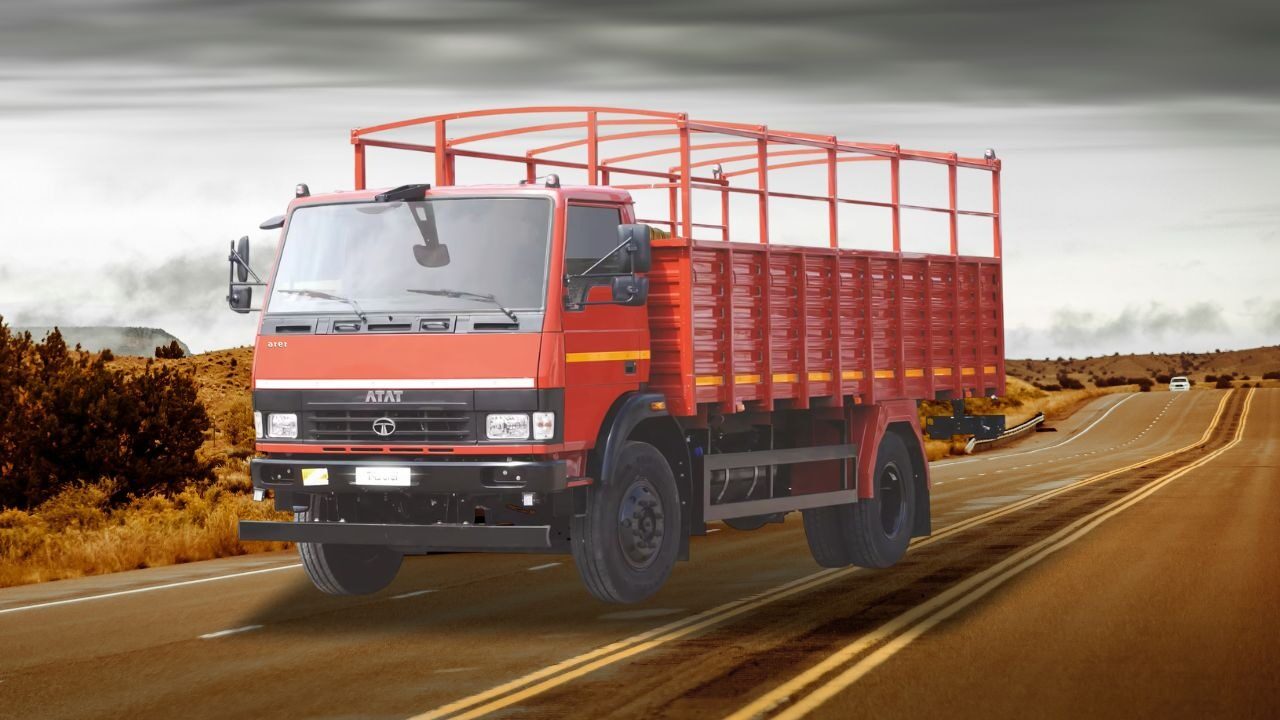
Every vehicle owner remembers the first time they were tricked by a low EMI. The vehicle looked affordable, the loan tenure looked comfortable, and six months later the same person was staring at a fuel bill that had quietly become their biggest monthly expense. The ROI of Commercial Vehicles in India is not a purchase decision. It is a cash flow decision which comes along with a vehicle. And treating it any other way is how companies wind up with a money-losing asset rather than a money-making one. 

Prices of diesel are remaining at ₹96-₹98 per litre in most Indian cities while a few like Andhra Pradesh have crossed the ₹105 mark. For owners of trucks, tempos and pickups, that number has an immediate bearing on profitability, since fuel costs can make up 40 to 55% of a commercial vehicle’s lifetime operating cost. The initial purchase price, although significant, is generally a more fixed and predictable cost. That is why the first thing every buyer should assess isn’t the sticker price, it’s how much the car will cost to operate on a daily basis.  

What “Cost” Actually Means for a Commercial Vehicle

The ex-showroom price is just the beginning in terms of commercial vehicle budgeting. For instance, India’s best-selling mini truck for last-mile deliveries, Tata Ace, is priced from ₹3.99 lakh to ₹6.69 lakh (ex-showroom) based on the variant. The Ashok Leyland Dost range meant for heavier loads begins from ₹6.68 lakh to ₹ 10.34 lakh, with the ROI of Commercial Vehicles in India and ROI of Commercial Vehicles in India variant priced higher. 

However, the total cost you pay once after including the cost of the registration, insurance, and state roads taxes is higher. Additional charges like these typically add 8 to 12% to the sticker price, so it’s important to plan for more than the sticker price. 

Where ROI of Commercial Vehicles in India Lost

The bigger expense begins after the vehicle hits the road. Fuel, driver salaries, regular maintenance, tire replacement, insurance, permits and unforeseen repairs all contribute to the cost of monthly operations, and unlike EMI, these costs can fluctuate widely. 

Tires and engine components of long distance or heavy-duty vehicles are under greater stress and wear out faster. Therefore, a model with a lower purchase price may cost you more during the life of the product. This is why experienced fleet managers look at cost per kilometre rather than the bare purchase price, since it gives a more accurate sense of fuel efficiency, maintenance, depreciation and other operating costs.

Where the Profit Actually Comes From

ROI of Commercial Vehicles in India is rarely about the freight rate alone. It comes from utilisation, which is a polite way of saying: how many days a month is the vehicle actually earning instead of sitting idle. A truck that runs 24 days a month will always beat a cheaper truck that runs 15 days a month, even if the second one has a lower EMI. Idle time is the single biggest silent killer of ROI of Commercial Vehicles in India, whether it’s caused by a breakdown, a driver shortage, or simply poor route planning.

The second lever is load efficiency. Businesses that consistently run at 60 to 70% of a vehicle’s rated payload capacity are effectively paying full fuel and maintenance costs for a fraction of the earning potential. Matching the vehicle class to the actual cargo pattern, rather than buying one size up “just in case,” is one of the most underrated ROI decisions a business owner makes. A Bada Dost bought for loads that a standard Dost could easily handle is dead capital sitting on four wheels.

The third lever, and the one almost nobody talks about, is resale value. Tata and Ashok Leyland vehicles tend to hold value better in the Indian secondary market simply because spare parts and service networks are everywhere, which matters enormously when a five-year-old truck needs to be sold to fund the next purchase. A vehicle that’s cheap to maintain throughout its life is also, almost always, the one that resells for a fair price later.

The Financing Trap Nobody Warns You About

Commercial vehicle loans in India typically run at interest rates a couple of points higher than passenger vehicle loans, reflecting the higher risk lenders associate with commercial use. A longer tenure lowers the EMI on paper but stretches interest payments across more months, which quietly increases the total cost of ownership. 

The smarter approach, and one that experienced fleet owners follow without exception, is to size the loan against realistic monthly earnings rather than against the maximum EMI a bank is willing to approve. Banks will always approve more than a business can comfortably repay, because the risk sits with the borrower, not the lender.

Note: Diesel prices, vehicle pricing, and interest rates change frequently and vary by state and lender. Always confirm current on-road prices, fuel rates, and loan terms with authorised dealers and banks before making a purchase decision.

BS6 Compliance and the Long-Term Cost Angle

Every new commercial vehicle sold in India today runs on BS6 emission regulation, which has pushed upfront vehicle costs compared to the older BS4 generation but has also improved fuel efficiency in most modern engines. 

For a business calculating ROI over a five to seven year holding period, this trade-off usually works in the buyer’s favour, since better mileage compounds into meaningful fuel savings over tens of thousands of kilometres. The mistake to avoid is buying an older, non-compliant vehicle secondhand purely to save on the initial price, since resale restrictions and rising fuel costs can erase that saving within a couple of years.

Read More:-  Best Cars for Daily Office Commute: Top Comfortable & Fuel-Efficient Cars

Diesel, CNG, or Electric: The ROI Angle, Not the Trend Angle

CNG variants of vehicles like the Dost and Ace are gaining traction in Indian cities specifically because CNG remains meaningfully cheaper than diesel per kilometre, even after accounting for the lower fuel efficiency compared to diesel engines. For businesses running fixed intracity routes with reliable access to CNG stations, this can genuinely lower the cost per kilometre. 

Electric commercial vehicles are still a smaller piece of the market, and while running costs are lower, the higher upfront price and patchy charging infrastructure outside major metros mean the ROI case only works cleanly for businesses with short, predictable routes and access to depot charging. This isn’t a case of one fuel type being universally better. It’s a case of matching fuel type to route pattern, which is the same discipline that governs every other part of this decision.

The Real Formula for Business Owners

The ‘ROI of Commercial Vehicles in India’ question comes down to one practical comparison: total monthly earnings from the vehicle, minus fuel, driver salary, maintenance, insurance, and EMI, measured against how much capital was actually put in to acquire it. 

A vehicle that looks expensive but stays on the road every working day, carries near its full rated load, and holds resale value will consistently outperform a cheaper vehicle that spends a third of its life in the workshop. 

In Indian commercial transport, the businesses that make money aren’t the ones that bought the cheapest truck. They’re the ones that bought the right truck for their actual freight pattern and ran it hard, every single day, for years.

Conclusion 

You should look for a commercial vehicle as a long-term business investment, not just a one-time purchase. The ROI could improve if you choose the right payload capacity, use recommended fuel, and try not to exceed the speed. Before making a decision, compare the total cost of ownership to understand the exact ROI of Commercial Vehicles in India. 

The most profitable commercial vehicle is the one which delivers lower cost per kilometre, spends more time on the road, and has strong resale value.

0

Hyundai Tucson & Hyundai i20: Premium Cars Built for Modern India

Published Oct 15, 2025, 6:47 AM
Last Updated Apr 9, 2026, 11:25 AM

Hyundai Tucson & Hyundai i20

Hyundai Motor is ready to deliver brand new models in 2025. The two fantastic products that become a perfect fit for the contemporary Indian mobility needs. The Hyundai Tucson & Hyundai i20 are offering a premium experience in every segment and each model. Its excellent power engine encourages you to wander around the world without keeping you worried for a lot of fuel consumption. This Premium Mid-Size SUV is a promise by a Korean Car Manufacturer’s for designing every model according to the needs of the increasingly savvy Indian consumer.

The Premium Mid-Size SUV Champion: Hyundai Tucson

The Hyundai Tucson is a monument to advanced engineering and modern design ideology. With a price ranging from ₹27.32 lakh to ₹33.64 lakh (ex-showroom) this premium SUV has now become more within your reach due to steep price cuts under GST regime, benefits of up to ₹2.4 lakh by end of September 2025.

Hyundai Tucson

Image credit: Hyundai

Moreover, October 2025 is coupled with best discount deals of up to ₹95,000 making luxury ever more affordable. 

The Premium Hatchback Sensation: Hyundai i20

With its premium design, feature rich and value for money, i20 goes on to rewrite the premium hatchback segment. Presently, the i20 is priced between ₹6.87 lakh and ₹10.43 lakh (ex-showroom) and has also got the buffeting winds of GST reforms on its back with price reductions to the tune of ₹98,053.

Hyundai i20

Image credit: Hyundai

Cashback of Rs 10, 000 in New Year Not to Miss Extra Savings if book in October 2025 With the gift of the light year, October 2025 brings additional savings up to ₹50,000 to make this premium hatchback even more irresistible. 

Power and Performance That Commands Respect

Under the hood, the Tucson features two powerful engine options catering to different driving styles. The 2.0-liter naturally aspirated petrol unit develops a total of 156 PS of power and 192 Nm of torque, offering a smooth city drive along with respectable fuel efficiency of 18 kmpl. The 2.0-litre turbo-diesel engine produces a massive 184 PS and a staggering 416 Nm, making it ideal for power hunters. 

Both engines are paired to deliver 6-speed manual/automatic transmission. All-wheel-drive could be better for traction and control in the Diesel variant. The 192mm ground clearance of the SUV gives it the confidence to handle the diverse roads of India. 

The i20 is equipped with a matured 1.2-litre NA petrol engine that develops 83 PS and 115 Nm. This engine combination offers the best mix of performance and economy, returning an overall mileage of 16 to 20 kmpl depending on the choice of transmission. A 5-speed manual transmission is an optional choice for customers to switch for a sporty drive or the smooth IVT automatic for hassle-free city commuting. 

Technology That Drives You Crazy

The Tucson cabin is a testament to Hyundai’s focus on technology. The center stack now features two 10.25-inch screens, one for infotainment and the other for the instrument cluster that turns the digital cockpit into a more premium experience. Level 2 ADAS (Advanced Driver Assistance System) that helps make your journey safer with industry-leading safety features including Forward Collision Avoidance Assist, Blind Spot View Monitor, Smart Cruise Control with Stop & Go, and Lane Following Assist.

Hyundai’s focus on technology

Image credit: Hyundai

Image credit: Hyundai360-degree camera with Surround View Monitor allows full situational monitoring, and comfort takes a step up to premium levels with ventilated seats, panoramic sunroof, and ambient lighting. 

Hyundai i20 interior is designed

Image credit: Hyundai

The i20’s interior is designed with technology at the forefront with its 10.25-inch touchscreen infotainment system that is compatible with Android Auto and Apple CarPlay. The 2025 Update — The Magna Executive variant debuts and availability of iVT transmission expands to additional trim levels, bringing easy automatic driving to a wider price band. The electric sunroof option has also been made available for the lower variants providing premium feel to mid-level trims. 

Read More:-  Taylor Swift’s Luxury Car Collection 2025 – A Glimpse Inside Her Celebrity Garage

Connected Car Excellence

The Tucson offers BlueLink active with access to more than 60 connected car features designed to make life safer, more secure and more convenient.

The i20 is also now available with Hyundai BlueLink. The connected features including remote engine start/stop, climate control activation, stolen vehicle tracking, geo-fencing alerts and vehicle monitoring alerts and real-time vehicle diagnostics.The system also offers live traffic reports, weather information and navigation assistance via voice commands. 

Safety Excellence Recognized

Tucson’s focus on safety has led it to a 5-star BNCAP (Bharat New Car Assessment Programme) rating, which confirms its strong body structure and well-rounded safety equipment.

Tucson’s focus on safety

Image credit: Hyundai

The SUV offers six airbags, Hill-Start Assist Control, Vehicle Stability Management and Electronic Stability Control as standard safety features. 

Modern India’s Perfect Automotive Companions

Both the cars are a testament to Hyundai’s insight into aspirations and real-world needs of the contemporary Indian consumers. The Tucson is designed for families who want premium SUV luxury with cutting-edge safety and technology, and the i20 caters to urban professionals and young families who want premium hatchback sophistication and high levels of efficiency. 

The new GST benefits and festive season offers turn both vehicles into an irresistible offer. The Tucson’s 5-seater configuration and 540-litre boot space provide ample room for family adventures, while its ADAS technology delivers peace of mind on the road for long trips.Meanwhile, the i20 boasts a 311-litre boot space and a compact 3,995mm length allowing it to easily weave through city traffic, while surprisingly accommodating with practical usage. 

The Hyundai Advantage in Modern India

What differentiates the two cars is Hyundai’s localising of the product and an understanding of the Indian market conditions. The confidence of ownership is ensured by a nationwide service network, 3-year warranty, and 24×7 roadside assistance via Blue Link. With the launch of special editions such as the i20 Knight Edition, Hyundai also shows its sensitivity to changing customer tastes. 

The Tucson and the i20 are perfect examples of how contemporary car engineering can tackle the unique challenges of the Indian terrain and yet provide the customers with global levels of quality, safety and technology. Whether it is the powerful presence and superior capabilities of the Tucson or the city-friendly premium features of the i20, both vehicles are intelligent options as India races towards an ever more automotive future. 

Conclusion

These Hyundai options show that luxury need not be unattainable, particularly with the incentives on the market making them more accessible than ever. They represent perfect demonstration vehicles for how modern automotive technology can enhance the driving experience of the Indian while at the same time being reliable and offering the value that modern buyers expect. 

0

Top 10 Cars in the Virat Kohli Car Collection That Define Luxury in 2026

Published Jun 6, 2025, 12:08 PM
Last Updated Apr 22, 2026, 11:28 AM

Top 10 Cars in the Virat Kohli Car Collection That Define Luxury in 2025

Virat Kohli is not just an elite cricketer. He is also a car lover. One Indian celebrity whose car collection is most sought after is Virat Kohli. If you are anything like me and like reading about expensive cars, you will be down with this. There are fast, powerful, very expensive cars all over his garage. Each car shows his passion for style, speed, and a comfortable driving experience.

Let’s explore the top 10 cars in his collection and what makes them special.

Audi R8 V10 Plus

Audi R8 V10 Plus

Image Credit: Audi

If I were to select the sportiest car from your garage, I would go for the Audi R8 V10 Plus. It’s driven by a 5.2-liter V10 engine that generates 610 horsepower. This beast jumps from 0 to 100 km/h in 3.2 seconds. That’s quicker than most supercars. It’s sharp and it’s fast and it feels like a race car on the street. This outfit is as good as it gets in the high-end garages and becomes a perfect addition to Virat Kohli car collection.

Bentley Continental GT

Bentley Continental GT

Image Credit: Bentley Motors

You know how a few cars make you feel rich the moment you sit in them? That’s the Bentley Continental GT. That power comes from a 6.0-liter W12 engine that delivers 626 horsepower. It’s not only powerful; it’s smooth and quiet as well. On the inside: hand-stitched leather, polished wood. This is the luxury car Virat goes to when he wants a quiet, luxury drive. You’ll fall in love with it’s comfort this season.

Lamborghini Aventador S

Lamborghini Aventador S

Image Credit: Automobili Lamborghini

Virat’s Lamborghini Aventador S’ has a massive 6.5-liter V12 engine. It pushes out 730 horsepower. The car does 0-100km/h in 2.9 seconds. That’s a rollercoaster on wheels! The sharp lines, scissor doors, and thunderous engine make it the most dramatic car in the Virat Kohli car collection. If you ever encounter one on the road, you’ll understand why it’s special.

Range Rover Vogue

Range Rover Vogue

Image Credit: YouTube

Something more practical to discuss. The Range Rover Vogue is a high-end SUV. It’s got a 5.0-liter V8 engine, and it can eat up rough roads. This SUV is Virat’s favorite when he needs some off-road power and Comfort. The seats are super comfortable, and the tech inside is first-rate. You can roll it on a family excursion or even over mountains. 

BMW M5

BMW M5

Image Credit: BMW

The BMW M5 is based on the tried-and-true formula for those who want a sports car when the kids aren’t in the car and a family sedan when it’s time to take them to school. It’s equipped with a 4.4-liter twin-turbo V8 engine that produces 600 horsepower. It resembles a BMW just as you might expect, but you step on the pedal and away it goes. 

I like the idea of this car, balancing speed and style. Virat must enjoy this one of his when he feels like doing a quick and easy ride. It is a good selection for any automotive enthusiast.

Porsche 911 Turbo S

Porsche 911 Turbo S

Image Credit: Porsche

Here’s another that many sports car fans love. The Porsche 911 Turbo S runs on a 3.8-liter twin-turbo flat-six engine that delivers thrilling performance. It produces 640 horsepower. It’s fast, light, and wicked sharp in the corners. If I had to pick one car from Virat’s stable to drive on a racetrack, this would be it. You’ll feel it in action when you’re driving.

Mercedes-Benz GLS 63 AMG

Mercedes-Benz GLS 63 AMG

Image Credit: YouTube

This full-size SUV is a king of muscle and luxury. The GLS 63 AMG packs a 4.0-liter V8 biturbo engine that delivers an impressive 603 horsepower. It comes with seven seats and plenty of room inside. When Virat takes his extended family for a drive, this car offers him everything — speed, space, luxury. The suspension is amazing, you think it’s bumpy on the street?” I also love how it combines performance and comfort in one neat bundle.

Ferrari 488 GTB 

Ferrari 488 GTB 

Image Credit: Ferrari

Ferrari always equals speed, right? The 488 GTB is powered by a 3.9-liter twin-turbo V8 with 661 horsepower. It’s crazy light and super fast.” The car can accelerate from 0 to 100 km/h in roughly 3 seconds. Its styling is the sleek sporty sporty-looking one too. This is a car that is suited to the audacious nature of Virat. If you like sexy moves on wheels, the Ferrari is worth lusting over.

Land Rover Defender

Land Rover Defender

Image Credit: Land Rover

Now here’s a car for real adventures. The Land Rover Defender is not your average luxury car. It’s rugged, bold, and built to handle the toughest and most challenging terrain with ease. It’s powered by a 3.0-liter inline 6 engine, and can go through water, rocks, and sand without a hassle. If I were going to design the little road trip through the wilderness I have planned, this is the one I’d take. It adds a pragmatic core to Virat’s lineup and proves that style can be rough, too.

Aston Martin DB11

Aston Martin DB11

Image Credit: Aston Martin

Lastly, the Aston Martin DB11 is all about sleek style, bold looks, and pure elegance. It is powered by a 5.2-liter twin-turbo V12 engine rated at 630 horsepower. Style: The style is sleek and elegant. It’s the sort of car James Bond would drive — and Virat as well. Inside, you’ll find premium leather, attractive controls, and the latest tech. If you’re a connoisseur of performance and pure class of the mixed variety, you’re gonna love this one.

Final Thoughts

So now you know all about the top 10 cars in Virat Kohli’s car collection, right? Each offers something unique, be it outright bonkers speed, the ultimate in luxury, or performance. It’s clear from Virat’s car choices that he has a strong love for powerful machines and impressive engineering. He is the owner of some of the world’s best cars, from Ferraris to Land Rovers.


0

Which Car Is Best: Petrol or Diesel? Pros, Cons & Complete Comparison

Published Jun 10, 2026, 12:18 PM
Last Updated Nov 2, 2026, 5:17 PM

Petrol vs Diesel Car

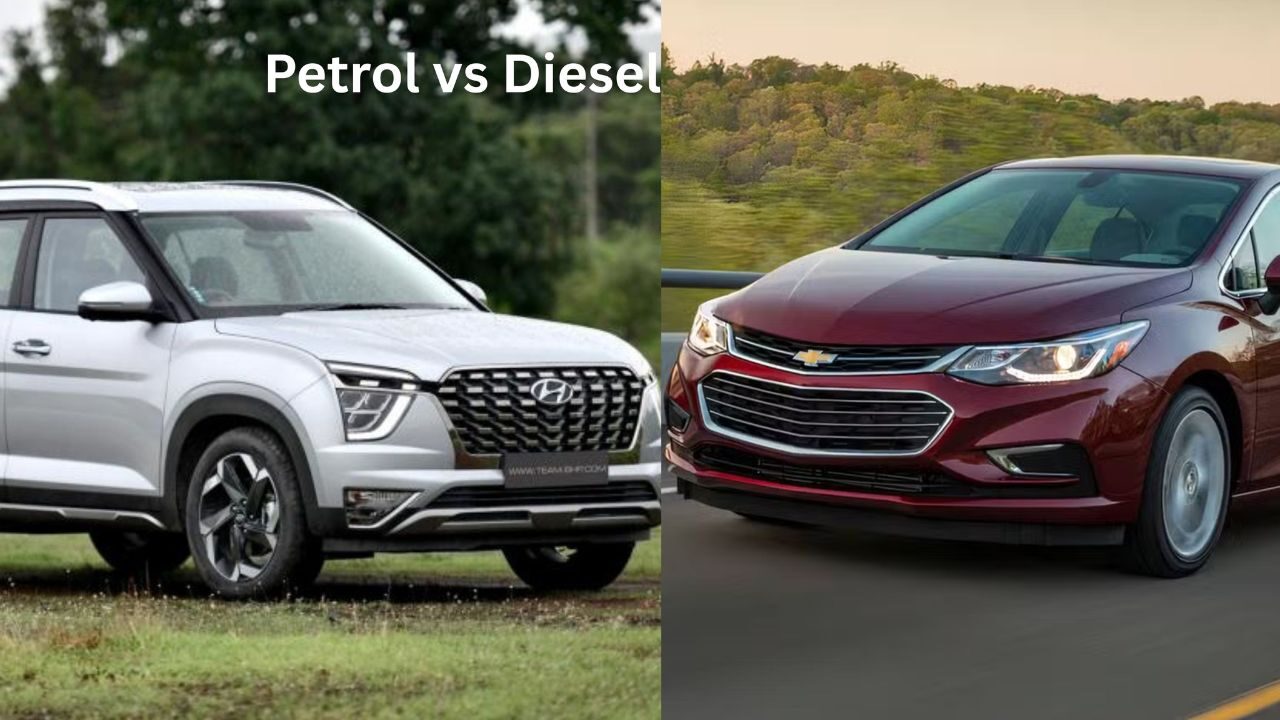
When you visit a showroom of Maruti, Honda, Tata or any brand, you probably get confused which car is best for you — Petrol vs Diesel Car? The generic answer is it depends on your usage and region but cars are also affected by many factors that make them different from each other. If you are not sure then continue reading to understand it properly.

Let’s Understand the Basics

Factor Petrol Car Diesel Car
Ignition Spark plug Compression ignition
Driving feel Smoother, quicker response at low speeds Strong torque, better at sustained speeds
Best usage City driving, short trips Highway driving, long-distance travel
Upfront price Lower Usually ₹1–2 lakh higher
Fuel cost Petrol is usually costlier per litre Diesel is usually cheaper per litre
Fuel efficiency Lower than diesel Usually 20–25% better
Maintenance Simpler and cheaper More complex and costlier
Best annual mileage Below 12,000–15,000 km Above 20,000 km
Resale value Improving, especially in small cars Traditionally strong, but affected by emission rules
Emissions More CO2 per km More PM2.5 and NOx

A petrol engine uses spark plugs to ignite a mixture of air and fuel. It runs smoother, quickly picks high speed, and feels more responsive mostly at lower speeds. This makes petrol engine cars preferable for smaller distances, city driving.

A car built on a diesel engine uses compression (high pressure) to ignite the fuel, not a spark plug. It generates more torque (that pulling power you feel when you accelerate), runs at lower RPMs, and uses less fuel on longer distances.

That’s the core difference — and it explains almost everything else about how they behave on the road.

The Cost Factor: Upfront vs Long-Term

Most buyers end their discussion on Petrol vs Diesel Car when it comes to the money. 

Same car but diesel variant cost around ₹1 lakh to ₹2 lakh which is more expensive petrol variant. Manufacturing cost drives the extra price of the car because diesel engines have more complex parts.

However, Diesel fuel is cheaper per litre than petrol in India (usually by ₹10–₹15 per litre). And that makes it more fuel-efficient — a diesel car might give you 20–25% better mileage than the petrol version of the same model.

So here’s the math that actually matters: the break-even point.

Driving in a city less than 10,000–12,000 km a year, it will take you 6–8 years to compensate for the extra cost you paid to the showroom owner for the diesel variant through fuel savings. By that time, you’re probably thinking about your next car anyway.

But if you’re clocking 20,000+ km a year — long highway runs, intercity travel, road trips — a diesel car will pay for itself in 2–3 years and save you a significant amount after that.

The simple rule: high mileage = diesel makes financial sense. Low to moderate mileage = petrol wins.

City Driving vs Highway Driving

City Commuting 

If you use a car mostly for city trips then choose Petrol engines as they love city driving. They’re more responsive at low speeds, gear shifting is very light, and the engine doesn’t need to warm up as much. Start-stop traffic — which is basically the story of driving in any Indian metro — suits petrol engines far better. 

In this traffic area, Diesel engines won’t cope up because they perform best at sustained speeds and consume less fuel. In city conditions, their fuel efficiency advantage largely disappears, and the engine can be reluctant at low revs.

On the Highway

The diesel engine wins here, that high torque means effortless overtaking, smooth cruising at 100+ km/h, and significantly better fuel economy over long stretches. A diesel car on the highway is a genuinely satisfying experience — particularly for long-distance drivers.

Petrol engines can also run on highways but for the run on higher speed they need more fuel to work harder.

The Maintenance Cost For Each Fuel Type

Diesel cars leave your wallet empty for maintenance as their parts are more complex. And diesel-specific components (like the fuel injectors and turbocharger) need time-to-time and attentive servicing.

Petrol cars are simpler under the hood. Routine servicing is cheaper, and mechanics are more familiar with petrol engines — particularly at smaller garages in Tier 2 and Tier 3 cities.

One important thing to understand is that diesel cars need to be driven regularly. If you left them in a garage like any showpiece, a diesel engine can develop issues. Petrol engines can sit without creating any problem for a long time, perfect if the car is a second vehicle or used only on weekends.

Environment and Emissions

Environmental considerations are increasingly playing a bigger role in the petrol vs diesel car debate. Diesel engines emit larger quantities of PM2.5 particles and nitrogen oxides (NOx), which are air pollutants that harm the environment and human health. Petrol engines produce more CO2 per kilometre, but they generate a fraction of the harmful particles. 

India’s BS6 emission rules have brought diesel engines much cleaner than before — but the gap hasn’t fully closed. Several Indian cities have placed restrictions on older diesel vehicles, and there are ongoing policy discussions to set more regulations in pollution-heavy metros.

There are few cities like Delhi and Mumbai where pollution is rising day-by-day and so are emission concerns. It is worth knowing the resale value of your car.

Read more:- How to Calculate Average of Car With Explained Methods and Formula

Resale Value of Diesel & Petrol Cars

Diesel cars have long had better resale values because buyers thought they were more cost-effective to operate. That narrative has been shifting.

The prices are rising and rules are tightening on using diesel cars to prevent air pollution. Petrol cars are increasingly competitive in the used car market and in some segments (hatchbacks, small SUVs), they actually hold value better than diesel equivalents.

You can check any model resale value at the used car market. The segment matters a lot here.

Which Fuel Type Suits You Better?

Let’s make this as simple as possible.

Your Situation Better Choice Why
Mostly city driving Petrol Better low-speed response and lower maintenance
Annual driving below 12,000–15,000 km Petrol Diesel’s higher price takes longer to recover
Car used only on weekends Petrol Handles idle periods better
Daily highway commute Diesel Better mileage and torque
Annual driving above 20,000 km Diesel Fuel savings recover the higher purchase cost
Large SUV or MUV buyer Diesel Strong torque and better long-distance economy
First-time small-car buyer Petrol Lower upfront cost and simpler ownership

Go petrol if:

  • You drive mostly within the city
  • Your annual mileage is under 12,000–15,000 km
  • You want lower upfront cost and simpler maintenance
  • The car will sit idle for days or weeks at a stretch
  • You’re buying a small hatchback or entry-level sedan

Go diesel if:

  • You regularly cover long distances — highway commutes, intercity travel
  • Your annual mileage crosses 20,000 km comfortably
  • You’re buying a larger vehicle (SUV, MUV, premium sedan) where diesel variants make more economic sense
  • You want strong torque and highway cruising ability

CNG and Electric Taking Over Larger Part in Fuel Economy

In 2026, you must understand that petrol vs diesel isn’t the only choice anymore. CNG has become a very practical third option for high-mileage city drivers. It gives more fuel efficiency than both Petrol or Diesel engines, and factory-fitted CNG kits in models like the Maruti Suzuki Alto K10 and Tata Tiago CNG are far more refined than they used to be.

Car manufacturers are making more Electric vehicles (EVs) as their demand is rapidly growing around the world. After petrol becomes more expensive, EVs seem to be the best option for you. Tata Nexon EV and MG Windsor making a compelling case for urban buyers.

But if you’re specifically choosing between petrol and diesel — the two questions to ask yourself are: how much do you drive, and where? The answers will almost always lead you to the right choice.

Conclusion

There’s no universally “better” fuel type. Petrol vs Diesel Car engines are optimised for different kinds of drivers and different kinds of roads.

If you spend around 800–1,000 km a month on the city roads, a petrol car will prove to be cheaper for you and involve fewer hassles. If you’re a long drive enthusiast, you regularly crisscross city limits – diesel will thank you for every kilometre you put on the odometer. 

Know your driving habits honestly, do the break-even math for the specific car you’re buying, and you’ll make the right call.