0

Hyundai Tucson & Hyundai i20: Premium Cars Built for Modern India

Published Oct 15, 2025, 6:47 AM
Last Updated Apr 9, 2026, 11:25 AM

Hyundai Tucson & Hyundai i20

Hyundai Motor is ready to deliver brand new models in 2025. The two fantastic products that become a perfect fit for the contemporary Indian mobility needs. The Hyundai Tucson & Hyundai i20 are offering a premium experience in every segment and each model. Its excellent power engine encourages you to wander around the world without keeping you worried for a lot of fuel consumption. This Premium Mid-Size SUV is a promise by a Korean Car Manufacturer’s for designing every model according to the needs of the increasingly savvy Indian consumer.

The Premium Mid-Size SUV Champion: Hyundai Tucson

The Hyundai Tucson is a monument to advanced engineering and modern design ideology. With a price ranging from ₹27.32 lakh to ₹33.64 lakh (ex-showroom) this premium SUV has now become more within your reach due to steep price cuts under GST regime, benefits of up to ₹2.4 lakh by end of September 2025.

Hyundai Tucson

Image credit: Hyundai

Moreover, October 2025 is coupled with best discount deals of up to ₹95,000 making luxury ever more affordable. 

The Premium Hatchback Sensation: Hyundai i20

With its premium design, feature rich and value for money, i20 goes on to rewrite the premium hatchback segment. Presently, the i20 is priced between ₹6.87 lakh and ₹10.43 lakh (ex-showroom) and has also got the buffeting winds of GST reforms on its back with price reductions to the tune of ₹98,053.

Hyundai i20

Image credit: Hyundai

Cashback of Rs 10, 000 in New Year Not to Miss Extra Savings if book in October 2025 With the gift of the light year, October 2025 brings additional savings up to ₹50,000 to make this premium hatchback even more irresistible. 

Power and Performance That Commands Respect

Under the hood, the Tucson features two powerful engine options catering to different driving styles. The 2.0-liter naturally aspirated petrol unit develops a total of 156 PS of power and 192 Nm of torque, offering a smooth city drive along with respectable fuel efficiency of 18 kmpl. The 2.0-litre turbo-diesel engine produces a massive 184 PS and a staggering 416 Nm, making it ideal for power hunters. 

Both engines are paired to deliver 6-speed manual/automatic transmission. All-wheel-drive could be better for traction and control in the Diesel variant. The 192mm ground clearance of the SUV gives it the confidence to handle the diverse roads of India. 

The i20 is equipped with a matured 1.2-litre NA petrol engine that develops 83 PS and 115 Nm. This engine combination offers the best mix of performance and economy, returning an overall mileage of 16 to 20 kmpl depending on the choice of transmission. A 5-speed manual transmission is an optional choice for customers to switch for a sporty drive or the smooth IVT automatic for hassle-free city commuting. 

Technology That Drives You Crazy

The Tucson cabin is a testament to Hyundai’s focus on technology. The center stack now features two 10.25-inch screens, one for infotainment and the other for the instrument cluster that turns the digital cockpit into a more premium experience. Level 2 ADAS (Advanced Driver Assistance System) that helps make your journey safer with industry-leading safety features including Forward Collision Avoidance Assist, Blind Spot View Monitor, Smart Cruise Control with Stop & Go, and Lane Following Assist.

Hyundai’s focus on technology

Image credit: Hyundai

Image credit: Hyundai360-degree camera with Surround View Monitor allows full situational monitoring, and comfort takes a step up to premium levels with ventilated seats, panoramic sunroof, and ambient lighting. 

Hyundai i20 interior is designed

Image credit: Hyundai

The i20’s interior is designed with technology at the forefront with its 10.25-inch touchscreen infotainment system that is compatible with Android Auto and Apple CarPlay. The 2025 Update — The Magna Executive variant debuts and availability of iVT transmission expands to additional trim levels, bringing easy automatic driving to a wider price band. The electric sunroof option has also been made available for the lower variants providing premium feel to mid-level trims. 

Read More:-  Taylor Swift’s Luxury Car Collection 2025 – A Glimpse Inside Her Celebrity Garage

Connected Car Excellence

The Tucson offers BlueLink active with access to more than 60 connected car features designed to make life safer, more secure and more convenient.

The i20 is also now available with Hyundai BlueLink. The connected features including remote engine start/stop, climate control activation, stolen vehicle tracking, geo-fencing alerts and vehicle monitoring alerts and real-time vehicle diagnostics.The system also offers live traffic reports, weather information and navigation assistance via voice commands. 

Safety Excellence Recognized

Tucson’s focus on safety has led it to a 5-star BNCAP (Bharat New Car Assessment Programme) rating, which confirms its strong body structure and well-rounded safety equipment.

Tucson’s focus on safety

Image credit: Hyundai

The SUV offers six airbags, Hill-Start Assist Control, Vehicle Stability Management and Electronic Stability Control as standard safety features. 

Modern India’s Perfect Automotive Companions

Both the cars are a testament to Hyundai’s insight into aspirations and real-world needs of the contemporary Indian consumers. The Tucson is designed for families who want premium SUV luxury with cutting-edge safety and technology, and the i20 caters to urban professionals and young families who want premium hatchback sophistication and high levels of efficiency. 

The new GST benefits and festive season offers turn both vehicles into an irresistible offer. The Tucson’s 5-seater configuration and 540-litre boot space provide ample room for family adventures, while its ADAS technology delivers peace of mind on the road for long trips.Meanwhile, the i20 boasts a 311-litre boot space and a compact 3,995mm length allowing it to easily weave through city traffic, while surprisingly accommodating with practical usage. 

The Hyundai Advantage in Modern India

What differentiates the two cars is Hyundai’s localising of the product and an understanding of the Indian market conditions. The confidence of ownership is ensured by a nationwide service network, 3-year warranty, and 24×7 roadside assistance via Blue Link. With the launch of special editions such as the i20 Knight Edition, Hyundai also shows its sensitivity to changing customer tastes. 

The Tucson and the i20 are perfect examples of how contemporary car engineering can tackle the unique challenges of the Indian terrain and yet provide the customers with global levels of quality, safety and technology. Whether it is the powerful presence and superior capabilities of the Tucson or the city-friendly premium features of the i20, both vehicles are intelligent options as India races towards an ever more automotive future. 

Conclusion

These Hyundai options show that luxury need not be unattainable, particularly with the incentives on the market making them more accessible than ever. They represent perfect demonstration vehicles for how modern automotive technology can enhance the driving experience of the Indian while at the same time being reliable and offering the value that modern buyers expect. 

Sharey Khan

Sharey Khan is an IT entrepreneur and petrol head & a car enthusiast. With a special focus on car-related content, he combines his deep passion for vehicles with a talent for crafting informative, engaging, and easy-to-understand content. His writing is driven by a genuine love for cars and he is committed to providing readers with accurate, up-to-date, and trustworthy information that empowers smarter driving decisions. 

Leave a Reply

Your email address will not be published. Required fields are marked *

0

New GST Pricing For Popular Cars in India: September Updates on Latest Car Price Drop 

Published Sep 15, 2025, 12:14 PM
Last Updated Sep 15, 2025, 12:15 PM

New GST Car Price Drop September 2025 in India

This September, car prices drop down with a huge difference under the new GST slabs. From the brands Hyundai, Kia, Honda, Toyota, Tata, Volkswagen, Skoda, Mahindra, Renault, to luxurious cars MG, BMW, AUDI And Mercedes-Benz Prices Dropped. This gives big relief to the car automobile industry, this benefit applies to all car segments in India. Check out every brand’s big price reduction which is going to be applicable after 22 September 2025. 

GST rates have reduced from 28% to 18% on all 1200cc engines with <4m length. Large Sedans and SUVs get 40% flat due to fluctuation from 50% GST. Here’s the breakdown of each brand price reduction detail under the GST 2.0.

Read More :- Best Cars for Mountain Roads: Drive Smoothly on Snow, Hills & Winding Terrains

Latest Price Drops After GST 2.0

Brand Model(s) Maximum Saving (₹)
Tata Tiago – 85,000; Altroz/Harrier/Safari – 1–1.55 lakh; Nexon – 1.50 lakh 1.55 lakh
Mahindra Thar – 1.35 lakh; Scorpio N – 1.45 lakh; XUV700/3XO – 1.56 lakh 1.56 lakh
Hyundai Tucson – 2.40 lakh; Alcazar – 75,000; Creta – 72,000; i20 N Line – 1.08 lakh; Verna – 60,000 2.40 lakh
Kia Carnival – 4.49 lakh; Syros – 1.86 lakh; Sonet – 1.64 lakh; Seltos – up to 45% cut 4.49 lakh
Renault Triber – 96,000; Kiger – 80,195; Kwid – 55,000 96,000
Honda City/Amaze – 72,000; Elevate – 58,400 72,000
MG Astor – 54,000; Hector – 3 lakh; Gloster – 3 lakh 3.00 lakh
Volkswagen Virtus/Taigun – 66,000; Tiguan R-Line – 3.27 lakh 3.27 lakh
Skoda Kodiaq – 3 lakh; Kylaq – 1.19 lakh; Others – up to 3.28 lakh 3.28 lakh
Toyota Glanza – 85,000; Fortuner – 3.49 lakh; Vellfire – 2.78 lakh; Lexus – up to 20 lakh 20.0 lakh
BMW 2 Series – 1.6 lakh; 5 Series – 4.15 lakh; XM – 6 lakh; M2/M4/M5 – 10 lakh 10.0 lakh
Audi A4 – 2.64 lakh; A6 – 3.64 lakh; Q7 – 6.15 lakh; Q8 – 7.83 lakh 7.83 lakh
Mercedes-Benz A-Class – 2.6 lakh; C-Class – 3 lakh; E-Class – 4 lakh; GLA – 3 lakh; S-Class – 10 lakh+ 25.0 lakh

Tata 

Tata Motors Cars Price Drop After GST September 2025

Image credit: Tatamotors

The Tata latest models price is dropped which creates an opportunity for buyers to save up to Rs 1.55 lakh. The Tata Altroz, Tata Harrier, and Tata Safari price has been reduced by more than 1 lakh due to revised GST rates. Small cars like Tiago save up to 11% with new GST rates which means you can purchase Tata Tiago with Rs. 85,000 off. The Tata Nexon price has been reduced up to Rs 1.50 lakh. 

Mahindra

Mahindra Cars Price Drop After GST 2.0 Reform

Image credit: Mahindra

Mahindra also dropped its price on its popular models like Thar Roxx, Scorpio N, 3XO, and XUV700. Customers can get more than 1 lakh saving on these cars. The maximum saving up to Rs 1.56 lakh for XUV 3XO, Thar save up to Rs 1.35 lakh and Scorpio N save up to 1.45 lakh. Mahindra has passed the benefit early for its customers which creates a great opportunity for buyers in India.

Hyundai

Hyundai Cars Discounted Prices in India GST 2025

Image credit: Hyundai

This one reduced more than 2 lakh on its significant models like Alcazar and Creta. Customers have to wait till 22 September 2025 for purchasing Hyundai cars at a lower price. Tucson, mid-size SUV gets a huge price cut up to 2.4 lakh under new GST slabs. Other popular cars like Alcazar save up to 75,000, i20 N Line save up to 1.08 lakh and Creta save up to 72,000. The least saving is up to 60,000 for Verna. 

Kia

Kia Cars Price Cut September 2025 GST Updates

Image credit: Kia

Kia is also a Korean automaker which is offering up to Rs. 4.49 lakh on Kia Carnival but other models like Syros and Sonet also offer huge savings. Buyers can save up to Rs 1.86 lakh on Syros and Rs. 1.64 lakh on Sonet. Seltos and other models also offer up to 45% saving under the revised GST slabs. 

Read More:- Donald Trump Car Collection: A Look Inside His Garage

Renault

Renault Cars Price Drop After GST Reduction in India

Image credit: Renaultgroup

Renault also gave a huge saving on its triber, Kwid, and Kiger up to 96,000. You must remember that the price fluctuation also depends on the vehicle’s variant. Buyer can save up to Rs. 80,195 on Renault Kiger but it is applicable after 22 september 2025 purchase. The Renault Triber also reduced its price over 96,000 which is a maximum saving than the Renault Kwid which only benefits up to Rs 55,000.

Honda

Honda Cars New Price After GST Update India

Image credit: Honda

Honda offers up to 3.5% price cut on Honda Amaze, Honda City, and Honda Elevate which save up to 72,000 after 22 september 2025 purchase. However, elevate has only offered up to 58,400 as a benefit for their buyers. Please note that the benefit also depends on the variant and powertrain of the car you selected.

MG

MG Cars Price Reduction September 2025 India

Image credit: MG motors

MG Astor, MG Hector, and Gloster have now come with a huge saving up to Rs. 3 lakh. These models are built on ICE, making it perfect for every ride. Astor can save up to Rs 54,000 and Gloster can save up to 3 lakh, also offering 100% on-road funding.

Volkswagen

Volkswagen Cars Price Cut After GST Reform India

Image credit: Volkswagen

The Volkswagen offer huge benefit up to Rs 3.27 lakh which opens up the opportunity for buyers. The new GST rates cut the price for flagship models like Virtus, Taigun, and Tiguan R Line, SUV with over 1500 cc engine. Most models like Virtus and Taigun get over 66,000 GST benefits and Tiguan save over 3 lakh under the revised GST rates.

Skoda

Skoda Cars Discounted Price September 2025 GST

Image credit: Skoda

Skoda has reduced the price up to Rs 3.28 lakh on its most of the models. Customers can get a huge benefit on their purchase after 22 September 2025 when the new price is applicable on cars like Skoda Kodiaq and Kylaq up to Rs. 3 lakh and 1.19 lakh. The reduced prices also depend on the variant of the Skoda.

Toyota

Toyota Cars Price Reduction India GST 2025

Image credit: Toyota

Toyota has become more affordable with its new revised price, the huge price cut received of 5.77 lakh for Lexus. According to the GST 2.0 reform, it received a massive price reduction up to Rs. 20 lakh. The price reduction up to 85,000 for Glanza, 3.49 lakh for Fortuner, and brand’s flagship Vellfire also received a huge price cut up to Rs 2.78 lakh.

BMW

BMW Cars Price Drop After GST 2.0 in India

Image credit: BMW

The luxurious BMW also reduced its price up to Rs. 8.9 lakh under the GST 2.0 reform. There are several modern and excellent models which got a huge price cut like BMW 2 series got up to 1.6 lakh, BMW 5 series saves up to 4.15 lakh and M2/M4/M5 saves up to 10 lakh after 22 September 2025. The massive price cut is up to 6 lakh on XM models which opens up a huge opportunity for BMW lovers.

Read More:- Hyundai Ioniq 5 vs Tesla Model Y: Which EV Wins in 2025?

AUDI 

Audi Cars Price Reduction September 2025 GST

Image credit: AUDI

AUDI is offering a huge saving of its flagship model Audi Q8 for up to Rs 7.83 lakh. While other models of AUDI such as Q7 get 6.15 lakh, A6 saves 3.64 lakh and A4 offers 2.64 lakh. These models received massive savings from under the new GST slabs. The new AUDI prices make a big difference in the market.

Mercedes-Benz

Mercedes-Benz Cars Discounted Price After GST 2.0

Image credit: Mercedes-Benz

The biggest difference in price is made for Mercedes-Benz under the new GST slabs which can save you up to Rs 25 lakh. The most selling models like C-Class can save up to 3 lakh, E-Class gets you up to 4 lakh benefit, S-Class offers over 10 lakh benefit but the price fluctuation varies on the variant of the car. GLA offers Rs 3 lakh and an A-Class sedan also offers 2.6 lakh. 

Conclusion

The latest cars’ prices dropped down which makes a big difference in the Indian market. Buyers can get a massive benefit on these cars purchase but the new price is applicable after 22 September 2025. The new price fluctuation is reflected by the new GST reform that leads to the car prices slashed with a huge difference.

0

Jay Leno’s Car Collection: A Passion That Goes Beyond the Garage

Published Dec 15, 2025, 12:08 PM
Last Updated Apr 8, 2026, 7:28 AM

Jay Leno's Car Collection

When you think of Jay Leno, most of which are his notoriously large smile and decades of being one of the world’s best late-night comedians on The Tonight Show. But to gear-heads across the globe, Jay is something else entirely – a man who has made his childhood dreams come true by building one of the most spectacular automotive collections the world has ever seen. Before you dismiss, let’s check out Jay Leno’s Car Collection in a massive 122,000-square-foot garage near Burbank Airport. 

The Story Behind the Collection

What sets Jay Leno’s collection apart is not only its size or its estimated value of 52 to 100 million dollars. It’s the philosophy behind why he collects them. Unlike many rich collectors who lock up their treasures and let them gather dust, Jay is different. He drives them on a regular basis, takes adventures in them, and even makes a wildly popular YouTube show, “Jay Leno’s Garage,” where he lets his passion for cars take center stage. His mantra: “These cars are made to be driven.” 

1955 Buick Roadmaster 

Jay at sixteen had bought a 1934 Ford pickup truck. It was his first car ever. He swapped it for a Datsun 1600 by the time he was done with his first couple of gigs. The big shift hit when he moved to California There in the early ’70s he picked up a 1955 Buick Roadmaster for a mere $350. Jay happily named it “Rosebud.” It’s one of his top treasures. He spent time and money to make it run like a modern beast. All while maintaining it classic, old-school style. 

1955 Buick Roadmaster

That one purchase sent him on a path that would see him become the third most-googled car collector in the world, behind only Cristiano Ronaldo and Bill Gates. 

1909 Baker Electric That Predates The Titanic Itself

Baker Electrics of 1909 boasted thick lead-zinc or nickel-iron batteries, series-wound motors that could withstand great overloads, and top speeds of 14-25 mph with ranges up to records such as 201 miles on a charge by 1910.

1909 Baker Electric

Controls included a rudder-style tiller for steering, and throttle was controlled by a twist lever, eliminating the hazards of hand-cranking gasoline engines then in vogue. 

Jay Leno’s Favorite Car: 1972 Mercedes-Benz 600 Kompressor

The 1972 Mercedes-Benz 600 Kompressor is a unique, one-off W100 “Grosser” limousine owned by Jay Leno with a non-factory supercharger on the standard 6.3-litre V8 engine. This upgrade takes the power from the OEM 250 hp and 369 lb-ft to well in excess of 525 hp, and that power will get you to well in excess of 130 mph in a vehicle that weighs over 6,000 pounds with a load. 

1972 Mercedes-Benz 600 Kompressor

Built between 1963 and 1981 with approximately 2,677 units made, the base 600 was the quintessential luxury treat for dignitaries with hydraulic everything – from doors to windows.  

2026 McLaren W1 Hypercar

A 4.0-liter twin-turbo V8 is mated to a 342-hp electric motor. They produce a combined 1,258 horsepower and 988 lb-ft of torque. This arrangement allows the car to achieve 217 mph with a 0-60 mph time of 2.7 seconds. The dry weight is 3,084 pounds giving a power-to-weight ratio of about 2.5 pounds per hp. It is a real engineering tour de force.

2026 McLaren W1 Hypercar

The 1.38kWh high-performance hybrid battery of McLaren’s High-Performance Hybrid Powertrain is both 88 lbs lighter than that of the P1’s hybrid system and twice as powerful. 


Another Remarkable Piece is The 2006 GM EcoJet 

A Honeywell LT101 gas turbine, commonly found in helicopters, is mid-mounted, producing 650 horsepower and around 400-583 lb-ft of torque, with a few tuned variants making 750 hp. The 2006 GM EcoJet then powers the rear wheels through a four-speed automatic transaxle borrowed from a C5 Corvette, which is required since the turbine needs to be under constant load and without a manual clutch. 

The 2006 GM EcoJet 

The engine rides the high r.p.m.s (something near to 48,000), and that produces so much baseline power it makes braking a challenge. Jay Leno is the owner and driver of the prototype and demonstrates its road-worthiness, ignoring jet quirks such as scant engine braking. 

Jay Also Owns Incredibly Rare Machines: The 1992 Lotus Carlton 

The 1992 Lotus Carlton (or Lotus Omega in continental Europe) is a sports saloon produced by Lotus Engineering based on the Vauxhall Carlton/Opel Omega with a twin-turbo 3.6 litre inline-6 engine. Manufactured between 1990 and 1992 in limited quantities (roughly 950 units due to homologation requirements), it gave supercar speed in an everyday four-door package, and earned a reputation as one of the quickest saloons of its time. 

Read More:-  Erica Kirk Luxury Car Collection Featuring Rare Supercars and Premium Models

What Sets Jay apart From Other Collectors

Jay is picky about some brands. Notably, he has no Ferraris in his garage, just because he didn’t like “having to jump through all these VIP hoops” to become a Ferrari owner. He’d just as soon spend his money on cars that really excite him or that have significant chapters in the history of the automobile. 

What really pushes Jay Leno’s collection over the edge from just stuff to real collection is his dedication to preservation and education. He doesn’t just drive his cars, but also films them for his show, where millions learn about automotive history, engineering and the stories behind these machines. 

Conclusion

Jay Leno’s Car Collection is not just a testament to his wealth — it’s a living testament to car culture and automotive enthusiasm. In an age when technology is advancing at the speed of light and miracles from yesterday are taken for granted today, Jay’s garage is a place that celebrates mechanical art. His collection spans the story of human ingenuity from the earliest cars to the hypercars of the future – and it is all owned by one man who actually loves every single vehicle in his care. 

0

Best 7-Seater SUVs Launching in India: Tata Safari EV, Mahindra XEV 7e, Maruti Y17 & More 

Published Jan 23, 2026, 6:21 AM
Last Updated Nov 2, 2026, 11:41 AM

Best 7-Seater SUVs Launching in India

There is a tectonic shift underway in the Indian automotive terrain. As we head into 2026, the old budget hatchbacks are now replaced with a much more premium seven-seater SUV demand. This is not just a matter of inserting another seat row, it’s an industry-wide structural reshuffle in which electrification, high-end digital cockpits and global safety standards are the new normal.

For today’s Indian family, the car is no longer a mere means of transit, but a “mobile living space.” Here’s a tactical rundown on the headline-grabbing chassis and powertrains that are at the heart of the 2026 SUV segment. 

The “Born Electric” Pioneers: Tata and Mahindra

2026’s biggest moves are from leading Indian companies Tata and Mahindra, both of which are turning to dedicated electric architectures. 

Tata Safari EV (Gen 2 Architecture)

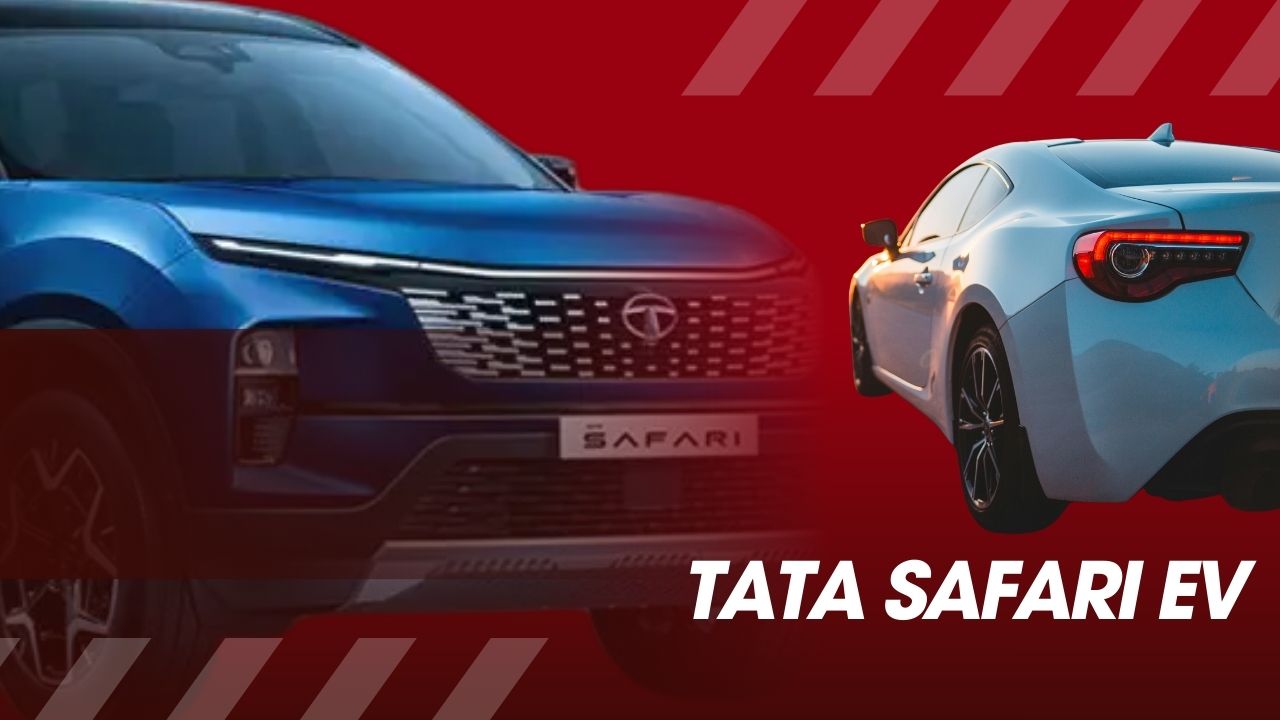
Tata Motors has graduated from “converted” EVs. The 2026 Safari EV is based on the Gen 2 platform, which was designed to accommodate massive battery packs without eating into the space of the Safari silhouette or its off-road capabilities.

Tata Safari EV

Expected battery capacities are between 60 kWh and 80 kWh with a targeted real-world range of 500 km. This is an important psychological barrier for Indian consumers who are wary of highway charging infrastructure.

Higher trims are also expected to offer a dual-motor AWD system, giving it a strategic Edge in the “go-anywhere” family SUV bracket. 

Mahindra XEV 7e (INGLO Platform)

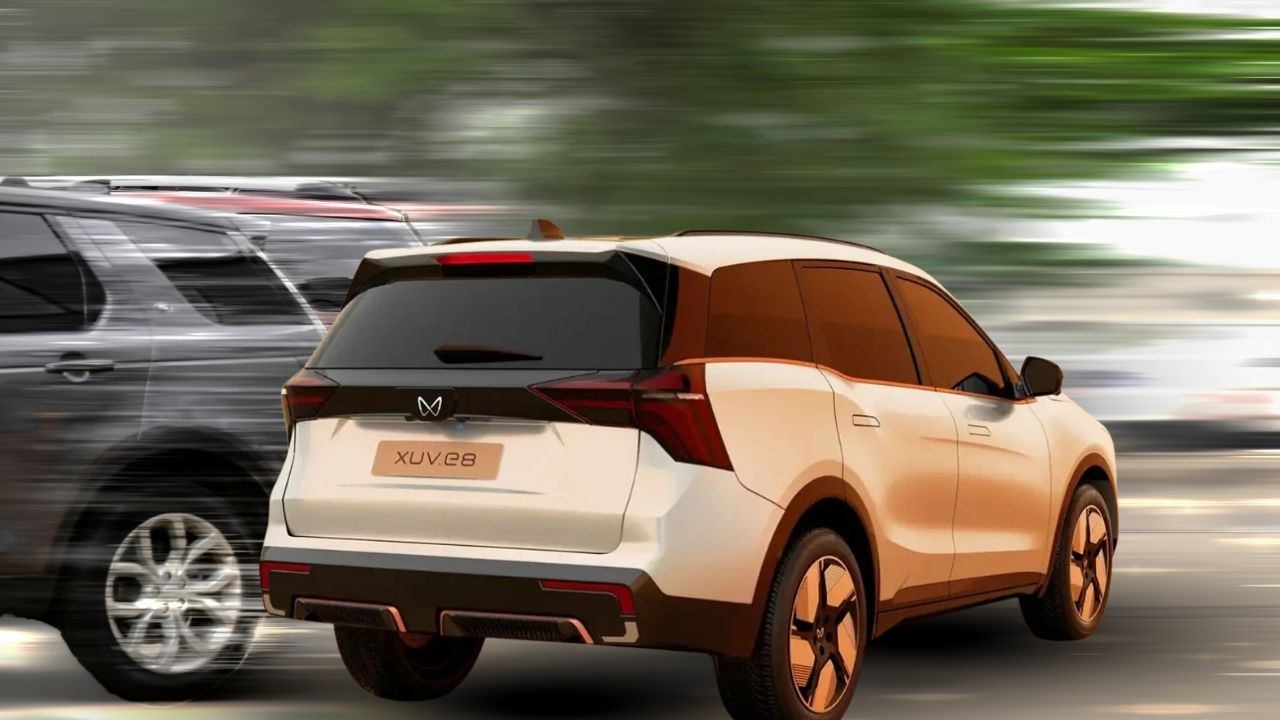
Mahindra’s answer to this is the XEV 7e (the production version of the XUV.e8), which is developed on the modular INGLO platform. “Traditional architecture have the INGLO Provide for a flat floor and must be a ‘cab-forward’ form that permits for maximum use of the interior. 

Mahindra XEV 7e

Software-Defined Environment: The interior is dominated by a three-screen configuration, comprising a 12.3-inch cluster, a 12.3-inch infotainment screen, and a separate third display for the front passenger.

Power: With a power of nearly 345 bhp, it wants to be the most powerful Indian SUV on the tarmac. 

The Efficiency Champions: Maruti Suzuki and Toyota

While a handful of brands are going “all in” on electric, the Indo-Japanese alliance is instead doubling down on Strong Hybrids. This strategy is aimed at mass-premium segment which wants high mileage without range anxiety.

Maruti Suzuki Y17 (Grand Vitara 7-Seater) 

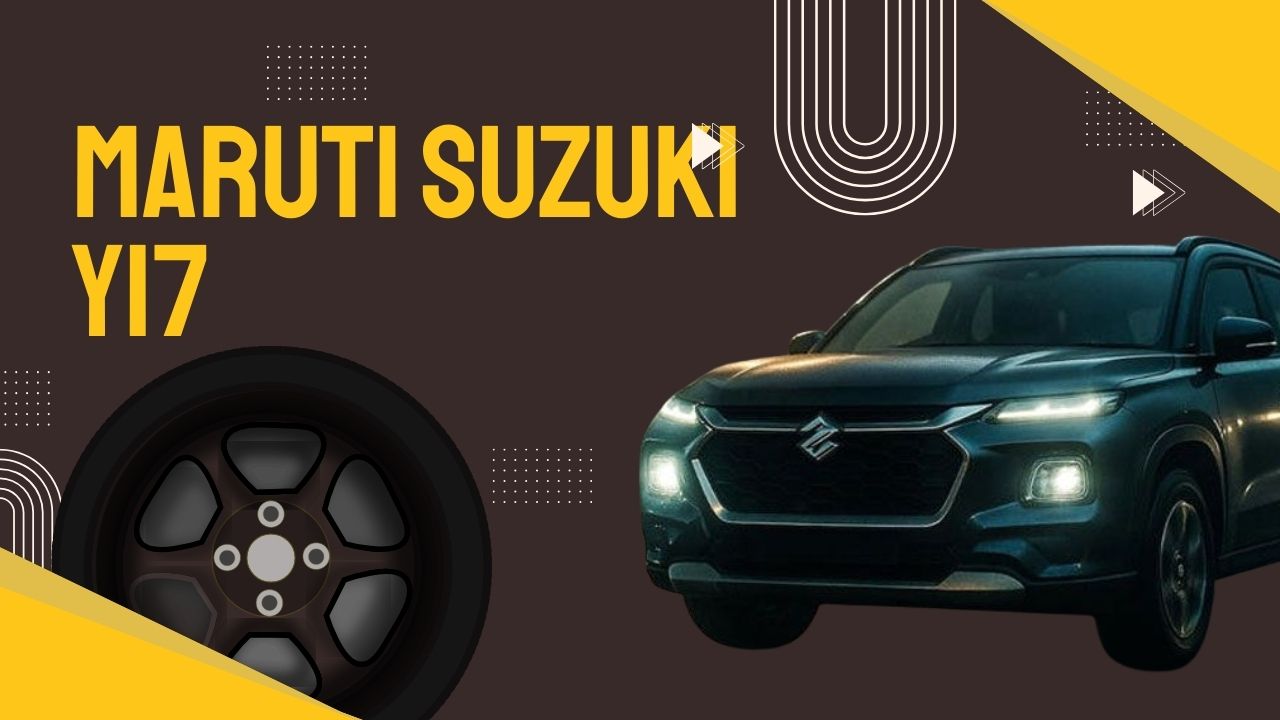
Codenamed Y17, this SUV (launching early 2026) is the elder sibling to the Grand Vitara.

Maruti Suzuki Y17

The “Diesel Killer”: By running a 1.5-litre strong-hybrid powertrain, the Y17 is targeting fuel efficiency numbers over 27 kmpl. In fact, with fuel expenses still a major worry in that market, it will make a strong contender against the traditional diesel SUV.

Platform: Developed on the Global C platform from Maruti’s new Kharkhoda plant, it focuses on city driving and crash safety. 

European Engineering: Volkswagen Tayron

Volkswagen makes a return to premium three-row with the Tayron, the spiritual successor to the Tiguan Allspace.

MQB EVO Platform: Based on the latest iteration of the MQB platform, the Tayron measures in at 2,789 mm, in terms of wheelbase. This means the third row isn’t just for kids but a row that adult can sit on comfortably.

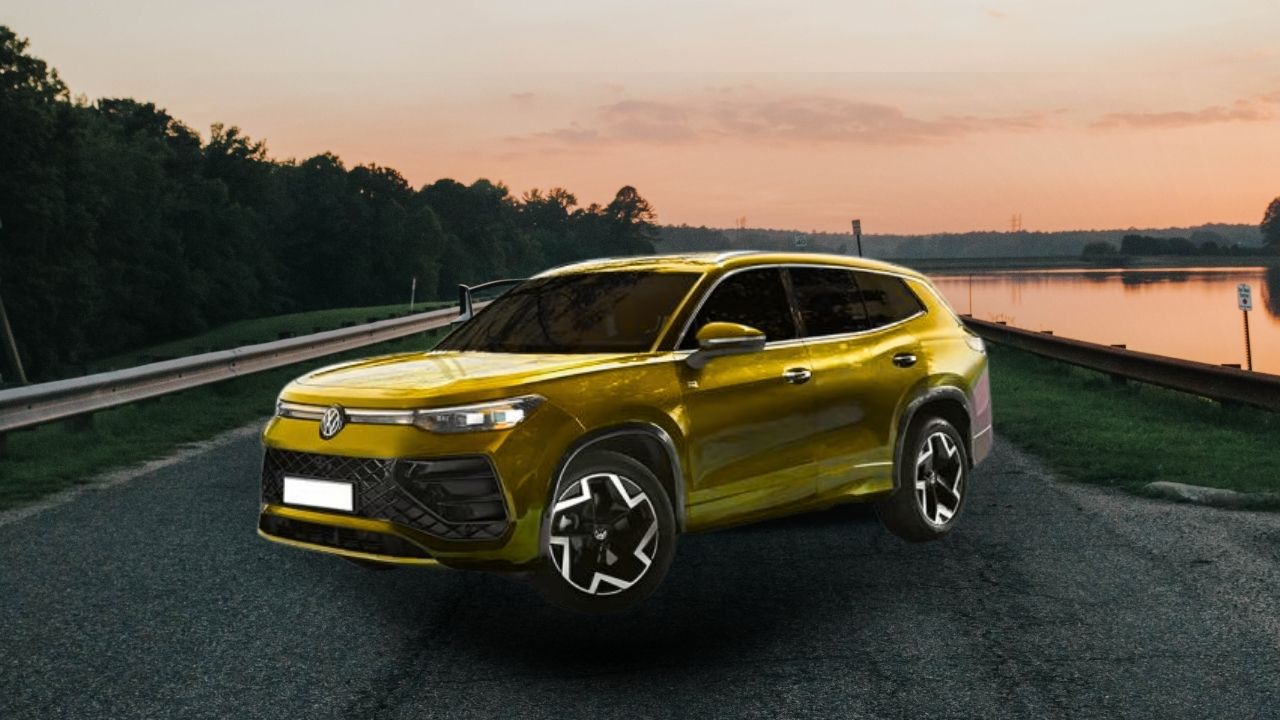
Volkswagen Tayron

Drivetrain: VW stays true to its performance heritage and offers a 2.0-litre TSI turbo petrol engine with 204 PS mated to the lightning-fast 7-speed DSG with 4MOTION all-wheel drive. It’s aimed at a buyer who appreciates ” German Build” and high-speed stability. 

The Boom in Value: Renault Bigster 

Renault and Nissan are making a return in 2026 with the CMF-B platform. The Renault Bigster (Boreal) is the company’s biggest bet in the “rugged value” segment.

Strategy: Bigster is a Safari and XUV700 direct competitor and built on a localised platform to help keep the entry-level price estimated to start from ₹13 lakh.

Hybrid Focus: It is also expected to debut a 1.6-liter strong-hybrid system for the Renault lineup, serving a mix of “tough” looks and “green” merits. 

Read More :- Nithin Kamath’s Car Collection: Inside Zerodha CEO’s Luxury Garage

Luxury Scaling: Hyundai Palisade

Hyundai is pushing the boundaries in “soft-roader” SUVs with the Palisade.

Lounge on Wheels: The Palisade, which is designed to challenge the Toyota Fortuner, is all about “atmospheric luxury” rather than rugged off-roading. The car also features dual-panel sunroofs, 12.3-inch displays, and a capacity for 8-seaters.

Upgrading for the Future: The addition of a 2.2-liter diesel is also in the offing; but then again, Hyundai is also considering a 2.5-liter turbo-petrol hybrid version as a safeguard against tightening emission regulations in major metro cities such as Delhi-NCR. 

Brand Model Platform Key Drivetrain Est. Price
Tata Safari EV Gen 2 EV 80 kWh / AWD ₹25–32 L
Mahindra XEV 7e INGLO 79 kWh / 345 bhp ₹21–35 L
Maruti Y17 Global C 1.5L Strong Hybrid ₹15–25 L
VW Tayron MQB EVO 2.0L TSI / 4MOTION ₹45–53 L
Renault Bigster CMF-B 1.6L Hybrid / 1.2L MH ₹13–18 L
Hyundai Palisade Monocoque 2.2L Diesel / 2.5L Hybrid ₹40–50 L

Conclusion

That the 2026 SUV boom is real in India is that a buyer here is no longer simply seeking “more seats.” They want advanced safety (Level 2 ADAS), software-integrated cabins and sustainable powertrains. Be it the instant torque of the Safari EV or the astounding efficiency of the Maruti Y17, the 2026 line-up will provide a stellar blueprint for the future of Indian mobility. 

0

How to Remove Scratches from Car Surfaces Like a Pro 

How to Remove Scratches from Car Surfaces

Finding a fresh scratch on your car is an instant gut punch. Whether someone accidently hit with a shopping cart, children can throw a ball at your car when it’s parked outside, or a mysterious parking lot incident, car scratches happen to the best of us. Calling a local garage is not mandatory. Instead, knowing how to remove scratches from a car can save your money from higher expenses.

Learning How to Remove Scratches from Car surfaces at home is entirely doable, even if you are not really a car enthusiast or have zero knowledge on its parts. This isn’t rocket science but a necessary lesson which can keep your wallet from flowing out. 

Fixing a deep scratch in the same way as you treated the light scratch can’t help you fix the car surface. So let’s walk through this blog and learn how to understand different types of scratches and how to fix them flawlessly.

Understanding How Deep Your Car Scratch (Thumbnail Test)

Car paint on latest cars is done by a layer of three distinct coatings. So, figuring out how deep the scratch in a car exactly will help to fix it safely without hurting the other coatings. 

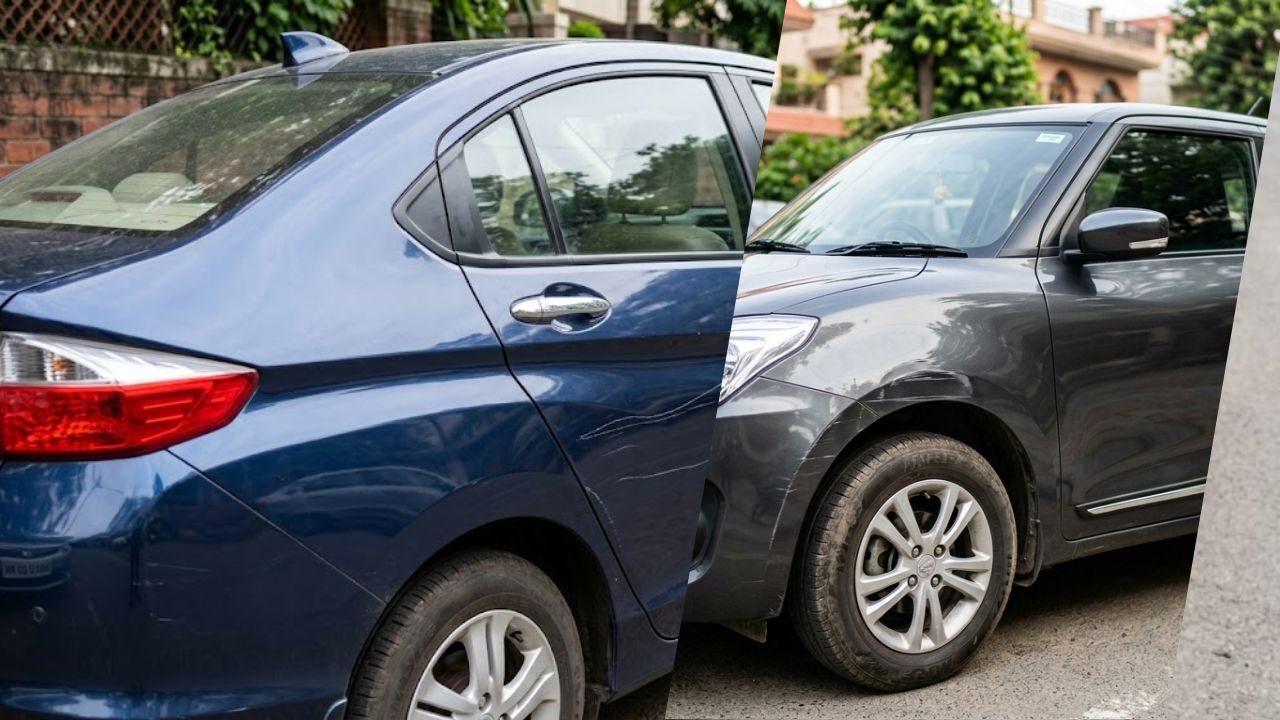
  • Clear Coat Scratches (Level 1): Easy to fix because it is shallow cut on the top layer. If it seems to disappear when the car gets wet, it’s just a clear coat scratch.
  • Primer Scratches (Level 2): It reached on the second layer of the coating and exposed the dull, often light-colored or gray primer underneath.
  • Deep/Metal Scratches (Level 3): It is a disaster when you can see the silver body of your car. It’s needed your extra efforts to fix it and You’ll want to tackle this quickly to prevent rust from setting in.

How to check: Run your thumbnail gently across the scratch. If your nail glides right over it without catching, congratulations—it’s a surface-level clear coat scratch. If your nail catches or drops into a groove, it’s a deeper primer or metal scratch.

Read More :-  DIY Car Care: Simple Checks to Keep Your Vehicle Running Smoothly

How to Remove Scratches from Car Surface

No matter how deep your car gets scratches, you can remove them with these methods and enough effort. These methods are applied according to the scratches level.

Method 1: The Quick Fix for Light Clear Coat Scratches

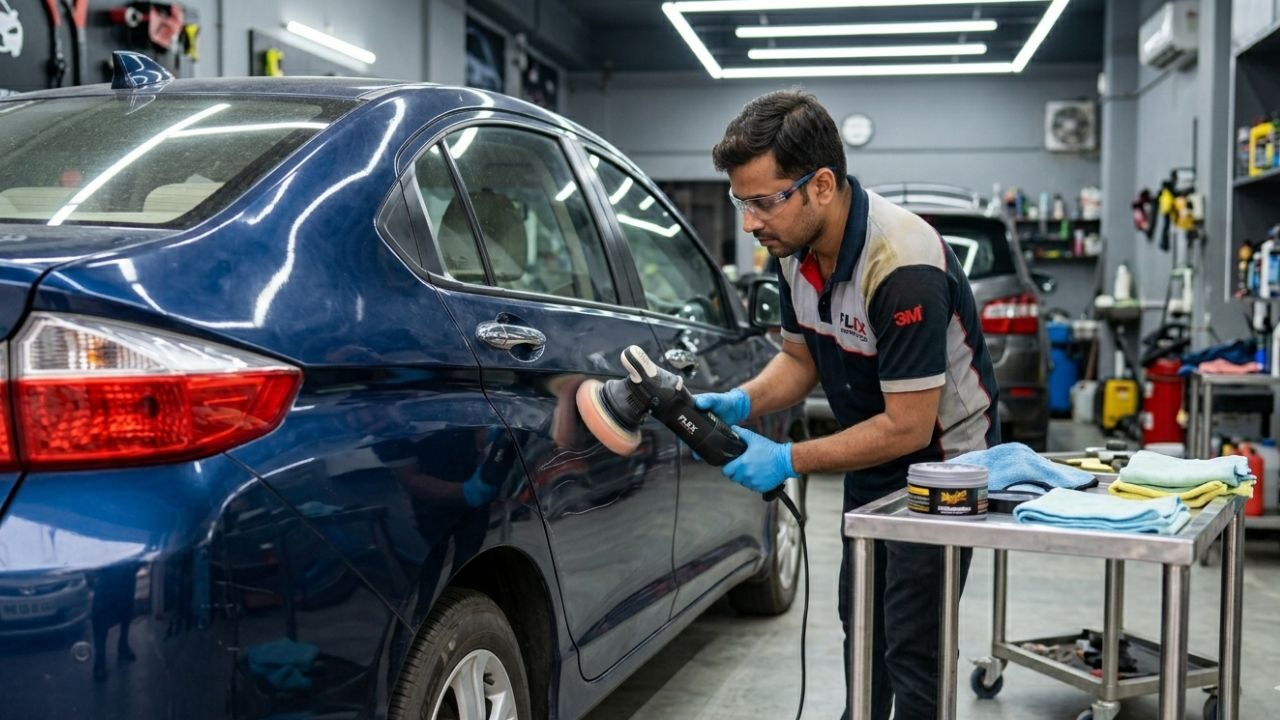
After passing the thumbnail test, you immediately have to begin getting yourself ready to take out the very light car scratch within twenty minutes with a normal scratch remover product. 

normal scratch remover product

Materials You’ll Need:

  • Car wash soap and clean microfiber towels
  • A mild scratch removal compound (Meguiar’s Ultimate Compound or 3M are great, reliable options)
  • A foam applicator pad
  • Your favorite car wax

The Step-by-Step Process:

  1. Wash and Dry Scratch Part: To eliminate dust and grim. If you buff a car when it’s dirty then your car paints along with tiny dirt particles, creating hundreds of new swirl marks.
  2. Apply the Compound: Take a foam applicator pad and put a quarter-sized amount of the scratch remover on it.
  3. Use a Little Elbow Grease: Rub the compound on the scratch using circular motion. Use your hand at a 45-degree angle to the scratch rather than straight along it. This ensures the product fills and levels out the sharp edges of the scratch.
  4. Wipe and Inspect: Buff away the extra foam from the area with a clean microfiber towel. Take a look. Is it still visible? If it’s fading but still there, give it another round.
  5. Add New Protective Wax Layer: Applying the compound will eliminate the car’s protective wax layer. So, put on a new layer of wax or ceramic spray to reconstruct the protective layer to protect the freshly polished paint.

Method 2: The Toothpick Trick for Deep Scratches

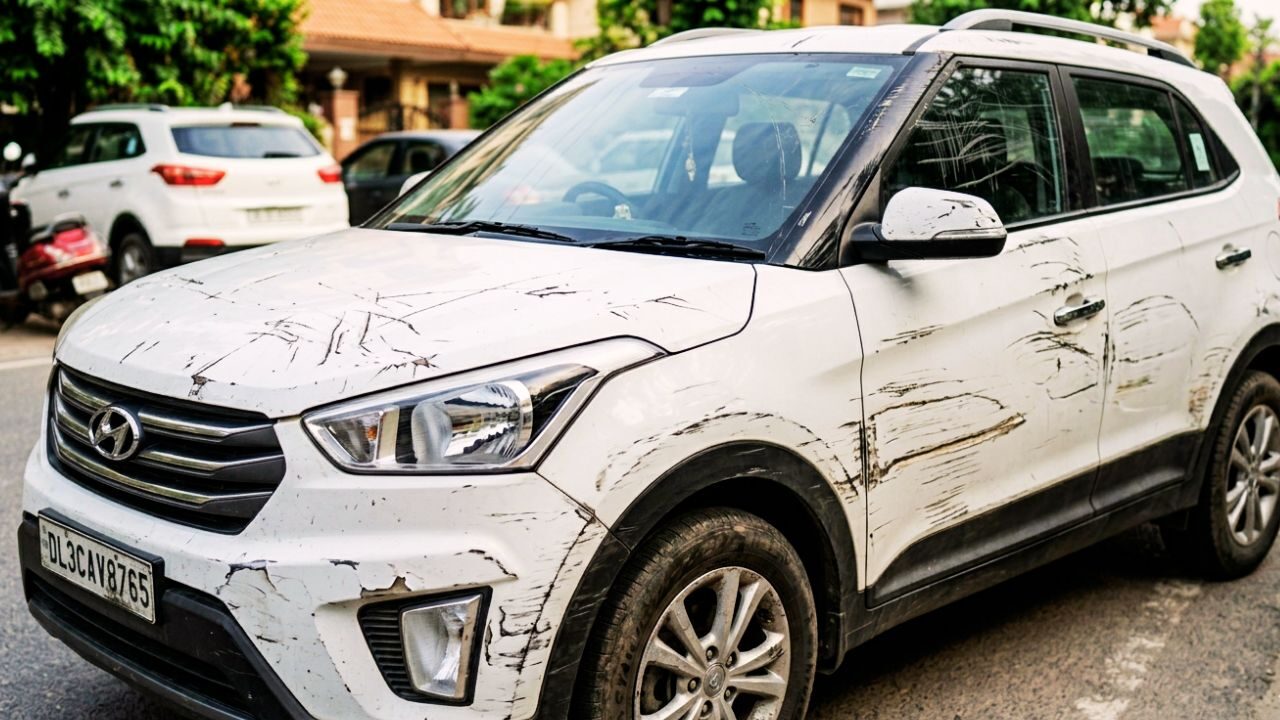
When a scratch exposes the primer or bare metal, buffing won’t save you because the paint is physically gone. You need to fill that tiny valley back up with fresh paint.

scratch exposes the primer or bare metal

Materials You’ll Need:

  • Check the car’s driver-side door jamb for the exact paint color code.
  • If the scratch shows a metal then Automotive primer is needed.
  • Isopropyl alcohol is optional but can be good for cleaning.
  • Fine-grit sandpaper (2000 or 3000 grit)
  • A standard toothpick (trust me on this)

Read More:-  How to Maintain Your Car Engine Properly

The Step-by-Step Process:

  1. Prep and Clean the Scratch: Use isopropyl alcohol for cleaning the wound of the car. It will remove the old wax, oil, and road dirt. If you notice rust anywhere on that scratch then use sandpaper or a small knife to gently scrape it before moving on.
  2. Apply Primer (If Metal is Exposed): This is where you are going to use that toothpick to put a machine primer into the base of the scratch. Give it 30 minutes to dry and don’t fill it to the top yet.
  3. Layer the Touch-Up Paint: Shake the paint and apply it with your toothpick instead of the brush attached to the cap. Take a tiny dip of drop of paint and apply it into the scratch. The paint will naturally flow into the groove. Keep making a layer of paint until it’s slightly higher than the surrounding paint.
  4. Sand and Smooth the Area: Once the paint becomes solid dry, wrap your sandpaper into a small block and wet with soapy water to rub the paint using very light pressure. Keep the area wet and sand just until the new paint sits perfectly flush with the old paint.
  5. Buff Back the Shine: When you look at the area where you are sanding, it will still look dull and hazy. To polish away the haze, grab your rubbing compound and a microfiber towel and do it with lighter hands until the high-gloss shine returns. In the end, apply a layer of wax and you are all set.

Critical Mistakes to Avoid

  • Relying on the “Toothpaste Hack”: Small tricks on Youtube doesn’t give your car the exact look from before. Using regular white toothpaste for car scratches could be a silly choice and it can only let haze over a micro-scratch, it doesn’t have the lubricants found in actual car polishes. It can easily leave your paint looking dull and scratched if you over-scrub.
  • Pressing Too Hard While Sanding: Wet sanding requires virtually zero downward pressure. Let the paper do the work. If you push too hard, you’ll cut straight through your factory clear coat, which will require an expensive trip to the paint booth.
  • Eyeballing Your Paint Color: Never guess your paint color at the auto parts store. “Graphite Gray” from one car brand is completely different from another’s. Always look up your vehicle’s official color code on the sticker inside your driver’s door jamb.

Fixing a scratch is a time taking job but looking over your car again without an ugly blemish is quite satisfying. Don’t lose patience, just follow the instructions carefully, and watch the scratches disappear right before your eyes. 

Read More:- Nicholas Pooran Car Collection: IPL Champion Owns Cars That Suits His Lifestyle

Conclusion of How to Remove Scratches from Car

Car scratches may look frustrating, but most of them can be quickly fixed at home without spending high costs on repairing shops. If your weekend is boring and nothing to do on the list, you can grab a list of materials that are required to fix the car scratch. 

Clear instructions and materials are necessary to remove scratches from cars. Understanding How to Remove Scratches from Car Surfaces will not just save your money but also give you a chance to tackle small things on your own. This is the best way to invest your free time rather than scrolling down on social media.

0

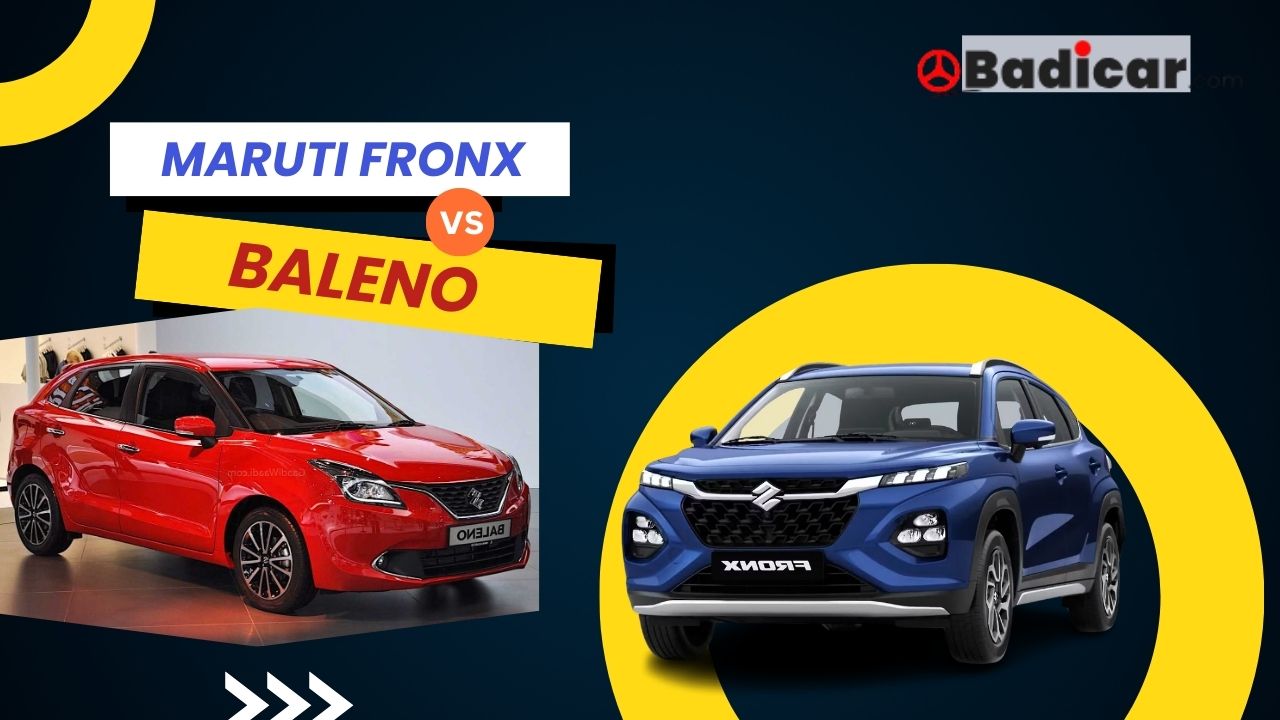
Maruti Fronx vs Baleno: See What’s The Right Choice For You in 2026 

Maruti Fronx vs Baleno

Let’s just be honest. Walking into a Maruti Suzuki showroom these days seems less about buying a car and more about placing an order for coffee at some third-wave café—there are simply too many variants that look and sound almost identical, but have really subtle taste-based differences. 

Half-way through this menu is the ultimate dilemma for modern buyers: the Maruti Fronx and the Maruti Baleno. On the one hand, there’s the Baleno: the uncontested monarch of the premium hatchback space. It’s the car that’s probably been sitting in your neighbour’s driveway for ages. And then there’s the Fronx is the new entrant, the “compact SUV” that has created a sensation with its robust looks.

But here’s the real question: Given that they have the same engines, platform, and even the same showroom, if you’re really going to own just one, does it make more sense to go for the utilitarian hatchback or the evo-styled SUV? I have gone through a bit of research and here is my blunt, plain talk comparing price, mileage and features to help you pick up where you might want to invest your money. 

Aspect Maruti Baleno Maruti Fronx
Starting Price ₹6.61 lakh (base petrol) ₹7.51 lakh (base petrol)
Top-End Price ~₹10 lakh (Alpha Auto) ~₹13 lakh (Turbo Auto)
Engines 1.2L DualJet petrol (89 bhp) 1.2L DualJet (89 bhp) + 1.0L Turbo (100 bhp)
Transmission 5MT / 6AT 5MT / 6AT
Mileage (Petrol MT) 21-22 km/l (city/highway) 21-22 km/l (1.2L); 18-19 km/l (Turbo)
Key Features 9″ Smartplay Pro+ (wireless AA/CP), HUD (top), sleek interior Sunroof (mid variants), raised SUV stance, same infotainment
Safety 6 airbags, ESP, hill-hold (AT) Same as Baleno
Style/Vibe Premium hatchback, refined city drive SUV coupe, bold presence, adventure feel
Best For Value, efficiency, daily urban use Style, turbo punch, road presence


The Vibe Check: Style vs. Substance

Maruti Fronx Style

Before the numbers, we have to talk feelings. Because really, most of us buy cars with our hearts and only use our brains to justify the purchase.

The Baleno is sleek and premium, wide-bodied with a sporty slanting roofline. It is polished and refined, making it perfect for daily drives and the monotony of city living. 

The Fronx is, however, a completely different animal. It adopts the “SUV coupe” shape, that is reminiscent of its larger sibling the Grand Vitara. It sits up higher, has cladded wheel wells and a front grille that seems like it’s glaring at you. It’s made for the young (or the young at heart). If you imagine yourself hitting the open road on the weekends, when the highway might not be in quite such good shape, the Fronx appeals to that sense of adventure. 

The Money Talk: Prices

So what does this cost you? Both vehicles are similar enough that you’re not necessarily paying a boatload of money just for the “SUV” name.

The Maruti Baleno’s starting price is slightly lower, at around the ₹6.61 lakh (ex-Showroom) for the base petrol, getting close to ₹10 lakh on the higher side for the top-end Alpha Automatic.

Maruti Fronx, the all-new SUV from Maruti Suzuki, is priced at around ₹7.51 lakh (ex-showroom) in India. But the high-end models actually come at prices that are quite similar to the Baleno’s, just short of the ₹13 lakh mark in case you get the Turbo Automatic.

The Baleno wins if you’re counting pennies or just need the cheapest entrance point. But the difference in price is almost imperceptible if you’re looking at the mid-to-high end models (that’s what most of us buy). Two very different personalities and you are essentially paying the same money. 

Mileage and Performance: The Engine Room

This is a closely-guarded secret that Maruti doesn’t reveal on billboards: under the skin, these two are almost siblings.

  • Both car models come with the 1.2-litre DualJet petrol unit that makes around 89 bhp. 
  • Options for transmission are the same as well, with a 5-speed manual or a 6-speed torque-converter automatic. 
  • Used in the same mechanicals, the fuel economy figures are surprisingly close. City and highway fuel economy for the petrol manual is 21-22 km/l. Less for you but negligible for us With the automatic variants you get slightly less, but this is negligible difference for us.

The Fronx

But there is a twist: The Fronx also offers something the Baleno doesn’t have (at least, not yet in the same form): The 1.0L Turbo Boosterjet engine. This is a pellet, isn’t it? bhp and takes you on a burst of torque that makes moving out on highways a cakewalk. The trade off: mileage takes a hit, down to around 18-19 km/l, and high-speed petrol is needed (we recommend 91 octane).

If you’re a sedentary driver who wants to just sip fuel, stick to the conventional 1.2L engine in either car. Fronx Turbo: For all the enthusiasts who like a bit of punch when they floor the accelerators, this is your only winner here. 

Feature Fight: Tech vs. Comfort

Maruti Baleno

Step inside, the arrangement of the dashboard, the steering wheel and gear stick in both models are the same. But it’s the details that count.

The Baleno is all about “smart tech.” You get the sleek 9-inch Smartplay Pro+ infotainment system that offers wireless Android Auto and Apple CarPlay support – a feature we all crave secretly to avoid entangled cables. The top model also gets a heads up display (HUD), which is pretty futuristic.

Then there’s the Fronx, which, as SUVs go, puts a premium on a somewhat different experience. Although it doesn’t get the HUD in the lower variants as the Baleno does, it makes up for it with a sunroof in the mid-variant — a feature that can be a deal-breaker for many consumers in India. 

The Fronx also has a slightly raised stance, putting you at a ”commanding view of the road,” while the Baleno feels more like you’re driving inside it rather than on it. both cars come brimming with safety features- including 6 airbags, ESP and a hill-hold assist (automatic only), so you’re not compromising on safety whichever is your pick.  

Conclusion

When all is said and done, the Fronx vs Baleno is not a competition of spec sheets and mileage charts – it is a reflection of who you are as a driver.

If you’re big on predictable daily-driving, tight city parking and low running costs, and are looking for a car that’s well-judged and quietly premium, then the Maruti Baleno still holds more water. It’s more tolerable, a bit easier on the bank balance, a little more fuel-efficient, and seems like the kind of car that’s already worked life out. It doesn’t strain—-and that’s what makes it charming.

The Baleno is aimed at the more conservative buyers, while the Maruti Fronx is for those who want it to make a statement. You get the SUV-like stance, an elevated driving position, optional turbo-petrol thrill, plus lifestyle additions like a sunroof that have more emotional value than rational. You aren’t paying too much more — you’re paying for attitude, presence, that little bit of an “upgrade” every time you walk up to it. 

  • Go for the Baleno if you want the most value, refinement and hassle-free ownership.
  • Pick the Fronx if you want style, road presence and a ride that feels a bit more special – even if the daily grind is the same. 

Same engine options. Same showroom. Same reliability.

Different personalities. Take your pick and find the one that feels right for you.