0

New 2026 Nissan Murano Review – Features, Design, Performance & Pricing

New 2026 Nissan Murano

The 2026 Nissan Murano stands out as one of the most competent mid-size crossovers available this year — sleek, modern and designed for families and daily commuters who want comfort without the astronomical luxury-brand price tag. 2026 Nissan Murano has also completely relooked with a radical new design, enhanced technology, a refined turbocharged powertrain and an upgraded interior that elevates it into near-luxury territory.  

With its enhanced dynamics and advanced safety features such as ProPILOT Assist 2.1, the 2026 Murano is built for those who want modern luxury in a familiar package that includes Nissan reliability. So, let’s take a look at what makes this axle-driven SUV a great pick for 2026 and how it compares in today’s overly crowded crossover segment. 

Design That Commands Attention

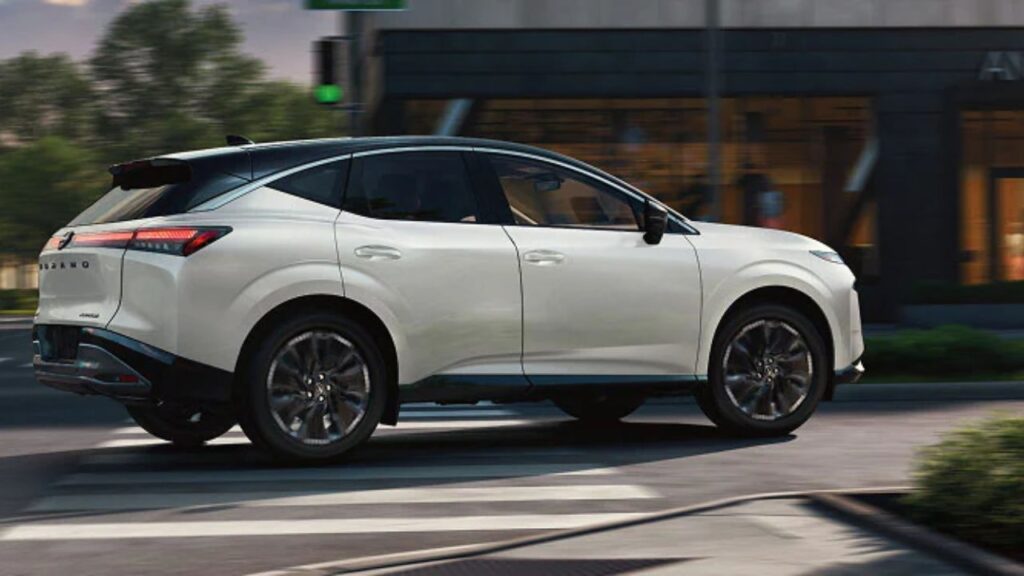
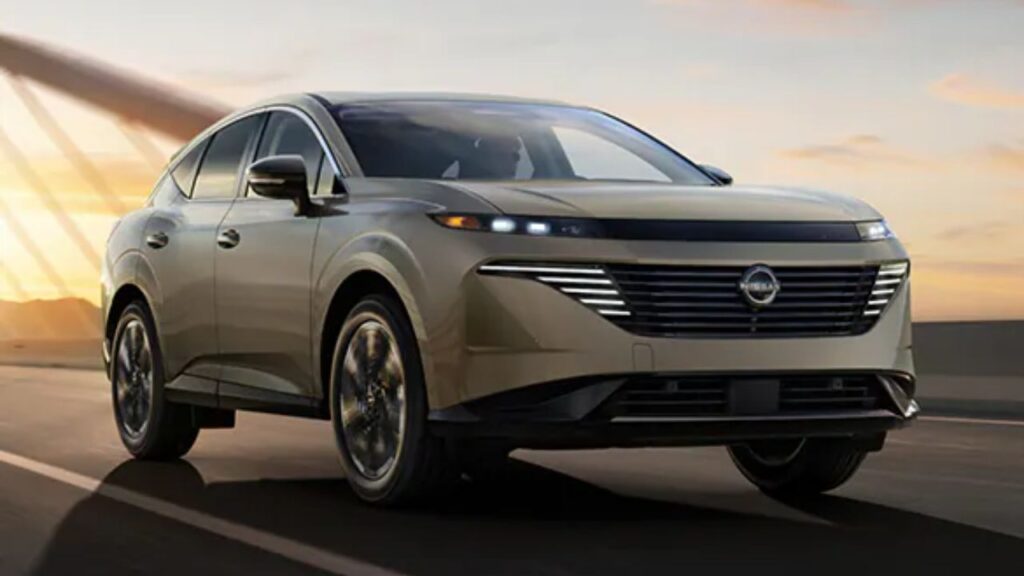
The 2026 Nissan Murano has a bold and upscale look that immediately draws attention. The design incorporates sporty and aerodynamic lines with super slim LED headlights and a unique full-width LED taillight bar that extends all the way to the rear. These modern additions give the Murano a high-end look that could fool you into thinking it costs a lot more. The vehicle rides on available 21-inch wheels that add a layer of sleekness to its contemporary look. With its 8.3-inch ground clearance, the Murano delivers a commanding road presence and the Murano also provides high levels of visibility for all day driving and parking. 
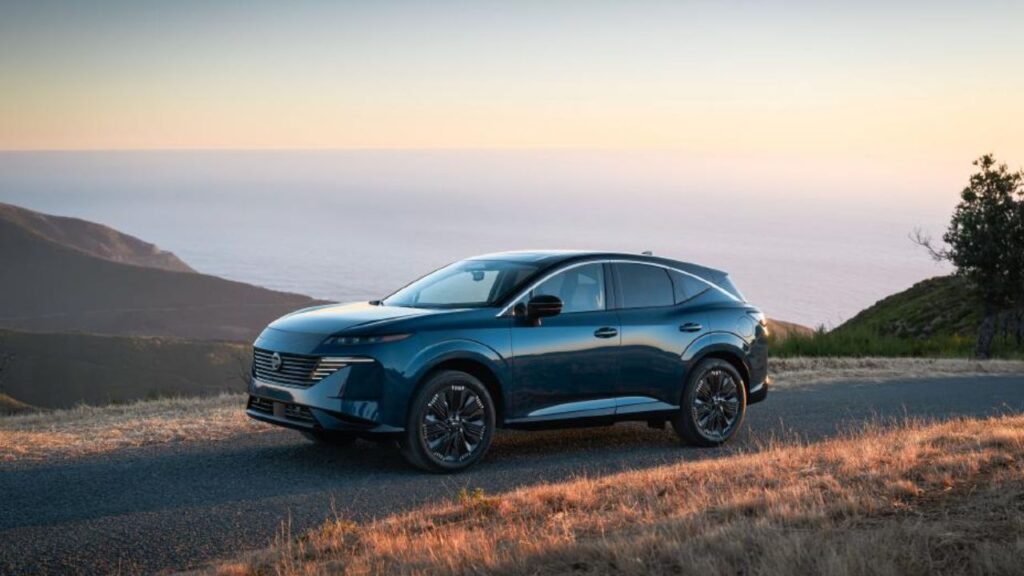
2026 Nissan Murano

2026 Nissan Murano | Image credit Nissanusa

And the interior The cabin provides a spa-like environment with every detail thoughtfully considered. Nissan refers to it as the “zen” interior experience, which includes high-end materials, soft-touch surfaces and intuitive ergonomic design. The two 12.3-inch color screens, one as the instrument cluster and the other as a touchscreen for the infotainment system, form a modern, clean dashboard design. 

Up to 64 color options are available for ambient interior lighting, letting you tailor the cabin atmosphere to your mood. The (optional) Nissan’s famous Zero Gravity seats offer outstanding all-day comfort, with ventilated and massaging front seats available on upper trims that are more akin to the experience of a premium spa than sitting in a car seat. 

Read More :- Renault and Nissan Alliance Guide – History, Benefits & Future Vision

Powerful Performance Built for Comfort

Powering the 2026 Murano is Nissan’s 2.0-liter four-cylinder VC-Turbo engine that produces 241 horsepower and 260 lb-ft of torque. This engine is mated to an exceptional 9-speed automatic transmission that offers quick, controlled shifting that is as refined as it is powerful. All trims are fitted with the now standard Intelligent All-Wheel Drive, which offers better traction and stability in different weather conditions. 

2026 Nissan Murano Fuel Economy

2026 Nissan Murano Fuel Economy

The Murano is the fastest car with top speed of 120 mph and it takes you from 0 to 60 mph in an estimated 8.0 to 8.3 seconds. This isn’t the most powerful in the segment, but the emphasis is here on smooth, assured motivation rather than pure performance thrills. This new, refined nine-speed automatic replaces the previous model’s continuously variable transmission to give a more responsive and composed driving experience. 

EPA fuel-economy estimates are 21 city/27 highway/23 combined mpg. These figures put the Murano towards the mid-range in the mid-size luxury crossover segment, although Nissan has suggested a hybrid powertrain could be an option some time in the future. The 18.7-gallon fuel tank offers plenty of range for long road trips. A modest 1,500-pound towing capacity is good for a few small trailers and jet skis, but some competitors easily outpull it. 

Spacious Interior with Practical Cargo Solutions

The Murano offers 32.9 cubic feet of space behind the rear seats, which is plenty for bags of groceries, suitcases and sports equipment. the 60/40 split rear bench seats folded down, the capacity climbs up to 63.5 cu. ft. to transport bigger items such as furniture or camping gear.A power liftgate is standard to expedite loading and an upper-trim power, motion-activated liftgate brings real convenience. 
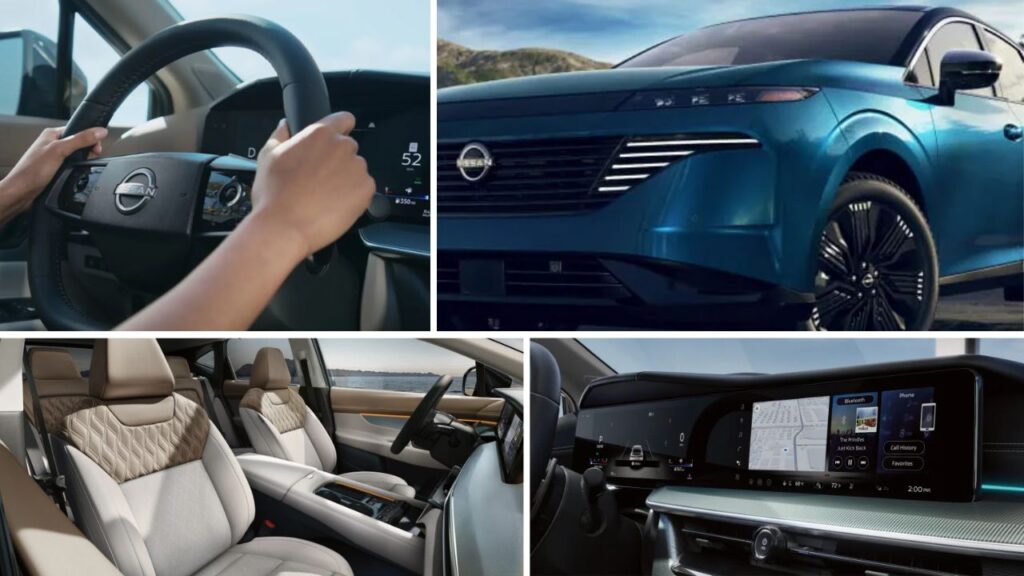
Spacious Interior inside of 2026 Nissan Murano

Spacious Interior inside of 2026 Nissan Murano | Image credit Nissanusa

Passenger room is just as impressive, with 44.3 inches of front legroom and 36.3 inches of legroom in the rear. The cabin is authentically roomy and calm, allowing long jaunts to be enjoyed by all passengers. Although the Murano is technically a five-passenger model, the copious spacing makes it feel much roomier than many rivals. 

Read More :- Discover the New Kia Telluride – Bold Design, Advanced Tech & Premium Comfort for 2025

Trim Levels: Finding Your Perfect Match

There are three well-equipped trim levels for the 2026 Murano: SV, SL, and Platinum. That makes for an easy decision — each price point really does add value, not gimmicks.
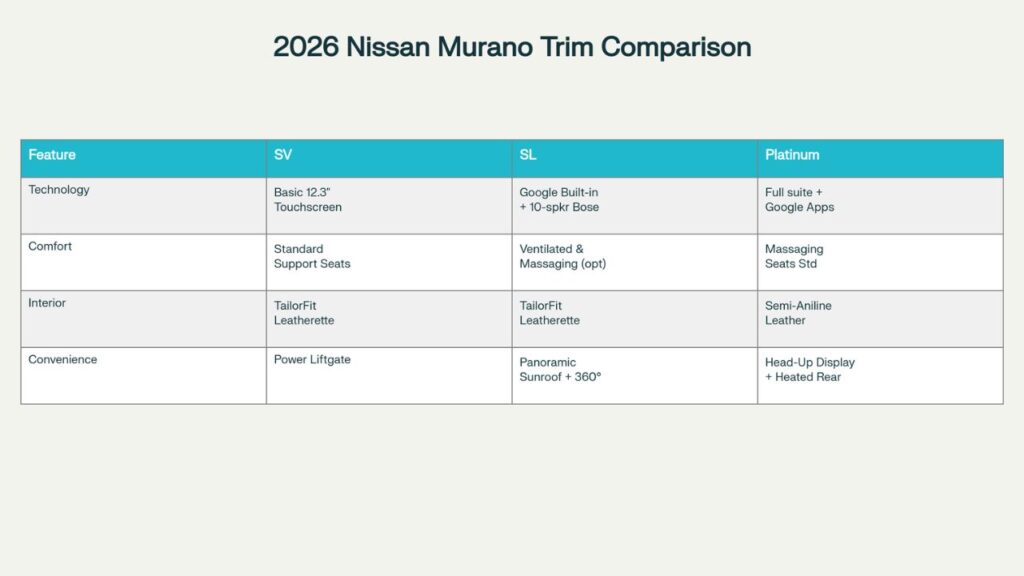
2026 Nissan Murano Trim Feature Comparison

2026 Nissan Murano Trim Feature Comparison

SV (Base) – From $41,670: The premise is astonishingly robust. It has a 12.3-inch touchscreen infotainment system featuring wireless Apple CarPlay and Android Auto, 20-inch black alloy wheels, dual-zone automatic climate control, a digital instrument cluster, and wireless smartphone charging. Power windows, locks and mirrors are standard, as is a solid infotainment system through NissanConnect. 

SL (Mid-Range) – From $46,760: Value, at its most debatable but quite apparent best You get Google Built-in for easy navigation and voice control, a high-end 10-speaker Bose audio system, a panoramic sunroof to bring that open-air feeling inside, a 360-degree Intelligent Around View Monitor to park with confidence, built-in Wi-Fi hot spot connectivity, and ventilated and massaging front seats (optional).

Platinum (Premium) – From $49,800: The high end is first-class luxury All the semi-aniline leather upholstery which actually feels premium, massaging front seats for more comfort than you deserve, a head-up display to ensure critical information remains in your line of sight, the rear seats heat up for passenger comfort, a hands-free power liftgate, and power-folding mirrors which make tight parking a little less difficult. 

Advanced Safety Technology That Protects Your Family

All 2026 Murano models are now equipped with Nissan Safety Shield 360, a robust driver-assistance system focused on keeping hazards out of your path. That system includes features such as automatic emergency braking with pedestrian detection, applying the brakes when an obstacle or person is detected in front of you, blind spot warning that notifies you of vehicles in your blind spot, and lane keeping assist to reduce the risk of unintended lane departures.​

Safety Technology That Protects Your Family

image credit: Nissanusa

The headline feature for 2026 is the optional ProPILOT Assist 2.1, which is only available on the Platinum trim and can be purchased in the Platinum Technology package. It is an advanced system that enables drivers to go hands-free on certain highways when conditions are right. Utilizing cameras, radar sensors, and HD mapping information, ProPILOT Assist 2.1 controls the steering, speed and braking, but keeps your eyes on the road. Lane Change Assist can even suggest passing and assist when passing slower vehicles ahead of you, making long highway drives much less tiring. 

Other safety enhancements include Invisible Hood View, which allows the driver greater visibility while parking in tight spaces, a built-in 360-degree exterior camera system, intelligent lane intervention and speed limit assist that notifies the driver of posted speed limits. If the driver is deemed distracted, the system will softly slow the vehicle to a stop, putting safety first with no compromises. 

Read More :-  New Tata Sierra 2025 – Price, Features, Launch Date, and Electric SUV Details

Connectivity and Entertainment for Modern Life

The Murano confidently steps into the modern day with two-key USB hubs for Apple CarPlay and Android Auto being part of the package. Google Built-in is available on SL and Platinum models allowing you to use native Google Maps navigation, Google Assistant voice control, and Google Duo video calling. The optional Bose premium audio system produces a warm, enveloping sound that makes listening to music an experience rather than just background noise.​

Connectivity and Entertainment for Modern Life

image credit: Nissanusa

Murano has also added a built-in Wi-Fi hot-spot capability so passengers can use it as a mobile office or entertainment center to stream, work or browse while stopped (or in traffic). Among the new features are Amazon Alexa integration and in-dash navigation for those who like their systems a little less mobile-device dependent. 

Conclusion

The 2026 Nissan Murano is for those who want a luxury-feeling SUV for less. Unless you’re interested in a straight-line performance car, like the Tesla Model 3 Performance, and care about the interiors, and want the newest and most advanced active safety features, this is your car. The Murano is a good choice for families who need that extra space, commuters who drive long distances, and anyone seeking a more serene driving experience than its competitors can provide.

The only possible downside is the limited towing capacity of 1,500 pounds (still enough to tow a small camper in some regions), but we welcome the Honda Passport’s greater capabilities option and also superior fuel economy (which could be improved further should Honda choose to offer a hybrid option). But for those whose priorities lie in comfort, style and overall practicality on a day-to-day basis, such shortcomings matter less than the car’s comprehensive refinement. 

Sharey Khan

Sharey Khan is an IT entrepreneur and petrol head & a car enthusiast. With a special focus on car-related content, he combines his deep passion for vehicles with a talent for crafting informative, engaging, and easy-to-understand content. His writing is driven by a genuine love for cars and he is committed to providing readers with accurate, up-to-date, and trustworthy information that empowers smarter driving decisions. 

Leave a Reply

Your email address will not be published. Required fields are marked *

Related Articles

2

How AI in Cars Changing the Future Driving Experience

Published Oct 30, 2026, 1:48 PM
Last Updated Nov 5, 2026, 3:27 PM

AI in Cars

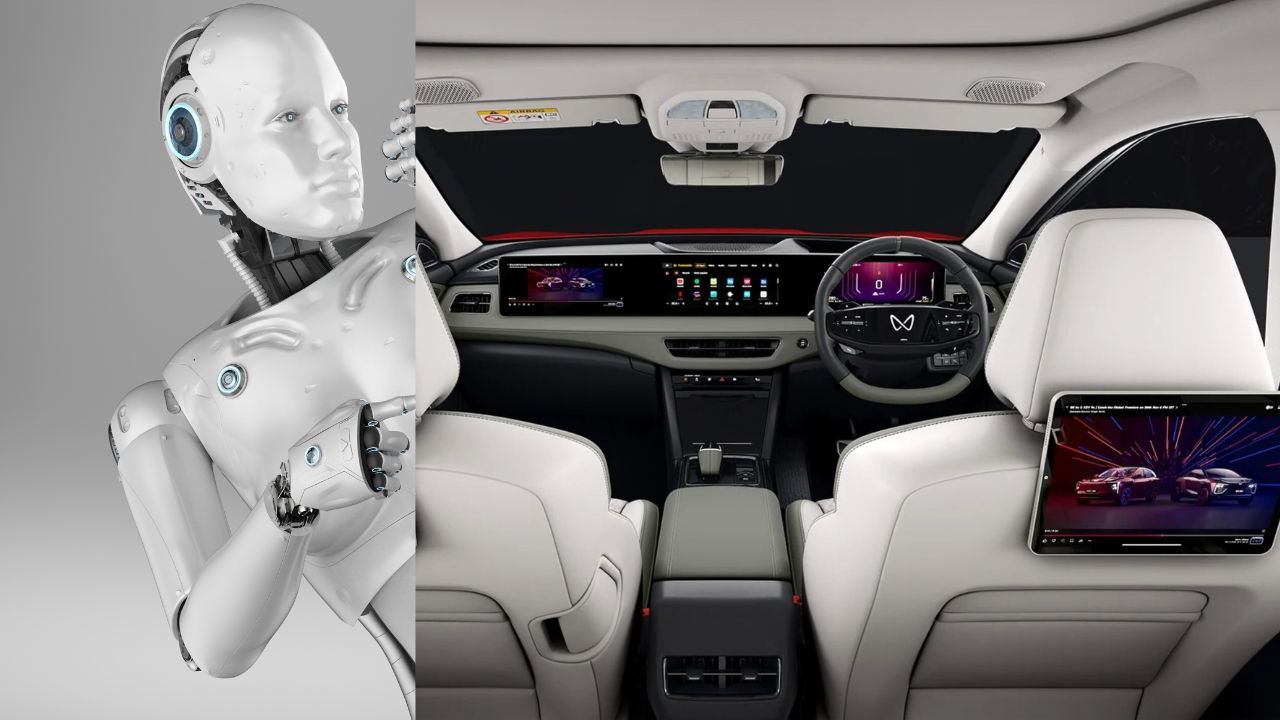
Driverless cars are really attractive and seeing them in real life is really exciting for anyone who gets to drive 80 km a day but total driverless is still a dream. AI in cars exists to assist only, it will detect the closing gap between your car and truck on the expressway through radar and a camera that triggers the brakes.

It is driver assistance, voice control and connected features, not a car that drives itself. Here is what you actually can buy, how much the extra trim costs, and where the headline claims still apply to overseas. 

What AI in Cars Actually Means in India Today

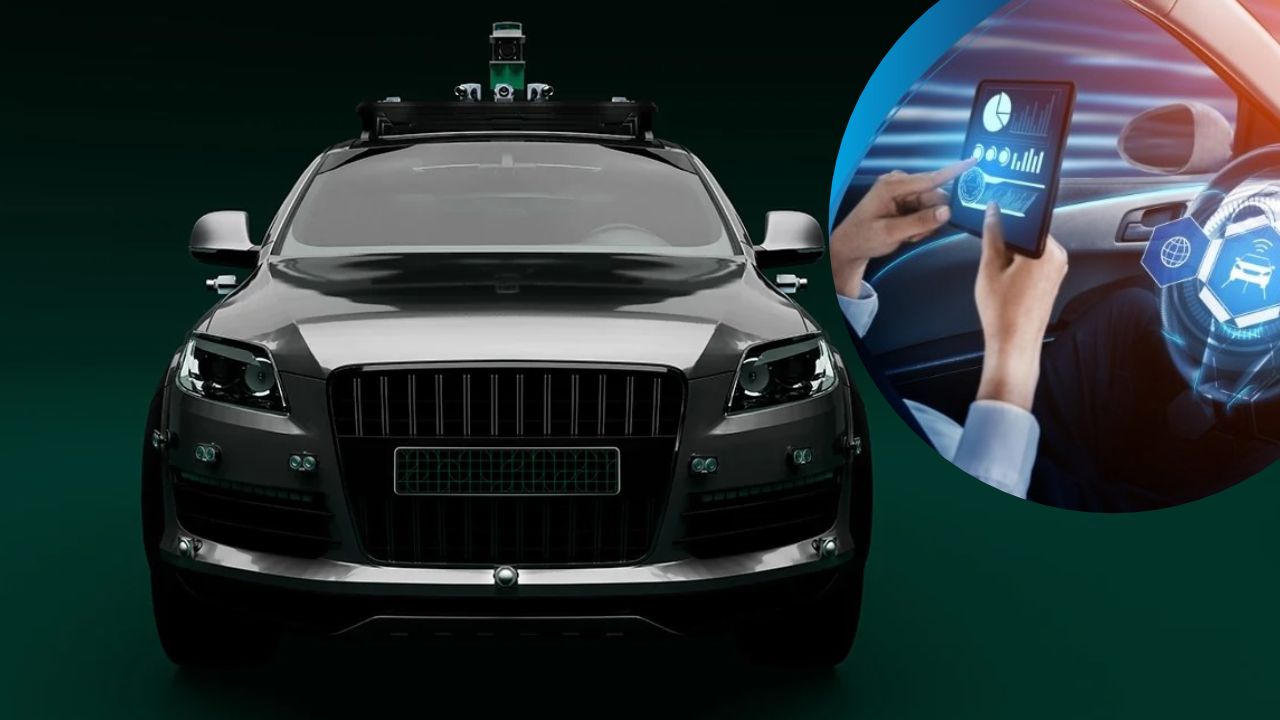
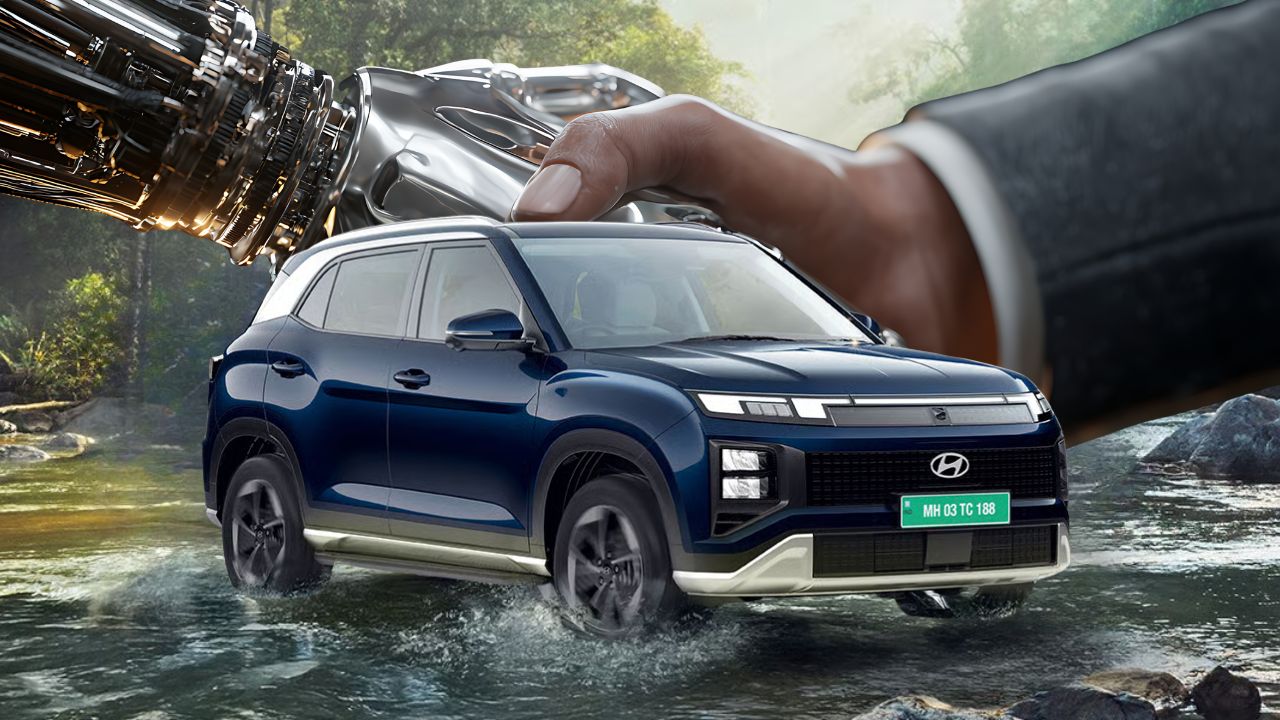
Three things sit under the label. Where it matters most is advanced driver assistance (ADAS), a combination of radar and camera data feeding software that can trigger the brakes, maintain speed and even correct steering. Next come in-car Assistants, like voice commands and Alexa home to car control on the Hyundai Creta. The third is connectivity, for example over-the-air (OTA) updates. 

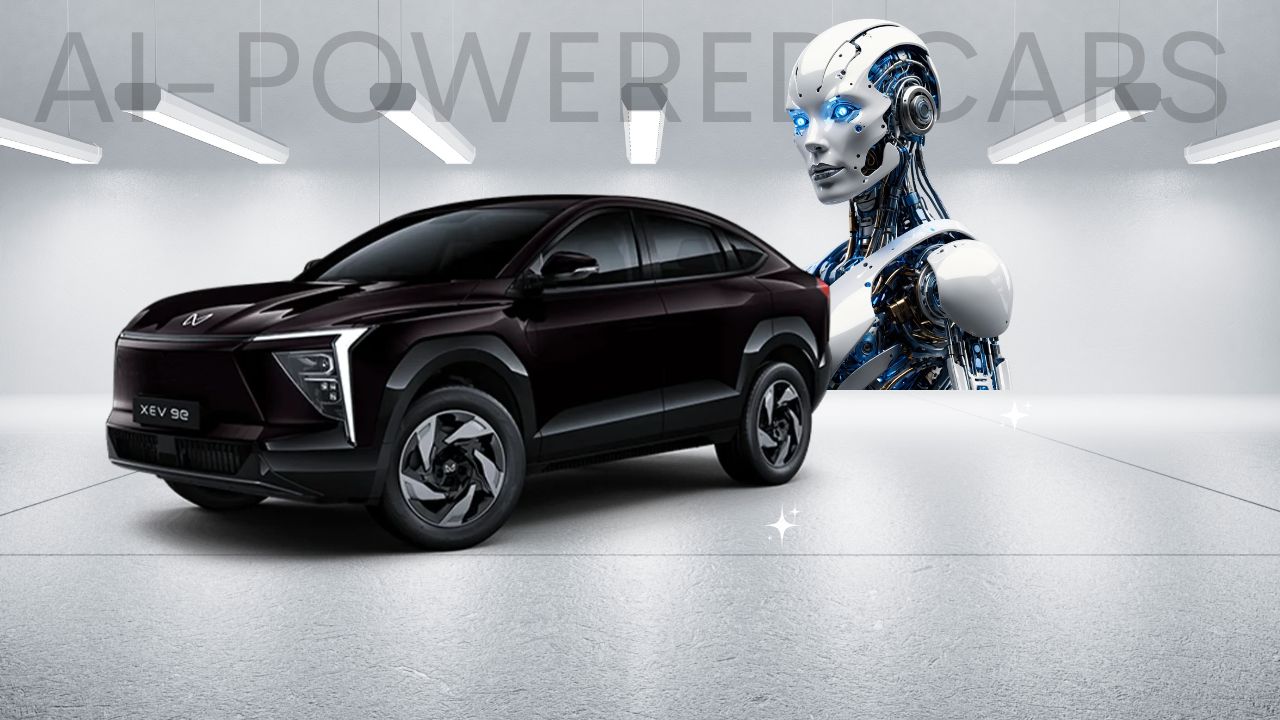
Branding varies. Mahindra markets the electronics in its XEV 9e as MAIA, the Mahindra Artificial Intelligence Architecture, built on a Qualcomm Snapdragon 8295 with 24 GB of RAM. Maruti calls its system Level 2 ADAS, and the Hyundai brochure uses the same term. The official documents reviewed here do not use “AI” for those features, though the assistance they offer is broadly similar.

The limit is the same everywhere. At Level 2, the human stays responsible for driving and must monitor the system. Hyundai’s brochure also says ADAS is not a substitute for attentive driving.

How AI Is Changing the Future of Cars and Driving

AI in cars is making the driving experience better, there are limitations that a driver should understand. Hyundai, Kia, Maruti, and Honda offer designs with advanced safety features (level 2 ADAS) which detect and warn in many complex situations. The foreign countries offering higher level AI in cars to make it driverless which has not arrived in India yet. 

There are claims that should get you confused before buying a new car — How AI in cars changes the driving environment? 

“Your next car will fully drive itself anywhere” 

Level 5 autonomy—no driver, no restrictions—is not currently in sight; experts often place broad personal availability around 2035–2040 or later. 

“AI can handle every road situation” 

AI still struggles with rare, ambiguous, or unusual events that are poorly represented in training data—construction, erratic pedestrians, extreme weather, unclear road markings. 

“Everyone trusts self-driving cars” 

Only 36% of consumers worldwide consider self-driving cars safe, and 38% are genuinely interested in owning one. 

“The hype is global” 

Trust varies sharply: Hong Kong and the UAE are relatively optimistic, while only 20% of people in Great Britain and 15% of Americans think AI will improve driving. 

“AI will replace drivers immediately” 

Countries like India having a mixed traffic and unpredicted roads, potholes, inconsistent behaviour and infrastructure makes it much harder for AI to drive a car than in selected U.S. regions and China.

AI-powered Cars You Can Buy in India, By Budget

Maruti Baleno (2026) Hyundai Creta Mahindra XEV 9e
Starting ex-showroom ₹6,09,900 (Bengaluru) ₹10,90,700 ₹21.90 lakh (launch price)
ADAS found on Top Alpha (O) trim, per third-party reports King-level trims Higher packs; hardware varies
What it offers Eight functions, radar + camera About 18 functions 5 radars + 1 camera (Level 2+)
Claimed efficiency / range 23.80 km/l (MT), 24.77 km/l (AGS) 17.4 to 21.8 kmpl  656 km (MIDC) 

The Baleno is the surprise. Maruti’s system covers emergency braking, adaptive cruise, lane keep assist and high beam assist, among others, alongside six standard airbags. Its efficiency figures are certified claims, not real-world numbers. 

AI-powered Cars

However, only the top Alpha (O) gets the system, and its price is disputed. The ADAS variants at ₹9.50–9.99 lakh, Alpha range at up to about ₹9.37 lakh. Confirm the exact figure with a dealer.

The Creta has roughly 18 ADAS functions, including forward-collision assist for cars, pedestrians and cyclists, blind-spot assist and rear cross-traffic alert. Hyundai’s smart cruise control with stop & go is limited to IVT, AT and DCT gearboxes, so manual buyers get ordinary cruise control. The brochure’s OTA support also covers maps and infotainment only, not the driver-assistance system.

For the XEV 9e, Mahindra says its system can detect animals, pedestrians, barricades and different vehicle types, and its launch release cites a Mobileye EyeQ6 chip and OTA updates. Mahindra quotes about 50 TOPS for MAIA, though its own material carries 50 and 51. One reviewer lists lower variants with a single radar and camera, so ask which pack you are looking at. The ₹21.90 lakh figure is the launch price, not a current one.

Read More:- What Salary Is Needed to Buy a Mahindra Scorpio-N?

What the ADAS step costs

Using Hyundai’s current list prices, compare the same engine and gearbox. On the petrol manual, SX Premium is ₹16,34,200 and King is ₹17,27,800, a gap of ₹93,600. On the petrol IVT, ₹17,78,700 becomes ₹18,68,800, a gap of ₹90,100.

Two assumptions apply. King is the cheapest ADAS trim but ask a dealer to confirm the actual price. And King adds other equipment, such as 18-inch alloys, so this is the cost of reaching ADAS, not the price of ADAS alone.

Against the Baleno, the gap is large. With the ADAS Baleno at roughly ₹9.37–9.99 lakh (the disputed range above) and the cheapest ADAS Creta at ₹17,27,800, the Creta costs about ₹7.3–7.9 lakh more. That compares a hatchback with an SUV.

Does ADAS Work on Indian Roads?

None of the manufacturer material reviewed describes how these systems cope with faded lane markings, potholes, two-wheelers or sudden cut-ins, and we have not seen independent Indian road tests for these cars. Hyundai itself says effectiveness depends on various factors.

ADAS features car

So test it. On a drive, check how lane-keep behaves where markings are faded or missing, whether alerts fire without reason, and whether you can switch features off. Those observations will tell you more than a feature list.

What is Still Overseas Hype

AI is real, Robotaxis exist, but “cars that drive themselves everywhere” remains largely marketing and overseas hype for now. Driverless cars are operated in U.S. and China but not in India yet. ADAS features are spreading across most of the variants and become common in private cars. 

AI in electric cars helps optimize vehicle control, battery/charging management which is very useful. Technology is rising in cars which expand your driving experience, with a new Gen AI system learns the driving behaviour to handle complex situations to rule over the roads. 

AI Is Changing the Future of Cars

Read More:- What Monthly Salary Is Required to Buy a Tata Nexon?

Conclusion

Ask a quote and feature details from the dealer when you select a car to buy. Confirm if it’s capable of running on Indian roads and test it by taking a real drive test. Check your budget first for AI in cars because a system that assists is not the one that drives.

Almost every car marketed as “AI-powered” is Level 2. Cameras and radar read the road, software handles steering, braking and speed, and you stay legally responsible. Think of it as a very attentive co-driver that never gets to sign the insurance papers. Real driverless cars exist, but only as robotaxis in a few US cities, not something you can buy.

0

Rolls Royce Unveils Custom Car Using Sea Snail Shells 

Published Sep 22, 2026, 1:03 PM
Last Updated Sep 26, 2026, 8:43 AM

The Phantom Extended

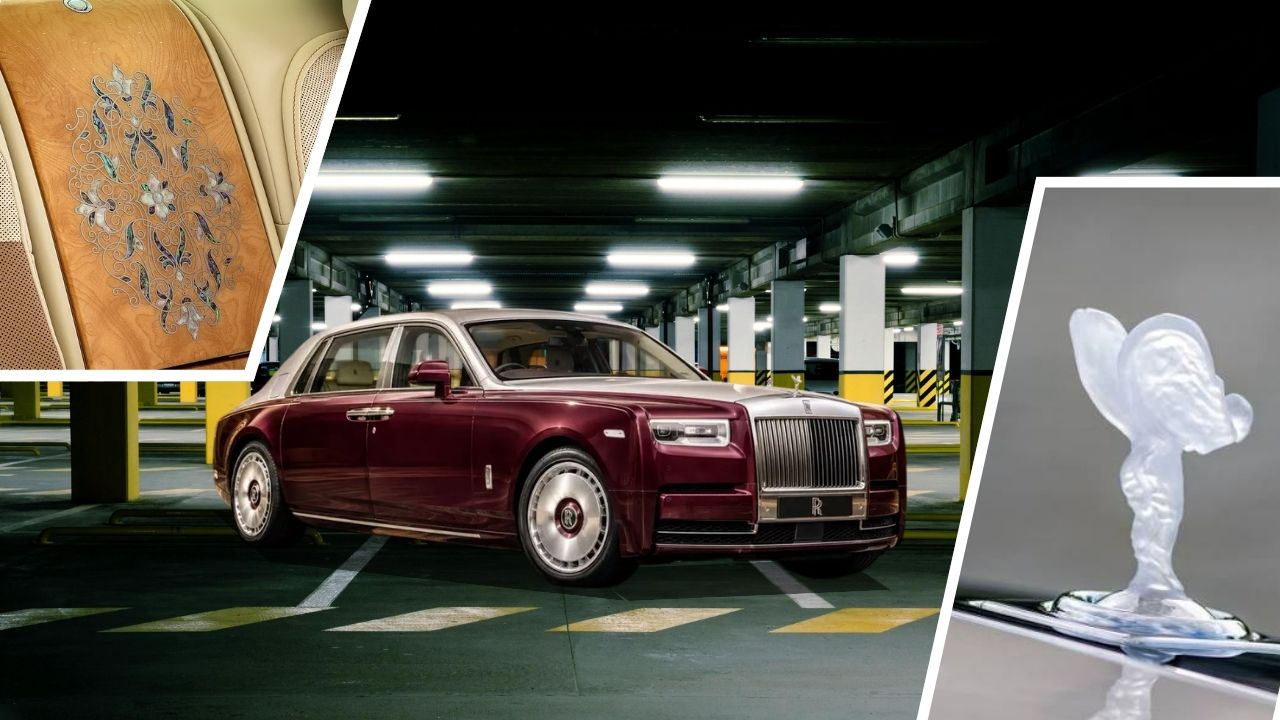
Rolls Royce is not just a luxury car brand, the authenticity of their work is remarkable. The Phantom Hummingbird, revealed in September 2026, is a one-off Private Commission built on the long-wheelbase Phantom Extended, and the first Rolls Royce with marquetry made from abalone, a marine snail with an iridescent shell. 

A Dubai client ordered it as a tribute to his wife. The shells aren’t the bodywork, and you can’t buy this car. But it shows what a ₹10-crore-plus Phantom actually is. Cut a shell 0.06 mm larger than its final size, then sand it by hand until it vanishes into the piece beside it. That is how a hummingbird ended up inside the newest Rolls Royce. 

How Rolls Royce Used the Sea Snail Shells

Rolls Royce took the blue-green pearly inner surface of abalone shells and combined it with mother-of-pearl to imitate a hummingbird’s feathers. The craftspeople used a decorative marquetry technique, where small pieces of abalone shell were carefully cut and fitted together to create a design on the rear picnic tables and the “Waterfall” panel. Ash burr veneer covers all three panels, while the picnic tables use silver birch taken from a single log. One report counts 53 shell pieces in the hummingbird and 84 in the flowers. 

Rolls Royce Used the Sea

Outside, the car wears a two-tone Wildberry and White Sands finish, a hand-applied White Sands coachline and a hummingbird painted along the flanks. The rest of the cabin uses Creme Light leather with Moccasin and Tan inserts, and Seashell carpets.

Why a Few Panels Took Nine Months

Abalone is unusually fine and brittle, and that is why this took so long. The design took over nine months to develop, through six iterations. The fix was to thin the pearl and abalone first, so each fragment could be set gently and then lacquered. Fitting and finishing the three panels then took 45 hours, roughly half of it spent on finishing touches. Rolls Royce says the hummingbird’s wings needed a human hand to get a fit with no visible seam.

Rolls Royce

Rolls Royce has form here. The brand has painted the Milky Way onto a headliner, commissioned an interior from designer Iris van Herpen, and even fitted a gold bar in a centre console. Wallpaper compared these commissions to one-off superyacht builds, where every detail is effectively a prototype.

Read More 👉   New Tata Safari EV Triple Screen Dashboard Spied – Launch Soon

The Phantom Extended Specification and Pricing

The Phantom Hummingbird specially designed in a 5,982 mm long body with a 3,772 mm wheelbase. The outstanding 563 bhp power comes from a 6.75-litre twin-turbo V12 engine and given 900 Nm torque makes a Phantom limitless on the road. It runs on a rear wheel drive through an 8-speed ZF automatic by reaching from 0 to 100 km/h in just 5.3 to 5.4 seconds.

The Phantom Extended

Phantom price starts at ₹8.99 crore in India where the Extended Wheelbase comes at a higher price up to ₹10.48 crore ex-showroom. The Phantom Hummingbird price is not published by Rolls Royce. Mileage figures vary by site, from about 7 kmpl to 9.8 kmpl, so be skeptical of any single number. No one buying this car is doing the fuel maths anyway.

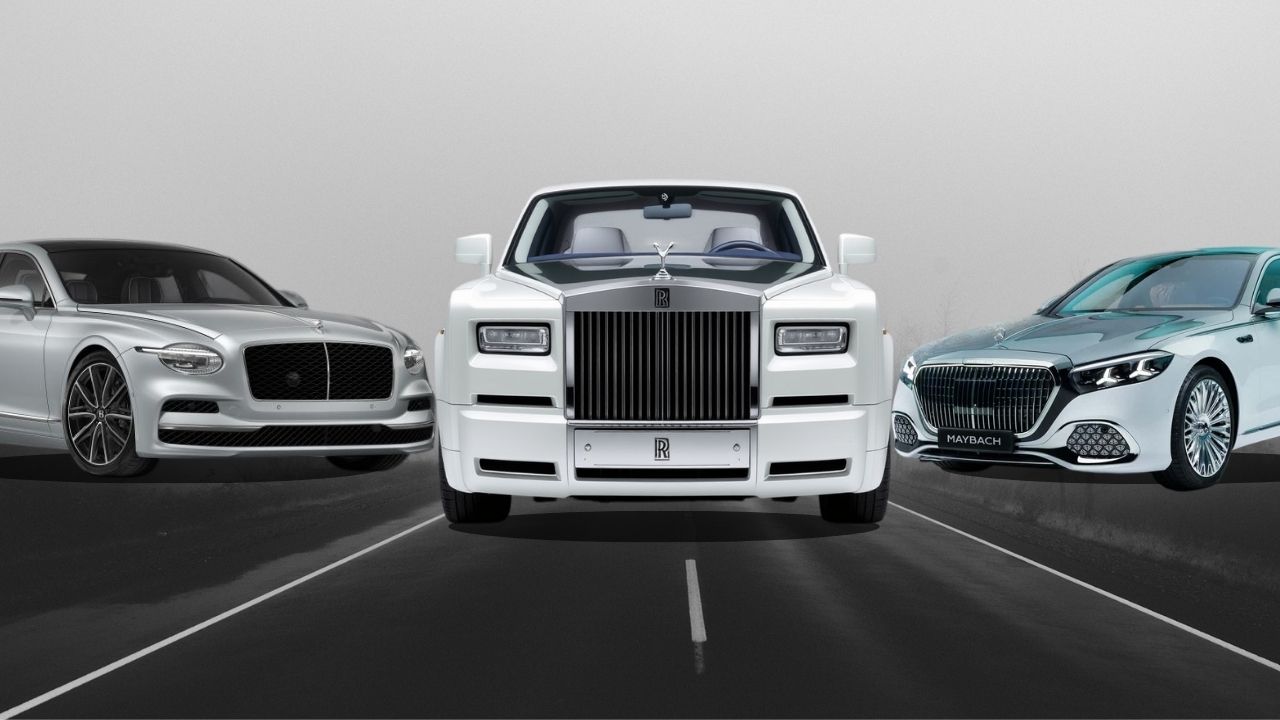
Rolls Royce Phantom Extended vs Maybach S 680 and Bentley Flying Spur

The Phantom’s real rival is the Mercedes-Maybach S 680 which runs on a 6.0-litre turbo V12 engine that costs ₹3.43 crore ex-showroom, so it’s about a third of the Extended’s price. The Maybach S 680 is 376 mm shorter than the Phantom Extended’s, the wheelbase is 3,396 mm. It offers the similar V12 and a chauffeur-friendly rear seat but the creativity and design of Hummingbird is something else.

Rolls Royce Phantom

The Bentley Flying Spur starts at ₹5.25 crore ex-showroom. Its Indian range now includes a V6 hybrid making 410 bhp and 550 Nm, and Bentley has dropped its W12 globally. It is a more driver-focused choice, while the Maybach puts rear-seat space and silence first.

Read More 👉   Top 10 MUVs in India: August 2026 Sales, Waiting Period and Easy Finance Option

Conclusion

The Phantom Hummingbird is less about the car itself and more about what Rolls-Royce is willing to do for a single customer. Using tiny pieces of abalone shell, matching wood from a single log and spending nine months perfecting the design turns an already expensive Phantom into something closer to a rolling piece of craftsmanship. 

You cannot buy this exact car, but the Hummingbird shows why a Rolls-Royce Private Commission can sit far beyond the price of a regular luxury car. In this case, the sea snail shells are not a gimmick; they are part of what makes this one-off Phantom impossible to replicate. 

0

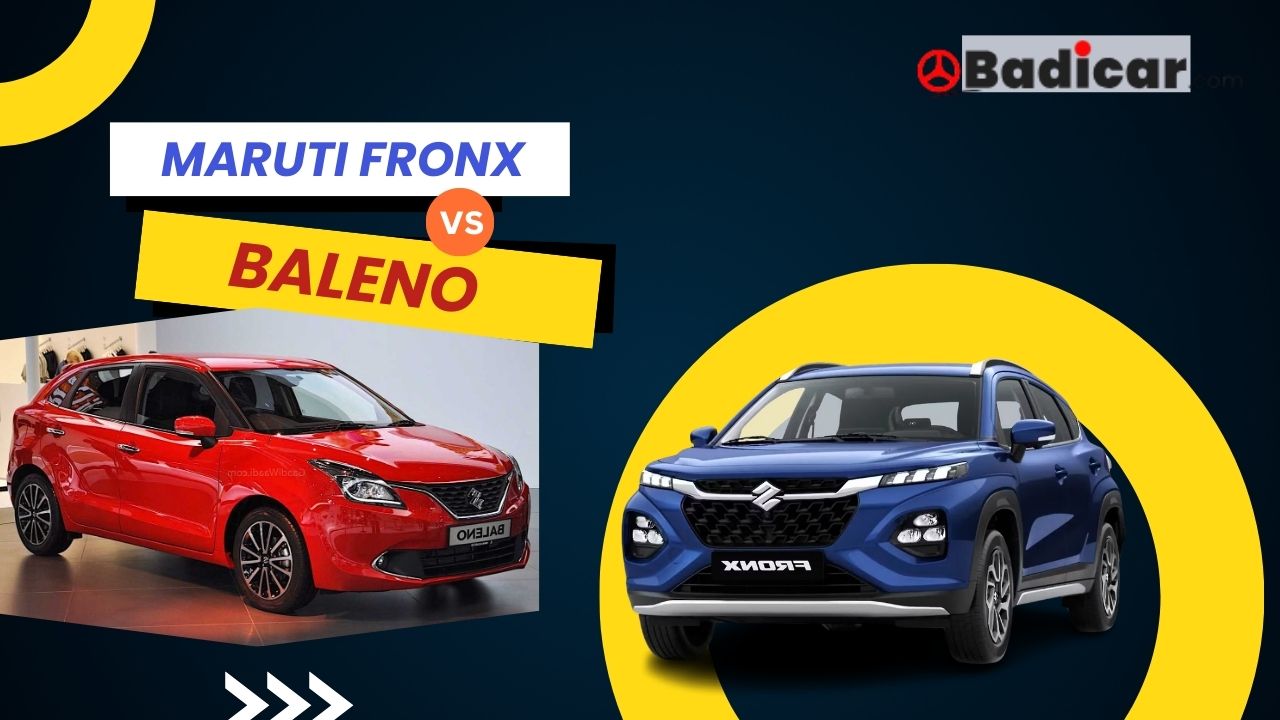
Maruti Fronx vs Baleno: See What’s The Right Choice For You in 2026 

Maruti Fronx vs Baleno

Let’s just be honest. Walking into a Maruti Suzuki showroom these days seems less about buying a car and more about placing an order for coffee at some third-wave café—there are simply too many variants that look and sound almost identical, but have really subtle taste-based differences. 

Half-way through this menu is the ultimate dilemma for modern buyers: the Maruti Fronx and the Maruti Baleno. On the one hand, there’s the Baleno: the uncontested monarch of the premium hatchback space. It’s the car that’s probably been sitting in your neighbour’s driveway for ages. And then there’s the Fronx is the new entrant, the “compact SUV” that has created a sensation with its robust looks.

But here’s the real question: Given that they have the same engines, platform, and even the same showroom, if you’re really going to own just one, does it make more sense to go for the utilitarian hatchback or the evo-styled SUV? I have gone through a bit of research and here is my blunt, plain talk comparing price, mileage and features to help you pick up where you might want to invest your money. 

Aspect Maruti Baleno Maruti Fronx
Starting Price ₹6.61 lakh (base petrol) ₹7.51 lakh (base petrol)
Top-End Price ~₹10 lakh (Alpha Auto) ~₹13 lakh (Turbo Auto)
Engines 1.2L DualJet petrol (89 bhp) 1.2L DualJet (89 bhp) + 1.0L Turbo (100 bhp)
Transmission 5MT / 6AT 5MT / 6AT
Mileage (Petrol MT) 21-22 km/l (city/highway) 21-22 km/l (1.2L); 18-19 km/l (Turbo)
Key Features 9″ Smartplay Pro+ (wireless AA/CP), HUD (top), sleek interior Sunroof (mid variants), raised SUV stance, same infotainment
Safety 6 airbags, ESP, hill-hold (AT) Same as Baleno
Style/Vibe Premium hatchback, refined city drive SUV coupe, bold presence, adventure feel
Best For Value, efficiency, daily urban use Style, turbo punch, road presence


The Vibe Check: Style vs. Substance

Maruti Fronx Style

Before the numbers, we have to talk feelings. Because really, most of us buy cars with our hearts and only use our brains to justify the purchase.

The Baleno is sleek and premium, wide-bodied with a sporty slanting roofline. It is polished and refined, making it perfect for daily drives and the monotony of city living. 

The Fronx is, however, a completely different animal. It adopts the “SUV coupe” shape, that is reminiscent of its larger sibling the Grand Vitara. It sits up higher, has cladded wheel wells and a front grille that seems like it’s glaring at you. It’s made for the young (or the young at heart). If you imagine yourself hitting the open road on the weekends, when the highway might not be in quite such good shape, the Fronx appeals to that sense of adventure. 

The Money Talk: Prices

So what does this cost you? Both vehicles are similar enough that you’re not necessarily paying a boatload of money just for the “SUV” name.

The Maruti Baleno’s starting price is slightly lower, at around the ₹6.61 lakh (ex-Showroom) for the base petrol, getting close to ₹10 lakh on the higher side for the top-end Alpha Automatic.

Maruti Fronx, the all-new SUV from Maruti Suzuki, is priced at around ₹7.51 lakh (ex-showroom) in India. But the high-end models actually come at prices that are quite similar to the Baleno’s, just short of the ₹13 lakh mark in case you get the Turbo Automatic.

The Baleno wins if you’re counting pennies or just need the cheapest entrance point. But the difference in price is almost imperceptible if you’re looking at the mid-to-high end models (that’s what most of us buy). Two very different personalities and you are essentially paying the same money. 

Mileage and Performance: The Engine Room

This is a closely-guarded secret that Maruti doesn’t reveal on billboards: under the skin, these two are almost siblings.

  • Both car models come with the 1.2-litre DualJet petrol unit that makes around 89 bhp. 
  • Options for transmission are the same as well, with a 5-speed manual or a 6-speed torque-converter automatic. 
  • Used in the same mechanicals, the fuel economy figures are surprisingly close. City and highway fuel economy for the petrol manual is 21-22 km/l. Less for you but negligible for us With the automatic variants you get slightly less, but this is negligible difference for us.

The Fronx

But there is a twist: The Fronx also offers something the Baleno doesn’t have (at least, not yet in the same form): The 1.0L Turbo Boosterjet engine. This is a pellet, isn’t it? bhp and takes you on a burst of torque that makes moving out on highways a cakewalk. The trade off: mileage takes a hit, down to around 18-19 km/l, and high-speed petrol is needed (we recommend 91 octane).

If you’re a sedentary driver who wants to just sip fuel, stick to the conventional 1.2L engine in either car. Fronx Turbo: For all the enthusiasts who like a bit of punch when they floor the accelerators, this is your only winner here. 

Feature Fight: Tech vs. Comfort

Maruti Baleno

Step inside, the arrangement of the dashboard, the steering wheel and gear stick in both models are the same. But it’s the details that count.

The Baleno is all about “smart tech.” You get the sleek 9-inch Smartplay Pro+ infotainment system that offers wireless Android Auto and Apple CarPlay support – a feature we all crave secretly to avoid entangled cables. The top model also gets a heads up display (HUD), which is pretty futuristic.

Then there’s the Fronx, which, as SUVs go, puts a premium on a somewhat different experience. Although it doesn’t get the HUD in the lower variants as the Baleno does, it makes up for it with a sunroof in the mid-variant — a feature that can be a deal-breaker for many consumers in India. 

The Fronx also has a slightly raised stance, putting you at a ”commanding view of the road,” while the Baleno feels more like you’re driving inside it rather than on it. both cars come brimming with safety features- including 6 airbags, ESP and a hill-hold assist (automatic only), so you’re not compromising on safety whichever is your pick.  

Conclusion

When all is said and done, the Fronx vs Baleno is not a competition of spec sheets and mileage charts – it is a reflection of who you are as a driver.

If you’re big on predictable daily-driving, tight city parking and low running costs, and are looking for a car that’s well-judged and quietly premium, then the Maruti Baleno still holds more water. It’s more tolerable, a bit easier on the bank balance, a little more fuel-efficient, and seems like the kind of car that’s already worked life out. It doesn’t strain—-and that’s what makes it charming.

The Baleno is aimed at the more conservative buyers, while the Maruti Fronx is for those who want it to make a statement. You get the SUV-like stance, an elevated driving position, optional turbo-petrol thrill, plus lifestyle additions like a sunroof that have more emotional value than rational. You aren’t paying too much more — you’re paying for attitude, presence, that little bit of an “upgrade” every time you walk up to it. 

  • Go for the Baleno if you want the most value, refinement and hassle-free ownership.
  • Pick the Fronx if you want style, road presence and a ride that feels a bit more special – even if the daily grind is the same. 

Same engine options. Same showroom. Same reliability.

Different personalities. Take your pick and find the one that feels right for you. 

0

Toyota RAV4 vs Honda CR-V: The Ultimate SUV Battle of 2025

Published Aug 30, 2025, 7:33 AM
Last Updated Apr 13, 2026, 12:24 PM

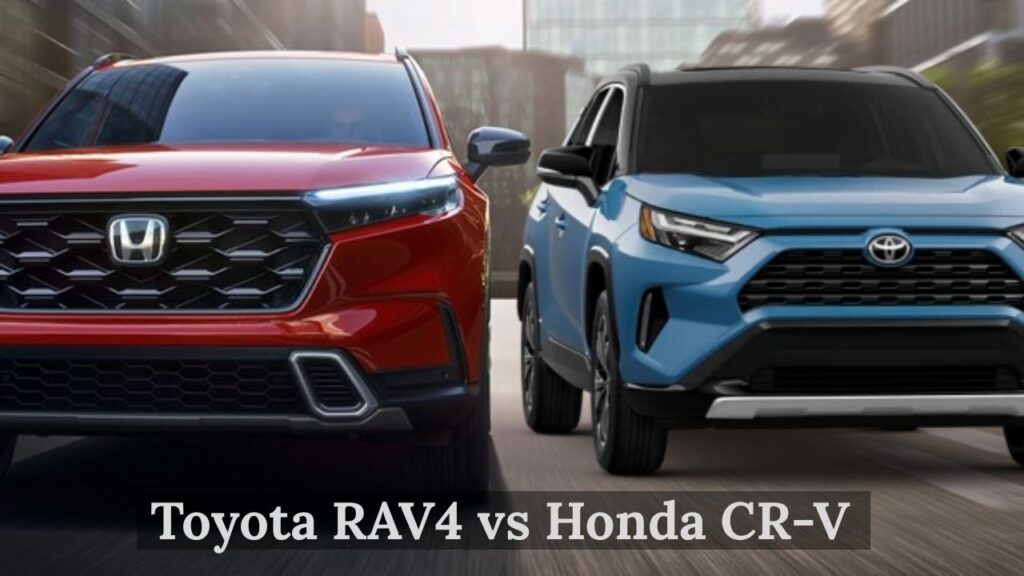
2025 Toyota RAV4 and Honda CR-V parked side by side, front angle view, comparing SUV designs

These two exciting models of SUVs have come with outstanding features and an impressive look from exterior to interior. Toyota RAV4 vs Honda CR-V offer a powerful performance at nearly the same price. Both SUVs are a defined segment of practicality, reliability and fuel efficiency. They both offer multiple variants for the buyers to assess the full potential of automotive engineering.

Deciding the vehicle which aligns with your priorities is hard but these two titans SUVs are offering an impressive performance. They offer more advanced features and powerful driving experience with their hybrid models, so dive deep into their features before buying one.

Both vehicles are delivering more about fine-tuning rather than big overhauls. The RAV4 is focusing on substantial interior and tech upgrades where it falls behind the rivals. Now buyers can have modern and premium experience as it provides tech and updated interior. Honda CR-V had already launched a redesign model in 2023 but it is giving a refinement in 2025 with a spacious and comfortable interior.

Read More:  How to Protеct Car from Sun? Simplе Tricks to Bеat thе Hеat

Performance and Engine

The 2025 Toyota RAV4 and Honda CR-V comes with both diesel and hybrid engines that deliver powerful performance.

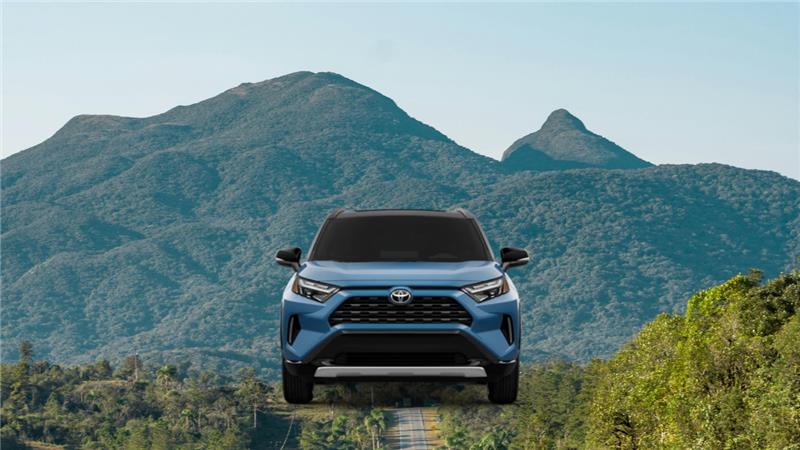
A 2.5-litre engine of 2025 Toyota RAV4 offers a powerful speed of 203 hp and 8-speed automatic transmission delivers outstanding performance on the road. The. RAV4 hybrid offers 2.5-litre engine with electric motors to produce a combined 219 horsepower. The RAV4 prime model comes with  an impressive combined 302 horsepower for robust speedy performance. It becomes more attractive than other variants. 

Close-up of the 2025 Toyota RAV4 2.5L engine under the hood

Image credit: Toyota

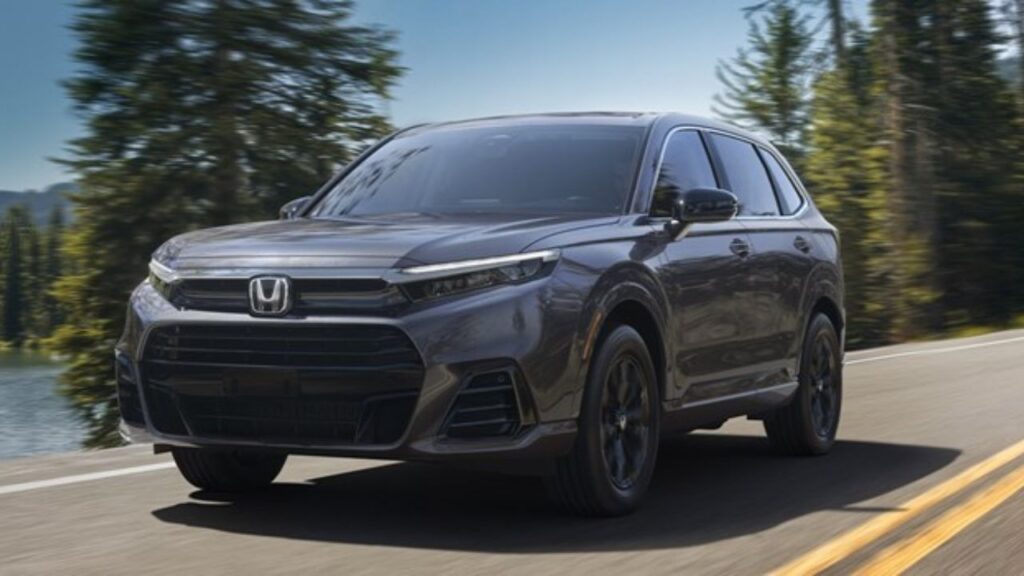
A 1.5-litre turbo engine of 2025 Honda CR-V delivers 190 horsepower and 179 lb-ft of torque. It has an impressive engine and turbo drivetrain to give you a better experience on the road. Honda’s hybrid system produces 204 horsepower which make it more reliable and well-functioned to deliver a seamless experience. 

Fuel Economy

Gasoline Models: The RAV4’s base model delivered an estimated EPA of 27 city / 35 highways MPG. The CR-V comes with EPA-estimated 28 city / 34 highway MPG. so it shows that CR-V is ideal for city driving. 

MPG comparison chart for 2025 Toyota RAV4 and Honda CR-V gasoline models

Image credit: Automobiles Honda

Hybrid Models: The RAV4 Hybrid model gets 41 city / 38 highways MPG with its EPA-estimated. The CR-V Hybrid also has an impressive mileage of EPA-estimated 40 city / 34 highway for its AWD model. 

Both deliver outstanding fuel efficient models. The RAV4 prime ability to drive on pure electricity for a long distance is a unique approach.

Interior and Technology

The Honda CR-V is defined with its modern and minimalist interior design for years. It offers 41 inches space for its rear-seat passengers while RAV4’s has slightly less space of 37.8 inches. The same difference with their cargo spaces, CR-V has 76 cubic feet with folded and RAV4 has 69 cubic feet with folded seats.

Spacious rear seating of 2025 Honda CR-V with legroom

Image credit: Automobiles Honda

Both offer advanced functions and larger infotainment systems. Wireless connectivity across multiple devices and a high quality sound system which makes your journey fun.

Safety and Features 

The RAV4 comes with driver-assistance features including pedestrian detection, alert for lane departure, and dynamic cruise control.

Driver using Toyota RAV4 with lane departure alert and adaptive cruise control

Image credit: Toyota

The CR-V is equipped with similar functions including emergency brake system, alert for lane departure, adaptive cruise control, and monitoring rear cross traffic on most trims.

Price of Toyota RAV4 and Honda CR-V

Both models’ pricing value is depending on the region and trim but you can check their approximate value in 2025.

Toyota RAV price is around $31,000 for the base model and it can go up around $39,305 for hybrid models.

Hybrid CR-V starting price is around $31,550 and it can go up to $36,450 for a hybrid model.

Feature 2025 Toyota RAV4 2025 Honda CR-V
Starting MSRP (Gasoline) ~$30,645 ~$31,550
Starting MSRP (Hybrid) ~$32,600 ~$34,650
Standard Engine 2.5L 4-Cylinder 1.5L Turbocharged 4-Cylinder
Horsepower (Gasoline) 203 hp 190 hp
Horsepower (Hybrid) 219 hp (Total System) 204 hp (Total System)
Torque (Gasoline) 184 lb-ft 179 lb-ft
Torque (Hybrid) 149 lb-ft (engine) + 89 lb-ft (electric) 247 lb-ft (electric motor)
Transmission 8-Speed Automatic Continuously Variable Transmission (CVT)
Fuel Economy (Gasoline FWD) 27 city / 35 hwy MPG 28 city / 34 hwy MPG
Fuel Economy (Hybrid AWD) 41 city / 38 hwy MPG 40 city / 34 hwy MPG
Drivetrain FWD / AWD (Gas), AWD (Hybrid) FWD / AWD (Gas and Hybrid)
Max. Cargo Space 69.8 cu-ft 76.5 cu-ft
Max. Cargo (Behind Rear Seat) 37.6 cu-ft 39.3 cu-ft
Rear Legroom 37.8 inches 41.0 inches
Standard Infotainment Screen 8-inch (Gas), 10.5-inch (Hybrid/select trims) 7-inch
Available Infotainment Screen 10.5-inch or larger 9-inch
Standard Safety Suite Toyota Safety Sense 3.0 Honda Sensing
Notable Features RAV4 Prime (PHEV), Larger hybrid display, JBL Audio (optional) More rear space, refined hybrid, Bose Audio (optional)
Max. Towing Capacity 1,500 lbs (Gas), 1,750 lbs (Hybrid) 1,500 lbs (Gas), 1,000 lbs (Hybrid)

Conclusion

Both cars are offering incredible features with comfortable interior spaces, making an exceptional compact SUVs that holds a great value. Toyota RAV4 vs Honda CR-V is not a debate but your journey partner, so choose which you prefer the most. The best way to decide is to take a test drive before buying it.

0

Top 10 Best Used Cars for Tall Drivers That Actually Fit Your Frame

Published May 20, 2025, 1:09 PM
Last Updated Apr 6, 2026, 12:32 PM

Top 10 Best Used Cars for Tall Drivers That Actually Fit Your Frame

Finding a car that fits your body is very important, especially if you are tall. Some cars feel too tight. Your knees hit the dashboard. Your head touches the roof. That makes driving painful. The good news is many used cars offer big space and comfort. 

We made a list of the best used cars for tall drivers. These cars provide more legroom and headroom for your efficiency. They also come with other good features and fair prices.

Honda Odyssey

Honda Odyssey

The Honda Odyssey is one of the great choices for all the tall drivers. It has a high roof and wide seats. You can stretch your legs and sit up straight. It also has smooth steering and good safety features.

  • Front Headroom: 40.7 inches
  • Front Legroom: 40.9 inches
  • Used Price Range (2017-2020): $18,000 – $30,000
  • Seats: Up to 8 people
  • Good Features: Power sliding doors, rear-seat entertainment system, rearview camera, Apple CarPlay/Android Auto

Toyota Sienna

Toyota Sienna

The Toyota Sienna is another roomy minivan. It has soft seats and so much space so even very tall drivers fit comfortably. The Toyota Sienna is also the only minivan with available all-wheel drive.

  • Front Headroom: 41.0 inches
  • Front Legroom: 40.5 inches
  • Used Price Range (2017-2020): $19,000 – $32,000
  • Seats: Up to 8 people
  • Good Features: AWD option, tri-zone climate control, advanced safety tech, strong resale value

Ford F-150

The Ford F-150 is a full-size pickup truck. It gives you a lot of legroom and a tall driving position. You feel high up and safe. It is also very good for towing and hauling.

  • Front Headroom: 40.8 inches
  • Front Legroom: 43.9 inches
  • Used Price Range (2015-2020): $20,000 – $40,000
  • Seats: Up to 6 in crew cab
  • Good Features: Strong towing, spacious cabin, V6 or V8 engine, advanced safety features in newer models

GMC Canyon

GMC Canyon

The GMC Canyon is a midsize pickup, but it feels very roomy. It is easy to drive and park. In the crew cab model, it offers one of the best legroom numbers for a truck.

  • Front Headroom: 40.3 inches
  • Front Legroom: 45.2 inches
  • Used Price Range (2016-2020): $18,000 – $33,000
  • Seats: Up to 5
  • Good Features: Good fuel economy, touchscreen system, smooth ride for a truck

Ford Taurus

Ford Taurus

The Ford Taurus is a large sedan with lots of interior space. It is no longer made new, but you can find second-hand used cars at the best prices. It is quiet, comfortable, and easy to drive.

  • Front Headroom: 39.0 inches
  • Front Legroom: 44.2 inches
  • Used Price Range (2015-2019): $10,000 – $20,000
  • Seats: 5
  • Good Features: Big trunk, V6 engine, comfortable highway ride, optional AWD

Ford Expedition

Ford Expedition

The Ford Expedition is a big SUV. It has huge space inside and can tow heavy things. The seats are tall and wide, so tall drivers feel relaxed. You sit high and get a great view.

  • Front Headroom: 41.5 inches
  • Front Legroom: 43.9 inches
  • Used Price Range (2017-2020): $28,000 – $45,000
  • Seats: Up to 8
  • Good Features: Powerful V6, big cargo space, smooth ride, great for road trips

Toyota Highlander

Toyota Highlander

The Toyota Highlander is a midsize SUV. It has a roomy cabin and soft seats. The controls are easy to reach. Tall drivers enjoy the legroom and relaxed driving style.

  • Front Headroom: 39.5 inches
  • Front Legroom: 44.2 inches
  • Used Price Range (2017-2020): $22,000 – $35,000
  • Seats: Up to 8
  • Good Features: Great safety ratings, strong resale value, V6 engine, AWD available

Subaru Forester

Subaru Forester

The Subaru Forester is a small SUV, but it feels very open inside. The tall roof gives extra headroom. It also has great visibility and comes with all-wheel drive.

  • Front Headroom: 41.2 inches
  • Front Legroom: 43.3 inches
  • Used Price Range (2017-2020): $17,000 – $28,000
  • Seats: 5
  • Good Features: Standard AWD, high safety scores, good gas mileage, roomy feel

Honda CR-V

Honda CR-V

The Honda CR-V car is one of the best-selling SUVs cars of 2024. It is not too big, but the inside is roomy. Tall drivers like the high seat and easy controls. It also has great reliability.

  • Front Headroom: 40.0 inches
  • Front Legroom: 41.3 inches
  • Used Price Range (2017-2020): $18,000 – $30,000
  • Seats: 5
  • Good Features: Excellent fuel economy, smart interior layout, very reliable

Subaru Outback

Subaru Outback

The Subaru Outback is like a mix between a car and an SUV. It has a tall ride height and a flat roof. This gives tall people plenty of space. It also comes with standard AWD.

  • Front Headroom: 40.1 inches
  • Front Legroom: 42.8 inches
  • Used Price Range (2017-2020): $19,000 – $32,000
  • Seats: 5
  • Good Features: Smooth ride, strong safety ratings, lots of cargo room, great in snow

Final Thoughts

If you are tall, you need a car that gives you enough room. Cramped cars can cause back pain, sore knees, and a bad driving experience. The best used cars for tall drivers offer comfort, safety, and good value. Whether you want a van, SUV, truck, or sedan, there is a perfect match out there. Before buying, always check the headroom and legroom and you should also sit in the car and take a test drive.

With the right car, driving becomes fun again. All the cars in this list are good options. They give tall people the comfort and space they need.