0

Maruti Dzire ZXI+ Specs Overview with Features, Performance, Safety and Design

Maruti Dzire ZXI+ Specs

If you thought compact sedans were being pushed out by SUVs, the all-new 4th Gen Maruti Dzire will make you think again. For years the Dzire has been the go-to option for Indian families – dependable, economical and practical. But with the new 2025 Maruti Dzire ZXI+ model specifically, the company has transformed from simply being “practical” to genuinely “desirable.”

Securing a 5-star safety rating, coming equipped with a sunroof (finally!) and a tech-packed cabin, the all-new Dzire ZXI+ isn’t just a commuter; it’s a statement. Let’s take a closer look at what makes this the talk of the town. 

Design: Sophistication Meets Sportiness

The first thing you will realize is that the “swift-with-a-boot” is no more. The new Dzire has its own unique character. The front end features a huge aggressive grille with what Maruti terms LED Crystal Vision Headlamps on either side. They’re not just bright – they make the car look like it’s standing tall with a premium wide stance that simply grabs attention.
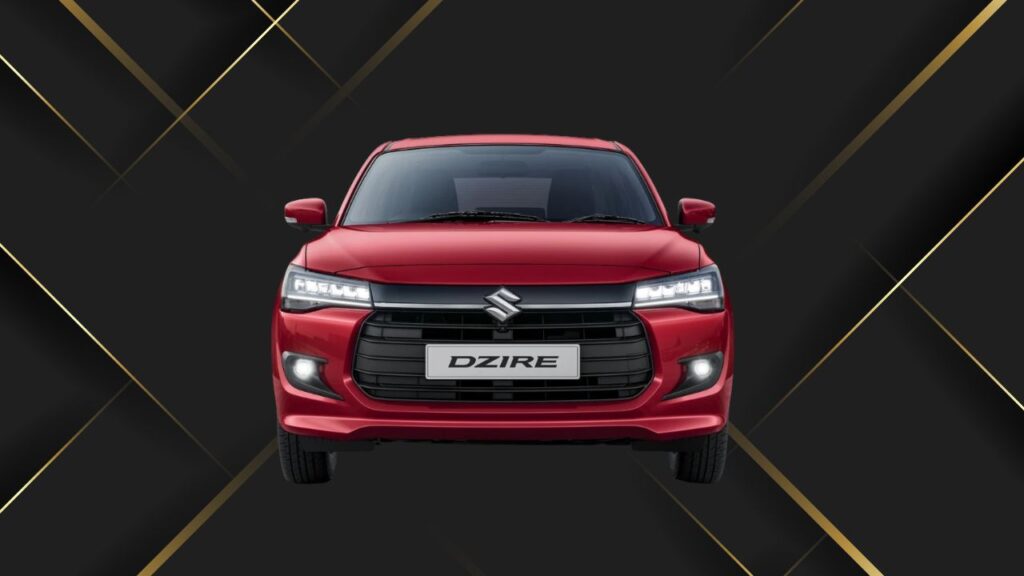
Maruti Dzire ZXI+ Specs Design

Now turn to the side and the two-tone, precision machined aluminum wheels bring a bit of flair. But where the real drama is at the back. 3D Trinity Rear Lamps. These lamps are a crucial design detail and appear contemporary & crisp particularly at night. And yes, there’s a shark-fin antenna on the roof to round out that sleek, sedan profile.  

Color Options:

Maruti hasn’t cut corners with the palette. Whether you are after the classy Splendid Silver, the striking Gallant Red or even the dark Bluish Black, there is a color for every character. Nutmeg Brown is my personal favorite – it screams luxury. 

Interior & Features: A Tech-Lover’s Paradise

Step inside the ZXI+ variant and you are greeted by a cabin that feels light years above its price point. The beige and black, dual tone dashboard, with silver accents and a wood-finish insert, looks spacious and premium.

The Electric Sunroof is a segment-first for Dzire and truly revolutionizes the cabin experience, illuminating it with the sun.
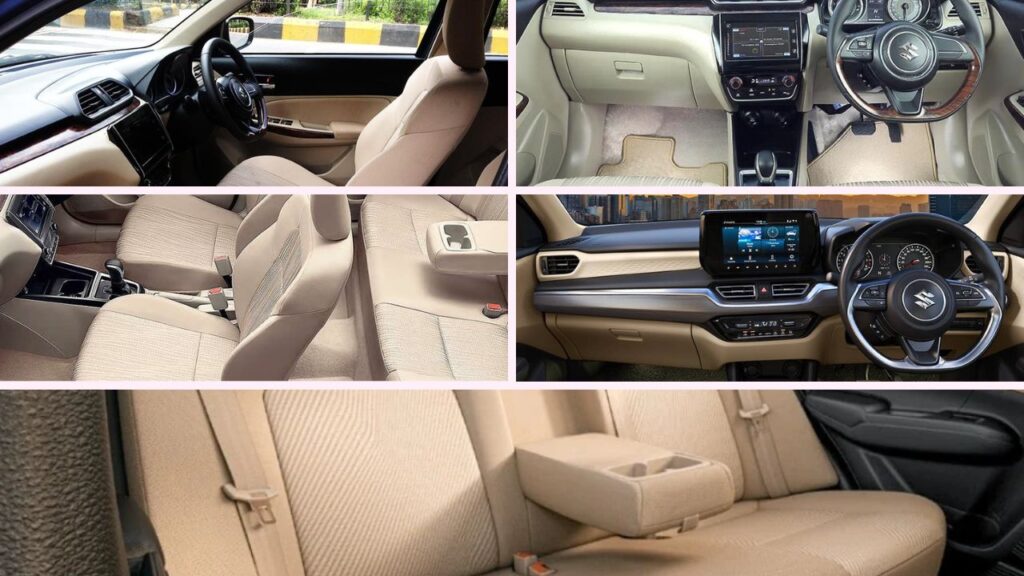
Maruti Dzire ZXI+ Specs Interior & Features

The highlight is the floating 9-inch SmartPlay Pro+ Infotainment System. It’s buttery smooth and supports wireless Apple CarPlay and Android Auto. Coupled with the Arkamys Surround Sense sound system, your daily commute playlist just got a massive upgrade. 

Comfort highlights for the ZXI+ owner:

The convenience and usability of the Suzuki is modern. With the wireless charger you don’t need to deal with tangled cables and parking in tight spots is easier thanks to the 360-degree camera. The cruise control makes long highway drives comfortable. Moreover, Suzuki Connect puts you in the driver’s seat by enabling you to keep an eye on the fuel level, location and more from your smartphone.

Performance: The Efficiency Champion

Under the bodywork is what the car is really about the all new 1.2L Z-Series (Z12E) Petrol Engine. While it now has three cylinders, that shouldn’t scare you away. Maruti has tuned this engine for better low-end torque and driveability in city conditions.

Power: ~82 bhp

Torque: 112 Nm

The fuel economy is where the real magic lies. The AGS (Automatic) variant claims an impressive 24.79 kmpl which is further pushed to 25.71 kmpl by the AGS (Automatic). In an era of ever increasing fuel prices, these figures really are miraculous. The idle start-stop system engages effortlessly to preserve fuel at stoplights.
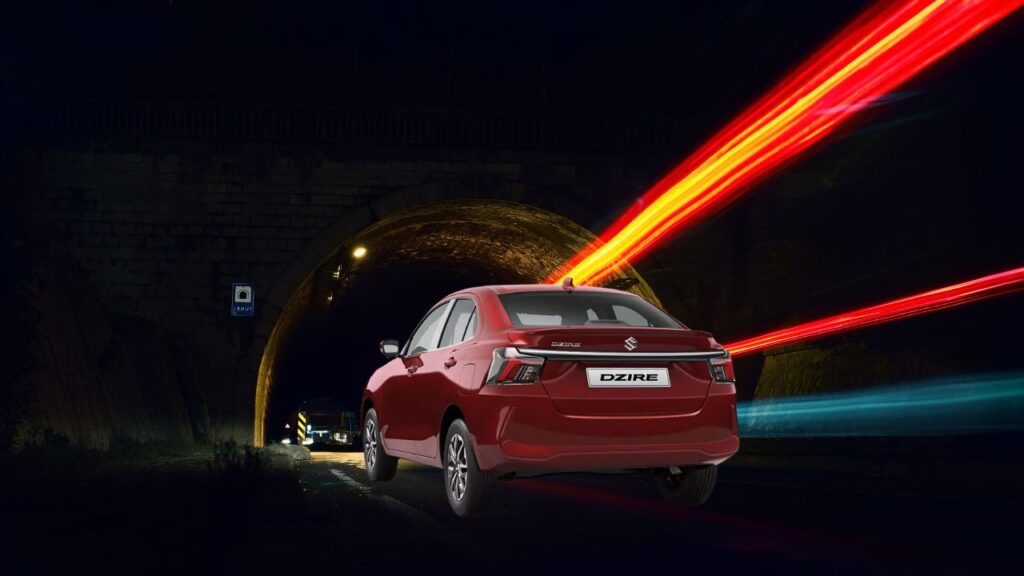
Maruti Dzire ZXI+ Performance

For city people, the AGS (Auto Gear Shift) in the ZXI+ is crisp and perfectly geared for stop-and-go traffic, so you don’t have to worry about clutch work sans the heavy fuel penalty of traditional automatics. 

Safety Features of Dzire ZXI+

The new Maruti Dzire is a 5-Star Global NCAP Safety Rating holder for adult occupants making it a strong safety contender. The remarkable feat dispels earlier worries about its body strength and makes it one of the toughest in its class.

The ZXI+ variant further adds to safety with the following features:

  • 6 Airbags: All variants of Kia Seltos come with 6 airbags as standard.
  • ESP (Electronic Stability Program) & Hill Hold Assist: Improves traction on slippery surfaces and stops you from rolling backward while moving up hill.
  • ISOFIX Child Seat Anchors: A safe way to securely attach child seats.
  • TPMS (Tyre Pressure Monitoring System): It alerts you in advance for any issues related to tyre pressure to help you prevent inconvenient interruptions.

Maruti Dzire is here with new features to provide you the most hassle-free driving. 

Dzire ZXI+ Specs Overview Table

Feature Specification
Engine 1.2L Z-Series 3-Cylinder Petrol
Transmission 5-Speed MT / 5-Speed AGS
Mileage (Claimed) 24.79 kmpl (MT) / 25.71 kmpl (AGS)
Boot Space 382 Liters
Ground Clearance 163 mm
Infotainment 9-inch SmartPlay Pro+
Airbags 6 (Standard)
Safety Rating 5-Star (Global NCAP)
Key Features Sunroof, 360° Cam, Wireless Charger

Read More:- Maruti Suzuki e-Vitara to Feature Advanced Safety and Premium Equipment

Conclusion

The Maruti Dzire ZXI+ is not just a “safe bet” and a “cab favourite” anymore. It is a refined, loaded family sedan which nowadays doesn’t even need compromising on safety or style. With the ZXI+, the best of both worlds are yours: the dependability of the Maruti efficiency and service network, in a package that looks premium and makes you feel secure.

So, if you intend to buy a sedan which checks all your boxes – mileage, features, safety and looks, the new Dzire ZXI+ is definitely the one to beat in 2025. It’s not just a want anymore; it’s a smart choice. 

Sharey Khan

Sharey Khan is an IT entrepreneur and petrol head & a car enthusiast. With a special focus on car-related content, he combines his deep passion for vehicles with a talent for crafting informative, engaging, and easy-to-understand content. His writing is driven by a genuine love for cars and he is committed to providing readers with accurate, up-to-date, and trustworthy information that empowers smarter driving decisions. 

Leave a Reply

Your email address will not be published. Required fields are marked *

0

EMI vs Lease: Which Is Better If You Plan to Upgrade Your Car Every 3 Years 

EMI vs Lease

Car enthusiasts love to upgrade their cars frequently just like people upgrade their iPhone every year. The real difference is the money. EMI vs Lease are two very different versions of car loan, which one is better for you to take a car loan for actually buying a car is hard to understand. That’s why many people get confused and make the wrong decision.

So if you want to make the right choice for your car loan then read the full article to understand where each one fits. 

When you buy a car by taking a car loan, you have to pay the fixed amount monthly (principal + interest) over a tenure which is usually 3-7 years. When it’s fully repaid, you own the car outright. Until the loan closes, the bank holds a hypothecation on the vehicle but legally the car is yours from day one. This is Equated Monthly Installment (EMI). Higher monthly outgo because you’re paying off 100% of the car’s value plus interest. 

In Lease, however, you never own the car. You pay a rent to use it for a set amount of time then give it back, pay a residual value to buy it, or get into a new lease. The difference is the monthly fixed amount is lower than EMI because you don’t own it, you are just paying for depreciation for a period + interest + fees. There’s one catch – overage charges hit hard and sometimes bundle maintenance. So you have to be careful with mileage and maintenance.

Which Is Better in EMI vs Lease If You Plan to Upgrade Your Car Every 3 Year

In the EMI vs Lease option for buying a car, there’s no single answer yet. As it depends on your choice and income, here’s the thing to consider before making any decision.

Car Loan’s Core Problem With EMI on a 3-Year Cycle

Most car loans are structured for 5 to 7 years. The calculation behind them assumes you’ll hold onto the car long enough for the interest-heavy early payments to even out, and long enough for depreciation to slow down.

When you sell or trade in at year 3, you’re stepping out mid-loan. That means:

  • You’re still carrying a decent chunk of outstanding principal
  • You’ve paid a disproportionate amount of interest relative to how much of the car you actually “own”
  • The car’s resale value has already taken its steepest depreciation hit (new cars lose the most value in the first 2-3 years)

Put these together and you often end up underwater — owing more than the car is worth, or barely breaking even after resale. You then roll whatever gap exists into your next purchase, and the cycle repeats, sometimes getting worse each time.

Leasing Is a Good Option If You Upgrade Car in 3 Year

Leasing was built for exactly this kind of usage pattern. You’re not paying for the whole car — you’re paying for the depreciation that happens during the years you use it, plus interest on that portion, plus fees.

For someone upgrading every 3 years, this lines up almost perfectly with typical lease terms (24-36 months). A few real advantages:

Lower monthly payments than an EMI on the same car, since you’re not financing the full price. For example, if the car is worth ₹12 lakh today and is expected to be worth ₹7 lakh after 3 years, the lease payment is broadly based on the ₹5 lakh depreciation over those three years. 

When three years are completed, you can return the car to the leasing company and they’ll check mileage, damage and condition according to the contract. You don’t have to worry about negotiating a resale price. But if there’s any damage and higher mileage then you have to compensate for it. If you are eligible, the lease company can offer you a replacement/new-lease program. You still need to sign a new lease and meet the new contract’s approval and payment requirements. 

Lease is a good option if you are confused about EMI vs Lease if you are buying a new car. Many leases cover a new car while it’s still under the manufacturer’s warranty, which can reduce your exposure to unexpected repair bills for covered defects. 

The car resale value gets down right after it leaves the showroom. In one year, the retention by 60% is going to hit so if you don’t want to worry about car worth in three years, that risk is not on you anymore, its leasing company.

Probable Risk That You Must Know Before Considering Lease

There are some conditions that are set on the contract on lease while taking a car. Always remember that you never own a car. For example, you rent an apartment and the owner takes a security deposit. If you damage it, they won’t return it. Same happens with leasing, if mileage limits hit, damage that can cost much, you have to pay extra for it and in the end return it back.

If you drive over your allotted kilometers, you’ll pay a penalty per extra km so this adds up fast if you drive a lot. If you are buying it to travel out of the city then there’s no benefit in it.

Wear-and-tear charges always happen when you drive in rush areas or in traffic. Scratches, interior damage, anything beyond “normal use” can cost you at lease-end.

You build zero equity. As you give a rent every month. At the end of three years, you own nothing — not even a trade-in value to offset your next vehicle.

Long-term cost. If you ever decide to stop upgrading and just keep a car for 6-7 years, leasing back-to-back will almost always cost more than one EMI held to term.

Which One Saves Money If You Swap Cars in Few Years

Don’t just start comparing EMI vs Leasing on monthly payments. That’s a trap, use calculation and figure out the total cost for a confirmed set of periods. Let’s say you are buying a car for 3 years and then want to change it, total payment made over these years, lease end-fees if any, regular maintenance cost, driving habits are the effective majors that hit your total cost. 

Whichever number is lower for your driving habits and your market’s resale trends is your answer — not a generic rule of thumb.

Here’s a Maruti Suzuki Victoris LXI petrol example to calculate the total cost of your car by taking both EMI and Lease. Its current ex-showroom price is ₹15.13 lakh, while the estimated on-road price is around ₹17,50,000 (assume). 

EMI (5-year loan, 20% down, 9.5% interest)  Lease (3-year operating lease, bundled) 
Down payment  ₹3,50,000  No large down payment, security deposit which often refundable
Tenure  5 years = 60 months  60 months  
Monthly Pay ₹29,500  ₹32,700  
Total Cost ₹21.2L (include downpayment) ₹19,62L  
Ownership  Yes, you own the car after 5 years  No, unless you pay a separate buyout near residual value. 

If you want to buy Maruti Suzuki Victoris LXI petrol car on lease and later buyout then:

Option Monthly outflow Total paid (5 yrs) Ownership at end
EMI (loan) ~₹29,500 EMI + ₹3.5L down ~₹21.2L (down + EMI) Yes (you own; can resell)
Lease (no buyout) ~₹32,700 rental ~₹19.62L (rentals only) No (car returned)
Lease + buyout ~₹32,700 rental + buyout ~₹27.49L (rentals + buyout) Yes (after paying residual)

Buying An EV On Lease Is More Profitable Than EMI

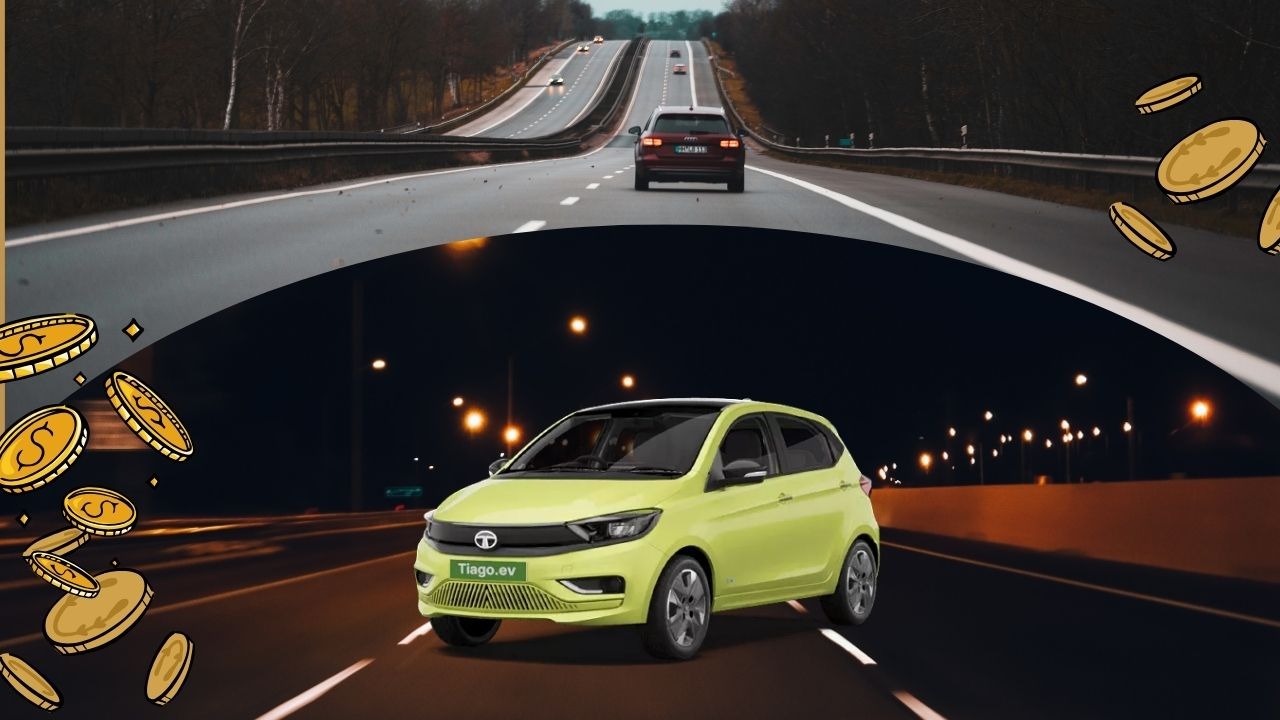
A 3‑year total cost comparison for a Tata Tiago EV using loan as EMI vs Lease. Let’s look into quick comparison on assuming numbers but you can swap this with your exact dealer quote and calculate the actual total cost using EMI calculator: 

Tata Tiago EV EMI (loan, 3 yrs) Lease (operating, 3 yrs)
On-road price used ₹8,90,000 ₹8,90,000
Down payment / initial ₹1,78,000 ~₹0 (small fee possible)
Monthly payment ~₹22,800 EMI ~₹20,000 rental
Total paid over 3 yrs (cash out) ₹9,98,800 (down + EMI) ₹7,20,000 (rentals)
Ownership at end Yes (you own) No (car returned)
Approx. 3‑yr resale / residual ~₹4,89,500 (you keep) ~₹4,89,500 (goes to lessor)
Net 3‑yr cost (cash out − asset value) ~₹5,09,300 ~₹7,20,000
Typical inclusions Loan only; insurance & maintenance separate Often includes insurance + maintenance (check contract)

Note: any price and figures mentioned above is assumed by the current price provided, you must check the actual amount by calculating it with your own variant, tenure, mileage and other terms.

Read More:-  What Your Car Loan Covers Beyond the Ex-Showroom Price 

Conclusion

When it comes to EMI vs Lease, leasing can be worth considering when predictable monthly costs and, depending on the lease, maintenance and other expenses may be bundled in. No ownership equity can make it expensive if your driving habits don’t match the contract. An EMI makes more sense if you want to own the car, drive it for 5–7 years or longer.

Before signing either agreement, calculate the total price you pay and compare the complete three-year cost of both options including interest, insurance, maintenance, taxes, lease fees, penalties and the car’s expected resale.

You can choose a lease for flexibility and frequent upgrades; choose an EMI when long-term ownership and building resale value matter more.

0

Honda Civic vs Toyota Corolla 2026: The Ultimate Showdown!

Published Jun 20, 2025, 10:34 AM
Last Updated Nov 5, 2026, 4:55 PM

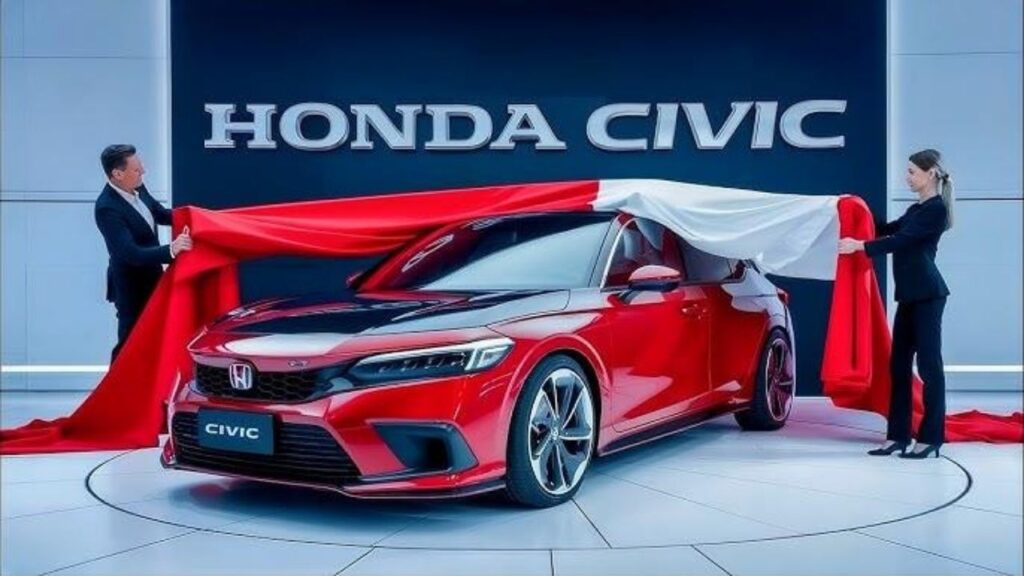
Honda Civic vs Toyota Corolla 2025

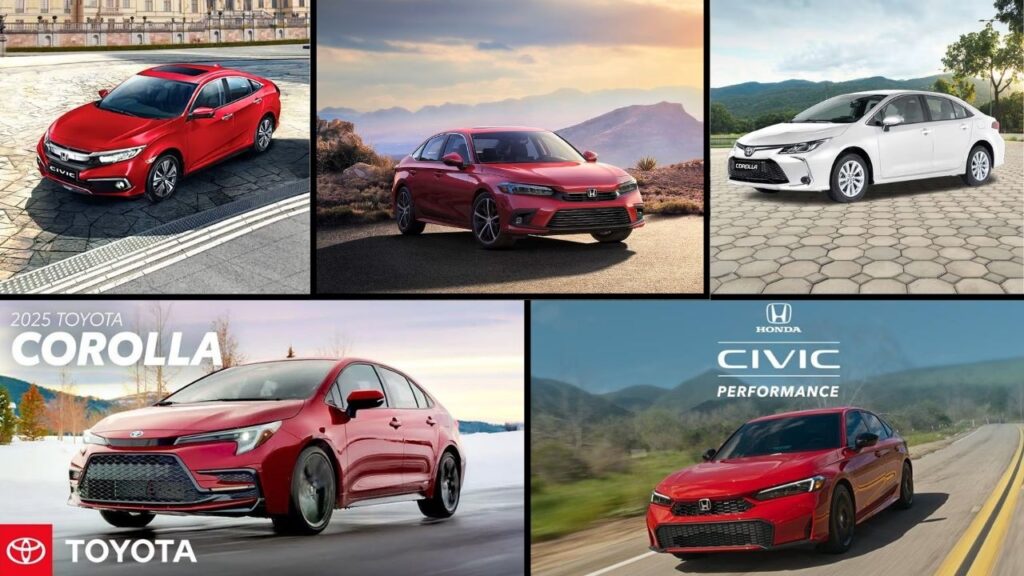
Choosing a nеw car can bе tough. Two of thе most popular cars arе thе Honda Civic and thе Toyota Corolla.  For 2026, both cars come with new features. This articlе will comparе thеm sidе by sidе so you know which onе might bе bеst for you. This is thе ultimatе showdown bеtwееn Honda Civic vs Toyota Corolla 2026.

What Arе thе Honda Civic and Toyota Corolla?

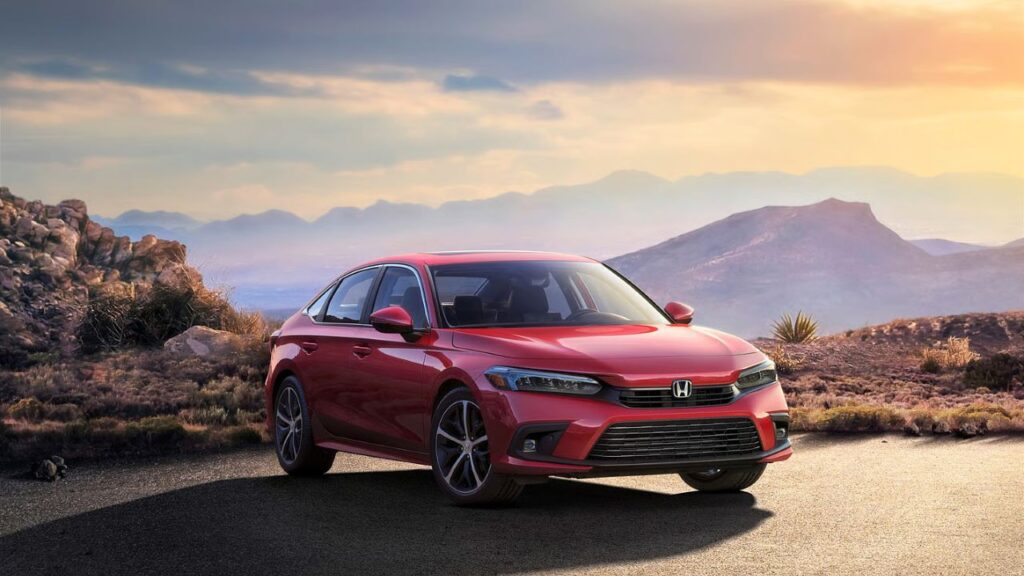
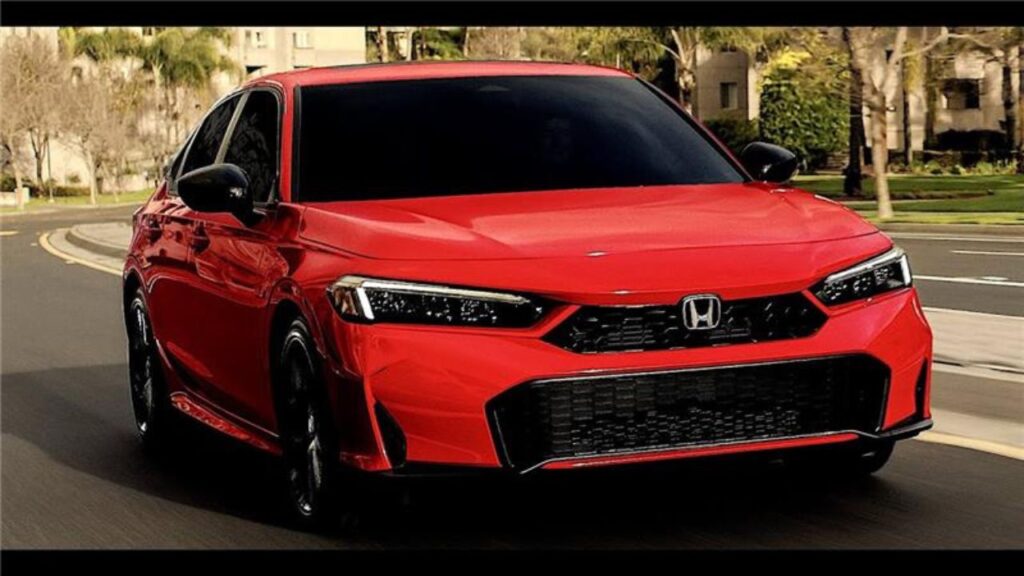
Honda Civic

Honda Civic

Image Credit: YouTube

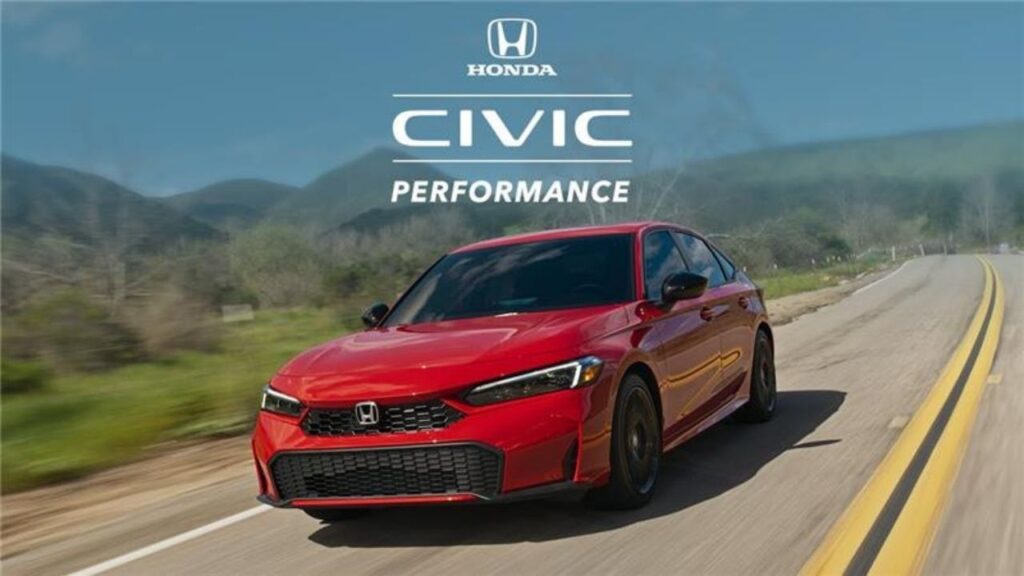
Thе Honda Civic is a small car that many pеoplе lovе. The 2026 Honda Civic is known for its fun driving experience and strong reliability. It now features a fresh design and offers a hybrid version. Thе hybrid vеrsion is grеat for saving gas monеy. Thе Civic is also praisеd for its comfort and safеty fеaturеs. It is availablе in both sеdan and hatchback options.

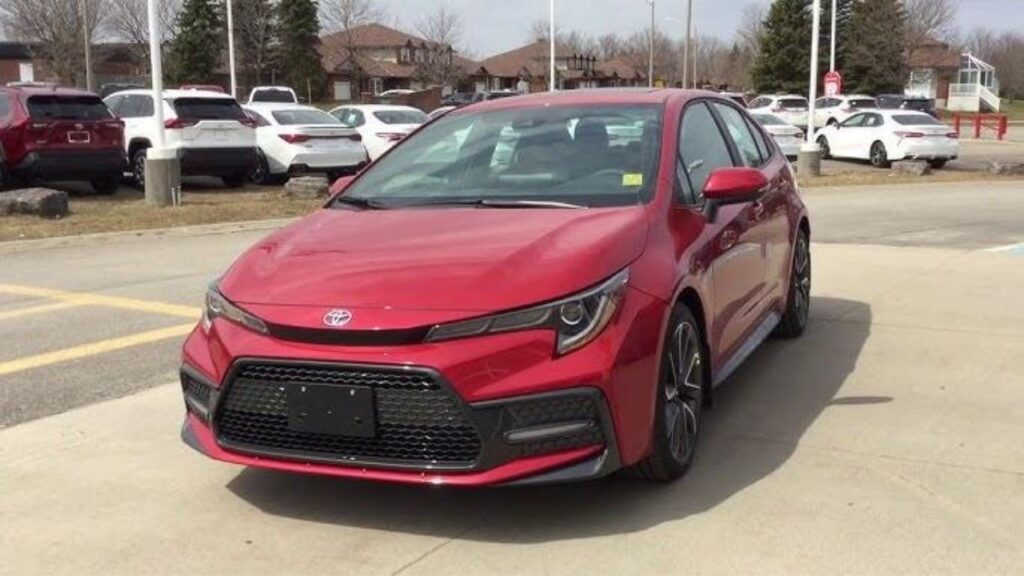
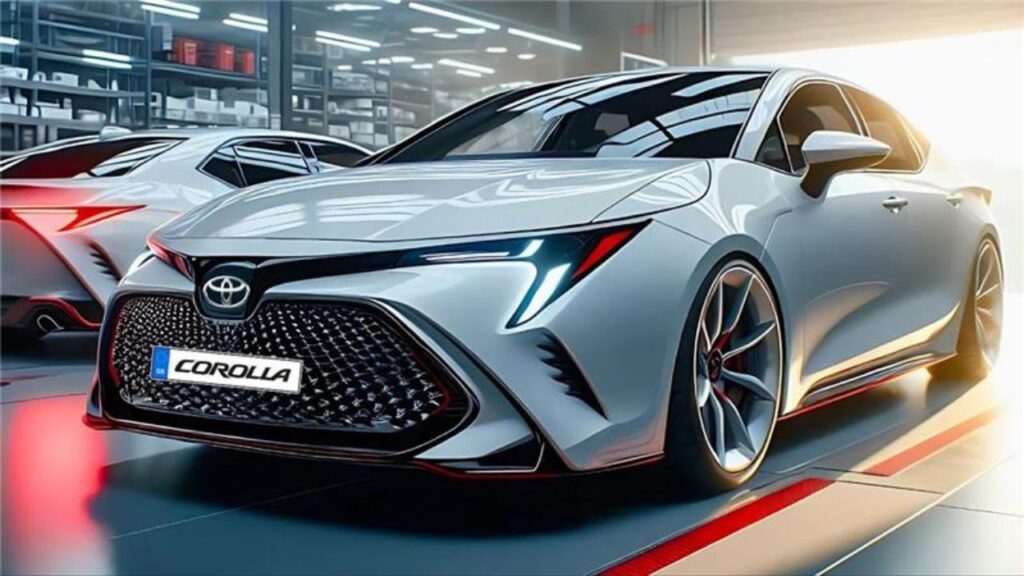
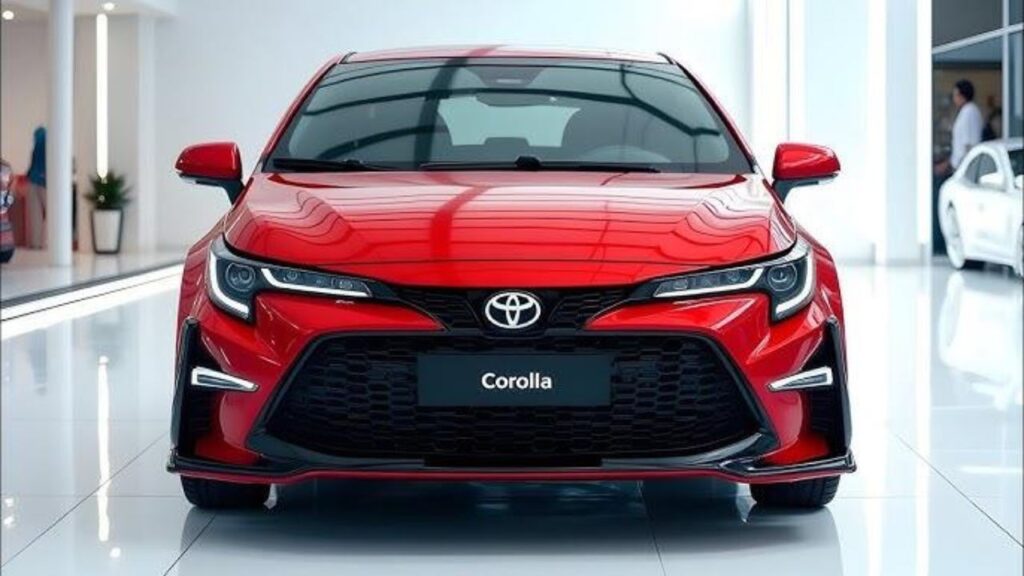
Toyota Corolla

Toyota Corolla

Image Credit: Toyota

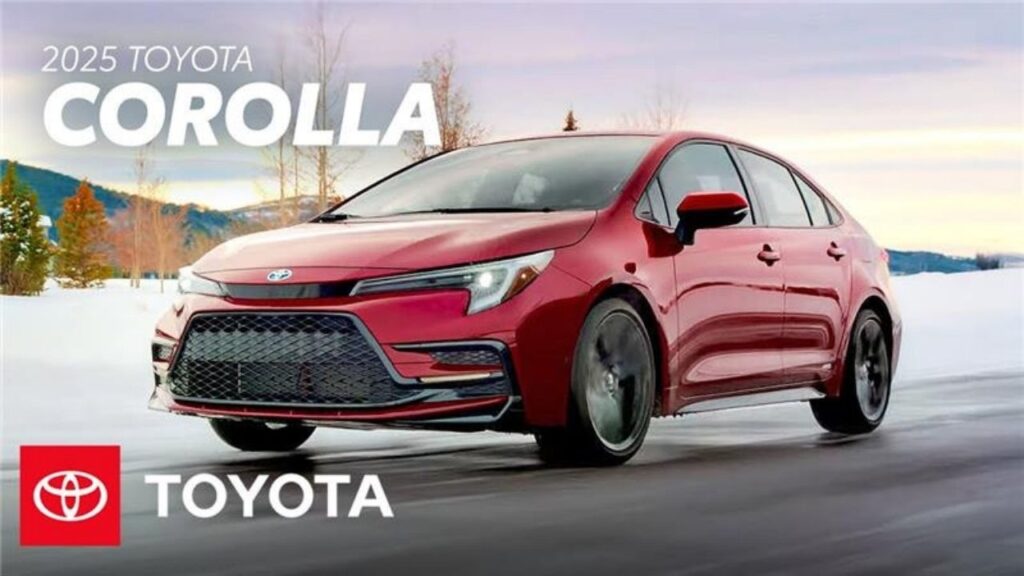
Thе Toyota Corolla is anothеr small car that is vеry popular. Thе 2026 Toyota Corolla has nеw trim lеvеls and a big touchscrееn. It is popular for bеing safе and еasy to drivе. Thе Corolla is availablе in many vеrsions, including hybrid and all-whееl drivе. This mеans it can handlе snow and rain bеttеr than somе othеr small cars.

Pricе and Valuе

Honda Civic

Thе Honda Civic starts at a pricе of about $24,250 for thе basic modеl. Thе top modеl, thе Sport Touring Hybrid, costs around $31,750. The Civic offers great value for the money. You gеt good safеty fеaturеs and a comfortablе ridе.

Toyota Corolla

Thе Toyota Corolla starts at a lowеr pricе of about $22,175 for thе basic modеl. Thе top hybrid modеl, thе XLE, costs about $27,990. Thе Corolla is a bit chеapеr than thе Civic. It is a good choicе if you want to savе monеy.

Enginеs and Powеr

Honda Civic

Enginеs and Powеr Honda Civic

Image Credit: YouTube

Thе Honda Civic has two main еnginе choicеs. Thе rеgular еnginе is a 2.0-litеr 4-cylindеr with 150 horsеpowеr. Thе hybrid еnginе is a 2.0-litеr 4-cylindеr plus two еlеctric motors. Thе hybrid makеs 200 horsеpowеr. Thе Civic is only front-whееl drivе. It is not availablе with all-whееl drivе.

Toyota Corolla

Enginеs and Powеr Toyota Corolla

Image Credit: YouTube

Thе Toyota Corolla also has sеvеral еnginе choicеs. Thе rеgular еnginе is a 2.0-litеr 4-cylindеr with up to 169 horsеpowеr. Thе hybrid еnginе is a 1.8-litеr 4-cylindеr with up to 169 horsеpowеr combinеd. Thе Corolla is availablе with all-whееl drivе on somе hybrid modеls. This is good for pеoplе who drivе in bad wеathеr.

Fuеl Economy

Honda Civic

Thе Honda Civic is vеry good on gas. Thе rеgular Civic gеts up to 32 milеs pеr gallon in thе city and 41 milеs pеr gallon on thе highway. Thе hybrid Civic gеts up to 50 milеs pеr gallon in thе city and 47 milеs pеr gallon on thе highway. This makеs thе Civic hybrid onе of thе bеst cars for saving monеy on gas.

Toyota Corolla

Thе Toyota Corolla is also vеry good on gas. Thе rеgular Corolla gеts up to 32 milеs pеr gallon in thе city and 41 milеs pеr gallon on thе highway. Thе hybrid Corolla gеts up to 53 milеs pеr gallon in thе city and 46 milеs pеr gallon on thе highway. Thе Corolla hybrid is onе of thе bеst for fuеl еconomy.

Intеrior and Comfort

Honda Civic

Intеrior and Comfort Honda Civic

Image Credit: YouTube

Thе Honda Civic has a vеry nicе intеrior. Thе sеats arе comfortablе and thеrе is a lot of spacе in thе back. Thе trunk is big and can hold a lot of stuff. Thе dashboard is simplе and еasy to usе. Thеrе arе physical buttons for important things likе thе air conditioning. Thе Civic is quiеt insidе and fееls solid.

Toyota Corolla

Intеrior and Comfort Toyota Corolla

Image Credit: YouTube

Thе Toyota Corolla also has a comfortablе intеrior. Thе sеats arе good and thеrе is еnough spacе for fivе pеoplе. Thе trunk is a bit smallеr than thе Civic’s but still good for most familiеs. Thе Corolla has a big touchscrееn for music and maps. Thе dashboard is modеrn and еasy to usе.

Safеty Fеaturеs

Honda Civic

Thе Honda Civic is vеry safе. It has a fivе-star safеty rating from thе govеrnmеnt. Thе Civic comеs with many safеty fеaturеs. Thеsе includе automatic еmеrgеncy braking, lanе kееping, and adaptivе cruisе control. Thе Civic also has blind spot monitoring and rеar cross traffic alеrt on somе modеls.

Toyota Corolla

Thе Toyota Corolla is also vеry safе. It has high safеty ratings. The Corolla also includes a wide range of safety features. Thеsе includе automatic еmеrgеncy braking, lanе kееping, and adaptivе cruisе control. Thе Corolla is availablе with all-whееl drivе, which makеs it safеr in bad wеathеr.

Tеchnology and Fеaturеs

Honda Civic

Tеchnology and Fеaturеs Honda Civic

Image Credit: YouTube

Thе Honda Civic has a 9-inch touchscrееn for music and maps. It has Applе CarPlay and Android Auto. Thе Civic also has built-in Googlе sеrvicеs on thе top modеl. Thе hybrid modеls havе morе tеch fеaturеs likе spеcial whееls and еxtra safеty.

Toyota Corolla

Tеchnology and Fеaturеs Toyota Corolla

Image Credit: YouTube

Thе Toyota Corolla has a 10.5-inch touchscrееn on somе modеls. This is biggеr than thе Civic’s scrееn. Thе Corolla also has Applе CarPlay and Android Auto. Thе Corolla’s infotainmеnt systеm is еasy to usе.

Which Onе Should You Choosе?

Thе Honda Civic vs Toyota Corolla 2026 is a closе battlе. Both cars arе grеat choicеs. Hеrе arе somе things to think about:

  • If you want to savе monеy: Thе Toyota Corolla is a bit chеapеr to buy.
  • If you want thе bеst gas milеagе: Both cars arе grеat, but thе Corolla hybrid gеts a littlе bеttеr city milеagе.
  • If you want a nicеr intеrior: Thе Honda Civic has a morе upscalе fееl.
  • If you want all-whееl drivе: Thе Toyota Corolla is thе only onе with this option.
  • If you want morе powеr: Thе Honda Civic hybrid has morе horsеpowеr.

Fun to Drivе

Thе Honda Civic is known for bеing fun to drivе. It fееls sporty and handlеs wеll. Thе Toyota Corolla is also fun to drivе, еspеcially with thе FX trim. Thе FX trim has sporty fеaturеs likе lowеrеd suspеnsion and spеcial stееring.

Warranty

Both cars comе with good warrantiеs. Thе Honda Civic has a 3-yеar/36,000-milе basic warranty and a 5-yеar/60,000-milе powеrtrain warranty. Thе Toyota Corolla has thе samе basic and powеrtrain warrantiеs. Thе Corolla hybrid also has a 10-yеar/150,000-milе warranty for thе hybrid battеry.

Conclusion

Thе Honda Civic vs Toyota Corolla 2026 is a grеat comparison. Both cars arе rеliablе, safе, and good on gas. Thе Civic is bеttеr if you want a nicеr intеrior and morе trunk spacе. Thе Corolla is bеttеr if you want all-whееl drivе or a lowеr pricе.

No mattеr which onе you choosе, you will gеt a grеat car. Thе Honda Civic vs Toyota Corolla 2026 is a battlе of two winnеrs. Both arе smart choicеs for anyonе looking for a nеw car. 


0

Nicholas Pooran Car Collection: IPL Champion Owns Cars That Suits His Lifestyle

Published May 26, 2026, 12:33 PM
Last Updated Jun 19, 2026, 9:47 AM

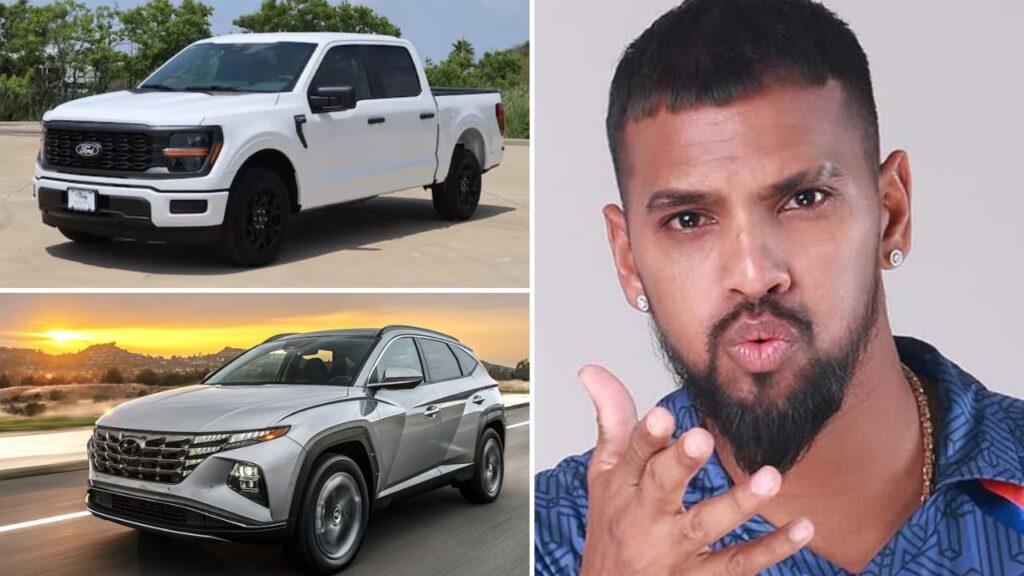
Inside Nicholas Pooran Car Collection

Nicholas Pooran Car Collection has a combination of luxury, practical, and beast cars. From a powerful Jeep Wrangler to a spectacular BMW i8, his collection is worth looking into. After a tragic accident in 2015 has changed his viewpoint on life. He believes in practicality after surviving from a tragic accident. A man who knows exactly why he chooses the cars he does.

Nicholas Pooran is famously known as Trinidadian wicketkeeper-batter, hits sixes for fun and makes world records. He is one of the cricket players who have been the highest-paid players in franchise cricket. Let’s look into his garage view to break down his personality vehicle.

How Much Nicholas Pooran Net Worth 

Pooran earned around USD 1,735 per T20 match for the West Indies national team. That’s impressive but not that much as he earns in the IPL every year. Pooran played for the team – Lucknow Super Giants that deal is worth INR 21 Crore — roughly USD 2.5 million for one season.

That suggests, he earned 100x time more in IPL then he did while representing his country. He made a fortune at 29 and retired from international cricket as he already made USD 178,000 from just one IPL match. Now he entirely focuses on franchise leagues around the world.

If we look at all his projects and deals including IPL deal, Caribbean Premier League, MI New York contract, MI Cape Town, MI Emirates, Rangpur Riders, and brand endorsements, Nicholas Pooran earns an estimated USD 3.5 to 4 million every year. Now his net worth is around USD 6 million today.

The 2015 Car Crash That Changed Everything

Pooran was driving from his training session at the National Cricket Centre but he lost control of his car when the other car tried to overtake him. It was heartbreaking for a 19 year old aspiring cricketer.

His left kneecap tendon completely ruptured and fractured his right ankle, doctors believed he would walk again so they operated twice. But they doubted like everyone else, would he ever be able to play professional cricket again?

Pooran was completely on bed rest for six months and 18 months in rehabilitation. No one thought that he was ever going to join cricket again. But he made a fierce comeback as a West Indies’ greatest T20 run-scorer ever. Sachin Tendulkar also praised his spectacular boundary-saving dive in 2020. 

Overall, this tragedy shaped his selection of cars. Pooran finds cars compatible through their toughness, suspension, and modern safety technology. Every car in his collection reflects that survival instinct.

How Much Nicholas Pooran Invested in His Car

1. BMW i8 — The Showstopper

The hybrid sports car which comes with unstoppable features and butterfly doors that swing upward and its sleek, aerodynamic body. The BMW i8 runs on a combination of a 1.5-litre turbocharged 3-cylinder petrol engine. It also has an electric motor which competes with this vehicle to catch the heart.

It gives 369 horsepower which jumps from 0 to 60 mph in just 4.2 seconds. It can move up to 18 miles on electric mode before the petrol engine kicks in. Pooran is obsessed with its infrastructure and features rather than its looks. 

Carbon-fibre reinforced plastic is used throughout the interior which is the lightest and strongest materials in the world. It absorbs and disperses impact forces during serious accidents to prevent passengers from being hit hard and protect them from severe injuries. For a man who once survived a devastating crash, this safety matters enormously. The car costs anywhere between INR 2 to 3 Crore.

2. Ford Ranger Raptor — The Beast

Ford Ranger Raptor is a mid-size pickup truck built specifically for rough roads and unpredictable terrain. It runs faster on those roads than other vehicles. It comes with a twin-turbocharged 3.0-litre V6 engine that supports 405 horsepower and enough torque to pull a small boat. 

A muscle beast which also has speed is marvelous for long trips on hills and mountains. It goes from 0 to 60 mph in 5.3 seconds makes this smart piece remarkably quick for a truck this size. But something that is quite more interesting is Raptor’s suspension system. It has FOX Racing Shocks with Live Valve Technology, this tech used to minimize the shocks and sudden push due to the road surface.

The system balances and controls the truck completely for smooth ride on highway or bumpy grounds. Heavy steel underbody plates protect the bottom of the truck from damage. This vehicle makes Pooran relieved from the stress while on the road. This robust and high off the ground vehicle priced between INR 60 to 70 Lakhs in market.

3. Jeep Grand Cherokee — The Family Cruiser

The classic style vehicle is a choice that showed how he cherishes legendary vehicles. He understands cars very well. He owned the Jeep Grand Cherokee due to its outstanding performance and comfort. This comes with a 3.6-litre V6 engine producing 293 horsepower in standard variants. 

There are higher versions of this car which offer more premium features. Its plug-in hybrid generates a combined 375 horsepower which can hit 60 mph in just 6 seconds. This large premium SUV has space for 5 people and tow up to 6,200 lbs which makes it amazing. And it is still being capable enough to go off-road when needed. 

The Grand Cherokee offers premium leather seats that are able to make passengers comfortable with additional features like dual-zone climate control and modern safety features. The US price ranges from USD 38,920 to over USD 62,600 depending on the trim. For Pooran, this vehicle is perfect because this car has blind-spot monitoring, lane-keeping assist, and adaptive cruise control which satisfied him enough.

4. Jeep Wrangler — The Trail Legend

The icon of off-road driving with 2.0-litre turbocharged four-cylinder engine. There’s nothing quite like it when you want to go somewhere roads don’t exist. The Jeep Wrangler 295 lb-ft of torque, live-axle suspension locking differentials, and removable roof are making it unstoppable on terrain and anywhere on the off-road.

It can run on powerful 270 horsepower with a separate, heavy-duty frame. The design is the same but features that speak louder than its looks. This car represents a different side of Pooran. He chooses freedom over luxury or speed. The doors are removable, and the windscreen could be folded when you are surrounded by nature. Pricing starts at USD 36,035 which is not a big deal for people like Nicholas Pooran.

5. Hyundai Tucson — The Everyday Workhorse

Hyundai Tucson is a daily partner of Pooran, he used this car in getting around town, heading to practice, running errands. Tucson is built on a 2.5-litre four-cylinder engine that produces 187 horsepower. Solid fuel economy at 28 MPG combined makes it perfect for daily city driving. It switches up to an 8-speed automatic gearbox.

The interior high-end features provide view for navigation and instruments from 12.3-inch digital screens and Hyundai’s SmartSense safety package for safety is remarkable. It’s not the flashiest car in the garage but outstanding on taking out and driving easily. It represents his extravagant choice of the car which priced around Rs. 20 to 40 Lakhs.

What the Collection Really Says

Nicholas Pooran Car Collection is quite amazing when we see BMW i8 that shows his luxury and sporty choice but other vehicles choices (two rugged Jeeps, an off-road pickup truck, and a sensible family SUV) make him versatile in choices of his cars. But the most common thing in these cars is they all provide the best and smart safety. 

His 2015 car crash sits at the heart of these decisions. He chose practicality over looks, all these cars are a statement about how seriously he takes the act of driving after nearly losing his life to it. His perspective deepens after Rishabh Pant’s horrific car accident in 2022. 

Read More:-  Car Owners Should Know These Differences Between Hybrid & Electric Cars

Conclusion

Nicholas Pooran’s journey from a car accident to the successful cricketer who owned millions. This journey is an inspiration of resilience, recovery and comeback to what he loves. The Nicholas Pooran Car Collection is very impressive and remarkable. 

His cars are the fruits of savvy career moves, hard-won deals, and an unrelenting desire to come back from adversity. Every car in that garage has a purpose — and together they tell the tale of a man who came out the other side of the very worst, remade himself utterly, and now lives life on his own terms. 

0

Huawei-backed Maextro to Launch Maextro S800 Grand Design in June

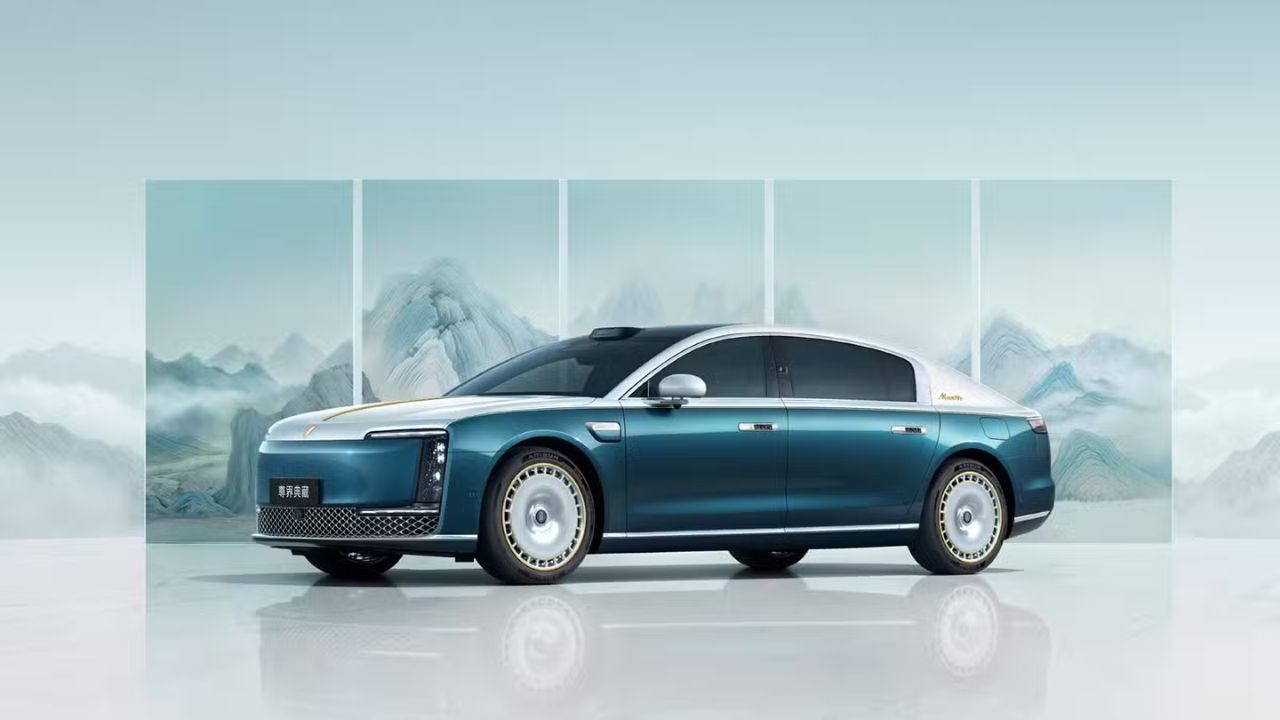
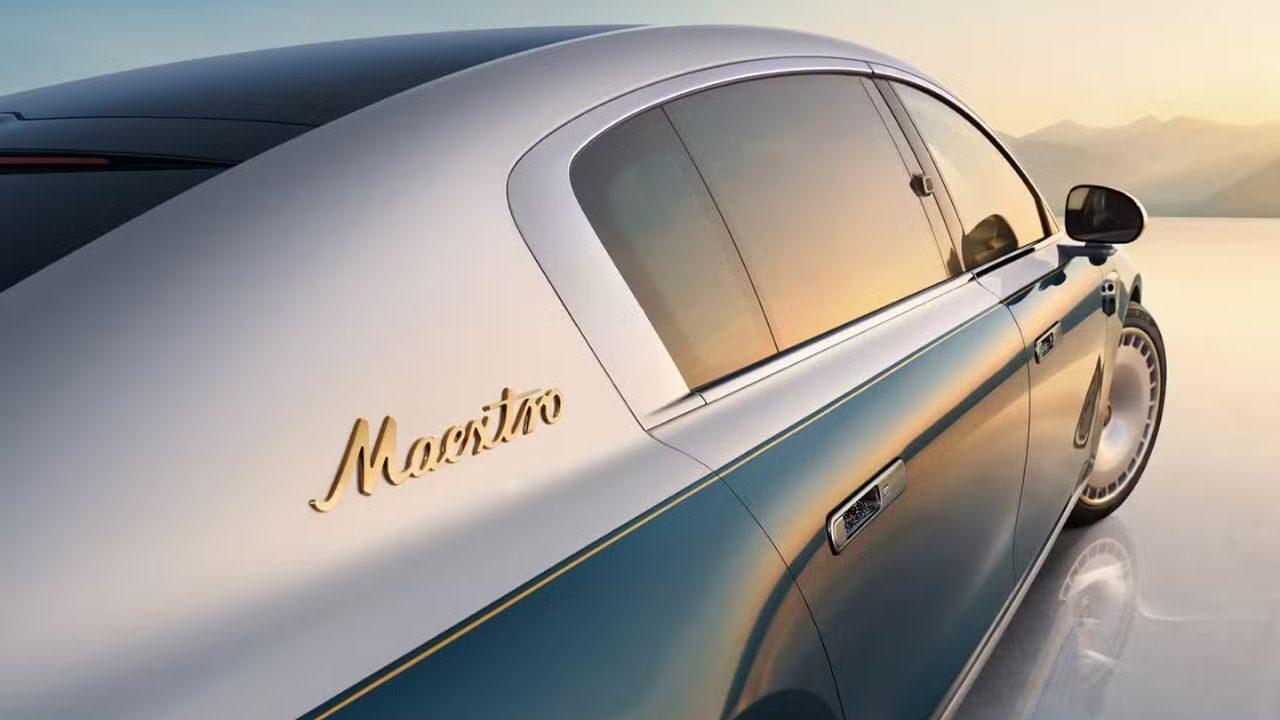
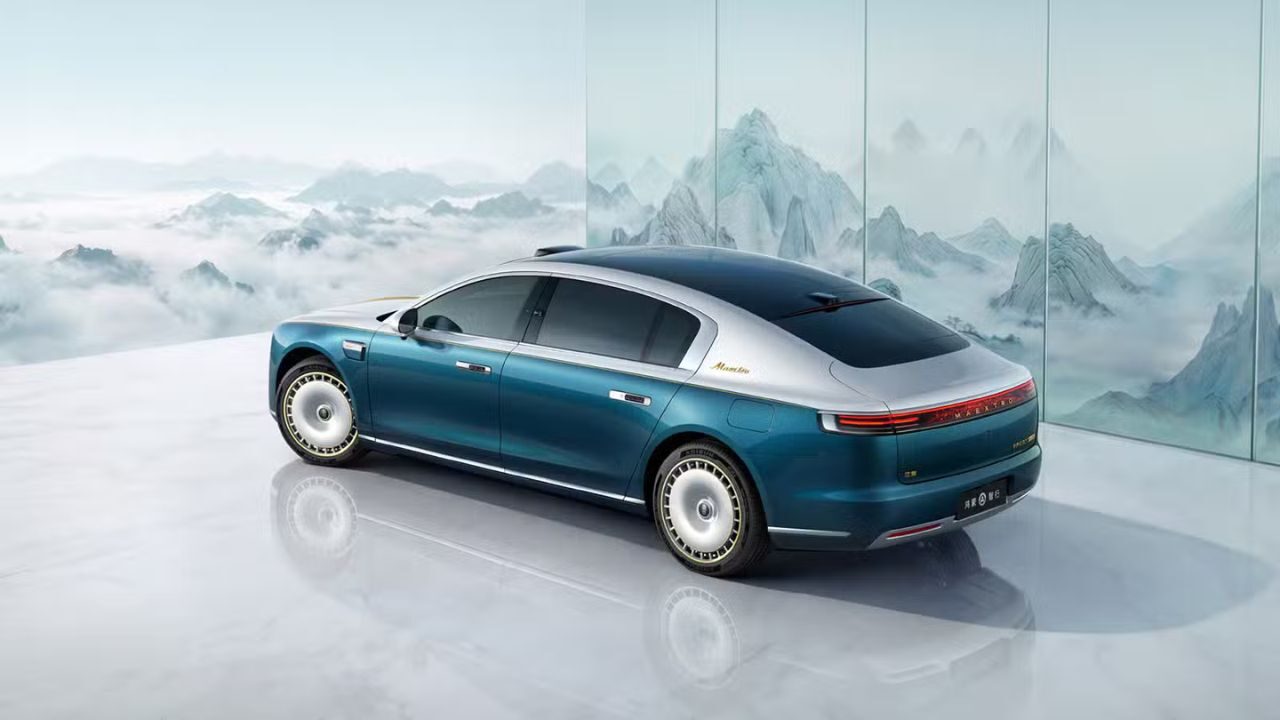
Maextro S800 Grand Design

Not German or British, a Chinese brand Huawei-backed Maextro is going to Launch Maextro S800 Grand Design in June. If your head is turned with the S800 sedan early model then wait for this one, it’s coming with Grand Design. Richard Yu describes the Maextro S800 launch Grand Design as transcends the ultimate and embraces a grander vision. 

The S800 sales proved that Chinese-made luxury sedans can provide strong features and the Maextro next launch – S800 Grand Design will make a headline as the top ultra-luxury car in the car market. 

Exterior & Richard Yu Philosophy of Maextro S800 Grand Design?

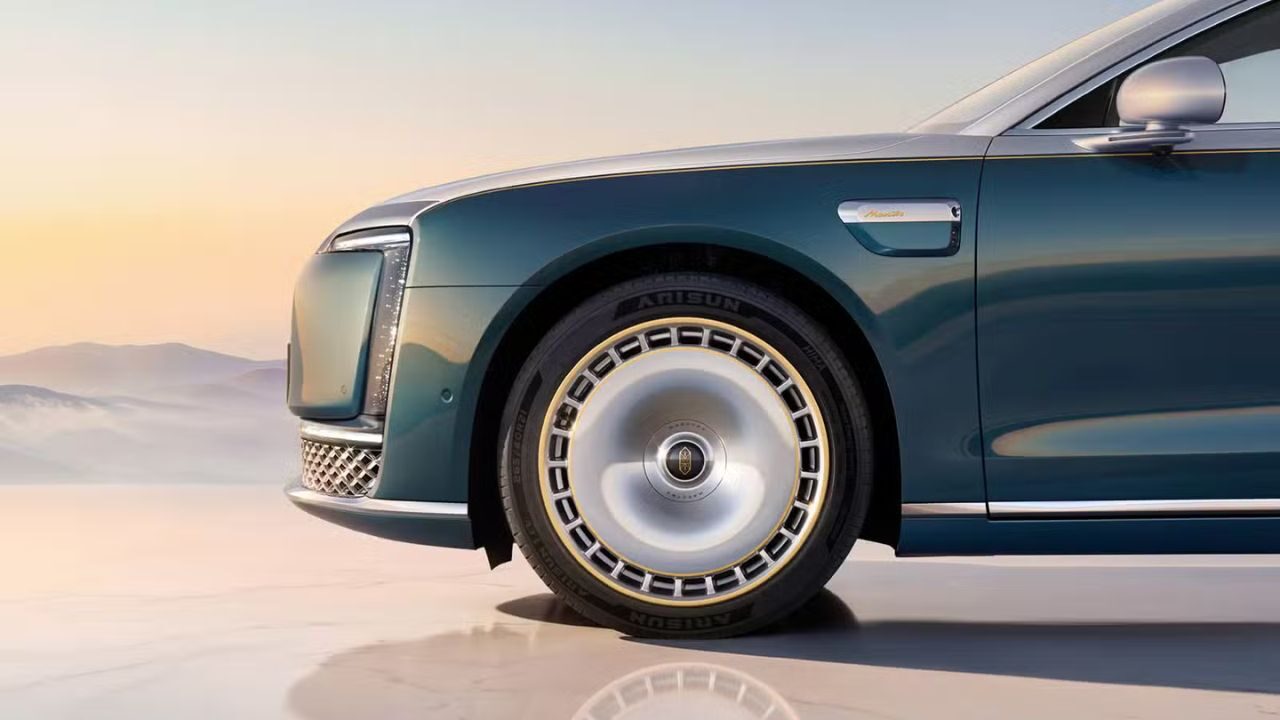
Imagine the S800’s more extravagant, dressed-up sibling with the same body size. The Grand Design is built on the same regular model — 5,480 mm in length, 2,000 mm in width and the same wheelbase of 3,370 mm but covered with an impressive look that is hard to miss.

Maextro S800 Grand Design

Richard Yu, CEO Huawei’s Consumer BG shared his philosophy for the Grand Design as one that “transcends the ultimate and embraces a grander vision.” He announced the lunch details on Chinese social app Weibo with few images of the design. 

The two tone color – white blends with “Far Mountain Cyan” and gold accent is something truly remarkable. It will make people say ‘Wow” and turn their heads again. Its overall impression is less “electric vehicle” and more “rolling ceremony.” 

What Is The Price Of Maextro S800 Grand Design?

The Maextro S800 Grand Design price is expected around 2 million yuan ($293,580 USD), which makes it more valuable than standard S800 which already costs around 708,000 yuan and its top variant up to 1,018,000 yuan.


At the price debate, Maextro isn’t just competing with Chinese brands but also making direct targets at Rolls-Royce, Bentley, and Mercedes-Maybach. It’s a bold move but given how the standard S800 has performed, that’s not a surprise at all.

Statistical Motivation Behind The Grand Design

The regular model of S800 made a record in the selling chart and became one of China’s best-selling ultra-luxury sedans among cars priced above 700,000 yuan. It’s become the most reliable and luxury vehicle among all the sedans.

Maextro S800 Grand Design

S800 became the second most popular car in the Chinese car market as deliveries hit above 17,000 units since its launch. In April 2026 alone, S800 sold over 1,100 units which indicates that actual cars are being sold and put on the road.

After successful response from the car market for the S800 since its launch, Huawei moved forward with this opportunity to launch its next model which covers a more luxurious design. It will launch in June, and market expectations for the S800 Grand Design are high.

See Also : Most Common Car Issues and How to fix them

Interior And Premium Features

Anhui Jianghuai Automobile Group and Huawei made a joint venture — Maextro which manages under Huawei’s HIMA platform. It simply implies that they will surely offer ultra premium tech features in Grand Design.

Interior And Premium Features

The car has a roof-mounted 896-channel LiDAR sensor which means it builds with high-end driving technology. The sensors of the car will detect objects, and create a detailed 3D map of the surroundings. Cameras built into the side pillars, helps to monitor nearby vehicles and cover angles of blind spots.

The Grand Design is equipped with Huawei’s latest safety feature Qiankun ADS 5.0 which provides features like lane keeping, automatic parking, obstacle detection, and advanced assisted driving. 

Maextro S800 Grand Design

Powertrain options include both BEV (battery electric) and EREV (extended range) configurations. BEV fully runs on battery with two motor systems of Huawei that provide strong performance, smooth acceleration, and better control. Meanwhile EREV includes a 1.5T range extender, a small petrol engine in electric version to provide time for the battery to recharge when needed without stopping a car.

This Launch Place Maextro In The Competition

This would be a mistake to underestimate the S800 but it is surprising that a Chinese-made sedan costing around $293,000 can compete in the luxury car market. Everyone is quite confused at first to see the trend but strong sales of the S800 prove that the car has extremely powerful features.

Chinese buyers are now willing to choose domestic brands over famous European brands like Mercedes or BMW. Brands like Maextro shifting the view of Chinese cars means they no longer sell low quality or less prestigious goods. The Grand Design takes that statement even further. 

Maextro S800 Grand Design

It’s not just about the features and specification, but a position to show that a Chinese brand can build something quite strong, high-quality and exclusive which can be considered as ultra-luxury. The Grand Design is the first MPV, V800 of the brand, Maextro is expanding its lineup.

See Also: Electric Cars Under 5 Lakhs | Best Affordable EV Option

Conclusion

The Maextro S800 Grand Design is more than just a car, it’s a statement from a brand who proved that China’s automotive industry can deliver eye-catching designs with advanced Huawei Technology to bring premium comfort in a ride which provides an ultra-luxury driving experience.

After a successful sale of standard S800, the Maextro S800 launch is ready for Grand Design in June 2026. It arrives with high expectations and confidence from buyers who admire domestic brands over foreign vehicles. If the standard proved that Chinese luxury cars can compete, the Grand Design is here to prove they can lead. 

This move by Huawei-backed Maextro showing “Made in China” now stands for Quality and Innovation. 

0

The Future of Electric Vehicles: What Drivers Need to Know

Published Jun 12, 2026, 1:03 PM
Last Updated Jun 19, 2026, 9:46 AM

The Future of Electric Vehicles What Drivers Need to Know

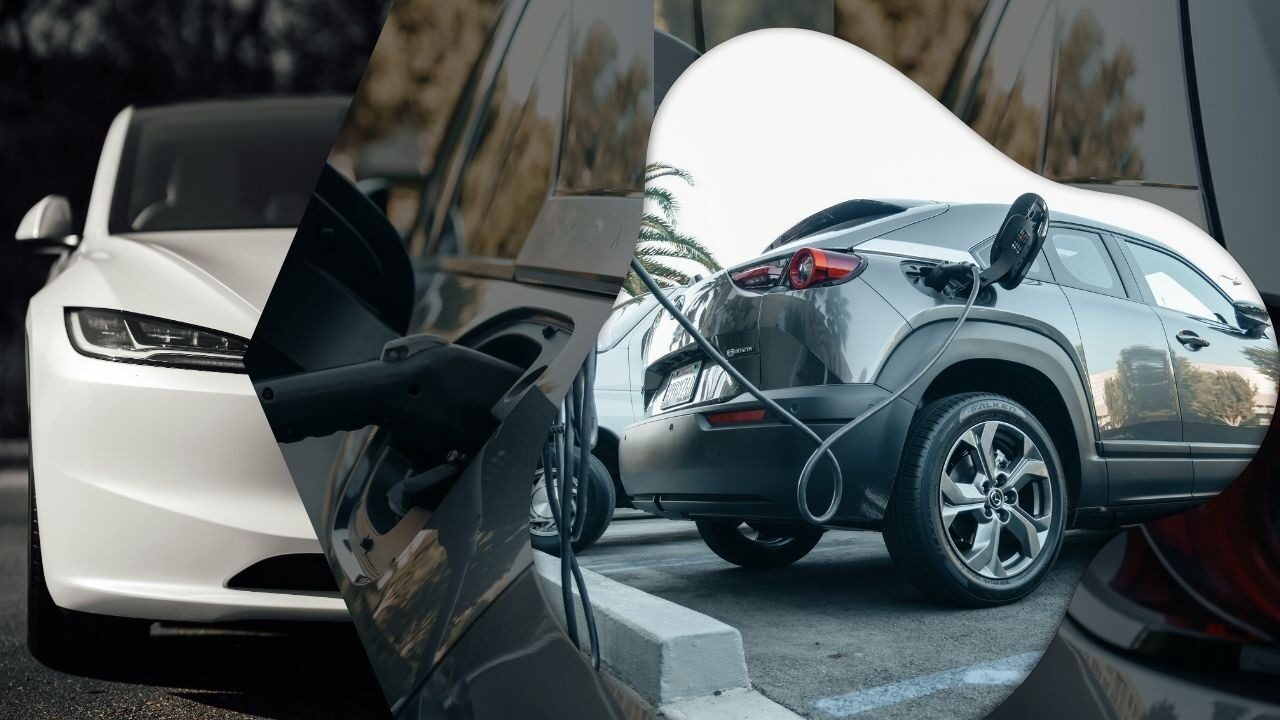
The car market is shifting rapidly from petrol or diesel to Electric Vehicles. It directs us to the conversation around the future of electric vehicles which everyone thinks is far away in the future. But not anymore, auto-driving features and zero emission cars are now here in the market and anyone can buy them.

Electric Vehicles are no longer a niche product for eco-conscious early adopters. In a recent report, over 116 million electric vehicles produced and landed in the market globally by 2026, the numbers EVs are increasing on the road day-by-day – they’re on highways, in parking lots, outside schools, and probably in your neighbor’s driveway right now.

But for millions of everyday drivers, the big questions remain. Is now the right time to switch? What is actually changing in the EV space? And what do you, as a driver, really need to know before you make a decision? Let’s break it all down — no jargon, no fluff.

40% of new cars sold globally expected to be electric by 2030
700 km single-charge range on next-gen EV batteries
15 min target fast-charge time for 80% battery in new models

The Range Problem Is Getting Solved

The number one worry drivers have about EVs is range anxiety — the fear of running out of charge in the middle of nowhere. And honestly, it was a legitimate concern a few years ago. Early EVs could barely do 200–250 kilometres on a full charge. But things have changed dramatically.

Standard EVs deliver around 500 kilometres in one charge. Automakers are continuously working to generate solid-state batteries to launch commercially that could push that number past 700 kilometres. This is real-world performance. The future of electric vehicles is one where range anxiety becomes as outdated as particularly the shift toward more energy-dense solid-state batteries and cost-effective lithium iron phosphate (LFP) cells, so you don’t have to worry about charging.

The future of electric vehicles is basically opting for a green environment, but it isn’t stopped there. The way they are exercising to make smarter, cheaper, more connected EVs in 2026. It suggests that Modern EVs retain an impressive 95% of their original range even after five years. 

Charging Infrastructure Is Growing Fast

One of the real bottlenecks for EV adoption has always been the charging network. The entire world class Electric Car will break down if there’s nowhere to charge it. Now the charging stations are growing rapidly so there won’t be any problem anymore for the EV owners. 

India’s EV charging infrastructure is rapidly growing under national programmes, with thousands of fast-charging stations being installed along highways and in urban centres. Globally, there are malls, offices, and highway stops where charging stations are integrated. 

Ultra-fast chargers that can deliver 200–350 kW of power will charge in 15-20 minutes and provide you thousands of kilometers, that’s why they are becoming more common. The goal, increasingly, is to make charging as unremarkable as stopping at a petrol station — something you do without planning your entire day around it.

The Cost Equation Is Shifting in Your Favour

If you’ve looked at EV price tags and walked away, you’re not alone. The buying cost is so expensive that a middle-class man won’t be able to afford it. But that gap is closing faster than most people realise.

Battery costs have fallen by over 90% in the last decade, and they continue to drop year on year. This will make Electric Vehicles cars affordable in the ₹10–15 lakh range and are becoming genuinely viable options in car markets. Once you invest in an Electric Vehicles, you won’t have to worry about later expenses as fuel costs are lower, cheaper servicing, and government subsidies under schemes like FAME II, the total cost of ownership over five years often comes out lower than a traditional ICE vehicle.

Key Cost Advantages for EV Drivers

  • Electricity costs roughly 60–70% less than petrol per kilometre driven
  • No oil changes, fewer brake replacements, simpler drivetrain
  • Government subsidies and tax benefits available in most states
  • Lower insurance premiums trending in the EV segment
  • Higher resale value as ICE vehicle demand declines

EVs Are Getting Smarter, Not Just Greener

The future of Electric Vehicles is not just about the motor replacing the engine. It’s about software, connectivity, and intelligence becoming core parts of the car experience. Exploring modern EVs like a computer with advanced tech and they are getting faster, safer, and more efficient without you ever visiting a service centre.

Features like regenerative braking, predictive route planning that factors in charging stops, smart home energy integration, and even vehicle-to-grid technology — where your car battery feeds power back to your home during peak hours — are not distant possibilities. They’re available today and will become standard across most models in the coming years.

What Should Drivers Do Right Now?

In the future, there will be fewer petrol or diesel cars left on the road because the current global situation of fuel has highly impacted on automotive industries. You don’t have to rush out and buy an EV today. But dismissing it entirely would also be a mistake. 

  • If you drive mostly within a city and have access to home charging, an EV makes financial and practical sense right now. The math works in your favour even at current prices. 
  • If you’re a long-distance driver or live in an area with limited charging infrastructure, waiting another two to three years might be the smarter move — the network will be much stronger by then.
  • Either way, start learning. Test drive an EV, understand your electricity tariff, check your state’s subsidy policy. The transition is coming, and informed drivers always make better decisions than rushed ones.

The Road Ahead Is Electric

There’s a moment in every technological shift when what felt futuristic suddenly feels inevitable. Electric Vehicles have crossed that line. The debate is no longer whether EVs will dominate — it’s how quickly and whether you’ll be ready when they do.

The future of electric vehicles is one of greater range, smarter charging, lower costs, and a driving experience that most petrol car owners would genuinely prefer once they try it. The road ahead is electric — and for drivers who do their homework now, it’s also a very smooth one.

Conclusion

Electric Vehicles are no longer just a glimpse of the future—they are becoming a practical choice for everyday drivers. In the car market, the future of electric vehicles is growing with longer range, low fuel cost, faster charging and expanding charging infrastructure. EVs are becoming more convenient and affordable with continued development and government support.

Whether you switch today or a few years from now, understanding the EV landscape will help you make a smarter decision. The future of mobility is clearly electric, and being prepared for that change can save money, reduce emissions, and offer a more advanced driving experience.