0

Nissan Cars Launching Two Titans Together in India: Nissan Gravity MPV and Tekton SUV

Published Dec 30, 2025, 11:36 AM
Last Updated Apr 9, 2026, 10:28 AM

Nissan Gravity MPV and Tekton SUV

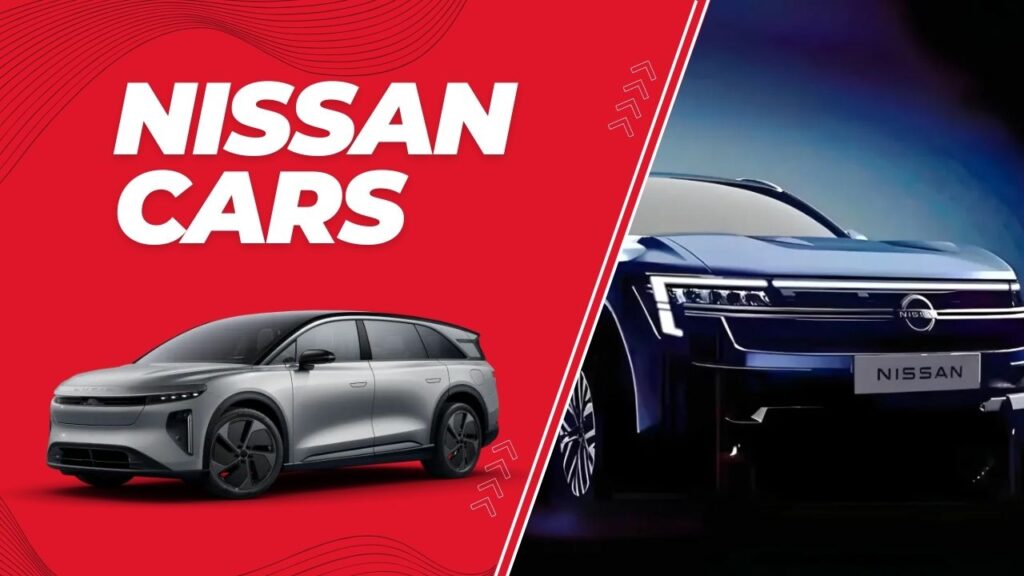
If you have been waiting for Nissan to do something more substantial in India, get ready. The Japanese car maker is set to launch not one but two all new cars in two months – and believe me, these are cars that will make heads turn and take on some of the most popular cars on the Indian roads today. It’s the Nissan Gravity MPV and the Nissan Tekton SUV and honestly, these launches may just be what Indian families and SUV lovers have been waiting for.

Nissan’s Big Comeback Plan for the Indian Market

First up is the Nissan Gravite, which arrives January 2026. Nissan’s take on the family-car chat is genuinely useful. Imagine the middle class Indian family on the hunt for a seven seater, and who doesn’t send you into bankruptcy. 

Gravity MPV — Affordable 7-Seater That Finally Makes Sense

The seven-seater Gravite is available from around ₹6 lakh, making it one of the lowest-priced automatic seven-seaters in the market. That’s pretty impressive, especially since the MPV segment always seems to be a squeeze for buyers on a budget. Based on the proven CMF-A architecture that it shares with the Renault Triber, the Gravite has no intentions of breaking the mould—and that’s quite alright.
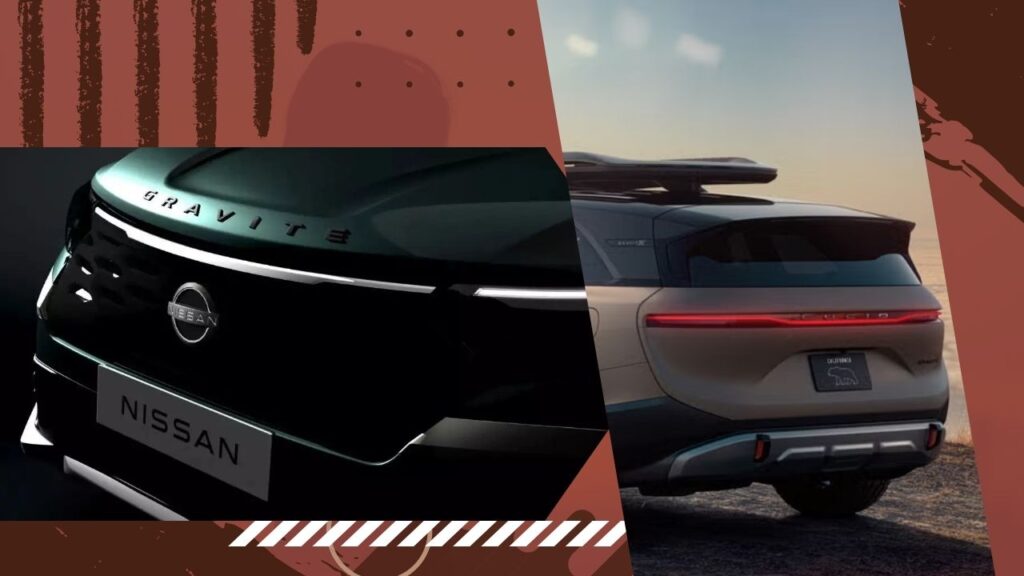
Although Nissan has applied a fresh Japanese design language, it’s essentially taken an old, dependable platform. The bonnet is scooped, adding character, and the front is more assertive, featuring Nissan’s V-Motion grille. The flanks display slender, toned shapes that make this small the look of the the more premium surprisingly the tags looks. The rear is? Sharp and clean, with C-shaped styling cues that tie the whole design together.

Engine & Transmission Options

Gravite gets the familiar BE powertrain, Under its hood, the Gravite will be powered by the familiar 1.0-litre three-cylinder petrol engine producing 72 hp. So maybe that doesn’t get your blood pumping, but here’s the kicker—it’s mated either a five-speed manual or an automated manual transmission (AMT). This is huge because AMT automatics in seven-seaters are usually reserved for cars that cost a lot more. You’re getting an automatic family hauler without the fancy DCT price tag. 

Read More:- Ranbir Kapoor Car Collection 2026 Features Premium Luxury Cars, Supercars And SUVs

Comfort & Family-Focused Practicality

Its three rows of realistic seats are better suited for seven adults than five, which is outstanding in this segment (and for the record, even the normally cramped third row here is not too bad). Add good levels of equipment, some new trim options and you have a car that really does tick the ‘value for money’ box. Nissan is expanding its dealer network with 200 touchpoints specially for these launches, which means you will get proper after-sales support even in Tier-2 cities. 

Tekton SUV — A Serious New Player in the Midsize SUV Segment

Well, if you’re not a fan of the people carrier and have your sights set on that succulent midsize SUV market, gear up. Nissan Tekton release date The Tekton will officially release in February 2026 with a price tag around that of the Hyundai Creta, Tata Sierra, and Maruti Suzuki Victoria.

CMF-B Platform & Patrol-Inspired Rugged Styling

This is not some rebadged castoff. Built on the modern CMF-B platform (which also underpins the new Renault Duster) and developed specifically for Indian roads, the Tekton.
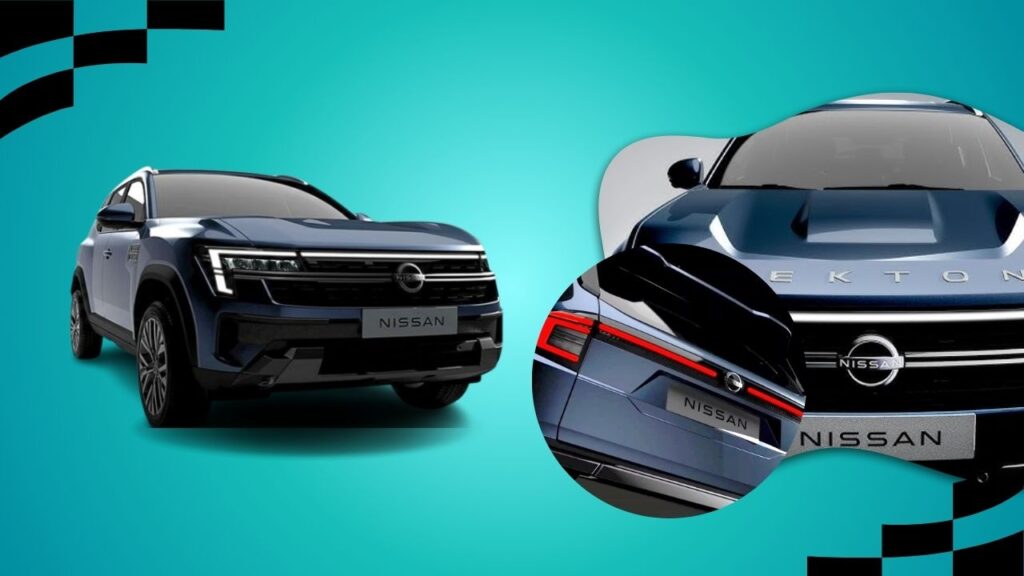
Tekton SUV

The exterior design is based on Nissan’s iconic Patrol SUV, meaning it has real rugged DNA. From the teaser images, we can see the connected LED DRL arrangement at the front and a muscular bonnet with connected LED tail-light unit at the rear. That’s a vehicle that feels purposeful and premium, and yet it will be priced competitively. 

Engine Options, Turbo Power & Future-Ready Hybrid Plans

What about engines? The main engine on offer would be a lively 1.3-litre turbo-petrol with a 1.0-litre turbo variant for cost-conscious consumers also possibly on the cards. There are even rumors of a strong-hybrid powertrain joining the line-up at a later date, as with the new Duster. Which means a car that’s ready for the future, with none of the EV sticker shock—at least not at first.

Interior Design

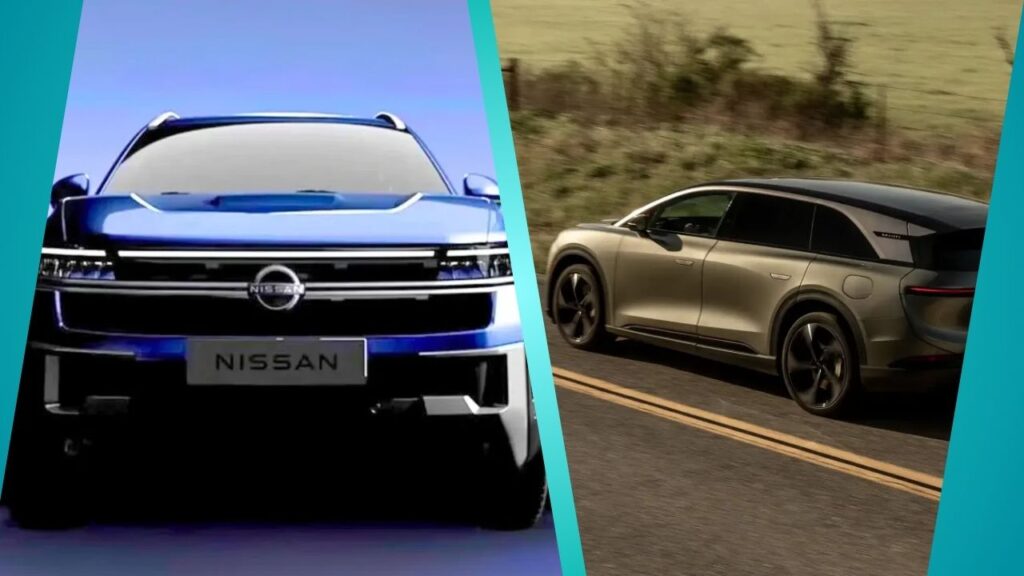
The inside is where things get interesting. Think: a three-tone dash; digital driver’s display; a large touchscreen with wireless Apple Car Play and Android Auto; ventilated front seats; a sunroof; and a real 360-degree camera system. Safety? Six airbags as standard, ABS, EBD, blind-spot monitoring – all the boxes you would expect ticked.
Interior Design

With a price band of ₹11 lakh to ₹19 lakh (ex-showroom), it is placed right in the middle of the scorching competition, and this means Nissan is making a serious effort to win customers and not merely retaining existing ones. 

Conclusion

Nissan has been rather silent in India for quite some time now, but this two-front assault with the Gravite and Tekton definitely signals a comeback. They are filling two huge holes in the market—cheap family cars and midsize SUVs that can actually compete. The Gravite rivals the Maruti Ertiga and the Renault Triber, while the Tekton goes toe-to-toe where the profit margins are the healthiest.

With 200 new dealer touch points coming on stream, technical and warranty support, and the engineering might of the Renault-Nissan alliance behind them, these are more than just launches – they are statements of intent. 

Sharey Khan

Sharey Khan is an IT entrepreneur and petrol head & a car enthusiast. With a special focus on car-related content, he combines his deep passion for vehicles with a talent for crafting informative, engaging, and easy-to-understand content. His writing is driven by a genuine love for cars and he is committed to providing readers with accurate, up-to-date, and trustworthy information that empowers smarter driving decisions. 

Leave a Reply

Your email address will not be published. Required fields are marked *

0

Pagani Utopia, Hypercar, Luxury Cars, Supercars 2025, V12 Engine, Pagani Cars, Exotic Cars

Published Mar 30, 2026, 11:42 AM
Last Updated May 23, 2026, 9:44 AM

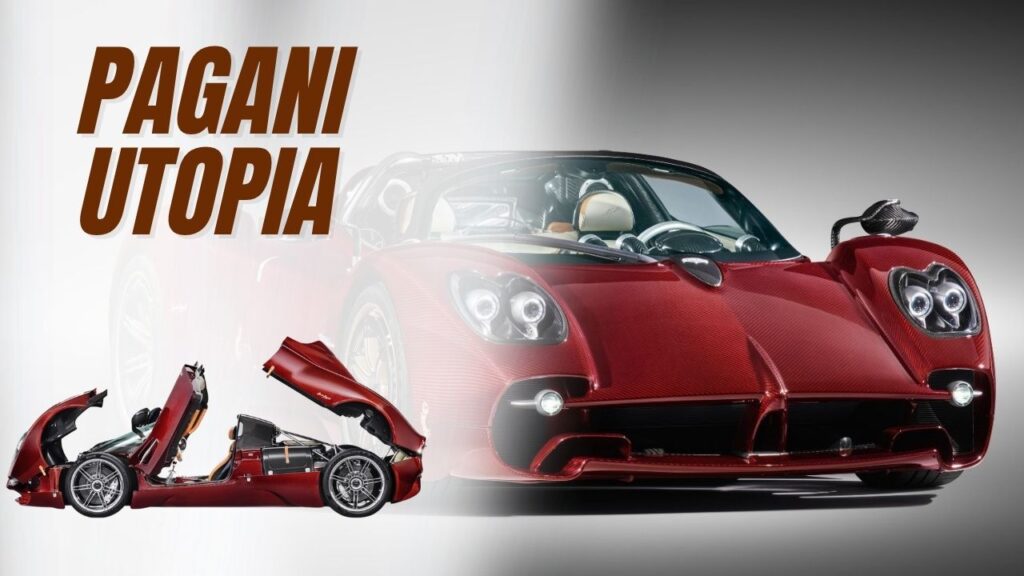
Pagani Utopia

When you see the Pagani Utopia for the first time, something inside you clicks. It is recognition not just appreciation. You’re looking at an uncompromising machine that harks back to an era when engineering and art were soul mates, not just neighbors.

The Utopia is a fiery expression of human handcrafting, the pure physical excitement of the driver, and classic dreams of the V12 engine in an era in which hyper cars are more and more beginning to look like spaceships being steered by computers. 

The Third Symphony

Horacio Pagani had three seemingly simple goals to give his team as he prepared to build his third work of art, after the legendary Zonda and the revolutionary Huayra: simplicity, lightness and driving enjoyment. That wasn’t a tagline, that was the attitude.

In 2022, the result, the Utopia, was revealed and is slated for delivery in 2025. It has that race-bred thoroughbred spirit, even though it’s as heavy as a small hatchback, at just 1,280 kg dry. 

Not a single option listed in this line-up will be suitable for the selector, for just 99 Coupes and 130 Roadsters will ever be produced. Each begins at approximately €3.1 million. Hopefully, you’re not reading this too late and they’re still available. But rarity doesn’t account for the Utopia’s allure. what it has in it and what it does to you. 

The Heart That Refuses to Surrender

The Pagani M158, a 6.0-liter twin-turbo V12 engineered by Mercedes-AMG for Pagani, is visible under the rear clamshell Michael Kübler, one man in Affalterbach, Germany, who uses his hands to assemble every engine. This is mechanized high fashion, not industrial manufacturing. 

It produces but a laughable 864 hp at 6,000 rpm with 1,100 Nm of torque between 2,800 and 5,900 rpm. It is, however, only part of the picture. What truly determines the character of the V12 – how it spins smoothly like a turbine at low revs and comes alive when you really focus on it – is the sense of what matters.

The Heart That Refuses to Surrender

The turbos spool up super fast, delivering boost without the lag that plagued earlier models. In fact, the sound of four valves opening and closing at four times the engine speed is the distilled roar of a 12-cylinder engine breathing fire, not much different than the sound from the speakers. 

 No help from a hybrid. Without regenerative braking. None of those aids. One of the last great V12 engines ever made, just you and a mechanical throttle cable. 

The Sacred Ritual of Shifting

Pagani could have just gone with the flow and put in a dual-clutch transmission. They would have been faster, more efficient, more… modern. Instead they teamed up with British specialists Xtrac to create an increasingly rare thing: a real seven-speed manual gearbox.

It’s not like it was simple to engineer a manual transmission for 1,100 Nm of torque. The clutch is a light adjustable triple disc unit. The synchronizers had to be designed to handle forces that would destroy lesser transmissions.

But the payoff is worth every engineering hour – a shift feel that has been described as having “real lightness of touch,” a clutch pedal that doesn’t require leg-press strength, and a driver-machine connection that’s vanishing in the hypercar realm. 

There is indeed an automated manual for those who want it. But Pagani expects 80 per cent of Utopia customers to go for the stick. These are people who understand that driving is more than just arriving — it is the trip, the ritual, the dance. 

Sculpted by Wind, Finished by Hand

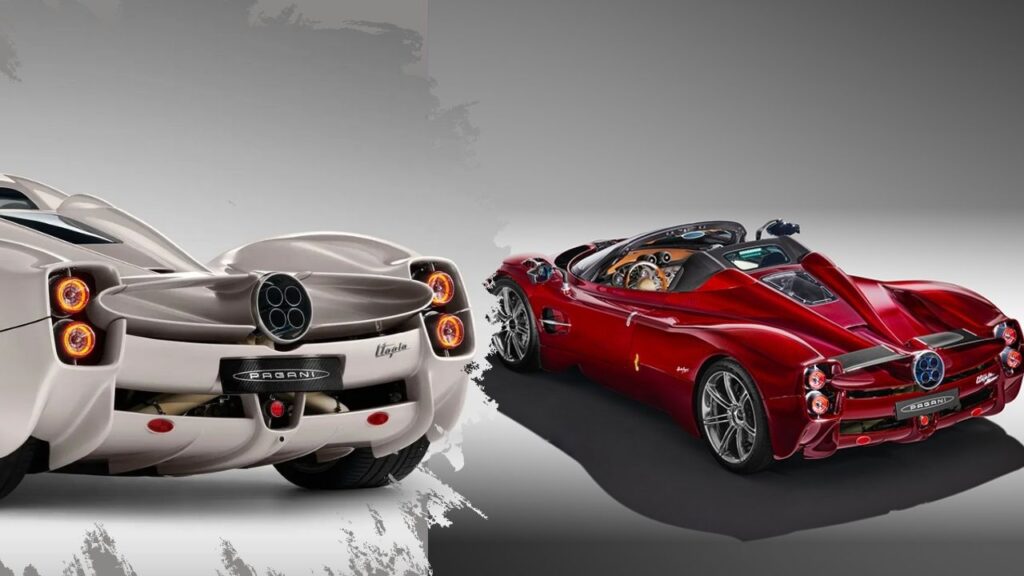
The Utopia’s outline is instantly that of a Pagani, but it’s softer and more mature than those that came before. Where the Huayra bore its aerodynamics like armor—active flaps opening and closing like fighter-jet wings—the Utopia makes downforce part of its DNA. Six years of wind tunnel testing fine-tuned every curve, every surface, until the vehicle was more aerodynamically efficient than the Huayra without one visible wing. 

Sculpted by Wind, Finished by Hand

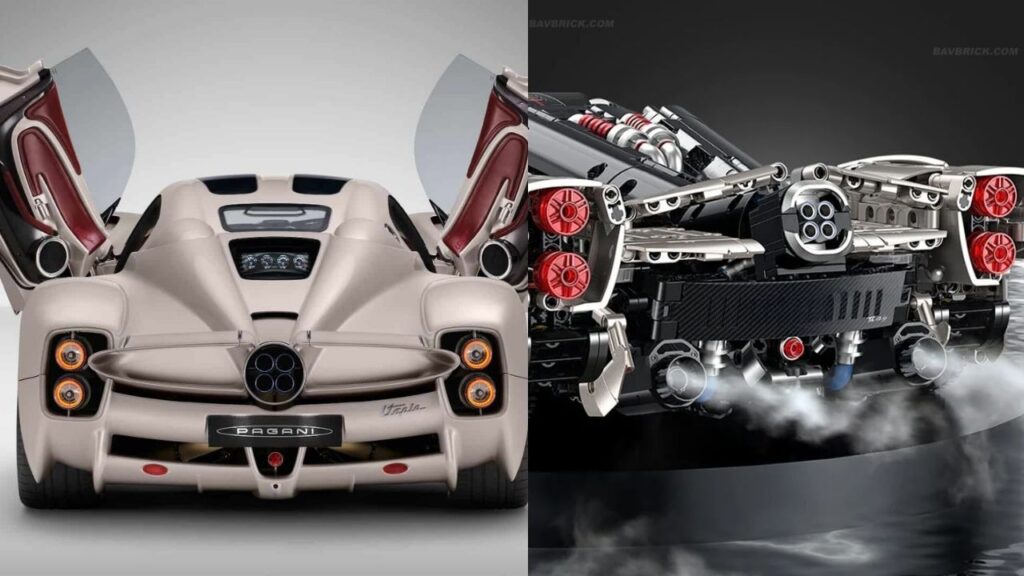
Worthy inspection brings about detailed rewards. The turbine shaped carbon fiber wheels are not only beautiful, they actively pull hot air away from the brakes while reducing turbulence. The headlights are inspired by 1950s Vespa scooters, and the ceramic-coated­titanium exhausts that emerge from the rear like mechanical sculptures. Even the side mirrors, which rest on airfoil-shaped arms, help the car’s aerodynamic performance. 

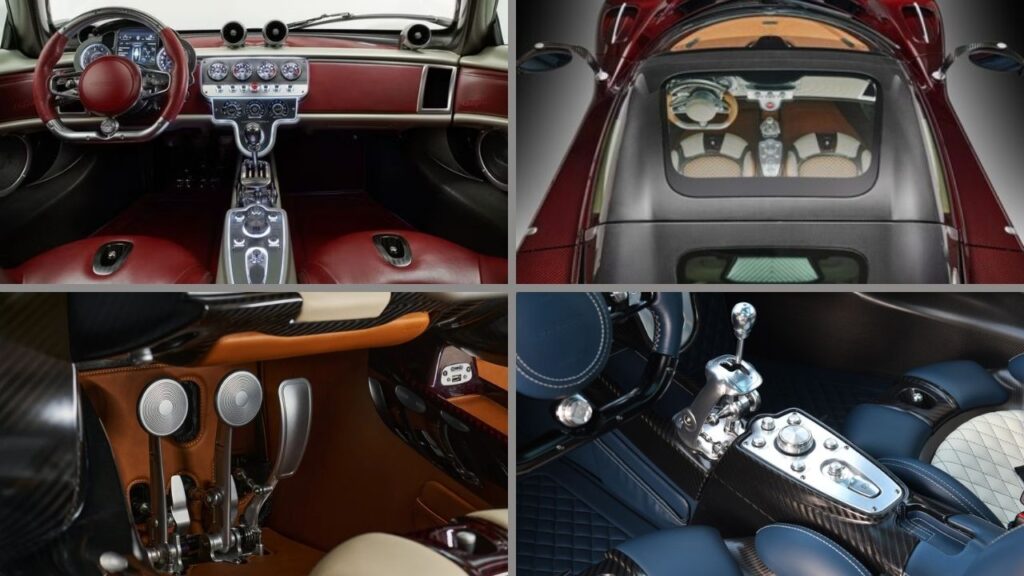
The sentiment of mechanical honesty is prevalent within. The digital screens so common in today’s supercars have been replaced by analog dials, with real needles that sweep. The wheel is billet aluminum shell which has been multi axis machined.

Rather than hide behind plastic casings, the mechanisms of the pedals are on display and celebrated as they are made from solid metal and cut. Every toggle switch, vent and surface is vetted by human eyes and hands. 

The Weight of Lightness

The monocoque of the Utopia, made from Pagani’s own Carbo-Titanium HP62 G2 and Carbo-Triax HP62 materials, is as robust as it is lightweight. Suspension triangles are forged from aerospace-grade aluminum alloy.

This preoccupation with weight pays off in handling. Utopia doesn’t ram the road; it twirls with it. Steering is light and accurate. The chassis tells you every subtlety in the texture of the road below. You don’t lurch as you brake the car just responds.

A Pagani Utopia for the Senses

In driving this hypercar, you utilize all your senses. You can feel the weave of the road under the tires in the steering wheel as if you were running a hand over the pavement. Hear how the voice of the V12 varies with load and revs on this link.

There’s the warm electronics and leather, and a faint whiff of high- performance lube. Through narrow A-pillars and a domed canopy you look out upon a world almost alien to the supercars of today. 

The 2025 Pagani Utopia is far from perfect in the usual sense. It’s not the quickest hypercar in a straight line with a respectable but by no means record-breaking 0-60 mph time of around 3.1 seconds. Its electronically limited maximum speed of 217 mph is nothing compared to Bugatti’s chasing 300+ mph. A Porsche 911 GT3 RS will lace the ‘Ring faster than it. 

A Utopia for the Senses

In the era of drone delivery and smart toasters, the Pagani Utopia is a glimpse of what we have lost and what we might lose. It’s a celebration of mechanical purity, human ingenuity and the simple yet irreplaceable connection between driver, car and open road.

It’s more than just a hypercar, it’s a love letter to driving itself, penned in carbon fibre, titanium and the roaring song of a V12 engine.

And that is what will be handed down to the lucky, and for those lucky few who own one it means something much more rare: the knowledge that even in an imperfect world, moments of true utopia can be found. You just need the right key – and €3.1 million. 

Read More:- The Garage of Dreams: Inside C.J. Roy’s Car Collection

Conclusion

The Pagani Utopia isn’t trying to set records or follow trends—it’s pursuing an emotion. In an era when speed is increasingly defined by software and electrification, this car is a testament to what driving used to be and, on occasion, still is. It sacrifices pure numbers to emotion and precision and to a profoundly human connection between machine and driver.

It probably won’t be the fastest or the most technologically advanced hypercar of 2025, but that’s precisely the point. The Utopia is craftsmanship over convenience, analog over artificial, passion over perfection. It’s not designed to own the lap time – it’s designed to be memorable.

And maybe that’s the reason why it is so important. Because cars like the Utopia, they don’t just move you physically — they move you mentally long after you’ve turned the engine off. 

0

Maruti Suzuki Invicto Gets Perfect 5-Star Bharat NCAP Rating — Safety Redefined!

Published Sep 27, 2025, 9:27 AM
Last Updated Apr 8, 2026, 7:15 AM

Maruti Suzuki Invicto Scores 5 Stars in Bharat NCAP Crash Test. Maruti Suzuki Invicto body is built from “robust structural stability” which is intended to protect occupants in front, side and pedestrian crashes. During testing it recorded 30.43/32 points for adult occupant protection and 45/49 for child occupant. 

This shining success evidenced an all-inclusive protection package. It offers six airbags (front, side and curtain), ABS with EBD, Electronic Stability Program (ESP) with hill-hold assist, an electronic parking brake (with auto-hold), tyre-pressure monitoring, ISOFIX child‐seat anchors and a 360° surround-view camera with dynamic guidelines. 

These technologies – as Maruti’s NEXA Safety Shield, helping the Invicto to score high in crash tests and keep all occupants safe.

Ready-to-Road Engineers: Clearances and Handling

The chassis of the Invicto is appropriate for India’s varying roads. It’s placed on a platform of Toyota (similar to the Innova Hycross) with an extended wheelbase (2850 mm) and 185 mm high ground clearance, broad enough to easily tackle speed breakers and potholed country roads. Front suspension is through MacPherson struts and a torsion-beam rear arrangement.

Its outstanding tune makes the ride smooth and stable, the cabin comes to rest swiftly even at moderate speeds and bumps are absorbed elegantly

While big, the Invicto does not ride anxiously; it steers lightly enough to accommodate urban use and “high-speed stability is tremendous”, providing a boost of confidence on highways.

In short, the chassis and brakes are capable of handling India’s uneven roads with the necessary comfort and strength demanded of a big MPV.

Family-Friendly Space and Comfort

From the inside, the Invicto is certainly spacious. Maruti offers it in Zeta+ (base) and top versions of Alpha+. There is a 7- or 8-seat version of the Zeta+, with textile upholstery, while the Alpha+ has a 6-seat version with leatherette finish.

Second-row captains (Alpha+) recline and move without restriction – many former buyers praise the abundant second-row legroom and headroom

Even the third row has space for adults, there are accommodations here for two passengers to seat abreast comfortably thanks to wide shoulder spacing, a relatively upright backrest and under-thigh support like large MPVs

All seats upright, luggage capacity is around 289 litres, enough for several weekend cases. Folding the third row away opens up 690 litres for enormous loads. Comfort and convenience amenities are plentiful, particularly in the high end Alpha+trim.


It comes with a panoramic sunroof, a three-zone automatic climate system with individual vents for peaceful ride. Maruti Suzuki Invicto delivers a comfortable ride for the drivers too with a power-adjustable driver’s seat, a power tailgate, and second-row sunshades. It also equipped with advanced tech like Infotainment with a 10.1‑inch touchscreen (with wireless Apple CarPlay/Android Auto)

There isn’t an elaborate JBL sound setup (Maruti has gone in for a 6-speaker setup, instead), but basics – like USB-C charging points and good storage – are covered. Child protection receives due attention: in addition to the full 5-star child occupant crash test score, the Invicto comes standard with ISOFIX anchor points and a 360° camera to aid parking with children safely on board.

Performance, Powertrain and Variants

Under the bonnet, the Invicto inherits Toyota’s 2.0‑litre petrol strong-hybrid powerplant. There’s a 4‑cylinder petrol engine with an electric motor and battery together to provide an approximate combined output of 184 bhp. All of this power is transmitted to the front wheels through a smooth e-CVT automatic transmission. 

There’s no diesel variant from Maruti in this trim – efficiency is what’s focused here. The setup has an estimated efficiency of approximately 23.2 km/l (ARAI), but in actual use the hybrid setup excels in city roads while providing stable, instantaneous power during high-speed acceleration on the highway.

Read More:- Lexus RX vs BMW X5: Which Luxury SUV Dominates 2025?

Maruti provides the Invicto in two main versions: Zeta+ and Alpha+

Base trim is the Zeta+. It gets 17-inch alloy wheels with LED headlight clusters and exterior chrome trim. It gets cloth upholstery (with center fold-down armrest), an 8-inch touchscreen (with wire-connected smartphone mirroring), a 7-inch digital driver’s instrument cluster, cruise control, and safety features like 6 airbags, 360° camera and all-disc brakes. 

The Alpha+ is the flagship: it receives leatherette trim (6-seat format with fold-down middle seat), ventilated front chairs, dual-zone air conditioning, panoramic roof, power tailgate, and tire-pressure monitoring and 360° camera too.

Such high-level placement is justified through pricing. After the September 2025 GST cut, the ex-showroom Delhi price of the Invicto starts from about ₹24.97 lakh with the 7-seater Zeta+, and goes all the way to about ₹28.61 lakh with the Alpha+ all-loaded. (An 8-seater version of the Zeta+ is only marginally more expensive.) 

These rates put the Invicto Maruti’s most expensive model ever on the table but competitively positioned alongside its Innova Hycross sibling via Maruti’s value propositions. For the money, patrons take home an Innova-sized MPV with a good safety history, hybrid fuel economy and an assortment of modern amenities.

Conclusion

The Maruti Suzuki Invicto delivers on the promise of a safe and convenient family hauler. It comes with a 5‑star Bharat NCAP rating and six-airbag safety package offers assurance for all rides. Riding is stable and smooth over rough roads, and high ground clearance and strong suspensions also suit Indian roads perfectly. Inside, the interior is roomy and well-equipped – from sliding captain chairs and big sunroof to tri-zone AC and big infotainment screen.

With a hybrid powertrain providing great mileage and ~184 bhp available, efficiency and outright performance are both better than adequate for this sector. 

In short, the Invicto is “a very well-rounded MPV, delivering a big punch on space, practicality, features, comfort and fuel-economy”. For Indian customers who want an Innova-like utility with the latest safety and comfort features, there’s a compelling proposition in the Invicto but be prepared to pay a sub-₹30 lakh price tag to get the full-safety peace of mind.


0

Top 10 Best Used Cars for Tall Drivers That Actually Fit Your Frame

Published May 20, 2025, 1:09 PM
Last Updated Apr 6, 2026, 12:32 PM

Top 10 Best Used Cars for Tall Drivers That Actually Fit Your Frame

Finding a car that fits your body is very important, especially if you are tall. Some cars feel too tight. Your knees hit the dashboard. Your head touches the roof. That makes driving painful. The good news is many used cars offer big space and comfort. 

We made a list of the best used cars for tall drivers. These cars provide more legroom and headroom for your efficiency. They also come with other good features and fair prices.

Honda Odyssey

Honda Odyssey

The Honda Odyssey is one of the great choices for all the tall drivers. It has a high roof and wide seats. You can stretch your legs and sit up straight. It also has smooth steering and good safety features.

  • Front Headroom: 40.7 inches
  • Front Legroom: 40.9 inches
  • Used Price Range (2017-2020): $18,000 – $30,000
  • Seats: Up to 8 people
  • Good Features: Power sliding doors, rear-seat entertainment system, rearview camera, Apple CarPlay/Android Auto

Toyota Sienna

Toyota Sienna

The Toyota Sienna is another roomy minivan. It has soft seats and so much space so even very tall drivers fit comfortably. The Toyota Sienna is also the only minivan with available all-wheel drive.

  • Front Headroom: 41.0 inches
  • Front Legroom: 40.5 inches
  • Used Price Range (2017-2020): $19,000 – $32,000
  • Seats: Up to 8 people
  • Good Features: AWD option, tri-zone climate control, advanced safety tech, strong resale value

Ford F-150

The Ford F-150 is a full-size pickup truck. It gives you a lot of legroom and a tall driving position. You feel high up and safe. It is also very good for towing and hauling.

  • Front Headroom: 40.8 inches
  • Front Legroom: 43.9 inches
  • Used Price Range (2015-2020): $20,000 – $40,000
  • Seats: Up to 6 in crew cab
  • Good Features: Strong towing, spacious cabin, V6 or V8 engine, advanced safety features in newer models

GMC Canyon

GMC Canyon

The GMC Canyon is a midsize pickup, but it feels very roomy. It is easy to drive and park. In the crew cab model, it offers one of the best legroom numbers for a truck.

  • Front Headroom: 40.3 inches
  • Front Legroom: 45.2 inches
  • Used Price Range (2016-2020): $18,000 – $33,000
  • Seats: Up to 5
  • Good Features: Good fuel economy, touchscreen system, smooth ride for a truck

Ford Taurus

Ford Taurus

The Ford Taurus is a large sedan with lots of interior space. It is no longer made new, but you can find second-hand used cars at the best prices. It is quiet, comfortable, and easy to drive.

  • Front Headroom: 39.0 inches
  • Front Legroom: 44.2 inches
  • Used Price Range (2015-2019): $10,000 – $20,000
  • Seats: 5
  • Good Features: Big trunk, V6 engine, comfortable highway ride, optional AWD

Ford Expedition

Ford Expedition

The Ford Expedition is a big SUV. It has huge space inside and can tow heavy things. The seats are tall and wide, so tall drivers feel relaxed. You sit high and get a great view.

  • Front Headroom: 41.5 inches
  • Front Legroom: 43.9 inches
  • Used Price Range (2017-2020): $28,000 – $45,000
  • Seats: Up to 8
  • Good Features: Powerful V6, big cargo space, smooth ride, great for road trips

Toyota Highlander

Toyota Highlander

The Toyota Highlander is a midsize SUV. It has a roomy cabin and soft seats. The controls are easy to reach. Tall drivers enjoy the legroom and relaxed driving style.

  • Front Headroom: 39.5 inches
  • Front Legroom: 44.2 inches
  • Used Price Range (2017-2020): $22,000 – $35,000
  • Seats: Up to 8
  • Good Features: Great safety ratings, strong resale value, V6 engine, AWD available

Subaru Forester

Subaru Forester

The Subaru Forester is a small SUV, but it feels very open inside. The tall roof gives extra headroom. It also has great visibility and comes with all-wheel drive.

  • Front Headroom: 41.2 inches
  • Front Legroom: 43.3 inches
  • Used Price Range (2017-2020): $17,000 – $28,000
  • Seats: 5
  • Good Features: Standard AWD, high safety scores, good gas mileage, roomy feel

Honda CR-V

Honda CR-V

The Honda CR-V car is one of the best-selling SUVs cars of 2024. It is not too big, but the inside is roomy. Tall drivers like the high seat and easy controls. It also has great reliability.

  • Front Headroom: 40.0 inches
  • Front Legroom: 41.3 inches
  • Used Price Range (2017-2020): $18,000 – $30,000
  • Seats: 5
  • Good Features: Excellent fuel economy, smart interior layout, very reliable

Subaru Outback

Subaru Outback

The Subaru Outback is like a mix between a car and an SUV. It has a tall ride height and a flat roof. This gives tall people plenty of space. It also comes with standard AWD.

  • Front Headroom: 40.1 inches
  • Front Legroom: 42.8 inches
  • Used Price Range (2017-2020): $19,000 – $32,000
  • Seats: 5
  • Good Features: Smooth ride, strong safety ratings, lots of cargo room, great in snow

Final Thoughts

If you are tall, you need a car that gives you enough room. Cramped cars can cause back pain, sore knees, and a bad driving experience. The best used cars for tall drivers offer comfort, safety, and good value. Whether you want a van, SUV, truck, or sedan, there is a perfect match out there. Before buying, always check the headroom and legroom and you should also sit in the car and take a test drive.

With the right car, driving becomes fun again. All the cars in this list are good options. They give tall people the comfort and space they need.

0

Maruti Dzire ZXI+ Specs Overview with Features, Performance, Safety and Design

Maruti Dzire ZXI+ Specs

If you thought compact sedans were being pushed out by SUVs, the all-new 4th Gen Maruti Dzire will make you think again. For years the Dzire has been the go-to option for Indian families – dependable, economical and practical. But with the new 2025 Maruti Dzire ZXI+ model specifically, the company has transformed from simply being “practical” to genuinely “desirable.”

Securing a 5-star safety rating, coming equipped with a sunroof (finally!) and a tech-packed cabin, the all-new Dzire ZXI+ isn’t just a commuter; it’s a statement. Let’s take a closer look at what makes this the talk of the town. 

Design: Sophistication Meets Sportiness

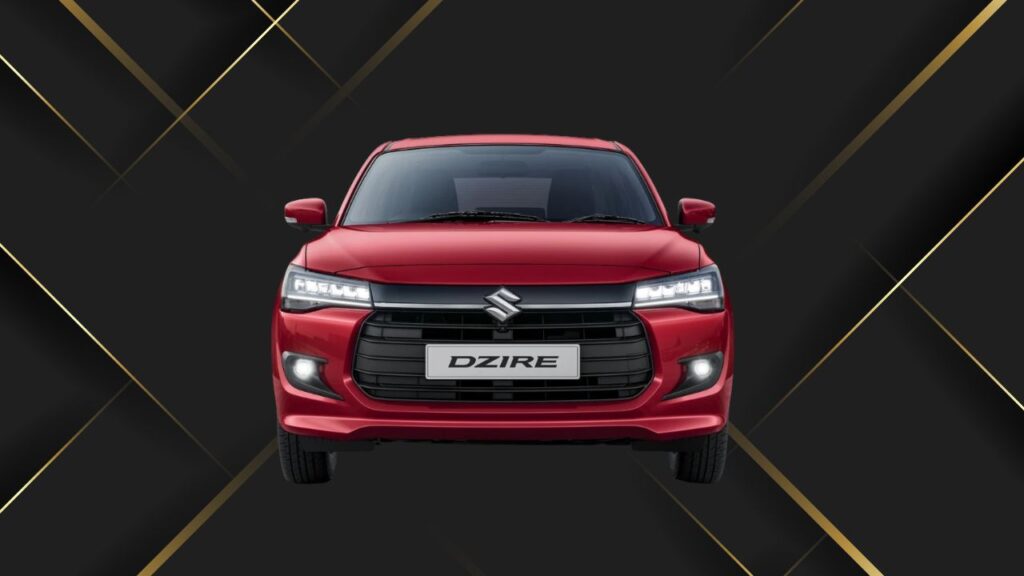
The first thing you will realize is that the “swift-with-a-boot” is no more. The new Dzire has its own unique character. The front end features a huge aggressive grille with what Maruti terms LED Crystal Vision Headlamps on either side. They’re not just bright – they make the car look like it’s standing tall with a premium wide stance that simply grabs attention.

Maruti Dzire ZXI+ Specs Design

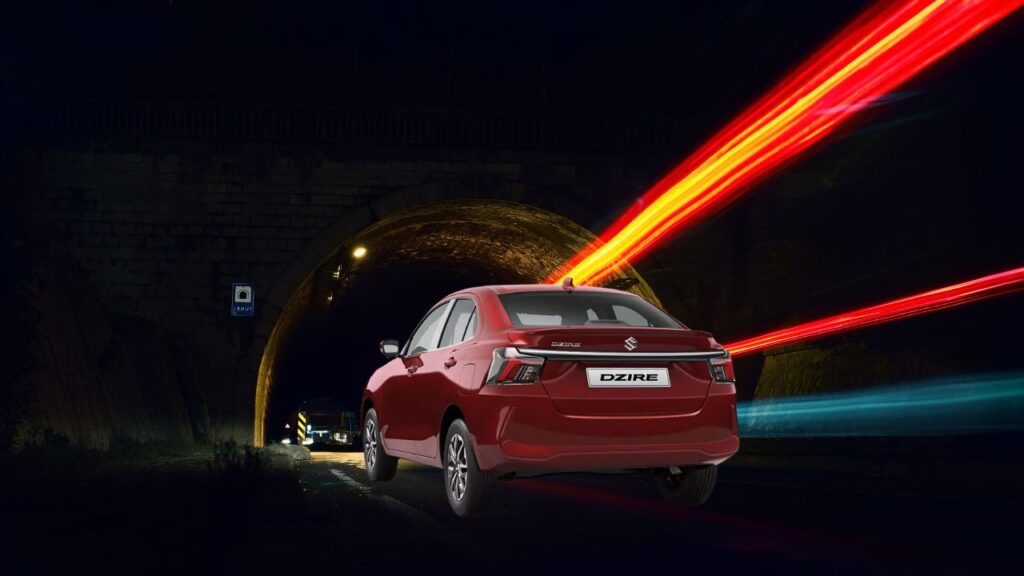
Now turn to the side and the two-tone, precision machined aluminum wheels bring a bit of flair. But where the real drama is at the back. 3D Trinity Rear Lamps. These lamps are a crucial design detail and appear contemporary & crisp particularly at night. And yes, there’s a shark-fin antenna on the roof to round out that sleek, sedan profile.  

Color Options:

Maruti hasn’t cut corners with the palette. Whether you are after the classy Splendid Silver, the striking Gallant Red or even the dark Bluish Black, there is a color for every character. Nutmeg Brown is my personal favorite – it screams luxury. 

Interior & Features: A Tech-Lover’s Paradise

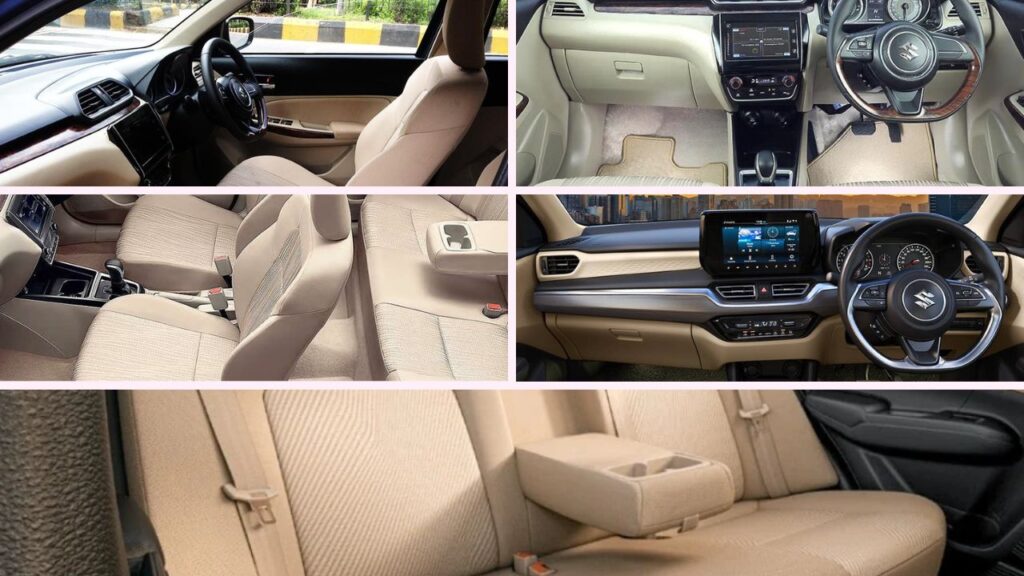
Step inside the ZXI+ variant and you are greeted by a cabin that feels light years above its price point. The beige and black, dual tone dashboard, with silver accents and a wood-finish insert, looks spacious and premium.

The Electric Sunroof is a segment-first for Dzire and truly revolutionizes the cabin experience, illuminating it with the sun.

Maruti Dzire ZXI+ Specs Interior & Features

The highlight is the floating 9-inch SmartPlay Pro+ Infotainment System. It’s buttery smooth and supports wireless Apple CarPlay and Android Auto. Coupled with the Arkamys Surround Sense sound system, your daily commute playlist just got a massive upgrade. 

Comfort highlights for the ZXI+ owner:

The convenience and usability of the Suzuki is modern. With the wireless charger you don’t need to deal with tangled cables and parking in tight spots is easier thanks to the 360-degree camera. The cruise control makes long highway drives comfortable. Moreover, Suzuki Connect puts you in the driver’s seat by enabling you to keep an eye on the fuel level, location and more from your smartphone.

Performance: The Efficiency Champion

Under the bodywork is what the car is really about the all new 1.2L Z-Series (Z12E) Petrol Engine. While it now has three cylinders, that shouldn’t scare you away. Maruti has tuned this engine for better low-end torque and driveability in city conditions.

Power: ~82 bhp

Torque: 112 Nm

The fuel economy is where the real magic lies. The AGS (Automatic) variant claims an impressive 24.79 kmpl which is further pushed to 25.71 kmpl by the AGS (Automatic). In an era of ever increasing fuel prices, these figures really are miraculous. The idle start-stop system engages effortlessly to preserve fuel at stoplights.

Maruti Dzire ZXI+ Performance

For city people, the AGS (Auto Gear Shift) in the ZXI+ is crisp and perfectly geared for stop-and-go traffic, so you don’t have to worry about clutch work sans the heavy fuel penalty of traditional automatics. 

Safety Features of Dzire ZXI+

The new Maruti Dzire is a 5-Star Global NCAP Safety Rating holder for adult occupants making it a strong safety contender. The remarkable feat dispels earlier worries about its body strength and makes it one of the toughest in its class.

The ZXI+ variant further adds to safety with the following features:

  • 6 Airbags: All variants of Kia Seltos come with 6 airbags as standard.
  • ESP (Electronic Stability Program) & Hill Hold Assist: Improves traction on slippery surfaces and stops you from rolling backward while moving up hill.
  • ISOFIX Child Seat Anchors: A safe way to securely attach child seats.
  • TPMS (Tyre Pressure Monitoring System): It alerts you in advance for any issues related to tyre pressure to help you prevent inconvenient interruptions.

Maruti Dzire is here with new features to provide you the most hassle-free driving. 

Dzire ZXI+ Specs Overview Table

Feature Specification
Engine 1.2L Z-Series 3-Cylinder Petrol
Transmission 5-Speed MT / 5-Speed AGS
Mileage (Claimed) 24.79 kmpl (MT) / 25.71 kmpl (AGS)
Boot Space 382 Liters
Ground Clearance 163 mm
Infotainment 9-inch SmartPlay Pro+
Airbags 6 (Standard)
Safety Rating 5-Star (Global NCAP)
Key Features Sunroof, 360° Cam, Wireless Charger

Read More:- Maruti Suzuki e-Vitara to Feature Advanced Safety and Premium Equipment

Conclusion

The Maruti Dzire ZXI+ is not just a “safe bet” and a “cab favourite” anymore. It is a refined, loaded family sedan which nowadays doesn’t even need compromising on safety or style. With the ZXI+, the best of both worlds are yours: the dependability of the Maruti efficiency and service network, in a package that looks premium and makes you feel secure.

So, if you intend to buy a sedan which checks all your boxes – mileage, features, safety and looks, the new Dzire ZXI+ is definitely the one to beat in 2025. It’s not just a want anymore; it’s a smart choice. 

0

Most Anticipated Cars of 2027: What Buyers Should Know

Anticipated Cars of 2027

If you’re about to sign a car loan, the question that matters is whether the car you want is about to be replaced. The Most Anticipated Cars of 2027 are arriving in a crowd, and a few of them will make this year’s showroom models look dated.

Waiting costs money, though, and not every launch is worth it. Early 2027 is packed in India. The Bharat Mobility Expo runs from 4 to 9 February in New Delhi, and several of the launches below are expected to appear around it. 

Expo reveals are not showroom availability. A car shown in February can easily reach dealers months later, so a debut date shouldn’t be mistaken for a buying date.

The Tata Safari EV: The One Everyone’s Watching

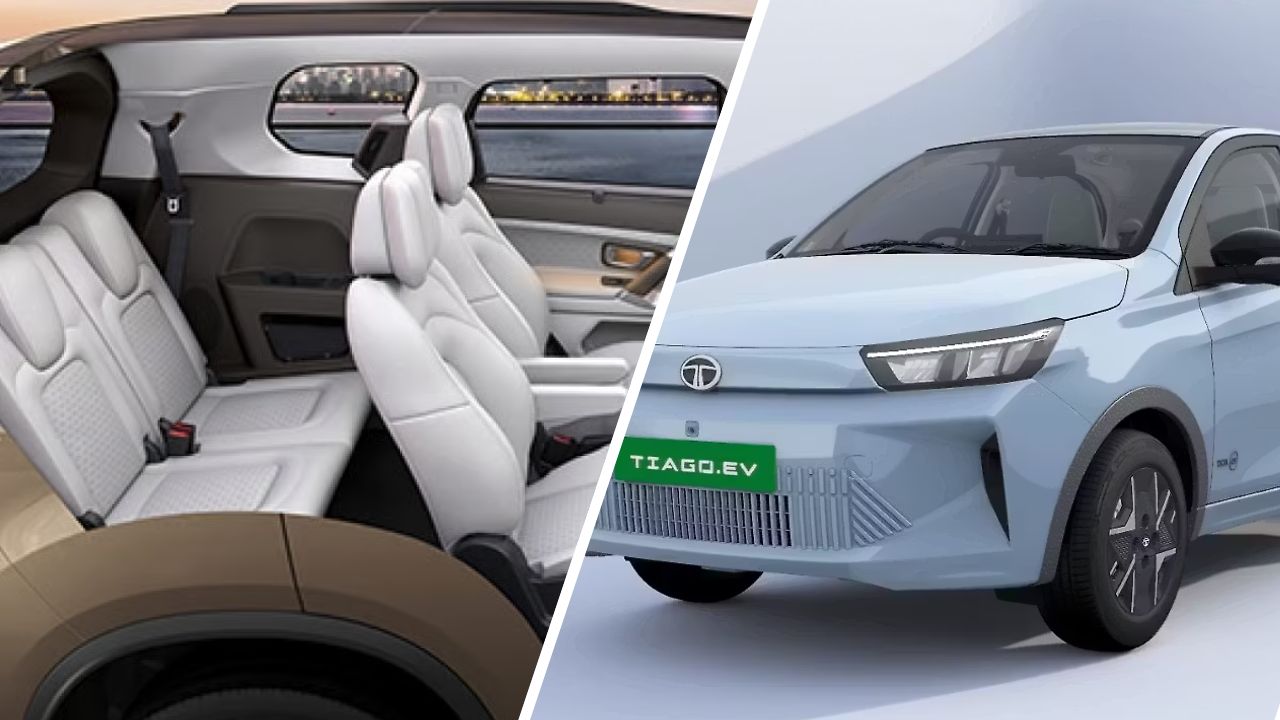
Tata’s electric 7-seater is the clearest case of hype running ahead of facts. It is expected to launch in Diwali 2026 with 65-75 kWh packs of battery. This battery excites most buyers which offers up to 600 km claimed range and optional AWD but this is not officially confirmed yet.

Tata Safari expected specs include a triple-screen dashboard similar to the Sierra’s. The SUV could give over 500 km of mileage with Harrier EV’s battery pack on a price range of Rs. 25 lakh and Rs. 32 lakh (ex-showroom).

The Tata Safari EV

Its natural rival is the Mahindra XEV 9S. If you want a three-row electric SUV, the Tata Safari EV is the one to hold out for. Claimed range is a lab number, though. Real-world mileage will be noticeably lower when you run this car so don’t take the brochure number as your real mileage.

The Affordable End: Nexon, Ioniq P And The Small-EV Scramble

Anyway, an above Rs 20 lakh spend-will be lesser than majority of Indian audience and here’s where 2027 gets fired up. 

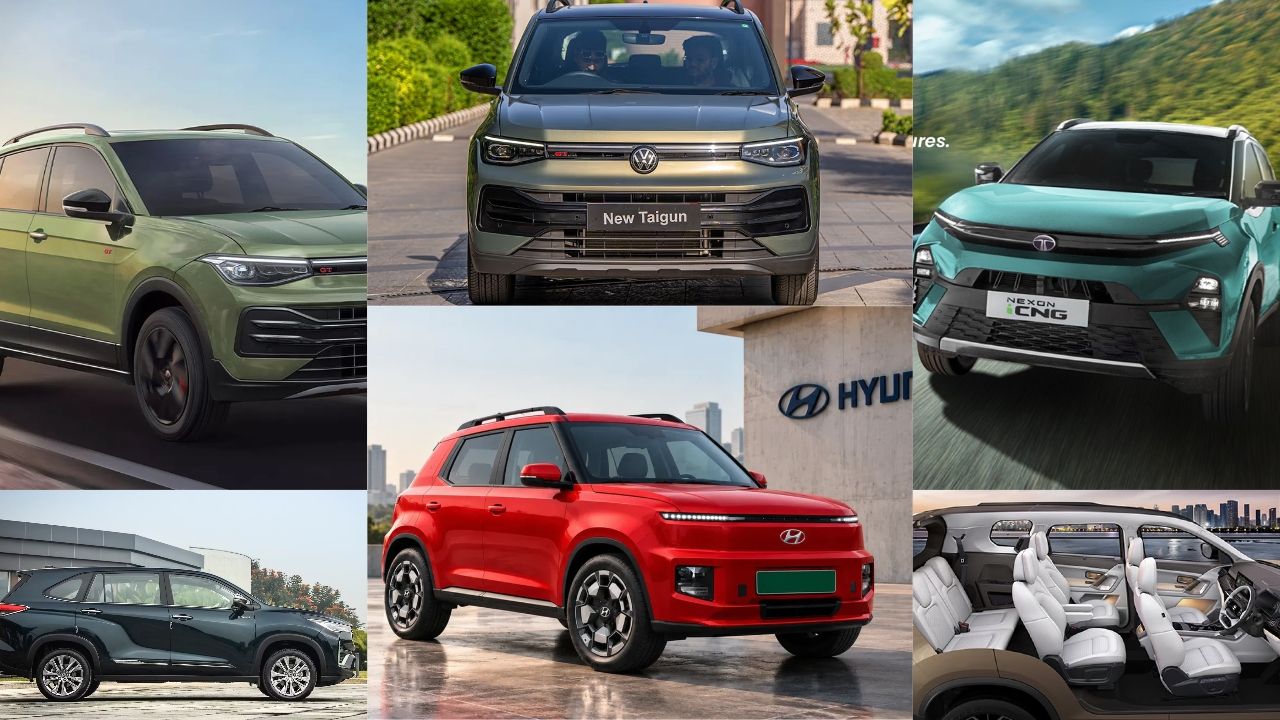
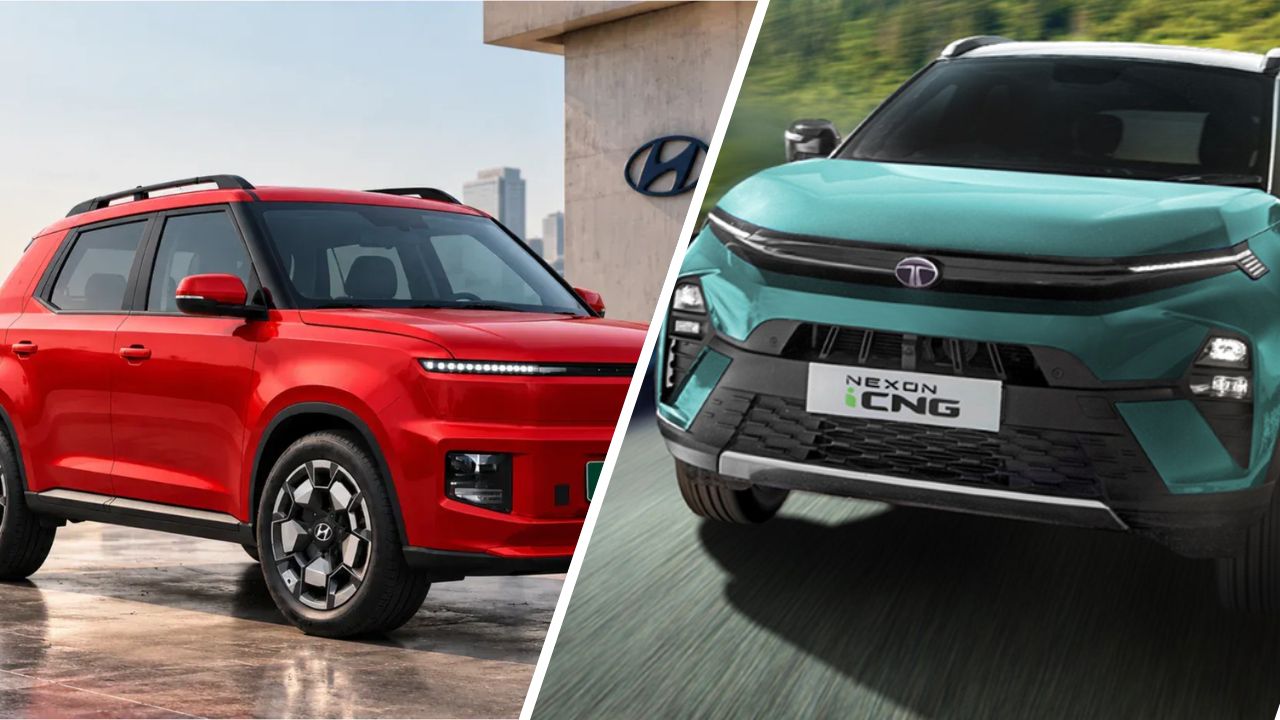
The next-generation Tata Nexon will arrive in 2027, possibly at the Expo. The petrol and diesel are expected to cost from Rs 8 lakh to Rs 15.5 lakh and rouble 14.5 lakh to Rs 19.5 lakh for the EV. It’s expected to move to a revised architecture with Level-2 ADAS. Those are estimates, not announcements.

Hyundai’s answer is the Ioniq P, a compact electric SUV scheduled for the first quarter of 2027 to take on the Nexon EV and Kia Syros EV. Reports suggest 40-50 kWh battery options and a claimed range of 450 km. If that holds, it puts Hyundai in direct conflict with Tata’s strongest EV seller.

Nexon, Ioniq P And The Small-EV Scramble

Tata has the incumbent’s advantage: service reach, a known product and a refreshed Nexon on the way. Hyundai has the newer platform, but a new nameplate carries first-year risk on software and service. For most people, the Nexon EV is the safer buy. The Ioniq P is the better bet if you can wait for reviews.

Hyundai’s Bigger Moves: Creta And The 7-Seater

Hyundai plans to bring the third-generation Creta and a new 7-seater MPV to India before the end of 2027. The MPV, reported as the Neira, is slated to launch in the first half of 2027 after an Expo showing. If you’re about to buy a current Creta, a generation change is a good reason to ask dealers about discounts, or to wait.

Creta And The 7-Seater

Toyota, Volkswagen and Renault: The Quieter Launches

Toyota’s list is long. The Innova Hycross facelift, a next-generation Fortuner and an electric MPV with an expected range of 525 km are all on it. The Fortuner is the one to watch if you’re considering an SUV purchase, since the new model is expected to bring updated styling, a modern cabin and improved safety features.

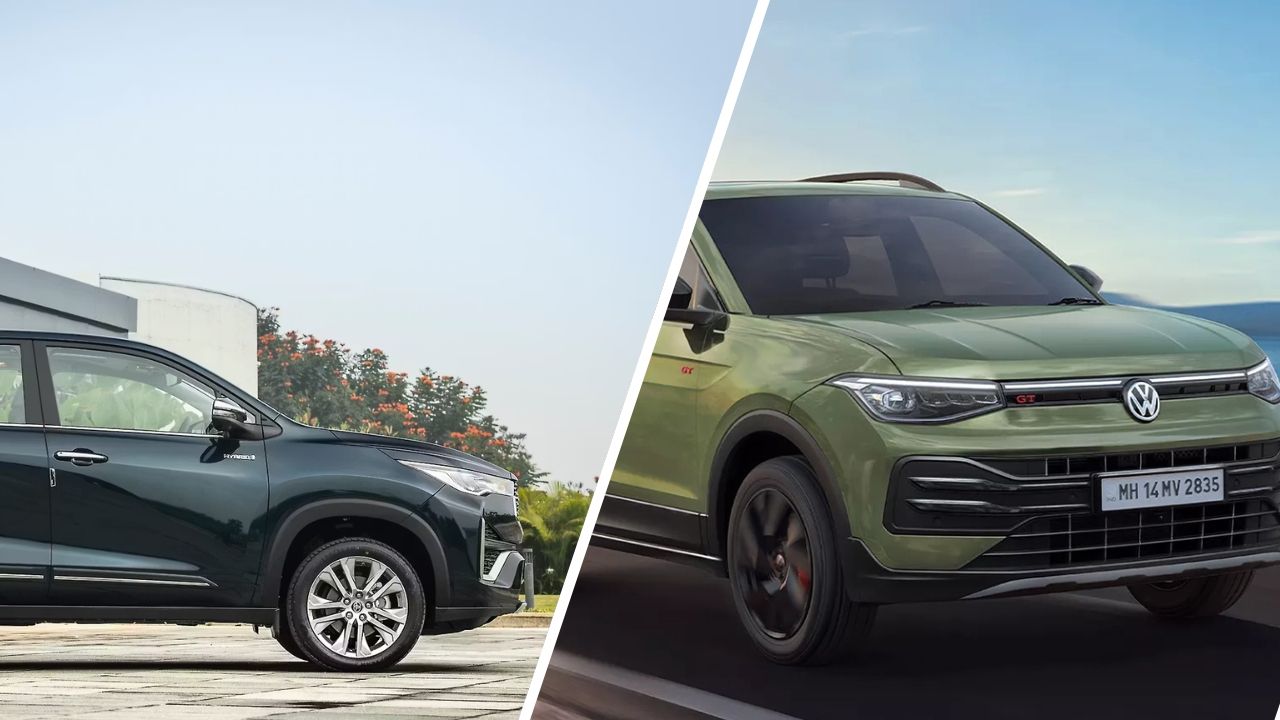
Volkswagen is preparing a sub-4 metre SUV positioned below the Taigun, with a 1.0L TSI and an 8-speed automatic, and Renault has the Bridger lifestyle SUV on the 2027 calendar. Neither has a confirmed price.

A Warning About Launch Dates

Compare any two “upcoming cars” and you’ll see your answer. The Mahindra Vision S is listed as expected by January 2027 on one site, with an expected price of Rs 10-13 lakh. Just the same car but listed seven months apart. These posts are estimates until the manufacturer posts a date. 

For buyers, the inevitable trend is different regional availability and specs in each country. Contact your local dealer before you plan around a launch. 

 How AI in Cars Changing the Future Driving Experience

Conclusion

Hold on, if your current car is still operational, you want a three-row EV (Safari EV) or compact EV (Ioniq P or the new Nexon), and you can postpone your purchase because you don’t need it right away.  Buy now if you need a car this quarter, and negotiate hard on any model facing a generation change, because run-out stock is where the discounts are.

Before you commit, check the manufacturer’s own announcement for the date, and get the on-road price in writing from at least two dealers.