0

Rinku Singh Car Collection: From Maruti Swift to Fortuner Legender

Published Dec 31, 2025, 6:54 AM
Last Updated Apr 6, 2026, 12:30 PM

Rinku Singh Car Collection

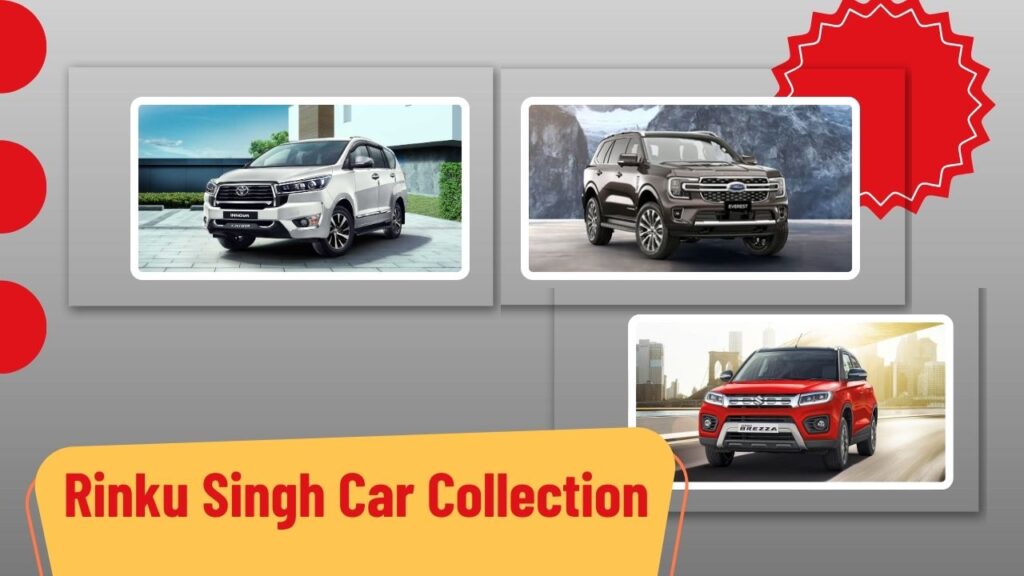
Rinku Singh car collection is not about the cars, but a reflection of his journey, who he is as a person and where he comes from. Riding a bicycle on the roads of Aligarh city, peddling cooking gas cylinders, to emerging as one of his country’s most dependable and thrilling finishers, his journey has been one of sweat and humility. That same grounded mentality is evident in the cars he owns. Rather than flashy supercars, Rinku has opted for sensible, reliable vehicles – vehicles that align with his values and priorities in life.  

Rinku Singh Car Collection at a Glance

Car Model Approx Price (₹) Segment What It Reflects
Maruti Suzuki Swift 7–8 lakh Hatchback Simplicity and first success
Maruti Suzuki Brezza 12–14 lakh Compact SUV Practical daily usability
Mahindra Scorpio-N ~15 lakh SUV Power and toughness
Toyota Innova Crysta ~25 lakh MPV Family-first mindset
Ford Endeavour ~40 lakh Premium SUV Strength and adventure
Toyota Fortuner Legender ~60 lakh Luxury SUV Career peak and confidence

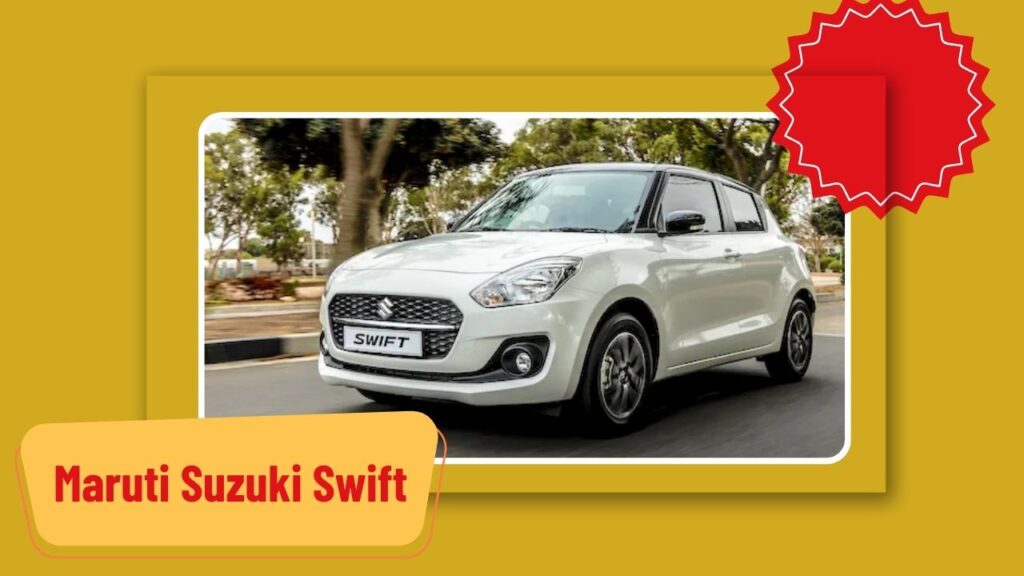
The Maruti Swift: His First Four Wheels

Fast forward to a few more years of unrelenting toil and sacrifice.. After playing his first game in the Ranji Trophy and confirming his place among India’s best cricketers, Rinku at last made the jump into four wheels. His very first car was a Maruti Suzuki Swift—practical, affordable, and insanely popular among young professionals in India.

The Maruti Swift

It’s somehow beautifully poetic to make this choice. While other cricketers might have jumped to luxury imports, Rinku went for a car that mirrored what he values in life – dependable, efficient, and understated elegance. 

The IPL Boom: When the Garage Expanded

His power-hitting late in the innings and that unforgettable 2023 game where he hit back-to-back sixes to snatch victory from the jaws of defeat made him a household name. Suddenly, the sponsorships started flowing, the match fees increased and KKR went all out to value his services at ₹13 crore for the ipl 2026. Now with their new found financial freedom, Rinku’s garage expanded its horizons.

​He also added the Maruti Suzuki Brezza, a compact SUV that has emerged the most popular Indian brand in the budget SUV space. Closely followed was the Toyota Fortuner Legender, a performer that outshines the ordinary with its 2.8-litre diesel engine producing 201 horses. The Fortuner was more than just an upgrade, it was proof that Rinku was a force to be reckoned with! At a price of around ₹60 lakh, this SUV plays the holder of his garage as the crown jewel—competent, powerful, and tellingly premium.​ 

A Collection That Reflects Character

What makes Rinku’s car collection interesting is not the price tags but the personality that emerges from the collection. His garage is a lesson in how a grounded man views success — pragmatism and purpose.

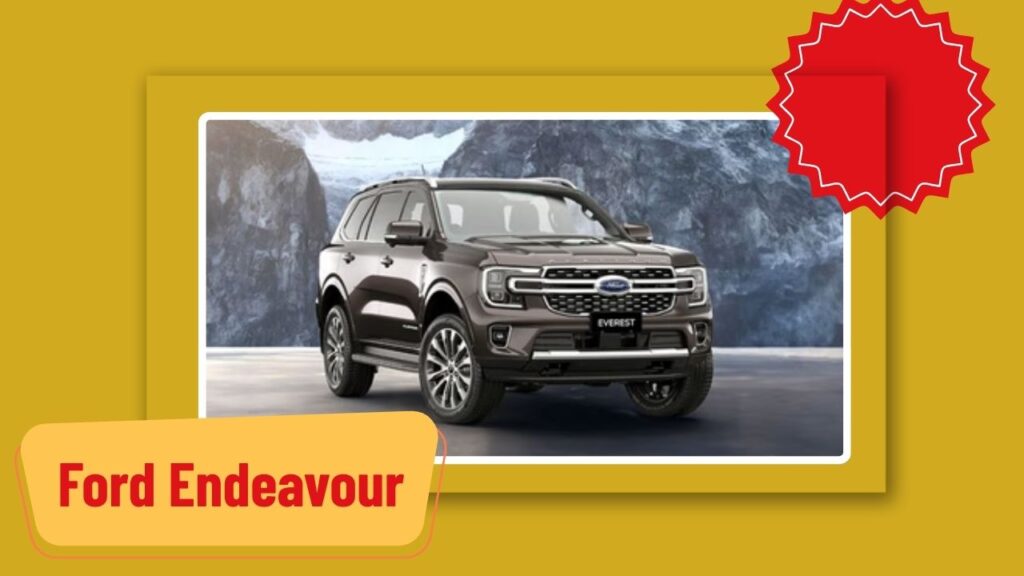
Ford Endeavour

Among his vehicles is the Ford Endeavour that costs around ₹40 lakh, which also happens to be his priciest car. A tough, adventure-ready SUV, dependable and unafraid of the outdoors, the Endeavour is much like Rinku – rugged, dependable and made for the challenges of the world outside.

​The Toyota Innova Crysta, priced at around ₹25 lakh is a reflection of his family-centric values. This is someone who wants to be comfortable and have space — maybe parents, to whom he dedicates his journey, maybe teammates and friends who accompanied him on his cricket journey. 

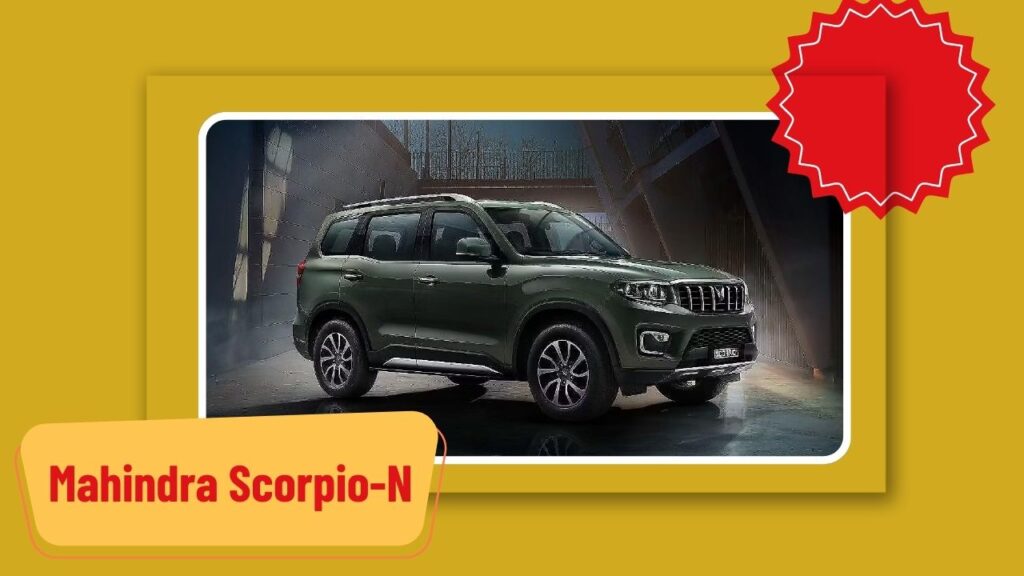
Mahindra Scorpio-N

At around the ₹15 lakh mark, the Mahindra Scorpio-N is the final piece in his SUV puzzle. Like the man himself, it’s built for brute power, off-road ability and no-nonsense motoring. 

More Than Metal and Horsepower

This is what really differentiates Rinku Singh’s collection: it’s not for showing off. A multi-crore cricketer could easily own a Ferrari or a Lamborghini. Rather, Rinku selected cars that addressed actual needs: safe family transportation, comfortable long-distance travel, and dependable daily commuting. His priciest vehicle, the Ford Endeavour at ₹40 lakh, would not even dent the paint of what some Bollywood stars shell out on single cars. 

Read More:-  Nissan Cars Launching Two Titans Together in India: Nissan Gravity MPV and Tekton SUV

Conclusion

Rinku Singh car collection sends a message: success doesn’t always need to shout. Though he earns multi-crore contracts, he has deliberately refrained from ultra-luxury show-stone vehicles that are unpredictable, but.vignal vehicles that was aregeatt n.r families needs—comfort, long-distance reliability, and everyday practicality. SUVs like the Ford Endeavour and Toyota Fortuner have become a sign of how far he has moved on, while cars such as the Swift and Innova Crysta keep him anchored to his roots. Much like his batting technique, Rinku’s garage is simple, efficient, and ruthlessly effective when he needs it to be. 

Bipin Sharma

Bipin Sharma is a seasoned automotive content writer with over 10 years of hands-on experience in the world of cars. From the latest car news and reviews to in-depth maintenance tips and expert buying guides, Bipin covers everything that drives the automotive world. Writing about cars isn’t just his profession — it’s his passion. His deep industry knowledge and love for automobiles fuel every blog he creates, helping readers make informed decisions and stay updated on the fast-evolving auto landscape.

Leave a Reply

Your email address will not be published. Required fields are marked *

0

How to Buy a New Car in India – Step by Step Car Buying Guide

Buy a New Car in India

Whenever you are going to buy a car you can get confused because of the sheer volume of choices. Don’t let your excitement make your wallet empty, carefully check the prices of the car then calculate them by adding RTO charges, insurance add-ons, etc. that surely seems hard to buy a new car in India. You will feel the sudden joy of owning a new car and getting buried under a pile of paperwork and pressure tactics.

If you’re planning to Buy a New Car in India, you should know your budget for driving the car home so you don’t end up overpaying. You can’t just go and buy a car from your neighbourhood showroom, choosing the right body style and brand to fit specific lifestyle needs is also important. 

This Car Buying Guide will help you understand what you should look for before buying a new car for yourself or your family member.

Why Buying a New Car is Hard?

There are tons of choices that attract you first but you get confused and never able to choose one right car for you. The fear that you might regret later so you are going to ask your friends and family members. 

What’s the catch? Car makers are upgrading features and variants each year so your friend who knows about the car which launched last year, but doesn’t know the latest launch of another car with the same price. The value of a car depreciates after one year, but if you want the right one which helps you commute places without burning your fuel and cause you expensive maintenance then look closely on the Car Buying Guide.

Why You Can’t Trust Car Dealership

Sales staff have pressure enough that they want to sell off the models which maximize profit. They know inside details from invoice pricing to backend profit margins but there are platforms like CarDekho that calculate it for you.

Dealerships often disguise the real amount of a car and often try to shift the focus to the monthly payment which costs you more than the total price of the car. This is a tactic to disguise inflated interest rates or extended loan terms. 

Financial Structure is Rarely Straightforward 

One thing you must understand is that a car price is just an approx amount, when you end up in a showroom then there are other charges that add-on and increase its value. Buyers have to account for taxes, registration fees of a car, dealership documentation fees along with add-ons charges.

Read More:- Best Automatic Cars in India Under 10 Lakhs – Easy Driving Options

How to Buy a New Car in India With Complete Car Buying Guide 

Step 1: Decide Your Budget 

Most people start by falling in love with a car model and then trying to “make the budget work.” Flip that approach.

Calculate your other commitments like mobile EMI, house rent, school fees and saving goals. After you put them aside, what’s your monthly take-home income will decide which car you can afford. A safe rule of thumb is to keep your total car-related EMI under 15-20% of your monthly income. Just make sure that those 15% includes the insurance, maintenance, and fuel cost too.

Don’t depend on the ex-showroom price that you see in ads. Search for on-road price of the car or calculate them with your state, RTO registration, road tax, and insurance. Overall, these charges are different across India but likely it’s somewhere between ₹80,000 to over ₹2 lakh.

Step 2: Decide Between Petrol, Diesel, CNG, Hybrid, or Electric

Where you wanna drive your car and upfront cost is a factor to decide which variant is best for you. It also matters on what purpose you are buying a car for:

Petrol cars are good for those who drive less than 1,000-1,200 km a month which means you wanna drive in a city. Maintenance cost is lower but fuel expenses can be higher over time. While diesel cars are good for drivers who run on highways because it can give you better fuel efficiency only at higher usage. 

CNG cars are a strong choice for those who want to switch from petrol or diesel cars. CNG cars offer great fuel efficiency but boot space and access to CNG stations are still a major problem. Hybrid cars offer both— better fuel efficiency and no worries on charging access but they are expensive.

Electric vehicles are best for those who have charging access at their home. City commuters can buy EV for their daily use within a predictable range. But if you live outside metro cities then it is still an issue for charging.

There’s no single car that comes as the best fuel type, only the one that matches your actual driving pattern.

Step 3: Shortlist 3-4 Cars, Not 1

It’s easy to get attached to a particular car after seeing an advertisement but make a decision after you’ve driven it yourself. It’s totally a different experience once you’re behind the wheel. 

Take a three–four cars test drive within the same budget and segment. Then compare their features to decide which one fits you. If the roads are rough, check if the car offers enough ground clearance. If you are looking for a car for your family then boot space and rear-seat comfort matters.

If you prefer CNG or electric cars then the service network in your city must be wider. It’s also wise to consider resale value trends and independent safety ratings since these can have a significant impact on long-term satisfaction. 

Spend time reading real owner reviews, not just marketing brochures. Forums and YouTube long-term review videos often reveal issues that don’t show up in a 15-minute test drive.

Step 4: Take a Proper Test Drive

Many buyers take a decision right after a 5-minute spin around the showroom parking lot which is just a waste of time. Real test driving must be performed in everyday conditions like rough roads, and traffic jams.

It will let you know ride comfort and suspension quality. Try reverse parking as well to assess visibility, turning radius, and the effectiveness of parking sensors or cameras. Also check features, air conditioning and cabin. Give a few minutes to check the comfort from every seat. Since the person who drives isn’t always the only person who matters in that car.

Step 5: Compare On-Road Prices Across Dealerships

Compare offers from multiple dealerships is the easiest way to stop overpaying. Many buyers think that there is a fixed price on a car but dealership margin, discount, and monthly sales targets can all influence the final amount you pay. 

Check out 3–4 dealerships and collect written on-road quotations. Don’t trust on words, just research about the RTO charges, Insurance deals, Add-ons, Accessories and warranty. Then add to the Ex-showroom price to get the actual price of the car. 

This single step alone can save you anywhere from ₹10,000 to ₹50,000, especially toward the end of a sales quarter when dealers are more flexible on discounts.

Step 6: Decide How You’ll Pay — Cash, Loan, or Lease

The way you finance your car can also affect the total cost of the car, buying at once can eliminate interest expenses. In the case of a car loan, choose the best offer among two–three lenders. 

If you’re paying upfront, you skip a lot of paperwork and interest cost — but make sure you’re not draining your emergency savings to do it. Dealership financing is convenient but they aren’t always the most cost-effective option. 

A few things to check before signing any loan agreement:

  • Processing fees and foreclosure charges
  • Whether the interest rate is fixed or floating
  • Loan tenure (shorter tenure means higher EMI but lower total interest)
  • Down payment requirement (usually 10-20% of on-road price)

If you change cars frequently or want lower monthly outflow without ownership hassles, a car lease through your employer (if available) is worth exploring too.

Read More:- How Electric Cars Are Changing the Future of Transportation

Step 7: Choose the Right Insurance — Don’t Just Take What the Dealer Offers

Dealers often bundle insurance into the on-road price, and it’s rarely the cheapest option available. You’re free to buy insurance from any insurer, not just the one the dealer pushes.

Compare:

  • Comprehensive vs. third-party-only cover (comprehensive is strongly recommended for a new car)
  • Zero depreciation add-on (almost essential for the first 3-5 years)
  • If you live in a city where roads are getting floody then engine protection is useful for you. 
  • Engine protection cover can also be beneficial, especially in cities that frequently experience flooding or waterlogging 
  • Other features such as No Claim Bonus protection and Roadside assistance can take away the financial burden of unexpected repairs or emergency assistance.

Step 8: Understand the Paperwork Before You Sign

This is where most first-time buyers get rushed. Take your time and check:

  • Booking receipt – confirms variant, color, and price locked in
  • Sales invoice – should match the agreed on-road price exactly
  • RC (Registration Certificate) application – usually handled by the dealer, but confirm the timeline
  • Verify that the policy details, coverage, and Insured Declared Value (IDV) are correct and match what was promised. 

Take care of document verification by yourself and never sign incomplete or blank forms.

Step 9: Do a Thorough Pre-Delivery Inspection (PDI)

Check everything before the car officially becomes yours. A final check is always a smart move even if the dealer has completed an inspection. Examine exterior and interior of the car, look for paint, panel gaps, tyres manufacturing dates, read odometer, and all the inside features and sensors. 

Confirm that all promised items have been delivered including extra tyre, manual and toolkit that listed in the invoice. Any missing item, tell the dealer before confirming the delivery. Solve every issue before the paperwork is completed so there is no headache after you completely own the car.

Step 10: Register the Car and Get RTO Formalities Done

You must know what’s happening even if the dealer is handling all the RTO registration for you. So there are no surprises after delivery. 

  • Temporary registration is usually valid for 30 days
  • Permanent registration and the RC book typically follow within a few weeks
  • HSRP (High Security Registration Plate) is mandatory and should be fitted before or shortly after delivery
  • FASTag activation is required before you take the car on toll roads

Organizing and keeping physical copies of key records such as the invoice, insurance policy, registration documents is necessary when roadside checks happen or during insurance.

A Few Things People Often Overlook

  • Resale value matters even on day one. Some brands and colors tend to retain their value better. If you might sell within 3-5 years, it can help you recover more of your investment.
  • Maintenance cost over 5 years, It’s also important to look beyond the sticker price, determining the real cost of ownership. A cheaper car with expensive spare parts can cost more in the long run.
  • Festive season discounts Dealerships often offer their most attractive discounts during festive season (Navratri, Diwali, year-end) are often the best time to buy. 
  • GST and cess on cars in India are already baked into the ex-showroom price, so don’t expect any further reduction there — buyers can often secure better deals through dealer discounts, complimentary accessories.

Conclusion of How to Buy a New Car in India

When there are a lot of cars around you that capture your eyes, how to Buy a New Car in India is the question that gets stuck into your mind. Why is it so hard and a Car Buying Guide will help you understand which car is right for you to buy.

There are reasons such as your budget, finance, variant, and design that reflects your decision. So choose 3–4 cars and compare them to buy a car, who rushed through one of these steps because they got excited or got pressured by a sales pitch regret later.

Take your time, ask for everything in writing, and remember that the dealer’s job is to sell you a car — your job is to make sure it’s the right car, at the right price, with the right paperwork. Do that, and buying your new car in India can actually be the smooth, satisfying experience it’s supposed to be.

0

Latest Hyundai Cars Offers on Verna, Exter & i20 in India

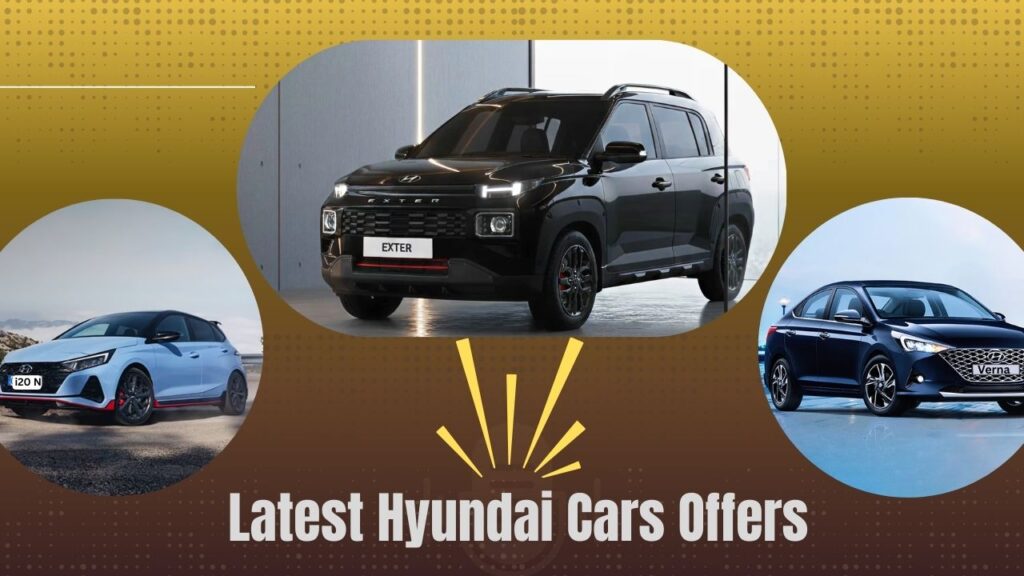
Hyundai Cars Offers on Verna

The 2026 Indian Car Market Spins with New Twists, there are Latest Hyundai Cars which can amazed you totally. Although supply chain hysteria has started to subside in a post-pandemic world, a new issue has come around: a significant change in the types of cars that people want to drive. If you’ve been out on the roads in India these days, you will have noticed it—SUVs have become the majority on the road, and the traditional sedan and the small hatchback are struggling to hold onto the spotlight.

Against this backdrop, Hyundai Motor India (HMIL) has come out all guns blazing with a huge “February Discount.” Explore all the cars with massive offers to buy in 2026.

Why February is “Deal Month”

To get an idea of why Hyundai is suddenly so generous, look at the January sales figures. On the face of it, all is well — 9% growth year-on-year. But if we take a closer look, there is the SUV Fortress. The Venue and Creta sales are skyrocketing.

However, sales of TCS-heavy flagship sedan, Hyundai Verna tanked 44% in the last month. That’s not because the car is bad, it’s because Indian buyers are flocking en masse to high-riding vehicles. In order to take on this challenge from measures, Hyundai has introduced the “Pride of India” scheme, with its sights set on the Indian middle class: government employees, and PSU bankers. To these specific corporate bonuses, they add huge cash discounts, making even a sedan difficult to refuse for an SUV-lover. 

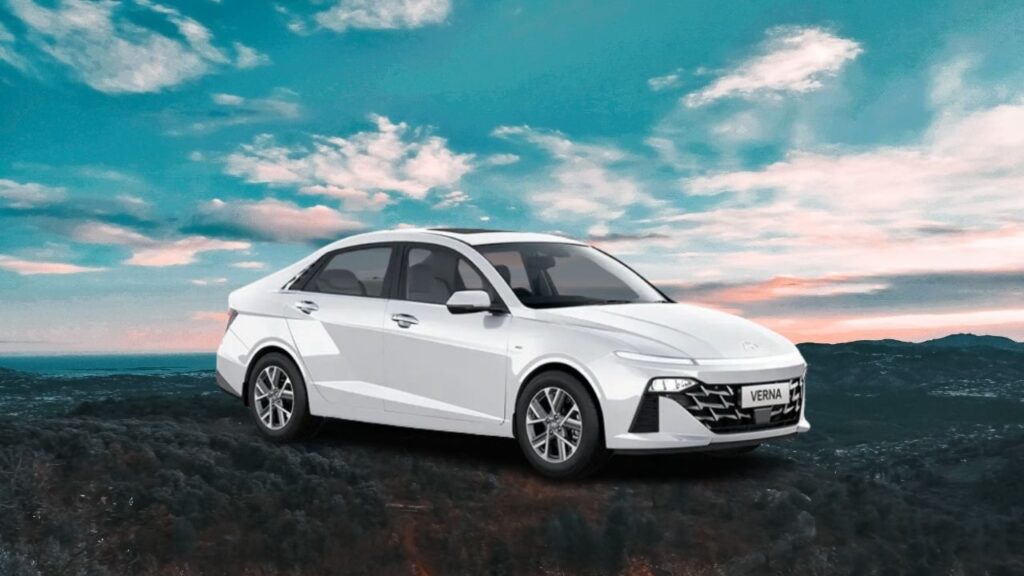
The Verna — a Mid-Size Sedan

If you have been looking at a mid-size sedan, then the February deals on the Verna are just too good to miss. It’s about total benefits of up to ₹98,000. 

The Verna — a Mid-Size Sedan

Benefit Category MY25 Petrol MT MY25 Petrol AT MY26 Petrol MT
Cash Discount ₹25,000 ₹40,000 ₹25,000
Scrappage/Exchange ₹70,000 ₹50,000 ₹45,000
Pride of India ₹3,000 ₹3,000 ₹3,000
Total Benefit ₹98,000 ₹93,000 ₹73,000

Driving sensation: Relaxed vs. Energetic

Verna has two different personalities:

The 1.5L Naturally Aspirated: Ideal for the daily grind. Its IVT (Hyundai’s take on a CVT) transmission contributes to butter smooth driving amid stop-and-go traffic.

The 1.5L Turbo GDi: This is for the enthusiast. It has more power (160 HP), the VW Virtus is no match in a sprint. If you’ve found yourself stuck on the in India, remember to shift to Neutral during long halts to leave that clutch! 

The Exter: Punching Back at the Competition

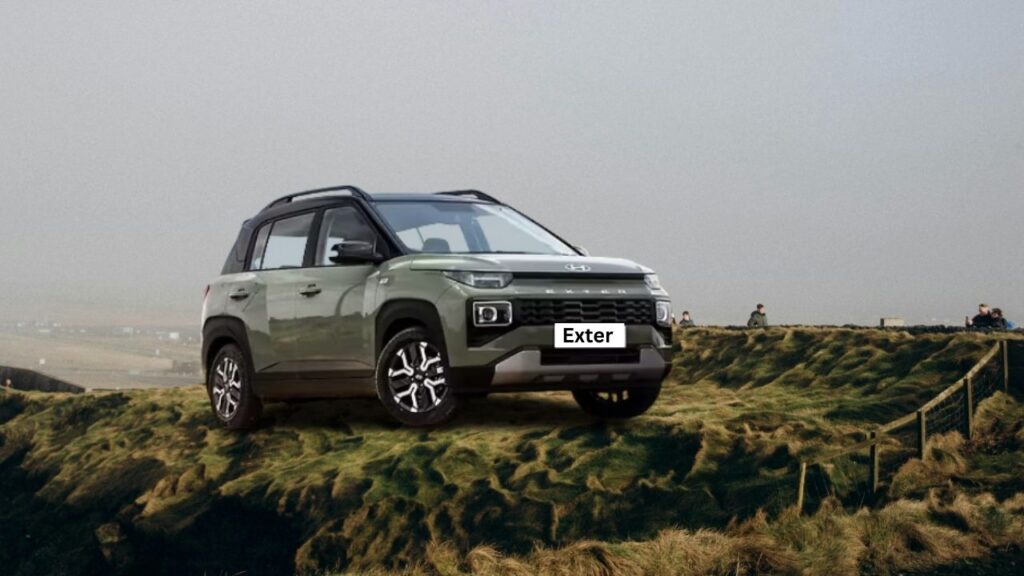
The Hyundai Exter is Hyundai’s answer to the Tata Punch in the Micro-SUV segment. It’s boxy, it’s useful, and right now it’s going for a ₹43,000 discount. 

The Exter Punching Back at the Competition

Why the Exter Works

The Exter is designed to be as big on the inside as possible, and as small on the outside as humanly possible. It has a “segment-best” 391 liter boot, which matters for a small family going out on a weekend trip. 

Its suspension is fantastic at absorbing the city bumps and potholes, but the stock headlights are a tad on the weak side for unlit stretches of highway. A bulb upgrade might be the first “mod” you make, if you drive a lot at night. 

With a steady CNG cost of about ₹ 95.75/kg, the running cost is less than ₹4 per km. That’s more economical than a few auto-rickshaws! 

The Enthusiast’s Corner: i20 N Line

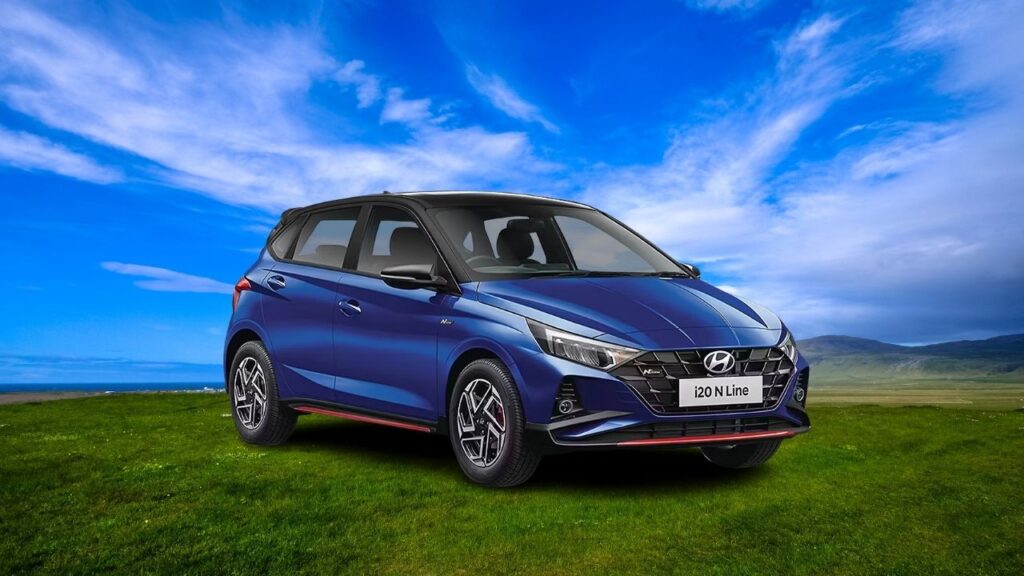
Normal i20 is still the “Comfort King” (it remains the only one in its segment with a Bose sound system), but the N Line is where the heart is.

The Enthusiast’s Corner i20 N Line

Hyundai has sensibly revived the 6-speed Manual for the N Line, replacing the outdated iMT. It feels mechanical, tactile, and smells wonderful thanks to that twin-tip exhaust. With a ₹ 58,000 discount this month, it is still one of the very few cars which can make you believe that driving is not only hard work but also great fun. 

Should You Buy Now?

The askings in these February editions being particularly aggressive hints at a “stock clearance” event for the March fiscal-year end, with a Verna facelift expected in late 2026.

If you are not a “must have 2026” stamp on your regplate type of person, then getting a Model Year 2025 (MY25) vehicle right now is one of the best financial decisions you can make. You have the same engineering, the same warranty, and even the same features, but now with nearly ₹1 Lakh in your pockets. 

Read More:-  Verna vs Slavia vs Virtus: Which Midsize Sedan Should You Buy in 2026?

Conclusion

Hyundai’s February 2026 deals aren’t just festive discounts—they’re a savvy play for shoppers to get more for their money in an SUV-led market. Be it the feature-packed Verna, the practical and fuel-efficient Exter or the performance oriented i20 N Line, Latest Hyundai Cars make each segment truly difficult to overlook. For the deepest discounts without sacrificing quality, performance, or long-term dependability, this is one of the best times in 2026 to bring home a Hyundai. 

0

Bill Gates Car Collection 2025: Luxury Cars, Price & Lifestyle

Published Sep 3, 2025, 9:34 AM
Last Updated Apr 3, 2026, 5:24 AM

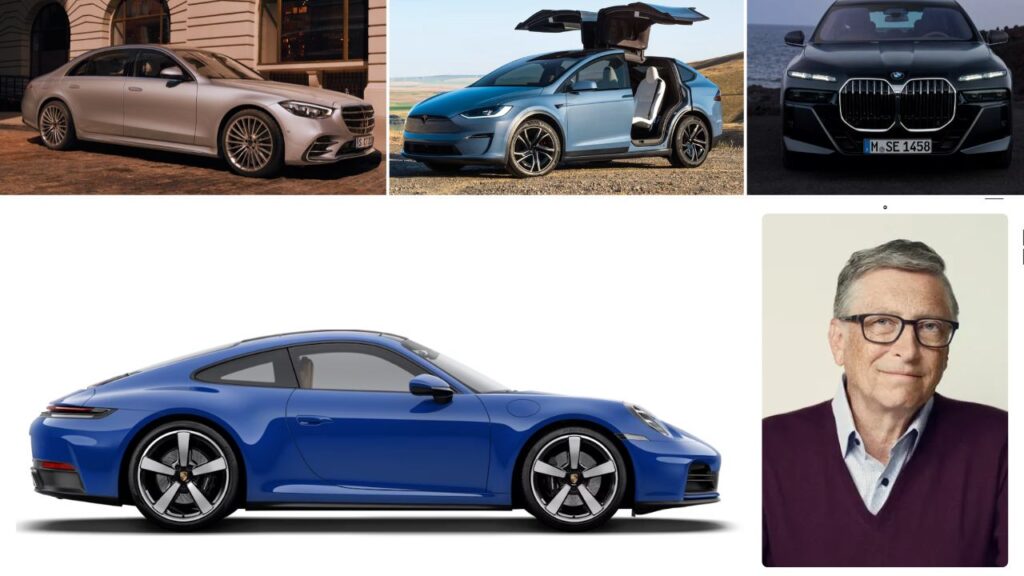
Bill Gates car collection 2025 featuring Porsche, Tesla, Ferrari, BMW, and Mercedes-Benz

One of the most influential philanthropists, co-founder of Microsoft – Bill Gates has a car collection that reflects his lifestyle and his taste in cars. Bill Gates car collection 2025, remains a fascinating blend of iconic models, practical daily drivers, and futuristic automotive tech. 

While Gates net worth of billions could easily allow him to buy different and expensive models. His garage is describing his appreciation for engineering more rather than displaying wealth. 

Let’s explore his collection to see what makes them valuable and expensive.

The Porsche Obsession 

Bill Gates car collection is filled with love for Porsche, he owned a 1979 Porsche 911 Carrera and its variant 930 Turbo. Gates also acquired the 959 model which was banned in the U.S. but now new rules have allowed limited use of this model. These cars build his strong love for German automotive and performance.

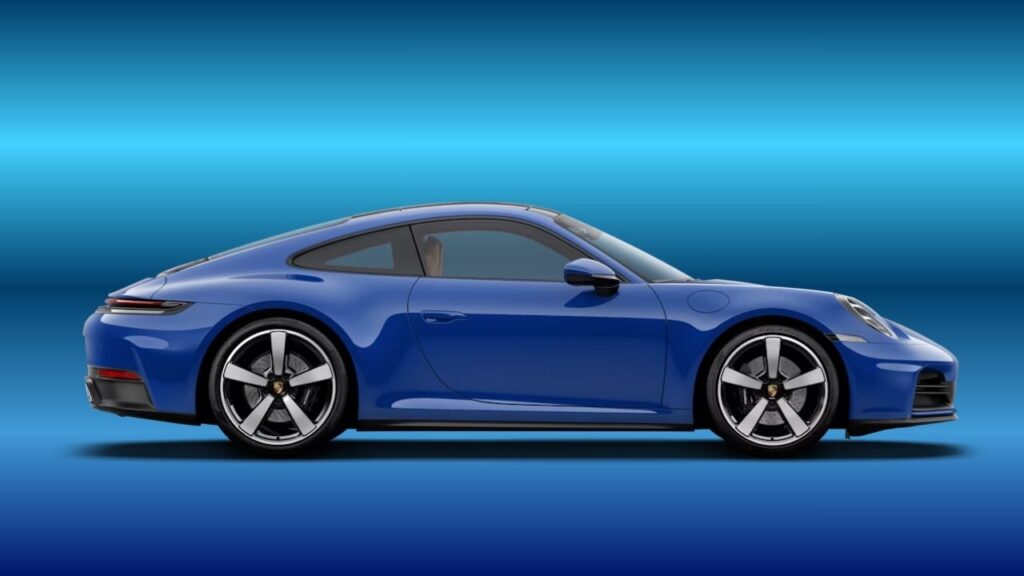
Porsche 911

Bill Gates Porsche 911 Carrera in silver with classic round headlights

Image credit: Porsche

Porsche 911 of Bill Gates is a symbol of his early entrepreneurial journey. As it defines the expensive reflection of his life that shows practicality and comfort with its features.

Unique Design of Porsche 911 and Key Features

The most recognizable attributes, characterized by its round headlights, its shape, and sloping roofline. The unstoppable performance with top speed of 294 km/h and 394 PS with acceleration from 0 to 100 km/h in 4.1 seconds. The 911 model price varies on the model, it starts from Rs. 2.11 crore. Variants like Turbo price can go higher to Rs 4.06 crore.

Features Details
Engine 2981cc 6-cylinder twin-turbo
Torque 379 bhp
Transmission 8-speed automatic
Drive Type RWD / AWD

Also Read: Mr Beast Car Collection: Inside the Garage of a YouTube Billionaire!

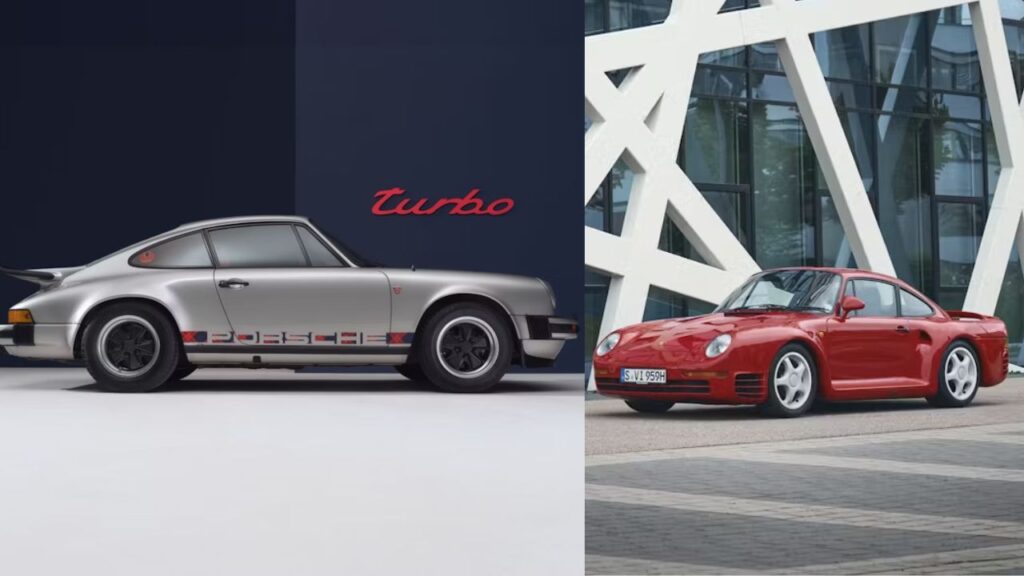
Porsche 930 and 959 – Features and Design

Bill Gates’ Porsche 930 Turbo and rare Porsche 959 supercars showcasing raw power and futuristic design

Image credit: Porsche

These two have held a special position in Gates car collection because of their outstanding performance and iconic designs. They represent different approaches to performance. The 930 turbo is the first turbocharged production 911. This machine earned a nickname “widowmaker” due to its supercar powers that are still used today. 

Feature Porsche 930 Porsche 959
Production Years 1975–1989 1986–1993
Engine Flat-6 turbo Flat-6 twin-turbo 
Drivetrain Rear-wheel drive  All-wheel drive
Transmission 4-speed manual (later 5-speed) 6-speed manual (5 forward + off-road gear)
Braking Vented disc brakes, no ABS Vented disc brakes, ABS
Philosophy Raw, mechanical, driver-focused Tech-laden, future-oriented supercar

A Practical and Eco-Conscious Choice: Tesla Model X

Bill Gates surprised everyone while adding Tesla Model X in his garage. It represents his taste of cars that supports nature without compromising performance. Despite the complex relations with Tesla’s CEO Elon Musk, Gates shows compassion over cars.

Features and Performance

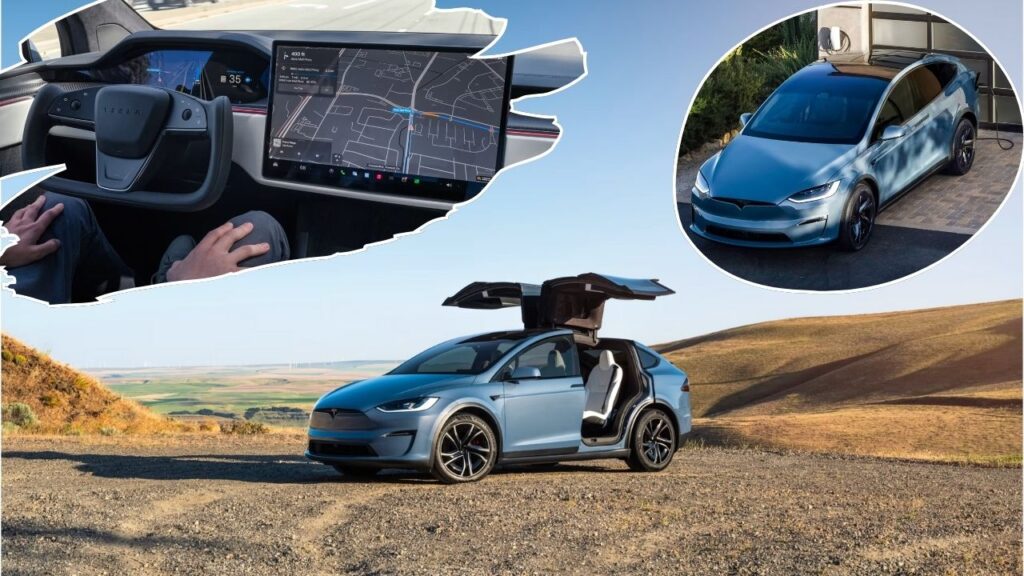
This iconic model has a distinctive feature like Falcon Wing Doors which opens upwards. Doors are functioning automatically that makes an impression.  

Tesla Model X with Falcon Wing Doors owned by Bill Gates

Image credit: Tesla

It offers spacious and versatile seating, making it comfortable for families. It has a wonderful Glass roof which gives an uninterrupted view and the Yoke steering wheel provides an instrument cluster and road view. Its towing capacity is 5000 lbs which is huge in an electric SUV.

Autopilot features let you feel relaxed with warning on lane departure, adaptive cruise control, and emergency braking making it reliable for everyone. Additionally, Full Self-Driving capability delivers advanced features. But it needs supervision obviously, it only includes automatic lane changes and navigation on Autopilot. 

Other Gems in the Collection

Bill Gates’ interest in automotive doesn’t stop at Porsche and Tesla but he also owns other modest cars. 

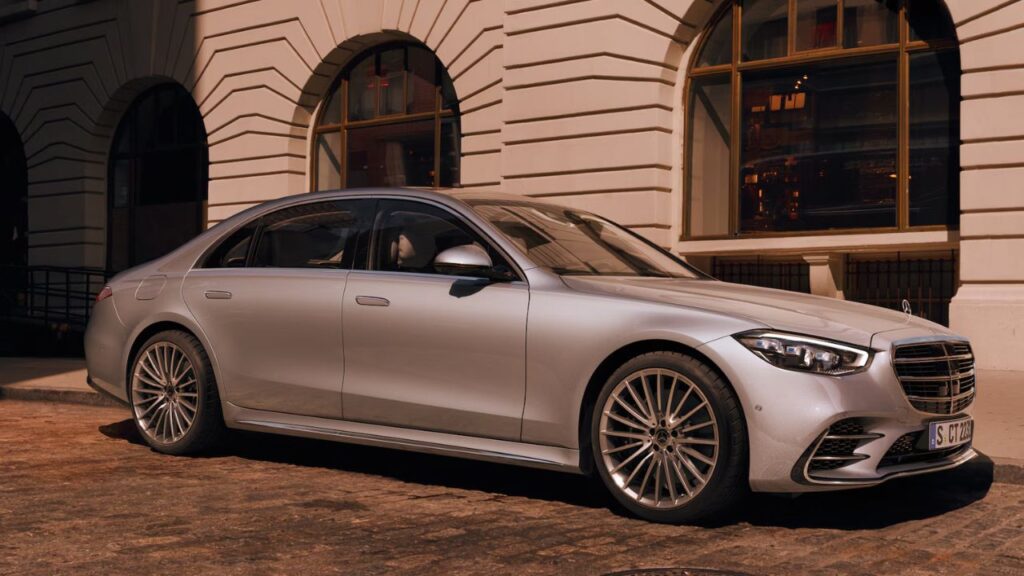
Mercedes-Benz S-Class

Black Mercedes-Benz S-Class luxury sedan from Bill Gates’ car collection

Image credit: Mercedes-benz

Gates owned a luxury sedan – Mercedes-Benz S-Class, which offered a 3.0L engine with 9-speed transmission to become the fastest sedan. Its safety features include 10 airbags, ABS, and many others that work automatically to assist in driving. It’s high-tech including automatic climate control, electric seats, rear-seat entertainment comes in the S-Class model.

Features Details
Engine 3.0L inline-6 turbo
Transmission 9-speed automatic
Performance 0-100 km/h in 5.1 seconds
Suspension Air suspension with electronically adjustable front & rear
Interior & Exterior Leather seats, power boot, ambient lightning

BMW 7 Series

BMW 7 offers 3.0L engine and 375 horsepower for robust performance on every road. Its comfort and safety features made this car a perfect fit for long trips and city commutes. Its sports and manual modes deliver an incredible experience of journey.

Category Features 
Engine 3.0L / 4.4L V8
Transmission 8-speed automatic
Drivetrain Rear-wheel drive 
Speed 0-100 km/h in 4.1 seconds
Comfort & Tech Infotainment system, ventilated seats, adaptive air suspension
Safety 7 airbags, assistance on lane and 360° camera

Ferrari 348

The Ferrari 348 is a sharp, driver-focused character that blends with stylish design which catch-out everyone’s eyes. With a 3.4L V8 engine it delivers 296 hp to experience an amazing ride.

Features Details
Production Years 1989–1995
Engine 3.4L V8
Power 296 hp
Transmission 5-speed manual
Performance 0-60 mph in 5.3 seconds
Suspension Independent double wishbone front and rear

Conclusion

Bill Gates car collection 2025 is a definition of rare and valuable classic engineering. These cars established his obsession towards groundbreaking engineering and classic designs. Gates values practicality and function in his daily life, even though he has millions of net worth. It’s a collection that proves one thing for sure, sometimes appreciating the art and science of the automobile is more valuable and practical than extravagance. 

0

Toyota Car Prices After GST 2.0 – Full List of Revised Prices & Savings

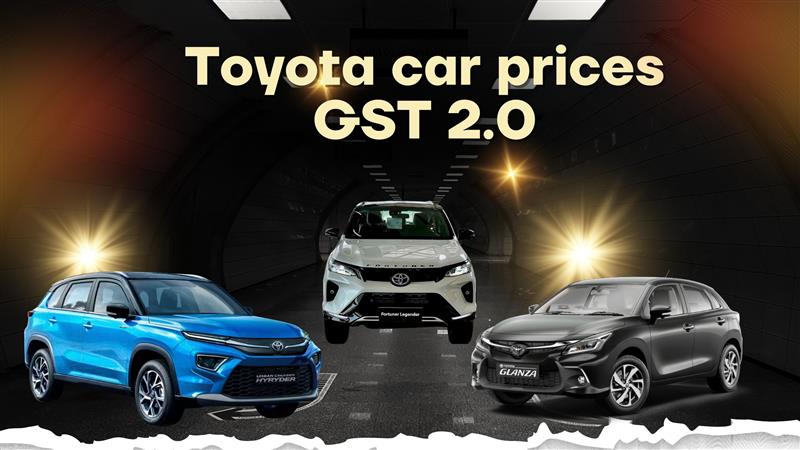
Toyota Kirloskar Motor has announced big price reductions on all its cars after GST 2.0, which came into effect on September 22, 2025. The company is planning to deliver all the benefits with the customers with Toyota car prices GST 2.0, resulting in significant savings between ₹48,700 and ₹3.49 lakh. The price varies upon the variant and model of the car. This is the big opportunity for Indian buyers to buy Toyota’s favorite model at less price.

The Revised GST Structure Changes

The reform GST structure and reduced tax are changed accordingly across small and large vehicles.

Small Cars

Petrol engines up to 1200cc Reduced from 29% to 18%
Diesel engines up to 1500cc Reduced from 31% to 18%

Larger Cars

Mid-size cars with engines up to 1500cc Reduced from up to 45% to 40%
SUVs with engines exceeding 1500cc Reduced from up to 50% (28% GST + 22% cess) to 40%

Model-Wise Price Reductions

Entry-Level and Compact Cars

Toyota Glanza

Price reduction Up to ₹85,300
Tax rate change 29% to 18%
New price range ₹6.39 lakh to ₹9.14 lakh According to the ex-showroom price
Savings Good savings around 8.5% 

Toyota Taisor

Price reduction Up to ₹1.11 lakh
Tax rate change 29% to 18%
New price range ₹7.21 lakh to ₹11.91 lakh According to the ex-showroom price
Savings Maximum savings 

Toyota Rumion

Price reduction Up to ₹48,700
Tax rate change 45% to 40%
New price range ₹10.44 lakh to ₹13.61 lakh According to the ex-showroom price
Savings Maximum savings up to 3.45%

Big Toyota SUVs

Toyota Urban Cruiser Hyryder

Price reduction Up to ₹65,400
Tax rate change 45% to 40%
New price range ₹10.95 lakh to ₹20.19 lakh According to the ex-showroom price
Savings all petrol, CNG, and hybrid variants gives good saving

Fortuner the big SUV

Price reduction ₹3.49 lakh (highest among all Toyota models)
Tax rate change 50% to 40%
New price range ₹33.65 lakh 
Savings Maximum savings on GR-S 4×4 AT variant

Fortuner Legender

Price reduction Up to ₹3.34 lakh
Tax rate change 50% to 40%
New price range ₹41.54 lakh to ₹46.75 lakh According to the ex-showroom price 
Savings Maximum savings 

MPVs and Family Vehicles

Innova Crysta

Price reduction Up to ₹1.81 lakh
Tax rate change 50% to 40%
New price range ₹18.66 lakh 
Savings Around 6.66%

Innova Hycross

Price reduction Up to ₹1.16 lakh
Tax rate change 50% to 40%
New price range ₹19.20 lakh to ₹31.34 lakh According to the ex-showroom price
Price drop  from 2.09% to 5.41%

Luxury Vehicles Price Drop

Premium Hilux 

Price reduction Up to ₹2.53 lakh
Tax rate change 50%
New price range ₹28.02 lakh

Toyota Camry

Price reduction Up to ₹1.02 lakh
Tax rate change 40%
New price range ₹47.48 lakh for both Elegant and Sprint variants

Toyota Vellfire

Price reduction Up to ₹2.78 lakh
Tax rate change Up to 40%
New price range ₹1.19 lakh to ₹1.29 crore
Price drop 1.22 cr drop to 1.20 cr

Land Cruiser 300

Price reduction No changes
Price range ₹2.15 crore to ₹2.24 crore

Read More :-  Chevy Silverado vs Ford F-150: Which Pickup Rules 2025?

Impact and Benefits for Customers

The New GST tax changes are implemented across all the Toyota cars and create a big advantage for their customers.

Enhanced Affordability

Now, most of the customers are attracted towards Toyota vehicles due to heavy price reduction rather than other segments.

Simplified Tax Structure

By removing complex cess calculation make price structure more simple

Festive Season Timing

In India, festive seasons boost the demands on most of the large products including cars. GST revision coincides with Navratri celebrations.

Transparent Pricing

Toyota’s commitment to passing full benefits, making the brand’s approach customer-centric.

Market Positioning

The price reduction reflected Toyota’s market position, boosting it to the next-level.

Entry-level segment

Glanza and Taisor become more competitive against Maruti Suzuki and Hyundai offerings

The SUV segment has become accessible to most of the buyers while its position remained premium.

The MPV dominance and Luxury segment are premium segments that hold the special value and its excellent models make up Toyota’s leadership. 

Conclusion

The new price of Toyota cars are impressive and attract many buyers to its excellent models including Fortuner, Crysta, and Glanza. Whether you want to buy small cars or large cars, the price reduction under the GST 2.0 applies to all the Toyota’s except Toyota Land Cruiser 300. The changes of Cruiser are too minor and don’t affect its old cost. But other luxury cars like the Vellfire and Camry price are also reduced.

0

Car Maintenance Tips That Save Money And Valuable Time

Published Jun 1, 2026, 12:41 PM
Last Updated Jun 19, 2026, 9:47 AM

Car Maintenance Tips

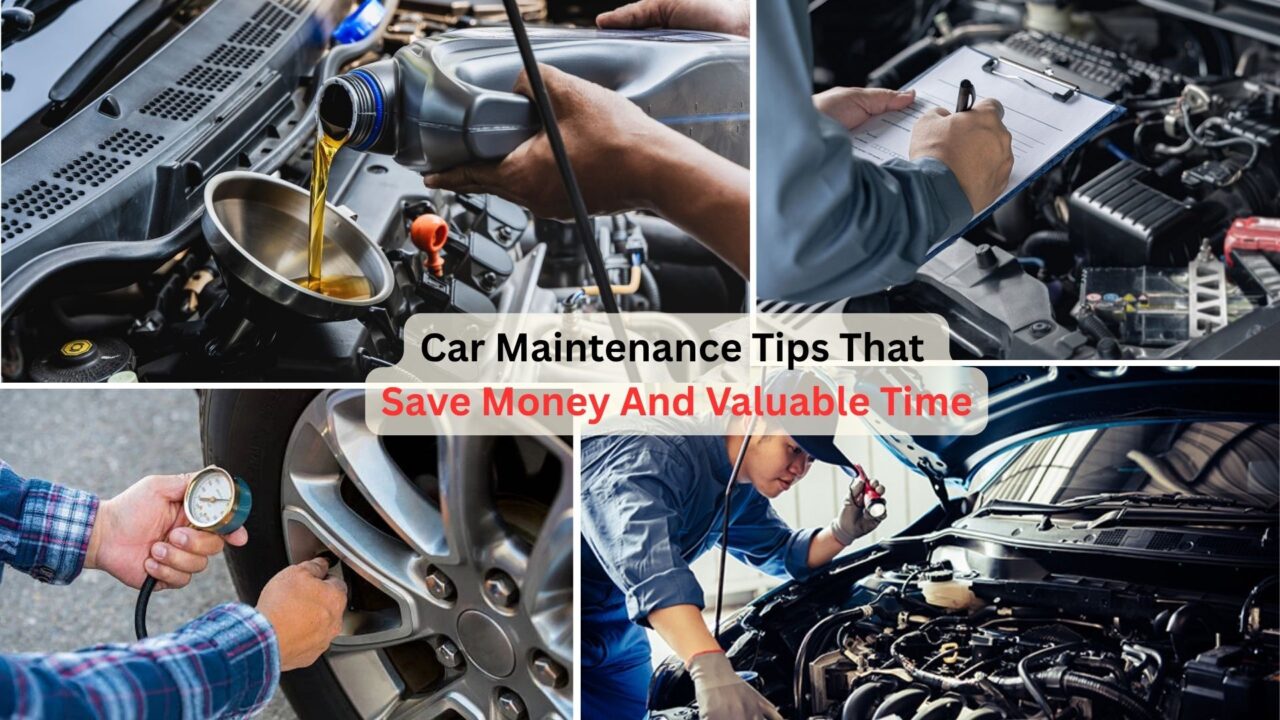
According to various sources of car reports, most of the vehicles break down on highways and longer trips due to lack of basic maintenance that is needed regularly. Neglecting it, won’t stop your bills but eventually it just delays a bill that gathers interest along the way. Owning a vehicle long enough causes you to face many triggers like a strange sound, a dashboard light flickers on, or hiccups while starting the engine. Following a few car maintenance tips can save your money.

If you are exhausted from losing your money on your car’s maintenance and want to increase the lifespan then follow these important and budget-friendly maintenance strategies that will help you keep costs low.

1. Do Not Skip the Engine’s Lifeblood: Routine Fluids

There are few important fluids in your car’s heart: Engine. So keeping it topped off is the core baseline of affordable vehicle maintenance.

Engine Oil

Engine oil is used to avoid friction between metals, remove heat from the combustion chamber, and collect debris from inside of the engine. The oil gets thicker and gritty with time and if you don’t change it on time. That causes more load on the engine and it will burn more fuel for a few meters ride, burst and fail in the end.

Engine oil costs less than your entire engine repair cost. To save your money and time, make a habit to change that oil regularly. The car owner’s manual provides the information that you need, it also suggests if your car accepts synthetic oil. It’s more expensive than usual oil but gives you 7,500 to 10,000 miles more to run at one change rather than conventional oil’s 3,000 to 5,000 miles.

Full Detail: Manual Or Automatic Cars  – Which One Should You Buy?

Other Essential Fluids

There are few more fluids in the veins of car that every few months level check-ups:

  • Coolant (Antifreeze): Preventing engine overheating by removing it away. It will cause engine warping..
  • Brake Fluid: If your car doesn’t stop when needed could be a disaster, balanced Brake Fluid is necessary for the brake system.
  • Transmission Fluid: Ensures smooth gear shifts and avoids expense in mechanical rebuilds.

2. Treat Your Tires Right (And Save on Fuel)

The entire body is carried upon the tires, keeping them in good condition will give you the best experience of the ride. It drastically reduces strain on your car’s suspension, increases gas mileage, and delays the steep cost of a brand-new set.

Maintenance Action Frequency Financial Benefit
Check Tire Pressure Once a month Improves fuel economy by up to 3% ($100+ saved annually)
Tire Rotation Every 5,000 to 7,500 miles Ensures even tread wear; extends tire life by up to 50%
Wheel Alignment When vehicle pulls left/right Prevents premature tread balding and protects suspension components

The Power of Proper Inflation

Under-inflated tires create excessive rolling resistance and generate heat. This forces your engine to consume more fuel to move. Spending just ₹850–₹900 on a portable tire pressure gauge and frequently checking your tires will keep them last longer and save more money.

3. Drive Efficiently and Ease Into Your Stops

You do not even have to open the hood of your car to start practicing cheap car maintenance. Your driving habit matters, more importantly how your foot behaves with gas and brake pedals.

If you opt aggressive driving which means rapid acceleration by stomping on the gas pedal and slamming on the brakes at the last second will burn more fuel, cause more heat, wear out brake pads and tires early.

Smooth driving will maintain the gradual energy flow by lifting your foot off the accelerator early and easing into a complete stop, you can stretch the lifecycle of your brake pads from an average of 10,000 miles up to a spectacular 20,000 or 30,000 miles. Over the total lifespan of your car, preventing unnecessary brake pad replacements can save you up to ₹85,000–₹90,000. Additionally, you can boost your gas mileage by 10% to 20% with smooth driving.

4. Tackle Easy DIY Tasks 

Many car owners book a mechanic immediately for the simple jobs which can be solved with just small efforts. Those tasks don’t require specialized training or expensive mechanical gear, only 15 or 30 minutes to manage small repairs yourself. It is highly empowering and bypasses costly dealership labor rates.

Replacing the Engine Air Filter

Engine Air Filters are the gatekeeping for the combustion chamber of your car’s engine that prevents dust, dirt, and road grime to enter. When it gets heavily clogged, your engine stops getting enough filtered air to breath so it eventually gets hotter and burns extra fuel. 

  • The Shop Cost: ₹3,400 to ₹6,000.
  • Tip: Buy the same filter for ₹1,300 to ₹1,700. It just takes two minutes, open a plastic air box under your hood, change the air filter with a new one, and snap it closed. It takes under five minutes.

Swapping Windshield Wiper Blades

Worn-out wipers that leave streaks can be dangerous during heavy rain. Dealerships often upcharge significantly for wiper installations. Instead, check your manual or a local auto parts store selector for your exact blade lengths. Most modern wiper blades utilize simple hook or click mechanisms that make swapping them out an absolute breeze.

Read More:-  How to Maintain Your Car Engine Properly

5. Listen to Your Car and Read the Manual

The single most valuable piece of car tech isn’t a fancy navigation system; it’s the paper booklet tucked away inside your glove box: The Owner’s Manual.

Stop relying on generic internet videos or high-pressure advice from a mechanic trying to sell an unneeded fluid flush. Your car manual will tell you every component’s lasting period, following that timeline will prevent over-service your vehicle, while ensuring you address critical parts before they snap and leave you stranded on the road.

Furthermore, do not normalize new dashboard warning symbols or odd sounds. A clicking noise, a slow fluid leak, or an illuminated check engine light are all early cries for help. An inexpensive OBD-II diagnostic scanner can be plugged right under your dashboard to read the exact error code your car is throwing, helping you identify if a problem is as simple as a loose gas cap before paying a garage diagnostic fee.

Conclusion of Car Maintenance tips & How to Save Money

Make this a golden rule of car owners for keeping regular maintenance costs less than major repairs. Do not neglect early signs of warning, keep your engine oil and other fluids topped up to reduce engine failure. Drive carefully by opting for a smooth ride over aggressive driving and maintain the right pressure in tires. These few car maintenance tips will take a few minutes but save your money.