0

Koenigsegg Cars: Fastest Models, Price, History and Top Hypercars

Published Mar 17, 2026, 12:43 PM
Last Updated Apr 6, 2026, 12:23 PM

Koenigsegg Cars

Let me tell you about a guy who as a kid in the 90s watched a Norwegian stop-motion film about a bike race and decided he was going to create the best sports car in the world. Christian von Koenigsegg was 22 when he established his company in 1994. While his friends were plotting their futures, he was ripping out pages from car magazines, teaching himself physics, and operating a strange trading business that involved importing misprinted plastic bags and — I am not making this up — frozen chickens. That poultry money? It would become the seed capital for what would ultimately supplant Ferrari, Porsche, and Bugatti.

Koenigsegg’s Fastest Creations

Jesko Absolut: Theoretical Velocity Champion

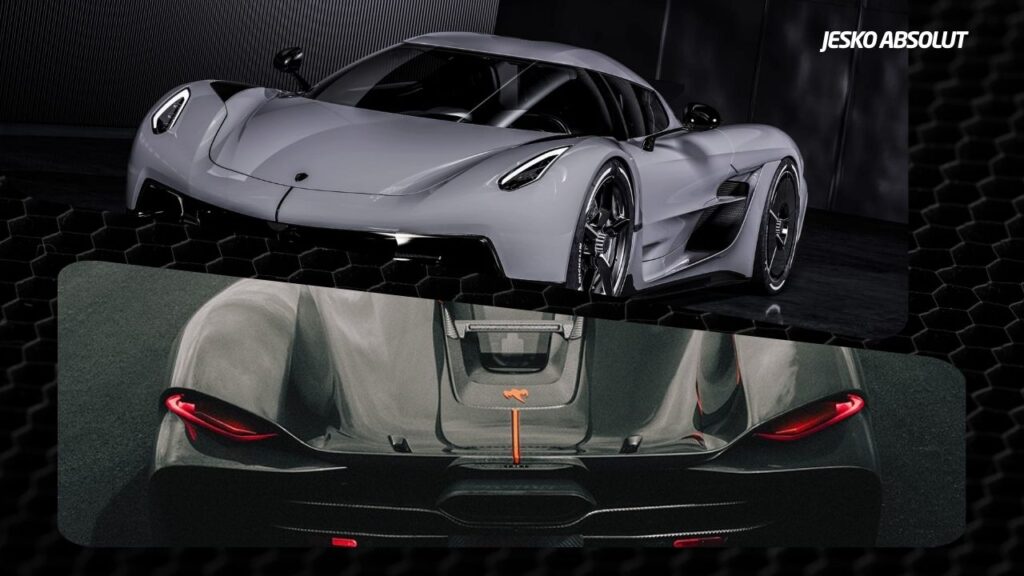
When Koenigsegg unveiled the Jesko Absolut back in 2019, they weren’t shy about making a sweeping statement: this would be their fastest car ever and could be the fastest production car ever. It takes its name from Christian’s father Jesko von Koenigsegg and features the ultimate expression of aerodynamic efficiency. Jesko Absolut’s drag coefficient is just 0.278 and maintaining very low frontal area and the Absolut creates only 40 kg of downforce at top speed – as opposed to around 1,400 kg generated by the Jesko on the track.

The Koenigsegg Jesko Absolut is a technical masterpiece, conceived to break new ground in terms of car performance.

Engine  twin-turbo V8
Power  1,600 horsepower on E85 biofuel
Transmission Koenigsegg’s Light Speed Transmission
Gear  nine-speed multi-clutch
Speed 330 mph

What makes this feat even more incredible is the engine is readily available. Koenigsegg’s V8, on the other hand, is a fairly compact unit compared to the monstrous W16—albeit elephantine in power levels and, really, it shouldn’t come as a surprise that it is also fairly massive. It’s over-efficiency meets excess, a marriage that encapsulates the brand. 

Regera: The Hybrid Game-Changer

The Rager made hybrid performance look easy prior to the Jesko Absolut taking the spotlight. This revolutionary machine, which was presented in 2015, combined 3 electric motors with a 5.0-liter twin-turbo V8 engine generating 1,500 horsepower. Yet it was the transmission — or more specifically, what the car didn’t have in the way of one — that was the real invention, not the power. 
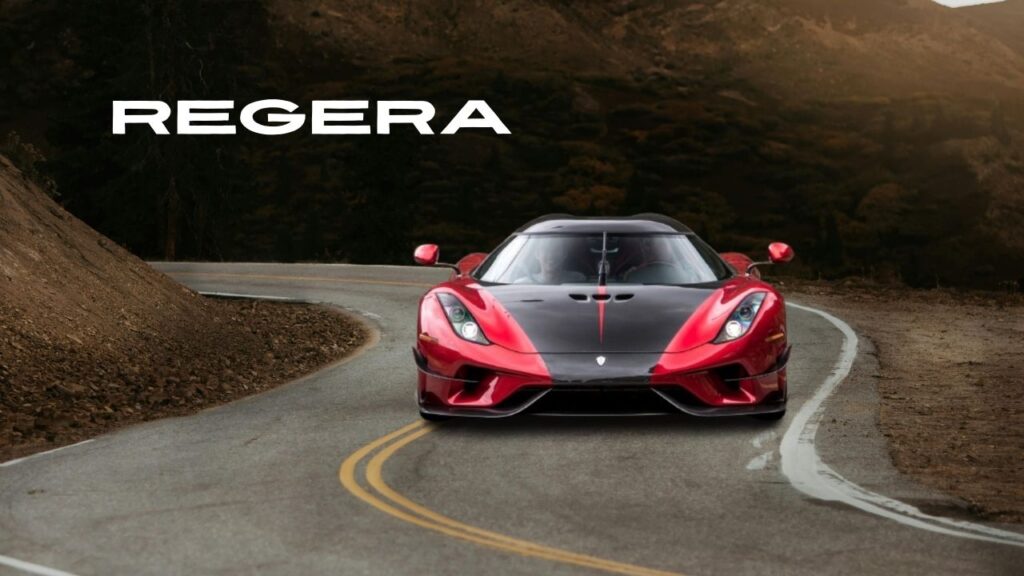
Regera

Koenigsegg has cut out the gearbox altogether, with its new Koenigsegg Direct Drive system. All speeds are taken care of by a single fixed gear ratio and at low speeds electric motors compensate for the torque gap. Regera offers smooth acceleration from 0— 250 mph within the same gear and it goes from 0-250 mph in 20 seconds, this raw number is a reality that feels like a dream but it’s true power.. 

It became an example of Koenigsegg’s thriller hero. The “Autoskin” makes the car open and close all its doors and panels like a transformer would show pieces of metal choreography. It’s redundant, over the top and completely mesmerizing — exactly what a hypercar should be. 

Agera RS: The Record Breaker

Agera RS is the top design car that exists on this land which was introduced in 2015, its mind-blowing power and speed covered with tech is extreme.
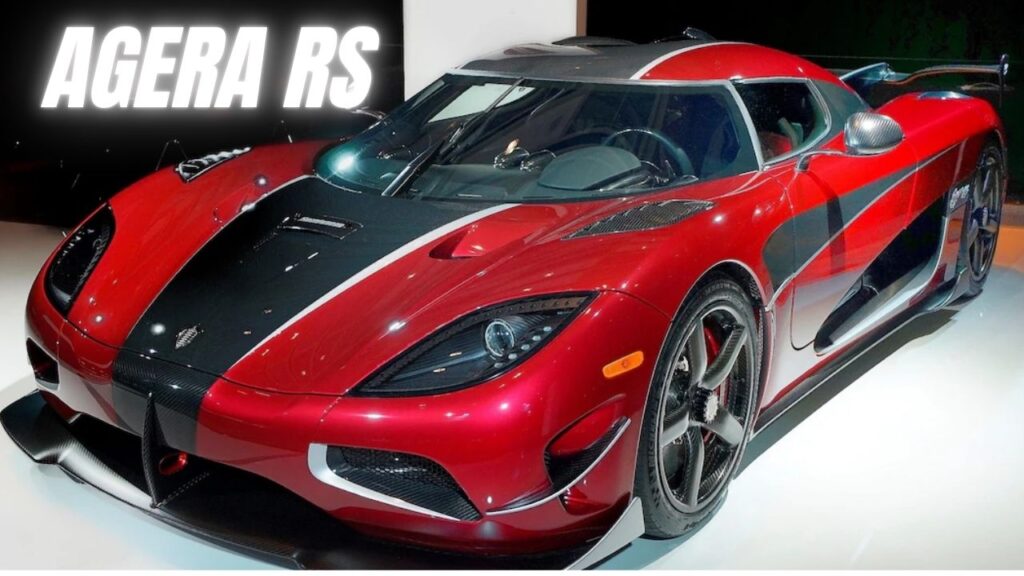
Agera RS

Engine  Twin-turbocharged 5.0-liter V8
Power  1,341 horsepower 
Top speed 277.9 mph (447.19 km/h)

It holds a position to break multiple records on the ground, it proves its capabilities and power to stand out as the most powerful engineered car on the platform.

Koenigsegg CC850 

This car is produced on high demand to the 70 units as it is a reboot of the old CC850. The end result is a hypercar that blends such familiar forms with genuinely new technology. 

Key Specifications

  • It offers a 5.0-litre twin-turbo V8 powerful engine to make 1,280 horsepower.
  • That’s not it, with 1,106 pound-feet of torque and 1,385 horsepower on E85—it runs like hell. 
  • The transmission is a cutting edge 9-speed multi-clutch system with gated shifter, which gives driver ability to shift gears manually. 
  • Performance: approximately 2.4 seconds to 0–100 mph.
  • This layout recreates the touch & feel of a real stick-shift without the use of a clutch pedal while keeping the drive-line connected to the driver. 
  • Price: Approximately $3.65 million  

Visually, the CC850 is inspired by the classic CC8S yet it’s completely up to date under the bonnet. It has clean lines, modern mechanics and a removable targa top that improves the driving experience and the timeless look of the car.  

Gemera: Revolutionary Technology

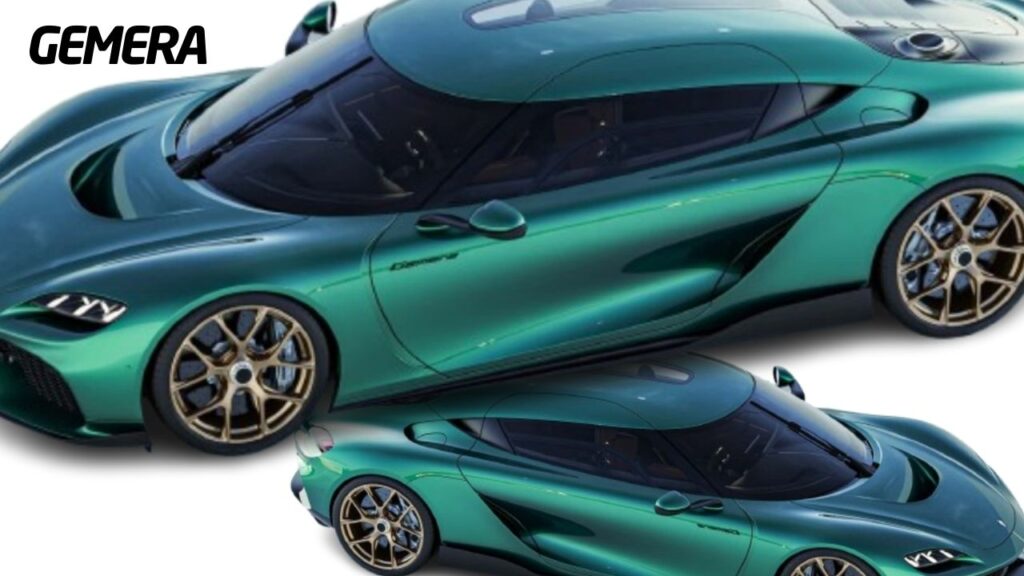
The Koenigsegg Gemera has been touted as the world’s first Mega-GT. The Gemera is not an outlier in that sense, but rather a sign that hypercars can be both blisteringly fast and useful, two traditional requirements that rarely coexist, though that is now changing with more mainstream products resembling megacars.
Gemera

It’s got true four-seat space with comfort and still manages to deliver the mind-bending power Koenigsegg is renowned for. 

Two Powertrain Options:

Three-Cylinder Hybrid

The above engine is one which has been engineered to amazement with extraordinary approach and thinking and hence the innovation in the automotive industry. 

  • It is a 2.0-liter twin-turbo three-cylinder engine with advanced Freevalve technology, which does away with the traditional camshaft. 
  • It produces a respectable 592 horsepower from just the internal combustion engine.
  • When combined with Koenigsegg’s Dark Matter electric motor, the overall total output upgrades to mind-boggling 1,381 horsepower and 1,364 lb-ft of torque. 
  • Despite its small size and lightweight design at a mere 70 kg (154 lbs), this engine is the most powerful three cylinder engine ever made. Its blend of power, efficiency, and innovation establishes a new standard in hypercar performance. 

Efficiency: This technology reduces emissions while driving by about 15–20% and cold-start emissions by nearly 60%, making it marginally cleaner than most hypercars. 

Hot V8 (HV8)

The Koenigsegg car described is the height of engineered automotive perfection and performance. 

engine  twin-turbo-charged 5.0-liter V8
advanced  “Hot-V” turbo
power 1,479 horse power
Combination with Dark Matter, a radical new, high-tech electric motor (800 additional hp)
Power & Torque 2300 total, 2028 torque

 About Transmission: Both the engines are equipped with Light Speed Tourbillon Transmission (LSTT) – a 9-speed, 7-clutch automatic inspired by the Jesko’s LST. For an instant shift from input shaft to the crankshaft for instant shifts of the flywheel. 

Practical Features:

Feature Details
Drivetrain 4-wheel drive and 4-wheel torque vectoring 
Storage 200 liters of storage space
Family-Friendly Options Isofix child seat mounts and roof rack compatibility
Fuel Tank 115-liter capacity
Battery & Electric Range 14 kWh battery pack providing 31 miles of electric-only range
Infotainment & Comfort Apple CarPlay and heated, electrically adjustable seats
Price Starting at $1.7 million USD

The Dark Matter E-Motor

Gemera spearheads Koenigsegg’s “Dark Matter” electric motor is a radical feat of engineering that will shape the design of future automobiles:

  • Output: 800 hp and 922 lb-ft (1,250 Nm) of torque
  • Weight: At only 39 kg (86 lbs), lighter than a bag of cement
  • Design: “Raxial Flux” - a radial and axial flux designs hybrid that wasn´t known in the automotive vocabulary until Koenigsegg designed it.
  • Technology: 6-phase system (double the usual 3-phase) based on silicon carbide semiconductors allowing for faster switching and low heat dissipation,
  • Materials: Motor is up to 90% carbon fiber including rotor and stator structures with no insulator layer added – world first
  • Size: 383.3 mm H × 381.5 mm W × 135.5 mm D – small enough to slip in a backpack! 

Topped off with the “David” inverter (at 33 lbs, the inverter is capable of 1,300+ amps and 850 volts), this system is the bleeding edge of electric propulsion. 

What Excellence Costs

Being able to own a Koenigsegg means you have the matching financial capabilities to the car’s insane performance. The Jesko, in Attack and Absolut versions, costs $3 million prior to options. The Regera, capped at 80, started at $1.9 million but now trades for far more in the secondary market. Even Gemera – which is basically entry-level in the hypercar firm’s product range, being a four-seater hybrid with 1,700hp – has a list price of over $1.7 million.
Excellence Costs

This is all to say: these numbers all make sense. Build a Koenigsegg, it takes about 4,000 hours. The carbon fiber monocoques are baked in autoclaves, the engines are hand built — not by robots — and quality control involves measurements within tolerances gauged in microns. So when you’re making about 50 cars a year, total — from all models — there are no economies of scale. 

Koenigsegg, however, insists its prices represent value relative to the other players. A Bugatti Chiron Super Sport 300+ is around $4 million, and limited edition Ferrari and Lamborghini models regularly go beyond the $2 million mark, although they’re less impressive in terms of numbers. In the wacky hypercar world economics, Koenigsegg is the engineer’s choice — buy for function, not badge heritage. 

Read More:- Gautam Singhania Car Collection 2026: Ferrari, Lamborghini, McLaren & More

Conclusion

What started as an impossible dream for a 22-year-old is now a reality in automotive form. Koenigsegg, the world’s most prestigious manufacturer, shows that passion, mixed with true engineering innovation, can trump the availability of resources. These are not just quick cars – they make statements on what is capable for human, making us think that the established ways really are the only way forward.

Each and every Koenigsegg is a culmination of two decades of obsessively refining, making engineering breakthroughs beyond any conventional understanding and a stubborn belief that perfection remains worth chasing up and chasing down, despite being ultimately unattainable. 

In a business increasingly defined by corporate consolidation and regulatory compromise, Koenigsegg is a beacon that originally appeared on Quattroruote in Italian individual vision and mechanical purity. The Ghost Squadron is still flying, faster and more vibrantly than ever, a reminder that there remains a place for the rebel in the highest veins of automotive excellence. 

Sharey Khan

Sharey Khan is an IT entrepreneur and petrol head & a car enthusiast. With a special focus on car-related content, he combines his deep passion for vehicles with a talent for crafting informative, engaging, and easy-to-understand content. His writing is driven by a genuine love for cars and he is committed to providing readers with accurate, up-to-date, and trustworthy information that empowers smarter driving decisions. 

Leave a Reply

Your email address will not be published. Required fields are marked *

0

Best Fuel Efficient Cars in India 2026 for Daily Use

Published Jul 1, 2026, 12:56 PM
Last Updated Jul 2, 2026, 4:50 AM

Top Fuel Efficient CarsFuel efficiency has become one of the biggest priorities for Indian car buyers in 2026 as petrol and diesel prices continue to rise. As fuel costs keep increasing, buyers are paying closer attention to how much a vehicle will cost to run every day. Whether they are choosing a hatchback, sedan, or SUV, Fuel Efficient Cars have become the preferred option for reducing daily running expenses. As a result, finding the most fuel-efficient cars in India is now a top priority for many buyers.
Additionally, figuring out the car’s fuel economy through official ARAI mileage figures is old. Now people are calculating on fuel efficiency that is conducted in real-world road conditions and traffic because these factors have an impact on fuel consumption. That laboratory-tested number can only give you hints but it depends on the driving habit.

Let’s see what are those factors and which are the most Fuel Efficient Cars India in 2026 for daily use.

Impacts of Different Engines on Car’s Fuel Efficiency

The Evolution of More Efficient Petrol Engines 

The Indian car market is still dominated by naturally aspirated petrol engines while there are electric vehicles, hybrids, and CNG models. Car makers have been honing these engines for years to make them more fuel efficient without sacrificing reliability or driving up maintenance costs. 

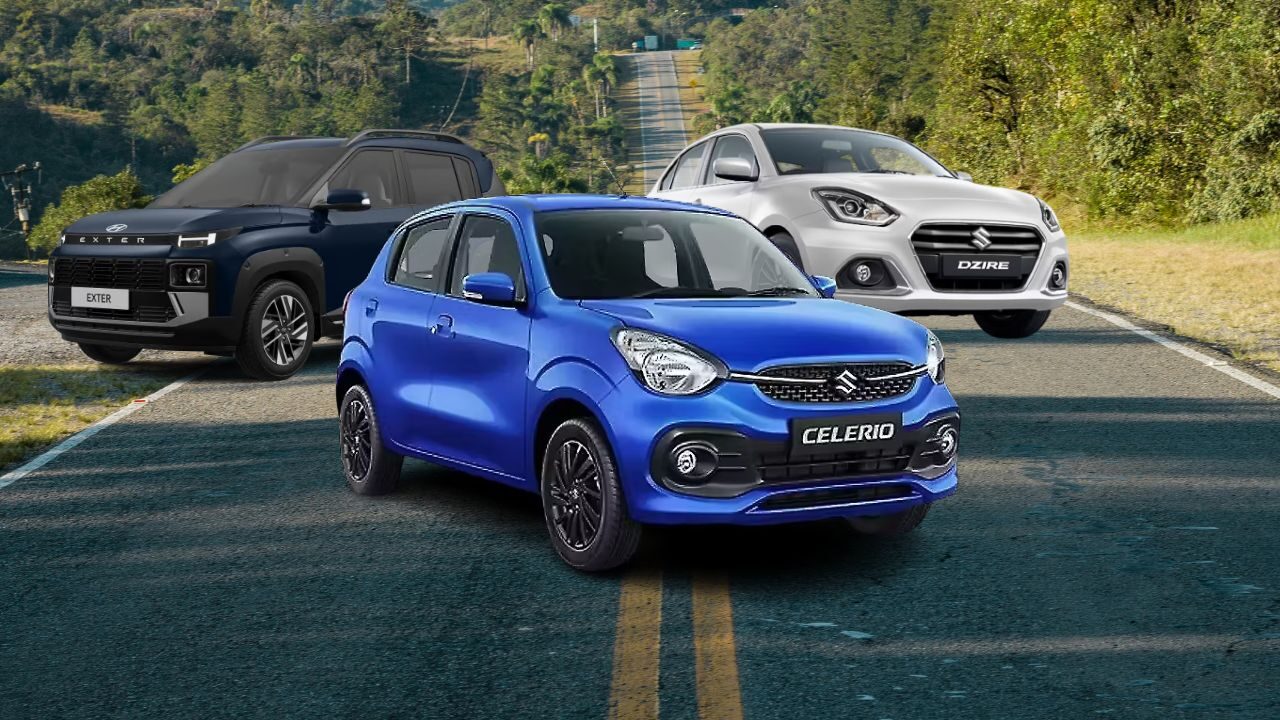
  1. 1. Maruti Suzuki Celerio is a proven example which is still the most fuel efficient petrol car in India. The Celerio is based on Maruti Suzuki’s new light-weight HEARTECT platform which enables the 1.0-litre K10C petrol engine to be more peppy without being more thirsty as the car weighs in at a mere ~760 kg.  

Celerio gives 26.68 kmpl but 19–21 kmpl of mileage in city and 24 kmpl on highways claimed by the owner which makes it one of the most fuel-efficient petrol cars for daily use. 

  1. The latest Swift and Dzire have also been a game changer for Maruti Suzuki. Rather than sticking with the old four-cylinder K-Series engine, the company launched the brand new 1.2-litre, three-cylinder Z12E petrol engine for the 2025 and 2026 editions. Although power output has dropped slightly to 82 HP and 112 Nm of torque, the priority now is fuel economy and smoother running at lower speeds. 

The latest Swift weighs nearly 90 kg less than the previous generation which improves efficiency. These changes open real-world driving experiences more comfortably and reliably. The Swift Manual, rated at 24.80 kmpl by ARAI, but the real mileage is around 17–19 kmpl. If the driver is taking Swift on highway with steady driving, it delivers 22 kmpl while the AMT version gives 16–18 kmpl in city traffic as the early gear shifts making engine speed low.

Owners commonly report that the Maruti Suzuki Dzire delivers 15–17 kmpl in heavy city traffic which makes it also the best fuel efficient car. It becomes the most fuel-efficient compact sedan available in India. It gives 20–22 kmpl on highways.

Vehicle Model Powertrain ARAI Claim (kmpl) Real-World City (kmpl) Real-World Highway (kmpl)
Maruti Suzuki Celerio 1.0L K10C Petrol MT 26.68 19 – 21 23 – 24
Maruti Suzuki Swift 1.2L Z12E Petrol MT 24.80 15 – 17 20 – 22
Maruti Suzuki Dzire 1.2L Z12E Petrol MT 24.79 14 – 16 19 – 21
Toyota Glanza / Baleno 1.2L Petrol MT 22.94 15 – 17 19 – 21
Tata Altroz 1.2L Revotron Petrol MT 19.33 12 – 14 16 – 18

These models highlight the fact that lighter platforms, modern engine design and better engineering are allowing petrol cars to still remain as a viable and economical option for Indian buyers. 

CNG Cars are the Most Cost-Effective Choice for Daily Driving 

CNG cars continue to offer the lowest running costs in India. After petrol engines, car buyers mostly choose CNG cars if they want efficiency but there is one major drawback was the large gas cylinder that occupied large space. Fortunately, manufacturers have solved this problem with smarter packaging solutions.          

  1. Tata Motors has brought in a dual-cylinder CNG system, wherein the conventional single 60-litre cylinder is replaced with two smaller 30-litre cylinders placed under the boot floor. This design enables more space for luggage without impacting fuel capacity. Take the Tata Punch iCNG, for instance, it provides close to 210 litres of usable boot space, which is a whole lot more practical for everyday family use. 

It offers a 1.2-litre three-cylinder Revotron engine that produces 72 hp and 103 Nm of torque. Tata Punch iCNG has a claimed mileage of 26.99 km/kg. In city roads the Punch returns approximately 20-21km/l and on highways. 

  1. Hyundai is also bringing a Hy-CNG Duo system to market in the Hyundai Exter. Smart placement of the cylinders under the floor means the Exter still manages to hold an impressive 391 litres of boot space, which is among the largest for CNG cars in the segment. This makes it a great choice for buyers who want to combine cheap running costs with day-to-day usability.

The Hyundai Exter is equipped with the 1.0L Kappa naturally aspirated engine that generates 68 hp and 95 Nm of torque. Its four-cylinder design provides smoother acceleration, less vibration and quieter operation, a boon especially when travelling in busy city streets. The Hyundai Exter Hy-CNG carries an ARAI mileage rating of 27.10 km/kg, the Exter gets a realistic mileage of 22-23 km/kg on city roads and 31 km/kg on highways. 

Selection between them often depends on priorities – the Exter provides more refinement and boot space, while the Punch impresses with its solid build, compliant suspension and a five-star Global NCAP safety score. 

Read More:-  Car Loan Interest Rates in India 2026 – Compare Banks and EMI Options 

Strong Hybrids are Redefining Fuel Efficiency 

If your budget lies between ₹15–25 lakh, strong hybrid cars are best for you. They are equipped with latest technology features, spacious cabin, and excellent design which represent your style without consuming high fuel. 

Few models such as Toyota Urban Cruiser Hyryder, Maruti Suzuki Grand Vitara, and Honda City e:HEV are the best hybrid models of this year. It is built on a petrol engine combined with an electric motor and a battery pack to provide a level of real-world efficiency that is miles ahead of the traditional petrol cars. 

These systems automatically transition between electric and petrol power based on the current driving conditions to make the most efficient use of energy. When the battery is out of charge, the petrol engine fires up automatically, and the electric motor and petrol engine work concurrently. It makes the car the best option for both city and highway driving. 

Strong hybrids can run on electric power alone at low speeds, allowing the vehicle to move through traffic with minimal fuel consumption. Because the electric motor takes care of a lot of the driving at lower speeds, the petrol engine can stay off for long stretches, reducing fuel consumption. 

  1. The Honda City e:HEV is as competitive as it gets when it comes to hybrid sedans in India. It offers a dual-motor hybrid system powered by a 1.5-litre Atkinson-cycle petrol engine that seamlessly switches between engine, electric and engine+electric drive modes to prioritize which mode to deliver power.

Honda SENSING The Electronics Room TSR (Traffic Sign Recognition) Detects traffic signs such as speed limit and stop signs (depending on region). It makes a lot of sense over the normal petrol sedans like the Volkswagen Virtus and Hyundai Verna which give around 12-14 kmpl in city driving as the monthly fuel bill can soak the City e:HEV. 

  1. Both Toyota Hyryder & Maruti Grand Vitara are available with both mild-hybrid and strong-hybrid powertrains. This version offers 14–17 kmpl in real-world driving. In city driving, a strong-hybrid model gives 20–24 kmpl of mileage. And their electric power at low speeds, they are much more efficient than petrol or diesels of a similar size, particularly in stop-start traffic. 
  2. Toyota has now also introduced hybrid technology in the Innova Hycross as well that returns 14-15 kmpl in real-world driving which is an impressive number for a big three-row MPV that tips the scales at close to two tonnes. 
Vehicle Model Powertrain Architecture ARAI Claim (kmpl) Real-World Mixed Average (kmpl)
Honda City e:HEV 1.5L Strong Hybrid e-CVT 27.26 22.0 – 24.0
Toyota Hyryder 1.5L Strong Hybrid e-CVT 27.97 21.5 – 23.0
Maruti Grand Vitara 1.5L Strong Hybrid e-CVT 27.97 21.5 – 23.0
Toyota Innova Hycross 2.0L Strong Hybrid e-CVT 21.10 14.6 – 15.0

Which Fuel Efficient Cars Should You Buy in 2026?

Fuel efficiency depends on how owners use their cars but some recommendations are mentioned below to make you guess what you need:

For high-mileage city drivers: there are a lot of options but the two undeniable ones are Cruiser Hyryder and Grand Vitara are the most strong hybrid. Because they can operate on electric power in stop-and-go traffic, they are the most efficient at falling below 20 kmpl in city driving while providing the drivers with a smooth automatic riding experience. 

For budget-conscious buyers: There are petrol cars which are upgraded with CNG engines like Celerio and Wagon R, are the best if your budget is under Rs 9 lakh. They provide the lowest running cost. A 26-30 km/kg is a real-world efficiency that makes them the most fuel efficient cars to own. 

For families prioritizing safety: Tata Punch iCNG has five-star Global rating and also provides low running costs without sacrificing boot space. 

For premium sedan buyers: Honda City e:HEV is good for daily use, with advanced safety features and good fuel economy it becomes the perfect sedan in the market.

Conclusion  of Best Fuel Efficient Cars

Choosing the most Fuel Efficient Cars in India in 2026 is no longer just about looking at the highest ARAI mileage figure. Calculating fuel economy based on daily running costs and driving cost are the right way to know the fuel consumption.

The most Fuel Efficient Cars for you is the one that fits with your driving style and helps you save fuel. Whether it’s petrol, CNG, or hybrid cars, buyers should choose the one which continues to deliver excellent real-world mileage.

0

How to Maintain Your Car Engine Properly

Published May 30, 2026, 11:33 AM
Last Updated Jun 1, 2026, 4:58 AM

Maintain Your Car Engine Properly

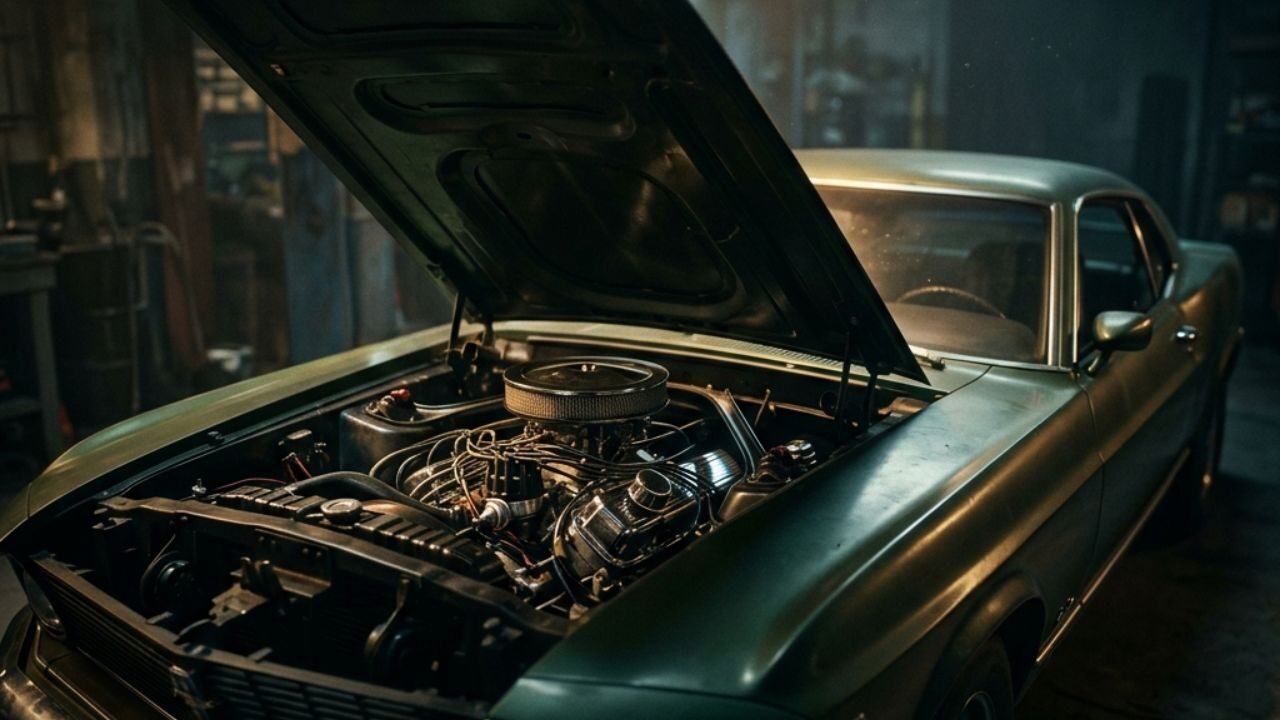
Knowing about How to Maintain Your Car Engine Properly is making you a smart person. While driving a car, your engine fires tiny explosions every single minute. Whether it’s frequently overheating, making noise while spins metal against metal, and circulates fluids, Neglect costs you thousands. It’s one of the most complex mechanical systems humans have ever put into everyday use. 

Change the Oil When Its Needed

You should change engine oil every week for smooth working. It lubricates the parts of your machine so it would generate friction that can destroy a block worth several thousand. Over time, that oil degrades, oxidizes, picks up contaminants, and loses its ability to protect.

The latest cars can run 5,000 to 7,500 miles until they need regular oil change but cars which use synthetic oil can stretch to 10,000–15,000 miles. But the most common mistake people make is that they forget to check their oil level regularly, only  remember to track mileage. The engine could be damaged if the oil gets too low, even for a few meters of driving on that low oil can cause damage that no oil change will fix. 

Which car is best for you—manual or automatic—and which one should you buy?

Coolant: The Reason Your Engine Doesn’t Melt

A running engine produces heat in quantities that would destroy it without help. To avoid engine overheat, the cooling system uses coolant, radiator, thermostat. And if it stops working, an overheated engine can warp parts, crack the engine block, or damage the head gasket. If any of these problems occur, repair costs will be too high.

Check your coolant level when the engine is cold — never open a hot radiator cap — and look at the reservoir tank. The fluid should be between the min and max markings. Coolant also needs to be flushed and replaced periodically; most manufacturers recommend every 2–5 years. Old coolant becomes acidic and actually starts corroding the very system it’s meant to protect.

Service item Recommended interval Notes
Oil change Every 5,000–10,000  Depends on oil type (conventional vs synthetic) and driving conditions
Coolant flush Every 2–5 years Or follow manufacturer specification; check level and concentration annually
Air filter Every 15,000–30,000 mi Replace sooner in dusty conditions
Spark plugs Every 30,000–100,000 mi Iridium/platinum plugs last toward upper range

Air Filters: Let It Breathe

Air filters are needed to provide engine clean air to burn fuel efficiently. It acts like a gatekeeper to stop the dust, pollen and debris entering the engine. A dirty air filter starves your engine of air, hurts fuel economy, reduces power, and in bad cases can even pull contaminants into the engine itself.  

Changing the air filter is the cheapest and five-minute task without using any tools. If you can’t see light through the pleats when you pull it out then it’s time to change. It needed more frequent change if you drive on dusty rides mostly.

Spark Plugs and the Art of Clean Combustion

Sparks plugs work when fuel-air mixture ignites at the right time that starts your engine run. If they wear out, they won’t work and cause engine misfires. It also causes problems while driving, taking acceleration and giving rough performance. Old spark plugs can also damage the ignition coils over time. 

The good news: modern iridium and platinum spark plugs can last up to 60,000–100,000 miles. The old copper plugs need replacement around 30,000. Check your owner’s manual for the spec, and if your car is misfiring or unusually thirsty for fuel, plugs are one of the first things to check.

Do you know how to get vehicle insurance?

Read the Warning Signs — Your Car Is Communicating

Modern cars are extraordinarily good at telling you when something is wrong. The check engine light isn’t your car being dramatic — it’s a sensor somewhere in the system flagging a deviation from normal. Don’t put tape over it and hope for the best. A quick diagnostic scan at most auto parts stores is free, and the trouble code it reads out tells you exactly where to look.

Too much noise or knocking sounds while driving can mean the fuel is burning at the wrong time which can damage cylinders and pistons. Don’t just rely on warning lights, if you hear unusual noises then it may be a sign of low oil pressure or a timing chain problem. The proper engine works smoothly and quietly.

Timing Belt or Chain: The Hidden Clock Inside Your Engine

A timing belt or timing chain keeps the parts together of your engine and works synchronously. It keeps the engine’s valves open and closed at the right time in each cycle. If the problem occurs in this system then they need full replacement, so check your car’s timing belt changes intervals. Usually it is between 60,000 and 100,000 miles. If your mechanic asks to replace it, do it without negotiation.

Read Also: Learn about the most common car problems and how to fix them yourself.

Conclusion 

The car’s life depends on owner habits if it runs for 200,000 miles from those who can run for just 80,000 miles. You can set reminders to change oil, notice unusual sounds, and check fluids level regularly. Taking a smooth driving experience from your car needs attention and care with just these simple habits.  

Your car is a mechanical system subject not a static appliance which means it also has the same laws of wear, heat, and entropy as everything else in the physical world. But the difference is it will tell you through sound, warning, and rough performance when something is required for the maintenance.

0

JLR Landing a Land Rover Defender Pickup Truck In US 

Land Rover Defender Pickup Truck

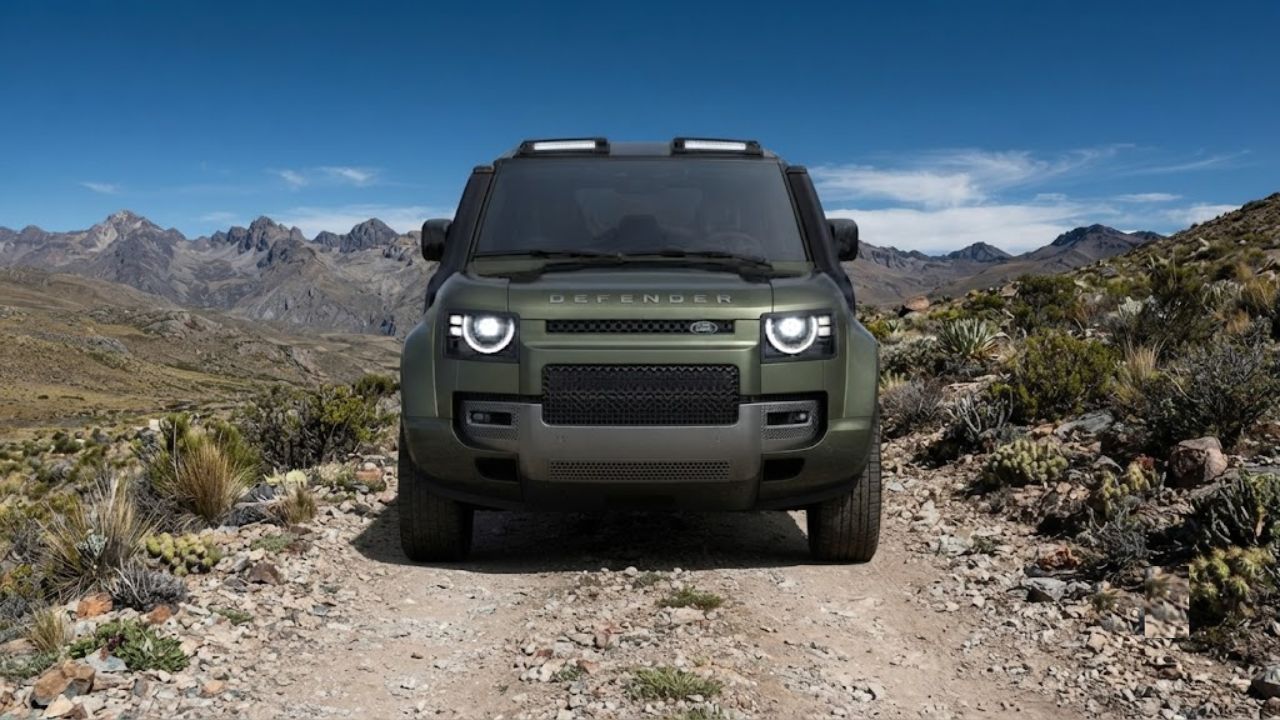
For years, Defender fans have asked why Land Rover keeps teasing a pickup version and never builds one. Now, Jaguar Land Rover (JLR) is working with Stellantis to build a Land Rover Defender pickup truck in the United States — and the reason has less to do with off-road capability and more to do with import tariffs.

The specifications are still not confirmed. This is the first product of collaboration so expecting great tech and reliability of a pickup truck is the first thing to think about.

The Official Agreement Between JLR and Stellantis on Product Development

Back in May 2026, JLR and Stellantis signed a non-binding memorandum of understanding (MoU) to “explore opportunities to collaborate on product development” in the US, along with shared manufacturing capacity. At the time, neither company named a specific vehicle.

That changed in September 2026, when Automotive News reported that the first product out of this alliance would be a Land Rover Defender pickup truck built for the US market. JLR’s Chief Financial Officer, Richard Molyneux, confirmed on an earnings call that the two companies intend to finalize the broader agreement by the end of 2026. JLR’s CEO, PB Balaji, has separately said the goal is to grow JLR’s US business to eventually match the size of its entire global business — a genuinely ambitious target.

JLR and Stellantis

Stellantis has acknowledged joint discussions are underway, but neither company has publicly confirmed “pickup truck” as the specific output. 

Why Land Rover Defender Pickup Truck Has to Be Built in America

This is really a tariff story wearing a product story’s clothes.

Every Defender sold in the US today — the 90, 110, and 130 — ships in from JLR’s plant in Nitra, Slovakia. Passenger vehicles built in the UK and EU already face added US import tariffs. But trucks get hit worse: American light trucks and pickups imported from abroad face the 25% “Chicken Tax,” a tariff that’s been on the books since the 1960s and makes shipping a European-built truck to the US financially unworkable.

Building the pickup on US soil with Stellantis sidesteps that tariff entirely. North America now accounts for roughly 30% of JLR’s global sales, while China — once its biggest market — has fallen to under 7%. A pickup built for Americans, by an American-based partner, is JLR reading the room.

If it happens, it would also mark JLR’s first vehicle assembly in the US, and the first Land Rover-badged pickup sold there since British Leyland shipped over Series I and Series II trucks in the 1960s and early ’70s.

Read More 👉  This Used Luxury Car Costs the Same as a Top-Spec Maruti Fronx

The Engineering Behind Defender

The current Defender is a unibody vehicle. Stellantis’s American trucks — the Ram 1500, Ram Heavy Duty, and Jeep Gladiator — are body-on-frame. Those are different structural philosophies, and no one has said which way a Defender pickup would go. 

Land Rover Defender

Stellantis does have unibody experience through the Jeep Grand Cherokee and Dodge Durango, so a unibody truck isn’t off the table, but it’s not confirmed either.

Powertrain is just as open. Shipping Defender’s European engines to the US would trigger its own tariffs, but slotting in an off-the-shelf Stellantis engine might not fit a vehicle Land Rover wants to sell at premium prices. 

Size, trim strategy, launch year, and pricing haven’t been disclosed by either company. Any number you see for engine output, mileage, or price right now is a guess dressed up as a leak.

Land Rover Defender Pickup Truck Rivals Already In The Market

The Ineos Grenadier Quartermaster as the closest natural rival — a body-on-frame, old-school off-roader with genuine pickup credibility and a similar niche, premium-utility positioning. The Jeep Gladiator gets the hook too, though as a lower-priced, less luxury-focused alternative rather than a direct match.

Beyond that, a Defender pickup would land in the same rarefied air as loaded trim levels of the Ford F-150 Platinum and GMC Sierra Denali — trucks that compete less on payload bragging rights and more on cabin quality and brand cachet. If JLR positions this as a genuine luxury pickup rather than a rebadged Stellantis product, that’s the shelf it’s aiming for.

Read More 👉 Get New Maruti Premium Hatchback at Lower Price

Expected Specification and Size of Land Rover Defender Pickup Truck 

Land Rover Defender Pickup are using the Defender 110 as the donor vehicle since it’s the volume model closest to a crew-cab truck’s proportions. The current Defender 110 measures around 5,018mm in length including the rear-mounted spare wheel and uses a 3,022mm wheelbase. The most-floated build approach isn’t a clean-sheet truck at all — it would keep the 110’s front section, four doors and five-seat cabin, and simply replace the rear luggage compartment with an open load bed. 

Land Rover Defender

Unlike traditional pickups, the Defender uses JLR’s aluminium D7x monocoque architecture rather than a separate ladder-frame chassis. Stellantis’s US trucks (Ram 1500, Ram HD, Gladiator) are body-on-frame. But still it’s unconfirmed.

The current lineup runs from a 296-hp turbocharged four-cylinder to a 626-hp twin-turbo V8, but European-built JLR engines would face import tariffs if shipped over for US assembly. An off-the-shelf Stellantis engine dodges that, but risks feeling wrong in a truck JLR wants to price at a premium. 

Read More 👉 BMW i5 LWB On Road Price Is Lower Than What Buyers Expected

Conclusion

If the deal is finalized by the end of 2026 as JLR’s CFO suggested, the realistic next milestone to watch for is an official confirmation of the vehicle itself. Concept reveals, platform confirmations, and pricing typically trail an MoU finalization by a year or more in projects like this.

For now, JLR wants an American-built Land Rover Defender Pickup Truck badly enough to partner with a rival automaker to get around a 60-year-old tariff law. Everything past that — what it looks like, what it costs, whether it ever reaches a market outside the US is still an open question.


1

October Car Offers: Which Discounts Save You Money

October Car Offers

October Car Offers are strong but they come in multiple layers such as cash discount, exchange bonus, scrappage benefit, navratri bonus, upgrade bonus. Only one can be equipped at the time of purchase for which customers get qualified. It is wise to select the car based on their performance, fuel efficiency, and comfort rather than just looking at the headline offer.

Look into how to claim October Car Offers and this navratri which car is worth your attention.

How to Claim October Car Offers

The first offer is a cash discount. It needs nothing from you except a booking, and it is the only part you can count on. The second option holds conditional benefits. These need a trade-in, an old car to scrap, proof that you already own the brand, or a corporate ID.

Tata’s Harrier diesel shows the split. It carries up to ₹45,000, made up of a ₹10,000 cash discount plus either a ₹25,000 exchange or a ₹35,000 scrappage benefit. Without an old car, you walk away with the ₹10,000.

How to know which offers you can get:

  • Ask for the offer in writing, split into cash and conditional parts. Dealers who only quote a total are hiding the breakdown.
  • Carry proof before you go. That means your old RC for exchange or scrappage, and an earlier invoice or RC for loyalty benefits.
  • Check the validity window. Hyundai’s offers run only from October 1 to October 31, 2026. Festive bonuses can end sooner, so confirm that date for your city.

Hyundai Creta N Line: The Biggest Number, With a Catch

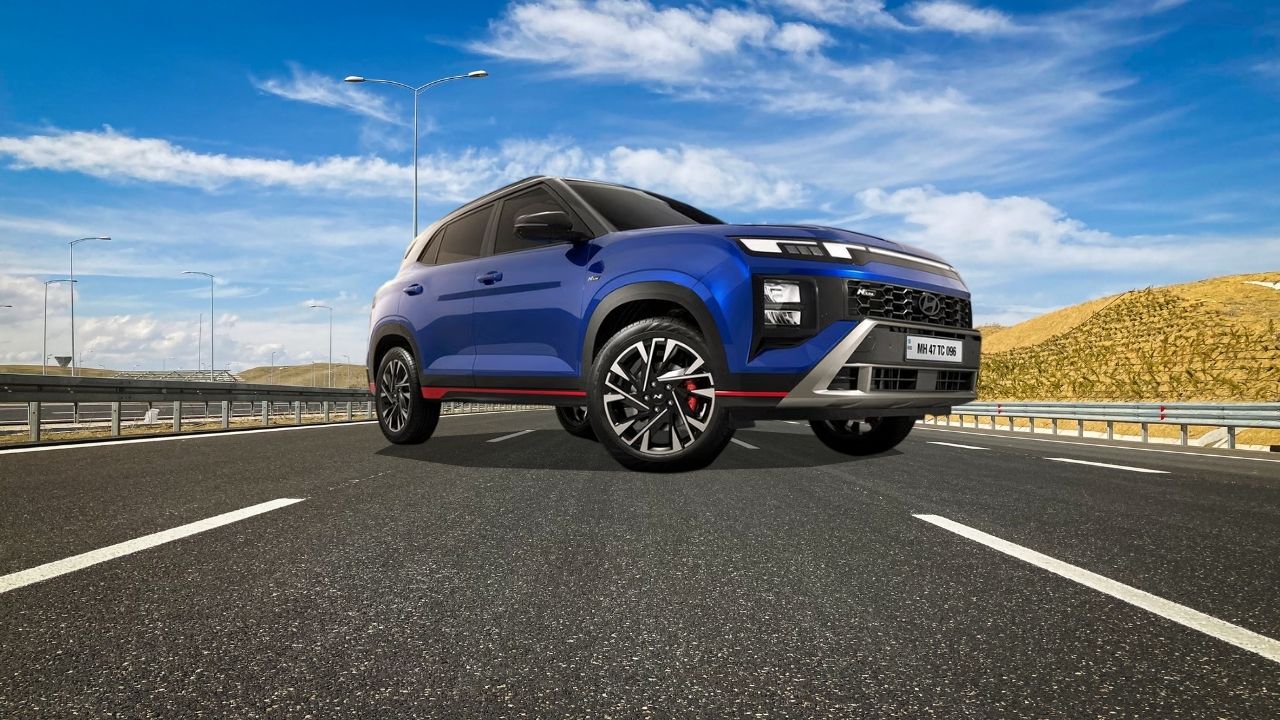
The Creta N Line gets up to ₹1.25 lakh, the highest in Hyundai’s lineup, against ₹1.15 lakh on the regular Creta. The N Line is priced between ₹19.03 lakh and ₹19.95 lakh. That works out to a savings of roughly 6 percent.

The only parts out are a ₹20,000 cash discount and a ₹25,000 Navratri bonus. The rest of the ₹1.25 lakh is presumably exchange, scrappage or upgrade money. If that holds, a buyer with no trade-in could be looking at closer to ₹45,000 in unconditional savings. Ask your dealer for the exact split before you plan around the full figure.

Hyundai Creta N Line

The Creta lineup around it is also worth a look. The entry petrol E trim gets ₹1 lakh, and the iVT petrol gets up to ₹1.05 lakh. If you don’t need the N Line’s sportier styling, the regular Creta brings you close to the same saving on a cheaper car. Hyundai’s October push is also heavy on older Verna stock. Old stock means a model-year gap, so ask which year the car was built.

Tata Nexon: Your Fuel Choice Decides Your Discount

The Nexon is the clearest example of “the same car, three different deals.” Benefits reach ₹75,000 overall, but the CNG version gets up to ₹60,000 and the diesel only ₹20,000. The top figure applies to select petrol manual variants, while other petrol trims get ₹55,000.

Tata Nexon

If you were already leaning toward a petrol Nexon, October is a good month to buy. If you want diesel, the discount is thin. You will find better money elsewhere than in the ₹20,000 offer. The electric version is also on the modest side. The Nexon EV gets up to ₹45,000 across all variants, priced from ₹12.49 lakh to ₹17.69 lakh.

Renault Duster: The Biggest Rupee Number on a Cheaper Car

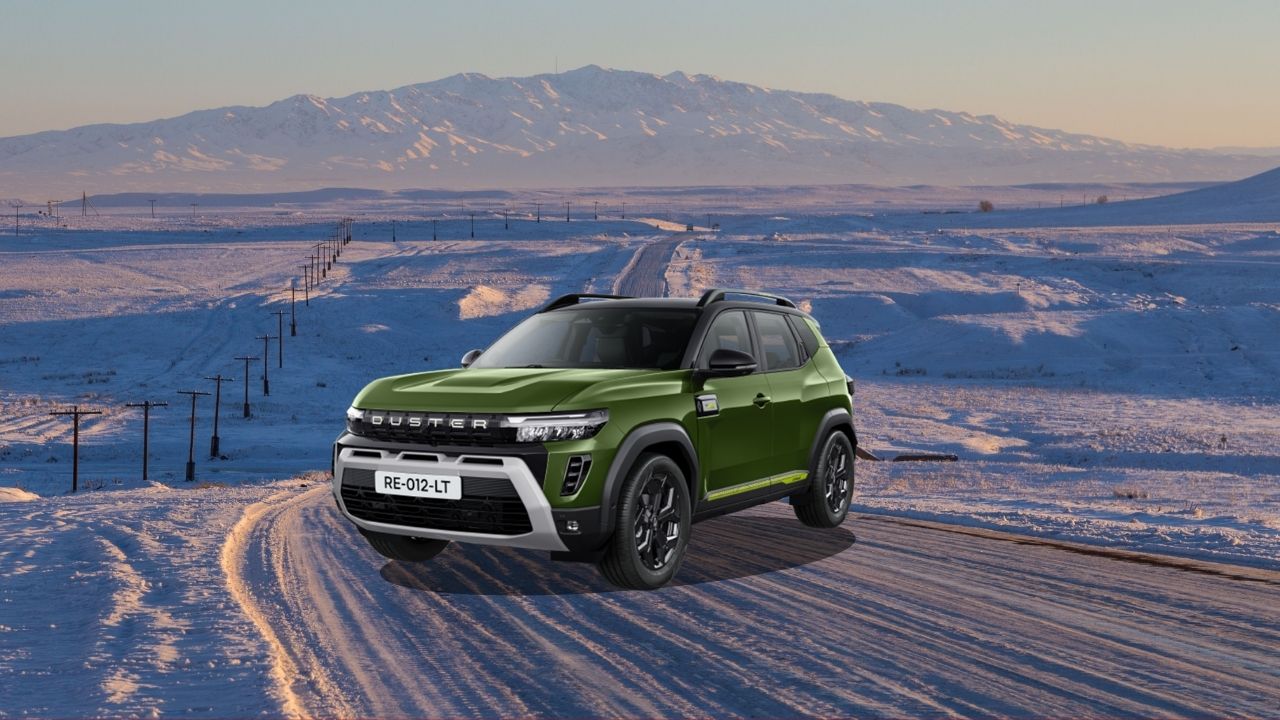
Renault is offering up to ₹2.1 lakh on the Duster, the highest in its lineup, and the car costs between ₹10.49 lakh and ₹18.49 lakh. Against the top trim, that is over 11 percent. Against a cheaper trim, the percentage is higher still. Technically, this is the strongest percentage deal of the four models here.

Renault Duster

Read the fine print. A Duster-to-Duster exchange lifts the benefit to ₹1.5 lakh on the Techno+ and Iconic trims, and ₹1 lakh on the Evolution and Adventure. Loyalty benefits of up to ₹10,000 and an annual maintenance contract also depend on submitting loyalty proofs. 

So the ₹2.1 lakh likely depends on your existing car and ownership history. Without a trade-in, expect a noticeably smaller figure.

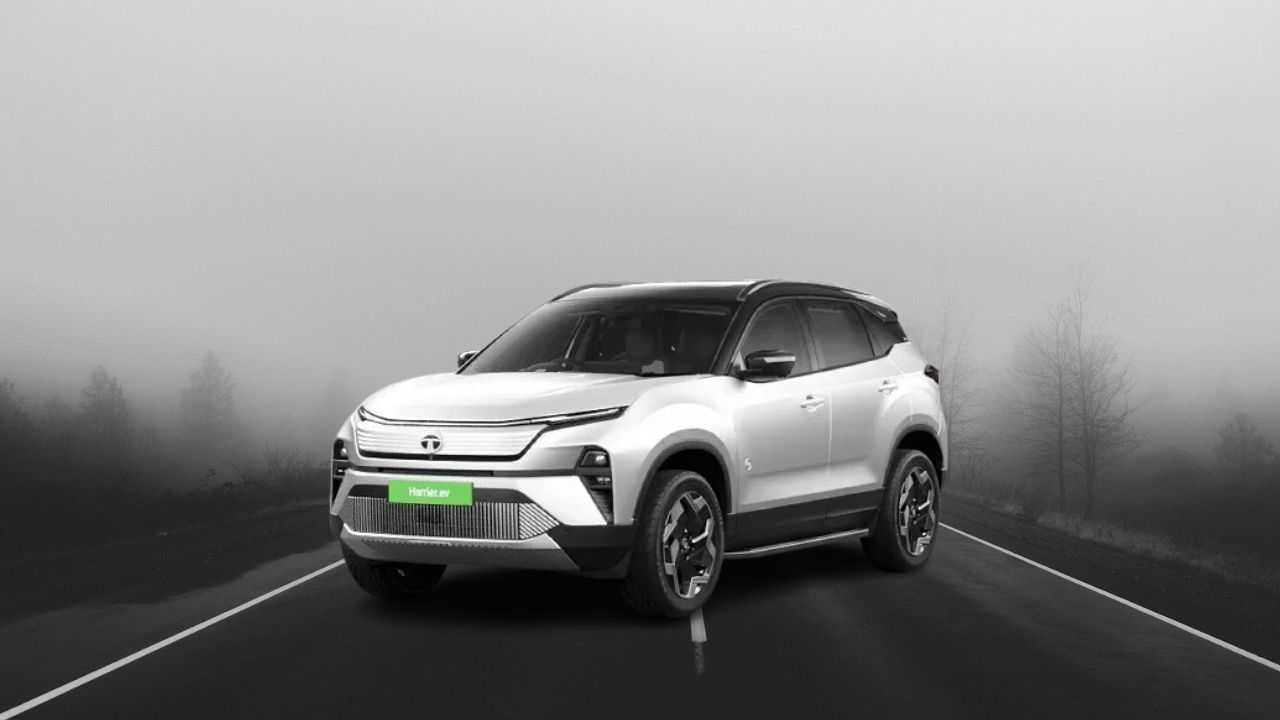
Tata Harrier EV: The Largest Discount, and It Only Applies to Some Trims

The Harrier EV is offered with up to ₹2.75 lakh off on the Fearless+ and Empowered trims, against ₹2.5 lakh on the lower Adventure trim. The range runs from ₹21.79 lakh to ₹29.79 lakh. At the top of the range, you are saving roughly 9 percent.

Tata Harrier EV

This offer is also layered. The Adventure trim’s ₹2.5 lakh combines several components, one of them a ₹75,000 intervention offer. Look at the cash component first, then the trade-in portion. If Tata is offering a big discount, it is also worth asking why this EV needs one. Slow demand or a stock-clearing push could both be behind it. 

Tata’s other electric models are also in the mix. The Curvv EV reaches up to ₹3.35 lakh, the highest of any Tata EV this month. If you are looking at the Harrier EV, compare it against the Curvv EV.

Which Discount Actually Saves You Money?

Model Headline benefit What you need to get it
Renault Duster Up to ₹2.1 lakh Duster exchange, loyalty proof
Tata Harrier EV Up to ₹2.75 lakh Specific trims (Fearless+, Empowered)
Hyundai Creta N Line Up to ₹1.25 lakh Exchange/scrappage for most of it
Tata Nexon (petrol) Up to ₹75,000 Select petrol manual variants

If you have an old car to trade, the Duster offers the best rupees-to-price ratio, and the Harrier EV offers the most absolute savings. If you are buying without a trade-in, the picture flips. The Nexon petrol and the regular Creta offer simpler deals with less to prove. The Creta N Line is a fair buy if you wanted its looks anyway, but don’t buy it for the discount alone.

Conclusion

October Car Offers let you buy the latest model on this navratri and this is the time every brand publishes the discount offer in big figures but the actual discount will be below that number. You can get only one or two offers and only the cash discount is the real saving for you.

Before you sign, ask your dealer the cash discount on this exact variant and VIN, with nothing conditional added. That figure is your real savings. Everything above it is only a bonus if your trade-in and paperwork line up.

Figures are from published October 2026 car offer reports and vary by city, variant and stock. Confirm with your dealer.

0

The Ultimate Guide to the Best Compact SUVs in 2026: Drive Smart, Live Better

Best Compact SUVs in 2026

For now, if you find yourself at the crossroads in the market for a new vehicle — well, the best compact SUVs may be the sweet spot you were looking for. They fall short of the gargantuan size of full sized SUVs, but they have enough room and capability to allow you to have fun on your day to day commute as well as on your weekend jaunts. 

If you’re a city resident frustrated by gargantuan vehicles hogging parking spaces, a small family requiring practicality with a dash of style, or just someone who wants to find the best compromise between comfort and efficiency, the compact SUV segment has blossomed into something pretty remarkable. Let’s take a look at the best of the best for 2026 that are worthy of your consideration. 

The Champions of the Compact SUV World

Honda CR-V: The All-Around Achiever

Let’s begin with the Honda CR-V, which is always among the best compact SUVs in our ratings. It’s like the dependable buddy who shows up promptly, doesn’t whine, and actually cares if you’re comfortable or not.

​The CR-V is pretty well balanced in almost every way. It feels within reach at around $31,495 but doesn’t feel cheap. The 190-horsepower turbocharged 1.5-liter four-cylinder engine is paired with a continuously variable transmission. But here’s where it gets interesting: the hybrid model offers 204 horsepower for those seeking a bit more punch and better fuel economy. 

Honda CR-V

A sleek honeycomb-patterned dashboard and surprisingly roomy cockpit await inside. The front seats really do hold you in place on long drives, and the rear passengers aren’t squeezed — always a win. With the second row seats up, cargo space is an impressive 39 cubic feet; folding them down increases it to 76 cubic feet. For comparison, real-world gas mileage of the gasoline model is 28-31 mpg city and 34 mpg highway.

​What’s unique about the CR-V is not some singular standout attribute; it’s a collection of smart design decisions. The cargo floor, which is low all the way to the ground, is a back saver, the driver’s seat feels like home, and the ride quality soaks up bumps without being either too firm or too floaty. 

Nissan Rogue: Luxury on a Budget

For a bit of pampering without going broke, say hello to the 2025 Nissan Rogue Platinum, which rang the bell in overall 2025 testing. At a roughly $40,920 starting point for the Platinum trim, it offers truly premium feels that make sense for the price tag.

The interior of the Rogue is nothing if not impressive. Those NASA-designed zero-gravity seats aren’t marketing fluff—they’re really supportive and comfortable. The Aniline two tone leather with diamond shaped pleats and heavy stitching makes you feel that luxury car. Add the heated seats, heated steering wheel and the wireless phone charger and you’re ensconced in what turns out to be a rather posh mobile sanctuary. 

Nissan Rogue Technology

The 1.5-liter turbo three-cylinder engine makes 201 horsepower and 225 lb-ft of torque, and is a very refined powertrain. The Nissan Safety Shield 360 suite is standard and includes automatic emergency braking with pedestrian detection, blind spot alert and lane departure warning—well, Nissan’s eyes are on the road now, so you can relax.

​Bolts and nuts Cargo capacity is 74.1 cubic feet with the backseats folded down, and notably the rear doors open to nearly 90 degrees, making installation of child seats and getting in and out of the car incredibly easy. Fuel economy is 27-28mpg in the city and 34-35 on the highway. 

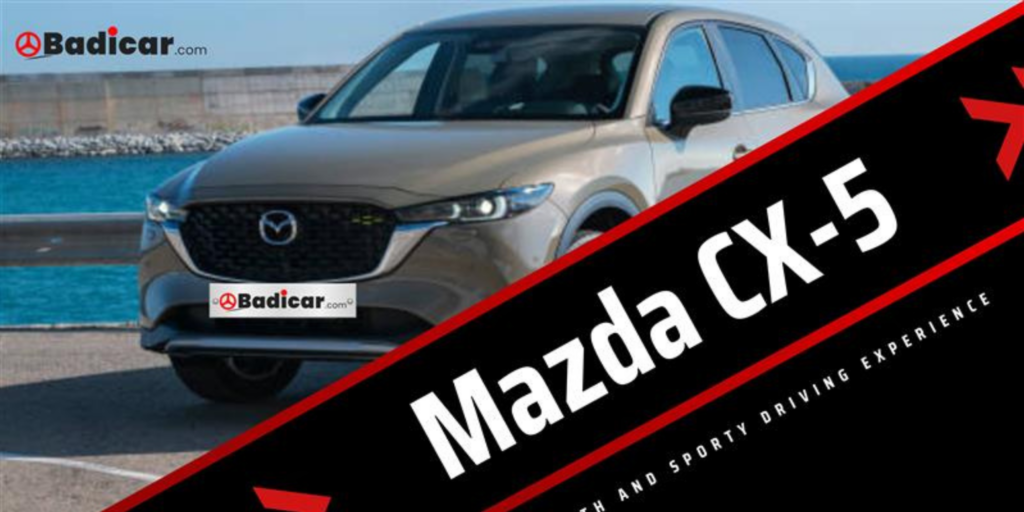
Mazda CX-5: The Driver’s Delight

If you like to drive and are not willing to compromise that for utility, the Mazda CX-5 is for you. He’s the shy, retiring party guest who reveals himself to be the most interesting interlocutor low-key, but truly extraordinary.

The CX-5 delivers an experience that feels worth more than its entry-level price of about $29,000. The non-turbo 2.5 engine makes 187 horsepower, but get the turbocharged variant (256 horsepower) and you’ll hit 0-60 in 6.2 seconds—really exciting for a family SUV. The six-speed automatic and standard all-wheel drive also make for a driving experience that’s responsive and fun, and that rivals what you get in vehicles that cost thousands of dollars more. 

Mazda CX-5 – Sporty Family SUV with Premium Interior

The cabin is as if someone went to luxury car cabs and took the best ideas. Materials are upscale, the design is intuitive, and that floor-hinged accelerator pedal (in lieu of the ubiquitous suspended one), well, that’s just a small detail that illustrates how Mazda thinks. Ride quality is exemplary—faults in pavement are muffled, road noise is minimal and cornering feels planted and confident.

​Fuel economy is 26-31 mpg on the highway depending on the engine choice and the turbo variant manages a respectable 30 mpg at highway speeds despite its extra power. 

A Quick Comparison Overview

Model Starting Price Top Engine Power Fuel Economy (Hwy) Cargo Space (Folded) Best For
Honda CR-V $31,495 190 hp (204 hybrid)​ 34 mpg 76 cu ft​ Overall balance and reliability​
Nissan Rogue $40,920 (Platinum) 201 hp 34-35 mpg​ 74 cu ft Luxury feel and comfort
Mazda CX-5 ~$29,000 256 hp (turbo) 27-31 mpg Smaller but designed Pure driving enjoyment

Budget Friendly Compact SUVs 

Budget friendly compact SUVs in India are Maruti Fronx, Venue, Urban Cruiser Taisor, and Kushaq. Please note that the prices quoted are ex-showroom and may vary based on the On variant and region. In addition, the on-road prices will also have other things like RTO charges, insurance and so on. 

Model Base Price (ex-showroom) Top Price (ex-showroom)
Maruti Fronx ₹6.85 Lakh ​ ₹11.98 Lakh 
Hyundai Venue ₹8.00 Lakh ​ ₹15.69 Lakh 
Toyota Taisor ₹7.21 Lakh  ₹12.06 Lakh 
Skoda Kylaq ₹7.55 Lakh  ₹12.80 Lakh 

Key specifications are available on complete details related to engines, mileage, standout features as on January 2026. 

Read More:- Hatchbacks Make a Comeback as GST 2.0 Tax Relief Boosts Demand in India

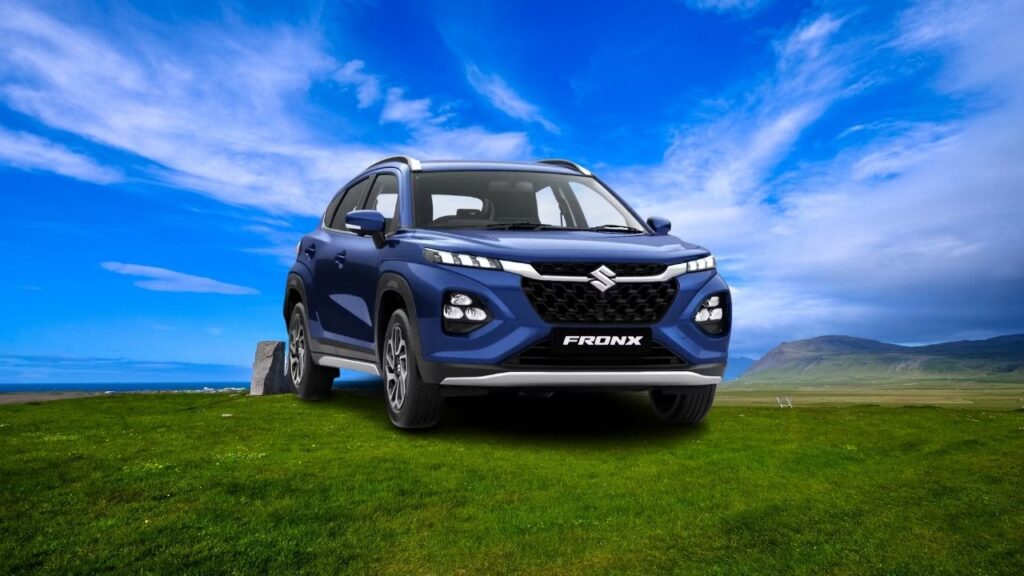
Maruti Fronx 

Engine options on the Maruti Fronx are the 1.2L petrol engine with 89 bhp and 21.79 kmpl (manual), and the 1.0L turbo-petrol engine with 99 bhp offering 21.5 kmpl, as well as a CNG variant.

Maruti Fronx

It also features premium amenities like a 9-inch touchscreen and 360-degree camera. 

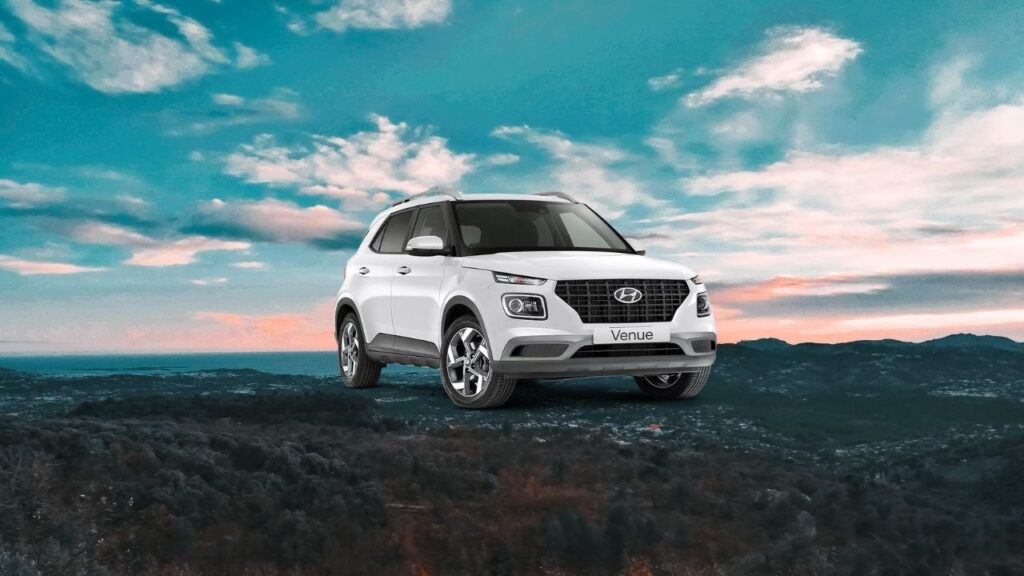
Hyundai Venue 

The car comes with three engine options – a 1.2L petrol engine putting out 82 bhp and delivering a mileage of 18.5 kmpl, a 1.0L turbo-petrol engine producing 118 bhp and giving a mileage of up to 20 kmpl (with a DCT), and a 1.5L diesel engine making 114 bhp and offering a mileage of up to 20.99 kmpl.

Hyundai Venue 

It packs world-class world premieres such as Level 2 ADAS, dual 10.25-inch screens and ventilated seats to improve comfort and safety. 

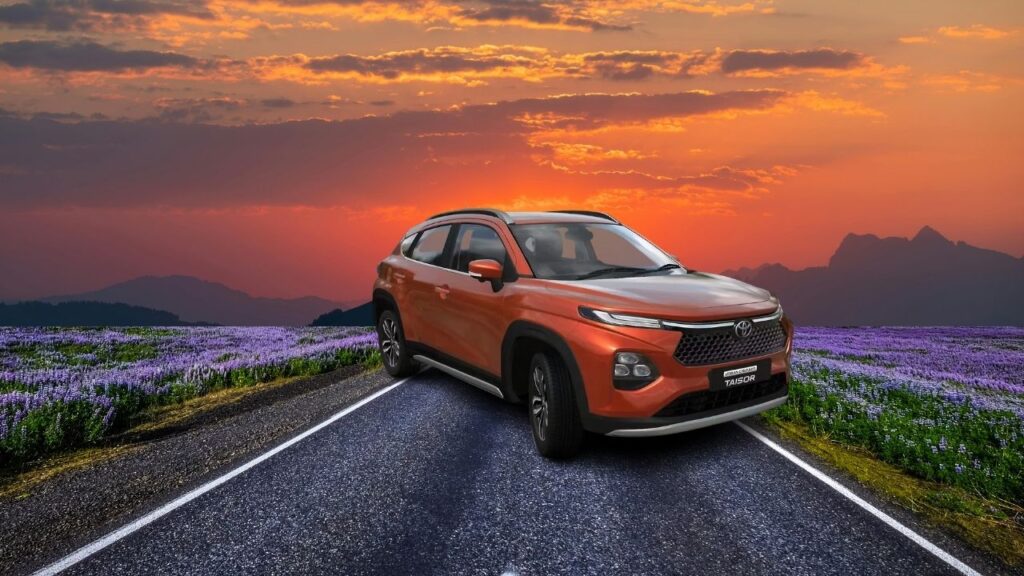
Toyota Taisor

The Fronx with a different badge is available in a 1.2L petrol/CNG engine as well as a 1.0L turbo-petrol engine options which provide an impressive mileage of 22.89 kmpl.

Toyota Taisor

It comes with the latest technologies, including projector LED headlights, and at an additional cost is available with an automatic transmission. 

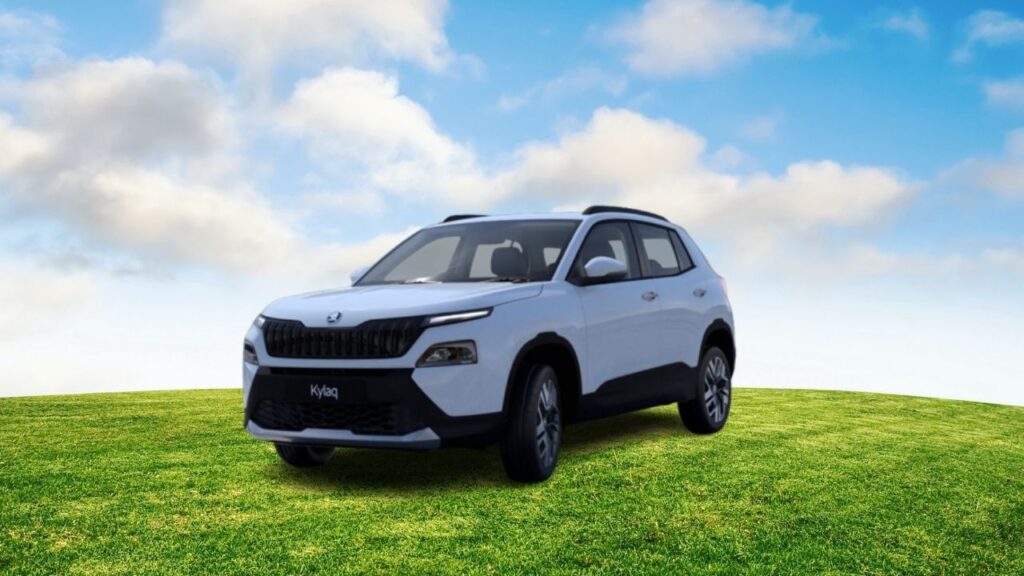
Skoda Kylaq 

The entry-level compact SUV has petrol variants and mileage is expected to be around 18-20 kmpl. Boasting “European build quality” it’s engineered on a potential 5-star safety rating. 

Skoda Kylaq

Engine and Mileage Comparison

Model Engines (Power) Mileage (ARAI, kmpl)
Fronx 1.2L Petrol /CNG (89/76 power), 1.0T (99 bhp) 20-22.89
Venue 1.2 litre petrol engine—82 power; 1.0T—118 power; 1.5D (114 bhp) 17.9-20.99 
Taisor Similar to Fronx 20-22.79 
Kylaq 1.0L TSI petrol variants 18-20 (expected) 

Conclusion

Selecting from these three comes down to what matters to you most. The Honda CR-V if you want the safe bet — a vehicle that performs well in every area without a significant trade-off. Get the Nissan Rogue If you want to pretend you’re driving something more luxurious than what you’re able to buy. Buy the Mazda CX-5 if you think driving a car should be fun, not just functional. 

The 2026 compact SUV segment has real options and to be honest, nothing in this class is really a bad buy. Any of these will get you through the next several years with a practical, yet engaging driving experience that can make even the most banal daily commutes feel purposeful. Your next vehicle adventure begins by deciding what matters most to you—and luckily, these SUVs make that choice particularly straightforward.