0

BMW i5 LWB On Road Price Is Lower Than What Buyers Expected

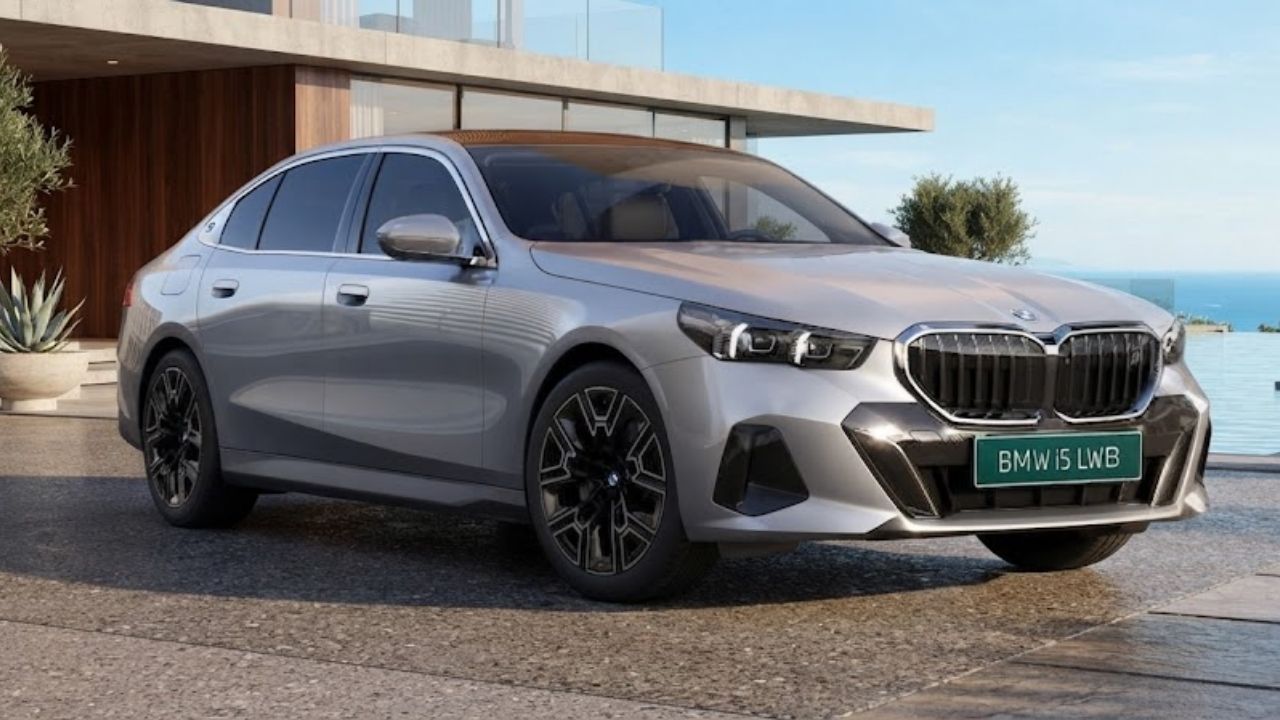
BMW i5 LWB

The BMW i5 LWB carries a nameplate that makes most buyers assume a crushing monthly payment before they’ve even asked for a quote. Rs 79.60 lakh ex-showroom does that to people but runs the actual BMW i5 LWB on-road price and it goes up higher immediately by adding RTO charges and taxes of the individual’s state. 

BMW sold every single First Edition unit of the i5 LWB before the car was officially available to walk-in buyers. That’s not a BMW sales strategy but it’s what happened with all 99 cars allocated to the launch batch. For a Rs 79.60 lakh electric sedan nobody outside BMW’s product team had driven yet, that’s a strange thing to see sell out on reputation and a spec sheet alone. 

Why is the wait list expanding and what BMW i5 LWB offers at this price. Once you get the spec sheet, you’ll know the worth.

BMW i5 LWB On-Road Price Is Not That Higher Than Ex-Showroom As Buyer Expected

The i5 LWB is priced at Rs 79.60 lakh, ex-showroom, sold in a single configuration for now — the eDrive35L M Sport. On-road, in Mumbai, that works out to roughly Rs 84 lakh, a gap of under Rs 4.5 lakh over ex-showroom. 

That’s a noticeably smaller markup than you’d see on a comparable petrol or diesel luxury sedan, where GST 2.0’s 40% “de-merit” slab plus compensation cess typically pushes the on-road price 12-14% above ex-showroom. 

EVs sit at a flat 5% GST with no cess, and several states also cut or waive road tax and registration fees for electric cars — which is most of the reason the i5 LWB’s on-road number stays this close to its sticker price. 

Your exact figure will move depending on your state’s registration and insurance costs, so treat Rs 84 lakh as a Mumbai reference point rather than a fixed number.

Read More 👉 BMW X1 LWB vs Audi Q3 vs Mercedes GLA: Which Entry-Luxury SUV Actually Makes Sense in 2026?

Why 99 First Editions Disappeared Before Launch

Limited-run “First Edition” badging on a new BMW nameplate tends to do two things: it signals the car is worth owning before reviewers have weighed in, and it caps supply on purpose, which pushes early buyers to commit rather than wait and compare. 
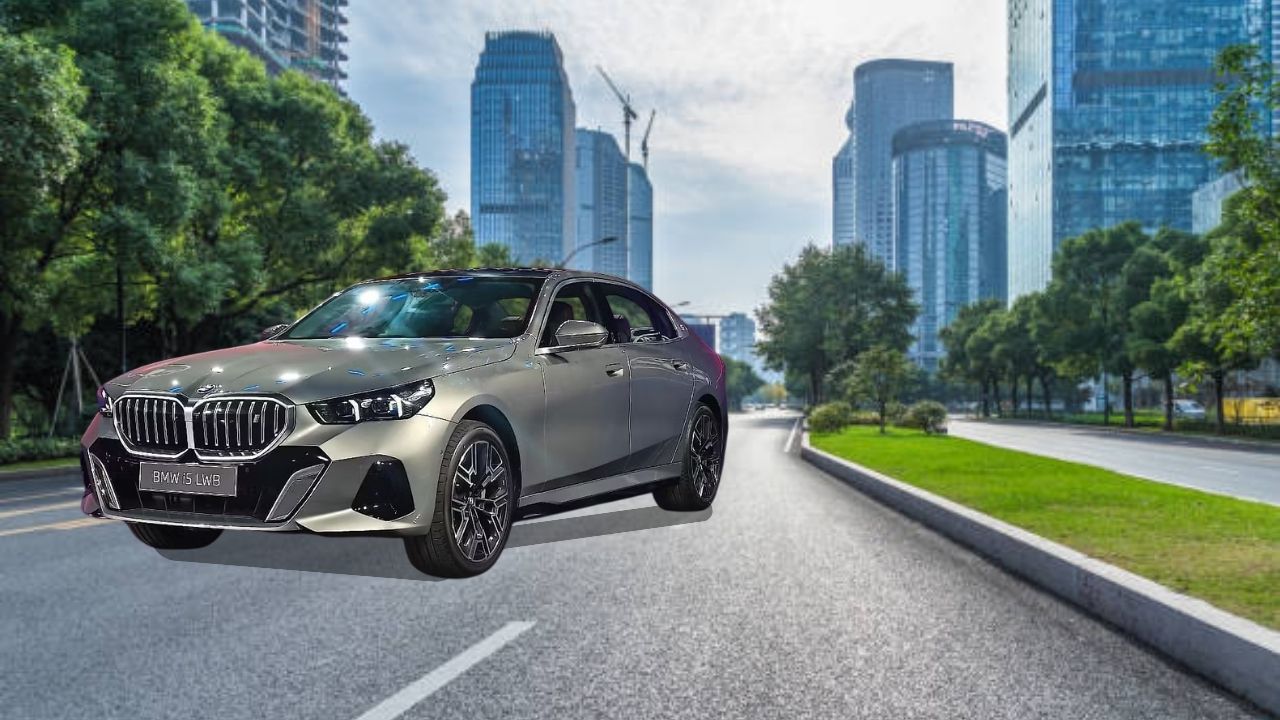
First Edition BMW i5 LWB

Both were clearly in play here — dealerships had commitments on all 99 units before the car was formally launched in September 2026. Whether that pace holds once regular (non-First Edition) stock starts arriving is a separate question, but the initial demand tells you BMW’s electric 5 Series has more buyer pull in India than a first-of-its-kind, single-variant EV usually gets.

Futuristic Features Packed Into the LWB Cabin

The BMW i5 LWB redefines a luxury electric sedan segment forever with 669 km of range. It allows the owner to experience futuristic technology in a spacious cabin. Driving to get effortless electric performance. 

BMW i5 LWB Body Design

BMW i5 LWB is built at a 5,175mm long with a 3,105mm wheelbase which is specifically stretched for Indian models. This is reasonable for Indian buyers because they want more space in the rear-seat, so the extra length is consumable. 

It also provides extra comfort with additional cushioning, side support, comfort headrests which is amazingly perfect for long rides and family trips. BMW has not just launched a new sedan, it proves that the brand knows what their buyers want. A claimed 31-degree rear-seat torso angle for a more reclined allows this generation to forget about how rough roads India has. The elegance speaks with a limousine-style seating position.

Cabin Features For True Comfort

Up front, the cabin runs on a 14.9-inch curved touchscreen infotainment display paired with a 12.3-inch digital instrument cluster, both running Android Auto and Apple CarPlay. Audio comes from a 17-speaker Bowers & Wilkins system — a genuinely premium setup rather than a badge-only “premium sound” claim. 

Rear passengers get their own 4-zone climate control, wireless phone charging built into the centre armrest, and their own AC and panoramic glass roof controls. Elsewhere in the cabin: powered and ventilated front seats, customisable ambient lighting, adaptive LED headlights, and connected-car features accessible through BMW’s app.
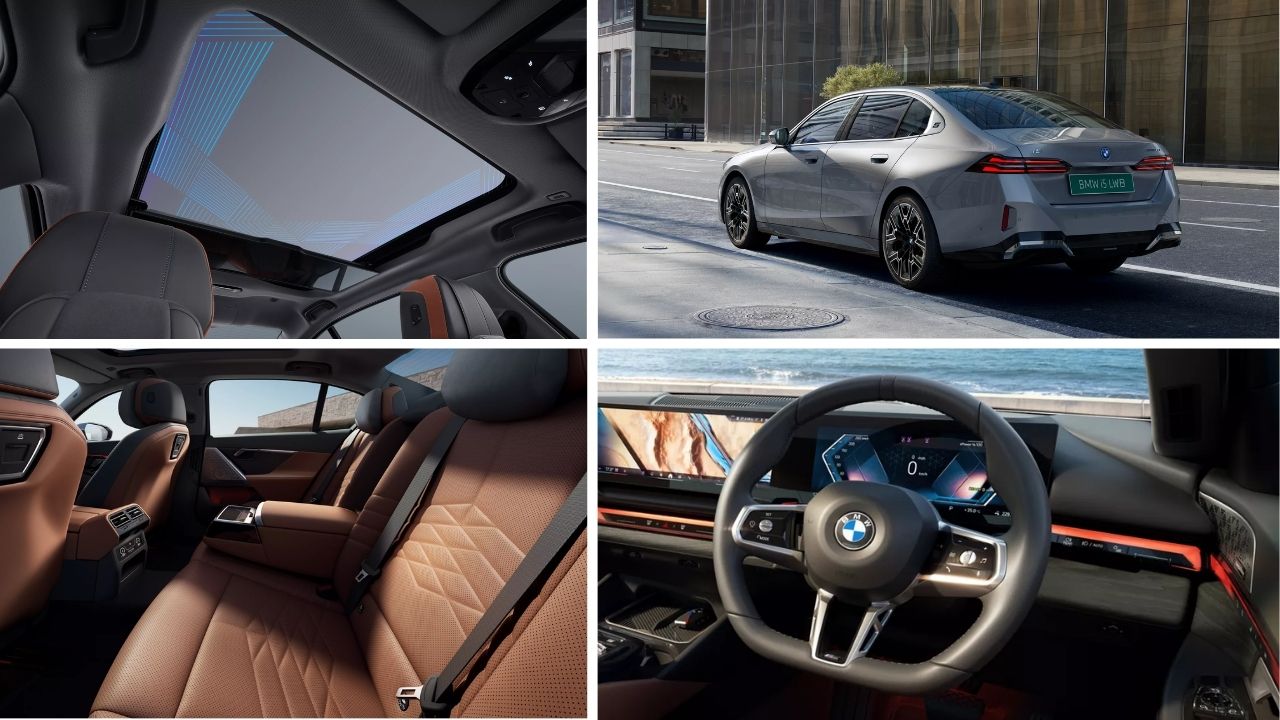
BMW i5 LWB Body Design

Safety Functions Power Up Reliability

On safety and driver assistance, the i5 LWB comes with 8 airbags, ABS with EBD, electronic stability control, rain-sensing wipers, a tyre-pressure monitoring system, an electronic parking brake, ISOFIX child-seat mounts, and Level 2 ADAS. 

The standard (non-LWB) i5 has been crash-tested by Euro NCAP at 5 stars; the LWB itself hadn’t been independently tested as of launch, so treat that rating as indicative of the platform rather than a confirmed score for this exact body.

The Presence Holds Elegance

The BMW i5 LWB combines modern luxury and electric innovation. Absolute detailing on a design gives confidence in its presence. It moves on 20-inch alloy wheels with a glowing kidney grille. To assess the weather experience on a drive is amazing with a panorama glass roof skylounge. 

Electrification Gives Exceptional Power

The LWB changed the luxury electric sedan power segment by giving instant torque and seamless acceleration, redefining the electric era with stunning driving experience. With more range, it also provides more stability with rear-axle air suspension.

The i5 LWB Specs at a Glance

Spec Detail
Ex-showroom price Rs 79.60 lakh
Battery 81.6 kWh
Power Approx. 265-270 bhp (rear-wheel drive)
Range (MIDC) 669 km
Fast charging 160 kW DC, 10-80% in ~33 minutes
Home charging 11 kW wallbox included
Length / wheelbase 5,175 mm / 3,105 mm
Top speed 195 kmph
Battery warranty 8 years / 1.6 lakh km

How i5 LWB Stacks Up Against Rivals

The BMW i5 LWB’s closest fight in India is the Mercedes-Benz E-Class, which is priced from around Rs 80 lakh ex-showroom but runs on petrol and diesel rather than a full EV drivetrain — meaning it doesn’t get the same GST treatment, and BMW i5 LWB on-road price in Delhi starts closer to Rs 93.81 lakh. 

Lexus’s ES Electric and ES 350h hybrid are the other names cross-shopped against it, positioned similarly on price but without BMW’s badge pull or the LWB’s rear-seat-first design brief. None of the three currently match the i5 LWB on charging speed or claimed range in this segment.

Read More 👉  BMW 5 Series Price in India: Latest Cost, Features & Buying Guide

Is It Worth Buying BMW i5 LWB?

At this on-road price, EMIs on the i5 LWB start in the region of Rs 1.5-1.6 lakh a month on a standard 5-year loan — noticeably lower than what the full-size BMW i5 M60 xDrive commands at nearly double the on-road price. 

If the First Edition’s sellout pattern repeats once regular units open up for booking, the smarter move is to lock in your finance pre-approval now rather than after you’ve found a dealer with stock, since waitlists on a car this specced tend to move faster than buyers expect.

Which Finance Option Is Best for the i5 LWB?

If you hold the loan amount constant at Rs 71.4 lakh over 60 months, moving from a 9.9% dealership loan to an 8.5% bank loan drops your EMI by about Rs 4,865 a month — and saves you close to Rs 2.92 lakh in total interest over the five years. 

BMW Financial Services gets you out of the showroom in one sitting with financing already arranged, but a pre-approved bank loan shopped in advance is very likely to be the cheaper way to own this car.

The exception is cash flow, not cost. If your income comes in irregular chunks — commission, bonuses, business income — the Bullet or Balloon plans through BMW’s own financier solve a real problem that a standard bank EMI doesn’t, and that flexibility can be worth more to you than the interest saved.
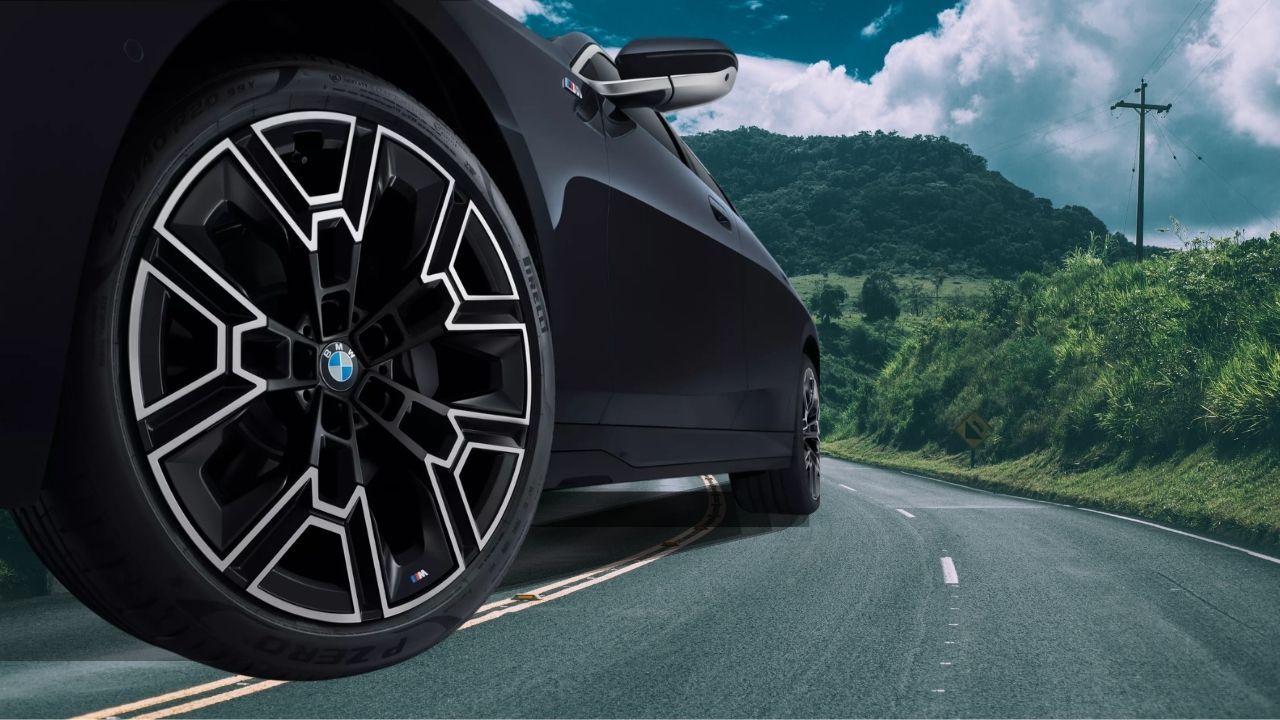
BMW i5 M60 xDrive

However, the standard-wheelbase BMW i5 M60 xDrive costs roughly Rs 1.20 crore ex-showroom and around Rs 1.37-1.42 crore on-road, with EMIs quoted between Rs 2.26 lakh and Rs 2.62 lakh a month at similar rates and tenure. 

The BMW i5 LWB gets you the same badge and largely the same electric drivetrain for an EMI that’s 35-40% lower. Against its closest ICE rival, the Mercedes-Benz E-Class — on-road from roughly Rs 93.81 lakh in Delhi with a base EMI near Rs 1.79 lakh/month — the i5 LWB is also the cheaper monthly commitment by a wide margin.

Read More 👉 Get New Maruti Premium Hatchback at Lower Price

Conclusion

The new BMW is making a position in one of the best luxury sedan segments. BMW i5 LWB on-road price is not higher than other models of the same brand tag. The reason is – you are not paying for the petrol car, you are paying for the EV. 

Before you sign anything. You must get a written quote from the BMW dealership’s desk on the, and if you are financing then compare total interest over the full tenure rather than just the EMI figure, and confirm your city’s exact on-road price with the dealer since RTO and insurance costs shift from state to state. 

Alok Kabir

Alok is an experienced SEO Specialist skilled in blogging and SEO-friendly content creation. He also specializes in Content Optimization and Technical SEO, including website optimization, crawlability, indexing, site speed, and on-page improvements to enhance search rankings and online visibility.

Leave a Reply

Your email address will not be published. Required fields are marked *

0

Thinking of Buying Maruti Alto K10 in 2027? Read This Before You Decide

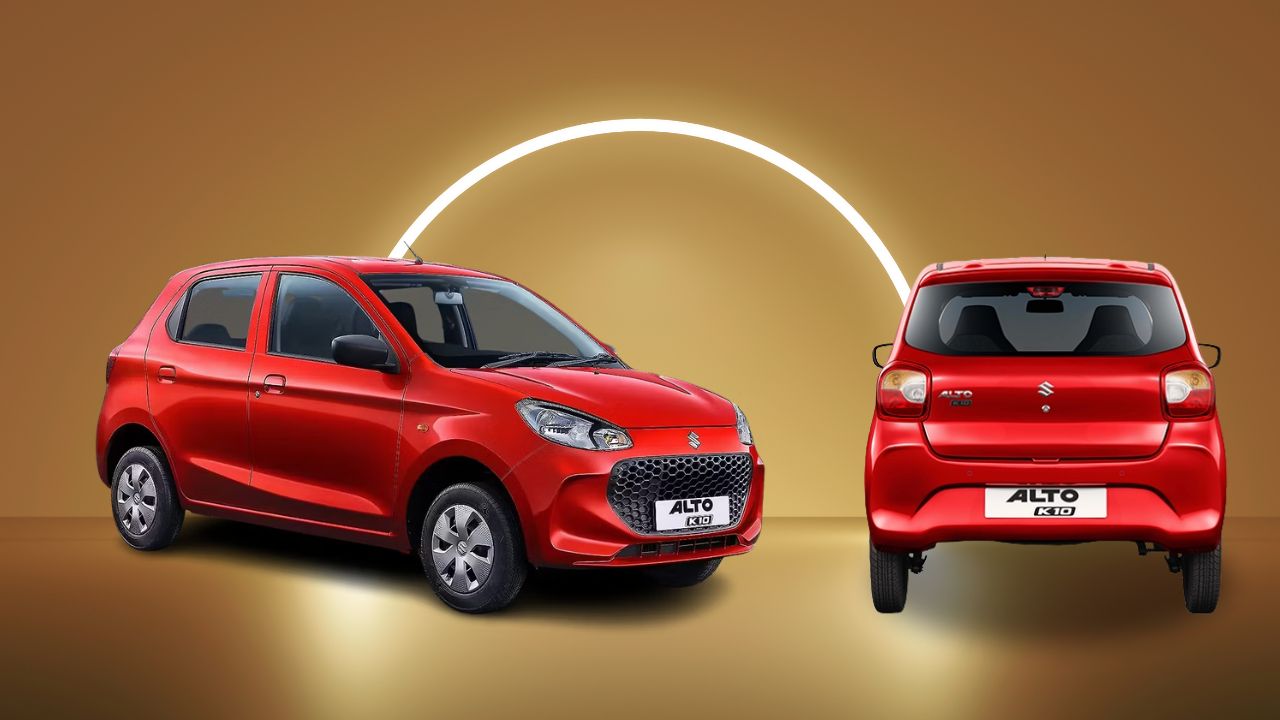
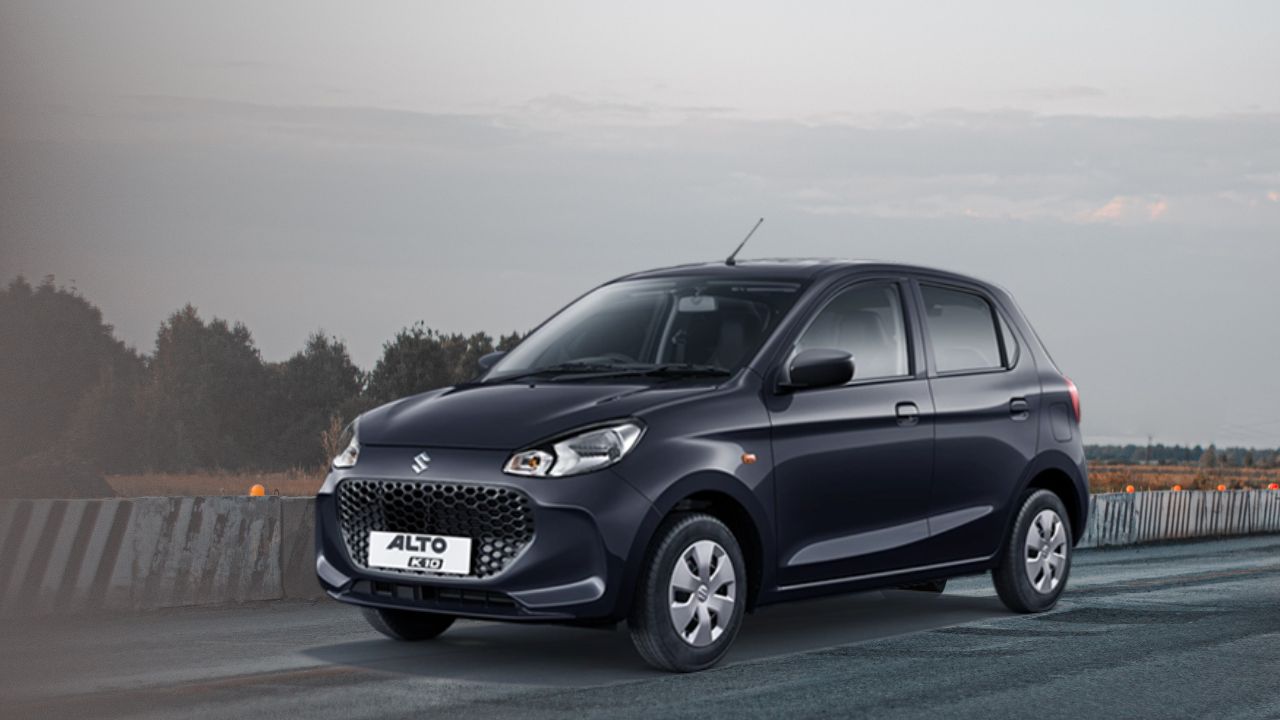
Maruti Alto K10 in 2027

The sticker price of a car is rarely the price you pay. If you’re checking the Maruti Alto K10 price in 2027 before buying in India, the number you see online is only the beginning. Here is what the car actually costs.

Maruti Alto K10 Price in India

The petrol range runs from roughly ₹4.28 lakh to ₹5.34 lakh ex-showroom. The CNG range sits between ₹4.84 lakh and ₹5.34 lakh. That keeps the Alto K10 among the cheapest ways to own a new car with a proper warranty and a service network in almost every town.

Maruti Alto K10 On-Road Price: Where the Gap Opens Up

Ex-showroom price is what the company advertises. But you have to pay extra to own a car including road tax, registration, insurance and dealer charges, and the total shifts a lot by city and that is called on-road price of a car:

  • Delhi: ₹4.28-6.16 lakh
  • Mumbai: ₹4.47-6.48 lakh
  • Chennai: ₹4.58-6.64 lakh

Chennai’s top-end figure is nearly ₹50,000 higher than Delhi’s for a similar car. In Lucknow, expect a total somewhere between the Delhi and Mumbai figures. UP registration and insurance can move it, so get a written dealer quote before you compare anything.

Maruti Alto K10 CNG Price

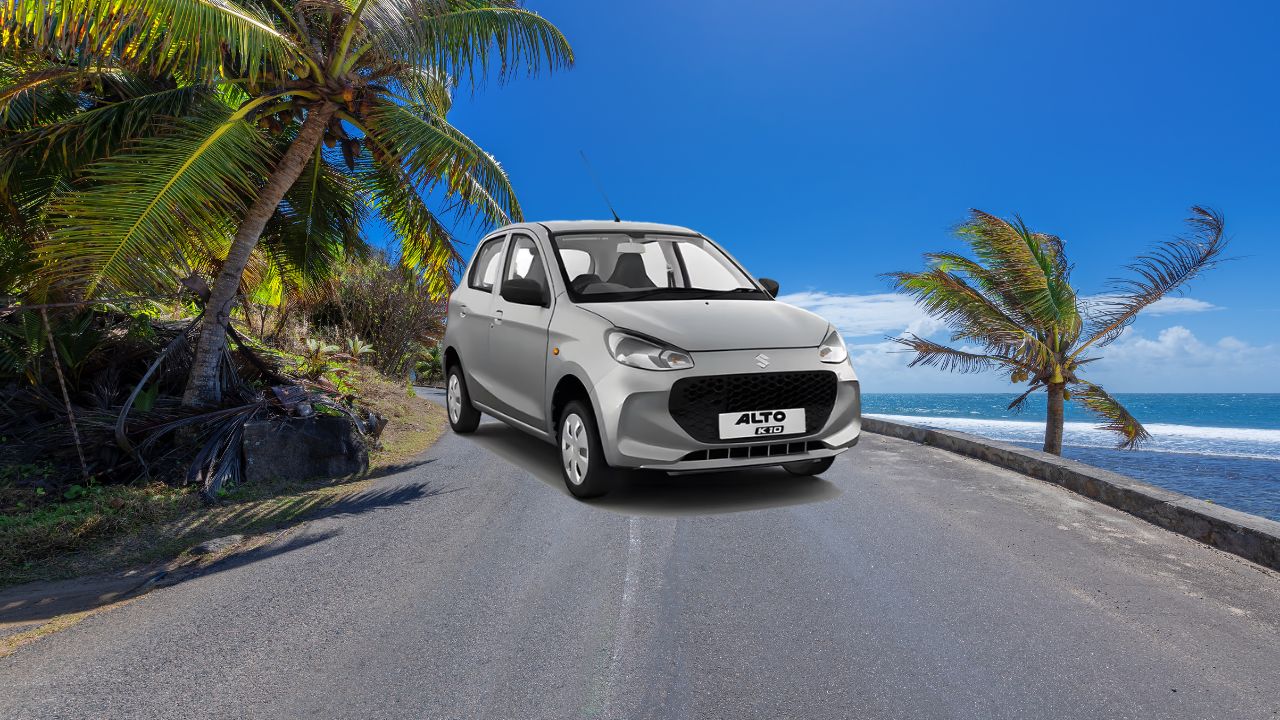
Maruti Alto K10 CNG

Two CNG variants are on offer: the LXi (O) S-CNG at ₹4.84 lakh and the VXi (O) S-CNG at ₹5.34 lakh ex-showroom. On the road, the LXi (O) comes to about ₹5.33 lakh in Delhi and ₹5.71 lakh in Chennai. The VXi (O) lands near ₹5.87 lakh in Delhi and ₹6.34 lakh in Chennai.

Due to higher costs of CNG, it will only pay off if you have long commutes. If you make short commutes on the weekends, you are unlikely to get a good return.

Read More 👉  5-Star Safety Ratings Cars in India: What the 2026 Crash Tests Show

Maruti Alto K10 EMI Per Month

As most people take loans to buy this vehicle, the EMI is very important. With an interest rate of about 9.8% and a down payment between ₹43,000-55,000, you can expect to pay anywhere between ₹8,100 to ₹10,500 per month.

Variant Down payment 60-month EMI
Std (O) petrol ₹42,795 ₹8,141
LXi (O) petrol ₹45,660 ₹8,684
LXi (O) S-CNG ₹55,185 ₹10,508

Various estimates are available. One estimate shows that the entry cost of EMI is ₹9,727 for 48 months. According to CarWale, the cost ranges between ₹7,073 to ₹10,419 for 5 years at 10% interest, with a 10% down payment. The variation in tenure, interest rate and down payment contributes to greater change in values.

Maruti Alto K10 EMI

A loan of Rs 1 lakh over 5 years at 10% will cost you about Rs 2,125 per month. Rs 3 Lakhs will cost around Rs 6,400, Rs 4 Lakhs will be around Rs 8,500 and Rs 5 Lakhs will be around Rs 10,600.

Read More 👉  Kia Seltos Earns a 5-Star Crash-Test Rating: A Big Win for Safety

Conclusion 

The Maruti Alto K10 is an affordable car choice for first time buyers and smaller families in 2027. However, the on-the-road price of the car depends on various factors including the city you live in, variant selected, insurance and finance options.

If you drive long distances regularly, the CNG version may make sense, while the petrol variants are better suited to occasional city use. Before booking, compare the on-road price and EMI offers from different dealers to make sure the Alto K10 fits your monthly budget without stretching your finances.

0

Budget Friendly Cars – Best Affordable Cars for Every Indian Family

Budget Friendly Cars

Car ownership in India is no more a far-fetched dream, it’s an achievable target for most households, with a wide variety of budget cars that offer a good balance of affordability, safety and modern amenities. Indian carmakers have taken things up a notch by 2025 and now offer cars that are stylish, feature-rich, and give good mileage, all without breaking the ₹10 lakh barrier. 

From the rugged yet compact Tata Punch, dependably peppy Maruti Swift, feature-laden Baleno, multi-purpose Renault Triber and all-time favourite Tata Tiago. There’s a Budget Friendly Cars for everyone no matter the requirement or lifestyle. Explore the best affordable cars of 2025 that offer incredible features and specifications to give you a nice ride.

The Champions of Budget Excellence

By 2025, there are more good cars within reach than ever before. With everything from sleek designs and advanced tech like touchscreen displays and driver-assist systems, these are the cars that prove you don’t have to spend a fortune to drive something reliable and stylish. 

Tata Punch – The Compact SUV Winner

The ultimate SUV runs on Indian roads at ₹5.50 lakh with useful family-car practicality. This ride features a 1.2-liter Revotron engine that produces 87 bhp and 115 Nm of torque. This setup makes for a good amount of power for the city and highways. 

Tata Punch - The Compact SUV Winner

The only thing that makes the Punch standout is it having a 5-star Global NCAP safety rating, which makes it amongst the safest cars in its segment. It provides 187 mm of ground clearance, ideal for Indian roads, and gets features such as a 10.25-inch touchscreen infotainment system, automatic climate control and a 6-speaker Harman sound system. Punch also delivers good fuel efficiency in the range of 18.8 to 20.09 kmpl, helping families stay on top of running costs. 

Maruti Suzuki Swift – The Reliable Performer

With a starting price of ₹5.79 lakh, Swift remains a favorite in Indian homes. The new generation is powered by a 1.2-liter K12N engine, which produces 89 bhp and returns a mileage of 25.75 kmpl.The highlight of the Swift is its all-round safety package, which includes 6 airbags as standard, ESP, hill hold assist, and ABS with EBD. 

Maruti Suzuki Swift - The Reliable Performer

The Swift has a roomy boot of 265 liters and gets contemporary connectivity features like wireless charging, 7-inch SmartPlay Pro+ infotainment system with Apple CarPlay and Android Auto.Its lightweight design and polished engine make it a great candidate for novice as well as seasoned drivers. 

Maruti Suzuki Baleno

Maruti Suzuki Baleno

You can get the Baleno in the range of ₹5.99 to ₹9.88 lakh as it offers many features within a low cost of maintenance. It’s the pinnacle of cheap cars. You get 170mm ground clearance and a spacious cabin. Top trims come with a 9-inch SmartPlay Pro+ screen and six airbags. Plus, it’s good on gas, too. It retains its value, so it’s a smart purchase for years to come.  

Renault Triber – The 7-Seater Wonder

Starting at ₹5.76 lakh, the Triber is the cheapest 7-seater MPV in the Indian market. That smart ride provides you with flexible seats that change in 5, 6, or 7 positions. That configuration suits a family on the grow. The 2025 update is powered by a 1-liter petrol engine that will give you 72 hp of power with 96 Nm of torque.  

It was also updated with new features like an 8-inch floating touchscreen infotainment system. That’s not it, it also offers connectivity features including wireless Android Auto and Apple CarPlay. Lean into a practicality with six airbags as standard, and front parking sensors to provide worry less driving. Configured as a five-seater, it takes the lead with 625 liters of boot space for top practicality.  

A Powerful Beast: Tata Tiago 

A Powerful Beast Tata Tiago

Tata Tiago offers 1.2L engine with 1199 cc capacity, buyers can get good features to run on road with comfort and reliability. It gives 86 PS power and 5 speed manual transmission with 35L fuel efficiency that makes it perfect for the family. It got 5-star Global NCAP rating safety which is incredibly important to consider a family car, also starting at an incredibly affordable ₹4.57 lakh.

Smart Feature Integration Without Premium Pricing

Budget-friendly cars are now catching up when it comes to features that were only available in the high-end variants. Take the Hyundai Exter, for example, It is priced from just ₹5.68 lakh and comes with an 8-inch touchscreen, digital instrument cluster, a sunroof and 6 airbags, all as standard. And then there’s the Tata Altroz that begins at ₹6.30 lakh and comes with a cavernous 345-litre boot and a refined 3-cylinder unit pumping out 86.79 bhp. These cars prove you don’t have to empty your wallet to get modern tech and comfort. 

Safety Without Compromise

Safe is the new seat in cars under 10 lakh. The 5-star GNCAP rating of the Tata Punch is a testament to the fact that budget cars can be very safe.The Tata Tiago offers safety features like airbags, ABS, EBD, parking sensors, and seat-belt alerts as standard. Renault Triber 6-airbags are standard for all the variant along with ISOFIX child seat anchor. 

Fuel Efficiency for Economic Operation

Cost-savvy families need fuel efficient vehicles and these cars deliver everything you need. The Maruti Swift delivers a good mileage of 25.75 kmpl which makes it one of the most fuel efficient cars to go for a long ride or your daily drives. Tata Tiago is a compact SUV that gives you 23.84 kmpl fuel efficiency, making it a perfect balanced car for the riders. Tata Punch delivers 20 kmpl fuel efficiency meaning good mileage without compromising on style, so, if you like to inject a little fun into your drives, this is a very interesting option to consider.  These figures mean that families can afford day-to-day runarounds without wondering about the cost of fuel. 

Read More:-  Discover The Stylish And Powerful Chery Arrizo 8 – Redefining The Modern Sedan

The Perfect Balance of Price and Performance

These vehicles have their own sets of value. Tata Punch brings SUV styling with best-in-class safety, the Swift comes with tried and tested reliability, the Baleno comes loaded with premium features, the Tiago offers unbeatable value and the Triber provides 7-seater flexibility. All these cars are proof that Indian families don’t have to pinch their pockets to get powerful features and dependable performance. 

Making the Right Choice for Your Family

Picking a cheap car means thinking about what your family really needs. The Tata Punch fits great if you want top safety and that SUV look. Nobody beats the Swift for great gas mileage and dependability. Those requiring 7-seater versatility for family needs should opt for the Triber and for premium features within a tight budget, pick the Baleno. The best way to decide is taking the test drive for the cars you like and decide which makes you comfortable and easy.

Conclusion

Power-packed features at affordable prices for the family car buyers is important. The 2025 Indian automotive market has a lot to offer to the family car buyers looking for strong features within a tight budget. These cars prove that inexpensive doesn’t mean you have to sacrifice quality, safety or contemporary features. 

By taking your family’s needs and likes into consideration, you can select the right car that offers you a great price for sale and get more value for your money for many years to come. Whether you are purchasing your first vehicle or looking to upgrade your family car, these Budget Friendly Cars options present the best value for money in terms of features, pricing, and reliability that every Indian family needs. 

0

Hyundai Verna Facelift: New Features, Design, Interior, Safety, Engine, Mileage Updates Details

Published Dec 18, 2025, 10:33 AM
Last Updated Apr 24, 2026, 11:22 AM

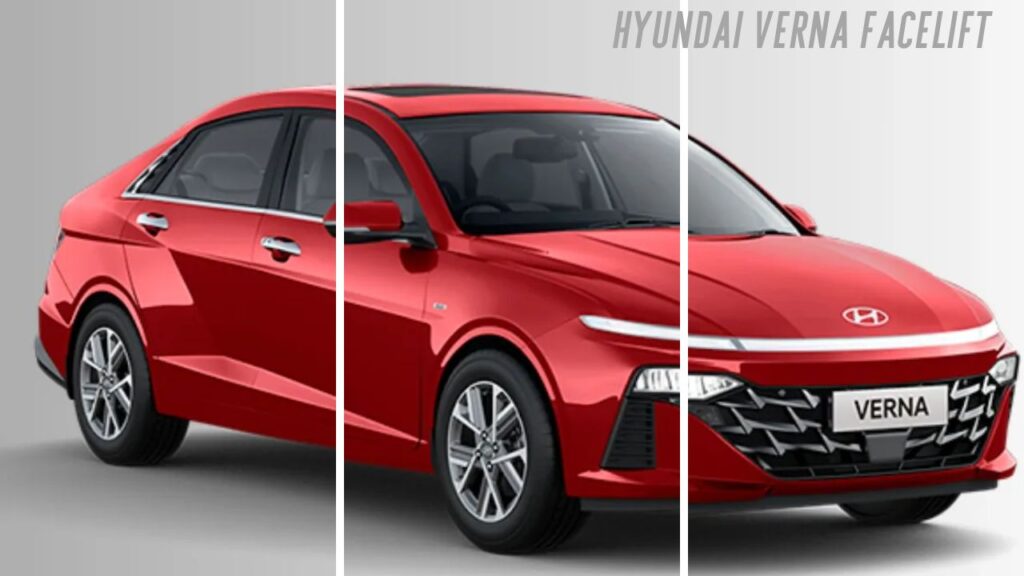
Hyundai Verna Facelift

Hyundai Verna Facelift is debuting during midsize sedan segment decline as the SUVs take majority of sales. Reinventing the wheel didn’t really seem to be on Hyundai’s agenda this time around, and that’s a good thing — the Korean marque is simply evolving what already works, adding some fresh design cues, some new technology and new safety features. The end result is a sedan that is not only more modern, progressive and premium than ever, but also delivers an excellent balance of comfort, performance and reliability that made the Verna one of the best-selling cars in India.  

With crisper styling, upgraded interiors, new ADAS technology, powerful yet fuel-efficient engine choices, the Verna Facelift is all set to rekindle the faith of buyers that sedans still are a very solid proposition. 

A Fresh Face for the Modern Era

Hyundai Verna Facelift isn’t meant to be a reimagining of the entire car, rather it’s about smart updates and enhancements. A basketball hoop design replaces the previous horizontal slat grille now seen in Hyundai’s luxury designs such as the Sonata that inspires the new look. The LED light bar which has been a distinctive element for Verna is retained and revamped with upgraded lighting signatures resulting in a crisper and bolder look.​

A Fresh Face for the Modern Era

Coming to the sedan, the bonnet line has been reworked, and it adds to the overall cleaner-looking unified front-end. The bumper lines have been sharpened as well, making it look even sportier without losing none of its recognizable body. 

Inside, the Verna is treated to a new multi-layer dashboard and a revised center console that run the entire length of the cabin for a refreshed look from front to rear. New diamond-cut 16-inch alloys complete off the exterior transformation, a few variants with sleek blacked-out finishes options to add a little more sport. 

Impressive Interior That Meets Your Standards

Step into the revamped Verna and you will see that the cabin offers a good blend of upmarket features with day to day practicality. The overall design is still faithful to the winning formula of the present model, but Hyundai has added some meaningful enhancements. The infotainment system has been updated with a new touchscreen display, and there’s talk of dual 12.3-inch screens from the Venue. This would be a big boost for those who want to be connected and live the modern tech life.​

Impressive Interior That Meets Your Standards

The cabin now receives upgraded trim finishes and new colour schemes that further enhance the overall sense of luxury. Hyundai has updated the well-known beige and black dual-tone interior design with a more modern look without compromising the open and airy feel making the Verna suitable for daily drives as well as long highway drives. Comfort is still the name of the game, with ventilated and heated front seats providing convenience all year long, and the power-adjustable driver’s seat making it easy for drivers of all sizes to find a perfectly ergonomic driving position.  

Connectivity features have Verna strength from the beginning, and the facelift echoes this tradition. Over 65 intelligent services, such as remote start of the engine, climate control and car diagnostics are part of the package BlueLink connected features that you can access through your smartphone or voice assistants as Alexa and Google. That is the kind of technology that turns your car into a truly smart car instead of merely a way to get around. 

Safety That Keeps a Protection Promise 

Safety is not a bargainable parameter in automotive space these days, and the Verna Facelift reaffirms Hyundai’s adherence to this ideology. The sedan still has comprehensive airbag coverage with as many as six airbags for all-round protection – driver, passenger, sides, and curtains. Higher variants also receive optional seventh airbag arrangements.­

But what really makes the Verna stand out is its Level 2 ADAS technology – Hyundai SmartSense. The system features forward collision avoidance assist which brakes for you to avoid a crash, blind-spot collision warning, which notifies you of vehicles in your blind spots, and lane keeping assistance, which assists in staying centered in your lane on the highway. These are not gimmicks — these are real security blankets that could have a genuine impact on accident prevention. 

Other safety features available are all-wheel disc brakes on turbo models, electronic stability control, hill-start assist control, ABS with brake-force distribution, and a rear parking camera with dynamic guidelines. The rigid safety structure shows that Hyundai is serious about safeguarding its passengers. 

Read More:- Lionel Messi Car Collection 2025: Price, Models & Exclusive Photos

Engine Performance That Shouts

As for the mechanics, Verna Facelift is no different from what we know and it still sticks to the tried and tested formula. The Verna runs on a tried 1.5-litre naturally aspirated MPI petrol engine, offered in 6-speed manual and 6-speed Intelligent Variable Transmission (IVT) options and it produces 115 PS power and 144 Nm torque. Those looking for a livelier drive can opt for the sportier 1.5-liter turbo-GDI petrol, which makes a strong 160 PS and 253 Nm, available with either the 6-speed manual or an 8-speed dual-clutch automatic gearbox.  ​

Engine Performance That Shouts

The interesting speculation is that Hyundai will offer a 1.5-litre petrol-hybrid powertrain as part of their plan to roll out eight hybrid models in various segments by 2030 or oil price dependent world market demand)~ like Toyota? This could make the Verna a rival for the Honda City e:HEV and give the drivers a greener choice without compromising on power. 

Mileage Efficiency For Unstoppable Rides

Towing capacity is important for practical purposes. Interestingly, the 1.5L MPI petrol engine bodies 18.6 kmpl in MT and 19.6 kmpl in IVT auto. The turbocharged one bumps that up to 20.0 kmpl (stick) and 20.6 kmpl (DCT automatic), so it is also a fuel efficient option for those who can pay a bit more for performance. These numbers are a good compromise of power and fuel economy, which is essential for the common Joes on the road. 

Conclusion

The Hyundai Verna Facelift is more of an evolution rather than revolution. With understated styling updates, new technology, additional safety and tried and trusted mechanical dependability, Hyundai has created a saloon that feels up to date without giving up on its practical merits. Be you daily commuter, weekend warrior or intrepid family hauler, the Verna refreshed continues to defy its obsolescence and remains among the most sensible sedan options in India.  

0

Which Car Is Best: Petrol or Diesel? Pros, Cons & Complete Comparison

Published Jun 10, 2026, 12:18 PM
Last Updated Nov 2, 2026, 5:17 PM

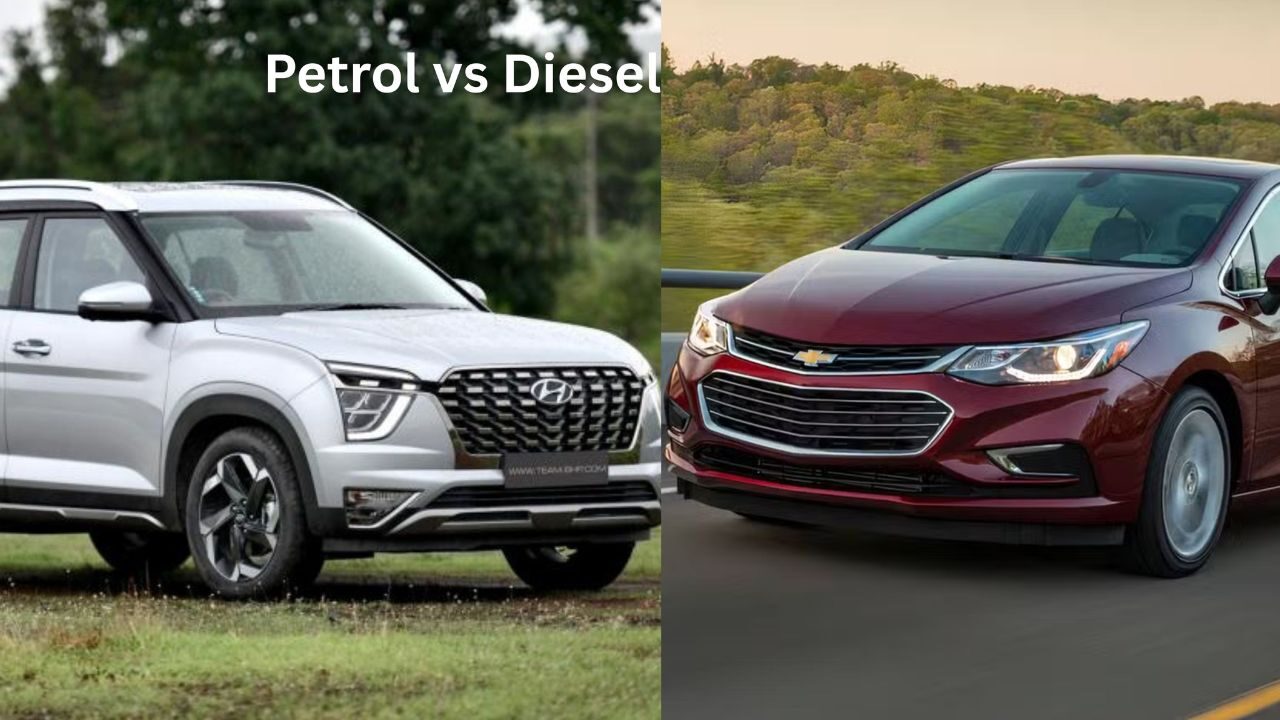
Petrol vs Diesel Car

When you visit a showroom of Maruti, Honda, Tata or any brand, you probably get confused which car is best for you — Petrol vs Diesel Car? The generic answer is it depends on your usage and region but cars are also affected by many factors that make them different from each other. If you are not sure then continue reading to understand it properly.

Let’s Understand the Basics

Factor Petrol Car Diesel Car
Ignition Spark plug Compression ignition
Driving feel Smoother, quicker response at low speeds Strong torque, better at sustained speeds
Best usage City driving, short trips Highway driving, long-distance travel
Upfront price Lower Usually ₹1–2 lakh higher
Fuel cost Petrol is usually costlier per litre Diesel is usually cheaper per litre
Fuel efficiency Lower than diesel Usually 20–25% better
Maintenance Simpler and cheaper More complex and costlier
Best annual mileage Below 12,000–15,000 km Above 20,000 km
Resale value Improving, especially in small cars Traditionally strong, but affected by emission rules
Emissions More CO2 per km More PM2.5 and NOx

A petrol engine uses spark plugs to ignite a mixture of air and fuel. It runs smoother, quickly picks high speed, and feels more responsive mostly at lower speeds. This makes petrol engine cars preferable for smaller distances, city driving.

A car built on a diesel engine uses compression (high pressure) to ignite the fuel, not a spark plug. It generates more torque (that pulling power you feel when you accelerate), runs at lower RPMs, and uses less fuel on longer distances.

That’s the core difference — and it explains almost everything else about how they behave on the road.

The Cost Factor: Upfront vs Long-Term

Most buyers end their discussion on Petrol vs Diesel Car when it comes to the money. 

Same car but diesel variant cost around ₹1 lakh to ₹2 lakh which is more expensive petrol variant. Manufacturing cost drives the extra price of the car because diesel engines have more complex parts.

However, Diesel fuel is cheaper per litre than petrol in India (usually by ₹10–₹15 per litre). And that makes it more fuel-efficient — a diesel car might give you 20–25% better mileage than the petrol version of the same model.

So here’s the math that actually matters: the break-even point.

Driving in a city less than 10,000–12,000 km a year, it will take you 6–8 years to compensate for the extra cost you paid to the showroom owner for the diesel variant through fuel savings. By that time, you’re probably thinking about your next car anyway.

But if you’re clocking 20,000+ km a year — long highway runs, intercity travel, road trips — a diesel car will pay for itself in 2–3 years and save you a significant amount after that.

The simple rule: high mileage = diesel makes financial sense. Low to moderate mileage = petrol wins.

City Driving vs Highway Driving

City Commuting 

If you use a car mostly for city trips then choose Petrol engines as they love city driving. They’re more responsive at low speeds, gear shifting is very light, and the engine doesn’t need to warm up as much. Start-stop traffic — which is basically the story of driving in any Indian metro — suits petrol engines far better. 

In this traffic area, Diesel engines won’t cope up because they perform best at sustained speeds and consume less fuel. In city conditions, their fuel efficiency advantage largely disappears, and the engine can be reluctant at low revs.

On the Highway

The diesel engine wins here, that high torque means effortless overtaking, smooth cruising at 100+ km/h, and significantly better fuel economy over long stretches. A diesel car on the highway is a genuinely satisfying experience — particularly for long-distance drivers.

Petrol engines can also run on highways but for the run on higher speed they need more fuel to work harder.

The Maintenance Cost For Each Fuel Type

Diesel cars leave your wallet empty for maintenance as their parts are more complex. And diesel-specific components (like the fuel injectors and turbocharger) need time-to-time and attentive servicing.

Petrol cars are simpler under the hood. Routine servicing is cheaper, and mechanics are more familiar with petrol engines — particularly at smaller garages in Tier 2 and Tier 3 cities.

One important thing to understand is that diesel cars need to be driven regularly. If you left them in a garage like any showpiece, a diesel engine can develop issues. Petrol engines can sit without creating any problem for a long time, perfect if the car is a second vehicle or used only on weekends.

Environment and Emissions

Environmental considerations are increasingly playing a bigger role in the petrol vs diesel car debate. Diesel engines emit larger quantities of PM2.5 particles and nitrogen oxides (NOx), which are air pollutants that harm the environment and human health. Petrol engines produce more CO2 per kilometre, but they generate a fraction of the harmful particles. 

India’s BS6 emission rules have brought diesel engines much cleaner than before — but the gap hasn’t fully closed. Several Indian cities have placed restrictions on older diesel vehicles, and there are ongoing policy discussions to set more regulations in pollution-heavy metros.

There are few cities like Delhi and Mumbai where pollution is rising day-by-day and so are emission concerns. It is worth knowing the resale value of your car.

Read more:- How to Calculate Average of Car With Explained Methods and Formula

Resale Value of Diesel & Petrol Cars

Diesel cars have long had better resale values because buyers thought they were more cost-effective to operate. That narrative has been shifting.

The prices are rising and rules are tightening on using diesel cars to prevent air pollution. Petrol cars are increasingly competitive in the used car market and in some segments (hatchbacks, small SUVs), they actually hold value better than diesel equivalents.

You can check any model resale value at the used car market. The segment matters a lot here.

Which Fuel Type Suits You Better?

Let’s make this as simple as possible.

Your Situation Better Choice Why
Mostly city driving Petrol Better low-speed response and lower maintenance
Annual driving below 12,000–15,000 km Petrol Diesel’s higher price takes longer to recover
Car used only on weekends Petrol Handles idle periods better
Daily highway commute Diesel Better mileage and torque
Annual driving above 20,000 km Diesel Fuel savings recover the higher purchase cost
Large SUV or MUV buyer Diesel Strong torque and better long-distance economy
First-time small-car buyer Petrol Lower upfront cost and simpler ownership

Go petrol if:

  • You drive mostly within the city
  • Your annual mileage is under 12,000–15,000 km
  • You want lower upfront cost and simpler maintenance
  • The car will sit idle for days or weeks at a stretch
  • You’re buying a small hatchback or entry-level sedan

Go diesel if:

  • You regularly cover long distances — highway commutes, intercity travel
  • Your annual mileage crosses 20,000 km comfortably
  • You’re buying a larger vehicle (SUV, MUV, premium sedan) where diesel variants make more economic sense
  • You want strong torque and highway cruising ability

CNG and Electric Taking Over Larger Part in Fuel Economy

In 2026, you must understand that petrol vs diesel isn’t the only choice anymore. CNG has become a very practical third option for high-mileage city drivers. It gives more fuel efficiency than both Petrol or Diesel engines, and factory-fitted CNG kits in models like the Maruti Suzuki Alto K10 and Tata Tiago CNG are far more refined than they used to be.

Car manufacturers are making more Electric vehicles (EVs) as their demand is rapidly growing around the world. After petrol becomes more expensive, EVs seem to be the best option for you. Tata Nexon EV and MG Windsor making a compelling case for urban buyers.

But if you’re specifically choosing between petrol and diesel — the two questions to ask yourself are: how much do you drive, and where? The answers will almost always lead you to the right choice.

Conclusion

There’s no universally “better” fuel type. Petrol vs Diesel Car engines are optimised for different kinds of drivers and different kinds of roads.

If you spend around 800–1,000 km a month on the city roads, a petrol car will prove to be cheaper for you and involve fewer hassles. If you’re a long drive enthusiast, you regularly crisscross city limits – diesel will thank you for every kilometre you put on the odometer. 

Know your driving habits honestly, do the break-even math for the specific car you’re buying, and you’ll make the right call.

1

October Car Offers: Which Discounts Save You Money

October Car Offers

October Car Offers are strong but they come in multiple layers such as cash discount, exchange bonus, scrappage benefit, navratri bonus, upgrade bonus. Only one can be equipped at the time of purchase for which customers get qualified. It is wise to select the car based on their performance, fuel efficiency, and comfort rather than just looking at the headline offer.

Look into how to claim October Car Offers and this navratri which car is worth your attention.

How to Claim October Car Offers

The first offer is a cash discount. It needs nothing from you except a booking, and it is the only part you can count on. The second option holds conditional benefits. These need a trade-in, an old car to scrap, proof that you already own the brand, or a corporate ID.

Tata’s Harrier diesel shows the split. It carries up to ₹45,000, made up of a ₹10,000 cash discount plus either a ₹25,000 exchange or a ₹35,000 scrappage benefit. Without an old car, you walk away with the ₹10,000.

How to know which offers you can get:

  • Ask for the offer in writing, split into cash and conditional parts. Dealers who only quote a total are hiding the breakdown.
  • Carry proof before you go. That means your old RC for exchange or scrappage, and an earlier invoice or RC for loyalty benefits.
  • Check the validity window. Hyundai’s offers run only from October 1 to October 31, 2026. Festive bonuses can end sooner, so confirm that date for your city.

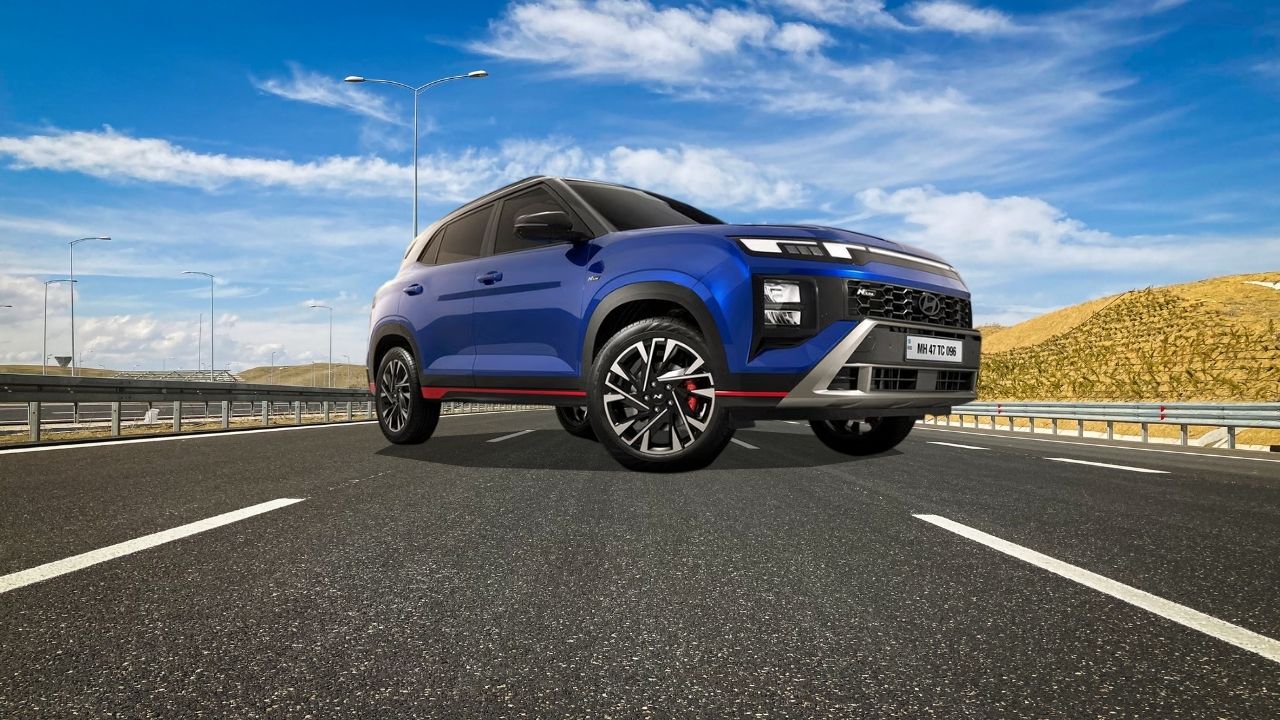
Hyundai Creta N Line: The Biggest Number, With a Catch

The Creta N Line gets up to ₹1.25 lakh, the highest in Hyundai’s lineup, against ₹1.15 lakh on the regular Creta. The N Line is priced between ₹19.03 lakh and ₹19.95 lakh. That works out to a savings of roughly 6 percent.

The only parts out are a ₹20,000 cash discount and a ₹25,000 Navratri bonus. The rest of the ₹1.25 lakh is presumably exchange, scrappage or upgrade money. If that holds, a buyer with no trade-in could be looking at closer to ₹45,000 in unconditional savings. Ask your dealer for the exact split before you plan around the full figure.

Hyundai Creta N Line

The Creta lineup around it is also worth a look. The entry petrol E trim gets ₹1 lakh, and the iVT petrol gets up to ₹1.05 lakh. If you don’t need the N Line’s sportier styling, the regular Creta brings you close to the same saving on a cheaper car. Hyundai’s October push is also heavy on older Verna stock. Old stock means a model-year gap, so ask which year the car was built.

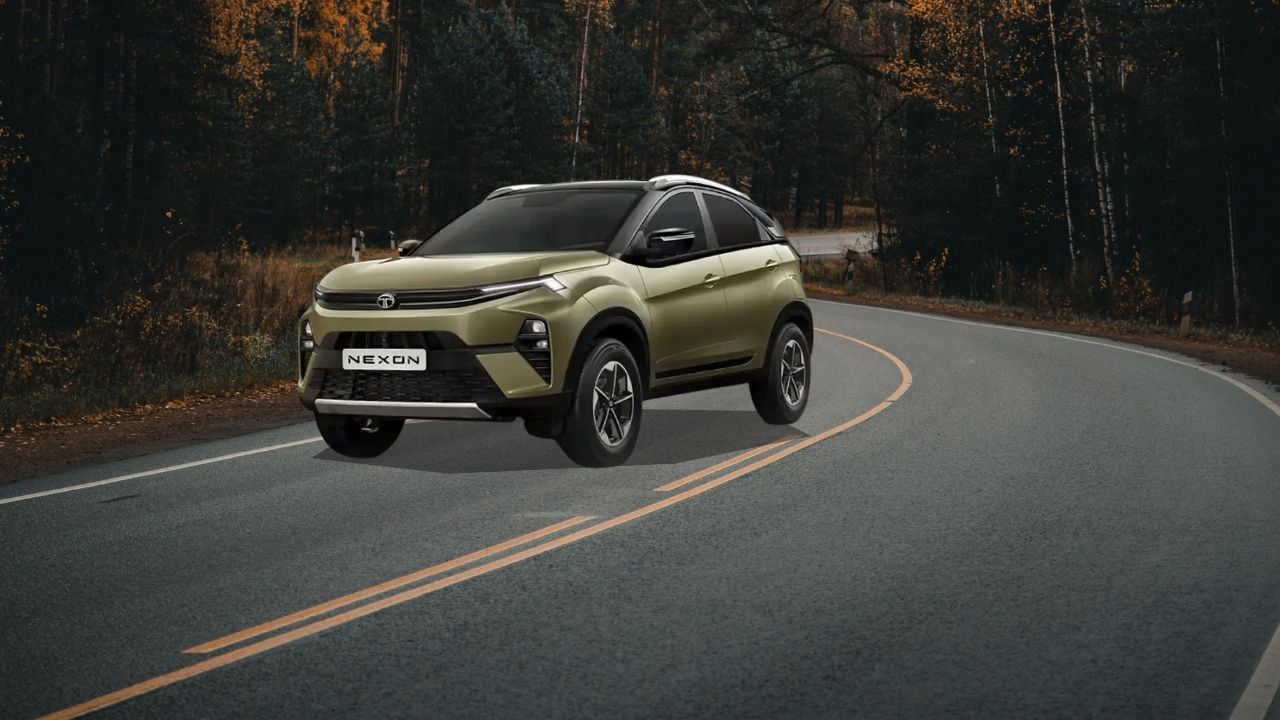
Tata Nexon: Your Fuel Choice Decides Your Discount

The Nexon is the clearest example of “the same car, three different deals.” Benefits reach ₹75,000 overall, but the CNG version gets up to ₹60,000 and the diesel only ₹20,000. The top figure applies to select petrol manual variants, while other petrol trims get ₹55,000.

Tata Nexon

If you were already leaning toward a petrol Nexon, October is a good month to buy. If you want diesel, the discount is thin. You will find better money elsewhere than in the ₹20,000 offer. The electric version is also on the modest side. The Nexon EV gets up to ₹45,000 across all variants, priced from ₹12.49 lakh to ₹17.69 lakh.

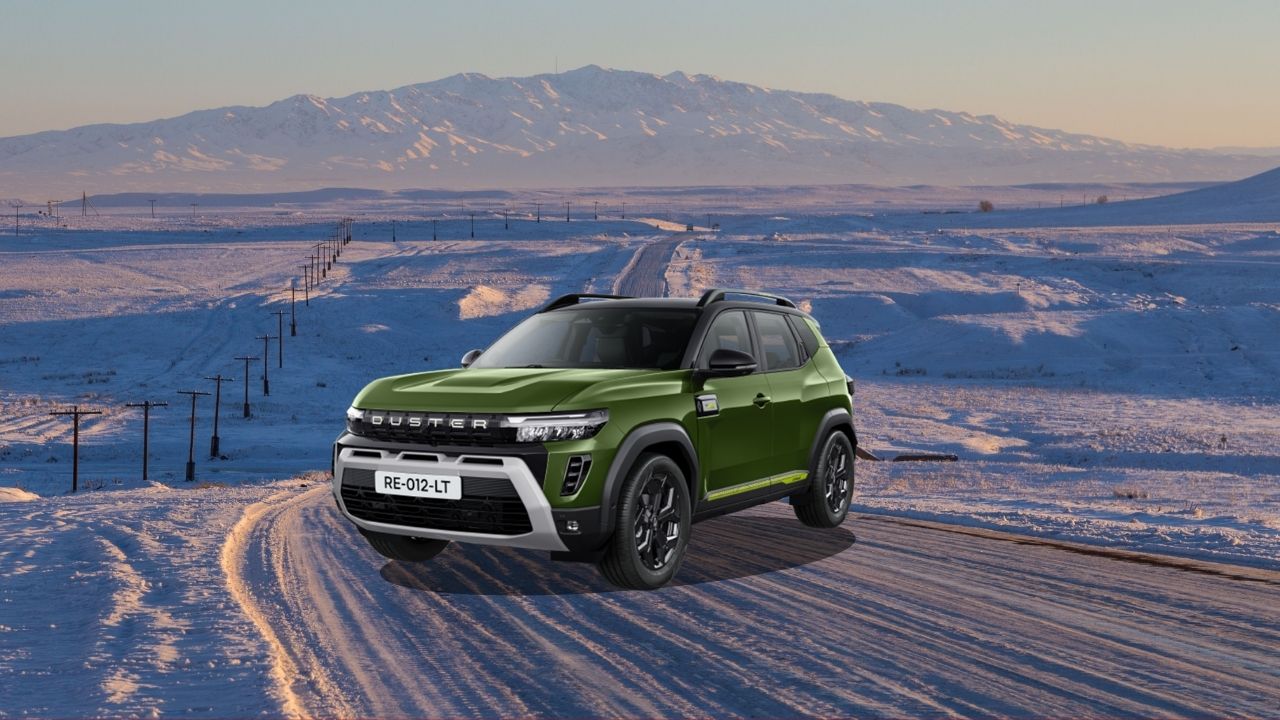
Renault Duster: The Biggest Rupee Number on a Cheaper Car

Renault is offering up to ₹2.1 lakh on the Duster, the highest in its lineup, and the car costs between ₹10.49 lakh and ₹18.49 lakh. Against the top trim, that is over 11 percent. Against a cheaper trim, the percentage is higher still. Technically, this is the strongest percentage deal of the four models here.

Renault Duster

Read the fine print. A Duster-to-Duster exchange lifts the benefit to ₹1.5 lakh on the Techno+ and Iconic trims, and ₹1 lakh on the Evolution and Adventure. Loyalty benefits of up to ₹10,000 and an annual maintenance contract also depend on submitting loyalty proofs. 

So the ₹2.1 lakh likely depends on your existing car and ownership history. Without a trade-in, expect a noticeably smaller figure.

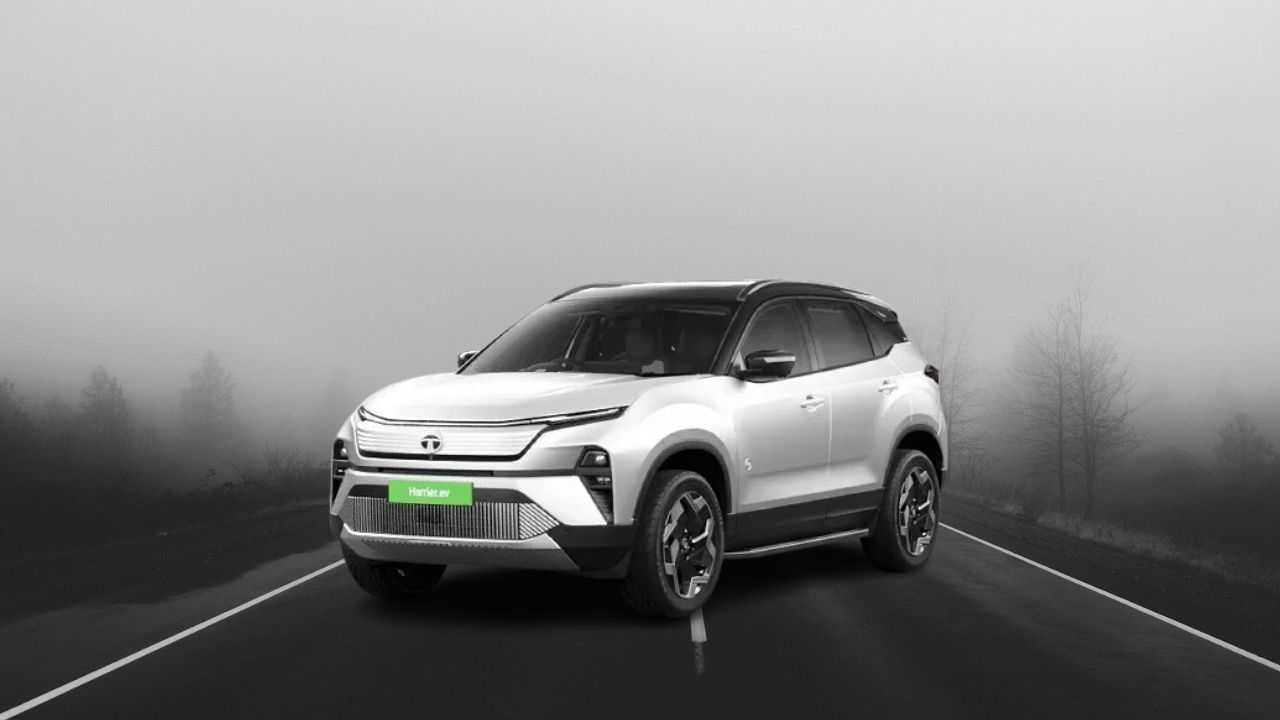
Tata Harrier EV: The Largest Discount, and It Only Applies to Some Trims

The Harrier EV is offered with up to ₹2.75 lakh off on the Fearless+ and Empowered trims, against ₹2.5 lakh on the lower Adventure trim. The range runs from ₹21.79 lakh to ₹29.79 lakh. At the top of the range, you are saving roughly 9 percent.

Tata Harrier EV

This offer is also layered. The Adventure trim’s ₹2.5 lakh combines several components, one of them a ₹75,000 intervention offer. Look at the cash component first, then the trade-in portion. If Tata is offering a big discount, it is also worth asking why this EV needs one. Slow demand or a stock-clearing push could both be behind it. 

Tata’s other electric models are also in the mix. The Curvv EV reaches up to ₹3.35 lakh, the highest of any Tata EV this month. If you are looking at the Harrier EV, compare it against the Curvv EV.

Which Discount Actually Saves You Money?

Model Headline benefit What you need to get it
Renault Duster Up to ₹2.1 lakh Duster exchange, loyalty proof
Tata Harrier EV Up to ₹2.75 lakh Specific trims (Fearless+, Empowered)
Hyundai Creta N Line Up to ₹1.25 lakh Exchange/scrappage for most of it
Tata Nexon (petrol) Up to ₹75,000 Select petrol manual variants

If you have an old car to trade, the Duster offers the best rupees-to-price ratio, and the Harrier EV offers the most absolute savings. If you are buying without a trade-in, the picture flips. The Nexon petrol and the regular Creta offer simpler deals with less to prove. The Creta N Line is a fair buy if you wanted its looks anyway, but don’t buy it for the discount alone.

Conclusion

October Car Offers let you buy the latest model on this navratri and this is the time every brand publishes the discount offer in big figures but the actual discount will be below that number. You can get only one or two offers and only the cash discount is the real saving for you.

Before you sign, ask your dealer the cash discount on this exact variant and VIN, with nothing conditional added. That figure is your real savings. Everything above it is only a bonus if your trade-in and paperwork line up.

Figures are from published October 2026 car offer reports and vary by city, variant and stock. Confirm with your dealer.