0

The Garage of Dreams: Inside C.J. Roy Car Collection

Published Mar 28, 2026, 12:50 PM
Last Updated Apr 2, 2026, 7:51 AM

C.J. Roy car collection

C.J. Roy car Collection was never a statement about expensive cars but it was a statement about his life, passion and success. From the ultra-luxe Rolls-Royce cars to the world-record shattering hypercar models like the Bugatti Veyron, his garage had it all. Each car had a particular story — of dreams realized, risks taken, and a love for driving that never grew old. 

Twelve Rolls-Royce Motor Cars

In his garage, Roy parked his twelve luxury and priciest Rolls-Royce. Roy’s passion for his cars is shown as he owns this Phantom VIII, which is the most luxurious automobile in existence.

Twelve Rolls-Royce Motor Cars

It’s more than just a car — it’s a status symbol and class statement. In fact, everything is handcrafted and the infamous Spirit of Ecstasy on the front give it more royal touch.

Owning a single Rolls-Royce may be special, but holding a collection of twelve really highlights his passion for the marque. “These aren’t just cars to me — they’re about comfort, style and the ultimate road experience.” 

The Speed Demon: Bugatti Veyron

C.J Roy’s Rolls-Royce cars showed his taste for luxury. The Bugatti Veyron was a statement of his need for speed. It was previously considered to be the fastest street-legal car in the world. Over 400 km/h which most cars can only dream to reach! 

He even greets people without any rush, with a friendly “Take care friends, have a beautiful evening,” before taking off with phenomenal speed. The shot, with his palatial home in the background, conveys both accomplishment and modesty.

Bugatti Veyron

The Veyron itself is a masterpiece. It has a 16 cylinder massive engine and generates more than 1,000 horsepower. It’s not just a car — it’s designed for extreme performance.

That he owns a Veyron makes his thinking crystal clear: he didn’t just buy ordinary cars, he purchased one of the truly extraordinary cars. 

The Swedish Interloper: Koenigsegg Agera

Roy wasn’t stopped with just one fast car, he had a Koenigsegg Agera too. This is an extremely rare hypercar created by a niche Swedish car manufacturer, which produces some the most technically progressive cars under the sun.

The Agera is ultralight, has insane power, and remains ultra-rare. There are just a handful. Have one and you’re instantly part of an elite club. What sets this car apart is how it bends limits. 

Having a Koenigsegg Agera in his garage collection demonstrates Roy wasn’t merely snapping up the popular luxury cars, he was hunting for the truly extraordinary and unique. 

The Italian Stallions: Lamborghini Fleet

Every supercar collection needs a Lamborghini. That’s Roy, in a nutshell. He had various Lambo models under his roof. A car that really blew me away was the 2015 Huracán. Roy himself said it was his childhood dream.  

Lamborghini Fleet

Lamborghinis are raucous, extravagant, and brash with electric energy. They’re made to roar, not purr. The Huracán houses a potent V10 engine capable of high revs. It’s quick, but there’s the thrill of actually driving one. Roy craved that buzz. Driving beats just hauling on the road wherever you ride. He soaked up every moment behind the wheel.  

The British Precision: McLaren 720S

If you add a McLaren 720S to the equation, Roy has genuine engineering purity. Emotion is what makes Lamborghini spark. Physics, McLaren nails it. Carbon fiber expertise, aero tricks and the fact a road car lapped tracks at speeds quicker than race cars from decades ago is celebrated by the 720S. 

The Sentimental Journey

Maybe the most sentimental thing about C.J. Roy Car Collection was that he always bought back his first luxury car – a Mercedes-Benz S-Class. Most collectors pursue the new, the rare, the appreciating asset. Roy chased memories. 

That S-Class was the original and only beginning for him, the first station on a path that would someday take him to piloting the world’s most exclusive autos. Keeping it, or buying it back, was a statement about that man who never forgot where he came from even as he ascended to the stratosphere. 

The Legacy of C.J. Roy Car Collection

C.J. Roy died in early 2026, and he left not only a thriving business for his heirs but also an amazing car collection that reflected his life.

For him, these cars were more than just expensive assets — they had a place in his story. Each one of his cars reflected his personality, achievement and love for cars,” said Chandran.

From his homes in Dubai and Bengaluru, his fleet remains a beacon that can guide through any circumstances. Whether it was the luxury of Rolls-Royce, the speed of Bugatti, the rarity of Koenigsegg, or the thrill of Lamborghini – every car had a different meaning.

More than anything, C.J. Roy car Collection is a dream. Story of a boy from a normal middle class family in Kerala who made it big and cherished it to the fullest. And at the finish line, there was an uncomplicated satisfaction: driving, turning on a big motor and rattling around.  

Read More:-  Pagani Zonda: The Most Expensive and Powerful Supercar in Just Rs 120 Crores

Conclusion

C.J. Roy Car Collection isn’t just a boast of affluence, it’s a testament to his will and his passion. Every car — Rolls-Royce and Bugatti, Koenigsegg and Lamborghini and even his very first Mercedes, marks a turning point in his life. Originally from humble beginnings in Kerala, he progressed to possess some of the most uncommon cars in the world. 

That tale inspires me. Above all the drama and glamour, his passion for driving his own car was palpable. It makes his collection unique. It shapes his legacy.

Bipin Sharma

Bipin Sharma is a seasoned automotive content writer with over 10 years of hands-on experience in the world of cars. From the latest car news and reviews to in-depth maintenance tips and expert buying guides, Bipin covers everything that drives the automotive world. Writing about cars isn’t just his profession — it’s his passion. His deep industry knowledge and love for automobiles fuel every blog he creates, helping readers make informed decisions and stay updated on the fast-evolving auto landscape.

Leave a Reply

Your email address will not be published. Required fields are marked *

0

Top 10 Best Used Cars for Tall Drivers That Actually Fit Your Frame

Published May 20, 2025, 1:09 PM
Last Updated Apr 6, 2026, 12:32 PM

Top 10 Best Used Cars for Tall Drivers That Actually Fit Your Frame

Finding a car that fits your body is very important, especially if you are tall. Some cars feel too tight. Your knees hit the dashboard. Your head touches the roof. That makes driving painful. The good news is many used cars offer big space and comfort. 

We made a list of the best used cars for tall drivers. These cars provide more legroom and headroom for your efficiency. They also come with other good features and fair prices.

Honda Odyssey

Honda Odyssey

The Honda Odyssey is one of the great choices for all the tall drivers. It has a high roof and wide seats. You can stretch your legs and sit up straight. It also has smooth steering and good safety features.

  • Front Headroom: 40.7 inches
  • Front Legroom: 40.9 inches
  • Used Price Range (2017-2020): $18,000 – $30,000
  • Seats: Up to 8 people
  • Good Features: Power sliding doors, rear-seat entertainment system, rearview camera, Apple CarPlay/Android Auto

Toyota Sienna

Toyota Sienna

The Toyota Sienna is another roomy minivan. It has soft seats and so much space so even very tall drivers fit comfortably. The Toyota Sienna is also the only minivan with available all-wheel drive.

  • Front Headroom: 41.0 inches
  • Front Legroom: 40.5 inches
  • Used Price Range (2017-2020): $19,000 – $32,000
  • Seats: Up to 8 people
  • Good Features: AWD option, tri-zone climate control, advanced safety tech, strong resale value

Ford F-150

The Ford F-150 is a full-size pickup truck. It gives you a lot of legroom and a tall driving position. You feel high up and safe. It is also very good for towing and hauling.

  • Front Headroom: 40.8 inches
  • Front Legroom: 43.9 inches
  • Used Price Range (2015-2020): $20,000 – $40,000
  • Seats: Up to 6 in crew cab
  • Good Features: Strong towing, spacious cabin, V6 or V8 engine, advanced safety features in newer models

GMC Canyon

GMC Canyon

The GMC Canyon is a midsize pickup, but it feels very roomy. It is easy to drive and park. In the crew cab model, it offers one of the best legroom numbers for a truck.

  • Front Headroom: 40.3 inches
  • Front Legroom: 45.2 inches
  • Used Price Range (2016-2020): $18,000 – $33,000
  • Seats: Up to 5
  • Good Features: Good fuel economy, touchscreen system, smooth ride for a truck

Ford Taurus

Ford Taurus

The Ford Taurus is a large sedan with lots of interior space. It is no longer made new, but you can find second-hand used cars at the best prices. It is quiet, comfortable, and easy to drive.

  • Front Headroom: 39.0 inches
  • Front Legroom: 44.2 inches
  • Used Price Range (2015-2019): $10,000 – $20,000
  • Seats: 5
  • Good Features: Big trunk, V6 engine, comfortable highway ride, optional AWD

Ford Expedition

Ford Expedition

The Ford Expedition is a big SUV. It has huge space inside and can tow heavy things. The seats are tall and wide, so tall drivers feel relaxed. You sit high and get a great view.

  • Front Headroom: 41.5 inches
  • Front Legroom: 43.9 inches
  • Used Price Range (2017-2020): $28,000 – $45,000
  • Seats: Up to 8
  • Good Features: Powerful V6, big cargo space, smooth ride, great for road trips

Toyota Highlander

Toyota Highlander

The Toyota Highlander is a midsize SUV. It has a roomy cabin and soft seats. The controls are easy to reach. Tall drivers enjoy the legroom and relaxed driving style.

  • Front Headroom: 39.5 inches
  • Front Legroom: 44.2 inches
  • Used Price Range (2017-2020): $22,000 – $35,000
  • Seats: Up to 8
  • Good Features: Great safety ratings, strong resale value, V6 engine, AWD available

Subaru Forester

Subaru Forester

The Subaru Forester is a small SUV, but it feels very open inside. The tall roof gives extra headroom. It also has great visibility and comes with all-wheel drive.

  • Front Headroom: 41.2 inches
  • Front Legroom: 43.3 inches
  • Used Price Range (2017-2020): $17,000 – $28,000
  • Seats: 5
  • Good Features: Standard AWD, high safety scores, good gas mileage, roomy feel

Honda CR-V

Honda CR-V

The Honda CR-V car is one of the best-selling SUVs cars of 2024. It is not too big, but the inside is roomy. Tall drivers like the high seat and easy controls. It also has great reliability.

  • Front Headroom: 40.0 inches
  • Front Legroom: 41.3 inches
  • Used Price Range (2017-2020): $18,000 – $30,000
  • Seats: 5
  • Good Features: Excellent fuel economy, smart interior layout, very reliable

Subaru Outback

Subaru Outback

The Subaru Outback is like a mix between a car and an SUV. It has a tall ride height and a flat roof. This gives tall people plenty of space. It also comes with standard AWD.

  • Front Headroom: 40.1 inches
  • Front Legroom: 42.8 inches
  • Used Price Range (2017-2020): $19,000 – $32,000
  • Seats: 5
  • Good Features: Smooth ride, strong safety ratings, lots of cargo room, great in snow

Final Thoughts

If you are tall, you need a car that gives you enough room. Cramped cars can cause back pain, sore knees, and a bad driving experience. The best used cars for tall drivers offer comfort, safety, and good value. Whether you want a van, SUV, truck, or sedan, there is a perfect match out there. Before buying, always check the headroom and legroom and you should also sit in the car and take a test drive.

With the right car, driving becomes fun again. All the cars in this list are good options. They give tall people the comfort and space they need.

0

Koenigsegg Cars: Fastest Models, Price, History and Top Hypercars

Published Mar 17, 2026, 12:43 PM
Last Updated Apr 6, 2026, 12:23 PM

Koenigsegg Cars

Let me tell you about a guy who as a kid in the 90s watched a Norwegian stop-motion film about a bike race and decided he was going to create the best sports car in the world. Christian von Koenigsegg was 22 when he established his company in 1994. While his friends were plotting their futures, he was ripping out pages from car magazines, teaching himself physics, and operating a strange trading business that involved importing misprinted plastic bags and — I am not making this up — frozen chickens. That poultry money? It would become the seed capital for what would ultimately supplant Ferrari, Porsche, and Bugatti.

Koenigsegg’s Fastest Creations

Jesko Absolut: Theoretical Velocity Champion

When Koenigsegg unveiled the Jesko Absolut back in 2019, they weren’t shy about making a sweeping statement: this would be their fastest car ever and could be the fastest production car ever. It takes its name from Christian’s father Jesko von Koenigsegg and features the ultimate expression of aerodynamic efficiency. Jesko Absolut’s drag coefficient is just 0.278 and maintaining very low frontal area and the Absolut creates only 40 kg of downforce at top speed – as opposed to around 1,400 kg generated by the Jesko on the track.

The Koenigsegg Jesko Absolut is a technical masterpiece, conceived to break new ground in terms of car performance.

Engine  twin-turbo V8
Power  1,600 horsepower on E85 biofuel
Transmission Koenigsegg’s Light Speed Transmission
Gear  nine-speed multi-clutch
Speed 330 mph

What makes this feat even more incredible is the engine is readily available. Koenigsegg’s V8, on the other hand, is a fairly compact unit compared to the monstrous W16—albeit elephantine in power levels and, really, it shouldn’t come as a surprise that it is also fairly massive. It’s over-efficiency meets excess, a marriage that encapsulates the brand. 

Regera: The Hybrid Game-Changer

The Rager made hybrid performance look easy prior to the Jesko Absolut taking the spotlight. This revolutionary machine, which was presented in 2015, combined 3 electric motors with a 5.0-liter twin-turbo V8 engine generating 1,500 horsepower. Yet it was the transmission — or more specifically, what the car didn’t have in the way of one — that was the real invention, not the power. 

Regera

Koenigsegg has cut out the gearbox altogether, with its new Koenigsegg Direct Drive system. All speeds are taken care of by a single fixed gear ratio and at low speeds electric motors compensate for the torque gap. Regera offers smooth acceleration from 0— 250 mph within the same gear and it goes from 0-250 mph in 20 seconds, this raw number is a reality that feels like a dream but it’s true power.. 

It became an example of Koenigsegg’s thriller hero. The “Autoskin” makes the car open and close all its doors and panels like a transformer would show pieces of metal choreography. It’s redundant, over the top and completely mesmerizing — exactly what a hypercar should be. 

Agera RS: The Record Breaker

Agera RS is the top design car that exists on this land which was introduced in 2015, its mind-blowing power and speed covered with tech is extreme.

Agera RS

Engine  Twin-turbocharged 5.0-liter V8
Power  1,341 horsepower 
Top speed 277.9 mph (447.19 km/h)

It holds a position to break multiple records on the ground, it proves its capabilities and power to stand out as the most powerful engineered car on the platform.

Koenigsegg CC850 

This car is produced on high demand to the 70 units as it is a reboot of the old CC850. The end result is a hypercar that blends such familiar forms with genuinely new technology. 

Key Specifications

  • It offers a 5.0-litre twin-turbo V8 powerful engine to make 1,280 horsepower.
  • That’s not it, with 1,106 pound-feet of torque and 1,385 horsepower on E85—it runs like hell. 
  • The transmission is a cutting edge 9-speed multi-clutch system with gated shifter, which gives driver ability to shift gears manually. 
  • Performance: approximately 2.4 seconds to 0–100 mph.
  • This layout recreates the touch & feel of a real stick-shift without the use of a clutch pedal while keeping the drive-line connected to the driver. 
  • Price: Approximately $3.65 million  

Visually, the CC850 is inspired by the classic CC8S yet it’s completely up to date under the bonnet. It has clean lines, modern mechanics and a removable targa top that improves the driving experience and the timeless look of the car.  

Gemera: Revolutionary Technology

The Koenigsegg Gemera has been touted as the world’s first Mega-GT. The Gemera is not an outlier in that sense, but rather a sign that hypercars can be both blisteringly fast and useful, two traditional requirements that rarely coexist, though that is now changing with more mainstream products resembling megacars.

Gemera

It’s got true four-seat space with comfort and still manages to deliver the mind-bending power Koenigsegg is renowned for. 

Two Powertrain Options:

Three-Cylinder Hybrid

The above engine is one which has been engineered to amazement with extraordinary approach and thinking and hence the innovation in the automotive industry. 

  • It is a 2.0-liter twin-turbo three-cylinder engine with advanced Freevalve technology, which does away with the traditional camshaft. 
  • It produces a respectable 592 horsepower from just the internal combustion engine.
  • When combined with Koenigsegg’s Dark Matter electric motor, the overall total output upgrades to mind-boggling 1,381 horsepower and 1,364 lb-ft of torque. 
  • Despite its small size and lightweight design at a mere 70 kg (154 lbs), this engine is the most powerful three cylinder engine ever made. Its blend of power, efficiency, and innovation establishes a new standard in hypercar performance. 

Efficiency: This technology reduces emissions while driving by about 15–20% and cold-start emissions by nearly 60%, making it marginally cleaner than most hypercars. 

Hot V8 (HV8)

The Koenigsegg car described is the height of engineered automotive perfection and performance. 

engine  twin-turbo-charged 5.0-liter V8
advanced  “Hot-V” turbo
power 1,479 horse power
Combination with Dark Matter, a radical new, high-tech electric motor (800 additional hp)
Power & Torque 2300 total, 2028 torque

 About Transmission: Both the engines are equipped with Light Speed Tourbillon Transmission (LSTT) – a 9-speed, 7-clutch automatic inspired by the Jesko’s LST. For an instant shift from input shaft to the crankshaft for instant shifts of the flywheel. 

Practical Features:

Feature Details
Drivetrain 4-wheel drive and 4-wheel torque vectoring 
Storage 200 liters of storage space
Family-Friendly Options Isofix child seat mounts and roof rack compatibility
Fuel Tank 115-liter capacity
Battery & Electric Range 14 kWh battery pack providing 31 miles of electric-only range
Infotainment & Comfort Apple CarPlay and heated, electrically adjustable seats
Price Starting at $1.7 million USD

The Dark Matter E-Motor

Gemera spearheads Koenigsegg’s “Dark Matter” electric motor is a radical feat of engineering that will shape the design of future automobiles:

  • Output: 800 hp and 922 lb-ft (1,250 Nm) of torque
  • Weight: At only 39 kg (86 lbs), lighter than a bag of cement
  • Design: “Raxial Flux” - a radial and axial flux designs hybrid that wasn´t known in the automotive vocabulary until Koenigsegg designed it.
  • Technology: 6-phase system (double the usual 3-phase) based on silicon carbide semiconductors allowing for faster switching and low heat dissipation,
  • Materials: Motor is up to 90% carbon fiber including rotor and stator structures with no insulator layer added – world first
  • Size: 383.3 mm H × 381.5 mm W × 135.5 mm D – small enough to slip in a backpack! 

Topped off with the “David” inverter (at 33 lbs, the inverter is capable of 1,300+ amps and 850 volts), this system is the bleeding edge of electric propulsion. 

What Excellence Costs

Being able to own a Koenigsegg means you have the matching financial capabilities to the car’s insane performance. The Jesko, in Attack and Absolut versions, costs $3 million prior to options. The Regera, capped at 80, started at $1.9 million but now trades for far more in the secondary market. Even Gemera – which is basically entry-level in the hypercar firm’s product range, being a four-seater hybrid with 1,700hp – has a list price of over $1.7 million.

Excellence Costs

This is all to say: these numbers all make sense. Build a Koenigsegg, it takes about 4,000 hours. The carbon fiber monocoques are baked in autoclaves, the engines are hand built — not by robots — and quality control involves measurements within tolerances gauged in microns. So when you’re making about 50 cars a year, total — from all models — there are no economies of scale. 

Koenigsegg, however, insists its prices represent value relative to the other players. A Bugatti Chiron Super Sport 300+ is around $4 million, and limited edition Ferrari and Lamborghini models regularly go beyond the $2 million mark, although they’re less impressive in terms of numbers. In the wacky hypercar world economics, Koenigsegg is the engineer’s choice — buy for function, not badge heritage. 

Read More:- Gautam Singhania Car Collection 2026: Ferrari, Lamborghini, McLaren & More

Conclusion

What started as an impossible dream for a 22-year-old is now a reality in automotive form. Koenigsegg, the world’s most prestigious manufacturer, shows that passion, mixed with true engineering innovation, can trump the availability of resources. These are not just quick cars – they make statements on what is capable for human, making us think that the established ways really are the only way forward.

Each and every Koenigsegg is a culmination of two decades of obsessively refining, making engineering breakthroughs beyond any conventional understanding and a stubborn belief that perfection remains worth chasing up and chasing down, despite being ultimately unattainable. 

In a business increasingly defined by corporate consolidation and regulatory compromise, Koenigsegg is a beacon that originally appeared on Quattroruote in Italian individual vision and mechanical purity. The Ghost Squadron is still flying, faster and more vibrantly than ever, a reminder that there remains a place for the rebel in the highest veins of automotive excellence. 

0

Swift vs Baleno 2026 Comparison: Price, Mileage, Features & Verdict

Published Feb 6, 2026, 1:04 PM
Last Updated Apr 8, 2026, 7:07 AM

Swift vs Baleno

If you’re shopping for a zippy, no-frills hatchback that takes the chaotic roads of India in its stride, Maruti Suzuki’s Swift vs Baleno are probably up there in your list of desired cars. I have been obsessing about these two for weeks —- testing driving, researching specs, and talking to owners in the crowded streets of Lucknow and on the highways of Delhi. Both are Maruti legends, but one is a sporty rebel, the other a sensible all-rounder. The Swift shouts fun, the Baleno one-upmanship comfort. 

Design and Presence 

The fourth generation Swift facelift (from 2024) maintains the aggressive design – sharp LED eyes, folded hood, and a slight rear spoiler. At 3,845mm long, it’s compact enough to make parking a breeze. Skinnier, longer (3,990mm), with a flowing coupe-like roofline and those crystal LED tail lamps, the Baleno is sleeker. It even has style, for a mini-crossover. 

Swift vs Baleno

Owners rave about Baleno turning heads at malls, while Swift feels youthful, ideal for young pros zipping through traffic. 

The Engines and Performance 

The 1.2L Z-Series petrol engine from Maruti powers both vehicles and puts out 82 PS of power and 112 Nm of peak torque — a tried and tested, dependable unit designed for daily use on Indian roads. But they are divided by transmission choices. Swift comes with a modern 5-speed manual and a bouncy AMT, Baleno takes it up a notch with a refined 5-speed torque converter automatic. 

The lighter kerb weight of Swift (961kg) makes the Go-kart-styled car nimbler with 0-100kmph acceleration in about 11 seconds, and its playful handling with the Twisty roads of Ghaziabad are Fun. 

Baleno (920-990kg) is quite planted, cruising at 100kmph with ease, but it’s not so “fun” to fling around. 

CNG variants of Swift vs Baleno? Both are superb — Swift just edges out in mileage at 32.85km/kg against Baleno’s 30.61km/kg (ARAI). But in diesel, Maruti abandoned it, but petrol hybrids are on the way in 2026. 

Features Showdown at a Glance


Feature Swift (Zeta/Alpha) Baleno (Alpha)
Infotainment 7″ touchscreen, Android Auto/Apple CarPlay 9″ touchscreen, same + Arkamys sound
Safety 6 airbags, ESP, hill-hold Dual airbags std, 6 optional; 360-cam
Comfort Auto AC, push-start, rear AC vents Heads-up display, sunroof, wireless charging
Mileage (Petrol MT) 24.8 kmpl 22.35 kmpl


The Swift brings its sporty persona to the fore with a head-up display and cruise control on higher variants, while the Baleno dials up the premium feel with a sunroof and ambient lighting, both of which instantly lift the cabin vibe. 

Both have a 5-star NCAP rating for safety — the Swift is a leader in adult and child protection, while the Baleno, although uses an older platform, is still very strong in terms of safety. 

Space and Practicality

In terms of space and day to day family practicality, the Swift feels more ’you’ — supportive seats, a roomy interior, and a 265L boot that’s adequate for daily shopping. The rear seat comfortably accommodates two adults, but getting three on a long drive starts to get cramped.

The Baleno, however, is a whole different league. Its 318L boot can handle weekend luggage with ease and its rear legroom is almost limo like for a hatchback – ideal for family holidays. 

When it comes to mileage, Swift leads in city traffic with a real-world 20–22 kmpl, but on Highway, it is Baleno’s smooth ride and stability which surprises you. 

Price of Swift vs Baleno


Variant Swift Price (₹ lakh) Baleno Price (₹ lakh)
Base (LXi/VXi) 6.49 – 7.29 6.70 – 7.51
Mid (VXi/Zeta) 7.80 – 9.45 8.45 – 9.92
Top (Alpha) 9.95 9.98 – 11.25 (AT)

Best Skoda Car Under 10 Lakhs in India

Conclusion

There was a time when Baleno and Swift were the obvious competitors in their respective segments, however, it’s a different story nowadays.

If driving happiness is your target, let your car be a Swift. It’s smaller, it’s faster, it’s more fun, it’s better suited to weaving through traffic on busy streets, and it’s simply more fun to drive. And it’s fabulous for young professionals and first-time buyers, as well as anyone who really likes a short city drive or weekend jaunts plus that “go-kart” feeling once you get caught in traffic. The enhanced real-world city fuel economy, combined with a robust safety score, make it even more compelling. 

But if you need more comfort, more space and a little more grown-up feel in your life, the Baleno is the smarter pick! It’s bigger, it’s more upmarket, it’s more relaxed, it’s more family-friendly. With its rear seat, larger boot, smoother highway ride, high-end features and refined automatic transmission, it’s a given that it’s a multi-purpose vehicle — it can run your office as efficiently as it can take the family on weekend drives. 

Swift vs Baleno — Which One Should You Buy?

  • If it’s fun, agile and youthful energy you want, pick the Swift.
  • Go for the Baleno if it’s comfort, space, and cost-effective practicality you want.

Both are Maruti legends for a reason — reliable, efficient, safe, and value-for-money. You can’t go wrong. 

0

Hyundai Creta On-Road Price In Lucknow: Get Details Before Entering Into a Showroom

Published Sep 9, 2026, 12:56 PM
Last Updated Sep 11, 2026, 10:42 AM

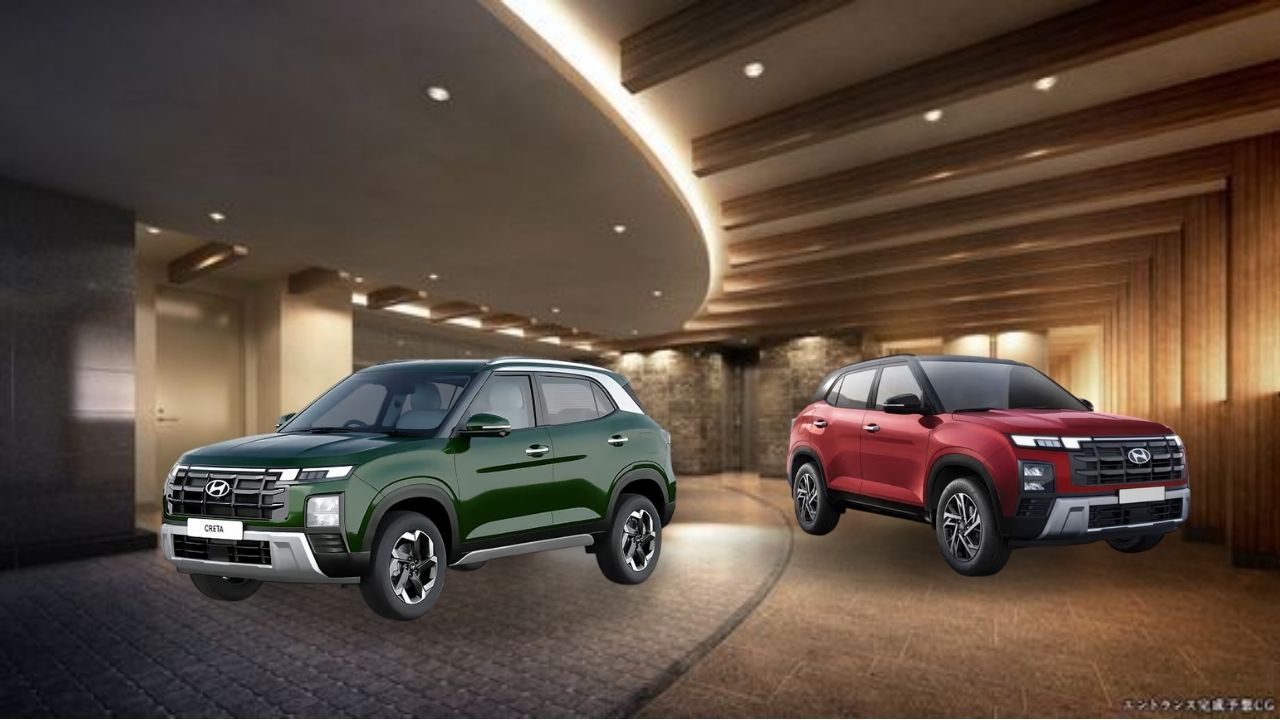
Hyundai Creta

Creta sits in a Hyundai’s showroom at a price ₹10.91 lakh, that’s the manufacturer rate. The Hyundai Creta On-Road Price in Lucknow for the base petrol variant currently sits between roughly ₹12.4 lakh and ₹12.9 lakh, depending on which dealer’s insurance quote you’re comparing, and it climbs past ₹23 lakh for the fully loaded King Knight diesel automatic.

Creta has become the biggest selling model at this price point. The starting price of petrol base variant can go high by including your location’s RTO, other statutory charges, Insurance and FASTag/accessories cost. If you’re considering the Creta N Line, price starts at ₹16.93 lakh that goes up to ~₹24.11 lakh.

Here’s the breakdown that actually matters if you’re deciding whether to book one this month.

Hyundai Creta On-Road Price in Lucknow

The Creta’s ex-showroom range in September 2026 runs from ₹10.91 lakh for the base Petrol E manual to ₹20.11 lakh for the top-spec Diesel King Knight automatic. Add Uttar Pradesh’s road tax, insurance, and registration charges, and the on-road numbers land like this for the base E variant, according to dealer-aggregator listings pulled this month:

  • Ex-showroom price: ₹10,90,700
  • RTO and road tax: ₹1.09 lakh to ₹1.45 lakh
  • Insurance: roughly ₹51,700 to ₹52,400
  • Final on-road price: ₹12.44 lakh to ₹12.88 lakh

That’s a wider spread than you’d expect for the same car in the same city. As it comes down to how each platform calculates UP’s road tax slab and whether the quote includes optional add-ons like a dashcam accessory or an extended warranty bundled in by the dealer. Treat every online on-road calculator as a starting estimate, not a final number — the only figure that matters is the one on your actual invoice from a Lucknow dealership.

At the top end, the King Knight Diesel AT ranges from about ₹22.4 lakh to ₹23.4 lakh on-road, again depending on the aggregator and the exact insurance IDV selected.

Why UP’s RTO Charges Add So Much to the Sticker Price

Uttar Pradesh applies road tax as a percentage of the ex-showroom price, and that percentage rises in slabs as the car gets more expensive — which is why the RTO component isn’t a flat add-on. For the base Creta E, dealers report RTO charges anywhere from ₹1.09 lakh to ₹1.45 lakh; for pricier variants like the diesel Sierra-rivalling trims, the RTO line alone can cross ₹1.7 lakh.
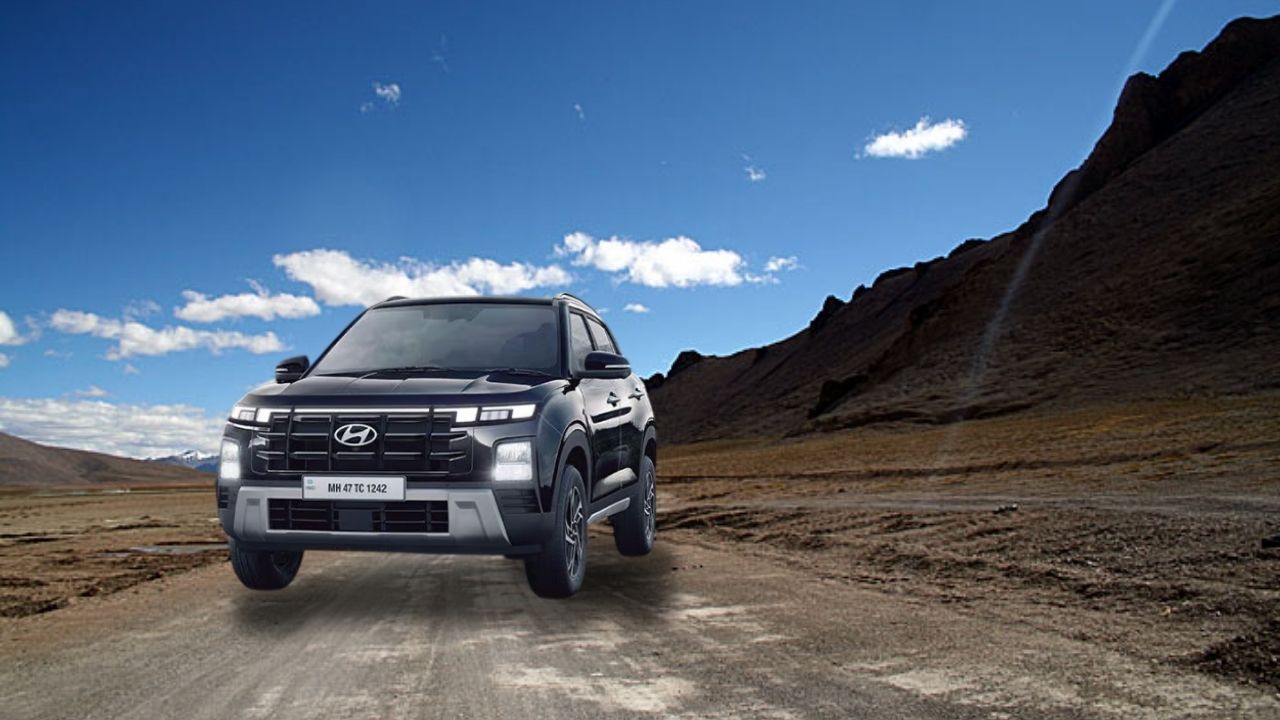
Creta E

First-time SUV buyers can get confused easily from the charges: Tax Collected at Source (TCS). Under Section 206C(1F) of the Income Tax Act, any motor vehicle priced above ₹10 lakh attracts 1% TCS, collected upfront by the dealer and adjustable against your income tax later. On a ₹11.49 lakh car, that’s roughly ₹11,490 added purely because the ex-showroom price crossed the ₹10 lakh threshold — and since every Creta variant sits above that line, every single Creta buyer in Lucknow pays this. 

Add FASTag issuance (around ₹600), hypothecation charges if you’re financing (₹1,500 or so), and a registration smart-card fee, and you can see why the gap between showroom quote and final on-road number feels so large.

Read More 👉  Maruti Suzuki September 2026 Offers: Save Money On Your New Car

Creta Variant-Wise Price Breakdown 

The Creta lineup has grown to many variants but most of the special editions narrow it down depending on the availability and most buyers choices:

Variant (Fuel / Transmission) Ex‑Showroom (₹) RTO + Others (₹) Insurance (₹) On‑Road Lucknow (₹) Approx.
E 1.5 Petrol MT 10,79,000 ~1,45,000 ~50,000 12.74 lakh 
EX 1.5 Petrol MT 11,90,000 ~1,55,000 ~55,000 14.00 lakh
EX (O) 1.5 Petrol MT 12,70,000 ~1,65,000 ~58,000 14.93 lakh
EX(O) Diesel AT  ₹16.08 lakh  ~1.9–2.0 lakh  ~0.55–0.65 lakh  ₹18.3 lakh 
S 1.5 Petrol MT 13,50,000 ~1,75,000 ~60,000 15.85 lakh 
S 1.5 Diesel MT 14,00,000 ~1,80,000 ~62,000 16.42 lakh 
S (O) 1.5 Petrol MT 14,40,000 ~1,85,000 ~64,000 16.89 lakh 
S (O) 1.5 Diesel MT 14,90,000 ~1,90,000 ~66,000 17.46 lakh 
S (O) 1.5 Petrol CVT 15,30,000 ~1,95,000 ~68,000 17.93 lakh
S (O) 1.5 Diesel AT 15,80,000 ~2,00,000 ~70,000 18.50 lakh
SX 1.5 Turbo Petrol MT 16,20,000 ~2,05,000 ~72,000 18.97 lakh
SX 1.5 Turbo Petrol DCT 16,80,000 ~2,10,000 ~74,000 19.64 lakh
SX (O) 1.5 Turbo Petrol DCT 17,40,000 ~2,15,000 ~76,000 20.31 lakh
King 1.5 Diesel AT 19,78,000 ~2,40,000 ~85,000 23.03 lakh
King 1.5 Diesel AT DT (dual‑tone) 19,93,000 ~2,42,000 ~86,000 23.21 lakh
King Knight Edition 1.5 Diesel AT 20,11,000 ~2,45,000 ~87,000 23.43 lakh

The EX(O) diesel automatic is where most serious buyers end up — it’s the point where you get the automatic gearbox and diesel refinement without stepping into King-edition territory, and 

The Creta Specs & Features That Matter Before You Sign

Creta offers three engine types — petrol, diesel, and turbo-petrol GDI. A 1.5L engine of  turbo-petrol GDI pairs with 7-speed DCT in the higher trims that gives a better mileage on off-road driving. While ARAI-claimed mileage ranges from 17.4 to 21.8 kmpl depending on engine and gearbox. So both diesel and petrol engines offer good efficiency.
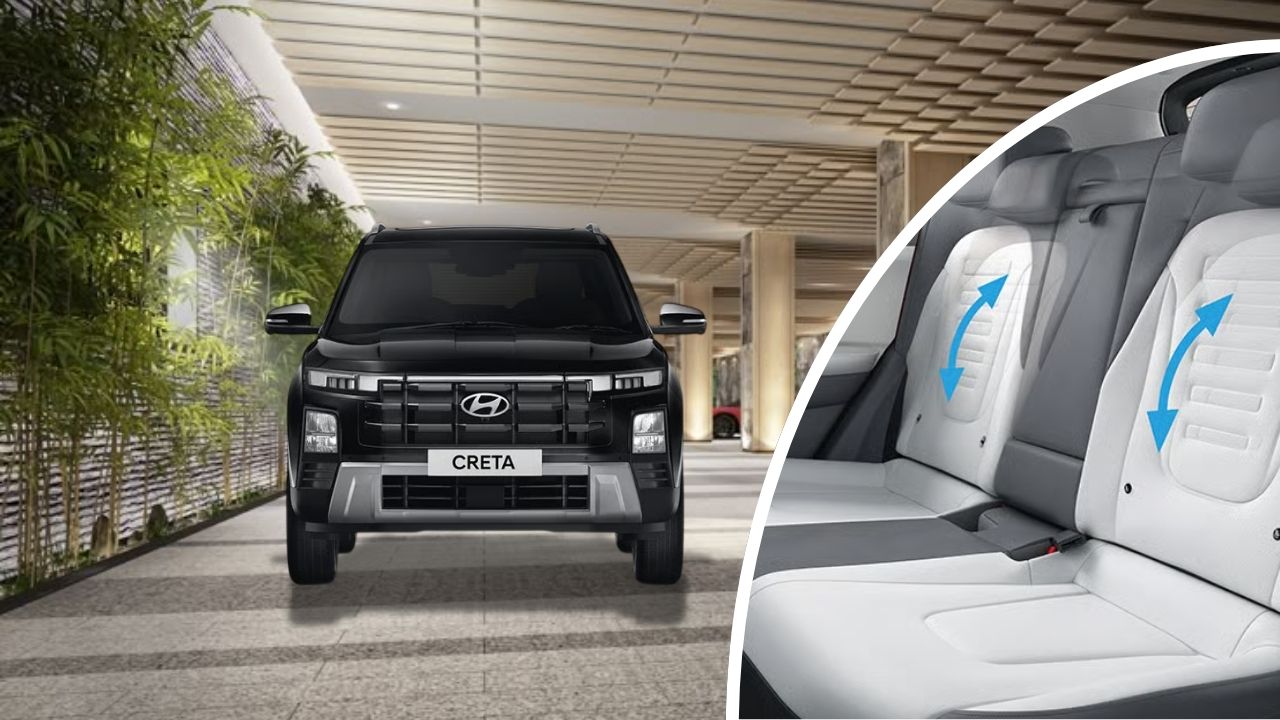
Creta Specs & Features

Exterior of Creta’s Body And Space

The body size of Creta is fit and comfy for family trips, not just from the inside but from the outside it could smoothly run, turn and be parked in rush places. The measurements are:

Length 4,300mm
Width 1,790mm
Height 1,635mm
Wheelbase  2,610mm

Numbers that translate into a genuinely usable 433-litre boot, enough for a family’s weekend luggage without folding the rear seats. 

Safety Features of Creta

Standard safety functions like airbags, ABS with EBD, and cam are always given in SUVs. Creta base E variant carrying these safety features but the higher trims of Creta offers more than this. It offers Hyundai’s Level 2 ADAS suite which includes blind-spot collision warning, smart cruise control, lane-keeping assist, and alerts along with panoramic sunroof for instrument cluster, and dual 10.25-inch display for infotainment.

Revised Price Change 

Hyundai revised Creta pricing multiple times through late 2025 and into 2026, first cutting prices by up to ₹72,145 following a GST rate change, then raising select variant prices again early in the year. Confirm the exact ex-showroom figure with your Lucknow dealer before budgeting — these numbers move.

Read More 👉 Buy Tata Curvv Series X At Rs. 9.99 Lakh With Advanced Features Pack

Creta Rivals In The Same On-Road Price Range 

The Creta doesn’t have the segment to itself anymore. Kia’s Seltos and Tata’s newly relaunched Sierra are the two cars Lucknow buyers cross-shop it against most.

Model Ex-showroom (base) On-Road in Lucknow (base) On-Road (top variant)
Hyundai Creta E ₹10.91 lakh ₹12.44 – 12.88 lakh ₹22.4 – 23.4 lakh
Kia Seltos HTE ₹10.99 – 11.00 lakh ₹12.54 – 13.25 lakh ₹25.1 – 25.2 lakh
Tata Sierra Smart+ ₹11.49 lakh ₹13.17 – 13.52 lakh ₹24.3 – 24.8 lakh

The Creta comes in cheapest at the entry level by a meaningful margin — roughly ₹40,000 to ₹80,000 less than the Seltos and Sierra on-road. But that gap narrows sharply once you move up the range, and by the time you’re comparing top-spec diesel automatics, the Seltos and Sierra actually list higher purely because they offer trims Hyundai doesn’t match feature-for-feature at the same price point. 

The current-generation Creta honest review notes it’s starting to feel dated next to newer rivals like the Seltos and Sierra, which now offer more contemporary feature packages at similar money — a point worth weighing if you’re deciding between “cheapest to buy” and “best value at the top of the range.”

What you actually experience inside the cabin of Creta, Kia Seltos, and Tata Sierra is shared in a competitive manner below:

Feature Hyundai Creta (top trims) Kia Seltos 2026 (mid–top) Tata Sierra 2026 (mid–top)
Screens Dual 10.25″ (cluster + infotainment) Large “Trinity” panoramic display (digital cluster + big screen) Triple‑screen concept (digital cluster + big screen + passenger display on top)
Infotainment 10.25″, wireless AA/CarPlay, connected car Large screen, wireless AA/CarPlay, connected car, ambient lighting integration Big screen, wireless AA/CarPlay, iRA 5G (EV), in‑car UPI, gaming on some variants
Seats Leatherette, ventilated front, 6‑way driver adjust Semi‑leatherette to leatherette, ventilated front, 8–10‑way powered driver (GTX/X‑Line) Leatherette (top), ventilated front, 6‑way powered driver, reclining rear + Boss Mode
Sunroof / roof Single‑pane sunroof (top), dual‑tone options Large panoramic sunroof (higher variants), dual‑tone themes Panoramic glass roof (top), “lounge‑like” glassy cabin
AC Dual‑zone auto, rear AC vents Dual‑zone auto, rear AC vents Dual‑zone auto (top), rear AC vents
Audio Multi‑speaker, Bose on top Multi‑speaker, upgraded audio on higher trims Up to 12‑speaker JBL + Dolby Atmos (top)
Ambient lighting Multi‑colour (top trims) 64‑colour, multiple interior themes Ambient lighting, premium cabin themes
Key convenience Wireless charger, 360° cam, ADAS (top) Wireless charger, 360° cam, ADAS L2+, memory seats (GTX/X‑Line) Wireless charger, 360° cam, ADAS L2+, HUD (top), Boss Mode
Rear seat Split‑fold, adjustable headrests, rear AC Split‑fold, armrest + cupholders, good recline Reclining rear, Boss Mode for extra legroom, big boot (622 L)

The Sierra also throws in a detail the Creta doesn’t disclose as transparently: some dealer quotes bundle in an accessories package (around ₹28,000) into the on-road figure by default. Always ask your Creta dealer whether their on-road quote includes any mandatory accessory bundle — if it doesn’t, budget separately for basics like mud flaps, seat covers, and a dashcam if you want them.

Is Creta Worth Buying Right Now?

If you need a mid-size SUV in Lucknow this month and want the lowest possible entry price with Hyundai’s wide service network — 12 dealerships in the city, more than either Kia or Tata currently run — the Creta E or EX Summer Edition makes practical sense. It undercuts the Seltos and Sierra at the bottom of the range, and Hyundai’s resale value in this segment has historically held up well across UP’s used-car market.

However, if the budget reaches up to ₹18-20 lakh for a loaded automatic, you could consider Seltos and Sierra because the price gap is scattered. These two come in newer tech and styling than Creta’s. 
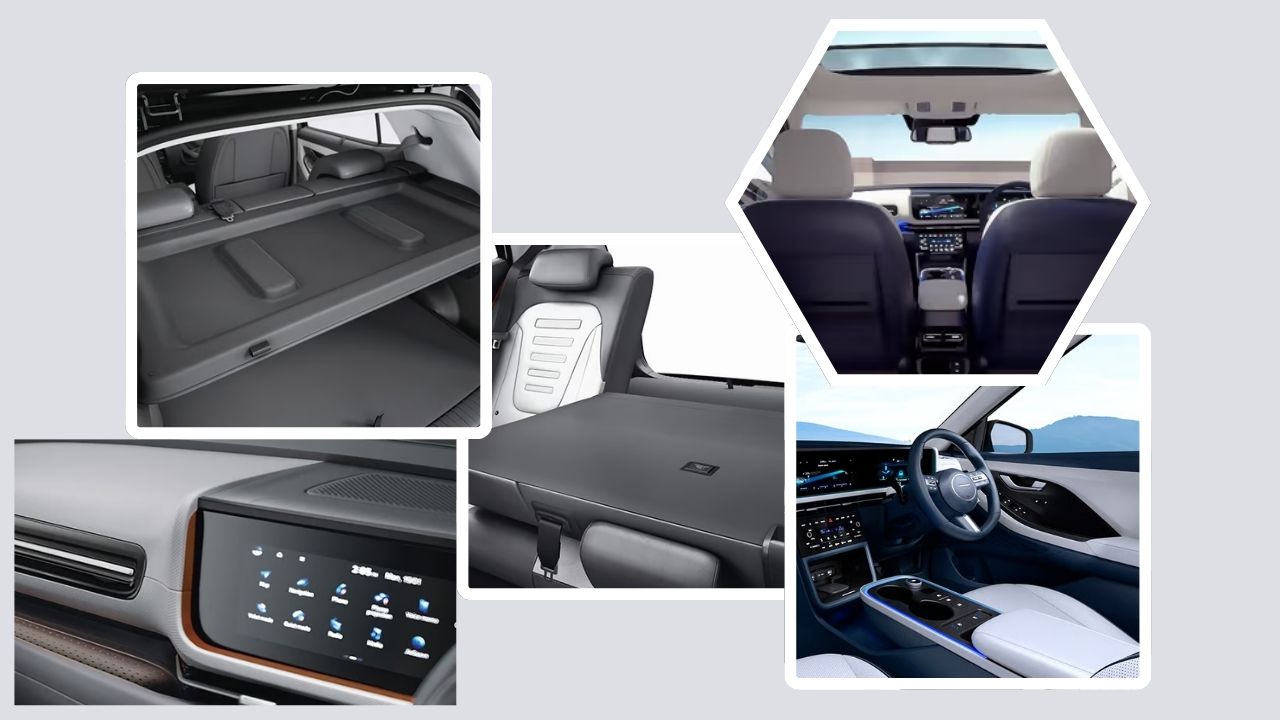
Creta Worth

Hyundai’s third-generation Creta with a redesigned body and a hybrid powertrain is confirmed to launch in 2027, but if someone is buying right now, they get Creta’s old model rather than the start of a new one.

Still want to buy Hyundai Creta then buy the EX(O) diesel automatic now while GST-linked pricing still holds, get on-road quote from multiple dealers before booking, and separately check TCS and RTO pricing — a ₹20,000-30,000 discrepancy in that breakdown is common enough to be worth catching before you sign.

Read More 👉  Kia Carnival Hybrid Price In India And Additional Cost For Accessories

Conclusion

Hyundai Creta On-Road Price In Lucknow starting at ₹12.4 lakh including taxes charges according to city, insurance, and other charges or accessory cost can increase the actual amount in which you can own Creta.

Find a Hyundai dealer and get an exact quote for a car before signing anything. Choose the color and variant of a car then find 2-3 dealership quotes to confirm. As the highest variant can cost you around 24 lakh.

0

Most Anticipated Cars of 2027: What Buyers Should Know

Anticipated Cars of 2027

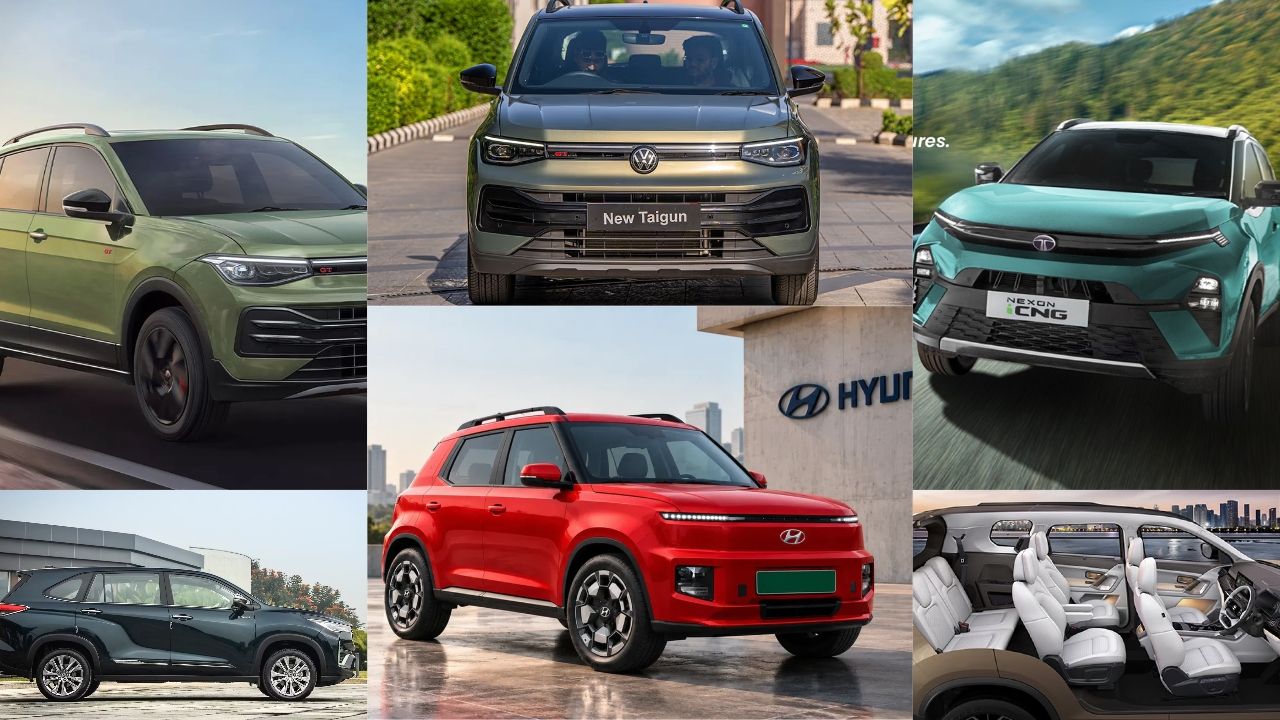
If you’re about to sign a car loan, the question that matters is whether the car you want is about to be replaced. The Most Anticipated Cars of 2027 are arriving in a crowd, and a few of them will make this year’s showroom models look dated.

Waiting costs money, though, and not every launch is worth it. Early 2027 is packed in India. The Bharat Mobility Expo runs from 4 to 9 February in New Delhi, and several of the launches below are expected to appear around it. 

Expo reveals are not showroom availability. A car shown in February can easily reach dealers months later, so a debut date shouldn’t be mistaken for a buying date.

The Tata Safari EV: The One Everyone’s Watching

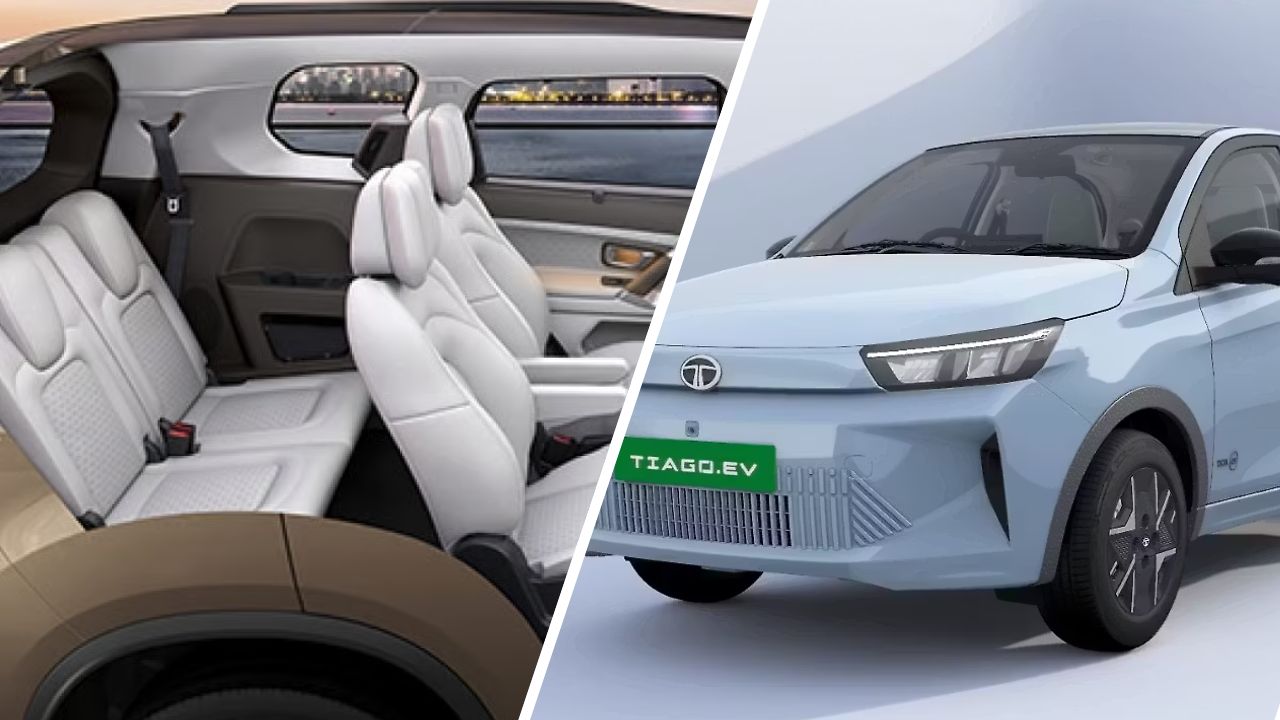
Tata’s electric 7-seater is the clearest case of hype running ahead of facts. It is expected to launch in Diwali 2026 with 65-75 kWh packs of battery. This battery excites most buyers which offers up to 600 km claimed range and optional AWD but this is not officially confirmed yet.

Tata Safari expected specs include a triple-screen dashboard similar to the Sierra’s. The SUV could give over 500 km of mileage with Harrier EV’s battery pack on a price range of Rs. 25 lakh and Rs. 32 lakh (ex-showroom).

The Tata Safari EV

Its natural rival is the Mahindra XEV 9S. If you want a three-row electric SUV, the Tata Safari EV is the one to hold out for. Claimed range is a lab number, though. Real-world mileage will be noticeably lower when you run this car so don’t take the brochure number as your real mileage.

The Affordable End: Nexon, Ioniq P And The Small-EV Scramble

Anyway, an above Rs 20 lakh spend-will be lesser than majority of Indian audience and here’s where 2027 gets fired up. 

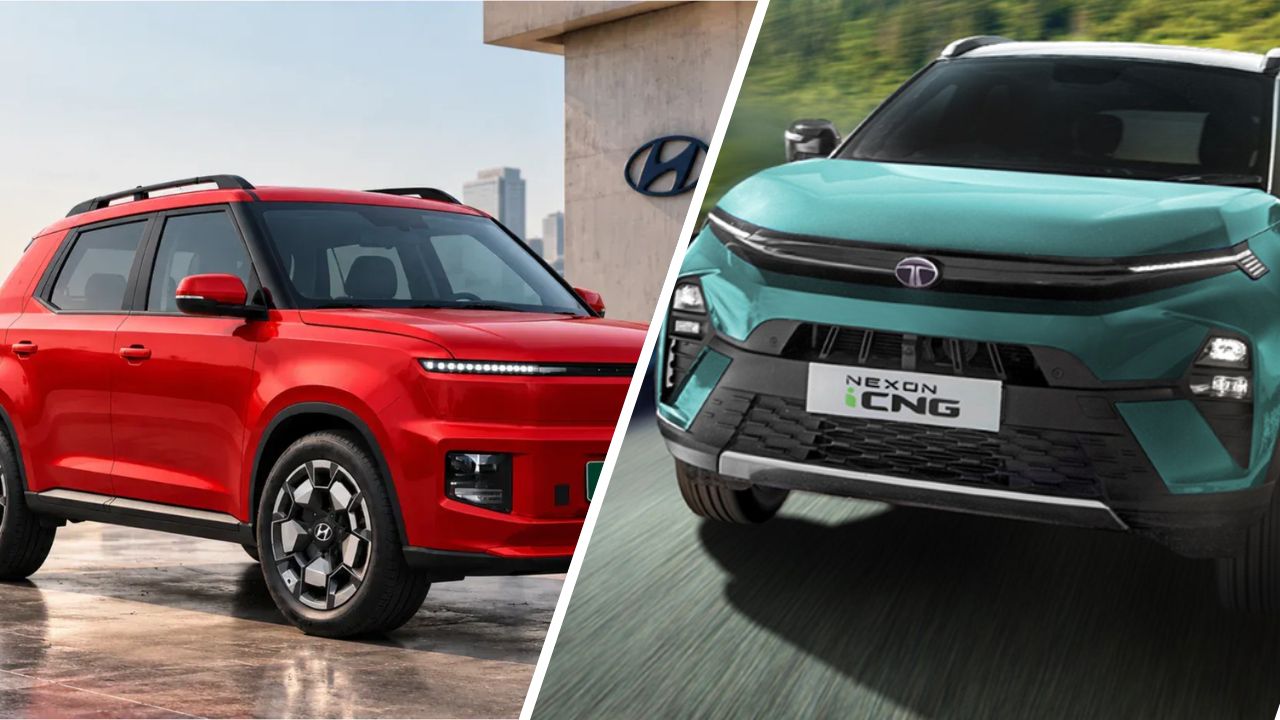
The next-generation Tata Nexon will arrive in 2027, possibly at the Expo. The petrol and diesel are expected to cost from Rs 8 lakh to Rs 15.5 lakh and rouble 14.5 lakh to Rs 19.5 lakh for the EV. It’s expected to move to a revised architecture with Level-2 ADAS. Those are estimates, not announcements.

Hyundai’s answer is the Ioniq P, a compact electric SUV scheduled for the first quarter of 2027 to take on the Nexon EV and Kia Syros EV. Reports suggest 40-50 kWh battery options and a claimed range of 450 km. If that holds, it puts Hyundai in direct conflict with Tata’s strongest EV seller.

Nexon, Ioniq P And The Small-EV Scramble

Tata has the incumbent’s advantage: service reach, a known product and a refreshed Nexon on the way. Hyundai has the newer platform, but a new nameplate carries first-year risk on software and service. For most people, the Nexon EV is the safer buy. The Ioniq P is the better bet if you can wait for reviews.

Hyundai’s Bigger Moves: Creta And The 7-Seater

Hyundai plans to bring the third-generation Creta and a new 7-seater MPV to India before the end of 2027. The MPV, reported as the Neira, is slated to launch in the first half of 2027 after an Expo showing. If you’re about to buy a current Creta, a generation change is a good reason to ask dealers about discounts, or to wait.

Creta And The 7-Seater

Toyota, Volkswagen and Renault: The Quieter Launches

Toyota’s list is long. The Innova Hycross facelift, a next-generation Fortuner and an electric MPV with an expected range of 525 km are all on it. The Fortuner is the one to watch if you’re considering an SUV purchase, since the new model is expected to bring updated styling, a modern cabin and improved safety features.

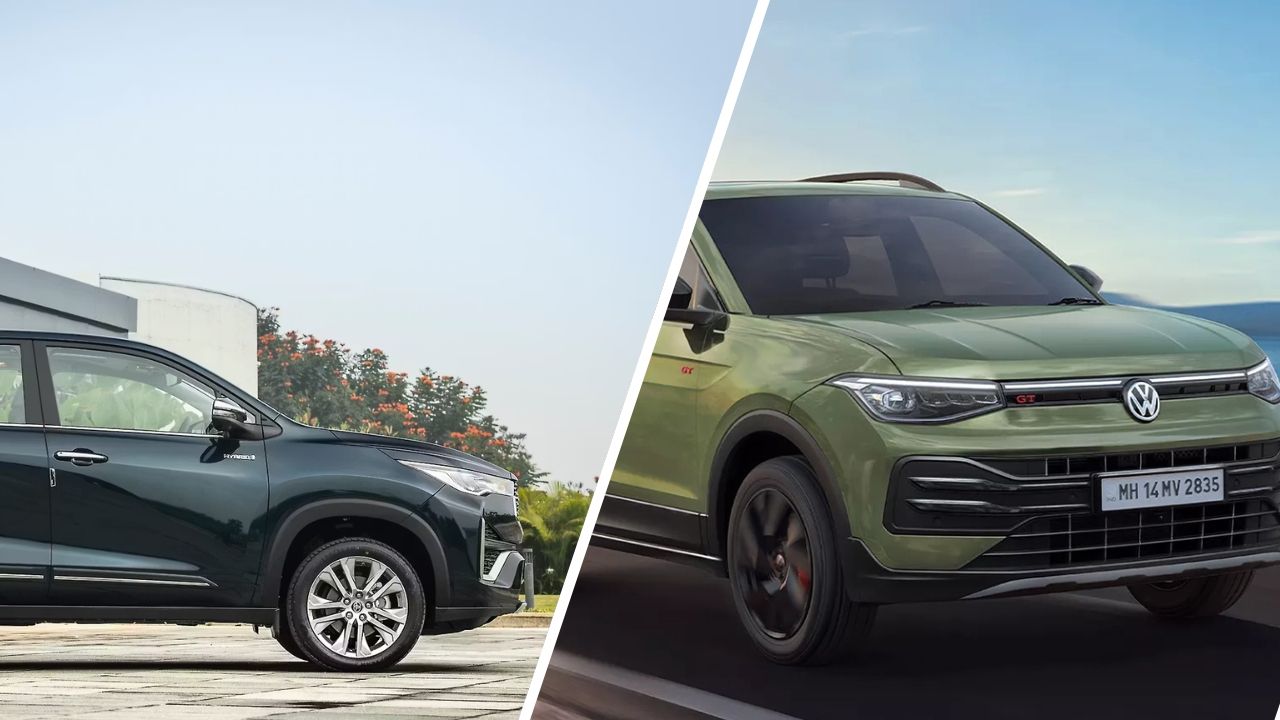
Volkswagen is preparing a sub-4 metre SUV positioned below the Taigun, with a 1.0L TSI and an 8-speed automatic, and Renault has the Bridger lifestyle SUV on the 2027 calendar. Neither has a confirmed price.

A Warning About Launch Dates

Compare any two “upcoming cars” and you’ll see your answer. The Mahindra Vision S is listed as expected by January 2027 on one site, with an expected price of Rs 10-13 lakh. Just the same car but listed seven months apart. These posts are estimates until the manufacturer posts a date. 

For buyers, the inevitable trend is different regional availability and specs in each country. Contact your local dealer before you plan around a launch. 

 How AI in Cars Changing the Future Driving Experience

Conclusion

Hold on, if your current car is still operational, you want a three-row EV (Safari EV) or compact EV (Ioniq P or the new Nexon), and you can postpone your purchase because you don’t need it right away.  Buy now if you need a car this quarter, and negotiate hard on any model facing a generation change, because run-out stock is where the discounts are.

Before you commit, check the manufacturer’s own announcement for the date, and get the on-road price in writing from at least two dealers.