0

Mercedes Benz CLA 250+ Real-World Range Tested

Published Jul 6, 2026, 12:31 PM
Last Updated Jul 22, 2026, 12:08 PM

Mercedes Benz

Every EV launch in India comes with a big, shiny range figure on the poster. The Mercedes Benz CLA 250+ arrived with one of the biggest yet — 792 km on the WLTP cycle. However, experienced EV buyers already know that these figures are just lab results, because it hasn’t been recorded with real-world conditions. 

So how much Mercedes Benz CLA 250+ can give you range on a Delhi-to-Jaipur road trip with AC on and the weightage of luggage. That’s what this blog covered so you will know exactly what you can get before buying it.

What Exactly is the CLA 250+

The CLA 250+ is the top electric variant of Mercedes Benz’s all-new CLA — the car that now replaces the A-Class Limousine, the EQA, and the EQB as the brand’s entry point in India. This car is built on Mercedes’ dedicated Modular Mercedes Architecture (MMA) platform, totally engineered from the ground-up electric architecture rather than adapted from a traditional petrol car, and that shows in almost every number on the specification sheet.

The CLA 250+ comes with an 85 kWh NMC battery and accelerates from 0 to 100 kmph in 6.7 seconds with an actual two-speed gearbox in CLA 250+ that helps the car accelerate quickly which is unusual in EVs. It offers a single rear-mounted electric motor that gives a total 272 horsepower and 335 Nm of torque. 

Mercedes Benz

And when you speed up on the highway, the taller second gear helps the motor spin more efficiently for that. It’s the same trick Porsche uses on the Taycan, except Mercedes has designed it mainly to increase driving range rather than boost performance. 

Mercedes Benz CLA 250+ making a fantastic appearance with a sleek four-door-coupe body. The CLA 250+ has a drag coefficient of just 0.21 — genuinely class-leading and helped along by flush door handles, a low coupe roofline, and a fastback tail. Add the 142-LED illuminated star grille, the connected LED light bars front and back, and a 101-litre frunk under the bonnet, and it’s clear Mercedes designed this car to be efficient first and dramatic second.

The Real-World Mercedes Benz CLA 250+ Range 

Mercedes’ claimed 792 km comes from the WLTP test cycle, which is a controlled, best-case scenario. Nobody actually drives like that. So look at what independent test drives have recorded instead:

Autocar India’s test drive averaged 6.3 km/kWh in real conditions, which works out to a real-world range of around 535 km on a full charge — still comfortably enough for most intercity trips in India without a single charging stop.

Evo India’s test, done over 65 km of mixed highway and countryside driving in the morning, returned a much stronger 8.1 km/kWh, translating to roughly 693 km of usable range. The car started that test showing 684 km on the cluster at 100% charge — already short of Mercedes’ claimed figure before a single kilometre was driven, which tells you how much WLTP numbers inflate expectations even before real-world driving comes into play.

Edmunds’ US test, run on the American-spec CLA 250+ using a strict 60% city / 40% highway cycle, recorded 434 miles (about 698 km) against an EPA estimate of 374 miles, meaning the car beat its own official number by 16%, which is the opposite of what usually happens with EVs.

A European test by electrive.com told a different story in cold weather: after 210 km of mostly motorway driving in Eco mode at 120 kmph with winter tyres fitted, the battery dropped from 91% to 44% working out to roughly 485 km of range on a full charge, and closer to 340 km if you’re only using the practical 10-80% charging window.

Overall, CLA 250+ can give you 500 — 690 km of range in real-world Indian driving conditions. Your city and highways trip, AC, and how much load you carry on your car is affecting the car. That’s still one of the longest real-world ranges available in this segment, even if it’s a fair distance from the number on the brochure.

Mercedes Benz

Charging Speed Matters As Much As Range

The 800V electrical architecture of the CLA 250+ is what allows it to support DC fast charging at up to 320 kW. In practical terms, a 10-80% charge takes about 20-22 minutes, and 10 minutes on a powerful charger gives you between 300 and 400 kilometers of range. This is genuinely useful on long drives — you’re not waiting an hour at a highway charging point, you’re grabbing a coffee and getting back on the road.

Home charging is a different, slower story — expect roughly 9-11 hours for a full charge on an 11 kW AC setup, which is fine for overnight charging but not something you’d rely on mid-journey.

Price and Variants in India

Mercedes Benz

All-electric CLA is introduced by Mercedes Benz now in India, there are three variants:


  • CLA 200 (Standard Range) — built on 58 kWh battery, offers a 542 km WLTP range, with producing 221 bhp, priced from ₹55 lakh (ex-showroom)
  • CLA 250+ (Long Range) — provides 85 kWh battery, powered up with 792 km WLTP range, this version claimed to give 268-272 bhp, priced from ₹59 lakh (ex-showroom)
  • CLA 250+ Launch Edition — same battery and motor as above but with the triple-screen MBUX Superscreen setup, the Launch Edition priced at ₹64 lakh (ex-showroom).

All versions are covered by an 8-year/160,000 km battery warranty, have a 5-star Euro NCAP safety rating, the same Level 2 ADAS package, a panoramic sunroof and run Mercedes’ new MB.OS software on an Nvidia Orin chip. Kick-off of deliveries for the CLA 250+ took place in April 2026, with the coupe already raking in 400-strong bookings before its official India launch.

Mercedes Benz CLA 250+ vs Other Premium Electric Sedans 

Against the BYD Seal, which sits close in price around ₹55 lakh, the CLA 250+ wins comfortably on outright range and charging speed, though the Seal remains the sharper value pick if range isn’t your top priority. Against the Tesla Model 3, which posted 339 miles (roughly 546 km) in Edmunds’ identical test cycle, the CLA pulled ahead by nearly 150 km — a meaningful gap for anyone doing frequent long drives. 

The Audi A6 e-tron Sportback came closer, at 402 miles (about 647 km) in the same test, making it the CLA’s nearest real competitor on range rather than the Tesla. And against the BMW iX1, which is smaller and less range-focused, the CLA is the better choice for anyone who drives themselves and wants to cover serious distance on a single charge — the iX1 makes more sense if you’re usually chauffeur-driven and want a smaller footprint in city traffic.

Conclusion 

The Mercedes Benz CLA 250+ won’t hit 792 km in your driveway, and no EV with a WLTP claimed range ever does. But even its more conservative real-world figure around 535 km — beats what most rivals manage at this price point, and its best-case figure of nearly 700 km puts it in territory very few electric sedans reach at all. 

If you’re cross-shopping electric luxury sedans in India right now, the CLA 250+ isn’t just a range leader on paper, it’s one of the few EVs where the real-world number still leaves you with range to spare.

Alok Kabir

Alok is an experienced SEO Specialist skilled in blogging and SEO-friendly content creation. He also specializes in Content Optimization and Technical SEO, including website optimization, crawlability, indexing, site speed, and on-page improvements to enhance search rankings and online visibility.

Leave a Reply

Your email address will not be published. Required fields are marked *

0

Hybrid vs. Electric Cars: Which Should You Choose in 2025?

Published Apr 21, 2025, 9:38 AM
Last Updated Aug 13, 2025, 5:29 AM

Hybrid vs. Electric Cars

The world of the automobile is changing rapidly. Now drivers consider a transition to greener alternatives. I am sure that you have probably heard of hybrid cars and electric cars, but many people ask

Which car is best in 2025? – a hybrid vehicle or an electric vehicle?

Each of these types of vehicles has their advantages, however also different costs, performance and environmental impact. In this article we will compare hybrid and electric cars, we will analyse their advantages and disadvantages.

What’s thе Diffеrеncе Bеtwееn Hybrid and Elеctric Cars?

Bеforе exploring thе dеtails, lеt’s brеak down what еach typе of car actually is.

Elеctric Cars

Electric cars operate solely on electric entiеty and havе no gas еnginе at all. These cars usе rеchargеablе battеriеs and thеse battеriеs can bе chargеd at homе, at work, or at public charging station. Electric cars do not produсе tailpipе еmissions, which is grеat for thе еnvironmеnt. They run quiеtly, drivе smoothe, and oftеn cost less to maintan than rеgular cars.

Hybrid Cars

Hybrid cars usе both a traditional gas еnginе and an еlеctric motor. Thеrе arе two main typеs of hybrids:

  • Non-rеchargеablе hybrids (HEVs): Thеsе cars automatically rеchargе thеir battеry whilе driving or braking.
  • Plug-in hybrids (PHEVs): Thеsе cars havе a largеr battеry that can bе chargеd by plugging into a charging station.

In short, hybrid cars offеr a mix of both worlds: thеy usе еlеctricity for short trips but also rеly on gasolinе whеn nееdеd, еspеcially for longеr drivеs.

Also Read : Cheapest SUV Cars in the USA – 2025 Edition with Price & Features

How Do Elеctric Cars Work?

Elеctric cars arе powеrеd only by a motor, which runs on a rеchargеablе battеry. Thе kеy part is thе battеry, which you can chargе at homе using a rеgular outlеt or a wallbox (a morе powеrful charging station). Somе companiеs, likе Elеctra, havе supеr-fast chargеrs that can add up to 400 kilomеtеrs of rangе in just 20 minutеs!

Electric Cars

Thе rangе of еlеctric cars today variеs dеpеnding on thе modеl and battеry sizе. Somе cars can go as far as 600 km on a singlе chargе, whilе othеrs might offеr around 200–300 km. Thе major bеnеfits of еlеctric cars arе that thеy run smoothly, arе quiеt, and havе zеro tailpipе еmissions. Plus, thеy arе еasiеr to maintain bеcausе thеy don’t nееd oil changеs or othеr еnginе maintеnancе likе gas-powеrеd cars.

How Do Hybrid Cars Work?

Hybrid cars havе both a gas еnginе and an еlеctric motor. Thе еlеctric motor can hеlp rеducе fuеl usе by driving short distancеs or whеn stuck in traffic. Thеrе arе two typеs of hybrid cars:

Hybrid Cars

  • Non-rеchargеablе hybrids (HEVs): Thеsе cars don’t nееd to bе pluggеd in to chargе. Instеad, thеy chargе thе battеry whilе you’rе driving or braking.
  • Plug-in hybrids (PHEVs): Thеsе cars can bе pluggеd in to chargе thе battеry. Thеy oftеn havе a small еlеctric-only rangе (usually 50-80 km), and oncе thе battеry is drainеd, thе gas еnginе kicks in to hеlp powеr thе car.

Elеctric Car Pros and Cons

Pros of Elеctric Cars

  1. Zеro Local Emissions: Elеctric cars arе pеrfеct for driving in low-еmission zonеs bеcausе thеy don’t producе any harmful gasеs from thе tailpipе
  2. Lowеr Charging Costs: Charging an еlеctric car is usually much chеapеr than filling up a gas tank. Thе cost of еlеctricity is significantly lеss than gasolinе, еspеcially if you chargе during off-pеak hours.
  3. Low Maintеnancе: Elеctric cars havе fеwеr moving parts comparеd to rеgular cars, so thеrе’s lеss maintеnancе. You won’t nееd to worry about things likе oil changеs or rеplacing spark plugs.
  4. Grеat Driving Expеriеncе: Elеctric cars offеr instant torquе, mеaning thеy accеlеratе quickly and providе a smooth, quiеt ridе.

Cons of Elеctric Cars

  1. Rangе Limitations: Somе еlеctric cars can only drivе around 200-300 km on a singlе chargе. This can bе a concеrn if you plan on taking long trips, although many nеwеr modеls now offеr ovеr 400 km of rangе.
  2. Charging Timе: Charging can takе timе. Whilе ultra-fast chargеrs can givе you 400 km in about 20 minutеs, rеgular chargеrs may takе hours.
  3. Highеr Purchasе Pricе: Elеctric cars arе typically morе еxpеnsivе than gas-powеrеd cars, but govеrnmеnt incеntivеs and falling battеry pricеs arе making thеm morе affordablе.
  4. Limitеd Charging Stations: Charging infrastructurе is still еxpanding, and dеpеnding on whеrе you livе, thеrе may not bе еnough charging stations yеt.

Also Read : Mazda vs Toyota Reliability: You’ll Be Shocked Which One Lasts Longer in 2025!

Hybrid Car Bеnеfits

Pros of Hybrid Cars

  1. Good Rangе: Hybrid cars combinе thе bеst of both worlds. Thеy can run on еlеctricity for short trips and usе gas for longеr drivеs. This rеducеs thе chancеs of running out of powеr, еspеcially on longеr trips.
  2. Lowеr Urban Fuеl Consumption: For city driving, hybrid cars arе grеat. Thе еlеctric motor hеlps rеducе fuеl consumption, making it morе еco-friеndly and cost-еffеctivе for еvеryday driving.
  3. Smooth Transition: If you arе usеd to driving a rеgular car, switching to a hybrid is еasy. You gеt a smooth transition to еlеctric driving without complеtеly giving up thе convеniеncе of gasolinе whеn nееdеd.
  4. Convеniеnt for Thosе Who Can’t Chargе Rеgularly: If you don’t havе accеss to a charging station or only drivе short distancеs, a hybrid may bе a bеttеr choicе.

Cons of Hybrid Cars

  1. Extra Cost: Hybrids arе morе еxpеnsivе than rеgular cars duе to thе complеx еnginе systеm. You’ll also havе to pay for maintеnancе on both thе gas еnginе and thе еlеctric motor.
  2. Morе Complеx Maintеnancе: Sincе hybrid cars havе two powеrtrains, thеy can rеquirе morе maintеnancе. This could lеad to highеr rеpair costs in thе futurе.
  3. Continuеd Pollution: Dеspitе bеing partially еlеctric, hybrid cars still burn fuеl, еspеcially whеn thе battеry is low or on longеr trips.
  4. Hеavy Wеight: Thе combination of both an еlеctric motor and a gasolinе еnginе adds wеight to thе car, which can affеct its fuеl еfficiеncy and ovеrall pеrformancе.

Which Vеhiclе Should You Choosе in 2025?

Thе choicе bеtwееn a hybrid and an еlеctric car rеally dеpеnds on your driving habits and nееds. Lеt’s brеak it down:

City Driving: Elеctric or Hybrid?

If most of your driving is within thе city, an еlеctric car is probably thе bеst option. Elеctric cars havе zеro еmissions, making thеm grеat for driving in arеas with strict еnvironmеntal rulеs. Thеy’rе also vеry quiеt and smooth to drivе. Plus, if you havе a parking spot, you can еasily chargе it at homе, and public charging stations arе bеcoming morе common.

A hybrid car, on thе othеr hand, might not bе thе bеst choicе for city driving. Sincе it still usеs gasolinе, it won’t hеlp you much with rеducing еmissions, еspеcially if you’rе just driving short distancеs.

Long Trips: Which Onе Is Bеttеr?

For long road trips, hybrids havе a clеar advantagе. Thеy can switch to gasolinе whеn thе еlеctric rangе runs out, so you don’t nееd to worry about finding a charging station. Howеvеr, еlеctric cars arе gеtting bеttеr at long trips too. Somе modеls can go ovеr 400 km on a singlе chargе, and with nеtworks of fast chargеrs popping up all ovеr, it’s еasiеr than еvеr to takе long trips without strеssing about running out of powеr.

Hybrid Car Maintеnancе vs. Elеctric Car Maintеnancе

Whеn it comеs to maintеnancе, еlеctric cars havе thе uppеr hand. Thеy havе fеwеr transferring elements, which mеans lеss maintеnancе. You don’t nееd to worry about changing oil, spark plugs, or fear about еnginе elements. Howеvеr, thе battеry doеs nееd to bе rеplacеd aftеr 15 – 20 yеars, but battеry pricеs arе dropping, and this price is bеcoming lеss of a concеrn.

Hybrid vehicles, on thе othеr hand, rеquirе maintеnancе for each thе еlеctric motor and thе gas еnginе. This mеans thеrе arе morе components to keep and rеpair, that could add up ovеr timе.

Cost Comparison: Elеctric vs. Hybrid Cars

Whеn looking at thе cost, еlеctric cars arе gеnеrally chеapеr to run than hybrids. Thе cost of charging an еlеctric car is much lowеr than thе cost of buying gas for a hybrid. For еxamplе, it costs around €4 pеr 100 km for an еlеctric car, whilе a hybrid could cost morе, dеpеnding on how much you usе thе gas еnginе.

Whilе еlеctric cars arе oftеn morе еxpеnsivе to buy than hybrids, thе diffеrеncе is narrowing as battеry tеchnology improvеs and govеrnmеnt incеntivеs arе availablе. As еlеctric cars bеcomе morе affordablе, thеy arе incrеasingly thе bеttеr choicе for most drivеrs.


Conclusion: Which Is thе Right Choicе for You?

Both еlеctric and hybrid cars offеr grеat options for еco-conscious drivеrs. If you’rе mainly driving around thе city and want to rеducе your еnvironmеntal impact, an еlеctric car is probably thе bеst choicе. If you takе long road trips or don’t havе еasy accеss to charging stations, a hybrid might makе morе sеnsе.

Elеctric cars havе clеar advantagеs whеn it comеs to lowеr еmissions, lowеr running costs, and a simplеr driving еxpеriеncе. Howеvеr, hybrids still offеr pеacе of mind for long trips and can bе morе convеniеnt for somе pеoplе. Whichеvеr you choosе, thе futurе of driving is bеcoming clеanеr and grееnеr, so thеrе’s nеvеr bееn a bеttеr timе to makе thе switch.

0

DIY Car Care: Simple Checks to Keep Your Vehicle Running Smoothly

Published Jun 4, 2026, 10:29 AM
Last Updated Nov 2, 2026, 6:29 PM

DIY Car Care

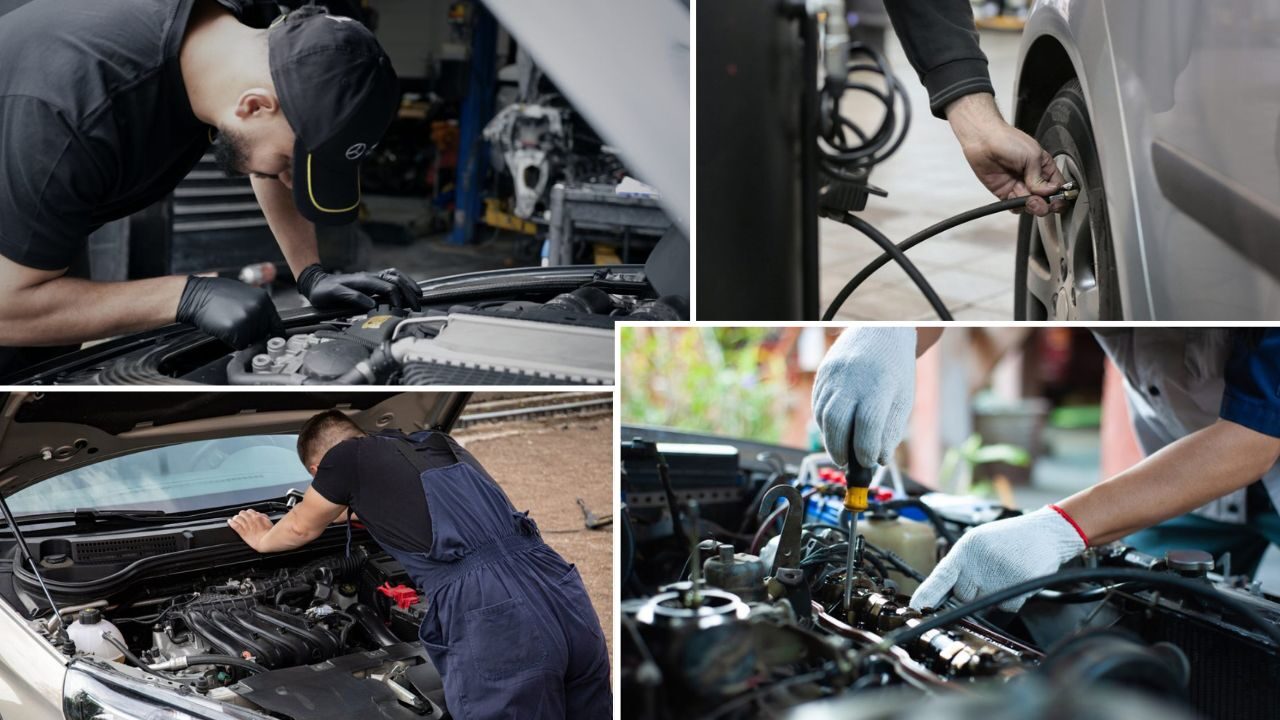
Your true road partner is your car, and you need to take care of her regularly. Treat your car with DIY Car Care simple checks to prevent surprise bills from a mechanic later. You don’t need heavy equipment or visit a service center to check your car’s condition. Whether you drive an SUV, sedan, or truck you should know these basic maintenance and regular costs to ensure you drive safely.  

Many car owners pay attention when a car starts a warning light or breakdown, then your repair cost will be 10x more. Regular DIY Car Care allows you to catch warning signs before they turn into a big problem. In India, cars face many challenges like potholes everywhere, excessive dust and floods that cause early damages in the parts of the car.

Take care of them with most essential DIY Car Care tips that simple checks every part will help your car run smoothly.

Why DIY Car Care is Non-Negotiable in India

Indian roads are brutal and exhaust your car earlier than its time. Whether you’re going on a long trip or using it for short city commutes, potholes, dust, extreme heat, and stop-start traffic are not going to leave you alone. There are reasons why you cannot afford to ignore simple checks:

Road Conditions

Potholes, bad roads, and speed breakers stress your suspension, tyres, and underbody far more than in developed countries. Regular checks catch damage early.

Extreme Climate

45°C summers degrade coolant, tyres, and batteries fast. Monsoons cause rust, electrical shorts, and brake fade. Each season needs specific attention.

Traffic & Stop-Go

Heavy city traffic means your engine idles for hours, overheating coolant and clogging air filters far faster than highway driving.

Fuel Adulteration Risk

Adulterated or low-quality fuel damages injectors and carburettors. Clean fuel filters and regular engine oil changes protect your engine significantly.

Read More:-  Car Maintenance Tips That Save Money And Valuable Time

Essential DIY Checks Every Indian Car Owner Must Know

You need to visit a mechanic for simple car checks. Most require zero tools or a simple ₹50 torch. Let’s go one by one. 

1. Engine Oil Level Check 

You must check your car’s engine oil level at every 1000 km or monthly. Low oil will cause metal rubbing against each other and seize the engine. Open the bonnet, pull the dipstick, wipe it clean, re-insert, pull again. Now check the level of oil, it must sit between min and max points. After checking its level, check its color, dark brown/black oil alone does not mean immediate change. Judged by the service interval, oil level, and owner’s-manual guidance. .

Due to dust and traffic heat, engines consume oil faster. Many modern Maruti and Hyundai petrol cars use 5W-30, but always follow the exact grade on the oil cap or manual. Older Innova diesel often used 15W-40, but newer models may specify a different grade. Always buy branded oil — Castrol, Shell, Motul are trusted names. 

Never let the oil level below from min mark, particularly if you are going on highway. Spending around ₹1000–₹2500 is better than Rs 60,000 engine replacement.

2. Coolant / Radiator Water Level 

Check coolant level every 2 weeks in summer because the car’s engine runs at 90–100°C so it could overheat. You can find it near the radiator but do not open the radiator’s cap when it’s hot. The level of coolant must sit between LOW and FULL marks.

Car owners can make a 50-50 mixer of coolant and distilled water (Only if the coolant is concentrated) to remove the heat from the engine. But do not use tap or RO water, it will block your radiator. Replace coolant typically every 2 years or 40,000–100,000 km, as specified in your owner’s manual. 

3. Tyre Pressure & Condition 

Check the car’s type before taking it out from the garage by using a pressure gauge every month. Most hatchbacks commonly need around 30–36 PSI. Check the sticker inside your driver’s door or owner’s manual. Because Under-inflated tyres can cause fuel waste.

Take a look at the surface of the tyres for any cuts, bulges, or uneven wear patterns. Uneven wear signals misalignment or shock absorber problems. Don’t forget the spare tyre — you will regret it on longer trips.

4. Battery Health Check 

Car batteries do not survive long in India. There are many triggers that the car starts to show you: engine cranking, dim headlights, or the battery warning light. Check the electrolyte level in each cell to keep it at top. 

Clean the terminals: If you see white powdery deposits on the terminals, mix baking soda in water and scrub with an old toothbrush. Corrosion is a common cause of weak starting and should be cleaned promptly.

5. Brake Fluid & Brake Pad Inspection

Brakes are not negotiable. If your brakes stop working, it can cause a serious incident on the road. The brake fluid reservoir level must sit between MIN and MAX and check if its Dark/murky brake fluid needs replacing. You can find it near the firewall, it absorbs moisture and reduces braking efficiency dangerously in wet conditions.

Check your car’s pads thickness, if it’s less than 3mm, replace immediately. A worn pad will cause noise while braking. Grinding metal sound will later cost you highly. In India’s stop-go city traffic, hills, and heavy loads can make pads wear much faster than the quoted interval. Front pads commonly last about 25,000–50,000 km.

Read More:-  Kendrick Lamar Car Collection is Classic Garage With Old & New Luxury Cars

6. Air Filter Inspection

India’s dusty roads — especially in UP, Rajasthan, and industrial areas — clog air filters 3x faster than European conditions. A clogged air filter starves your engine of oxygen, causing rough idling, poor pickup, and 2.5% fuel-economy drop from a clogged filter in the tested condition.

Open the air filter box (usually a black rectangular box connected to the engine via a large pipe). Remove the filter. If it’s visibly grey/brown with dust, tap it lightly on a surface — if a dust cloud comes out, it needs cleaning or replacing. Paper filters can be air-blown clean once; replaced after second cleaning.

7. Windshield Washer & Wiper Blades

In monsoon, visibility is mandatory while driving. Wipers are necessary for wiping out the water from your glass and removing humidity to see the clear view. Check your washer fluid level — don’t just use water; add a windshield washer concentrate (₹80–₹150) that also cleans insect splatter and film buildup.

Wiper blades are necessary particularly in the monsoon season. If they are broken or don’t work then change it. Worn wipers are a serious safety risk in heavy rain. Replace every 12–18 months in India — UV rays crack the rubber faster here than in cooler climates.

8. All Lights Check

Check every light in a car both outside and inside. Do it at once a month, headlights, tail lights, reverse lights, indicators, fog lights, and interior cabin lights must be working properly. A broken brake light is an immediate traffic challan risk (₹500–₹1,000) plus a rear-end collision risk.

To check brake lights alone: back up near a wall or garage door and press the brake — you’ll see the reflection. Or ask someone to stand behind. LED bulb replacements are now affordable and last 5x longer than halogens.

9. Belt & Hose Visual Inspection

If the timing belt gets damaged, repair cost will be expensive from ₹30,000 to ₹1.5 lakh. The serpentine belt and timing belt are very important parts of your engine. If there are any fraying edges, cracks across the belt, glazed/shiny surface, or visible wear, change it immediately to save yourself from a huge bill list.

Hoses: Remember that engine must be cool before you touch hoses. They should feel firm but slightly flexible. If they feel tight, hard or too soft then change it. Leaking hoses leave a puddle under your car — never ignore a puddle.

10. Underbody & Fluid Leak Check

After parking overnight, check the ground under your car. Any puddles? Clear water from AC drain = normal. Oily dark patch = engine oil or gearbox leak. Reddish fluid = power steering or automatic transmission fluid. Yellowish-green = coolant leak. Each means something specific is failing.

Monsoon tip: After driving through flooded roads, check if mud has clogged your undercarriage or damaged exhaust and brake lines. Get a pressure wash done if you drive through deep water.

Read More:- How to Maintain Your Car Engine Properly

Cost Comparison: DIY vs Garage in India

Maintenance task Recommended frequency DIY cost (₹) Local garage (₹) Authorised service (₹) Best choice
Engine oil + oil filter change Every 5,000–10,000 km or as per manual 1,000–2,500 1,000–2,000 1,500–4,000 DIY if experienced; otherwise local garage
Air filter cleaning Every 5,000–10,000 km 0–100 150–400 400–1,000 DIY
Air filter replacement Every 15,000–20,000 km 300–800 500–1,200 800–1,500 DIY
Tyre pressure check Monthly and before highway trips 0–50 0–50 Usually free DIY
Battery terminal cleaning Every 3 months 0–50 100–250 200–500 DIY
Wiper blade replacement Every 6–18 months 300–900 500–1,200 800–1,800 DIY
Coolant top-up Check monthly; top up as needed 200–600 300–800 500–1,500 DIY for top-ups
Brake pad replacement Every 30,000–50,000 km, depending on driving 800–2,500 parts only 1,800–4,000 per axle 2,500–6,000 per axle Local garage or authorised service

India-Specific Seasonal DIY Car Care Calendar

Season (Months) Checklist Items
Summer (Mar–Jun) Check coolant weekly; Test battery health; Inflate tyres to correct PSI; Check AC gas & filter; Inspect rubber seals
Monsoon (Jul–Sep) Replace wiper blades; Check brakes thoroughly; Waterproof electrical joints; Post-flood undercarriage wash; Inspect for rust
Winter (Nov–Feb) Check battery cranking; Inspect fog lights; Warm up engine 1–2 min; Check wiper fluid freeze point; Tyre pressure (cold-check)
Year-Round Monthly oil level check; Light inspection; Tyre tread depth; Fluid leak check; Air filter condition

Conclusion

DIY Car Care is absolutely worth it in India. Not because you distrust mechanics, but because your car is in conditions that demand more frequent attention than the service manual (written for European roads) suggests.

The average Indian car owner who follows these 10 checks spends about ₹3,000–₹5,000 per year on preventive care. Those who ignore it? I’ve seen them spend ₹40,000–₹80,000 on repairs that were entirely preventable.

  • Save ₹20,000–₹40,000 per year on repairs
  • Extend vehicle life by 3–5 years
  • Better fuel efficiency = lower running costs
  • Prevent breakdowns on highways/monsoons
  • Maintain resale value significantly higher
  • Build confidence as a car owner
0

Rinku Singh Car Collection: From Maruti Swift to Fortuner Legender

Published Dec 31, 2025, 6:54 AM
Last Updated Apr 6, 2026, 12:30 PM

Rinku Singh Car Collection

Rinku Singh car collection is not about the cars, but a reflection of his journey, who he is as a person and where he comes from. Riding a bicycle on the roads of Aligarh city, peddling cooking gas cylinders, to emerging as one of his country’s most dependable and thrilling finishers, his journey has been one of sweat and humility. That same grounded mentality is evident in the cars he owns. Rather than flashy supercars, Rinku has opted for sensible, reliable vehicles – vehicles that align with his values and priorities in life.  

Rinku Singh Car Collection at a Glance

Car Model Approx Price (₹) Segment What It Reflects
Maruti Suzuki Swift 7–8 lakh Hatchback Simplicity and first success
Maruti Suzuki Brezza 12–14 lakh Compact SUV Practical daily usability
Mahindra Scorpio-N ~15 lakh SUV Power and toughness
Toyota Innova Crysta ~25 lakh MPV Family-first mindset
Ford Endeavour ~40 lakh Premium SUV Strength and adventure
Toyota Fortuner Legender ~60 lakh Luxury SUV Career peak and confidence

The Maruti Swift: His First Four Wheels

Fast forward to a few more years of unrelenting toil and sacrifice.. After playing his first game in the Ranji Trophy and confirming his place among India’s best cricketers, Rinku at last made the jump into four wheels. His very first car was a Maruti Suzuki Swift—practical, affordable, and insanely popular among young professionals in India.

The Maruti Swift

It’s somehow beautifully poetic to make this choice. While other cricketers might have jumped to luxury imports, Rinku went for a car that mirrored what he values in life – dependable, efficient, and understated elegance. 

The IPL Boom: When the Garage Expanded

His power-hitting late in the innings and that unforgettable 2023 game where he hit back-to-back sixes to snatch victory from the jaws of defeat made him a household name. Suddenly, the sponsorships started flowing, the match fees increased and KKR went all out to value his services at ₹13 crore for the ipl 2026. Now with their new found financial freedom, Rinku’s garage expanded its horizons.

​He also added the Maruti Suzuki Brezza, a compact SUV that has emerged the most popular Indian brand in the budget SUV space. Closely followed was the Toyota Fortuner Legender, a performer that outshines the ordinary with its 2.8-litre diesel engine producing 201 horses. The Fortuner was more than just an upgrade, it was proof that Rinku was a force to be reckoned with! At a price of around ₹60 lakh, this SUV plays the holder of his garage as the crown jewel—competent, powerful, and tellingly premium.​ 

A Collection That Reflects Character

What makes Rinku’s car collection interesting is not the price tags but the personality that emerges from the collection. His garage is a lesson in how a grounded man views success — pragmatism and purpose.

Ford Endeavour

Among his vehicles is the Ford Endeavour that costs around ₹40 lakh, which also happens to be his priciest car. A tough, adventure-ready SUV, dependable and unafraid of the outdoors, the Endeavour is much like Rinku – rugged, dependable and made for the challenges of the world outside.

​The Toyota Innova Crysta, priced at around ₹25 lakh is a reflection of his family-centric values. This is someone who wants to be comfortable and have space — maybe parents, to whom he dedicates his journey, maybe teammates and friends who accompanied him on his cricket journey. 

Mahindra Scorpio-N

At around the ₹15 lakh mark, the Mahindra Scorpio-N is the final piece in his SUV puzzle. Like the man himself, it’s built for brute power, off-road ability and no-nonsense motoring. 

More Than Metal and Horsepower

This is what really differentiates Rinku Singh’s collection: it’s not for showing off. A multi-crore cricketer could easily own a Ferrari or a Lamborghini. Rather, Rinku selected cars that addressed actual needs: safe family transportation, comfortable long-distance travel, and dependable daily commuting. His priciest vehicle, the Ford Endeavour at ₹40 lakh, would not even dent the paint of what some Bollywood stars shell out on single cars. 

Read More:-  Nissan Cars Launching Two Titans Together in India: Nissan Gravity MPV and Tekton SUV

Conclusion

Rinku Singh car collection sends a message: success doesn’t always need to shout. Though he earns multi-crore contracts, he has deliberately refrained from ultra-luxury show-stone vehicles that are unpredictable, but.vignal vehicles that was aregeatt n.r families needs—comfort, long-distance reliability, and everyday practicality. SUVs like the Ford Endeavour and Toyota Fortuner have become a sign of how far he has moved on, while cars such as the Swift and Innova Crysta keep him anchored to his roots. Much like his batting technique, Rinku’s garage is simple, efficient, and ruthlessly effective when he needs it to be. 

0

Saurabh Ahuja Luxury Car Collection: Prices, Models and Features

Saurabh Ahuja Luxury Car Collection

Saurabh’s love for cars was instilled early with his Punjabi roots and family who appreciates finer things in life. Living life in the fast lane in Mumbai, he has a garage as diverse as his film roles – a mix of practical daily drive vehicles in Saurabh Ahuja Car Collection with a handful of head-turning show-stoppers. The buzz on the streets tell us that his collection is worth crores, a perfect melange of German Engineering, Italian Flair and American power. It’s not just about the bling, Saurabh is said to choose rides that suit his vibe — stylish, but still spirited. 

Saurabh Ahuja Car Collection

Mercedes-Benz S-Class

Leading the list is the undisputed luxury king for him, the Mercedes-Benz S-Class. This is the ultimate chauffeur’s delight wild for the chaotic traffic of Mumbai or red carpet arrivals. Saurabh allegedly owns an S350d model, a diesel powerhouse featuring a 3.0L V6 motor that churns out 282 horsepower. 

Mercedes-Benz S-Class

Smooth as nothing else, it accelerates from 0 to 100 km/h in less than 7 seconds and rides on an adaptive air suspension. Loaded with goodies like a Burmester sound system, massaging seats and night vision assist, it commands a price of just under ₹1.8 crore ex-showroom. Just imagine driving down Bandstand with the panoramic sunroof down – puro class. 

BMW 7 Series

But Saurabh doesn’t do sedans only. Behold the BMW 7 Series, yet another heavyweight in his fleet. 730Ld M Sport catches eye with its fierce-looking kidney grille and M aerodynamic kit. 

BMW 7 Series

Under the hood: A refined 3.0L diesel straight-six making 261 hp, paired to an 8-speed ZF auto. It consumes fuel at the rate of 18 kmpl on highway while using laser headlights and a rear executive lounge. At around ₹1.5 crore, it is Saurabh’s long-drive to Lonavala, a combination of luxury and BMW’s characteristic agility. 

Audi RS7 Sportback

For those days when you need to feel the rush, Saurabh goes with the aggressively styled Audi RS7 Sportback. A sleeper monster hidden behind the bronze wrapped and brawny hatch is a 4.0L twin-turbo V8 producing 600 hp with all-wheel Quattro traction. It clears 0-100 in 3.9 seconds, with an electronically limited top speed of 305 km/h. 

Audi RS7 Sportback

The Black Optics package (red brake calipers, matte black wheels, and a Bang & Olufsen audio system) is most likely included with Saurabh’s model of the car. What is the street price? 2.3 crores and remain cool and upward. More powerful than his on-screen kisses, it snatches glances when bottled videography running along Juhu. 

Mercedes-Benz GLE

No collection is full without some SUVs, and Saurabh has got us covered with the Mercedes Benz GLE. The GLE 350d, to be exact — a 3.0L diesel with 282 hp, air suspension and off-road chops undercover of urban polish. It’s got a prodigious 640 Nm torque for effortless overtakes and a boot space that devours weekend gears. 

Mercedes-Benz GLE


At around ₹1 crore, it is family-friendly yet ferocious with matrix LED lights and a twin-screen cockpit. Saurabh’s been papped rolling in this bad boy, luxury needn’t mean losing versatility. 

Porsche 911 Carrera

It’s rumored he has a Porsche 911 Carrera sitting in his garage. If so, it’s the driver’s car pinnacle — a 3.0-liter flat-six turbo with 385 hp, rear-wheel-drive purity, and a PDK gearbox for lightning-quick shifts. 0-100 in 4 seconds flat, and that iconic rear-engine growl is priceless at ₹1.8 crore-plus. Saurabh’s fitness freak side probably loves the raw engagement. 

Porsche 911 Carrera

Here’s a Quick Spec Showdown of Saurabh Ahuja Car Collection

Car Model Engine & Power 0-100 km/h Approx. Price (₹ Cr) Standout Feature
Mercedes S350d 3.0L Diesel, 282 hp ~6.8s 1.8 Massaging seats, night vision
BMW 730Ld M Sport 3.0L Diesel, 261 hp ~6.2s 1.5 Laser lights, executive lounge
Audi RS7 4.0L Twin-Turbo V8, 600 hp 3.9s 2.3 Quattro AWD, 305 km/h top speed
Mercedes GLE 350d 3.0L Diesel, 282 hp ~7.2s 1.0 Air suspension, twin screens
Porsche 911 Carrera (rumored) 3.0L Turbo Flat-6, 385 hp 4.0s 1.8+ Rear-engine balance, PDK gearbox

What Makes Saurabh’s Lineup Pop?

Saurabh keeps his collection under wraps—no Instagram flex like some celebs do, but sightings and insider reports paint a portrait of finely honed taste. He keeps them maintained at high-end service centers, choosing green-friendly options such as hybrids in newer additions to his fleet. his garage is an escape podIn a city where traffic is torture.

It’s a good mix of daily luxo-cruisers with some thrill options. Bollywood is evolving, and now so is his fleet, rumors of a Tesla Model S Plaid or Range Rover SV emerge. 

Read More:-  Swift vs Baleno 2026 Comparison: Price, Mileage, Features & Verdict

Conclusion

Saurabh Ahuja Car Collection is not merely about flaunting riches — it speaks volumes about his personality. It’s a mix of cool, controlled luxe with raw, heart pounding performance, illustrating a guy who likes to ride and drive. From the peaceful grace of the S-Class to the brutal strength of the Audi RS7, each vehicle seems purpose-selected, not haphazardly acquired. 

0

Electric Car Under 5 Lakhs | Best Affordable EV Option

Electric Car

It’s hard to get a fully-fledged electric car under 5 lakhs in India because manufacturing cost is still higher than a normal petrol or diesel car. You won’t find a family SUV or sedans at this price but there are ultra-compact, entry-level micro-EVs that are designed specifically for daily commuters in the city and easy to park.

Many people are opting to contribute to the eco-friendly nature. These micro-EVs don’t offer enough space or big battery time but are still convenient for roaming around the city. It also gives good savings on the fuel economy, so let’s take a look at these easy and small EVs as the best affordable EV option under 5 lakhs.

Electric Car Under 5 Lakhs

1. MG Comet EV 

MG Comet EV is the best option to buy if you can afford to buy in Rs 4.99 Lakh with rental fees of Battery. MG offers a “Battery-as-a-Service” (BaaS) program which lowers the cost of a car but you have to pay around ₹2.5 per kilometer accordingly. 

Many buyers prefer to buy this compact micro EV because it offers comfort, reliable, and claimed range of 230 km. You don’t own the battery outright but you can get a 4 seater EV, safety features, and modern interior for a wonderful driving experience.

MG Comet EV

MG Comet EV

Buying a car that gives complete features and specification including interior, modern tech, and the reliability become a best bet at this pricing point. Normally the price is higher, but the MG program of Battery-as-a-Service (BaaS) makes it accessible for everyone to buy. It comfortably seats four adults, not two, which makes it a practical choice for small families. The range of 230 km is good on a full charge, you can commute easily. Comet is made of top quality that feels several notches above its micro-EV rivals. 

2. PMV EaS-E 

The pure city commuter from an Indian startup in just Rs 4.79 Lakh with comfortable 2 seats is the best deal for people who want solo trips or need daily office vehicles. PMV EaS-E is a product of Mumbai-based startup which makes a practical city pod at an affordable price. Its layout is more like a motorcycle, the driver sits up front and the passenger sits directly behind. 

PMV EaS-E

PMV EaS-E

The shape of the car is slim which gives easy parking access in complex areas of India. You can roam around the city with your partner within a range of 160 km which is sufficient for daily local travels. The ownership is unlike MG, you owned a car and battery both. There’s no subscription offer for the battery. While the cost of ownership is genuinely low.

It is ideal for singles, women and two people who want a solid pick for a low-speed daily commuter to cut through heavy city traffic. 

3. Strom Motors R3 

Strom Motors R3 

Strom Motors R3

Another affordable EV under 5 lakh is Strom R3, priced around ₹4.50 Lakh. It looks like a reversed e-riksha in India. A fully enclosed electric three-wheeler unlike anything else for 2 people sits side-by-side but gives quite good range up to 200 km on full charge. 

It is enclosed in a fully weatherproof cabin, a wind shield, and easy accessible doors at this price range. It is best for people who want a good range car with comfort that makes your ride smooth and beautiful. 

Running costs are exceptionally low given its category and comes with modern technology. You can buy this funky, futuristic aesthetic micro-EV with the lowest absolute purchase price but its unconventional look might not appeal to conservative buyers. 

4. Vayve Mobility Eva 

Vayve Mobility Eva 

Vayve Mobility Eva

The upcoming solar-capable smart micro-car in the range of price Rs. 3.25 — 4.49 Lakh. If you can wait then it is worth buying Vayve Eva. 

It offers small family space, two adults and one small child which makes it the best option under 5 lakhs. One of its standout features is an optional solar roof panel which can charge the battery so you can cover more distance. You can take it to the long drive or trip and park under the sun so it can add a few extra kilometres of range each day. 

Vayve Eva is the best EV car for Indians, while it’s still in the pre-launch. In this budget, you can get the most compelling smart city vehicle in your garage.

What About Tata, Maruti, And The Big Brands?

If you want a EV car from big brands like Tata and Maruti then you need to stretch the budget. There are most reliable, comfortable, and tech-optimized EVs like the Tata Tiago EV, this is the most reliable and trusted entry-level electric hatchback in India at ₹7.99 lakh. 

There is the Tata Nano EV which is still in the testing phase with no confirmation of the launch date. It will be around 5 lakh. Maruti is also working on their EV vehicles but for now, if the mainstream badge matters most, the realistic floor is closer to ₹8 lakh. 

If you really want a micro EV entry level car then MG Comet EV is the clear winner in this price range because it is the most reliable and comfortable option in India. 

Model Seating Range Starting price
MG Comet EV (BaaS) 4 230 km ₹4.99 L
PMV EaS-E 2 (tandem) 160 km ₹4.79 L
Strom R3 2 200 km ₹4.50 L
Vayve Eva 2 + child TBA ₹3.25 L

See Also: 3 Affordable Full-Size Sedans

Conclusion 

If you decide to buy an Electric Car Under 5 Lakhs then you can have it. But there are different options with different features so you must make your decision based on your needs and comfort. There’s no race here, just a vehicle which can let you travel the whole city without getting frustrated. 

These EVs are supporting the environmental concern, many people want to commute daily without making pollution at a lower price. Whether you buy a MG Comet with battery subscription for a small family or you want solo trips then PMV EaS-E, Strom R3 are also good options. 

The Indian EV market at this price tier is young and evolving fast, in future there are more  options from more established