0

Fast Charging vs Home Charging: Which Is Better for Your EV? 

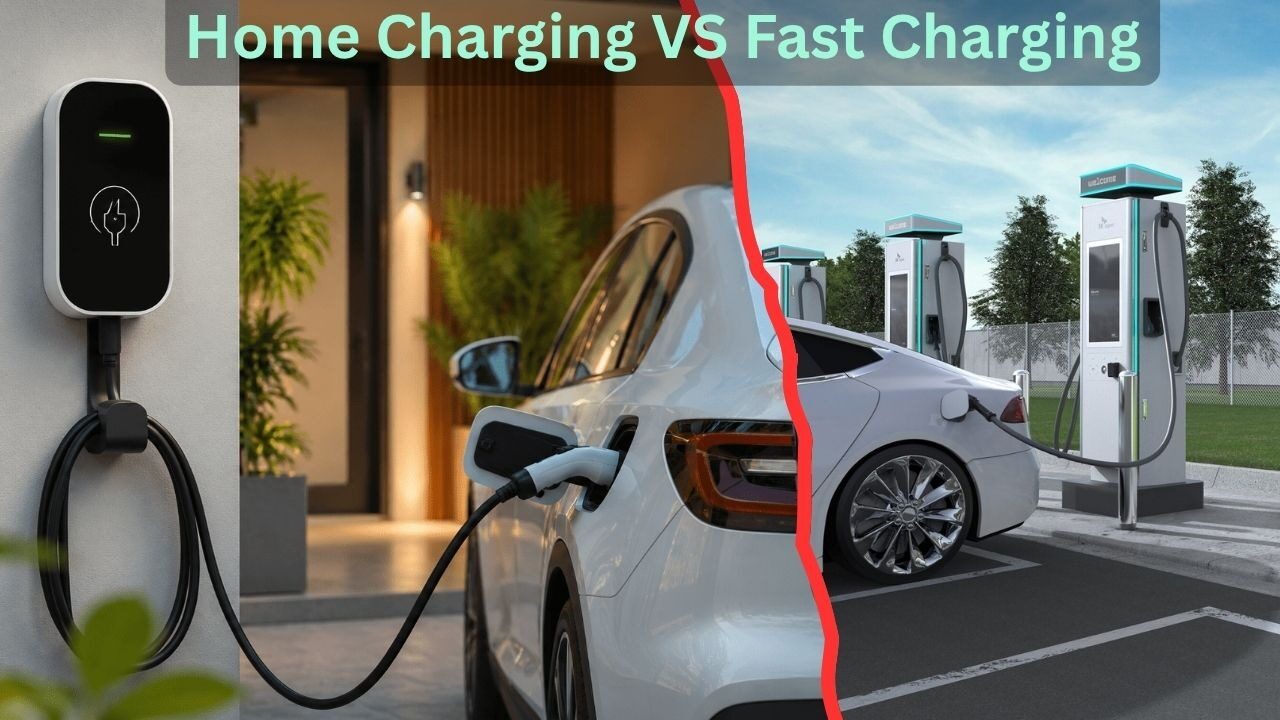
Fast Charging vs Home Charging

Buying an EV is not as hard as choosing a charging method that matches with your lifestyle, expense, and daily convenience. Fast Charging vs Home Charging is not a debate in which one can win, there are different answers from EV car owners themselves. But if you are going to buy an EV car and are confused about the charging method then this blog will make you understand how these two charging methods work.

1. Home Charging: The Reliable Anchor

Home charging usually means an AC charger — either the basic 15A plug that comes with most EVs or a dedicated wall box installed by the manufacturer or a third-party installer. It’s slow by design. A typical home setup adds roughly 8 to 15 km of range per hour, depending on your car’s onboard charger and your home’s power supply. 

For most owners, this means plugging in overnight and waking up to a full battery, every single day, without ever visiting a charging station.

The Advantages

  • Massive Cost Savings: Home electricity tariffs—especially off-peak or night-rate smart tariffs are incredibly cheap. You’re paying your domestic electricity tariff, not a premium station rate. 
  • Increases Battery Lifeline: Slow AC charging produces less heat and stress on lithium-ion cells which increase the battery health. It means your EVs battery won’t be damaged in early years as they experience low average battery degradation of only 1.5% per year, according to large-scale telematics data. 
  • Convenient for City commuters: You don’t have to stand in the line for hours at the station so this home charging method becomes handy. Once you plug in at night, you will get a fully charged vehicle in the morning. 

The Disadvantages

  • Slow Speed: If you need range back in an hour, home charging won’t deliver it since it almost takes from 6 to 12 hours to fully charge a depleted battery.
  • Installation cost and Wiring Upgrades: You have to purchase and install a proper wall box plus wiring upgrade as recent data highlights that nearly 45% of older residential homes or apartment blocks require a minor electrical grid to handle the load that costs you real money.
  • The Apartment or Rentals problem: If you live in an apartment without assigned parking or society approval for a wall box then home charging isn’t an option for you. Even renters and people in shared housing are cut off from this option as they don’t own the parking.

Who It Fits Best

It fits if you live in an independent house or an apartment with assigned covered parking, your daily driving is mostly within city limits, and you can plug in every night without a second thought. This covers a large chunk of EV buyers in Tier 1 and Tier 2 Indian cities who bought an EV specifically to cut down on daily commute costs. 

Cars That Require It Most

Compact or Mid-size EVs and Plug-in Hybrid are required for home charging most. Some reliable EVs such as MG Comet, Tata Tiago EV don’t need high-powered DC fast charging as their batteries are small. If you can afford overnight charging at home then these cars are the best options to buy. And home charging is the cheapest and most convenient way to keep them running.

2. DC Fast Charging: The Road Trip Fuel

Fast charging refers to DC charging stations — the ones you find at highway plazas, malls, and dedicated charging hubs from networks like Tata Power, Statiq, or ChargeZone. These can take a battery from near-empty to 80% in anywhere from 20 minutes to an hour, depending on the car’s charging capability and the station’s output.

The Advantages

  • Incredible Speed: Fast charging can boost the battery from 20 to 80 percent in as little as 20 to 40 minutes. 
  • Enables Long-Distance Travel: That’s the only practical choice for highway travel, it effectively erases range anxiety on highways, making hundred-mile cross-country road trips feasible. 
  • Growing Network: Car manufacturers and the government are working to increase the charging stations. They are rapidly growing as car owners are shifting from petrol to EV cars. 
  • People who don’t own parking spots: Perfect for apartment dwellers, renters now buy an EV for city commute. Similar to a fuel station visit.

The Disadvantages

  • Premium Pricing: Public fast chargers are businesses with high operational overhead. You will pay 2 to 3 times more per kilowatt-hour (kWh) here than you would on your home utility bill.
  • Slightly Higher Battery Wear: Pushing massive amounts of current creates internal heat. Fleet tracking data shows that vehicles relying exclusively on high-power DC fast charging experience an average annual degradation of up to 3.0%.
  • The Taper Effect: Fast chargers slow down significantly after hitting 80% to protect the battery cells from overheating, meaning the final 20% takes frustratingly long.

Who It Fits Best

If you live in a rented flat or a society without charging approval, you regularly drive between cities, or your job involves long daily distances that a single overnight charge can’t cover. It also fits anyone whose EV is a second car used mainly for longer, less predictable trips rather than a fixed daily commute. 

Cars That Require It Most

In Premium & high-range EVs, the advanced 800V battery is fixed to run the engine for many kilometers. Big range EVs like Hyundai Ioniq 5, Kia EV6, or Porsche Taycan are equipped with this battery. These vehicles are specifically engineered to gulp down 250+ kW of power, allowing them to extract maximum utility from ultra-fast public networks.

Read More :- Mercedes Benz CLA 250+ Real-World Range Tested

The Fair Comparison of Fast Charging vs Home Charging

Factor Home Charging Fast Charging
Speed 8–15 km/hour (slow, overnight) 0–80% in 20–60 minutes
Cost per charge Lowest — domestic tariff Higher — commercial station rate
Battery health impact Minimal stress, better long-term health More heat, faster degradation if overused
Convenience High, if you own your parking High, but requires a trip to a station
Upfront cost Wall box + installation charges None — pay per use
Best for Daily commuting, city driving Highway travel, no home parking, urgent top-ups
Availability Depends on your housing situation Depends on your city/route infrastructure

The Car Matters More Than People Admit 

A city-focused compact EV with a smaller battery — the kind bought mainly for daily office commutes leans almost entirely on home charging, since the battery is rarely drained enough to need a fast-charge stop. Premium EVs built on big batteries to give longer range are particularly bought for highway trips. They depend on a strong fast-charging network, because home charging alone can’t refill a large battery overnight for back-to-back long drives. 

In short: Compact everyday EVs are designed to run on home charging, meanwhile long-range and luxury EVs are designed to run highways with fast-charging availability.  

Your Car’s Battery Chemistry (LFP vs. NMC) That EV Buyers Often Forget

Lithium Iron Phosphate (LFP) — The LFP battery is known for being long lasting. They handle aggressive fast charging with close to zero additional degradation, and they can be charged to 100% every day, safely. 

Nickel Manganese Cobalt (NMC) — NMC batteries are more susceptible to heat and high voltage. If you’ve got a vehicle with an NMC battery, it thrives on slow charging at home, and you’d best think of DC fast chargers as something you need just for occasional road trips. 

Read More :- Best Automatic Cars in India Under 10 Lakhs – Easy Driving Options

Why This Comparison Actually Matters for EV Buyers

Most people cross-shop EVs by comparing range and price, and treat charging as an afterthought they’ll figure out later. That’s backwards. Your charging setup determines your real-world cost of ownership, how fast your battery degrades over five to eight years, and whether owning an EV is even convenient for your specific living situation. 

Two people can buy the identical car and have completely different ownership experiences — one because they have a private garage and never touch a public charger, the other because they’re queuing at a mall charger three times a week. The charging question isn’t a footnote. It’s arguably more important than the range number on the brochure.

Why Buyers Should Plan for Both

The most realistic approach isn’t picking one — it’s building a routine where home charging handles 80-90% of your needs, and fast charging exists as a backup for the days that don’t fit the routine: a road trip, a forgotten overnight charge, an unexpectedly long day of driving. 

Buyers who plan around both, rather than betting on one exclusively, tend to get the best of both worlds — low daily running costs from home charging, and the flexibility to never be stranded, thanks to fast charging when it’s genuinely needed.

Crucial Factors EV Buyers Often Forget

  • Check your onboard charger’s AC limit before buying a wall box. Some EVs cap AC charging speed regardless of how powerful your home charger is — paying for a high-output wall box in that case is wasted money.
  • Society approval can take longer than expected. If you live in an apartment, start the RWA approval process for a charging point well before your car is delivered.
  • Fast charging isn’t available at the same speed everywhere. Not all “fast chargers” are equal — output varies station to station, so your actual charging time on the road can differ a lot from the advertised number.
  • Battery warranties usually still apply regardless of charging method, but manufacturers often quietly recommend limiting fast charging to occasional use rather than a daily habit, for exactly the degradation reasons mentioned above.

Read More :-  The Future of Electric Vehicles: What Drivers Need to Know

Conclusion

Home charging wins on cost and battery health. Fast charging wins on speed and flexibility. Neither one replaces the other — they solve different problems. The right question isn’t “which is better in Fast Charging vs Home Charging,” it’s “how much of my driving is predictable daily commuting versus unpredictable long-distance travel,” because that answer decides how much you’ll actually lean on each option. 

Sharey Khan

Sharey Khan is an IT entrepreneur and petrol head & a car enthusiast. With a special focus on car-related content, he combines his deep passion for vehicles with a talent for crafting informative, engaging, and easy-to-understand content. His writing is driven by a genuine love for cars and he is committed to providing readers with accurate, up-to-date, and trustworthy information that empowers smarter driving decisions. 

Leave a Reply

Your email address will not be published. Required fields are marked *

1

Mahindra Scorpio-N vs XUV 7XO: Price, Features and Mileage Compared 

Published Nov 11, 2026, 3:54 PM
Last Updated Nov 13, 2026, 12:53 PM

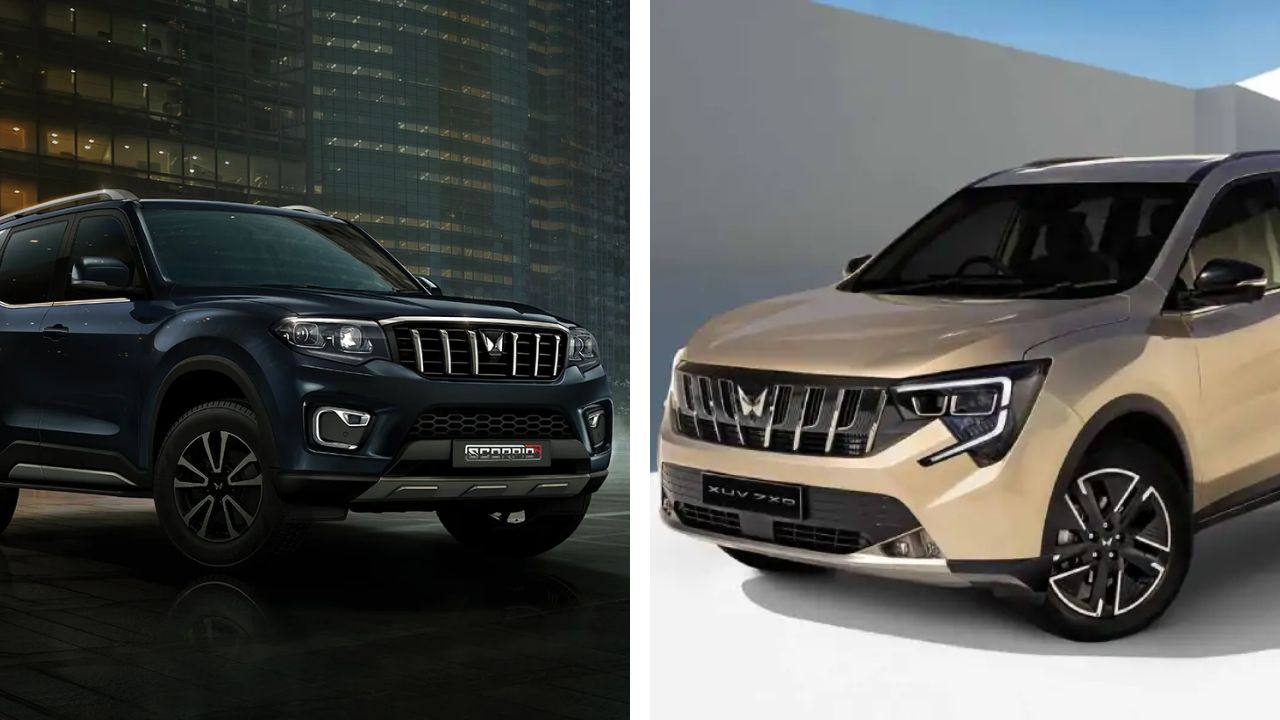
Mahindra Scorpio-N vs XUV 7XO

When you are purchasing a 7-seater SUV, Mahindra Scorpio-N vs XUV 7XO seem to be the best choice in this segment. However deciding between rugged, ladder-frame SUV with genuine off-road ability and modern, road-focused family SUV with stronger diesel performance is a tough call. 

It depends on what you seek and prefer more in a car. Both come at the same price range with different specs and features. Engine capacity, transmission modes, seating capacity are the same in both Scorpio-N vs XUV 7XO.

Check the core difference between the vehicles to understand which one is better for you.

Area Mahindra Scorpio-N Mahindra XUV 7XO
Starting ex-showroom price ₹13.69 lakh ₹13.99 lakh 
Top ex-showroom price ₹25.49 lakh ₹25.79 lakh
Body/platform Ladder-frame, RWD/4WD Monocoque, FWD/AWD
Seating 6 or 7 seats 6 or 7 seats
Diesel engine 2.2-litre, up to 400 Nm  2.2-litre, up to 450 Nm 
Petrol engine 2.0-litre turbo, up to 200 bhp 2.0-litre turbo, 200 bhp
Transmissions Manual and automatic Manual and automatic
Best use case Highways, rough roads, towing, light off-roading City, family comfort, highway cruising, features

The Scorpio-N gives a more traditional SUV look with body-on-frame construction and XUV 7XO will let you feel more car-like driving. Scorpio-N offers RWD or 4WD which enables more smoother performance on broken roads, village routes, monsoon conditions, and occasional off-roading. While XUV 7XO is a monocoque SUV, it offers AWD on automatic variants, but it is not designed for the same kind of sustained off-road use as the Scorpio-N.

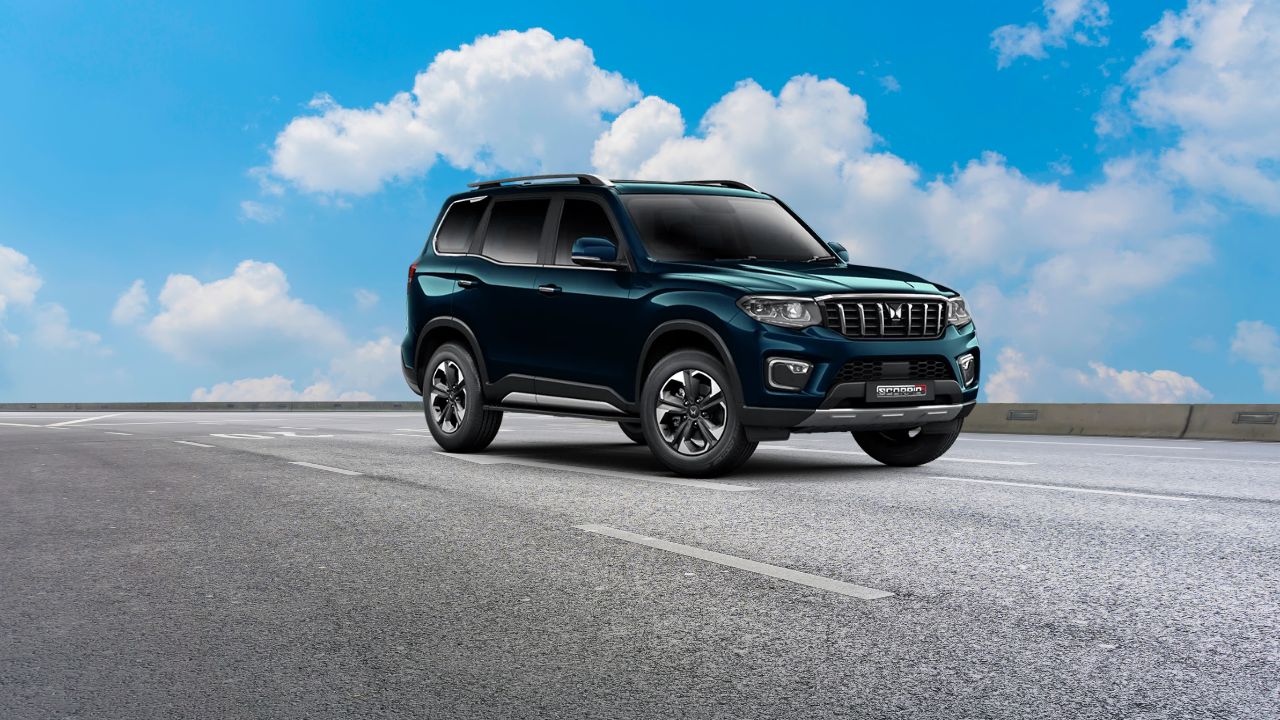
Scorpio-N

The power Scorpio-N makes is around 200 bhp and diesel automatic produces 380 Nm, while the diesel manual produces 370 Nm. The XUV 7XO gives 450 Nm on diesel which means 50 Nm more than the Scorpio-N in the same 2.2L tank.

Scorpio-N And XUV 7XO 7-seater layout offers practical based on spec sheet. However, Scorpio-N wins with its design of 4,662 mm long with a 2,750 mm wheelbase which gives commanding stance and substantial road presence.

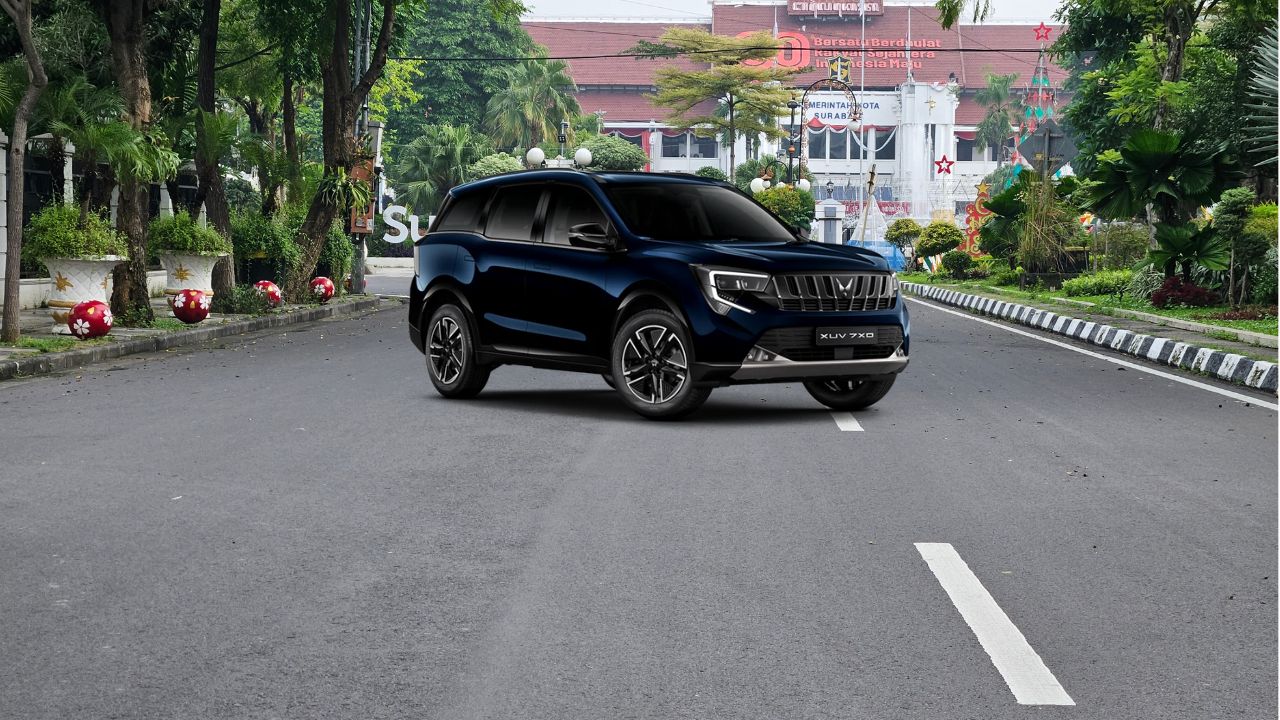
XUV 7XO 7-seater

Most buyers who commute a lot in the city but take occasional highway trips prefer XUV 7XO. But if you travel a lot with luggage-heavy trips then Scorpio-N is the one to go. Price starts at ₹13.69 and goes up to 25.49 lakh for Scorpio-N and ₹13.99–25.79 lakh for the XUV 7XO.

Read More  👉  2027 Volkswagen Virtus Facelift: New Design, Expected Price, Engines and Launch

Mahindra Scorpio-N vs XUV 7XO Interior Features

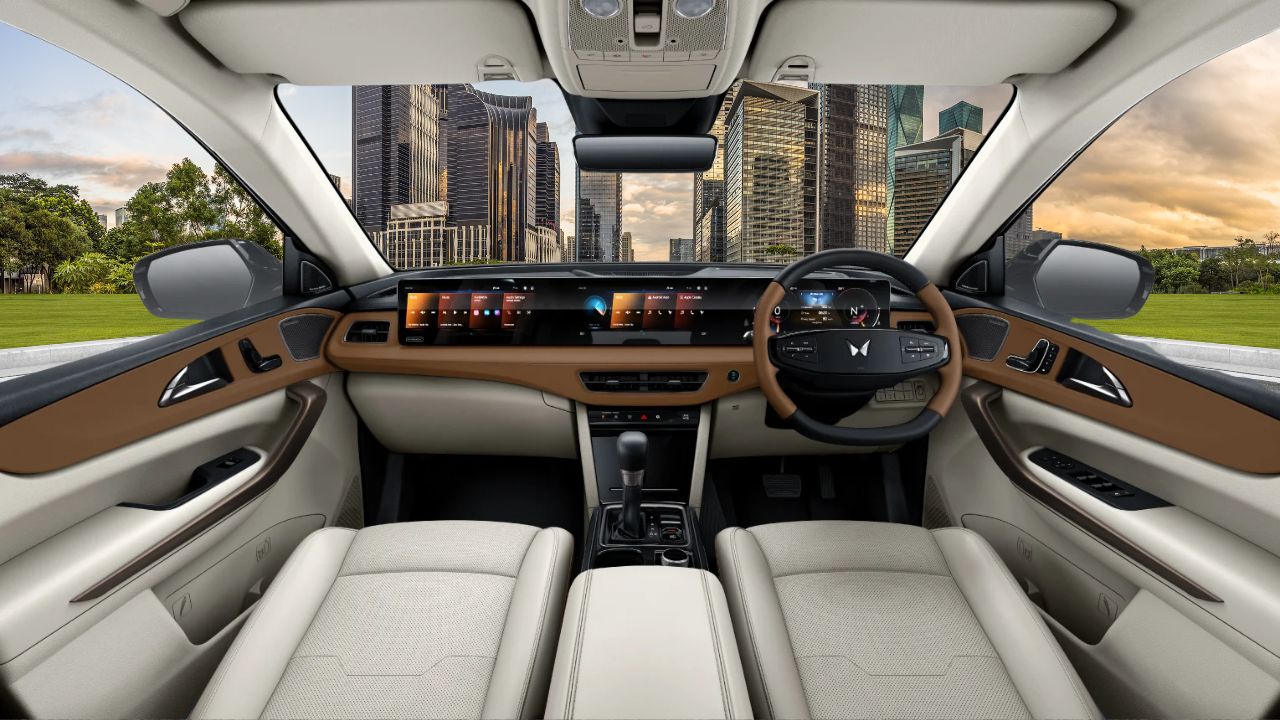
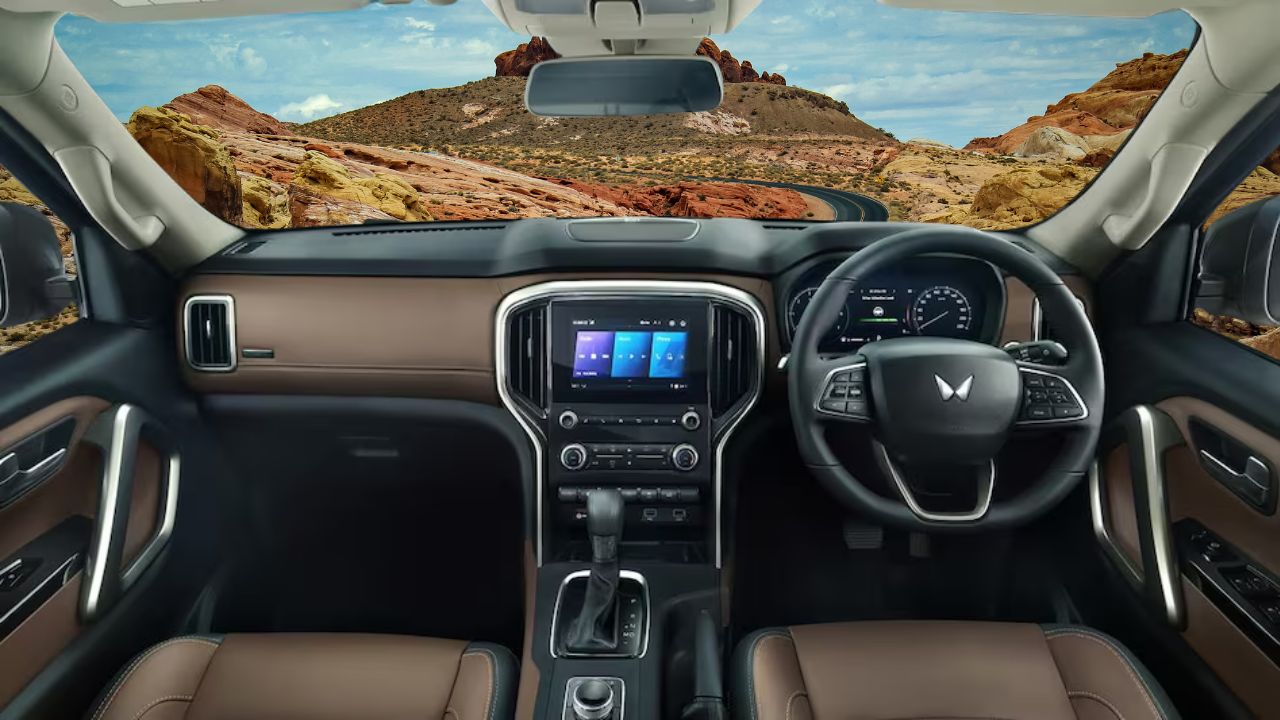
In Interior features, the XUV 7XO wins because it offers more premium technology and comfort, while Scorpio-N offers mechanical toughness and 4WD capability. 

Mahindra Scorpio-N vs XUV 7XO Interior Features

Feature Mahindra XUV 7XO Mahindra Scorpio-N
Cabin character Premium, tech-led, car-like Rugged, upright, SUV-like
Screens Three 12.3-inch HD displays across the dashboard  12.3-inch touchscreen; 12-speaker Sony audio 
Driver seat 6-way powered, with memory and welcome-retract  6-way electrically adjustable 
Front passenger seat 6-way powered with 4-way “Boss Mode”  Not highlighted as powered Boss Mode 
Ventilated seats Front and rear ventilated seats on higher variants  Not listed among its highlighted features 
Climate Dual-zone automatic AC with Quiet Mode  Dual-zone climate control and rear AC vents 
Charging Front and rear wireless charging with active cooling  Wireless Android Auto and Apple CarPlay 
Sunroof Acoustic solar windscreen; retractable rear sunshades  Panoramic sunroof 
Safety Over 120 safety features; 75 standard, including 6 airbags, ESP/EBD and Hill Descent Control  6 airbags, ABS, ESP, driver drowsiness alert 
Boot space 240 litres with all seats up; 7 seats  About 786 litres with second and third rows folded 

Fuel Economy

Powertrain XUV 7XO Scorpio-N
Petrol manual 15.5 km/l claimed  12.17 km/l ARAI 
Petrol automatic 14.5 km/l claimed  12.12 km/l ARAI 
Diesel manual 16.5 km/l claimed  15.94 km/l ARAI 
Diesel automatic 15.5 km/l claimed  15.42 km/l ARAI 
Real-world diesel AT 13.1 km/l average; 11.28 city / 14.91 highway  10.15 km/l average; 8.6 city / 11.7 highway 
Real-world petrol AT 8.7 km/l average; 7.6 city / 9.8 highway  8.65 km/l average; 7.9 city / 9.4 highway 

In the Scorpio-N vs XUV 7XO decision, the diesel variant is a sensible choice in both SUVs because the fuel economy is good. If you travel most frequently or take highway trips then it’s the best choice.

Scorpio-N vs XUV 7XO

Petrol versions are similar in real-world use but both are better if you run in the city buyers who prefer petrol refinement over diesel economy.

Read More 👉  4 Best Renault Cars to Buy in India: Kwid, Triber, Kiger and Duster

Conclusion

Both Mahindra Scorpio-N vs XUV 7XO are practical and offer excellent performance at the same price point. Which one you are going to buy depends on your travelling pattern. These two 7-seater SUVs offer comfortable space for sitting and luggage, fuel efficiency, automatic and manual engines. The XUV 7XO is more modern in interior features while Scorpio-N has more mechanical stability.


0

Best Cars for Mountain Roads: Drive Smoothly on Snow, Hills & Winding Terrains

Published Sep 12, 2025, 6:06 AM
Last Updated Sep 12, 2025, 10:51 AM

Driving smoothly on Snow, Hills & Winding Terrains is not easy, but it allows you to experience the best views, sharp switchbacks, and satisfaction of reaching a high summit. Wrong cars may give you stress from accidents and discomfort on these roads, so the best cars for mountain roads are specifically made to tackle the wilderness and give you a comfortable ride. Consider the facts in your mind while choosing the right car because different kinds of roads require different cars. 

What Matters for Mountain Driving

Mountain driving is difficult with just any vehicle, choosing specially built off-road cars is the best option. Choosing the right one for your needs matters when it comes to your safety. It might prevent the risks of accidents or crashes on your journey.

Try to figure out your road type – 

Is it snow and icy or mostly dry and twisted?

Do you need to carry bikes or skis?

Do you meet the rough road or stay on the pavement?

Key features in a car you must look for this kind of journey are traction (AWD or 4WD), high ground clearance for rough roads, low GC for winding roads. But most importantly good tires will help you to tackle every road, especially in mountain driving which most people ignore.

Best Car For Snow Mountain Roads: Subaru Outback / Crosstrek

Driving on roads with snow is kind of tricky, you need the best car for snow mountain roads. With all-wheel drive and enough ground space you can face snowy mountain roads. Subaru Outback and Crosstrek are good options for handling snowy roads. They offer excellent looks, symmetrical AWD, and sensible ground clearance. It is ideal for family trips or comfortably used daily with practical cargo space, making it comfortable and confident in ice and deep snow roads. Note: AWD is not enough but the right set of winter tires is making a big difference for this situation.

Subaru Outback

Subaru Outback is an outstanding off road performer with nine trims. It features a 2.5-litre engine to produce 182 hp. It delivers good mileage up to 26 city and 32 highways in non-turbo models. With 32.6 cargo space, still delivering advanced tech functions and symmetrical AWD to support mountain drive. 

Image credit: Subaru

Subaru Crosstrek

It offers a 2.0-litre engine that delivers 152 hp and supports AWD with high ground clearance. Crosstrek offers mileage up to 27 city and 34 highway with standard functions for off-road capability. Sport specific interior and technology that ensure the best driving experience.

Feature Subaru Outback Subaru Crosstrek
Engine Options 2.5L (182 hp), 2.4L Turbo 2.0L (152 hp), 2.5L (182 hp)
AWD System Standard Standard
Ground Clearance 8.7–9.5 in. 8.7 in., 9.3 in.
MPG (City/Hwy) 26/32 (2.5L), 22/29 (2.4L-T) Up to 27/34
Seating 5 5
Trim Levels available 9 5
Price $41,710 $33,795

When You Want To Go Off The Beaten Path: Jeep Wrangler / Toyota 4Runner

Rough paths on mountain driving can be challenging, prefer 4×4 system cars to run on steep hills and rocky grounds. Jeep Wrangler and Toyota 4Runner are a beast that is specially made to run out fluently from these challenges. They offer special gears for slow crawling and locks for the wheels. Ideal for rough mountain driving not paved or smooth routes. These cars are the best answer if you are wondering, what is the best car to drive in the mountains.

Jeep Wrangler Features

The Wrangler comes with a 3.6L V6 powerful engine to produce 285 hp and plug-in hybrid also available for impeccable off-road capability. It offers 4×4 drivetrain and 6-speed manual transmission for mountain rides. Advanced infotainment system, 85+ safety feature to ensure safe rides on roughly mountains. It offers off-road gear and interior comfort to make it ideal for long trips.

Image credit: jeep & Toyota

Toyota 4Runner Features

It offers a 2.4L turbo engine with 8-speed automatic transmission. Rear-wheel drive is allowing this vehicle to be fluent on off-road. With locking rear differential and off-road cruise control, mountain riding will become easier for trained drivers. It also offers maximum cargo space and premium interior made with quality products, making it perfect for long journeys. 

Feature Jeep Wrangler Toyota 4Runner
Engine Options V6, I-4 Turbo, V8, PHEV 4xe 2.4L Turbo I-4 (278 hp), Hybrid
AWD/4WD System Standard, multiple advanced types Standard RWD, 4WD optional
Safety Over 85 features; ADAS, airbags Toyota Safety Sense 3.0 suite
Interior Options Leather, heated/ventilated seats Leather, ventilation all rows
Towing Capacity Up to 5,000 lbs varies by trim
Off-Road Gear Class-leading, lockers, winch, 35″ tires Lockers, stabilizer bars, crawl control
Price $32,095 $42,765

For Carving Twisty Mountain Roads: Mazda MX-5 and Toyota GR86

The lightweight sports car shines on twisty mountain roads. When people wonder about the best car for winding mountain roads, the Mazda MX-5 Miata and Toyota GR86 often come on top. They are balanced, small, and powerful letting you experience compact performance. It offers more speed and usually provides more fun in driving but also ensures a secure ride on tight mountain roads.

Mazda MX-5 Features

It offers a 2.0L engine that delivers 181 hp of power that drives you through twisty mountain roads with confidence. It offers transmission up to 6-speed manual/automantic with RWD feature. The lightweight Mazda MX-5 is designed for off-road ridings. It offers sport-tuned suspension, advanced safety functions, it costs you around $29,500.

Image credit: mazdausa & toyota

Toyota GR86 Features

It offers 2.4L engine to give your powerful speed with 6-speed transmission. It is also designed on RWD and provides safety with Vehicle Stability Control, seven airbags, hill start assist. Trim available for luxurious interior and it also included flexible cargo with folded seats. It cost around $30,000 but worth it for the best mountain driving experience.

Feature Mazda MX-5 Toyota GR86
Engine 2.0L I-4, 181 hp 2.4L Boxer-4, 228 hp
Transmission 6MT / 6AT 6MT / 6AT
Drivetrain RWD RWD
Curb Weight 2,340 lbs 2,800 lbs
Seats 2 (convertible) 2+2 coupe

The Everyday, Family-Friendly Mountain Car: AWD Crossovers

What cars are good for mountains while planning for family trips. The modern AWD crossovers models like Mazda CX-50, Toyota RAV4 and Honda CR-V offer a cargo space, comfortable cabin, and decent capability in poor weather. This is all you need for a fun and safe journey on mountains. 

Image credit: Mazda, Toyota, Honda

Feature Mazda CX-50 Toyota RAV4 Honda CR-V
Engine Options 2.5L / 2.5T / Hybrid 2.5L / Hybrid / Plug-in 1.5T / Hybrid
Power (hp) 187-256 (gas) / 219 (hyb) 203 (gas) / 302 (hybrid) 190 (gas) / 204 (hybrid)
Drivetrain AWD standard FWD/AWD FWD/AWD
Fuel Economy 28 (gas), 38 (hyb) 30 (gas), 40 (hyb), 94 MPGe 30 (gas), 40 (hyb)
Cargo Volume 31.4/56.3 37.6/69.8 39.3/76.5
Safety Suite Full suite standard TSS 2.5 standard Honda Sensing standard
Price $30,500 $29,800 $42,250

Conclusion

If you are wondering about what is the best car to drive in the mountains then there are a lot of options for you. First, think about your priorities and budget, it may help you to choose the right car for you. All these cars fitted to different roles — Subaru Outback or Crosstrek for snow roads, Jeep Wrangler and Toyota 4Runner for Rocky trails, and Mazda MX-5 for twisty paved roads but right tires are the most important part of these cars. Your mountain rides will be safer, comfortable, and enjoyable with these cars.


0

The Best Skoda Cars Under 10 lakh In India – Stylish, Reliable And Budget-Friendly Options

Best Skoda Cars Under 10 lakh In India

In the segment of ₹10 lakh cars, very few brands have built the same trust, quality and safety standards as Skoda. Renowned for rock solid European engineering and world class reliability, Skoda provides a premium experience on the road even in the affordable market segment. In 2025, Best Skoda Cars Under 10 Lakhs has made owning a Skoda now simpler than let’s say ever before, with four exceptional variants across two models; the sleek and rugged Skoda Kylaq and the sophisticated Skoda Slavia. 

There are 4 variants across 2 models:

Skoda Kylaq Classic ₹7.55 Lakh
Skoda Kylaq Signature ₹9.00 Lakh
Skoda Kylaq Signature AT ₹10.00 Lakh
Skoda Slavia 1.0L Classic ₹10.00 Lakh

All prices are ex-showroom and offer amazing value for the precision of a premium European engineering, world class safety and dependable driving. 

Skoda Kylaq

Rated 5 star by Bharat NCAP, Skoda Kushaq is the safest sub-4 metre SUV in its class & the cheapest Skoda in India. when and where it was presented in November 2024 It has a premium features and European build quality at the right price. 

Classic Variant

Skoda Kylaq Classic Variant

Image credit: Skoda

Classic Skoda Kylaq Variant 1 would be the functional leader in the range of ₹7.55 Lakh. 1.0 TSI Turbo Petrol engine With 999 cc three cylinder engine, it delivers stunning power output of 114 horsepower at 5000-5500 rpm and peak torque of 178 Nm at 1750-4000 rpm. The 6-speed manual transmission of the car ensures a comfortable and entertaining ride. A 45-liter fuel tank and an ARAI-certified mileage of 19,68 kmpl make for good mileage for both the daily commute and the long drive. If you want a cheap, reliable car that still focuses on performance, you can’t go too wrong with the Kylaq Classic. 

Space & Safety Features

With the distance between the axles at 2,566 mm, the car provides a stable and comfortable ride. Its 189 mm ground clearance makes it perfect for Indian roads. It is the best in class with a spacious 446 liters boot capacity. 

Standard six airbags which is rare in this price bracket, plus the 5-seater ensures the car’s safety. Scoring 30.88/32 in adult safety and 45/49 in child safety, it holds a 5-star rating from the Bharat NCAP. ABS with EBD, ESC, Traction Control, Multi-Collision Braking and rear parking sensors are some of the modern safety features. Family security is enhanced by the ISOFIX child seat anchors. 

Excellent Exterior & Interior Comfort

Skoda Kylaq Excellent Exterior & Interior Comfort

Image credit: Skoda

The graceful LED high mount brake lights and LED tail lights which add a modern touch to the design. With its robust 16 inch steel wheels with stylish wheel covers, it is both rugged and stylish. The sophisticated look is further highlighted by the ORVMs and the door handles that are painted with the body color. 

Step inside, The fabric clad cabin relevantly adds to the cozy and refined ride. The multi-function steering wheel allows you to conveniently control the important functions, and the easy steering wheel enables you to find the most comfortable driving position. The electrically adjustable ORVMs adds to the convenience by allowing you to easily make smooth adjustments to get the optimal visibility, and for your convenience, you get power windows – all 4 of them. 

This variant is available in 7 colors options including Brilliant Silver, Carbon Steel, Deep Black Pearl, Tornado Red, Candy White, Lava Blue, Olive Gold.

Read More:- Top Volkswagen Cars Under 10 Lakh in India – Affordable Style, Performance and Reliability 

Kylaq Signature Variant 2

An excellent model pushing the boundaries of contemporary options and good value for money, the Kylaq Variant 2: Signature at ₹9.00 Lakh is a solid pick for those seeking somewhere between the two extremes. It is based on the Classic model but with a load of useful convenience and technology upgrades. Its cruise control, a 7-inch touchscreen infotainment system that works with wired Android Auto and Apple CarPlay, and 16-inch silver alloy wheels. The four-speaker audio system makes the entertainment even more enjoyable and your safety is ensured by the Tyre Pressure Monitoring System (TPMS). For a more premium feel inside, the steering wheel features leatherette wrapping. 

Kylaq Signature Variant 2

Image credit: Skoda

This variant is powered by a 1.0 TSI engine which produces 114 bhp and 178 Nm of torque, mated to a 6-speed manual gearbox and delivers a mileage of 19.68 kmpl. The Signature model is the right choice if you want the best in features but when you cannot compromise on performance or value for money. 

Why Signature variant Worth ₹1.45 Lakh More

The Kylaq turns upscale rather than plain in the Signature trim. This is the least expensive model with a touch screen with smartphone integration, cruise control for highway driving, and TPMS for safety. Also, the appearance is enhanced significantly with alloy wheels. 

Kylaq Signature AT Variant 3

With the 6-speed Torque Converter Automatic Transmission, the Kylaq Variant 3: Signature AT (₹10.00 Lakh) offers a superior driving experience. This option is ideal for city-dwellers as it was designed to make urban driving simple and effortless. It brings an automatic gearbox for greater convenience and retains all features from the Signature Manual variant. Being higher variants, they also come with paddle shifters which provide a sportier driving experience.

Kylaq Signature AT Variant 3

Image credit: Skoda

The convenience and comfort of the automatic version make it all the more worth while as it returns bit less mileage (19.05 kmpl) than manual version (19.68 kmpl) Though you have to sacrifice a little bit of mileage (19.05 kmpl) from the manual version (19.68 kmpl) but the convenience that automatic version provides is worth giving up for a little bit of mileage. This model offers a sublime combination of practicality and performance, which the discerning motorist will appreciate. 

Why Choose Automatic

Hustle and bustle of city driving can be nerve-wracking at the best of times but an automatic transmission offers a handy fix. It also prevents the need to engage the clutch all the time, making long commutes less tiring. It comes with paddle shifters, which allows the driver to manually shift gears if needed for convenience and control. Unless you want to be worrying about your car slewing sideways in this modern age, where automatics deliver the same power and performance as a manual, which in turn means you’ve had to sacrifice nothing in driving dynamics. 

Skoda Slavia 1.0L Classic

The Skoda Slavia is an elegant and spacious premium mid-size sedan with refinement to match. The 1.0L Classic base model is priced at ₹10 lakh which is a vastly different offering compared to the Kylaq. 

Skoda Slavia 1.0L Classic

Image credit: Skoda

Engine Performance & Space

Slavia 1.0L Classic is a premium sedan which has a perfect balance of functionality, comfort, and performance. This 3-cylinder machine’s 999 cc, 1.0 TSI Turbo Petrol engine produces a staggering maximum power of 114 horsepower at 5000–5500 rpm along with a peak torque of 178 Nm between 1750 and 4500 rpm. The car comes with a 6 speed manual gearbox which makes driving even more fun. It is a great fuel efficient car with mileage 20.32 kmpl. With a wheelbase of 2,651 mm — 85 mm longer than the Kylaq, the car affords more legroom to rear passengers. While it is 10 mm shorter than the Kylaq, its 179 mm ground clearance works great on Indian roads. The Slavia is ideal for long journeys with a lot of luggage to carry as it has a massive boot space of 521 litres. 

Sleek Design & Safety Features

The car comes with several modern, premium features aimed at making driving easier and the occupant more comfortable and safe. Its stylish exterior includes a hexagonal chrome grille, 15-inch steel wheels and crystalline LED tail lamps. Electrically adjustable with an integrated turn indicator, the functions also benefit the utility of the car, along with being body-colored.

Kylaq Signature Variant 2 Sleek Design & Safety Features

Image credit: Skoda

The interior of the car features premium fabric seats, tilt telescopic audio controls, multi-function steering wheel and semi-digital instrument cluster. The driver seat is height adjustable while the power windows come with one-touch down feature for the driver. 60:40 split folding rear seats add more flexibility. 

A 5-star crash safety rating for adult and child protection from Global NCAP, ABS with EBD, electronic stability control, traction control system, hill hold control, multi-collision braking, ISOFIX child seat mounts, and rear parking sensors, with six airbags standard on all variants, means safety priorities. Combined they ensure a driving experience that is safe. This vehicle has been designed to meet the needs of the modern driver and high standards of reliability and performance by utilizing state of the art technology, luxurious interiors and robust safety measures. 

Infotainment & Technology

The car is equipped with a 7-inch touchscreen infotainment system that runs on a modern and user-friendly interface. It wired Android Auto and Apple CarPlay help you access your smartphone smoothly for more accessibility and convenience. The sound system in standard models has two speakers while the higher models are equipped with four speakers for superior sound. Bluetooth functionality to make hands free phone calls and stream audio wirelessly adds another element of functionality and convenience to the system.  

Suspension & Handling

The car is equipped with a MacPherson strut front suspension system, allowing independent operation for enhanced handling and ride comfort. A twist beam suspension is fitted at the rear which is a semi-independent setup offers a good compromise between cost and adequate performance.

Kylaq Signature Variant 2 Suspension & Handling

Image credit: Skoda

Electric power steering offers crisp handling and effortless maneuvering. The rear wheels are equipped with drum brakes, which are a practical, effective braking solution and the front wheels have disc brakes, which allow reliable stopping power. 

Comparison of Kylaq vs Slavia Classic

Urban parents have ever-evolving needs, and they tend to seek out vehicles that not only accommodate their daily needs, but also have enough space and comfort to be taken on family road trips. Meanwhile, first-time SUV owners are looking for a model that will serve as a first step into the sport utility world, by being accessible and reliable. People who drive on rough roads all the time need a tough, high-performing, long-lasting vehicle like Kylaq

 to make it through them.  

To have a smooth and enjoyable travelling on the road, travelers who travel on highways often want to know which cars are the most comfortable and reliable for long days behind the wheel. Buyers who have families and who prioritize having as much room for luggage as possible will opt for vehicles that can easily accommodate both passengers and cargo because they know practicality and versatility are key. Efficiency of fuel Customers who buy fuel efficient vehicles want to their operating costs to be as low as possible and to have the least impact on the environment, dynamic performance, precise control and a unique driving experience.  

Feature-by-Feature Comparison Table

Feature Kylaq Classic Kylaq Signature Kylaq Signature AT Slavia Classic
Price ₹7.55 L ₹9.00 L ₹10.00 L ₹10.00 L
Body Type Compact SUV Compact SUV Compact SUV Sedan
Transmission Manual Manual Automatic Manual
Mileage 19.68 kmpl 19.68 kmpl 19.05 kmpl 20.32 kmpl
Boot Space 446 L 446 L 446 L 521 L
Ground Clearance 189 mm 189 mm 189 mm 179 mm

Why Choose Skoda Under ₹10 Lakh?

  • European Quality at Indian Prices: Both Kylaq and Slavia are based on the MQB-A0-IN platform, a platform co-developed by Skoda and Volkswagen tailored for Indian conditions. 
  • Uncompromising Safety: All Skoda cars under ₹10 lakh are equipped with 6 airbags as standard – something even some cars at twice the price omit.
  • Proven Powertrain: The 1.0 TSI is no experimental engine – it has been tested in battle under the hoods of thousands of Kushaq and Slavia
  • Strong Resale Value: The rising popularity of Skoda in India - along with solid safety credentials and the India 2.0 commitment – is allowing better resale values as compared to the older Skoda models

Conclusion

With 4 unique variants under ₹10 lakh, Skoda is undisputed king in choice, safety and value for money in this segment. Kyrobatic Classic, the affordable and safe Kyroq Signature, the convenient Kyroq Signature AT and the spacious and efficient Slavia Classic which ever you choose, you benefit from leading European engineering, world-class safety and the pride of a globally recognised brand. The 1.0 TSI engine with six airbags and the same 5-star safety rating is available in all four skoda variants which only goes to show that the brand refuses to cut corners when it comes to what really matters, no matter the price tag. 

1

What Salary Do You Need to Buy a Maruti Suzuki Swift in India?

Published Oct 26, 2026, 1:00 PM
Last Updated Oct 27, 2026, 11:31 AM

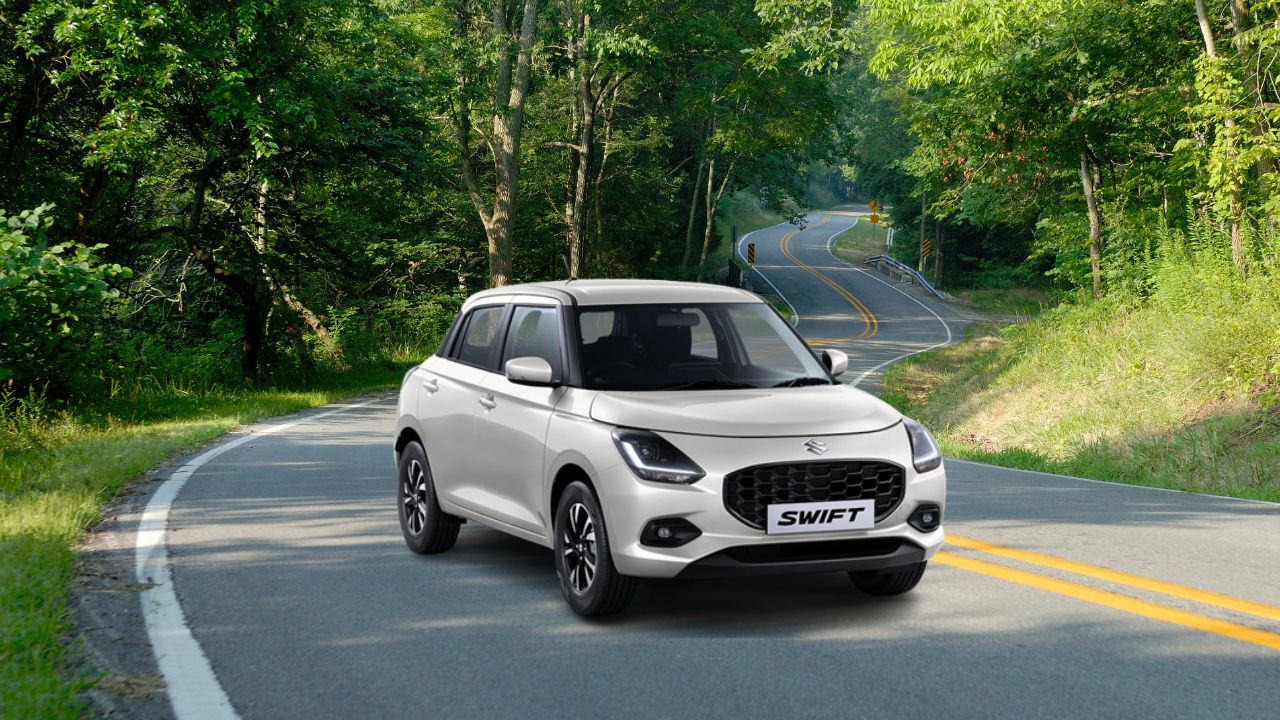
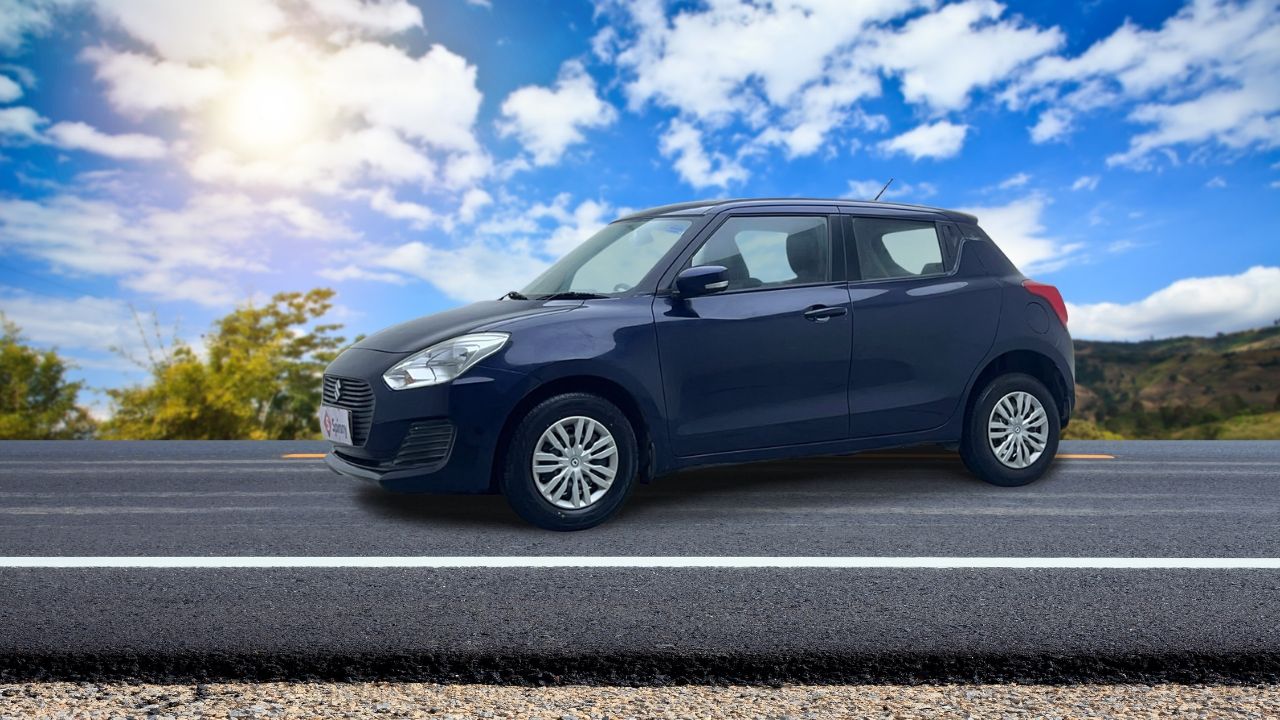
Maruti Suzuki Swift

Employees often get confused about what salary they need to buy a Maruti Suzuki Swift. Its on-road price provided by the dealer will be more than a sticker price, depending on the city charges and insurance. To buy it, take-home is ₹50,000 when an EMI of ₹11,200 is set to your account. That EMI already eats about 22% of your salary before fuel, insurance renewals or a single service bill.

So plan your swift according to your salary, understand how you can take up a loan that won’t squeeze your account.

What Salary Do You Need to Buy a Maruti Suzuki Swift

If your salary is around ₹50,000 to ₹60,000 a month excluding EPF and you make a reasonable down payment then you can easily purchase a Swift. If you have any major EMI to pay along with your car EMI, it could go rough on your daily expenses. If your salary is roughly ₹40,000 a month then it’s possible to buy a Maruti Suzuki Swift but you’ll need a bigger down payment and tight budget for the first couple of years.

Lenders are more generous than that. Many will approve a car loan of roughly three to four times your annual income, which means someone earning about ₹2.89 lakh a year could theoretically qualify for a Swift loan. Approval tells you what the bank will risk. It says nothing about what your month looks like after the EMI leaves your account.

Maruti Suzuki Swift On-Road Price

The ex-showroom price range of Swift is ₹5.79 lakh to ₹8.69 lakh for the top variant. There are a total 12 variants which also come in this price range. A 1.2 Petrol LXI is the base variant which can be easily bought. Check the price because it updates with time and ask your dealer the cost of a car because each city applies different charges.

Maruti Suzuki Swift On-Road Price

The base LXI is nearly cost around ₹6.69 to ₹10.04 lakh in Mumbai and ₹6.44 lakh in Delhi. For the math below I’ve used ₹6.7 lakh, the figure for an entry-level Swift in a metro. The CNG version price starts at ₹7.45 lakh ex-showroom in Delhi and the automatic variant costs around ₹7.04 lakh.

What EMI Is Comfortably Fit With Your Salary

Assuming a five-year loan with a 9.5% interest which works out to roughly ₹2,100 of EMI for every ₹1 lakh borrowed. The loan interest and tenure depends on your credit score and lender.

Monthly take-home Down payment Loan amount EMI EMI as share of salary Verdict
₹40,000 ₹2.0–2.5 lakh ₹4.2–4.7 lakh ₹8,800–9,800 22–24% Possible, but tight
₹50,000 ₹1.35 lakh ₹5.35 lakh ₹11,200 22% Manageable with few other expenses
₹60,000 ₹1.5–2.0 lakh ₹4.7–5.2 lakh ₹9,800–10,900 16–18% Comfortable
₹70,000+ ₹1.5–2.0 lakh ₹4.7–5.2 lakh ₹9,800–10,900 14–16% Comfortable, with room for running costs

The usual rule is to keep a car EMI within 15 to 20% of take-home pay, and closer to ₹8,000–₹10,000 if you pay rent or carry other loans. By that rule, the ₹50,000 row only works if you change the down payment. To bring the EMI under ₹10,000 on a ₹6.7 lakh on-road price, you’d borrow about ₹4.75 lakh, which means putting down nearly ₹1.95 lakh instead of ₹1.35 lakh. A larger down payment is the cheapest way to make the Swift fit a smaller salary.

The on-road price should sit within one year’s take-home income. At ₹6.7 lakh, that points to ₹56,000 a month, which agrees with the ₹50,000–₹60,000 range above.

The Running Cost of Swift That Skips From EMI Calculator

Say you drive about 1,000 km a month. At roughly 18 to 20 km per litre in real city conditions and petrol near ₹100 a litre, that’s around ₹5,000 for fuel. These are my estimates, not tested figures, and both the mileage and the petrol price vary by city and driving style. Add a monthly reserve for servicing and insurance renewal, perhaps ₹1,500–₹2,000, and you’re near ₹7,000 a month on top of the EMI.

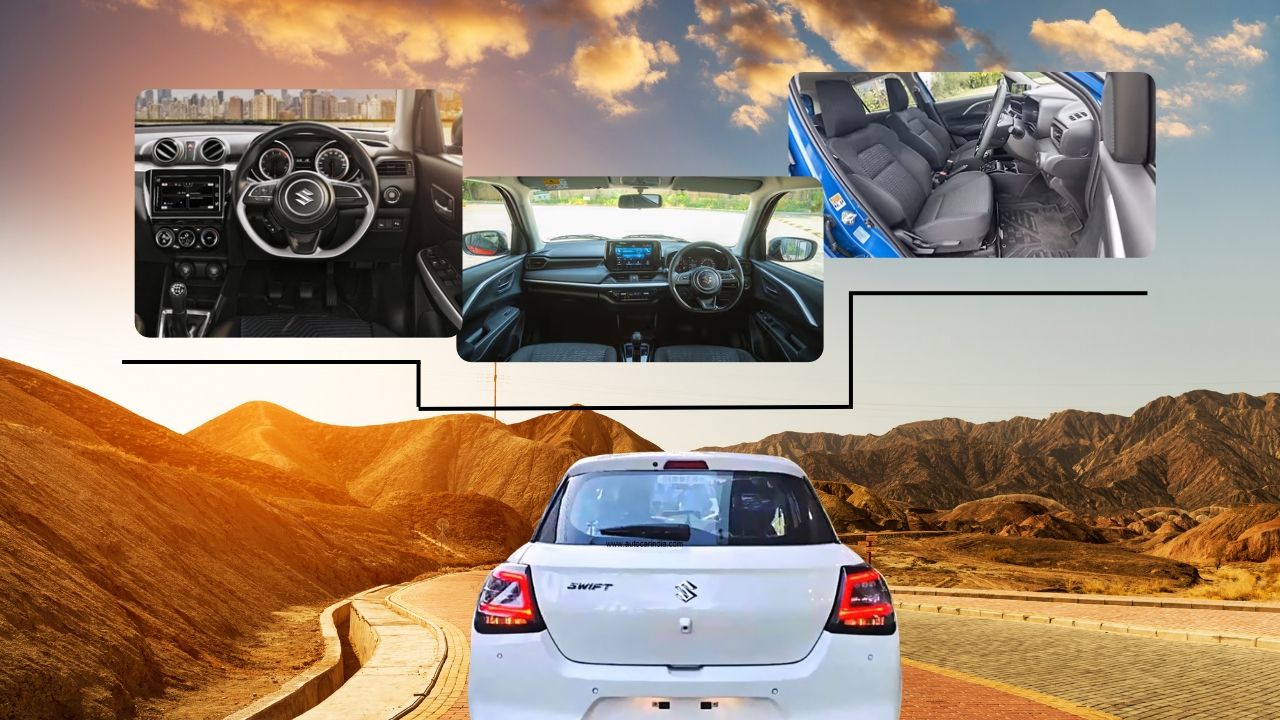
Running Cost of Swift

If your salary is ₹50,000 a month and total car cost (running plus EMI) near ₹18,000 that leaves 36% of take-home. If you earn ₹60,000 and EMI is ₹10,000 then the total is about ₹17,000 that leaves 28% of take home. That gap is why the salary needed to buy a Swift comfortably sits closer to ₹60,000 than ₹50,000. Parking, tolls and tyre replacement are extra, and they matter a lot in India.

Maruti Swift Specs at a Glance

Spec Details
Engine (petrol) 1.2-litre Z-series, 3-cylinder, 82 hp, 112 Nm
Engine (CNG) Same 1.2-litre, 70 hp, 102 Nm
Gearbox Manual or AMT (CNG is manual only, going by the listed trims)
Claimed mileage 24.8 kmpl (manual) to 25.75 kmpl (AMT); CNG 32.85 km/kg
Safety Six airbags, ESC, ABS with EBD (confirm variant-wise with the dealer)
Ex-showroom price ₹5.79–₹8.69 lakh 


You have to pay ₹1.5 lakh extra to purchase a CNG but you can save on fuel if you drive more. So it will recover your purchase cost in a few years. If the CNG station is fewer in your region then you can face a difficulty. Its always depends on your driving pattern and area.

Swift vs Tata Tiago vs Hyundai Grand i10 Nios

The Swift’s two nearest rivals are the Hyundai Grand i10 Nios and the Tata Tiago. Both start cheaper, though listings disagree on by how much. Tiago ranges between ₹4.70 and ₹5.60 lakh ex-showroom and the Nios between ₹5.47 and ₹5.98 lakh, so check current dealer prices.

The Nios uses a 1.2-litre Kappa petrol with around 82–83 hp, almost identical to the Swift’s output. Hyundai’s cabin is a little more polished, but the Nios has only a 2-star Global NCAP rating under the older protocol. The Tiago’s 1.2-litre Revotron is the least efficient at about 19 kmpl, and its pitch is safety and value rather than fuel economy. The Swift’s claimed 24.8 kmpl beats both comfortably.

For a stretched budget, the arithmetic helps. Choosing a Tiago over a Swift cuts the loan by about ₹1 lakh or more, which saves roughly ₹2,100 a month in EMI. Over five years that is about ₹1.26 lakh. If your take-home sits near ₹45,000, that difference matters more than the Swift’s better mileage. If you’re at ₹60,000 and want the stronger resale value and mileage, the Swift is the easier choice.

What Are The Monthly Running And Fuel Costs

The fuel is about ₹4,000–₹7,000 in India and other charges like insurance, servicing, repair needed then the total amount to run for new petrol Maruti Suzuki Swift would be around ₹6,500–₹11,000. EMI is not included in this amount.

Maruti Swift

The current Swift petrol returns an ARAI mileage of about 25.35 kmpl (manual) to 26.25 kmpl (AMT). This is the claimed mileage of a car and the real-world city mileage is usually lower. 

Conclusion

If you don’t have any other major EMI to pay on a ₹60,000 salary then purchasing a Swift is a great option. If you are below that salary then you have to be careful about your expenses and running cost of a Swift to make a purchase. 


Before you sign, run one test. Multiply your take-home by 12 and compare it with the on-road price from your dealer. If the price is higher, raise the down payment until the EMI drops below 20% of your monthly salary. If you can’t get there without draining your savings, you’ve found your answer.

0

Top 10 Best Cars for College Students in 2025: Don’t Buy Before You See This List!

Published May 7, 2025, 7:41 AM
Last Updated Apr 9, 2026, 10:35 AM

Top 10 Best Cars for College Students in 2025

The decision to purchase a car is not to be taken lightly. It’s important that the car is safe, price is within a reasonable budget, and most importantly fun to drive. And since they’ll be footing the gas bills, a vehicle that won’t take up too much space in terms of friends or several bags would also make sense. Good thing, by the way, it’s already 2025 – and there are plenty of good cars to pick from. This listing will help you find the Best Cars for College Students.

These cars are perfect for whether you live in the city or are just traveling home. From sedans to small SUVs, we have got you covered.

2025 Honda Accord – Best Midsize Pick

Image Credit: cars.usnews

The 2025 Honda Accord is an intelligent selection for students to acquire. While being priced at around $28,295, it attains an overall score of 9.3/10. It has the style to look hot and is very ambitious in design. It’s got a turbo engine of considerable power, and still, it saves gas. A huge trunk to carry your books, sports gear, or travel bags. Lane-keeping and automatic braking are some of the safety features in the car. This makes the Accord one of the Best Cars for College Students who want space, safety, and value.

2025 Hyundai Tucson – Best for Comfort

2025 Hyundai Tucson – Best for Comfort

Image Credit: cars.usnews

The Hyundai Tucson is spacious, compact, and well-regarded. It has a price tag that reads $28,705 and an overall score of 9.1, maybe not the best but good enough. A newly updated exterior design and enhanced interior screens are among the features for the 2025 year model. It is comfortable to ride and has ample room for both passengers and bags. It also offers all-wheel-drive features which can be a good choice if you reside in a place where rain or snow blankets the area. It’s one of the best car for college students in USA; it’s got the look, space, and loads of new tech.

2025 Subaru Outback – Best for All-Round Use

2025 Subaru Outback – Best for All-Round Use

Image Credit: cars.usnews

Subaru Outback: The Outback is a crossover between an SUV and a wagon; it is robust, safe, and user-friendly for $29,010 starting in the 2025 model, scoring 9.1 out of 10. You get all-wheel drive standard, great for any weather. It’s loaded with tech and safety features. Room for friends and towing power for trips. It’s one of the Best Cars for College Students who want a car that lasts beyond college.

2025 Honda CR-V – Best for Everyday Use

2025 Honda CR-V – Best for Everyday Use

Image Credit: cars.usnews

The Honda CR-V is among the best compact SUVs for 2025 with an entry price of $30,100 and a very high 9.0/10. The CR-V is fuel-efficient and provides a comfortable drive with ample cabin space and numerous safety features. Boosting relatively decent horsepower numbers without guzzling too much fuel, the turbo engine is a fine performer. That makes this car best suited for students desiring comfort and space with a trusted brand.

2025 Ford Bronco Sport – Best for Adventure

2025 Ford Bronco Sport – Best for Adventure

Image Credit: cars.usnews

2025 Ford Bronco Sport : If you’re an explorer at heart, the Ford Bronco Sport could be an exciting choice. This 2025 model is priced starting from $29,995 and garners an 8.9 rating. The Bronco Sport is compact but robust. It looks tough and is capable of taking on unpaved tracks and camping. It carries powerful engines and plenty of amenities. While it’s not the smoothest ride on pavement, that’s all right for a nature-loving student in search of a statement ride.

2025 Subaru Forester – Best for Snowy Places

2025 Subaru Forester – Best for Snowy Places

Image Credit: cars.usnews

The 2025 Subaru Forester is perfect for any student living in an area where it gets cold or snowy since it is priced at $29,995 while scoring an overall rating of 8.9 out of 10. Safety and tech features are enhanced in this model, which is also good on fuel and standard with all-wheel drive. Passenger and bag room is quite ample, and that’s why the Forester stands among the Best Cars for College Students wanting safety and comfort in all seasons.

2025 Kia K4 – Best for Budget and Tech

2025 Kia K4 – Best for Budget and Tech

Image Credit: cars.usnews

The Kia K4 is brand new in 2025 and replaces the older Forte model. It is very affordable with a starting price of $21,990 and has a high score of 8.8 out of 10.

Even though it is a small car, it comes with many tech features. It also saves a lot on gas. The turbo engine gives good speed while still being fuel-efficient. This car is one of the best car for college students in India who want modern features without a big price tag.

Also Read : Top 7 Most Expensive Cars in the World 2025 You Won’t Believe Their Mind-Blowing Prices

2025 Hyundai Santa Cruz – Best for Utility

2025 Hyundai Santa Cruz – Best for Utility

Image Credit: cars.usnews

The Hyundai Santa Cruz is a cool mix of a car and a truck. It starts at $28,750 and has a strong score of 8.8 out of 10. This compact pickup has a truck bed, so you can carry bikes or small furniture. It rides smoothly like an SUV and fits five people inside. You can choose from two engines, and both are fun to drive. All-wheel drive is also available. This is a great pick for students who want something different and useful.

2025 Chevrolet Trax – Best for Value

2025 Chevrolet Trax – Best for Value

Image Credit: cars.usnews

The 2025 Chevrolet Trax is very budget-friendly and offers lots of space. It costs around $20,500 and has an overall score of 8.7 out of 10. It was redesigned in 2024 and stays the same in 2025. While it’s not the most exciting car to drive, it is roomy and comfortable. However, it does not offer all-wheel drive. It is still a smart choice for students who want a safe and simple ride at a low price.

2025 Toyota Corolla – Best for Simplicity

2025 Toyota Corolla – Best for Simplicity

Image Credit: cars.usnews

The Toyota Corolla is a favorite on college campuses. The 2025 model starts at $22,325 and has a solid score of 8.6 out of 10. It comes in both sedan and hatchback versions. While it only has one engine, it is very fuel-efficient. Toyota includes many safety features at no extra cost. This makes it one of the best car for college students in India who want a car that is simple, safe, and affordable.

Final Thoughts

Having the right car can make things easier. It helps you get to class, go home for the holidays, or take road trips with friends. This list of the Best Cars for College Students shows the top cars in 2025 for safety, comfort, value, and fun.

Each car on this list has something special. Some are great for snowy areas, some save lots of fuel, and others have lots of space. Whether you are looking for the best car for college students in USA or the best car for college students in India, this list has you covered.

So before you buy a car, take another look at these 10 great options. You will surely find a car that fits your budget and your life at college.