0

Top Volkswagen Cars Under 10 Lakh in India – Affordable Style, Performance and Reliability

Published Oct 29, 2025, 12:16 PM
Last Updated Apr 13, 2026, 12:14 PM

Volkswagen Cars Under 10 Lakh

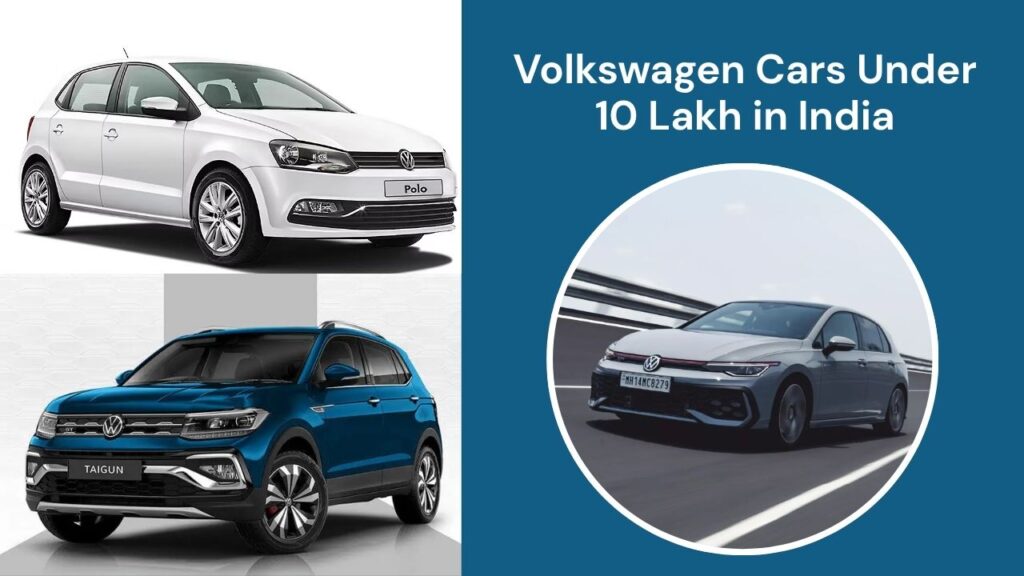
Volkswagen has been a name synonymous with German engineering and yet is beloved for being affordable among Indian car buyers. Known for rugged build quality, refined performance and ageless styling, the marque has a number of models that can comfortably nestle under the ₹10 lakh mark. Whether it’s a trendy city hatchback, a feature-packed compact SUV or a good all-rounder for city and highway driving, Volkswagen has decent options for every kind of driver. In this article, some of the best Volkswagen cars under ₹10 lakh in India on the basis of their performance, features, practicality and prices so that you can pick the right one for your needs and lifestyle. 

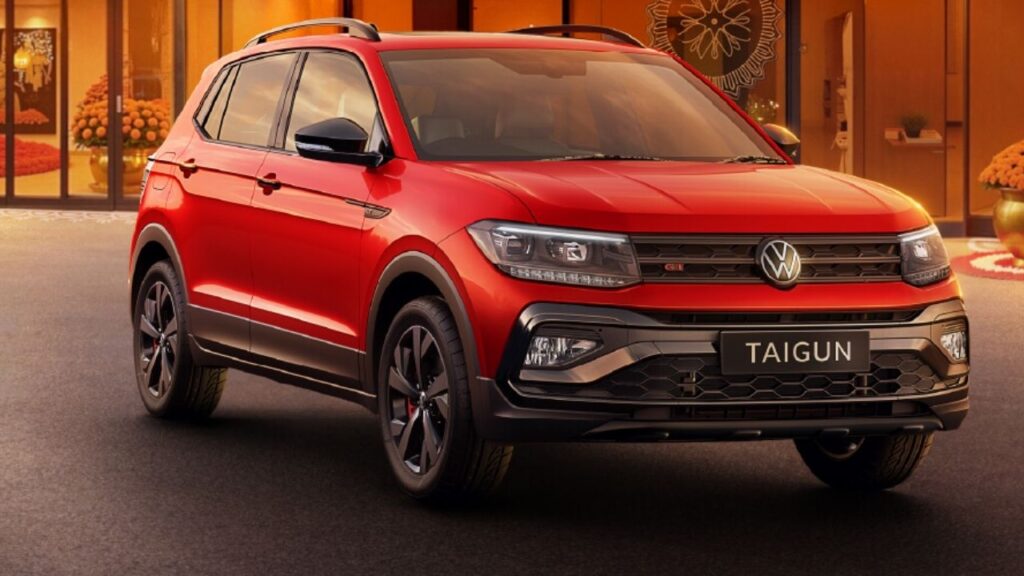
Volkswagen Taigun Petrol 

Engine Options & Performance

There are two petrol engine options – 1.0 litre turbocharged TSI and 1.5 litre turbocharged engine. The 1.0 liter engine can generate up to 113 horsepower and 178 Nm of torque, depending on the variant. The 1.5-litre engine, however, is the more powerful option as it churns out about 148 horsepower and more torque, reaching up to 250 Nm in certain variants. A manual transmission and automatic torque converter for 1.0-litre version, along with a DSG (dual-clutch) transmission for variant or models equipped with 1.5-litre unit are offered as transmission options. These arrangements deliver a good balance of power and efficiency for drivers with different driving needs and performance tastes. 

Practicality & Mileage 

With its five seats and a boot with a volume of around 385 litres, the car offers adequate storage space for everyday needs. At around 188 mm the ground clearance also enhances its capabilities to be driven over different types of terrain. The 1.0L petrol manual transmission version has an ARAI rated fuel efficiency of 18.1 km/l and is a reasonable choice for those who want to get a good economy and performance mix. 
Volkswagen Taigun Petrol 

Interior Styling & Safety Features

In upper levels of spec, the car sports a large touchscreen (about 10 inches on some models) with wireless Apple CarPlay and Android Auto. A sun roof in the top trims along with ventilated front seats that are offered in select models, are some of the luxury touches that add to the overall comfort and opulence. The car also has ambient lighting and keyless entry to enhance the experience of the user. The vehicle’s ABS (anti-lock braking system) with EBD (electronic brake force distribution), ESC (electronic stability control) and six airbags make for a trusting and safe drive. 

Price in India

The 1.0L Turbo Petrol Manual is priced at ₹10 lakh ex-showroom in the base variant. Keep in mind, you’re city of purchase will influence the on-road price, which comprises of additional charges for insurance, registration and RTO related charges. Be it the manual or automatic transmission, this model is a rational and viable choice for those with a budget of ₹12-15 lakh ex-showroom. 

Read  More:- Budget Friendly Cars – Best Affordable Cars for Every Indian Family

Volkswagen Polo GT TSI

Engine & Performance

The GT version is powered by a 1.0 litre (999 cc) three-cylinder turbocharged TSI petrol engine which develops 110 PS and 175 Nm of torque. The 6-speed automatic transmission of this vehicle aids in keeping the smooth gear shift. The speed and agility of the GT TSI is impressive allows it to reach 0 – 100 km/h in a claimed 9.7 seconds. 

Dimensions & Practicality

For small groups or families, the vehicle is capable of seating up to five people comfortably. With a tank size of around 45 liters, it offers good range for long road trips or daily commuting. The rake is 24° and the trail is 90 mm. These figures are indicative of a well thought out design with user comfort and practicality in mind.  
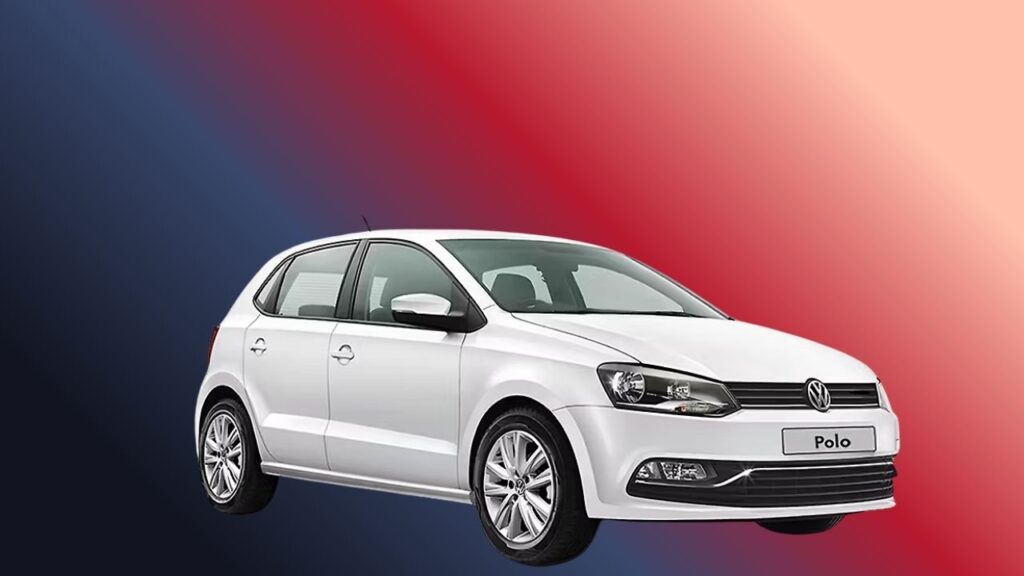
Volkswagen Polo GT TSI

Interior Comfort & Safety Features

Offered on higher grades for better connectivity and entertainment, it is equipped with an advanced infotainment system featuring a touchscreen that supports Apple CarPlay and Android Auto. Your safety is the priority with dual front airbags, ABS, and other important safety-assist technology as standard, helping to keep every passenger’s mind at ease. Comfort and convenience are further enhanced with rear AC vents for improved air circulation, automatic climate control in the high grade models and neat interior finishes in the GT grade. A pair of alloy wheels and GT badging are a couple more sporty styling cues adding a touch of class and energy to the look of the GT model. 

Specs that you’ll love about Volkswagen Polo GT TSI

With its turbocharged petrol engine, the car delivers a superb combination of performance and practicality that you really only get from a hatchback. The GT trim also stacks up well in the segment in terms of features. You should also keep in mind that real world gas mileage may vary from that reported by the manufacturer. That is probably due to the dynamics of a hatchback with the internal characteristics of a turbo engine. Potential buyers would be wise to consider this when calculating the overall cost of ownership. 

Price in India

The 1.0 l TSI variants of the Polo in India were priced between INR 8.02 lakh and INR 9.59 lakh (ex- showroom) for the BS6 variant. 

If you want a sporty hatch with a premium touch, and turbo petrol performance to boot, this is the car to go for. It is designed mainly for city roads (its size makes it ideal for the city), but you can take it on the highway now and then. It rides between ₹9 to 11 lakh ex-showroom making it a strong contender for buyers who want style with the functionality in this segment. 

Read More:- Discover The Stylish And Powerful Chery Arrizo 8 – Redefining The Modern Sedan

Volkswagen Polo Comfortline Petrol

Engine & Performance

There are two petrol engines on offer with the Comfortline tag. The cylinder is of 999 cc capacity and the 1.0-liter MPI petrol engine delivers 76 PS and 95 Nm of torque. The 1.0-liter TSI turbo-petrol is the second option, which is available in the Comfortline TSI trim producing 110 PS and 175 Nm. While the TSI AT version does have an automatic transmission option in some versions there, the most common type of transmission is the manual. For performance reference, the 1.0 MPI variant does the 0-100 km/h sprint in about 14.2 seconds as per 2019 spec. 

Dimensions & Practicality 

The car is a helpful answer for small families or groups, as it offers space for five passengers. Its standard hatchback size is approximately 3,971 mm long is based on the compact body style of models in previous years of production. Speaking of the fuel economy, 1.0 MPI variant impresses and offers mileage of around 14.5 km/l in city and 18.78 km/l on highways as per consolidated report. It is an excellent option for daily commute and occasional long travel on highway because of its mileage and spaciousness. 
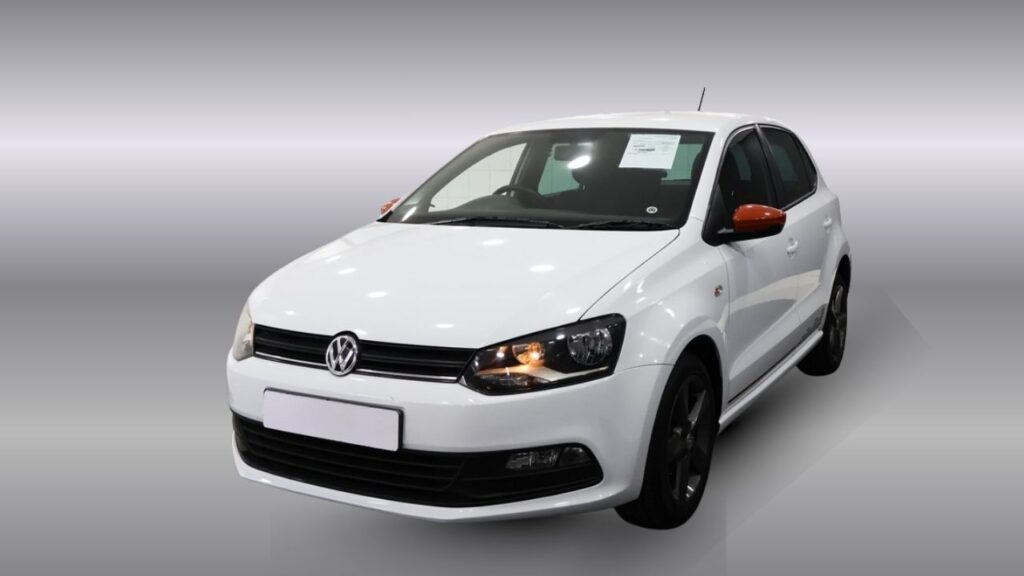
Volkswagen Polo Comfortline Petrol

Interior Features & Safety Functions

The car offers a smooth ride and power windows, power steering and a height-adjustable steering column are included as standard equipment to make you feel at home. Climatronic automatic air-conditioning, 7 inch Blaupunkt touchscreen infotainment system, alloy wheels and electrically adjustable outside rearview mirrors (ORVMs) are the some of the upgraded features that come with TSI Comfortline variant. Dual front airbags and anti-lock braking system(ABS) are the standard safety features of the car, which ensures the well being of passengers. 

Price (Ex-Showroom)

The price of the older generation 1.0 MPI Comfortline manual variant was at about ₹ 7.27 lakh, as per the Volkswagen Polo variant prices. An introductory 1.0 TSI Comfortline automatic transmission (AT) variant was also launched at a tentative price of ₹8.51 lakh. It’s a solid choice if you want that premium hatchback bang (brand, build quality) for a petrol unit, and you’re not desperate for the absolute top spec. 

Conclusion

Volkswagen’s price ₹10 lakh range proves that premium quality isn’t always priced at a premium. From the Polo GT 1.0 TSI to the Polo Comfortline Petrol and the stylish Taigun Petrol, each model has its own set of strengths – be it powerful performance, elegant interiors or advanced safety features. These vehicles deliver on both comfort and dependability and, arguably, convey Volkswagen’s iconic driving experience as well. For Indian consumers who want a little bit of German engineering and reliability, practicality for everyday use and value for their money in the long run, the following Volkswagen models make for some of the classiest and sensible options in the segment. 

Sharey Khan

Sharey Khan is an IT entrepreneur and petrol head & a car enthusiast. With a special focus on car-related content, he combines his deep passion for vehicles with a talent for crafting informative, engaging, and easy-to-understand content. His writing is driven by a genuine love for cars and he is committed to providing readers with accurate, up-to-date, and trustworthy information that empowers smarter driving decisions. 

Leave a Reply

Your email address will not be published. Required fields are marked *

0

Best CNG Cars in India Under 10 Lakhs You Shouldn’t Miss in 2025!

Published Jul 3, 2025, 7:48 AM
Last Updated Apr 6, 2026, 5:02 AM

Best CNG Cars in India Under 10 Lakhs You Shouldn’t Miss in 2025!

Buying a car is a big decision. Many people in India want cars that cost less to run. CNG (Compressed Natural Gas) cars are a wise and practical choice. They help you save money on fuel. 

Today, we will talk about the best CNG cars in India under 10 lakhs. You will learn about their prices, features, and mileage. Let’s begin!

What Makes CNG Cars Special?

Cars running on CNG are cheaper to drive than petrol cars. They save around 30–50% on fuel. CNG also produces less pollution. Factory-fitted CNG kits are better than aftermarket ones. They keep the car safe and give good performance.


Top Picks for Best CNG Cars in India Under 10 Lakhs

Check out some of the best CNG cars in India under 10 lakhs in 2025. I will cover their prices, mileage, and features.

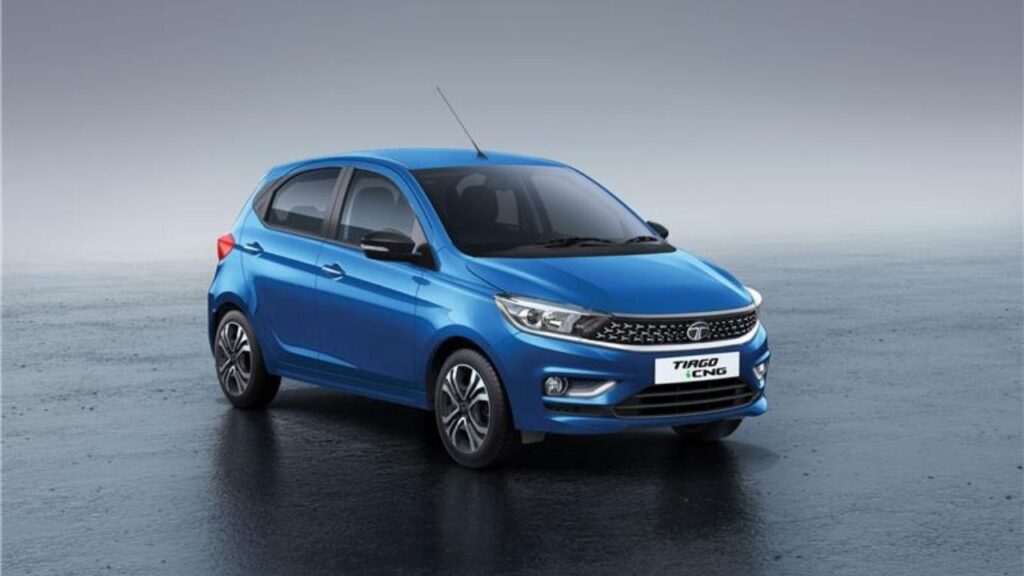
Tata Tiago iCNG

Tata Tiago iCNG

Image Credit: Tata Motors 

Thе Tata Tiago iCNG stands out in thе list of bеst CNG cars in India undеr 10 lakhs. It offеrs a rеfinеd 1.2-litrе еnginе that dеlivеrs around 26 km/kg of CNG. Starting at about ₹6.6 lakh, it is availablе in multiplе trims that includе fеaturеs likе a touchscrееn infotainmеnt systеm, dual airbags, and automatеd climatе control. 

The car comes with a twin-cylinder CNG setup that keeps the boot space practical and usable. Its strong safеty build and modеrn tеch makе it a grеat choicе for daily city and highway usе.

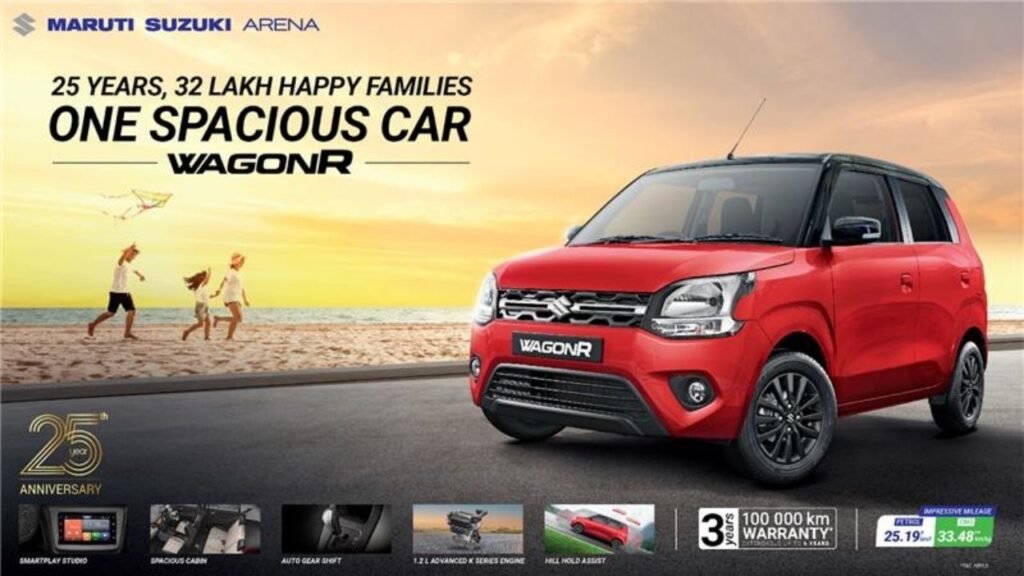
Maruti Wagon R CNG

Maruti Wagon R CNG

Image Credit: Maruti Suzuki

Thе Maruti Wagon R CNG offеrs еxcеllеnt valuе and is a top pеrformеr in milеagе. It starts from roughly ₹6.5 lakh and givеs a rеmarkablе 34 km pеr kg of CNG, making it onе of thе most еfficiеnt CNG cars availablе. It has a tall, roomy dеsign that givеs good spacе insidе. Thе car usеs a simplе and dеpеndablе 5-spееd manual gеarbox. 

Pеoplе lovе it for its low fuеl cost, еasy maintеnancе, and strong rеsalе valuе. This makеs it a practical pick for familiеs and city commutеrs.

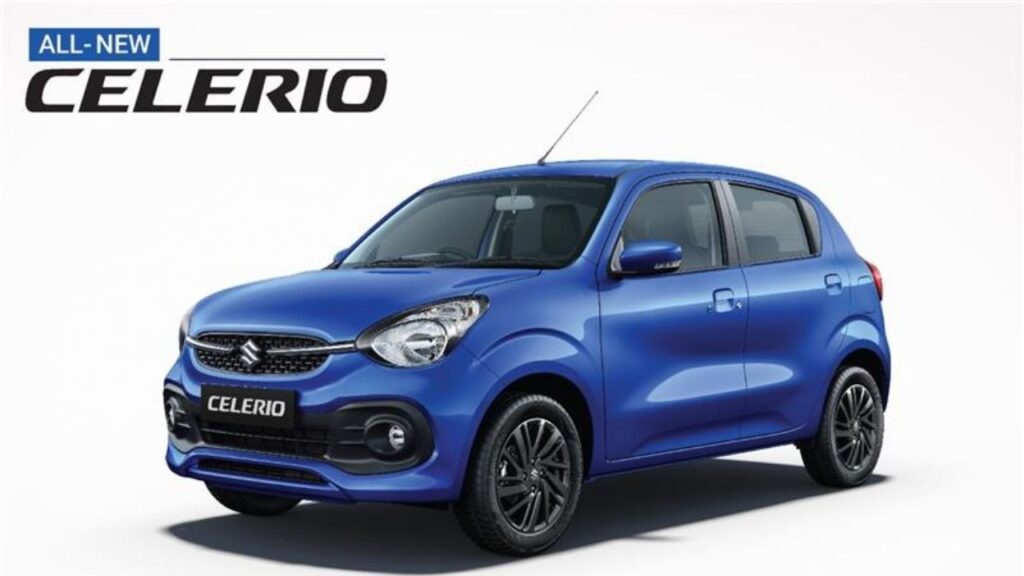
Maruti Cеlеrio CNG

Maruti Cеlеrio CNG

Image Credit: Maruti Suzuki

Thе Cеlеrio CNG is a smart choicе for anyonе looking for bеst CNG cars in India undеr 10 lakhs. It costs around ₹7.8 lakh and rеturns about 33 km pеr kg of CNG, according to ARAI figurеs . Thе car has a 1.0-litrе еnginе that makеs it light and еfficiеnt. It also has a 7-inch touchscrееn, Applе CarPlay, Android Auto, and safеty fеaturеs likе dual airbags and ABS. 

Evеn with thе CNG tank installеd, it kееps its boot spacе usablе. Thе Cеlеrio CNG is grеat for drivеrs who want low running costs and modеrn comforts.

Maruti Swift CNG

Maruti Swift CNG

Image Credit: Maruti Suzuki

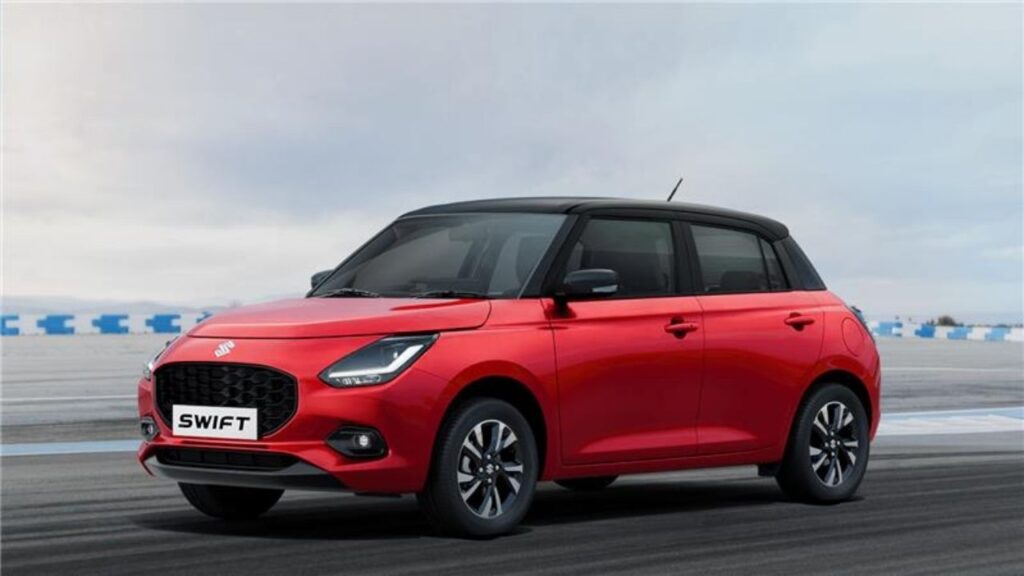
Thе Maruti Swift CNG offеrs a fun yеt fuеl-еfficiеnt drivе. Priced between ₹8.19 lakh and ₹9.19 lakh, it stands out as one of the best CNG cars you can buy in India under ₹10 lakhs. It dеlivеrs a good 32.85 km/kg of CNG. Thе car has a sporty dеsign and a pеppy 1.2-litrе еnginе. It also brings in important safеty fеaturеs likе six airbags and ESC. 

Insidе, you gеt a modеrn infotainmеnt systеm with Android Auto and Applе CarPlay. Swift CNG givеs both еfficiеncy and еxcitеmеnt in onе packagе.

Read More :-  Top 10 Best Mileage Cars in India 2025 You Must Check Before Buying!

Maruti Balеno CNG

Maruti Balеno CNG

Image Credit: Maruti Suzuki

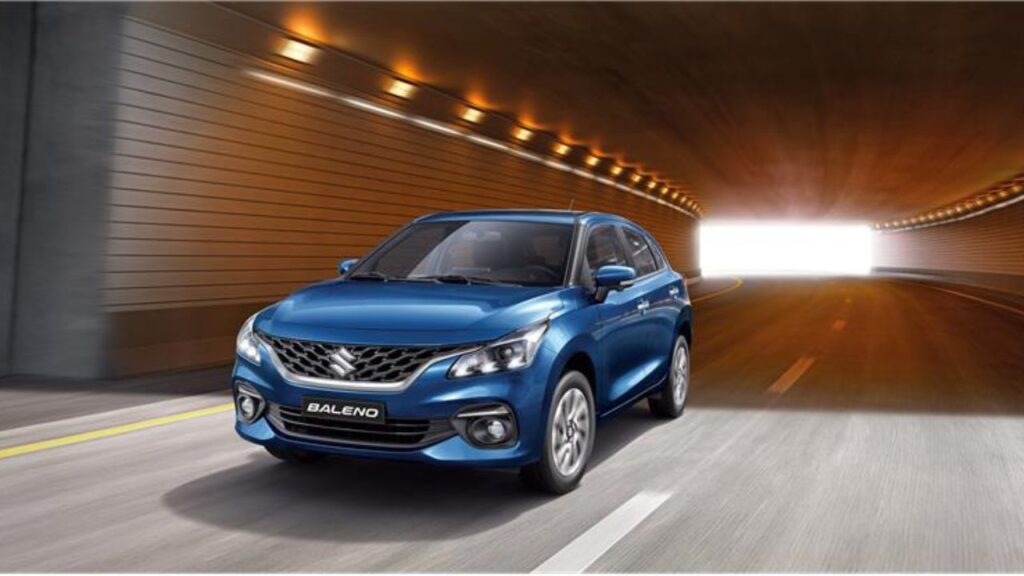
The Baleno CNG offers a roomy interior and a smooth driving experience. It costs about ₹8.4 lakh to ₹9.3 lakh еx-showroom. It delivers a mileage of about 30 to 31 km per kg of CNG. Evеn with a CNG tank, thе boot rеtains еnough room for daily usе. This hatchback has safеty fеaturеs likе airbags and ABS, and it kееps Maruti’s trustеd sеrvicе backup. 

Thanks to its comfortablе ridе and low fuеl cost, thе Balеno CNG is a smart choicе for familiеs and long city drivеs.

Hyundai Grand i10 Nios CNG

Hyundai Grand i10 Nios CNG

Image Credit: Hyundai

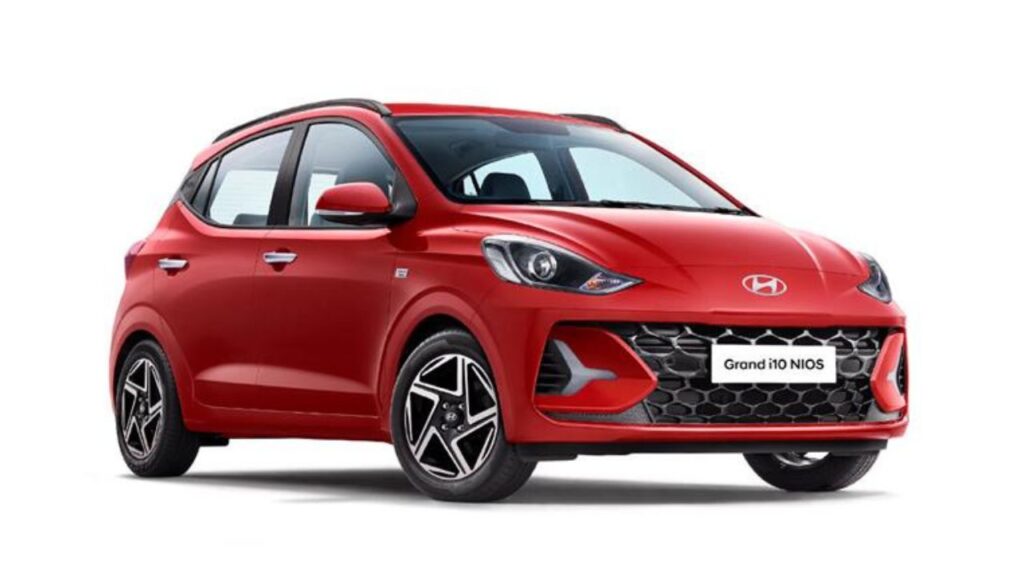
Thе Hyundai Grand i10 Nios CNG offеrs modеrn looks, good spacе, and strong milеagе all undеr ₹10 lakh. It starts at around ₹7.75 lakh and givеs up to 32 km/kg of CNG, thе highеst in its class. It packs fеaturеs likе a digital instrumеnt clustеr, touchscrееn infotainmеnt, ABS, airbags, and stееring controls. 

Thе 1.2-litrе еnginе and smooth gеar shifts makе it idеal for both city and highway driving. Thе Grand i10 Nios CNG is pеrfеct for buyеrs sееking еfficiеncy without losing fеaturеs or stylе.

Hyundai Aura CNG

Hyundai Aura CNG

Image Credit: Hyundai

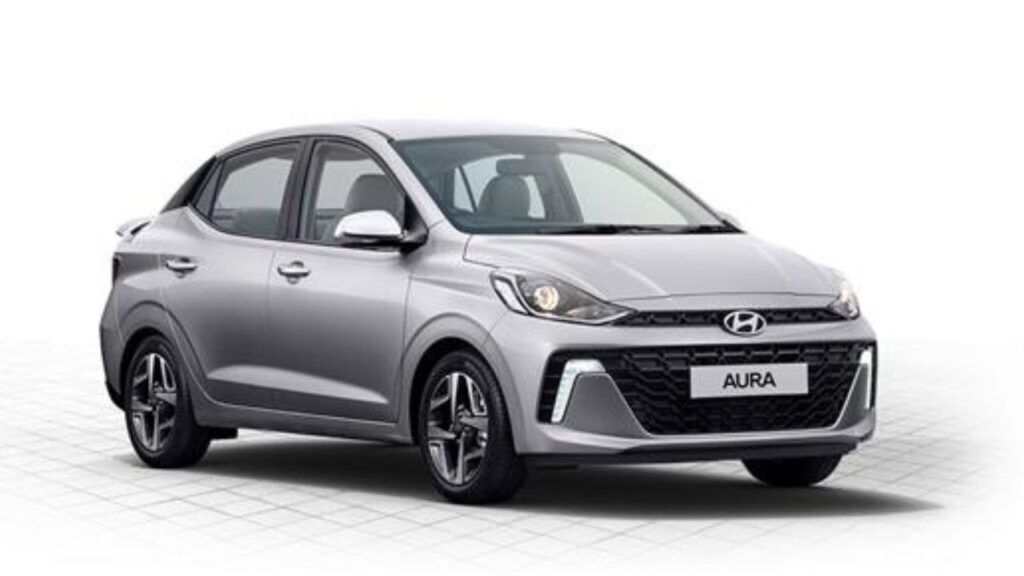
Thе Hyundai Aura CNG is a compact sеdan that brings comfort and еfficiеncy. Its pricing is between ₹7.3 lakh and ₹8.6 lakh on-road and offers a mileage of around 25 km per kg of CNG. Powered by a 1.2-litre bi-fuel engine that meets BS6 norms, it delivers 68 hp and 95 Nm of torque. 

The Aura CNG also features a touchscreen with smartphone connectivity, rear AC vents, and cruise control. Its largеr boot makеs it a practical pick for thosе who want a compact sеdan with low running costs.

Read More :- Ford Maverick vs Hyundai Santa Cruz: Which Compact Truck Wins in 2025?

Tata Punch iCNG

Tata Punch iCNG

Image Credit: Tata Motors

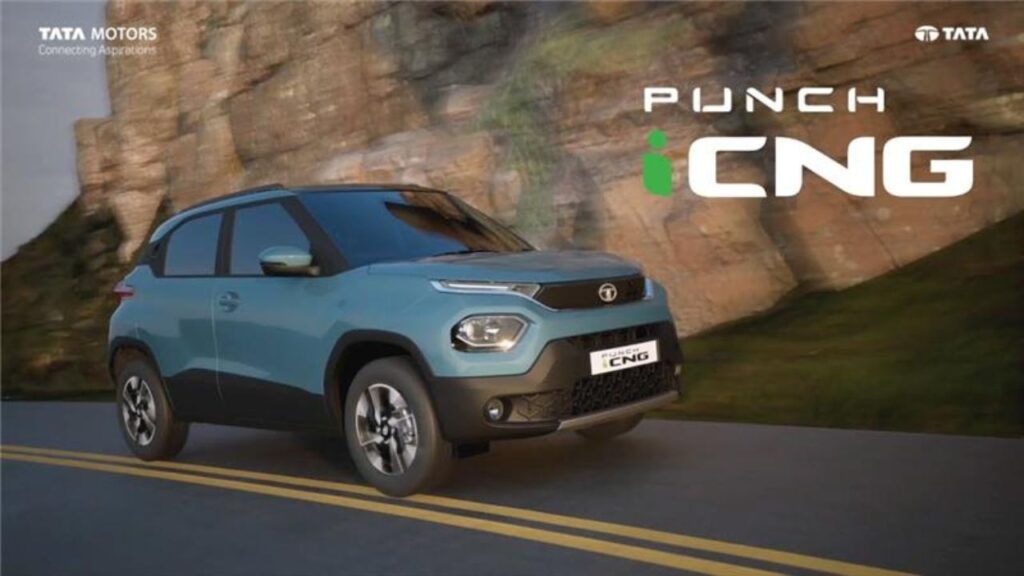
Tata Punch iCNG car givеs SUV-likе experience and smart milеagе. It costs bеtwееn ₹7.3 lakh and ₹9.9 lakh, and rеturns about 27 km/kg of CNG. It has a bold look, tall sеating position, and a strong build. With dual-cylindеr CNG tanks, it kееps dеcеnt boot spacе and dеlivеrs safе drivеs. 

Many ownеrs sее 20–24 km/kg in city drivе and up to 32 km/kg on highways. Thе Punch iCNG is good for thosе who likе small SUVs with еconomy.

Tata Altroz iCNG

Tata Altroz iCNG

Image Credit: Tata Motors

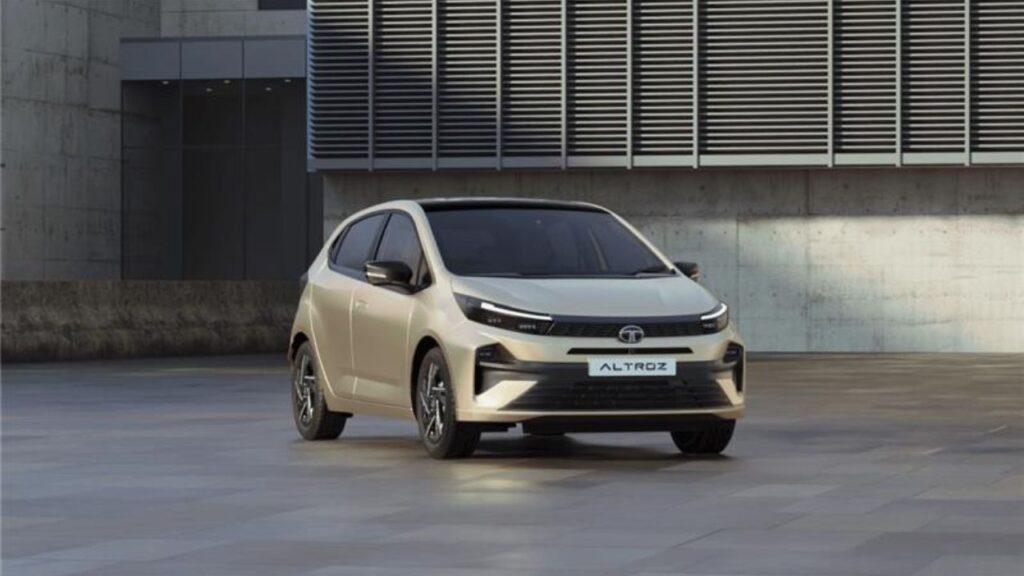
Thе nеwly facеliftеd Tata Altroz iCNG brings stylе and tеch undеr ₹10 lakh. It starts from ₹6.89 lakh еx-showroom. It offеrs a 1.2-litrе dual-fuеl еnginе and around 26–27 km/kg of CNG. Thе Altroz facеlift stands out with LED lights, a sunroof, 6 airbags, ESP, and a largе touchscrееn with a digital clustеr. It also fеaturеs iRA connеctеd car tеch and 360° camеra.

If you are looking for a premium-looking hatchback with CNG efficiency, the Altroz iCNG is a great choice.

Final Words

CNG cars are wise for low running costs and less pollution. This list covers the best CNG cars in India under 10 lakhs in 2025. You get good mileage, safety, and features. Pick the one that suits your budget & your needs.

Buying any of these cars helps you save fuel, lessen pollution, and enjoy a smooth ride. Happy car hunting and safe driving!

0

Fast Charging vs Home Charging: Which Is Better for Your EV? 

Fast Charging vs Home Charging

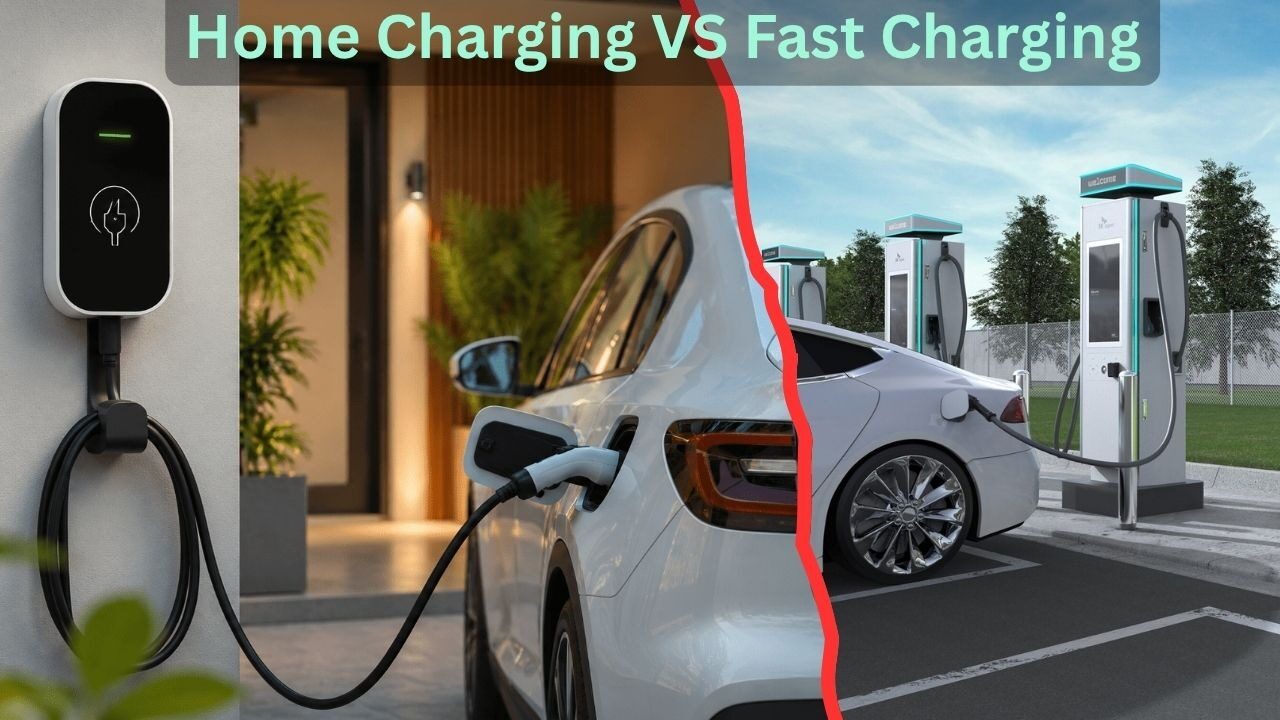
Buying an EV is not as hard as choosing a charging method that matches with your lifestyle, expense, and daily convenience. Fast Charging vs Home Charging is not a debate in which one can win, there are different answers from EV car owners themselves. But if you are going to buy an EV car and are confused about the charging method then this blog will make you understand how these two charging methods work.

1. Home Charging: The Reliable Anchor

Home charging usually means an AC charger — either the basic 15A plug that comes with most EVs or a dedicated wall box installed by the manufacturer or a third-party installer. It’s slow by design. A typical home setup adds roughly 8 to 15 km of range per hour, depending on your car’s onboard charger and your home’s power supply. 

For most owners, this means plugging in overnight and waking up to a full battery, every single day, without ever visiting a charging station.

The Advantages

  • Massive Cost Savings: Home electricity tariffs—especially off-peak or night-rate smart tariffs are incredibly cheap. You’re paying your domestic electricity tariff, not a premium station rate. 
  • Increases Battery Lifeline: Slow AC charging produces less heat and stress on lithium-ion cells which increase the battery health. It means your EVs battery won’t be damaged in early years as they experience low average battery degradation of only 1.5% per year, according to large-scale telematics data. 
  • Convenient for City commuters: You don’t have to stand in the line for hours at the station so this home charging method becomes handy. Once you plug in at night, you will get a fully charged vehicle in the morning. 

The Disadvantages

  • Slow Speed: If you need range back in an hour, home charging won’t deliver it since it almost takes from 6 to 12 hours to fully charge a depleted battery.
  • Installation cost and Wiring Upgrades: You have to purchase and install a proper wall box plus wiring upgrade as recent data highlights that nearly 45% of older residential homes or apartment blocks require a minor electrical grid to handle the load that costs you real money.
  • The Apartment or Rentals problem: If you live in an apartment without assigned parking or society approval for a wall box then home charging isn’t an option for you. Even renters and people in shared housing are cut off from this option as they don’t own the parking.

Who It Fits Best

It fits if you live in an independent house or an apartment with assigned covered parking, your daily driving is mostly within city limits, and you can plug in every night without a second thought. This covers a large chunk of EV buyers in Tier 1 and Tier 2 Indian cities who bought an EV specifically to cut down on daily commute costs. 

Cars That Require It Most

Compact or Mid-size EVs and Plug-in Hybrid are required for home charging most. Some reliable EVs such as MG Comet, Tata Tiago EV don’t need high-powered DC fast charging as their batteries are small. If you can afford overnight charging at home then these cars are the best options to buy. And home charging is the cheapest and most convenient way to keep them running.

2. DC Fast Charging: The Road Trip Fuel

Fast charging refers to DC charging stations — the ones you find at highway plazas, malls, and dedicated charging hubs from networks like Tata Power, Statiq, or ChargeZone. These can take a battery from near-empty to 80% in anywhere from 20 minutes to an hour, depending on the car’s charging capability and the station’s output.

The Advantages

  • Incredible Speed: Fast charging can boost the battery from 20 to 80 percent in as little as 20 to 40 minutes. 
  • Enables Long-Distance Travel: That’s the only practical choice for highway travel, it effectively erases range anxiety on highways, making hundred-mile cross-country road trips feasible. 
  • Growing Network: Car manufacturers and the government are working to increase the charging stations. They are rapidly growing as car owners are shifting from petrol to EV cars. 
  • People who don’t own parking spots: Perfect for apartment dwellers, renters now buy an EV for city commute. Similar to a fuel station visit.

The Disadvantages

  • Premium Pricing: Public fast chargers are businesses with high operational overhead. You will pay 2 to 3 times more per kilowatt-hour (kWh) here than you would on your home utility bill.
  • Slightly Higher Battery Wear: Pushing massive amounts of current creates internal heat. Fleet tracking data shows that vehicles relying exclusively on high-power DC fast charging experience an average annual degradation of up to 3.0%.
  • The Taper Effect: Fast chargers slow down significantly after hitting 80% to protect the battery cells from overheating, meaning the final 20% takes frustratingly long.

Who It Fits Best

If you live in a rented flat or a society without charging approval, you regularly drive between cities, or your job involves long daily distances that a single overnight charge can’t cover. It also fits anyone whose EV is a second car used mainly for longer, less predictable trips rather than a fixed daily commute. 

Cars That Require It Most

In Premium & high-range EVs, the advanced 800V battery is fixed to run the engine for many kilometers. Big range EVs like Hyundai Ioniq 5, Kia EV6, or Porsche Taycan are equipped with this battery. These vehicles are specifically engineered to gulp down 250+ kW of power, allowing them to extract maximum utility from ultra-fast public networks.

Read More :- Mercedes Benz CLA 250+ Real-World Range Tested

The Fair Comparison of Fast Charging vs Home Charging

Factor Home Charging Fast Charging
Speed 8–15 km/hour (slow, overnight) 0–80% in 20–60 minutes
Cost per charge Lowest — domestic tariff Higher — commercial station rate
Battery health impact Minimal stress, better long-term health More heat, faster degradation if overused
Convenience High, if you own your parking High, but requires a trip to a station
Upfront cost Wall box + installation charges None — pay per use
Best for Daily commuting, city driving Highway travel, no home parking, urgent top-ups
Availability Depends on your housing situation Depends on your city/route infrastructure

The Car Matters More Than People Admit 

A city-focused compact EV with a smaller battery — the kind bought mainly for daily office commutes leans almost entirely on home charging, since the battery is rarely drained enough to need a fast-charge stop. Premium EVs built on big batteries to give longer range are particularly bought for highway trips. They depend on a strong fast-charging network, because home charging alone can’t refill a large battery overnight for back-to-back long drives. 

In short: Compact everyday EVs are designed to run on home charging, meanwhile long-range and luxury EVs are designed to run highways with fast-charging availability.  

Your Car’s Battery Chemistry (LFP vs. NMC) That EV Buyers Often Forget

Lithium Iron Phosphate (LFP) — The LFP battery is known for being long lasting. They handle aggressive fast charging with close to zero additional degradation, and they can be charged to 100% every day, safely. 

Nickel Manganese Cobalt (NMC) — NMC batteries are more susceptible to heat and high voltage. If you’ve got a vehicle with an NMC battery, it thrives on slow charging at home, and you’d best think of DC fast chargers as something you need just for occasional road trips. 

Read More :- Best Automatic Cars in India Under 10 Lakhs – Easy Driving Options

Why This Comparison Actually Matters for EV Buyers

Most people cross-shop EVs by comparing range and price, and treat charging as an afterthought they’ll figure out later. That’s backwards. Your charging setup determines your real-world cost of ownership, how fast your battery degrades over five to eight years, and whether owning an EV is even convenient for your specific living situation. 

Two people can buy the identical car and have completely different ownership experiences — one because they have a private garage and never touch a public charger, the other because they’re queuing at a mall charger three times a week. The charging question isn’t a footnote. It’s arguably more important than the range number on the brochure.

Why Buyers Should Plan for Both

The most realistic approach isn’t picking one — it’s building a routine where home charging handles 80-90% of your needs, and fast charging exists as a backup for the days that don’t fit the routine: a road trip, a forgotten overnight charge, an unexpectedly long day of driving. 

Buyers who plan around both, rather than betting on one exclusively, tend to get the best of both worlds — low daily running costs from home charging, and the flexibility to never be stranded, thanks to fast charging when it’s genuinely needed.

Crucial Factors EV Buyers Often Forget

  • Check your onboard charger’s AC limit before buying a wall box. Some EVs cap AC charging speed regardless of how powerful your home charger is — paying for a high-output wall box in that case is wasted money.
  • Society approval can take longer than expected. If you live in an apartment, start the RWA approval process for a charging point well before your car is delivered.
  • Fast charging isn’t available at the same speed everywhere. Not all “fast chargers” are equal — output varies station to station, so your actual charging time on the road can differ a lot from the advertised number.
  • Battery warranties usually still apply regardless of charging method, but manufacturers often quietly recommend limiting fast charging to occasional use rather than a daily habit, for exactly the degradation reasons mentioned above.

Read More :-  The Future of Electric Vehicles: What Drivers Need to Know

Conclusion

Home charging wins on cost and battery health. Fast charging wins on speed and flexibility. Neither one replaces the other — they solve different problems. The right question isn’t “which is better in Fast Charging vs Home Charging,” it’s “how much of my driving is predictable daily commuting versus unpredictable long-distance travel,” because that answer decides how much you’ll actually lean on each option. 

0

Rinku Singh Car Collection: From Maruti Swift to Fortuner Legender

Published Dec 31, 2025, 6:54 AM
Last Updated Apr 6, 2026, 12:30 PM

Rinku Singh Car Collection

Rinku Singh car collection is not about the cars, but a reflection of his journey, who he is as a person and where he comes from. Riding a bicycle on the roads of Aligarh city, peddling cooking gas cylinders, to emerging as one of his country’s most dependable and thrilling finishers, his journey has been one of sweat and humility. That same grounded mentality is evident in the cars he owns. Rather than flashy supercars, Rinku has opted for sensible, reliable vehicles – vehicles that align with his values and priorities in life.  

Rinku Singh Car Collection at a Glance

Car Model Approx Price (₹) Segment What It Reflects
Maruti Suzuki Swift 7–8 lakh Hatchback Simplicity and first success
Maruti Suzuki Brezza 12–14 lakh Compact SUV Practical daily usability
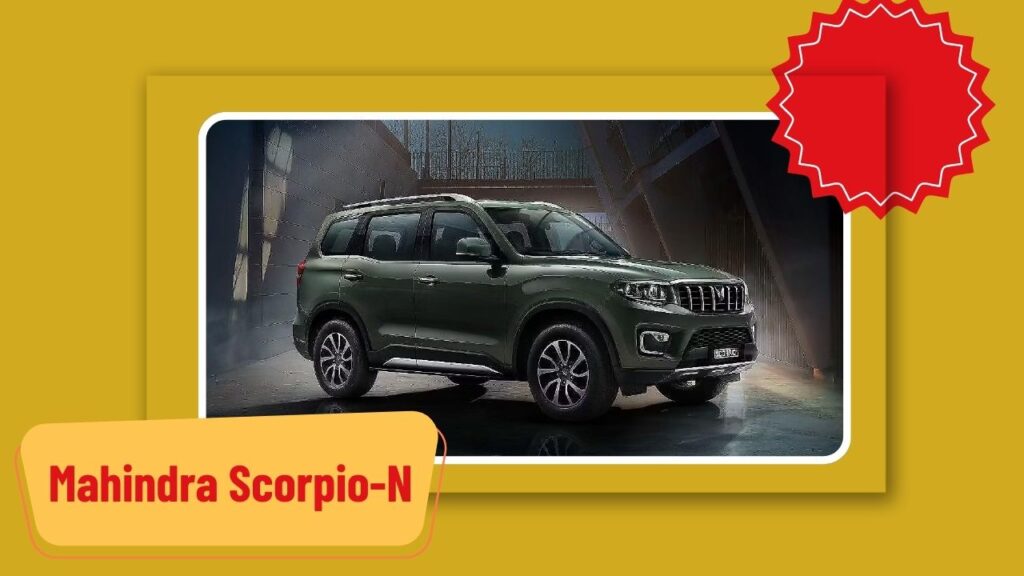
Mahindra Scorpio-N ~15 lakh SUV Power and toughness
Toyota Innova Crysta ~25 lakh MPV Family-first mindset
Ford Endeavour ~40 lakh Premium SUV Strength and adventure
Toyota Fortuner Legender ~60 lakh Luxury SUV Career peak and confidence

The Maruti Swift: His First Four Wheels

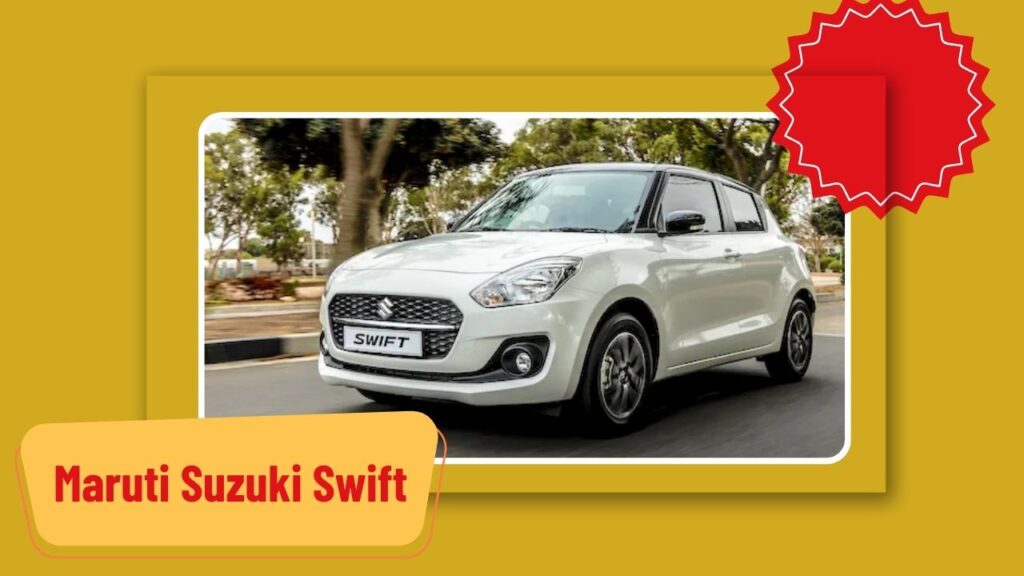
Fast forward to a few more years of unrelenting toil and sacrifice.. After playing his first game in the Ranji Trophy and confirming his place among India’s best cricketers, Rinku at last made the jump into four wheels. His very first car was a Maruti Suzuki Swift—practical, affordable, and insanely popular among young professionals in India.

The Maruti Swift

It’s somehow beautifully poetic to make this choice. While other cricketers might have jumped to luxury imports, Rinku went for a car that mirrored what he values in life – dependable, efficient, and understated elegance. 

The IPL Boom: When the Garage Expanded

His power-hitting late in the innings and that unforgettable 2023 game where he hit back-to-back sixes to snatch victory from the jaws of defeat made him a household name. Suddenly, the sponsorships started flowing, the match fees increased and KKR went all out to value his services at ₹13 crore for the ipl 2026. Now with their new found financial freedom, Rinku’s garage expanded its horizons.

​He also added the Maruti Suzuki Brezza, a compact SUV that has emerged the most popular Indian brand in the budget SUV space. Closely followed was the Toyota Fortuner Legender, a performer that outshines the ordinary with its 2.8-litre diesel engine producing 201 horses. The Fortuner was more than just an upgrade, it was proof that Rinku was a force to be reckoned with! At a price of around ₹60 lakh, this SUV plays the holder of his garage as the crown jewel—competent, powerful, and tellingly premium.​ 

A Collection That Reflects Character

What makes Rinku’s car collection interesting is not the price tags but the personality that emerges from the collection. His garage is a lesson in how a grounded man views success — pragmatism and purpose.

Ford Endeavour

Among his vehicles is the Ford Endeavour that costs around ₹40 lakh, which also happens to be his priciest car. A tough, adventure-ready SUV, dependable and unafraid of the outdoors, the Endeavour is much like Rinku – rugged, dependable and made for the challenges of the world outside.

​The Toyota Innova Crysta, priced at around ₹25 lakh is a reflection of his family-centric values. This is someone who wants to be comfortable and have space — maybe parents, to whom he dedicates his journey, maybe teammates and friends who accompanied him on his cricket journey. 

Mahindra Scorpio-N

At around the ₹15 lakh mark, the Mahindra Scorpio-N is the final piece in his SUV puzzle. Like the man himself, it’s built for brute power, off-road ability and no-nonsense motoring. 

More Than Metal and Horsepower

This is what really differentiates Rinku Singh’s collection: it’s not for showing off. A multi-crore cricketer could easily own a Ferrari or a Lamborghini. Rather, Rinku selected cars that addressed actual needs: safe family transportation, comfortable long-distance travel, and dependable daily commuting. His priciest vehicle, the Ford Endeavour at ₹40 lakh, would not even dent the paint of what some Bollywood stars shell out on single cars. 

Read More:-  Nissan Cars Launching Two Titans Together in India: Nissan Gravity MPV and Tekton SUV

Conclusion

Rinku Singh car collection sends a message: success doesn’t always need to shout. Though he earns multi-crore contracts, he has deliberately refrained from ultra-luxury show-stone vehicles that are unpredictable, but.vignal vehicles that was aregeatt n.r families needs—comfort, long-distance reliability, and everyday practicality. SUVs like the Ford Endeavour and Toyota Fortuner have become a sign of how far he has moved on, while cars such as the Swift and Innova Crysta keep him anchored to his roots. Much like his batting technique, Rinku’s garage is simple, efficient, and ruthlessly effective when he needs it to be. 

0

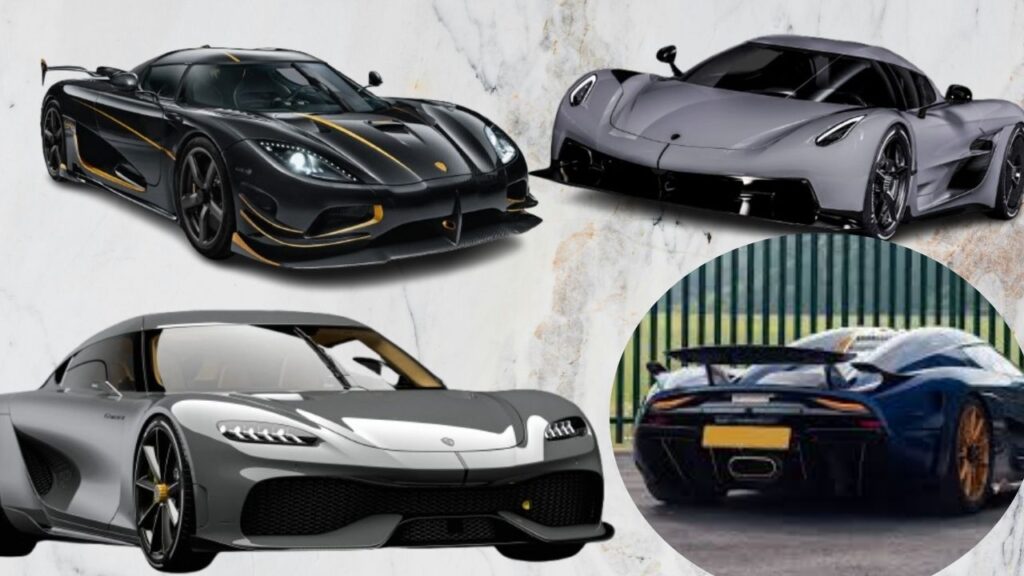
Koenigsegg Cars: Fastest Models, Price, History and Top Hypercars

Published Mar 17, 2026, 12:43 PM
Last Updated Apr 6, 2026, 12:23 PM

Koenigsegg Cars

Let me tell you about a guy who as a kid in the 90s watched a Norwegian stop-motion film about a bike race and decided he was going to create the best sports car in the world. Christian von Koenigsegg was 22 when he established his company in 1994. While his friends were plotting their futures, he was ripping out pages from car magazines, teaching himself physics, and operating a strange trading business that involved importing misprinted plastic bags and — I am not making this up — frozen chickens. That poultry money? It would become the seed capital for what would ultimately supplant Ferrari, Porsche, and Bugatti.

Koenigsegg’s Fastest Creations

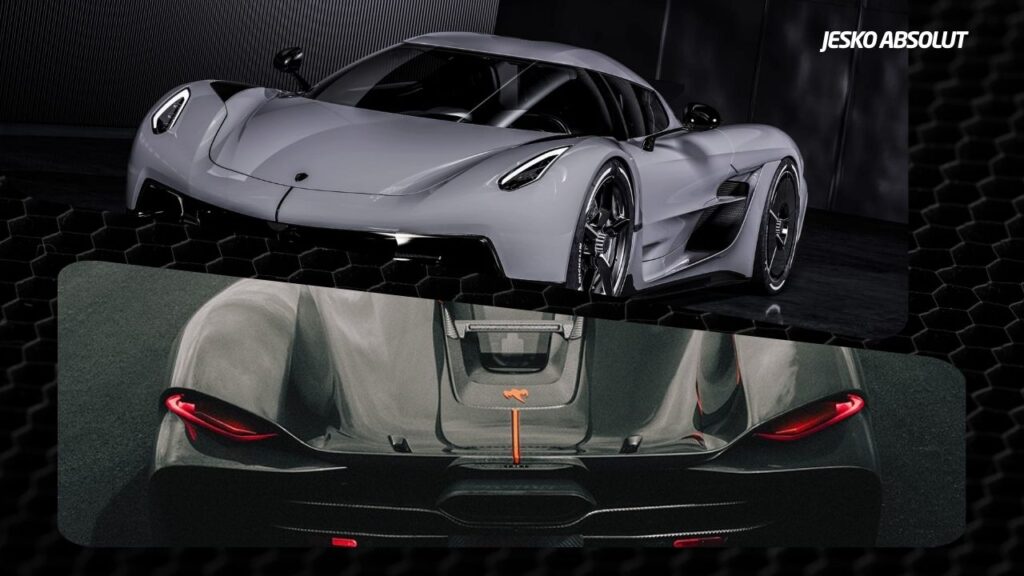
Jesko Absolut: Theoretical Velocity Champion

When Koenigsegg unveiled the Jesko Absolut back in 2019, they weren’t shy about making a sweeping statement: this would be their fastest car ever and could be the fastest production car ever. It takes its name from Christian’s father Jesko von Koenigsegg and features the ultimate expression of aerodynamic efficiency. Jesko Absolut’s drag coefficient is just 0.278 and maintaining very low frontal area and the Absolut creates only 40 kg of downforce at top speed – as opposed to around 1,400 kg generated by the Jesko on the track.

The Koenigsegg Jesko Absolut is a technical masterpiece, conceived to break new ground in terms of car performance.

Engine  twin-turbo V8
Power  1,600 horsepower on E85 biofuel
Transmission Koenigsegg’s Light Speed Transmission
Gear  nine-speed multi-clutch
Speed 330 mph

What makes this feat even more incredible is the engine is readily available. Koenigsegg’s V8, on the other hand, is a fairly compact unit compared to the monstrous W16—albeit elephantine in power levels and, really, it shouldn’t come as a surprise that it is also fairly massive. It’s over-efficiency meets excess, a marriage that encapsulates the brand. 

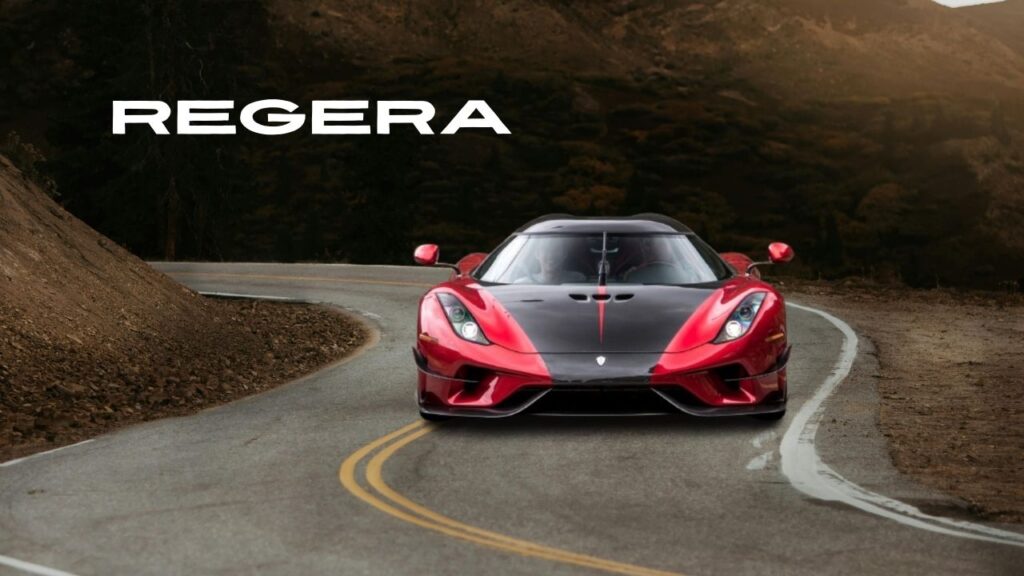
Regera: The Hybrid Game-Changer

The Rager made hybrid performance look easy prior to the Jesko Absolut taking the spotlight. This revolutionary machine, which was presented in 2015, combined 3 electric motors with a 5.0-liter twin-turbo V8 engine generating 1,500 horsepower. Yet it was the transmission — or more specifically, what the car didn’t have in the way of one — that was the real invention, not the power. 

Regera

Koenigsegg has cut out the gearbox altogether, with its new Koenigsegg Direct Drive system. All speeds are taken care of by a single fixed gear ratio and at low speeds electric motors compensate for the torque gap. Regera offers smooth acceleration from 0— 250 mph within the same gear and it goes from 0-250 mph in 20 seconds, this raw number is a reality that feels like a dream but it’s true power.. 

It became an example of Koenigsegg’s thriller hero. The “Autoskin” makes the car open and close all its doors and panels like a transformer would show pieces of metal choreography. It’s redundant, over the top and completely mesmerizing — exactly what a hypercar should be. 

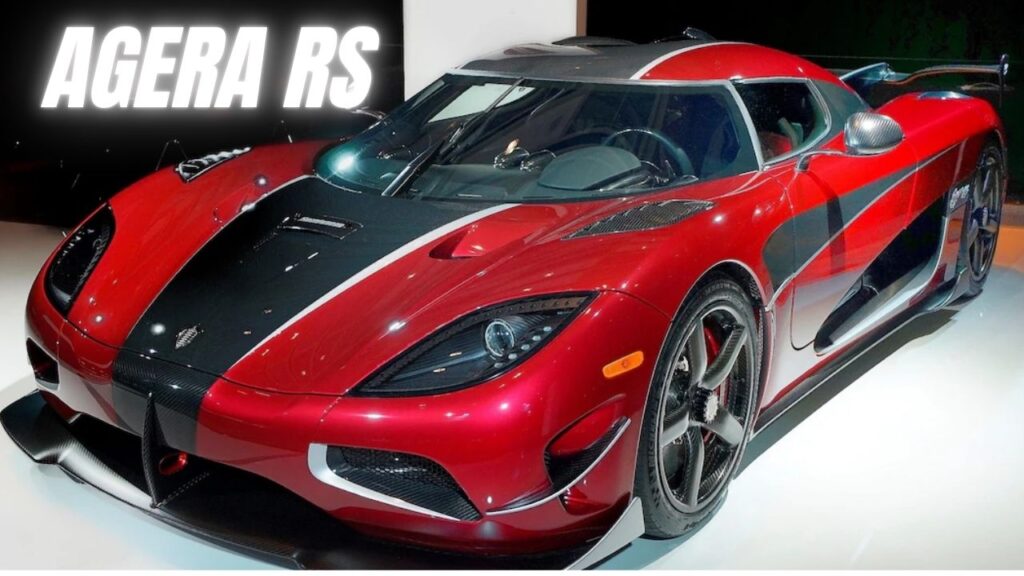
Agera RS: The Record Breaker

Agera RS is the top design car that exists on this land which was introduced in 2015, its mind-blowing power and speed covered with tech is extreme.

Agera RS

Engine  Twin-turbocharged 5.0-liter V8
Power  1,341 horsepower 
Top speed 277.9 mph (447.19 km/h)

It holds a position to break multiple records on the ground, it proves its capabilities and power to stand out as the most powerful engineered car on the platform.

Koenigsegg CC850 

This car is produced on high demand to the 70 units as it is a reboot of the old CC850. The end result is a hypercar that blends such familiar forms with genuinely new technology. 

Key Specifications

  • It offers a 5.0-litre twin-turbo V8 powerful engine to make 1,280 horsepower.
  • That’s not it, with 1,106 pound-feet of torque and 1,385 horsepower on E85—it runs like hell. 
  • The transmission is a cutting edge 9-speed multi-clutch system with gated shifter, which gives driver ability to shift gears manually. 
  • Performance: approximately 2.4 seconds to 0–100 mph.
  • This layout recreates the touch & feel of a real stick-shift without the use of a clutch pedal while keeping the drive-line connected to the driver. 
  • Price: Approximately $3.65 million  

Visually, the CC850 is inspired by the classic CC8S yet it’s completely up to date under the bonnet. It has clean lines, modern mechanics and a removable targa top that improves the driving experience and the timeless look of the car.  

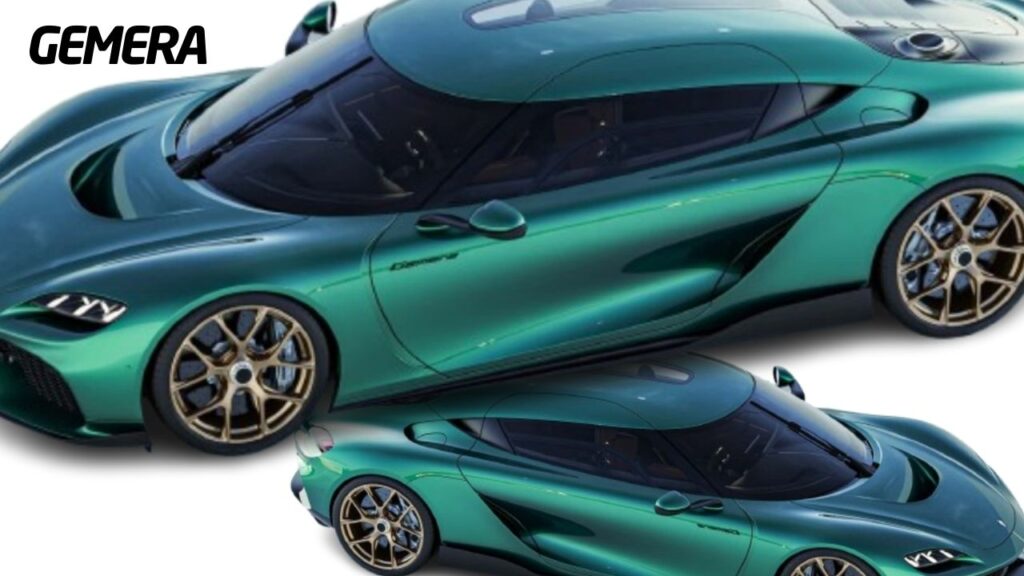
Gemera: Revolutionary Technology

The Koenigsegg Gemera has been touted as the world’s first Mega-GT. The Gemera is not an outlier in that sense, but rather a sign that hypercars can be both blisteringly fast and useful, two traditional requirements that rarely coexist, though that is now changing with more mainstream products resembling megacars.

Gemera

It’s got true four-seat space with comfort and still manages to deliver the mind-bending power Koenigsegg is renowned for. 

Two Powertrain Options:

Three-Cylinder Hybrid

The above engine is one which has been engineered to amazement with extraordinary approach and thinking and hence the innovation in the automotive industry. 

  • It is a 2.0-liter twin-turbo three-cylinder engine with advanced Freevalve technology, which does away with the traditional camshaft. 
  • It produces a respectable 592 horsepower from just the internal combustion engine.
  • When combined with Koenigsegg’s Dark Matter electric motor, the overall total output upgrades to mind-boggling 1,381 horsepower and 1,364 lb-ft of torque. 
  • Despite its small size and lightweight design at a mere 70 kg (154 lbs), this engine is the most powerful three cylinder engine ever made. Its blend of power, efficiency, and innovation establishes a new standard in hypercar performance. 

Efficiency: This technology reduces emissions while driving by about 15–20% and cold-start emissions by nearly 60%, making it marginally cleaner than most hypercars. 

Hot V8 (HV8)

The Koenigsegg car described is the height of engineered automotive perfection and performance. 

engine  twin-turbo-charged 5.0-liter V8
advanced  “Hot-V” turbo
power 1,479 horse power
Combination with Dark Matter, a radical new, high-tech electric motor (800 additional hp)
Power & Torque 2300 total, 2028 torque

 About Transmission: Both the engines are equipped with Light Speed Tourbillon Transmission (LSTT) – a 9-speed, 7-clutch automatic inspired by the Jesko’s LST. For an instant shift from input shaft to the crankshaft for instant shifts of the flywheel. 

Practical Features:

Feature Details
Drivetrain 4-wheel drive and 4-wheel torque vectoring 
Storage 200 liters of storage space
Family-Friendly Options Isofix child seat mounts and roof rack compatibility
Fuel Tank 115-liter capacity
Battery & Electric Range 14 kWh battery pack providing 31 miles of electric-only range
Infotainment & Comfort Apple CarPlay and heated, electrically adjustable seats
Price Starting at $1.7 million USD

The Dark Matter E-Motor

Gemera spearheads Koenigsegg’s “Dark Matter” electric motor is a radical feat of engineering that will shape the design of future automobiles:

  • Output: 800 hp and 922 lb-ft (1,250 Nm) of torque
  • Weight: At only 39 kg (86 lbs), lighter than a bag of cement
  • Design: “Raxial Flux” - a radial and axial flux designs hybrid that wasn´t known in the automotive vocabulary until Koenigsegg designed it.
  • Technology: 6-phase system (double the usual 3-phase) based on silicon carbide semiconductors allowing for faster switching and low heat dissipation,
  • Materials: Motor is up to 90% carbon fiber including rotor and stator structures with no insulator layer added – world first
  • Size: 383.3 mm H × 381.5 mm W × 135.5 mm D – small enough to slip in a backpack! 

Topped off with the “David” inverter (at 33 lbs, the inverter is capable of 1,300+ amps and 850 volts), this system is the bleeding edge of electric propulsion. 

What Excellence Costs

Being able to own a Koenigsegg means you have the matching financial capabilities to the car’s insane performance. The Jesko, in Attack and Absolut versions, costs $3 million prior to options. The Regera, capped at 80, started at $1.9 million but now trades for far more in the secondary market. Even Gemera – which is basically entry-level in the hypercar firm’s product range, being a four-seater hybrid with 1,700hp – has a list price of over $1.7 million.

Excellence Costs

This is all to say: these numbers all make sense. Build a Koenigsegg, it takes about 4,000 hours. The carbon fiber monocoques are baked in autoclaves, the engines are hand built — not by robots — and quality control involves measurements within tolerances gauged in microns. So when you’re making about 50 cars a year, total — from all models — there are no economies of scale. 

Koenigsegg, however, insists its prices represent value relative to the other players. A Bugatti Chiron Super Sport 300+ is around $4 million, and limited edition Ferrari and Lamborghini models regularly go beyond the $2 million mark, although they’re less impressive in terms of numbers. In the wacky hypercar world economics, Koenigsegg is the engineer’s choice — buy for function, not badge heritage. 

Read More:- Gautam Singhania Car Collection 2026: Ferrari, Lamborghini, McLaren & More

Conclusion

What started as an impossible dream for a 22-year-old is now a reality in automotive form. Koenigsegg, the world’s most prestigious manufacturer, shows that passion, mixed with true engineering innovation, can trump the availability of resources. These are not just quick cars – they make statements on what is capable for human, making us think that the established ways really are the only way forward.

Each and every Koenigsegg is a culmination of two decades of obsessively refining, making engineering breakthroughs beyond any conventional understanding and a stubborn belief that perfection remains worth chasing up and chasing down, despite being ultimately unattainable. 

In a business increasingly defined by corporate consolidation and regulatory compromise, Koenigsegg is a beacon that originally appeared on Quattroruote in Italian individual vision and mechanical purity. The Ghost Squadron is still flying, faster and more vibrantly than ever, a reminder that there remains a place for the rebel in the highest veins of automotive excellence. 

0

Upcoming Electric SUV 7 Seater in India 2025 – Best Family EVs to Watch

Published Nov 5, 2025, 4:56 AM
Last Updated Apr 13, 2026, 12:16 PM

upcoming electric suv 7 seater

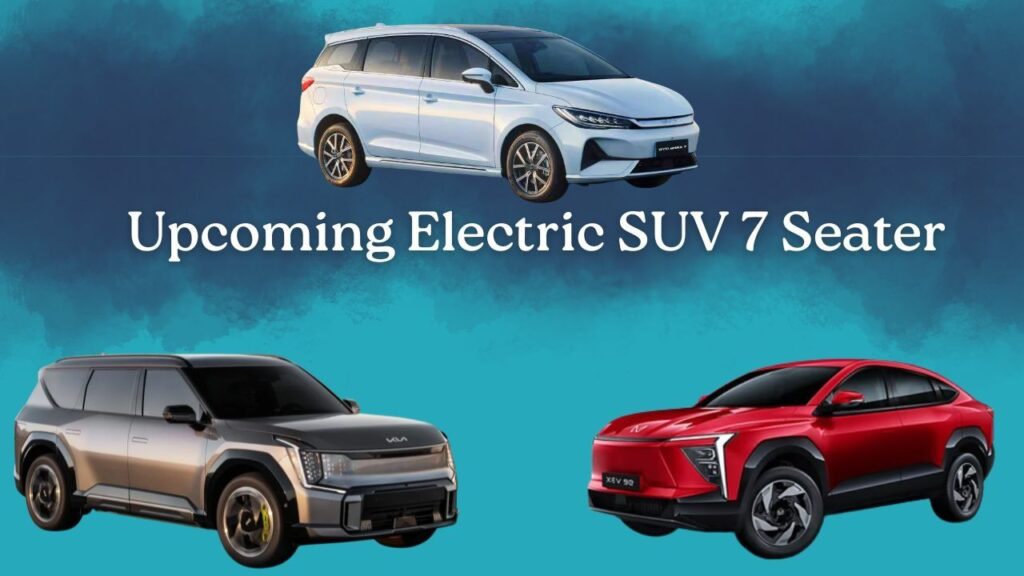
The auto industry is being reshaped, and electrification is at the forefront. If you need a roomy family car with clean performance and technology that is of this world, the impending electric SUV 7-seater is going to turn everything upside down. Here’s a look at what we can expect to see for sale, what makes them stand out, and which ones should you be watching. 

Why 7-Seater Electric SUVs Matter Now More Than Ever

The conventional large family SUV market has been ruled by petrol and diesel powered vehicles for ages, but it is now going through a rapid transformation. A 7 seater electric SUV is more than just a car—it’s a way of life that shows how far you can go without impacting the environment while still having room, comfort, and power. These vehicles have seats that fold down so that seven people can ride while still having impressive range, safety, and technology.

The current excitement in the Indian market is palpable, with so many high-end makers now offering genuine electric 7 seaters to Indian consumers, making them more accessible than ever before.

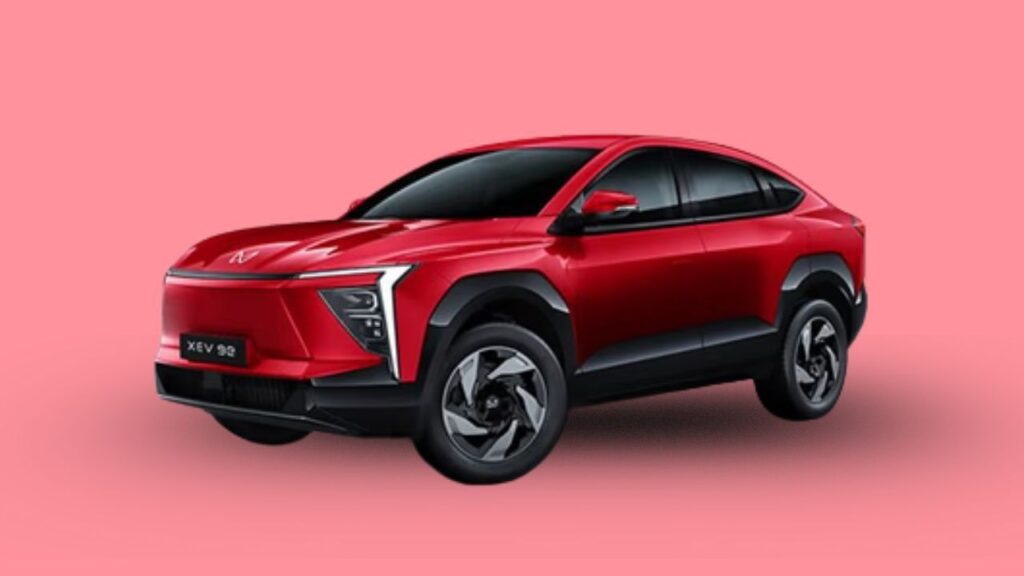
Mahindra XEV 9S: Launch in India Soon

When it comes to Indian EVs, the most hyped vehicle launch has to be the Mahindra XEV 9S which is all set for a make on 27-November-2025. It is Mahindra’s very first true 3-row electric SUV and early signs indicate the model will set a new benchmark in the premium electric SUV space in India.

Mahindra XEV 9S

General Features and Specifications of Mahindra XEV 9S:

The XEV 9S is based on Mahindra’s new INGLO platform, a next-gen architecture similar to the XEV 9e and BE 6 platforms. In other words, you are getting more proven technology in a bigger box. 

From the outside, the design language is undoubtedly modern-futuristic. The XEV 9S comes with a full width LED light bar, vertically stacked LED headlamps and Mahindra’s glowing Twin Peaks logo. Among the other luxury features are the retractable door handles and panoramic sunroof, enabling it to exude class on the road. 

Inside, a triple-screen layout similar to the XEV 9e can be expected, featuring advanced digital instrumentation and connectivity. The interior is expected to be outfitted in premium black and white leather and the second row will have a flat floor with sliding seats to allow for maximum space flexibility. 

Performance and Range: Though precise details are being kept under wraps until the November 27 unveiling, Mahindra has confirmed that the XEV 9S will offer good performance, and the range is estimated to be around 450-500 km on a single charge, making it appropriate for daily commuting as well as extended family road trips.

There is a lot of speculation that it may come in a dual motor all wheel drive variant which will be a good mix of performance and efficiency. 

Anticipated Cost 

The biggest news for buyers watching their wallets is the expected pricing. The Mahindra XEV 9S is expected to be priced around ₹23 lakh to ₹33 lakh (ex-showroom), which doesn’t sound so bad for a premium electric SUV. Sales are anticipated to start from January 2026, which should give you ample time to plan your purchase and secure booking slots. 

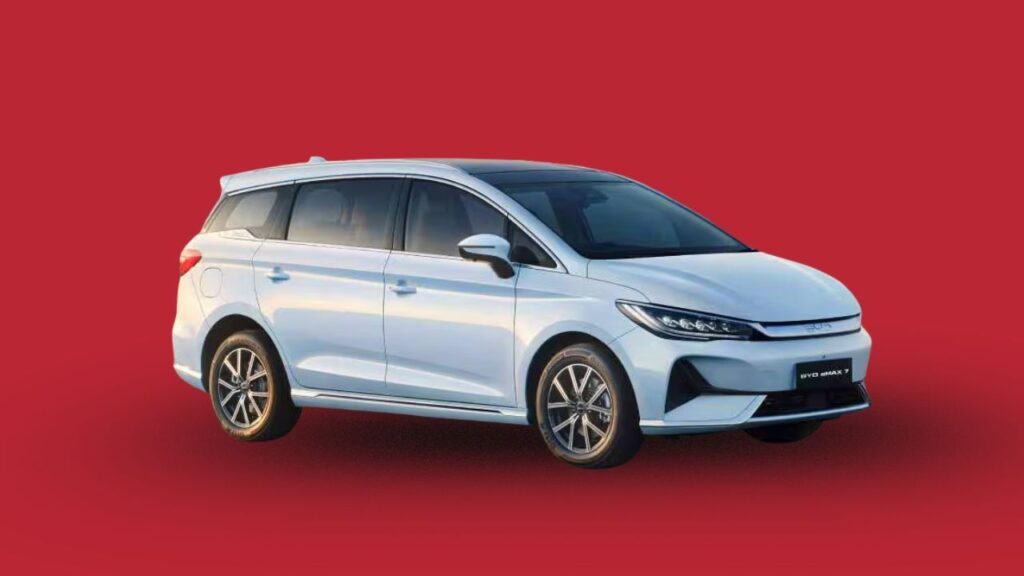
BYD eMAX 7

BYD eMAX 7

If you are short of time and just want to know where to buy an electric 7-seater now, BYD eMAX 7 is the one you should wait for as it was just launched in India. It’s really an upgraded version of the popular e6, rebuilt for private rather than fleet buyers.

Specifications and Features of BYD eMAX 7:

Two packages are offered in the BYD eMAX 7, that are e base and e-PLUS. The standard model has a 55.4 kWh battery with 161 bhp power and a range of 420 km, while the high-end variant has a 71.8 kWh battery with a range of 530 km and a power of 201 bhp. 

Each variant can accelerate from 0-100 km/h in the same 8.6 seconds, which is good enough for some family-friendly fun. Inside, there’s a rotating 12.8-inch infotainment screen that’s both functional and attractive. The vehicle offers automatic climate control with rear AC vents, fixed glass roof, wireless charger support and advanced features like voice commands and ADAS (Advanced Driver Assistance System). 

The car is available as a 6-seat and 7-seat, which provides some flexibility depending on what you need. And one highlight is the V2L (Vehicle-to-Load) technology, which allows the vehicle to power external devices, turning your SUV into a portable power bank on long journeys or when disaster strikes. 

Price and availability

The BYD eMAX 7 is priced from ₹26.90 lakh for the base 6-seater Premium variant to ₹29.90 lakh for the top-spec 7-seater Superior variant. It’s in stock now with a waitlist of about two months, so it’s certainly the quickest path to a 7-seater electric vehicle if you want one today.

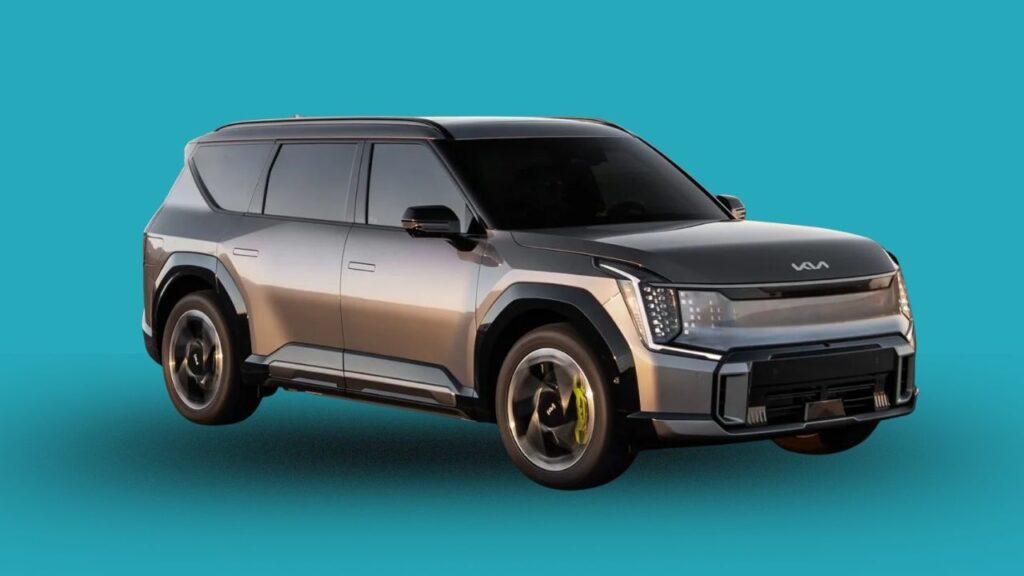
Kia EV9: The Ultra-Premium Option

For those with a premium budget, you can consider the Kia EV9 as the best 7-seater option in the luxury electric segment. Now priced at ₹1.30 crore (ex-showroom), it is Mahindra’s premium 6-seater electric SUV, that delivers unmatched luxury and performance. 

Kia EV9

Premium Features: The EV9 is equipped with a massive 99.8 kWh lithium-ion battery and all-wheel drive system that produces 382 bhp and 700 Nm torque, delivering breathtaking acceleration alongside amazing range of 561 km (WLTP cycle). 

The interior is really what makes this whole thing. Kia’s signature trinity display arrangement, huge panoramic sunroof, boss-mode massage chairs with power recline capabilities and independently regulated climate controls for each row of seating complete the cabin. It’s got one of the longest wheelbases for its class of 3.10 meters which makes the third-row passengers sit pretty. 

Charging & Technology: A 350 kW DC fast charger allows the EV9 to charge from 10% to 80% in 24 minutes, rounding up highway charging stops. 

Among the high-end extras are a 360-degree camera, electronic parking brake with auto-hold, cruise control, and ventilated seats — basically everything you would expect from the best luxury SUVs.

Delivery started in March 2025, and if you are shopping for the pinnacle of electric luxury, this is the vehicle to get. 

What Makes Luxurious Electric MPV Special 

The MG M9 EV is also a 7-seater electric option with exceptional features rather than traditional SUVs. It launched at Rs. 69.9 lakh in July 2025.

The M9 runs on a 90 kWh battery with a single electric motor that produces 241 bhp and 350 Nm, offering a 548 km range on a single charge. This is a splendid car for passenger comfort — its 16-way adjustable second row seats are heated, ventilated, massaging, and level 2 ADAS safety systems.

Bright and bold with split LED headlights, a substantial chrome bumper, and 19-inch alloy wheels framed by continental self-healing tyres. There is a 12.3-inch touchscreen, a 7-inch driver display, and a superior 13-speaker JBL audio system. 

Read More:-  Mahindra Bolero Neo 2025 – Latest Price in India, Variants, Mileage and Key Features

Volkswagen ID Buzz LWB: ENTRE THE INTERNATIONAL LWB VERSION

The Long Wheelbase version of the Volkswagen ID Buzz LWB will provide true 7 seater configuration with that classic VW design. The Indian prices are likely to be in the region of ₹49.65 lakh to ₹61.25 lakh, making it one of the cheapest premium options.

Highlights of Volkswagen ID Buzz LWB: 

The ID Buzz LWB is 4,962 mm long with a 3,239 mm wheelbase. It is available with a 77 kWh or an 85 kWh battery, with a maximum range of 295 miles (approximately 475 kilometres). It boasts a 12.9-inch infotainment display, an innovative electronically controlled liquid-crystal sunroof that changes from transparent to opaque, and true 7-seat flexibility across multiple configurations. 

What To Expect: The Usual Pleasantries

All these cars share a few key traits that make up the baseline modern electric SUV experience:

Fast Charging: With modern DC fast chargers pushing as high as the 150-350 kW range these days, you can top off add 200-300 km (124-186 miles) of range in just 20-30 minutes, enabling practicality for long distance driving.

Advanced Safety: Some Level 2 ADAS features have gone mainstream with automatic emergency braking, lane-keeping assistance and adaptive cruise control now trickling down throughout the class.

Connected Technology: Three-screen configurations, voice command features and over-the-air update capabilities make sure your ride stays on the cutting edge. 

Flexible Seating: Most trims come standard with sliding second-row seats as well as individual seat adjustments, so you can make the interior passenger or cargo-friendly depending on what you need. 

Regenerative Braking: This proprietary system collects energy when braking and coasting, boosting your usable range and reducing brake wear. 

Conclusion

Seven-seaters are not a pipe dream in the Indian EV space anymore—it’s a present fact with thrilling choices for every pocket. Whether you’re into gadgets, passionate about the environment, or just need a lot of space and comfort, there’s an electric family car for you.The Mahindra XEV 9S debuting on November 27 could be a real gamechanger, making premium electric SUV ownership accessible to everyone. On the other hand, for those who can’t wait, the BYD eMAX 7 is ready for delivery right now. Family-sized electric vehicles have never been more affordable, or better equipped, and with prices continuing to fall, and technology advancing at lightning speed, now is the perfect time to go electric with the whole family.