0

What is ORVM in a Car and How Does it Work?

ORVM in a Car

ORVM is a part you use everyday when you’re driving a car. Outside Rear View Mirror helps you navigate side vehicles and that’s why they are mounted on the doors of your car. But if you don’t know how to use it efficiently and how it works then continue reading this blog because it helps you understand why it is so helpful in driving and parking situations. 

What Does ORVM Stand For?

ORVM is short for Outside Rear View Mirror. Car manufacturers use this term at professional standards to refer to the side mirrors which fit on the outside of a car’s doors. The official term is also used by mechanics and automotive engineers. It is presented on both sides — driver’s and one on the passenger’s side.

The term, ORVM, companies use to show their precision at standard level. In technical documentation, especially in manuals, insurance paperwork, and manufacturing specs, there’s also an IRVM, which refers to the inside Rear View Mirror because it is placed inside the cabin. 

Having distinct acronyms avoids confusion between the two, since both serve a similar purpose but sit in very different locations and work differently.

Why ORVMs Exist in the First Place

Your eyes can miss blind spots especially at night so these mirrors will help you. Even being attentive while driving, you simply can’t see everything from the inside. The IRVM covers what’s directly behind your vehicle but it can’t show you the side view or on the diagonal side. 

Both ORVM and IRVM are essentials for safe driving for yourself and others. They are mostly used during lane changes, reversing, or merging into traffic. If you use both kinds of mirrors, it cuts down blind spots and reduces the risk of collisions during turns or lane shifts.

ORVMs give the driver a wide-angle view of the lanes beside that’s why they are positioned on both sides of the car. It also helps in diagonally shifting lanes or overtake as it allows us to see slightly behind the vehicle. 

How Does an ORVM Work?

When you look at an ORVM, it just looks like a plain piece of glass in a plastic shell. However, depending on the vehicle trim, a lot of engineering can be packed into that small unit. Here is a rundown of how it works. 

1. The Mirror Housing and Glass

The core of the ORVM is the mirror glass itself, usually convex (slightly curved outward) rather than flat. The curve is deliberate — it expands the display of a flat mirror so the driver can see more of the road, although it does make objects appear a bit smaller and farther away than they really are. That’s also why the phrase “Objects in mirrors are closer than they appear” is written on a lot of passenger-side mirrors. 

The glass is held within a housing, typically ABS plastic or a comparable resilient polymer, that is secured to an adjustable mounting bracket at the car door. 

2. Manual vs. Electric Adjustment

Manual ORVM adjustment are quite common among older and budget cars, where you use your hand to push the mirror and adjust it. This is simple and inexpensive, but inconvenient, particularly if the driver has to adjust the passenger seat mirror on the road. 

Electrically adjustable ORVM are offered in most of the modern vehicles. These have a small motor within the mirror housing that is controlled with a switch located on the door or in the center console. The switch allows you to select the left or right mirror, and then adjust it up, down, left or right by using a joystick control. This motor moves the mirror glass via small gears, giving you precise control without leaving your seat.

3. Folding Mechanism

Most ORVMs are available with a folding mechanism, manual or electric. This allows the mirrors to be folded in towards the body of the car. This is beneficial for: 

  • Narrow parking spaces where extended mirrors might get bumped
  • Protecting mirrors from getting knocked off in busy traffic or tight alleys
  • Reducing the car’s width for garage parking

For electric folding systems, the folding and unfolding is handled by a separate small motor concealed in the mirror base, generally activated by a button or automatically when you lock the car. 

4. Heating Element (Defogger)

In cold climates, ORVMs generally come with embedded heating wires on the glass surface. When activated it warms the glass slightly to remove fog, frost and moisture, with the result that visibility never is affected during winter or rainy weather. 

5. Integrated Indicators and Cameras

Higher-end and modern cars pack even more into the ORVM housing:

  • Turn signal indicators: Small LED lights embedded into the mirror casing that blink when you use the indicator, making your turn more visible to vehicles beside and behind you.
  • Blind Spot Monitoring (BSM) sensors: Some ORVMs are equipped with sensors that sense vehicles in your blind spot and notify you through light or sound 
  • Camera-based mirrors: A few premium and electric vehicles have replaced the traditional glass mirror entirely with a small camera, streaming a live feed to a screen inside the cabin. This reduces wind resistance and improves aerodynamics, though it’s still uncommon in mainstream vehicles.

Read More:- How to Claim Car Insurance for Own Damage: A Step-by-Step Guide

Why ORVMs Matter More Than You’d Think

Your car’s mirrors are one of those things you don’t really notice until they stop working — a mirror gets knocked by a passing car, ceases folding, or the electric adjustment quits responding. But every time you are on the road ORVMs contribute significantly towards your safety. You use them to judge distances when overtaking, to see cyclists, other cars, trucks, or motorbikes hiding in blind spots, and when reversing or parallel parking. 

ORVMs are getting damaged easily because they are outside of the car and get easily hit by anything, mostly in traffic areas and narrow parkings. Due to this, spare part dealers have their ORVMs listed with names for mechanics and car owners to quickly identify the required component for replacement against their car’s make, model and variant. 

Conclusion

ORVM might seem like a complex term but in reality, it is nothing but the outside mirrors which all of us use many times in a day without even thinking about it. Knowing what goes into them, from the curved glass to the motorized adjustments, folding mechanisms, heating elements and, more and more, built in sensors and cameras makes you appreciate how much engineering is involved in keeping you safe on the road. 

The next time you look at your side mirror before switching lanes, you’ll know there’s a lot more happening behind that little piece of glass than you realize. 


Sharey Khan

Sharey Khan is an IT entrepreneur and petrol head & a car enthusiast. With a special focus on car-related content, he combines his deep passion for vehicles with a talent for crafting informative, engaging, and easy-to-understand content. His writing is driven by a genuine love for cars and he is committed to providing readers with accurate, up-to-date, and trustworthy information that empowers smarter driving decisions. 

Leave a Reply

Your email address will not be published. Required fields are marked *

0

Unveiled: 2019 Audi R8

Published Oct 28, 2020, 7:29 AM
Last Updated Nov 3, 2020, 9:22 AM

Yes Yes Yes!  Audi R8 has turned a teenager. It began as a limited edition mid-engine V8 that has now evolved into the most powerful and popular luxury models. To keep up the excitement, a lot of changes are outlined for next year. The 2019 Audi R8 will land with 50% of its parts shared with the LMS GT3 cars and 60% of the GT4 race car’s components. The engine upgrades come from their cousins at Lamborghini, with the same V10 found in the Huracan LP610-4.

Audi’s fastest vehicle, the R8, is getting even faster and more powerful with the 2019 model update. As Oliver Hoffman, Technical Managing Director of Audi Sport GmbH, said in a statement, “With around 50 percent shared parts with the R8 LMS GT3 and even 60 percent with the R8 LMS GT4, no other automobile is so close to motor racing as the R8.”Like the 2018 R8, the 2019 model is powered by a naturally-aspirating V10 engine — with that characteristic, high-revving sound — in two output ratings, probably one for the standard model and one for the Plus.

The suspension has been modified to increase steering response precision and stability. Depending on which engine you select, there will be three additional driving modes to adapt the vehicle to dry, wet, and snowy conditions based on the road’s friction coefficient.

The newly designed body parallels the heightened performance features. The grille got meatier as did the front splitters, and the hood now features flat slits that share the DNA of the iconic Audi Ur-quattro. Each of these features have variants based on the engine chosen, which will also alter how the side trims and diffuser are highlighted. In Q1 of 2019, the new R8 models will arrive in dealerships across Europe and go on sale shortly after. The US market is still awaiting an arrival announcement.

It is rated at 612 horsepower without any silly superchargers or turbos. A new dry-sump oil system has multiple scavenging sections along with an integrated oil cooler. It allows the engine to be mounted even lower than before, which translates to 1.5G of cornering grip. The increased power and acceleration are handled by an enhanced stability system. If you want the ultimate daily driver, it can respond quicker in dry, wet, and snow modes. It also shortens your stopping distance from 62 mph by 5 feet, and at 124 mph by a whopping 16.4 feet.

This is made possible by the optional carbon rotors, while steel rotors are standard equipment. Why can’t all cars have this? Swapping rotors isn’t hard, and I want the ability to choose! Of course, the exterior has been sculpted to display a meaner look, and it has come a long way since the unassuming first generation examples. You now have 3 exterior packages to choose from depending on how aggressive and how much carbon fiber you want to play with. The Audi R8 and the Lamborghini Huracan are now virtually identical underneath, so pick one based on your genre!

1

Mercedes-Benz GLC Electric: Premium Performance Meets Practical Compromises

Mercedes-Benz GLC Electric

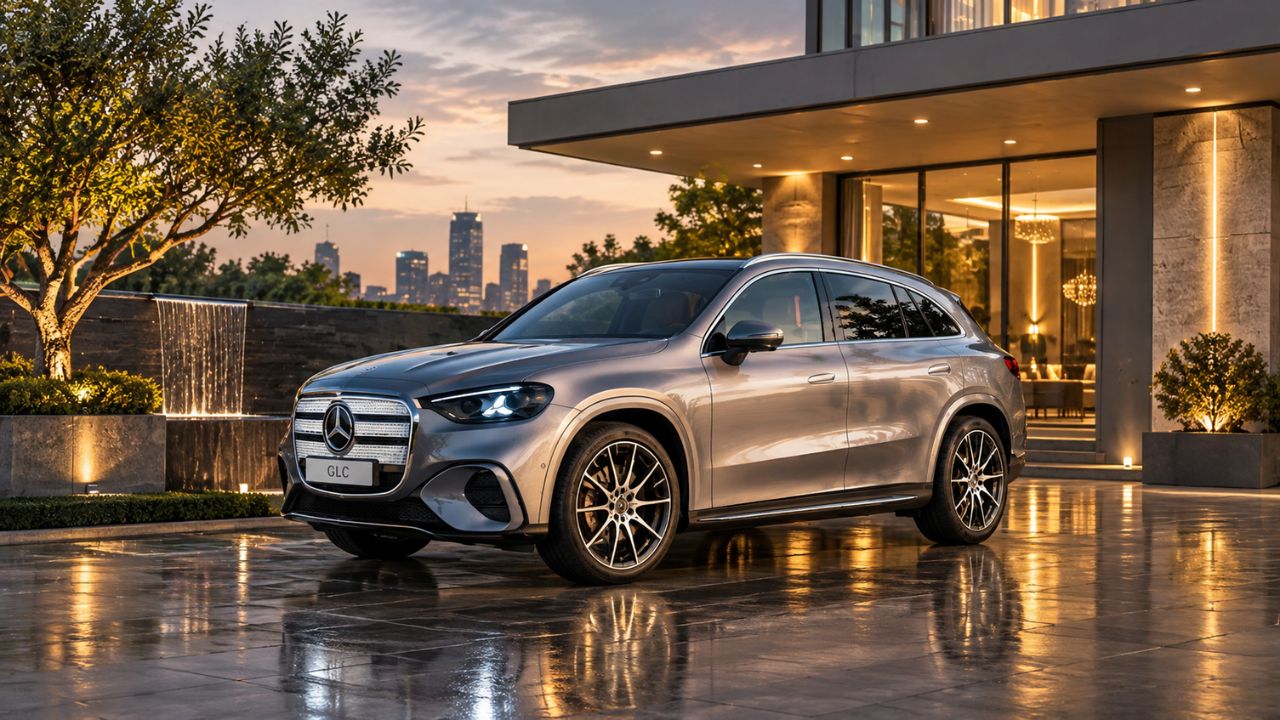
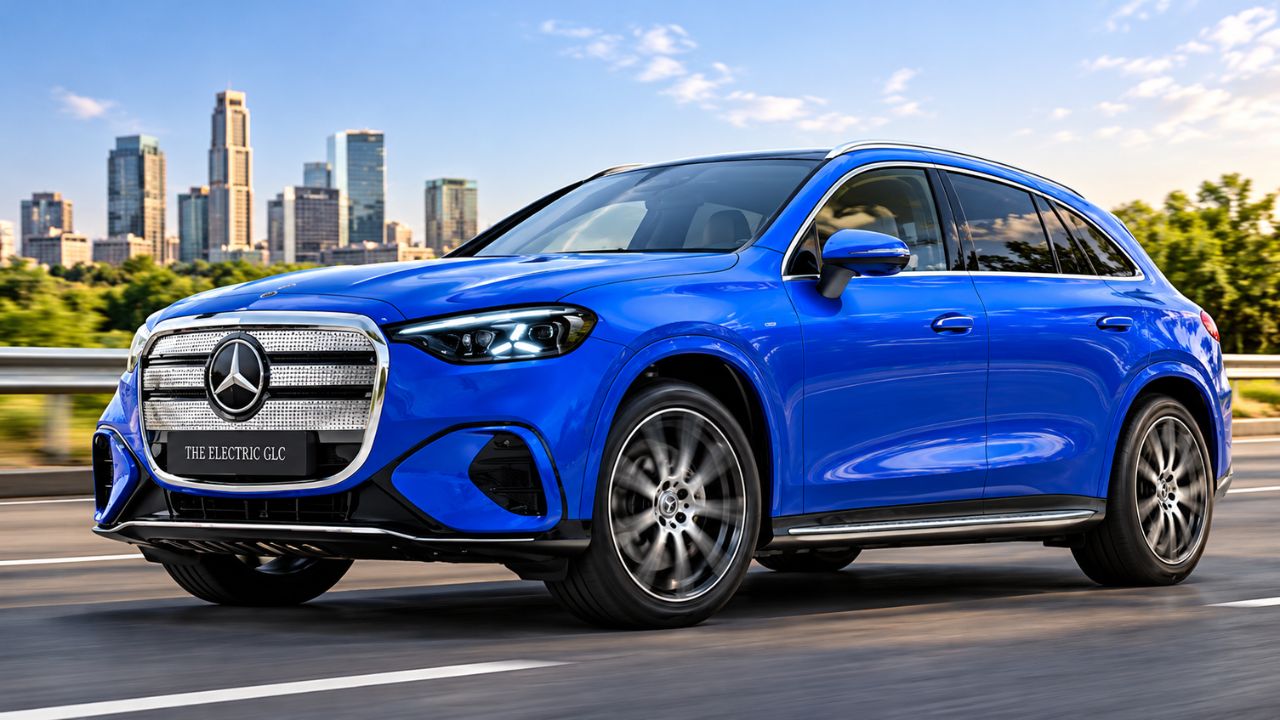
Mercedes-Benz has just lowered the entry price for its electric SUVs in India. The GLC Electric is priced at Rs 78.5 lakh (ex-showroom), is assembled locally, and is now the entry point to Mercedes-Benz GLC Electric SUV line-up here. It is built at the Chakan plant in Pune from completely knocked-down kits. 

Price and availability

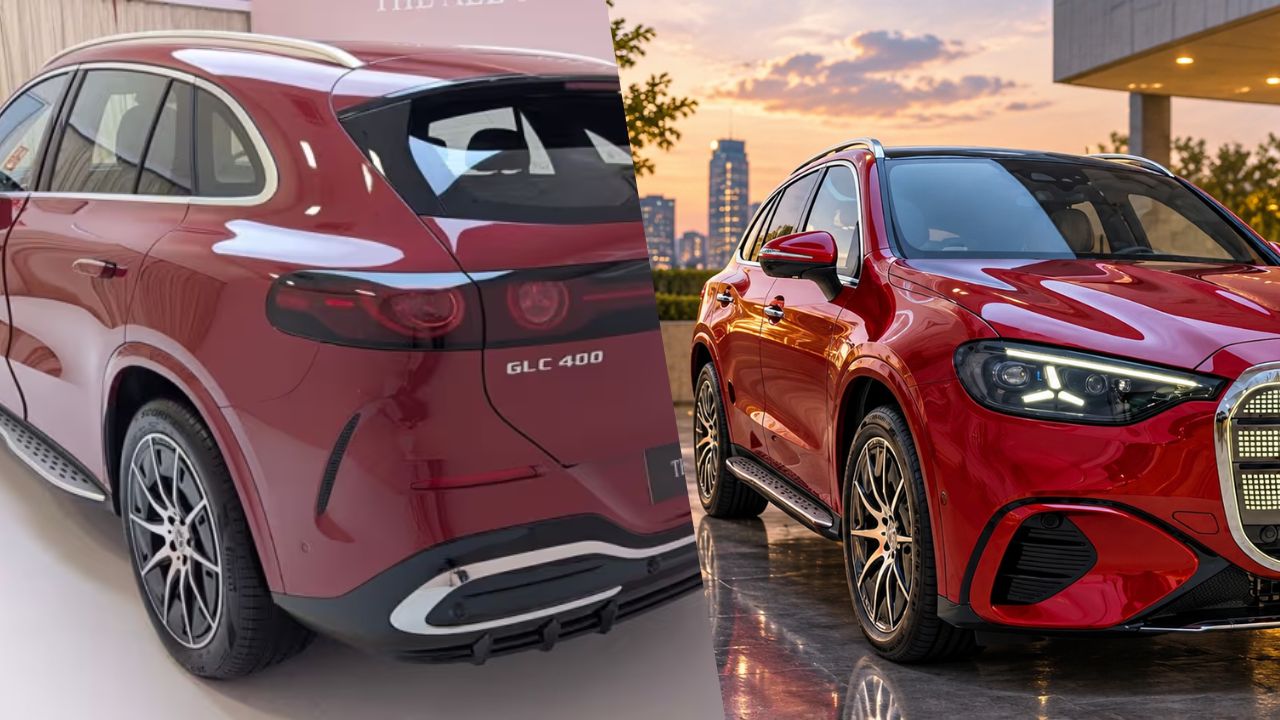
Only one variant is on sale, the top-spec GLC 400 4Matic. CarDekho reports it works out nearly Rs 8.95 lakh cheaper than the combustion GLC on-road. Demand looks strong. Mercedes says it has over 1,000 bookings, the car is sold out till March 2027, and deliveries start around Diwali.

Battery, range and performance

The Mercedes-Benz GLC 400 offers a 94 kWh battery and two motors for all-wheel drive. Together they make 490 hp and 800 Nm, and Mercedes claims 0-100 kph in 4.3 seconds. That is quick for a family SUV that weighs nearly 2.5 tonnes.

Mercedes-Benz GLC Electric Battery, range and performance

Real-world range of Mercedes-Benz GLC Electric might be lower than a claimed 711 km WLTP-certified range, depending on speed, AC use and traffic.

Charging is also worth a closer look. A 22 kW AC charger comes as standard, and a 330 kW DC charger can add 300 km in 10 minutes. That fast figure needs a very powerful charger, so check what is actually available on your usual routes.

Inside the cabin

The centrepiece is a 39.1-inch hyperscreen that stretches across the dashboard as one continuous panel. The trade-off is that there are barely any physical controls, even for the climate system. Some drivers will love that, others will miss real buttons.

The equipment list is long:

Comfort & Interior

  • 15-speaker Burmester 3D surround-sound system with Dolby Atmos
  • Panoramic glass roof with illuminated stars and electronically adjustable opacity
  • Two wireless smartphone chargers
  • Front seats with massage and heating
  • No front-seat ventilation
  • Multi-colour ambient lighting
  • Powered tailgate and power-folding rear seats

Safety & Driver Assistance

  • Level 2 ADAS
  • 8 cameras and 5 radars
  • 9 airbags
  • 360-degree surround-view camera
  • Automated parking assistance

Mercedes-Benz GLC Electric Practicality

  • 570-litre boot
  • 128-litre front trunk (frunk)
  • Total luggage capacity: 698 litres

What you don’t get

This India-spec car has no rear-wheel steering or air suspension and instead rides on passive dampers. There is no sunshade on the roof, Mercedes-Benz GLC Electric cloudiness is electronically controlled. 

Mercedes-Benz GLC Electric Practicality

Who is it for?

At launch the Mercedes-Benz GLC Electric has no direct rival in India, though the BMW iX3 is due next year. If you want to own a Mercedes of a particular type, a big screen, phone integration, and a long claimed range, this is the cheapest route to that. If you cannot charge the car at home, it’s best to plan this one first. 

Category Details
Model Mercedes-Benz GLC 400 4MATIC Electric
Position in line-up Entry point to Mercedes-Benz India’s electric SUV range
Mercedes-Benz GLC Electric Price ₹78.5 lakh, ex-showroom
Assembly Locally assembled at Chakan, Pune, from completely knocked-down kits
Variants One variant only: top-spec GLC 400 4MATIC
Value vs petrol/diesel GLC About ₹8.95 lakh cheaper on-road than the combustion GLC, as reported by CarDekho
Bookings / availability Over 1,000 bookings; sold out until March 2027; deliveries expected around Diwali
Battery 94 kWh
Drivetrain Dual-motor all-wheel drive
Power / torque 490 hp / 800 Nm
0–100 kph 4.3 seconds, claimed
Claimed range 711 km, WLTP-certified; real-world range will likely be lower
AC charging 22 kW charger standard
DC fast charging Up to 330 kW; claimed 300 km added in 10 minutes, subject to charger availability
Infotainment 39.1-inch Hyperscreen spanning the dashboard
Controls Very few physical controls, including for climate functions
Audio 15-speaker Burmester 3D surround system with Dolby Atmos
Roof Panoramic glass roof with illuminated stars and electronically adjustable opacity; no separate sunshade
Phone charging Two wireless smartphone chargers
Front seats Massage and heating; no ventilation
Ambience / convenience Multi-colour ambient lighting, powered tailgate, power-folding rear seats
ADAS Level 2 ADAS
Sensors 8 cameras and 5 radars
Airbags 9
Cameras / parking 360-degree surround-view camera and automated parking assistance
Boot space 570 litres
Frunk 128 litres
Total luggage capacity 698 litres
Not available in India Rear-wheel steering, air suspension, front-seat ventilation, and a physical roof sunshade
Suspension Passive dampers
Rivals No direct rival at launch; BMW iX3 expected next year
Best suited for Buyers wanting a locally assembled Mercedes EV with a large screen, strong performance, long claimed range, and premium features
Key caveat Home charging access and reliable high-power DC charging on regular routes should be checked before buying

Conclusion

Mercedes-Benz GLC Electric caters mostly to the buyers who want a luxurious, quick, and technologically advanced Mercedes EV and can charge it at home. With 1,000 bookings and out of stock until March 2027, early demand shows that it has made a significant impact in the Indian premium EV market. 

0

Hyundai is Bringing Two New 7-Seaters in India: Neira MPV and Premium NI1i Hybrid SUV

Published Nov 24, 2026, 9:28 AM
Last Updated Nov 24, 2026, 12:09 PM

Hyundai is Bringing

Hyundai is gearing up to expand its footprint in India’s growing new 7-seater market with two distinct vehicles. Rather than letting these models overlap, Neira MPV practical, budget-conscious families and Premium NI1i Hybrid SUV are aspirational, luxury-focused, both built for different buyers.

While the Hyundai Neira will enter the market as a versatile Multi-Purpose Vehicle (MPV) available in both internal combustion (ICE) and all-electric (EV) avatars, the Hyundai NI1i (codename) will arrive as a flagship, three-row hybrid SUV positioned well above the current Alcazar.

Quick Comparison: Neira vs. NI1i at a Glance

Feature Hyundai Neira Hyundai NI1i (Codename)
Body Style Family MPV Premium Three-Row SUV
Platform / Sibling Based on the Kia Carens Clavis Based on the Kia Sorento
Powertrain Options Petrol, Turbo-Petrol, Diesel, CNG, and All-Electric Strong Hybrid / Plug-in Hybrid
Market Positioning Mass-market family mover Flagship SUV (Positioned above the Alcazar)
Key Rivals Maruti Ertiga, XL6, Kia Carens Clavis, BYD eMax 7 Mahindra XUV 7XO, Tata Safari, Jeep Meridian
Expected India Launch 2027 Late 2027 – 2028

1. Hyundai Neira: A Practical MPV with ICE and EV Versatility

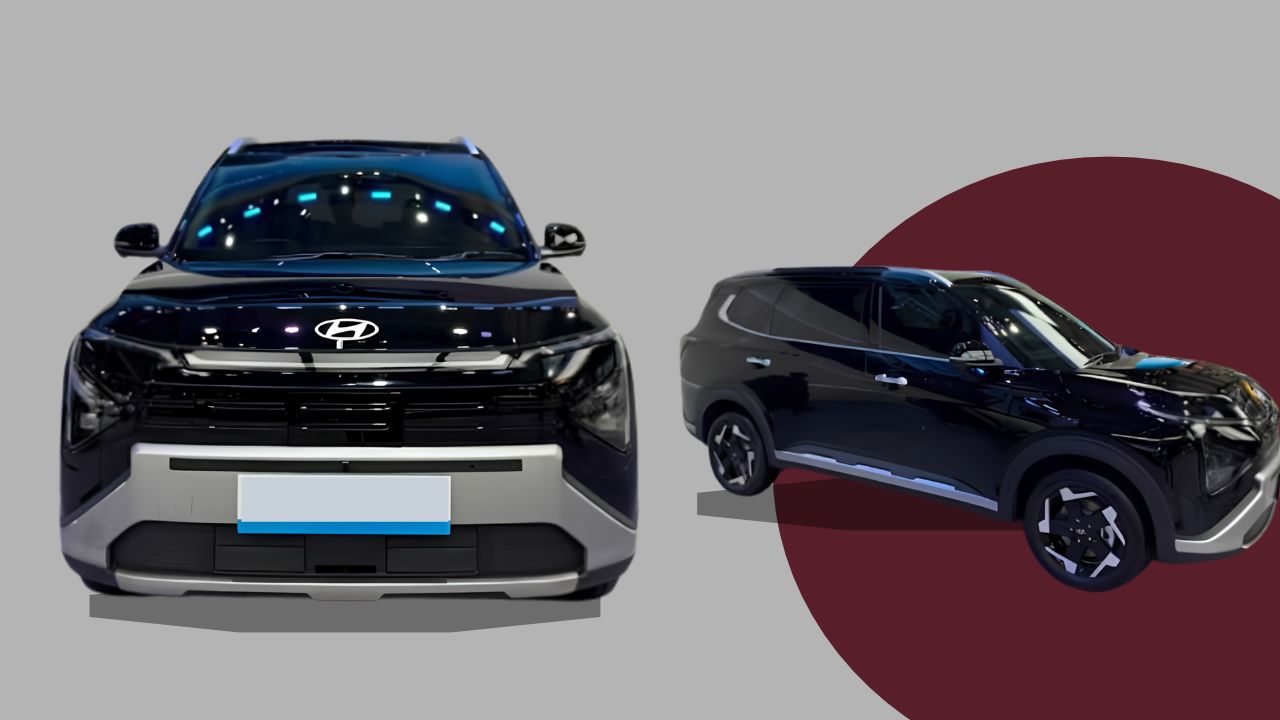
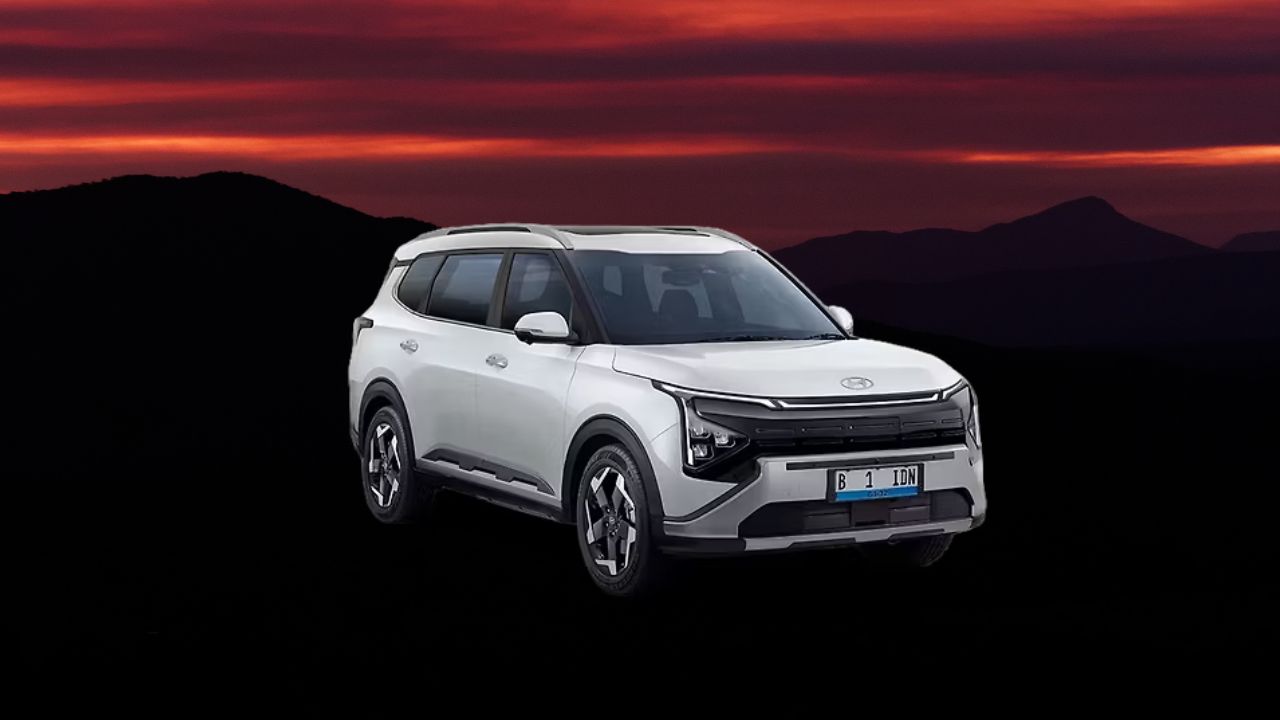
While we have already seen the production version of the Hyundai Neira in Indonesia, we do get a good idea of what Indian customers can expect. It shares the same underpinnings of the Kia Carens Clavis, but gets an updated front bumper, more aggressive bumpers, new 7-seater rear treatment and unique alloys.

Hyundai Neira

Cabin and Technology

Neira is designed with comfort for families in mind, with seven seats across three rows.

  • Two 12.3” screens provide entertainment and instrument display.
  • The car features a floating centre console. Climate control can be operated using a touch screen.
  • On the steering wheel, instead of a brand logo, the four dot morse code pattern associated with Hyundai can be seen.

Read More 👉  Hyundai Elantra Hybrid Comes With More Sharper Design 

Battery, Range, and Performance (EV)

In Indonesia, the Neira EV is offered with two front-wheel-drive battery configurations:

  • 42 kWh Battery: Delivers a claimed range of 404 km, tuned for city commuting and everyday efficiency.
  • 51.4 kWh Battery: Produces 171 hp and 255 Nm of torque, offering a claimed range of 490 km.
  • Fast Charging: Both variants support up to 100 kW DC fast charging, topping up the battery from 0 to 80 percent in roughly 39 minutes.

Hyundai Neira

What to Expect in India

The ICE variants of Neira are expected to be launched in India by 2027. It is likely that the ICE variants would be similar to Carens Clavis in terms of engine choices, with naturally aspirated petrol, turbo petrol, diesel and factory fitted CNG units on offer. With such a wide range, Neira can aggressively compete with Maruti Suzuki’s Ertiga and XL6 models, as well as its own Kia siblings.

Read More 👉  Thinking of Buying Maruti Alto K10 in 2027? Read This Before You Decide

2. Hyundai NI1i: A Flagship Hybrid SUV Above the Alcazar

Where the new 7-seater Neira will be more utilitarian in nature, the NI1i will be a premium 3-row crossover. The new model is expected to be based on the same platform as the international version of the Kia Sorento. Prototype vehicles have been seen out on test in South Korea.

Exterior Presence and Design

Despite heavy camouflage on the test mules, several key design cues stand out:

  • An upright, commanding road stance with a flat roofline that maximizes third-row headroom.
  • Muscular, squared-off wheel arches and a substantial rear overhang designed to accommodate generous luggage space even with all three rows up.

Hyundai NI1i

Hybrid Powertrain Focus

This hybrid badge indicates that the core technology of this model is hybrid. The Kia Sorento is available with both hybrid and PHEV variants in international markets. In India, as diesel engines are increasingly losing popularity in the premium range, Hybrid powertrains will allow Hyundai to improve its new 7-seater competitiveness significantly with a much more efficient and refined driving experience.

Localization and Launch Timeline

Hybrid Powertrain Focus

The new 7-seater Hyundai NI1i will be produced at the automaker’s Talegaon plant in Maharashtra. This will allow it to be priced competitively against popular models such as Mahindra XUV 7XO and Tata Safari. The final naming of the new 7-seater SUV in India and complete specifications are yet to be confirmed but it is set to come to Indian markets between late 2027 to 2028.

Read More 👉 5-Star Safety Ratings Cars in India: What the 2026 Crash Tests Show

Conclusion

By splitting these new 7-seater into two separate models, Hyundai means there is no compromise in either cars. The Neira caters for buyers looking for low running costs, city friendly proportions and versatile power options. Alternatively, the NI1i is designed to give buyers more performance on motorways, SUV looks and hybrid smartness. 

Between the Neira MPV and Premium NI1i Hybrid SUV, both cars almost every price point and lifestyle requirement of India’s growing new 7-seater car market can be met.

1

4 Best Renault Cars to Buy in India: Kwid, Triber, Kiger and Duster

Published Nov 10, 2026, 2:00 PM
Last Updated Nov 16, 2026, 3:31 PM

Best Renault Cars

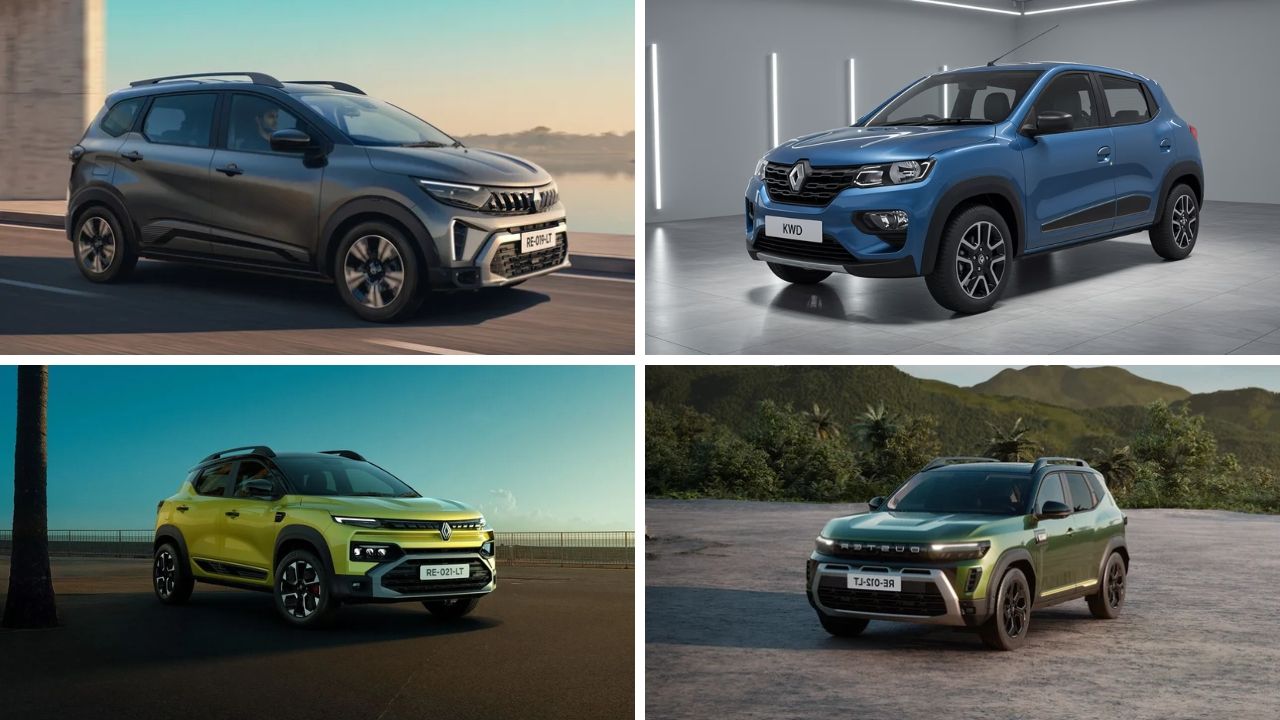
Most people who walk into a Renault showroom already know their budget but not their car. If you are trying to work out which of the Best Renault Cars to buy, the answer depends less on specs and more on who sits in your back seat. Kwid, Triber, Kiger, and Duster stack up in a worth buying list.

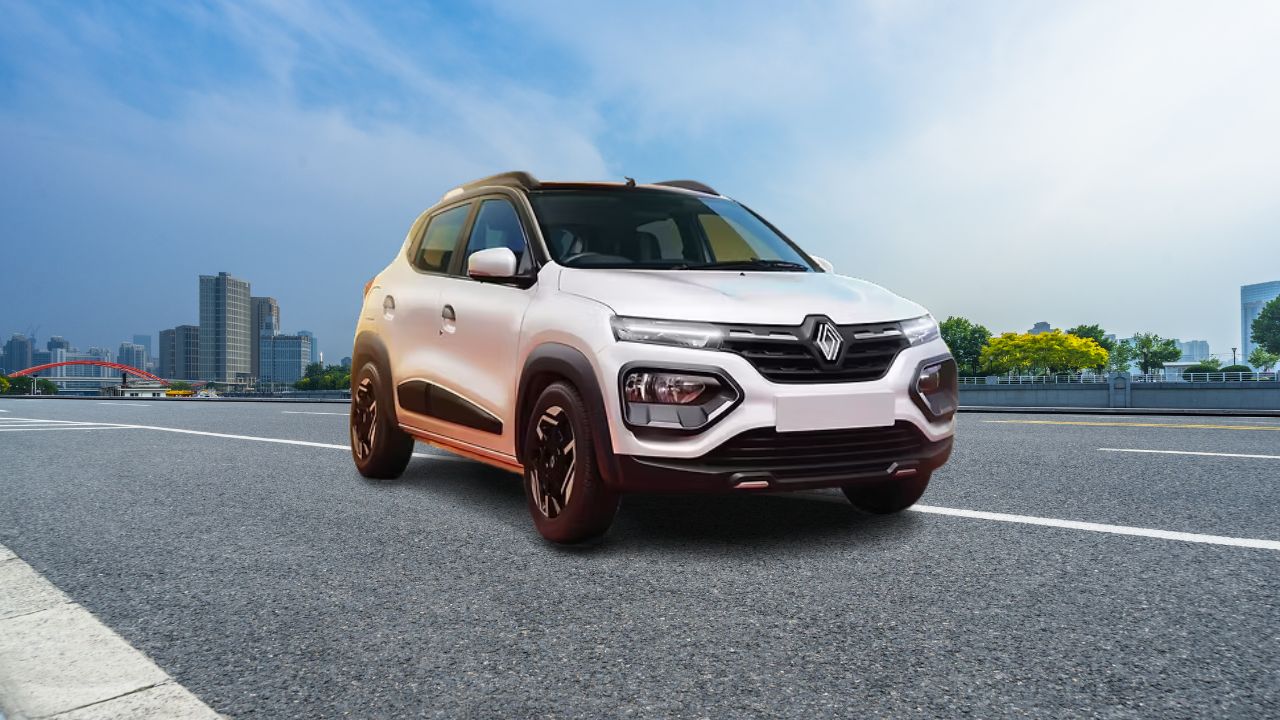
1. Renault Kwid: the city car that looks bigger than it is

The Renault Kwid is priced at ₹4.30-4.53 lakh ex-showroom price. This is the entry level price which offers a 1.0L petrol engine with a manual transmission. The price goes higher with AMT gearbox or advanced features variant.

Renault Kwid

The mileage is about 21 kmpl with SUV styling design which gives it a more substantial look than an entry-level hatchback. At higher speeds, you may find the engine is working too hard on the road, which gives you a slightly stiffer ride on the highway.

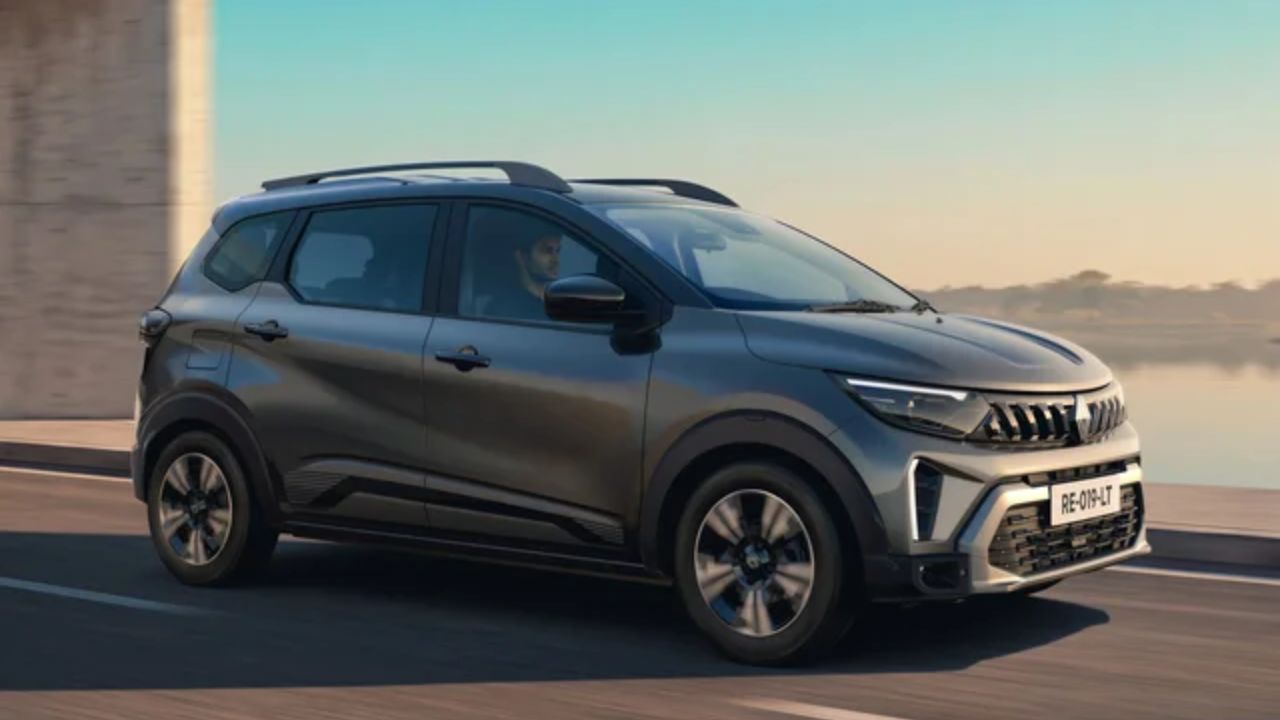
2. Renault Triber: a seven-seater under four metres

The Triber is the odd one out in a good way. The refreshed 2026 model starts at ₹5.80 lakh and pairs a 1.0-litre petrol with a five-speed manual or an Easy-R AMT on the top trim.

Renault Triber

Few cars at this price give a family of five or six this much flexibility, and the removable third row is what you are paying for. The catch is that with all seven seats up, boot space nearly disappears, and the engine is not built for loaded hill roads. Against the Nissan Gravite, which sits in a similar bracket, the Triber has the longer track record. If your budget stretches, the Maruti Ertiga starts around ₹8.80 lakh and is the more relaxed long-distance option. Best for: joint families and occasional airport runs.

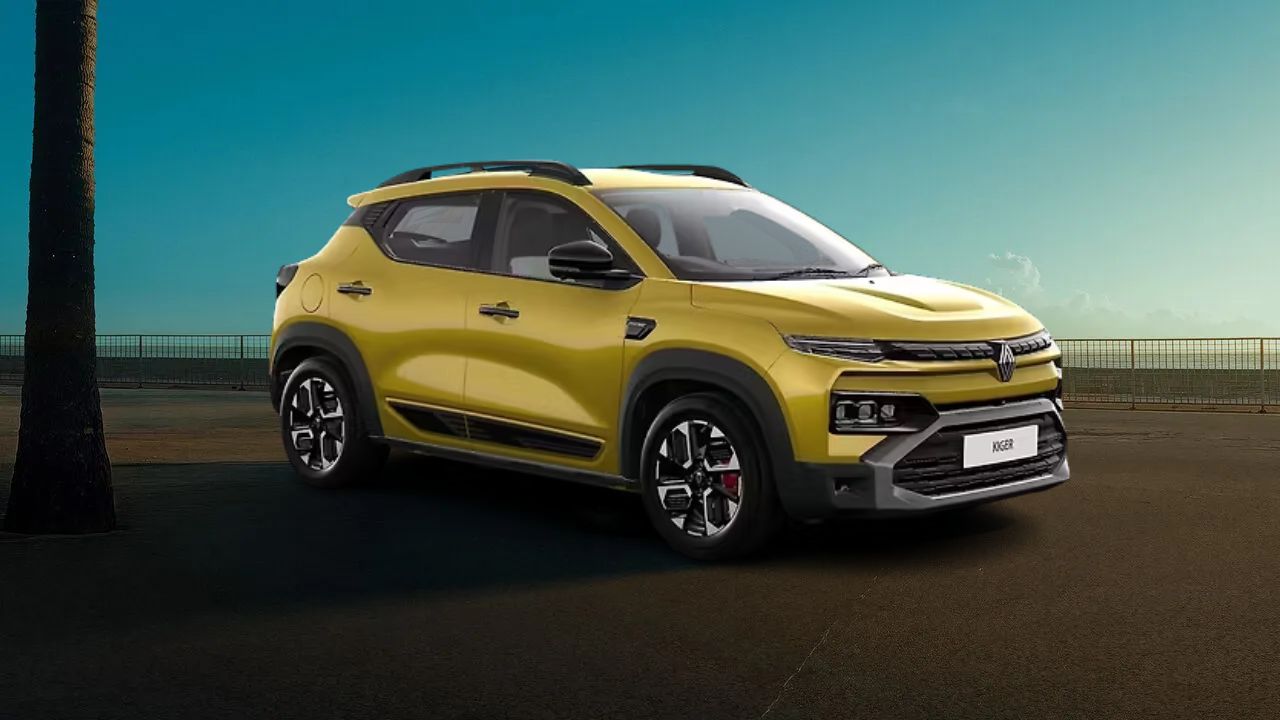
3. Renault Kiger: the one that does the most with the least

The Renault Kiger is priced at ₹5.81 lakh. This is the starting price which can go higher up to roughly ₹10.34 lakh for higher variants. The car offers a 1.0L petrol turbo engine which produces about 100 PS, with manual and automatic options.

Renault Kiger

Kiger offers a natural aspiration turbo so it is the one worth buying. It gives the overtaking experience relaxed rather than other naturally aspirated versions. The Kiger rear-seat space is slightly tight which makes taller people uncomfortable. 

Renault Kiger rivals Nissan Magnite priced at ₹5.65-10.96 lakh. It became a rival because they share the same structure so the real difference is brand name and service network.

Best for: couples and small families who want SUV looks on a sensible budget.

4. Renault Duster: the comeback car

The third-generation Duster launched this year at ₹10.49 lakh. The price goes up with more features and comfort up to ₹18.49-18.69 lakh. It gives a 1.0 L turbo makes 100 PS of power and a 1.3-litre turbo making roughly 160 PS with manual and DCT options, and it earned a five-star Bharat NCAP rating in April 2026.

It remarkably secured its position at safety with a strong engine. But the higher variant cost is equal to Creta which makes it question the buyer. Hyundai Creta becomes the biggest rival. 

One caution: the strong-hybrid version is reportedly sold out for 2026 and expected later, so do not wait for it without confirming a date with your dealer. 

Best for: buyers who want a proper family SUV and will keep the car for years.

Conclusion 

The Best Renault Cars you should buy in India depends on what you need it for and how much you can afford. It is wise to buy the Kwid for affordable metropolitan use. An ideal choice for newbies is the Triber, the back seat, if you need seven seats for the family, and the Kiger, which looks and performs like an SUV. 

0

Which Car Is Best: Petrol or Diesel? Pros, Cons & Complete Comparison

Published Jun 10, 2026, 12:18 PM
Last Updated Nov 2, 2026, 5:17 PM

Petrol vs Diesel Car

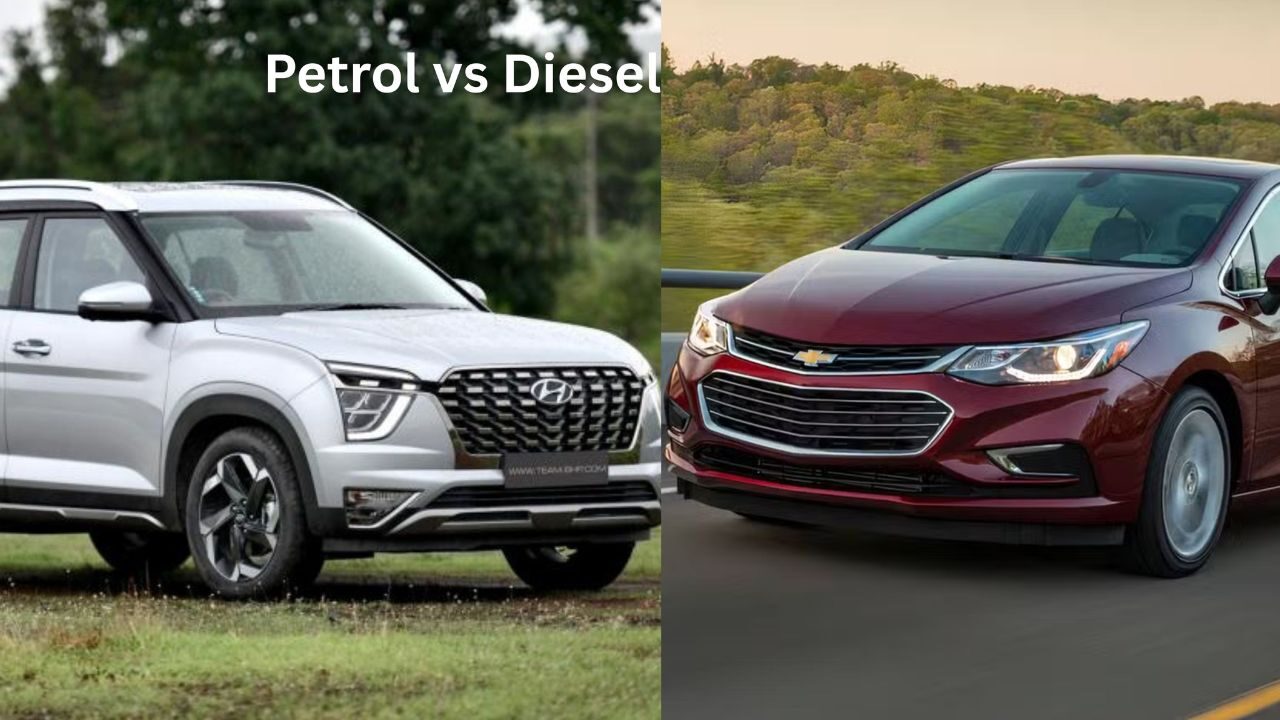
When you visit a showroom of Maruti, Honda, Tata or any brand, you probably get confused which car is best for you — Petrol vs Diesel Car? The generic answer is it depends on your usage and region but cars are also affected by many factors that make them different from each other. If you are not sure then continue reading to understand it properly.

Let’s Understand the Basics

Factor Petrol Car Diesel Car
Ignition Spark plug Compression ignition
Driving feel Smoother, quicker response at low speeds Strong torque, better at sustained speeds
Best usage City driving, short trips Highway driving, long-distance travel
Upfront price Lower Usually ₹1–2 lakh higher
Fuel cost Petrol is usually costlier per litre Diesel is usually cheaper per litre
Fuel efficiency Lower than diesel Usually 20–25% better
Maintenance Simpler and cheaper More complex and costlier
Best annual mileage Below 12,000–15,000 km Above 20,000 km
Resale value Improving, especially in small cars Traditionally strong, but affected by emission rules
Emissions More CO2 per km More PM2.5 and NOx

A petrol engine uses spark plugs to ignite a mixture of air and fuel. It runs smoother, quickly picks high speed, and feels more responsive mostly at lower speeds. This makes petrol engine cars preferable for smaller distances, city driving.

A car built on a diesel engine uses compression (high pressure) to ignite the fuel, not a spark plug. It generates more torque (that pulling power you feel when you accelerate), runs at lower RPMs, and uses less fuel on longer distances.

That’s the core difference — and it explains almost everything else about how they behave on the road.

The Cost Factor: Upfront vs Long-Term

Most buyers end their discussion on Petrol vs Diesel Car when it comes to the money. 

Same car but diesel variant cost around ₹1 lakh to ₹2 lakh which is more expensive petrol variant. Manufacturing cost drives the extra price of the car because diesel engines have more complex parts.

However, Diesel fuel is cheaper per litre than petrol in India (usually by ₹10–₹15 per litre). And that makes it more fuel-efficient — a diesel car might give you 20–25% better mileage than the petrol version of the same model.

So here’s the math that actually matters: the break-even point.

Driving in a city less than 10,000–12,000 km a year, it will take you 6–8 years to compensate for the extra cost you paid to the showroom owner for the diesel variant through fuel savings. By that time, you’re probably thinking about your next car anyway.

But if you’re clocking 20,000+ km a year — long highway runs, intercity travel, road trips — a diesel car will pay for itself in 2–3 years and save you a significant amount after that.

The simple rule: high mileage = diesel makes financial sense. Low to moderate mileage = petrol wins.

City Driving vs Highway Driving

City Commuting 

If you use a car mostly for city trips then choose Petrol engines as they love city driving. They’re more responsive at low speeds, gear shifting is very light, and the engine doesn’t need to warm up as much. Start-stop traffic — which is basically the story of driving in any Indian metro — suits petrol engines far better. 

In this traffic area, Diesel engines won’t cope up because they perform best at sustained speeds and consume less fuel. In city conditions, their fuel efficiency advantage largely disappears, and the engine can be reluctant at low revs.

On the Highway

The diesel engine wins here, that high torque means effortless overtaking, smooth cruising at 100+ km/h, and significantly better fuel economy over long stretches. A diesel car on the highway is a genuinely satisfying experience — particularly for long-distance drivers.

Petrol engines can also run on highways but for the run on higher speed they need more fuel to work harder.

The Maintenance Cost For Each Fuel Type

Diesel cars leave your wallet empty for maintenance as their parts are more complex. And diesel-specific components (like the fuel injectors and turbocharger) need time-to-time and attentive servicing.

Petrol cars are simpler under the hood. Routine servicing is cheaper, and mechanics are more familiar with petrol engines — particularly at smaller garages in Tier 2 and Tier 3 cities.

One important thing to understand is that diesel cars need to be driven regularly. If you left them in a garage like any showpiece, a diesel engine can develop issues. Petrol engines can sit without creating any problem for a long time, perfect if the car is a second vehicle or used only on weekends.

Environment and Emissions

Environmental considerations are increasingly playing a bigger role in the petrol vs diesel car debate. Diesel engines emit larger quantities of PM2.5 particles and nitrogen oxides (NOx), which are air pollutants that harm the environment and human health. Petrol engines produce more CO2 per kilometre, but they generate a fraction of the harmful particles. 

India’s BS6 emission rules have brought diesel engines much cleaner than before — but the gap hasn’t fully closed. Several Indian cities have placed restrictions on older diesel vehicles, and there are ongoing policy discussions to set more regulations in pollution-heavy metros.

There are few cities like Delhi and Mumbai where pollution is rising day-by-day and so are emission concerns. It is worth knowing the resale value of your car.

Read more:- How to Calculate Average of Car With Explained Methods and Formula

Resale Value of Diesel & Petrol Cars

Diesel cars have long had better resale values because buyers thought they were more cost-effective to operate. That narrative has been shifting.

The prices are rising and rules are tightening on using diesel cars to prevent air pollution. Petrol cars are increasingly competitive in the used car market and in some segments (hatchbacks, small SUVs), they actually hold value better than diesel equivalents.

You can check any model resale value at the used car market. The segment matters a lot here.

Which Fuel Type Suits You Better?

Let’s make this as simple as possible.

Your Situation Better Choice Why
Mostly city driving Petrol Better low-speed response and lower maintenance
Annual driving below 12,000–15,000 km Petrol Diesel’s higher price takes longer to recover
Car used only on weekends Petrol Handles idle periods better
Daily highway commute Diesel Better mileage and torque
Annual driving above 20,000 km Diesel Fuel savings recover the higher purchase cost
Large SUV or MUV buyer Diesel Strong torque and better long-distance economy
First-time small-car buyer Petrol Lower upfront cost and simpler ownership

Go petrol if:

  • You drive mostly within the city
  • Your annual mileage is under 12,000–15,000 km
  • You want lower upfront cost and simpler maintenance
  • The car will sit idle for days or weeks at a stretch
  • You’re buying a small hatchback or entry-level sedan

Go diesel if:

  • You regularly cover long distances — highway commutes, intercity travel
  • Your annual mileage crosses 20,000 km comfortably
  • You’re buying a larger vehicle (SUV, MUV, premium sedan) where diesel variants make more economic sense
  • You want strong torque and highway cruising ability

CNG and Electric Taking Over Larger Part in Fuel Economy

In 2026, you must understand that petrol vs diesel isn’t the only choice anymore. CNG has become a very practical third option for high-mileage city drivers. It gives more fuel efficiency than both Petrol or Diesel engines, and factory-fitted CNG kits in models like the Maruti Suzuki Alto K10 and Tata Tiago CNG are far more refined than they used to be.

Car manufacturers are making more Electric vehicles (EVs) as their demand is rapidly growing around the world. After petrol becomes more expensive, EVs seem to be the best option for you. Tata Nexon EV and MG Windsor making a compelling case for urban buyers.

But if you’re specifically choosing between petrol and diesel — the two questions to ask yourself are: how much do you drive, and where? The answers will almost always lead you to the right choice.

Conclusion

There’s no universally “better” fuel type. Petrol vs Diesel Car engines are optimised for different kinds of drivers and different kinds of roads.

If you spend around 800–1,000 km a month on the city roads, a petrol car will prove to be cheaper for you and involve fewer hassles. If you’re a long drive enthusiast, you regularly crisscross city limits – diesel will thank you for every kilometre you put on the odometer. 

Know your driving habits honestly, do the break-even math for the specific car you’re buying, and you’ll make the right call.