0

How Often Should You Change Oil in Your Car? What Actually Matters in India

Change Oil in Your Car

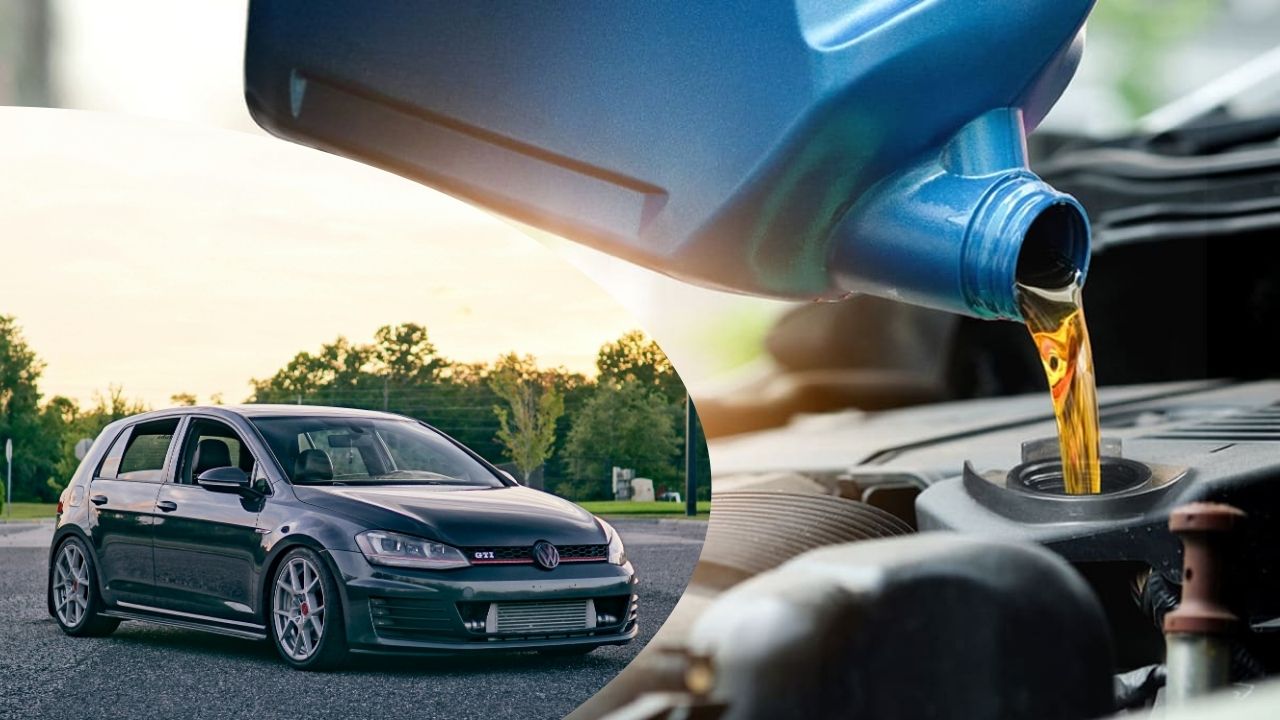
Your Swift covers 9,000 km and the service centre calls. Your neighbour is a strong believer in the “every 5,000 km no exceptions” rule as his father has been following since 1998. Your mechanic insists on seeing you every three months no matter what your owner’s manual says. None of the three are infallible, and How Often Should You Change Oil in Your Car is determined less by a fixed number and more by three things: what oil is currently in your engine, what kind of driving you really do, and how honest you’re willing to be about both. 

The Manufacturer’s Number Is a Starting Point, Not the Answer

Every car sold in India comes with a service booklet that lists an interval — usually tied to kilometres or months, whichever arrives first. That number assumes “normal” driving conditions as defined in a lab, not a Bengaluru signal-to-signal commute or a Delhi summer where cabin AC runs eight hours a day. 

Here Major brands currently stand On How Often Should You Change Oil in Your Car:

Brand / Segment Standard Interval
Maruti Suzuki (most models) 10,000 km or 12 months
Hyundai, Kia, Honda, Toyota, Mahindra 10,000 km or 12 months
Tata Motors (Punch, Nexon, Altroz) 15,000 km or 12 months
Volkswagen, Skoda 15,000 km or 12 months

If your vehicle is more than ten years old and it’s still on the old mineral oil era schedule, don’t assume it followed the newer 10,000 km norm, check your actual booklet for the year of your model. Take the precedent of the old Maruti 800s and early Zens, they used to get 5,000 km services because that’s all the mineral oil of that time could take before breaking down. 

The Oil Grade Changes the Number More Than the Car Does

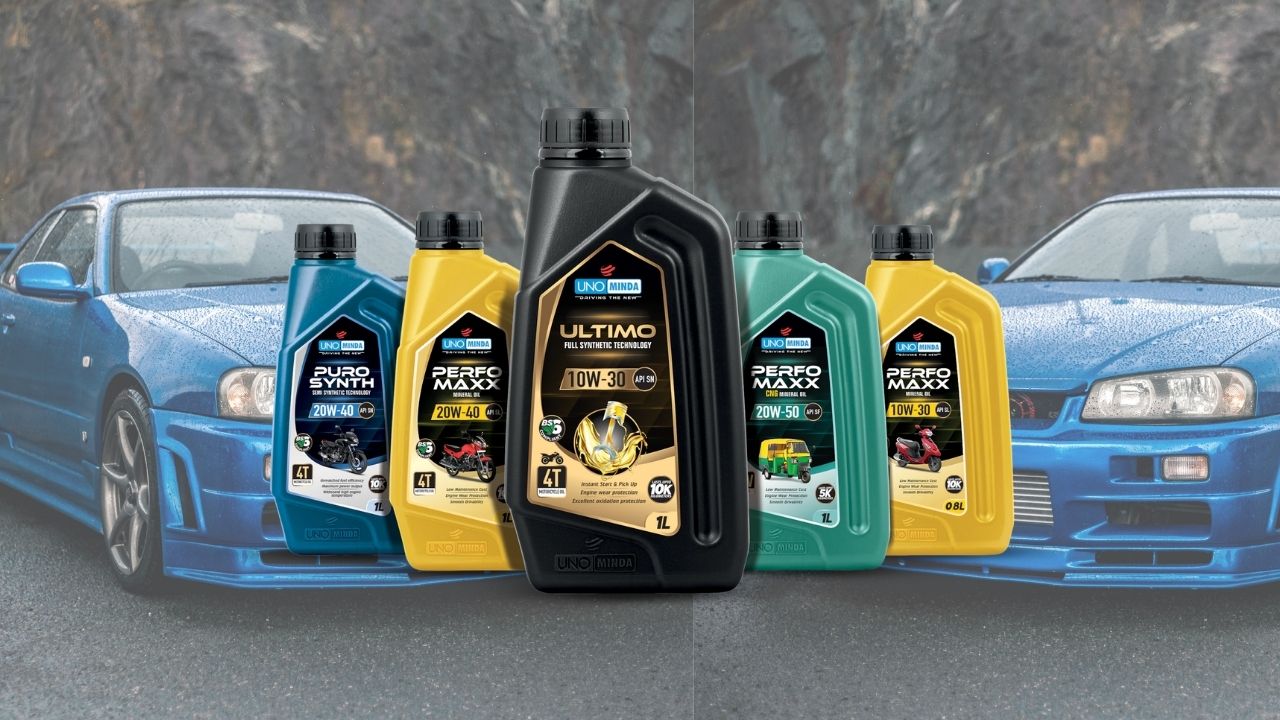
This is the part that most owners skip over. The interval on your service sticker assumes a particular oil grade, and changing that grade alters the actual oil life: 
Change Oil in Your Car

  • The mineral oil is the most economical, priced around ₹280–380 per litre, and it also oxidises the fastest — most mechanics will still tell you to change it every 5,000–8,000 km no matter what a new manual says, because the base stock just doesn’t hold up longer than that. 
  • The semi-synthetic oil, available at a price of ₹420-550 per litre, splits the difference and can be used for 8,000-10,000 km. 
  • Full synthetic, which costs ₹650-900 a litre, is undoubtedly what allows modern engines to go 10,000-15,000 km between oil changes – the additive package survives thermal breakdown long enough to justify the premium cost. 

So if your car’s manual says 15,000 km but your mechanic filled your car up with a mineral oil last visit because that was the cheapest or is the one he has in stock, you are not really on a 15,000 km schedule anymore. You’re on whatever that oil can last, which is more like one third that distance. 

Why Indian Roads Push Every Interval Downward

Manufacturer intervals are written for “normal” use. Most Indian driving qualifies as “severe” use without the owner realising it — and severe-use schedules are usually 20–30% shorter than the standard ones printed in bold on the first page of the manual. 

Three conditions push you into that category almost automatically here: stop-and-go traffic in cities like Mumbai, Bengaluru, and Delhi NCR, where the engine idles more than it cruises; sustained heat above 40°C through summer months, which accelerates oil oxidation; and short trips under 15–20 minutes that never let the engine reach full operating temperature, so moisture and fuel residue never burn off properly. 

If two or more of these describe your daily driving, treat the printed interval as an outer limit, not a target — and lean toward the shorter end of whatever range your oil grade allows.

Read More:-  How Often Should You Service Your Car? | Complete Maintenance Guide

What Skipping a Change Actually Costs

A straightforward, on-schedule oil change in India runs about ₹2,500–4,500, oil and labour included. That number looks easy to postpone when the car “feels fine.” 

It stops looking easy once you see the other side of the ledger: a Swift owner who pushed one scheduled change from 30,000 km out to 45,000 km ended up facing ₹8,000–18,000 in cleaning and repair work from the sludge that built up in the meantime. Push it further and you’re looking at ₹15,000–40,000 in ring wear, bearing damage, or worse — four to nine times what the change itself would have cost. 

Engine oil in an Indian car is doing three jobs at once: lubricating, cooling, and carrying away contamination. Once it’s saturated with carbon and moisture, it stops doing all three, and the damage compounds quietly until something expensive fails.

Signs Your Oil Needs Changing Before the Odometer Tells You

Kilometres aren’t the only trigger if you are looking for How Often Should You Change Oil in Your Car. A car that’s driven rarely, under 3,000–4,000 km a year still needs an annual oil change even if it never comes close to the km limit, because oil oxidises with time and moisture exposure regardless of use. 
Change Oil in Your Car

Watch for oil that’s gone dark and gritty rather than amber and clear on the dipstick, a burnt smell inside the cabin, a noticeably rougher idle, or the oil warning light itself — none of these should be treated as optional information to act on “next weekend.”

The Practical Rule On How Often Should You Change Oil in Your Car?

Follow your manual’s kilometre or month interval, whichever comes first — but only if you’re certain the oil in your engine matches the grade that interval was written for. If you’re not sure what’s currently in the sump, or your driving is mostly city stop-and-go, shave 15–20% off the printed number and go with full synthetic if your budget allows it; the extra ₹1,000–1,500 per change is cheaper than one skipped interval turning into a repair bill. 

When in doubt, ask your service centre to show you the actual oil grade on the invoice, not just tick a box that says “oil changed.”

Read More:- How to Check Tire Pressure Correctly: Guide For Car Owners

Conclusion 

How Often Should You Change Oil in Your Car, depends on many factors, so there is no single perfect answer. The appropriate interval will vary based on the oil being used, how you drive and the conditions to which your vehicle is subjected daily. Although the owner’s manual is the best place to start, stop-and-go city traffic, short trips, extreme heat and using a lesser-quality oil can all shorten the life of the oil. 

The best policy is to follow the recommended service intervals, use the right oil grade, and adjust the interval if your driving conditions are “severe”. Spending a few thousand on timely oil changes is way cheaper than spending big money on engine repairs later. 

A modest routine of checking your oil level, verifying the oil grade at each service, and not putting off scheduled changes will help ensure a long-running, happy engine. 

Sharey Khan

Sharey Khan is an IT entrepreneur and petrol head & a car enthusiast. With a special focus on car-related content, he combines his deep passion for vehicles with a talent for crafting informative, engaging, and easy-to-understand content. His writing is driven by a genuine love for cars and he is committed to providing readers with accurate, up-to-date, and trustworthy information that empowers smarter driving decisions. 

Leave a Reply

Your email address will not be published. Required fields are marked *

0

New Gen Renault Duster Spied With More Detailed Design Changes

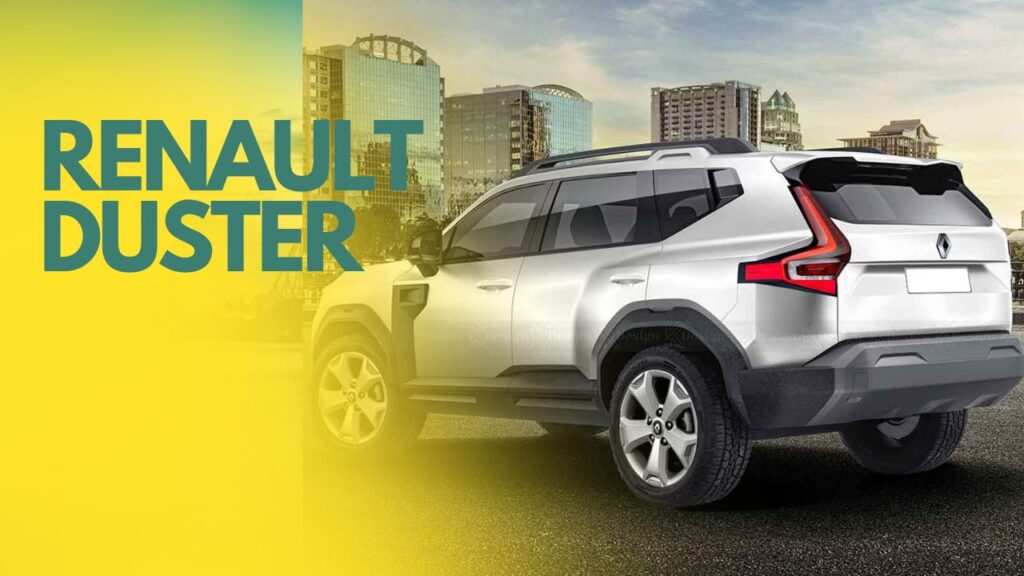
Renault Duster

So buckle up, because after a four-year wait, Renault is reviving one of the best-selling compact SUVs in India and it’s coming with a full makeover. The new-generation Renault Duster, which will be unveiled on 26 January 2026, is more than just a cosmetic refresh. Spy images from Indian roads show that Renault has reborn this much-loved SUV for the modern buyer, and the changes are staggering to say the least. 

A Bolder Face Meets Modern Tech

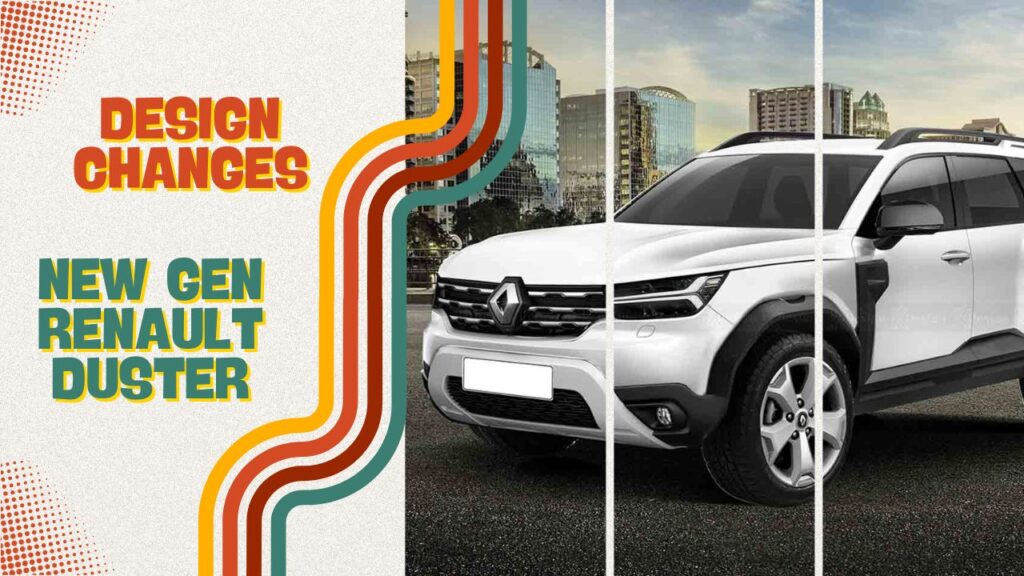
The first thing that catches your eye in the spy shots is the front end, which is all new. There are none of those simple, round headlights anymore. The new Duster comes with eye-catching street LED headlights with signature eyebrow-shaped LED DRLs (daylight running lamps), providing it a futuristic stance. This is especially intriguing because Renault is going India-specific here, the global model gets Y-shaped LED DRLs, but we get this unique eyebrow motif.

The front bumper is entirely new with triple slatted air intake with the rugged appearance of the SUV being maintained with some sophisticated touches. The fog lamps are nicely placed on either side in a narrow air dam that also contribute to the visual weight and presence. Face it: this is an SUV, and it has no regrets about it. 

The Rear Gets a Connected Heart

This is where Renault is looking to tailor to tastes in India. The global screen is made up of Y-bloop patterns tail lamps, but the Indian version has a special something that connect the tail lamps not just outfitted with a LED light strip that runs across the tailgate and connects the 2 tail lamps. This is a trend that is really building steam in India, and Renault knows what the buyers want. It’s a small touch, but it makes the rear profile look a lot more premium and contemporary.

The Rear Gets a Connected Heart

The roofline gains a notched spoiler for a sporty touch, while a roof spoiler and rear wiper enhance practicality. The overall silhouette is still squat and muscular—classic Duster DNA—but the proportions are more sophisticated, more mature. 

The Tech That Makes It Feel Premium

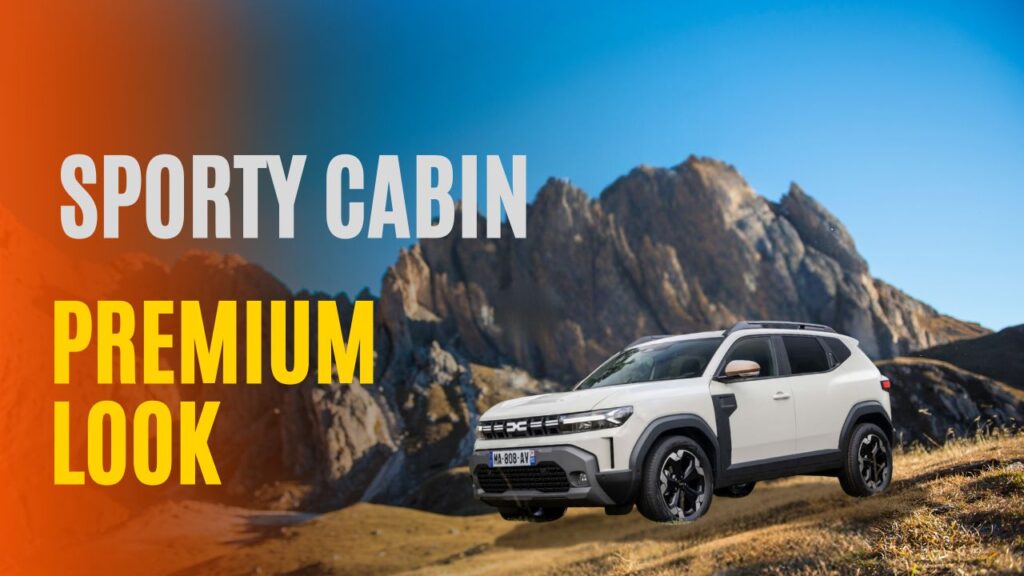
On the inside, the new Duster boldly enters the 21st century. The black-themed cabin is sporty with green stitching accents – a visual treat that instantly communicates a younger, more premium feel. That is a telling one-two punch that shows you Renault is not seeking to beat competitors on price, they’re going after buyers who want substance as well as style.

Now, the tech package is where things start to get really interesting. 

It features a 10.1-inch touchscreen infotainment system as well as a 7-inch digital driver’s display, giving you the triple-screen dashboard layout seen in far more expensive SUVs. With Android Auto and Apple CarPlay wireless, your smartphone integration is frictionless. Besides wireless phone charging, dual-zone automatic climate control and ventilated front seats that come on the higher trims, the Duster suddenly seems like a car built for comfort in the real world. 

Read More :- Rinku Singh Car Collection: From Maruti Swift to Fortuner Legender

Safety Meets Smart Features

Here’s something that really pops out: the new Duster will also be the first Renault in India to come equipped with an ADAS Level 2 suite. The radar sensor can be clearly seen in the spy shots below, which confirms this massive leap in safety. Pair that with a 360-degree camera rig (camera modules can be seen on the test vehicles), and you have features that are actually useful for Indian road conditions – be it getting out of tight parking spaces or highway driving.

Six airbags, electronic stability control, blind-spot detection, lane-keeping assist and tyre pressure monitoring complete a comprehensive safety package. That’s the sort of feature set which makes you wonder how safety standards have advanced in the compact SUV category. 

Under the Bonnet—Power Meets Efficiency

The India version of the Duster is also expected to be powered by a 1.5-litre diesel engine from Renault’s global range. If you are looking for a more frugal option, there is a 1.0-litre turbocharged petrol variant from the Kiger family. Transmission options will include a manual, CVT and a dual-clutch automatic, allowing buyers a degree of choice no matter the budget or driving style.

Under the Bonnet—Power Meets Efficiency

There’s also talk of a hybrid version being introduced within a year of the launch — a wise move in a time when efficiency is becoming more important to buyers in India. 

Additional Details That Matter

What truly captivates you when you see the spy shots is how well the India-spec Duster has been aligned. The rear door handles that are mounted on the C-pillar help in giving the profile a neater, more premium look. Large wheel-arch cladding and skid plates keep reminding you that this SUV still has a bit of a soft underbelly. A power tailgate, until now reserved for pricier models, is another practical feature signaling greater convenience.

The 17-inch or 18-inch (depending on the variant) alloys sport new designs that are exclusive to the Indian market, while roof rails and dual-tone ORVMs with turn indicators on them complete the exterior package. 

Read More:- Nissan Cars Launching Two Titans Together in India: Nissan Gravity MPV and Tekton SUV

Conclusion

The all-new Renault Duster is an interesting indicator of how Renault views the Indian market. But rather than just shelling out the global vehicle like they used to, they’re making real thị trường, arm-level compromises to it. The eyebrow DRLs, connected taillamps, interior styling, and premium features, hint that Renault has its finger on the pulse of what Indian buyers will want in 2026.

This isn’t just a return, it’s a reimagination. It will rival the Hyundai Creta, Kia Seltos and MG Hector, but with its own design language, well-rounded tech package and that undeniably rugged character, it is doing its bit to tell Indian car buyers why they once fell in love with the Duster. 

The release date is January 26, 2026. So mark your calendars – this is a comeback story for the ages. 

0

First-Time Buyers: How to Sell Your Car

Published Jun 24, 2021, 7:20 AM
Last Updated Aug 13, 2025, 5:29 AM

Increasing disposable incomes and the availability of a large number of makes and models has resulted in a boom in the used car market. People are graduating from two-wheelers to four-wheelers and those with four-wheelers are looking at upgrading their ride. So if you were planning to sell a car in India, this is the right time to do so. There are various avenues that you can explore to sell your ride. Let’s take a quick look at them and their pros and cons.


How To Sell Car The Traditional Way?

Placing an advertisement in the local newspaper, getting in touch with local car dealers, informing your friends and family members and asking them to spread the word around, sticking a ‘For Sale’ sign with your contact details on the rear windshield of your car, putting up leaflets on the notice board of your housing complex, office, clubs etc – these are all the traditional or offline ways of selling your used car.


How To Sell Car The Modern Way?

Placing an advertisement on online classified portals, availing trade-in and exchange offers, utilizing the power of the social media and using car buying services are some of the modern ways to sell car.


There are four major steps if you plan to sell the car yourself:


Preparing the car for sale

Interacting with prospective buyers

Documentation and payments

And finally, things to do post sales

  1. Preparing The Car For Sale

The first step consists of preparing the car and advertising your intentions to attract prospective buyers for your vehicle. Let us break this down further:


Preparing your used car for sale


In order to be able to sell car at the best possible price, it is important that you put in place the following steps:


Get your car serviced and cleaned –  Remove all personal belongings from the car and if possible and viable, get scratches and dents repaired. Make sure that the interiors are clean and free from blemishes and stains. Of course, if you have maintained your car properly, these should not be a big issue

Gather all the papers of the car and make a copy of them –  If you have a service record of the car, be sure to include it with the other documents. Do not forget to include the owner manual, battery warranty cards, PUC certificates and any other document that is related to the car

Park your car in a clutter free area and take at least ten to fifteen photographs of the car –  Take good photographs of your car – both the exteriors and the interiors – and from different angles. Though you do not need to get a professional to do this job, you need to make sure that the photographs are in focus, sharp and clear.

The next step is creating the advertisement – Along with the photographs of the car that you have taken, your advertisement should contain as much information about the car as possible. This would include:

1) The year and month of manufacture or registration

2) The state or city of auto registration

3) Commercial or individual lifetime tax

4) The total number of owners

5) Comprehensive or Third party insurance type and its validity

6) The availability of service history

7) Colour of the car, both interior and exterior, and if original or re-painted.

8) Variant or Trim level

9) The number of kilometres covered

10) A list of accessories fitted

11) Reasons for selling

12) Expected price


Ensure that your expected price for selling your car is neither too high nor too low – Again some amount of research will give you an indication of the price range for cars of similar make, model, and age. Along with the above, state the salient features of the car which would count as advantages – for example – single ownership, low mileage, accident-free, extended warranty coverage etc. Include an email id (you can create a new one for this purpose) and a phone number (with timings for receiving calls if you wish). If possible, scan the car documents – this will help as you can email the same to prospective buyers if they wish to inspect them beforehand.

Research will help you to find out the best portals for placing your online advertisement. You can also place the advertisement on your social media platforms, as well as on the notice boards of your apartment, office, and club. However, do find out if you are allowed to do so before you pin your advertisement on the notice boards.


  1. Interacting With Prospective Buyers To Sell Your Car

Selling your used car


Once your car advertisement is in place, you will start receiving calls and emails from prospective buyers. How you interact with your potential buyers can make or break the deal.


The first step is to screen the potential buyers – You will receive inquiries from businesses, agents, individual buyers and also from sellers like yourself who are calling up to do their research on the price factor. You need to focus your time and energy on serious buyers only – hence, you need to separate the serious potential buyers from the rest at the first call/email stage

When talking/answering queries, be as straight forward as you can in your interactions –  Do not get too eager to sell or overly aggressive. Remain focused and to the point, answering all queries to the best

Once you have screened the buyers, send them the scanned copies of the documents – This will save both of you time and effort before the buyer decides to physically inspect your car

Fix a time that is convenient to both for the physical inspection of the vehicle – Request the buyer to be punctual and make sure that you are punctual too – this shows your seriousness. Be prepared by asking the buyer beforehand if he would like to test drive the car, and set the time accordingly. Remember to go along with the prospective buyer on the test drive

The prospective buyer might want the car inspected by an authorized, reliable and credible service station or his mechanic – This is a commonly placed, reasonably valid request and shows the serious intent of the buyer. Discuss the most convenient way to get this done – the mechanic could come to your place and inspect the car or you could drive it to the service center/ mechanics workshop. However, ensure that you or your representative is present at the time of the inspection

Negotiate for a reasonable deposit – It is possible that the buyer might say yes to the deal, but requires time to get the finance in place (either his own or from a bank/NBFC). It is wise to hold negotiations for a reasonable deposit – maybe between 10,000 and 30,000 and clearly state the time frame by which the entire amount of the payment should be made. Failure to pay within the stipulated time would lead to forfeit of the deposit and allow you to subsequently offer the car to a different buyer.

Lastly, never be in a rush to sell the car or feel pressurized into doing so – Inform the prospective buyer that you will get back to him/her within a stipulated time period and stick to it. Think the deal through before committing yourself to the sale.

  1. Documentation & Payment – Which documents should you give to the buyer and which ones should you keep

Documents for selling a used car


Assuming that you have been able to find a buyer for your car and confirmed the deal, the next step is documentation and payments. This is the most crucial step in selling your car.


Wait for the cheque/ demand draft to be cleared before handing over the documents and the vehicle – There is a slew of documents that need to be prepared and signed for transferring the ownership of the car. However, remember this cardinal rule – signing of transfer papers and delivery of the vehicle must happen only after receiving the full payment for the car.

Ask the buyer to provide you with a copy of his government issued photo id and address proof – It could be a copy of the passport, driving license or any other acceptable document.

All fields in the transfer forms issued by the RTO, and the delivery note, should either be filled or N.A written if not applicable – Do not, I repeat, do not leave any blank fields on the forms. Similarly, the forms need to have the signature of both the buyer and the seller. The best way, if time permits, is for both parties to visit the RTO in unison and help the transfer process to reach its completion.

Along with the duplicate keys, the list of documents that is required to be given to the buyer of your vehicle is:

1) Form No.28 (3 originals) – This pertains to the N.O.C. as well as the grant of certificate when the buyer happens to belong to another RTO’s jurisdiction

2) Form No.29 – Notice of the transfer of car’s ownership (Original)

3) Form No.30 – Report of the transfer of vehicle’s ownership (Original)

4) A copy of the delivery note

5) The Registration Certificate in original

6) All RTO tax related documents in original

7) Insurance cover/ policy – in case it has been included in the deal

8) The vehicle’s owner’s manual

9) All warranty papers

10) Service history

11) Copy of the original invoice of the car

12) PUC certificate.

13) Form No.35 – The finance organization has to provide the NOC. If the outstanding loan on your vehicle is still unpaid, as per the general procedures in place, you have to foreclose the loan. Thereafter, procure the NOC and forward it to the buyer.


While you hand over the documents to the buyer, remember there are some documents that you need to keep in your custody. These include:

1) Copy of Form No.29

2) Copy of Form No.28

3) Original delivery note

4) Copy of Form No.30

5) Copy of the Government issued id (with photo) of the buyer

6) Copy of the vehicle’s RTO tax papers, Registration, insurance policy

7) Original car invoice

8) Copy of NOC from the finance company, only if applicable


  1. After You Sell Car

Used car sold


The fourth step consists of actions to be taken after selling and giving delivery of your vehicle to the buyer. Although these may come across as additional work, they are important as they ensure your safety and security.


Inform the RTO – As per the law, as long as the car is registered in your name, you hold the responsibility for the car and any unwanted incident that takes place because of it. Therefore, it is your responsibility to inform the RTO of the transfer. You need to inform the RTO, belonging to where the vehicle was registered, in a period of 14 days of the sale, by sending copies of all the relevant categories of documents (the documents retained by you) through registered post. The postal confirmation needs to be maintained for records. Once the delivery acknowledgement is received, only then can you be indemnified of all the liabilities associated with the car sold by you. Remember, just in case, the address of the buyer happens to be the jurisdiction presided by another RTO, an identical document has to be dispatched to him as well.

Inform the insurance company – The insurance company has to be appropriately informed of the transfer; especially if the insurance cover happens to be part of your deal with the buyer. If not, then you need to inform them of the cancellation. This should be done by registered post, just as it was to be done with respect to the RTO.  If you decide to visit your insurance company, do carry an “acknowledgement” stamp on your application’s copy. All No Claim Bonus benefits cannot be transferred and are available for use towards the car that you decide to hold next.

Ask for the updated RC from the buyer – Remember to ask the buyer to dispatch a copy of his updated RC book (which has been duly transferred to the buyer’s name) to you. While this will, in all probability, need consistent follow-up, it is important that you do so. Keep the copy along with the other retained documents of the car.

Found the article helpful? Do share and explore more tips on selling car online. Looking to sell car quickly? Sell it to Badicar.com From free online car valuation, guaranteeing the best price for your used car, taking care of ownership transfer and other paperwork to instant payment – we ensure a simple and hassle-free way to sell your car.

0

Jeff Bezos’ Insane Car Collection: From Humble Hyundais to Hypercar Royalty

Jeff Bezos Car Collection

Amazon founder Jeff Bezos, one of the richest people in the world, is known for his financial prowess, space travel with his company Blue Origin and ownership of The Washington Post. Jeff Bezos car collection is also very well known when it comes to supercars and practicality of automobiles. That’s more than 20 cars valued at over $100 million ranging from rare hypercars to customized beasts. So let’s get rolling and take a look at Bezos’ car collection, compiled from auctions and sightings. 

The Everyday Heroes

Hyundai Sonata LX 

It turns out not all billionaires want to show off in a Lamborghini. Bezos keeps it real with three Hyundais that say “normal guy” and hide his status. The gem is his 2006 Hyundai Sonata LX, purchased used for next to nothing back in Amazon’s scrappy early days. Spotted alongside his yacht in 2020, this silver sedan has travelled a serious distance, think 300,000+ and still appears ready for a Costco jaunt. 

Coupe 3.8 & G80 Sedan

Both cars are masters in their performance with a 3.8-liter V6 engine that enables you to drive at 348 horsepower. Bezos takes a simple ride from 0 to 60 with a coupe in under five seconds, and can go anywhere on rear-wheel drive.

G80 Sedan

Luxury meets tech in the smooth-riding G80. These are not garage queens, Bezos drives them, demonstrating you don’t need a Ferrari to have fun. Under $100K between them but they’re absolute treasures for their humility. 

Vintage Vibes: Classic American Muscle

Cadillac Fleetwood

Jeff Bezos is something of a classic Americana and iconic cars guy, you can tell just by looking at his impressive collection. At the head of the line is a 1967 Cadillac Fleetwood Eldorado, the quintessential Detroit golden era icon. With a potent 429-cubic-inch V8, graceful fins and so much chrome that it almost hurts your eyes, this “land yacht” certainly cuts through the seas. 

With this Eldorado, bought at auction, you have the audacious swagger of the 1960s, the kind of cruising along Miami Beach in style though in its hardtop construction it denies the option of a convertible breeze.

Classic Porsche

The luxurious iconic Porsche 911 from 1994 is an excellent luxury model with its simplicity styled and reliable performance, it offers classic ride with air-cooled flat-six engine. It’s a unique vintage of wines that are mostly found in the hands of billionaires and superstars. Bezos owns this cool and smartest toy and parked it in his garage.

1996 Accord

1996 Accord of Honda is on the top of the list of Jeff Bezos Car Collection. He owns this powerful vehicle in 1997 as he was seen behind the wheel. This wasn’t “just for the cameras” — Bezos really piloted this straight-laced sedan for a number of years as his net worth blastoffed into the billions. 

1996 Accord

The Honda Accord also became a metaphor for Bezos’s penny-pinching mentality during Amazon’s early days, suggesting that rather than splurge on personal luxuries, he invested in the company. 

The 1996 Honda Accord was by no means a high-performance or luxurious car – it was a 4 door sedan powered by a 4 cylinder engine, had cloth seats and just some basic features. And yet Bezos drove it with pride, and more than once, parked it in Amazon’s early office lot in Seattle. 

The Supercar Sanctuary

Huayra BC

Huayra BC

Jeff Bezos Car Collection is incomplete without mentioning Pagani models. Huayra BC is one of the best hypercar that offers excellent speed and design, this 2017 edition unique gem has only 20 road-legal units in the world.

Mercedes-AMG

Mercedes-AMG offers a twin-turbo 6.0-liter V12 powerful engine to run at top speed of 238 mph which generates 789 horsepower. Bezos owns this automotive marvel that drives from 0 to 60 mph in under three seconds, also features a svelte carbon-fiber body and is a fixture at his mansions, for about $3.4 million. 

Zonda HP

Zonda HP is a unique model of Pagani which offers a 7.3-liter V12 engine without a windscreen, it can generate up to 791 horsepower and. It was then purchased by Bezos after being sold at auction for $18 million to construct a Pagani museum. When riding in the wind, it can hit 217 mph. 

Ferrari F50 

The F50 gives 202 mph and it makes it possible with a 4.7-liter Formula One-derived V12 engine built on 349 units that was introduced in 1995. It offers mind-boggling 509 horsepower with 8500 rpm.

Ferrari F50 

This masterpiece captures the pure matter of Enzo Ferrari’s idea, focusing on the raw driving experience with no power steering and virtually no modern conveniences. Jeff Bezos’ copy of the F50, estimated to be worth $5-6 million, stands as a shining beacon of a car that never really left exclusive.  

Bugatti’s Veyron and Chiron

Bugatti has a special place in Bezos life as it builds on refine engineering to serve speed and luxury ride. The fastest car aka Veyron has 16.4 L quad turbocharged engine (W16) that produces 1001 hp for solid ride up to 253 mph. Together with the very first sold for around $2 million, it has also appreciated in value as a collectible. 

Its replacement, the Bugatti Chiron, raises the bar for performance even higher with 1,500 horsepower and a top speed of 261 mph, pushing the limits of power and luxury to levels not previously thought possible – for a price of over $3 million. The two are fantastic examples of automotive technology and luxury. 

Exotics Wild Cars

Jeff Bezos Car Collection is another level of reflection of his personality which reveals his love for speed, innovation and exclusivity. 

McLaren P1

One of his favorite cars that he owns is the 903 horsepower McLaren P1, a hybrid hypercar which is capable of using advanced Formula 1 aerodynamics as it can go from 0-60 mph in just 2.8 seconds. This track-friendly machine is not only crafted to perform optimally with valuable engineering but it’s an artistic masterpiece worth $1.5 million.

Aston Martin

Aston Martin

Another standout in his stable is his Aston Martin Valkyrie AMR Pro, a $4 million + Le Mans inspired one-off design. This extremely rare car, 40 units only, is the embodiment of pure Formula 1 technology adapted to the road and powered by a 6.5 litre V12 engine producing over 1,000 horsepower.

Bezos’ Battista

In buying the Pininfarina Battista, a hypercar that is pushing the boundaries of what it means to be fast and sustainable, Bezos also joined the electric revolution. It offers 1900 horsepower on four electric motors that are worth $2.5 million and it can go beyond the 300 mph mark. 

Read More:- Ertiga vs Carens: The Best 7-Seater Cars Are On The Edge

Aventador SVJ

Bezos’ garage has a Lamborghini Aventador SVJ that expresses his personality and courage to hold 759 horsepower of a V12 engine. It offers scissor doors and vintage style luxury ride with $600,000 raging bull is the quintessence of Italian automotive art. 

Conclusion

There are fewer details and a smaller, more manageable car collection to analyze when it comes to Jeff Bezos than many other billionaires, but his evolution from penny-pinching businessman with a lackluster Honda Accord to globe-spanning magnate with keys to the most extravagant and elusive vehicles on the planet is still plainly visible. 

But for all of this, Bezos has been surprisingly practical and understated in his car choices, which speaks to his singular view on wealth and consumption. He’ll be remembered either for his Honda Accord or his possible Pagani, but Jeff Bezos Car Collection mirrors the man too closely to be indulged. 

0

Top 10 Cars of H1 FY27: Maruti Fills Six Slots, Tata Punch Steals the Growth Story

Published Oct 22, 2026, 12:32 PM
Last Updated Oct 24, 2026, 11:45 AM

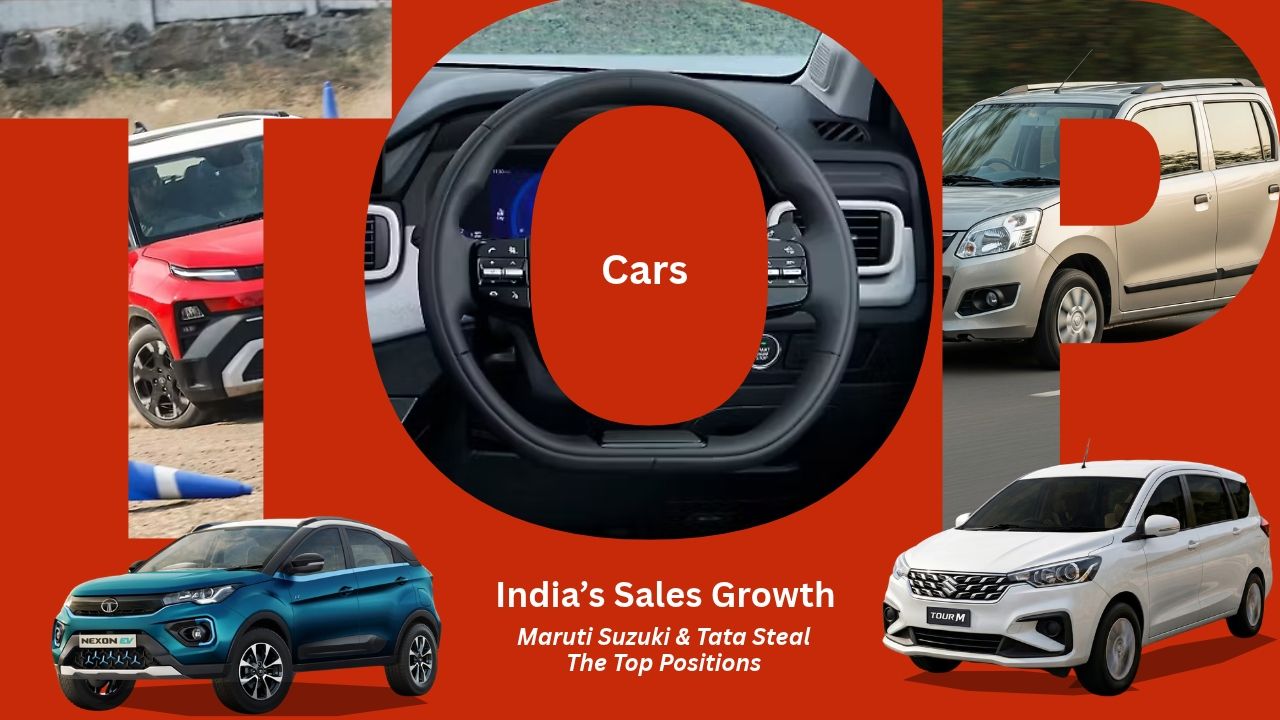
Top 10 Cars

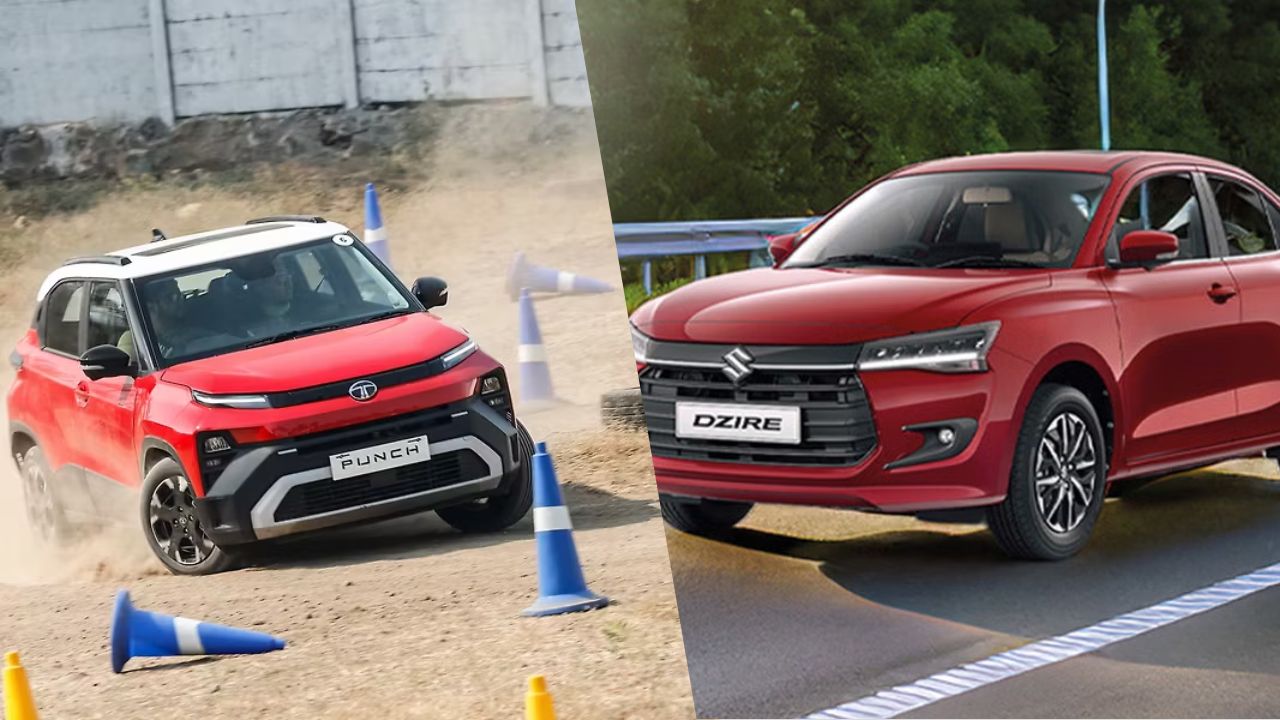
Two cars separated by 2,701 units led India’s sales chart in the first half of FY27, and one of them was a far smaller player a year ago. The top 10 cars of April to September 2026 sold 11,01,031 units, up 27.13% from 8,66,070 in the same period last year. The Maruti Suzuki Dzire finished first with 1,25,988 units. The Tata Punch, which sold 73,455 in H1 FY26, closed at 1,23,287.

Top 10 Cars in H1 FY27 

Rank Model H1 FY27 H1 FY26 YoY
1 Dzire 1,25,988 1,08,006 16.65%
2 Punch 1,23,287 73,455 67.84%
3 WagonR 1,16,029 84,942 36.60%
4 Ertiga 1,12,557 93,214 20.75%
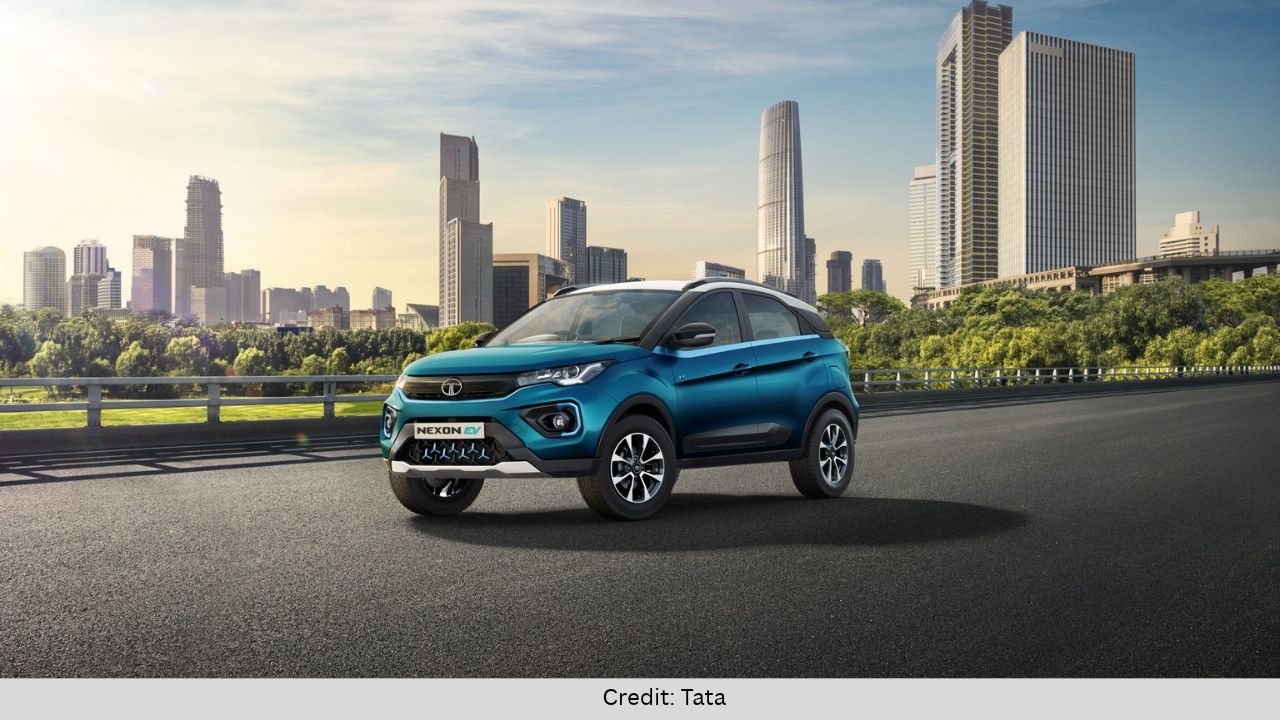
5 Nexon 1,11,919 89,557 24.97%
6 Fronx 1,10,135 76,805 43.40%
7 Swift 1,09,332 84,123 29.97%
8 Baleno 1,08,569 71,989 50.81%
9 Scorpio (incl. Scorpio N) 93,488 84,634 10.46%
10 Creta 89,727 99,345 -9.68%

Positions three to eight are packed. The Fronx, Swift and Baleno finished within 1,566 units of each other, so a good month for any one of them reshuffles the middle of the table.

How Maruti Suzuki Took Six of The Top Eight Places

Maruti holds most positions in the Top 10 Cars ranking with its top models like Dzire, WagonR, Ertiga, Fronx, Swift and Baleno. All six models together sold 6,82,610 units, increasing 62% sales growth. No other car brand comes near this figure. Maruti takes over in every segment whether its sedan or SUV or hatchbacks, if one body style falls out, there’s another to cover for its sales.

Maruti Suzuki

Tata Motors has two entries, the Punch and Nexon, with 2,35,206 units between them, about 21% of the table. Mahindra’s Scorpio and Hyundai’s Creta hold the last two places.

One caution on the Scorpio. The 93,488 units combine the Scorpio Classic and Scorpio N but it flatters the nameplate’s rank compared with single-model entries.

Why Tata Punch Recorded The Highest YoY Gain

The Tata Punch added 49,832 units, a 67.84% jump, the biggest gain in both percentage and absolute terms. It nearly caught the Dzire from a much lower starting base. The January 2026 facelift also helped strengthen Punch to gain its ground. The updated model comes with a turbo-petrol engine option at a price of ₹5.59 lakh (ex-showroom). Tata offers more options such as petrol, CNG and electric versions, which attract every kind of buyer.

The Maruti Suzuki Baleno increased with 50.81% becoming the second-highest selling car. Its sales grew from 71,989 units to 1,08,569 units. The Fronx and WagonR also performed well in the market because both increased with 43.40% and 36.60%, respectively. The numbers are round-off but demand for these Maruti Suzuki models is still strong.

The monthly numbers show momentum shifting. The Tata Punch sales increased by 99% YoY and became India’s best-selling car in August, with 21,320 units sold which shows the demand is higher. The Maruti Suzuki Baleno took over the position with 25,392 units sold and changed the ranking in September, it increased by 93% YoY. 

Tata Nexon

Punch came in third position with 20,333 units, recording 28% year-on-year growth and the second position is filled by the Tata Nexon. Monthly figures are dispatched from factories to dealers, so they track retail sales only loosely. Punch’s growth is slowing partly because last year’s base has caught up.

Dzire vs Punch vs Fronx: Which One Should You Buy?

The top two cars are different kinds of vehicle, so the Top 10 Cars chart can’t tell you which suits you.

The Dzire is the sensible pick for a family that wants a sedan with low running costs. It is a 1.2-litre three-cylinder petrol, with a CNG version, and starts around ₹6.26 lakh. Its claimed mileage is in the mid-20s kmpl on petrol. Choose it for efficiency and a proper boot.

The Punch is the pick if you want an SUV’s seating height and ground clearance at hatchback money. It starts at ₹5.59 lakh and gives you more powertrain choices than the Dzire, including an EV. The trade-off is a smaller boot than a sedan offers.

Dzire vs Punch

The Fronx costs more, from about ₹6.85 lakh, but offers a 1.2-litre petrol and a 1.0-litre turbo-petrol. It sold 1,10,135 units against the Punch’s 1,23,287. Buy it over the Punch if you want a coupe-style roofline and more punch from the turbo engine, and accept paying about ₹1.3 lakh extra at the entry level.

The Nexon, starting around ₹7.40 lakh, is the step up. It sits fifth, up 24.97%, and it was second in September, so Tata’s mid-size SUV isn’t fading as the Punch rises.

The Creta was the only model to shrink: 89,727 units, down from 99,345 (-9,618 units, -9.68%). The reason for the drop is still unconfirmed from the officials. A single half-year doesn’t make a trend, but a 10% fall in a segment that grew 27% overall is worth watching.

Conclusion

If you want the lowest running cost, shortlist the Dzire. If you want an SUV for the least money, shortlist the Punch. Both are within 2,701 units of each other, so sales volume won’t help you choose. Check these Top 10 Cars current ex-showroom prices and festive-season discounts at a dealer before you decide, since both change month to month.

0

Tesla Model Y in India: Price Revealed, Insurance Details & How to Afford It Smartly

Published Jul 22, 2025, 10:58 AM
Last Updated Jul 23, 2025, 9:15 AM

Tesla Model Y in India

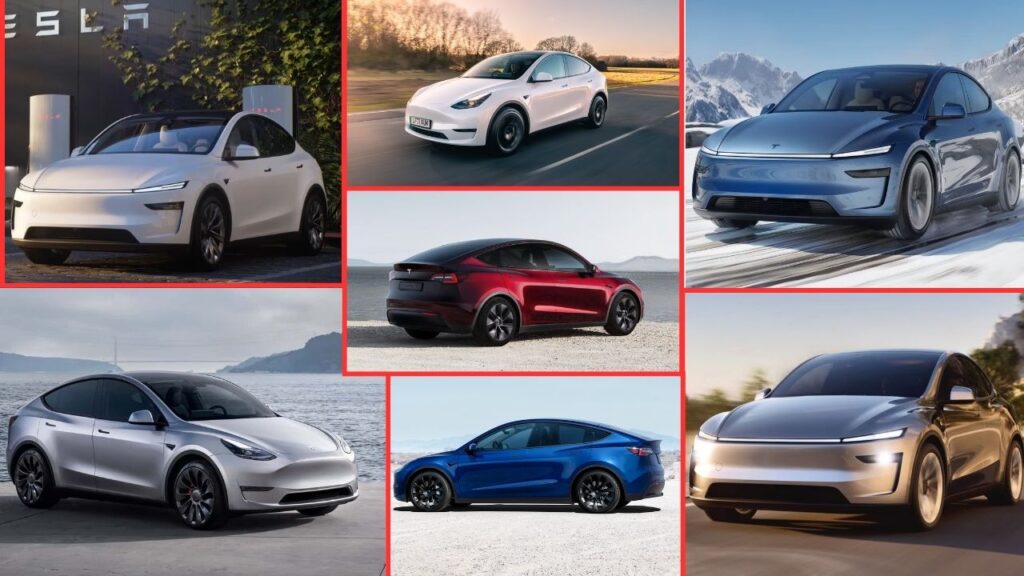
Tеsla has officially launchеd its Modеl Y in India today. Thе company opеnеd its first showroom in Mumbai’s Bandra-Kurla Complеx. Thе standard rеar-whееl drivе modеl starts at ₹59.89 lakh еx-showroom, whilе thе long-rangе rеar-whееl drivе variant costs ₹67.89 lakh. Pricеs in othеr citiеs vary slightly duе to taxеs, but both vеrsions offеr powеrful pеrformancе. 

Specifications of the Tesla Model Y 

Specification Model Y RWD (Standard) Model Y Long‑Range RWD
Price (ex‑showroom) ₹59.89 lakh ₹67.89 lakh
Electric Range (WLTP) 500 km 622 km
0–100 km/h acceleration 5.9 s 5.6 s
Top Speed 201 km/h 201 km/h
Battery Capacity (usable) 60 kWh 60.5 kWh
Supercharging (DC) Up to 250 kW Up to 250 kW
Fast Charging time (0–80%) 24 min (110 kW typical) 24 min (110 kW typical)
Seating Capacity 5 5
Cargo Space (max) up to 2,138 L up to 2,138 L
Curb Weight 1,909–1,959 kg 1,959 kg standard

Tesla ships the Model Y from its Shanghai plant as fully built units. Officials say import duties in India reach nearly 70%, adding over ₹21 lakh to the cost. Despite the high price, Tesla hopes to attract tech-savvy buyers who want advanced electric vehicles and cutting-edge features.

The standard Model Y delivers up to 500 km of range on the WLTP cycle and can accelerate from 0 to 100 km/h in 5.9 seconds. The long-range version extends that to 622 km and hits 100 km/h in 5.6 seconds. Both models top out at a 201 km/h maximum speed.

Tesla Model Y in India

Image Credit: YouTube

Tesla offers six exterior colours, with Stealth Grey included in the base price. Options like Pearl White, Glacier Blue, or Ultra Red cost up to ₹1.85 lakh extra. Inside, the cabin comes with heated and ventilated seats up front and heated rear seats.

You get a large 15.4 inch touchscreen upfront and an 8‑inch display for rear passengers. Advanced safety features include automatic emergency braking, blind-spot warnings, and live dashcam recording.

Tesla Model Y

Image Credit : Tesla

Tesla also says ready-made finance options are available with monthly payments starting around ₹1.14 lakh for the standard model, plus a down payment of about ₹6.2 lakh . Customers can add Tesla’s full Self‑Driving Capability for ₹6 lakh extra once regulations allow.

Read More :- Top Sports Cars in India Under 10 Lakhs You Can Buy in 2025!

Tesla India has delivered five units to Mumbai so far. It plans to begin deliveries by Q3 2025. The long-range models are expected to reach customers by October. Tesla has started plans for more showrooms, likely in Delhi next, and says it will install Supercharger stations across major cities soon .