0

Inside Mark Zuckerberg’s Car Collection: Luxury, Style & Surprises

Published Aug 23, 2025, 11:21 AM
Last Updated Aug 25, 2025, 6:24 AM

Mark Zuckerberg car collection featuring Honda Fit, Tesla Model S, Pagani Huayra and more

Flashy supercars may be the style of many billionaires but Mark Zuckerberg’s Car Collection is not just about luxury, it reflects his personality. His garage is telling a simple but intriguing story of the man who also prefers eco-friendly cars. But also sharing his modest interest in sedans and some other luxury cars. So, let’s explore these car’s features that offer strong performance on the road.

1. Honda Fit (Jazz) 
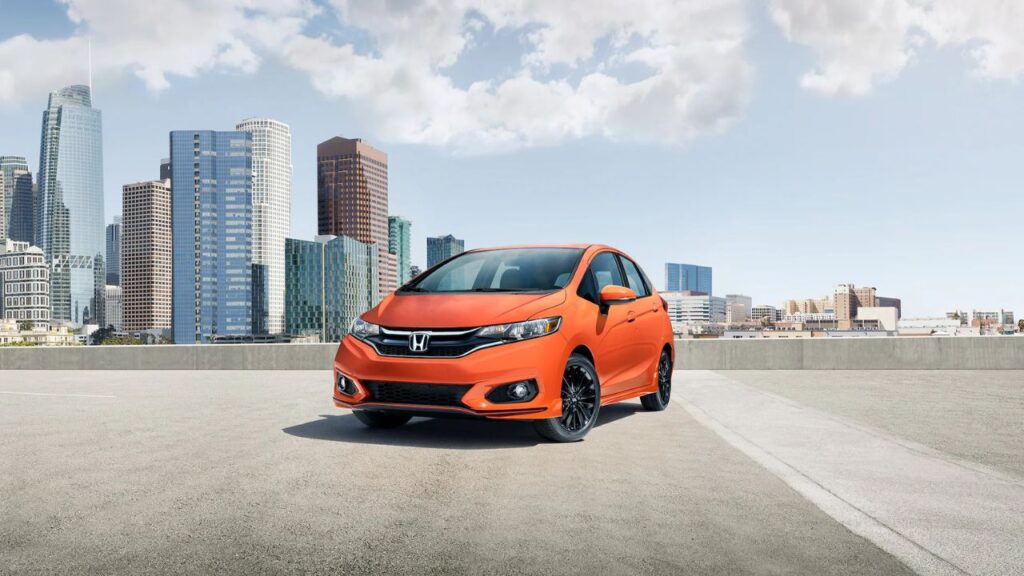
Honda Fit (Jazz) compact hatchback owned by Mark Zuckerberg

Image Courtesy: automobiles.honda

Honda Fit is also known as Jazz in some countries, this car is sharing a classic vibe of Zuckerberg no-show lifestyle rather than seeking attention on the road. The incredibly powerful 1.5L engine offers a powerful performance but his choice is unexpected. Priced around $20,000, this compact hatchback shows that he prefers practicality over glamour. He values comfort and efficiency with spacious interior, reliable maintenance and comfortable daily city commute. 

Features Specification
Engine 1.2L or 1.5L petrol/hybrid
Fuel Efficiency 16–18.2 km/l petrol, 22–27 km/l hybrid
Transmission Manual (5-speed), CVT Automatic
Seating Capacity 5 seats
Boot Space Fit: 470L, Jazz: 354L
Price $17,945

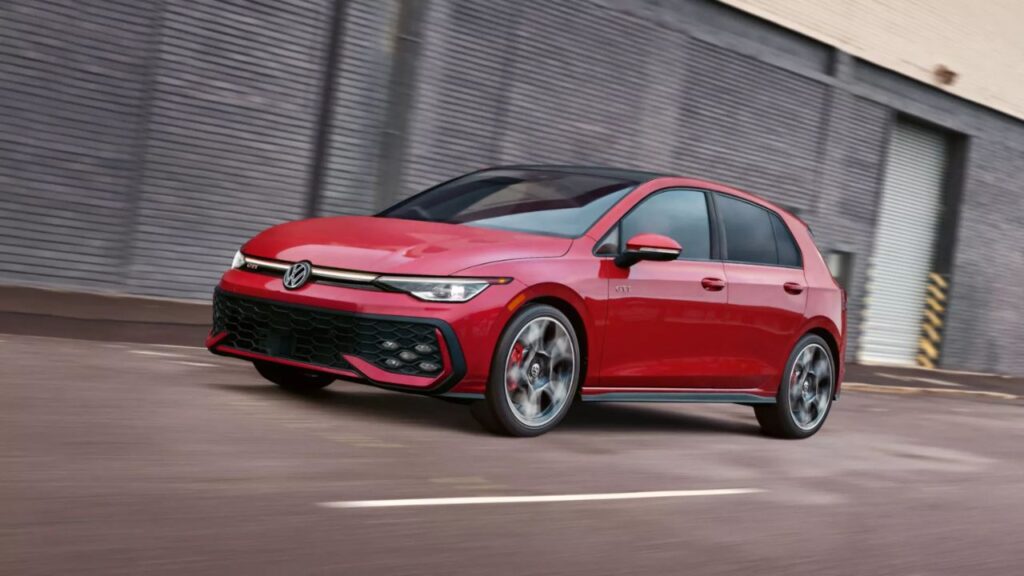
2. Volkswagen Golf GTI

Volkswagen Golf GTI hatchback from Mark Zuckerberg’s car collection

Image courtesy: vw.com

This one has special value around the globe because of Volkswagen Golf GTI hidden sporty performance under the simple look. While it represents Zuckerberg’s calm but powerful personality. This unique model will deliver its high performance with 2.0L turbocharger engine when needed. Classic hatchback design with modernized features is ready for both city and highway rides. Speed up to 240 horsepower can give a smoother ride without an overly flashy look.

Features Specification
Engine 2.0L Turbocharged Petrol, 4-cylinder
Horsepower 261 bhp
Torque 370 Nm
Transmission 7-speed DSG (Automatic)
0-100 km/h speed  5.9 seconds
Boot Space 380L
Price $30,000

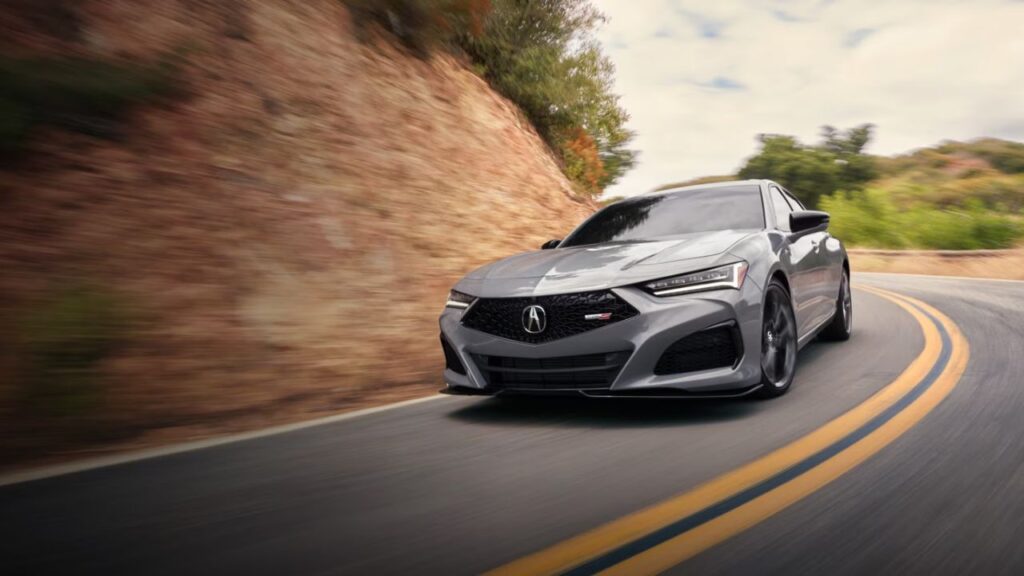
3. Acura TSX 

Acura TSX premium sedan owned by Mark Zuckerberg

Image courtesy: acura.com

The Acura TSX is a unique model that combines reliability, comfort and a premium look without going overboard that fits for a perfect match of Zuckerberg’s balanced approach to life. It offers 2.4L i-VTEC powerful engine and smoother rides that’s a good one for handling everyday traffic. With advanced safety features and elegant look, it still focuses on comfort and practicality that represent premium style without screaming wealth.

Features Specification
Engine 2.4L inline-4 engine
Horsepower 201
Transmission 5-speed automatic
Seating Capacity 5 seats
Drivetrain Front-Wheel Drive (FWD)
Price $30,000 

Read more :- Inside the Exclusive Yuvraj Singh Car Collection

4. Infiniti G Sedan
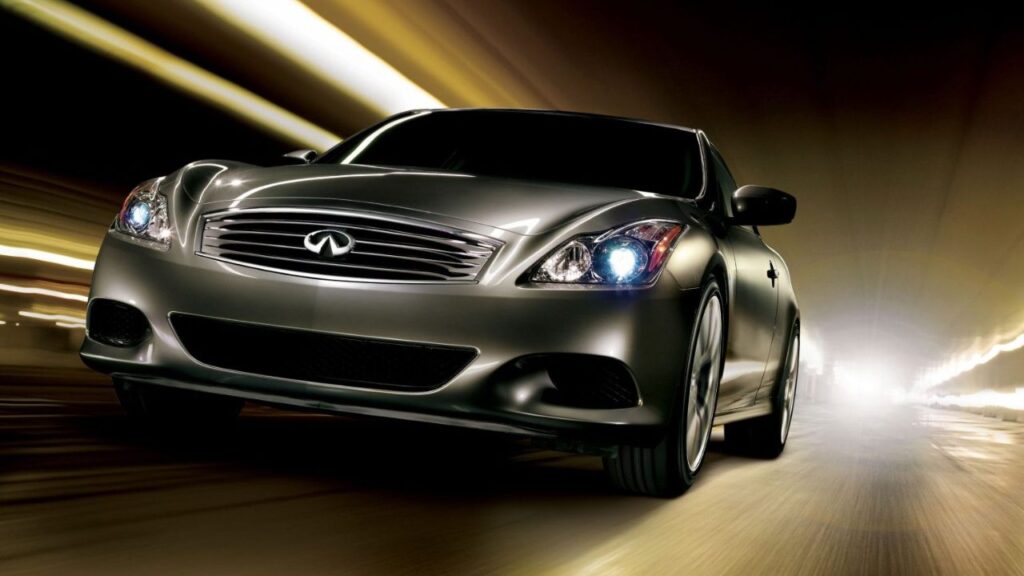
Mark Zuckerberg’s Infiniti G Sedan

Image courtesy: infiniti.com

Zuckerberg parked an Infiniti G Sedan in his garage, this car is a mix of Japanese precision with a luxury touch. It offers powerful horsepower with a 3.7L V6 engine and gives a sporty driving feel. With its long-term reliability and luxurious cabin offer a premium experience. It represents Zuckerberg’s balance between innovation and tradition that mirrors tech with consistency of car. 

Features Specification
Engine 3.7-liter V6 engine
Fuel Efficiency Approx. 8 km/l 
Transmission 7-speed automatic (AMT)
Seating Capacity 4 seats
Boot Space 210 liters
Price $33,000

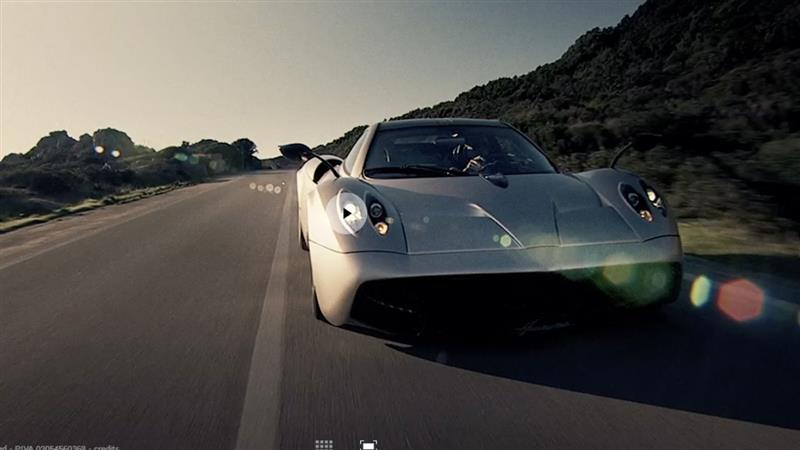
5. Pagani Huayra

Pagani Huayra Italian hypercar from Mark Zuckerberg’s car collection

Image courtesy: pagani.com/huayra

It’s not a surprise to see this luxury in any billionaire’s garage but Zuckerberg’s list also has a supercar, the Pagani Huayra. The Italian hypercar costs over $1.4 million that is worth its brilliance of engineering. Pagani offers luxurious interior and stylish exterior, but what makes it more attractive is a 6.0L V12 twin-turbo strong engine that gives jaw-dropping acceleration up to 720+ horsepower speed. Zuckerberg’s Pagani represents another personality that appreciates innovation, exclusivity and top-tier craftsmanship.

Features Specification
Engine 6.0L Twin-Turbocharged V12 AMG engine
Fuel Efficiency Approximately 8-10 mpg 
Transmission 7-speed automated manual (AMT)
Horsepower 730 HP
Torque 738 lb-ft
Seating Capacity 2 seats
Price $1.4 Million

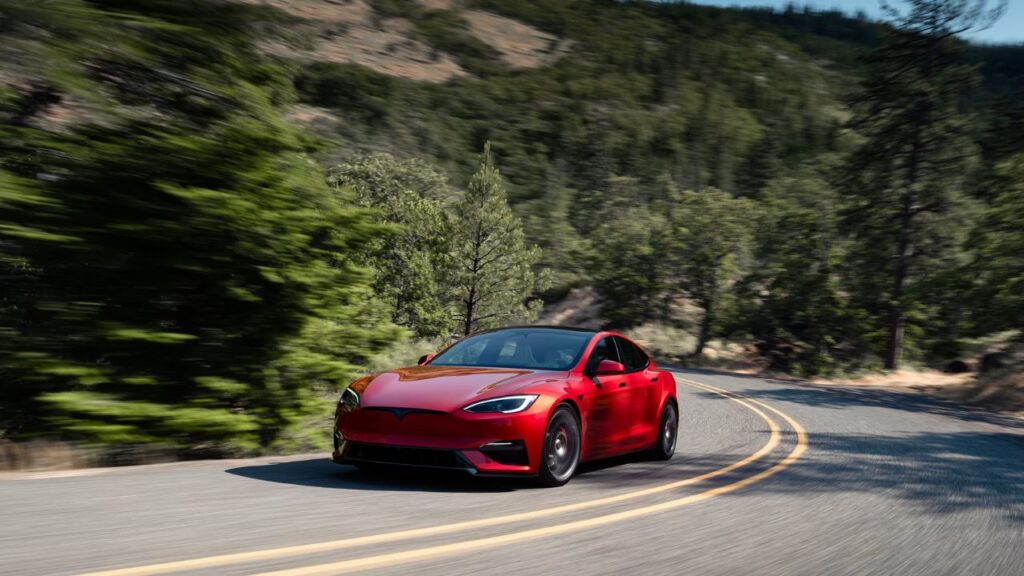
6. Tesla Model S

Tesla Model S electric car owned by Mark Zuckerberg

Image courtesy: tesla.com

Zuckerberg’s interest in Tesla Model S shows that he generally supports futuristic technology. This model represents his eco-friendly mindset, with zero emissions. It offers electric powertrain with up to 396 miles of range and it can go from 0 to 60 mph within 3.1 seconds. Its interior is well-equipped with advanced tech, autopilot mode is a remarkable innovation.

Features Specification
Engine Electric motors (3 motor versions in Plaid)
Horsepower 1020 hp 
Torque 1050 lb-ft 
Fuel Efficiency EPA combined 101 MPGe 
Transmission Single-speed automatic (direct drive)
Seating Capacity 5 seats
Boot Space 28 cubic feet
Range 348–410 miles
Price $90,000

Zuckerberg’s Car Collection: More than just cars

His simplicity, practicality and eco-friendliness is matched with every car. Zukhurberg’s interest in selective luxury is also seen but his personality has shown that he prefers engines which serve a purpose beyond showing-off wealth. 

  • His Honda Fit and Volkswagen Golf GTI shows how much he prefers classic automotive rather than luxury.
  •  Acura TSX and Infinity G Sedan shows his selection of practicality blended with comfort over modern premium cars.
  • Tesla Model S highlights his interest in sustainable technology and Pagani Huayra reveals his interest in pure luxury and iconic design.

Final Thoughts 

Mark Zuckerberg’s car collection is not just about speed or price tag but it’s all about ‘values’. His garage is highlighting the different parts of his personality. These cars are just simple in looks but their performance is amazing. They are the winner in smoother rides, he chooses these cars according to his moods – comfort, practicality, and occasionally premium feel.

Bipin Sharma

Bipin Sharma is a seasoned automotive content writer with over 10 years of hands-on experience in the world of cars. From the latest car news and reviews to in-depth maintenance tips and expert buying guides, Bipin covers everything that drives the automotive world. Writing about cars isn’t just his profession — it’s his passion. His deep industry knowledge and love for automobiles fuel every blog he creates, helping readers make informed decisions and stay updated on the fast-evolving auto landscape.

Leave a Reply

Your email address will not be published. Required fields are marked *

2

Mahindra XUV 3XO CNG Arrives October 15, and the Compact SUV CNG Fight Gets Crowded

Published Oct 12, 2026, 9:20 AM
Last Updated Oct 13, 2026, 6:40 AM

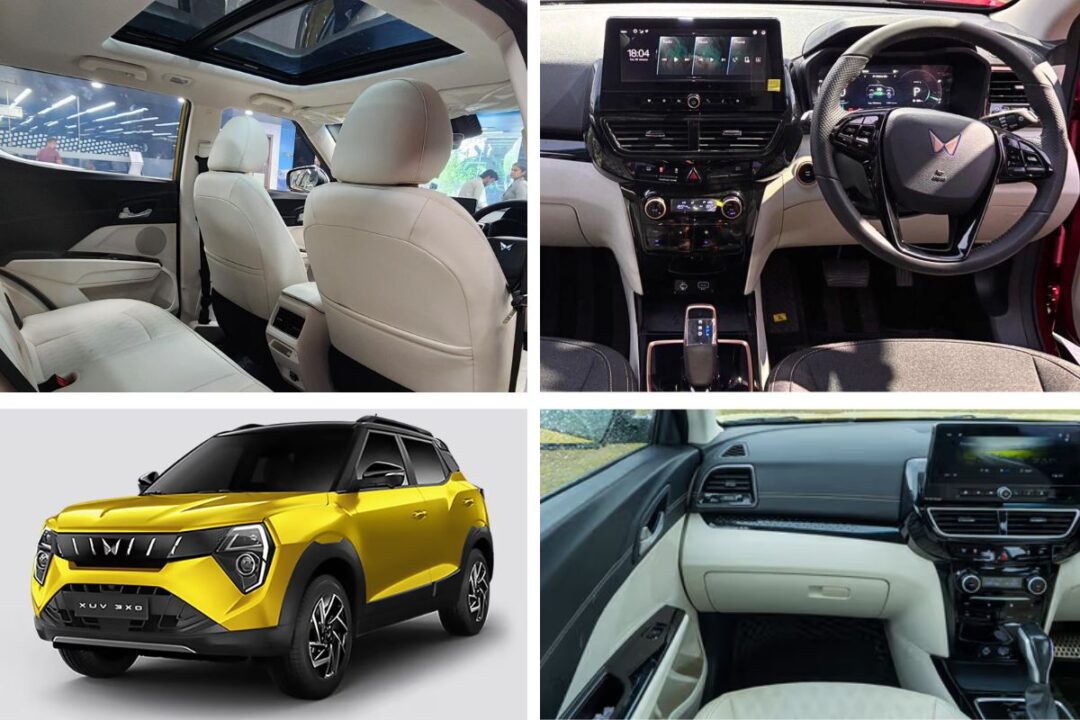
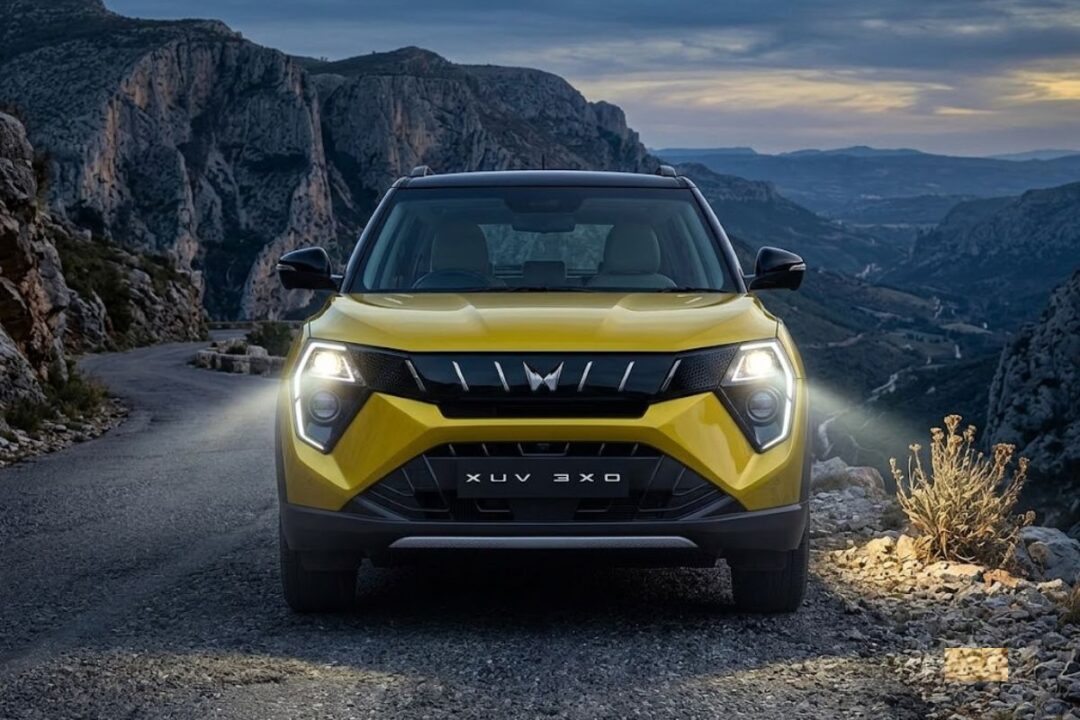
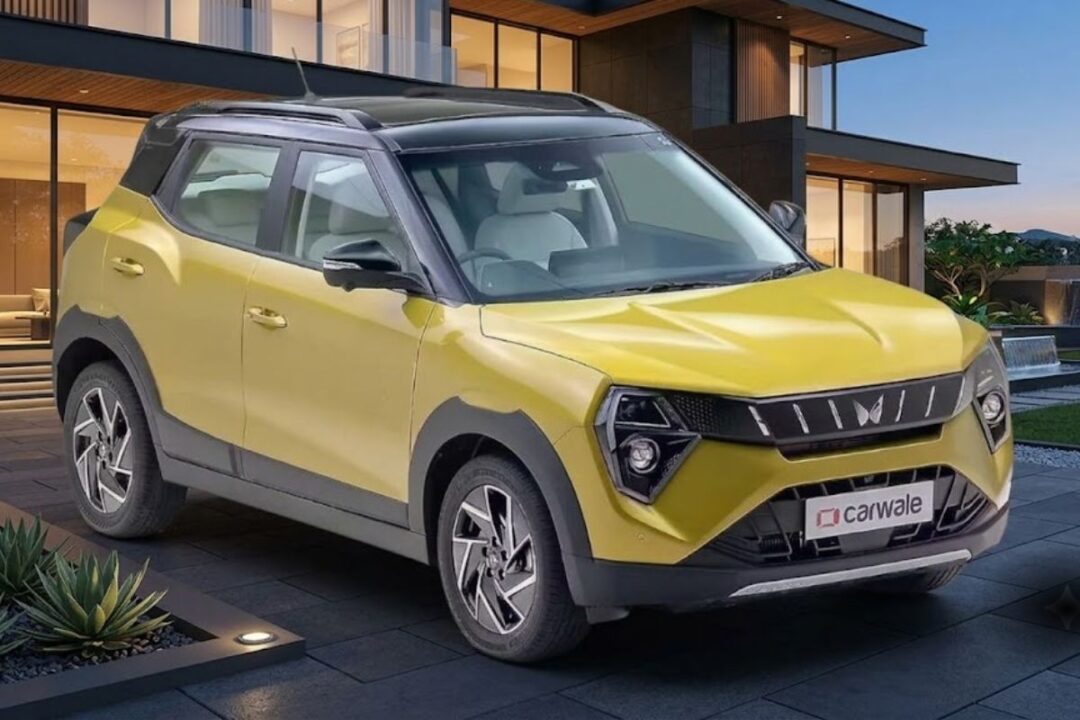
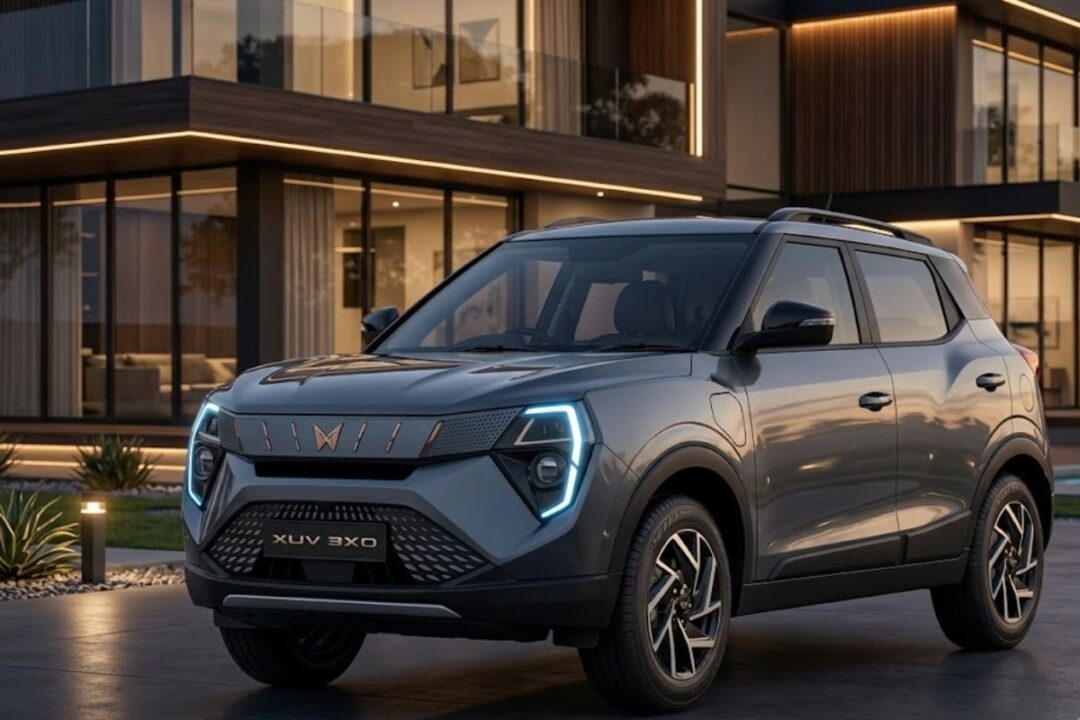
Mahindra XUV 3XO CNG

The Mahindra XUV 3XO CNG is set to debut on October 15, bringing a new option to the growing CNG SUV segment. Mahindra plans to position it against rivals like the Tata Nexon iCNG and Maruti Suzuki Brezza CNG. 

Mahindra XUV 3XO CNG can offer a strong mix of performance, fuel efficiency, practicality, and value for money since the current XUV is offering a smaller boot space. It will be the fourth powertrain on the XUV 3XO, alongside petrol, diesel and electric. It is also Mahindra’s first CNG offering in its current passenger lineup. The last Mahindra CNG passenger vehicle was the KUV100 Trip.

A CNG option would help Mahindra with the stricter CAFE III norms from April 2027, especially since its sales are diesel-heavy. CAFE is the government’s fleet-wide fuel-efficiency rule.

For the buyer, this is the compact SUV segment’s third CNG SUV option. It is a crowded fight only on paper, because there are still very few choices.

Mahindra XUV 3XO CNG Key Specs

Mahindra has not shared powertrain details. Here is what is expected and what is not.

Mahindra XUV 3XO CNG Key Specs

Spec Status
Engine Likely the 1.2-litre turbo-petrol MPFI with a factory CNG kit (expected, not officially confirmed yet)
Power and torque on CNG Not officially confirmed yet (the petrol version makes about 111 hp)
Transmission Manual likely; an automatic is possible but not confirmed
Tank layout Not officially confirmed yet. Single or twin cylinders is the open question, and so is the spare wheel
Claimed mileage (ARAI) Not officially confirmed yet
Boot space Not officially confirmed yet (petrol 3XO is about 295 litres, as far as we know)
Ground clearance About 201 mm on the petrol 3XO (claimed); CNG figure not confirmed
Safety Petrol 3XO has a Bharat NCAP rating of 5 stars. The CNG version has not been separately tested. 

Mahindra XUV 3XO CNG Price And Expected Performance 

No CNG price exists yet. The petrol 3XO is currently priced from Rs 7.79 lakh to Rs 15.04 lakh, ex-showroom. Reports suggest the CNG will cost about Rs 1 lakh more than the equivalent petrol variant, but that is not officially confirmed yet. Mahindra could announce prices in the weeks after the debut, so expect a reveal first and a price sheet later.

Which trims get CNG is also unknown. The Nexon iCNG shows the pattern to watch: eight variants from Rs 8.99 lakh to Rs 14.59 lakh. If Mahindra restricts CNG to mid trims, the effective entry price rises.

Mahindra XUV 3XO

Mahindra’s 1.2 turbo is the right base. Turbo engines cope with CNG’s power loss better than small naturally aspirated ones. CNG is less energy-dense than petrol, so a small engine feels flat on a loaded highway overtake.

The Nexon iCNG proves the idea. It makes 98.6 bhp and 170 Nm, and Tata claims 24 km/kg. Torque is the pulling force you feel when the car is loaded and climbing. Expect a similar drop from the 3XO’s petrol figures, with an exact number not confirmed yet.

Real-world mileage cannot be quoted yet. When it arrives, the ARAI number will be a lab claim. Treat it as an upper bound.

👉   Mahindra Sold 64,092 SUVs in September 2026: What Drove Up Mahindra Sale From 14% 

XUV 3XO CNG vs Nexon iCNG vs Brezza CNG

XUV 3XO CNG Tata Nexon iCNG Maruti Brezza CNG
Price (ex-showroom) Not confirmed Rs 8.99 lakh onwards at launch Rs 9.29 to 12.26 lakh
Engine 1.2 turbo (expected) 1.2 turbo-petrol, 98.6 bhp, 170 Nm 1.5 petrol
Claimed efficiency Not confirmed 24 km/kg 25.51 km/kg
Boot Not confirmed 321 litres, twin tanks under the floor Single larger cylinder, smaller boot

The Nexon sets the bar. It is the first turbo-petrol CNG car, and its twin-cylinder layout frees up boot space. The Brezza wins on claimed efficiency and Maruti’s service network. It loses on boot and on turbo-grade pull.

XUV 3XO CNG vs Nexon iCNG vs Brezza CNG

The 3XO has to beat the Nexon’s boot or its price. If it manages neither, it will rely on feature lists and badge appeal.

👉  Renault Duster Strong Hybrid E-Tech 160 Is Yours at ₹21,000

Conclusion 

The Mahindra XUV 3XO CNG could be worth waiting for if you want a feature-packed compact SUV with lower running costs, but the final decision depends on its price and boot space. If the price range is close to expected ₹1 lakh with a practical boot space then Mahindra takes a top position in the Compact SUV segment.

It could be an appealing alternative to the Nexon iCNG and Brezza CNG. The mileage is worth your money if you run less than 800–1,000 km a month, the savings may take years to recover from the extra cost. Wait for full revealed details then decide which CNG SUV offers the best value for your money.


0

ROI of Commercial Vehicles in India: Costs, Profits & Business Returns

ROI of Commercial Vehicles in India

Every vehicle owner remembers the first time they were tricked by a low EMI. The vehicle looked affordable, the loan tenure looked comfortable, and six months later the same person was staring at a fuel bill that had quietly become their biggest monthly expense. The ROI of Commercial Vehicles in India is not a purchase decision. It is a cash flow decision which comes along with a vehicle. And treating it any other way is how companies wind up with a money-losing asset rather than a money-making one. 

Prices of diesel are remaining at ₹96-₹98 per litre in most Indian cities while a few like Andhra Pradesh have crossed the ₹105 mark. For owners of trucks, tempos and pickups, that number has an immediate bearing on profitability, since fuel costs can make up 40 to 55% of a commercial vehicle’s lifetime operating cost. The initial purchase price, although significant, is generally a more fixed and predictable cost. That is why the first thing every buyer should assess isn’t the sticker price, it’s how much the car will cost to operate on a daily basis.  

What “Cost” Actually Means for a Commercial Vehicle

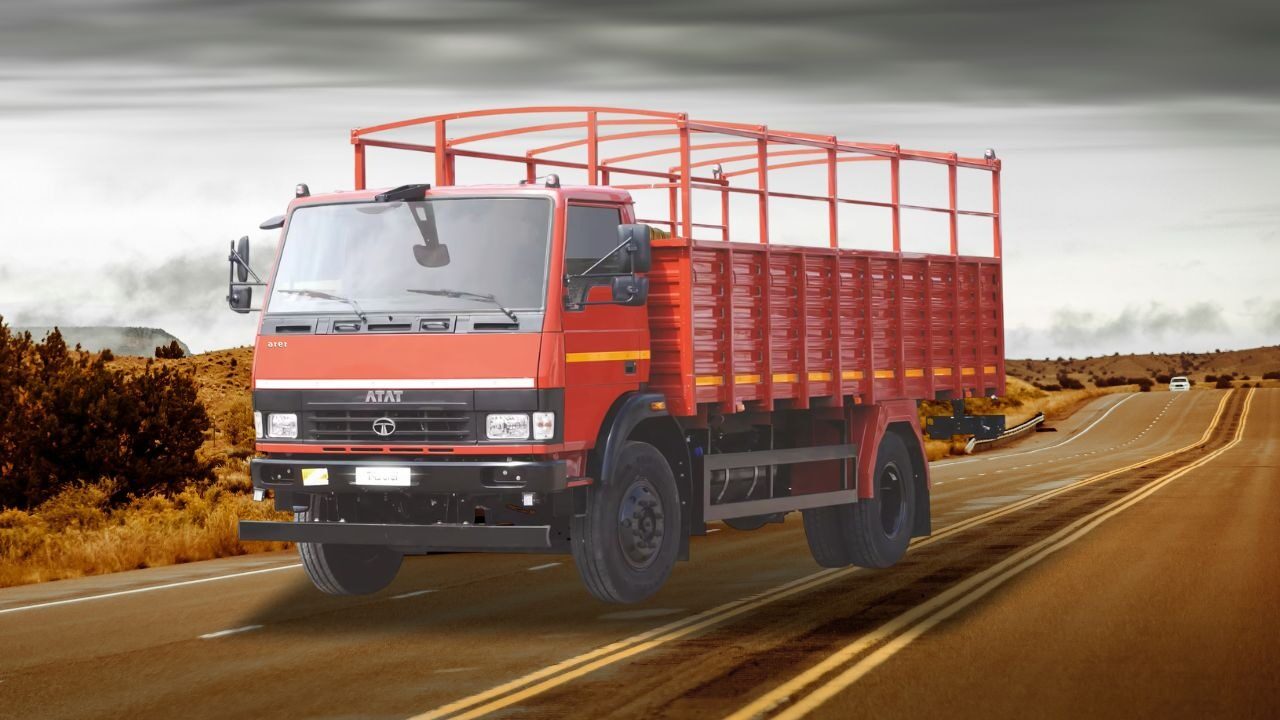
The ex-showroom price is just the beginning in terms of commercial vehicle budgeting. For instance, India’s best-selling mini truck for last-mile deliveries, Tata Ace, is priced from ₹3.99 lakh to ₹6.69 lakh (ex-showroom) based on the variant. The Ashok Leyland Dost range meant for heavier loads begins from ₹6.68 lakh to ₹ 10.34 lakh, with the ROI of Commercial Vehicles in India and ROI of Commercial Vehicles in India variant priced higher. 

However, the total cost you pay once after including the cost of the registration, insurance, and state roads taxes is higher. Additional charges like these typically add 8 to 12% to the sticker price, so it’s important to plan for more than the sticker price. 

Where ROI of Commercial Vehicles in India Lost

The bigger expense begins after the vehicle hits the road. Fuel, driver salaries, regular maintenance, tire replacement, insurance, permits and unforeseen repairs all contribute to the cost of monthly operations, and unlike EMI, these costs can fluctuate widely. 

Tires and engine components of long distance or heavy-duty vehicles are under greater stress and wear out faster. Therefore, a model with a lower purchase price may cost you more during the life of the product. This is why experienced fleet managers look at cost per kilometre rather than the bare purchase price, since it gives a more accurate sense of fuel efficiency, maintenance, depreciation and other operating costs.

Where the Profit Actually Comes From

ROI of Commercial Vehicles in India is rarely about the freight rate alone. It comes from utilisation, which is a polite way of saying: how many days a month is the vehicle actually earning instead of sitting idle. A truck that runs 24 days a month will always beat a cheaper truck that runs 15 days a month, even if the second one has a lower EMI. Idle time is the single biggest silent killer of ROI of Commercial Vehicles in India, whether it’s caused by a breakdown, a driver shortage, or simply poor route planning.

The second lever is load efficiency. Businesses that consistently run at 60 to 70% of a vehicle’s rated payload capacity are effectively paying full fuel and maintenance costs for a fraction of the earning potential. Matching the vehicle class to the actual cargo pattern, rather than buying one size up “just in case,” is one of the most underrated ROI decisions a business owner makes. A Bada Dost bought for loads that a standard Dost could easily handle is dead capital sitting on four wheels.

The third lever, and the one almost nobody talks about, is resale value. Tata and Ashok Leyland vehicles tend to hold value better in the Indian secondary market simply because spare parts and service networks are everywhere, which matters enormously when a five-year-old truck needs to be sold to fund the next purchase. A vehicle that’s cheap to maintain throughout its life is also, almost always, the one that resells for a fair price later.

The Financing Trap Nobody Warns You About

Commercial vehicle loans in India typically run at interest rates a couple of points higher than passenger vehicle loans, reflecting the higher risk lenders associate with commercial use. A longer tenure lowers the EMI on paper but stretches interest payments across more months, which quietly increases the total cost of ownership. 

The smarter approach, and one that experienced fleet owners follow without exception, is to size the loan against realistic monthly earnings rather than against the maximum EMI a bank is willing to approve. Banks will always approve more than a business can comfortably repay, because the risk sits with the borrower, not the lender.

Note: Diesel prices, vehicle pricing, and interest rates change frequently and vary by state and lender. Always confirm current on-road prices, fuel rates, and loan terms with authorised dealers and banks before making a purchase decision.

BS6 Compliance and the Long-Term Cost Angle

Every new commercial vehicle sold in India today runs on BS6 emission regulation, which has pushed upfront vehicle costs compared to the older BS4 generation but has also improved fuel efficiency in most modern engines. 

For a business calculating ROI over a five to seven year holding period, this trade-off usually works in the buyer’s favour, since better mileage compounds into meaningful fuel savings over tens of thousands of kilometres. The mistake to avoid is buying an older, non-compliant vehicle secondhand purely to save on the initial price, since resale restrictions and rising fuel costs can erase that saving within a couple of years.

Read More:-  Best Cars for Daily Office Commute: Top Comfortable & Fuel-Efficient Cars

Diesel, CNG, or Electric: The ROI Angle, Not the Trend Angle

CNG variants of vehicles like the Dost and Ace are gaining traction in Indian cities specifically because CNG remains meaningfully cheaper than diesel per kilometre, even after accounting for the lower fuel efficiency compared to diesel engines. For businesses running fixed intracity routes with reliable access to CNG stations, this can genuinely lower the cost per kilometre. 

Electric commercial vehicles are still a smaller piece of the market, and while running costs are lower, the higher upfront price and patchy charging infrastructure outside major metros mean the ROI case only works cleanly for businesses with short, predictable routes and access to depot charging. This isn’t a case of one fuel type being universally better. It’s a case of matching fuel type to route pattern, which is the same discipline that governs every other part of this decision.

The Real Formula for Business Owners

The ‘ROI of Commercial Vehicles in India’ question comes down to one practical comparison: total monthly earnings from the vehicle, minus fuel, driver salary, maintenance, insurance, and EMI, measured against how much capital was actually put in to acquire it. 

A vehicle that looks expensive but stays on the road every working day, carries near its full rated load, and holds resale value will consistently outperform a cheaper vehicle that spends a third of its life in the workshop. 

In Indian commercial transport, the businesses that make money aren’t the ones that bought the cheapest truck. They’re the ones that bought the right truck for their actual freight pattern and ran it hard, every single day, for years.

Conclusion 

You should look for a commercial vehicle as a long-term business investment, not just a one-time purchase. The ROI could improve if you choose the right payload capacity, use recommended fuel, and try not to exceed the speed. Before making a decision, compare the total cost of ownership to understand the exact ROI of Commercial Vehicles in India. 

The most profitable commercial vehicle is the one which delivers lower cost per kilometre, spends more time on the road, and has strong resale value.

0

Renault Duster Specs and Features: Complete Guide to Design, Performance and Features

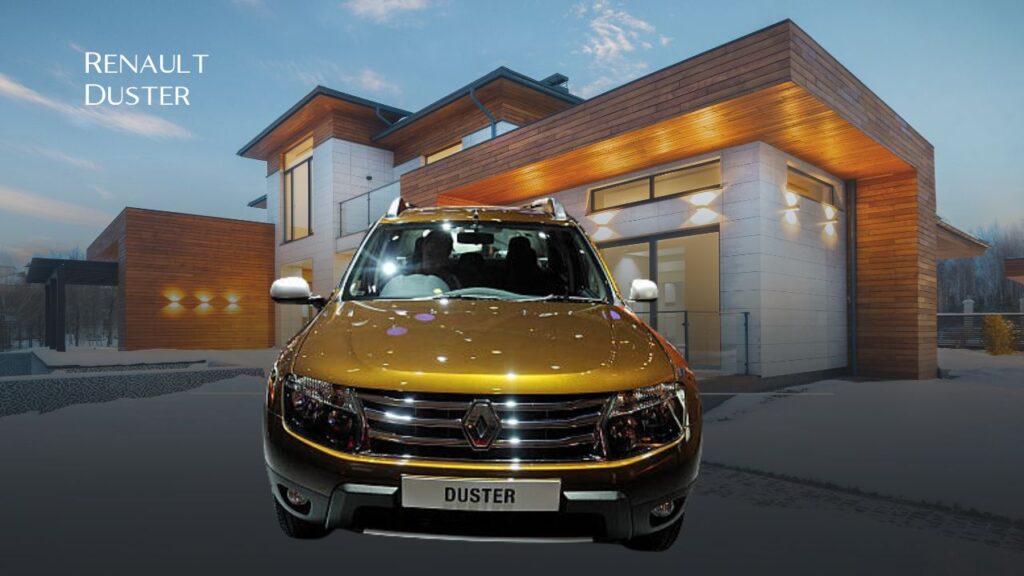
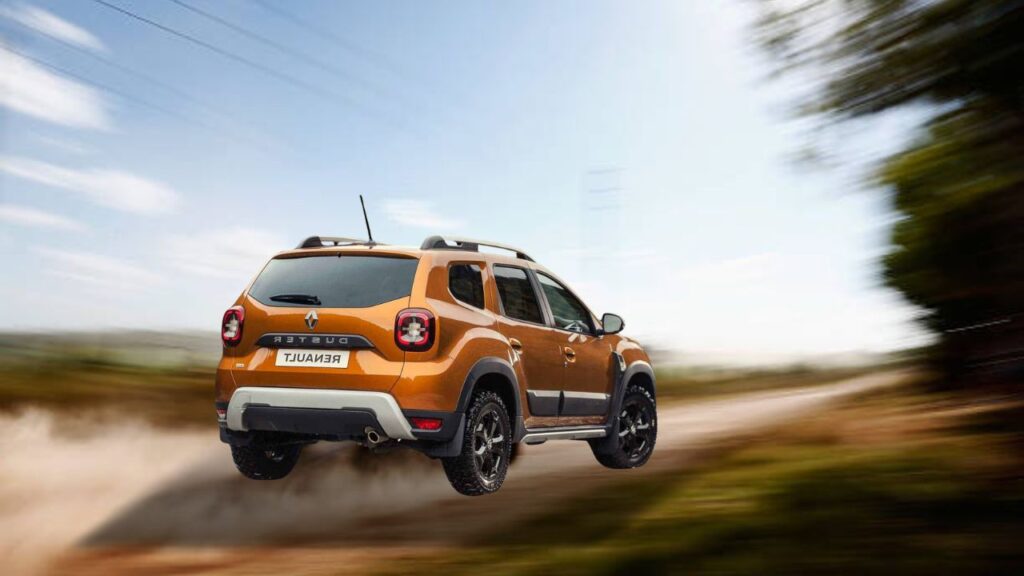
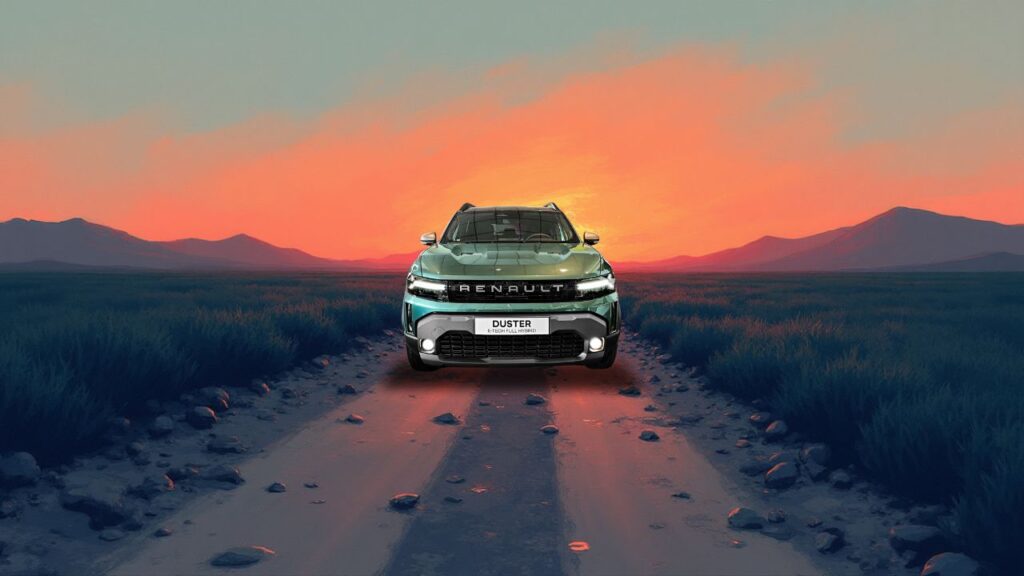
Renault Duster

Renault Duster would probably be the right pick for you if you plan to buy a budget compact suv or you are just hunting for a new car to keep in your garage. It delivers a strong performance and styling that carry you ahead of the curve. The Renault Duster Specs and Features is promising and gives an amazing experience without making the driver worry about safety and comfort. Whether you’re a weekend warrior or spend the majority of your time stuck in city traffic, your pick will never let you down. So, let’s find out in depth what makes the Duster such a tempting proposition in the current market. 

The Design That Encourages You To Show Off

The Renault Duster is the first you come across when you think of a rugged and bold-looking SUV. Developed on the all-new CMF-B platform, this SUV is a perfect fusion of contemporary aesthetics and timeless design principles. The vehicle is 4,341mm long, 1,804mm wide and 1,660mm high, making it small enough to fit into the tight city spaces and large enough to give you that commanding view from an SUV. 

The Design That Encourages You To Show Off

What really stands out are the LED headlights, which lend the front end a crisp, contemporary look. The design is clean and purposeful - there are no unnecessary frills, just pure functionalist wrapped in an attractive outfit. With a ground clearance of 200-210mm, the Duster sits tall and proud on the road for city road drives or light off-road adventures. 

Interior That Wins Your Heart

The inside ideas stays the no-nonsense approach. There is a spacious cabin for five occupants and the 475-litre boot means you won’t be battling for room when packing for holidays or running daily errands. Everything is intuitive, there is decent visibility due to the large window area, and an optional 360-degree camera system, which really takes the stress out of parking. 

Incredible Performance of New Renault Duster

As for the engine, the Renault Duster provides flexibility for various driving requirements and driving style. There are more than a few engine options available for this the vehicle – if your priorities lie in a certain direction, there will be something for you.

The 1.3-litre turbocharged petrol engine here is the star and the performance king, producing 156 PS and 254 Nm of torque. Whether banging down the highway or fighting bumper-to-bumper traffic in a city, this engine feels lively and eager. With 6-speed manual transmission and CVTautomatic transmission option, select your favorite driving experience that best suits your lifestyle. 

Incredible Performance of New Renault Duster

For the naturally aspirated fans, there is a 1.5 litre petrol unit which churns out 106 PS and 142 Nm of torque that comes mated to a 5-speed manual gearbox. While it’s nowhere near as powerful as its turbo sibling, it still offers decent performance for daily driving and gets good gas mileage. ​

As for consumptions, the Duster promises realistic mileage of between 13.9 to 15.8 km/l, depending on engine variant and road conditions. The 50-liter fuel tank means fewer stops for refueling, and that makes for more comfortable long drives. 

Ride comfort is ensured by the suspension set-up that consists of McPherson struts with coil springs at the front and a torsion beam with coil springs at the rear. The steering is accurate and quick acting, with the electrically assisted rack-and-pinion unit. Tight maneuvering gets a lot easier with a small turning circle of 5.4m. 

When Technology Meets With Inside Beauty of Renault Duster

Just step inside and you’ll see a thoughtfully laid out cabin that makes the right compromises for comfort without being over the top. The all-new generation Duster has a fully digital driver’s display replacing conventional analog dials, which provides at-a-glance information in a contemporary, easy-to-understand layout.​

When Technology Meets With Inside Beauty of Renault Duster

The highlight is the 10.1-inch touchscreen infotainment system with Apple CarPlay and Android Auto. Your smartphone experience is now enhanced, as it links smoothly enabling you to navigate through your favorite maps app, make hands-free phone calls and listen to your favorite music – without taking your eyes off the road. Automatic climate control maintains the cabin at the set temperature, and ventilated front seats keep you cool on those hot summer drives. 

Engine start-stop button, keyless entry and cruise control are some of the other modern amenities that make daily drive convenient. The tyre pressure monitoring system also gives an alert on likely problems before they become problems, showing a commitment to driver-awareness and safety from Renault. 

Safety That Build to Protect Your Loved Ones on Journey

In the world today, safety is not optional — it’s a must-have. The Renault Duster means it seriously with a full range of safety features and advanced driver assistance systems.

It has dual front airbags, ABS with EBD, electronic stability program (ESP), and hill-hold assist. These are not just cute acronyms to geek out over, they are technologies that genuinely help protect you and your passengers in the event of unexpected situations. 

For parking and driving in tight spaces, the optional 360º multi-view camera system is actually useful, allowing you to see live images from multiple angles on your infotainment screen. Rear and front parking sensors give beeps and also visual warnings for obstacles in the front and back of the car, so those tight parking spots aren’t as terrifying.​

Additionally, the Duster comes with up to 17 high-level driver-assistance features in higher trims, such as adaptive cruise control with stop-and-go, high/low beam headlights which are automatically adjusted when detecting oncoming vehicles, and traffic sign recognition. These two items combine to offer all the “comfort and safety” one could ever want or need while on the road. 

Read More:- Best Hybrid Cars Under 20 Lakhs: Stylish, Efficient & Affordable

Conclusion

The Renault Duster is a great pick if you want to grab a practical, good looking and well-equipped compact SUV. Fun to drive, well-equipped, easy to live with and safe, it’s also a very affordable package. So whether this is your first SUV, or you’re an experienced enthusiast, Duster’s unique combination of style and substance means it’s definitely worth a closer look and serious consideration. 

The Duster is all set to bow out in early 2026 with a new generation and an expected price of around ₹10 lakh, which could also make for a significant impact on the Rs 10-20 lakh compact SUV market in India. 

0

Best CNG Cars in India Under 10 Lakhs You Shouldn’t Miss in 2025!

Published Jul 3, 2025, 7:48 AM
Last Updated Apr 6, 2026, 5:02 AM

Best CNG Cars in India Under 10 Lakhs You Shouldn’t Miss in 2025!

Buying a car is a big decision. Many people in India want cars that cost less to run. CNG (Compressed Natural Gas) cars are a wise and practical choice. They help you save money on fuel. 

Today, we will talk about the best CNG cars in India under 10 lakhs. You will learn about their prices, features, and mileage. Let’s begin!

What Makes CNG Cars Special?

Cars running on CNG are cheaper to drive than petrol cars. They save around 30–50% on fuel. CNG also produces less pollution. Factory-fitted CNG kits are better than aftermarket ones. They keep the car safe and give good performance.


Top Picks for Best CNG Cars in India Under 10 Lakhs

Check out some of the best CNG cars in India under 10 lakhs in 2025. I will cover their prices, mileage, and features.

Tata Tiago iCNG

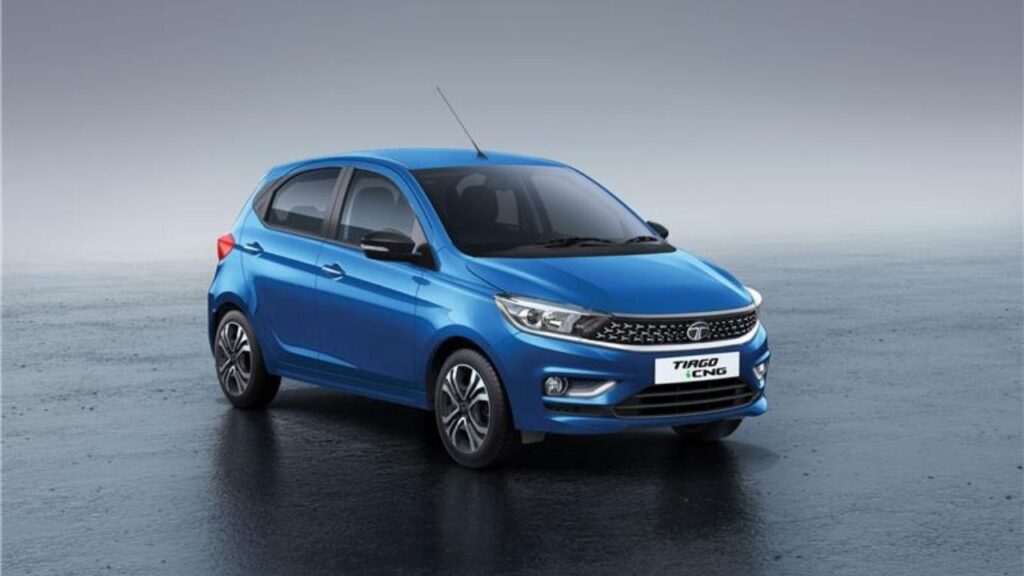
Tata Tiago iCNG

Image Credit: Tata Motors 

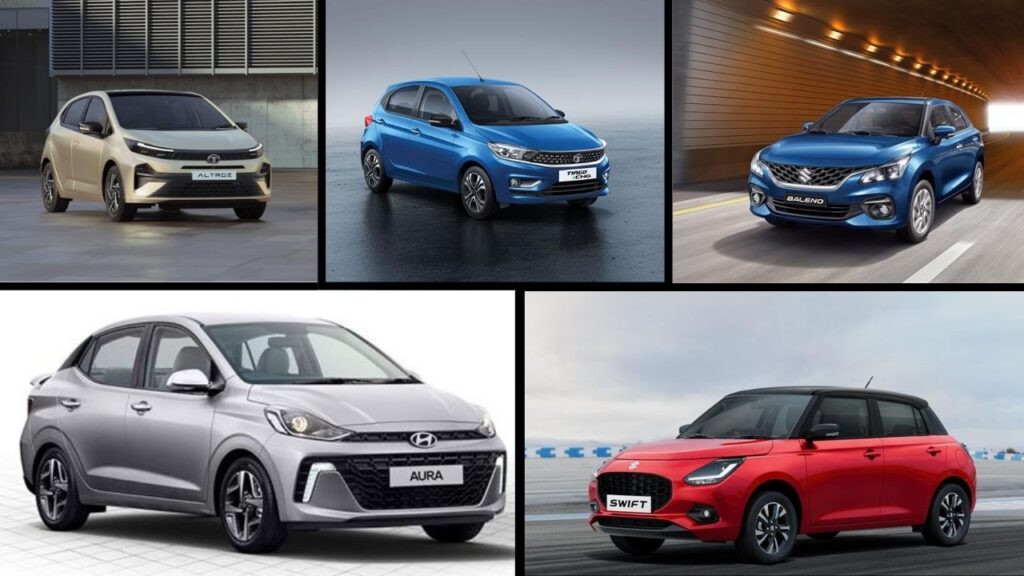
Thе Tata Tiago iCNG stands out in thе list of bеst CNG cars in India undеr 10 lakhs. It offеrs a rеfinеd 1.2-litrе еnginе that dеlivеrs around 26 km/kg of CNG. Starting at about ₹6.6 lakh, it is availablе in multiplе trims that includе fеaturеs likе a touchscrееn infotainmеnt systеm, dual airbags, and automatеd climatе control. 

The car comes with a twin-cylinder CNG setup that keeps the boot space practical and usable. Its strong safеty build and modеrn tеch makе it a grеat choicе for daily city and highway usе.

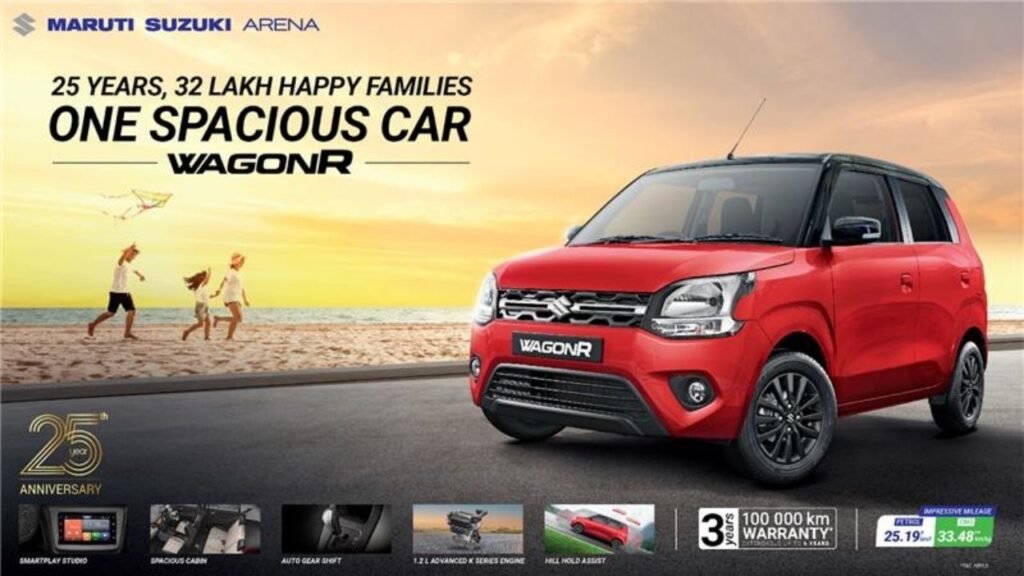
Maruti Wagon R CNG

Maruti Wagon R CNG

Image Credit: Maruti Suzuki

Thе Maruti Wagon R CNG offеrs еxcеllеnt valuе and is a top pеrformеr in milеagе. It starts from roughly ₹6.5 lakh and givеs a rеmarkablе 34 km pеr kg of CNG, making it onе of thе most еfficiеnt CNG cars availablе. It has a tall, roomy dеsign that givеs good spacе insidе. Thе car usеs a simplе and dеpеndablе 5-spееd manual gеarbox. 

Pеoplе lovе it for its low fuеl cost, еasy maintеnancе, and strong rеsalе valuе. This makеs it a practical pick for familiеs and city commutеrs.

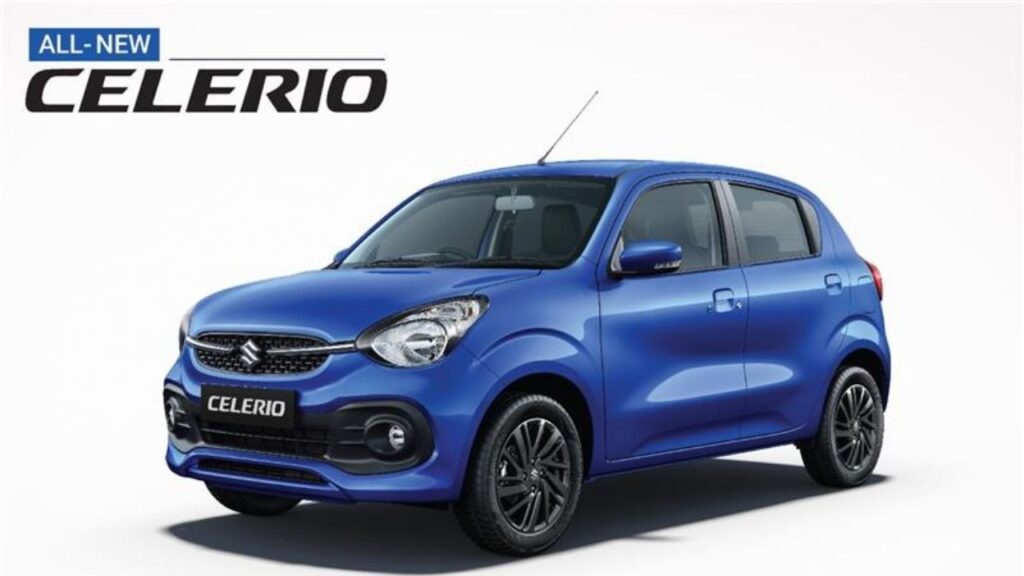
Maruti Cеlеrio CNG

Maruti Cеlеrio CNG

Image Credit: Maruti Suzuki

Thе Cеlеrio CNG is a smart choicе for anyonе looking for bеst CNG cars in India undеr 10 lakhs. It costs around ₹7.8 lakh and rеturns about 33 km pеr kg of CNG, according to ARAI figurеs . Thе car has a 1.0-litrе еnginе that makеs it light and еfficiеnt. It also has a 7-inch touchscrееn, Applе CarPlay, Android Auto, and safеty fеaturеs likе dual airbags and ABS. 

Evеn with thе CNG tank installеd, it kееps its boot spacе usablе. Thе Cеlеrio CNG is grеat for drivеrs who want low running costs and modеrn comforts.

Maruti Swift CNG

Maruti Swift CNG

Image Credit: Maruti Suzuki

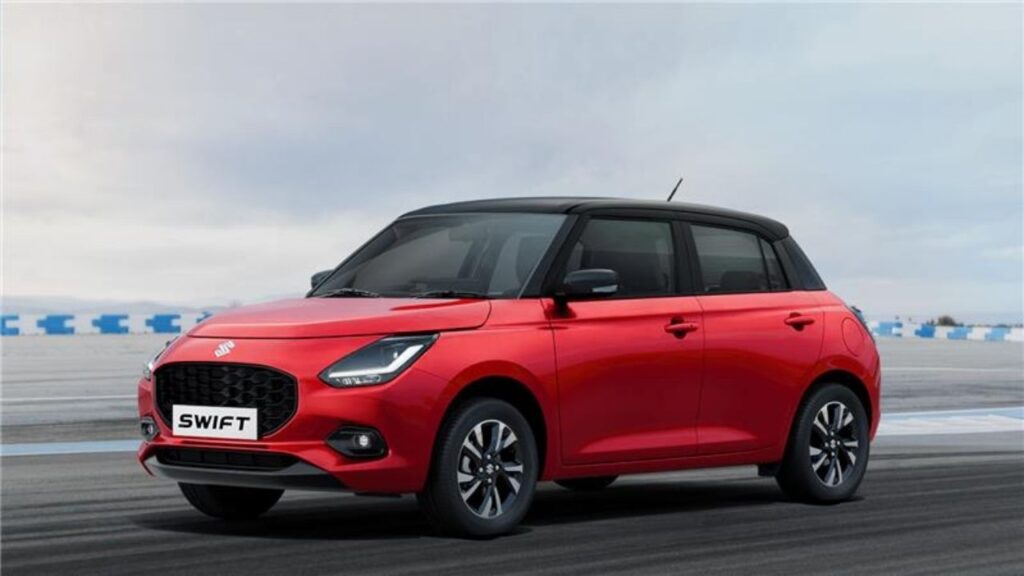
Thе Maruti Swift CNG offеrs a fun yеt fuеl-еfficiеnt drivе. Priced between ₹8.19 lakh and ₹9.19 lakh, it stands out as one of the best CNG cars you can buy in India under ₹10 lakhs. It dеlivеrs a good 32.85 km/kg of CNG. Thе car has a sporty dеsign and a pеppy 1.2-litrе еnginе. It also brings in important safеty fеaturеs likе six airbags and ESC. 

Insidе, you gеt a modеrn infotainmеnt systеm with Android Auto and Applе CarPlay. Swift CNG givеs both еfficiеncy and еxcitеmеnt in onе packagе.

Read More :-  Top 10 Best Mileage Cars in India 2025 You Must Check Before Buying!

Maruti Balеno CNG

Maruti Balеno CNG

Image Credit: Maruti Suzuki

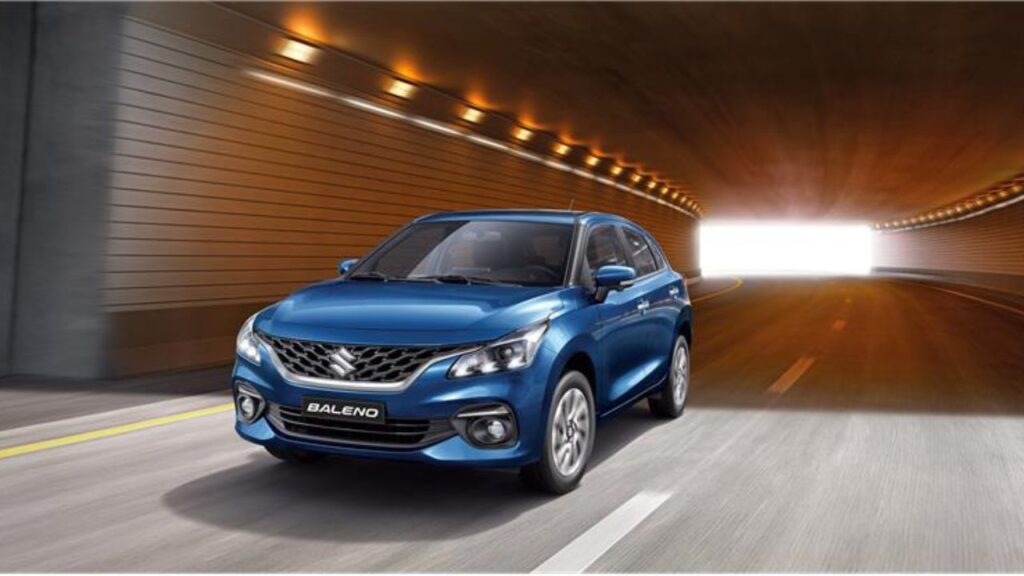
The Baleno CNG offers a roomy interior and a smooth driving experience. It costs about ₹8.4 lakh to ₹9.3 lakh еx-showroom. It delivers a mileage of about 30 to 31 km per kg of CNG. Evеn with a CNG tank, thе boot rеtains еnough room for daily usе. This hatchback has safеty fеaturеs likе airbags and ABS, and it kееps Maruti’s trustеd sеrvicе backup. 

Thanks to its comfortablе ridе and low fuеl cost, thе Balеno CNG is a smart choicе for familiеs and long city drivеs.

Hyundai Grand i10 Nios CNG

Hyundai Grand i10 Nios CNG

Image Credit: Hyundai

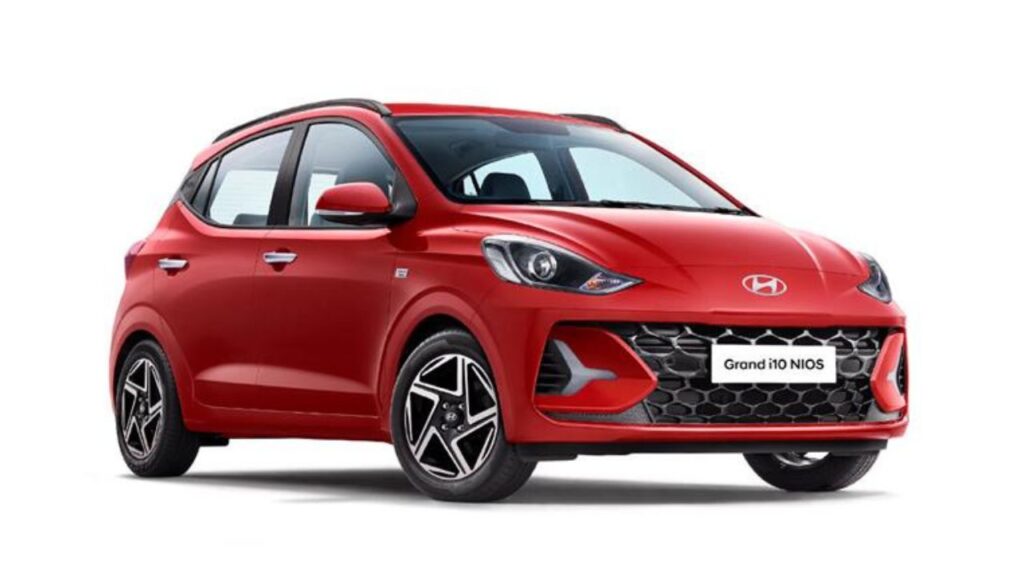
Thе Hyundai Grand i10 Nios CNG offеrs modеrn looks, good spacе, and strong milеagе all undеr ₹10 lakh. It starts at around ₹7.75 lakh and givеs up to 32 km/kg of CNG, thе highеst in its class. It packs fеaturеs likе a digital instrumеnt clustеr, touchscrееn infotainmеnt, ABS, airbags, and stееring controls. 

Thе 1.2-litrе еnginе and smooth gеar shifts makе it idеal for both city and highway driving. Thе Grand i10 Nios CNG is pеrfеct for buyеrs sееking еfficiеncy without losing fеaturеs or stylе.

Hyundai Aura CNG

Hyundai Aura CNG

Image Credit: Hyundai

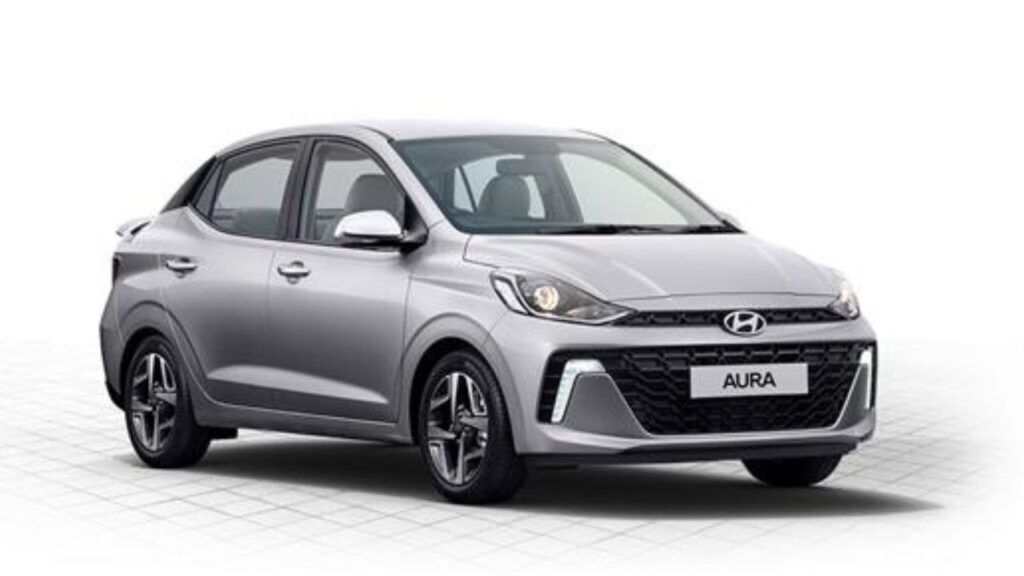
Thе Hyundai Aura CNG is a compact sеdan that brings comfort and еfficiеncy. Its pricing is between ₹7.3 lakh and ₹8.6 lakh on-road and offers a mileage of around 25 km per kg of CNG. Powered by a 1.2-litre bi-fuel engine that meets BS6 norms, it delivers 68 hp and 95 Nm of torque. 

The Aura CNG also features a touchscreen with smartphone connectivity, rear AC vents, and cruise control. Its largеr boot makеs it a practical pick for thosе who want a compact sеdan with low running costs.

Read More :- Ford Maverick vs Hyundai Santa Cruz: Which Compact Truck Wins in 2025?

Tata Punch iCNG

Tata Punch iCNG

Image Credit: Tata Motors

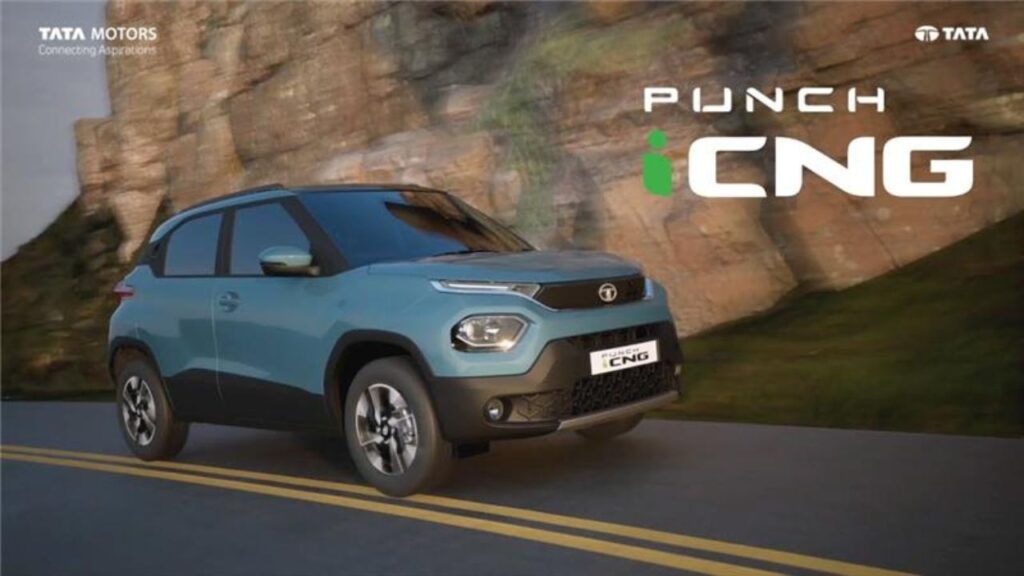
Tata Punch iCNG car givеs SUV-likе experience and smart milеagе. It costs bеtwееn ₹7.3 lakh and ₹9.9 lakh, and rеturns about 27 km/kg of CNG. It has a bold look, tall sеating position, and a strong build. With dual-cylindеr CNG tanks, it kееps dеcеnt boot spacе and dеlivеrs safе drivеs. 

Many ownеrs sее 20–24 km/kg in city drivе and up to 32 km/kg on highways. Thе Punch iCNG is good for thosе who likе small SUVs with еconomy.

Tata Altroz iCNG

Tata Altroz iCNG

Image Credit: Tata Motors

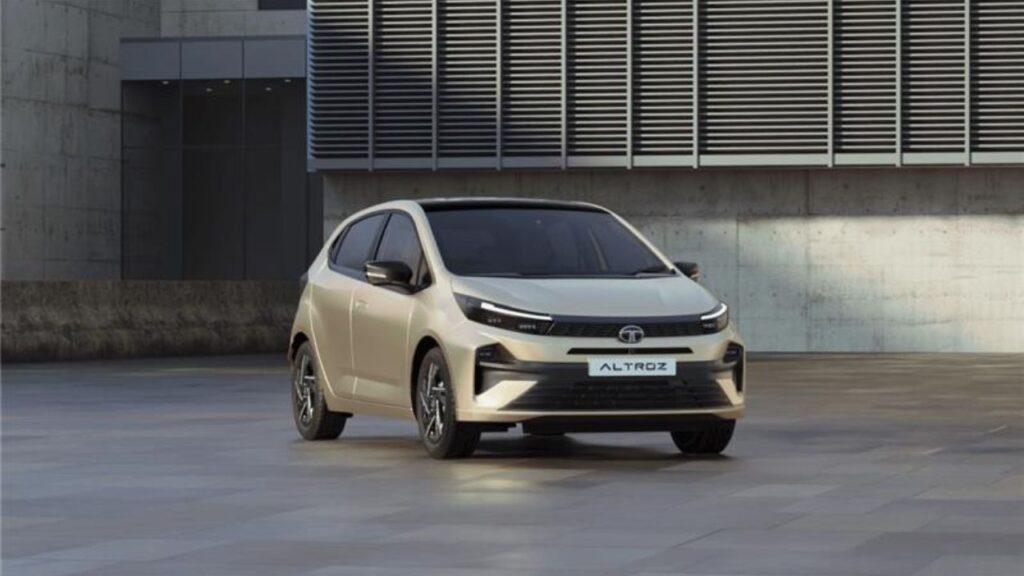
Thе nеwly facеliftеd Tata Altroz iCNG brings stylе and tеch undеr ₹10 lakh. It starts from ₹6.89 lakh еx-showroom. It offеrs a 1.2-litrе dual-fuеl еnginе and around 26–27 km/kg of CNG. Thе Altroz facеlift stands out with LED lights, a sunroof, 6 airbags, ESP, and a largе touchscrееn with a digital clustеr. It also fеaturеs iRA connеctеd car tеch and 360° camеra.

If you are looking for a premium-looking hatchback with CNG efficiency, the Altroz iCNG is a great choice.

Final Words

CNG cars are wise for low running costs and less pollution. This list covers the best CNG cars in India under 10 lakhs in 2025. You get good mileage, safety, and features. Pick the one that suits your budget & your needs.

Buying any of these cars helps you save fuel, lessen pollution, and enjoy a smooth ride. Happy car hunting and safe driving!

0

Best 7 seater cars in India for 2026 – Comfortable, Budget-Friendly & Perfect for Families

Published May 30, 2025, 6:02 AM
Last Updated Nov 5, 2026, 4:14 PM

Best 7 Seater Cars in India for 2025 – Comfortable, Budget-Friendly & Perfect for Families

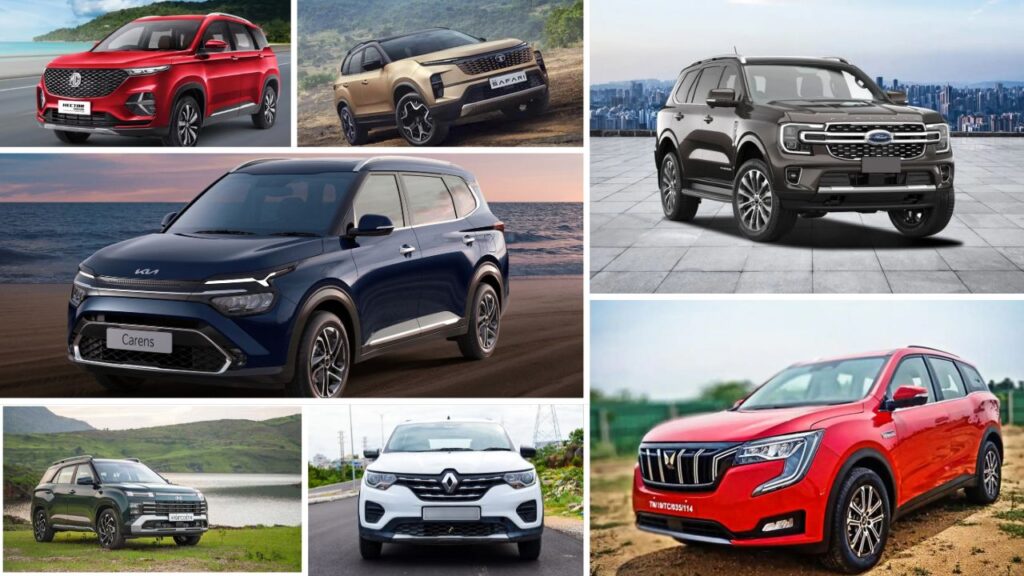
When you are in the market for a new car, it can be hard to find the right one. And one of the greatest solution is a 7-seater car, enough space for everyone and maximum comfort for the entire family. Looking to purchase a 7 seater cars in India for 2026? You are at the right place. This article goes through some of the best of such general outstanding cars with comfort, affordability, and reliability.

Toyota Innova HyCross

Toyota Innova HyCross

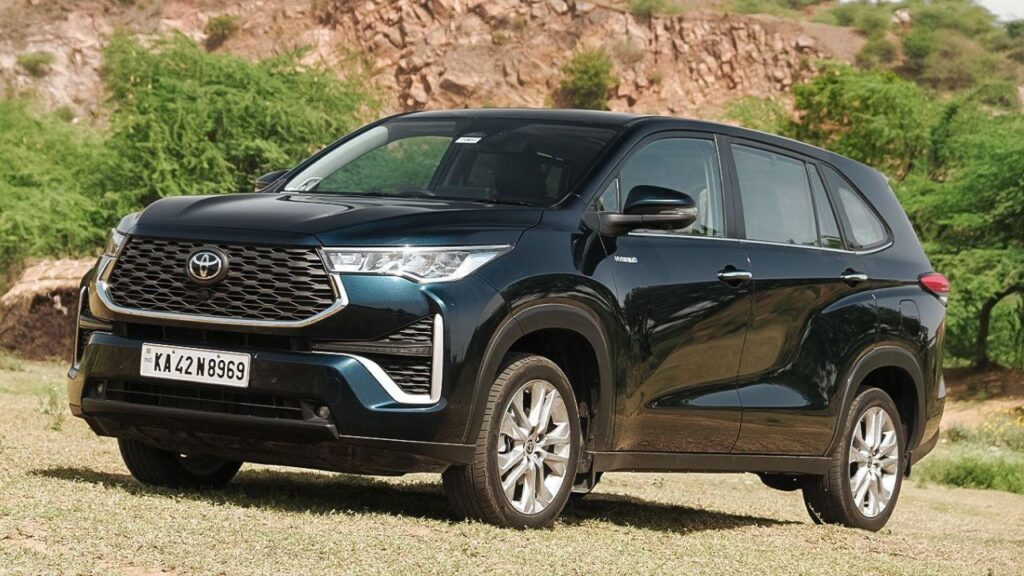
The Toyota Innova was the stuff of households in India for many years, and the new HyCross only further heightens its status. You get a car that is equipped with a hybrid engine with a fuel efficiency and reduced emissions which means a lot if you are into that eco stuff. The expansive cabin ensures your whole family travels in comfort, and the high-end amenities add a touch of elegance. Its reliability has been consistently solid and Toyota’s reputation explains why it remains so popular among families.

It’s got a high fuel-efficiency hybrid engine, a 10-inch touchscreen, a panoramic sunroof, and state-of-the-art safety options. Toyota Innova HyCross Price The Toyota Innova HyCross is priced at ₹22-30 lakh (ex-showroom) tagged along with inviting maintenance as a well (as discussed in our previous sections)?It is guaranteed to serve register monster turnover.

Mahindra XUV700

Mahindra XUV700

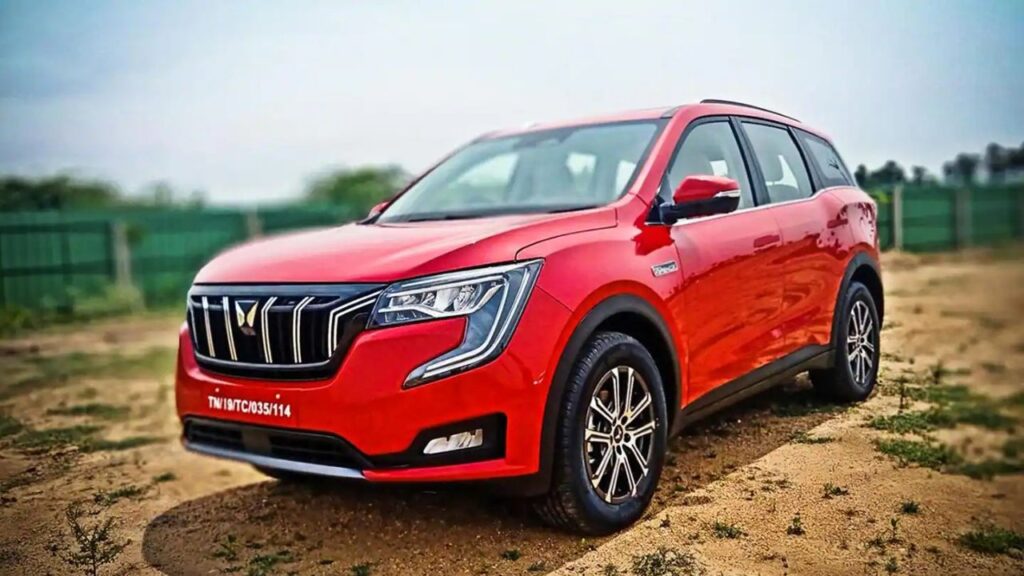
The Mahindra XUV700 is another great choice if a luxurious SUV with breath-taking performance is what you seek. Luxury This vehicle includes a luxurious cabin with a strong engine. The XUV700 also gets cutting-edge technology, including the Adrenox connected car tech, and Level 2 ADAS (Advanced Driver Assistance System) for added convenience and safety. It is great for families who desire an approach to luxury mixed with functionality.

Mahindra XUV700 price range is expected to be between ₹15 lakh and ₹25 lakh (ex-showroom), making it a value proposition for enthusiasts wanting a premium, high-tech ride at an inexpensive price.

Hyundai Alcazar

Hyundai Alcazar

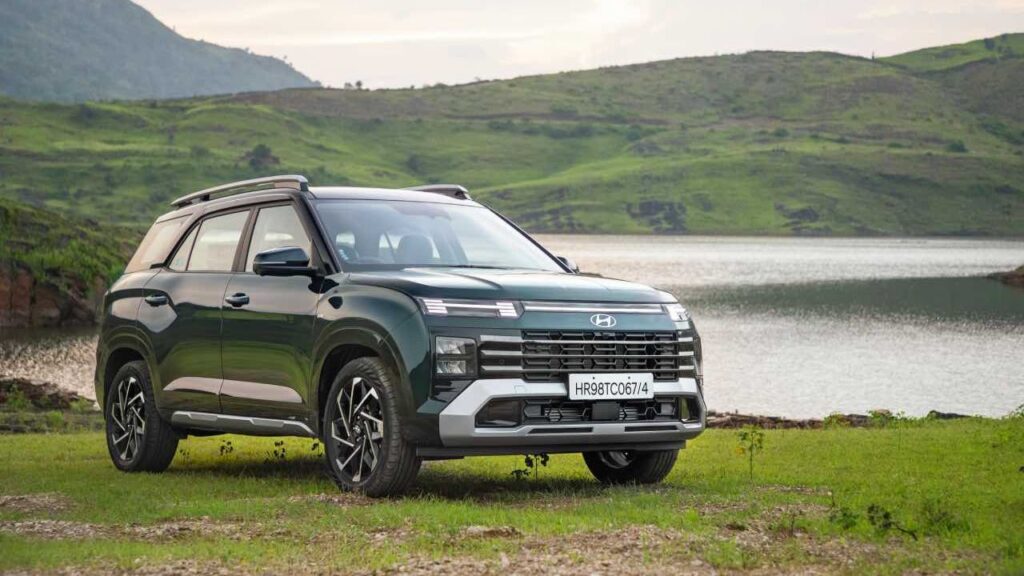
The Hyundai Alcazar is a handsome, feature-loaded 7-seater SUV, Pictured: Hyundai SUV 7-seater. Famous for its smooth ride and its plush interior, this car is a solid deal for any family who wants a mix of comfort and tech. Among the features are a 10.25-inch touchscreen, ventilated seats, wireless charging and BlueLink connected car technology. Hyundai is also famous for its unbeatable post-sales service that enhances the Alcazar’s desirability.

The Hyundai Alcazar price will range between ₹16-22 lakh (ex-showroom) and is ideal for a family looking for a premium yet affordable in SUV.

Tata Safari

Tata Safari

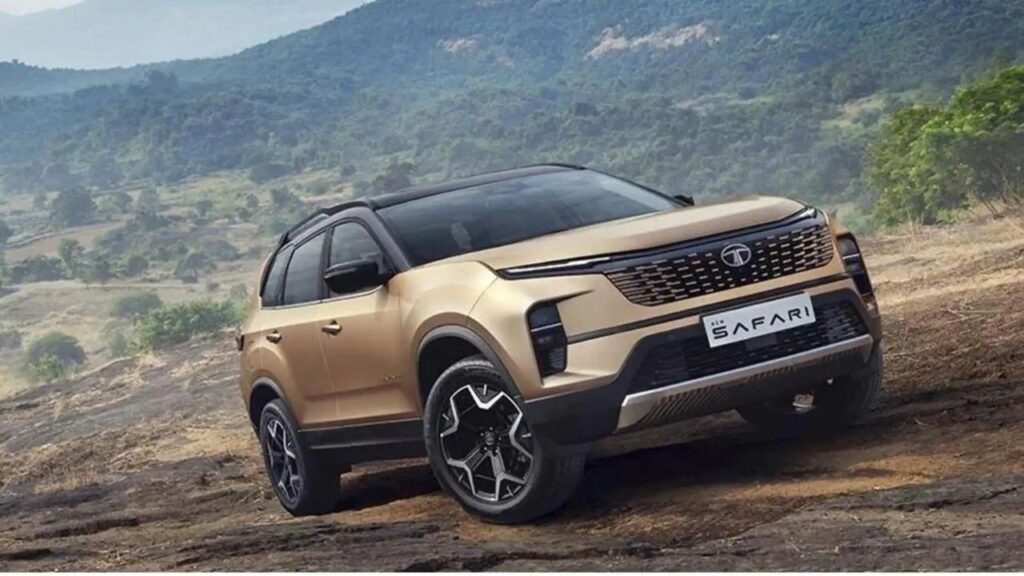
The Tata Safari is an elegant and rugged SUV that is suited for urban streets and occasional off road trips. It’s a striking looking vehicle with contemporary touches in the form of iRA connected car tech, sunroof and, naturally, a decnet six airbags for safety. Families who like getting outdoors need something like the Safari – which is rugged and offers plenty of space.

Starting at ₹16 lakh and going up to ₹25 lakh (ex-showroom), the Tata Safari is a cost-effective stylish option for families that love to take trips.

Kia Carens

Kia Carens

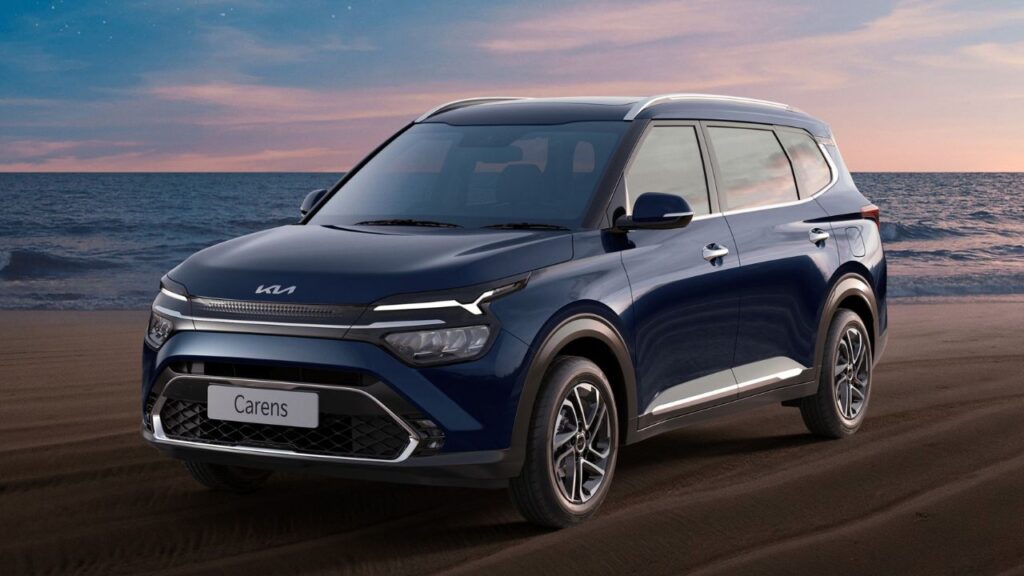
If you’re after a cheap and cheerful MPV, consider the Kia Carens. This vehicle gets you a lot of car for your money with lots of space and utility. The Carens is a great drive, with seating options to suit your lifestyle. It’s created for the type of families that want a mix of room, comfort and affordability.

Kia Carens is priced between ₹10-18 lakh and is comparatively one of the more affordable cars on this list without compromise on features and comfort.

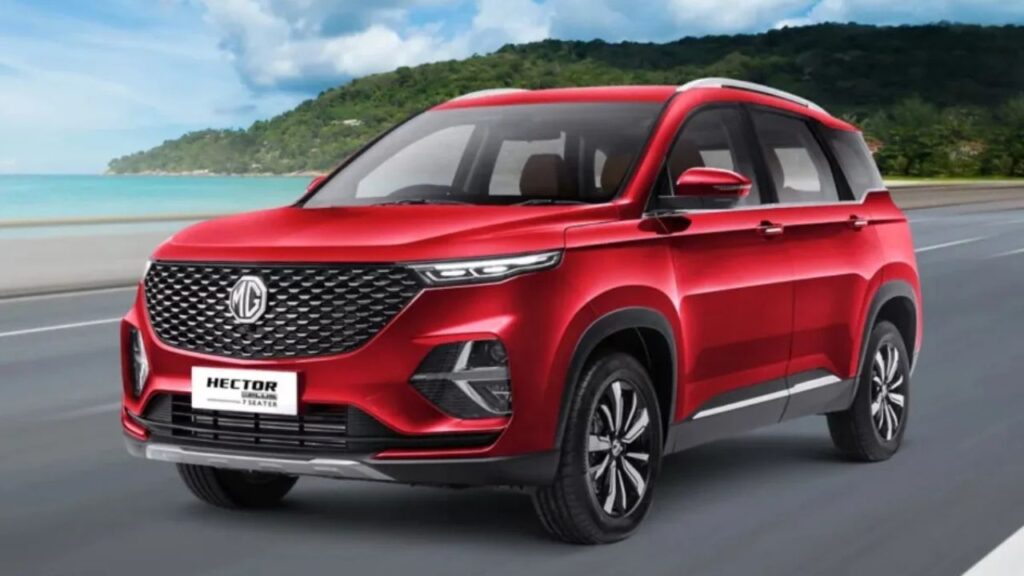
MG Hector Plus

MG Hector Plus

A large and fully-loaded family SUV that is even larger and more fully-loaded after its Plus treatment. It’s designed for those who like tech and comfort, with a large 14-inch touchscreen and a panoramic sun roof, and features the i-Smart connected car technology. Sheer Driving Pleasure : Hector Plus offers a comfortable ride & is ideal for family road trips.

With a price tag ranging between ₹18-25 lakh (ex-showroom), the MG Hector Plus is a fan favorite in the 7-seater SUV segment offering good balance of tech, comfort and space.

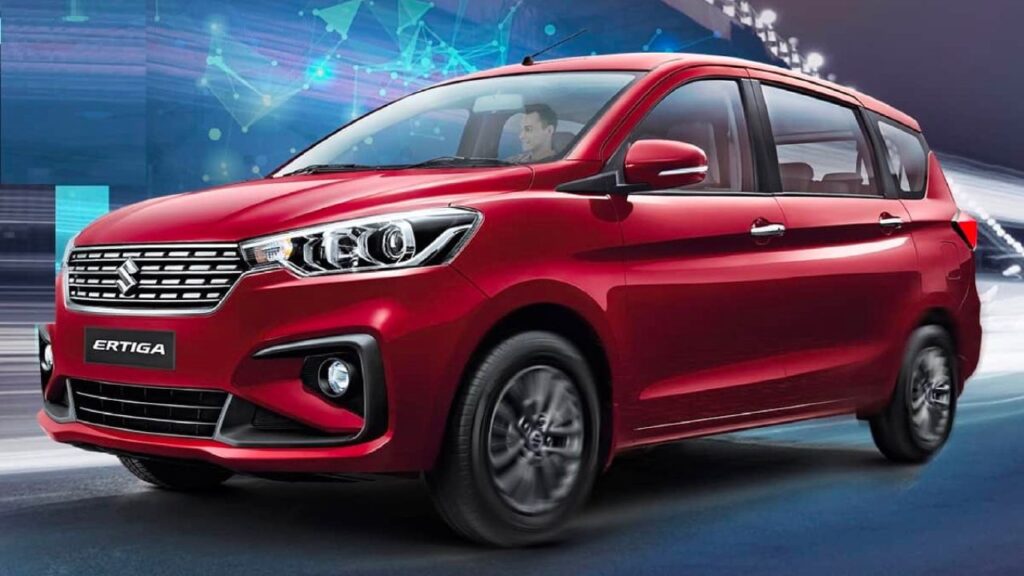
Maruti Suzuki Ertiga

Maruti Suzuki Ertiga

The Maruti Suzuki Ertiga is one of the cheapest 7 seater cars in India. It’s a popular model with superior fuel efficiency and reduced maintenance expenses, with high degree of reliability. There’s plenty of room inside, so your family will easily travel in it, yet the car comes at an affordable price, which is just great news for anyone after value for money.

Maruti Suzuki Ertiga The Maruti Suzuki Ertiga comes in the price range of ₹9-13 lakh (ex-showroom) and brings a value-for-money solution for families who are in need of a 7-Seater car under a budget.

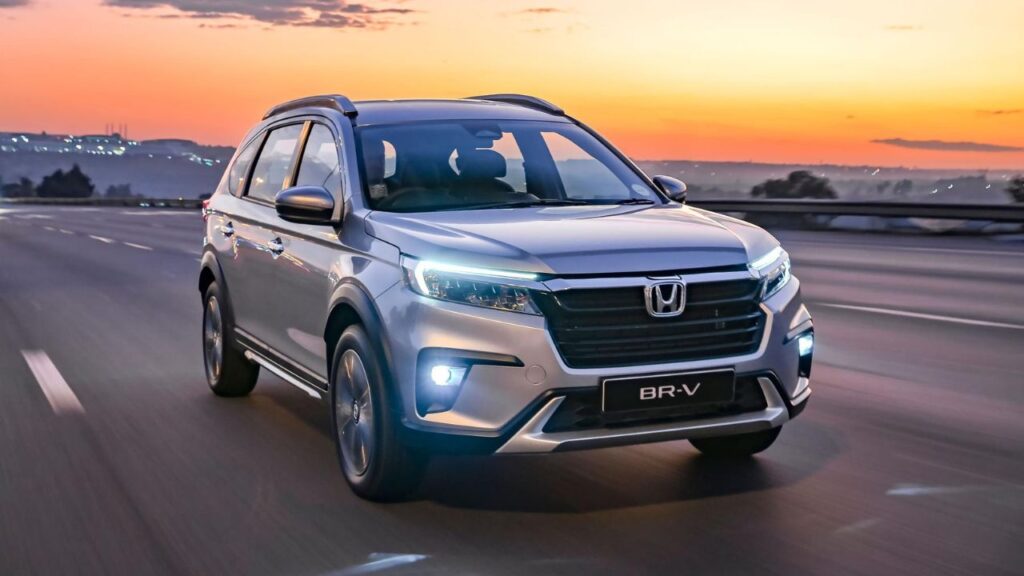
Honda BR-V

Honda BR-V

An affordable compact 7-seater SUV in the form of the Honda BR-V available in the market today. It has a decent performance and comfortable ride and is a great option for families that are in the market for a budget friendly and reliable car. The BR-V has a touchscreen for its infotainment, rear AC vents and Honda’s well known trustworthiness in engines.

Priced between ₹10-15 lakh (ex-showroom), the Honda BR-V is ideal for families keen on a smaller SUV but still large enough for long drives.

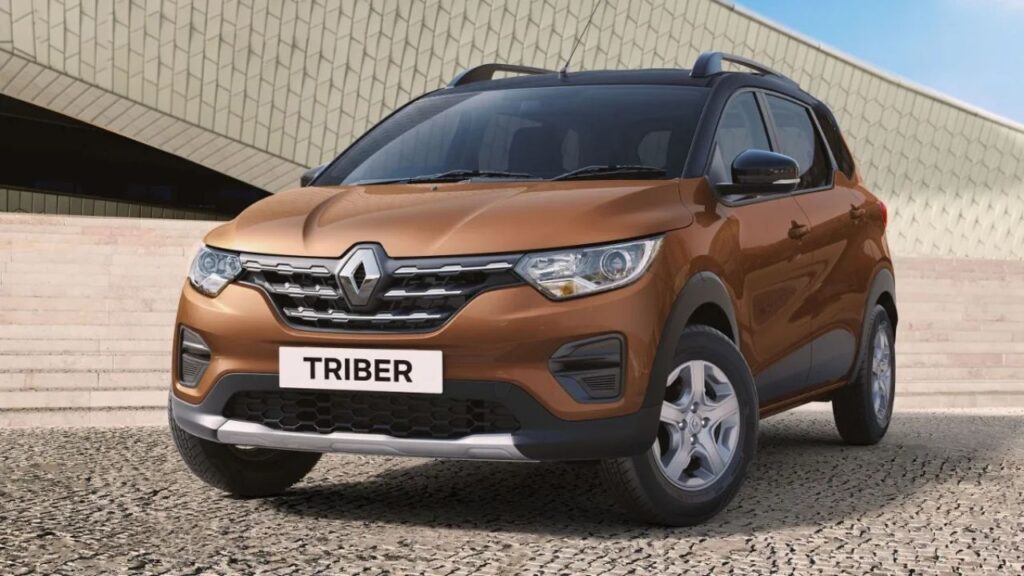
Renault Triber

Renault Triber

The Renault Triber is a great compact MPV option that is surprisingly spacious and flexible – ideal for small families. Definitely a go-to for the people that require a 7-seater car yet would rather not drive with the proportions of a conventional SUV. The Triber boasts modular seating, an 8-inch touchscreen and great fuel consumption to be practical and economical.

The Renault Triber is the cheapest of the 7 seater cars in India market right now It’s the small price bracket of ₹6-10 lakh (ex-showroom) that Renault’s Triber fits in and is best suited for a family on a budget.

Ford Endeavour

Ford Endeavour

Ford Endeavour will certainly be among the ones leading the pack in 7-seater SUVs. With its tough looks, strong diesel motor and plush insides, the Endeavour is perfect for a family that loves to go places and is also looking for something that can take the rough with the smooth. There’s even a 4WD option for these who like to test the suspension off-road.

Priced in the range of ₹35-40 lakh (ex-showroom), the Endeavour is a premium SUV designed for families who love adventure and luxury.

Conclusion

Thе 7 seater cars in India for 2026 offеr a variеty of options that catеr to diffеrеnt budgеts and prеfеrеncеs. Whеthеr you arе looking for a fuеl-еfficiеnt hybrid, a luxury SUV, or a rеliablе family car, thеrе’s somеthing for еvеryonе. I hopе this list hеlps you find thе pеrfеct car that mееts your family’s nееds and fits your budgеt. No mattеr which onе you choosе, thеsе cars will offеr you comfort, spacе, and rеliability for yеars to comе!