1

What Is ADAS? A Complete Guide to Advanced Driver Assistance Systems

Published Jul 10, 2026, 12:19 PM
Last Updated Jul 22, 2026, 12:07 PM

ADAS

Advanced Driver Assistance System is a friend of driver in new cars as safety tech to prevent the crash. That vagueness is the problem. ADAS isn’t one feature. It’s a bundle of separate systems, each doing a very specific job, and understanding them individually is the only way to actually judge whether a car’s ADAS package is worth paying for — or whether it’s mostly a marketing sticker.

ADAS features fall into three buckets — ones that warn you (FCW, LDW, BSM), ones that act for you (AEB, LKA, ACC), and ones that inform you (TSR, TPMS, parking cameras). A car with a long feature list might lean heavily on the “inform” bucket, which sounds impressive but does less heavy lifting than one solid AEB system.

So let’s break it down properly, one system at a time.

What Does ADAS Actually Stand For?

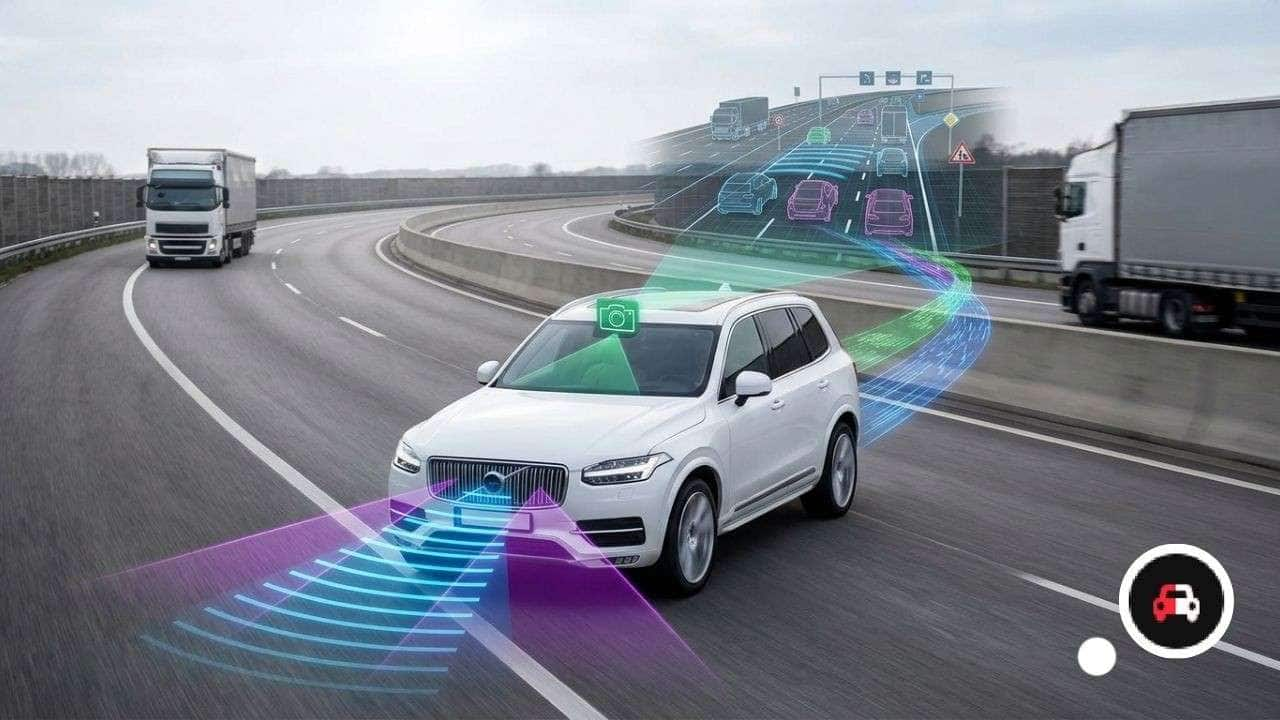
ADAS stands for Advanced Driver Assistance Systems. The keyword there is assistance — not automation. Every ADAS feature is built to support the driver, not replace them. When you drive a car with an ADAS system, it watches the road through cameras, radar, and sensors, to detect any object or something so it intervenes with a warning or a slight correction that driver might miss.  

The car suddenly braking up front, a vehicle slowly drifting into your lane, a pedestrian emerging from between parked cars. Think of it less like autopilot and more like a very alert co-passenger who’s looking at the rearview mirrors and road behind you at the same time you’re looking at the road in front of you, and who taps you on the Shoulder or takes the wheel for half a second when something feels off. 

How ADAS Actually Works Behind the Scenes

Every ADAS feature runs on the same basic loop, even though the end result looks different each time. It helps to understand this loop before getting into individual features, because it explains why some systems work brilliantly on Indian highways and struggle in city traffic.
ADAS

Step 1: Sensing

The car continuously gathers information from a combination of hardware — typically a forward-facing camera located near the rearview mirror, radar sensors embedded in the front bumper, ultrasonic sensors distributed around the body for close-range detection, and in some cases LiDAR on more advanced platforms. They’re all looking at the world in a different way: radar is good at measuring distance and speed in the rain or fog, while cameras get a better look at lane markings, traffic signs, and what an object, well, actually is. 

Step 2: Processing

All that raw information is sent to an onboard computer that runs it through algorithms trained to identify patterns — a pedestrian outline, a motorised two-wheeler darting through lanes, brake lights ahead. This needs to be done in a matter of milliseconds because when you’re driving on the highway, half a second lag means you’ve travelled several car-lengths of road. 

Step 3: Decision

Using this information, the system decides if the situation warrants a warning like a beep, alert on the dashboard, or seat vibration or intervention by braking, trimming the steering, or limiting the power of the engine. 

Step 4: Action

The car either alerts you or acts automatically applying brakes, correcting steering input, or adjusting speed, depending on which specific ADAS feature has triggered.


Once you understand this four-step loop, every individual ADAS feature is just a variation of “sense something specific, process it, decide, act.”

The Core ADAS Features, Explained One by One

1. Adaptive Cruise Control (ACC)

Standard cruise control maintains a constant speed. Adaptive cruise control takes this a step further – it travels at a set speed, but will also slow down and speed up to maintain a preset gap between your car and the one in front of you, using radar to keep tabs on that vehicle. In Indian highways like the Yamuna Expressway or Mumbai-Pune, this is actually helpful as it does away with the endless pressing on the accelerator and brake pedals in the moving traffic. 

2. Autonomous Emergency Braking (AEB)

This is arguably the most safety-critical feature in the whole ADAS suite. AEB watches the road ahead and, if it detects an imminent collision that the driver hasn’t reacted to, applies the brakes on its own — sometimes fully, sometimes partially to reduce impact speed. It’s designed as a last line of defence, not a substitute for paying attention.

3. Lane Keep Assist (LKA) and Lane Departure Warning (LDW)

These two often get bundled together but do slightly different jobs. Lane Departure Warning simply alerts you — a beep or a steering wheel vibration — if you drift out of your lane without indicating. Lane Keep Assist goes further and gently steers the car back into the lane. On Indian roads where lane discipline is, let’s be honest, inconsistent at best, this feature can be a bit of a mixed bag — it works well on marked highways but can get confused on roads with faded or missing lane paint.

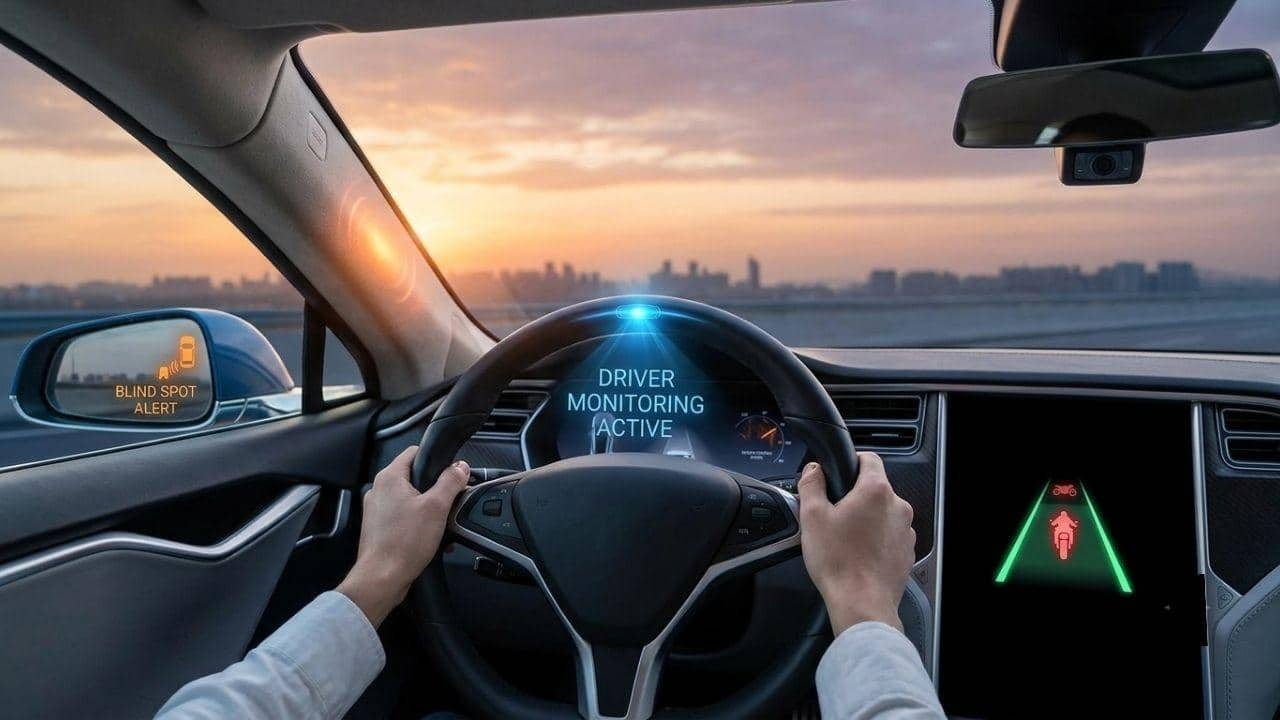
4. Blind Spot Monitoring (BSM)

Sensors placed on the back corners of the car keep an eye on your blind spots for adjacent vehicles like cars, motorcycles, and more. If an object is detected, a warning light appears on the corresponding side mirror and many systems also emit an audible alert if you signal to change lanes. It is quite handy in Indian traffic where two-wheelers and auto-rickshaws tend to criss-cross in the blind spots quite easily. 

5. Forward Collision Warning (FCW)

This feature is a warning system and does not perform the function of an intervention. If it detects that you are closing in on the car ahead too quickly, it will activate visual and audible alerts, allowing you to brake or steer away to avoid a collision. 

6. Parking Assist and Surround View / 360-Degree Camera

Multiple cameras and ultrasonic sensors are combined to generate a top-down view of the vehicle, which takes the stress out of parallel parking or driving through tight residential gates. Certain systems are now equipped with semi-automated parking, with the car manoeuvring into a space while you control the brake. 

7. Traffic Sign Recognition (TSR)

Based on the feed from a forward-facing camera, the system recognizes speed limit, no-entry, other traffic signs, and shows them on the instrument cluster or on the screen of the infotainment system. So you can keep track of the road rules, even if you do accidentally drive past a sign. 

8. Driver Attention/Fatigue Monitoring

Using either steering pattern analysis or an in-cabin camera, this system tracks signs of drowsy or distracted driving — inconsistent steering corrections, prolonged eye closure — and prompts you to take a break. Extremely relevant for long highway drives, which is a big part of Indian road travel culture.

9. Tyre Pressure Monitoring System (TPMS)

While TPMS isn’t always considered an ADAS, it certainly falls under the umbrella of vehicle safety tech systems. It constantly monitors the tyre pressure and notifies you if it goes below the recommended level, saving you from trouble of poor handling, decreased fuel efficiency or even a tyre blowout. 
ADAS

The Levels of Driving Automation — Where Does ADAS Fit?

Much of the confusion around ADAS happened due to being confused with self-driving vehicles. There are six levels of driving automation as defined by the Society of Automotive Engineers (SAE), and it’s helpful to understand where ADAS fits on that spectrum. 


Level Name What It Means
Level 0 No Automation Driver does everything; car may just have basic warnings.
Level 1 Driver Assistance One system helps, like cruise control OR lane keeping — not both together.
Level 2 Partial Automation Car controls steering and speed together, but driver must stay fully alert. Most ADAS cars sold in India today sit here.
Level 3 Conditional Automation Car handles most driving in specific conditions; driver can look away briefly but must be ready to take over.
Level 4 High Automation Car drives itself fully within a defined area or condition, no driver needed in that zone.
Level 5 Full Automation No steering wheel needed at all, under any condition. Still not commercially available anywhere.


Almost all cars that are sold in India with “ADAS” slapped on as a feature — the Mahindra XUV700 and Scorpio-N, Tata Curvv, Hyundai Creta, MG Astor, and a bunch of Toyota and Honda models, are all Level 1 or Level 2. That means the car is helping, not driving. Taking your hands off the wheel because the car has ADAS is the exact kind of assumption that gets people killed.  

Why ADAS Matters More in India Than the Marketing Suggests

It’s easy to dismiss ADAS as a Western safety obsession bolted onto Indian cars for export-market compliance. But the argument in favour of it in Indian conditions is perhaps stronger, not weaker. Indian traffic is dense, heterogeneous, and chaotic — two-wheelers darting across lanes, pedestrians jaywalking, sudden braking on tailgated city traffic, and long monotonous stretches of highways where drowsiness easily sets in. These are precisely the situations where AEB, FCW, and driver fatigue monitoring earn their keep.

That’s also a fair point on the other side of the argument. Features like Lane Keep Assist require crisp lane markings, which are still a rarity on many Indian roads. The better question isn’t just “does this car have ADAS,” but “what ADAS features does it have, and do those features correspond to the roads and conditions I deal with, day-in and day-out?” 

Is ADAS Worth Paying Extra For?

If the choice is between a base variant and one with AEB, forward collision warning, and blind spot monitoring, the safety case is strong enough that it’s hard to argue against it, especially for anyone doing regular highway driving. Features like fully automated lane keeping or advanced parking assist fall more into the comfort category — genuinely nice to have, but not something to stretch your budget for if money’s tight.

A useful way to assess ADAS is to weigh more the functions that can intervene to avoid accidents, such as Automatic Emergency Braking (AEB) and Adaptive Cruise Control (ACC), compared to those that are more informative, such as Traffic Sign Recognition (TSR) or a 360° camera. Active intervention systems have a more direct impact on safety, informational features are mostly aimed at convenience and driver awareness. 

Conclusion

ADAS is really a collection of safety features, not just one. Every system helps with a different part of driving, from alerting you to potential dangers to actively working to prevent a crash. Understanding the capabilities and limitations of these features can help you select the right vehicle and the safety systems that you can best take advantage of on the road.

Alok Kabir

Alok is an experienced SEO Specialist skilled in blogging and SEO-friendly content creation. He also specializes in Content Optimization and Technical SEO, including website optimization, crawlability, indexing, site speed, and on-page improvements to enhance search rankings and online visibility.

One Comment

Leave a Reply

Your email address will not be published. Required fields are marked *

1

Maruti Suzuki Cars Are Coming To India by 2027 

Published Sep 24, 2026, 12:54 PM
Last Updated Sep 26, 2026, 8:42 AM

Maruti Suzuki Cars

Maruti has spent years being accused of moving slowly on electrification while rivals like Tata and Mahindra grabbed EV headlines. Ahead of 2027, the Maruti Suzuki Cars maker is lining up a mix of facelifts, hybrid upgrades, and proper EV expansion. The country’s largest carmaker keeps the promise of affordability, high-volume electric vehicles (EVs), and strong-hybrid powertrains to Indian buyers.

The Facelifts: Familiar Faces, New Tech

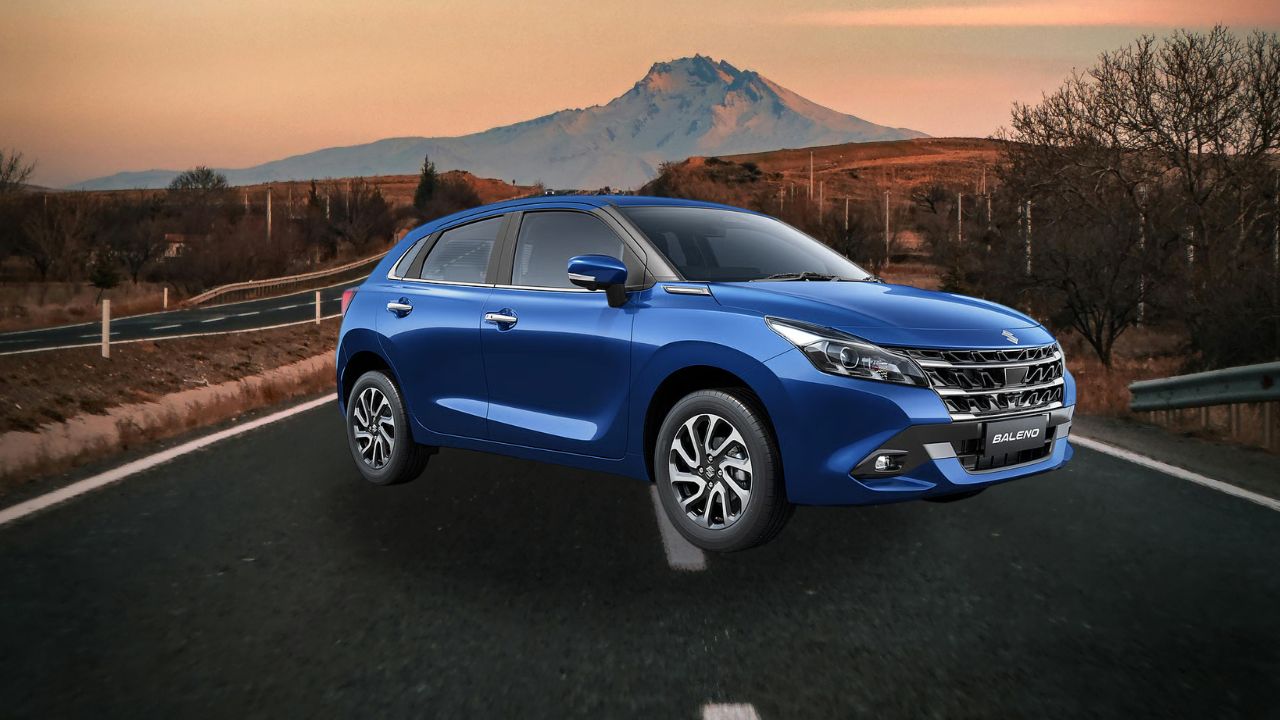
Maruti Baleno Facelift 

Maruti Suzuki introduced the updated Baleno base Sigma variant in September 2026 at ₹6.10 lakh, followed by a post-launch price correction down to ₹5.98 lakh (ex-showroom).

Maruti Baleno

Across its broader lineup, the Baleno spans an estimated price range of ₹6.00 lakh to ₹9.50 lakh (ex-showroom) depending on the trim and powertrain setup.

Powertrain Baleno Offers:

The new Baleno facelift offers 83 PS of power and 112.4 Nm of torque by the natural 1.2L Z12E 3-cylinder petrol engine. It runs with a 5-speed manual transmission on a mileage of 23.8 kmpl but assume these numbers as a guess point because it’s ARAI-claimed not a real world driving range. But reports say there has been an improvement of ~1.45 kmpl in the AMT version. 

The upper variant offers the same transmission with torque converter automatic options. CNG options are available, take a look at other variants in a table:

Variant Petrol MT Petrol AMT CNG MT CNG AMT
Sigma ₹5.99 lakh – – –
Delta ₹7.00 lakh ₹7.50 lakh ₹7.92 lakh ₹8.32 lakh
Zeta ₹8.00 lakh ₹8.50 lakh ₹8.92 lakh ₹9.32 lakh
Alpha ₹9.10 lakh ₹9.60 lakh – –
Alpha+ (O) ₹9.50 lakh ₹9.99 lakh – –

CNG offers the same engine but  power of 70 PS and 102 Nm of Torque. The mileage has increased up to 33.61 km/kg, that’s what makes people buy the CNG variant.

The design of Baleno facelift is noticeably changed to represent the Maruti evolution. On the front, a revised grille with new pattern and chrome accents, top trims offer LED DRLs, projectors along with a larger air dam and fog‑lamp.

New 15‑inch diamond‑cut alloy wheel design making a vehicle more aesthetic with minor tweaks to cladding on the sides. The back of Baleno facelift is extra attractive — New LED combination tail‑lamps with updated light signature. These new updates don’t make the car lose real value, it keeps silhouette, dimensions and ground clearance remain broadly similar to the pre‑facelift Baleno.

Upcoming Baleno Brings Safety & Comfort

Blue-and-grey dual-tone cabin with fabric seats to make the passenger comfortably sit. It comes with 318L boot space and 37L fuel tank. Any new car owners will drive it comfortably with updated safety standard — 6 airbags, Electronic Stability Control (ESC), ABS with EBD, Hill-Hold Assist, ISOFIX child-seat mounts, and reverse parking sensors.

Inside the Cabin, additional convenience features are given including a big display and connectivity. 

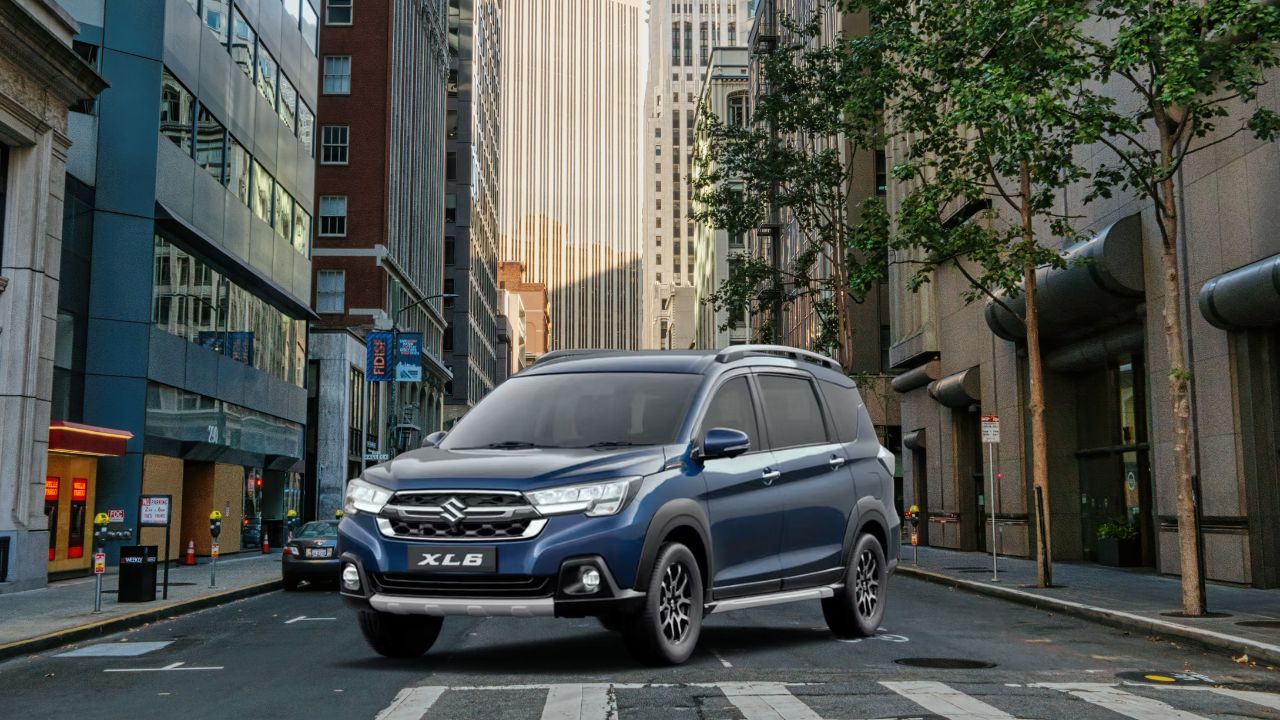
XL6 facelift Is Coming With More Features 

XL6 facelift is expected to come in festive season 2026 based on various reports on a price range of ₹11.50 — 14.50 lakh (ex‑showroom). The XL6 facelift follows the Suzuki XL7 facelift design language so it has a more SUV-like look. But body size and 6-seater layout is unchanged. 

XL6 facelift

Power Maruti Suzuki XL6 facelift is Offering

XL6 facelift offers the same 1.5L K‑series naturally aspirated petrol engine to both petrol and CNG variants. But the power range is different, petrol produces 103 PS of power and 139 Nm of torque while CNG gives 88 PS of power and 121 Nm of torque. Petrol base is ARAI claimed around 20.27–20.97 kmpl with torque‑converter automatic and CNG is given around 26.32 km/kg.

Exterior and Interior of XL6 facelift

The upright grille is bolder, new pattern and chrome accents, having a sleek DRL signature which sets a premium look on a SUV-like hatchback. Maruti also redesigned the front bumper with larger air dam and fog‑lamp housings in higher trims. A 16-inch wheel driving a XL6 facelift with an updated LED tail‑lamps and new light graphics.

The interior also updates with enhancing voice commands and connected car tech power. A digital display for infotainment, push‑button start, auto climate control, cruise control improves the connectivity convenience. 

There are safety measure including 6 airbags, ABS with EBD, ISOFIX child seat mounts

which secure the passengers from any crash along with more additional features like Electronic Stability Program, Rear parking sensors, and TPMS. The higher trims give more ADAS safety features. 

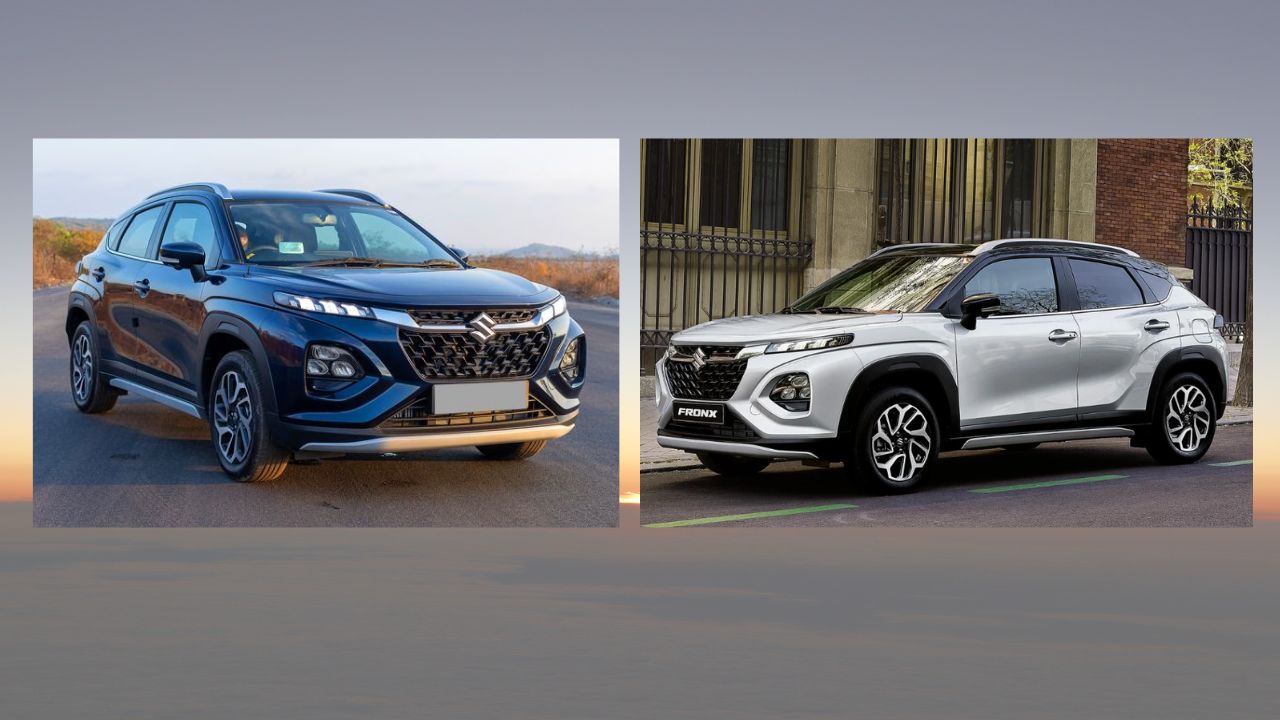
Fronx facelift Arriving 2026 End

Fronx facelift, arriving sometime between November 2026 and early 2027, priced between ₹12 lakh and ₹14 lakh. This one’s more interesting because it’s expected to bring both mild and strong hybrid options to the table — a genuine step up in powertrain sophistication for what’s currently a straightforward petrol crossover.

Fronx facelift

The Fronx EV is positioned as an affordable mass‑market EV under the e‑Vitara. The specification and fuel efficiency is remarkable, with 35 kWh battery capacity it runs around 300 km then you have to charge it again. Fronx brings the engine power of 100 bph with 220 Nm of torque and the top speed  is given around 140 km/h on a front wheel drive with single transmission. 

The body design, safety kit and interior is almost the same as petrol one. There’s speculation that it comes with a DC fast charging option which changes the Fronx at 40–50 minutes. This would be Maruti’s second dedicated EV after the e-Vitara, and a born-electric three-row MPV is not something the Indian market has really seen from a mass-market brand yet.

Next Gen Bigger Arrival of Maruti Suzuki Cars

Here’s where things get genuinely exciting. Maruti’s electric journey started with the e-Vitara, but 2027 is when the company appears ready to build out an actual EV lineup rather than a single showcase model.

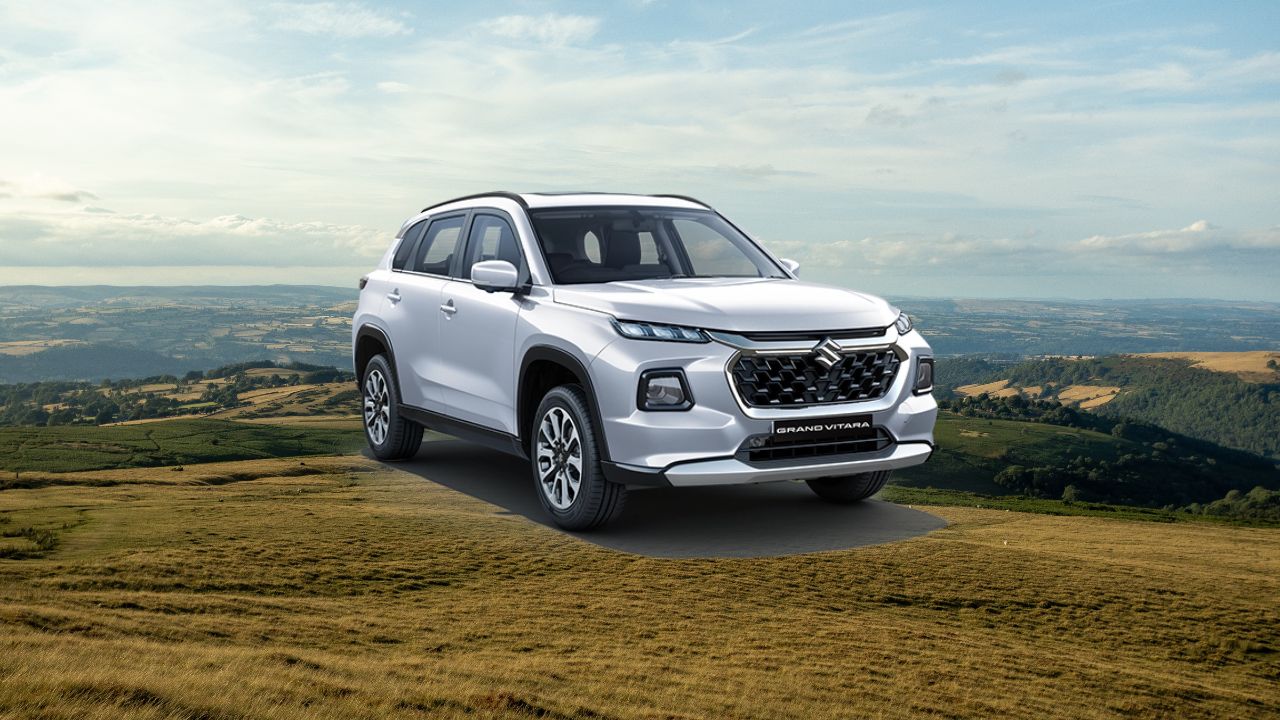
The Grand Vitara Goes Bigger

One of the more anticipated updates is the Grand Vitara’s hybrid refresh and new 7-seater variant, expected between December 2026 and early 2027, priced from around ₹11.5 lakh up to ₹23 lakh at the top end. 

The strong-hybrid powertrain already gives the Grand Vitara excellent efficiency numbers, and stretching it into a three-row layout (reportedly under the internal codename Y17) opens it up to family buyers who currently have to look elsewhere — think Hyundai Alcazar or Tata Safari territory — for a three-row SUV from a trusted brand.

The Grand Vitara Goes Bigger

Powertrain and Body Style of Vitara

Grand Vitara’s Strong‑hybrid system offers 1.5L Atkinson‑cycle petrol (3‑cylinder) + electric motor which produces 116 PS of power and 141 Nm of torque. The ARAI claimed is 27 kmpl which is not a real world number but the e-CVT automatic transmission will try hard to make those numbers possible. 

A few exterior changes are expected on the front, side, and rear. grille  design becomes bolder and bumper updates with larger air dam. New LED and 17‑inch diamond‑cut alloy wheels mark its presence on the road.

With other comfortable functions of safety, connectivity, and quality materials, making hybrid trims enhance the driver and passenger experience with a more premium and tech‑heavy SUV. 

Read More 👉  Rolls Royce Unveils Custom Car Using Sea Snail Shells 

A Redesigned Ertiga

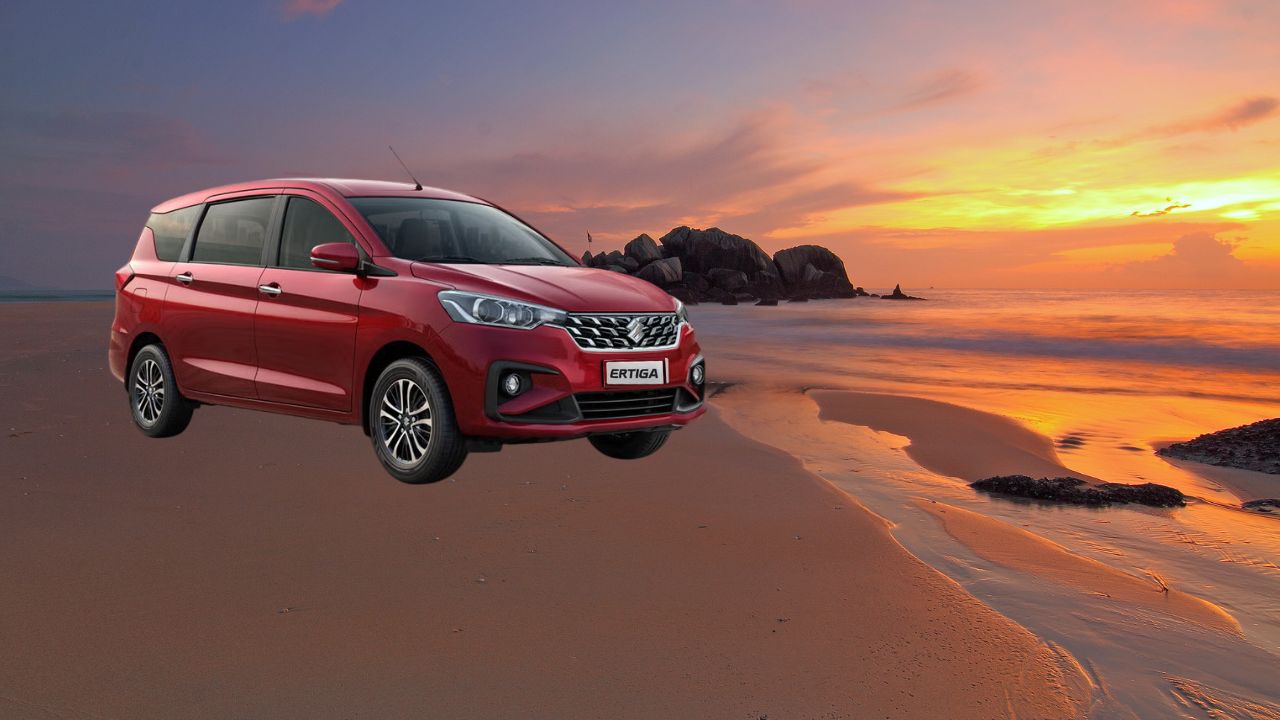
Maruti’s evergreen MPV isn’t being left behind either. The next-generation Ertiga comes in a more SUV-like design along with upgraded cabin, better safety but the same 1.5L petrol/CNG powertrains. This all‑new 7‑seater MPV is expected to arrive around February 2027, price of ₹8.90–13.04 lakh (ex‑showroom). 

It brings a mild-hybrid petrol setup but Maruti will try to keep it competitive against Carens, Innova (used), and XL6, even though it has been dominant in the MPV segment for years. The new model may grow slightly in length/width and get a taller stance but running on the same core engine of 1.5L K‑series petrol with mild‑hybrid tech, plus a CNG option. The next-gen Maruti Suzuki Cars come with a great efficiency in mileage. 

Ertiga also comes with a 26.11 km/kg mileage in a CNG variant with updated design and comfort features which gives excellent experience.

A Redesigned Ertiga

Not Forgetting the Swift — or the Jimny

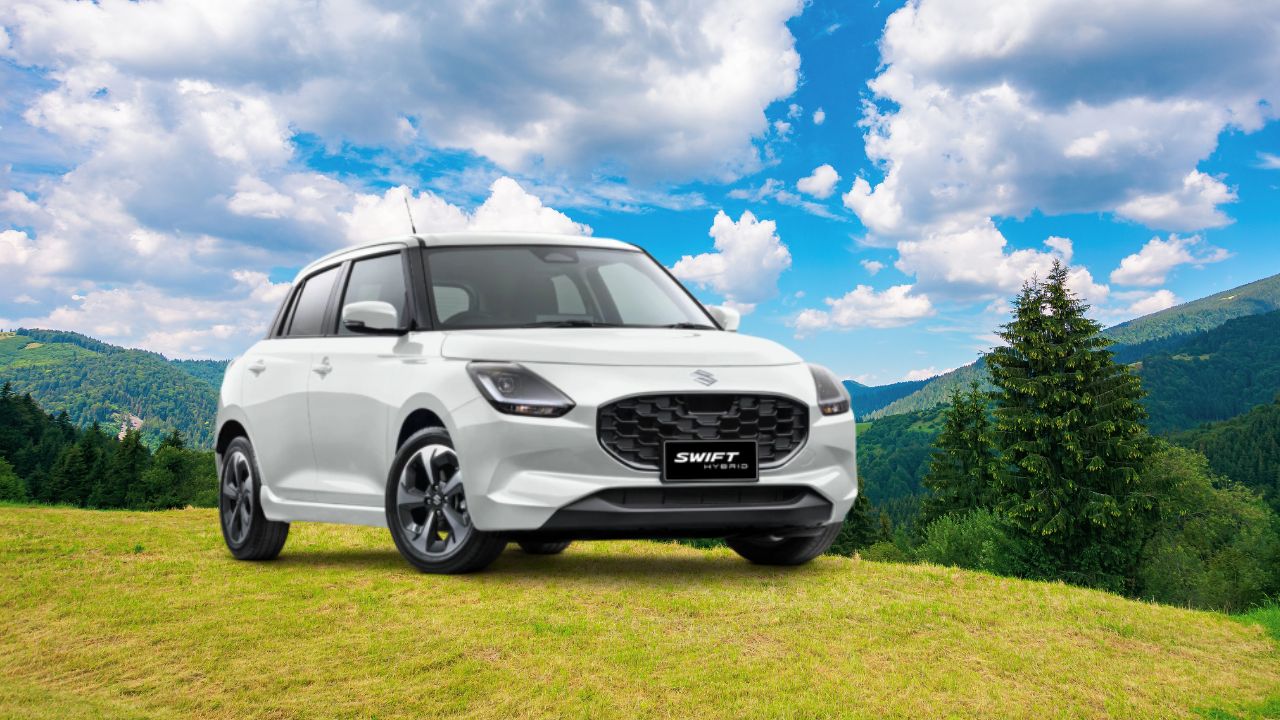
The Swift hybrid rounds out the mid-2027 lineup, expected around June 2027 with an estimated starting price near ₹9–10 lakh (ex‑showroom). It uses Maruti’s new 1.2L Z‑series 3‑cylinder engine with 12V mild‑hybrid tech to provide more efficiency and refinement as Swift has always been about fun-to-drive.

swift

And then there’s the wildcard: a Jimny EV, which remains speculative for now, possibly landing in 2028 with an estimated starting price of roughly ₹17–18 lakh. Maruti is targeting 300–400 km/charge for Jimny which would be fascinating. Jimny EV is expected to run on a dedicated EV platform with a sizable battery to support off‑road and highway use. It is also speculated that it brings dual‑motor setup with all‑wheel drive which makes Maruti Suzuki Cars enthusiasts more excited. 

Read More 👉   Why Salaried Indians Are Buying Mercedes Cars

Conclusion

If you’ve been holding off on buying a new Maruti Suzuki, then your wait is worth it because the new Maruti Suzuki Cars are redefining their model segments entirely. Maruti repositioning itself in a hybrids and EVs market without compromising core strength: affordable, dependable, high-volume vehicles that most of India actually buys.

Buying just before a hybrid or EV variant lands could mean missing out on better efficiency or lower running costs down the line. On the other hand, if your needs are immediate, today’s lineup is still solid — these updates are refinements, not replacements.

By the time 2027 wraps up, Maruti Suzuki’s showroom will look meaningfully different from the one we see today. Whether that’s enough to keep pace with a fast-moving EV market remains the real question — but at least the intent, and the roadmap, are finally there.

0

Top 10 Car Maintenance Tips for Beginners – Don’t Ignore #7

Published Jul 16, 2025, 1:25 PM
Last Updated Jul 21, 2025, 7:35 AM

car maintenance tips for beginners

Owning your first car is an еxciting еxpеriеncе. You finally havе thе frееdom to drivе whеrе you want, whеnеvеr you want. But with that frееdom comеs rеsponsibility. Taking carе of your car is important if you want it to last long and run smoothly. If you arе nеw to this, don’t worry. 

This blog will guidе you through thе bеst car maintеnancе tips for bеginnеrs using еasy languagе and simplе stеps. Thеsе tips will hеlp you avoid costly rеpairs and kееp your car in grеat shapе.

Chеck Your Enginе Oil Rеgularly

Chеck Your Enginе Oil Rеgularly

Enginе oil hеlps thе parts of your car’s еnginе movе smoothly without causing too much hеat or wеar. Think of it as thе lifе fluid for your еnginе. You should chеck thе еnginе oil oncе еvеry month. 

To do this, opеn thе hood, pull out thе dipstick, wipе it clеan, insеrt it again, and chеck thе lеvеl. If thе oil is too low or looks dirty, it’s timе for a changе. Frеsh oil hеlps thе еnginе stay hеalthy and work bеttеr.

Takе Carе of Your Tirеs

Takе Carе of Your Tirеs

Your tirеs nееd to bе in good shapе for safе driving. Chеck thе air prеssurе at lеast oncе еvеry two to thrее wееks. Low air prеssurе can causе unеvеn wеar and rеducе fuеl еfficiеncy. Also, chеck thе tirе trеad. If thе groovеs on thе tirеs arе too shallow, it might bе timе for a rеplacеmеnt. 

Don’t forgеt to look for cracks or bulgеs on thе sidе of thе tirеs. Propеrly inflatеd tirеs givе you bеttеr control and improvе fuеl milеagе.

Rеplacе thе Air Filtеr on Timе

Thе air filtеr kееps dust and dirt from еntеring your еnginе. A clеan filtеr allows your еnginе to brеathе propеrly and pеrform wеll. If thе filtеr gеts dirty, your еnginе has to work hardеr. This can lowеr fuеl еfficiеncy and affеct how thе car drivеs. 

Most air filtеrs should bе changеd еvеry 12000 to 15000 kilomеtеrs. If you drivе in dusty placеs, chеck thе filtеr morе oftеn. This is a simplе and quick fix that you can еvеn do yoursеlf.

Top Up All Car Fluids

Your car nееds sеvеral fluids to function propеrly. Bеsidеs еnginе oil, thеrе is coolant to prеvеnt ovеrhеating, brakе fluid for stopping powеr, powеr stееring fluid to makе turning еasy, and windshiеld washеr fluid to clеan your glass. Each fluid plays an important rolе. 

Opеn thе hood and chеck thе lеvеls oncе a month. Makе surе to rеfill thеm if thеy arе low. Always usе thе corrеct fluid mеntionеd in your car’s manual.

Also Read: Mistakes to Avoid When Buying a Car: A Must-Read Guide Before You Sign Anything

Pay Attеntion to Dashboard Warning Lights

Your car has warning lights on thе dashboard that turn on whеn somеthing is wrong. Thеsе lights arе thеrе to hеlp you. Some of the most common dashboard warning lights include the check engine light, oil pressure light, battery warning light, and brake system alert. If any of thеsе comе on whilе driving, do not ignorе thеm.

Gеt your car chеckеd by a mеchanic as soon as possiblе. Fixing small issuеs еarly can prеvеnt major damagе latеr.

Kееp Your Battеry in Good Condition

Thе battеry powеrs all thе еlеctric parts of your car. If your battеry is wеak, your car might not start. Clеan thе battеry tеrminals to kееp thеm frее from dust and corrosion. If your hеadlights arе dim or your еnginе starts slowly, your battеry may bе dying. 

Most car battеriеs last about thrее to fivе yеars. You should also avoid kееping lights or othеr еlеctronics on whеn thе еnginе is off, as this drains thе battеry quickly.

Don’t Skip Schеdulеd Sеrvicing

This is onе of thе most important car maintеnancе tips for bеginnеrs. Evеn if your car sееms finе, rеgular sеrvicing is nеcеssary. During a service, mechanics inspect essential components such as engine oil, fluid levels, brakes, and other critical systems to ensure your car runs smoothly. Thеy also look for hiddеn problеms.

Follow thе sеrvicе schеdulе givеn in your car’s manual. Skipping sеrvicе may lеad to major issuеs and can еvеn cancеl your warranty. A wеll-sеrvicеd car runs bеttеr and stays rеliablе.

Also Read: Top 10 Cheapest Electric Cars in India (2025) – See Which EV Tops the List!

Wash and Wax Your Car

Maintaining a clеan car isn’t only about appеarancе, it also protеcts your vеhiclе’s surfacе. Substancеs likе dirt, bird droppings, and road salt can gradually wеar down thе paint and lеad to rust. Washing your car еvеry two wееks hеlps prеvеnt such damagе. Additionally, applying wax еvеry fеw months crеatеs a protеctivе barriеr and kееps thе paint looking glossy. 

Don’t forgеt to clеan thе undеrbody, еspеcially if you livе in a rainy or muddy arеa. A clеan car also hеlps you spot dеnts and scratchеs еarly.

Chеck Your Lights Oftеn

Lights arе vеry important for your safеty. Thеy hеlp you sее at night and lеt othеrs know what you arе doing. Chеck your hеadlights, brakе lights, and turn signals еvеry fеw wееks. You can park nеar a wall and look at thе rеflеctions to makе surе all lights arе working. 

If any bulb is out, rеplacе it quickly. Also, kееp thе light covеrs clеan so thеy don’t gеt dull or foggy.

Kееp an Emеrgеncy Kit in Your Car

Evеn with rеgular maintеnancе, unеxpеctеd situations can still arisе on thе road. That’s why it’s wisе to kееp a compact еmеrgеncy kit in your vеhiclе. This kit should includе jumpеr cablеs, a flashlight, a tirе rеpair kit, drinking watеr, еssеntial tools, and a basic first-aid box.

You can also add a phonе chargеr and a sparе tirе. Having this kit can hеlp you stay safе and calm during brеakdowns or long trips. 

The Wrap Up

Maintaining your car doеsn’t havе to bе hard. With just a fеw simplе habits, you can kееp your car running smoothly for yеars. Thеsе 10 tips arе pеrfеct car maintеnancе tips for bеginnеrs. Thеy arе еasy to follow and don’t takе much timе. Thе most important tip is numbеr 7 nеvеr skip schеdulеd sеrvicing. It kееps your car in top shapе and hеlps prеvеnt big rеpair bills.

If you follow thеsе stеps rеgularly, your car will stay rеliablе, and you’ll fееl morе confidеnt as a car ownеr. Start with small  chеcks and build your routinе. Your car will thank you with bеttеr pеrformancе and a longеr lifе. 

0

Maruti Suzuki Victoris: The Family SUV Everyone’s Waiting for in 2025

The Maruti Suzuki Victoris is redefining the SUV experience in India with its sleek design, advanced features that settles excellent journeys. Its strong performance is unstoppable given this car style and real value, it combines powerful strong hybrid and gas engines with BS6 Phase 2 fuel savings. The beautiful interior is eye-catching with a premium experience with a panoramic sunroof, digital displays cabin. Safety leads the way with six airbags, a 5-star Bharat NCAP score, and Level 2 ADAS—the first in Maruti’s lineup. The victoria is designed with a blend of innovation and sophistication which gives its competitor a challenge on road. 

Engine & Variants That Excite

Maruti Suzuki Victoris offers powerful engines that drive high power with both manual and automatic transmissions. Its all grip feature is available only in petrol automatic trims and all engines compliance with BS6 Phase 2 norms. 

Engine Type Power Torque Transmission Special Features
1.5L K15C Petrol 103 PS 139 Nm Manual / Automatic Fuel-efficient mild-hybrid system
1.5L Strong Hybrid 92 PS 122 Nm e-CVT Automatic Strong hybrid technology for better mileage
1.5L Petrol + CNG 88 PS 121 Nm Manual Only Factory-fitted CNG option

Mileage That Wins Hearts (and Saves Fuel!)

It offers great mileage on all variants but the strong hybrid is India’s highest certified mileage producing variant. Its CNG variant also gives high mileage for its users. It’s an important part for buyers who are fuel conscious, they prefer fuel efficient vehicles and run faster on longer routes. 

Petrol (MT) Petrol (AT) AWD Petrol (AT) Strong Hybrid CNG
21.18 km/l 21.06 km/l 19.07 km/l 28.65 km/l 27.02 km/kg

Packed with Tech: Advanced Features for Modern Drivers

Image credit: MarutiSuzuki

The all new model of Suzuki is positioned among the most anticipated models of the company. It is built with advanced safety features including assisting drivers with level 2 ADAS precautionary safety functions. With good infotainment features & audio system, your long drives become fun and it also offers great comfort. Suzuki Connect with 60+ features, Alexa Auto and IOS/Android devices easily.  It provides comfort & convenience with its Panoramic sunroof and powered tailgate. 

Driver Assistance Level 2 ADAS 
Display & Infotainment 10.1-inch touchscreen, 10.25-inch digital instrument cluster
Audio System 10.1-inch touchscreen, 10.25-inch digital instrument cluster
Connectivity wireless charging, wireless Apple CarPlay/Android Auto
Safety Six airbags, 360-degree angle camera, parking sensors, electronic parking brake

Safety feature & Dimensions

Image credit: MarutiSuzuki

It provides 5-star safety features so the journey is safe for every rider. People who are more engaged with traveling from city to city prefer these kinds of cars where they can worry less for their safety during crashes. Its precautionary features already assist on every road but in case the driver meets an unfortunate situation during the journey, its airbags, all-disc brakes, and Tyre Pressure Monitoring System are given to protect the passenger from major injuries.

length Width Wheelbase Ground Clearance
4360 mm 1795 mm 2600 mm 210 mm
Safety Rating Airbags Braking Driver Assistance Monitoring
5-star Bharat NCAP 6 airbags All-disc brakes Hill Hold Assist TPMS

Style Inside Out: Bold Exterior Meets Premium Interior

The 2025 Maruti Suzuki Victoris is offering an impeccable interior look that gives a premium feel with dual-tone cabin. It also offers ventilated and leatherette seats that give a comfortable ride to its passengers. The soothing ambient lighting with multiple color options gives an excellent look. The bold exterior design marks your presence on the road with 17-inch alloy wheels which gives good ground clearance. It offers a bold and futuristic design with bold LED DRLs, and sequential LED tail lamps.

Price Valuation of Maruti Suzuki Victoris

Image credit: MarutiSuzuki

The price mentioned here is according to the ex-showroom price range for Maruti Suzuki Victoris ₹10.50 lakh to ₹19.99 lakh, the value varies up to the variant and trims available for this model. The strong hybrid AWD variant of Victoris comes at the highest price.

Read More:- Toyota Car Prices After GST 2.0 – Full List of Revised Prices & Savings

Who Should Drive Home the Victoris?

Safety-Focused Buyers as it offers a blend of precautionary safety with actual active functions during the crash, it achieved India’s top crash score.

Mileage Hunters who are looking for hybrid options that give good fuel efficiency.

Best for families, it offers petrol auto with all-wheel drive with a comfortable cabin to sit peacefully.

Tech fans also can buy this one because it offers good connectivity modes in all variants.

Conclusion 

The Maruti Suzuki Victoris emerges as a complete package, blending fresh looks, strong but fuel-saving engines, and top-notch features in its class. With advanced safety like Level 2 ADAS, six airbags, and a 5-star Bharat NCAP rating, it brings calm on every trip. From short city runs to big road trips Maruti Suzuki Victoris stand out as master of his job. The company gives an incredible piece of motor to Indian families to run smarter with trust. 

0

Kia Seltos vs MG Hector: Which SUV Offers More For Your Money?

Published Aug 20, 2025, 9:25 AM
Last Updated Aug 21, 2025, 10:40 AM

Making a decision for buying an SUV which is worth your money then Kia Seltos vs MG Hector are two beasts ready to roar on roads. Both deliver wonderful performance with unique features and style. If you look from outside MG Hector is bigger in comparison to Kia Seltos, which makes it ideal for large families who consistently travel. 

Kia Seltos vs MG Hector side by side comparison showcasing design, size, and performance differences


Kia Seltos cunning design is making a valuable impression and gives an incredible feeling to experience the compact SUV ride with powerful petrol engine. Both offer full safety features with different functions and their price is also slightly different. 


If you prefer to buy an SUV for yourself or a small family then Seltos is best but if you want a spacious cabin and boot space for a big family then Hector is good for you.


Let’s explore their details in depth to make a better choice for yourself before buying a car.

Kia Seltos vs MG Hector: Key Difference at a Glance

Size and Space: MG Hector has a bigger body than Kia Seltos, is spacious for its segment but not as Hector. Because of the larger body Hector has larger space inside the SUV which makes it ideal for families.


Price: The Seltos’ starting price is Rs. 11.19 Lakh which is lower than Hector Rs. 14.50 Lakh. 


Engine and Performance: Both cars offer different performance with different engines, Kia Seltos turbo-petrol engine and Hector Diesel engine is powerful. Seltos’ diesel and Hector’s petrol engine are also good but not that powerful. Seltos offers more transmission options than Hector.


Features: MG Hector has a 14-inch touchscreen infotainment system and extensive connection functions. Seltos has dual-screen setup that integrates both infotainment & digital cluster, along with ADAS suite.


Let’s dig deeper into their features that make them different from each other.

Exterior and Dimensions

The MG Hector has a bigger body which makes a more commanding road presence. It offers more interior space while expanding its dimensions to make it bigger.

Kia Seltos vs MG Hector exterior and dimensions comparison showcasing sporty compact SUV design versus larger spacious SUV body

The Kia Seltos look more sportier and have an impressive modern design with sharp lines. It is easier to handle in a small space in the city and easily park with its compact size.

Interior and Features

Both cars offer advanced features but in different areas. Hector offers a larger infotainment system which controls car overall functions and advanced suite of connected car features. 

Seltos is more driver centric with two integrated screens of infotainment and digital cluster. A dual-zone climate control system is also available in Seltos.

Also Read: Honda City vs Toyota Corolla Altis: Which Sedan Rules the Road?


Performance and Driving Dynamics

A 2.0-litre engine of Hector is ready for adventurous trips to give you an unstoppable journey ride. Its diesel engine is a proven powerhouse than Seltos. However, Seltos’ 1.5-litre turbo-petrol engine is more powerful than Hector’s turbo-petrol engine.

Kia Seltos vs MG Hector performance and driving dynamics comparison highlighting turbo petrol and diesel engines with smooth transmission options

In terms of transmission, the Seltos offers a iMT (intelligent manual transmission and 7-speed DCT which delivers mind-blowing driving dynamics.

Safety

If your priority is safety first then both SUV has wider features for safety measures including six airbags and level 2 ADAS. For preventing car crashes, lane departure warning, automatic emergency braking, and forward collision warning are marvellous features that are really helpful. Hector has still not been officially tested but Seltos got 3-star rating from Global NCAP rating.


Feature Kia Seltos MG Hector
Dimensions 4365×1800×1645mm

Wheelbase: 2610mm

4699×1835×1760mm

Wheelbase: 2750mm

Boot Space 433 Litres 587 Litres
Engine Options 1.5L Petrol, 1.5L Turbo-Petrol, 1.5L Diesel 1.5L Turbo-Petrol, 2.0L Diesel
Power Petrol / Turbo / Diesel

113bhp / 158bhp / 114bhp

Turbo / Diesel 

141bhp / 168bhp

Torque 144Nm / 253Nm / 250Nm 250Nm / 350Nm
Transmission Manual/ iMT, CVT, 7-DCT, 6-Automatic Manual, CVT (Petrol only)
Mileage (ARAI) Up to 20.7kmpl (Diesel) Up to 15.58kmpl (Diesel)
Infotainment 10.25-inch HD Touchscreen 14-inch HD Touchscreen
Safety 6 airbags, Level 2 ADAS, all-wheel disc 6 airbags, Level 2 ADAS, all-wheel disc
Comfort Features Ventilated seats, dual-zone climate control, sunroof, 8-way power-adjustable driver’s seat, 360-degree camera Ventilated seats, sunroof, 6-way power-adjustable driver’s seat


Conclusion

Choosing between Kia Seltos vs MG Hector is highly confusing when a buyer wants a car with full modern features and powerful performance as both offer the same. But:

If you prefer more space, more big, and comfortable SUV then MG Hector fits in. 

If you prefer a more sportier look compact style SUV then the Kia Seltos is the best option.

0

5 Upcoming compact SUVs in India 2026-27 – Hyundai to Renault

Published Feb 10, 2026, 12:09 PM
Last Updated Feb 10, 2026, 12:10 PM

Upcoming compact SUVs in India

Upcoming compact SUVs in India in 2026, the Indian auto industry is not just evolving but having a “glow-up”. The sub-4-metre tax regulation, which let automakers play Tetris with their car designs, had us pinned down for ages. That is if you craved an SUV, you usually had to settle for a “raised hatchback” that seemed like a compromise.

But that era of compromise will now be over with the 2026 and 2027 models up for inspection. “Compact SUV” is now a graduate. They’ve traded nostalgia, not to mention the “cheap” option, for high-tech, luxury powerhouse. If you’re an early electric vehicle adopter, a tech-obsessed city dweller or a weekend thrill-seeker, the next year and a half has something in store for you. 

The Return of the King: Renault Duster (Gen 3)

Release schedule: March 2026 for ICE | Late 2026 for strong hybrid

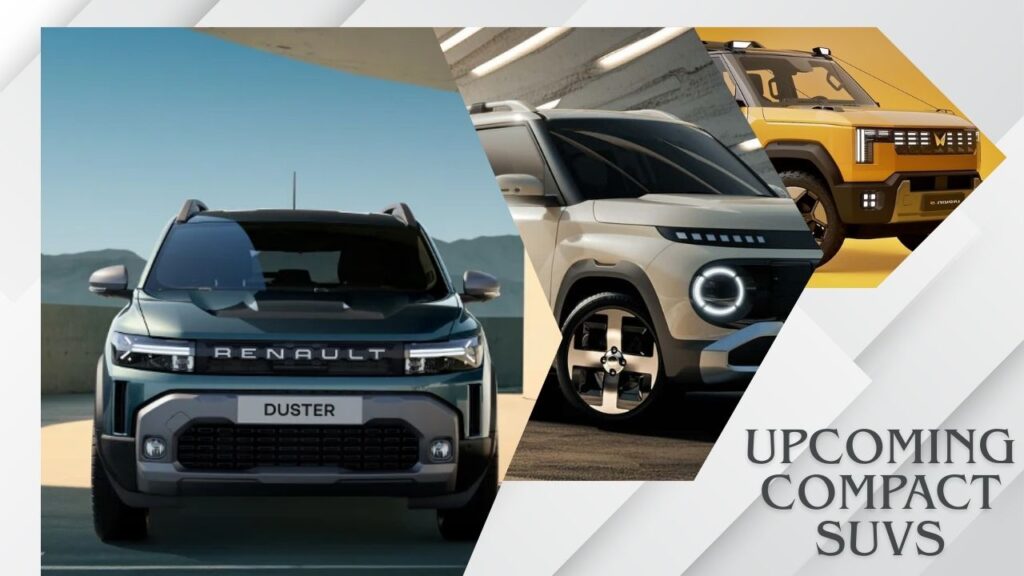
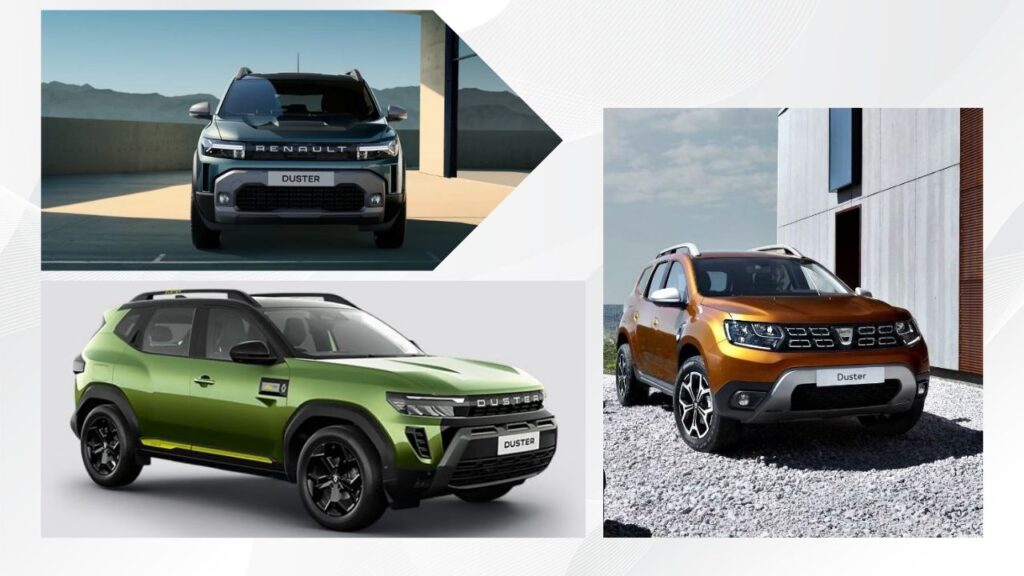
If any car has attained “cult status” in India, it is the Duster. It’s the Upcoming compact SUVs in India that first told us a compact car could drive like a tank but ride like a stock luxury sedan. After a hiatus, it’s back and Renault aren’t messing around.

Renault Duster

The new Duster will be based on the latest CMF-B platform, shedding its old dated bones. It is rugged looking—complete with Y-shaped LEDs and recycled „Starkle“ plastic cladding that taunts scratches—yet the magic is really under the hood. Renault is going all in on a 1.8L Strong Hybrid system. It is built to take 80% of your daily urban runs in seam electric mode, offering you diesel-like fuel efficiency without the “dirty” vibrations. For long-distance touring, it’s the ultimate ‘no regrets’ SUV. 

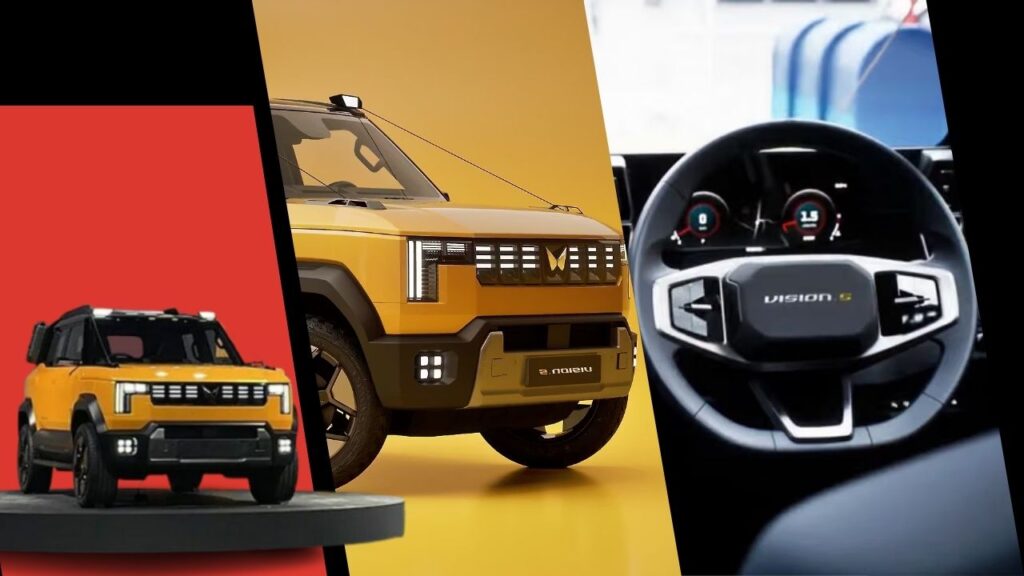
The Brute Baby: Mahindra Vision S

To Release: Early 2027

Mahindra has spent the past few years trying to be the “cool parents” of the SUV world. The Vision S (murmured around the clock as the “Baby Scorpio”) is their latest masterstroke. It’s for the person who craves the “get out of my way” road presence of a Scorpio-N but must tuck into a narrow mall parking space.

Mahindra Vision S

Going against the grain of many rivals who are adapting more rounded, “urban chic” looks, Mahindra is holding fast with a very boxy, upright shape and a tailgate-mounted spare wheel. The one thing traditionalists want: Diesel is not dead here. While the rest are ditching the oil burner, Mahindra is carrying forward the 1.5L mHawk engine for the new Vision S, making it the choice for high-mileage commuters in Tier-2 and Tier-3 towns. 

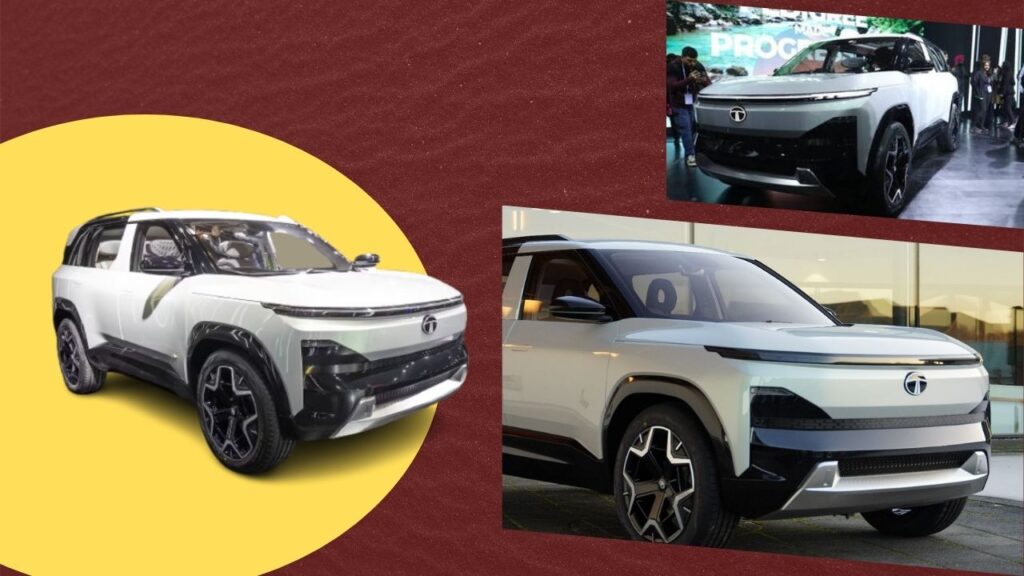
A Legend Reborn: Tata Sierra EV

Launch Date: March 2026

If you grew up in the 90s, then the word “Sierra” must bring back some lovely memories. It changed the landscape in the SUV segment being India’s first real lifestyle offering. Tata is bringing back the glory days for that legend, this time, it’s powered by lightning.

Tata Sierra EV

The Sierra EV isn’t simply a Nexon in a new body, it is based on the Acti.ev (Active Intelligent Electric Vehicle) “skateboard” platform. The floor is completely flat, the cabin is massive, and there’s even a “frunk” for charging cables. Tata is marketing this as a “Lounge On Wheels” with the iconic wrap-around “Alpine Windows” and reclining rear seats. With a claimed range of over 400 km and All-Wheel Drive (AWD) as an option, this luxury cruiser doesn’t mind getting a little dirty. 

Functional Masterpiece: Kia Syros 

Scheduled Release Date: Mid- 2026

Kia is instead “zigging” where everyone else seems intent on “zagging,” making their Upcoming compact SUVs in India look like sporty coupes with sloping roofs. The Syros (internally referred to as the Clavis) is a futuristic box you can be proud of.

Kia Syros 

Why a box? Because practicality applies to boxes. The Syros prioritizes vertical space, so even six-foot-tall riders get plenty of headroom in the rear cabin. Inside, Kia is introducing its “Trinity” cockpit – a giant, seamless glass console that integrates three different displays. It’s the “gadget on wheels” for Gen Z buyers, who prioritize interior space and high-speed connectivity over sleek profiles, he said. It is scheduled to go on sale as an EV first, with petrol variants to follow soon thereafter. 

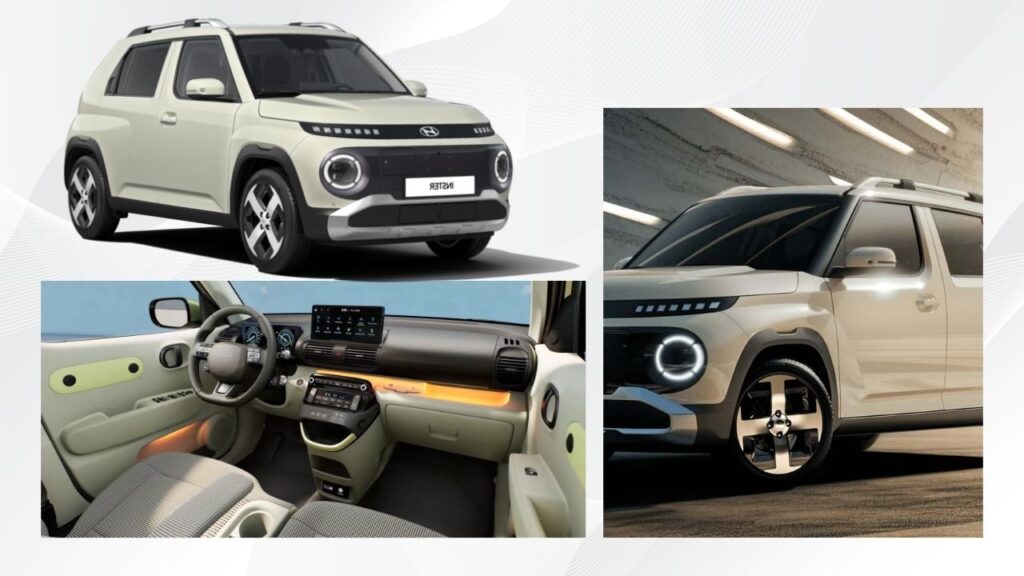
The Bengal-barren EV: Hyundai Inster

Schedule Release: Q4 2026

Hyundai’s have a straight aim to make electric cars affordable. The Inster is an ingenious version of the global Casper EV, but Hyundai has extended it by 230mm just for India. Why? Because we want our legroom.

Hyundai Inster

The Inster is the ideal city “pod.” It’s tiny enough to plunge into holes in traffic yet techie enough to seem upscale. It has a “Pixel” design (inspired by its larger sibling, the Ioniq 5) and modular seats that can be folded completely flat — ideal for a quick car-camping trip or a nap between appointments. With a price target below ₹10 lakh, this is the vehicle that may finally turn EVs into a household staple in India. 

Read More:- Saurabh Ahuja Luxury Car Collection: Prices, Models and Features

Conclusion:- Upcoming compact SUVs in India

Upcoming compact SUVs in India: What the next two years really turn on is so-called hyper-segmentation, as the auto market moves beyond the era when cars were “one-size-fits-all.” Now, each is a lifestyle choice: 

  • Duster is comfort and ability to cover 500 km without getting tired 
  • Vision S is a rugged, reliable workhorse 
  • Sierra EV is for design-conscious professionals who want their car to say something 
  • Syros is the ultimate family-and-tech hub, while Inster is the clean, concise future of city commuting. 

It’s not a decision about what you can afford anymore — it’s a decision about who you want to be on the road.