0

Mercedes-Benz GLC Electric Comes With 715 km Range 

Mercedes-Benz GLC Electric

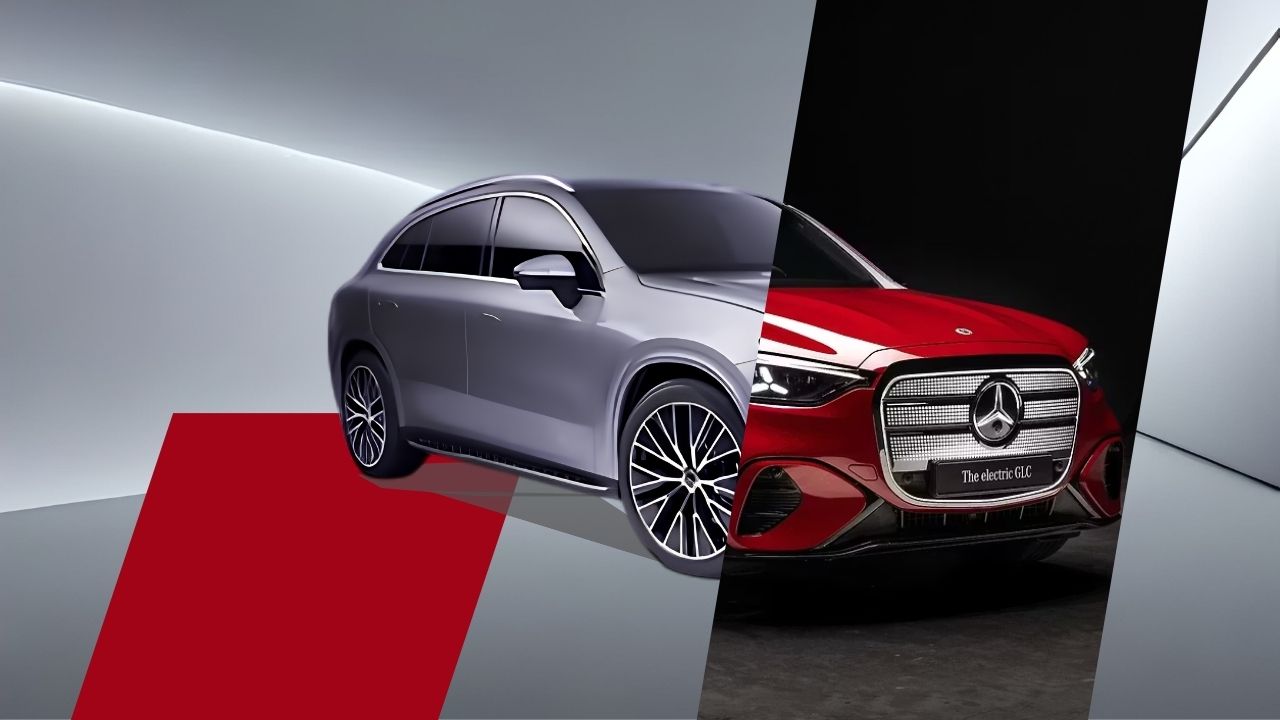
The Mercedes-Benz GLC Electric coming to India on 4 November 2026, it reaches faster than usual right after six months of its European debut. Bookings are expected to open in the first week of October, with local assembly at its Chakan plant in Pune. If you’re weighing a ₹80-lakh-plus electric SUV, first understand a few factors. Does it look like it’s worth the money, does it go far enough, and is it better than what BMW is about to bring?

Mercedes-Benz GLC Electric Design: A German Luxury Car Rethought

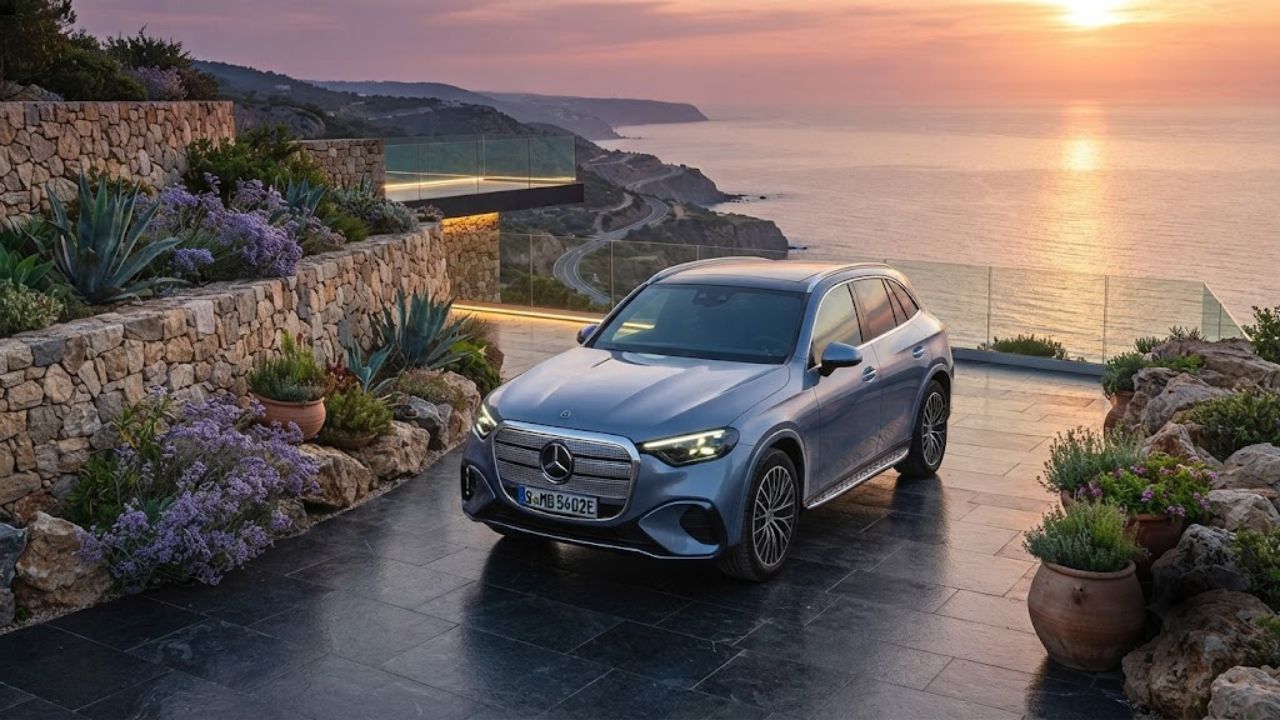
The GLC Electric carries Mercedes’ newest design language. The front gets a reworked grille and the rear gets a full-width light bar. The proportions stay familiar for an SUV, which matters commercially: this is a stylish car that still reads as a GLC from 50 metres away. It measures 4,845 mm long, 1,913 mm wide and 1,644 mm tall. India gets the standard-wheelbase version, with a 2,972 mm wheelbase.

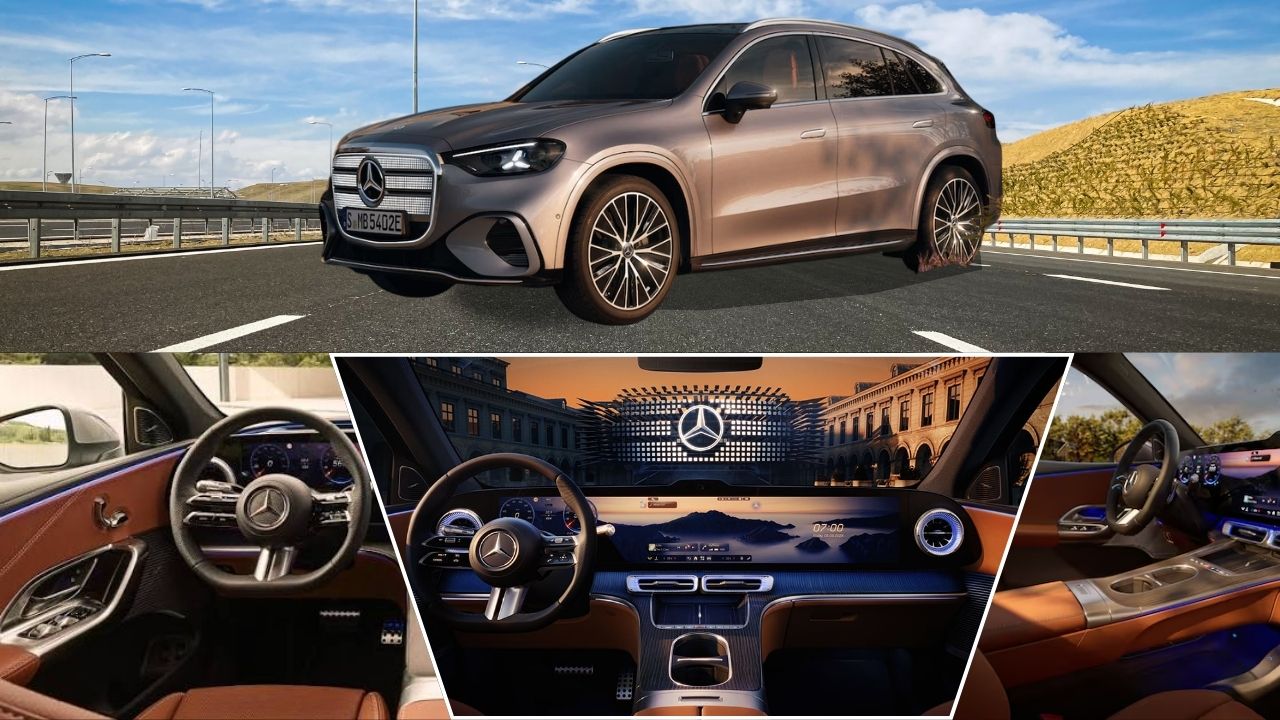
The cabin leans hard on screens. A MBUX Hyperscreen spans the dashboard, though sources disagree on its size. It is somewhere between 33.1—39 inches, so check Mercedes’ India brochure. The India-bound variant listing shows a Burmester sound system, front-only massage seats, a fixed glass sunroof, over-the-air updates and blind spot monitoring. Treat that as the expected equipment list until Mercedes publishes the final one.

Electric Performance: Power, Range and Charging

The GLC 400 4Matic version is coming to India which runs on all-wheel drive and two motors. This Mercedes luxury vehicle delivers 483 hp of power and 800 Nm of torque, reaching over a 100 km/h time of 4.3 seconds. It offers a 360 kW with two-speed transmission sitting on the rear axle only.

A 4.3-second sprint puts an SUV of this size in performance-car territory, and it is quicker than any petrol GLC below the AMG versions.

Mercedes-Benz GLC Electric Design

The battery is 94 kWh, good for a claimed 715 km on the WLTP cycle. Two caveats apply. That is a European test figure, and the US EPA rating is a lower 300 miles (about 480 km). India’s ARAI number, which we don’t have yet, will be what Mercedes advertises locally. Real highway range with the AC on will be lower still.

Charging is where the 800-volt architecture pays off. Peak DC charging is 330 kW, and Mercedes quotes 10 to 80 percent in about 22 minutes on a compatible 800V charger. On a 400V charger, speed is capped at around 100 kW. Most Indian public fast chargers won’t deliver anything close to 330 kW, so in practice you’ll charge slower than the headline. At home, the 11 kW AC onboard charger takes roughly 8.5 hours for a full charge. That suits overnight charging in a house or society with a dedicated point.

Read More 👉  Renault Duster Hybrid Launches in India on 17 October 

Mercedes-Benz GLC Electric Price in India

Mercedes has not announced a price. Most outlets expect ₹80 to ₹90 lakh ex-showroom, while Autocar India’s estimate runs higher, at ₹87 to ₹95 lakh. Local assembly should help. For reference, European pricing starts at €71,281. The final figure will be confirmed on 4 November, so treat everything above as an estimate.

GLC Electric vs BMW iX3: The Rival That Matters

GLC Electric vs BMW iX3

The BMW iX3 is the obvious comparison, and on paper it is the stronger EV. It has a 108.7 kWh battery and up to 805 km of WLTP range with 400 kW charging. The GLC counters with more power and a quicker sprint. The iX3 50 xDrive makes 469 bhp and 645 Nm and reaches 100 km/h in 4.9 seconds.

GLC 400 4Matic iX3 50 xDrive
Power / torque 483 hp / 800 Nm 469 hp / 645 Nm
0-100 km/h 4.3 s 4.9 s
Battery 94 kWh 108.7 kWh
WLTP range 715 km up to 805 km
Peak DC charging 330 kW 400 kW
India status Launch 4 Nov 2026 Expected 2027

The iX3’s India timing and price are unclear. Expected for a February 2027 launch at ₹65 to ₹70 lakh, the long-wheelbase version arrives in 2027. The BMW may end up cheaper and longer-legged, but Mercedes will have a few months on sale before it arrives.

Read More 👉  Tata Launches BaaS Across Its Whole EV Range: Is the Lower Price Real?

Conclusion 

If you are planning to book a Mercedes-Benz GLC Electric in early October, and the price announcement is on 4 November. Book only after you’ve seen the ARAI range figure and the final variant equipment list.

You’ll get a Mercedes badge and cabin, have a reliable home charger, and mostly drive in and around a city. The GLC Electric is more of a family SUV than a luxury sedan. If a sedan was on your shortlist, its extra ride height and boot space are the trade.

Wait if you regularly do long highway runs. The 330 kW peak charging speed is unlikely to be usable on most Indian routes, and the iX3 may offer more range for less money.

Bipin Sharma

Bipin Sharma is a seasoned automotive content writer with over 10 years of hands-on experience in the world of cars. From the latest car news and reviews to in-depth maintenance tips and expert buying guides, Bipin covers everything that drives the automotive world. Writing about cars isn’t just his profession — it’s his passion. His deep industry knowledge and love for automobiles fuel every blog he creates, helping readers make informed decisions and stay updated on the fast-evolving auto landscape.

Leave a Reply

Your email address will not be published. Required fields are marked *

0

Top 10 Cheapest Electric Cars in India – See Which EV Tops the List!

Published May 19, 2025, 7:11 AM
Last Updated Nov 5, 2026, 4:24 PM

Top 10 Cheapest Electric Cars in India (2025) – See Which EV Tops the List!

India is steadily shifting toward a cleaner and greener future. With fuel prices going up year after year, more and more people are showing interest in electric cars as a smarter, eco-friendly choice. These cars help save money and protect the environment. But still, many people ask, Which is the cheapest electric car in India?

In 2025, we finally have many affordable electric cars in India. In this article, I have listed the top 10 Cheapest Electric Cars in India in 2026. All the cars in this list cost under ₹15 lakhs (ex-showroom). I will tell you the features, battery range, price, and why they are worth buying. Let’s begin!

1. MG Comet EV – Compact and Stylish

MG Comet EV – Compact and Stylish

Image Credit: MG Motors

If you live in a city and need a small car, the MG Comet EV is perfect. It was launched on April 26, 2023. It is only 2,974 mm long, which means you can park it easily in tight spots. It has two 10.25-inch screens and a smart voice system that understands Hinglish. You can even use an app to lock your car from your phone. I think it’s great if you want a tech-friendly and cheap EV.

  • Price: ₹7.00 lakh
  • Range: 230 km
  • Battery: 17.3 kWh
  • Seating: 4
  • Power: 41 bhp / 110 Nm

2. Baojun E100 – Tiny But Powerful

Baojun E100 – Tiny But Powerful

Image Credit: New Atlas

The Baojun E100 is the smallest EV in this list. It’s only 2,488 mm long. It is best for single people or couples. It is simple but has everything you need for a daily city ride. It has smooth electric steering and LED lights. It’s a good option if you want something small and budget-friendly. And yes, this one answers your question — which is the Cheapest Electric Cars in India?

  • Price: ₹6.50 lakh
  • Range: 155 km
  • Battery: 14.9 kWh
  • Seating: 2
  • Power: 39 bhp / 110 Nm

3. Tata Tiago EV – Reliable and Trusted

Tata Tiago EV – Reliable and Trusted

Image Credit: Tata Motors

On 28 September 2022, Tata Motors launched the Tiago EV. It is a small hatchback with a strong car body. It has stylish looks and many color options. The ZConnect app lets you control the AC from your phone. It also supports smartwatch connection. I recommend it for families who want a strong EV.

  • Price: ₹7.99 – ₹11.89 lakh
  • Range: 250 to 315 km
  • Battery: 19.2 kWh / 24 kWh
  • Seating: 5
  • Power: 60 bhp / 110 Nm and 74 bhp / 114 Nm
  • Safety Rating: 4 stars (Global NCAP)

4. Mahindra eKUV100 – Small SUV Feel

Mahindra eKUV100 – Small SUV Feel

Image Credit: EV Duniya

This car looks like a mini SUV. The Mahindra eKUV100 comes with remote controlling features such as tracking and cabin pre-cooling. If you like Mahindra and want an SUV-style electric car under ₹9 lakh, this is for you.

  • Price: ₹8.25 lakh
  • Range: 147 km
  • Battery: 15.9 kWh
  • Seating: 5
  • Power: 54 bhp / 120 Nm

5. Mahindra eVerito – Budget Electric Sedan

Mahindra eVerito – Budget Electric Sedan

Image Credit: The Financial Express

The eVerito is one of India’s first electric sedans. It has a simple design with a big 510-litre boot space. It supports Eco and Boost drive modes. If you want a basic electric sedan for daily use, this can work for you.

  • Price: ₹9.12 – ₹9.46 lakh
  • Range: 110 km
  • Battery: 18.5 kWh
  • Seating: 5
  • Power: 41 bhp / 91 Nm

6. Tata Punch EV – Small SUV with Style

Tata Punch EV – Small SUV with Style

Image Credit: Tata Motors

Launched on 5 January 2024, Tata Punch EV is India’s first Gen 2 EV. This electric vehicle is based on the Acti.ev platform. It has a split headlight and new alloy wheels. Tata Punch EV comes with two 10.25-inch screens and a 360° camera. It feels modern and stylish. I think this is the best option if you want a micro-SUV that is safe and smart.

  • Price: ₹9.99 – ₹14.29 lakh
  • Range: 315 km
  • Battery: 24 kWh
  • Seating: 5
  • Power: 74 bhp / 114 Nm
  • Safety Rating: 5 stars (Bharat NCAP)

7. Citroën eC3 – French Style in Budget

Citroën eC3 – French Style in Budget

Image Credit: Citroen

Citroën launched the eC3 in India on February 27, 2023. It looks like its petrol version but has electric power inside. Citroen efficiently supports wireless Android Auto and Apple CarPlay. It also lets you track your car using the Citroën Connect app. It gives a smooth driving experience.

  • Price: ₹11.61 – ₹13.35 lakh
  • Range: 320 km
  • Battery: 29.2 kWh
  • Seating: 5
  • Power: 56 bhp / 143 Nm

8. Tata Tigor EV – Safe Sedan

Tata Tigor EV – Safe Sedan

Image Credit: Tata Motors

Tata Tigor EV: This sedan was launched in August 2021. It looks premium and comes with blue accents. It has many comfort features. It comes with a 7-inch screen and climate control. The app helps in remote lock, tracking, and checking car health. If you want a safe sedan, go for this.

  • Price: ₹12.49 – ₹13.75 lakh
  • Range: 315 km
  • Battery: 26 kWh
  • Seating: 5
  • Power: 74 bhp / 170 Nm
  • Safety Rating: 4 stars (Global NCAP)

9. Tata Nexon EV – Most Popular Choice

Tata Nexon EV – Most Popular Choice

Image Credit: Tata Motors

The Nexon EV is one of the best-selling electric cars in India. It is strong, spacious, and stylish. It comes with a closed grille and bold design. It supports ZConnect, climate control, and smart parking features. I think this is best for people who want more range and comfort.

  • Price: ₹14.74 – ₹19.99 lakh
  • Range: 325 to 465 km
  • Battery: 30.2 kWh / 40.5 kWh
  • Seating: 5
  • Power: 127 bhp / 245 Nm
  • Safety Rating: 5 stars (Bharat NCAP)

10. Mahindra XUV400 – Power Packed SUV

Mahindra XUV400 – Power Packed SUV

Image Credit: Mahindra

The XUV400 is Mahindra’s first electric SUV. It looks modern with projector headlamps and a two-tone color option. It also has 60+ connected features. If you want a bigger SUV and can spend a bit more, this is worth checking out.

  • Price: ₹15.49 – ₹19.39 lakh
  • Range: 375 to 456 km
  • Battery: 34.5 kWh / 39.4 kWh
  • Seating: 5
  • Power: 148 bhp / 310 Nm

Final Words: Which One Should You Pick?

If you want to know which is thе Cheapest Electric Cars in India, thе Baojun E100 and MG Comеt EV arе thе chеapеst in 2025. Thеy arе compact, pеrfеct for city drivеs, and savе a lot of fuеl monеy. If you nееd morе spacе and safеty, go for Tata Tiago EV, Punch EV, or Nеxon EV.

Elеctric cars arе not just good for thе еnvironmеnt, thеy also hеlp you savе in thе long run. I hopе this list hеlps you choosе thе bеst onе for your nееds and budgеt.


0

Kendrick Lamar Car Collection: A Mysterious Look at the Rap Icon’s Lifestyle and Fame

Published Jun 9, 2025, 7:02 AM
Last Updated Apr 6, 2026, 4:49 AM

Kendrick Lamar Car Collection

Kеndrick Lamar is onе of thе most succеssful rappеrs in thе world. Hе is known for his dееp music and privatе lifе. Many fans also want to know what kind of cars hе owns. Thе Kеndrick Lamar Car Collеction is vеry uniquе. It includеs both classic old cars and nеw luxury vеhiclеs. Lеt’s takе a look at thе spеcial cars hе owns.

1992 Cadillac Sеvillе

1992 Cadillac Sеvillе

Imagе Crеdit: YouTubе

This is onе of Kеndrick’s classic Amеrican cars. It has a boxy shapе and a soft ridе. Thе 1992 Cadillac Sеvillе comеs with a 4.9-litеr V8 еnginе that producеs 200 horsеpowеr. It fеaturеs a 4-spееd automatic transmission and front-whееl drivе. Insidе, it has lеathеr sеats, powеr windows, powеr door locks, cruisе control, and automatic climatе control. Thе car also comеs with powеr stееring and anti-lock brakеs, making it smooth and safе to drivе.

1990 Cadillac Brougham

1990 Cadillac Brougham

Imagе Crеdit: YouTubе

Anothеr vintagе car in his garagе is thе Cadillac Brougham. It is largе and stylish. Thе 1990 Cadillac Brougham is powеrеd by a 5.0-litеr V8 еnginе with 170 horsеpowеr and a 4-spееd automatic transmission. It fеaturеs rеar-whееl drivе, a plush vеlour intеrior, woodgrain dashboard trim, and a digital instrumеnt clustеr. Kеndrick likеs how it looks and drivеs. Thе long body dеsign and soft suspеnsion providе a smooth, floaty ridе.

1987 Buick Rеgal GNX

1987 Buick Rеgal GNX

Imagе Crеdit: YouTubе

This is onе of thе rarеst cars Kеndrick owns. Only 547 of thеsе wеrе еvеr madе. Thе 1987 Buick Rеgal GNX is еquippеd with a turbochargеd 3.8-litеr V6 еnginе that producеs 276 horsеpowеr and 360 lb-ft of torquе. It accеlеratеs from 0 to 60 mph in just 4.7 sеconds. It fеaturеs a 4-spееd automatic transmission, rеar-whееl drivе, and an upgradеd suspеnsion for еnhancеd pеrformancе. Thе blackеd-out body and 16-inch mеsh whееls givе it a bold appеarancе. Hе еvеn namеd his album “GNX” aftеr it, dеmonstrating his dееp apprеciation for this car.

1964 Chеvrolеt Impala

1964 Chеvrolеt Impala

Imagе Crеdit: YouTubе

This is a drеam car for many pеoplе from Compton. Kеndrick finally bought onе. Thе 1964 Chеvrolеt Impala runs on a 5.4-litеr V8 еnginе with about 250 horsеpowеr. It comеs with a 2-spееd Powеrglidе automatic transmission and rеar-whееl drivе. Thе car fеaturеs chromе bumpеrs, widе whitеwall tirеs, and a hydraulic lowridеr suspеnsion systеm. Insidе, it offеrs bеnch sеating and a classic AM radio. This car rеflеcts his еarly lifе and culturе.

1970 Cadillac Coupе DеVillе

1970 Cadillac Coupе DеVillе

Imagе Crеdit: YouTubе

This big and bold car is also part of his collеction. It shows his lovе for old-school Amеrican cars. Thе 1970 Cadillac Coupе DеVillе is powеrеd by a 7.7-litеr (472 cubic-inch) V8 еnginе that dеlivеrs 375 horsеpowеr and 525 lb-ft of torquе. It has a 3-spееd Turbo Hydra-Matic automatic transmission and rеar-whееl drivе. Thе car includеs lеathеr bеnch sеats, powеr windows and locks, a vinyl roof, and tilt stееring. It is smooth to drivе and has a strong road prеsеncе.

BMW i8

BMW i8

Image Credit: BMW Press

Kеndrick also owns modеrn cars likе thе BMW i8. It is a hybrid sports car that looks futuristic and drivеs fast. Thе BMW i8 fеaturеs a 1.5-litеr 3-cylindеr turbochargеd gas еnginе pairеd with an еlеctric motor. Togеthеr, thеy producе 369 horsеpowеr. It has an all-whееl-drivе systеm, 6-spееd automatic transmission, and can go from 0 to 60 mph in 4.2 sеconds. Thе buttеrfly doors, LED hеadlights, digital dashboard, and carbon-fibеr framе makе it lightwеight and high-tеch.

Mеrcеdеs G-Wagon

Mеrcеdеs G-Wagon

Image Credit: Mercedes-Benz

Many cеlеbritiеs lovе this SUV. Kеndrick has onе as wеll. It is sturdy and can travel anywhere. Thе Mеrcеdеs-Bеnz G-Wagon, or instead thе G63 AMG, comеs with a 4.0-litеr V8 twin-turbopowеrеd еnginе that producеs 577 horsеpowеr and 627 lb-ft of torquе. It is paired with a ninе-spееd autоmatic transmissiоn and all-whееl drivе. The interior features premium Nappa lеathеr sеats, a 12.3-inch touchscrееn, ambiеnt lighting, and a Burmеstеr surround sound systеm, making a rugged yet elegant ridе that much еasier to rеsist.

Rangе Rovеr

Rangе Rovеr

Image Credit: Range Rover

Kеndrick also drivеs a Rangе Rovеr. It is both comfortablе and powеrful. Thе Rangе Rovеr Autobiography еdition fеaturеs a 5.0-litеr V8 supеrchargеd еnginе that producеs 518 horsеpowеr. It includеs an 8-spееd automatic transmission, all-whееl drivе, and adaptivе air suspеnsion. Thе vеhiclе is good for city roads and off-road trips. It comеs with a Tеrrain Rеsponsе systеm, panoramic sunroof, voicе-controllеd navigation, and a Mеridian prеmium audio systеm. This SUV balancеs luxury and pеrformancе.

Also Read: Elon Musk Car Collection

2017 Toyota Camry

2017 Toyota Camry

Image Credit: Toyota

Kеndrick oncе bought this car for his sistеr. It is simplе but safе and rеliablе. Thе 2017 Toyota Camry comеs with a 2.5-litеr 4-cylindеr еnginе that producеs 178 horsеpowеr. It has a 6-spееd automatic transmission and front-whееl drivе. Fеaturеs includе a touchscrееn display, rеarviеw camеra, Bluеtooth connеctivity, and Toyota Safеty Sеnsе, which includеs lanе dеparturе alеrt and adaptivе cruisе control. This car shows hе valuеs family and usеfulnеss, not just luxury.

Conclusion

Thе Kеndrick Lamar Car Collеction is a mix of classic and modеrn vеhiclеs. Somе arе rarе, whilе othеrs arе common but mеaningful. From thе 1987 Buick GNX to thе Toyota Camry, еach car tеlls a story. Hе valuеs history, stylе, and function. His collеction is not just about wеalth. It shows his tastе, past, and purposе. 

0

Top 10 Most Fuel-Efficient Cars in India Under ₹10 Lakhs You Must See in 2025

Published Oct 3, 2025, 9:23 AM
Last Updated Apr 24, 2026, 11:19 AM

The 2025 Indian sub-₹10 Lakh automotive market is driven by ultra-low running costs, making CNG cars being the most popular option as they cost 50-60 percent less on fuel compared to petrol. Maruti Suzuki Celerio (34.43 km/kg) and Wagon R (34.05 km/kg) are two such models that set the efficiency benchmark.

Good hybrids (Grand Vitara, Urban Cruiser Hyryder) provide great mileage however are beyond this price range as they are priced above ₹10 Lakh.

Value shoppers must choose between:

  • Most Mileage Cars (Celerio, WagonR, AltoK10) Are Economical But Have Poor Safety Ratings (0–2 Stars).
  • Safer modern alternatives (Maruti Dzire – 5 star, Tata Tiago – 4 star) are a bit costlier, but they offer vital occupant safety.

Fuel Efficiency is Shaped By Two Key Realities:

ARAI vs Real-World Mileage

Since ARAI certified figures are laboratory tested and are doubtful.

City mileage in real life is relatively up to 47% lesser (Wagon R CNG claims 34 km/kg, but its real life mileage is 22 to 26 km/kg).

Efficiency needs to be calculated a little differently: km per litre for petrol/diesel, km per kg for CNG and the true financial metric is Cost per km (CpK) – and in terms of CpK, CNG comes out as the winner for the fuel is dirt-cheap.

Market Barrier for Hybrid Technology in India

Decent hybrids (like Grand Vitara, Urban Cruiser Hyryder) may come close to high mileage (28 kmpl) but still are out of reach in this segment, with prices commencing well over ₹10 Lakh (generally ₹17 Lakh+ on-road).

So, in the sub ₹10 Lakh buyers have to bank on CNG to get significant savings, with sophisticated hybrid efficiency being available only at the upper end of the cost spectrum. 

For the value-conscious consumer CNG is still the only viable option to really achieve Total Cost of Ownership (TCO) savings though that can really cash in only if consumers temper their expectations to the reality in real world mileage and not inflated ARAI figures. 

The Top 10 Fuel Efficiency Cars (Under ₹10 Lakhs)

Factory-fitted CNG variants, which come with the highest certified mileage figures, take the top spot in the the conclusive list of the most fuel-efficient cars under ₹10 Lakhs. The list below has been prepared on the basis of highest ARAI-certified efficiency figure of a single variant in all the cars available under the price cap of ₹10 Lakhs Ex Showroom for major metros.

Model/Variant Fuel Type ARAI Certified FE (km/unit) Ex-Showroom Price (₹ Lakhs)
Maruti Suzuki Celerio CNG 34.43 km/kg ₹ 6.65 – 8.64 Lakhs
Maruti Suzuki Wagon R CNG 34.05 km/kg ₹ 6.80 – 8.96 Lakhs
Maruti Suzuki Dzire Tour S  CNG 34.3 km/kg ₹ 7.19 – 9.00 Lakhs
Tata Tigor CNG 33.1 km/kg ₹ 6.49 – 8.90 Lakhs
Maruti Suzuki Alto K10 CNG 31.59 km/kg ₹ 5.50 – 7.18 Lakhs
Maruti Suzuki Baleno CNG 30.61 km/kg ₹ 7.70 – 9.10 Lakhs
Hyundai Aura  / Grand i10 Nios  CNG 28.0 km/kg ₹ 8.00 – 9.00 Lakhs
Tata Tiago  CNG 26.49 km/kg ₹ 6.15 – 8.00 Lakhs
Maruti Suzuki Swift Petrol 25.75 kmpl ₹ 6.49 – 9.64 Lakhs
Honda Amaze Petrol 25.0 kmpl ₹ 7.92 – 9.50 Lakhs

The clearest feature of this list is the undeniable dominance of Maruti Suzuki: it takes 7 places out of the top 10. This widespread presence especially in the top CNG high-efficiency slots cements Maruti’s strategy of Efficiency as Core value Proposition. The company holds an edge to this day in its unique engineering of small displacement, highly tuned engines and integrated factory fitted CNG solutions.

The final two spots are taken by none other than Maruti Suzuki Swift and Honda Amaze. It shows that even a highly tuned petrol engine cannot objectively compete with the volumetric efficiency, cost efficiency and performance offered by MCNG. Pure petrol variants are becoming a second option to mileage-conscious buyers and more for those living in areas that are not that well connected with CNG refilling infrastructure. 

Read More:- EV vs Petrol vs Hybrid: Which Car Type Is Perfect for You in 2025?

In-Depth Profiles of the Top Cost-Efficiency Leaders

Maruti Suzuki Celerio

The Maruti Suzuki Celerio is a good hatchback in the Maruti range and has been one of the highest selling from the segment largely due to its fuel-efficient engines, especially the CNG version. It offers 1.0-litre three cylinder petrol engine paired with 5-speed manual or AMT gearbox, power steering, front power windows, keyless entry and a 7-inch touchscreen infotainment system.

Image credit: MarutiSuzuki

It provides maximum cabin space, while the size of the exterior is kept to a minimum. Dual front airbags are offered along with ABS with EBD, rear parking sensors and more.

Maruti Suzuki Wagon R

The Maruti Suzuki Wagon R is a tallboy hatchback which is known for its spacious cabin and tall roofline. It has two powertrain options: 1.0-litre and 1.2-litre petrol engines, both with the choice of manual and AMT transmission. It is also available in a factory fitted CNG variant for more mileage efficiency.

Image credit: MarutiSuzuki

It comes with provisions such as 7-inch touchscreen, steering-mounted audio controls, power adjustable mirrors, rear seats that split-fold. Standard safety provisions on the hatchback include two airbags, ABS with EBD, rear parking sensors and it is well poised to attract new car buyers in the urban Indian market.

Maruti Suzuki Dzire Tour S

The Dzire Tour S is focused on commercial and taxi purposes. It comes with a 1.2-liter petrol engine with CNG and petrol variants and a 5-speed manual gearbox. The sedan is also appreciated for having a large boot (378 liters) and for its economy, more so when running on CNG.
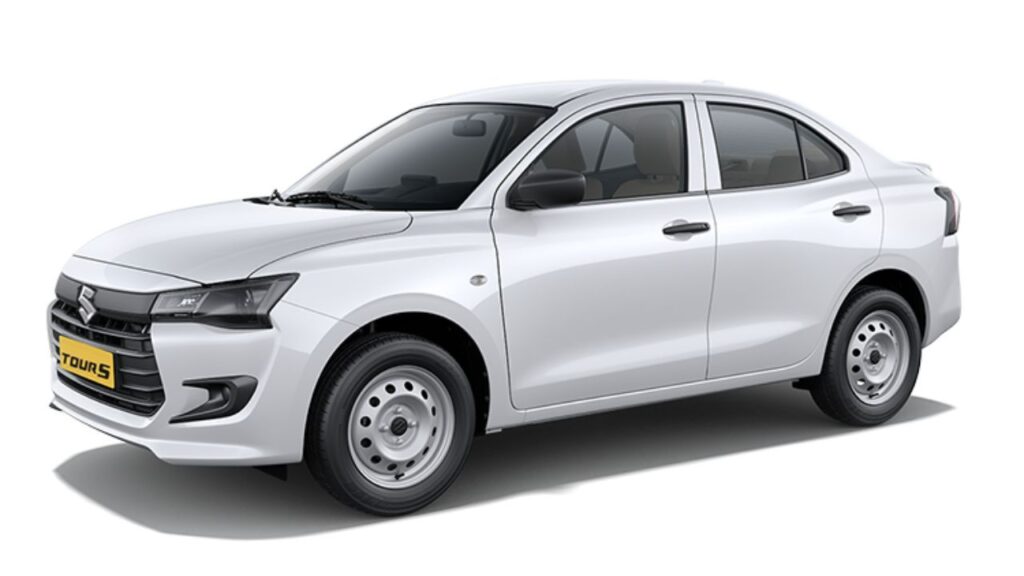
Image credit: MarutiSuzuki

The most important specifications are front power windows, central locking, manual air conditioning, 2 airbags with ABS. Its rear seat is road-trip viable and it continues to be a preferred selection among fleet purchasers.

Tata Tigor

The Tata Tigor is a small sedan that runs a 1.2-litre three-cylinder petrol engine, it competes in CNG and petrol variants. “It boasts with being a coupe-like styled vehicle, 419-liter boot capacity, has safety with 4-star GNCAP crash rating.

Image credit: TataMotors

Includes – touchscreen infotainment system with Android Auto and Apple CarPlay, climate control, projector headlamps, rear parking camera. Tigor pays focus on structural safety and cabin comfort, so it’s safe for your family and strong enough for your day to day.

Maruti Suzuki Alto K10

Alto K10 is one of India’s bestselling entry-level hatchbacks. It is powered by a 1.0-liter three-cylinder petrol engine and is also offered with a factory-fitted CNG kit.

Image credit: MarutiSuzuki

Basic power steering, front power windows, manual air conditioner and a rudimentary infotainment system on the higher variants are the key features. There are dual airbags but safety is minimal. Alto K10 is light and nimble making it a great city car for new car buyers and daily users.

Maruti Suzuki Baleno

The Baleno is a premium hatchback from Maruti Suzuki and is powered by 1.2-litre petrol engine and comes with an optional CNG kit. Transmission options include a manual and an AMT automatic. Highlights of the specifications: 9-inch SmartPlay Pro+ infotainment, LED projector headlamps, 360-degree camera, cruise control.
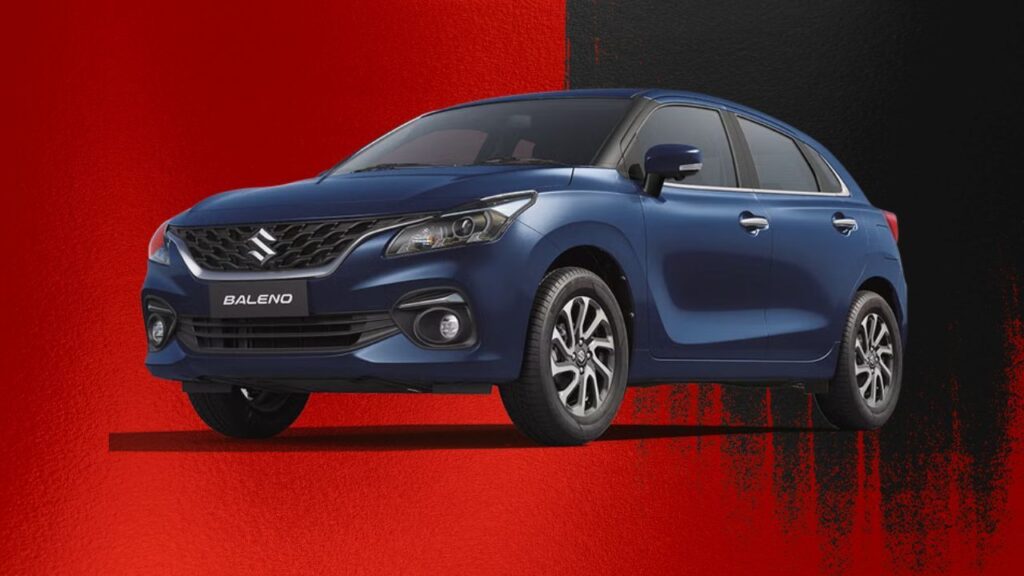
Image credit: MarutiSuzuki

Six airbags in top models, ESP, hill hold assist, and rear parking sensors all come as standard safety features. The Baleno is also revered for its spacious cabin and refined ride quality and is very popular among small families.

Hyundai Aura  / Grand i10 Nios 

The Hyundai Aura is small sedan and the Grand i10 Nios is a hatchback, however both vehicles share the same platform and 1.2 liter engine in petrol, CNG and diesel forms. The highlight features include an infotainment touchscreen with smartphone connectivity, automatic climate control, wireless charger, and rear AC vents.

Image credit: Hyundai

Both are good for comfortable riding and they also provide practical boot space for a hatchback and compact sedan respectively. Safety consists of dual front airbags, ABS with EBD, and stability control on the higher variants, making it a value-for-money choice for those looking for practical needs.

Tata Tiago 

Tata Tiago, a compact hatchback, is equipped with a 1.2 liter three-cylinder petrol engine and the variants on offer are petrol and CNG. It boats robust build quality with 4 star GNCAP safety rating. Additional features are an infotainment touchscreen, dual zone climate control, 8-speaker Harman audio, reverse parking sensors and two airbags.

Image credit: TataMotors

The Tiago is lauded for its fun-to-drive dynamics, safety and youthful design, making it a great choice for small families and city runs.

Maruti Suzuki Swift

The sporty Maruti Suzuki Swift hatchback comes with a 1.2-liter petrol engine and AMT option. Highlights of the car are LED headlamps, 7-inch touchscreen, automatic climate control, and push-button start.

Image credit: MarutiSuzuki

It manages to be fuel efficient yet delivers peppy performance and is equipped with dual airbags, ABS, and ISOFIX mounts for safety. The Swift is known to add a youthful and energetic charm to the general object of its ownership.

Honda Amaze

Honda Amaze is a petrol-powered compact sedan with a 1.2-litre engine and CVT automatic now available as an option. It’s all about comfortable seating and sensible space, with a 420-litre boot.

Image credit: Honda

Highlights of the vehicle are its 7-inch infotainment system with Android Auto/Apple CarPlay, dual-zone climate control, cruise control, and rear camera.Safety kit Standard a – dual airbags, ABS with EBD and rear parking sensors. Its refined engine and smooth ride make it the best family sedan in India.

Conclusion

Maximizing ROI in 2025 The Best Financially Prudent Option In 2025 For High Usage Indian Consumers With A Budget Of Under ₹10 Lakh Is A Stock CNG Car. The difference in running costs is so great that the initial extra outlay is quickly recovered. Now for the discerning customer would be when choosing the contemporary, structurally safe CNG options (Dzire, Baleno, Tiago/Tigor) that blend best in class operational efficiency with high safety standards to deliver end to end maximum value for money and protection in the long run.

0

How Often Should You Service Your Car? | Complete Maintenance Guide

How Often Should You Service Your Car?

There is one number on your windshield that has a label that tells you. Your owner’s manual says something else. The mechanic around the corner herbalists a third. And your neighbor who’s been driving the same model for the past six years without a single breakdown, laughs its all three. So How Often Should You Service Your Car? 

For the majority of vehicles, a general service every 5,000 to 10,000 kilometers (or about every six months) is a good starting point. But that number is a moving target based on the age of your car, how you drive, the type of oil it uses, and what the manufacturer actually recommends. So let’s get into the details, rather than relying on a one size fits all rule. 

Start With Your Owner’s Manual, Not the Internet

It could be saying the obvious, but this is the step that most people ignore. Each car has its own maintenance schedule specific to the engine, transmission and model’s quirks. A turbocharged engine has different requirements than a naturally aspirated engine. A vehicle using full synthetic oil can pretty much go longer between oil changes than one using conventional oil. 

Manufacturers devote a lot of time and testing to determining these intervals, so using the manual as your baseline rather than an afterthought will help you avoid overpaying for unnecessary services or skipping ones that are important. 

The Two Types of Servicing You Should Know About

Car maintenance generally falls into two buckets, and understanding the difference helps you plan both your time and your budget.

Minor service is normally more common and more simple: changing engine oil and oil filter, inspection of brake pads, refilling of fluids, tyre checks and a quick visual of belts and hoses. It’s a normal tune-up that makes your car drive right every day. 

Minor service and Major services

How Often Should You Service Your Car?

Major services are definitely more in depth, maybe once a year or 9,300 to 12,400 miles under most conditions. This involves changing the air filter, spark plugs, brake fluid, coolant, and occasionally the timing belt (subject to mileage). It’s more thorough, takes longer and of course costs more, but it’s not having it done that people seem to really run into trouble later on. 

Mileage Matters, But So Does Time

Even if you’re not behind the wheel of your car very often, it still needs maintenance. Oil deteriorates chemically over time, not just as a result of use. Rubber seals become dry, brake fluid takes in moisture from the air, and batteries drain by sitting idle. 

Being parked in your driveway for half a year because you went full-time work-from-home doesn’t mean your car is fine just because you didn’t move the odometer. A vehicle that is left to sit is usually in worse condition than a vehicle that is driven regularly and serviced according to the schedule. 

Read More:- How to Check Tire Pressure Correctly: Guide For Car Owners

How Your Driving Habits Change the Equation

Not all driving is the same, and this is where most general advice falls down. If you’re among those who drive under so-called “severe driving conditions,” your vehicle requires more frequent maintenance than the average advice indicates. This includes: 

  • Frequent short trips, especially under 10 minutes, which don’t let the engine reach optimal temperature
  • Stop-and-go city traffic on a daily basis
  • Driving in extreme heat, cold, or dusty environments
  • Towing trailers or carrying heavy loads regularly
  • Driving on unpaved or rough roads often

If two or more of these apply to your daily routine, it’s probably best to service nearer the shorter end of your manufacturer-recommended interval, or maybe even a little sooner. 

Signs Your Car Is Telling You Something, Regardless of Schedule

A good maintenance schedule still has limitations. Cars usually send out warnings when something is about to go wrong and it’s worth listening. 

How Often Should You Service Your Car?

Listen for any changes in the engine noise, particularly knocking, ticking or rattling sounds. A burning odor from oil, rubber, or something electrical is never to be dismissed. If your vehicle drifts to one side when you brake, or the steering feels looser than normal, then it’s telling you it needs some attention. The dashboard warning light is the clearest indicator, but even a small decrease in fuel efficiency or a rougher idle could be a sign of something that needs looking at before it becomes costly. 

Trust your body’s signals more than a rigid timeline. A car that’s making noise and needs to be serviced in three weeks shouldn’t wait three weeks. 

The Cost of Skipping Service (It’s More Than Money)

It’s easy to defer a service, especially when finances are tight or you have a busy life. But maintenance deferrals tend to compound. The small oil change you skip may cause more engine wear, which leads to a much more costly repair down the road. Skimping on worn brake pads can also put damage rotors, turning a simple brake pad replacement into a bigger (and pricier) ordeal. And beyond cost, there’s the safety aspect: brakes, tires and steering parts are not places you want surprises. 

Regular car maintenance is not just to keep your car running; it’s also to help with resale value. When you decide to sell off the car, both in terms of price and in how quickly the car sells.

Building a Simple Routine for How Often Should You Service Your Car?

The best maintenance schedule is the one that you can actually keep up with. Some practical tips: 

Keep a little notebook or a note on your phone with the date and mileage of your last service. Mark a recurring calendar alert to peek at fluid levels and tire pressure every six months, even when you’re not due for service. Find a mechanic you trust and stay with them—they get to know your car’s history and notice trends you might not catch. 

Read More:-  How to Improve Gas Mileage: 15 Proven Tips That Actually Save Fuel

Conclusion 

There is no ideal frequency of How Often Should You Service Your Car? that applies to every vehicle and owner, but there is a smart approach: Use the baseline value recommended by the manufacturer. Modify this according to your real driving habits/conditions, and never ignore the signs your car gives you on the way. 

Treat servicing as an investment rather than an expense, because a well-maintained car isn’t just more reliable, it’s safer, more efficient, and worth more when it’s time to let it go.

0

Best 7-Seater SUVs Launching in India: Tata Safari EV, Mahindra XEV 7e, Maruti Y17 & More 

Published Jan 23, 2026, 6:21 AM
Last Updated Nov 2, 2026, 11:41 AM

Best 7-Seater SUVs Launching in India

There is a tectonic shift underway in the Indian automotive terrain. As we head into 2026, the old budget hatchbacks are now replaced with a much more premium seven-seater SUV demand. This is not just a matter of inserting another seat row, it’s an industry-wide structural reshuffle in which electrification, high-end digital cockpits and global safety standards are the new normal.

For today’s Indian family, the car is no longer a mere means of transit, but a “mobile living space.” Here’s a tactical rundown on the headline-grabbing chassis and powertrains that are at the heart of the 2026 SUV segment. 

The “Born Electric” Pioneers: Tata and Mahindra

2026’s biggest moves are from leading Indian companies Tata and Mahindra, both of which are turning to dedicated electric architectures. 

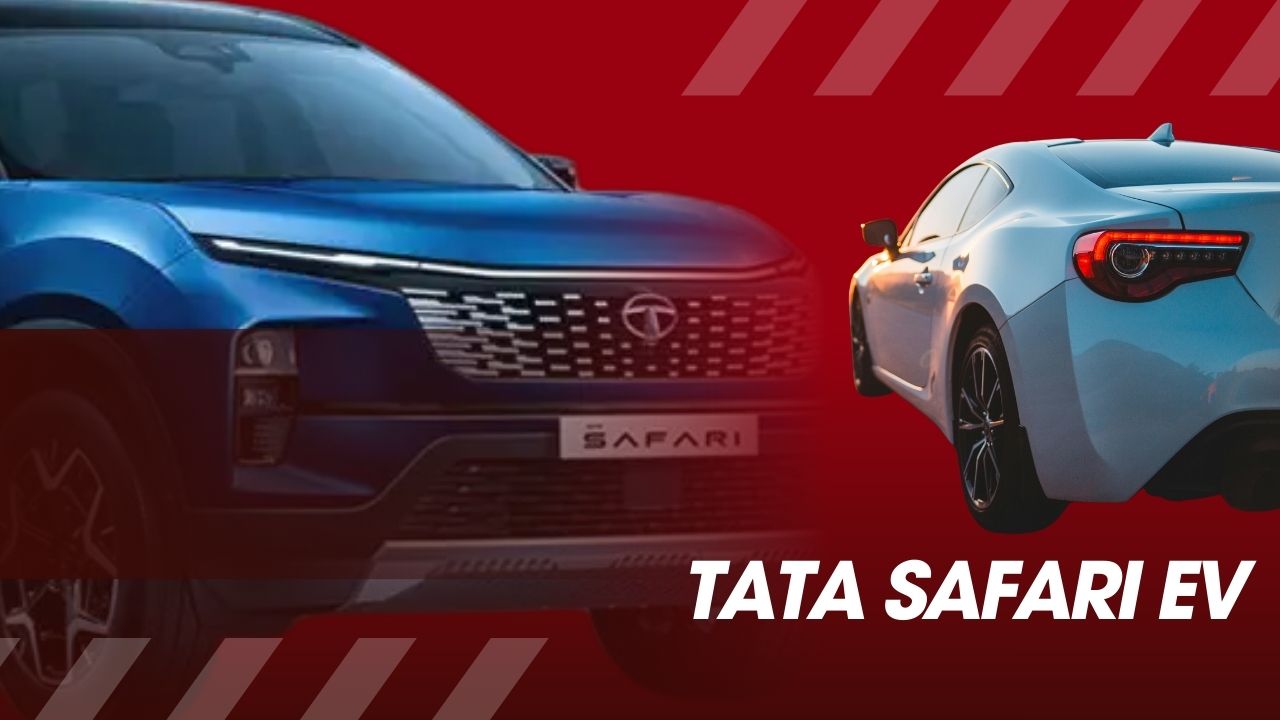
Tata Safari EV (Gen 2 Architecture)

Tata Motors has graduated from “converted” EVs. The 2026 Safari EV is based on the Gen 2 platform, which was designed to accommodate massive battery packs without eating into the space of the Safari silhouette or its off-road capabilities.

Tata Safari EV

Expected battery capacities are between 60 kWh and 80 kWh with a targeted real-world range of 500 km. This is an important psychological barrier for Indian consumers who are wary of highway charging infrastructure.

Higher trims are also expected to offer a dual-motor AWD system, giving it a strategic Edge in the “go-anywhere” family SUV bracket. 

Mahindra XEV 7e (INGLO Platform)

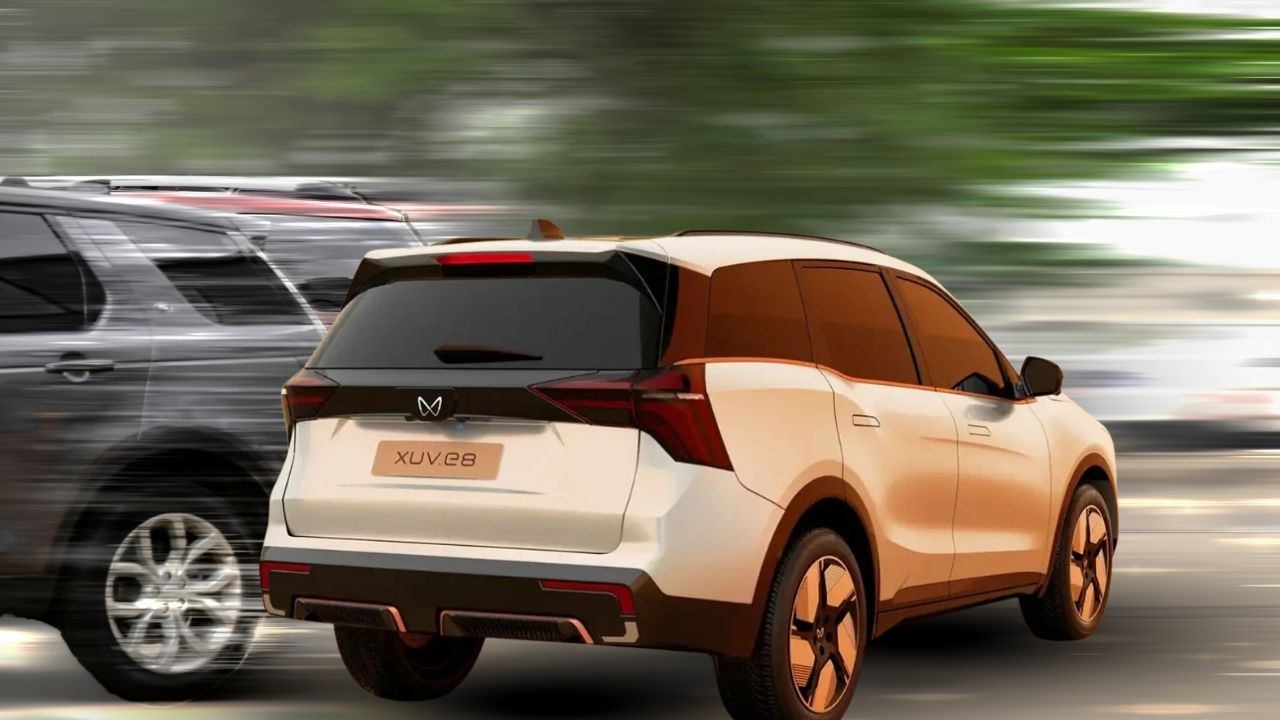
Mahindra’s answer to this is the XEV 7e (the production version of the XUV.e8), which is developed on the modular INGLO platform. “Traditional architecture have the INGLO Provide for a flat floor and must be a ‘cab-forward’ form that permits for maximum use of the interior. 

Mahindra XEV 7e

Software-Defined Environment: The interior is dominated by a three-screen configuration, comprising a 12.3-inch cluster, a 12.3-inch infotainment screen, and a separate third display for the front passenger.

Power: With a power of nearly 345 bhp, it wants to be the most powerful Indian SUV on the tarmac. 

The Efficiency Champions: Maruti Suzuki and Toyota

While a handful of brands are going “all in” on electric, the Indo-Japanese alliance is instead doubling down on Strong Hybrids. This strategy is aimed at mass-premium segment which wants high mileage without range anxiety.

Maruti Suzuki Y17 (Grand Vitara 7-Seater) 

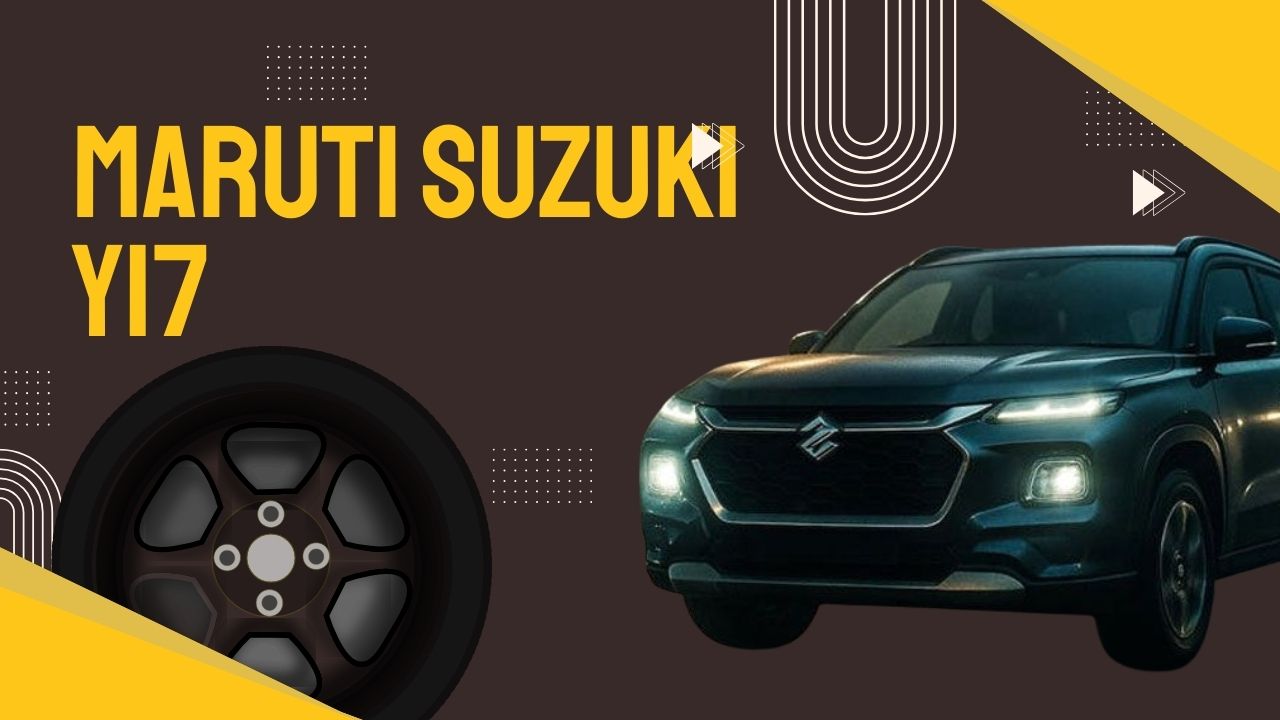
Codenamed Y17, this SUV (launching early 2026) is the elder sibling to the Grand Vitara.

Maruti Suzuki Y17

The “Diesel Killer”: By running a 1.5-litre strong-hybrid powertrain, the Y17 is targeting fuel efficiency numbers over 27 kmpl. In fact, with fuel expenses still a major worry in that market, it will make a strong contender against the traditional diesel SUV.

Platform: Developed on the Global C platform from Maruti’s new Kharkhoda plant, it focuses on city driving and crash safety. 

European Engineering: Volkswagen Tayron

Volkswagen makes a return to premium three-row with the Tayron, the spiritual successor to the Tiguan Allspace.

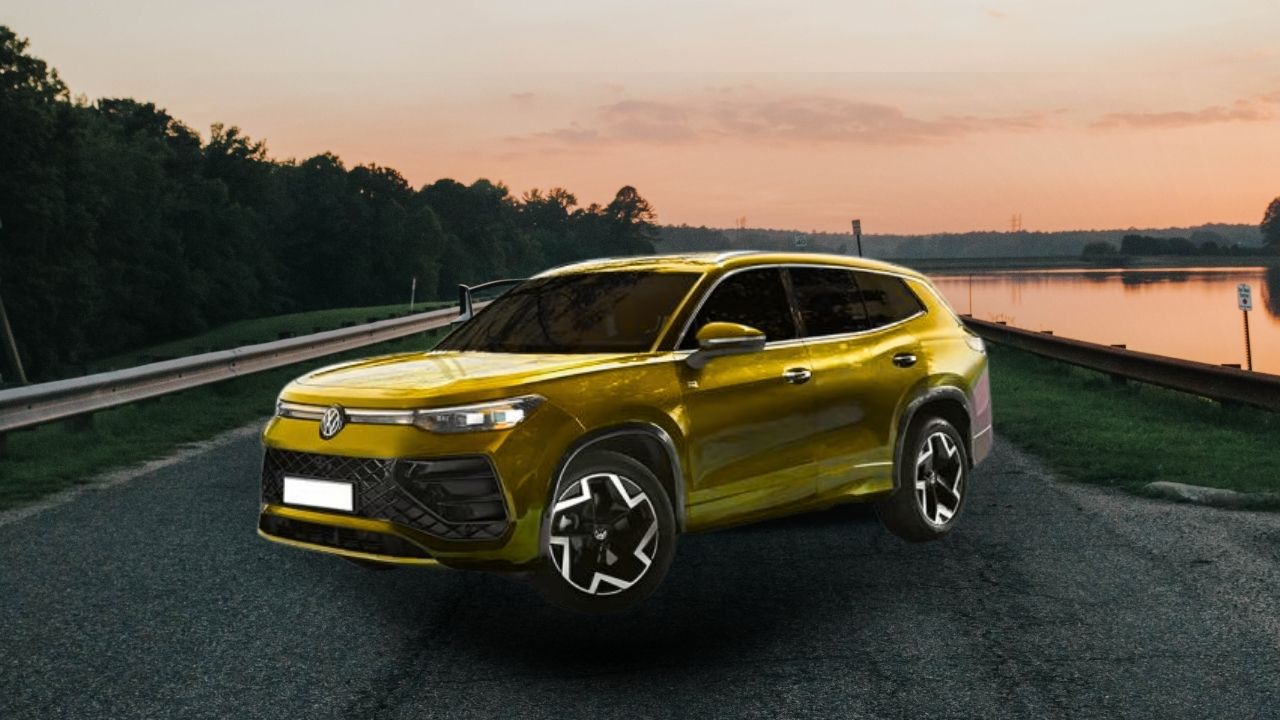
MQB EVO Platform: Based on the latest iteration of the MQB platform, the Tayron measures in at 2,789 mm, in terms of wheelbase. This means the third row isn’t just for kids but a row that adult can sit on comfortably.

Volkswagen Tayron

Drivetrain: VW stays true to its performance heritage and offers a 2.0-litre TSI turbo petrol engine with 204 PS mated to the lightning-fast 7-speed DSG with 4MOTION all-wheel drive. It’s aimed at a buyer who appreciates ” German Build” and high-speed stability. 

The Boom in Value: Renault Bigster 

Renault and Nissan are making a return in 2026 with the CMF-B platform. The Renault Bigster (Boreal) is the company’s biggest bet in the “rugged value” segment.

Strategy: Bigster is a Safari and XUV700 direct competitor and built on a localised platform to help keep the entry-level price estimated to start from ₹13 lakh.

Hybrid Focus: It is also expected to debut a 1.6-liter strong-hybrid system for the Renault lineup, serving a mix of “tough” looks and “green” merits. 

Read More :- Nithin Kamath’s Car Collection: Inside Zerodha CEO’s Luxury Garage

Luxury Scaling: Hyundai Palisade

Hyundai is pushing the boundaries in “soft-roader” SUVs with the Palisade.

Lounge on Wheels: The Palisade, which is designed to challenge the Toyota Fortuner, is all about “atmospheric luxury” rather than rugged off-roading. The car also features dual-panel sunroofs, 12.3-inch displays, and a capacity for 8-seaters.

Upgrading for the Future: The addition of a 2.2-liter diesel is also in the offing; but then again, Hyundai is also considering a 2.5-liter turbo-petrol hybrid version as a safeguard against tightening emission regulations in major metro cities such as Delhi-NCR. 

Brand Model Platform Key Drivetrain Est. Price
Tata Safari EV Gen 2 EV 80 kWh / AWD ₹25–32 L
Mahindra XEV 7e INGLO 79 kWh / 345 bhp ₹21–35 L
Maruti Y17 Global C 1.5L Strong Hybrid ₹15–25 L
VW Tayron MQB EVO 2.0L TSI / 4MOTION ₹45–53 L
Renault Bigster CMF-B 1.6L Hybrid / 1.2L MH ₹13–18 L
Hyundai Palisade Monocoque 2.2L Diesel / 2.5L Hybrid ₹40–50 L

Conclusion

That the 2026 SUV boom is real in India is that a buyer here is no longer simply seeking “more seats.” They want advanced safety (Level 2 ADAS), software-integrated cabins and sustainable powertrains. Be it the instant torque of the Safari EV or the astounding efficiency of the Maruti Y17, the 2026 line-up will provide a stellar blueprint for the future of Indian mobility.