1

Pre-Book Limited-Edition Mini Cooper S Comes With 3-Door Entry

Published Oct 8, 2026, 12:44 PM
Last Updated Oct 13, 2026, 6:41 AM

Pre-Book Limited-Edition

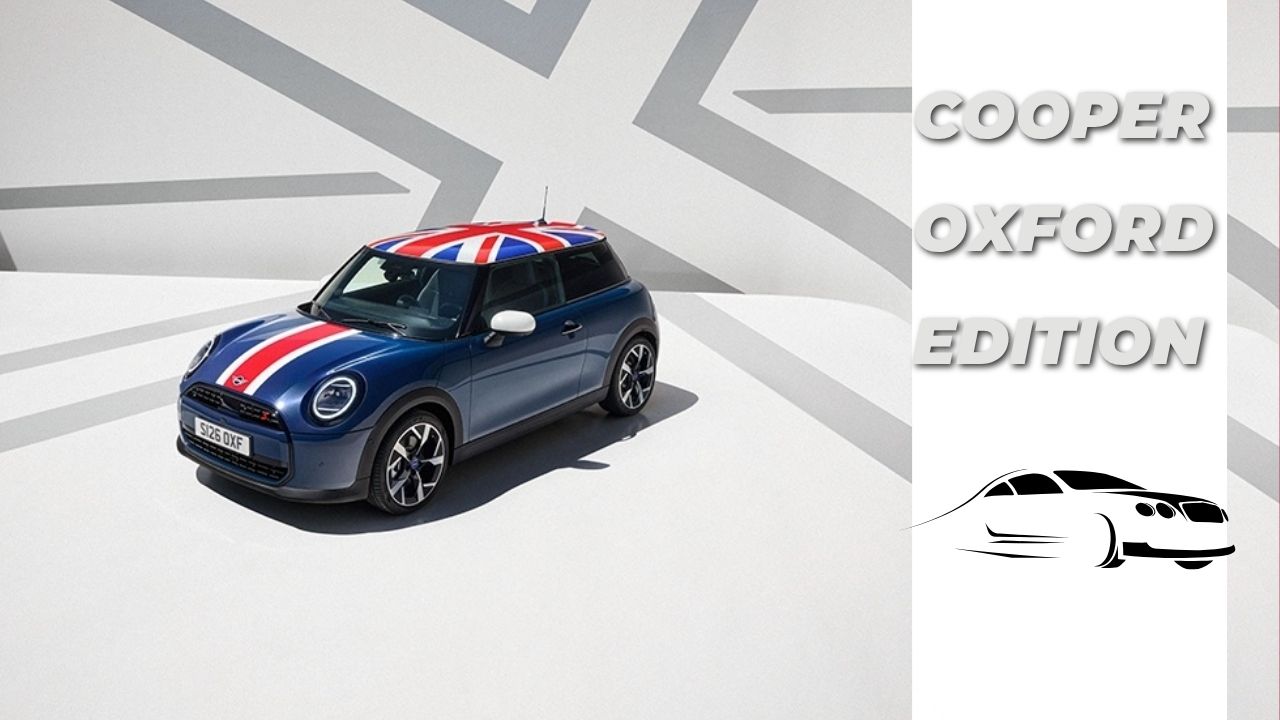
Mini India is launching Limited-Edition Mini Cooper S, it gets Union Jack-inspired styling which pays tribute to the brand’s British heritage. On 8 October 2026, the brand opened pre-launch bookings for the Cooper Oxford Edition, a limited run built on the Mini Cooper S 3-door, and the interesting thing is that the car underneath stays exactly the same, but the Mini didn’t announce a price yet.

It’s worth knowing the styling and interior updates comes with this Oxford Edition before booking through authorised MINI dealerships. You can show interest on the company’s official website.

Mini Cooper S Oxford Edition Pre-Booking

Mini India opened pre-launch bookings across 17 cities via authorized dealerships. Buyer from Delhi NCR, Mumbai, Bengaluru can check out but the price isn’t confirmed yet. You can also show your interest if you’re from Chennai, Hyderabad, Pune and Kochi or request a call back. 
Mini Cooper S Oxford Edition Pre-Booking

Mini has not announced the ex-showroom price which is more important than the colour palette. It has not announced a delivery schedule. And “limited quantities” is the only volume figure on offer, with no unit count. We could not find a booking amount either, so confirm that with your dealer before you transfer anything.

It’s not just a new car launch, it’s a tribute to Oxford in the UK, where original Mini production began and BMW Group started building the modern Mini.

Why This Mini Cooper S Is a 3-Door Only Affair

The “3-door entry” in the headline is less a feature than a format. The Oxford Edition is a special edition of the Cooper S 3-door, the classic short-wheelbase hatchback, and nothing in Mini’s announcement points to a five-door or convertible version.

That shapes who this car is for. Cooper S 3-door offers a tight rear seat and long front door that suggest a person buying for themselves. If your household needs easy rear access every day, the Oxford Edition is the wrong place to spend money regardless of how it looks.

Cooper Oxford Edition Design: Union Jack Graphics 

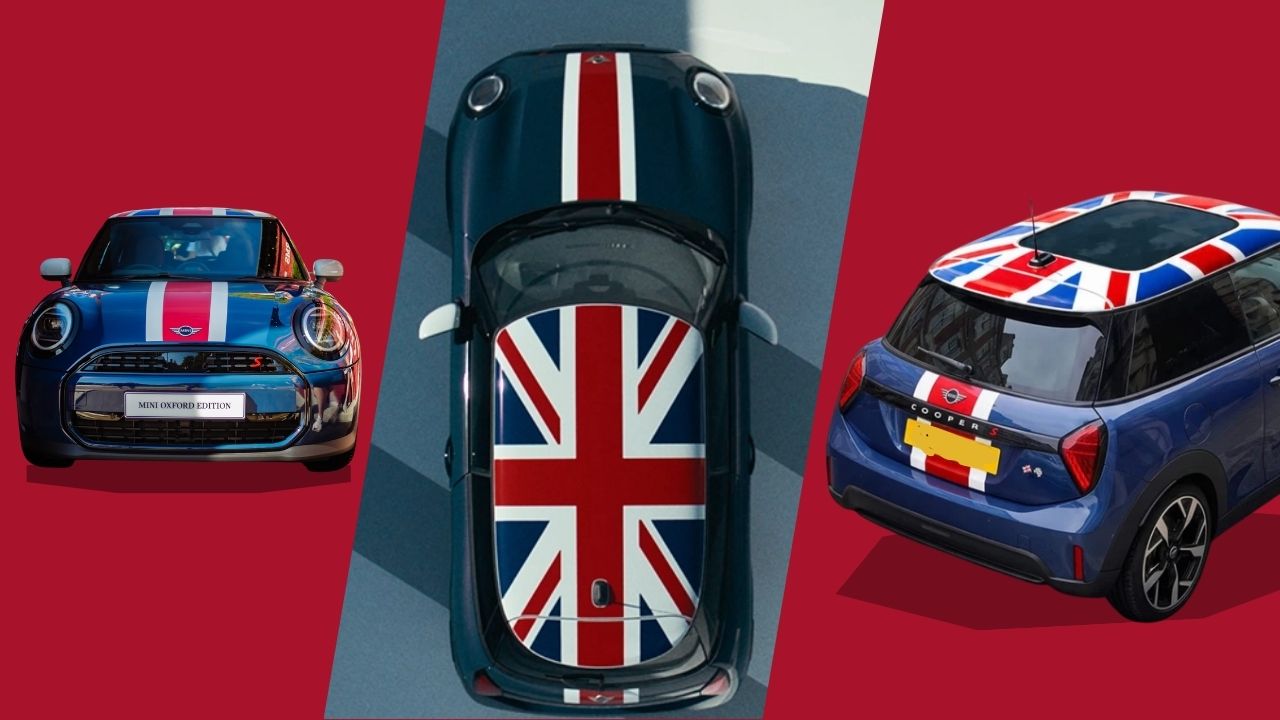
The styling speaks louder with a large Union Jack graphic and matching stripes running down the bonnet and boot which clearly says the special message. The tailgate gets British flag decals, the wheel hub caps are Oxford-specific, and even the valve caps carry the flag.

Mini Cooper S Oxford

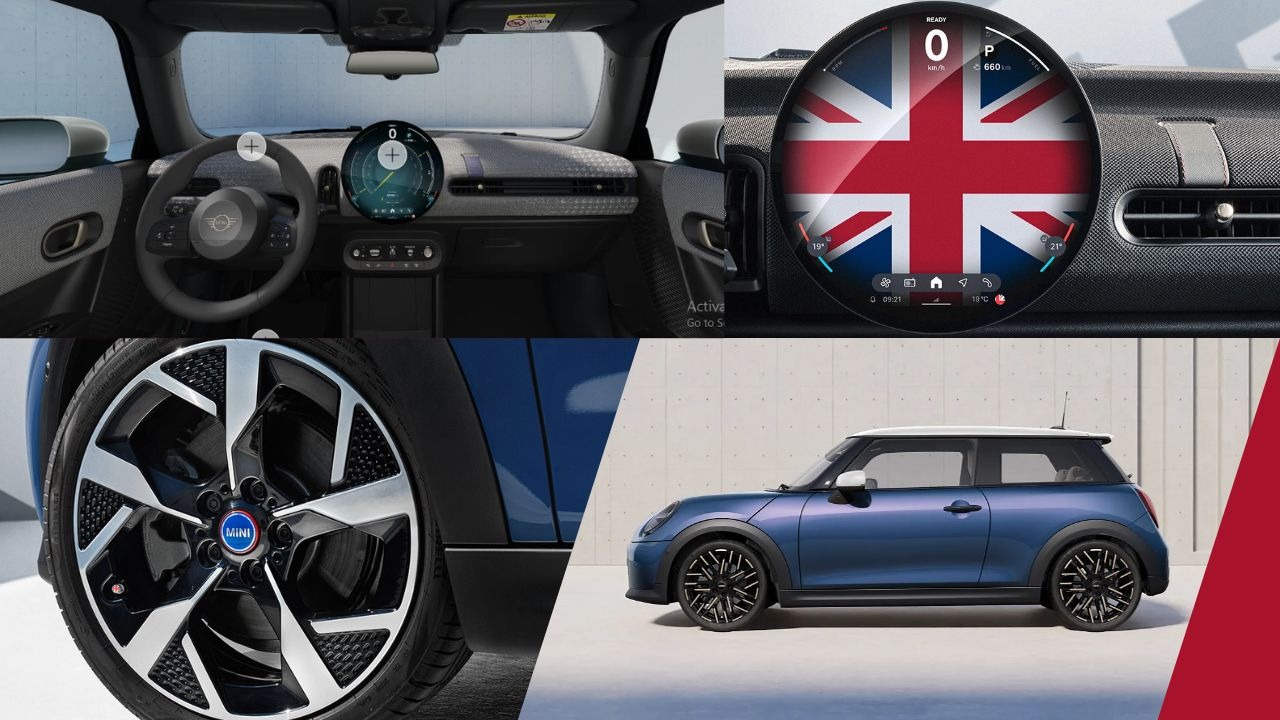
Two body colours are listed: Indigo Sunset Blue and Chilli Red, both paired with white mirror caps. The car runs smoothly without compromising the hard physical body and elements. It sits on 18-inch Slide Spoke two-tone alloys wheels which also uses circular LED headlights and it is customisable with daytime running light signatures.

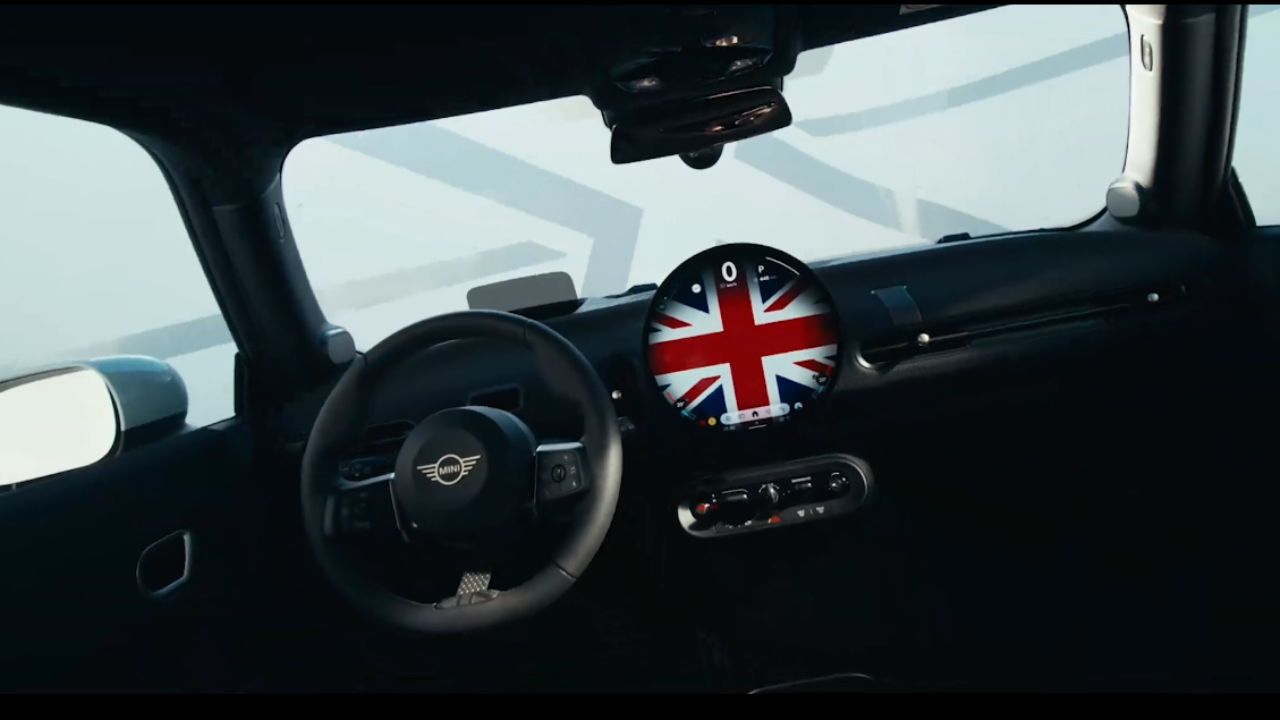
The interior looks cozy and futuristic with a central OLED display which seems perfect for the hatchback. The theme continued to follow inside too, Union Jack badge on the steering wheel and digital Personal Mode background inspired by the flag is something which makes it a special edition. 

Engine and Performance: Same Heart as the Regular Cooper S

Mini says the mechanical package matches the standard Cooper S sold in India, so there is no extra power for the extra money. It performs well with a power of 204 hp and 300 Nm of peak torque from the same 2 L engine that uses petrol. Cooper S power goes to the front wheels through a 7-speed DCT automatic with the torque available between 1,450 and 4,500 rpm.

The car runs in 6.6 seconds from zero to 100 km/h and gives a mileage of 16.82 kmpl but the claimed fuel efficiency number is extracted from the lab test not on the city road with real conditions. 

Earlier Indian-spec Cooper S models were rated at around 189–192 hp, so check the spec sheet or confirm from the dealer about the output figures because it might move over the years.

 👉 Skoda Slavia Facelift Comes With Automatic Shift & More Features

Oxford Edition Premium Cabin and Tech 

The cabin is where the Cooper Oxford Edition earns most of its justification. It uses Mini’s Favoured trim with JCW sport seats in black, a beige and grey knitted dashboard, silver interior accents and an anthracite headliner.

There are advanced features accessible in the car including a circular OLED touchscreen, backed by a head-up display, and a sound system (Harman Kardon) which also gives car owners a quite fun ride. Cooper S also has a panoramic glass roof and heated steering wheel to enjoy the experience of premium driving.
Oxford Edition Premium

The driver gets a special feature: electrically adjustable seats that’s a sign of true luxury. There is wireless charging, an interior camera and multiple digital display modes are also on the list

Connectivity covers wireless Apple CarPlay and Android Auto, Digital Key Plus and remote software updates. Parking help comes from front and rear sensors, a reversing camera and a parking assistant, and automatic climate control and cruise control with braking function are included.

Safety and Driver Assistance

The luxury features and comfort doesn’t mean- no reliability. The safety package in a Limited-Edition Mini Cooper S offers ADAS functions which are new and tested. The car runs with its open sensors which gives collision warning, lane departure warning, speed warning. 

Cooper Oxford Edition doesn’t just protect you while after the crash, but before the crash. Beginners will also drive well with driver attentiveness monitoring, reversing assistant, dynamic stability control, and cornering brake control. And most of the time people don’t get to notice maintenance, so it’s easy with tyre pressure monitor, a run-flat indicator and emergency call functionality.

Traction control and ABS and brake assist also comes along with Mini. We have not seen a crash-test rating published for this specific configuration, so do not read the equipment list as a safety score.

Mini Cooper S Oxford Edition Price

The official price is not out. There was a previous Mini Oxford Edition in India. It launched on 22 October 2018 at Rs 44.90 lakh ex-showroom, limited to 25 units, sold exclusively through Amazon India. At the time, the base Cooper S 3-door was listed at Rs 33.9 lakh, which means that edition carried a premium of roughly Rs 11 lakh. It also used a 192 hp version of the same engine and an earlier-generation cabin.
Cooper Oxford Edition

The 2026 car is a different launch with different equipment, so the 2018 numbers describe a precedent, not a forecast. A regular Cooper S 3-door is currently listed around Rs 42.70 lakh ex-showroom on a dealer-aggregator site, and that figure is unconfirmed by Mini, so verify it locally. Even a premium half the size of the 2018 one would push the Oxford Edition toward the upper forties. That is arithmetic to plan your budget around, not a price Mini has given.

On-road costs add registration, insurance and other charges on top, and they vary a lot by state.

How to Pre-Book the Cooper Oxford Edition

Go through an authorised Mini dealership, or register interest on the website and wait for the call back. Before you commit, ask the dealer four things:

  1. What is the booking amount, and is it refundable if the final price disappoints you?
  2. How many Cooper Oxford Edition units is the dealer allotted?
  3. What is the expected delivery window?
  4. Which of the listed features are standard on this edition and which are paid options?

The refund question is the one that protects you. Pre-launch bookings of Cooper Oxford Edition are placed before the price exists.

👉  5 Lowest-Priced Maruti Suzuki Cars Featuring Automatic Transmission in India

Conclusion

Pre-book if you want the Cooper Oxford Edition specifically, you can accept a three-door body, and you are comfortable committing before the price is known, as long as the booking is refundable. Collectors and Mini loyalists are the natural buyers.

Wait if you care about performance per rupee. A regular Cooper S gives you the same engine and most of the same character, and the Golf GTI gives you more power and five doors once the Mini’s price is announced. Do not pay a limited-edition premium until you have seen the number, and do not let the word “limited” hurry you.

Alok Kabir

Alok is an experienced SEO Specialist skilled in blogging and SEO-friendly content creation. He also specializes in Content Optimization and Technical SEO, including website optimization, crawlability, indexing, site speed, and on-page improvements to enhance search rankings and online visibility.

One Comment

Leave a Reply

Your email address will not be published. Required fields are marked *

0

New Kia Niro EV Price 2025 – Full Details, Features & Latest Updates

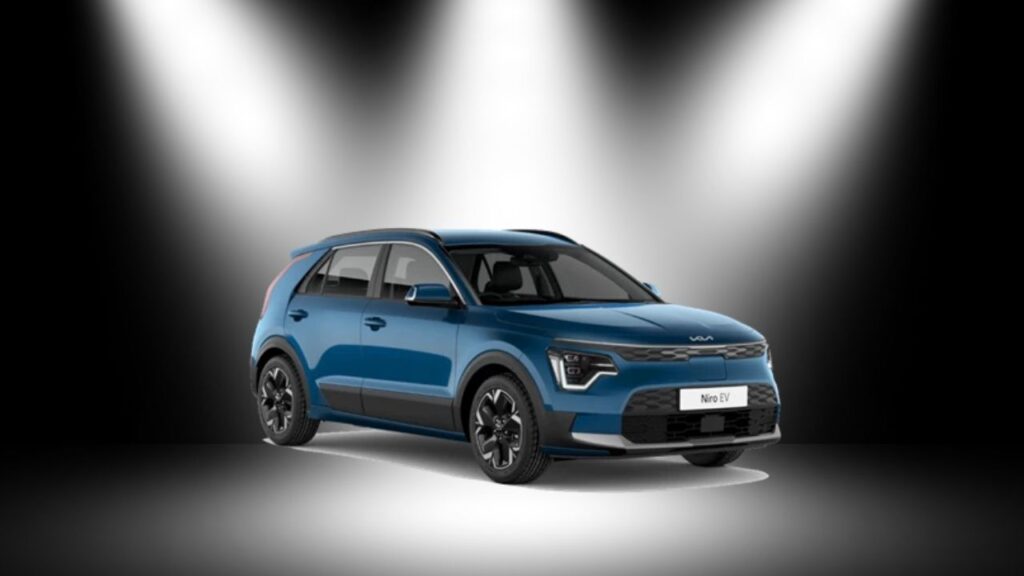
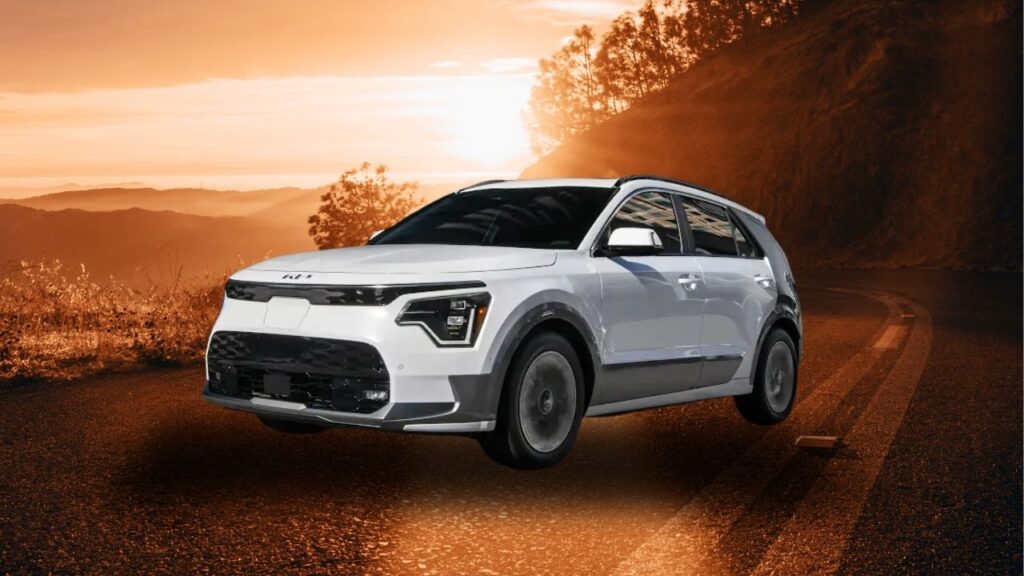
New Kia Niro EV

The 2025 Kia Niro EV is a total game-changer in the electric SUV class. If you’re considering an electric move without sacrificing comfort, style or practicality, this might just be the car you’ve been waiting for. So let’s take a closer look at what makes this little crossover such a thrilling proposition for green-minded drivers and adventure seekers alike. 

Niro EV Pricing Details

As far as the 2025 Kia Niro EV price is concerned, Kia offers an astonishingly good value-for-money package. The electric version begins at $40,995 for the Wind trim, which is quite affordable for a compact electric SUV. If you go for Wave trim, the price increases slowly, but the extra miles are worth it.​

To those in India curious about any possible pricing, the speculation is that if the Niro EV were to make a debut here, it could be priced in the region of ₹35 to ₹40 lakh, which would make it a really attractive premium cable option in the electric SUV segment. The recent penchant for EVs in India makes this a possibility to keep an eye out for. 

Niro’s Impressive Range That Won’t Let You Stop

Range anxiety is few and far between for the 2025 Kia Niro EV. With 253 miles of EPA-estimated range on one charge, this SUV will get you through your daily commute and weekend adventures. The car contains a 64.8 kWh battery pack that provides such excellent performance yet manages to be so efficient at 113 MPGe combined.​

Niro’s Impressive Range That Won’t Let You Stop

Everything is better charged and flexible. With a 240V home charger, you can charge the Niro EV from empty to full in about 7.5 hours. For those grab-and-go road trips, DC fast charging increases the battery from 10% to 80% in 45 minutes, long enough for a coffee break while your car is fuelled up. 

Unbeatable Design That Attracts Many Eyes

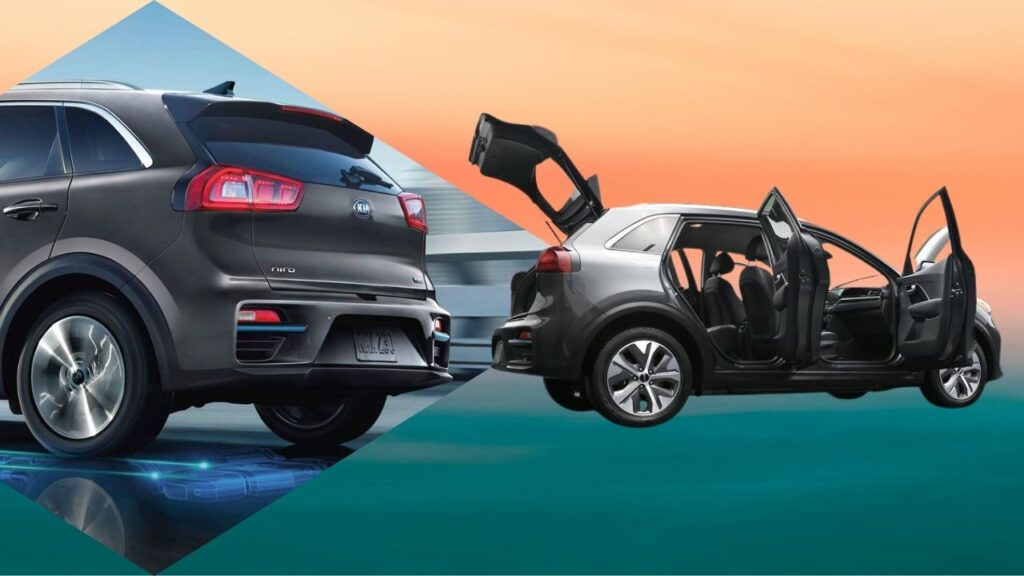
Kia’s design language has always been bold, and the 2025 Niro EV is no exception. The car comes with the signature ‘tiger face’ design at the front with eye-catching LED headlamps that makes it look clearly upscale. The body lines and the aerodynamic shape accompanied by the unique boomerang shaped LED rear lamps give the car a well-balanced modern and elegant look from every point of view.​

Unbeatable Design That Attracts Many Eyes

Its dynamic dimensions let you have an experience to drive comfortably in rush cities and perfect for road trips as it is large enough to carry everything so far. It offers 22.8 cubic feet of cargo capacity that can carry everything essential for the family trip including luggage, food or sporting equipment. 

Interior Experience That Feels Premium

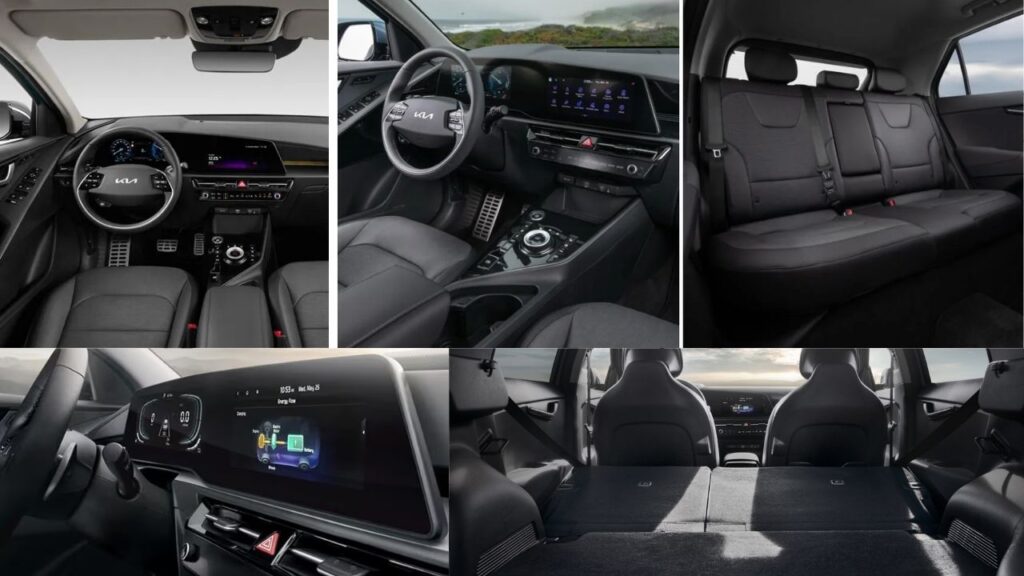
Step inside the 2025 Niro EV and the Kia Electrified philosophy of placing sustainability at the convenience-first focal point of the cabin is immediately clear. The two-screen setup features a 10.25-inch digital instrument cluster, 10.25-inch touchscreen infotainment system, and includes mirroring support for wireless Android Auto and Apple CarPlay. It allows you to keep your eyes on the road when using the maps or music, or when making calls.​

New Kia Niro EV Interior Experience That Feels Premium

What really sets the cabin apart is Kia’s commitment to sustainable materials.The interior features vegan leather seats and is lined with bio-based materials, demonstrating a genuine pursuit of sustainability in manufacturing. The 8-way power driver seat with lumbar support and heated seats for the front and rear passengers guarantee that comfort isn’t an afterthought. 

It provides a complete luxurious ride with amazing comfort features like dual-zone air conditioning, wireless charging and ambient lighting, a combination of fully premium vehicles. 

Powerful Performance of Niro EV 

Niro EV has 201 horsepower and 188 lb-ft of torque, enabling it to offer a responsive performance without sacrificing efficiency. The motor ’s instant torque also contributes to a smooth, quiet ride that makes driving in the city enjoyable.​ 

The suspension tuning is make-or-break – and it’s perfect. Niro EV Takes both a fine job of smoothing out bumps and potholes without becoming floaty, so it’s at home on both finely polished freeway lanes and rough-and-tumble city streets. The front-wheel-drive system delivers sufficient grip and stability on different terrains. 

Read More:- Nissan Leaf Expected ₹30 Lakh Price With Detailed Guide on Features and Range

Safety and Technology Features

Kia didn’t hold back with the safety equipment. The 2025 Niro EV includes the full DriveWise suite of safety features, with forward collision-avoidance assist, lane-keep assist, adaptive cruise control, and blind-spot detection. Features like automated emergency braking, lane-departure warning, and lane-centering assistance come as standard.​

Other safety features are a series of airbags and a high-strength body structure, which protect passengers in all kinds of situations. 

Conclusion

The 2025 Kia Niro EV is a well-rounded electric SUV that doesn’t makes any compromises when it comes to practicality, comfort, or style. Whether you’re a city dweller, a weekend adventurer, or just someone who’s excited to make the jump into electric mobility, this car makes a strong case. Thanks to its excellent range, stylish cabin, safety-first philosophy and reasonable price, Niro EV has the potential to be the best selling green car for convoying drivers who don’t want their green dreams to come at the expense of everyday living. 

0

Manual vs Automatic Cars — Which One Should You Buy?

Published May 29, 2026, 1:07 PM
Last Updated Jun 19, 2026, 9:47 AM

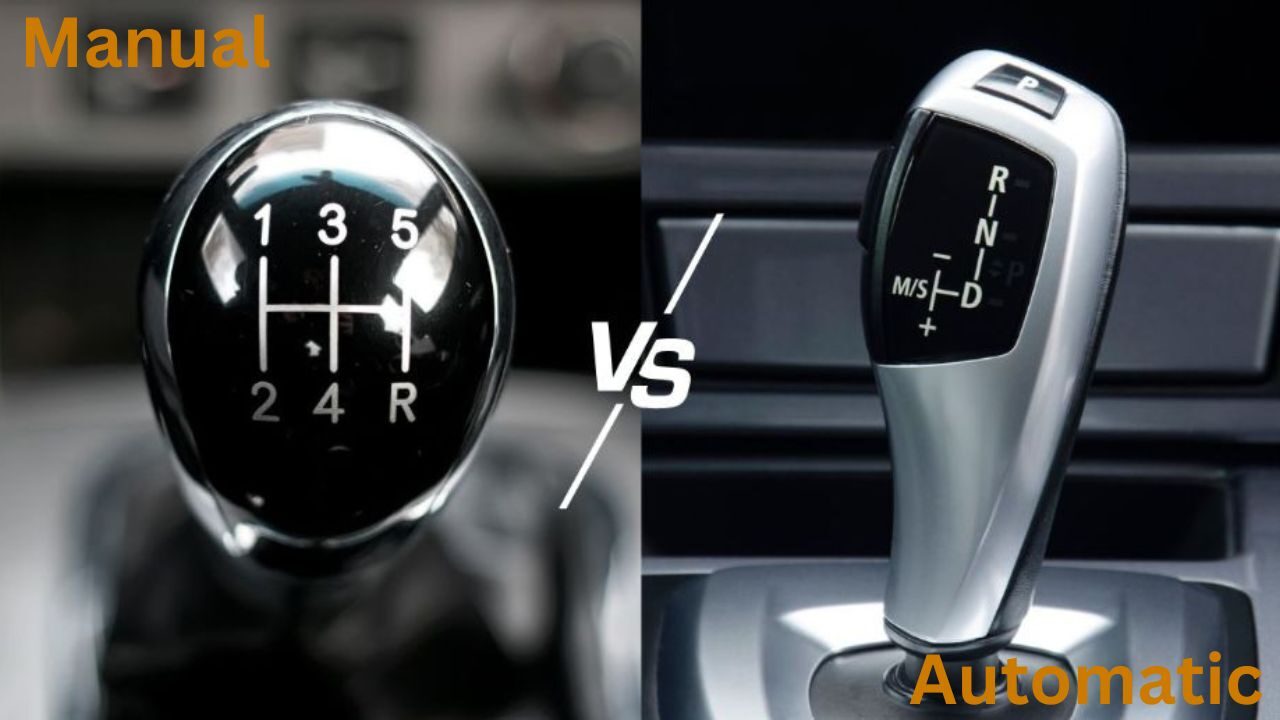
Manual vs Automatic Cars

Buying a new car made you jump on the debate in Manual vs Automatic Cars. You start looking for manual cars then you remember that you don’t have a budget or you need more fuel efficiency, so understanding which car you should buy is crucial and this comparison will help you find out. 

Both gearboxes have earned their place on the road. The real question isn’t which is better — it’s which is better for you.

Manual

Stick shift

Automatic

Self-shifting

  • Full control over gear selection
  • Easier in heavy stop-start traffic
  • Typically cheaper to buy & maintain
  • Faster lap times (modern dual-clutch)
  • Better fuel efficiency (older models)
  • Lower learning curve
  • Driver engagement & “feel”
  • Better for accessibility needs
  • Harder to steal in many regions
  • Dominant in EVs & hybrids

Why This Comparison Still Matters

In an era where electric vehicles are rising and dual-clutch automatics are faster than any human thumb, you’d think the manual vs automatic debate is dead. It isn’t. Every year, millions of first-time buyers and experienced drivers switching segments, face this exact fork in the road.

This debate is consistently occurring because both transmissions are genuinely excellent at what they’re designed to do. There’s no universal winner. The “right” choice depends on your city, your commute, your budget, and honestly — your personality.

The best transmission is the one you’ll enjoy driving every single day, not the one that wins a spec sheet comparison.

The Case for Manual Cars

Driving a manual isn’t just a skill — it’s a philosophy. When you control the clutch and shift yourself, you’re not a passenger in the driving experience; you’re the co-author of it. Enthusiasts will tell you that a mountain road in a manual car is a fundamentally different — and richer — experience than the same road in an automatic.

Beyond romance, manuals carry real practical advantages. They tend to cost less upfront (often ₹50,000–₹1 lakh cheaper on the same model in India), have simpler transmission mechanics that are cheaper to repair, and give you full authority over engine braking — useful in hilly terrain or wet roads.

There’s also a security perk that rarely gets mentioned: a significant portion of car thieves in India and globally simply don’t know how to drive stick. A manual car can be a surprisingly effective deterrent.

Read More:-  Kendrick Lamar Car Collection is Classic Garage With Old & New Luxury Cars

The Case for Automatic Car

Modern automatics — especially CVTs and dual-clutch transmissions — have erased almost every disadvantage they once carried. Today’s 8-speed torque-converter automatics shift faster than a human hand, and DCTs used in performance cars are flat-out faster on a track than any manual equivalent.

In Indian traffic conditions — Lucknow’s congested chowks, Bangalore’s perpetual gridlock, Mumbai’s coastal highway crawl, the case for automatic is almost self-evident. Clutch fatigue is real. Left-knee strain from thousands of small engagements in a daily commute adds up. An automatic eliminates all of that, leaving mental bandwidth for actual driving decisions.

In city traffic, an automatic doesn’t just make driving easier — it makes it safer, by keeping both hands on the wheel and both eyes on the road.

Automatics are also the only real option if you’re buying a hybrid or EV. The Maruti Suzuki Grand Vitara’s strong hybrid, Tata Nexon EV, or MG Windsor — all automatic by design. The future of powertrain tech is speaking clearly here.

Head-to-head Comparison of Manual & Automatic

Factor Manual Automatic
Purchase price Lower (same model) ₹50k–₹1.5L premium typically
City driving ease Tiring in traffic Significantly easier
Highway driving More engagement, fine Effortless cruise
Fuel economy Better (driver-dependent) Near-equal in modern units
Maintenance cost Lower long-term Gearbox service is pricier
Resale value Lower in urban markets Higher demand in cities
Driving fun Higher engagement Depends on transmission type
Accessibility Harder for some users More universally usable

Both Sides Of The Argument Are Genuinely Valid

Here’s what the internet debates often miss: manual vs automatic transmissions solve different problems excellently. A manual car in the hands of an engaged driver on a smooth state highway is pure joy. That same car in the rush hour of the city is a workout nobody asked for.

Conversely, an automatic is undeniably more accessible, less fatiguing, and increasingly more fuel-efficient. But ask a driving purist and they’ll tell you something important is lost — that thin-but-real tactile feedback between you and the road.

Neither camp is wrong. The manual loyalist isn’t being nostalgic for nostalgia’s sake. The automatic advocate isn’t being lazy. They’re optimizing for genuinely different things: one for immersion, one for practicality.

Who Should Buy What?

Choose manual if: you are long trips enthusiast and travel is your passion because experiencing the driving on open road is itself enjoyable, you have enough budget, or you live in a hilly area where engine braking matters.

Choose automatic if: you need to go to the office daily because it is the most rush hour in the city, you want to buy an EV, or you are a beginner.

And if you’re genuinely torn? Drive both. Borrow a friend’s car for a week. One rush-hour commute in a manual versus an automatic will give you an answer no spec sheet ever can.

Conclusion

The Manual vs Automatic Cars debate happens when you are going to buy a car because your friends might suggest their opinion, your family says something else and you get confused. It is not a perfect answer of which is right, because both transmissions are right in their own context. Buy the one that fits your daily reality, your budget, and the way driving makes you feel. That’s always the correct answer.

0

The 2025 Volvo XC90 Review, Safety Ratings and Pricing in Detail — Best Trims for Families

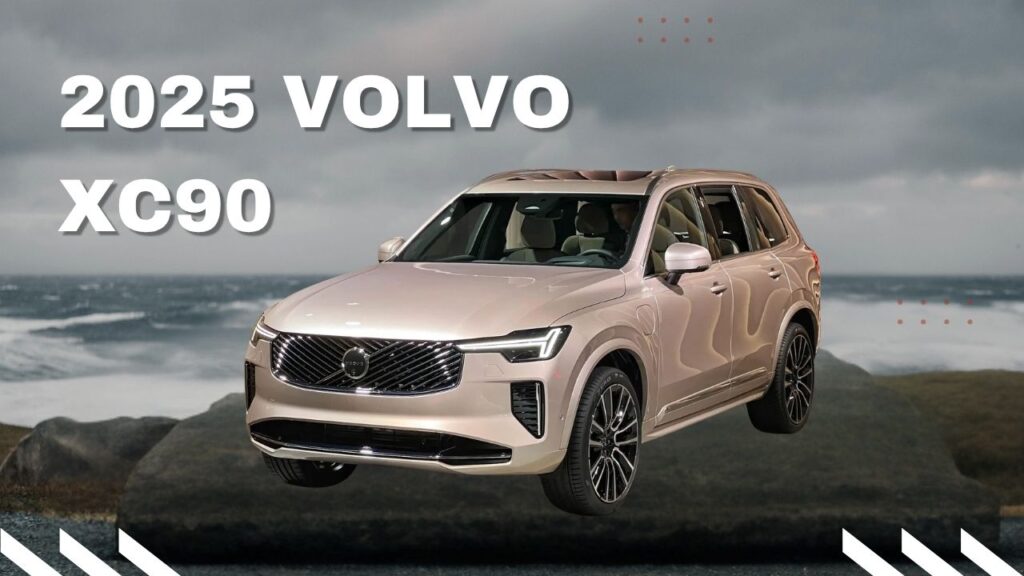
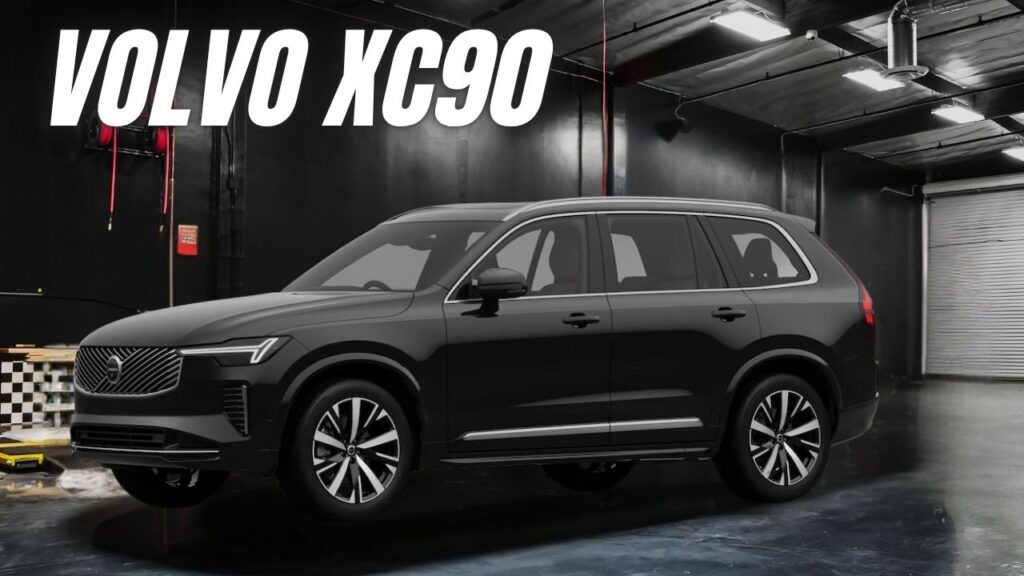
Volvo XC90 2025

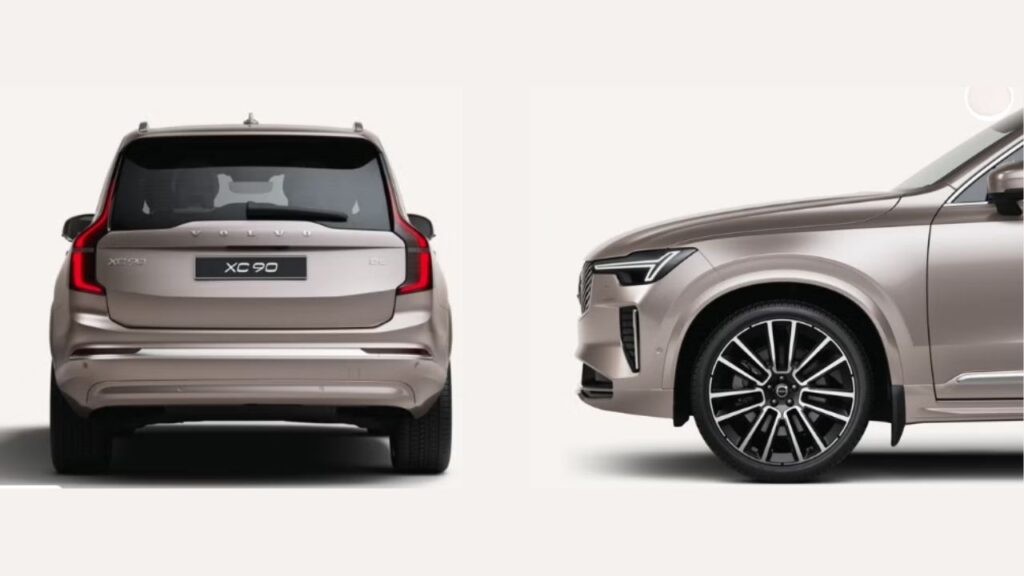
Scandinavian design and family-friendly practicality are two things that really should be synonymous in the luxury SUV segment — and the 2025 Volvo XC90 is still one of the best-rounded vehicles in that space on the market today. With its impeccable safety heritage, hybrid efficiency, and tranquil cabin design, the XC90 still sets the standard for what a luxury SUV for the family should be. Here’s a closer look at the performance, safety, features, pricing, and which trims are the best for families this year. Now the exterior features the familiar elegant lines of Volvo and a slightly revised front grille with LED signature headlights and updated cabin materials.

Inside it’s a different story: warm and inviting Scandinavian minimalism complemented by high-quality leather and wood that exudes comfort and class. The XC90 received IIHS Top Safety Pick+ status and a perfect five-star rating from the NHTSA. With Good ratings in all the crash tests, as well as a range of standard active safety features that include automatic emergency braking, blind-spot warnings, lane keep assist, and adaptive cruise control with lane centering.

Those excellent safety scores — along with Volvo’s free maintenance (3 years/36,000 miles) and strong warranty — make the XC90 a persuasive pick for safety-conscious families seeking peace of mind. 

Powertrain and Solid Performance Built

Volvo provides the XC90 with two 2.0L inline-four turbocharged engines, both 48V mild hybrids and a plug-in hybrid. The base “B5” makes 247 hp while the “B6” adds a supercharger and produces 295 hp. Both models come with AWD as standard, plus an 8-speed auto. When driving, the B5 was snappy enough for daily use, though a few testers say the new B5 “lacks the punch” of its competitors. For more power the B6 is even sharper with 0–60 in about 6.8 s and the XC90’s 5,000 lb maximum towing capacity is reserved for B6 models only (B5 tops out at 4,000 lb).

Volvo XC90 Powertrain and Solid Performance Built

Volvo’s premier T8 Plug-In Hybrid now returned to the original “T8” naming couples the turbo I4 with an electric motor for a total of 455 hp and about 33 miles of EV driving. The T8 accelerates briskly from low 5s to 60 and allows the XC90 to run on electric power for daily commutes. All three versions lean more toward comfort than sporty handling, and they boast a composed ride: “The XC90 continues to lean toward comfort rather than outright performance — which is exactly what a family SUV should do. 

The B5 has fairly solid fuel efficiency, the EPA estimates it gets about 26 mpg combined. If you’re looking at the B6, it’s a little bit less at 23 mpg. The T8, however, is the exception with a range of 33 miles on electricity and a fuel economy rating of 58 MPGe, so if you want something a little greener it’s definitely worth a look. 

Interior Comfort and Cabin Space

The redesigned XC90 has a roomy cabin that’s crafted to an incredibly high standard. Driver and passenger front-seat occupants benefit from a comfortable amount of legroom and support, the second row offers close to 37 inches of legroom both in 6- and 7-seat configurations.

Its is fairly roomy, although the optional third row (31.9″ of legroom) lends itself more for toddlers and short trips than for adults on long journeys. Volvo’s minimalist dash is dominated by the tall 11.2″ center display with Android Automotive/Google based and a 12.3″ digital gauge cluster. The more salient points of the cabin — open‑pore wood trim, matte-finish trim, and available ambient lighting — give it a luxury-minded look.

Families will like functional features such as multiple cupholders, the new sliding center console storage and a wireless charging pad (now repositioned). There’s plenty of cargo room as much as about 85.7 cu ft behind the front row because of its tall, beefer box shape. In general, the car’s interior is lauded as “a masterpiece of restraint” with a warm atmosphere”, even as they remark that Volvo still went mostly with touch controls.

Read more:- The Nissan Tekton Engineered for Superior Comfort on Rough Roads

Top Safety and ADAS Features 

Safety and driver assistance features are among the best. Beyond its 5-star crash-test ratings, the XC90 includes as standard equipment a suite of aids: automated emergency braking with pedestrian/cyclist detection, lane-departure warning and lane-keep assist, and adaptive cruise control with lane centering.

Volvo XC90 Safety and ADAS Features

Headlight performance differs by model — some Good, some Acceptable. But blind-spot monitors and rear automatic braking come with every trim level. Volvo even throws in three years of free scheduled maintenance and an 8-year/100k-mile battery warranty on the hybrids.

Pricing and Value of midsize luxury SUV XC90 

Trim  Engine Power Starting Price
XC90 B5 Core 2.0L Turbo hybrid 247 hp $58,695
XC90 B6 Plus 2.0L Turbo  295 hp $66,195
XC90 B6 Ultra 2.0L Turbo  295 hp $71,395
XC90 T8 Core (PHEV) Plug-in Hybrid 455 hp, 33 mi EV $73,195
XC90 T8 Ultra (PHEV) Plug-in Hybrid  455 hp, 33 mi EV $80,895

Best Trims for Families  

Experts prefer the mid-level Plus trim for the B6 engine with a seven‑seat bench configuration. The car’s Plus trim level incorporates practical amenities, including a panoramic sunroof and upgraded LED headlights, on top of the base Core model without making the vehicle too expensive. 

Volvo XC90 Best Trims for Families

Loaded out Ultra adds luxuries premium Bowers & Wilkins audio, ventilated massaging seats, four-zone climate control, multi-color ambient lighting, but Volvo’s kid-friendly safety kit comes stocked well even in lower trims. 

In general, prices are on the high side: the XC90 B5 Core starts at about $58,695, and the top PHEV T8 Ultra is below $82,800 (prior to discounts). With best-in-class safety, seating that flexes in six or seven configurations, and features that make life easier, the XC90 is a very good buy for families. 

Conclusion

The 2025 Volvo XC90 still shines as a family-friendly luxury SUV. It has a quiet, comfortable ride, an upscale and roomy cabin, and excellent safety scores and a long list of standard driver aids.The XC90 owes a lot of its value proposition to that segment, and now it excels there, particularly in the mid-grade Plus /Ultra trims with the B6 or plug-in powertrain, making it really easy to recommend for any family that needs three rows and a solid, safe vehicle. 

0

How to Claim Car Insurance for Own Damage: A Step-by-Step Guide

Published Jul 22, 2026, 9:04 AM
Last Updated Jul 22, 2026, 12:06 PM

How to Claim Car Insurance for Own Damage

Whether it’s a major accident or a minor scratch, damage to your car can leave you wondering what your insurance actually covers. That’s where understanding the Own Damage Cover section becomes important, as many car owners are not fully aware of how it works. Learning How to Claim Car Insurance for Own Damage can help you save money and ensure a hassle-free claims experience.

If you already have a comprehensive car insurance policy, you can claim compensation for damage to your own vehicle—not for damage caused to someone else’s. This is known as an Own Damage (OD) claim. However, simply having coverage isn’t enough. Understanding How to Claim Car Insurance for Own Damage correctly is essential to ensure your claim is processed smoothly and you receive the benefits you’re entitled to.

See Best Cars for Daily Office Commute.

What Counts as “Own Damage”

When your car gets damaged due to reasons that aren’t someone else’s fault or if it is but you are using your own damage cover to get your car repaired instead of relying on the other party’s insurance. 

For instance, your car faces situations including road accidents, collisions, fire, theft, natural disasters like floods, storms, or earthquakes. And even malicious damage like vandalism. That’s where Own Damage covers for repairs.

It is distinct from third-party liability, which covers damage you cause to another person’s vehicle or property. If you want coverage to repair your own vehicle, you need a comprehensive policy (with own damage included) – a third-party-only policy will not assist you in this matter. 

How to Claim Car Insurance for Own Damage

Step 1: Inform Your Insurer Immediately

When car trouble strikes, call your insurer or agent. Many companies allow for damage to be reported within 24-48 hours after the fact, and waiting can make your claim more complicated, or potentially even deny it. Have your policy number ready when you dial — it makes a big difference. 

If another vehicle is involved, or if your vehicle has been stolen or you suffered major damage, report it to the police too. Insurance companies frequently require such documentation, particularly for theft and hit-and-run, so it’s not wasted time even if it seems like you’re doing too much paperwork. You Know that Which Engine Oil is best for Your Car?

Step 2: Get the Vehicle Inspected

When you have reported the claim, the insurer will either arrange for a surveyor to inspect your car or ask you to take your car to a network garage for inspection. Don’t drive the vehicle or do any repairs until this happens — it’s an inspection prior to repair which validates your claim. If you go ahead of time and just fix it, you run the risk of your insurer denying the claim completely. 

Take photos or video of the damage from several angles before anything is touched. Seems like a simple step, but a lot of people forget it in the heat of the moment, and it really helps if there is any argument later on. 

Step 3: Choose Cashless or Reimbursement Claims

You’ll typically have two routes to get your car repaired.

Cashless claim: You bring your car to a garage in your insurer’s network. The insurer pays the garage bill directly, and you only pay the deductible and anything else your policy doesn’t cover. This is the easier, less stressful method and what the majority of people want. 

Reimbursement claim: You have the vehicle fixed at a garage of your choice, pay the full amount and then send the bills to your insurer for reimbursement. This option is good if your favorite garage is not in the insurer’s network, but that means you are paying first and then waiting for the money to come back to you. 

Step 4: Submit the Required Documents

Each insurer requires a unique set of documents, but the standard documents required are:

  • Your policy copy 
  • A filled and signed claim form 
  • Your driving license 
  • Vehicle’s registration certificate 
  • And the repair estimate or bill

In case a third party though or theft is involved, include the FIR or police report as well. 

Missing or incorrect documentation is also a frequent cause of claims being held up, so it’s worth making sure everything’s in order before you submit rather than doing it in dribs and drabs. 

Step 5: Claim Settlement

Once the surveyor approves the damage assessment and your documents are verified, the insurer settles the claim. For cashless claims, they pay the garage directly. For reimbursement claims, the amount is transferred to your account after you’ve paid the garage.

Keep in mind your No Claim Bonus (NCB) will reset if you file an own damage claim, and you’ll have to pay the compulsory deductible plus any voluntary deductible you opted for when buying the policy. For minor damage where repair costs are close to your deductible amount, it’s worth calculating whether filing a claim is even worth it — sometimes paying out of pocket protects your NCB and saves you more in the long run.

A Few Things That Trip People Up

Own damage claims get rejected more often than people expect, usually for avoidable reasons. Driving without a valid license, being under the influence at the time of the accident, using the vehicle for a purpose outside what’s declared in the policy (like using a private car for commercial purposes), or letting your policy lapse before renewal are all common grounds for rejection.

It also helps to know your Insured Declared Value (IDV) going in. This is the maximum amount your insurer will pay in case of total loss or theft, and it directly affects your premium and your payout. Setting it too low to save on premium can leave you underinsured exactly when you need the cover most.

Conclusion for 

Filing an own damage claim isn’t complicated once you know the sequence — report fast, get it inspected before repairs, pick the claim route that suits you, submit clean documentation, and stay aware of how it affects your NCB. The part that actually saves people money and stress isn’t the claim process itself, it’s understanding How to Claim Car Insurance for Own Damage and your policy terms before you’re standing next to a damaged car needing answers immediately.

0

DIY Car Care: Simple Checks to Keep Your Vehicle Running Smoothly

Published Jun 4, 2026, 10:29 AM
Last Updated Nov 2, 2026, 6:29 PM

DIY Car Care

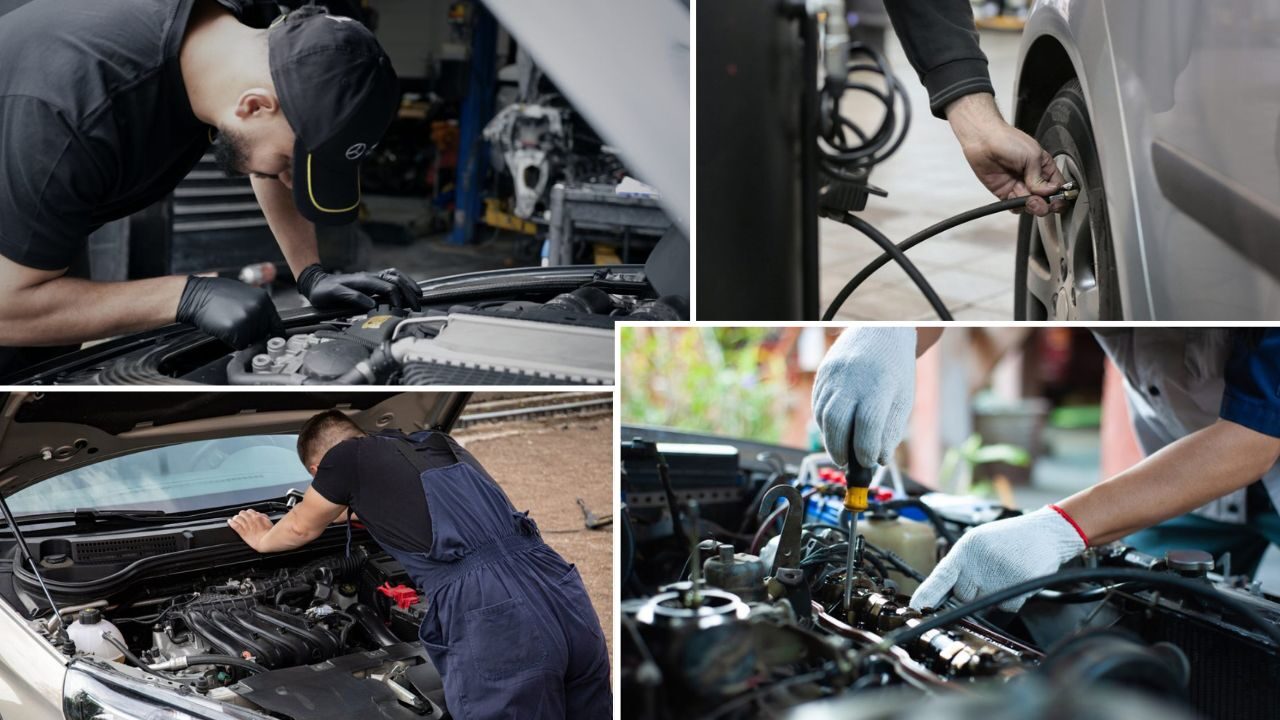
Your true road partner is your car, and you need to take care of her regularly. Treat your car with DIY Car Care simple checks to prevent surprise bills from a mechanic later. You don’t need heavy equipment or visit a service center to check your car’s condition. Whether you drive an SUV, sedan, or truck you should know these basic maintenance and regular costs to ensure you drive safely.  

Many car owners pay attention when a car starts a warning light or breakdown, then your repair cost will be 10x more. Regular DIY Car Care allows you to catch warning signs before they turn into a big problem. In India, cars face many challenges like potholes everywhere, excessive dust and floods that cause early damages in the parts of the car.

Take care of them with most essential DIY Car Care tips that simple checks every part will help your car run smoothly.

Why DIY Car Care is Non-Negotiable in India

Indian roads are brutal and exhaust your car earlier than its time. Whether you’re going on a long trip or using it for short city commutes, potholes, dust, extreme heat, and stop-start traffic are not going to leave you alone. There are reasons why you cannot afford to ignore simple checks:

Road Conditions

Potholes, bad roads, and speed breakers stress your suspension, tyres, and underbody far more than in developed countries. Regular checks catch damage early.

Extreme Climate

45°C summers degrade coolant, tyres, and batteries fast. Monsoons cause rust, electrical shorts, and brake fade. Each season needs specific attention.

Traffic & Stop-Go

Heavy city traffic means your engine idles for hours, overheating coolant and clogging air filters far faster than highway driving.

Fuel Adulteration Risk

Adulterated or low-quality fuel damages injectors and carburettors. Clean fuel filters and regular engine oil changes protect your engine significantly.

Read More:-  Car Maintenance Tips That Save Money And Valuable Time

Essential DIY Checks Every Indian Car Owner Must Know

You need to visit a mechanic for simple car checks. Most require zero tools or a simple ₹50 torch. Let’s go one by one. 

1. Engine Oil Level Check 

You must check your car’s engine oil level at every 1000 km or monthly. Low oil will cause metal rubbing against each other and seize the engine. Open the bonnet, pull the dipstick, wipe it clean, re-insert, pull again. Now check the level of oil, it must sit between min and max points. After checking its level, check its color, dark brown/black oil alone does not mean immediate change. Judged by the service interval, oil level, and owner’s-manual guidance. .

Due to dust and traffic heat, engines consume oil faster. Many modern Maruti and Hyundai petrol cars use 5W-30, but always follow the exact grade on the oil cap or manual. Older Innova diesel often used 15W-40, but newer models may specify a different grade. Always buy branded oil — Castrol, Shell, Motul are trusted names. 

Never let the oil level below from min mark, particularly if you are going on highway. Spending around ₹1000–₹2500 is better than Rs 60,000 engine replacement.

2. Coolant / Radiator Water Level 

Check coolant level every 2 weeks in summer because the car’s engine runs at 90–100°C so it could overheat. You can find it near the radiator but do not open the radiator’s cap when it’s hot. The level of coolant must sit between LOW and FULL marks.

Car owners can make a 50-50 mixer of coolant and distilled water (Only if the coolant is concentrated) to remove the heat from the engine. But do not use tap or RO water, it will block your radiator. Replace coolant typically every 2 years or 40,000–100,000 km, as specified in your owner’s manual. 

3. Tyre Pressure & Condition 

Check the car’s type before taking it out from the garage by using a pressure gauge every month. Most hatchbacks commonly need around 30–36 PSI. Check the sticker inside your driver’s door or owner’s manual. Because Under-inflated tyres can cause fuel waste.

Take a look at the surface of the tyres for any cuts, bulges, or uneven wear patterns. Uneven wear signals misalignment or shock absorber problems. Don’t forget the spare tyre — you will regret it on longer trips.

4. Battery Health Check 

Car batteries do not survive long in India. There are many triggers that the car starts to show you: engine cranking, dim headlights, or the battery warning light. Check the electrolyte level in each cell to keep it at top. 

Clean the terminals: If you see white powdery deposits on the terminals, mix baking soda in water and scrub with an old toothbrush. Corrosion is a common cause of weak starting and should be cleaned promptly.

5. Brake Fluid & Brake Pad Inspection

Brakes are not negotiable. If your brakes stop working, it can cause a serious incident on the road. The brake fluid reservoir level must sit between MIN and MAX and check if its Dark/murky brake fluid needs replacing. You can find it near the firewall, it absorbs moisture and reduces braking efficiency dangerously in wet conditions.

Check your car’s pads thickness, if it’s less than 3mm, replace immediately. A worn pad will cause noise while braking. Grinding metal sound will later cost you highly. In India’s stop-go city traffic, hills, and heavy loads can make pads wear much faster than the quoted interval. Front pads commonly last about 25,000–50,000 km.

Read More:-  Kendrick Lamar Car Collection is Classic Garage With Old & New Luxury Cars

6. Air Filter Inspection

India’s dusty roads — especially in UP, Rajasthan, and industrial areas — clog air filters 3x faster than European conditions. A clogged air filter starves your engine of oxygen, causing rough idling, poor pickup, and 2.5% fuel-economy drop from a clogged filter in the tested condition.

Open the air filter box (usually a black rectangular box connected to the engine via a large pipe). Remove the filter. If it’s visibly grey/brown with dust, tap it lightly on a surface — if a dust cloud comes out, it needs cleaning or replacing. Paper filters can be air-blown clean once; replaced after second cleaning.

7. Windshield Washer & Wiper Blades

In monsoon, visibility is mandatory while driving. Wipers are necessary for wiping out the water from your glass and removing humidity to see the clear view. Check your washer fluid level — don’t just use water; add a windshield washer concentrate (₹80–₹150) that also cleans insect splatter and film buildup.

Wiper blades are necessary particularly in the monsoon season. If they are broken or don’t work then change it. Worn wipers are a serious safety risk in heavy rain. Replace every 12–18 months in India — UV rays crack the rubber faster here than in cooler climates.

8. All Lights Check

Check every light in a car both outside and inside. Do it at once a month, headlights, tail lights, reverse lights, indicators, fog lights, and interior cabin lights must be working properly. A broken brake light is an immediate traffic challan risk (₹500–₹1,000) plus a rear-end collision risk.

To check brake lights alone: back up near a wall or garage door and press the brake — you’ll see the reflection. Or ask someone to stand behind. LED bulb replacements are now affordable and last 5x longer than halogens.

9. Belt & Hose Visual Inspection

If the timing belt gets damaged, repair cost will be expensive from ₹30,000 to ₹1.5 lakh. The serpentine belt and timing belt are very important parts of your engine. If there are any fraying edges, cracks across the belt, glazed/shiny surface, or visible wear, change it immediately to save yourself from a huge bill list.

Hoses: Remember that engine must be cool before you touch hoses. They should feel firm but slightly flexible. If they feel tight, hard or too soft then change it. Leaking hoses leave a puddle under your car — never ignore a puddle.

10. Underbody & Fluid Leak Check

After parking overnight, check the ground under your car. Any puddles? Clear water from AC drain = normal. Oily dark patch = engine oil or gearbox leak. Reddish fluid = power steering or automatic transmission fluid. Yellowish-green = coolant leak. Each means something specific is failing.

Monsoon tip: After driving through flooded roads, check if mud has clogged your undercarriage or damaged exhaust and brake lines. Get a pressure wash done if you drive through deep water.

Read More:- How to Maintain Your Car Engine Properly

Cost Comparison: DIY vs Garage in India

Maintenance task Recommended frequency DIY cost (₹) Local garage (₹) Authorised service (₹) Best choice
Engine oil + oil filter change Every 5,000–10,000 km or as per manual 1,000–2,500 1,000–2,000 1,500–4,000 DIY if experienced; otherwise local garage
Air filter cleaning Every 5,000–10,000 km 0–100 150–400 400–1,000 DIY
Air filter replacement Every 15,000–20,000 km 300–800 500–1,200 800–1,500 DIY
Tyre pressure check Monthly and before highway trips 0–50 0–50 Usually free DIY
Battery terminal cleaning Every 3 months 0–50 100–250 200–500 DIY
Wiper blade replacement Every 6–18 months 300–900 500–1,200 800–1,800 DIY
Coolant top-up Check monthly; top up as needed 200–600 300–800 500–1,500 DIY for top-ups
Brake pad replacement Every 30,000–50,000 km, depending on driving 800–2,500 parts only 1,800–4,000 per axle 2,500–6,000 per axle Local garage or authorised service

India-Specific Seasonal DIY Car Care Calendar

Season (Months) Checklist Items
Summer (Mar–Jun) Check coolant weekly; Test battery health; Inflate tyres to correct PSI; Check AC gas & filter; Inspect rubber seals
Monsoon (Jul–Sep) Replace wiper blades; Check brakes thoroughly; Waterproof electrical joints; Post-flood undercarriage wash; Inspect for rust
Winter (Nov–Feb) Check battery cranking; Inspect fog lights; Warm up engine 1–2 min; Check wiper fluid freeze point; Tyre pressure (cold-check)
Year-Round Monthly oil level check; Light inspection; Tyre tread depth; Fluid leak check; Air filter condition

Conclusion

DIY Car Care is absolutely worth it in India. Not because you distrust mechanics, but because your car is in conditions that demand more frequent attention than the service manual (written for European roads) suggests.

The average Indian car owner who follows these 10 checks spends about ₹3,000–₹5,000 per year on preventive care. Those who ignore it? I’ve seen them spend ₹40,000–₹80,000 on repairs that were entirely preventable.

  • Save ₹20,000–₹40,000 per year on repairs
  • Extend vehicle life by 3–5 years
  • Better fuel efficiency = lower running costs
  • Prevent breakdowns on highways/monsoons
  • Maintain resale value significantly higher
  • Build confidence as a car owner