1

Pre-Book Limited-Edition Mini Cooper S Comes With 3-Door Entry

Published Oct 8, 2026, 12:44 PM
Last Updated Oct 13, 2026, 6:41 AM

Pre-Book Limited-Edition

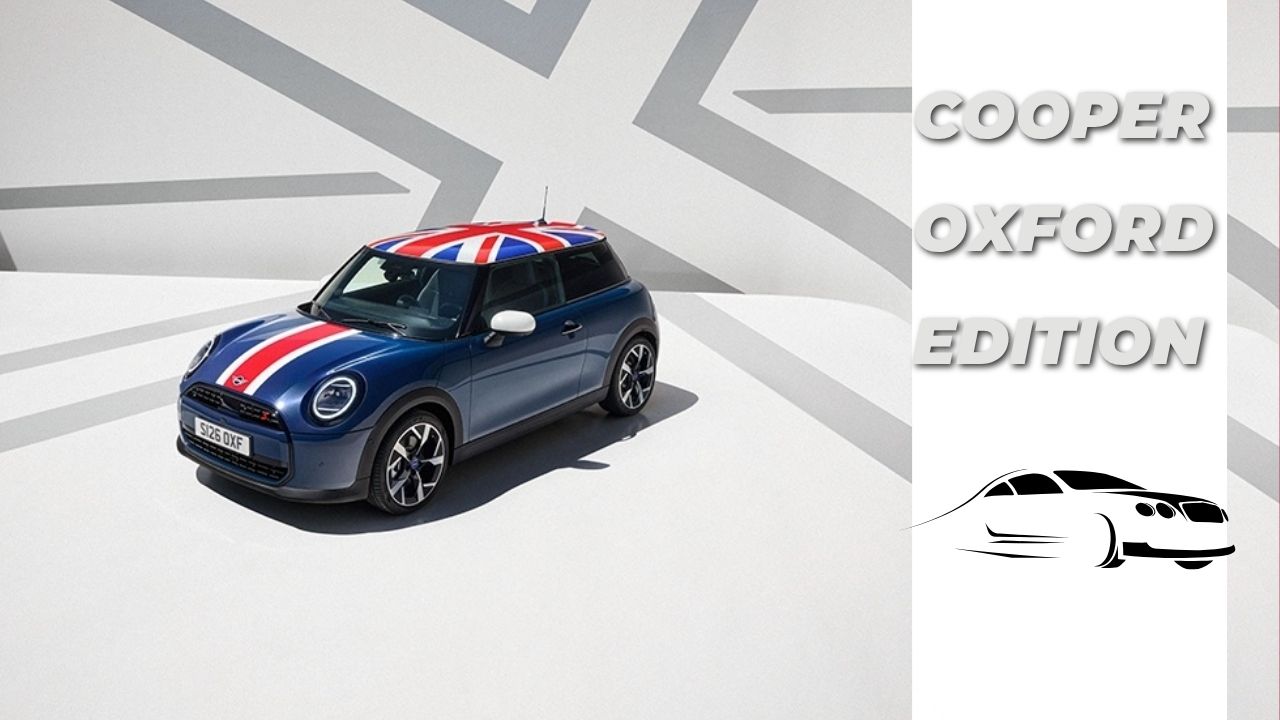
Mini India is launching Limited-Edition Mini Cooper S, it gets Union Jack-inspired styling which pays tribute to the brand’s British heritage. On 8 October 2026, the brand opened pre-launch bookings for the Cooper Oxford Edition, a limited run built on the Mini Cooper S 3-door, and the interesting thing is that the car underneath stays exactly the same, but the Mini didn’t announce a price yet.

It’s worth knowing the styling and interior updates comes with this Oxford Edition before booking through authorised MINI dealerships. You can show interest on the company’s official website.

Mini Cooper S Oxford Edition Pre-Booking

Mini India opened pre-launch bookings across 17 cities via authorized dealerships. Buyer from Delhi NCR, Mumbai, Bengaluru can check out but the price isn’t confirmed yet. You can also show your interest if you’re from Chennai, Hyderabad, Pune and Kochi or request a call back. 
Mini Cooper S Oxford Edition Pre-Booking

Mini has not announced the ex-showroom price which is more important than the colour palette. It has not announced a delivery schedule. And “limited quantities” is the only volume figure on offer, with no unit count. We could not find a booking amount either, so confirm that with your dealer before you transfer anything.

It’s not just a new car launch, it’s a tribute to Oxford in the UK, where original Mini production began and BMW Group started building the modern Mini.

Why This Mini Cooper S Is a 3-Door Only Affair

The “3-door entry” in the headline is less a feature than a format. The Oxford Edition is a special edition of the Cooper S 3-door, the classic short-wheelbase hatchback, and nothing in Mini’s announcement points to a five-door or convertible version.

That shapes who this car is for. Cooper S 3-door offers a tight rear seat and long front door that suggest a person buying for themselves. If your household needs easy rear access every day, the Oxford Edition is the wrong place to spend money regardless of how it looks.

Cooper Oxford Edition Design: Union Jack Graphics 

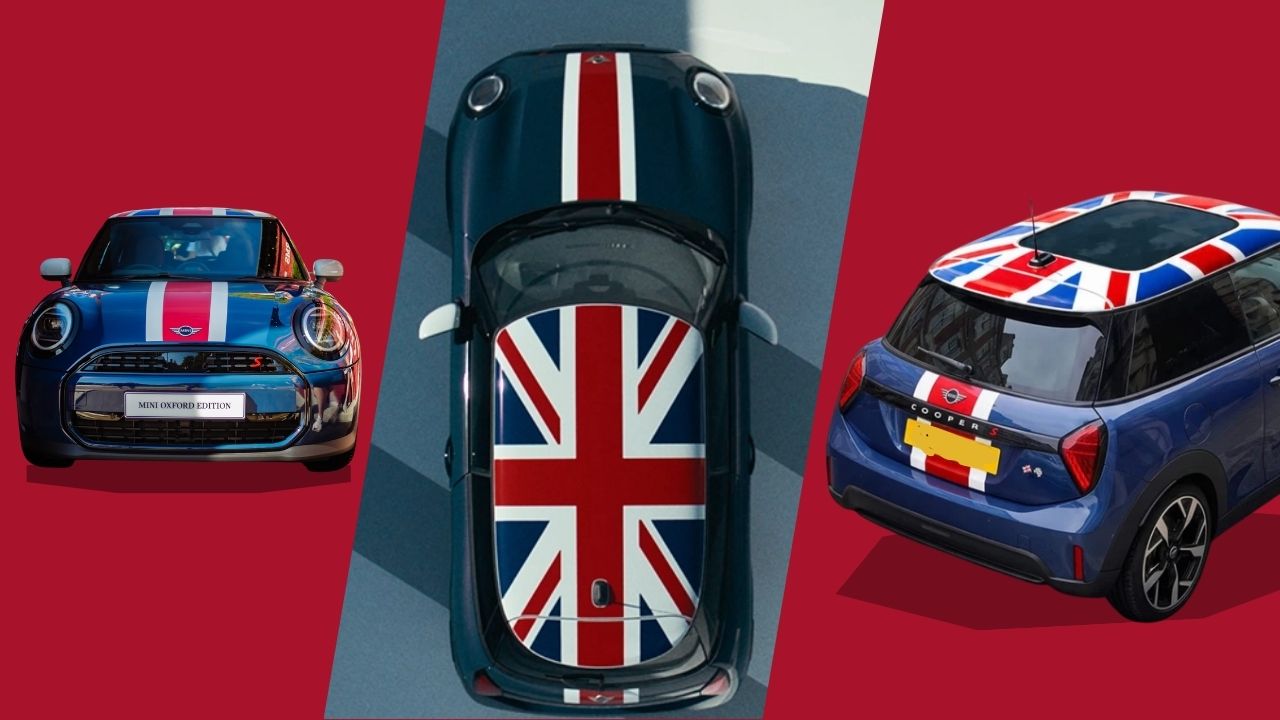
The styling speaks louder with a large Union Jack graphic and matching stripes running down the bonnet and boot which clearly says the special message. The tailgate gets British flag decals, the wheel hub caps are Oxford-specific, and even the valve caps carry the flag.

Mini Cooper S Oxford

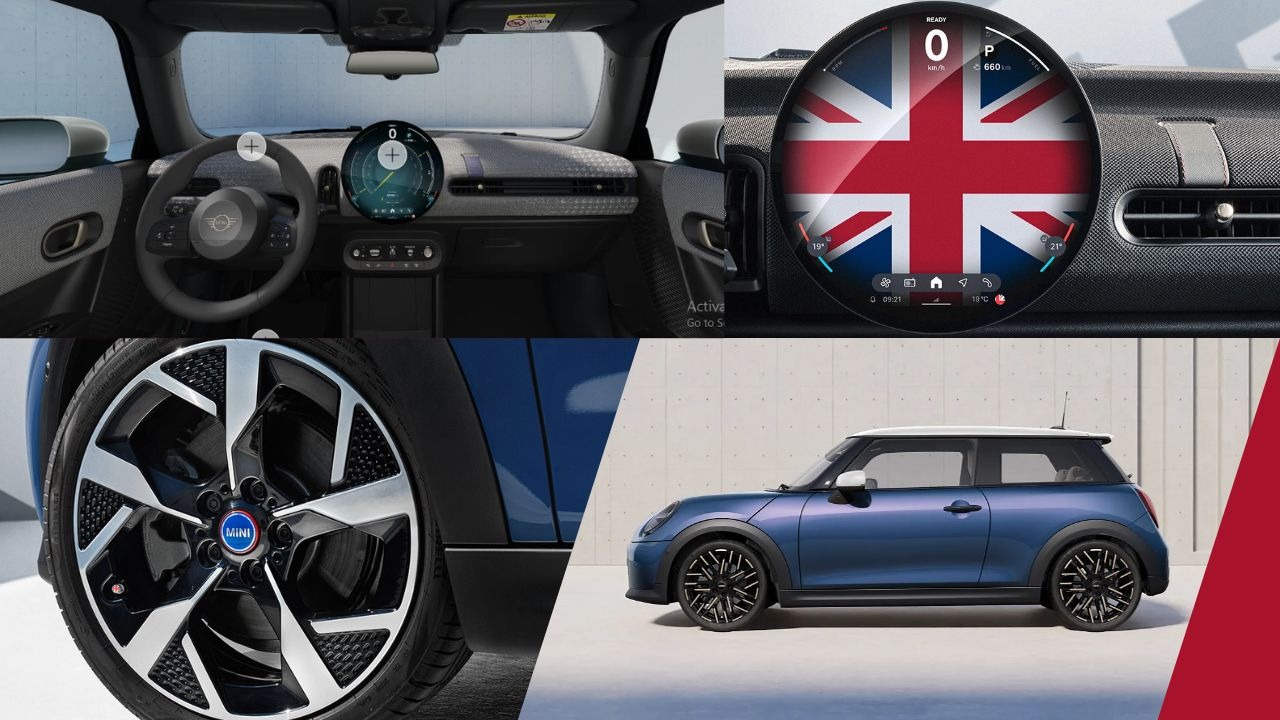
Two body colours are listed: Indigo Sunset Blue and Chilli Red, both paired with white mirror caps. The car runs smoothly without compromising the hard physical body and elements. It sits on 18-inch Slide Spoke two-tone alloys wheels which also uses circular LED headlights and it is customisable with daytime running light signatures.

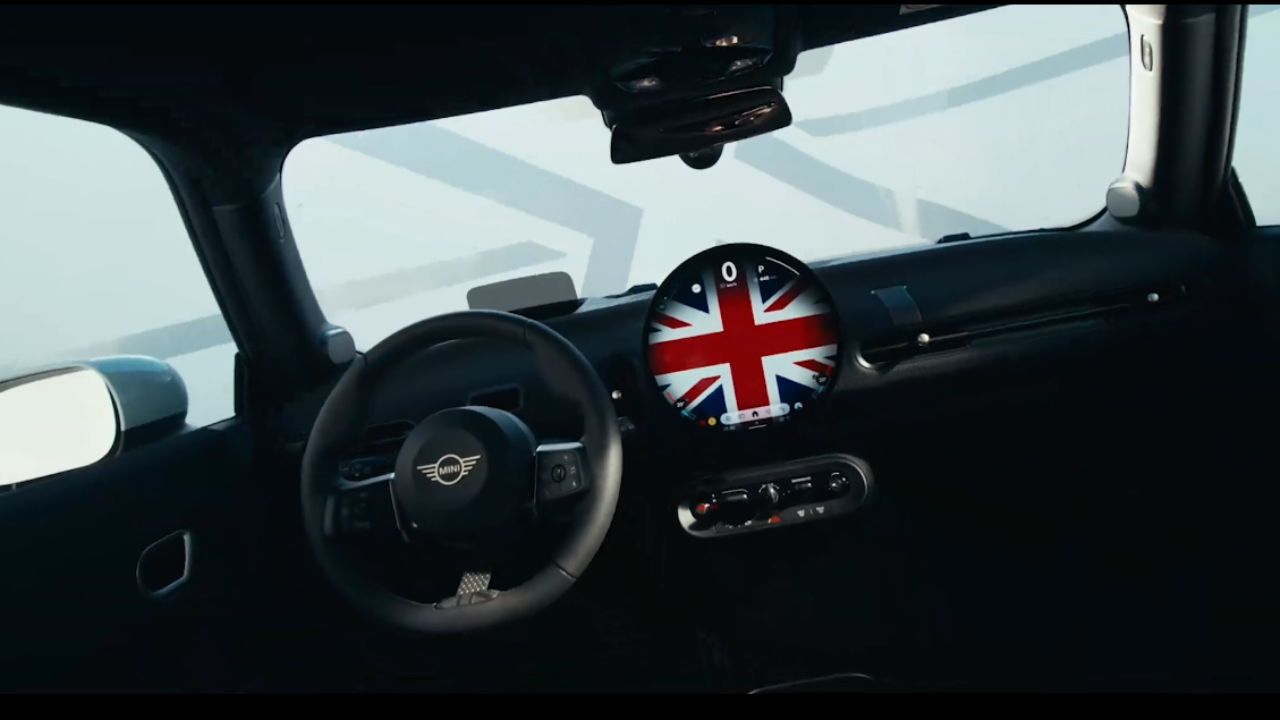
The interior looks cozy and futuristic with a central OLED display which seems perfect for the hatchback. The theme continued to follow inside too, Union Jack badge on the steering wheel and digital Personal Mode background inspired by the flag is something which makes it a special edition. 

Engine and Performance: Same Heart as the Regular Cooper S

Mini says the mechanical package matches the standard Cooper S sold in India, so there is no extra power for the extra money. It performs well with a power of 204 hp and 300 Nm of peak torque from the same 2 L engine that uses petrol. Cooper S power goes to the front wheels through a 7-speed DCT automatic with the torque available between 1,450 and 4,500 rpm.

The car runs in 6.6 seconds from zero to 100 km/h and gives a mileage of 16.82 kmpl but the claimed fuel efficiency number is extracted from the lab test not on the city road with real conditions. 

Earlier Indian-spec Cooper S models were rated at around 189–192 hp, so check the spec sheet or confirm from the dealer about the output figures because it might move over the years.

 👉 Skoda Slavia Facelift Comes With Automatic Shift & More Features

Oxford Edition Premium Cabin and Tech 

The cabin is where the Cooper Oxford Edition earns most of its justification. It uses Mini’s Favoured trim with JCW sport seats in black, a beige and grey knitted dashboard, silver interior accents and an anthracite headliner.

There are advanced features accessible in the car including a circular OLED touchscreen, backed by a head-up display, and a sound system (Harman Kardon) which also gives car owners a quite fun ride. Cooper S also has a panoramic glass roof and heated steering wheel to enjoy the experience of premium driving.
Oxford Edition Premium

The driver gets a special feature: electrically adjustable seats that’s a sign of true luxury. There is wireless charging, an interior camera and multiple digital display modes are also on the list

Connectivity covers wireless Apple CarPlay and Android Auto, Digital Key Plus and remote software updates. Parking help comes from front and rear sensors, a reversing camera and a parking assistant, and automatic climate control and cruise control with braking function are included.

Safety and Driver Assistance

The luxury features and comfort doesn’t mean- no reliability. The safety package in a Limited-Edition Mini Cooper S offers ADAS functions which are new and tested. The car runs with its open sensors which gives collision warning, lane departure warning, speed warning. 

Cooper Oxford Edition doesn’t just protect you while after the crash, but before the crash. Beginners will also drive well with driver attentiveness monitoring, reversing assistant, dynamic stability control, and cornering brake control. And most of the time people don’t get to notice maintenance, so it’s easy with tyre pressure monitor, a run-flat indicator and emergency call functionality.

Traction control and ABS and brake assist also comes along with Mini. We have not seen a crash-test rating published for this specific configuration, so do not read the equipment list as a safety score.

Mini Cooper S Oxford Edition Price

The official price is not out. There was a previous Mini Oxford Edition in India. It launched on 22 October 2018 at Rs 44.90 lakh ex-showroom, limited to 25 units, sold exclusively through Amazon India. At the time, the base Cooper S 3-door was listed at Rs 33.9 lakh, which means that edition carried a premium of roughly Rs 11 lakh. It also used a 192 hp version of the same engine and an earlier-generation cabin.
Cooper Oxford Edition

The 2026 car is a different launch with different equipment, so the 2018 numbers describe a precedent, not a forecast. A regular Cooper S 3-door is currently listed around Rs 42.70 lakh ex-showroom on a dealer-aggregator site, and that figure is unconfirmed by Mini, so verify it locally. Even a premium half the size of the 2018 one would push the Oxford Edition toward the upper forties. That is arithmetic to plan your budget around, not a price Mini has given.

On-road costs add registration, insurance and other charges on top, and they vary a lot by state.

How to Pre-Book the Cooper Oxford Edition

Go through an authorised Mini dealership, or register interest on the website and wait for the call back. Before you commit, ask the dealer four things:

  1. What is the booking amount, and is it refundable if the final price disappoints you?
  2. How many Cooper Oxford Edition units is the dealer allotted?
  3. What is the expected delivery window?
  4. Which of the listed features are standard on this edition and which are paid options?

The refund question is the one that protects you. Pre-launch bookings of Cooper Oxford Edition are placed before the price exists.

👉  5 Lowest-Priced Maruti Suzuki Cars Featuring Automatic Transmission in India

Conclusion

Pre-book if you want the Cooper Oxford Edition specifically, you can accept a three-door body, and you are comfortable committing before the price is known, as long as the booking is refundable. Collectors and Mini loyalists are the natural buyers.

Wait if you care about performance per rupee. A regular Cooper S gives you the same engine and most of the same character, and the Golf GTI gives you more power and five doors once the Mini’s price is announced. Do not pay a limited-edition premium until you have seen the number, and do not let the word “limited” hurry you.

Alok Kabir

Alok is an experienced SEO Specialist skilled in blogging and SEO-friendly content creation. He also specializes in Content Optimization and Technical SEO, including website optimization, crawlability, indexing, site speed, and on-page improvements to enhance search rankings and online visibility.

One Comment

Leave a Reply

Your email address will not be published. Required fields are marked *

0

Hyundai Cars See Major Price Reductions Under GST 2.0 Reform

Published Sep 24, 2025, 11:28 AM
Last Updated Apr 22, 2026, 11:35 AM

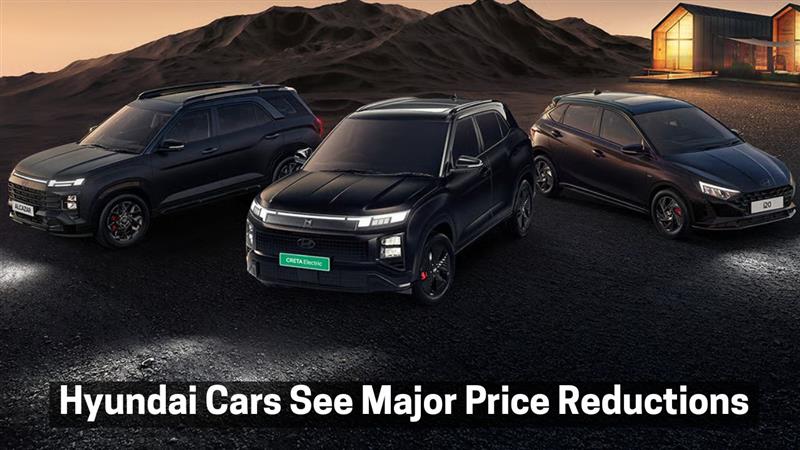
Hyundai Motor India has significantly benefited from the GST 2.0 reforms that took effect on September 22, 2025. The company passes all the perks of lower taxes right away with buyers. The updates rates of GST cuts down the real price of Hyundai Cars, buyers can save from ₹60,640 up to ₹2.40 lakh. GST 2.0 changes mark India’s biggest tax update since the 2017 GST launch. The government has simplified the complex four-tier structure (5%, 12%, 18%, 28%) into simplified form (5% on basics and 18% on regular items). And the luxury rate with 40%, let’s look what it means to Hyundai cars:

Small cars with 1200cc petrol, 1500cc diesel, and ≤4m length get a reduction from 28% to 18% GST.

Larger Cars and SUVs get down to 50% including cess, now GST rate set at 40%

Electric vehicles continues at 5% GST rate

Model-wise Price Reductions

Hyundai’s price cuts in different ways for various vehicle types with SUVs receiving the most substantial reductions. 

Premium SUVs

Tucson Up to ₹2.40 lakh reduction (highest across the lineup)
Alcazar Up to ₹75,376 cheaper
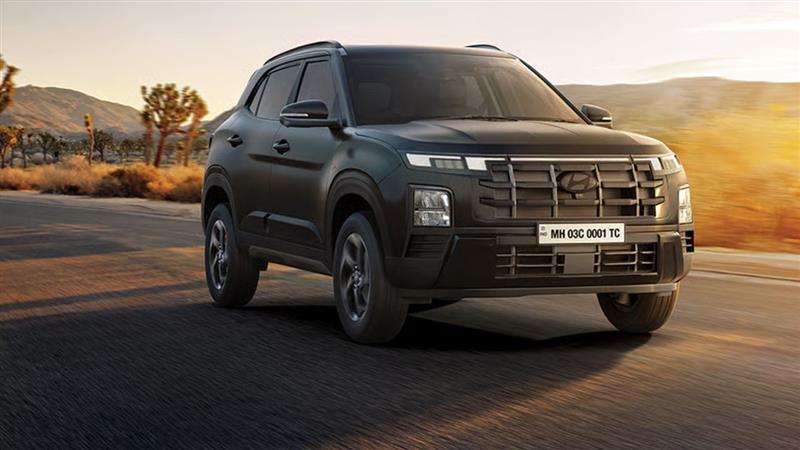
Creta Up to ₹72,145 reduction
Venue Up to ₹1.24 lakh lower
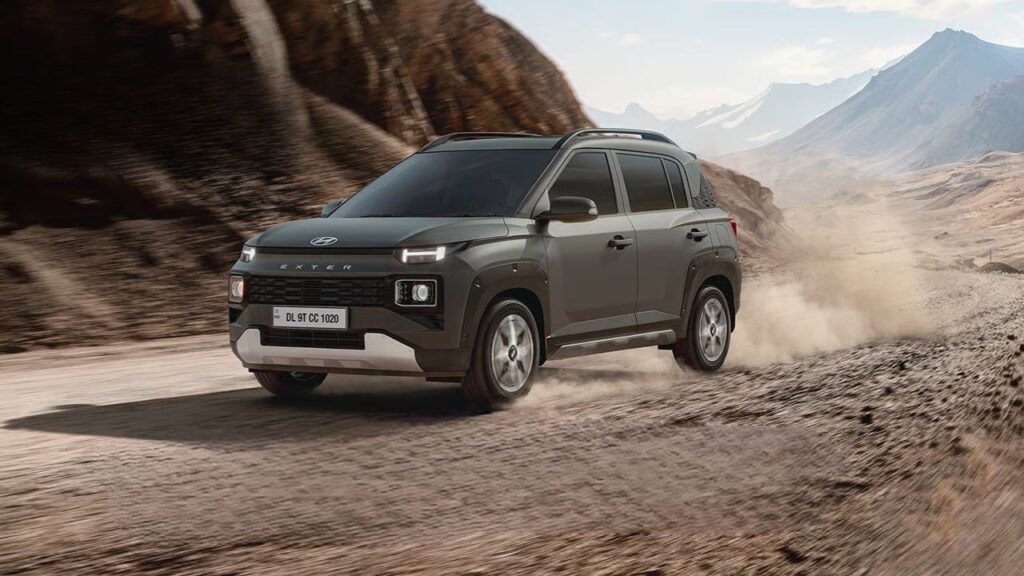
Exter Up to ₹89,209 price drop

Sedans

Verna Up to ₹60,640 reduction
Aura Up to ₹78,465 cheaper

Hatchbacks

i20 Up to ₹98,053 reduction
Grand i10 Nios Up to ₹73,808 price cut

Market Impact and Sales Performance

Image credit hyundai

GST 2.0’s launch during the festive period sparked huge market energy. Hyundai recorded 11,000 dealer billings on September 22, 2025 making a huge single-day performance than the five years of sales. This remarkable hit emphasizes how price cuts boosted buyer interest towards Hyundai cars. 

Tarun Garg, Whole-Time Director and COO at Hyundai Motor India welcoming the positive market response. “Navaratri’s lucky beginning, boosted by GST 2.0, changed the company’s sales growth and brought real energy to the market.

GST Rate Categories for Hyundai Models

The rates are decreased as per the new GST structures, there are several Hyundai Models which are represented here with saving percentage that applied on it.

Image credit: hyundai

Vehicle Category Savings GST rate cuts
Sub-4 meter petrol vehicles 11% savings from 29% to 18%
Sub-4 meter diesel vehicles 13% savings from 31% to 18%
Larger cars with engines up to 1,500cc 5% savings from 45% to 40%
SUVs above 4m with engines 1,500cc 10% savings from 50% to 40%

From Old Price To New Price After Reduction + Festive Offer

Models Old Ex-Showroom Price GST Reduction New Ex-Showroom Price Additional Offer Up To
VENUE ₹7,94,100 ₹67,719 ₹7,26,381 ₹50,000
EXTER ₹6,20,990 ₹52,957 ₹5,68,033 ₹70,000
i20 ₹7,50,900 ₹64,035 ₹6,86,865 ₹50,000
AURA ₹6,54,100 ₹55,780 ₹5,98,320 ₹40,000
Grand i10 NIOS ₹5,98,300 ₹51,022 ₹5,47,278 ₹55,000
ALCAZAR ₹14,99,000 ₹51,695 ₹14,47,305 ₹65,000

Industry-wide Transformation

Image credit: hyundai

The GST 2.0 changes have wider impacts through India’s car sector. All the big companies—car manufactures offer huge price cuts as Hyundai gives to its customers. Dropping the compensation cess cuts rates. The new GST structures simplified things and made it clear for the buyers.

Read More:-  Maruti Suzuki Victoris: The Family SUV Everyone’s Waiting for in 2025

Effective Date and Implementation

All revised prices became effective from 22 September 2025, clashing into the festive season in India. This combination boosts the sales for all the vehicle manufacturers.The holiday time has always been prime for buying cars.

Conclusion

This comprehensive price reduction across Hyundai’s lineups combined with additional festive offers, making its brand compete better in India. The GST 2.0 changes bring big benefits to buyers and let more people afford cars. Those buyers who are interested in basic and mid-range models become more happy because the price reductions are most substantial in that segment.

0

New Tata Safari EV Triple Screen Dashboard Spied – Launch Soon

Published Sep 22, 2026, 9:58 AM
Last Updated Sep 26, 2026, 8:43 AM

Tata Safari EV

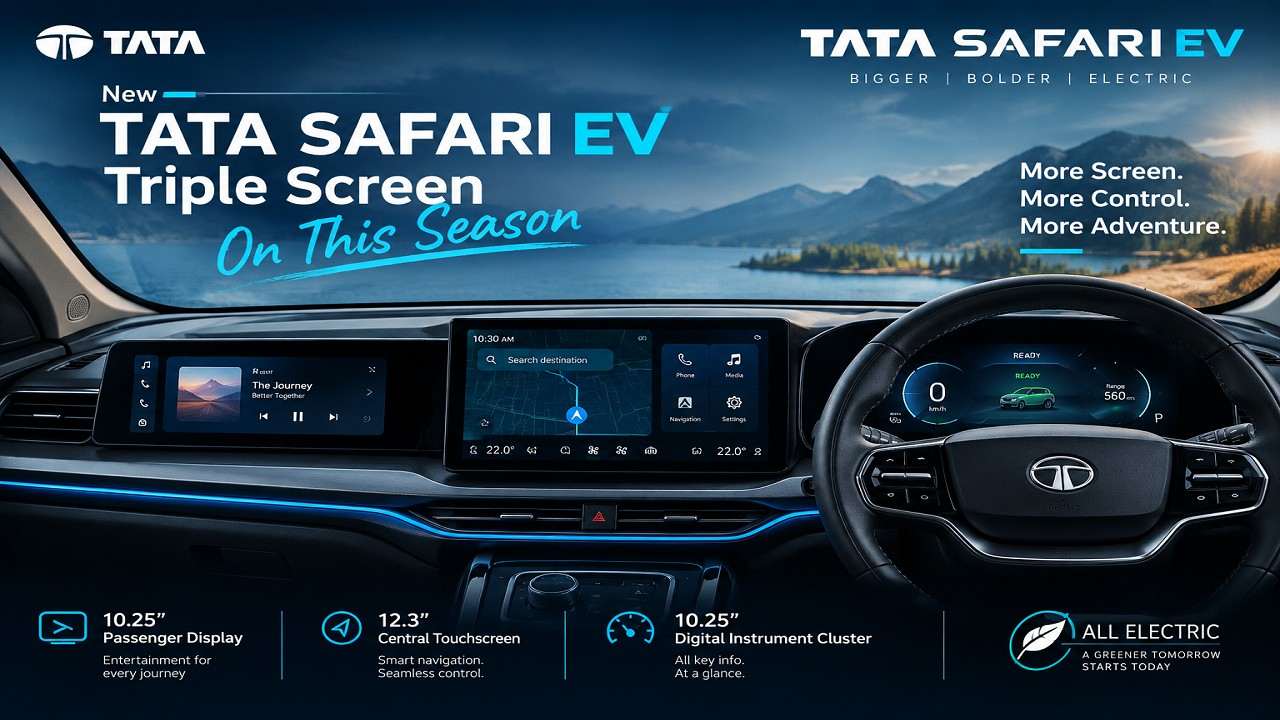
The new Tata Safari EV soon enters the market with three rows and three screens. Since Tata always comes with specific functionality, this time Safari makes an exceptional presence in a seven-seat family SUV segment. Tata hasn’t confirmed the dashboard, the launch date or the price. The outlet speculated that the Safari EV could end up better equipped than the Harrier EV.

What the Spy Shots Show About the Triple Screen Dashboard

Photos credited to Rushlane that show a Tata Safari test mule with a triple-screen layout in the cabin. Nobody at Tata has said which Safari that is. The mule could just as easily preview an update to the petrol and diesel Safari, which has no such setup today. Only the Sierra and Sierra EV carry three screens in Tata’s line-up.

If Tata reuses the Sierra EV hardware, expect a 10.25-inch driver display, a 12.3-inch central touchscreen and a 12.3-inch passenger screen. The last one is the party piece. The co-driver can stream shows or play games, using a phone as a controller or a paired Bluetooth gamepad. It would also give the Safari something the Harrier, which stops at two displays, doesn’t have — a feature that feels fitting for Tata’s flagship SUV. 

The Safari EV spotted with no tailpipe, a side step that the petrol and diesel Safari don’t offer, and the independent multi-link rear suspension borrowed from the Harrier EV. It is an ICE-to-EV conversion on Tata’s Acti.ev+ platform. Software should follow the Harrier EV too. Along with a 540-degree camera, auto park assist, and vehicle-to-load charging are all expected.

BMW i5 LWB On Road Price In Lower Than What Buyers Expected 

New Tata Safari EV Launch Date and Price

The official launch date for the new Tata Safari EV is yet to be announced. It is expected to arrive in a festive-season 2026 so people will pick the new model at the time of diwali at a discounted price. 

Prices of Safari EV are expected around Harrier EV price which runs ₹21.79–30.54 lakh as of September 2026. Now the Safari EV is positioned above it so the starting price could be around ₹22.5 lakh ex-showroom, which can also raise up to ₹26—₹32 lakh.

A ₹22.5 lakh start would leave the Safari EV under ₹1 lakh above the Harrier EV’s base price. That’s thin for a longer three-row flagship, so read ₹22.5 lakh as a floor, not a forecast.

The Harrier EV as Blueprint of Battery, Range and Drivetrain

Expect the Safari EV to carry over the Harrier EV’s 65kWh and 75kWh batteries. On the Harrier EV, the single-motor rear-drive versions make 235bhp, while the 75kWh dual-motor version makes 390bhp and 504Nm. It is unconfirmed on AWD output, so check Tata’s own launch specs sheet when it arrives. 

MIDC-certified range on the Harrier EV is 538km for the 65kWh RWD, 622km for the 75kWh AWD and 627km for the 75kWh RWD. The larger, heavier Safari EV is likely to land slightly lower. Harrier EV’s real-world range is 400–500km, which is the more honest planning figure.

The bigger question is how Tata has packaged everything. The battery placement could affect under-thigh support and seating posture in the third row, so buyers shouldn’t expect the same level of comfort back there. 

Safety is another unknown for now. The Harrier EV scored five stars in Bharat NCAP, including full marks for adult occupant protection, but there’s no crash-test result for the Safari EV yet. 

JLR Landing A Land Rover Defender Pickup Truck In Us

New Tata Safari EV vs Mahindra XEV 9S

The XEV 9S is the direct rival, and it’s already on sale. It launched at an introductory ₹19.95 lakh with bookings opening in January 2026. Prices now run ₹20.65–30.90 lakh as of September 2026. 

Battery options are 59kWh, 70kWh and 79kWh, with claimed ranges of 521km, 600km and 679km. The 79kWh version makes 282bhp, and every version is rear-wheel drive.

New Tata Safari EV (expected) Mahindra XEV 9S
Price (ex-showroom) Unconfirmed; ~₹22.5 lakh floor estimate ₹20.65–30.90 lakh
Battery 65 / 75kWh 59 / 70 / 79kWh
Claimed range Slightly below Harrier EV’s 538–627km MIDC 521 / 600 / 679km
Drivetrain RWD and AWD RWD only
Triple screens Spied, unconfirmed Three 12.3-inch screens
Availability Festive season 2026, unconfirmed On sale now

The XEV 9S has real compromises. Its third row suits children or shorter adults, and the boot is very small with all three rows in use. The real-world mileage delivered at 510km, about 75% of the claim. Mahindra also went after the entry price: from 28 August the XEV 9S starts at ₹12.65 lakh ex-showroom under a battery-subscription scheme, plus a battery rental fee.

The triple screen, then, is a catch-up move. Mahindra’s XEV 9S offers three screens from the base variant. Tata’s better card is the Harrier EV’s dual-motor hardware. If the Safari EV inherits it, it would be the only three-row electric SUV here with all-wheel drive.

What Maruti Suzuki Three-Row SUVs Offers in India

The e Vitara is the only Maruti Suzuki EV which is on sale in India, and it’s a five-seater. It costs ₹16.19–20.21 lakh as of September 2026. It comes with 49kWh and 61kWh batteries, ARAI-rated at 440km and 543km, and earned five stars from Bharat NCAP. A Maruti EV buyer who needs seven seats has nothing to buy, and we found no confirmed launch date for a three-row Maruti EV.

So the cross-shopping happens with Maruti’s petrol and hybrid seven-seaters, which sit at very different price points:

  • Ertiga: ₹8.9–13.04 lakh. Claimed mileage is 20.3–20.51kmpl. The third row is cramped for taller passengers and the boot shrinks with all rows up.
  • XL6: From ₹11.62 lakh. It is a strict six-seater with second-row captain seats.
  • Invicto: ₹24.97–28.61 lakh, a hybrid available in 7- and 8-seat layouts. It’s a rebadged Toyota Innova Hycross.

The Ertiga comparison is a money question. Against a ₹22.5 lakh Safari EV, the gap is about ₹13.6 lakh before insurance and registration. Whether the EV recovers depends on your daily distance and your electricity tariff, and few families drive enough to close a gap that size. The Invicto is the real cross-shop. It lands squarely inside the Safari EV’s likely price band and asks you to plug in nothing.

Conclusion

If you want three rows and a plug before the festive season, the XEV 9S is the only one you can actually buy today, and its subscription pricing lowers the entry cost if you accept a per-kilometre battery fee. 

If all-wheel drive matters to you, or you’re already committed to Tata, waiting is reasonable. The Harrier EV’s dual-motor setup suggests Tata can offer AWD here, but no Safari EV variant list exists yet.

If your ceiling is around ₹15 lakh, none of this applies. The Ertiga and XL6 fit your budget and the Safari EV won’t. If you’re spending ₹25 lakh and don’t want an EV, the Invicto is your comparison, not the Safari.

One thing the triple screen should not decide: the Mahindra already has one, so it doesn’t separate the two cars. What separates them is price, the third row and range in the real world, and Tata has published none of those.

So there is not a fixed answer on which car you should buy or waiting for the new Tata Safari EV is the last option. List out your priorities and then decide.

The new Tata Safari EV brings a triple screen dashboard on a Harrier EV’s dual-motor setup that marks it as Tata’s SUV flagship model. But any specifications and prices are not listed by Tata, the inside reports and spied photo is clearer to know what’s coming into the market under the most trusted brand tag.

0

2025 Rivian R1S: The Electric Adventure SUV That Delivers Powerful Features

Published Oct 25, 2025, 4:47 AM
Last Updated Apr 13, 2026, 12:20 PM

Rivian R1S

The 2025 Rivian R1S is a standout player in the electric SUV world as it comes with high-end features and comfort. It combines rugged off-road ability with top-notch interior luxury and ample power to give premium ride experience. This three-row EV is the next evolution of Rivian’s primary family vehicle. It incorporates significant improvements in technology, strength, and security. With a few hours to spare, or a whole family to pack up, the R1S delivers a powerful blend that fits right in with electric rides.  

Pricing and Trim Levels

Rivian has released the 2025 R1S in two core versions: Adventure and Ascend. The Adventure is the starting point trim and price for R1S, and it is priced at $75,900. This base model is stuffed with premium features that would be extra cost options on many competitors. 

The upper-level Ascend trim starts at $107,700 with upgraded amenities such as a tri-motor powertrain as standard, the largest Max battery pack, unique wood trim accents, and a premium 18-speaker sound system. A new mid-level Premium grade has been added for 2025, which slots in above the Adventure and below the Ascend for some more luxury flair. 

Battery Options and Range

Perhaps the biggest selling point of the R1S was its incredible range capability. Rivian provides three battery pack options to meet various requirements and budgets: 

Standard Battery Pack: Offers up to 270 miles of EPA-estimated range with lithium-iron-phosphate chemistry, making it the most budget-friendly alternative.

Large Battery Pack: Up to 330 miles of range with 109.4 kWh usable capacity, an optimal size for most buyers.

Max Battery Pack: The top-of-the-line version can go up to an astonishing 410 miles with the dual-motor configuration or 371-380 miles with the tri-motor setup. With this 141.5 kWh battery, the car delivers more range than any other electric SUV on the market. 

In Real-world range buyers got 250 miles on their 75-mph highway route with a tri-motor Max battery R1S, while it can go about 300 miles with the Large battery and nearly 400 miles with the Max battery in mixed driving. 

Performance and Power Options

The 2025 R1S is available with a number of powertrain options, all producing exhilarating acceleration that could run with the best of supercars:

Rivian R1S Performance and Power Options

Dual-Motor Standard: The dual-motor base powertrain generates 533 horsepower and 610 lb-ft of torque, and can accelerate from 0 to 60 mph in about 4.5 seconds.​ 

Dual-Motor Performance: An optional Performance upgrade raises power to 665 hp with 829 lb-ft of torque, trimming the 0-60 mph run to a mere 3.4-3.5 seconds.​

Tri-Motor: The dual rear motors and single front motor arrangement in this model produces 850 horsepower and 1,103 lb-ft of torque. 

Quad-Motor – This is top-notch variant that delivers 1,025-1,050 horsepower and up to 1,198 lb-ft of torque in Launch Mode, making it run 0-60 mph in 2.5 seconds. This makes it faster than many real sports cars.​

All models are standard all-wheel drive and have a maximum towing capacity of 7,700 pounds. However, range is severely reduced when towing. 

Charging Capabilities

The R1S supports fast DC charging, with the Standard battery enabling 200 kW charging rates, and the Large and Max batteries up to 220 kW. Rivian says you can charge the battery from 10% to 80% in 30-41 minutes at a DC fast charger, depending on the battery size and conditions. With a 20 minute fast charger, it can gain up to 140 miles. Additionally, Tesla’s Supercharger network is also supportive for Rivian Vehicles that makes things easier for North Americans. 

Interior Features and Technology

The excellent interior material and features make you fall in love with this car. The R1S luxury seats which are made from perforated vegan leather makes it ultra premium.  

Rivian R1S Interior Features and Technology

The R1S Comfortability and Seating: The R1S offers 3 rows that can give space up to 7 passengers. The front seats feature heating and ventilation and can be memory-adjusted, the second and third-row seats are heated. The second row has great space with individual climate controls for each passenger, the third row is small and works best for kids or short drives. 

Technology: A huge 15.6-inch central touchscreen which controls the majority of the vehicle’s functions dominates the interior, with a second digital gauge cluster for the driver. It has a 12-speaker premium sound system as standard, two-phone wireless charging, it offers full connectivity set up for the driver and passenger. From Wi-Fi hotspot and navigation to Amazon Alexa integration, and Bluetooth connectivity. 

Distinctive features: R1S has its unique features that gives a more premium experience with  a panoramic glass roof and four-zone automatic climate control making the tour more comfortable. It also makes you keyless to enter in the car and its ignition feature, power-folding mirrors, and a hands free liftgate also seems perfect for an amazing ride. The Camp Mode even has a leveling feature that uses the air suspension to level the vehicle for camping. 

Cargo and Storage Space

R1S offers a boxy design and 17.6-17.7 cubic feet of storage space; the vehicle’s rectangular shape allows for efficient packing. 

The R1S has a neat front trunk, or “frunk.” It provides you with an additional storage of 11.1 cubic feet. Fold the second and third rows flat, and it’s a bona fide cargo hauler with sky-high storage. Rivian passes on precise figures for those configurations, though. 

Read More:-  Toyota LC FJ vs Toyota Fortuner: The Shared DNA That Makes Them Siblings

Safety Features and Ratings

The redesigned model gets IIHS Top Safety Pick+ award as it meets all the test crashes score high, and becomes the only high honor SUV for 2025. 

Standard safety tech: The 2025 model debuts the new Rivian Autonomy Platform, which has higher-definition cameras, redundant sensors, and enhanced computing power. Standard features include: Adaptive cruise control, emergency braking, assist in Lane centering, cross traffic warning, Blind-spot monitoring, sensors for parking, and Excellent pedestrian crash prevention systems which are good for families.

The Rivian Autonomy Platform+ is an option and adds Enhanced Highway Assist and Lane Change on Command, which can automatically change lanes when safe after you activate the turn signal. 

Off-Road Capability

Unlike the majority of luxury electric SUVs, the R1S is actually competent off-road. A standard adjustable air suspension offers up to 15 inches of ground clearance, which will enable you to handle some rough terrain. This air suspension system can raise and lower the ride height of the vehicle and the ride quality and handling stability are adjusted for both up and down motion and for the specific conditions. 

Rivian R1S Off-Road Capability

The independent motors on each wheel allow for fine torque vectoring, which helps to keep traction on icy or uneven terrain. With the vehicle’s extreme approach and departure angles, the R1S can go places most luxury SUVs would not dream of. 

Efficiency and Real-World Performance

The highest efficiency dual-motor R1S reaches up to 85 MPGe combined on EPA ratings, a 3 MPGe increase over the 2024 model. Depending on wheel size and configuration, EPA estimated combined MPGe for the dual-motor variants is between 72 and 84. The standard dual-motor setup provides the best combination of efficiency and performance for the majority of customers. 

Who Should Consider the R1S?

2025 Rivian R1S is the ideal choice for buyers seeking a capable, luxurious electric SUV that can double as a daily driver for family duties and a weekend off-road warrior. It’s a great long-distance cruiser with its mad range, offers thrilling sports-car-level performance, and has bona fide off-road chops that most rivals can’t match. 

Conclusion

The 2025 Rivian R1S is an inspiring glimpse of the electric SUV to come. It’s an amazing feat to bundle all of these things – breath-taking acceleration, best in segment range, true off-roading capability and a stunningly designed interior – into one package. Recent safety ratings, improved efficiency, and new powertrain options make it an even better pick for 2025. 

Whether you’re attracted by its blistering speed, its off-road adventure-ready chops, or just want the longest range electric SUV available, the R1S offers an experience that few rivals can touch. For families that want a truly do it all electric vehicle for school runs and ski trips and weekend camping jaunts, the Rivian R1S is hands down one of the most versatile and capable models you can buy today. 

0

Buy Tata Curvv Series X At Rs. 9.99 Lakh With Advanced Features Pack

Published Sep 4, 2026, 12:55 PM
Last Updated Sep 7, 2026, 12:17 PM

Tata Curvv Series X

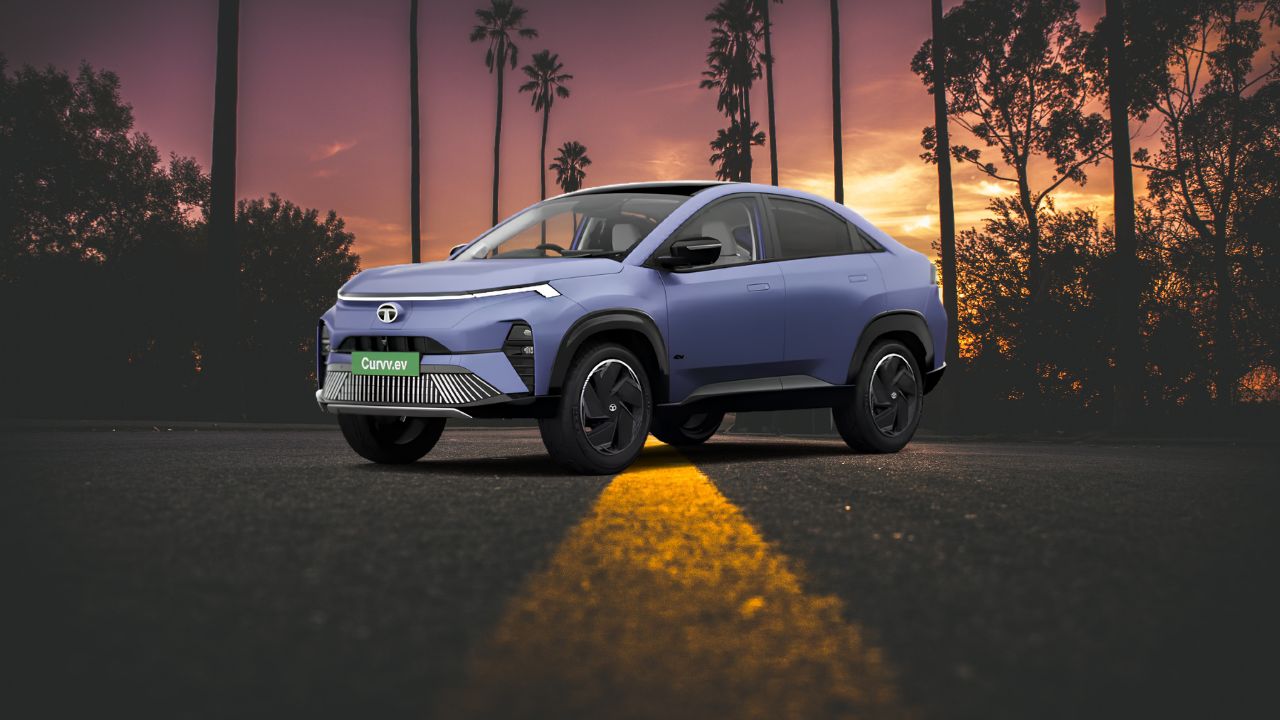
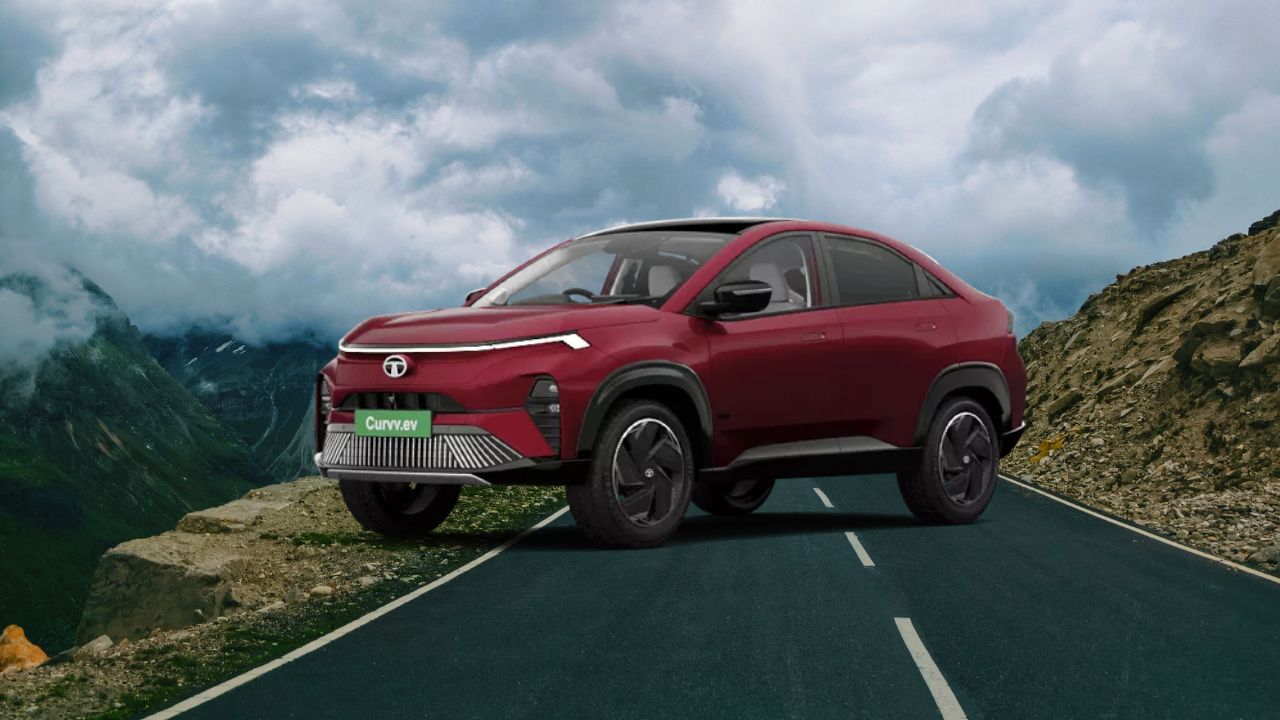
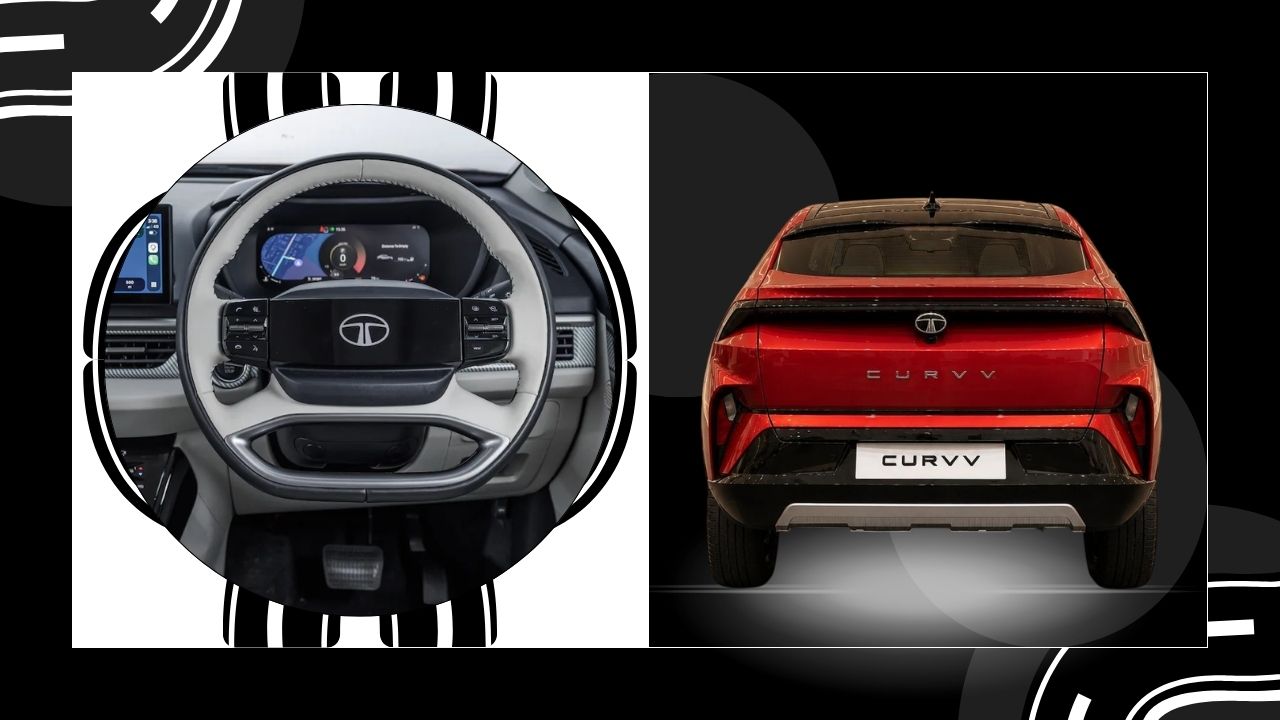
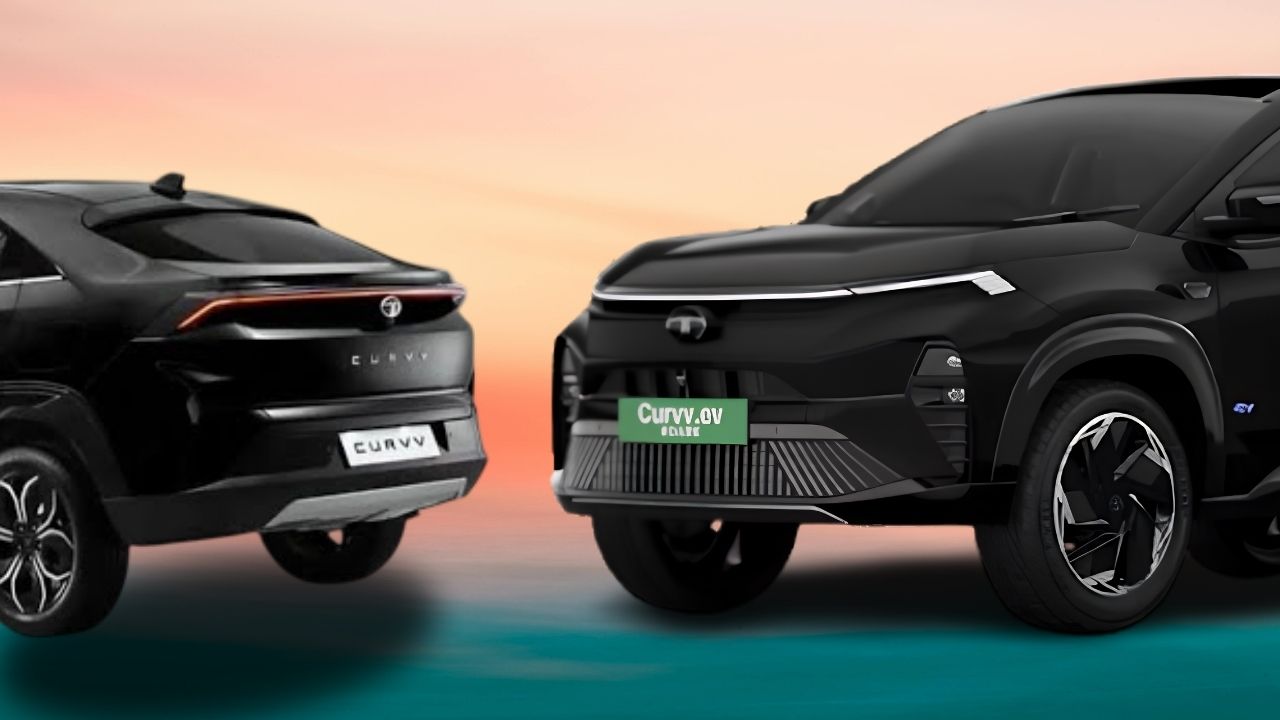
Tata motors bringing the new Curvv Series X with an affordable price range from 9.99 lakh to 18.99 lakh. Tata Curvv Series X offers a combine petrol and diesel powertrain with power-packed features while focusing on its safety, design and durability at this price point, making it accessible to a wider range of buyers. 

It’s not a facelift — the sheet metal is untouched but the pricing and equipment list have moved enough that the buying calculus for this coupe-SUV is genuinely different from what it was in August.

Here’s what actually changed, what you get at each price point, and where the Curvv Series X still loses ground to the cars parked next to it in the showroom.

What Changed With the Tata Curvv Series X Price and Variant Reshuffle

Tata has trimmed the lineup from eight variants down to six, and renamed every one of them to carry an “X” — Smart X, Pure X, Pure X Plus, Creative X Plus, Accomplished X, and Accomplished X Plus. The turbo-petrol T-GDI engine has also lost its manual gearbox option; it’s automatic-only now.

Smart X base variant starting at ₹9.99 lakh ex-showroom. Variant-by-variant price table rounds this up to ₹10 lakh, which is likely just a rounding convention rather than a genuine pricing discrepancy but if you’re quoting an exact figure, it’s worth cross-checking against Tata’s official price list for your city, since ex-showroom prices also shift slightly by state due to local taxes.

Here’s the full price ladder as reported at launch:

Variant Petrol MT Petrol DCA (auto) T-GDI DCA Diesel MT Diesel DCA
Smart X ₹9.99 lakh — — — —
Pure X ₹11.00 lakh ₹12.30 lakh — ₹12.30 lakh —
Pure X Plus ₹11.80 lakh ₹13.10 lakh — ₹13.10 lakh —
Creative X Plus ₹12.91 lakh ₹14.21 lakh — ₹14.21 lakh —
Accomplished X ₹14.00 lakh ₹15.30 lakh — ₹15.30 lakh —
Accomplished X Plus — — ₹18.50 lakh — ₹18.75 lakh

From the Pure X Plus trim upward, you can also spec the #DARK Edition — blacked-out exterior and interior trim for an extra ₹25,000, which is a genuinely cheap way to make the Curvv’s already unusual silhouette look meaner.

The petrol-diesel price gap has also been trimmed from ₹1.5 lakh to ₹1.3 lakh, and the automatic gearbox premium has dropped by the same margin. If you were on the fence about the diesel purely because of the price jump, that fence just got shorter.

Engine and Transmission Options: Same Motors, Smarter Packaging

Tata hasn’t touched the powertrains because the Series X update is entirely about pricing and equipment, not what’s under the hood. You still get three engine choices:

Engine Power Torque Transmission
1.2L Turbo-petrol 120 PS 170 Nm 6-speed MT / 7-speed DCA
1.2L Turbo-petrol T-GDI 125 PS 225 Nm 7-speed DCA only
1.5L Turbo-diesel 118 PS 260 Nm 6-speed MT / 7-speed DCA

The diesel is the torque king here by a wide margin, and it’s also the mileage pick. Autocar India’s figures put the diesel at an ARAI-claimed 22.4 km/l across both manual and automatic versions, with real-world owner reports settling closer to 17-19 km/l depending on driving style. 

The petrol variant ARAI figures anywhere from 12 to 17 km/l for the same 1.2L Revotron unit, which is a wider spread than you’d expect from a single certified test. Treat any petrol mileage number you see — including the ones in this article as approximate until you’ve checked the specific variant’s spec sheet at a Tata dealership, because the discrepancy across sources is large enough that it matters if fuel cost is a deciding factor for you.

The Curvv has previously carried waiting periods of up to 12 weeks on petrol and diesel variants. A brand-new variant launch typically resets that clock, so ask your dealer for a current delivery timeline rather than assuming last quarter’s wait applies.

 Read More 👉 Kia Carnival Hybrid Price In India And Additional Cost For Accessories

Features You Get in Curvv Series X at Every Price Point

This is where Series X earned the respect, it doesn’t just arrive with more features — it is worth being specific because redistribution is uneven across trims.

The Pure X — one step above the stripped-down Smart X — now comes with a 10.25-inch touchscreen running wireless Android Auto and Apple CarPlay, cruise control, a 6-speaker Harman Kardon sound system, a panoramic sunroof, automatic climate control, and selectable drive modes. A year ago, several of these were reserved for trims two rungs higher. If you’re a buyer who wants a sunroof and a proper sound system without stretching into the ₹13-14 lakh bracket, that’s a real shift.

Move up to Creative X Plus and you add a 10.25-inch digital instrument cluster, ventilated front seats, rain-sensing wipers, and automatic headlamps which are a genuinely useful kit for anyone doing serious highway distances in Indian heat.

Curvv Series X

The Accomplished X Plus, at the top, keeps its powered tailgate, 6-way power-adjustable driver’s seat, connected-car features, auto-dimming inside rear-view mirror, a 12.3-inch digital cluster, and Level 2 ADAS — none of that has trickled down, so the top trim still justifies its price gap over Accomplished X.

On the interior itself, Tata has also introduced an Oyster White leatherette upholstery option from Pure X Plus onward, and rear passengers get a small but real comfort bump: the front seats have been scooped out to free up 10mm more knee room, and the rear bench itself has shifted 20mm rearward and 10mm lower.

Safety Kit on the Curvv Series X

Standard across the entire range — safety kit is the most reliable thing Tata Motors have offered to their buyers. Even in the Smart X — you get 6 airbags, rear parking sensors, ISOFIX child-seat anchors, electronic stability control, and hill-hold control. That’s a stronger baseline than several rivals still offer only on mid-spec trims.

Step up to Pure X and you add a reversing camera and a tyre pressure monitoring system. Creative X Plus brings a 360-degree camera, front parking sensors, and a rear defogger. Level 2 ADAS — adaptive cruise, lane-keep assist, forward collision warning — remains exclusive to the range-topping Accomplished X Plus, unchanged from before.

The Curvv holds a 5-star Bharat NCAP rating, tested alongside the Nexon and Curvv EV, all three of which cleared the assessment with the same score. For a segment where safety ratings vary wildly between rivals, that’s a genuine selling point Tata can lean on without exaggeration.

Tata Curvv Series X vs Citroen Basalt X: The Real Coupe-SUV Face-off

The Basalt X is the only other coupe-SUV in this exact price bracket, priced from ₹8.55 lakh to ₹14.11 lakh — meaningfully cheaper at both ends than the Curvv Series X, which tops out near ₹18.75 lakh. If your budget caps out around ₹12-13 lakh, the Basalt X undercuts the equivalent Curvv trim while offering a similar coupe roofline and a genuinely comfortable ride, built on the same platform underpinning the C3 and eC3.

Tata Curvv Series X vs Citroen Basalt X

Where the Curvv pulls ahead is feature depth at the top end and brand pull in the Indian market — Tata’s service network and resale perception still run ahead of Citroen’s in most Indian cities, which matters more than a spec sheet once you’re two years into ownership. 

The Basalt X also doesn’t offer anything close to the Curvv’s Level 2 ADAS suite, so if driver-assist tech is a priority, the comparison ends there.

Tata Curvv Series X vs Hyundai Creta: Style Versus Substance

The Hyundai Creta remains the benchmark this segment gets measured against, priced from ₹10.91 lakh to ₹20.06 lakh — almost dead-level with the Curvv Series X band-for-band. The Creta wins on rear headroom and visibility (no sloping coupe roofline eating into either), a larger and more configurable boot, and a resale value that’s hard for any Tata product to match yet, simply because Hyundai has a longer track record in this exact segment.

Tata Curvv Series X vs Hyundai Creta

Nobody buys a coupe-SUV because it’s the most practical shape, they buy it because it doesn’t look like every other compact SUV on the road. If that visual distinctiveness matters to you more than an extra few centimetres of rear headroom, the Curvv Series X now competes on price too, not just looks which wasn’t quite true before this update.

Read More 👉 Ceramic Coating vs PPF For Kia Carnival Hybrid 2026

Conclusion

If you were previously considering the Curvv but talked yourself out of the base variant because it felt bare, that objection is largely gone — the Pure X at ₹11-12.3 lakh now carries a sunroof, wireless CarPlay, and a proper sound system that used to cost you a trim or two more. That’s the variant most buyers in the ₹11-13 lakh bracket should actually be cross-shopping against the Creta and Seltos, not the Smart X, which still feels like a fleet-spec entry point.

Skip the Tata Curvv Series X if rear-seat space and outright practicality outrank styling on your priority list — the coupe roofline is a real compromise on headroom and visibility that no amount of feature-list padding fixes, and the Creta or a Grand Vitara will serve a family of four more comfortably on a daily basis.

The diesel-DCA combination is the pick if you’re covering serious highway distance and want the torque advantage; the turbo-petrol makes more sense for city-first driving where the mileage gap narrows and the lower price wins out. Either way, get the exact ARAI mileage figure and on-road price for your city from a dealer before signing.

0

Yusuff Ali Car Collection : Take a Look at Billionaire’s Insane Garage of Luxury and Rare Machines

Published Apr 1, 2026, 12:53 PM
Last Updated Apr 3, 2026, 9:04 AM

When the name M.A Yusuff Ali rings a bell, the first thought which likely flashes through your mind is that of the colossal LuLu Group International conglomerate. He’s the Middle East’s retail king and one of India’s richest and most successful billionaires. But if you’re a car freak, you know him for another reason entirely. Yusuff Ali Car Collection draws you closer as it is one of the most jaw-dropping, ridiculously expensive, and perfectly edited collections in the world.

Many billionaires just get the most expensive car on the market, hire a driver, and sit in the back. But the moment you open Yusuff Ali’s garage you realize this guy really knows cars. He doesn’t just buy for the badge — he buys for the engine, the heritage, and the sheer thrill of driving. It is spread across Dubai and Kerala, and is loaded with bespoke luxury tanks and rare track-focused exotics.

Let’s grab some keys and take a stroll through a few of the very best machines that live there, full of specs and crazy price tags. 

Rolls-Royce Cullinan Series II Worth of 27 Crore

Rolls-Royces is owned by most of the billionaire but few have Cullinan Series II with customization. Yusuff Ali was telling the news a few days back that he had got himself a customized Rolls-Royce Cullinan Series II in the price of Rs 27 Crore.

Why does an SUV cost 27 Crores? It is all about the crazy degree of customization. This particular Cullinan has a bi-tone red and silver paint sauce, but the paint actually has real gold flakes. If this weren’t enough, the famous Spirit of Ecstasy bonnet mascot is made from solid gold. 

Mechanically the Cullinan is an absolute beast. It offered a powerful 6.75-liter twin-turbo V12 with 563 brake horsepower under that silver hood. It provides a monstrous 850 nm of torque. Running from 0 to 100 km/hr in 5 seconds on this engine despite its weight. 

He also has a prior-generation blue Cullinan and a “Govt of Kerala” tag – the latter honours his appointment as Vice-Chairman of NORKA. 

The W12 Monster: Bentley Bentayga

Yusuff Ali, chairman of the Lulu Group was the first to get his hands on the Bentayga in the Indian market. But he didn’t stop there for the plain vanilla V8. He went straight for the big boy – the Bentley Bentayga W12. 

Bentley Bentayga

Yusuff Ali got his hands on the Bentayga as soon as it arrived but he chose the Bentley Bentayga W12 model rather than vanilla V8. He owned it at Rs 4.10 Crores in Indian Market price which offers 6.0-liter twin-turbocharged engine to boost 635 bhp and gives 900 Nm of torque. This W12 engine roars on a classy white SUV.

Upon pressure on the pedal, this ultra-luxurious living space can then hit a top speed of 301 km/h. It’s the perfect combination of raw, throat-closing power, and British sophistication. 

The Maybach Twins: GLS 600 and S600

You cannot speak of luxury without the Maybach being the centerpiece, and Yusuff Ali owns not one but two of their masterpieces, in a glossy Obsidian Black. First is the Mercedes-Maybach GLS 600 SUV which is priced at approximately Rs 3.5 Crore. 

This is basically a private jet for the road. This car runs on a 4.0-litre V8 bi-turbo petrol engine to provide hell of a power of about 557 bhp with 730 Nm of torque. It has a mild-hybrid system. You don’t even feel the road roughness and potholes with the car’s suspension as it scans the road before and handles it accordingly with the shock absorbers before you’re even over a bump.

The Maybach Twins GLS 600 and S600

Mercedes-Maybach S600 sedan, the other powerful vehicle in his garage that costs around Rs 2.5 to 3 Crore. It runs with 523 bhp and 830 Nm of torque on the road very smoothly with a horn-blowing 6.0-liter V12 bi-turbo engine. 

Its interior carried premium hand-stitched leather recliners, comforting your ride with massage. handcrafted wooden trim gives more relaxing features like you can resting your feet. It’s the ultimate highway cruiser for after hours of closing billion dollar deals.  

Lexus LX and Range Rover Vogue (Bulletproof)

He drives his white Lexus LX (also referred to as the LX 750 or the LX 600 series) when he needs an off-road ride that’s at once reliable and breathtakingly powerful. Lexus LX is a luxury vehicle which is priced at around Rs 3 crore. It’s virtually indestructible because it has the DNA of the legendary Toyota Land Cruiser. 

Lexus LX and Range Rover Vogue

He also owns a few Land Rover Range Rover Vogues, one is a dungy white coloured and the other is black and sleek. The Range Rover is the car of choice among the super-rich for good reason. The opulent, Rs 2.39 crore SUV’s V8 engine delivers 523 horsepower and 750 nm of torque. He says it’s a combination of the comfort of a limo and the menacing driving position of a truck. 

The Track Weapons: Ferraris, Lambos, and a GT-R

This is the point where the collection moves “rich guy garage” up a notch and enters “serious car enthusiast territory.” Yusuff Ali isn’t just a fan of comfy rides but also a fan of speed. 

He owns the first Ferrari Purosangue in India, the brand’s first-ever V12 four-door vehicle. However, his supercars include some genuinely weird cars. His family has christened his Lamborghini Aventador SVJ “Brentador.” With a bespoke exhaust that literally spits fire, this V12 monster is a full-on, hardcore, track machine.  

Ferraris, Lambos, and a GT-R

Ferraris is also one of his favorite cars and he owns a 488 Pista Spider model and naturally aspirated V8 engine Ferrari 458 Speciale Aperta. It was apparent that he was a fan of Japanese tuning culture when he appeared in early 2026 driving a brand-new Nissan GT-R NISMO in stealth grey.  

Yusuff Ali Car Collection at a Glance

Car Model Approx Price (INR) Engine & Power Key Highlight
Rolls-Royce Cullinan Series II ₹27 Crore 6.75L Twin-Turbo V12, 563 bhp Gold customization, ultra-luxury SUV
Bentley Bentayga W12 ₹4.10 Crore 6.0L Twin-Turbo W12, 635 bhp Top speed 301 km/h, powerful luxury SUV
Mercedes-Maybach GLS 600 ₹3.5 Crore 4.0L V8 Bi-Turbo, 557 bhp Road-scanning suspension, ultimate comfort
Mercedes-Maybach S600 ₹2.5–3 Crore 6.0L V12 Bi-Turbo, 523 bhp Luxury sedan with massage seats
Lexus LX 600 ₹3 Crore 3.5L Twin-Turbo V6 Off-road capability + reliability
Range Rover Vogue ₹2.39 Crore V8 Engine, 523 bhp Bulletproof luxury SUV
Ferrari Purosangue ₹10+ Crore 6.5L V12 First Ferrari 4-door SUV
Lamborghini Aventador SVJ ₹8+ Crore 6.5L V12 Track-focused, fire-spitting exhaust
Ferrari 488 Pista Spider ₹5+ Crore 3.9L Twin-Turbo V8 Lightweight performance beast
Ferrari 458 Speciale Aperta ₹4.5+ Crore 4.5L NA V8 Rare collector’s Ferrari
Nissan GT-R NISMO ₹2.5+ Crore 3.8L Twin-Turbo V6 Japanese performance icon

Read More:- Pagani Utopia, Hypercar, Luxury Cars, Supercars 2025, V12 Engine, Pagani Cars, Exotic Cars

Conclusion

From a modest Mini Cooper Countryman for quick city runs to a ultra-rare 1955 Mercedes-Benz 180 T presented by the late Maharaja of Travancore, Yusuff Ali car collection is an epic bundle of luxury and speed. It strikes an ideal balance between the heritage of classic old school motoring and the cutting edge technology of today’s hypercars.

It is a bit over easy to look at a 27 Crore Rolls-Royce, then just see the price tag. But, when you take into account the full fleet, the high pitched V12 Ferrari screaming its way down the road, the flame spitting Lamborghini, the W12 Bentley, and the bespoke luxury yacht on wheels. M.A. Yusuff Ali is a hardcore car lover who just happened to acquire a very large budget to play with.