0

Budget Friendly Cars – Best Affordable Cars for Every Indian Family

Published Oct 28, 2025, 6:09 AM
Last Updated Oct 28, 2025, 4:32 AM

Budget Friendly Cars

Car ownership in India is no more a far-fetched dream, it’s an achievable target for most households, with a wide variety of budget cars that offer a good balance of affordability, safety and modern amenities. Indian carmakers have taken things up a notch by 2025 and now offer cars that are stylish, feature-rich, and give good mileage, all without breaking the ₹10 lakh barrier. 

From the rugged yet compact Tata Punch, dependably peppy Maruti Swift, feature-laden Baleno, multi-purpose Renault Triber and all-time favourite Tata Tiago. There’s a Budget Friendly Cars for everyone no matter the requirement or lifestyle. Explore the best affordable cars of 2025 that offer incredible features and specifications to give you a nice ride.

The Champions of Budget Excellence

By 2025, there are more good cars within reach than ever before. With everything from sleek designs and advanced tech like touchscreen displays and driver-assist systems, these are the cars that prove you don’t have to spend a fortune to drive something reliable and stylish. 

Tata Punch – The Compact SUV Winner

The ultimate SUV runs on Indian roads at ₹5.50 lakh with useful family-car practicality. This ride features a 1.2-liter Revotron engine that produces 87 bhp and 115 Nm of torque. This setup makes for a good amount of power for the city and highways. 

Tata Punch - The Compact SUV Winner

The only thing that makes the Punch standout is it having a 5-star Global NCAP safety rating, which makes it amongst the safest cars in its segment. It provides 187 mm of ground clearance, ideal for Indian roads, and gets features such as a 10.25-inch touchscreen infotainment system, automatic climate control and a 6-speaker Harman sound system. Punch also delivers good fuel efficiency in the range of 18.8 to 20.09 kmpl, helping families stay on top of running costs. 

Maruti Suzuki Swift – The Reliable Performer

With a starting price of ₹5.79 lakh, Swift remains a favorite in Indian homes. The new generation is powered by a 1.2-liter K12N engine, which produces 89 bhp and returns a mileage of 25.75 kmpl.The highlight of the Swift is its all-round safety package, which includes 6 airbags as standard, ESP, hill hold assist, and ABS with EBD. 

Maruti Suzuki Swift - The Reliable Performer

The Swift has a roomy boot of 265 liters and gets contemporary connectivity features like wireless charging, 7-inch SmartPlay Pro+ infotainment system with Apple CarPlay and Android Auto.Its lightweight design and polished engine make it a great candidate for novice as well as seasoned drivers. 

Maruti Suzuki Baleno

Maruti Suzuki Baleno

You can get the Baleno in the range of ₹5.99 to ₹9.88 lakh as it offers many features within a low cost of maintenance. It’s the pinnacle of cheap cars. You get 170mm ground clearance and a spacious cabin. Top trims come with a 9-inch SmartPlay Pro+ screen and six airbags. Plus, it’s good on gas, too. It retains its value, so it’s a smart purchase for years to come.  

Renault Triber – The 7-Seater Wonder

Starting at ₹5.76 lakh, the Triber is the cheapest 7-seater MPV in the Indian market. That smart ride provides you with flexible seats that change in 5, 6, or 7 positions. That configuration suits a family on the grow. The 2025 update is powered by a 1-liter petrol engine that will give you 72 hp of power with 96 Nm of torque.  

It was also updated with new features like an 8-inch floating touchscreen infotainment system. That’s not it, it also offers connectivity features including wireless Android Auto and Apple CarPlay. Lean into a practicality with six airbags as standard, and front parking sensors to provide worry less driving. Configured as a five-seater, it takes the lead with 625 liters of boot space for top practicality.  

A Powerful Beast: Tata Tiago 

A Powerful Beast Tata Tiago

Tata Tiago offers 1.2L engine with 1199 cc capacity, buyers can get good features to run on road with comfort and reliability. It gives 86 PS power and 5 speed manual transmission with 35L fuel efficiency that makes it perfect for the family. It got 5-star Global NCAP rating safety which is incredibly important to consider a family car, also starting at an incredibly affordable ₹4.57 lakh.

Smart Feature Integration Without Premium Pricing

Budget-friendly cars are now catching up when it comes to features that were only available in the high-end variants. Take the Hyundai Exter, for example, It is priced from just ₹5.68 lakh and comes with an 8-inch touchscreen, digital instrument cluster, a sunroof and 6 airbags, all as standard. And then there’s the Tata Altroz that begins at ₹6.30 lakh and comes with a cavernous 345-litre boot and a refined 3-cylinder unit pumping out 86.79 bhp. These cars prove you don’t have to empty your wallet to get modern tech and comfort. 

Safety Without Compromise

Safe is the new seat in cars under 10 lakh. The 5-star GNCAP rating of the Tata Punch is a testament to the fact that budget cars can be very safe.The Tata Tiago offers safety features like airbags, ABS, EBD, parking sensors, and seat-belt alerts as standard. Renault Triber 6-airbags are standard for all the variant along with ISOFIX child seat anchor. 

Fuel Efficiency for Economic Operation

Cost-savvy families need fuel efficient vehicles and these cars deliver everything you need. The Maruti Swift delivers a good mileage of 25.75 kmpl which makes it one of the most fuel efficient cars to go for a long ride or your daily drives. Tata Tiago is a compact SUV that gives you 23.84 kmpl fuel efficiency, making it a perfect balanced car for the riders. Tata Punch delivers 20 kmpl fuel efficiency meaning good mileage without compromising on style, so, if you like to inject a little fun into your drives, this is a very interesting option to consider.  These figures mean that families can afford day-to-day runarounds without wondering about the cost of fuel. 

Read More:-  Discover The Stylish And Powerful Chery Arrizo 8 – Redefining The Modern Sedan

The Perfect Balance of Price and Performance

These vehicles have their own sets of value. Tata Punch brings SUV styling with best-in-class safety, the Swift comes with tried and tested reliability, the Baleno comes loaded with premium features, the Tiago offers unbeatable value and the Triber provides 7-seater flexibility. All these cars are proof that Indian families don’t have to pinch their pockets to get powerful features and dependable performance. 

Making the Right Choice for Your Family

Picking a cheap car means thinking about what your family really needs. The Tata Punch fits great if you want top safety and that SUV look. Nobody beats the Swift for great gas mileage and dependability. Those requiring 7-seater versatility for family needs should opt for the Triber and for premium features within a tight budget, pick the Baleno. The best way to decide is taking the test drive for the cars you like and decide which makes you comfortable and easy.

Conclusion

Power-packed features at affordable prices for the family car buyers is important. The 2025 Indian automotive market has a lot to offer to the family car buyers looking for strong features within a tight budget. These cars prove that inexpensive doesn’t mean you have to sacrifice quality, safety or contemporary features. 

By taking your family’s needs and likes into consideration, you can select the right car that offers you a great price for sale and get more value for your money for many years to come. Whether you are purchasing your first vehicle or looking to upgrade your family car, these Budget Friendly Cars options present the best value for money in terms of features, pricing, and reliability that every Indian family needs. 

Sharey Khan

Sharey Khan is an IT entrepreneur and petrol head & a car enthusiast. With a special focus on car-related content, he combines his deep passion for vehicles with a talent for crafting informative, engaging, and easy-to-understand content. His writing is driven by a genuine love for cars and he is committed to providing readers with accurate, up-to-date, and trustworthy information that empowers smarter driving decisions. 

Leave a Reply

Your email address will not be published. Required fields are marked *

0

Mercedes Benz CLA 250+ Real-World Range Tested

Published Jul 6, 2026, 12:31 PM
Last Updated Jul 22, 2026, 12:08 PM

Mercedes Benz

Every EV launch in India comes with a big, shiny range figure on the poster. The Mercedes Benz CLA 250+ arrived with one of the biggest yet — 792 km on the WLTP cycle. However, experienced EV buyers already know that these figures are just lab results, because it hasn’t been recorded with real-world conditions. 

So how much Mercedes Benz CLA 250+ can give you range on a Delhi-to-Jaipur road trip with AC on and the weightage of luggage. That’s what this blog covered so you will know exactly what you can get before buying it.

What Exactly is the CLA 250+

The CLA 250+ is the top electric variant of Mercedes Benz’s all-new CLA — the car that now replaces the A-Class Limousine, the EQA, and the EQB as the brand’s entry point in India. This car is built on Mercedes’ dedicated Modular Mercedes Architecture (MMA) platform, totally engineered from the ground-up electric architecture rather than adapted from a traditional petrol car, and that shows in almost every number on the specification sheet.

The CLA 250+ comes with an 85 kWh NMC battery and accelerates from 0 to 100 kmph in 6.7 seconds with an actual two-speed gearbox in CLA 250+ that helps the car accelerate quickly which is unusual in EVs. It offers a single rear-mounted electric motor that gives a total 272 horsepower and 335 Nm of torque. 

Mercedes Benz

And when you speed up on the highway, the taller second gear helps the motor spin more efficiently for that. It’s the same trick Porsche uses on the Taycan, except Mercedes has designed it mainly to increase driving range rather than boost performance. 

Mercedes Benz CLA 250+ making a fantastic appearance with a sleek four-door-coupe body. The CLA 250+ has a drag coefficient of just 0.21 — genuinely class-leading and helped along by flush door handles, a low coupe roofline, and a fastback tail. Add the 142-LED illuminated star grille, the connected LED light bars front and back, and a 101-litre frunk under the bonnet, and it’s clear Mercedes designed this car to be efficient first and dramatic second.

The Real-World Mercedes Benz CLA 250+ Range 

Mercedes’ claimed 792 km comes from the WLTP test cycle, which is a controlled, best-case scenario. Nobody actually drives like that. So look at what independent test drives have recorded instead:

Autocar India’s test drive averaged 6.3 km/kWh in real conditions, which works out to a real-world range of around 535 km on a full charge — still comfortably enough for most intercity trips in India without a single charging stop.

Evo India’s test, done over 65 km of mixed highway and countryside driving in the morning, returned a much stronger 8.1 km/kWh, translating to roughly 693 km of usable range. The car started that test showing 684 km on the cluster at 100% charge — already short of Mercedes’ claimed figure before a single kilometre was driven, which tells you how much WLTP numbers inflate expectations even before real-world driving comes into play.

Edmunds’ US test, run on the American-spec CLA 250+ using a strict 60% city / 40% highway cycle, recorded 434 miles (about 698 km) against an EPA estimate of 374 miles, meaning the car beat its own official number by 16%, which is the opposite of what usually happens with EVs.

A European test by electrive.com told a different story in cold weather: after 210 km of mostly motorway driving in Eco mode at 120 kmph with winter tyres fitted, the battery dropped from 91% to 44% working out to roughly 485 km of range on a full charge, and closer to 340 km if you’re only using the practical 10-80% charging window.

Overall, CLA 250+ can give you 500 — 690 km of range in real-world Indian driving conditions. Your city and highways trip, AC, and how much load you carry on your car is affecting the car. That’s still one of the longest real-world ranges available in this segment, even if it’s a fair distance from the number on the brochure.

Mercedes Benz

Charging Speed Matters As Much As Range

The 800V electrical architecture of the CLA 250+ is what allows it to support DC fast charging at up to 320 kW. In practical terms, a 10-80% charge takes about 20-22 minutes, and 10 minutes on a powerful charger gives you between 300 and 400 kilometers of range. This is genuinely useful on long drives — you’re not waiting an hour at a highway charging point, you’re grabbing a coffee and getting back on the road.

Home charging is a different, slower story — expect roughly 9-11 hours for a full charge on an 11 kW AC setup, which is fine for overnight charging but not something you’d rely on mid-journey.

Price and Variants in India

Mercedes Benz

All-electric CLA is introduced by Mercedes Benz now in India, there are three variants:


  • CLA 200 (Standard Range) — built on 58 kWh battery, offers a 542 km WLTP range, with producing 221 bhp, priced from ₹55 lakh (ex-showroom)
  • CLA 250+ (Long Range) — provides 85 kWh battery, powered up with 792 km WLTP range, this version claimed to give 268-272 bhp, priced from ₹59 lakh (ex-showroom)
  • CLA 250+ Launch Edition — same battery and motor as above but with the triple-screen MBUX Superscreen setup, the Launch Edition priced at ₹64 lakh (ex-showroom).

All versions are covered by an 8-year/160,000 km battery warranty, have a 5-star Euro NCAP safety rating, the same Level 2 ADAS package, a panoramic sunroof and run Mercedes’ new MB.OS software on an Nvidia Orin chip. Kick-off of deliveries for the CLA 250+ took place in April 2026, with the coupe already raking in 400-strong bookings before its official India launch.

Mercedes Benz CLA 250+ vs Other Premium Electric Sedans 

Against the BYD Seal, which sits close in price around ₹55 lakh, the CLA 250+ wins comfortably on outright range and charging speed, though the Seal remains the sharper value pick if range isn’t your top priority. Against the Tesla Model 3, which posted 339 miles (roughly 546 km) in Edmunds’ identical test cycle, the CLA pulled ahead by nearly 150 km — a meaningful gap for anyone doing frequent long drives. 

The Audi A6 e-tron Sportback came closer, at 402 miles (about 647 km) in the same test, making it the CLA’s nearest real competitor on range rather than the Tesla. And against the BMW iX1, which is smaller and less range-focused, the CLA is the better choice for anyone who drives themselves and wants to cover serious distance on a single charge — the iX1 makes more sense if you’re usually chauffeur-driven and want a smaller footprint in city traffic.

Conclusion 

The Mercedes Benz CLA 250+ won’t hit 792 km in your driveway, and no EV with a WLTP claimed range ever does. But even its more conservative real-world figure around 535 km — beats what most rivals manage at this price point, and its best-case figure of nearly 700 km puts it in territory very few electric sedans reach at all. 

If you’re cross-shopping electric luxury sedans in India right now, the CLA 250+ isn’t just a range leader on paper, it’s one of the few EVs where the real-world number still leaves you with range to spare.

0

Buy Tata Curvv Series X At Rs. 9.99 Lakh With Advanced Features Pack

Published Sep 4, 2026, 12:55 PM
Last Updated Sep 7, 2026, 12:17 PM

Tata Curvv Series X

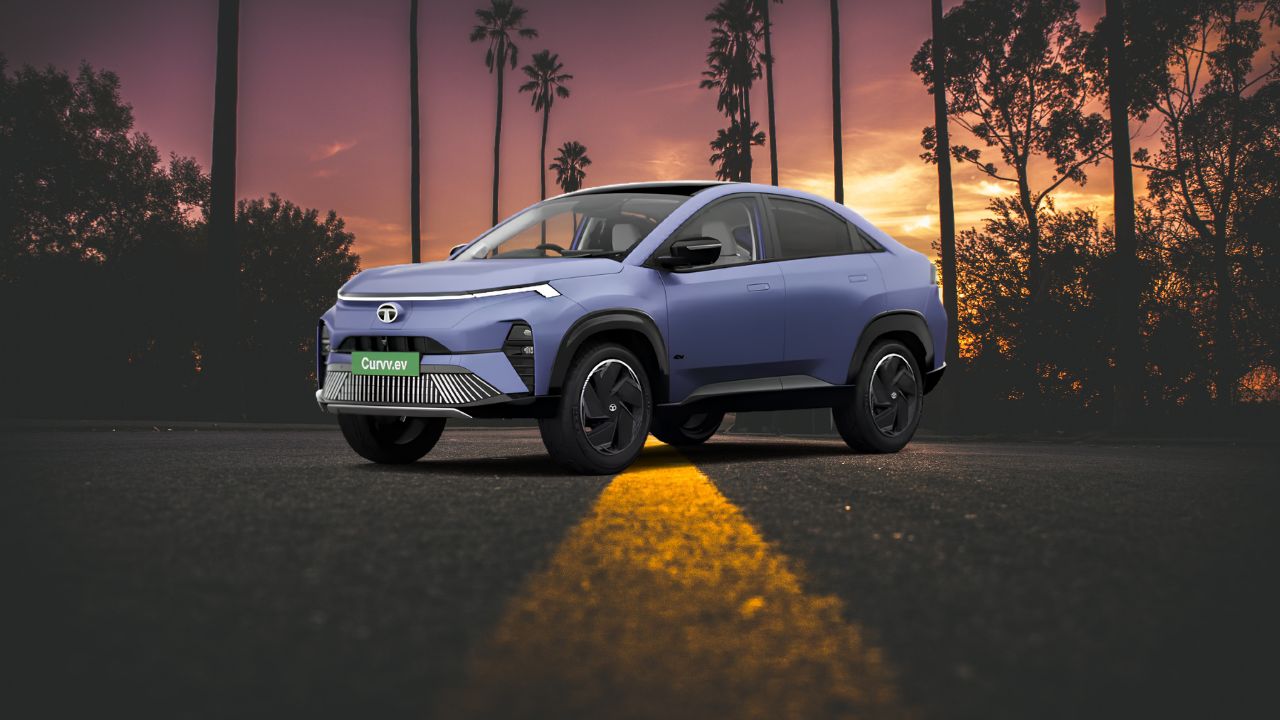
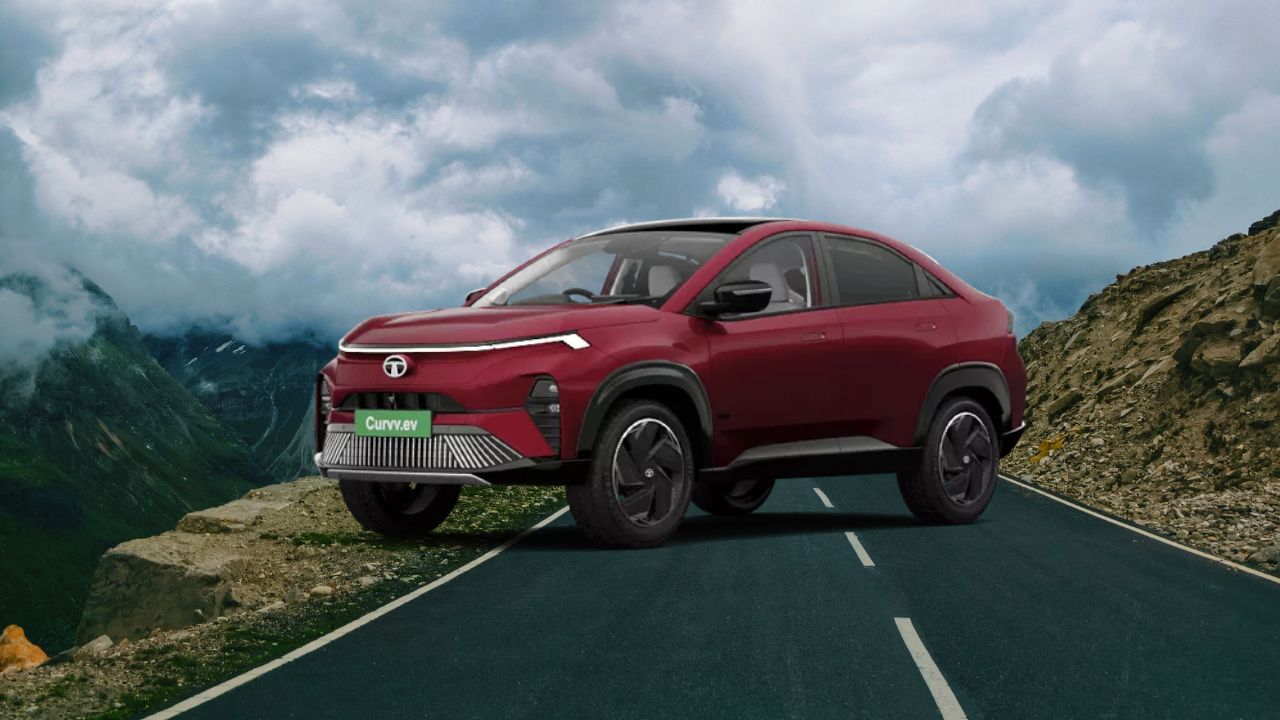
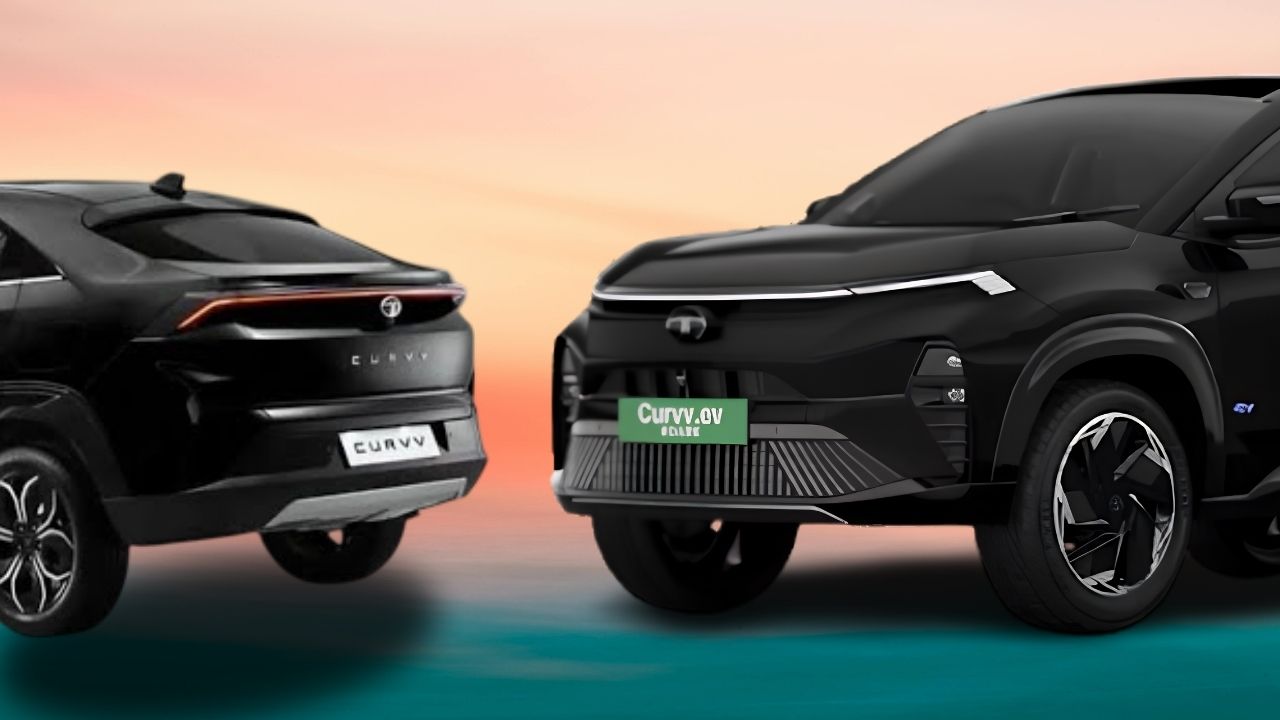
Tata motors bringing the new Curvv Series X with an affordable price range from 9.99 lakh to 18.99 lakh. Tata Curvv Series X offers a combine petrol and diesel powertrain with power-packed features while focusing on its safety, design and durability at this price point, making it accessible to a wider range of buyers. 

It’s not a facelift — the sheet metal is untouched but the pricing and equipment list have moved enough that the buying calculus for this coupe-SUV is genuinely different from what it was in August.

Here’s what actually changed, what you get at each price point, and where the Curvv Series X still loses ground to the cars parked next to it in the showroom.

What Changed With the Tata Curvv Series X Price and Variant Reshuffle

Tata has trimmed the lineup from eight variants down to six, and renamed every one of them to carry an “X” — Smart X, Pure X, Pure X Plus, Creative X Plus, Accomplished X, and Accomplished X Plus. The turbo-petrol T-GDI engine has also lost its manual gearbox option; it’s automatic-only now.

Smart X base variant starting at ₹9.99 lakh ex-showroom. Variant-by-variant price table rounds this up to ₹10 lakh, which is likely just a rounding convention rather than a genuine pricing discrepancy but if you’re quoting an exact figure, it’s worth cross-checking against Tata’s official price list for your city, since ex-showroom prices also shift slightly by state due to local taxes.

Here’s the full price ladder as reported at launch:

Variant Petrol MT Petrol DCA (auto) T-GDI DCA Diesel MT Diesel DCA
Smart X ₹9.99 lakh — — — —
Pure X ₹11.00 lakh ₹12.30 lakh — ₹12.30 lakh —
Pure X Plus ₹11.80 lakh ₹13.10 lakh — ₹13.10 lakh —
Creative X Plus ₹12.91 lakh ₹14.21 lakh — ₹14.21 lakh —
Accomplished X ₹14.00 lakh ₹15.30 lakh — ₹15.30 lakh —
Accomplished X Plus — — ₹18.50 lakh — ₹18.75 lakh

From the Pure X Plus trim upward, you can also spec the #DARK Edition — blacked-out exterior and interior trim for an extra ₹25,000, which is a genuinely cheap way to make the Curvv’s already unusual silhouette look meaner.

The petrol-diesel price gap has also been trimmed from ₹1.5 lakh to ₹1.3 lakh, and the automatic gearbox premium has dropped by the same margin. If you were on the fence about the diesel purely because of the price jump, that fence just got shorter.

Engine and Transmission Options: Same Motors, Smarter Packaging

Tata hasn’t touched the powertrains because the Series X update is entirely about pricing and equipment, not what’s under the hood. You still get three engine choices:

Engine Power Torque Transmission
1.2L Turbo-petrol 120 PS 170 Nm 6-speed MT / 7-speed DCA
1.2L Turbo-petrol T-GDI 125 PS 225 Nm 7-speed DCA only
1.5L Turbo-diesel 118 PS 260 Nm 6-speed MT / 7-speed DCA

The diesel is the torque king here by a wide margin, and it’s also the mileage pick. Autocar India’s figures put the diesel at an ARAI-claimed 22.4 km/l across both manual and automatic versions, with real-world owner reports settling closer to 17-19 km/l depending on driving style. 

The petrol variant ARAI figures anywhere from 12 to 17 km/l for the same 1.2L Revotron unit, which is a wider spread than you’d expect from a single certified test. Treat any petrol mileage number you see — including the ones in this article as approximate until you’ve checked the specific variant’s spec sheet at a Tata dealership, because the discrepancy across sources is large enough that it matters if fuel cost is a deciding factor for you.

The Curvv has previously carried waiting periods of up to 12 weeks on petrol and diesel variants. A brand-new variant launch typically resets that clock, so ask your dealer for a current delivery timeline rather than assuming last quarter’s wait applies.

 Read More 👉 Kia Carnival Hybrid Price In India And Additional Cost For Accessories

Features You Get in Curvv Series X at Every Price Point

This is where Series X earned the respect, it doesn’t just arrive with more features — it is worth being specific because redistribution is uneven across trims.

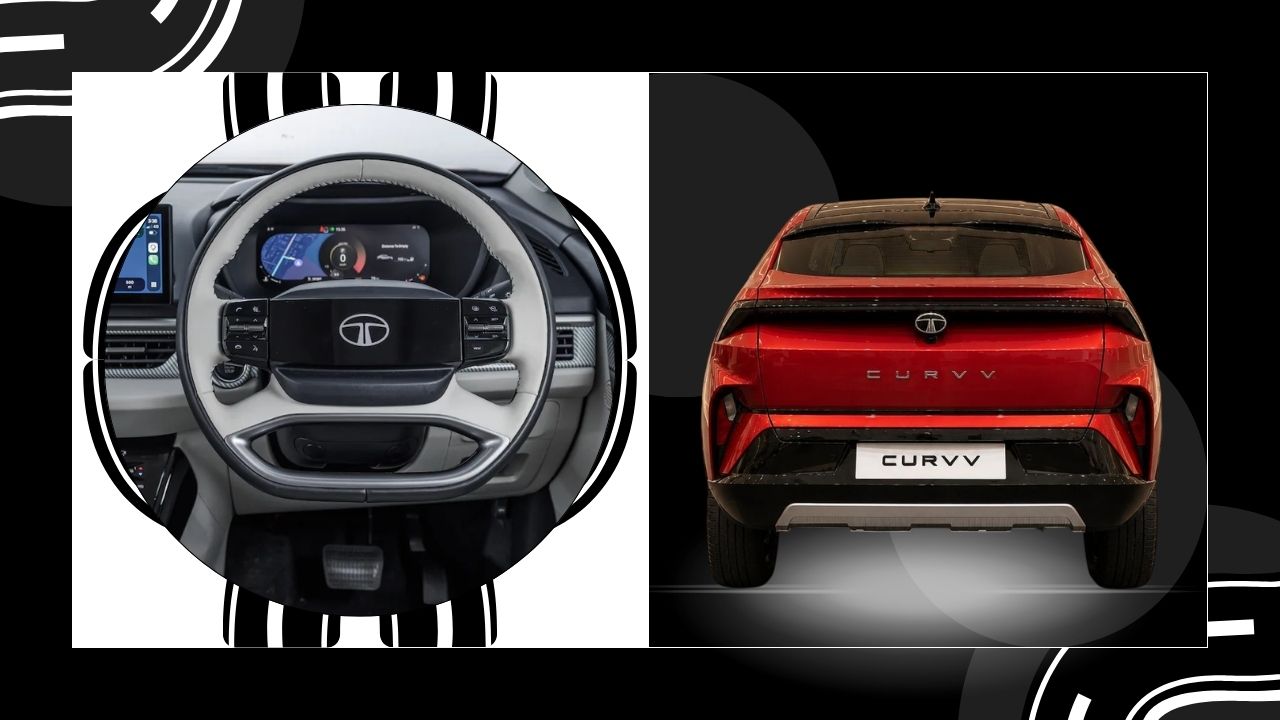
The Pure X — one step above the stripped-down Smart X — now comes with a 10.25-inch touchscreen running wireless Android Auto and Apple CarPlay, cruise control, a 6-speaker Harman Kardon sound system, a panoramic sunroof, automatic climate control, and selectable drive modes. A year ago, several of these were reserved for trims two rungs higher. If you’re a buyer who wants a sunroof and a proper sound system without stretching into the ₹13-14 lakh bracket, that’s a real shift.

Move up to Creative X Plus and you add a 10.25-inch digital instrument cluster, ventilated front seats, rain-sensing wipers, and automatic headlamps which are a genuinely useful kit for anyone doing serious highway distances in Indian heat.

Curvv Series X

The Accomplished X Plus, at the top, keeps its powered tailgate, 6-way power-adjustable driver’s seat, connected-car features, auto-dimming inside rear-view mirror, a 12.3-inch digital cluster, and Level 2 ADAS — none of that has trickled down, so the top trim still justifies its price gap over Accomplished X.

On the interior itself, Tata has also introduced an Oyster White leatherette upholstery option from Pure X Plus onward, and rear passengers get a small but real comfort bump: the front seats have been scooped out to free up 10mm more knee room, and the rear bench itself has shifted 20mm rearward and 10mm lower.

Safety Kit on the Curvv Series X

Standard across the entire range — safety kit is the most reliable thing Tata Motors have offered to their buyers. Even in the Smart X — you get 6 airbags, rear parking sensors, ISOFIX child-seat anchors, electronic stability control, and hill-hold control. That’s a stronger baseline than several rivals still offer only on mid-spec trims.

Step up to Pure X and you add a reversing camera and a tyre pressure monitoring system. Creative X Plus brings a 360-degree camera, front parking sensors, and a rear defogger. Level 2 ADAS — adaptive cruise, lane-keep assist, forward collision warning — remains exclusive to the range-topping Accomplished X Plus, unchanged from before.

The Curvv holds a 5-star Bharat NCAP rating, tested alongside the Nexon and Curvv EV, all three of which cleared the assessment with the same score. For a segment where safety ratings vary wildly between rivals, that’s a genuine selling point Tata can lean on without exaggeration.

Tata Curvv Series X vs Citroen Basalt X: The Real Coupe-SUV Face-off

The Basalt X is the only other coupe-SUV in this exact price bracket, priced from ₹8.55 lakh to ₹14.11 lakh — meaningfully cheaper at both ends than the Curvv Series X, which tops out near ₹18.75 lakh. If your budget caps out around ₹12-13 lakh, the Basalt X undercuts the equivalent Curvv trim while offering a similar coupe roofline and a genuinely comfortable ride, built on the same platform underpinning the C3 and eC3.

Tata Curvv Series X vs Citroen Basalt X

Where the Curvv pulls ahead is feature depth at the top end and brand pull in the Indian market — Tata’s service network and resale perception still run ahead of Citroen’s in most Indian cities, which matters more than a spec sheet once you’re two years into ownership. 

The Basalt X also doesn’t offer anything close to the Curvv’s Level 2 ADAS suite, so if driver-assist tech is a priority, the comparison ends there.

Tata Curvv Series X vs Hyundai Creta: Style Versus Substance

The Hyundai Creta remains the benchmark this segment gets measured against, priced from ₹10.91 lakh to ₹20.06 lakh — almost dead-level with the Curvv Series X band-for-band. The Creta wins on rear headroom and visibility (no sloping coupe roofline eating into either), a larger and more configurable boot, and a resale value that’s hard for any Tata product to match yet, simply because Hyundai has a longer track record in this exact segment.

Tata Curvv Series X vs Hyundai Creta

Nobody buys a coupe-SUV because it’s the most practical shape, they buy it because it doesn’t look like every other compact SUV on the road. If that visual distinctiveness matters to you more than an extra few centimetres of rear headroom, the Curvv Series X now competes on price too, not just looks which wasn’t quite true before this update.

Read More 👉 Ceramic Coating vs PPF For Kia Carnival Hybrid 2026

Conclusion

If you were previously considering the Curvv but talked yourself out of the base variant because it felt bare, that objection is largely gone — the Pure X at ₹11-12.3 lakh now carries a sunroof, wireless CarPlay, and a proper sound system that used to cost you a trim or two more. That’s the variant most buyers in the ₹11-13 lakh bracket should actually be cross-shopping against the Creta and Seltos, not the Smart X, which still feels like a fleet-spec entry point.

Skip the Tata Curvv Series X if rear-seat space and outright practicality outrank styling on your priority list — the coupe roofline is a real compromise on headroom and visibility that no amount of feature-list padding fixes, and the Creta or a Grand Vitara will serve a family of four more comfortably on a daily basis.

The diesel-DCA combination is the pick if you’re covering serious highway distance and want the torque advantage; the turbo-petrol makes more sense for city-first driving where the mileage gap narrows and the lower price wins out. Either way, get the exact ARAI mileage figure and on-road price for your city from a dealer before signing.

0

3 Affordable Full-Size Sedans Launching Soon You Should Wait For

Published Apr 27, 2026, 12:39 PM
Last Updated Apr 28, 2026, 12:37 PM

Sedans

For nearly 10 years, the automotive industry has been fixated on raising everything up on stilts. We observed automotive legends phased out or turned into SUVs, but now these 3 affordable full-size sedans launching soon are worth buying. 

To improve efficiency and range for a full-size car, automotive industries are focusing on better aerodynamics that make a huge comeback. If you’ve been clinging to your beloved old Toyota Avalon, Chevy Impala, or Chrysler 300, anxiously waiting for a competent successor that won’t require a second mortgage, you’re in luck.

We have a couple of sensational new sedans to follow for 2026 and beyond. So, let’s look further at these 3 affordable full-size sedans features and specifications. 

Why the Affordable Full-Size Sedans is Making a Comeback

After the market pivoted to SUVs, the manufacturers eliminated their full-size sedans because they were being pinched by midsize cars getting bigger and SUVs providing “commanding” ride heights. But here’s the 2026 reality check: plowing a heavy block of metal through the air kills your fuel economy and EV battery range. 

Sedans cheat the wind by definition. Sedans offer better aerodynamics and have a lower center of gravity which means smooth and comfortable ride as it gives better handling, a quieter cabin at highway speeds and substantially better fuel economy. What’s more, the contemporary EV-usable “skateboard” chassis design features a flat floor, with wheels pushed out to the extreme corners of the vehicle. This gives the forthcoming cars cavernous interiors that rival huge luxury SUVs, but at a fraction of the price. 

If you’re looking for big seats, big legroom, big road-trip cruising comfort, and a trunk you can really stuff things in all without the luxury tax hassles, these reasonably priced affordable full-size sedans are your golden ticket. 

1.The 2026 Dodge Charger 4-Door (SIXPACK & Daytona)

If you’re looking for big seats, big legroom, big road-trip cruising comfort, and a trunk you can really stuff things in all without the luxury tax hassles—these reasonably priced full-size sedans are your golden ticket. 

It’s giving vibes of no regrets, no apologies, a practical beast of burden. Dodge has basically built a minivan that wants to deck you. Keeping the old muscle body alive with an advanced platform (the STLA Large architecture). 

Features & Specifications

The biggest takeaway: You don’t have to go electric if you aren’t ready. The 2026 Charger is available in two distinct trims this time around from Dodge:

The Daytona (EV): The gas-car version that comes standard with all-wheel drive, a huge battery pack, and a “Fratzonic Chambered Exhaust” (yes, a fake exhaust system that’s as loud as a Hellcat V8).

THE SIXPACK (Gas): You can still have internal combustion too, in the form of a 3.0-litre twin-turbo I6, which Dodge are calling the Hurricane, and it’s going in this beast. It will come in Standard Output (about 420 horsepower) and High Output (more than 500 horsepower). 

The previous generation Charger was known for a small back seat despite its huge outside dimensions. The new 2026 platform corrects this problem entirely. The legroom in the back is said to be extraordinary, and with a rear liftgate (hatchback) configuration you will have SUV-like cargo space while maintaining a sleek sedan design.

Prices in the Base Gas models start in the low-to-mid $40,000s making it an affordable full-size car. It’s practical enough for school dropoffs and wild enough to make you smile on a deserted backroad. 

See Full Details: Hybrid Showdown: 2026 Honda Accord vs Toyota Camry hybrid

2.The 2026 Nissan Maxima (EV Rebirth)

Nissan’s “4-Door Sports Car” was nudged out quietly after a lengthy run, but its retirement is more of a hiatus. The 2026 Nissan Maxima is totally equipped with an electric motor to be Nissan’s flagship electric sedan.

The new Nissan Maxima is inspired by Nissan’s IMs concept that means it will drop a sleek and amazing design that could win your heart. Look for a clean, streamlined look — also referred to by designers as an “elevated sports sedan” which is a little higher off the ground than a traditional car but lower than a crossover. 

Features & Specifications

The 2026 Maxima will be built on the same platform that is used for the Nissan Ariya electric SUV which is a long-wheelbase version of the CMF-EV. 

Dual-Motor AWD: If you buy the higher trim, you can get up to 400 horsepower on this electric car with Ariya e-4ORCE all-wheel-drive system.

Range: It will be the real highway cruiser as Nissan expected to offer 300 miles range on a full charge. 

Charging: Expected to offer a 800-volt architecture to support super fast charging, making long trips easier. 

Up until now, it must be said that Nissan has nailed “affordable luxury” better than just about anyone when they set their minds to it. The previous Maxima was renowned for its super-comfy Zero Gravity seats and materials that were worthy of an Infiniti.

The new EV Maxima will carry that torch forward. Since electric motors occupy so little space, the new Maxima’s interior will be roomy. If a tranquil, whisper-quiet, tech-loaded executive sedan without an $80,000+ sticker for a Mercedes EQE or BMW i5 strikes your fancy, the seventh-generation Maxima seems like it could be your best bet in the full-size segment. 

See Full Detail: New BMW M4 2028 Coupe Digitally Enters The BMW Neue Klasse M4 Era

3.The 2026 Kia EV8 (The Stinger / K8 Successor)

Kia has been absolutely killing it lately. The EV6 and EV9 have scooped just about every major automotive award on the planet, but they’ve left a void in our hearts since the beloved Stinger and the Cadenza/K8 discontinuation. Enter the forthcoming Kia EV8 (internally referred to as Project GT1). 

Sleek and low, wide and quick to the point of menace. Looking at European models, Kia is becoming more affordable with its pricing policies. It’s easy to get a fastback roofline, distinctive LED lighting signatures and an outstanding look.

Features & Specifications

Now things are getting crazy. The EV8 is expected to be the first vehicle to be produced on Hyundai Motor Group’s new eM platform.

Massive Battery: Leaks suggest this phone will come with a massive 113.2 kWh battery. It’s larger than what you get in most full-size SUVs.

Crazy Range: The aerodynamic shape of the sedan combined with that giant battery pack has range estimates approaching 450 to 500 miles on the European cycle (expect a very realistic 370 to 400 miles on the EPA).

Power: The high-end GT model could potentially be over 600+ horsepower, the base RWD should have at least 200-300 horsepower, which is more than enough to achieve maximum range and low cost. 

Of the many new sedans scheduled for launch in 2026, the EV8 is expected to be the most high-tech. It’s not all about straight-line speed, eM is being designed with Level 3 autonomous driving capabilities and sports a software-defined architecture that will allow the vehicle to update and enhance itself over time via over-the-air updates.

If you want a tech-forward, hyper-efficient, long-range cruiser that provides executive-level a spacious space for less than $55,000, then the EV8 is the car to wait for. It’s going to be a lesson in how to combine cheap price & flagship-level features. 

Which Affordable Full-Size Sedans are Right for You?

Feature 2026 Dodge Charger (4-Door) 2026 Nissan Maxima (EV) 2026 Kia EV8
Best For… The muscle car enthusiast who needs family space. The tech-lover seeking a quiet, premium commuter. The road-tripper who suffers from range anxiety.
Powertrain Gas (Twin-Turbo I6) or EV EV (Single or Dual Motor) EV (Next-Gen eM Platform)
Vibe / Style Aggressive, retro-modern, muscular. Futuristic, elevated, sophisticated. Sweeping, aerodynamic, grand-tourer.
Estimated Base Price ~$40,000 (Gas) / ~$50,000 (EV) ~$45,000 ~$50,000
Standout Feature Fratzonic Exhaust & Hatchback practicality. Zero Gravity seats & lounge-like interior. Massive 113 kWh battery & crazy range.

How To Choose in These 3 Affordable Full-Size Sedans Over SUVs?

Still confused to decide which one is best in these upcoming cruisers? Here’s a quick rundown that may help you picture your choices. 

With the market being SUV-crazy right now, automakers are charging a premium for the “utility” body style. You can often get a well-equipped full-size sedan for the same price as a stripped-down mid-size SUV.

A car that is 6 inches lower to the ground will handle better, roll less and feel a whole lot more stable at 75 mph on the highway. People buy SUVs because they want space, but they never actually look at the real spec sheets. The back seat of a future Kia EV8 or Dodge Charger could actually have more room than a compact or mid-size SUV. 

If you are upgrading to an electric vehicle, drag coefficient is all that matters. SUVs are shoving a huge block of air out of their way. The new sedan launches 2026 cut through it. It takes you more miles, so you spend less time tethered to a plug on road trips. 

Conclusion

The era of the boring car is coming to an end. A long time ago, if you wanted a spacious, comfortable vehicle that didn’t cost an arm and a leg, your only real option was a crossover that handled like a soaked dish sponge.

The new sedan launches 2026 brought to bear are a sign that car manufacturers are at least somewhat hearing the pleas of drivers who want style, efficiency and driving dynamics without having to put horse power related passenger comfort. If you want to run tire-smoke like the Dodge Charger, or spend your commute in the lap of plush executive serenity like the Nissan Maxima, or believe you should be able to efficiently road-tip for days in a hyper environment friendly big car like the Kia EV8, the golden age of the big car is back.

0

Ford vs Chevrolet: The Ultimate 2025 Showdown You Can’t Ignore!

Published May 1, 2025, 7:16 AM
Last Updated Apr 8, 2026, 7:11 AM


Ford vs Chevrolet The Ultimate 2025 Showdown You Can’t Ignore!

The Ford vs Chevrolet debate is an old one. Both brands make many cars, trucks, and SUVs. In 2025, each has new models and features. We compare them in six key ways below. This will help readers see how Ford and Chevy stack up in sales, electric vehicles, reliability, performance, price, and customer reviews.

Sales Numbers and Market Share

General Motors (Chevrolet’s parent) still sells more vehicles in the U.S. than Ford. In 2024, GM sold about 2.70 million cars and trucks. Ford sold about 2.08 million. That means GM had a larger share of the U.S. market (about 16.5%). Ford’s share was a bit lower.

Early in 2025, GM was doing better. In the first quarter of 2025, GM sold about 693,000 vehicles. That is 17% more than the same time last year. Ford sold about 501,000 cars and trucks in Q1 2025. This was 1.3% fewer than a year earlier. Ford’s best seller was its F-Series truck, with 190,389 sold (up 24.5%). GM noted that Chevy and GMC trucks were 40% of all U.S. truck sales in that quarter.

Overall, GM (with Chevy) has more sales and a bigger market share than Ford. Both brands do well, but recently GM has the edge in total sales.

Electric Vehicle (EV) Models and Popularity

Electric vehicles (EVs) are a big part of the 2025 car market. Ford and Chevrolet both offer electric models. Ford’s main EVs include the Mustang Mach-E SUV and the F-150 Lightning pickup truck. Chevrolet has the Bolt EV and EUV small cars, and it plans new EVs like the Equinox SUV and Silverado pickup.

Ford vs Chevy (2)

In 2025, GM’s EV sales jumped a lot. In Q1 2025, Chevy EV sales rose 119% over a year earlier. This was led by models like the Equinox EV and Blazer EV. Ford’s EV sales are growing too. The Mach-E sold 11,607 units in Q1 2025 (up 21% from a year before). Overall Ford sold 73,623 “electrified” vehicles (EVs + hybrids) in Q1, up 25.5%.

Both brands are putting more effort into EVs. In early 2025, Chevy saw its EV sales nearly double, while Ford’s EVs had steady growth. Popular EVs right now include the Mach-E and Lightning for Ford, and the Bolt plus upcoming Equinox/Blazer EVs for Chevy.

Reliability and Repair Costs

Reliability is how well cars avoid problems. It’s important to know if a car will last. RepairPal, a site that tracks repair data, gives both Ford and Chevrolet the same reliability rating: 3.5 out of 5.0. This means both brands are about average for reliability.

RepairPal also compares repair costs. On average, fixing a Ford costs about $775 per year. For a Chevrolet, the average cost is about $649 per year. So Ford repairs cost roughly 20% more than Chevy on average. This suggests that while reliability scores are the same, Ford owners pay a bit more in repairs.

In general, Ford and Chevy are similar in how often things break. Both have models that are praised for lasting a long time and models that get middling reviews. Consumer surveys (like those by J.D. Power or Consumer Reports) tend to rank them close to average. For example, both brands have some models ranked high for reliability and some that are just okay.

The data shows: Ford and Chevy both have a 3.5/5 reliability rating. Chevy’s average repair cost is about $649 a year; Ford’s is about $775. Both brands have many reports of minor issues, but no brand is clearly much more reliable. Overall, they tie on reliability, though Ford owners may pay slightly more for repairs.

Performance and Features

Both Ford and Chevrolet make powerful and feature-rich vehicles. A key comparison is their full-size pickup trucks, which many buyers use for work and play.

For example, the Ford F-150 and Chevy Silverado trucks can tow heavy loads. The 2025 F-150 can tow up to 13,500 pounds. The 2025 Silverado can tow about 13,300 pounds. This means each can haul big trailers, boats, or campers. Ford offers more engine choices (including hybrids and even a supercharged option). Chevy has fewer engine options but also a strong diesel version. The bottom line is that both brands have trucks with ample power, and Ford’s top engines can be even more powerful (up to 720 HP in special models, though Silverado’s biggest V8 is 420 HP.

Ford vs Chevy

Inside the vehicles, both brands have modern tech and comfort features. Ford’s trucks often have a larger touchscreen display – for example, the 2025 F-150 has a 12-inch screen. The photo below shows a Ford F-150 interior with that large screen. By comparison, a base Silverado has a 7-inch screen. Both systems work with Apple CarPlay and Android Auto to connect smartphones. Ford’s SYNC 4 system on the big screen and Chevrolet’s Infotainment 3 on its screen are both easy to use.

Ford’s trucks also offer unique options. For example, Ford has a “Pro Power Onboard” feature. This turns the truck into a generator so you can plug in tools or lights while you work. Chevy does not have this exact feature on Silverado (though they have other power accessories on some models). Both trucks have driver safety tech like lane-keeping assist, automatic emergency braking, and blind-spot monitors. In short, Ford and Chevy both pack their vehicles with advanced features and strong performance. Ford may have a slight edge with more engine and tech options, but Chevrolet offers competitive power and good features in its own right.

Ford vs Chevrolet Pricing and Value

The pricing of Ford and Chevrolet models is generally close. Both brands offer entry-level cars in the mid-$20,000 range. Their trucks and SUVs often start in the mid-to-high $30,000s for base models. For example, a base Ford F-150 and base Chevy Silverado each start around $36,000–$37,000 for 2024/25 models. Higher trims with more features can climb into the $50,000–$60,000 range. With options or luxury editions, prices can reach $70,000 or more.

Ford vs Chevrolet Pricing and Value

Image Credit: claycooleychevy

In terms of value, many reviewers find Ford and Chevy similar. Both brands often give good features for the price. For instance, even the base trucks come well-equipped. Ford’s trucks might have a bit more modern design and tech at a given price, while Chevy trucks might offer slightly more traditional styling or comfort. Deals can change value too: some months one brand may have incentives or lower prices.

Overall, neither brand is clearly cheaper. You can buy a basic Ford or a basic Chevy for about the same cost. At higher trim levels, costs are also similar. So the “value for money” fight is largely a tie. Buyers often look at specific features (like fuel economy or towing) rather than a big brand advantage. In 2025, both brands give buyers a lot of options in a similar price range.

Customer Satisfaction and Reviews

Customers generally like both Ford and Chevrolet. In surveys and studies, both brands score fairly well. For example, J.D. Power’s 2024 U.S. Sales Satisfaction study shows Chevrolet with an overall score of 812 out of 1000 and Ford with 805. That means customers reported slightly better buying experiences at Chevy dealers in that study. It does not mean the cars are rated; it means the sales process satisfaction. Still, it suggests buyers felt a bit more pleased on average with Chevrolet’s sales experience.

When looking at owner reviews of specific models, both brands have loyal fans. For instance, the Ford F-150 and Chevy Silverado each have thousands of online reviews, and both tend to average around 4 out of 5 stars on many websites. Owners praise Ford for its strong engines and innovative tech, and they praise Chevy for its comfort and smooth ride. Some buyers say Ford trucks feel tougher and offer more choices, while others say Chevy trucks feel roomy and easy to live with.

Brand loyalty is strong in the truck market. Around 2021–2022, roughly 58–59% of Ford truck owners returned to buy another Ford truck when they upgraded. For Chevrolet truck owners, it was about 54–56%. This shows both brands keep most of their customers. It also shows a lot of buyers pick based on familiarity.

In summary, reviews and satisfaction ratings do not give a runaway winner. Both brands get good marks for many models. Ford and Chevy each have passionate owners who mostly give positive feedback. Differences in satisfaction tend to be small and depend on the model and year. Right now, the customer scores are close enough that neither brand dominates on public opinion.

Conclusion

Both Ford and Chevrolet have strong points in 2025. Ford’s family of trucks and SUVs offers many high-tech features and strong performance. Chevrolet’s lineup shows big improvements in electric vehicles and a long record of reliable trucks. GM (Chevy) currently sells more vehicles overall, and its EV sales are growing faster. Ford’s gas-powered trucks are still best-sellers in the U.S., and Ford leads in pickup sales. Reliability ratings and repair costs end up about the same for each brand, with Chevy being a bit cheaper to fix.

There is no clear single winner. The choice often comes down to what a buyer needs. If you want the latest tech and a slightly larger truck cabin, you might lean toward Ford. If you want more electric model choices and a strong track record, you might lean toward Chevy. In surveys, both brands have many fans. In the Ford vs Chevrolet question, the answer is: it depends on the buyer’s priorities. Both brands win in different ways for different people.

Swift vs Baleno 2026 Comparison: Price, Mileage, Features & Verdict

0

Best Self Driving Cars in India 2026: Top Models, Prices & Features

Published Sep 1, 2025, 9:40 AM
Last Updated Apr 2, 2026, 8:22 AM

Top self-driving cars in India with ADAS technology

The automobile market is changing rapidly with more advanced features. Cars emerging with high-end tech improves the capability for both driver and passengers, making their journey beautiful. Self-driving cars doesn’t mean that there will be no need for a driver. It just makes driving easy and safe with the Advanced Driver Assistance System (ADAS). Whether you use it for daily office travel or long trips, these best self-driving cars in India are creating a new era with comfort, reliability, and tech features. 

What is ADAS and why is it important?

ASAD is a system that comes from a group of technologies that makes driving safer and easier. It includes features such as Adaptive Cruise Control, Lane Departure Alert, Emergency Brakes, Collision Alert, and it comes on a different level. The level 2 is best for cars in India, level 2 ADAS includes control over steering and braking to some extent but the driver must be alert on the road. It is just making the driving easy, not holding the position of a driver. 

Let’s see some of the best self-driving (ADAS) cars of 2026

1. Mahindra XUV700

Starting Price: Rs. 13.99 Lakh 

The price of Mahindra XUV700 varies on the variants and it can go up to Rs. 26.99 Lakh. It offers Level 2 ADAS technology, petrol & diesel engine with manual and automatic transmission. 

Mahindra XUV700 SUV with Level 2 ADAS features

Image credit: Auto Mahindra

Features of Mahindra XUV700

Category Feature
Engine Options 2.0L Petrol , 2.2L Diesel 
Transmission Manual/Automatic
Seating Capacity 6 or 7
Panoramic Sunroof Skyroof (Panoramic)
Infotainment Dual 10.25” displays (instrument + media)

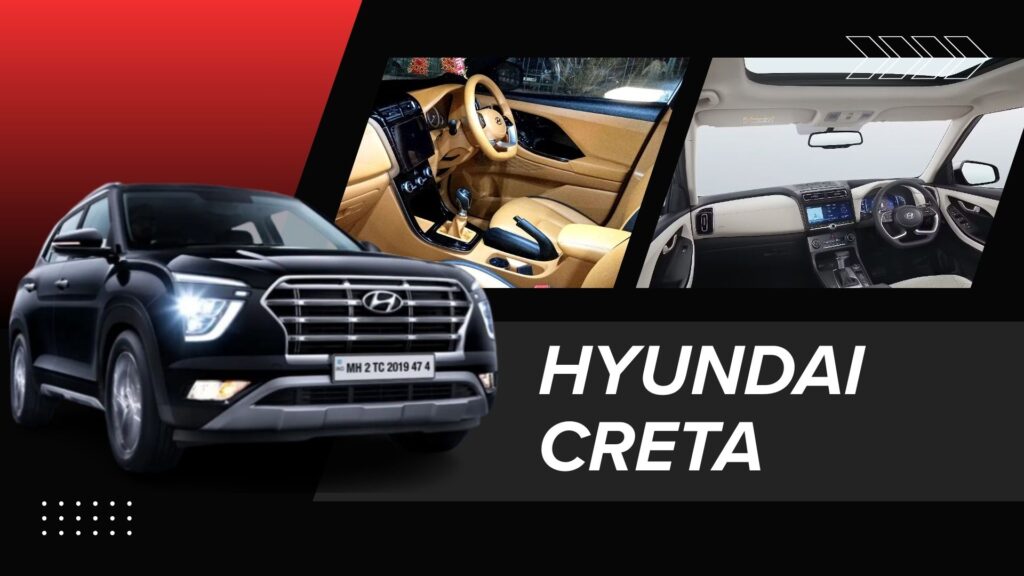
2. Hyundai Creta

Starting price: Rs. 11 Lakh

The Price of Hyundai Creta is depending upon the variants of the car which can raise up to Rs 20 Lakh. It offers Level 2 ADAS technology within its mid-range variants. 

Hyundai Creta mid-size SUV with ADAS technology

Image credit: Hyundai Creta

Features of Hyundai Creta

Category Feature Details
Engine Options 1.5L MPi Petrol, 1.5L Turbo Petrol, 1.5L Diesel
Power 113-157 bhp
Torque 143-253 Nm
Transmission 6-speed Manual, CVT, Automatic
Drive Type FWD
Mileage (ARAI) 17 – 21 kmpl
Ground Clearance 190 mm

Read More :- Toyota RAV4 vs Honda CR-V: The Ultimate SUV Battle of 2025

3. MG Astor

Starting Price: 10 Lakh

MG Astor : The price can go high with different variants, valued around Rs. 18 Lakh. Astor comes with Level 2 ADAS, making it the most affordable car in India. It not just offers advanced features but is also known for its technology and stylish interior.

MG Astor compact SUV with Level 2 ADAS

Image credit: MG Motor

Features of MG Astor

Category Feature
Engine Options 1.5L Petrol MT/CVT, 1.3 Turbo AT
Transmission Manual, Automatic (CVT & AT)
Mileage (ARAI) 14.8–15.4 kmpl
Seating Capacity 5
Infotainment Dual 10.25” displays (instrument + media)

4. Kia Seltos

Starting Price: Rs. 10 Lakh 

The price varies on the variant, going up around Rs. 20 Lakh. Kia Seltos also offers Level 2 ADAS for self-driving with 19 features included. It is well-known for its strong performance and advanced features.

Kia Seltos SUV with advanced ADAS features

Image credit: Kia

Category Features
Engine 1.5L Petrol / Diesel
Power 157 bhp
Transmission 6-speed manual / CVT / 7-speed DCT
Drive Type  FWD
Mileage 19.1 kmpl

5. Tata Harrier

Starting Price: 15 Lakh

Tata Harrier price can go higher around Rs. 24 Lakh. It offers a camera-based ADAS system, making flagship SUV for safe driving. The premium gives an incredible experience in both diesel and automatic variants, ideal for families with its stability and comfort. 

Tata Harrier flagship SUV with camera-based ADAS

Image Credit: TataMotors

Features of Tata Harrier

Category Features
Engine 2.0L Diesel
Power 170 PS
Transmission 6-speed manual / 6-speed automatic
Drive Modes  City, Sports, Rough
Mileage 16.8 kmpl

City-Wise Best Picks for Self-Drive Cars

Most of the people prefer cars that can be easily adapted in their cities. Mid-size cars are perfect for some cities but compact SUVs are more convenient for rush cities. 

Tata Harrier and Kia Seltos are considered as the best self drive cars in Bangalore. These are the most running SUVs on the tech city roads because it offers both comfort and stability, handles Bangalore traffic and weekends gateways easily.

The XUV700 and Hyundai Creta are best self drive cars in Hyderabad for daily commutes, even people prefer these cars as best self drive car rentals in Hyderabad. These spacious and powerful SUVs are perfect for road trips.

Narrow roads of Guwahati demanded compact SUVs like MG Astor. This is the best self drive car in Guwahati which offers compact and fuel efficient SUV. 

Conclusion

In 2025, best self-driving cars in India  are required to handle the rush and bitter roads which can cause accidents easily. These vehicles are useful for India to prevent accidents. These self-driving cars are becoming common due to their advanced safety features in both metro cities and normal cities.