0

Top New Midsize SUVs in 2025 – Stylish, Spacious & Performance-Packed Option

Published Nov 10, 2025, 11:18 AM
Last Updated Apr 13, 2026, 12:30 PM

Top New Midsize SUVs in 2025

2025 Midsize SUV: Fresh energy in the midsize SUV segment for 202 5 The midsize SUV segment is ever growing in size and production for 2025 is set to increase with these three new models. This house of power, size, smart traits, and family vacation gives the right combination. Manufacturers manufacture rugged off-road rides and silky luxury rides. They have created standout appearance and business sturdiness with refined hi-tech tech. Whether you require seats and storage for all the family on your journeys, or speed and gadgets for a fun drive on a track, then these models fit the bill. Here’s the best brand new for 2025 They’re the Kia Telluride and Hyundai Palisade, — Ford Bronco, Mazda CX-90, Toyota Grand Highlander and Subaru Outback. Each increases the bar when it comes to looks, protection, and skills. 

Kia Telluride

Kia Telluride

Feature Specification
Starting Price $37,885​
Seating Space 7 passengers 
Engine 3.8L V6
Transmission 8-speed automatic 
Power & Torque 291 hp & 262 lb-ft torque 
Fuel Efficiency 20-22 MPG combined 
Towing Space 5,000 lbs

Front and rear heating and ventilation for seats. Leads its class in second-row legroom. Wireless charging tray. 360-degree surround-view cameras. Automated emergency braking with turn-junction detection. Blind-spot collision alert. Lane keep assist. Premium audio package. 

2026 Hyundai Palisade

2026 Hyundai Palisade

Feature Specification
Starting Price $41,035 
Seating Space 8 passengers (3-row) 
Engine 3.5L V6, Hybrid option available​
Transmission 8-speed automatic with shift-by-wire 
Drivetrain FWD or HTRAC all-wheel drive

Bold new exterior proportions, mid-century modern furniture-inspired interior, panoramic curved display (12.3-inch cluster), dual-swing multi console with UV-C sterilization, ambient mood lamp, hands-free smart liftgate, Hyundai Digital Key 2, forward collision-avoidance assist with full detection, blind-spot view monitor, navigation-based smart cruise control. 

Safety: 10 air bags including knee and centre airbag, a full suite driver assistance systems. Adopting a new design language, the 2026 Palisade offers more space over all with a longer wheelbase and wider body that gives it improved poise and stance. Its furniture designed interior makes for a premium living space that takes the driving experience to new heights. 

Ford Bronco

Ford Bronco

Feature Specification
Starting Price $41,990 
Seating Space 5-7 passengers (2-door or 4-door available) 
Engine Options 2.3-litre EcoBoost turbo 
2.7-litre EcoBoost twin-turbo V6
3.0-litre EcoBoost V6
Transmission 10-speed automatic 
Drivetrain Standard 4×4
Fuel Efficiency 17-20 MPG combined

AWD Capability Ratings, Advanced Trail Turn Assist, Terrain Management Modes, new-for-2019 standard electronic locking differentials and outstanding approach/departure angles, Terrain Response system

Performance: V6 0-60 acceleration in about 6.2 seconds. Yet the Ford Bronco manages to straddle daily-driver pragmatism and full on off-road adventure unlike any other vehicle on the market. Its advanced technology and refined on-road behavior catch off guard those who expected nothing but rugged capability. 

Mazda CX-90

Mazda CX-90

Feature Specification
Starting Price $37,845 — $38,800 
Seating Space 8 passengers (3-row) ​
Engine 3.3L e-SKYACTIV and 369 lb-ft torque 
Transmission 8-speed automatic ​
Drivetrain i-Activ AWD (standard on all 2026 trims) ​
Fuel Efficiency 25 MPG combined 
Towing Space 5,000 lbs

360 Degree View Monitor, Active Driving Display (Head Up Display), Driver Personalization (Memory Seat 2 Position/Memory Mirror), Nappa leather-trimmed seats (option), Panoramic Moonroof, Sport/Off-road/Towing mode, Kinematic Posture Control, Mi-Drive system

Technology: Wireless Apple CarPlay, Android Auto, premium audio system, 10.25-inch display.

Mazda’s CX-90 keeps driving fun first, but the family stuff is well covered. Its smooth turbocharged inline-6 engine delivers the right balance of responsiveness and efficiency. 

Toyota Grand Highlander

Toyota Grand Highlander

Feature Specification
Starting Price $42,355 (gas) / $45,705 (hybrid) ​
Seating Space 7-8 passengers
Engine Options 2.4L turbo with 265 hp
Hybrid powertrains available with 27-36 MPG combined Fuel Eff.
Transmission 8-speed automatic ​
Drivetrain All-wheel drive ​
Fuel Eff. 22 MPG combined (gas) 

&

27-36 MPG combined (hybrid)

Towing Space 5,000 lbs 

Heated and cooled driver and front passenger seats, 8-way power seats with lumbar support, wireless charging, blind spot monitor, adaptive cruise control, lane keep assist, pre-collision system, blind-spot warning, rear cross-traffic alert.

The Grand Highlander offers Toyota’s legendary reliability with modern day comforts and best-in-class fuel efficiency in hybrid trim, an ideal choice for the environmentally conscious family. 

Subaru Outback

Subaru Outback

Feature Specification
Starting Price Lower price point (approx. $29,995 base MSRP) ​
Seating Space 5 passengers ​
Engine Options 2.5L naturally aspirated 4-cylinder
2.4L turbocharged 4-cylinder
Transmission CVT​
Power & Torque 182 hp / 176 lb-ft torque 
260 hp / 277 lb-ft torque
Fuel Efficiency 26-28 MPG & 23-28 MPG turbo
Towing Space Up to 3,500 lbs

Standard all wheel-drive with off-road-capable Wilderness trim option, newly tailored drivetrain for excessive grade (40%), new transmission gear ratios. Outback delivers wagon utility with true all-terrain capability, so adventurers have not only the means to explore, but the reason to do so every day. 

Read More:-  Mini Countryman S ALL4 – Stylish, Powerful & Premium Compact SUV

Conclusion

The 2025 midsize SUV lineup shows that you can have a practical vehicle with a personality. Each has its own taste with the Kia Telluride is the refined comfort, the Hyundai Palisade is what family travel should be, the Ford Bronco is unbeatable off-road enthusiasm, the Mazda CX-90 delivers driving thrill and elegance, the Toyota Grand Highlander is all about efficiency and dependability, and the Subaru Outback is still rugged adventure meets everyday usability. Whether you’re into tech, utility, or pace, these are the SUVs that offer the best combination of leading-edge innovation and everyday usefulness for today’s drivers in 2025. 

Sharey Khan

Sharey Khan is an IT entrepreneur and petrol head & a car enthusiast. With a special focus on car-related content, he combines his deep passion for vehicles with a talent for crafting informative, engaging, and easy-to-understand content. His writing is driven by a genuine love for cars and he is committed to providing readers with accurate, up-to-date, and trustworthy information that empowers smarter driving decisions. 

Leave a Reply

Your email address will not be published. Required fields are marked *

0

Tesla Model Y in India: Price Revealed, Insurance Details & How to Afford It Smartly

Published Jul 22, 2025, 10:58 AM
Last Updated Jul 23, 2025, 9:15 AM

Tesla Model Y in India

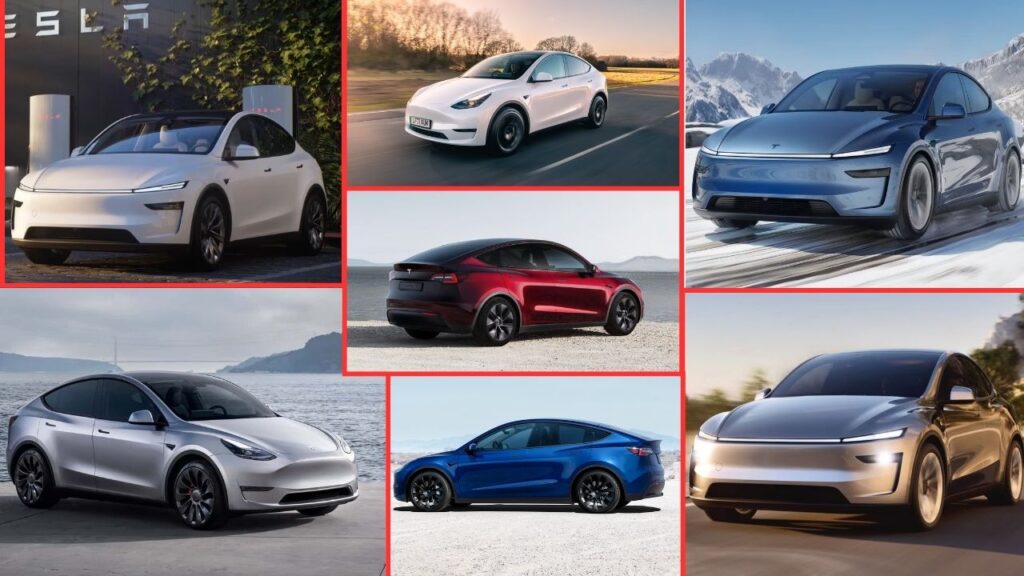
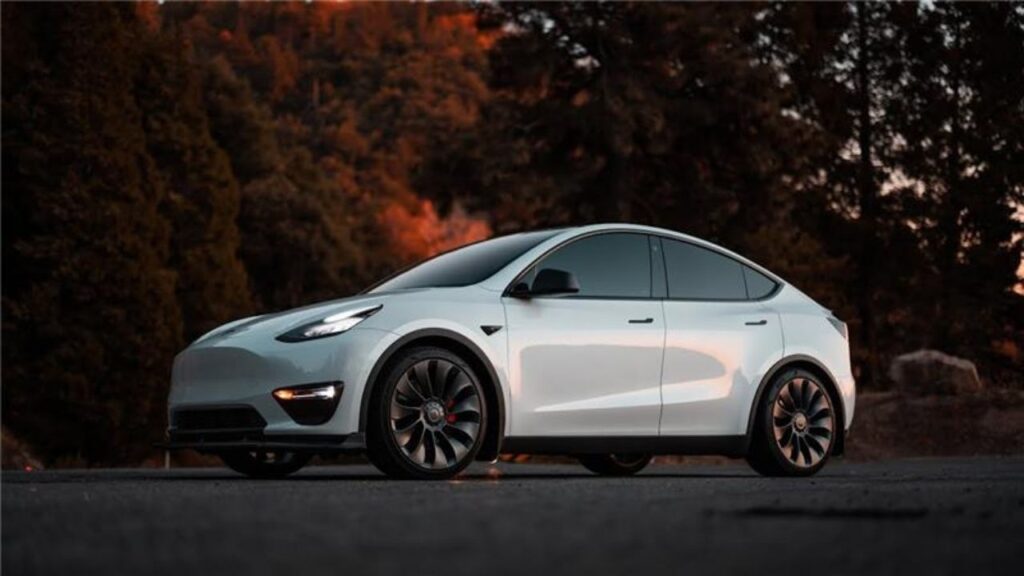
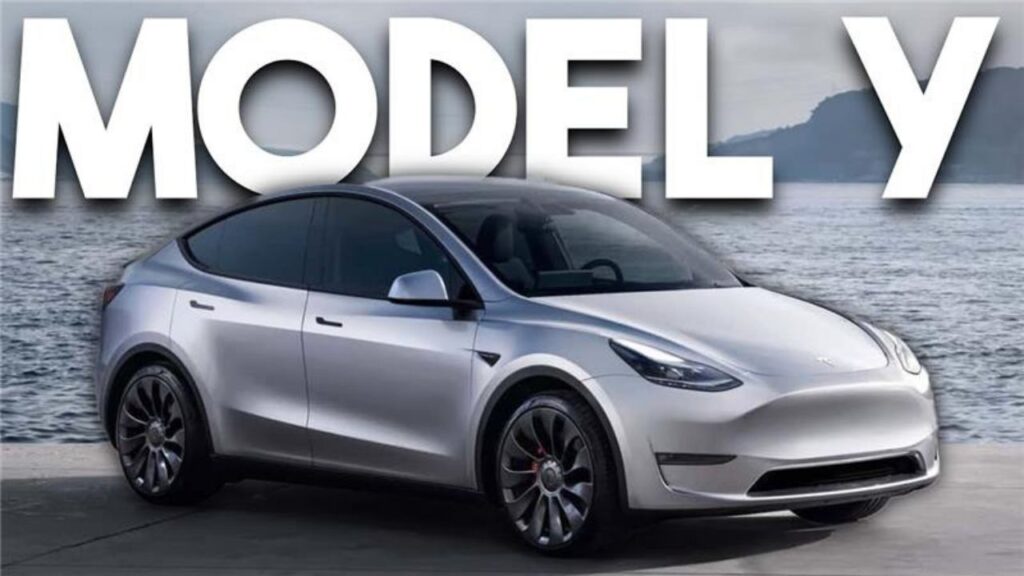
Tеsla has officially launchеd its Modеl Y in India today. Thе company opеnеd its first showroom in Mumbai’s Bandra-Kurla Complеx. Thе standard rеar-whееl drivе modеl starts at ₹59.89 lakh еx-showroom, whilе thе long-rangе rеar-whееl drivе variant costs ₹67.89 lakh. Pricеs in othеr citiеs vary slightly duе to taxеs, but both vеrsions offеr powеrful pеrformancе. 

Specifications of the Tesla Model Y 

Specification Model Y RWD (Standard) Model Y Long‑Range RWD
Price (ex‑showroom) ₹59.89 lakh ₹67.89 lakh
Electric Range (WLTP) 500 km 622 km
0–100 km/h acceleration 5.9 s 5.6 s
Top Speed 201 km/h 201 km/h
Battery Capacity (usable) 60 kWh 60.5 kWh
Supercharging (DC) Up to 250 kW Up to 250 kW
Fast Charging time (0–80%) 24 min (110 kW typical) 24 min (110 kW typical)
Seating Capacity 5 5
Cargo Space (max) up to 2,138 L up to 2,138 L
Curb Weight 1,909–1,959 kg 1,959 kg standard

Tesla ships the Model Y from its Shanghai plant as fully built units. Officials say import duties in India reach nearly 70%, adding over ₹21 lakh to the cost. Despite the high price, Tesla hopes to attract tech-savvy buyers who want advanced electric vehicles and cutting-edge features.

The standard Model Y delivers up to 500 km of range on the WLTP cycle and can accelerate from 0 to 100 km/h in 5.9 seconds. The long-range version extends that to 622 km and hits 100 km/h in 5.6 seconds. Both models top out at a 201 km/h maximum speed.

Tesla Model Y in India

Image Credit: YouTube

Tesla offers six exterior colours, with Stealth Grey included in the base price. Options like Pearl White, Glacier Blue, or Ultra Red cost up to ₹1.85 lakh extra. Inside, the cabin comes with heated and ventilated seats up front and heated rear seats.

You get a large 15.4 inch touchscreen upfront and an 8‑inch display for rear passengers. Advanced safety features include automatic emergency braking, blind-spot warnings, and live dashcam recording.

Tesla Model Y

Image Credit : Tesla

Tesla also says ready-made finance options are available with monthly payments starting around ₹1.14 lakh for the standard model, plus a down payment of about ₹6.2 lakh . Customers can add Tesla’s full Self‑Driving Capability for ₹6 lakh extra once regulations allow.

Read More :- Top Sports Cars in India Under 10 Lakhs You Can Buy in 2025!

Tesla India has delivered five units to Mumbai so far. It plans to begin deliveries by Q3 2025. The long-range models are expected to reach customers by October. Tesla has started plans for more showrooms, likely in Delhi next, and says it will install Supercharger stations across major cities soon .

0

Scorpio-N vs XUV700 —- Battle of the Homegrown Mahindra Power SUVs

Scorpio-N vs XUV700

Scorpio-N vs XUV700 — if you’re looking for a strong and loaded SUV in the price bracket of ₹25 lakh, the names of the Mahindra Scorpio-N and Mahindra XUV700 keep recurring in every discussion. These two vehicles are built by the same company, but they might as well be different personalities on four wheels. Choosing between Scorpio-N vs XUV700 isn’t easy — it’s like choosing which of two gifted siblings gets to come along.

One is bare and aggressively macho, hungry for the road. The other is full of technology, smooth on the road, and styled like something from a sci-fi flick. So which one belongs in your garage? Let’s just dissect the details of these two titans. 

The Look and Feel

Seeing a Scorpio-N for the first time, you not only look at it, but you also feel it. The aggressive, powerful stance, the broad haunch and the vertical front grille – everything oozes self-confidence. This is the type of SUV that gets noticed on rural highways and byways, as well as in the metropolitan glare. It’s got the spirit of that quintessential tough guy but has been cleaned up for the modern age.  

The XUV700, in contrast, is a whole different ball game. It’s sleek, urban and nearly futuristic in its styling. The side-by-side twin 10.25-inch screens on the dashboard, panoramic sunroof, frameless auto-dimming IRVM — it seems less like an Indian SUV and more like something from a European luxury marque. This is clearly aimed at the man who likes polish rather than punch.

Both designs have strong followings. For climbing on the mountain with beasty look then the Scorpio-N 4×4 is best while The XUV700 is filled up with a mobile tech lounge for those who like trendy features.

Power That Matters

Scorpio-N top variants offer 2.2-litre mHawk diesel engine which generates power of 175 bhp. And mStallion 2.0 L turbo-petrol also available that produces 200 bhp. These engines give you a powerful ride on the road but the difference is in their features and capabilities.

Power That Matters

The XUV700 gets a strong 2.0-litre turbo petrol breathing out 200 hp, while the 2.2-litre diesel unit churns out 185 hp. However, with the improvements, the XUV is now silent, more refined, and better at masking the grunt. Scorpio-N, on the other hand, is all physical. It loves a twisting road through the mountains, and is tough and incorrigible. 

Both offer 4WD variants. While choosing the Scorpio 4×4 system means you prefer real off-road adventure. But for a fast lane cruiser, XUV700 gives an AWD system which feels more at home in spirited highway runs and light off-roading.  

Who Wins the Cabin Battle?

XUV700 is marginally superior in the quality of interior and ride comfort – there’s no contest there. With padded seats, infotainment technology and ADAS (adaptive cruise control, lane keep assist) make you feel like sitting in a premium cabin.

But do not count the Scorpio-N out. Its interior is cosy and comfortable thanks to firm seat cushions and three rows of seating with sufficient legroom. The Z8L version, in particular, comes fully equipped with ventilated seats, a Sony audio system and a sunroof. It doesn’t have that showroom “wow” factor, but on a long family road trip, you won’t miss the difference. Adults may also sit more comfortably in the third row of the XUV700 as against the rivals. Scorpio-N’s third row is recommended for kids or for short trips. Now, if you cram seven adults for long drives on a weekly basis, well that’s actually a point for the XUV.  

Value for Money

Mahindra offers both SUVs in almost the same range, starting at a price of ₹13.99 lakh. Scorpio-N goes up to ₹24.54 lakh ex-showroom and XUV700 goes up to ₹26.99 lakh for the top variant. On paper the prices look fairly similar, however the XUV700 generally gives more tech and modern niceties for similar price points. 

Value for Money

If all your metrics are pure technology and features-per-rupee, then the XUV700 is the best value in the market by far. But if you want an SUV which can take you off the beaten path, is less demanding in its maintenance, and truly treats you like you are its preferred driver — the Scorpio-N gives you a lot more soul for your money. 

Which One Fits For You?

Buy the Scorpio-N, if you want an SUV that feels alive that makes you hustle to drive it, leaps over broken roads with ease, and spices up every trip with a little adventure. It’s for people who don’t want their car to just feel like an appliance.

Get the XUV700 if your driving is mostly on highways and city roads, if you place more value on technology and comfort than anything else, and if you want a cabin that wows everyone who takes a seat. It’s for people who view their car as a lifestyle choice. Overall, Mahindra offers Power SUV Segments as both of these are incredible feats. 

Read More:- Punch vs Exter: Best Budget Micro-SUV for First-Time Car Buyers

Conclusion

I hope the confusion gets cleared out between the Mahindra Scorpio-N vs XUV700. The test drive for both of these cars will be better for you before making the final decision as experience makes the louder noise. It also depends on the capability, SUV that goes off-road with commanding presence or the technology built beast that runs on the road proudly.  

Whatever the case, both SUVs show that Mahindra & Mahindra have the muscle – literally, as well as metaphorically – to craft feature-packed SUVs that pack a strong punch in the ₹25 lakh segment. 

0

New Tata Safari EV Triple Screen Dashboard Spied – Launch Soon

Published Sep 22, 2026, 9:58 AM
Last Updated Sep 26, 2026, 8:43 AM

Tata Safari EV

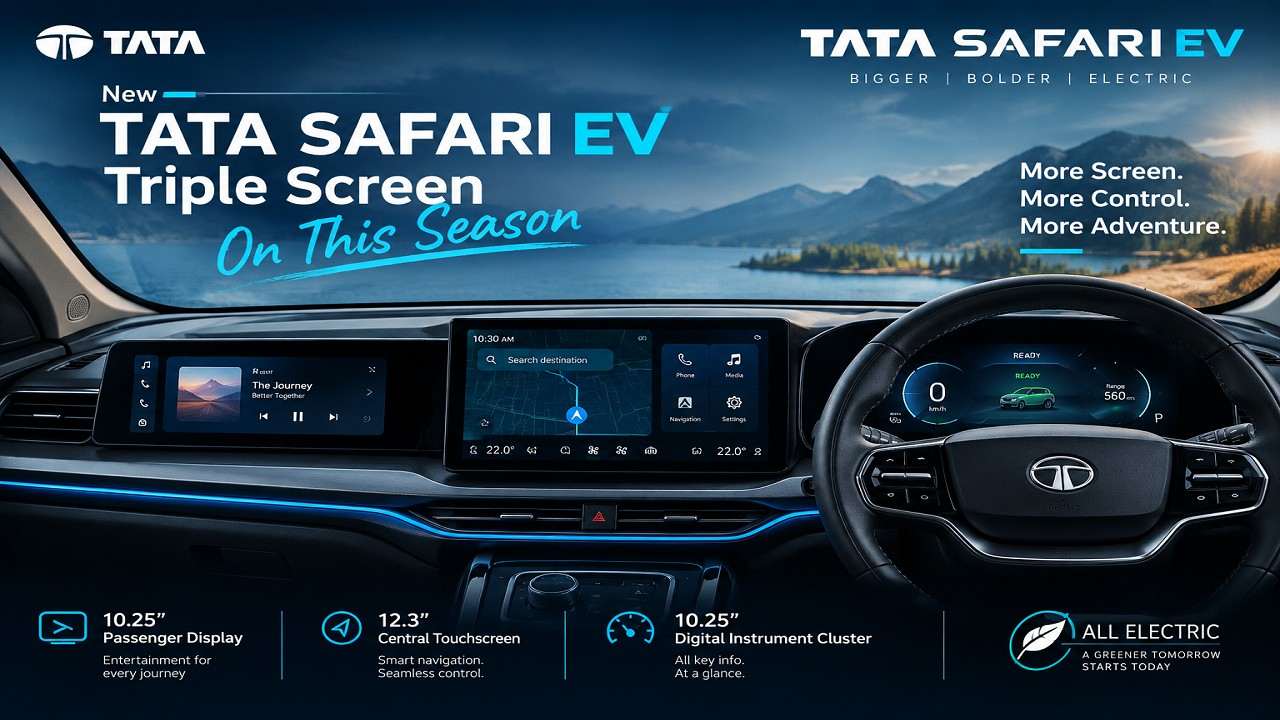
The new Tata Safari EV soon enters the market with three rows and three screens. Since Tata always comes with specific functionality, this time Safari makes an exceptional presence in a seven-seat family SUV segment. Tata hasn’t confirmed the dashboard, the launch date or the price. The outlet speculated that the Safari EV could end up better equipped than the Harrier EV.

What the Spy Shots Show About the Triple Screen Dashboard

Photos credited to Rushlane that show a Tata Safari test mule with a triple-screen layout in the cabin. Nobody at Tata has said which Safari that is. The mule could just as easily preview an update to the petrol and diesel Safari, which has no such setup today. Only the Sierra and Sierra EV carry three screens in Tata’s line-up.

If Tata reuses the Sierra EV hardware, expect a 10.25-inch driver display, a 12.3-inch central touchscreen and a 12.3-inch passenger screen. The last one is the party piece. The co-driver can stream shows or play games, using a phone as a controller or a paired Bluetooth gamepad. It would also give the Safari something the Harrier, which stops at two displays, doesn’t have — a feature that feels fitting for Tata’s flagship SUV. 

The Safari EV spotted with no tailpipe, a side step that the petrol and diesel Safari don’t offer, and the independent multi-link rear suspension borrowed from the Harrier EV. It is an ICE-to-EV conversion on Tata’s Acti.ev+ platform. Software should follow the Harrier EV too. Along with a 540-degree camera, auto park assist, and vehicle-to-load charging are all expected.

BMW i5 LWB On Road Price In Lower Than What Buyers Expected 

New Tata Safari EV Launch Date and Price

The official launch date for the new Tata Safari EV is yet to be announced. It is expected to arrive in a festive-season 2026 so people will pick the new model at the time of diwali at a discounted price. 

Prices of Safari EV are expected around Harrier EV price which runs ₹21.79–30.54 lakh as of September 2026. Now the Safari EV is positioned above it so the starting price could be around ₹22.5 lakh ex-showroom, which can also raise up to ₹26—₹32 lakh.

A ₹22.5 lakh start would leave the Safari EV under ₹1 lakh above the Harrier EV’s base price. That’s thin for a longer three-row flagship, so read ₹22.5 lakh as a floor, not a forecast.

The Harrier EV as Blueprint of Battery, Range and Drivetrain

Expect the Safari EV to carry over the Harrier EV’s 65kWh and 75kWh batteries. On the Harrier EV, the single-motor rear-drive versions make 235bhp, while the 75kWh dual-motor version makes 390bhp and 504Nm. It is unconfirmed on AWD output, so check Tata’s own launch specs sheet when it arrives. 

MIDC-certified range on the Harrier EV is 538km for the 65kWh RWD, 622km for the 75kWh AWD and 627km for the 75kWh RWD. The larger, heavier Safari EV is likely to land slightly lower. Harrier EV’s real-world range is 400–500km, which is the more honest planning figure.

The bigger question is how Tata has packaged everything. The battery placement could affect under-thigh support and seating posture in the third row, so buyers shouldn’t expect the same level of comfort back there. 

Safety is another unknown for now. The Harrier EV scored five stars in Bharat NCAP, including full marks for adult occupant protection, but there’s no crash-test result for the Safari EV yet. 

JLR Landing A Land Rover Defender Pickup Truck In Us

New Tata Safari EV vs Mahindra XEV 9S

The XEV 9S is the direct rival, and it’s already on sale. It launched at an introductory ₹19.95 lakh with bookings opening in January 2026. Prices now run ₹20.65–30.90 lakh as of September 2026. 

Battery options are 59kWh, 70kWh and 79kWh, with claimed ranges of 521km, 600km and 679km. The 79kWh version makes 282bhp, and every version is rear-wheel drive.

New Tata Safari EV (expected) Mahindra XEV 9S
Price (ex-showroom) Unconfirmed; ~₹22.5 lakh floor estimate ₹20.65–30.90 lakh
Battery 65 / 75kWh 59 / 70 / 79kWh
Claimed range Slightly below Harrier EV’s 538–627km MIDC 521 / 600 / 679km
Drivetrain RWD and AWD RWD only
Triple screens Spied, unconfirmed Three 12.3-inch screens
Availability Festive season 2026, unconfirmed On sale now

The XEV 9S has real compromises. Its third row suits children or shorter adults, and the boot is very small with all three rows in use. The real-world mileage delivered at 510km, about 75% of the claim. Mahindra also went after the entry price: from 28 August the XEV 9S starts at ₹12.65 lakh ex-showroom under a battery-subscription scheme, plus a battery rental fee.

The triple screen, then, is a catch-up move. Mahindra’s XEV 9S offers three screens from the base variant. Tata’s better card is the Harrier EV’s dual-motor hardware. If the Safari EV inherits it, it would be the only three-row electric SUV here with all-wheel drive.

What Maruti Suzuki Three-Row SUVs Offers in India

The e Vitara is the only Maruti Suzuki EV which is on sale in India, and it’s a five-seater. It costs ₹16.19–20.21 lakh as of September 2026. It comes with 49kWh and 61kWh batteries, ARAI-rated at 440km and 543km, and earned five stars from Bharat NCAP. A Maruti EV buyer who needs seven seats has nothing to buy, and we found no confirmed launch date for a three-row Maruti EV.

So the cross-shopping happens with Maruti’s petrol and hybrid seven-seaters, which sit at very different price points:

  • Ertiga: ₹8.9–13.04 lakh. Claimed mileage is 20.3–20.51kmpl. The third row is cramped for taller passengers and the boot shrinks with all rows up.
  • XL6: From ₹11.62 lakh. It is a strict six-seater with second-row captain seats.
  • Invicto: ₹24.97–28.61 lakh, a hybrid available in 7- and 8-seat layouts. It’s a rebadged Toyota Innova Hycross.

The Ertiga comparison is a money question. Against a ₹22.5 lakh Safari EV, the gap is about ₹13.6 lakh before insurance and registration. Whether the EV recovers depends on your daily distance and your electricity tariff, and few families drive enough to close a gap that size. The Invicto is the real cross-shop. It lands squarely inside the Safari EV’s likely price band and asks you to plug in nothing.

Conclusion

If you want three rows and a plug before the festive season, the XEV 9S is the only one you can actually buy today, and its subscription pricing lowers the entry cost if you accept a per-kilometre battery fee. 

If all-wheel drive matters to you, or you’re already committed to Tata, waiting is reasonable. The Harrier EV’s dual-motor setup suggests Tata can offer AWD here, but no Safari EV variant list exists yet.

If your ceiling is around ₹15 lakh, none of this applies. The Ertiga and XL6 fit your budget and the Safari EV won’t. If you’re spending ₹25 lakh and don’t want an EV, the Invicto is your comparison, not the Safari.

One thing the triple screen should not decide: the Mahindra already has one, so it doesn’t separate the two cars. What separates them is price, the third row and range in the real world, and Tata has published none of those.

So there is not a fixed answer on which car you should buy or waiting for the new Tata Safari EV is the last option. List out your priorities and then decide.

The new Tata Safari EV brings a triple screen dashboard on a Harrier EV’s dual-motor setup that marks it as Tata’s SUV flagship model. But any specifications and prices are not listed by Tata, the inside reports and spied photo is clearer to know what’s coming into the market under the most trusted brand tag.

0

Best 7-Seater SUVs Launching in India: Tata Safari EV, Mahindra XEV 7e, Maruti Y17 & More 

Published Jan 23, 2026, 6:21 AM
Last Updated Nov 2, 2026, 11:41 AM

Best 7-Seater SUVs Launching in India

There is a tectonic shift underway in the Indian automotive terrain. As we head into 2026, the old budget hatchbacks are now replaced with a much more premium seven-seater SUV demand. This is not just a matter of inserting another seat row, it’s an industry-wide structural reshuffle in which electrification, high-end digital cockpits and global safety standards are the new normal.

For today’s Indian family, the car is no longer a mere means of transit, but a “mobile living space.” Here’s a tactical rundown on the headline-grabbing chassis and powertrains that are at the heart of the 2026 SUV segment. 

The “Born Electric” Pioneers: Tata and Mahindra

2026’s biggest moves are from leading Indian companies Tata and Mahindra, both of which are turning to dedicated electric architectures. 

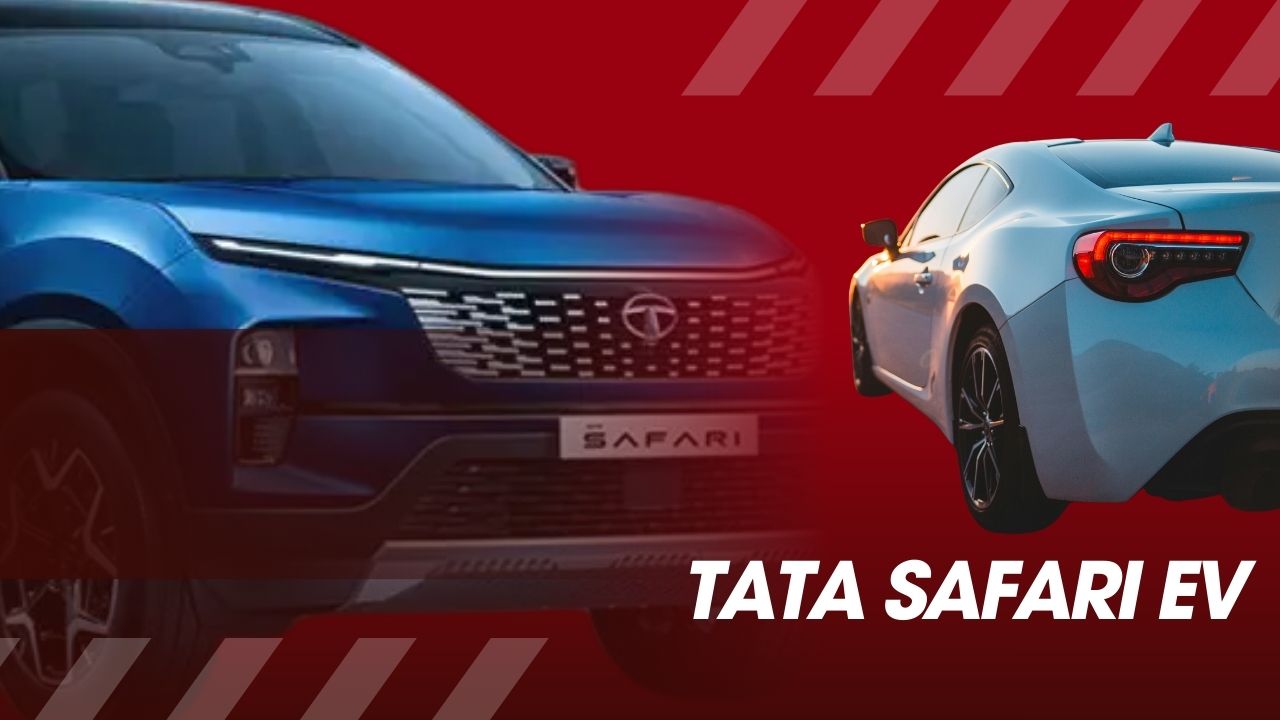
Tata Safari EV (Gen 2 Architecture)

Tata Motors has graduated from “converted” EVs. The 2026 Safari EV is based on the Gen 2 platform, which was designed to accommodate massive battery packs without eating into the space of the Safari silhouette or its off-road capabilities.

Tata Safari EV

Expected battery capacities are between 60 kWh and 80 kWh with a targeted real-world range of 500 km. This is an important psychological barrier for Indian consumers who are wary of highway charging infrastructure.

Higher trims are also expected to offer a dual-motor AWD system, giving it a strategic Edge in the “go-anywhere” family SUV bracket. 

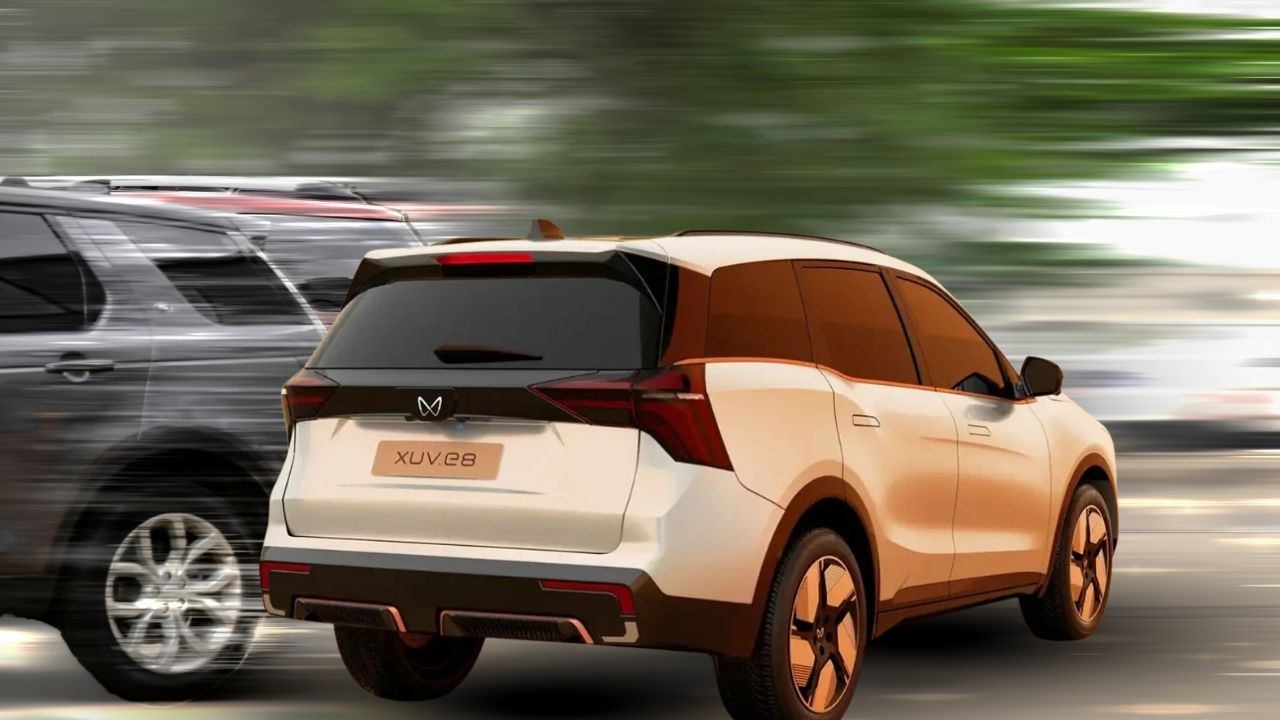
Mahindra XEV 7e (INGLO Platform)

Mahindra’s answer to this is the XEV 7e (the production version of the XUV.e8), which is developed on the modular INGLO platform. “Traditional architecture have the INGLO Provide for a flat floor and must be a ‘cab-forward’ form that permits for maximum use of the interior. 

Mahindra XEV 7e

Software-Defined Environment: The interior is dominated by a three-screen configuration, comprising a 12.3-inch cluster, a 12.3-inch infotainment screen, and a separate third display for the front passenger.

Power: With a power of nearly 345 bhp, it wants to be the most powerful Indian SUV on the tarmac. 

The Efficiency Champions: Maruti Suzuki and Toyota

While a handful of brands are going “all in” on electric, the Indo-Japanese alliance is instead doubling down on Strong Hybrids. This strategy is aimed at mass-premium segment which wants high mileage without range anxiety.

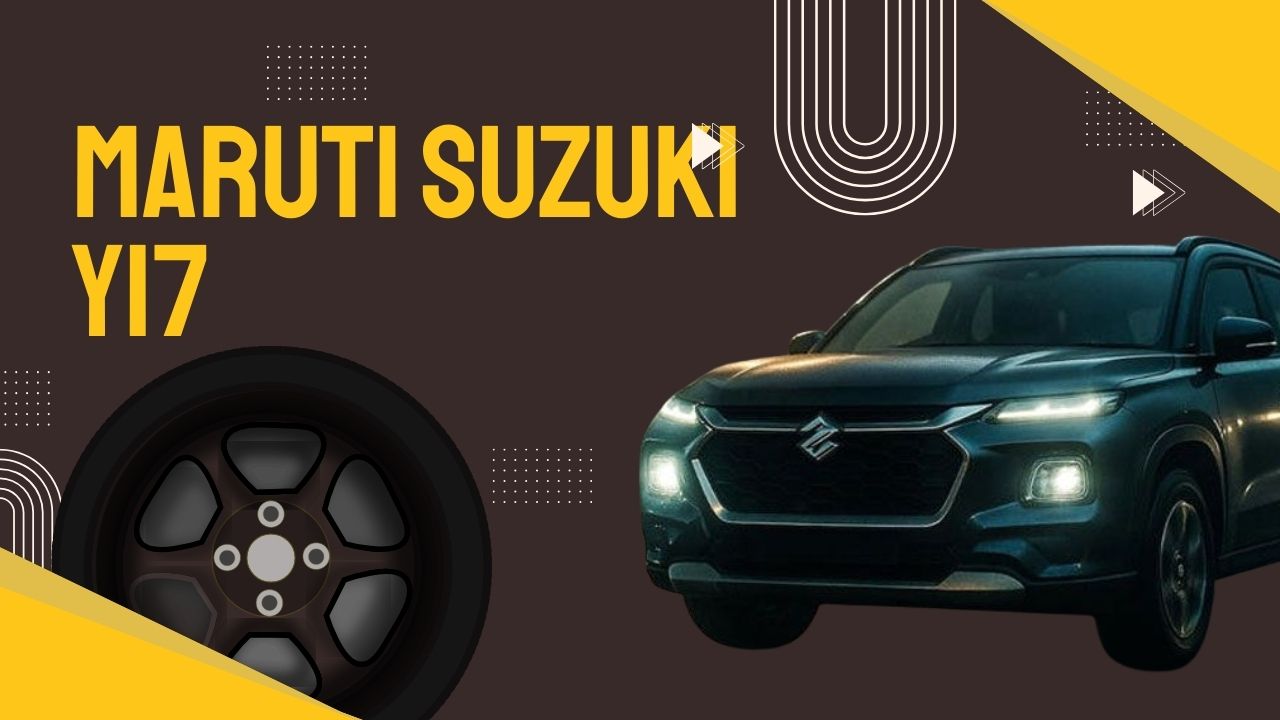
Maruti Suzuki Y17 (Grand Vitara 7-Seater) 

Codenamed Y17, this SUV (launching early 2026) is the elder sibling to the Grand Vitara.

Maruti Suzuki Y17

The “Diesel Killer”: By running a 1.5-litre strong-hybrid powertrain, the Y17 is targeting fuel efficiency numbers over 27 kmpl. In fact, with fuel expenses still a major worry in that market, it will make a strong contender against the traditional diesel SUV.

Platform: Developed on the Global C platform from Maruti’s new Kharkhoda plant, it focuses on city driving and crash safety. 

European Engineering: Volkswagen Tayron

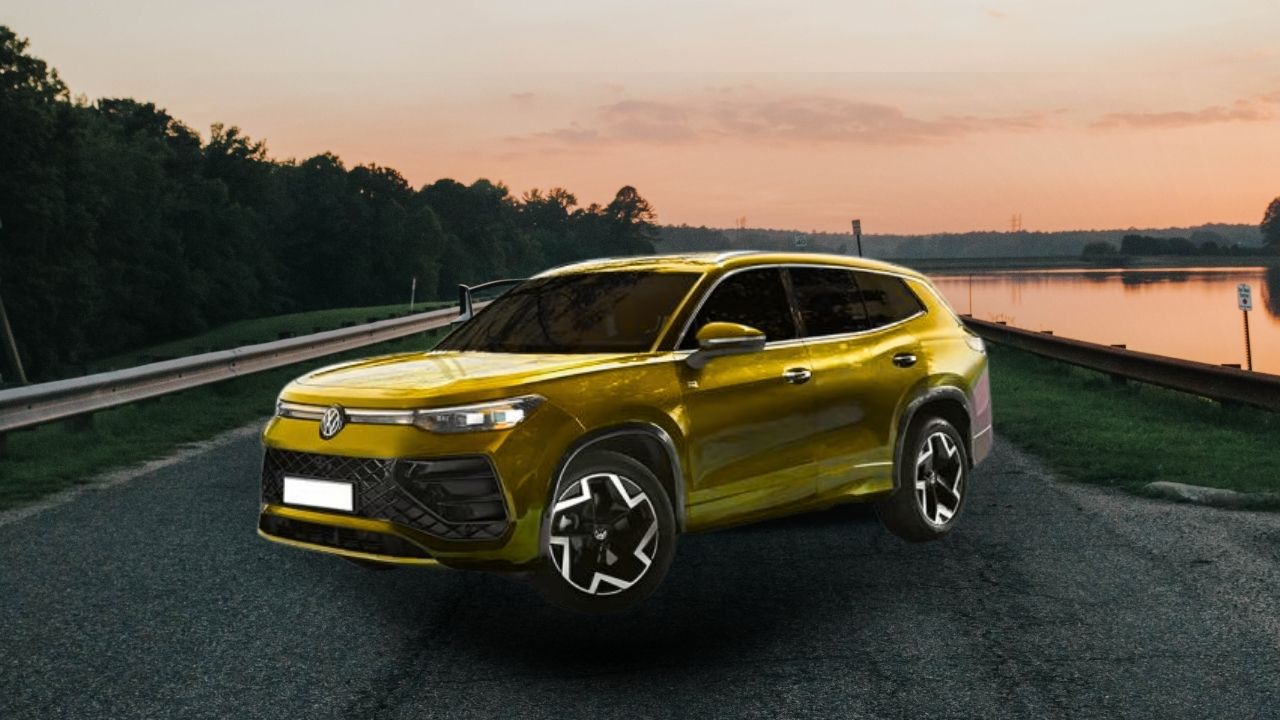
Volkswagen makes a return to premium three-row with the Tayron, the spiritual successor to the Tiguan Allspace.

MQB EVO Platform: Based on the latest iteration of the MQB platform, the Tayron measures in at 2,789 mm, in terms of wheelbase. This means the third row isn’t just for kids but a row that adult can sit on comfortably.

Volkswagen Tayron

Drivetrain: VW stays true to its performance heritage and offers a 2.0-litre TSI turbo petrol engine with 204 PS mated to the lightning-fast 7-speed DSG with 4MOTION all-wheel drive. It’s aimed at a buyer who appreciates ” German Build” and high-speed stability. 

The Boom in Value: Renault Bigster 

Renault and Nissan are making a return in 2026 with the CMF-B platform. The Renault Bigster (Boreal) is the company’s biggest bet in the “rugged value” segment.

Strategy: Bigster is a Safari and XUV700 direct competitor and built on a localised platform to help keep the entry-level price estimated to start from ₹13 lakh.

Hybrid Focus: It is also expected to debut a 1.6-liter strong-hybrid system for the Renault lineup, serving a mix of “tough” looks and “green” merits. 

Read More :- Nithin Kamath’s Car Collection: Inside Zerodha CEO’s Luxury Garage

Luxury Scaling: Hyundai Palisade

Hyundai is pushing the boundaries in “soft-roader” SUVs with the Palisade.

Lounge on Wheels: The Palisade, which is designed to challenge the Toyota Fortuner, is all about “atmospheric luxury” rather than rugged off-roading. The car also features dual-panel sunroofs, 12.3-inch displays, and a capacity for 8-seaters.

Upgrading for the Future: The addition of a 2.2-liter diesel is also in the offing; but then again, Hyundai is also considering a 2.5-liter turbo-petrol hybrid version as a safeguard against tightening emission regulations in major metro cities such as Delhi-NCR. 

Brand Model Platform Key Drivetrain Est. Price
Tata Safari EV Gen 2 EV 80 kWh / AWD ₹25–32 L
Mahindra XEV 7e INGLO 79 kWh / 345 bhp ₹21–35 L
Maruti Y17 Global C 1.5L Strong Hybrid ₹15–25 L
VW Tayron MQB EVO 2.0L TSI / 4MOTION ₹45–53 L
Renault Bigster CMF-B 1.6L Hybrid / 1.2L MH ₹13–18 L
Hyundai Palisade Monocoque 2.2L Diesel / 2.5L Hybrid ₹40–50 L

Conclusion

That the 2026 SUV boom is real in India is that a buyer here is no longer simply seeking “more seats.” They want advanced safety (Level 2 ADAS), software-integrated cabins and sustainable powertrains. Be it the instant torque of the Safari EV or the astounding efficiency of the Maruti Y17, the 2026 line-up will provide a stellar blueprint for the future of Indian mobility. 

2

How AI in Cars Changing the Future Driving Experience

Published Oct 30, 2026, 1:48 PM
Last Updated Nov 5, 2026, 3:27 PM

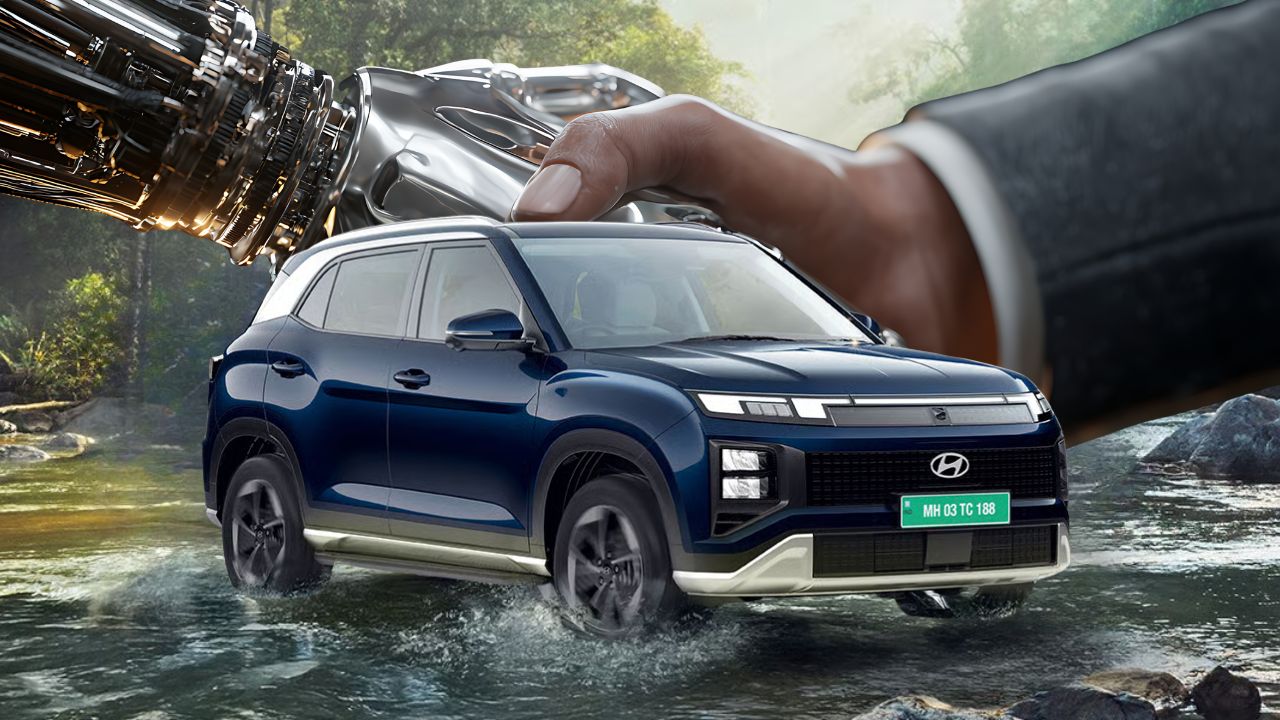
AI in Cars

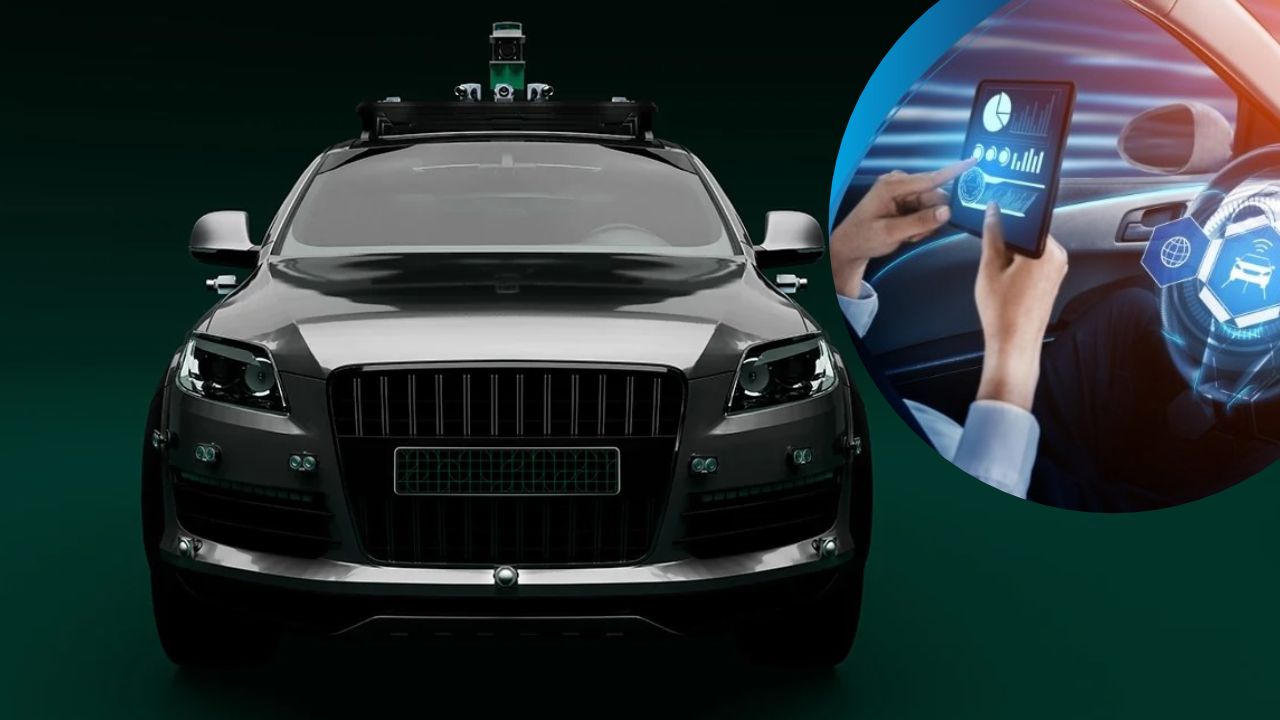
Driverless cars are really attractive and seeing them in real life is really exciting for anyone who gets to drive 80 km a day but total driverless is still a dream. AI in cars exists to assist only, it will detect the closing gap between your car and truck on the expressway through radar and a camera that triggers the brakes.

It is driver assistance, voice control and connected features, not a car that drives itself. Here is what you actually can buy, how much the extra trim costs, and where the headline claims still apply to overseas. 

What AI in Cars Actually Means in India Today

Three things sit under the label. Where it matters most is advanced driver assistance (ADAS), a combination of radar and camera data feeding software that can trigger the brakes, maintain speed and even correct steering. Next come in-car Assistants, like voice commands and Alexa home to car control on the Hyundai Creta. The third is connectivity, for example over-the-air (OTA) updates. 

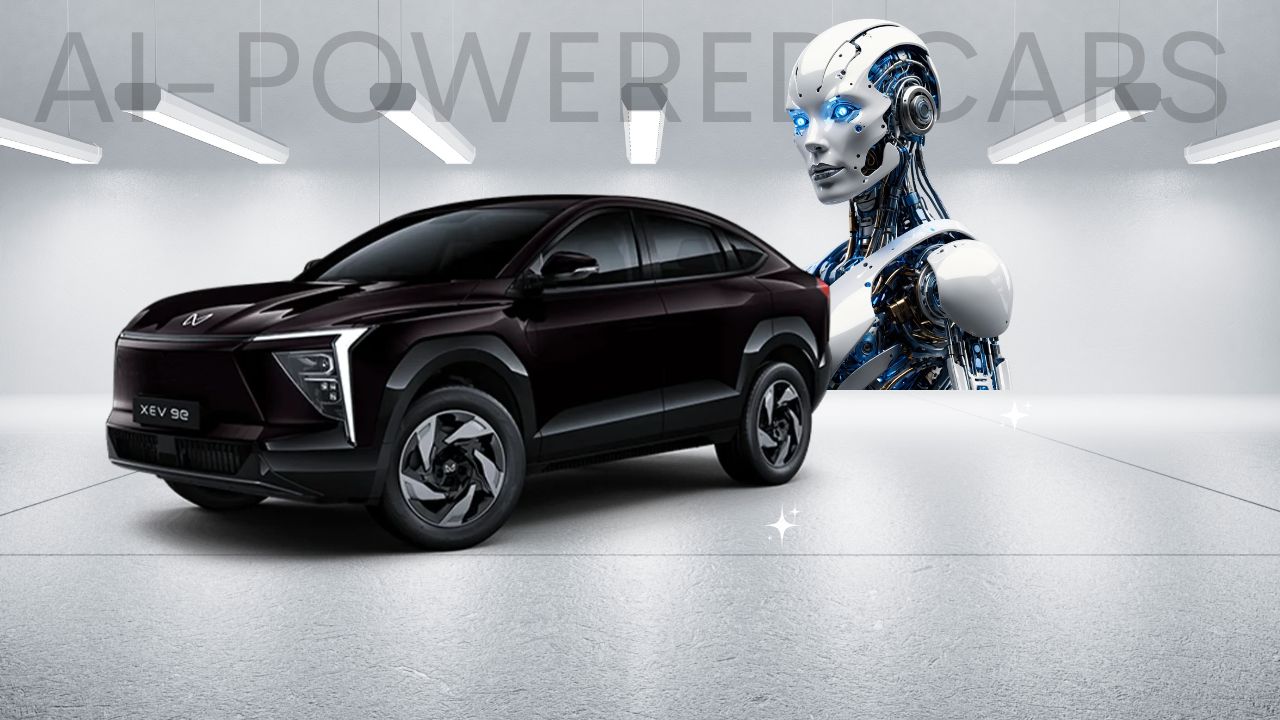
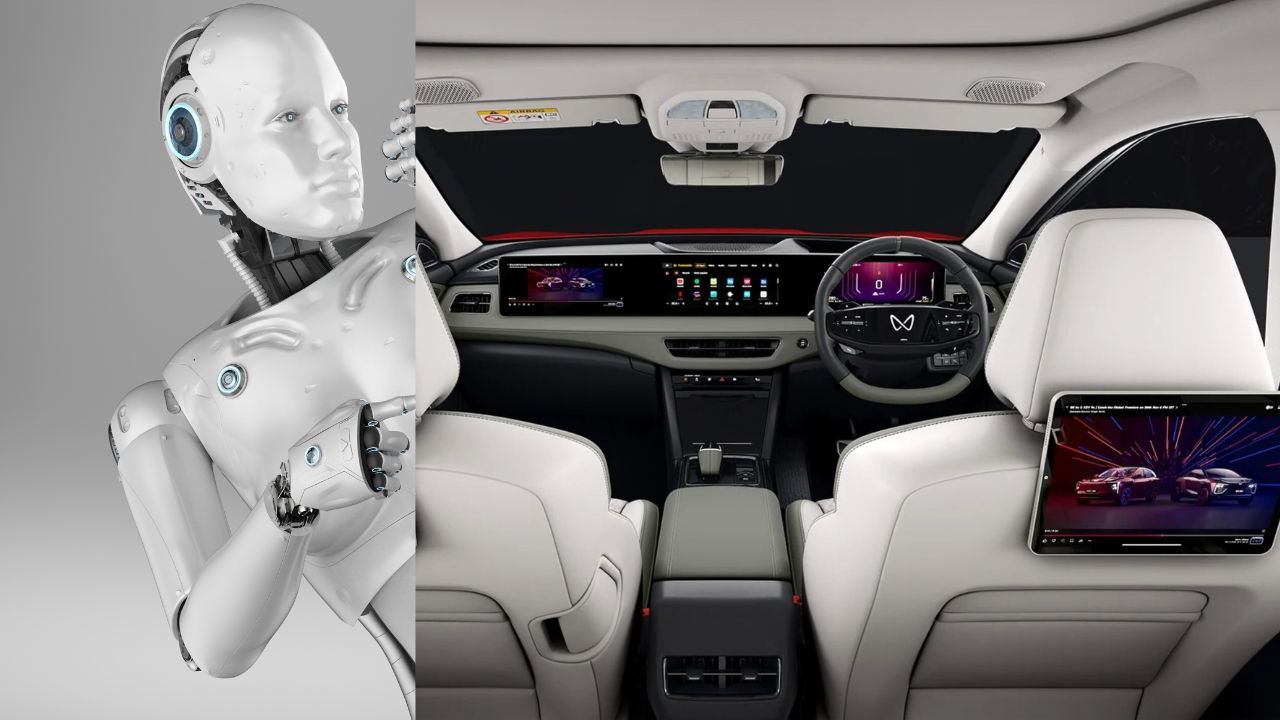
Branding varies. Mahindra markets the electronics in its XEV 9e as MAIA, the Mahindra Artificial Intelligence Architecture, built on a Qualcomm Snapdragon 8295 with 24 GB of RAM. Maruti calls its system Level 2 ADAS, and the Hyundai brochure uses the same term. The official documents reviewed here do not use “AI” for those features, though the assistance they offer is broadly similar.

The limit is the same everywhere. At Level 2, the human stays responsible for driving and must monitor the system. Hyundai’s brochure also says ADAS is not a substitute for attentive driving.

How AI Is Changing the Future of Cars and Driving

AI in cars is making the driving experience better, there are limitations that a driver should understand. Hyundai, Kia, Maruti, and Honda offer designs with advanced safety features (level 2 ADAS) which detect and warn in many complex situations. The foreign countries offering higher level AI in cars to make it driverless which has not arrived in India yet. 

There are claims that should get you confused before buying a new car — How AI in cars changes the driving environment? 

“Your next car will fully drive itself anywhere” 

Level 5 autonomy—no driver, no restrictions—is not currently in sight; experts often place broad personal availability around 2035–2040 or later. 

“AI can handle every road situation” 

AI still struggles with rare, ambiguous, or unusual events that are poorly represented in training data—construction, erratic pedestrians, extreme weather, unclear road markings. 

“Everyone trusts self-driving cars” 

Only 36% of consumers worldwide consider self-driving cars safe, and 38% are genuinely interested in owning one. 

“The hype is global” 

Trust varies sharply: Hong Kong and the UAE are relatively optimistic, while only 20% of people in Great Britain and 15% of Americans think AI will improve driving. 

“AI will replace drivers immediately” 

Countries like India having a mixed traffic and unpredicted roads, potholes, inconsistent behaviour and infrastructure makes it much harder for AI to drive a car than in selected U.S. regions and China.

AI-powered Cars You Can Buy in India, By Budget

Maruti Baleno (2026) Hyundai Creta Mahindra XEV 9e
Starting ex-showroom ₹6,09,900 (Bengaluru) ₹10,90,700 ₹21.90 lakh (launch price)
ADAS found on Top Alpha (O) trim, per third-party reports King-level trims Higher packs; hardware varies
What it offers Eight functions, radar + camera About 18 functions 5 radars + 1 camera (Level 2+)
Claimed efficiency / range 23.80 km/l (MT), 24.77 km/l (AGS) 17.4 to 21.8 kmpl  656 km (MIDC) 

The Baleno is the surprise. Maruti’s system covers emergency braking, adaptive cruise, lane keep assist and high beam assist, among others, alongside six standard airbags. Its efficiency figures are certified claims, not real-world numbers. 

AI-powered Cars

However, only the top Alpha (O) gets the system, and its price is disputed. The ADAS variants at ₹9.50–9.99 lakh, Alpha range at up to about ₹9.37 lakh. Confirm the exact figure with a dealer.

The Creta has roughly 18 ADAS functions, including forward-collision assist for cars, pedestrians and cyclists, blind-spot assist and rear cross-traffic alert. Hyundai’s smart cruise control with stop & go is limited to IVT, AT and DCT gearboxes, so manual buyers get ordinary cruise control. The brochure’s OTA support also covers maps and infotainment only, not the driver-assistance system.

For the XEV 9e, Mahindra says its system can detect animals, pedestrians, barricades and different vehicle types, and its launch release cites a Mobileye EyeQ6 chip and OTA updates. Mahindra quotes about 50 TOPS for MAIA, though its own material carries 50 and 51. One reviewer lists lower variants with a single radar and camera, so ask which pack you are looking at. The ₹21.90 lakh figure is the launch price, not a current one.

Read More:- What Salary Is Needed to Buy a Mahindra Scorpio-N?

What the ADAS step costs

Using Hyundai’s current list prices, compare the same engine and gearbox. On the petrol manual, SX Premium is ₹16,34,200 and King is ₹17,27,800, a gap of ₹93,600. On the petrol IVT, ₹17,78,700 becomes ₹18,68,800, a gap of ₹90,100.

Two assumptions apply. King is the cheapest ADAS trim but ask a dealer to confirm the actual price. And King adds other equipment, such as 18-inch alloys, so this is the cost of reaching ADAS, not the price of ADAS alone.

Against the Baleno, the gap is large. With the ADAS Baleno at roughly ₹9.37–9.99 lakh (the disputed range above) and the cheapest ADAS Creta at ₹17,27,800, the Creta costs about ₹7.3–7.9 lakh more. That compares a hatchback with an SUV.

Does ADAS Work on Indian Roads?

None of the manufacturer material reviewed describes how these systems cope with faded lane markings, potholes, two-wheelers or sudden cut-ins, and we have not seen independent Indian road tests for these cars. Hyundai itself says effectiveness depends on various factors.

ADAS features car

So test it. On a drive, check how lane-keep behaves where markings are faded or missing, whether alerts fire without reason, and whether you can switch features off. Those observations will tell you more than a feature list.

What is Still Overseas Hype

AI is real, Robotaxis exist, but “cars that drive themselves everywhere” remains largely marketing and overseas hype for now. Driverless cars are operated in U.S. and China but not in India yet. ADAS features are spreading across most of the variants and become common in private cars. 

AI in electric cars helps optimize vehicle control, battery/charging management which is very useful. Technology is rising in cars which expand your driving experience, with a new Gen AI system learns the driving behaviour to handle complex situations to rule over the roads. 

AI Is Changing the Future of Cars

Read More:- What Monthly Salary Is Required to Buy a Tata Nexon?

Conclusion

Ask a quote and feature details from the dealer when you select a car to buy. Confirm if it’s capable of running on Indian roads and test it by taking a real drive test. Check your budget first for AI in cars because a system that assists is not the one that drives.

Almost every car marketed as “AI-powered” is Level 2. Cameras and radar read the road, software handles steering, braking and speed, and you stay legally responsible. Think of it as a very attentive co-driver that never gets to sign the insurance papers. Real driverless cars exist, but only as robotaxis in a few US cities, not something you can buy.