0

Top 10 Most Expensive Cars in Mukesh Ambani’s Collection with Price

Published Jul 2, 2025, 12:51 PM
Last Updated Jul 3, 2025, 6:54 AM

Top 10 Most Expensive Cars in Mukesh Ambani’s

Mukesh Ambani, the name is mentioned in discussions among the wealthiest men. He is famous for his big business and his love for luxury cars. The Mukesh Ambani car collection is large and the collection has very luxurious cars. It has some of the most expensive and beautiful cars you can imagine. These cars are not just for show. They are also very safe and have the latest technology. Learn about Mukesh Ambani’s Top 10 most expensive cars, know about their prices, and features. 

Why Is Mukesh Ambani’s Car Collection Famous?

Mukesh Ambani’s lavish lifestyle is incomplete without his 150 expensive car collection. Each car is picked with care. They are all top brands. Many of them are custom-made. Some are even bulletproof. The Mukesh Ambani car collection showcases power, luxury, and safety. People all over the world talk about his cars.

Top 10 Most Expensive Cars in Mukesh Ambani’s Collection

Here are the top 10 most expensive cars in Mukesh Ambani’s collection. You will also find their prices and what makes each one special.

1. Rolls‑Royce Cullinan Black Badge

Rolls‑Royce Cullinan Black Badge

Image Credit: Rolls Royce

Mukesh Ambani owns a Rolls‑Royce Cullinan Black Badge SUV, gifted to his wife for Diwali at ~₹10 crore ex‑customization, with on-road cost reaching ₹9–10 crore. It runs on a 6.75‑liter twin‑turbo V12 engine tuned to about 600 PS and 900 Nm torque, capped at 250 km/h. The cabin is high-tech, with a fibre-optic “Shooting Star” roof and carbon-fibre details. It’s the most capable Cullinan and combines power and elegance. Ambani’s version includes unique wraps and a VIP ‘555’ plate.

2. Bulletproof Rolls‑Royce Cullinan (Standard)

Bulletproof Rolls‑Royce Cullinan

Image Credit: YouTube

Ambani’s custom bulletproof Cullinan costs over ₹13 crore with armour and military-grade tyres. Built on a base price of ₹7.99 crore, it has a 6.75‑liter twin‑turbo V12 making 563 bhp and 850 Nm torque. It has bullet‑ and grenade‑resistant glass, underbody armour, and run‑flat tyres. The inside is luxurious, seating five in peace, security, and quiet. Ambani became the first in India to own a bulletproof Cullinan, a highlight of safety and luxury.

3. Rolls‑Royce Phantom VIII EWB

Rolls‑Royce Phantom VIII EWB

Image Credit: Rolls Royce

The Phantom VIII EWB is Ambani’s ultra‑long, ultra‑luxury flagship. This car combines with 563 bhp and torque of 900 Nm, powered by a roaring 6.75-liter V12 engine. Extra length gives more legroom and a grand, limousine-style ride. Its interior features handcrafted leather and wood. The car is worth about ₹13.5 crore . It sits high in his garage, a royal symbol. This beast rides smoothly, sliding on the roads which symbolizes his status as India’s richest man.

4. Mercedes‑Maybach S680 Guard

Mercedes‑Maybach S680 Guard

Image Credit: Mercedes Benz

Mercedes‑Maybach S680 Guard: This heavily armoured sedan offers high security and refined ride. It has VR10 protection, bulletproof body, and a 6.0‑liter V12 engine. It costs roughly ₹12 crore. Inside, you’ll find yourself in a serene haven, featuring tinted windows and cushioned leather seats. The Guard version protects from bullets and bombs. When it comes to safety and comfort, Ambani is ready to go ride with it.

5. Mercedes‑Maybach S600 Guard

Mercedes‑Maybach S600 Guard

Image Credit: Mercedes Benz

A sister to the S680, the S660 is another armoured luxury. It sports the same V12 engine and VR10 security. Price: ₹10.5 crore. It gives plush interiors, thick leather, and tinted shields. This car is shorter and sportier than the S680, with similar protection. Ambani uses it when he wants a combination of sportiness, luxury, and safety.

6. Mercedes‑S600 Guard

Mercedes‑S600 Guard

Image Credit: YouTube

The S600 Guard is a strong and well-armoured luxury sedan with a V12 engine. It offers high security, impeccable running speed which makes an incredible model. Its price is close to ₹10 crore. This model also shields from bullets and explosions. It runs smoothly in silence, and offers an enjoyable ride. Luxurious taste from the inside, with leather and a calm ride. Ambani and his family often use it on important journeys.

7. BMW 760Li Security

BMW 760Li Security

Image Credit: BMW

Ambani’s bulletproof BMW 760Li costs ₹8.5–8.9 crore. It uses V12 power (544 bhp, 750‑880 Nm torque), armored doors, windows, and a self‑sealing fuel tank. Underbody protection keeps it safe from bombs. Yet it drives smoothly and quietly. Leather seats and modern controls sit inside. Despite its heavy security, it remains a refined luxury sedan for secure travel.

8. Ferrari SF90 Stradale

Ferrari SF90 Stradale

Image Credit: Ferrari

Ambani’s Ferrari SF90 Stradale is a really expensive hybrid supercar. Together they generate 769–986 bhp and 800 Nm torque, hitting 0–100 km/h in 2.5 s and top speed of 340 km/h . Its carbon‑fibre body and F1‑inspired tech deliver blistering speed and advanced features. This Ferrari is powerful, fast, and full of modern tech worth ₹7.5 crore.

9. Rolls‑Royce Phantom Drophead Coupe

Rolls‑Royce Phantom Drophead Coupe

Image Credit: YouTube

This convertible Rolls‑Royce is rare and elegant. Ambani’s model is worth ₹7.6 crore. This model gives you the prime look with a soft folding roof and a 6.75‑liter V12 engine. This car offers open-air driving with supreme luxury. Inside is plush leather, wood trim, and custom amenities. The Drophead fits special occasions when Ambani wants style and grace under the sky.

10. Ferrari 812 Superfast

Ferrari 812 Superfast

Image Credit: YouTube

Ferrari 812 is a fantastic beast which is superfast with petrol V12 GT. It costs around ₹5.2 crore. It uses a 6.5‑liter V12 engine revving high to deliver 340 km/h. The fast and thrilling car is ready to go on. It has no hybrid system or extra weight. Its design is sleek, angular, and sporty. Ambani adds this car for raw speed and classic supercar feel.

Read More :- Elon Musk Car Collection: A Glimpse Into His Garage

Famous Cars Not in the Top 10

Mukesh Ambani collection has also included most of the famous cars including the Ferrari SF90 Stradale, Bentley Continental Flying Spur, and Tesla Model S. These cars are also very expensive and special. Want to feel Hybrid supercar ride? The Ferrari SF90 Stradale will give you that feel. It is very fast and uses electric power but not only that, It is very comfortable and stylish. It is very fast and has the latest technology.

Conclusion

Mukesh Ambani’s car collection is one of the best in the world. It has the most expensive and luxurious cars. Each car is special in its own way. The collection is a mix of speed, safety, and comfort. It shows the best of what cars can be. If you love cars, the Mukesh Ambani car collection is a dream come true.

Bipin Sharma

Bipin Sharma is a seasoned automotive content writer with over 10 years of hands-on experience in the world of cars. From the latest car news and reviews to in-depth maintenance tips and expert buying guides, Bipin covers everything that drives the automotive world. Writing about cars isn’t just his profession — it’s his passion. His deep industry knowledge and love for automobiles fuel every blog he creates, helping readers make informed decisions and stay updated on the fast-evolving auto landscape.

Leave a Reply

Your email address will not be published. Required fields are marked *

0

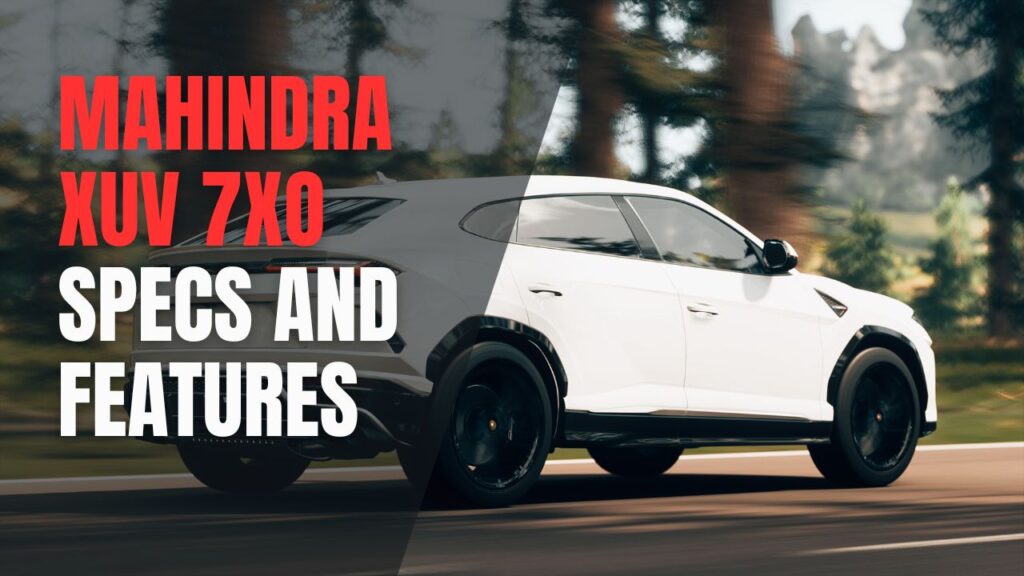
Mahindra XUV 7XO Specs and Features: Engine, Mileage, Safety, Interior Details Overview

Mahindra XUV 7XO Specs and Features

It’s December 2025 and if you’ve been tracking the Indian SUV market, you’re aware that the iconic XUV700 is going to hand over the mantle. Entering the Mahindra XUV 7XO – a name that sounds futuristic and a car that will be even sharper.

The official global launch is on January 5, 2026, and the bookings have already started, the XUV 7XO is the talk of the town. Whether you’re a dyed-in-the-wool Mahindra enthusiast or just a person in the market for a luxury SUV that’s not going to cost an arm and a leg, this redesign is a pretty big deal.

So let’s get inside what makes the new XUV 7XO so great, from its refreshed aggressive exterior to the tech-laden cabin we’ve been waiting for. 

Quick Specs Overview

Feature Petrol Variant Diesel Variant
Engine 2.0L mStallion Turbo 2.2L mHawk Turbo
Power 200 BHP 185 BHP
Torque 380 Nm 420 – 450 Nm
Transmission 6-MT / 6-AT 6-MT / 6-AT
0-60 km/h ~5.0 Seconds ~5.8 Seconds
Drive Type FWD FWD / AWD (Optional)

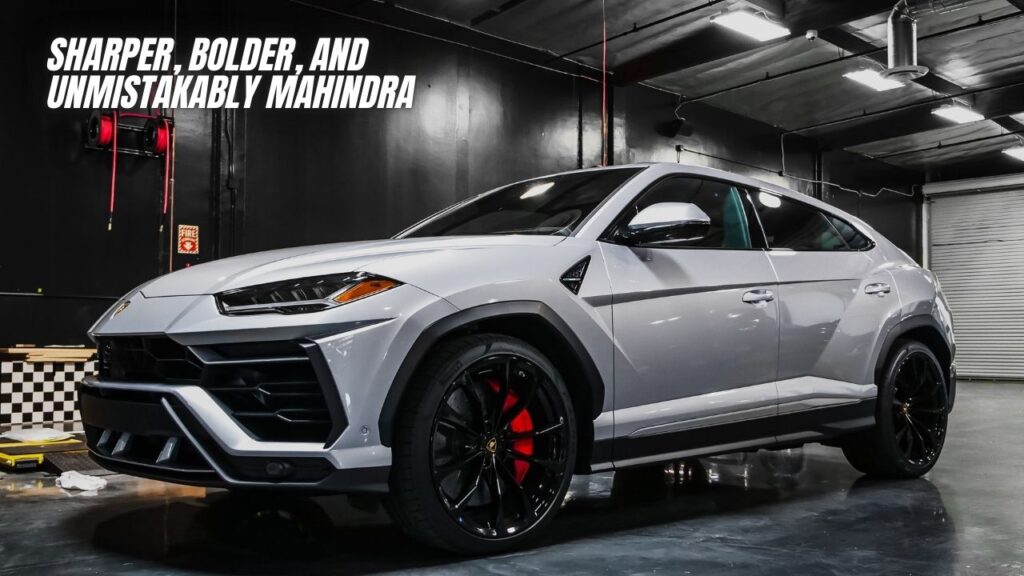
Exterior: Sharper, Bolder, and Unmistakably Mahindra

The XUV700 already looked stunning as is but the 7XO takes that “Cheetah-inspired” styling and slaps on a modern, electric-age layer of paint.

The most noticeable change is the face. The C-shaped DRLs are now long gone, instead, the 7XO sports a more aggressive inverted L-shaped LED DRL configuration that lend a menacing look to the car, especially at night. It definitely shares DNA with its electric relatives such as the XEV 9S. The grille has been blacked out and features slim silver slats, the bulky chrome has been removed for a more athletic, stealthier look.

Sharper, Bolder, and Unmistakably Mahindra

Dropping back, the linked LED tail lights are the centerpiece. They run across all the width of the tailgate and give the car a wider, plusher look. Add a sharpening set of diamond-cut alloy wheels on top and you have an SUV that turns heads when you wait for lights. 

Interior That Leaves a Stunning Impression

If you were impressed with the two-screen layout in the earlier version, just wait till you see the XUV 7XO. Mahindra has spared no effort to make this cabin feel more like a lounge.

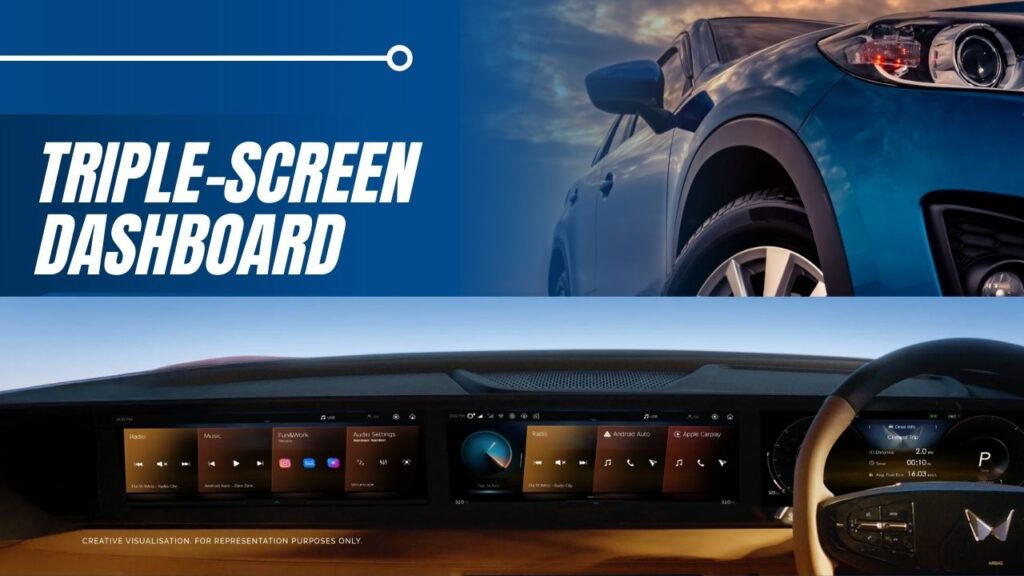
The new feature here is the Triple-Screen Dashboard. Like high-end luxury EVs, the 7XO is equipped with three seamless screens—one for the driver’s instrument cluster, a massive central infotainment hub, and a dedicated screen for the co-driver. Maybe it’s the tech lover’s dream.

Interior That Leaves a Stunning Impression

Outside the two screens, the cabin is fancier. Soft-touch materials on the dash, a new two-spoke steering wheel (which looks really nice), and upgraded ventilated seats that now come with a “Boss Mode” for the back passenger — just in case you’re feeling like getting driven around for a change. 

Engine & Performance

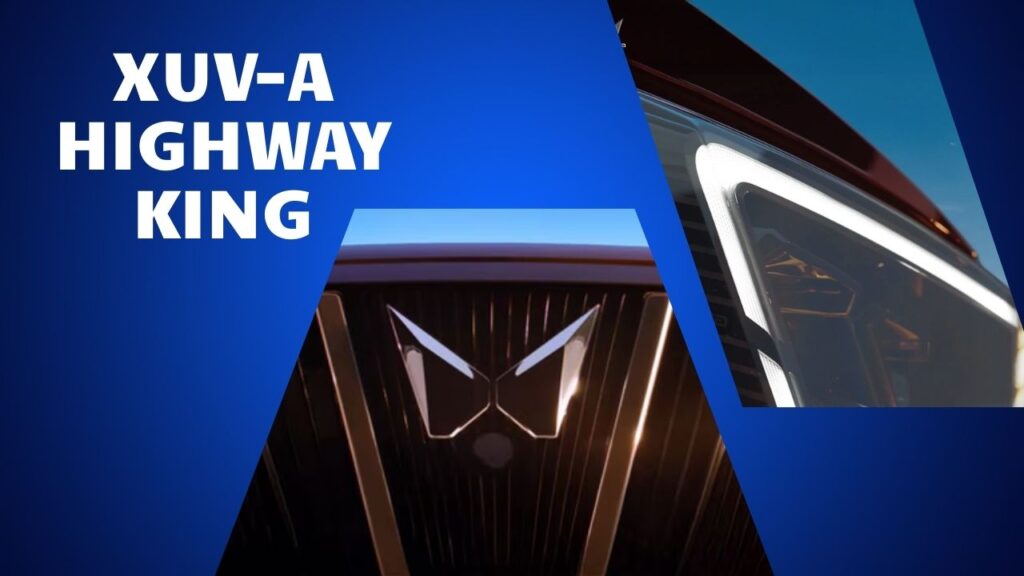
Mahindra clearly understands the value of not fixing something that isn’t broken. The XUV 7XO comes with the powerhouse engines that made the XUV a highway king. Punch of Petrol or Torque of Diesel: If you are interested in getting the best out of power of petrol or torque of diesel with 7XO, you are good to go.

Engine & Performance

  • 2.0L mStallion Turbo Petrol: This engine is a rocket. With 200 BHP on tap, it is still the most powerful petrol engine in the segment. The refinement is buttery smooth and when you step on the gas it pulls like a freight train.
  • 2.2L mHawk Diesel: That’s the cruiser. It’s rumored to be available in two configurations, with the top-spec kicking out 185 BHP and 450 Nm of torque. Doing the lambada around lorries is child’s play and so is keeping the revs high in this surprisingly fuel efficient little car.

Both are expected to come with the smooth 6-speed manual and the responsive 6-speed automatic torque converter. 

Safety is Buyer’s First Priority

Safety is a stronghold for Mahindra and the XUV 7XO further builds on that. They anticipate the ADAS (Advanced Driver Assistance Systems) to be upgraded to Level 2+ with better calibration for Indian traffic conditions. That translates to an adaptive cruise control that runs smoother and a lane-keep assist that is more reliable.

Passive safety is also robust, and 7 airbags may become standard on more variants. The quality of the construction is still tank-like, bringing the 5-star safety legacy forward. 

Read More :-  Ishan Kishan’s Luxury Car List: Price, Models & Exclusive Collection

Conclusion

The Mahindra XUV 7XO is not just a facelift, it’s an enhancement to an already great package. It rectifies the few niggles people had with the previous generation (like the dated infotainment system) and adds equipment that are normally reserved for vehicles costing twice as much. With costs likely to be in the ₹15-Lakh to ₹26-Lakh range, it continues to deliver mind-boggling value for money. So if you need a family SUV that’s safe, strong and full of tech, hanging on until January 5 may be the best decision you make all year. 

0

How Much Salary Do You Need to Afford A BMW in India

Published Oct 24, 2026, 11:45 AM
Last Updated Oct 26, 2026, 6:19 AM

Afford A BMW in India

Most of the corporate employees posted a photo with a new BMW, and everyone wondered how someone at this age pulled it off. The simple way is usually a loan. A BMW in India costs about ₹55 lakh on the road, and to pay that kind of money from your salary is possible when you are sitting in a good position at the company. 

Your six figures salary can make you eligible to afford a BMW without squeezing your savings, your home-loan eligibility, and your sleep.

Check the real cost of your chosen vehicle and city registration cost then calculate along with the way I did below here. The figures mentioned in the article are estimated on the current listing so the real cost of the car might be updated.

How Much BMW in India Costs

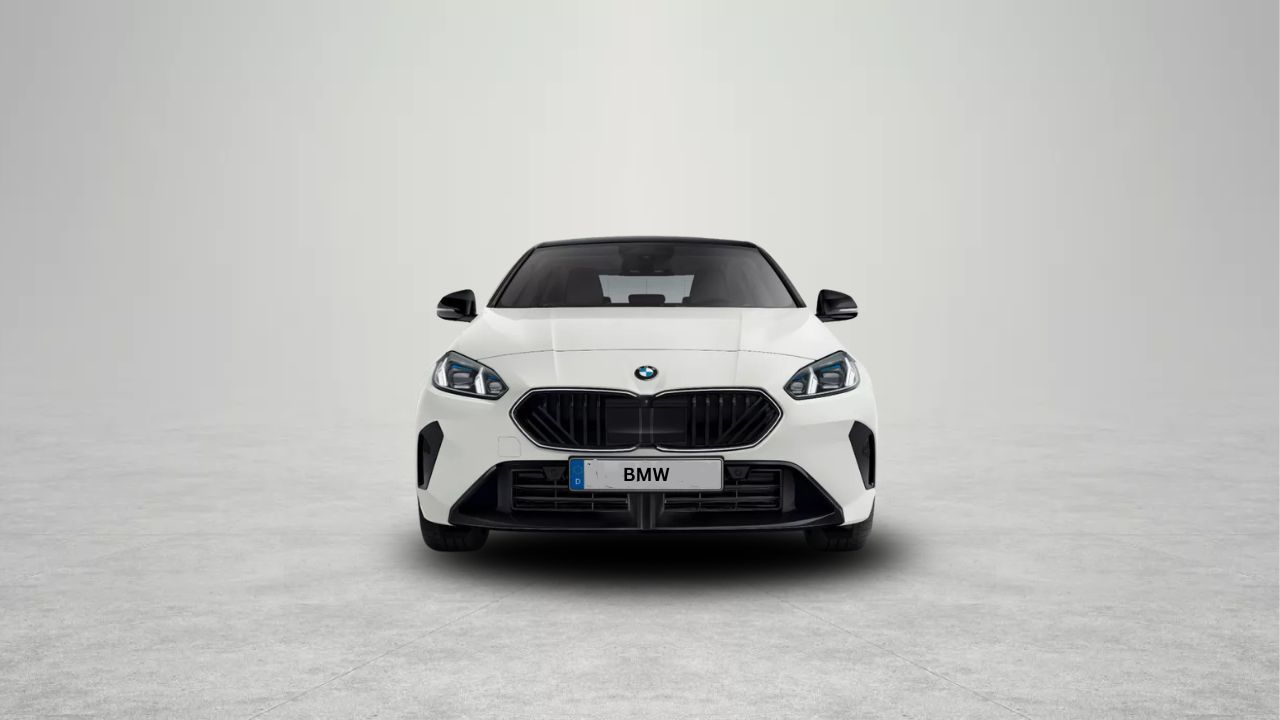
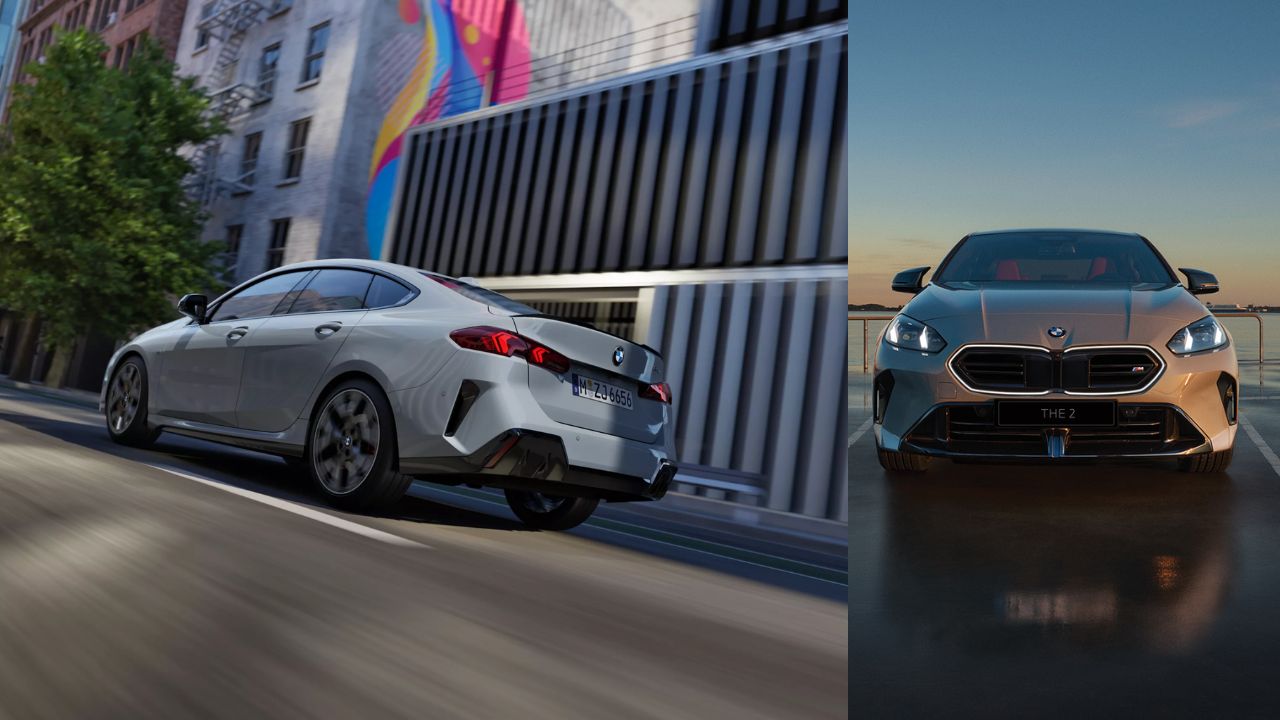
BMW 2 Series Gran Coupe comes at a lower price than other luxury cars. It launched last year in India at ₹45.80 lakh (ex-showroom) and the second variant (M Sport Pro) with more cabin specs priced at ₹48.20 lakh.

Ex-showroom is not what you pay. Registration and insurance add a lot, and both vary by state. The estimates put the on-road price around ₹53–55.8 lakh in Delhi, and up to ₹57.6 lakh in Pune. 

The BMW cost you around ₹54.7 lakh on the road if you are buying from Indore. It shows how a ₹45.8 lakh car is becoming around Rs 55 lakh by adding ₹6.66 lakh registration charge, ₹1.8 lakh for insurance and additional charges around ₹46,000.

For planning, ₹55 lakh is a fair middle figure, and every number below uses it. Check your own city’s on-road quote before you commit, because a ₹5 lakh swing between states is normal.

The Loan Math Behind the ₹91,000 EMI

If you are buying a BMW with your salary then cash isn’t your way. The 20% down payment and a five-year loan agreement can be a standard and better plan.

On a ₹55 lakh car, 20% down means ₹11 lakh upfront. The rest of the ₹44 lakh loan you have to repay every month. If the interest applied on loan is 9% then the EMI will be around ₹91,000 a month in a 60 months tenure. So the total repayment amount is nearly ₹54.8 lakh including ₹10.8 lakh interest.

The Loan Math Behind

Interest rates can be lower but most of the car loans have 9% to 10% of interest, depending on your credit score and the lender. The difference of one percent is gonna push the EMI to about ₹93,500. The tenure period also matters, EMI cost will increase in a shorter tenure but it cuts total interest amount. 

If you buy a BMW on a car loan with a down payment of ₹13.5 lakh and a 4-year tenure at 10% interest rate, it will cost you around ₹87,580 every month. The point is that the EMI is a function of how much cash you bring on day one. Every extra ₹1 lakh in down payment cuts roughly ₹2,000 from your monthly instalment on these terms.

The Costs That Arrive After the EMI

New buyers often budget for the loan and forget the car. A BMW needs fuel, insurance, tyres and servicing, and none of them are cheap.

Fuel is the smallest piece. At about 1,500 km a month, a real-world 12 kmpl and ₹100 a litre, you spend around ₹12,500 a month. Insurance is lumpier. The first year costs about ₹1.78 lakh in the Indore breakdown, and a comprehensive policy generally falls in the ₹1.5–2.5 lakh range depending on the car’s declared value and your no-claim bonus. 

Spread over twelve months, that’s ₹12,000–20,000. Then comes servicing, tyres, wiper and brake replacements, and the occasional repair, which add up to a few thousand rupees a month on average.

Together, plan on ₹20,000–30,000 a month beyond the EMI. Add that to ₹91,000 and your total monthly car cost is about ₹1.15–1.20 lakh.

How Much Salary Do You Need for a BMW in India?

Personal-finance planners commonly say all car costs, meaning EMI, fuel and insurance, should stay within 15–20% of your monthly take-home pay. That’s a rule of thumb, not a law, but it exists for a reason. Anything above it starts eating into the money meant for your home loan, investments and emergency fund.

Calculate your monthly expenses including your car expenses, if you pay ₹1.2 lakh a month in car costs so it will eat up 20% money from your salary and 80% will go for your other commitments. Your earning should be in the range ₹5 to ₹6 lakh. At 15% end, your pay scale should have to be around ₹8 lakh. It works smoothly if you have no other large EMIs.

In annual terms, your salary estimates roughly ₹85 lakh to ₹1.2 crore without tax cuts. The surcharge and the 30% slab take a big bite at this level. It updates with time, calculating your in-hand salary according to the latest slabs for your financial year.

Salary Do You Need

The rule is “20/4/10” to buy any luxury German car on your salary. It means 20% down payment from your salary to a 4-year loan. The running cost of the car plus an EMI should take your 10% of the income. Spending more of your income will keep you awake all night because of a burden.

Your monthly salary should be around ₹12 lakh to pay ₹1.2 lakh to run a BMW on road. But most people don’t earn that much in a month in a job so it is too expensive to buy a new BMW at ₹55 lakh. People eyeing that car mostly have business running around in the side or supporting their own family business

A few situations change the math in your favour:

  • A bigger down payment. Put 40% down (₹22 lakh) and the EMI on a ₹33 lakh loan drops to about ₹68,500. Add ₹25,000 in running costs and you need around ₹4.7 lakh a month in hand.
  • A longer tenure. Stretching to seven years cuts the EMI but raises total interest sharply. Fine for cash flow, costly overall.
  • Business or variable income. If your pay swings, plan around your worst quarter, not your best.

How the 2 Series Gran Coupe Stacks Up Against Rivals

If you’re buying a BMW in India at this price, the realistic cross-shopping list is short. Audi A4, the Mercedes-Benz A-Class Limousine and the Audi Q3 as the 2 Series Gran Coupe’s direct competitors.

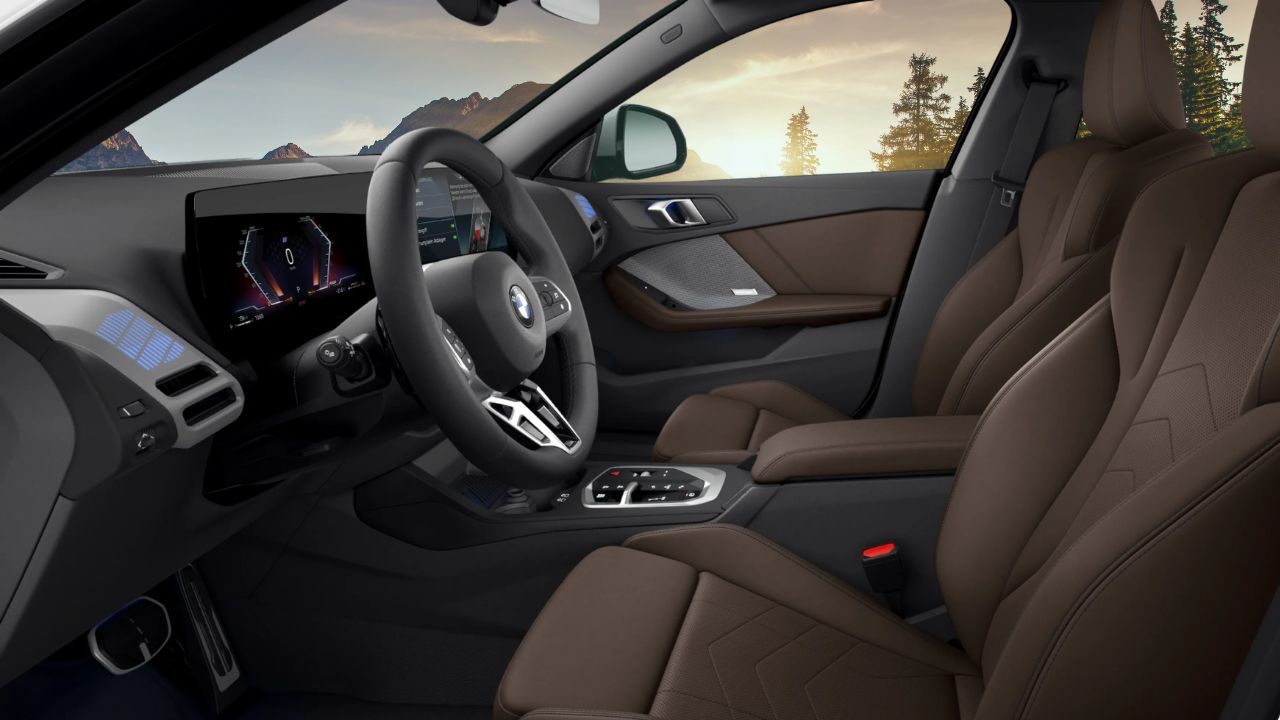
The BMW’s pitch is a driver-focused compact sedan with a coupe-like roofline, a curved display dashboard and a dual-clutch automatic. It’s the sportiest of the three on paper and the cheapest way into a BMW showroom. 

Variant Engine Power output Torque Transmission Claimed mileage
BMW 218 M Sport 1,499 cc, 3-cylinder BMW TwinPower Turbo petrol with 48V mild-hybrid system 115 kW / 156 hp (154 bhp) 230 Nm 7-speed Steptronic DCT, front-wheel drive 16.35 kmpl

Both BMW 218 M Sport and BMW 218 M Sport Pro have the same specs but the 218 M Sport Pro is ₹3.10 lakh higher than the base model. BMW X1 petrol variant is ₹5.10 lakh higher and diesel variant is ₹7.10 lakh higher than the 218 M series in India. Price gets higher because luxury experiences are expensive with SUV body style, higher driving position, longer-wheelbase practicality.

The Mercedes A-Class Limousine is the closest rival for badge and price, and it tends to win on cabin tech and ride comfort but the car is discontinued in India. The Audi A4 is a size larger, which means more rear-seat space, but it usually costs more once you tick option boxes. Against the BMW X1’s ₹50.90–52.90 lakh range, the A4 Premium undercuts it by ₹4.02 lakh, but the A4 Technology costs ₹2.93 lakh more than the X1 petrol. 

For a buyer deciding purely on affordability, the three cost within a few lakh of each other. Insurance and servicing are close too. The decision usually comes down to what you want from the car: the BMW for how it drives and the Audi for the space.

👉  5 Best Affordable SUVs Under 15 Lakhs In India

Buy a Used BMW at the Half Price

Depreciation is the hidden cost of a new luxury car, and it is brutal in the first three years. Estimates vary, but a drop of 35–45% in value across the first five years isn’t unusual for premium cars in India. Buying used lets someone else pay that bill.

A well-maintained 3-to-4-year-old BMW 3 Series or X1 typically lists between ₹25 lakh and ₹35 lakh. Run the same 20% down, 5-year, 9% loan on each end:

Car price Down payment Loan EMI Running costs Total monthly Income needed (20% rule)
₹25 lakh ₹5 lakh ₹20 lakh ~₹41,500 ₹15,000–20,000 ~₹57,000–62,000 ~₹2.9–3.1 lakh
₹35 lakh ₹7 lakh ₹28 lakh ~₹58,000 ₹20,000 ~₹78,000 ~₹3.9 lakh

So a post-tax income of roughly ₹3–3.9 lakh a month makes a used BMW comfortable, and the EMI is nearly half of what the new car demands. Buying a used BMW car can be risky if the warranty is ended, its repair cost will be too expensive. So check the certified paperwork of the car or choose a car which repair history and services records are available. Take an independent mechanic to inspect the car and keep extra budget for repairing in the first year.

Conclusion

If you want to afford a BMW in India with your salary then start with three questions. Do you have six months of expenses in an emergency fund, separate from the down payment? Is your income stable enough that a ₹1.2 lakh monthly commitment won’t keep you up at night? And have you finished the bigger goals, like a home, that a car loan would otherwise compete with?

If the answer to all three is yes and your take-home is near ₹6 lakh, the 2 Series Gran Coupe is a reasonable purchase. If your income is closer to ₹3–4 lakh, the used 3 Series or X1 gives you the badge without the strain. If you’re below that, the honest advice is to wait a year or two. A BMW will still be there, and so will the loan.

Before you walk into a showroom, take your city’s on-road quote, divide the loan by a bank’s EMI calculator, add ₹25,000 for running costs, and see whether that total sits under 20% of what lands in your account each month. If it does, go. If it doesn’t, you’ve just saved yourself a bad decision.

1

Hyundai Bayon Bookings Open at ₹11,000 With a 1.5L Petrol Engine

Published Oct 19, 2026, 10:59 AM
Last Updated Oct 21, 2026, 1:03 PM

Hyundai Bayon rewrote the SUV segment with high-end features, opening at ₹11,000. That is the real story behind Hyundai Bayon bookings. Bookings are live on Hyundai’s website and at authorised dealerships, the launch is set for October 26, 2026, and the price lands that day.

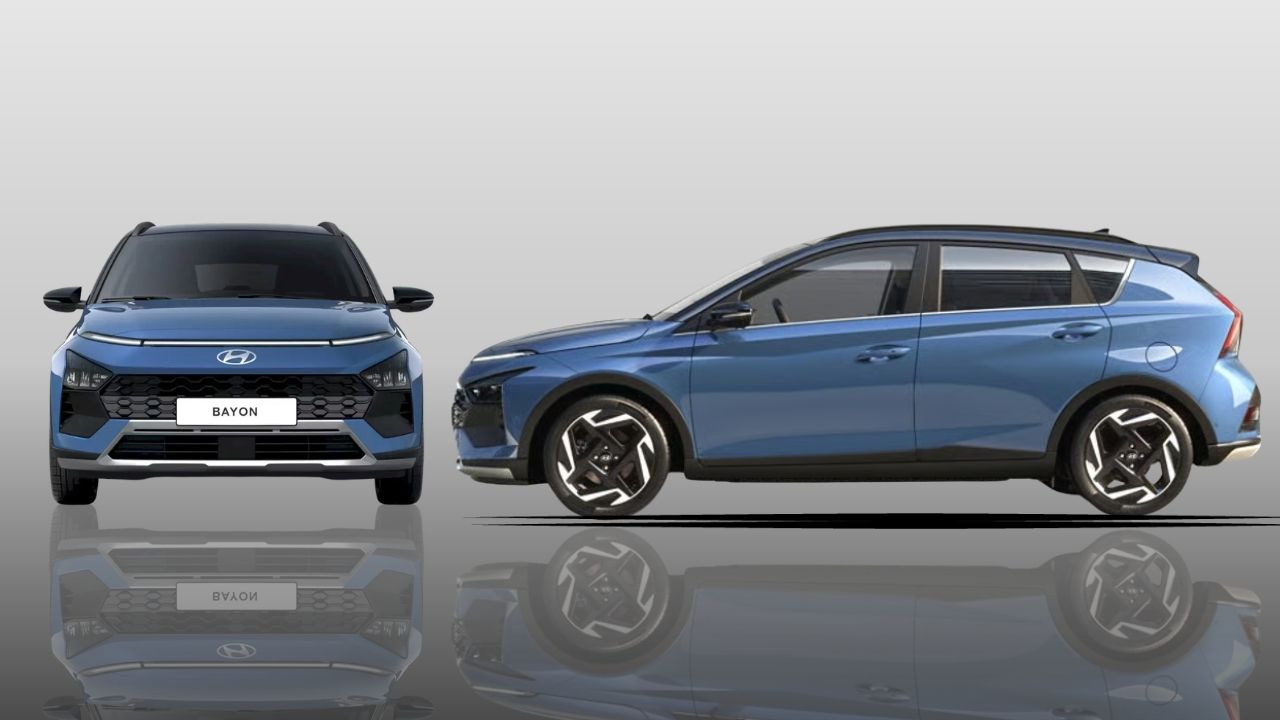
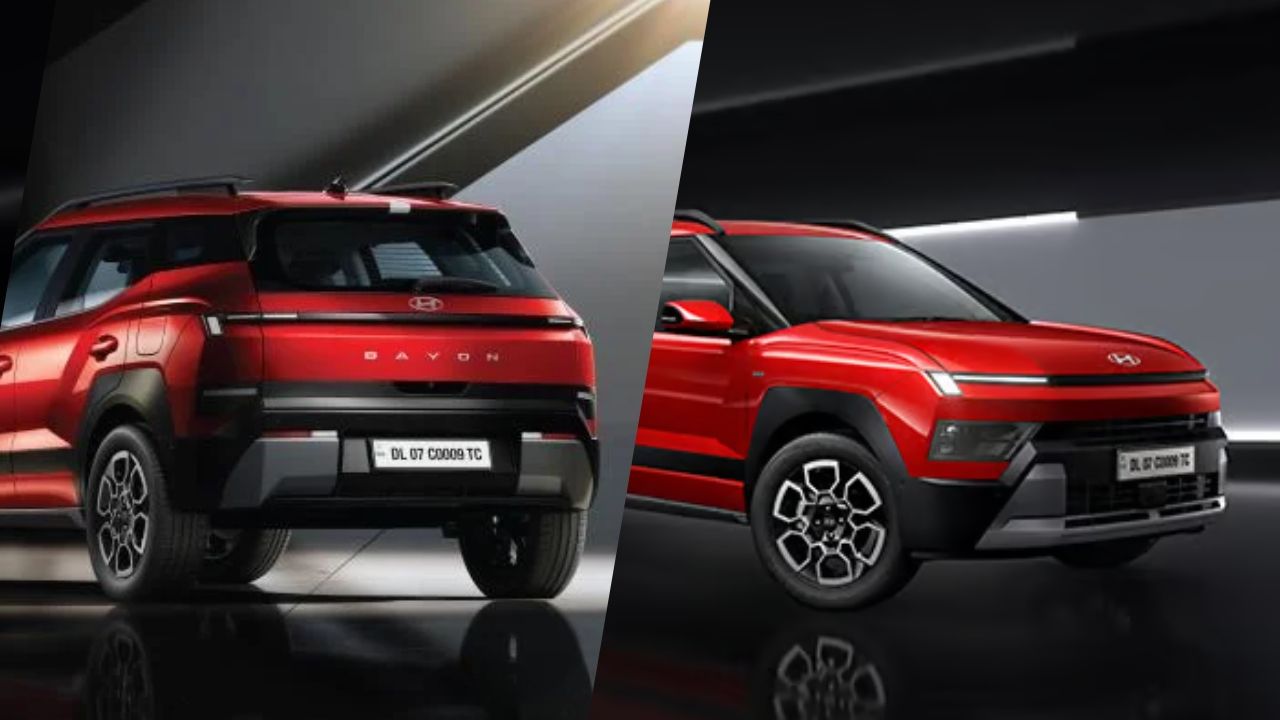
Hyundai Motor India has unveiled the India-spec Bayon, a 4.2-metre SUV it calls an “Intelligent Utility Vehicle”. Below is specification and features that comes with this car, and where the Bayon fits against the cars you’re probably already comparing it with.

Hyundai Bayon Bookings Opens at ₹11,000 

The booking amount is ₹11,000, payable online or at a dealership. What the token does not tell you is the price. Hyundai says it will announce that at launch. Detailed delivery timelines are also being held back until then, although Hyundai has said deliveries will begin in the festive season.

Hyundai’s India booking terms have historically allowed cancellation, but whether that applies to the Bayon, and what, if anything, gets deducted, hasn’t been stated in anything by the company yet. So, ask your dealer about the refund policy.

A booking token usually buys you a place in the queue and little else. With deliveries tied to the festive season, queue position is the only real argument for booking before the price is public.

Where the Bayon Sits in Hyundai’s India Lineup

Hyundai positioned the Bayon between Venue and Creta. Bayon is 4.2 mtres longer than Venue but shorter than the Creta. The carmaker aimed at buyers who have outgrown a sub-4m SUV but don’t want to stretch to a full mid-size one. 

One report says it rides on Hyundai’s Global K Enhanced Platform. A 4.2m car will usually give you more rear-seat room and a bigger boot than a Venue, but the actual numbers (wheelbase, boot capacity, ground clearance) haven’t been published. 

Engine and Gearbox: A Familiar Hyundai Petrol

Under the hood is a 1.5-litre, four-cylinder MPi petrol engine making 115 PS (84.4 kW) and 144 Nm. Buyers get a choice of a six-speed manual or an IVT automatic.

If those numbers sound familiar, they should. They match the 1.5-litre petrol in the current Creta. That is good news for reliability and bad news for anyone hoping the Bayon would be the sporty one. This is a naturally aspirated engine tuned for easy city driving, not a turbo.

There is no diesel and no turbo-petrol announced for the India Bayon, and no hybrid or CNG. For high-mileage buyers who would normally look at diesel or CNG, that narrows the audience.

ARAI mileage hasn’t been announced. For context, the Honda Elevate’s 1.5-litre petrol is rated at 15.31 kmpl with the manual and 16.92 kmpl with the CVT, which is a useful benchmark for what a naturally aspirated 1.5 returns in this size class.

Hyundai Bayon High-End Features

Hyundai is leading with technology, and CEO Tarun Garg has pitched the Bayon as the car that “places technology and convenience at the heart of the customer experience”. The specifics:

Generative AI voice assistant. This is the first one in a Hyundai India car. Perplexity and SoundHound as the technology partners. 

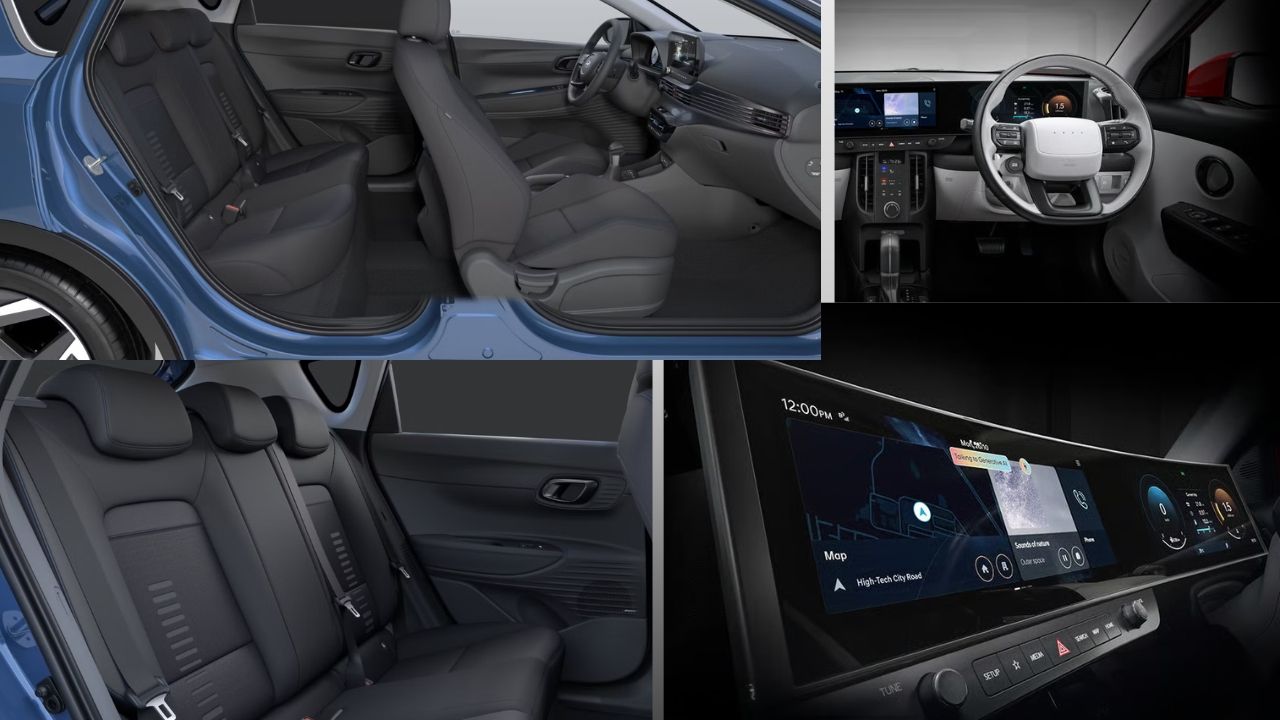
Dual 12.3-inch screens. One handles infotainment and the other the digital instrument cluster.

NVIDIA-accelerated ccNC. Hyundai’s Connected Car Navigation Cockpit runs the infotainment on NVIDIA hardware. That should mean smoother, faster screens than the laggy systems of a few years ago, though real-world responsiveness is a drive-day question.

OTA updates for 19 controllers. Hyundai calls this Vehicle Controller Over-the-Air (C-OTA). The number is the interesting part. Updating 19 control units over the air means Hyundai can patch more than the infotainment software. 

Bluelink connected features. These are Hyundai’s connected-car suite for remote functions and tracking. 

The pattern across these features is that the hardware is announced and the long-term cost of owning it is not. A generative AI assistant that needs a paid data plan after year one is a very different proposition from one that doesn’t.

Safety: “Engineered For” Is Not a Rating

Hyundai says the Bayon is engineered for five-star Indian safety standards. That describes an intention. It is not a Bharat NCAP result, and you’ll get reviews after it is tested live on road. 

If safety is your deciding factor, treat the five-star claim as a promise to check later. Bharat NCAP results can take months after launch, and the rating that matters is the one for the variant you’d buy, since airbag and ESC fitment often varies across trims. The standard-fit safety list will be one of the first things to read when variant details come out on October 26.

👉 : –  Tesla Flying Car Mechanics Make The Flight Possible

Area Hyundai Bayon features
Display Dual 12.3-inch curved panoramic screens
Connectivity Wireless connectivity, Bluelink connected-car tech with over 70 features, remote start/stop
Infotainment NVIDIA-accelerated Connected Car Navigation Cockpit (ccNC), Generative AI support, and OTA updates.
Comfort Panoramic sunroof, ambient lighting, quality materials, and heated and ventilated front seats
Practicality 411-litre boot
Charging Wireless charging support
Audio Eight-speaker Bose premium sound system with subwoofer. 
Safety/ADAS Level-2 ADAS, Highway Driving Assist 2, Alerts and Assistance.

Conclusion

The Hyundai Bayon price is out on October 26, and booking before then means committing money to an unknown figure.

Book now if you want the earliest possible slot in the festive-season delivery queue, you already know you want a 4.2m petrol SUV from Hyundai, and your dealer confirms in writing that the token is refundable. Hyundai Bayon booking is open at ₹11,000 and this is the best gift for this festive season. 

0

Sultan Hassanal Bolkiah Car Collection: Inside the World’s Largest Garage

Published Jan 12, 2026, 8:25 AM
Last Updated May 19, 2026, 12:43 PM

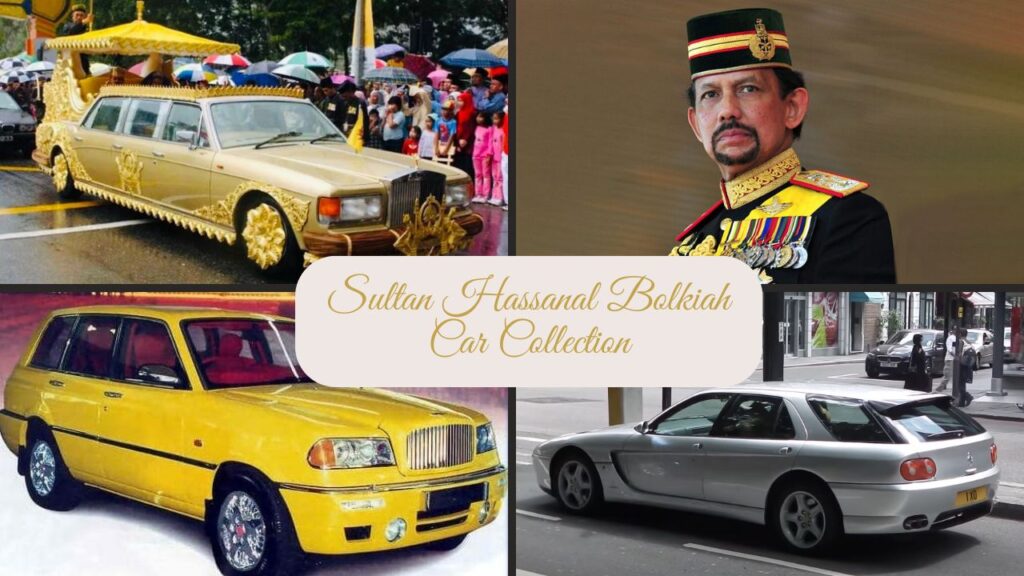
Sultan Hassanal Bolkiah Car Collection

Now imagine not having just a few luxury cars at your disposal, but having an entire country of automobilists. Welcome to Sultan of Brunei, Sultan Hassanal Bolkiah car collection is so staggeringly enormous that most billionaires’ garages look like parking lots at a mall in comparison. With an estimated 7,000 vehicles exceeding $5 billion in value, this is not merely a collection, it’s a way of life that transcends comprehension. 

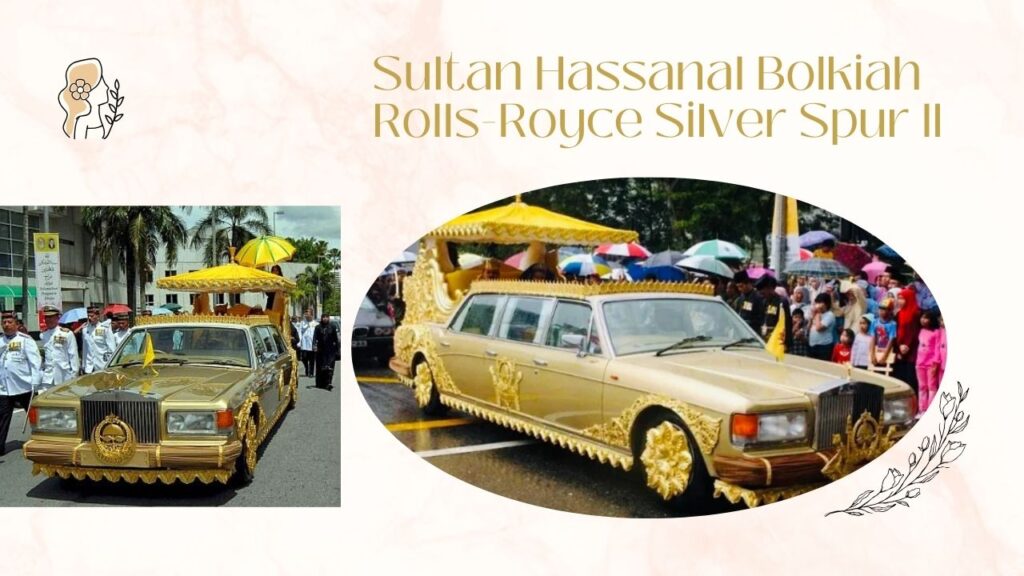
Rolls-Royce Silver Spur II is the crowning glory with a unique 24-carat gold plating worth $14 Million which was ordered only for the Sultan’s wedding. The Ferrari F40 collection proves that the Sultan is a real speed-demon, with a staggering 11 cars—9 of which were heavily modified by the legendary Pininfarina design house with air-conditioning, radio systems and electric windows all customized to the Sultan’s tastes. 

The Golden Standard Vehicle Rolls-Royce Silver Spur II

From the 7,000 mind-boggling vehicles in this collection, one car stands out as a blaring example of excess: a Rolls-Royce Silver Spur II plated entirely in 24-carat gold. Yes you read that correctly real gold, not some gold paint.

The Golden Standard Vehicle Rolls-Royce Silver Spur II

The romantic trip the Sultan made on his wedding day was customized on this breathtaking machine, valued at $14 million. Imagine showing up at your wedding in a car that really shines in the sun. That’s the kind of luxury we’re referring to here. 

Read Also: Nithin Kamath Car Collection 

The Ferrari Chronicles

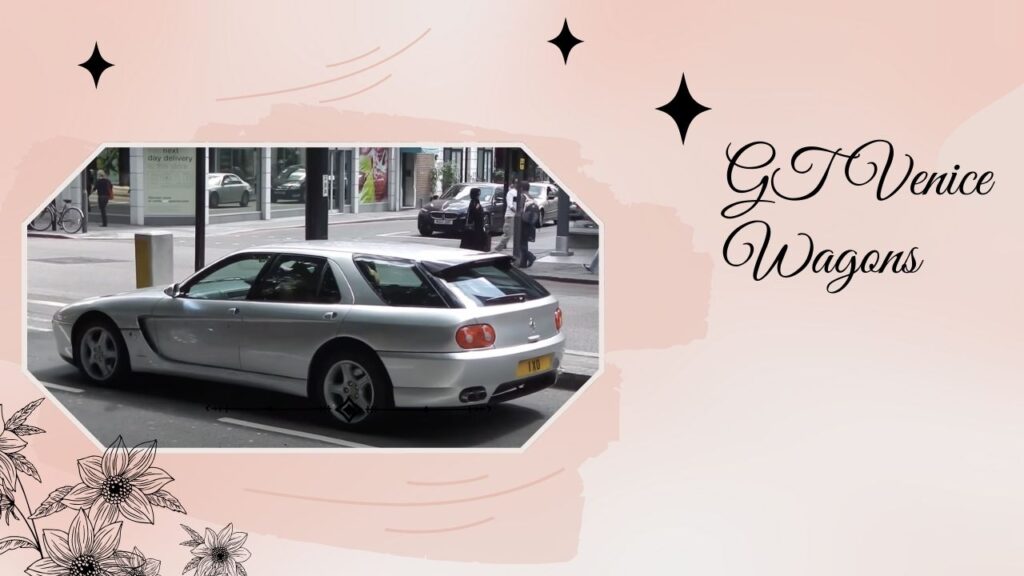
Most car collectors would be happy to have one Ferrari F40 on their bedroom wall and would stare at it late in the night life. The Sultan of Brunei? The line-up features a handful of bespoke Ferraris built for the Sultan and his brother, among them special-order 456 GT Venice wagons– a vehicle so rare there are only six wagons in the entire world. 

The Ferrari Chronicles

The Bentley Empire

Bentley had yet to upend the luxury market with the Bentayga, and the Sultan was already looking to the future. In 1994 he placed an order for six Bentley Dominator SUVs – prototypes that were twenty years ahead of the curve. The vehicles reportedly cost $3 to 4.6 million each, were built in complete secrecy, and were never disclosed to the public. 

Today, the Sultan’s complete Bentley fleet, that includes such elusive models such as Buccaneer, Camelot and Phoenix – bespoke coach built designs never put into production by Bentley, now numbers 380 vehicles. 

The Bentley Empire

The bespoke Bentley models (Dominator, Buccaneer and B2) are especially notable because they were prototypes and unique designs that pre-dated similar vehicles by decades in mass production. 

In the 1990s, there was the Bentley Dominator, a 4×4 luxury SUV concept commissioned—two decades before the Bentayga was officially unveiled to the world. The McLaren F1 is one of the rarest hypercars on the planet, with just 10 of the 106 units ever made in the collection considered to be classics and are worth more than $20 million each. 

Read More :- 2026 Tata Punch Facelift – New Design, Interior, Features & Variants

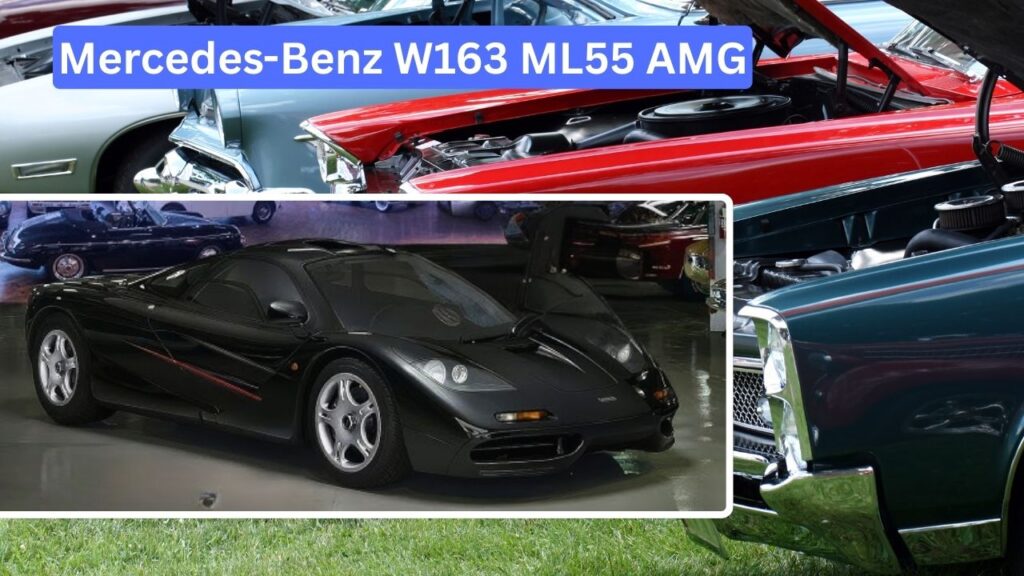
Mercedes-Benz W163 ML55 AMG

Here is certainly where things get bizarrely human. While the Sultan has automotive masterpieces at his disposal, for day-to-day use he drives a rather humble black Mercedes-Benz W163 ML55 AMG, which is usually escorted by security vehicles.

Mercedes-Benz W163 ML55 AMG

It’s a nod to the fact that even if you have 7,000 cars at your disposal, sometimes all you want is to grab something practical and dependable for your daily grind. 

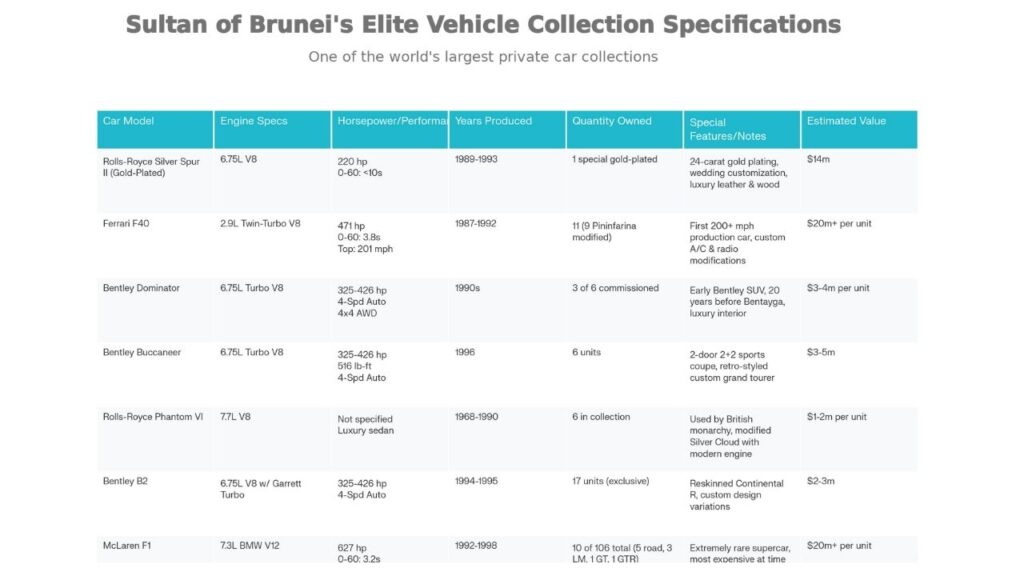
Sultan Hassanal Bolkiah Car Collection – Detailed Specifications of Iconic Luxury Cars

Detailed Specifications

Conclusion

The Sultan’s obsession with cars is not just about consumer capitalism — it’s a fixation on rarity, exclusivity, and the pushing the limits of what can be achieved with technical engineering. Every car has a narrative of the man that simply didn’t purchase what the world had, but instead made what he needed.

Sultan Hassanal Bolkiah Car Collection is the stuff of dreams for car lovers everywhere – proof that, somewhere on this earth, there’s a person who made the fantasy of having every single beautiful car ever made a reality. 

0

Mahindra XUV700 Facelift 2026 – New Features, Design Updates & Latest Details

Published Nov 25, 2025, 1:02 PM
Last Updated Apr 10, 2026, 7:21 AM

Mahindra XUV700 Facelift 2026

The Mahindra XUV700 has been the undisputed leader in the Indian SUV space ever since its launch in 2021. Now it’s time for the company to prepare a thrilling new edition to keep that trend very much alive and well. The 2026 refresh is set to include such an impressive array of updates that it’s expected to entice even more buyers. So, let’s take a look at what’s new, what’s changed and why this facelift is worth the wait. 

What’s the Big Deal with the Facelift?

A “facelift” in terms of cars, is when a vehicle is given a bit of a design and feature refresh to keep it looking up to date and competitive. The XUV700 facelift 2026 is not a mere patchwork-up. It brings massive changes on the outside and inside the SUV. Facelift is all set to keep Mahindra ahead in the war marred mid-size SUV segment which is their bread and butter where it faces competition from Tata Safari, MG Hector Plus, Hyundai Alcazar.

The good news is the update will make the XUV700 even more capable while still being the XUV700 that owners already love. The upcoming model is expected to debut in 2026, and judging from the spy shots of the prototype, we now have a peek at what is coming. 

Design Updates

The body of 2026 XUV700 facelift remains same but gets an all new front end- which will be a huge change in the new model. Here’s what’s changing:

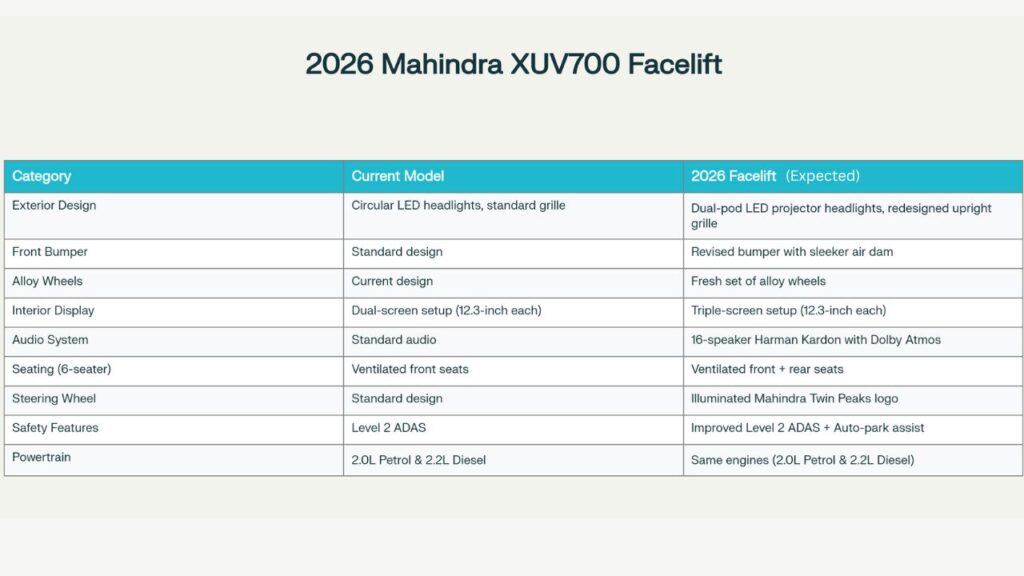
Front Fascia: The circular headlights are disappearing to give way to dual-pod LED projector headlights which look much sharper and modern. The new lamps will have a new design for the C-shaped LED DRLs, appearing more futuristic and aggressive. 

Grille: The grille at the front has been redesigned. It’s more upright and has more slats, which gives the XUV700 a new identity that is more premium and unique. The restyled design was inspired by Mahindra’s new electric SUVs such as the BE 6 and XEV 9e.​

Bumper Design: The lower part of the front bumper is restyled with a more streamlined air dam and a new lower lip on the bumper that gives a more refined finished look. The rear bumper gets revisions too in line with the new design language. 

Alloy Wheels: There will be new alloy wheel designs that match the contemporary exterior style.​

Mahindra XUV700 Facelift 2026 vs Current Model

Mahindra XUV700 Facelift 2026 vs Current Model – (Expected) Key Updates Comparison

Rear End : The rear receives minor changes that includes a new LED lightbar and restyled bumper. The dual tail light set up with vertical extensions mounted on both sides is also said to modernize its looks. 

Interior Features

It’s the interior of the new XUV700 that truly sizzles. Mahindra is bringing certain features from its electric SUVs to enhance the premium feel of the cabin and make it more tech-forward.

Triple Screen Setup: The transformed triple-screen dashboard setup, inspired by the Mahindra XEV 9e, is the most significant change in the interior. The instrument cluster, the infotainment screen, and the co-passenger entertainment screen – all three are 12.3 inches in size. This is the kind of arrangement you usually find in far more expensive SUVs, and it just adds to the value of the XUV700.​

Premium Audio System: The existing unit already a treat to ears but the 2026 gets premium 16-speaker Harman Kardon audio system with Dolby Atmos. This is the same audio system available in Mahindra’s EVs and will give you film-quality audio inside your SUV.​

Comfort Features: The 6-seater model would now receive rear ventilated seats in the second row, ideal for Indian summers. The revised version also introduces an auto-dimming internal rear-view mirror in the XUV700. You will also find one more wireless phone charger, so as you and your partner keep your phones charged on road trips. 

Steering Wheel: The steering wheel now sports an illuminated Mahindra Twin Peaks logo for a premium feel when you get in at night.​

Advanced Safety Tech: Among the most-discussed features is the auto-park assist feature, which can park the car itself in a tight spot —a high-end luxury car feature until now. 

Technology & Safety

Apart from the screens and the sound system, the facelift also makes the XUV700 smarter. The Level 2 ADAS (Advanced Driver Assistance System) will be enhanced with more functions and better performance. A digital key feature will enable you to unlock and start your car from your smartphone.​

Other anticipated technology upgrades include upgraded connected car features and a refreshed infotainment system with more touchscreen-based controls. Rear sun blinds and ambient lighting throughout the cabin which help to create a more premium feeling. 

Same Powerful Engines

Here’s the thing about the facelift — the engines remain the same because they’re already great. The XUV700 will get two power options.​

The 2.0-litre turbo Petrol engine is capable of producing 197 bhp @ 5,000 rpm and 380 Nm of torque between 1,750 and 3,000 rpm. Then there’s the 2.2-litre diesel, which delivers an economical punch for the purists. 

Either a 6-speed manual or 6-speed automatic gearbox can be had for both engines. So no mechanical changes just the engines that have been excellent in terms of reliability and performance. 

What Stays the Same?

The XUV700 facelift is packed with the features that already have you hooked. This includes the panoramic roof, 360-degree camera, ventilated front seats, dual-zone air conditioning, electronic parking brake and tire pressure monitoring system. You can still opt between the 6-seater and 7-seater variants. 

When Can You Buy It?

The update is said to come in 2026. Although the release date has not been confirmed, Mahindra is already shuttling the vehicle on roads in India, meaning that an official unveiling is drawing nearer. 

Conclusion

The Mahindra XUV700 facelift 2026 is turning out to be an impressive midcycle update that the manufacturer planned to bring to the buyers, including more features, better tech and an all-new look. It’s not an all-new design, which is good news, because customers already love the shape of the current XUV700’s body. Instead, it’s a smart refresh that transfers features from luxury cars and electric vehicles to this beloved SUV.

If you’re in the market for a mid-size SUV and can hold on a few months, wait for the 2026 refresh. Mahindra has undoubtedly heard the customers desires and has brought forth an update that emanates an improved comfort, more tech, a more premium feel—all with the same reliable engines and practical design that made the XUV700 such a hit.