
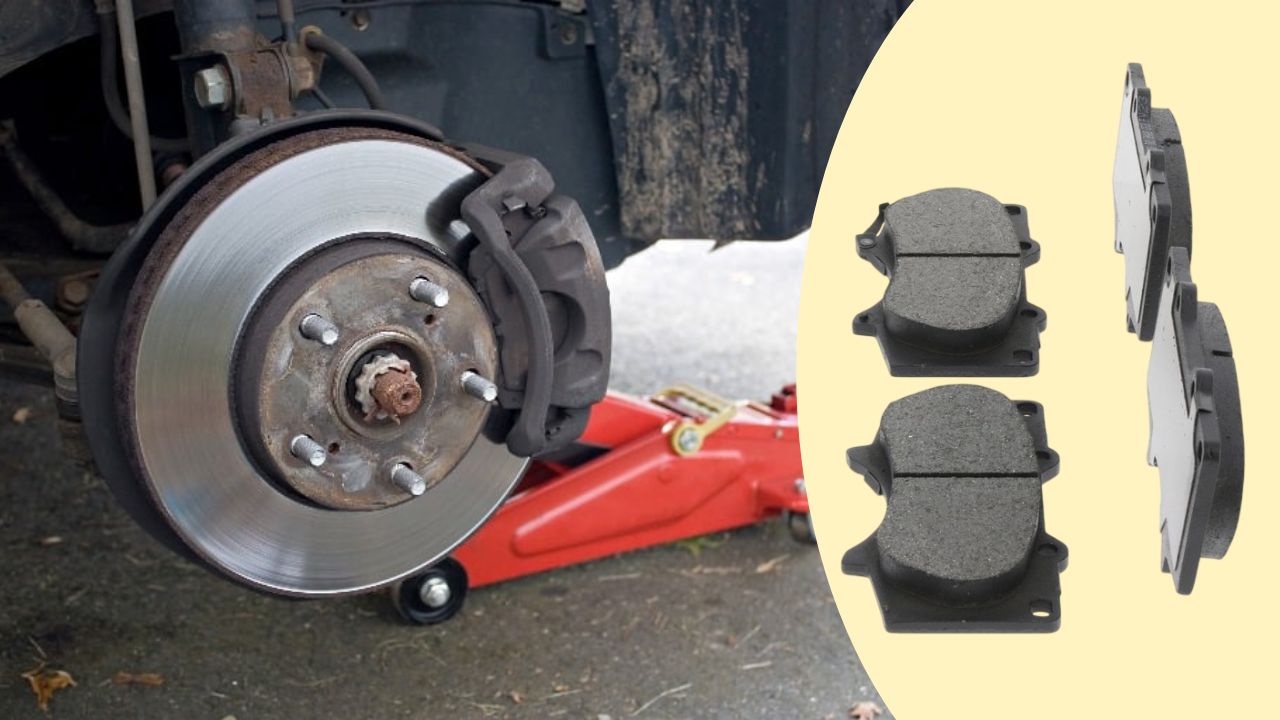
If you are wondering that buying premium brake pads will not get loosened up quickly and save you by kicking on the car that is just next to you, then you are wrong. The best brake pads for cars are actually the ones that fit and are durable on the road. Brands are making specific types of brake pads so they can handle the Indian roads and traffic area when you have to push your foot on the brake pedal every five-minutes.
Most car owners in India replace pads only when a mechanic points at worn friction material or the dashboard warning light comes on. That’s late. Pads typically wear down to replacement thickness around 30,000–35,000 km in Indian city conditions, where stop-and-go traffic and frequent braking put more cycles on the pad than steady highway driving would. Waiting for a screech means you’ve likely already scored the rotor, which turns a ₹2,000 pad job into a ₹6,000–₹8,000 pad-and-disc job.
Let’s look into a breakdown of what makes one brake pad different from others, which offers the quality that you need for your car and where you should buy it.
What Actually Separates One Brake Pad from Another
There are three friction categories which define the quality of brake pad and make one different from another. Understand these categories before buying it because that matters more than the brand name on it.
Semi-metallic pads mix steel wool, copper, or iron with friction material. They handle heat well — Indian summers and hill-descent braking can push disc temperatures past 500–600°C — and they bite harder under sudden braking. The real drawback is its increased noise and quicker rotor wear.
Ceramic pads make no noise and produce less brake dust which make the wheels alloy cleaner and run last longer under normal city driving. They are also expensive because they are made up of clay-and-fiber compounds reinforced with copper or metal fibers. But they’re not good in hot areas as semi-metallic pads so it makes them effective for hatchbacks and sedans running in cities and highways rather than mountain driving or heavy towing.
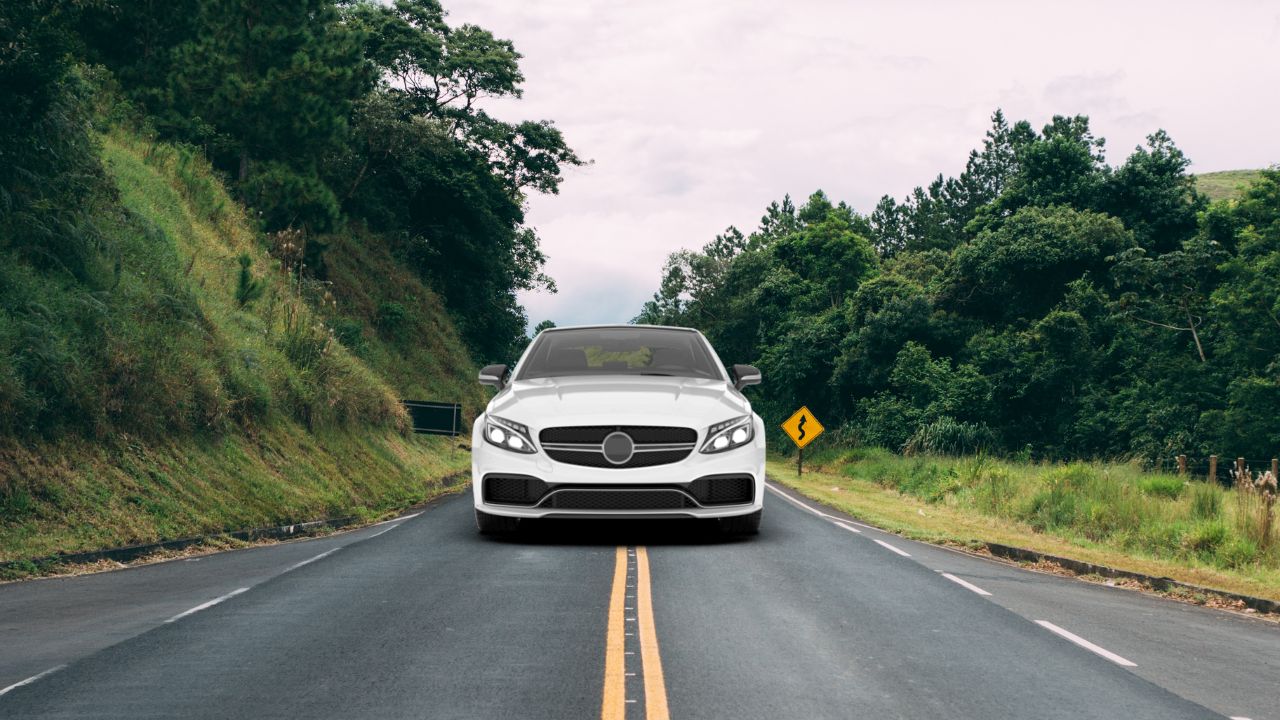
Non-asbestos organic (NAO) pads are the softest and quietest option, common on entry-level OEM fitments. They’re gentle on rotors but wear out faster and lose bite when hot, so they’re a budget-daily-commute choice rather than a performance one.
Fitment matters as much as compound. A pad that’s a perfect metallurgical match for a Honda City won’t necessarily exist in the same part number for a Hyundai Creta, even if both are C-segment cars. Always cross-check the pad against your car’s exact variant and manufacturing year before ordering — a wrong-fit pad can affect ABS calibration on newer cars with electronic brake-force distribution.
Best Brake Pads for Cars in India: Top Picks
1. Bosch QuietCast / Bosch DoubleTec
Compound: Semi-metallic and ceramic variants | Indicative price: ₹2,000–₹4,000 per axle set
Bosch supplies brake components directly to several OEMs in India, which means their aftermarket pads are built to the same tolerances as what left the factory on many Maruti Suzuki and Hyundai models. The QuietCast line uses a rubber-core shim under the backing plate specifically to cut down pad squeal, which is the most common owner complaint with cheaper aftermarket pads. This is the pick for someone who wants a known-quantity daily driver pad without shopping by price alone.
2. TVS Girling
Compound: Semi-metallic, OEM-spec | Indicative price: ₹1,200–₹2,500 per axle set
TVS Girling is an original-equipment supplier for a wide range of Indian passenger cars, so buying their aftermarket pad is close to buying a factory-spec replacement rather than a third-party approximation. It’s not a performance pad — don’t expect Brembo-level bite — but for a hatchback or compact sedan doing standard city driving, it’s the pad most Indian service centers will already stock and recommend.
3. Rane Brake Lining (RBL)
Compound: Semi-metallic and NAO variants | Indicative price: ₹1,000–₹2,200 per axle set
Old car or second hand car owners mostly prefer Rane Brake Lining because they are the most budget-friendly and well-established brand here. RBL brake pads are reliable and durable, serving excellent stopping power without paying for a premium badge. That’s why it becomes one of India’s largest domestic manufacturers of brake friction material.
4. Brembo
Compound: Semi-metallic, performance-oriented | Indicative price: ₹6,000–₹10,000+ per axle set
Brembo is an expensive brand serving premium OEM braking systems for components for luxury SUVs and well-performing cars. Its aftermarket pads are designed for providing consistent stopping power in a high-rise temperature, it is a strong choice for hill drivers and cars taking trips on Manali–Leh or Munnar routes, and for cars that see spirited driving. For flat-city commuting, this is more pad than most drivers need — the price reflects performance headroom, not a proportionally better daily-driving experience.
5. ADR
Compound: Ceramic and semi-metallic | Indicative price: ₹1,500–₹3,000 per axle set
ADR has built a presence in the Indian aftermarket as a mid-tier option — priced above the budget domestic brands but below Bosch and Brembo. It is worth checking for hatchback and compact-SUV applications where ADR’s Ceramic line is marketed as a quieter replacement to semi-metallic OEM pads at the same price.
6. Workshop-brand ceramic pads (e.g., GoMechanic Safetec+, Ceradrive)
Compound: Ceramic | Indicative price: ₹1,500–₹3,500 per axle set
Among some of the new-age options is the emergence of house-brand ceramic brake pads by some workshop chains and online retailers for popular cars such as the Alto, WagonR and Celerio. They can be quieter, produce less dust and cost less, making them ideal for everyday city driving. However, they don’t have the history of established manufacturers, so definitely look at the warranty coverage and recent reviews for your particular car before opting for one over a name brand.
Bosch vs. TVS Girling: The Two Most Common Choices
These two come up most often when Indian owners ask a mechanic “which pad should I actually buy,” so a direct comparison is more useful here than a generic spec table.
| Bosch QuietCast/DoubleTec | TVS Girling | |
| Compound | Semi-metallic / ceramic | Semi-metallic |
| Indicative price | ₹2,000–₹4,000 | ₹1,200–₹2,500 |
| Noise level | Low (shim-damped) | Moderate |
| Workshop availability | Wide, including multi-brand service chains | Very wide, especially at authorized dealer network garages |
| Best for | Daily driving where quiet operation matters | Budget-conscious daily driving, factory-spec replacement |
If your priority is matching exactly what the manufacturer intended and paying the least for it, TVS Girling is the more defensible choice. If you’ve noticed brake noise with your current pads and want that fixed on the next replacement, Bosch’s shim design specifically targets that problem.
OEM Dealer vs. Aftermarket: What You’re Actually Paying For
At a Maruti Suzuki authorized workshop, front pad replacement typically runs ₹1,800–₹2,500 including fitting. Hyundai dealer pricing tends to sit around ₹2,000–₹3,500. For Honda, Toyota, Renault, and Nissan, OEM pad-and-labor costs commonly start from ₹3,500 and climb depending on the model. These figures move with your city and specific service center, so treat them as a planning range rather than a quote.
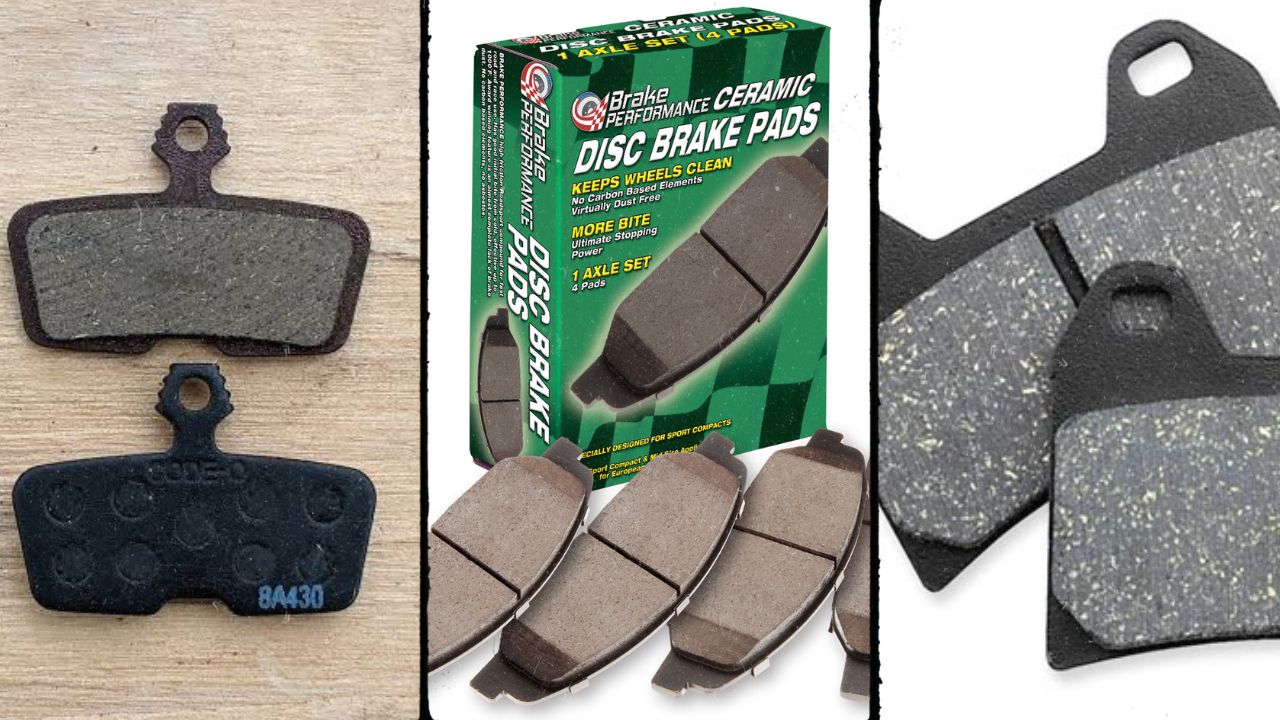
When you buy manufacture approved brake pads at a dealer price for your exact car with warranty linked to your service, you pay an extra ₹500–₹1,500 if the same compound is available in the aftermarket. The catch is as long as you confirm they fit your car and have them installed by a trusted mechanic.
Both options are not always perfect if you have a warranty for your car then OEM pads may be a safer choice. These aftermarket pads from a trusted brand are good for old and second cars, as it can save money without sacrificing safety.
Things to Review Before Making a Decision
A couple of things are always worth confirming before you buy, no matter which brand you’re considering: see if the listing is for your exact variant and year of car, not just the model name because brake systems change across facelifts.
Look for a friction material certification (ECE R90 is the relevant European homologation standard many Indian aftermarket brands now reference) rather than relying on marketing copy alone. And if a listing price looks unusually low for a named brand like Bosch or Brembo, treat it as a counterfeit-risk signal — India’s aftermarket brake market has a known problem with pads sold under premium branding that aren’t genuine, and a pad that’s dimensionally wrong or metallurgically inconsistent is not somewhere to save ₹500.
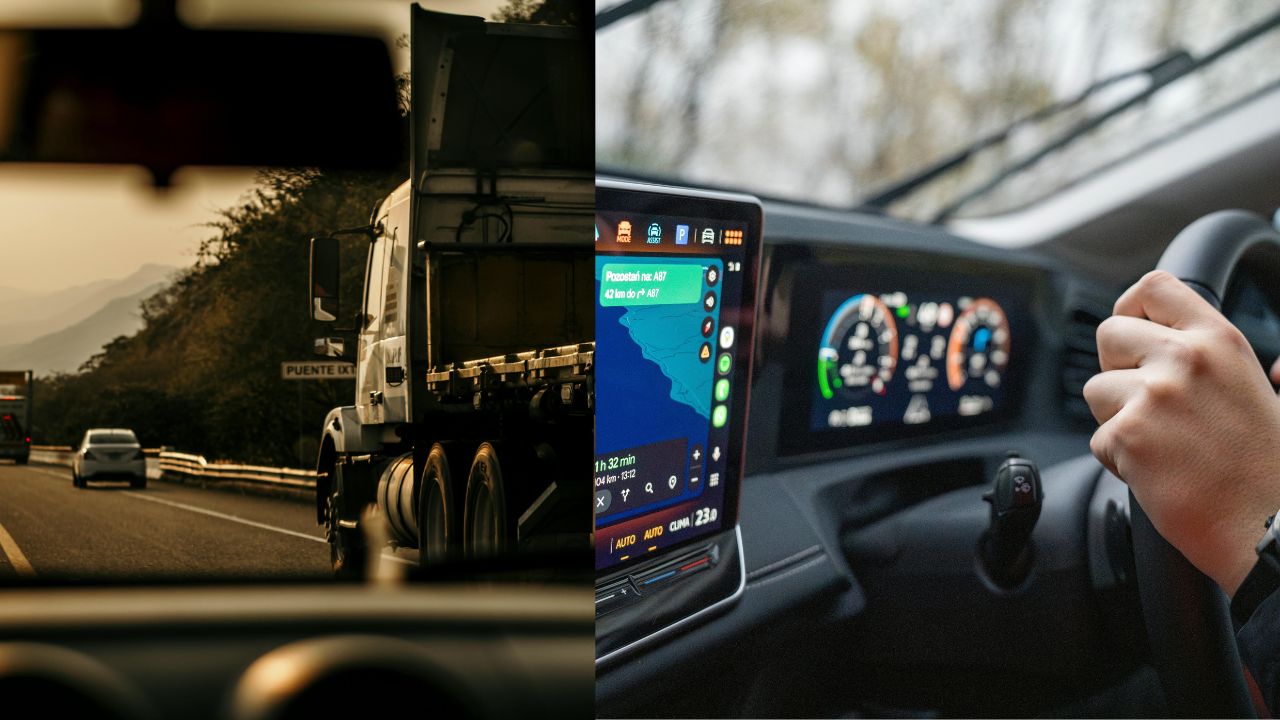
None of the brands above is the universally “right” answer — a Brembo pad on a city-only hatchback is over-spec’d the same way a budget NAO pad on a hill-route SUV is under-spec’d. Match the compound to how and where you actually drive, confirm fitment against your specific variant, and the rest of the decision mostly makes itself.
Conclusion
The best brake pads for your car aren’t necessarily the most expensive ones but the ones which fit your car, depending upon driving conditions and braking needs. Bosch, TVS Girling, or Rane Brake Lining are best fit for cars running in the city everyday as they offer a good performance on stopping, long-lasting, and price. Heavy-performance brake pads like Brembo are best matched for cars running on hills, carrying heavy loads, and pushing harder but the cost is little expensive.
Whatever you choose, don’t ignore the quality product over cheap products which your seller recommended, trust yourself. Check closely exact variant and model-year fitment, trust reliable source, and let the competent mechanic install the pads and inspect discs. The best brake pad is an essential part of the brake system because when stopping matters so the reliability is worth far more than saving a few hundred rupees.
