0

Best Car Accessories for Thar Roxx You Should Buy in 2026

Best Car Accessories for Thar Roxx

Three weeks into owning a Thar Roxx, most buyers notice the same two things: the beige or tan seat trim already has a water-bottle ring on it, and the floor mat that came in the box is doing nothing against monsoon mud. That’s usually the moment people start searching for the best car accessories for Thar Roxx — and there are only a handful of them worth buying before anything else.

Accessory prices for the Roxx swing a lot depending on brand, material and whether you’re buying genuine Mahindra parts or aftermarket. What’s below is priced from current listings across a mix of sellers, so treat these as representative ranges rather than fixed numbers — always check the live price before checkout, especially on anything leather or electronic.

What You Car Needs Protecting First

The Thar Roxx has two known weak points for new owners: the factory floor carpet, which isn’t built for Indian monsoons, and the seat upholstery, especially on lighter interior colours. Everything else — paint protection, dash cams, trackers matters, but it’s a second-wave purchase once the interior is covered.

So buying these best car accessories for Thar Roxx is not only for maintaining an interior look but also to protect before anything running it.

Best Car Accessories for Thar Roxx: Worth Buying Picks

1. 7D Leather-Luxury Floor Mats — ₹4,999–₹9,999 

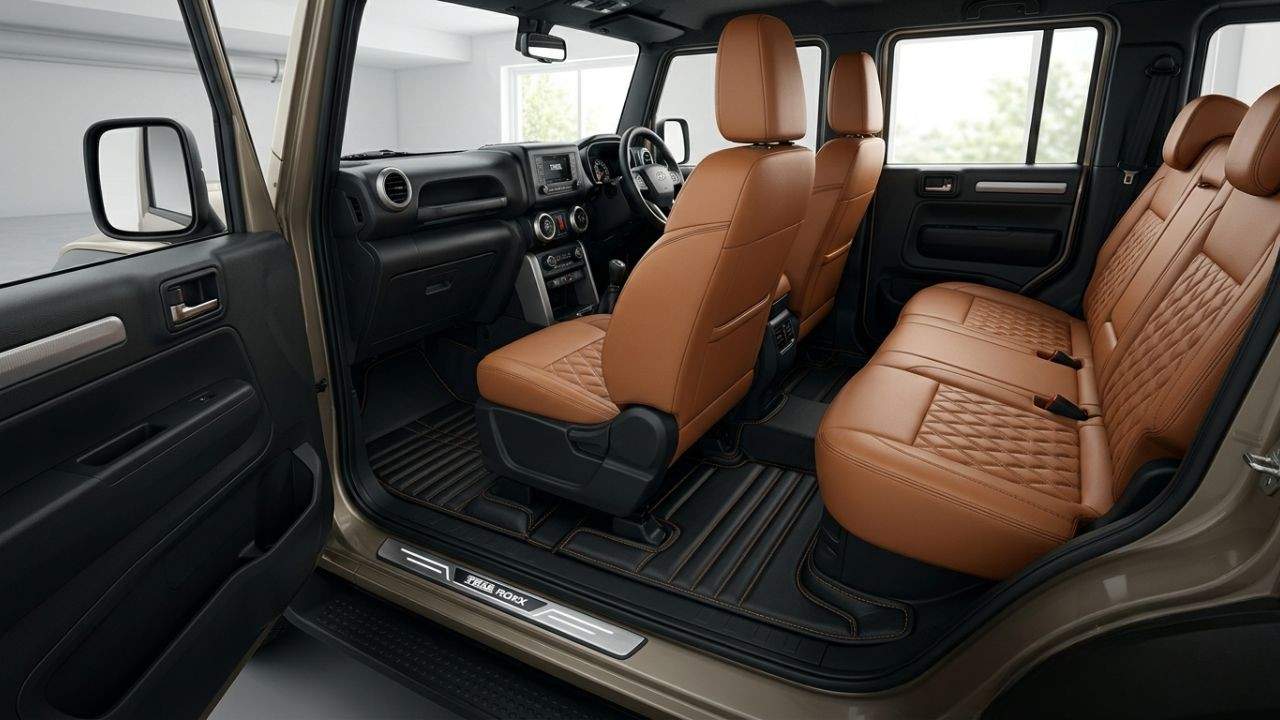
Custom-molded for the Roxx’s floor pan (manual and automatic get different mat shapes), with a detachable leatherette base and a grass-mat top layer, Velcro-backed to stay put. KVD’s version runs close to ₹4,999 on marketplaces like Autoclint; heavier 9D versions from AutoFurnish or Neodrift push toward ₹9,999. 
best car accessories for thar roxx

Full sidewall coverage means mud and spills never touch the actual carpet underneath. The trade-off: the grass-mat top needs regular vacuuming, or it starts trapping dust instead of catching it. 

Best for: buying in the first month of ownership, before daily grime sets in.

2. Seat Covers — ₹7,399–₹18,999 (Depending on Tier) 

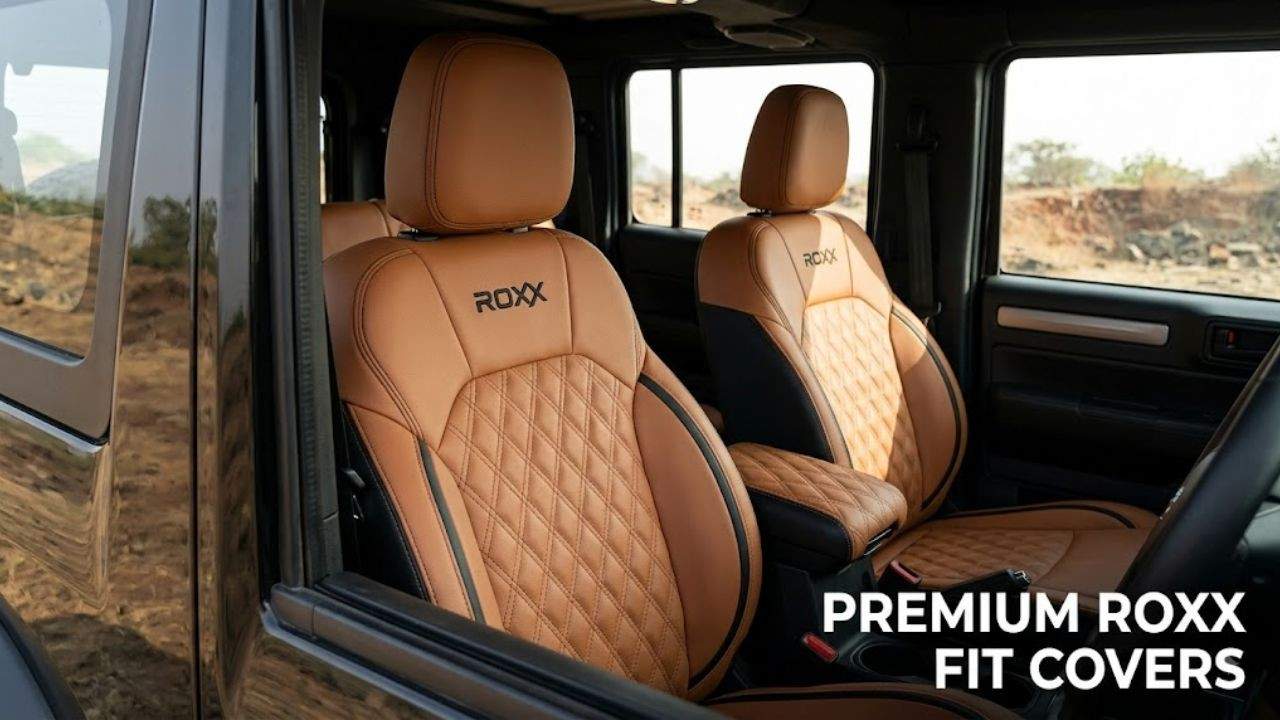
Budget PU/art-leather covers (KVD Superior Leather and similar) sit around ₹7,399–₹8,399. Custom Nappa leather from boutique fitters like Jackspeed runs ₹18,360–₹18,999. Both are cut for the Roxx’s front captain-seat shape. The budget tier protects the factory seats for roughly a third of the premium price, but PU covers get noticeably hotter and stiffer under direct sun than real Nappa. 
Thar Roxx

Best for: anyone with the lighter (beige/tan) interior option, since it shows stains first.

3. Paint Protection Film (8-year warranty) — ₹1.35 lakh 

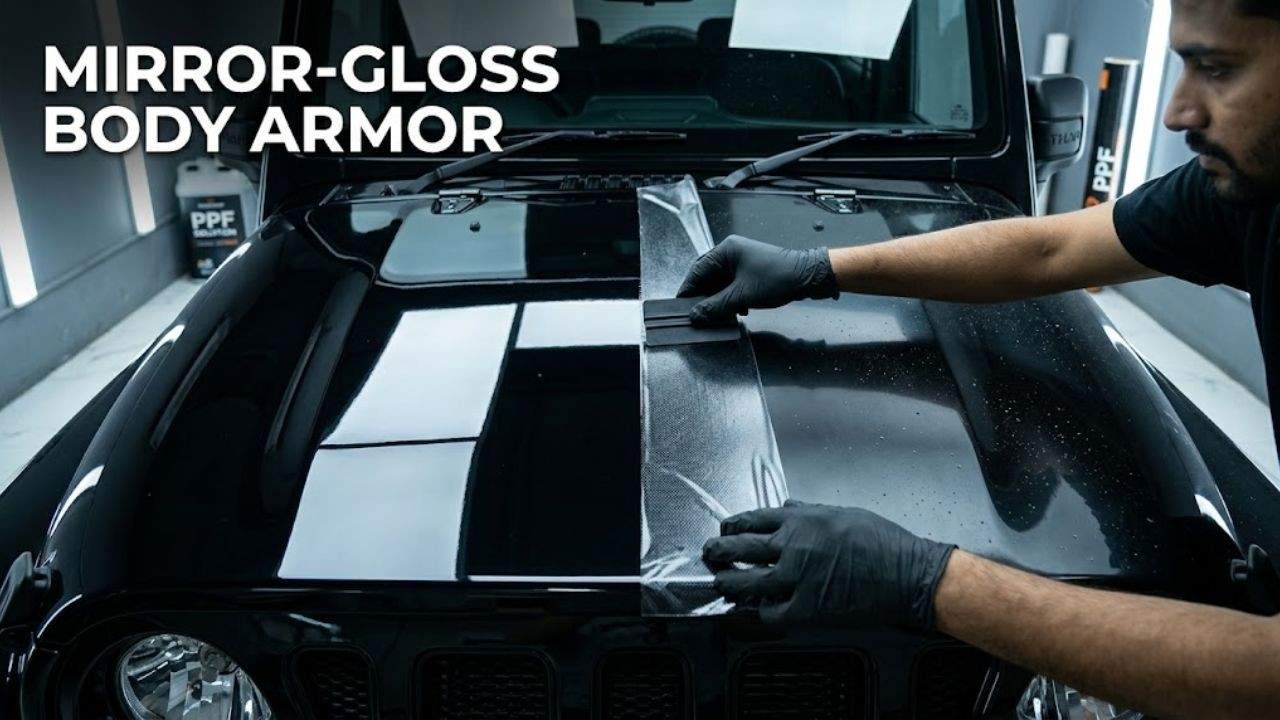
Self-healing top coat, UV-stable, applied either to high-chip zones (bonnet, bumper, mirror caps) or the full body depending on the package. It protects resale value on a vehicle whose flat, boxy panels chip easily on highway drives. But the spend only makes sense if you’re keeping the car five-plus years — a short-term owner won’t recover the cost at resale. Shorter-warranty PPF packages exist for less, though exact current pricing on those wasn’t confirmed here. 
Thar Roxx

Best for: long-term owners prioritising resale value over upfront savings.

Read More:-  Top Car Insurance Plans to Buy in August 2026

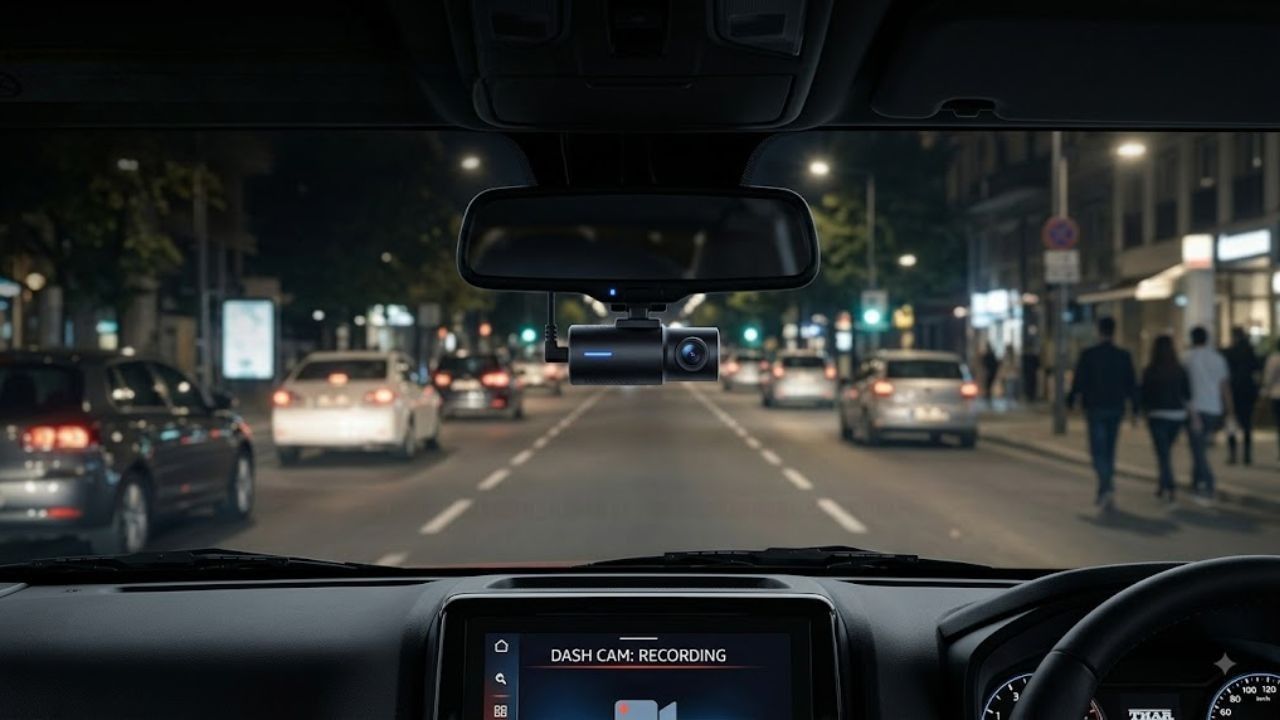
4. Dash Camera — approx. ₹25,000 

Front-and-rear dual-channel units with night vision, parking mode and loop recording land around this figure; front-only units cost meaningfully less. Treat ₹25,000 as a ceiling for a full dual-channel setup, not a fixed price. Real footage matters in hit-and-run or insurance disputes, and more Indian insurers are asking for it. Cheaper units without proper heat-resistant sensors tend to fail after a few summers parked in direct sun. 
Thar Roxx

Best for: daily commuters and highway drivers who want insurance-grade footage on file. This is one of the essential and best car accessories for Thar Roxx.

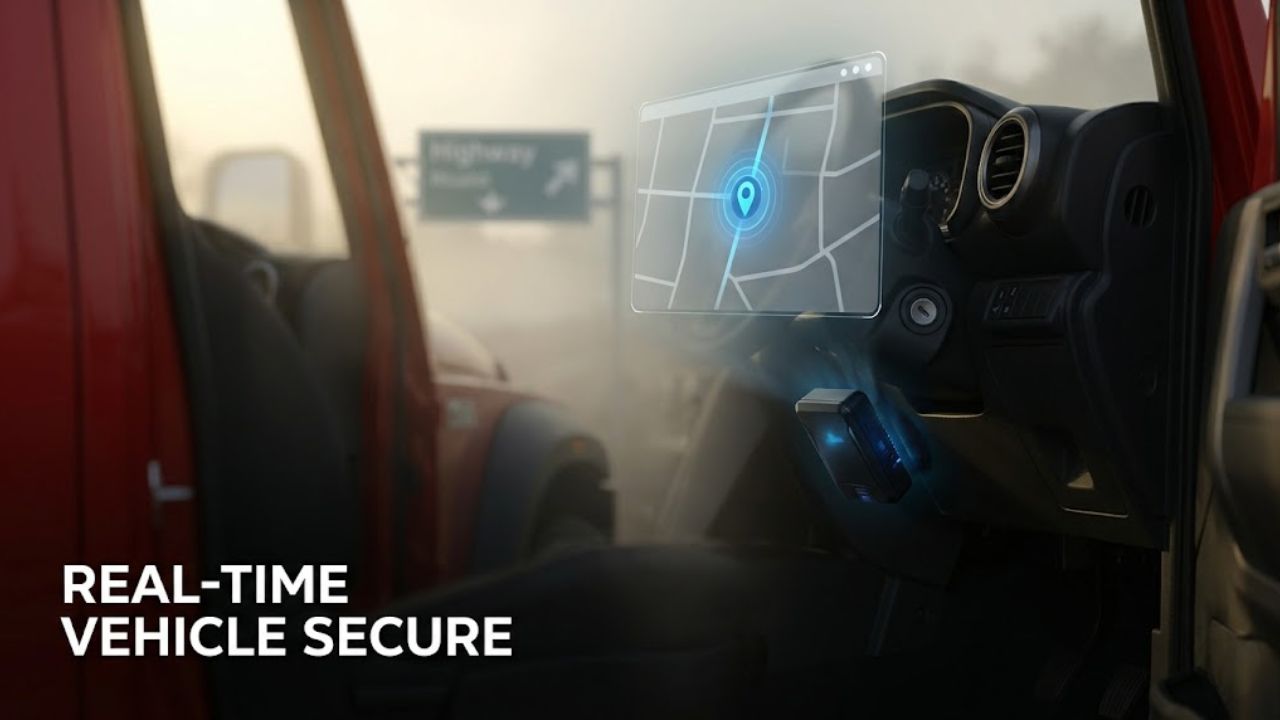
5. GPS Tracking Device — ₹12,499 

Real-time location via app, geofencing alerts, and ignition on/off tracking. It doubles as anti-theft and peace of mind if more than one person drives the car. The catch: most trackers need an active SIM or data plan, so the ₹12,499 hardware cost isn’t the full cost of ownership. 
Thar Roxx

This is the best car accessories for Thar Roxx because it’s good for multi-driver households, or parking regularly in high-theft areas.

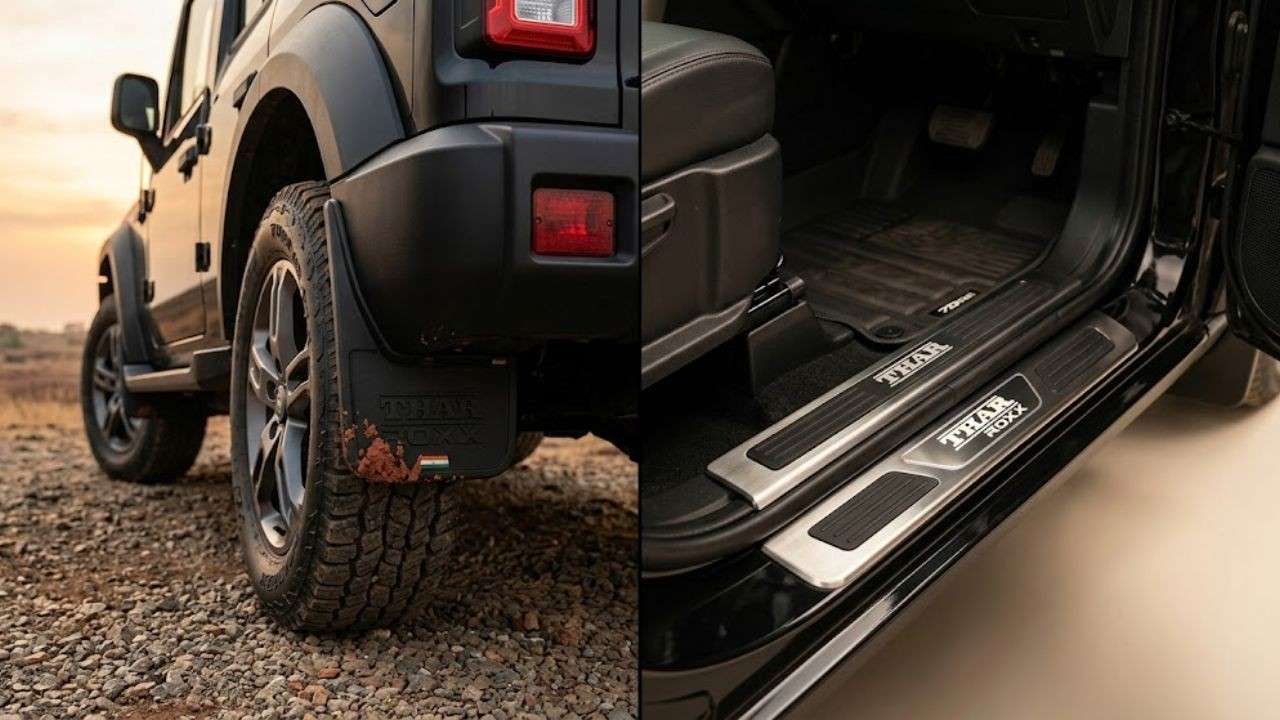
6. Door Sill Guards — ₹1,175 

Stainless steel or ABS plates covering the door sill/entry step, some with blue LED accents. It’s the cheapest item on this list solving a guaranteed problem — every passenger’s shoe scuffs that still eventually. It’s purely cosmetic and protective, with no functional upside beyond that. 
Thar Roxx

Read More :-  Best Car Battery for Your Vehicle: Top Picks & Buying Guide 

The best car accessories for Thar Roxx to one easy, low-cost win before committing to bigger purchases.

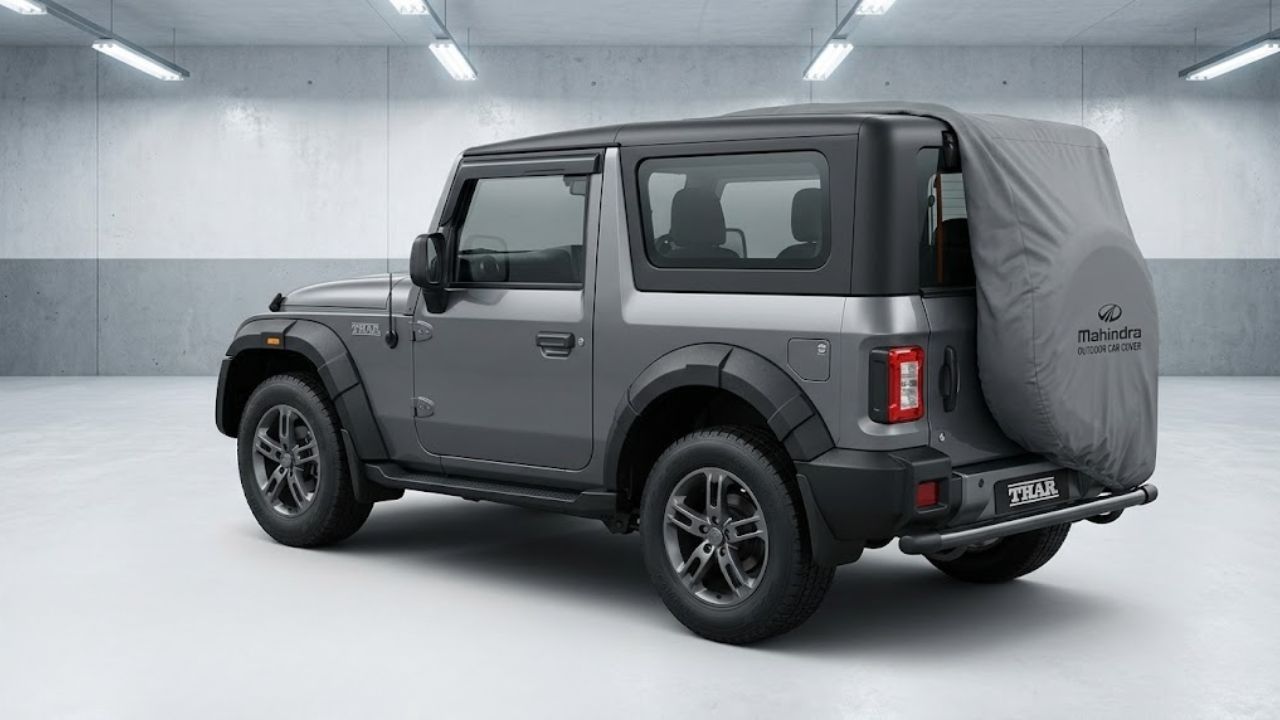
7. Waterproof Body Cover — ₹1,895–₹2,150

Triple-stitched, mirror-and-antenna-pocket covers built to fit the Roxx exactly (Kingsway, Autofurnish, and Drivestylish all sell versions in this range; MRP is usually listed near ₹4,400 but the real transaction price is the ₹1,895–2,150 band). Blocks UV, bird droppings, and tree sap for anyone parking outdoors without covered parking. This is one of the best car accessories for Thar Roxx but cheap covers trap moisture instead of shedding it, which can leave swirl marks if you don’t let the paint dry first.
Thar Roxx

Best for: owners without a garage or covered parking spot.

8. Mud Flaps (Set of 4) — ₹499–₹999

ABS plastic, OEM-fit, screw-in installation with no drilling. Autofurnish sells at the low end (₹499), RideoFrenzy and Techo sit closer to ₹990–999. Cheapest functional accessory on the whole list — stops mud and road spray from hitting the lower doors and undercarriage. Limitation is that the budget PP versions get brittle and crack in a couple of Indian summers, so this is one spot where paying slightly more (ABS over PP) actually matters.

Thar Roxx

Best for: anyone who drives on unpaved or waterlogged roads regularly.

Floor Mats vs. Seat Covers: Which Comes First?

7D Floor Mats Seat Covers
Starting price ₹4,999 ₹7,399
Protects against Daily, guaranteed damage — mud, water, spills Slower-building damage — stains, wear
Urgency Needed from week one, especially in monsoon states Matters most on light-colour interiors

Floor mats protect against damage that happens on day one of ownership; seat covers guard against wear that accumulates over months. If the budget only stretches to one, the mats come first — they cost less and cover the area that takes damage every single drive, rain or not.

Read More :-   Best Brake Pads for Cars: Top Options for Safe Driving

Conclusion 

These best car accessories for Thar Roxx comes under ₹6,200 combined, floor mats plus a sill guard cover the two spots on a Thar Roxx that show wear fastest. Once the budget clears ₹20,000, budget-tier seat covers close the interior-protection loop entirely. PPF and a dash cam are worth holding off on until two questions are answered: how long you’re actually keeping the car, and whether your insurer asks for dash-cam footage in the first place. Let those answers decide the spend — not the order on this list.


Sharey Khan

Sharey Khan is an IT entrepreneur and petrol head & a car enthusiast. With a special focus on car-related content, he combines his deep passion for vehicles with a talent for crafting informative, engaging, and easy-to-understand content. His writing is driven by a genuine love for cars and he is committed to providing readers with accurate, up-to-date, and trustworthy information that empowers smarter driving decisions. 

Leave a Reply

Your email address will not be published. Required fields are marked *

0

How to Renewal Car Insurance: Step-by-Step Guide (2026)

How to Renewal Car Insurance

Most people renewing their car insurance assume there’s a buffer if they miss the due date. There isn’t. Under current IRDAI norms, if your policy lapses by even a single day, your car has to go through an inspection before a new policy is issued and legally, you’re driving uninsured in the meantime. Knowing how to renewal car insurance will help you handle it quickly.

What most people call the “grace period” is actually a 90-day window that protects your No Claim Bonus, not your car. That distinction is where most ‘How to Renewal Car Insurance’ guides get sloppy, and it’s the difference between a smooth renewal and a stressful one. 

Want to maximize your savings? Read our complete guide on car insurance cost-saving tips.

What Is The “Grace Period”?

There’s no grace period for the coverage itself. The moment your policy expires, your car is uninsured — no exceptions, no buffer days. Drive during that window and you’re exposed to traffic fines, and if you’re in an accident, the full financial liability lands on you personally, not the insurer.

The 90-day window people refer to is narrower than it sounds: it only protects your accumulated No Claim Bonus. Renew within 90 days of expiry and your NCB carries over. Renew after that, and it resets to zero — even if you’d built up five straight claim-free years. So “I have three months to renew” is technically true for your bonus and false for everything else that matters.

Step-by-Step Guide: How to Claim Car Insurance for Own Damage

When to Actually Start the Process

Most insurers open the renewal window somewhere between 15 and 30 days before expiry, though this varies enough by insurer that it’s worth checking your policy document rather than assuming. Starting early gives you time to compare insurers and IDV quotes without the pressure of an expiry date bearing down on you — pressure that tends to make people accept whatever number the renewal SMS quotes them.

How to Renewal Car Insurance Online, Step by Step

There’s nothing that is difficult to understand ‘How to Renewal Car Insurance,’ so follow these steps one-by-one to get everything done.

Step 1: Pull Up Your Existing Policy and Check Three Things

Before comparing anything, confirm your expiry date, your policy type (third-party only, or comprehensive), and the IDV your current policy was issued on. These three numbers determine everything that follows.

Step 2: Decide Whether to Stay or Switch Insurers

Your NCB isn’t tied to your insurer — it belongs to you. Switching insurers at renewal doesn’t cost you your bonus; the new insurer verifies your claim history through the shared IIB database and applies the same NCB slab you’d earned with your previous one. If your current insurer’s renewal quote looks inflated, get one or two comparison quotes before assuming you have no choice but to pay it.

Step 3: Recalculate Your IDV Before You Accept the Insurer’s Number

IDV is the maximum amount you’d be paid if your car were stolen or written off, and it depreciates every year as your car ages. Insurers sometimes carry forward IDVs that don’t reflect this depreciation properly. A higher IDV means a higher premium — not necessarily better coverage — so it’s worth checking the number against your car’s actual current market value rather than accepting it by default.

Step 4: Apply Your No Claim Bonus Correctly

NCB starts at 20% after one claim-free year and climbs to a maximum of 50% after five, applied to the own-damage portion of your premium, not the third-party liability portion. One claim resets it entirely. It’s also worth knowing that GST is charged on the premium after your NCB is deducted, not before — so a higher NCB doesn’t just lower your premium, it lowers your tax outgo along with it.

Step 5: Review Add-Ons Instead of Renewing Them Blindly

Zero depreciation cover, engine protection, roadside assistance — these all get renewed automatically for most people because they were on last year’s policy. Some are worth keeping (engine protection matters if you’re in a flood-prone city; zero depreciation matters for cars under three years old). Others quietly get renewed out of habit and add cost for no real benefit. Go through the list deliberately rather than accepting the bundle.

Step 6: Keep These Documents Ready

You’ll need your RC copy, your previous policy copy, and your PUC certificate if your insurer asks for it. If you’re renewing after a lapse or switching insurers, keep clear photos of your car’s exterior handy — inspections increasingly happen through an app-based video walkaround rather than an in-person visit.

Step 7: Pay, Verify, and Download

Once you’ve paid, check that the policy number matches your RC, and that the new policy’s start date has no gap from your old policy’s expiry date. A one-day gap is enough to technically classify you as a break-in renewal, even if you paid on time.

How to Renewal Car Insurance

What Happens If You Miss the Deadline

Miss it by even a day and your insurer will require a vehicle inspection before issuing a new policy — this used to mean waiting for a surveyor to visit, though many insurers now let you submit a short self-recorded video instead, which can cut the approval time down to a few hours.

The bigger cost shows up if the lapse runs past 90 days. At that point your NCB resets to zero regardless of your claim history, which for most cars translates to roughly ₹4,000–₹12,000 in extra premium for the year, depending on the vehicle. 

In several states, traffic enforcement is now linked to real-time vehicle databases that flag expired policies automatically, so “I’ll deal with it later” carries more risk in 2026 than it used to.

Bought your car on a loan? Learn what hypothecation in car insurance means and why it matters.

The GST Line on Your Renewal Bill

Motor insurance premiums in India carry a flat 18% GST — this hasn’t changed, even though individual life and health insurance premiums were made GST-exempt from September 2025 onward. Car insurance wasn’t part of that reform. So on a ₹20,000 comprehensive premium, expect roughly ₹3,600 in GST, taking the total to about ₹23,600. 

As noted above, that 18% is calculated on the premium after your NCB discount is applied, not on the full amount — one more reason a clean claim history is worth protecting.

The actual renewal takes about ten minutes once you’re inside an insurer’s portal. Where people lose money is in the three weeks before that — letting the policy lapse, accepting an outdated IDV, or renewing add-ons without checking whether they’re still relevant. 

Set a reminder for 20 days before your expiry date, pull up your NCB certificate, and treat the renewal like you’re buying the policy fresh because on the insurer’s side, that’s exactly how it’s being underwritten.

Conclusion

Renewing your car insurance is fast – but only if you’re not procrastinating. Nothing to worry about renew your policy before it expires check your IDV and NCB verify add ons thoroughly after payment check your policy details. Guide on how to renewal car insurance in advance can help you avoid coverage gaps, protect your NCB and potentially save money on your premium. 

0

Why Salaried Indians Are Buying Mercedes Cars

Published Sep 23, 2026, 11:03 AM
Last Updated Sep 24, 2026, 4:26 AM

Salaried Indians Are Buying Mercedes Cars

A decade ago, a Mercedes in the driveway usually meant that the owner ran a business, inherited one, or both. Now all you get to see Mercedes Cars is driven out from the showroom by the 34-year-old product manager or a bank VP drawing a fixed monthly salary.

That’s because the financing options are making things easier for the corporate employees. Salaried Indians buying Mercedes Cars isn’t an aspirational fantasy anymore — it’s one of the fastest-growing customer segments the brand has in the country, and the company is restructuring its own sales strategy around it.

If you are also curious about how they are buying on their 25–30 LPA salary then know about EMI strategy and real prices before thinking about it.

Sales Numbers Behind the Shift of Mercedes Cars 

Mercedes-Benz India retailed 9,768 vehicles between January and June 2026, a 9% year-on-year jump and its best-ever first half in the country. The second quarter alone brought 4,637 units, its highest-ever quarterly number, up 10% year-on-year. Zoom out to the full financial year, Mercedes-Benz retailed 19,363 cars in India between April 2025 and March 2026, up from 18,928 the year before.

What’s telling is where that growth is coming from. Mercedes-AMG performance cars grew 50% in H1 2026, and battery-electric vehicles doubled their share to 14% of total sales. At the same time, the Top-End Luxury segment — S-Class, Maybach, EQS SUV, AMG — grew 25% in Q1 2026 and made up 27% of everything the brand sold, with wait times running 4 months to a full year on flagship models like the AMG G 63. 

Mercedes-Benz India

So the story isn’t “Mercedes is selling more entry cars to salaried buyers” in isolation — it’s happening while the brand simultaneously pushes upmarket. Both ends of the business are growing at once, which only works if the customer base is genuinely widening.

Mercedes itself confirms this isn’t accidental. Brendon Sissing, VP of Marketing and Sales at Mercedes-Benz India, has said salaried professionals are becoming an increasingly important customer group, pushing the company to actively court large corporates and their workforces rather than waiting for word-of-mouth. 

He specifically named the CLA and GLA as the models built to convert these first-time premium buyers. Mercedes isn’t reacting to a trend, it’s engineering its India strategy around it. 

It’s worth noting BMW isn’t standing still either — in calendar 2025, Mercedes Cars are sold up to 19,007 units against BMW’s 18,000, a gap that’s narrowed as BMW leaned harder into the entry-luxury segment, while Mercedes’ own entry-segment sales actually fell 23% that year even as its top-end and AMG lines grew 12% and 34% respectively. 

So salaried buyers are the battleground both brands are fighting over, and the fight is being won largely on financing, not just badge value.

How a ₹20-25 LPA Salaried Indian Affords a Mercedes Cars

A Mercedes GLA doesn’t require business-owner-level liquidity — it requires a salaried job, a decent CIBIL score, and a willingness to structure the loan smartly.

Three things are doing the heavy lifting for Mercedes Cars:

Mercedes-Benz Financial Services (MBFS) has financed the actual product. MBFS now finances close to half of every Mercedes sold in India — roughly four out of every ten cars. That’s the primary sales channel. Its flagship offering, the Star Agility programme, guarantees a buyback price on the car upfront, which removes the single biggest fear a salaried buyer has: “what if this thing craters in resale value the moment I drive it out?”

Step-up and balloon EMIs lower the entry bar. Rather than one flat EMI for five years, MBFS structures loans where you pay less in years one and two — when a young professional’s salary is lower and more later as increments kick in, with a lump-sum balloon payment or a buyback option at the end of the term. This is standard in developed luxury markets and Mercedes Cars has essentially imported it wholesale into India.

Mercedes-Benz C-Class

The company has said the quiet part out loud. Santosh Iyer previously said the company was working to bring the minimum down payment down to around ₹10 lakh, letting a buyer enter luxury ownership with an EMI in the ₹60,000-a-month range, explicitly betting that low EMIs — not lower sticker prices — would be what pulls more Indians into the segment. 

Prices have moved up since then, but the underlying strategy hasn’t changed: Sissing frames it as breaking the assumption “I can’t afford a Mercedes” through EMI structuring rather than discounting. As a live reference point, Autocar India currently lists the GLA’s on-road EMI starting around ₹89,600 a month in Mumbai — a real number you can check against today’s rates rather than a 2023 quote.

Practically, this means a household with a combined salaried income of roughly ₹20-25 lakh a year, no existing high-value EMIs, and a 15-20% down payment can realistically finance a GLA or entry C-Class without touching savings meant for anything else. That’s a very different bar than “own a company.”

Read More 👉  Rolls Royce Unveils Custom Car Using Sea Snail Shells 

The Two Models of Mercedes Salaried Buyers Can Buy

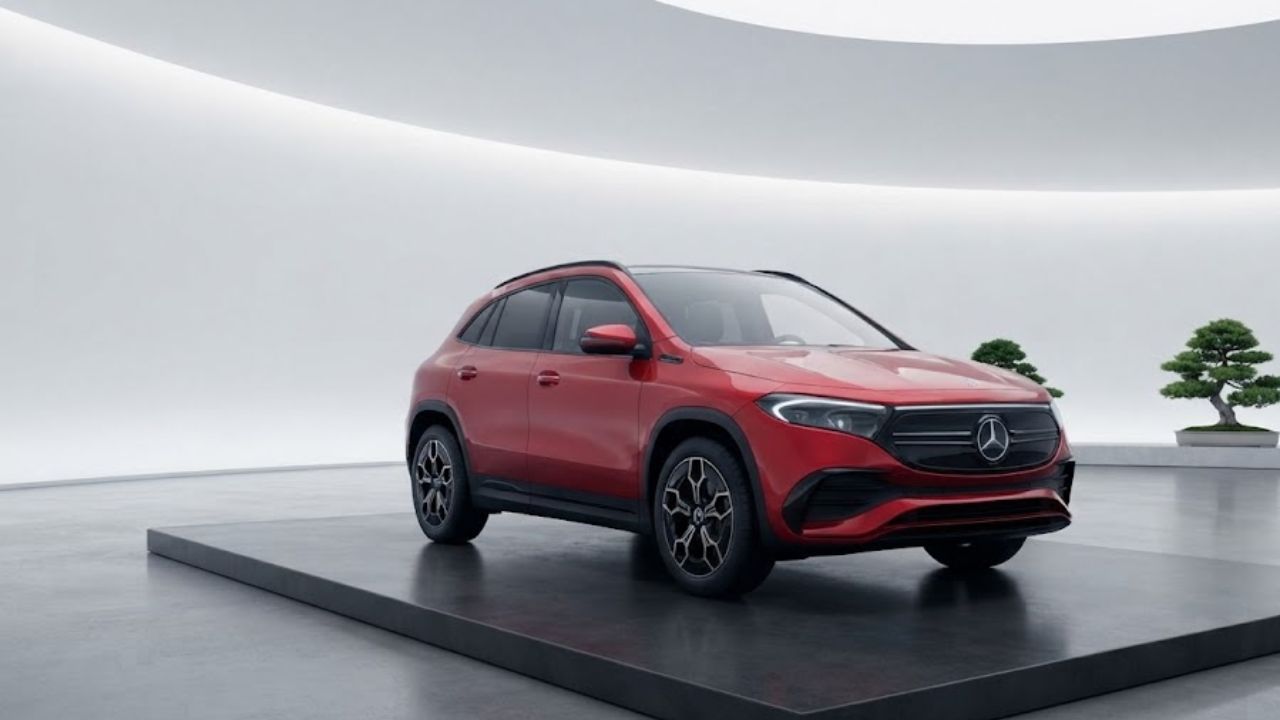
Mercedes-Benz GLA — the default first Mercedes

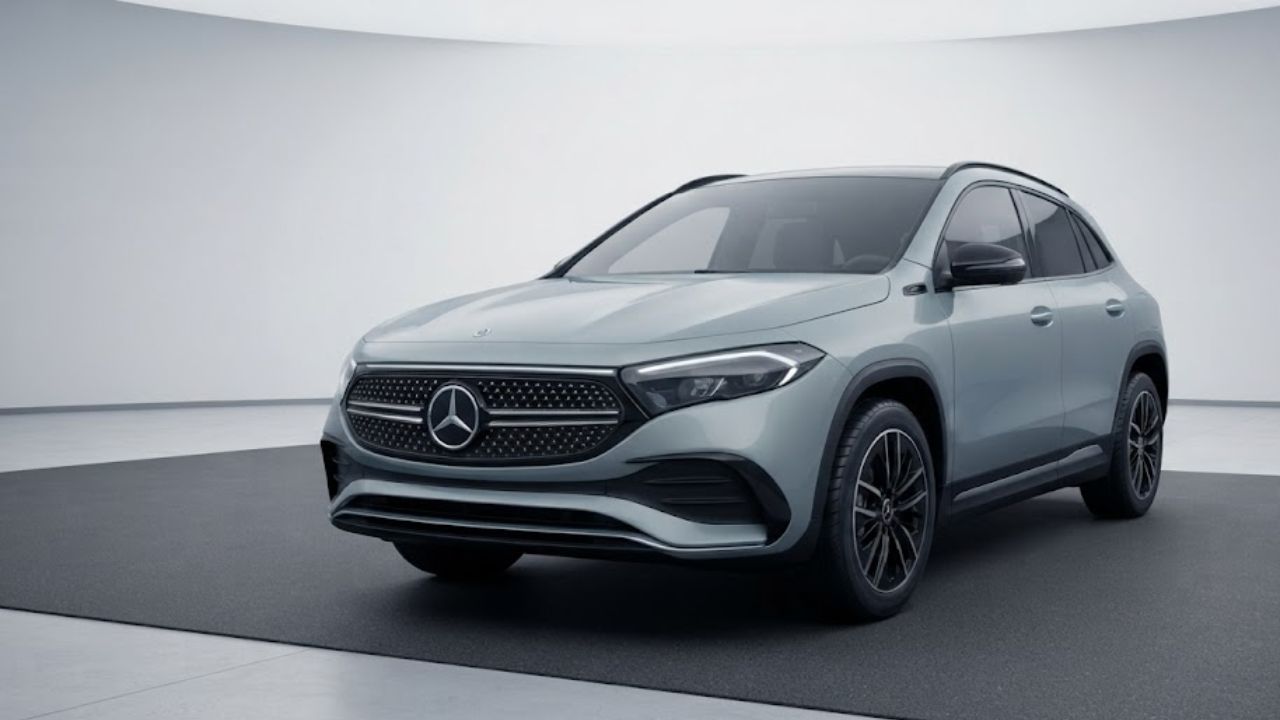
The Mercedes-Benz GLA is the cheapest way into the brand with ₹51.80 lakh ex-showroom. With a petrol engine of 1.3-L with mild-hybrid, GLA produces a power of 163PS and 250Nm where a buyer can get 192PS and 400Nm in a diesel engine. But both engines run on automatic gearboxes.

The cabin has a 10.25-inch display paired with a 10.25-inch digital instrument cluster to make everything flawlessly comfortable. The connectivity including wireless Apple CarPlay and Android Auto gives you access to more features.

Mercedes cars on EMI

Monsoon and night view will be more beautiful with a panoramic sunroof, 360-degree camera, and a full ADAS suite, and it carries a 5-star Euro NCAP safety rating with 7 airbags standard. 

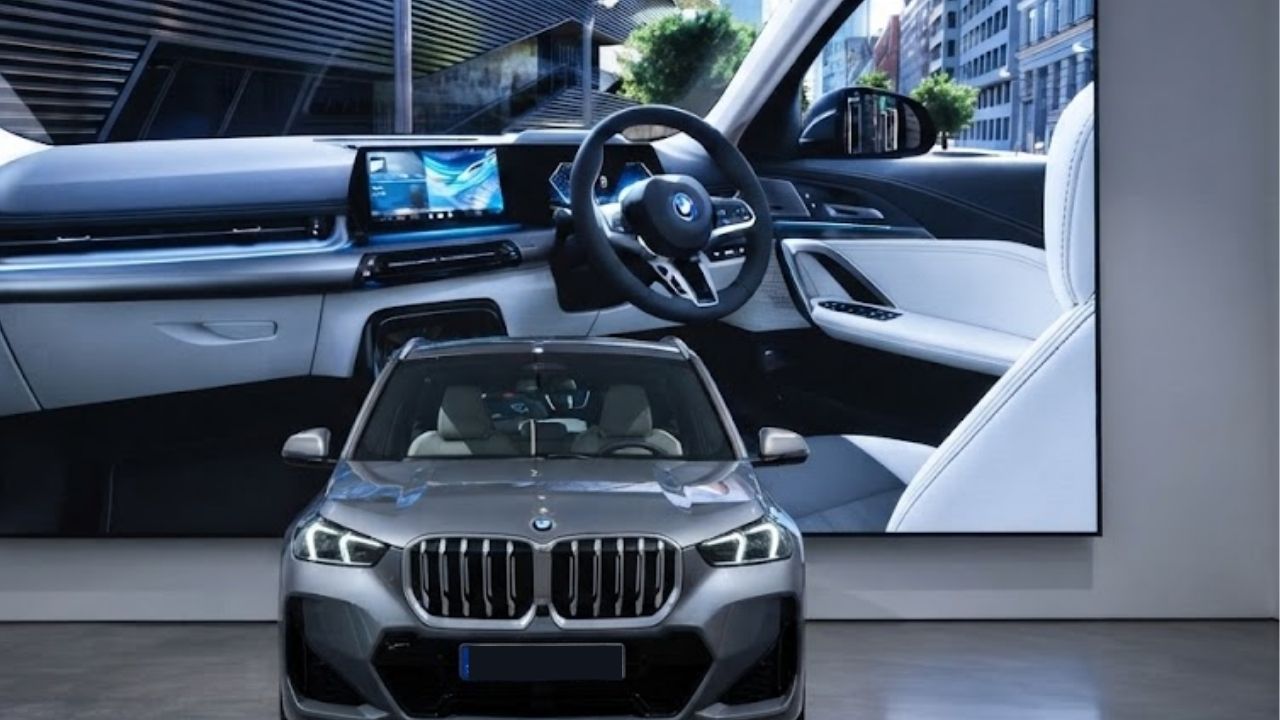
Its direct rival, the BMW X1, starts close by at roughly ₹50.9-54.3 lakh depending on variant — this is genuinely a head-to-head fight, not a Mercedes-only lane.

Mercedes-Benz C-Class — the step-up once the promotion lands

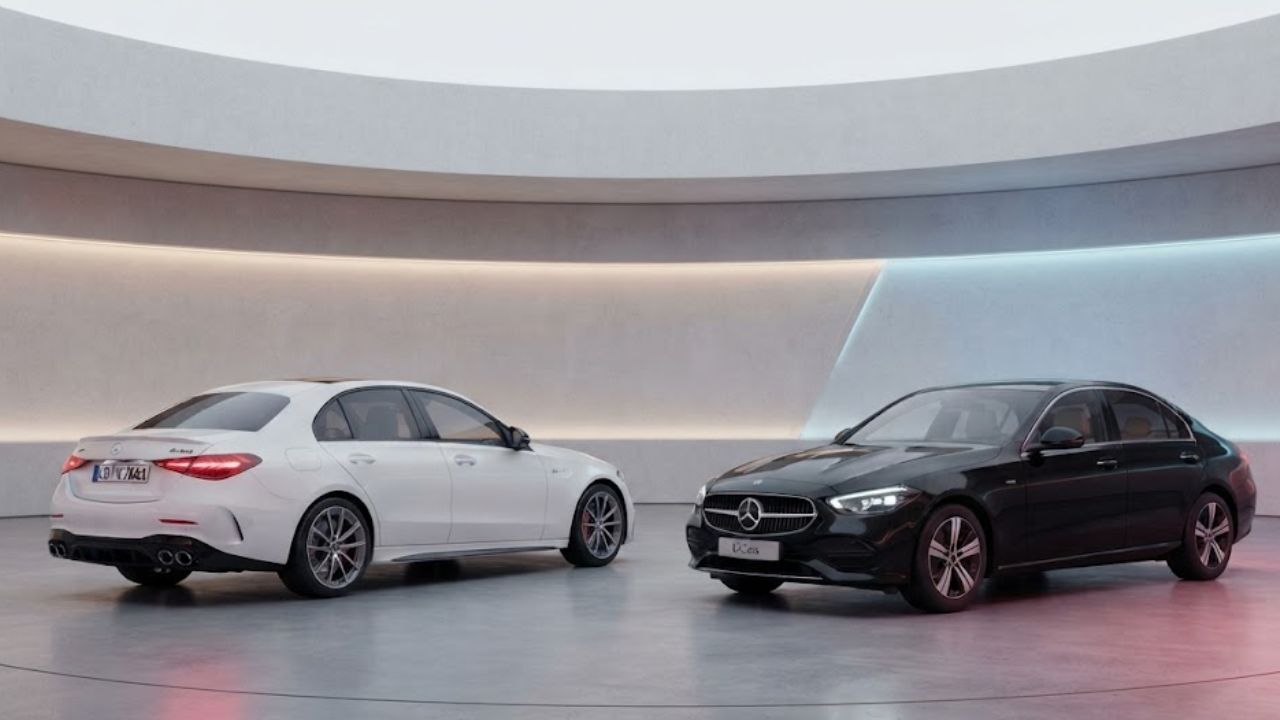
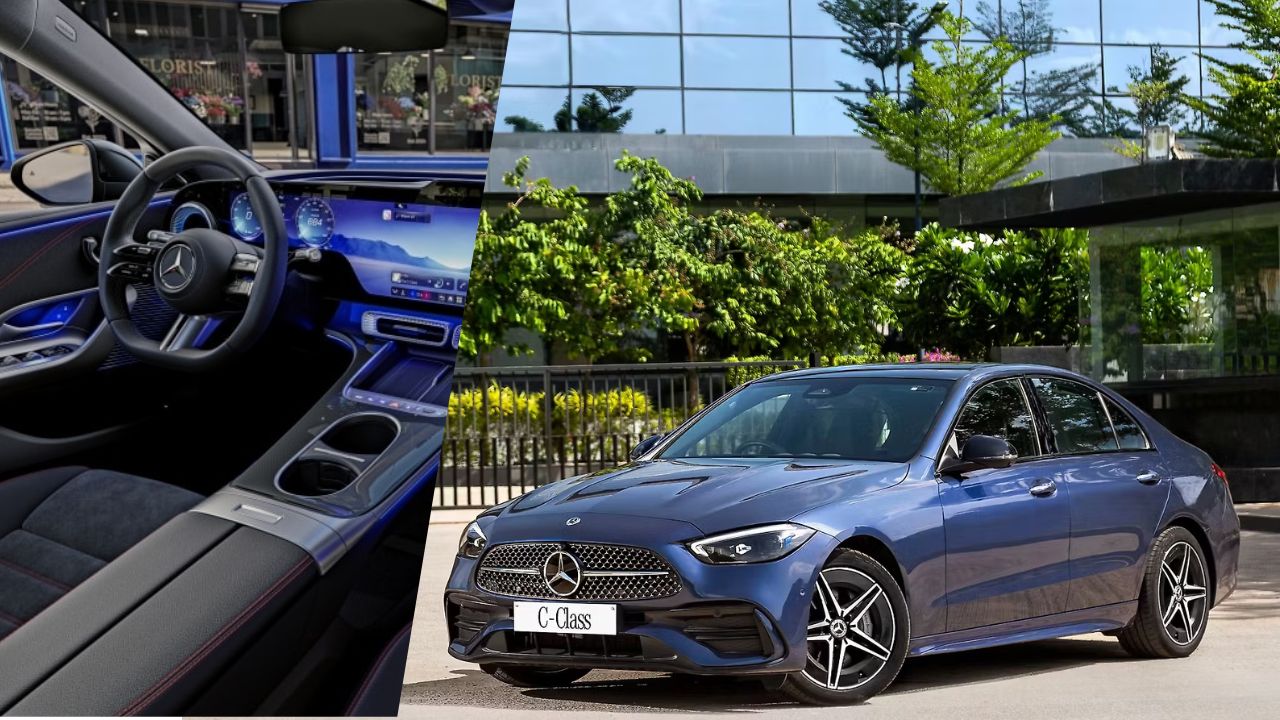
After the entry level GLA, Mercedes-Benz C-Class comes at a slightly higher price with ₹61—₹67 lakh ex-showroom. It offers 0.2L more litres to the petrol engine to give 201bhp and 300Nm of powerful performance. 

The other variant — C220d gets a 2.0-litre turbo-diesel which produces less power (197bhp) but giving more torque of 440Nm. This is something else entirely of C-Class C220d, making it the most selected variant in the showroom. Both with a 48V mild-hybrid boost and a 9-speed automatic.

Inside, it gets an 11.9-inch vertical MBUX touchscreen, a 12.3-inch digital driver display with a fingerprint scanner, a Burmester sound system, augmented-reality navigation, and the same ADAS suite as the larger cars. 

Mercedes cars

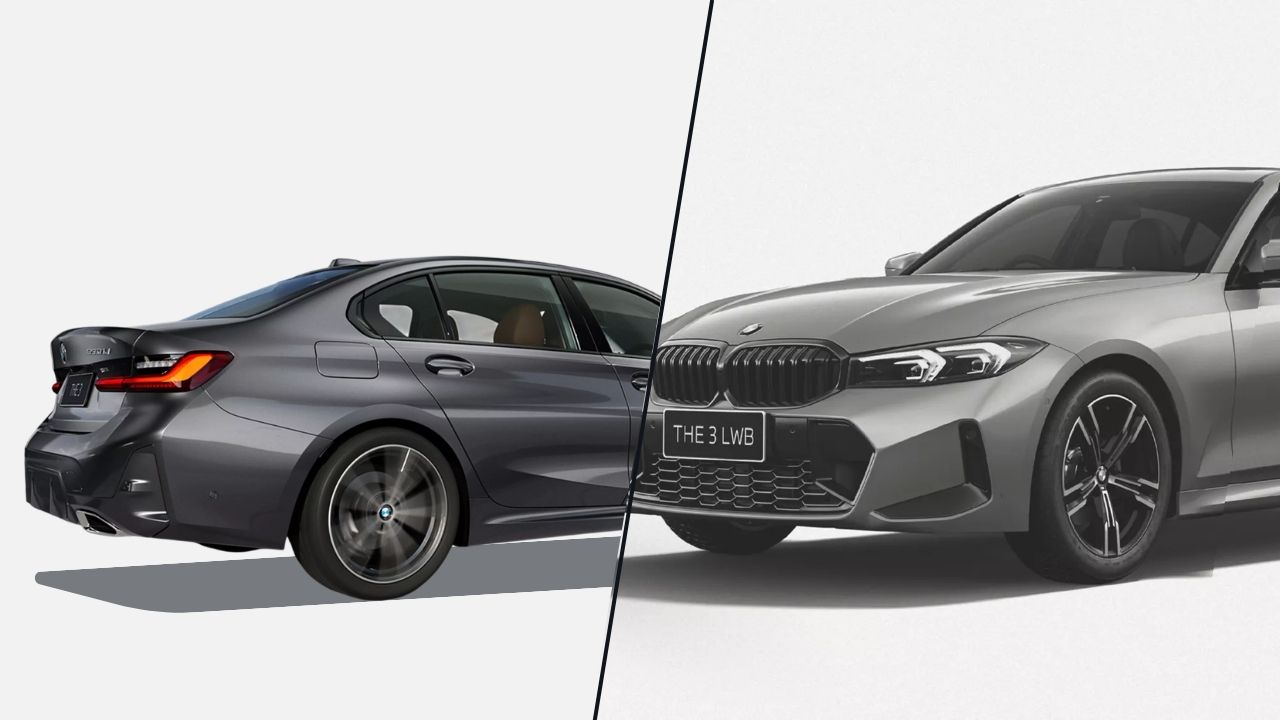
Its natural rival, the BMW 3 Series Gran Limousine (LWB), sits close at ₹62-63.5 lakh — again, a genuine cross-shop rather than a runaway win for either brand.

For buyers who cross into the ₹80 lakh-plus band, the E-Class (from roughly ₹80 lakh) and the newly launched all-electric CLA — which reportedly sold out within days of its India launch are where the conversation shifts next, but the GLA and C-Class remain the two Mercedes Cars actually closing deals with salaried, first-time luxury buyers.

Read More 👉  New Tata Safari EV Triple Screen Dashboard Spied – Launch Soon

Mercedes vs BMW: The Comparison That Matters

Mercedes GLA BMW X1 Mercedes C-Class BMW 3 Series LWB
Ex-showroom price ₹51.80 lakh ~₹50.90 lakh ₹61.20 lakh ₹62-63.50 lakh
Entry engine 1.3L turbo-petrol, 163PS 2.0L turbo-petrol/diesel 1.5L turbo-petrol, 201bhp 2.0L petrol/diesel
Positioning Entry SUV, first Mercedes Entry SUV, first BMW Core sedan Core sedan
Standout strength MBUX tech, brand pull Sharper driving dynamics Rear-seat comfort, S-Class styling Driver-focused handling

Neither brand wins outright at this price point — it comes down to whether you want Mercedes’ comfort-and-prestige lean or BMW’s sportier calibration, and increasingly, whichever dealer offers the better finance package on the day you’re ready to sign.

Run The Numbers Before You Buy Any Car

Mercedes Cars on EMI is a lifestyle decision disguised as a purchase decision, and it’s worth treating it that way. Run the numbers before the showroom visit, not after — a ₹51.80 lakh GLA at 15% down and a 6-7 year loan puts you in the ₹75,000-90,000 monthly EMI range depending on your bank’s rate, which only makes sense if that’s comfortably under 25-30% of your take-home pay, not a stretch to the edge of it. 

Mercedes-Benz GLA

The Star Agility buyback scheme is genuinely useful insurance against depreciation, but read the buyback terms on kilometres and condition before you count on that number. 

And if your job security is anything less than rock-solid, a step-up EMI that gets more expensive in years three and four is a bet on your own career trajectory — a reasonable bet for many people in this income bracket, but a bet all the same, not a guarantee.

Read More 👉 Top 10 MUVs in India: August 2026 Sales, Waiting Period and Easy Finance Option

Conclusion

The Mercedes Cars — GLA and C-Class are genuinely well-built, well-equipped cars at their price points — that part isn’t hype. Whether they’re the right call for a salaried Indians comes down to whether the EMI is funding a want you’ve priced honestly, or a status purchase you’re rationalizing with a spreadsheet.

0

Pre-Approved Car Loan Gains Dealership Discounts on Launch Day

Car Loan

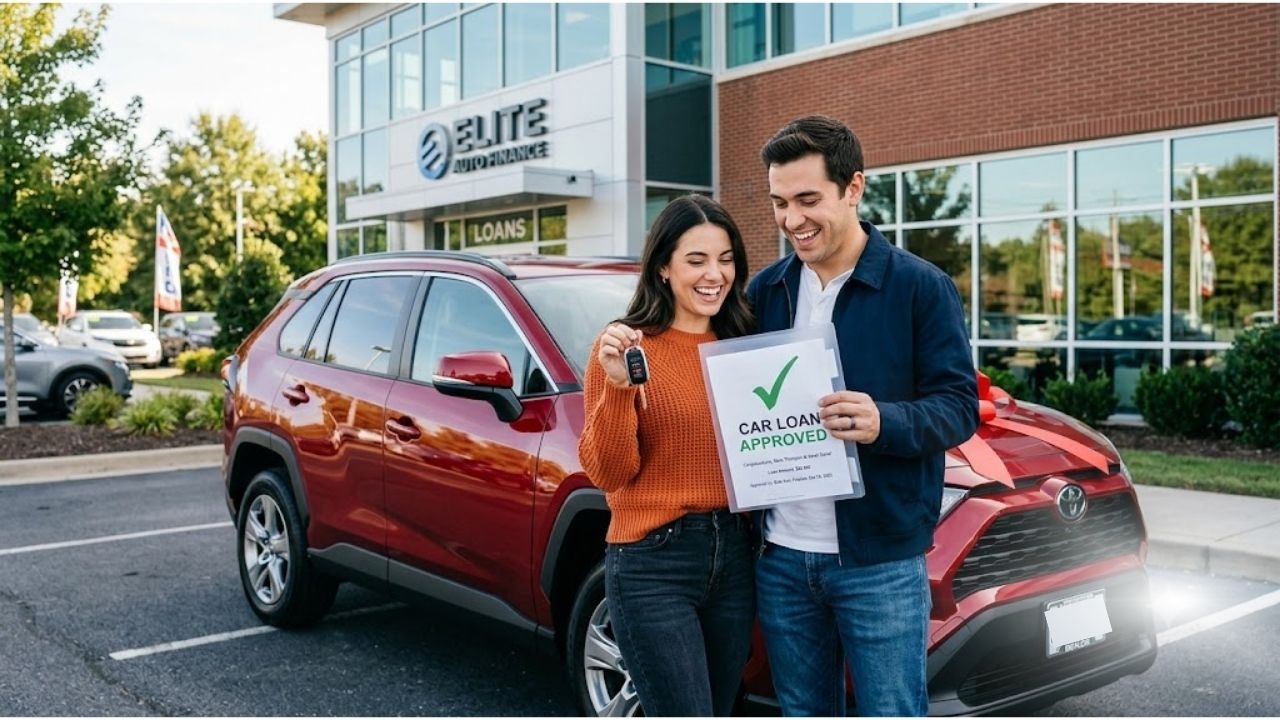
If you’re the customer still waiting on your bank to process a Car Loan application at that point, you’ve already lost the negotiation. A pre-approved Car Loan is how buyers who show up prepared to avoid that exact trap — they walk in already knowing what they can spend, and they can say yes to a deal in the same minute it’s offered.

Why Dealership Discounts Disappear Within Hours of a Launch

Manufacturers allocate a fixed number of units to each dealership for launch week, and dealers are told exactly how much discretionary discount they can offer per unit — usually a mix of a cash discount, an exchange bonus, and a corporate or loyalty benefit. 

That pool isn’t infinite. Once a dealer hits their unit target for the day, or once regional sales managers pull back the discretionary discount because demand is running hot, the next customer gets a thinner deal, even if it’s the same model, same day, same showroom.

This is why sales staff push hard for on-the-spot booking. A customer who needs three days to arrange financing isn’t just slow — they’re a risk that the discount window closes before the deal is locked in. Dealers will visibly prioritize buyers who can commit immediately, because a confirmed sale protects their unit count against that day’s allocation.

See Full Detail: How to get a Car Loan in 2026

What a Pre-Approved Car Loan Actually Does for You

A bank or NBFC confirms your loan amount, tenure, and interest before choosing any car to buy is a pre-approved Car Loan. It’s built off your salary slips, ITR, credit score, and existing liabilities — not off a specific vehicle’s invoice. 

A pre-approved Car Loan is a separate product of public, private banks, and NBFCs from a regular Car Loan which you can get through net banking or mobile app if you are an existing customer of SBI, HDFC, ICICI, or Axis bank with a clean repayment history. 

If you are an existing user of the lender then it takes 24 to 48 hours which is faster than a fresh loan applicant tied to a specific vehicle which gets 3 to 7 working days for turnaround. As it requires the dealer’s proforma invoice and RC-related paperwork to be finalized first.

You walk into the dealership holding a sanction letter that states a loan amount, not a down-payment negotiation you still need to work out with your bank.

How Pre-Approved Car Loan Changes the Negotiation at the Dealership

Salespeople read pre-approved car buyers differently, and it shows in three specific ways.

First, you can accept a discount the moment it’s offered instead of asking for 24 hours to “check with the bank.” That single difference is often what determines whether you get the full launch-day offer or a reduced one revised after allocation tightens.

Second, you’re no longer dependent on the dealer’s in-house finance desk, which usually has a tie-up with one or two specific lenders. Dealer-arranged financing sometimes comes bundled with a lower cash discount, because the dealership earns a commission from the lender and factors that into the deal structure. Walking in with your own sanction means the dealer has one less lever to work with, which shifts some of that margin back into your discount.

Third, you gain a genuine comparison point. If the dealer’s finance partner offers a rate higher than your pre-approved one, you have a documented number to negotiate against — either they match it, adjust the on-road price, or you take your pre-approved Car Loan and simply pay the invoice amount directly.

Pre-Approved Car Loan vs. Dealer-Arranged Financing

Pre-Approved Car Loan Dealer-Arranged Financing
Timing Sanctioned before car selection Processed after invoice is generated
Speed at dealership Instant — can close deal same day Can take 2–5 days for disbursal
Interest rate Set by your own bank relationship/credit score Often tied to dealer-lender tie-up, may include hidden margin
Negotiating leverage High — dealer treats you like a cash buyer Lower — dealer controls the finance terms
Best for Buyers targeting launch-day or festive offers Buyers with no existing banking relationship or lower credit score needing dealer-assisted approval

Dealer-arranged loans can still make sense if your credit profile is thin or new-to-credit, since dealership finance desks sometimes have relationships with NBFCs willing to underwrite buyers a mainstream bank’s pre-approval algorithm would reject. Pre-approval works best for buyers who already have an established banking or credit history.

Documents and Eligibility for Pre-Approval Car Loan

Requirements are lighter than a standard Car Loan because there’s no vehicle to underwrite against yet, but lenders still check the same core financial profile:

  • Salary slips for the last 3 months (salaried) or ITR for the last 2 years (self-employed)
  • Bank statements, usually 6 months
  • PAN and Aadhaar
  • Existing loan or credit card statements, if any
  • The CIBIL score above 700 is considered the best, 650–700 range scores also get approved but at a higher rate or lower loan-to-value ratio

Salaried applicants with an existing relationship with the lender (salary account, credit card, or a prior closed loan) tend to see faster pre-approval for Car Loan and sometimes a marginally better rate offer than a completely new-to-bank applicant, though this varies by lender’s internal scoring model and isn’t publicly documented as a fixed rule.

What Pre-Approval Car Loan Doesn’t Guarantee

Pre-approved Car Loan is not a blank cheque, and treating it like one is where buyers get caught out.

The sanctioned amount is based on your income and credit profile, not on the car you eventually pick. If you choose a variant that pushes the on-road price above what you’d planned, the gap between your sanctioned amount and the actual price is still yours to cover — either as a larger down payment or a fresh top-up application, which won’t move at launch-day speed.

Pre-approval also usually comes with a validity window, commonly 30 to 90 days depending on the lender. If your launch-day purchase slips past that window, you may need to reapply, and market interest rates could have moved in the interim.

Finally, the interest rate quoted at pre-approval stage is typically indicative, not final — it gets locked only once the loan is actually disbursed against a real invoice. If your credit score dips between pre-approval and disbursal (a missed credit card payment, a new loan taken elsewhere), the bank can reprice the offer.

Step-by-Step: Getting Pre-Approved Car Loan Before Launch Day

  1. Check pre-approval offers through your existing bank’s net banking or app first — many banks show a pre-qualified Car Loan offer directly on the dashboard for customers with a salary account or credit history with them.
  2. If nothing’s pre-qualified automatically, apply directly with 2–3 lenders in the week before the launch, not the day before — give the 24–48 hour processing window room to work.
  3. Ask explicitly for the sanction letter in writing, with the loan amount, tenure, and indicative rate stated.
  4. Confirm the validity window of the sanction and calendar a reminder before it lapses.
  5. On launch day, lead with the sanction letter when the salesperson opens finance discussions — this signals immediately that you’re not a financing risk and shifts the conversation straight to on-road pricing and discount stacking.

Conclusion

If you’re planning to buy on or near a launch date and you already have a reasonably clean credit history, yes — the two days it takes to get pre-approved is small compared to the discount you risk losing by being the customer who needs time to arrange financing. If your credit profile is new or thin, dealer-arranged financing may still be your realistic path in, discount trade-off included. 

Either way, don’t walk into a launch-day showroom assuming you’ll sort financing after you’ve picked the car — by the time you’re ready to sign, the deal that made the car attractive in the first place may no longer be on the table.

0

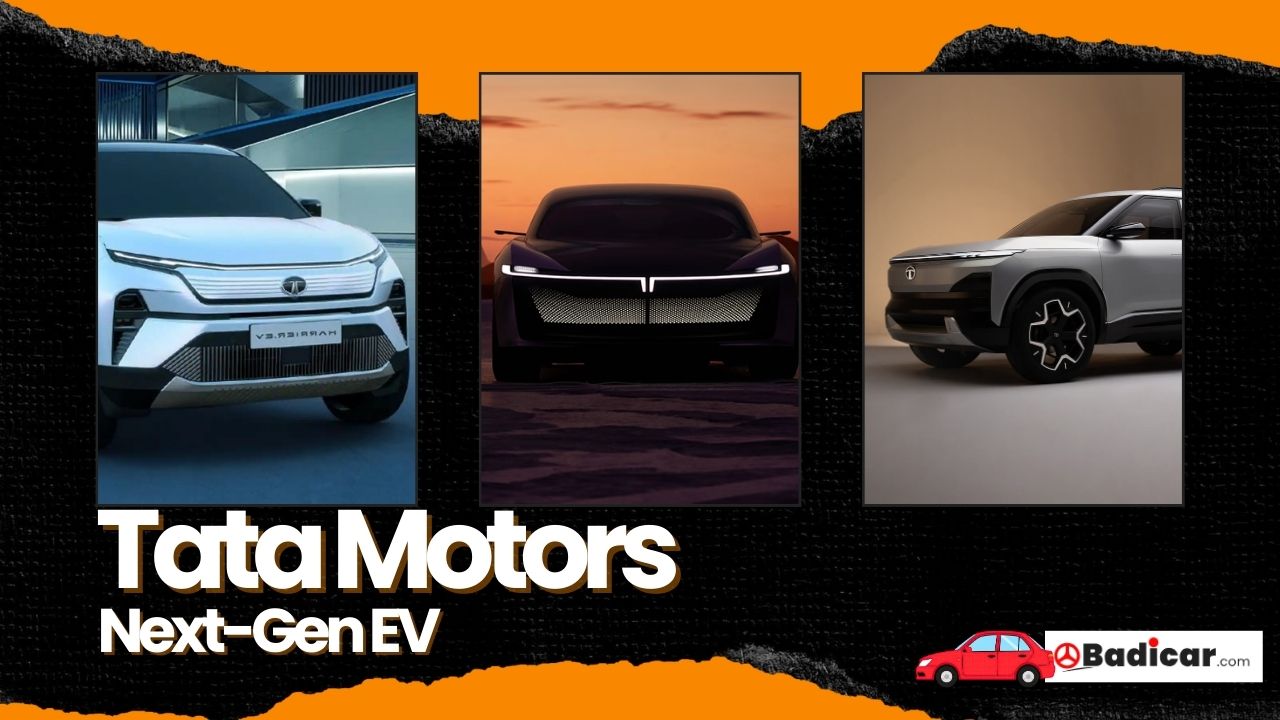
Tata Motors Next-Gen EV: Flagship Electric Vehicle Explained

Tata Motors Next-Gen EV

The Indian car industry is not just “getting ready” for an electric future, it is in fact living that future. At the center of this tectonic change is Tata Motors, a label that has transcended the mere act of swapping engines for batteries. Moving into 2026, Tata is leading the charge in industrial transformation from retrofitted platforms to a layered, “born-electric” model.

Investing a mind-boggling ₹16,000-18,000 crores, Tata is not just launching cars; they are fortifying themselves technologically. From the rugged Harrier EV to the ultra-luxury Avinya sub-brand, here is your deep dive on the roadmap transforming Indian mobility. 

The Three Pillars of Architecture: Evolution by Design

Tata’s supremacy is no accident. It is a product of a technically sophisticated, three-generation lineage playing out:

  • Generation 1 (The Pioneers): The original Nexon EV and other such models showed that Indians were prepared for electric power. These were “converted” ICE platforms — practical, but physically constrained by old chassis configurations.
  • Generation 2 (The Active Era): That’s when it got really serious. The active) architecture is a dedicated-EV platform. It runs on Punch EV and on the upcoming Sierra, introducing more space and modularity on a 400V platform.
  • Generation 3 (The Global Standard): This is the crown jewel. Developed in partnership with Jaguar Land Rover (JLR), the EMA (Electrified Modular Architecture) is a “born-electric” skateboard. It operates at 800V, offering ultra-fast charging and interior space comparable with the best in the world. 

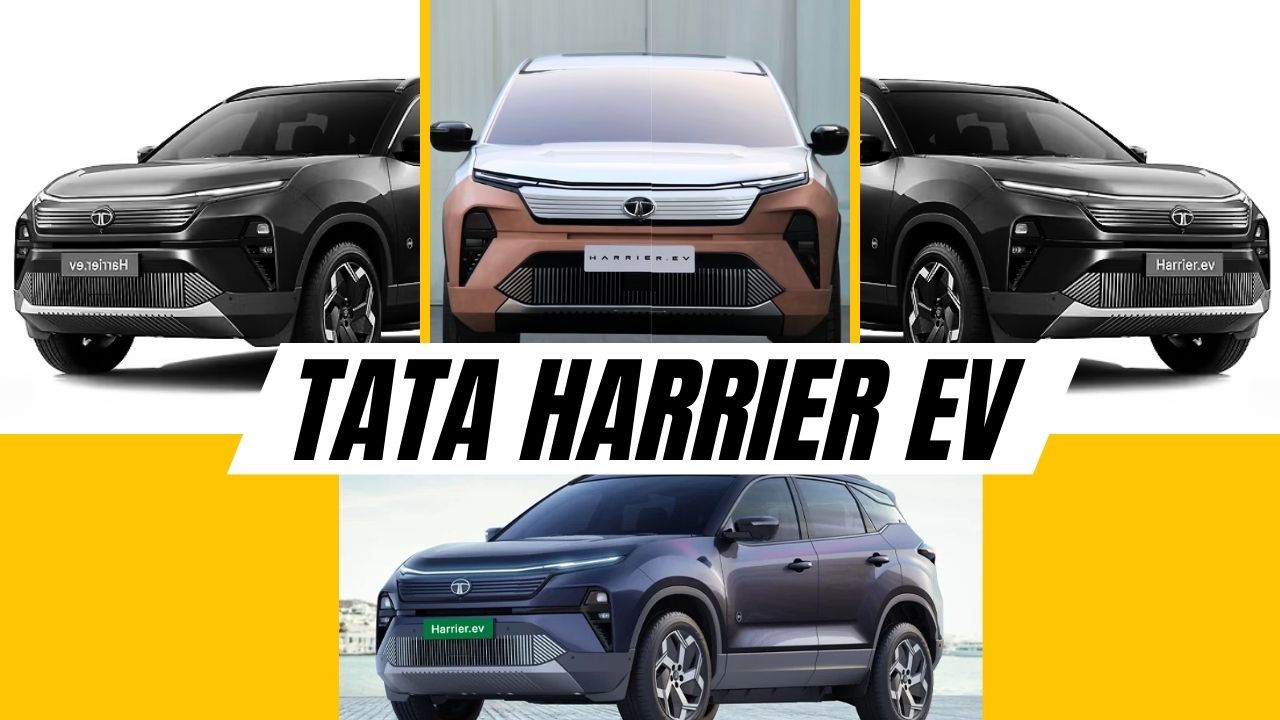
The Heavy Hitter: Tata Harrier EV

If Nexon EV is the “people’s car,” then Harrier EV is the high-performance flagship for those who are not willing to make compromises.

Tata Harrier EV

Under the “Delete Impossible” banner, this one is Tata’s comeback to serious 4×4 prowess – this time, driven by electrons. 

Feature Specification
Battery Pack 65 kWh / 75 kWh (LFP Chemistry)
Power / Torque 390 bhp / 504 Nm
0-100 km/h 6.3 Seconds
Real-World Range 438 km to 505 km

The Harrier EV brings in quad wheel drive (QWD), a dual-motor configuration that promises authentic off-road toughness. Along with a “transparent bonnet” camera mode and 57.5% high special-grade steel for rigidity, it’s designed for the Himalayas as much as for the road. 

Variant Battery Drive Ex-Showroom (Intro)
Adventure 65 65 kWh RWD ₹21.49 lakh
Adventure S 65 65 kWh RWD ₹21.99 lakh
Fearless+ 65 65 kWh RWD ₹23.99 lakh
Fearless+ 75 75 kWh RWD ₹24.99 lakh
Empowered 75 75 kWh RWD ₹27.49 lakh
Empowered QWD 75 75 kWh AWD ₹28.99 lakh
Empowered QWD 75 Stealth ACFC 75 kWh AWD ₹30.23 lakh

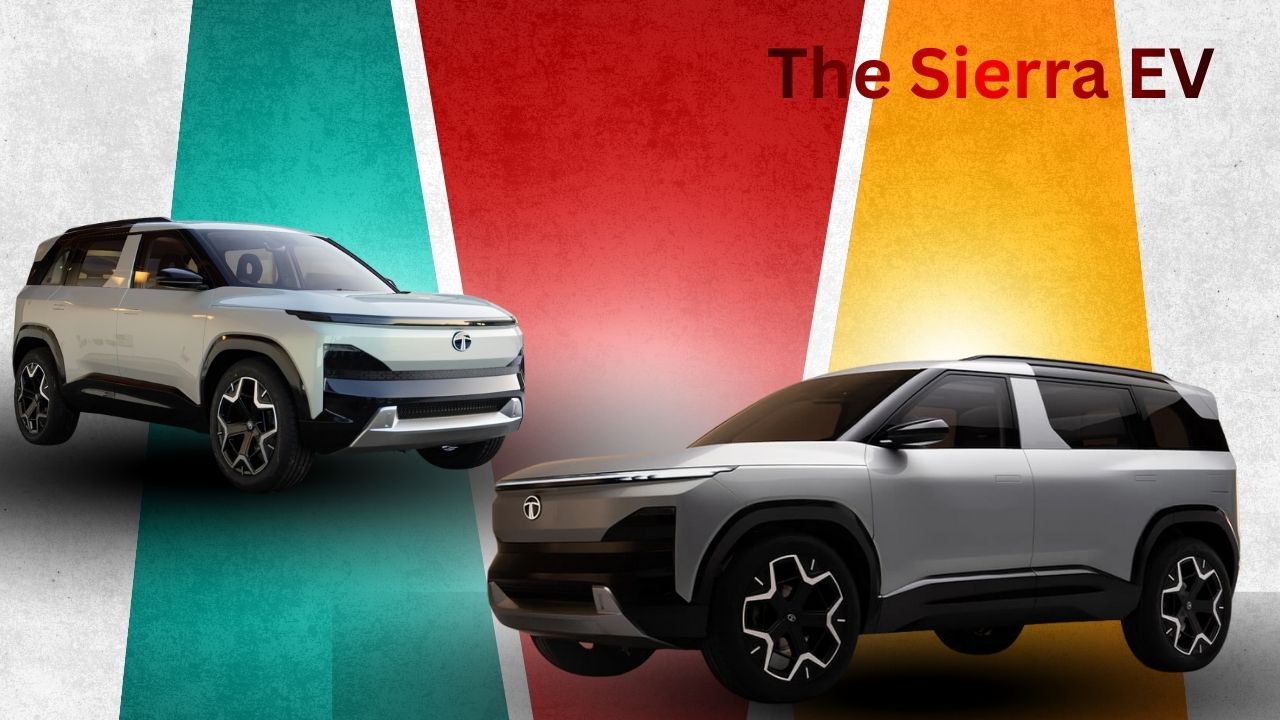
Nostalgia Meets Tech: The Sierra EV

The Tata Sierra is a name that makes Indian car enthusiasts go weak in the knees. Coming early 2026, the Sierra EV keeps the signature curved rear glass but incorporates a futuristic “lounge” interior.

The Sierra EV

What’s astonishing is the market reaction: press said more than 70,000 bookings were received within 24 hours of the reveal. Whether you are going for the family-oriented 5-seater, or executive 4-seater lounge version, Sierra is designed to be your sanctuary on wheels delivering Level 2+ ADAS, and up to 600 km range. 

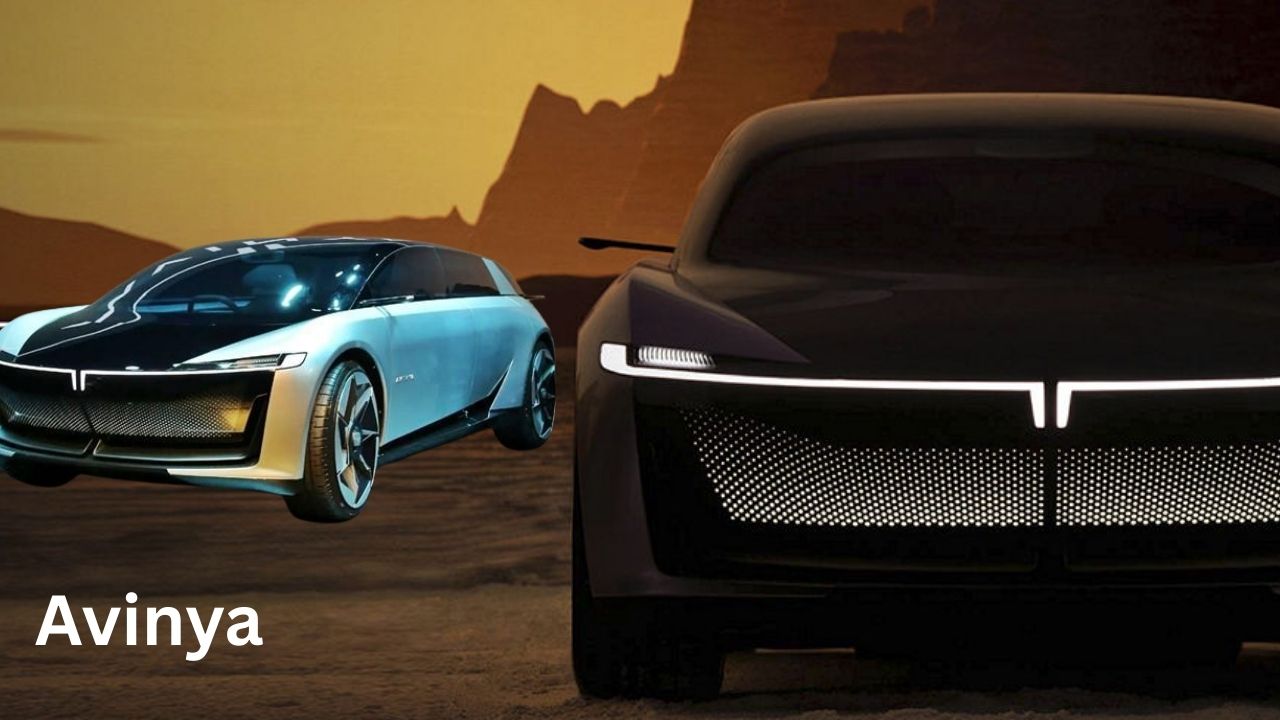
Avinya: Luxury Redefined on EMA

While the Harrier and Sierra keep things ticking in the premium segment, Avinya is Tata’s moonshot. This is separate luxury marque to compete with the likes of Tesla and Volvo.

Avinya

Utilising JLR’s EMA platform, Avinya vehicles (codenamed P1 to P5) will feature:

  • 800V Ultra-Fast Charging: 30 minutes for 500 kilometres of range.
  • AI-Human Synergy: Using facial recognition, the vehicle monitors your vital signs and changes the climate and aroma accordingly to your stress level.
  • A “Screen-less” Ethos: In place of distracting tablets, Avinya employs voice commands and projection UI to keep drivers focused and the cabin calm. 

Ownership Peace of Mind

High-tech cars bring high-tech worries, in this case about battery life. Tata has addressed this with a 15-year “lifetime” High Voltage battery warranty for its flagship range. Tata will repair or replace the battery if its health falls below 70%. It is a strong claim of confidence in their LFP (Lithium Iron Phosphate) cell chemistry which is more suitable for India’s extreme heat. 

Read More:-  Mercedes-Benz GLS SUV Impact on the Global Automotive Industry

Conclusion

By the end of 2026, Tata Motors will offer a product for every kind of EV buyer: the adventurer (Harrier), the executive (Sierra), and the connoisseur (Avinya).

The road isn’t clear – competitors such as Mahindra’s XEV series are on the horizon – but Tata’s incorporation of JLR technologies and an enormous localized charging infrastructure has them considerably ahead. They are not selling a means of transportation, but a fully integrated, high-performance way of life. 

0

2026 Tata Punch Facelift – New Design, Interior, Features & Variants

Published Jan 10, 2026, 11:23 AM
Last Updated Apr 11, 2026, 11:05 AM

2026 Tata Punch Facelift

If you’re thinking of getting into the micro-SUV game, then January 13, 2026 will be a date you want to mark on your calendar. Tata Motors is introducing a few major upgrades to the people’s favourite Punch, and the 2026 Tata Punch Facelift is meant to make it even more alluring than before. Let’s take a look at why this new generation is a breakthrough in the cheap SUV segment. 

A Fresh Look of 2026 Tata Punch Facelift

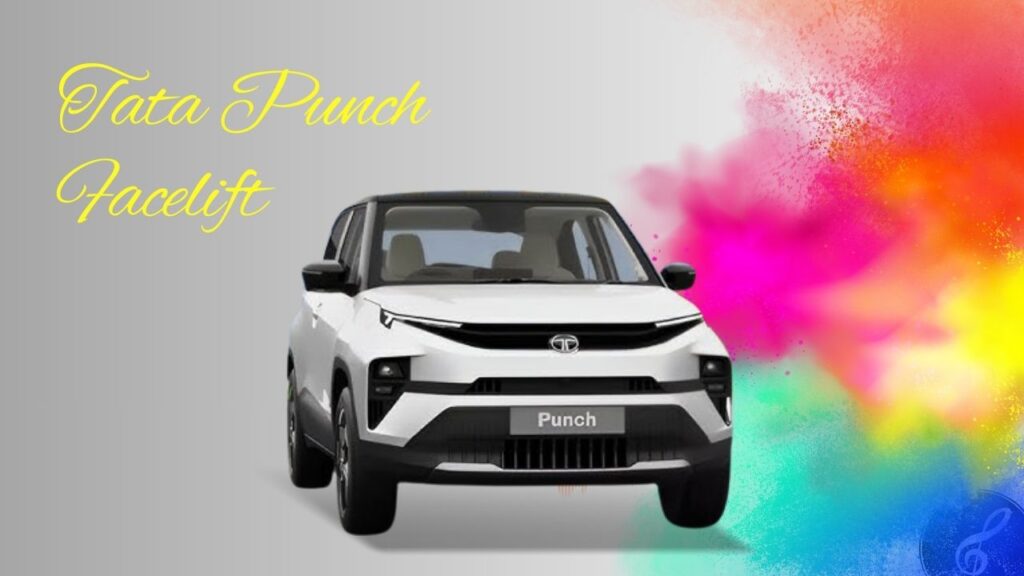
The 2026 Tata Punch Facelift isn’t just a few tweaks here and there refresh―it’s an evolution in an unignorable way. The exterior is inspired by the Punch EV, lending it a futuristic and sophisticated look. Once again, you’ll notice the new LED DRLs (Daytime Running Lights) with stylish and minimalistic black surroundings that look premium without making your wallet cry. The front fascia gets a new bumper with attractive dual-tone finish and split headlamp layout that is really sharp.

A Fresh Look of 2026 Tata Punch Facelift

​Now on to the rear and the Punch offers a very cool connected LED tail-light design that visually links both ends of the car. There is also a black trim across the tailgate, which lends the SUV a more unified and premium look. The revised alloy wheel designs complete the exterior makeover with its rugged micro-SUV feel, but with a contemporary taste, nevertheless. 

Tata Really Impressed Everyone with it’s Upgraded Interior

Step inside the Tata Punch, the cabin still manages to feel spacious, but it does so with a cleaner, more contemporary design language that is used in other Tata products. You will be surprised by the new 2−spoke steering wheel which is more premium to touch and the HVAC controls which have been repositioned and are now touch activated—taking design cues from the more upscale Tata products.

The seats are upholstered now in a fashionable dual-tone black & blue colour theme instead of the single-tone of the previous model. It may be a small thing, but it really makes the cabin look better. Its everything nicer, more premium materials and better seat fabric which helps the Punch feel like it punches above its weight. 

Read More:- Manny Khoshbin Car Collection: Luxury & Hypercars Garage

Modern Features of New Tata Punch Facelift

A highlight is the new infotainment system. You get an 8-inch or the larger 10.25-inch screen with updated graphics and a more user-friendly UI depending on which version you’re taking. The top-tier model takes an additional step forward with a 7-inch digital instrument cluster, delivering a connected and technology-focused driving experience for drivers. 

​Wireless Apple CarPlay and Android Auto are now standard from the Pure+ trim and above, which is fantastic if you’re the type who likes to have your phone integrated with your car. The Pure+ variant also brings in a 8-inch touchscreen, USB Type-C fast charging (at a mind-boggling 65W of power), and even a height-adjustable driver’s seat for those long hauls. 

The Adventure model introduces some pretty amazing technology such as the 360-degree surround- view camera system—a feature that was not available before, and makes parking in tight spaces easier than ever. You’ll also get a blind-spot monitor, perfect for those times when you could use a little extra confidence on busy city streets.

​Top-spec Helps+ S version dazzles with voice-assisted power sunroof, wireless smartphone charger and an auto-dimming interior rear-view mirror. But perhaps the best part is that it features iRA connected car technology, which enables you to remotely lock/unlock your car, keep track of vehicle diagnostics, set up geo-fencing alerts and even call for roadside assistance through your smartphone.

New Punch Facelift Really Stands Out in Safety Technology

For the first time in the sub-4m micro-SUV segment, it comes equipped with ADAS (Advanced Driver Assistance Systems). This isn’t just a marketing hype — ADAS can really help reduce accidents with features like collision warnings and emergency braking assistance.

The Punch already has a door-busting 5-star Global NCAP rating from its predecessor, and Tata has further strengthened this with six airbags as standard across all variants. This is a big deal because you get real protection right from the base Smart variant, not just the top trims. 

In addition, the SUV is equipped with modern safety features including Electronic Stability Control (ESC) and Tyre Pressure Monitoring System (TPMS). At the higher end, the variants get LED fog lamps with cornering function that automatically turn to illuminate the road as they take a turn. From Adventure variant upwards, a 360-degree camera and blind-spot monitoring system boosts driver confidence, more so in jam-packed traffic scenarios. 

Six Beautiful Colors to Choose From

Six Beautiful Colors to Choose From

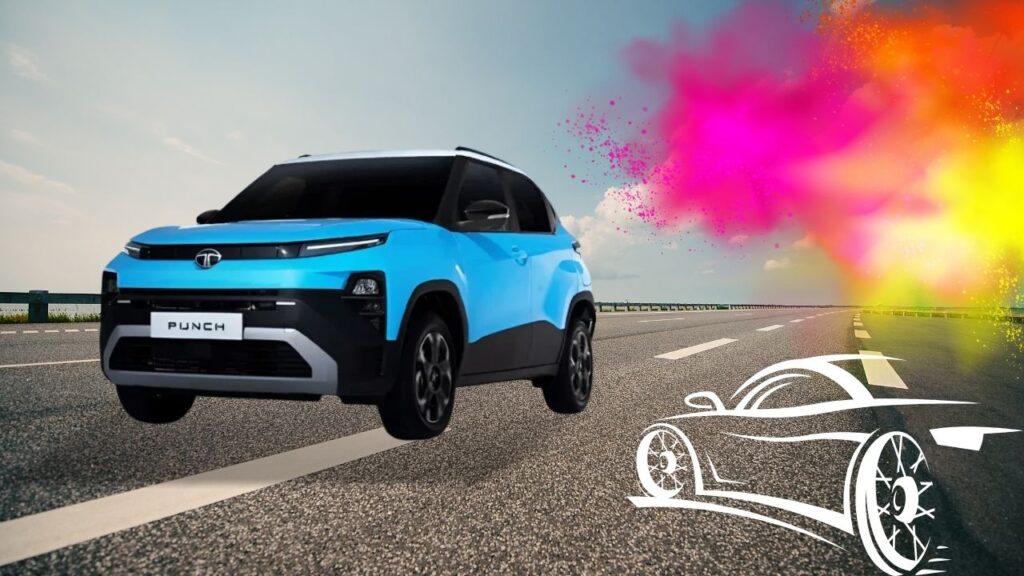
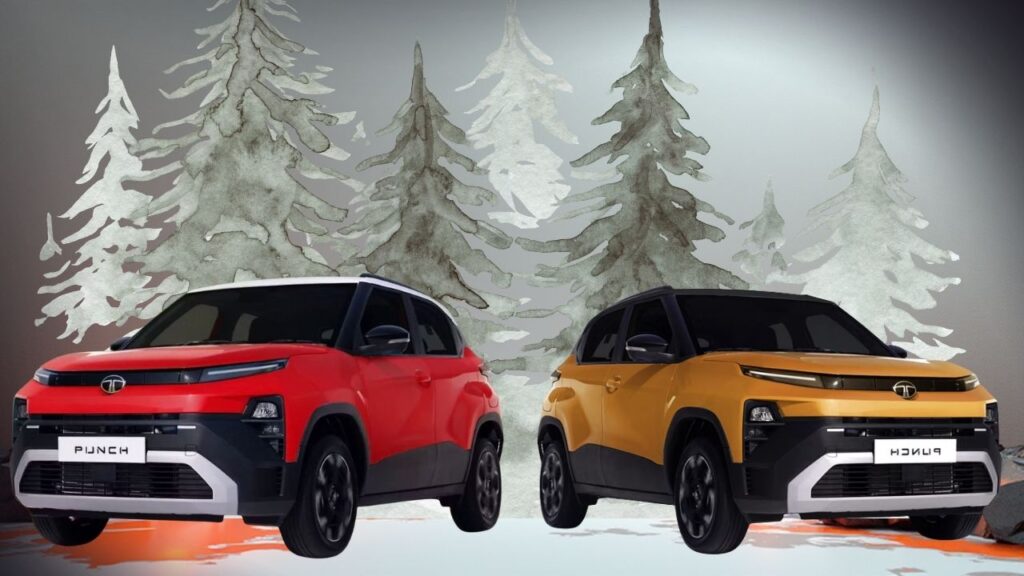
Tata has provided you with a few fantastic options in conceivable Punches to choose from. The six color palette includes Cyantific (a vibrant cyan blue), Bengal Rouge(the eye-opening red), Caramel (rich and refined), Daytona Grey (sleek and modern), Coorg Clouds (elegant beige) and Pristine White. A few of them are shared with the newly introduced Tata Sierra, so you know they’re premium offerings. 

Multiple Variants to Fit Every Budget

The Tata Punch is intelligently offered in six variants : Smart, Pure, Pure+, Adventure, Accomplished, and Accomplished+ S. If you want bare‐minimum features or want everything including the kitchen sink, there is a Punch for you.

Multiple Variants to Fit Every Budget

​The entry level Smart variant is packed with the essentials to keep you and your loved ones safe in six airbags, LED headlamps, drive modes, and remote keyless entry. Each step up you get real features, nothing fluffy. The step-up philosophy means you’re paying for features you really use, and really want. 

Engine Options: Power and Efficiency

The trusted 1.2-litre Revotron NA Revotron naturally aspirated petrol engine (88PS, 115Nm) is retained with both 5-speed manual and 5-speed AMT options, so if you loved the previous Punch’s performance, this is still your old companion.

​However, this is the exciting part: Tata has introduced a 1.2-litre turbo-petrol engine option which could produce close to 120PS and 170Nm of peak torque, mated to a 6-speed manual transmission. That delivers a modest bump in performance for those wanting a little more zip out of their Punch. Also, the CNG variant retains its 73.5PS and 103Nm tune for cost-conscious buyers. 

Conclusion

2026 Tata Punch Facelift is what you expect from a mid-cycle refresh: well-thought-out updates to design, useful features added, more advanced safety technology and the same bang-for-your-buck that we’ve grown to expect. Whether you’re an existing Punch owner looking to move up, or a first-time SUV buyer, this facelift certainly makes a strong case for this micro-SUV.

Segment-first ADAS technology, spacious cabin, six beautiful colour options, smart variant distribution across multiple price points, the new Punch makes a smart choice in a highly competitive market.